My Favorite Designer Swears By the “4-Inch” Rule for Seating in Every Room of the House
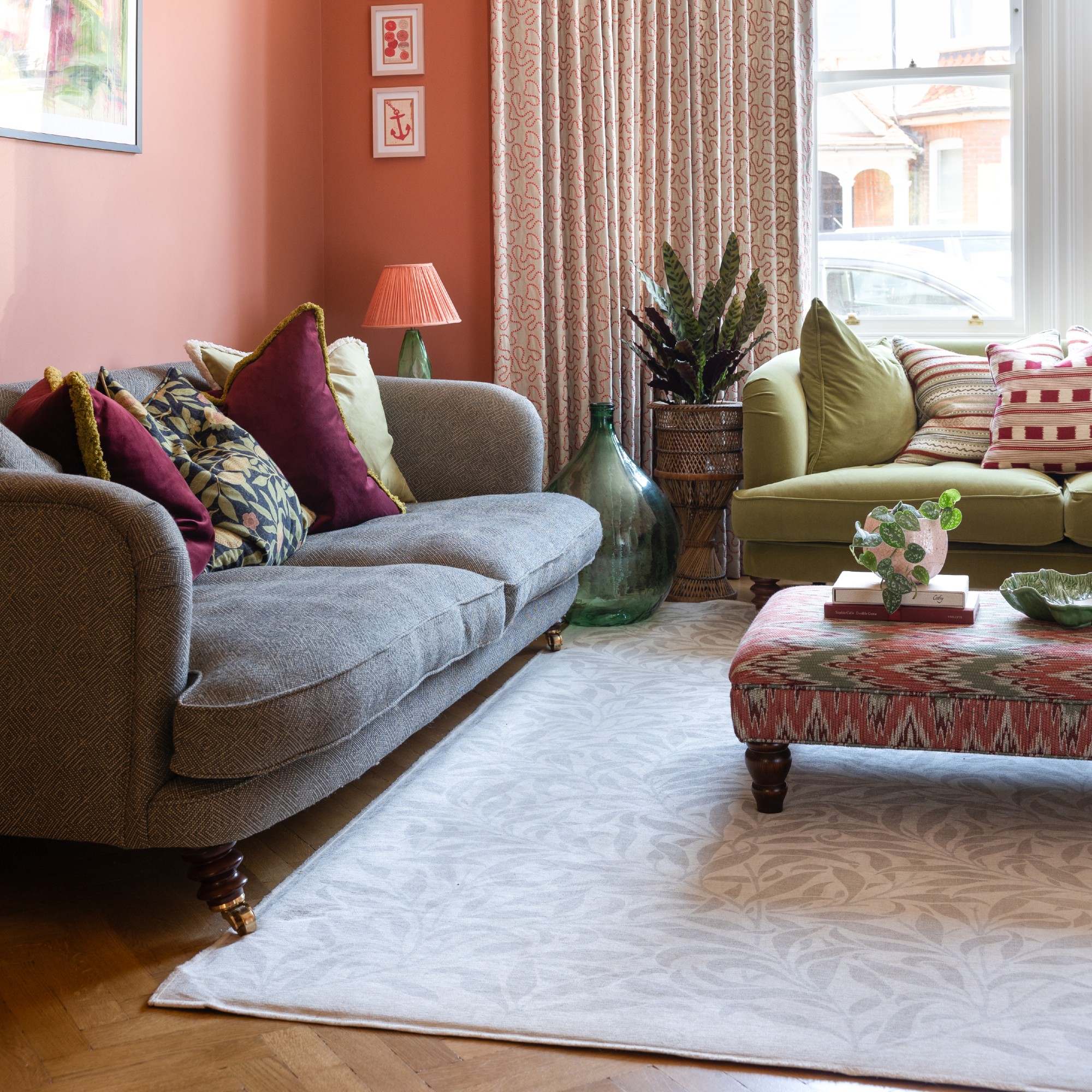
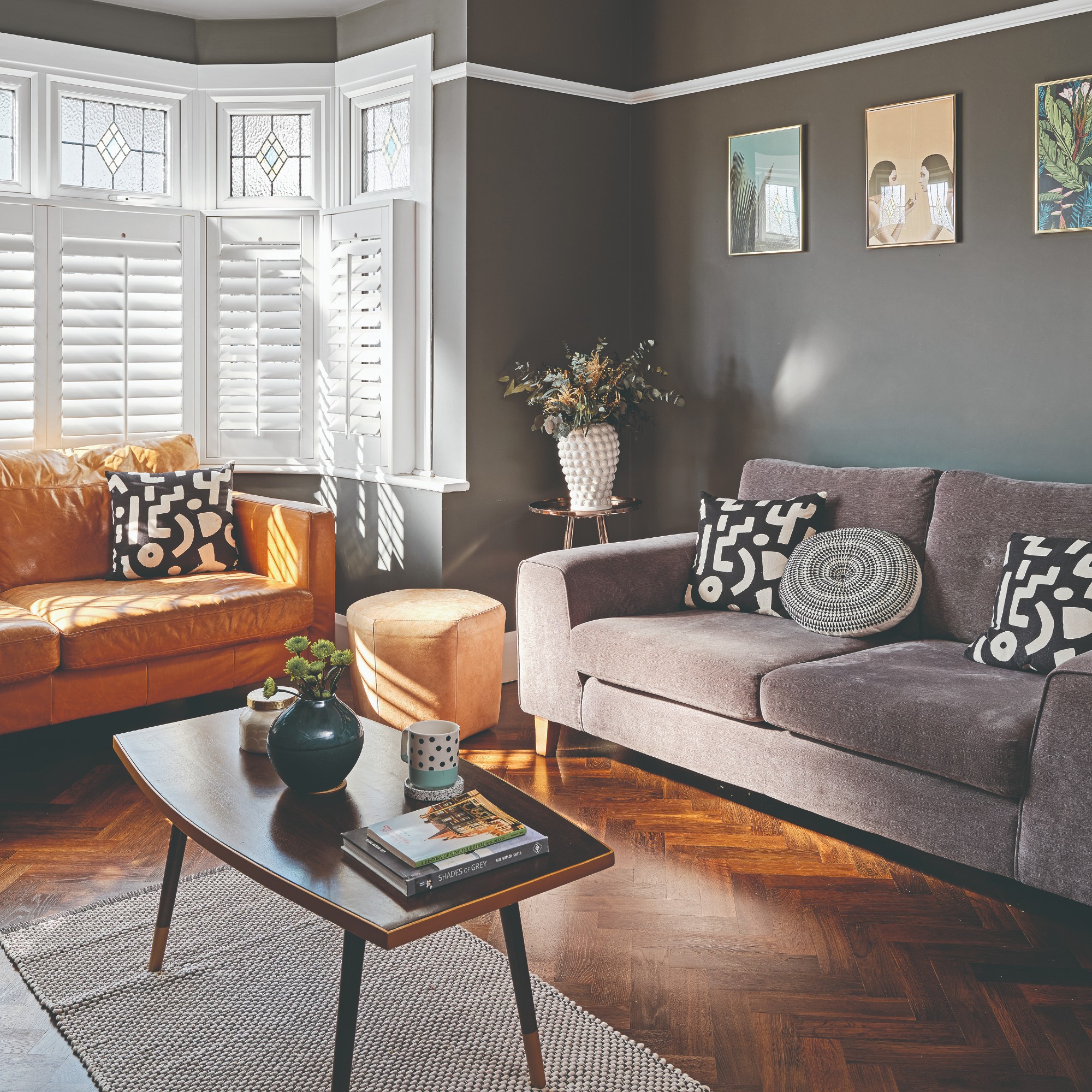
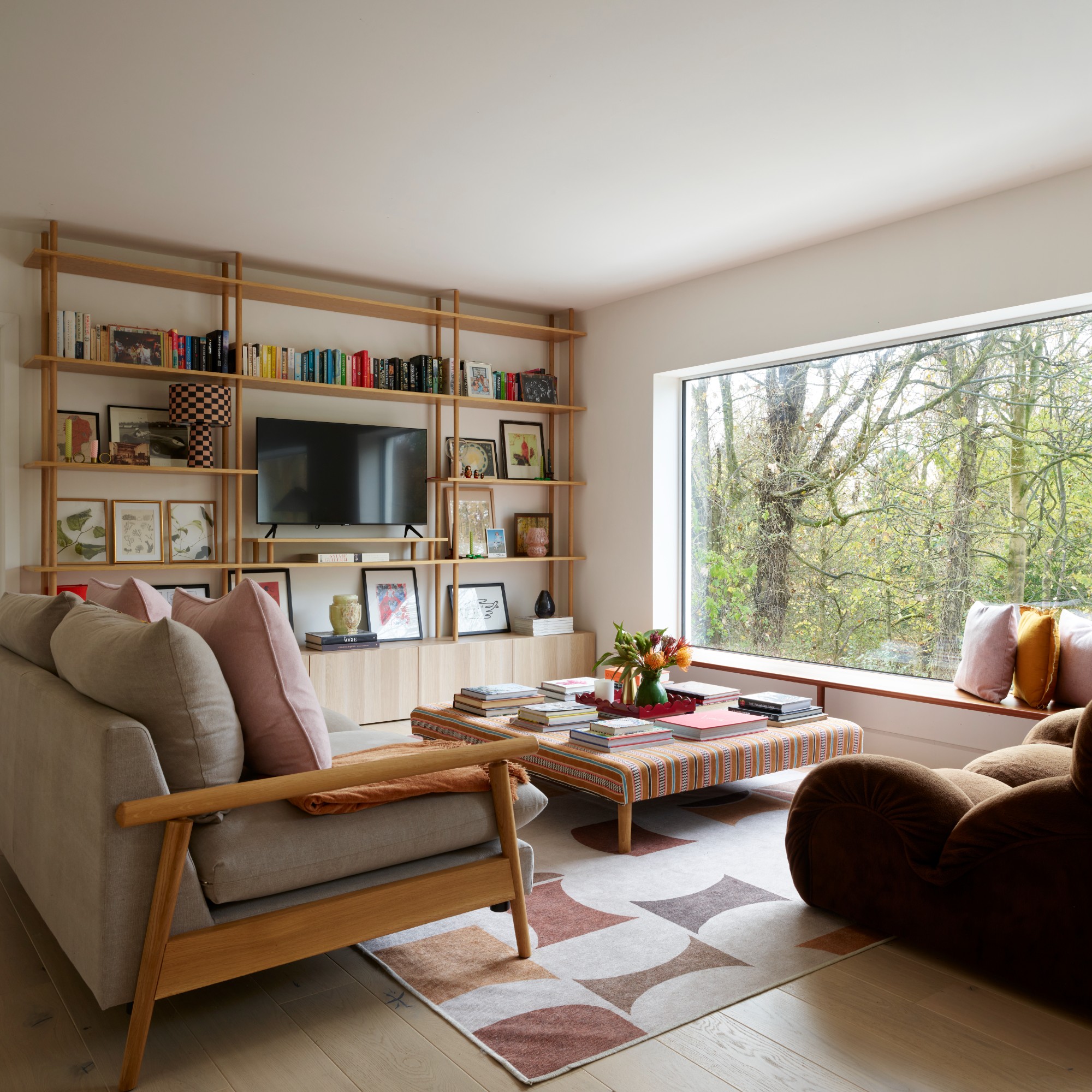
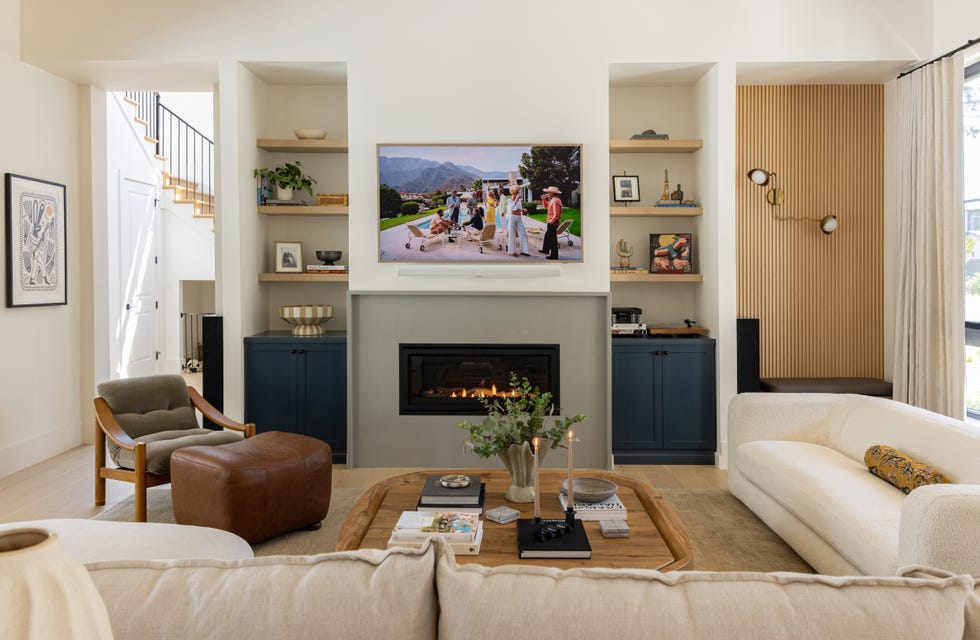
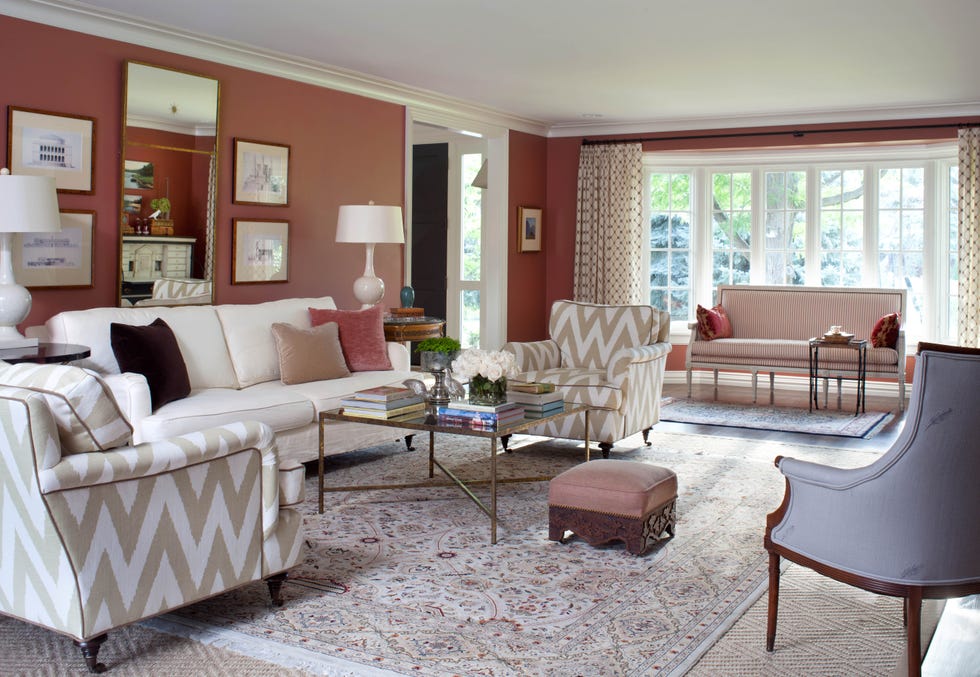
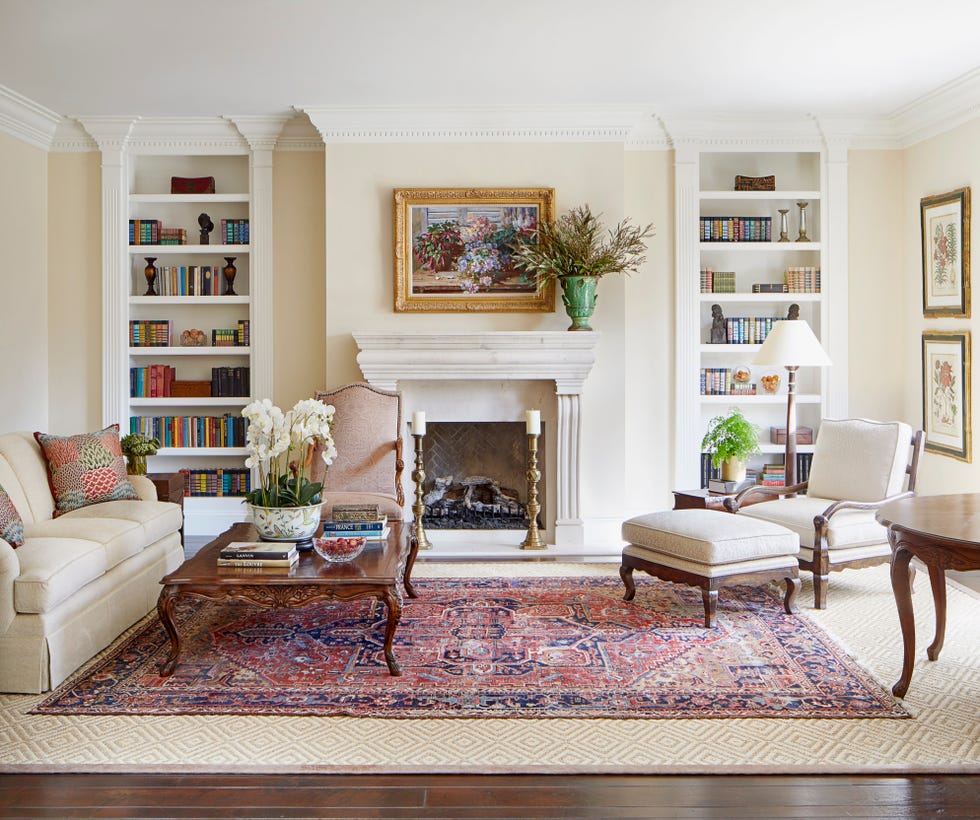
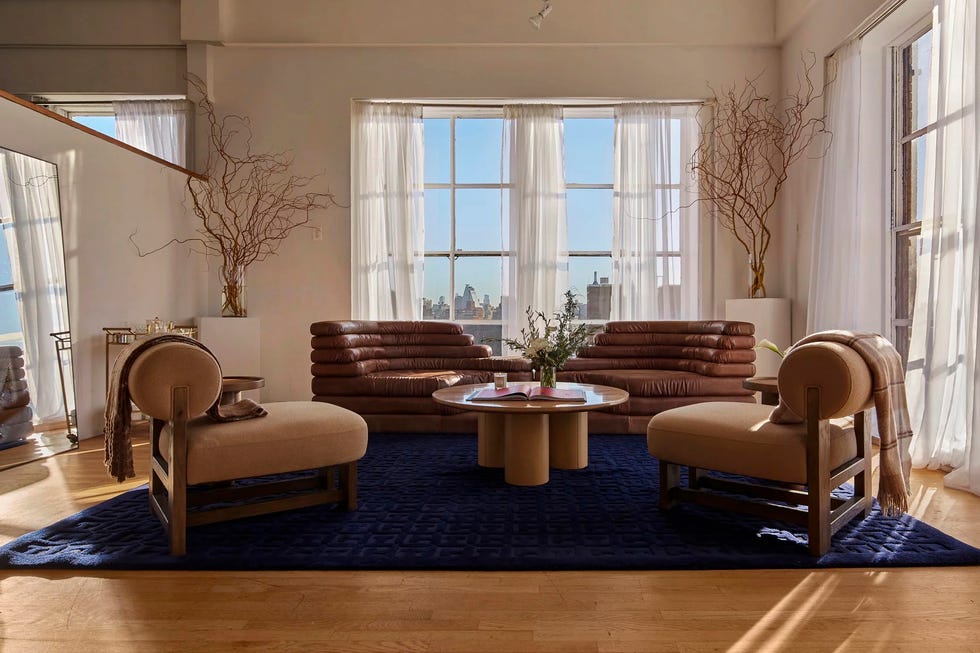
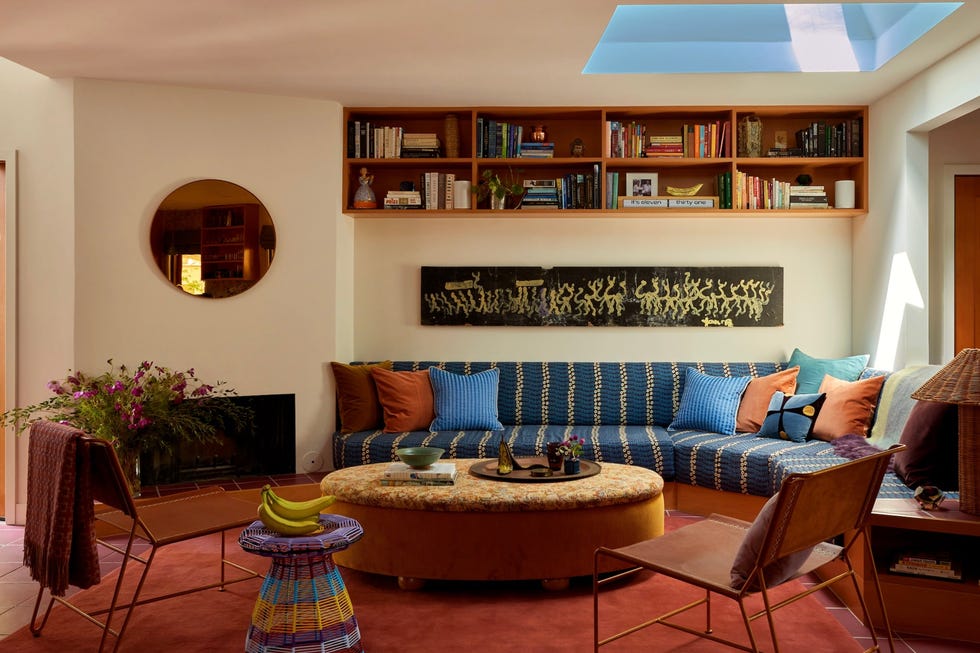
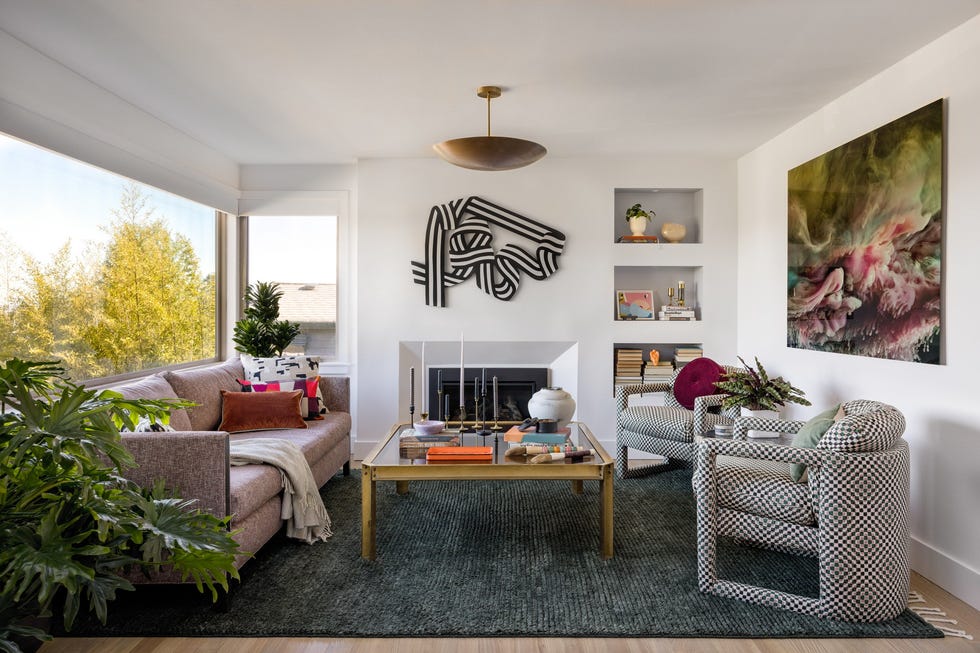
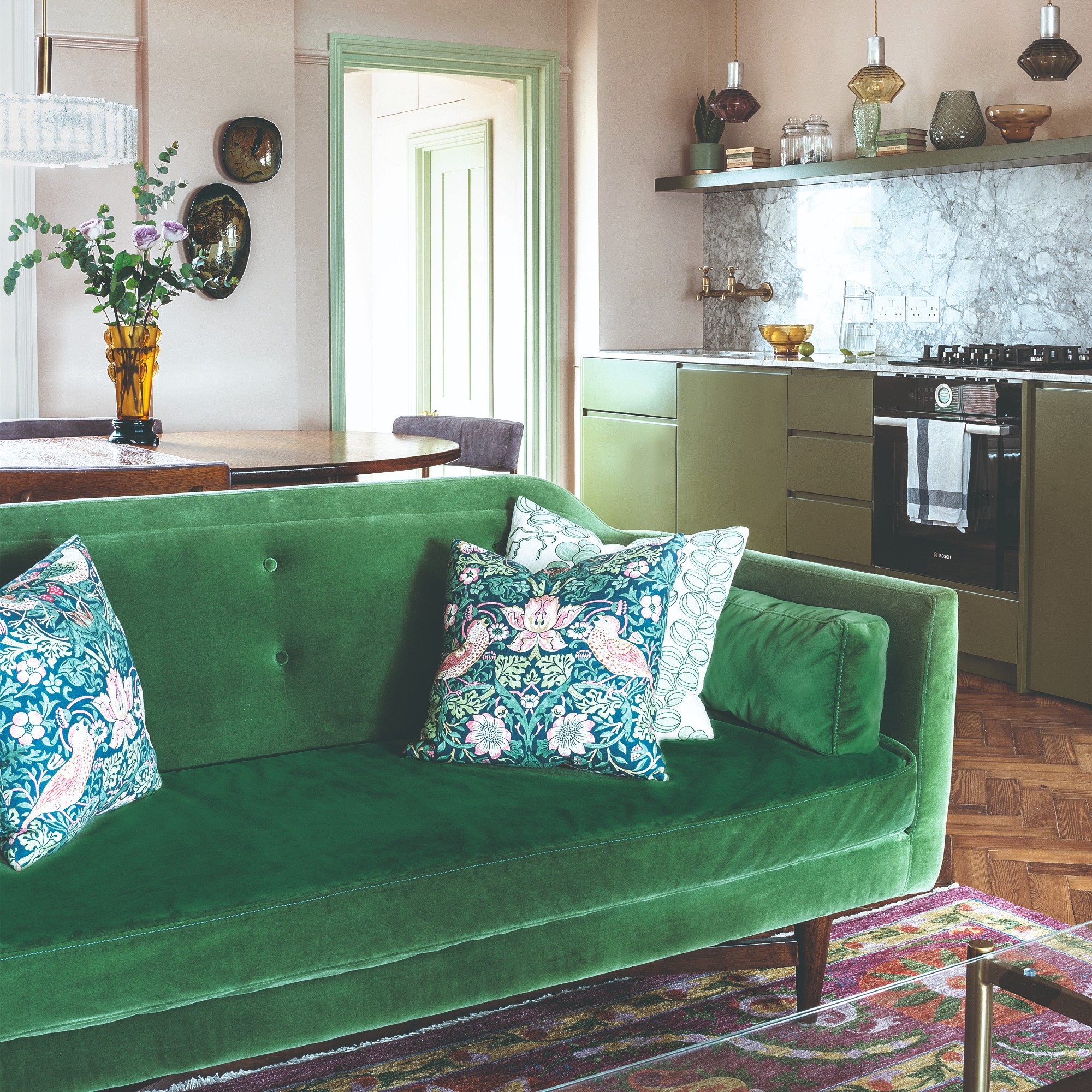
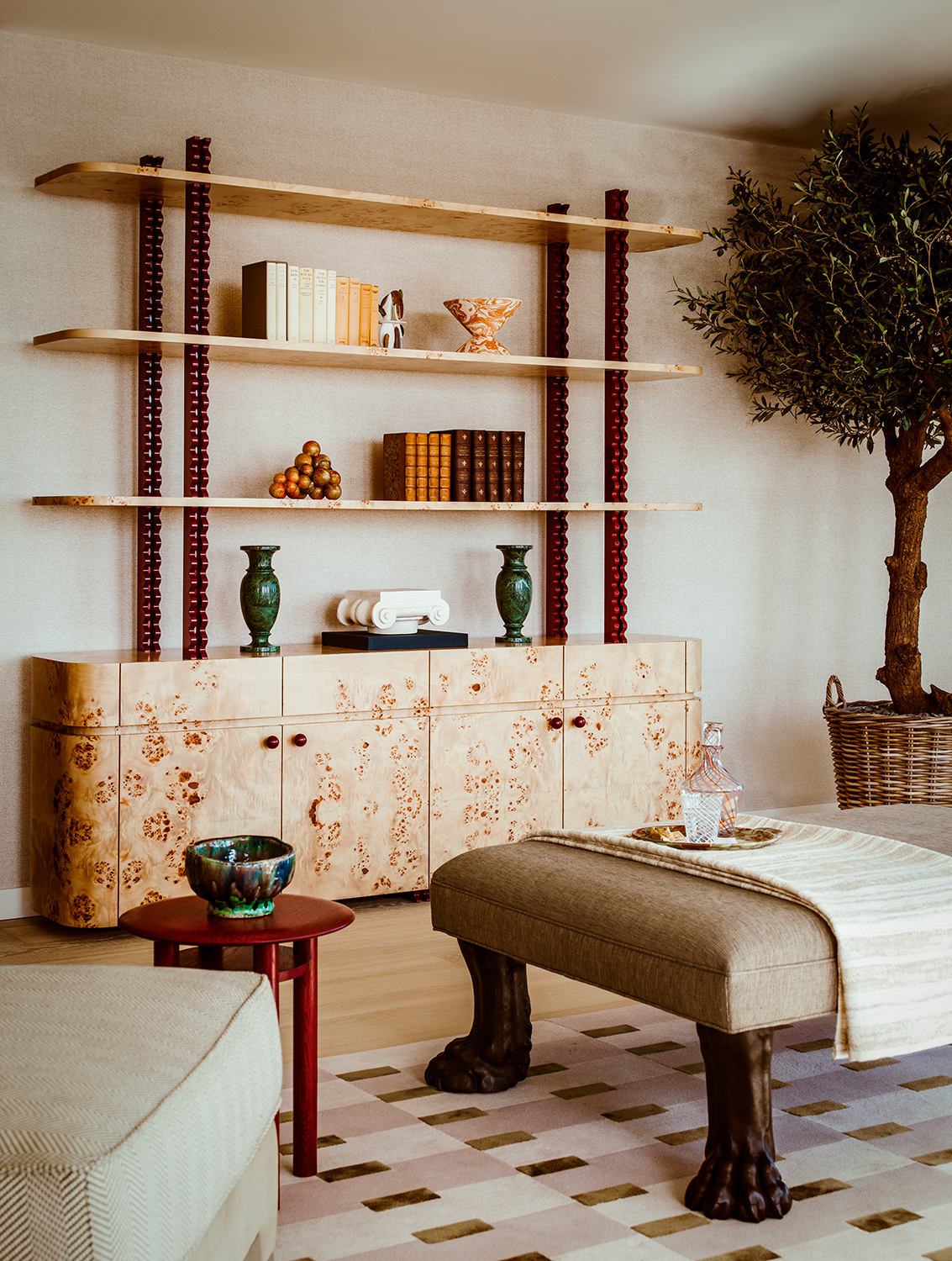
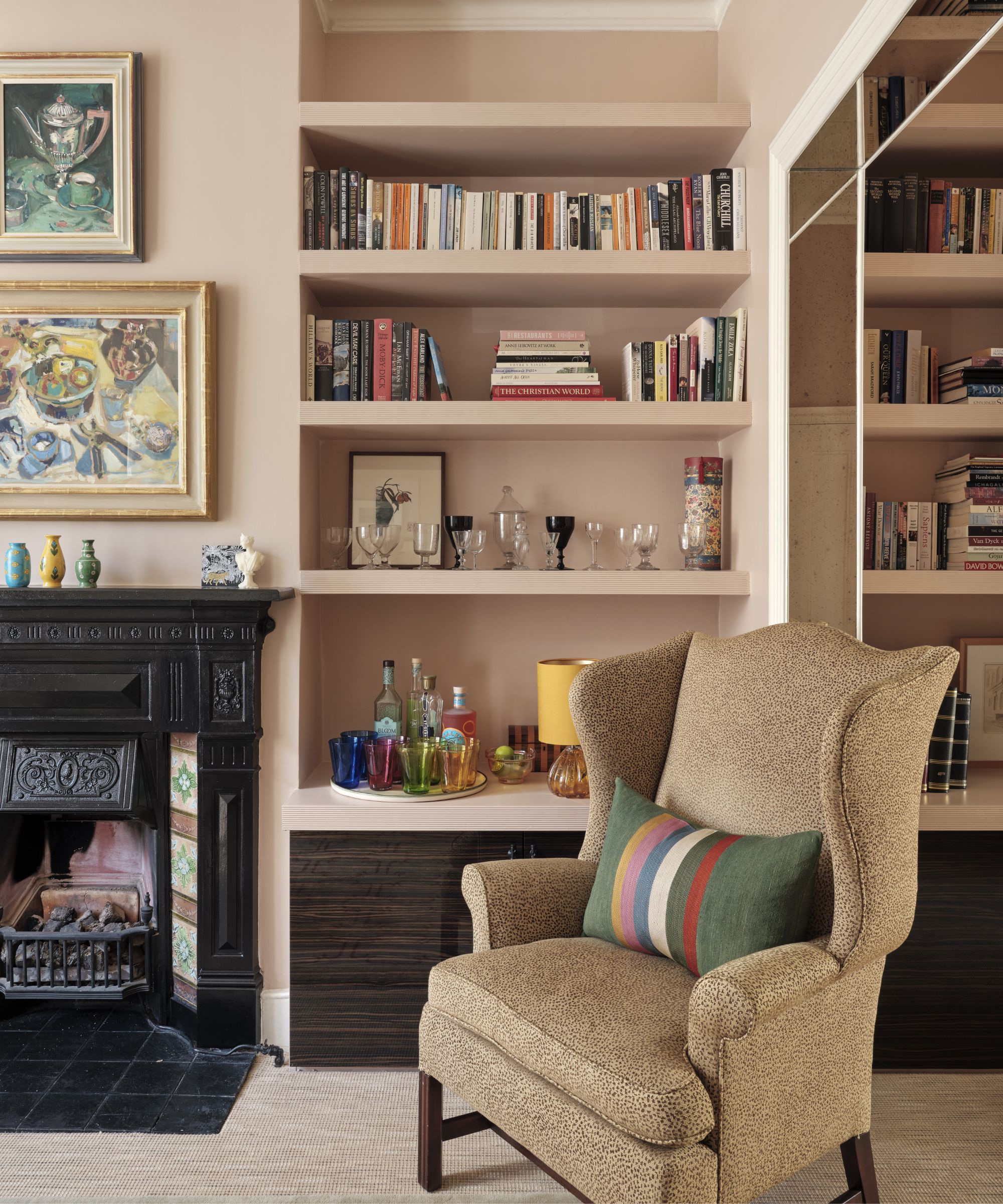
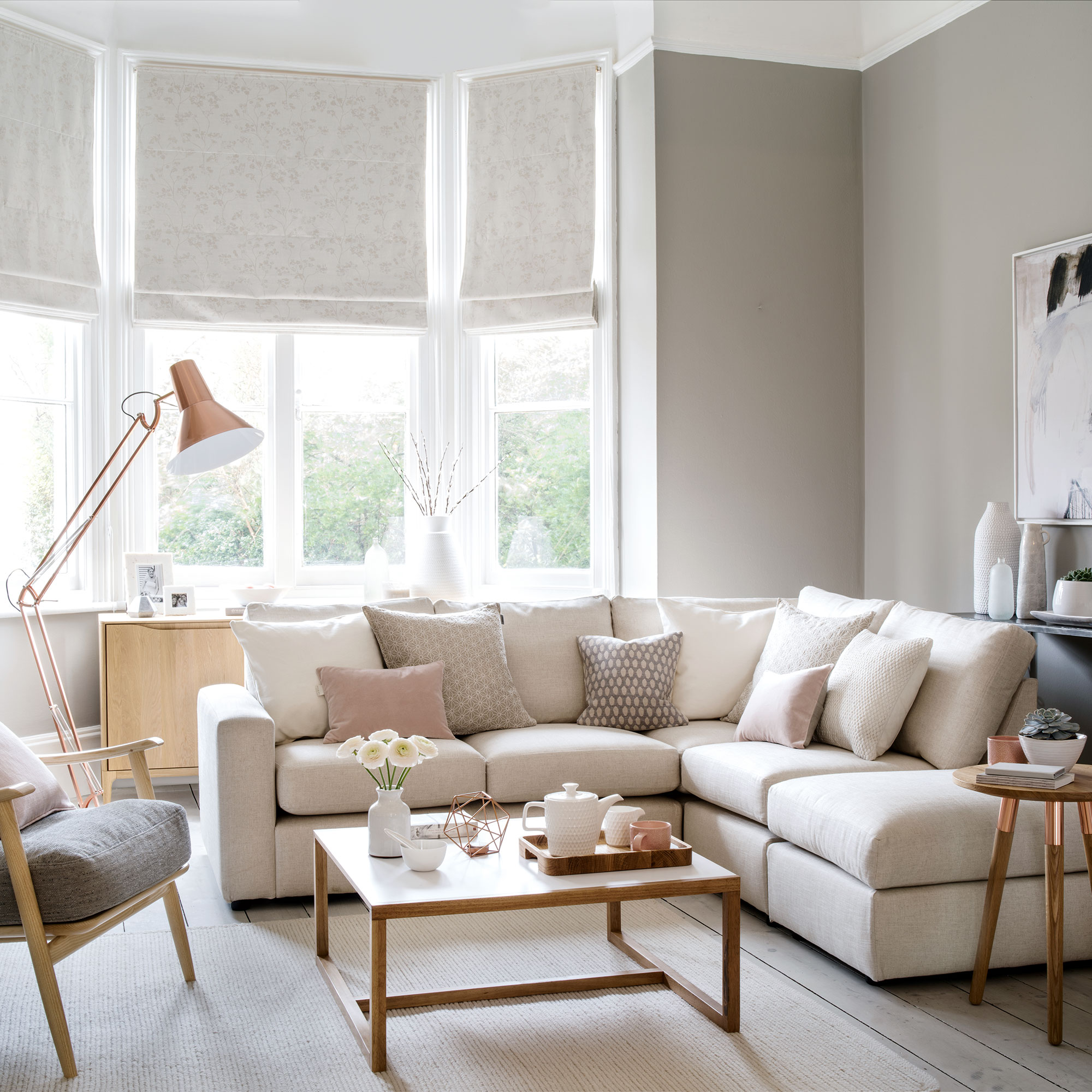
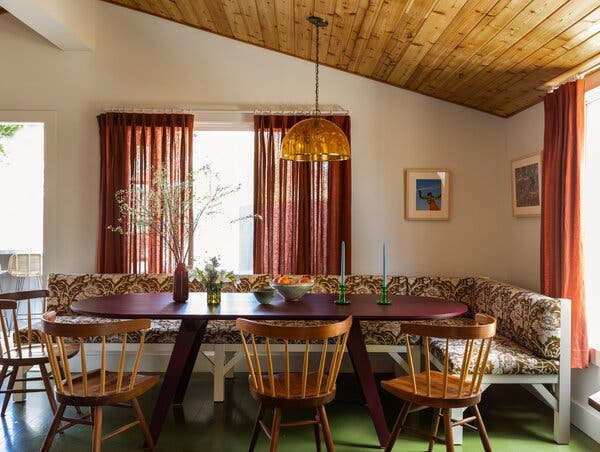
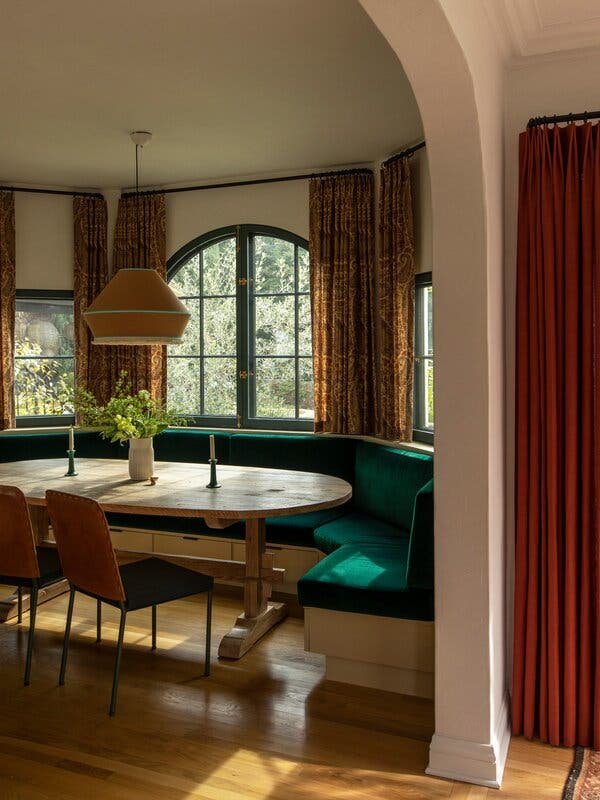
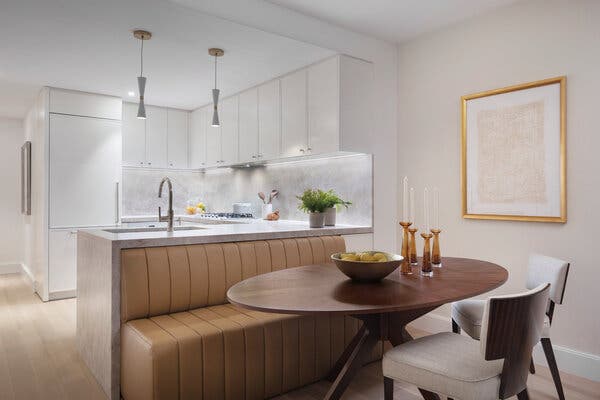
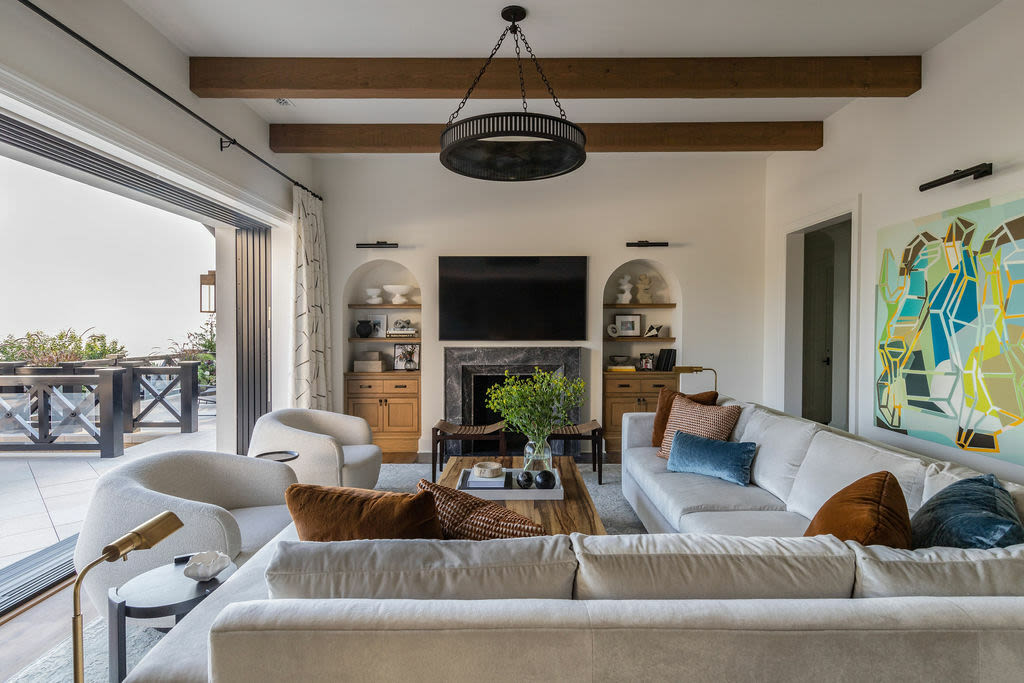
The "4-Inch" Rule is a design principle that suggests maintaining a consistent height for all seating within a room, keeping them within a 4-inch variance. This rule applies to various types of seating, including sofas, armchairs, dining chairs, and banquettes. The primary purpose of this rule is to ensure visual harmony and physical comfort, promoting a balanced and natural flow for conversation and interaction among individuals in a shared space. When seating heights are significantly different, it can create a disjointed and uncomfortable environment, making conversations feel awkward and the room visually uncomposed.
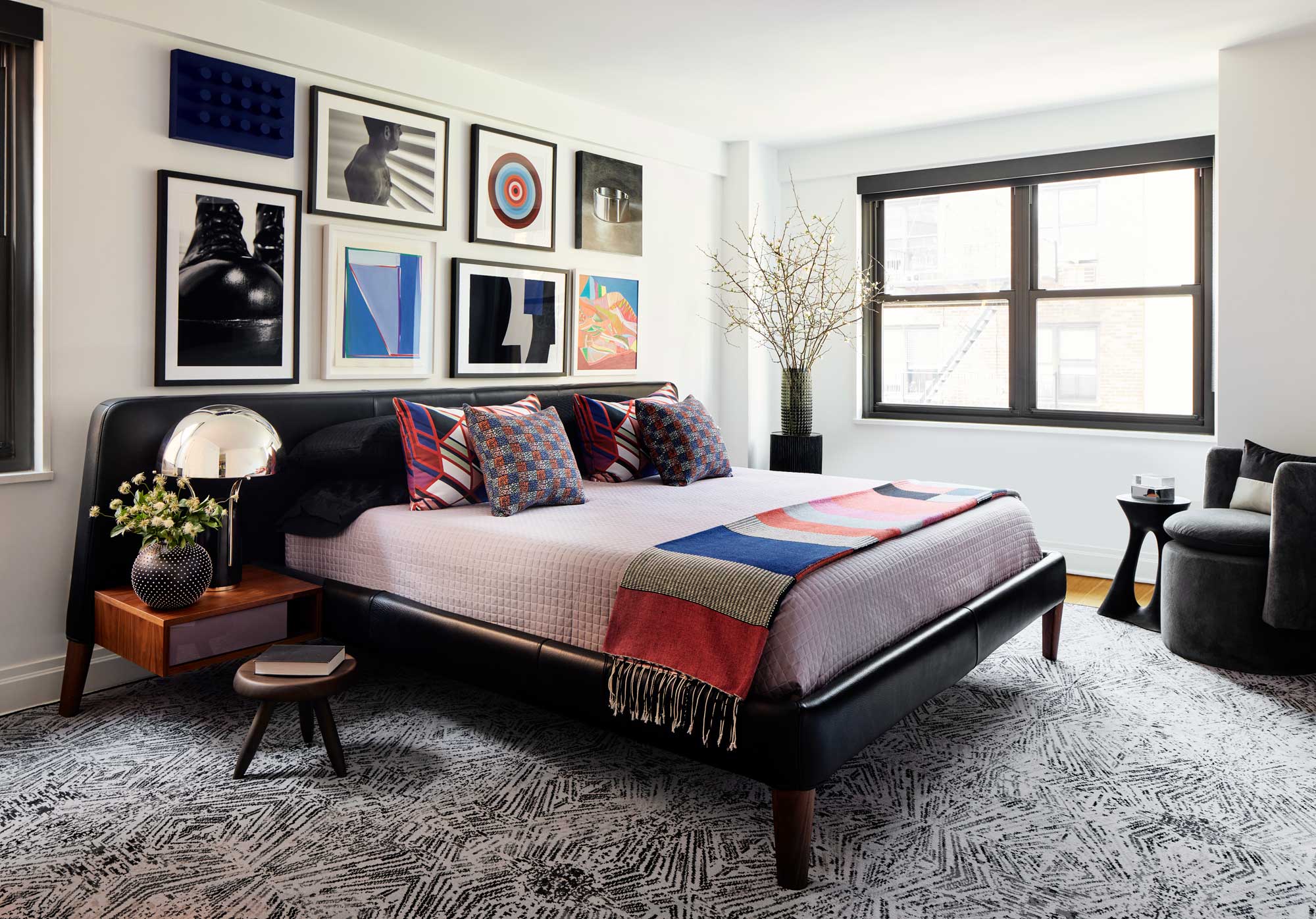
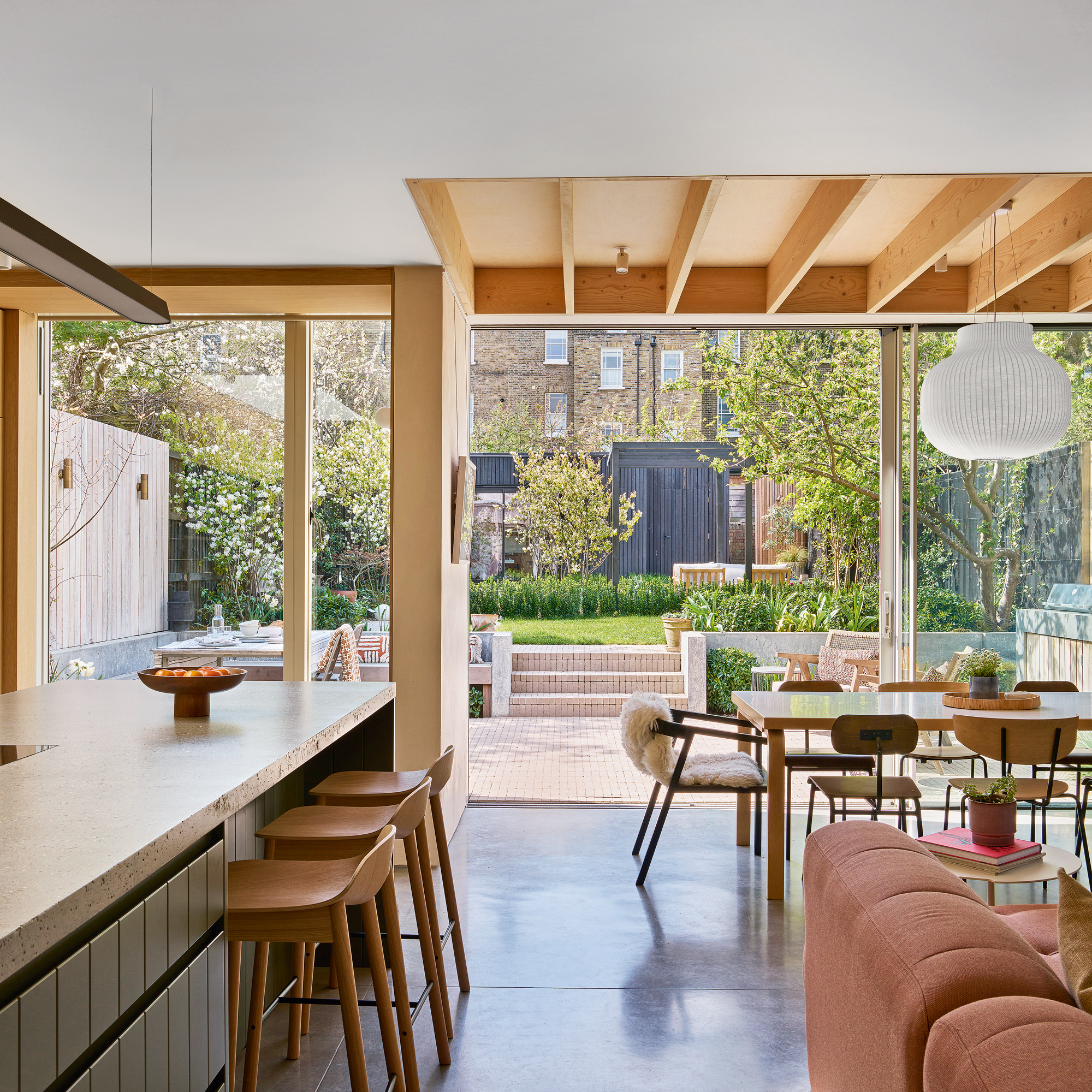
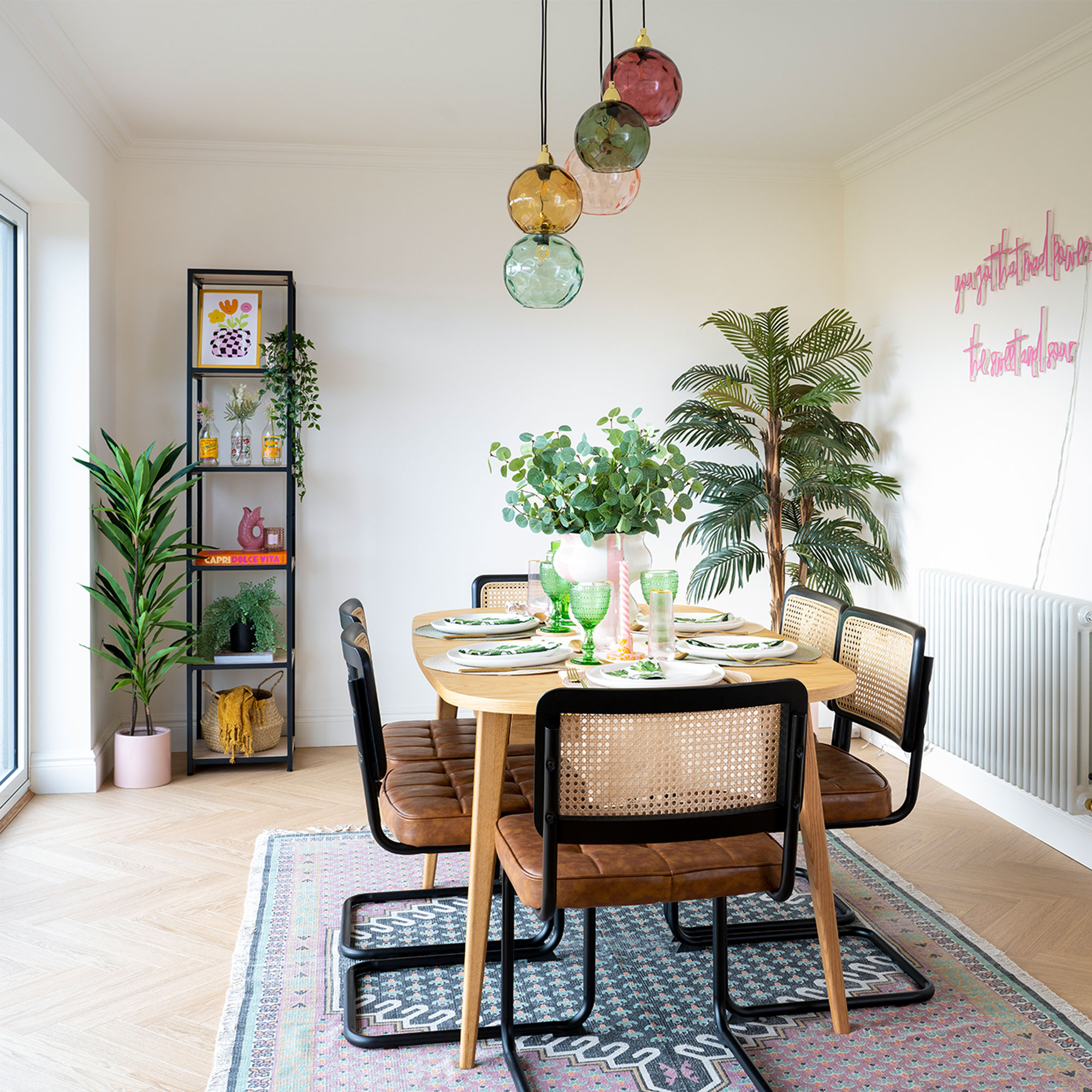
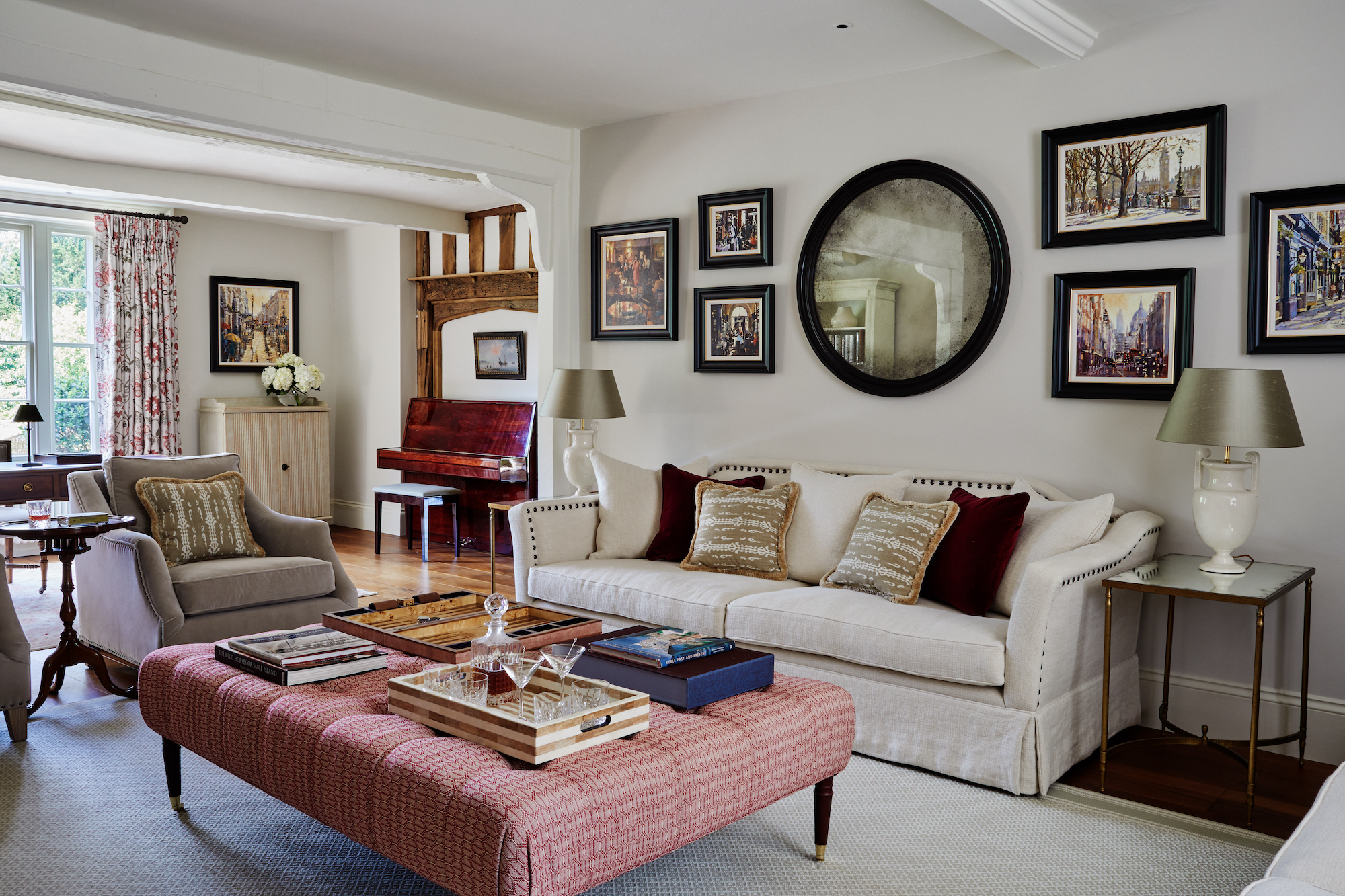
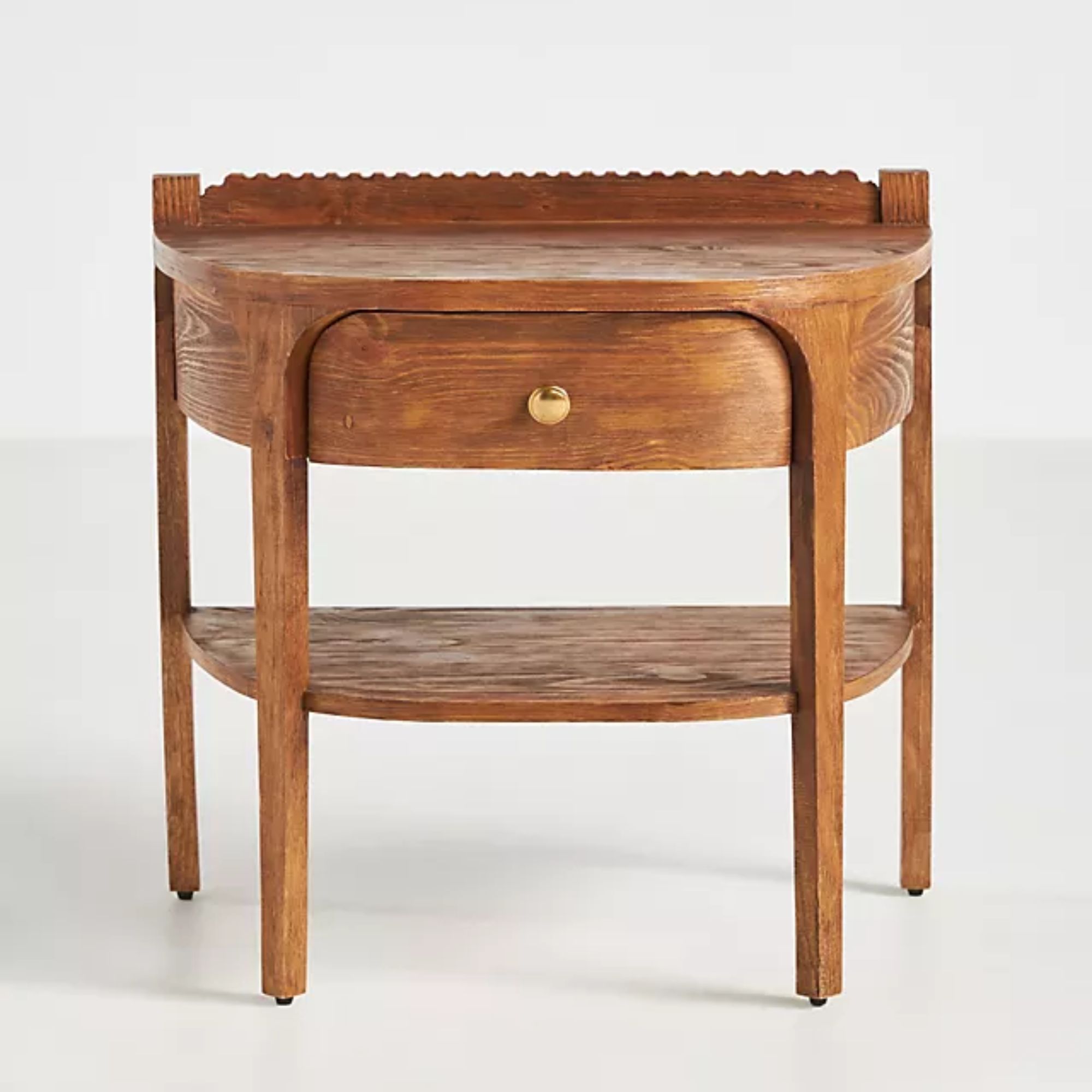
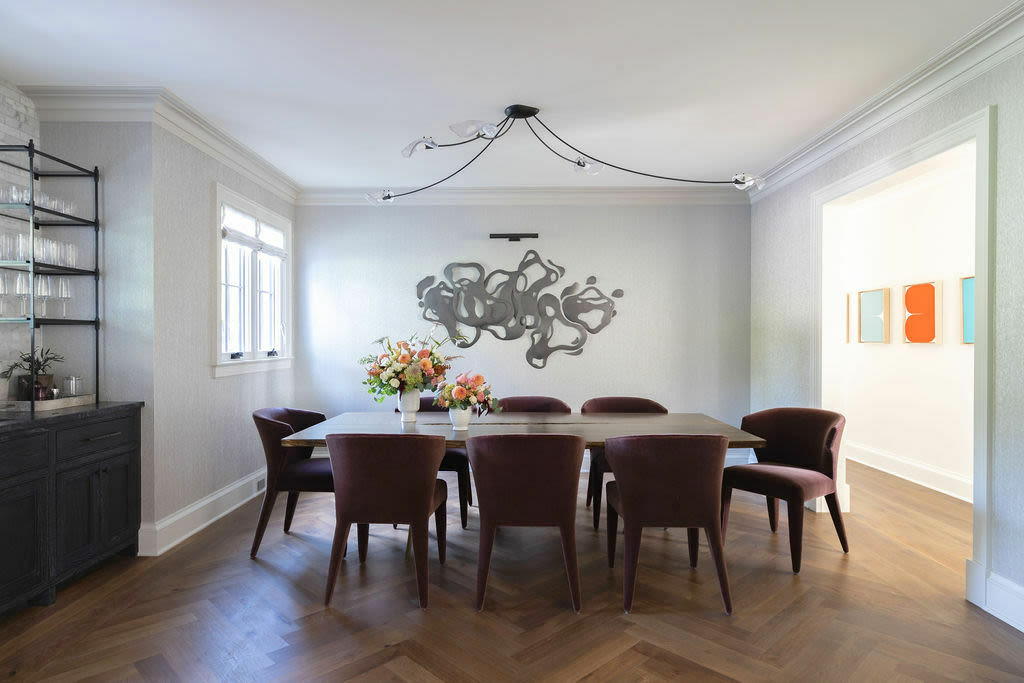
Designers emphasize that this rule is not meant to be rigid but rather a guideline to achieve a cohesive aesthetic and functional space. Jason Saft of Staged to Sell Home describes it as "social etiquette for furniture," aiming for all individuals to be at roughly the same eye level for balanced interactions. Joe Waroquier echoes this sentiment, highlighting that consistent seating heights prevent a room from feeling disjointed and contribute to visual steadiness. The rule's application extends beyond living rooms to dining areas, where chair seats should align with banquette or bench heights, and even bedrooms, where a low bed next to a tall nightstand can disrupt balance.
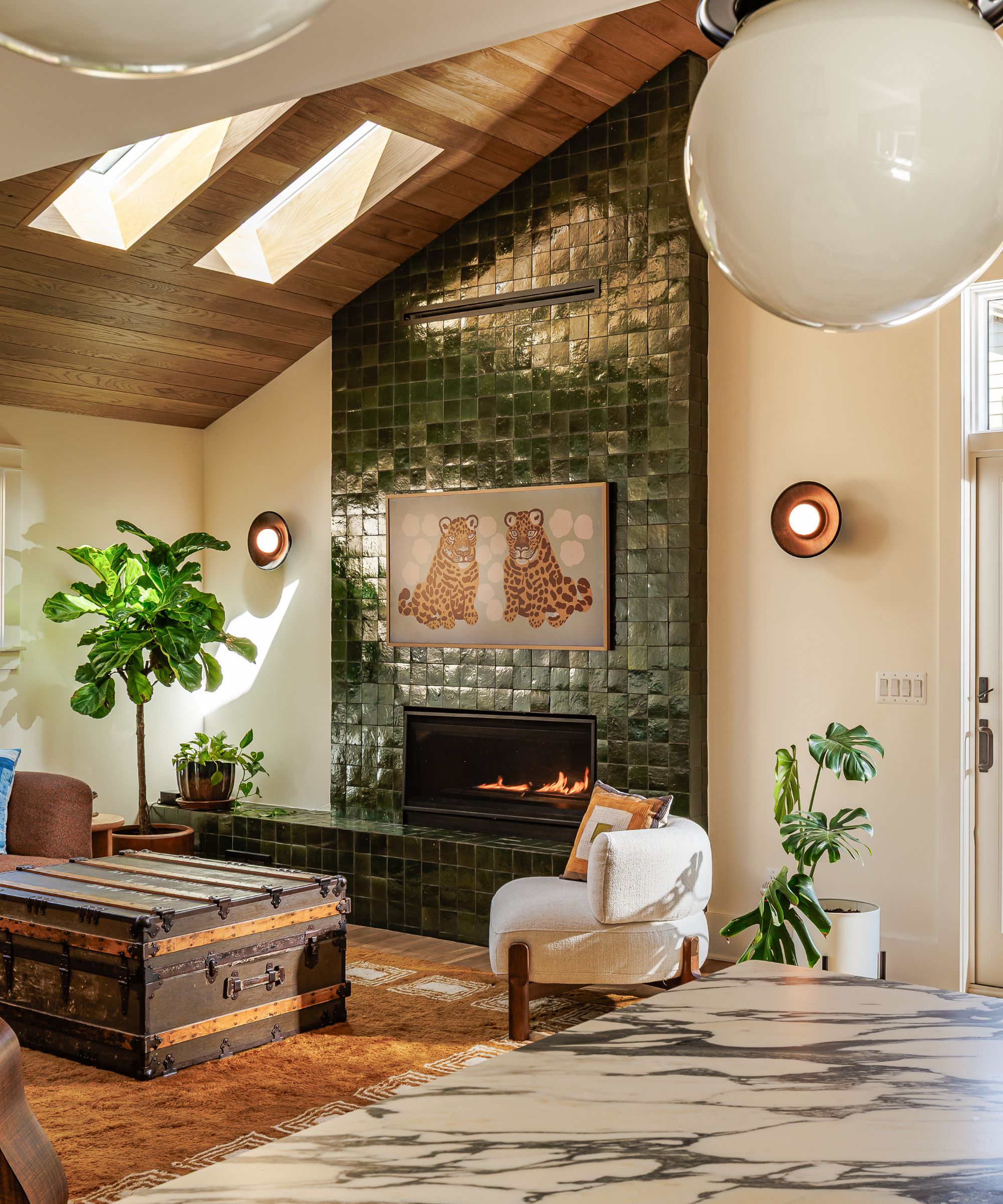
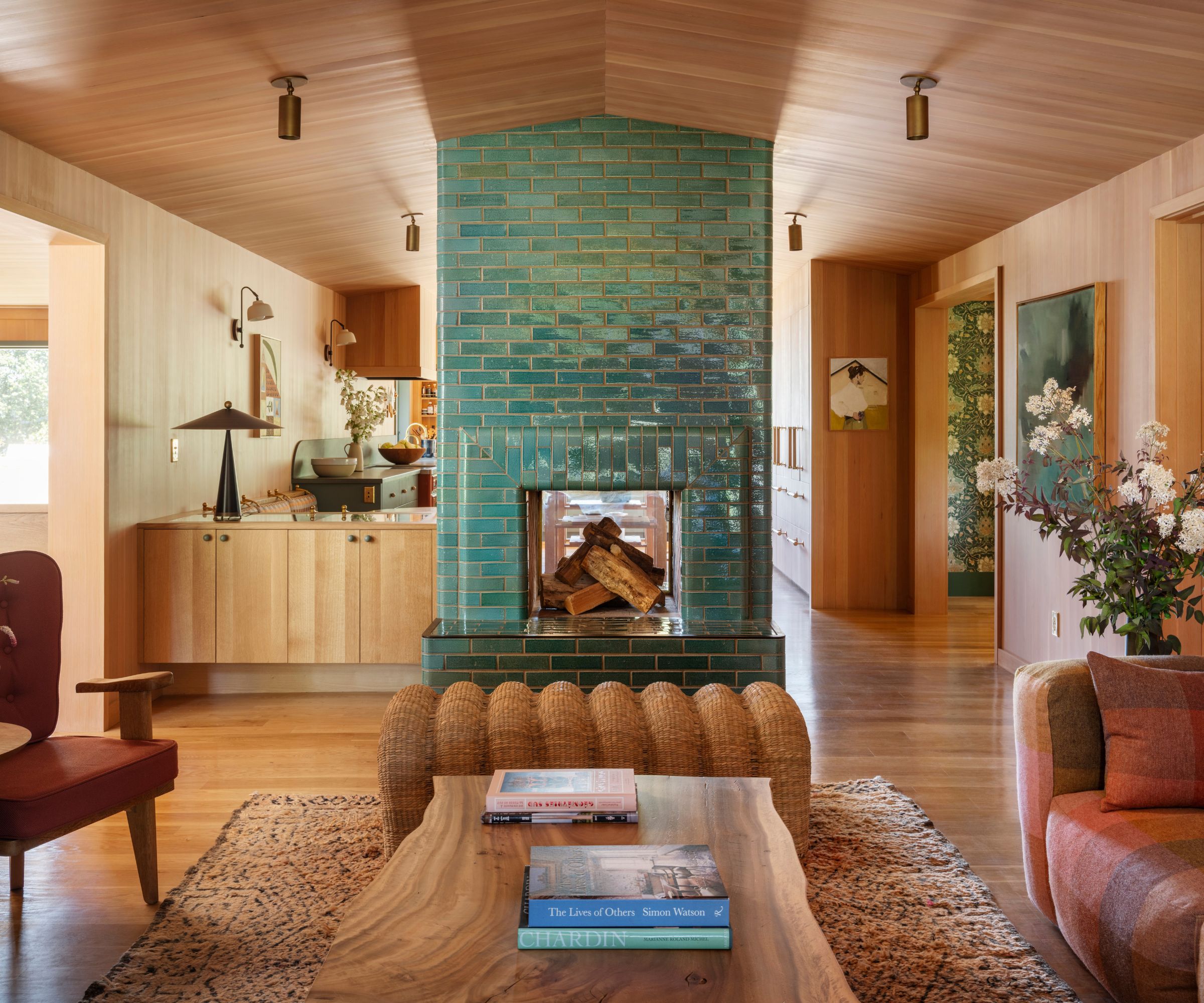
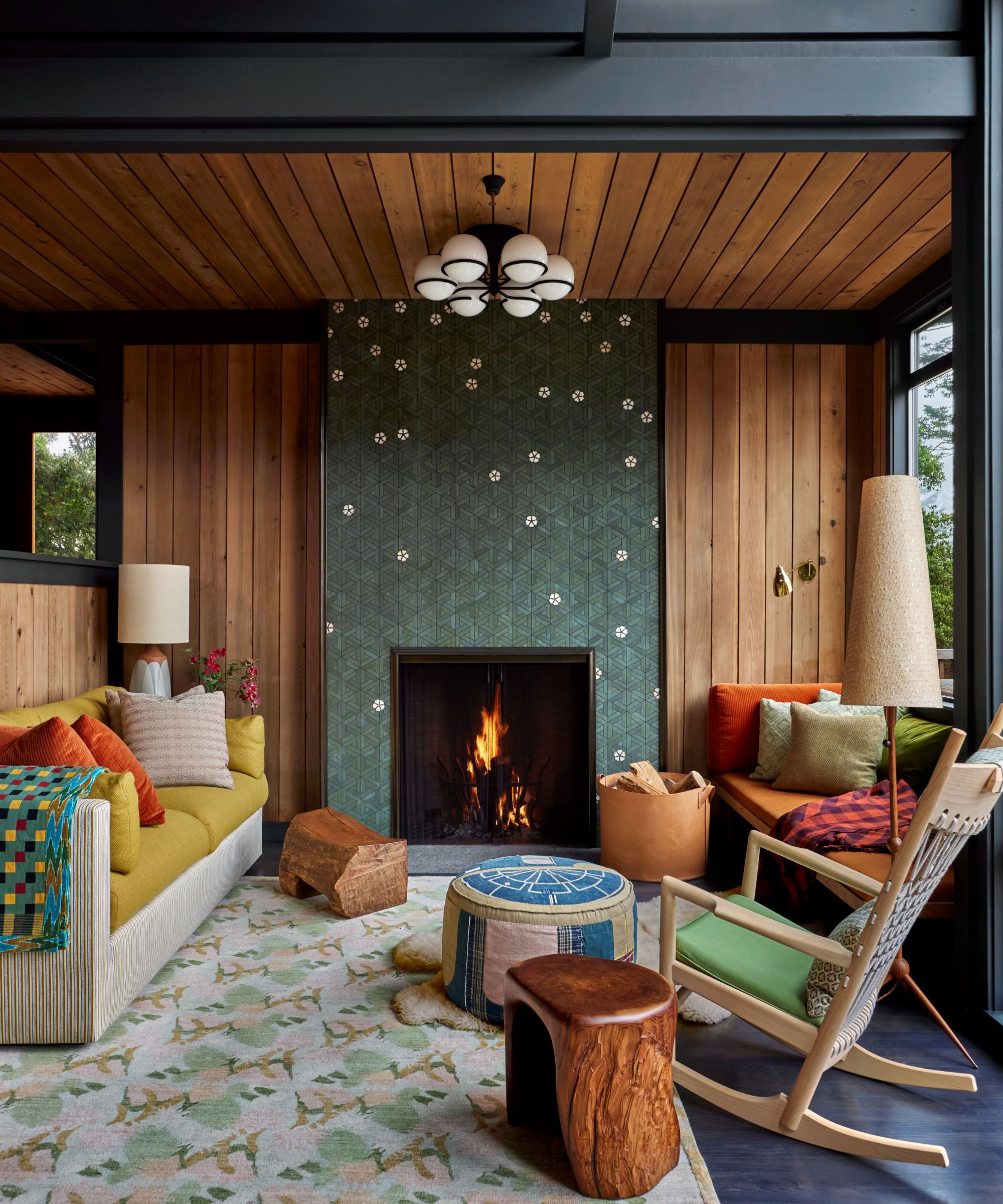
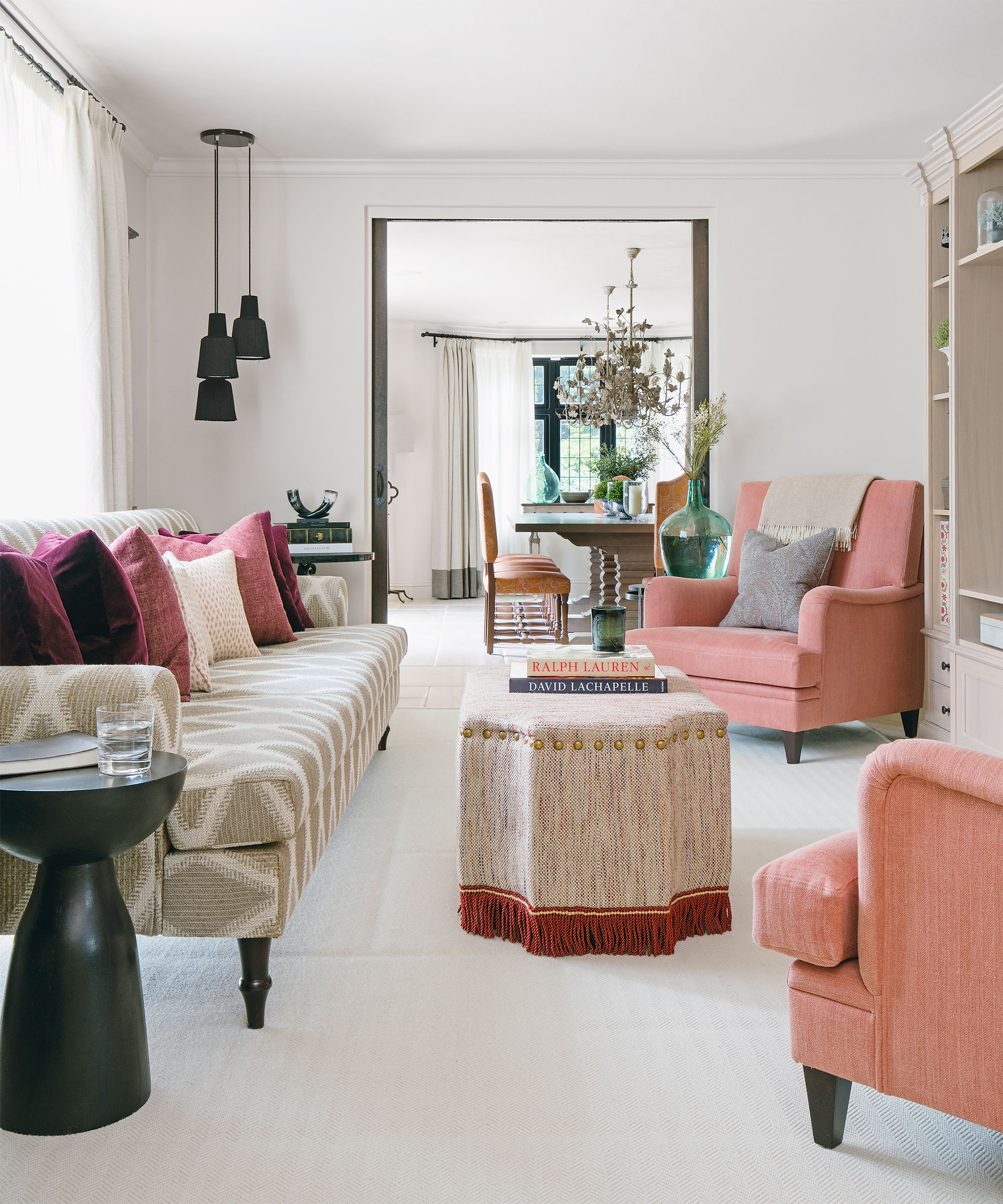
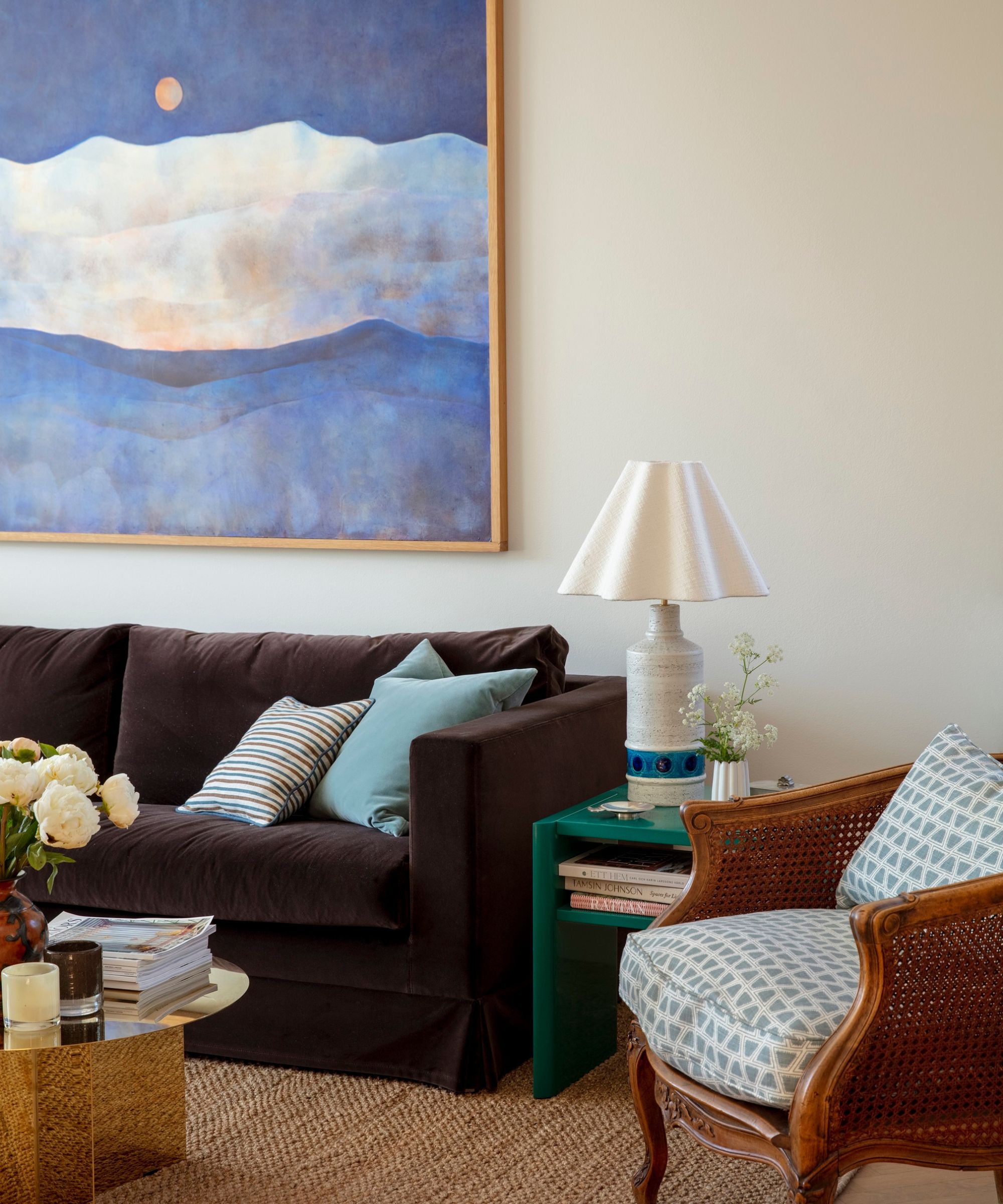
The "4-Inch" Rule can also be applied to outdoor spaces and any area where people gather and interact. Pairing a low lounge chair with a high sofa, for example, can make a grouping appear mismatched, whereas aligning them creates an unnoticeable cohesion. The core idea is not about precise matching but about creating a sense of relation and rhythm among furniture pieces, allowing the entire room to function together as a harmonious unit. This principle ensures that the furniture complements each other, fostering a more inviting and comfortable atmosphere.
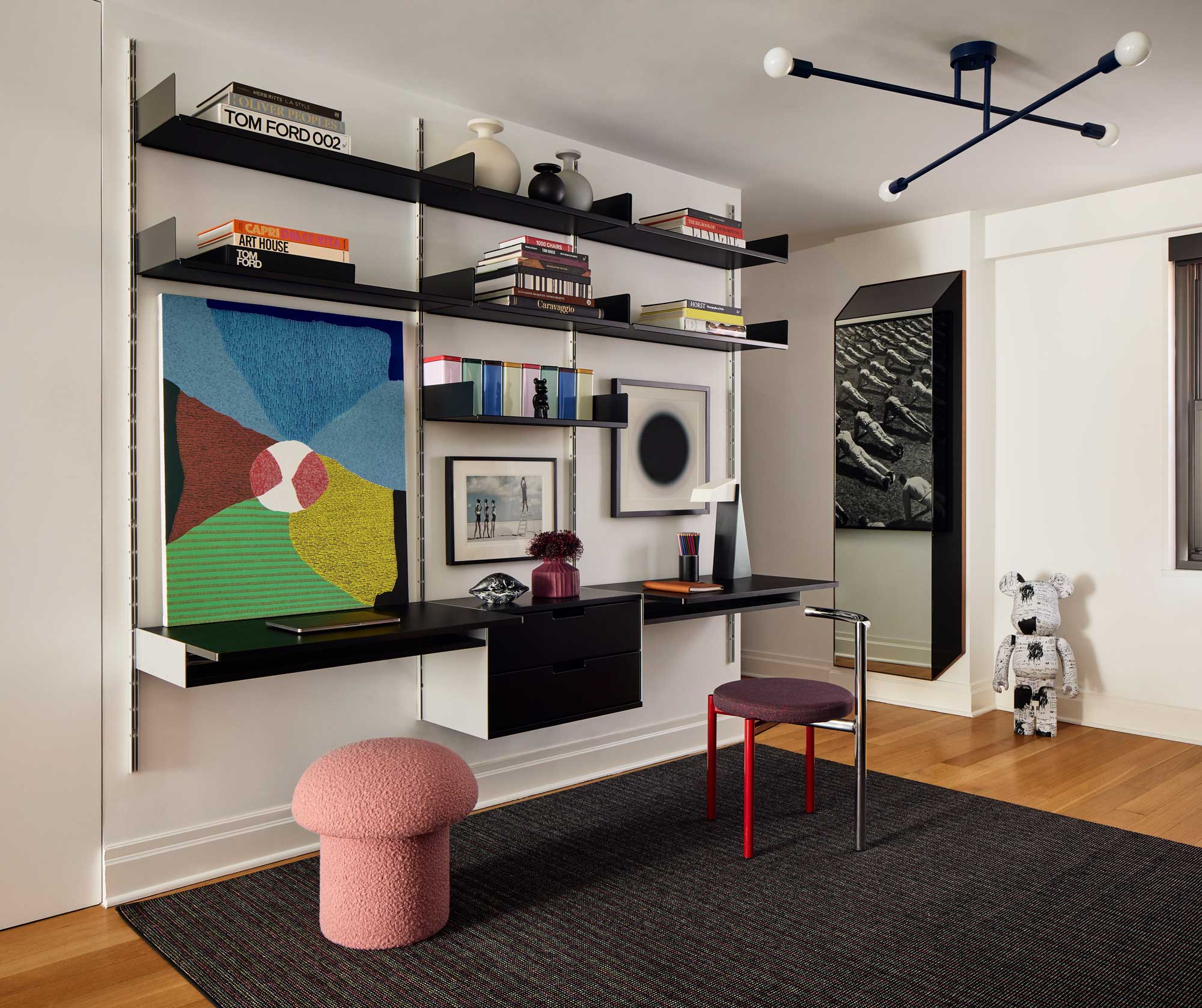
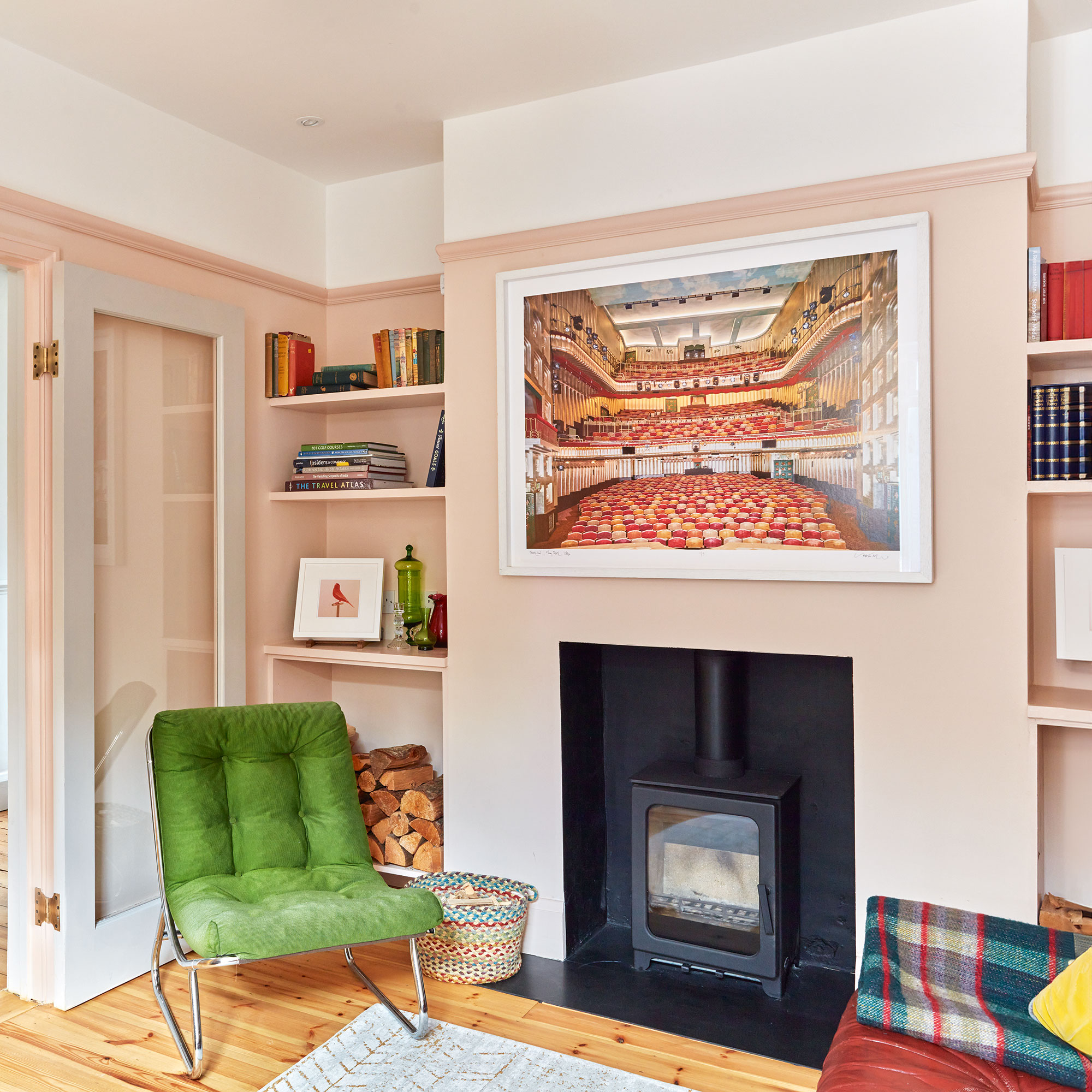
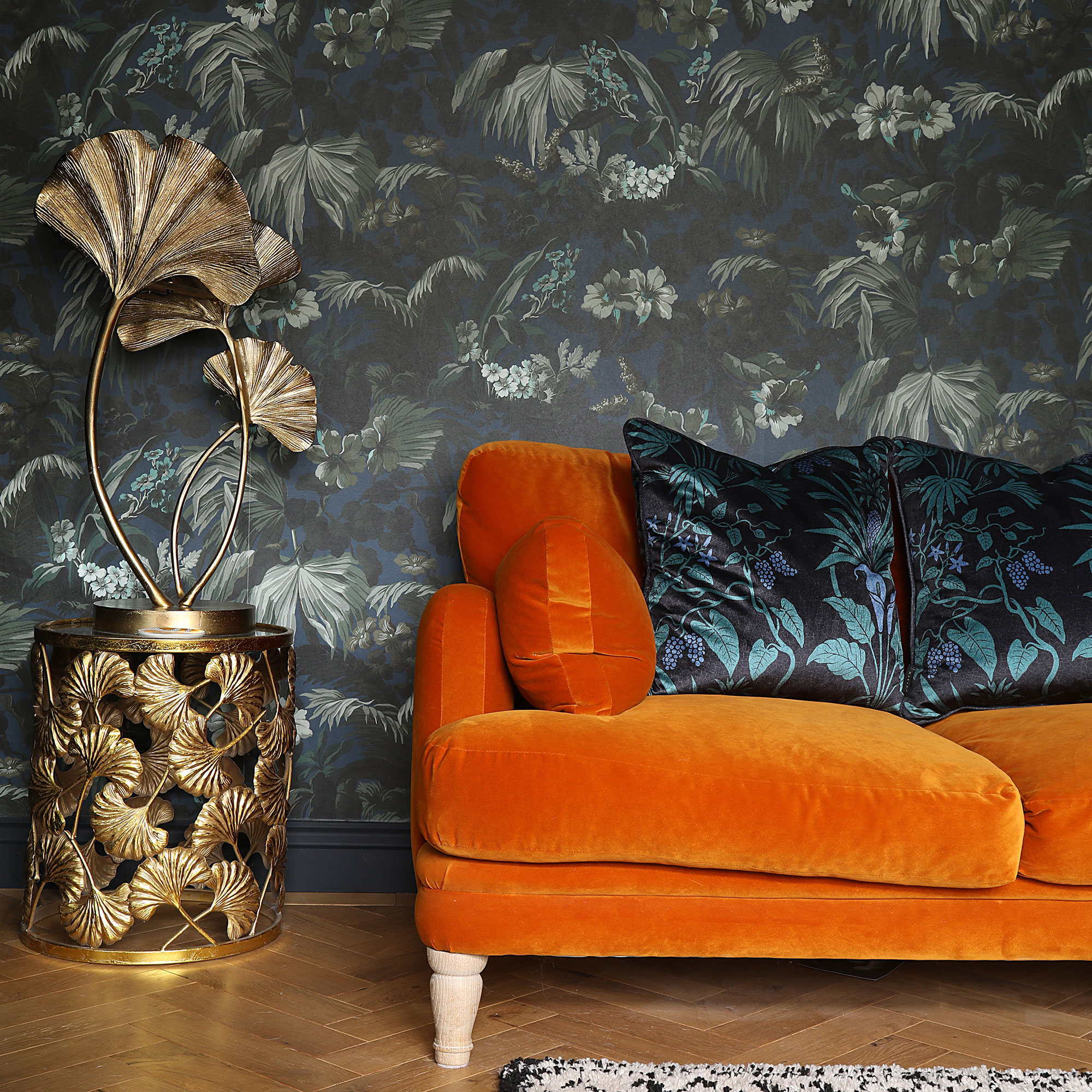
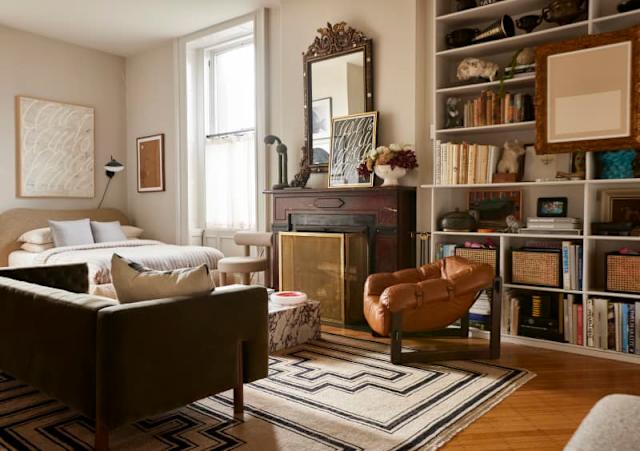
In instances where existing seating does not conform to the "4-Inch" Rule, designers offer practical solutions to visually bridge the height differences without needing to replace furniture. These methods primarily involve using textiles and decorative elements to create the illusion of consistent height. For example, a low chair can be elevated with an added cushion, while a higher piece can have a throw draped over an arm to soften its line and reduce the perceived height discrepancy. Waroquier also suggests incorporating accent pillows or area rugs to visually connect disparate pieces.
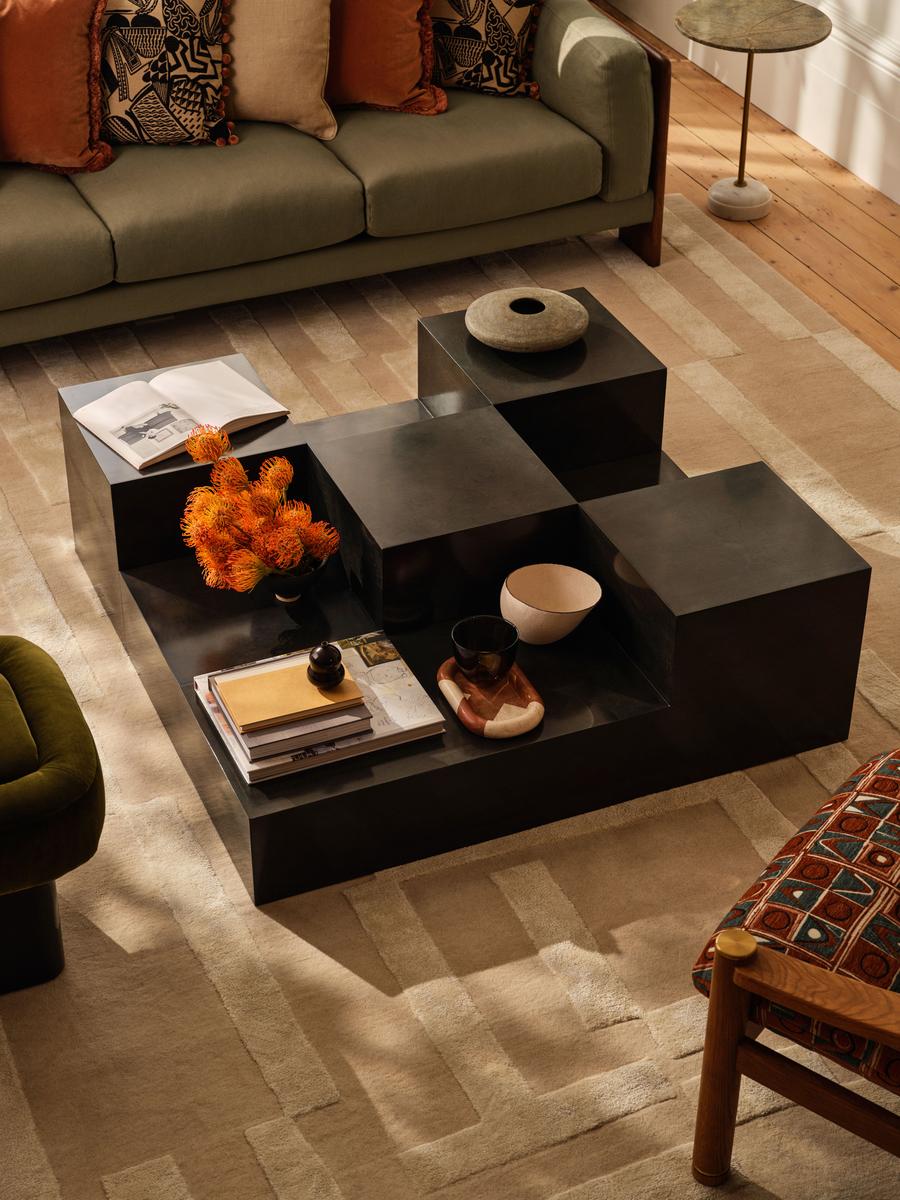
Katie Jacobs recommends balancing uneven heights with tall vases or floral arrangements positioned near shorter furniture. Additionally, strategic placement of lighting, art, or plants can draw the eye and create a layered vignette, making the room feel intentionally designed rather than mismatched. Another practical tip is to adjust the proximity of furniture pieces. Saft notes that moving pieces a few inches closer can improve their interaction, even if their heights are slightly off, promoting a more intimate and connected feel within the space.
#InteriorDesign #HomeDecor #SeatingArrangement #DesignTips #FurniturePlacement #HomeStyling #VisualHarmony #InteriorDesign #HomeDecor #SeatingArrangement #DesignTips #FurniturePlacement #HomeStyling #VisualHarmony
0 opmerkingen in totaal
 Nog geen opmerkingen
Dit vindt u mogelijk ook leuk
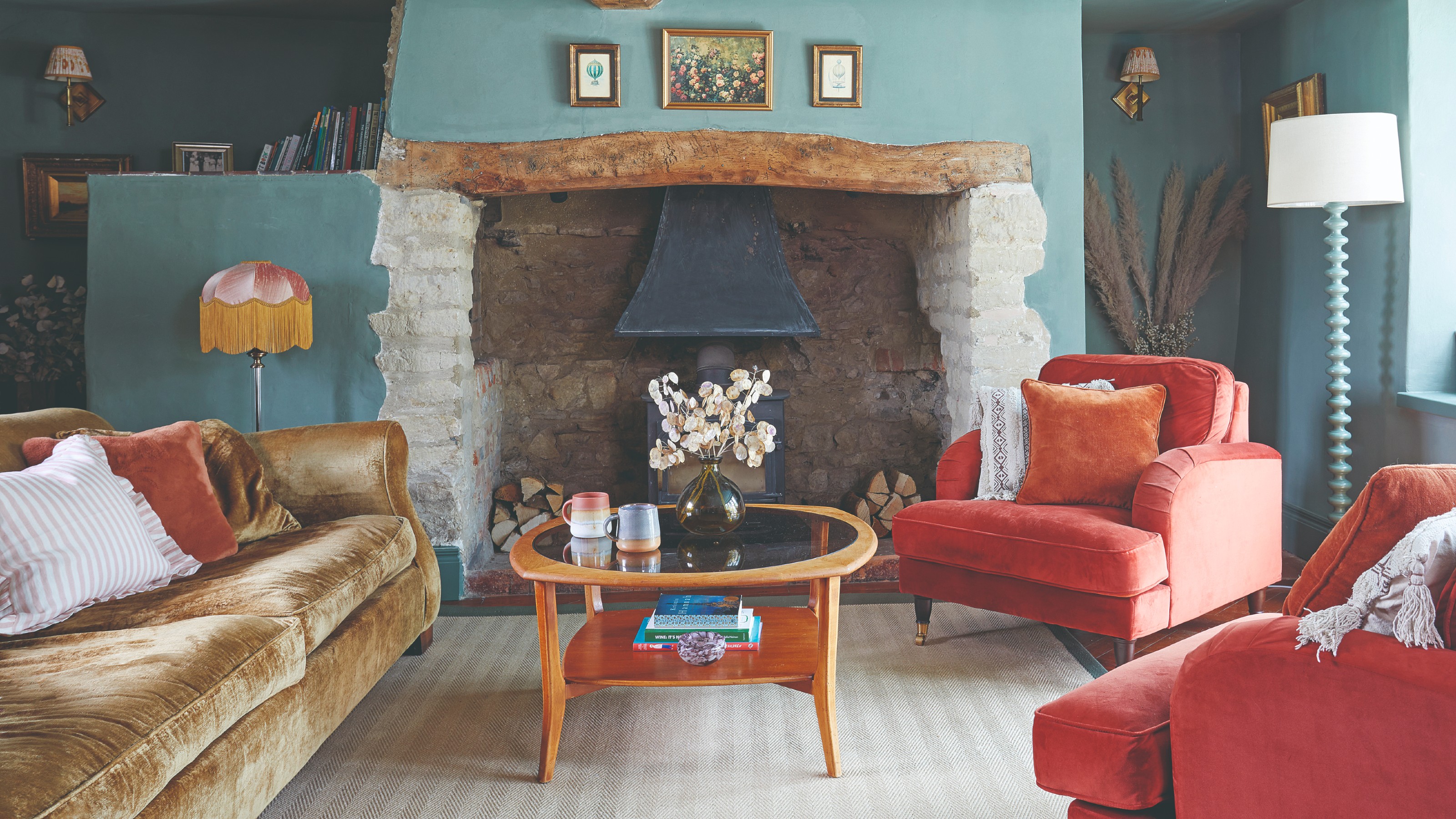
‘It makes your living room feel more connected and comfortable’ – the 4-inch seating rule is the trick interior designers have been using for years
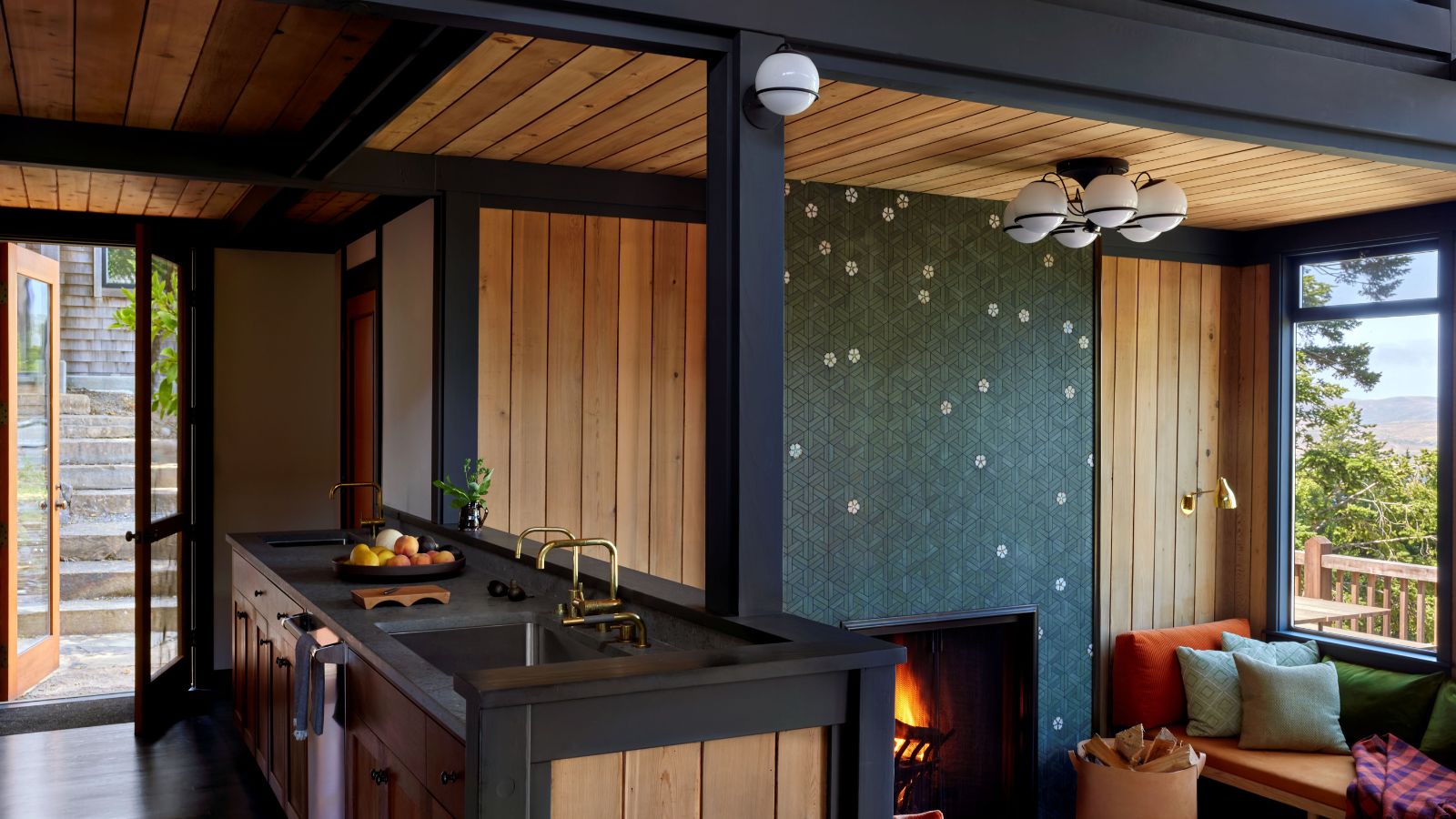
Designers definitely approve of this statement trend that elevates a cozy room
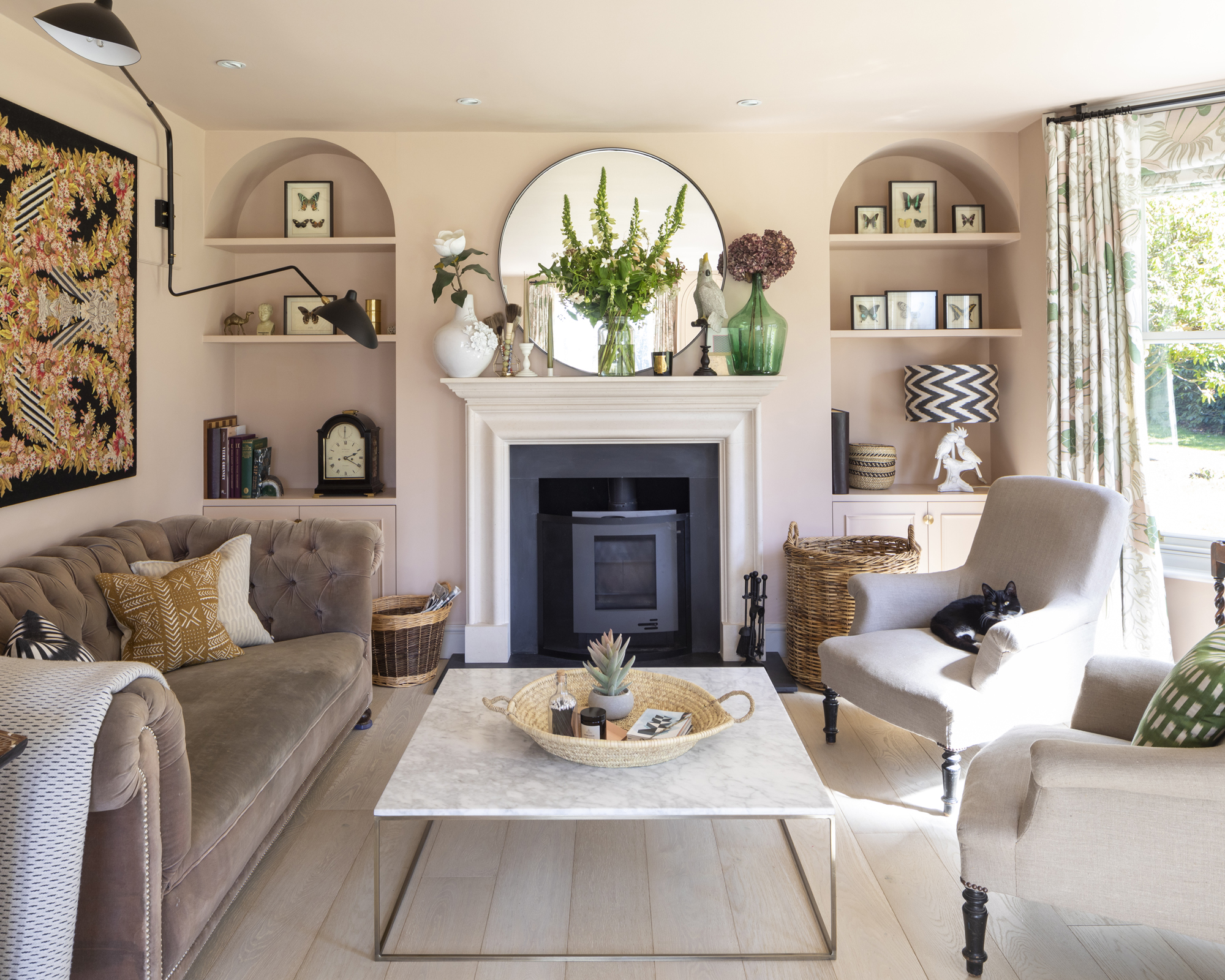
The rule of thirds – how experts use this design trick for successful schemes

6 Popular Design Choices Designers Would Never Put in Their Own Homes

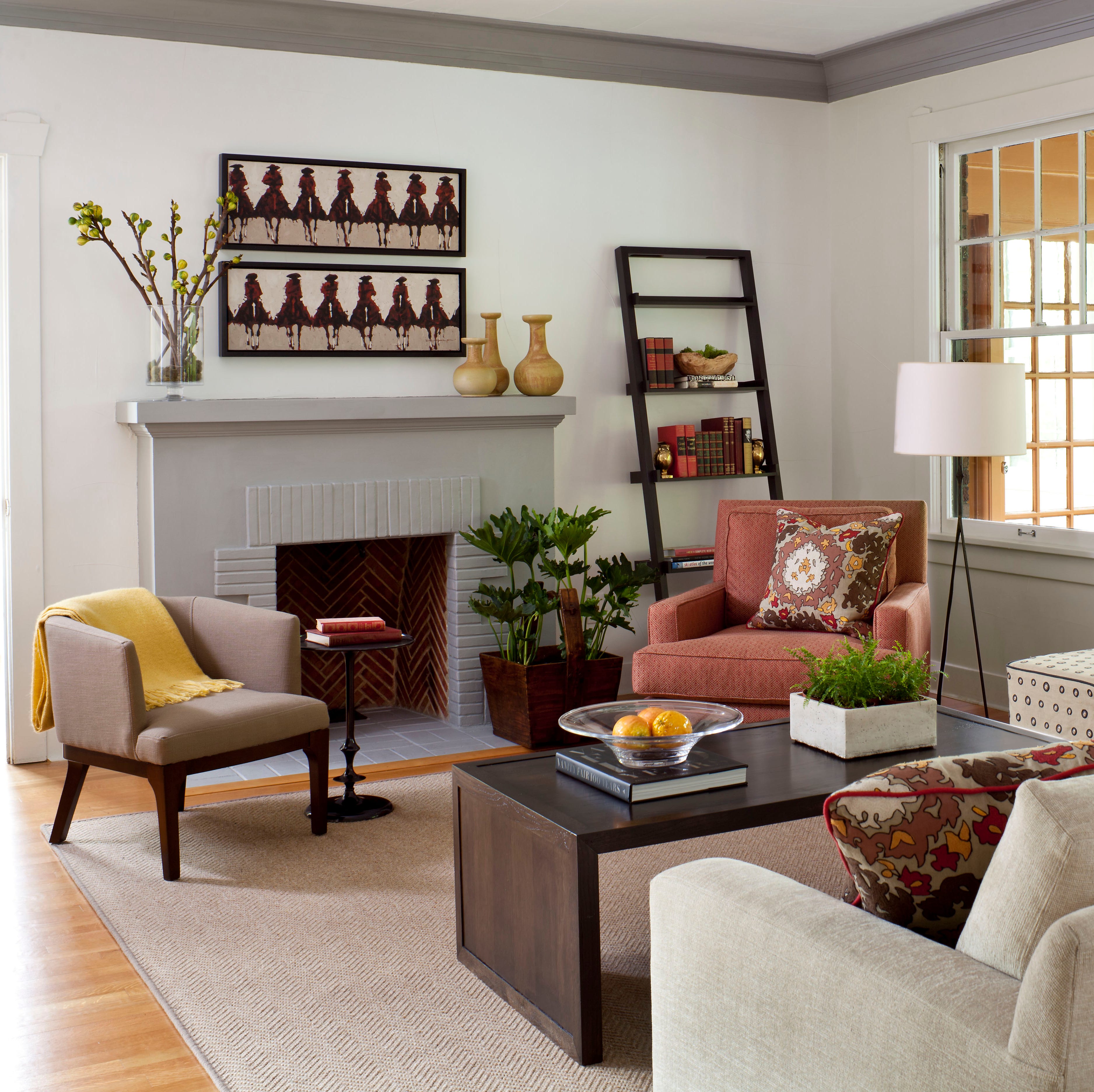
Designers Cracked the Code on the Perfect Living Room Seating Arrangement

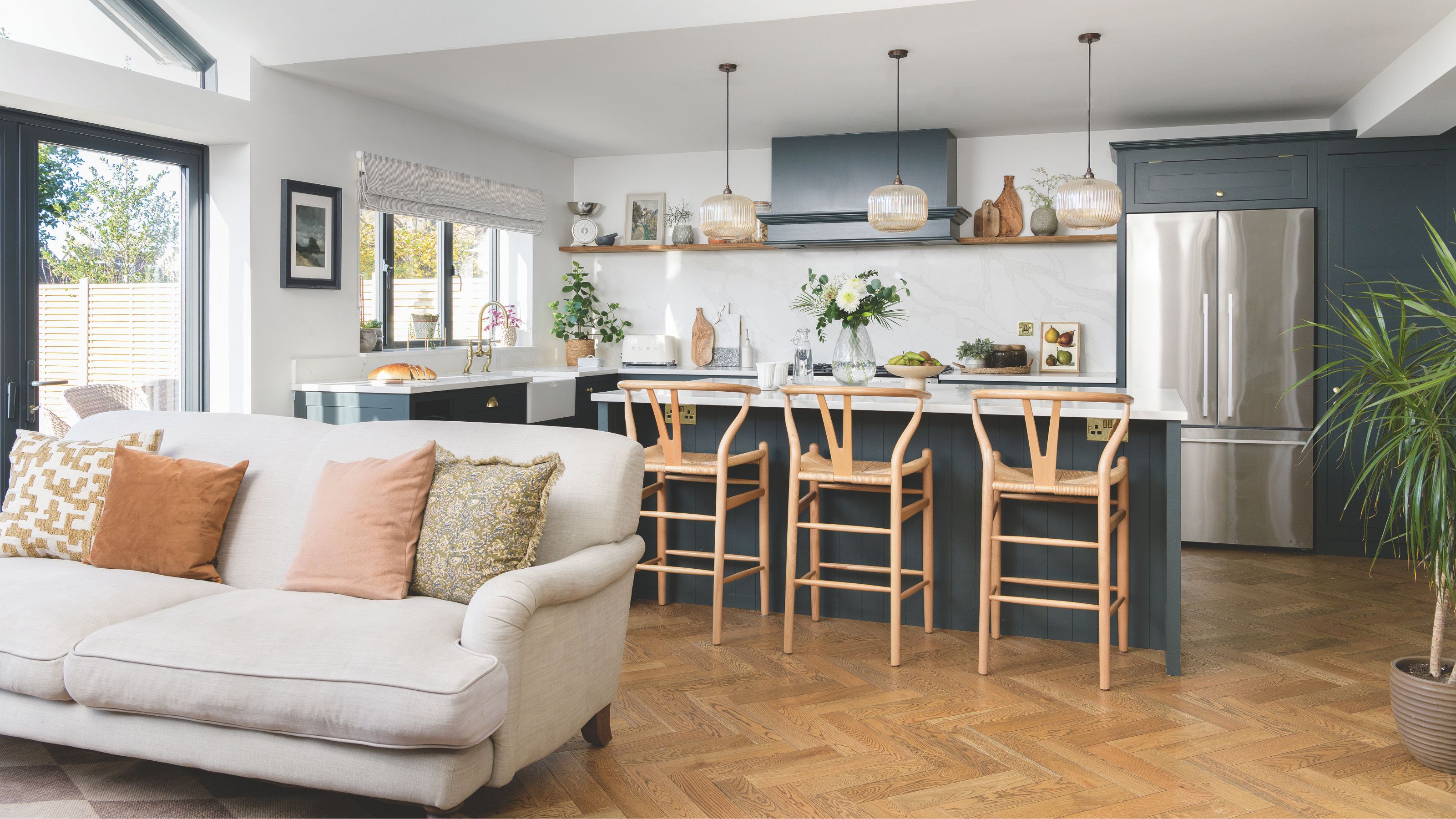
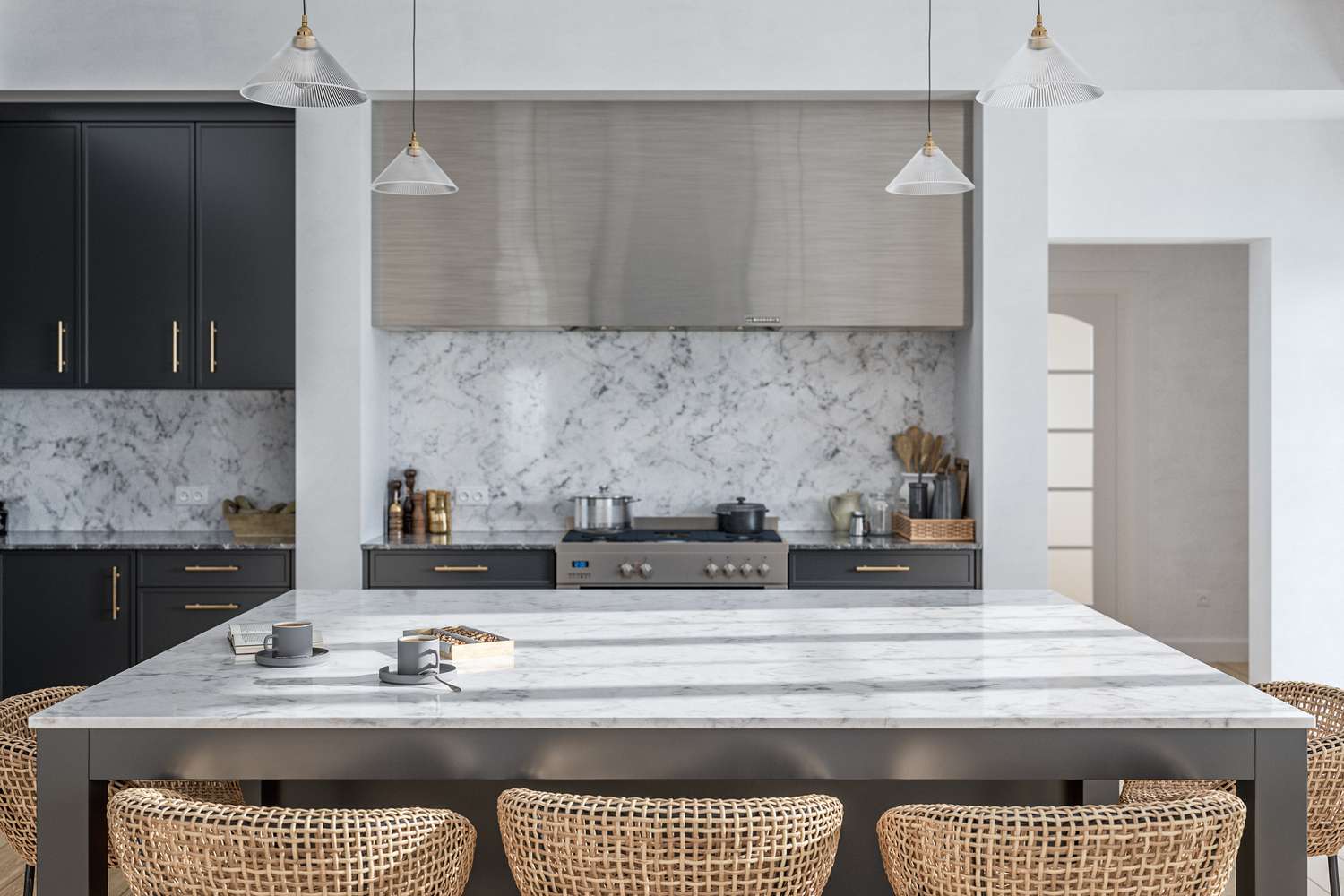
The 4-inch seating rule is the secret to a sociable kitchen – here's how to use this design principle in a cooking space
Why Your Room Feels 'Off'—6 Designer Rules for Perfecting Furniture Scale and Proportion
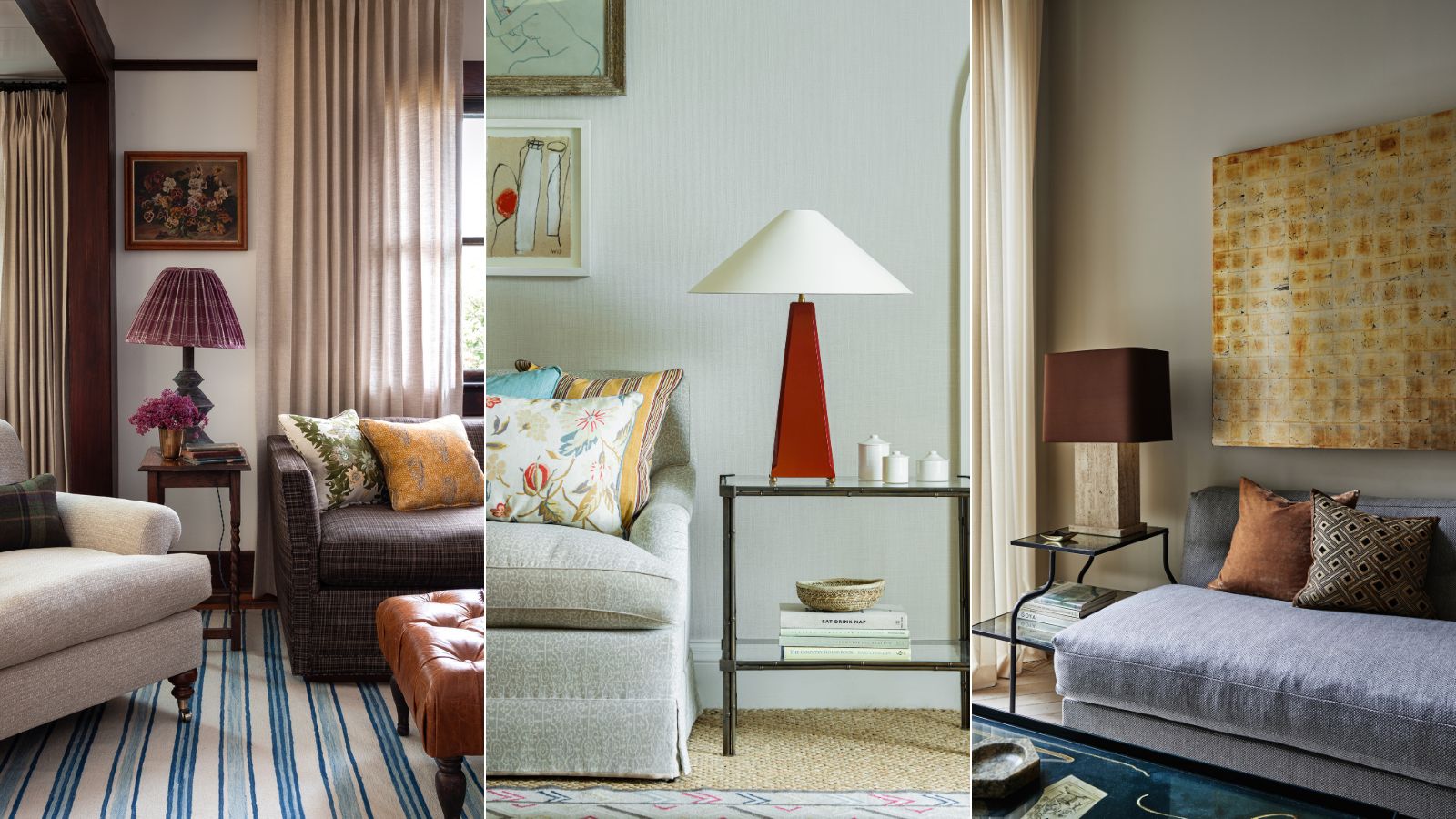
This interior-designer-approved vignette formula will transform under-used corners in an instant
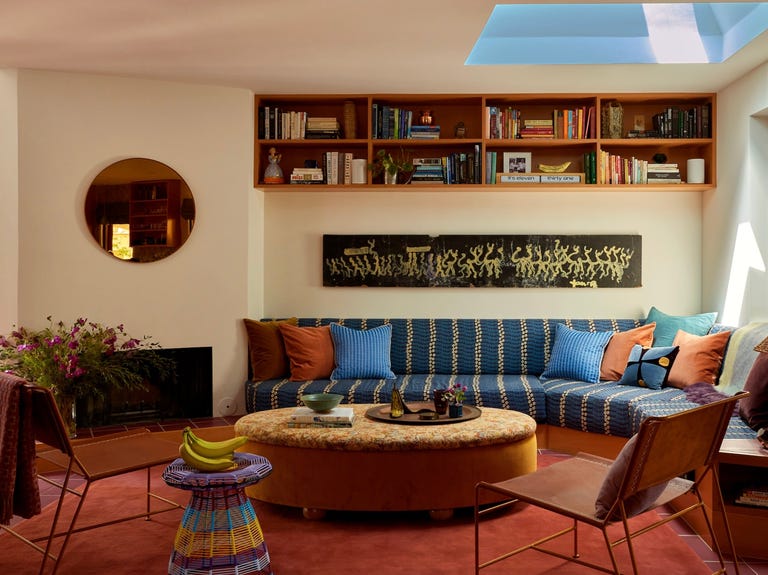
Designers Say This Is the "Perfect" Living Room Seating Arrangement

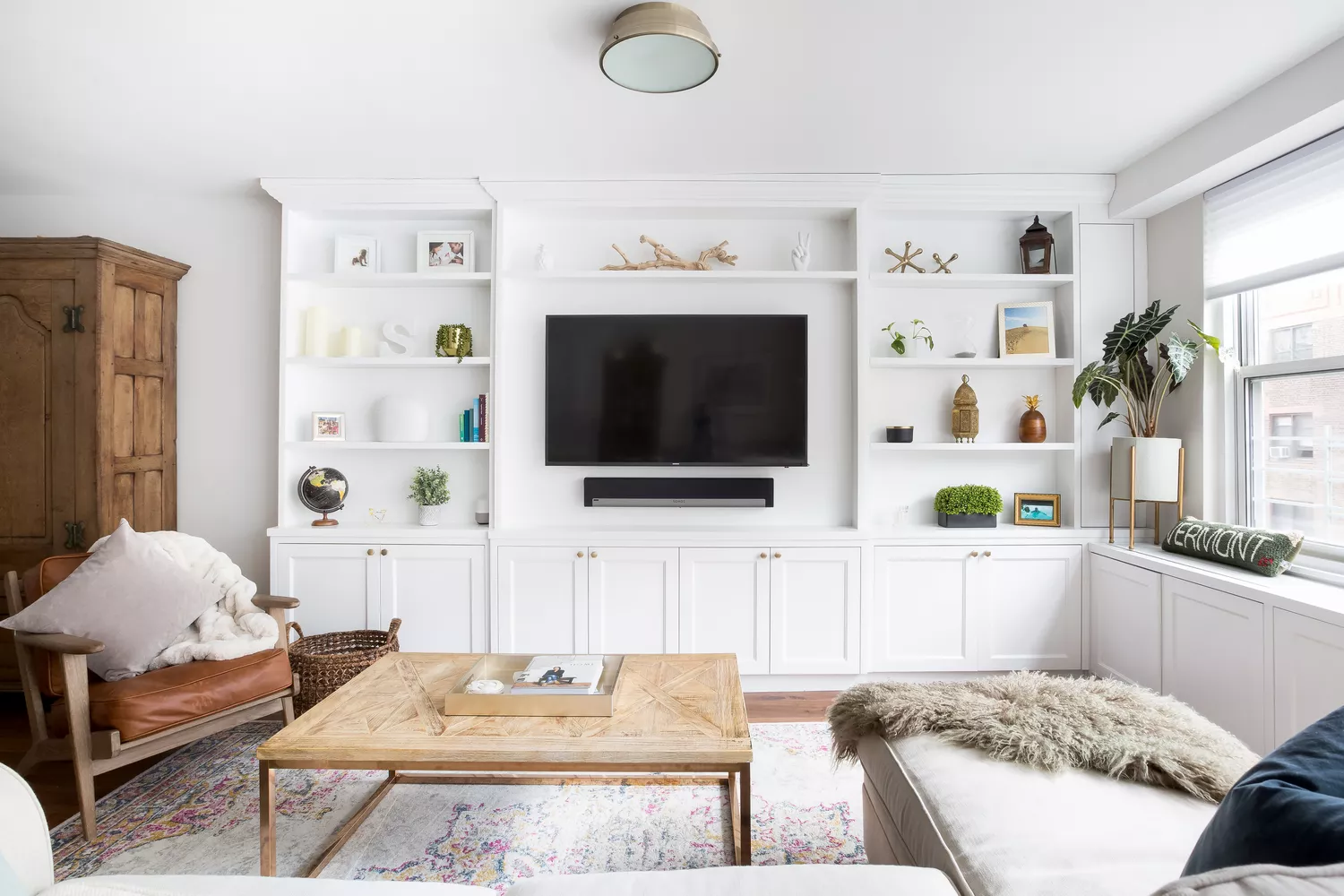
Why Designers Use the Rule of Thirds in Every Design Project
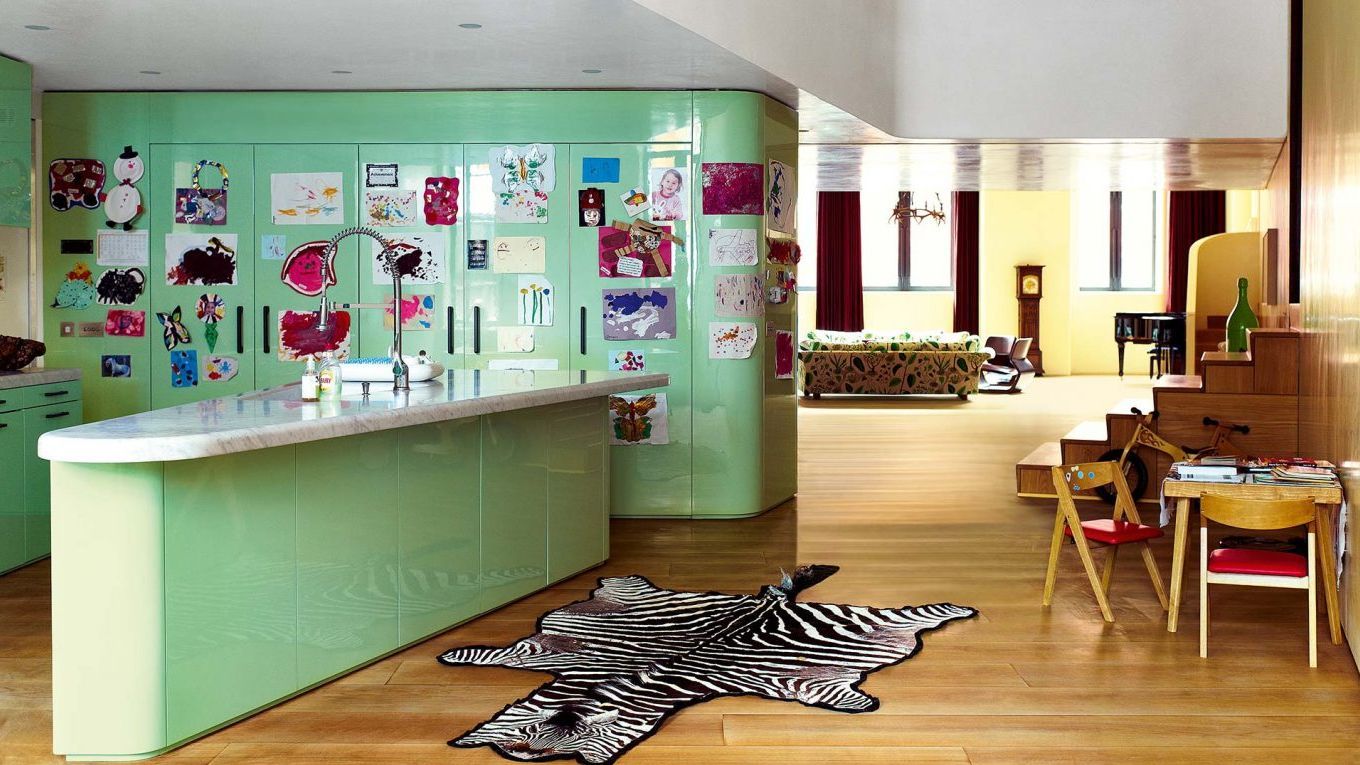
Celebrity designers reveal the kitchen design rules they live by

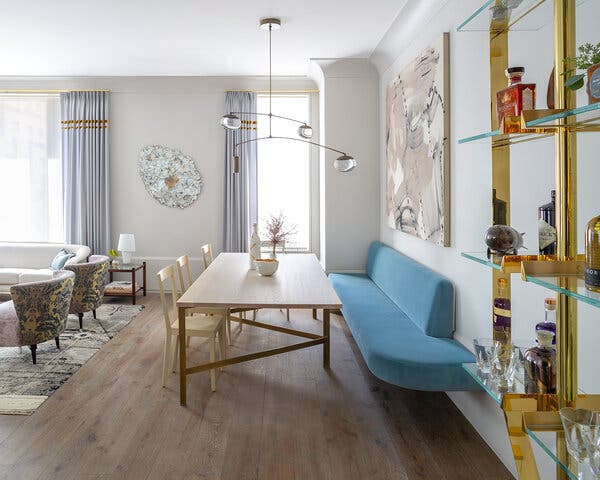
Why the Built-In Banquette Is Becoming a Designer Favorite (Published 2022)
My Designer Friends Swear By the "Two-Thirds Rule" for Living Room Sofas and More

If You Don't Know the '18-Inch Seating Rule', It's What Could Be Making Your Living Room Feel Cramped, Unwelcoming, and Uncomfortable

Enjoy these 5 creative space dividers for small and big rooms

Habitat Design Consulting Expert Interior Design Advice

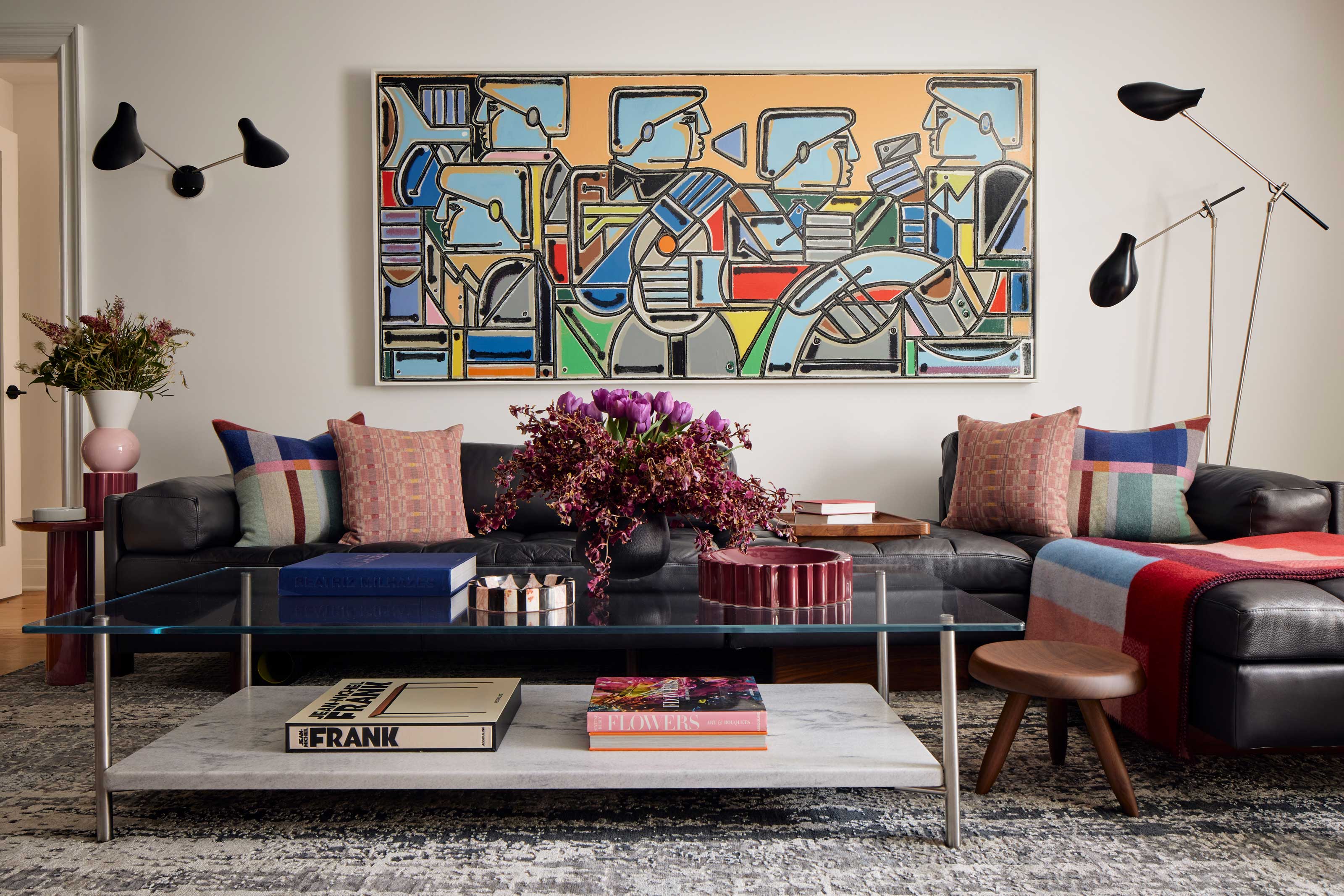
This interior designer's golden rule for making small rooms feel bigger set the tone for decorating his own apartment
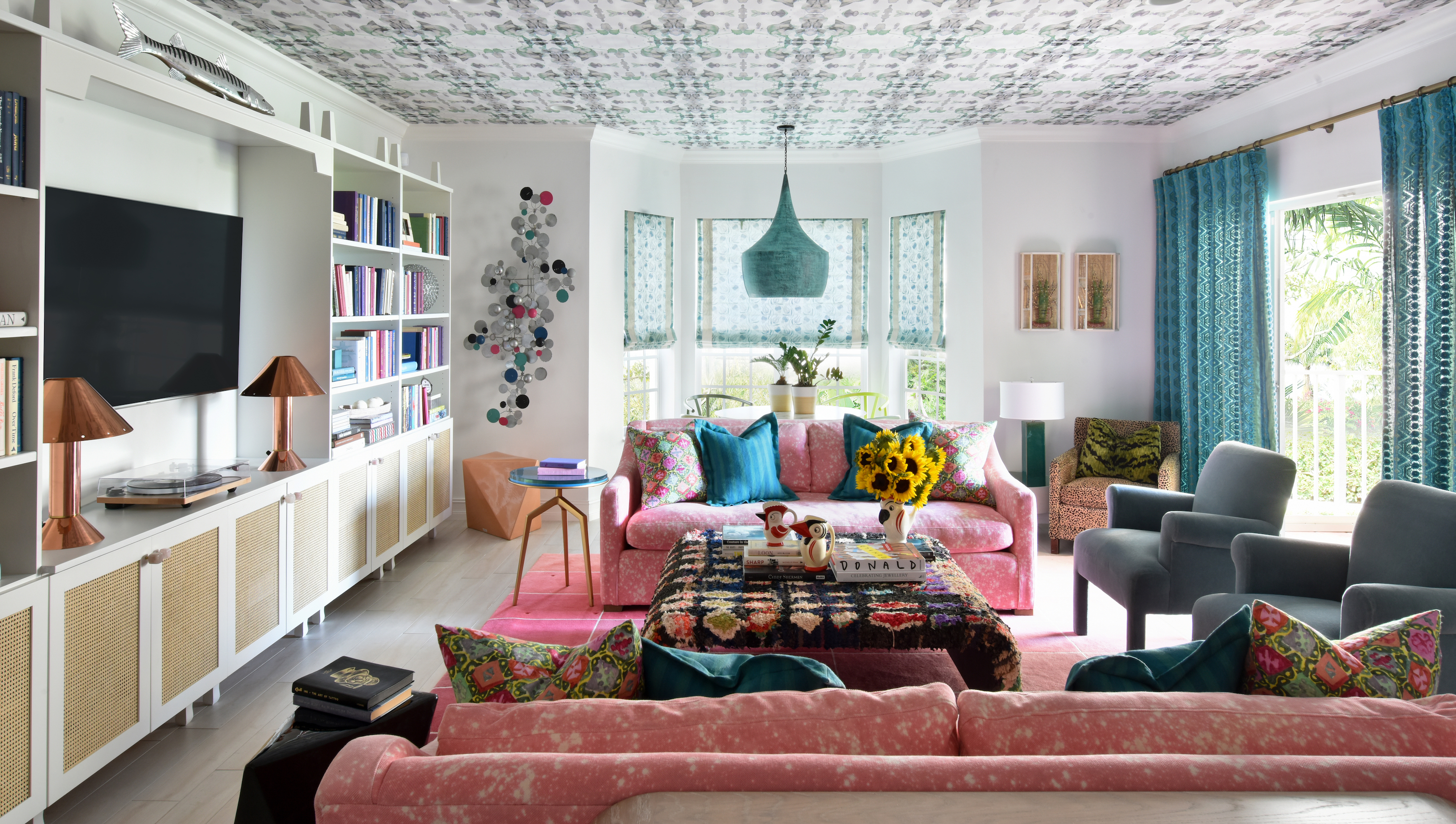
Should living room furniture be the same height? Experts give their verdict
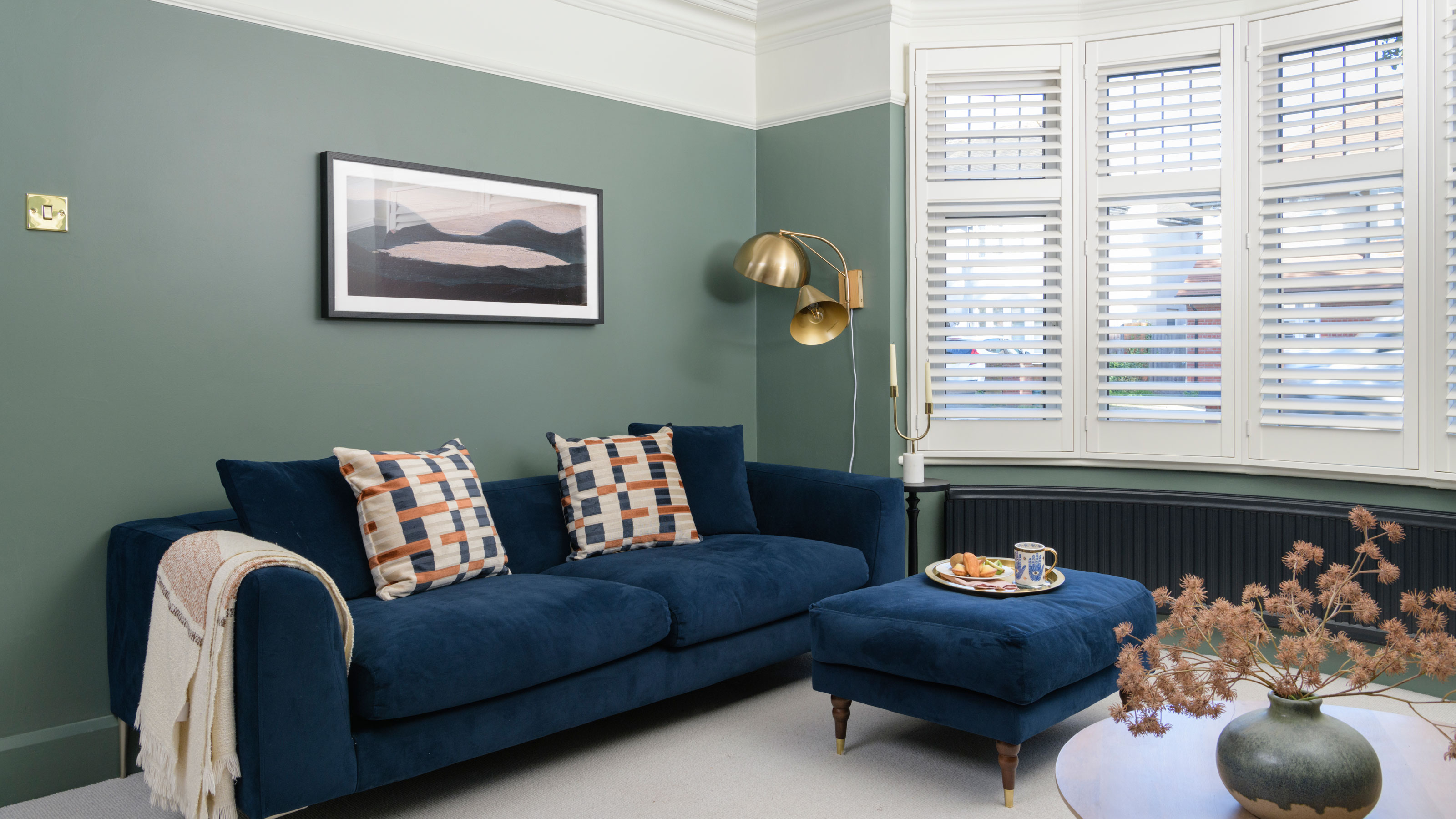
4 rules interior designers always use to plan the perfect living room layout - these tried-and-tested tricks work every time
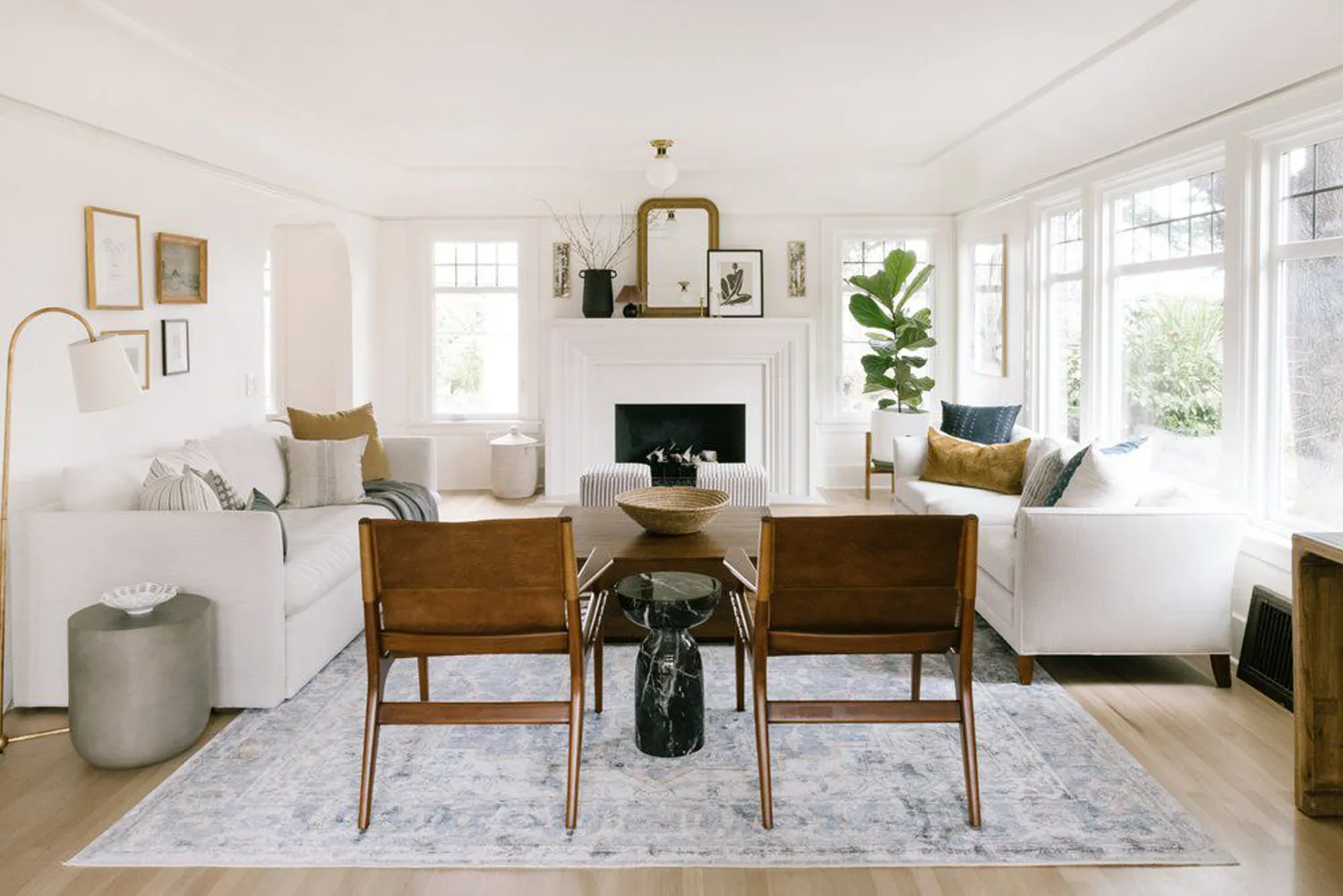
6 Ways Designers Arrange Furniture Maximize Space Without Cramping Your Style