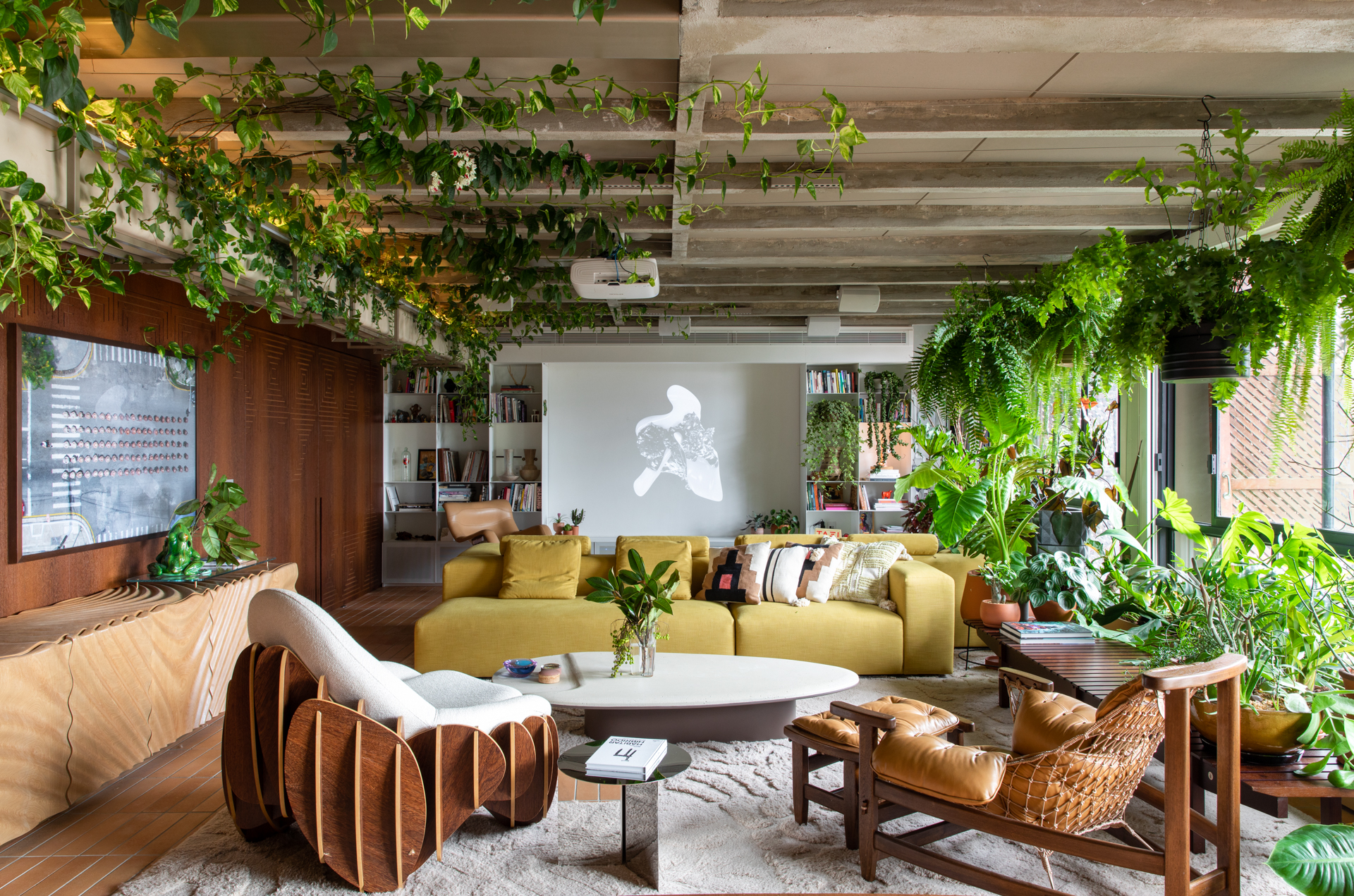
1/18
Indoor Garden Ideas —14 Ways To Live Amongst Greenery That Will Make Your Life Better
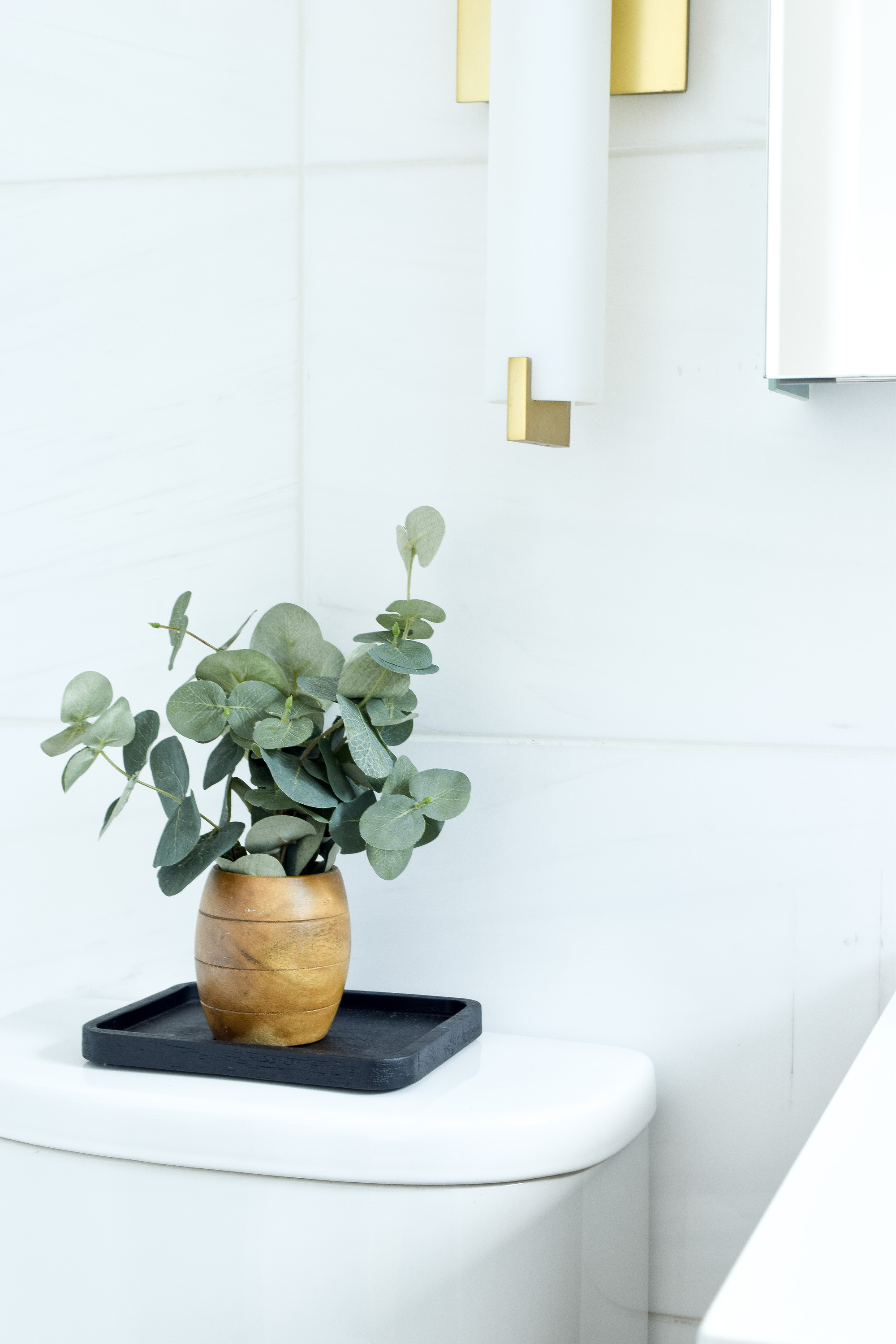
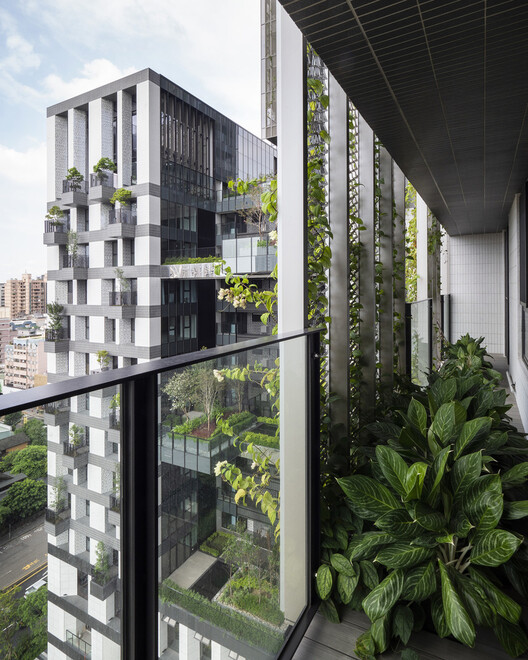
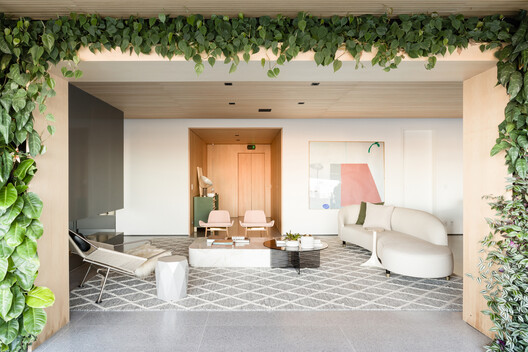
This article explores 14 innovative indoor garden ideas, emphasizing how easily greenery can be integrated into any home, regardless of its size, style, or location, to create a harmonious indoor-outdoor environment. The key to a successful indoor garden lies in selecting appropriate plant varieties that can thrive in specific indoor conditions. For instance, low-light tolerant plants are ideal for desks and shelves, while choosing plants local to the climate can significantly enhance a home's atmosphere and decor, even creating specific microclimates that reduce high temperatures and improve air quality. Automated home management systems can further optimize these environments by controlling lighting, irrigation, and other elements.
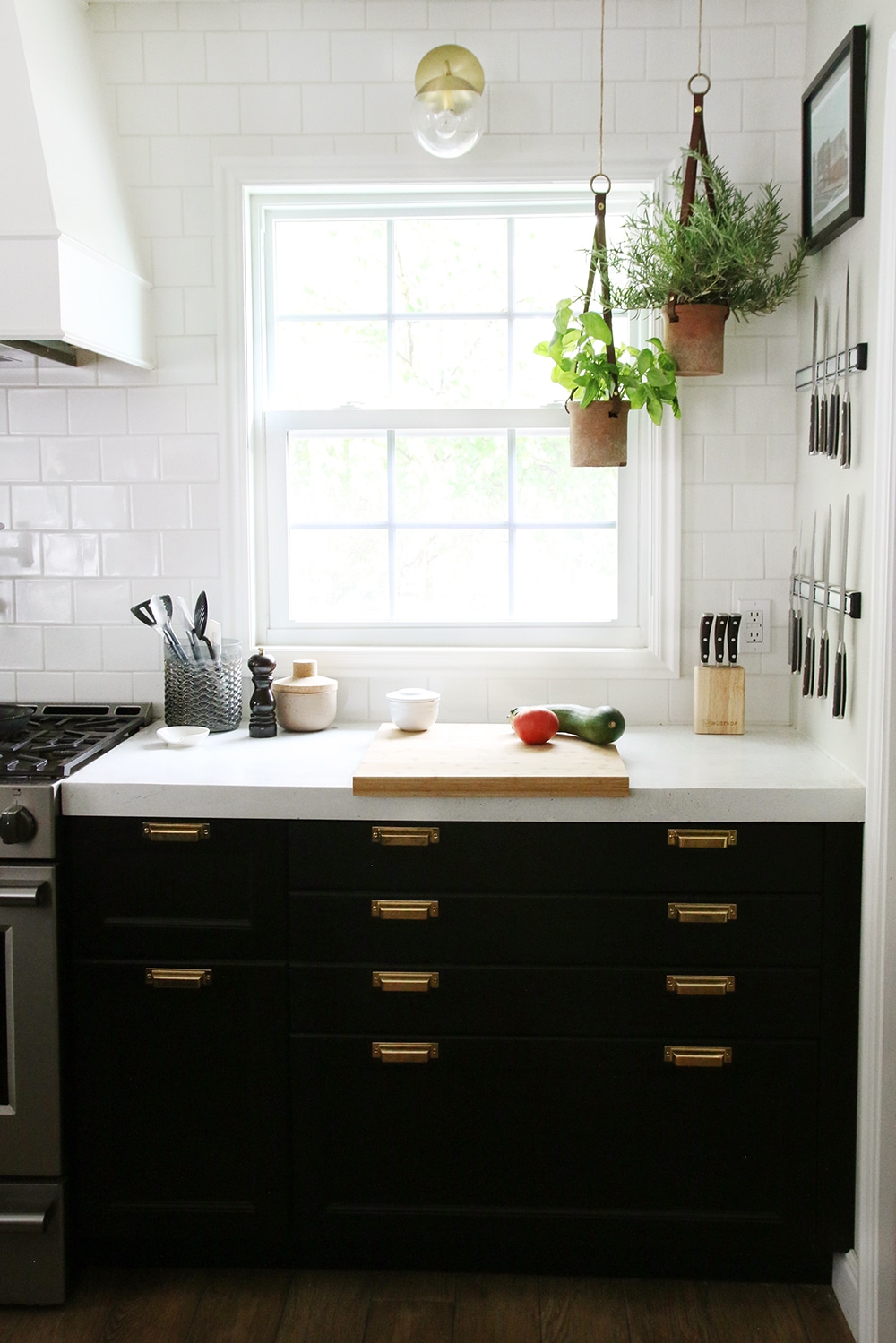
The article suggests creative ways to incorporate plants, such as decorating winding staircases to create focal points. Many epiphytic plants, which naturally climb, can be trained to ascend walls, stairs, or cascade from furniture. For kitchens, growing easy-to-maintain herbs like mint, basil, rosemary, and thyme is recommended. When establishing an indoor garden, it is crucial to select plants that will thrive in the available light conditions, avoiding the misconception that all plants will flourish with proper care. It is advisable for beginners to start with a few easy-to-care-for plants and gradually expand their collection.
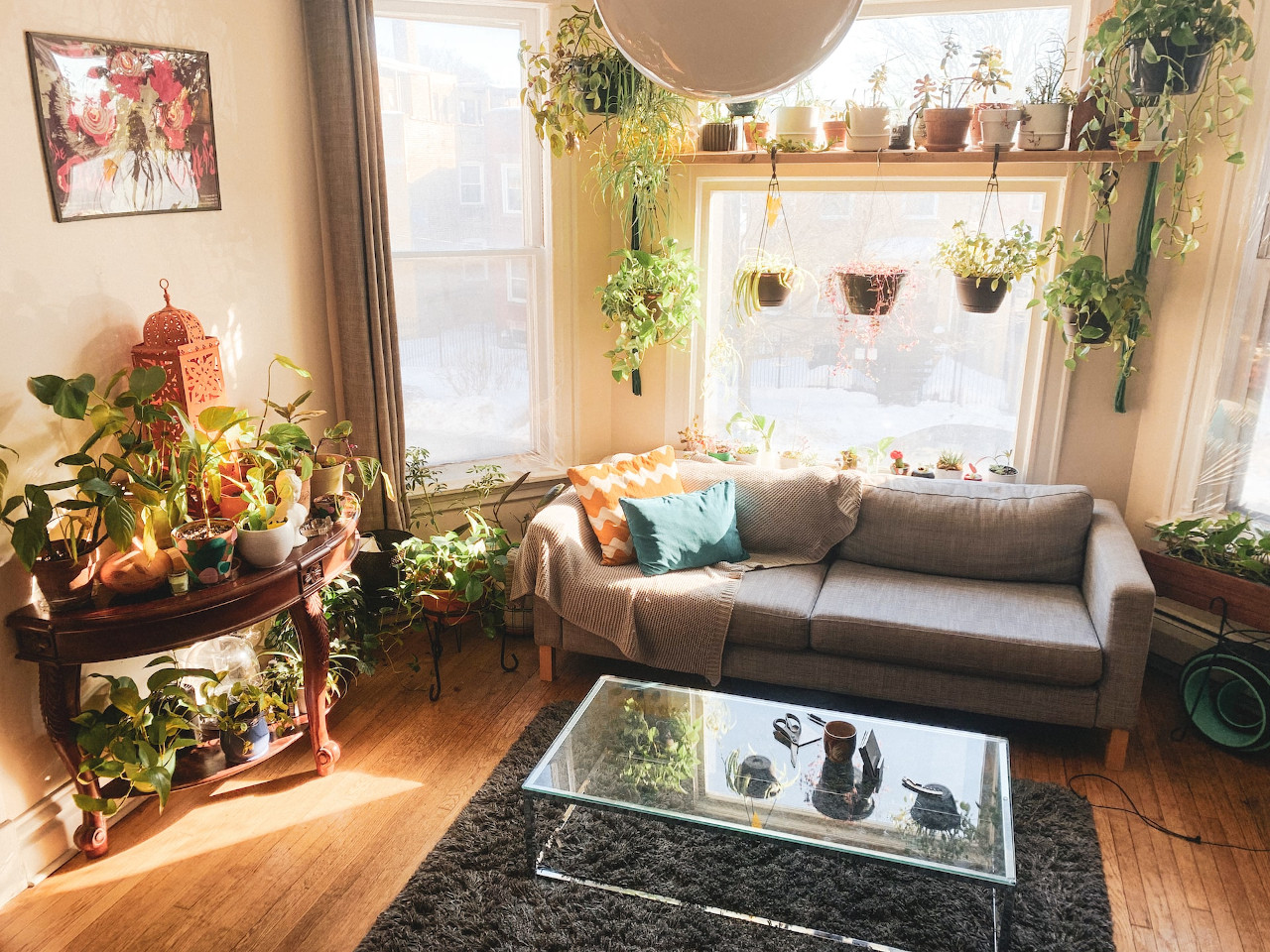
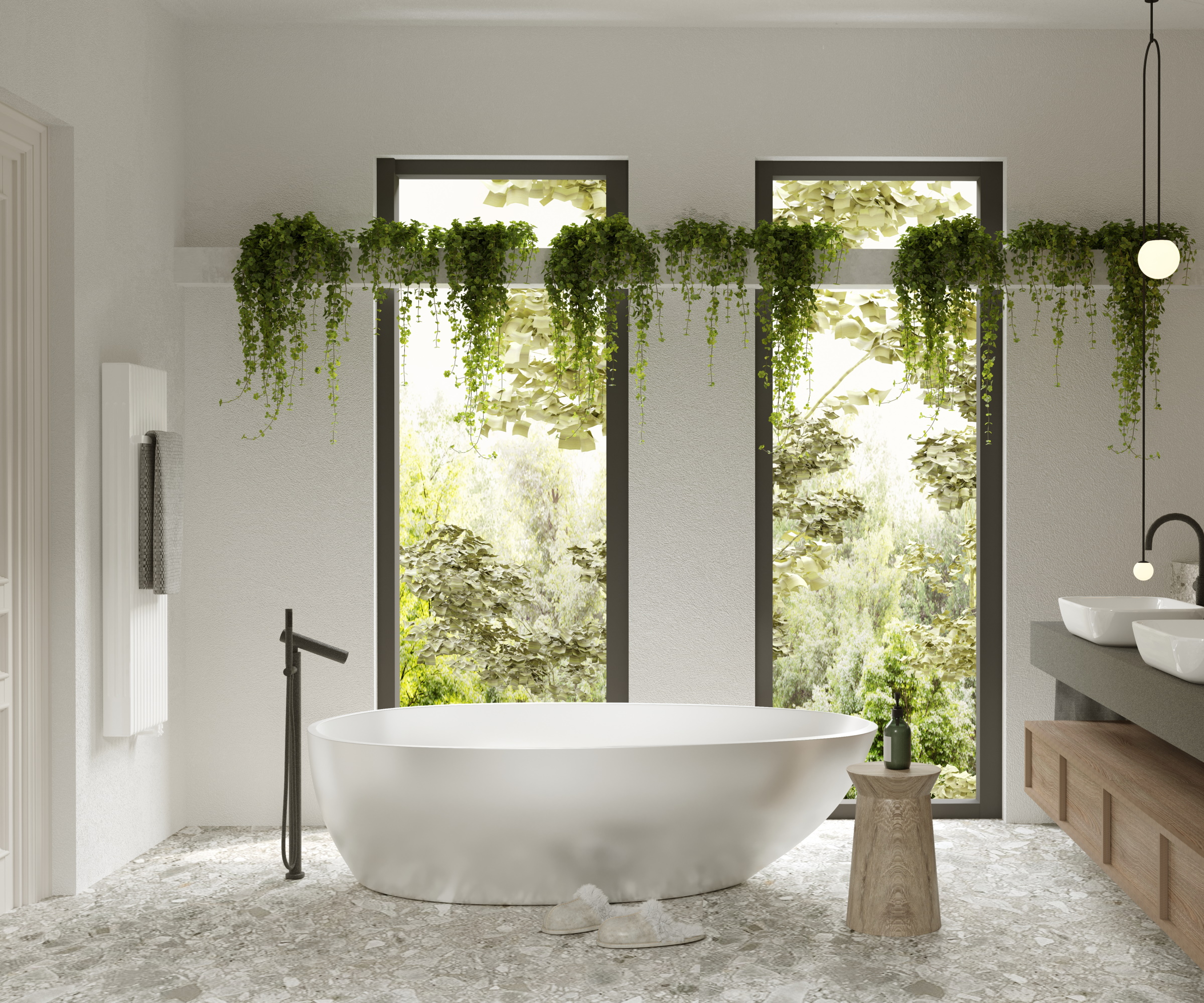
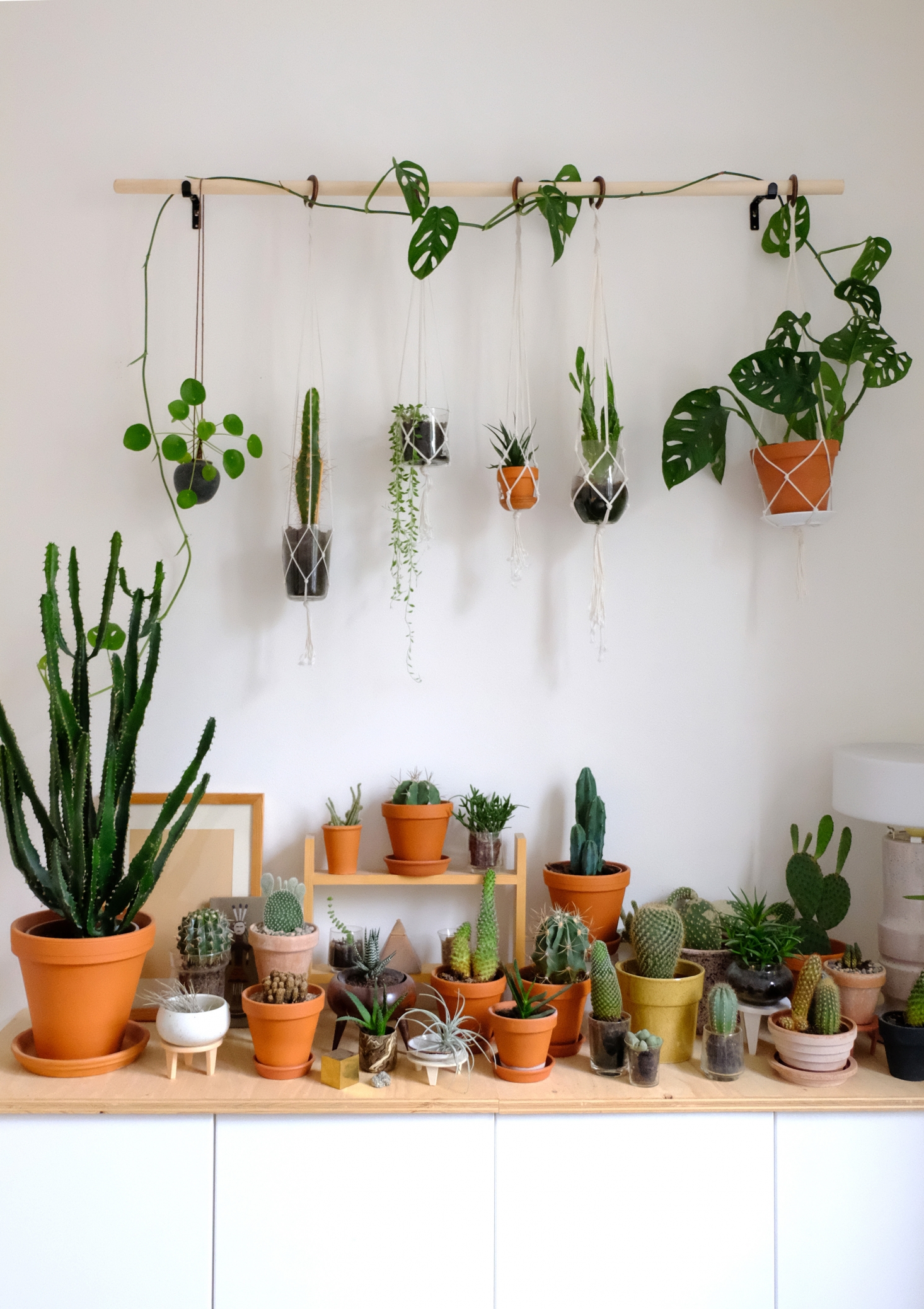
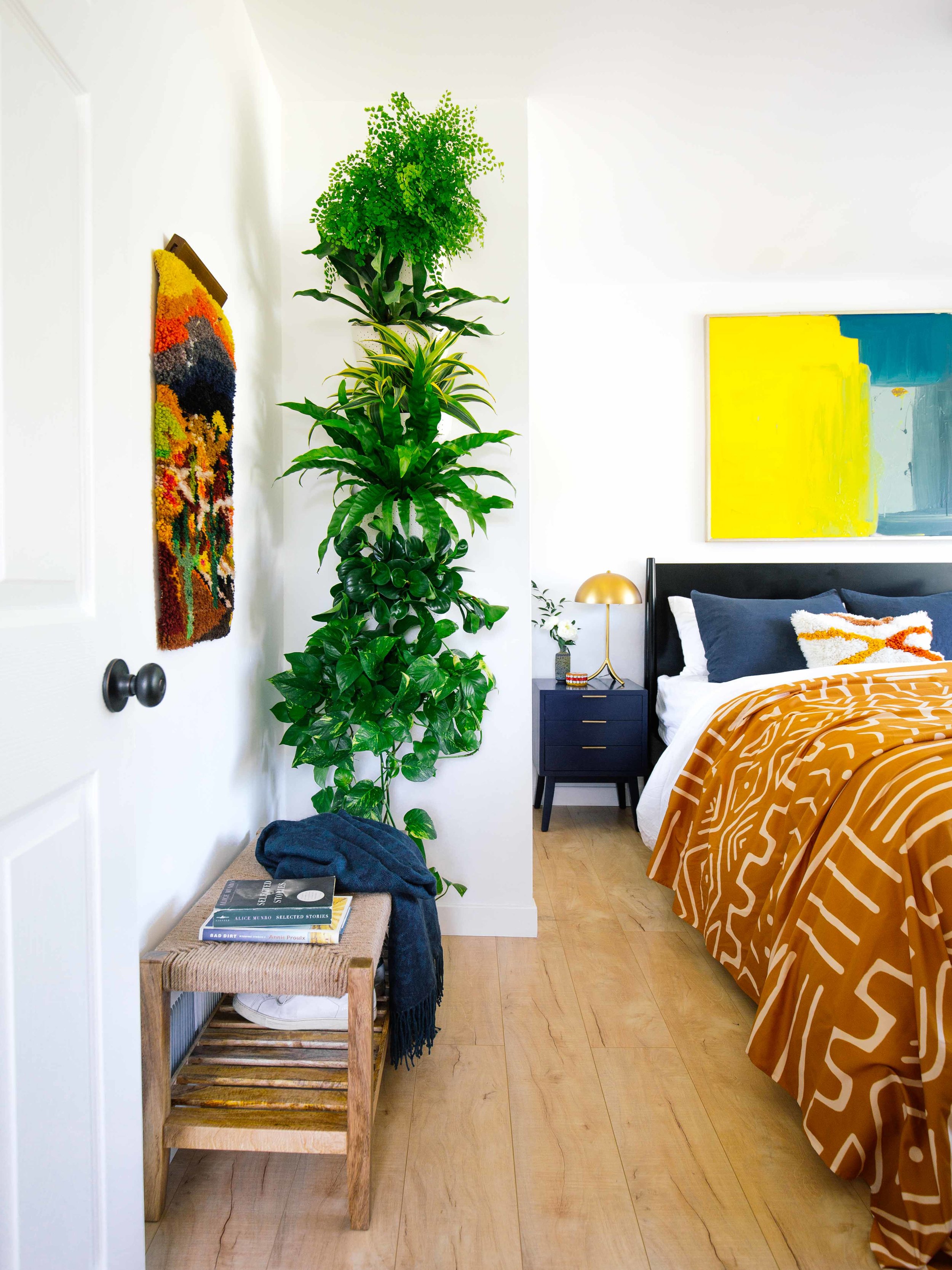
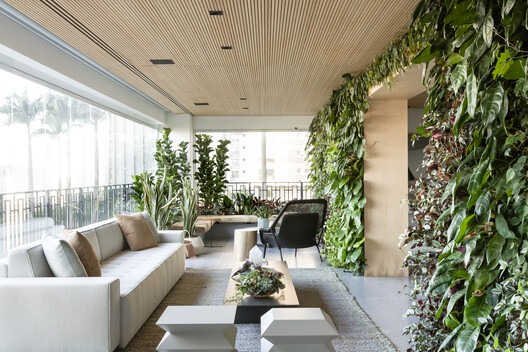
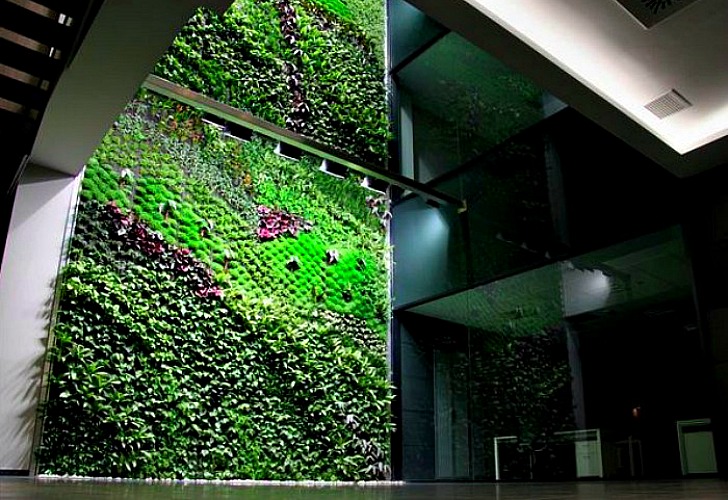
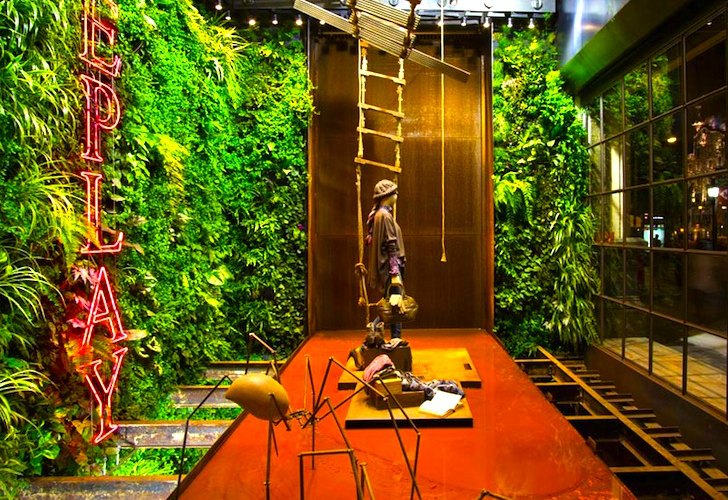
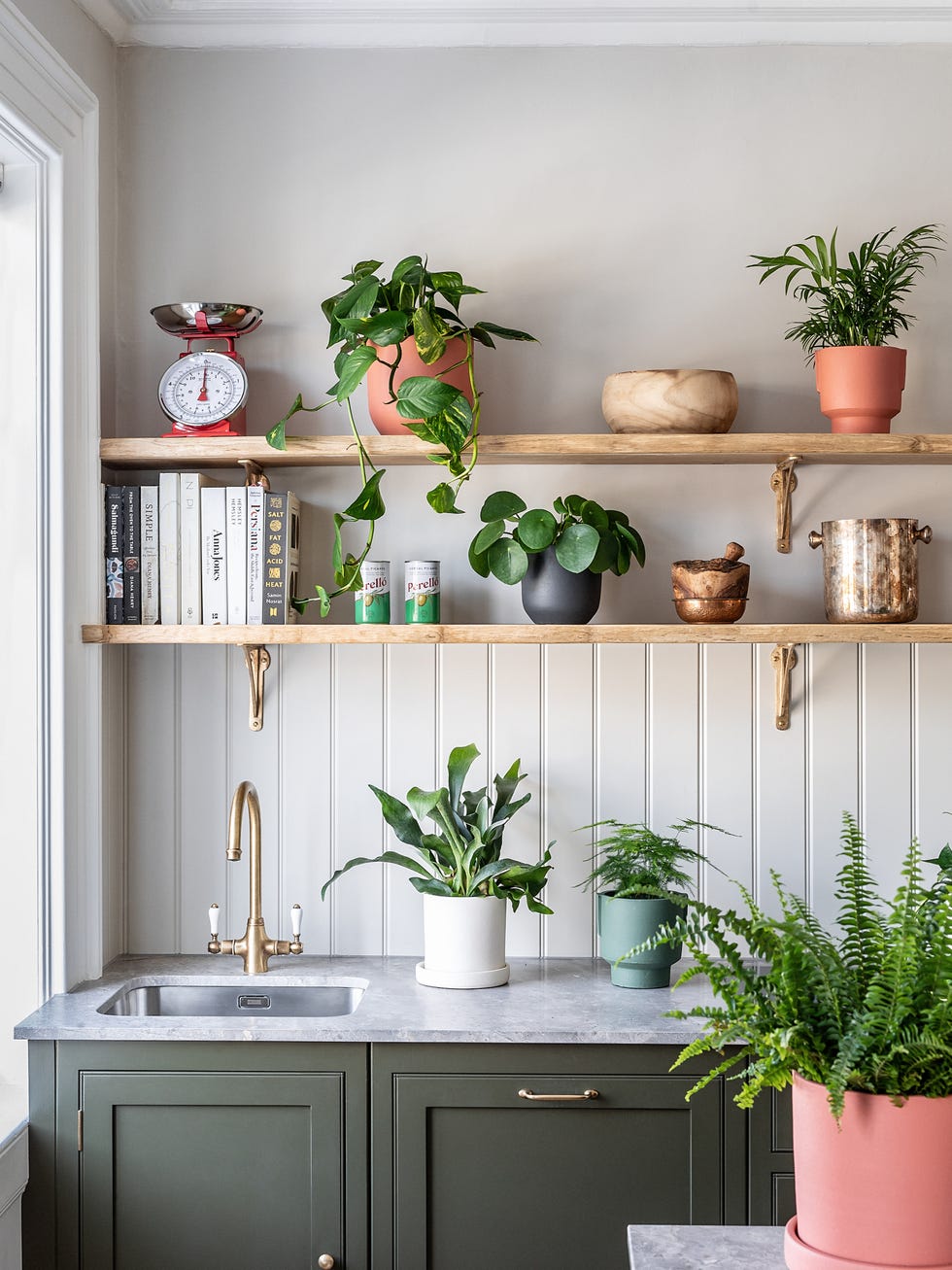
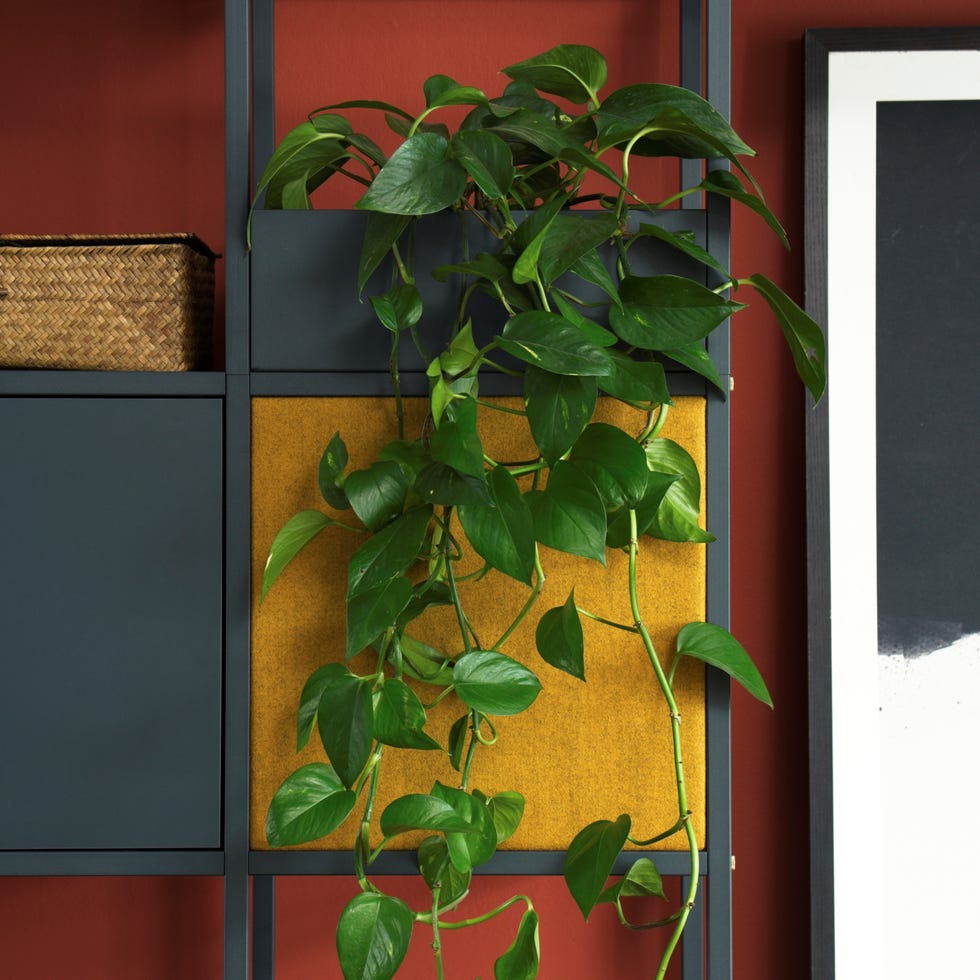
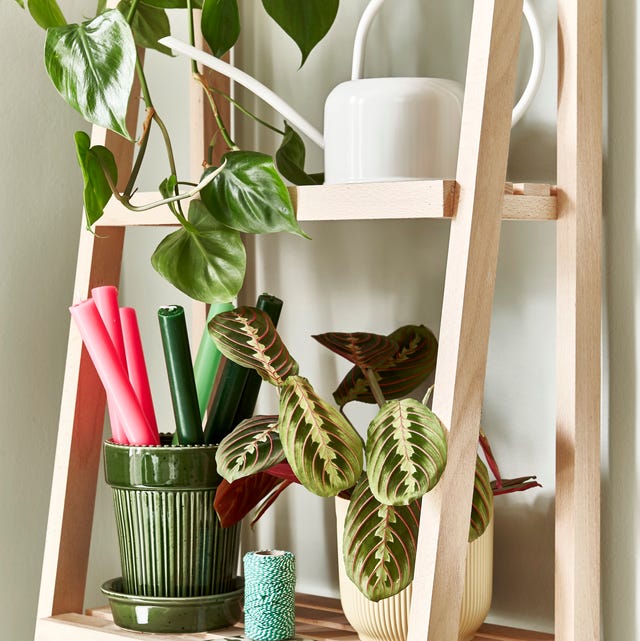
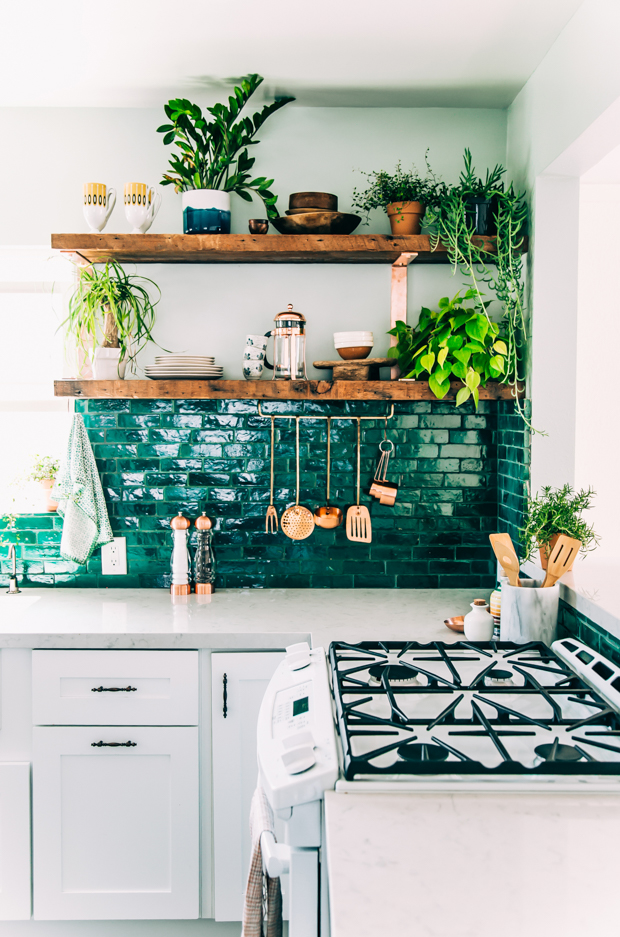
Contrasting greenery with wall colors can make plants pop, and unique options like staghorn ferns mounted on plaques are suggested for visual impact, though these require more experienced care. Instead of traditional wallpaper, one can cover a wall with climbing plants like Creeping Fig, creating an unexpected and magical ambiance that blurs the lines between indoor and outdoor spaces, especially in areas with abundant natural light. For those seeking the effect of a living wall without the high maintenance, shelving can be utilized to display trailing plants like Pothos and spider plants, choosing designs with ample space for larger specimens like various ferns.
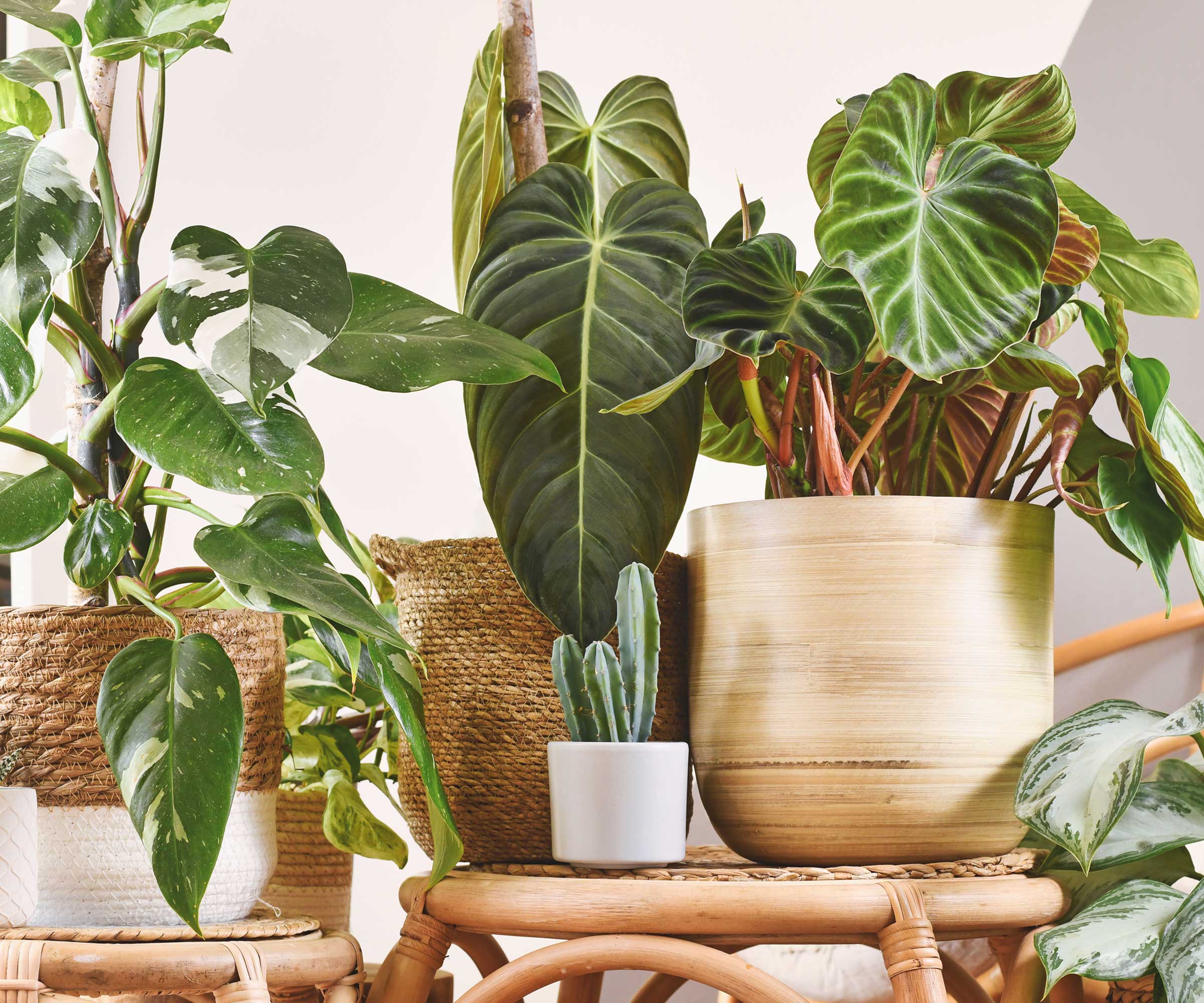
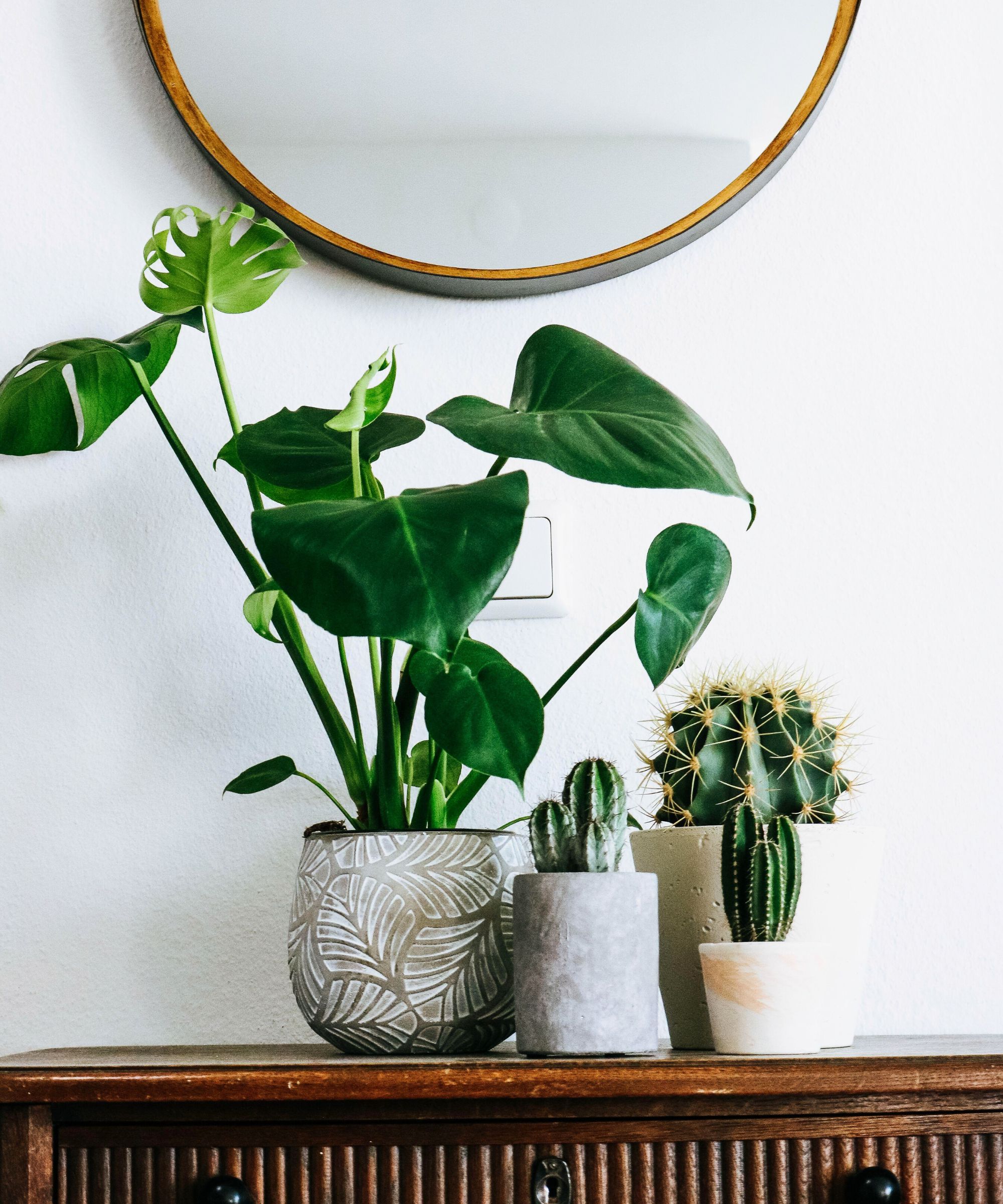
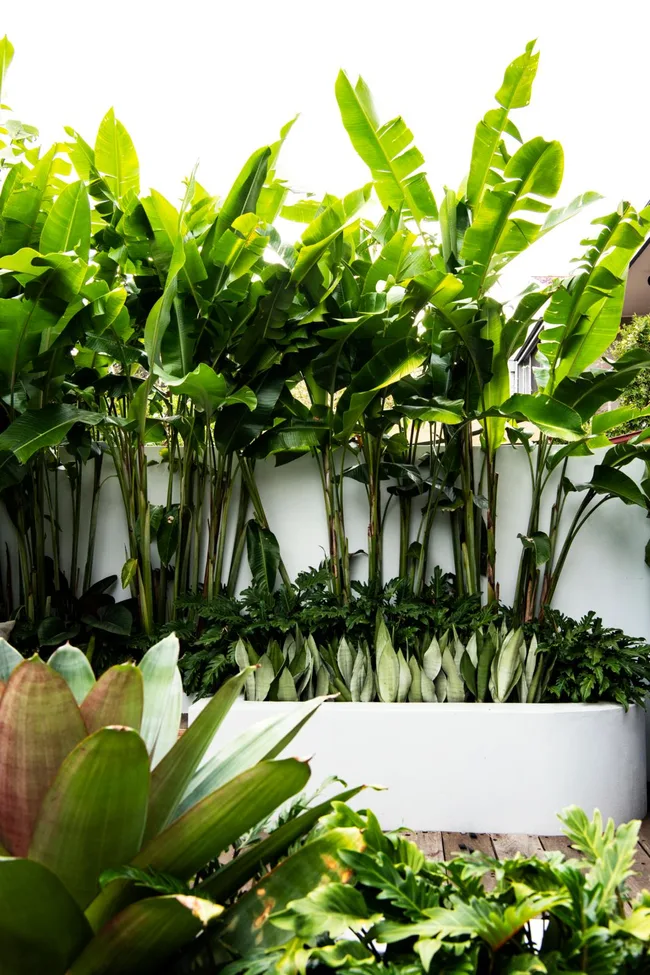
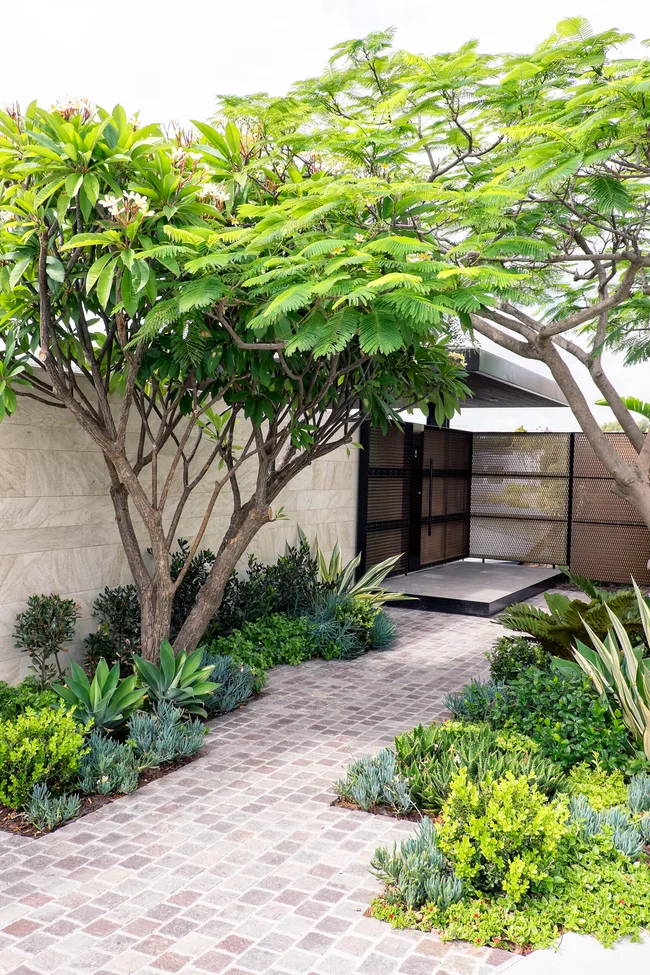
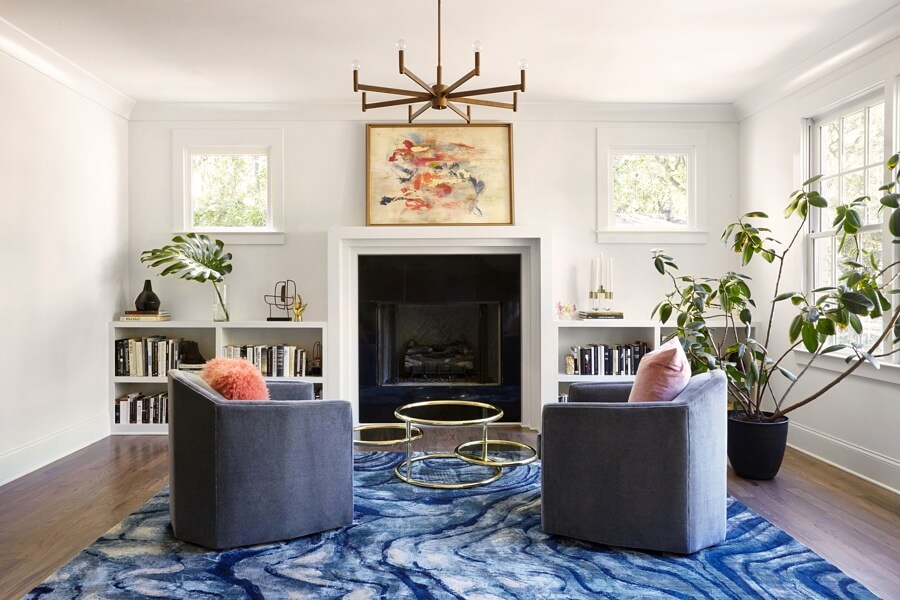
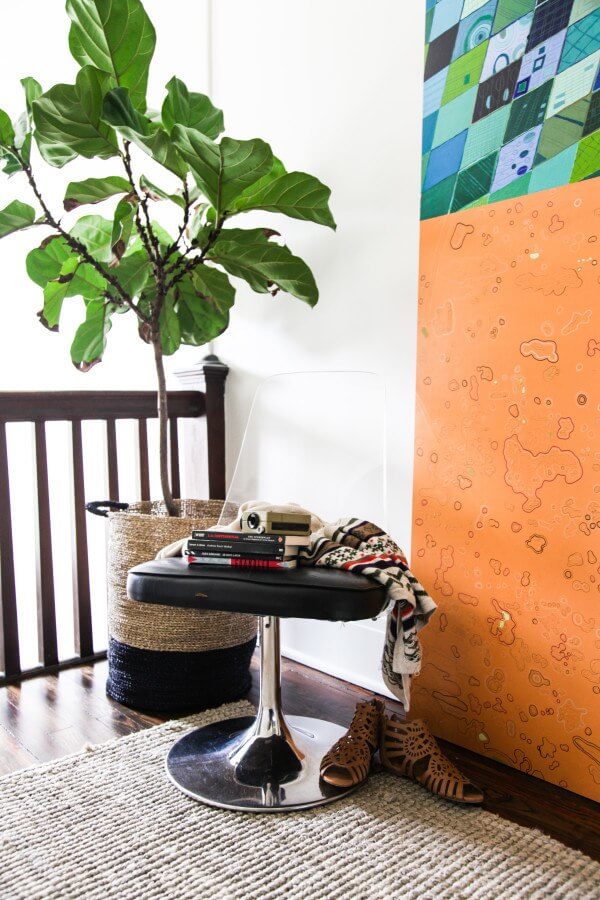

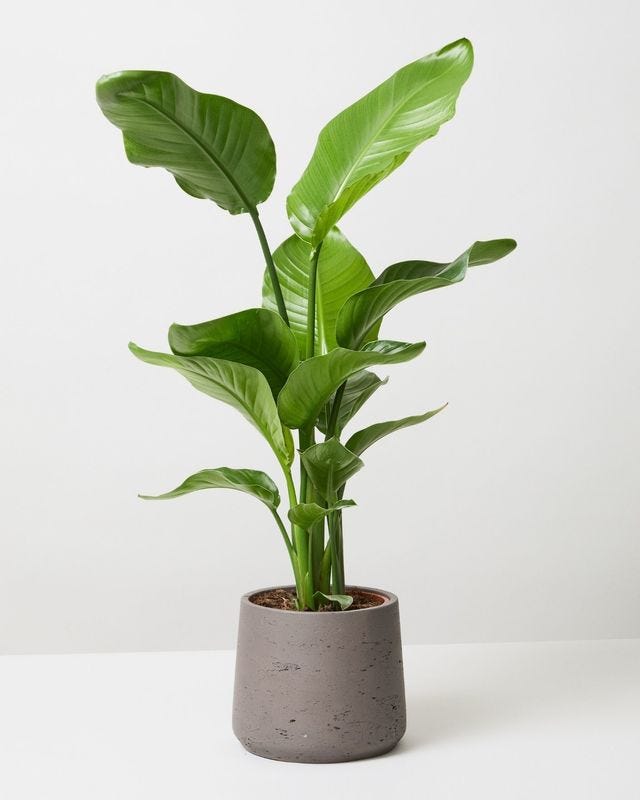
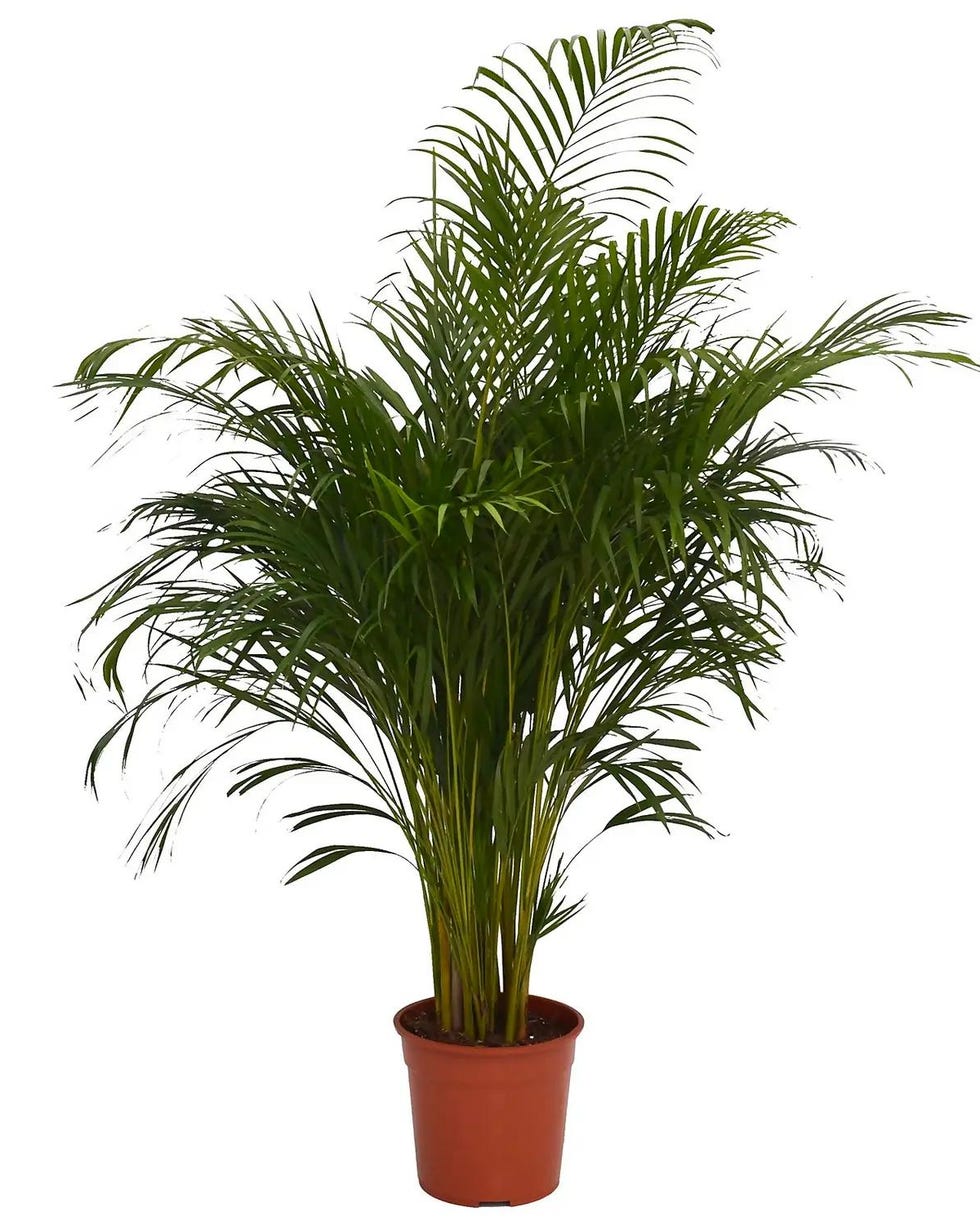
The concept of blending indoors and outdoors seamlessly is highlighted, where strategically placed indoor plants can make a room feel more luxurious and welcoming. Grouping houseplants throughout a space allows individuals to immerse themselves in greenery. For smaller potted plants, giving them height by grouping varieties with different heights, shapes, and textures can create an impressive display, with examples like Bird of Paradise, Kentia palm, and Dracaena Marginata. Contrasting soft textures in a room with structural plants like indoor trees (lemon trees, ficus, agave, plumeria) can also add aesthetic depth.
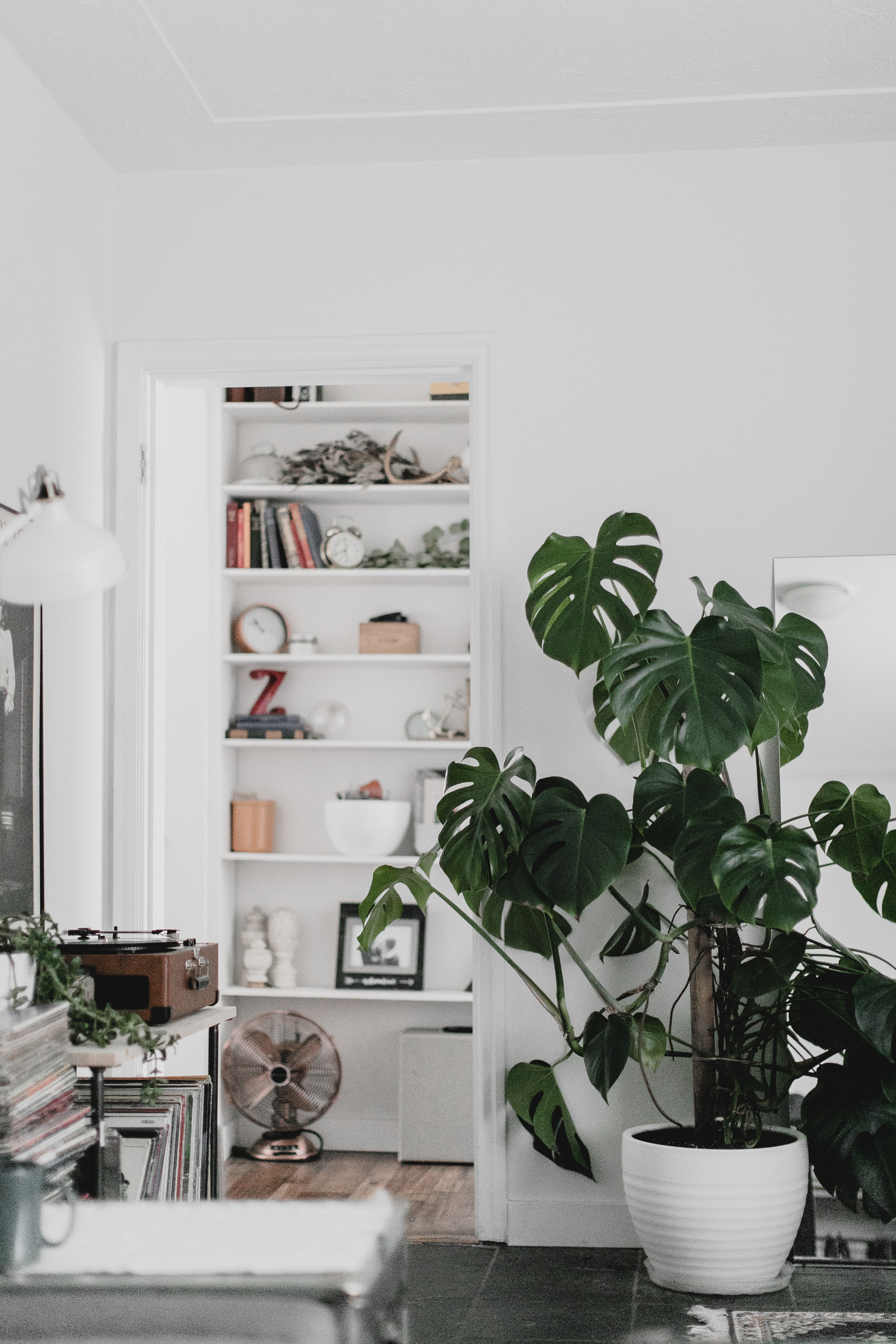
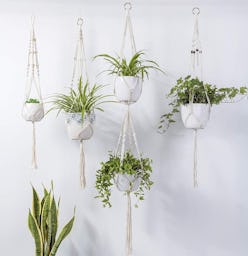
Creating a jungle-like effect involves strategic plant placement. In smaller rooms, a single key plant can have a significant impact, while larger displays benefit from grouping plants in a 'rule of three' (one large, one medium, one small) to create abundant blocks of green foliage, which also helps maintain humidity. Incorporating a tree, such as an olive tree, into a kitchen can soften its clean lines and add an unexpected organic element. Hanging plants at various levels, utilizing bookshelves, mantelpieces, or ceiling suspensions, maximizes vertical space and contributes to a lush, jungle-like atmosphere. Finally, positioning an indoor garden in a home office can provide an inspiring view and capitalize on the known benefits of having plants in a workspace, mixing plant types and pot styles while ensuring adequate sunlight exposure for each plant's specific environmental needs.
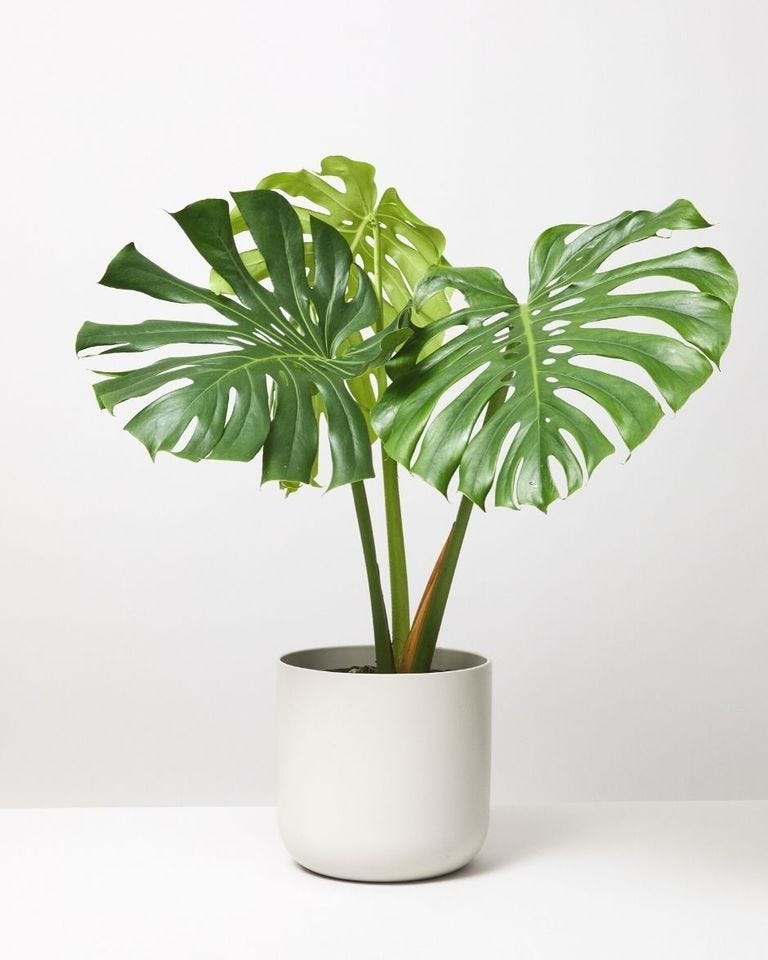
For beginners, easy-to-care-for plants like Pothos, Sansevieria's, Hoyas, and Philodendrons are recommended. Anyone can start an indoor garden by understanding the natural habitats of their chosen plants and replicating those conditions, such as providing high humidity for Calatheas or bright, dry conditions for cacti and succulents. Daily appreciation and observation of plants for watering, cleaning, and pest treatment are crucial for care. Watering strategies vary by plant type: completely dry soil for cacti and succulents, halfway dry for most leafy tropical plants, and slightly dry for moisture-loving plants like ferns.
#IndoorGardening #Houseplants #HomeDecor #PlantCare #BiophilicDesign #GreenLiving #InteriorDesignTrends #HomeImprovement #PlantSelection #IndoorGardening #Houseplants #HomeDecor #PlantCare #BiophilicDesign #GreenLiving #InteriorDesignTrends #HomeImprovement #PlantSelection
0 opmerkingen in totaal
 Nog geen opmerkingen
Dit vindt u mogelijk ook leuk
8 Incredible Indoor Garden Ideas

12 Garden Room Ideas That Will Elevate Your Outdoor Space and Bring You Extra Room to Unwind
15 Urban Garden Ideas That Will Make Even Busy City Spaces Feel Like a Retreat

Courtyard garden ideas –11 ways transform an enclosed space
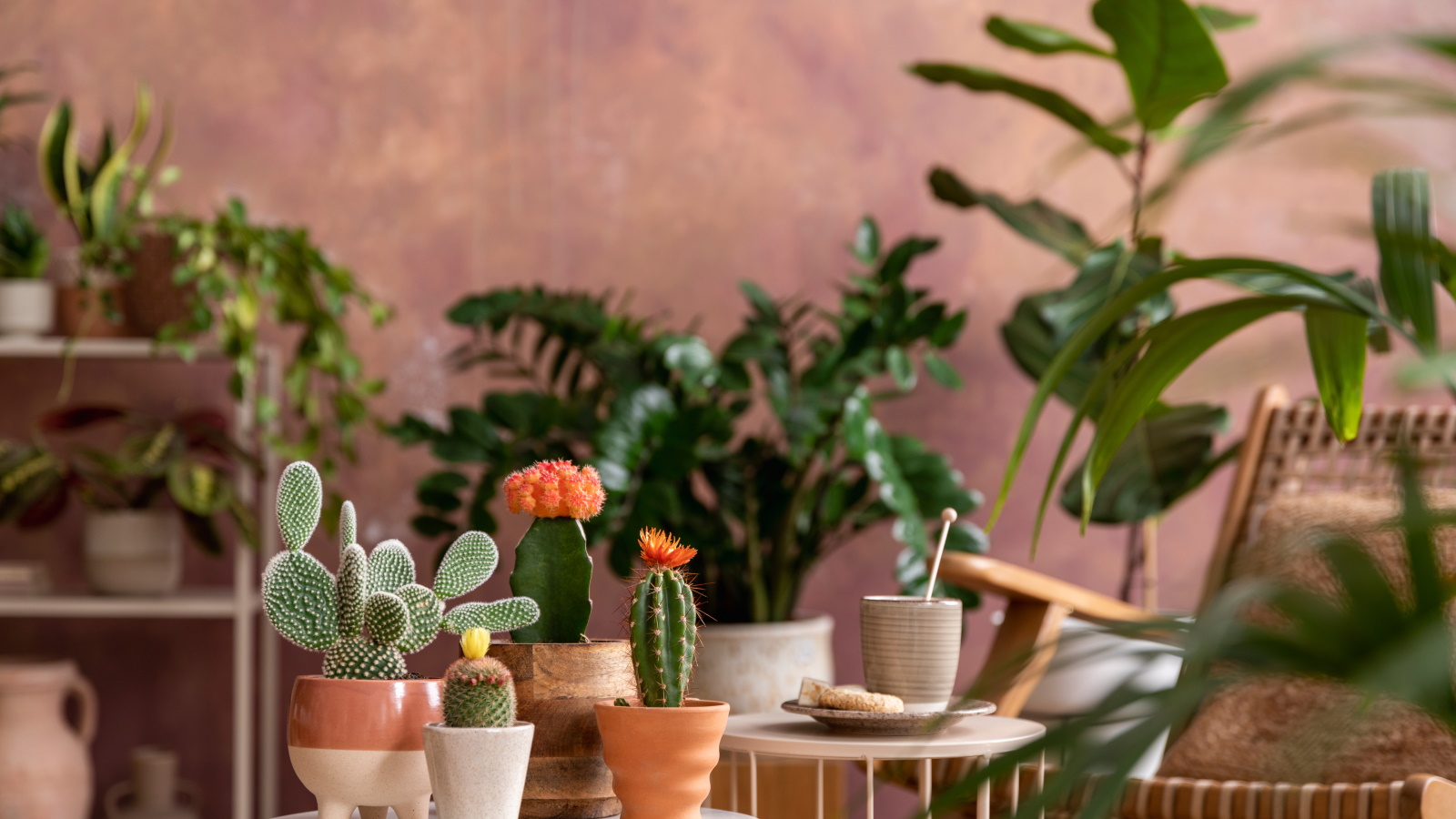
Indoor garden ideas: 9 ways to create a plant-filled haven

13 small garden design ideas that maximise space and greenery

14 small garden design ideas that maximise space and greenery
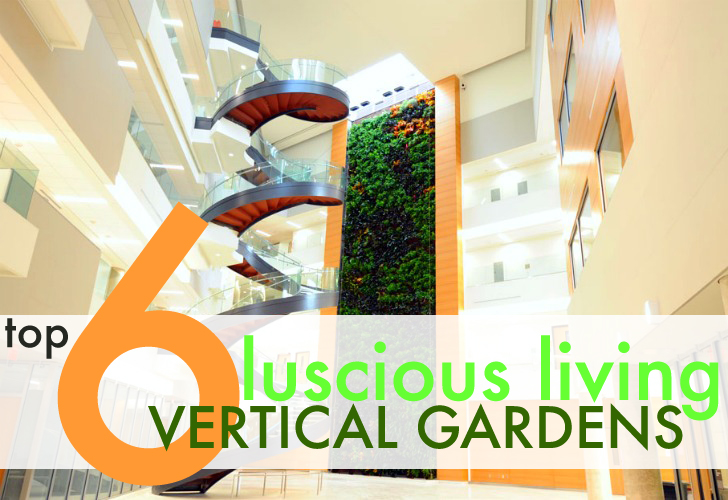
6 Luscious Living Vertical Gardens That Bring A Breath Of Fresh Air Indoors

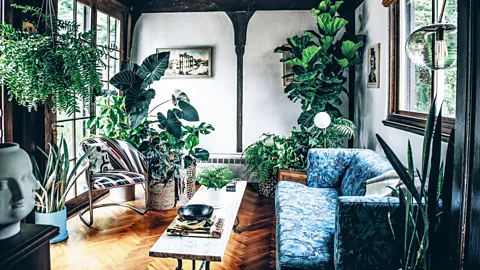
Eight ways indoor plants can improve your home

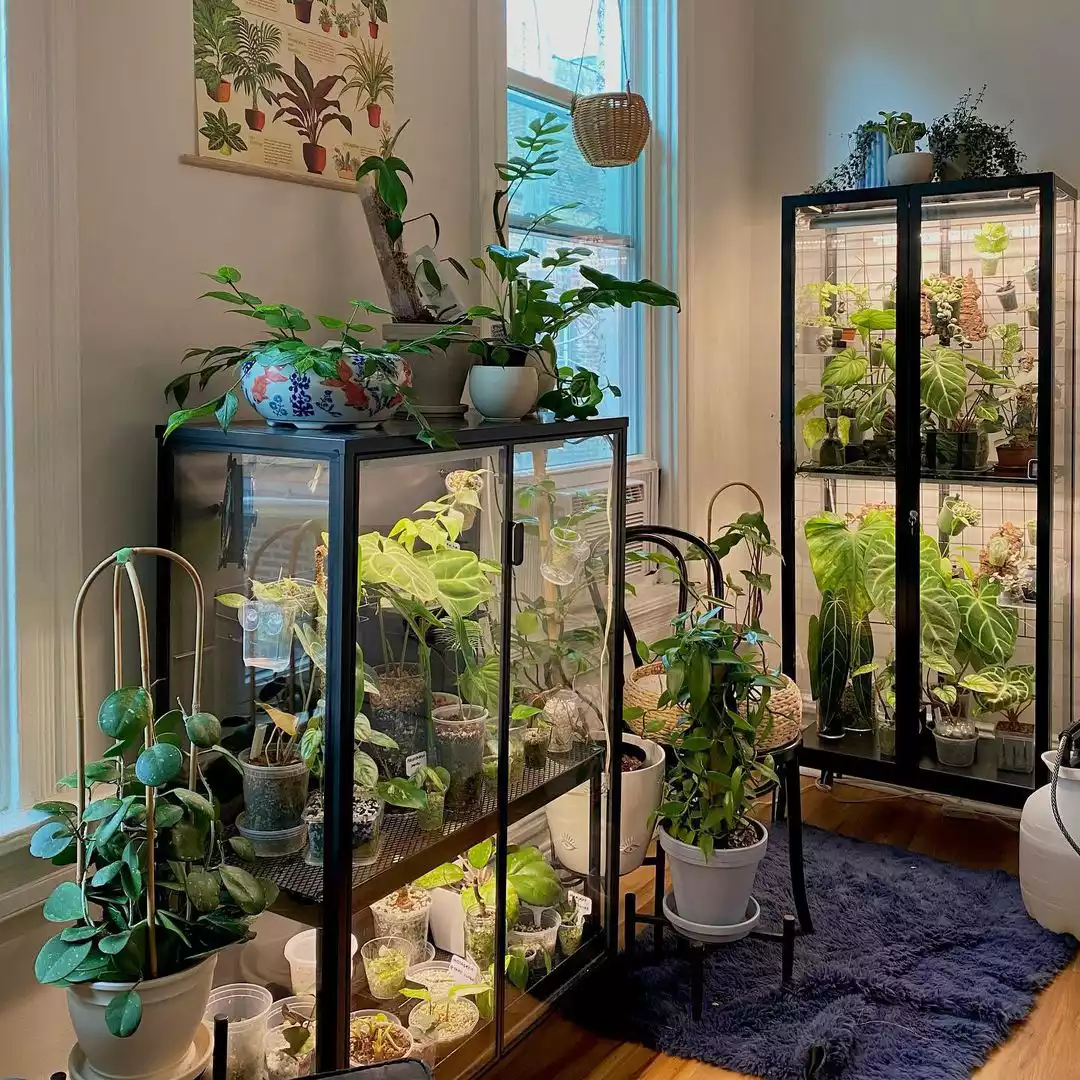
20 DIY Indoor Greenhouse Ideas to Create Your Own Plant Oasis
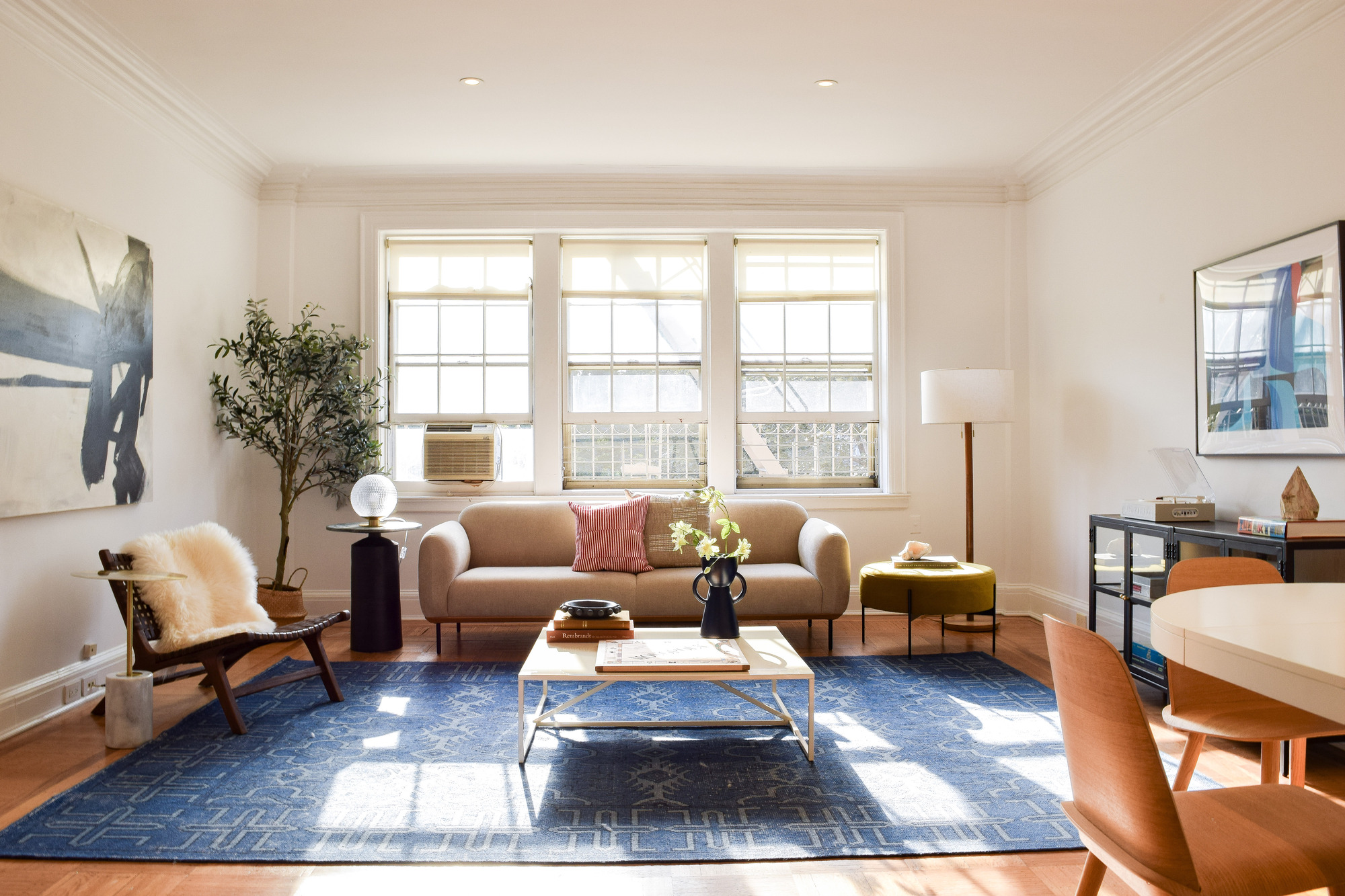
6 Plants That Professional Stagers Say Will Actually Help You Sell Your Home
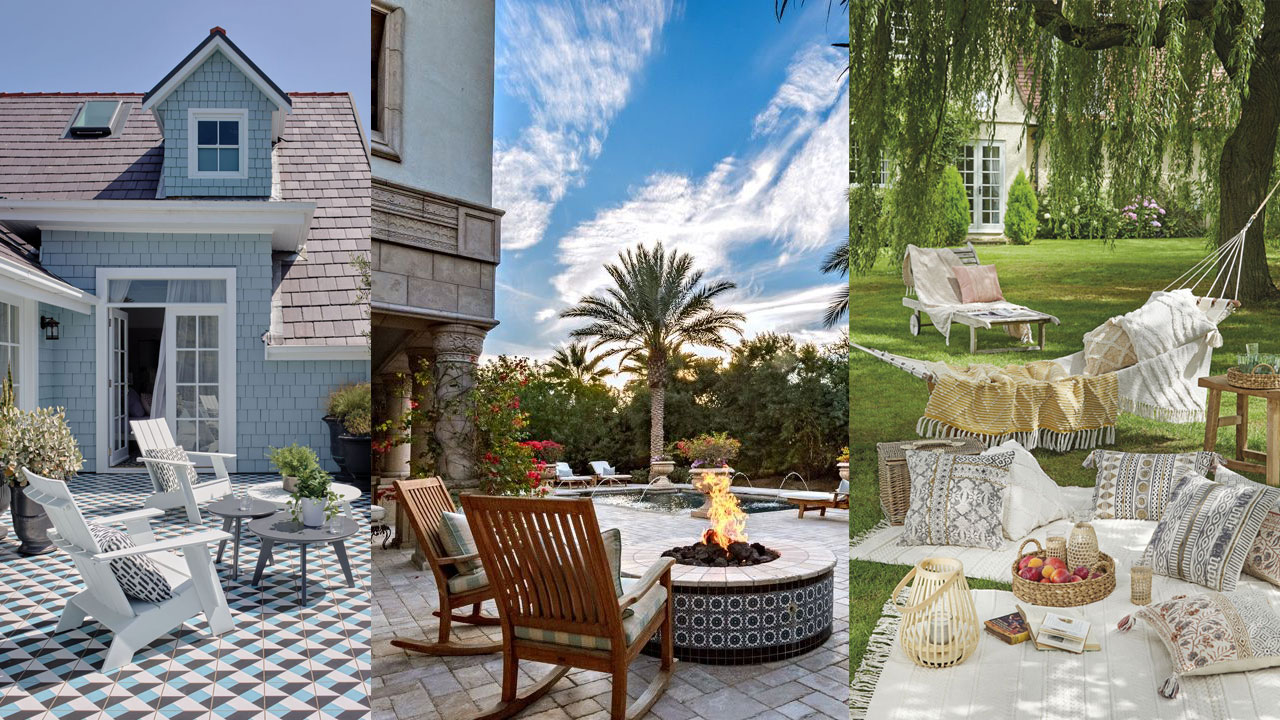
Garden decorating ideas – 24 ways to update your backyard
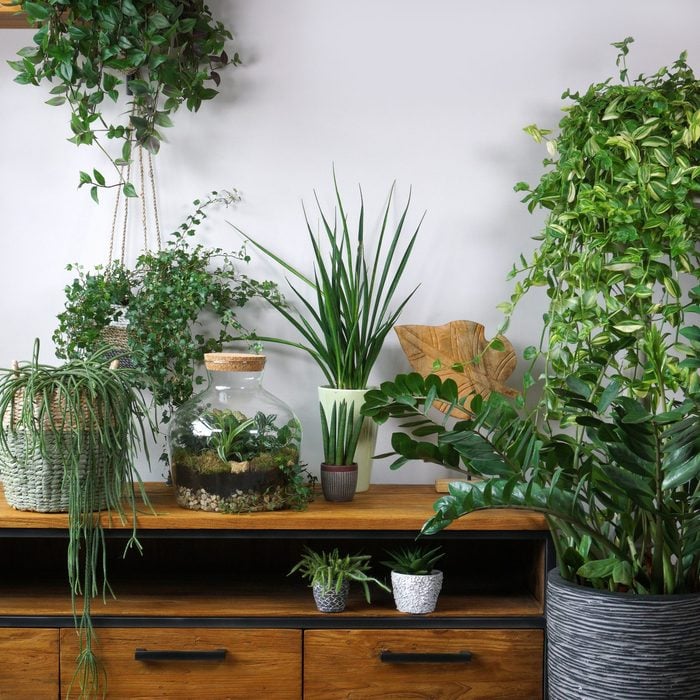
7 Indoor Garden Ideas To Elevate Your Home

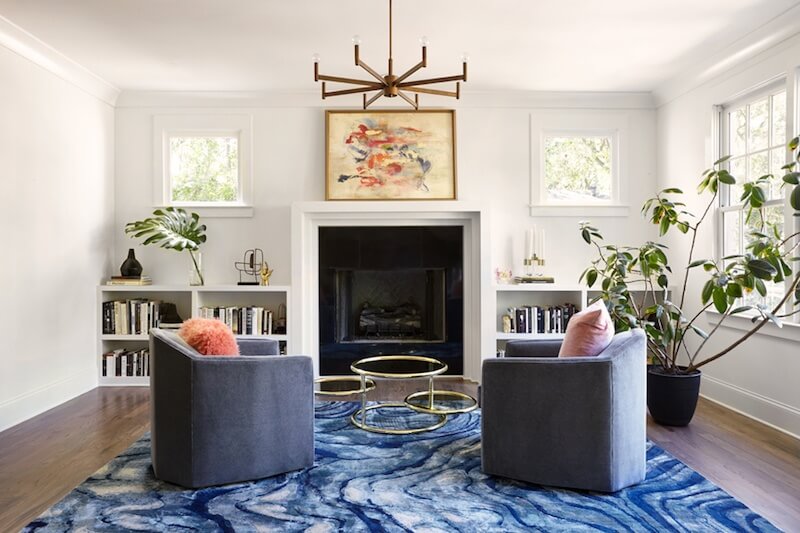
Designing With Plants: Expert Tips for Stylishly Greening Your Interiors

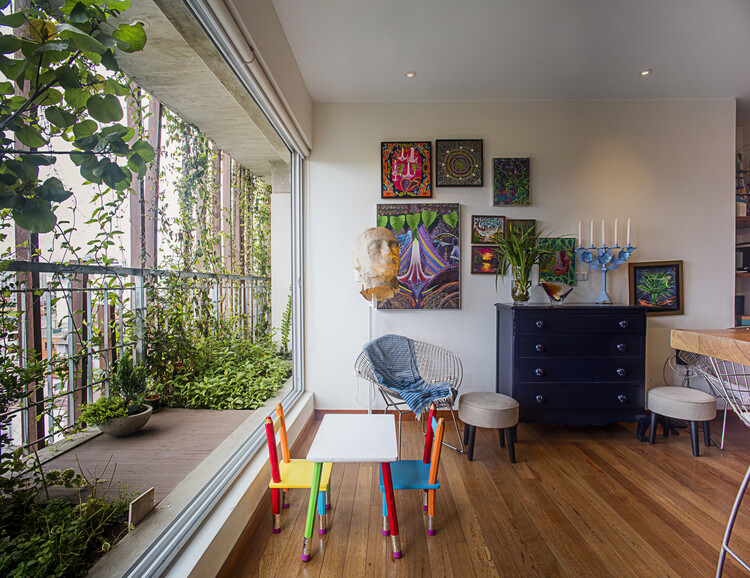
Cultivating Green Apartments: A Guide to Integrating Nature in Small Urban Spaces

The power of greenery! 5 ways that houseplants can elevate your interior

6 Indoor Garden Ideas That Will Convince You to Become a Plant Person

19 simple garden ideas for every style, size and budget
25 Indoor House Plants To Buy If You Know Your Spider Plant From Your Aloe Vera

13 Ways To Have Plants In A Small Apartment Or Other Living Space