1/11
Here’s why colonial furniture is still coveted by design enthusiasts
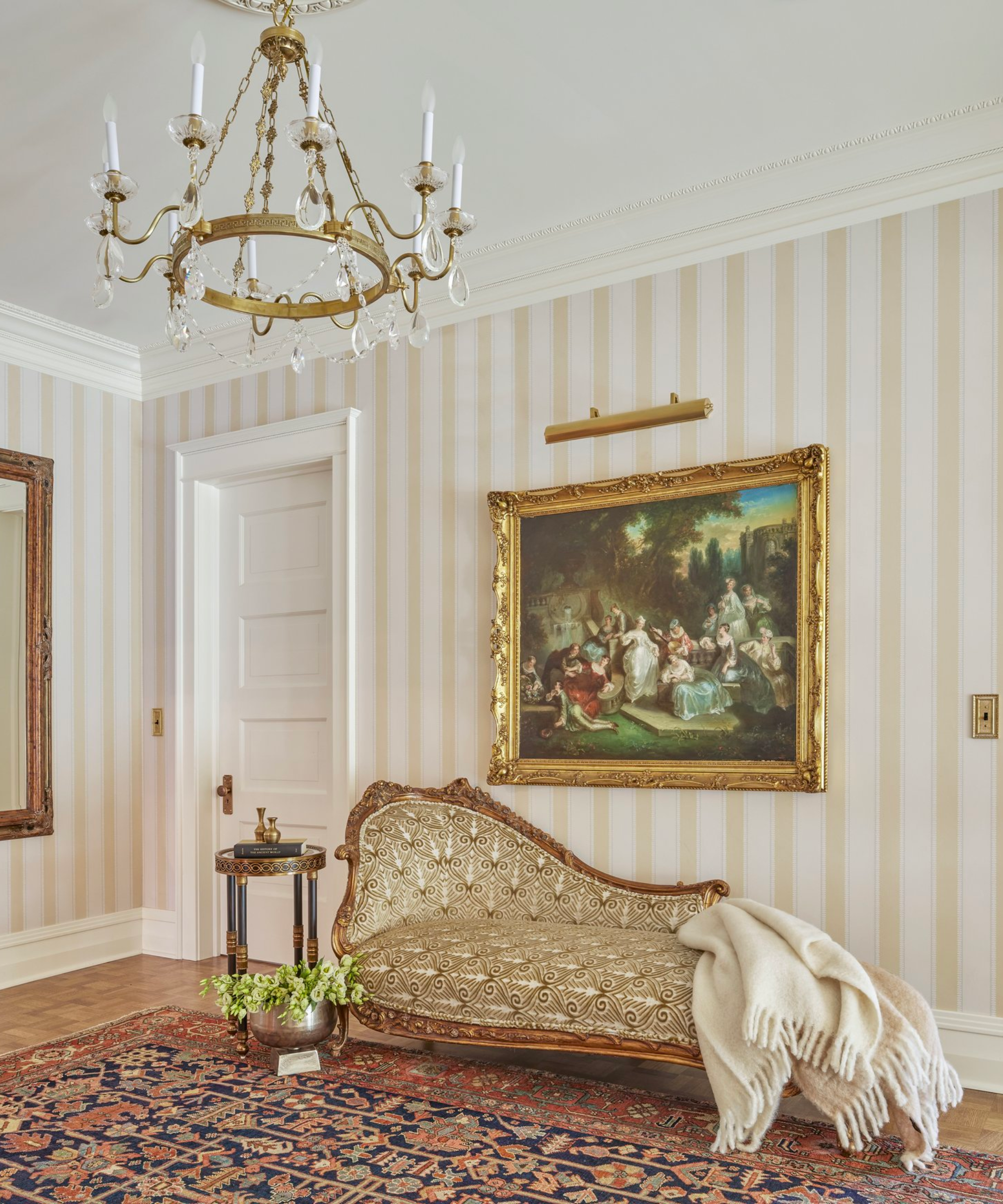
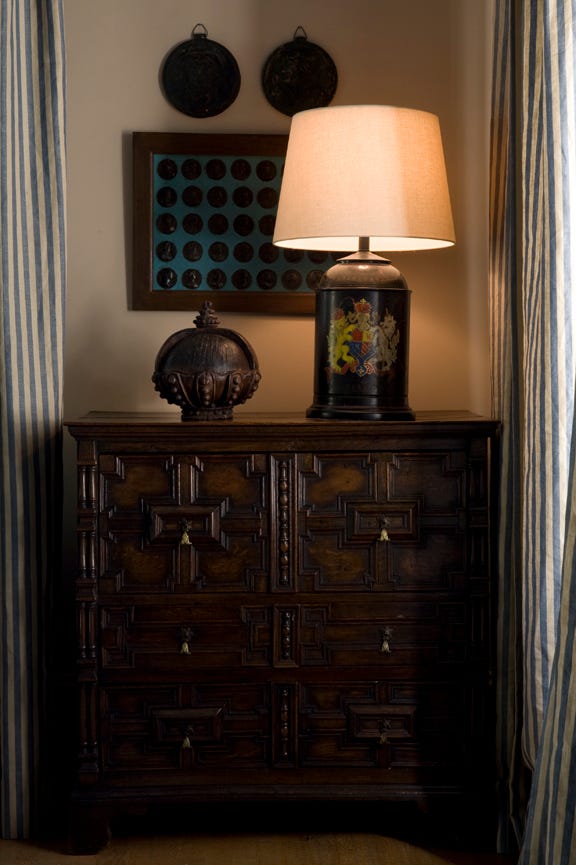
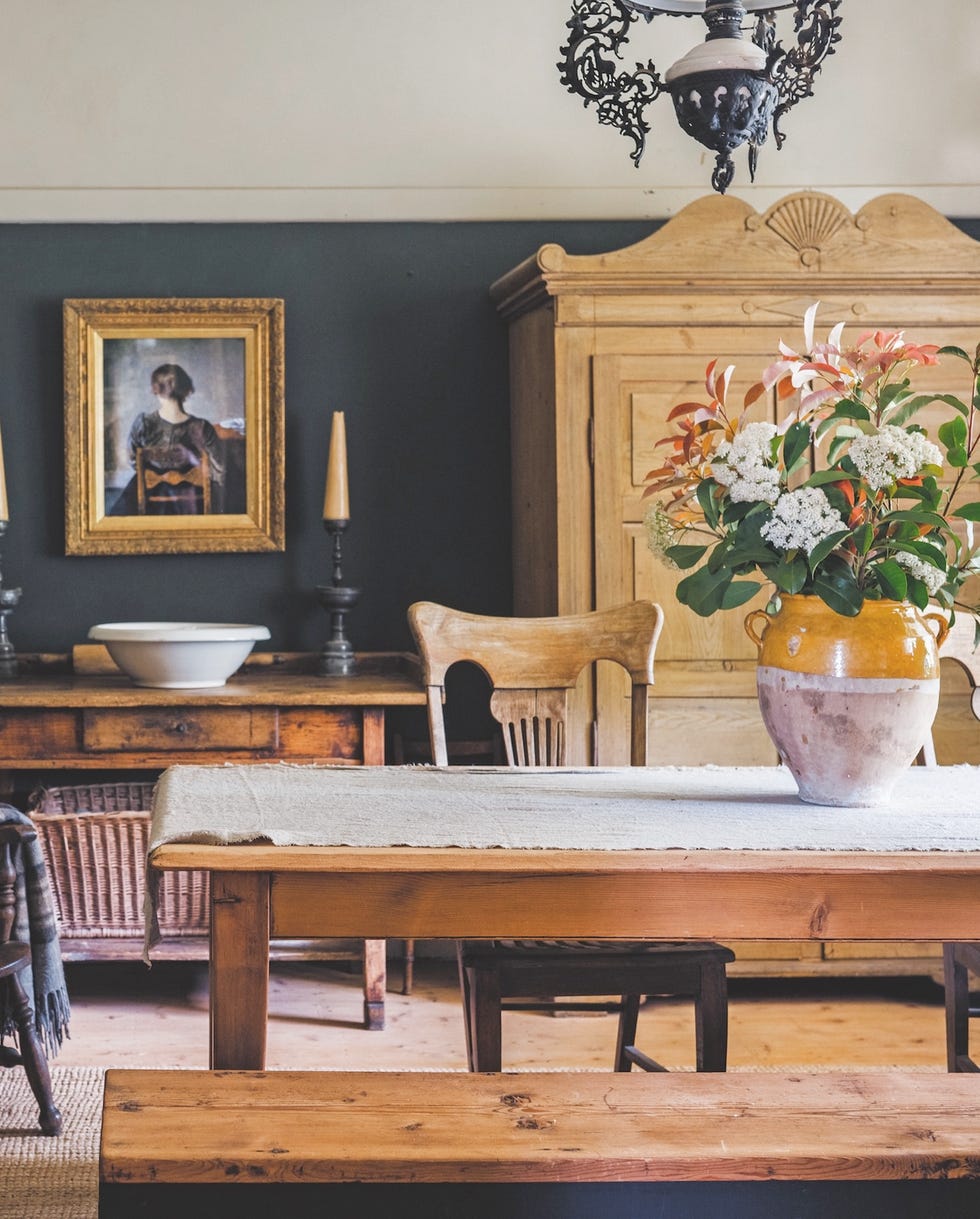
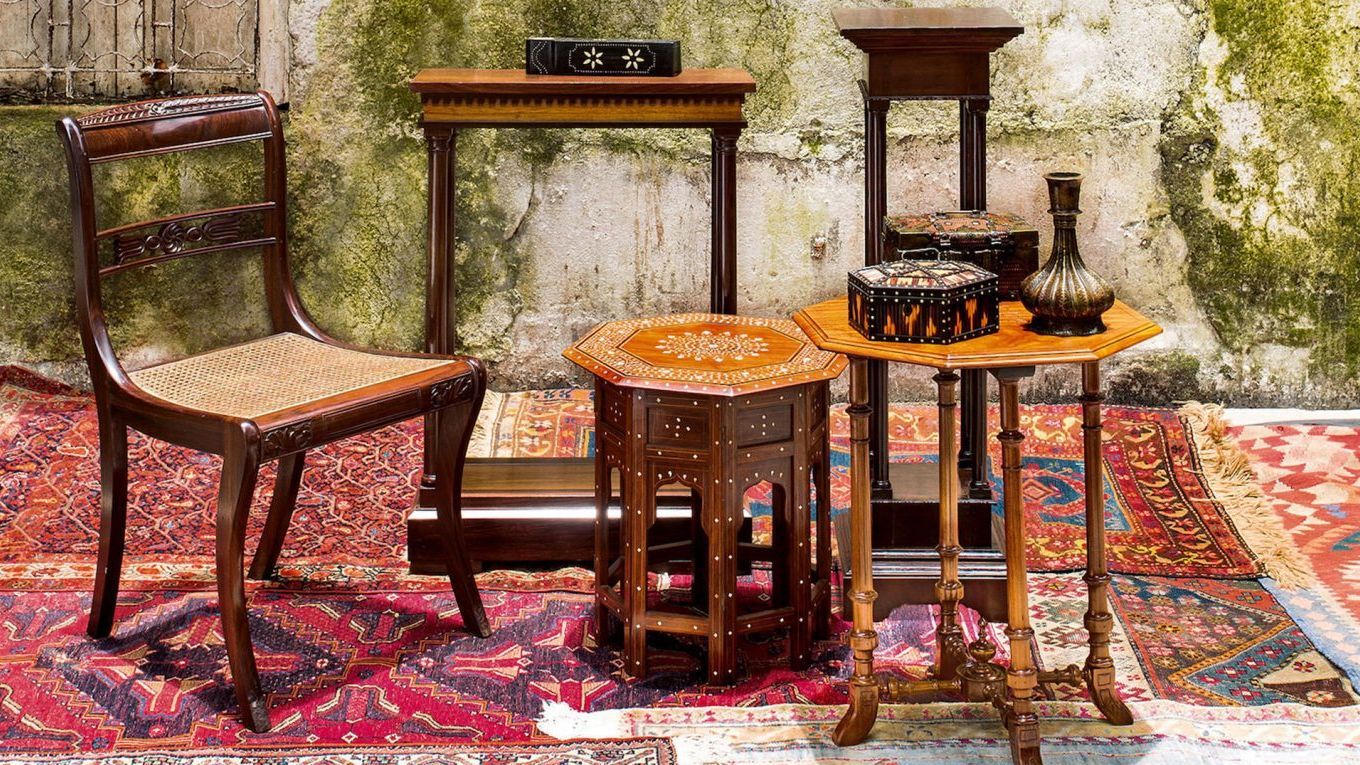
Colonial furniture represents a significant cultural and artistic legacy, resulting from the creative interplay between Eastern and Western influences. This furniture style, often misunderstood as primarily British, was first introduced to India by the Portuguese in the mid-1500s, predating British involvement. Subsequently, the Dutch and French also contributed to its evolution. Unlike Europe, India lacked a tradition of 'elevated' furniture, with people customarily dining and socializing while seated on floor coverings. Initially, European colonizers imported furniture from their home countries due to the absence of a local furniture-making infrastructure.
However, they soon recognized the exceptional handcrafting skills of Indian artisans, who were already patronized by local royalty. This led to a groundbreaking opportunity: Europeans began importing prototypes and commissioning local craftsmen to replicate them using readily available Indian timbers such as ebony, satinwood, calamander, rosewood, mahogany, and Burmese teakwood, in contrast to European woods like walnut, oak, and beech. The high quality of these locally produced pieces made their export alongside spices a lucrative venture.
Early Portuguese commissions focused on ecclesiastical furniture for churches in regions like Goa, Daman, and Diu. This style quickly gained favor among wealthy Indian landowners and ruling classes, who received these pieces as gifts. Some Indian kings even adopted European architectural styles for their palaces, such as the Falaknuma Palace, which still features an Edwardian-style ballroom.
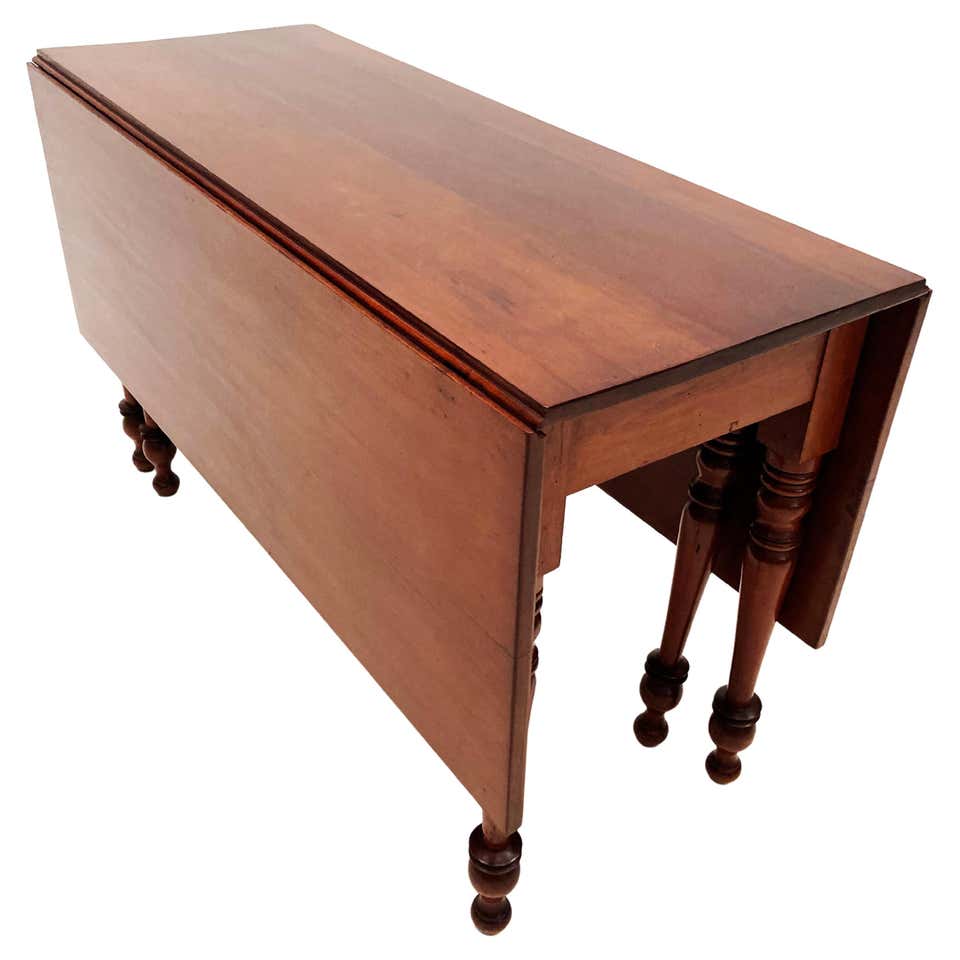
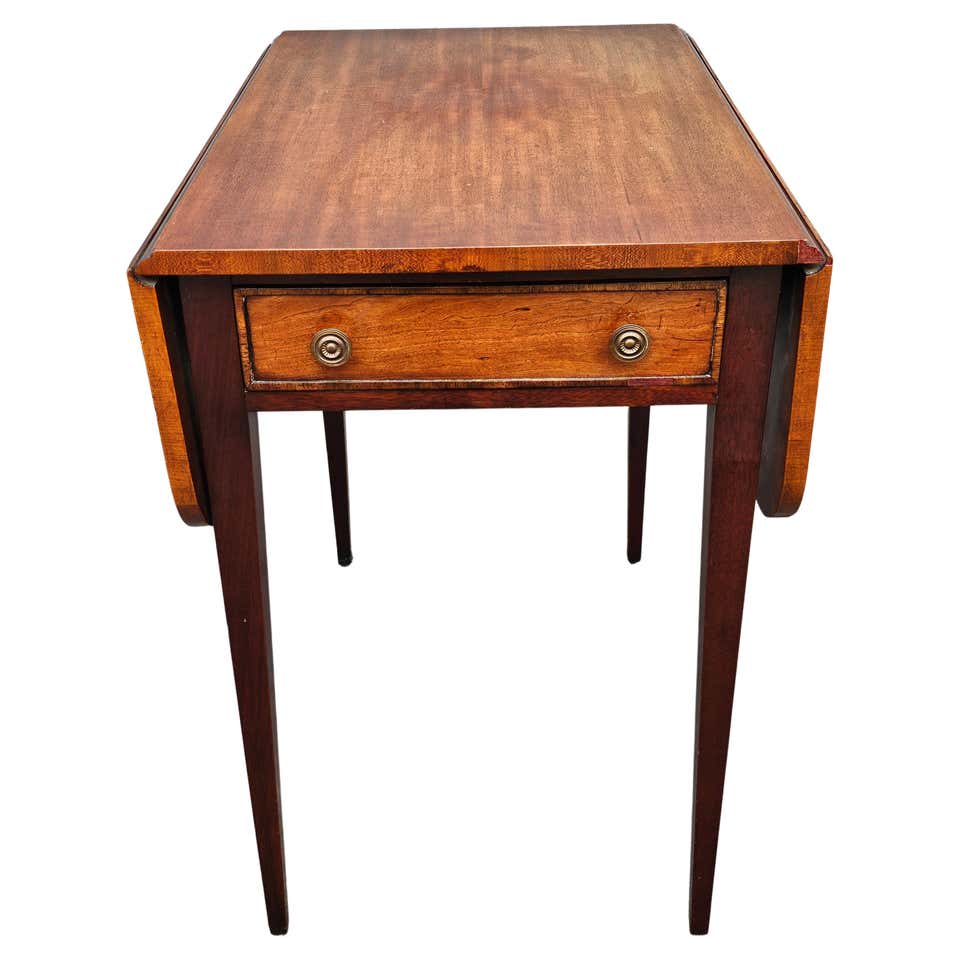
While the Portuguese and Dutch allowed artisans creative freedom, encouraging the incorporation of local elements like ivory, brass, or silver inlay work, and diverse motifs including animal figures (tigers, elephants, eagles, fish, lion heads, dog heads) and fruit designs (the pineapple being a Dutch favorite), the British approached it differently. The British insisted on direct replication of prototypes without local embellishments, which, despite stifling local creativity, led to the development of specific subcategories. One notable example is 'Campaign' furniture, designed to be portable for British officers and administrators to transport to their summer retreats in the hills, allowing them to maintain their lavish lifestyles. This included items like portable tables, chests of drawers, picnic tables, and beds.
Another significant category is Anglo-Indian furniture, distinguished by its deeply carved details, a characteristic absent in other colonial styles. Examples of this furniture can be found in the English estate of Lord Clive, a key figure in the East India Company's transformation. For those seeking colonial furniture, distinguishing authentic reproductions from originals is crucial. Museum-quality reproductions hold less value than originals. For restored pieces, adhering to international antique guidelines is essential, preserving the natural wear and tear and patina. When purchasing, it is vital to choose a trustworthy dealer and inspect key indicators of authenticity, such as patination (natural discoloration indicating age), intact original locks, joinery, handles, and keyholes. Alterations, like adding bookcase sections to secretaries or converting chests of drawers into desks, should be carefully identified. Careful examination of graining and color consistency across sections helps confirm originality.
Caring for colonial furniture involves simple yet important practices: avoiding wet cloths, using feather dusters or soft dry cloths, keeping pieces out of direct sunlight to prevent fading, protecting them from extreme weather, and waxing them sparingly, typically once every six months. Consulting the dealer for specific care instructions is advisable. The enduring appeal of colonial furniture lies in its rich history, unique blend of cultures, and the artistry of its creation.
#ColonialFurniture #IndianDesign #AntiqueFurniture #InteriorDesign #FurnitureHistory #PortugueseInfluence #BritishColonial #ArtisanCraftsmanship #HomeDecor #ColonialFurniture #IndianDesign #AntiqueFurniture #InteriorDesign #FurnitureHistory #PortugueseInfluence #BritishColonial #ArtisanCraftsmanship #HomeDecor
0 opmerkingen in totaal
 Nog geen opmerkingen
Dit vindt u mogelijk ook leuk
5 classic furniture designs that still have an enduring allure

6 antiques that will always work in modern interiors – and how designers style them

These designers source and restore vintage furniture every single day – here are their top tips for shopping and reviving
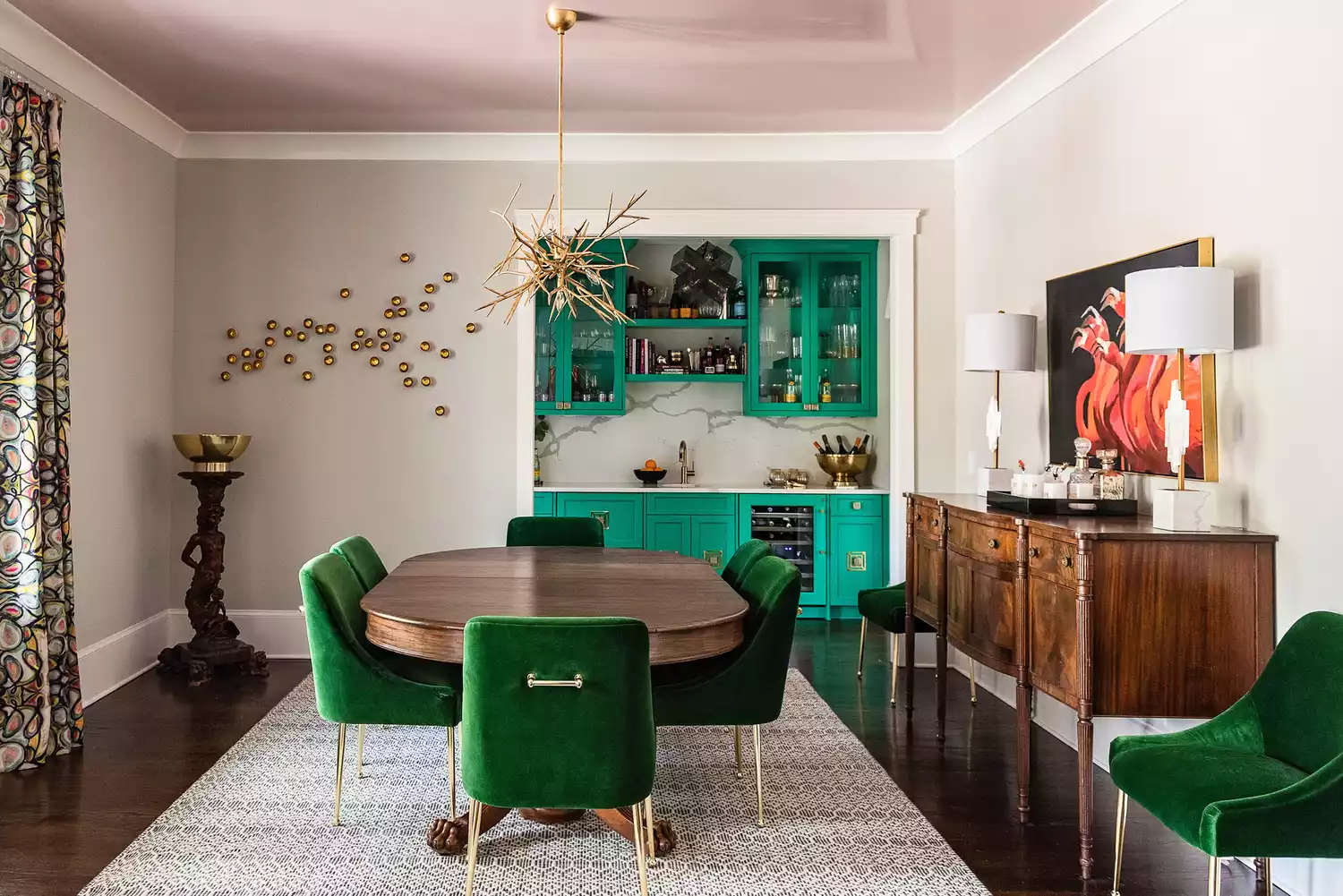
6 Classic Pieces From Grandma's Dining Room That Will Never Go Out Of Style
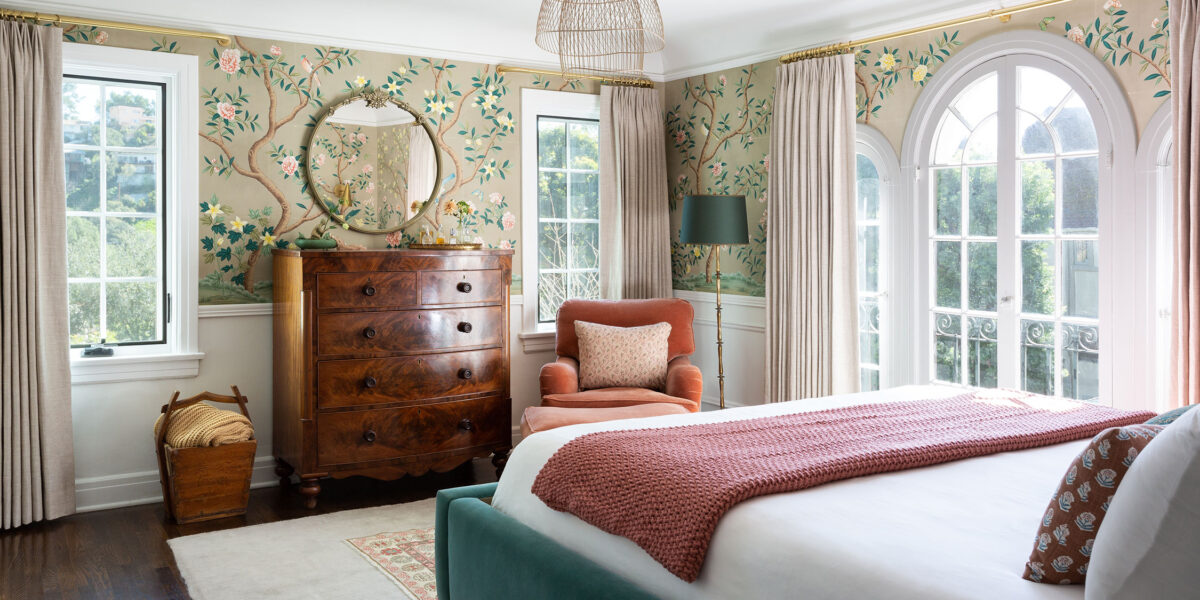
This Is Why Everyone’s Obsessed with Traditional Decor Right Now
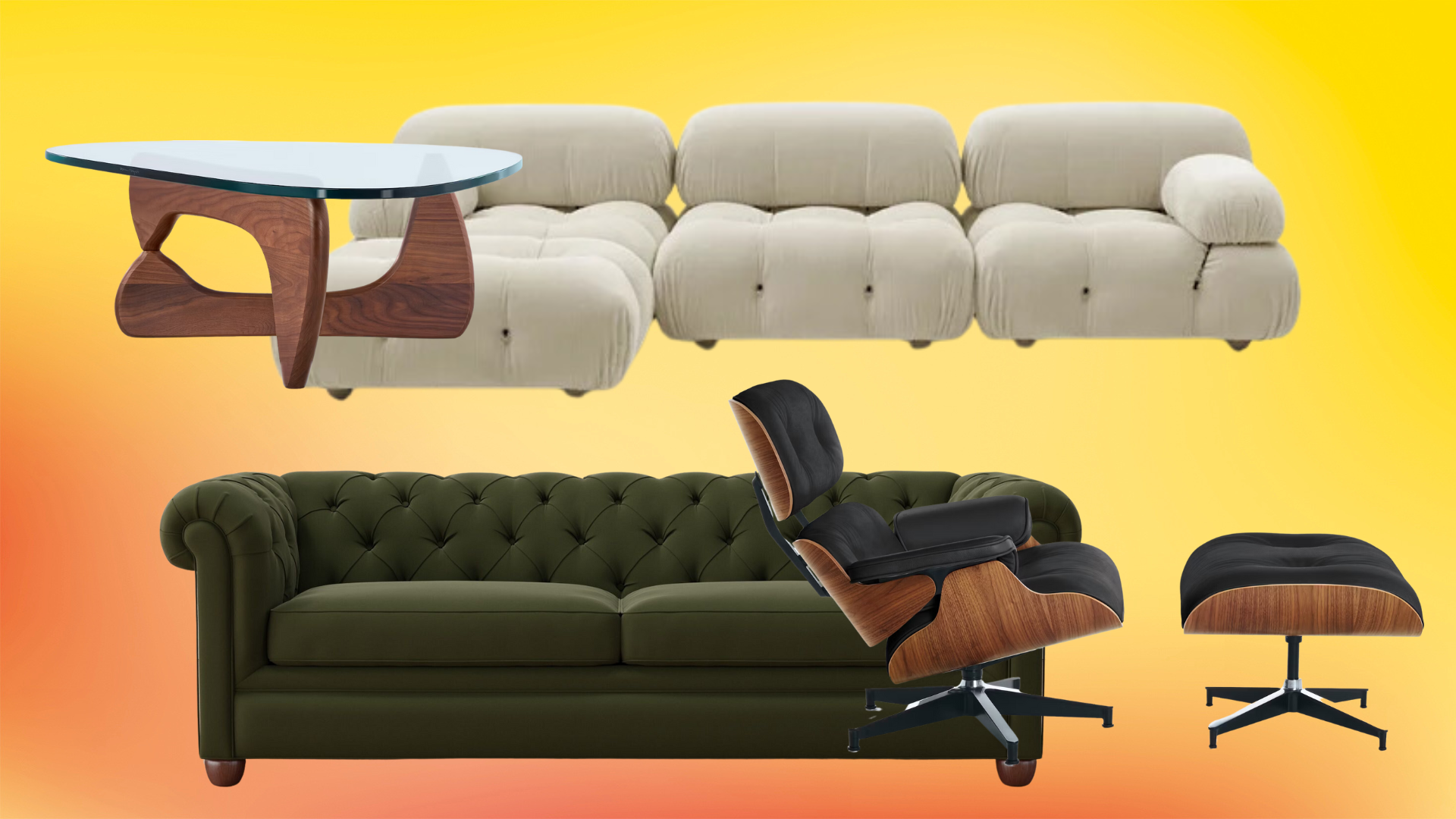
12 pieces of timeless furniture that will never go out of style |

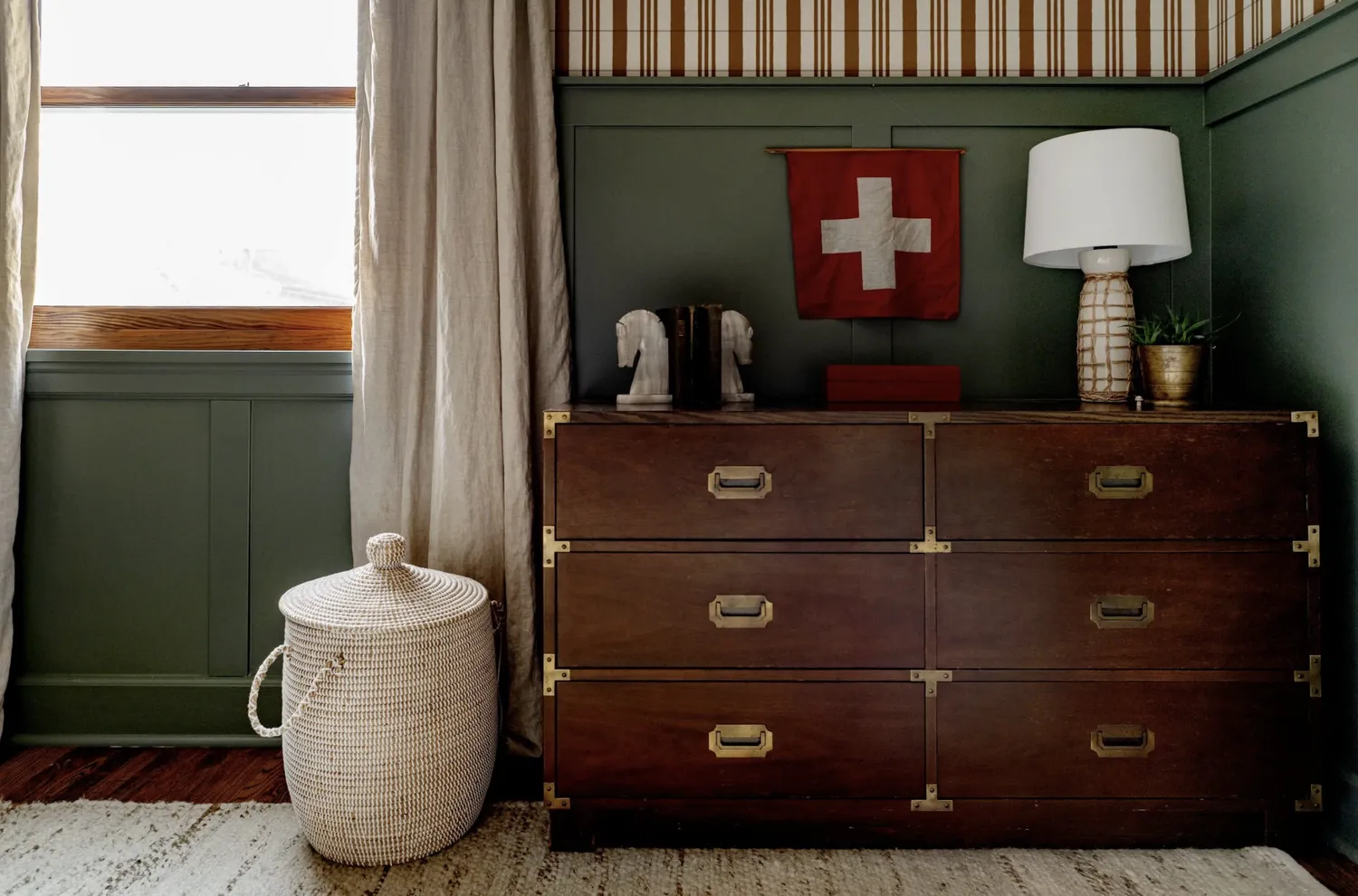
This Dated Home Decor Style Is Back—and It Instantly Makes Your Space Look So Expensive

We Asked 6 Interior Designers for the One Antique They Use in Every Home
Is it Cheaper to Reupholster Antique Furniture or Buy New? Here's Everything Designers Say You Need to Know
Michelle McClennan’s Love of Antique Design and Upholstery

Why Mid-Century Modern Interior Design Continues to Reign Supreme
Inside A Character-Filled Cottage That Captures The Spirit Of English Country Living
Story from Chariho Furniture: Traditional and classic furniture makes a comeback
The 20 Best Luxury Furniture Brands Worth Investing In

These 5 Popular Antiques Are Flying Off the Shelves This Fall, According to Interior Designers

How to Modernize Antique Furniture for a Characterful and Cohesive Look

10 Classic Midcentury Pieces That Will Never Go Out of Style

Interior Designers on the Most Iconic Furniture of All Time
How to style antique furniture for a timeless, transitional space – 9 designers share their tips
5 easy vintage interior decor tricks for homes