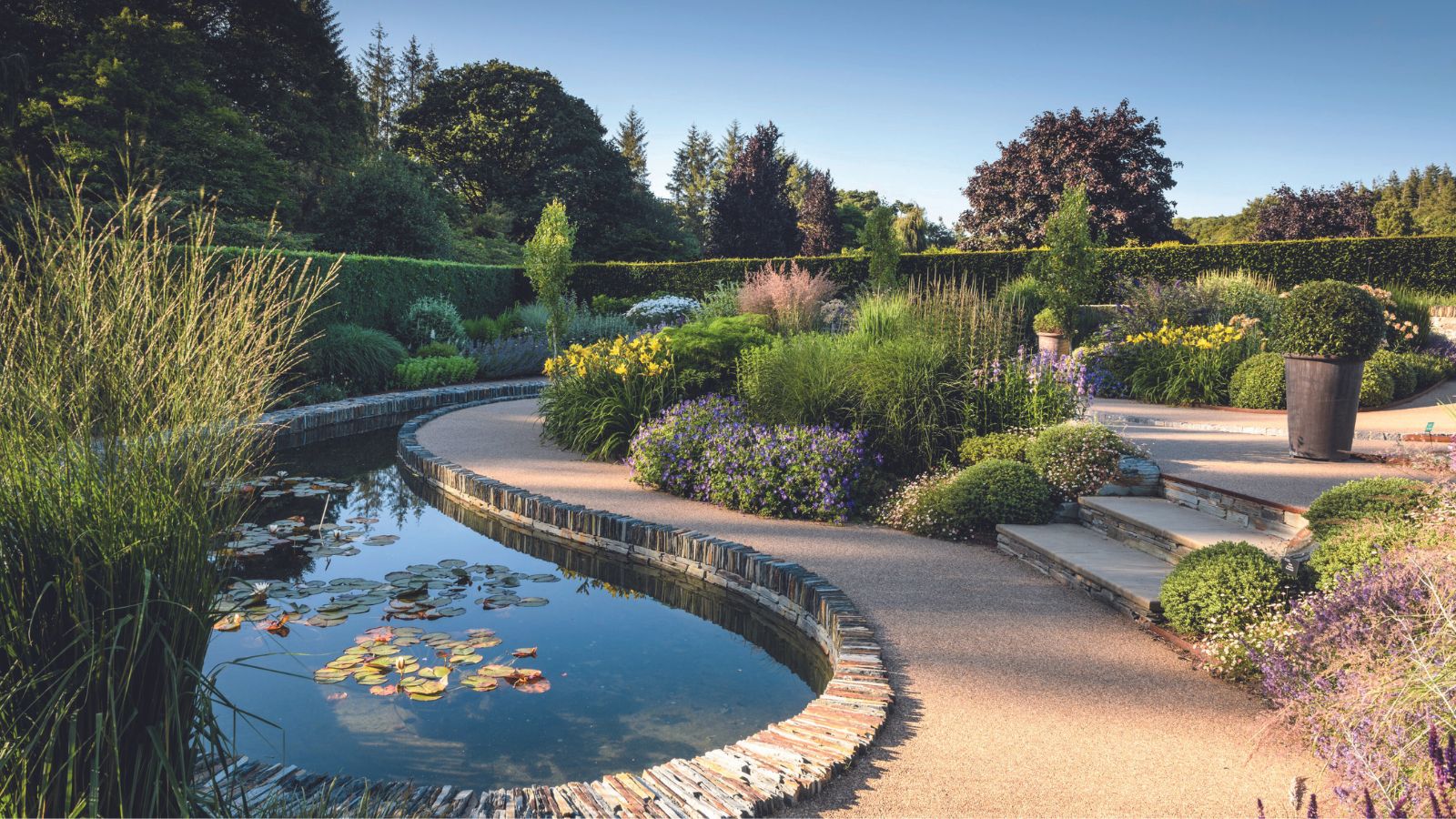
1/12
How to use garden Feng Shui – the dos and don'ts for a relaxing retreat
Feng Shui, an ancient Chinese practice focused on harmonizing surroundings to promote positive energy flow, extends beyond interior design to outdoor spaces. Implementing garden Feng Shui principles can create a peaceful, balanced environment and encourage positive Chi throughout your entire property. Experts emphasize that neglecting exterior spaces means missing an opportunity to enhance overall well-being.
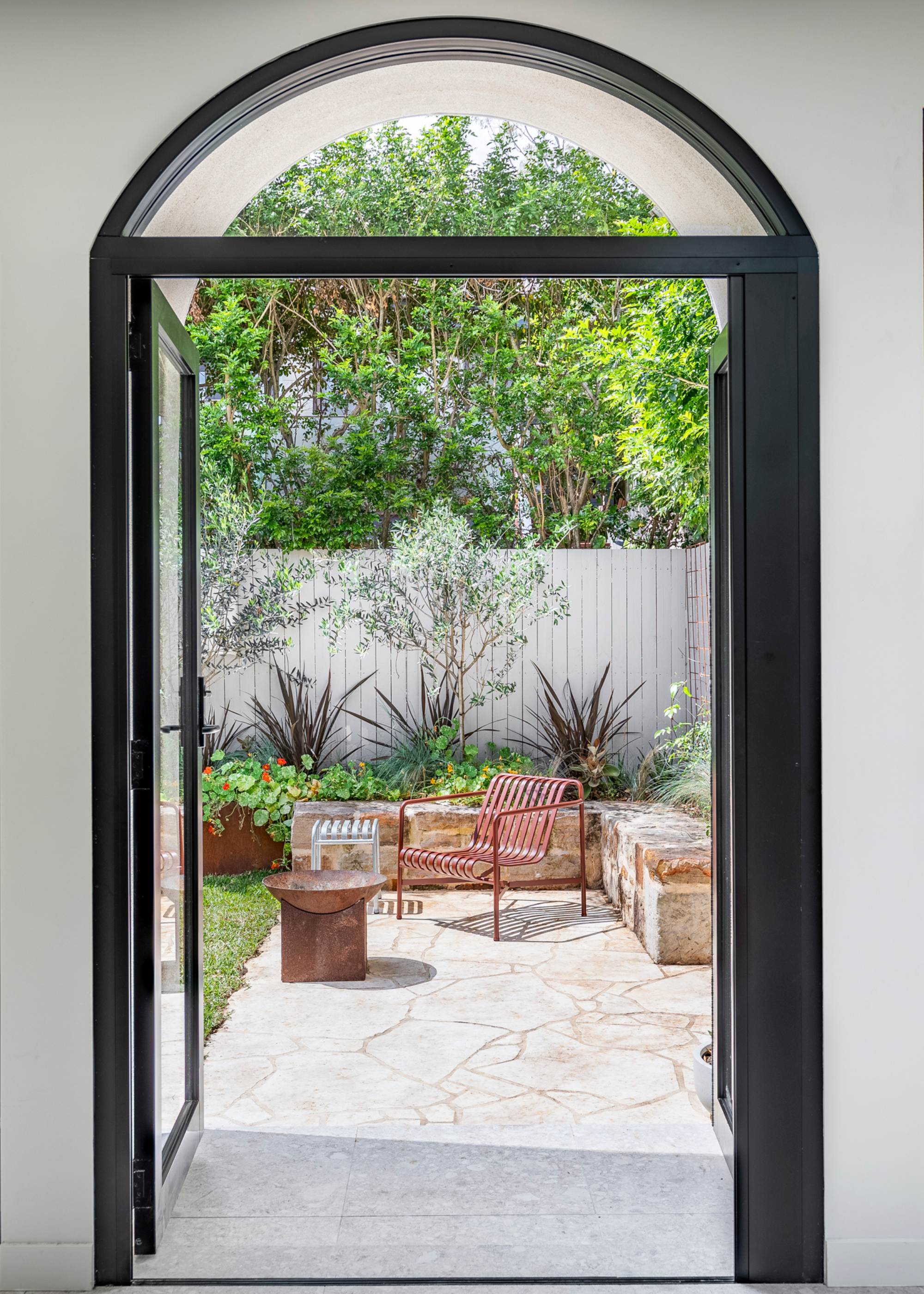
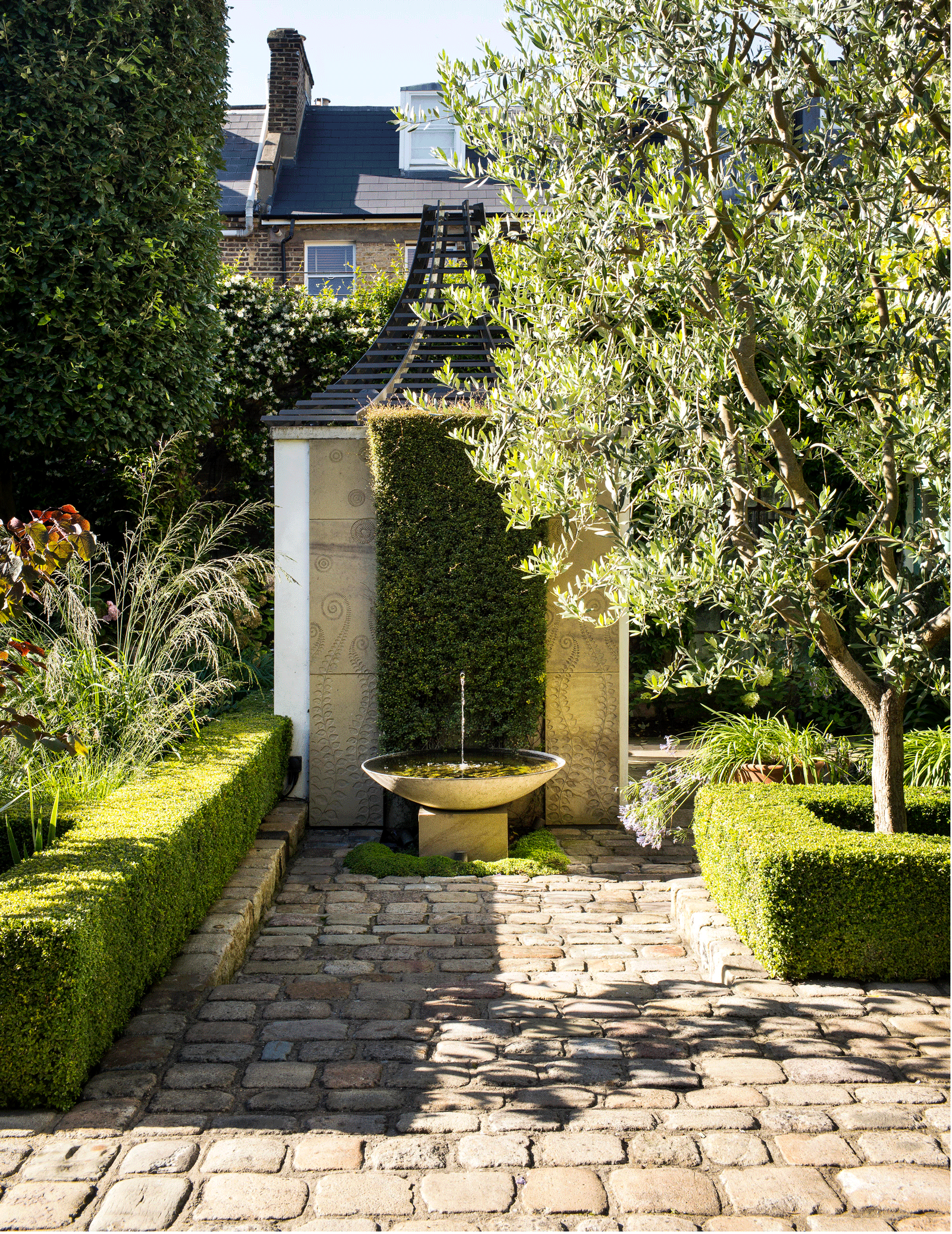
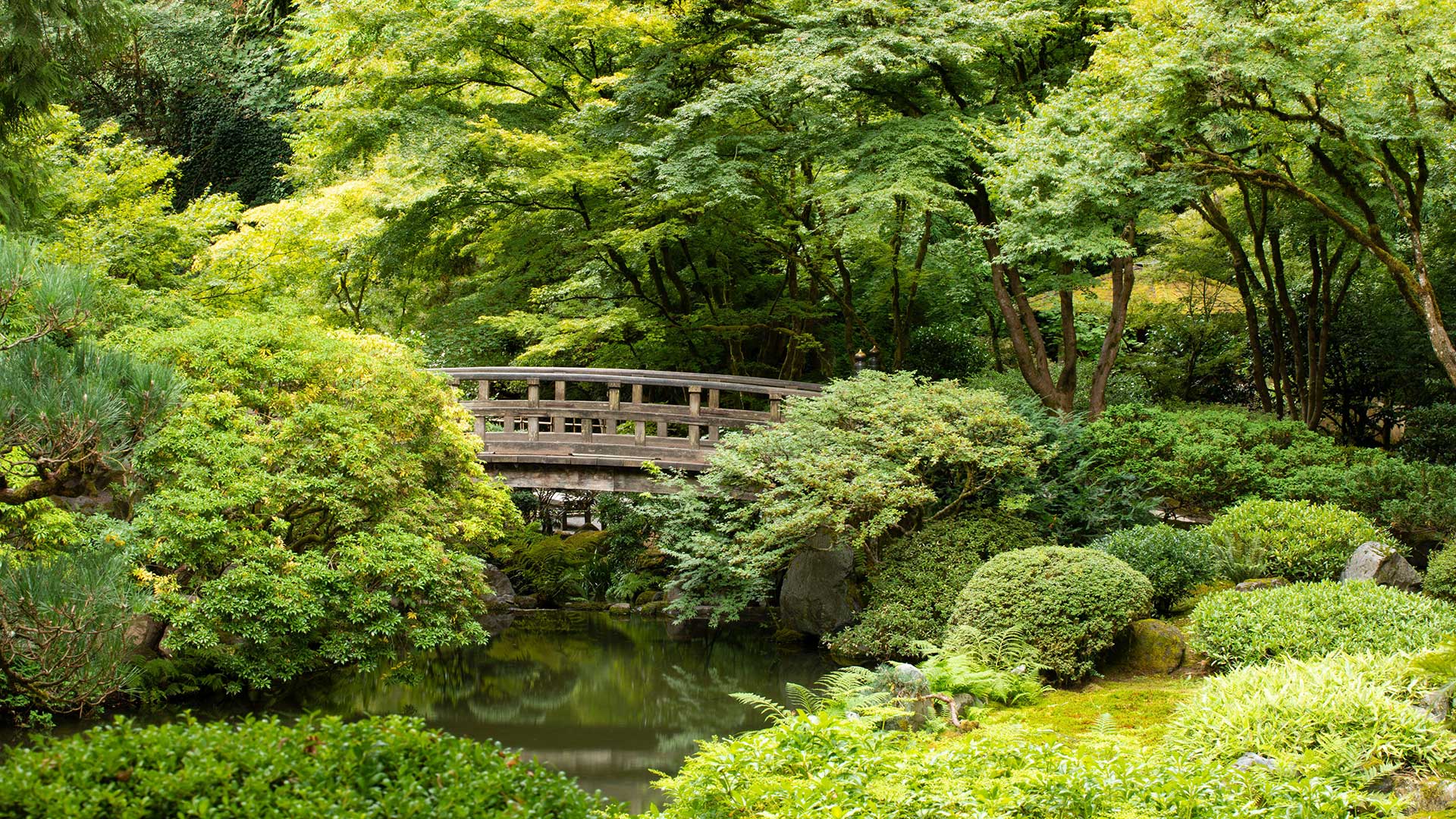
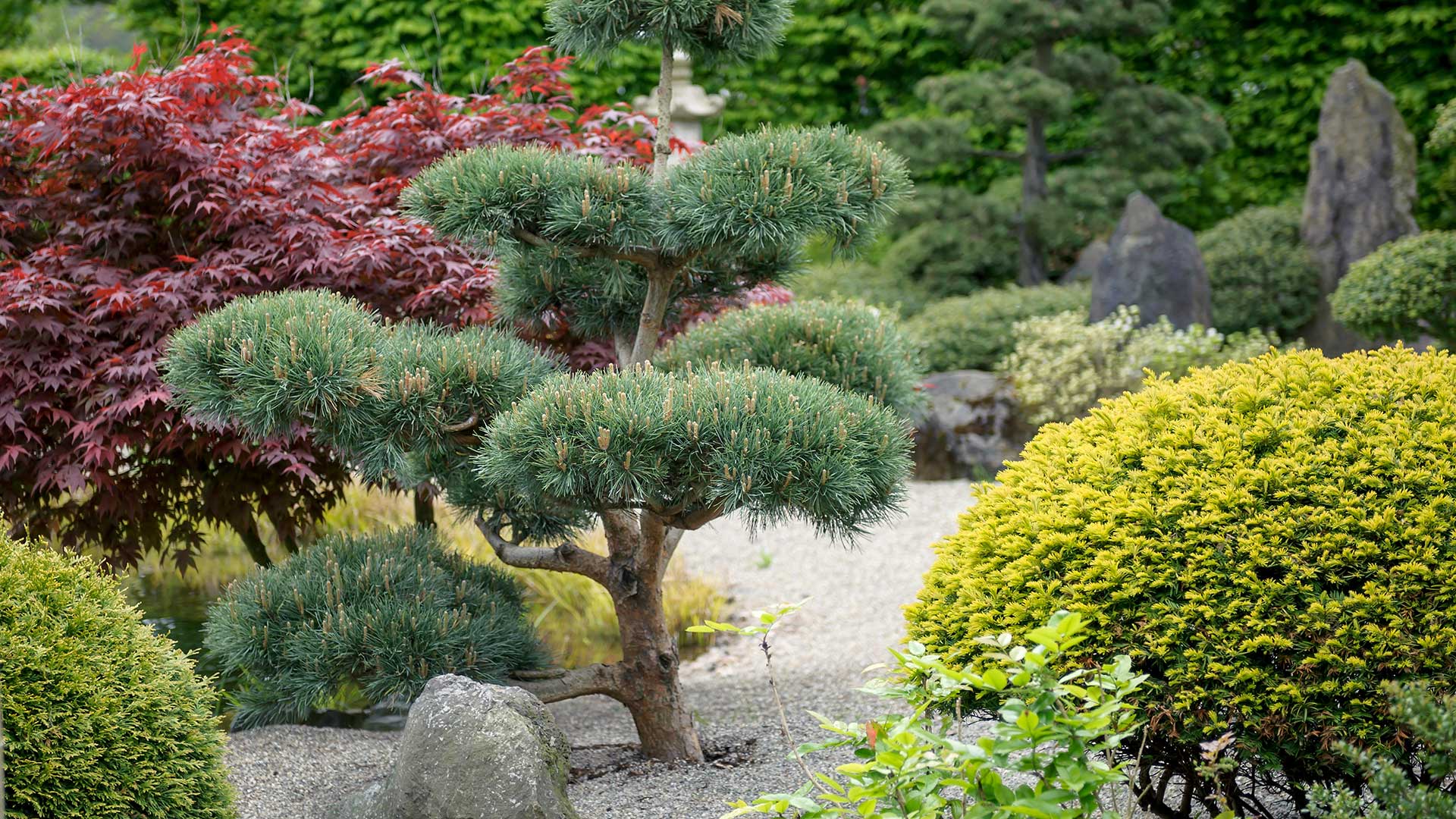
One crucial principle involves using curved features instead of harsh corners. Sharp points and angles are believed to channel negative energy, making curved garden paths, flowerbeds, waterlines, and fence tops essential for fostering a relaxed atmosphere. This approach helps ease the transition from the busy outside world into the home, promoting tranquility from the moment one enters the property. Incorporating elements like stone walls that curve around garden beds or a bridge over a pond can add visual interest and a sense of calm.
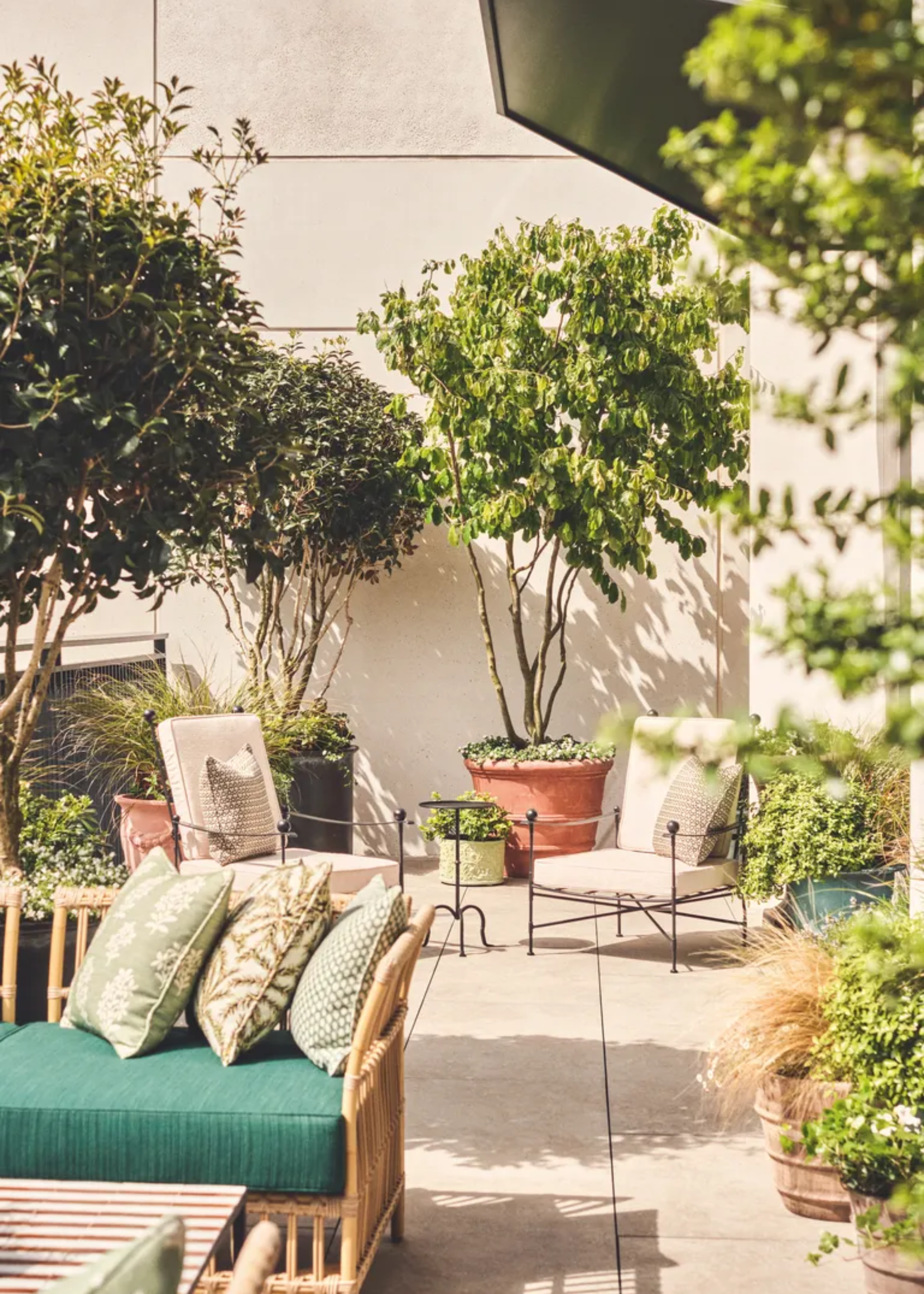
Another significant aspect is adding seating to promote family prosperity. While furniture placement isn't as critical outdoors as indoors, providing ample seating ensures everyone in the household and any guests have a comfortable place to sit. A round outdoor coffee table, for instance, can help energy flow smoothly. Incorporating a focal point, such as a fire feature, can further invite gathering and warmth into the space.
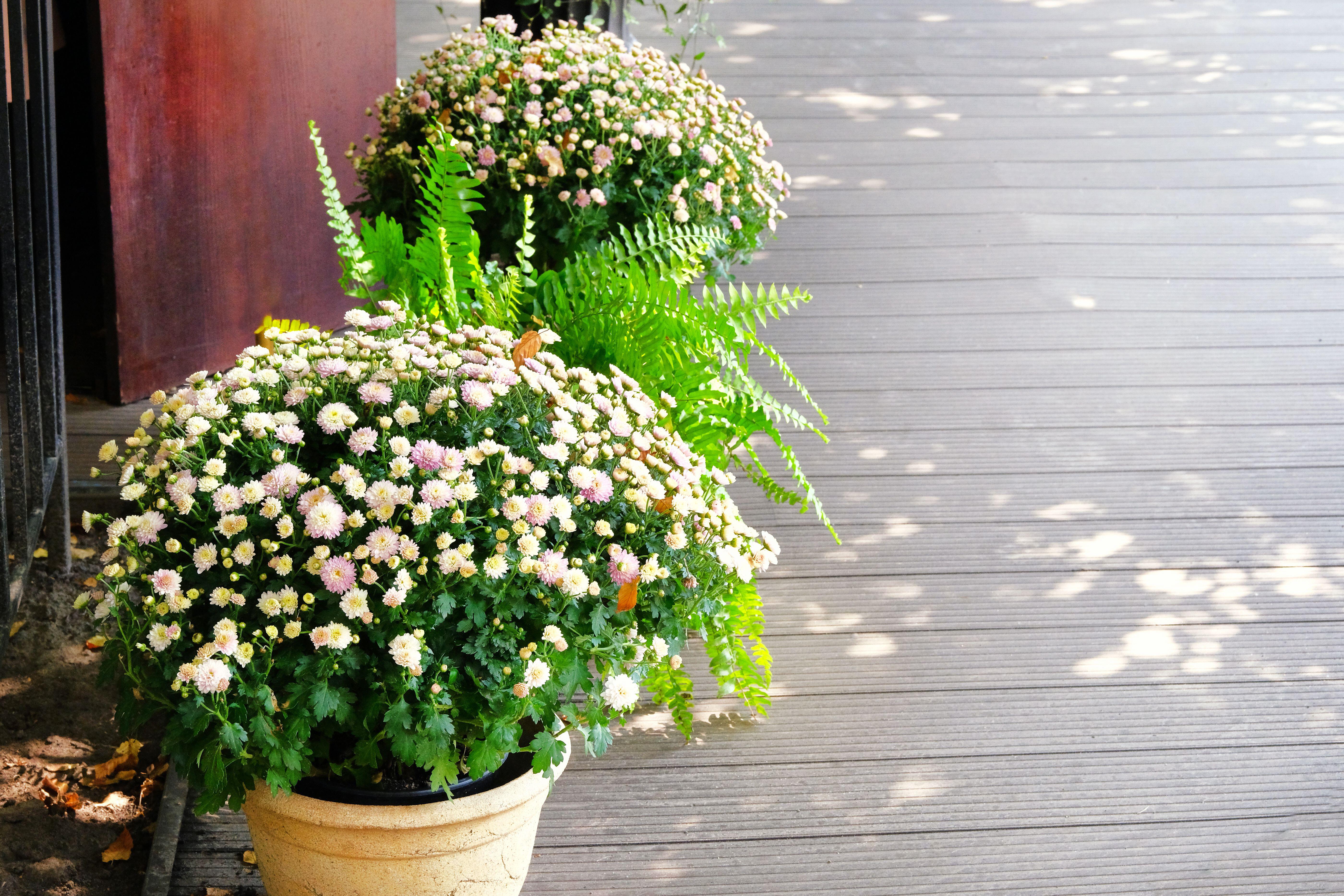
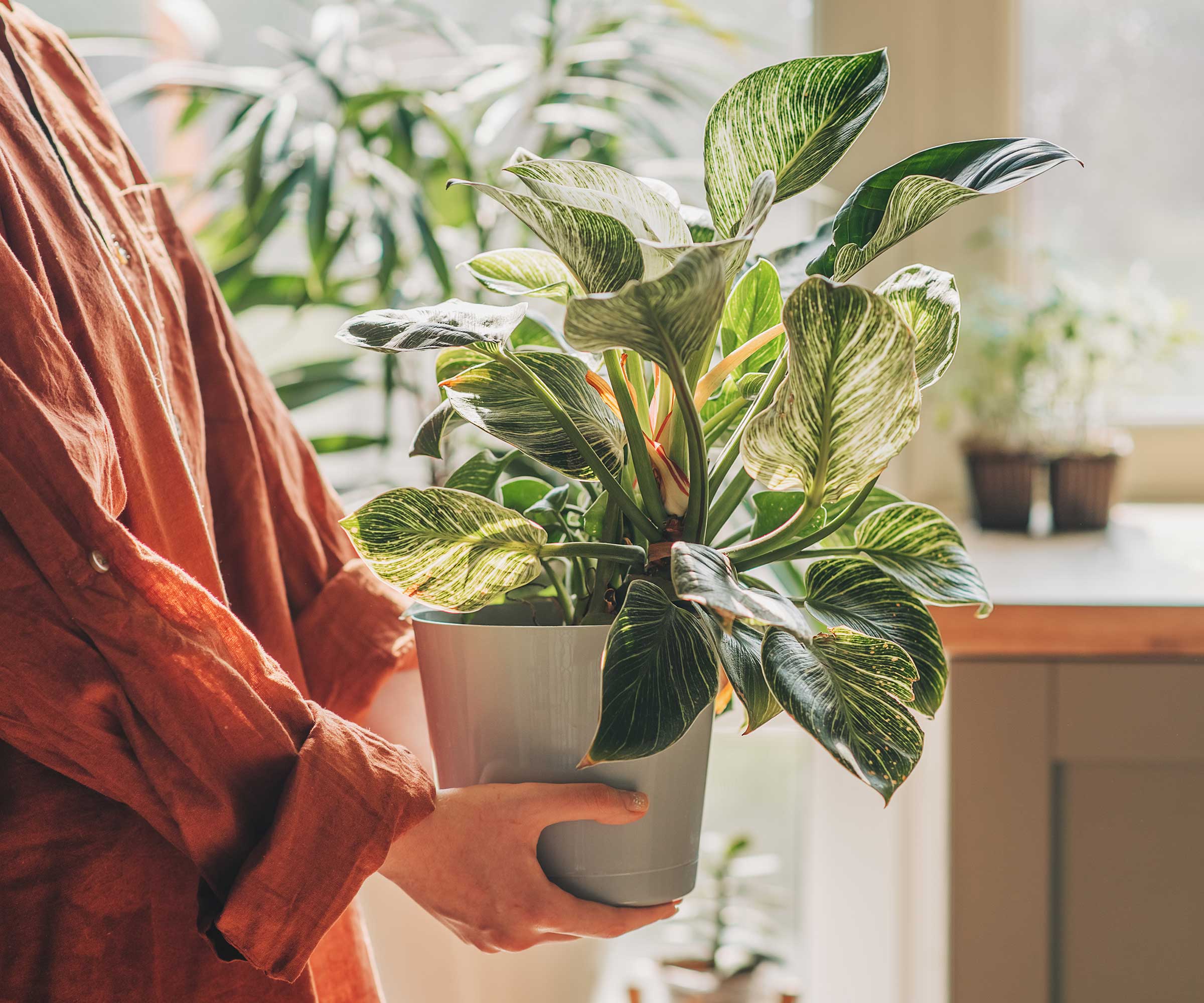
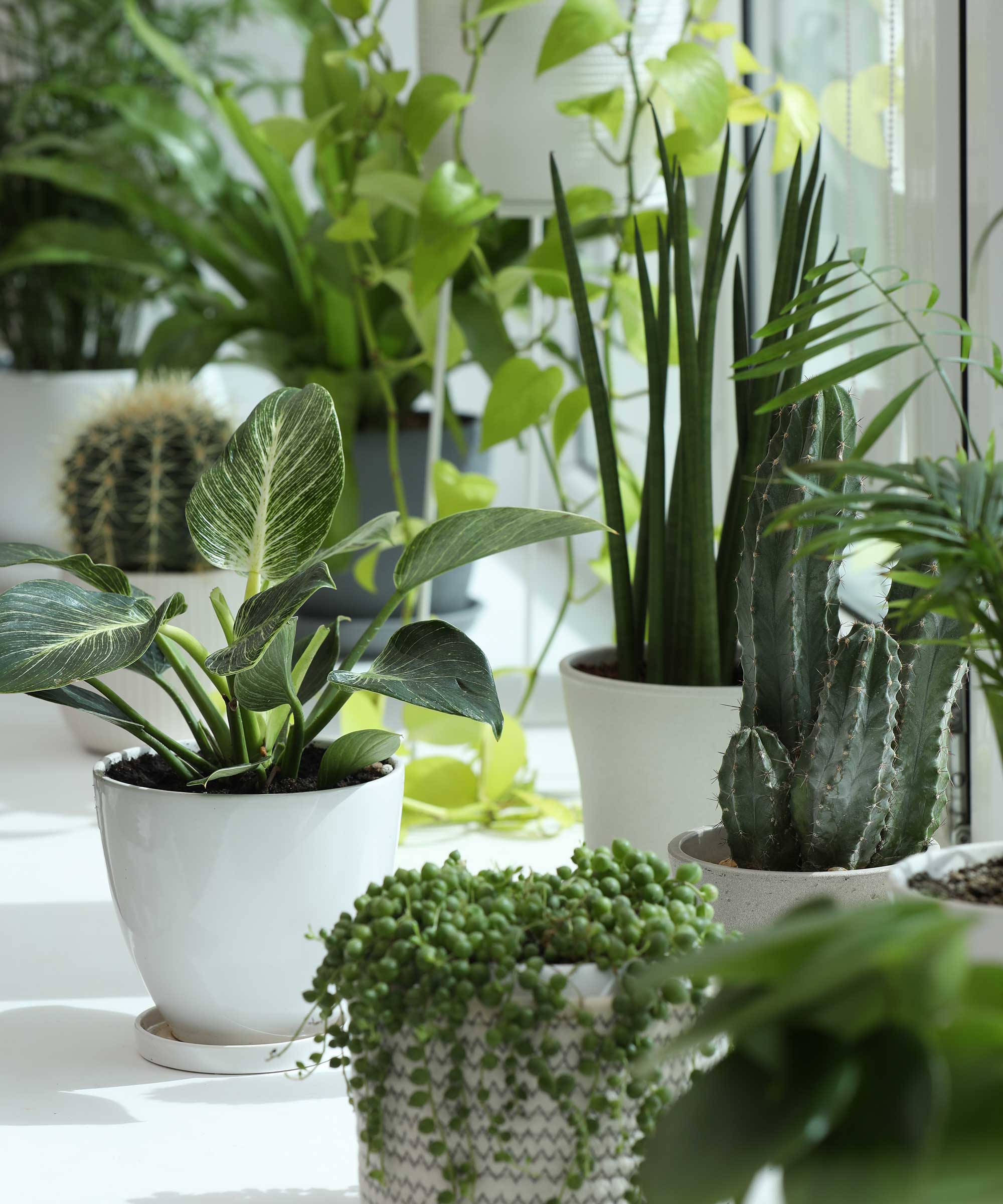
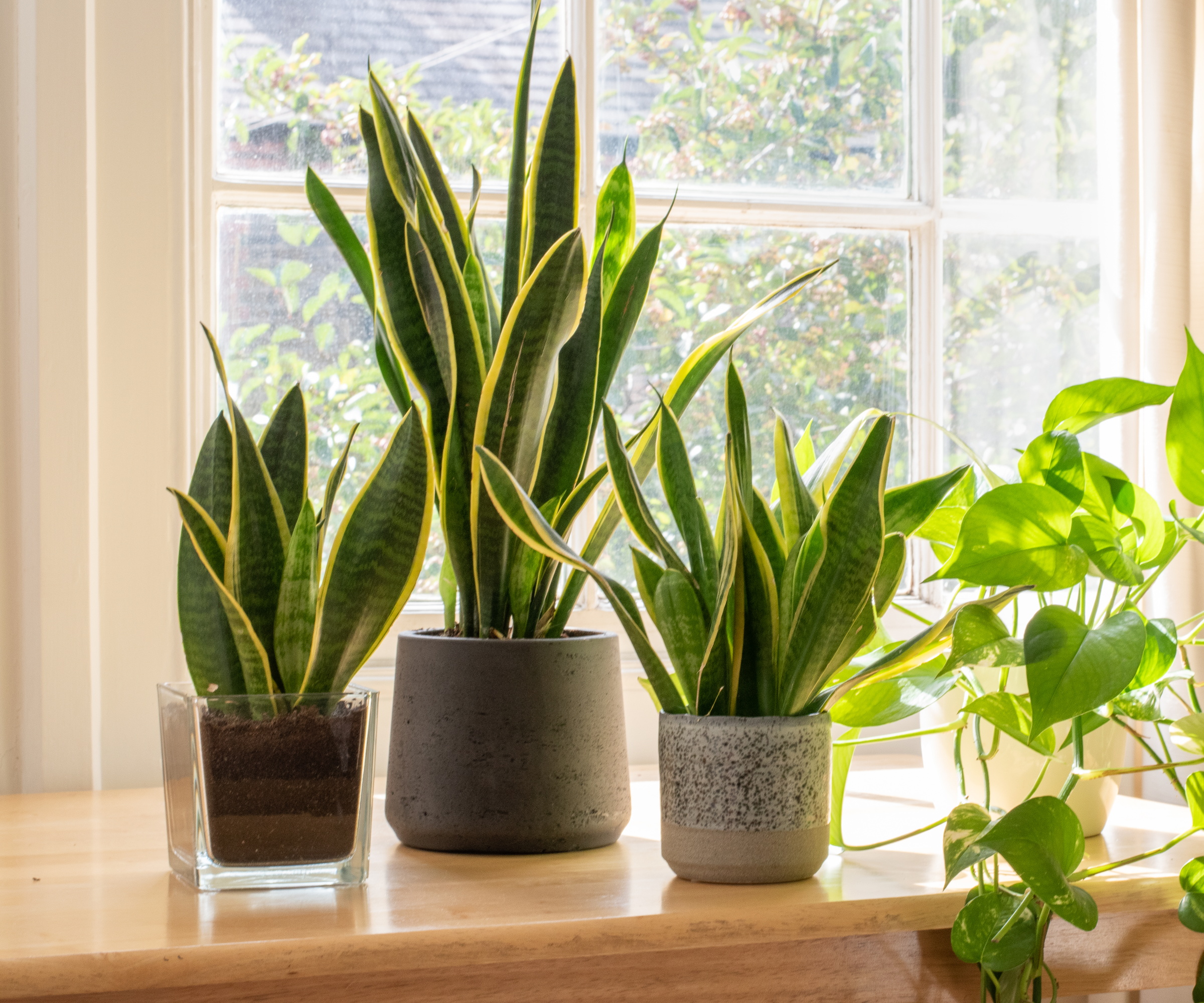
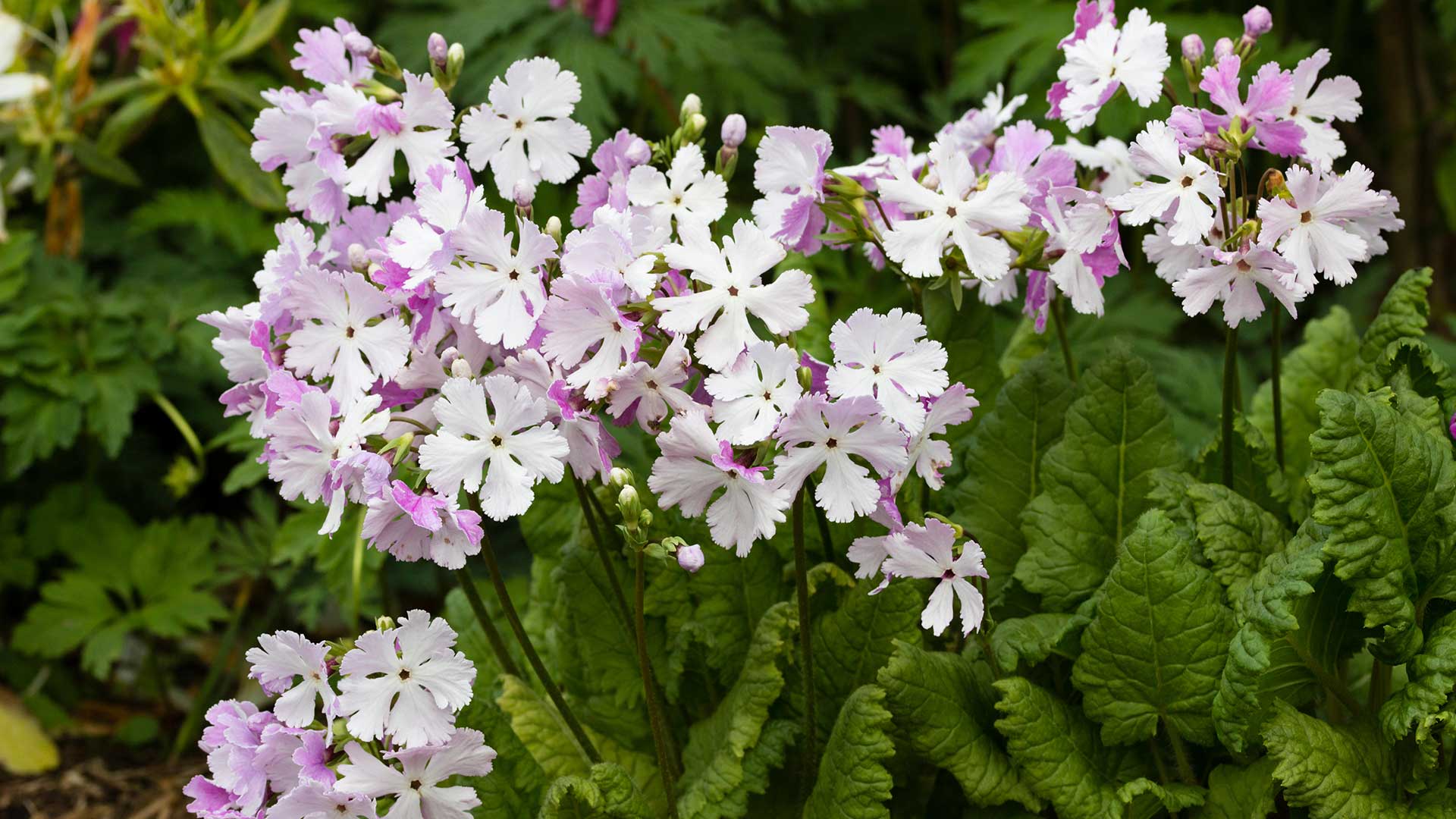
Considering the purpose of the yard is vital for effective garden Feng Shui. Creating distinct zones for different activities, such as dining, relaxation, or play areas, prevents energy blocks and ensures the space serves its intended functions. Planning around appropriate plants is also key. Unlike indoor spaces, outdoor gardens offer a wider selection of Feng Shui-friendly plants, with popular choices including areca palm, jade plants, bamboo, peonies, and dogwood trees. However, it's advisable to avoid overly spiky or sharp plants to maintain soft lines and positive energy flow.
The Bagua map, typically used for interior design to identify areas like the wealth corner, can also be applied to gardens. This involves considering the sun's direction and placing plants and decor in specific spots for particular effects. For example, water features are often recommended in the northern, eastern, or southeastern corners to enhance prosperity.
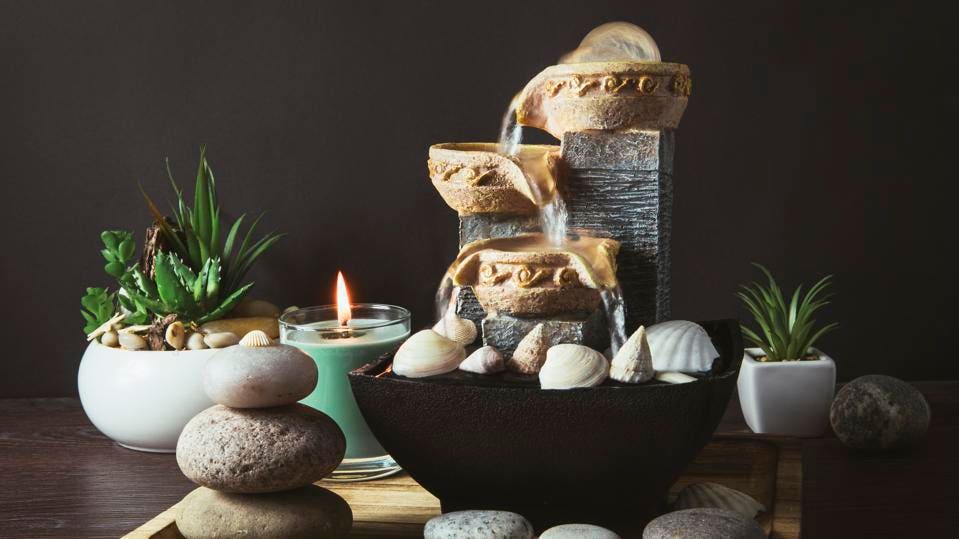
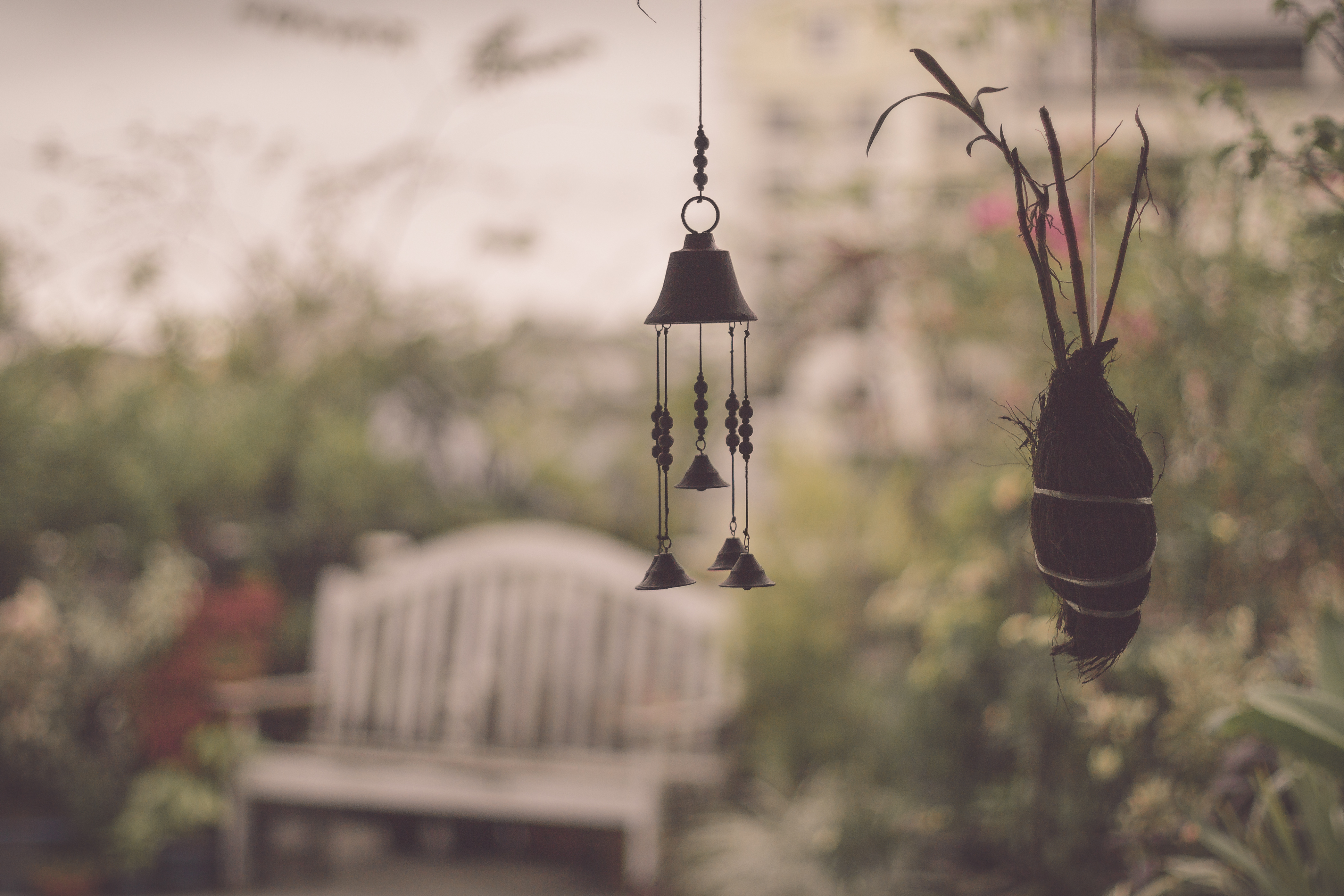
Incorporating all five Feng Shui elements—water, earth, fire, wood, and metal—is essential for creating harmony. This can be achieved through various means, such as adding water features, wooden or metal structures, and a diverse range of plants representing different elements. Removing clutter from the backyard is also crucial, as it helps improve Chi flow and boosts mood, similar to how a clean home promotes happiness. This includes getting rid of dying plants, ensuring unobstructed walkways, and adding sensory elements like wind chimes to create a tranquil outdoor space.
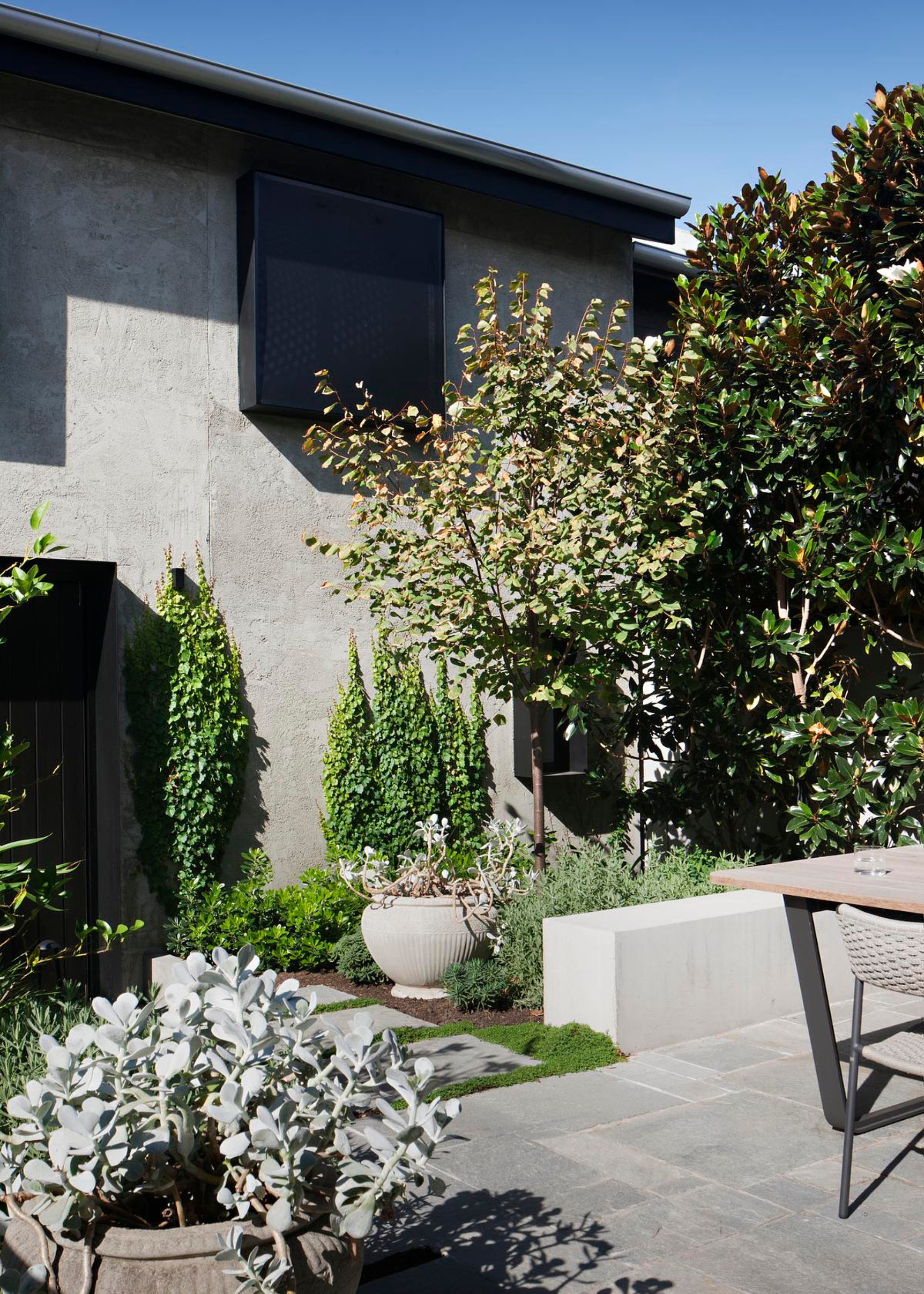
Embracing natural borders over solid fencing is another important principle. Using sensory garden plants and trees for privacy adds a wood element while maintaining soft edges and providing a sense of grounding. These natural barriers help keep negative energy, noise, and pollution away from the home. The flow of energy from the home's doors is also critical; an open space like a small lawn or a water feature surrounded by plants visible from the main door can help good energy flow into the home.
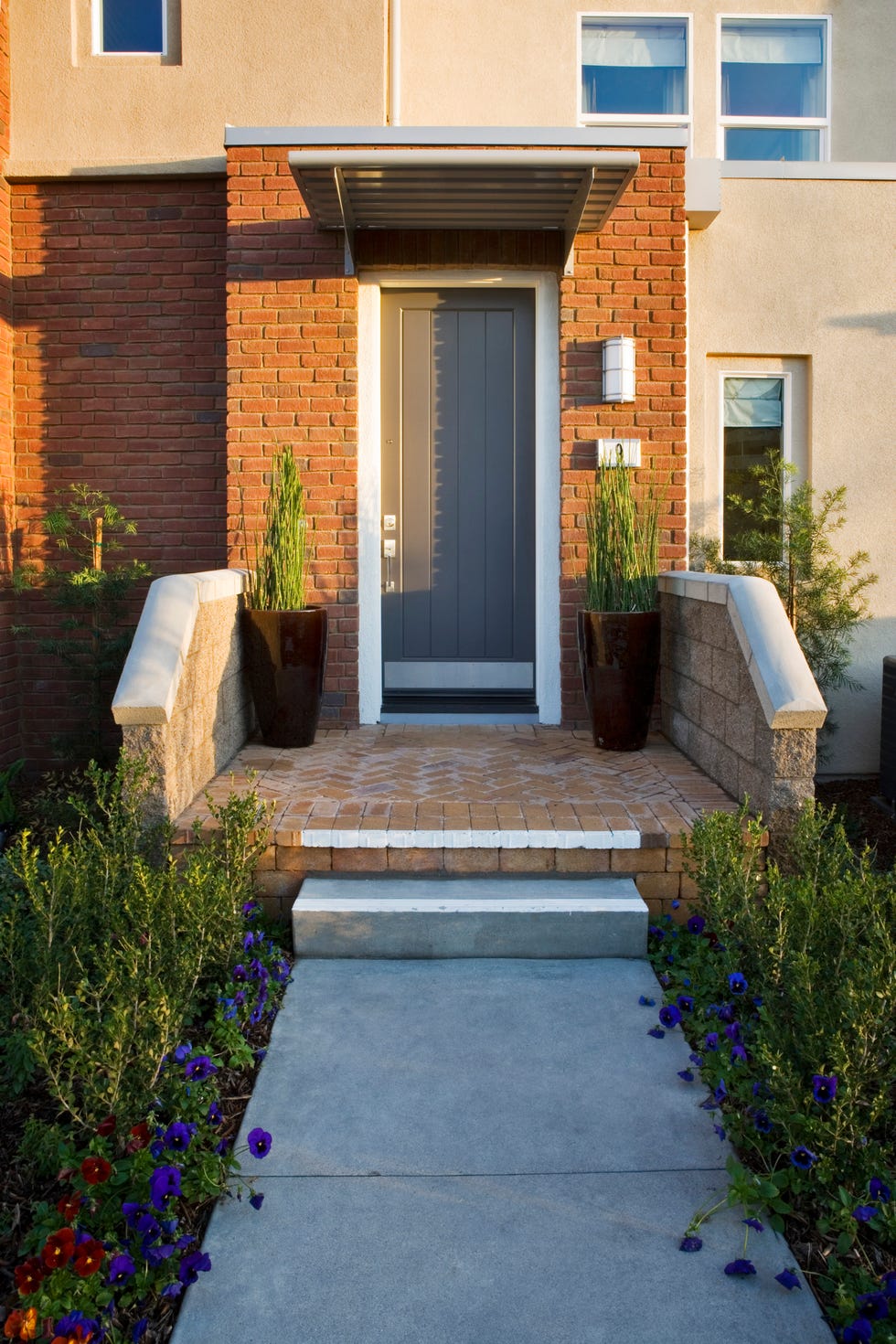
Creating a focal point, such as a statue, tall plant, tree, or impressive water feature, is not only visually appealing but also helps direct the flow of energy. Finally, color schemes play a significant role. Painting a house exterior and choosing appropriate front door colors can significantly impact the energy of the yard. Colors like blue and black, representing water energy, are suggested for enhancing energy flow and prosperity when incorporated into accessories or plants. Ultimately, garden Feng Shui is about creating a balanced and harmonious environment that serves as an extension of the home, inviting positive energy and promoting peace.
#GardenFengShui #FengShuiPrinciples #OutdoorSpaces #EnergyFlow #LandscapeDesign #NaturalElements #ChiEnergy #HarmonyInGardens #BaguaMap #GardenFengShui #FengShuiPrinciples #OutdoorSpaces #EnergyFlow #LandscapeDesign #NaturalElements #ChiEnergy #HarmonyInGardens #BaguaMap
0 opmerkingen in totaal
 Nog geen opmerkingen
Dit vindt u mogelijk ook leuk
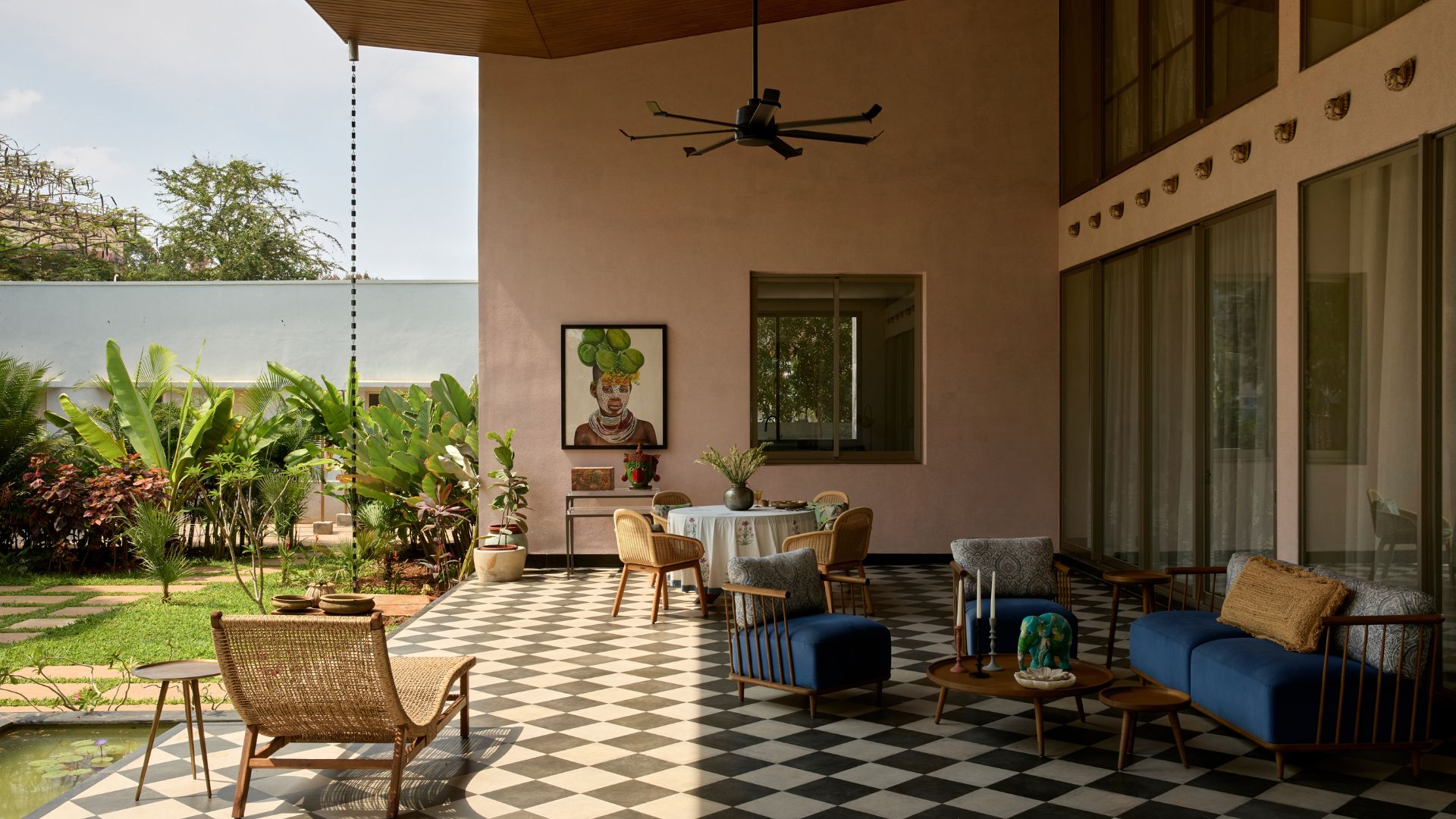
How to Feng Shui a Patio With Plants — 4 Things to Consider for a Lush Space That’s Enriched With Energy

How to feng shui your home: 8 ways to attract positive energy

Feng shui bedroom layout tips and rules – how to create a zen sleeping space

The one room in your home you shouldn’t keep plants

10 Feng Shui Rules To Live By For A Calm, Restorative Space

Japanese garden ideas – 10 ways to create a soothing space, with advice from the experts

Over the Garden Gate: Zen gardens are therapeutic
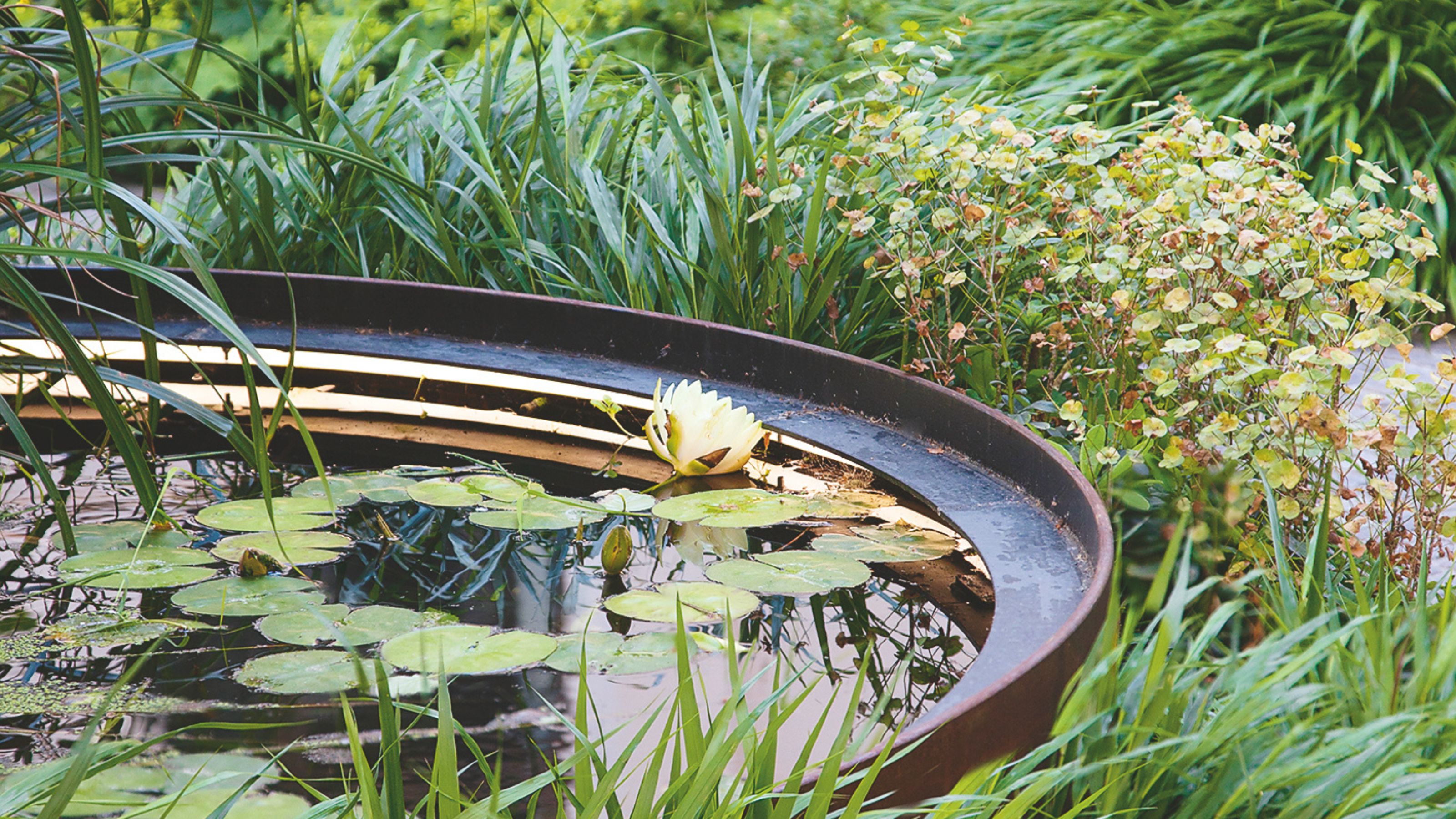
Zen garden ideas – 24 ways to transform your outdoor space into a Japanese-inspired sanctuary for relaxation
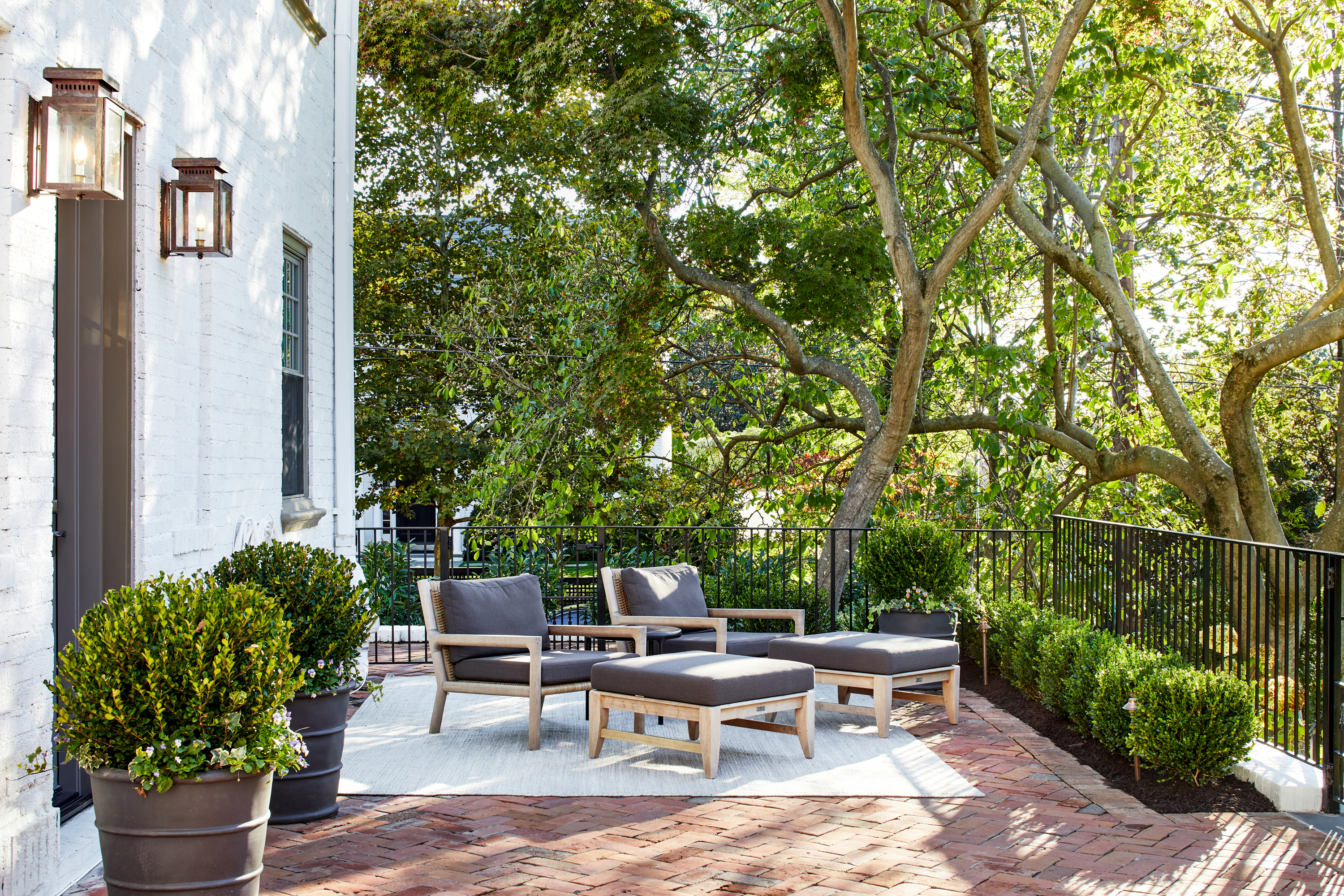
These 10 Feng Shui rules for backyards have completely changed how I look at my outdoor space's layout and planting
Backyard Zen

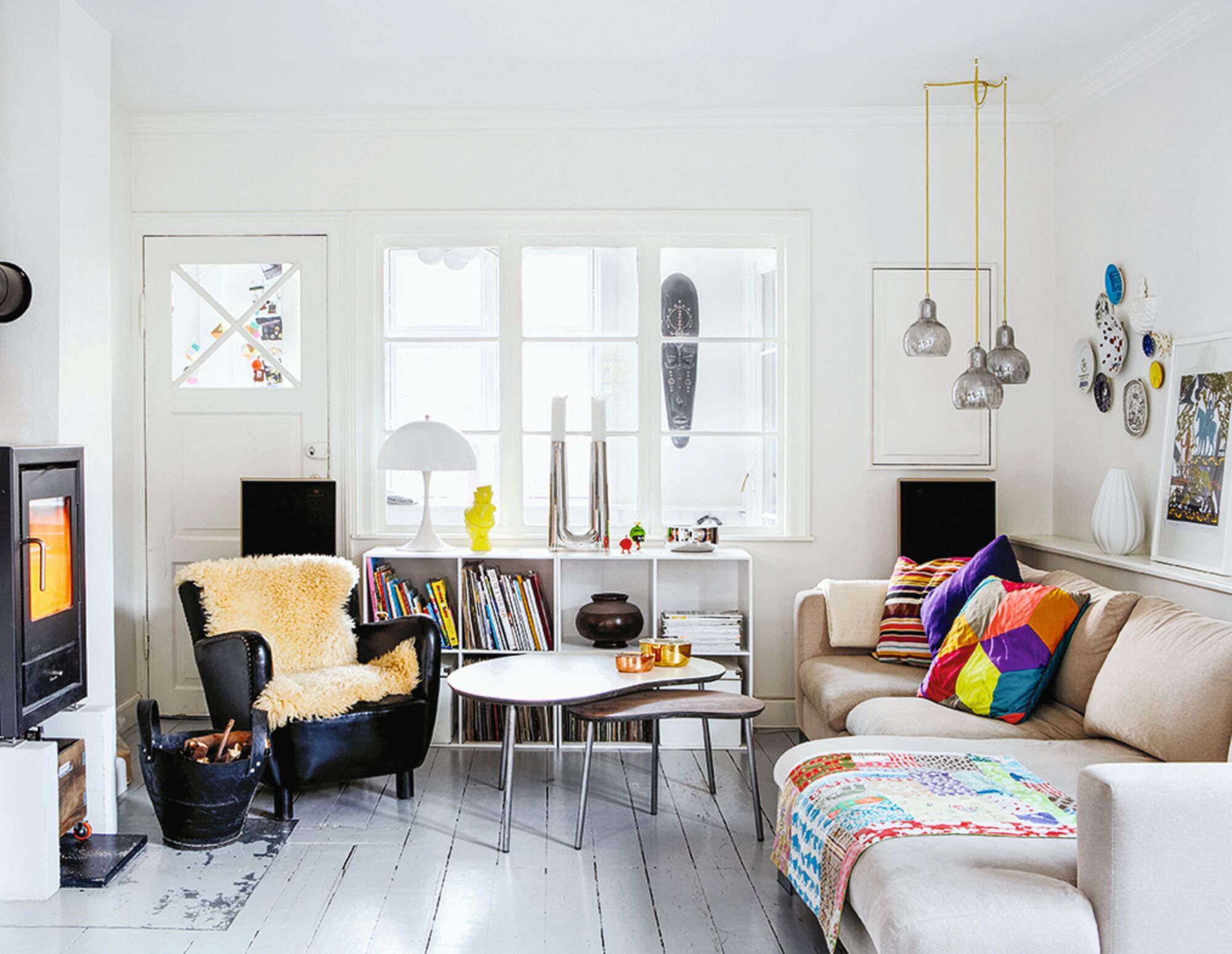
How to use feng shui to bring harmony to your home
Feng shui plants – 12 of the best plants for positive energy
How to incorporate the elements into your garden to improve your zen

How to Feng Shui Every Room in Your Home
Three feng shui principles to improve the energy of your small flat

How Feng Shui Impacts Your Wellbeing At Home
5 Feng Shui houseplant mistakes to avoid for good fortune
This is What You Want Your Home to Smell Like for Good Feng Shui — 4 Scents To Boost Positivity at Home
Zen out with a miniature Zen garden
14 Best Plants for Boosting Your Home's Feng Shui, According to Experts