1/8
The Secrets to a High-Functioning “Does It All” Room
The past year has transformed homes into multi-functional spaces, serving as offices, schools, restaurants, movie theaters, and gyms simultaneously. This increased demand for versatile environments has highlighted the need for high-functioning, multi-purpose rooms. Interior designers Jennifer Ward-Woods and Barbara Elliott of The Sisters and Company, part of the Decorating Den network, emphasize that this trend, exacerbated by recent global events, has created a significant need for spaces that can adapt to various activities. Lisa Bibawi of Spruced, another Decorating Den studio, also notes a growing demand for multi-use family entertainment rooms, particularly in larger homes. This article provides professional insights into creating such versatile spaces.
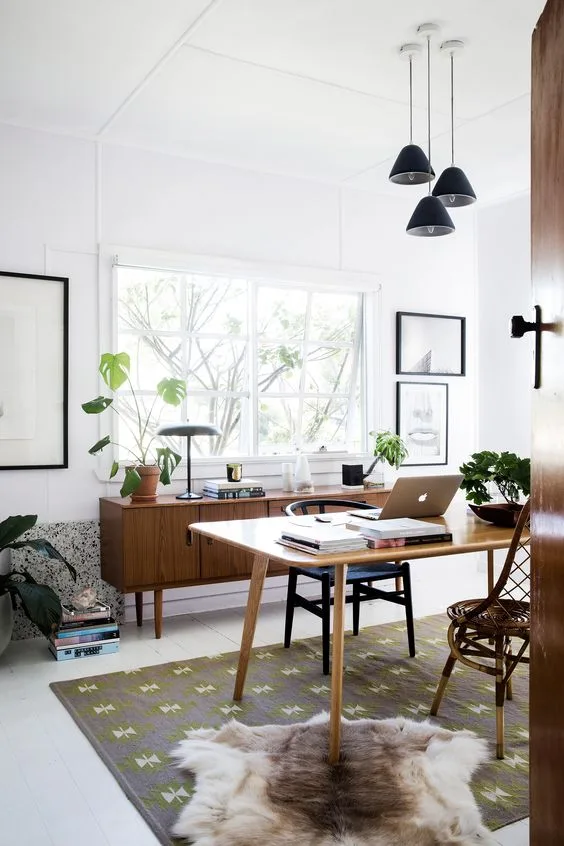
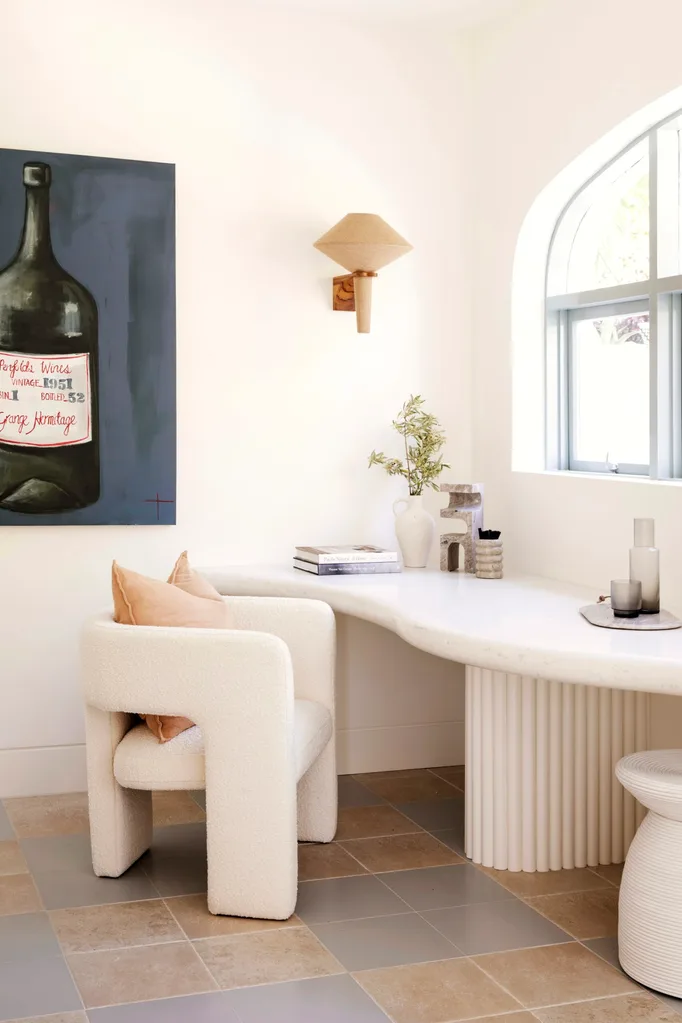
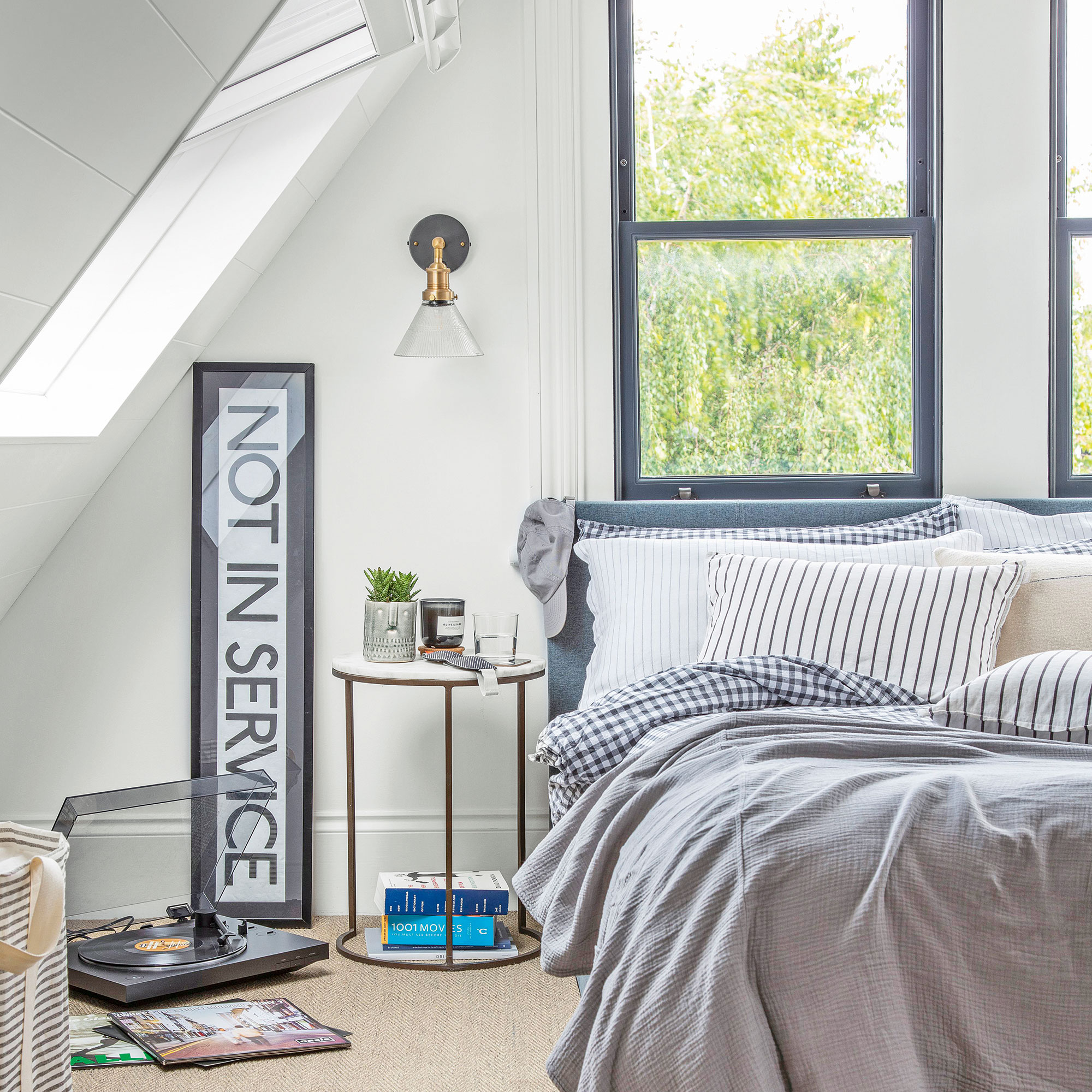
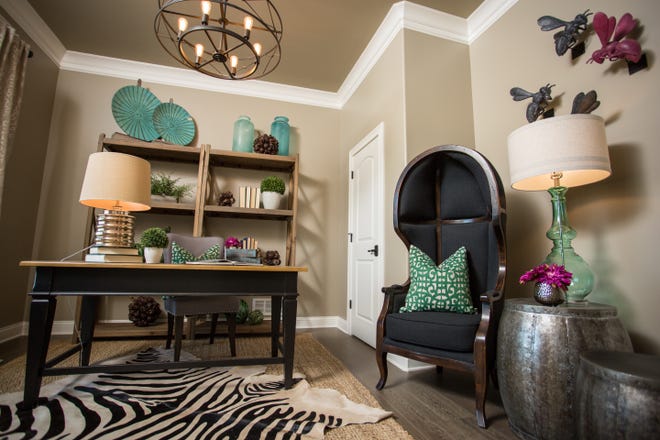
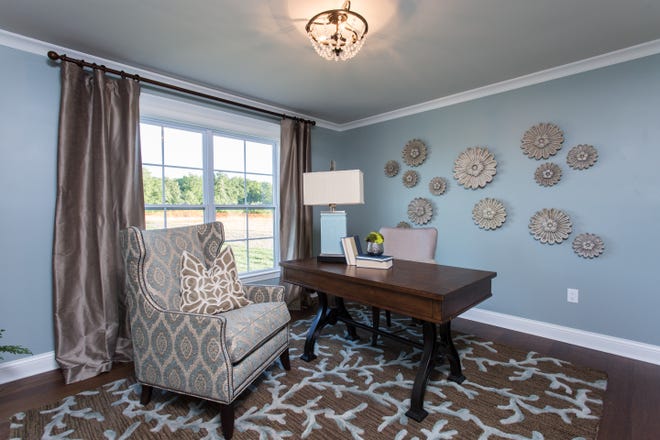
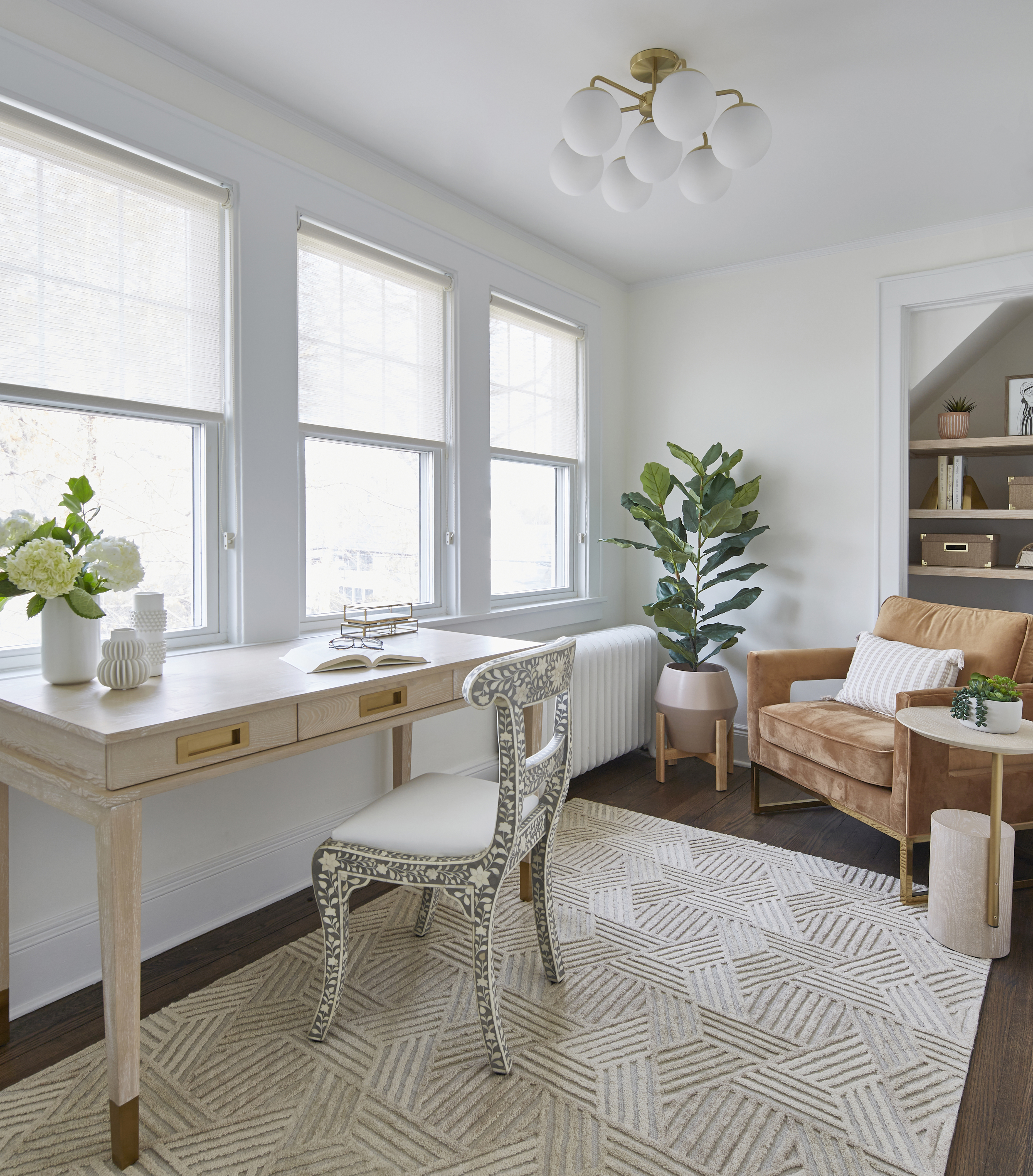
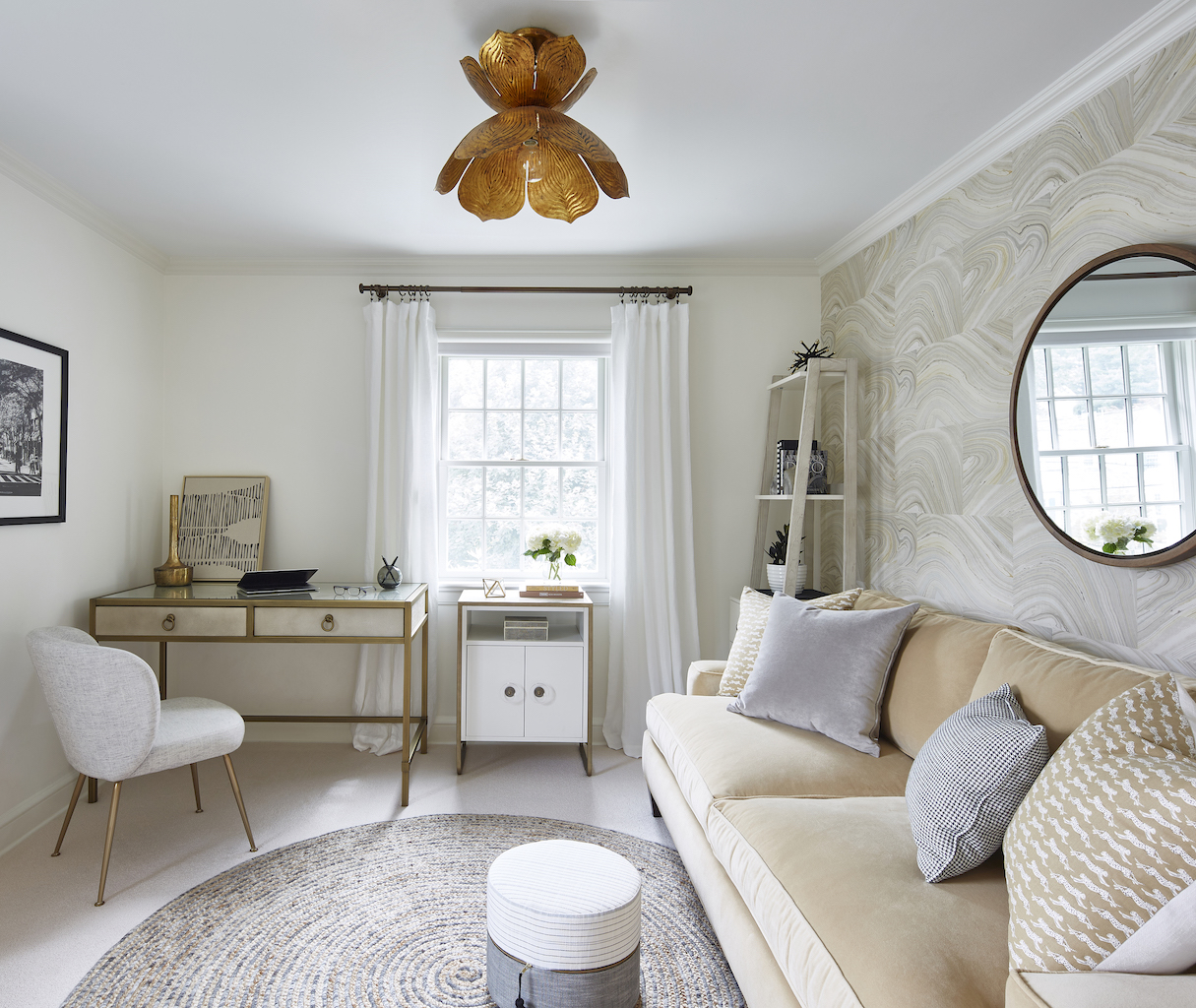
The initial and most crucial step in designing a multi-functional room is to clearly define its intended uses. This involves considering whether the space will primarily serve as a home office or school area, accommodate overnight guests, or function as a den for family game nights or music sessions. For Ward-Woods and Elliott, a common request in their Atlanta market is the combination of a home office and guest room, as guests are not constant occupants, making it an efficient use of space, especially in smaller homes. In contrast, Bibawi's Texas clients often seek family entertainment rooms that can handle video games, movies, yoga, and virtual reality, covering a broad spectrum of activities.
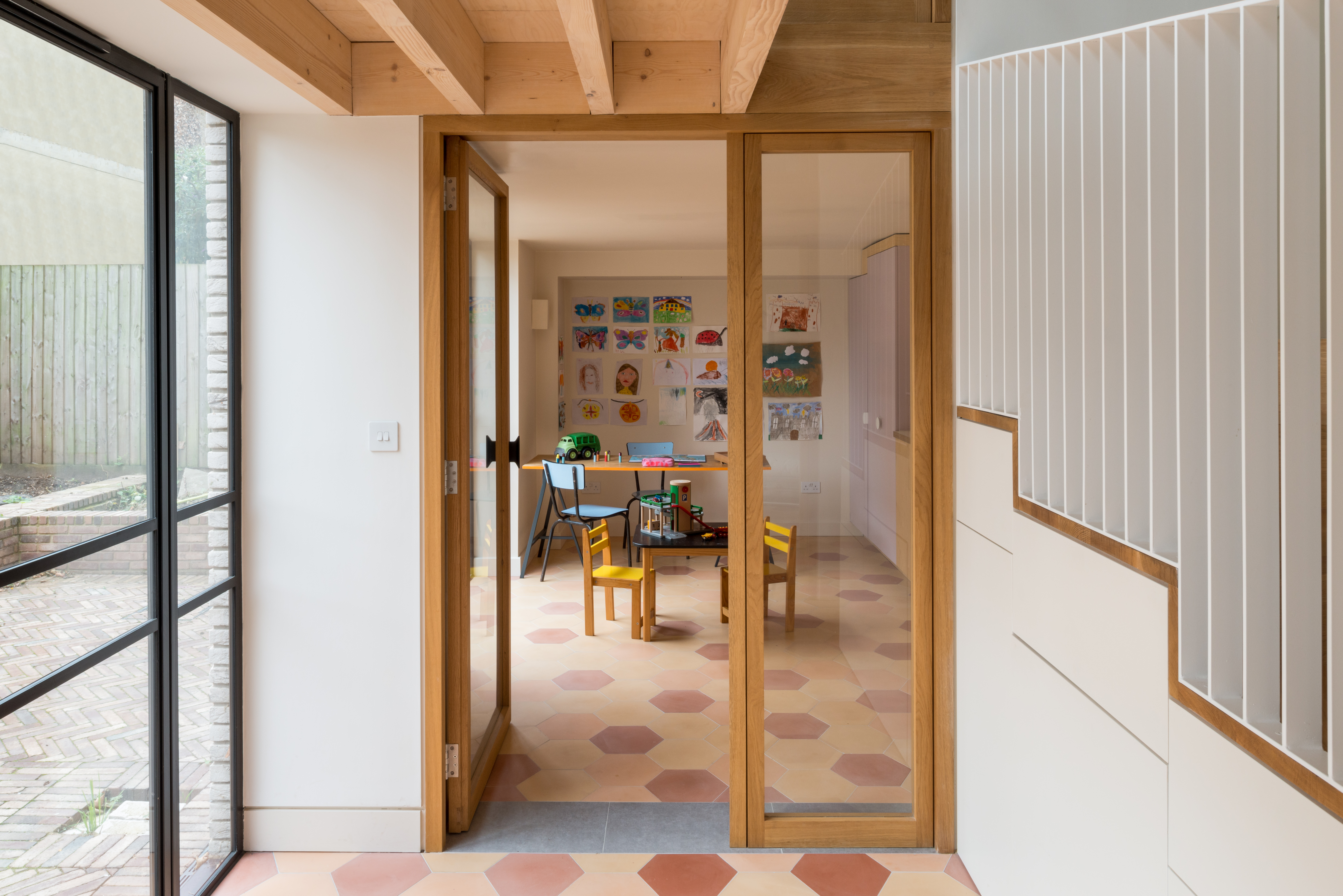
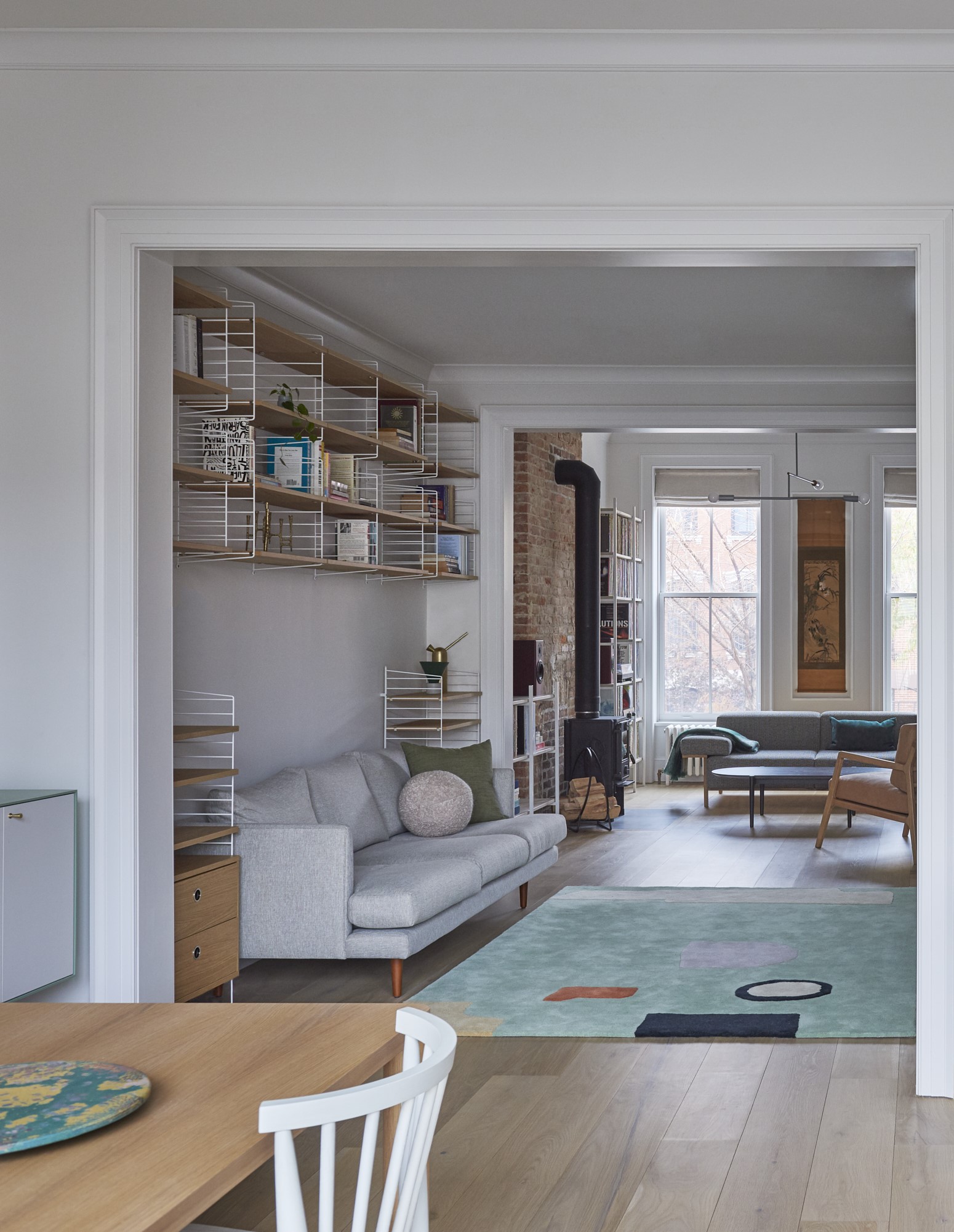
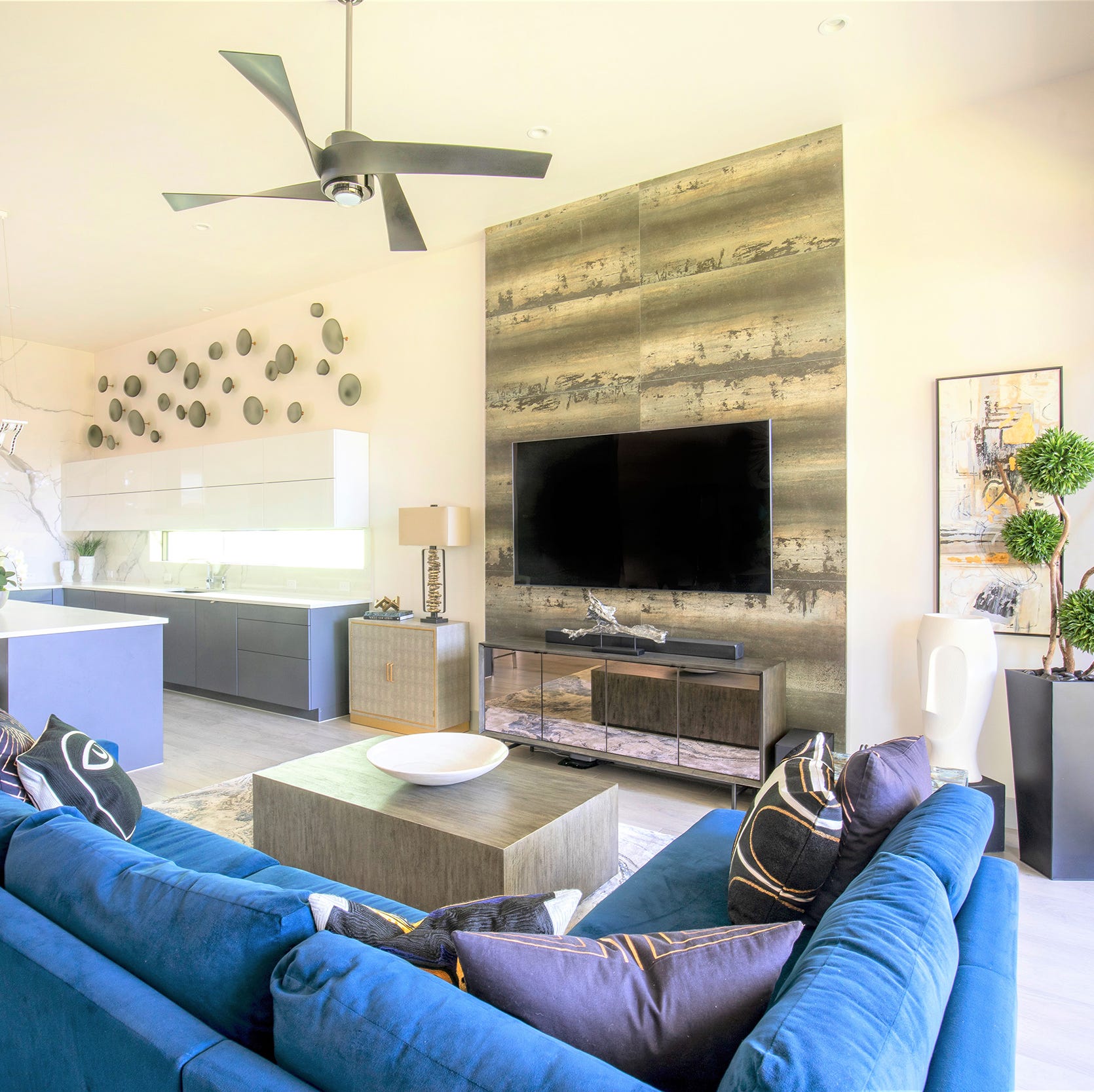
Once the primary uses are established, the next step involves creating distinct zones within the room for different activities, assuming the space allows. Designers recommend examining the room's shape and anticipating how people will move through it. A common strategy is to start by planning furniture placement around the largest wall or any inherent architectural focal points like fireplaces or large windows. The largest functional zone should be established first, with smaller zones then fitted around it. For instance, a family TV area might be prioritized, with a reading nook and game table positioned in less central areas, such as a sunny corner. The use of rugs can effectively differentiate these areas, and room dividers, like customizable metal grills, can be introduced for added privacy.
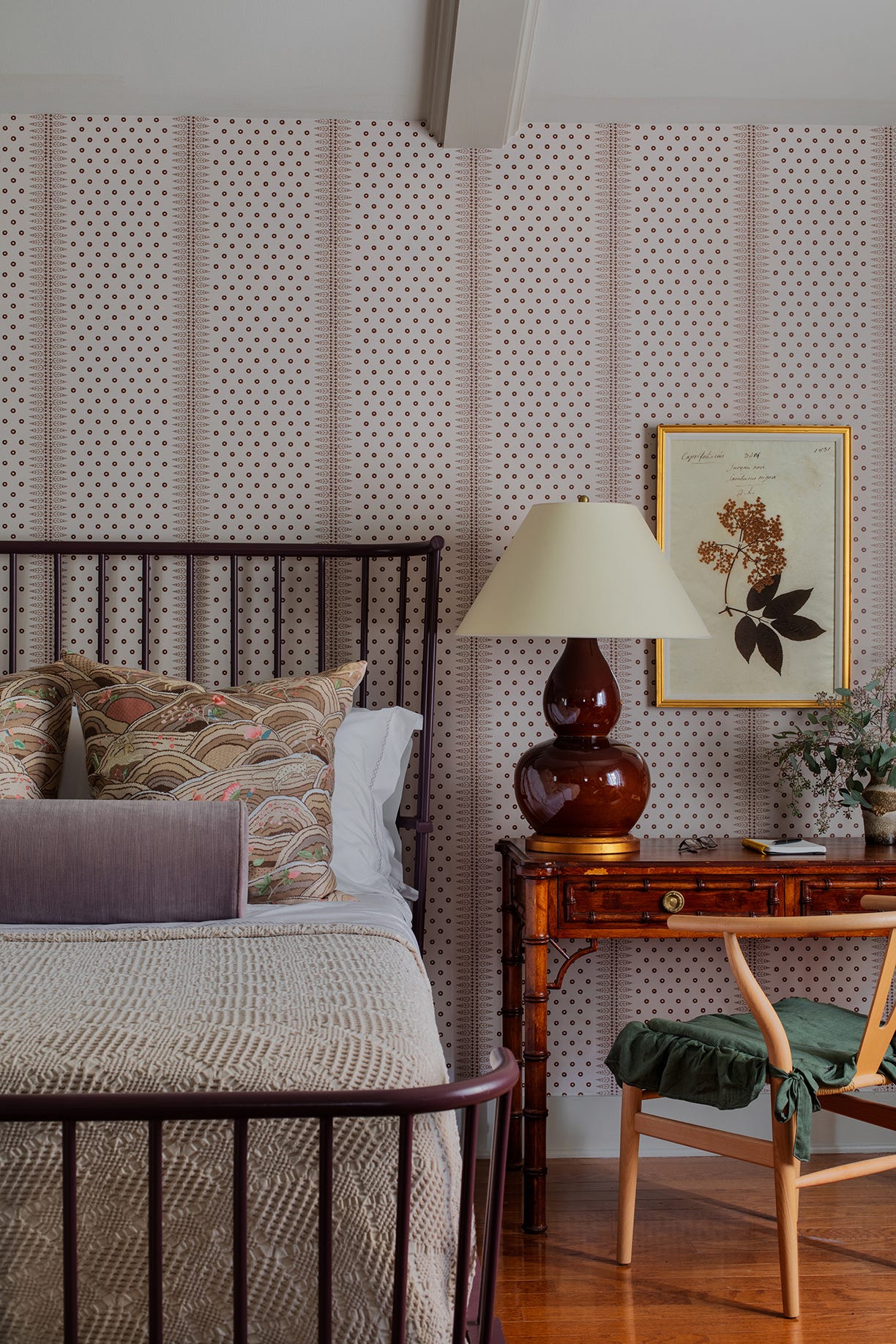
Dual-purpose furniture is a critical component in maximizing a room's functionality, particularly in smaller spaces. For a home office-guest room, wall beds and sleeper sofas are highly recommended. Wall beds can be completely hidden when not in use, while sleeper sofas provide extra seating when guests are absent. When choosing a sleeper sofa, Elliott advises selecting models with thicker air mattresses for comfort without excessive bulk. Ottoman cubes on casters are another versatile option, offering both storage for items like linens and flexible usage as a cocktail table, extra seating, or a footrest. Integrating USB ports into furniture, such as chair arms or end tables, adds modern convenience for device charging. In living rooms where children might do homework, Bibawi suggests coffee tables with lift tops that convert into desks, which can also serve as dining surfaces during movie nights.
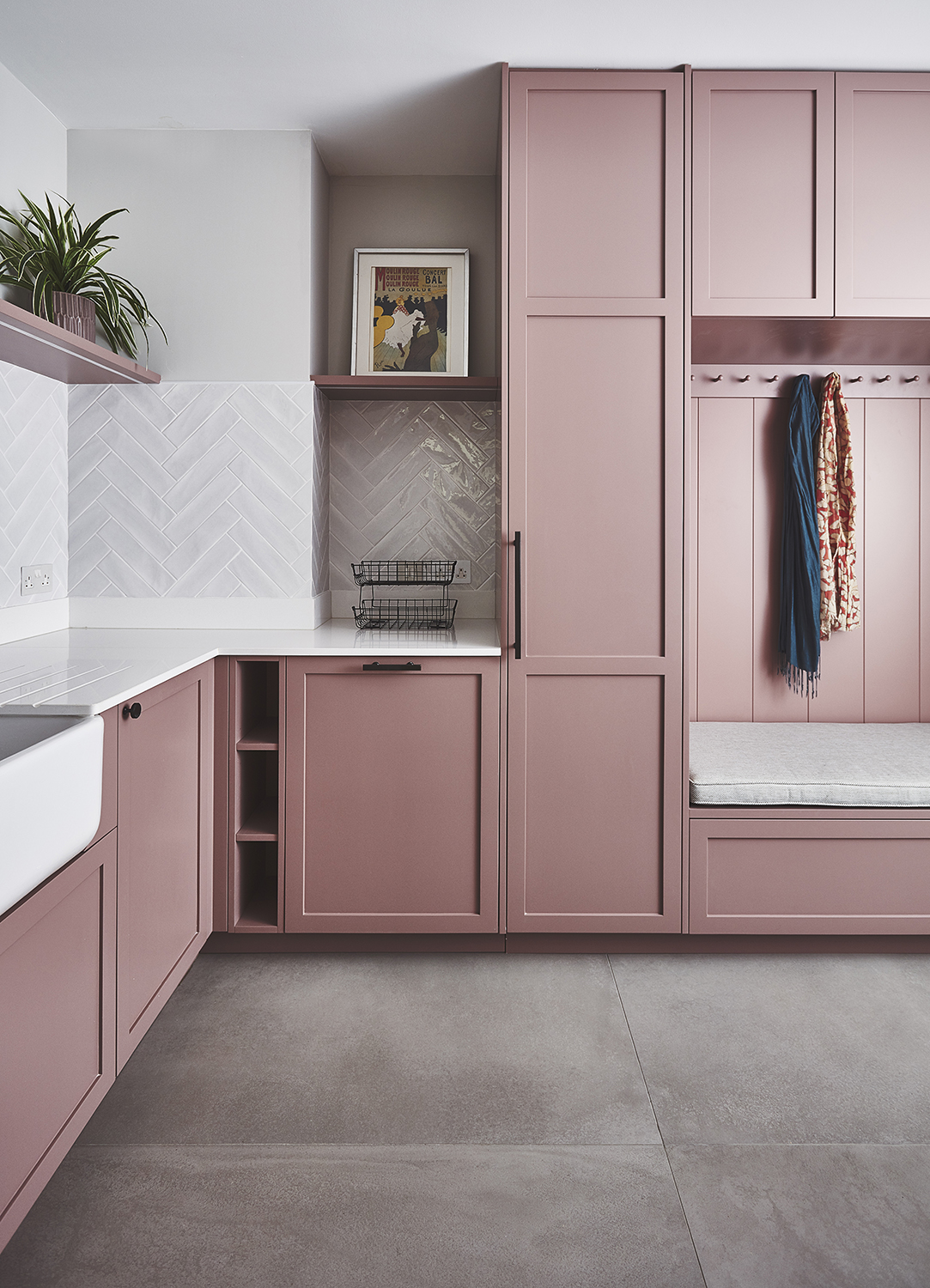
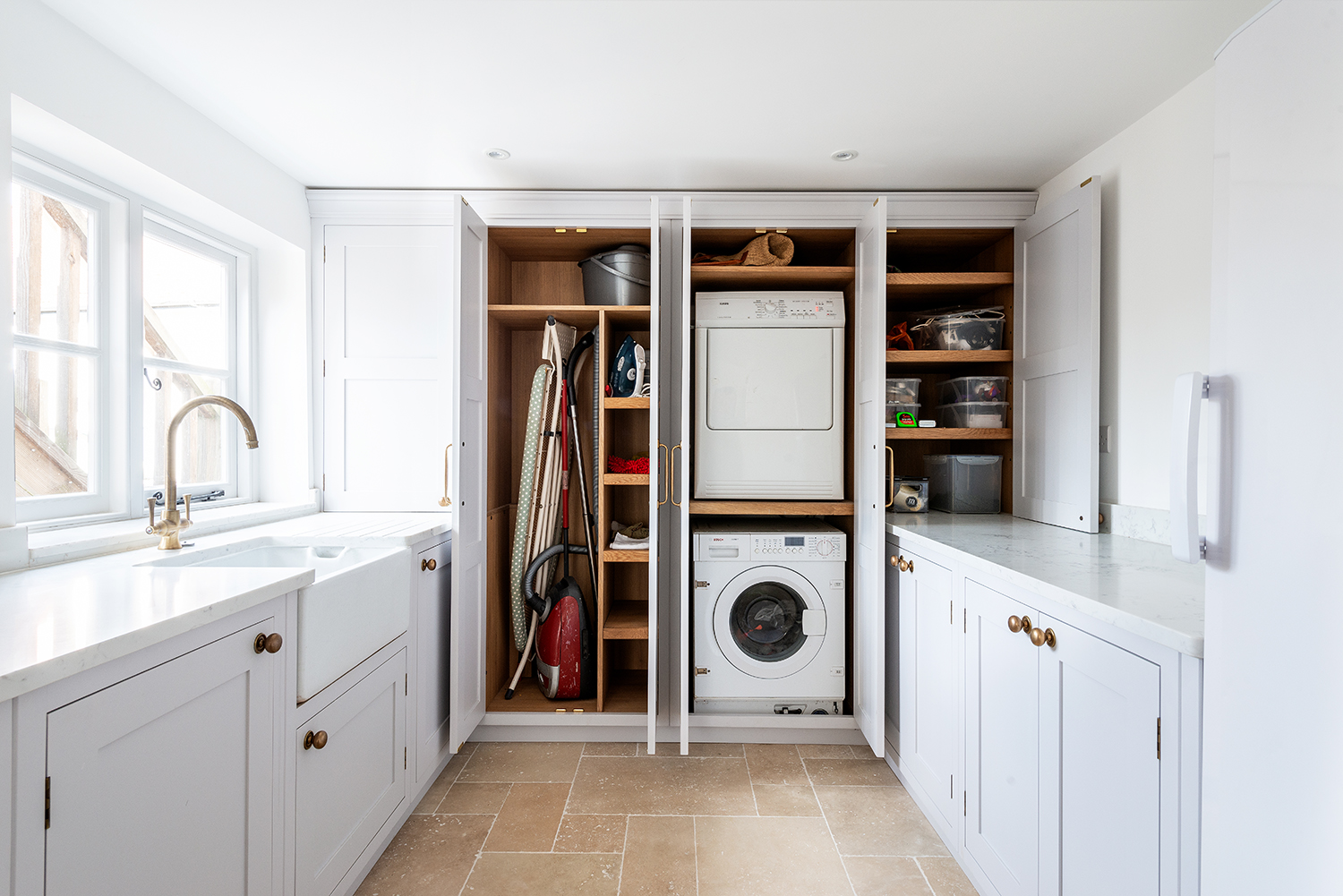
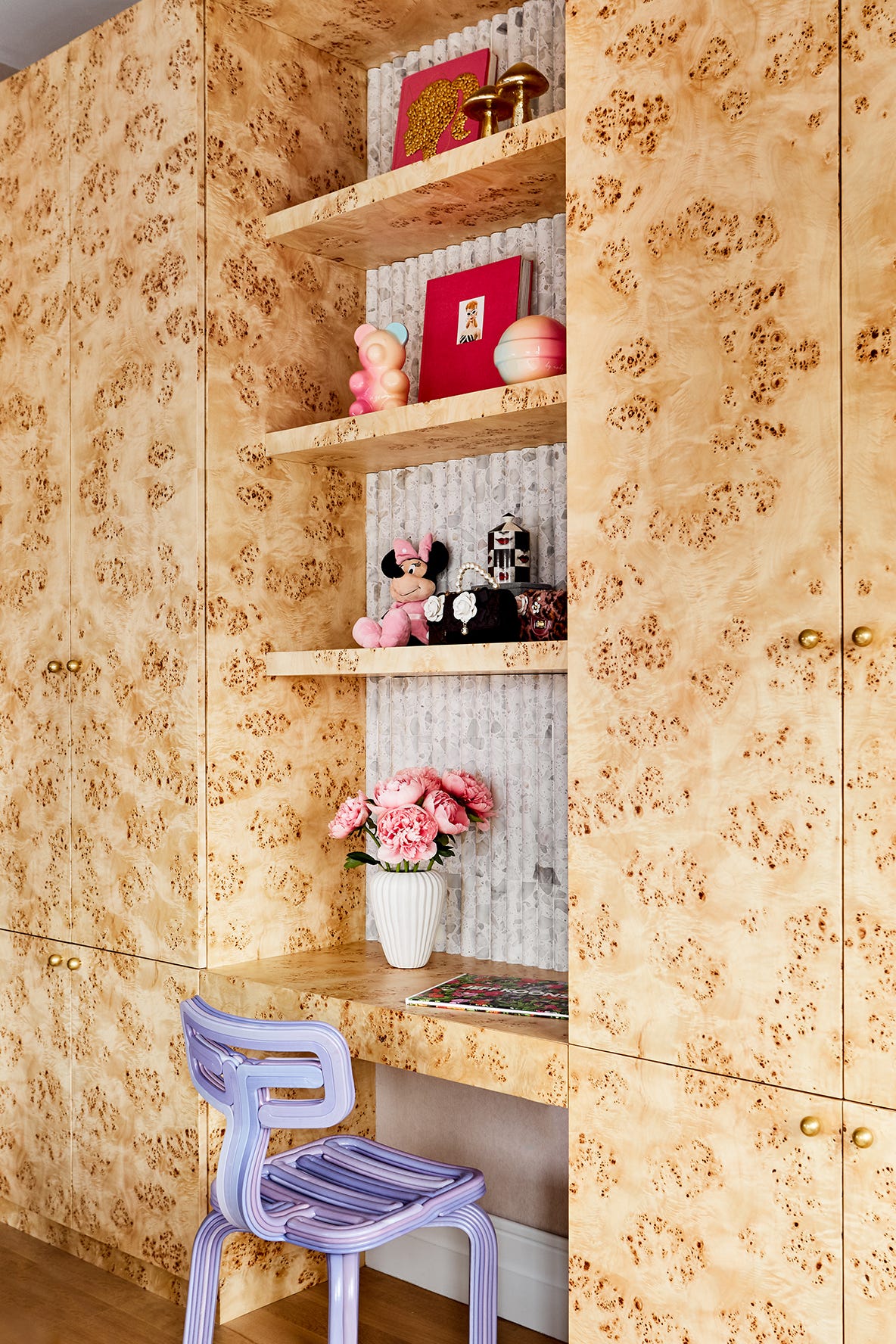
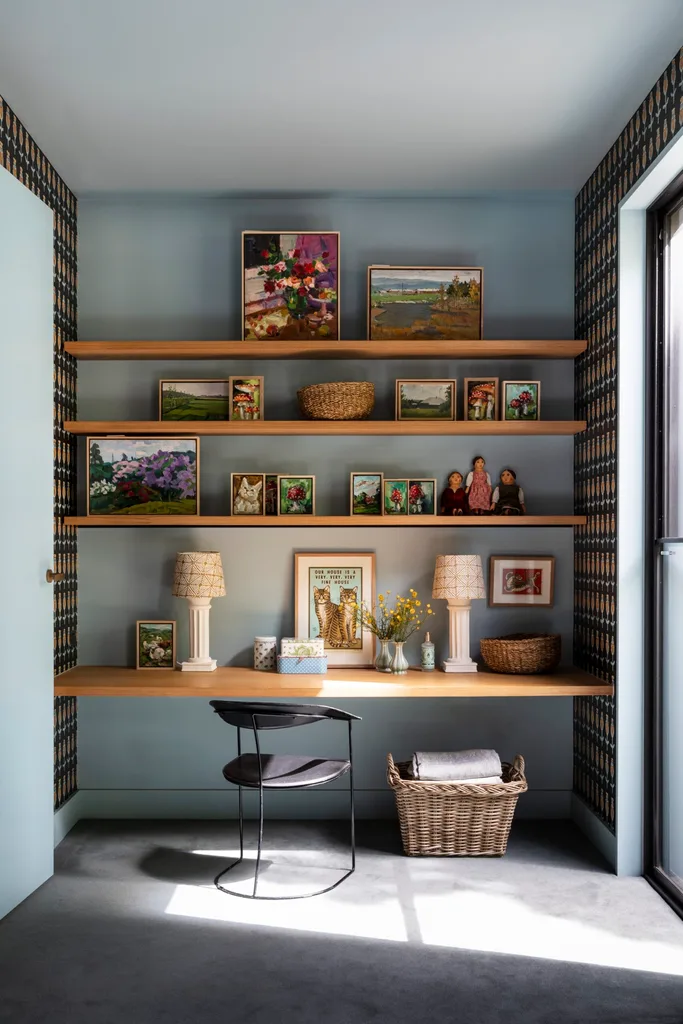
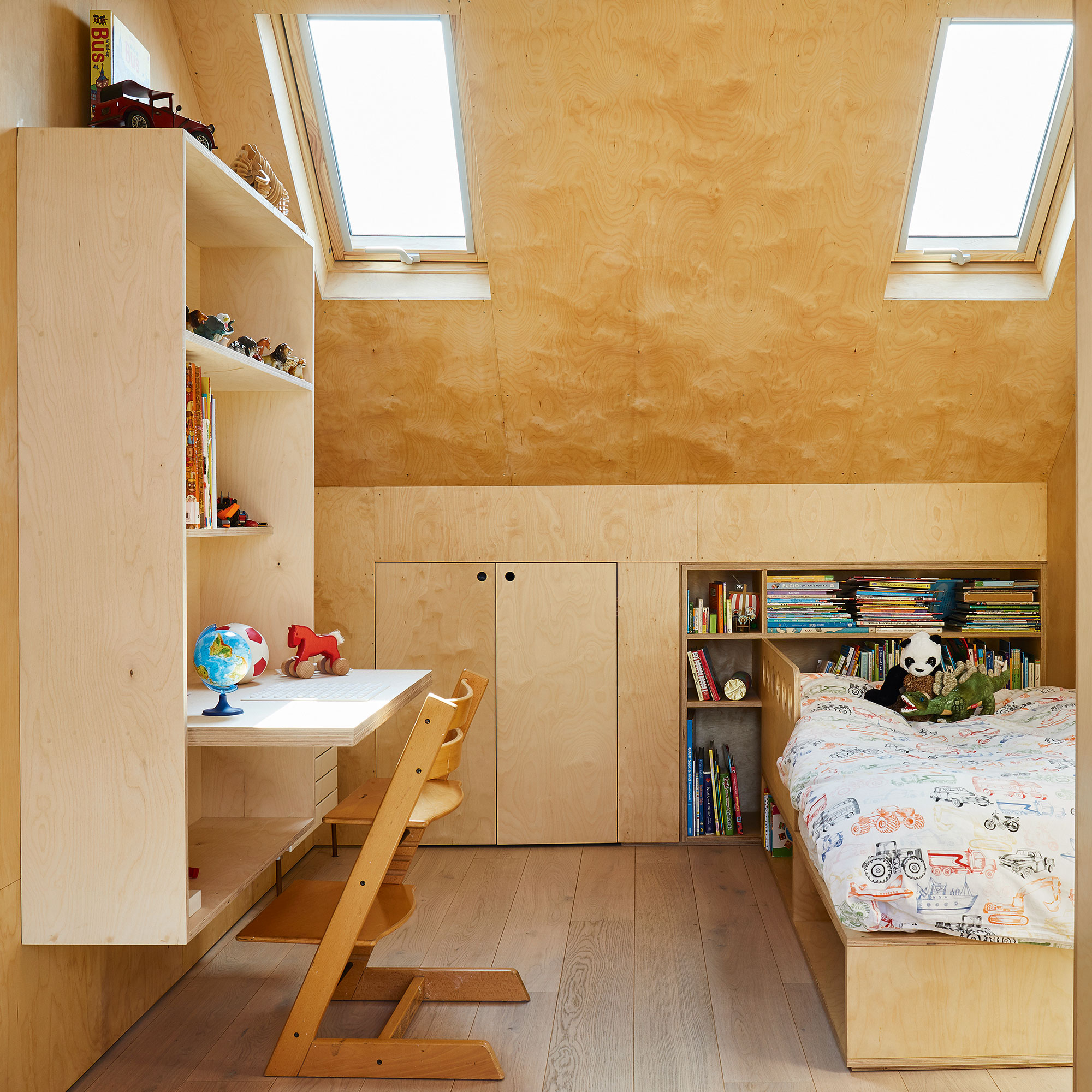
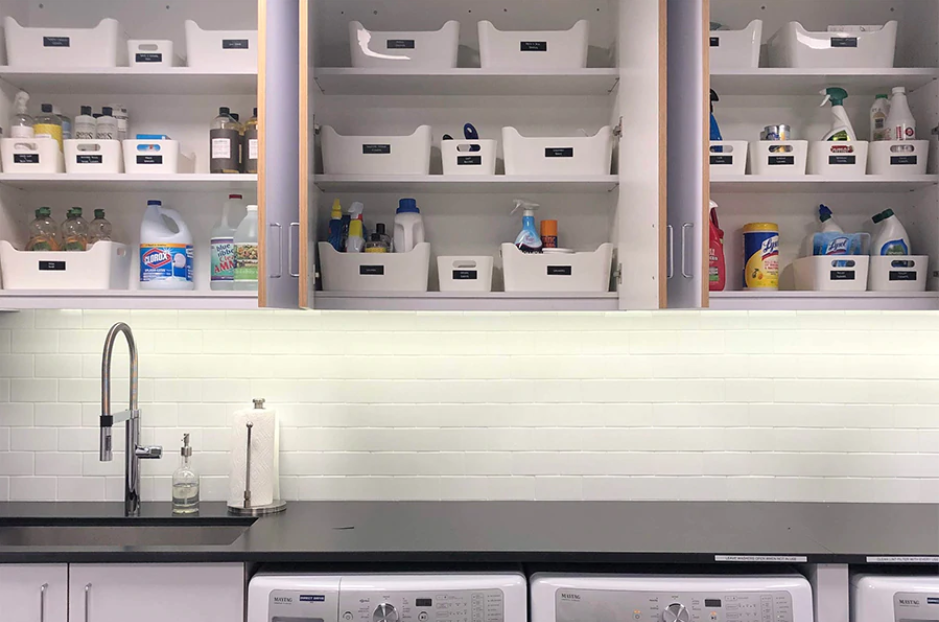
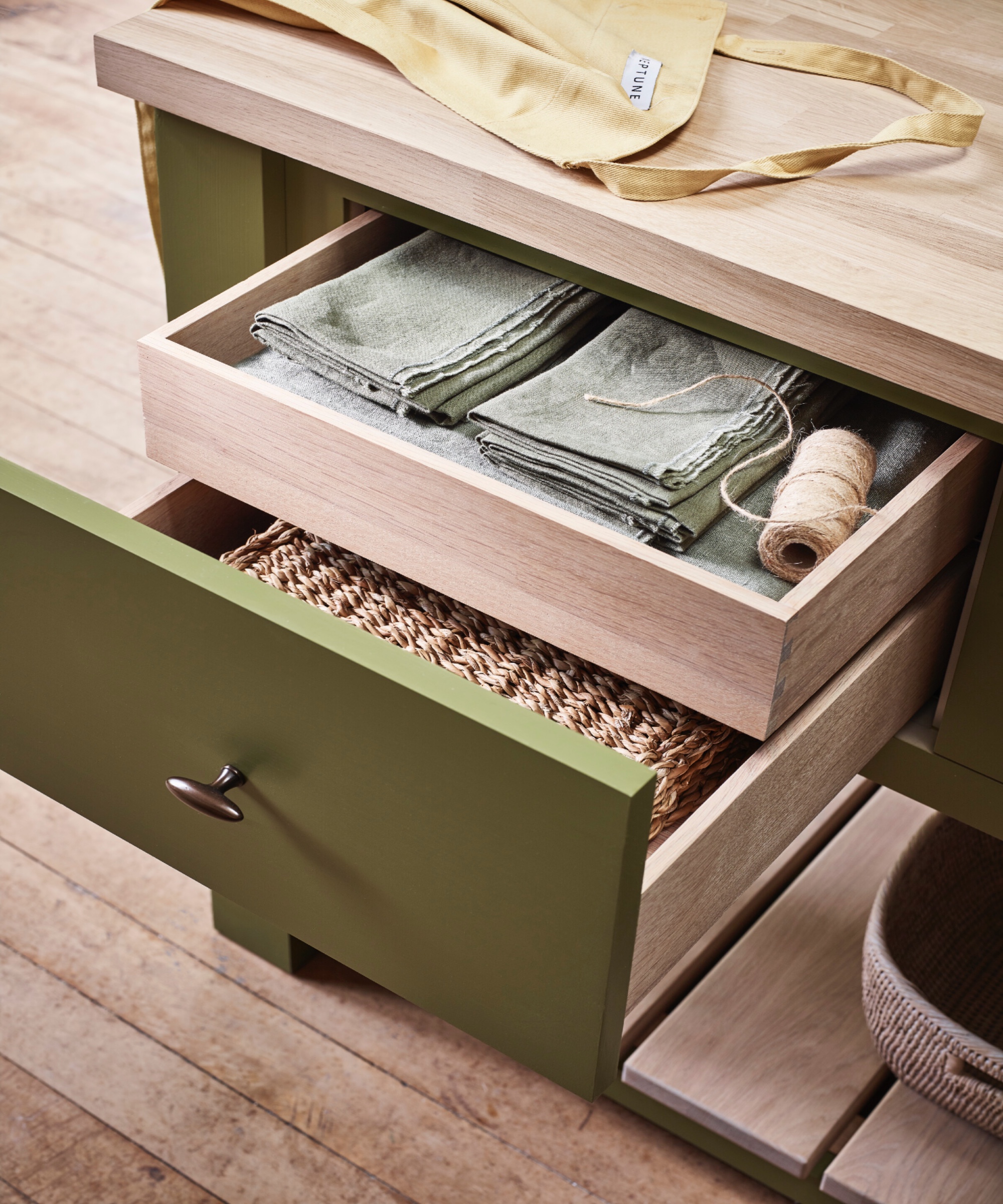
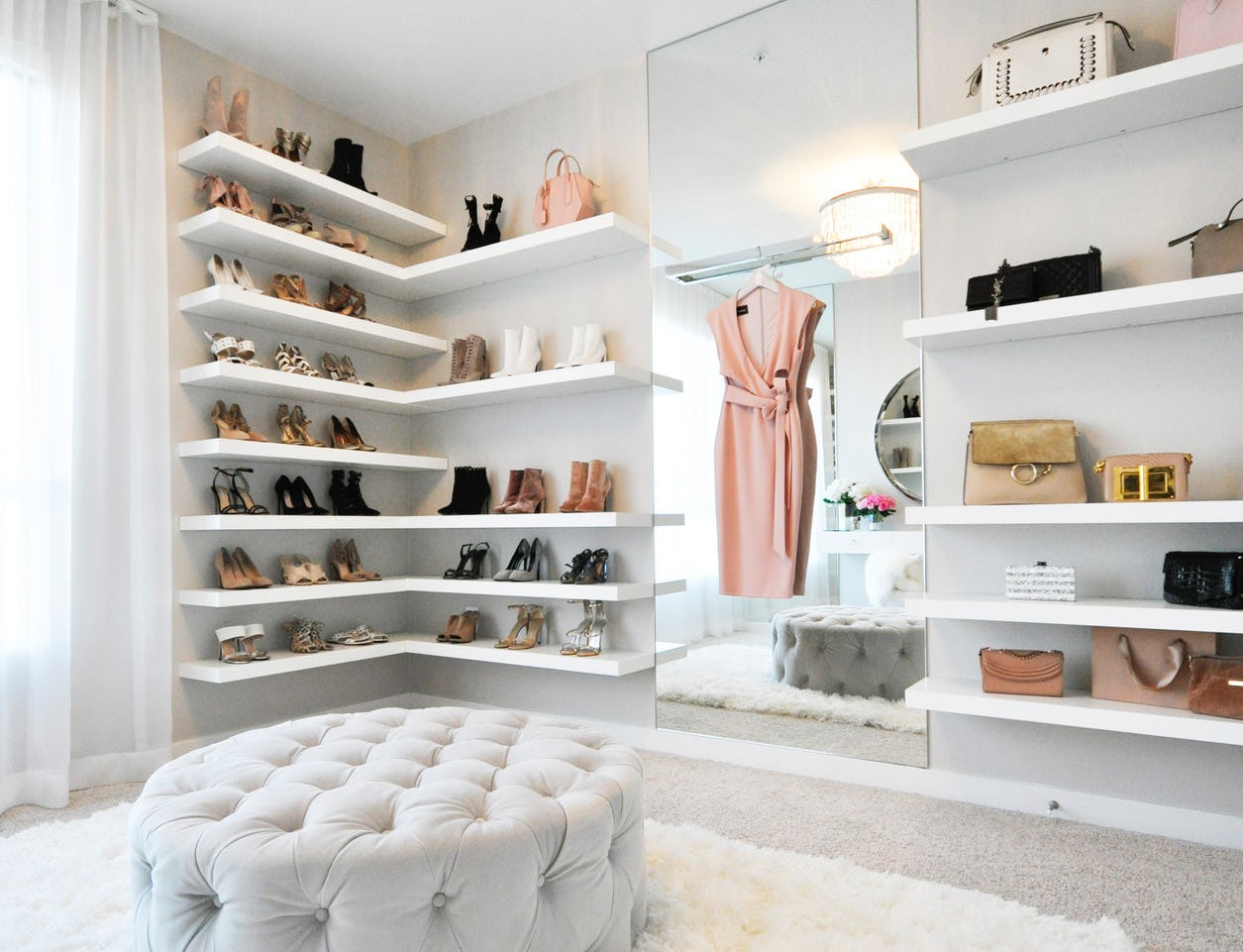
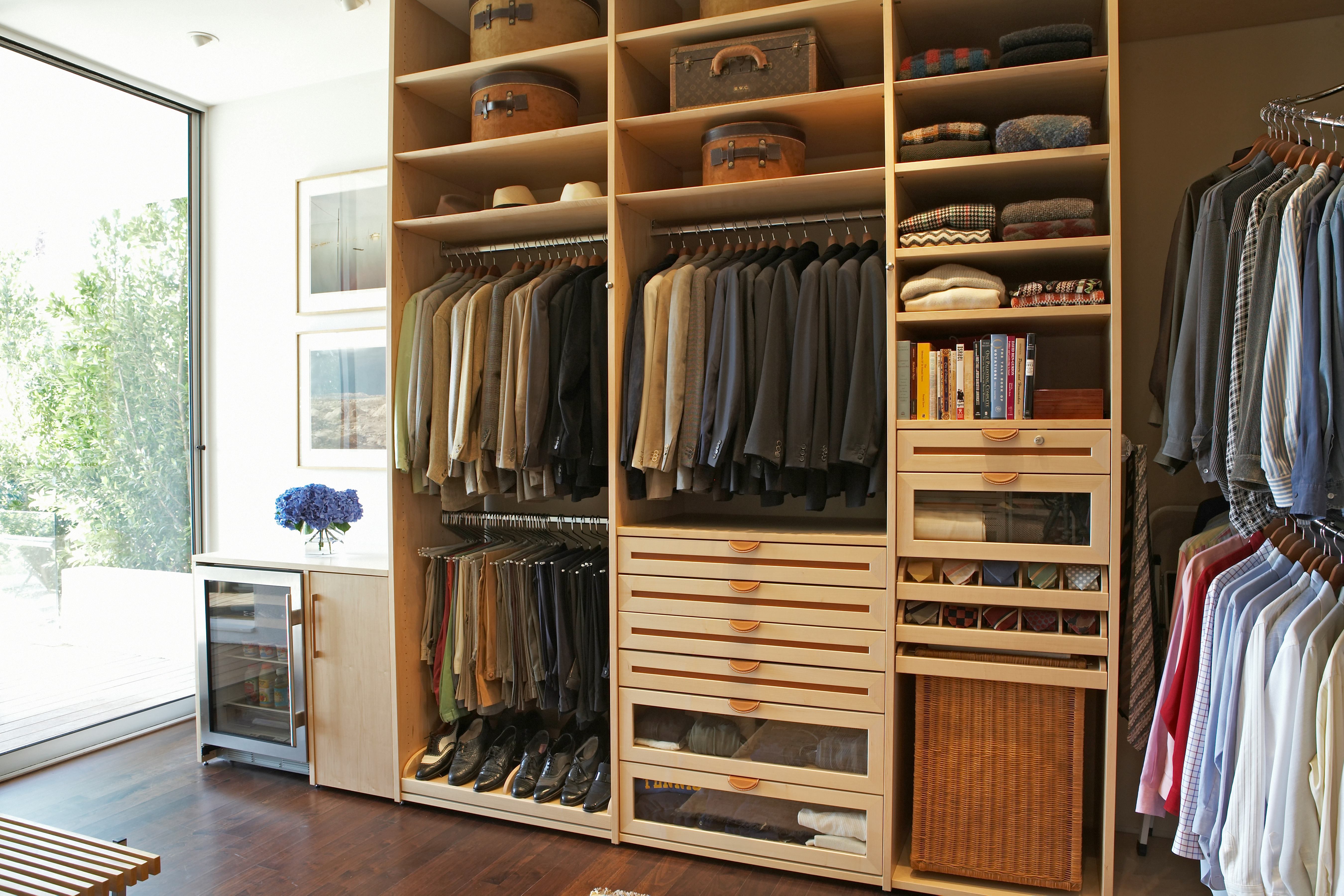
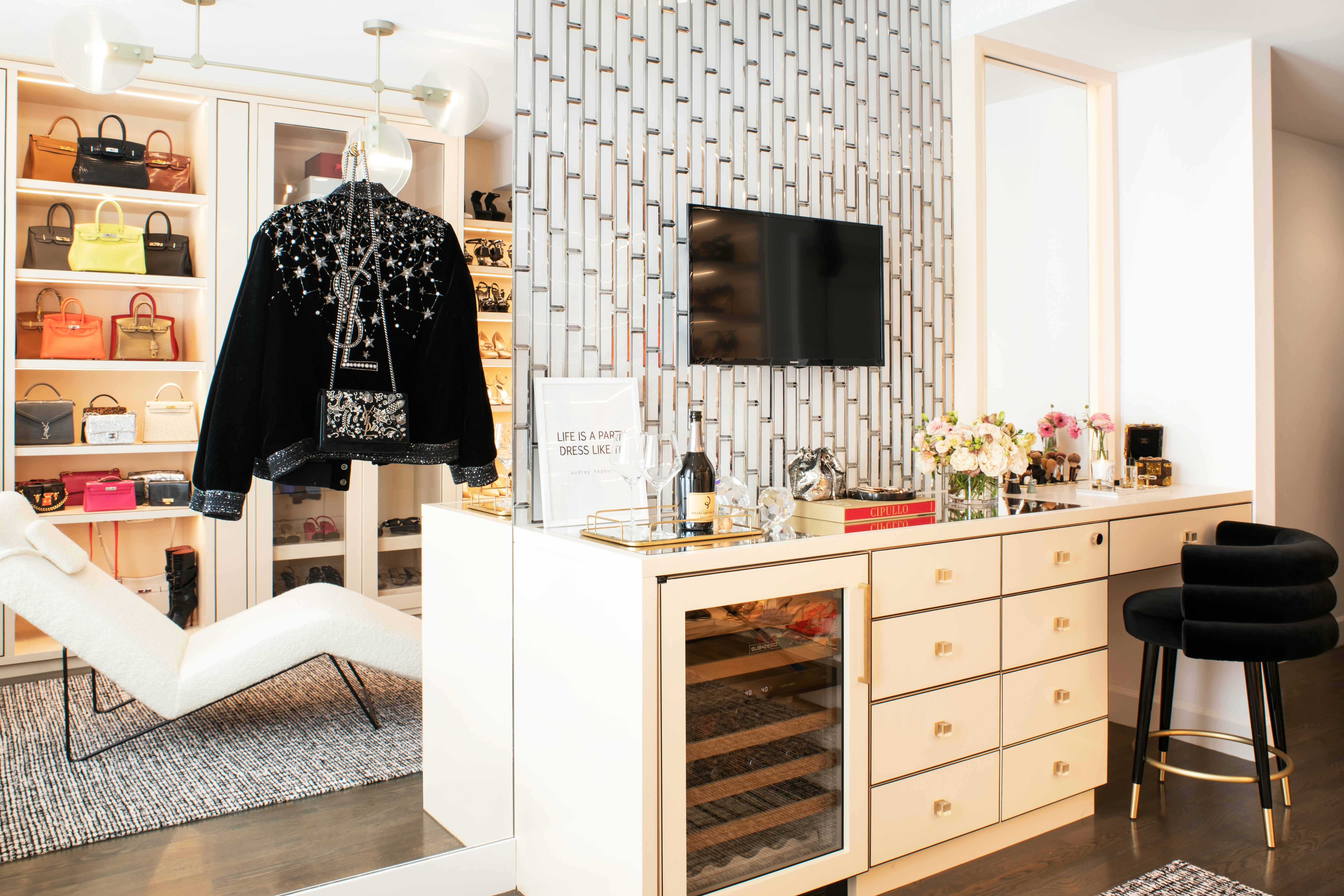
Effective storage is paramount to preventing a multi-purpose room from becoming cluttered. Bibawi favors built-in shelving or cabinets because they can be customized to discreetly house specific items like computer equipment or gaming consoles. She also encourages utilizing often-overlooked spaces, such as under the bed, the highest shelves in closets, or wall space, where decorative items like guitars or skateboards can be hung. This approach not only maximizes square footage but also adds a creative touch to the decor.
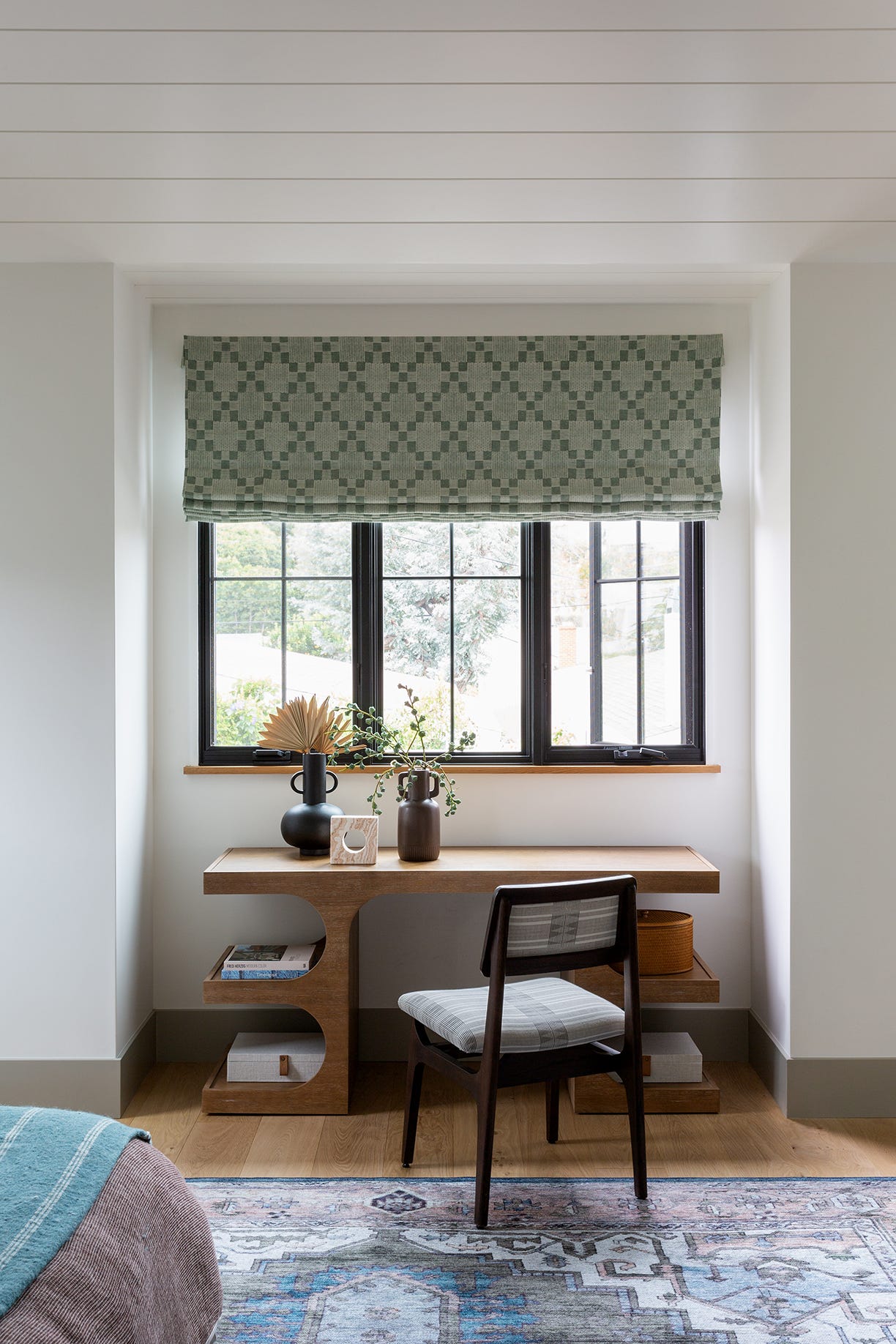
Layered lighting is another crucial design element that should be considered from the outset. Multi-purpose rooms typically require overhead, task, and ambient lighting to accommodate various activities at different times. Bright overhead lights are suitable for home gyms or playrooms, but task lighting is essential for reading nooks or craft desks. For an office-bedroom combination, desk and nightstand lamps should supplement overhead lighting. Dimmable lights are recommended for entertainment rooms to allow for adjustment based on the activity. Careful consideration of window placement is also necessary to avoid glare on screens while ensuring natural light for activities like painting or puzzles.
Finally, designers acknowledge that not all combinations of room functions are compatible. Bibawi points out that a home gym, with its bulky equipment, is challenging to integrate seamlessly with a workspace or entertainment area, as the equipment cannot be easily concealed. She cautions against mixing functions with conflicting levels of sophistication, such as a professional office with a leisurely playroom, as this can create an awkward dichotomy within the space. The article concludes by emphasizing the importance of thoughtful planning and appropriate design choices to create truly high-functioning, adaptable rooms. Overall, successful multi-functional room design involves careful consideration of intended uses, strategic zoning, flexible furniture, ample storage, layered lighting, and an understanding of compatible functional combinations.
#MultiPurposeRooms #InteriorDesign #HomeDecor #SpaceMaximization #FlexibleFurniture #StorageSolutions #ZoningTechniques #LightingDesign #HomeOffice #GuestRoom #MultiPurposeRooms #InteriorDesign #HomeDecor #SpaceMaximization #FlexibleFurniture #StorageSolutions #ZoningTechniques #LightingDesign #HomeOffice #GuestRoom
0개의 댓글이 총 표시됩니다.
 아직 댓글이 없습니다
추가로 마음에 드릴 만한 콘텐츠
Utility room design - expert tips for whether you have a whole room or are turning a closet into an organized haven

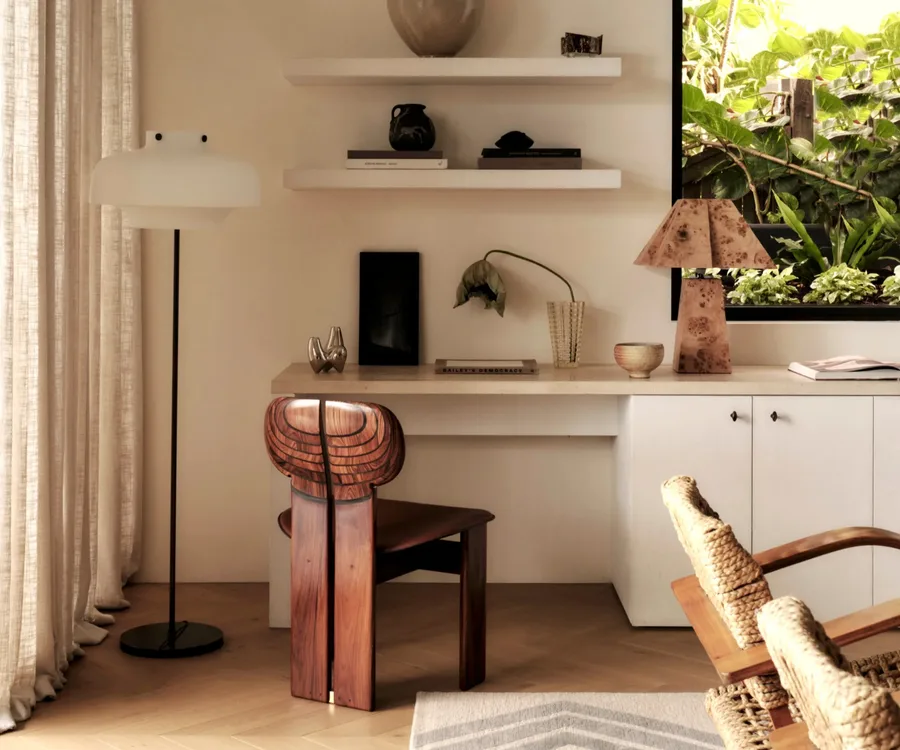
How to design the ultimate home office, according to the experts

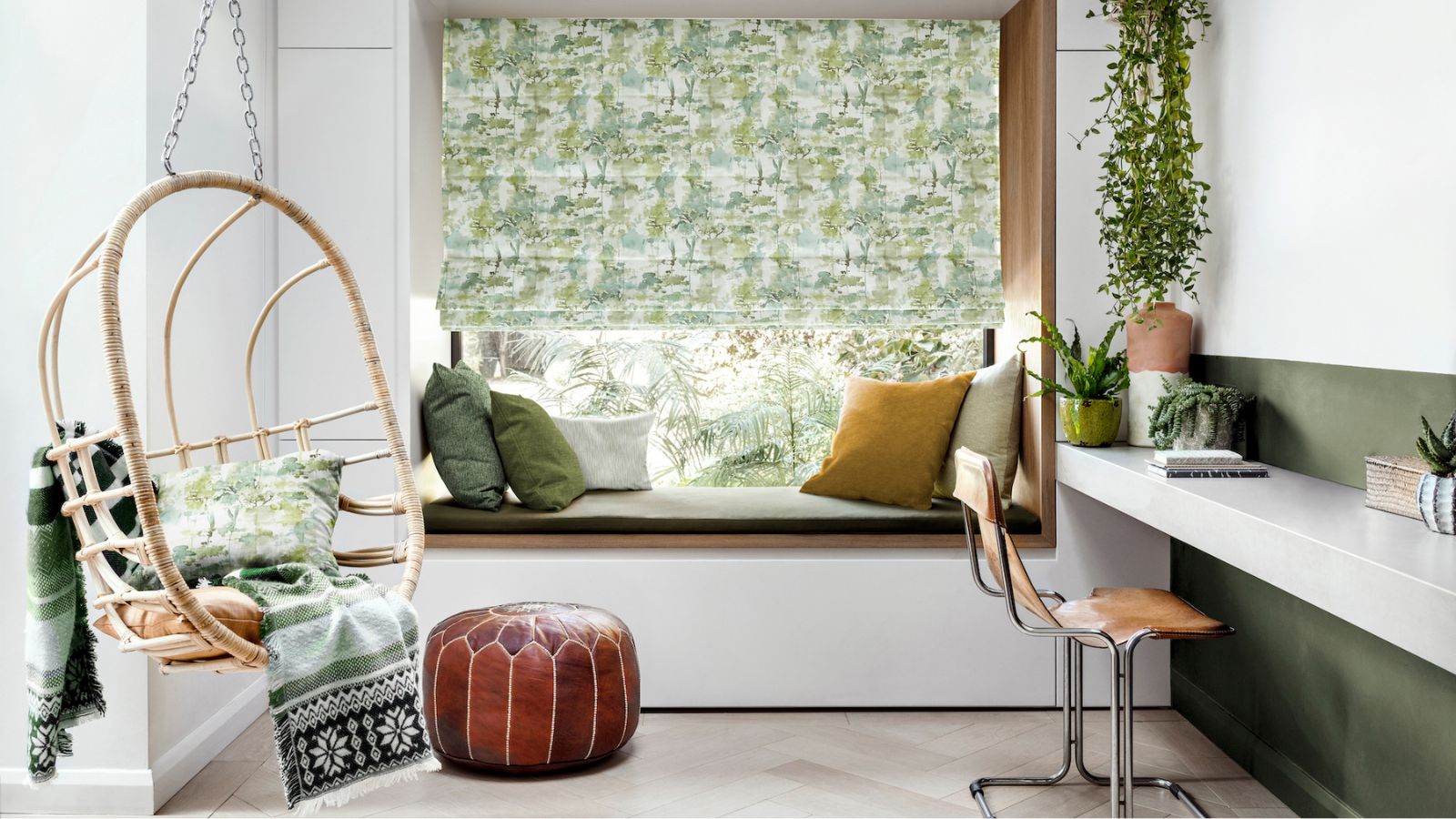
How to elevate your teen's former bedroom into a beautiful home office

10 Things You Should Toss From Your Bedroom ASAP, According to Professional Organizers

11 Expert Tips for Building an Influencer-Worthy Glam Room
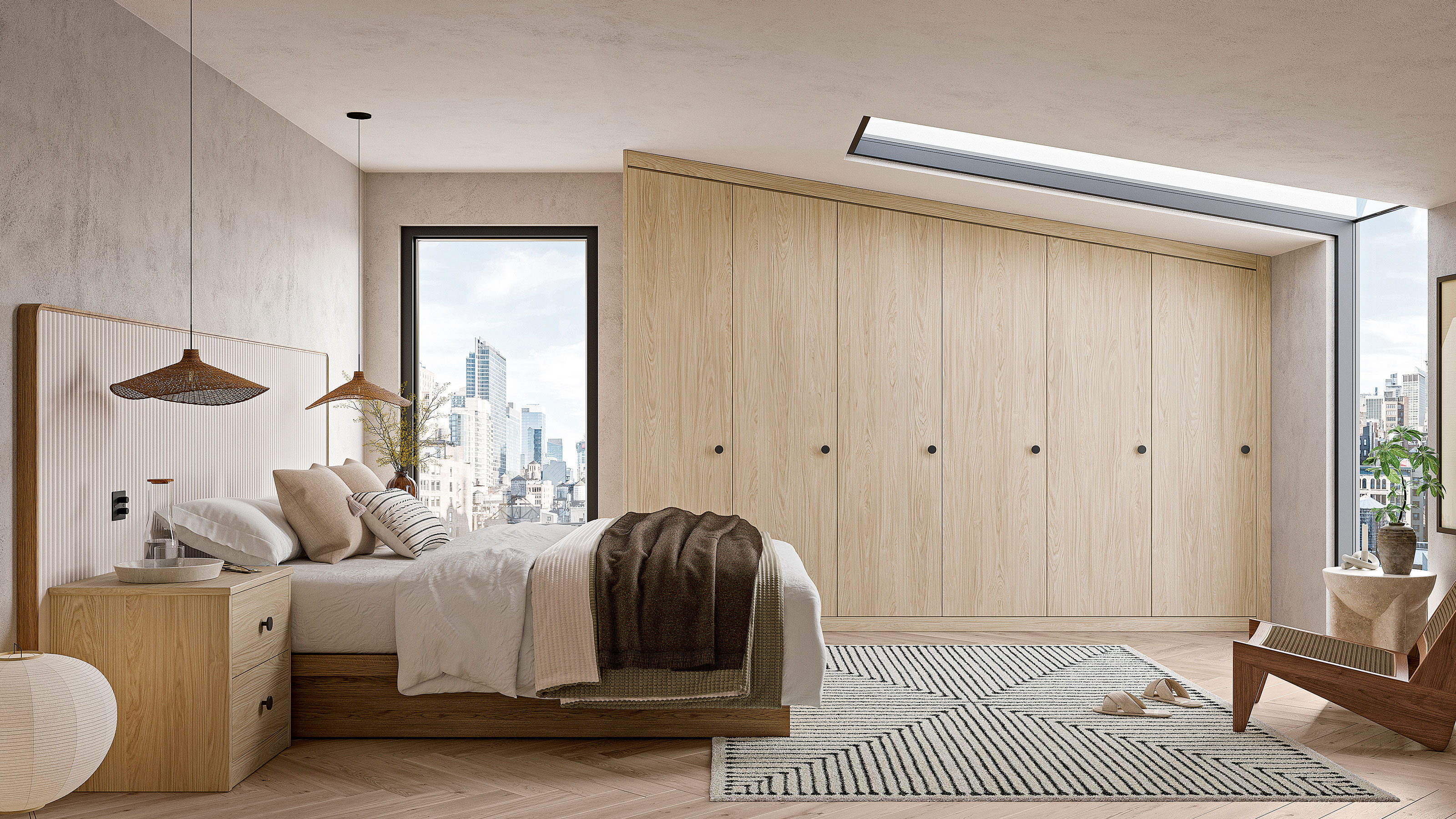
3 design experts reveal how to plan the perfect loft space - from a cohesive scheme to the finishing touches
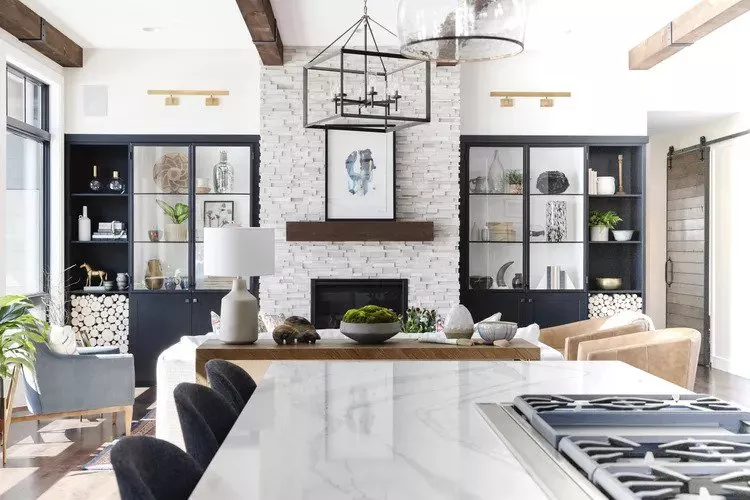
Great Rooms Are a Multipurpose Staple of Open-Concept Homes—Why You Need One Now

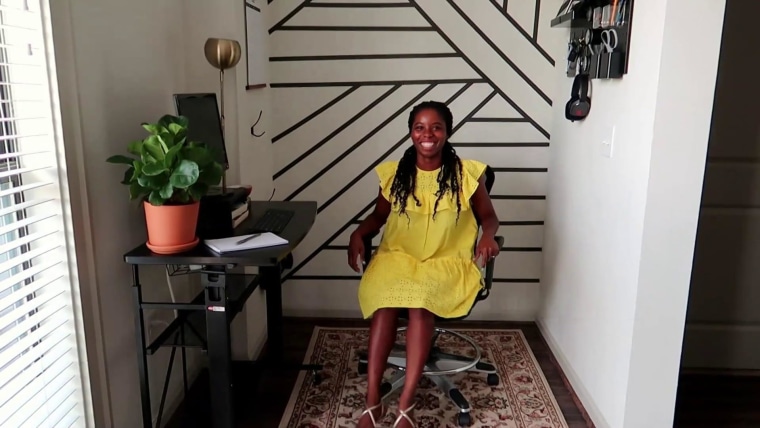
5 home office ideas to create the perfect workspace

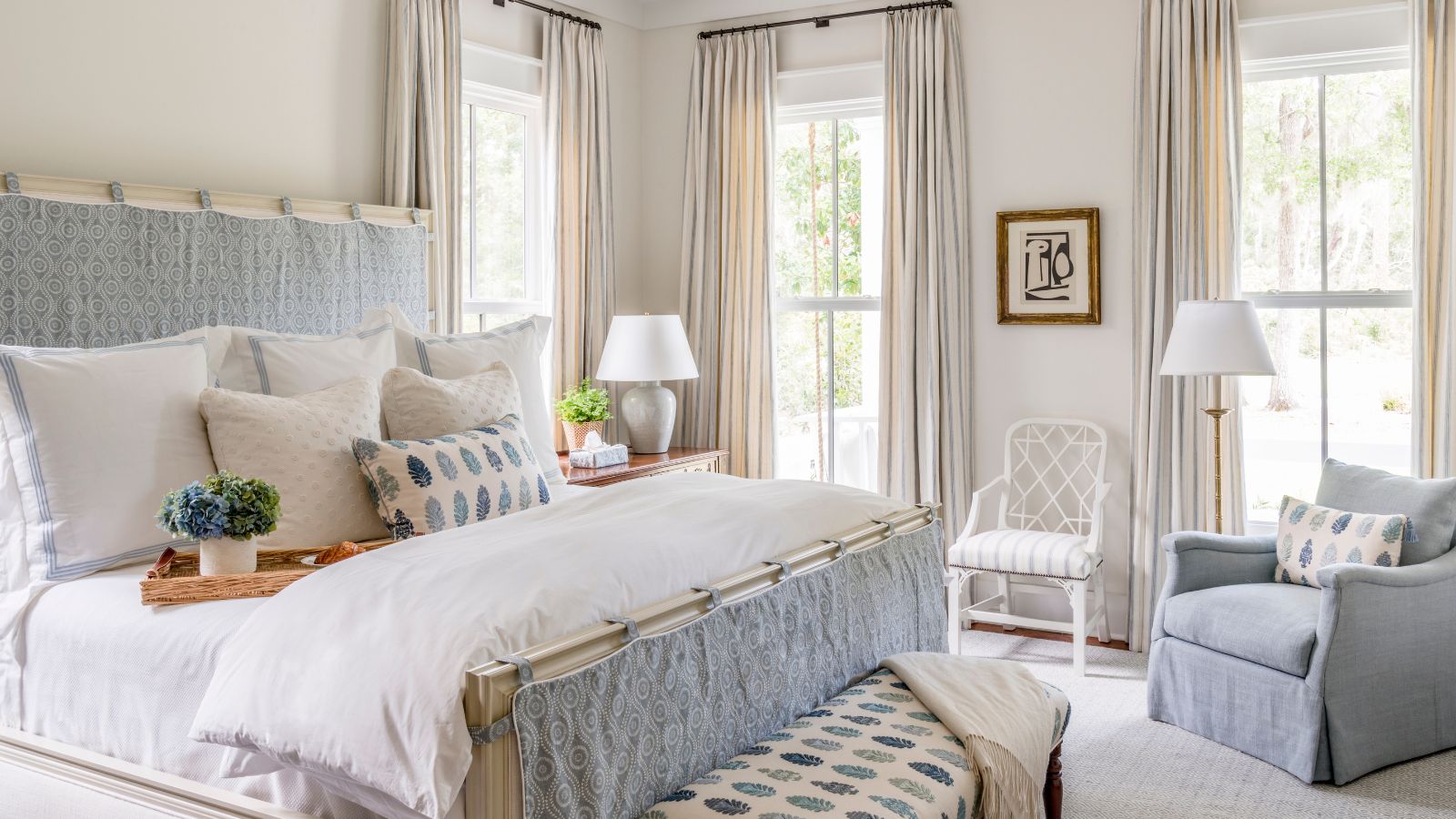
Interior designers share their secrets to designing a bedroom like a 5-star luxury hotel room at home

The Secrets To A Well-Lit Room
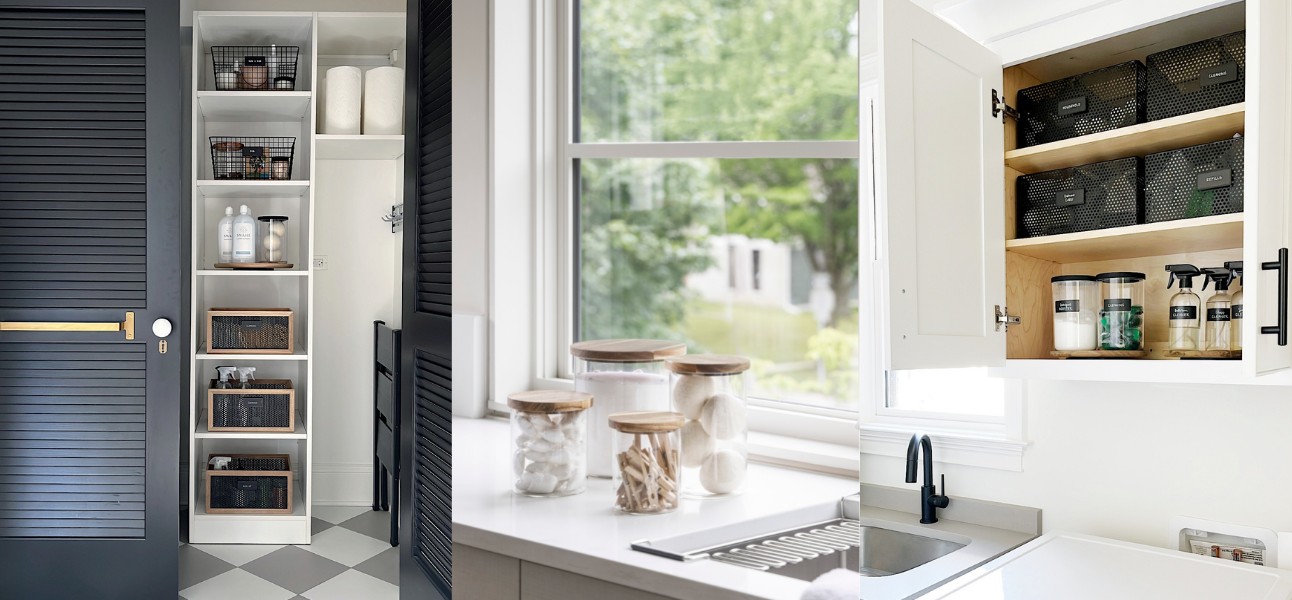
Utility room organization ideas – tips for a neat and efficient space

The Multi-Purpose Closet Trend: How The Storage Space Is Turning Into A Hangout Of Its Own
The Key to Turning Awkward Spaces Into Brilliantly Organized Hubs

How to elevate your 'pass-through room' - experts make more of that unloved space you're ignoring
How to create a 'bootility room' for 2022 – the most practical space in your home
I'm a reporter who's going to be working from my Brooklyn apartment for at least the next 6 months. Here's exactly how I rearranged my bedroom to make it work as an office.
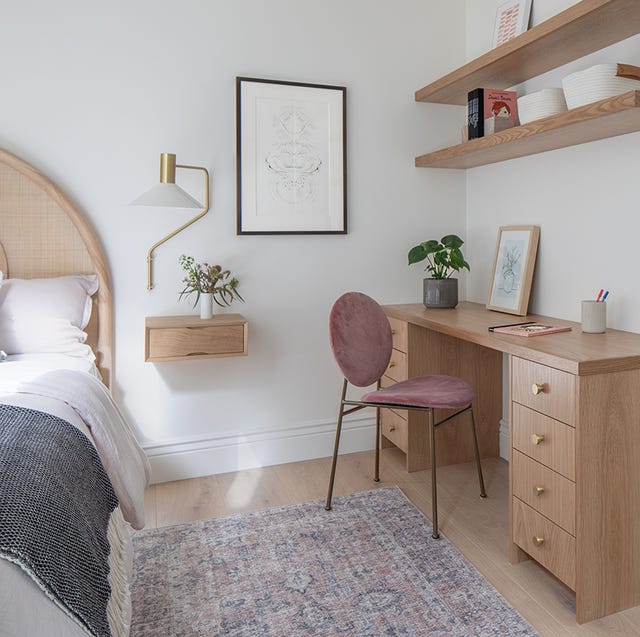
Here's How to Carve Out Space for a Chic Bedroom Office

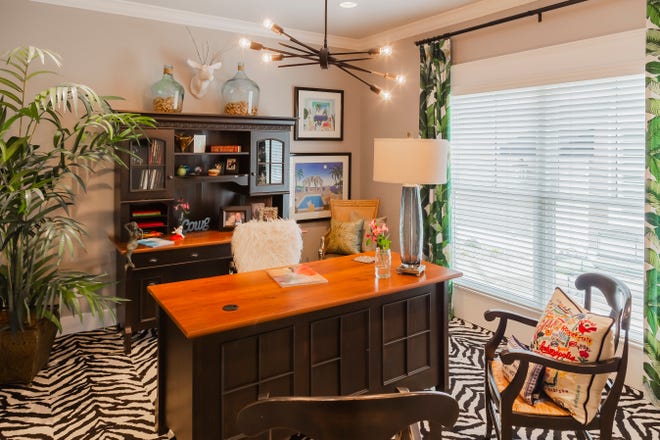
Step up your home office game with these tips from an interior designer
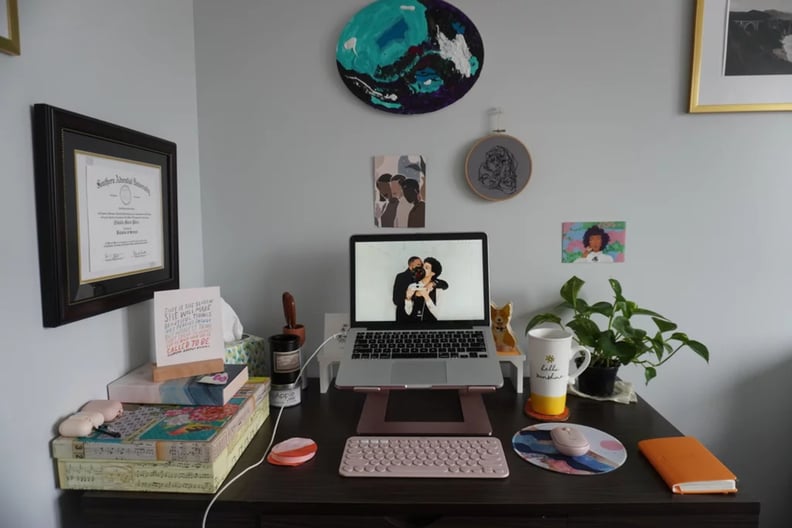
How I Set Up My Dream Desk in My Tiny Bedroom
5 Students With Award-Winning Dorms Share Their Tips, Inspo, & Must-Have Items