1/3
Silicone sealant mould will vanish in 15 minutes if cleaned with 1 natural item
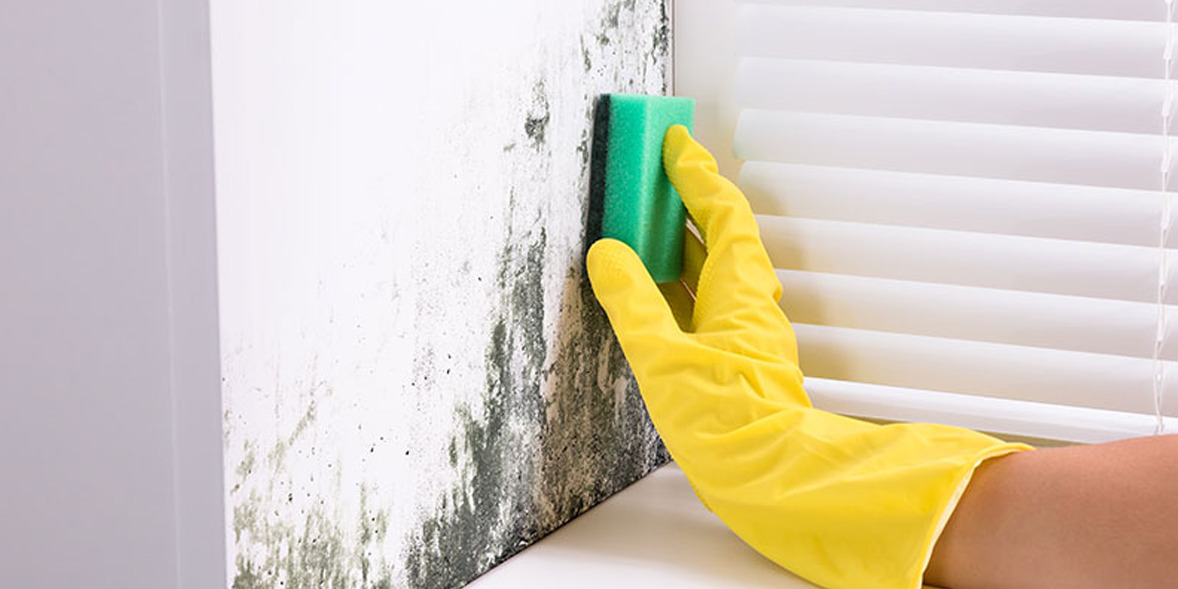
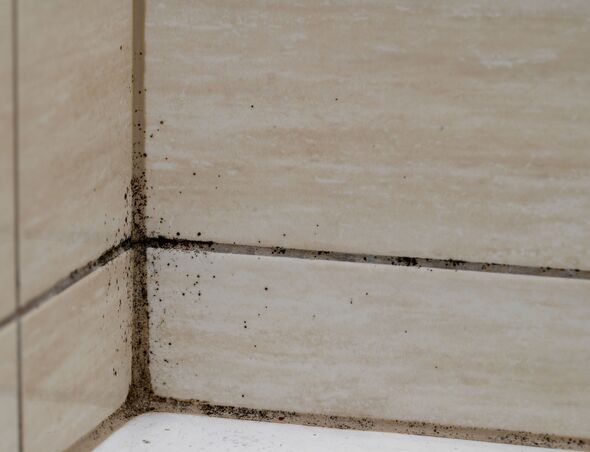
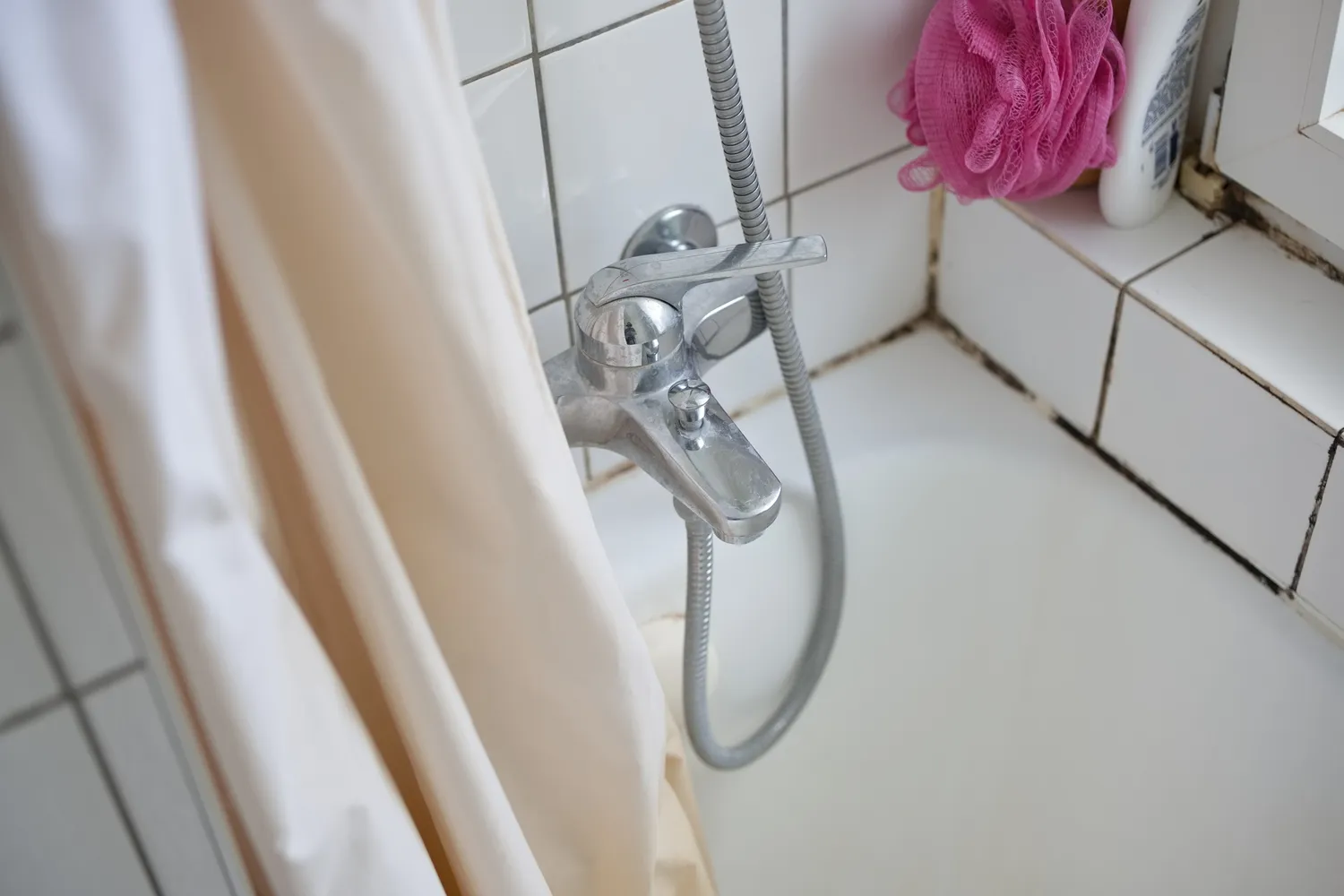
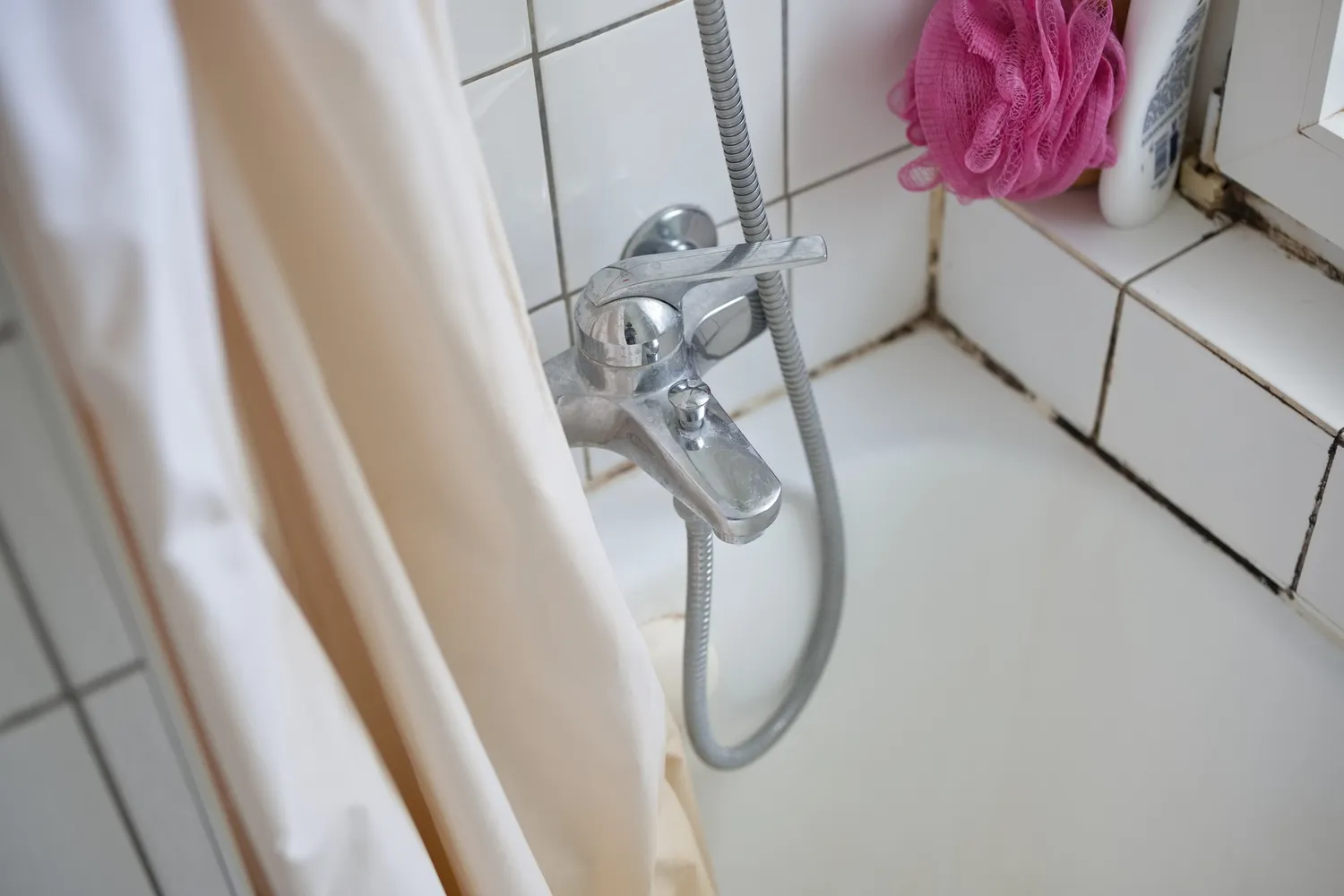
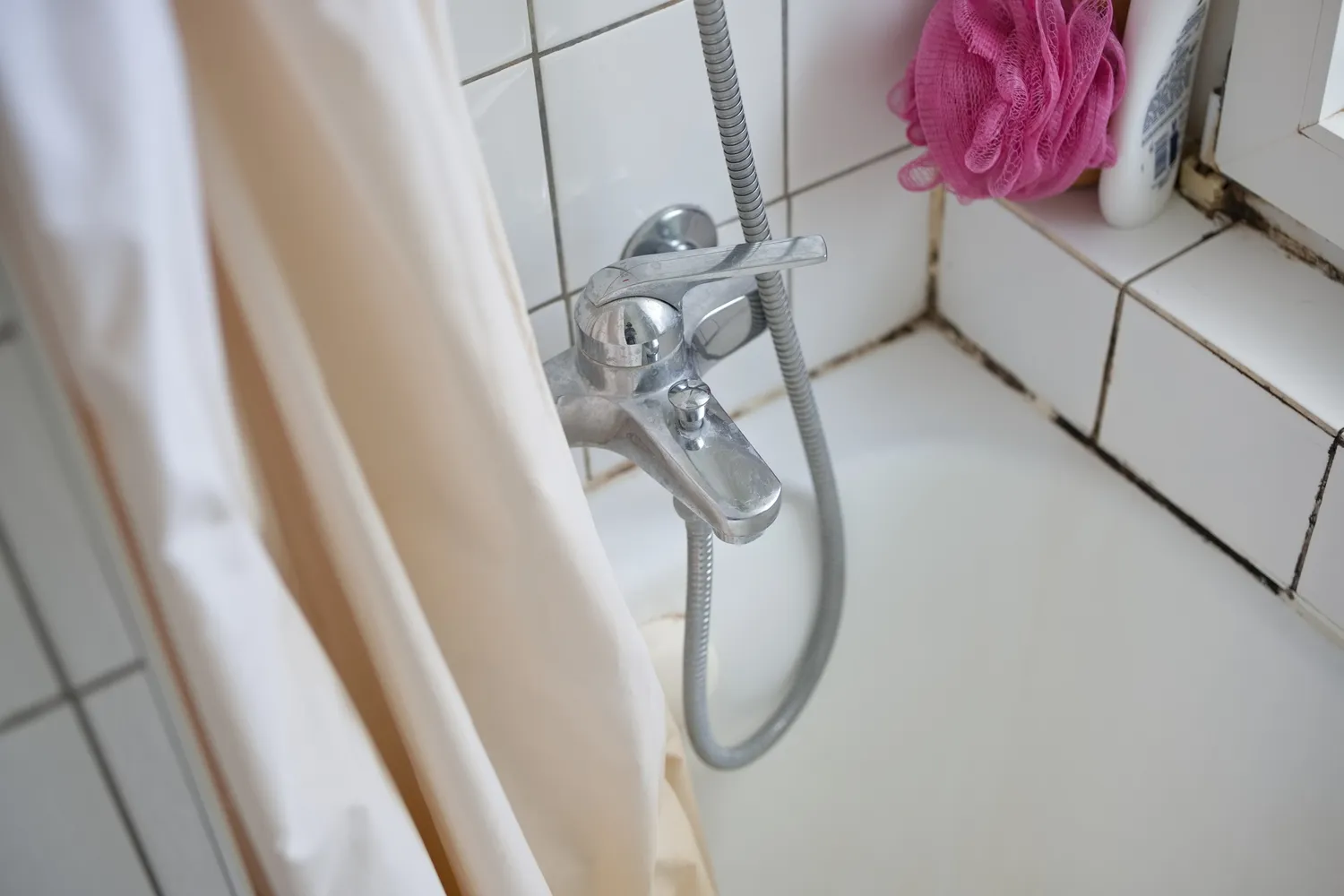
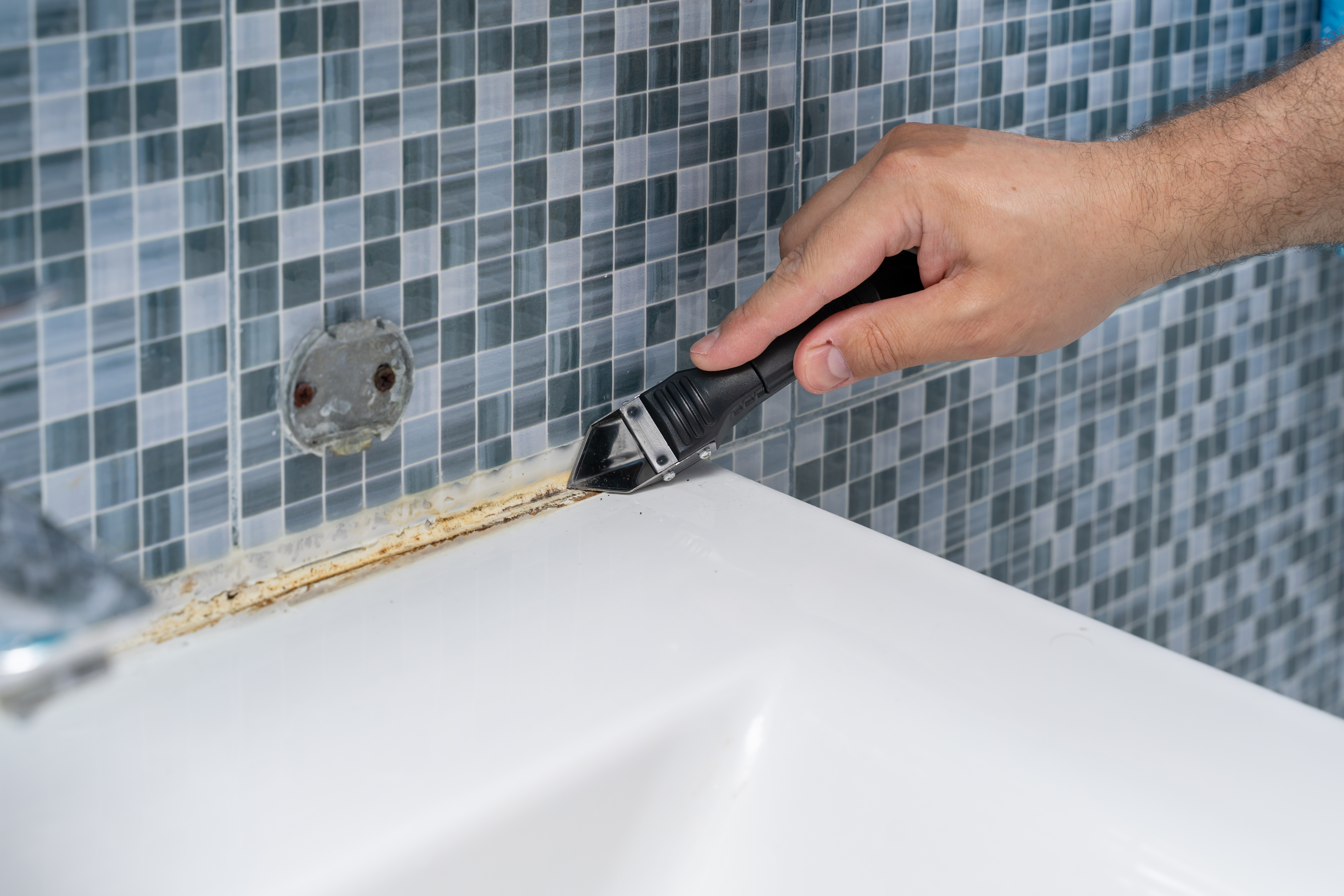
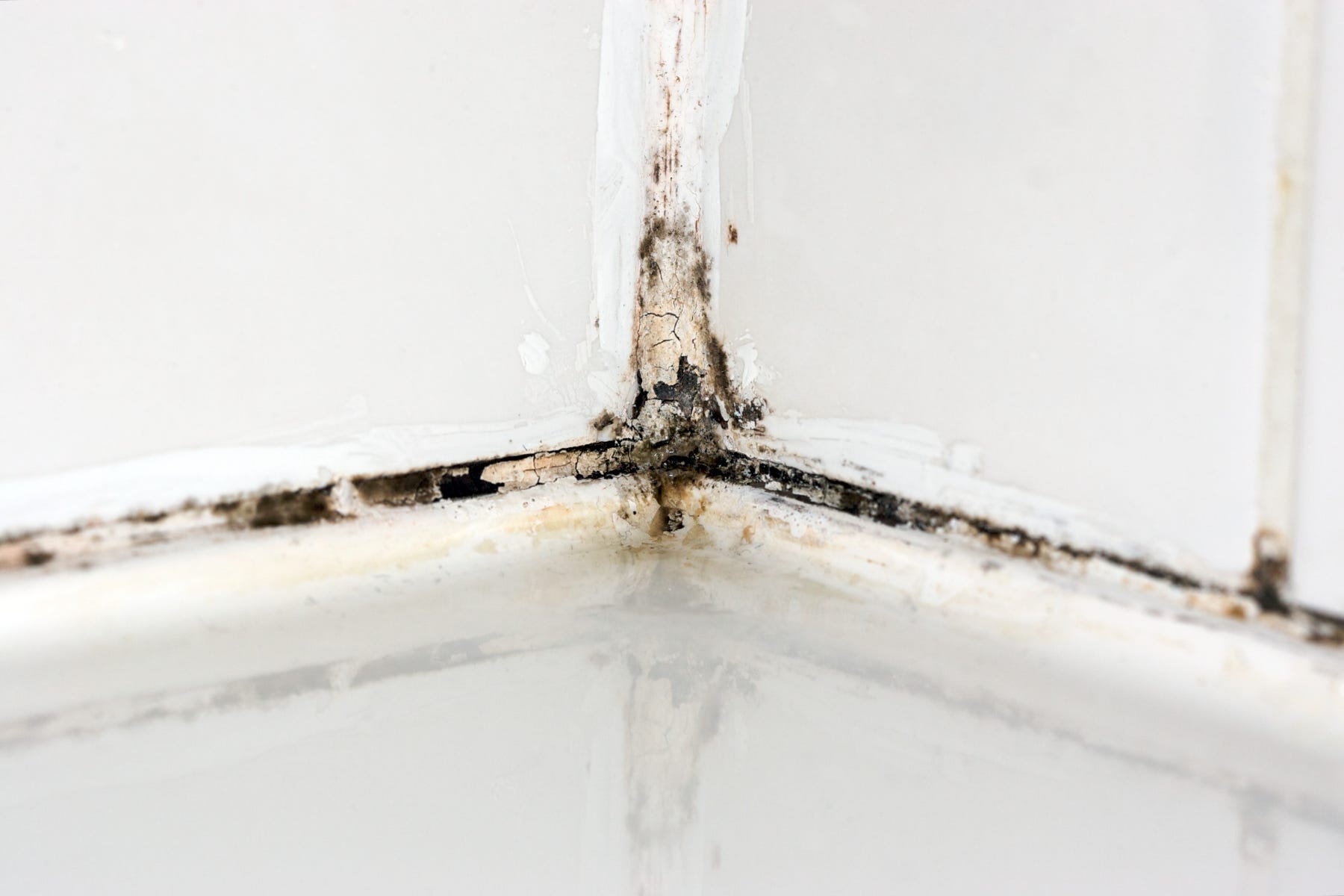
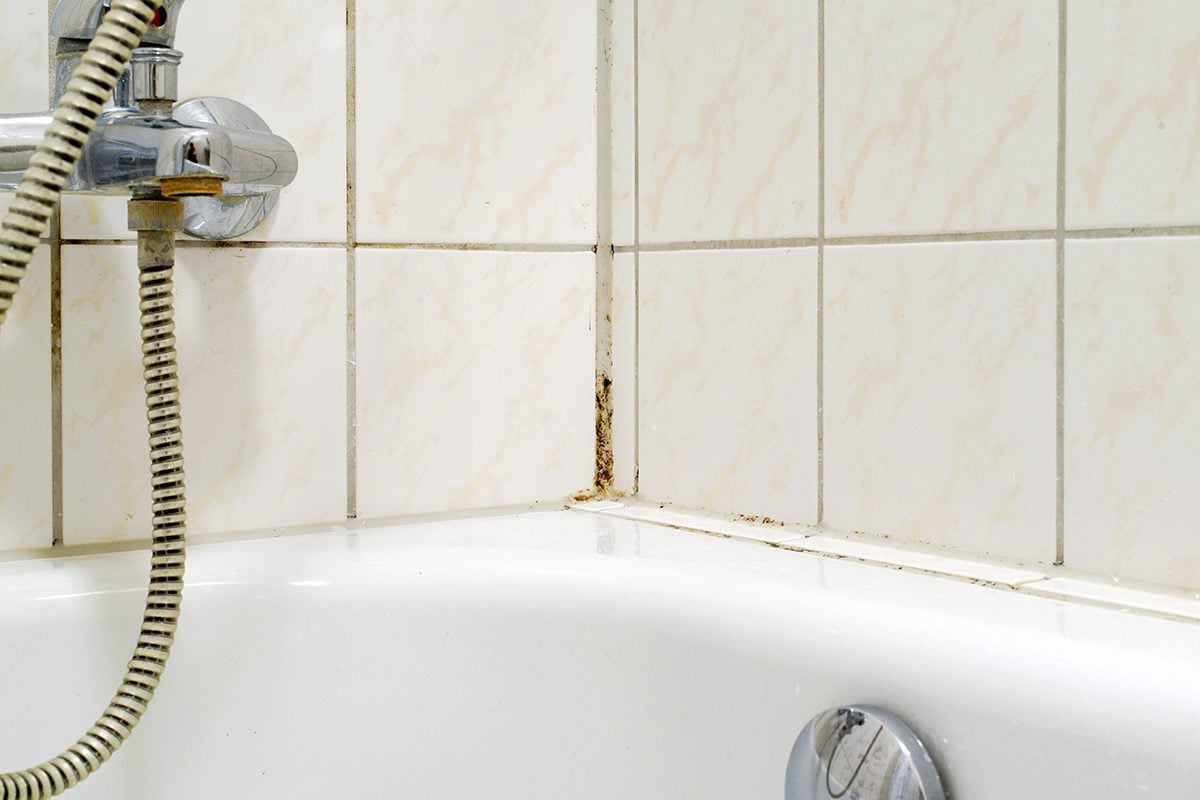
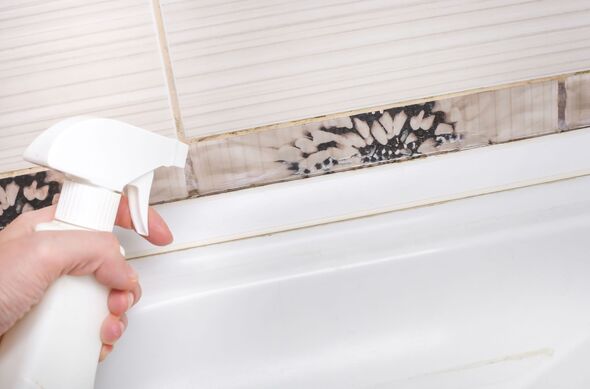
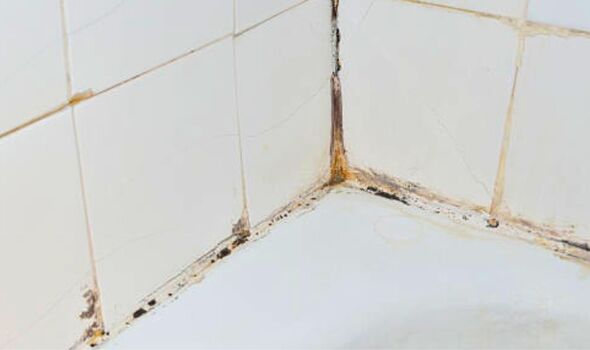
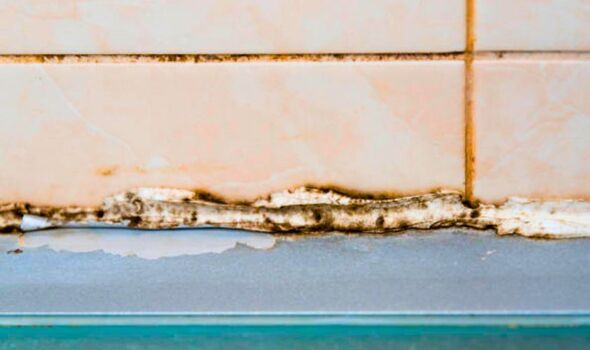
Silicone sealant, commonly found as the white waterproof lining around showers and sinks, often becomes a breeding ground for black mould due to constant exposure to water. This mould thrives in damp conditions and feeds on organic materials like soap and shampoo if not cleaned regularly. Many people attempt to eliminate mould using bleach; however, bleach is often ineffective as it cannot penetrate deep enough into the silicone material to fully eradicate the mould. Furthermore, its harsh chemical composition can damage the silicone.
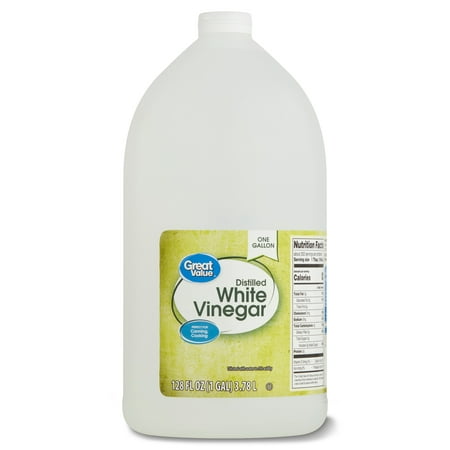
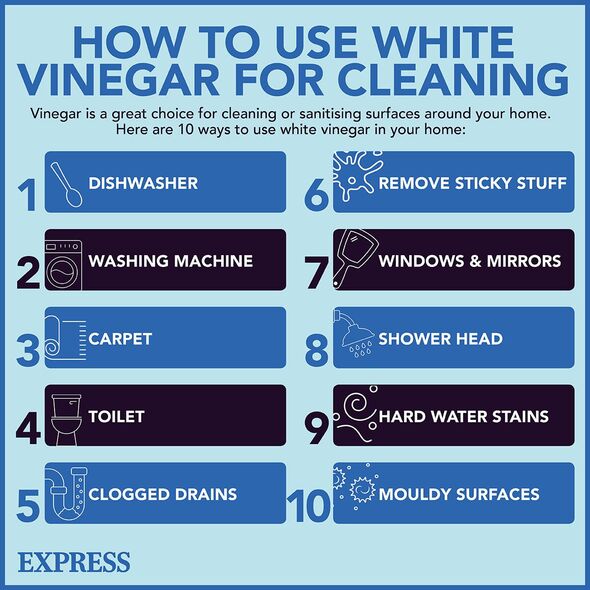
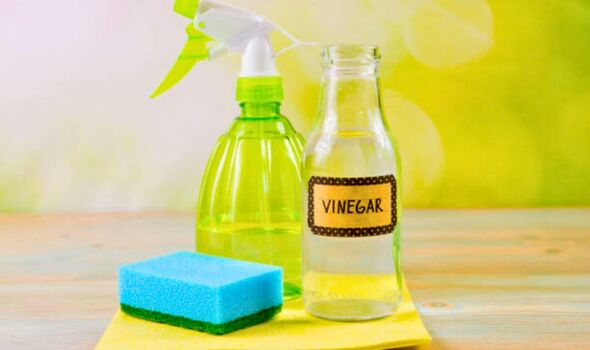
Georgia Nunn, an expert from Silicone Direct, suggests a natural and effective alternative: white vinegar. Unlike bleach, white vinegar is a natural mould killer that does not contain harmful chemicals. Its active component, acetic acid, completely dissolves mould spores. Additionally, white vinegar creates an acidic environment that inhibits further mould growth and effectively breaks down any soap residue on the sealant, which otherwise would provide a food source for the mould. The ability of white vinegar to penetrate deeply into the silicone sealant ensures thorough mould removal without the need for harsh chemical products.
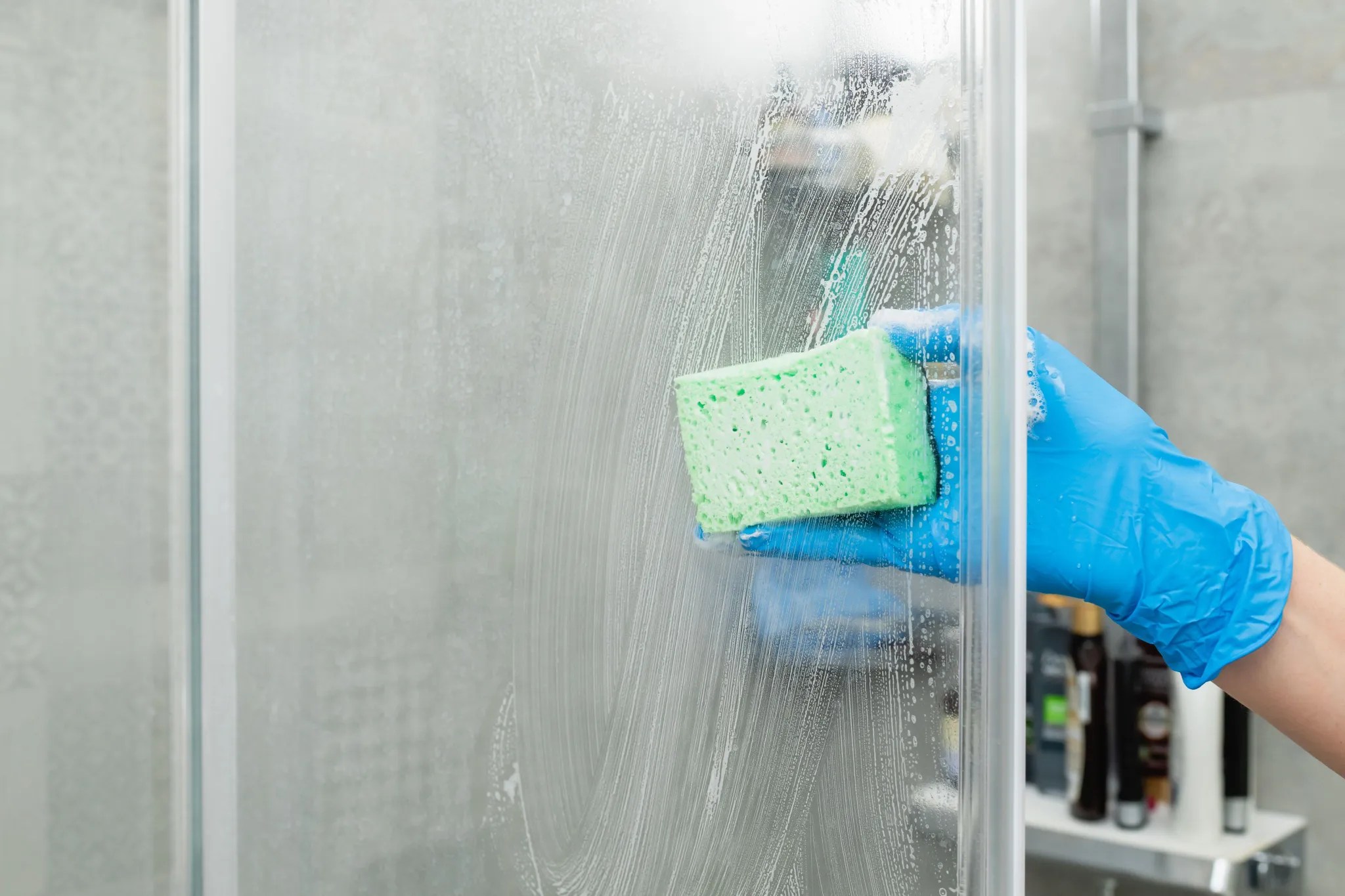
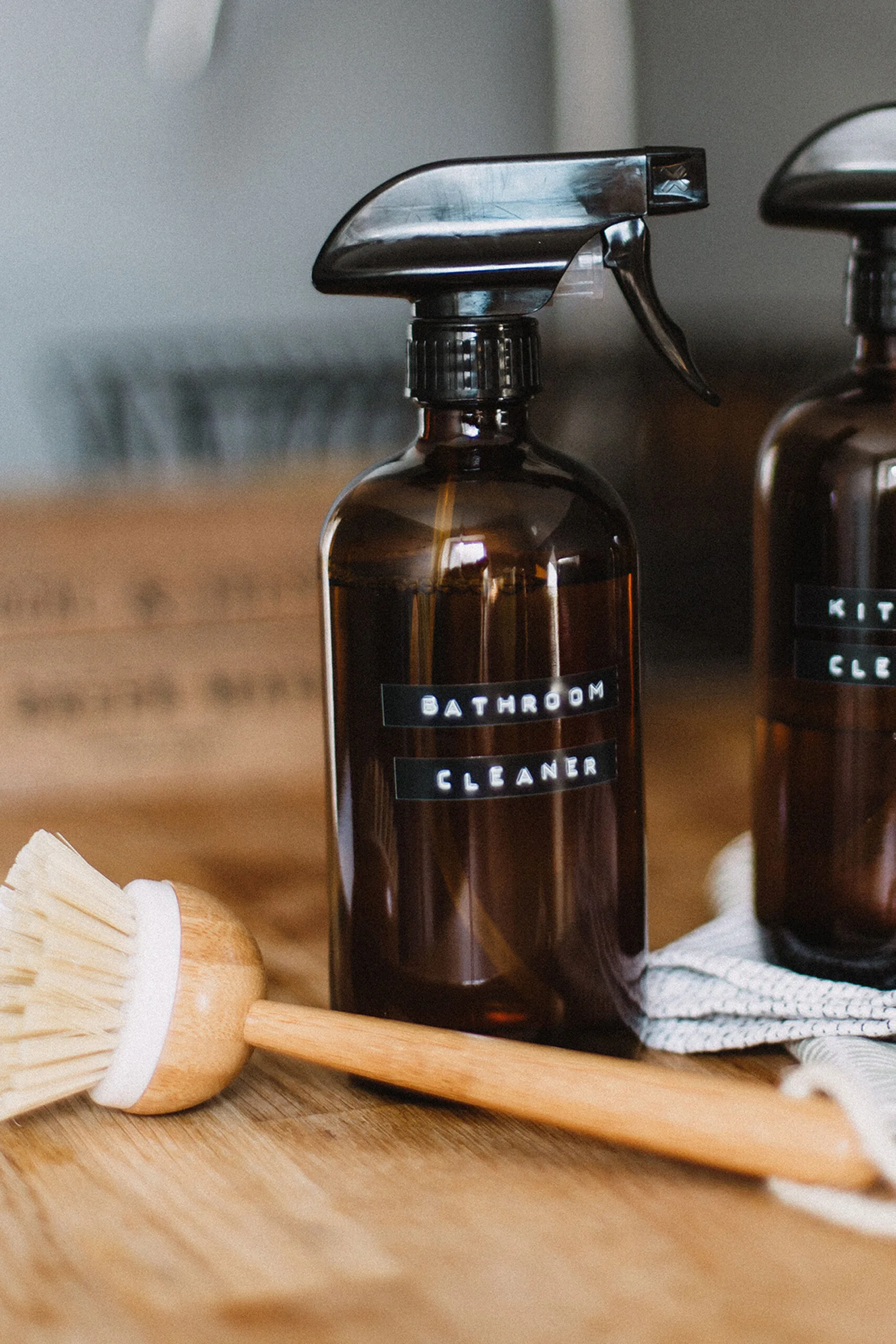
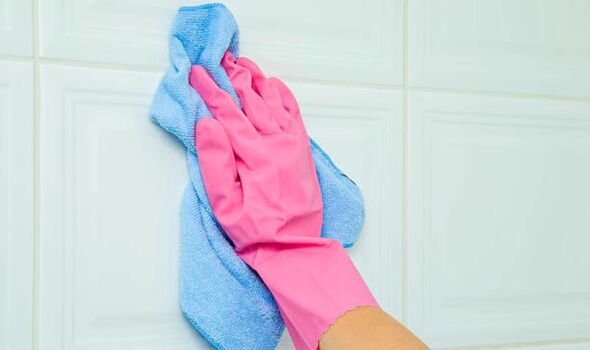
To begin the cleaning process, it is crucial to wear appropriate protective gear, including a long-sleeved T-shirt, gloves, a mask, and goggles. This precaution protects the skin, eyes, and lungs from airborne mould particles and prevents allergic reactions or skin irritation. Once protected, pour white vinegar into an empty spray bottle and generously apply it to the mouldy surface. Allow the vinegar to sit for at least 15 minutes, giving it sufficient time to break down the mould spores.
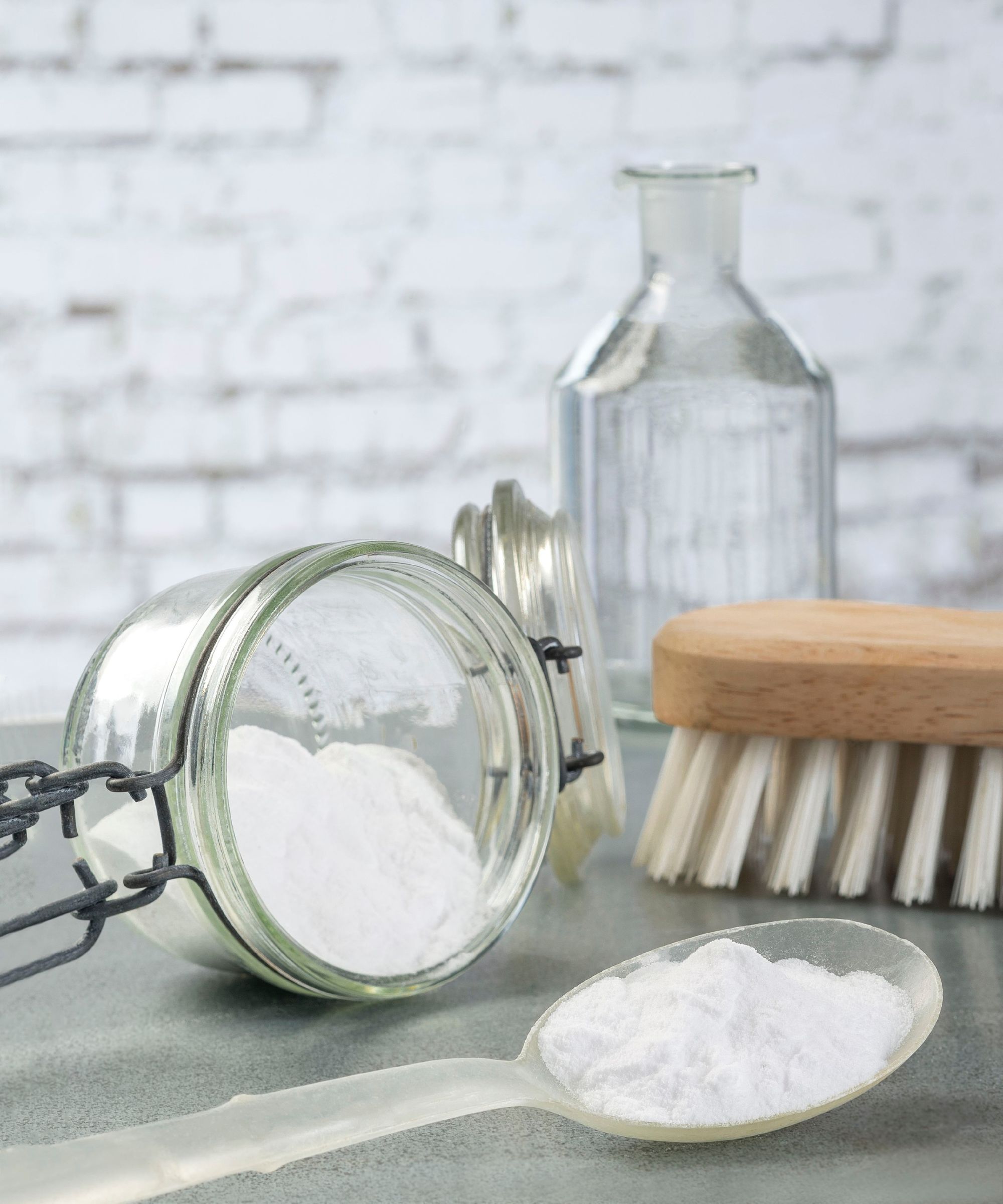
After the vinegar has worked its magic, create a thick paste by mixing baking soda with water. Apply this paste on top of the vinegared surface. Baking soda is excellent for breaking down grease and is mildly abrasive, which aids the vinegar in lifting the mould from the silicone. Using an old toothbrush or a bristled brush, scrub the silicone sealant in circular motions. The mould should wipe away easily. Finally, rinse the silicone sealant with clean warm water and thoroughly wipe it dry. This method promises a completely clean silicone seal, resulting in a mould-free bathroom.
To prevent future mould growth, it is advisable to wipe down the silicone sealant after every shower to prevent moisture buildup. Additionally, opening a window to air out the bathroom helps reduce humidity, which is a key factor in mould proliferation. These preventative measures, combined with the white vinegar and baking soda cleaning method, offer a simple yet powerful solution to maintaining a pristine bathroom environment.
#SiliconeSealant #MouldRemoval #WhiteVinegar #BakingSoda #BathroomCleaning #HomeMaintenance #NaturalCleaning #DampConditions #HouseholdTips #SiliconeSealant #MouldRemoval #WhiteVinegar #BakingSoda #BathroomCleaning #HomeMaintenance #NaturalCleaning #DampConditions #HouseholdTips
0개의 댓글이 총 표시됩니다.
 아직 댓글이 없습니다
추가로 마음에 드릴 만한 콘텐츠
How to get rid of mould

How to clean mold off outdoor cushions – refresh your outdoor seating in time for summer

Sealants

Bleach is the ‘worst’ for silicone sealant mould - cleaner’s ‘magic’ item works way better
How to get rid of mould on walls – 7 home treatments tried and tested by the experts
Fight Mold With Paperless Drywall

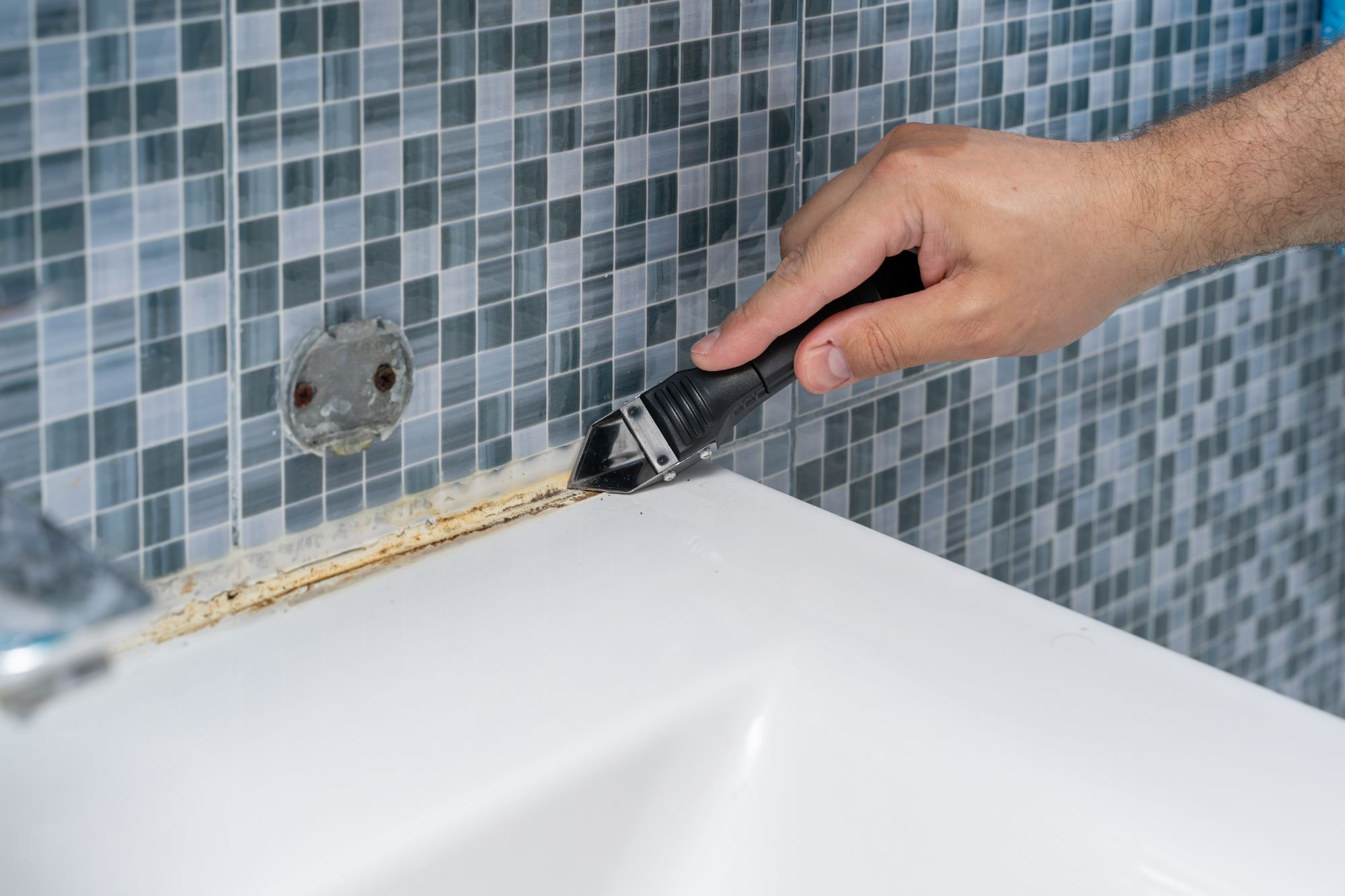
The B&M buy that melts silicone sealant mould in seconds with zero scrubbing

7 ways to clean your shower (and keep it that way) using natural products

Chemical engineer insists a kitchen staple removes all water stains from shower doors - only a teaspoon is needed

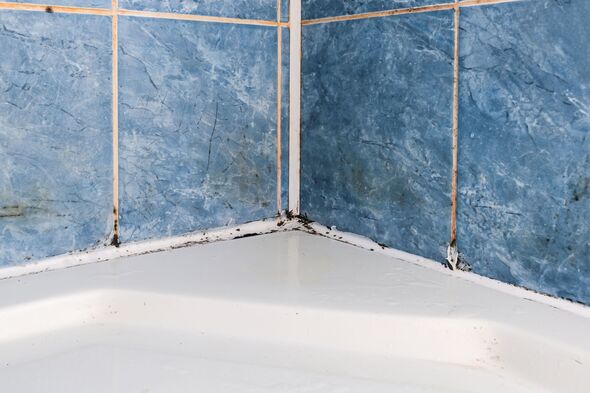
Remove silicone sealant mould with ‘100% effective’ solution ‘without causing damage’
Professional cleaners do these 4 things to remove rust from bathtubs – here's how to replicate the results
The Best Grout Cleaners for Pristine Tiles in Every Room
Cleaner’s ‘fantastic’ spray to ‘melt away’ silicone sealant mould in 30 minutes

Expert-tested mould removal tips that actually work
The Best Way to Remove Mildew, According to Experts

Remove mould from silicone sealant and bathroom tiles in 15 minutes with natural cleaner
We Asked a Cleaning Pro How to Finally Get Rid of Mold in the Shower—And We're Trying This ASAP

How to clean your washing machine: Experts reveal their top tips

Mold and Mildew Cleaning and Repair

Shower mould will disappear and not come back with 3-ingredient DIY cleaner