1/11
Multi-Purpose Design: Hybrid Spaces for a Sustainable Future
The nature of architectural spaces is undergoing a significant transformation, moving away from rigid, single-function designs towards adaptable, flexible, and multi-purpose environments. This shift is a direct response to evolving societal demands, including demographic changes, the fragmentation of traditional family structures, budgetary constraints, and increased life expectancy, which collectively necessitate more efficient use of smaller, denser spaces. The COVID-19 pandemic further accelerated this trend by normalizing remote work and emphasizing the importance of indoor environments for physical and mental well-being.
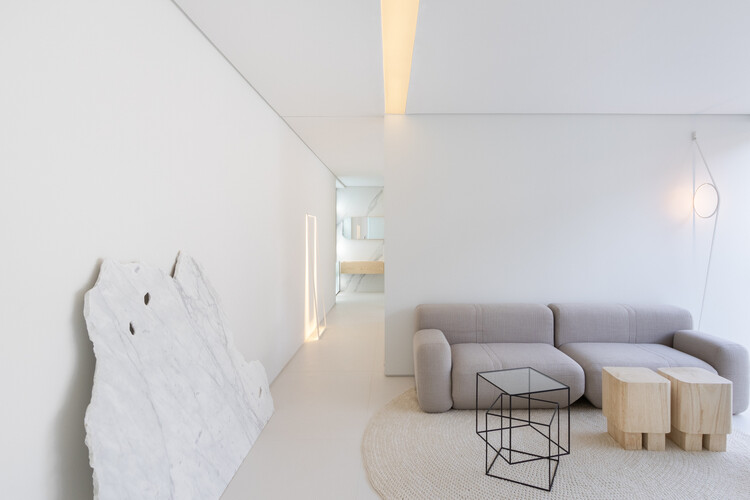
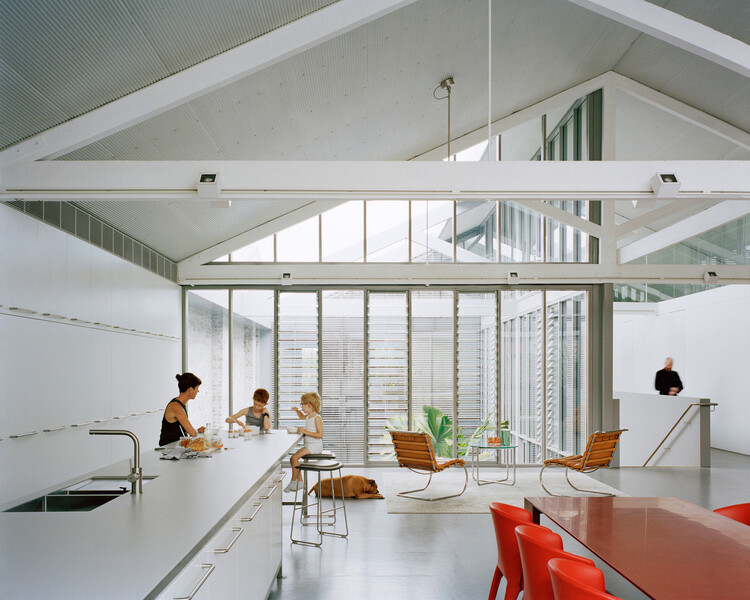
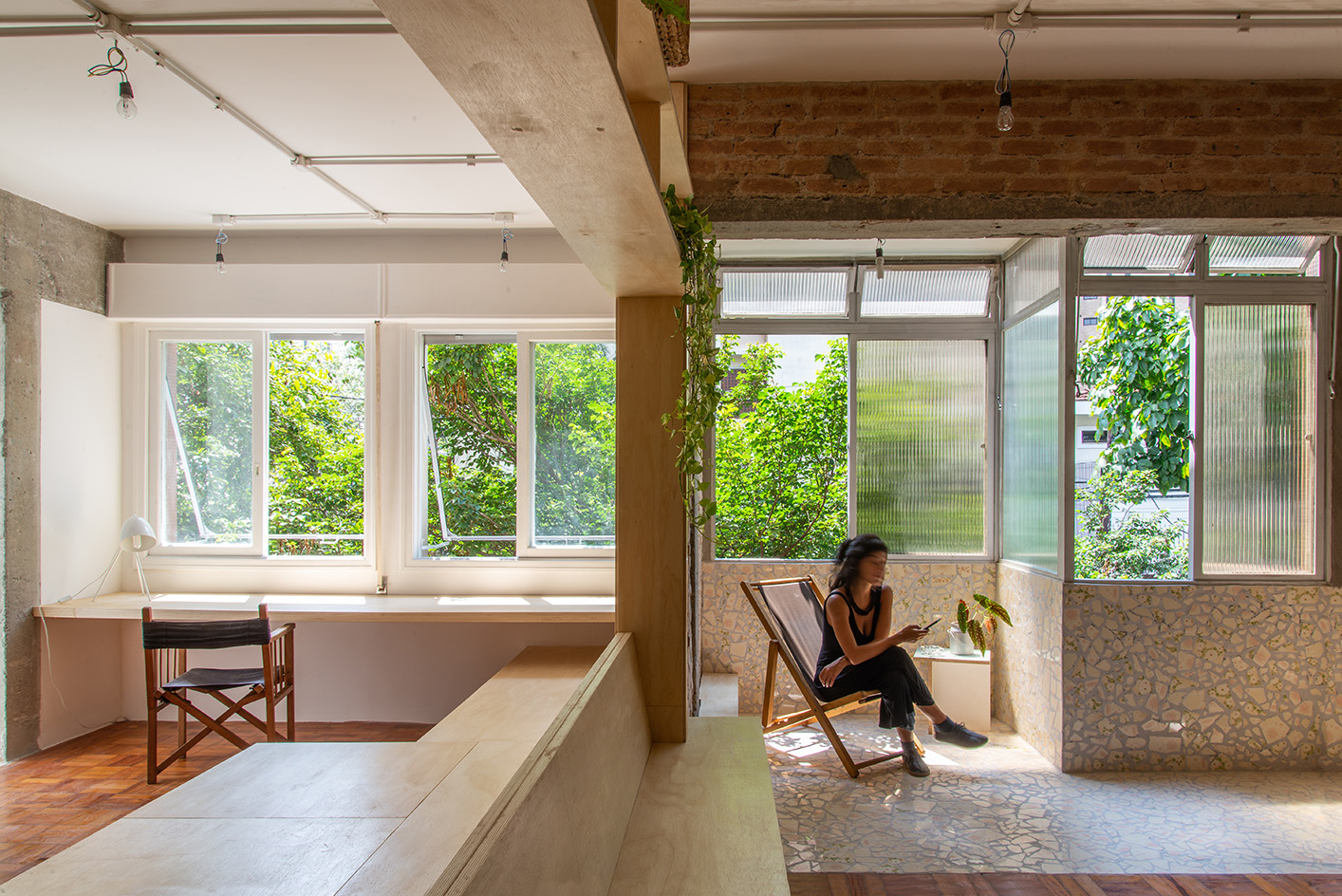
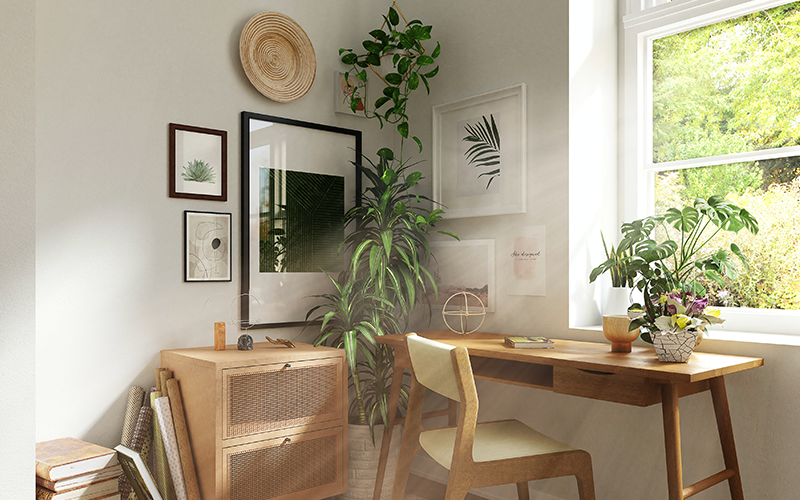
Historically, homes were exclusively for living and rest, and workplaces solely for professional activities, with distinct rooms for each function. However, contemporary lifestyles have blurred these boundaries. Modern architectural solutions now prioritize designs that can serve a wide array of uses within a single area. Examples include open-plan kitchens that facilitate social interaction and modular designs that allow for easy reconfiguration. Residential spaces are increasingly integrating multiple functions, such as bedrooms that double as home offices or bathrooms that incorporate laundry facilities, enabling a hybrid lifestyle where activities like work and hobbies coexist within the same dwelling.
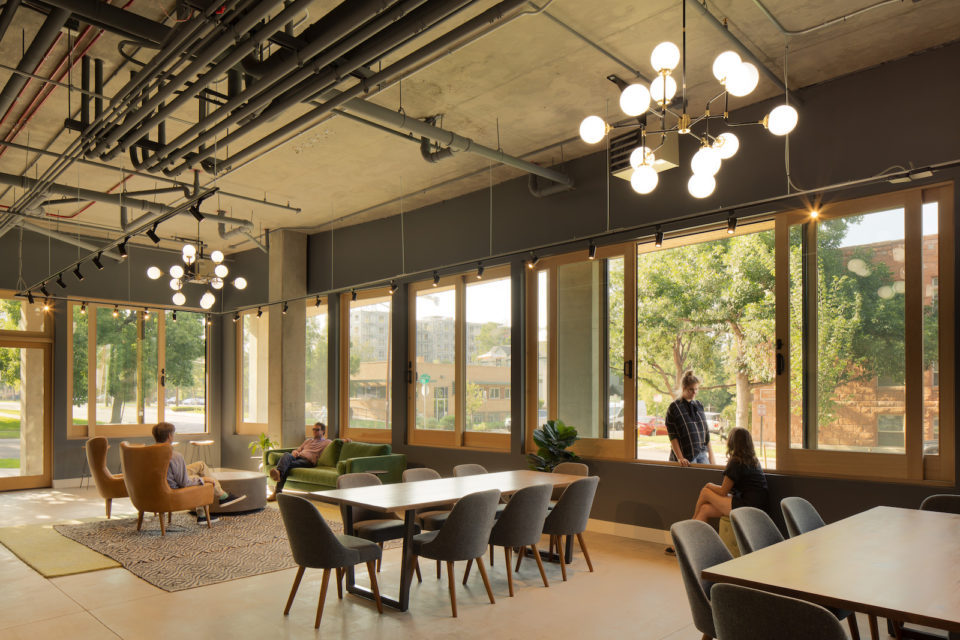
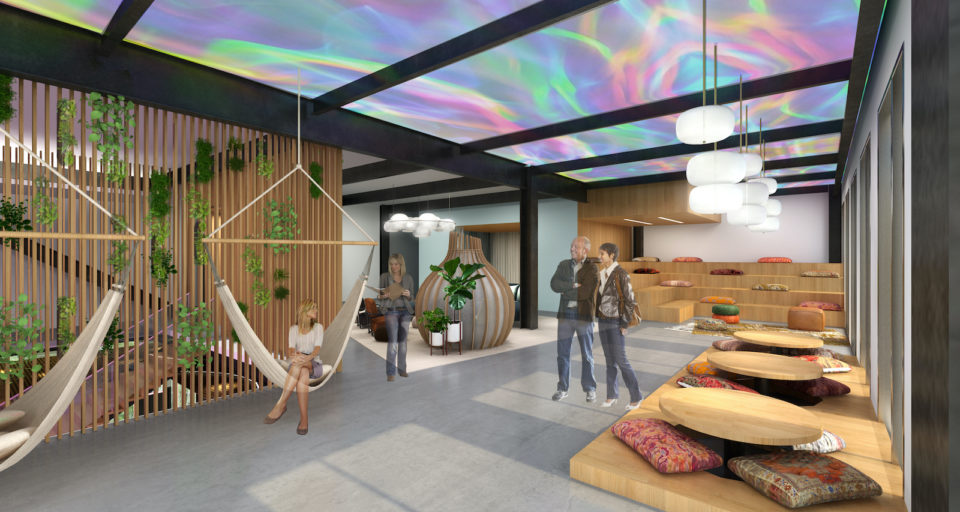
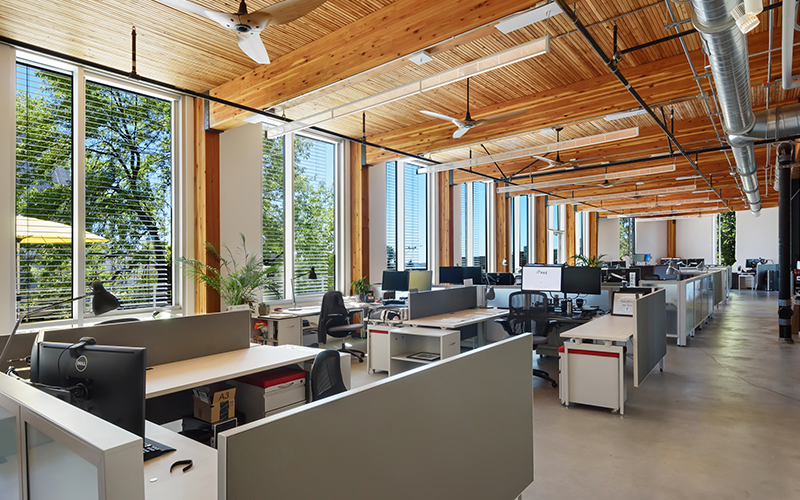
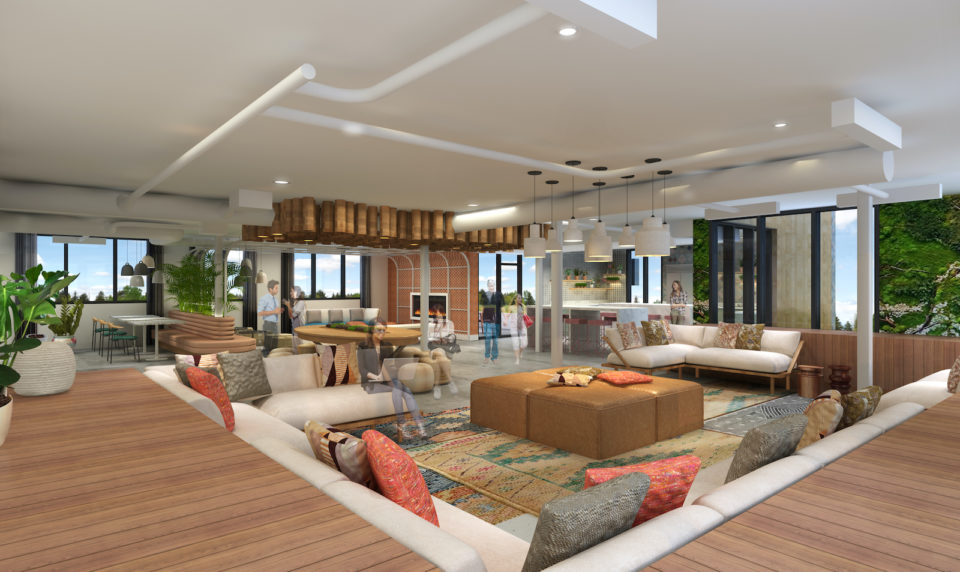
In the realm of office design, architects are challenged to create environments that foster productivity and collaboration while adapting to post-pandemic realities. Initially focused on minimizing physical contact, the current trend emphasizes comprehensive workplace redesign. This involves incorporating areas for collaboration, leisure, and relaxation through flexible configurations, moving beyond traditional office layouts. Interior design plays a crucial role in this evolution, ensuring that spaces are tailored to users' specific needs, promoting comfort, flexibility, and interaction to attract and retain employees in a hybrid work landscape.
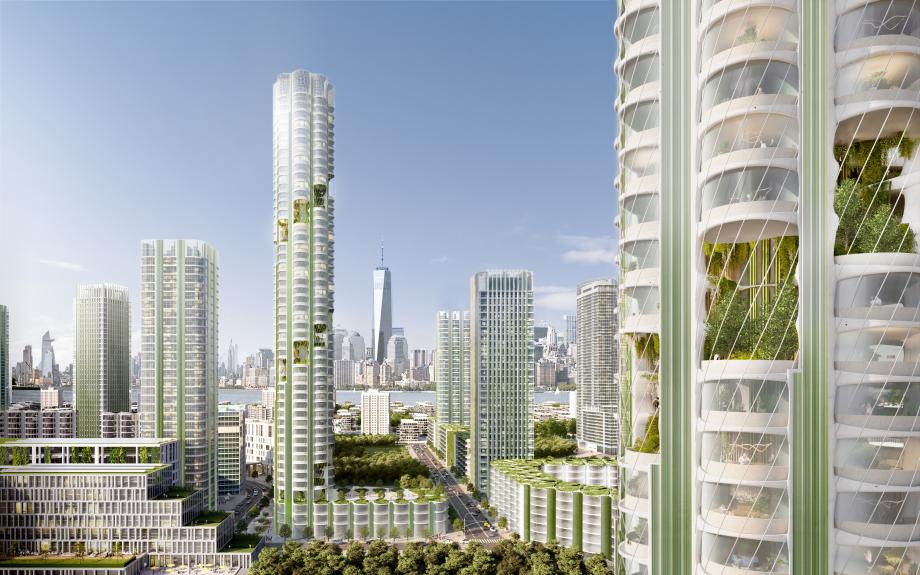
Flexibility in design is intrinsically linked to sustainability. A building's long-term environmental impact is a critical consideration, as evidenced by certifications like LEED, which account for long-term commitment. Multi-use spaces are inherently more sustainable because they can easily adapt to new requirements, reducing the likelihood of obsolescence and subsequent demolition. This approach also minimizes the need for daily commutes and travel by concentrating various life functions within closer proximity, thereby lowering carbon emissions. The concept of adaptive reuse, where existing structures are repurposed for new functions, aligns perfectly with hybrid design principles, significantly reducing waste, pollution, and the energy consumption associated with new construction. Experts emphasize that the most sustainable buildings are those that are already built, advocating for designs that can evolve rather than be replaced.
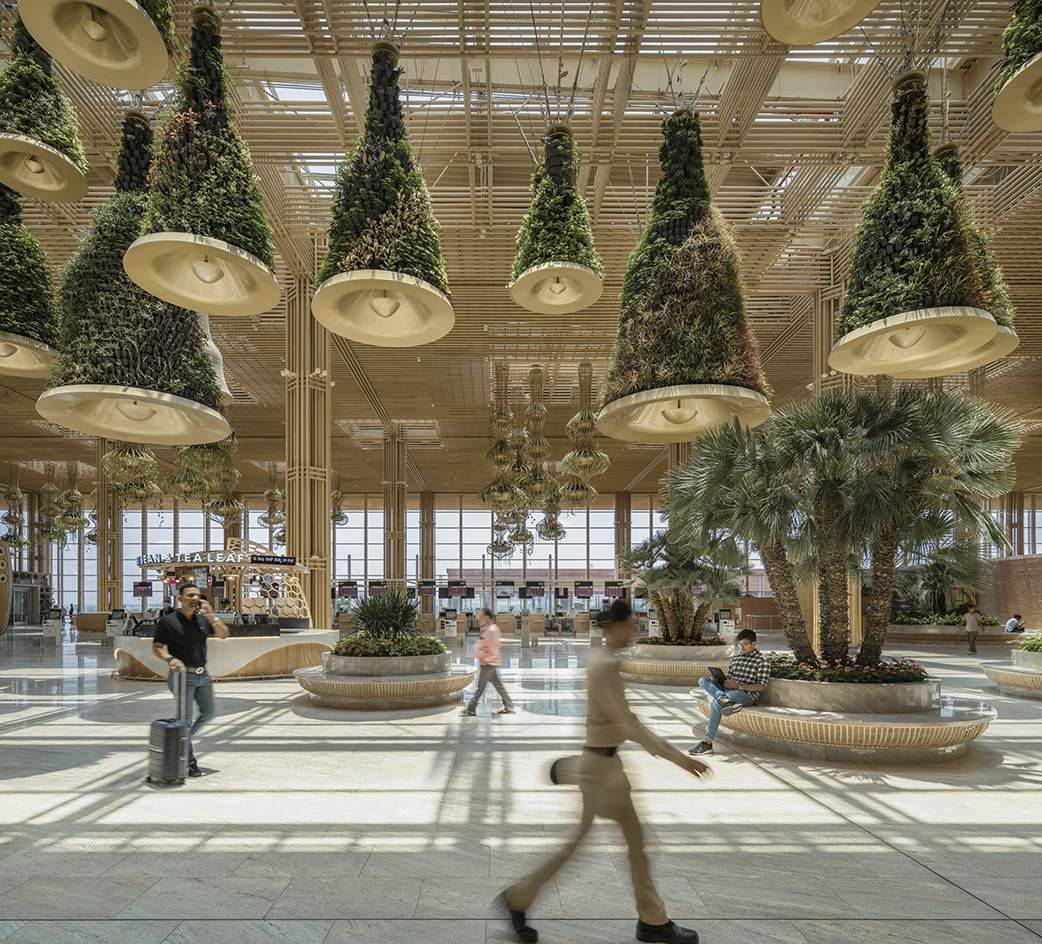
Beyond environmental benefits, adaptable architecture positively impacts human well-being. Flexible homes and workspaces support diverse lifestyles, facilitate human interaction, empower users through customizable environments, and encourage a broader range of activities. To achieve a healthier and more sustainable built environment, certain design criteria are crucial. Prioritizing natural light, for instance, is vital for enhancing aesthetics, regulating circadian rhythms, improving sleep patterns, and boosting overall physical and psychological health. Innovative glazing solutions, such as Saint-Gobain's ECLAZ® glass, optimize daylight access while maintaining thermal insulation. Holistic indoor comfort management is essential for hybrid spaces.
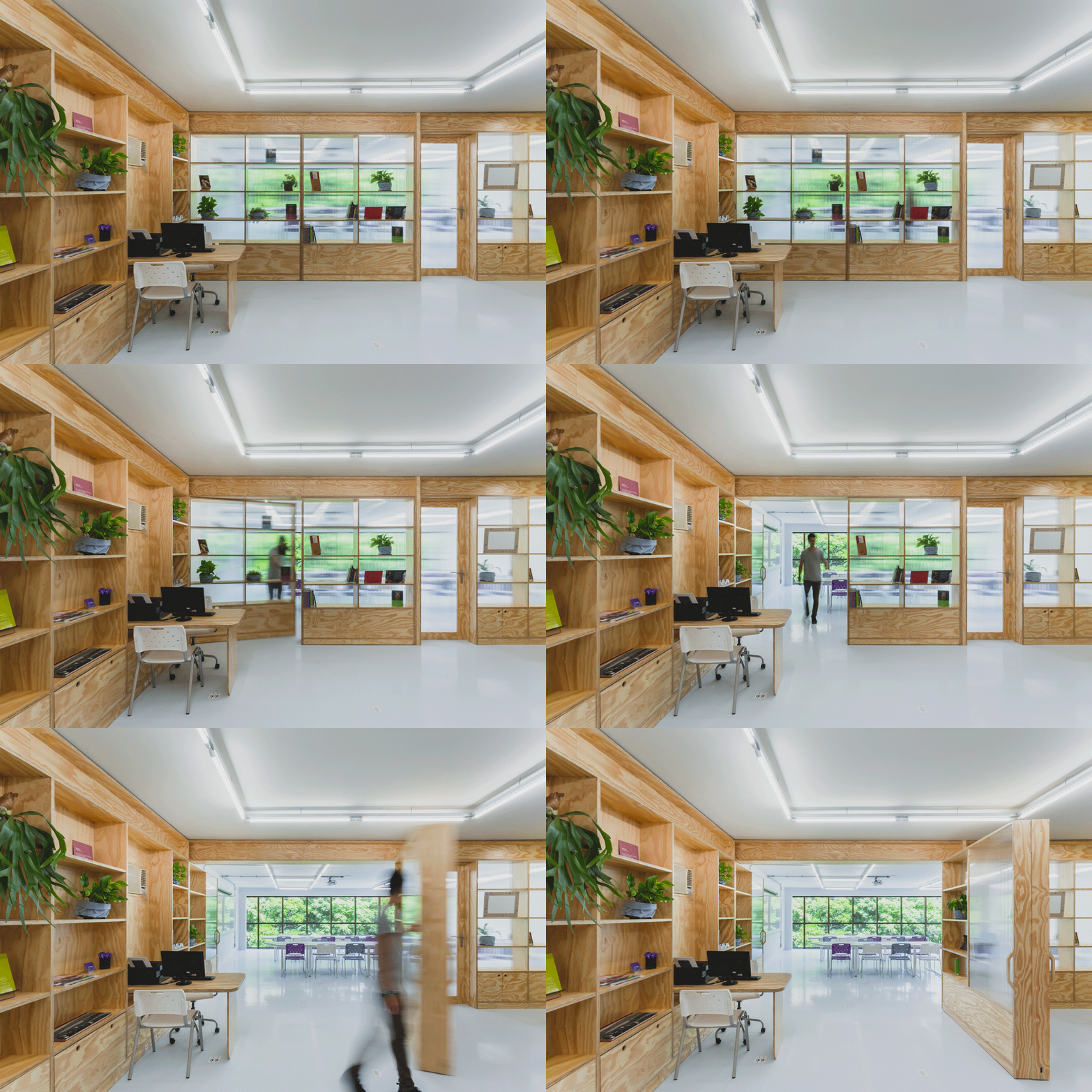
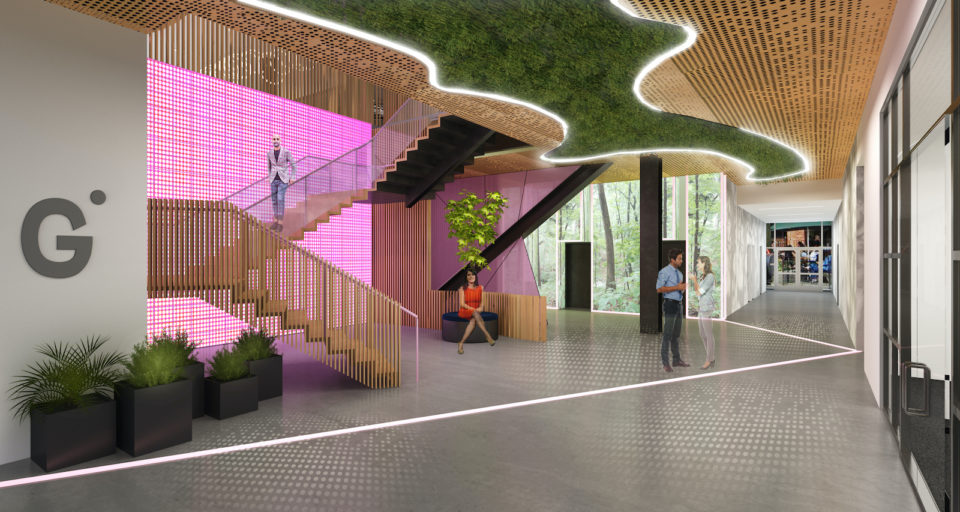
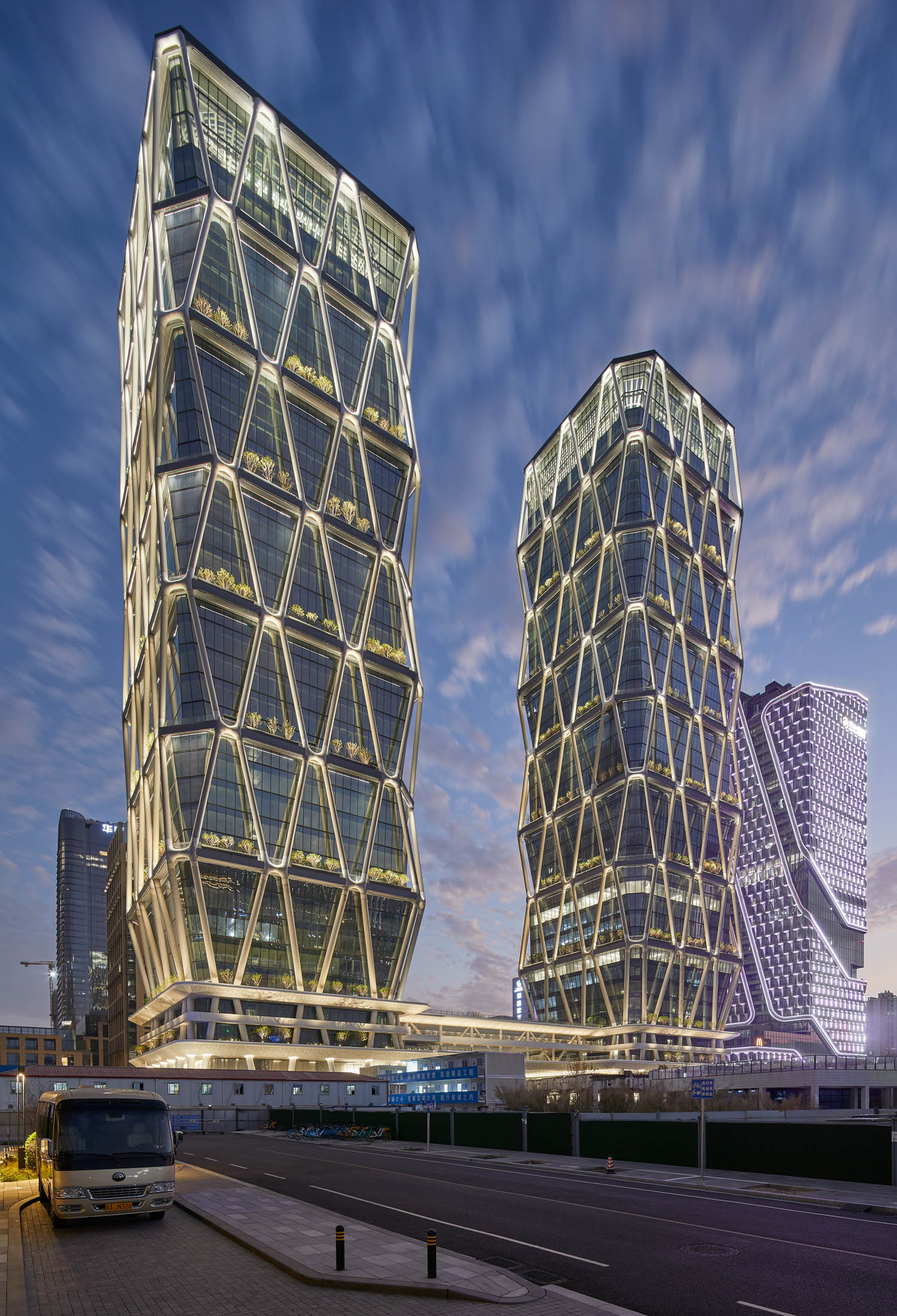
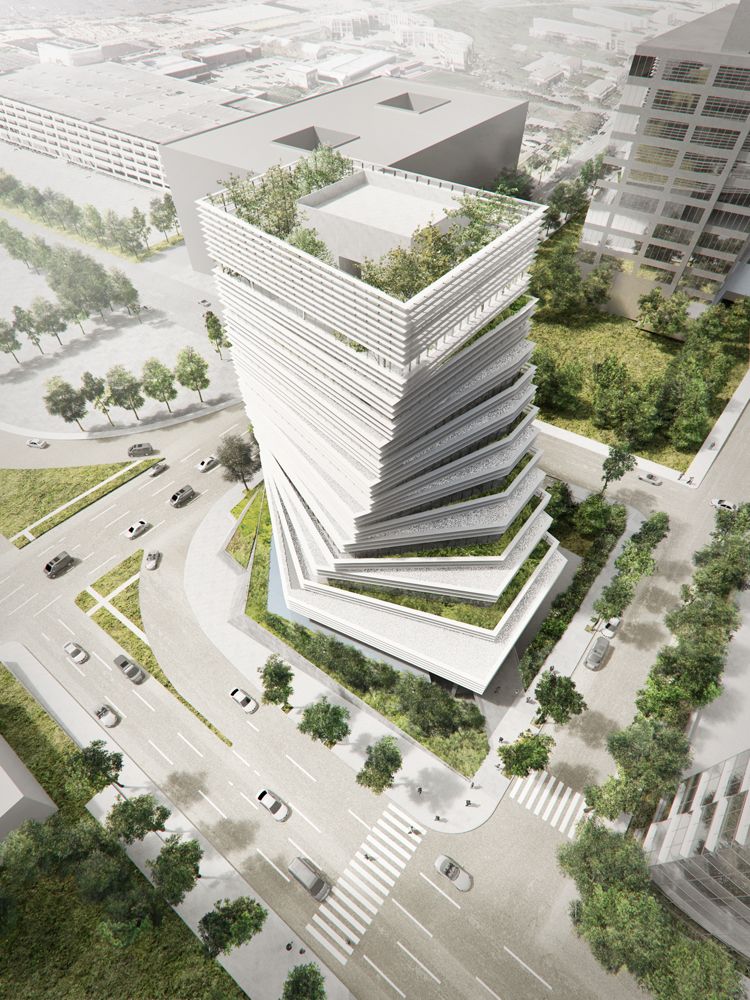
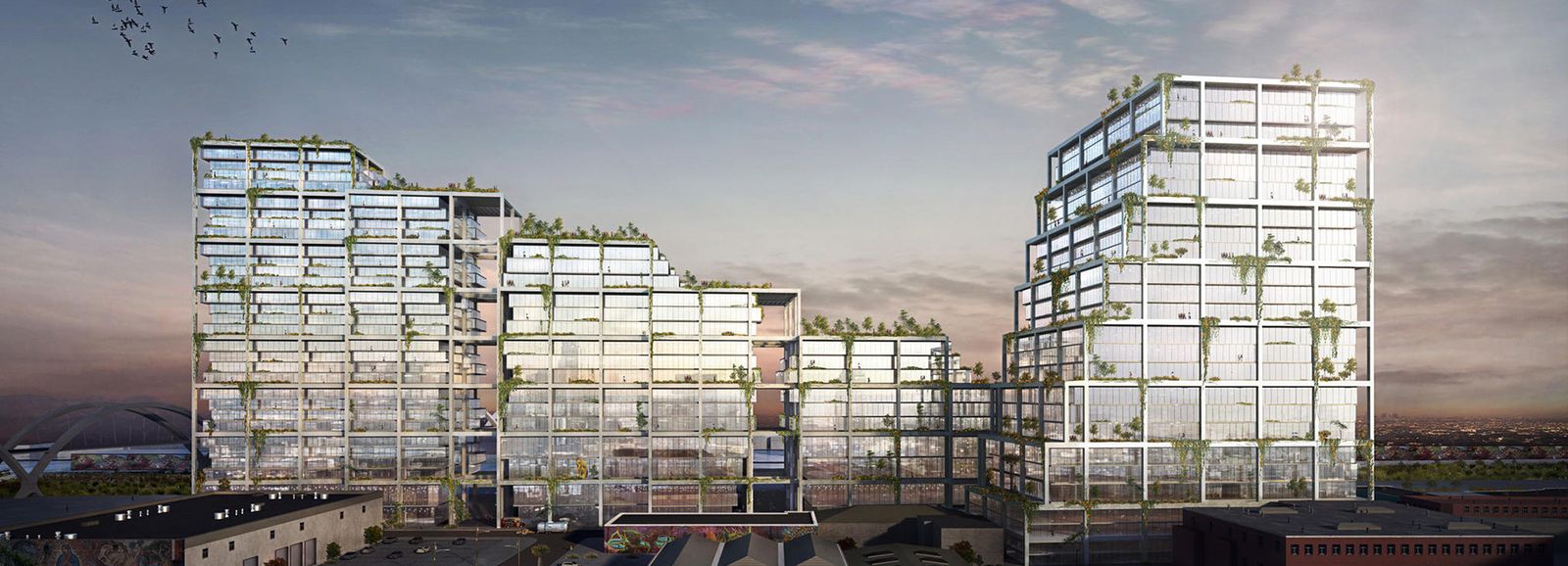
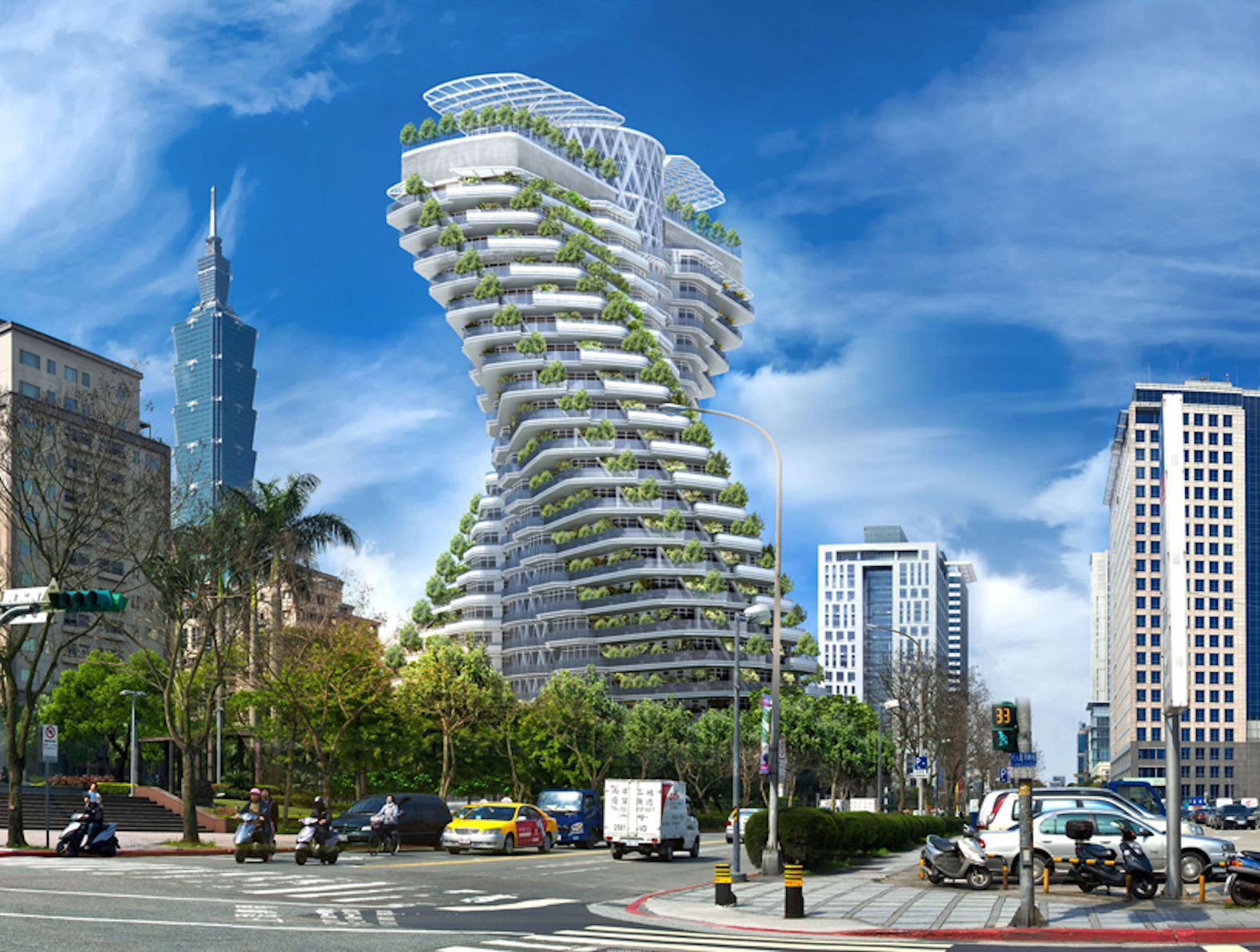
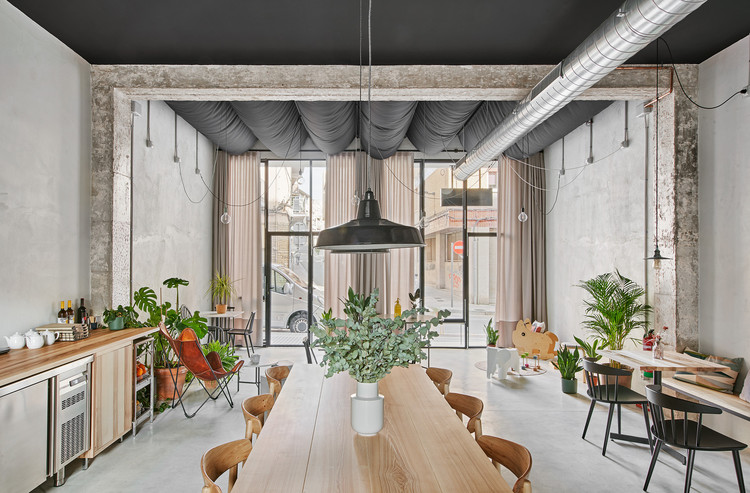
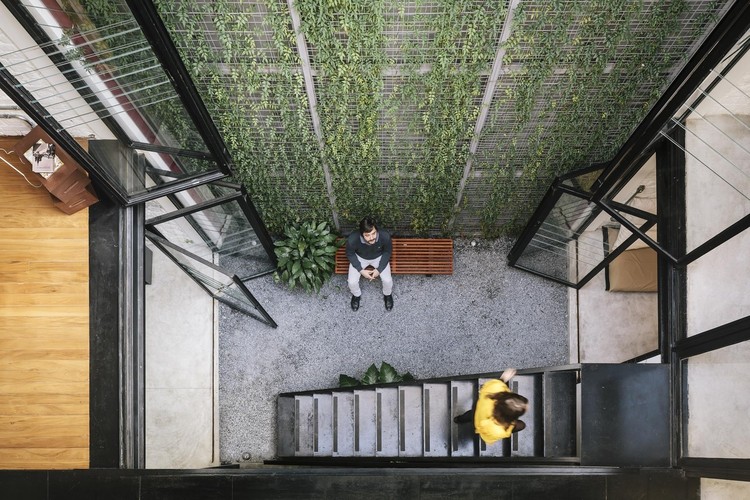
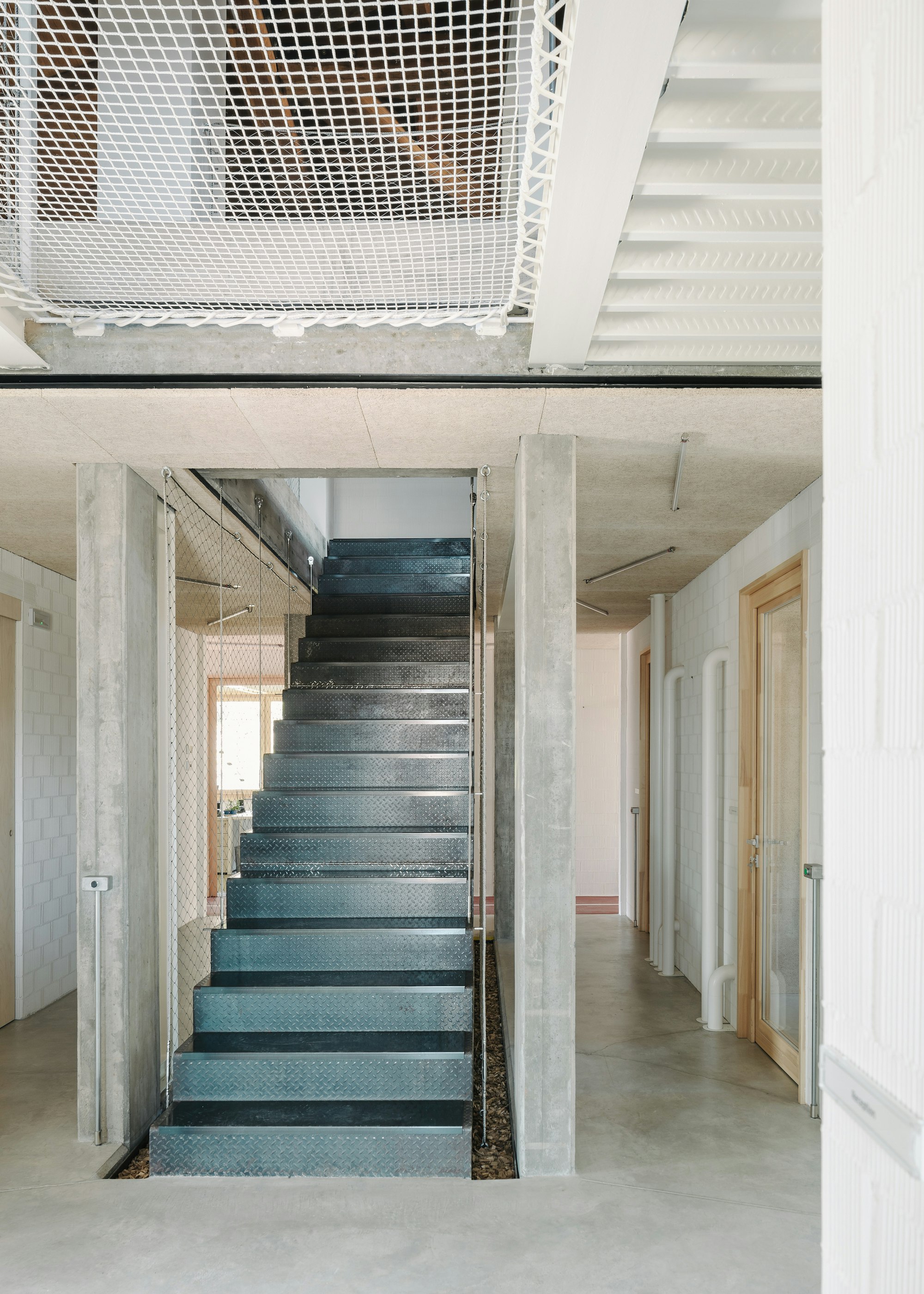
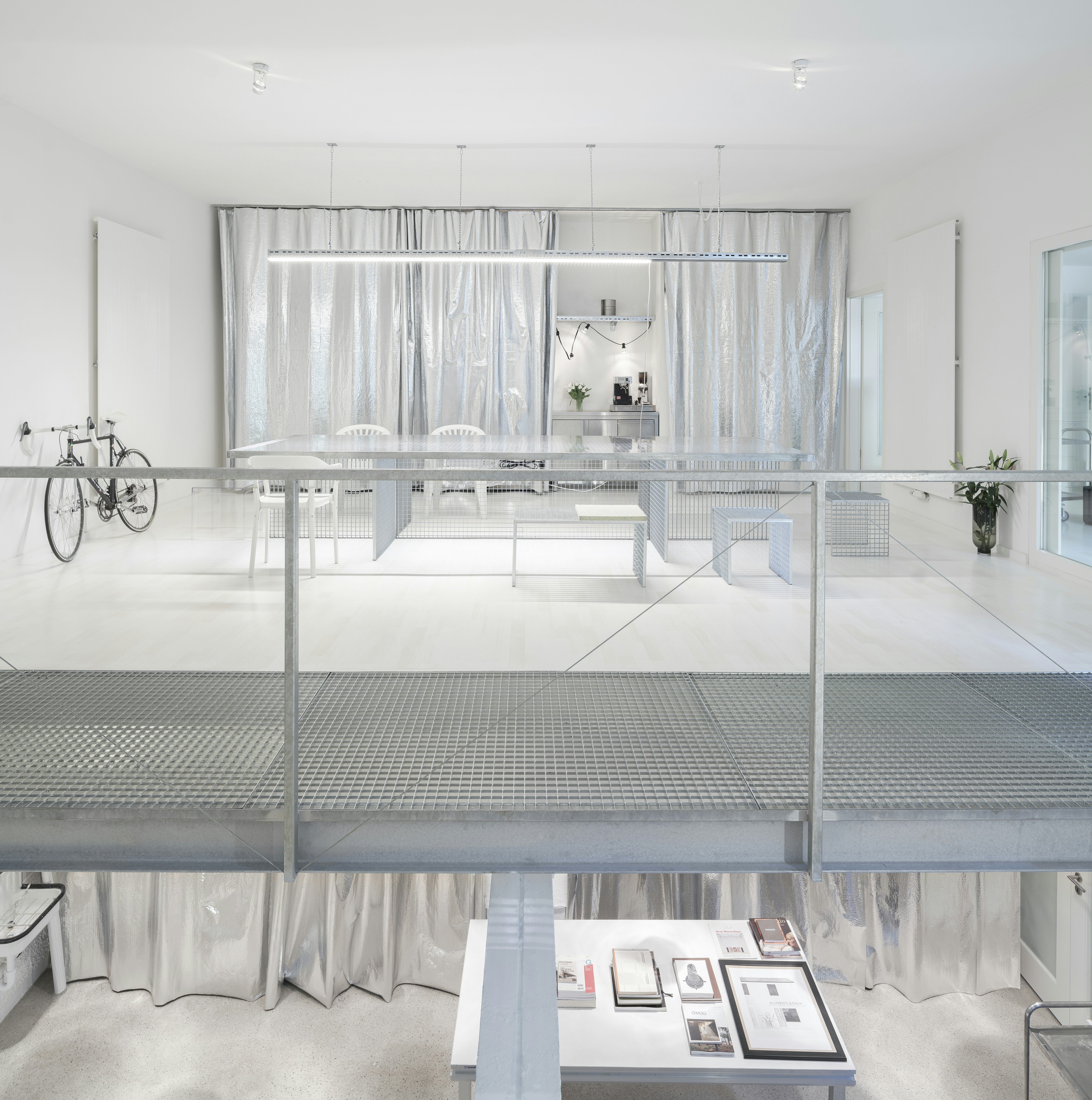
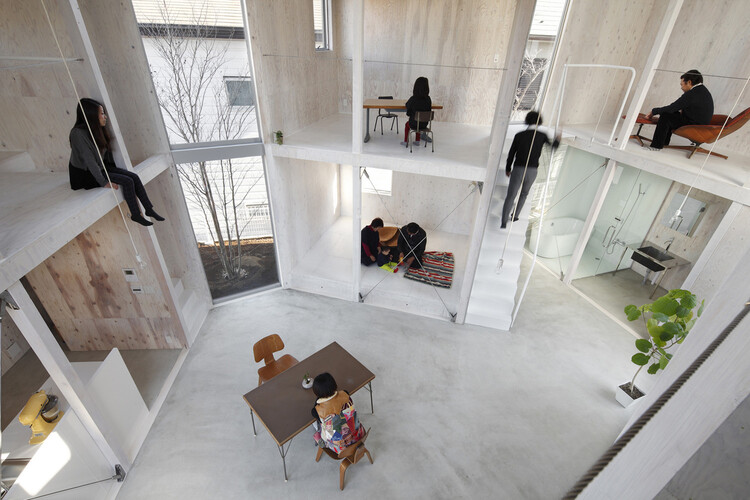
Furthermore, multi-purpose buildings require design elements that ensure easy adaptation without compromising quality, durability, or safety. Technologies like Saint-Gobain's PRIVA-LITE® intelligent glass offer instant opacity changes, providing privacy or fostering collaboration as needed. Similarly, Placo® Modulo movable partitions allow for dynamic space reconfiguration. These solutions enable the creation of functional and aesthetically pleasing hybrid environments. Case studies like Armazem Cowork, Broissin Toreo Offices, Stacked Student Housing, and The Garden exemplify successful multi-purpose designs that integrate Saint-Gobain solutions, demonstrating how former warehouses can become modern co-working spaces, corporate environments can blend various programs, or residential units can maximize utility in minimal areas. These examples underscore the growing recognition among architects that hybrid spaces are becoming the new norm, crucial for fostering human and environmental well-being in a rapidly changing world.
#MultiPurposeDesign #HybridSpaces #SustainableArchitecture #AdaptiveReuse #FlexibleDesign #WorkplaceDesign #ResidentialDesign #EnvironmentalWellbeing #NaturalLight #SaintGobain #MultiPurposeDesign #HybridSpaces #SustainableArchitecture #AdaptiveReuse #FlexibleDesign #WorkplaceDesign #ResidentialDesign #EnvironmentalWellbeing #NaturalLight #SaintGobain
0개의 댓글이 총 표시됩니다.
 아직 댓글이 없습니다
추가로 마음에 드릴 만한 콘텐츠
Future-Proofing Design: How Interiors Will Evolve in 2023 and Beyond
7 innovative ideas in architectural design

Welcome to the Great Indoors

Is Biophilic Design the New Paradigm?
Sustainable Buildings: Pioneering a Green Revolution in Urban Design

Case Studies in Community-Centered Living: Innovative Residential Design
How SOM Is Exploring A New Wellness Blueprint

What to Expect from Interiors of the Future

Ten principles for designing vibrant and liveable mixed-use spaces
Getting the most out of your multi-res floorplan
8 Remarkable Buildings That Use Trees as a Design Element

Top 10 Examples of Most Sustainable Architecture in 2025
The Quiet Architecture of Purpose: Unpacking the Talent of Sanjana Satya Prakash

From Prototype to Progress: How Small-Scale Sustainable Housing Models Are Shaping Our Future

What books inspire sustainable interior design?
17 Projects That Use “Ugly” Materials in Beautiful Ways

Sustainable architecture: 46 innovative and inspiring building designs

10 New Trends in Multifamily Housing Design

Enhancing Climate Sustainability through Biophilic Design
Universal Design: The Essential Tool for Intergenerational Communities