1/7
How Much Should You Spend on an Area Rug?
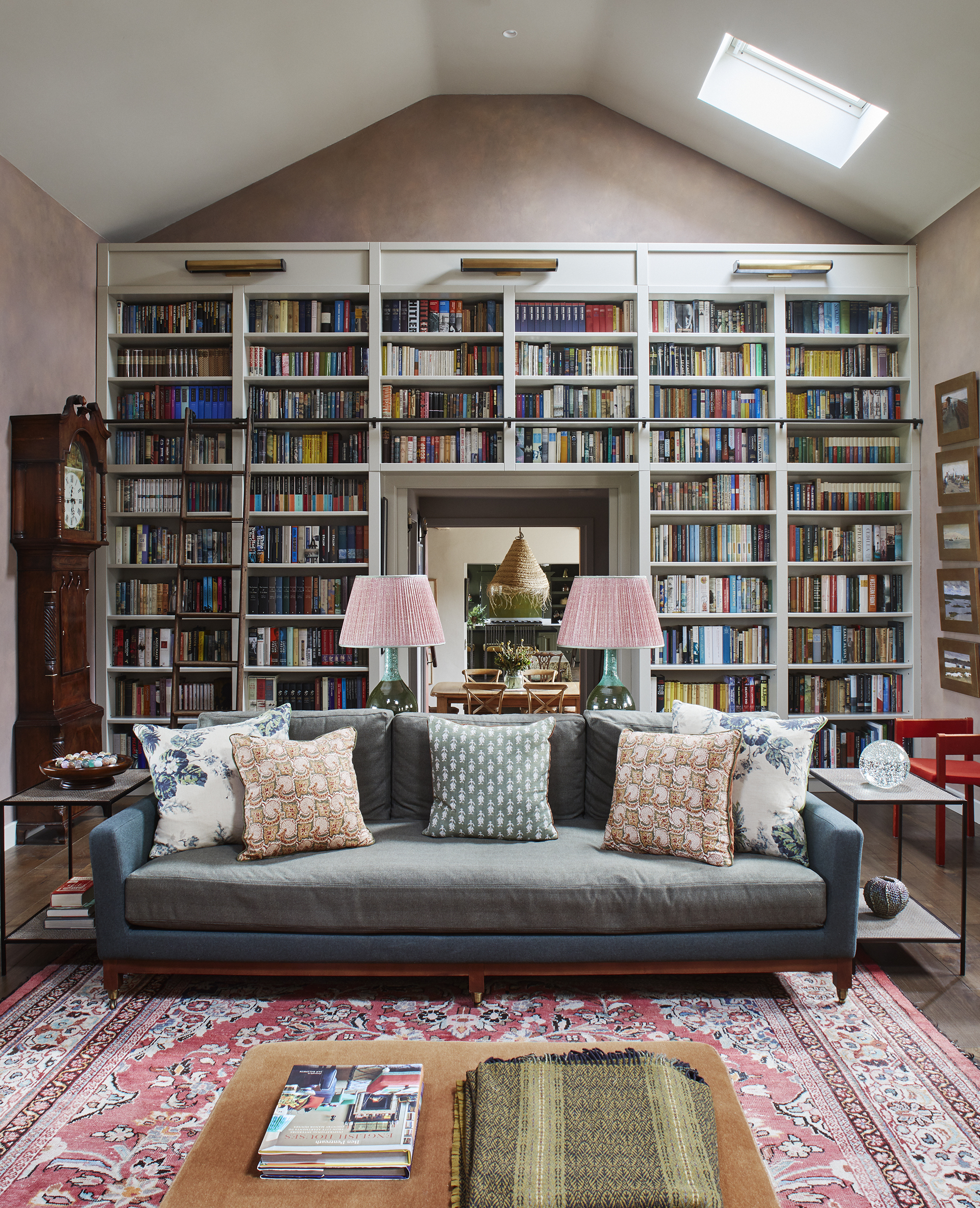
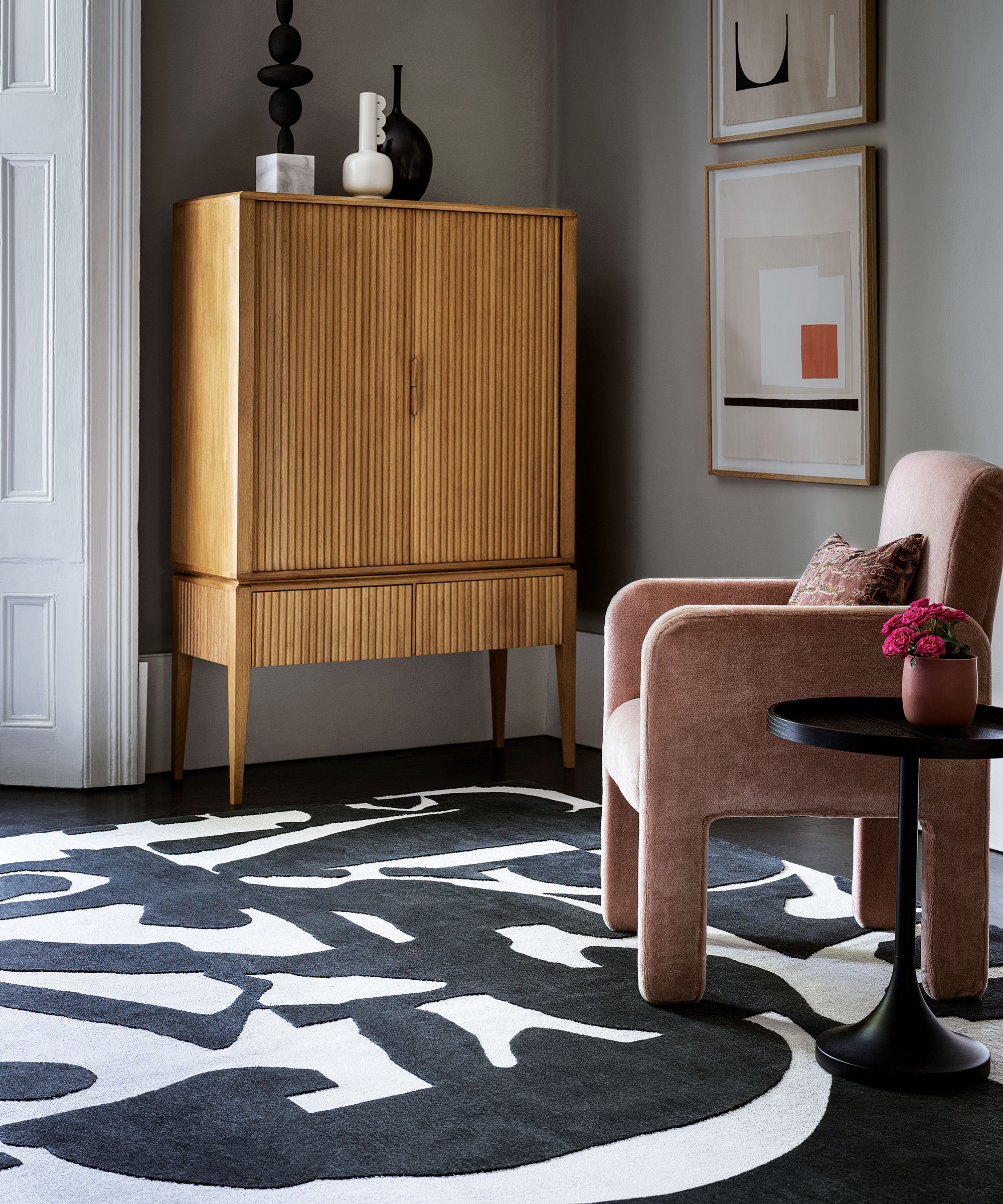
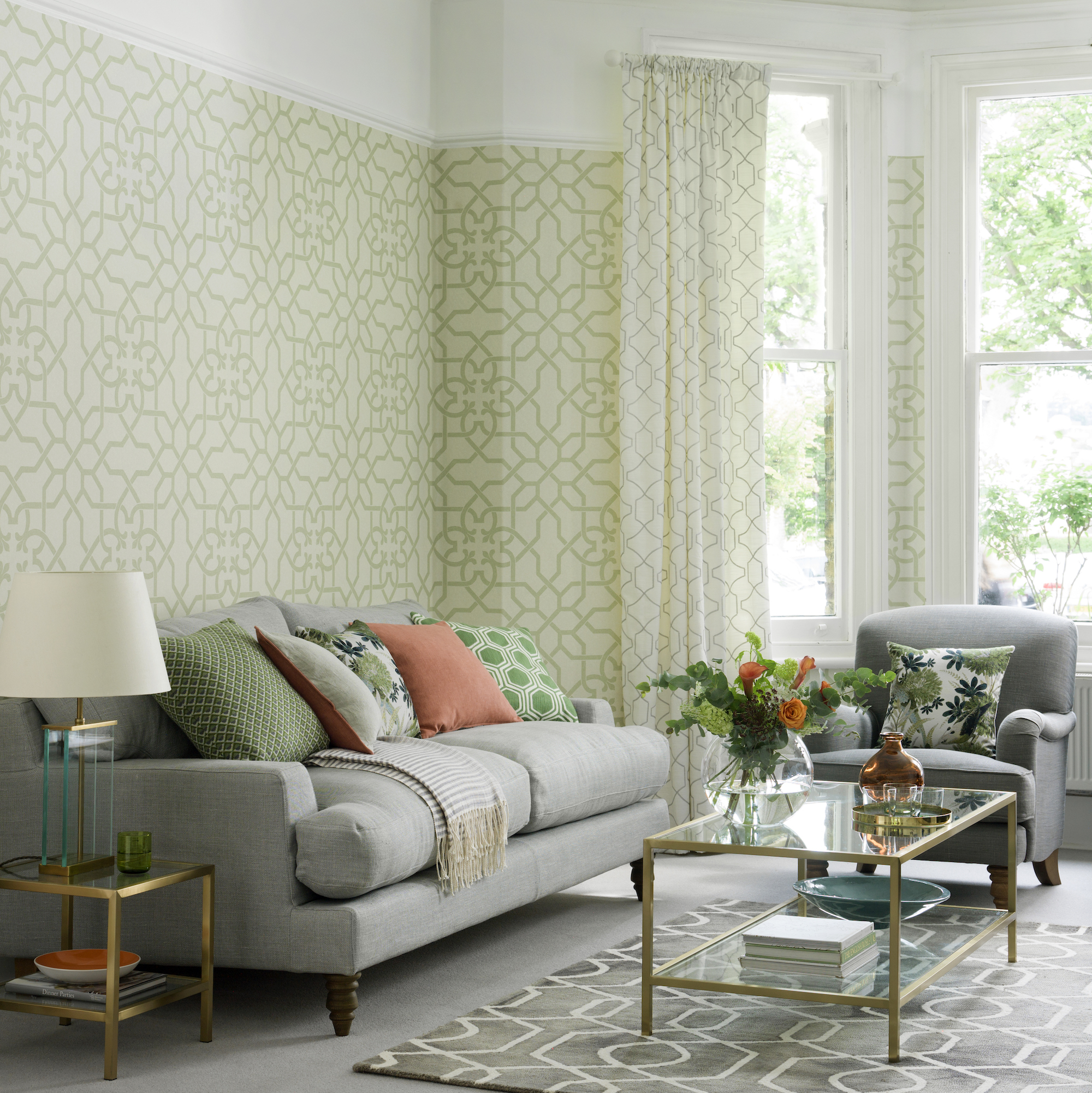
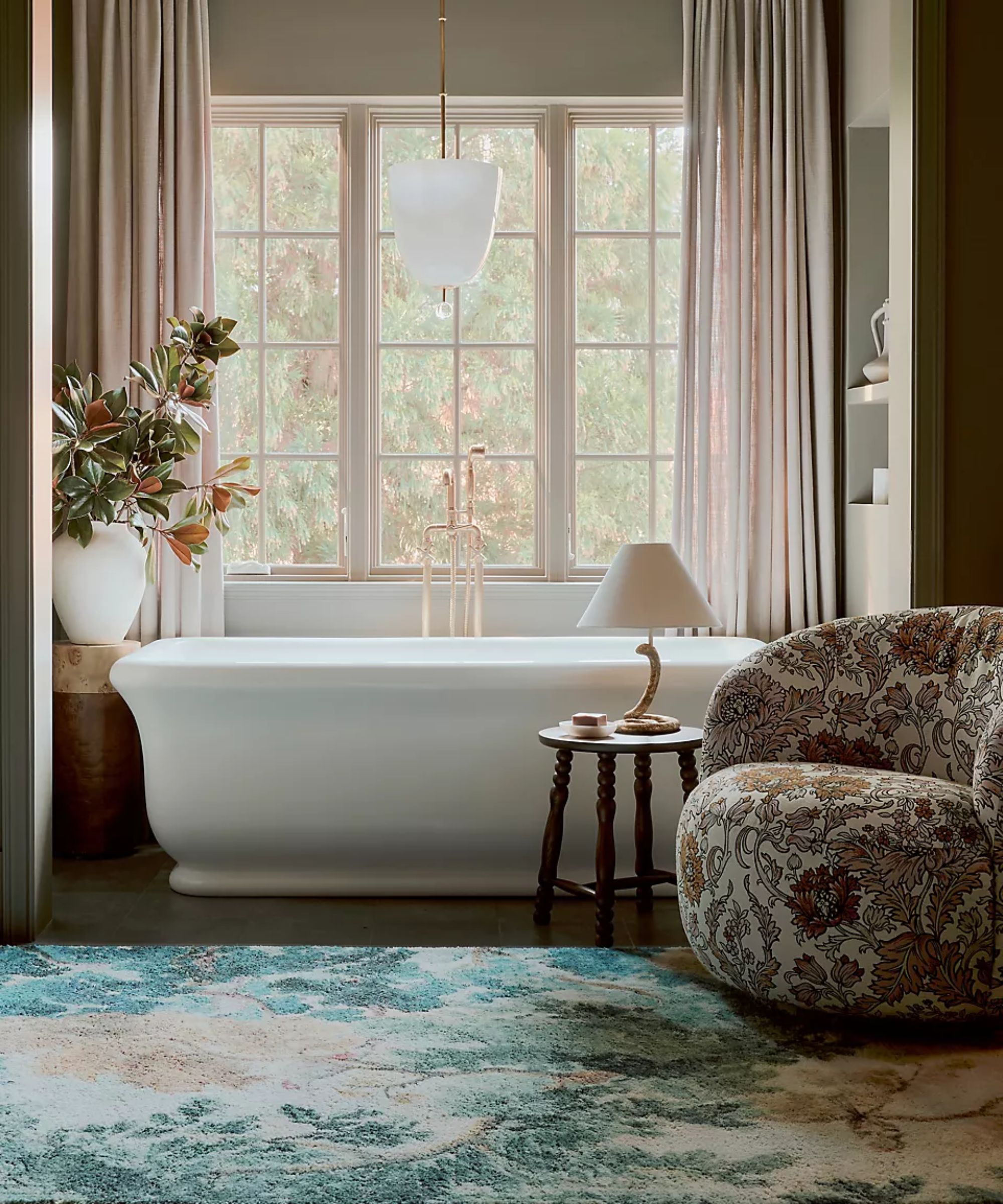
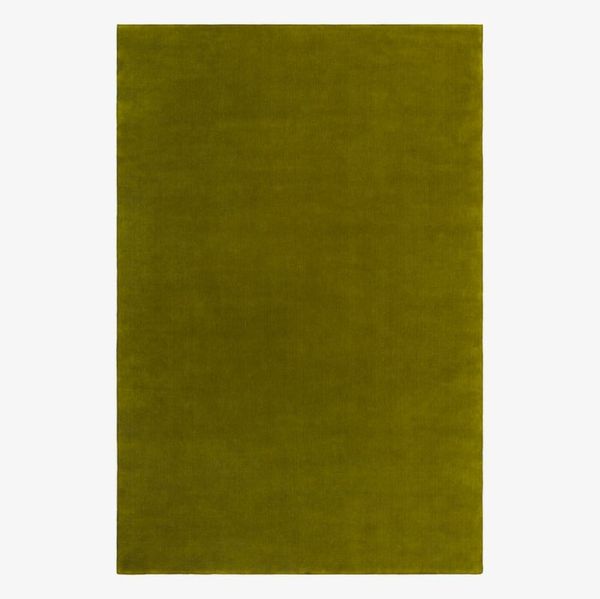
The selection of an area rug is a crucial decision for home decoration, as the right rug can unify a room, define distinct areas, and introduce warmth and texture. Experts advise on various aspects of choosing an area rug, including material, construction, size, placement, and cost. Interior designers often suggest opting for bold patterns or textured statement pieces, while current trends also favor large, solid-color rugs made from natural fibers like jute or sisal, which can visually expand a space despite being less stain-forgiving than wool.
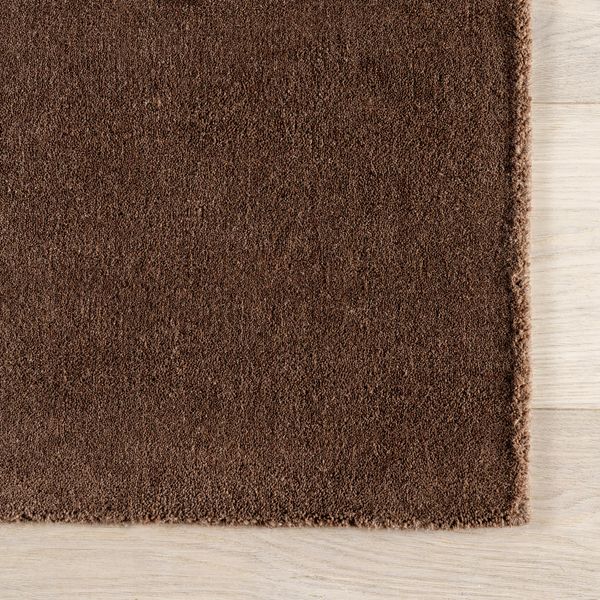
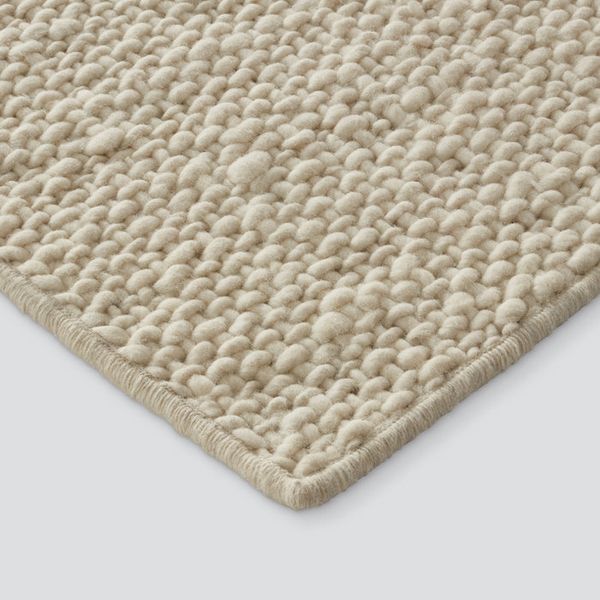
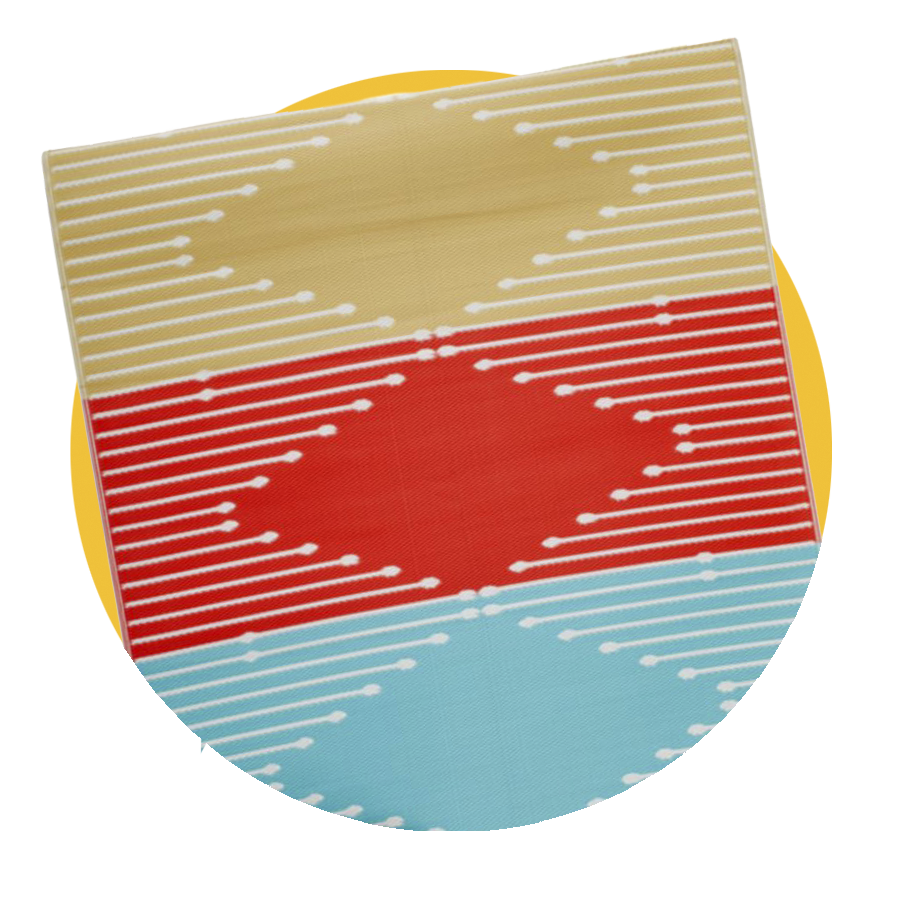
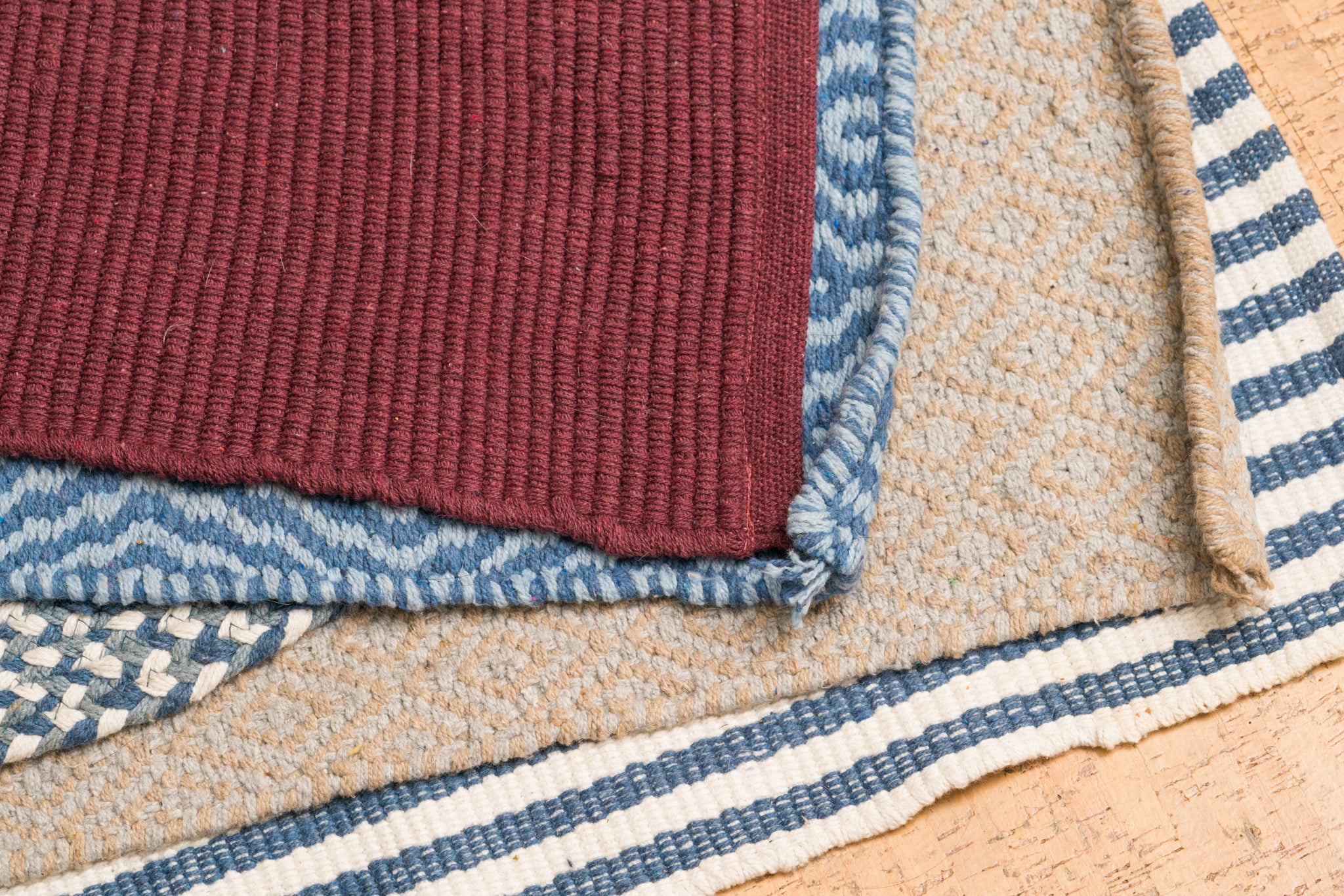
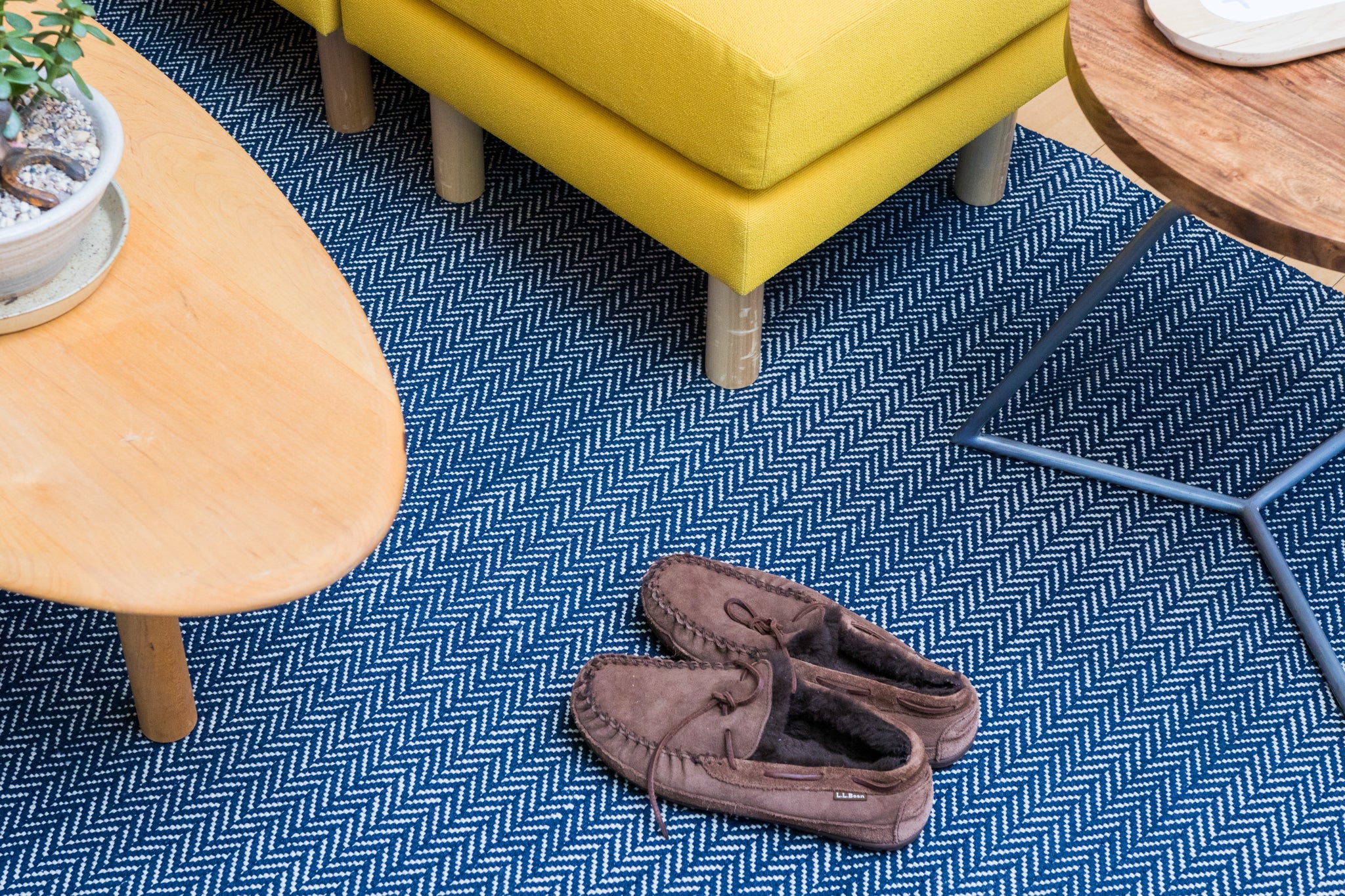
The choice of material is paramount, with wool and cotton being highly recommended for their durability and ease of cleaning. Wool, particularly New Zealand wool, is highlighted for its quality, ability to absorb dyes, and potential to become a lasting heirloom. Conversely, viscose is generally advised against due to its susceptibility to staining, though certain types can be acceptable in blends to mimic silk, provided the rug's origin and quality are thoroughly investigated. Sustainable materials like sisal are also favored, while rugs with toxic glue backings are best avoided. The construction method significantly impacts a rug's quality and cost. Hand-knotted rugs, involving a labor-intensive process of tying individual knots, are considered superior, with a higher knot count indicating finer detail and greater durability. Hand-tufted rugs and hooked rugs are made by punching or looping yarns through a fabric sheet, respectively. Flat-woven rugs lack pile and are created by interweaving warp and weft fibers. Machine-made broadloom rugs, finished at the edges, represent another option. Printed rugs, where patterns are applied rather than woven, are generally of lower quality and less durable.
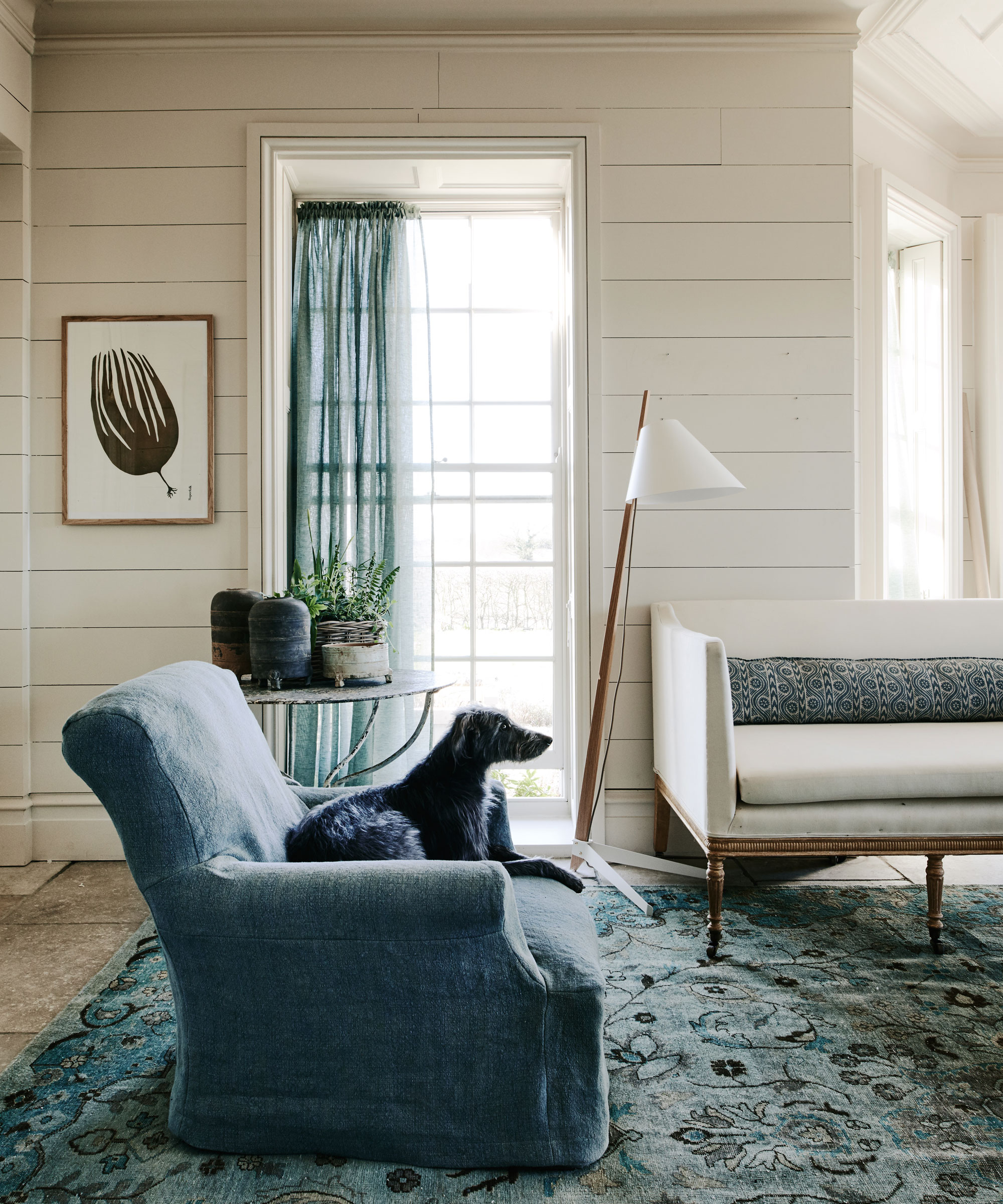
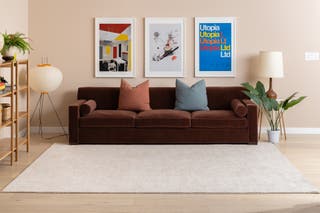
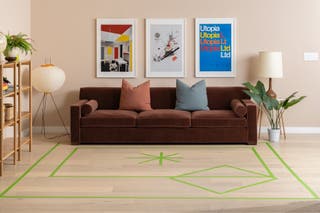
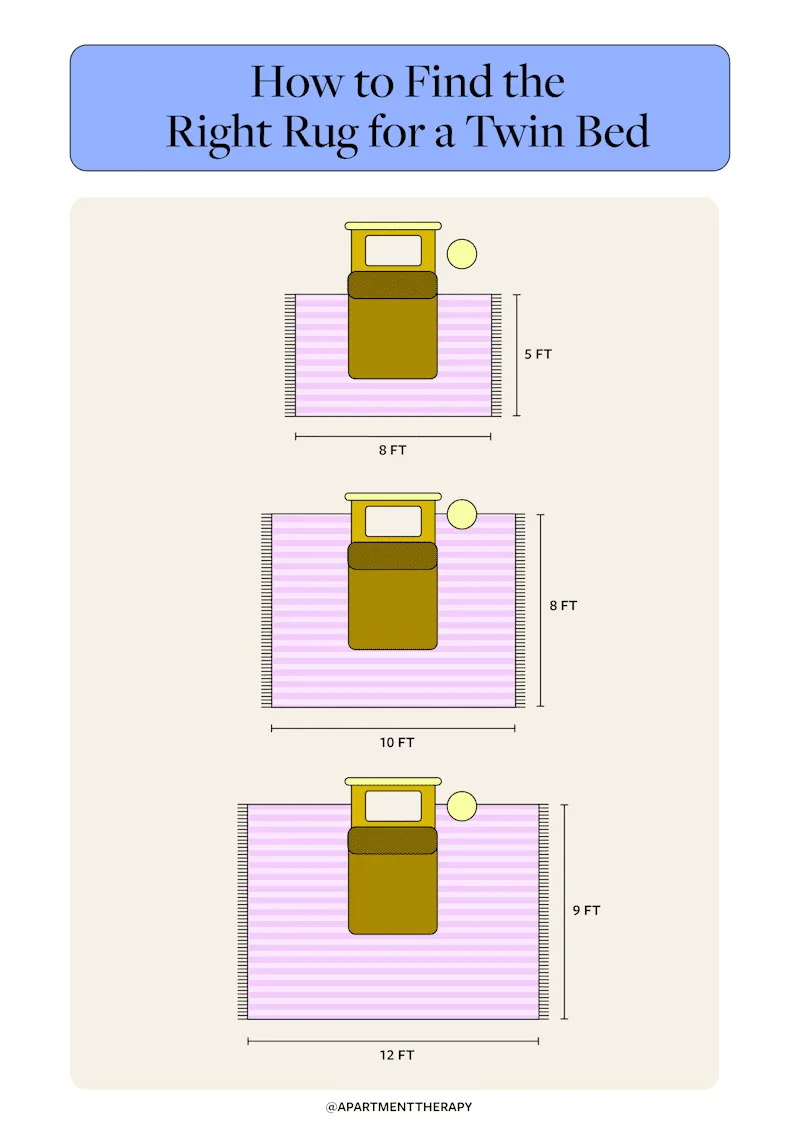
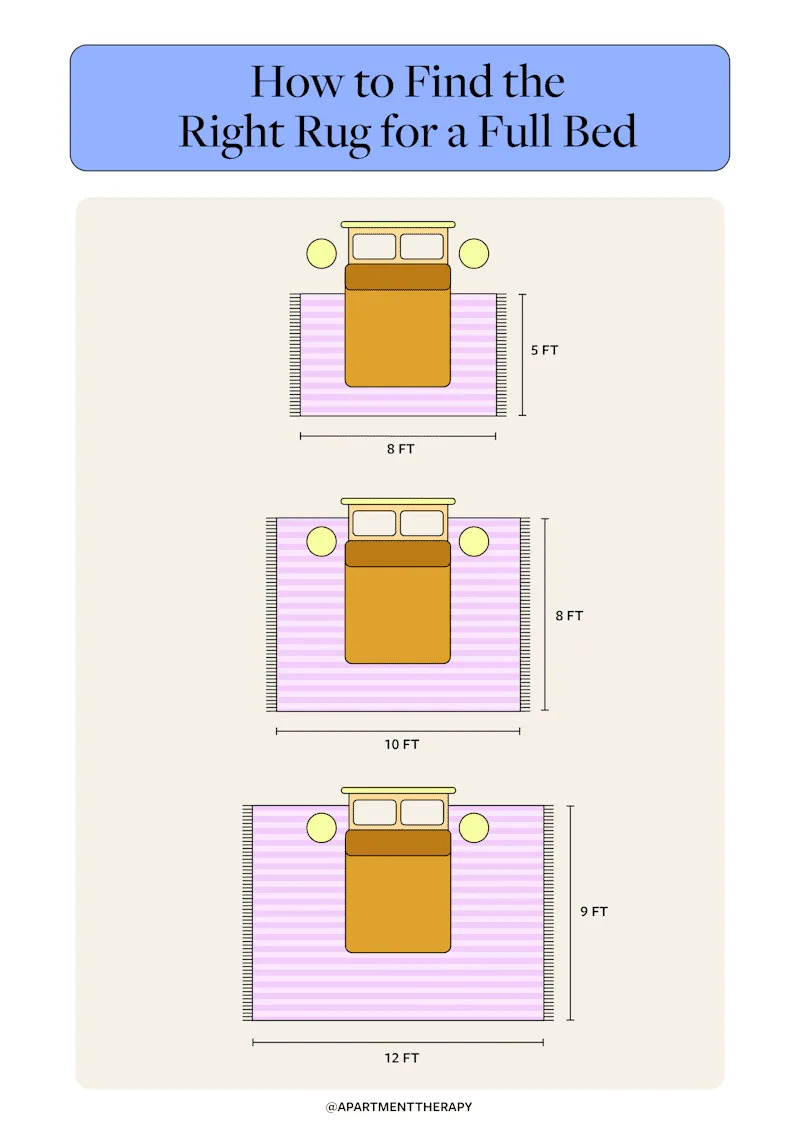
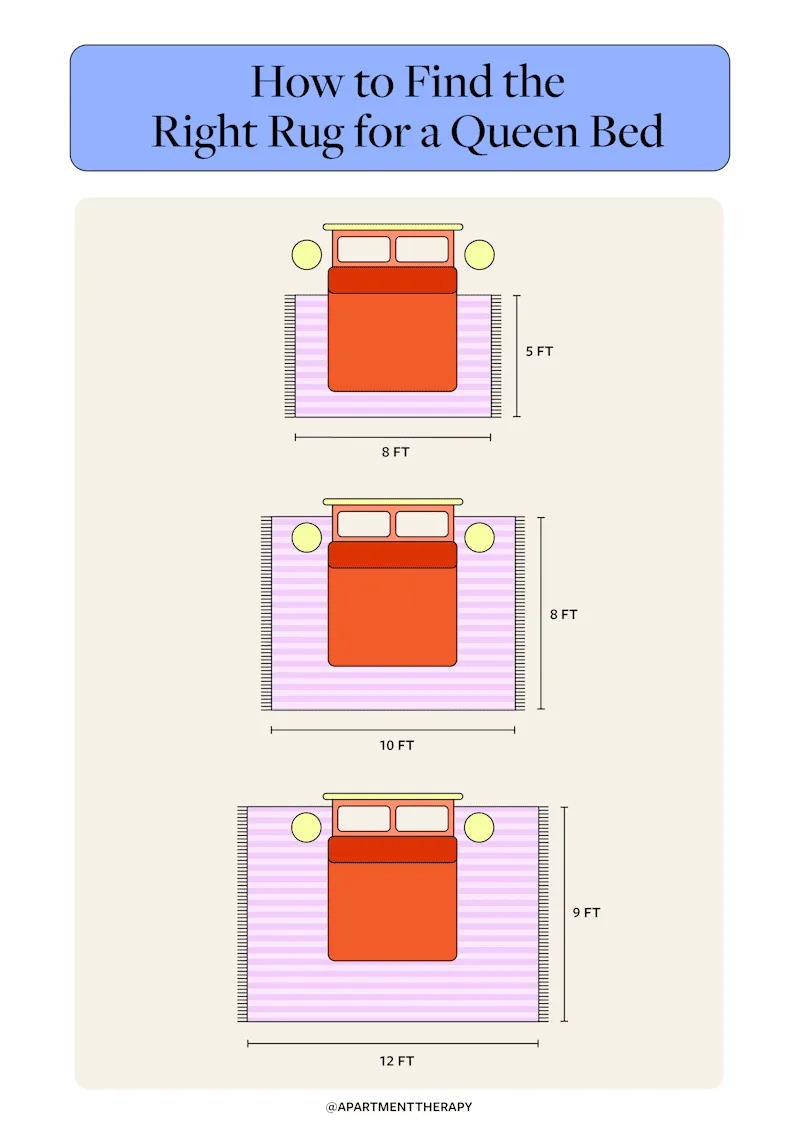
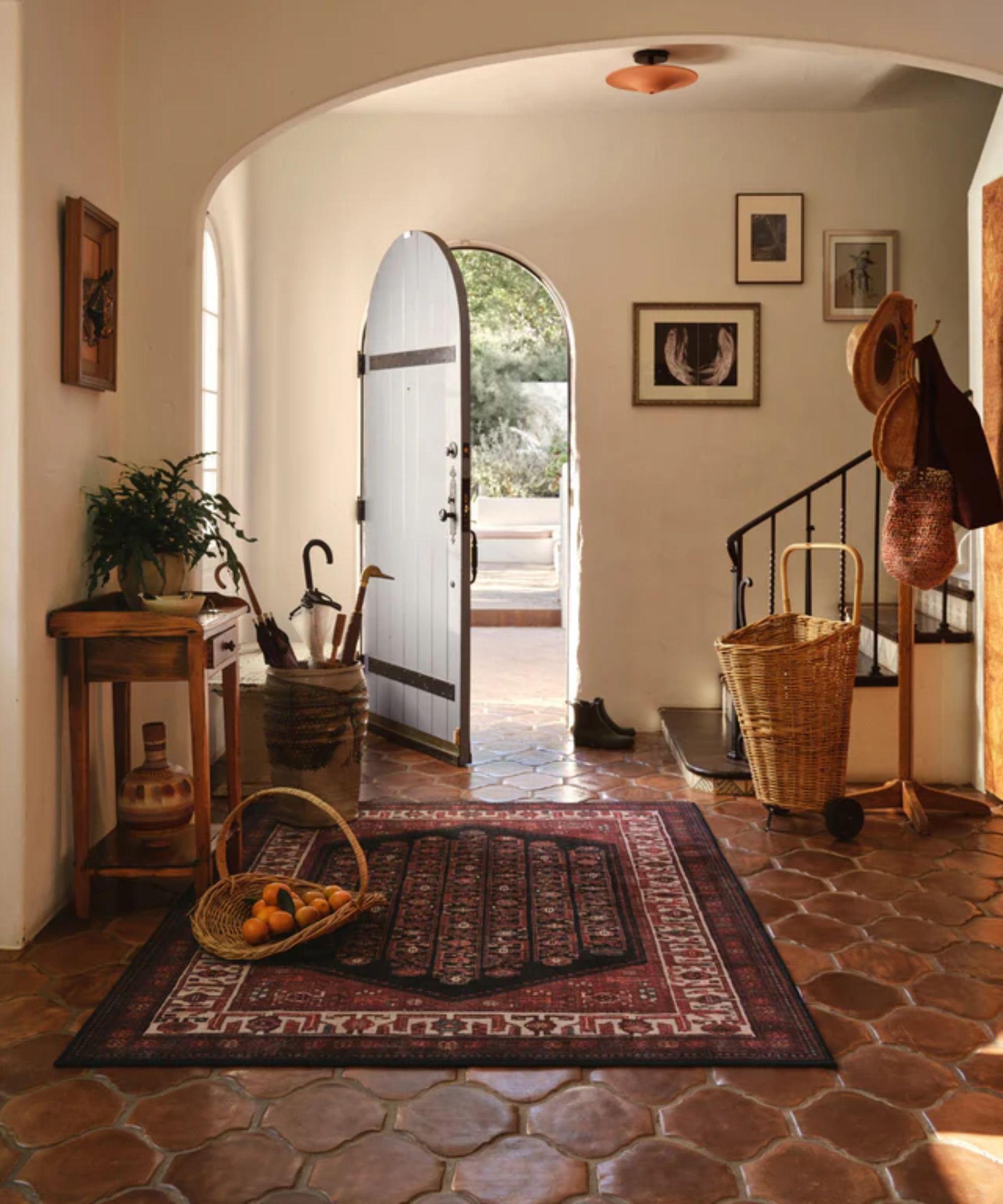
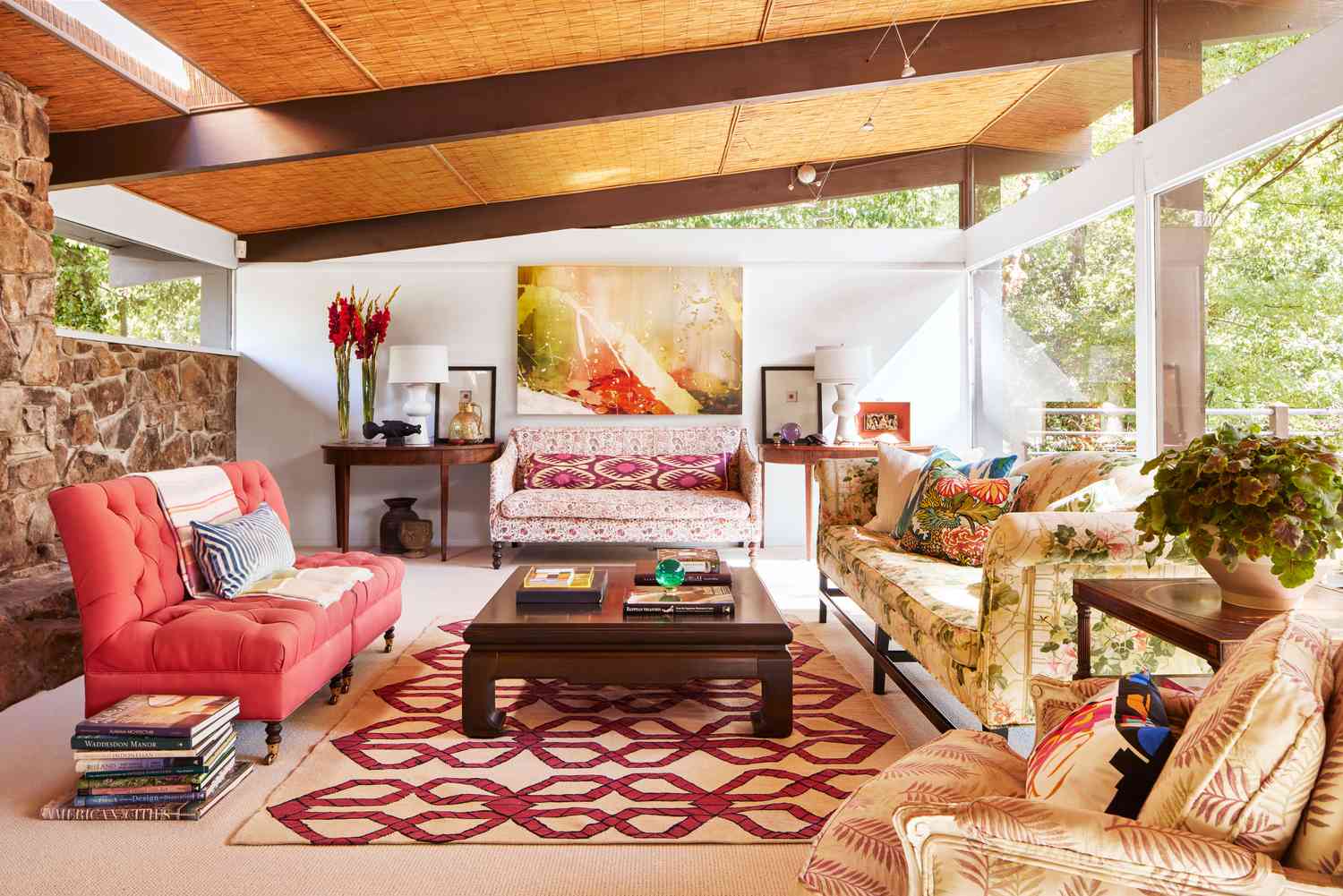
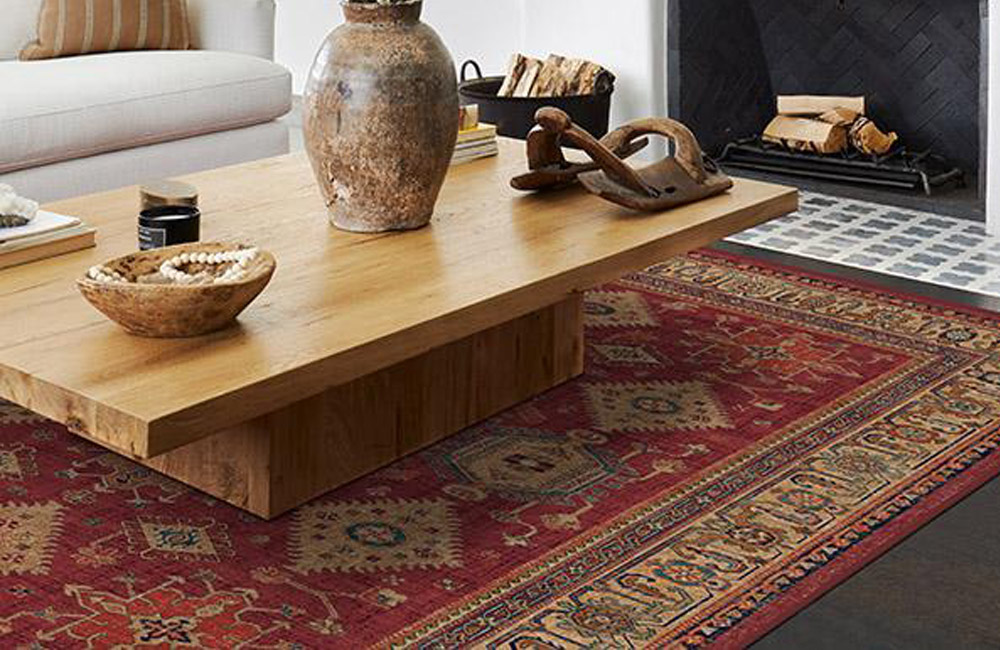
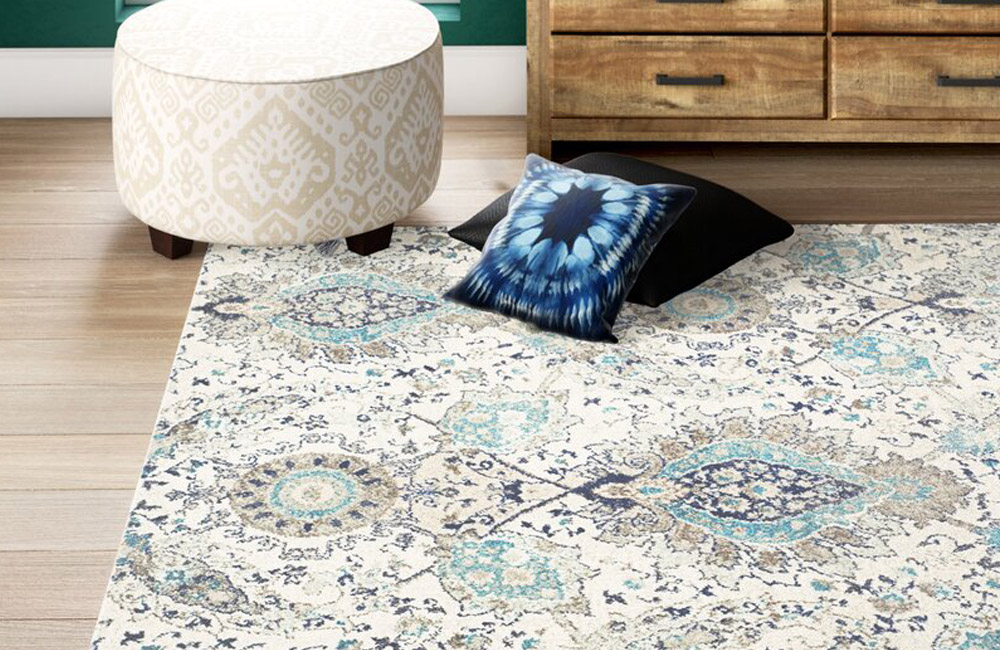
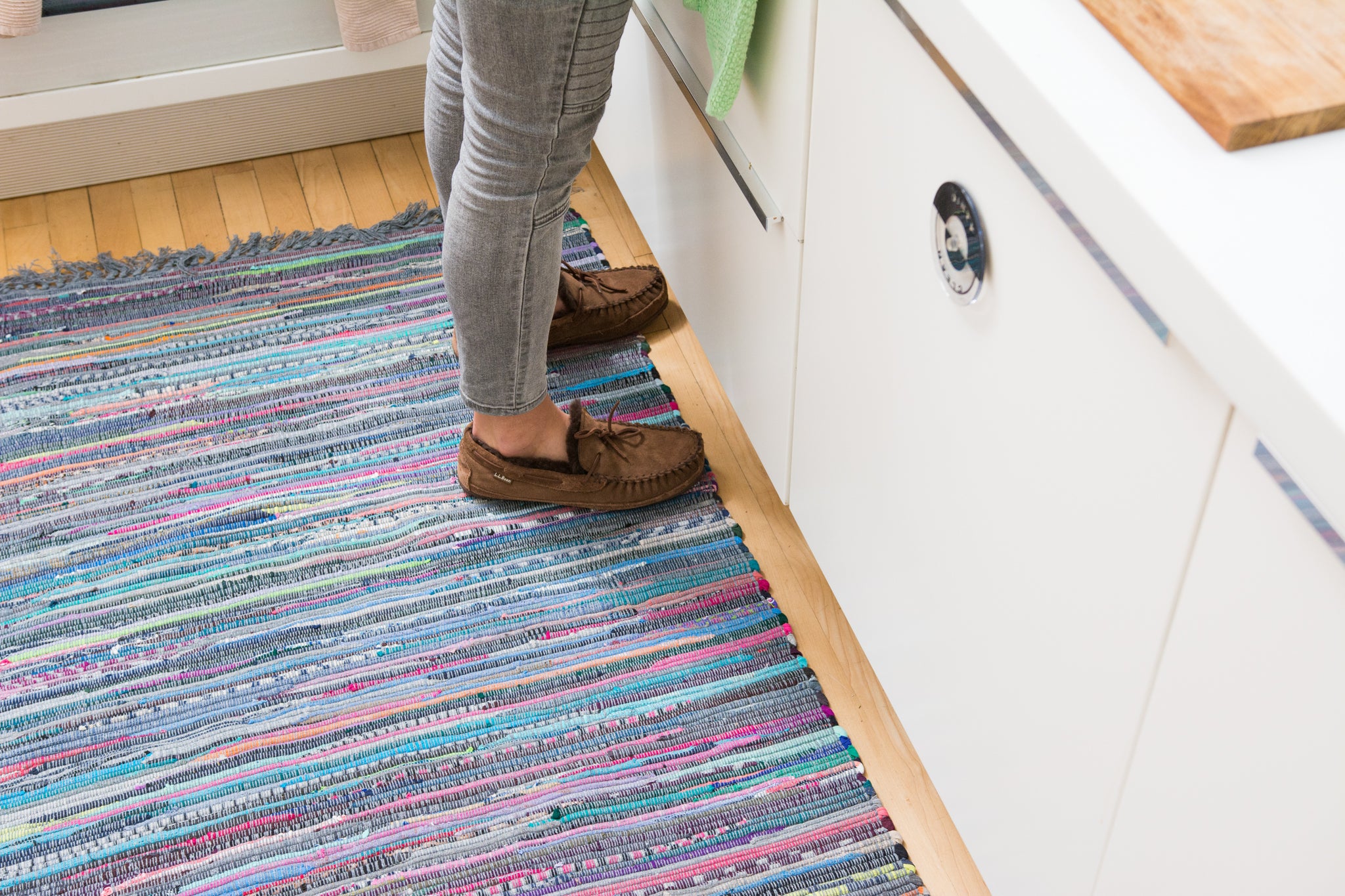
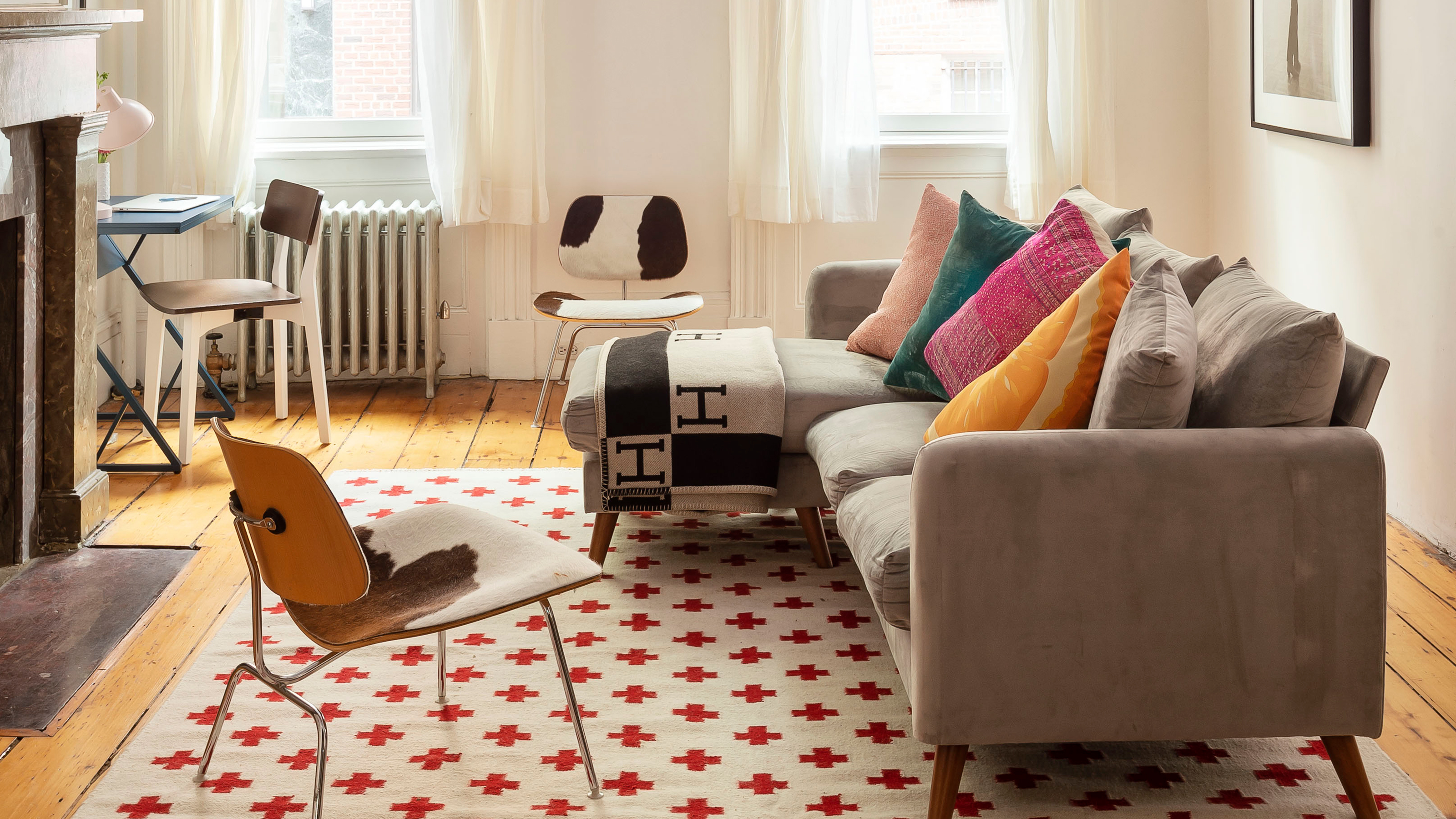
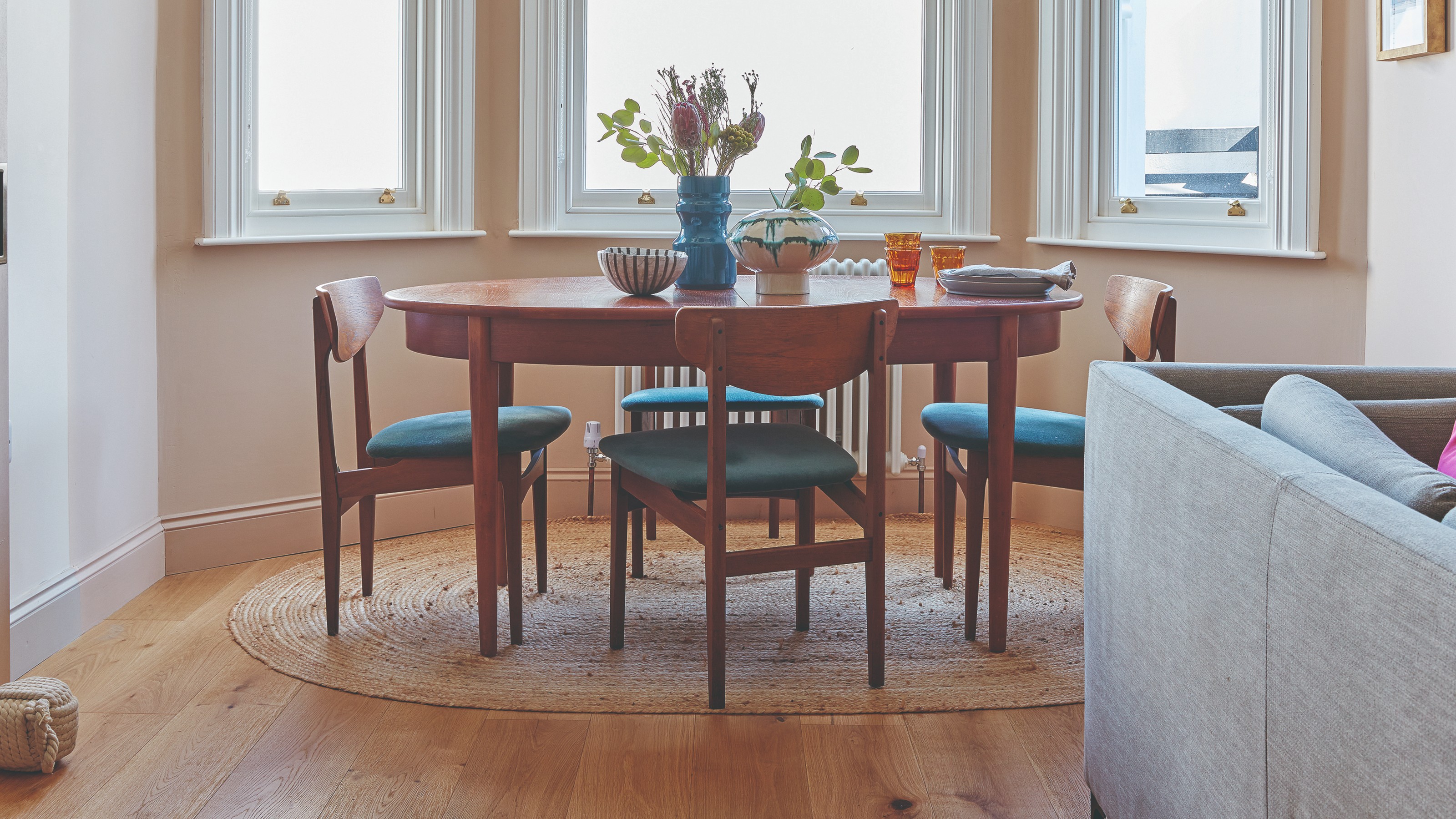
Correct sizing and placement are critical to a rug's impact. A common mistake is selecting a rug that is too small for the space. Ideally, a rug should be positioned at least 18 inches from the wall, allowing the underlying floor to show. For undersized rugs, layering them over a larger, inexpensive jute or sisal rug is a practical solution. Smaller rugs can serve as statement pieces, while larger rugs provide a grounding foundation for an entire room. Strategic placement can also manipulate perception, such as extending a rug to the room's perimeter to make it feel larger, or layering multiple rugs to define a smaller seating area within a grand space. Taping out the rug dimensions on the floor can help visualize the layout.
Investment in a quality rug is often advocated, as it can last for decades. Prices vary widely based on material, construction, and size. Budget-friendly options under $1,000, found at retailers like Target and Ikea, are suitable for low-traffic areas or for frequent replacement. Mid-range rugs, typically priced between $1,000 and $10,000, offer better quality and durability, with vintage rugs in this category potentially costing more. High-end rugs, exceeding $10,000, include offerings from luxury brands and custom-designed pieces. Custom rugs, while costly and time-consuming to produce, ensure a perfect fit for a specific home. Vintage rugs can offer value, but their price is influenced by factors such as age, condition, and desirability, similar to real estate.
#AreaRugs #HomeDecor #InteriorDesign #RugSelection #RugMaterials #RugConstruction #RugSizing #DecoratingTips #HomeFurnishings #AreaRugs #HomeDecor #InteriorDesign #RugSelection #RugMaterials #RugConstruction #RugSizing #DecoratingTips #HomeFurnishings
0개의 댓글이 총 표시됩니다.
 아직 댓글이 없습니다
추가로 마음에 드릴 만한 콘텐츠
How to Pick the Perfect Rug for Your Space

Room Feel Snug? It Might Be Your Rug. | Reviews by Wirecutter
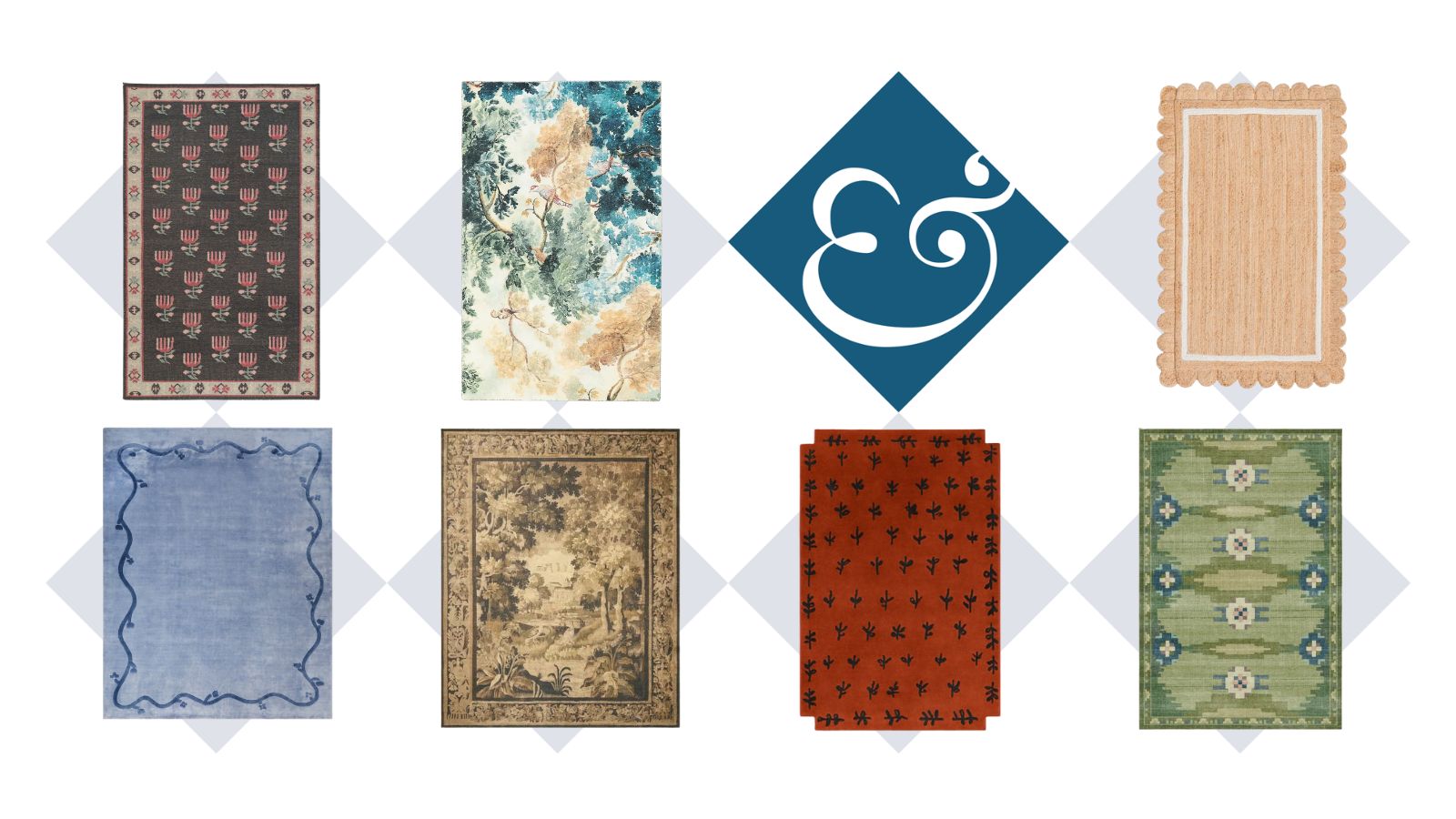
20 Best Places to Buy Rugs for Every Room

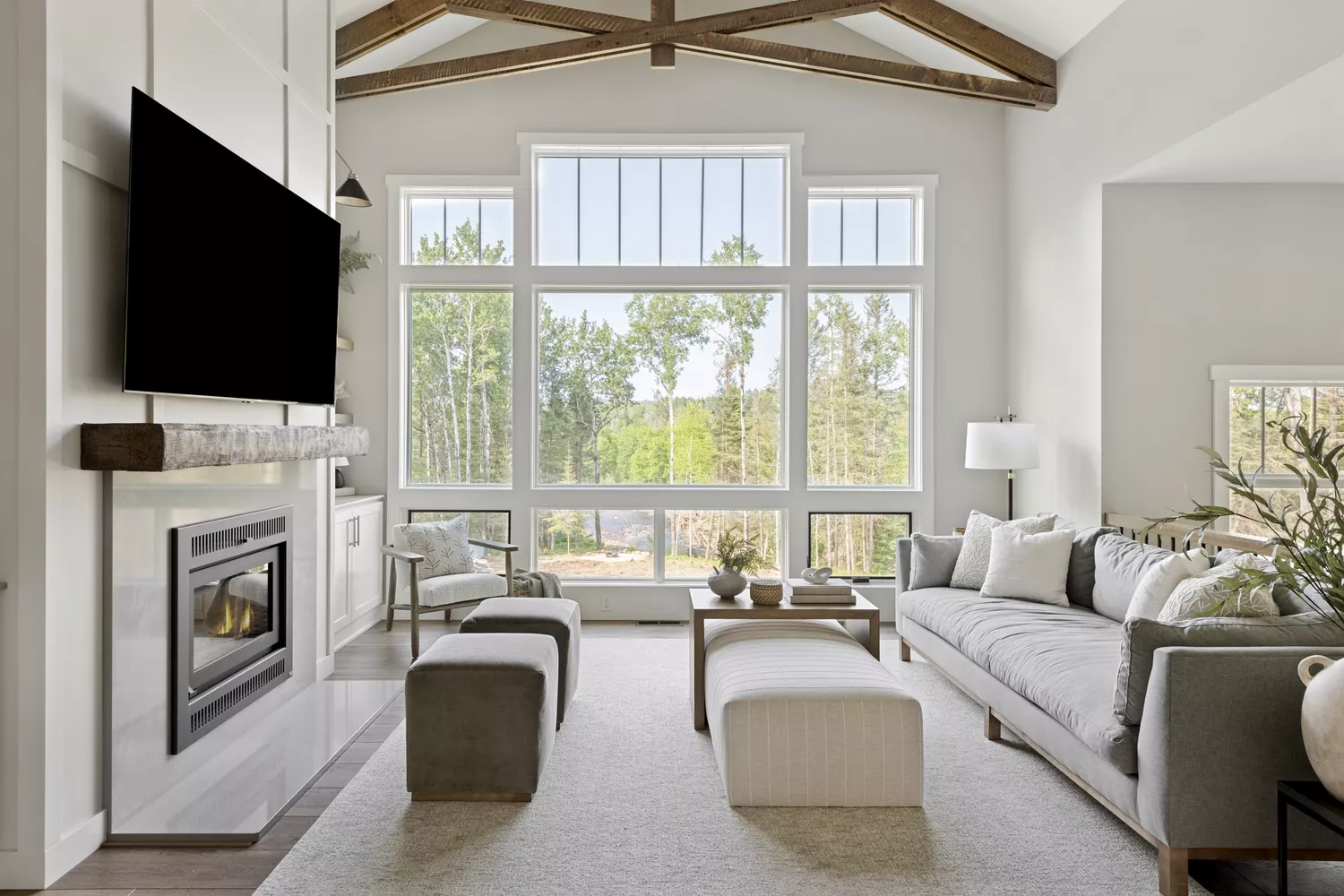
Should All of Your Furniture Legs Be on the Rug? Designers Say There's a Right Answer

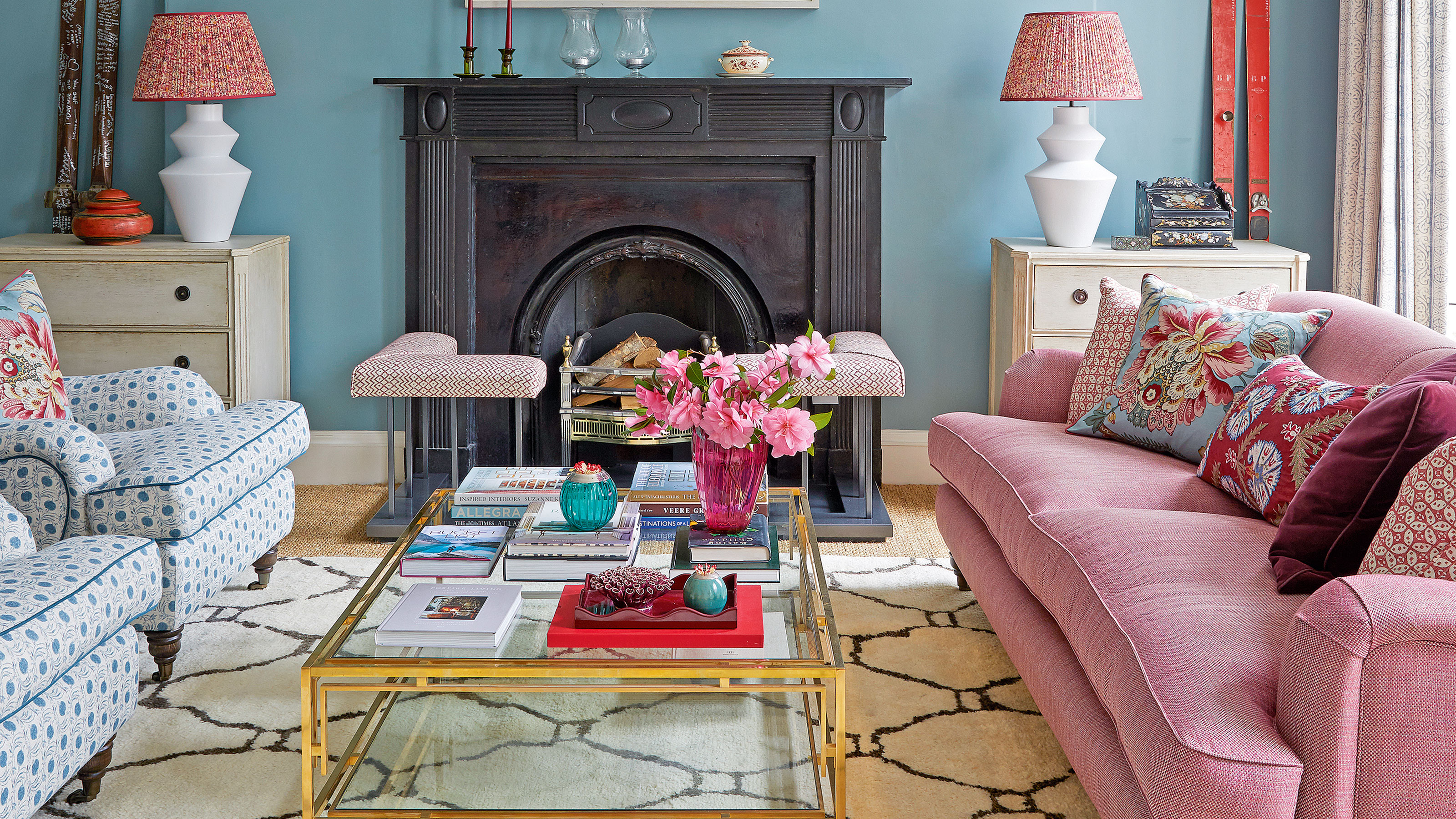
The ideal area rug sizes for a living room – 5 expert rules to follow
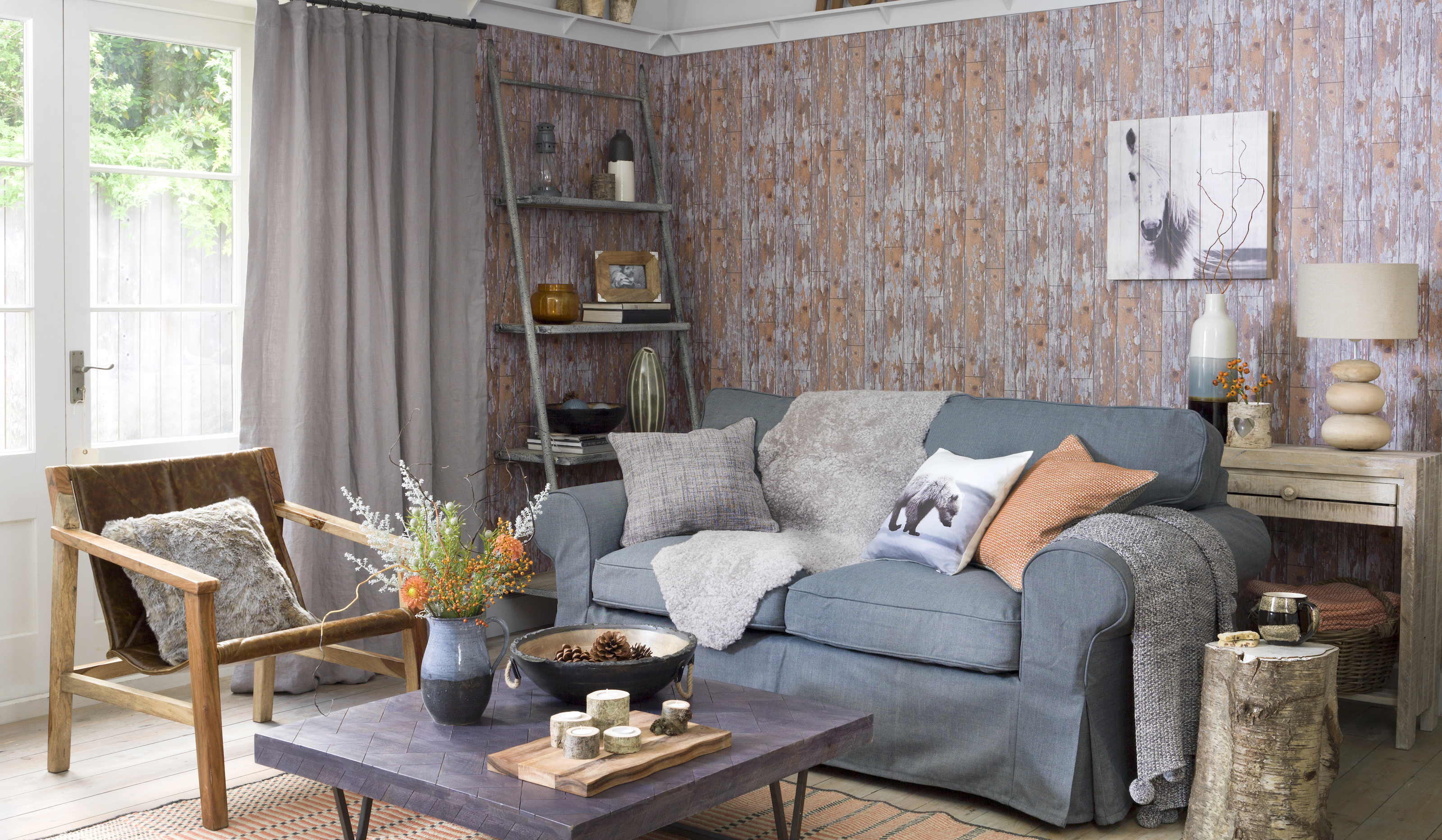
How much wallpaper do I need? Work out the right amount with this expert advice
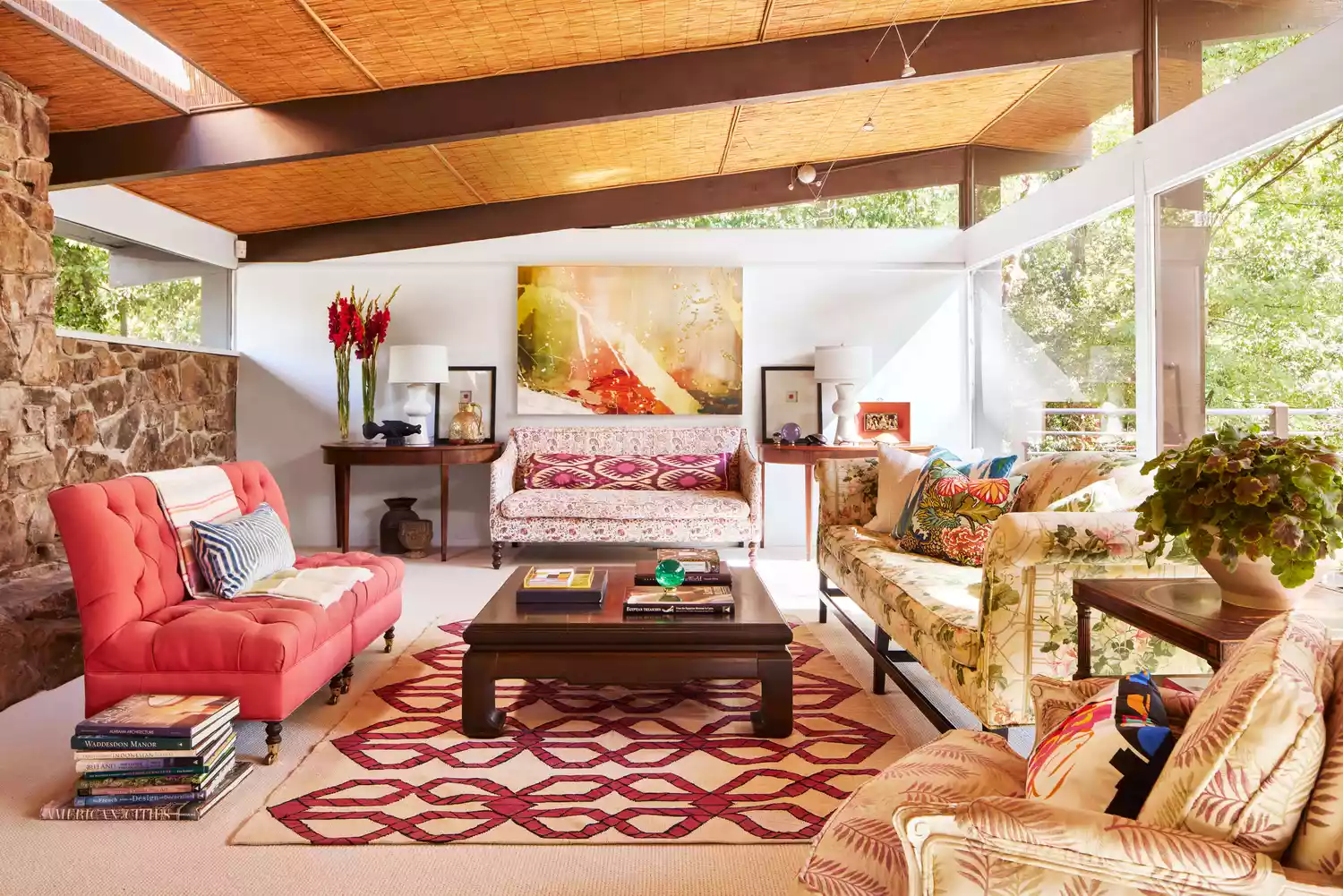
5 Living Room Rug Mistakes You’re Probably Making—And How To Fix Them, According To Designers
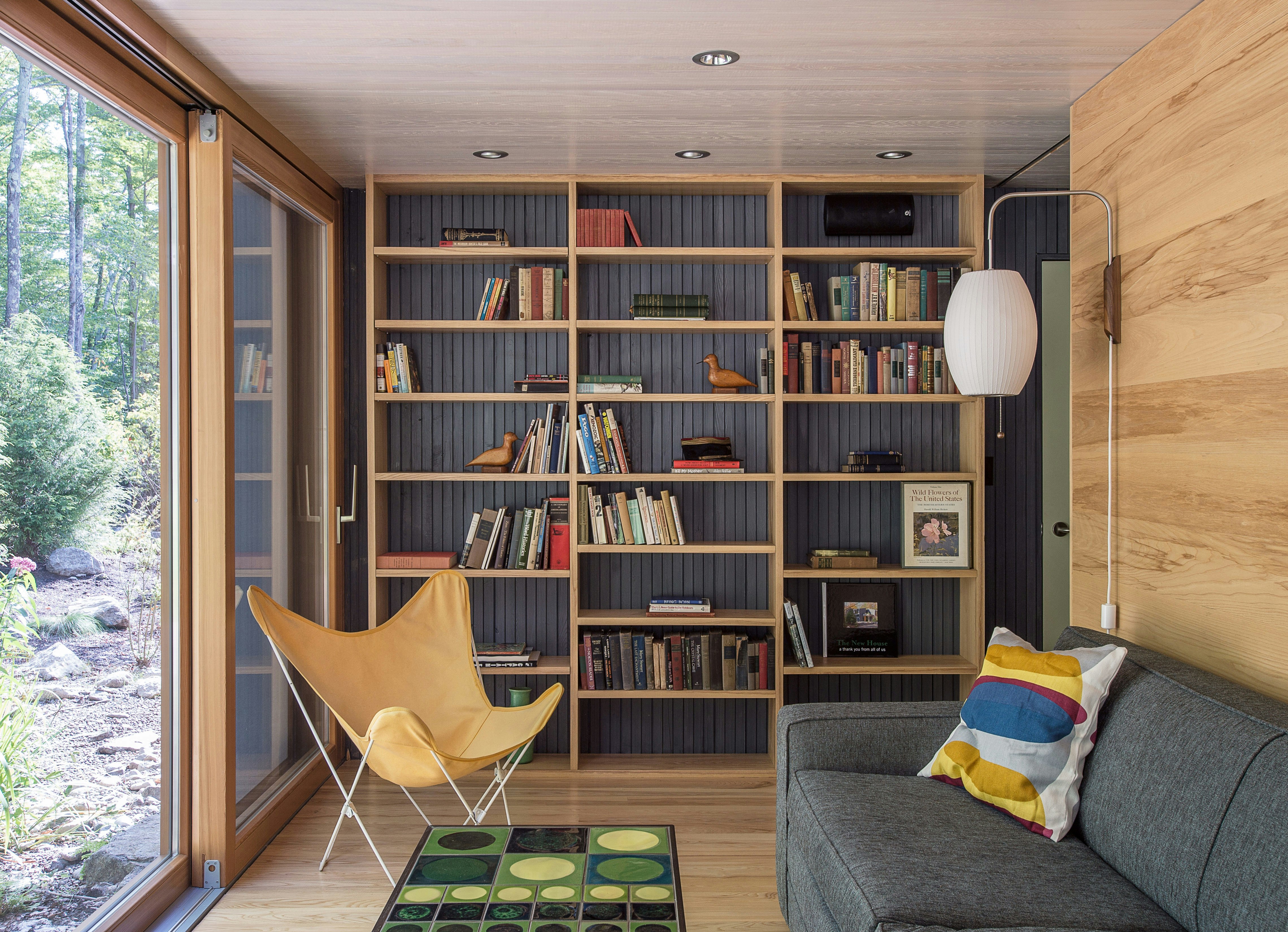
How Much Should You Spend on a Wall Sconce?
How Much Should You Spend on a Living Room Sofa?
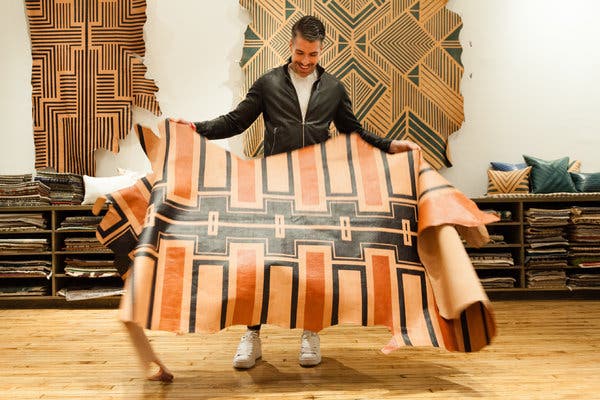
Shopping Guide: Area Rugs (Published 2016)

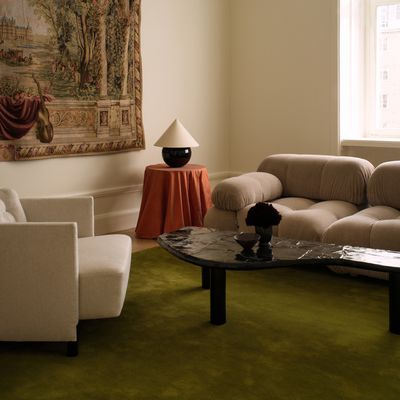
The 15 Very Best Area Rugs
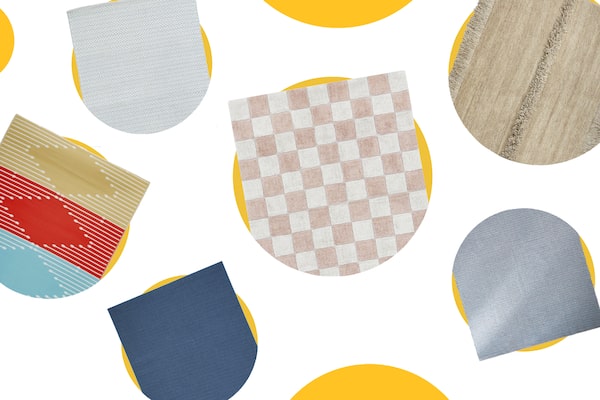
How to buy rugs for homes with lots of paws and foot traffic
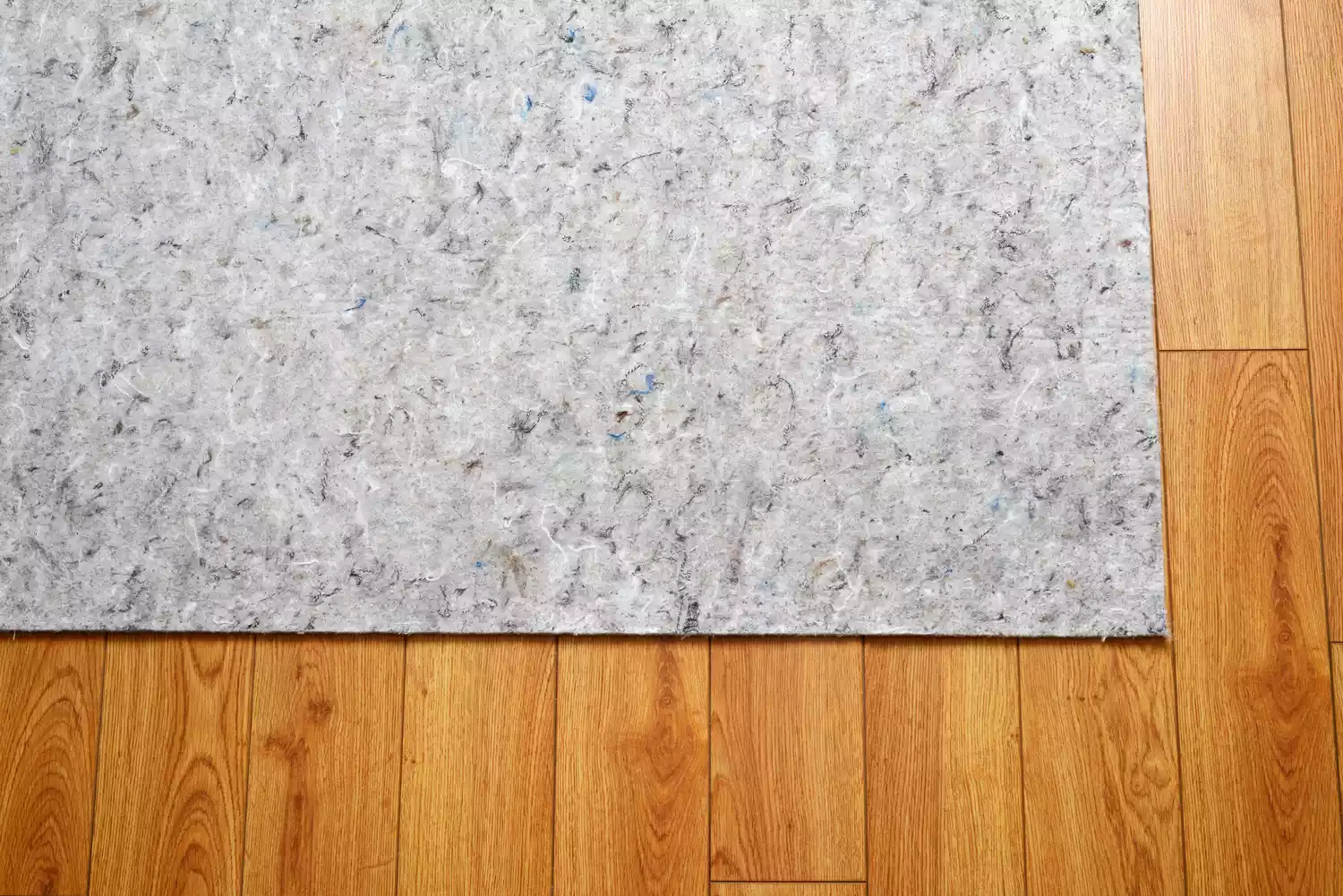
Do You Really Need a Rug Pad? Experts Weigh In

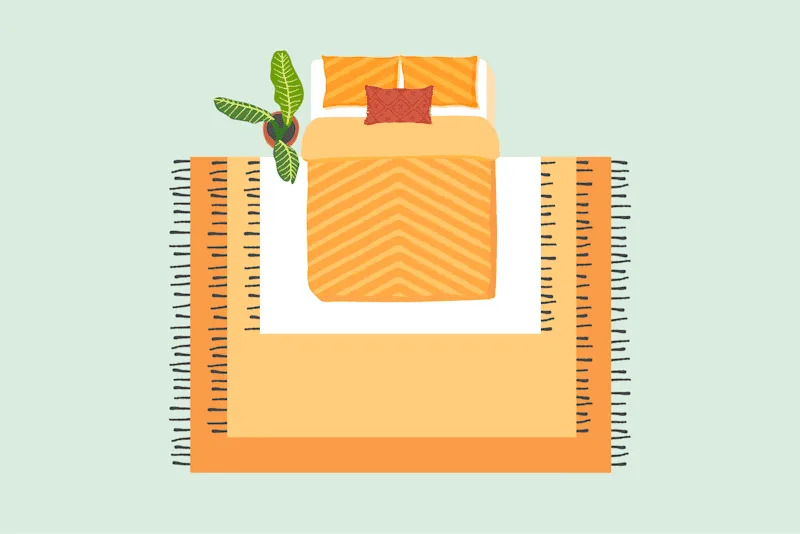
This Is What Different Area Rugs Will Look Like Under Your Bed

The 12 Best Places to Buy a Rug for Your Home

Our Favorite Rugs For Every Room
We Tried Three Ruggable Rugs to See If They’re Actually Worth the Price

One of the 'simplest ways' to make your room look more expensive, according to interiors expert Kate Watson-Smyth
I look at rugs day in, day out as a Room Decor Editor – these are the 9 best places to buy a rug I always go back to

These Genius Buys Make Getting a Rug Under a Couch So Much Easier — And Starts From Under $20