1/13
Fall into smarter lighting
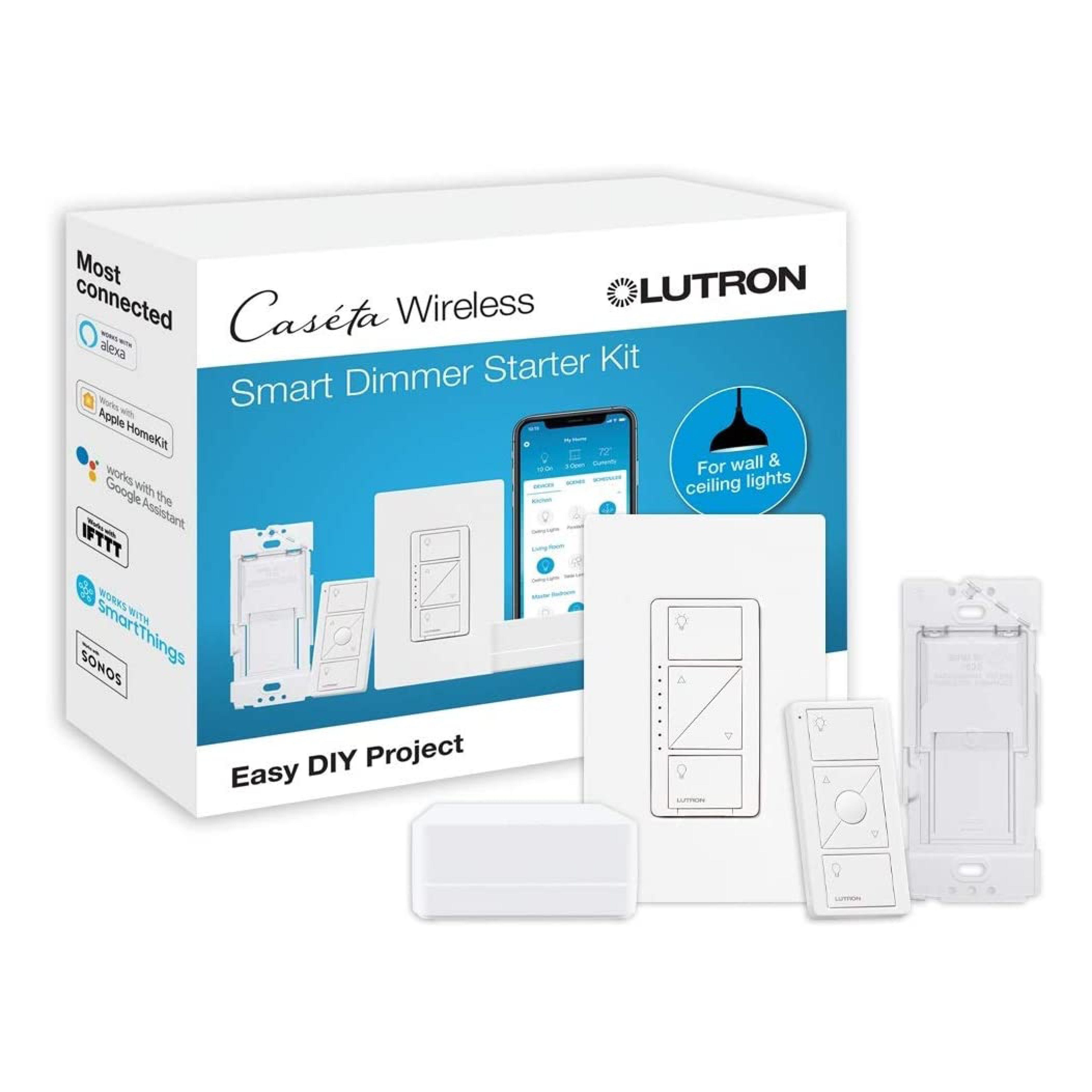
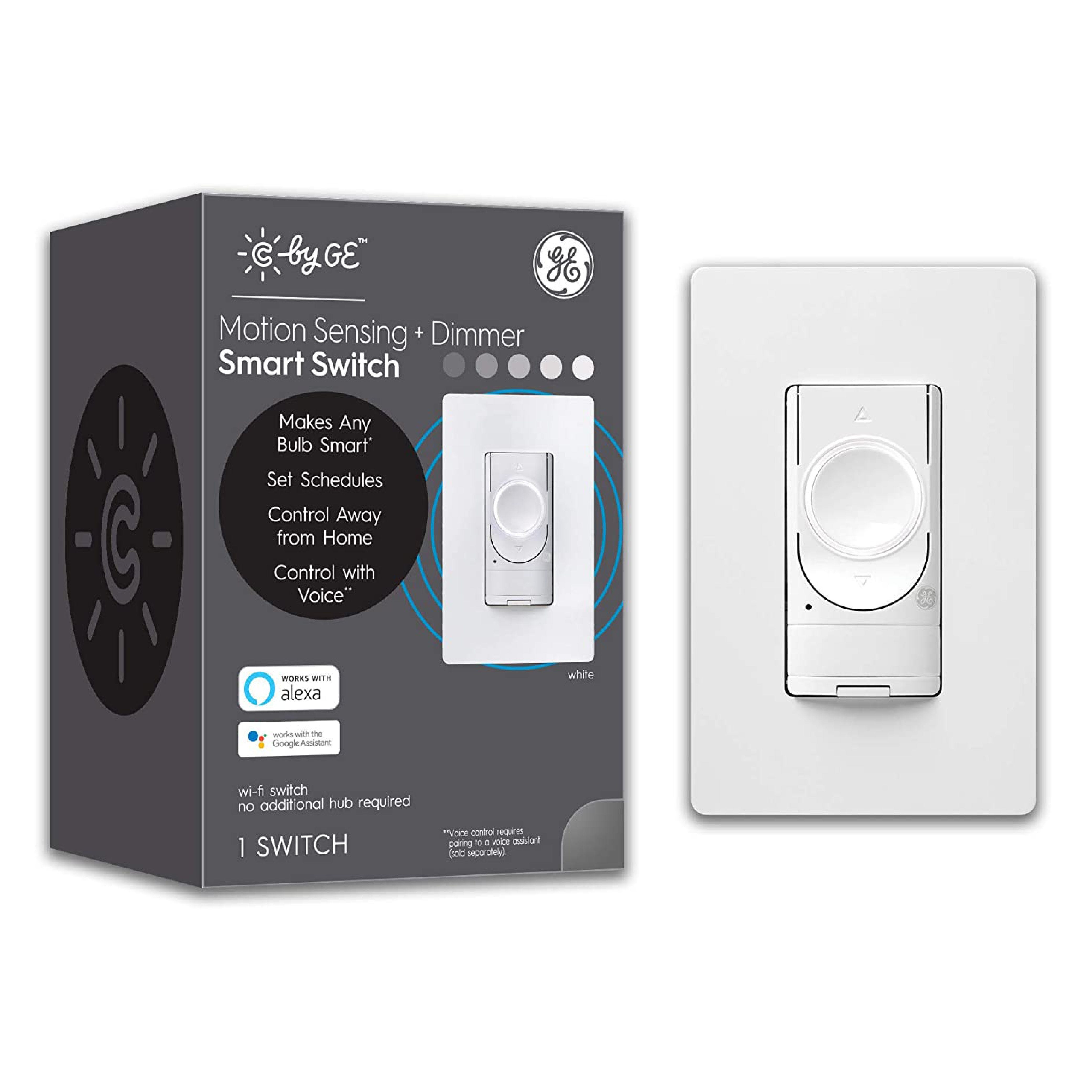
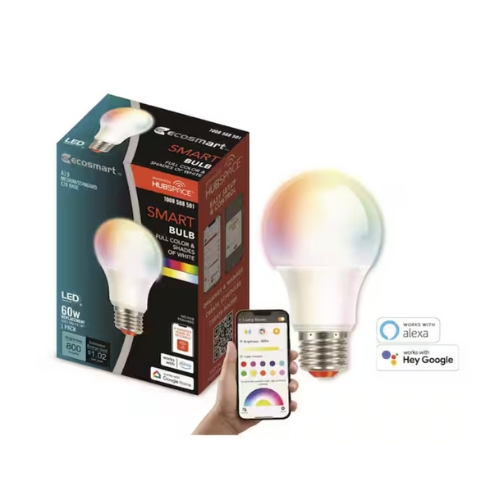
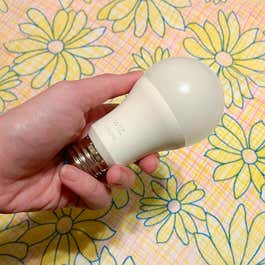
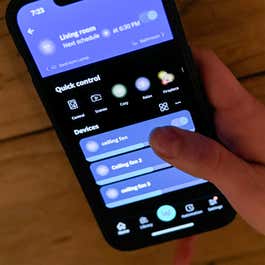
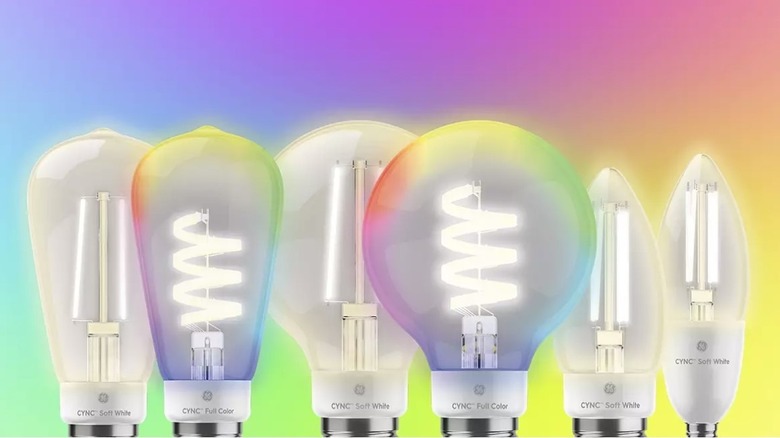
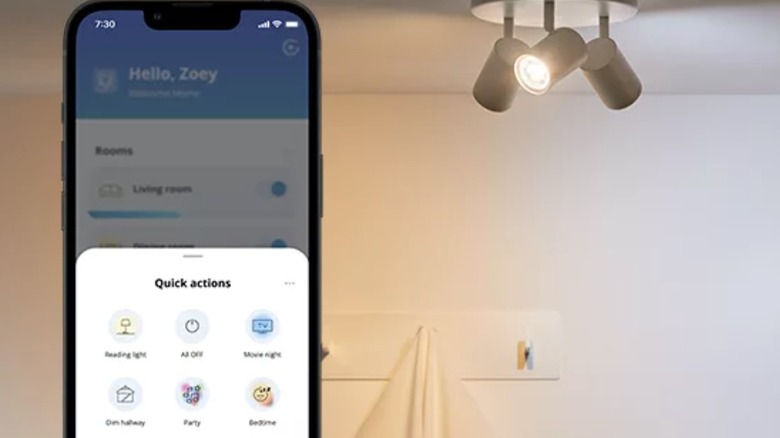
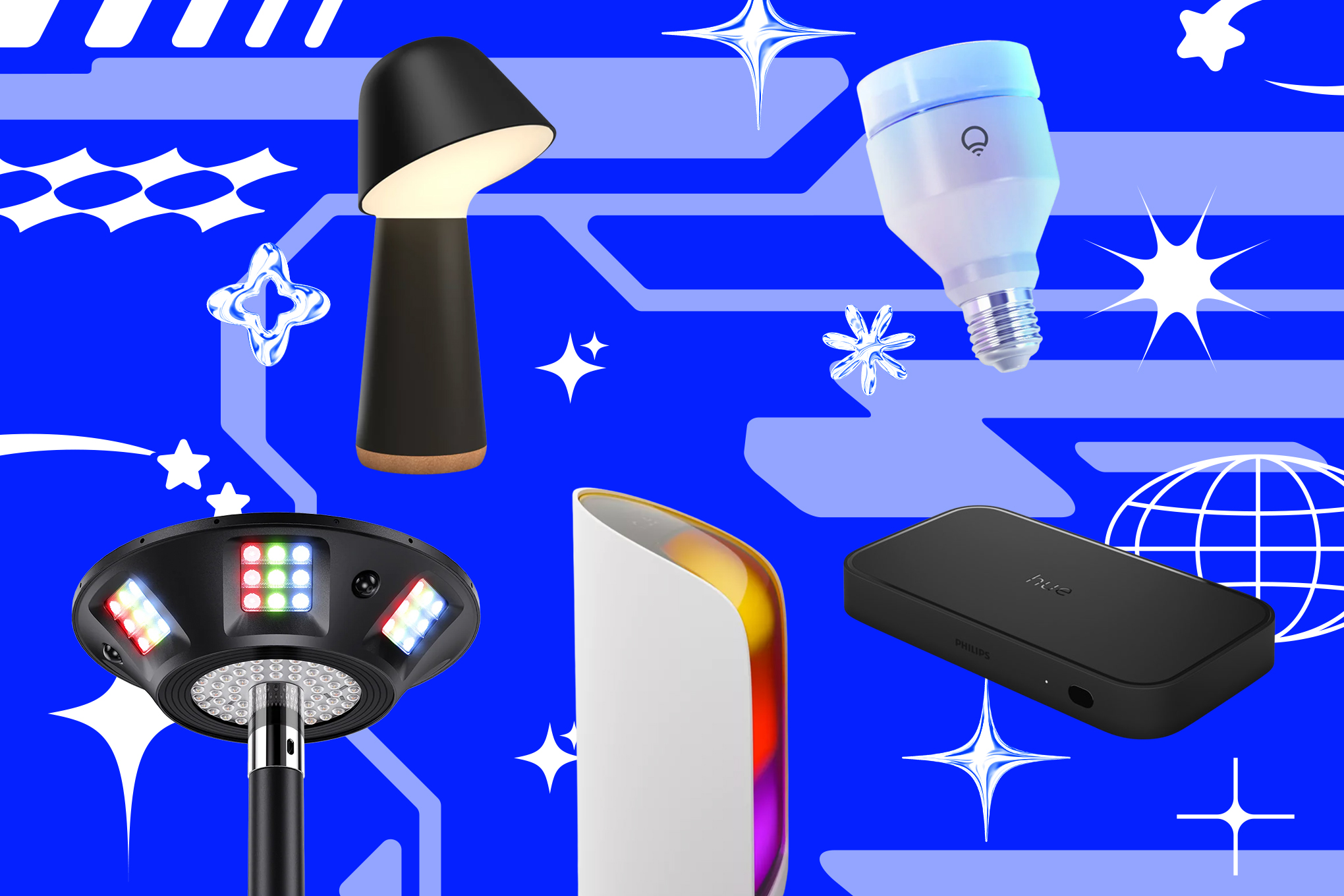
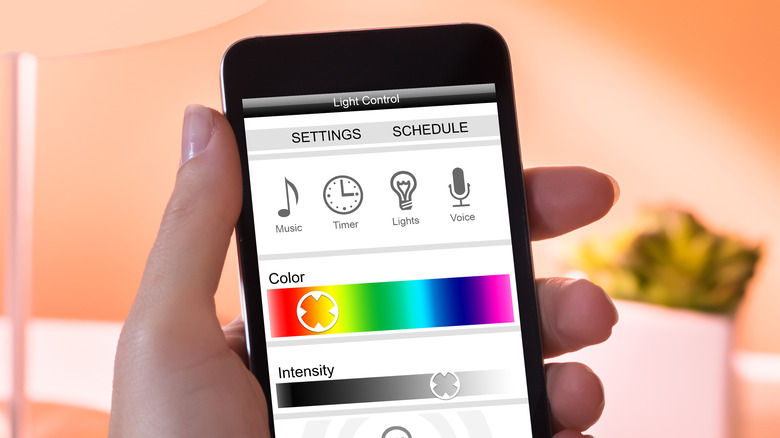
Smart lighting offers a significant enhancement to home environments through features like voice control and automated brightness adjustments based on the time of day. This technology is becoming more accessible due to decreasing costs of smart LED bulbs and fixtures, alongside improved compatibility across smart home platforms such as Apple Home, Amazon Alexa, Google Home, and Matter. These advancements simplify the integration of smart lighting into any home.
One popular application of smart lighting is Apple's Adaptive Lighting, which automatically adjusts the color temperature of white light throughout the day to emulate natural daylight. This means cooler, brighter light in the mornings for waking up and warmer, more relaxing tones in the evenings for winding down. This feature operates in the background, eliminating the need for manual scene adjustments and making indoor lighting feel more harmonious with outdoor conditions. To set this up, an Apple Home hub (like an Apple TV, HomePod, or HomePod Mini) is required, along with compatible lights and an iOS device for control. Apple’s recent Matter update has expanded compatibility, allowing various brands like Philips Hue, Nanoleaf, Aqara, and Lifx to work together under this system. While some individual brands offer similar circadian-rhythm lighting scenes within their own apps, Apple’s platform uniquely supports a mix-and-match approach across different manufacturers. For those outside the Apple ecosystem, Ikea’s Dirigeria hub provides a comparable circadian lighting feature, currently limited to Ikea lights but with future potential for broader Matter-compatible device integration.
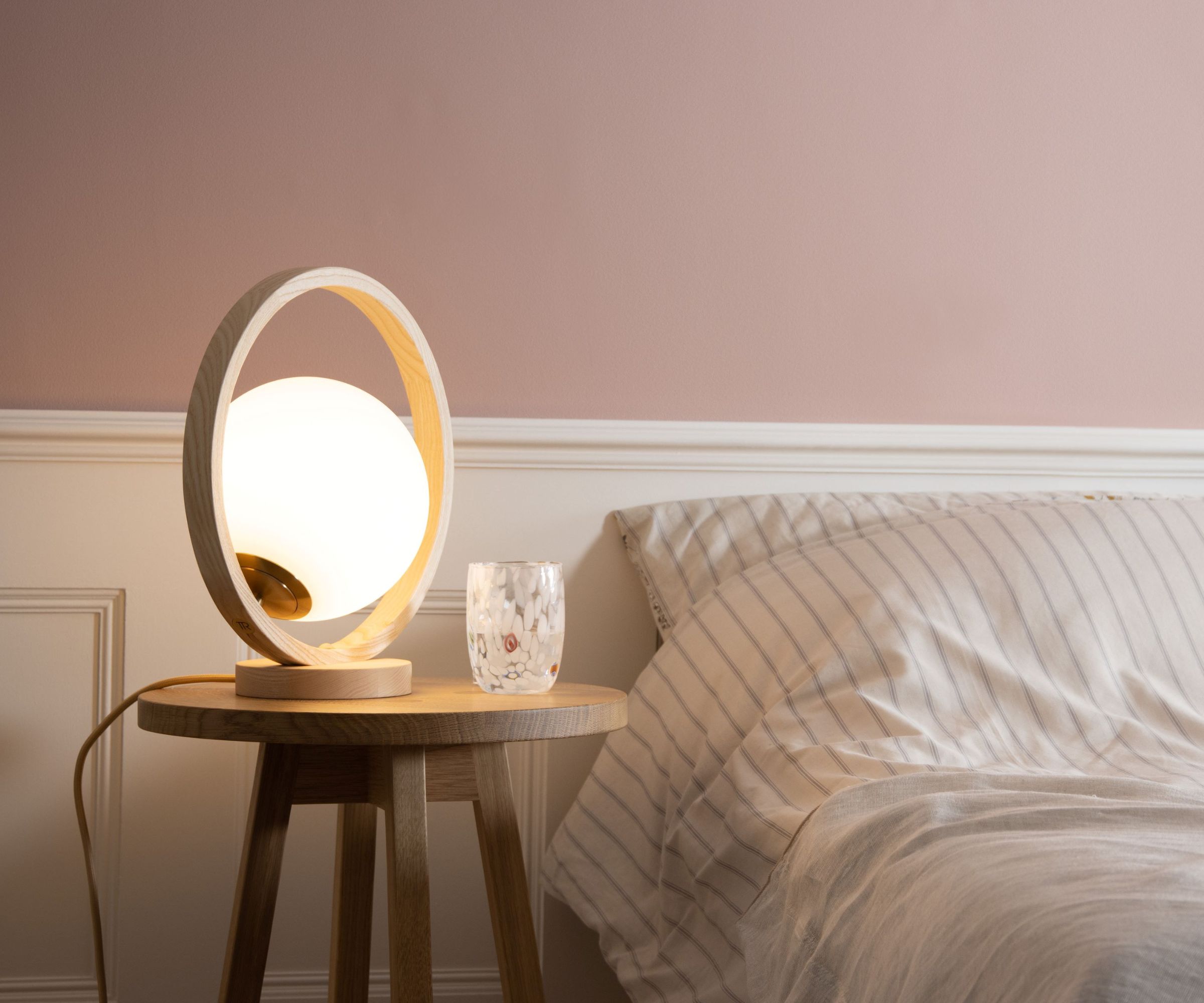
Smart lighting also revolutionizes morning routines by replacing traditional alarm clocks with gradual light-based wake-ups. Philips Hue’s Twilight Sleep Wakeup light, for example, offers deep dimming capabilities (fading to 0.02 percent compared to a standard Hue bulb’s 0.2 percent), ensuring a smoother, more natural awakening. This bedside lamp includes dual light sources, an adjustable head for task lighting, and built-in sleep/wake routines that manage color temperature, including blue light suppression for evening use. Its physical buttons allow for quick activation of routines without a phone, and integration with various smart home ecosystems enables voice control and scheduled automations.
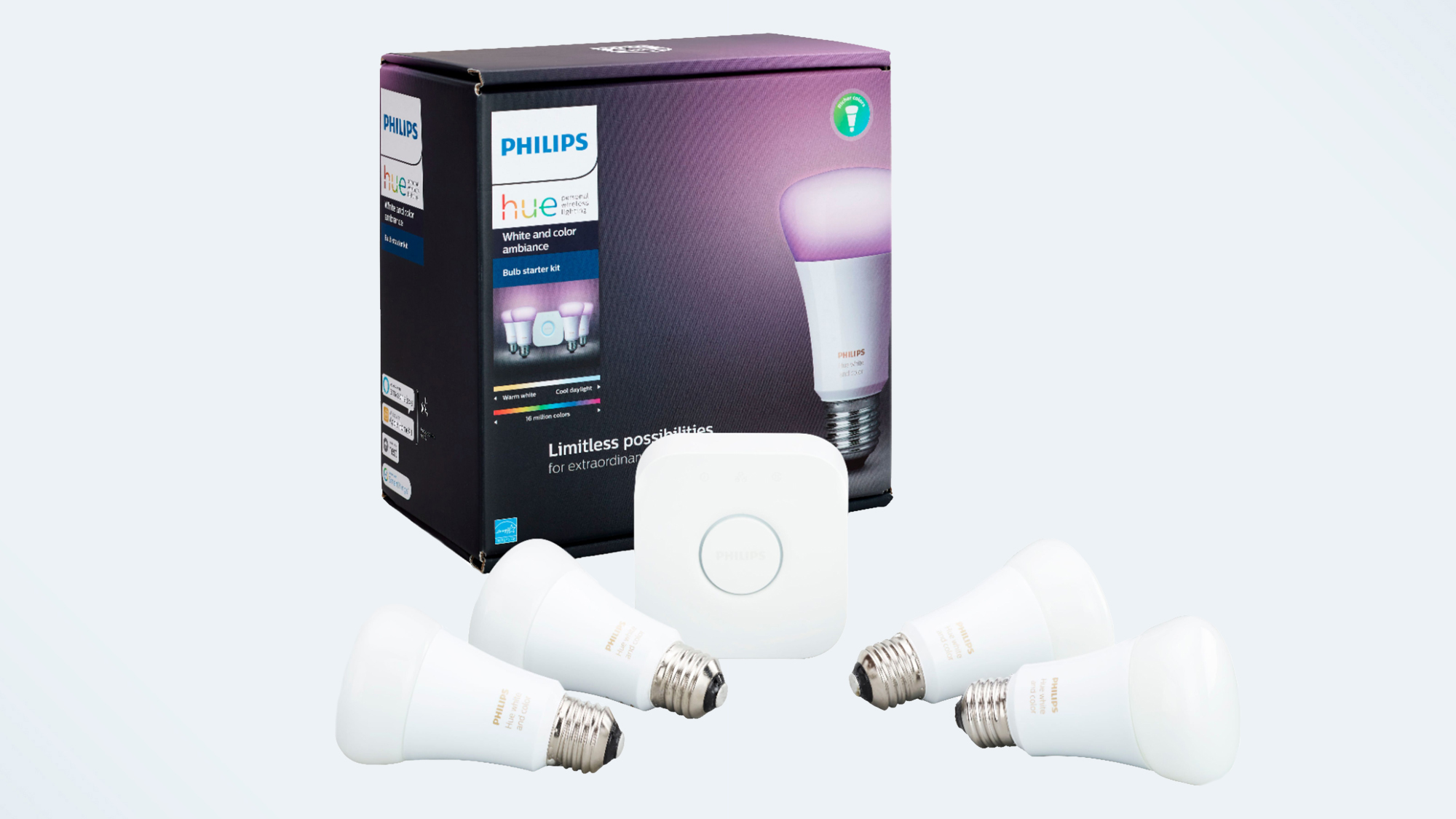
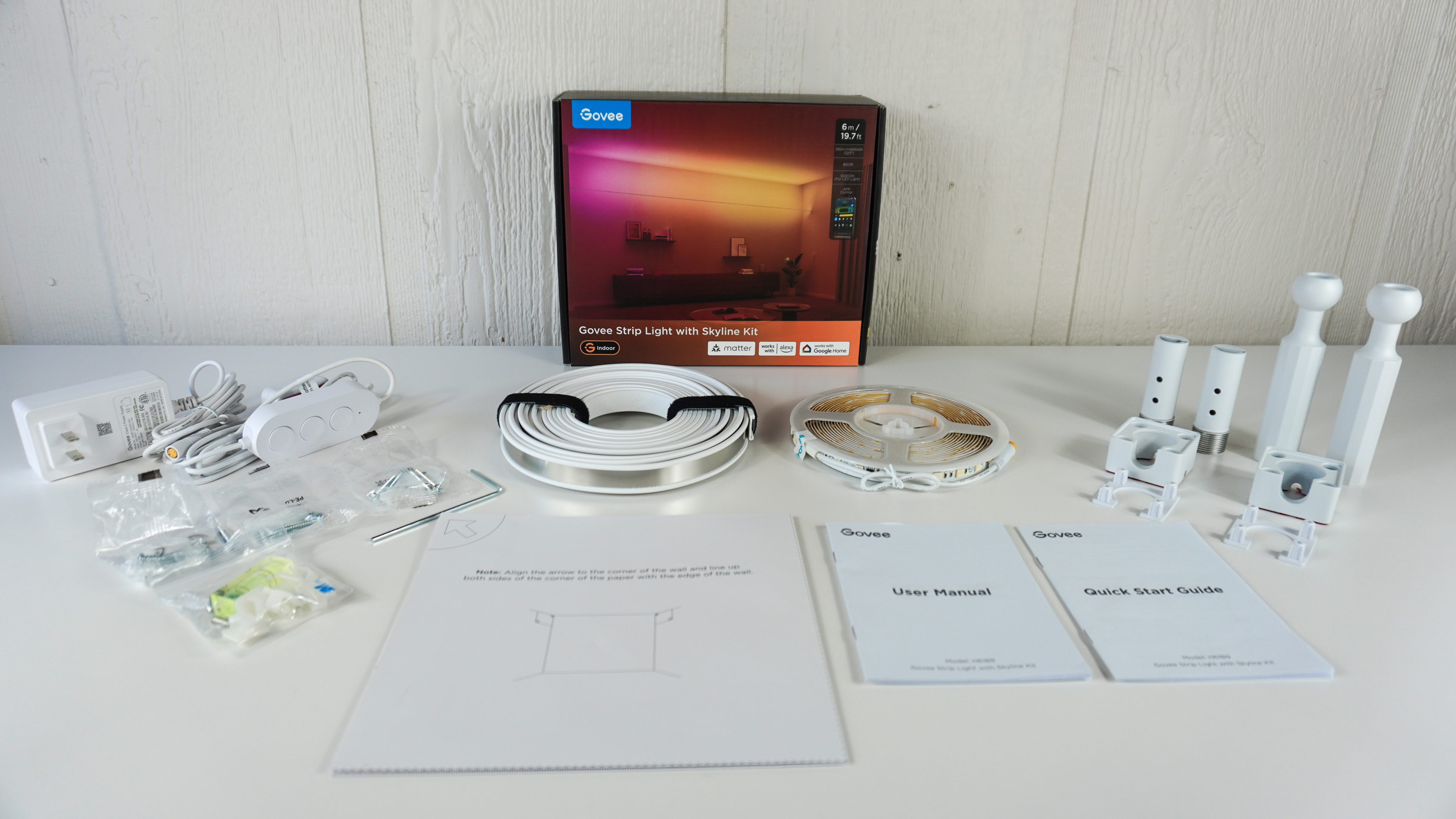
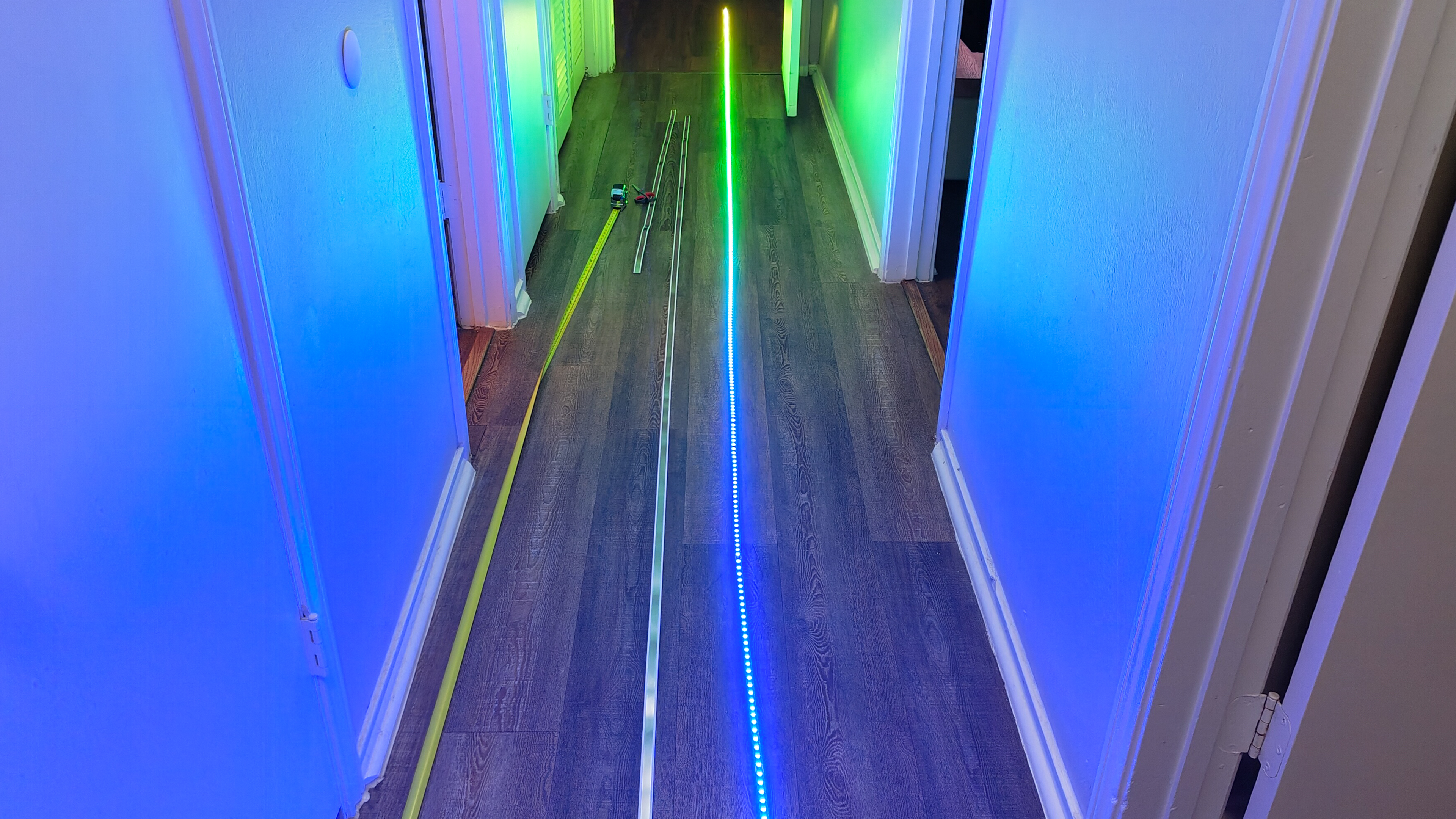
For entertainment, smart color LEDs can create immersive experiences by syncing with TV or PC content. Less expensive options involve cameras that capture screen colors and relay them to LED light strips, offered by brands like Govee and Nanoleaf. Philips Hue offers an HDMI-based solution, the Hue 8K Sync Box, which digitally syncs lights with HDMI devices without needing a camera. This is particularly useful for flush-mounted TVs. While the Hue system can be costly, requiring a Hue Bridge, Sync Box, and compatible lights, it offers seamless integration and high-quality effects. However, it cannot sync content played directly from the TV itself. For newer Samsung or LG TVs, a Hue Sync app can provide similar functionality for a fee.
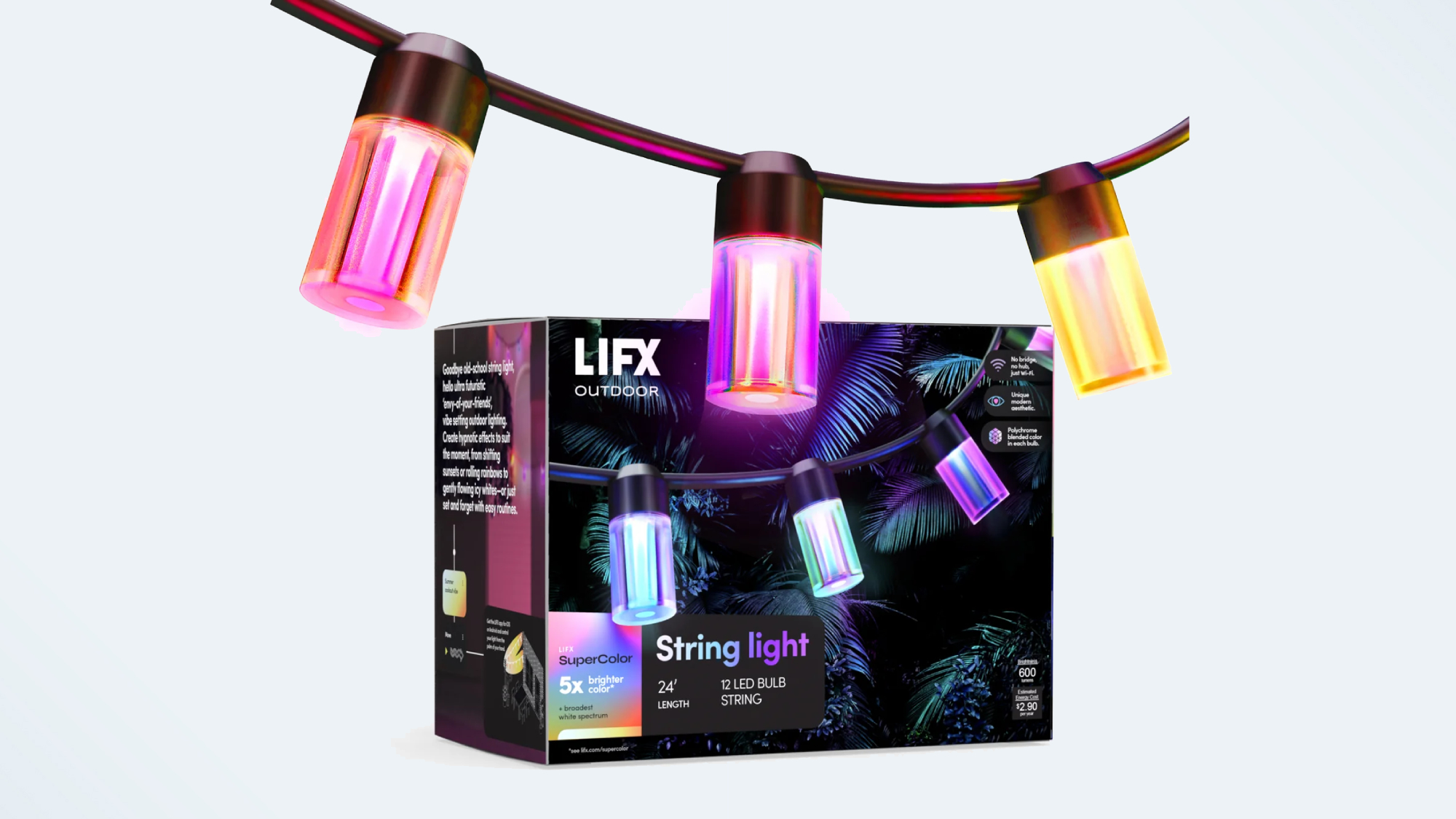
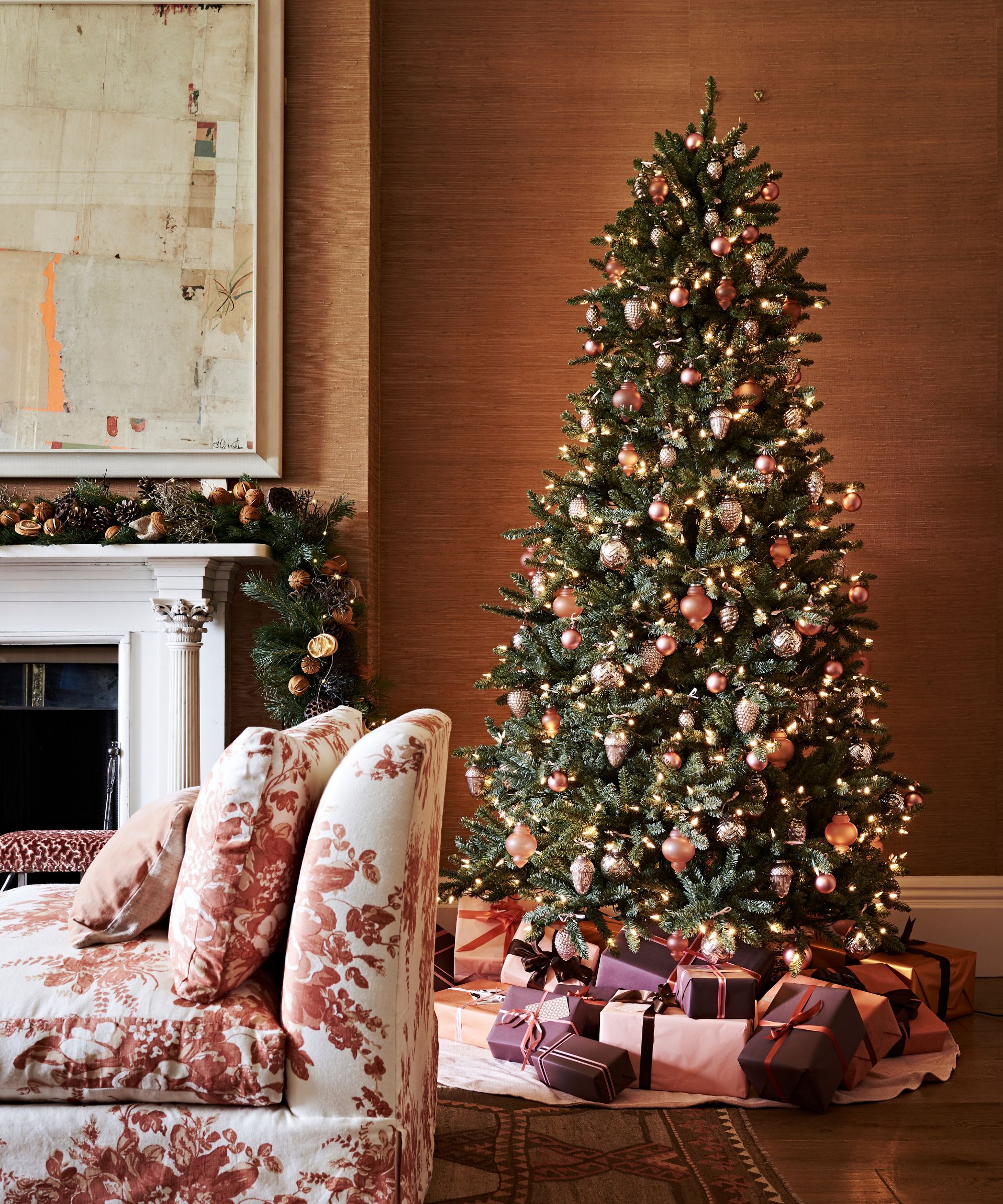
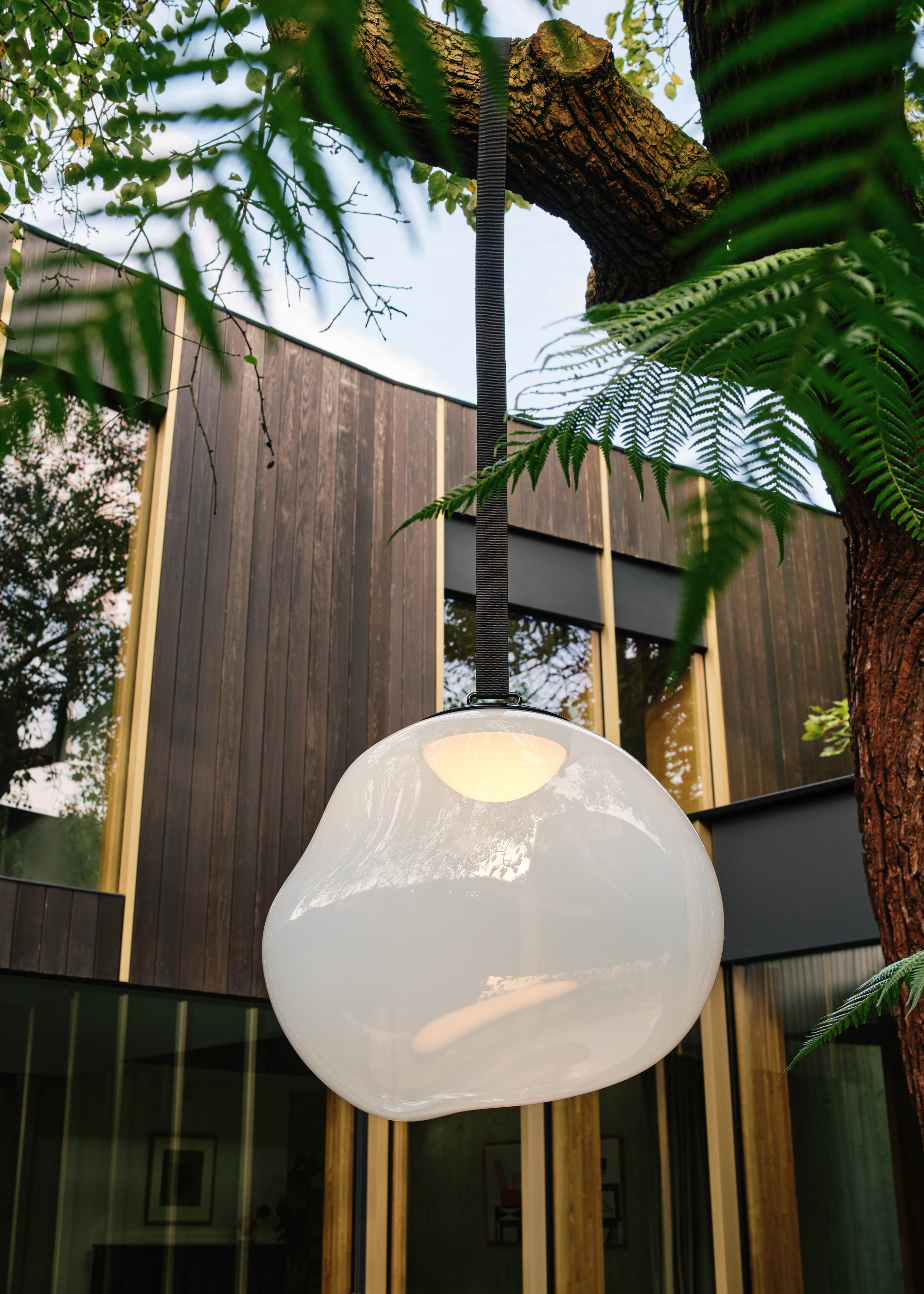
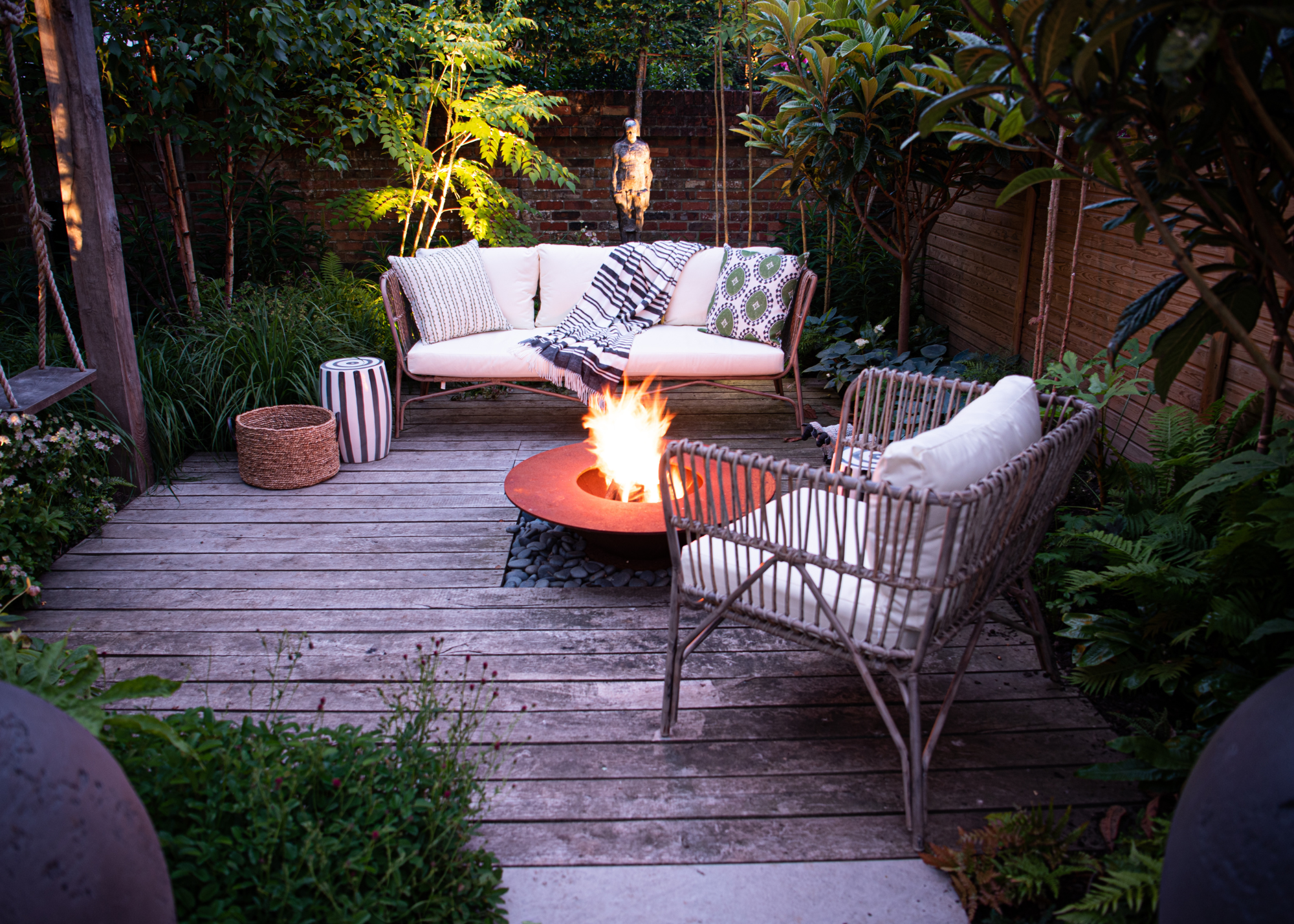
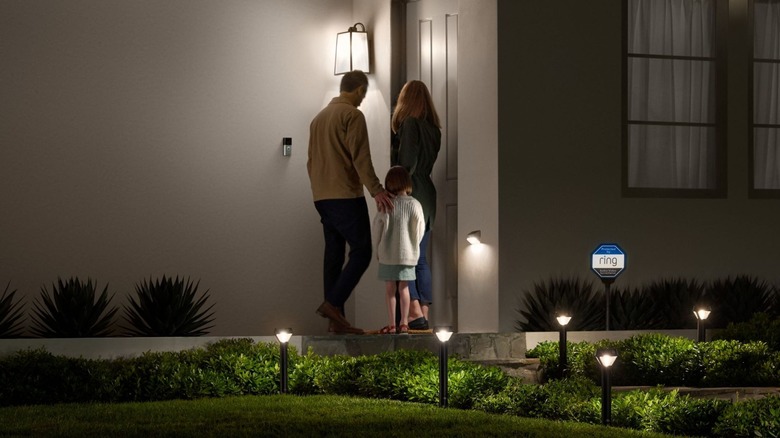
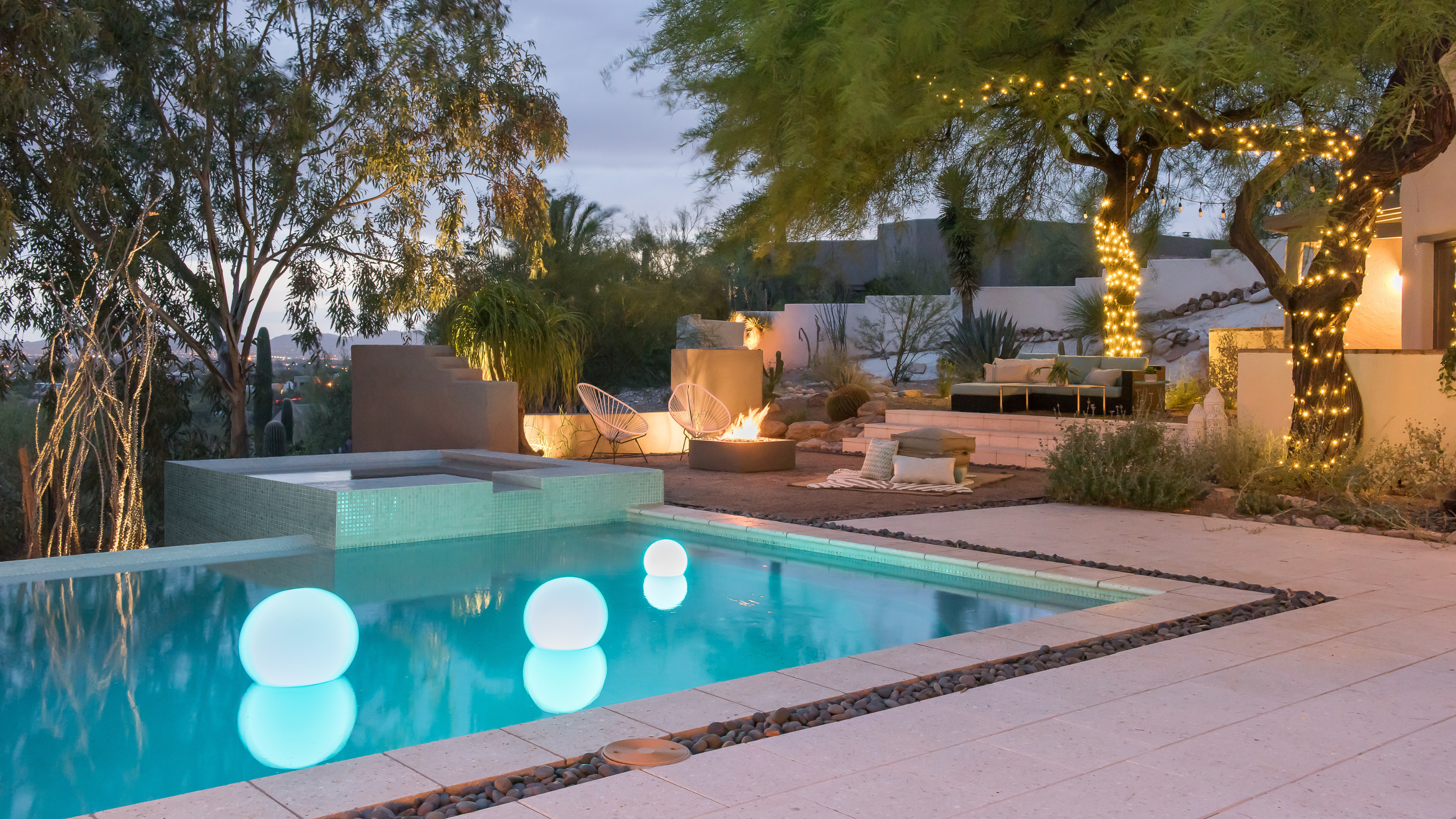
Outdoor smart lighting enhances ambiance and usability for areas like porches, patios, and gardens. String lights and smart solar path lights can create inviting evening atmospheres, with color-changing options allowing for seasonal decorations. Voice control and scheduling features are especially convenient for outdoor setups, enabling lights to turn on at sunset and off at a set time or respond to voice commands. A growing trend is the installation of permanent outdoor lights, which are durable, weatherproof fixtures installed along rooflines and trim. These lights, like the Govee Permanent Outdoor Lights Prism, are designed for year-round use, offering elegant white light or festive color displays. They are easy to control via an app and, once installed, eliminate the need for annual holiday light hanging. While the initial investment can be substantial, various brands offer options at different price points, including Eufy, Lifx, Hampton Bay, Nanoleaf, and Philips Hue.
Overall, smart lighting has evolved to offer practical and aesthetic benefits throughout the home, from improving daily routines and enhancing entertainment to simplifying outdoor and holiday decorating, with increasing affordability and compatibility across devices and platforms.
#SmartLighting #SmartHome #AdaptiveLighting #PhilipsHue #Govee #Nanoleaf #MatterStandard #HomeAutomation #HomeDecor #SmartLighting #SmartHome #AdaptiveLighting #PhilipsHue #Govee #Nanoleaf #MatterStandard #HomeAutomation #HomeDecor
0개의 댓글이 총 표시됩니다.
 아직 댓글이 없습니다
추가로 마음에 드릴 만한 콘텐츠
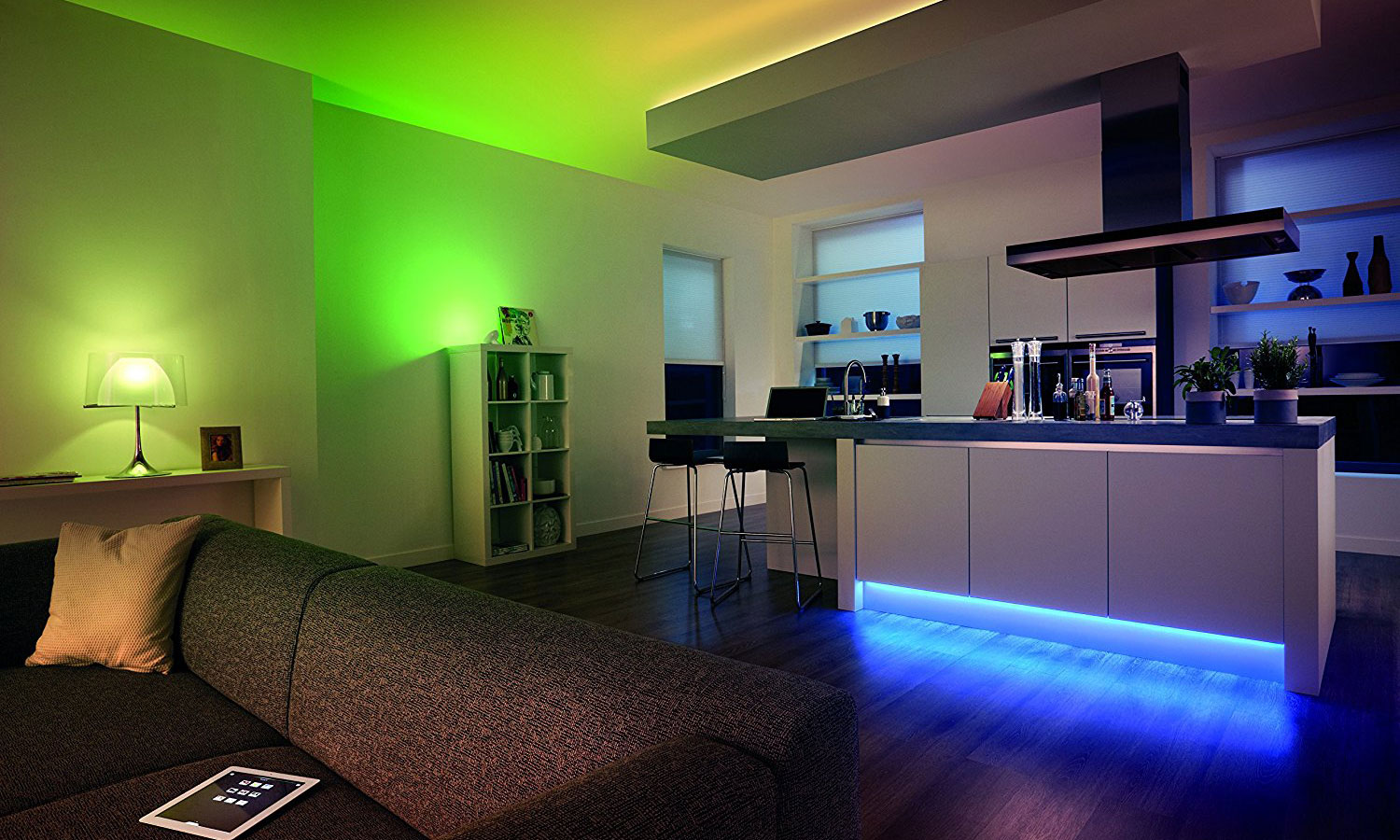
The best smart lights

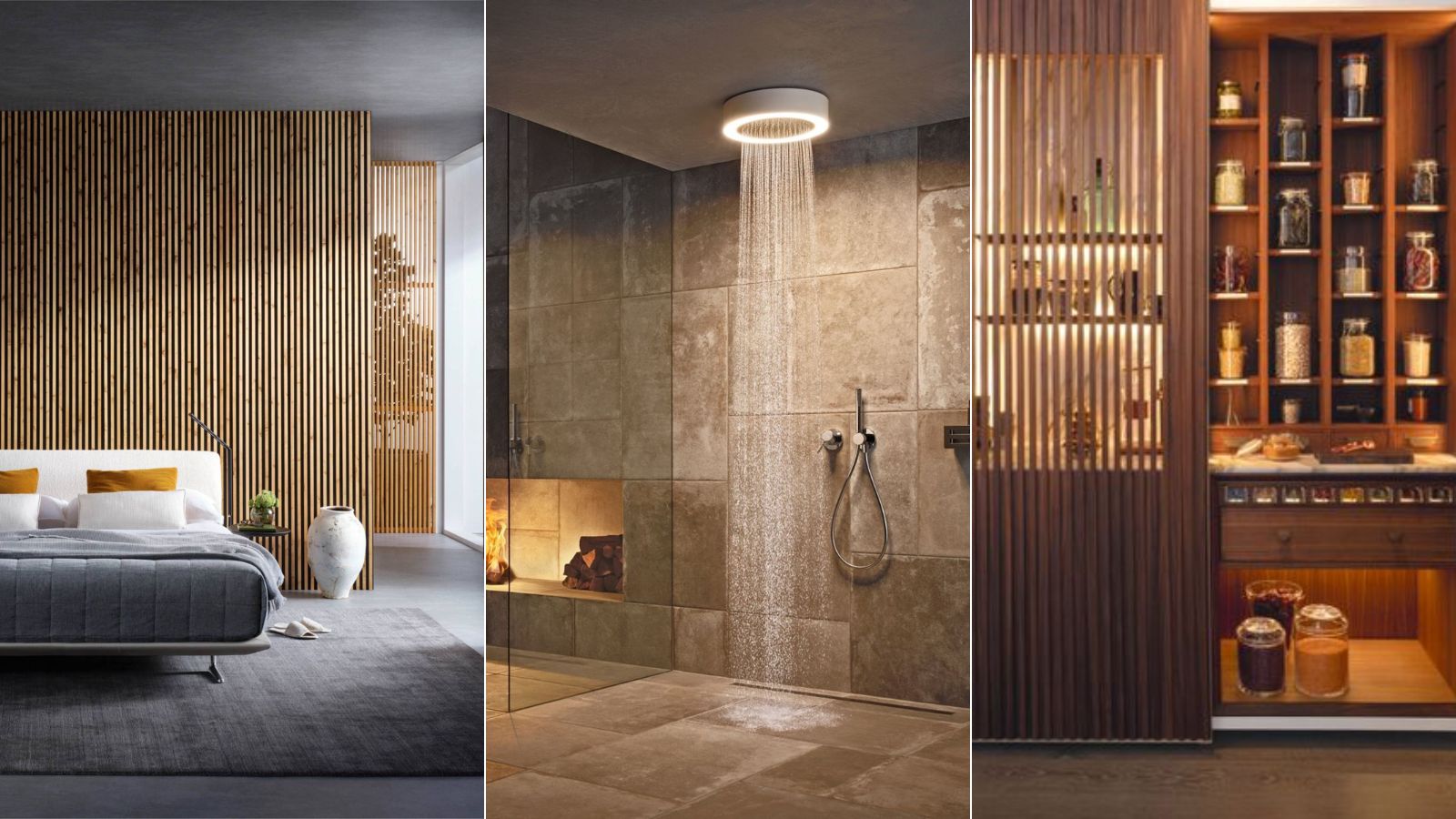
5 ways you didn't know smart lighting can improve your living space and wellbeing


This Smart Bulb Rescued My Rental Apartment From the Horror of ‘The Big Light’ | Reviews by Wirecutter
Experts Say These 6 Lighting Trends Will Be Illuminating Homes in 2025

Upgrade Your Lighting With These Smart Light Switches

This DIY Lighting Solution is Perfect for Closets and Other Dark Spaces

How to Use Smart Lights Better | Reviews by Wirecutter
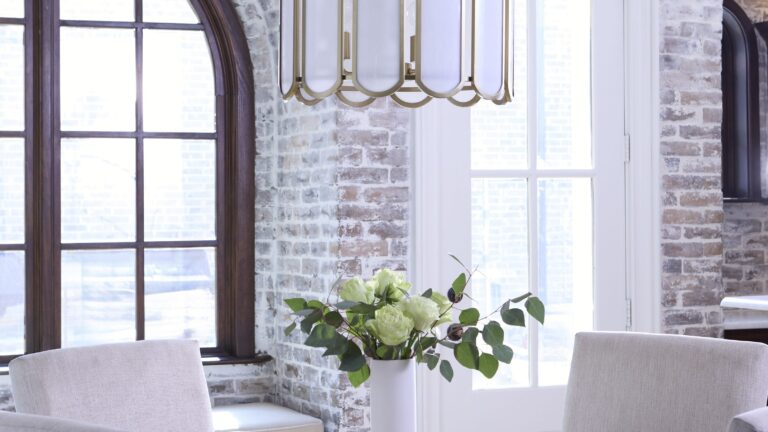
New lighting? Designers offer tips for upgrades that shine.

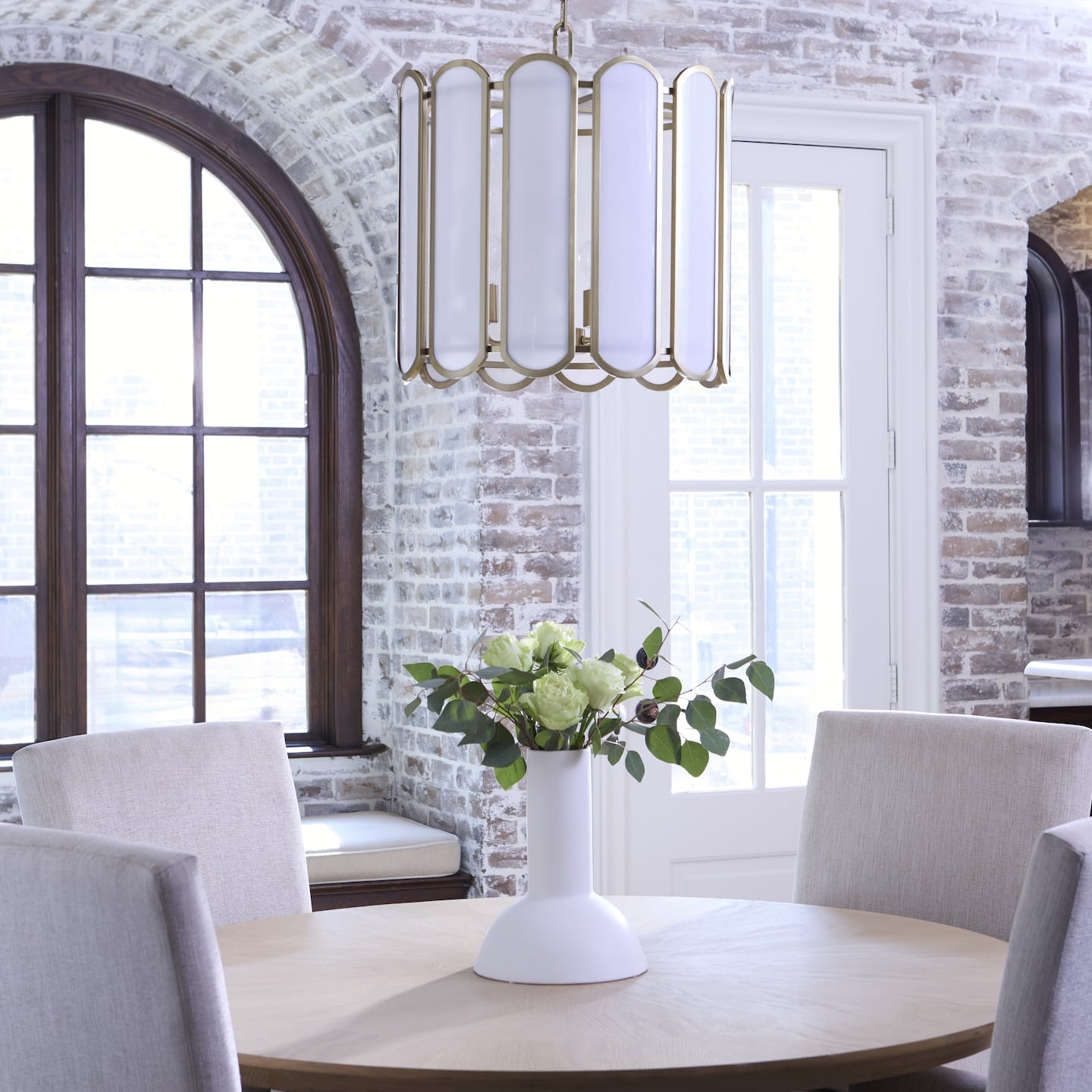
Design experts offer lighting tips for upgrades that shine

lighting design Archives
Homestyle: Lighting the way
Best Lighting Designs Spotted in 2023

How to Use Ambient Sensing in Smart Lighting for Energy Efficiency

4 Ways Smart Lights Can Elevate Indoor Holiday Gatherings and Save Up to 90% of Your Usual Energy Usage
The Magic of ADAPTIVE’s 8 Layers of Lighting Design

I used this smart light strip to transform my living room — and it's been a game changer for my home
An interior designer’s guide to lighting your home

5 Outdoor Lighting Trends Designers Are Using to Give Gardens a Glow Up After Dark in 2025

Major Smart Lighting Brands Ranked Worst To Best

14 Tips for Lighting Your Home Like a Designer Before Daylight Savings Ends