1/8
Decorating with vintage – 7 of the best ways to bring character into the home
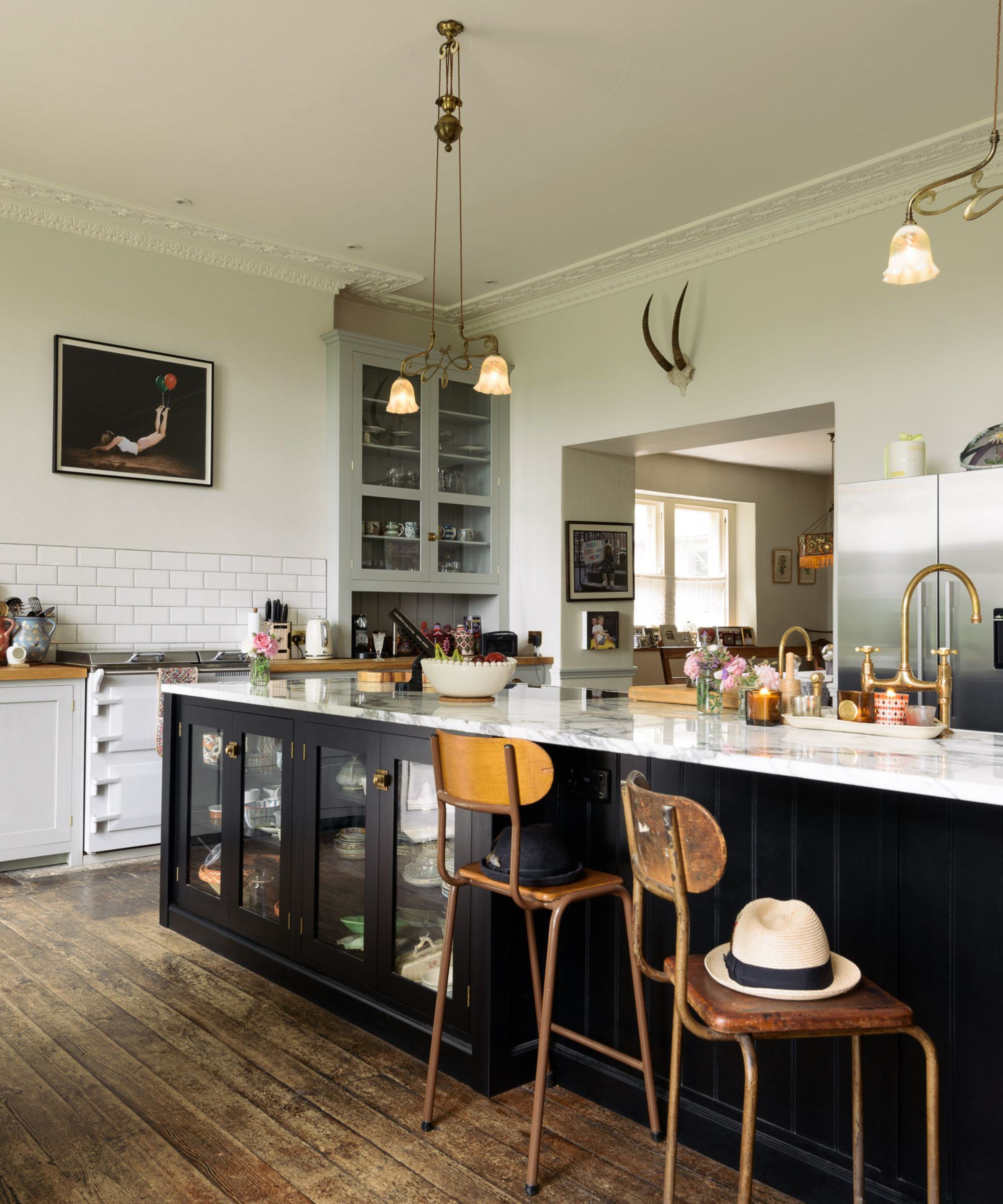
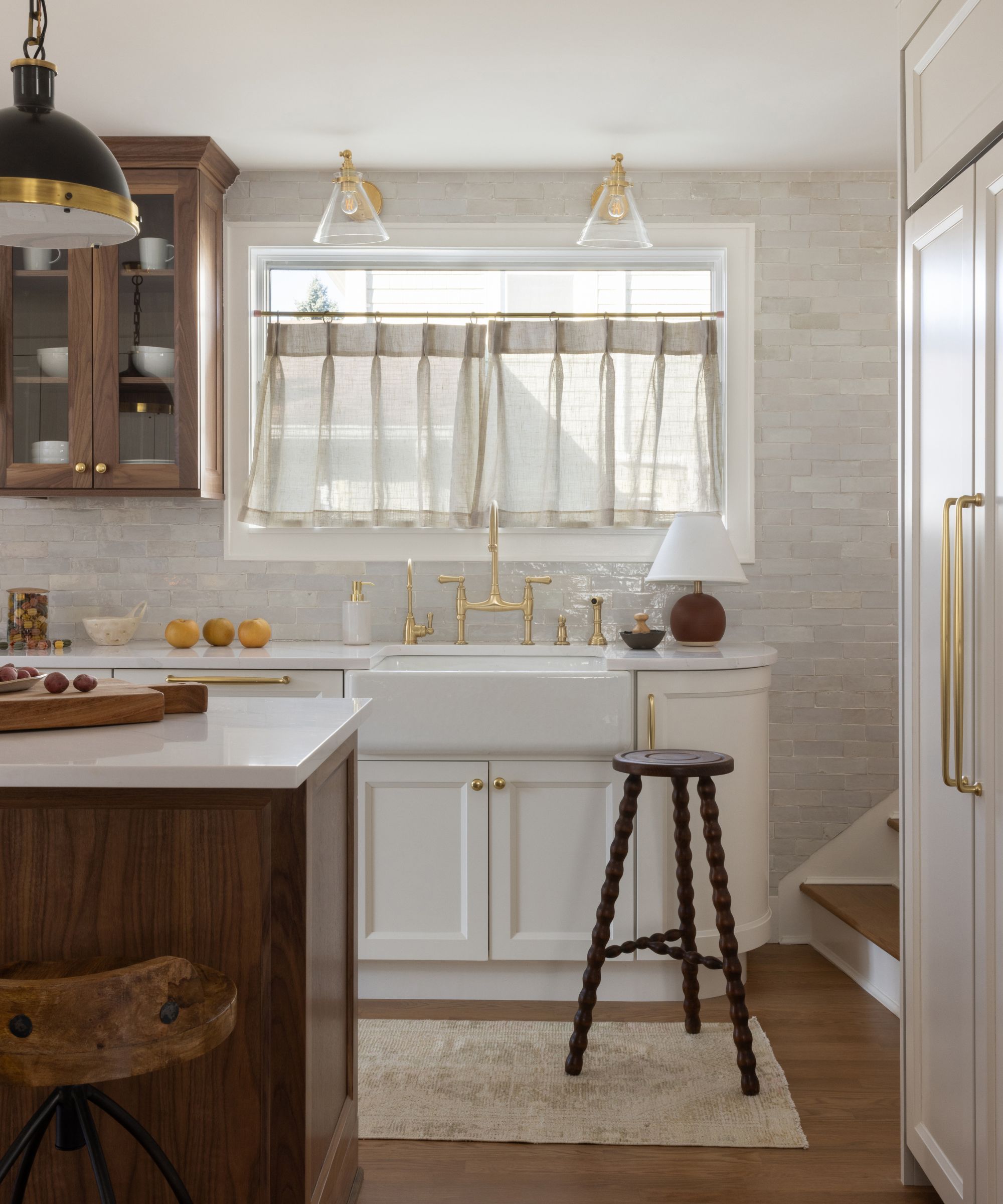
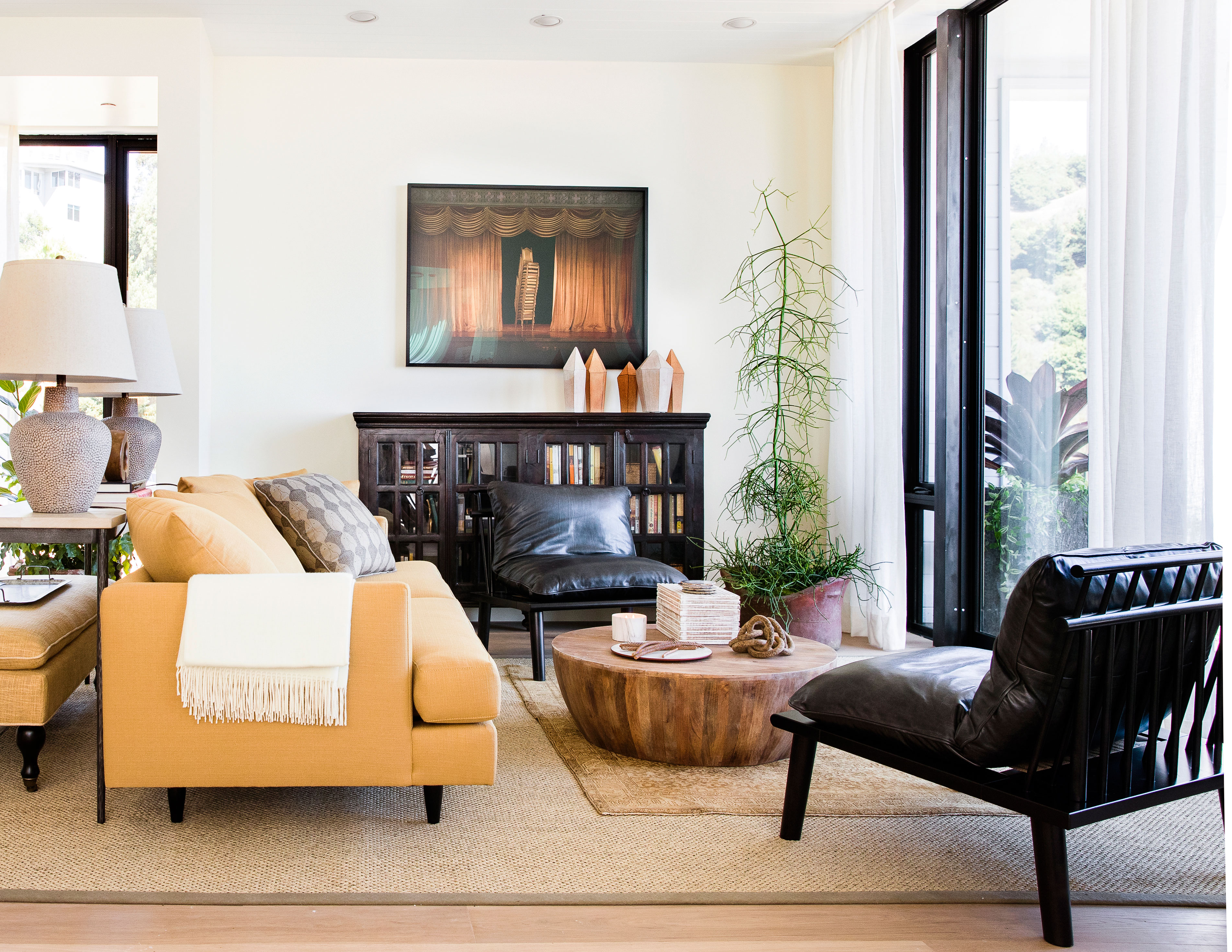
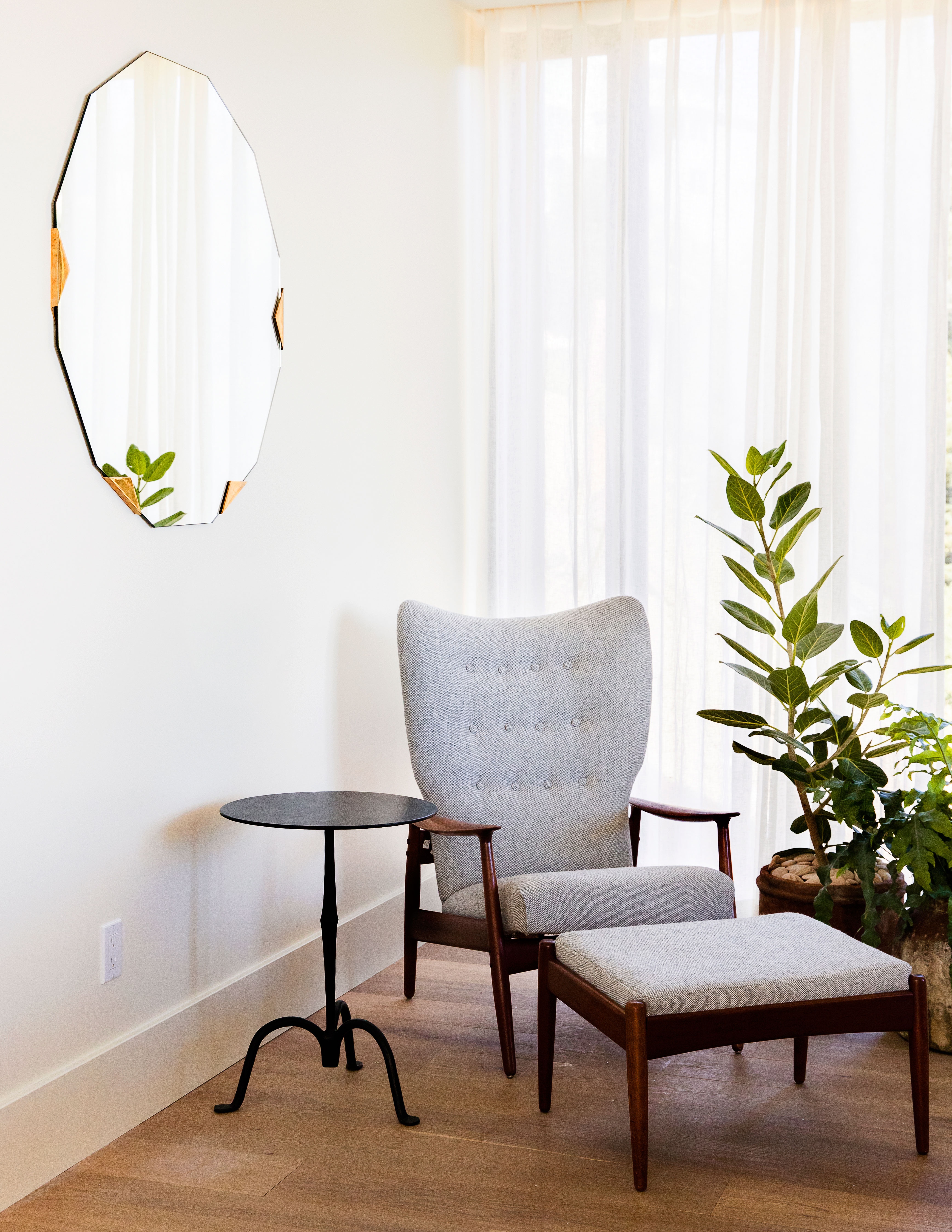
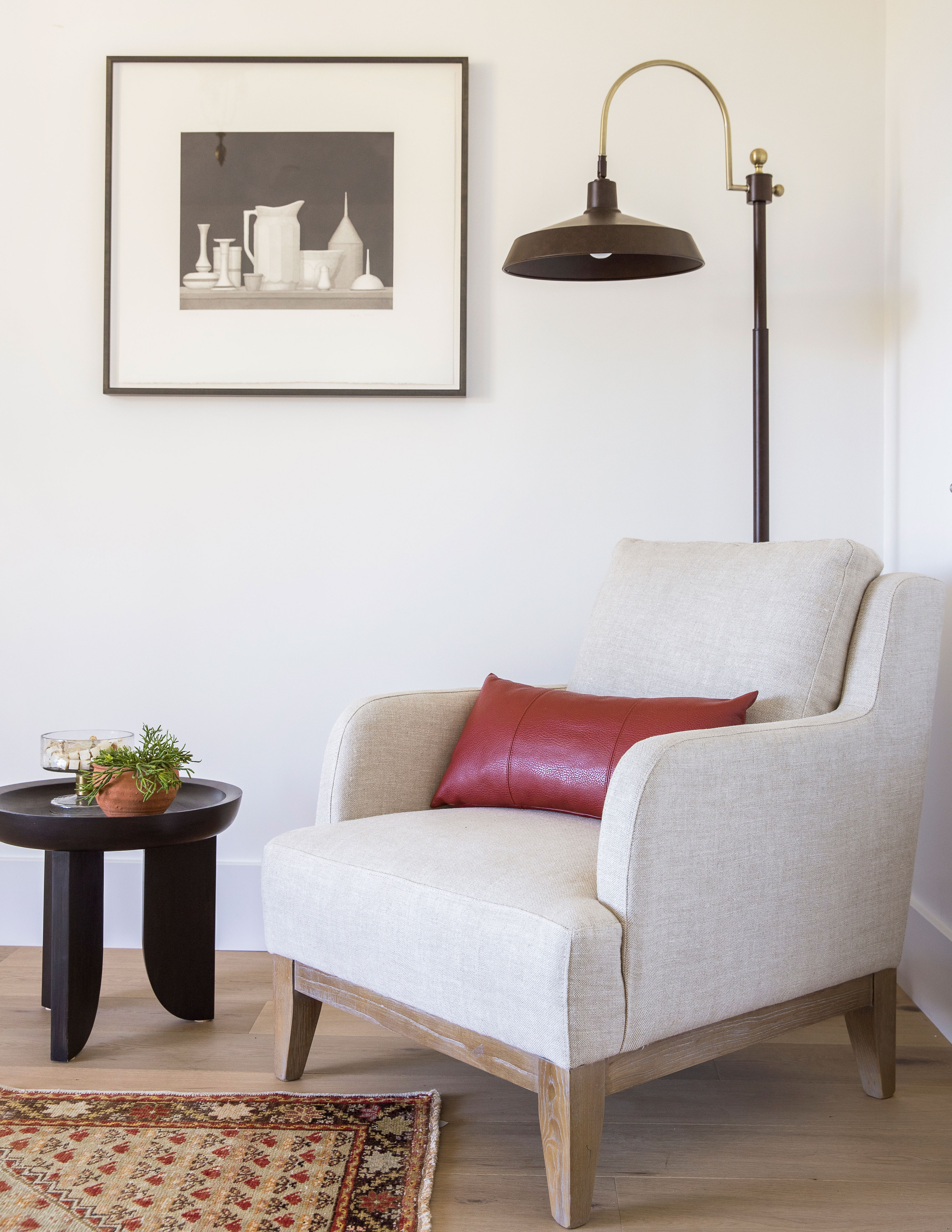
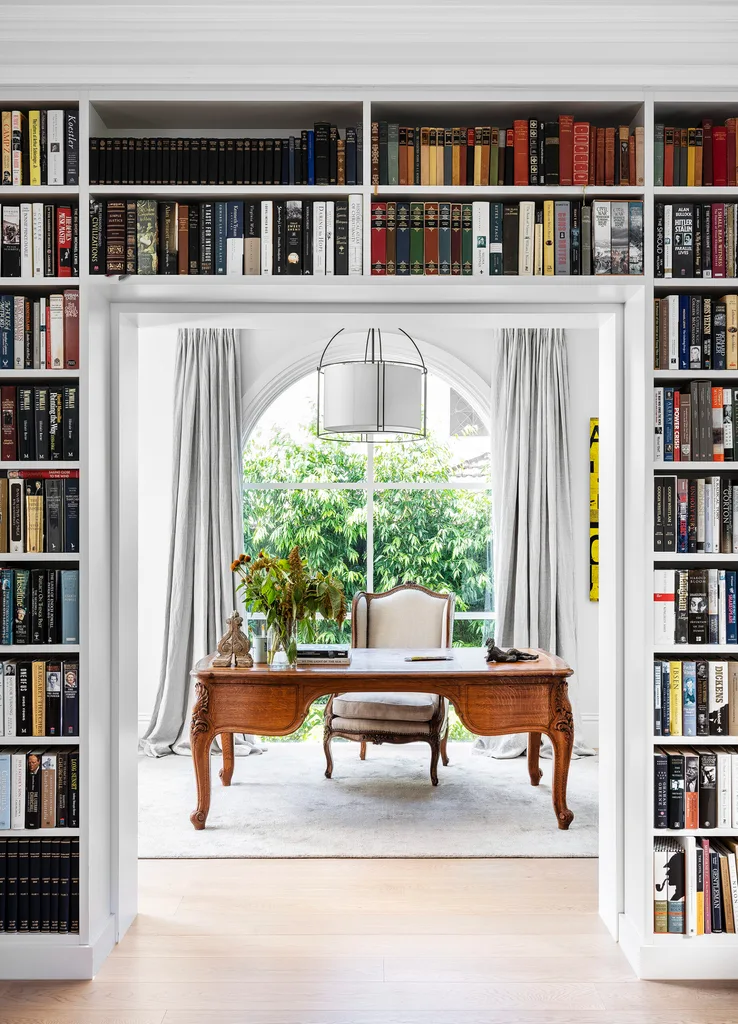
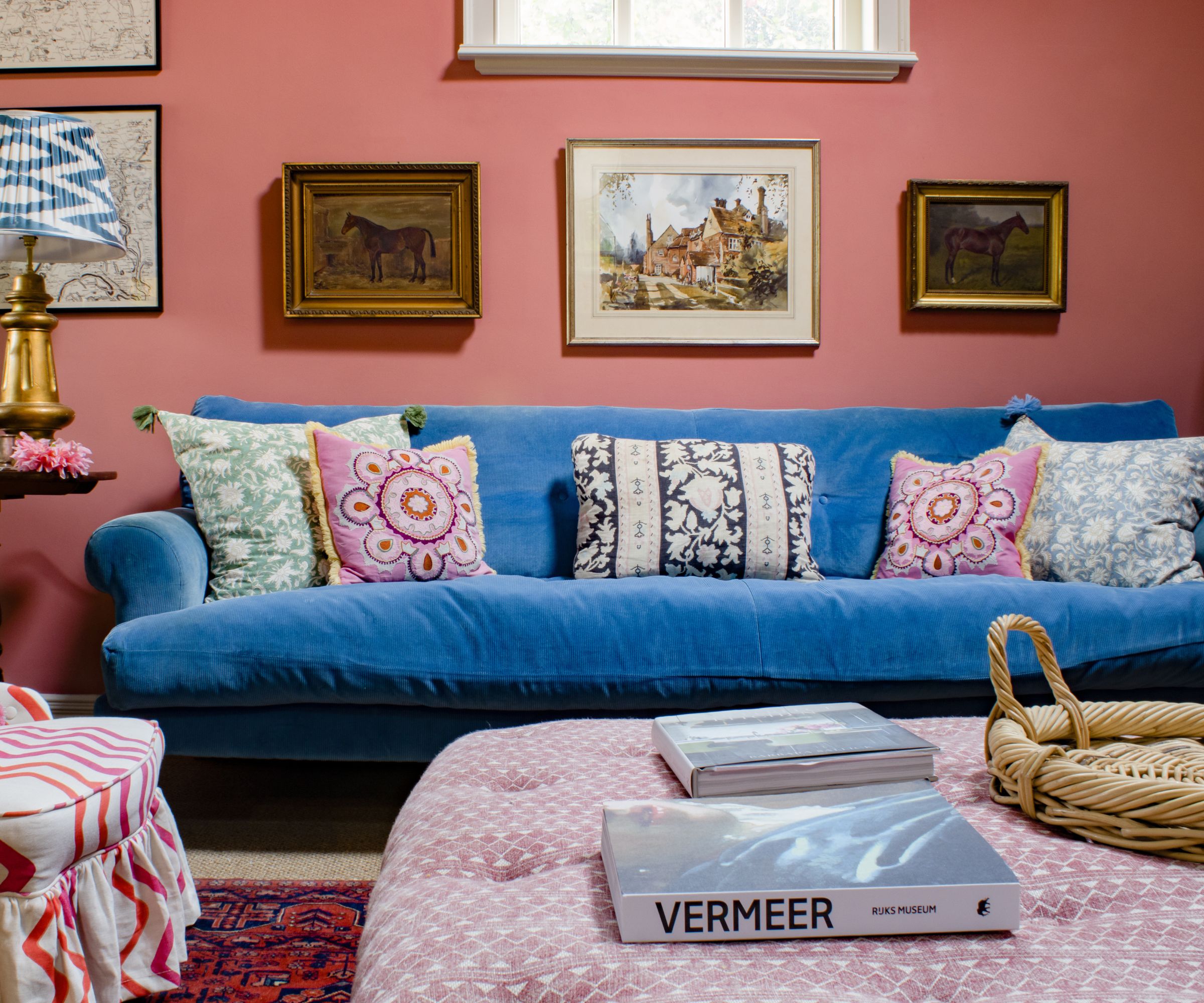
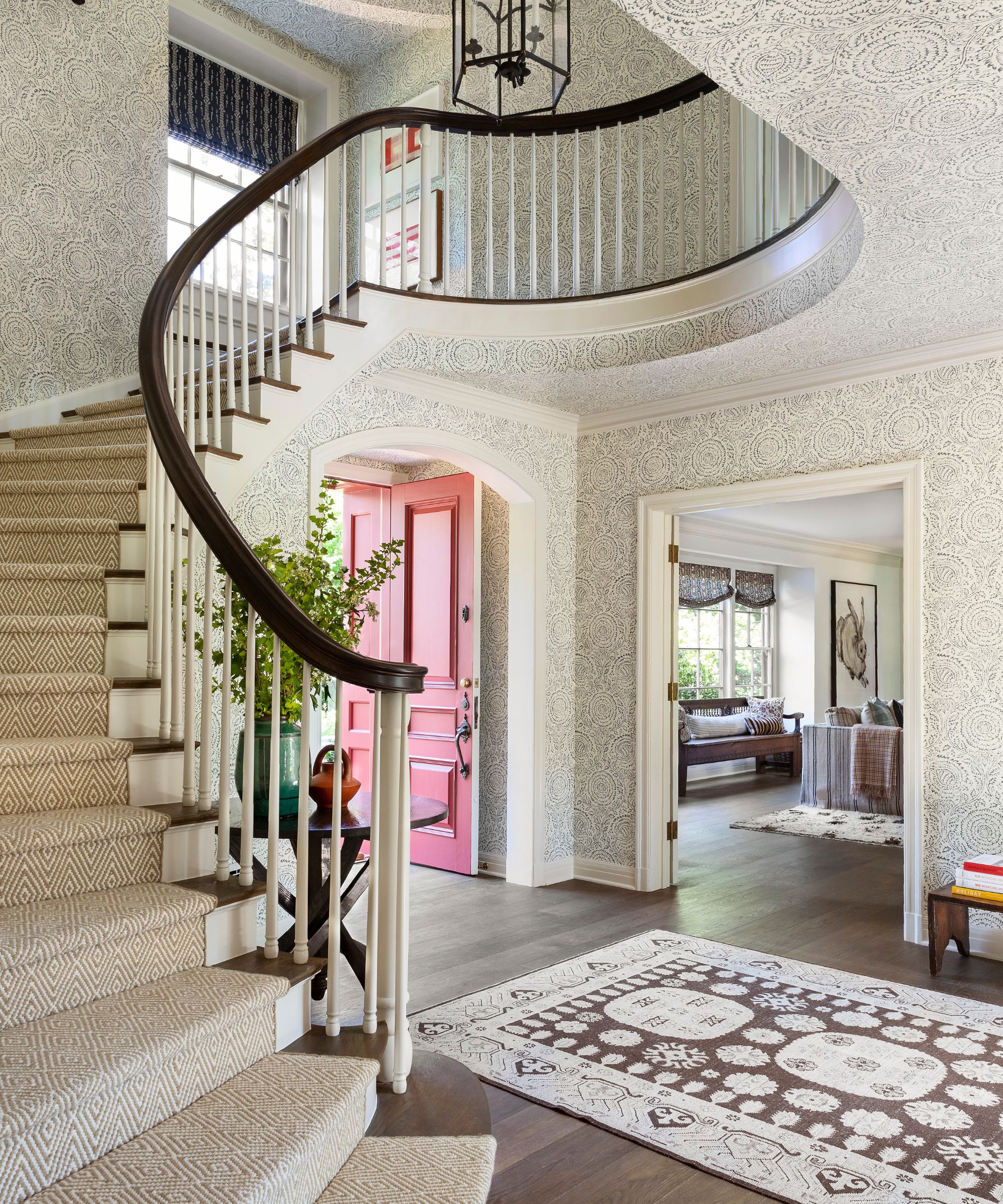
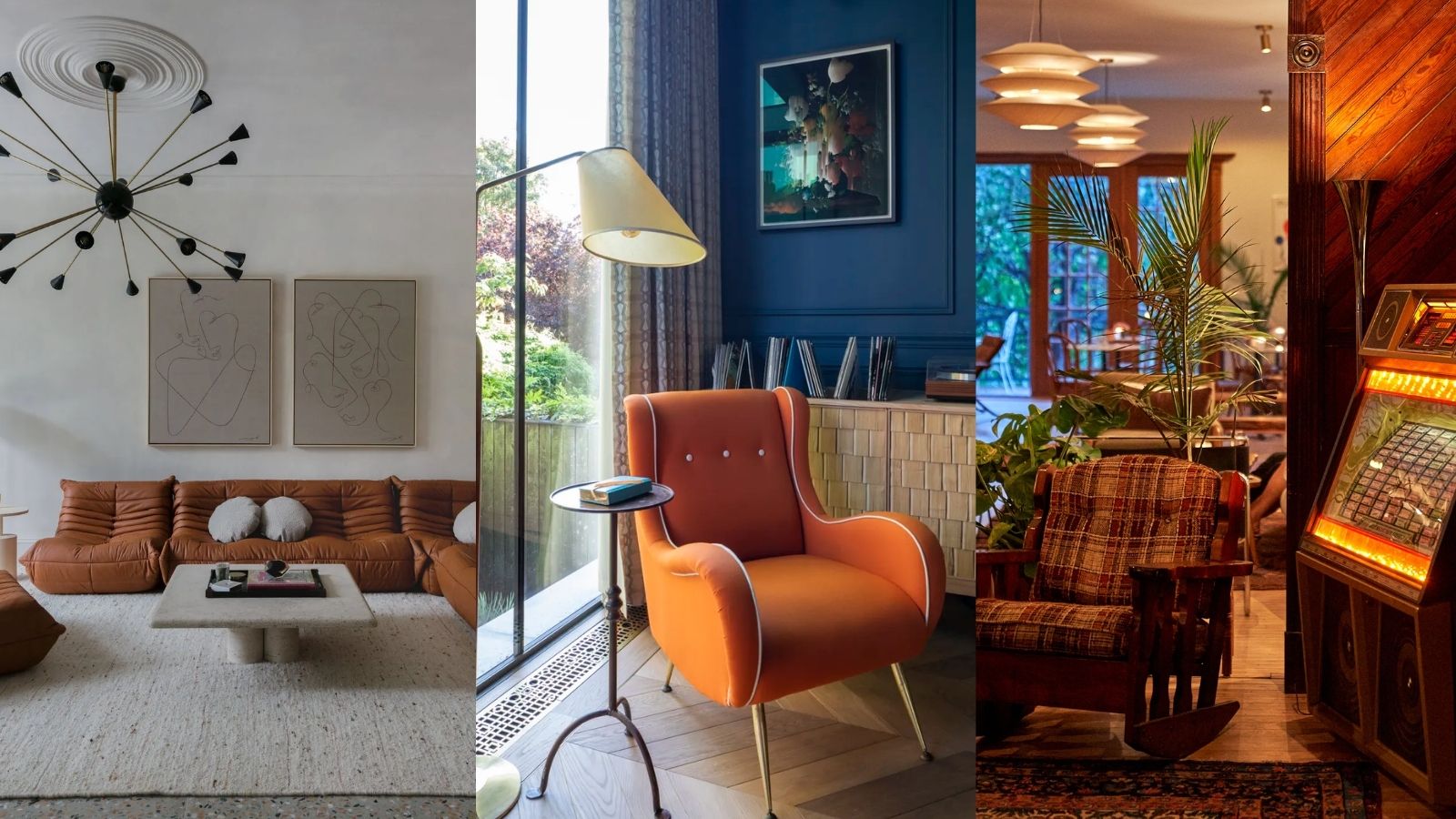
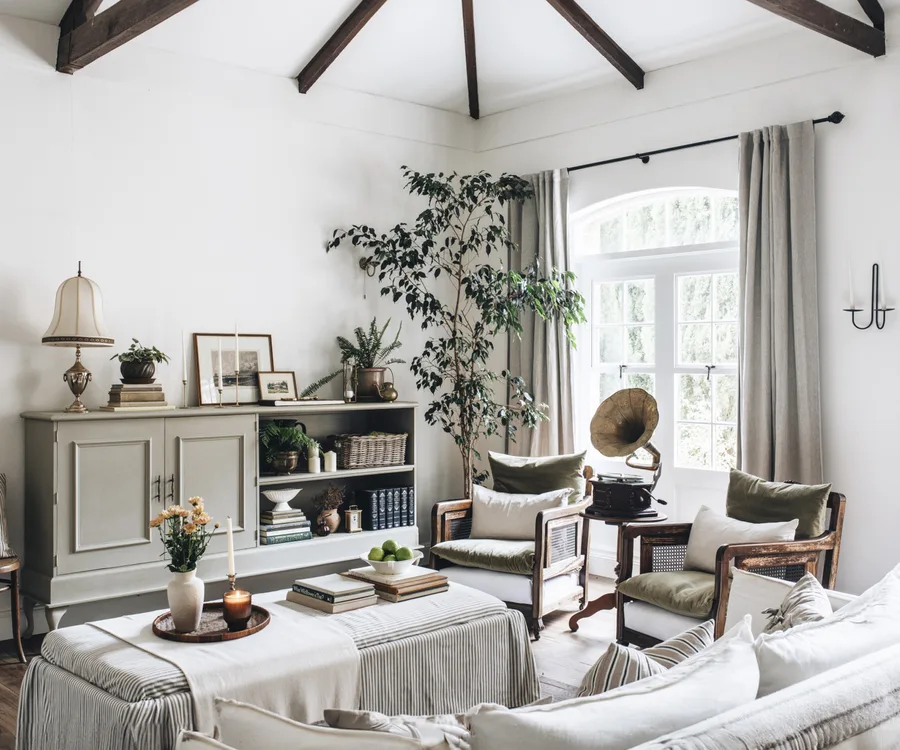
Decorating with vintage elements offers a unique approach to interior design, allowing homeowners to infuse personality, charm, and originality into their living spaces. This style deviates from generic, mass-produced aesthetics, embracing items with a history and distinct character. The enduring appeal of vintage decor lies in its versatility, as it seamlessly integrates into various home styles, reflecting the owner's refined taste. Designers frequently incorporate second-hand pieces, such as upholstered furniture and antique lighting, into their projects, recognizing their ability to create an eclectic and cultivated atmosphere.
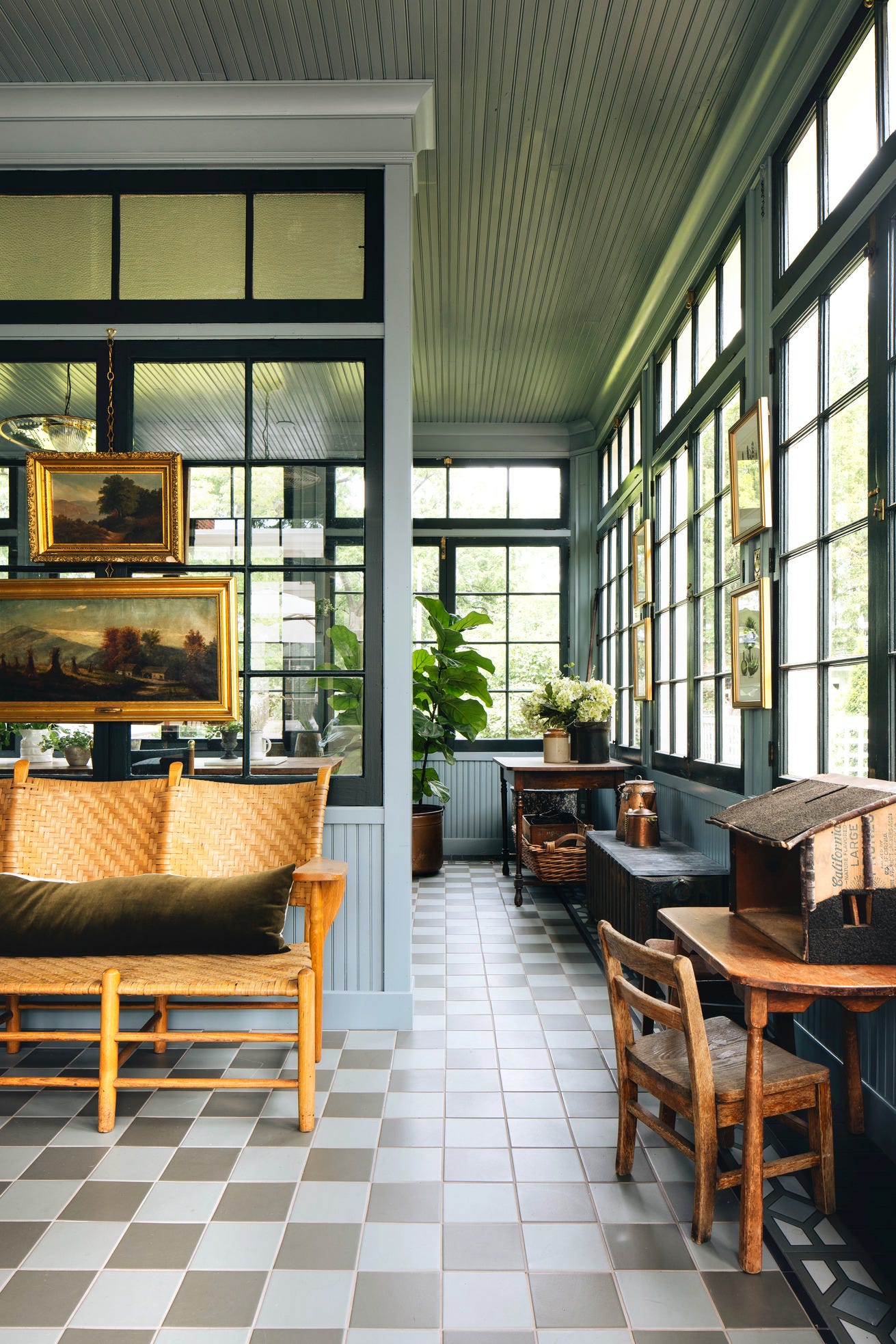
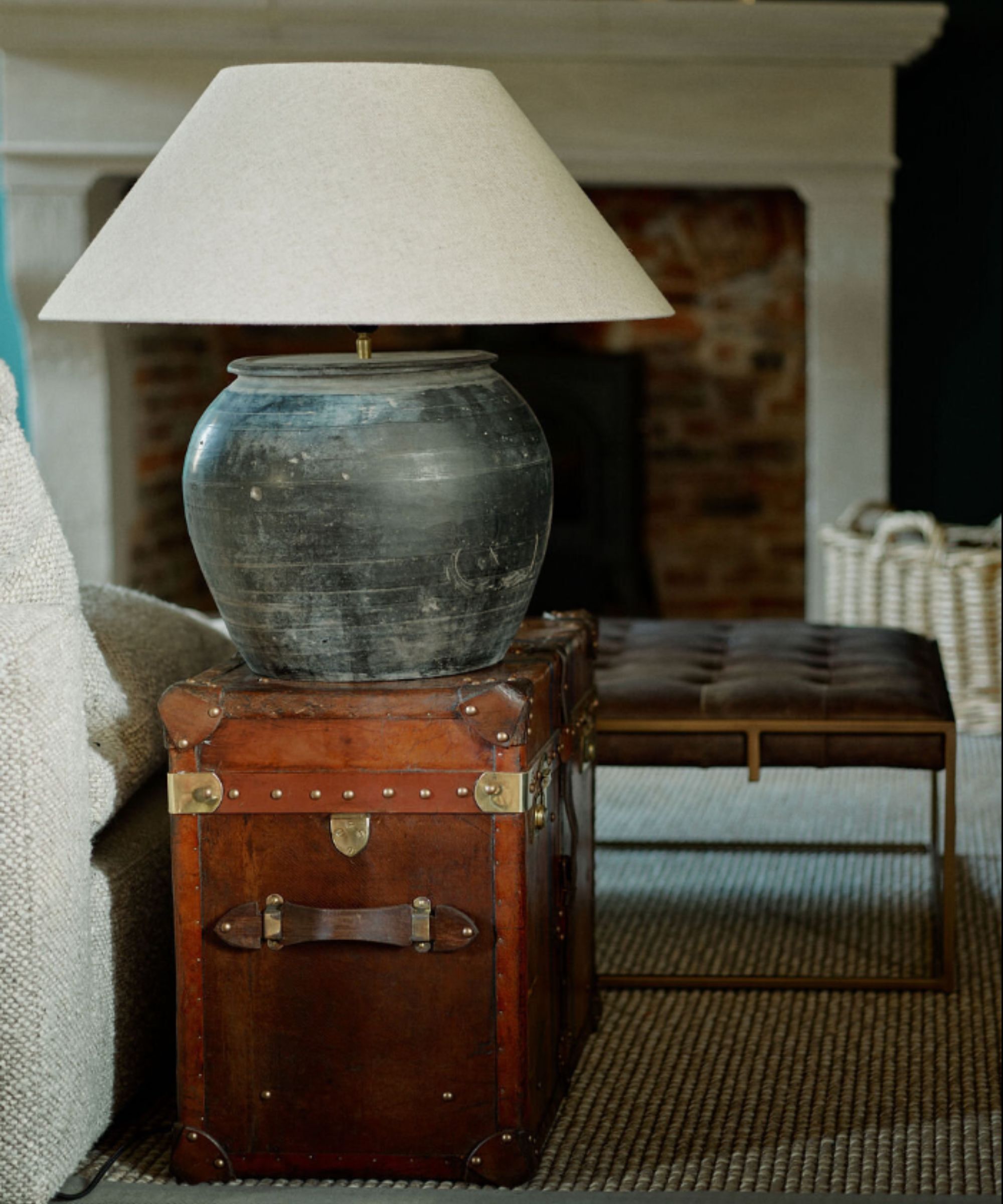
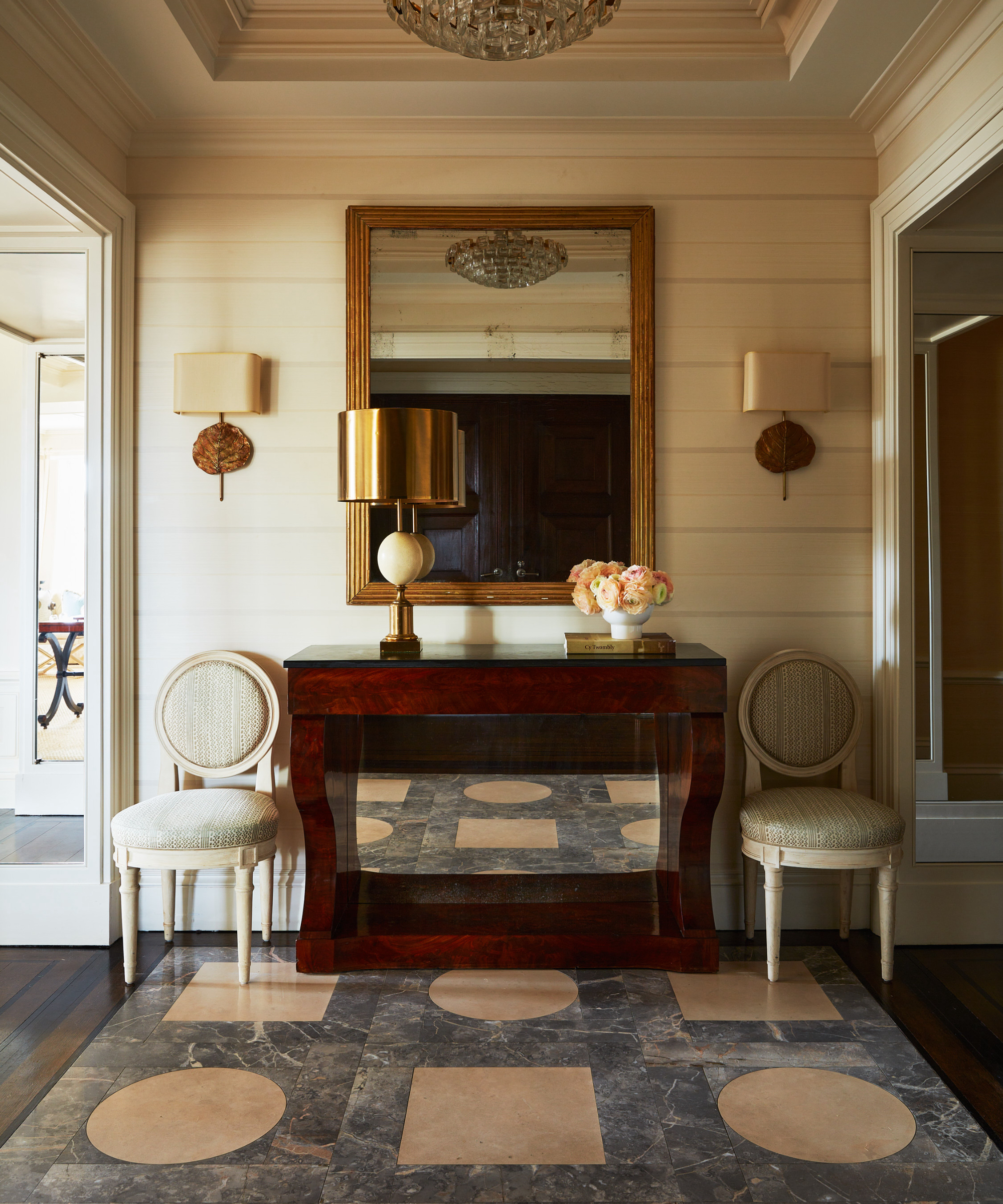
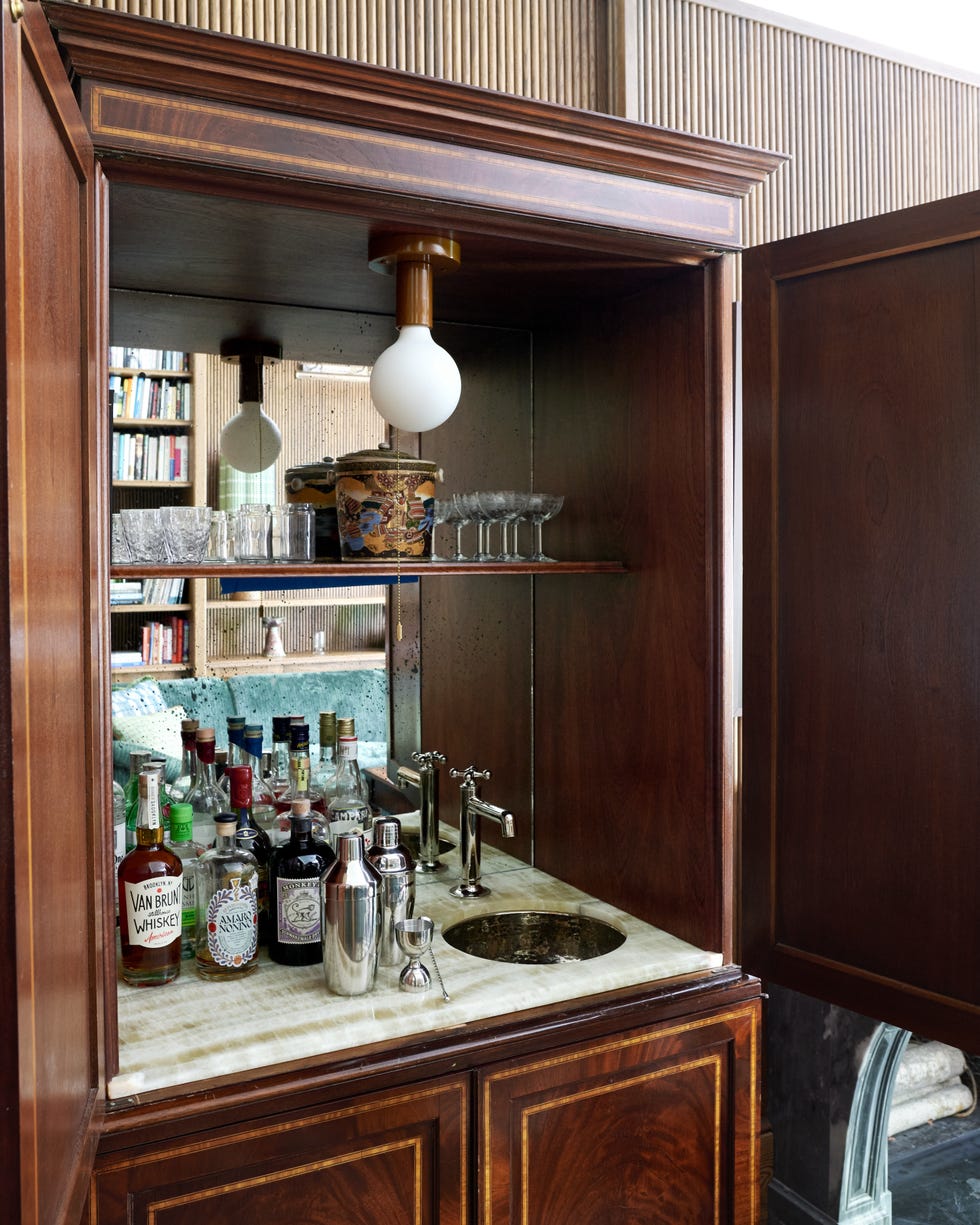
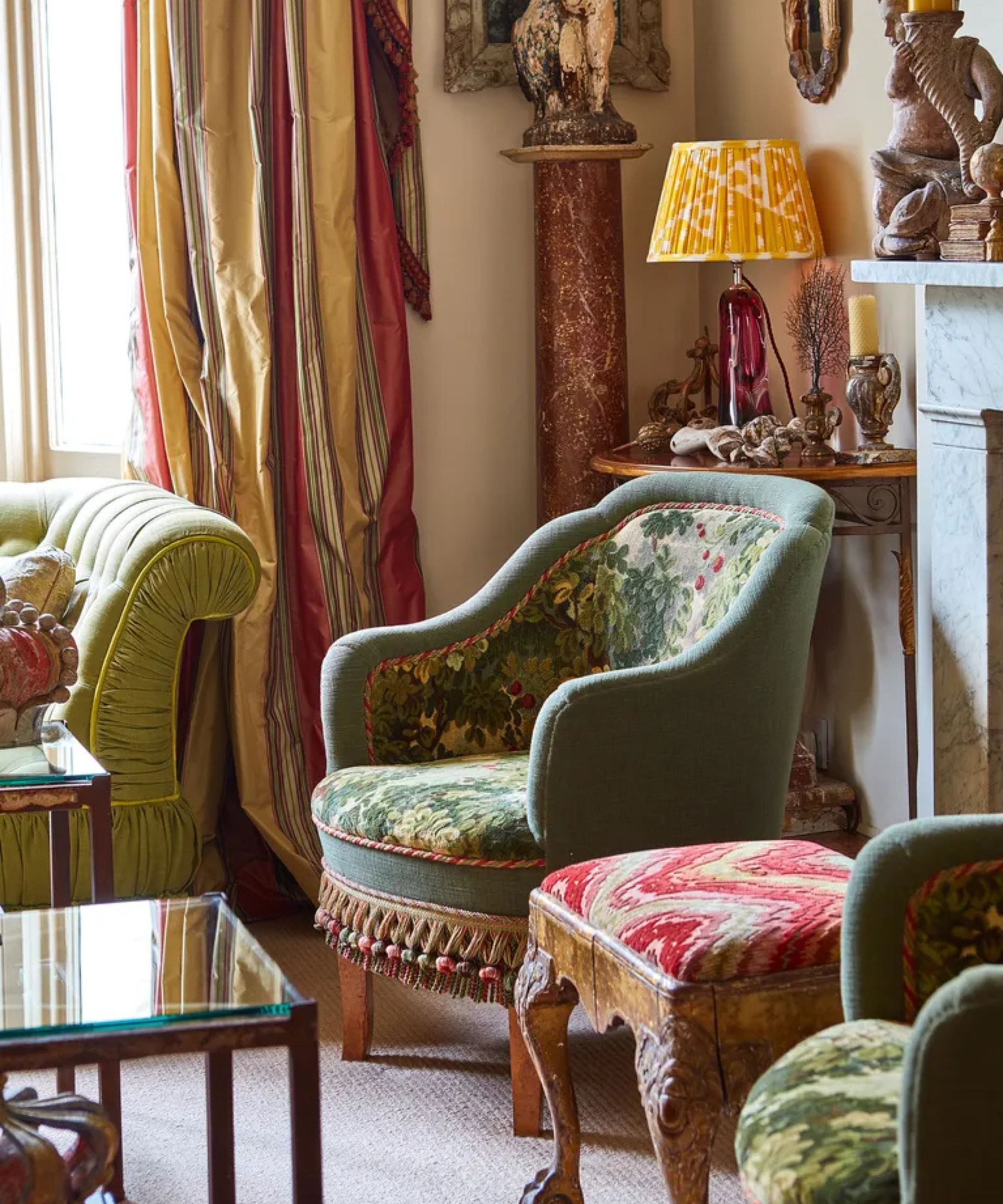
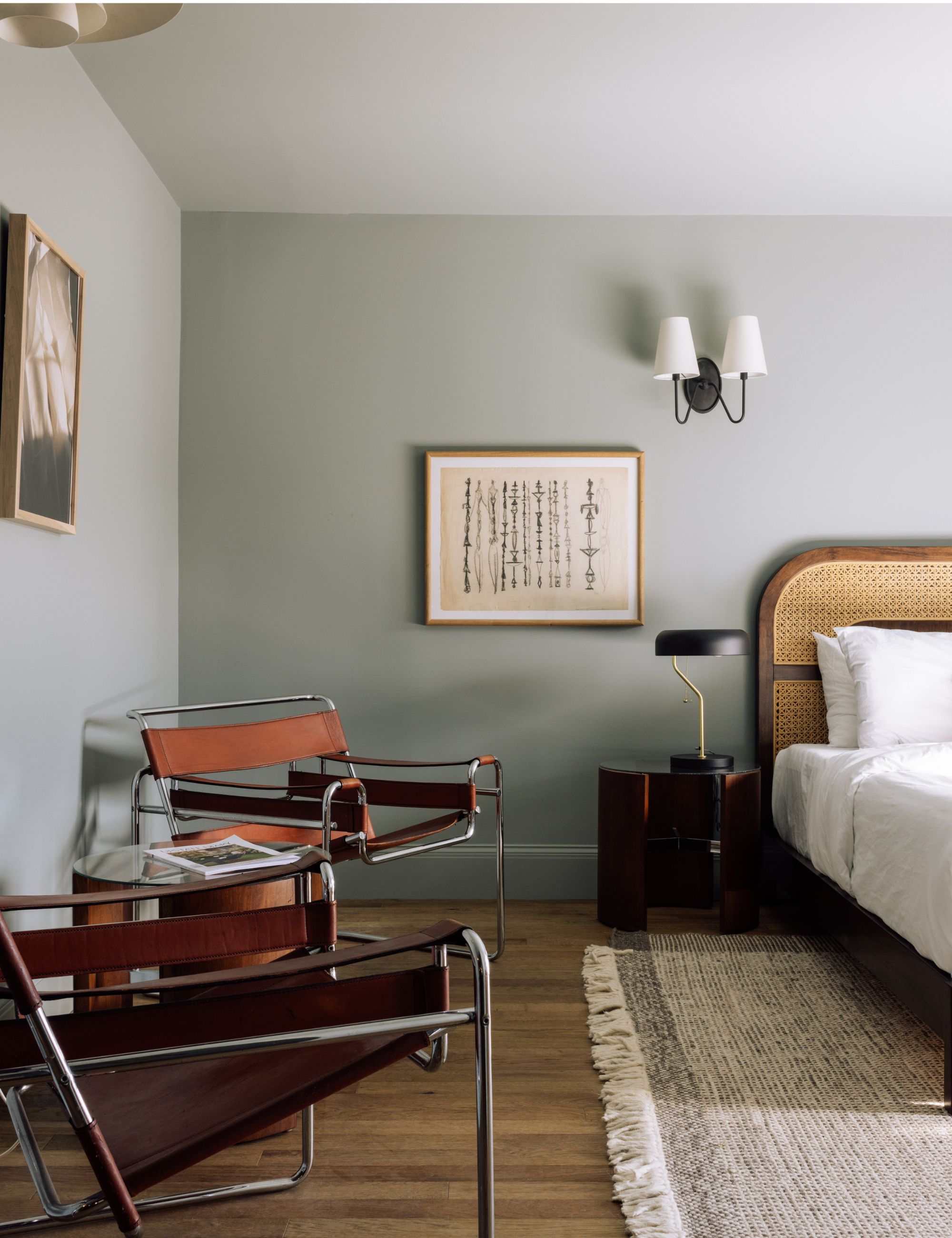
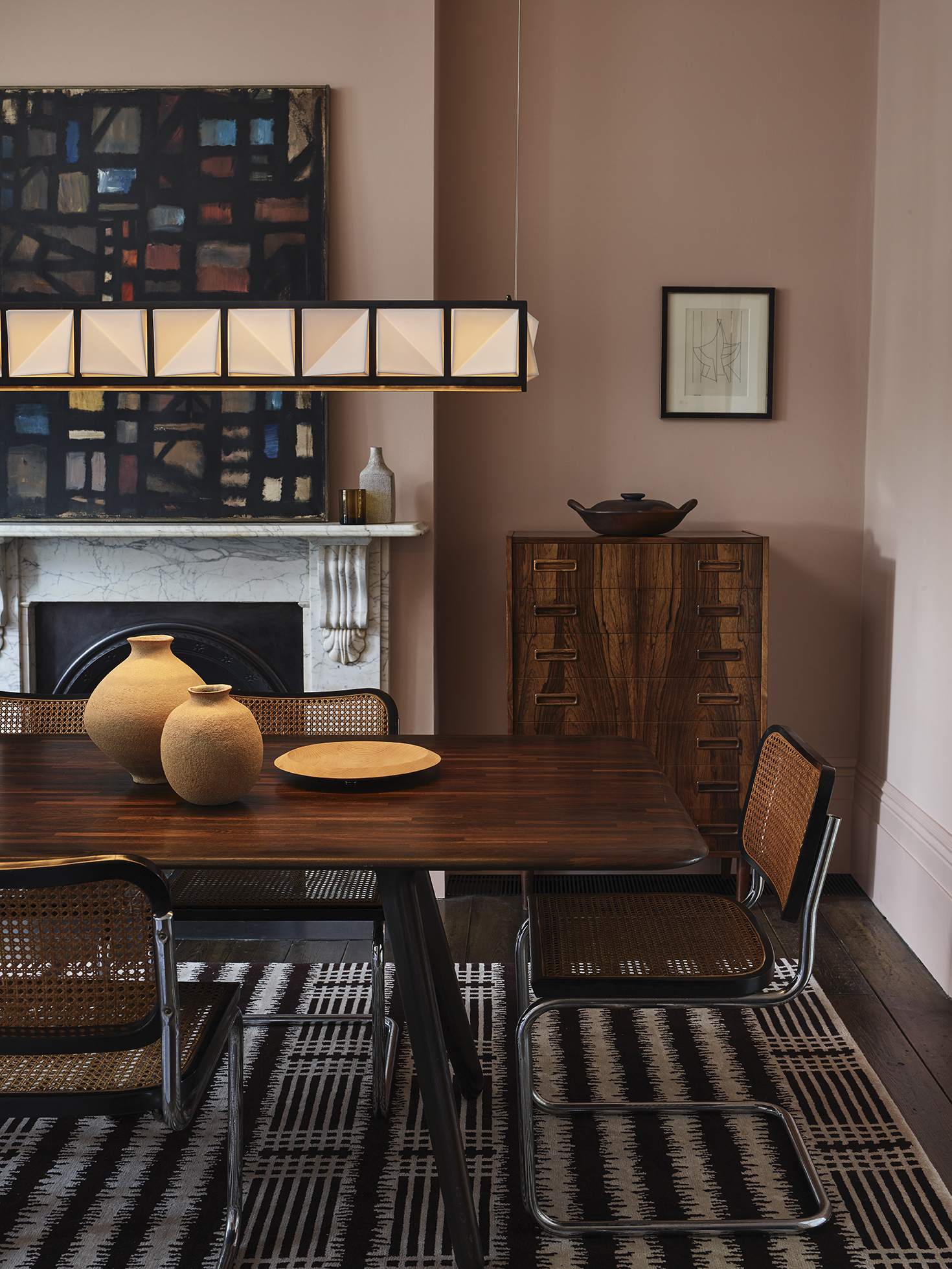
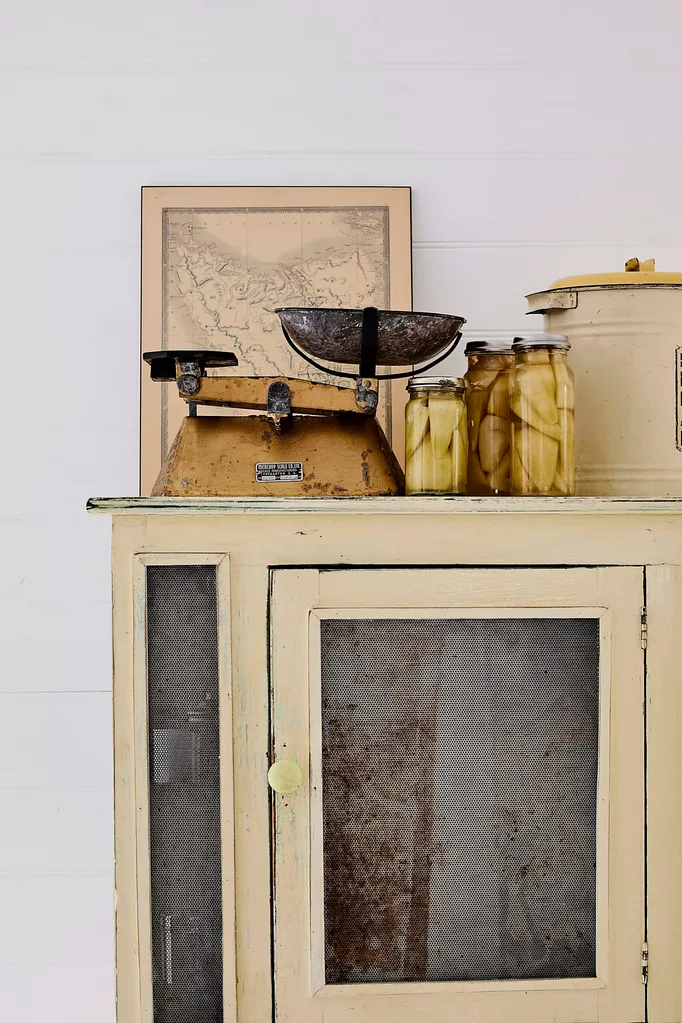
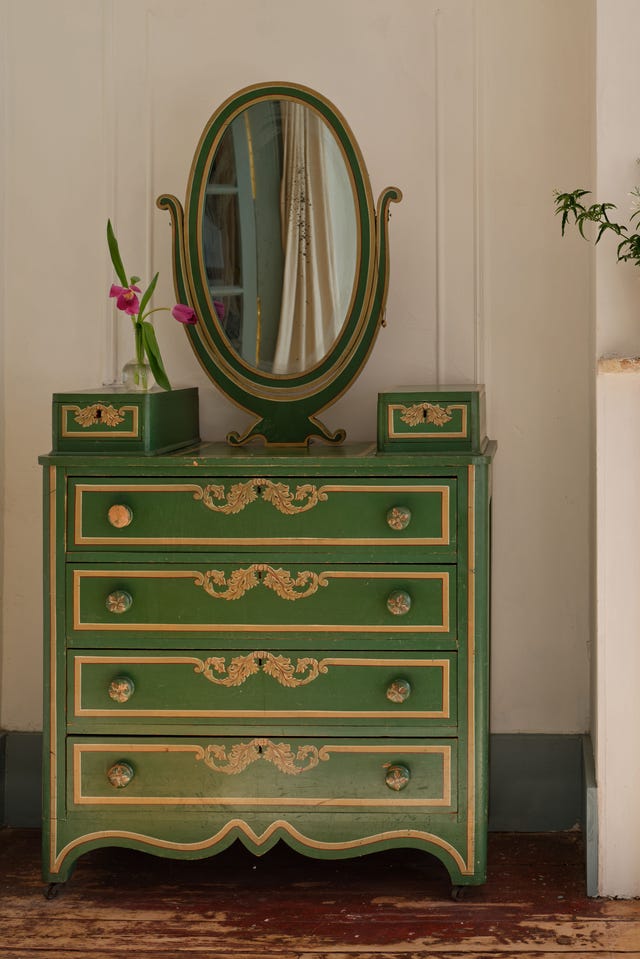
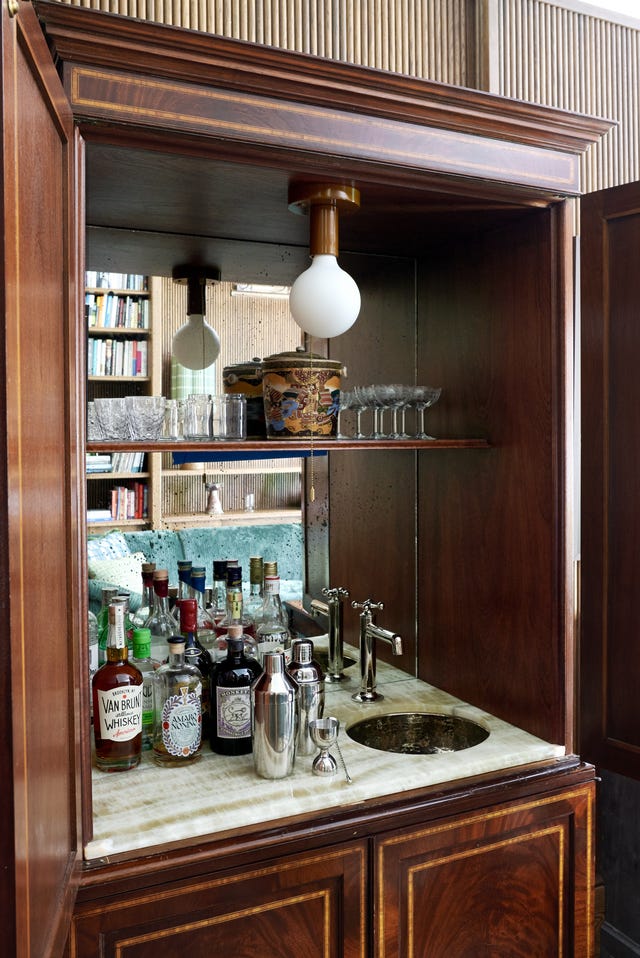
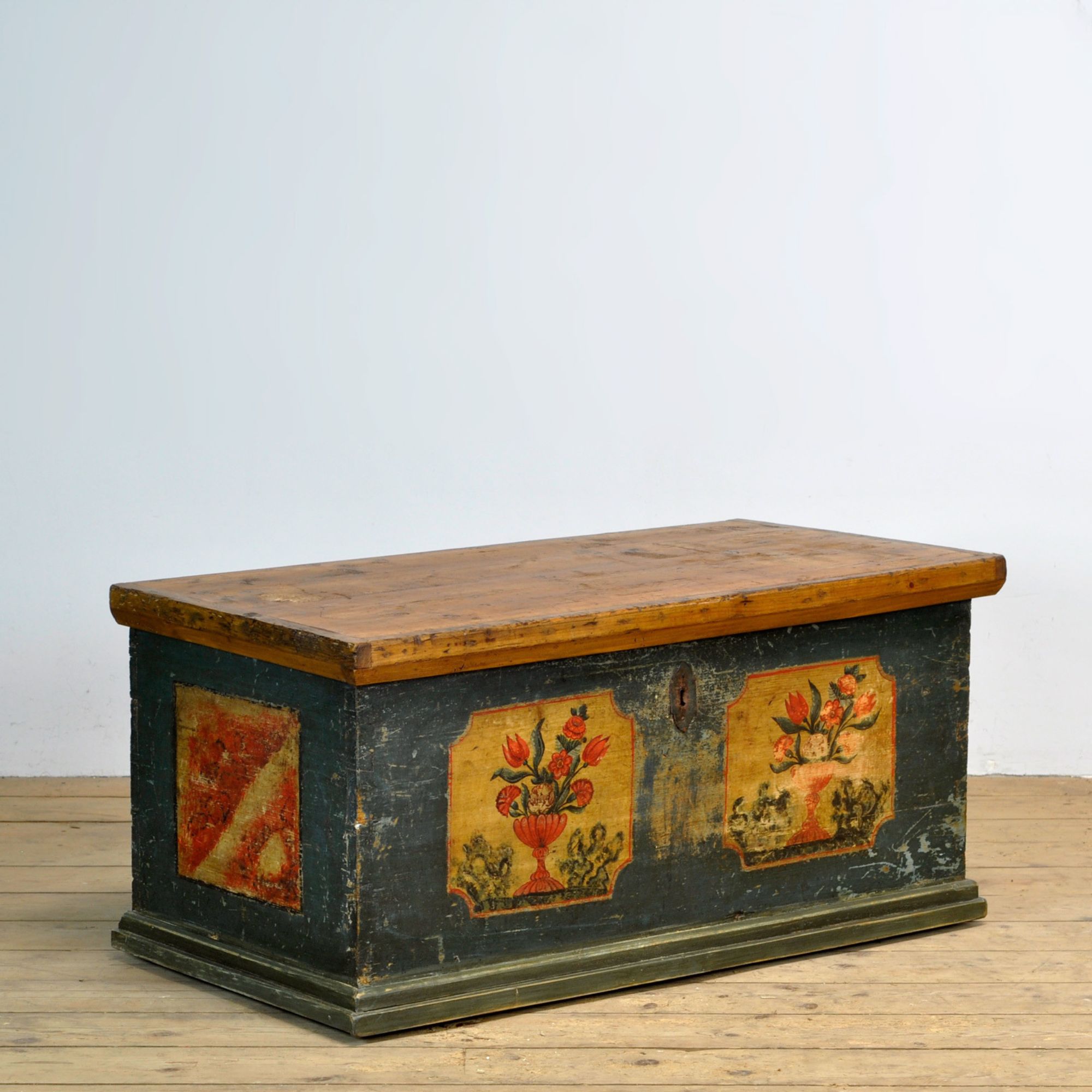
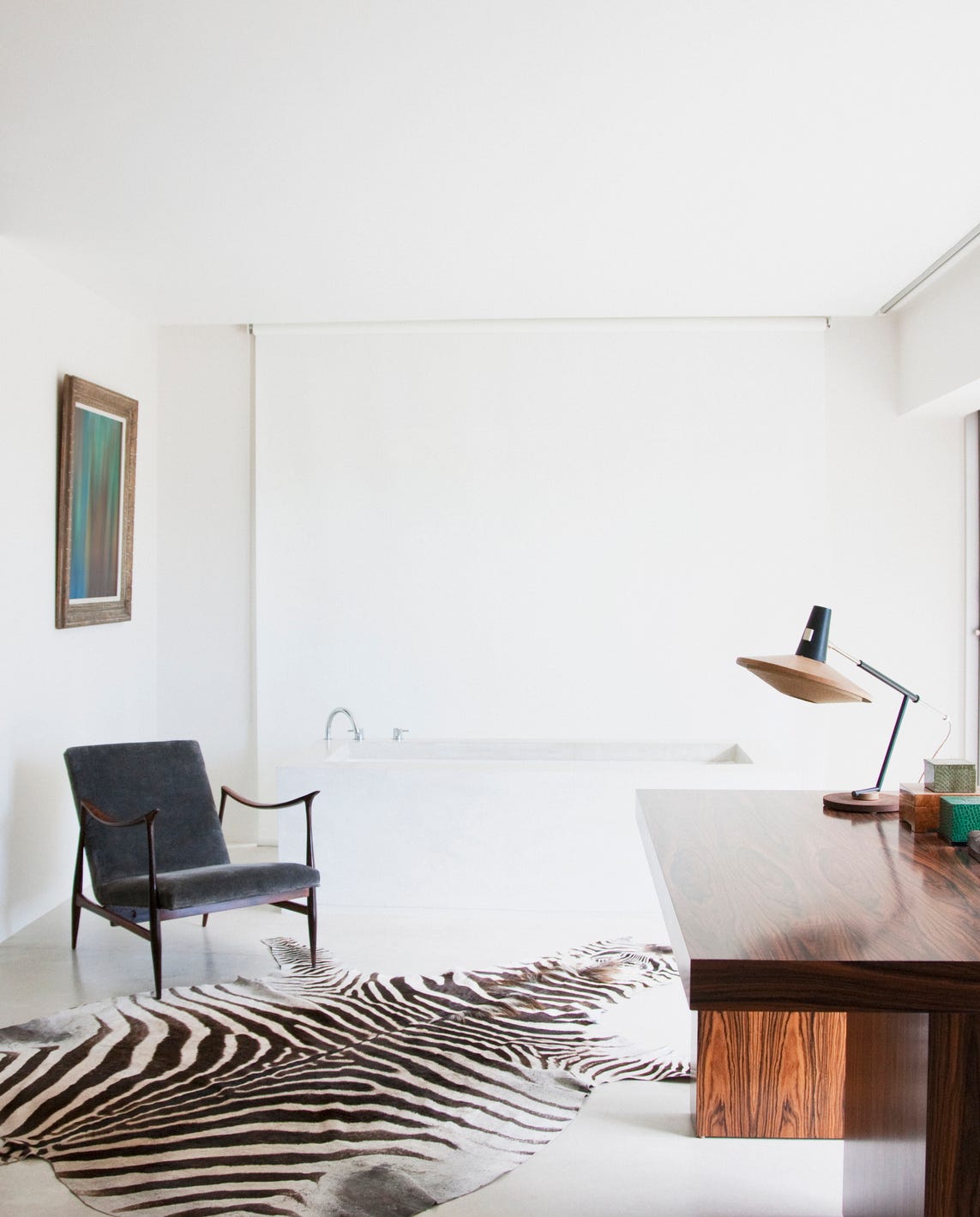
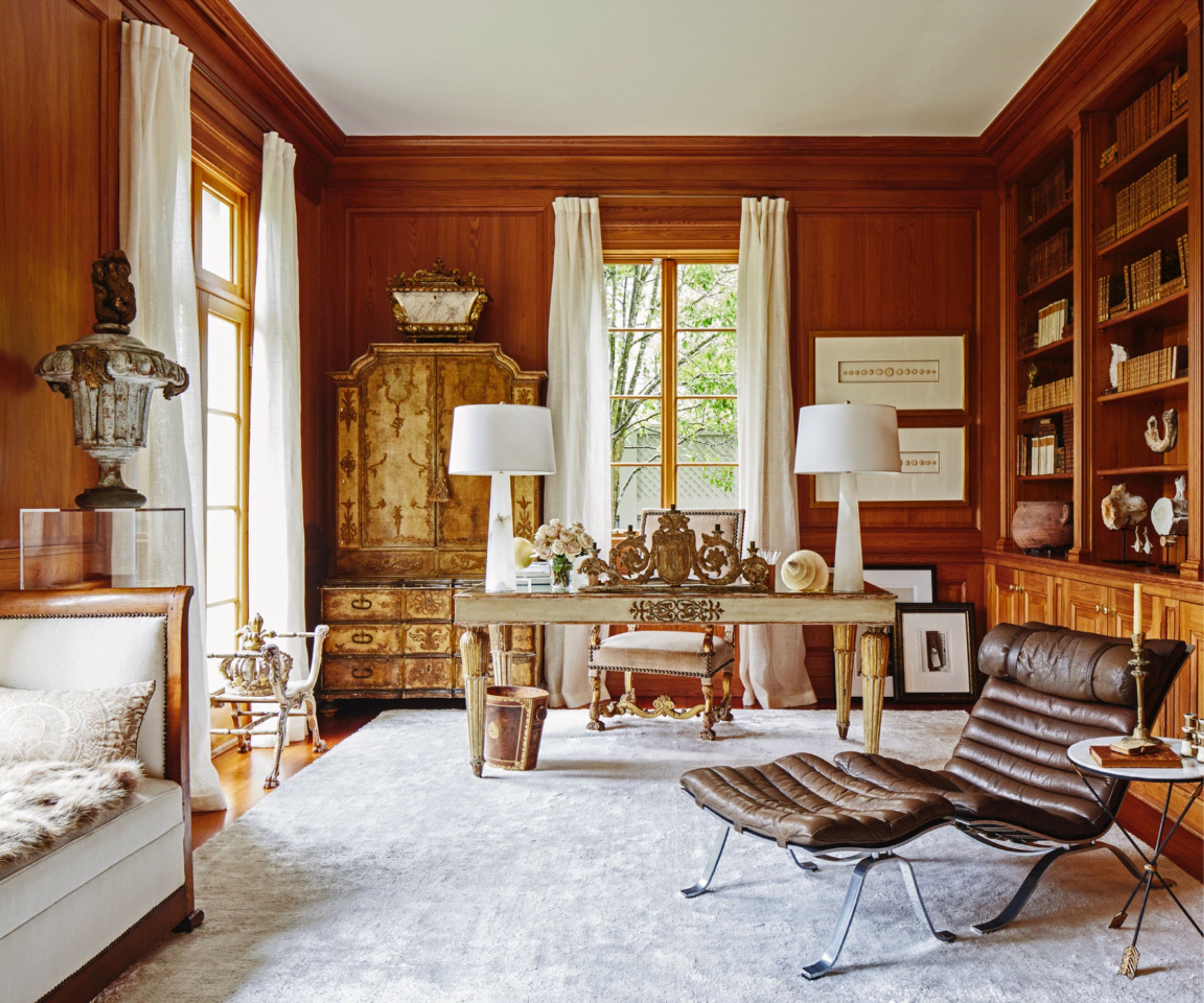
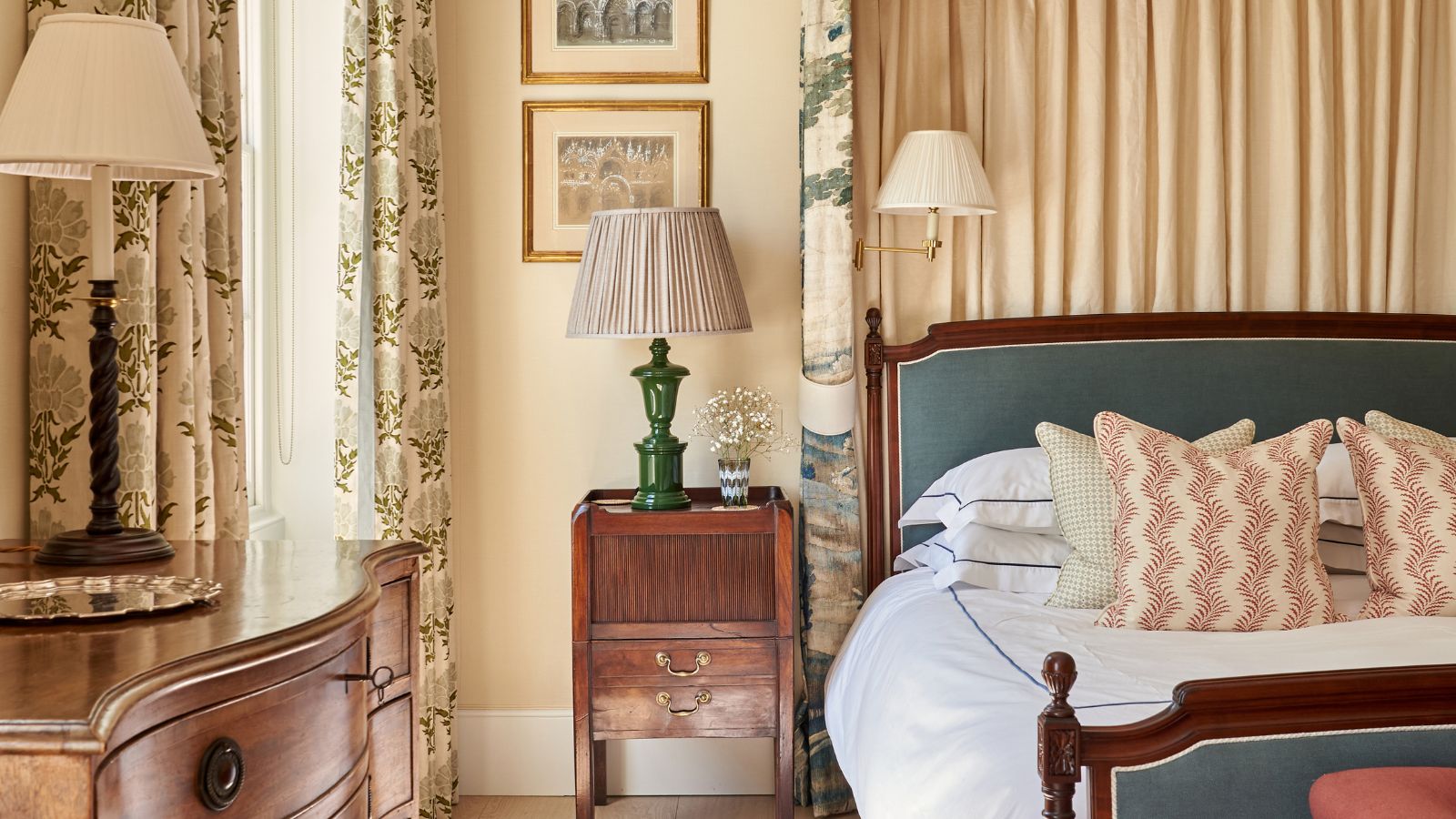
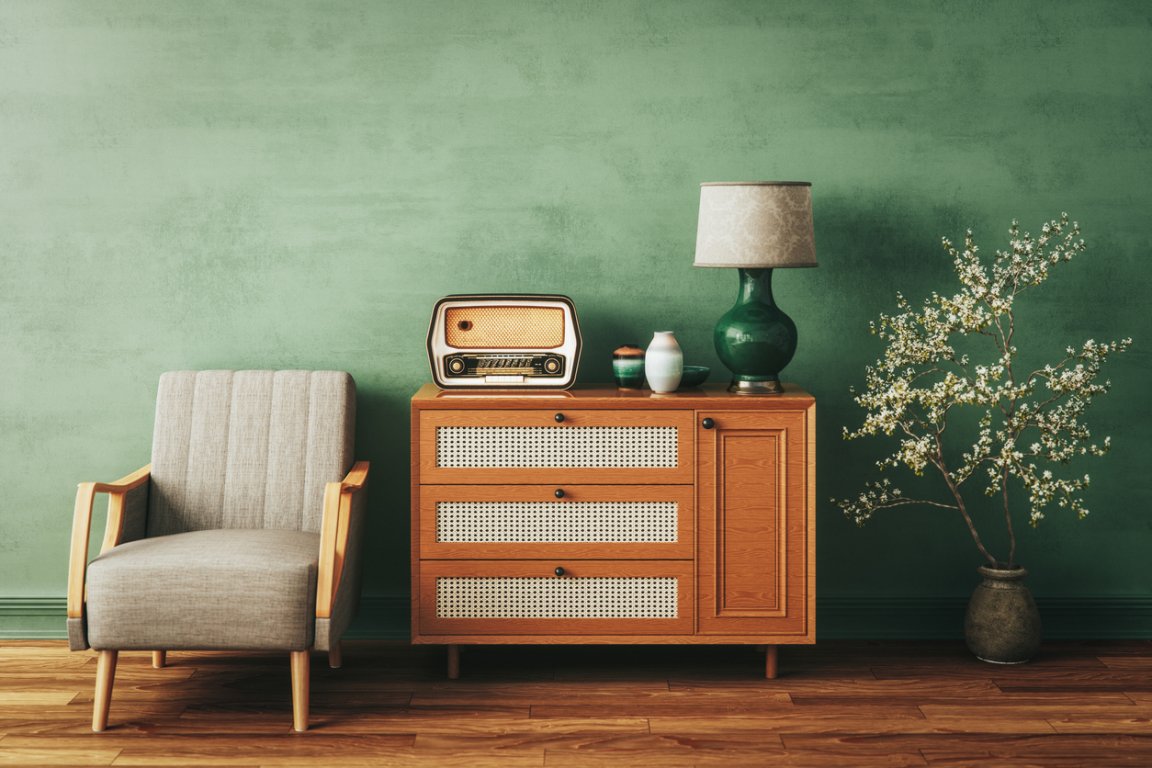
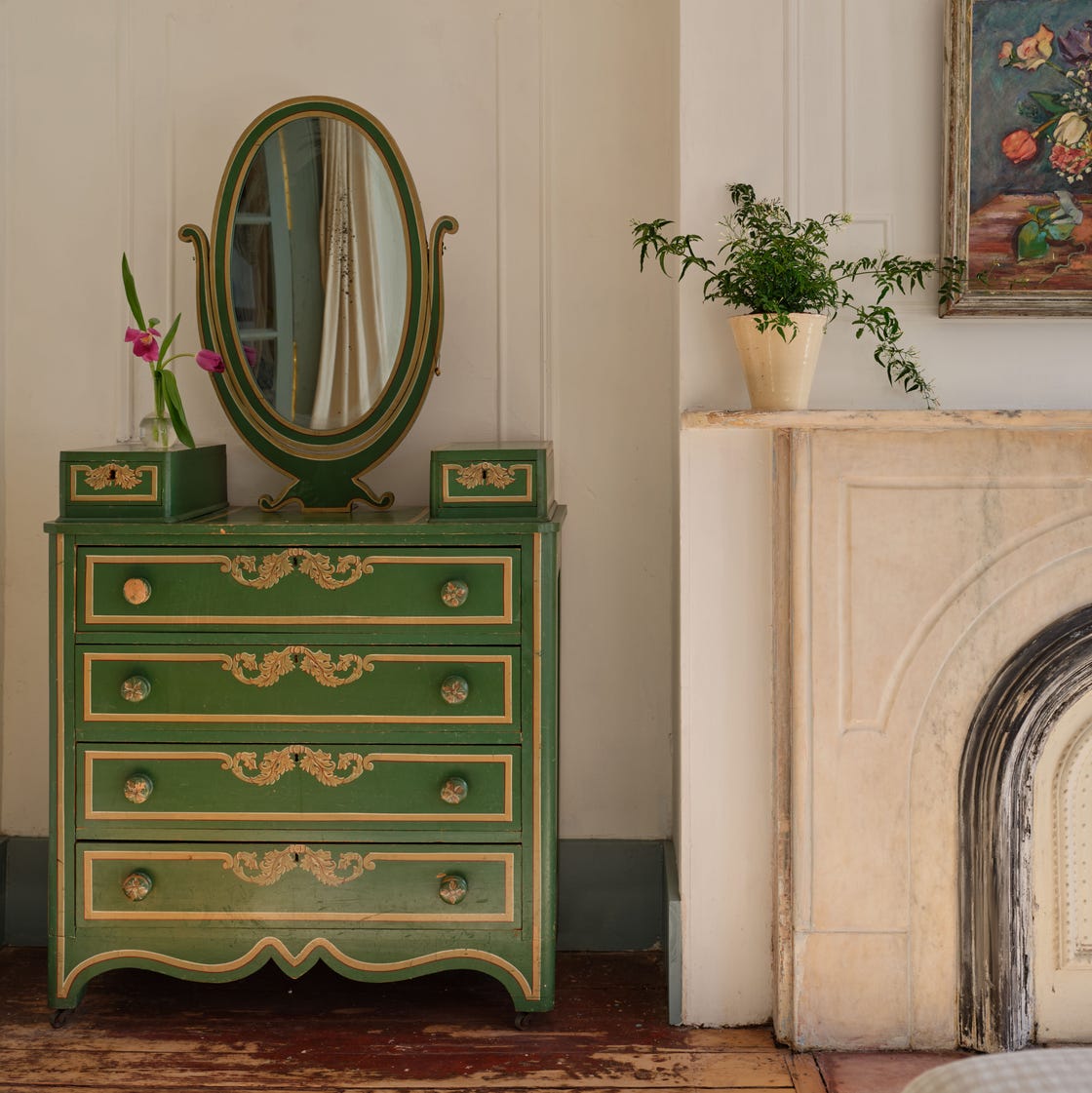
One fundamental aspect of vintage decorating is investing in quality furniture. Prioritizing items made from high-quality, durable materials ensures longevity and a timeless appeal. For instance, antique, handcrafted wooden furniture, like tables and armoires, can serve as focal points in a room, offering a neutral color palette and rich texture. The diverse range of vintage furniture styles, from mid-century Scandinavian chairs to antique French dressers, makes sourcing these pieces accessible through various online platforms. Integrating vintage furniture alongside newer items creates a layered effect, giving the impression that the home's contents have been thoughtfully curated over time rather than purchased all at once.
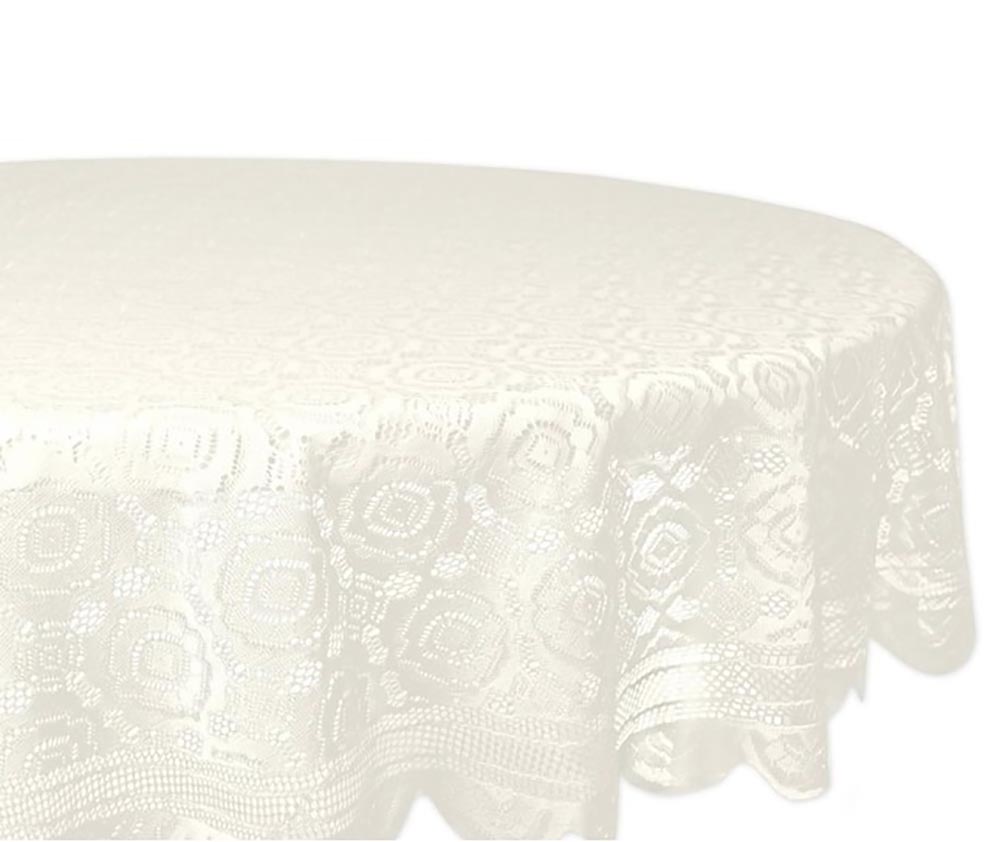
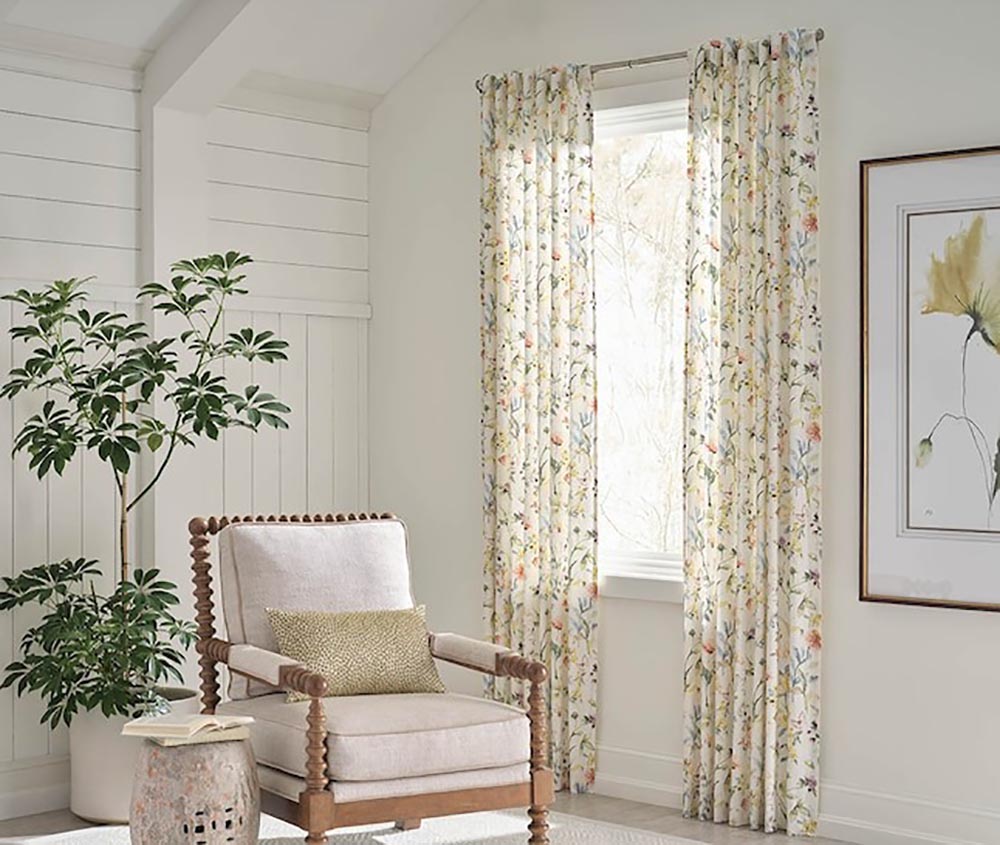
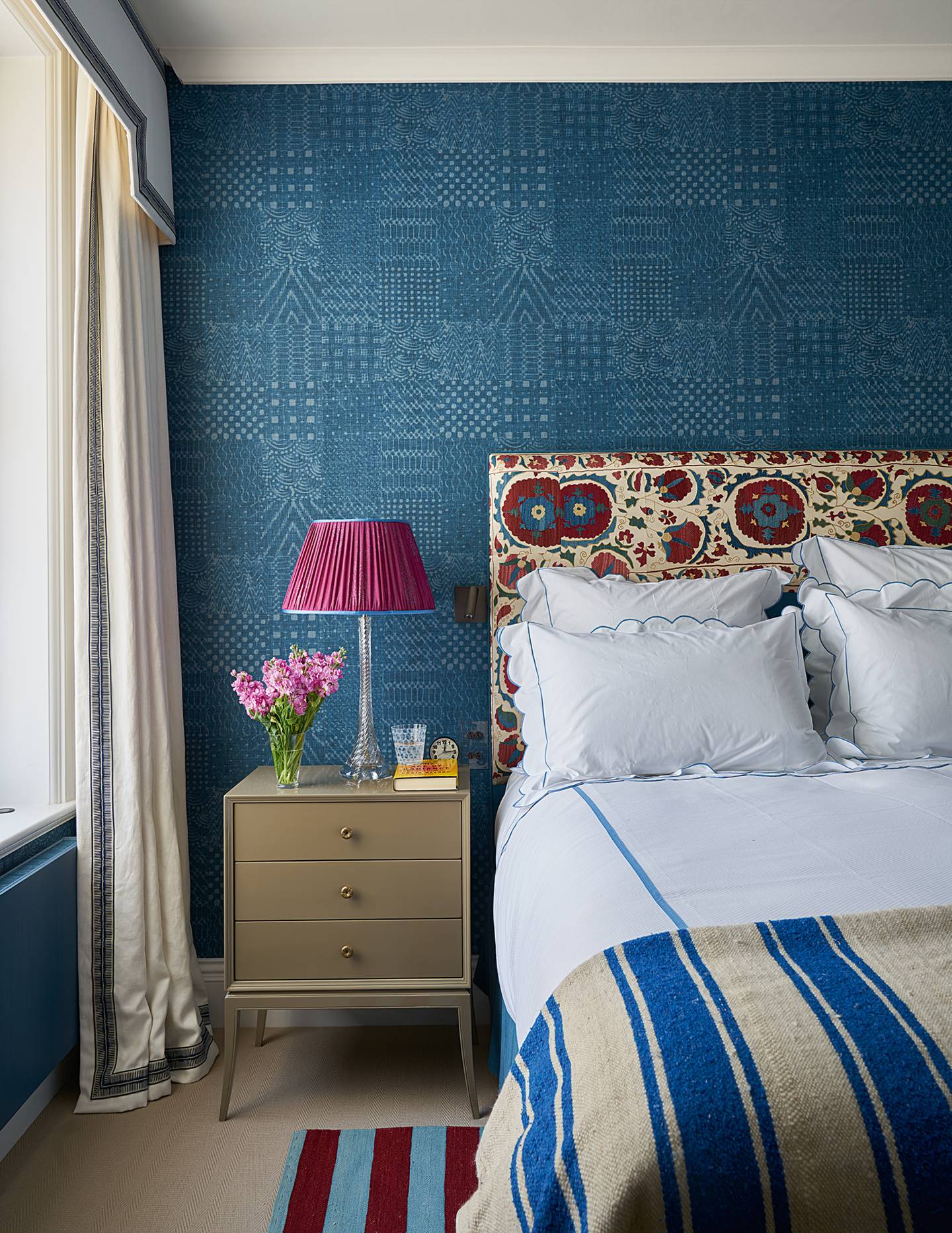
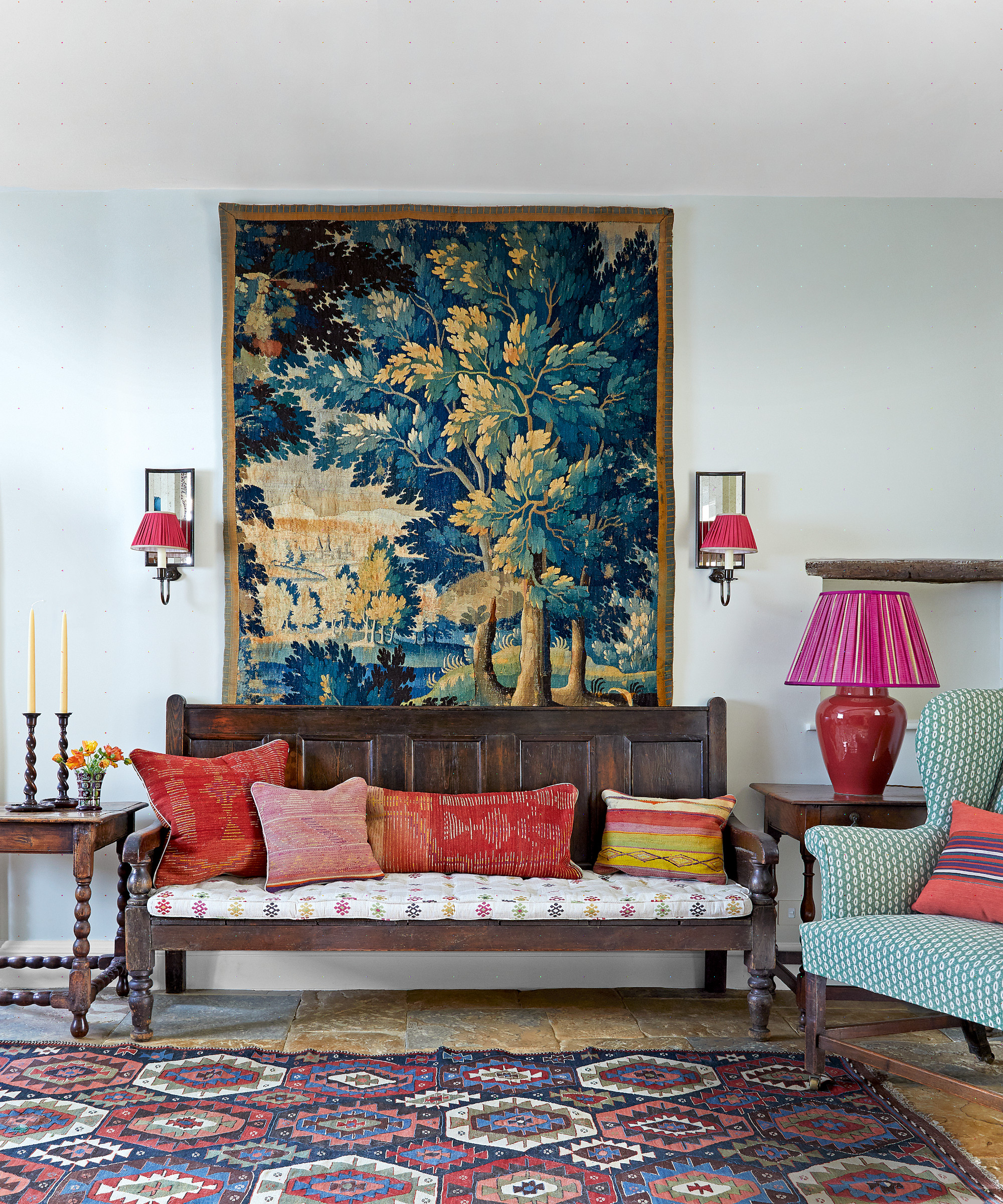
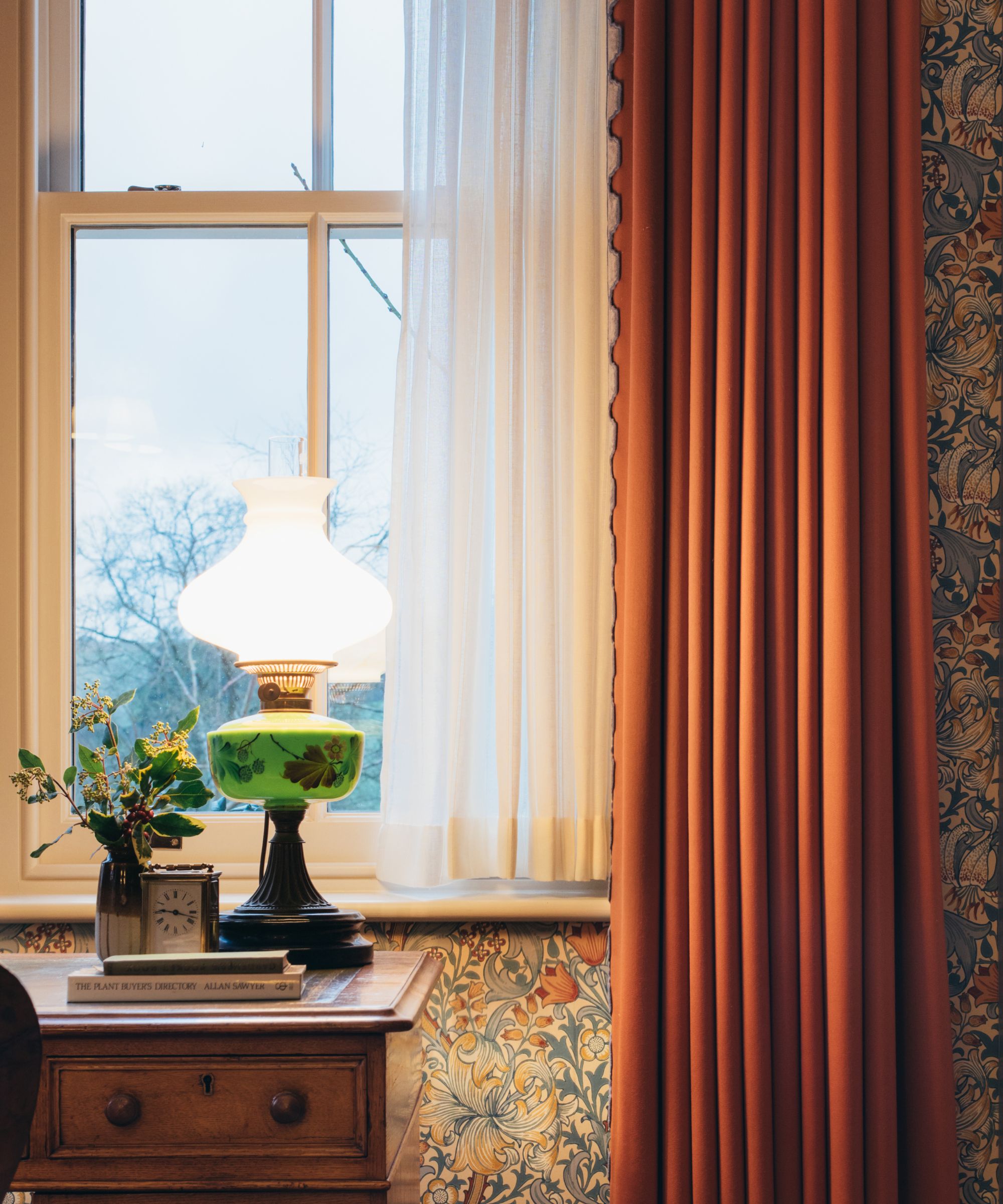
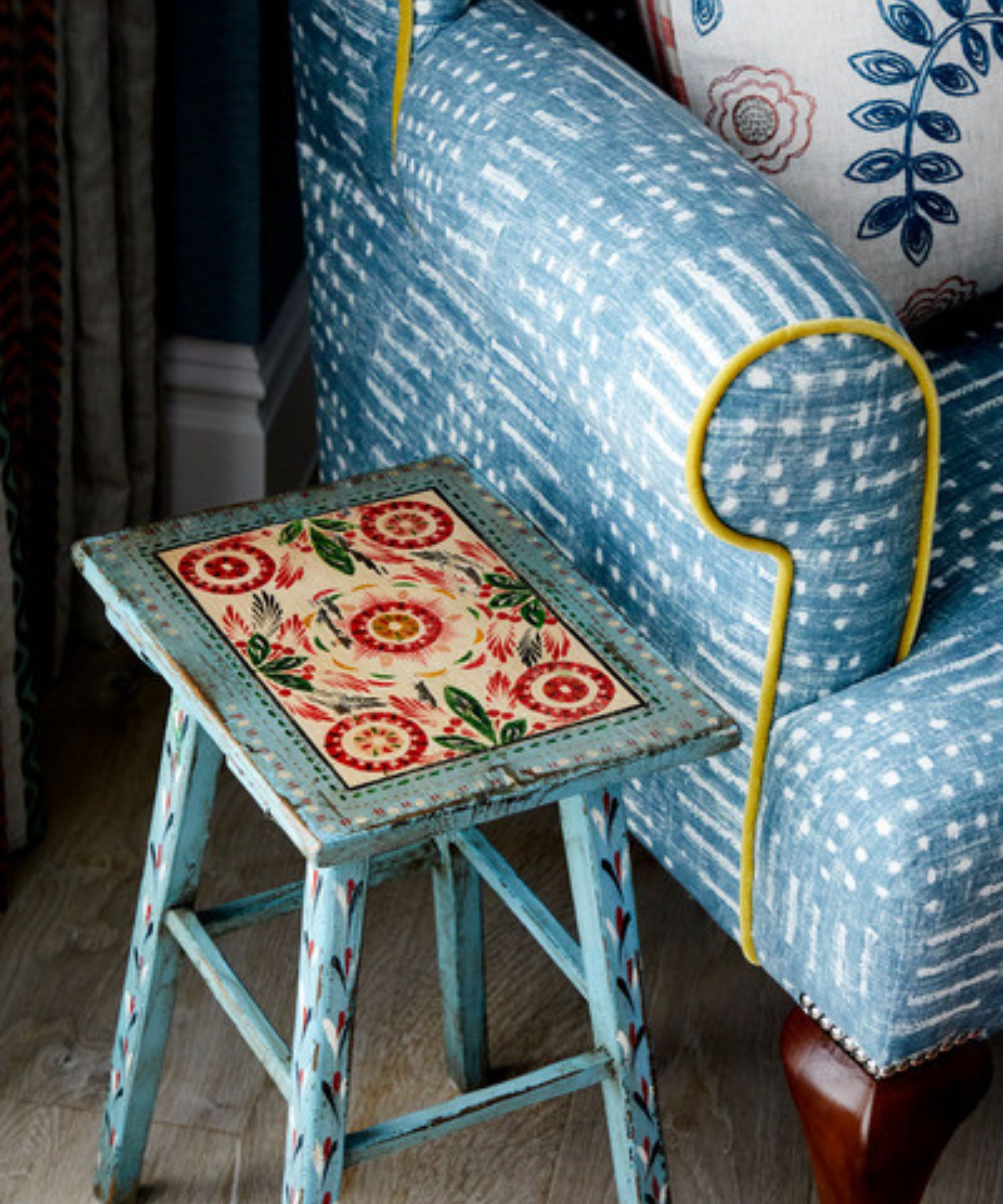
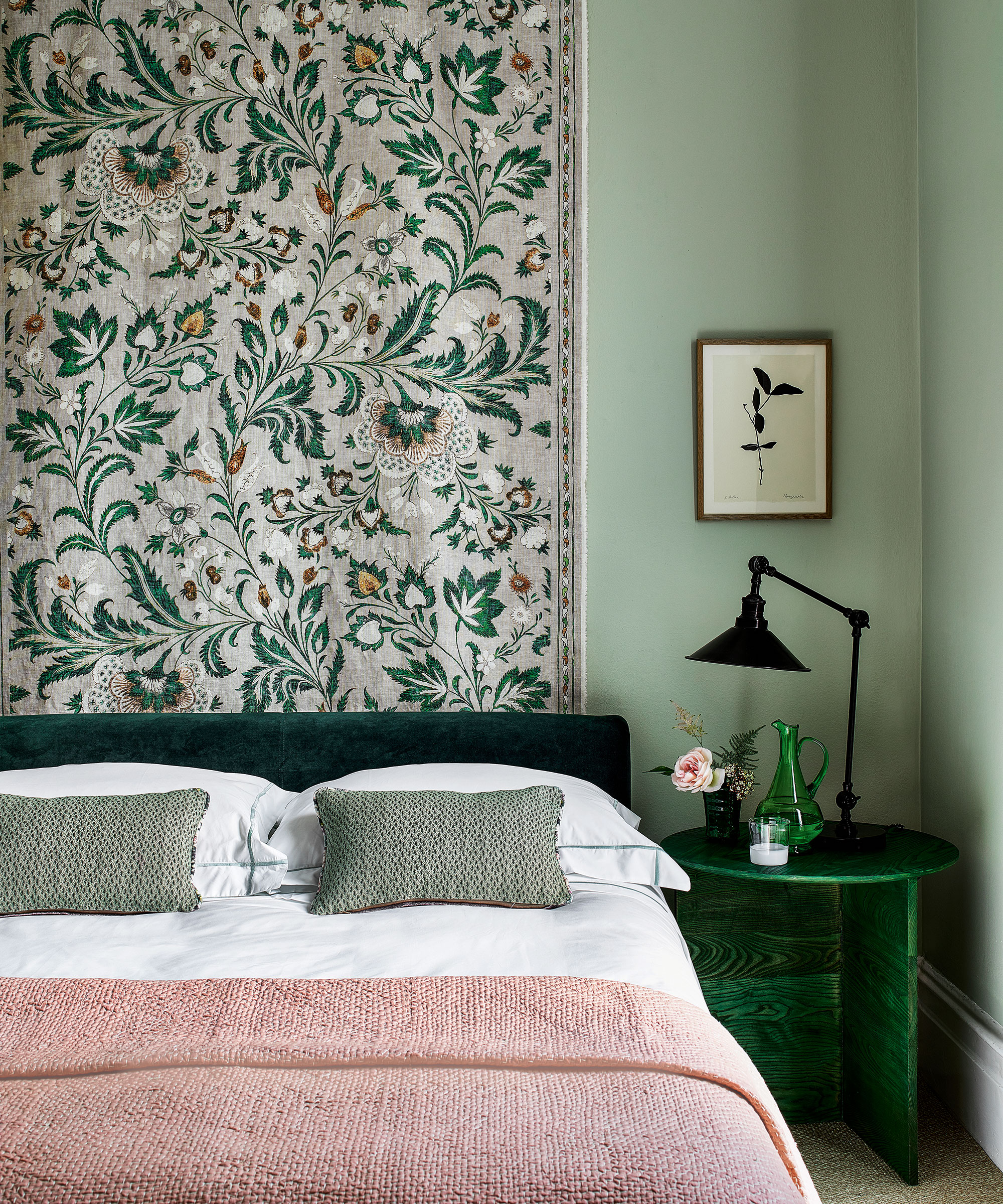
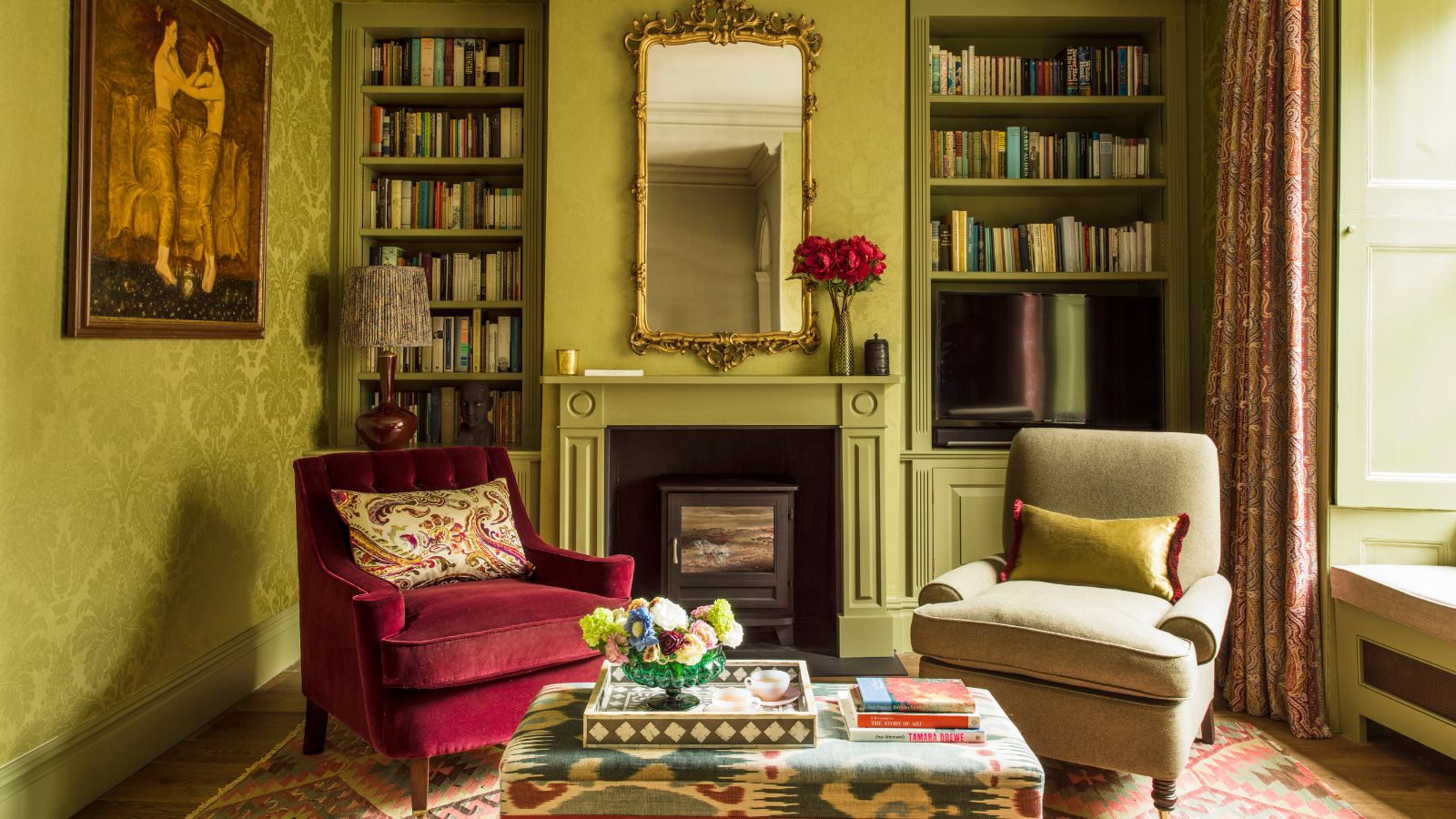
Another effective way to introduce vintage charm is through patterns found in rugs and textiles. Vintage fabrics, known for their unique patterns, colors, and textures, can add depth and warmth to a space. Antique woven rugs or statement tapestries contribute to a rich, inviting atmosphere, blending historical designs with modern sensibilities. The faded elegance often found in vintage textiles makes them easy to mix and match, as their muted colors complement each other harmoniously, bringing a refined and cozy feel to any room.
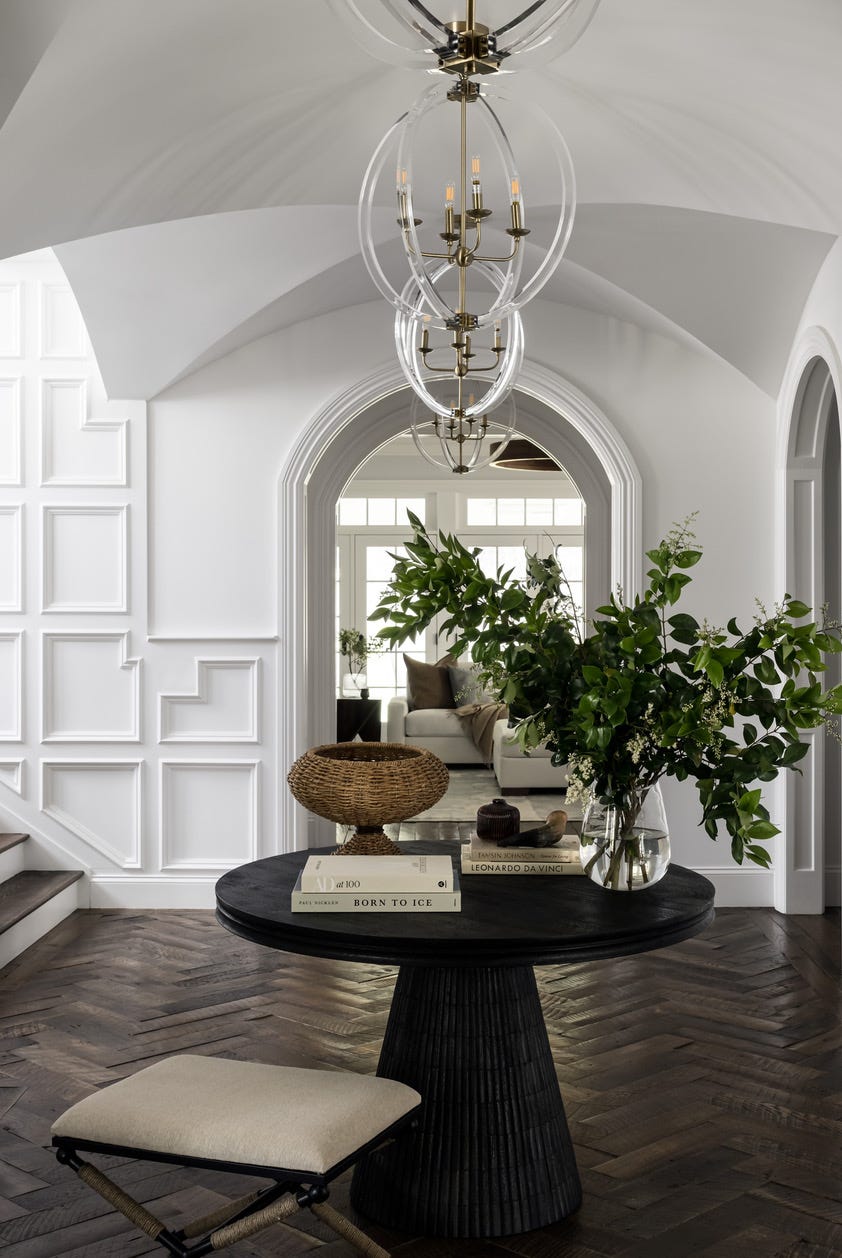
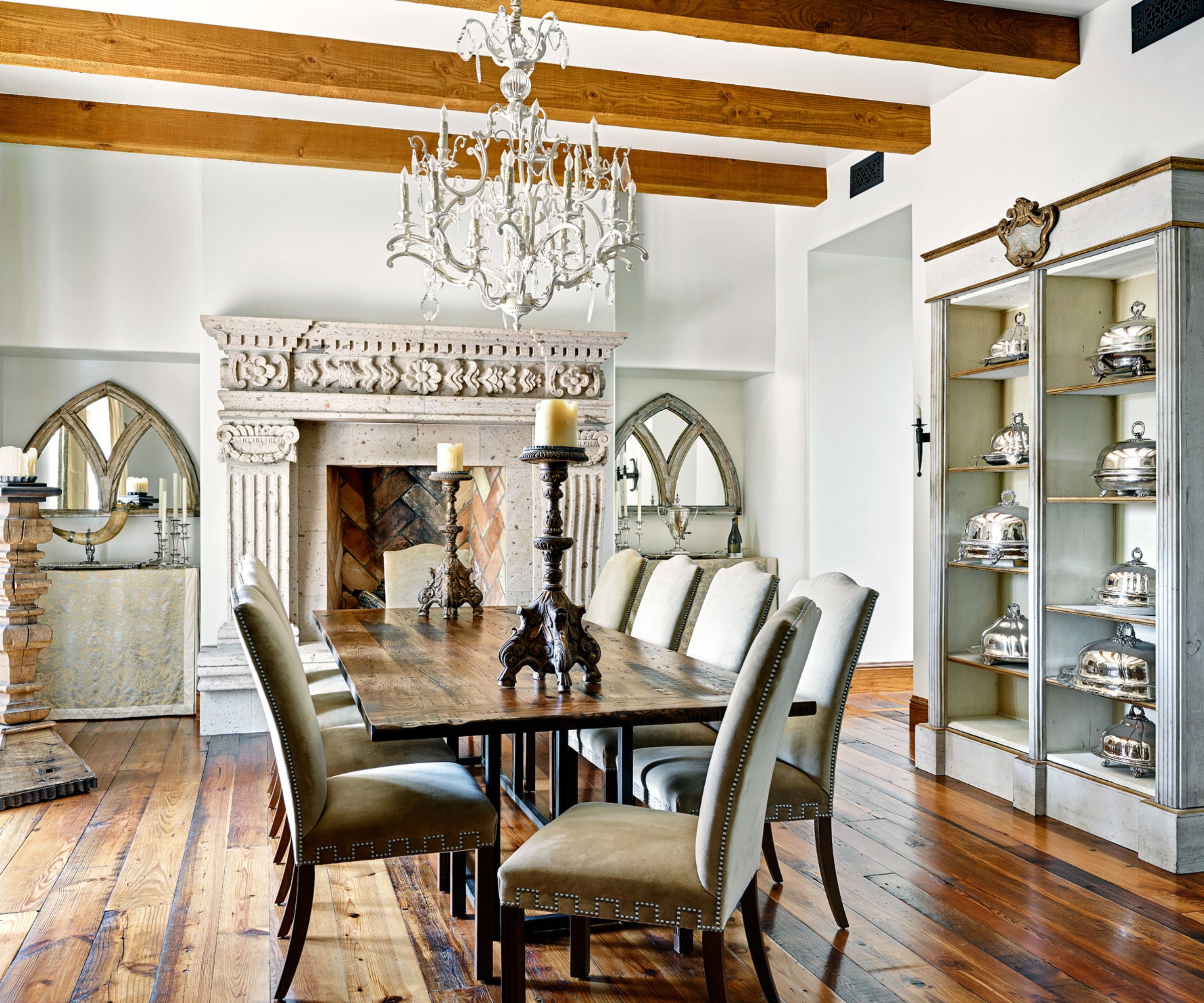
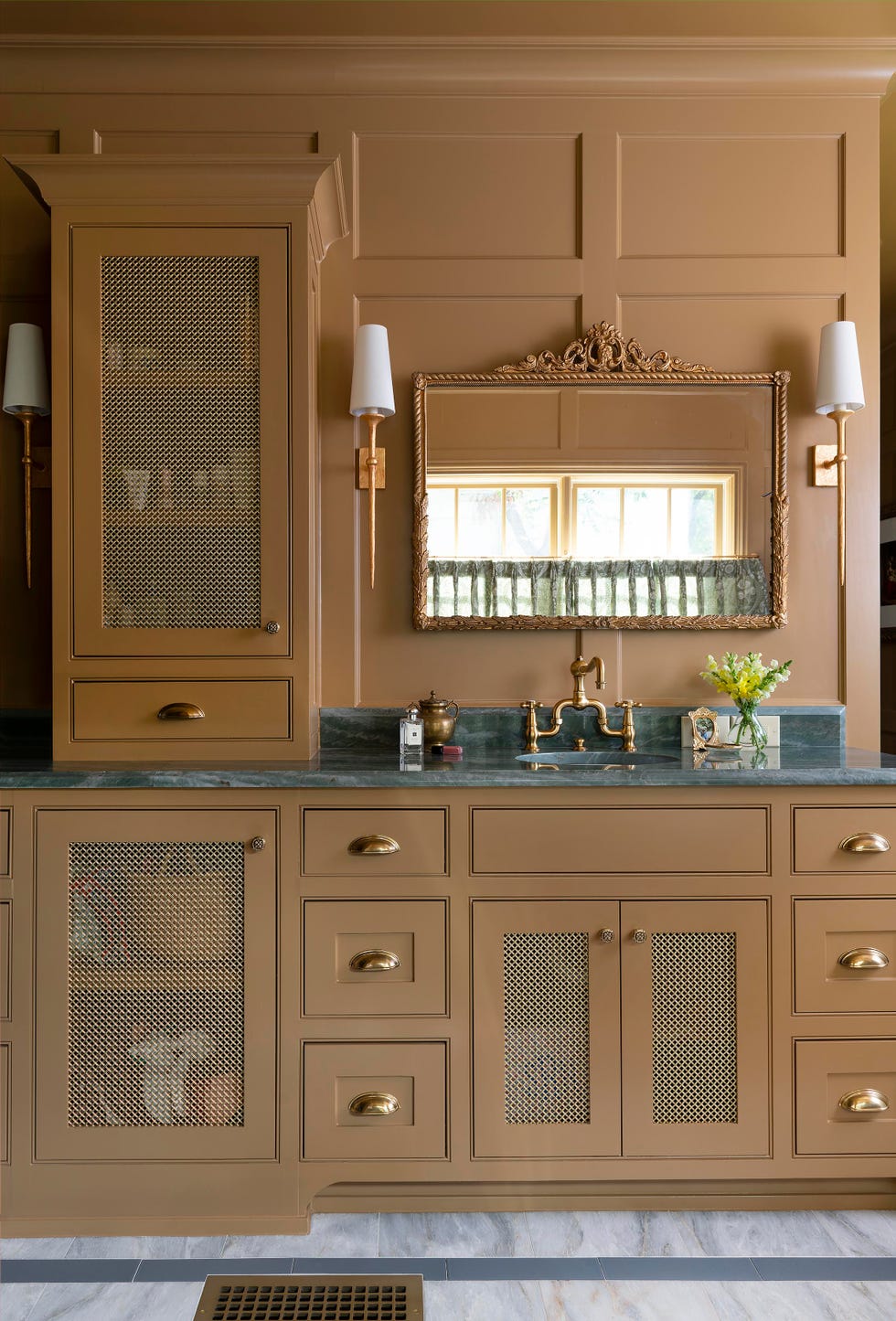
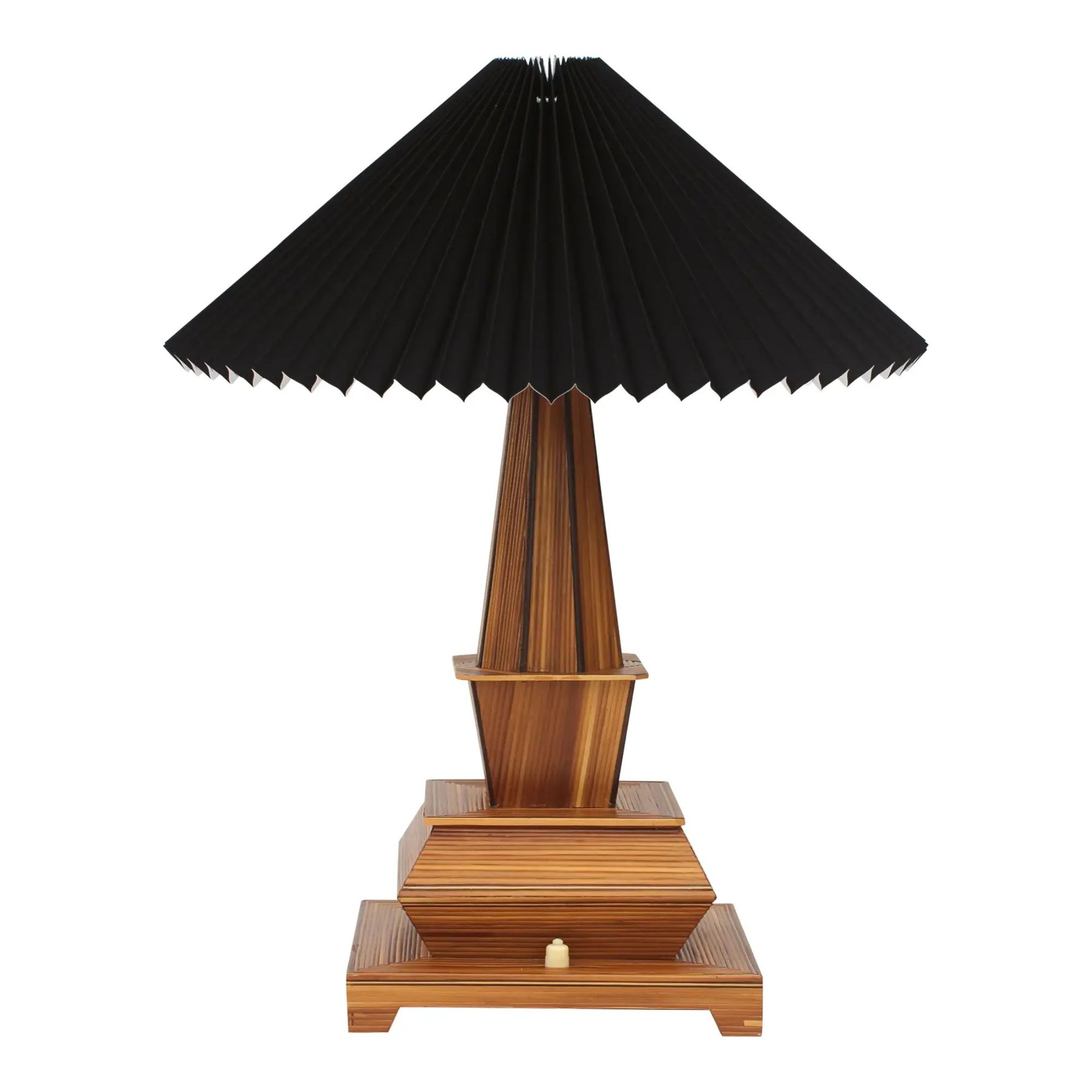
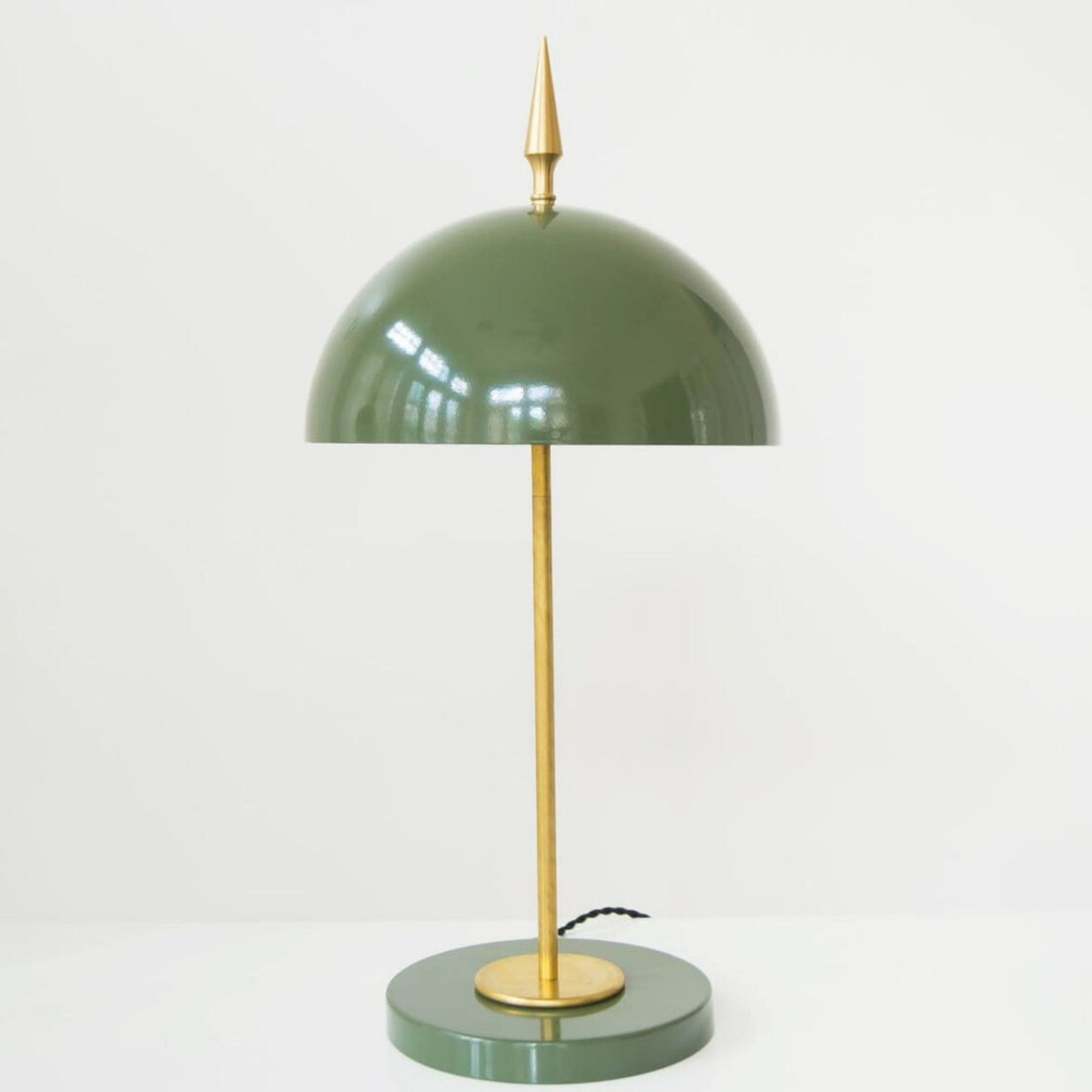
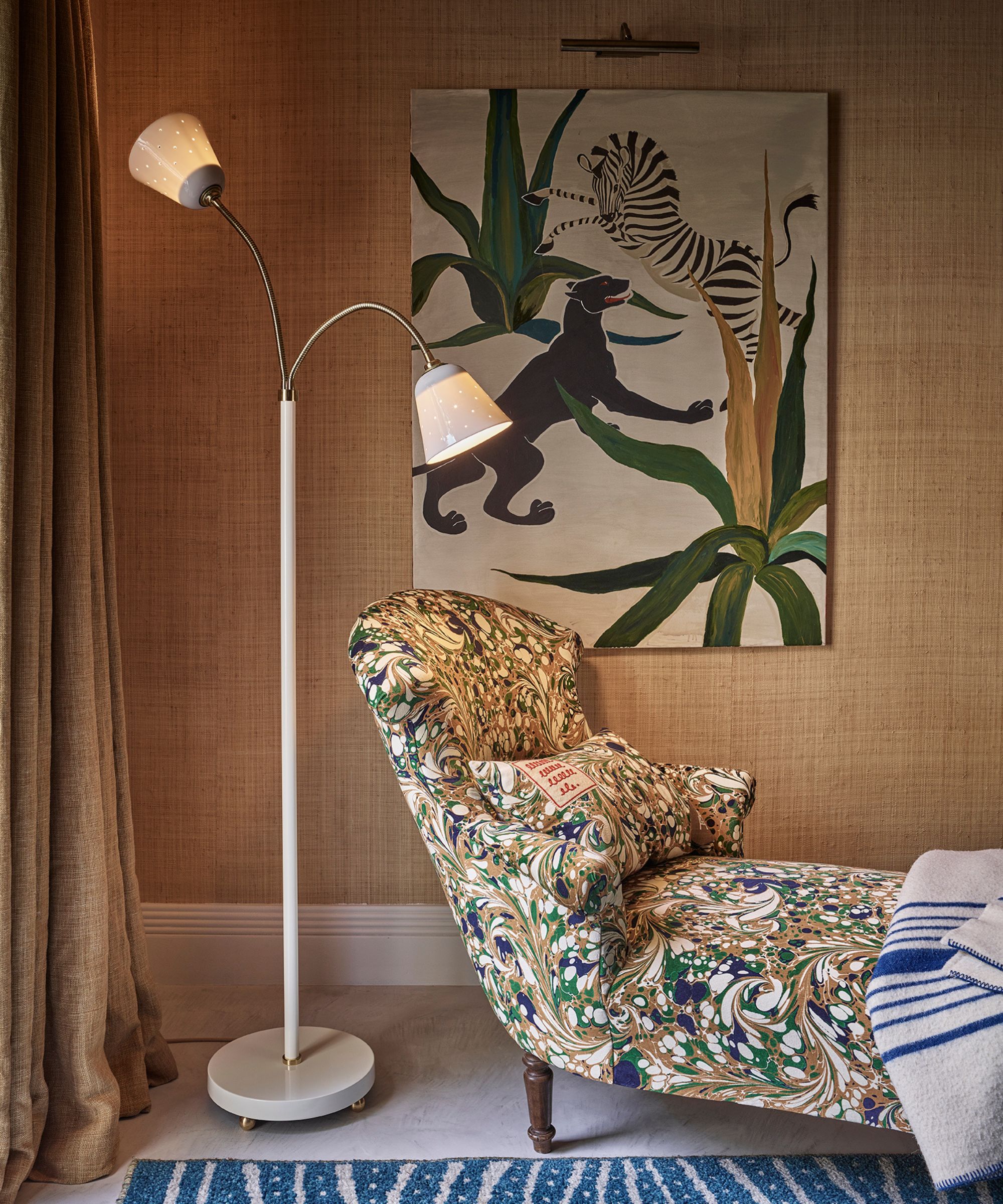
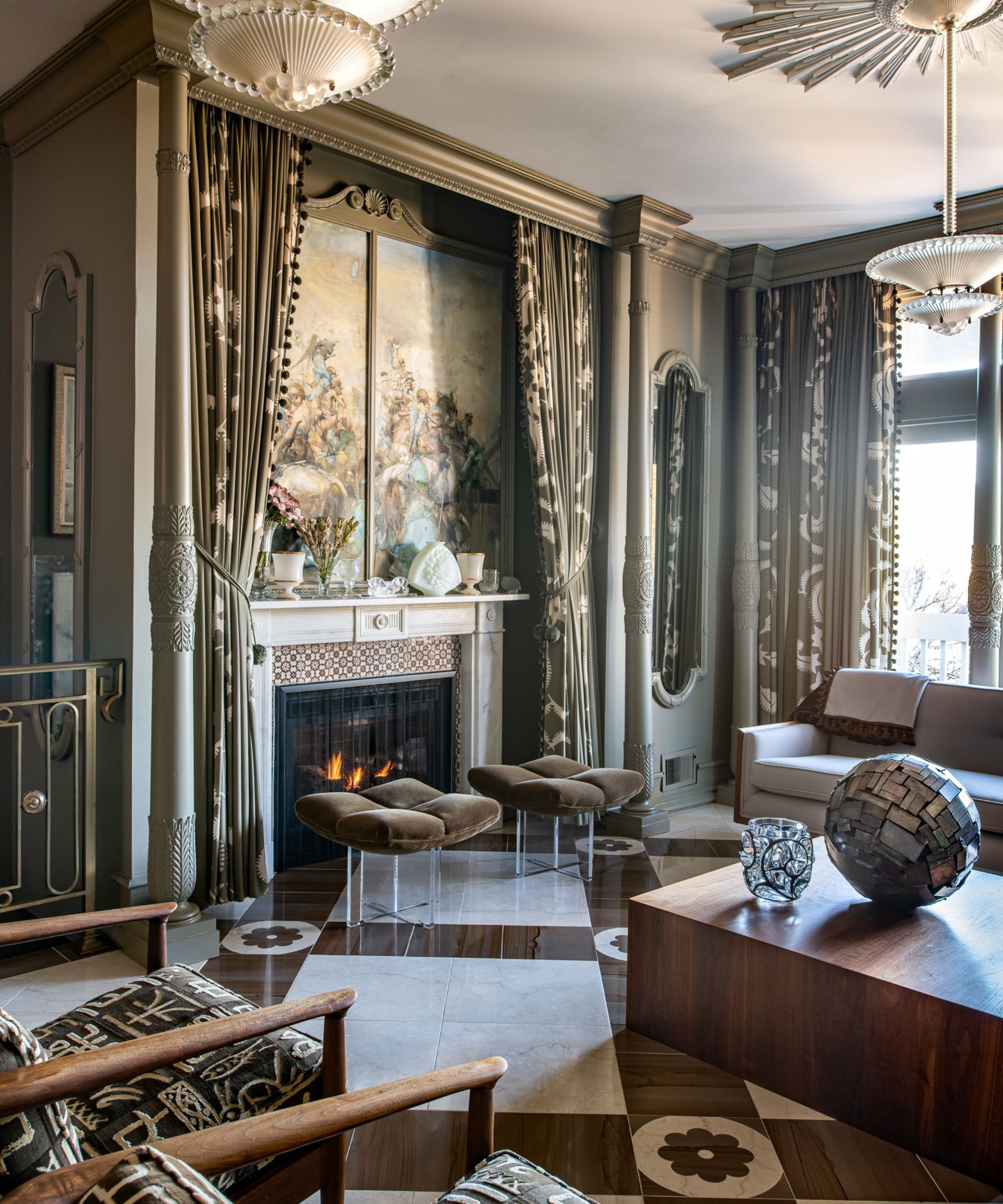
Antique lighting is also a powerful tool for vintage decoration. Classic styles, such as fluted wall sconces and elaborate chandeliers, have long been a popular choice in home design due to their ability to impart warmth and character. Lighting fixtures with a visible patina, timeless shapes, and intricate details exude an enduring quality. Designers suggest finding lighting that has an aesthetic impact even when turned off, serving as both a functional item and an imaginative decorative element. Mixing different lighting styles, unified by complementary soft furnishings, can create a cohesive yet dynamic look.
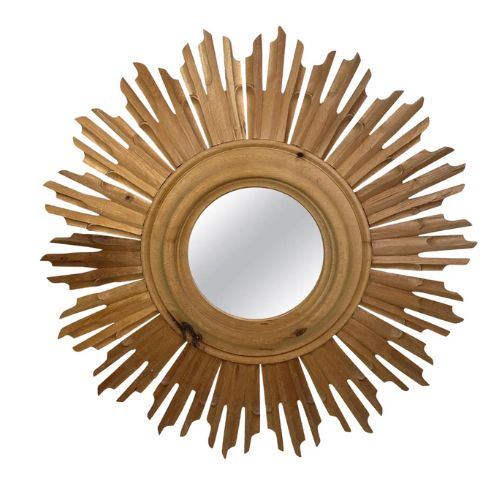
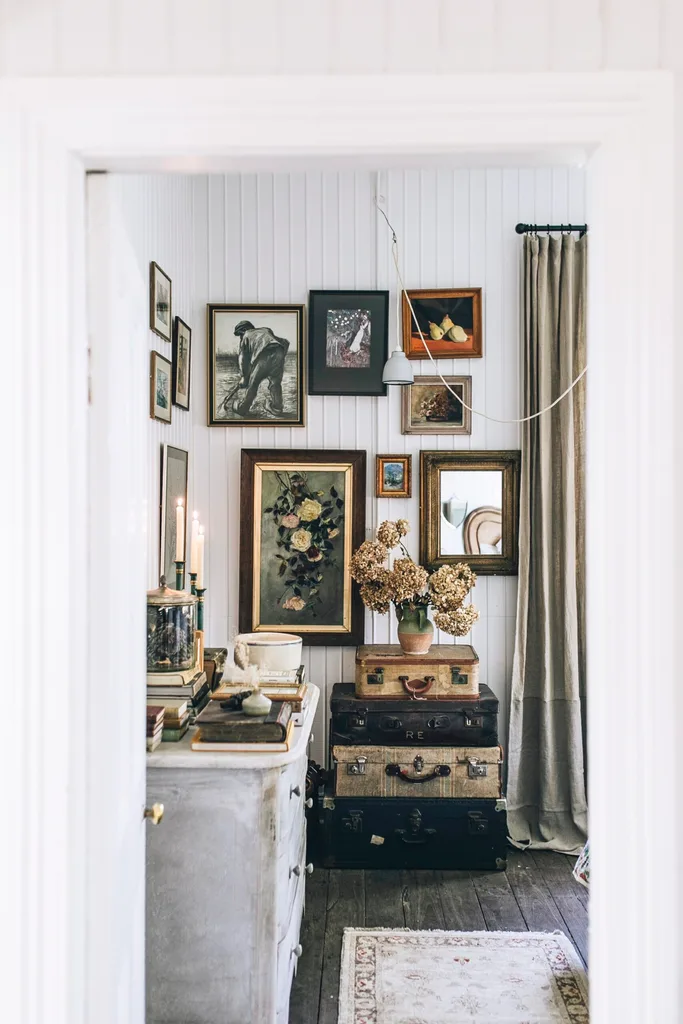
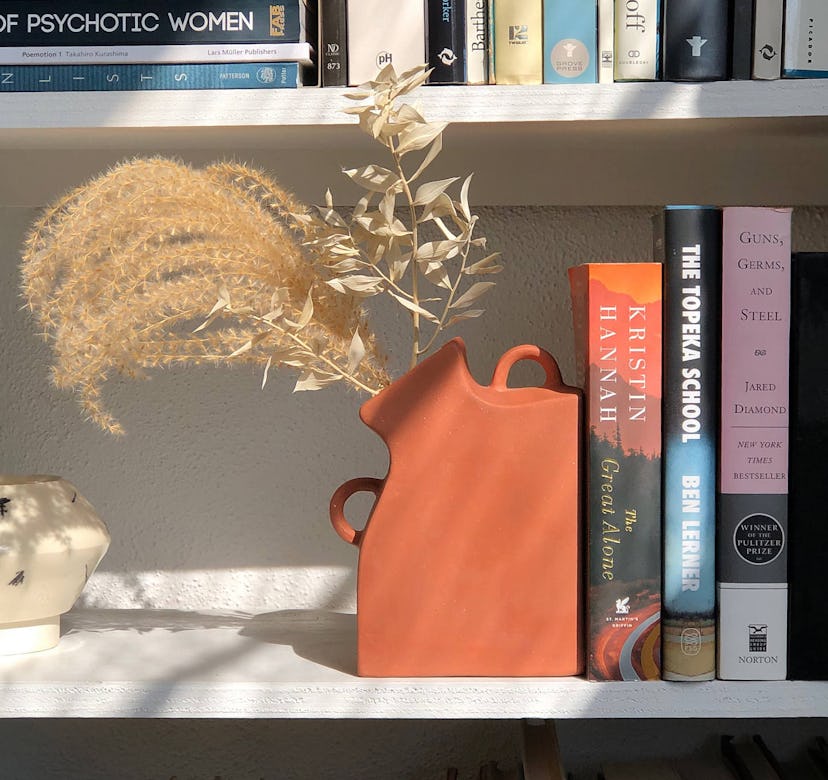
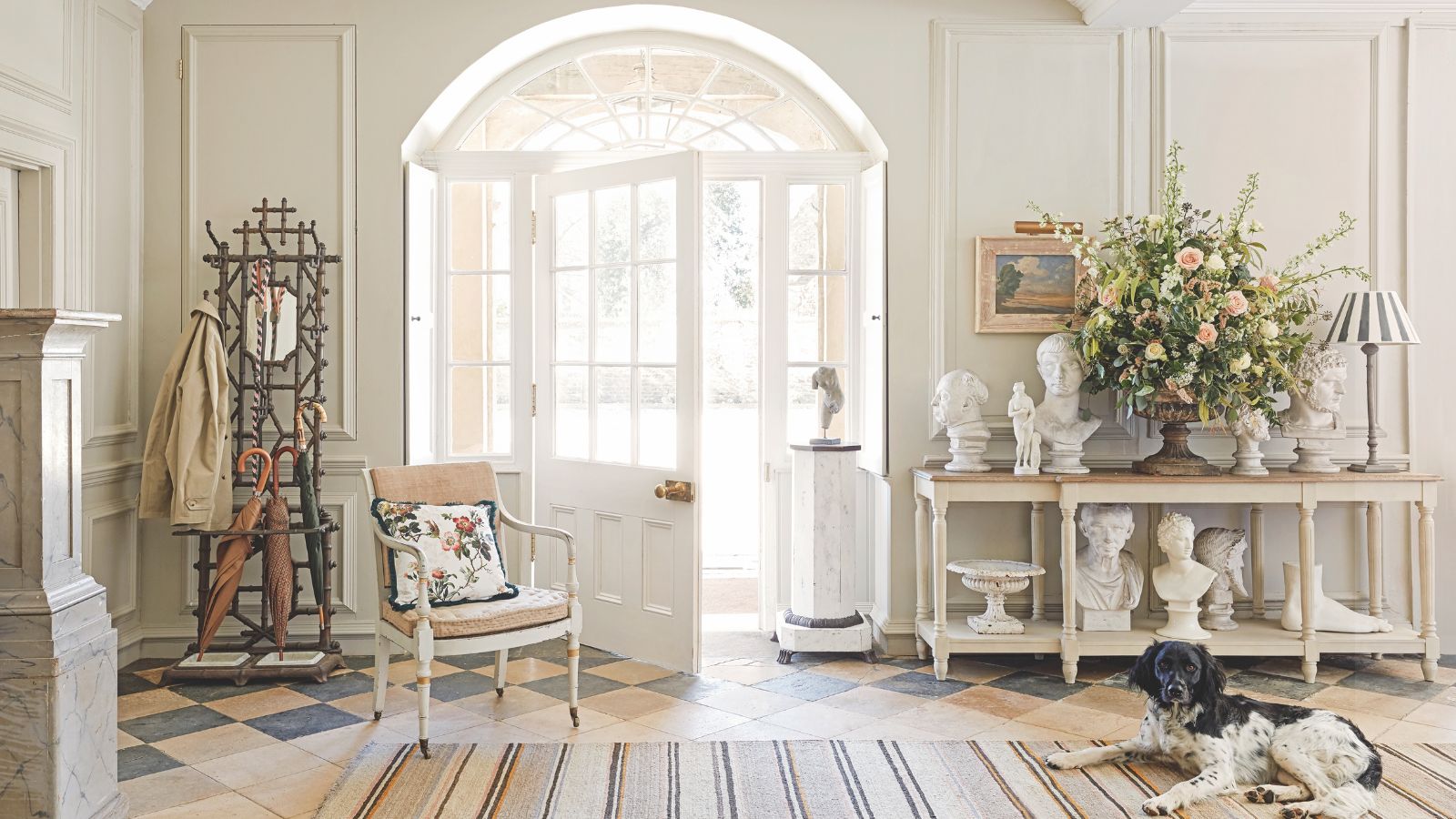
Meaningful trinkets play a crucial role in making a home unique and embracing an eclectic aesthetic. Personal items like vintage photographs, handmade vases, or antique paintings not only reflect the owner's interests but also contribute to a popular maximalist interior style by adding rustic charm and character when layered together. Easy-to-source vintage accessories, such as books, mirrors, pottery, and artwork, can instantly add flair. Baskets, in particular, are favored for their texture, color, and utility, serving as both decor and practical storage, especially when arranged creatively, such as hung around a fireplace.
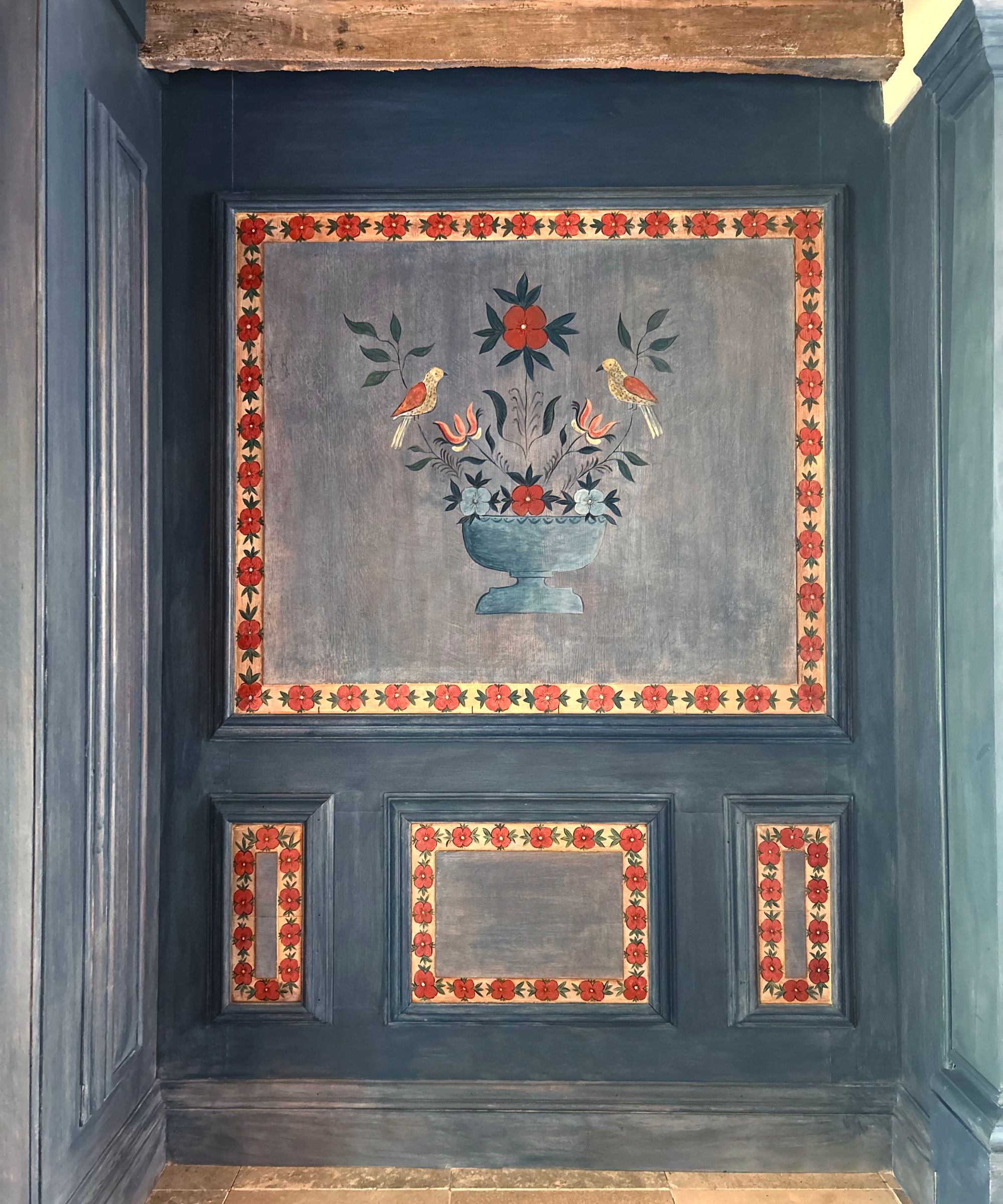
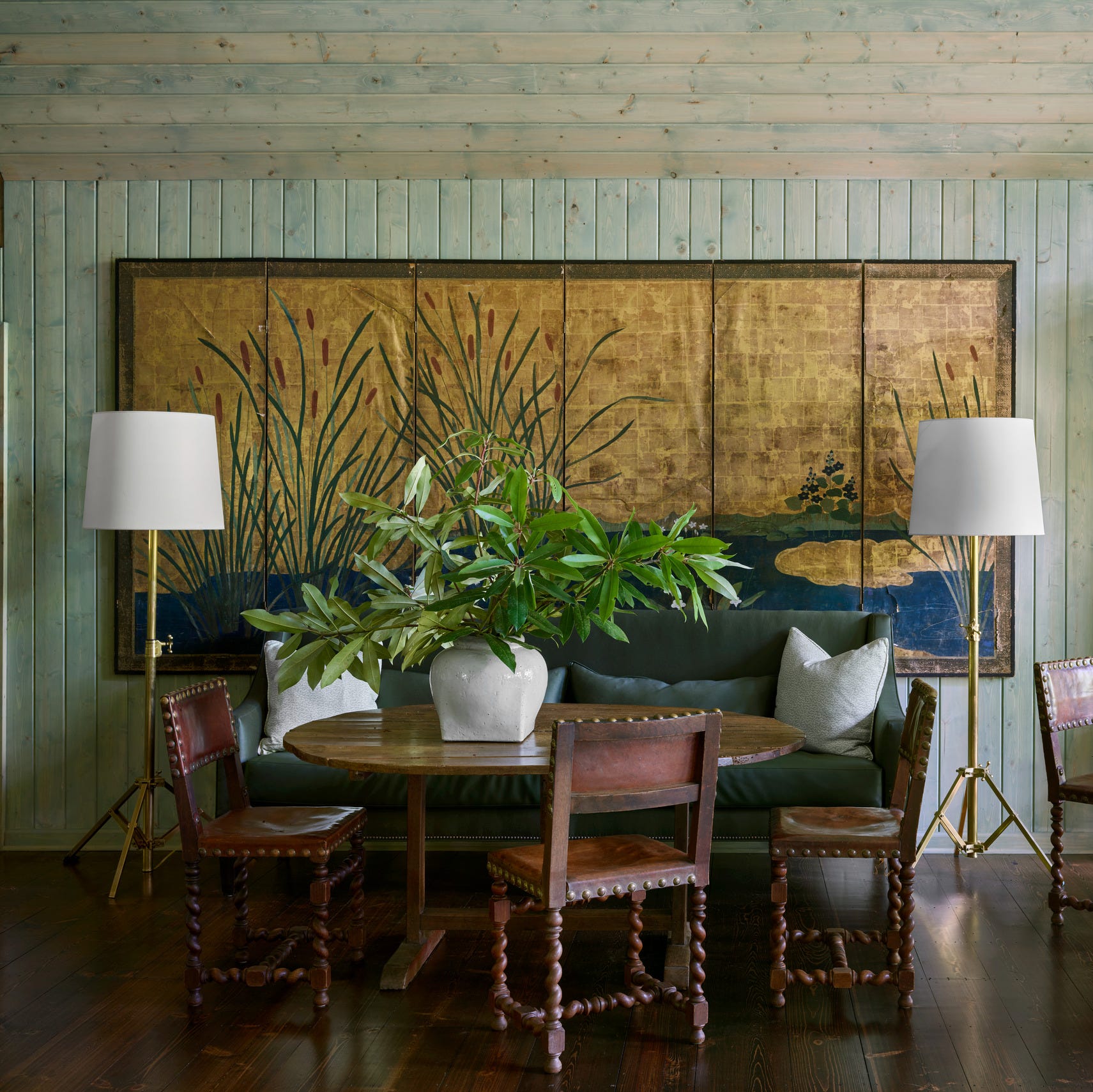
Vintage art is another significant avenue for introducing personality and patina into a home. The wide array of vintage art available, from botanical prints to impressionist landscapes, allows for personal expression and adds character to any setting. Embracing pieces with patina, age, and imperfections is encouraged, as these elements tell stories, provide warmth, and prevent a home from appearing sterile. The key is to choose artwork that resonates with personal style, focusing on quality pieces and building a collection that mixes different periods, styles, and sizes to create a curated and personal space.
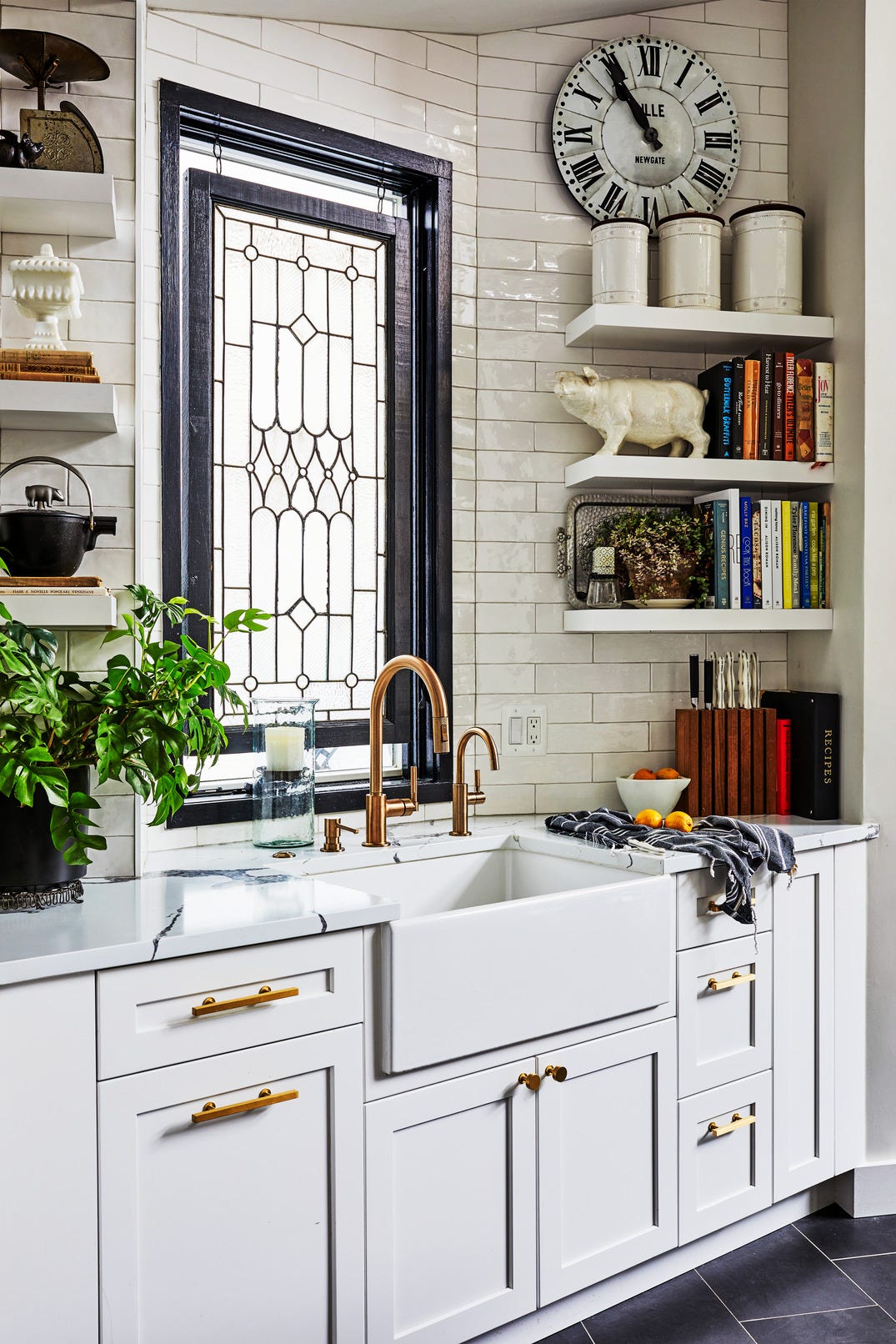
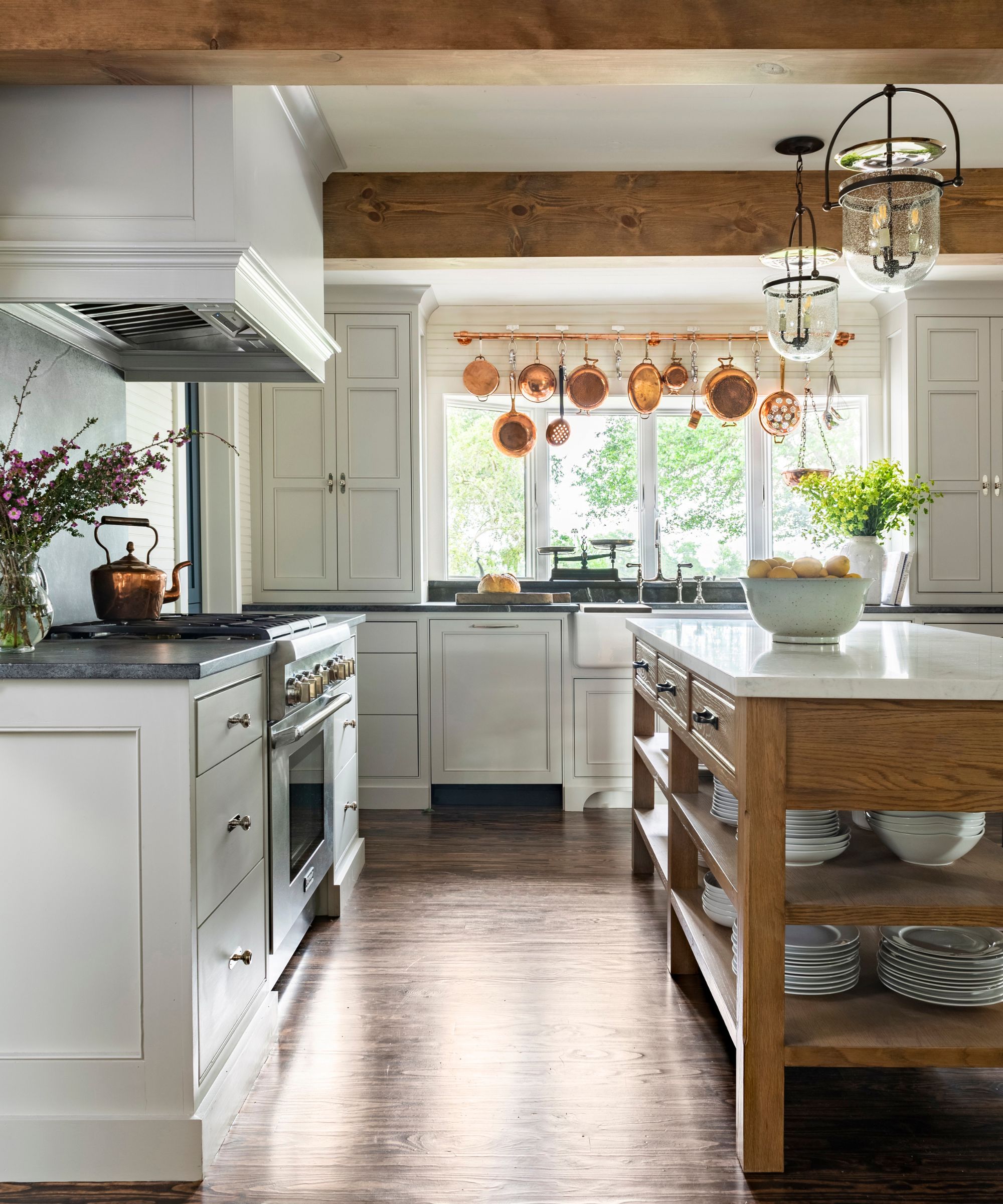
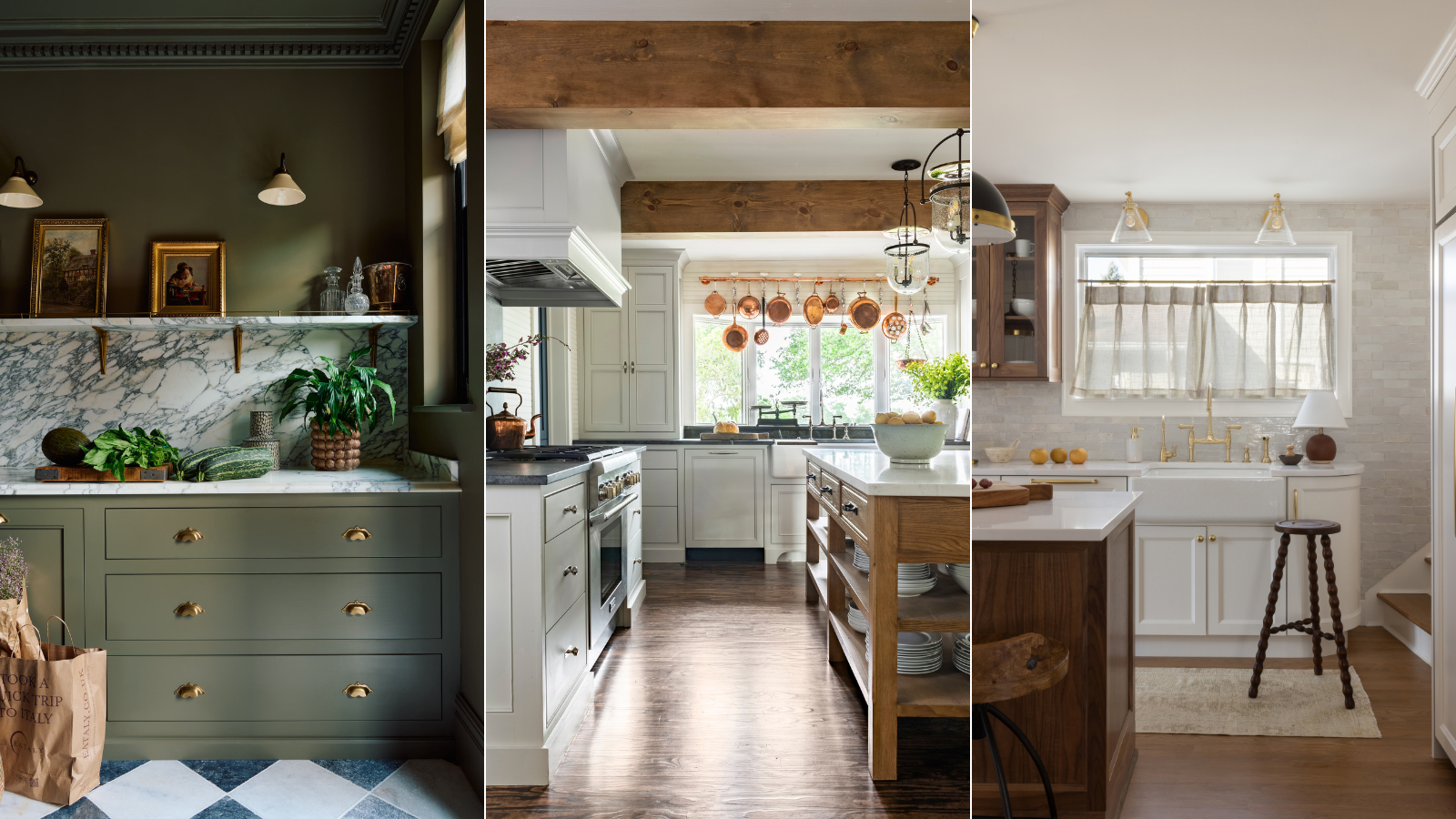
Finally, decorating with vintage kitchenware extends beyond its functional purpose. Handpainted plates displayed on a dining room wall, vintage mugs above a sink, or collections of copper pans and glassware on shelves can enhance the aesthetic of neglected surfaces. This approach not only supports a farmhouse kitchen style but also offers practical storage solutions. Upcycling vintage pieces, such as reupholstering an armchair, repainting a sideboard, or framing new art with old gilt frames, offers a sustainable way to create unique, bespoke items while reducing waste. Using authentic materials for restoration further honors the original age and style of these pieces, providing a sense of satisfaction in continuing an item's life rather than discarding it.
#VintageDecorating #InteriorDesign #AntiqueFurniture #VintageTextiles #AntiqueLighting #EclecticHome #VintageArt #VintageKitchenware #Upcycling #VintageDecorating #InteriorDesign #AntiqueFurniture #VintageTextiles #AntiqueLighting #EclecticHome #VintageArt #VintageKitchenware #Upcycling
0개의 댓글이 총 표시됩니다.
 아직 댓글이 없습니다
추가로 마음에 드릴 만한 콘텐츠
12 Designer-Approved Tricks to Fill a New Home With Vintage Character

Decorating with vintage fabrics - 8 ways to inject color, texture and heritage style into your space
8 retro home decor ideas to bring back this funky trend in a classic way
The Latest Home Decor Trend Will Bring Old World Charm To Your Space
17 Products That Will Instantly Add Vintage Style to Any Home

How to bring vintage pieces into a kitchen – 6 easy ways to add instant charm
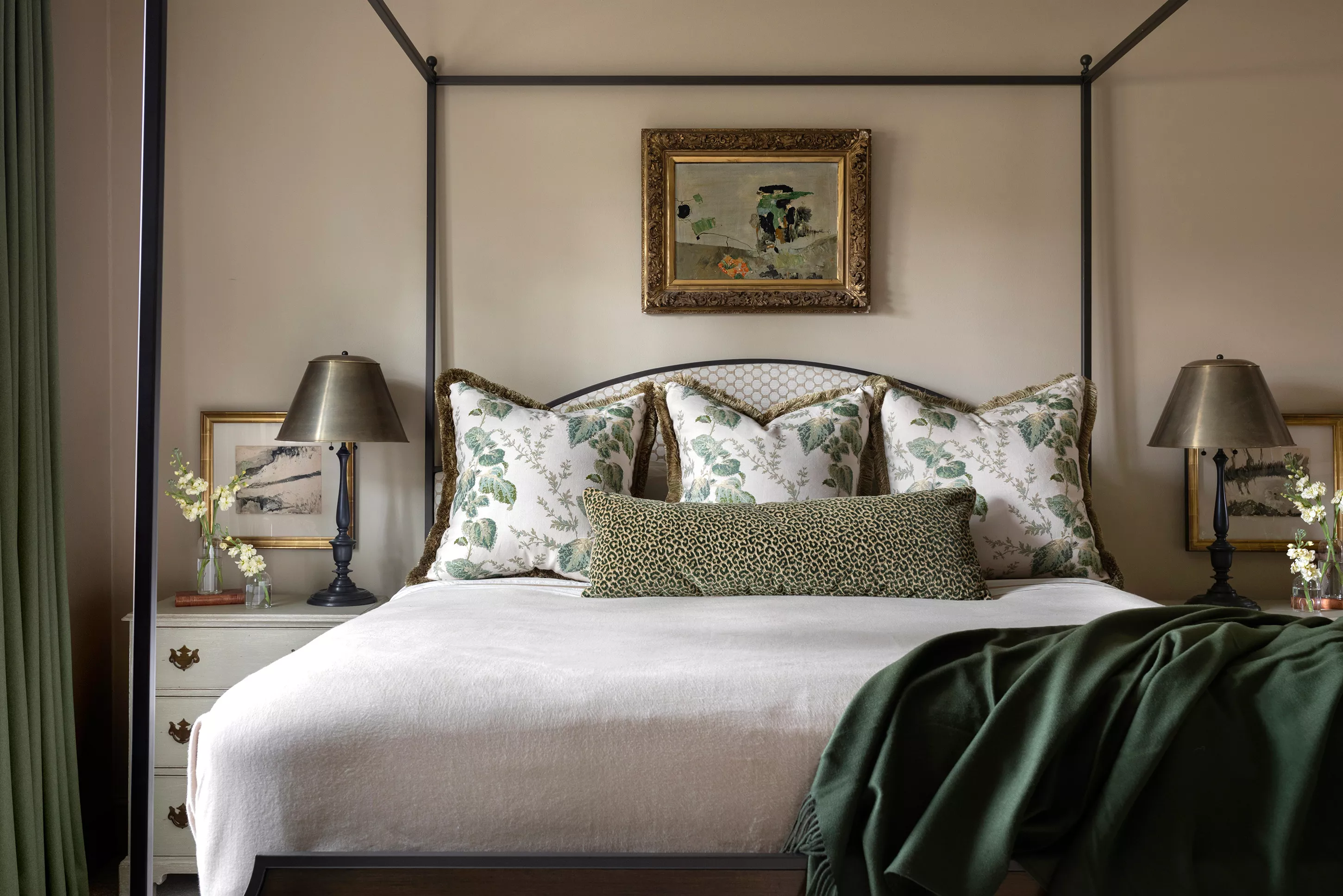
Cue the Nostalgia: These 8 Vintage Decor Trends Are Taking Over Home Decor

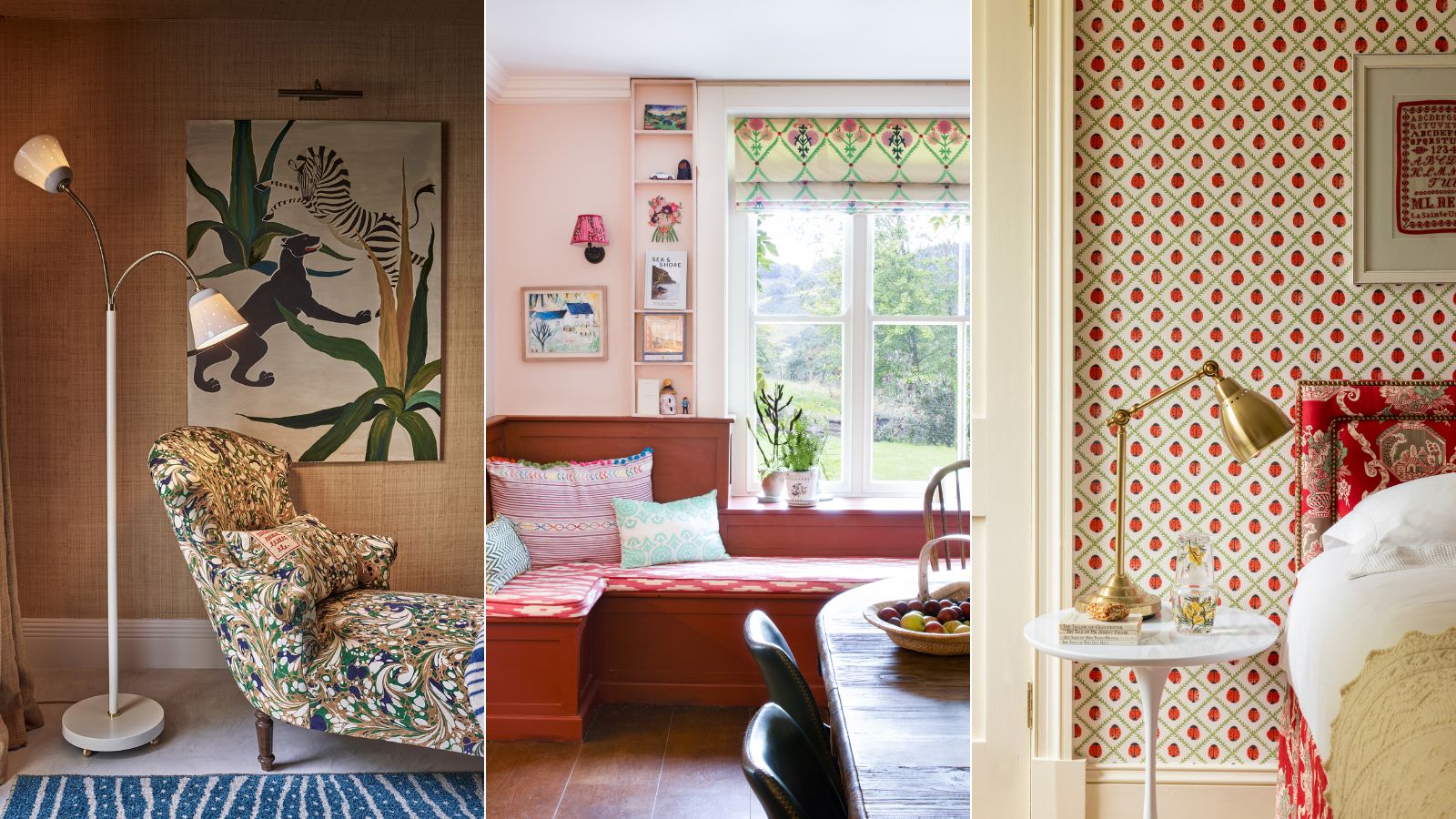
How to decorate with antique textiles – designers share their tips for adding character with old fabrics
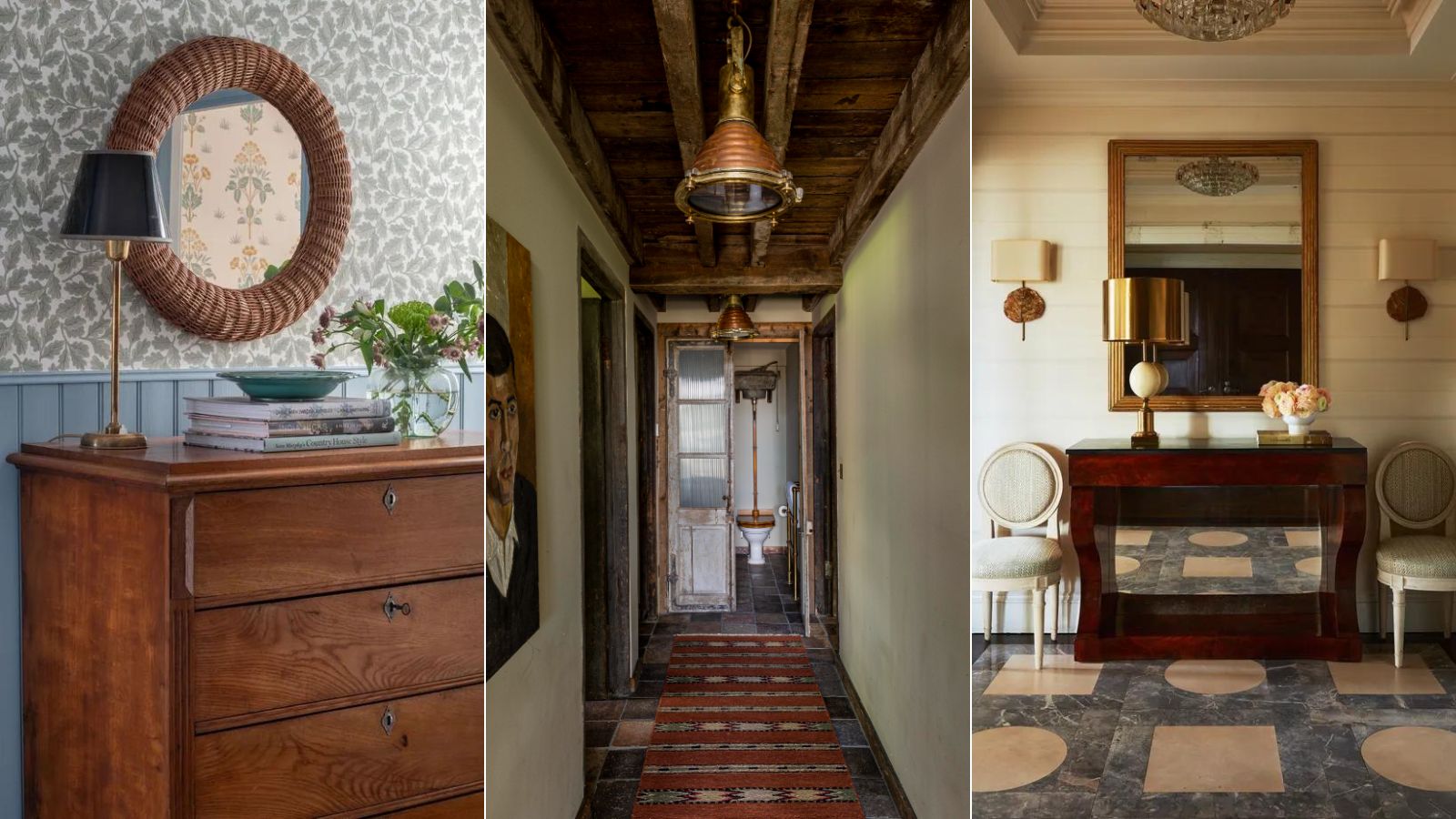
7 vintage lighting ideas to add character to your home
Interior design tips on vintage vibes incorporating retro charm into modern home | Hindustan Times

A designer’s guide to decorating with antiques

40 Outdated Home Trends We Hope Never to See Again

5 easy vintage interior decor tricks for homes

14 Fresh Ways to Mix Vintage Style into a Modern Home

7 Vintage Home Details Experts Want to Bring Back
Interior designers on the best piece of decorating advice they inherited from their parents and grandparents
7 Vintage Home Decor Features That Designers Want to See EVERYWHERE in 2026
Decorating with antiques – 8 designer tips to channel the past in the chicest way
Folk decor ideas – 7 ways to bring this enchanting design style into the home
Vintage vs. Antique vs. Retro: What’s the Difference?