Vintage vs. Antique vs. Retro: What’s the Difference?
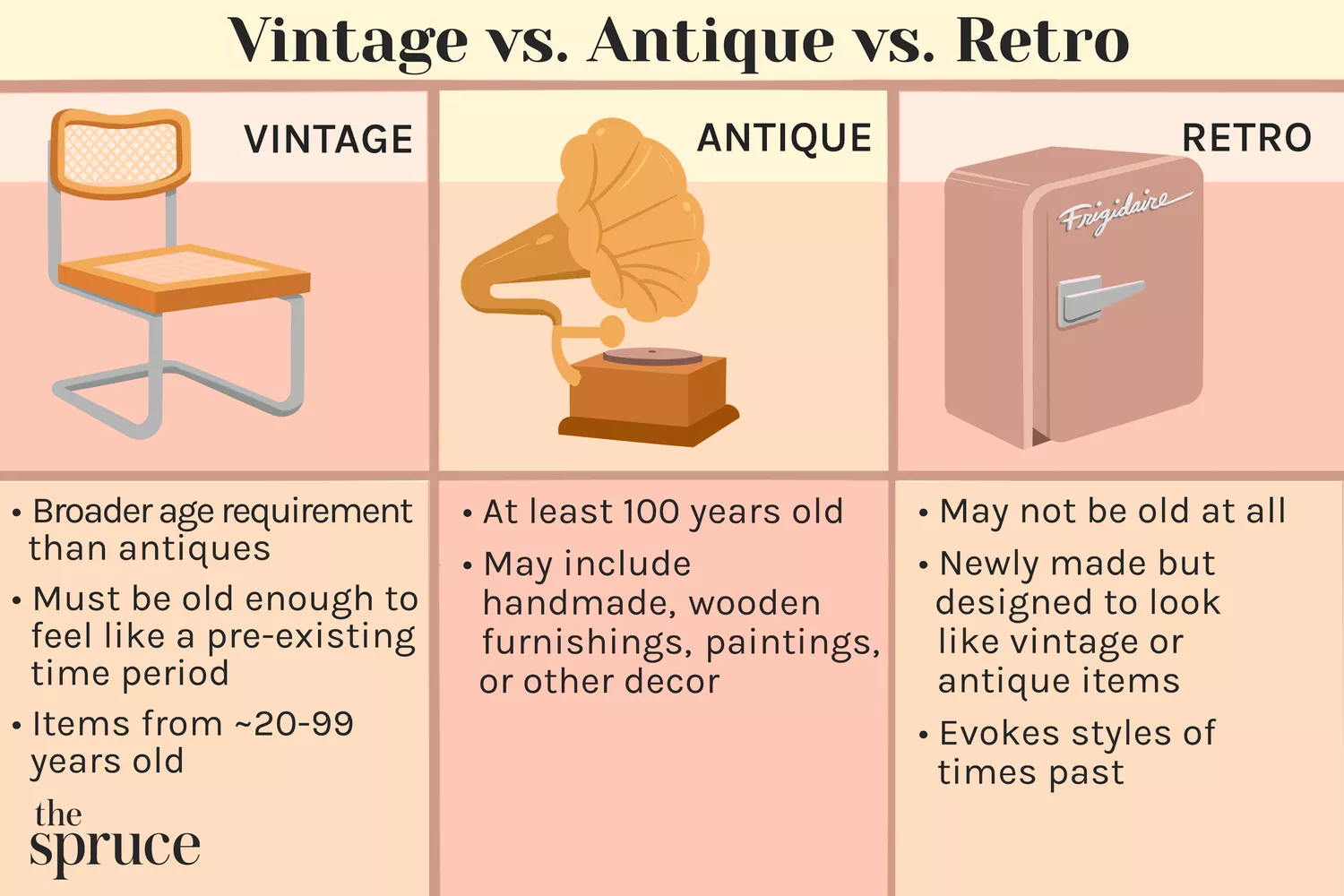
The terms vintage, antique, and retro are frequently used interchangeably in discussions about home decor and secondhand shopping, yet they refer to distinct categories of items based on their age, origin, and aesthetic. Understanding these distinctions is crucial for anyone interested in collecting, decorating, or simply appreciating items from different eras. While all three terms evoke a sense of the past, their precise definitions guide how they are applied to various objects.
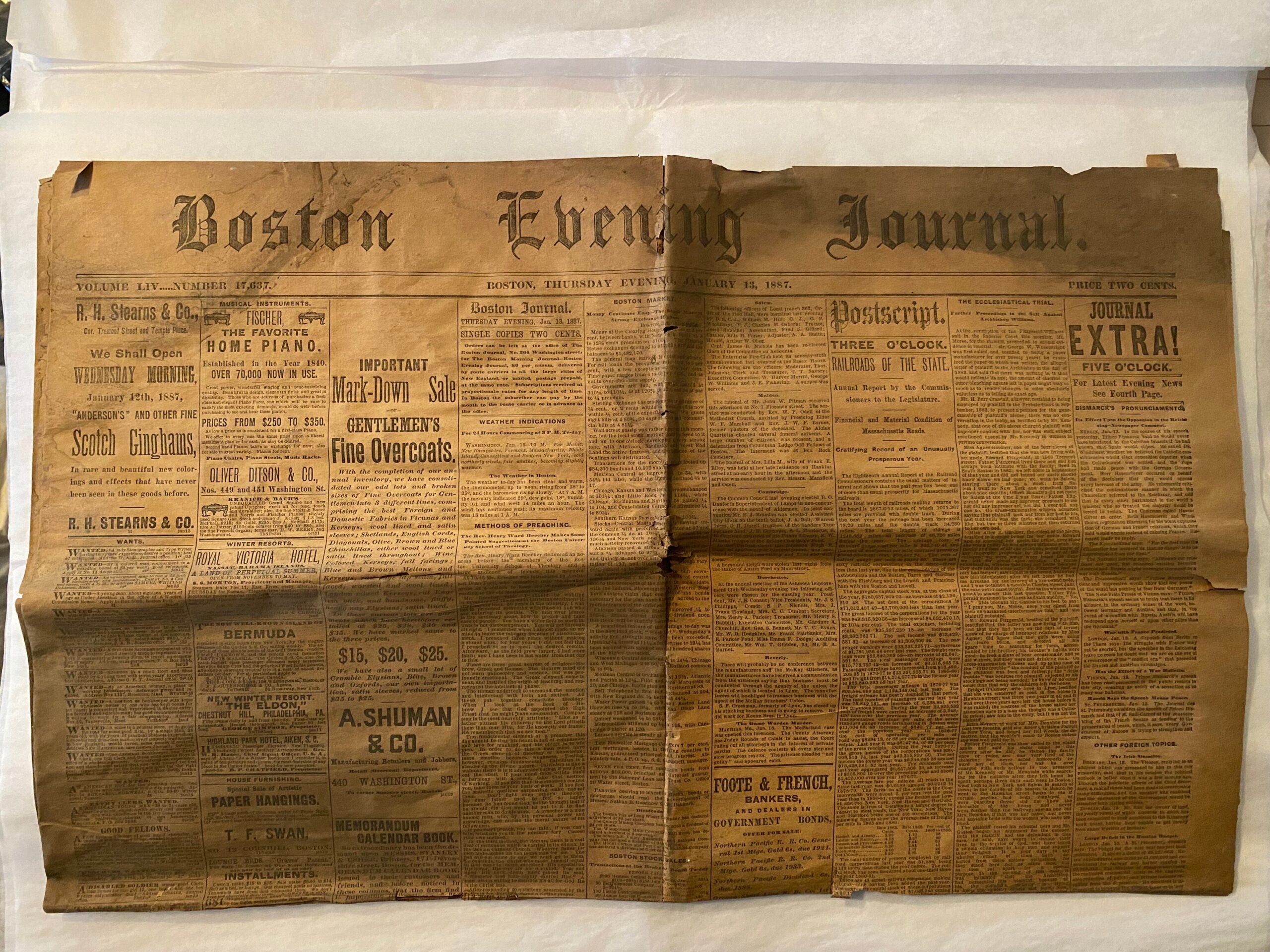
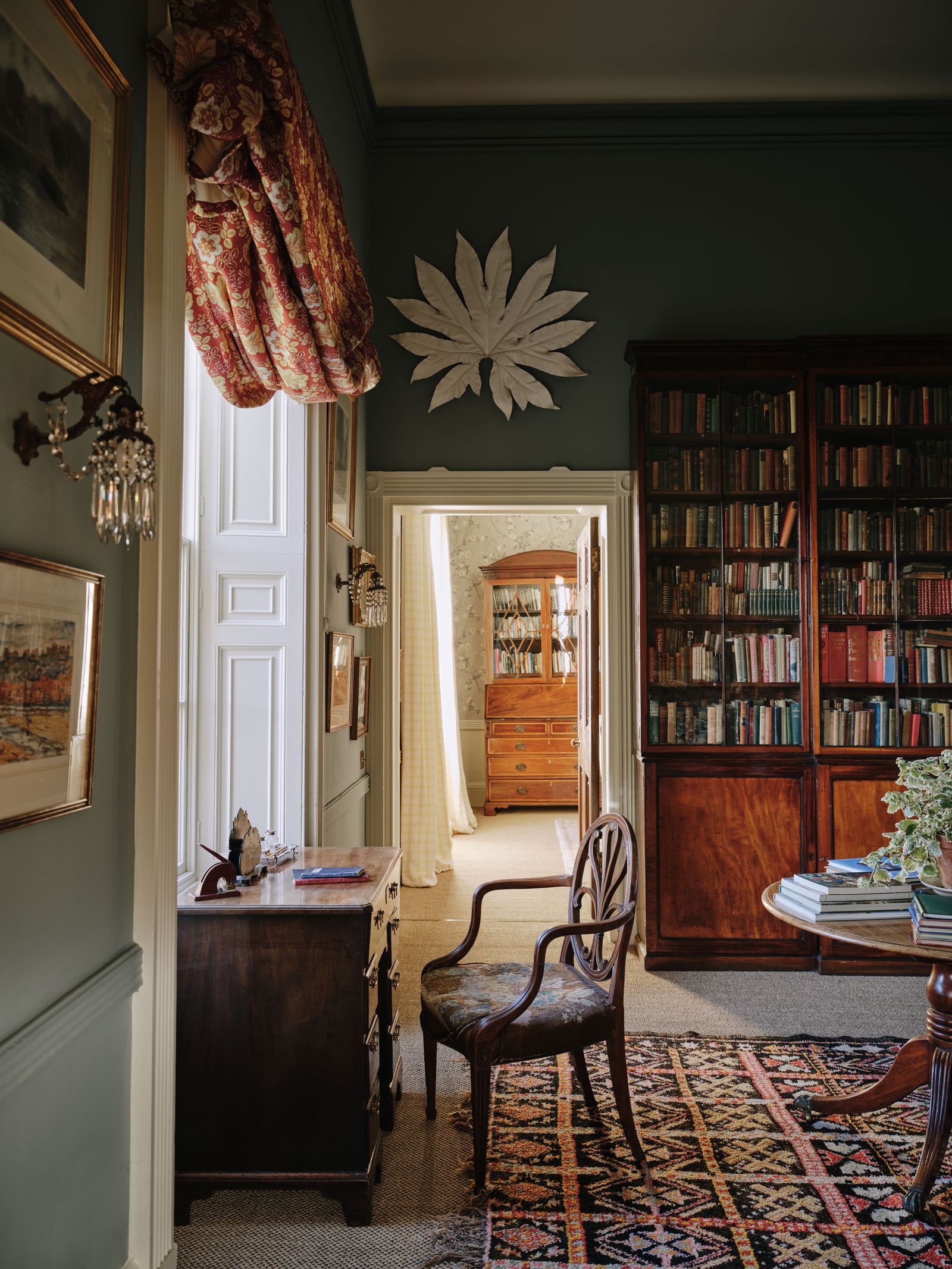
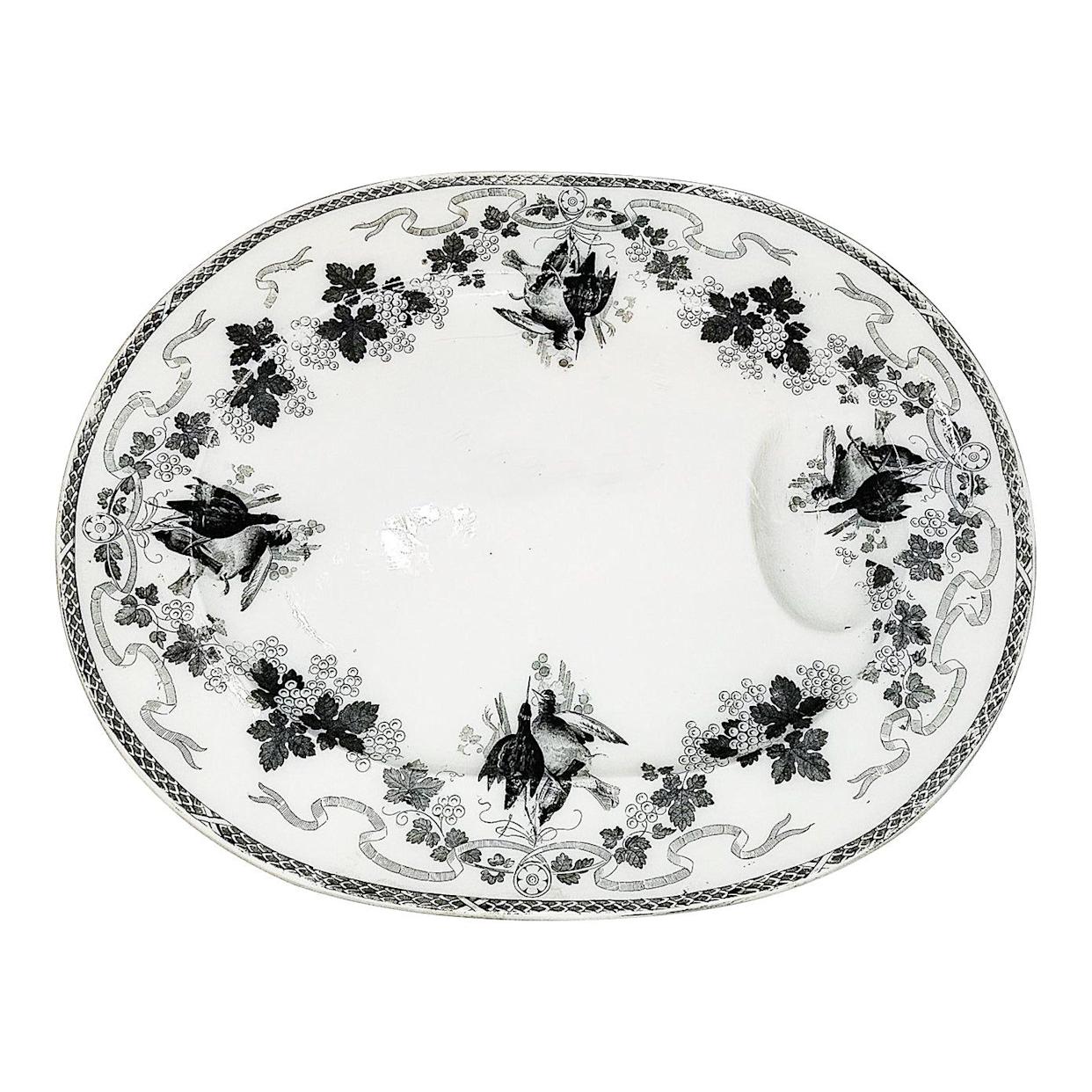
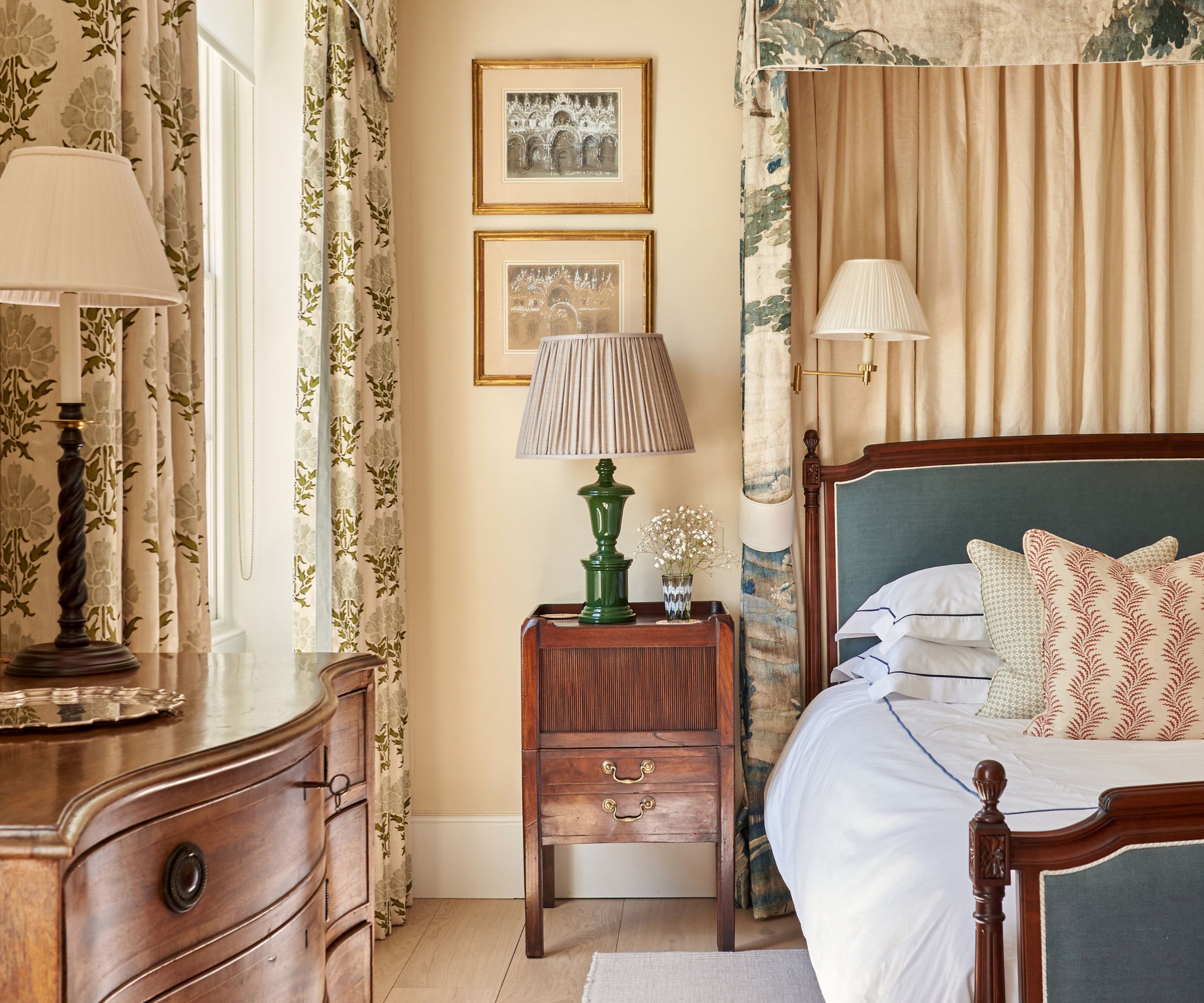
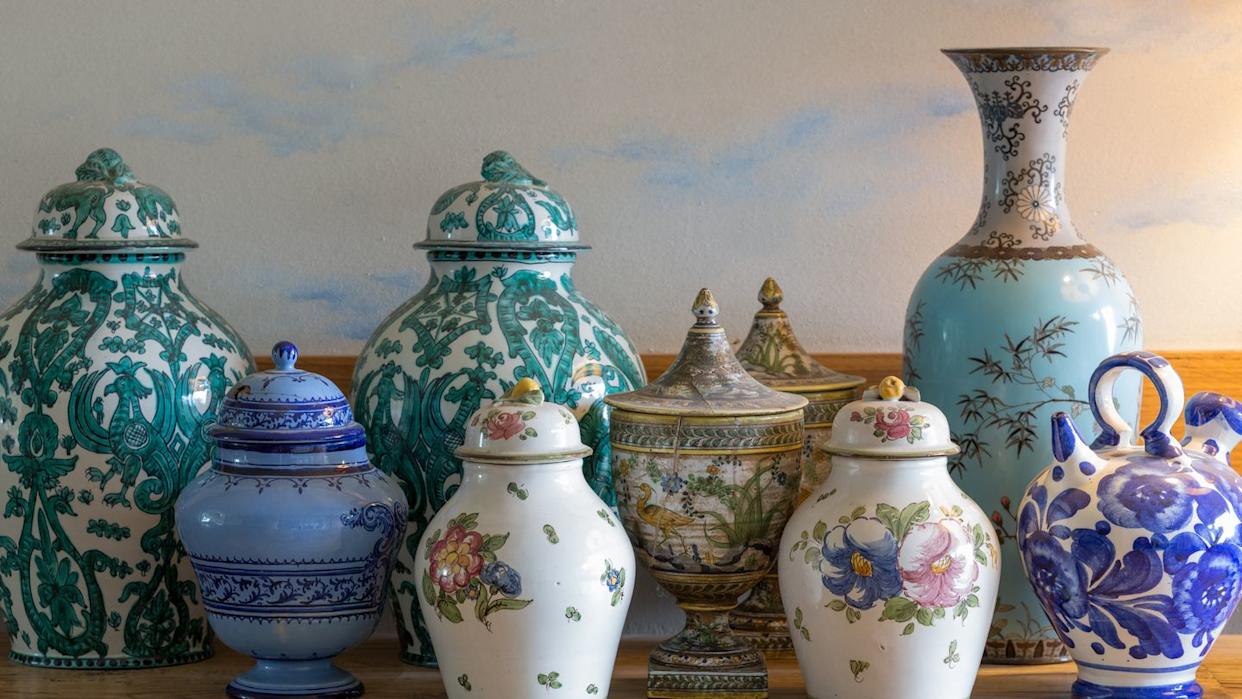
An antique is defined as an item that is at least 100 years old. This means that in 2025, an object must have been created in 1925 or earlier to qualify as an antique. The category of antiques is broad, encompassing everything from large furniture pieces and vehicles to small decorative items like hairbrushes or buttons. The age requirement is strict, making 'antique' the most precisely defined of the three terms. It's important to note that an item being an antique does not automatically guarantee high monetary value; its worth depends on factors such as rarity, condition, craftsmanship, and historical significance. Antiques carry a tangible sense of history, offering a direct connection to past generations and their customs.
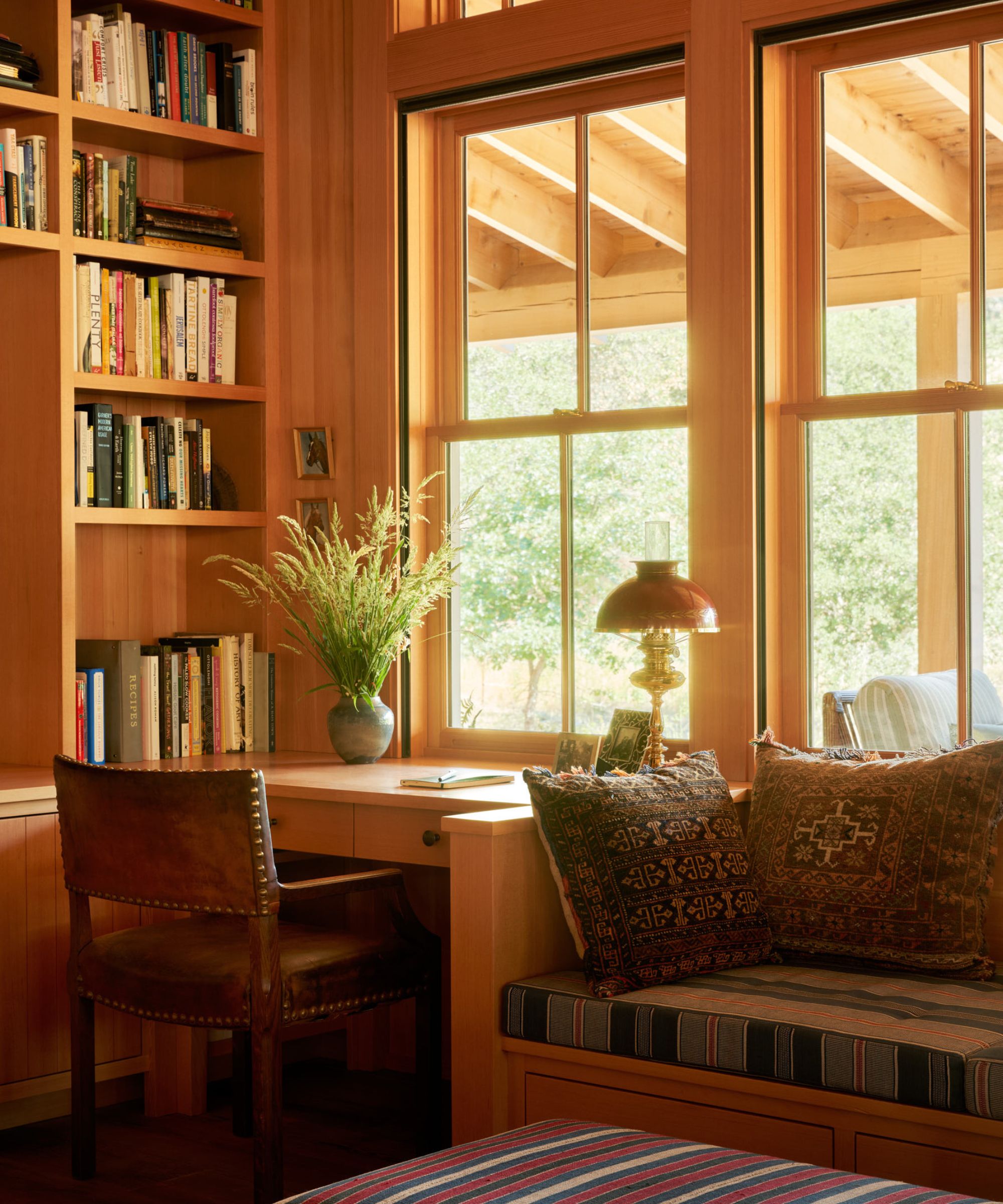
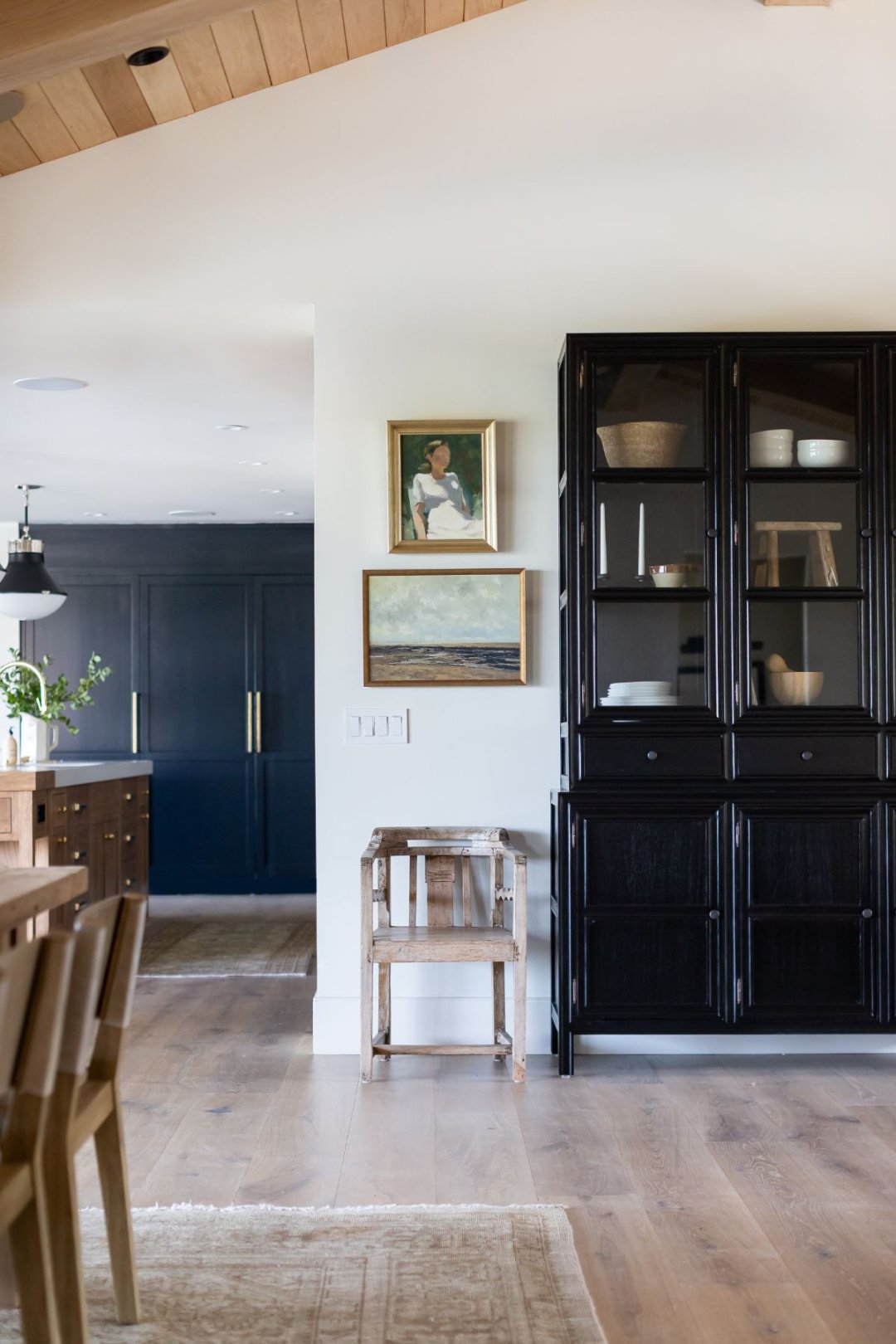
Vintage items, while also old, have a less rigid age definition than antiques. Generally, an item is considered vintage if it is between 20 and 99 years old. This broad range allows for a diverse array of objects to fall under the vintage umbrella, from fashion and electronics to home decor. Vintage items often evoke a feeling of nostalgia, reminding people of their childhoods, their parents' generation, or significant cultural periods. Many vintage items are highly collectible due to their unique designs, cultural relevance, and the sentiment they inspire. For example, a record player from the 1960s would be considered vintage, as it falls within the 20 to 99-year timeframe and represents a specific past era.
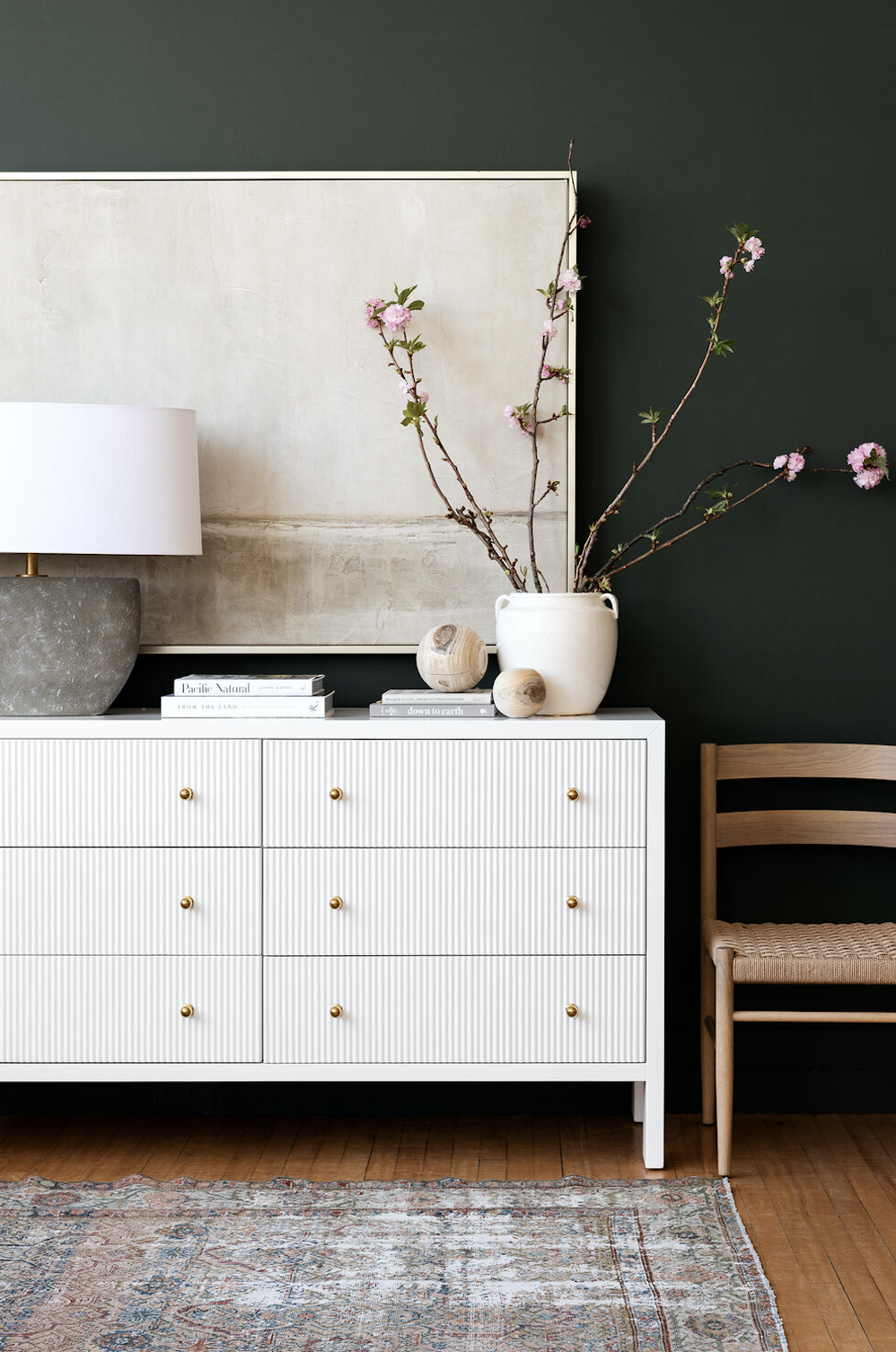
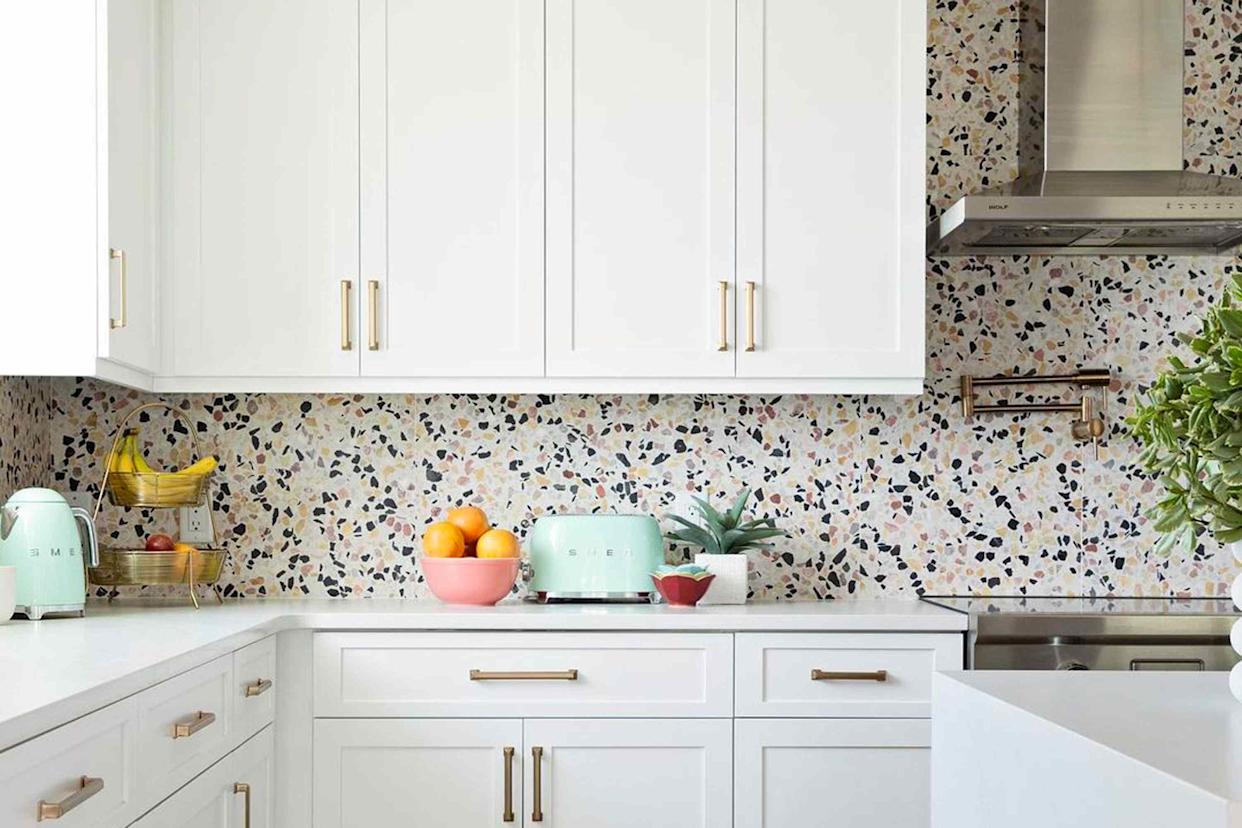
Retro, in contrast to both antique and vintage, does not refer to the actual age of an item but rather to its style or appearance. A retro item is one that is newly manufactured but designed to imitate the look and feel of an older era. These items are contemporary productions that intentionally mimic vintage or antique aesthetics. For instance, new furniture designed with a mid-century modern aesthetic, or a modern toaster engineered to look like a 1950s appliance, would be classified as retro. Retro items allow individuals to achieve a desired aesthetic without the cost or rarity associated with authentic vintage or antique pieces. They often incorporate modern technology or materials while maintaining a nostalgic visual appeal, making them generally more affordable and accessible.
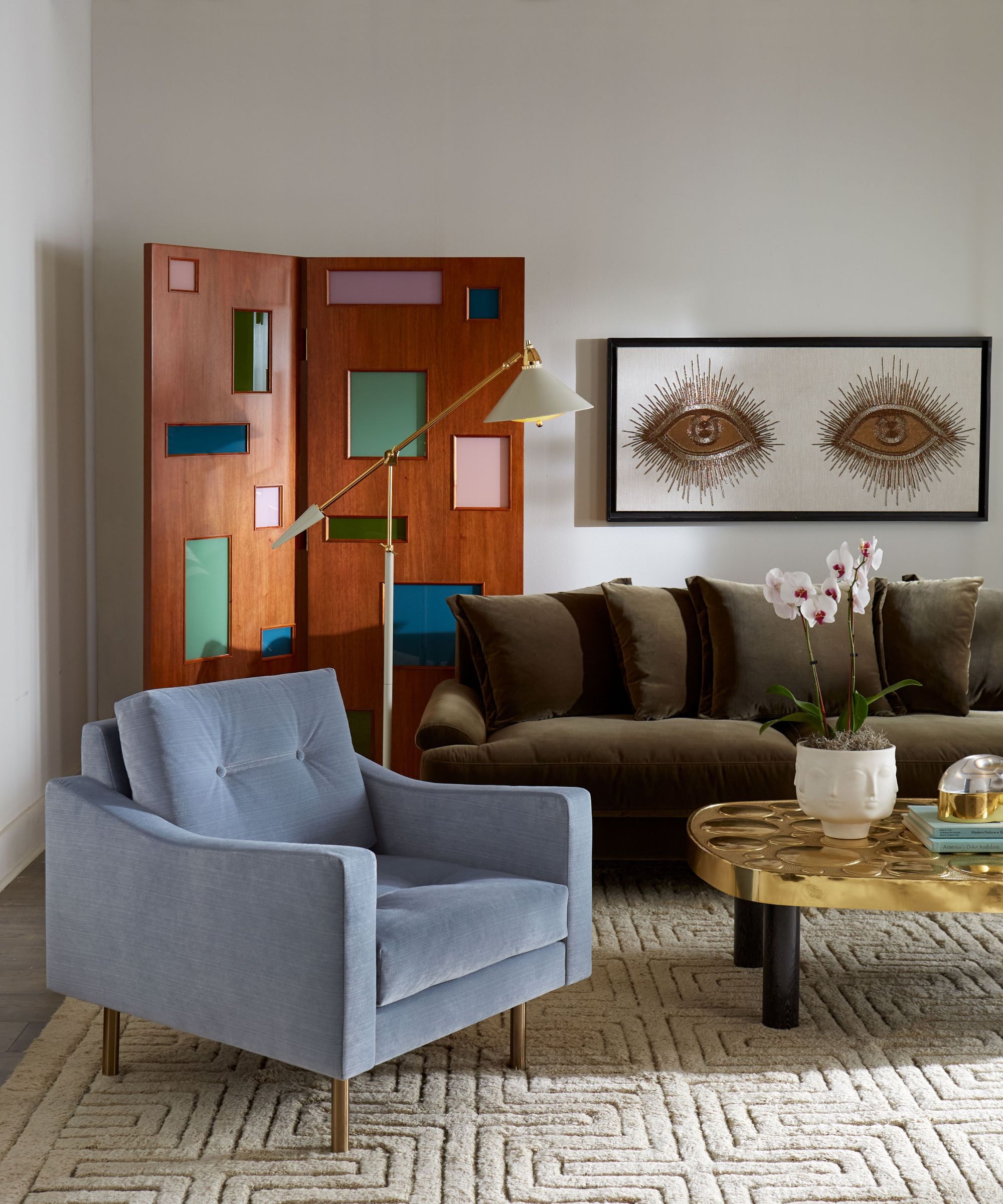
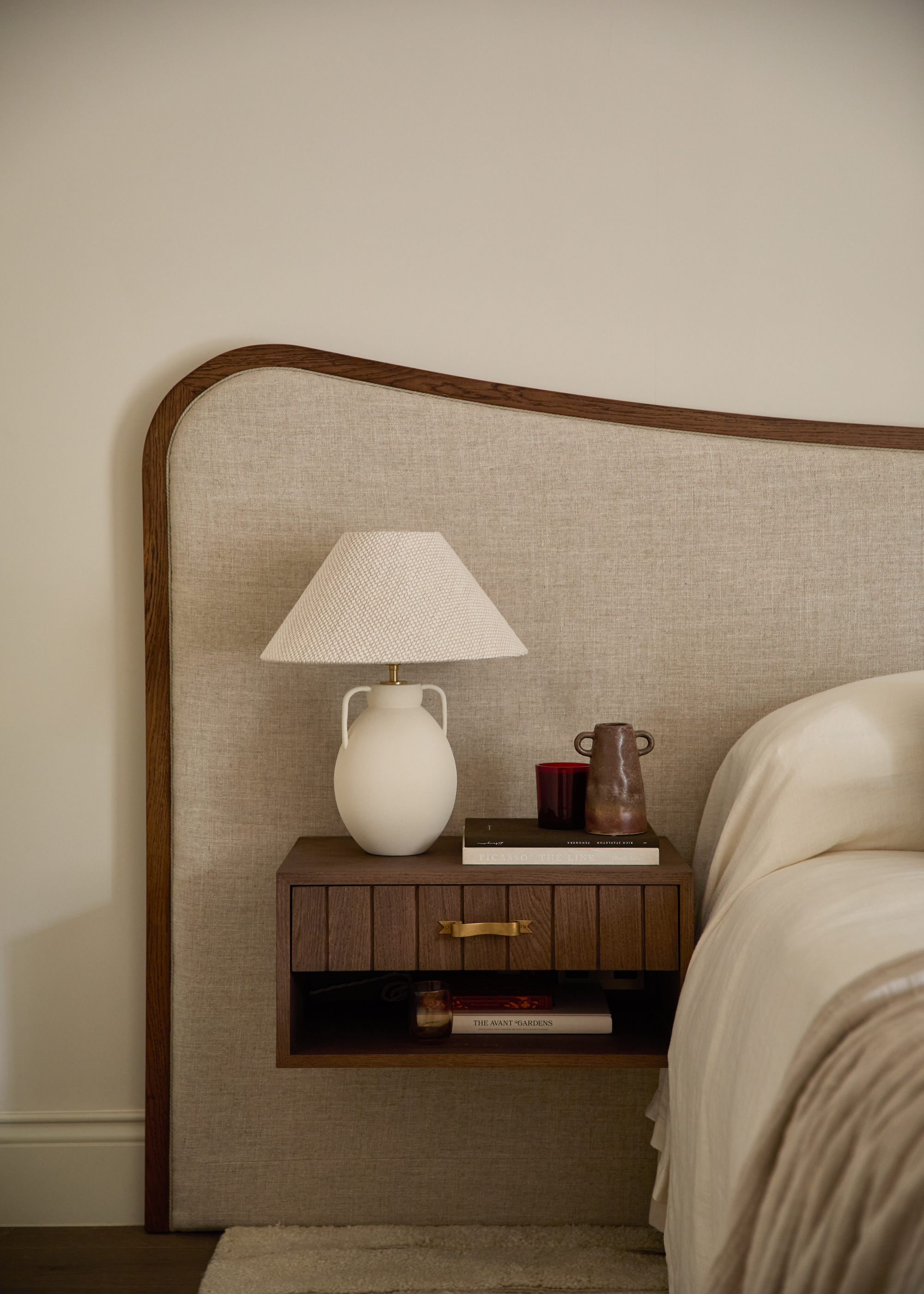
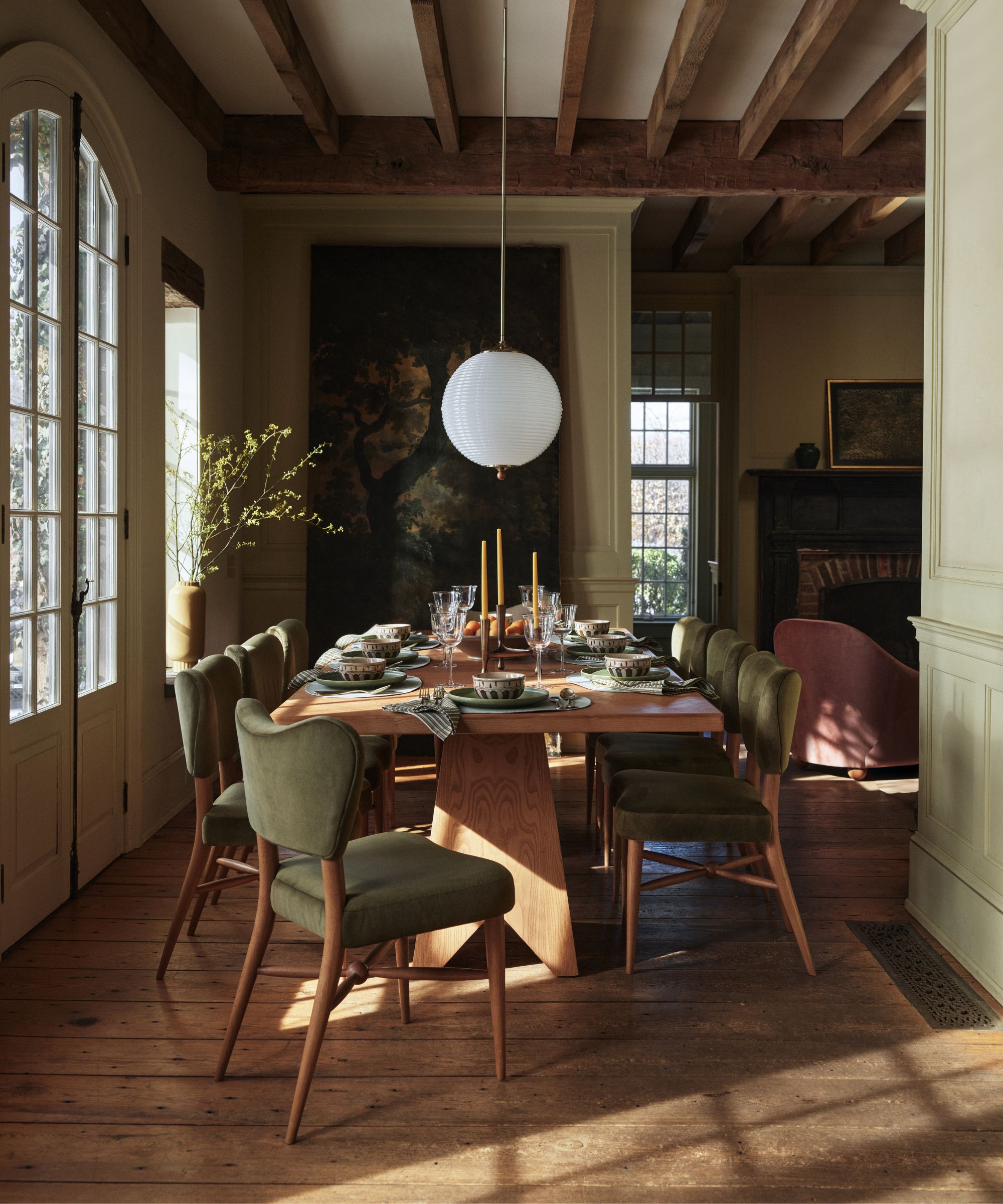
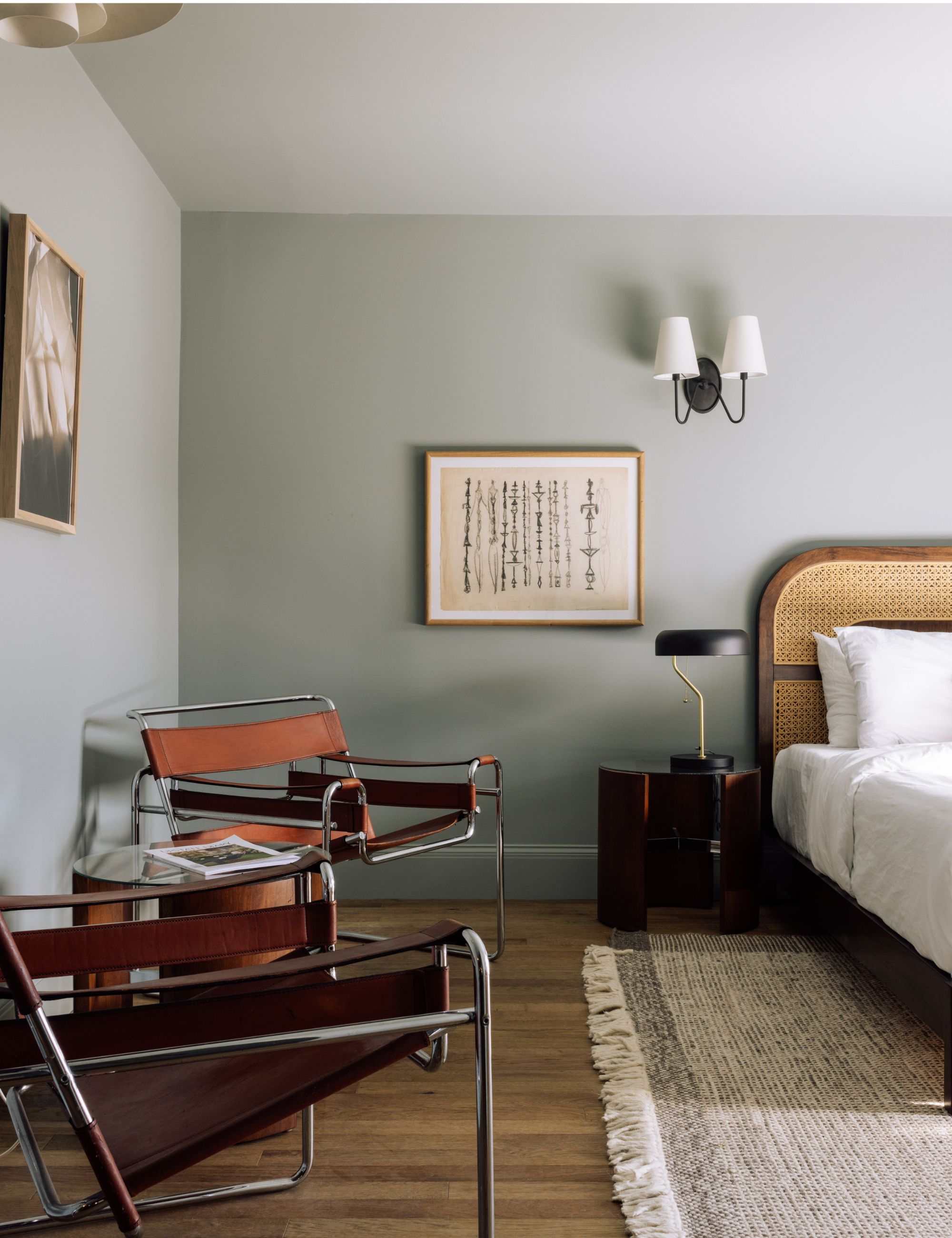
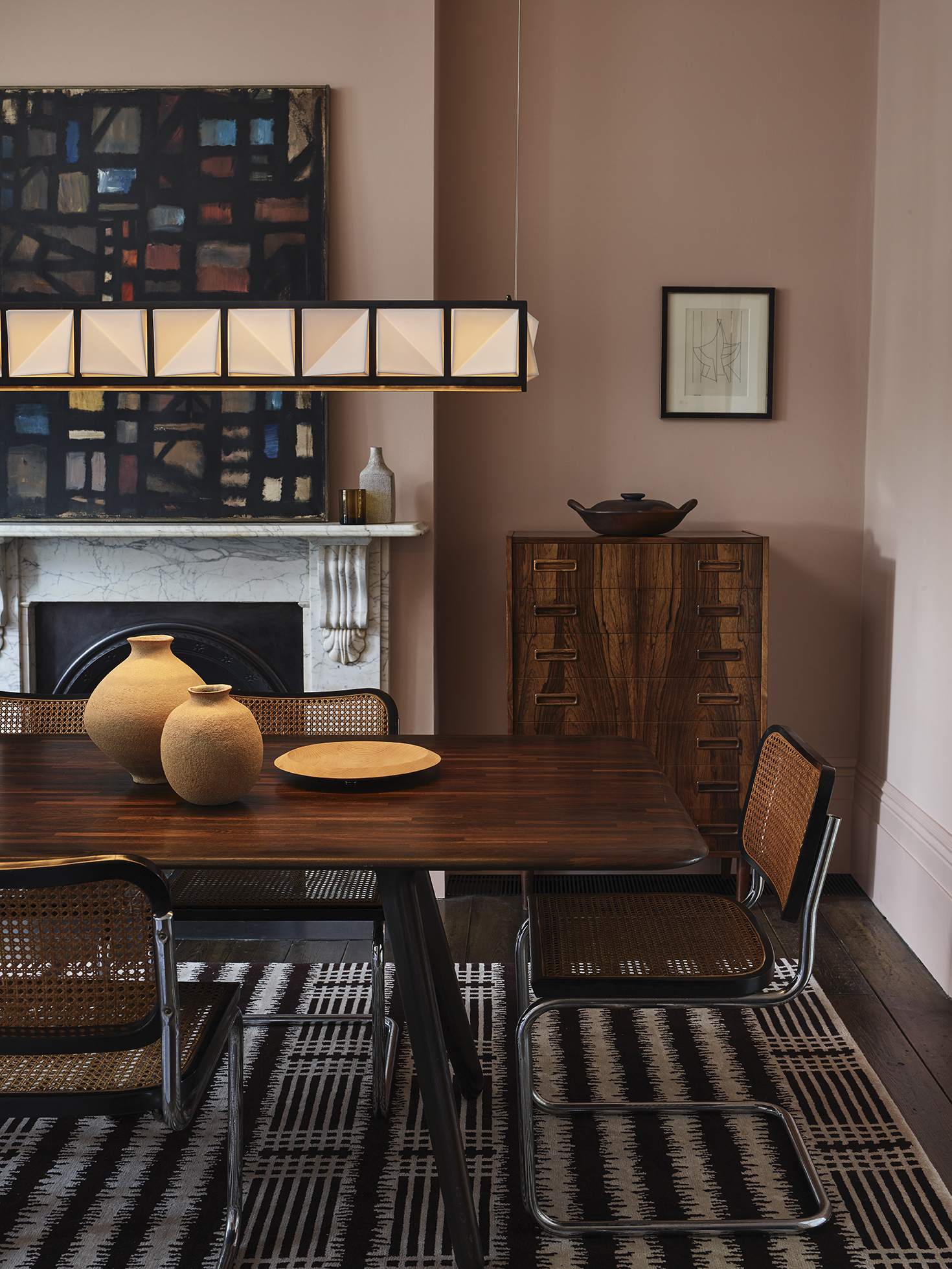
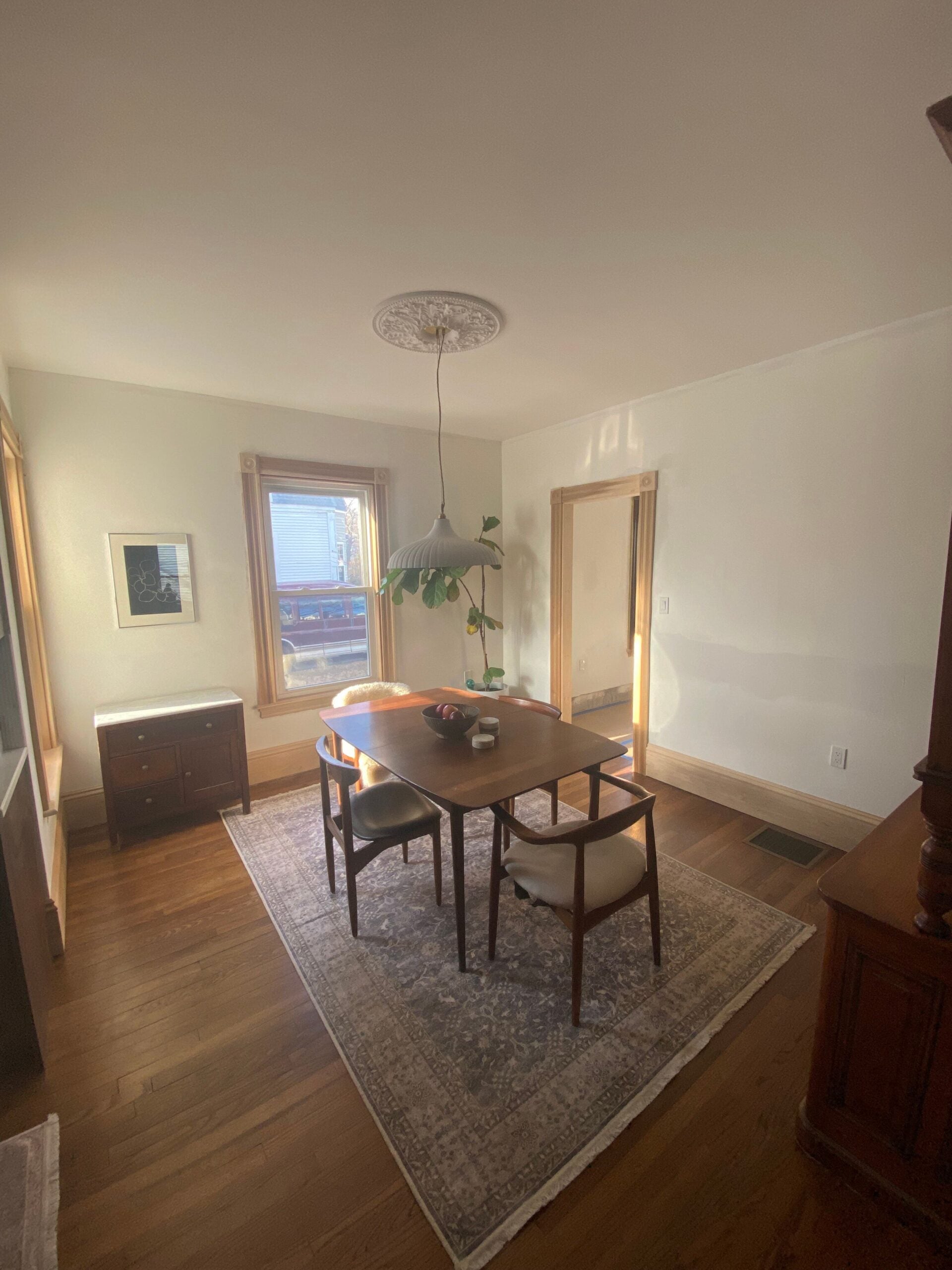
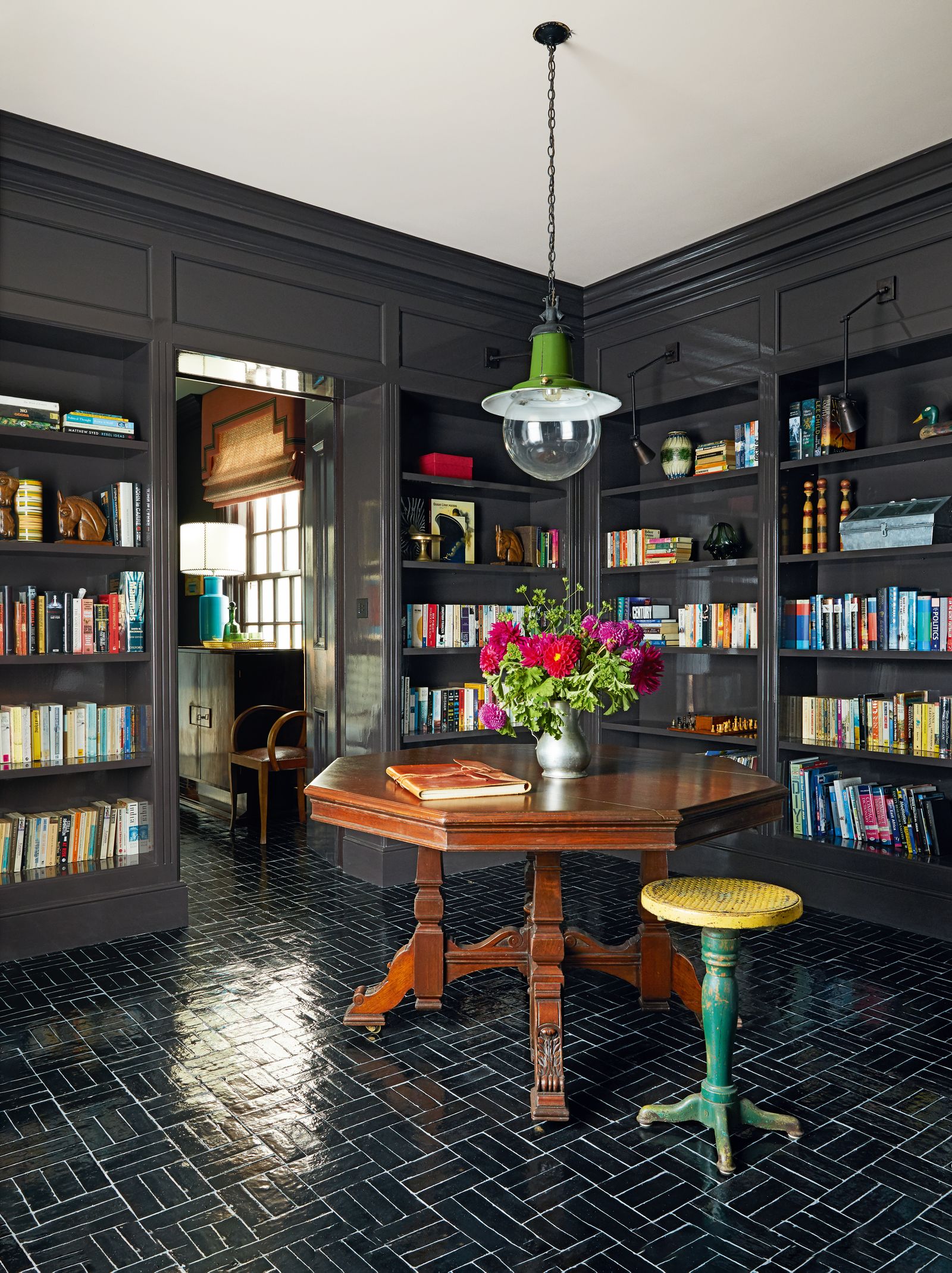
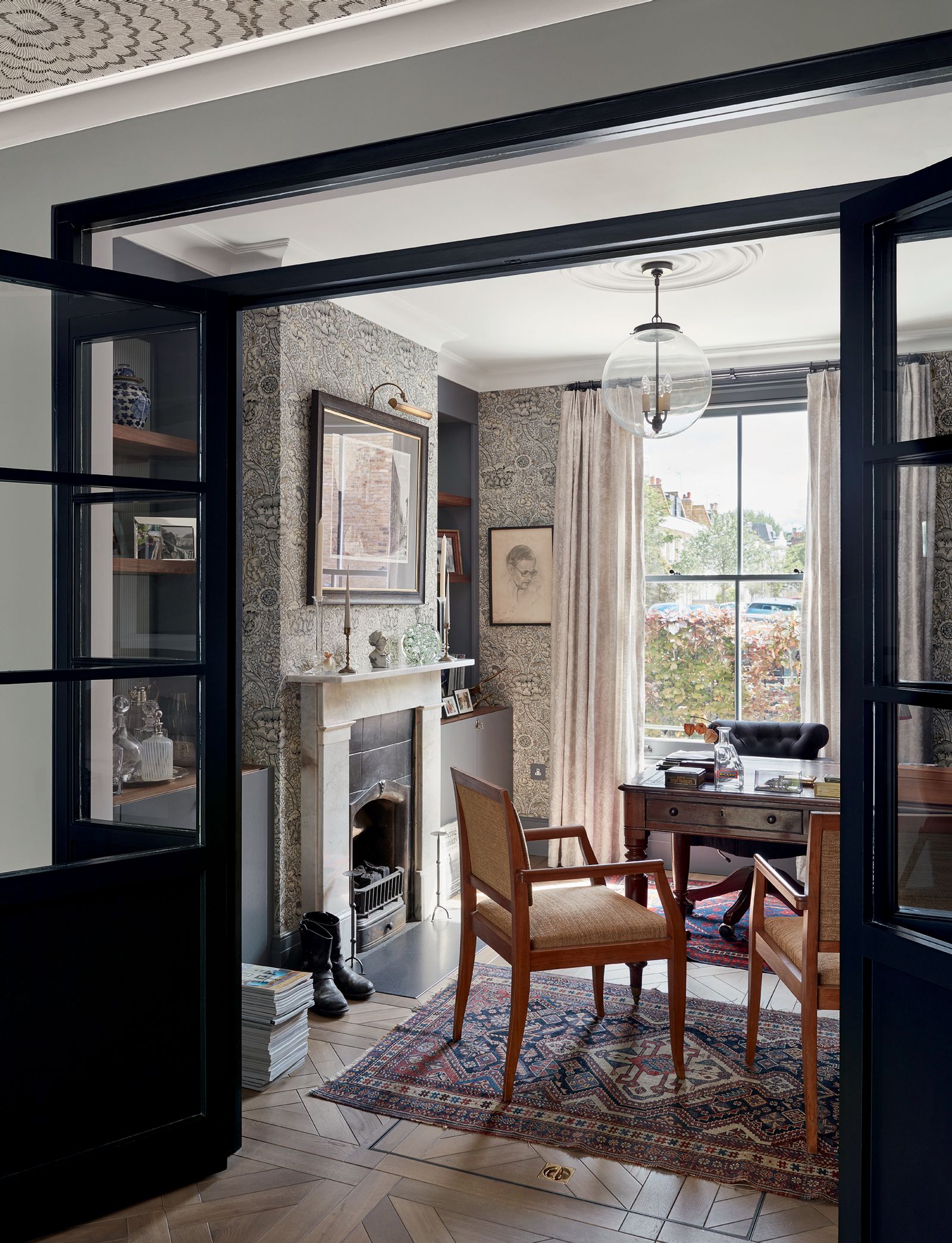
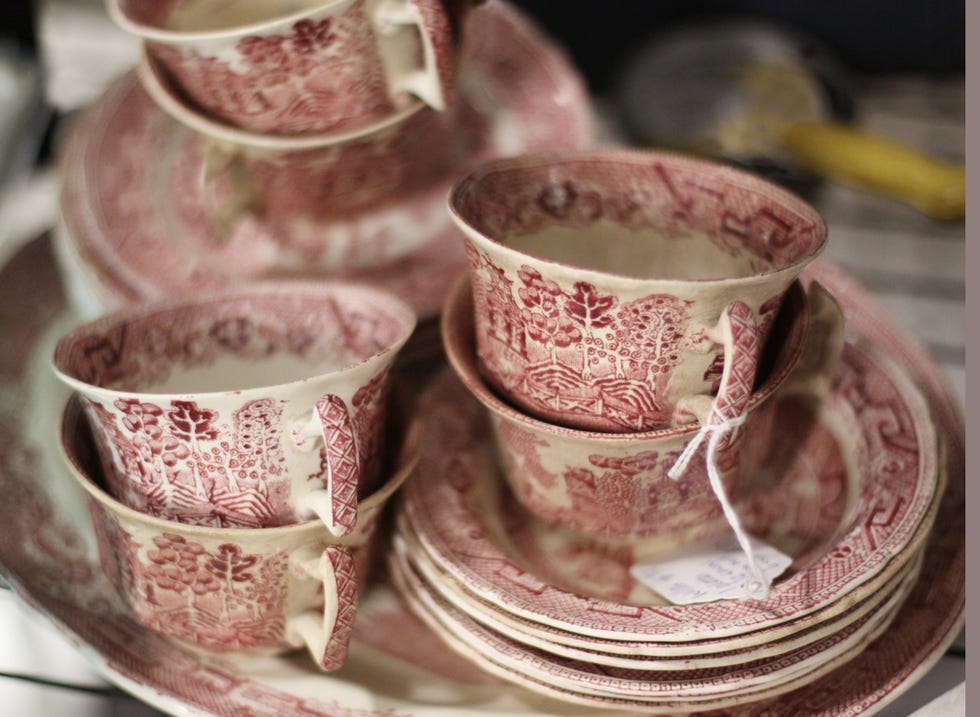
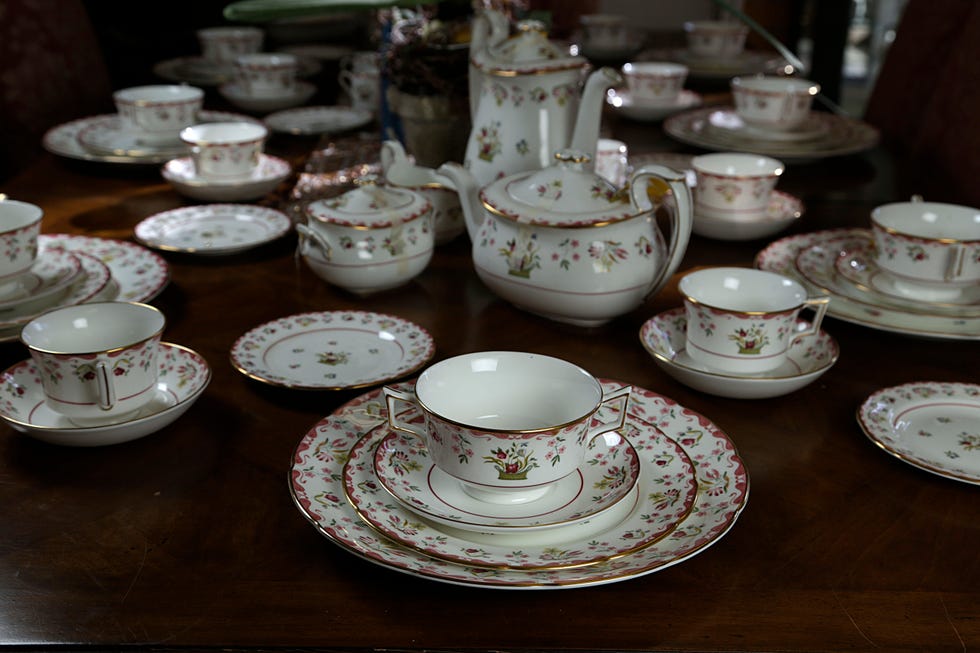
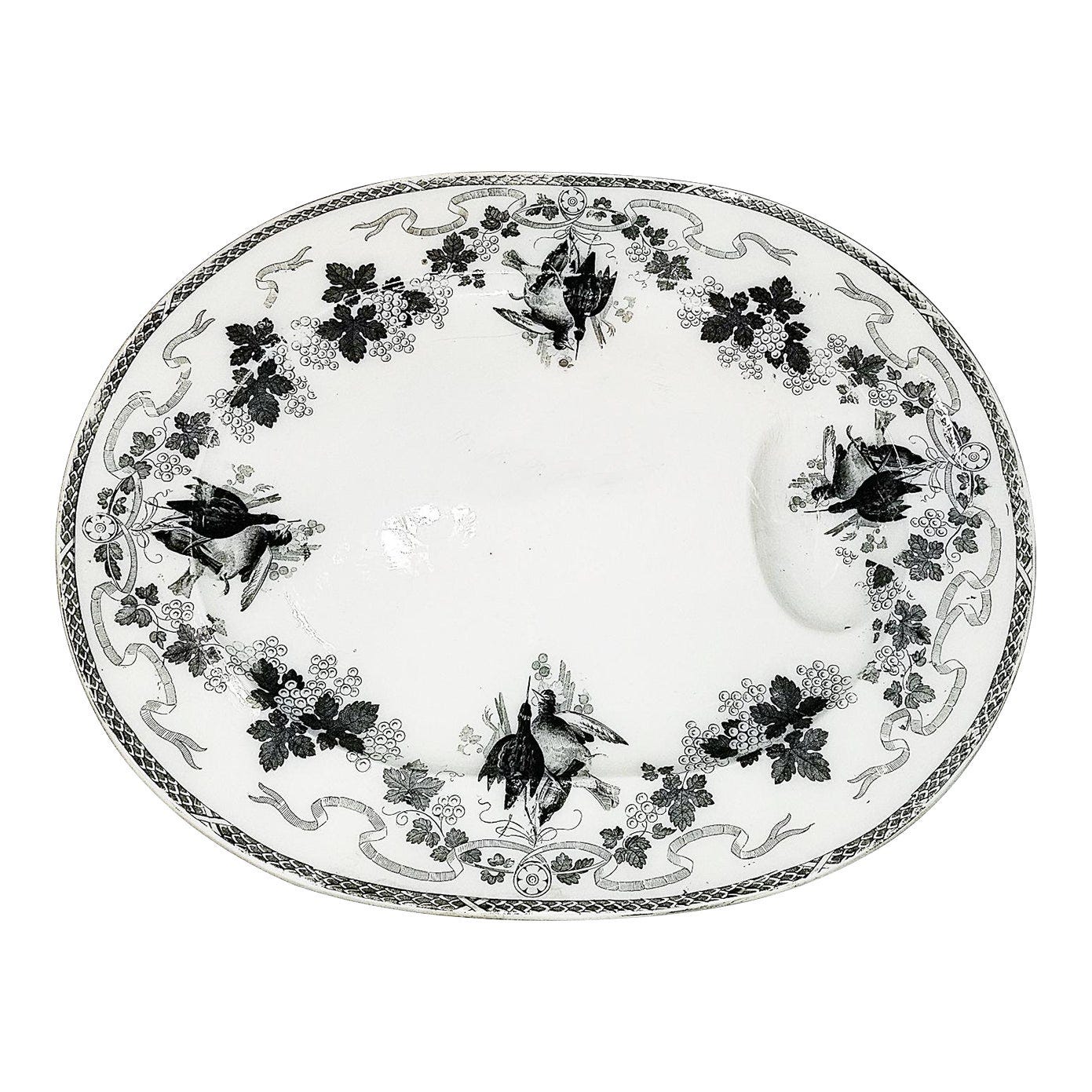
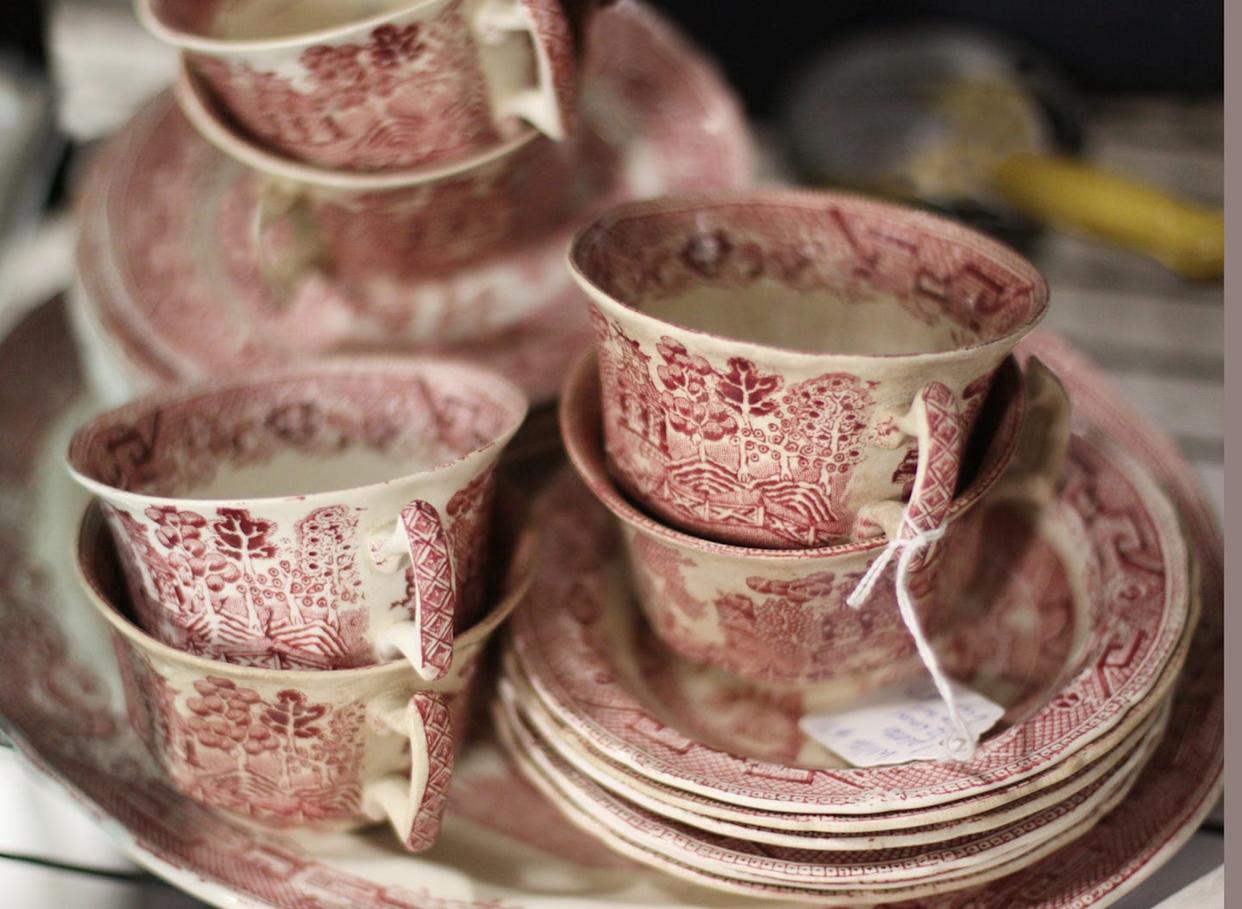
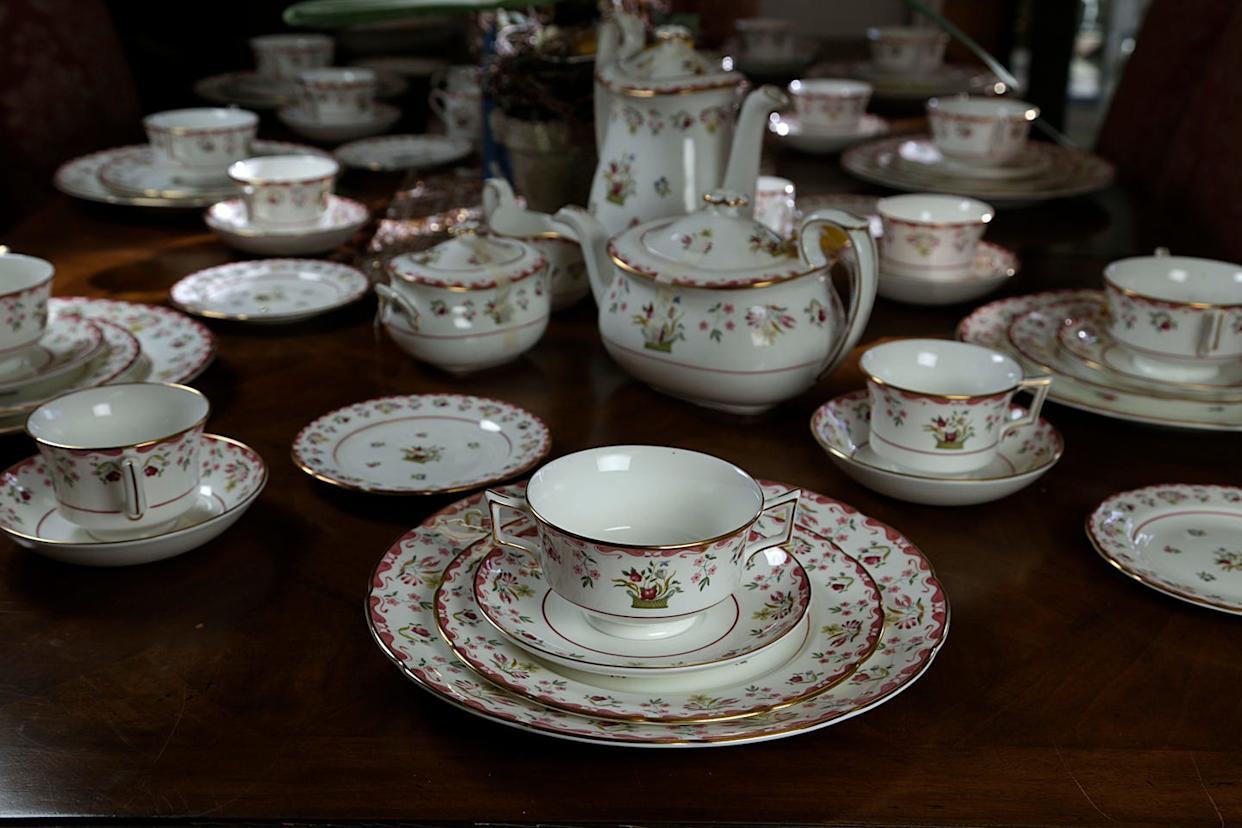
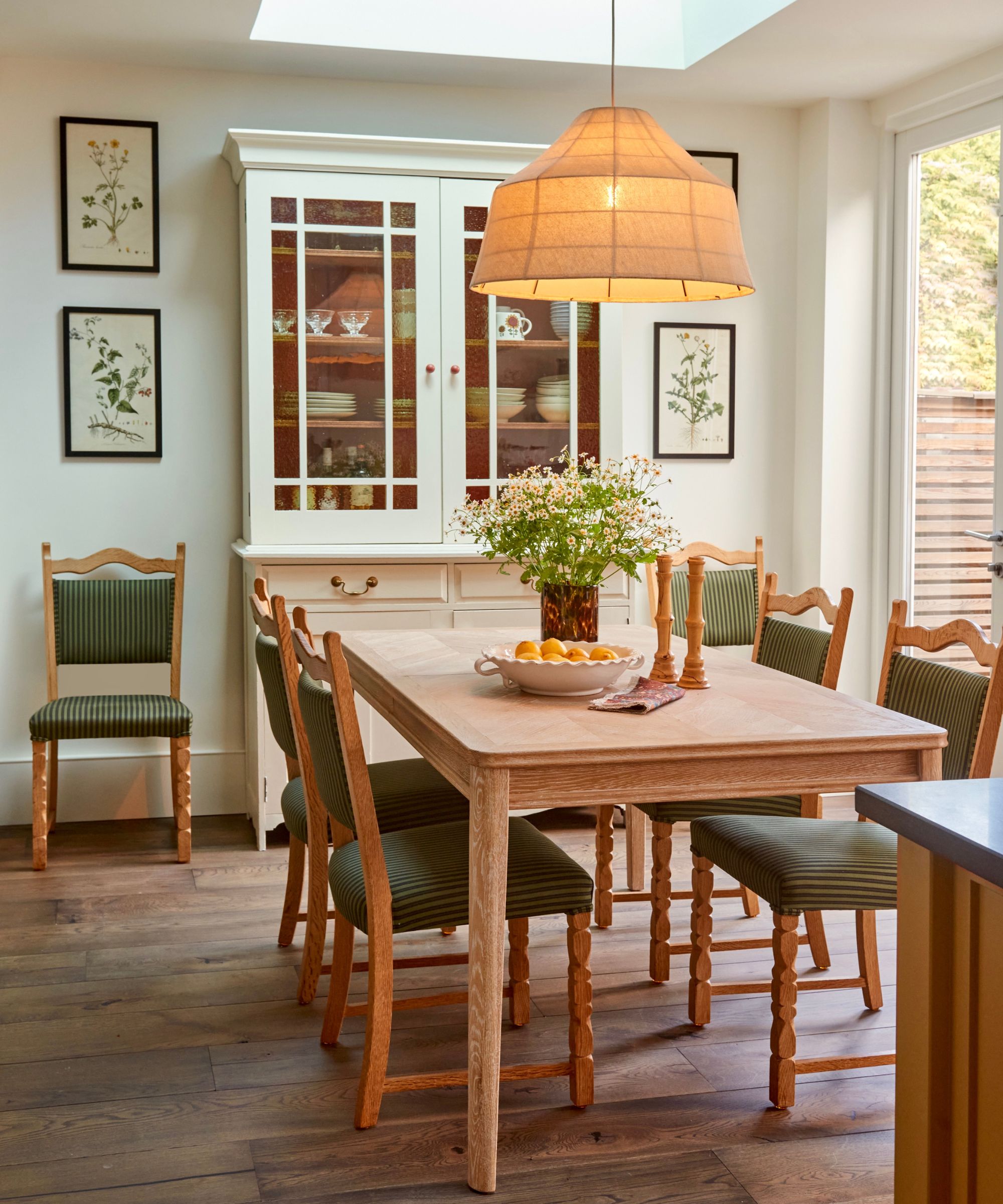
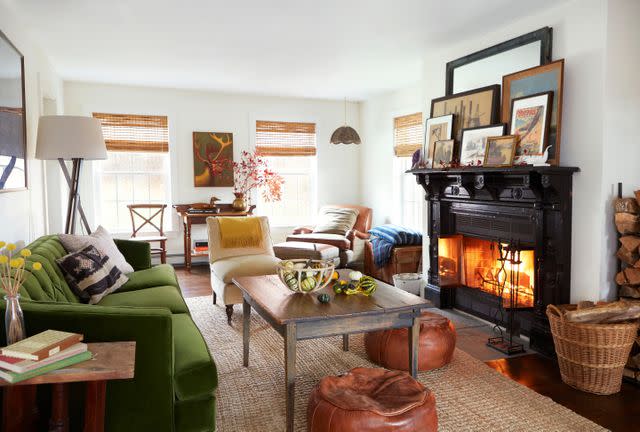
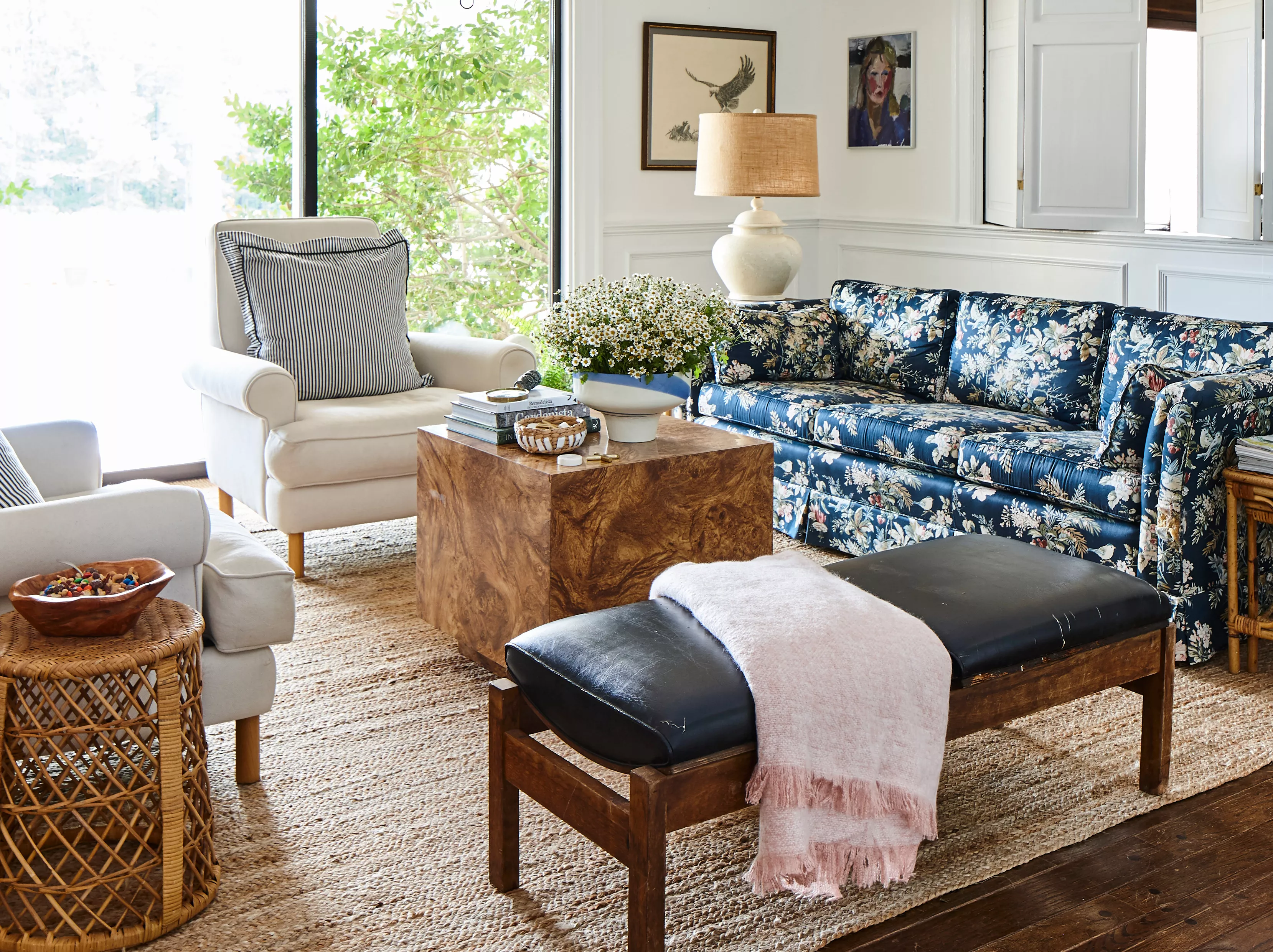
Mixing these different categories can create a unique and personalized design style. An antique side table, with its rich history, can complement a vintage Eames chair, blending different historical periods seamlessly. Similarly, retro items can be effectively combined with vintage pieces; for example, a mid-century formica table (vintage) could be paired with a Smeg toaster (retro). Even antique and retro items can coexist harmoniously, such as antique ceramics displayed alongside retro glassware. Understanding the distinctions between vintage, antique, and retro empowers individuals to make informed choices when curating their living spaces, allowing them to appreciate the authenticity of older pieces while embracing the stylistic homage of newer ones.
#HomeDecor #Vintage #Antique #Retro #DesignStyles #SecondhandShopping #InteriorDesign #Collectibles #HomeDecor #Vintage #Antique #Retro #DesignStyles #SecondhandShopping #InteriorDesign #Collectibles
0 comment in total
 No comments yet
You may also like
What is retro style? Why 2025’s most interesting rooms are looking back and how yours can, too

How to use antique furniture in a contemporary scheme
Decorating with vintage – 7 of the best ways to bring character into the home
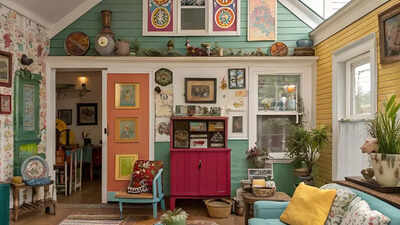
5 easy vintage interior decor tricks for homes

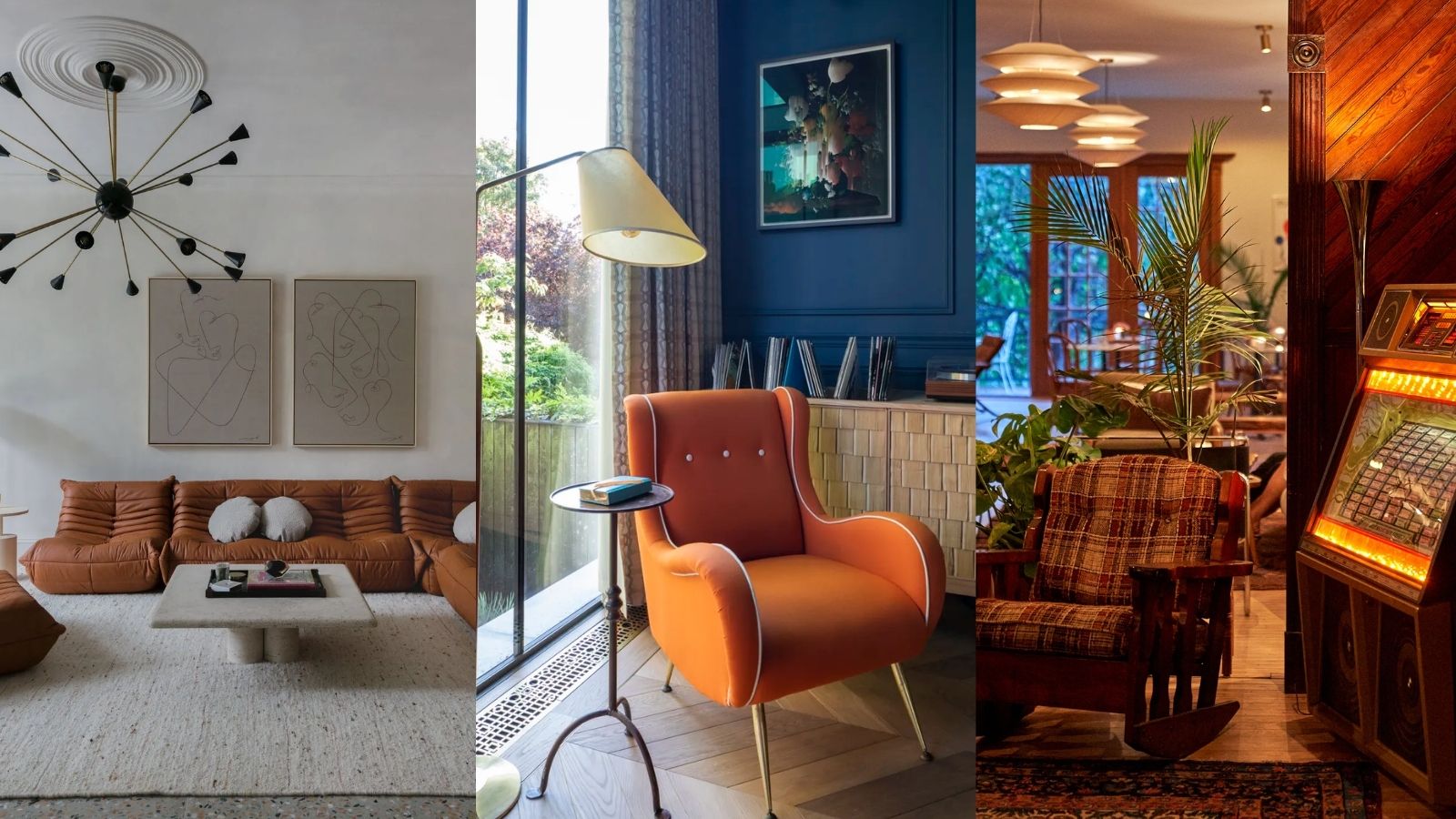
8 retro home decor ideas to bring back this funky trend in a classic way
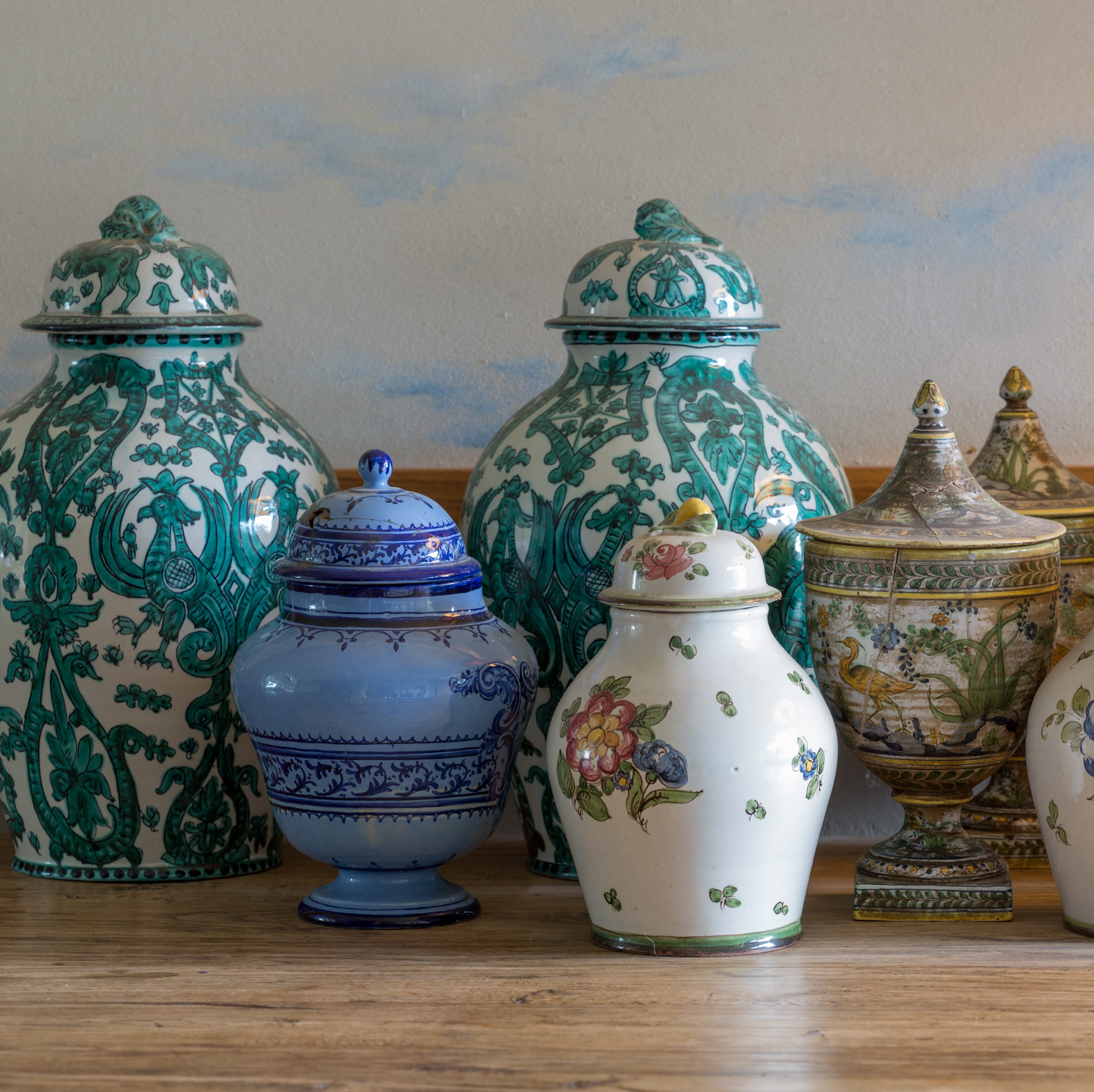
5 Rules for Identifying Antique and Vintage Ceramics—Plus the Types That Are Most Valuable

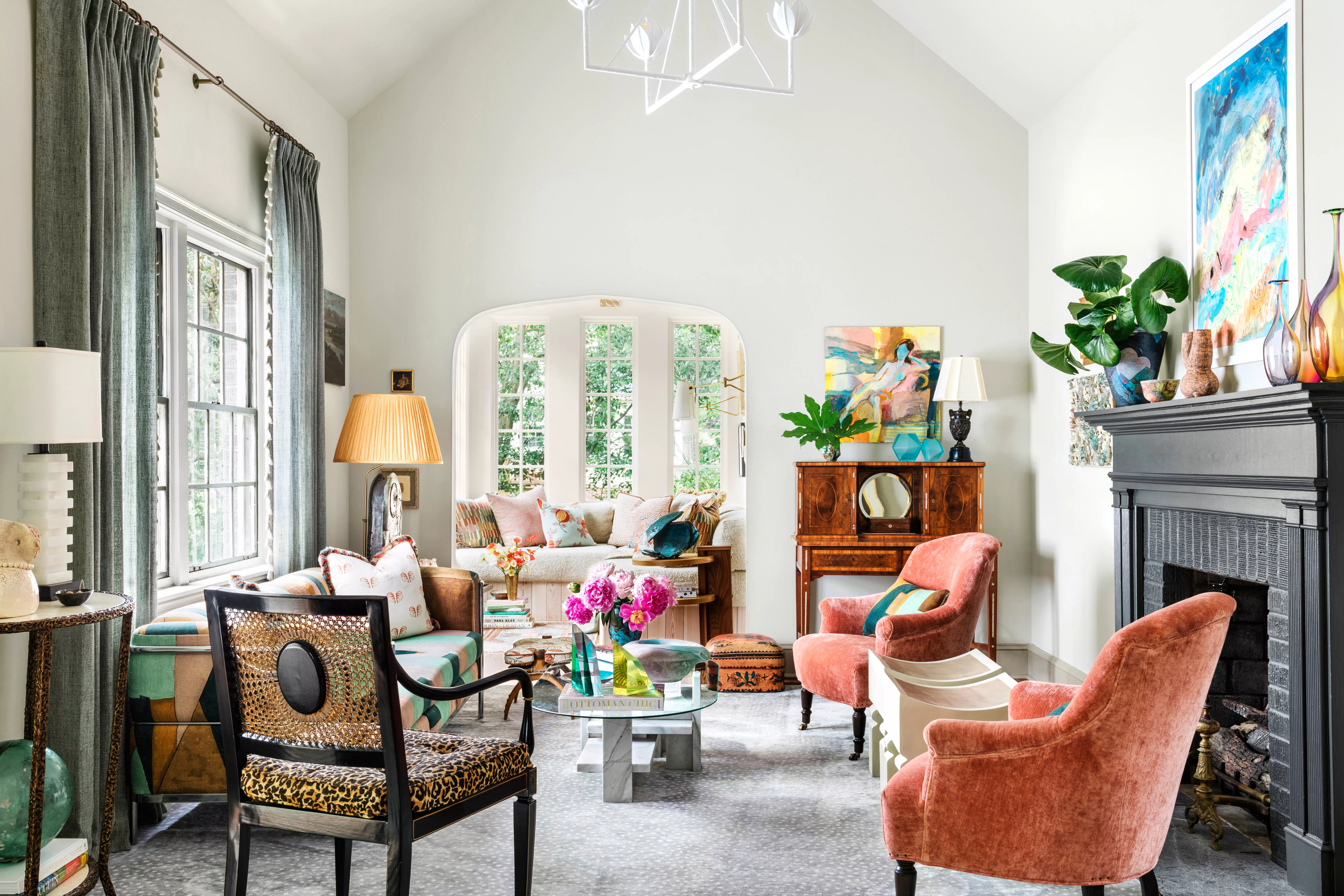
Vintage Eclectic Style Mixes Old and New for a Unique Yet Timeless Home

These 15 Retro Kitchen Ideas Still Look Great in 2025

When restoring historic homes, what’s old is new again


Interior design tips on vintage vibes incorporating retro charm into modern home | Hindustan Times

How To Style Vintage Decor
10 Furniture Styles That Instantly Make Your Home Look Outdated
5 Rules for Identifying Antique and Vintage Ceramics—Plus the Types That Are Most Valuable

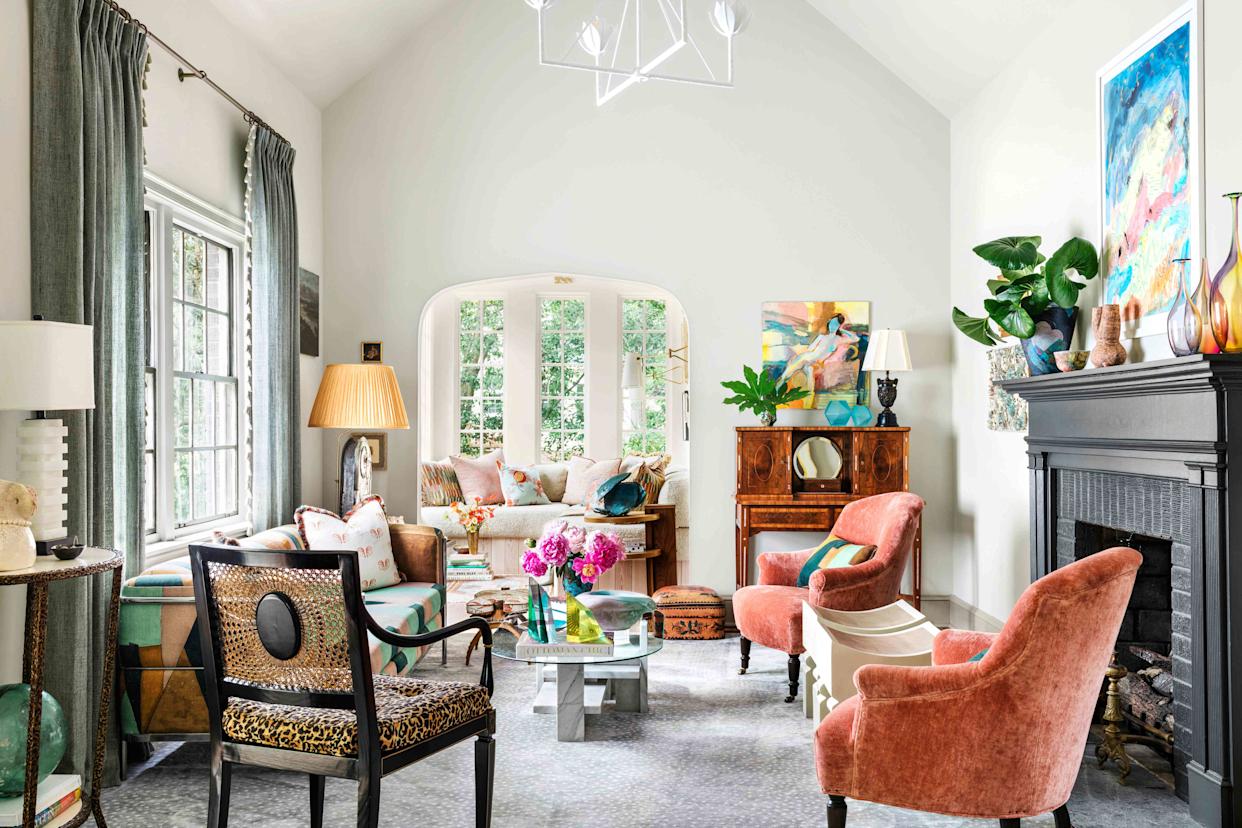
Vintage Eclectic Style Mixes Old and New for a Unique Yet Timeless Home

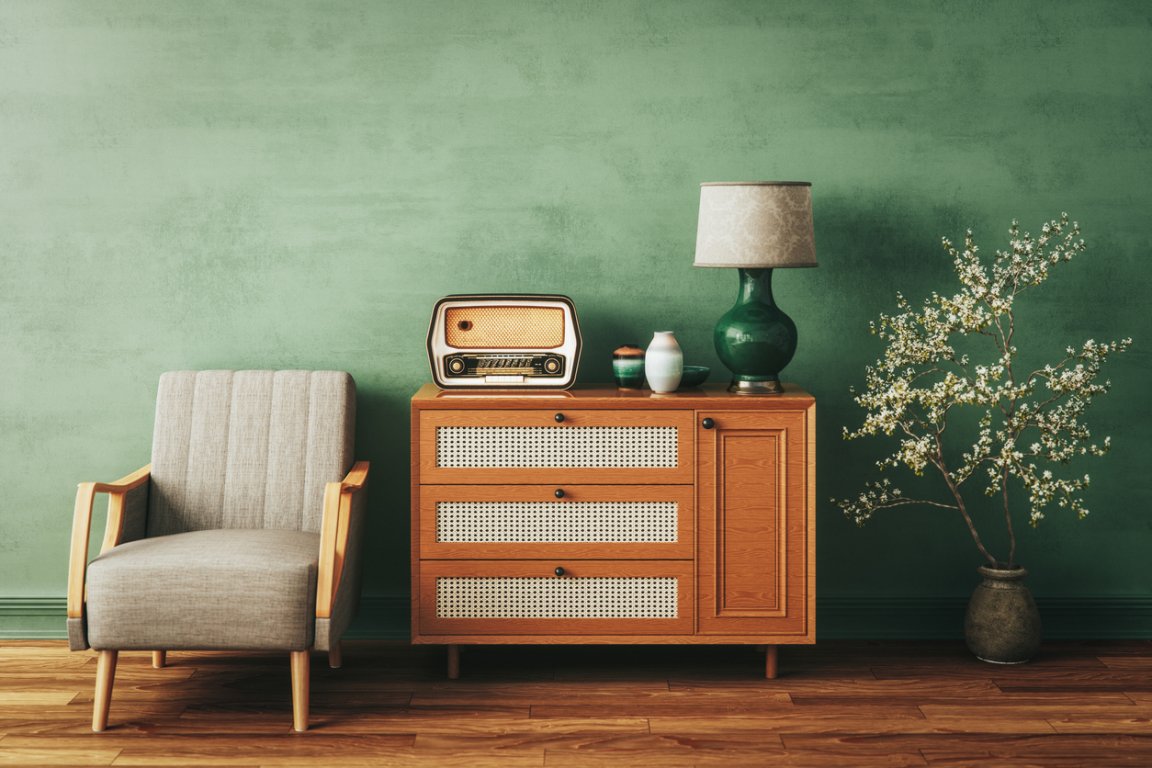
17 Products That Will Instantly Add Vintage Style to Any Home


Guide to Buying Older Homes by Decade
Vintage Points