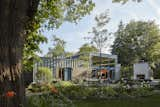
1/10
9 Inspiring Accessible Homes That Champion Inclusive Design
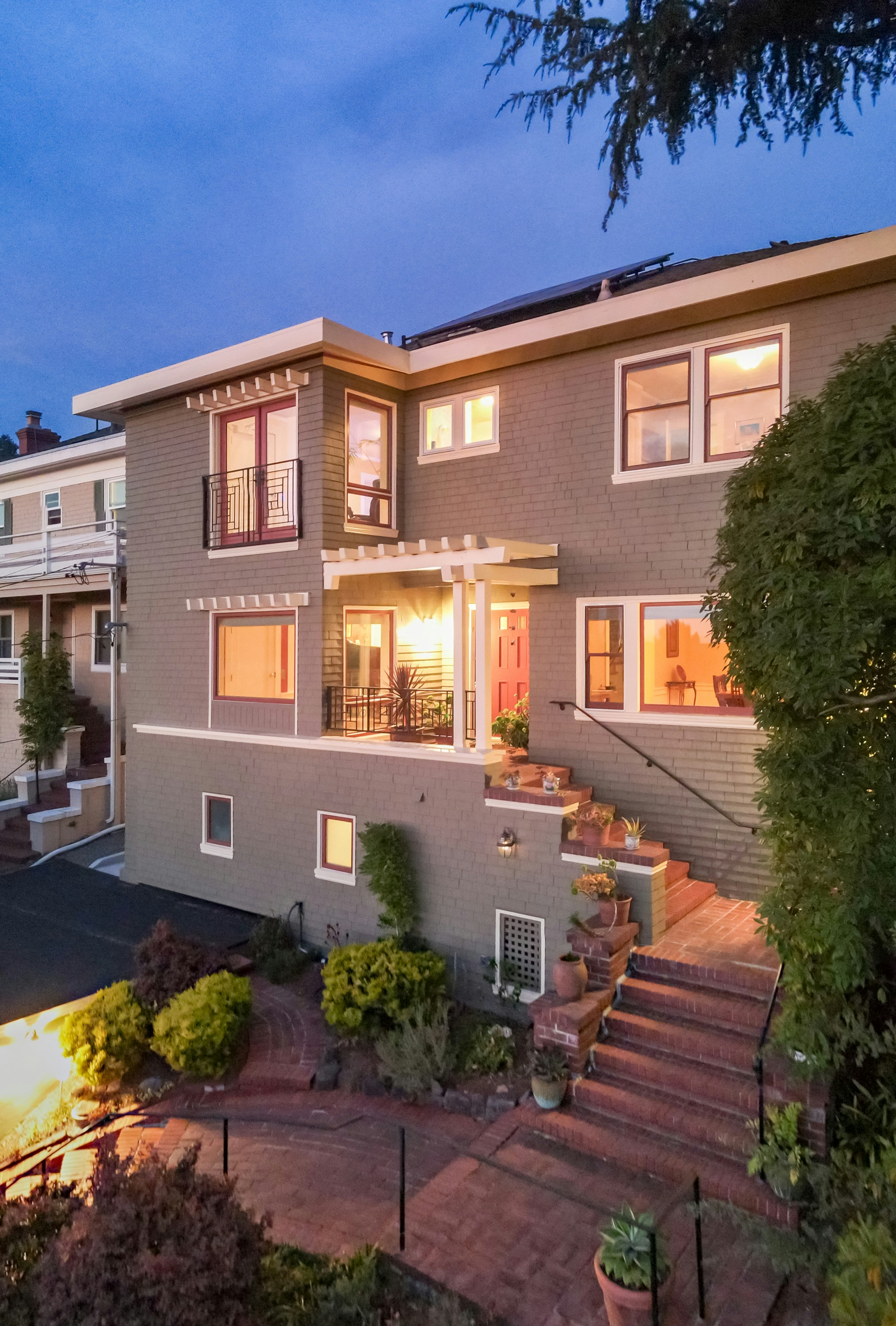
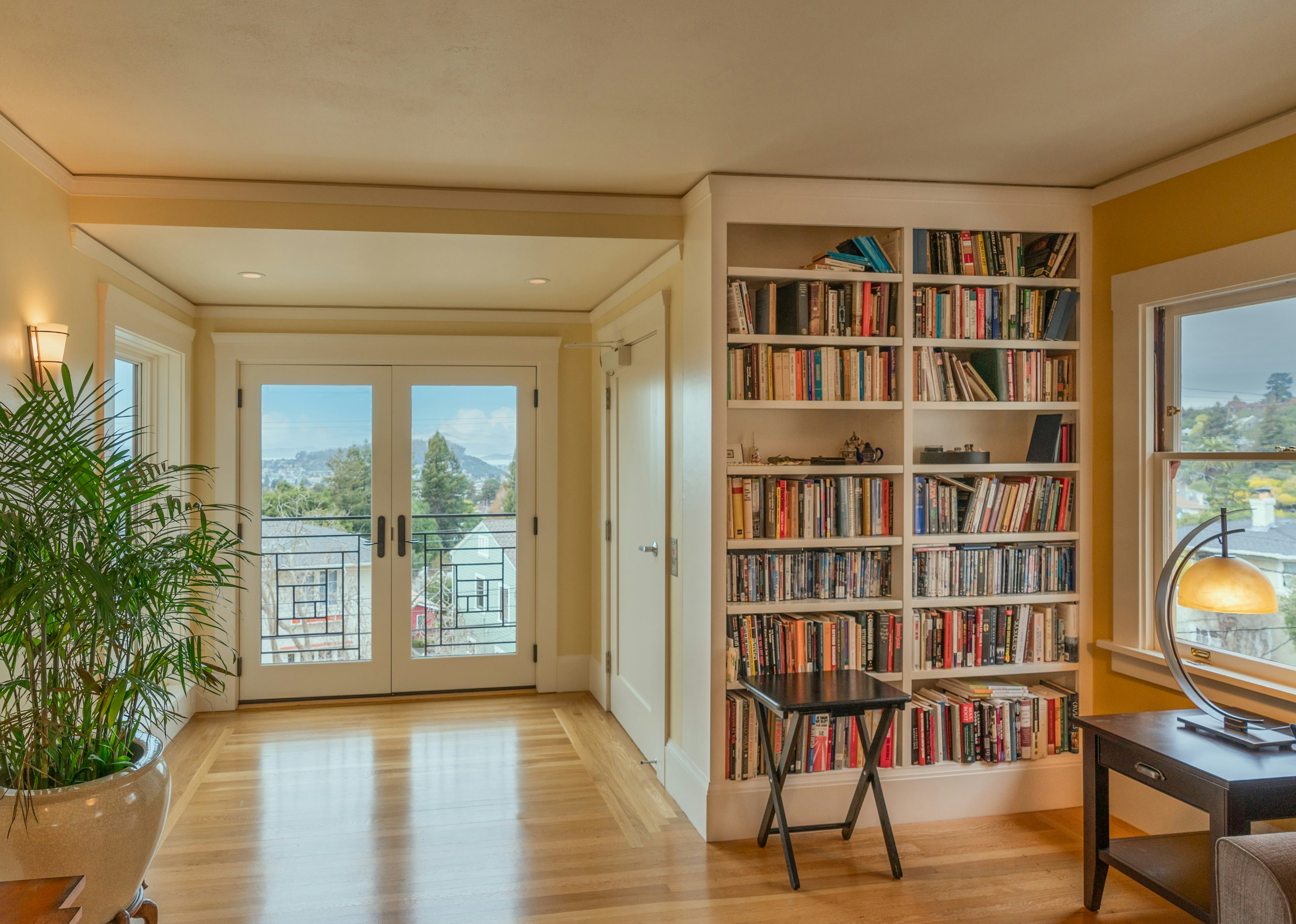
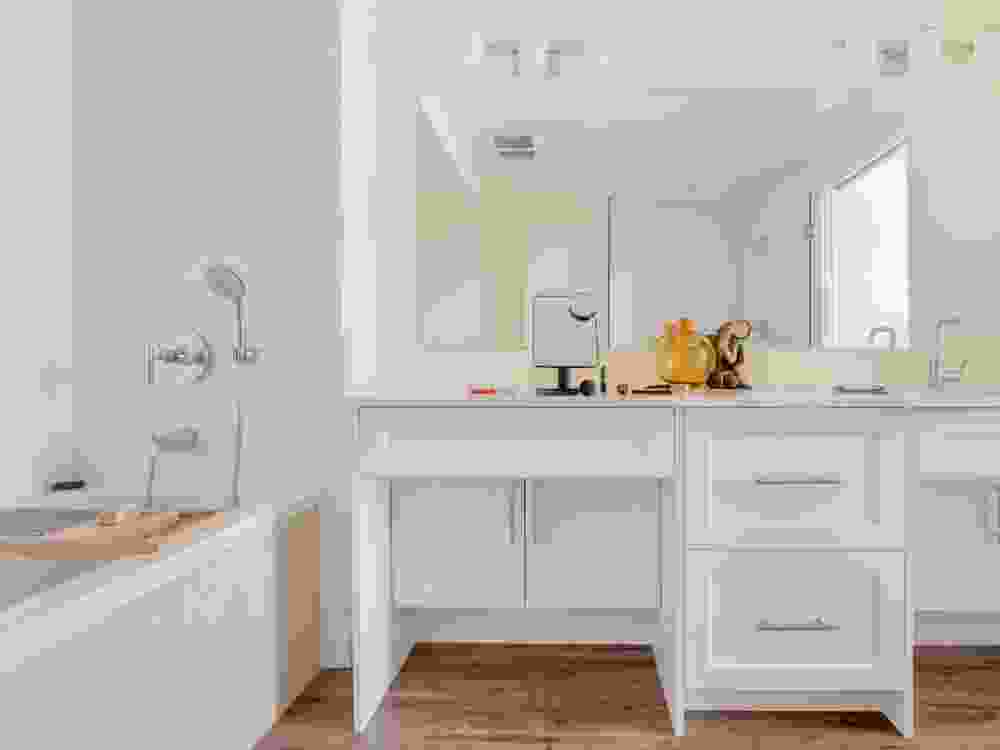
Accessible or universal design often conjures images of institutional public spaces, a perception that can overshadow its potential for residential applications. However, at its core, accessibility is about creating environments that cater to the diverse needs of all individuals who inhabit or visit a space. When viewed from this perspective, universal design transforms into a solvable design challenge, capable of producing beautiful, creative, and uplifting homes. This article highlights nine distinct residences, encompassing both renovated properties and newly constructed homes, that exemplify and champion accessible design principles.
One featured home is a 1952 midcentury ranch, transformed to be wheelchair-accessible after a motorcycle accident prompted Derek and LeAnne Lavender to seek suitable housing. Their experience underscored the prevalence of inaccessible design features in many homes, such as sunken living rooms and upstairs bedrooms, leading them to select a property with renovation potential.
Another example is a family guesthouse designed by architect Neal Schwartz. This project aimed to accommodate an aging relative and a wheelchair user within a 775-square-foot limit imposed by local zoning. The solution involved a single-level structure connected to the main house via a breezeway, incorporating a sculptural roof opening for natural light and ventilation.
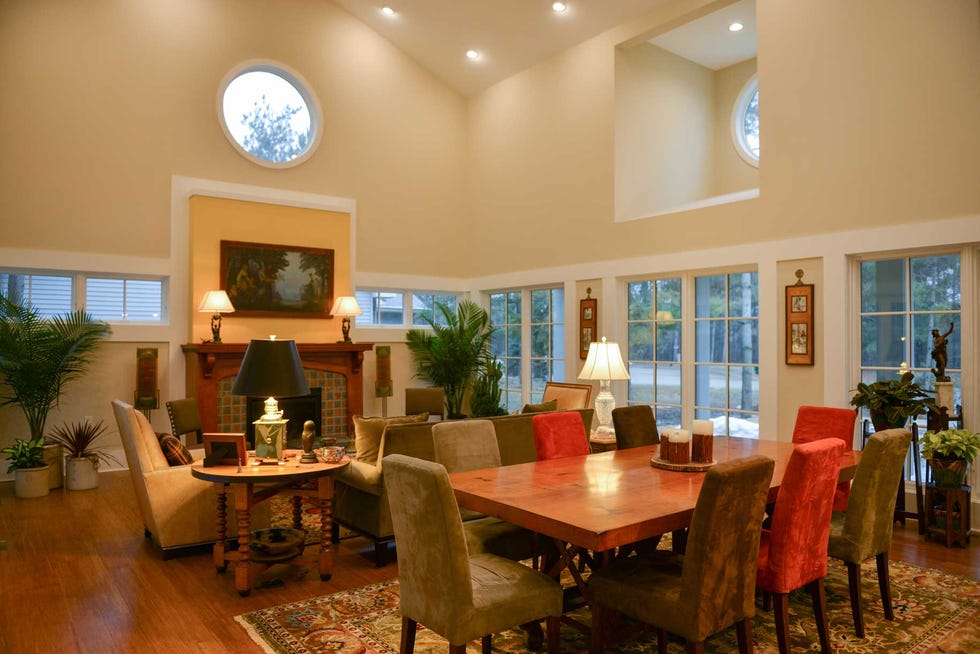
Karen Braitmayer, an architect specializing in universal access and ADA compliance and a wheelchair user herself, revamped her 1954 Seattle home. Although its original single-level, open layout was beneficial, the family's evolving accessibility needs, particularly those of her daughter, also a wheelchair user, necessitated updates. The renovation integrated the main living area, dining space, and Braitmayer’s workspace, with interiors by Lucy Johnson and windows/doors from Lindal and Marvin, respectively.
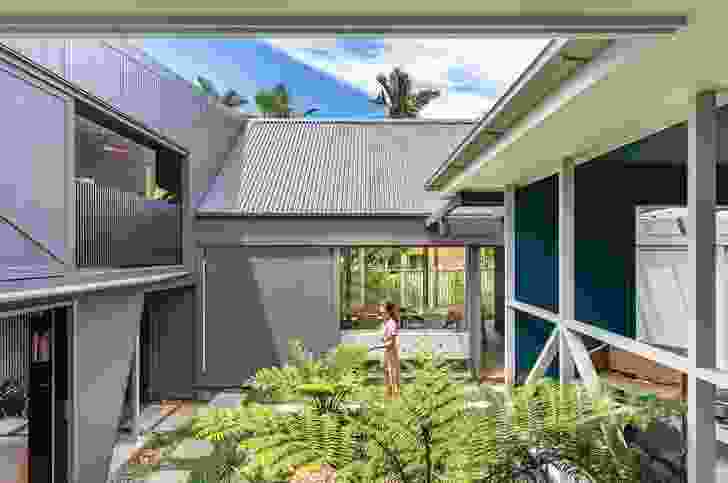
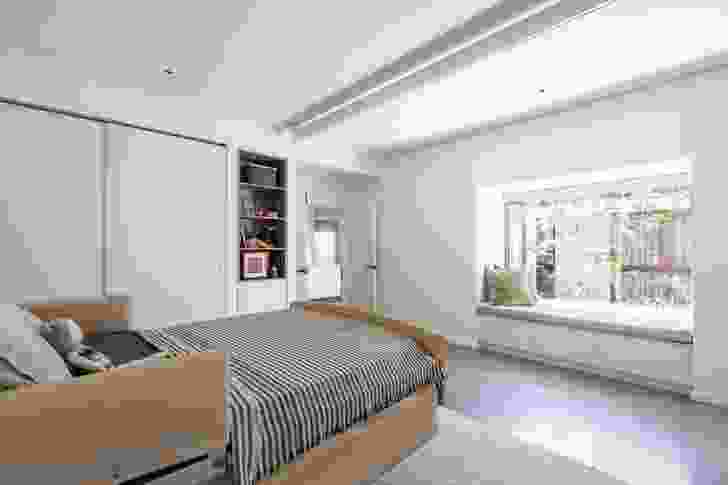
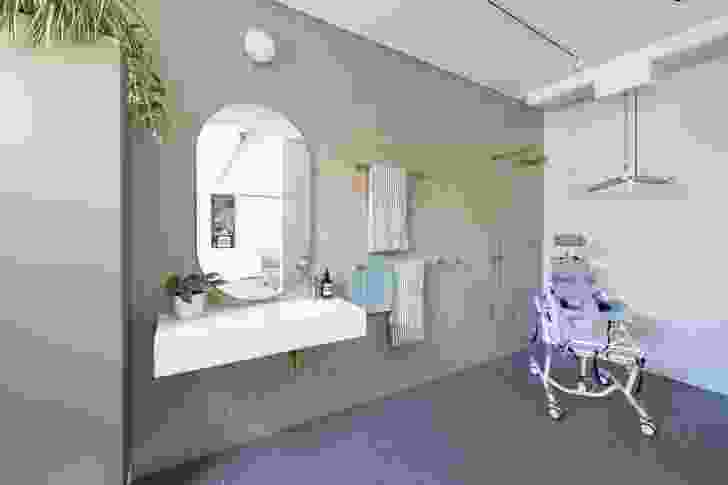
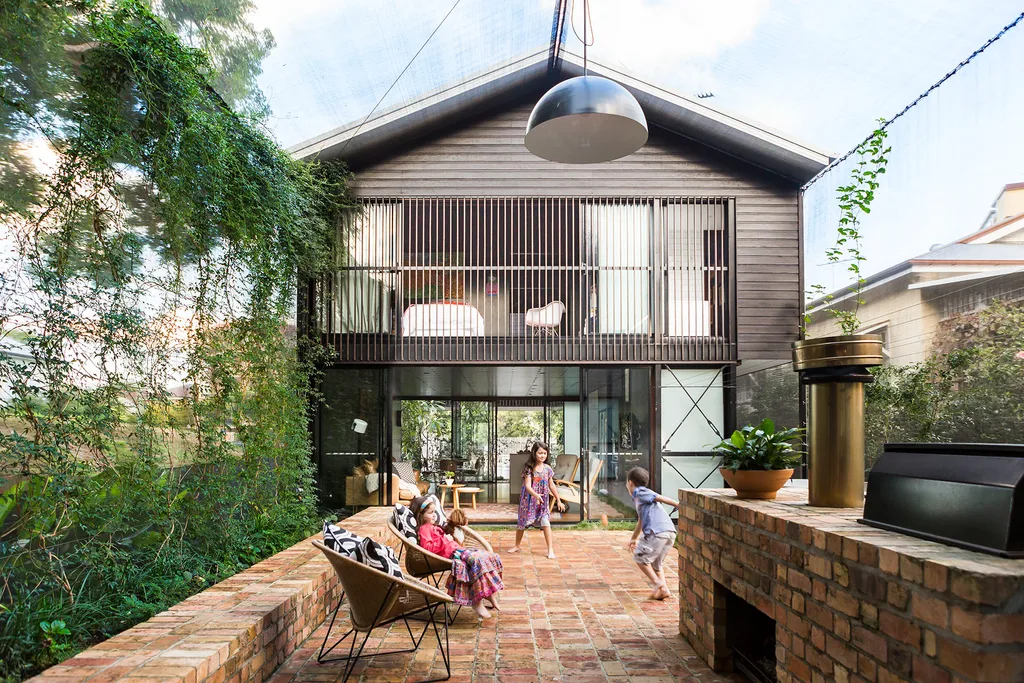
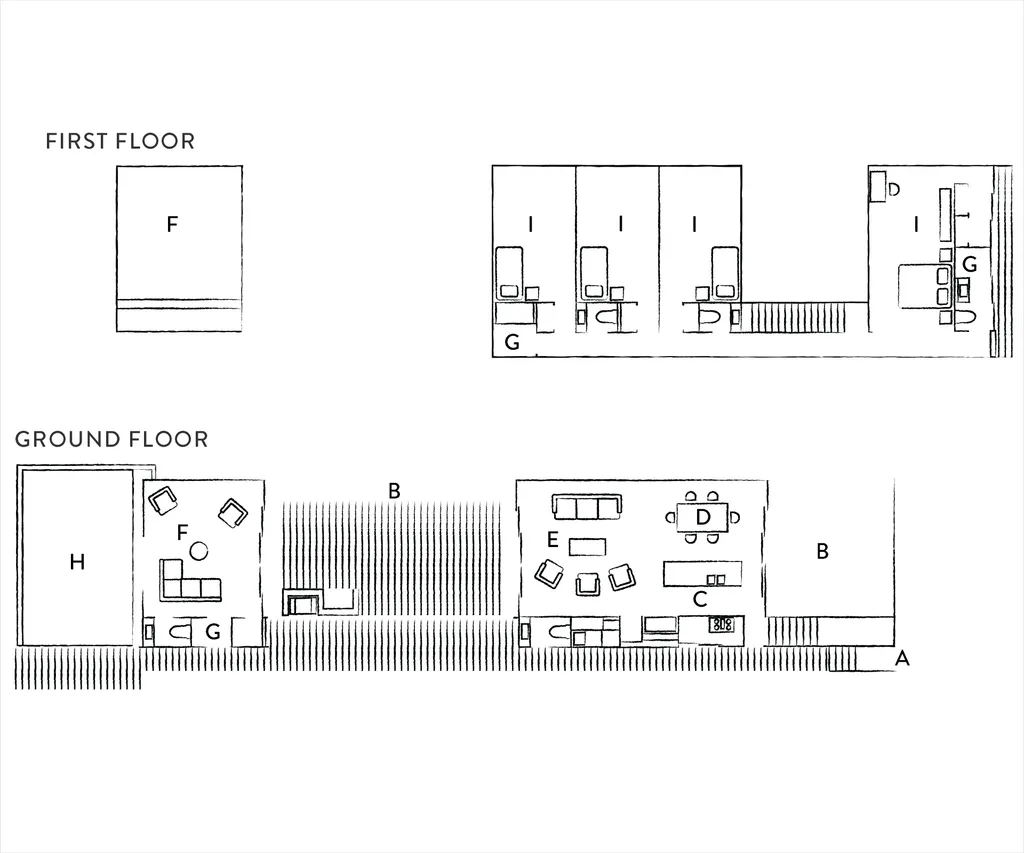
A family of five with two wheelchair-using daughters collaborated with Kuklinski + Rappe Architects in Chicago to design an accessible home with a long-term vision. Their focus on the family’s lifestyle and health over time led to a non-traditional layout centered around courtyards, including a shared courtyard accessible from the children's bedrooms.
TJ Hill and Jay Heiserman opted to replace their cramped bungalow with an accessible and affordable prefab home from Connect Homes. Architects Jared Levy and Gordon Stott designed a 16-foot-wide house, utilizing the remaining space for a large deck, thereby creating a flexible and seamless first-floor plan that prioritized universal design and affordability.
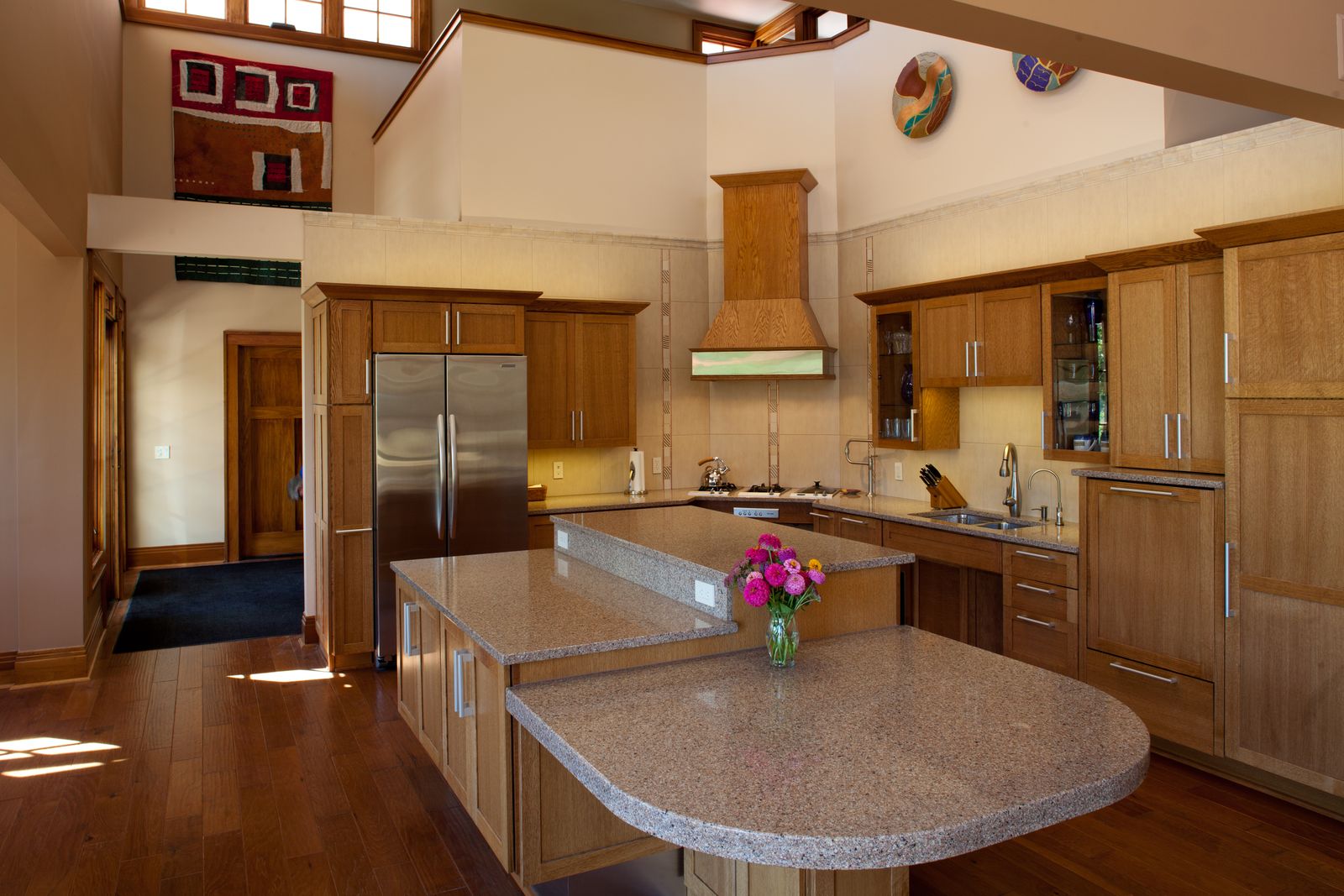
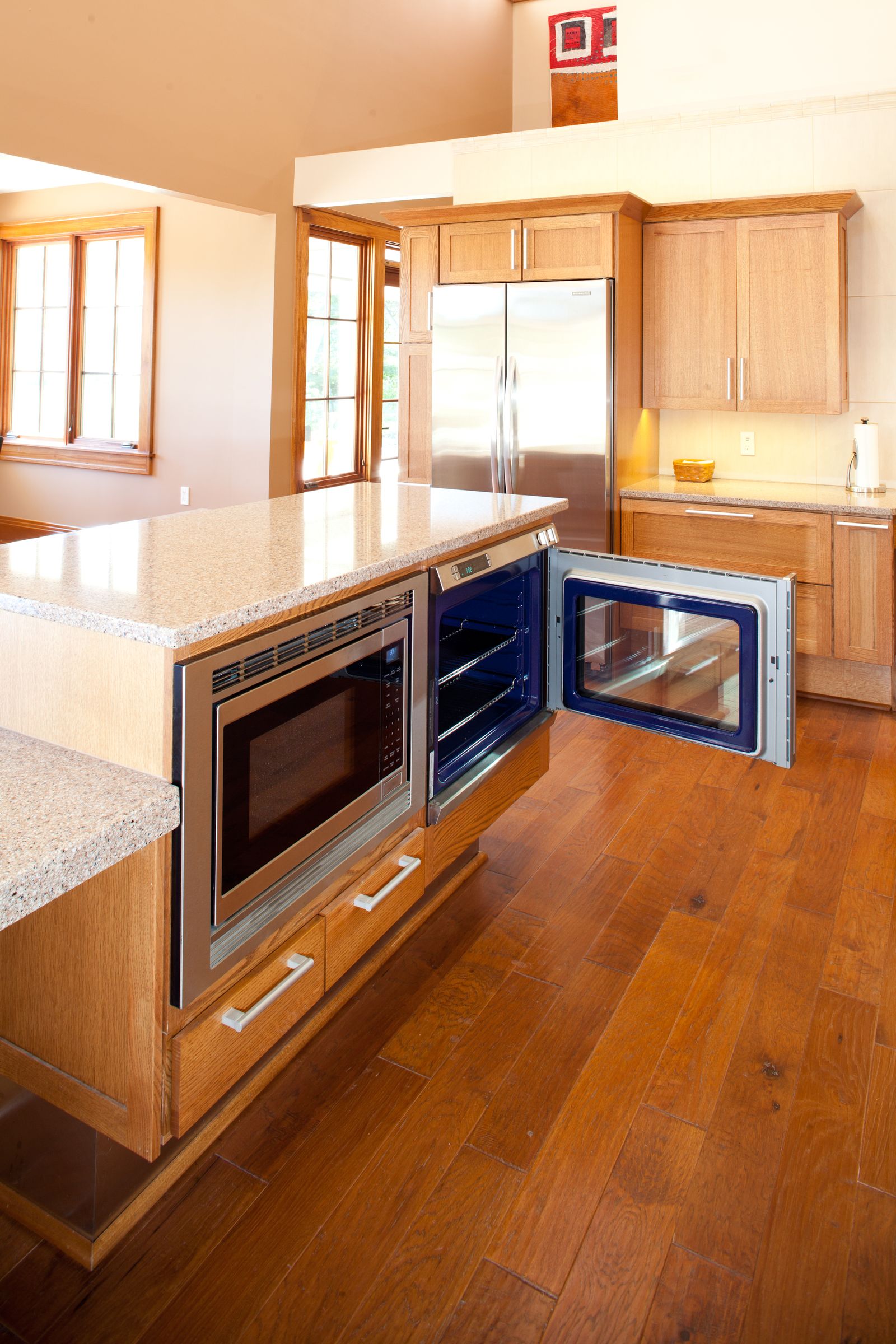
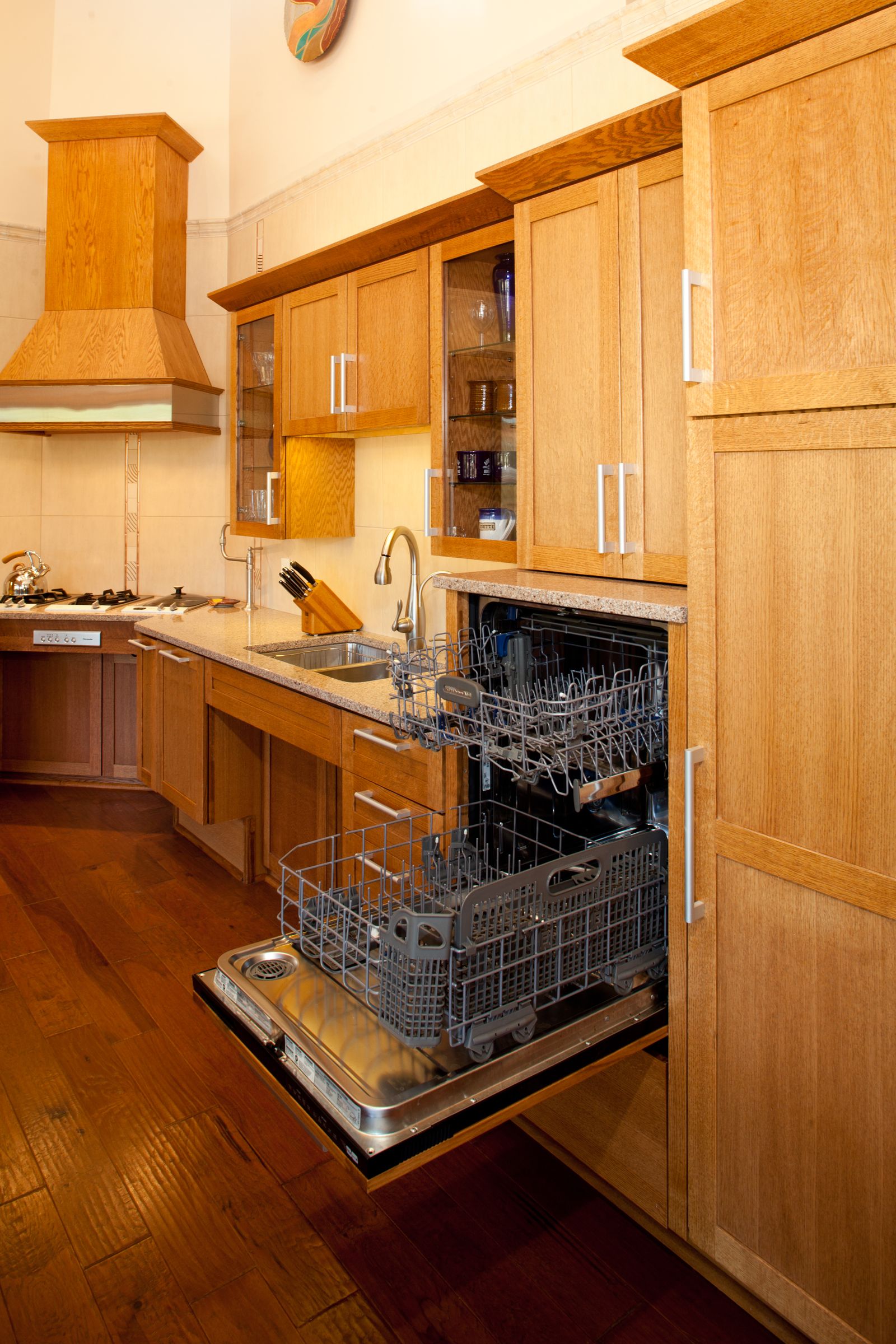
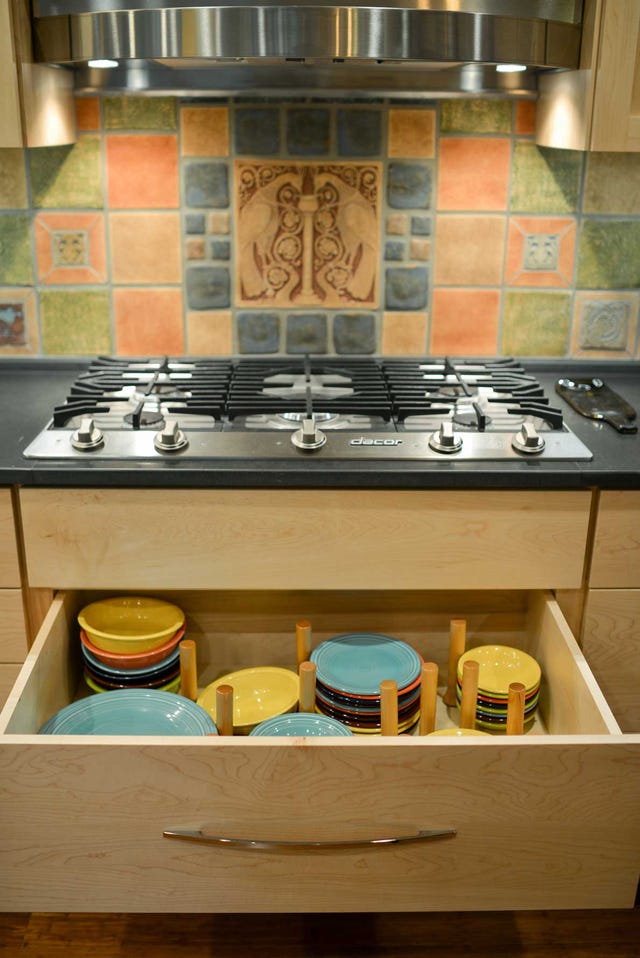
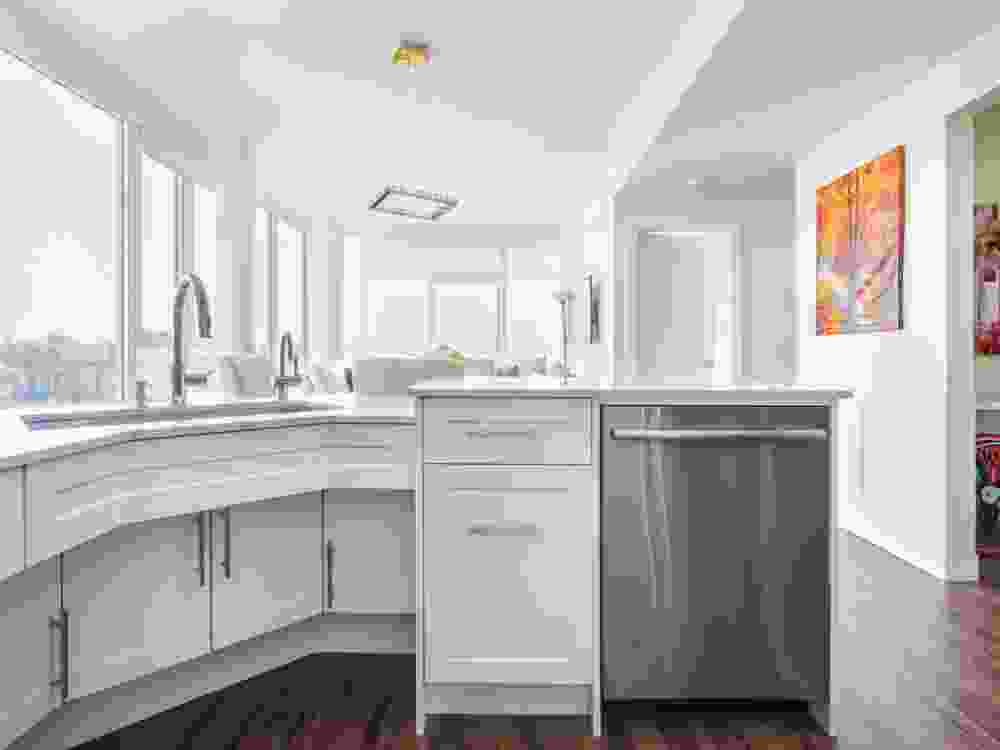
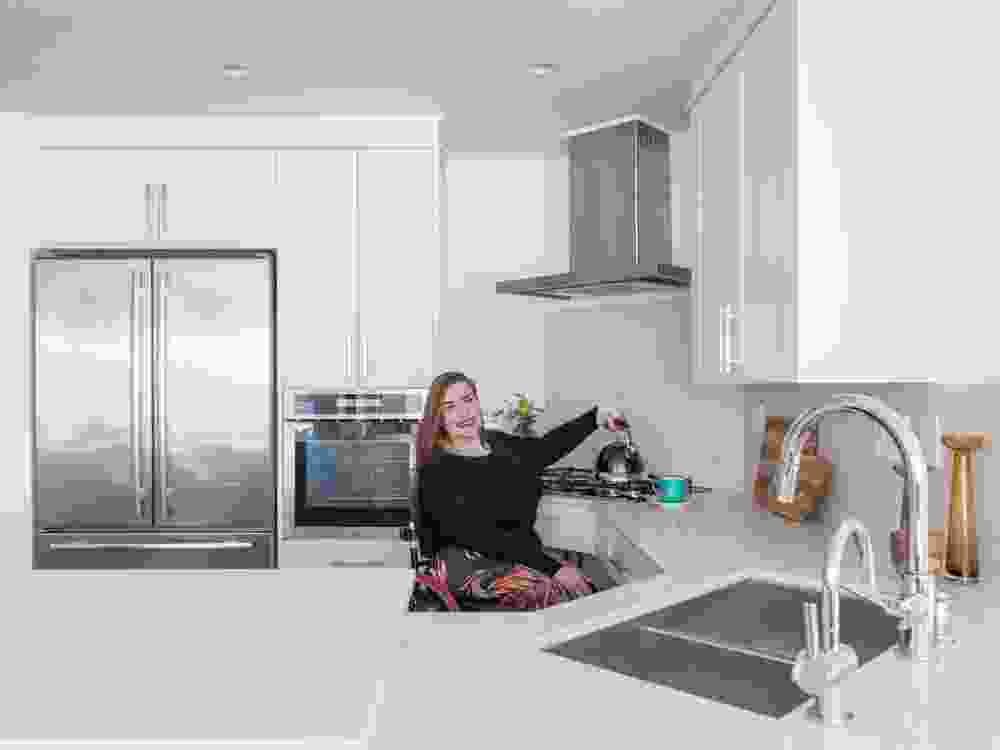
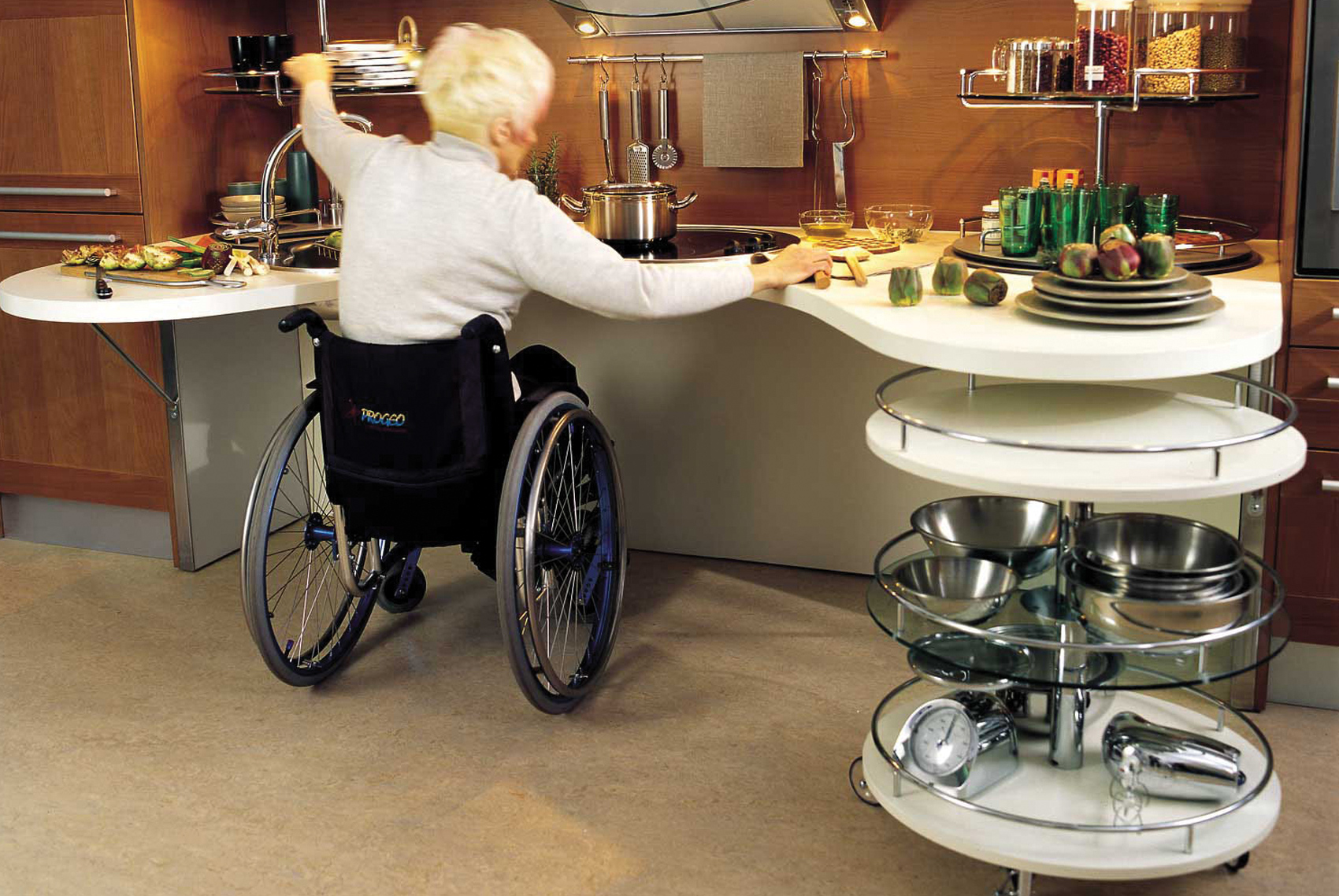
Ed Slattery sought to create a sustainable and accessible home that avoided a clinical feel after one of his sons became a wheelchair user due to an accident. The design incorporated universal features such as drop-down kitchen counters, a cooktop from Freedom Lift Systems, and smooth, barrier-free polished concrete floors, balanced with warm wood materials for a homely ambiance.
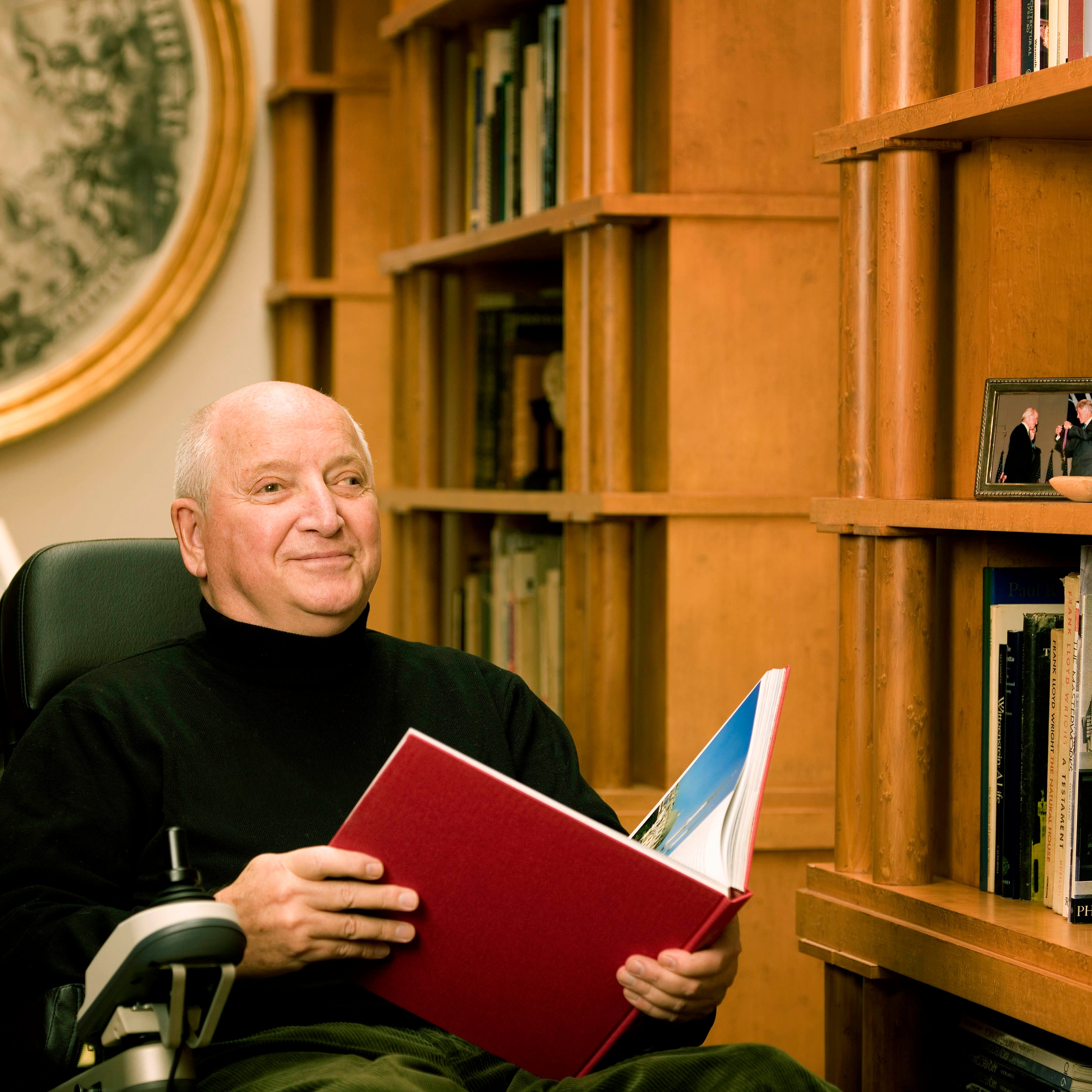
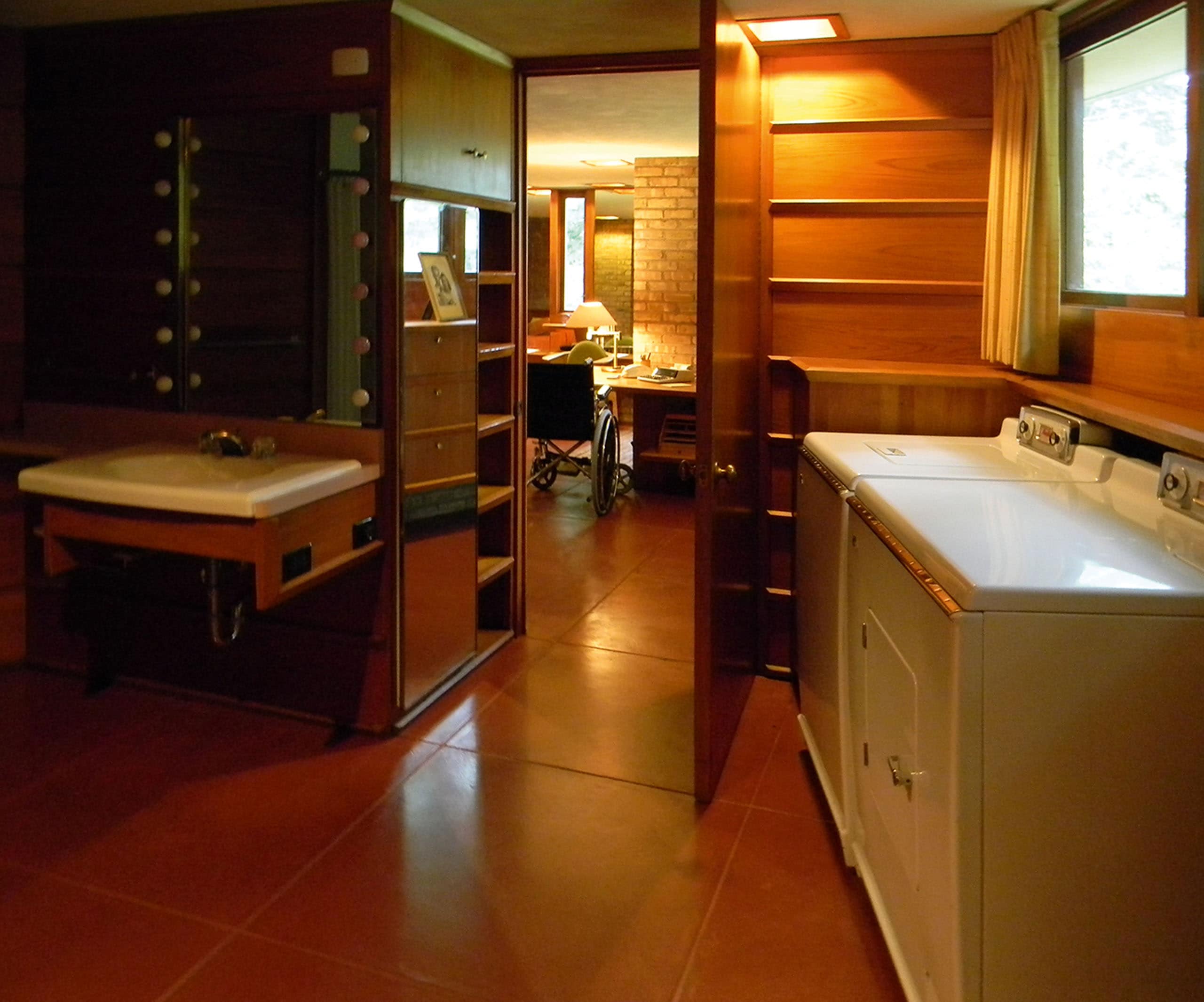
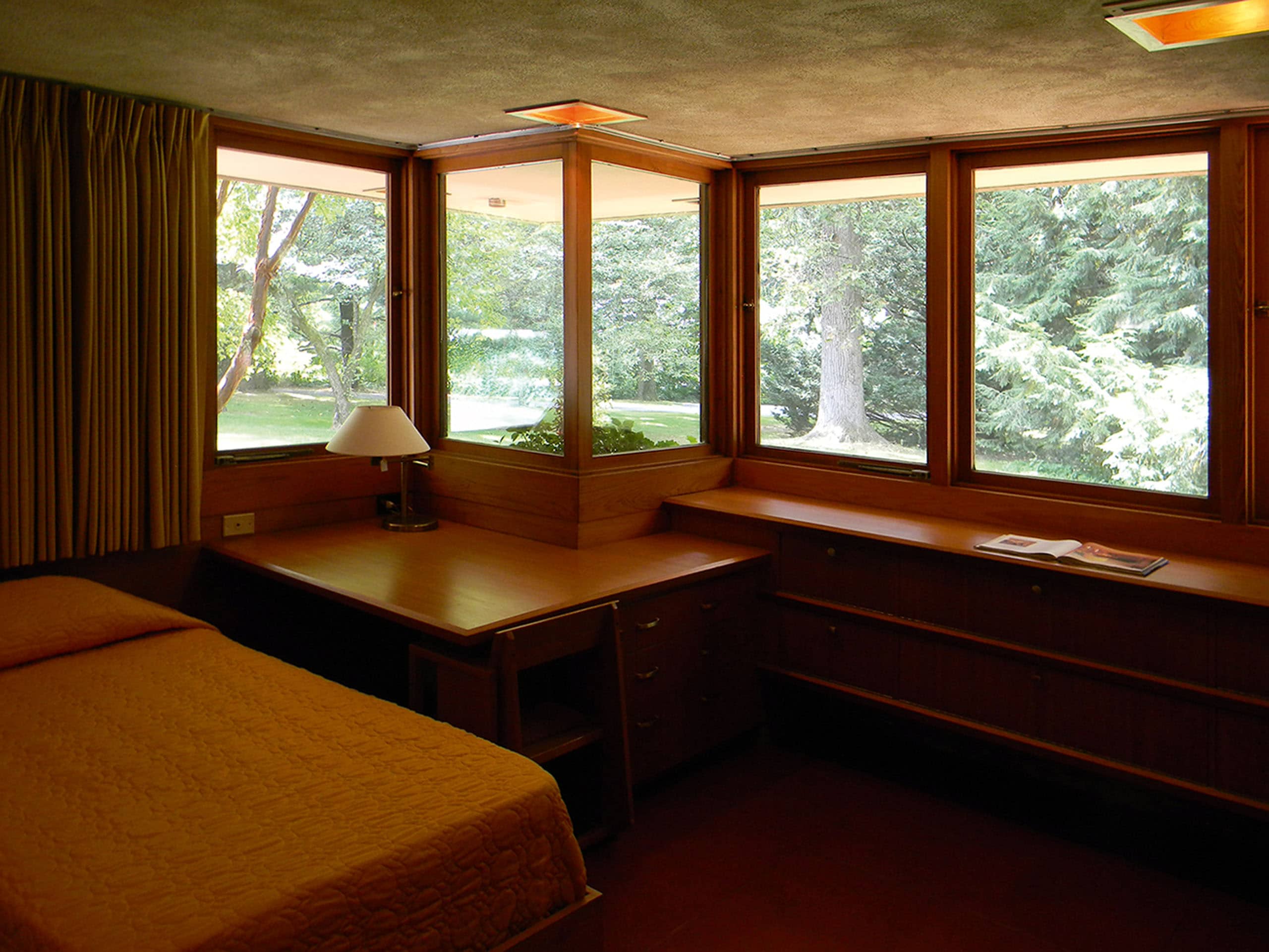
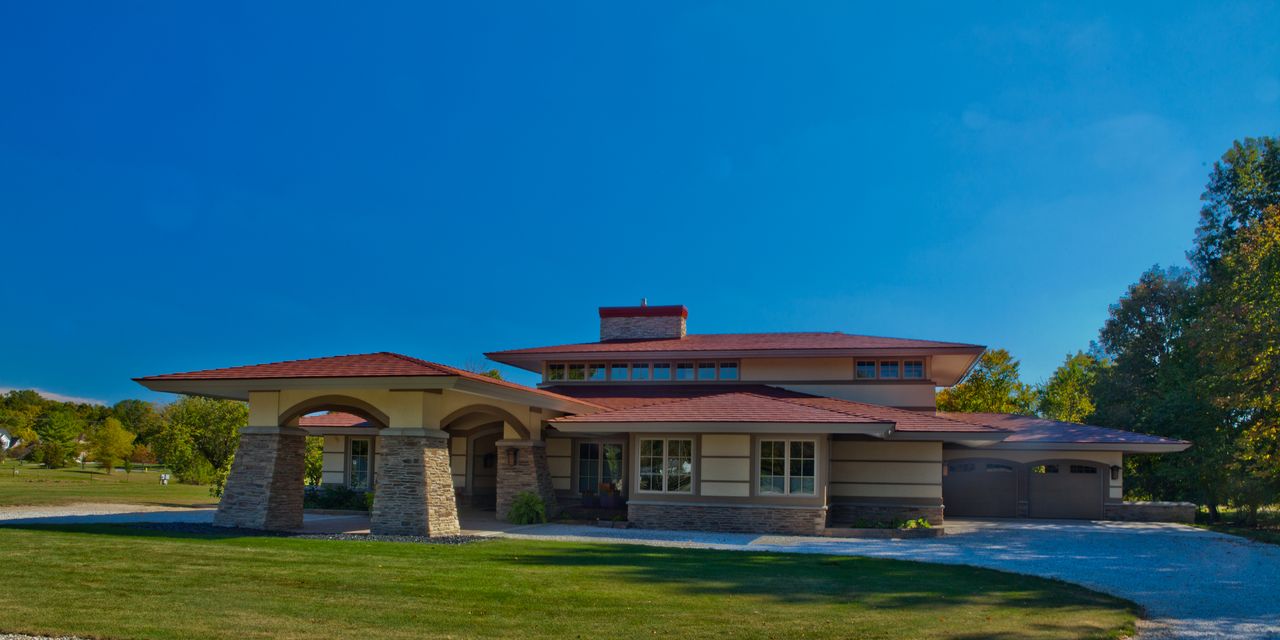
Frank Lloyd Wright's Kenneth and Phyllis Laurent House, completed in 1952, stands as his only handicap-accessible building. Designed for Ken Laurent, who was paralyzed from the waist down, the Usonian home featured innovative accessible designs for its time, including flush thresholds and ground-level floors for easy indoor-outdoor transitions. Wright also designed much of the built-in furniture.
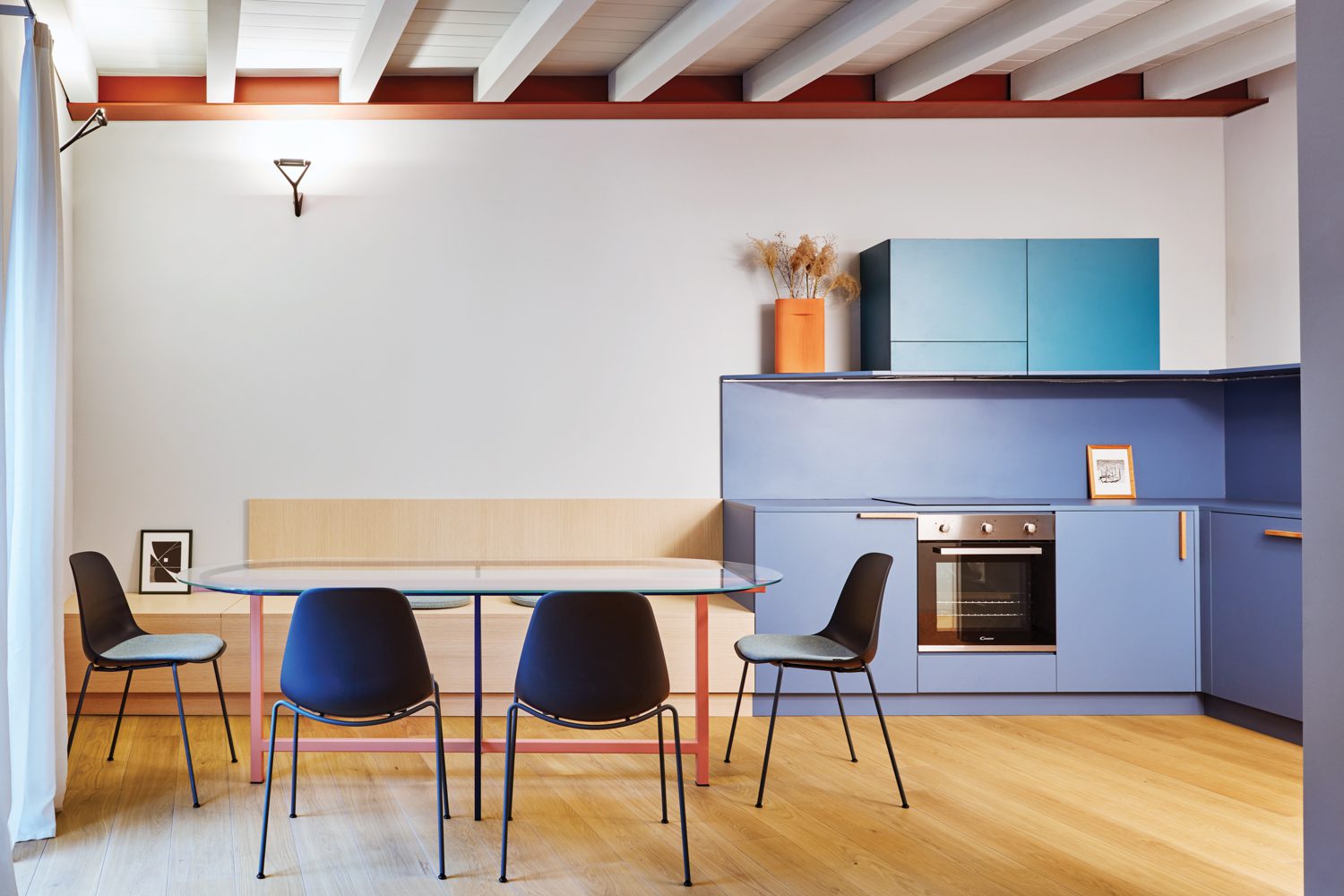
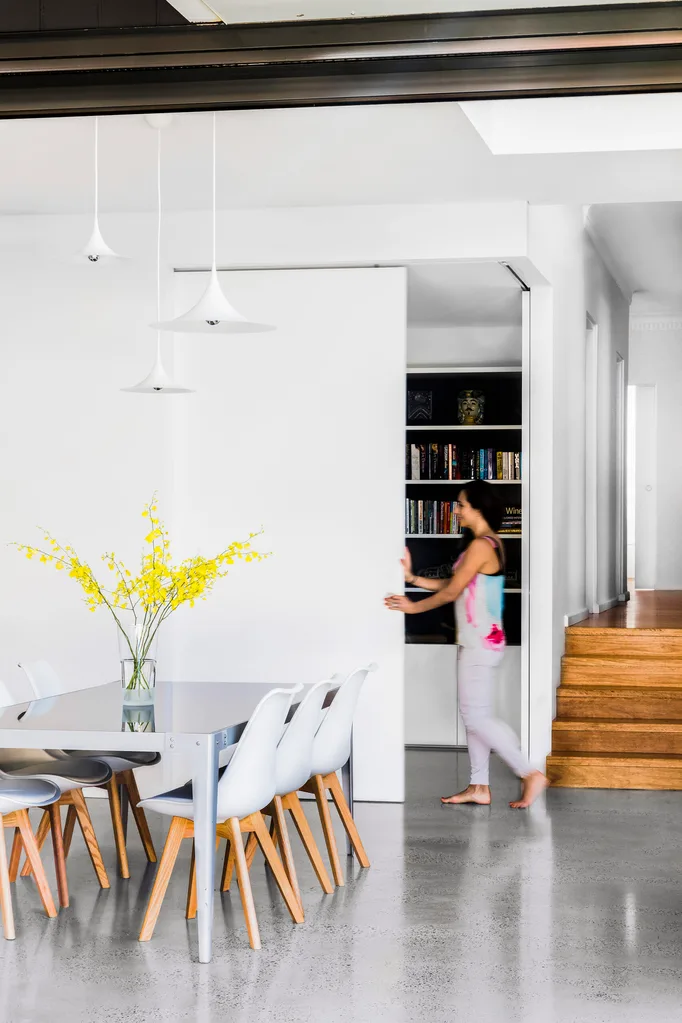
In New York City, David Carmel, paralyzed from the waist down after a diving accident, worked with Della Valle Bernheimer to create an apartment that is both beautiful and accessible, featuring a lightweight sliding wall to separate the bedroom and living area.
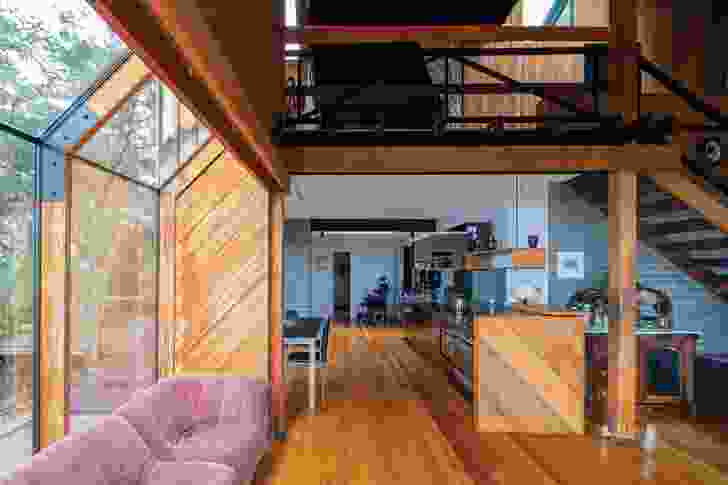
Finally, a loft-cum-farmhouse in Sebastopol, California, designed for a family from Manhattan, needed to be open, rustic, and accommodate a son who uses a power wheelchair. The home features wide, generously sized spaces, from the front door to an open central living area, facilitating ease of movement and communal living.
#AccessibleDesign #UniversalDesign #HomeRenovation #WheelchairAccessible #InclusiveDesign #ModernHomes #Architecture #PrefabHomes #AgingInPlace #AccessibleDesign #UniversalDesign #HomeRenovation #WheelchairAccessible #InclusiveDesign #ModernHomes #Architecture #PrefabHomes #AgingInPlace
0개의 댓글이 총 표시됩니다.
 아직 댓글이 없습니다
추가로 마음에 드릴 만한 콘텐츠
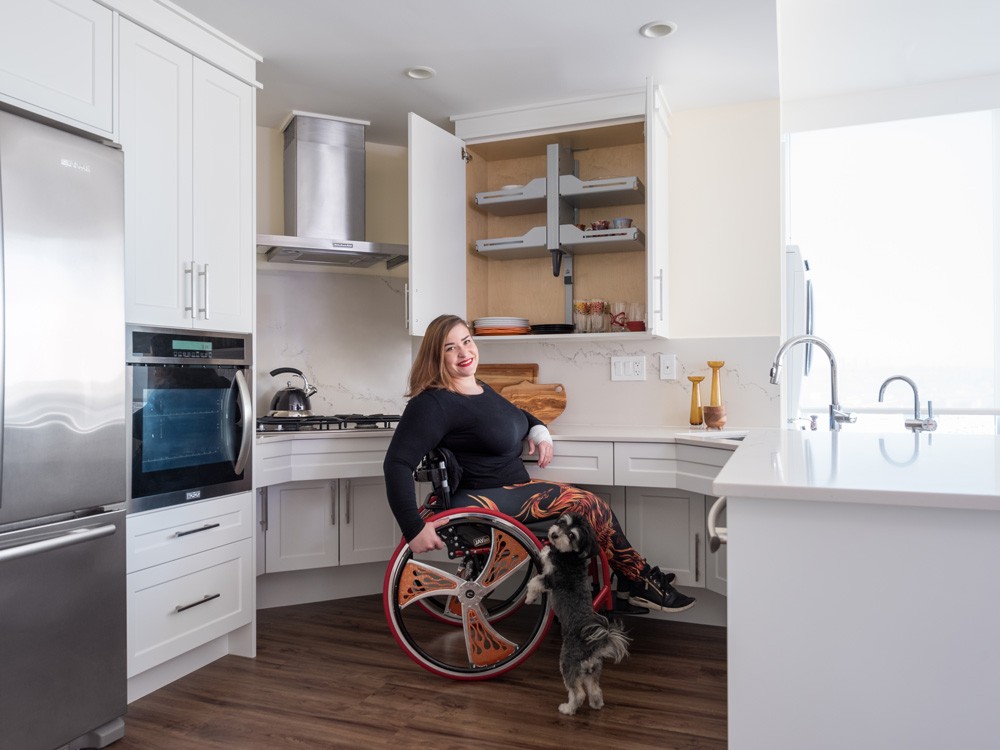
Universal Design: Why Americans Need Home Design That Welcomes Everyone

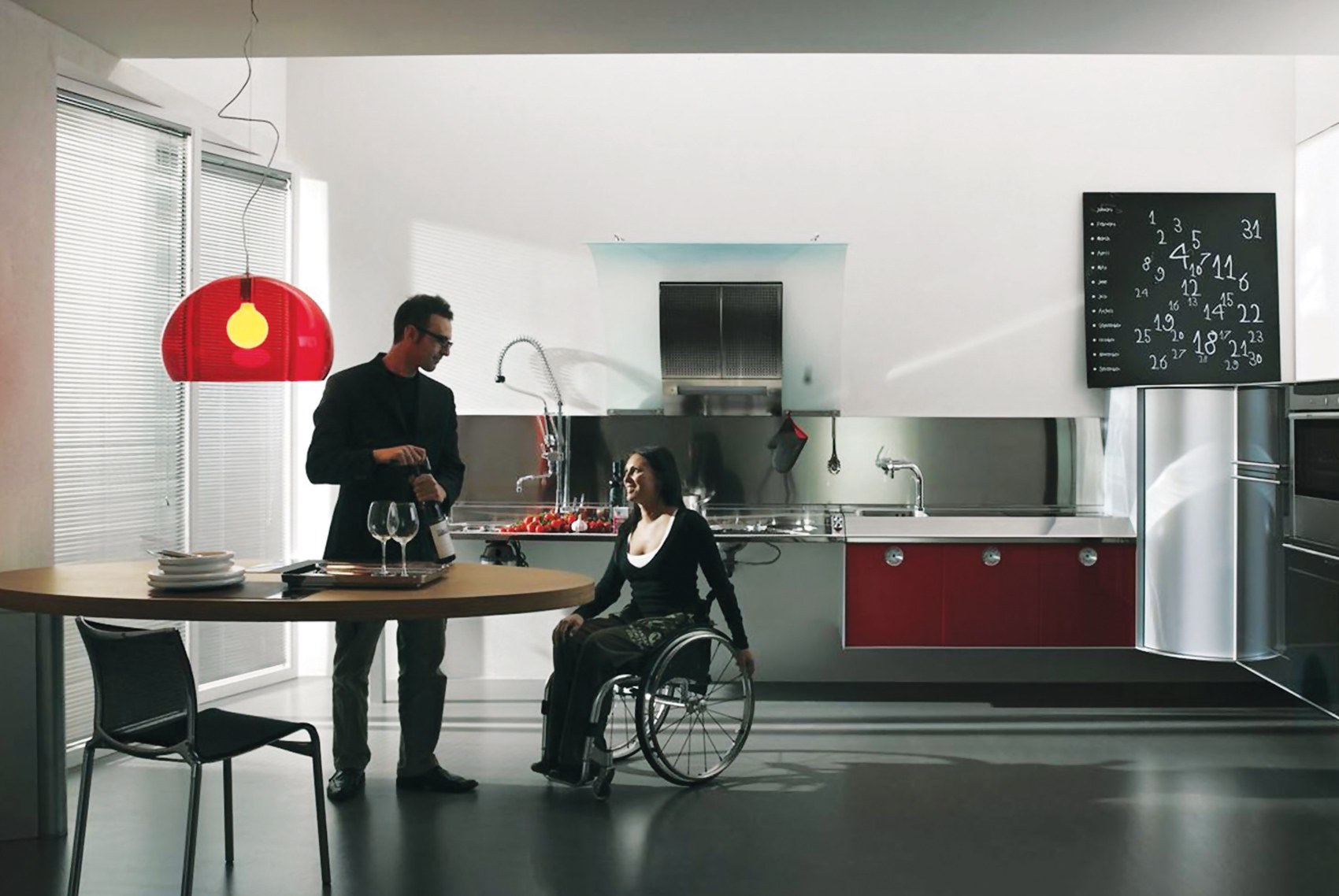
Universal design hits home for all

Chef’s corner

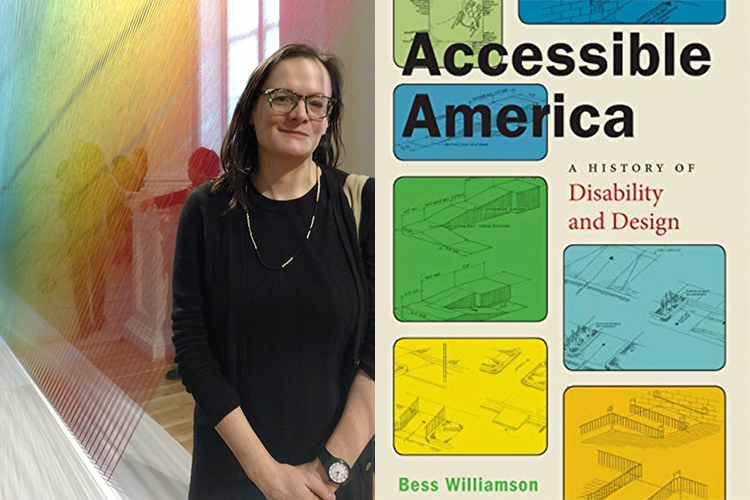
Berkeley Talks transcript: Bess Williamson on the history of disability and design
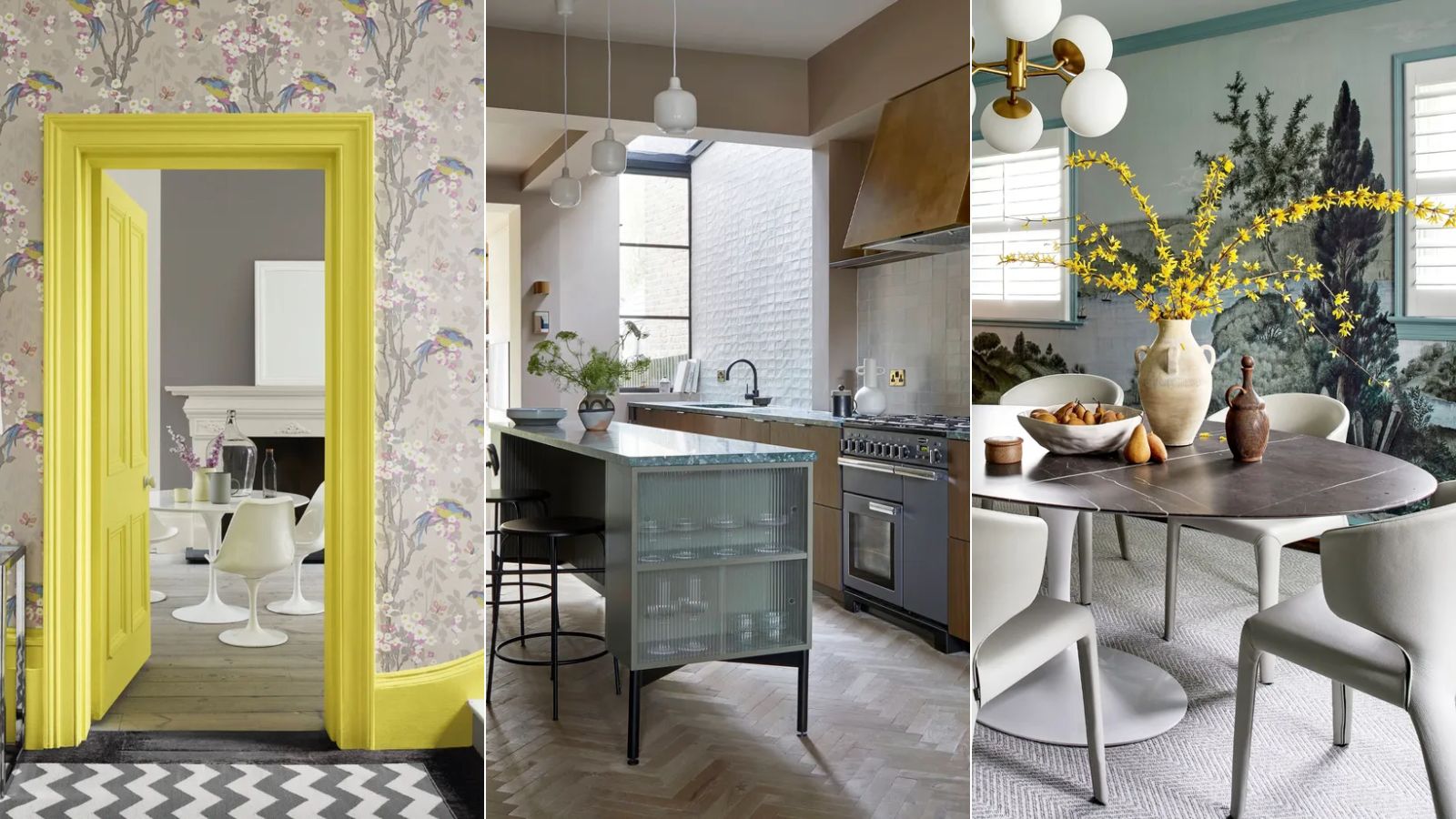
How to make a home more accessible – 7 universal design tips to improve your space

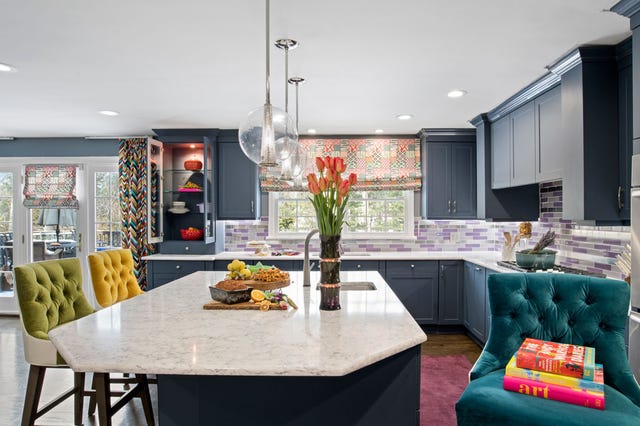
This Colorful House Was Ingeniously Designed to Be Wheelchair Accessible
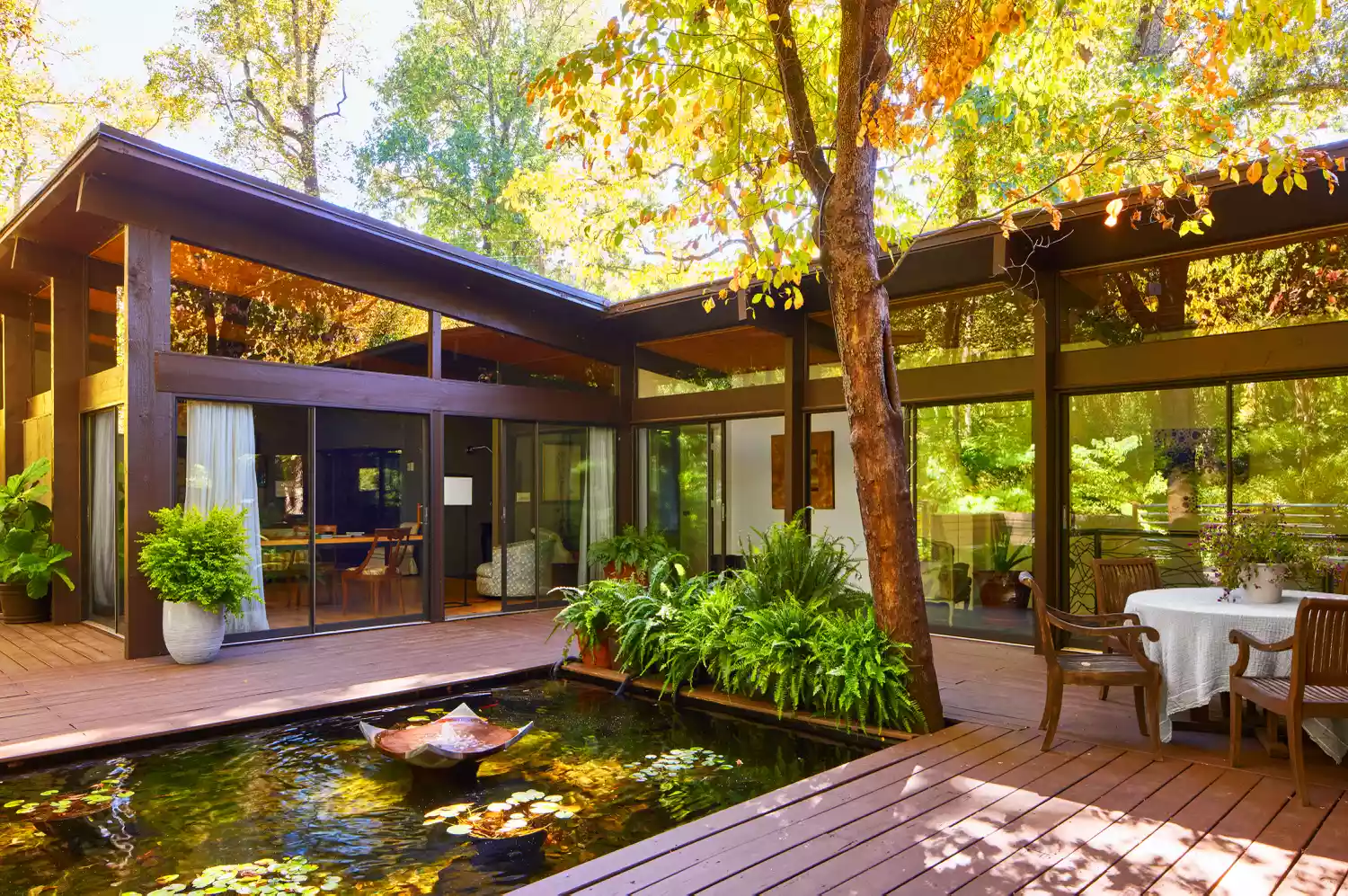
This Mid-Century Modern Home Welcomes Accessibility Through Universal Design

Architect Sam Klopper talks accessible design that doesn’t feel “clinical or differentiated”

Michael Graves's 'Forever House' is Changing the World of Universal Design

Home Sweet Home for Life
4 Creative Homes Designed With Panache and Personality

Spotlight on Flexible Homes: Adaptable Living Spaces

How to Make Your Home Handicap Accessible

Residential design through a lens of care

The new elegance of cities. The evolution of inclusive design


When My Mom Had a Stroke, My Goal Was to Make Her Assisted Living Apartment Calm and Cozy

Erick Mikiten Has a Vision for the House You’ll Grow Old In
Disability-Forward Design Across Multiple Cities
Designer Shelly Rosenberg Creates a Dreamy Bedroom Suite for a Child with Special Needs


Importance of Elevators for Universal Housing