1/6
5 things minimalists never have in an entryway – items to ban for clutter-free style
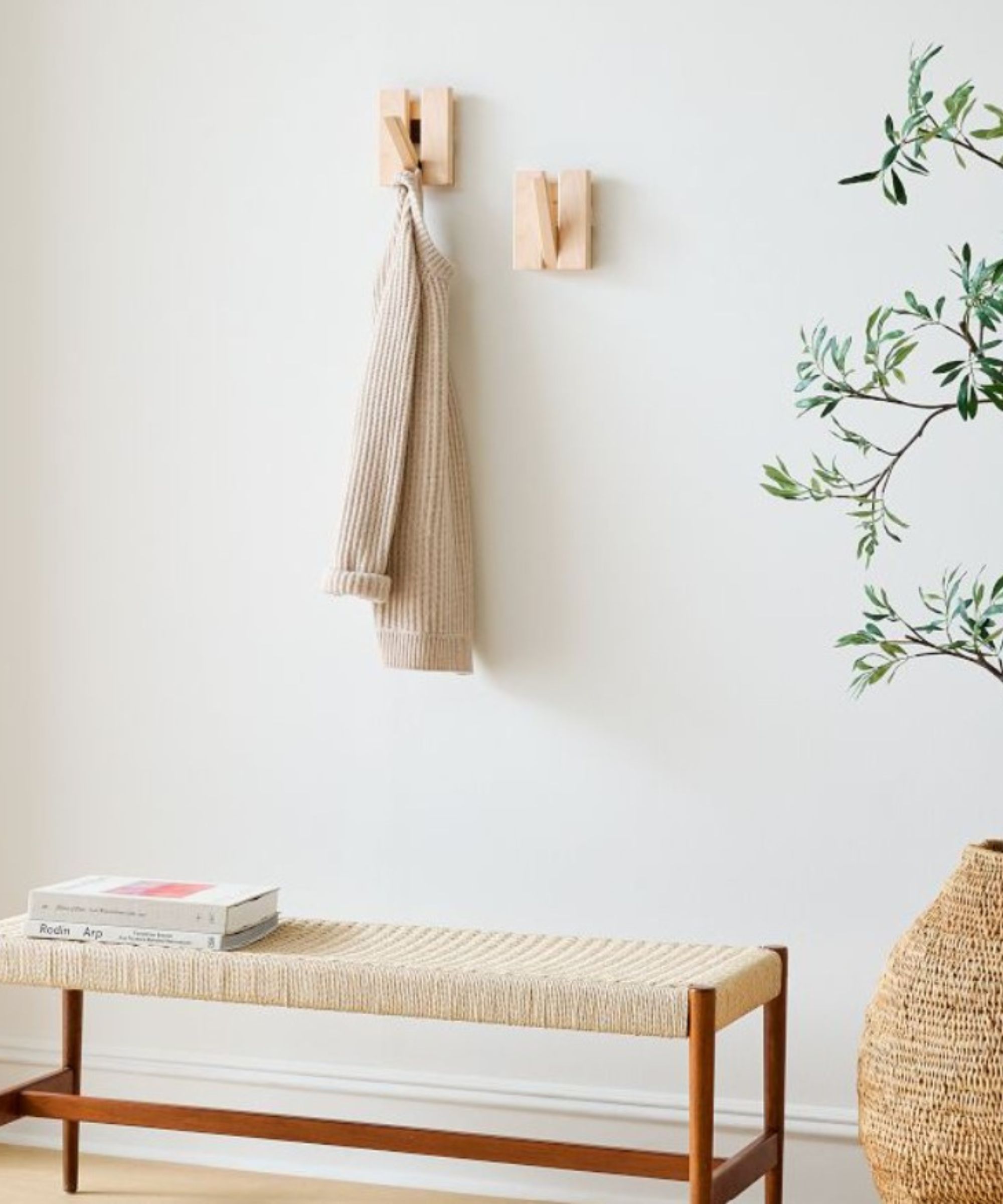
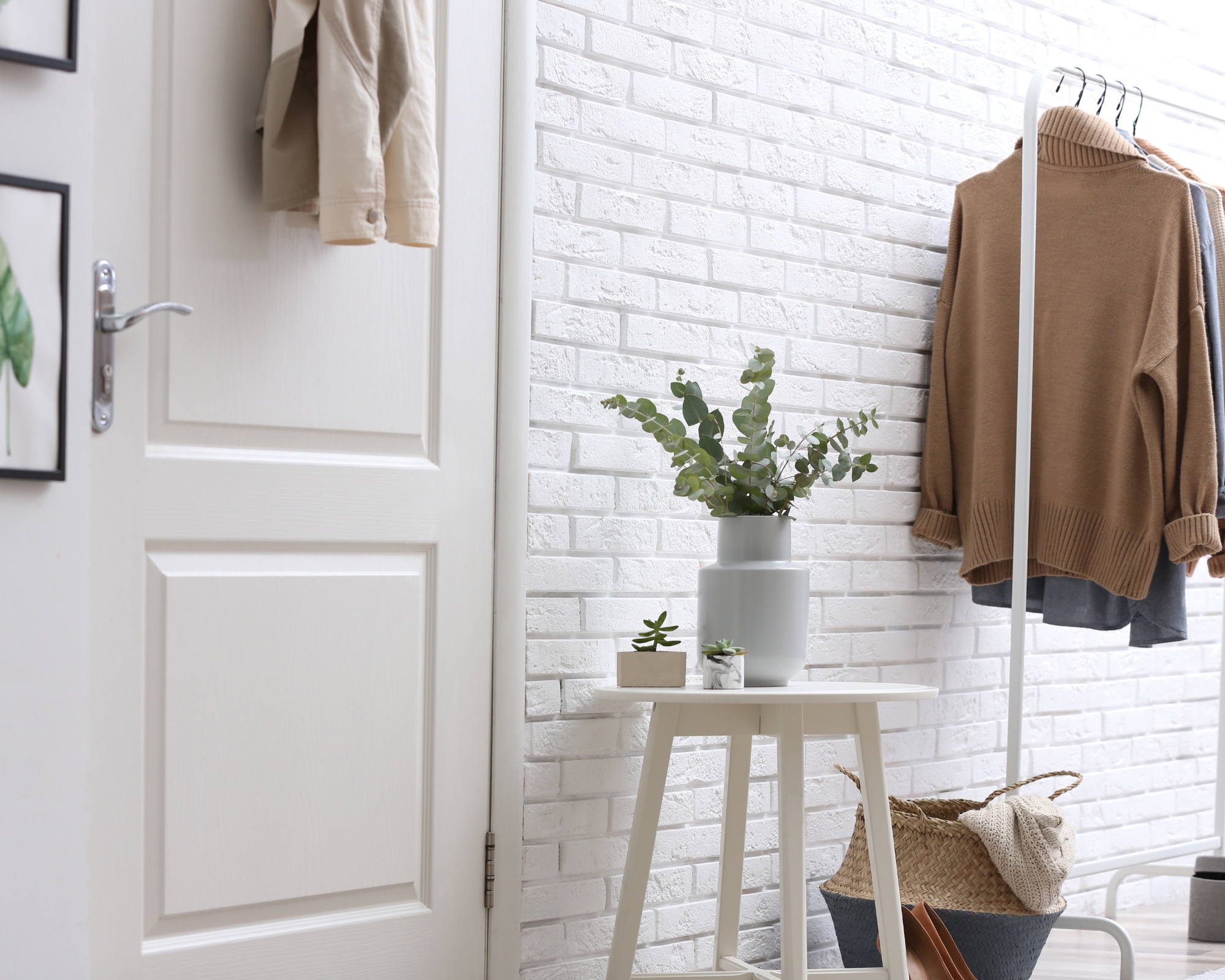
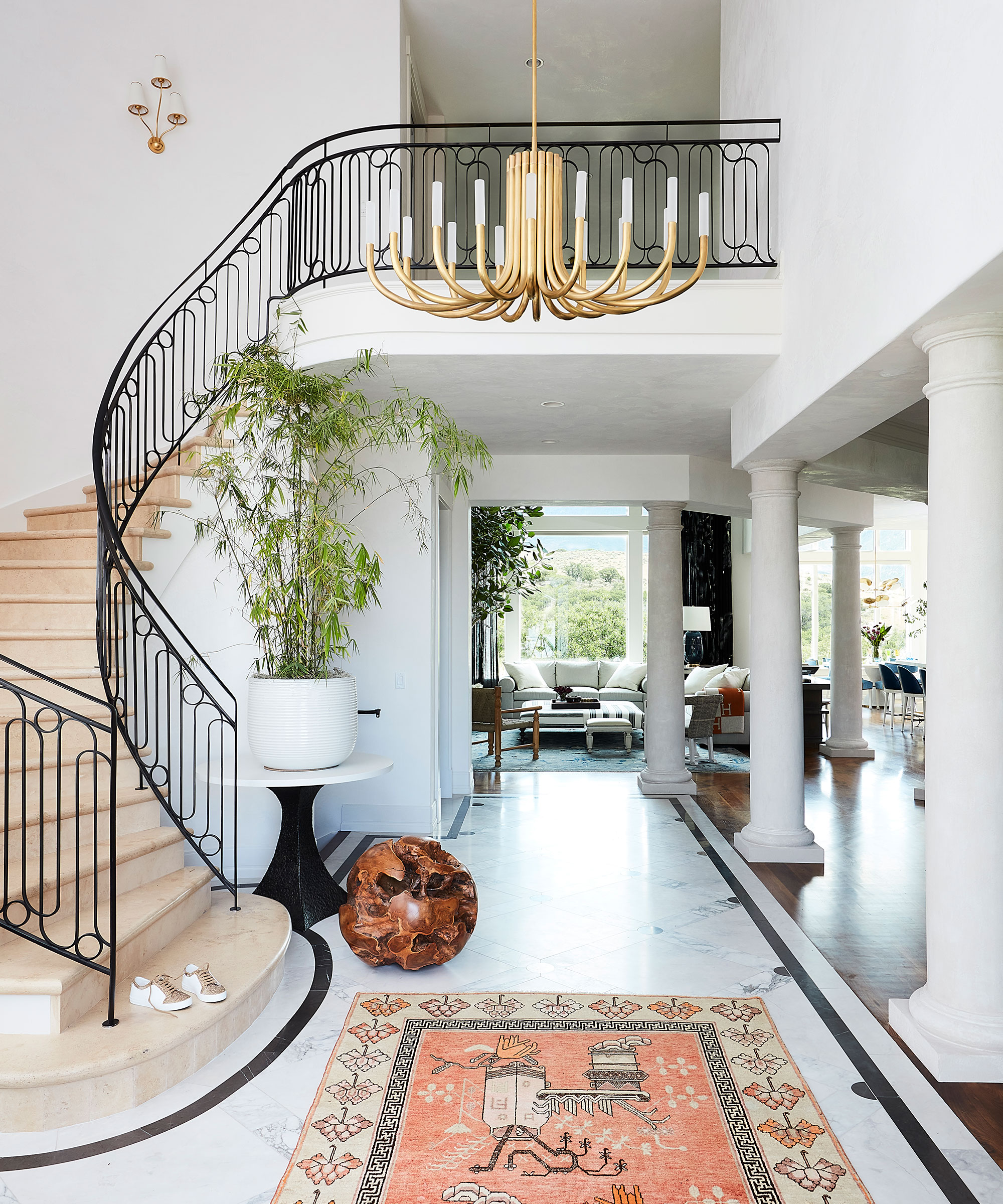
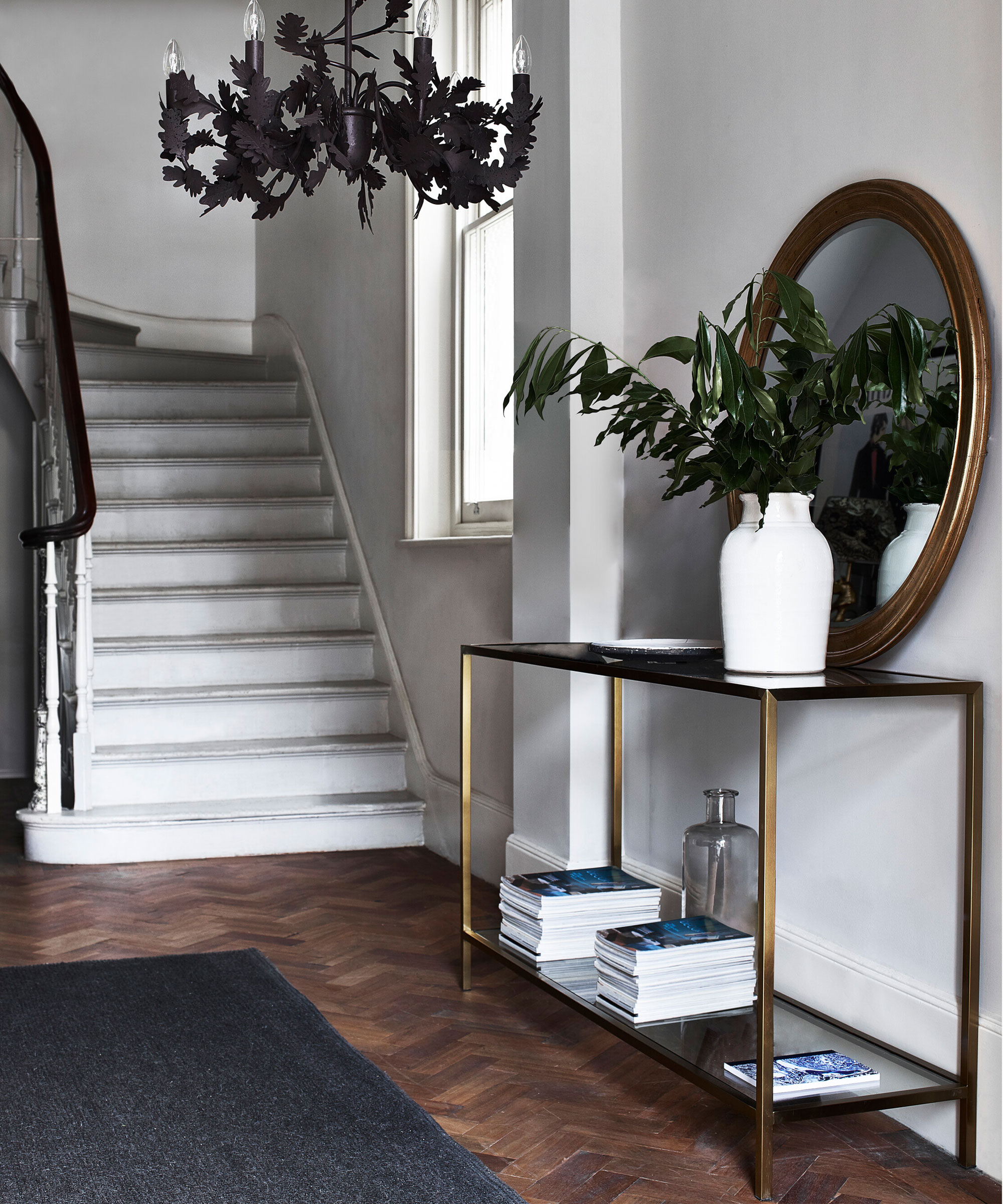
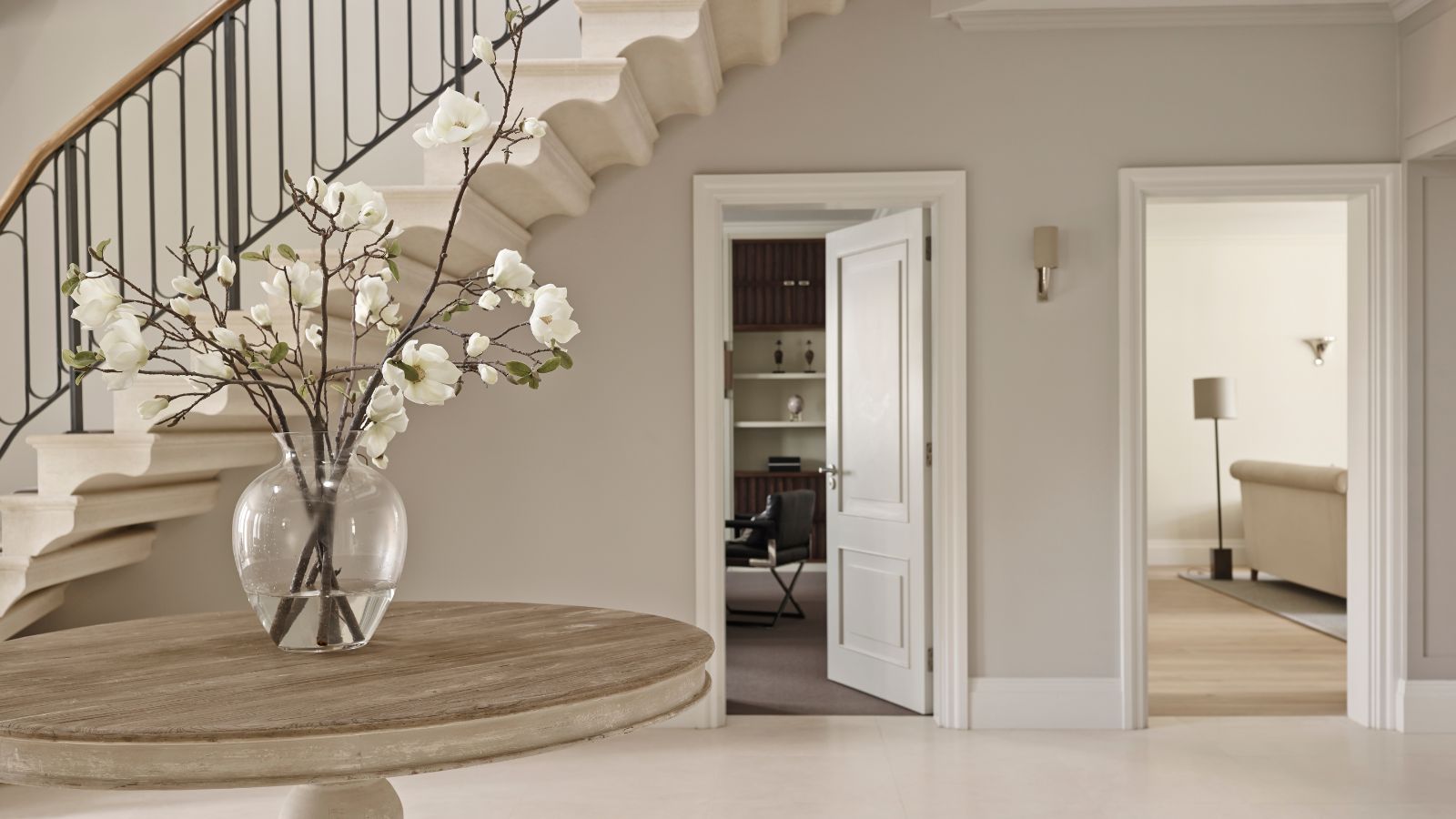
Achieving an uncluttered, serene, and welcoming entryway is a desirable goal for any home, especially when adopting a minimalist aesthetic. This approach, while often misconceived as stark and empty, actually prioritizes intentionality and functionality in design. Interior designers emphasize that minimalism in an entryway means carefully selecting pieces that serve a purpose and contribute to a calm, spacious, and stylish atmosphere, rather than merely having minimal furniture and decor. The core principle involves banishing items that introduce visual clutter or lack practical utility.
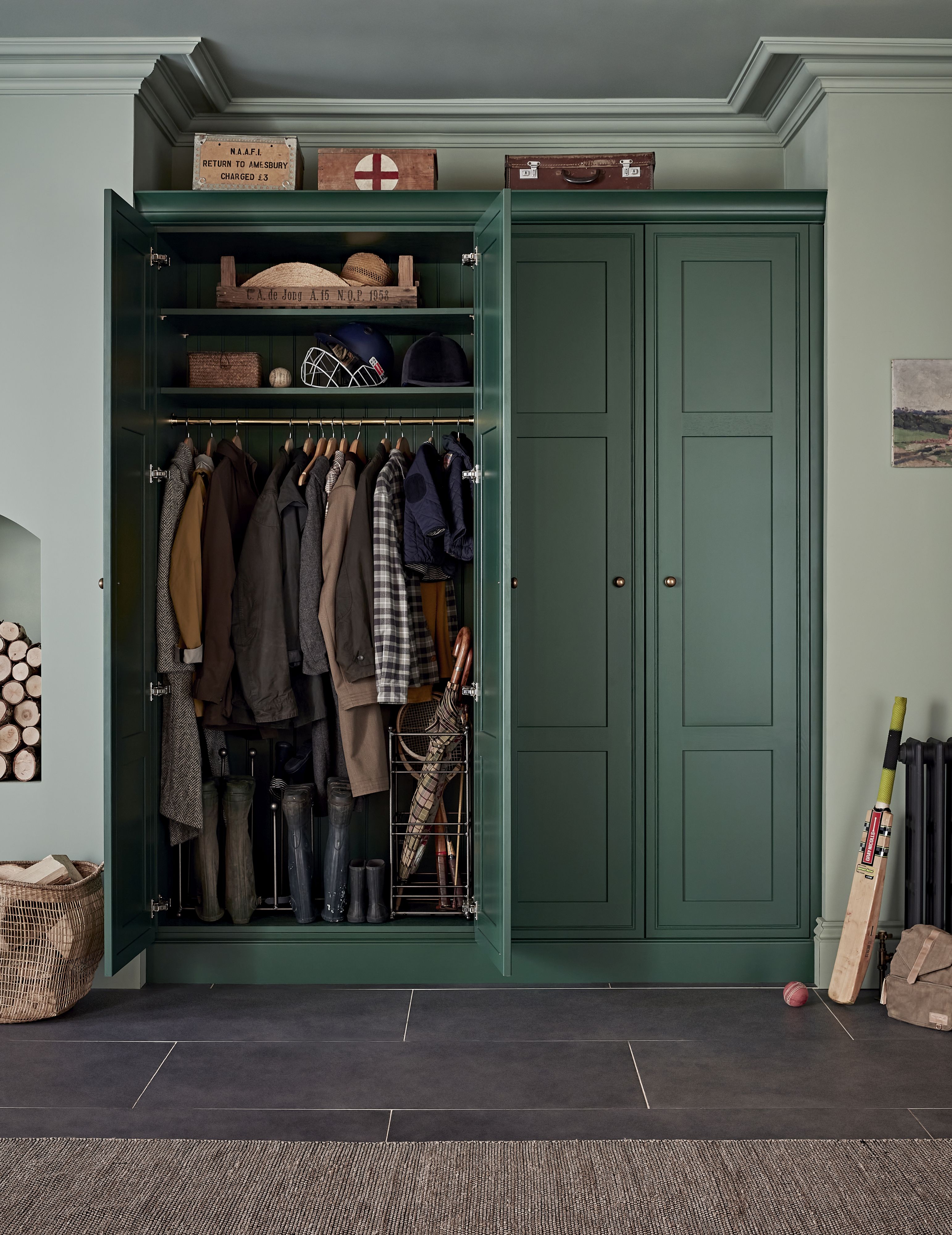
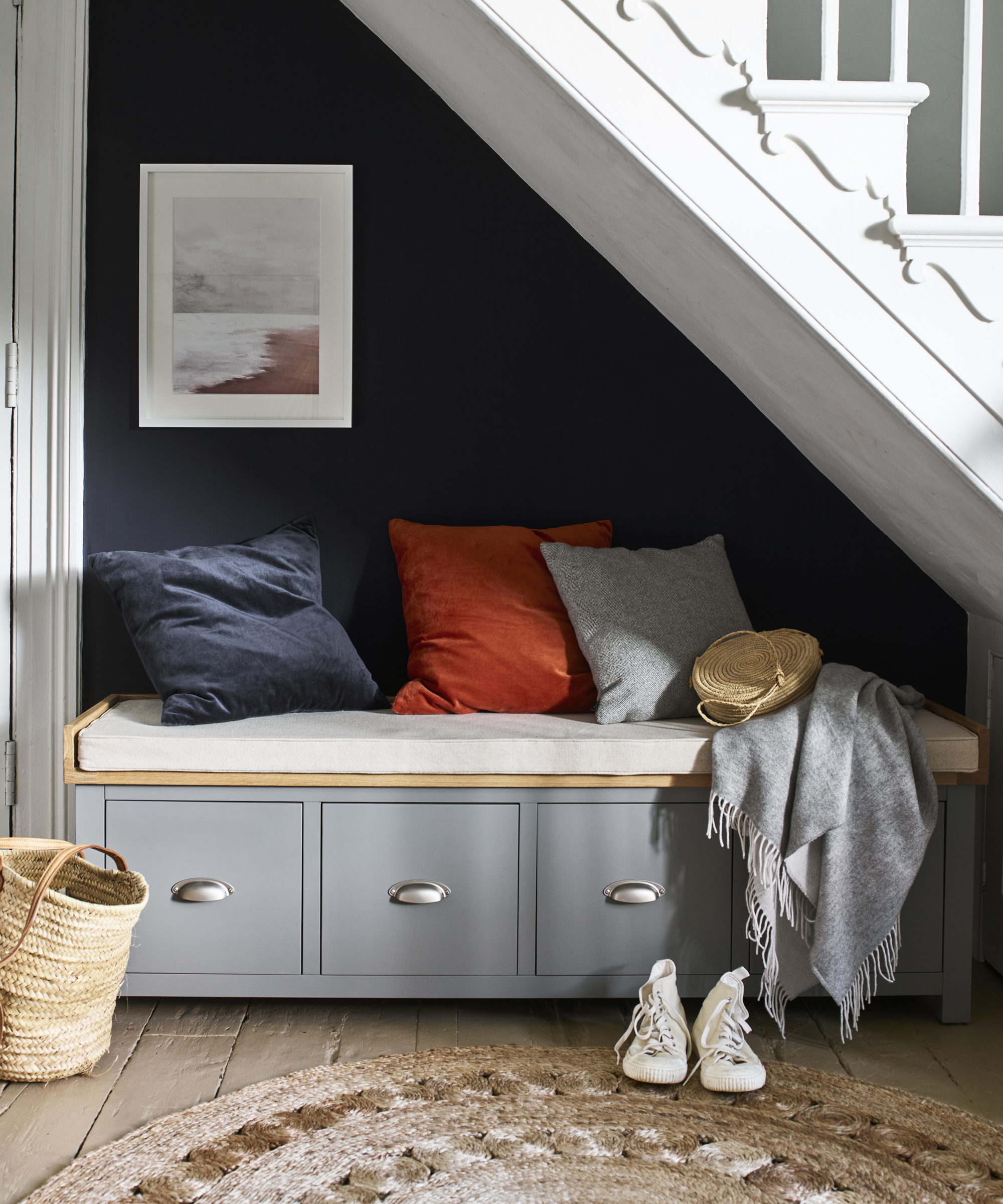
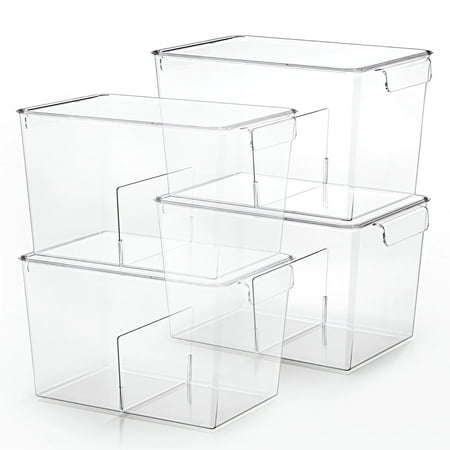
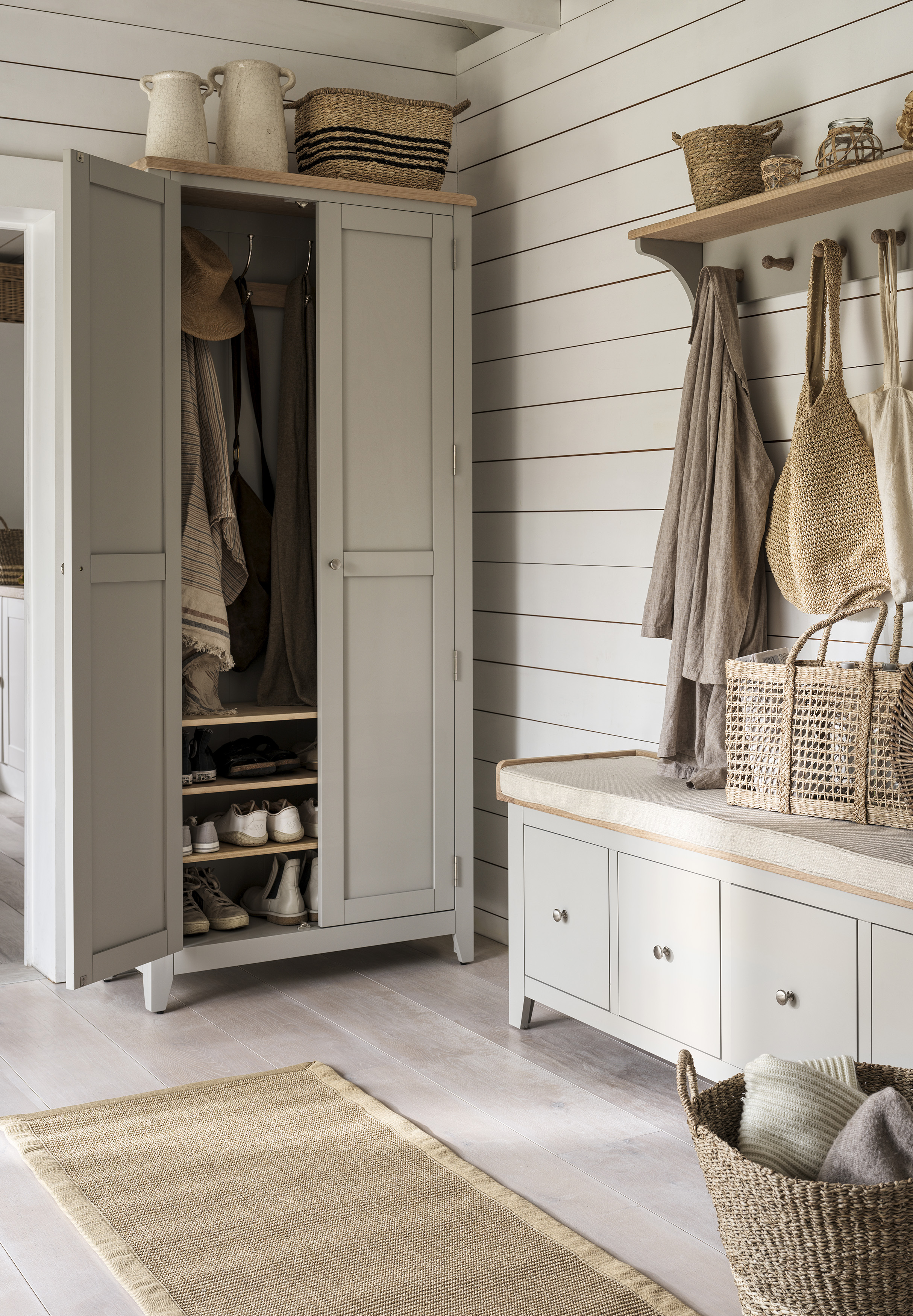
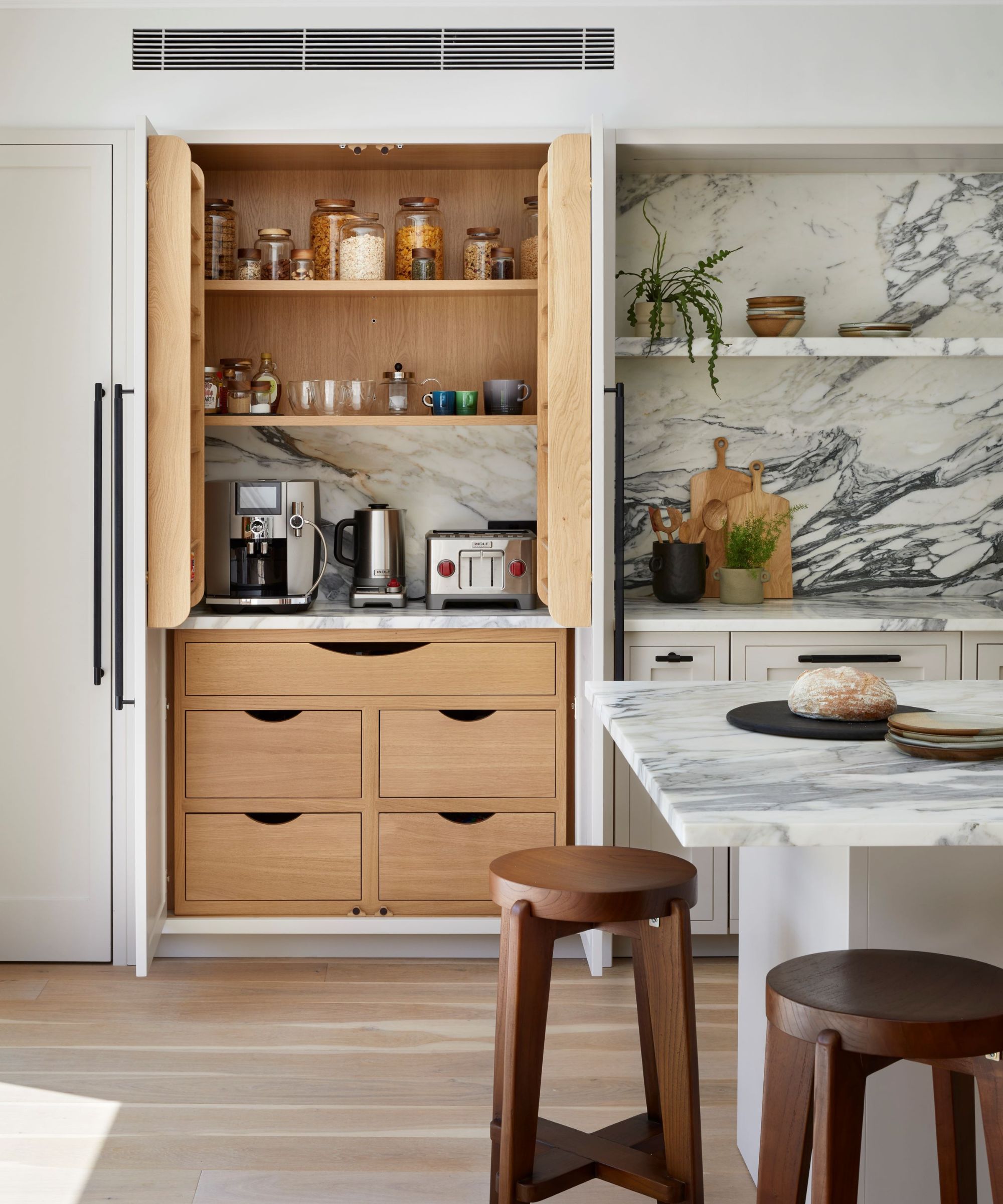
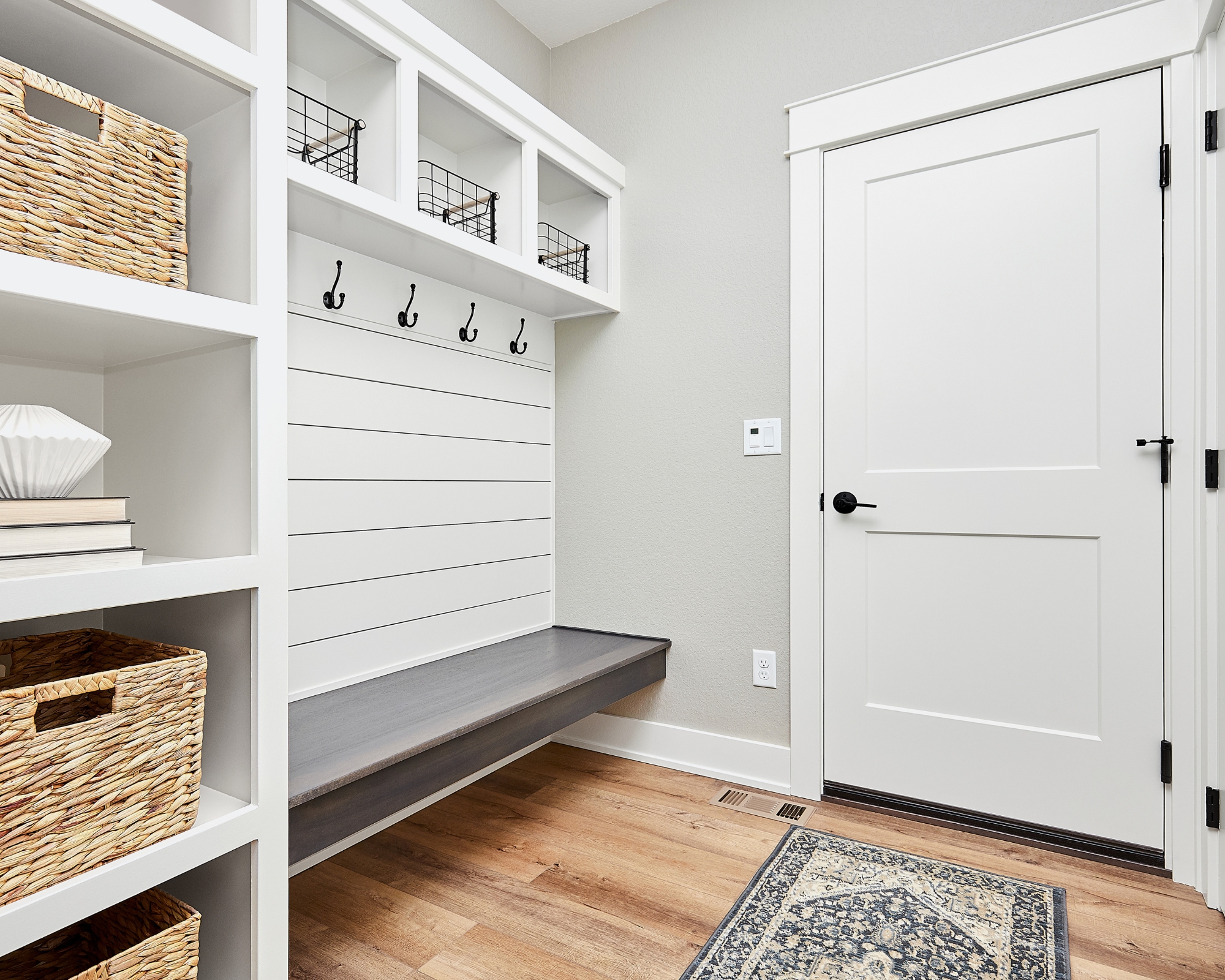
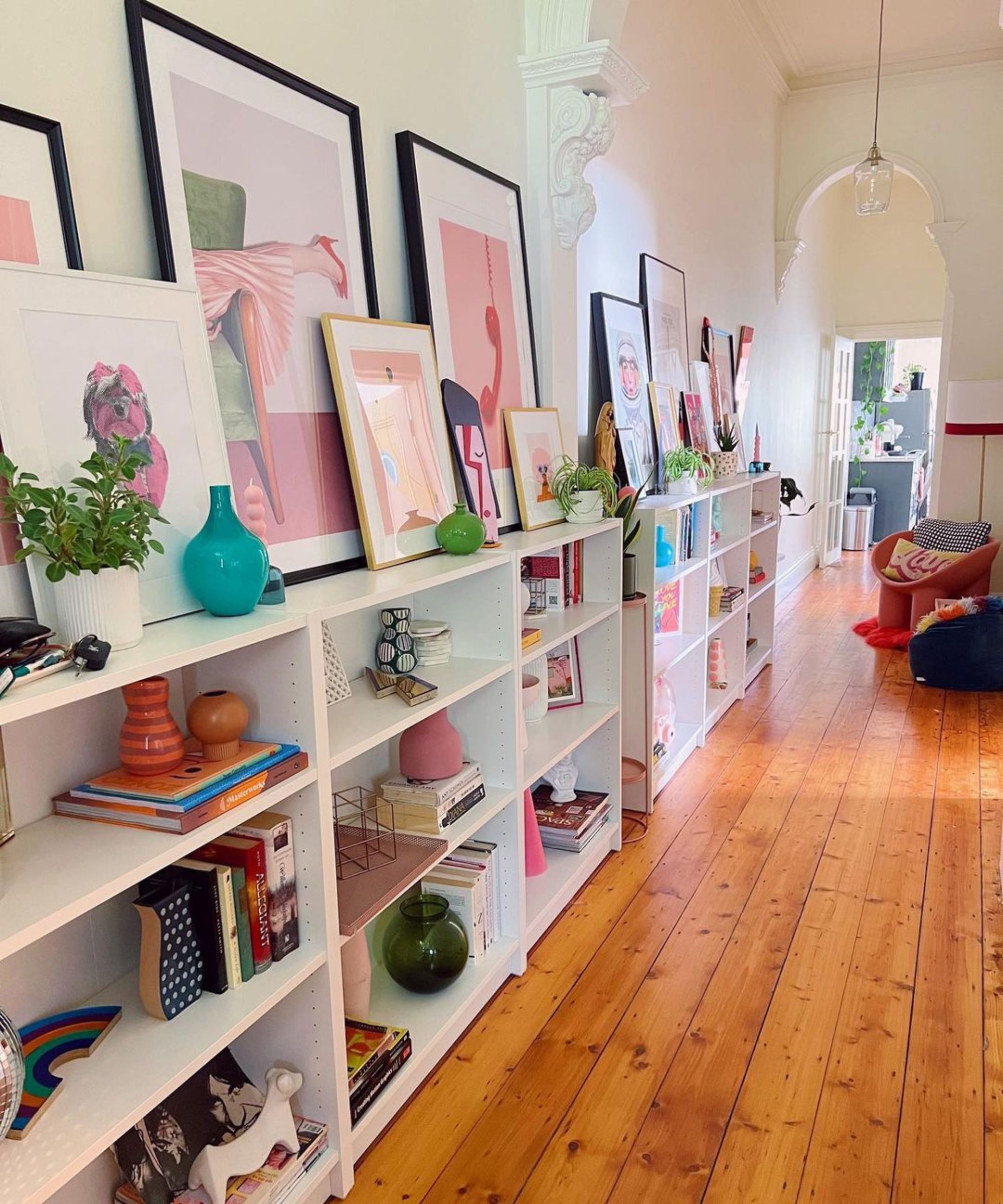
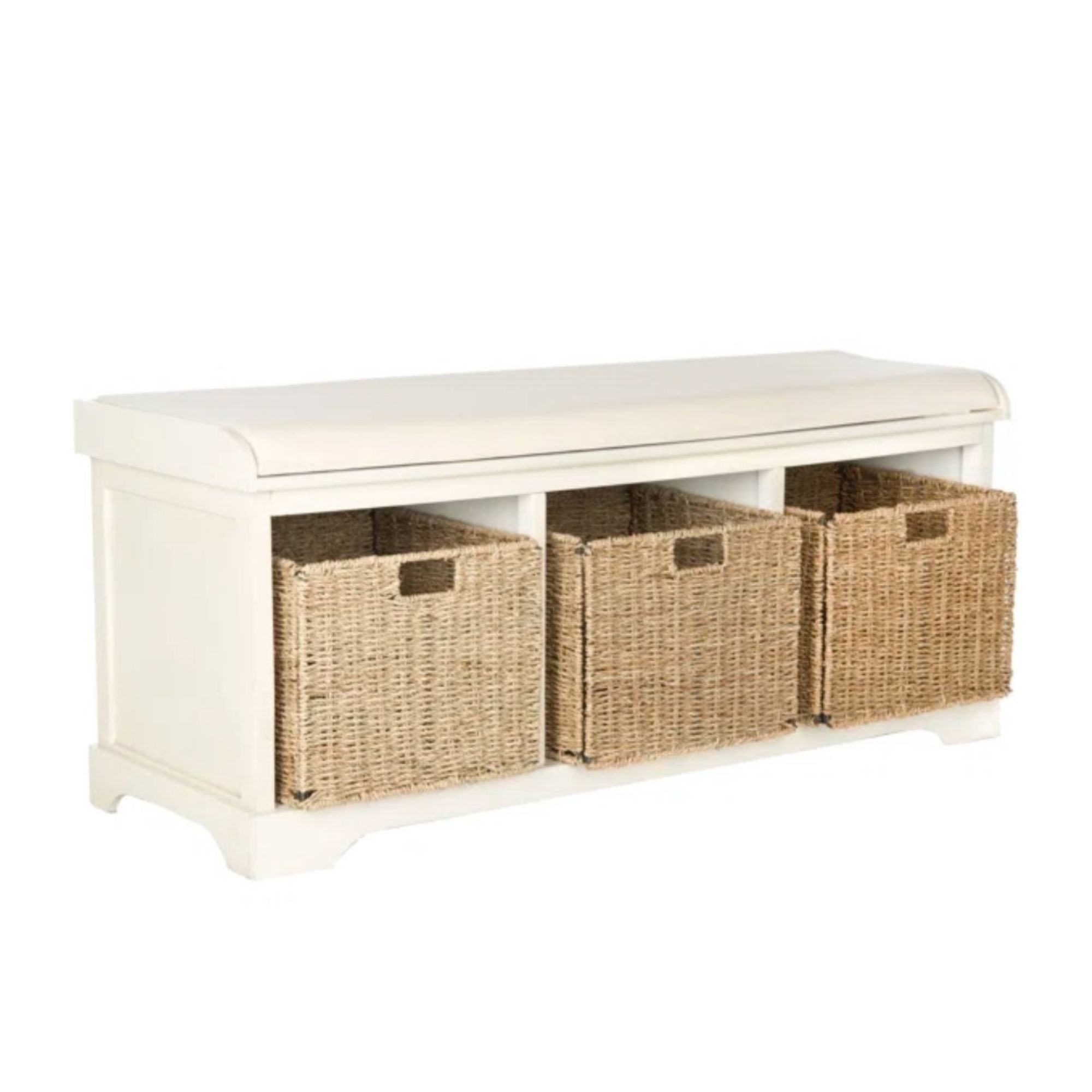
One significant item minimalists avoid in an entryway is storage with open shelves. While popular for displaying items, open shelving inevitably leads to visible clutter, which directly contradicts the minimalist ideal. Instead, designers recommend closed storage solutions that effectively conceal items, maintaining a clean and orderly appearance. For essential items that require organization, such as keys or mail, strategic use of bins and baskets within closed storage is advised to keep them out of sight yet easily accessible, thus ensuring both tidiness and functionality.
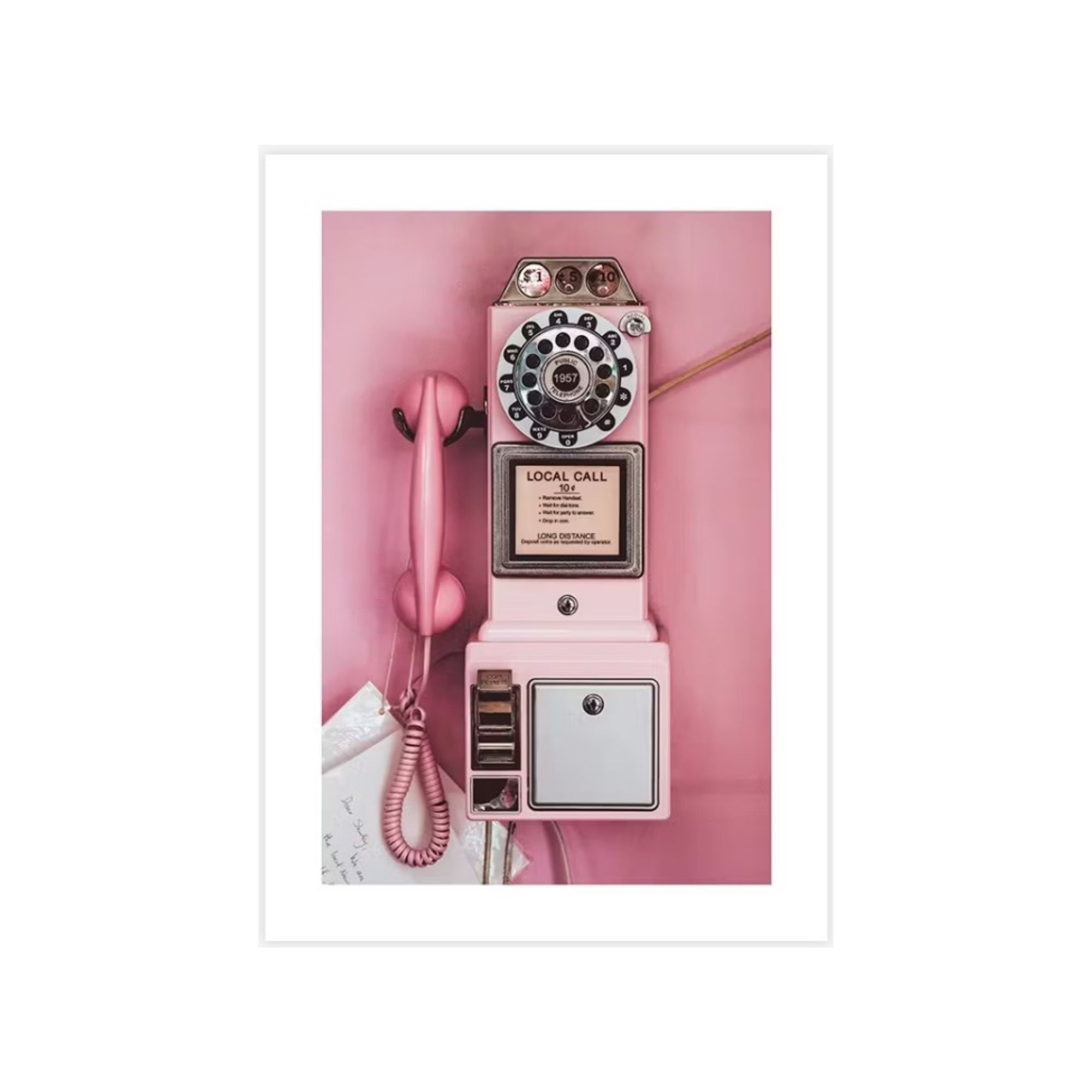
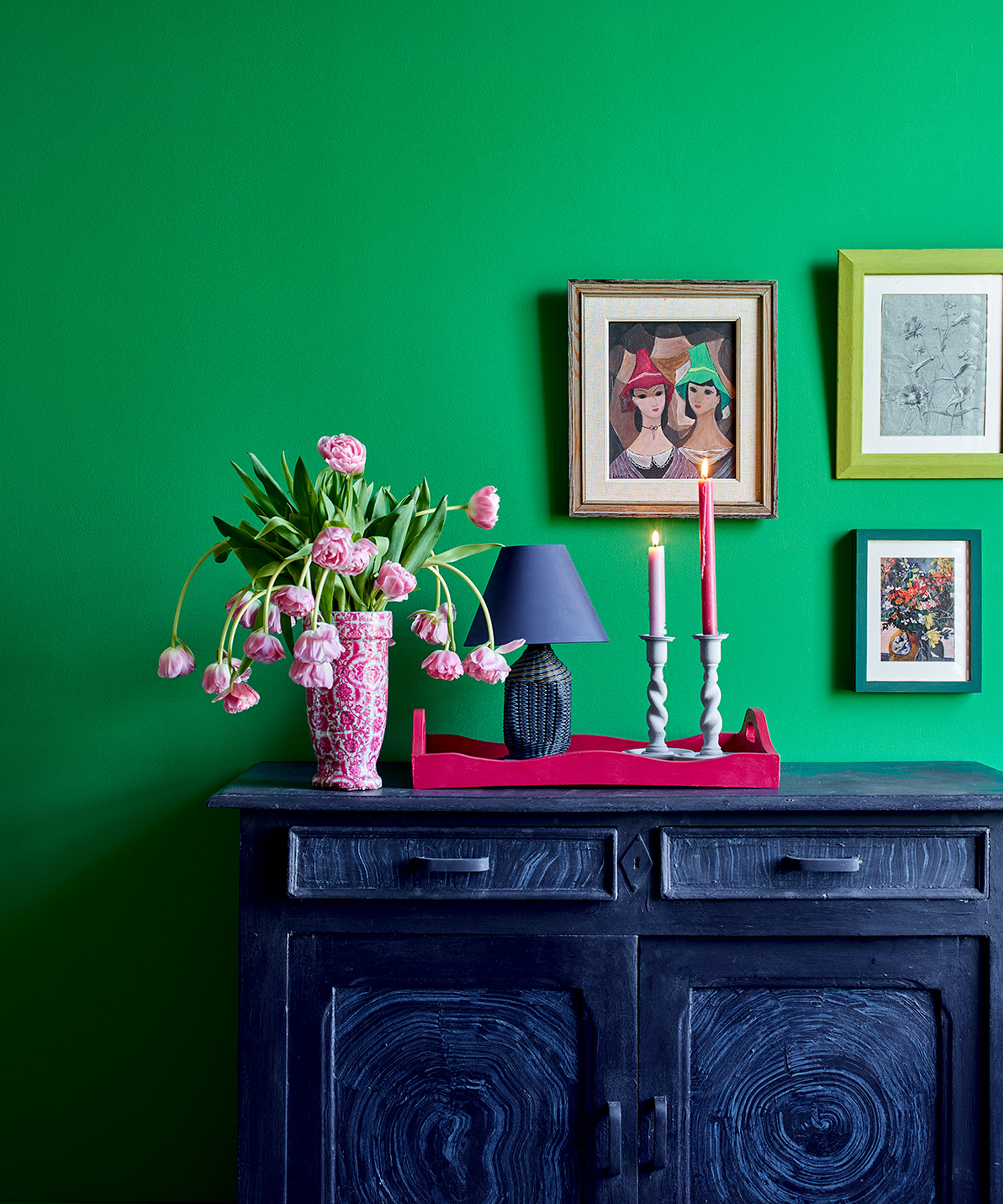
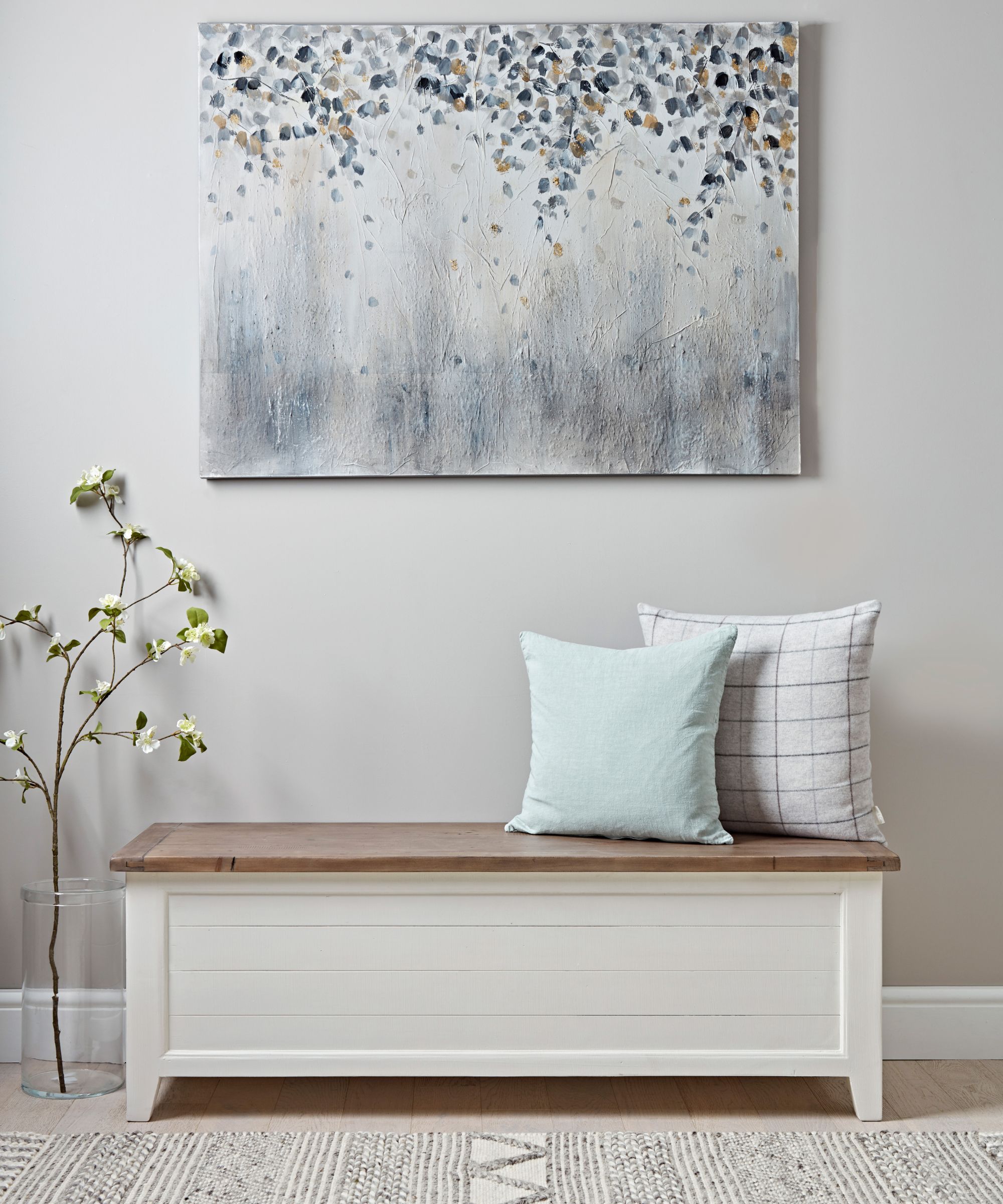
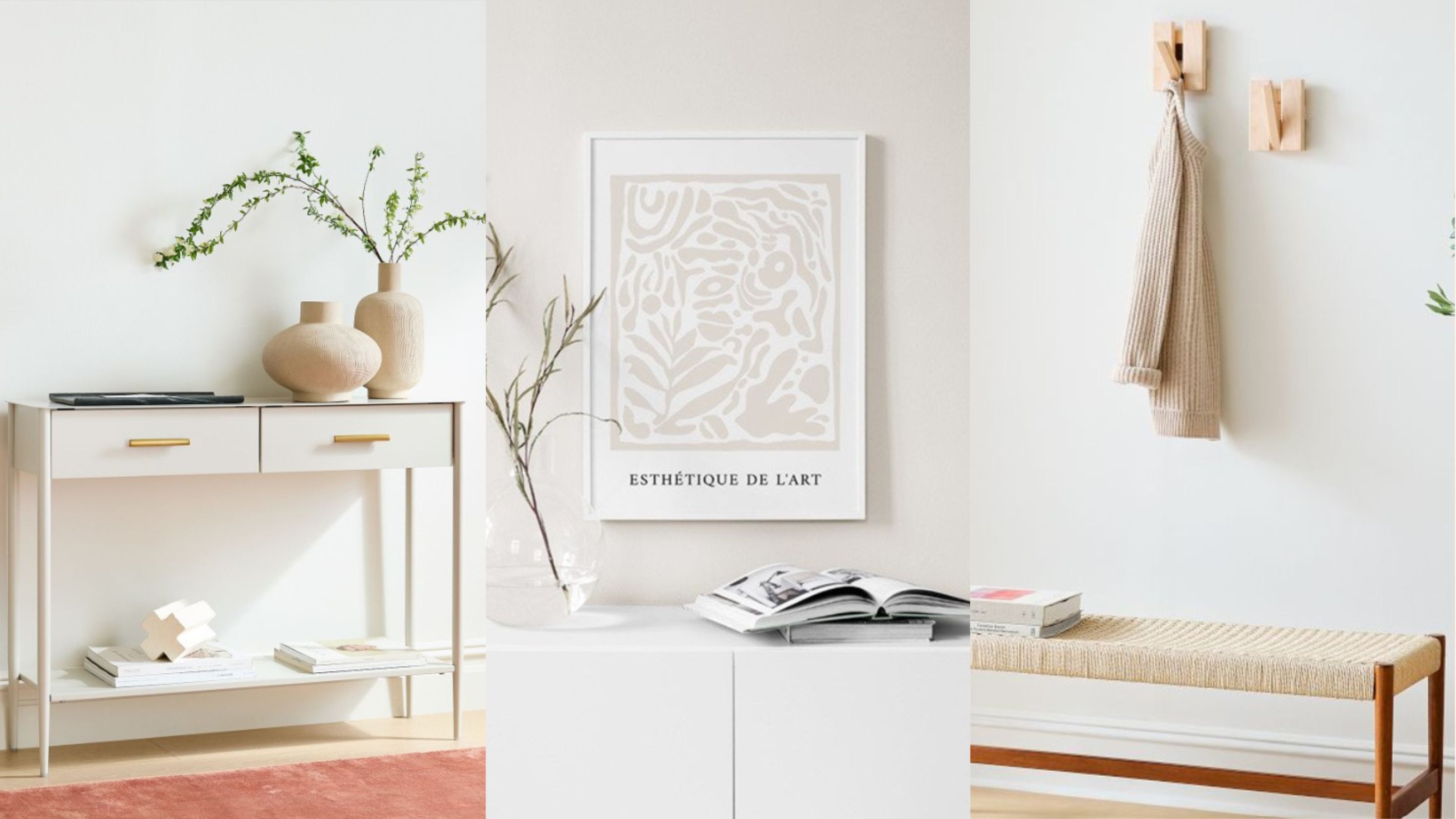
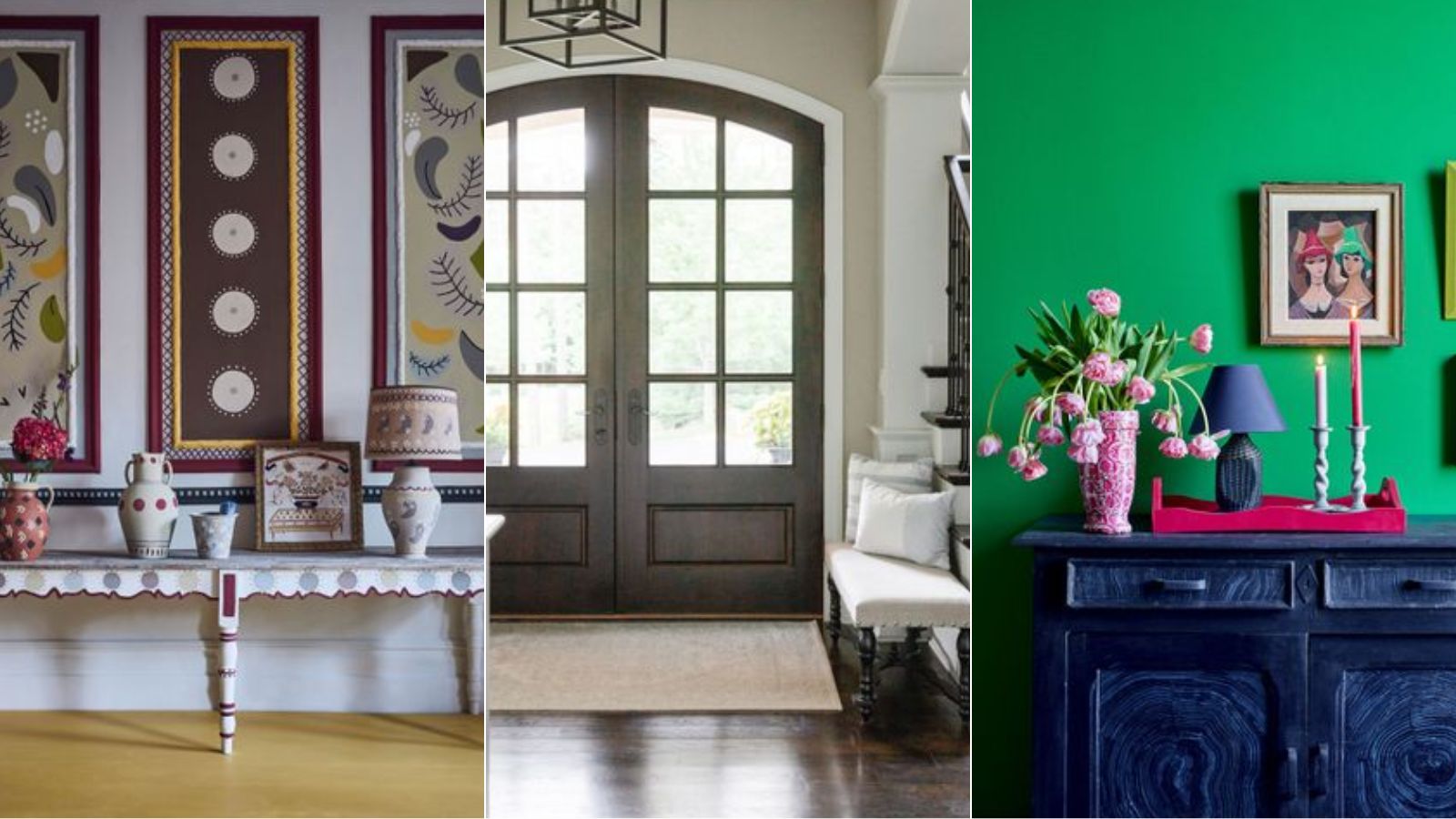
Another element to exercise restraint with is wall art. While a single, thoughtfully chosen piece of art can make a powerful statement and add personality, an excessive display, such as a gallery wall, is generally considered overwhelming for a minimalist entryway. The objective is to minimize visual noise and allow for a clear, uncluttered view. A single, impactful artwork can convey a story and enhance the space without introducing busyness.
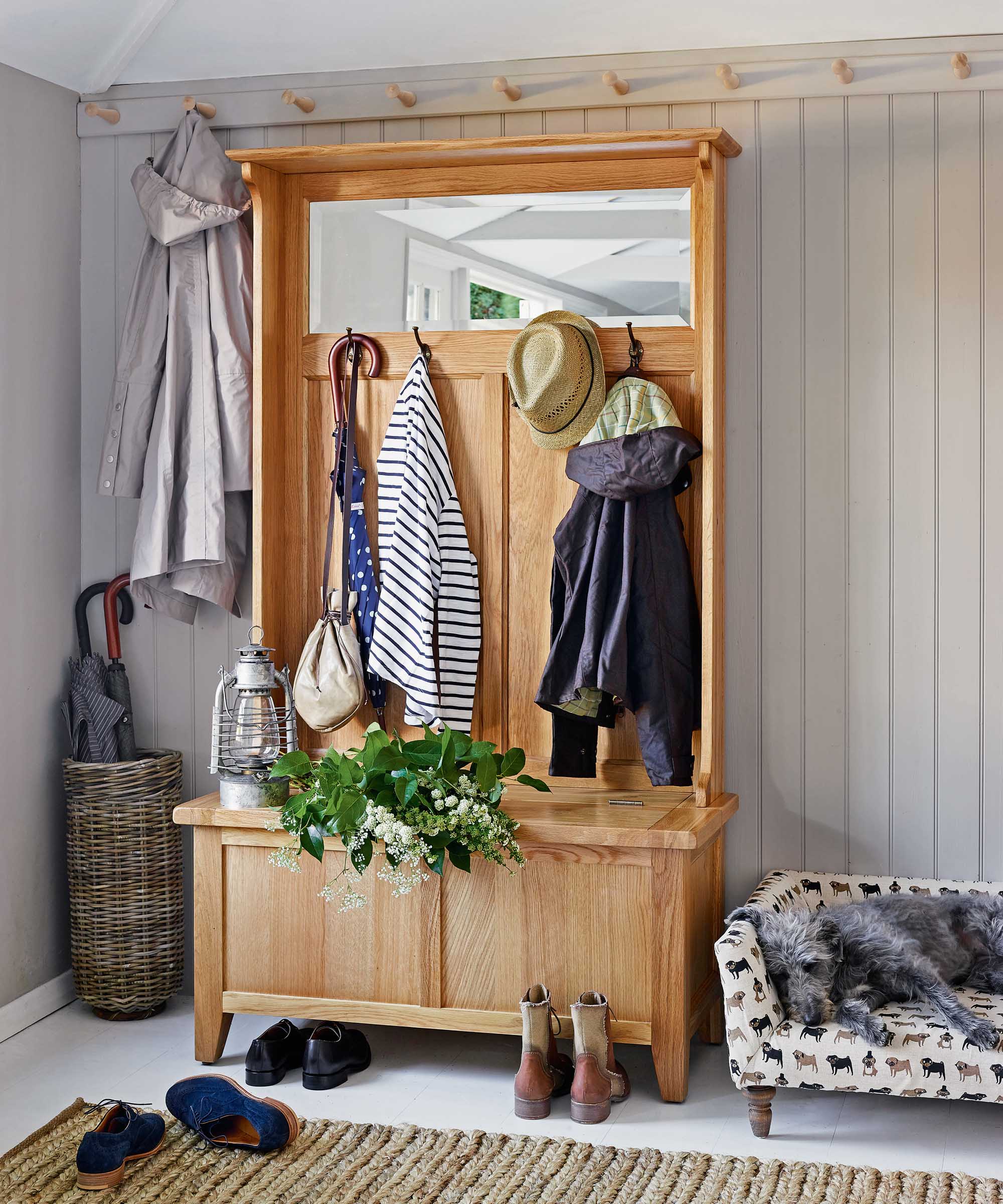
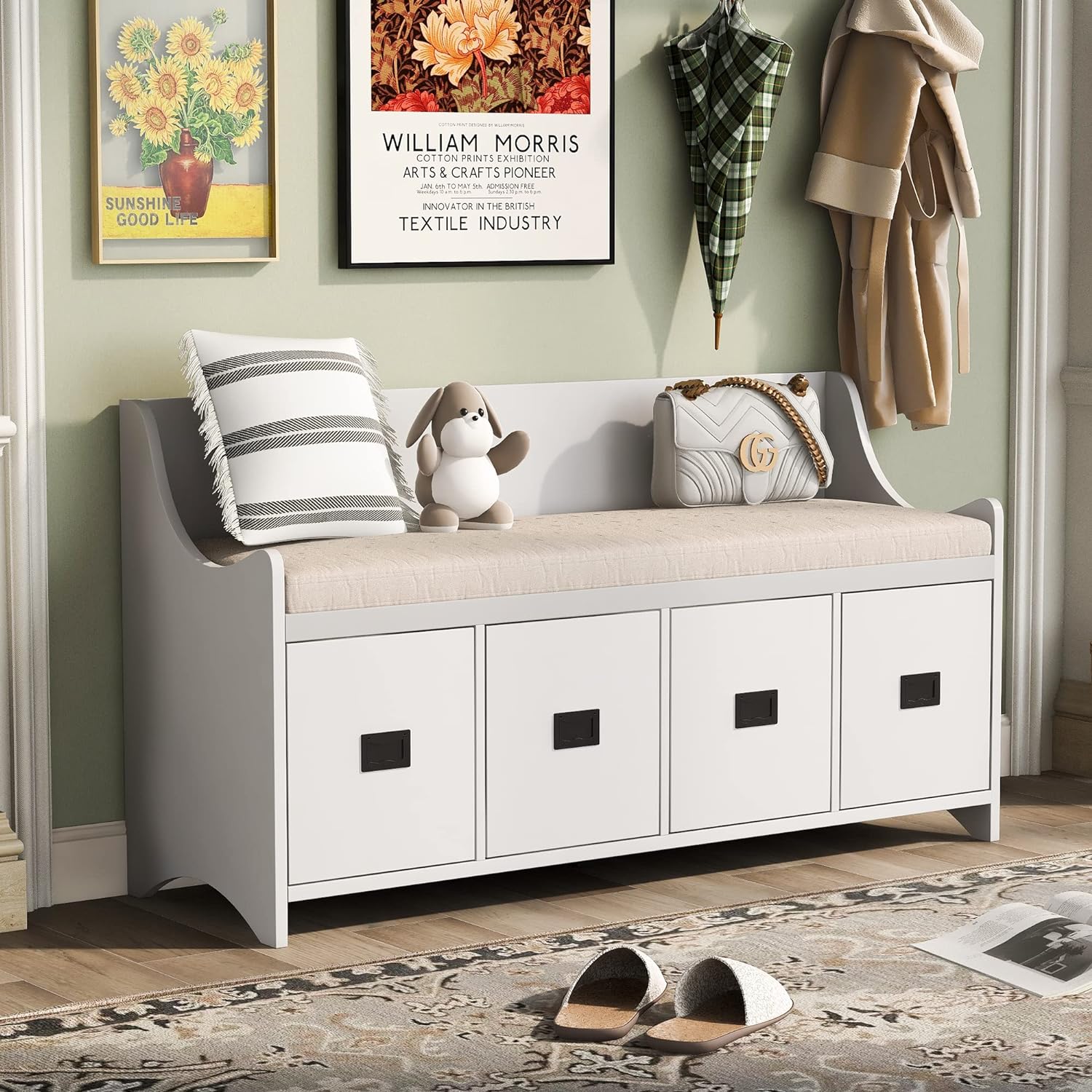
Oversized furniture also finds no place in a minimalist entryway. Bulky items like large benches or elaborate coat racks consume valuable floor space and detract from the minimalist goals of functional simplicity and openness. The focus should be on appropriately scaled furniture that serves its intended purpose without dominating the area or creating a cramped feeling.
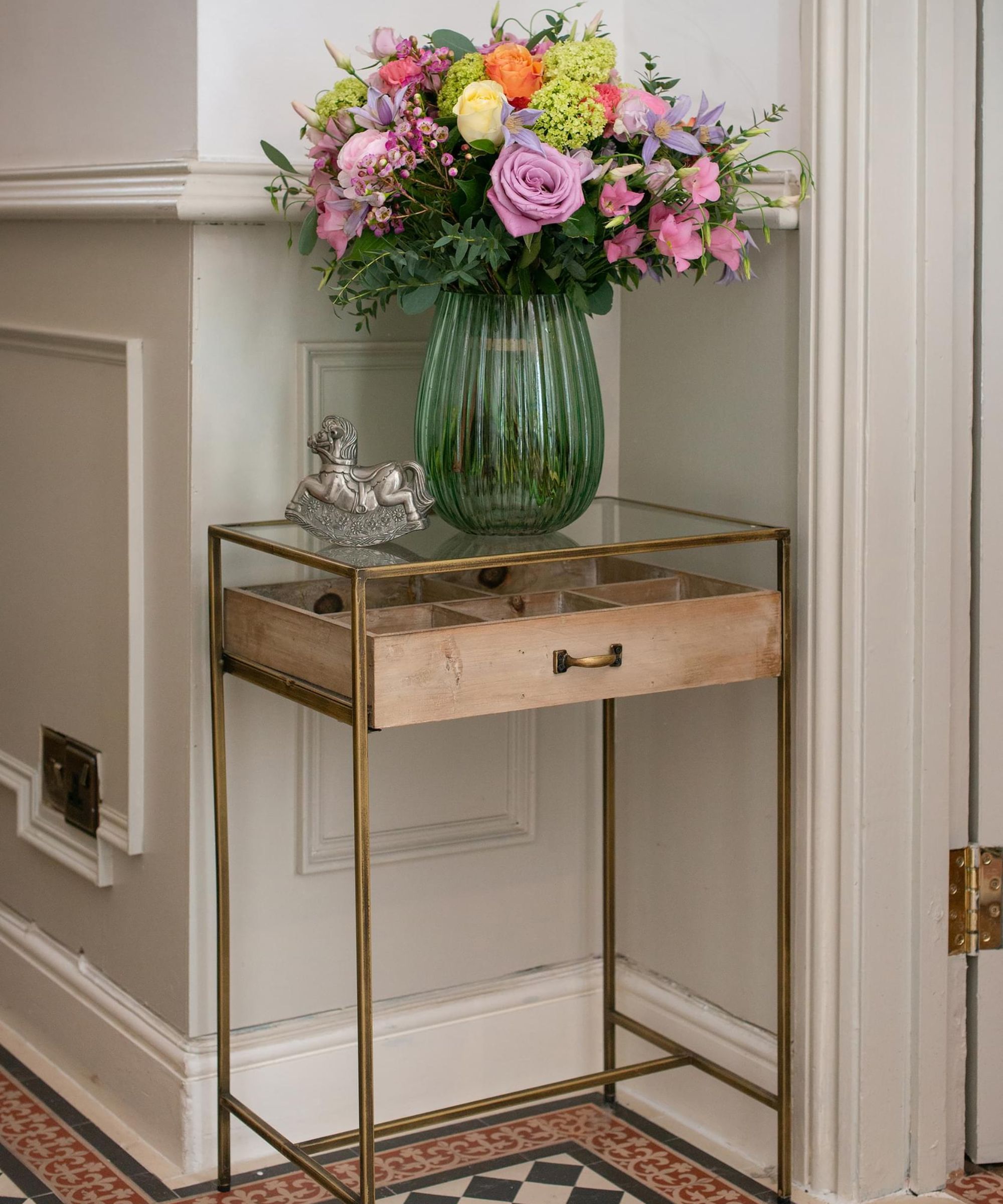
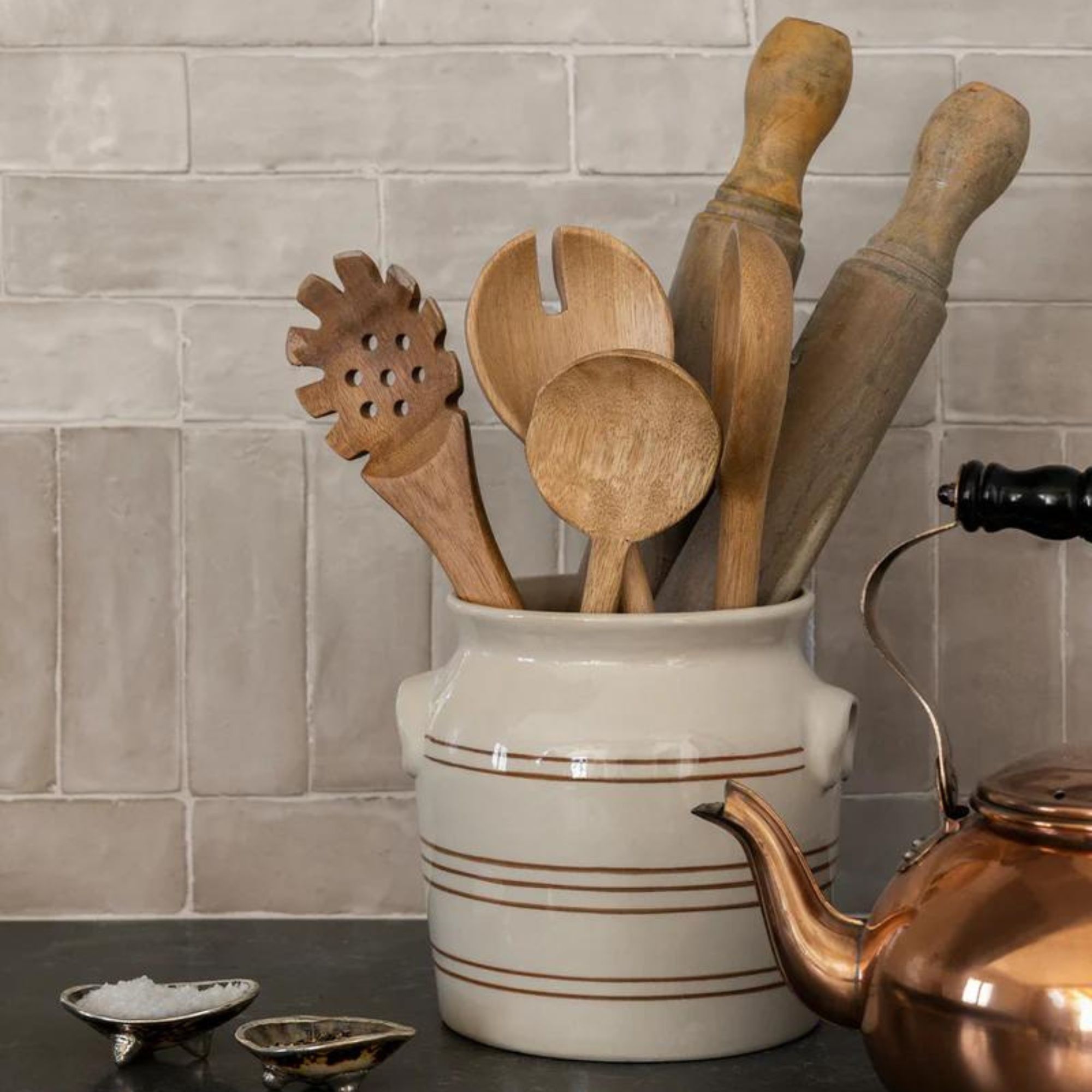
Knickknacks, defined as decorative items lacking a practical purpose, are unequivocally banned from a minimalist entryway. These trinkets often contribute to a cluttered and disordered appearance, making the space feel less expansive and calm. The minimalist philosophy dictates that every item in the entryway should either be functional or contribute meaningfully to the aesthetic without adding unnecessary visual weight.
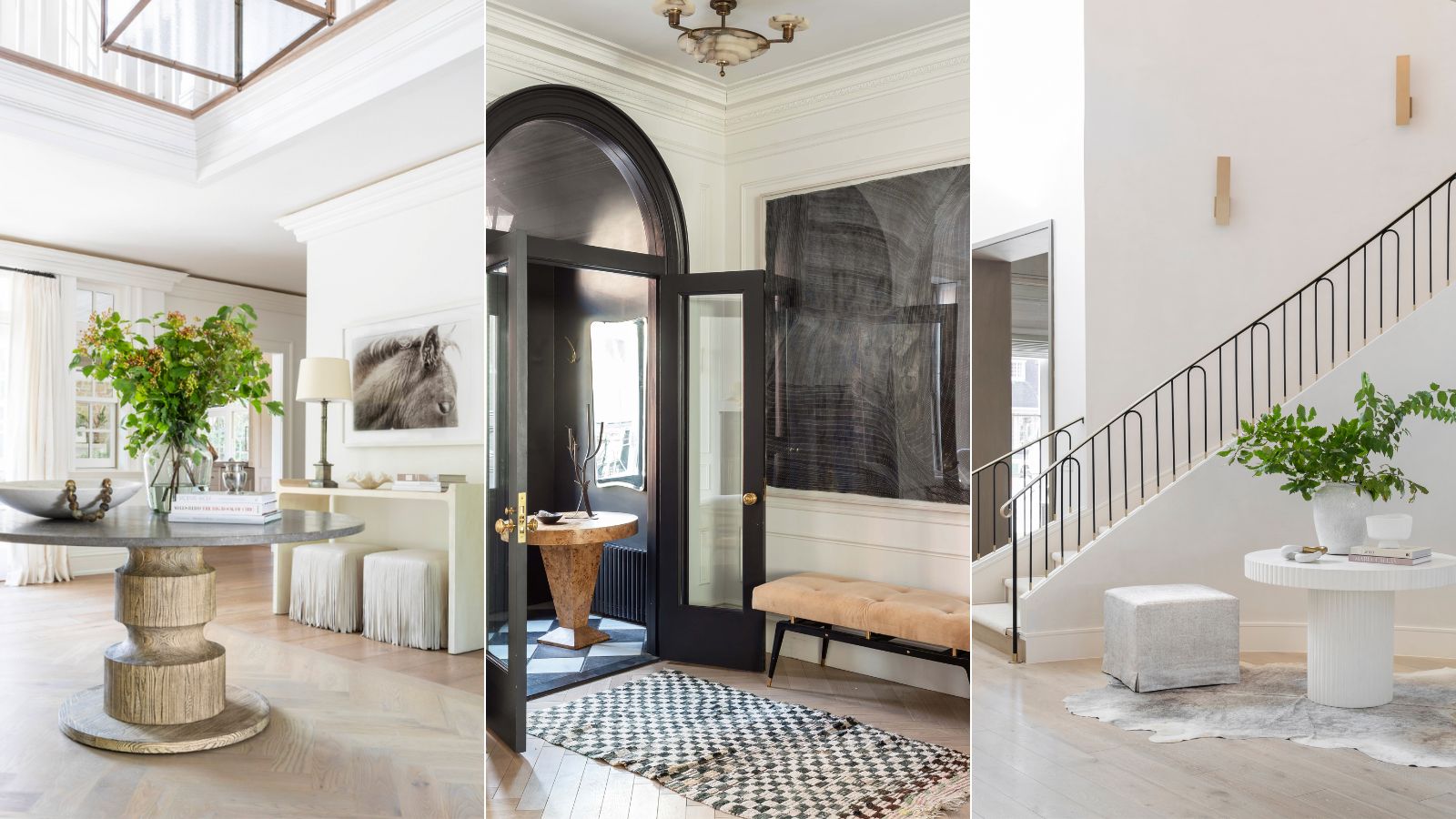
Finally, the entry door itself should align with the minimalist aesthetic. An ornate door, with intricate designs or excessive embellishments, is typically avoided. Instead, a minimalist approach favors front doors with clean lines, such as Shaker styles or full-lite designs. These choices not only complement a sleek, pared-back interior but can also offer the practical benefit of allowing natural light to enter the space, enhancing its openness and brightness. The "90/90 rule" for minimalism, which suggests assessing if an item has been used in the last 90 days or will be used in the next 90 days, provides a useful framework for decluttering and ensuring that possessions either bring joy or serve a purpose, further supporting the creation of a functional, serene, and stylish entryway.
#MinimalistDesign #EntrywayDecor #HomeOrganization #Decluttering #InteriorDesignTips #FunctionalLiving #CleanLines #SpaceSavingSolutions #MinimalistDesign #EntrywayDecor #HomeOrganization #Decluttering #InteriorDesignTips #FunctionalLiving #CleanLines #SpaceSavingSolutions
0개의 댓글이 총 표시됩니다.
 아직 댓글이 없습니다
추가로 마음에 드릴 만한 콘텐츠
5 things minimalists never have in a small entryway

5 surprising storage essentials minimalists avoid – and what they use instead
8 things people with organized small entryways never do
7 Hacks That Will Keep Your Small Entryway Clutter-Free, According to Pro Organizers

5 things to get rid of for a minimalist entryway – according to designers and organizers
6 things minimalists never have in a kitchen – and what to use instead
7 Things You’ll Never See on a Minimalist’s Kitchen Counter—And Why They Swear By It
5 things to never put on your kitchen island, according to interior designers
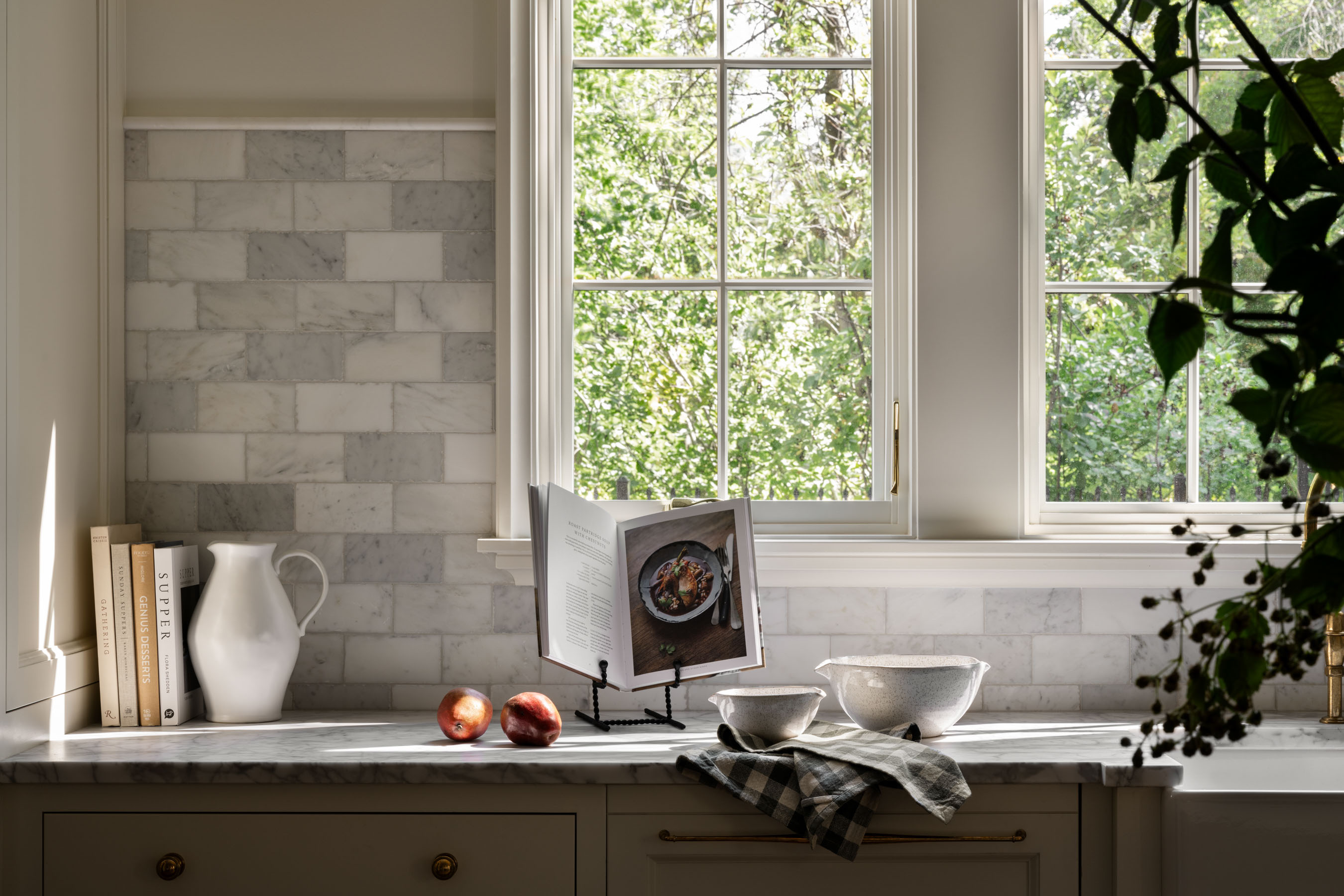
5 Things You Shouldn't Keep on Your Countertops if You Want an Uncluttered, Minimalist Kitchen

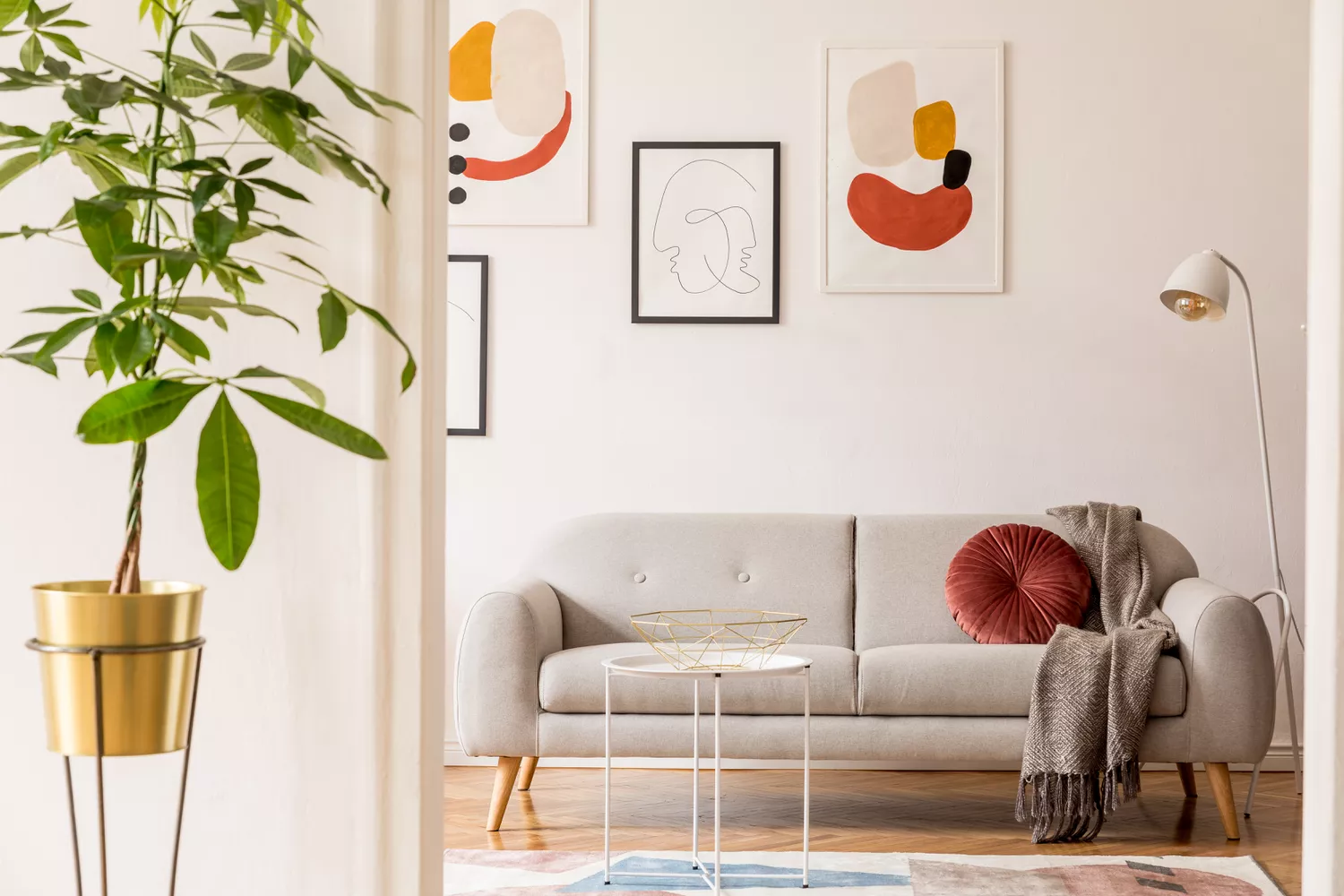
5 Minimalist Decorating Mistakes Designers Always Notice

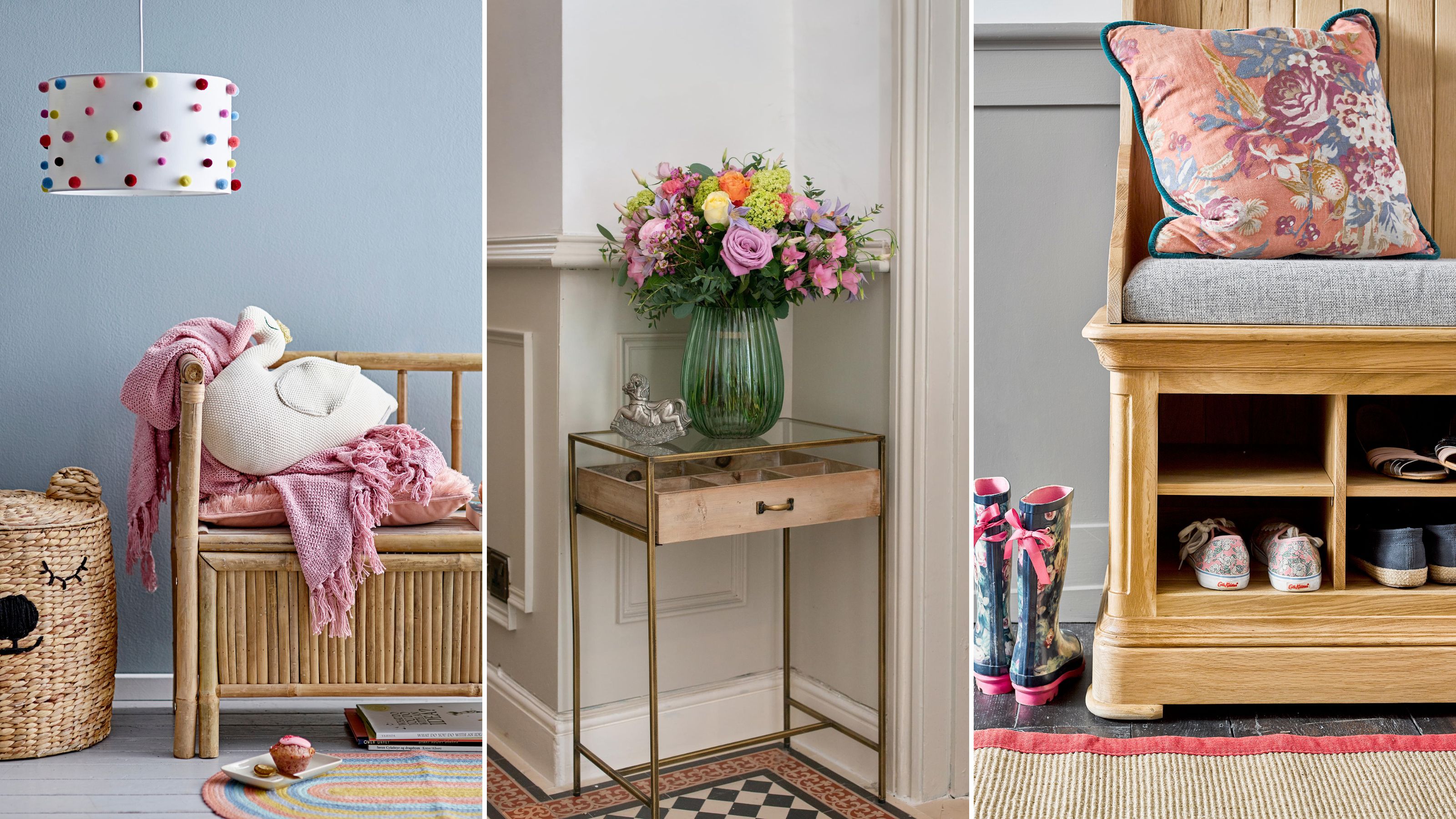
5 small entryway storage mistakes designers want you to stop making

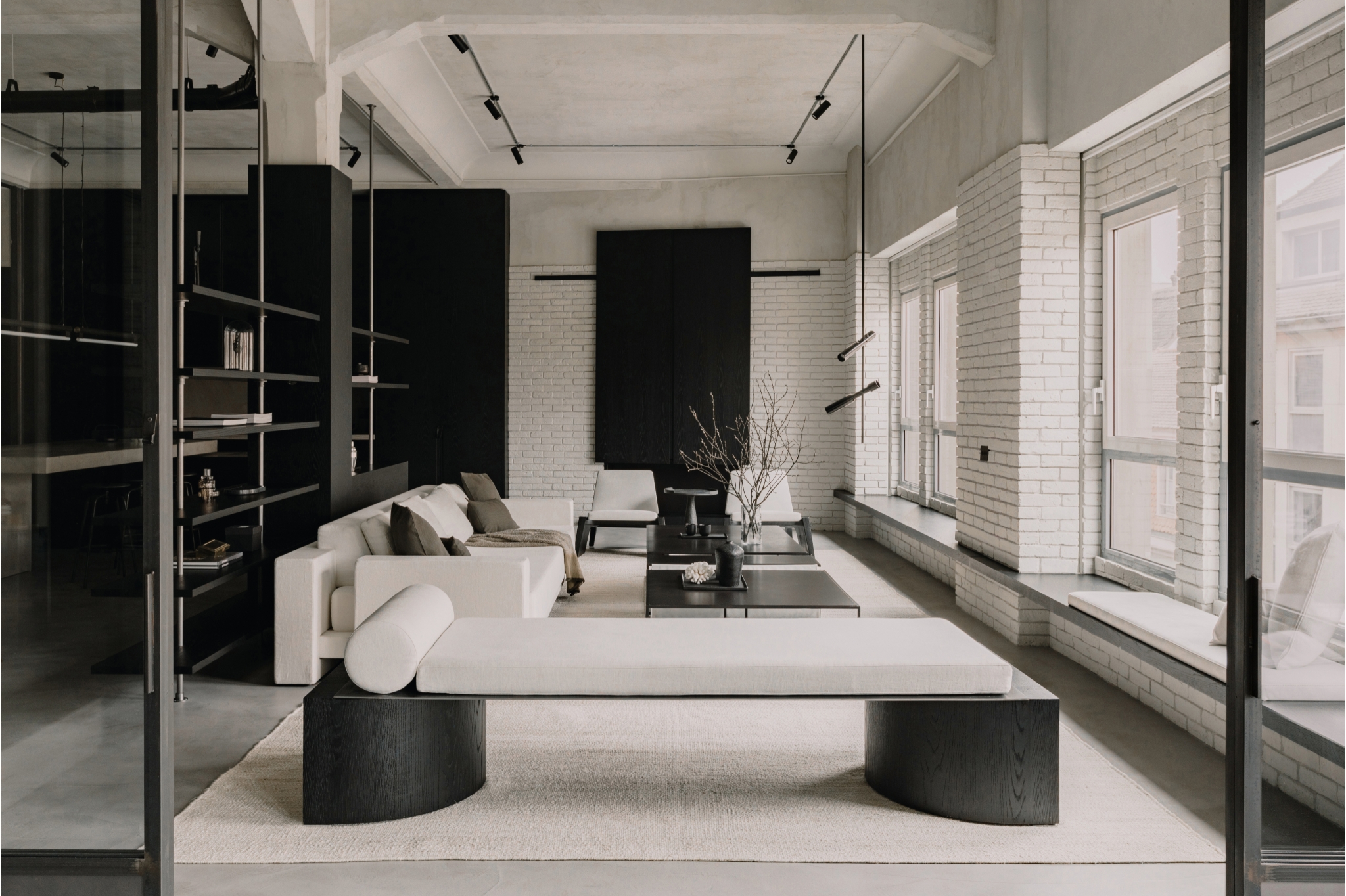
10 Minimalist Apartment Ideas That Prove That Small-Space Living Doesn't Have to Be Cluttered
7 Things Minimalists Would Never Put in Their Living Room

6 things to never put in an entryway, according to interior designers
Don't make these 5 entryway decor mistakes
Minimalist entryway ideas — 6 ways to boost a tight space
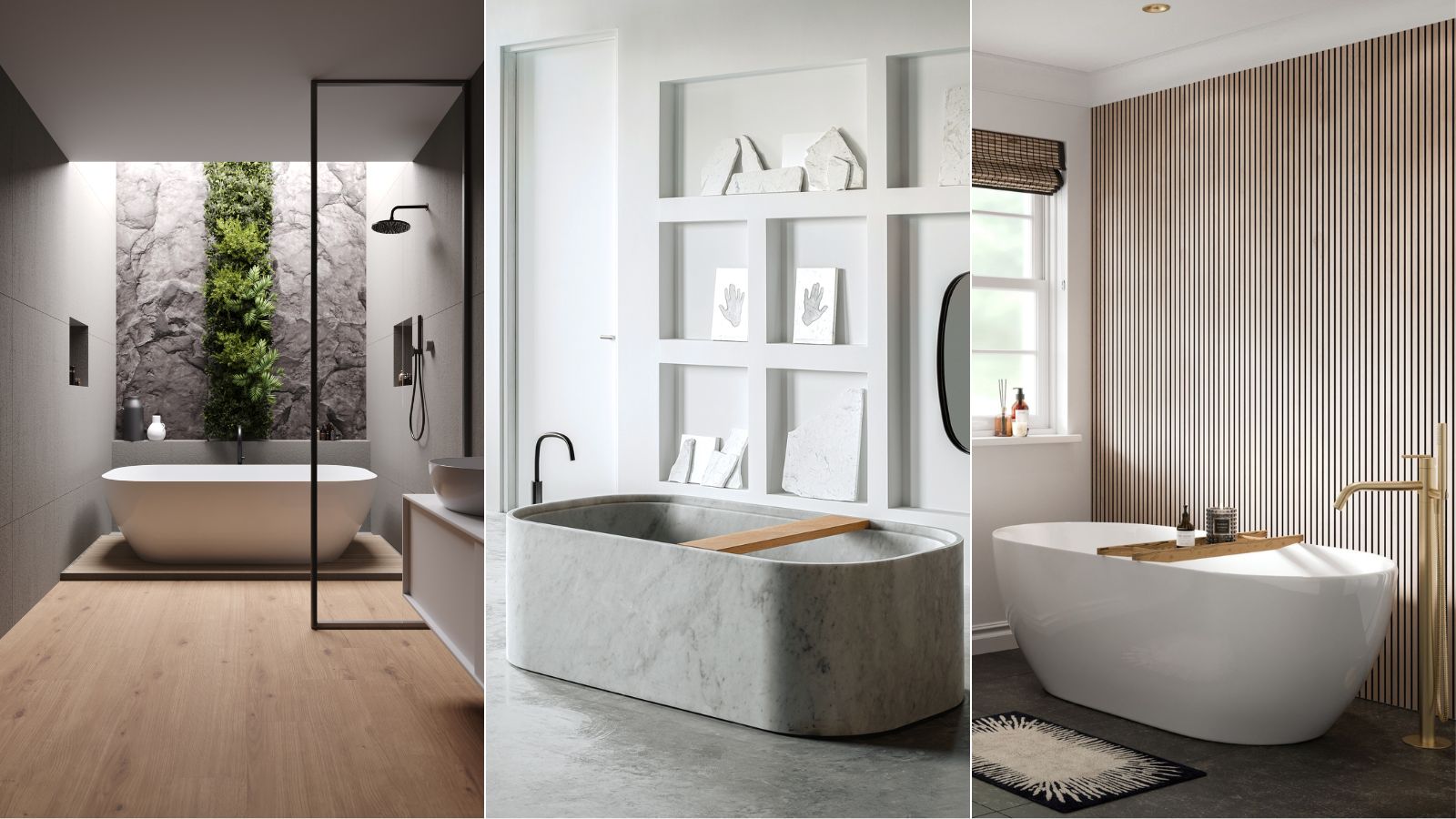
5 things minimalists never have in a bathroom – and what to use instead
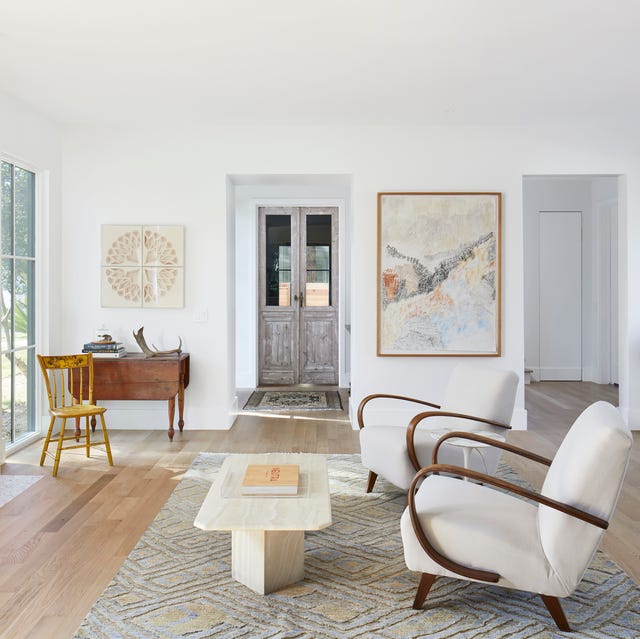
How to Design a Minimalist Living Room

Items to never store in an entryway, according to cleaning, organizing and interiors experts
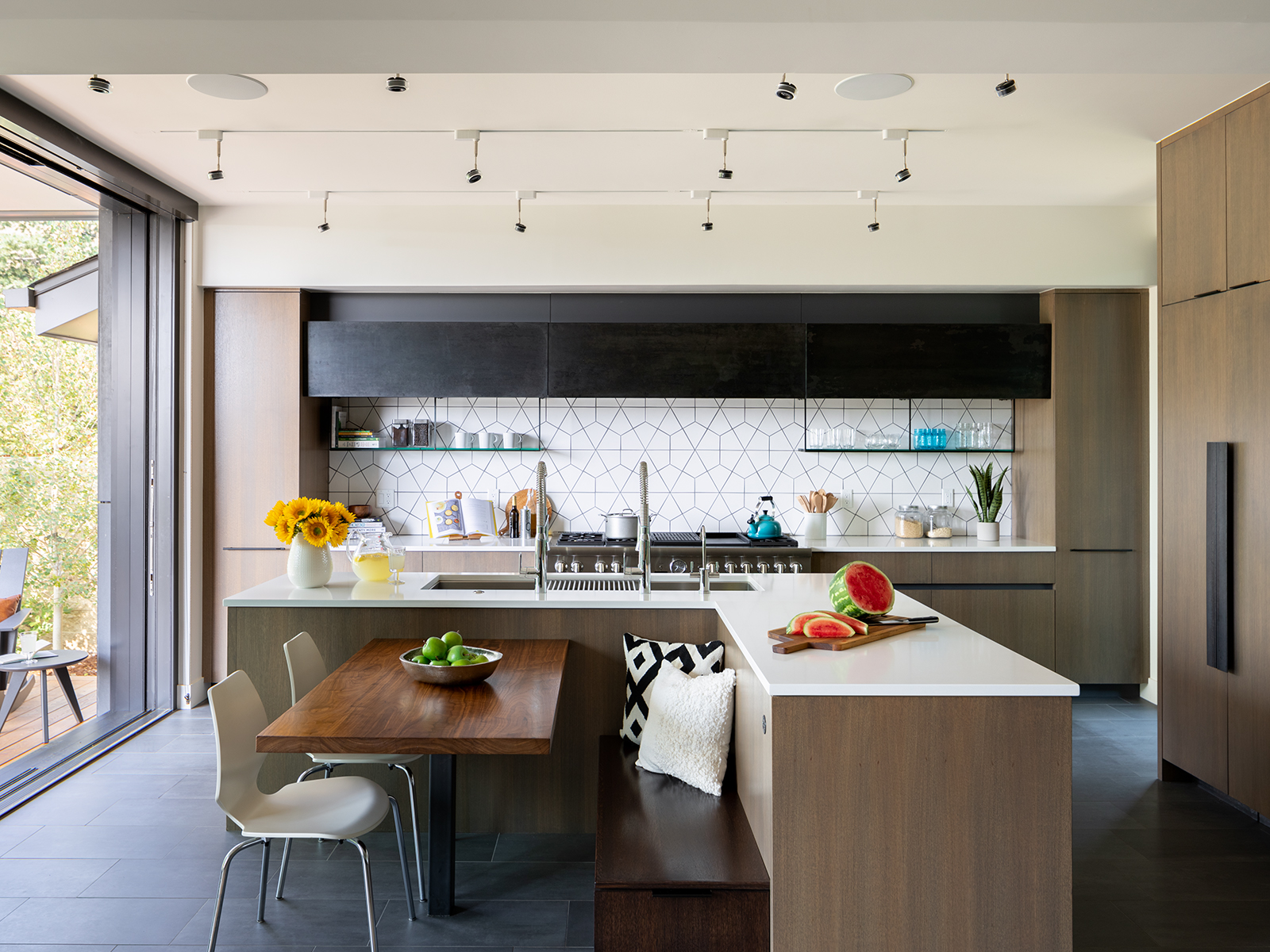
5 (Fresh!) Tips for a Minimalist Kitchen