1/5
Why Interior Designers Are Ditching Pretty for ‘WTF Moments’
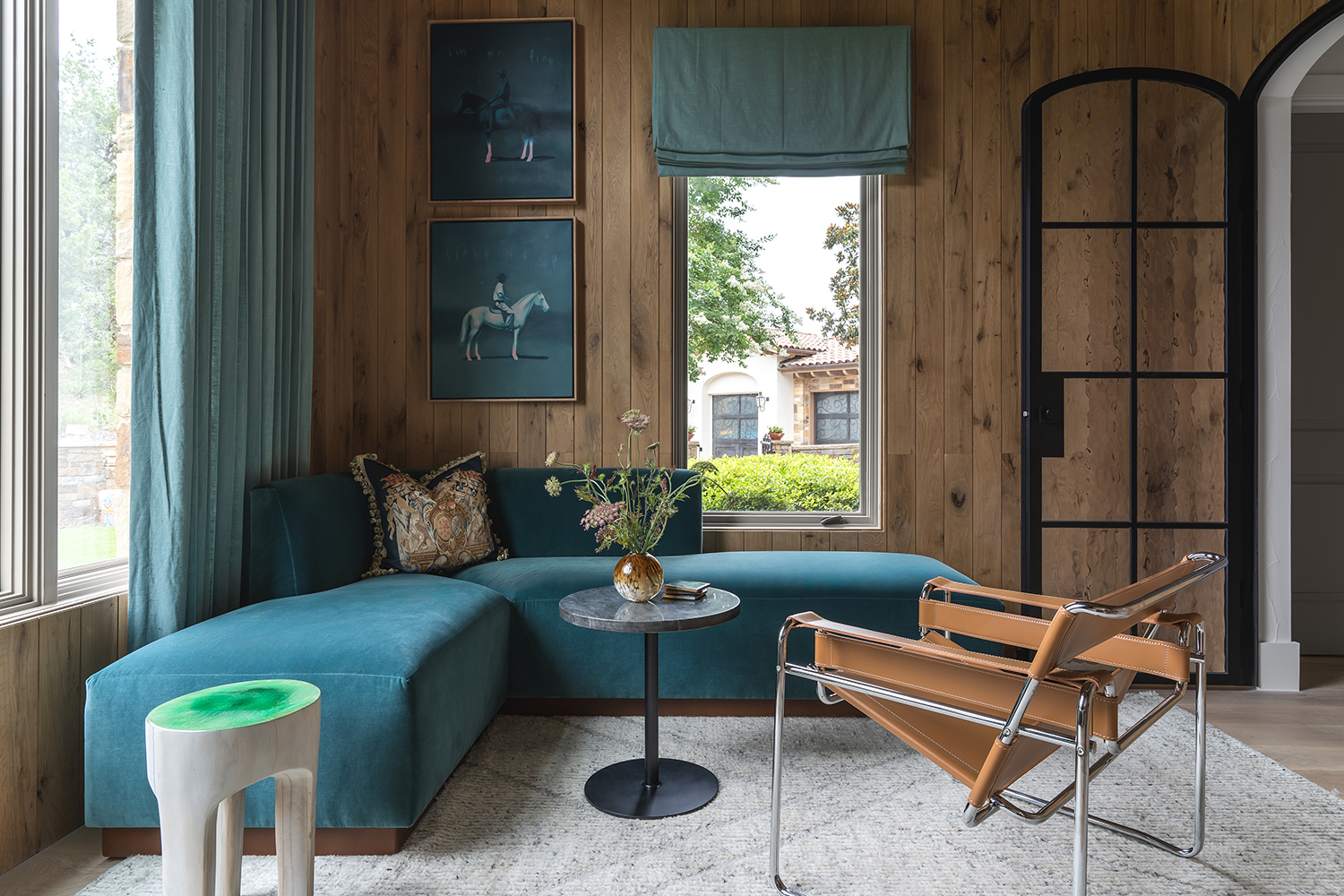
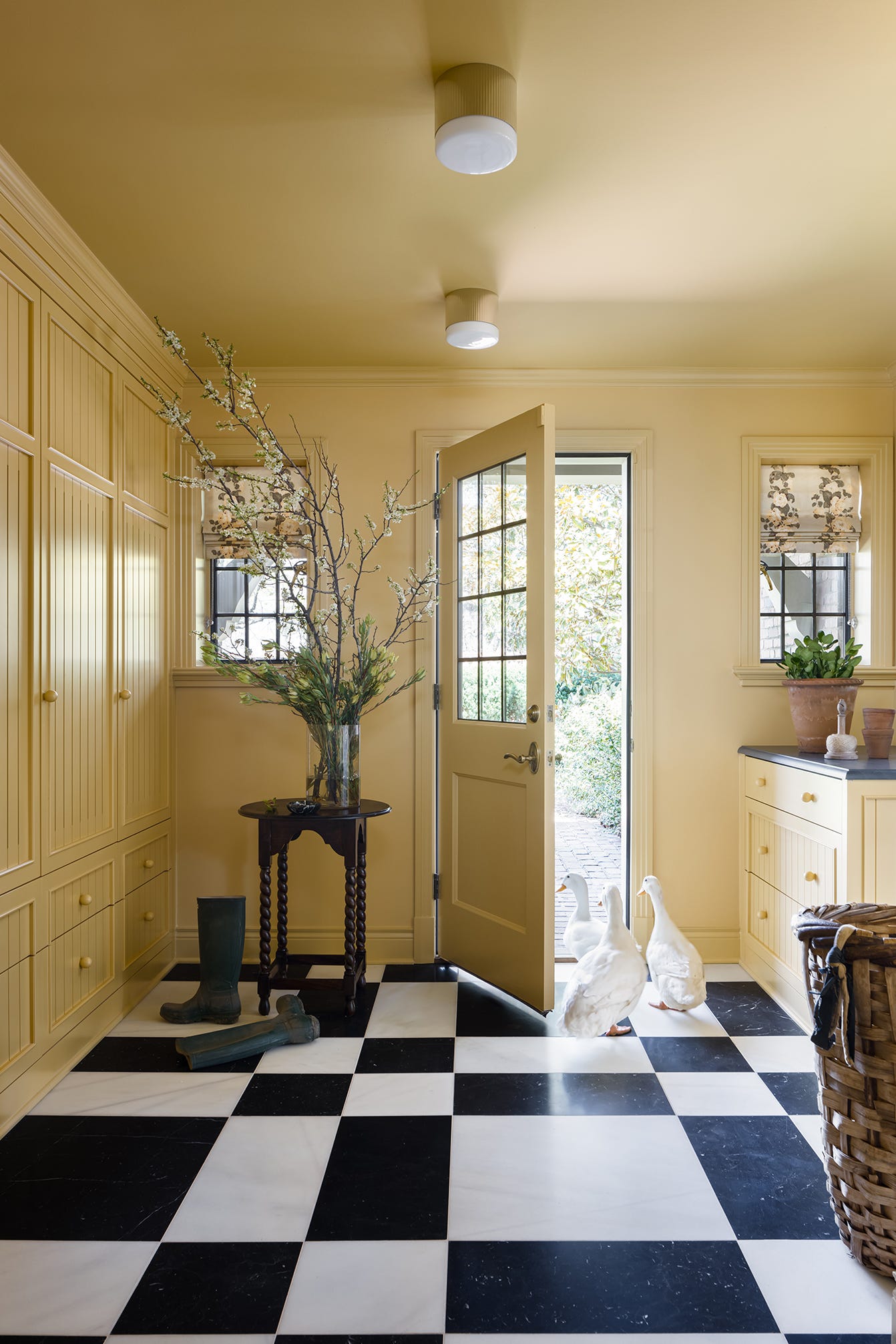
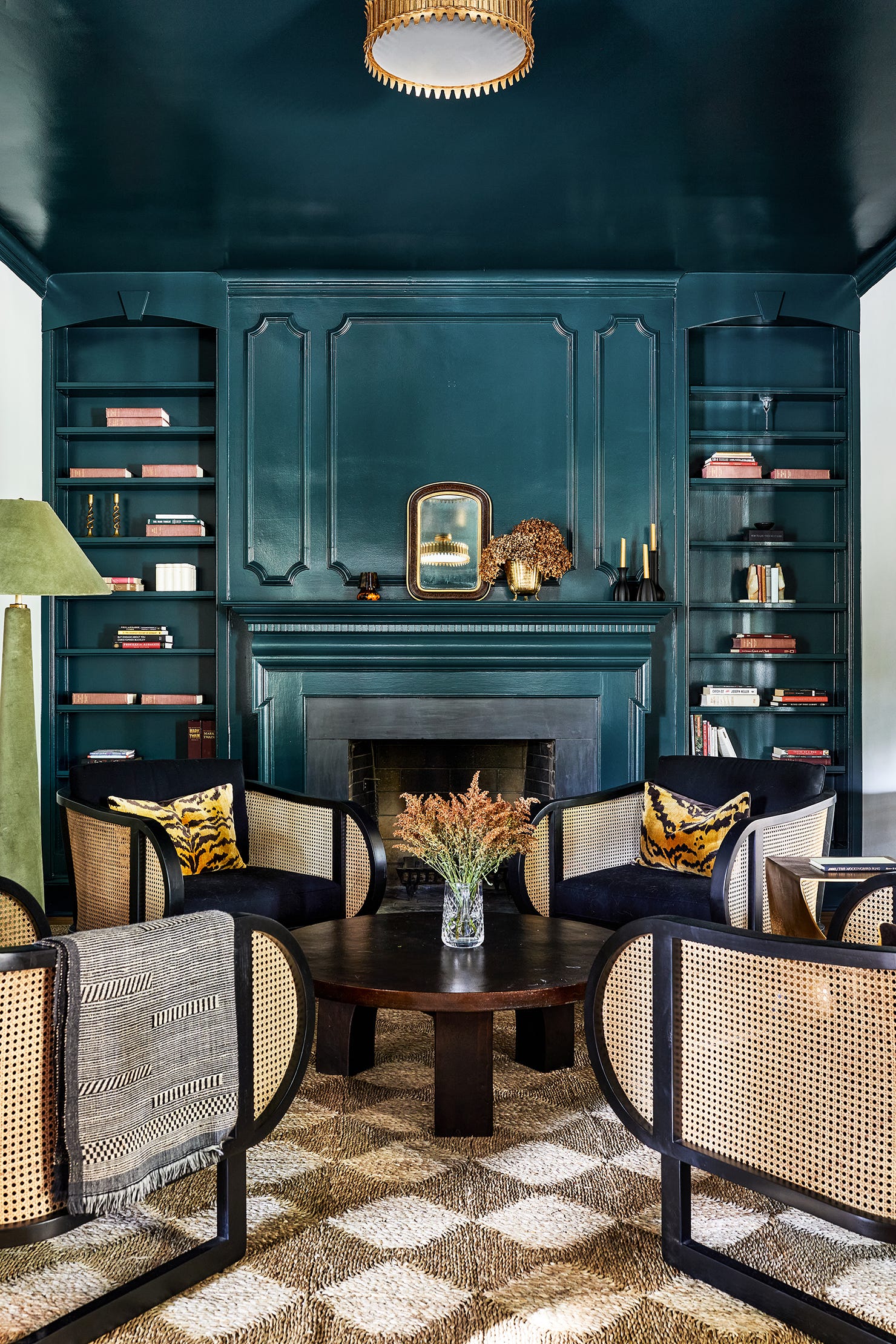
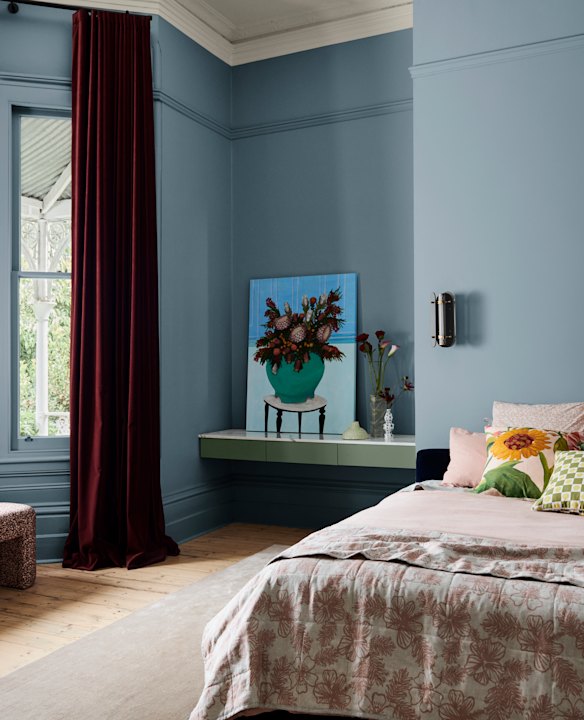
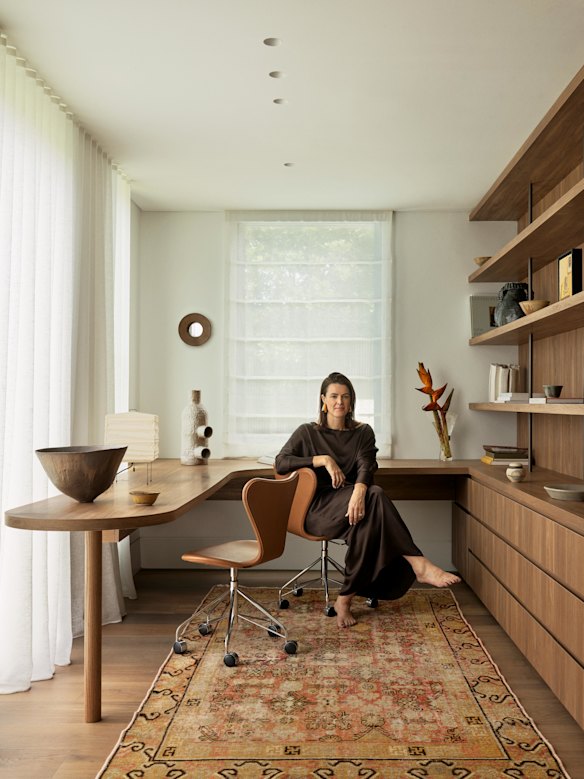
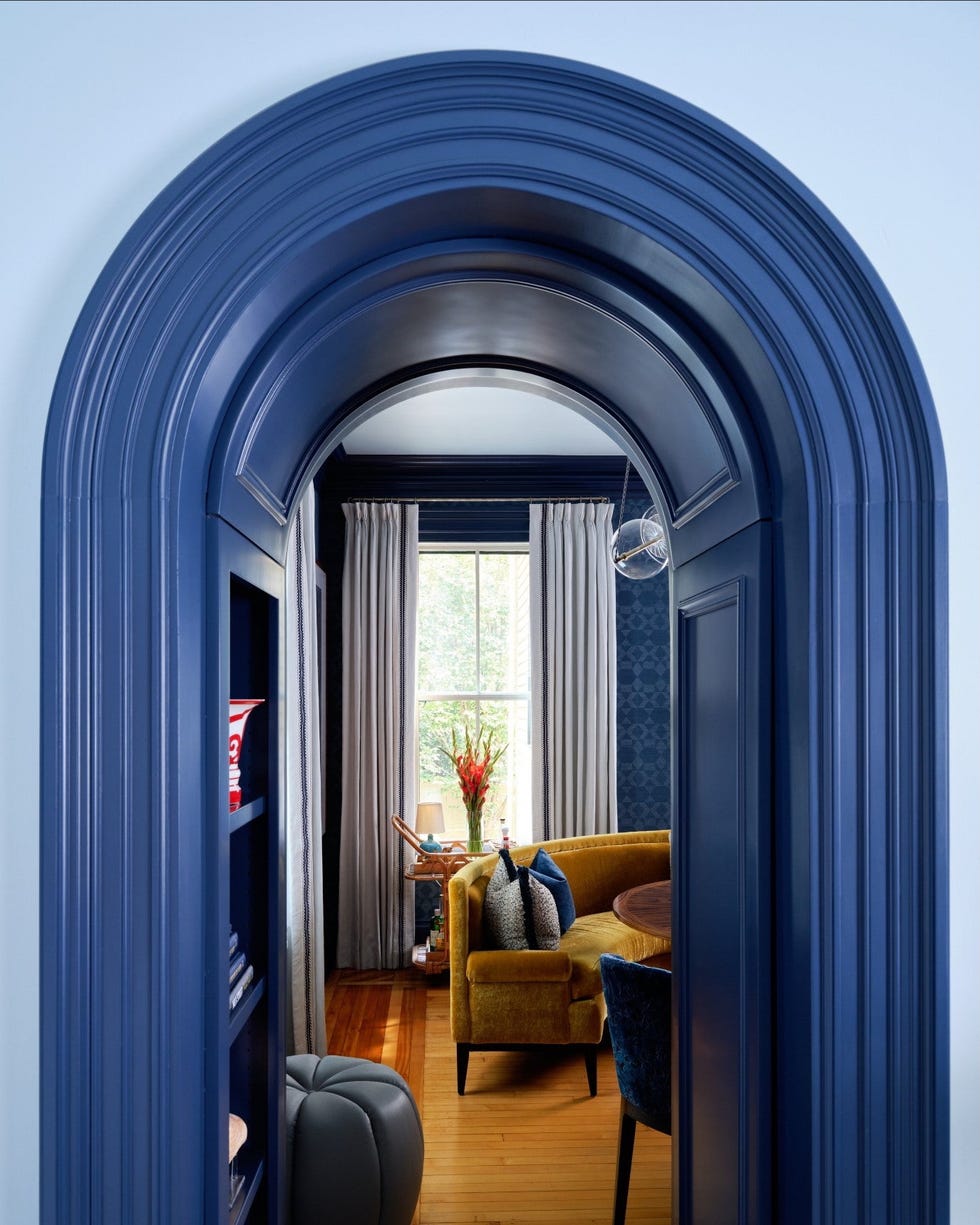
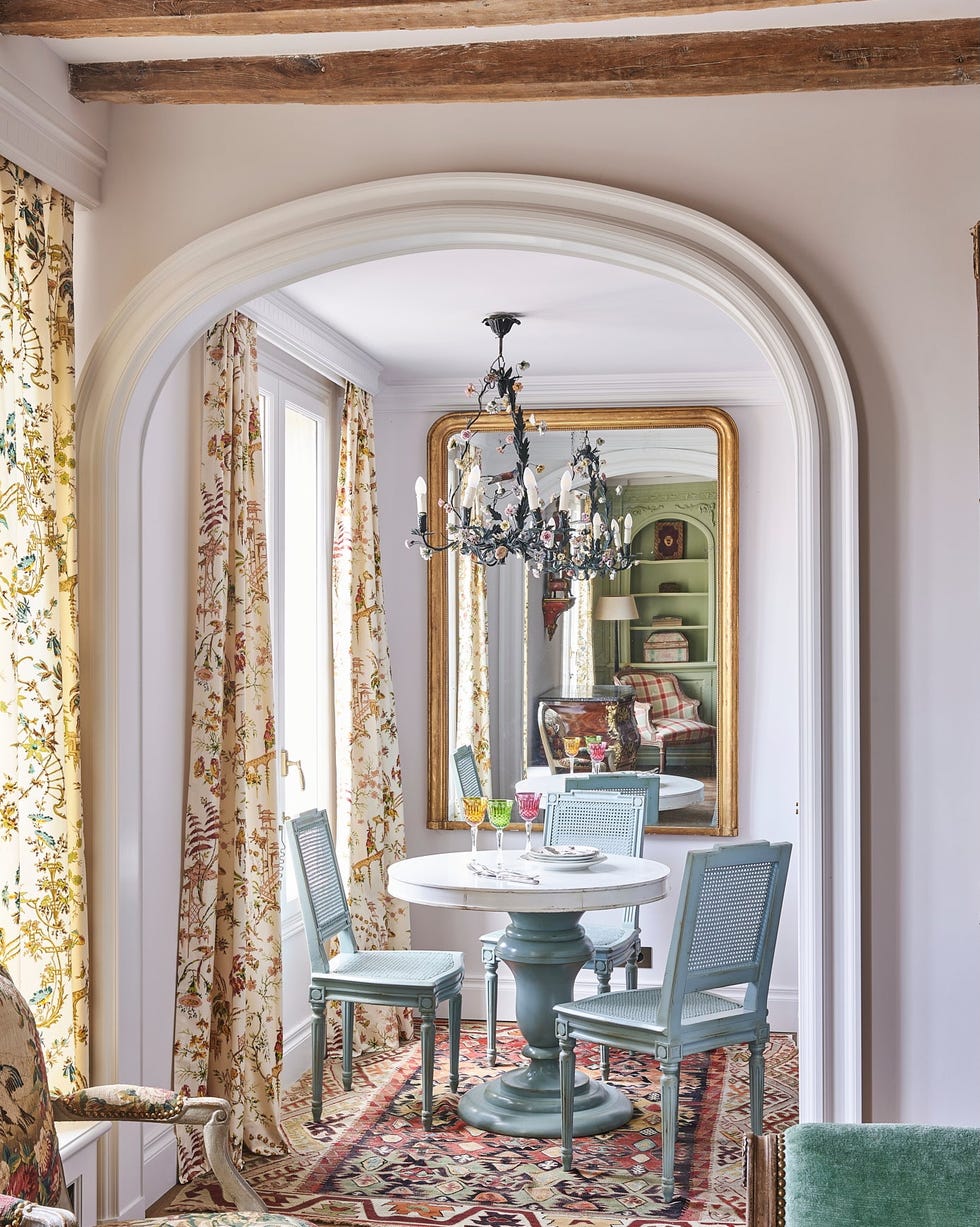
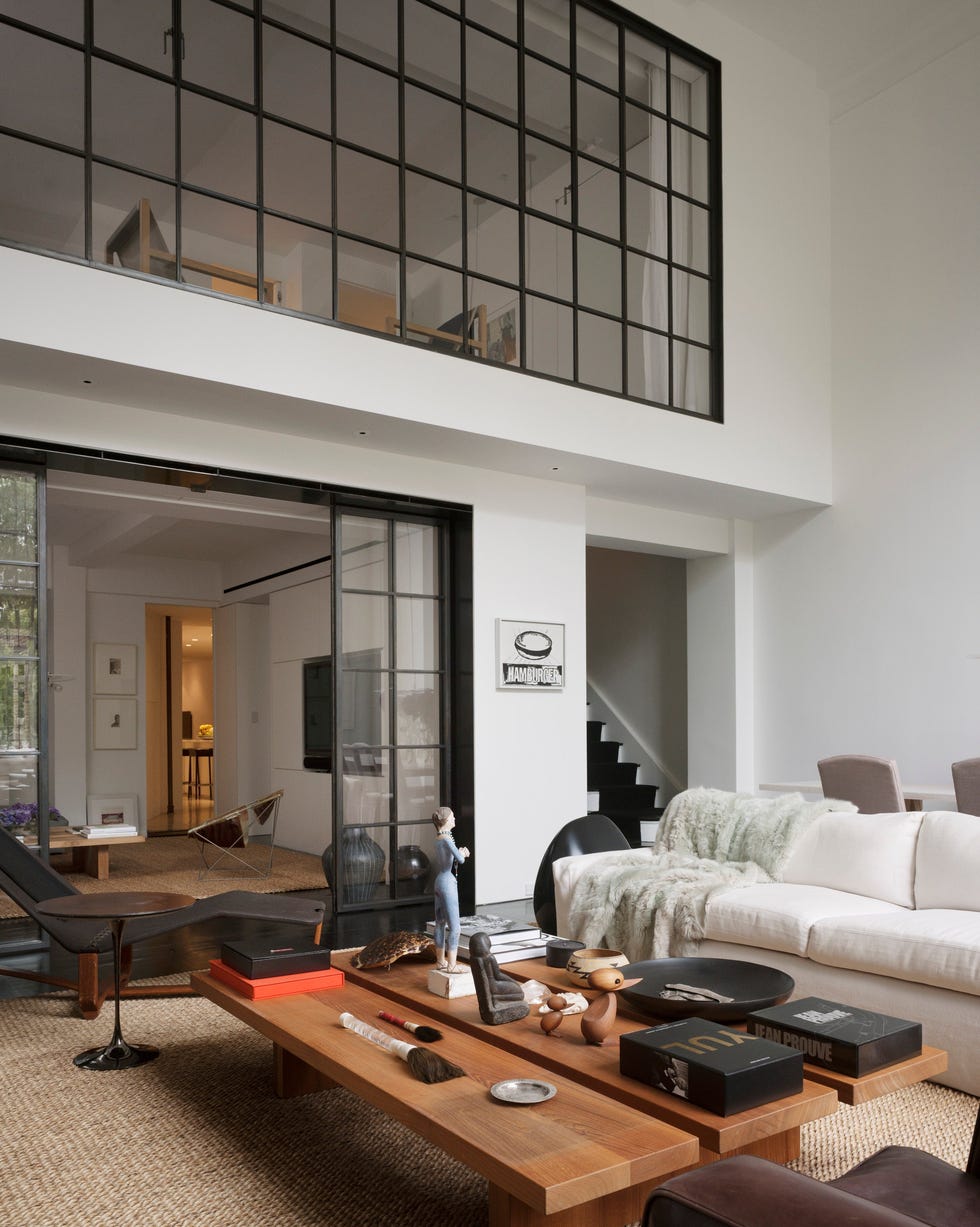
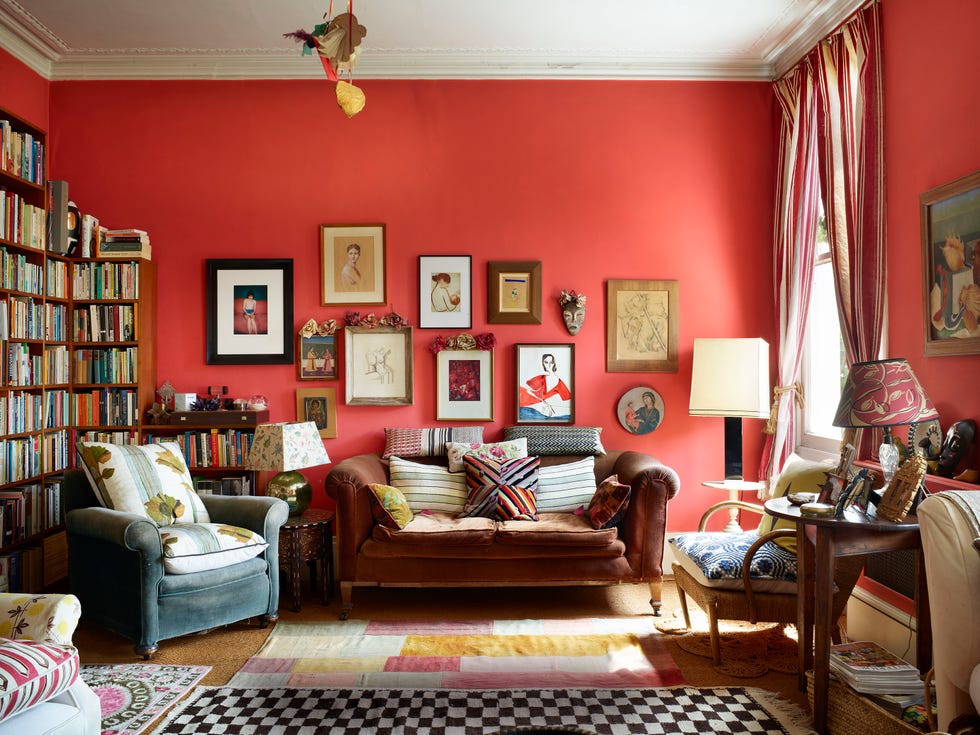
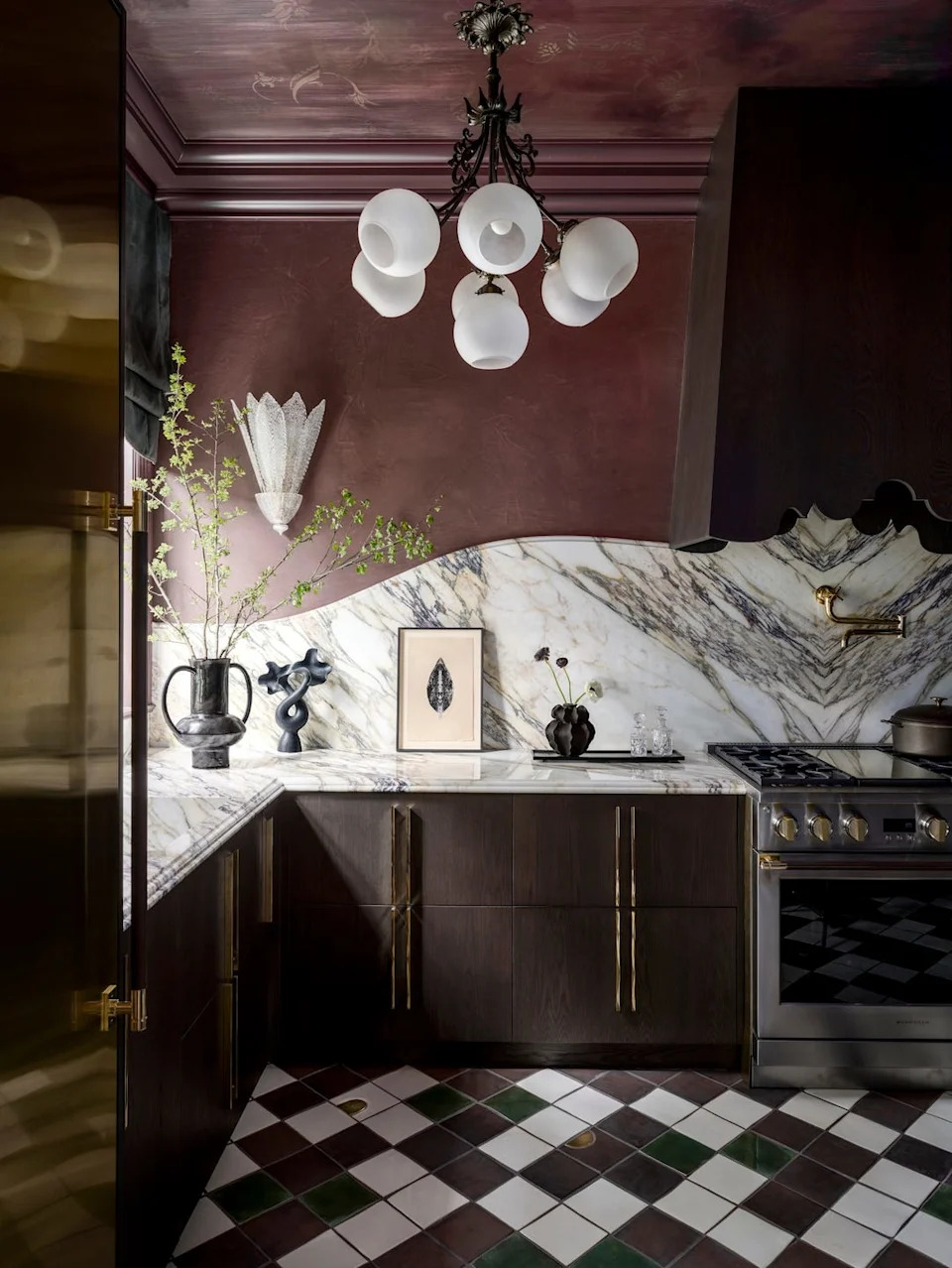
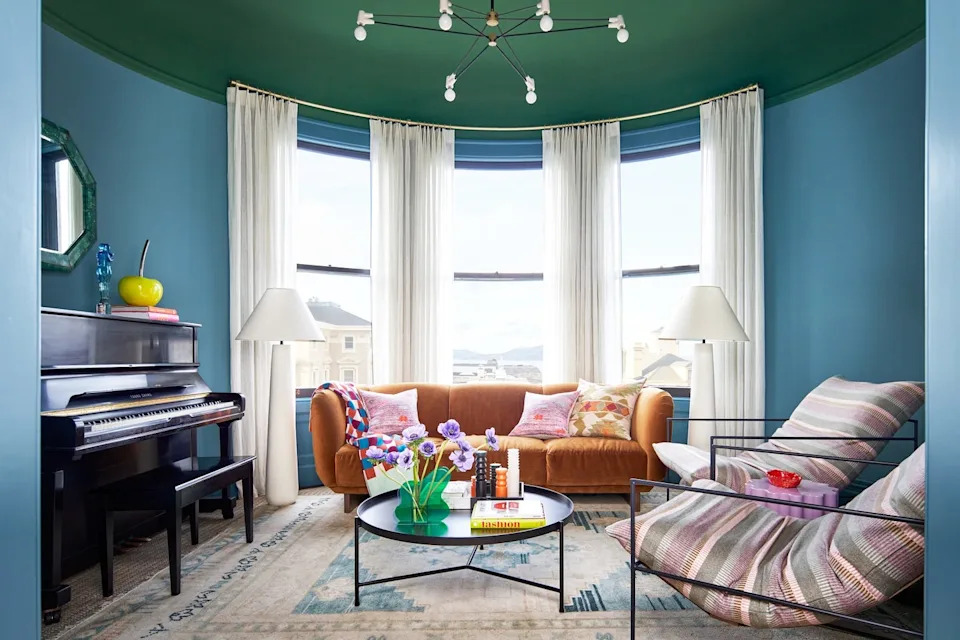
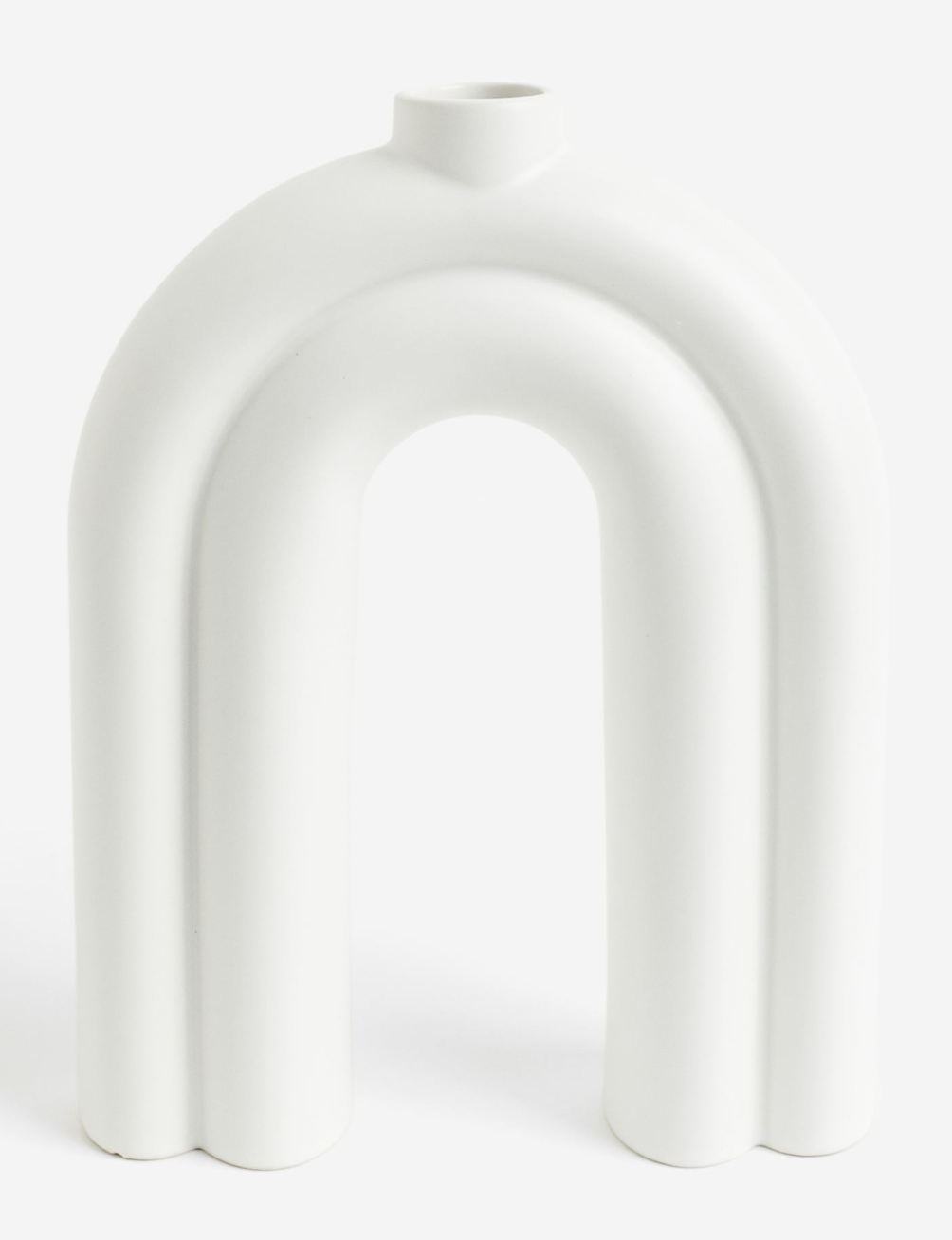
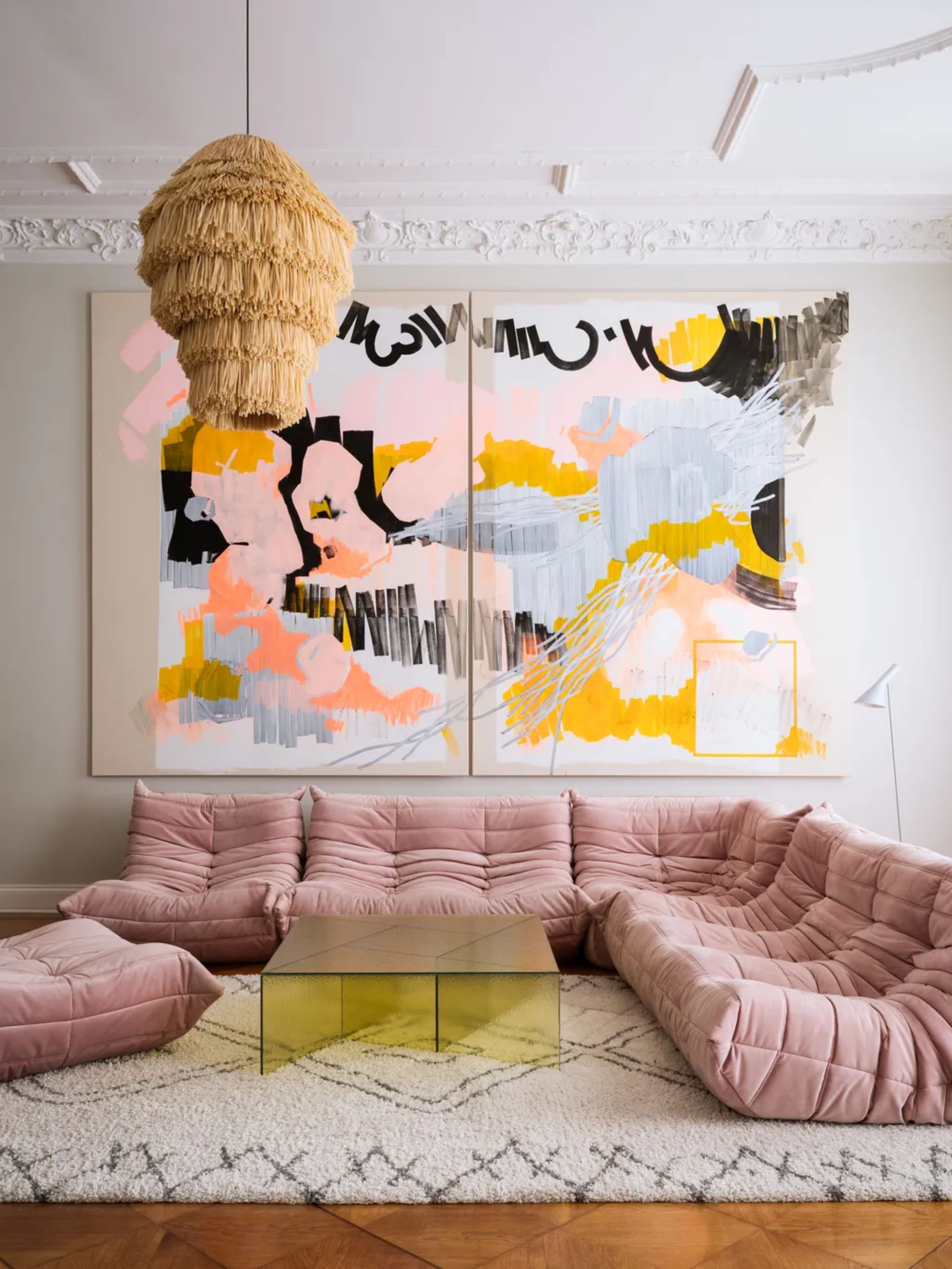
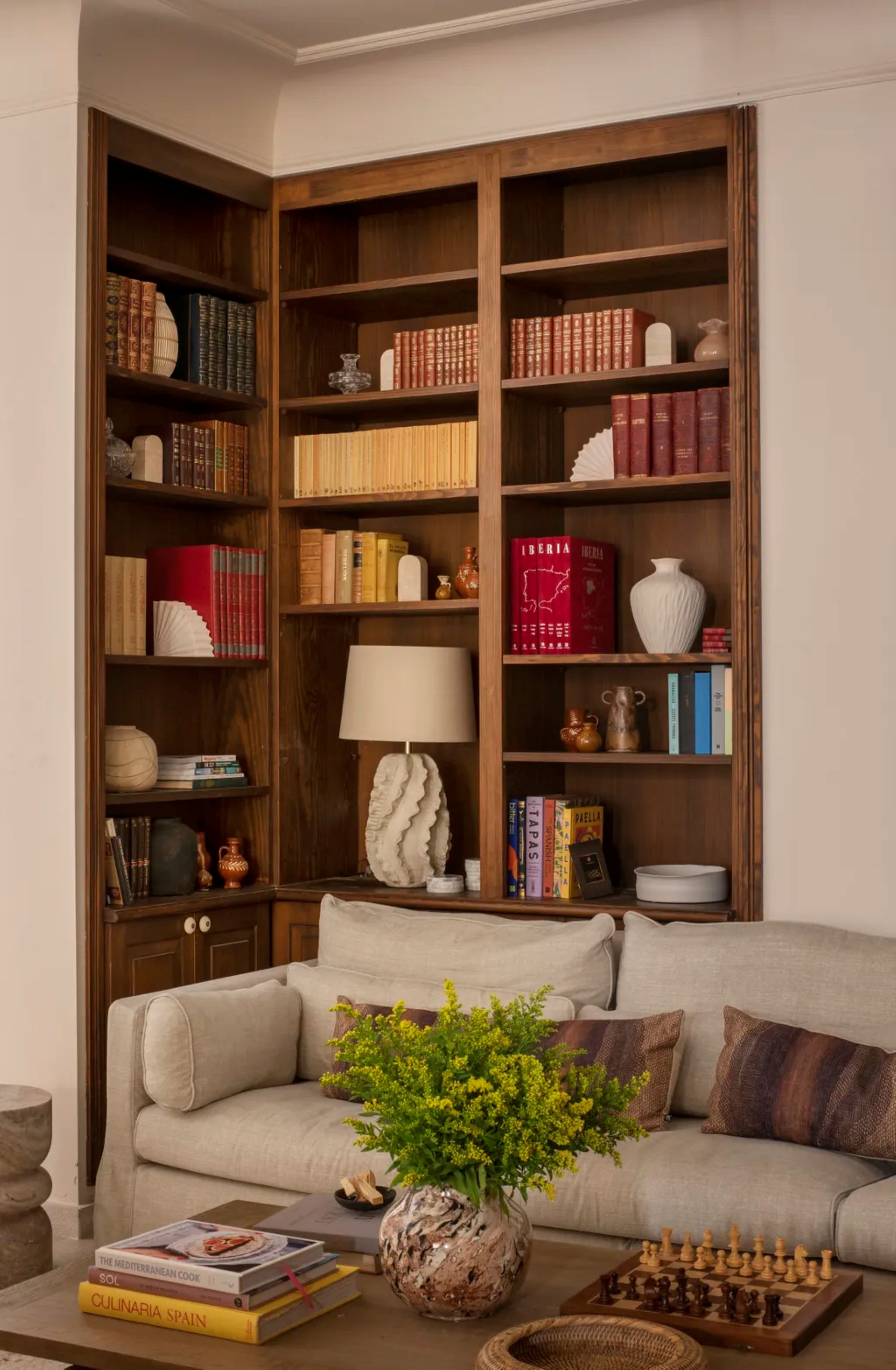
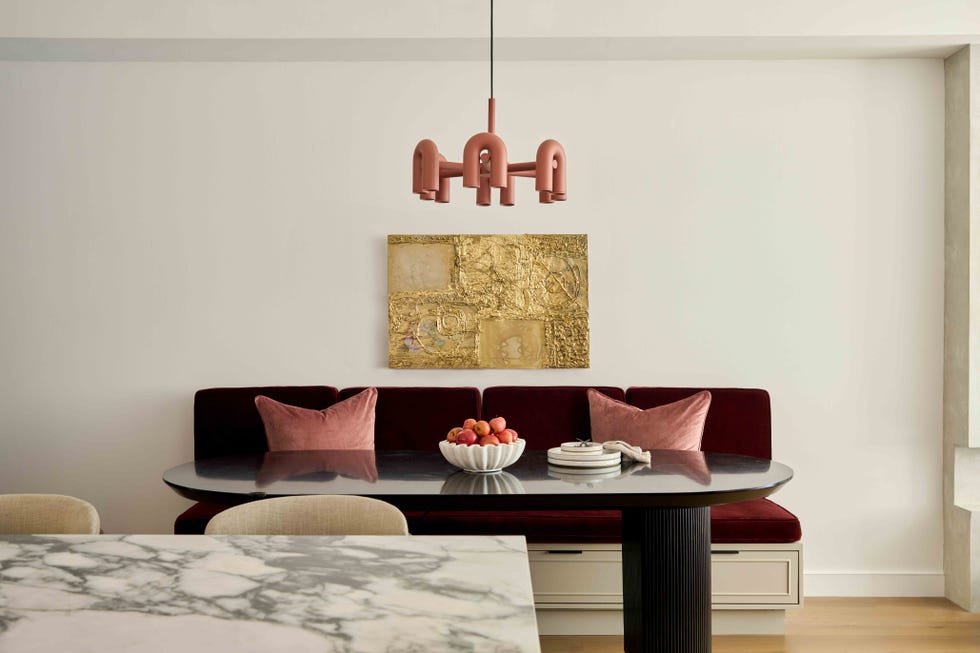
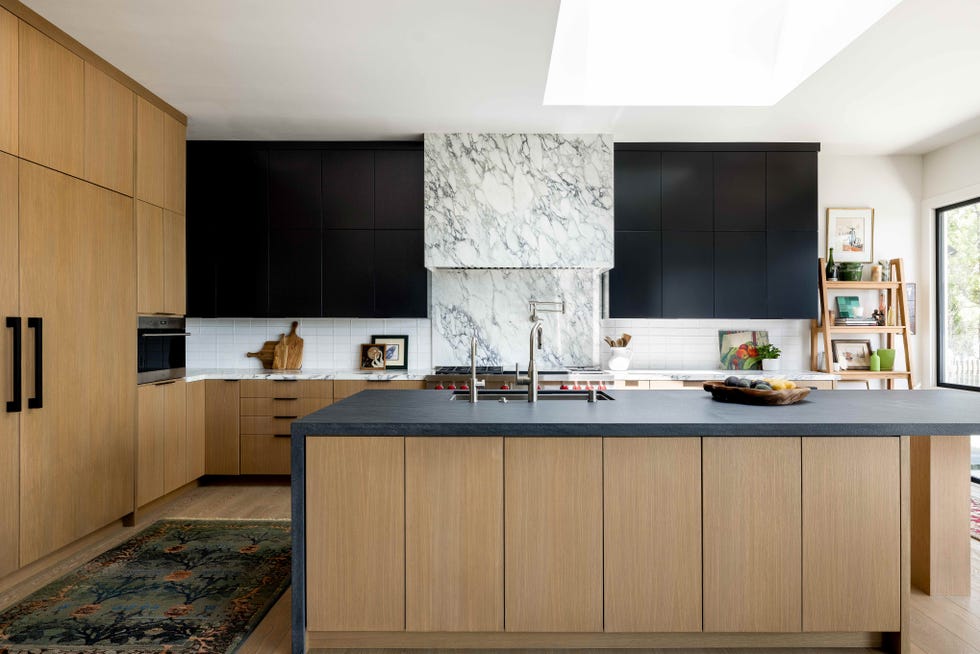
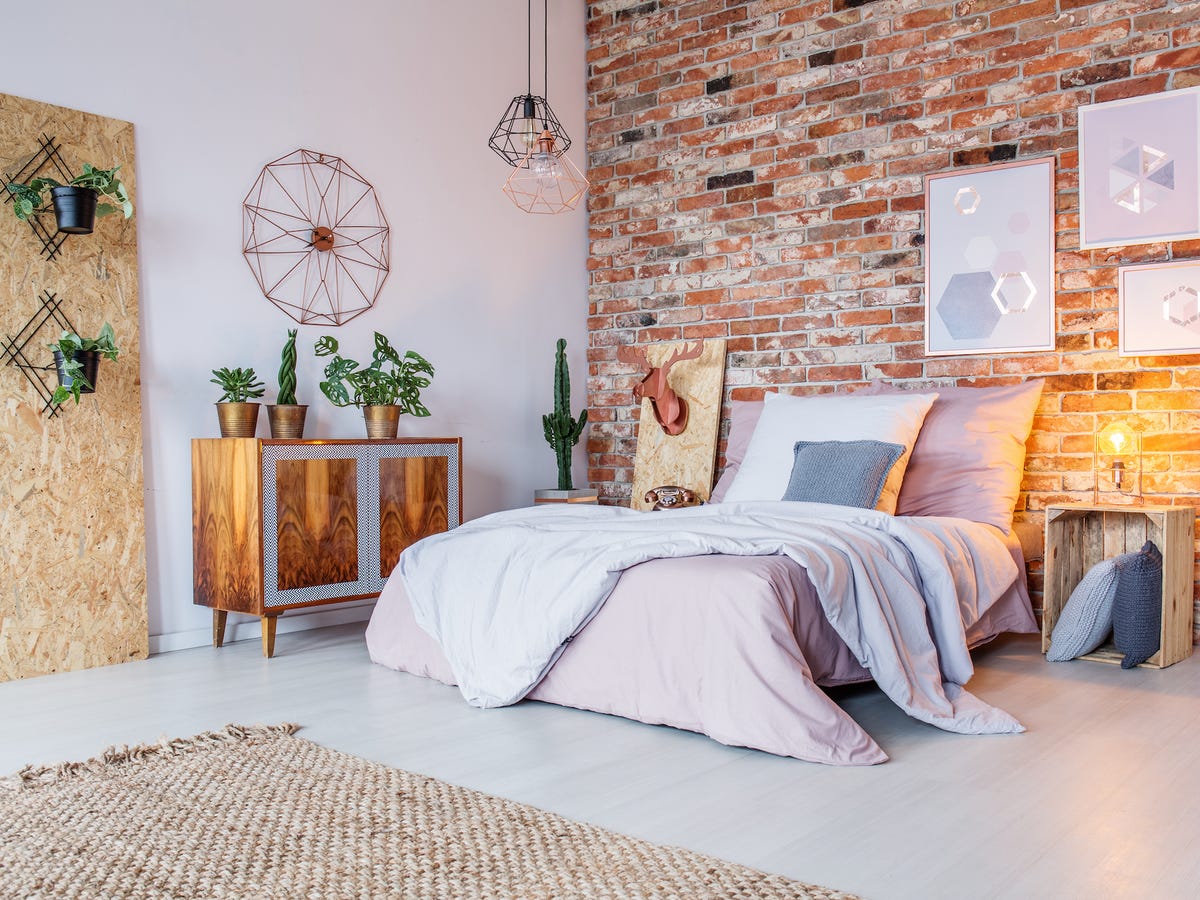
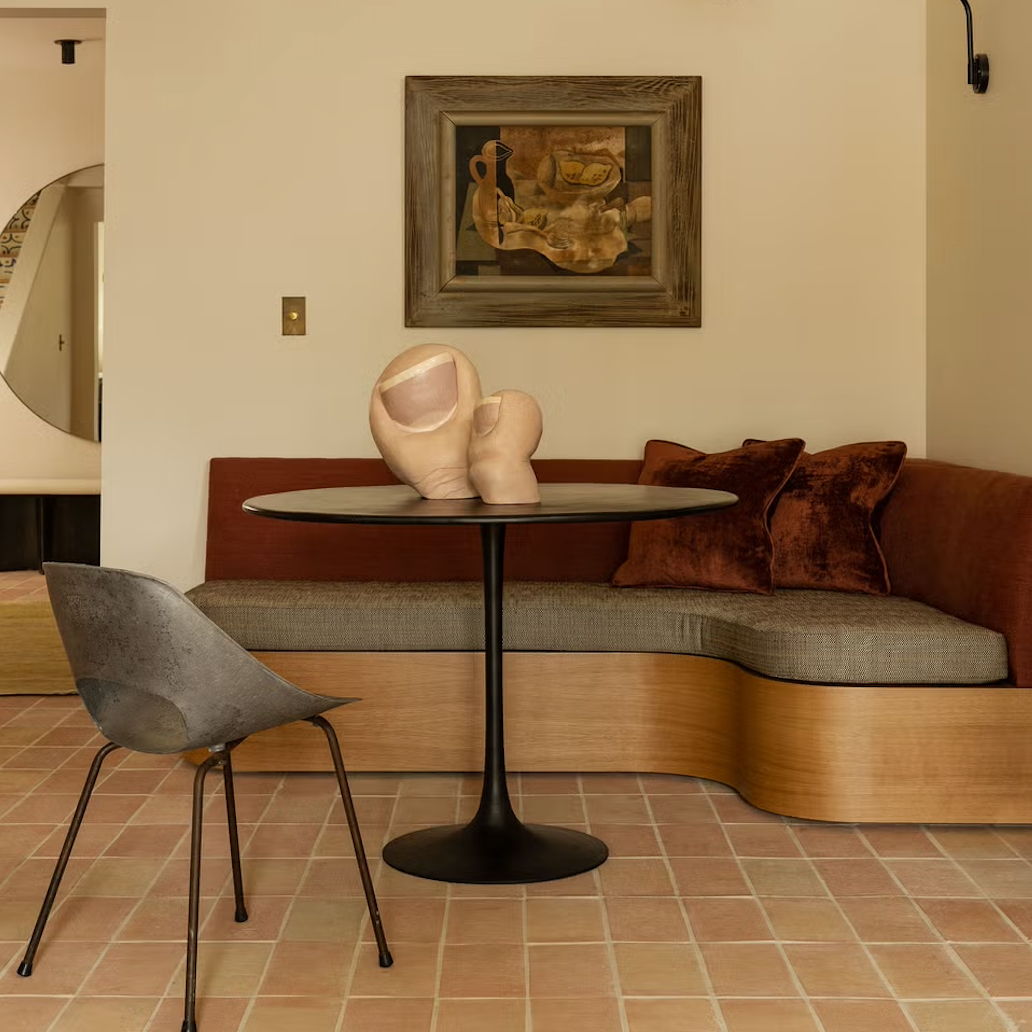
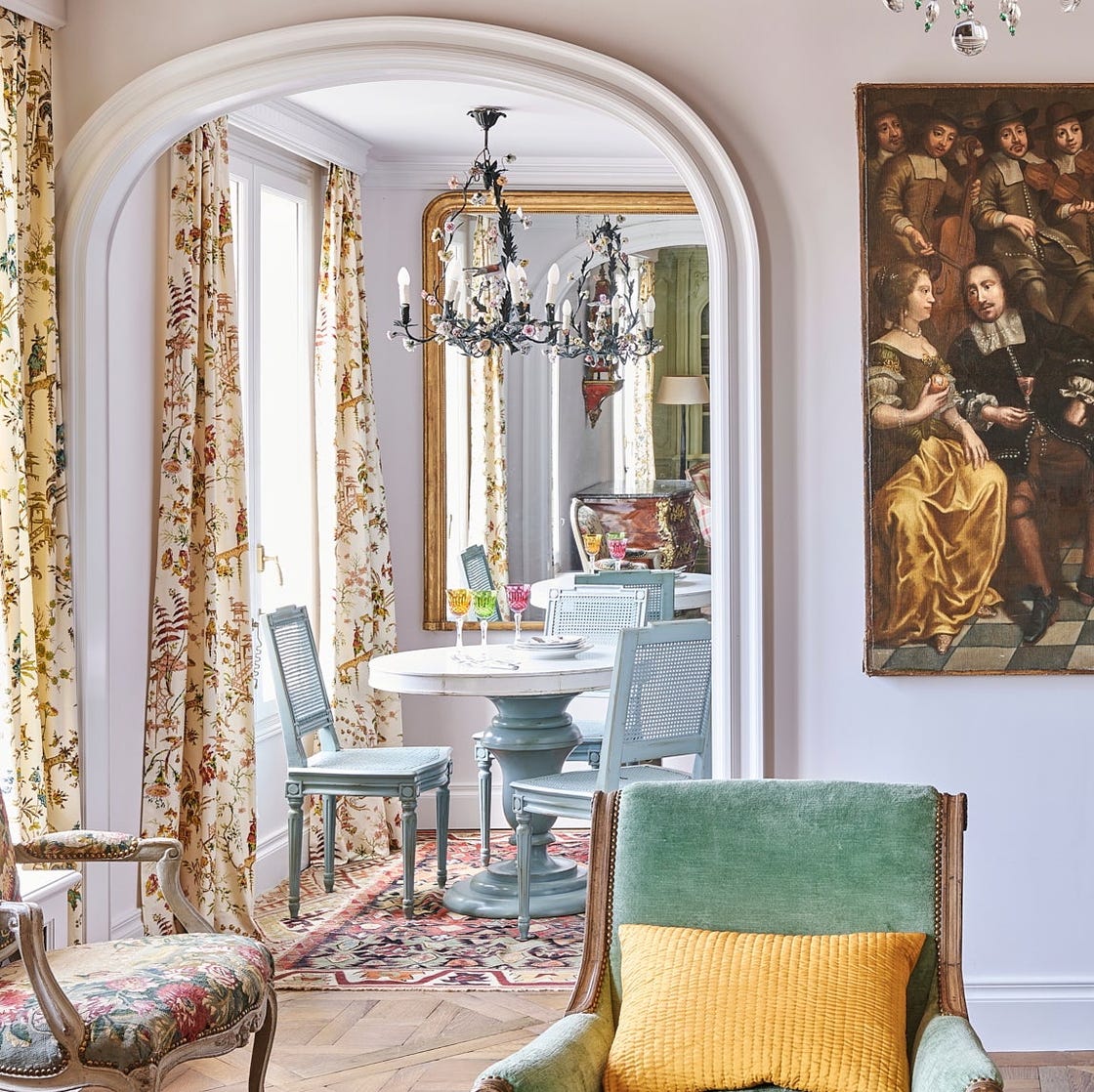
The "Jolie Laide" trend, translating to "pretty-ugly," is gaining significant traction in interior design, offering an antidote to overly curated and impersonal home aesthetics. This approach encourages the incorporation of unconventional, quirky, or even initially jarring pieces that evoke a strong emotional response, ultimately injecting personality and promoting authentic self-expression within a living space. It moves away from the pursuit of aesthetic perfection and embraces elements that might initially raise eyebrows but ultimately contribute to a more distinctive and meaningful environment.
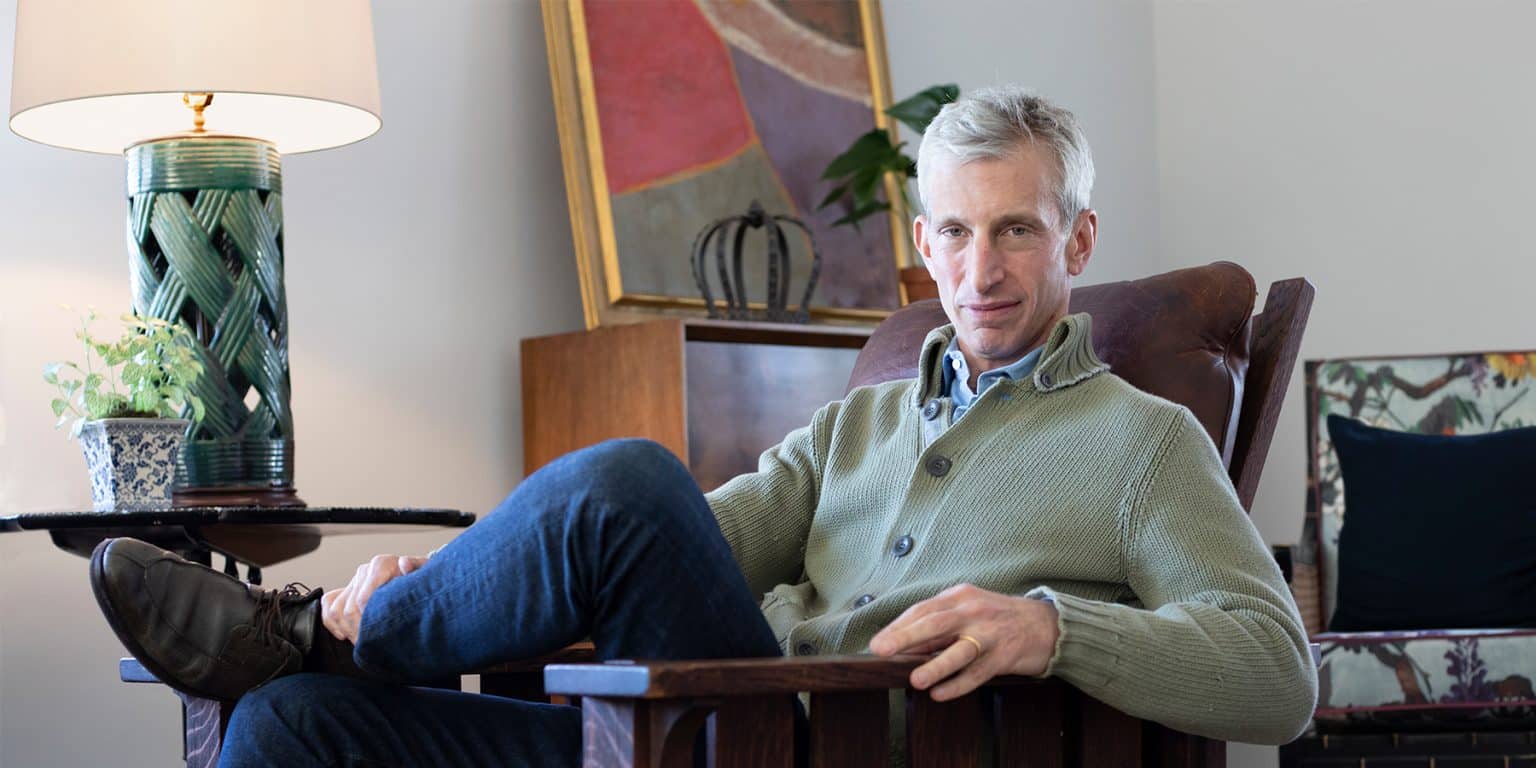
According to designers like David Lucido, the inclusion of "ugly" pieces sparks conversation and brings energy to a space, preventing it from feeling too serious or sterile. Design expert Virginia Chamlee emphasizes that "ugly" in this context is a term of affection, signifying items that are unconventionally beautiful and, when paired with more traditional elements, create a balanced and intriguing dynamic. She offers a litmus test: if a piece makes one question or ponder, it likely fits the 'jolie laide' philosophy, drawing parallels to historical art movements like Jackson Pollock’s abstract work or even popular yet polarizing items like Crocs.
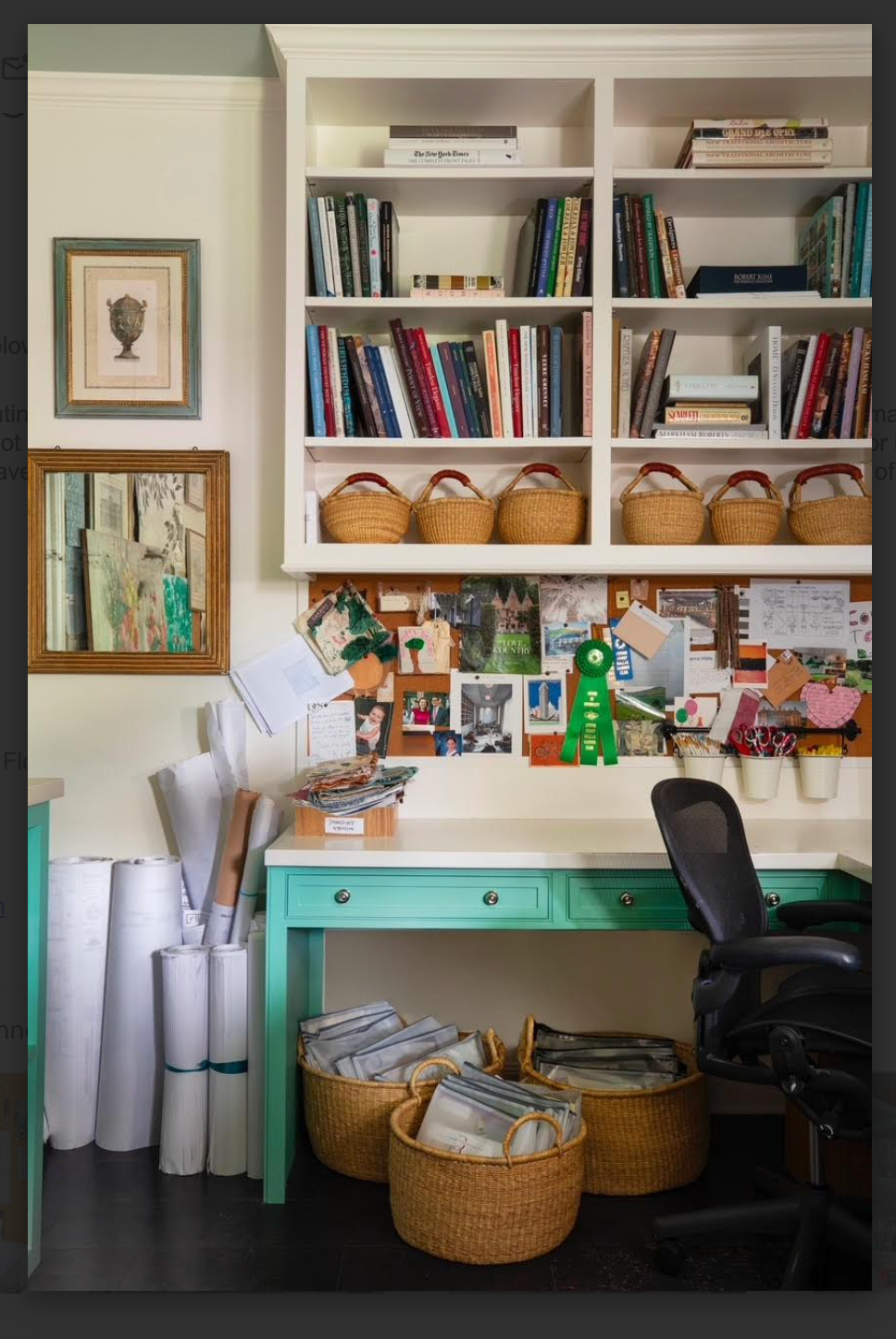
Interior designers, including Joyce Huston of Decorilla, have observed a growing client demand for unique and personalized elements in their homes, a departure from previously popular "magazine-ready" aesthetics. Designers find excitement in helping clients embrace this unconventional approach, viewing it as a means to create original and authentic spaces that move beyond predictable design solutions. This trend serves as a refreshing counterpoint to the prevalence of algorithm-driven design, which often promotes homogenous, "greige" aesthetics, as noted by Chamlee.
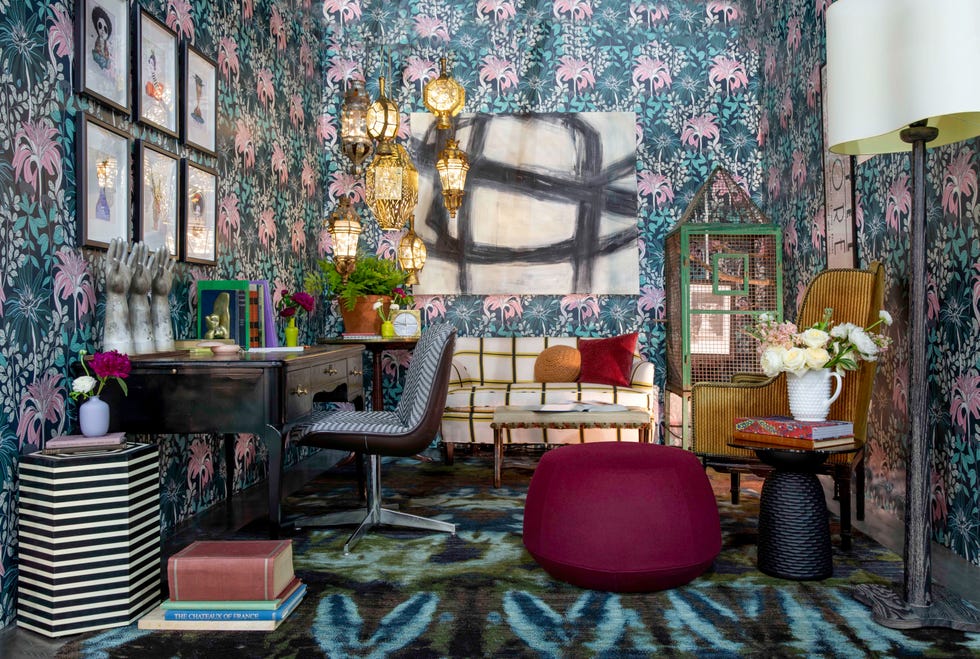
Darlene Molnar highlights that algorithmic influences make it challenging to deviate from popular looks, underscoring the importance of 'jolie laide' in encouraging designers and clients to challenge conventional choices. The trend manifests in various forms, from unique art pieces to bold pattern combinations, all contributing to a space's distinctiveness. Molnar suggests that the most successful designs are those that may not appeal to everyone, emphasizing the subjective nature of beauty in this context.
Shannon Askinasi of Ash & Pine Interiors sees the 'jolie laide' philosophy emerging naturally through clients' desires to incorporate sentimental or avant-garde items. She considers these "ugly-pretty" pieces as strong starting points that inspire and challenge the design process. Molnar views 'jolie laide' as a deeply rooted design philosophy rather than a fleeting trend, focusing on creating spaces that narrate personal stories through cherished, unconventional objects. This perspective is echoed by Ghislaine Viñas, who believes the trend fosters confidence in one's own taste and encourages a non-judgmental appreciation for diverse forms of beauty.
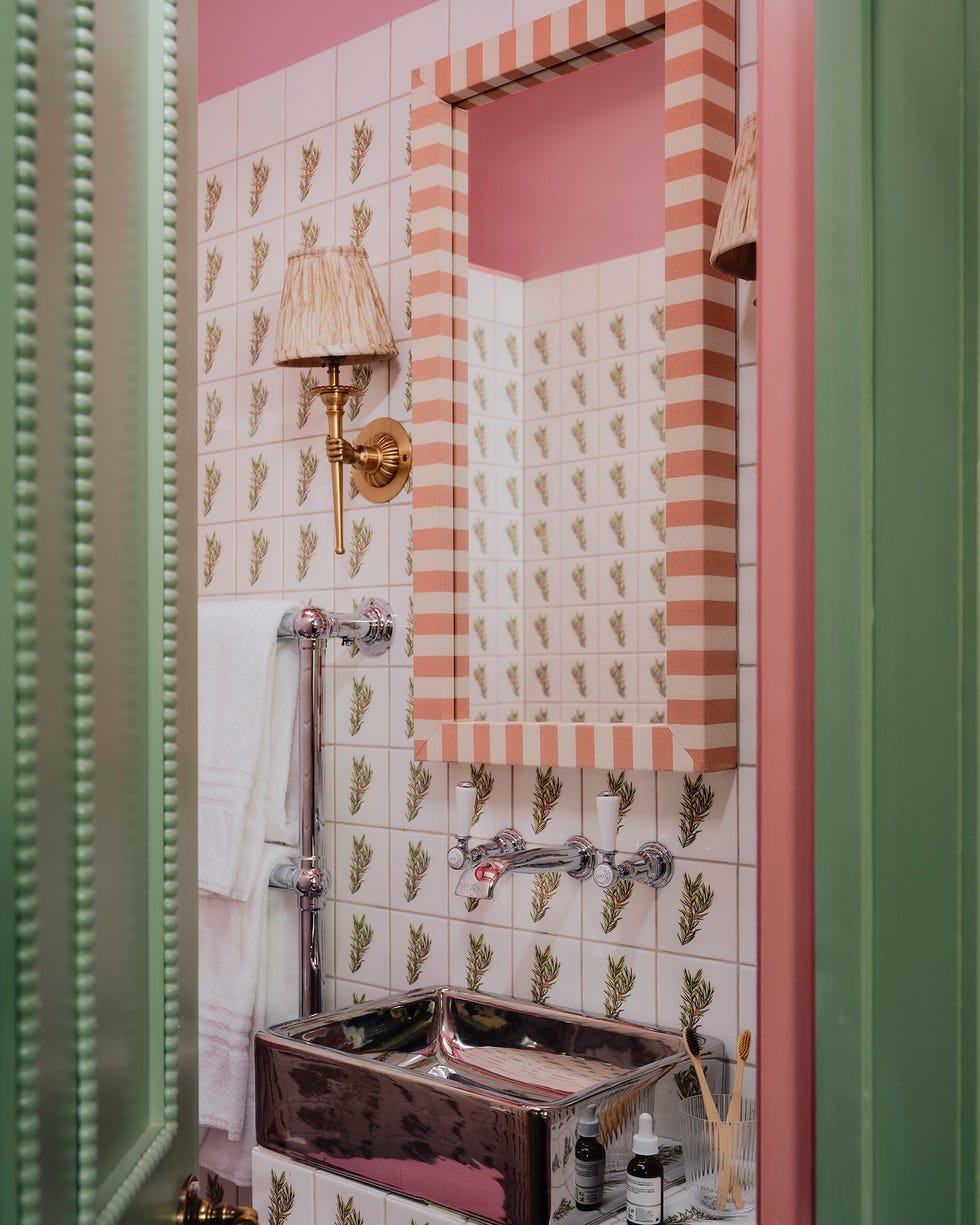
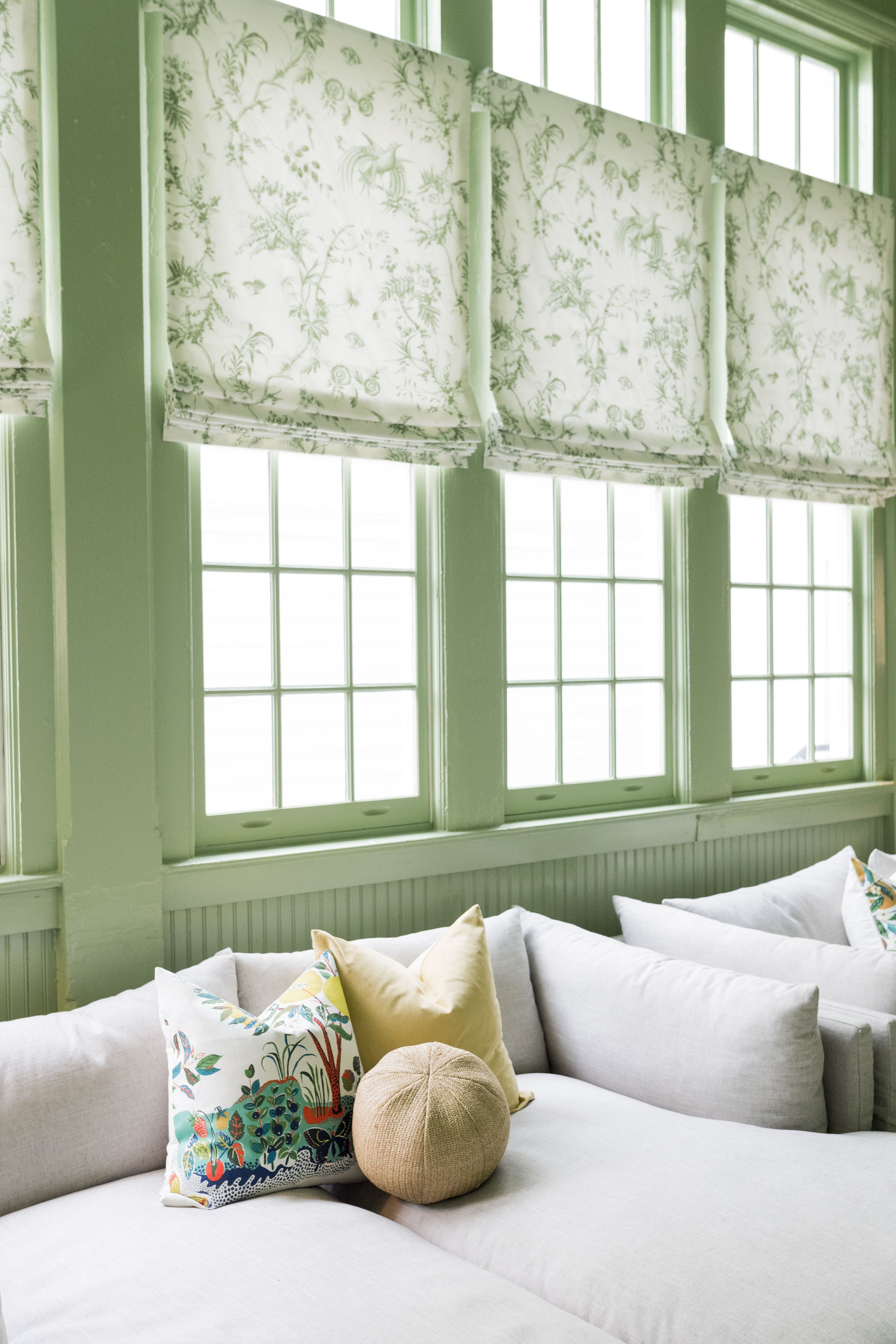
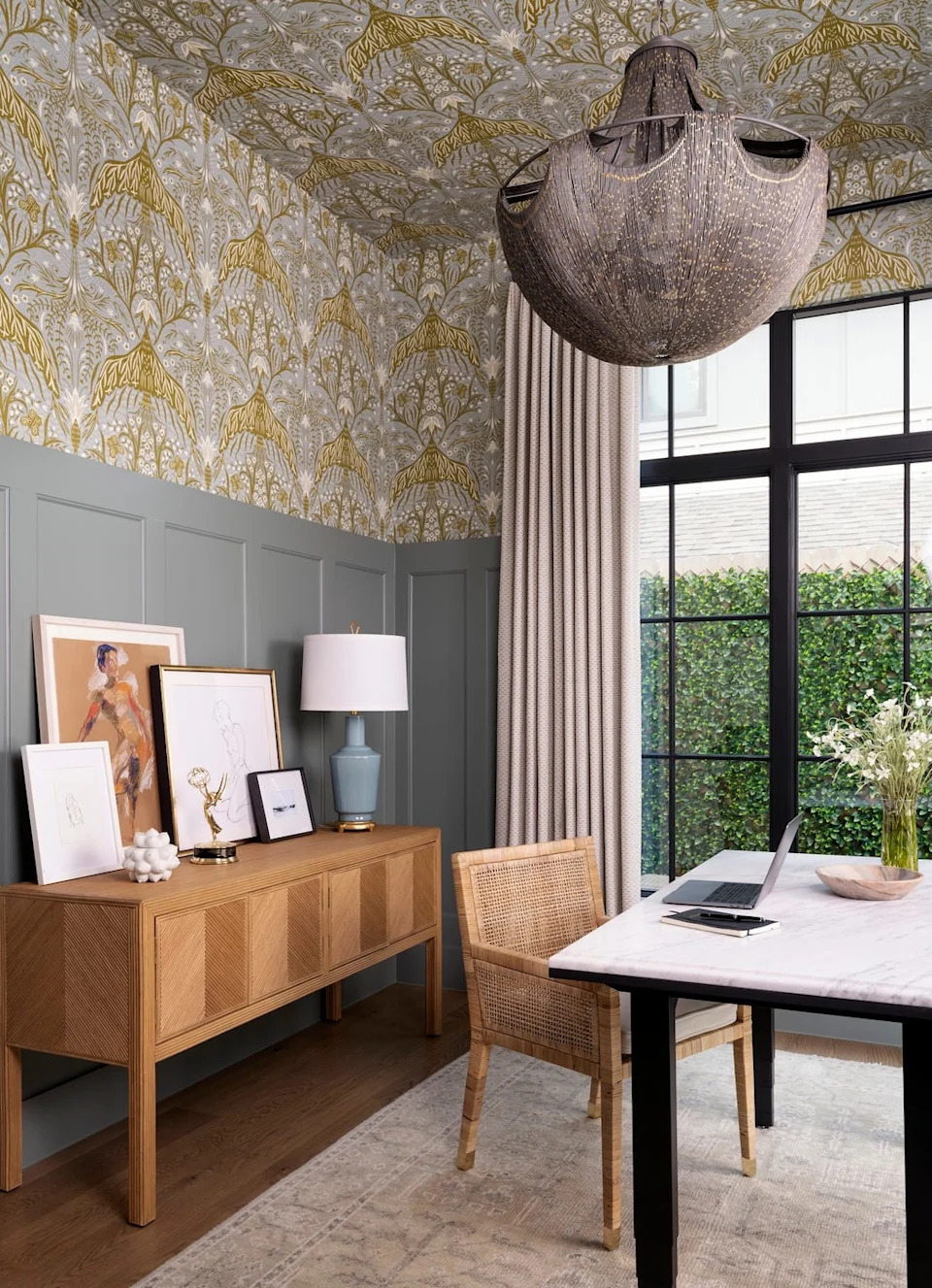
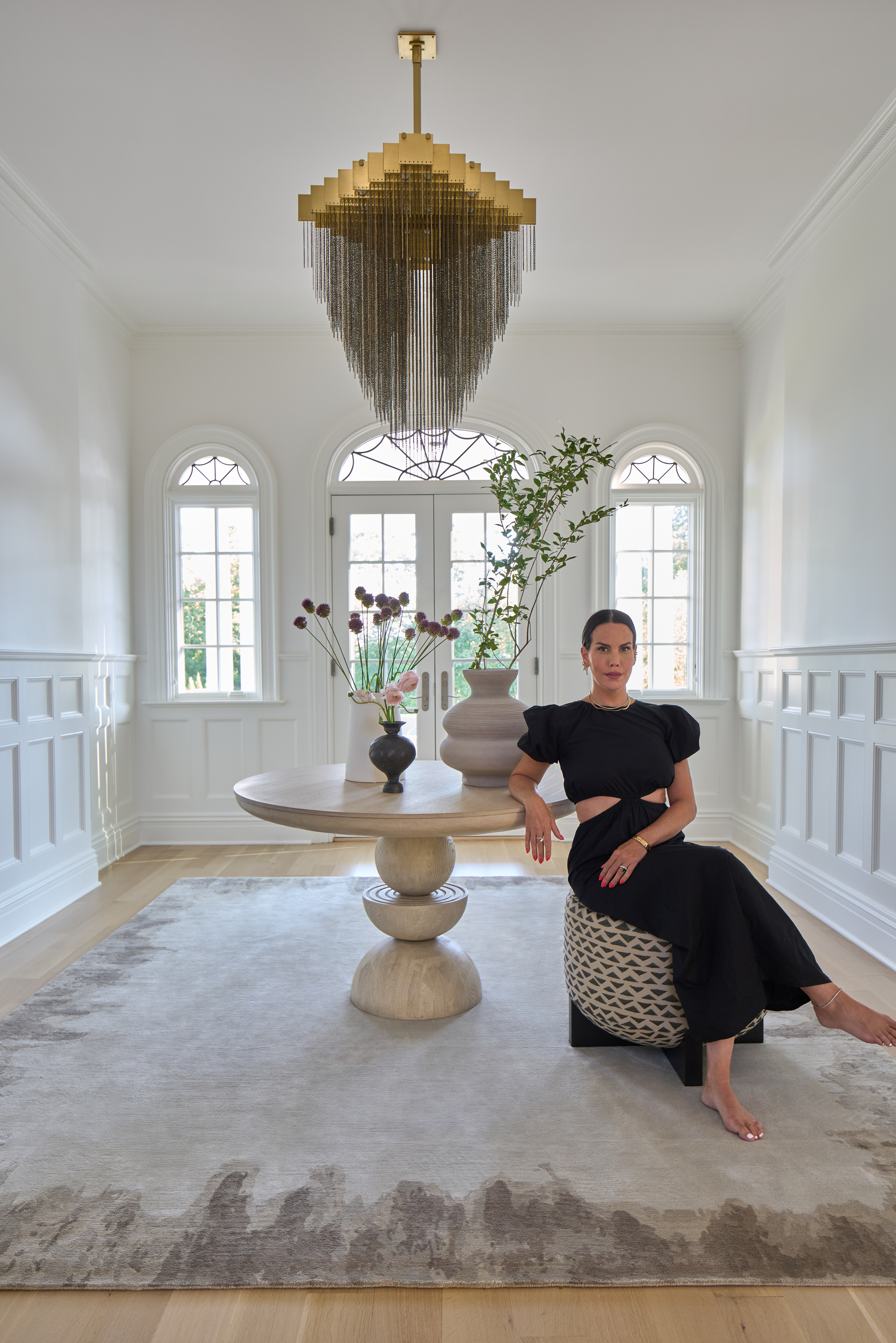
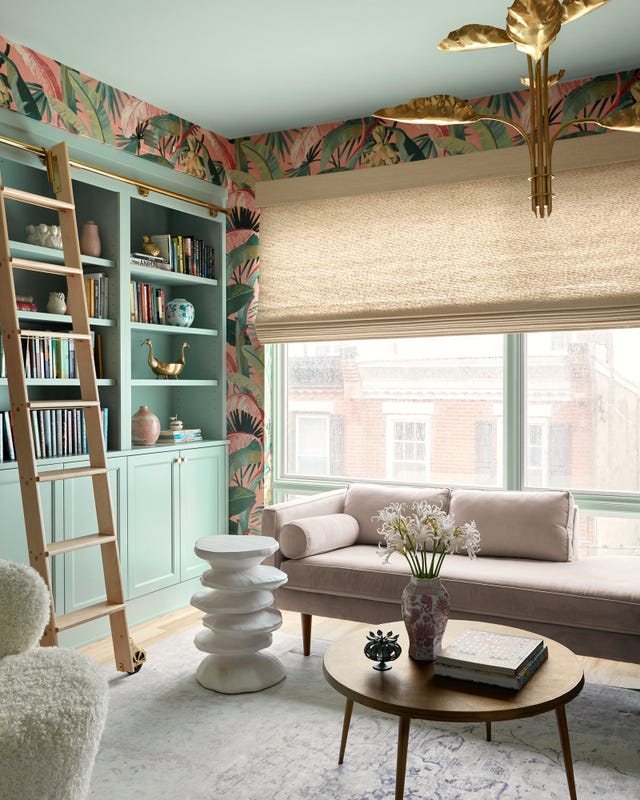
To adopt the 'jolie laide' aesthetic, Askinasi recommends starting small with decor or accessories, encouraging individuals to revisit sentimental family pieces or seek out unique finds at antique markets. Christie Ward suggests exploring obscure websites and estate sales for statement pieces. The core idea is to select items that create a "good WTF moment," adding interest and personal meaning to a space. Even bold wallpapers that initially seem jarring can become beloved elements, demonstrating that true personalization often lies in embracing the unexpected. #InteriorDesign #JolieLaide #DesignTrends #PersonalStyle #HomeDecor #UnconventionalBeauty #SelfExpression #DesignPhilosophy #AuthenticLiving
0개의 댓글이 총 표시됩니다.
 아직 댓글이 없습니다
추가로 마음에 드릴 만한 콘텐츠
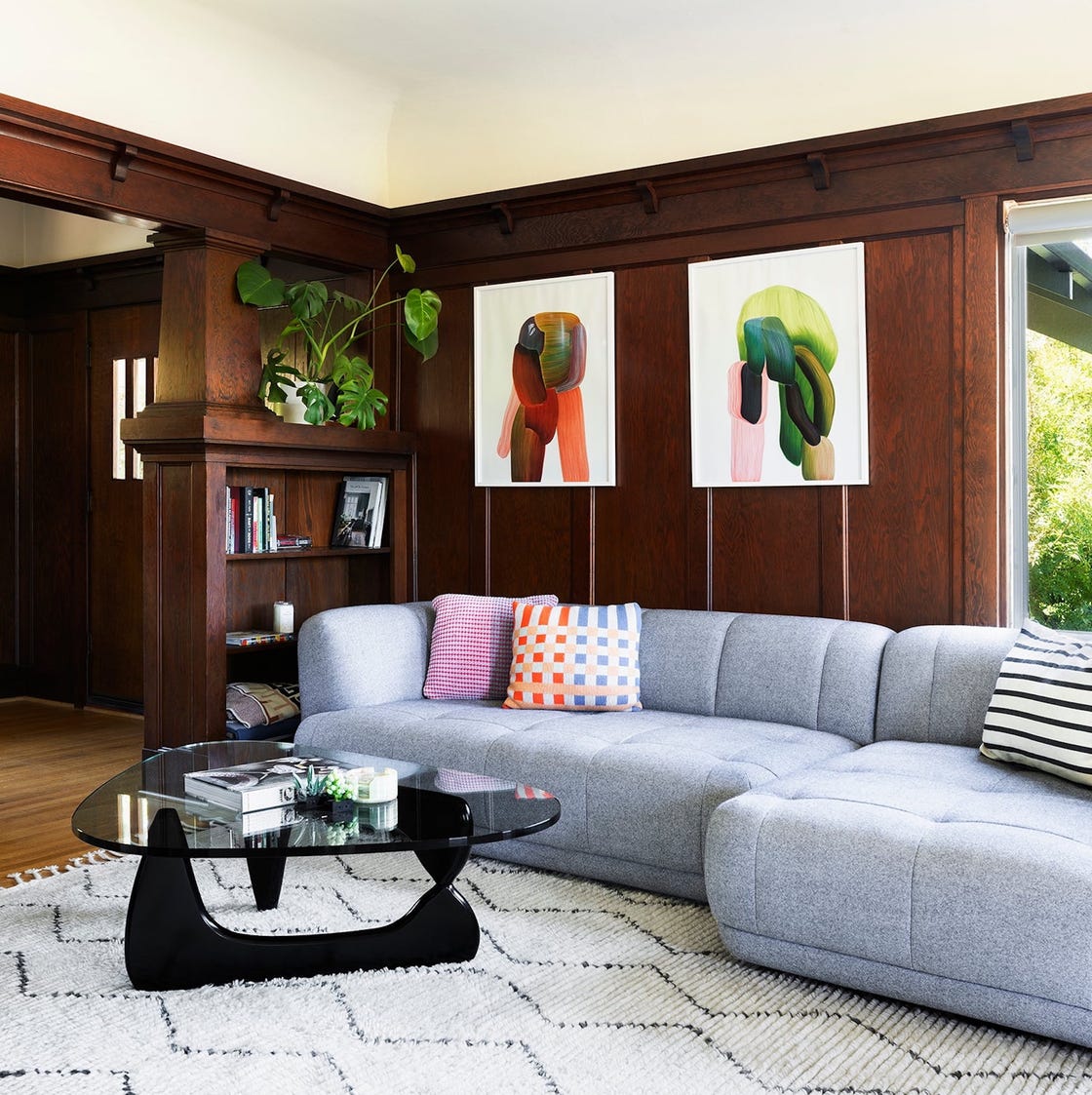
Designers Are Ditching "Flat Painted Walls" for THIS Unexpected Trend

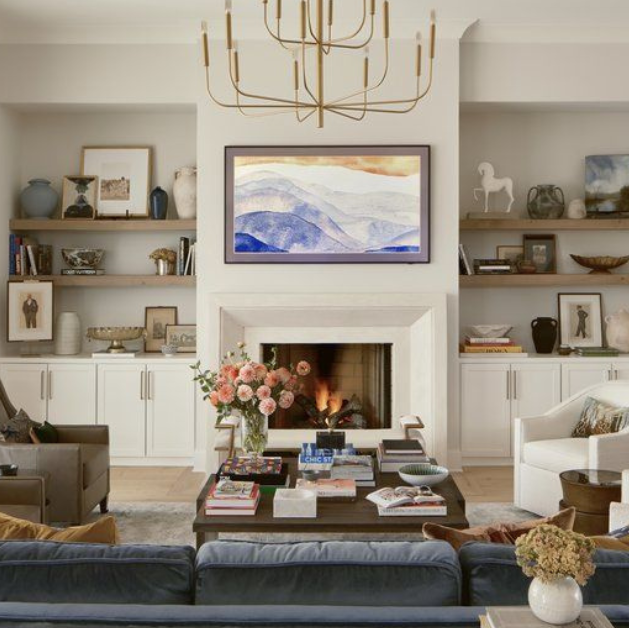
Designers Reveal the Surprising Home Trend That's Taking Over Right Now

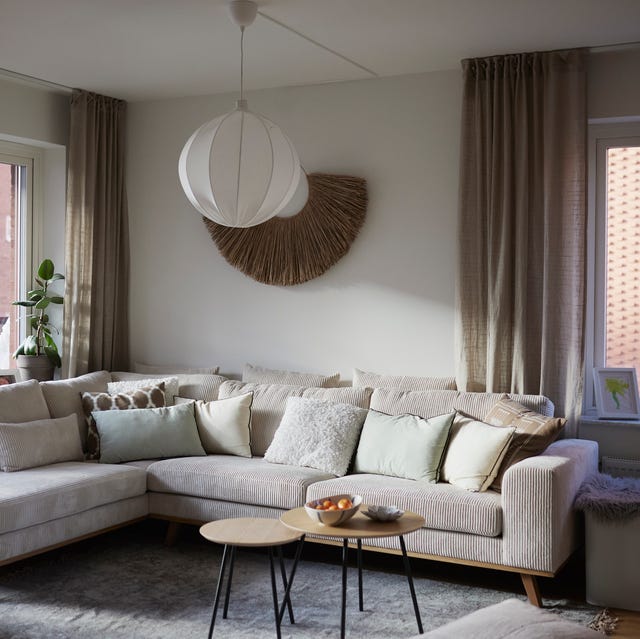
9 CONTROVERSIAL Decor Choices Designers Secretly Wish You’d Stop Making
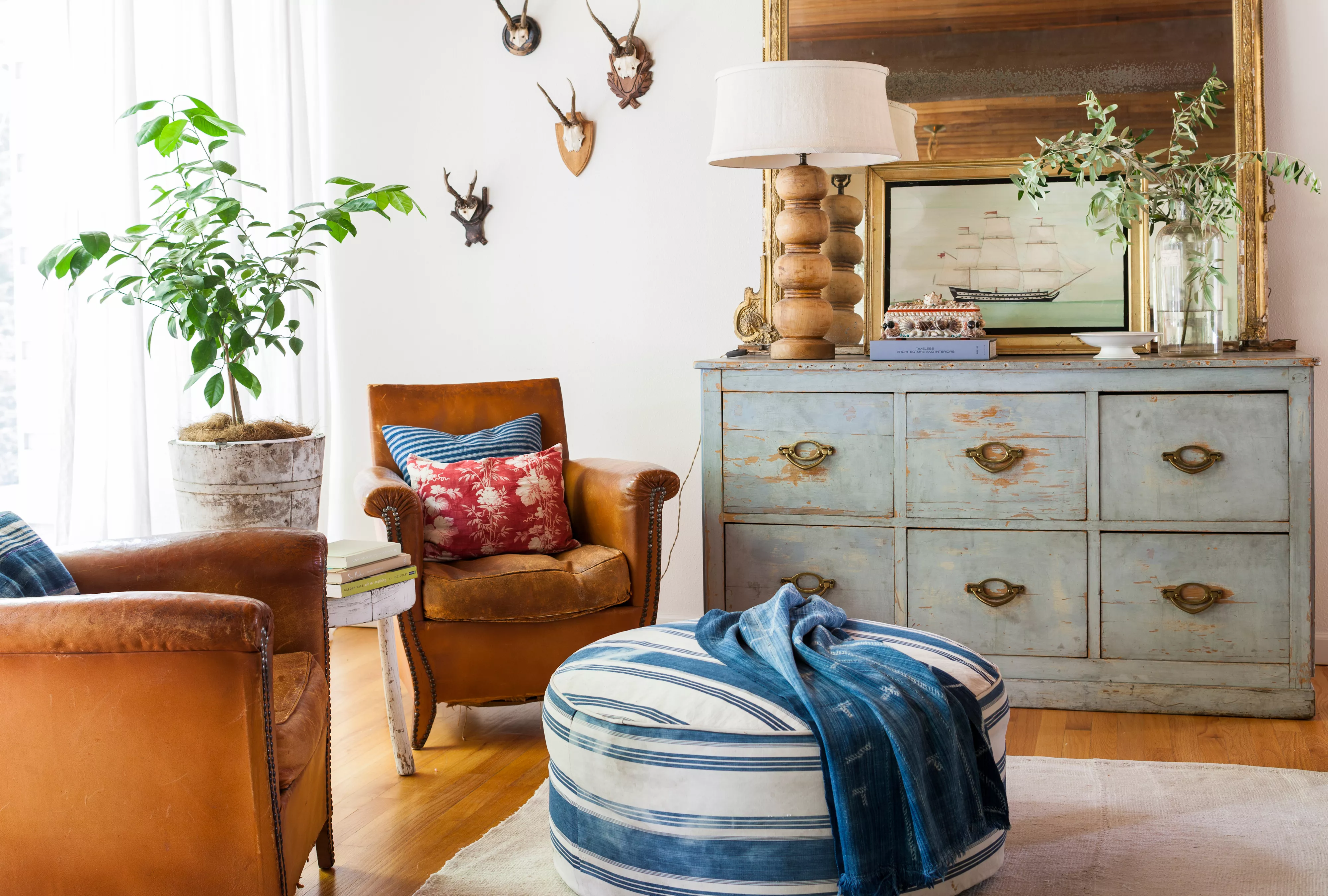
7 Decor Pieces Designers Ditch for a Cleaner, More Cohesive Look

"Frankly, It's Tacky": People Are Revealing Common Interior Design Trends They Can't Stand

Designers Are Ditching the "Rule of Threes" for THESE Genius Styling Alternatives
Interior Designers NEVER Overlook This Surprising Space


People Are Exposing The Home Decor Trends That'll "Completely Fade Out" Sooner Than You'd Think
Beyond Aesthetics: How Tech is Redefining Interior Design
Goodbye, Gallery Walls! 5 Decor Choices Designers Think Are Overdone—and What to Do Instead

"Cluttercore" Is Trending—Here's How to Make It Feel Intentional, According to Designers
I Asked Interior Designers to Share the Worst Decorating Trends They've Seen on Social Media

The Interior Home Trend Designers Are Happy To Put Down, And Why It's For The Best
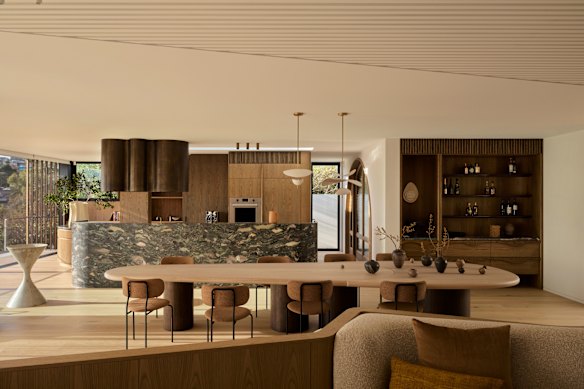
Seeking timeless interior design? The professionals break it down
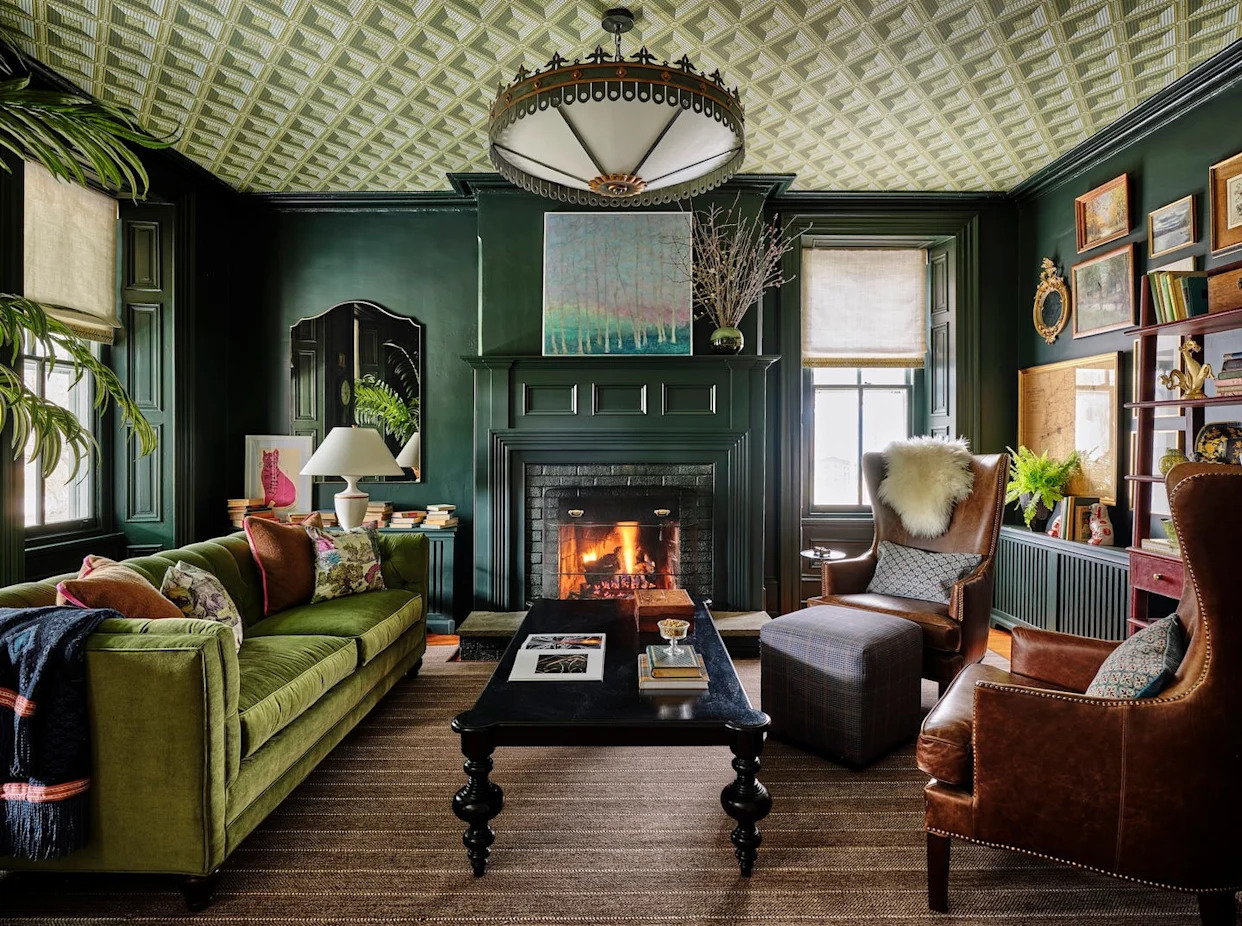
Bye-Bye, Accent Walls! Designers Say THIS Is Now the Hottest Decorating Feature

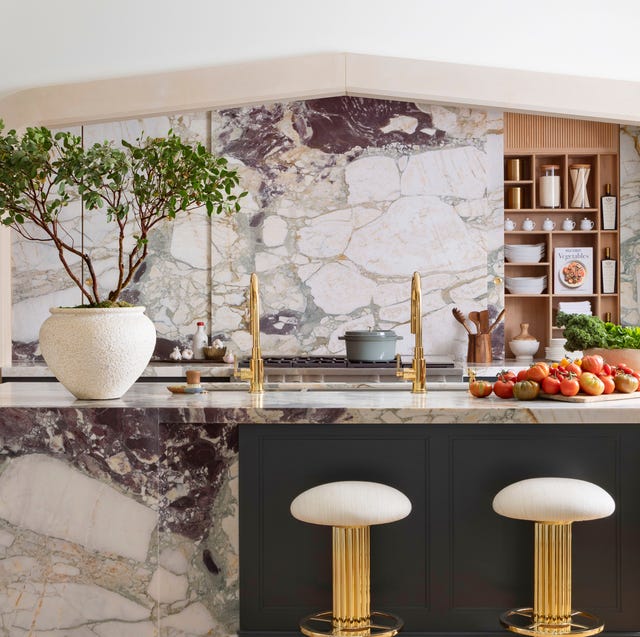
If You Have These 10 Traits, You'd Probably Be a Great Interior Designer
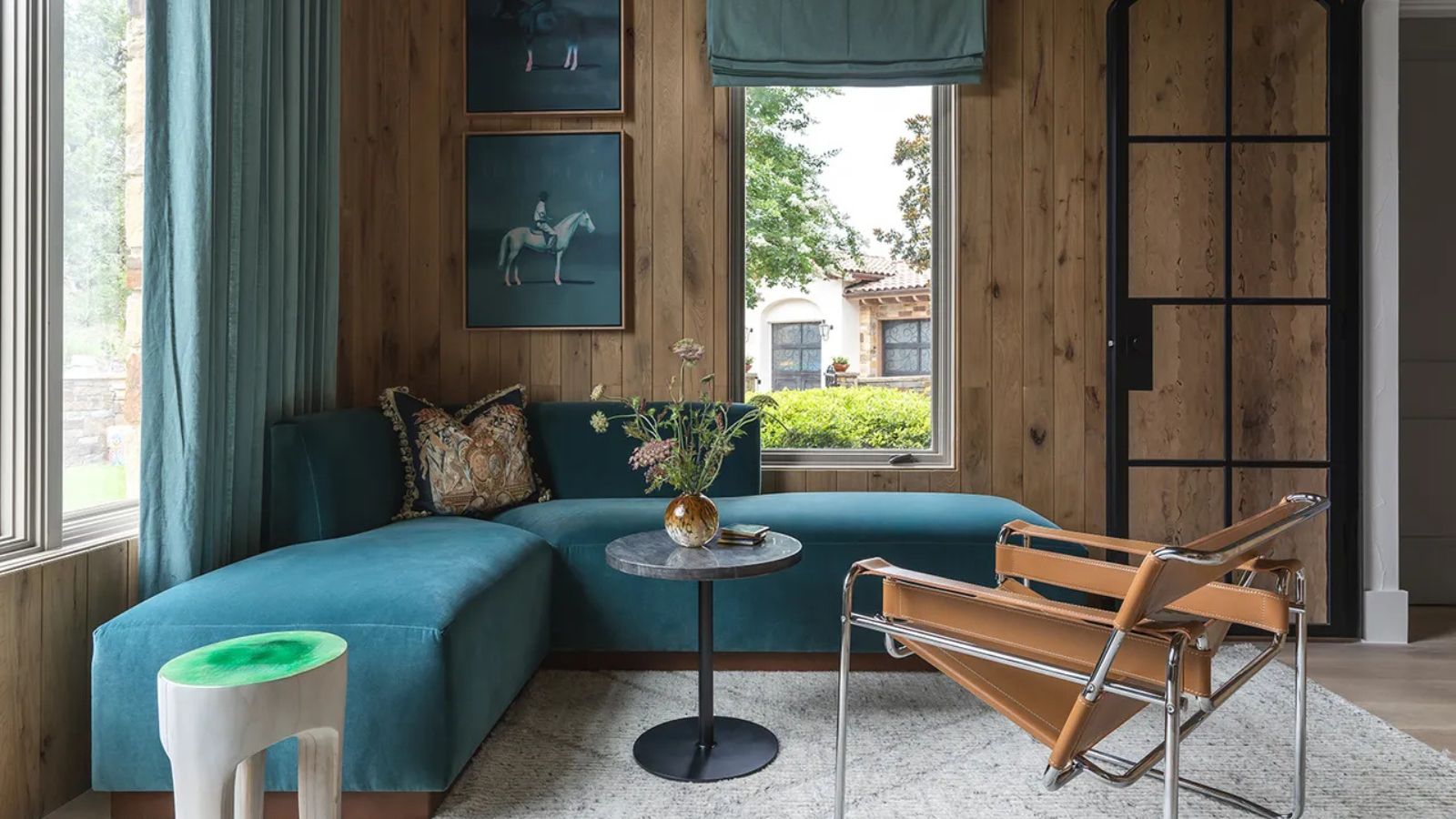
5 trends that look good right now but interior designers warn they won't last
Why Designers Are Ditching Traditional Layouts for "Broken Floor Plans"
'It makes a room soft and serene.' A designer explains a new decor trend that is better than any you've seen before

17 popular trends interior designers wish would disappear