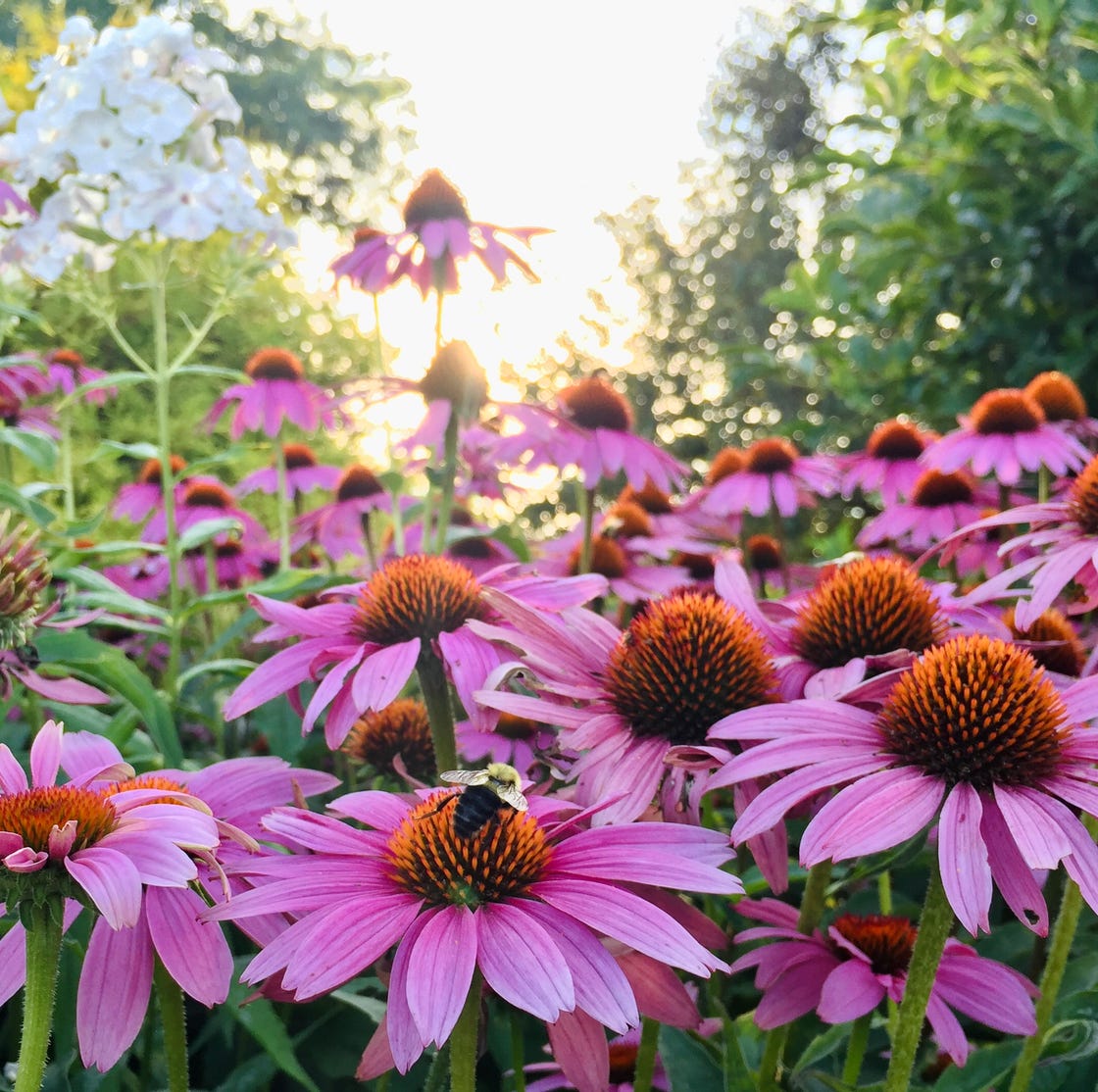
1/21
22 Beautiful, Bee-Friendly Flowers That'll Turn Your Garden Into a Pollinator Paradise
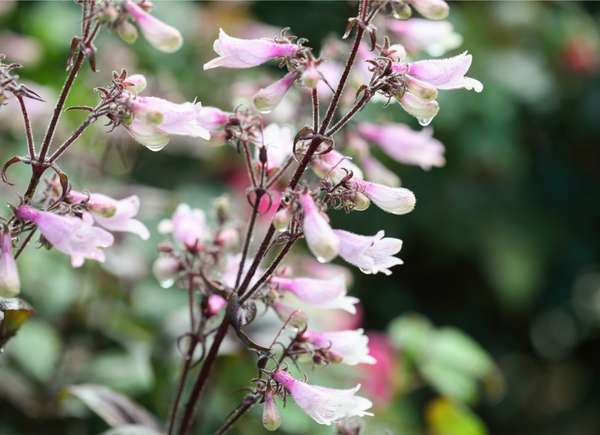
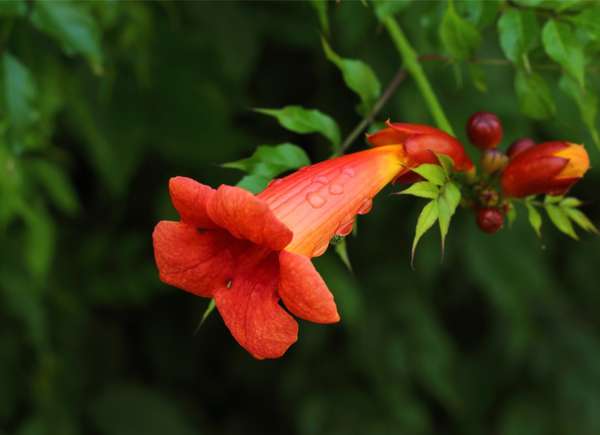
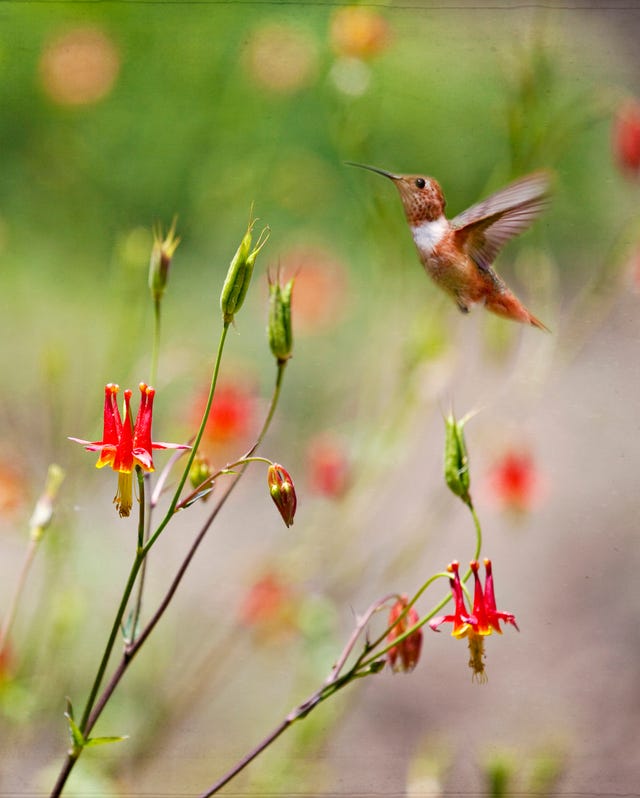
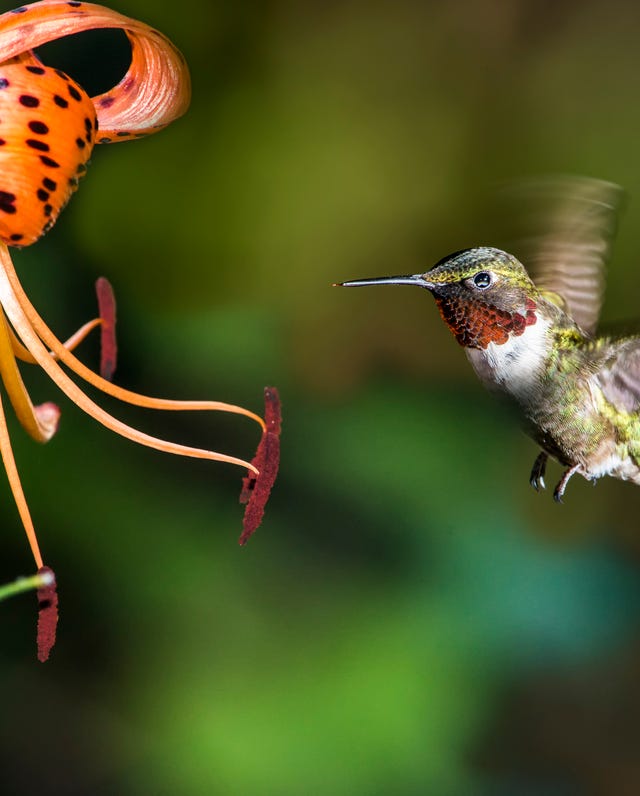
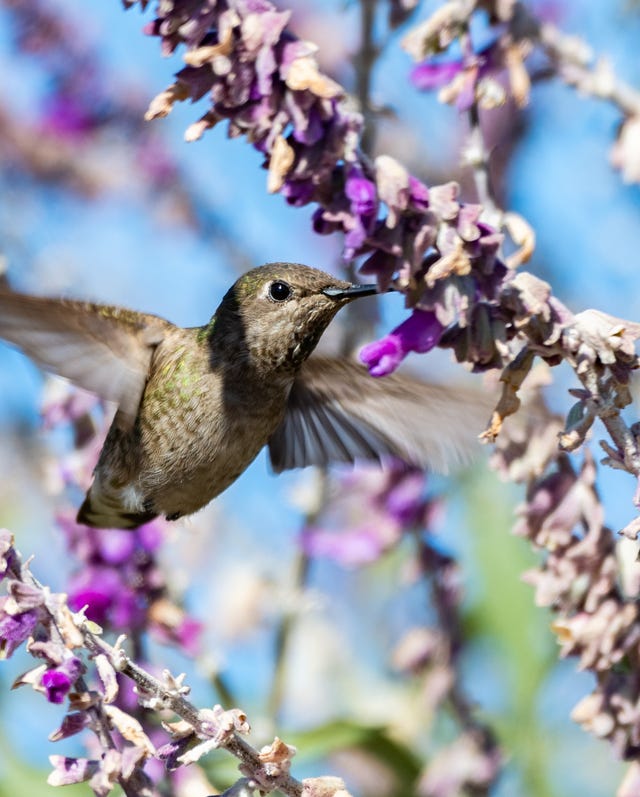
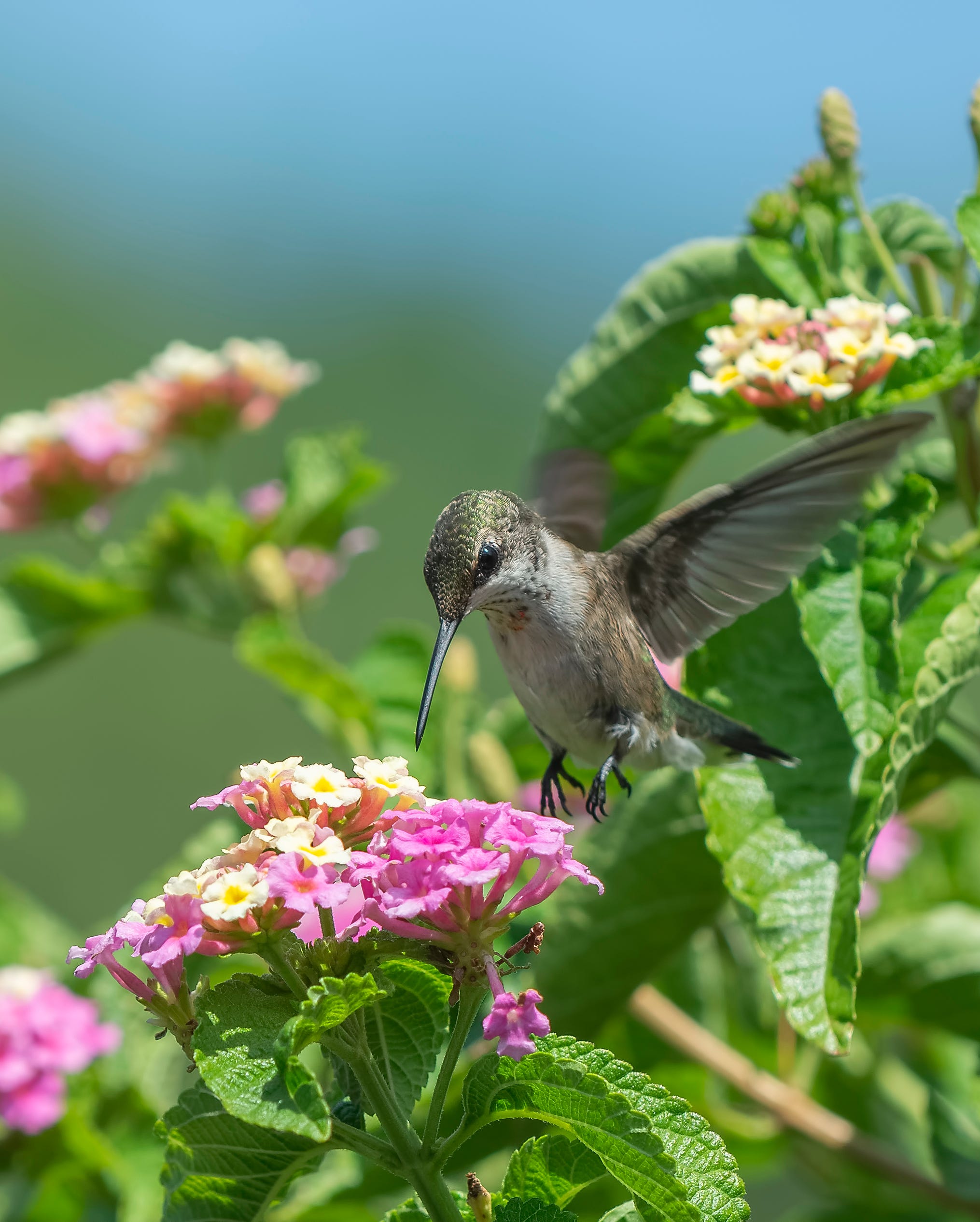
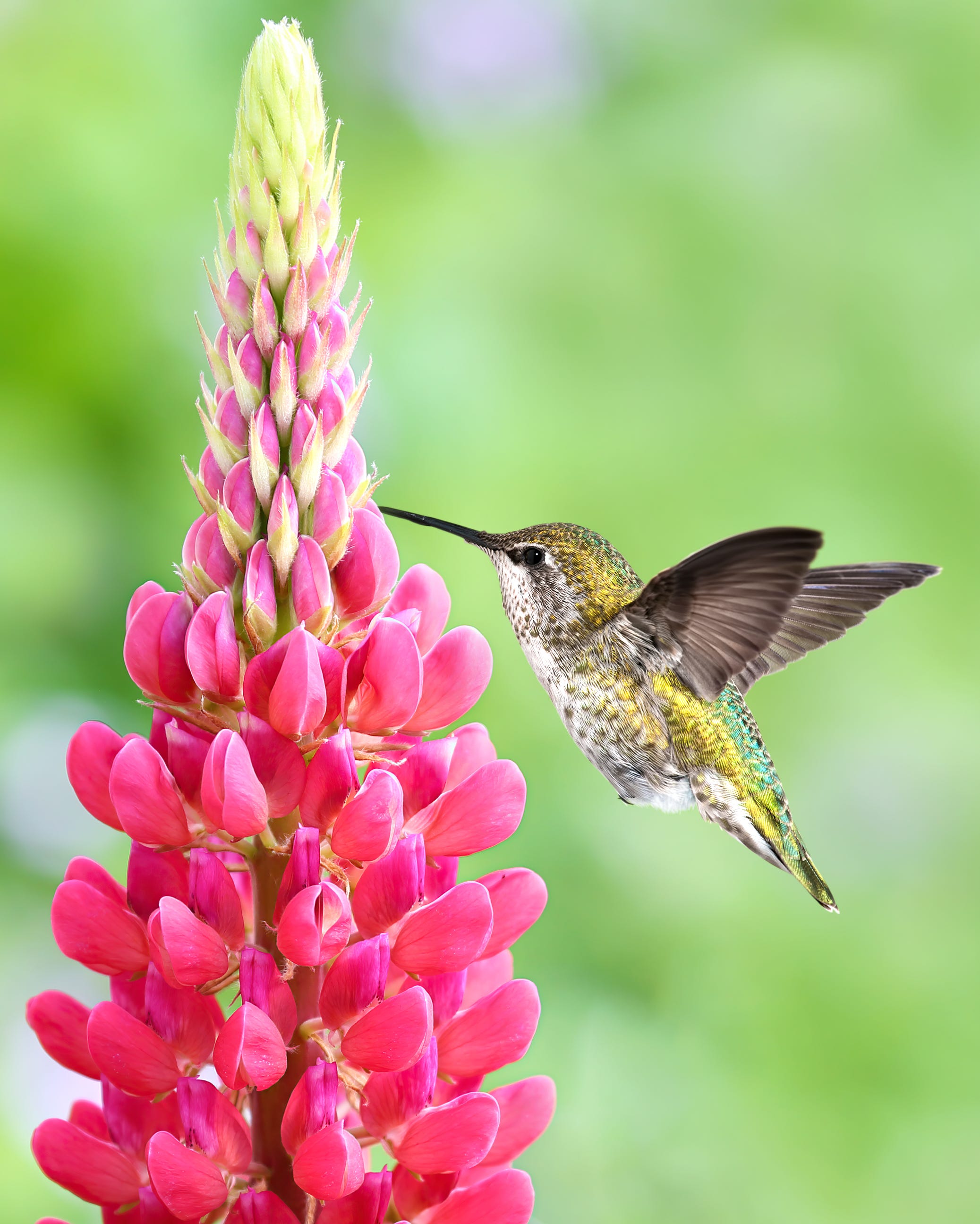
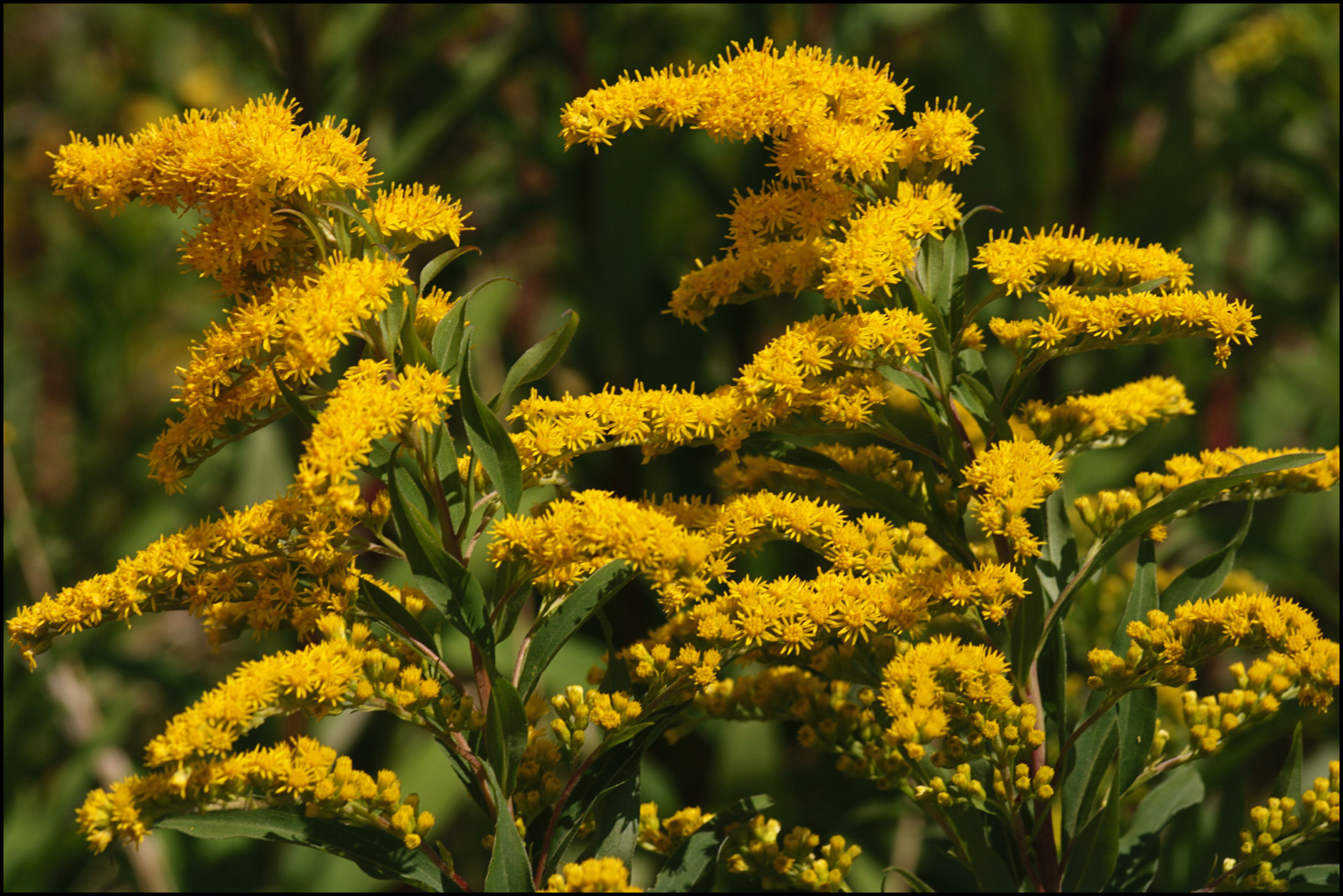
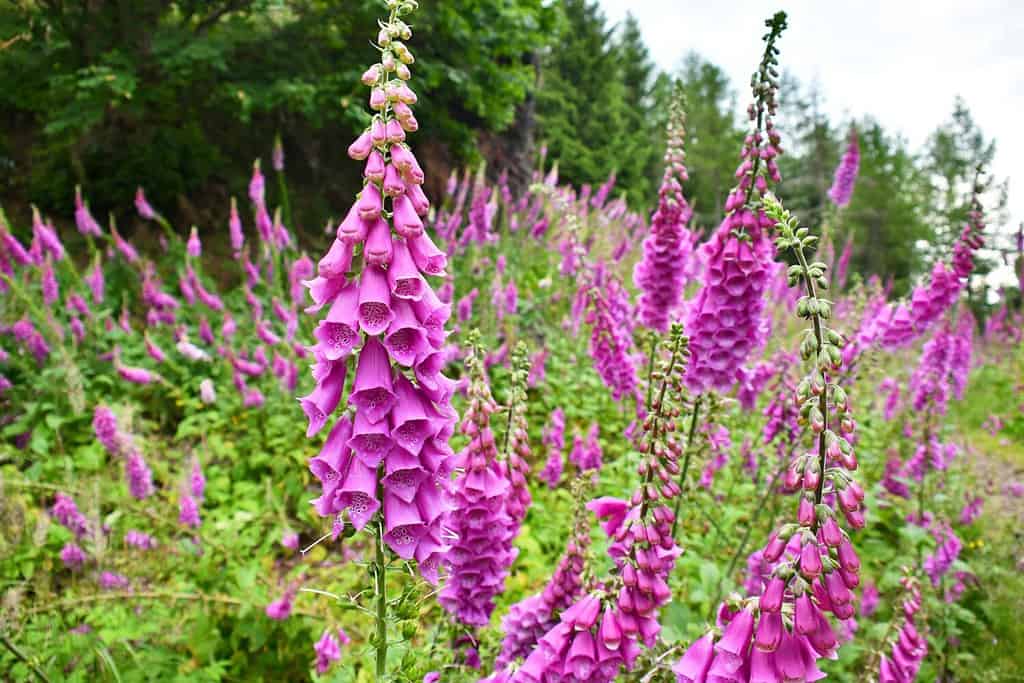
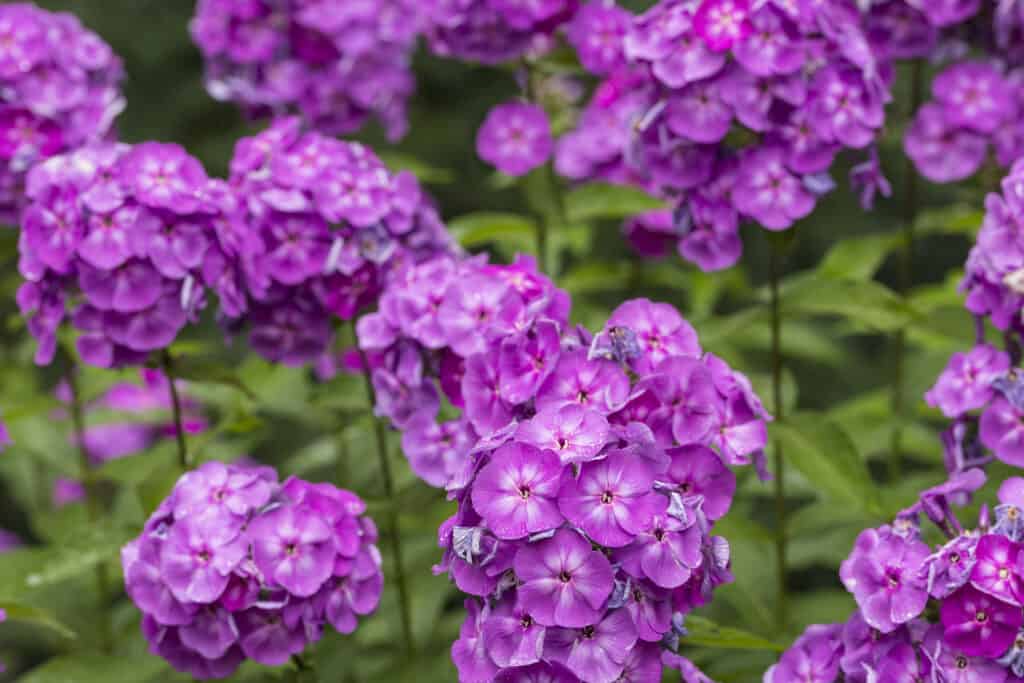
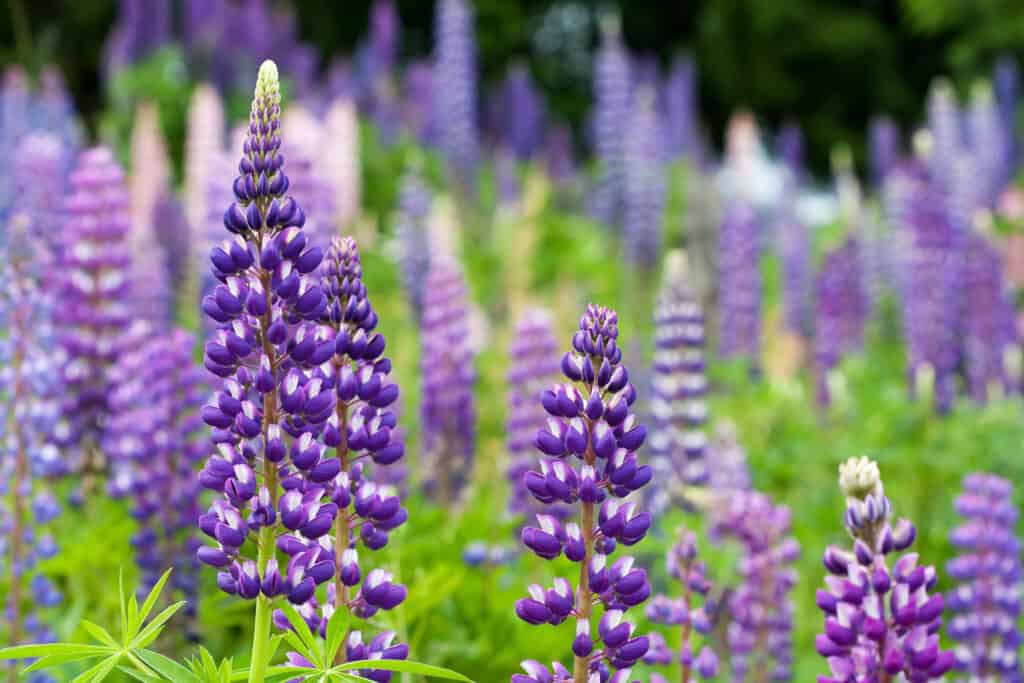
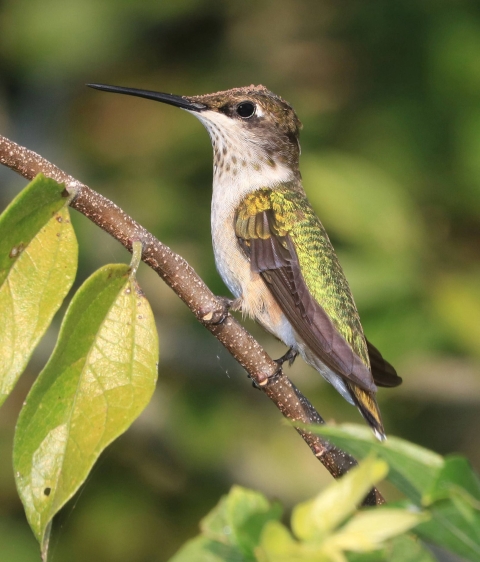
The article provides a comprehensive guide to selecting flowers that attract bees and other pollinators, emphasizing the crucial role these insects play in garden ecosystems. It highlights that pollinators, such as bees, butterflies, hummingbirds, moths, and bats, are responsible for fertilizing at least 75 percent of flowering plants, which is essential for the production of seeds, fruits, and new plants. Without them, food and flowers would cease to exist.
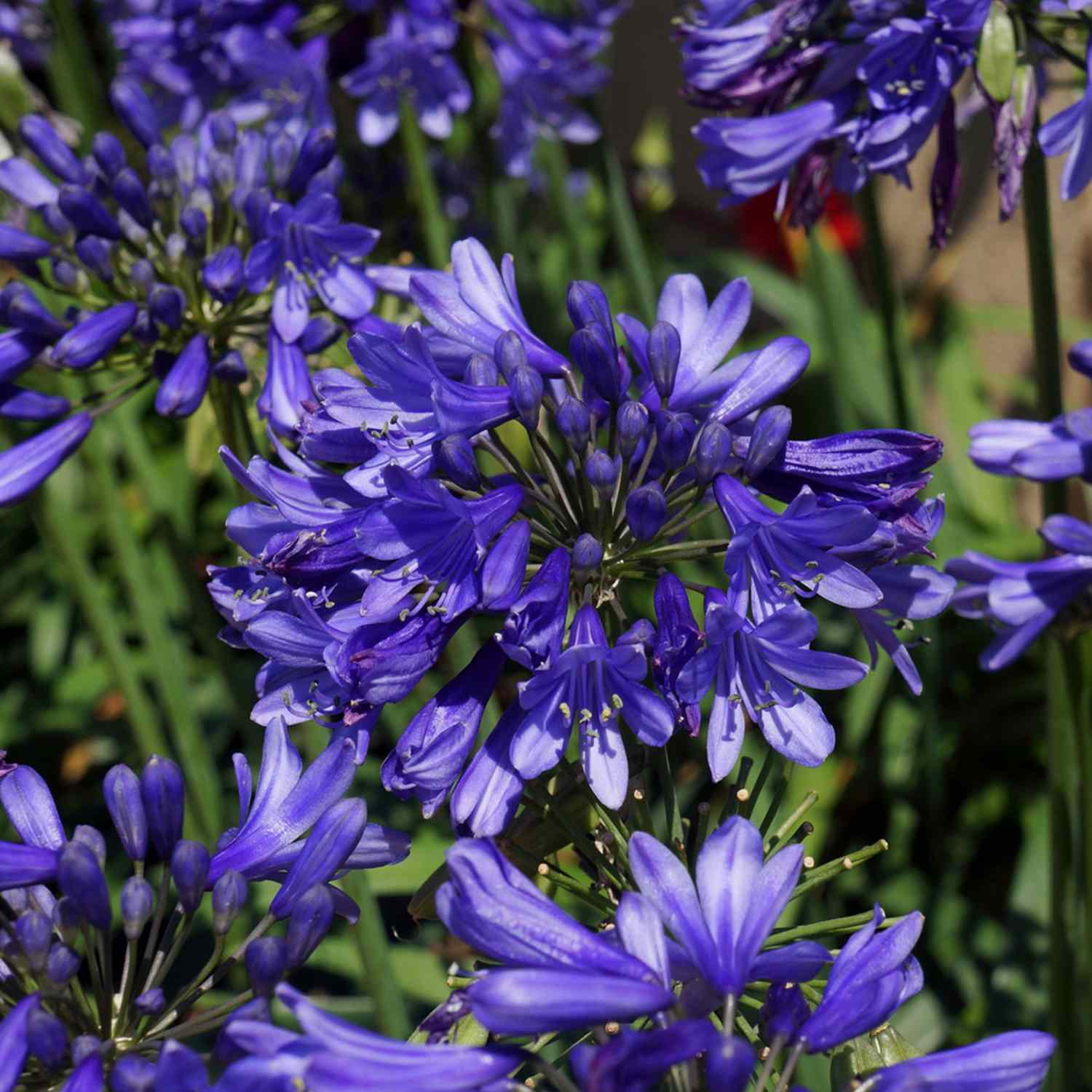
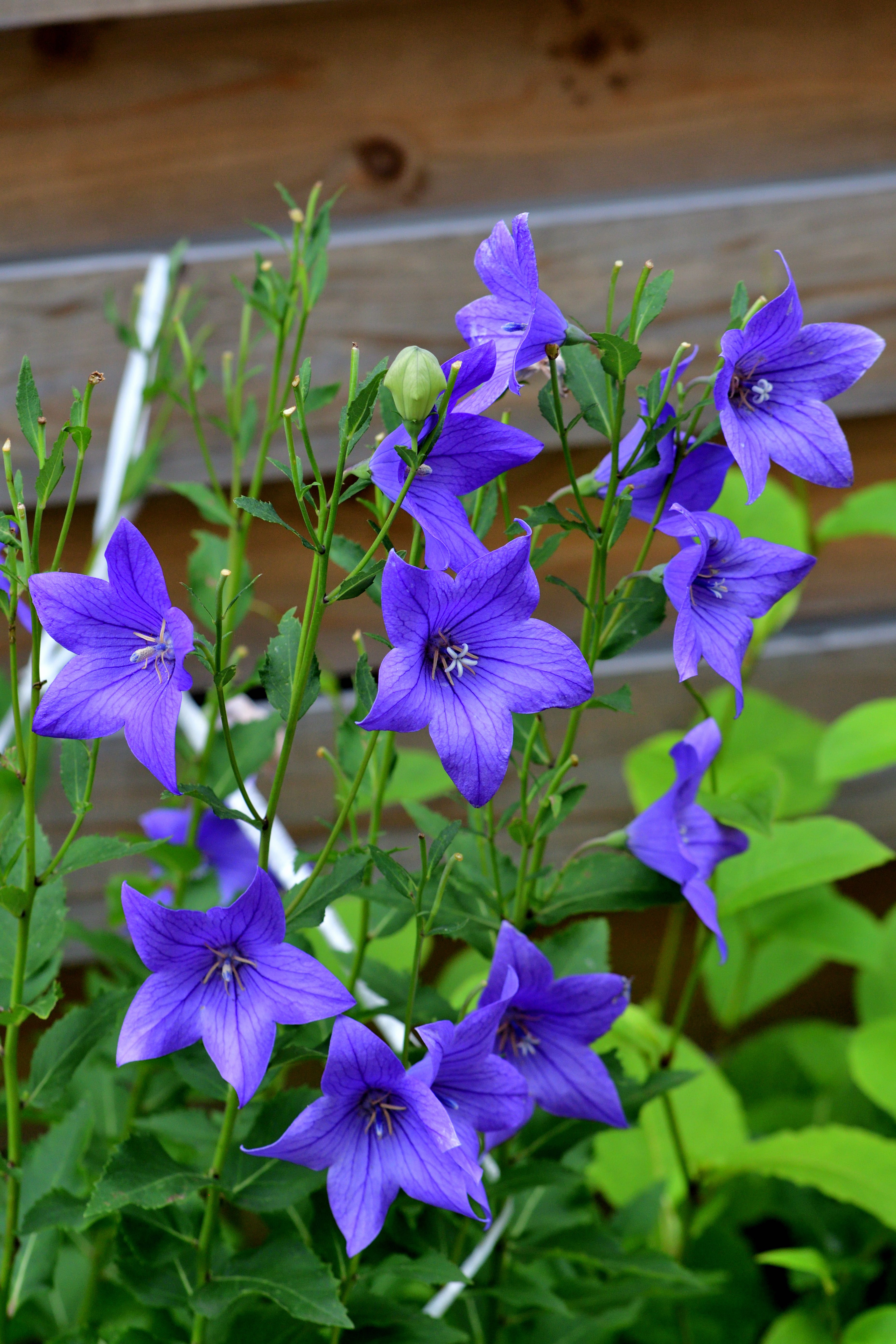
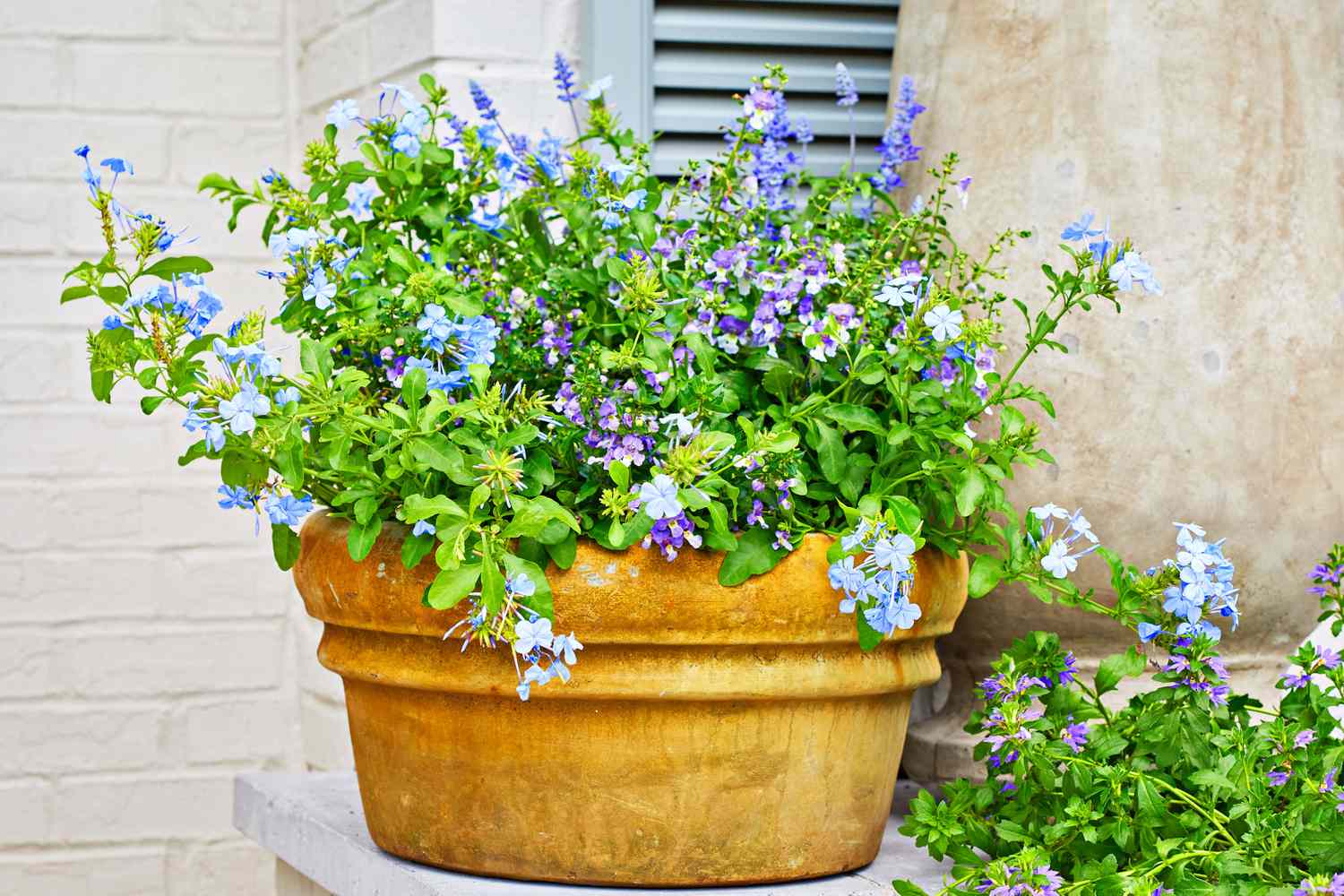
The article suggests planting a diverse range of flowers, including annuals, perennials, flowering shrubs, and flowering trees, to ensure a continuous food source for pollinators throughout the growing season. It notes that while bees are particularly drawn to blue, purple, violet, white, and yellow flowers, they will visit many different types of plants. Additionally, many herbs are beneficial for attracting bees and offer the dual advantage of providing fresh ingredients for cooking. To maximize effectiveness, it is recommended to plant flowers in large, continuous "drifts" of color rather than scattered individual plants, making them easier for pollinators to spot.
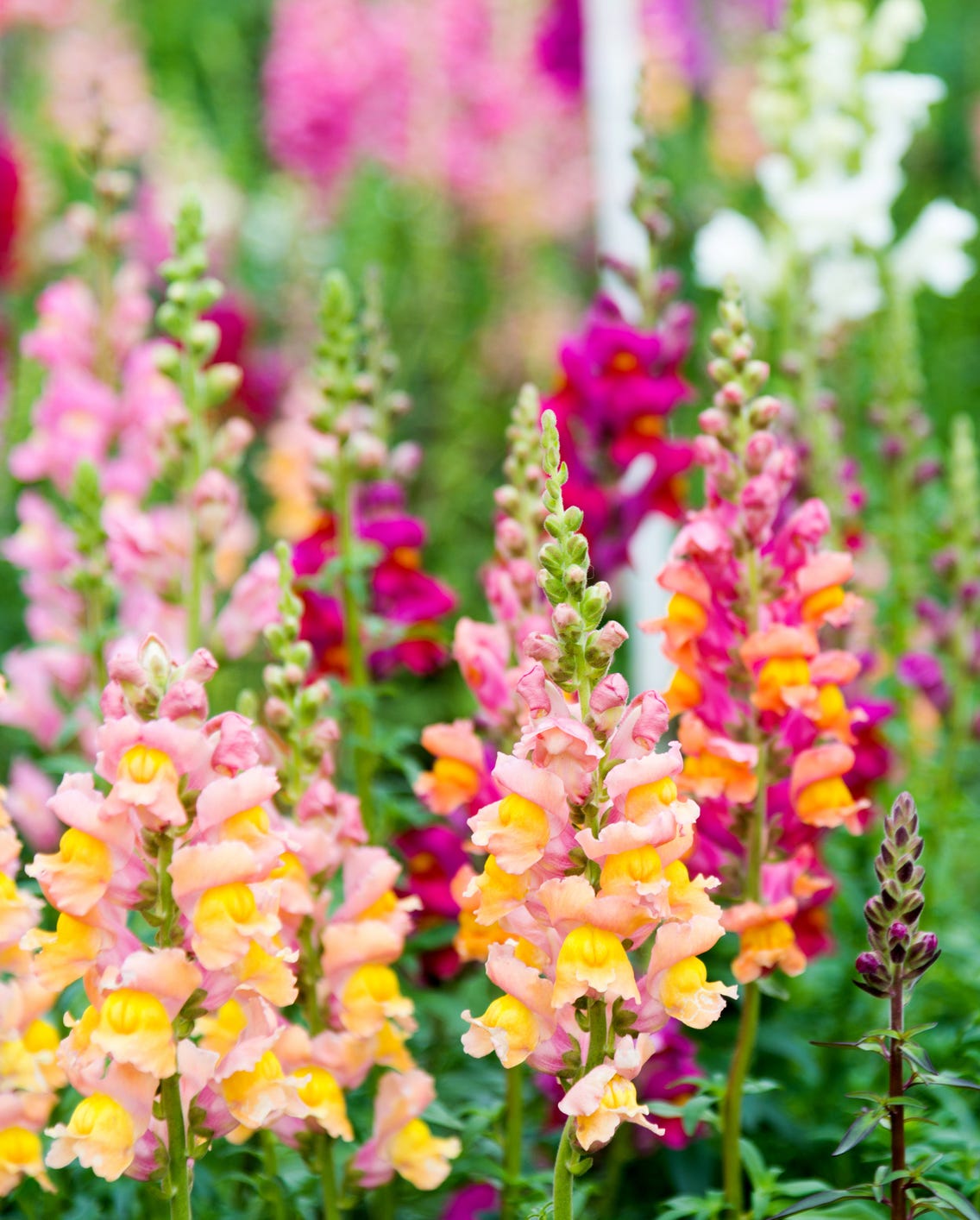
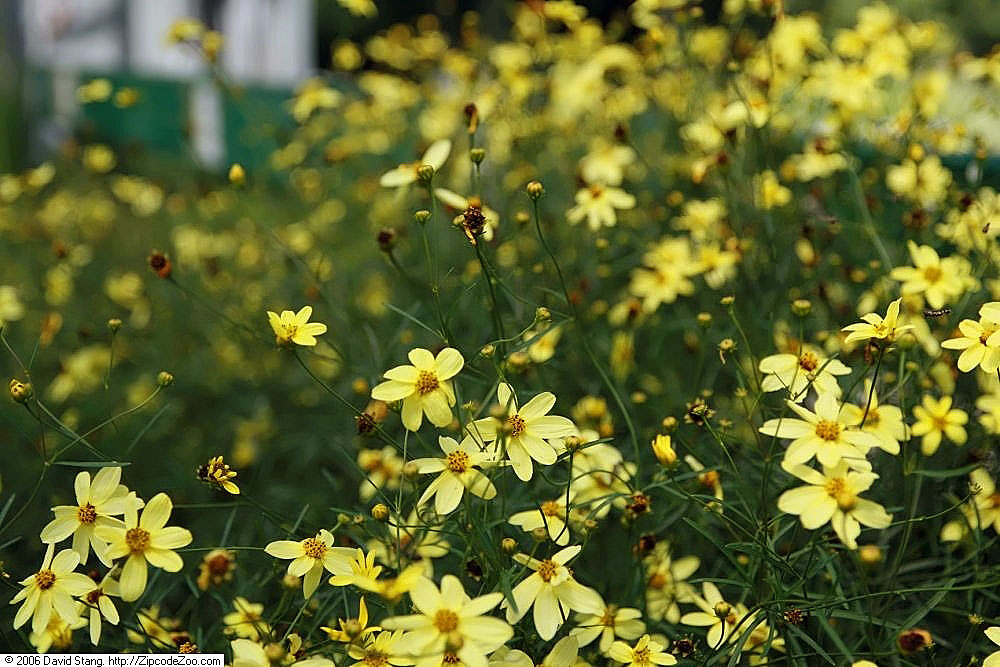
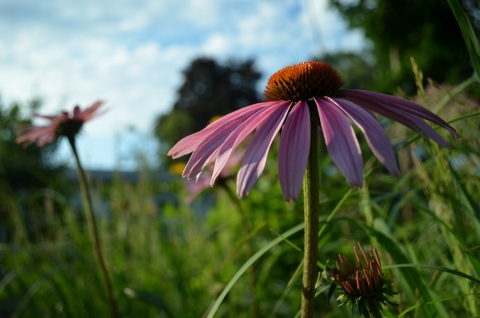
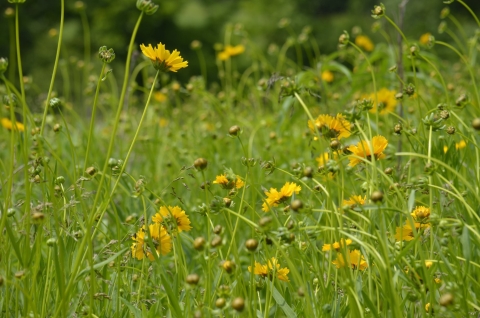
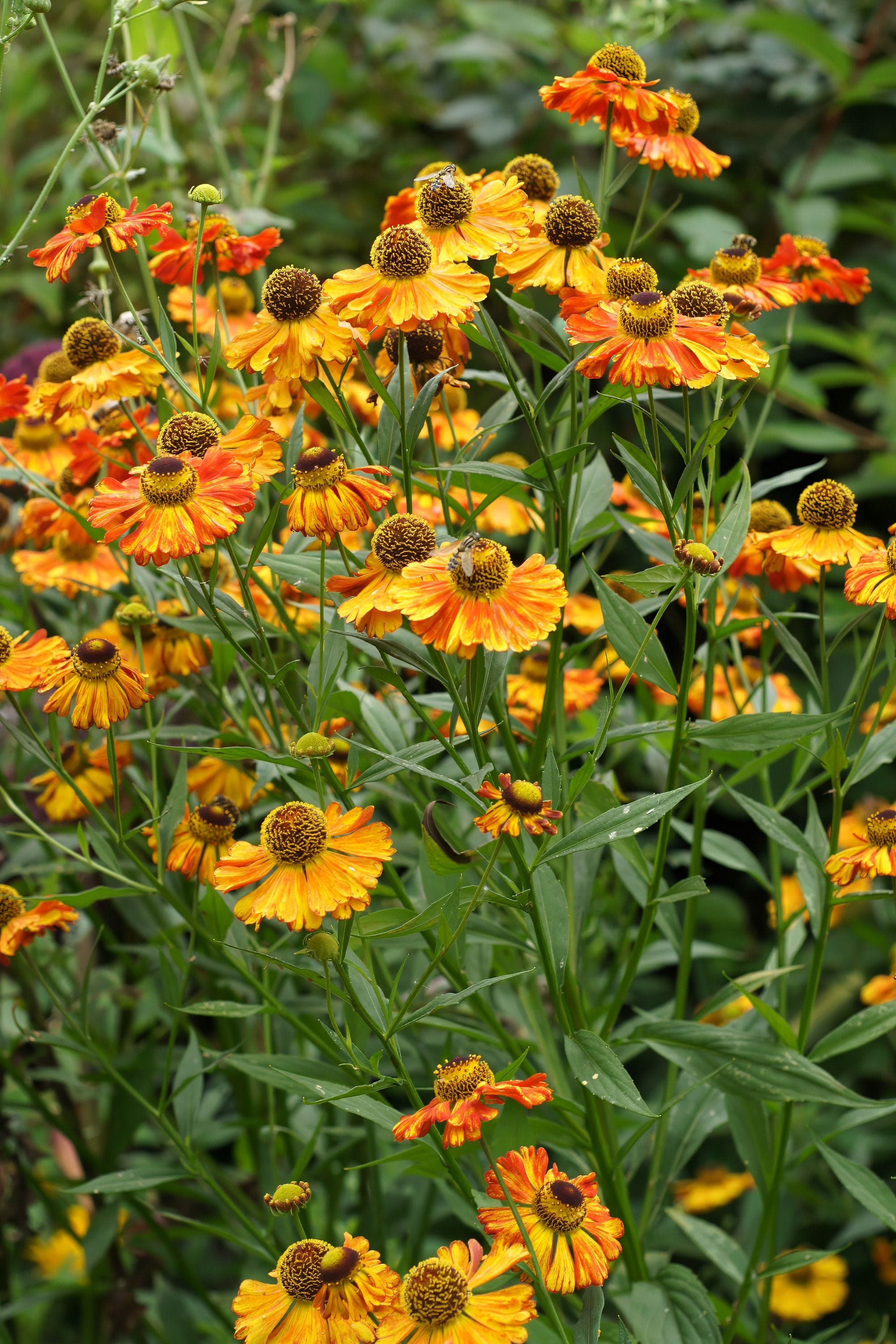
Furthermore, the guide advises that most bee-friendly flowers require full sun exposure—at least six hours of direct sunlight daily—to bloom optimally. The article then details 22 specific flowers known for their appeal to bees and other pollinators. These include Black-Eyed Susans, which are rich in nectar and pollen, and Coreopsis, offering vibrant daisy-like blooms. Sweet Alyssum, a charming annual with white, pink, and purple flowers, is highlighted for its suitability as an edging plant or in hanging baskets. Perennial Salvia is noted for its hardiness, drought tolerance, and attractive spikes of violet, pink, or white flowers. Snapdragons are recommended for early spring color due to their tolerance for cool temperatures.
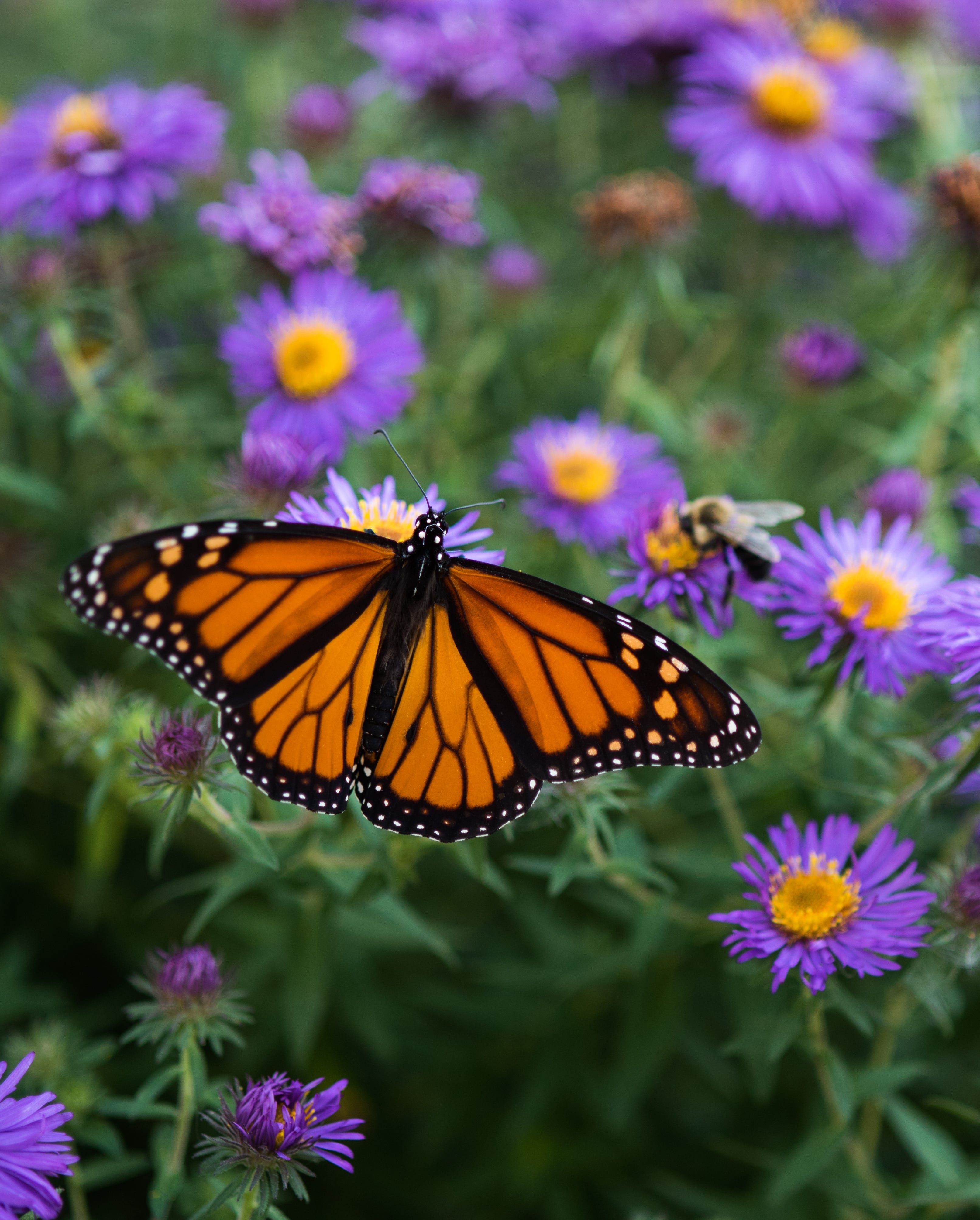
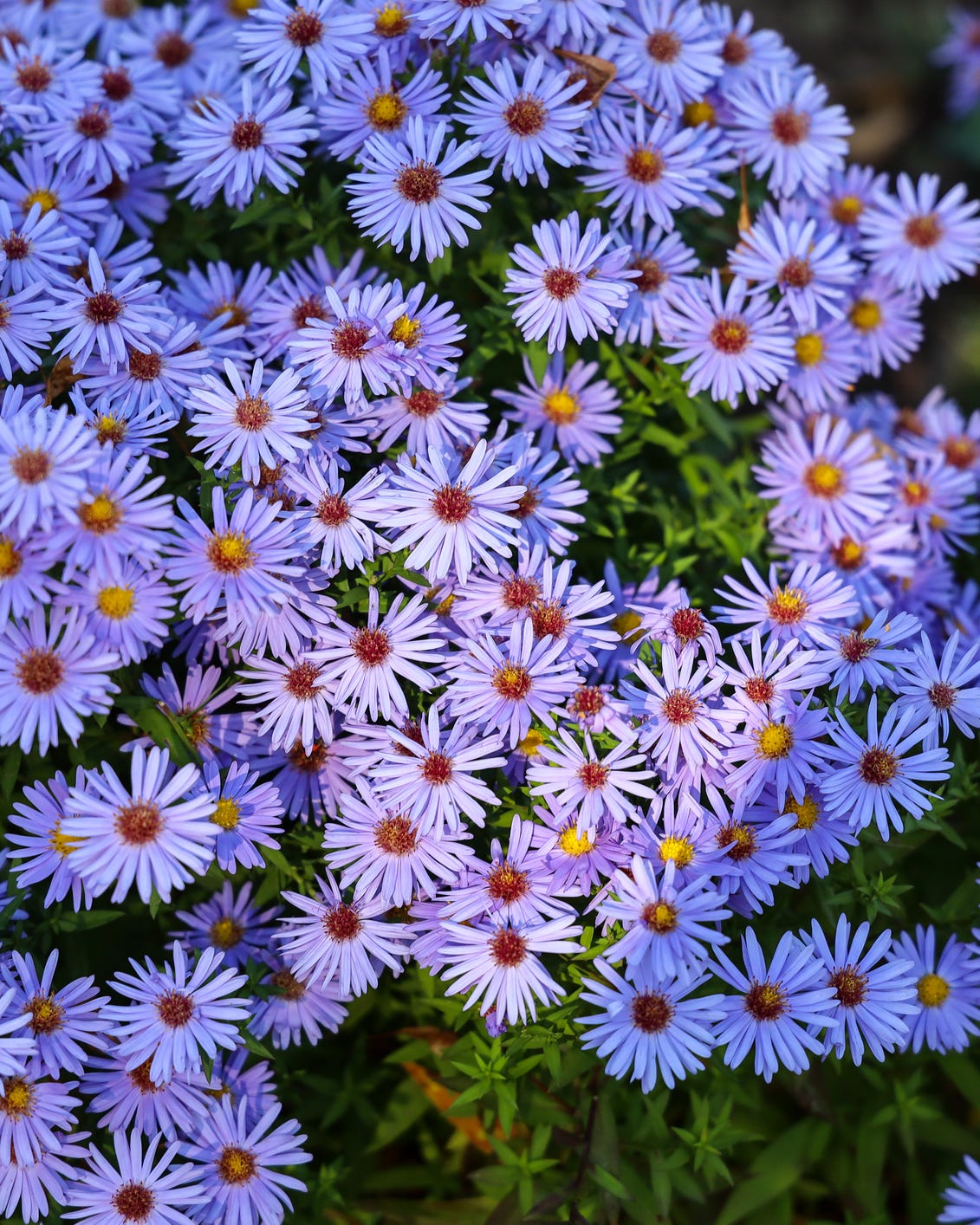
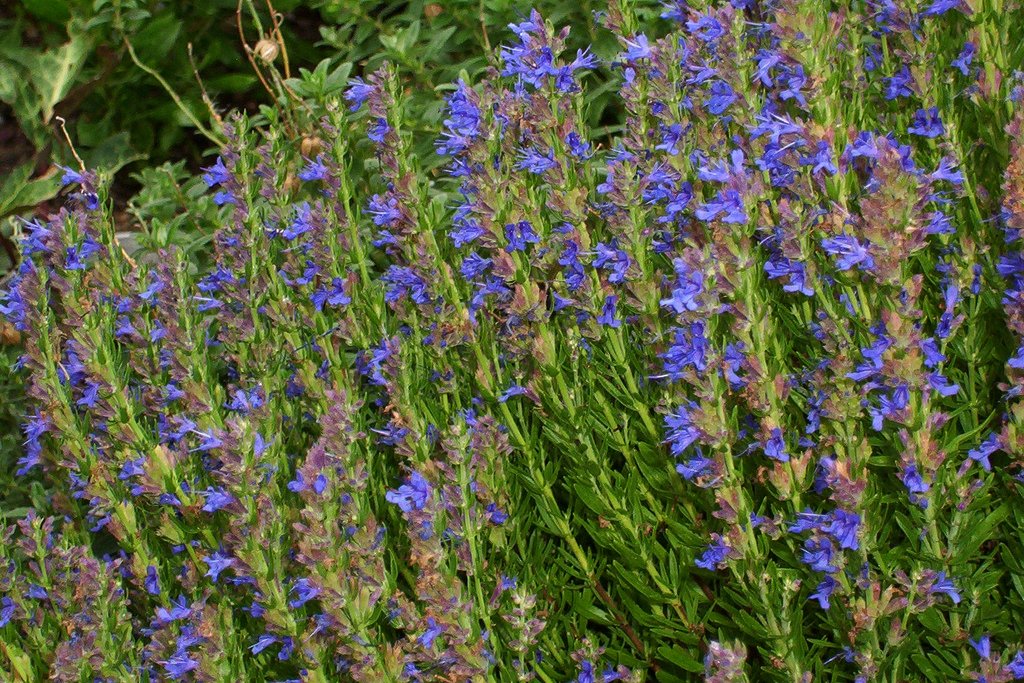
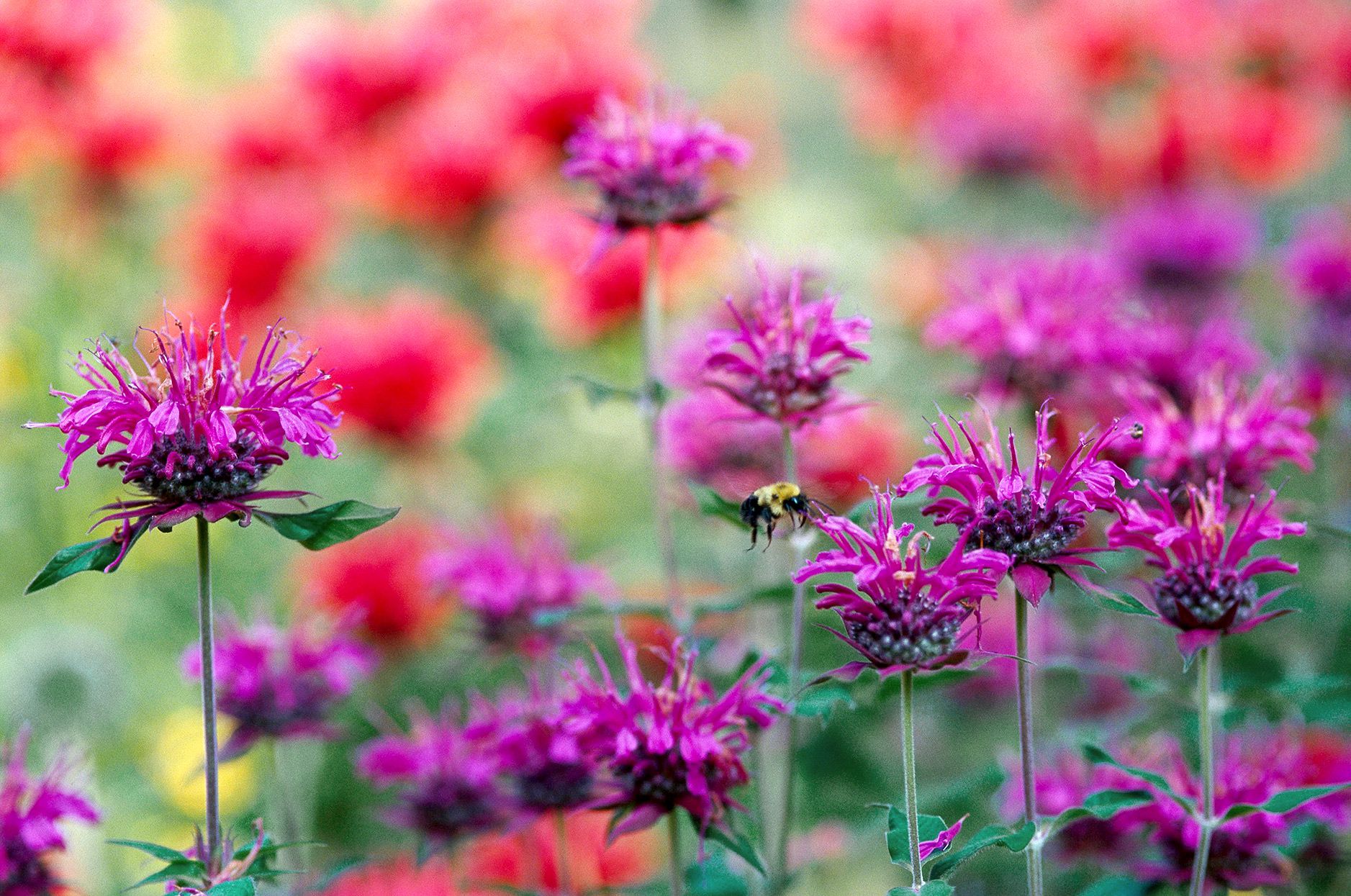
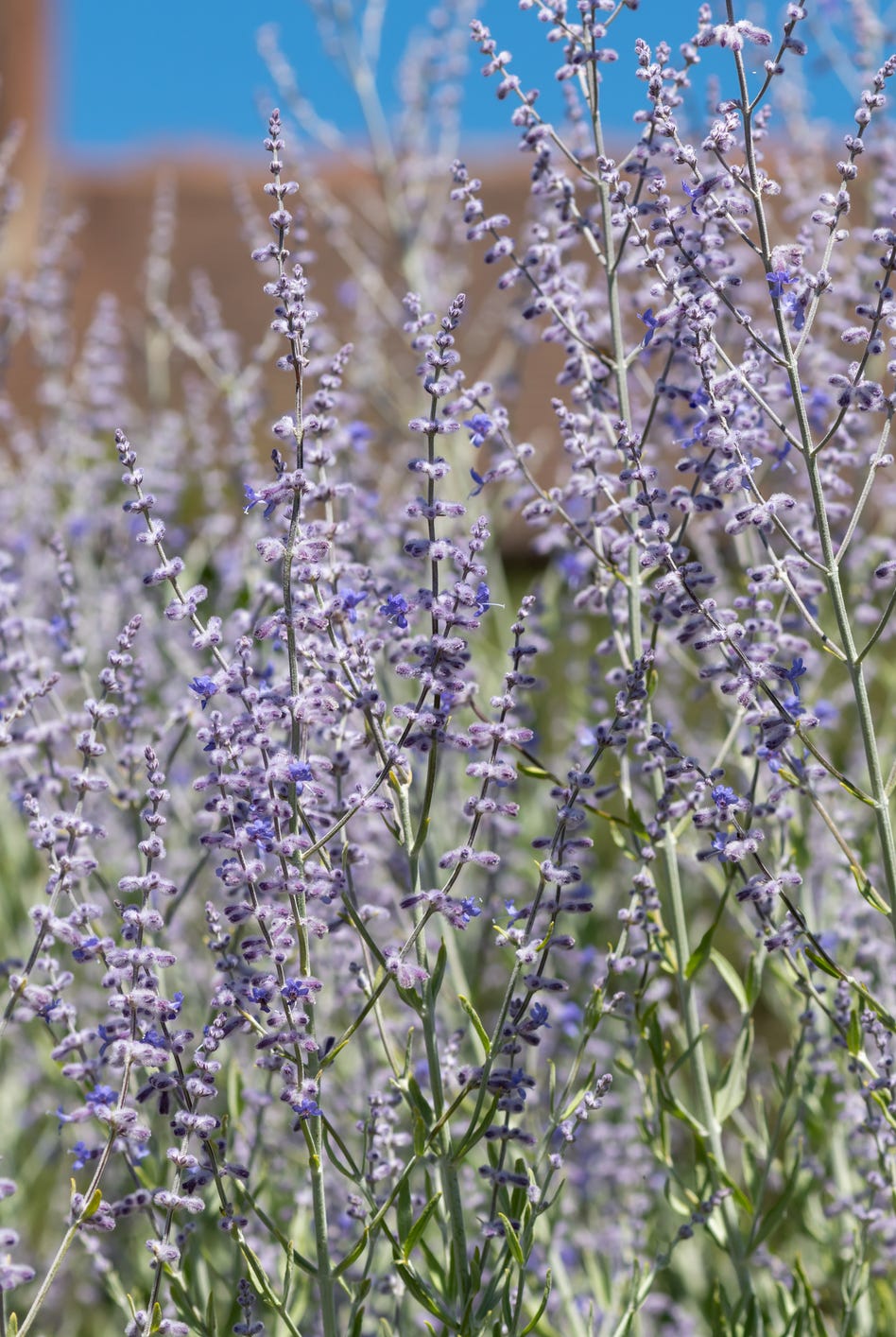
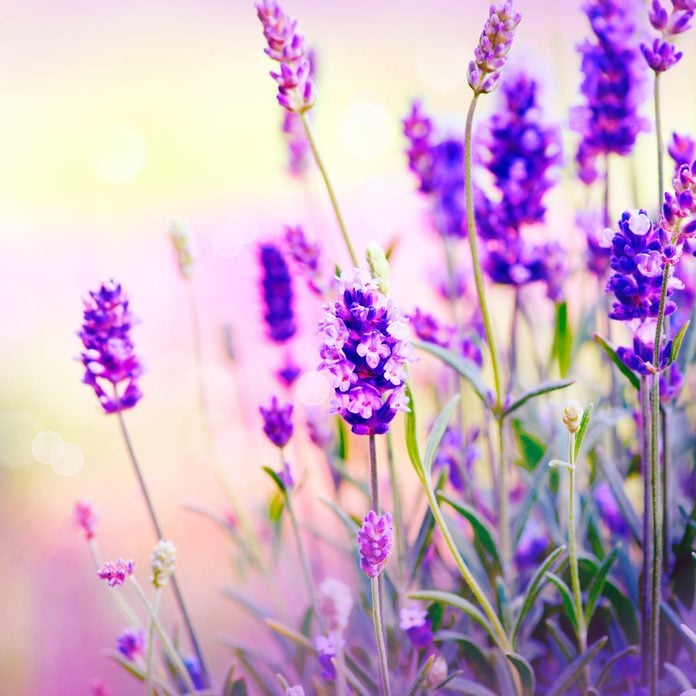
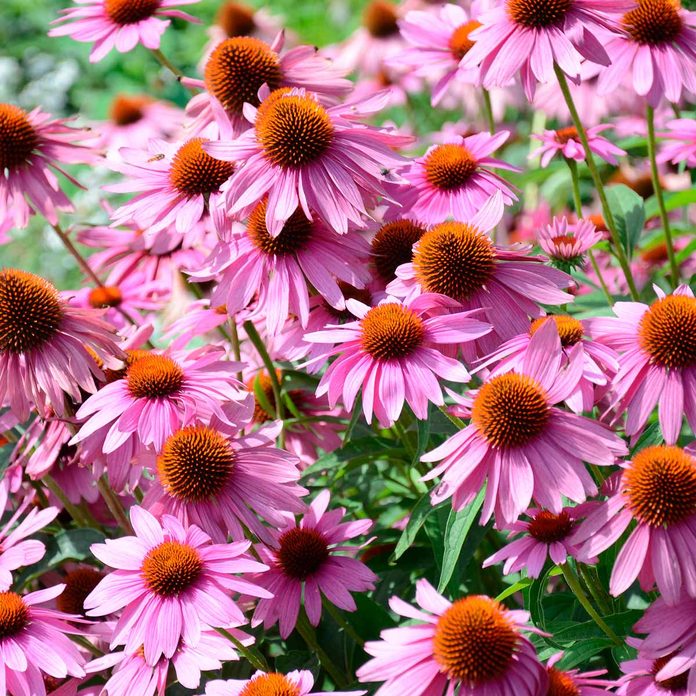
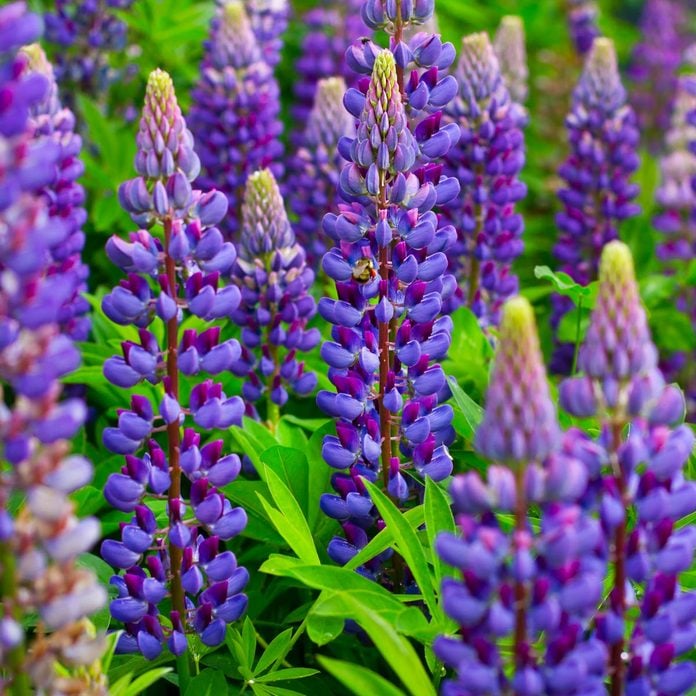
Other featured plants include Sage, a perennial herb with long-lasting blooms; Coneflower, a sturdy summer-blooming perennial available in a wide array of colors; Bee Balm, aptly named for its popularity among bees; Creeping Thyme, a low-growing ground cover that also serves as a culinary herb; Lavender, a cottage garden staple known for its fragrance; Catmint, a resilient plant tolerant of heat, drought, and poor soil; Chives, an edible perennial herb that blooms in spring; Asters, providing late-season nectar; Oregano, a perennial herb whose flowers attract bees; Cosmos, a versatile annual; Borage, an heirloom herb with unique blue star-shaped flowers; Sunflowers, offering cheery color and abundant nectar; Larkspur, a cold-hardy perennial for early-season nectar; Verbena Bonariensis, an heirloom favorite with globe-shaped purple flowers; and Poppies, known for their elegant, papery blooms and interesting seedpods.
These recommendations collectively emphasize the importance of biodiversity and thoughtful planting strategies to support pollinator populations and enhance garden health.
#PollinatorGarden #BeeFriendlyFlowers #GardenDesign #EcosystemSupport #PerennialFlowers #AnnualFlowers #FloweringHerbs #WildlifeHabitat #GardeningTips #PollinatorGarden #BeeFriendlyFlowers #GardenDesign #EcosystemSupport #PerennialFlowers #AnnualFlowers #FloweringHerbs #WildlifeHabitat #GardeningTips
0개의 댓글이 총 표시됩니다.
 아직 댓글이 없습니다
추가로 마음에 드릴 만한 콘텐츠
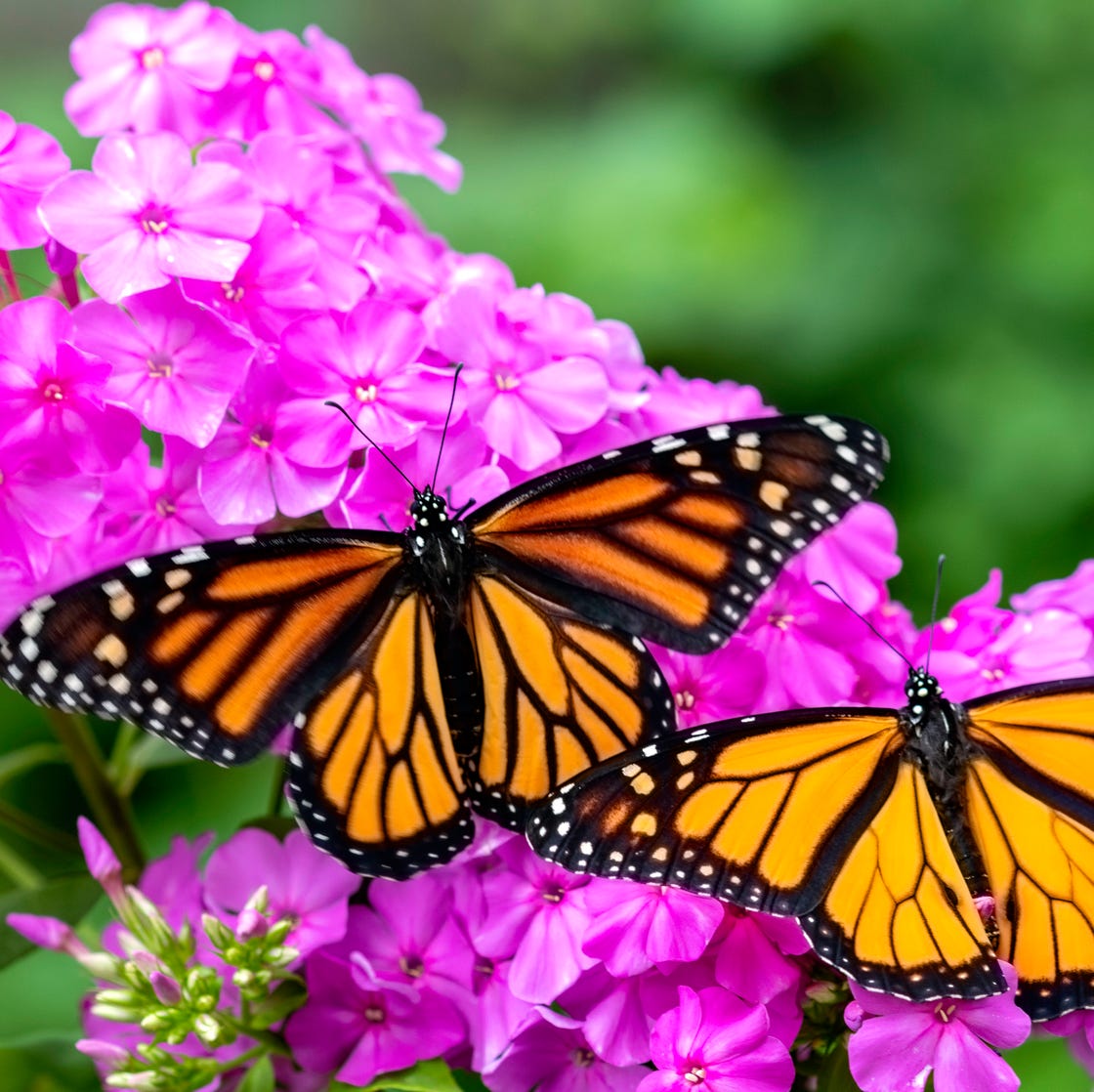
Turn Your Garden Into a Butterfly Oasis with These Plants
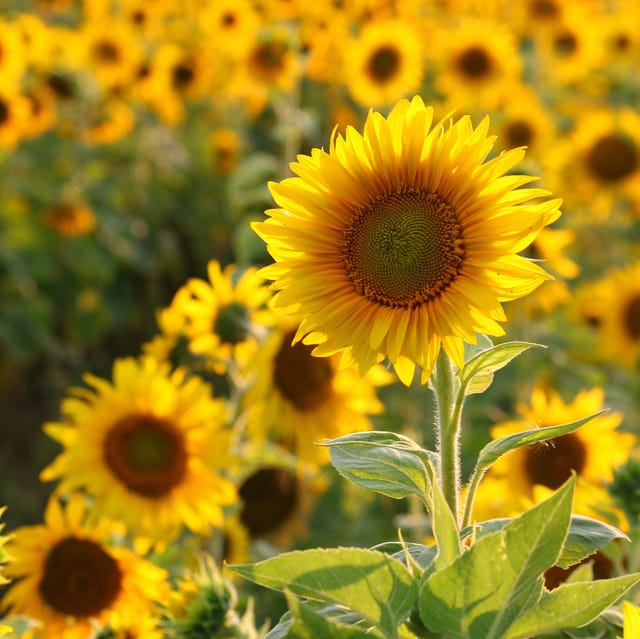
Hey, Gardeners! Plant These Summer Flowers for a Bright and Beautiful Yard

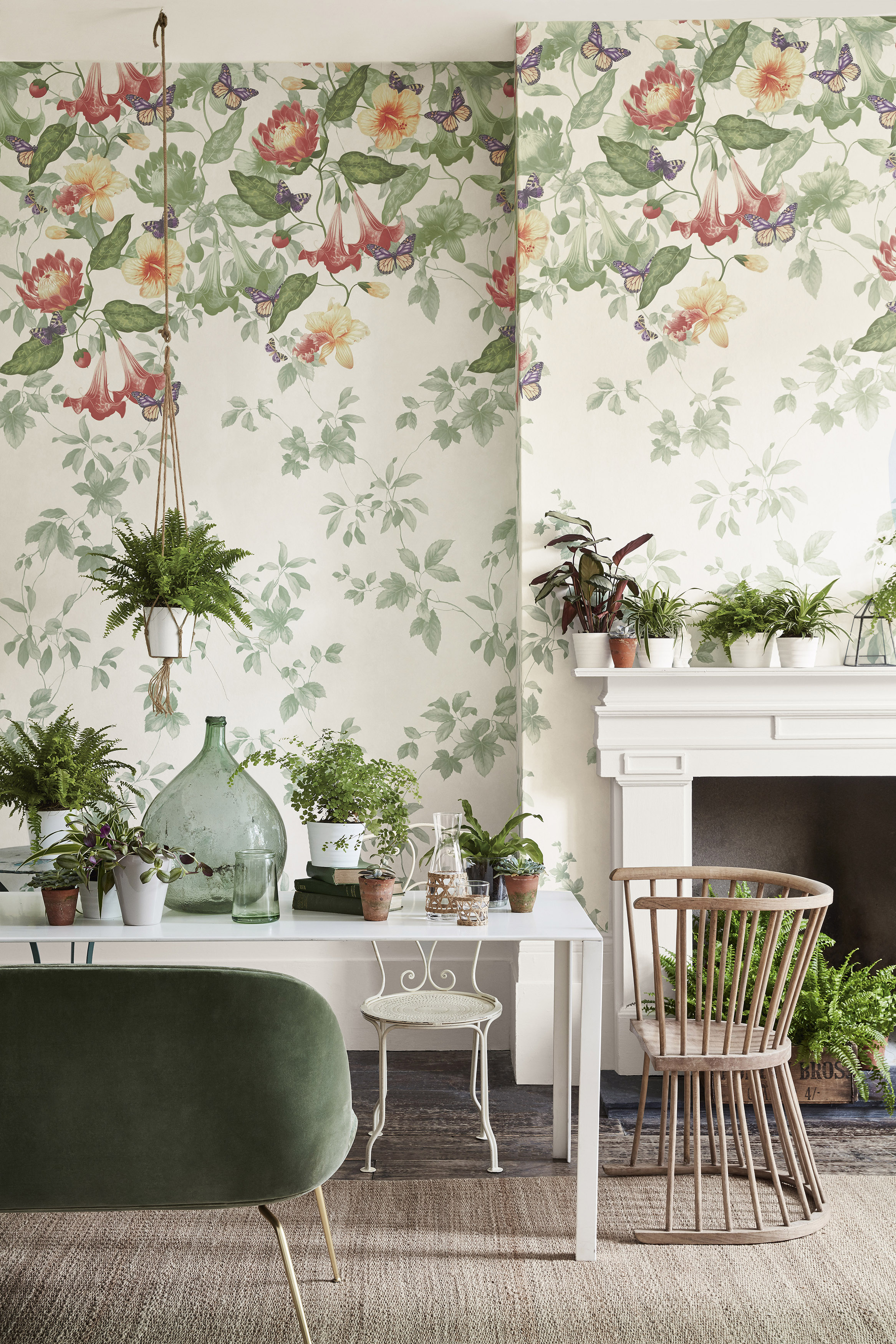
Botanical wallpapers: 22 fabulous floral, leaf and plant-inspired designs

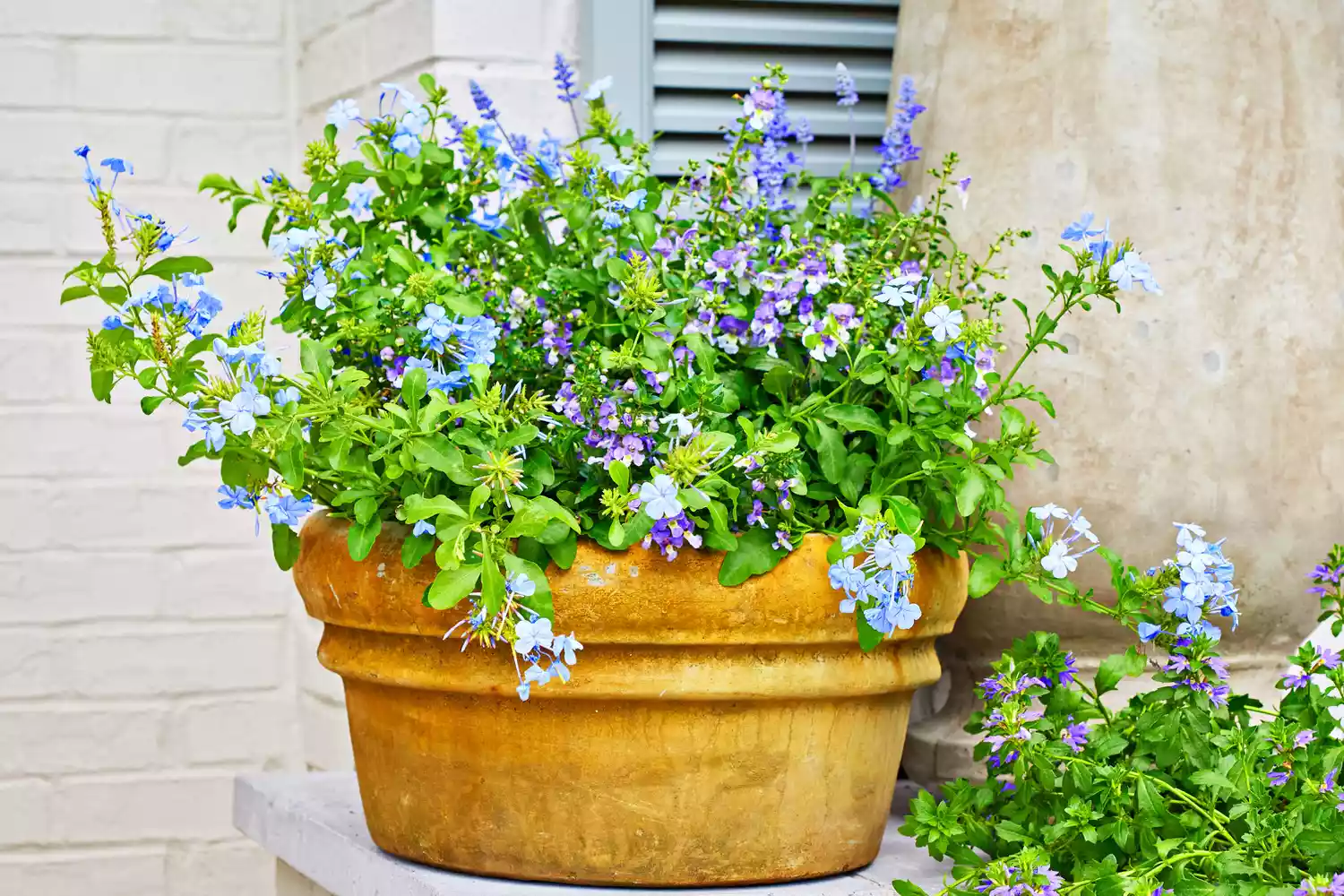
25 Breathtaking Blue Flowers For Your Garden
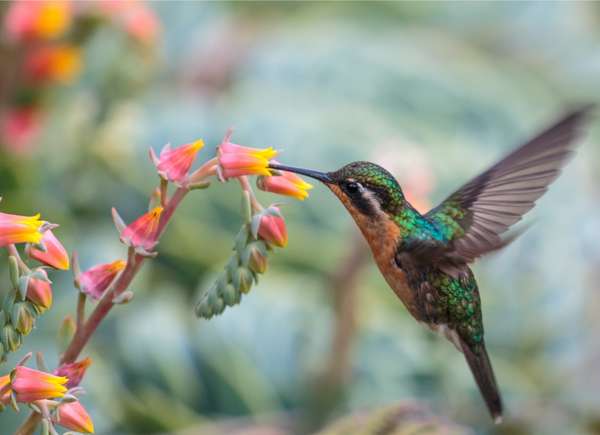
30 Gorgeous Plants That Attract Hummingbirds to Your Garden
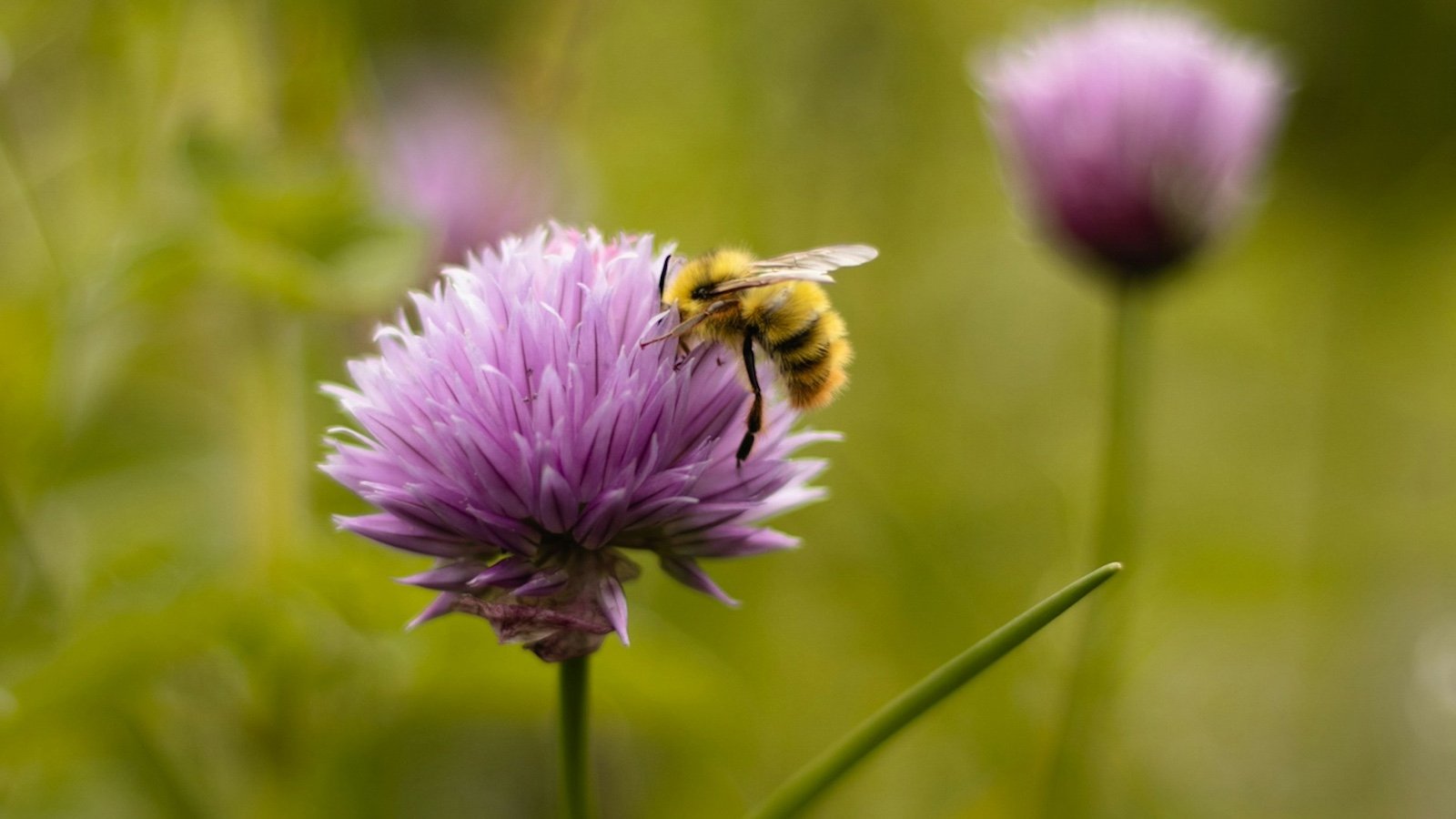
What bee-friendly flowers should I plant in my garden in Colorado?
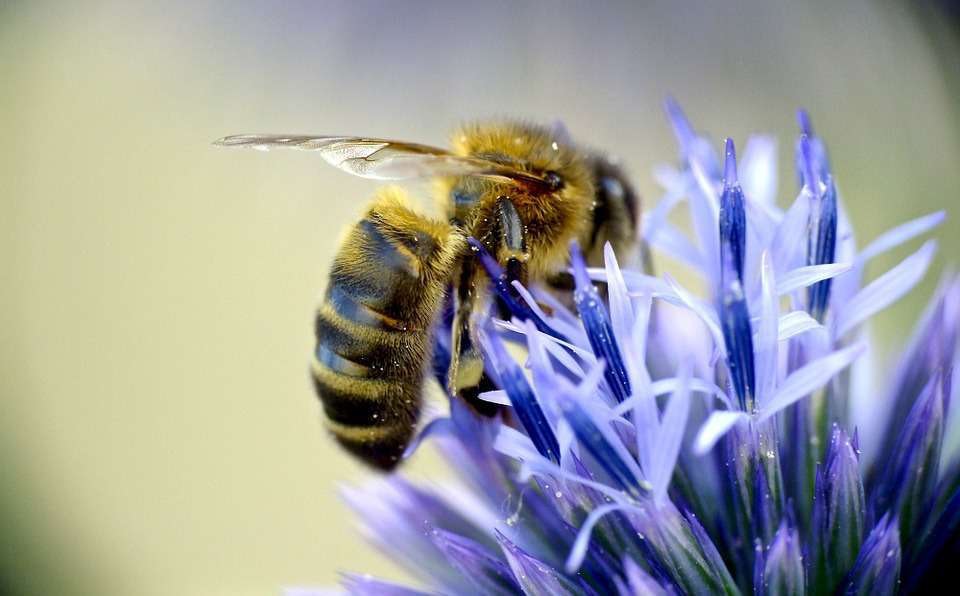
Purple presents perks for pollinators like bees

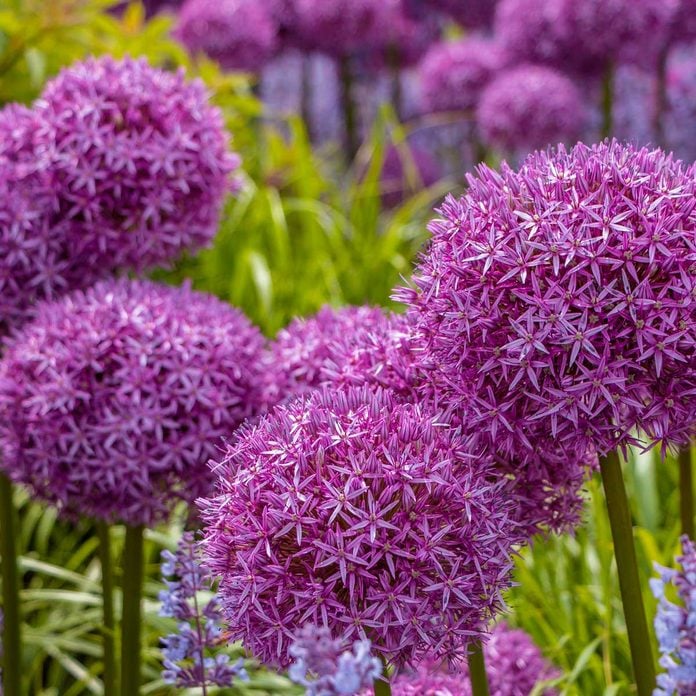
10 Pretty Purple Flowers That’ll Make Your Garden Pop

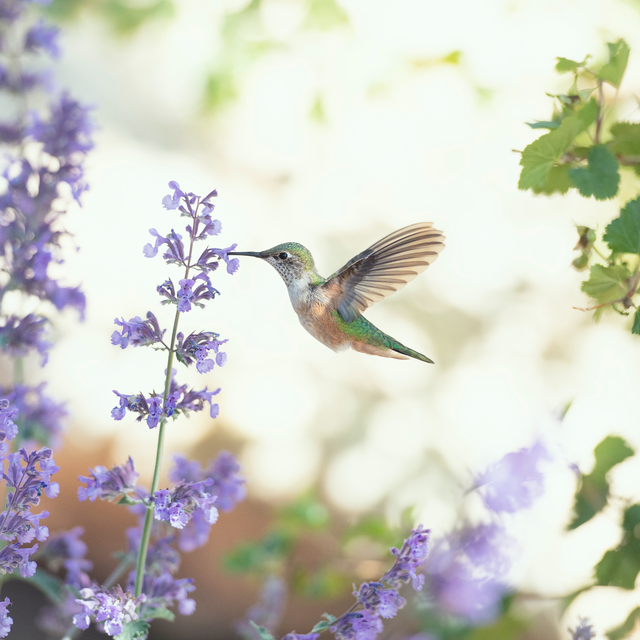
These Colorful Flowers Will Attract Hummingbirds to Your Yard
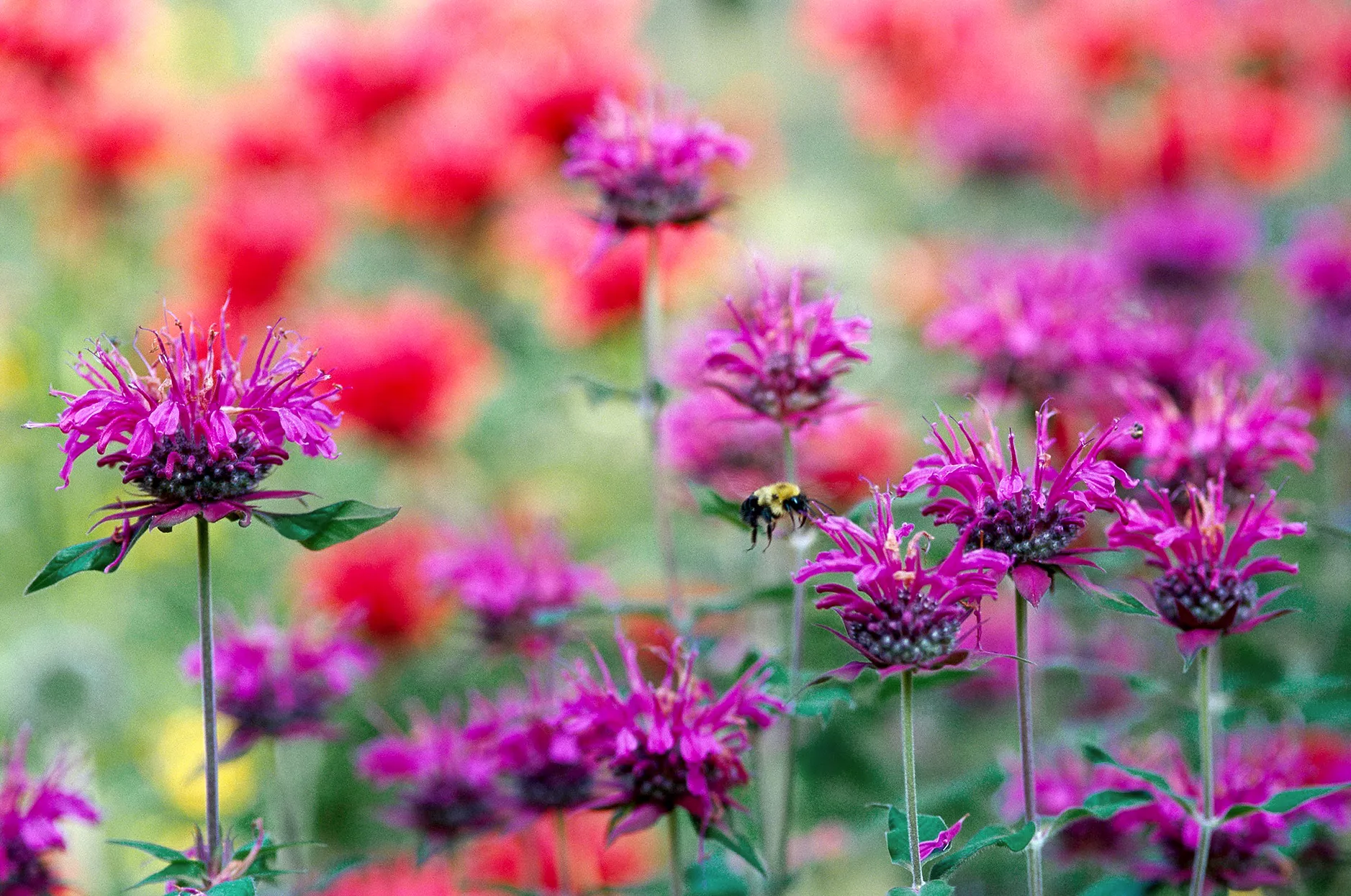
13 Colorful Nectar Plants for Pollinators

Flower home decor ideas – 12 blooming looks that'll add instant cheer to your home
14 Gorgeous Flowers That Start With V
Attract Bees To Your Garden With These Vibrant Flowers
11 Beautiful Purple Flowers and Plants That Attract Hummingbirds
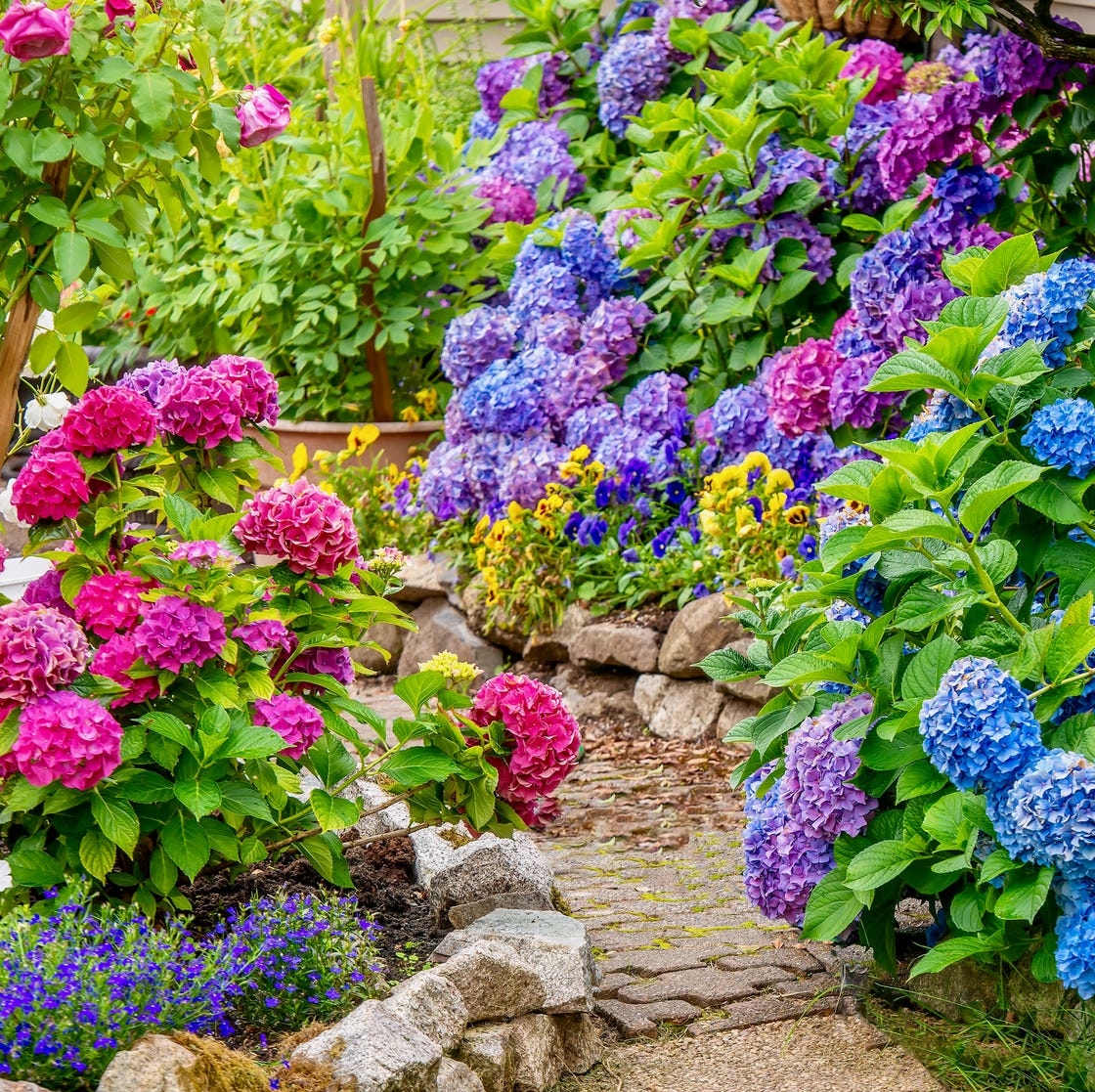
These Beautiful Flowering Shrubs Will Add Major Color to Your Garden

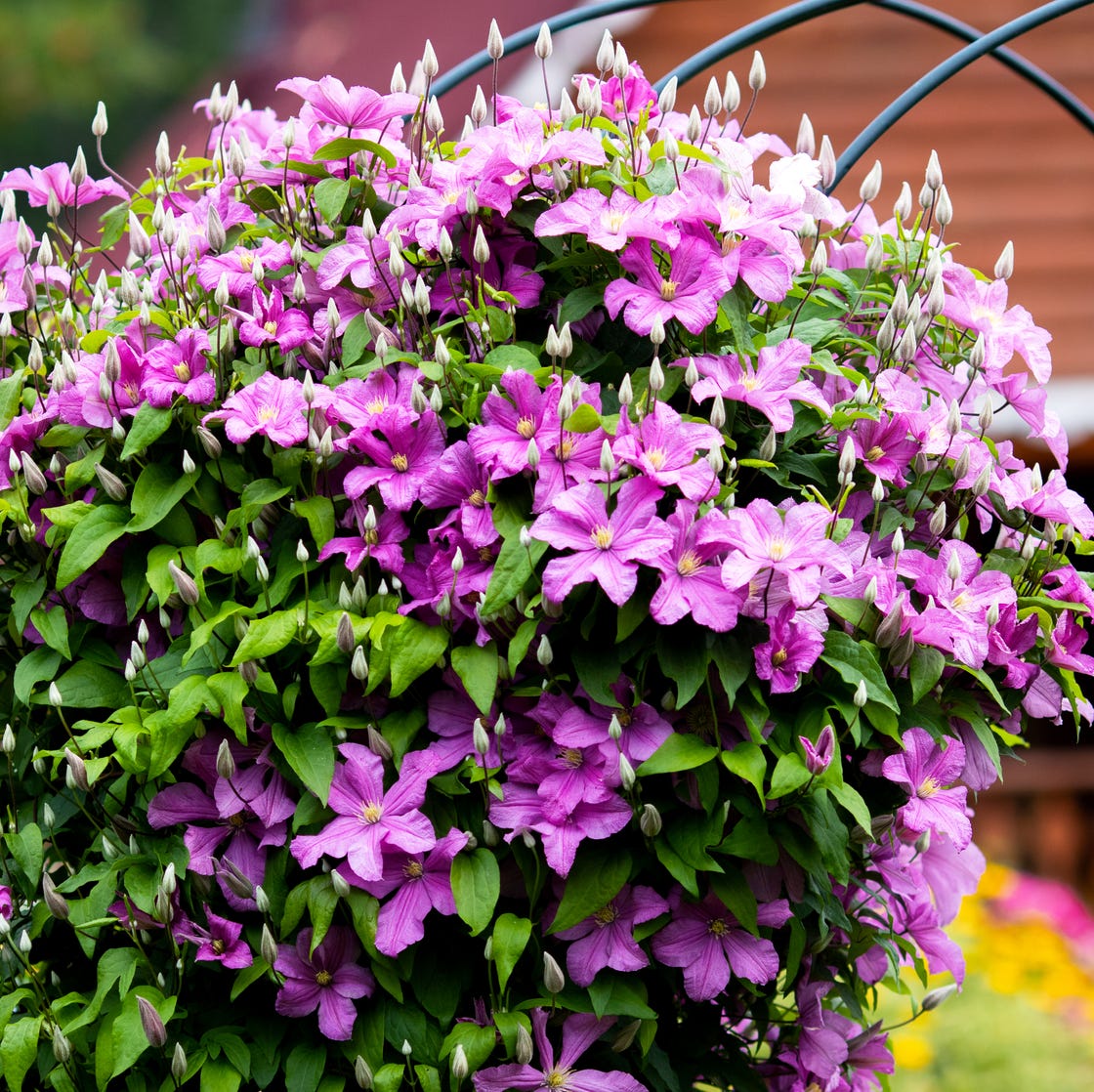
Grow Up! Flowering Vines to Adorn Walls, Trellises and Fences
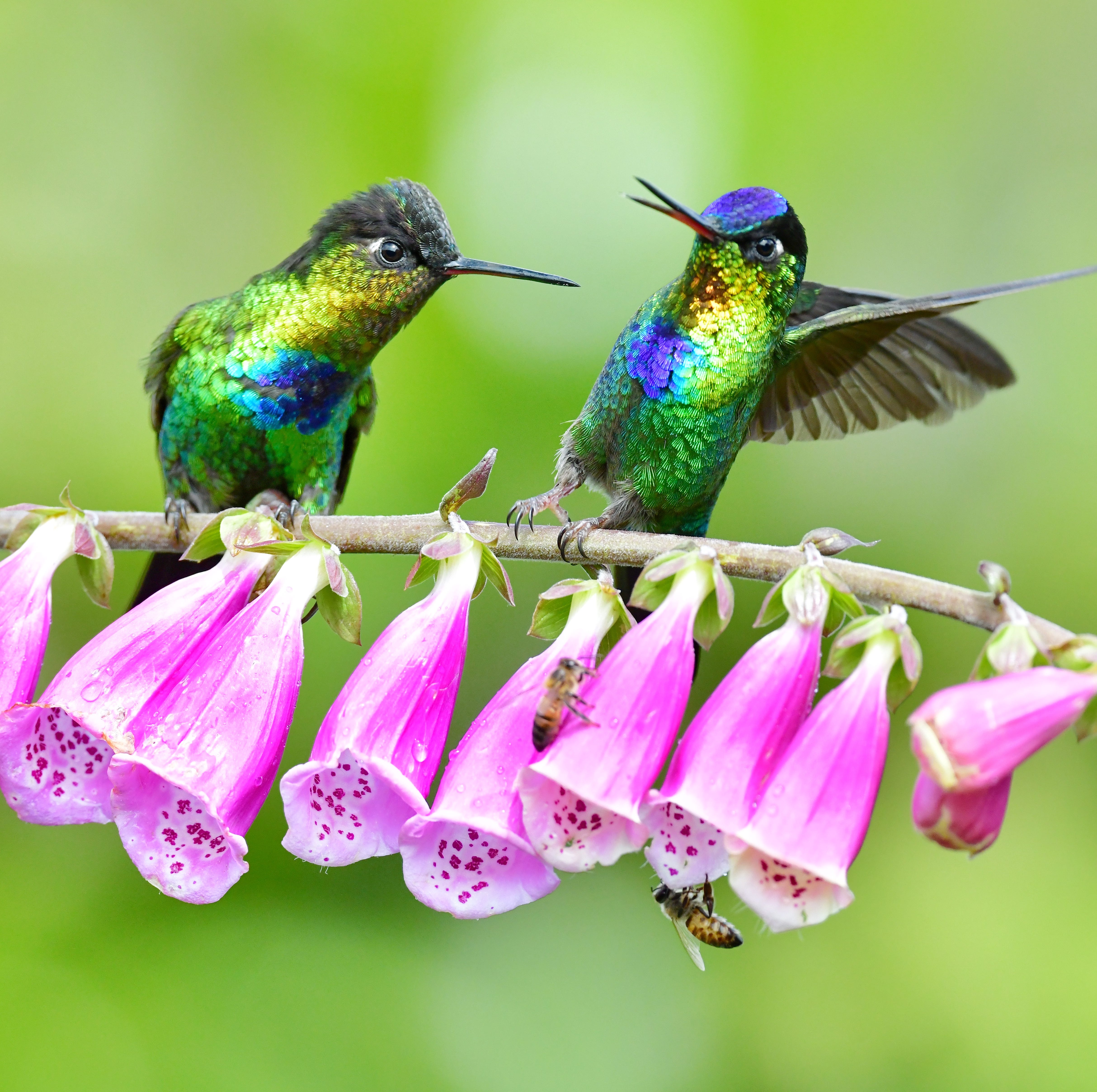
Want to See Hummingbirds? Plant These Flowers in Your Yard or Garden
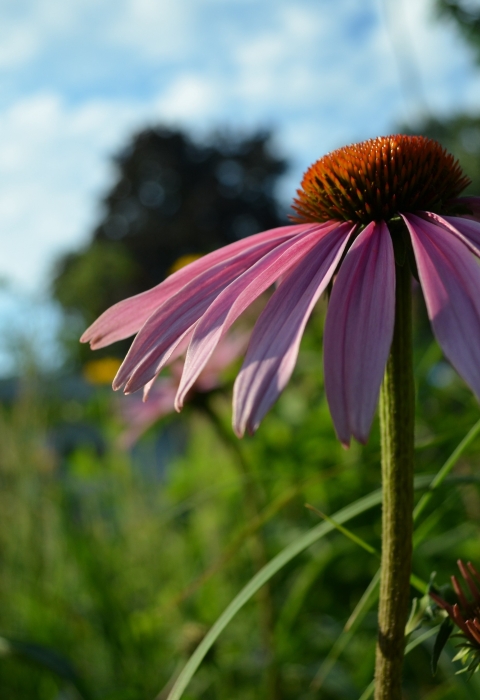
Flowers they both will love: Pollinator-friendly perennials for Mom and Mother Nature
Gardeners, These Low-Maintenance Perennial Flowers Bloom Every Season

19 Stunning Blue Flowers You’ll Love Having in Your Garden