1/9
The Influence of AI in the Interior Design Industry
The interior design industry is undergoing a significant transformation with the integration of Artificial Intelligence (AI). AI, which involves machine learning and advanced programming, is already prevalent in various sectors like manufacturing, weather monitoring, and automotive. In interior design, AI systems utilize sophisticated algorithms and extensive datasets to enhance performance, offering dynamic and adaptive design solutions.
Traditionally, interior design has relied on manual, hands-on processes, valued for their meticulous detail, timeless aesthetics, and authenticity. However, these conventional methods can be time-consuming, prone to errors, and limit the speed and quality of concept presentation. The iterative nature of design, crucial for client satisfaction, is often hindered by the prolonged timelines and increased costs associated with manual processes. Designers frequently face challenges in balancing traditional craftsmanship with the efficiency demands of modern projects, prompting an industry-wide effort to combine artistry with technological tools.
AI technology is increasingly evident in interior design, fundamentally changing how spaces are conceptualized and executed. A Design Institute of Technology survey indicates that nearly 65% of interior designers have adopted AI-powered tools, reporting enhanced efficiency and creativity. A McKinsey & Company report further highlights that AI integration has led to a 20% reduction in project timelines and a 15% increase in productivity. This signifies a transformative shift towards meeting client expectations for personalized and innovative spaces through AI-driven solutions.
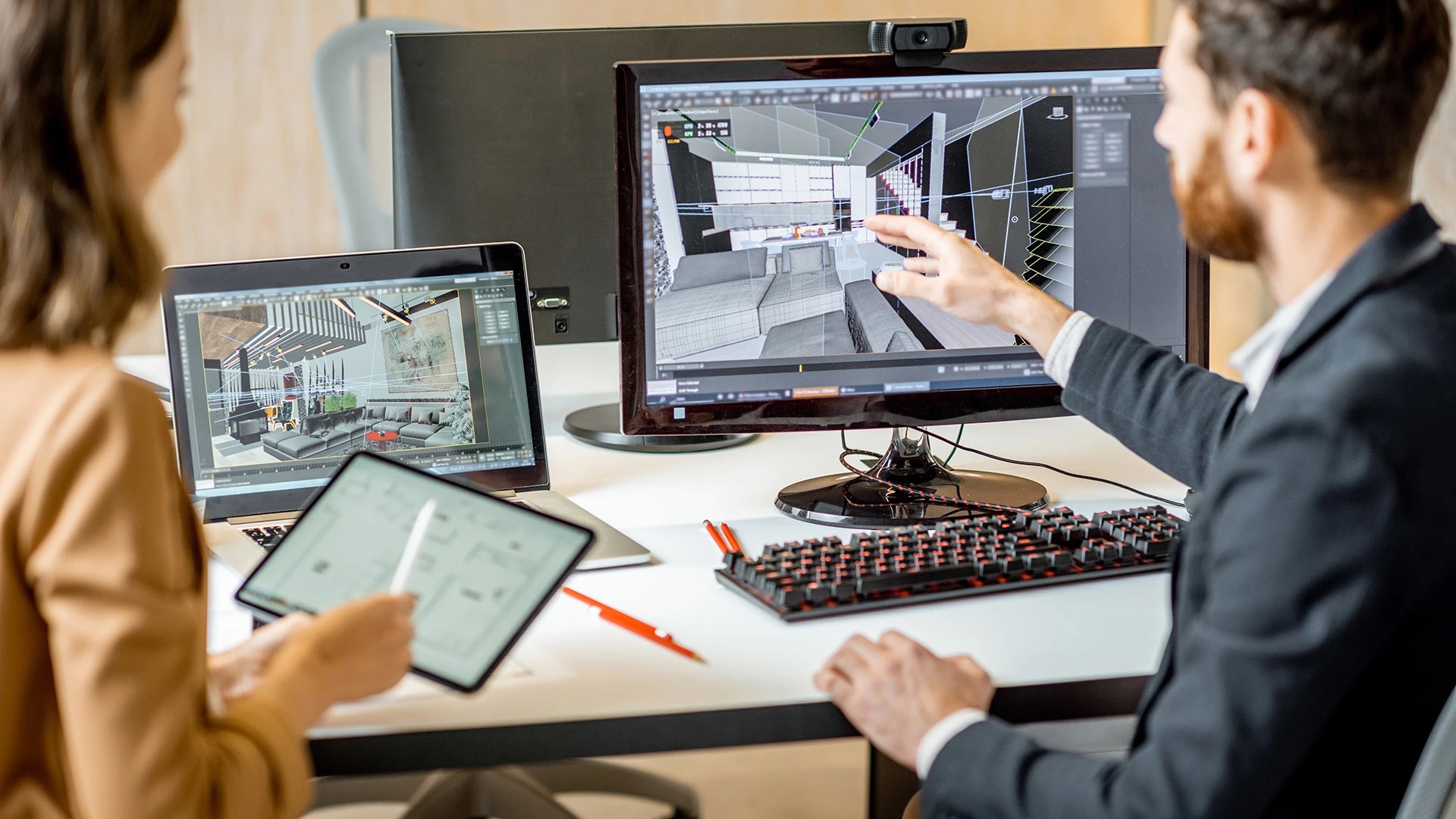
Key AI technologies shaping this evolution include Machine Learning, Computer Vision, and Natural Language Processing (NLP). Machine Learning is foundational to AI's ability to learn and improve. Computer Vision allows AI systems to interpret visual information, aiding in tasks like furniture placement, color palette matching, and augmented reality visualization. NLP facilitates intuitive communication between designers and AI systems by interpreting and generating human-like text, useful for design descriptions and understanding user preferences. These technologies empower designers to streamline processes, gain insights, and push creative boundaries.
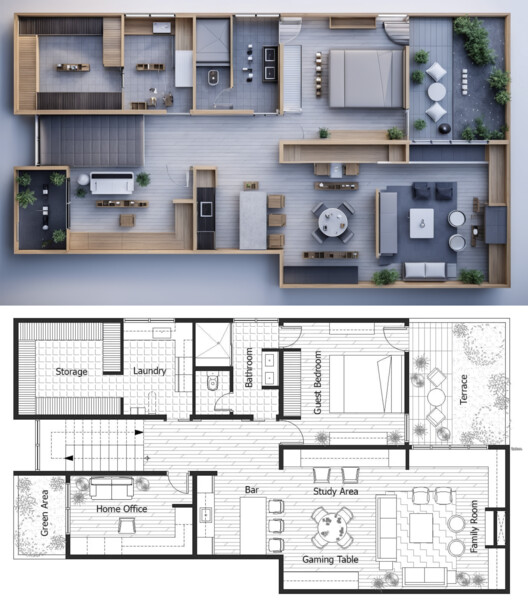
In residential spaces, AI demonstrates its revolutionary potential by generating aesthetically pleasing and customized design ideas. AI-driven virtual assistants can analyze residents' daily routines and preferences to automate smart home features, including lighting, temperature control, and furniture arrangement, creating responsive and comfortable living environments. AI-powered room design platforms use generative algorithms to quickly offer personalized furniture selections, color schemes, and layouts, improving efficiency and customization.
The collaboration between AI and designers is enhancing human creativity. AI algorithms analyze vast datasets to provide designers with information on new materials, styles, and preferences, automating repetitive tasks and allowing designers to focus on brainstorming and creative exploration. Designers play a crucial role in guiding and humanizing AI outputs, ensuring that technology augments rather than replaces the human-centered aspects of design, such as emotional resonance and cultural context.
Ethical considerations are paramount, particularly regarding privacy and data security. Designers must manage user data responsibly and transparently, implementing strong security measures to protect sensitive design-related information. Maintaining a human touch in design is another challenge, requiring designers to ensure AI-generated designs align with human values, cultural peculiarities, and societal standards, avoiding over-reliance on technology.
The future of interior design will see emerging AI-influenced trends, including enhanced customization, sustainable practices, and seamless integration of technology into living spaces. Anticipated technological advancements include more sophisticated AI algorithms, virtual reality experiences, and AI-generated design recommendations, which will enable designers to create immersive, interactive presentations and design concepts tailored to client tastes. The industry is adapting by incorporating new tools and approaches, with educational programs evolving to equip designers with AI collaboration skills. This partnership between AI and designers promises improved creativity, quality, efficiency, and customized design solutions, reshaping the interior design landscape while maintaining a harmonic balance between human ingenuity and technology.
#ArtificialIntelligence #InteriorDesign #MachineLearning #ComputerVision #NaturalLanguageProcessing #SmartHomes #DesignInnovation #EthicalAI #FutureOfDesign #ArtificialIntelligence #InteriorDesign #MachineLearning #ComputerVision #NaturalLanguageProcessing #SmartHomes #DesignInnovation #EthicalAI #FutureOfDesign
0개의 댓글이 총 표시됩니다.
 아직 댓글이 없습니다
추가로 마음에 드릴 만한 콘텐츠

I Used AI Interior Designers to Reimagine My Boring Basement


Interior Design Reveals the 2023 Rising Giants


10 free AI interior design generators

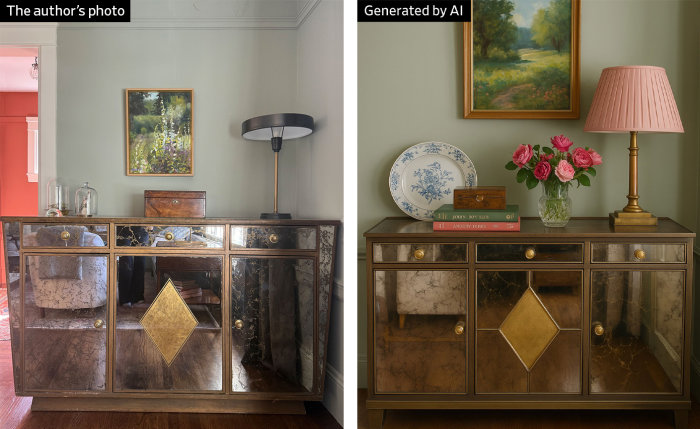
Can AI Save Me the Cost of an Interior Designer?


Top 16 AI Tools for Interior Design

How AI-Powered Rendering Crushes Bottlenecks in Architecture and Interior Design

5 best AI interior design apps in 2024


Exploring the Impact of AI on Sustainable Building Design and Construction
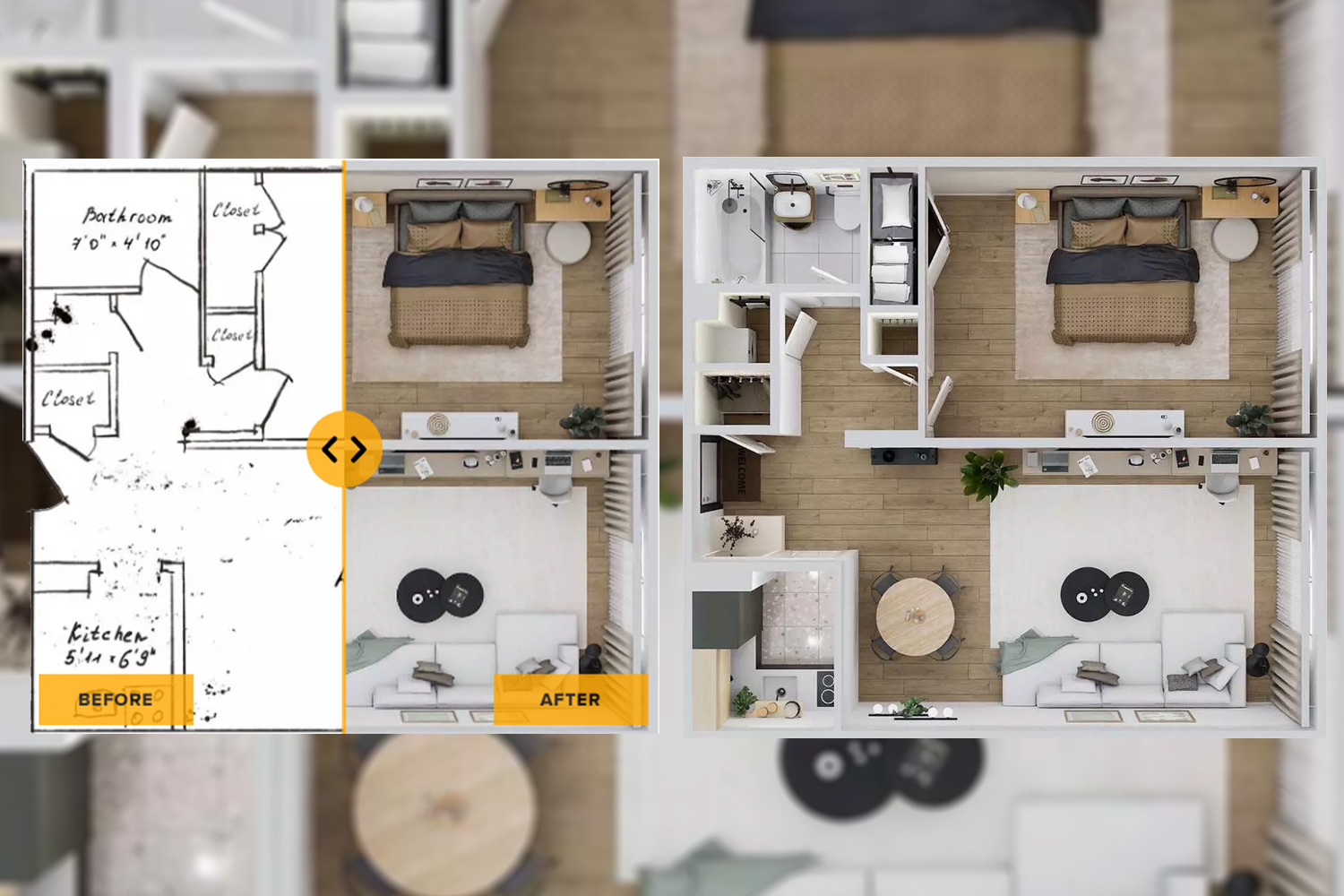
10 AI tools to generate interior and architectural images
5 best AI interior design apps in 2024


If You Have These 10 Traits, You'd Probably Be a Great Interior Designer

Introducing Interior Design’s 2024 Rising Giants

Can AI revolutionize office space design?


Will Artificial Intelligence Replace Designers?

Bitable: AI in the design and build world


Associate Interior Designer

The Transformative Power of AI in Architecture Design

Beyond Aesthetics: How Tech is Redefining Interior Design
The impact of machine learning on architectural design

I Let AI Design My Home. Here’s What Happened