1/4
Why You Should Be Extending Your Drapes Beyond the Window Frame
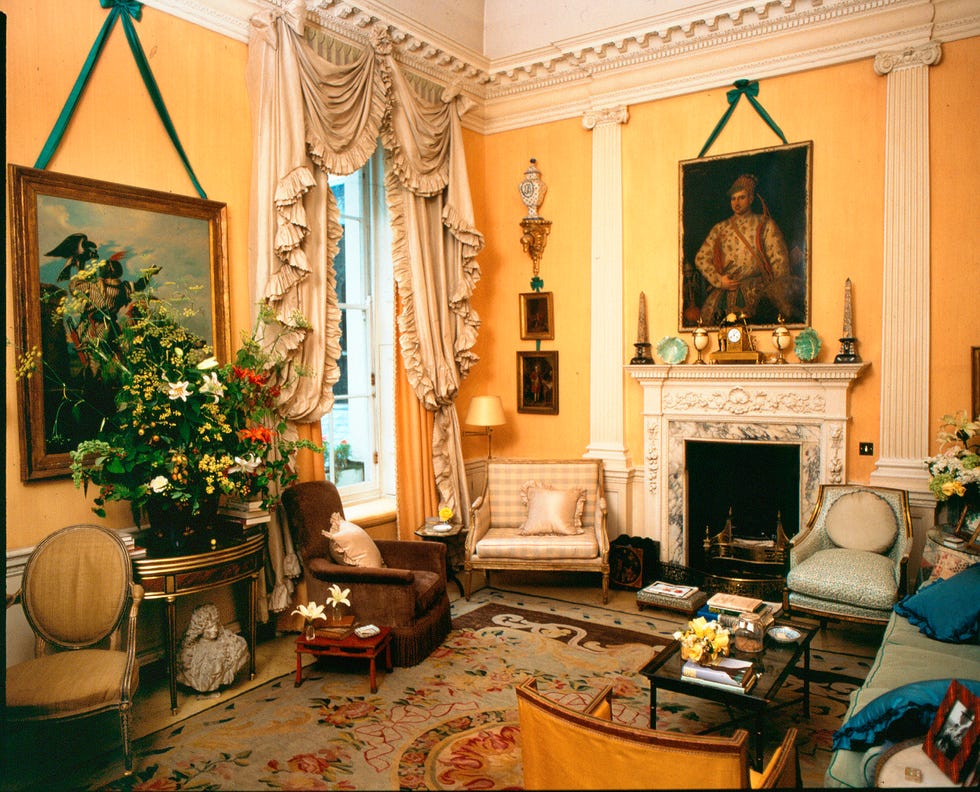
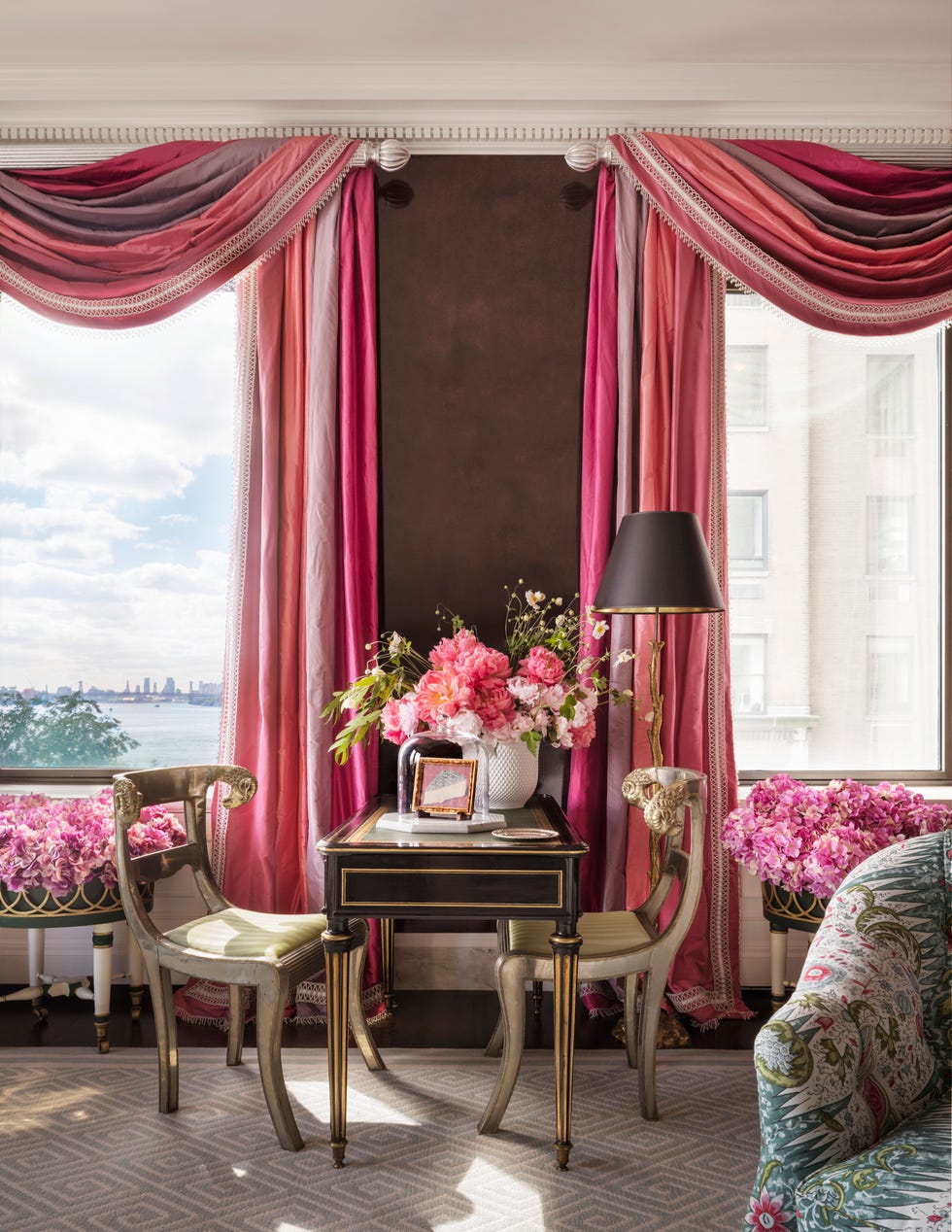
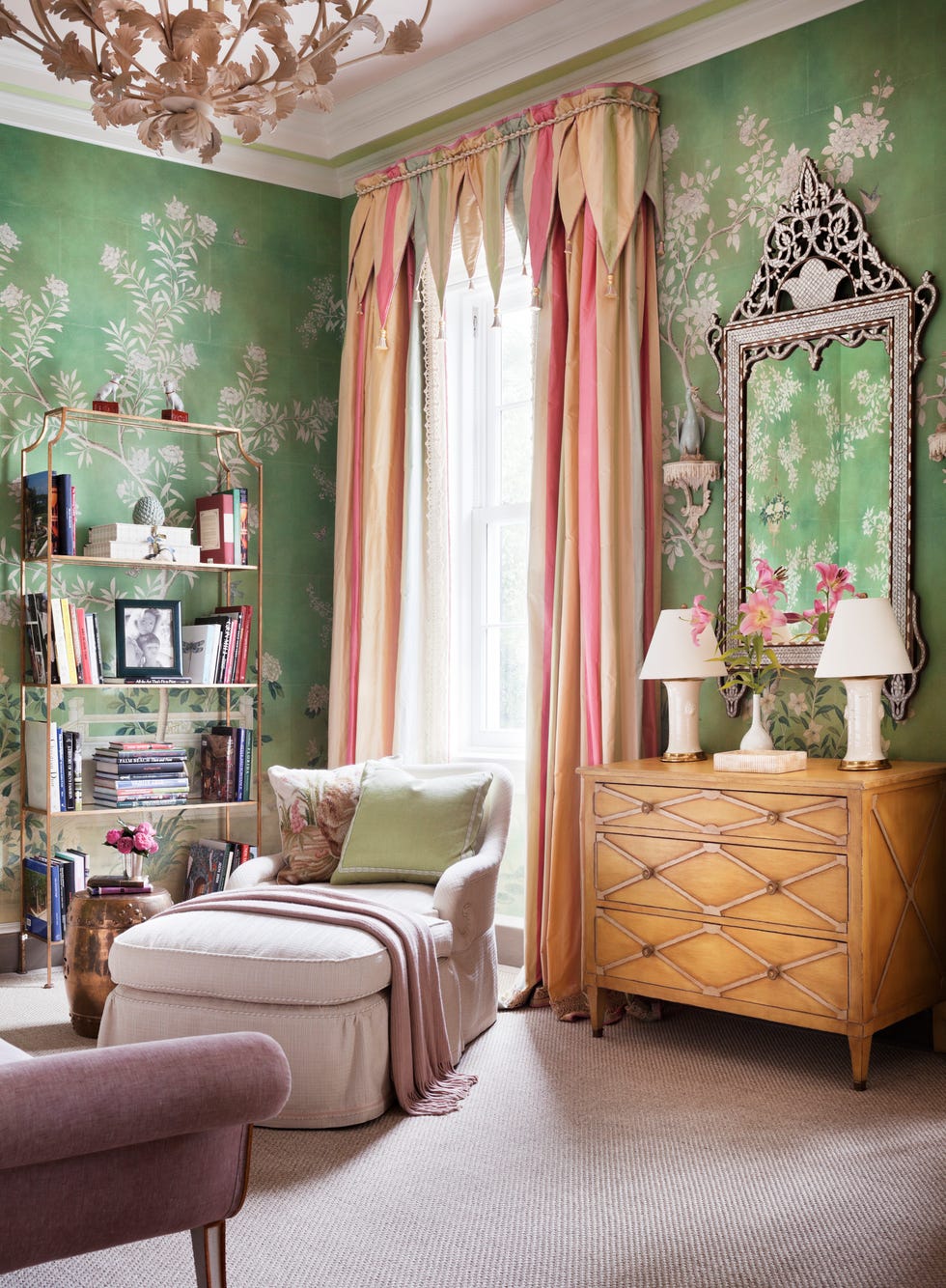
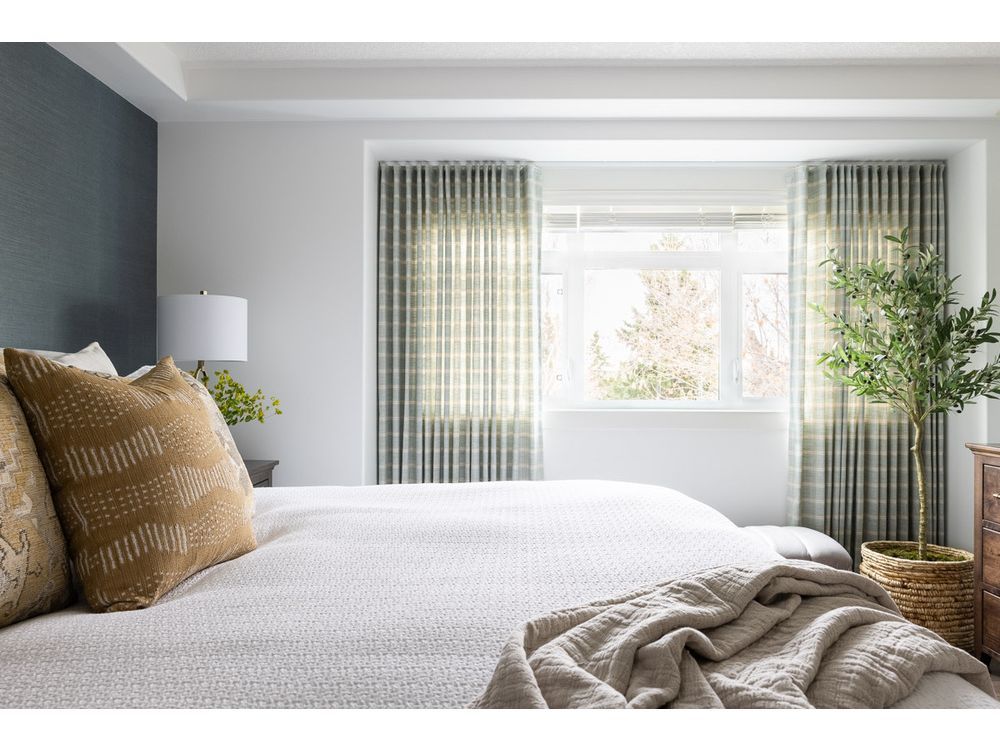
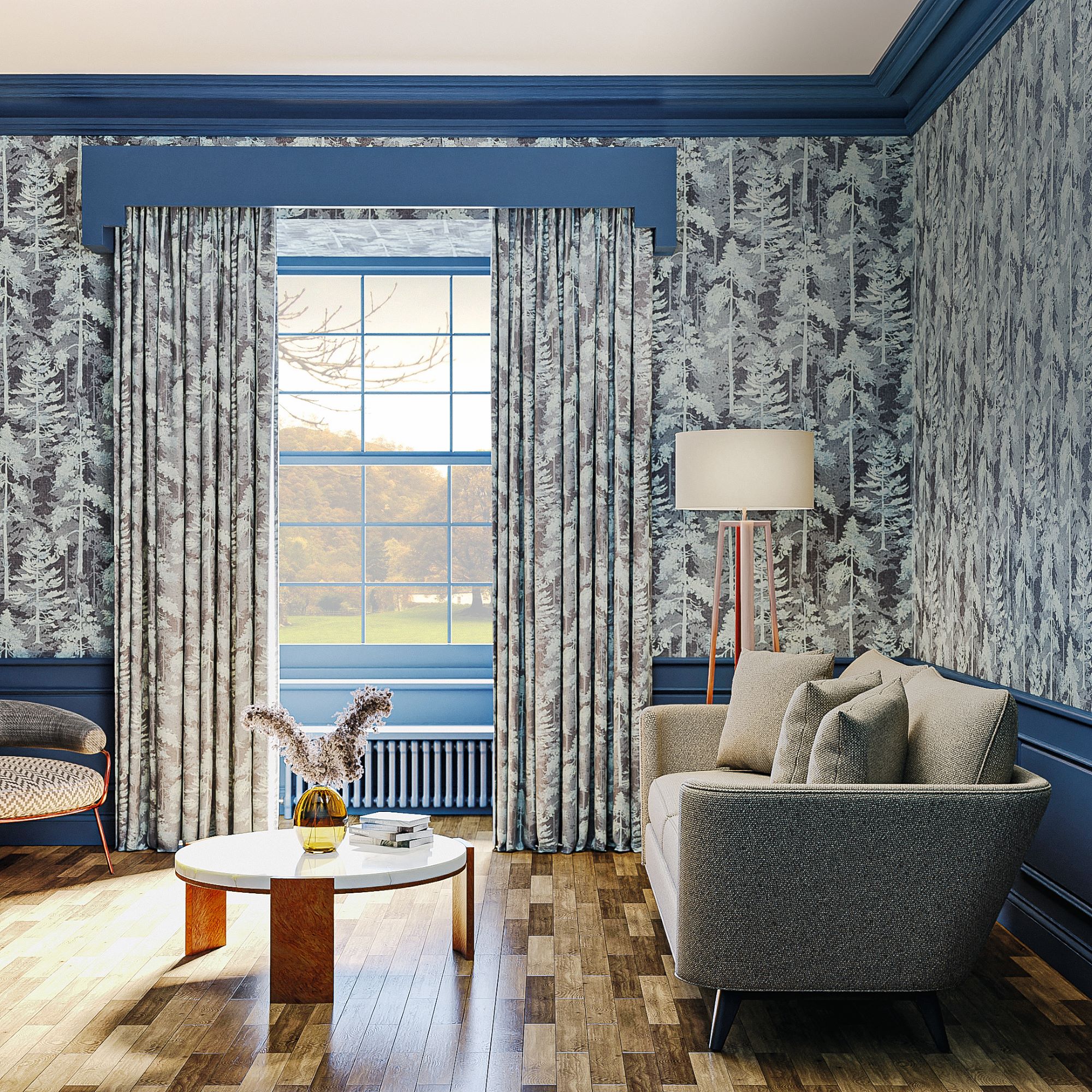
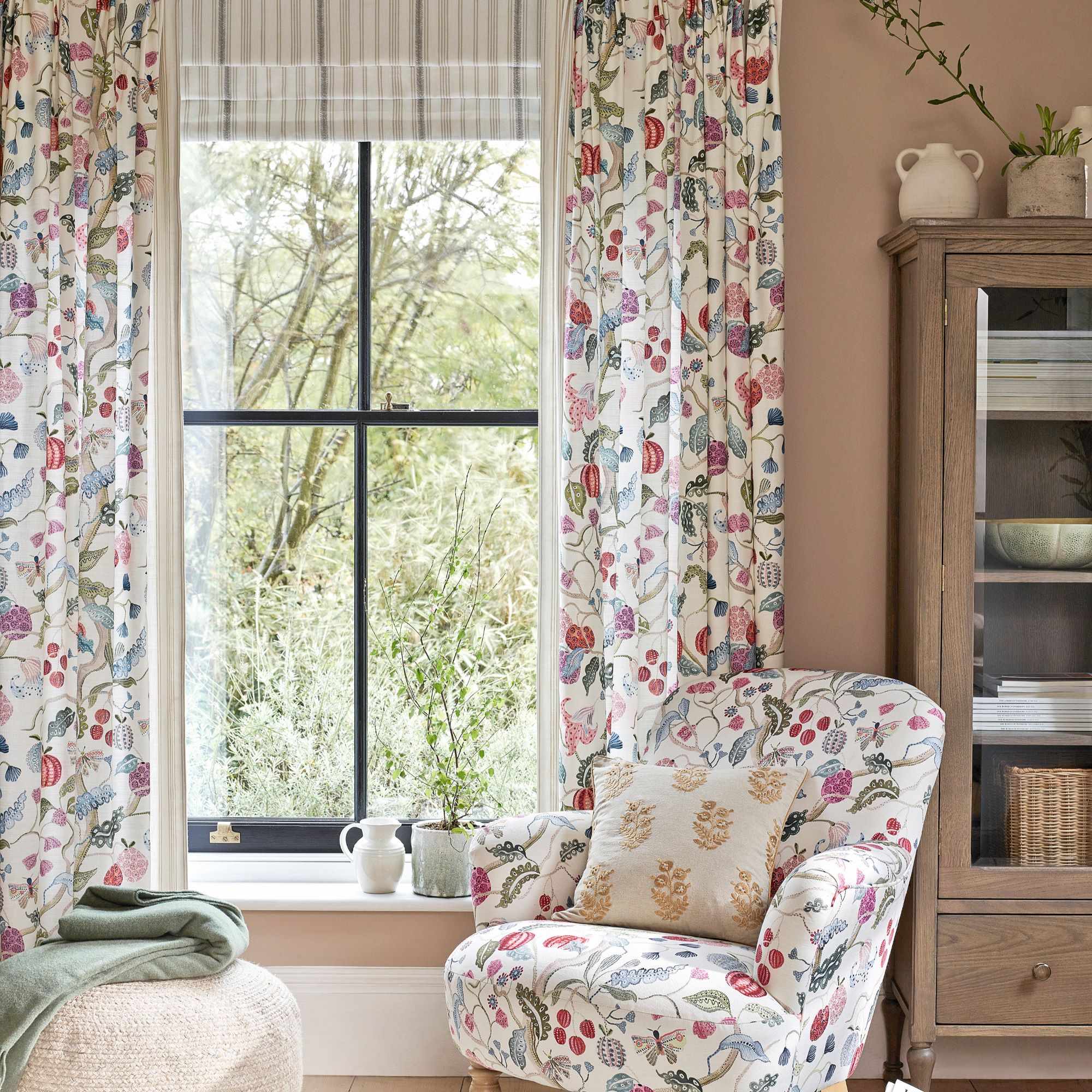
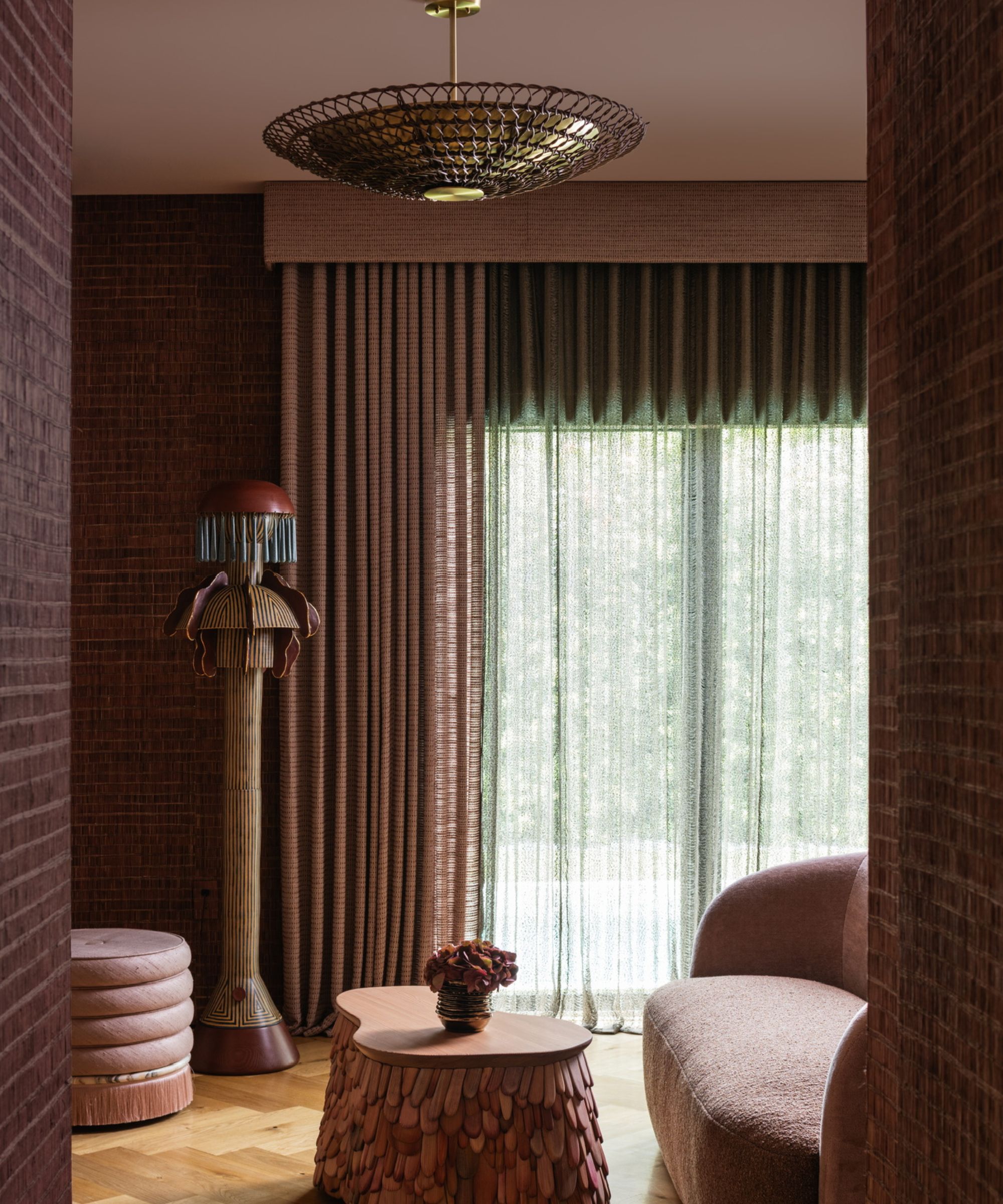
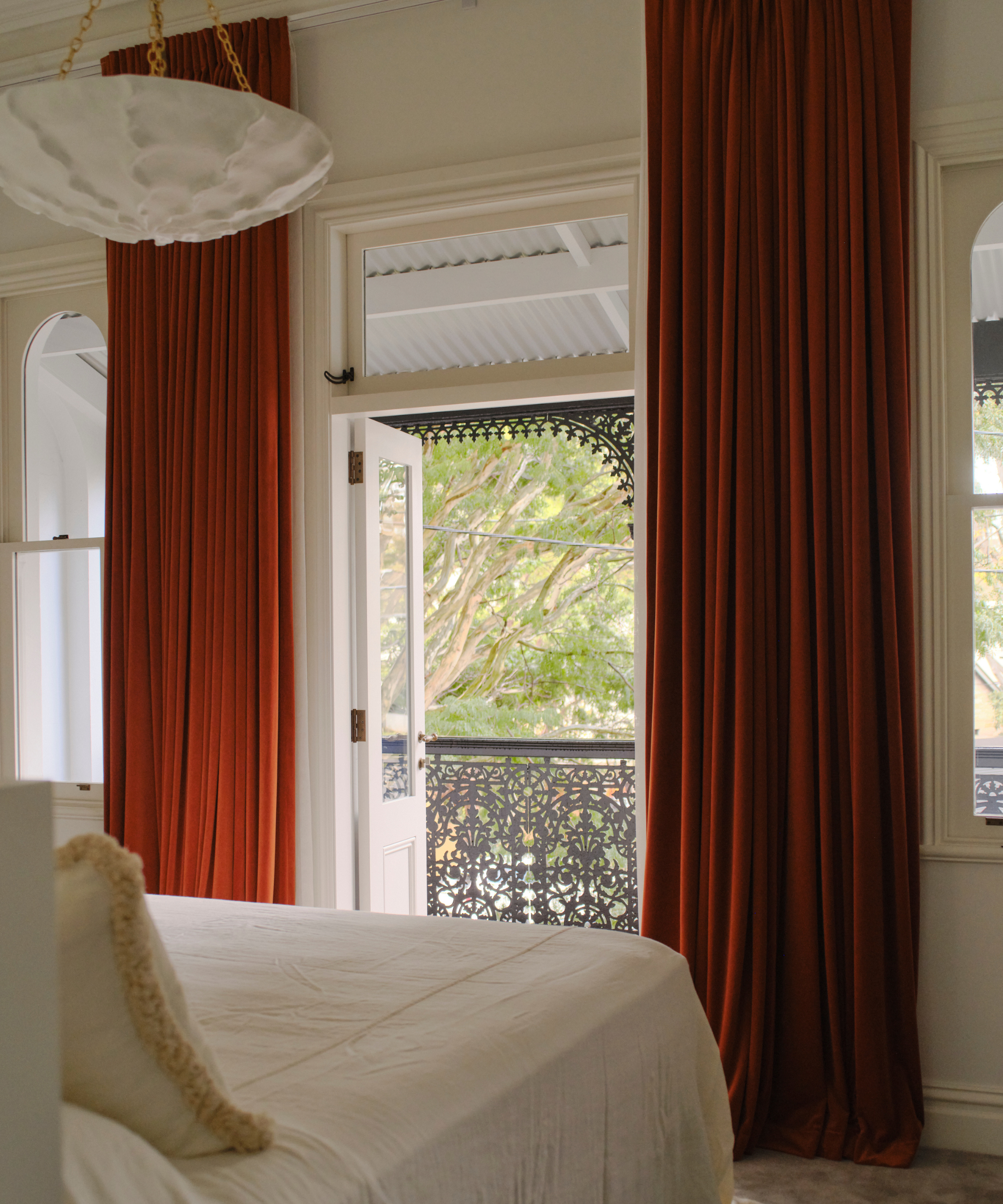
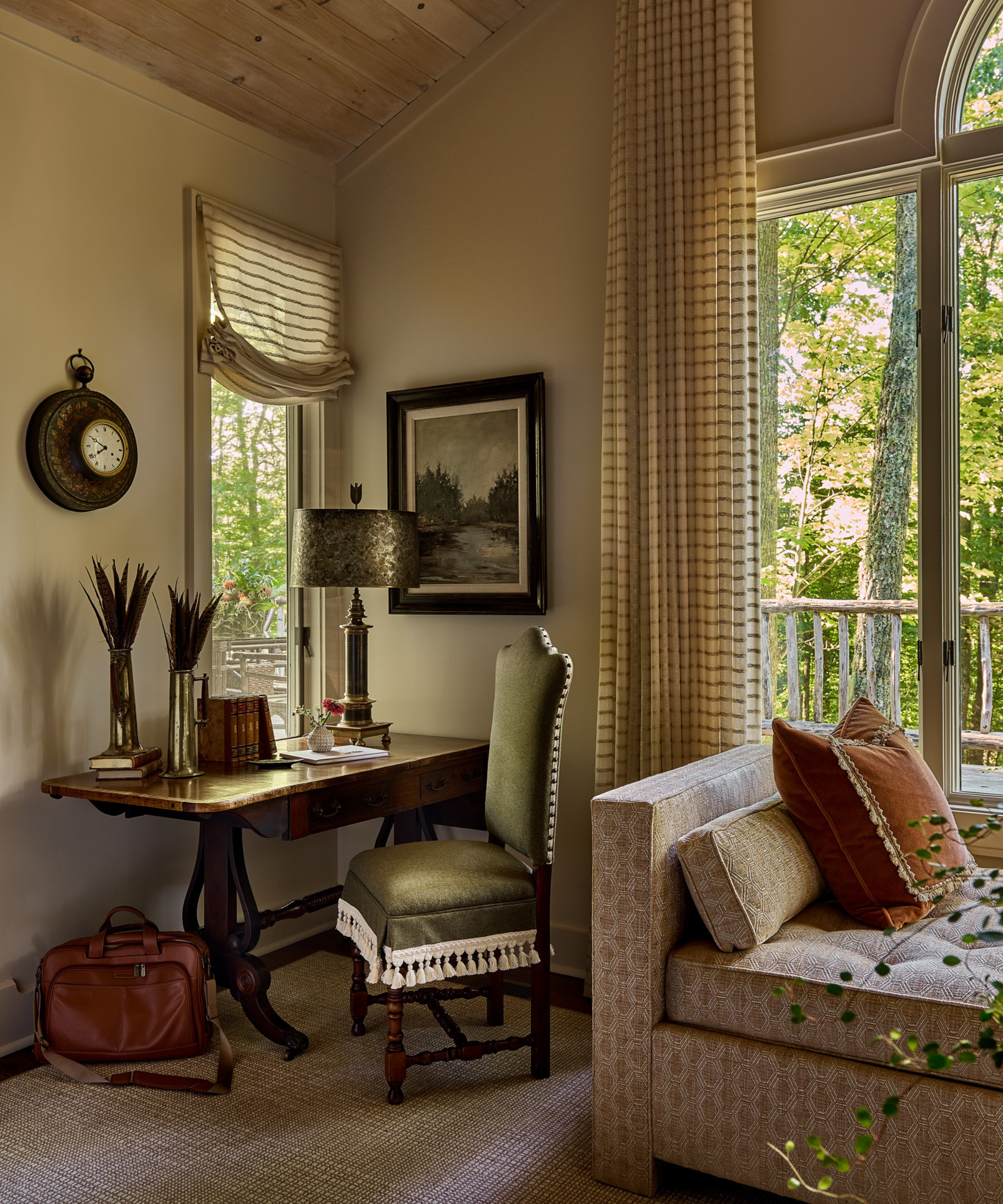
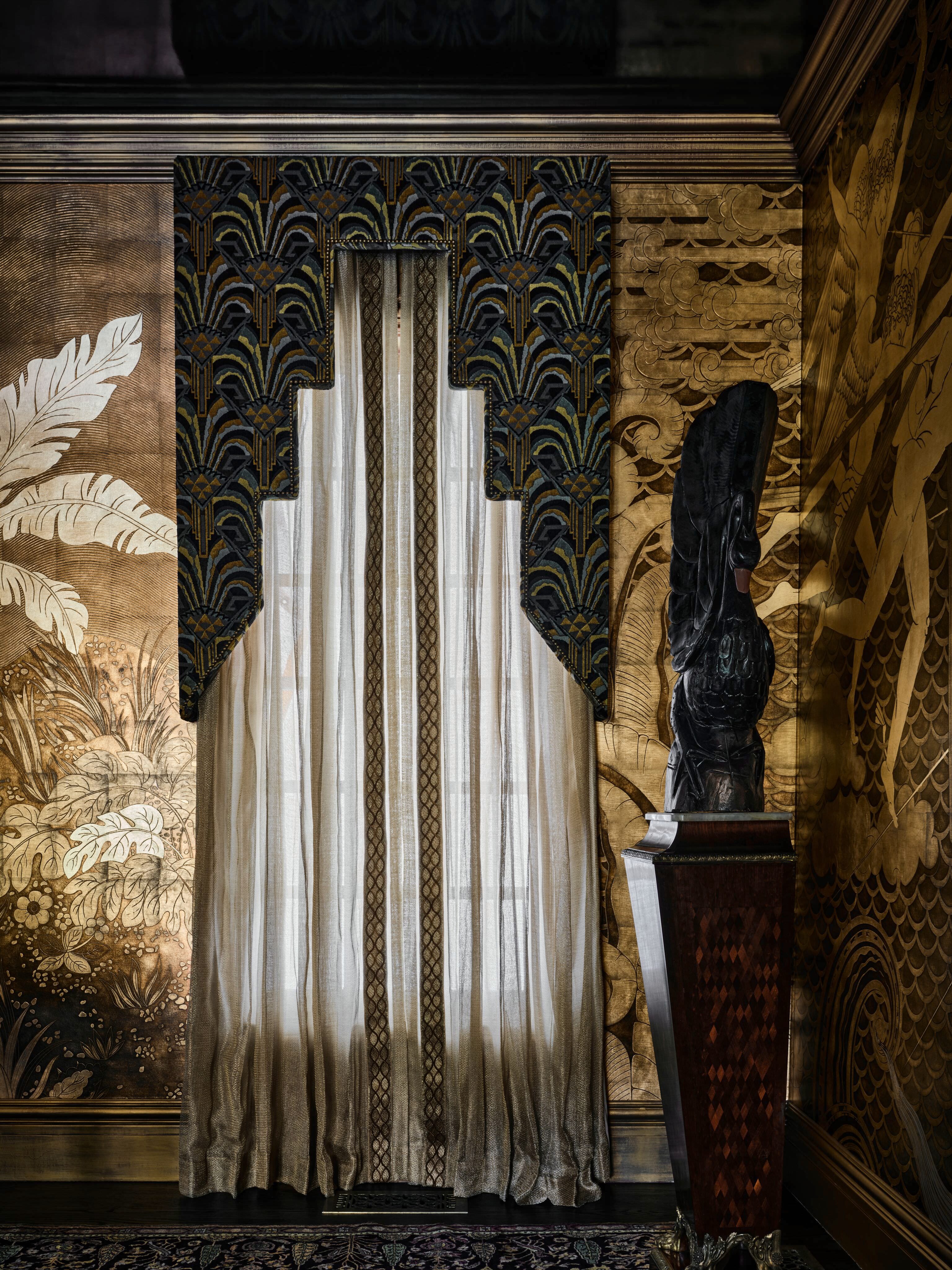
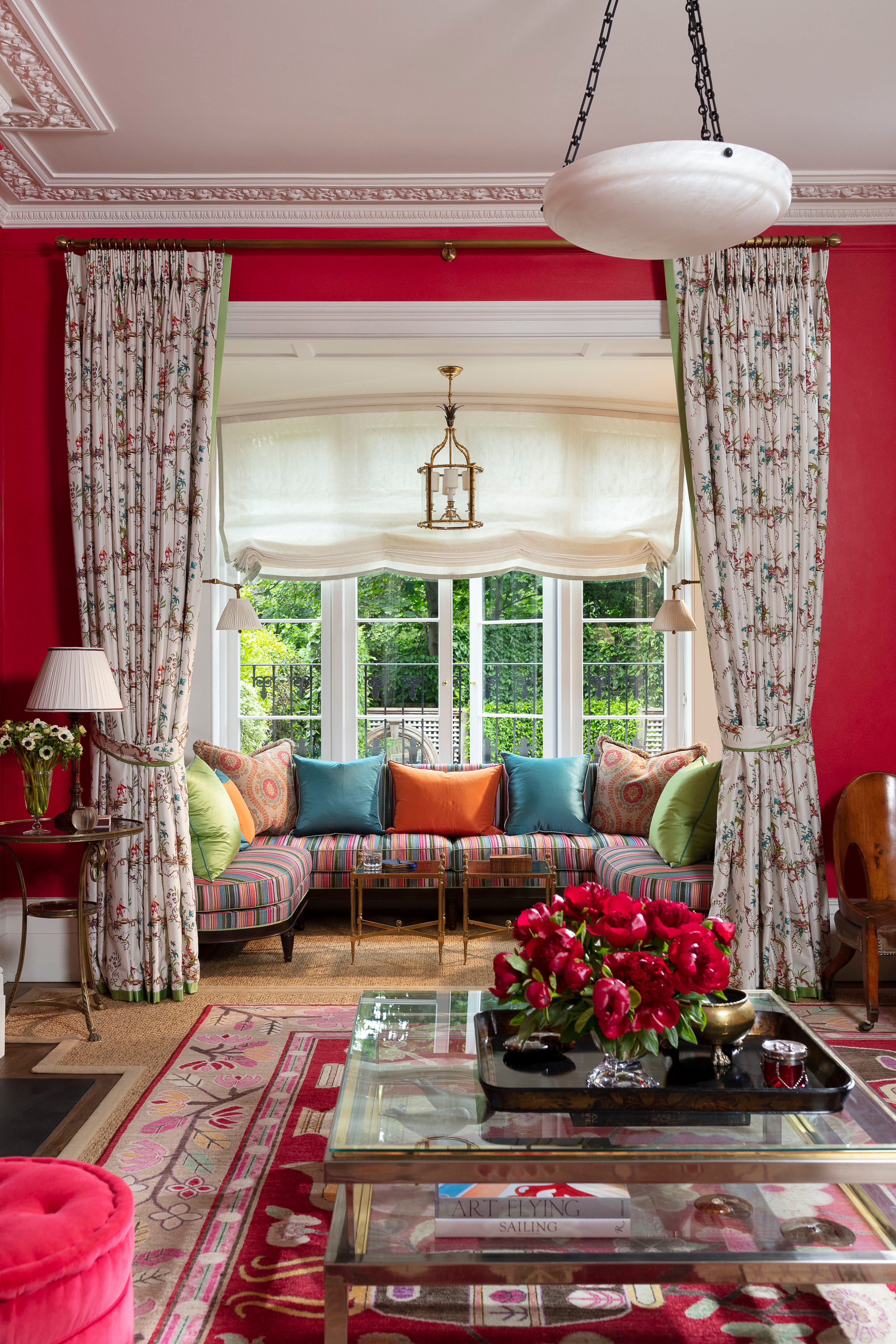
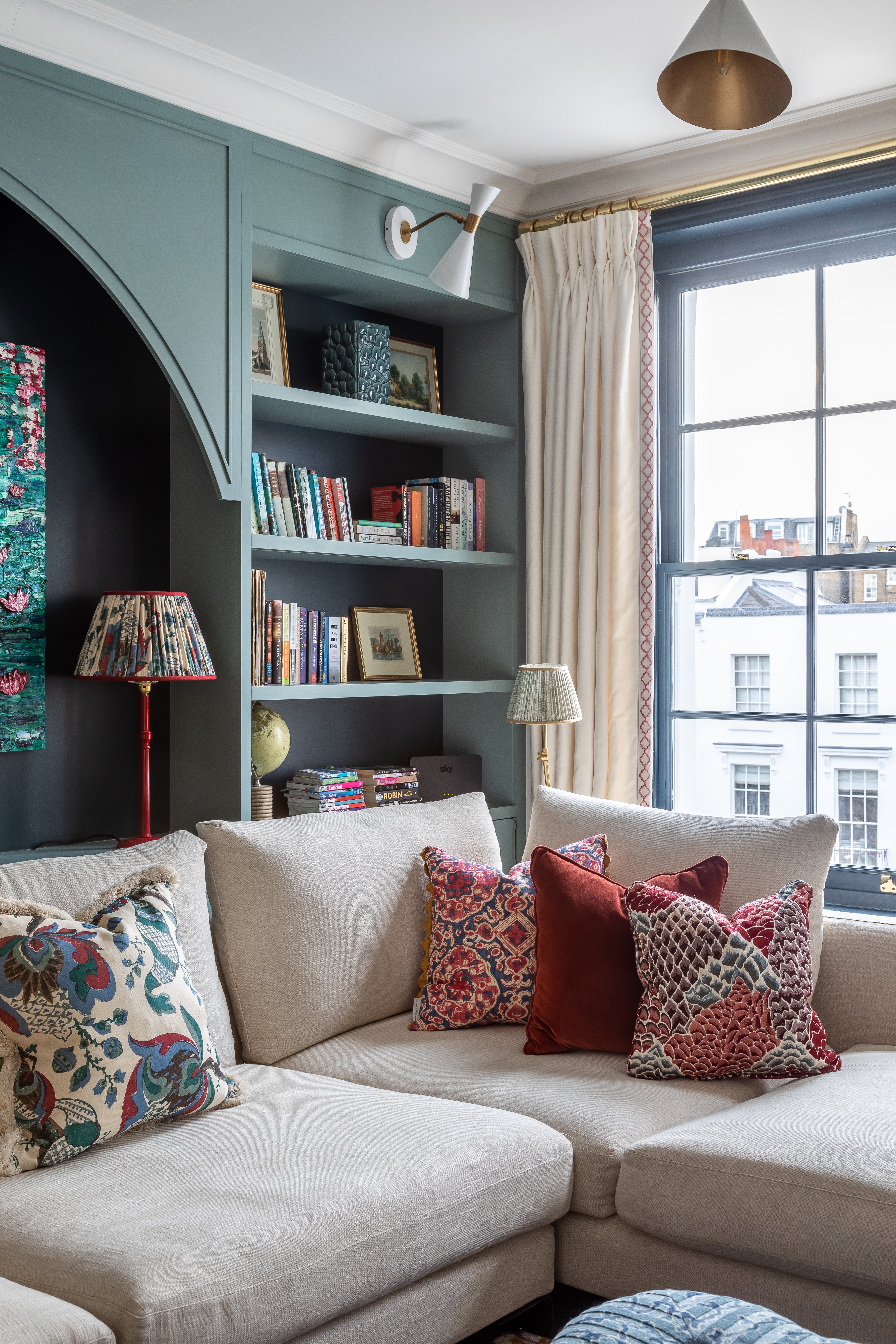

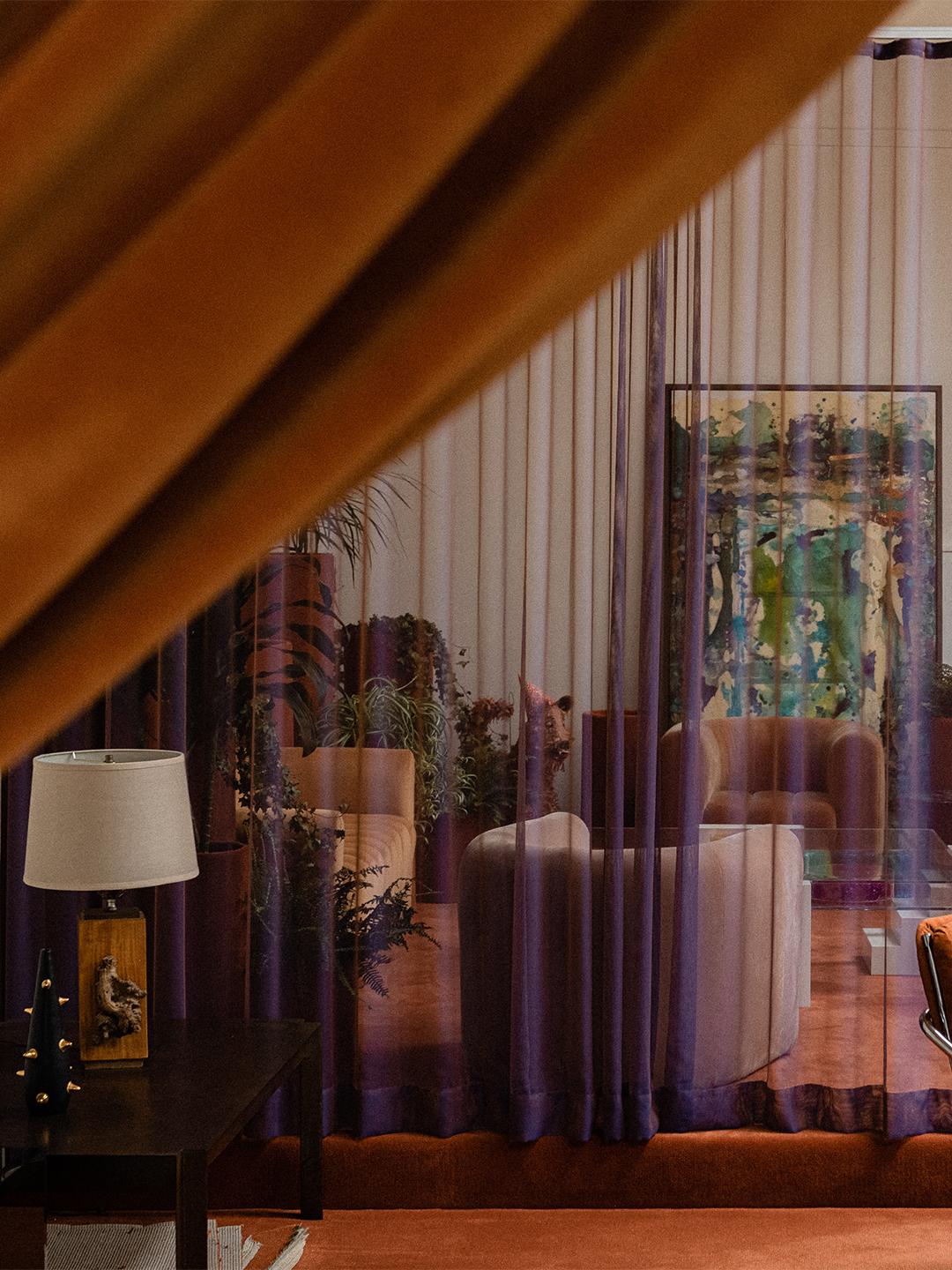
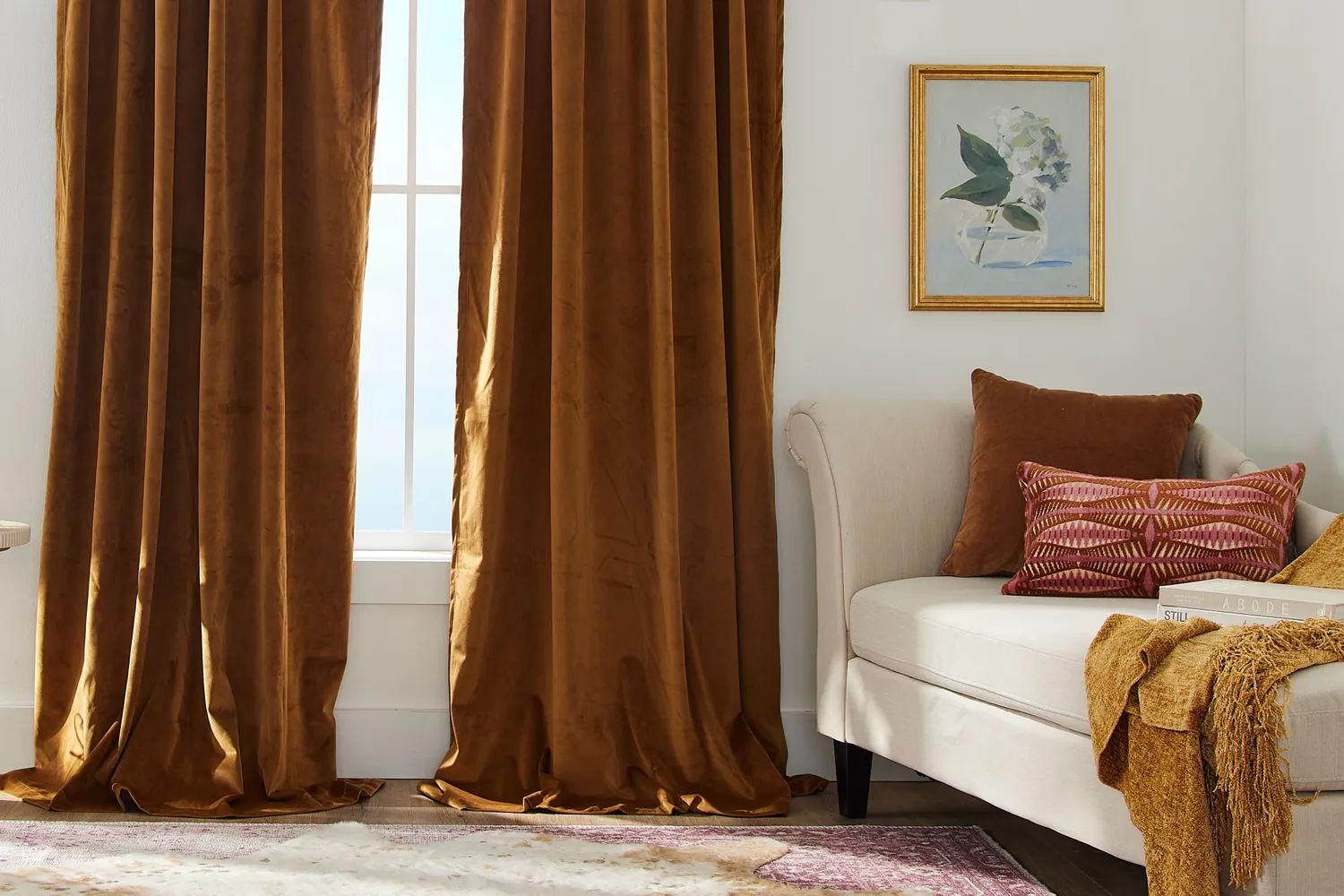
Curtains, traditionally seen as window coverings primarily for blocking sunlight, offer a versatile design element when extended beyond the window frame. This approach, known as 360-degree drapery or wall-to-wall drapes, transforms curtains into a significant textural feature that can profoundly impact a room's aesthetic and functionality. Unlike paint or wallpaper, fabric provides a unique softness and depth to walls, contributing to an inviting atmosphere. Beyond their decorative appeal, these extended drapes serve several practical purposes, including sectioning off different areas in an open-concept layout, concealing unsightly cables or electronic devices, and creating the illusion of expansive, floor-to-ceiling windows.
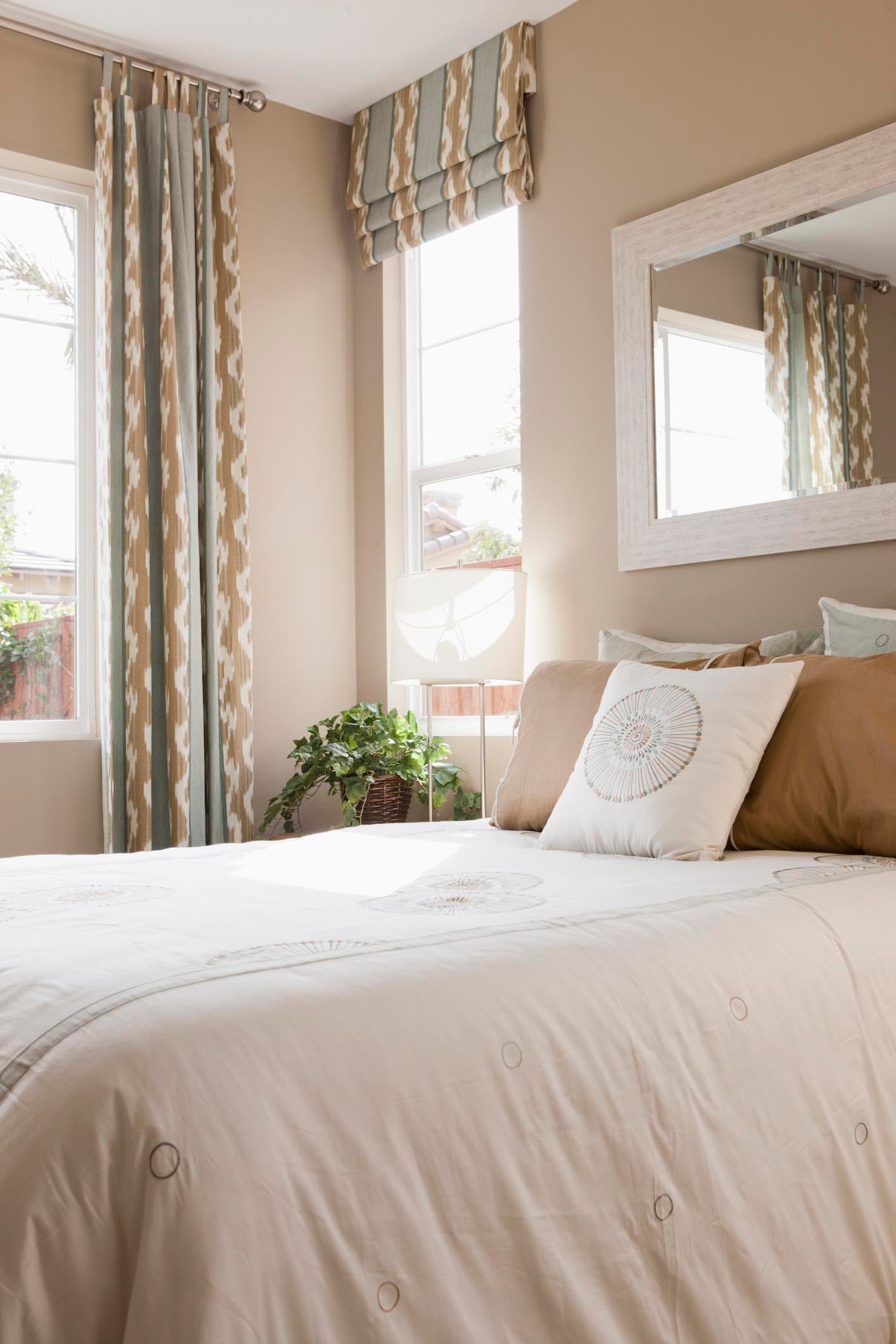
One significant benefit of employing wall-to-wall drapes is the enhanced flexibility in furniture placement. Designer Sarah Sherman Samuel, for example, faced a challenge with narrow windows flanking her bed. Instead of using small, individual panels that she felt would appear inadequate, she opted to wrap the entire corner of her bedroom with fabric mounted on a track. This solution not only softened the tiled floors, imparting a luxurious hotel-like feel, but also allowed her to hang a sculptural mirror directly onto the fabric via ceiling-mounted hooks, showcasing how art can be integrated seamlessly with this drapery style.
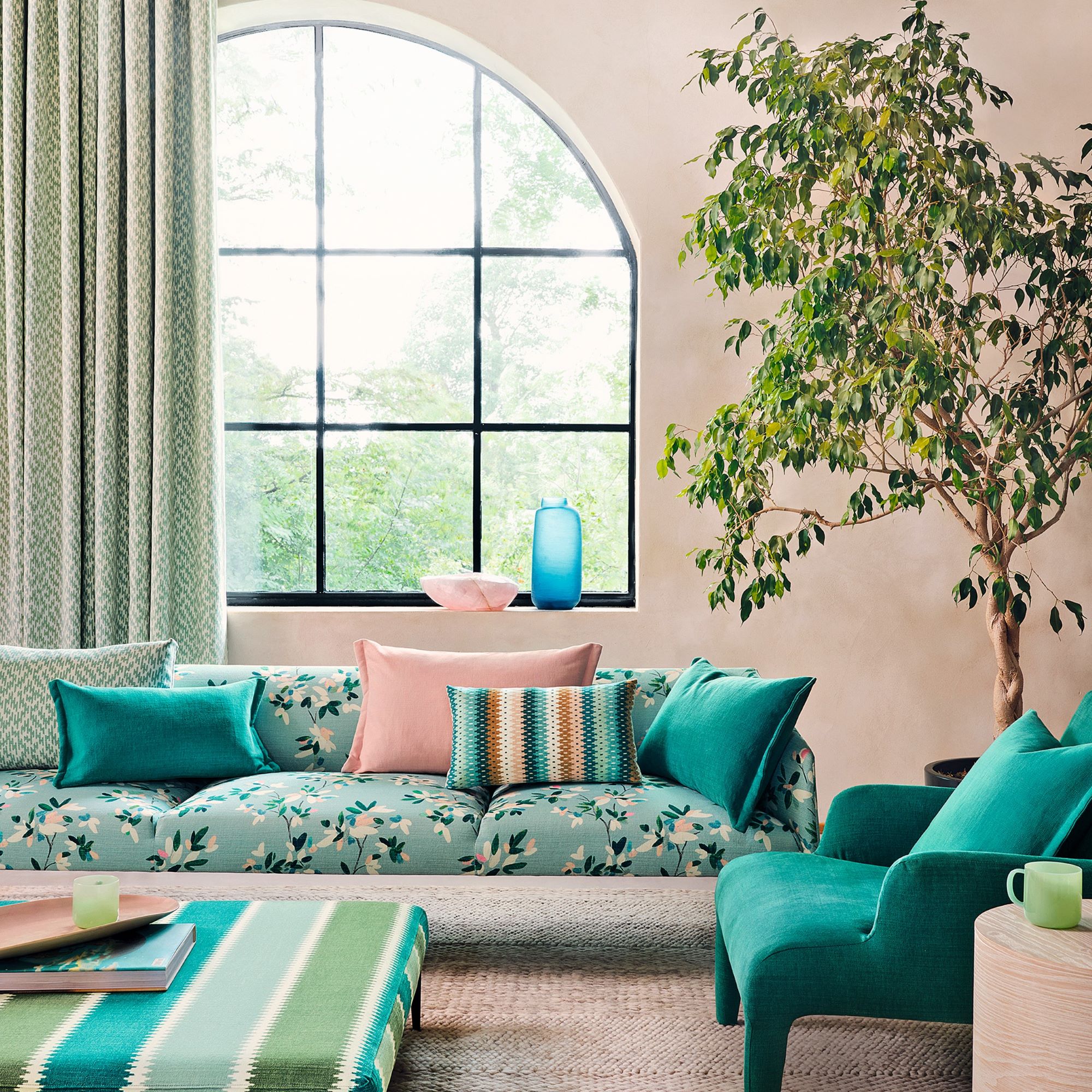
Additionally, extended drapes are an effective tool for establishing a cohesive color story within a space. Frances Merrill of Reath Design frequently incorporates richly colored window treatments into her projects. In one instance, she used moss green sheers along a corner window in a living room, harmonizing with a nearby fiddle-leaf fig tree to create an "indoor jungle" ambiance. This effect was achieved economically by utilizing simple linen, demonstrating that a significant design impact does not necessarily require a large budget.
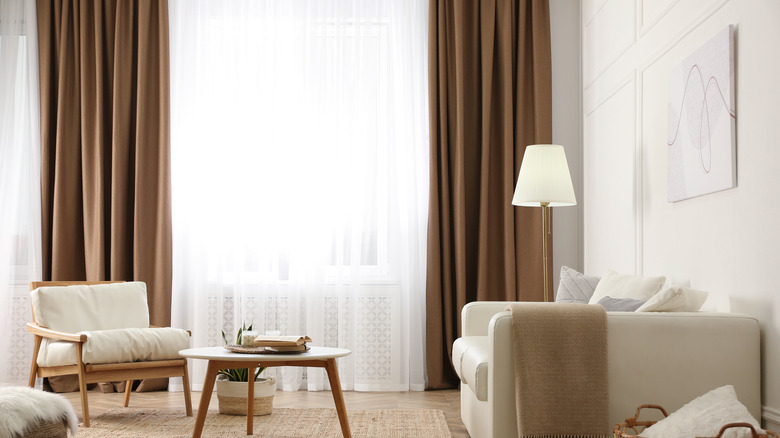
For residents of studio apartments or open-plan living spaces, extended drapery offers an elegant solution for defining distinct zones. Pamela Shamshiri's double-sided drapery concept illustrates this by using curtains to separate the sleeping area from the living space, offering a cozier alternative to traditional room dividers like bookshelves. The design features a bright white layer on the exterior to maintain an airy feel, while a dark brown textile on the interior promotes relaxation and sleep, showcasing the functional versatility of layered fabrics.
Finally, wall-to-wall drapes are excellent for concealing eyesores. Blogger Cathrine de Lichtenberg, for instance, used vibrant sheer panels in her bedroom to hide her television and an open IKEA Pax wardrobe. This not only improved the room's visual appeal, which she affectionately calls her “rainbow cave,” but also allowed for air circulation behind the wardrobe, preventing mold. This demonstrates how extended drapery can initiate a ripple effect of design improvements, enhancing both aesthetics and practicality throughout a home.
#WindowTreatments #InteriorDesign #HomeDecor #DraperyIdeas #TexturalDesign #RoomDividers #SpacePlanning #ColorStory #FunctionalDesign #WindowTreatments #InteriorDesign #HomeDecor #DraperyIdeas #TexturalDesign #RoomDividers #SpacePlanning #ColorStory #FunctionalDesign
合計0件のコメント
 まだコメントはありません
あなたも好きかもしれません
Why You Should Never Underestimate the Power of a Well-Dressed Window
13 Professional Tricks to Make Your Windows Look Bigger
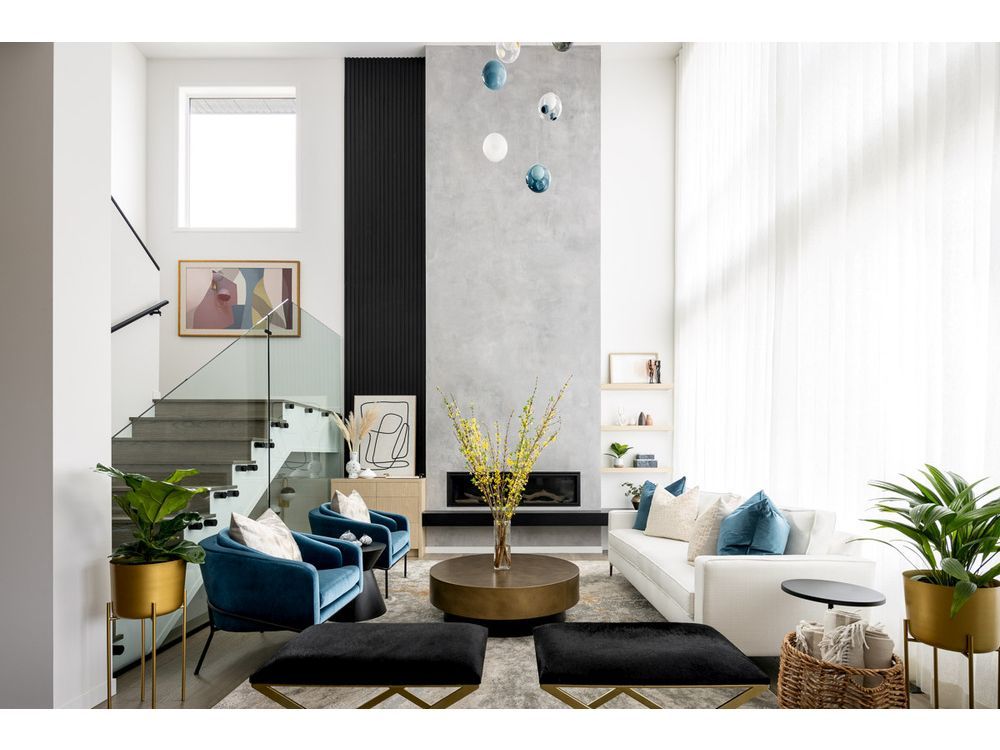
Drapery adds the finishing touches of drama, function and personality

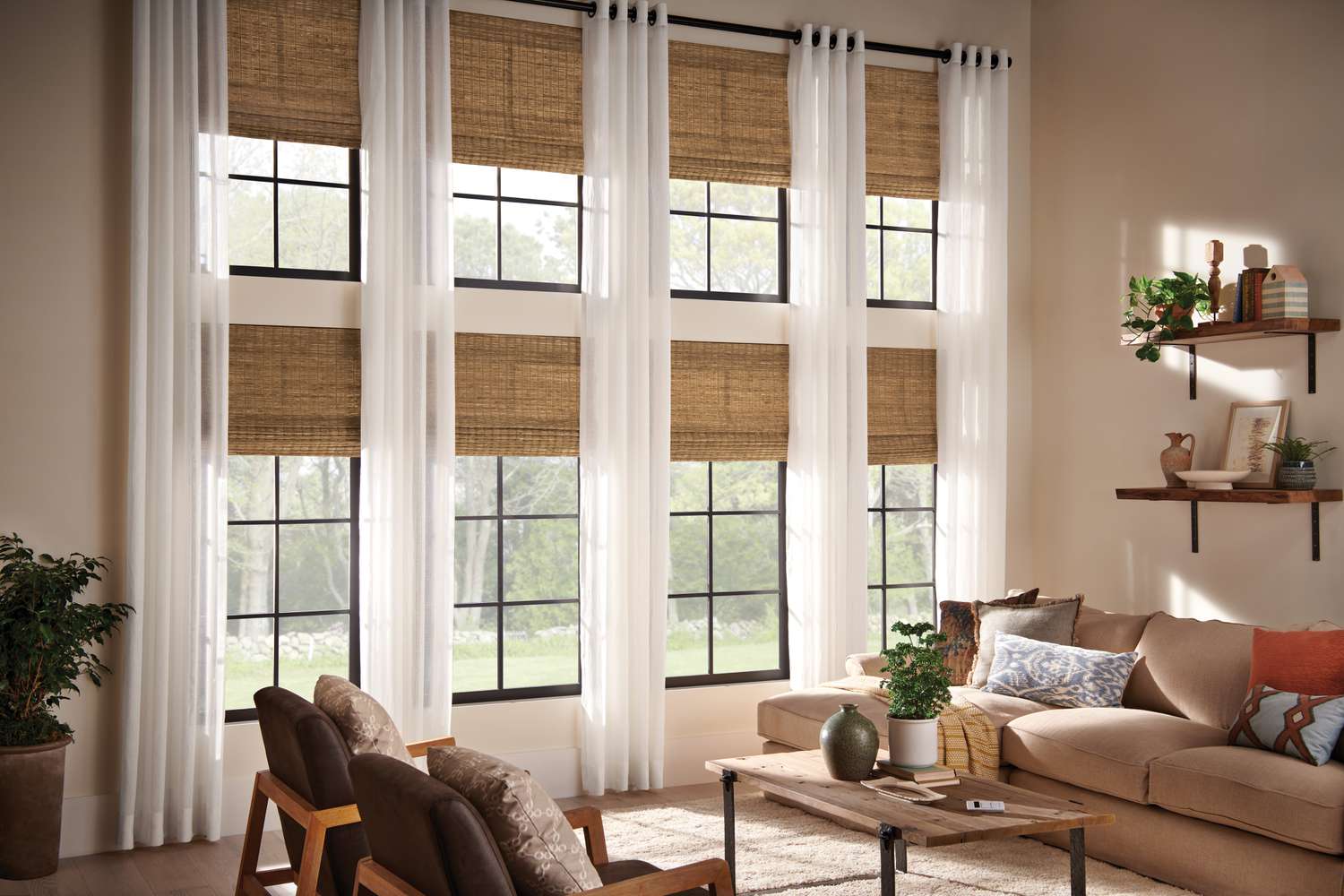
6 Window Treatment Mistakes Designers Are Tired of Seeing

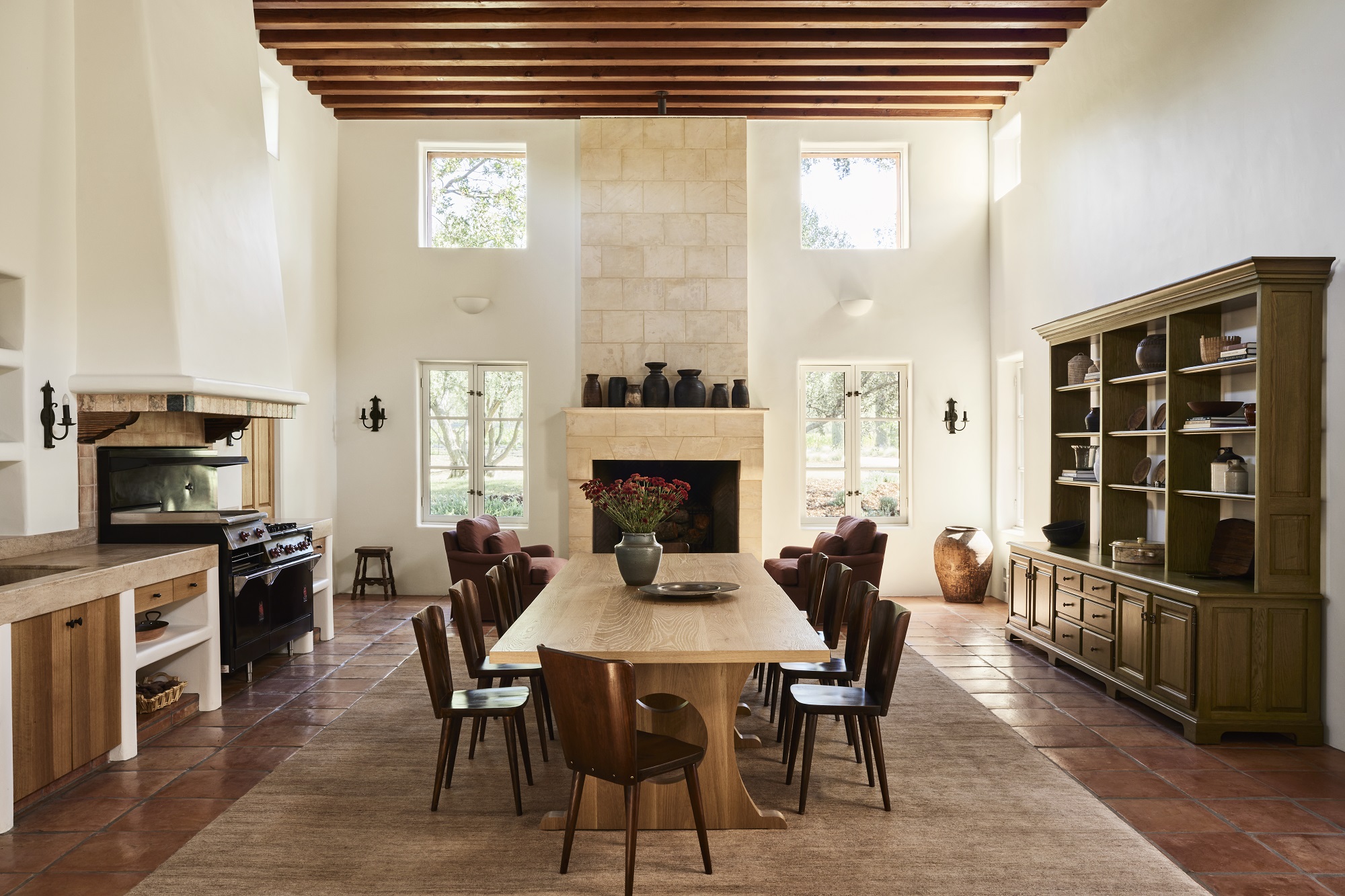
This Controversial Window Treatment Trick Might Just Make Your Room Feel Bigger and Brighter

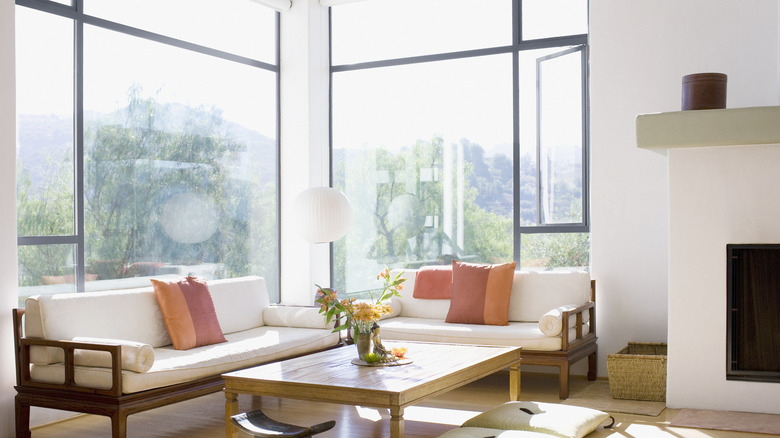
An Interior Design Expert Explains How To Style Your Windows To Make Them Look Bigger


Wolf Drapery: Don’t Overlook Drapes as Window Treatment Differentiator

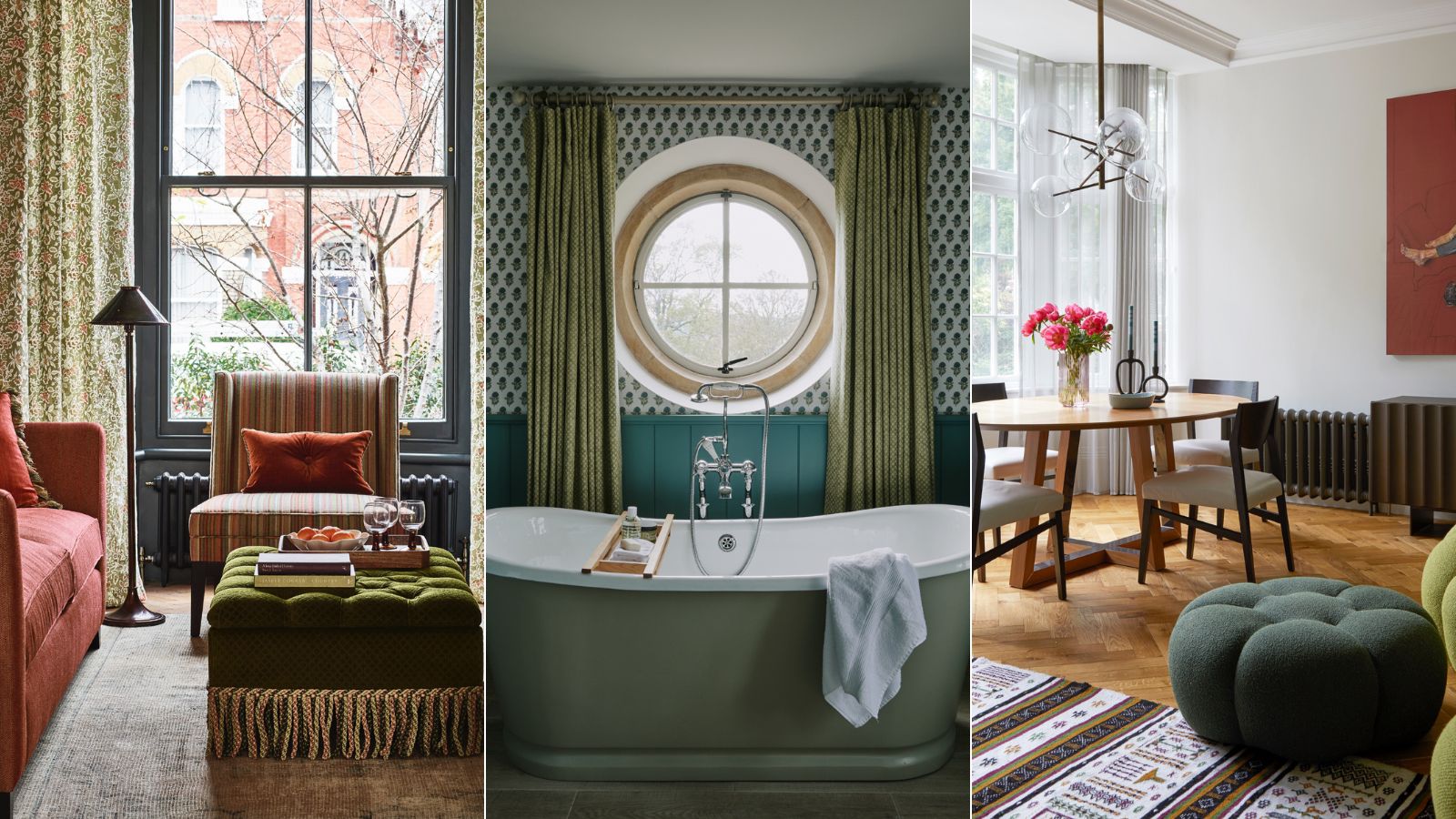
Should you choose drapes or blinds? We asked interior designers which window treatment is best

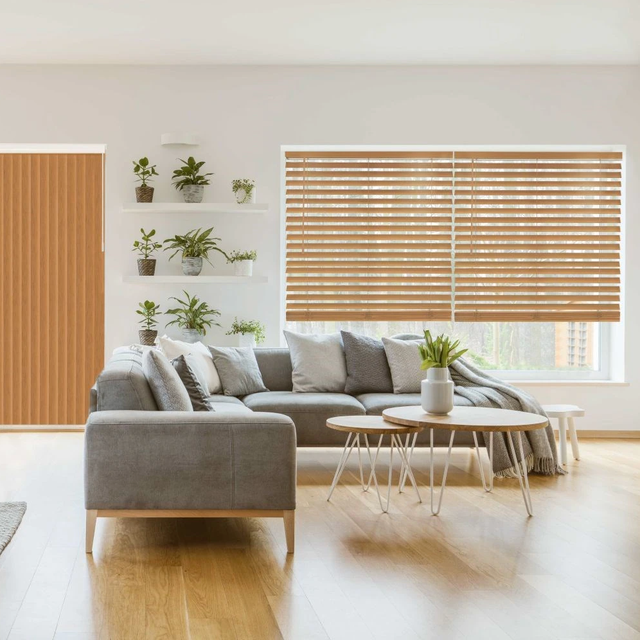
Why You Should Upgrade Your Window Blinds Right Now

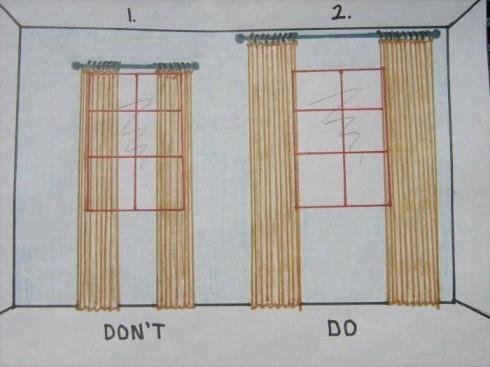
Hanging curtains: You’re probably doing it wrong

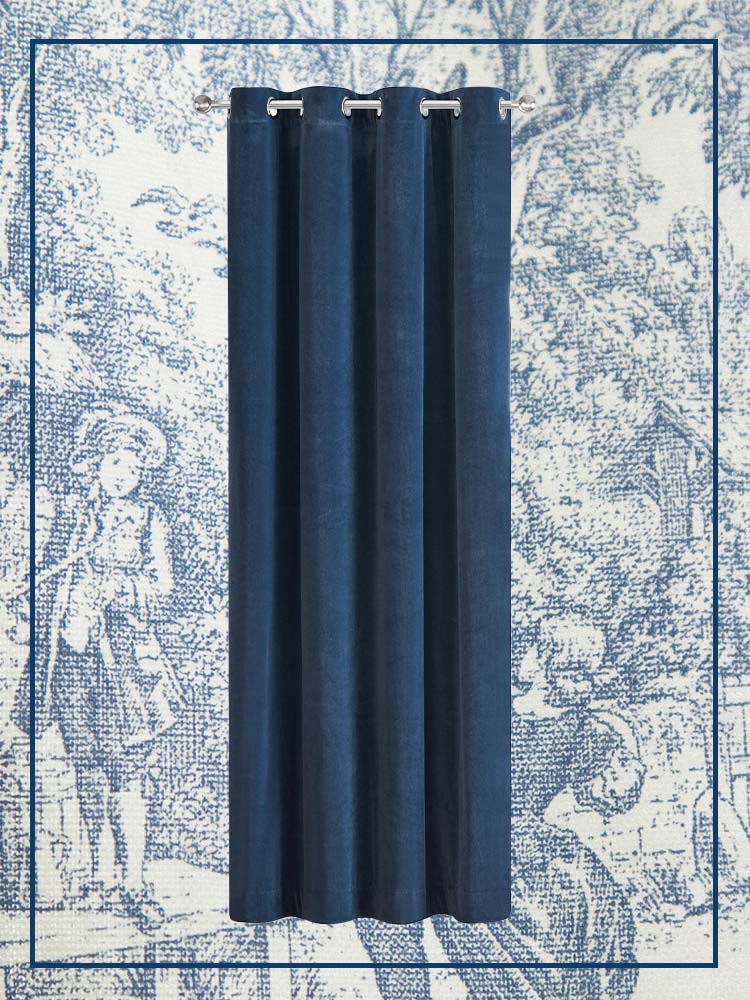
With These Dramatic Drapes, Curtains Will No Longer Be an Afterthought

These Brilliant Window Treatment Ideas Will Infuse Luxe Style into Every Room
Curtain Walls Are Proof That Draperies Aren't Just for Windows Anymore

Once-Popular Window Treatments That Are Now Dating Your Home
How to dress a window - three design experts explain how to plan the perfect window dressing

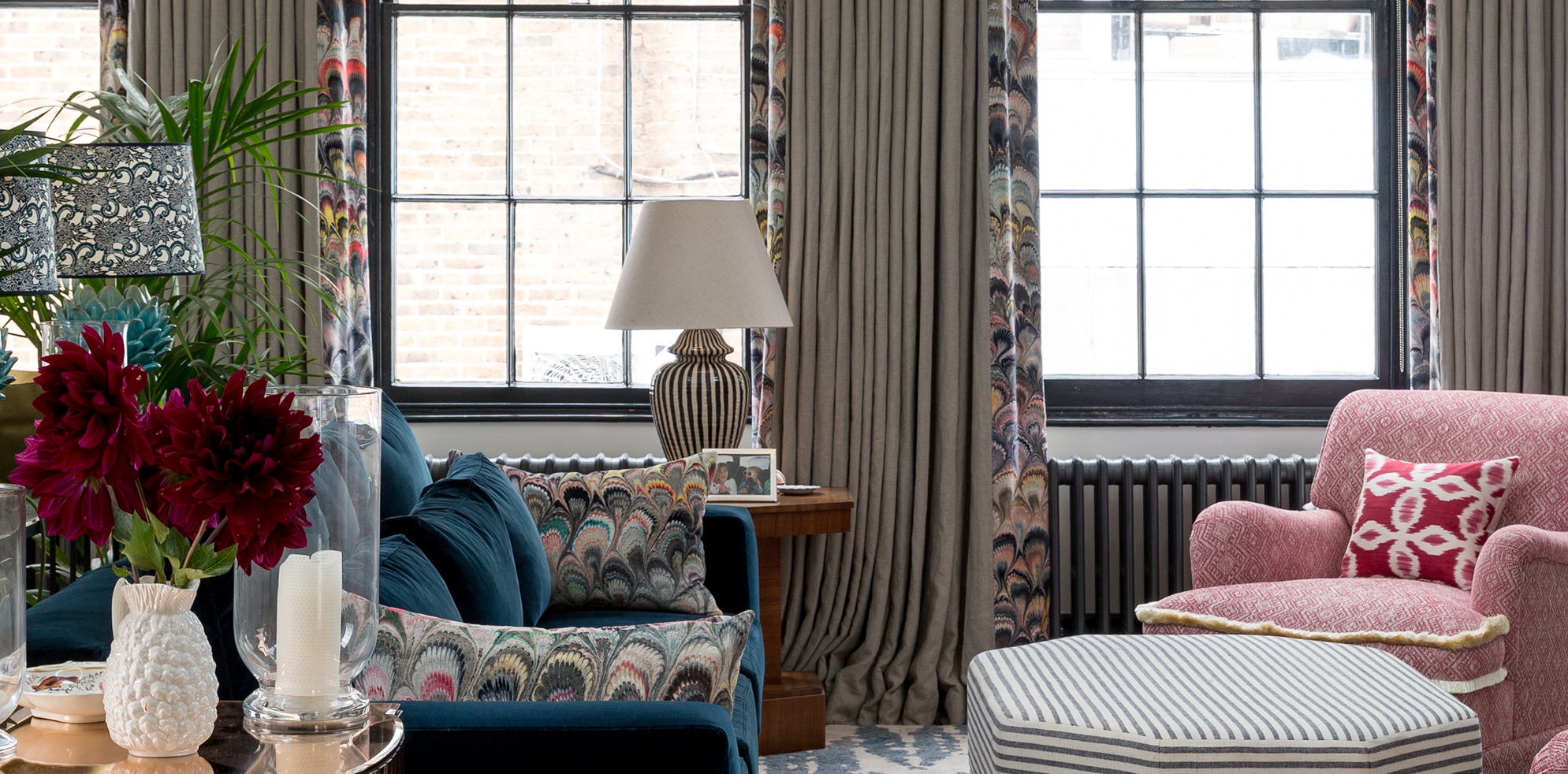
An easy add-on to your curtains makes rooms look expensive - designers explain
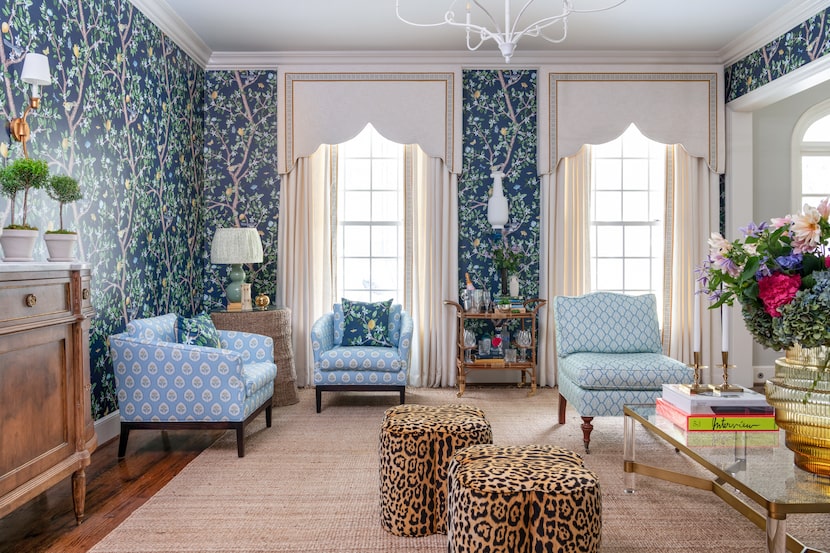
D-FW designers reveal the do’s and don’ts of window treatments

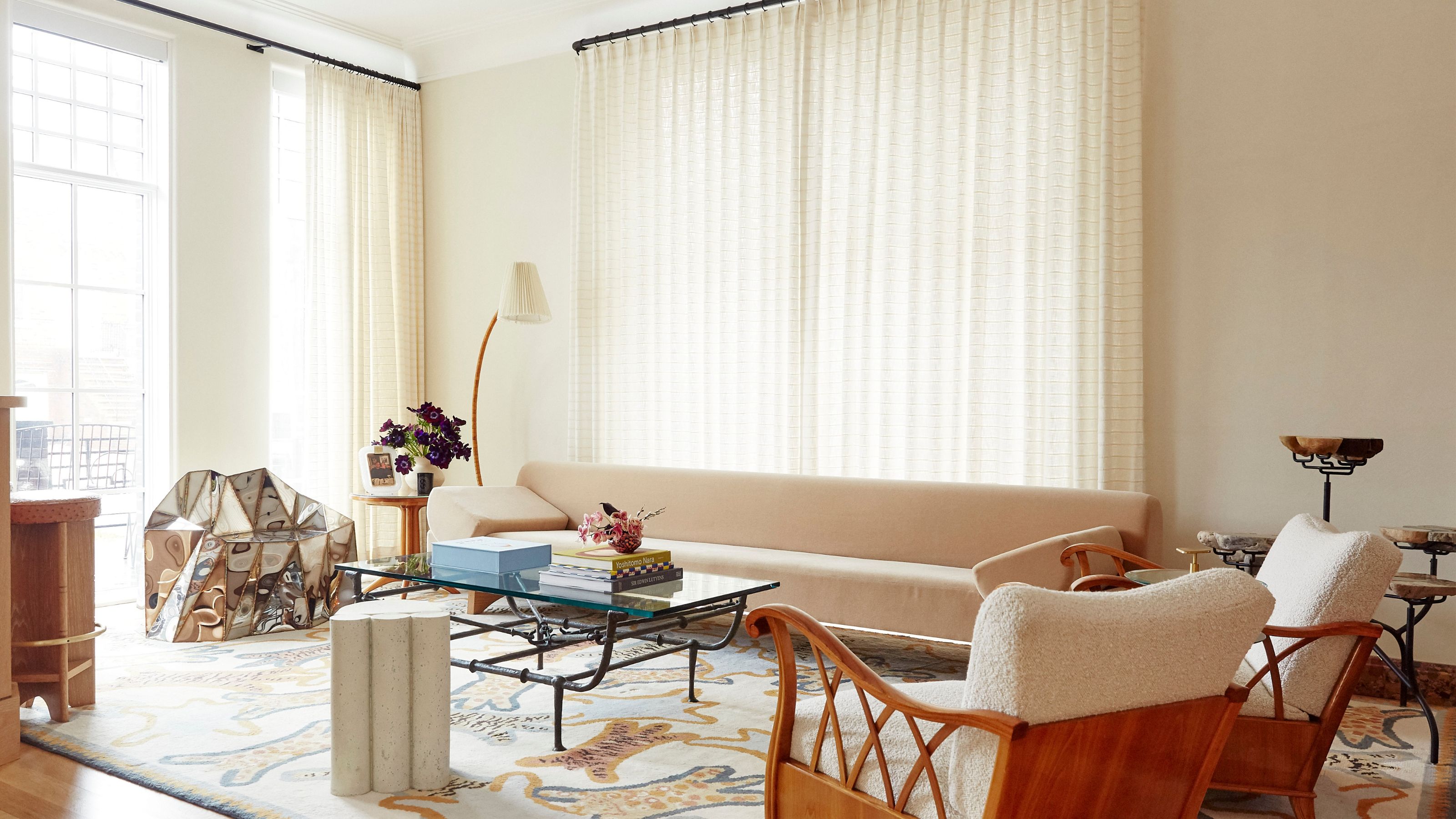
"Should All My Window Treatments Match?" Here's How Designers Decide, and Make It Work Either Way
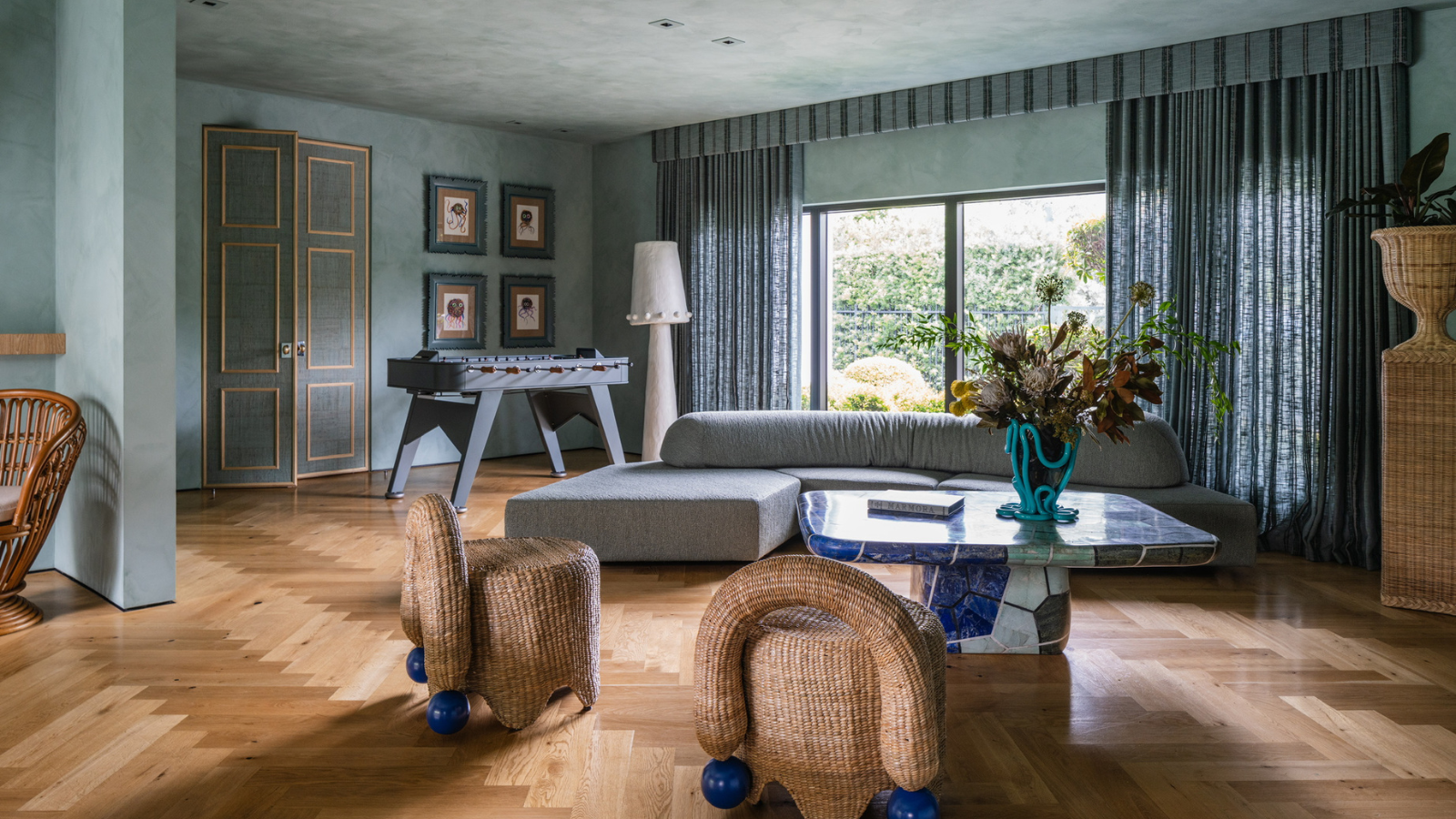
The Dramatic Drapery Trend Is 2025’s Response to Plain Window Coverings
Should You Hang Curtains Above the Window Frame? We Asked Designers