
1/4
When designing a room, don’t overlook your ceiling
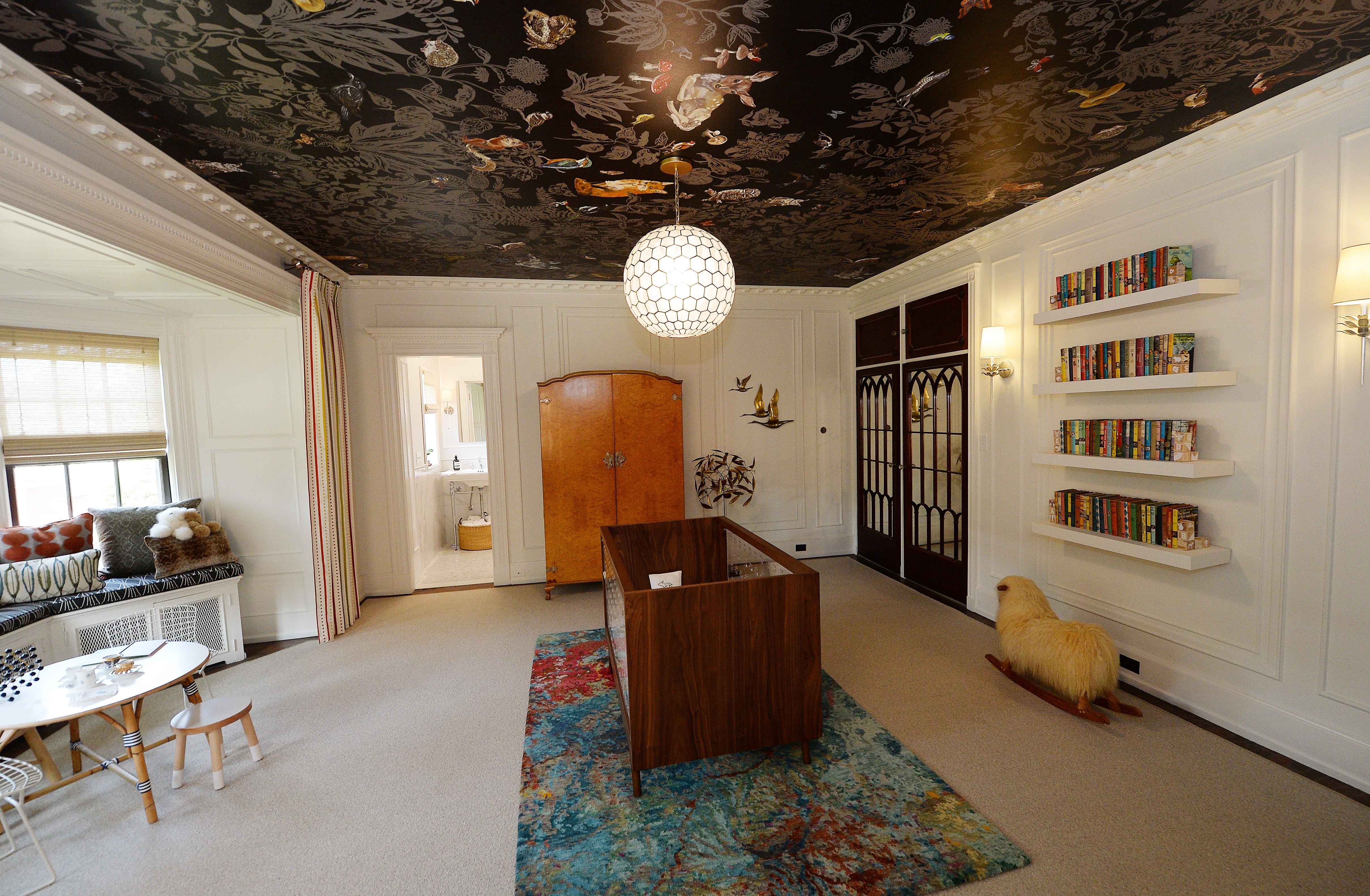
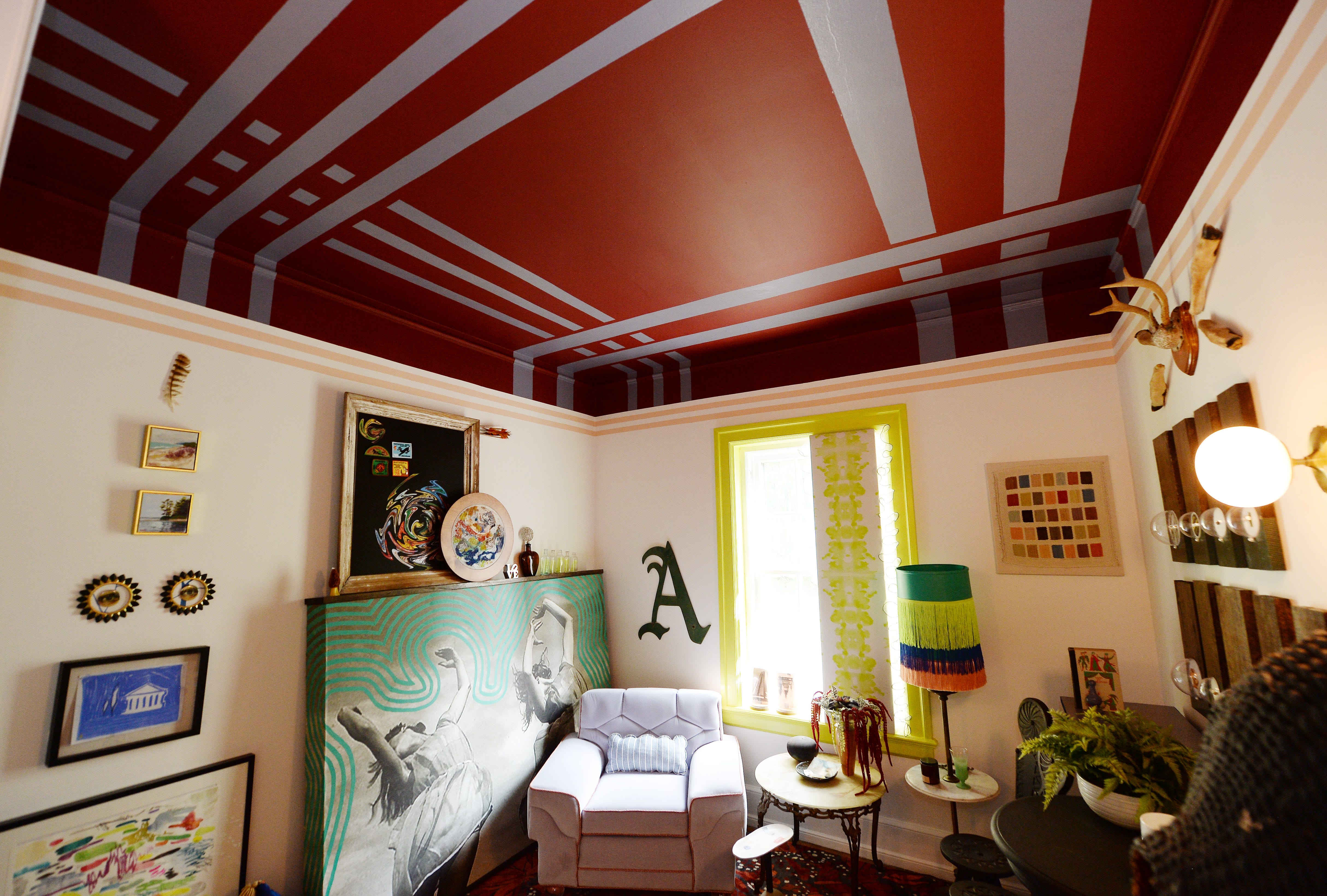
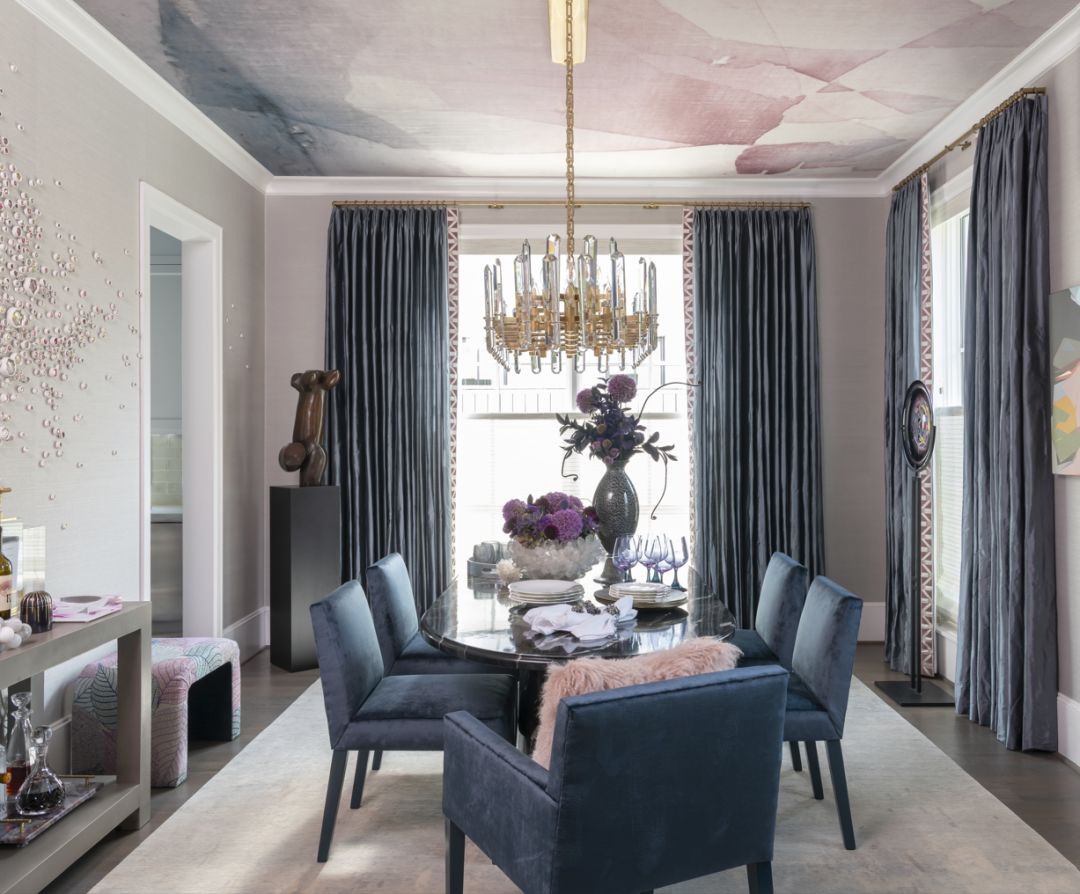
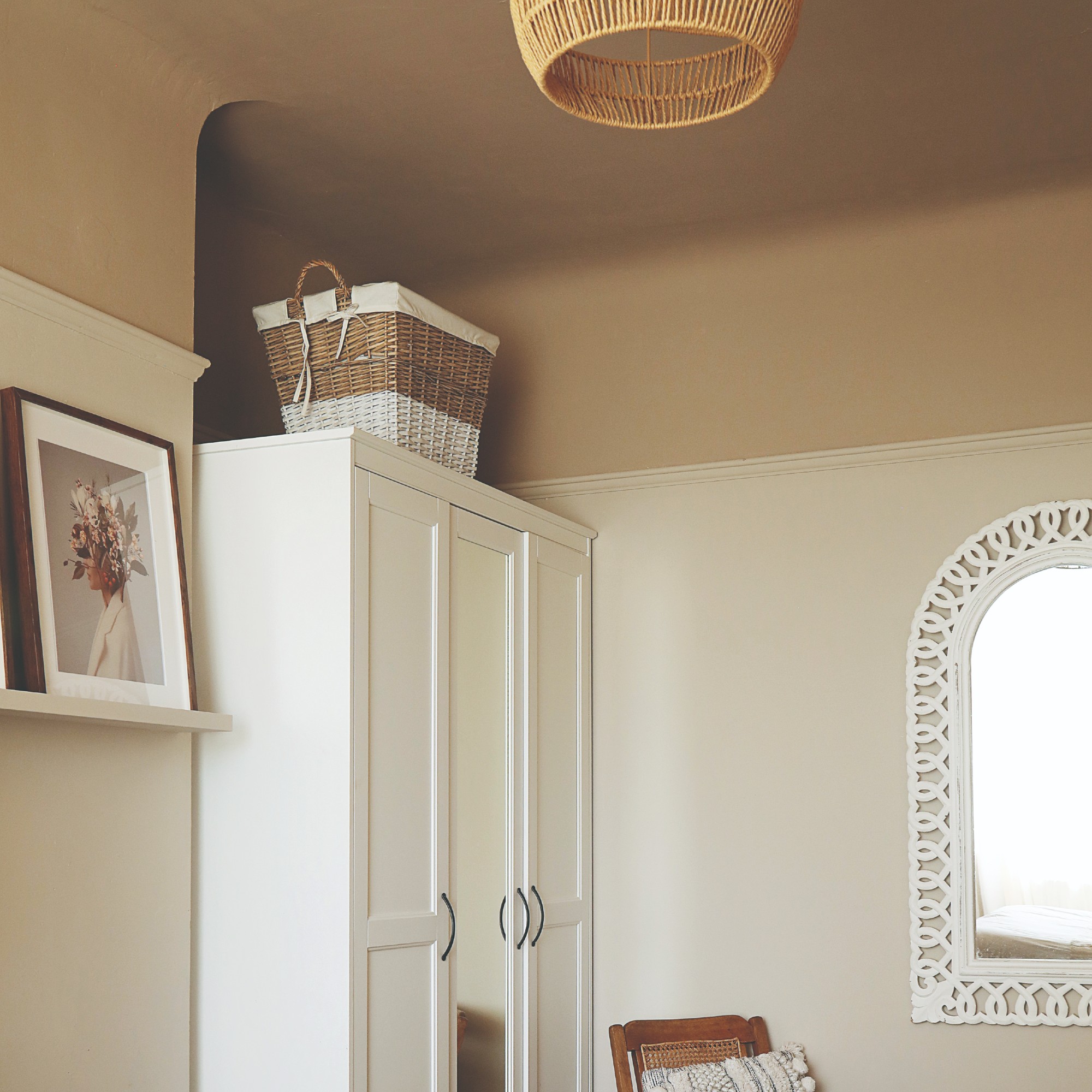
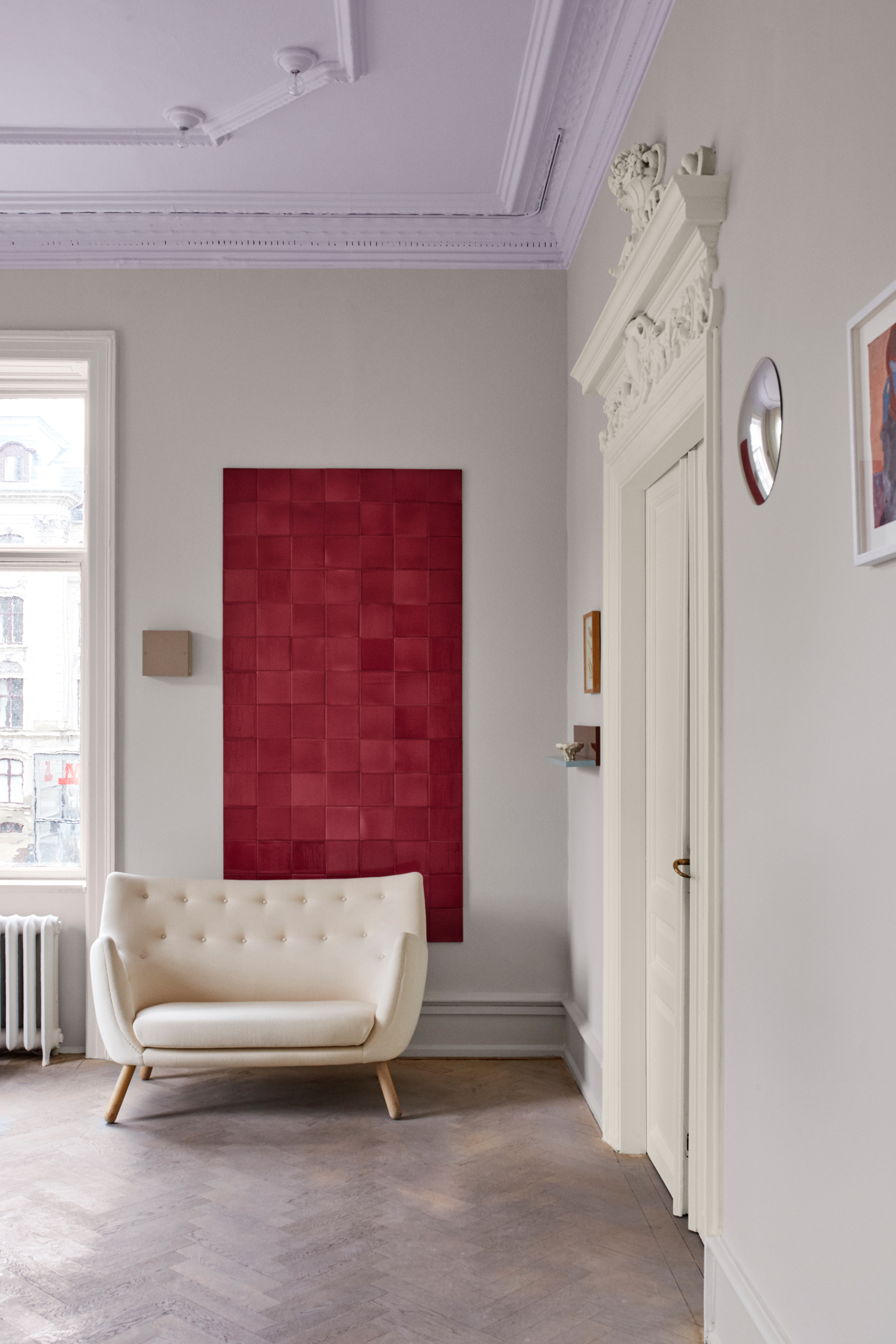
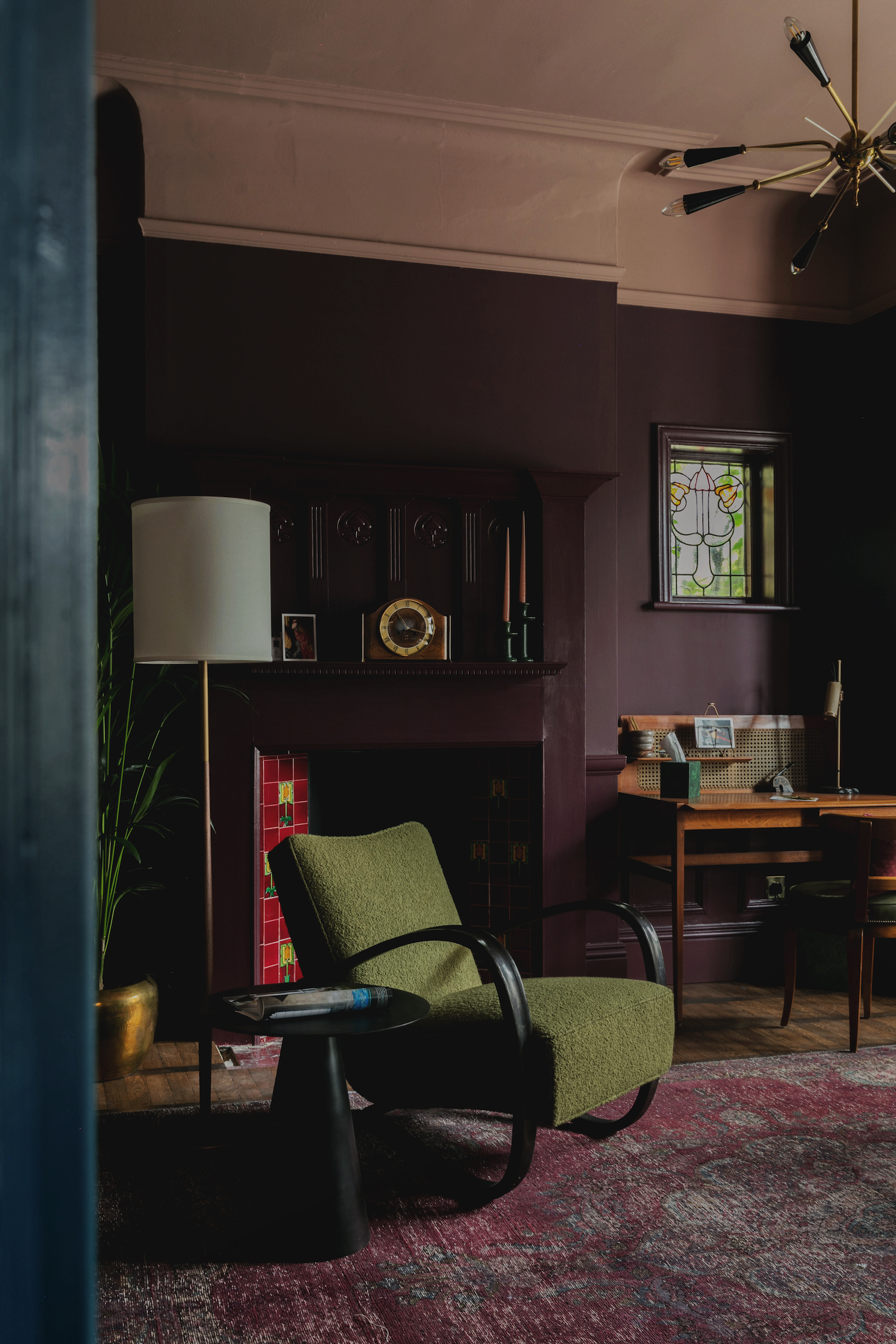
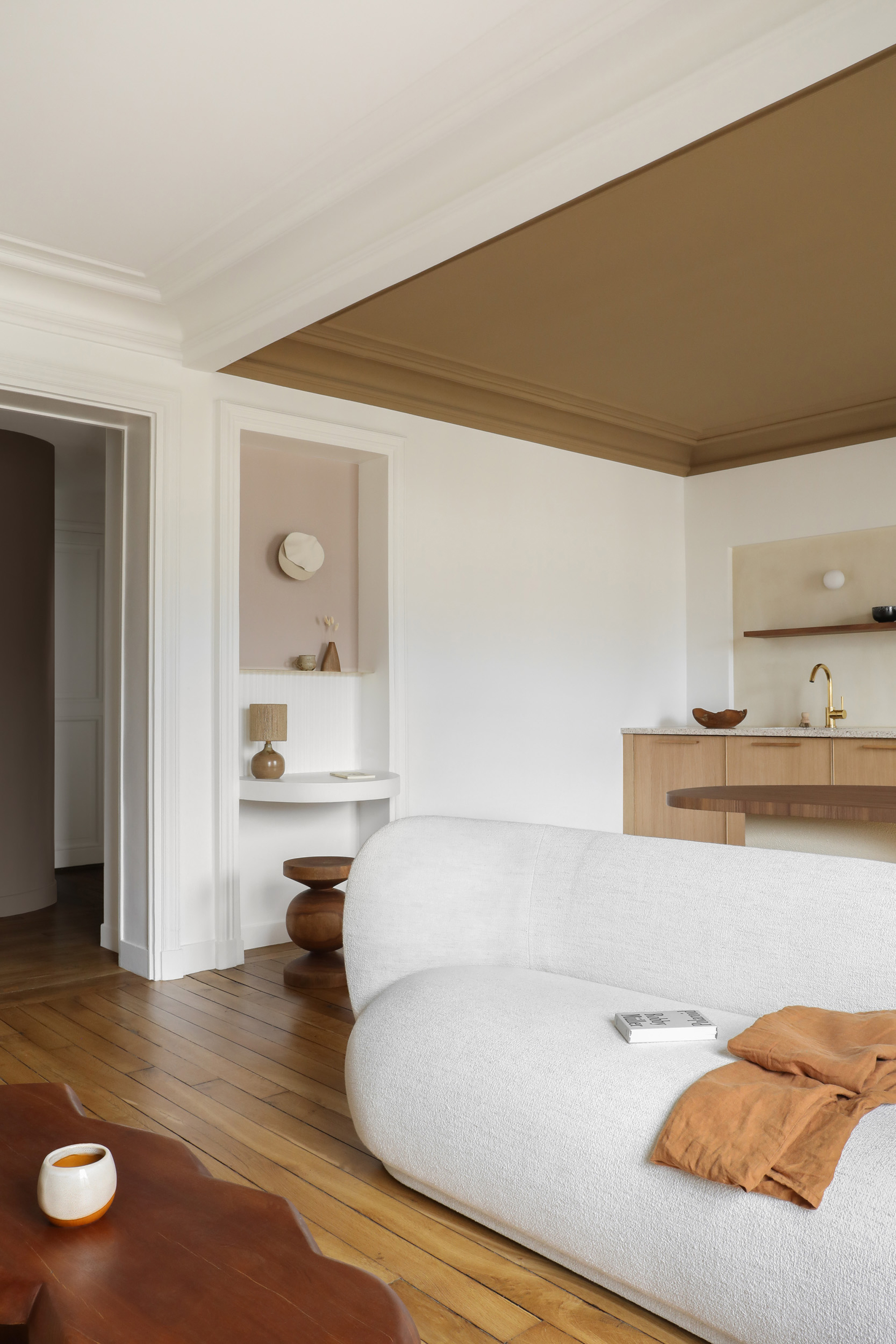
Houston interior designer Cathy Hutton emphasizes the often-neglected potential of ceilings in home design, coining it the "fifth wall." During her presentation at Access Design, a quarterly event hosted by the Houston Chronicle and the Houston Design District, Hutton provided five key tips to transform ceilings from a blank canvas into an integral design element. These strategies range from subtle enhancements to bold statements, capable of significantly altering a room's perception.
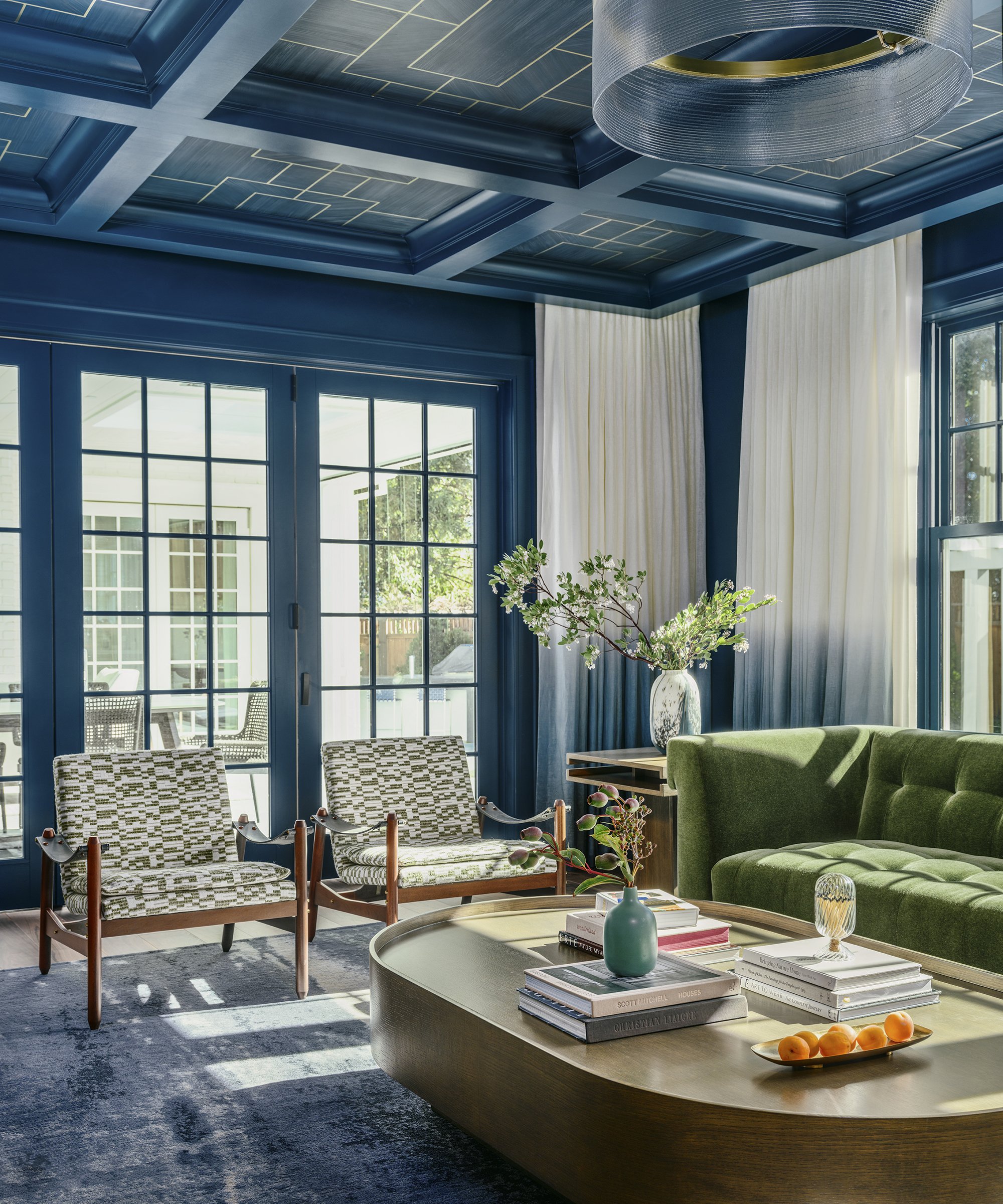
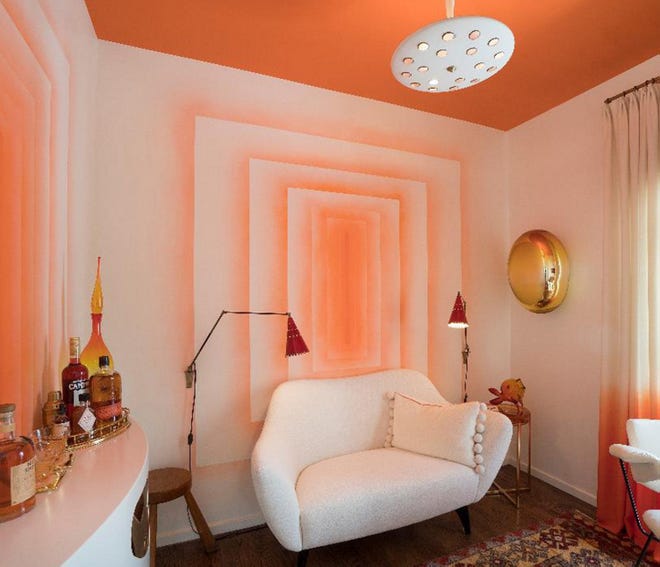
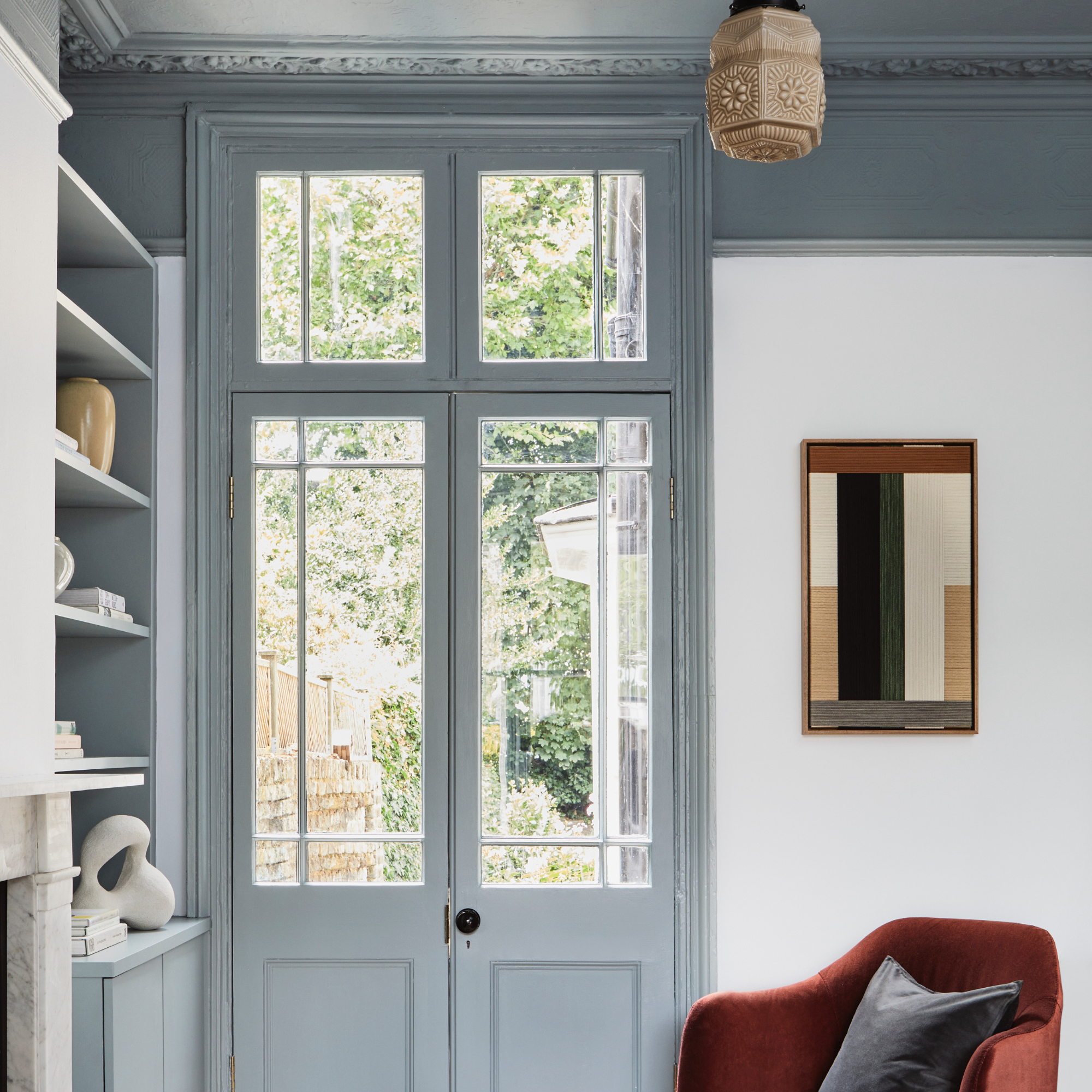
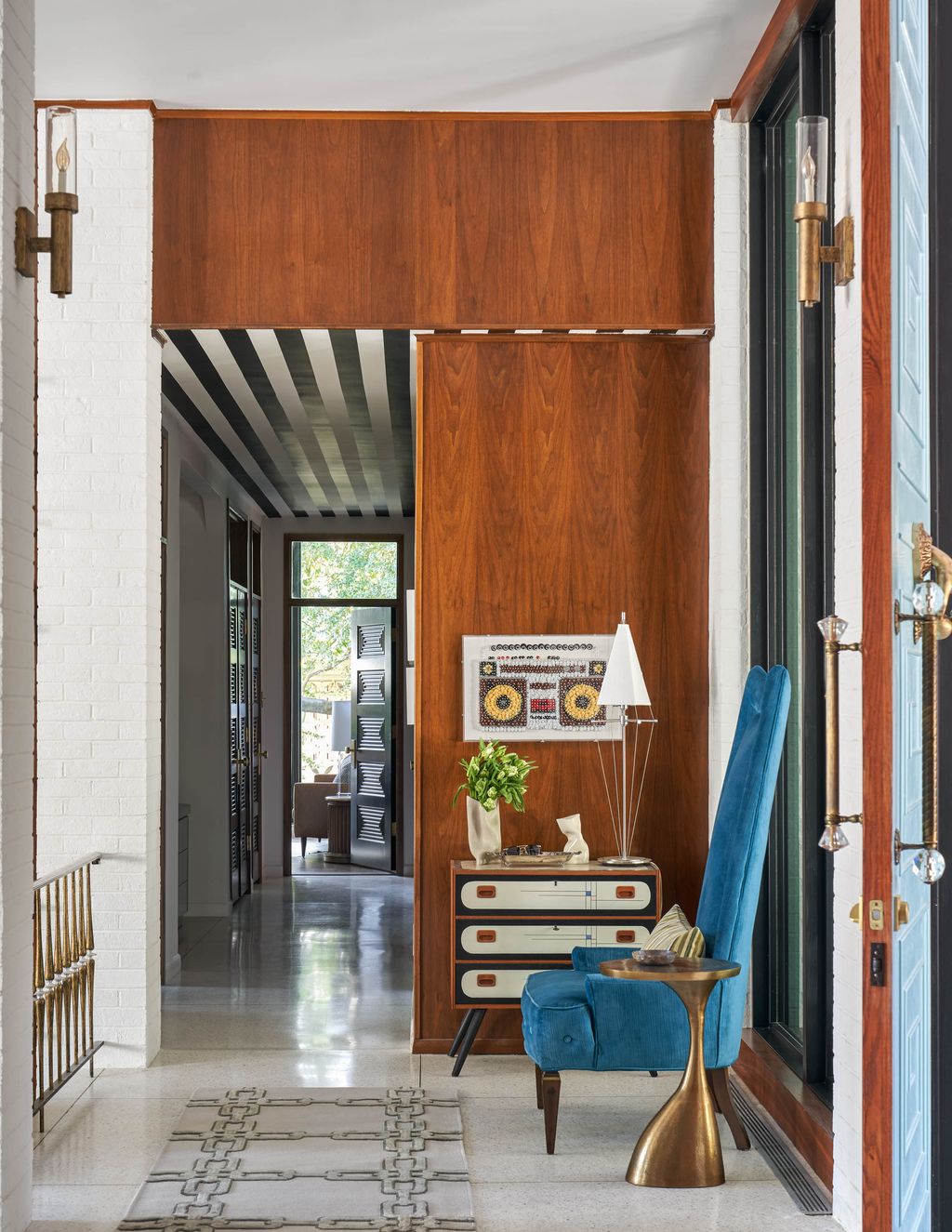
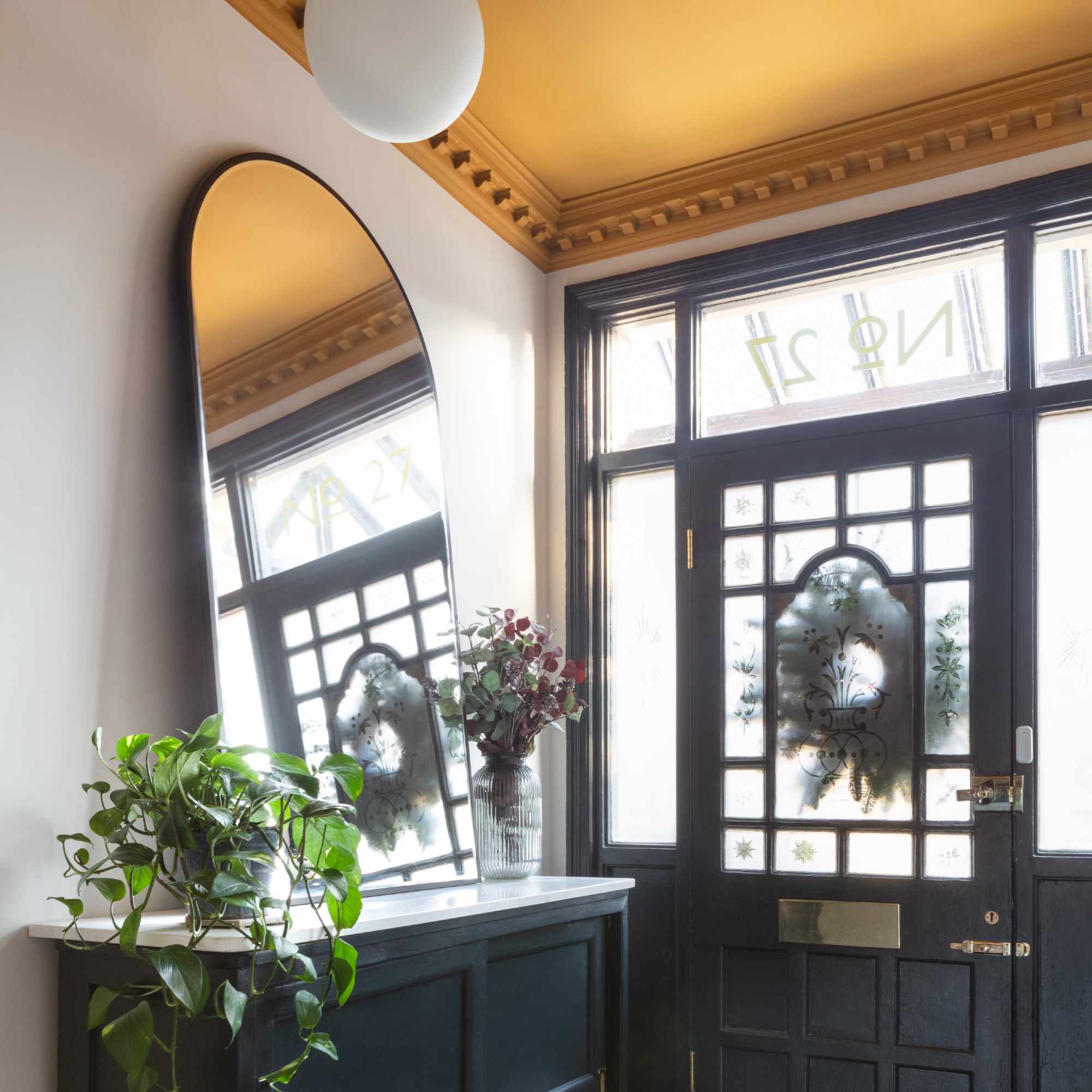
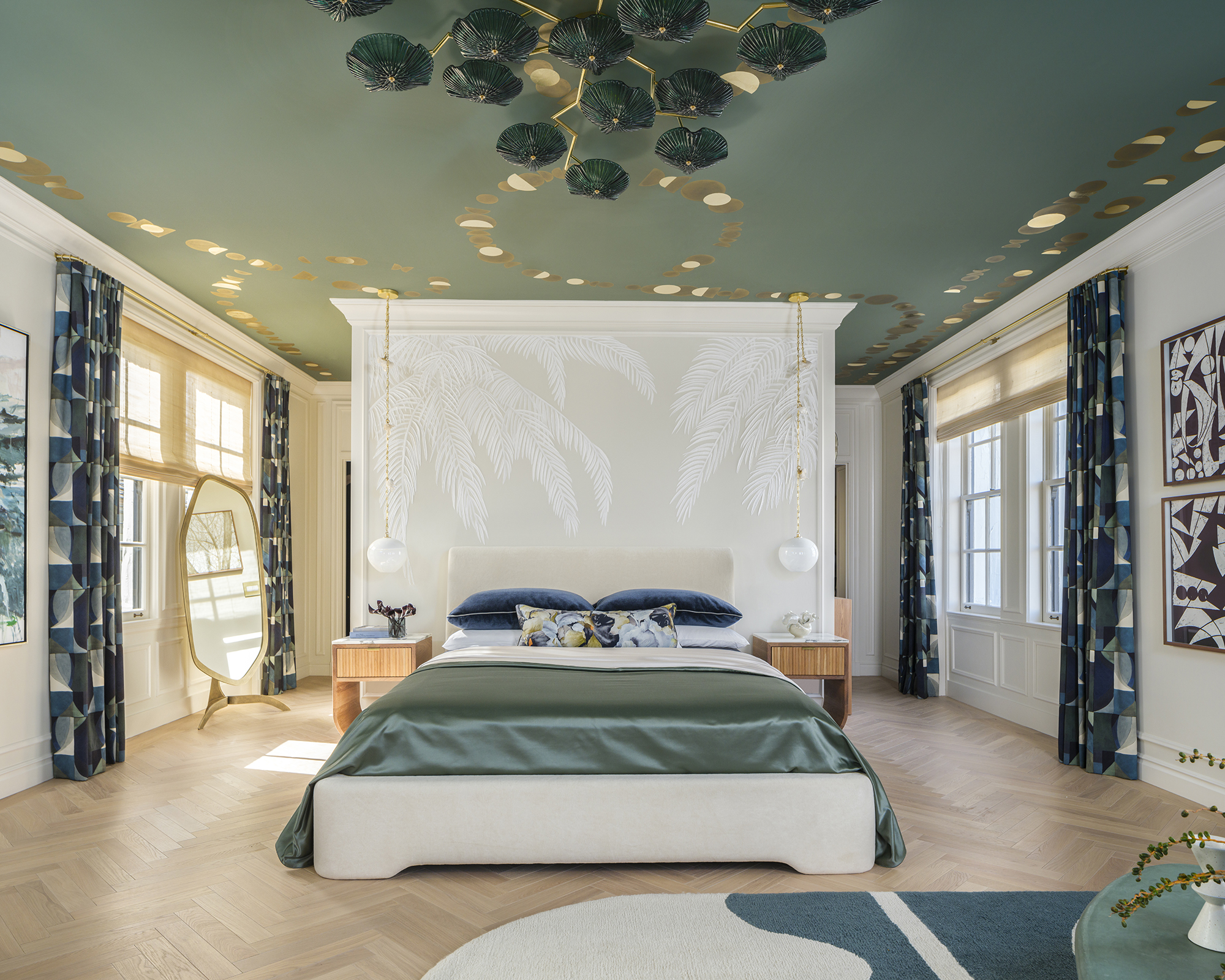
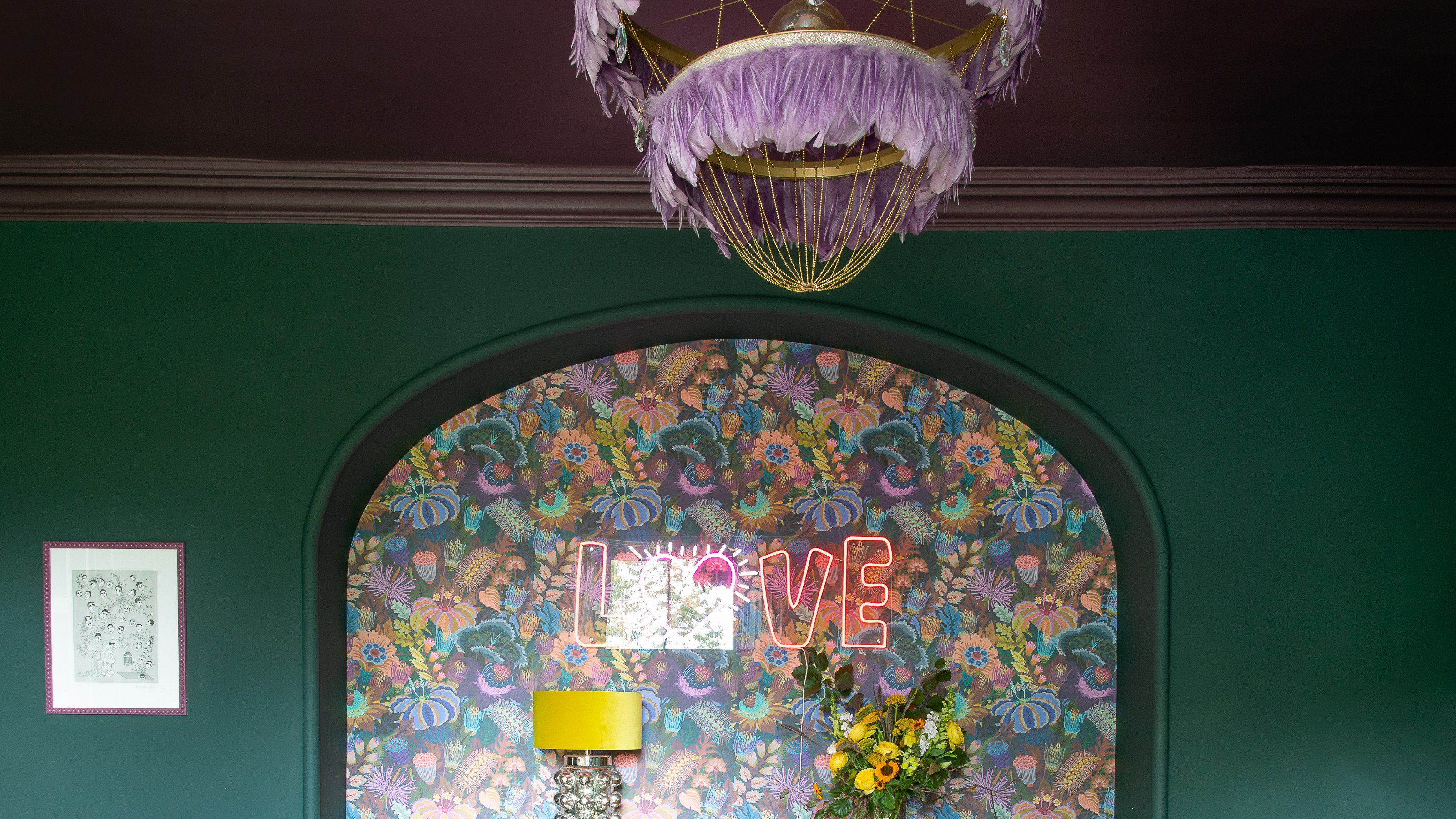
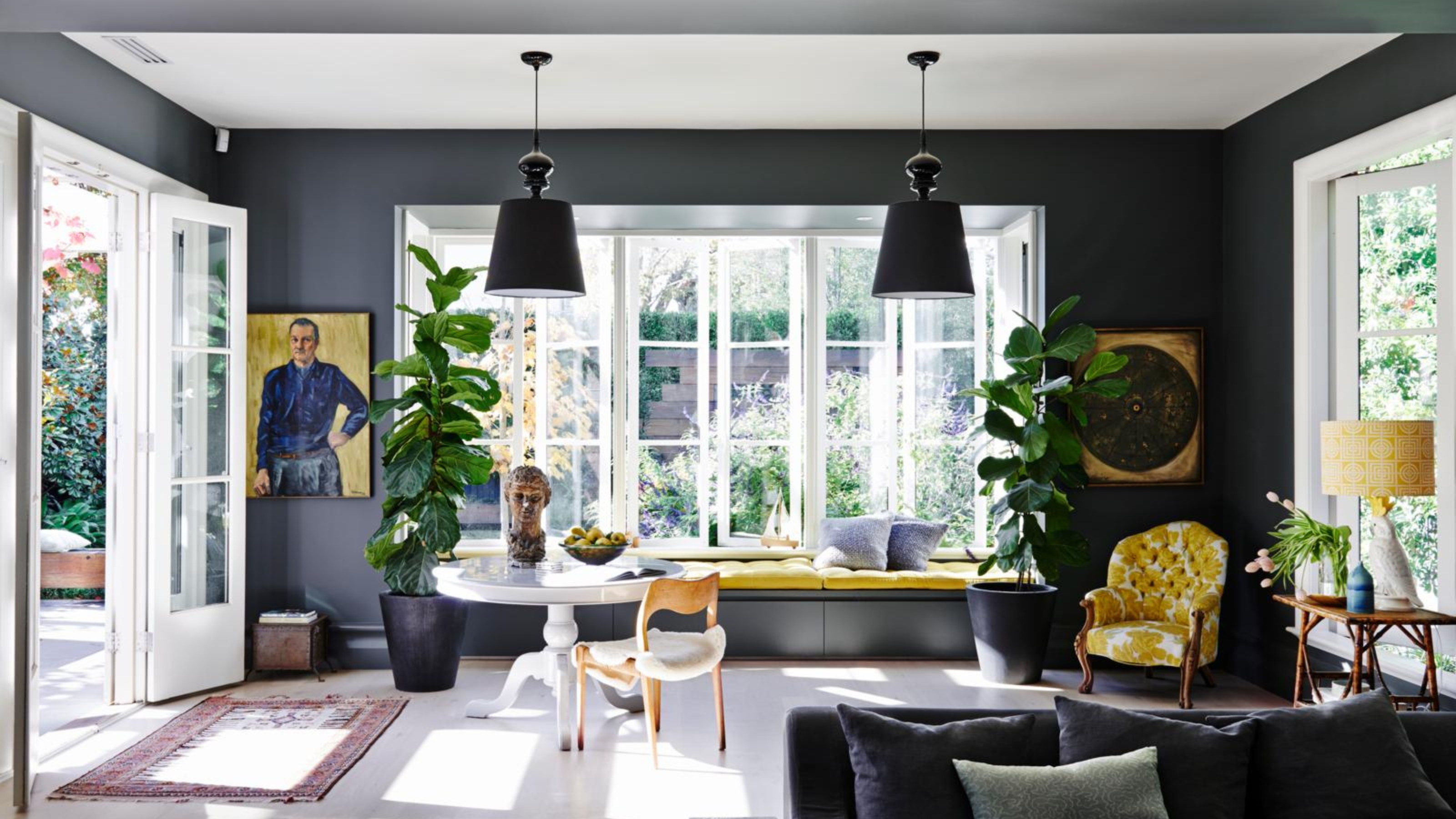
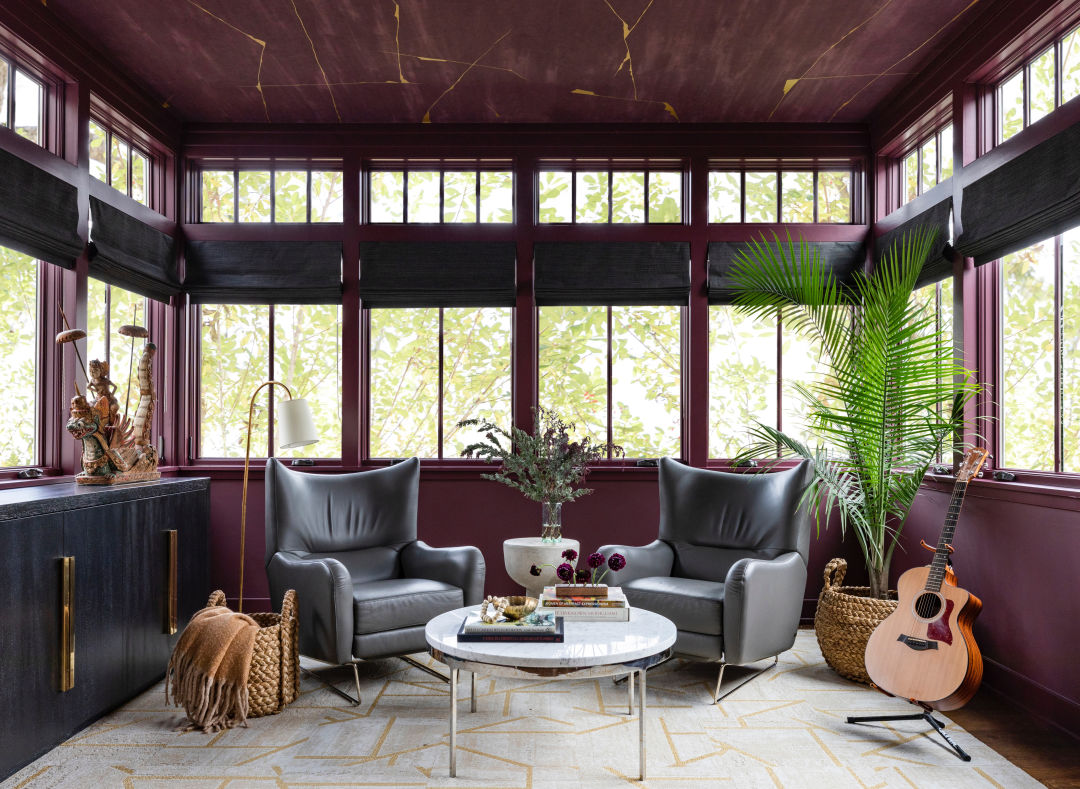
One fundamental tip involves the strategic use of paint colors. Hutton suggests extending wall and trim colors to the ceiling, even with deep or saturated hues. For dramatic colors, she advises using the ceiling paint at 50% strength to maintain visual continuity without overwhelming the space. She specifically recommends flat paint for ceilings and an eggshell finish for walls and trim, noting that this approach creates a cohesive look. Hutton reassures that experimenting with bold ceiling colors is a low-risk endeavor, as repainting is not a significant investment.
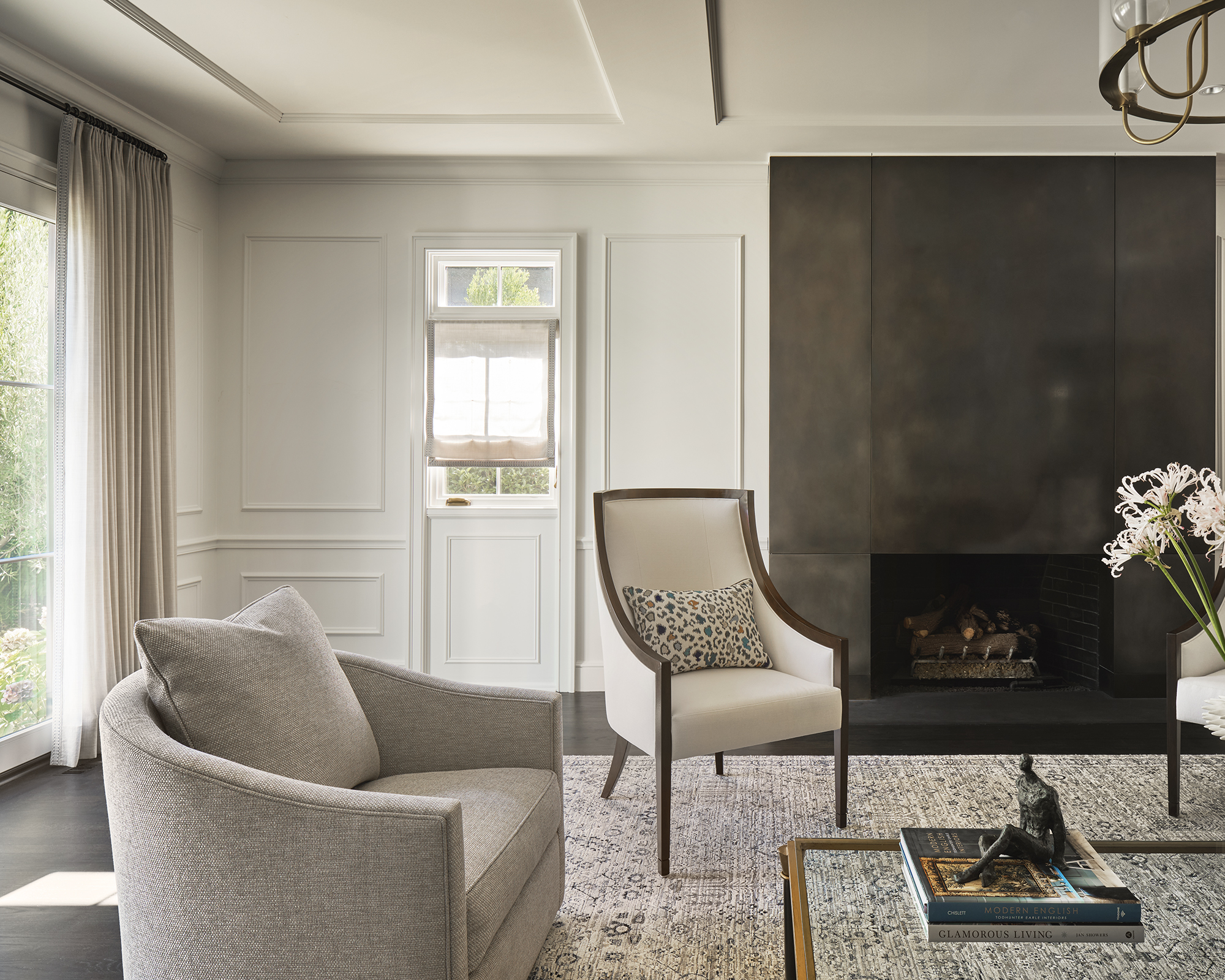
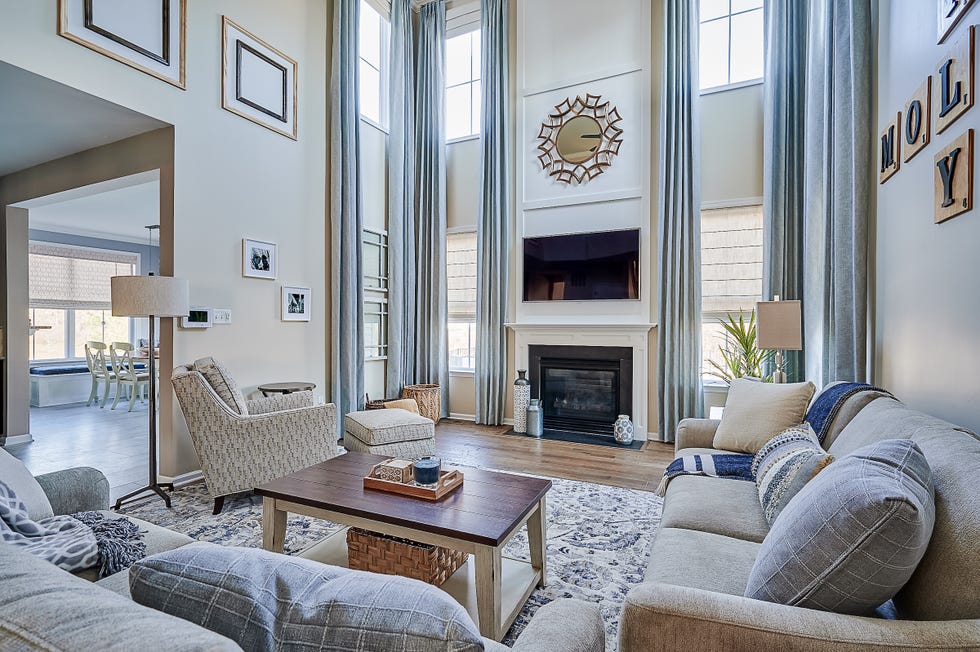
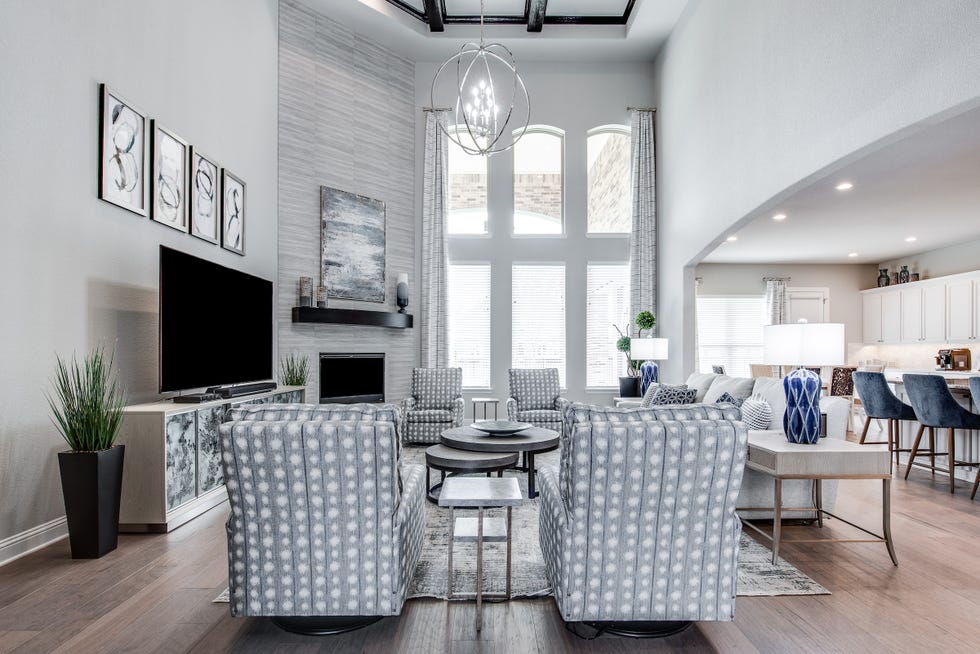
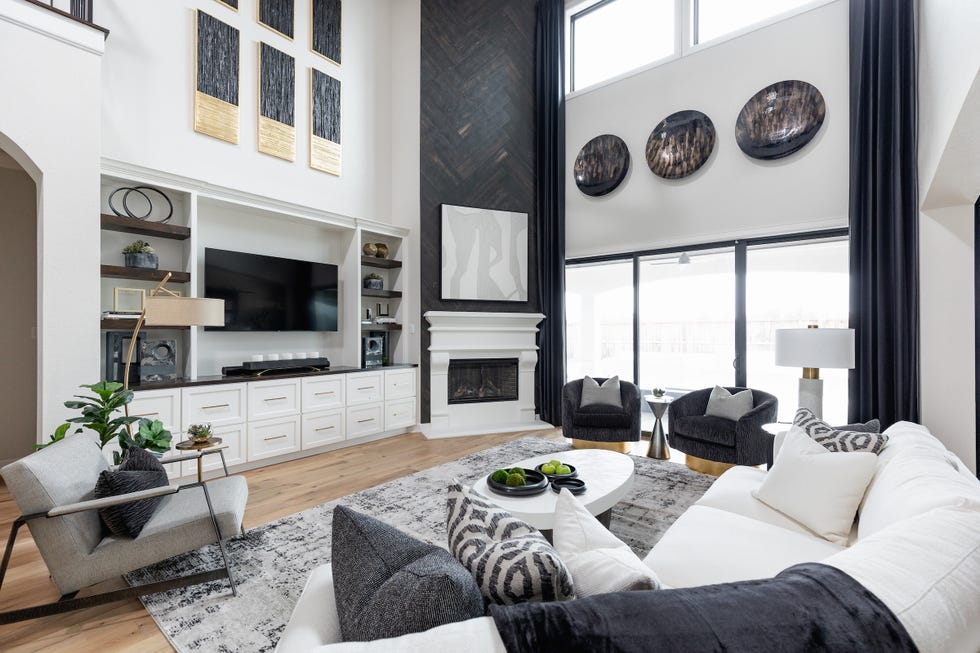
For homes from the 1960s and 1970s, which often feature lower 8-foot ceilings, Hutton proposes raising them to create a sense of openness. This process involves removing the existing ceiling and reframing it to align with the roof's pitch or incorporating a tray ceiling to add a couple of feet of height. This architectural modification can dramatically transform the feel of an enclosed space, making it appear more expansive and modern.
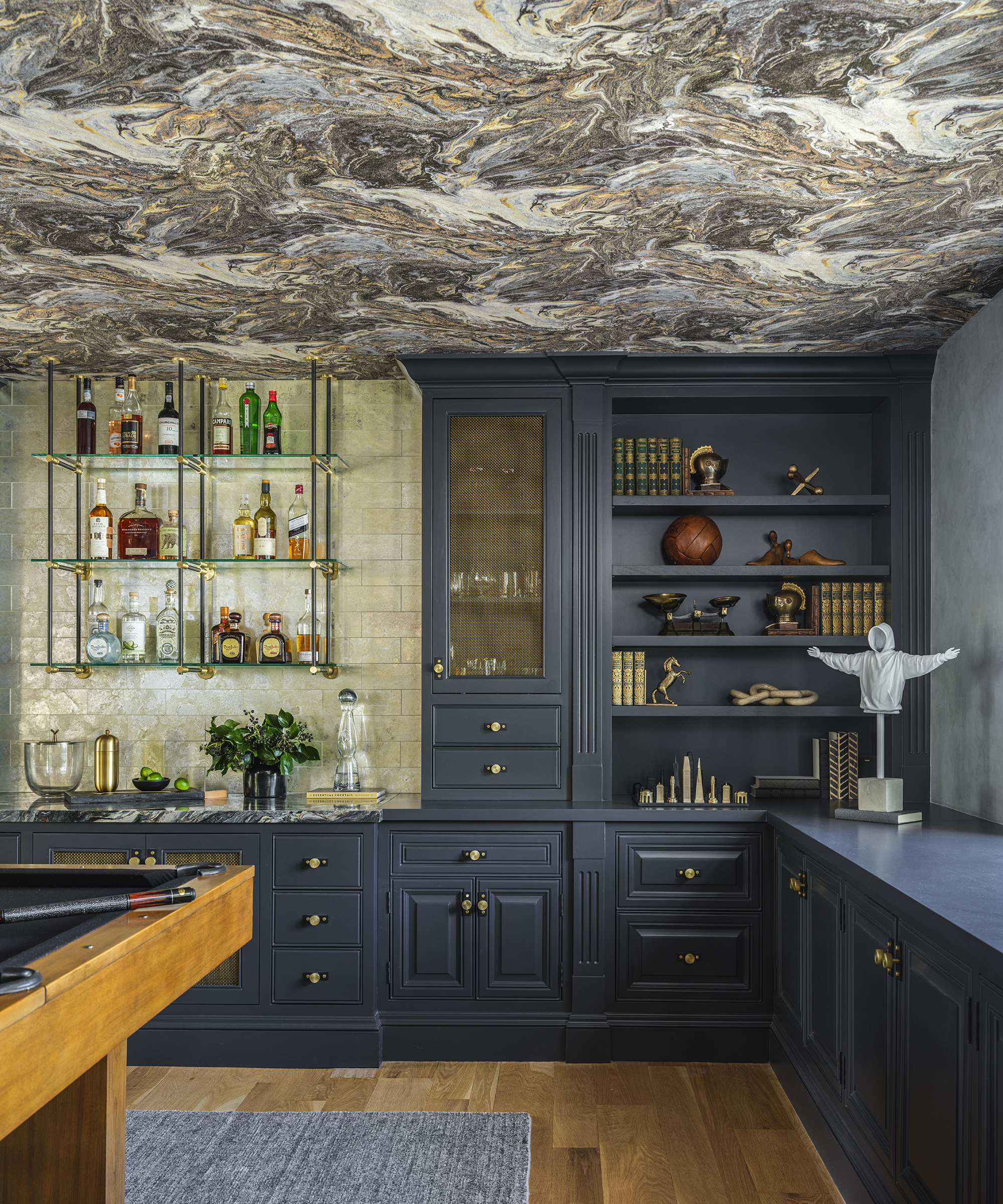
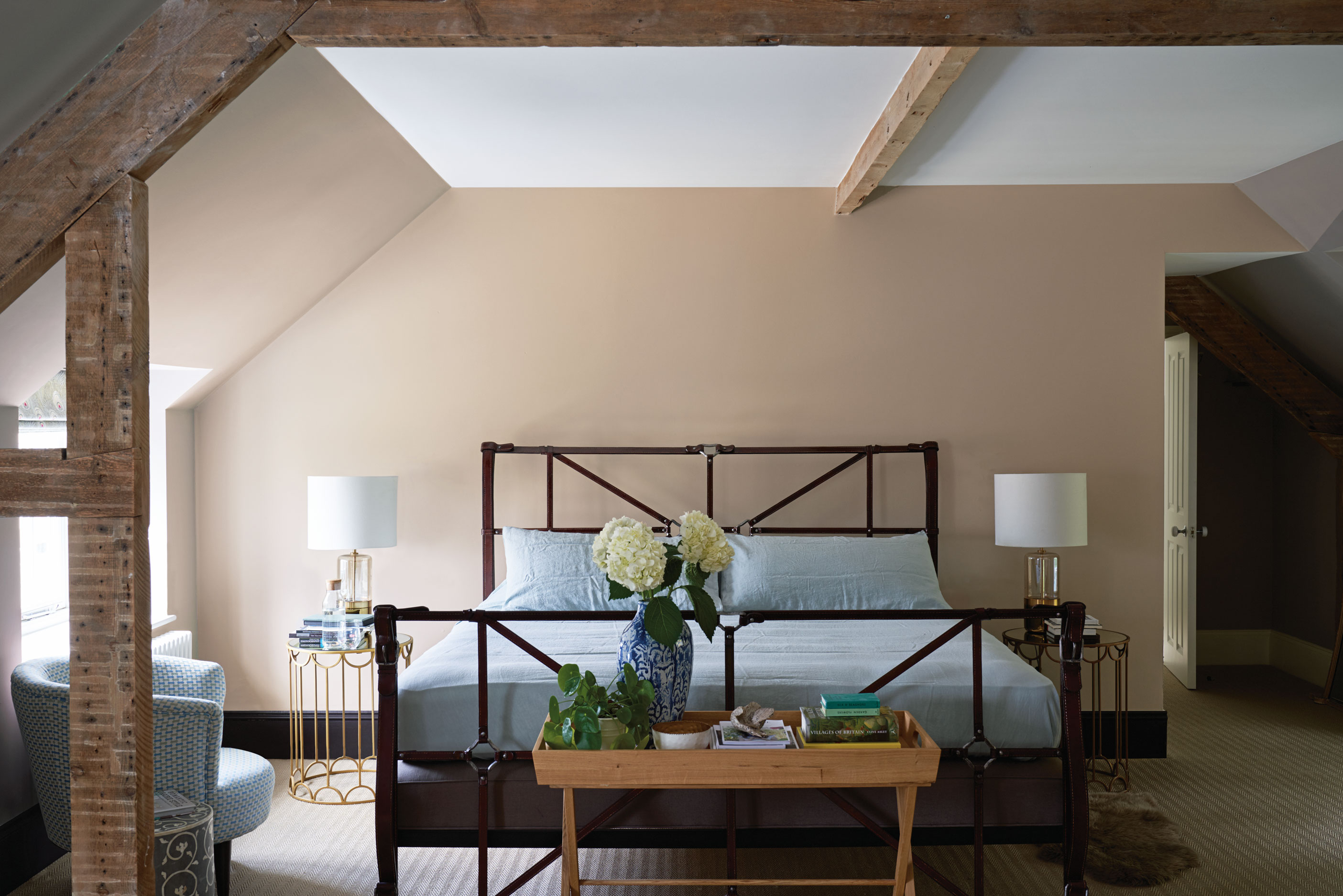
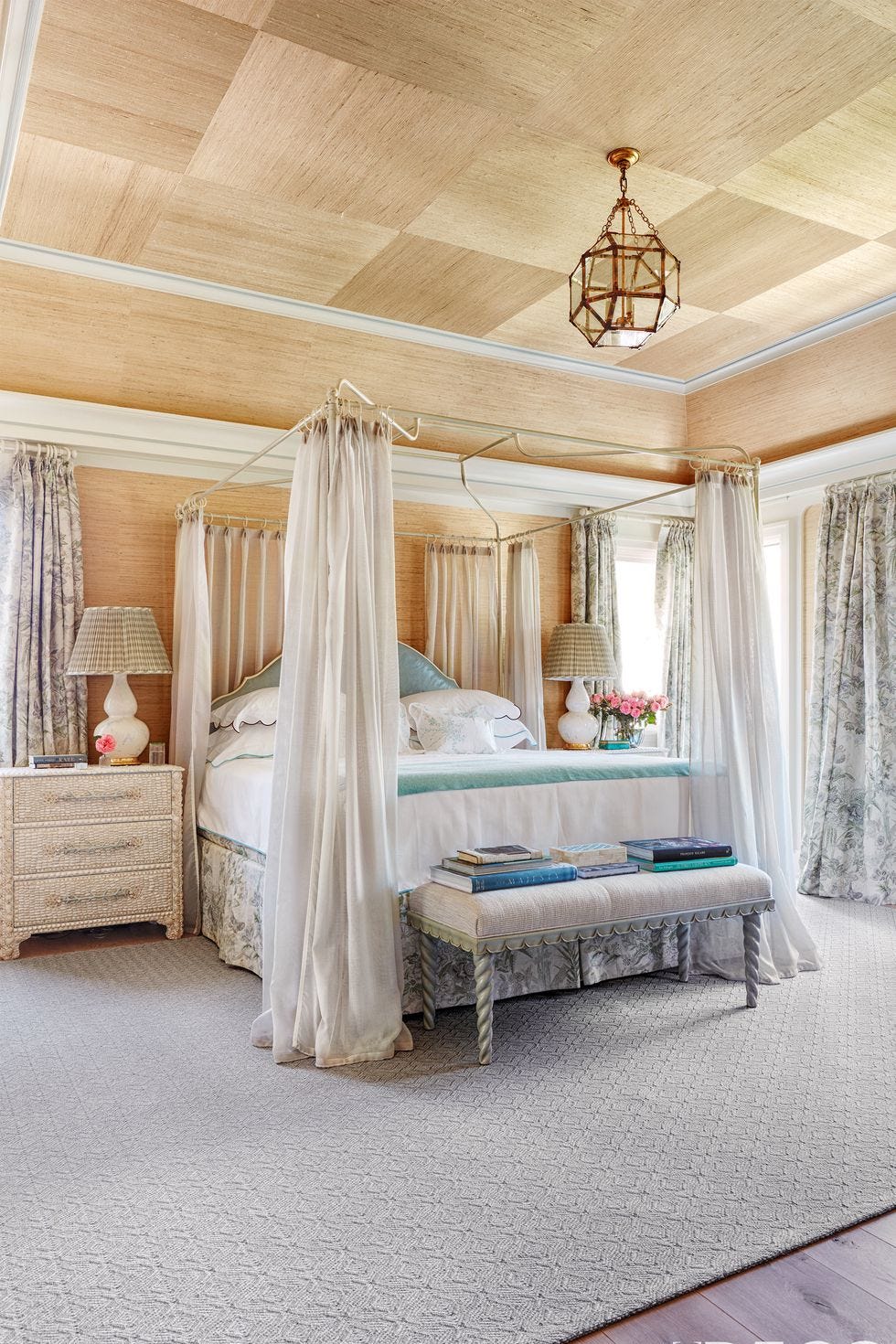
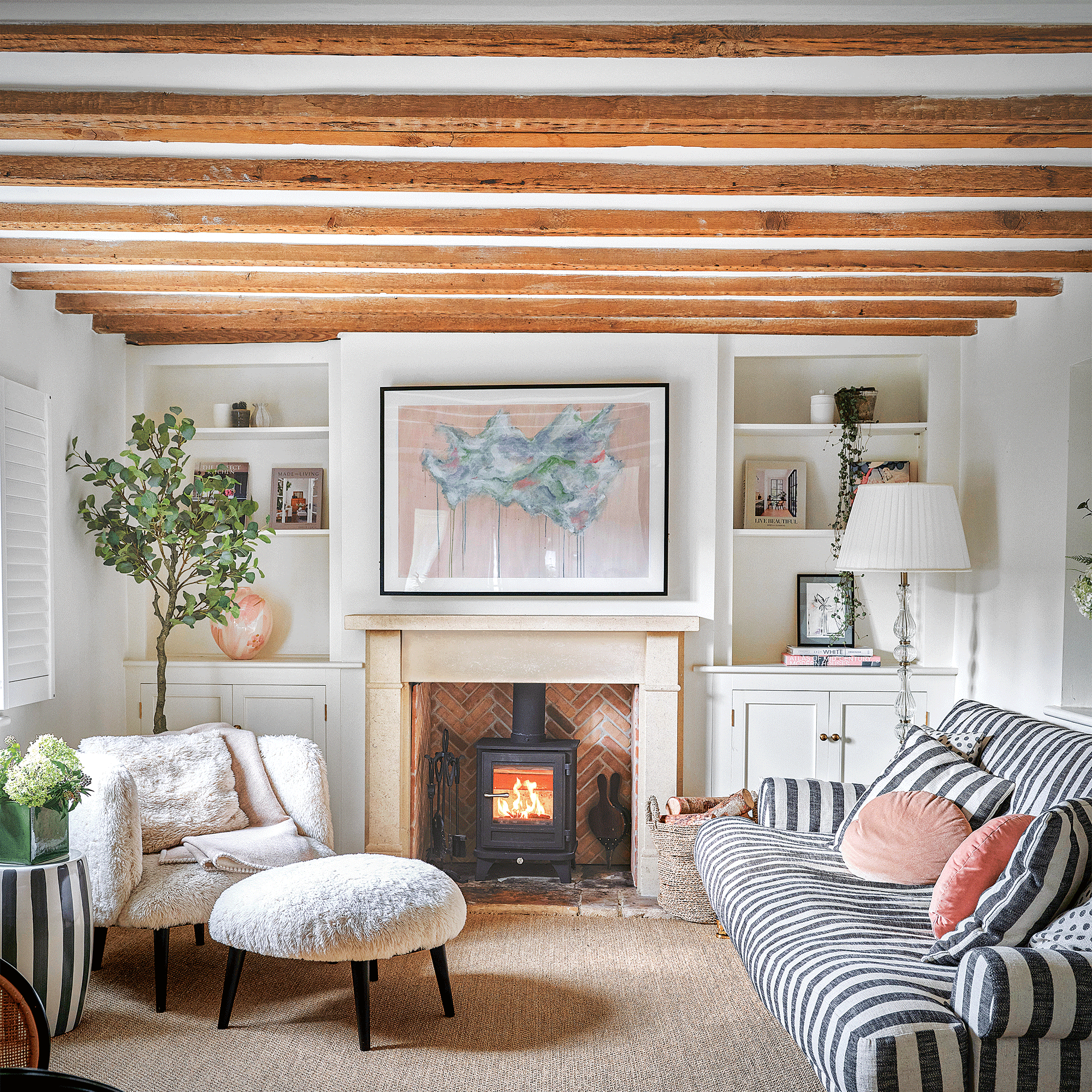
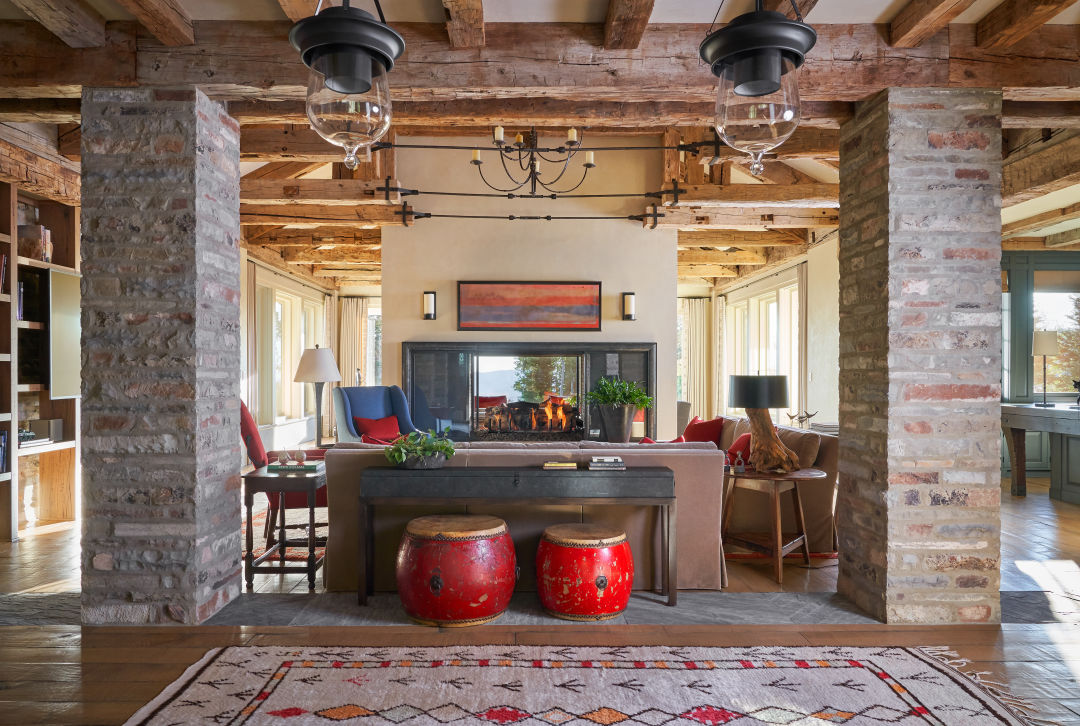
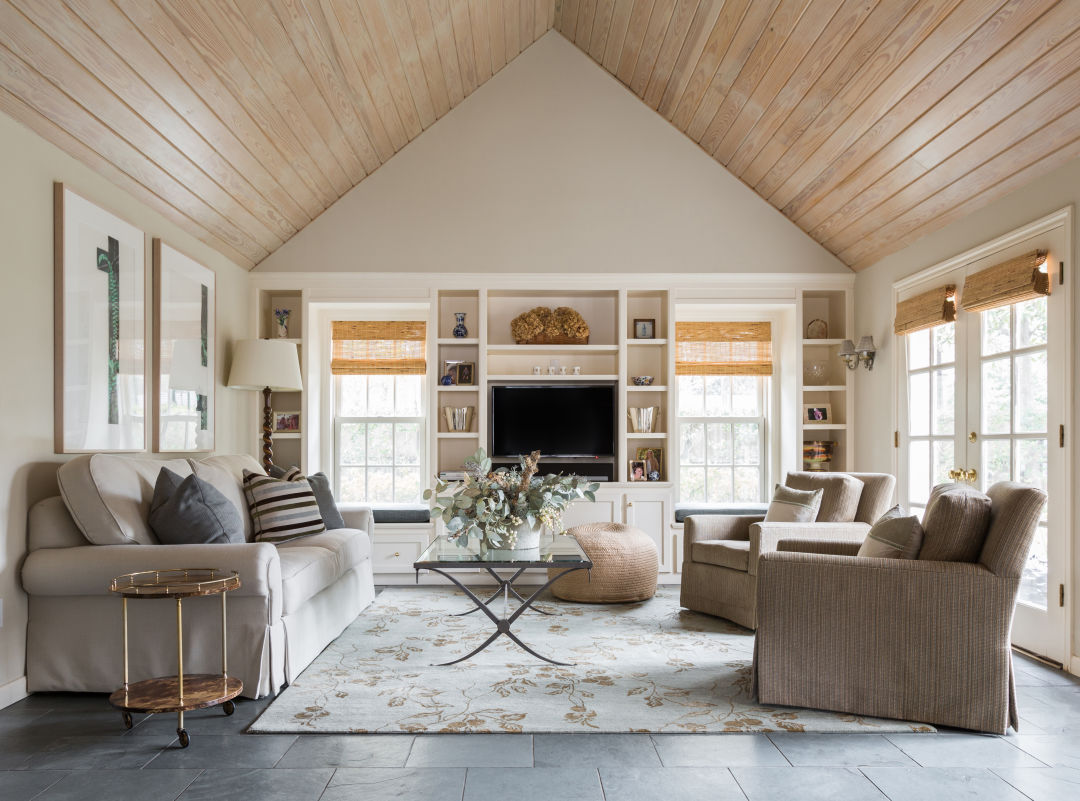
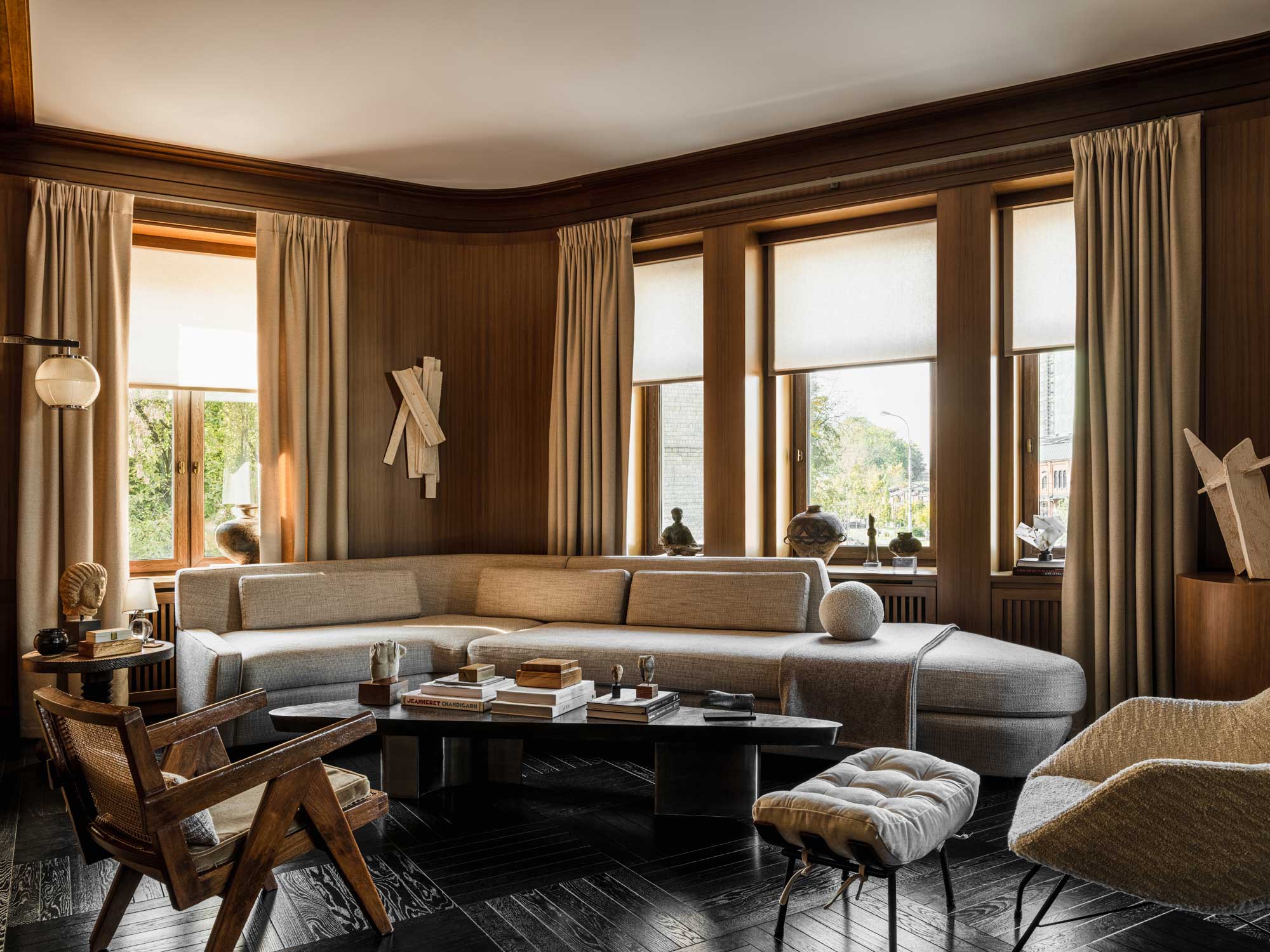
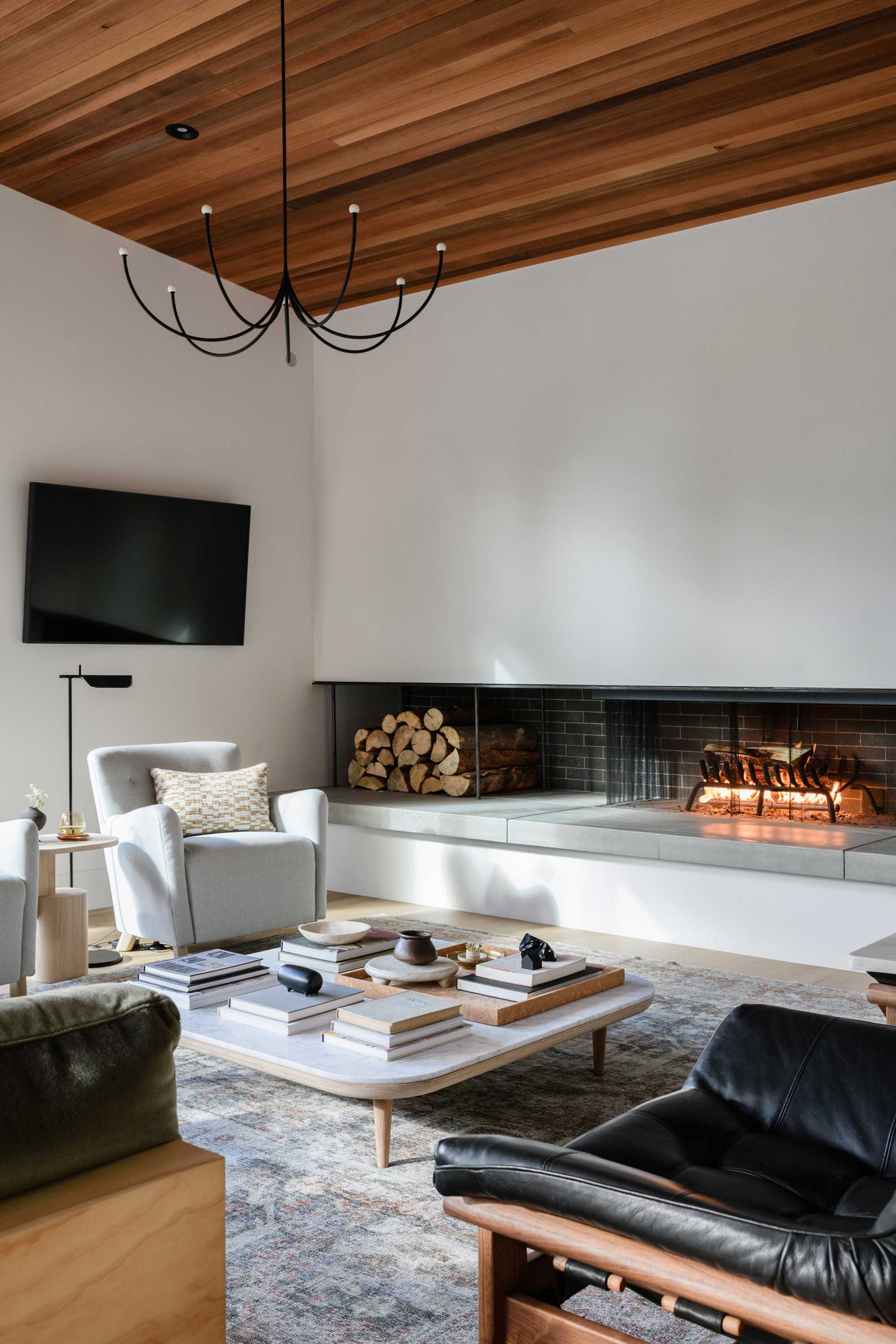
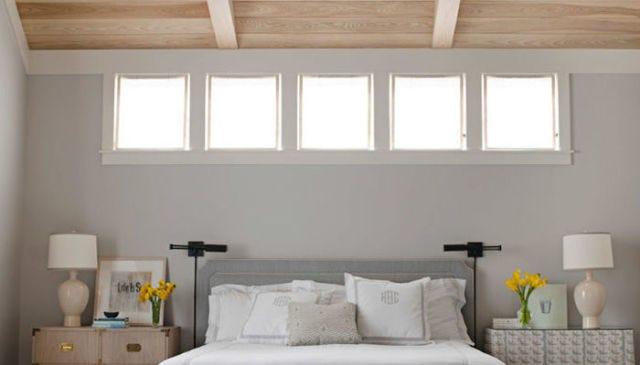
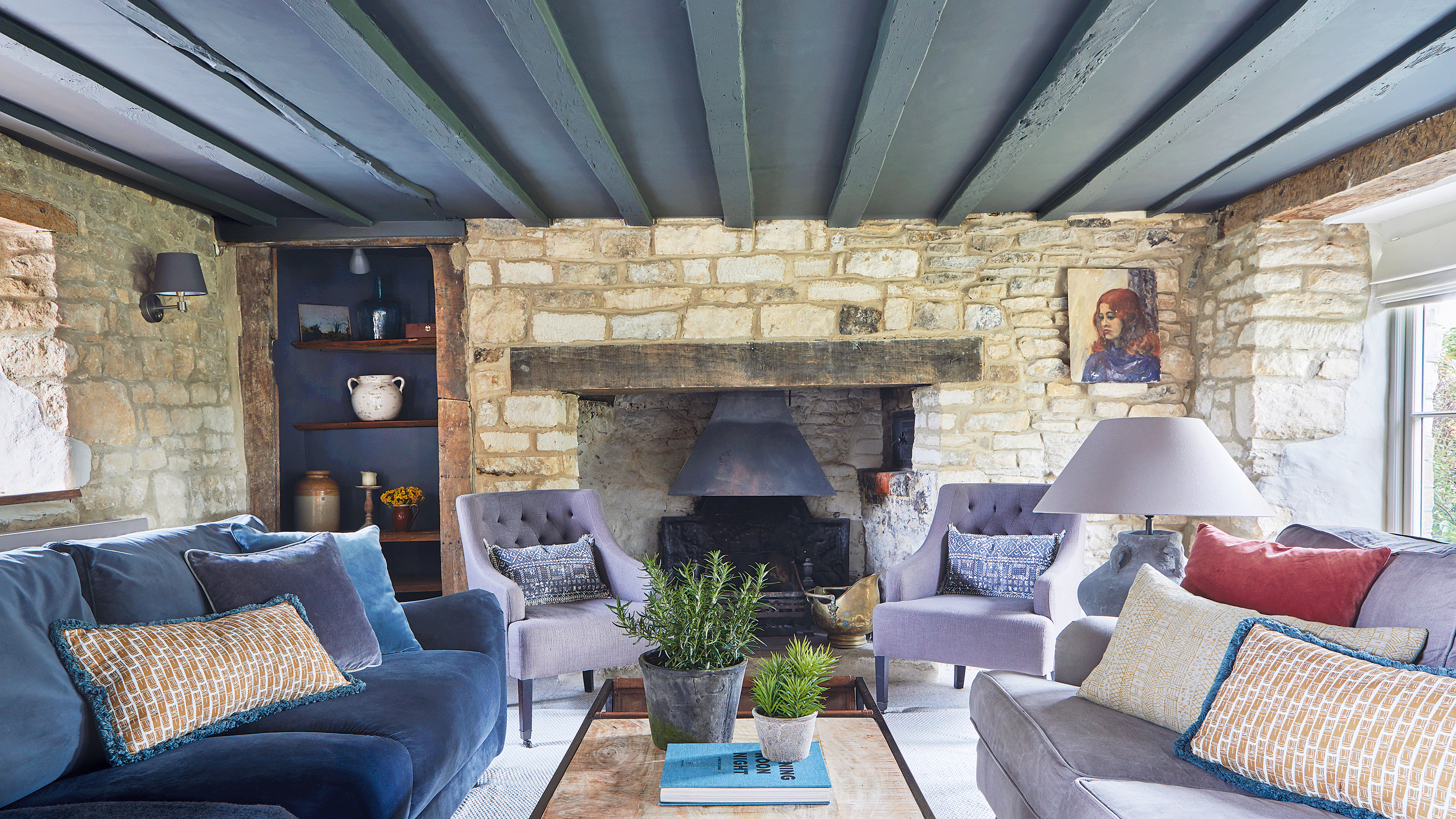
Adding texture is another powerful way to elevate a ceiling's design. Beyond the outdated "cottage cheese" finish, Hutton advocates for materials like wood planks, beams, shiplap, or even reclaimed flooring and scraped fence wood to introduce unique visual and tactile elements. She highlights a farmhouse project where pressed tin panels, subsequently painted, were used to create a distinctive ceiling, demonstrating the versatility of textured applications.
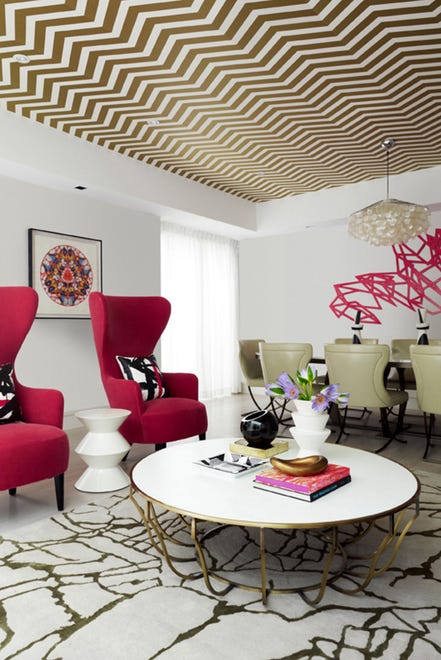
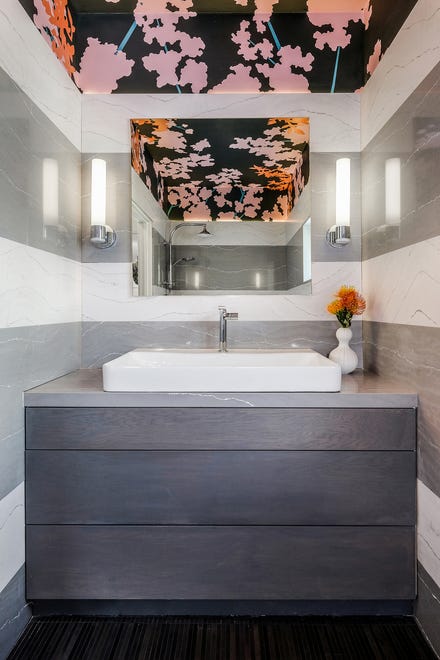
Stenciling offers a contemporary approach to ceiling decoration, moving beyond traditional methods. Hutton utilizes both custom-designed and purchased stencil patterns to create geometric designs that can suit modern aesthetics. She notes that these patterns can also be integrated into traditional homes for a touch of updated style. An example includes a two-tone floral pattern designed for a modern homeowner seeking to incorporate traditional elements. For a more understated effect, geometric patterns can be applied specifically within tray ceiling squares or rectangles.
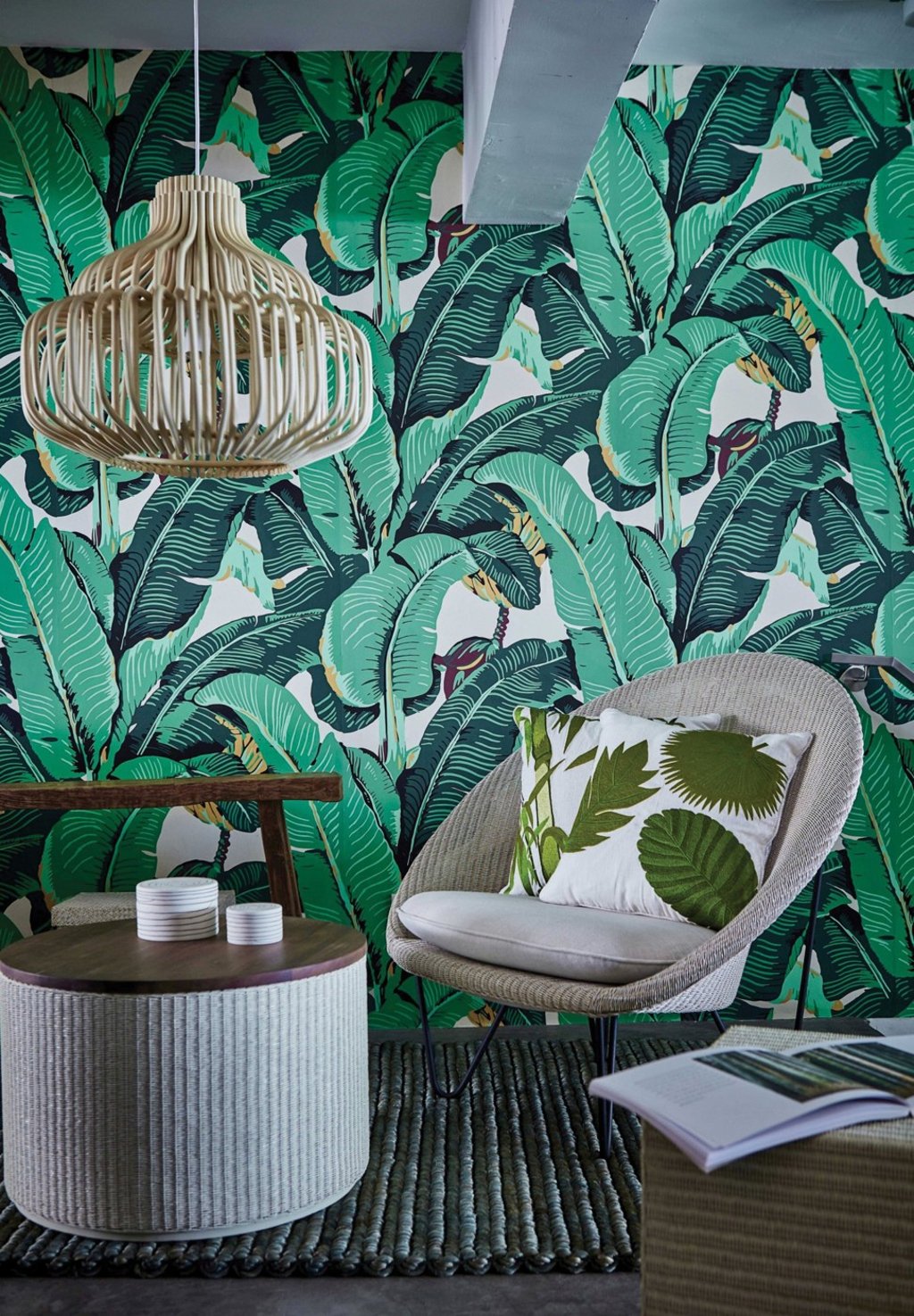
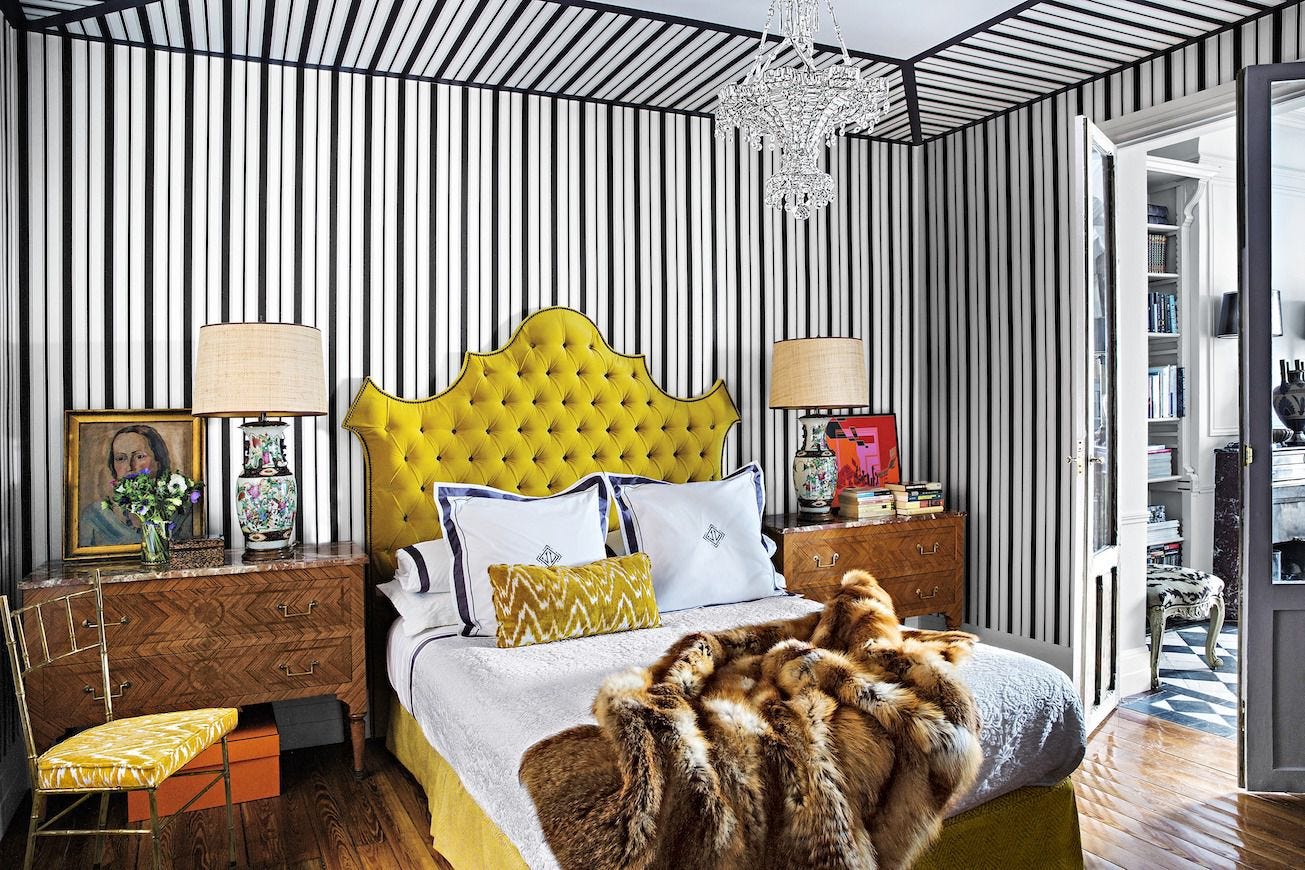
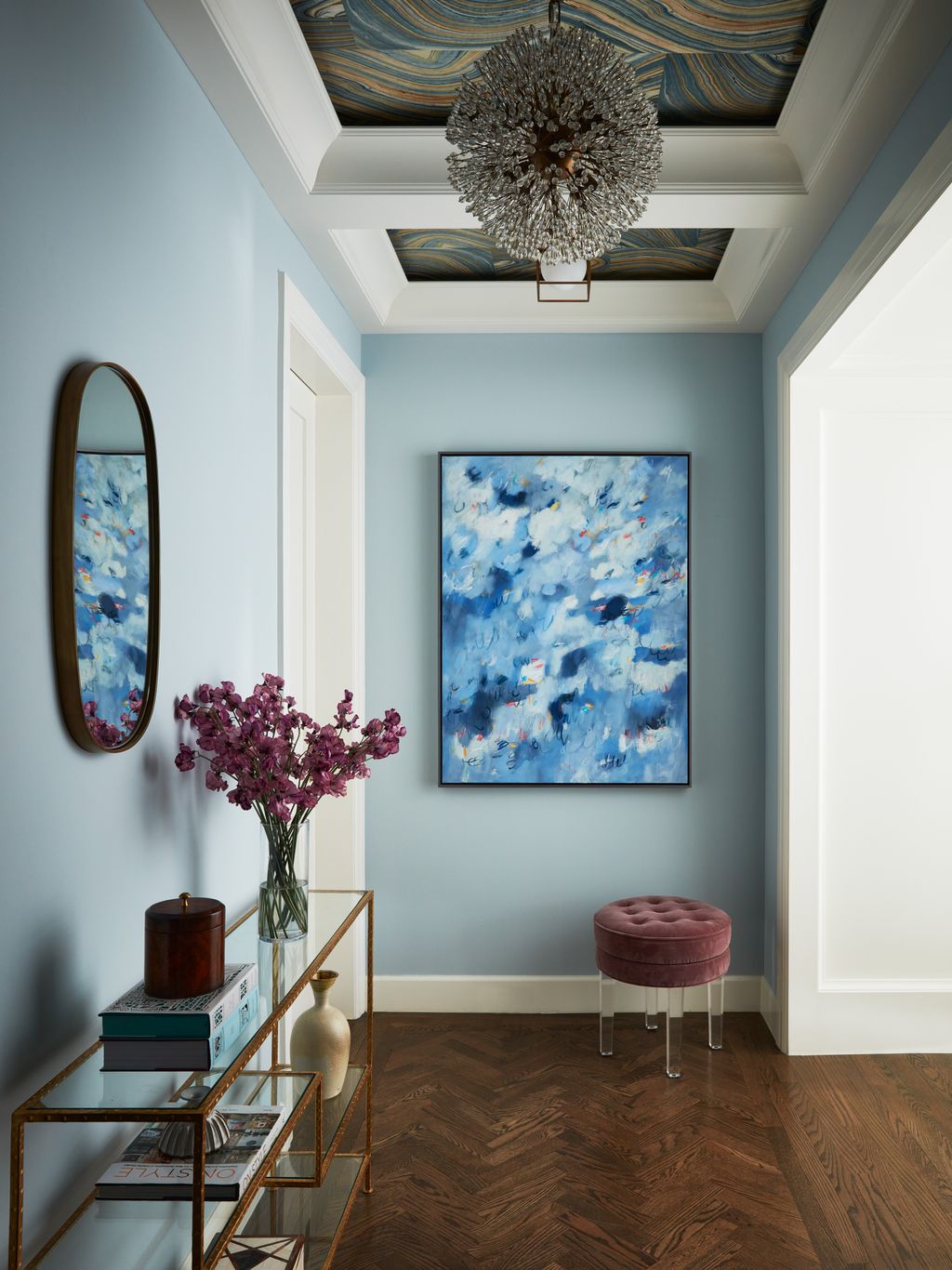
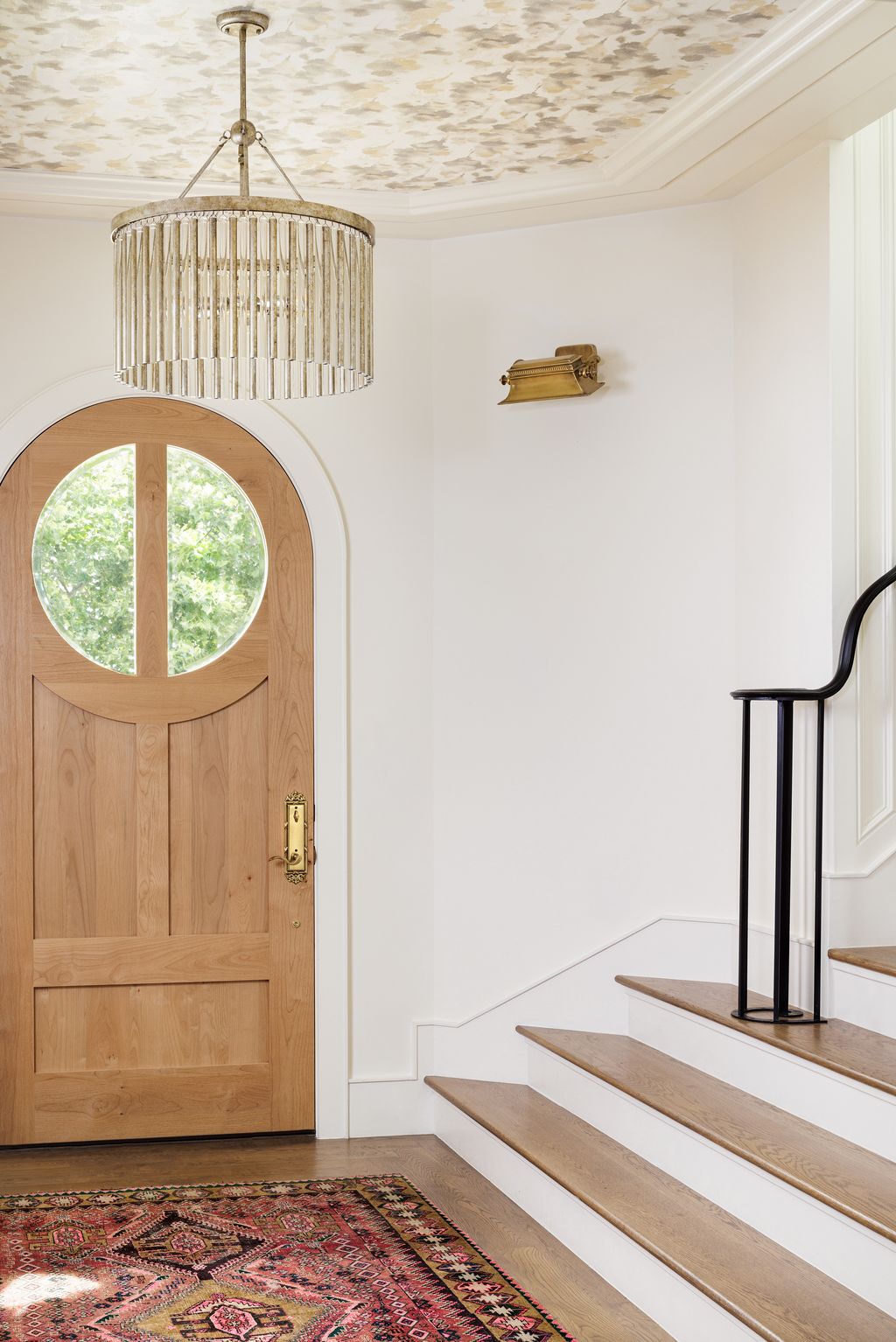
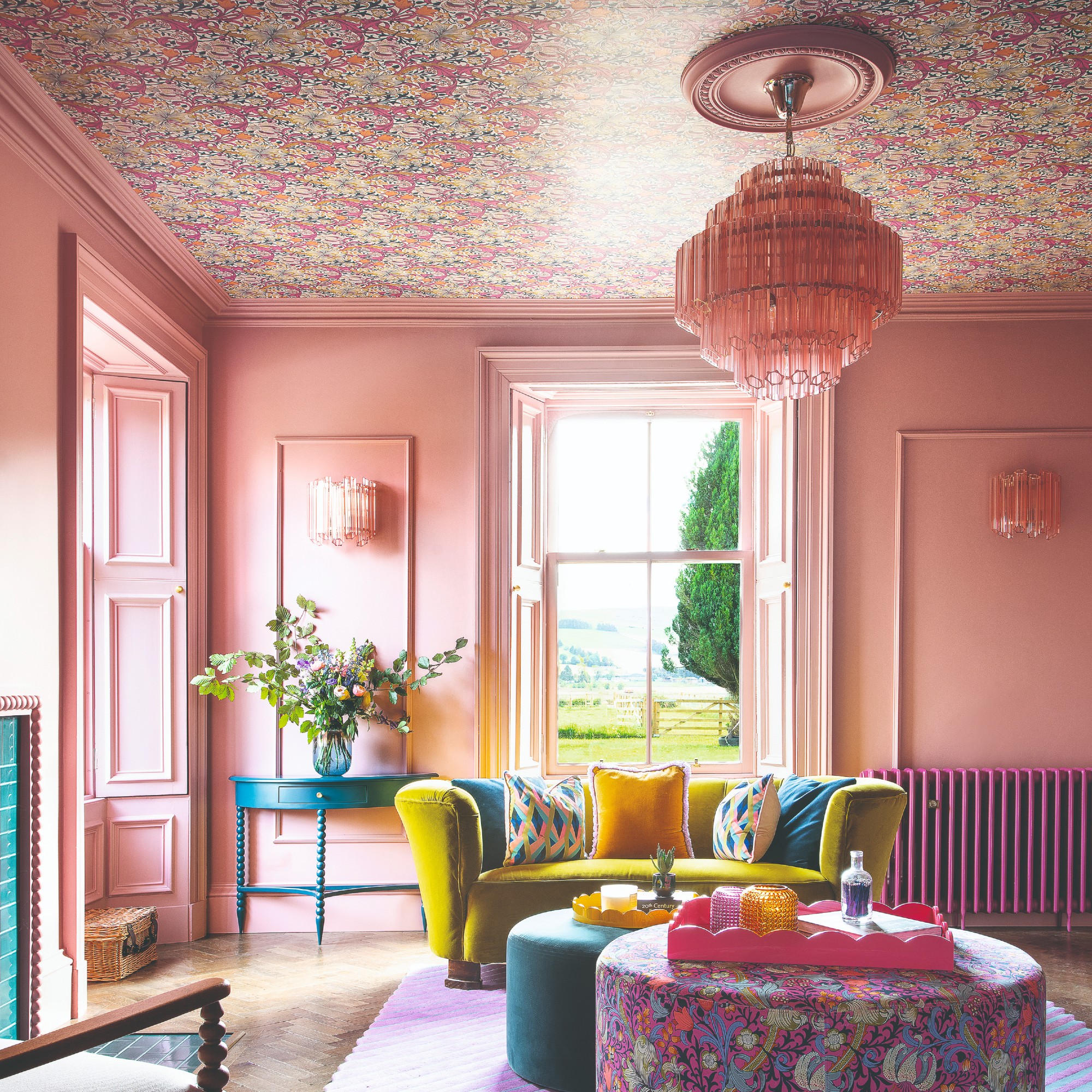
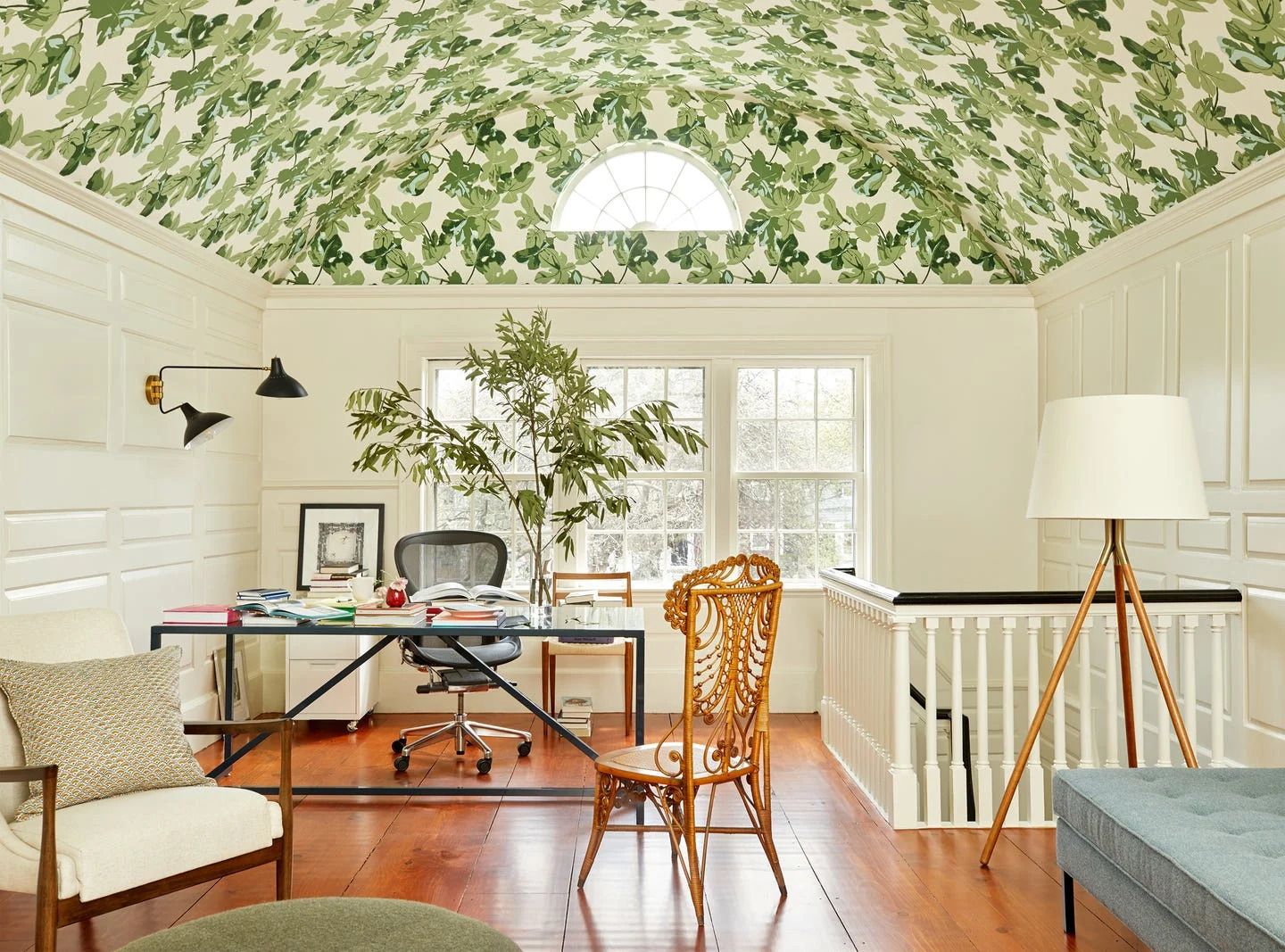
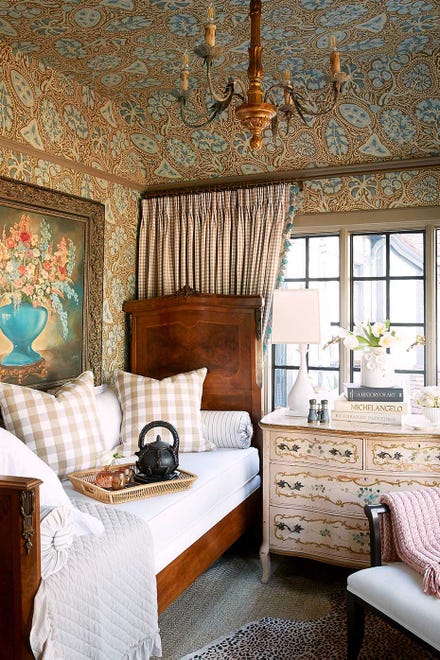
Finally, wallpaper is presented as an effective tool for creating visual interest on ceilings. While florals and abstract designs are popular choices, Hutton suggests exploring wallpapers that mimic other textures and finishes. She cited an instance where wallpaper designed to look like shiplap was used, providing a cost-effective and easier-to-install alternative to actual shiplap. These methods collectively underscore the importance of treating the ceiling as a crucial component of a room's overall design, capable of enhancing ambiance, space perception, and aesthetic appeal.
#InteriorDesign #CeilingDesign #HomeDecor #Renovation #ArchitecturalDetail #PaintColors #TexturedCeilings #Stenciling #Wallpaper #InteriorDesign #CeilingDesign #HomeDecor #Renovation #ArchitecturalDetail #PaintColors #TexturedCeilings #Stenciling #Wallpaper
合計0件のコメント
 まだコメントはありません
あなたも好きかもしれません
The ceiling is the most important wall in your home – and as a designer, this is how I get them right

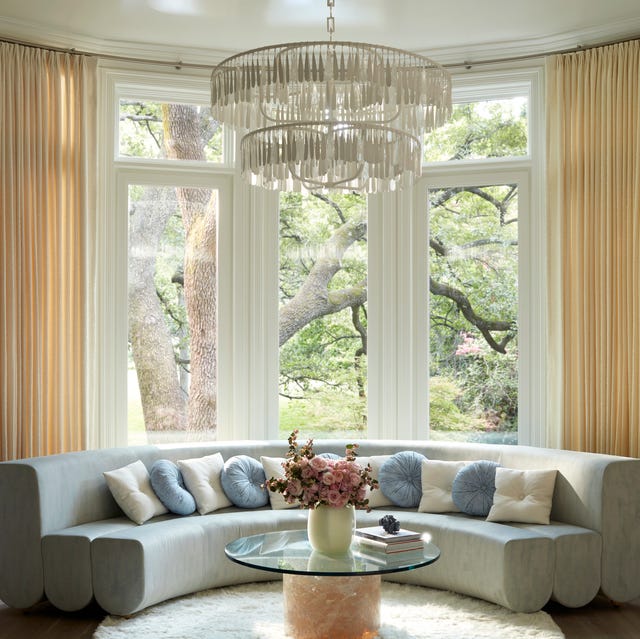
How to Decorate a Room with a High Ceiling, According to Designers
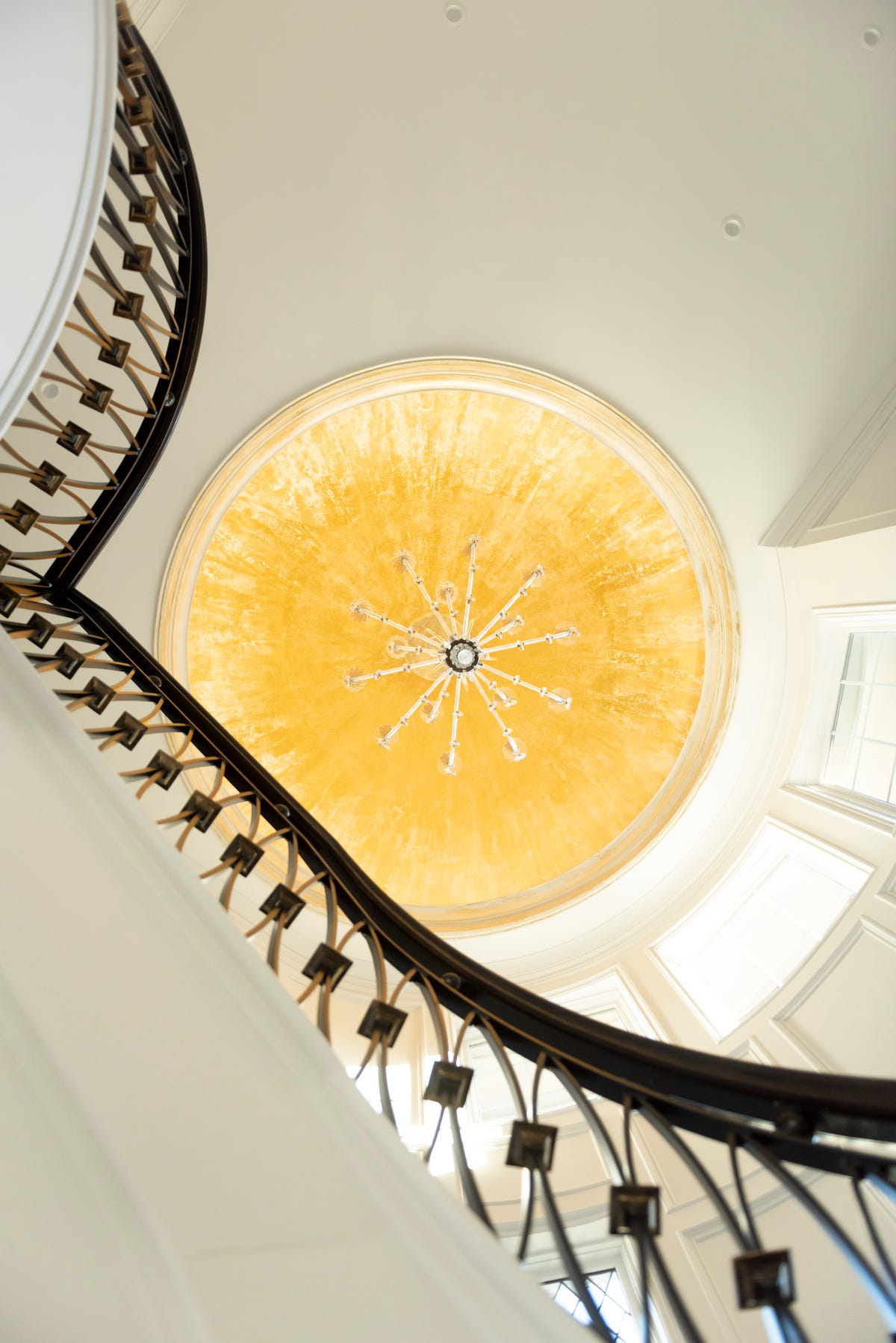
Statement ceilings: Pay attention to the fifth wall to create a finessed space
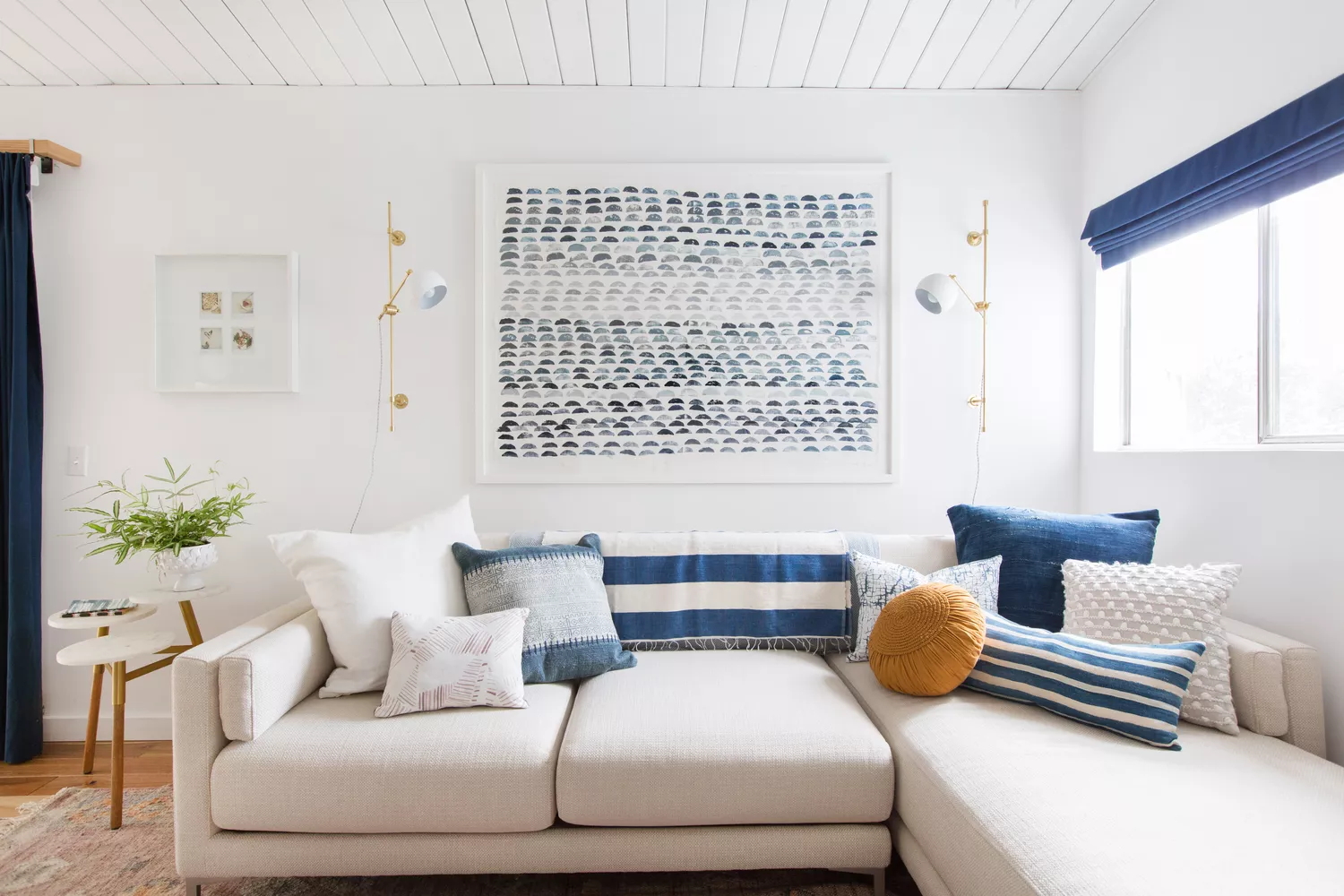
How to Fake Taller Ceilings in Your Home (Even If They're Low), According to Designers

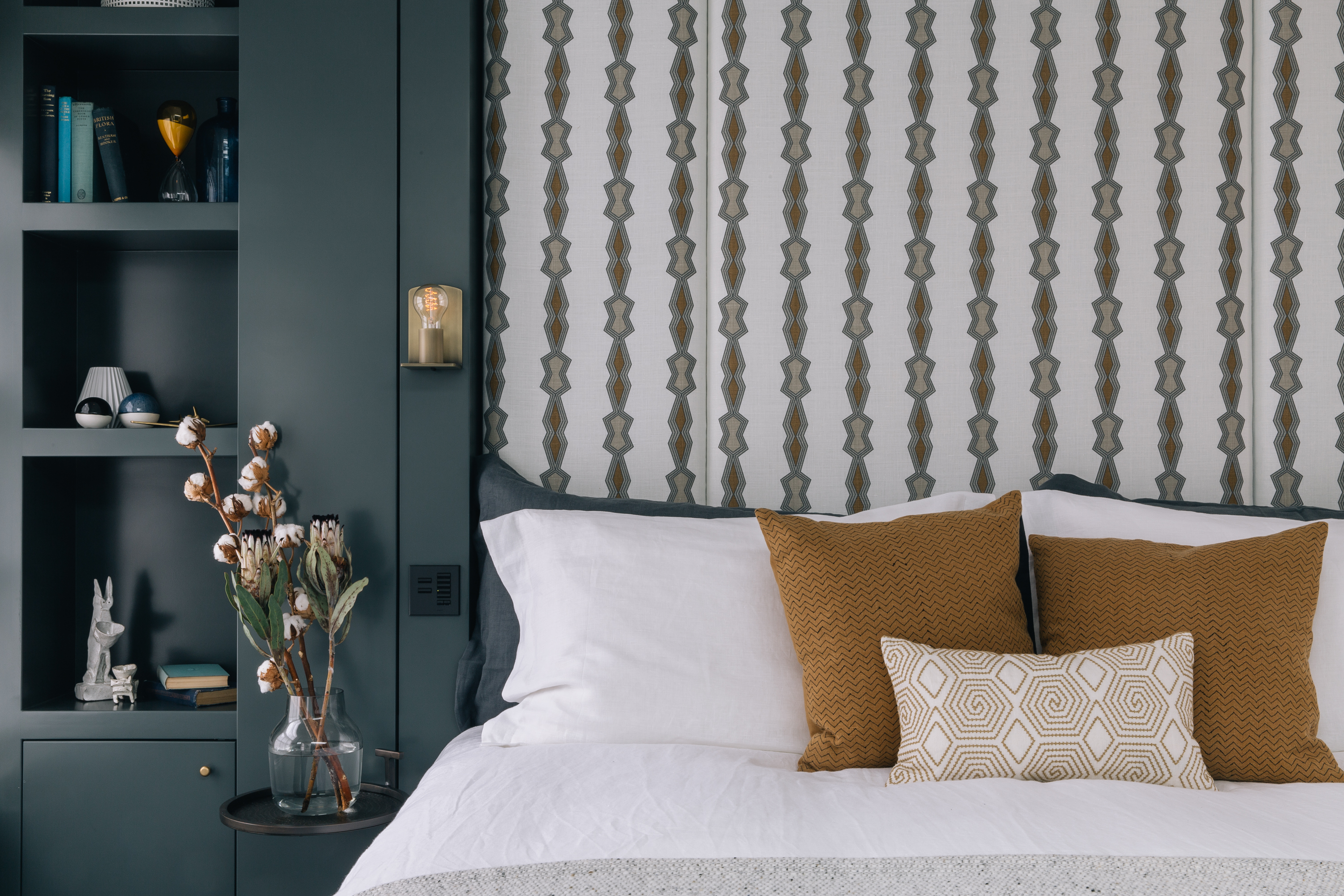
7 tricks design experts use to make a bedroom ceiling seem higher
11 Pro Tricks to Make It Look Like You Have High Ceilings
Latest Bedroom False Ceiling Ideas for Your Dream Home
How to make your ceiling more attractive – 7 ways to turn the neglected fifth wall into a beautiful feature
Designer-Approved Tips to Make the Most of High Ceilings

Why Ignoring the Ceiling Could Ruin Your Room, According to Interior Designers

Living room ceiling ideas – perk up your 5th wall with our expert advice
4 Times Designers Say You Definitely Shouldn't Paint Your Walls and Ceiling in the Same Color

Remember ceiling when decorating rooms
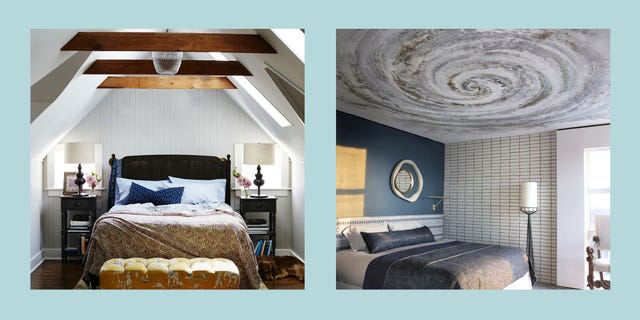
These Bedroom Ceilings are a Statement Focal Point
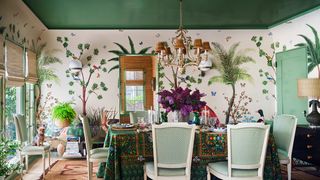
12 Stunning Ceiling Design Ideas That Will Have You Looking Up All Day Long

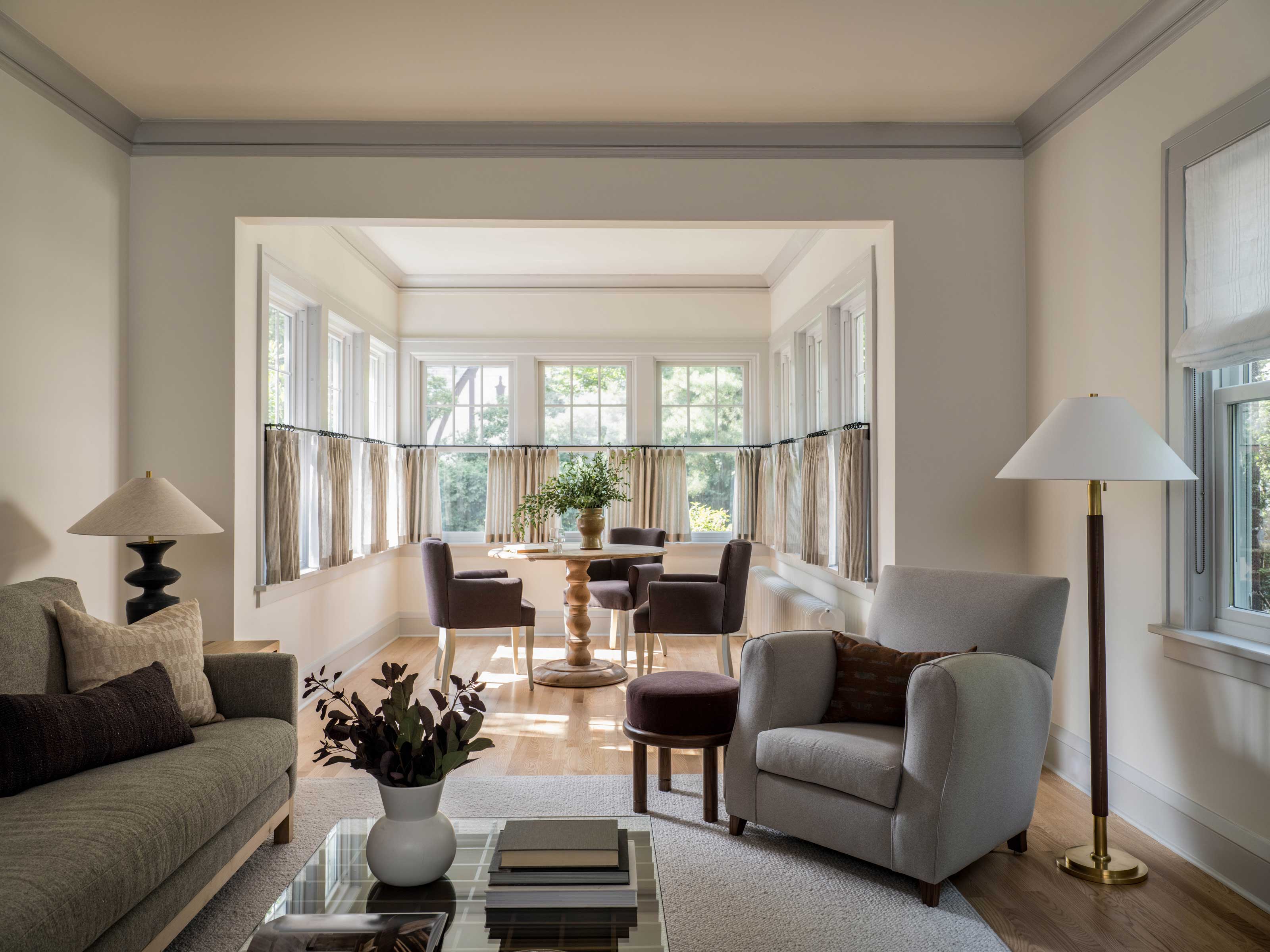
Does every room need a ceiling light? There's one in particular that really doesn't, these designers agree
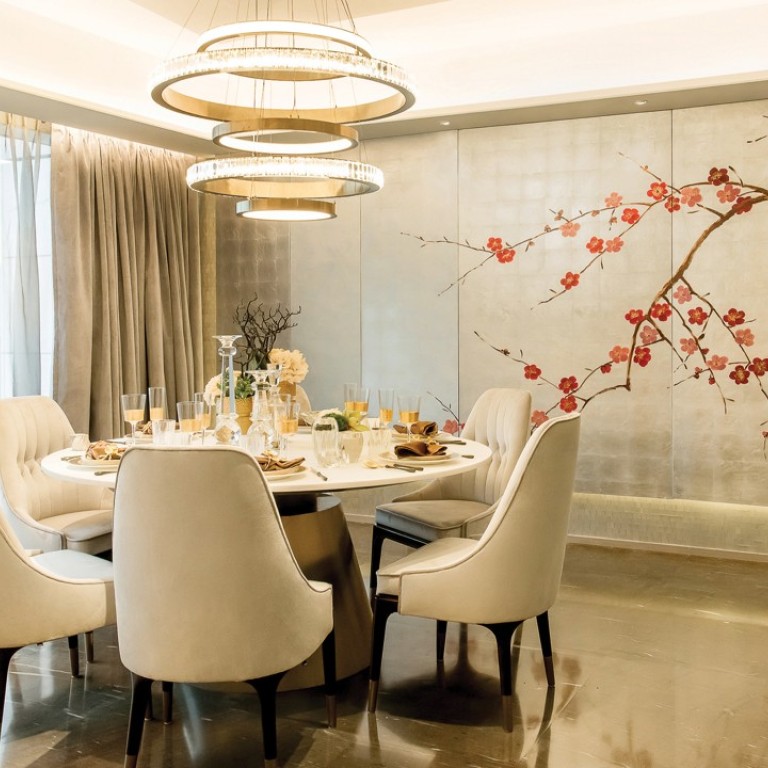
How to make your ceiling light up the room

Homestyle: Ceilings are where it's at
How Decorating Your Ceiling Can Transform Your Entire Room

7 Things Designers Immediately Notice When They Enter A Room