1/9
The Library: All the Basics You Need to Know About Lighting Before Starting Your Next Project, According to the Experts
Effective home lighting is a complex art that goes beyond simply choosing attractive fixtures; it dictates a room's mood, function, and character. Before embarking on a home renovation or design project, it's crucial to understand the foundational principles of lighting design. This involves grasping key concepts such as layering, optimal placement, color temperature, light output, dimming capabilities, and specific safety considerations for areas like bathrooms. Interior designers and lighting experts emphasize that a well-executed lighting scheme can bring every surface, texture, and color to life, whereas poor lighting can diminish even the most beautiful interiors.
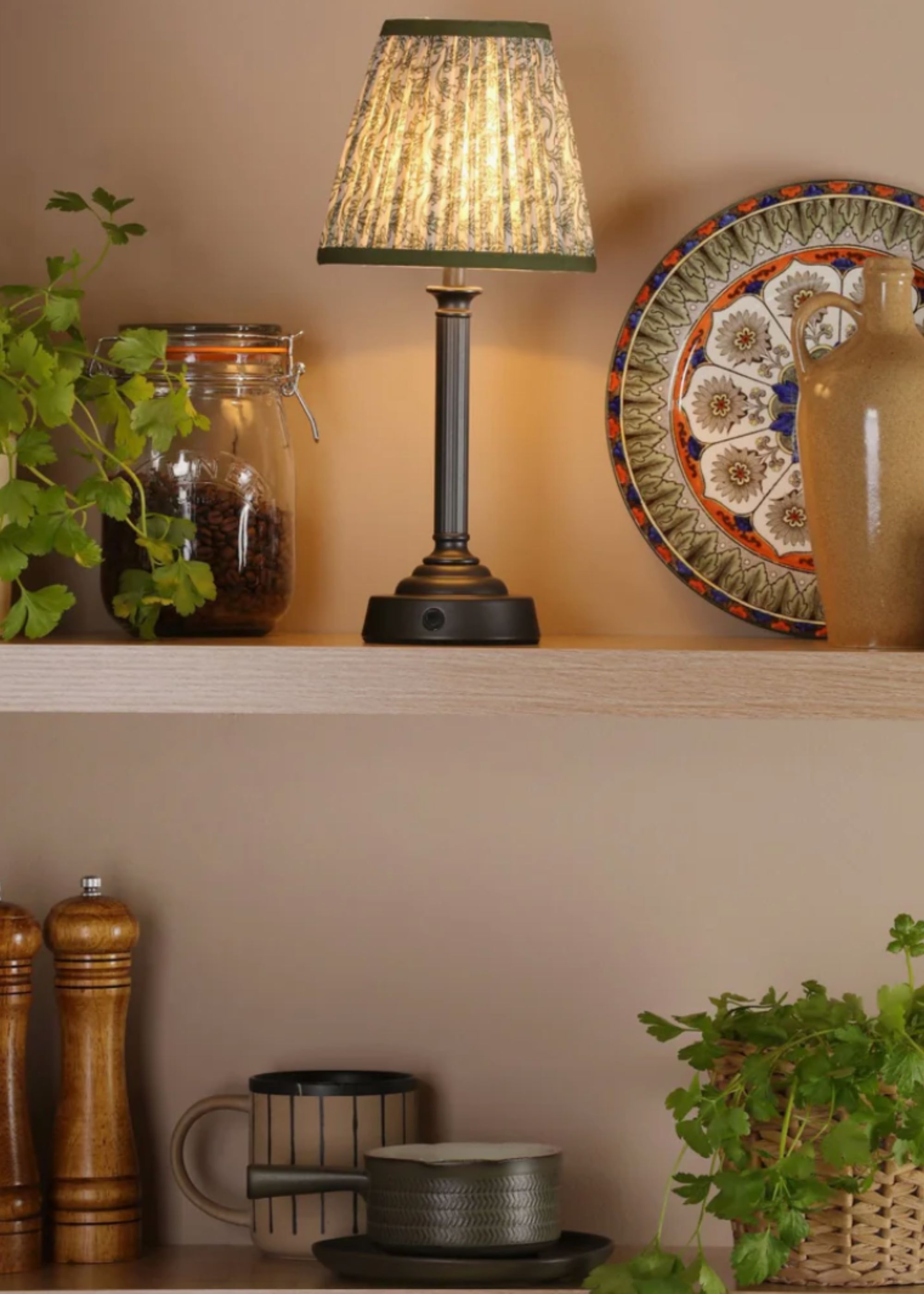
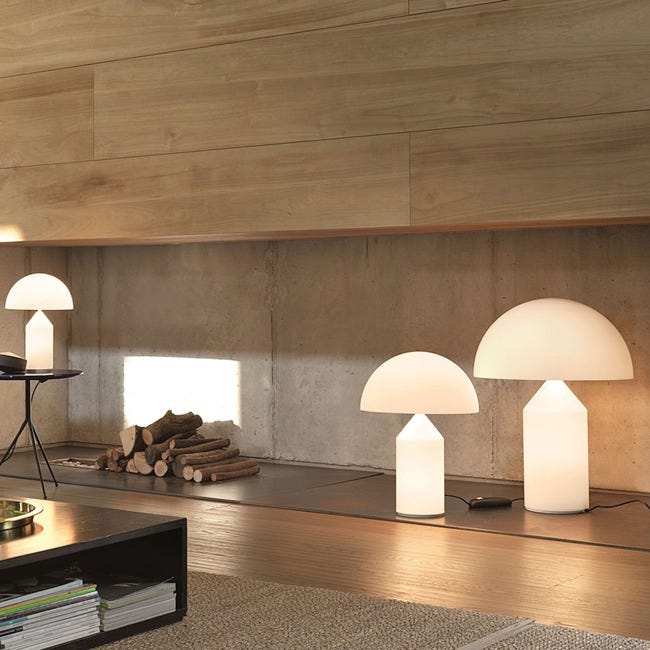
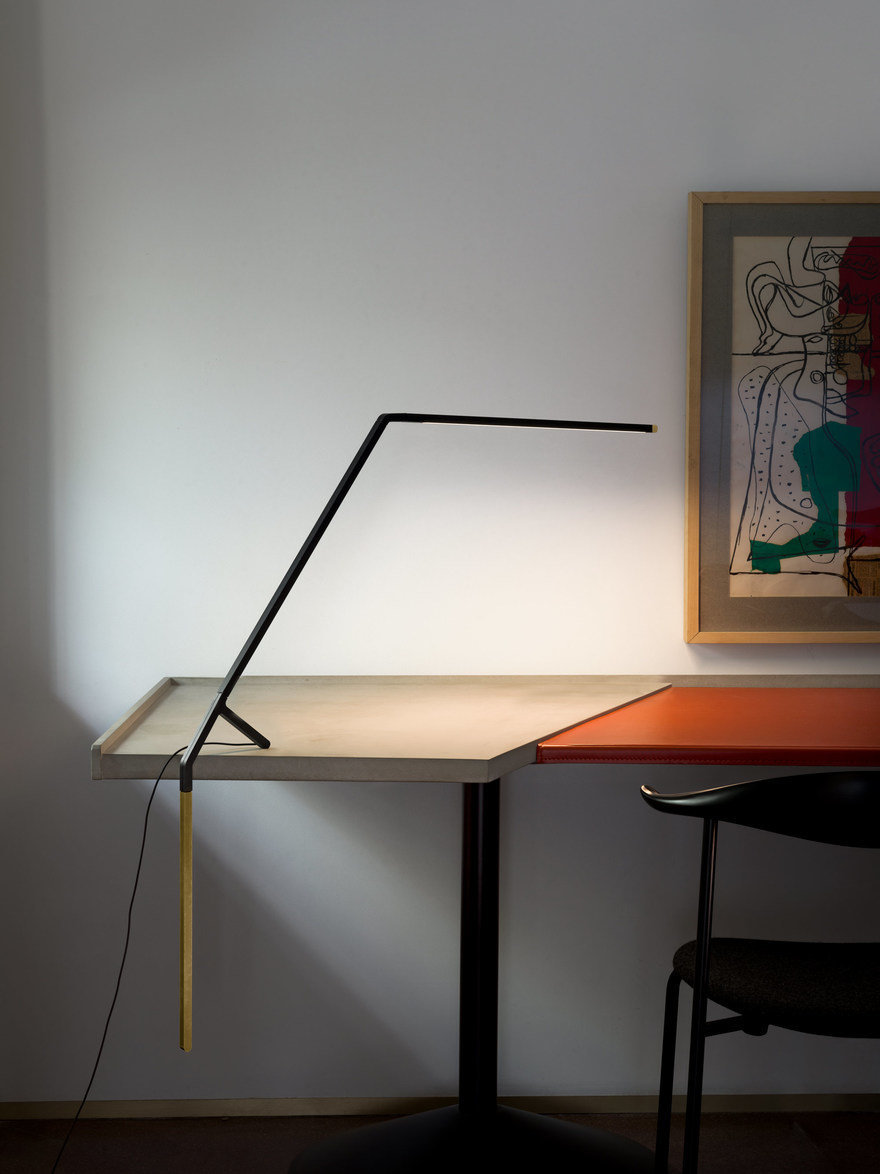
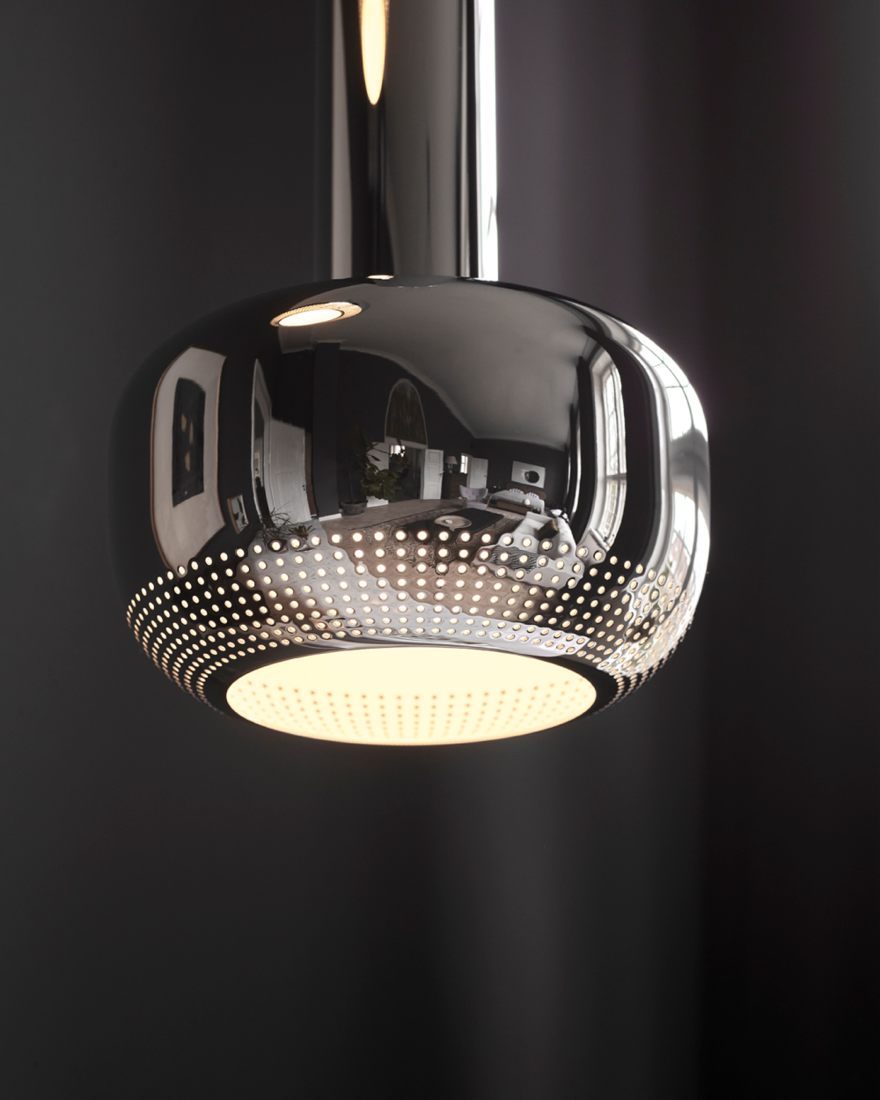
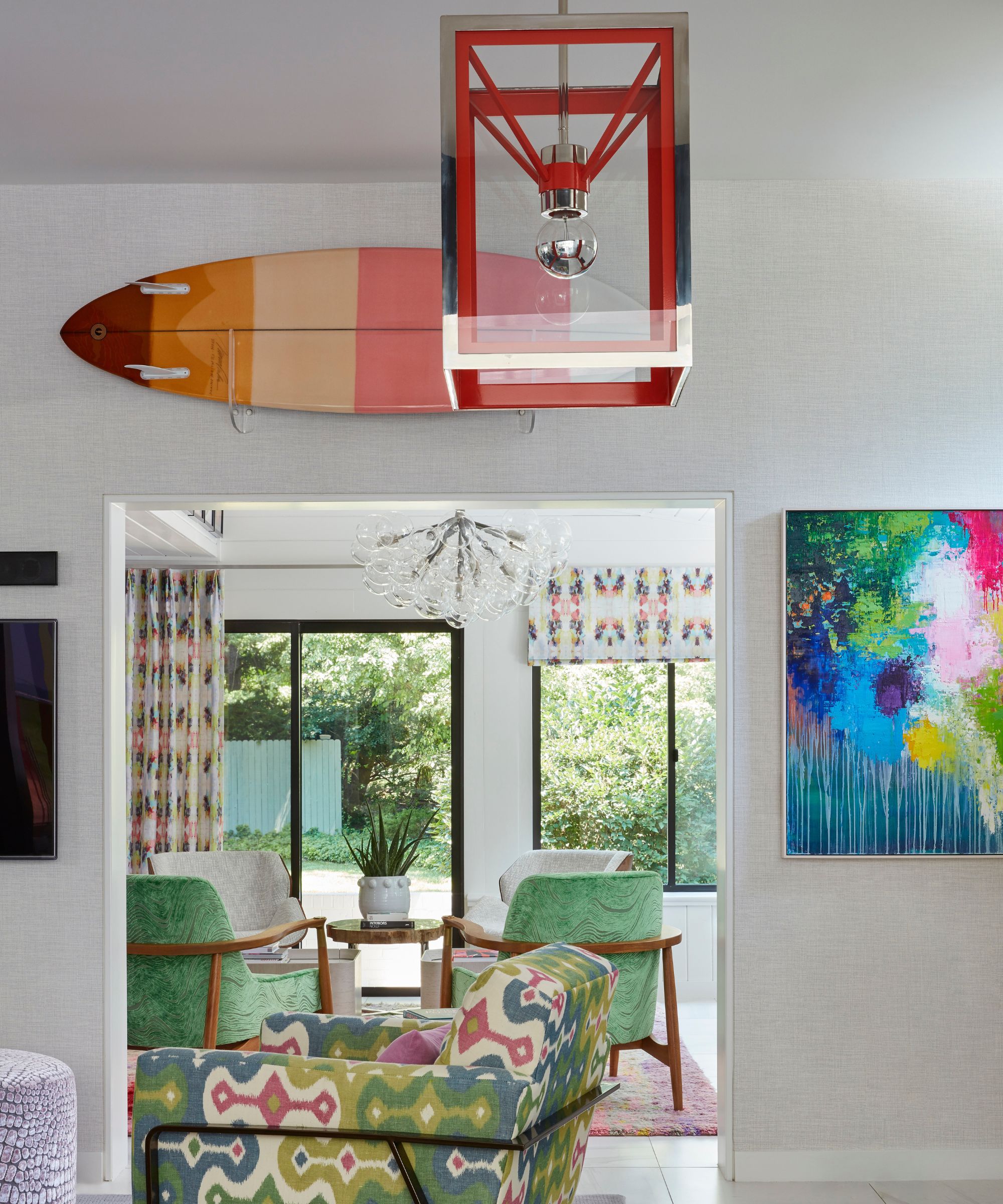
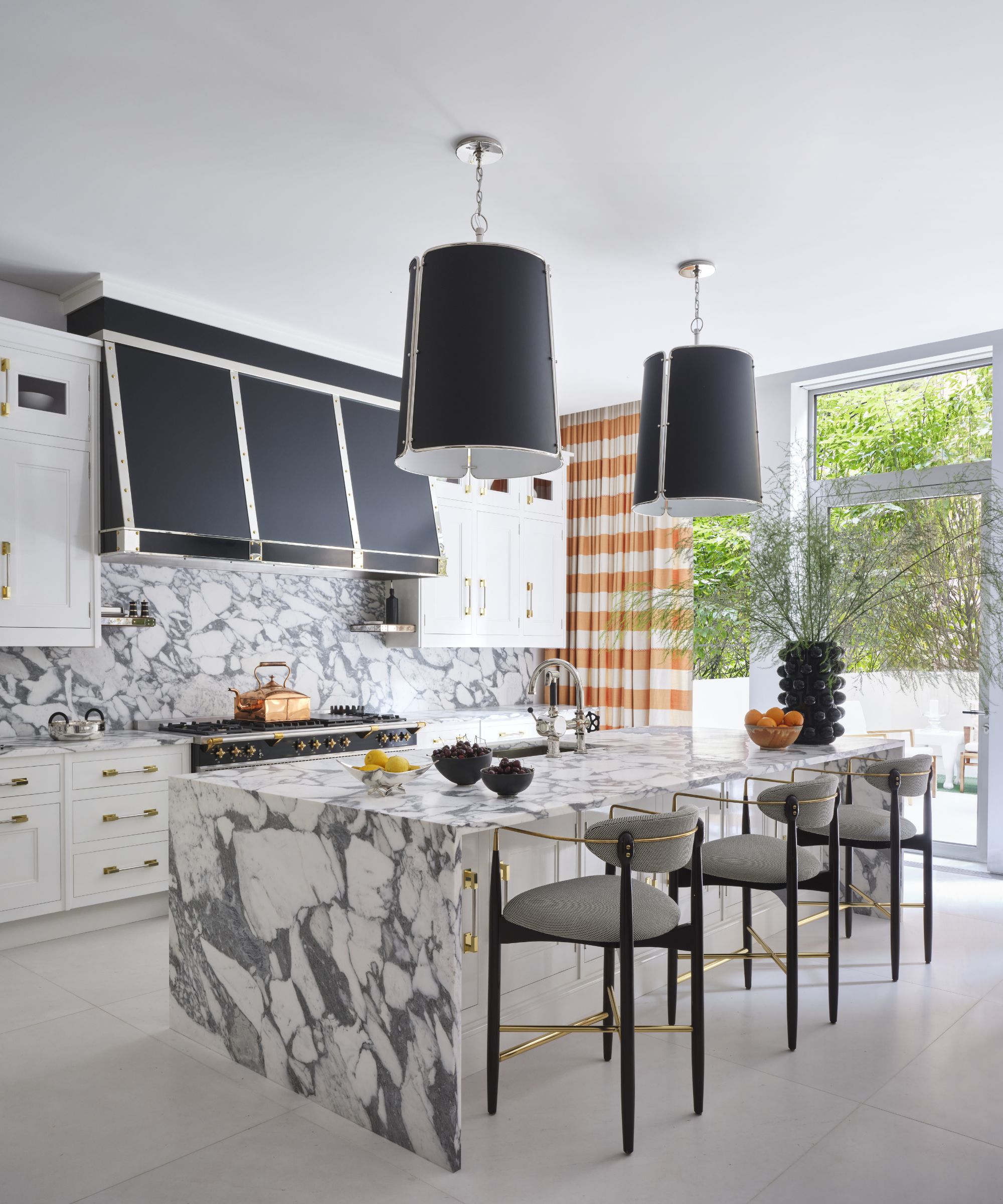
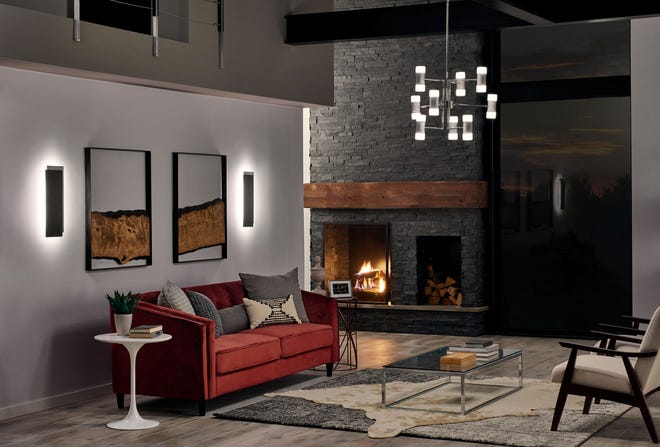
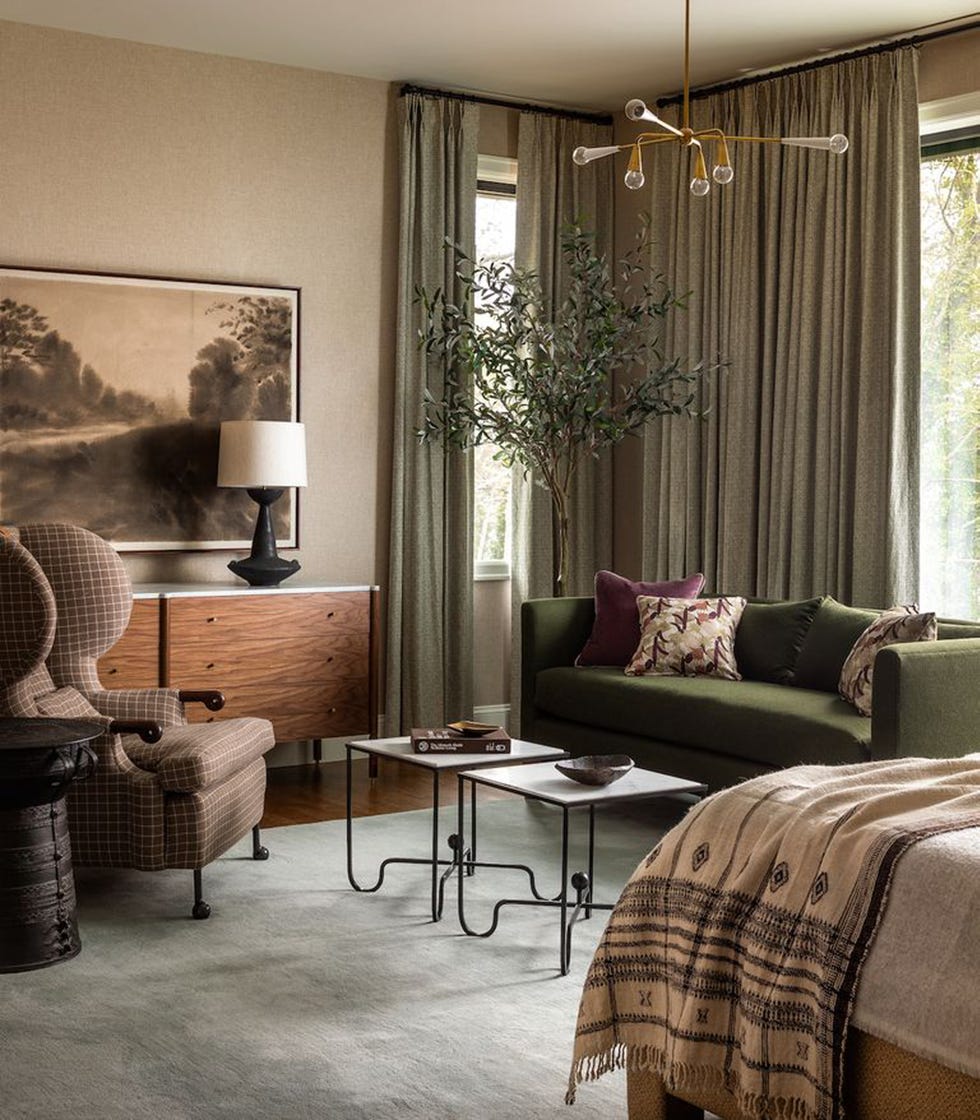
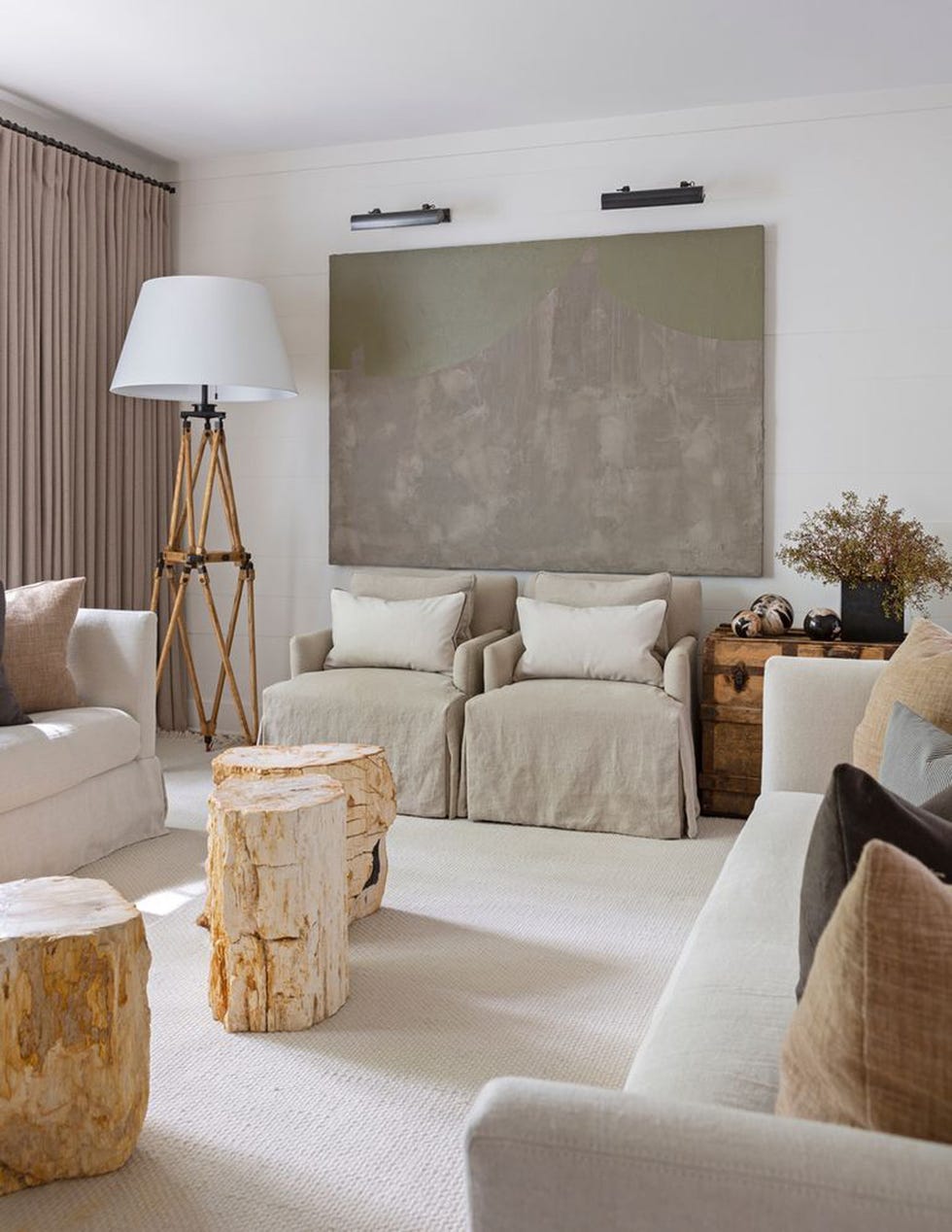
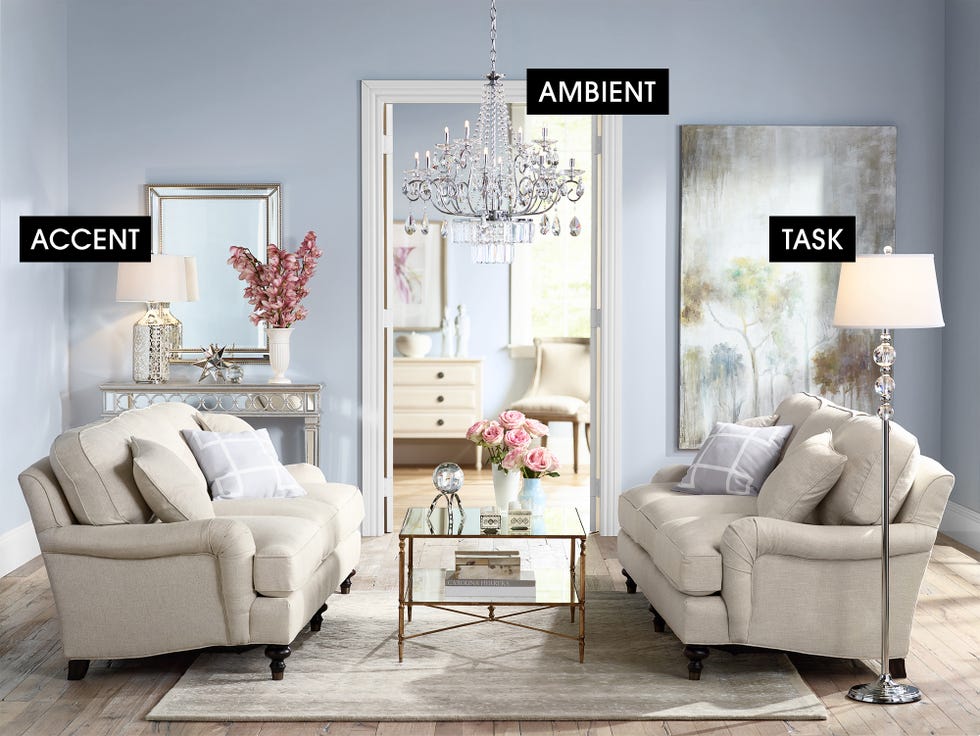
A fundamental aspect of professional lighting design is the concept of layering. Rather than relying on a single overhead 'big light,' experts advocate for a multi-layered approach incorporating three main types of lighting: ambient, task, and accent. Ambient lighting provides overall illumination, often from ceiling fixtures or recessed lights, ensuring the general brightness of a space. Task lighting is designed for specific activities, such as under-cabinet lights in a kitchen or a reading lamp by a chair, offering focused and purposeful illumination. Accent lighting, conversely, enhances mood and highlights particular features like artwork, adding character and visual interest to a room. Combining these layers ensures both functionality and atmosphere, allowing for a balanced and adaptable lighting environment.
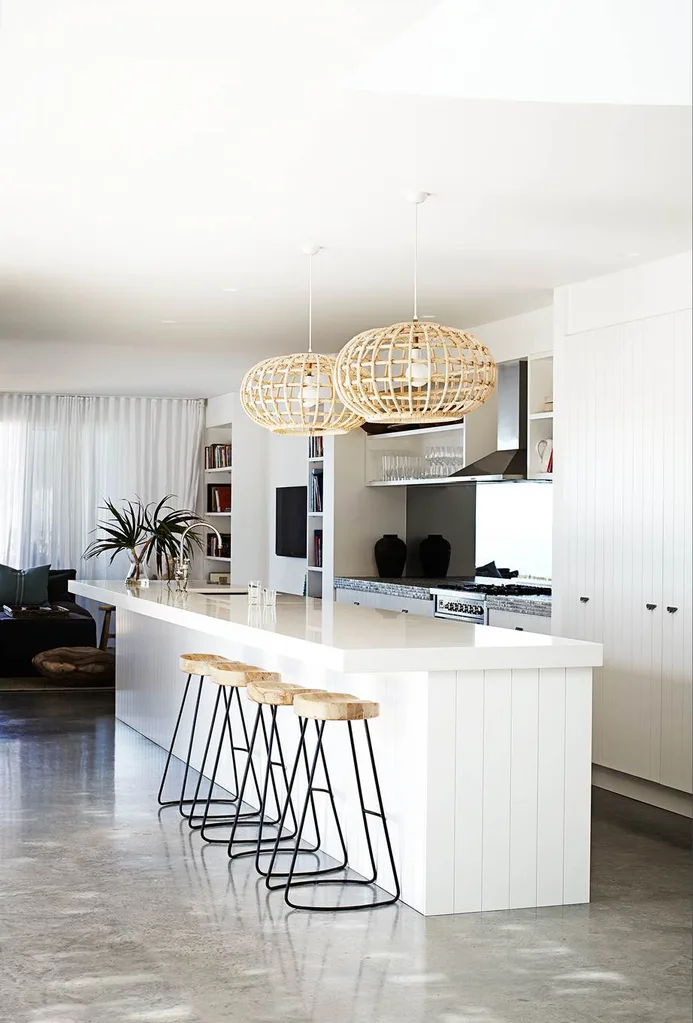
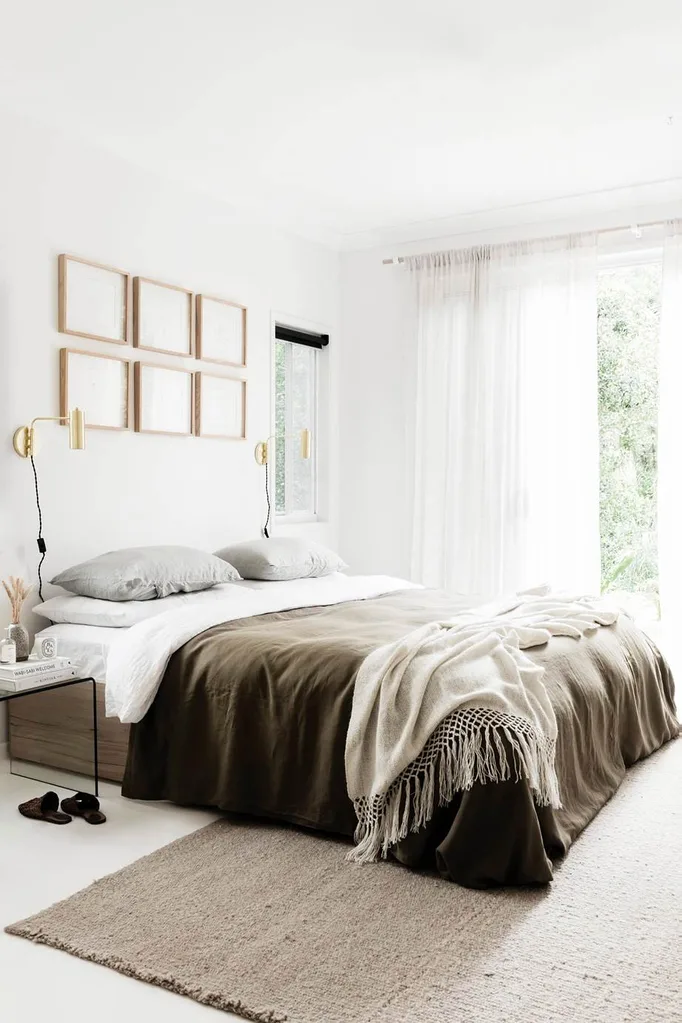
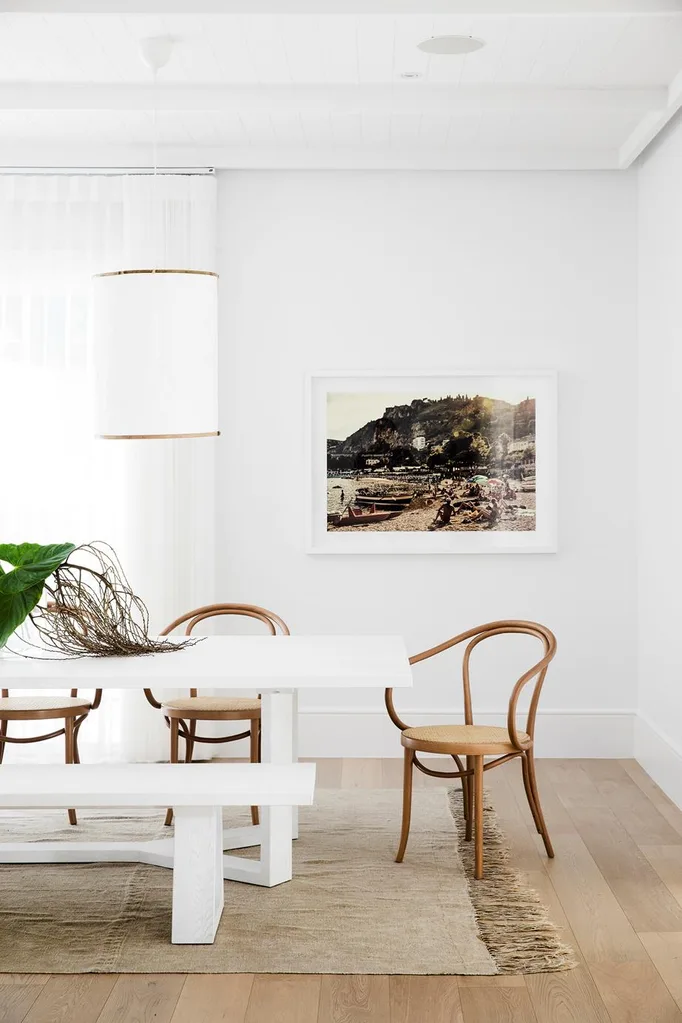
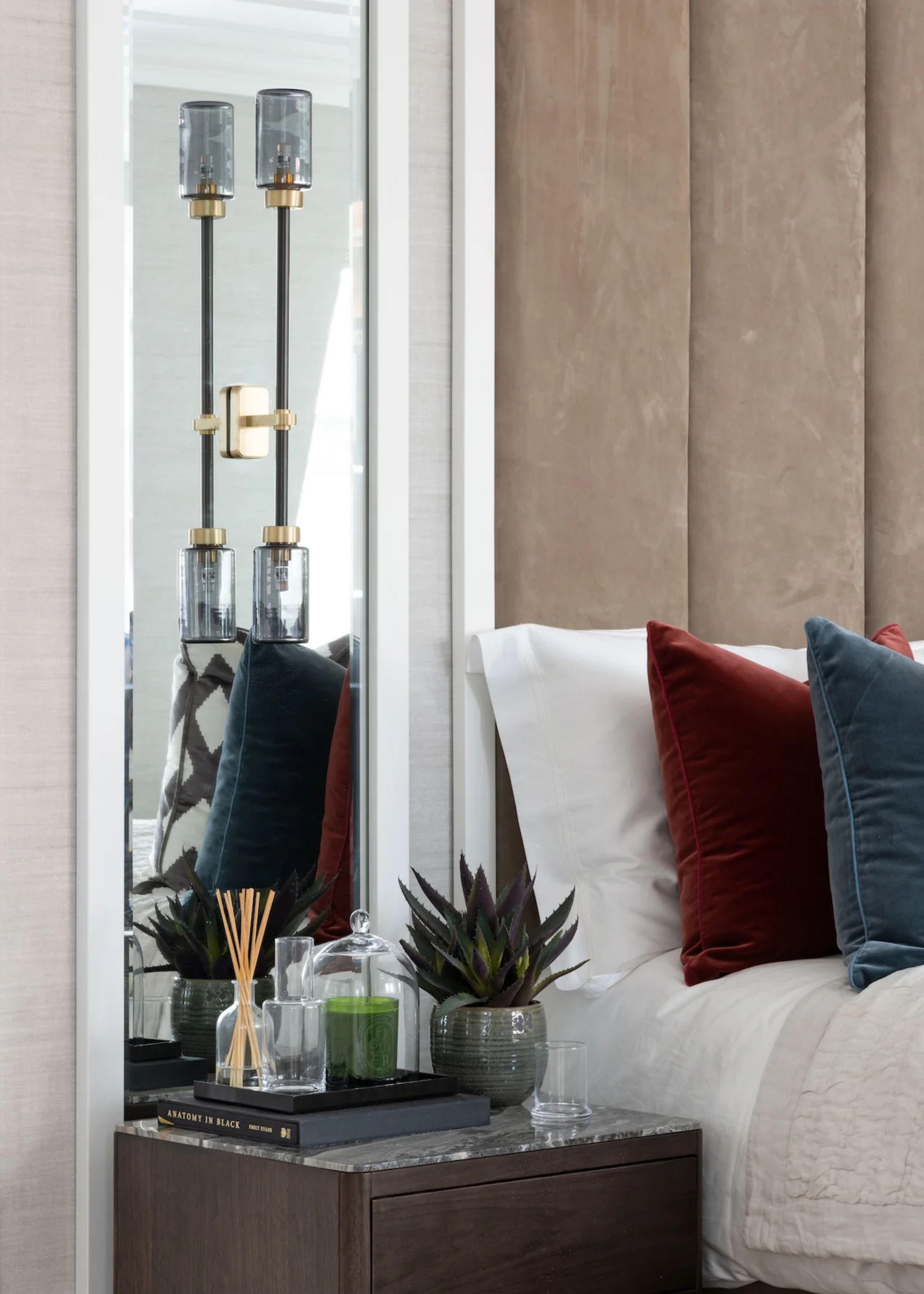
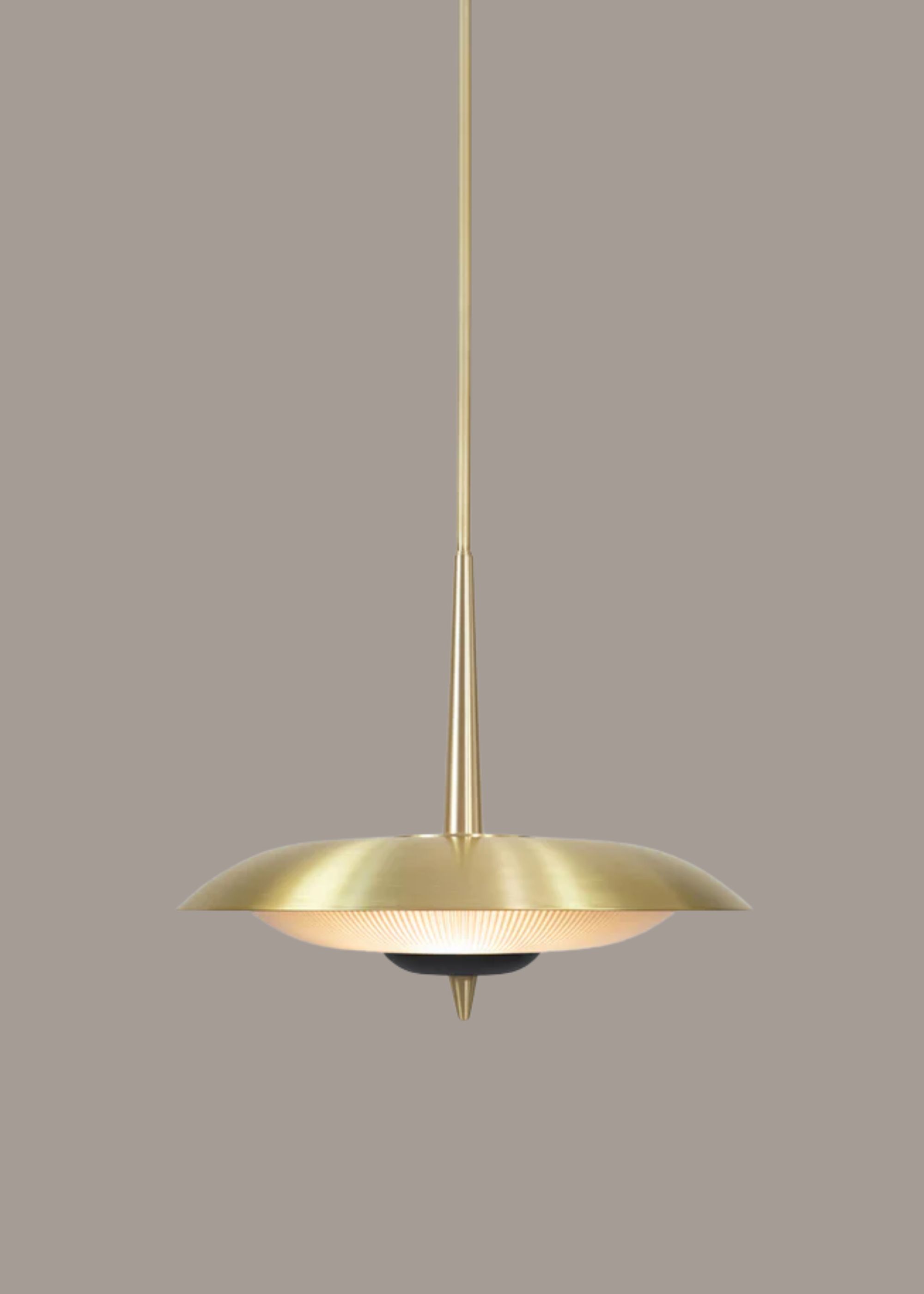
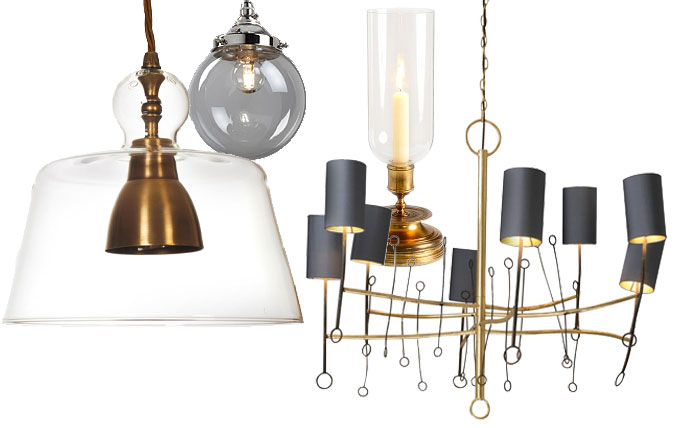
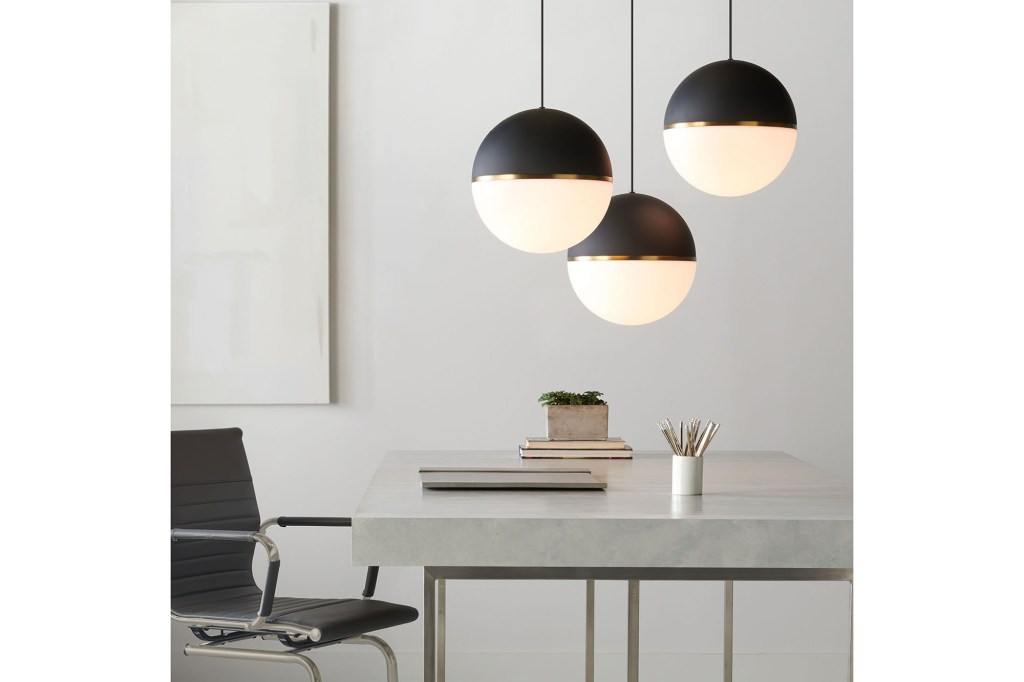
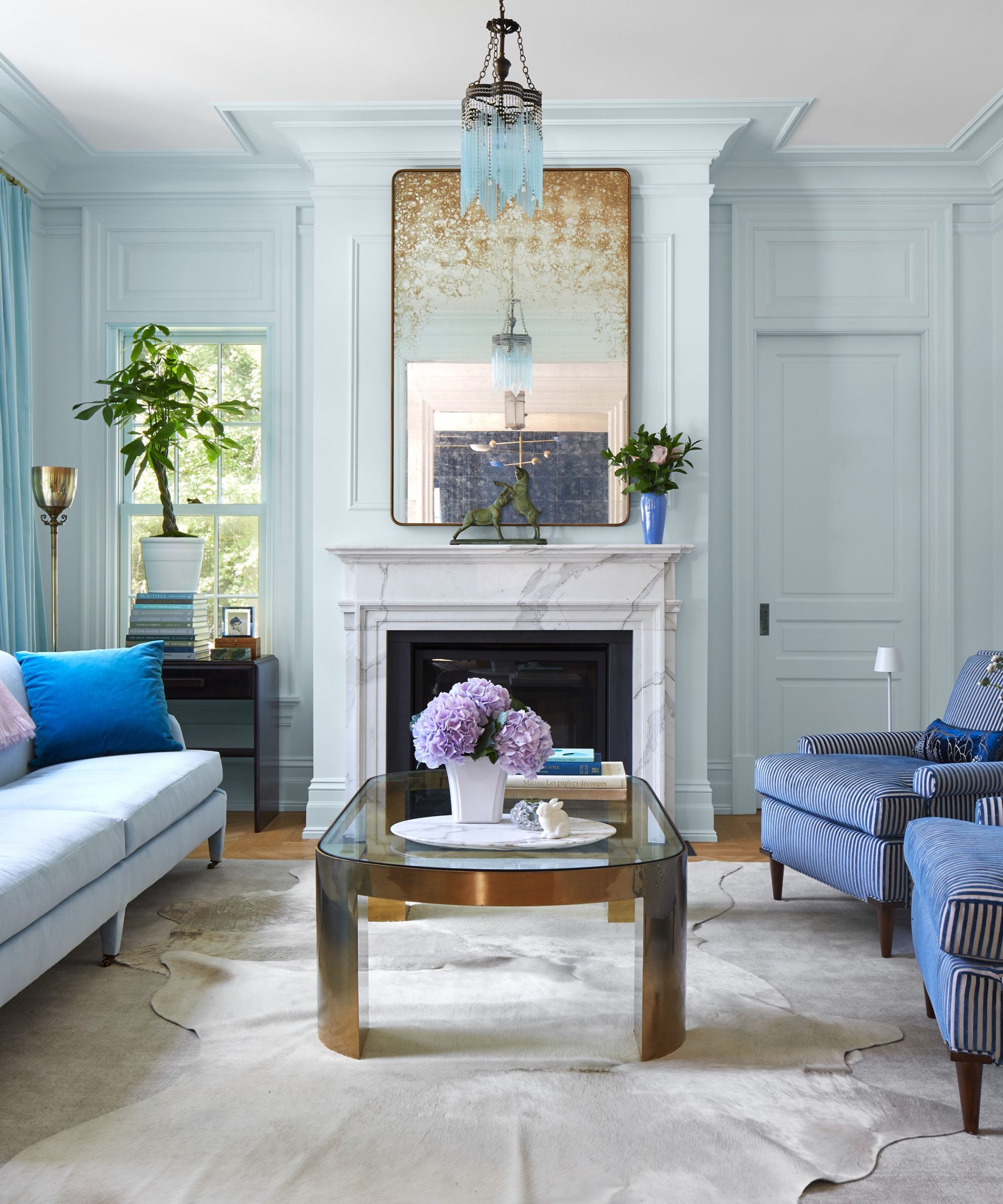
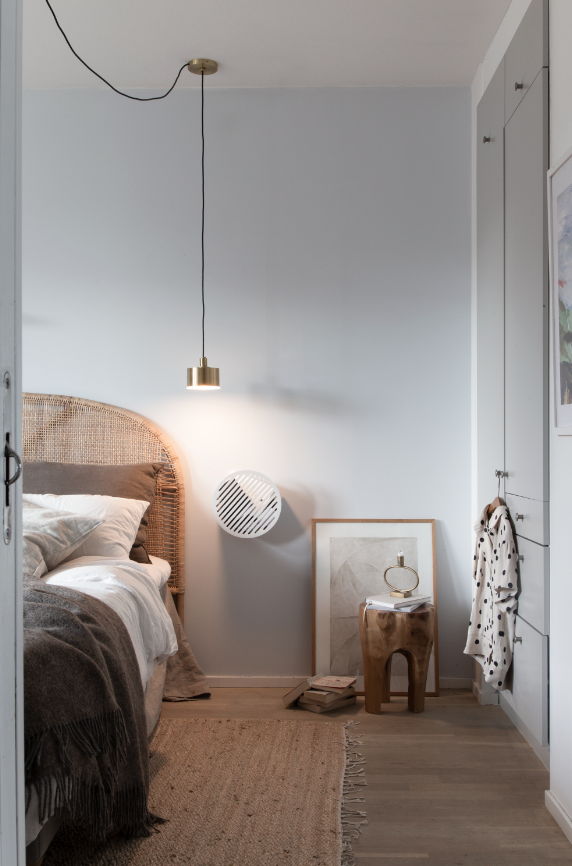
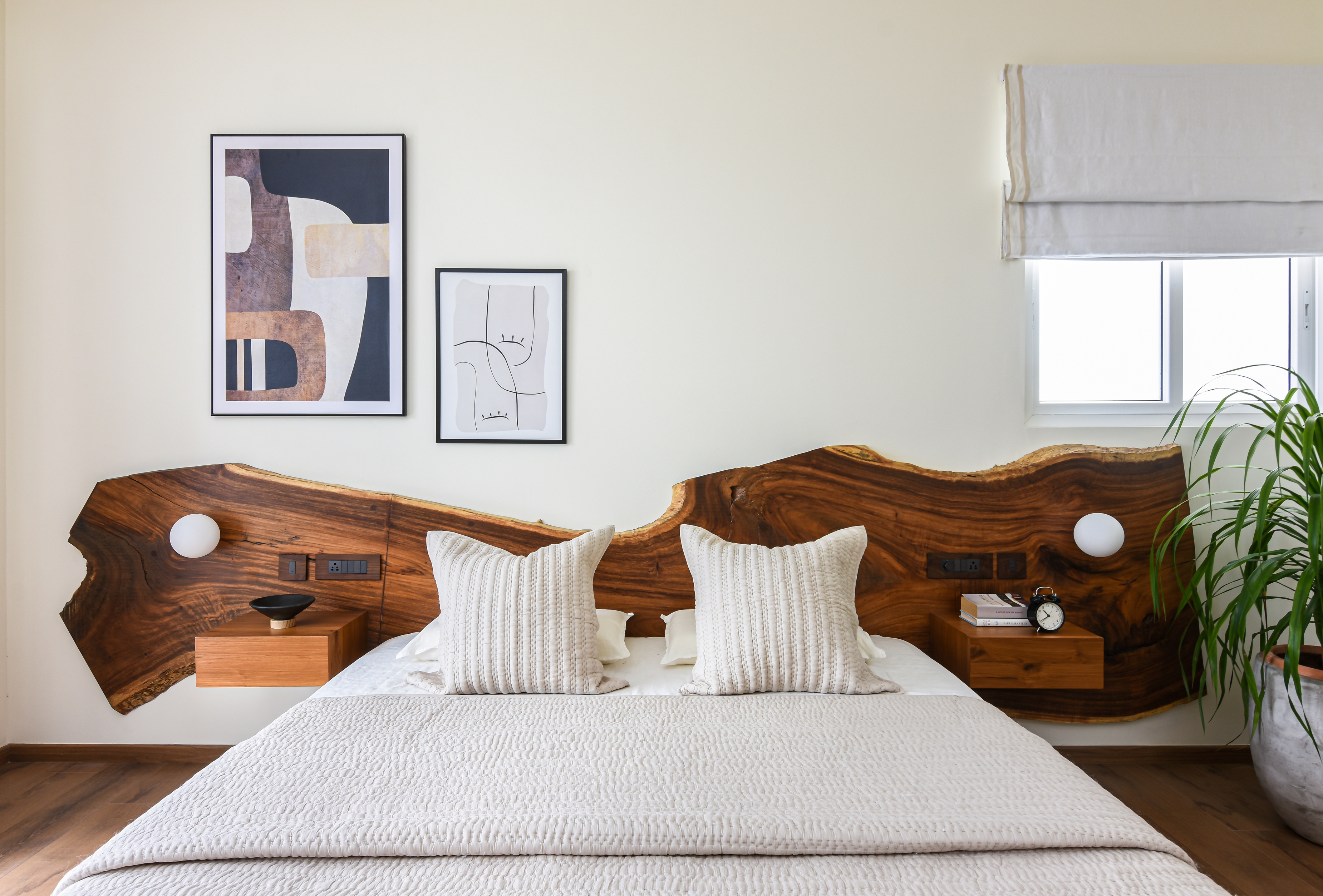
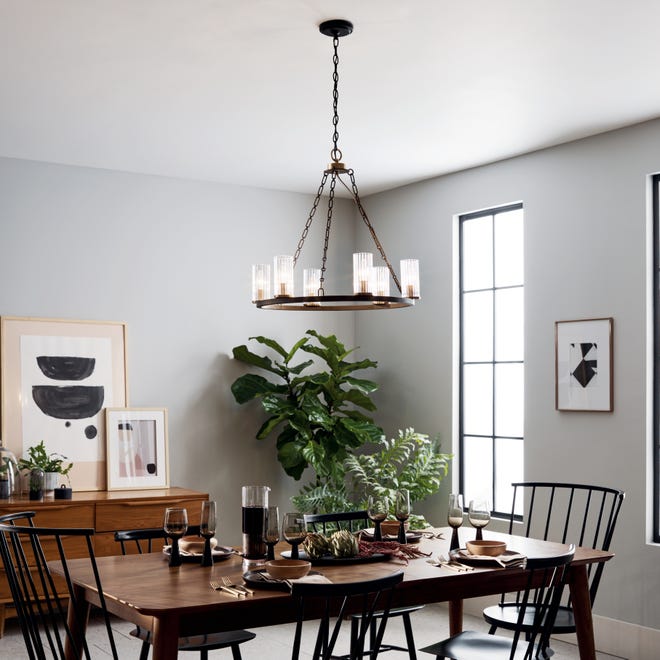
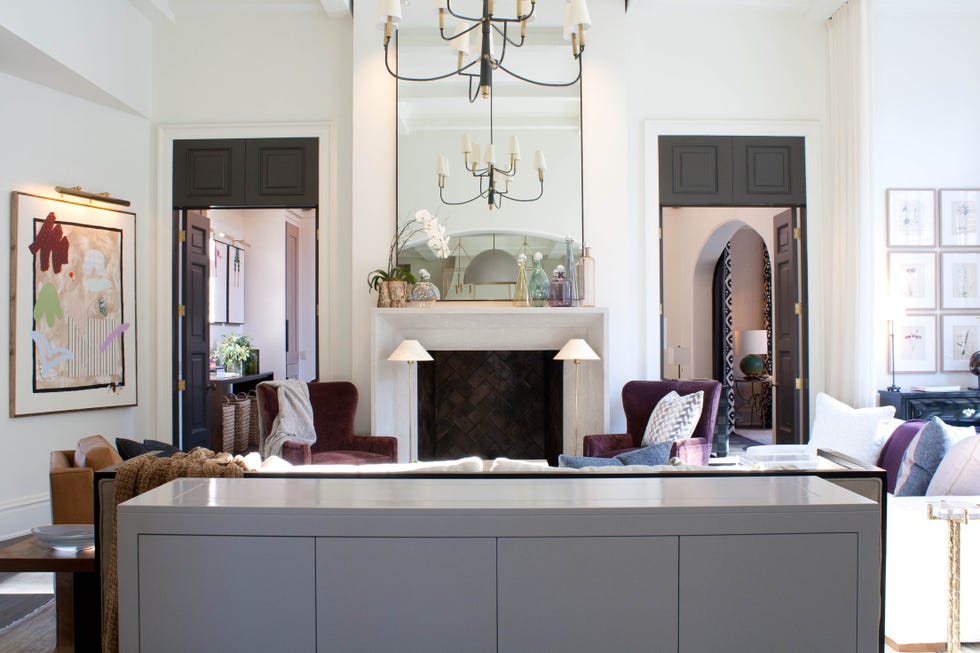
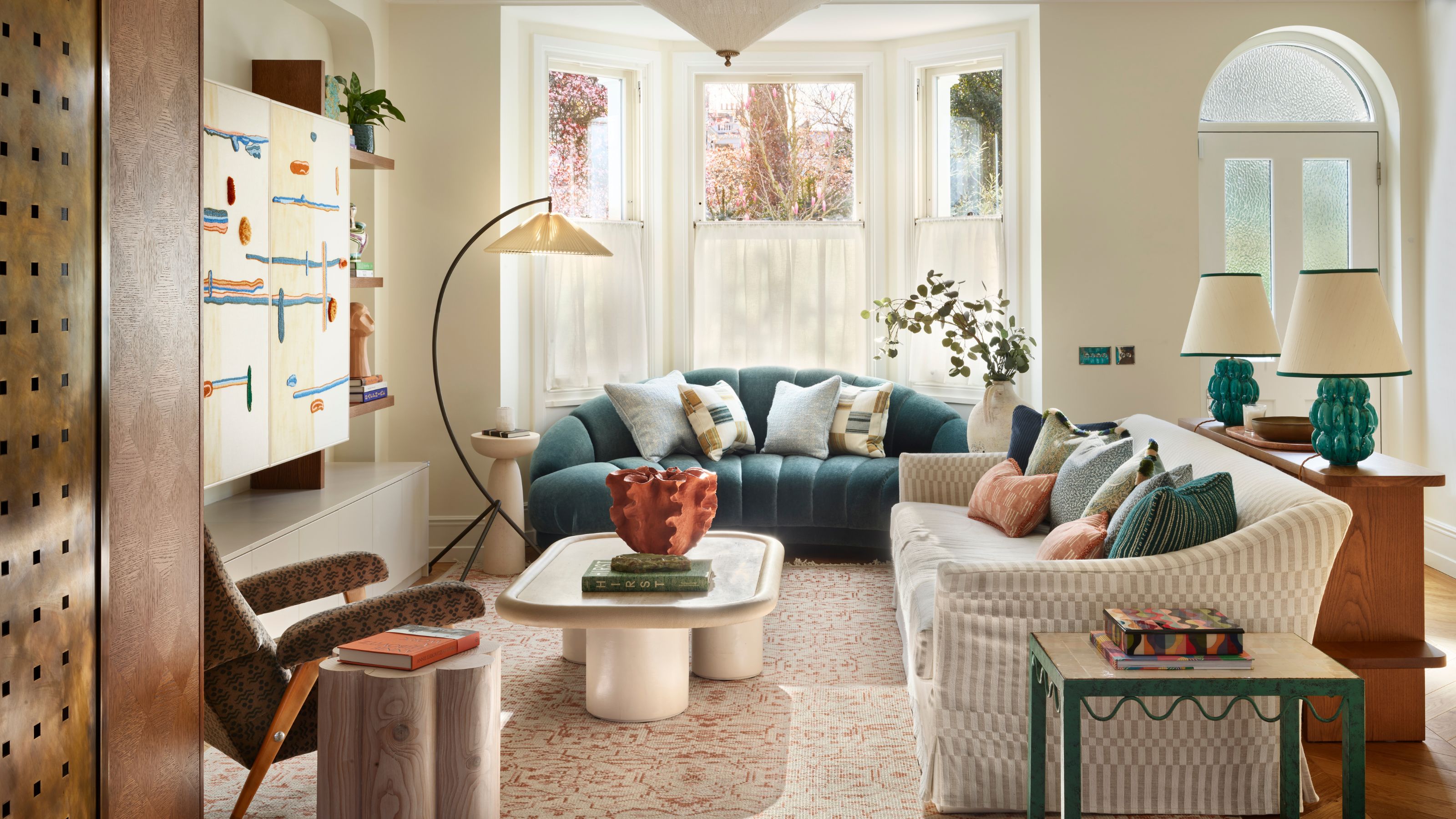
Placement and spacing are equally critical. The strategic positioning of light sources can significantly impact how a room feels and functions. Designers consider where light falls and how evenly it is distributed, tailoring placement to the specific room and its intended use. For instance, kitchen lighting often follows a 'three-rule' approach, integrating ambient, task, and accent lighting for optimal functionality and aesthetics. Living rooms benefit from a mix of pendants, table lamps, floor lamps, and wall lights, providing options for various activities and moods. When lighting decorative features, it's advised to consult specialists to prevent damage to delicate items, prioritizing a 'less is more' approach to intensity. General guidelines for recessed fixtures suggest spacing them 4-6 feet apart, adjusting based on beam spread, and aligning them with furniture lines to create balance and prevent dark corners. Pendant lights typically hang 30-35 inches above dining tables or kitchen islands, with about 20 inches between multiple fittings. Bedside sconces should be 20-24 inches above the mattress, with the shade at eye level for comfortable reading, while bathroom vanity sconces are placed 4-6 inches from the mirror edge for shadow-free illumination.
Understanding color temperature is essential for controlling the overall ambiance and how colors are perceived within a space. Measured in Kelvins (K), color temperature ranges from warm to cool. Designers typically prefer warm white bulbs (around 2700K) for living areas and bedrooms, as they create a softer, more inviting atmosphere akin to candlelight. Cooler temperatures (around 3000K) are often more suitable for functional spaces like kitchens and bathrooms, where a neutral, fresh look is desired. A common mistake is mixing different color temperatures within a single room, which can lead to an uneven and unsettling effect. Maintaining a consistent color temperature ensures harmony. Additionally, a high Color Rendering Index (CRI) of 90 or above is crucial for ensuring that colors appear natural and materials retain their richness under artificial light.
Light output and dimming capabilities offer flexibility in controlling a room's atmosphere throughout the day. Rather than aiming for maximum brightness, the goal is to balance output with the ability to dim lights. Designers recommend specific lumen outputs for different lighting types: around 20 lumens per square foot for ambient lighting, 50 for task lighting, and lower but focused output for accent lighting. Dimmers are highly recommended for all lighting circuits, allowing for easy adjustment of mood and function without changing fixtures. Separate control for different light sources further enhances flexibility, enabling the creation of various lighting scenarios and adding texture and depth to a space.
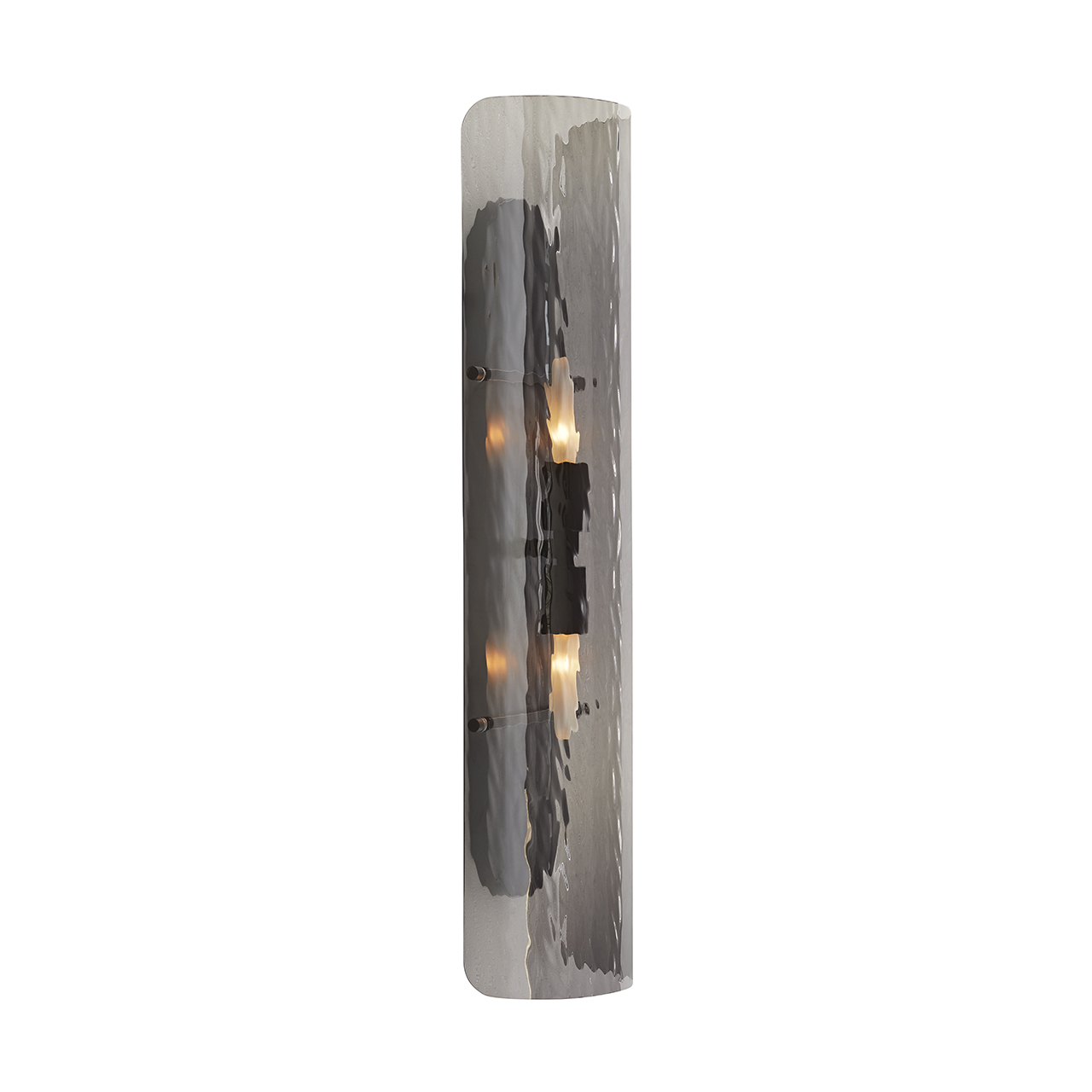
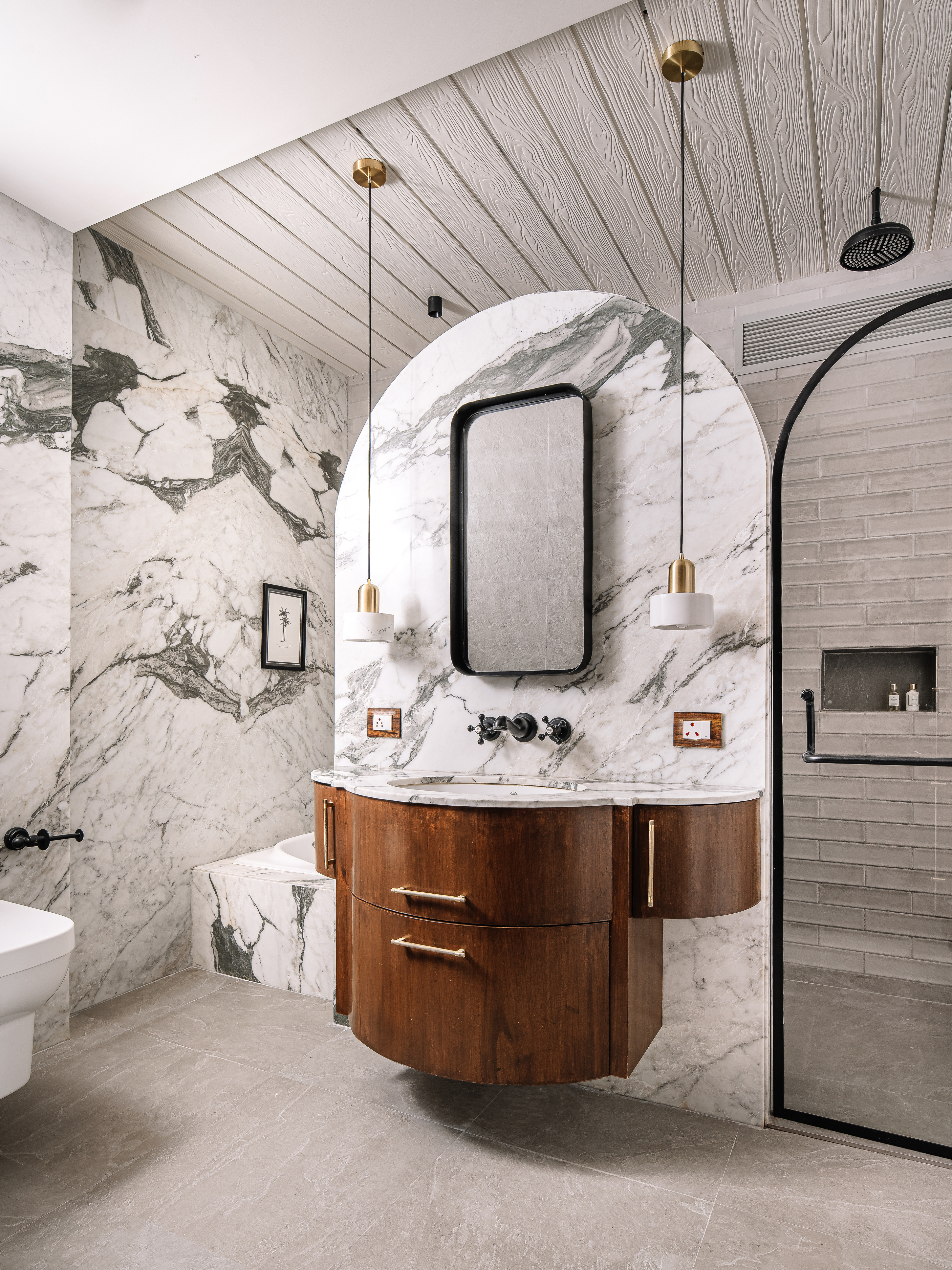
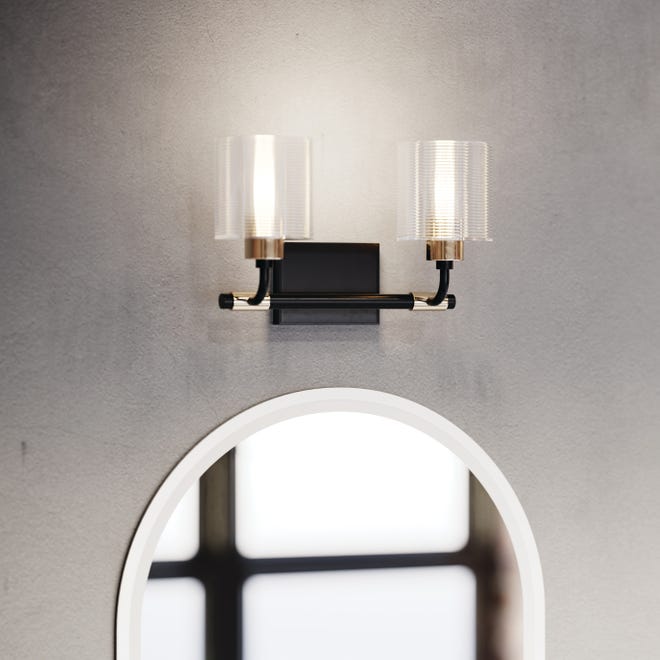
Bathroom lighting presents unique challenges due to moisture and electrical safety requirements. It necessitates a blend of practical precision lighting for grooming and atmospheric lighting for relaxation, while adhering to strict safety standards. Fixtures must have appropriate ratings; damp-rated for general bathroom zones and wet-rated for areas exposed to direct spray, such as inside showers or directly above freestanding tubs. Designers recommend avoiding sole reliance on overhead lighting in bathrooms, as it can create unflattering shadows. Instead, wall sconces placed at eye level, flanking the vanity mirror, provide even and flattering illumination. Layering with ambient ceiling lights and dimmable accent lighting, if space permits, can create a spa-like feel.
Overall, successful lighting design involves prioritizing the illumination of surfaces and focal points rather than just the floor. Employing at least three light sources per room, ensuring all lights are dimmable, maintaining a consistent color temperature within each room, and mixing different lighting styles and types are key principles. Planning lighting early in any renovation or construction project, ideally alongside architectural layouts, is crucial to avoid costly retrofitting and to integrate lighting seamlessly with interior finishes. While professional lighting design is highly beneficial for complex projects, even a thorough personal lighting plan can yield excellent results, contributing to a home that feels beautiful, practical, and enduring.
#LightingDesign #InteriorLighting #HomeRenovation #LightingLayers #ColorTemperature #Dimming #BathroomLighting #ElectricalPlanning #HomeDecor #LightingDesign #InteriorLighting #HomeRenovation #LightingLayers #ColorTemperature #Dimming #BathroomLighting #ElectricalPlanning #HomeDecor
合計0件のコメント
 まだコメントはありません
あなたも好きかもしれません
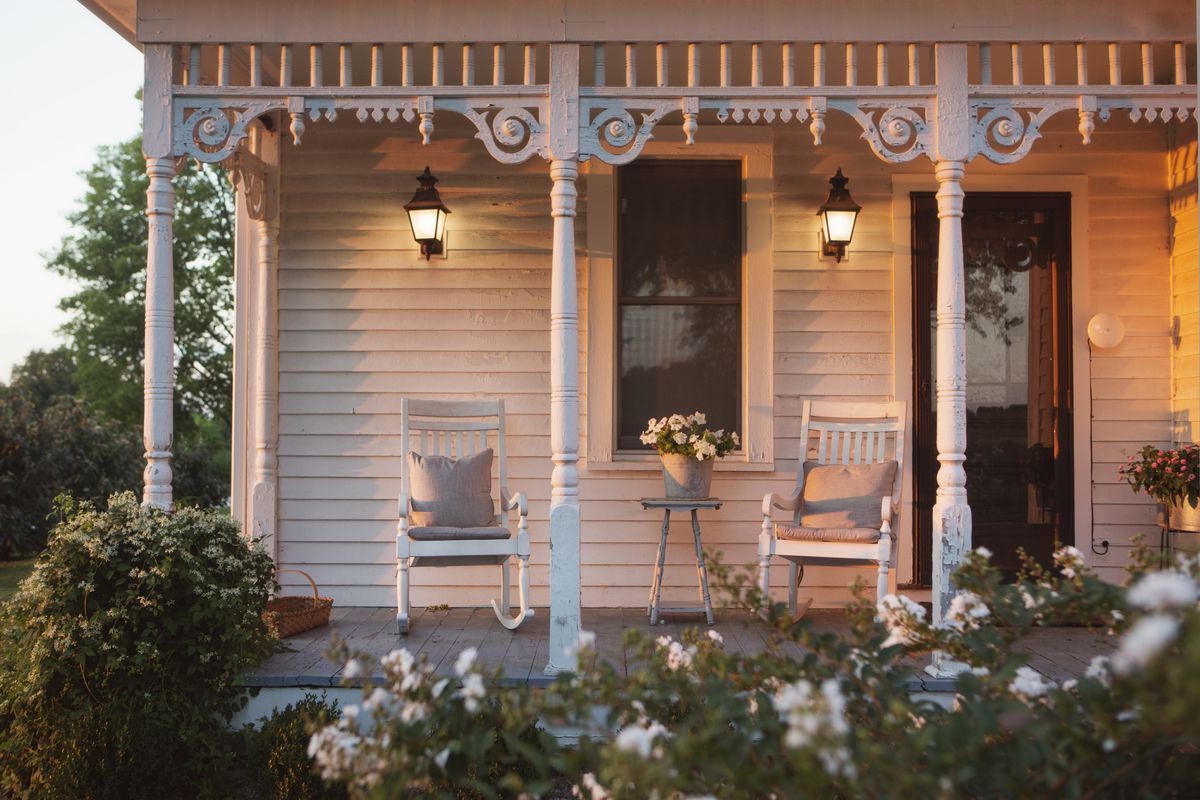
Outdoor lighting: A beginner’s guide
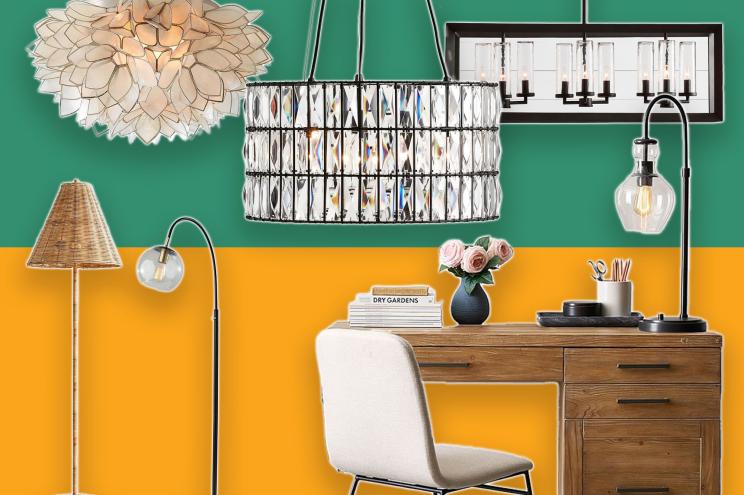
The 18 best places to buy light fixtures, with expert recommendations
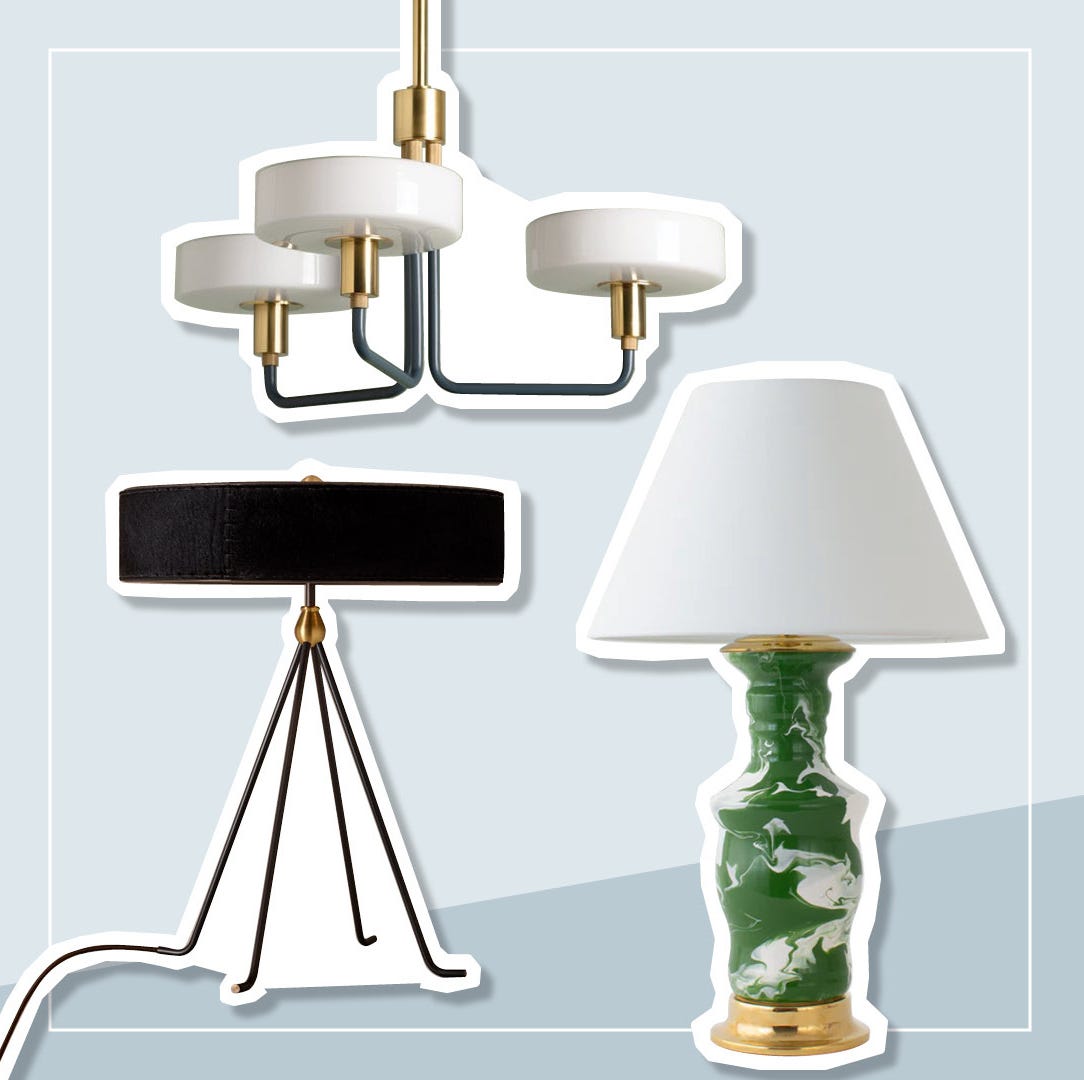
Interior Designers Reveal Their 26 Favorite Online Lighting Stores

lighting design Archives
An interior designer’s guide to lighting your home

Check Out the Workshop/APD for Arteriors Lighting + Decor Collection
The Secrets Of Good Lighting
Homestyle: Lighting the way
14 of the Best Places to Shop for Lighting You Need to Know |

What Design Pros Need You To Know About Lighting Your Home Today


Best Lighting Designs Spotted in 2023

Designers Share Their Best Tips for Acing Ambience in the Living Room with Lighting
What You Need to Know About Lighting Your Home, from an Expert
The Best LED Shop Lights of 2025

Decorator's Address Book: 15 of the best places to shop for lighting as suggested by interior designers
Finding the Perfect Light Fixture Is Complicated—These Architects Have the Answer

Get your home's lighting just right: Seven questions answered
Design experts offer lighting tips for upgrades that shine

What actually is task lighting? Designers explain, plus offer their best advice so you don't get it wrong

The 3 Types Of Lighting Every Room Needs