1/11
Outdated Farmhouse Design Trends That Are Being Replaced In 2025
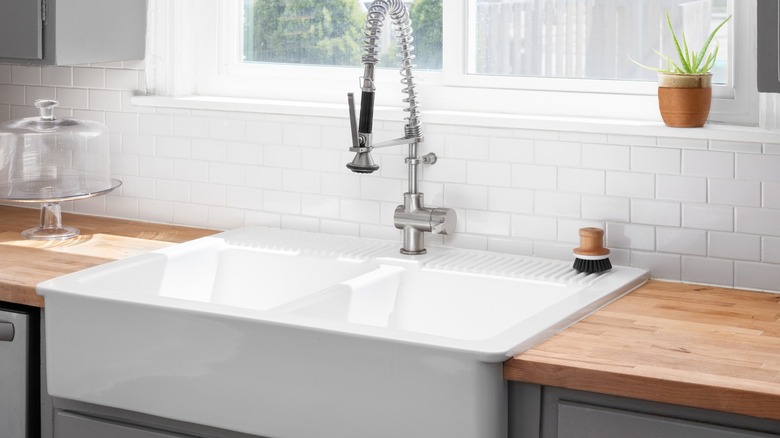
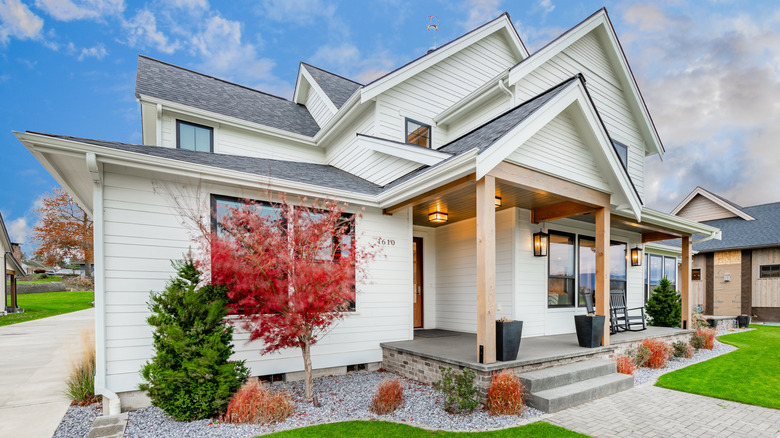
The farmhouse design aesthetic, whether modern or traditional, continues to be popular for its warm and inviting feel. However, like any design movement, it is subject to trends that evolve over time. Some elements fade quickly, while others persist longer, either becoming impractical or overused to the point of feeling tired. This article, based on insights from design experts, identifies several farmhouse design trends predicted to be replaced in 2025, offering guidance on what to avoid and what new approaches to consider.
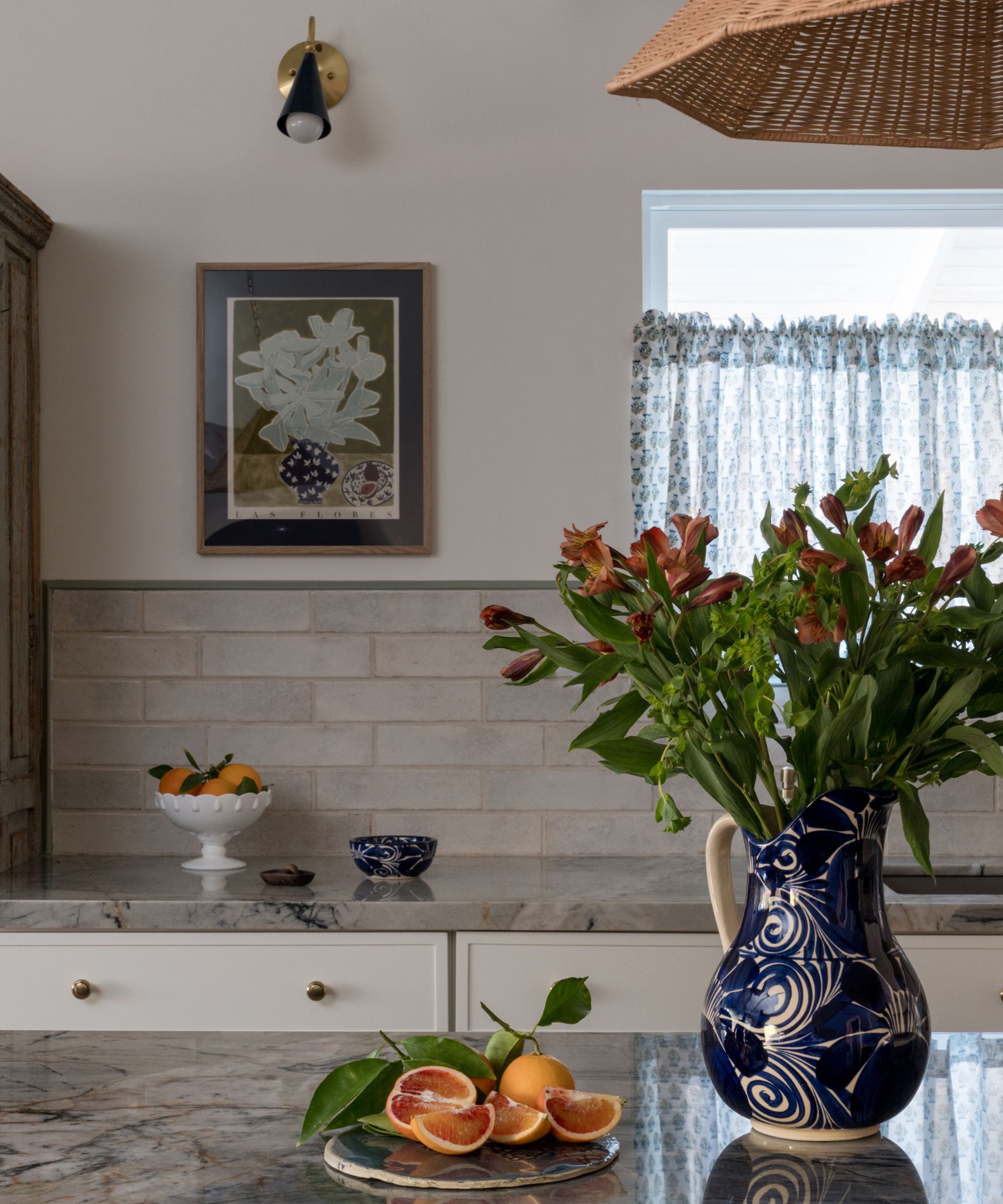
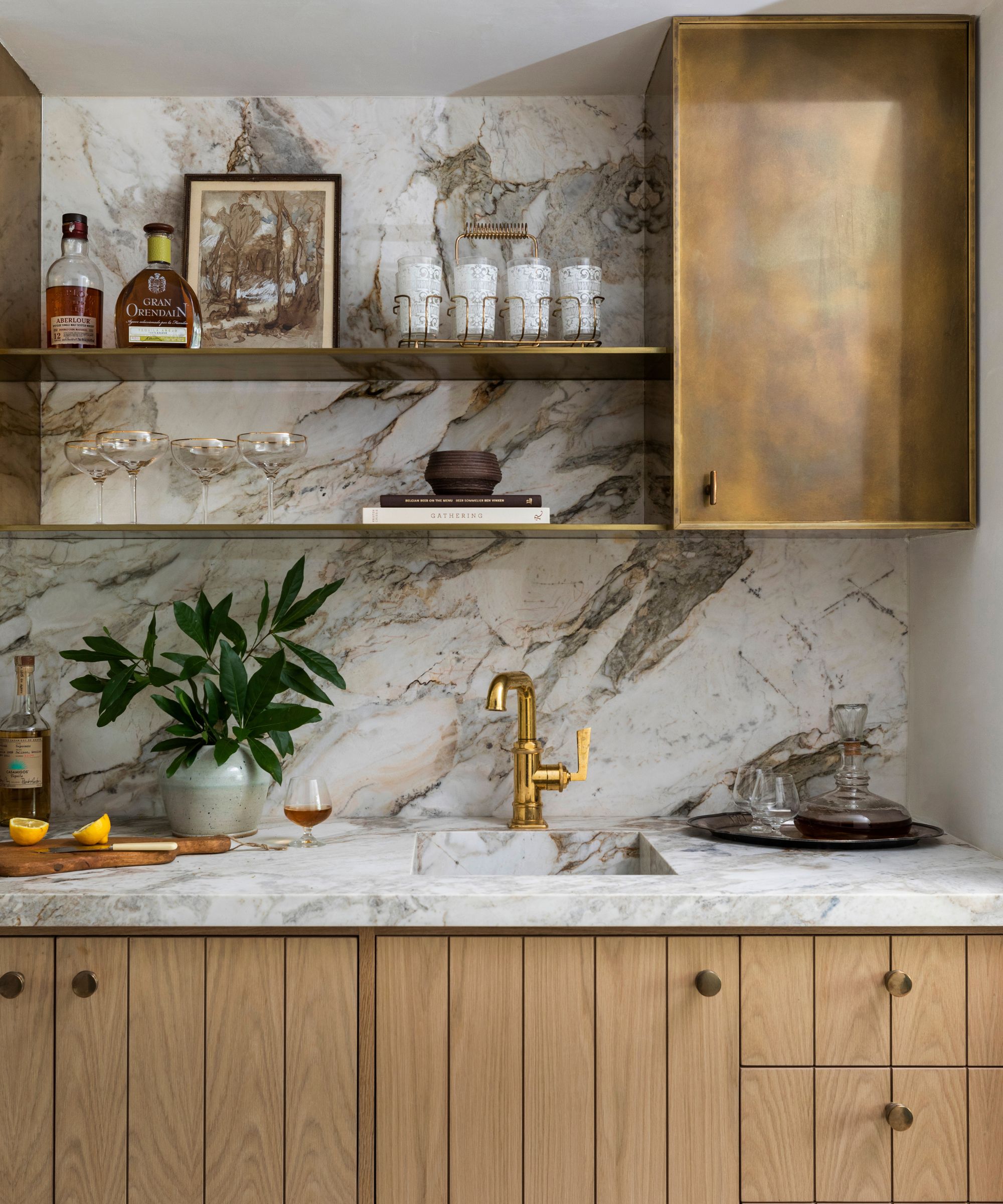
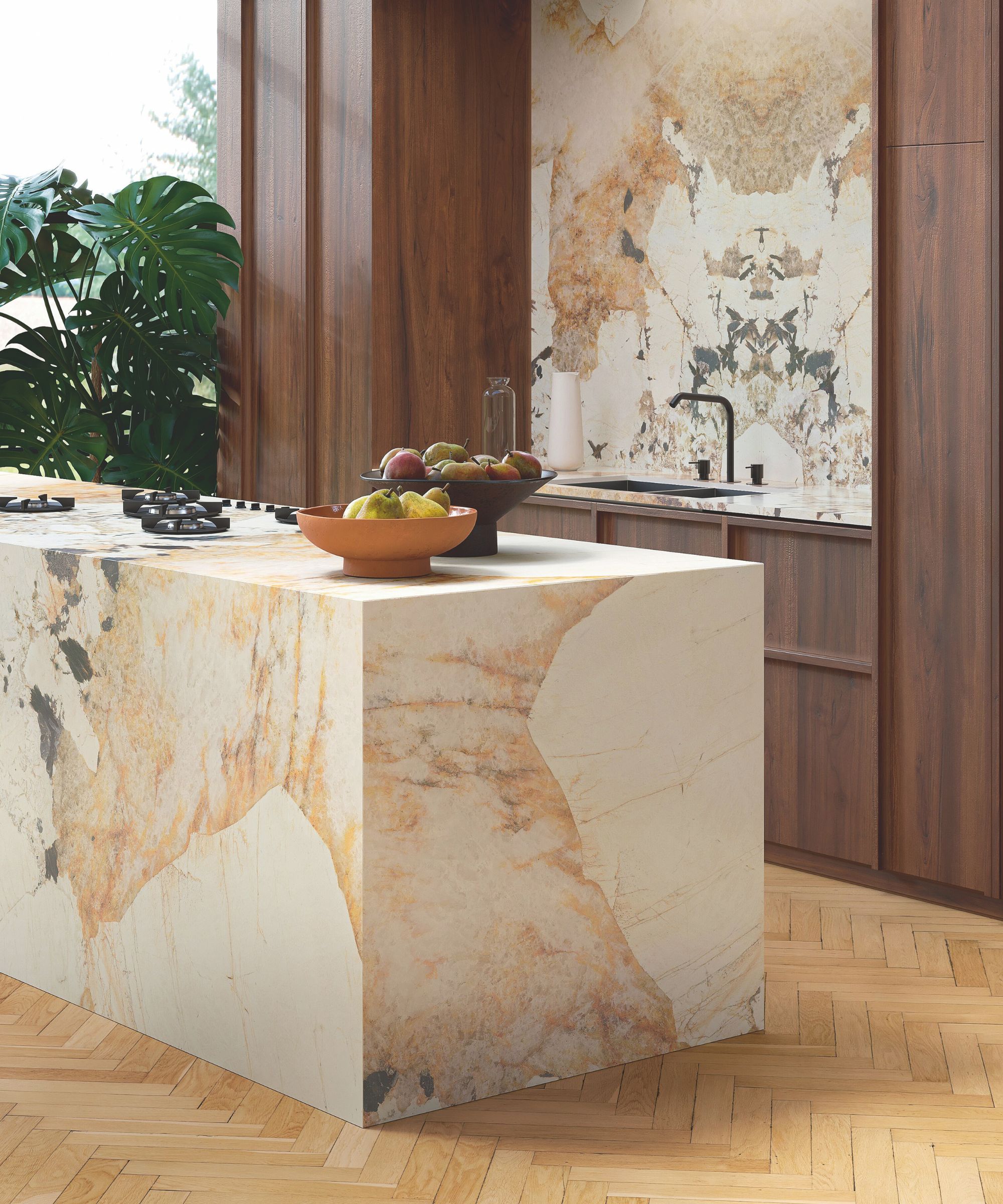
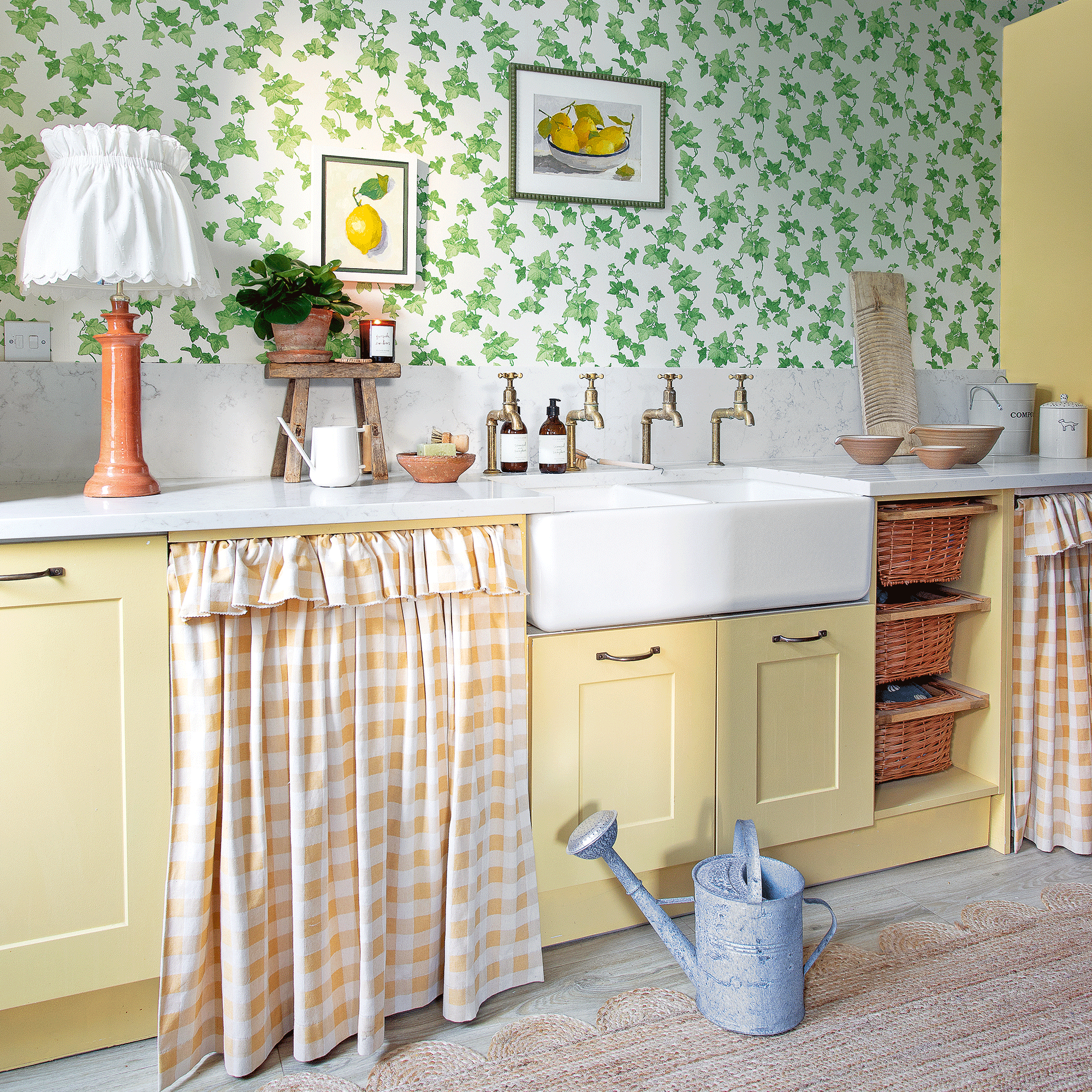
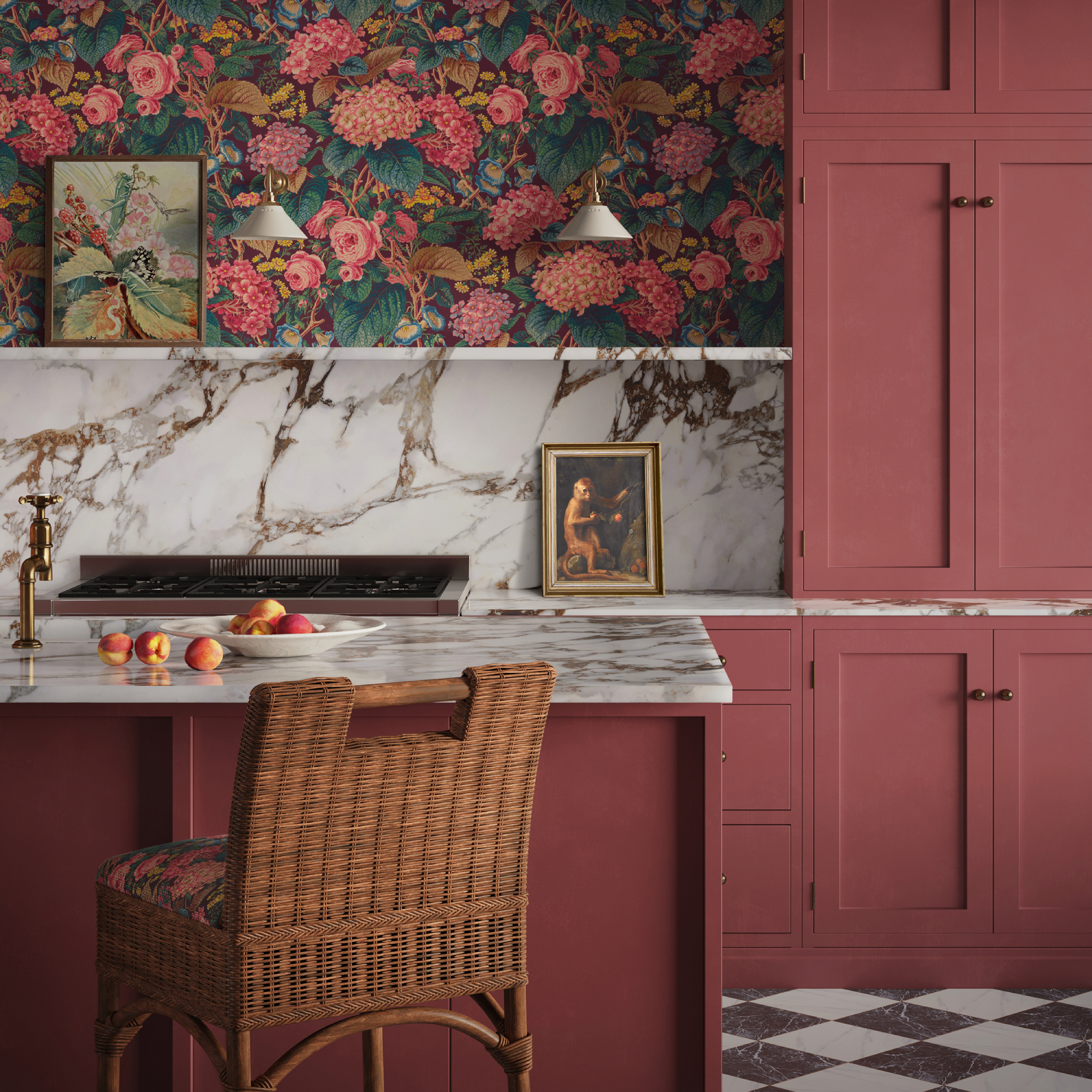
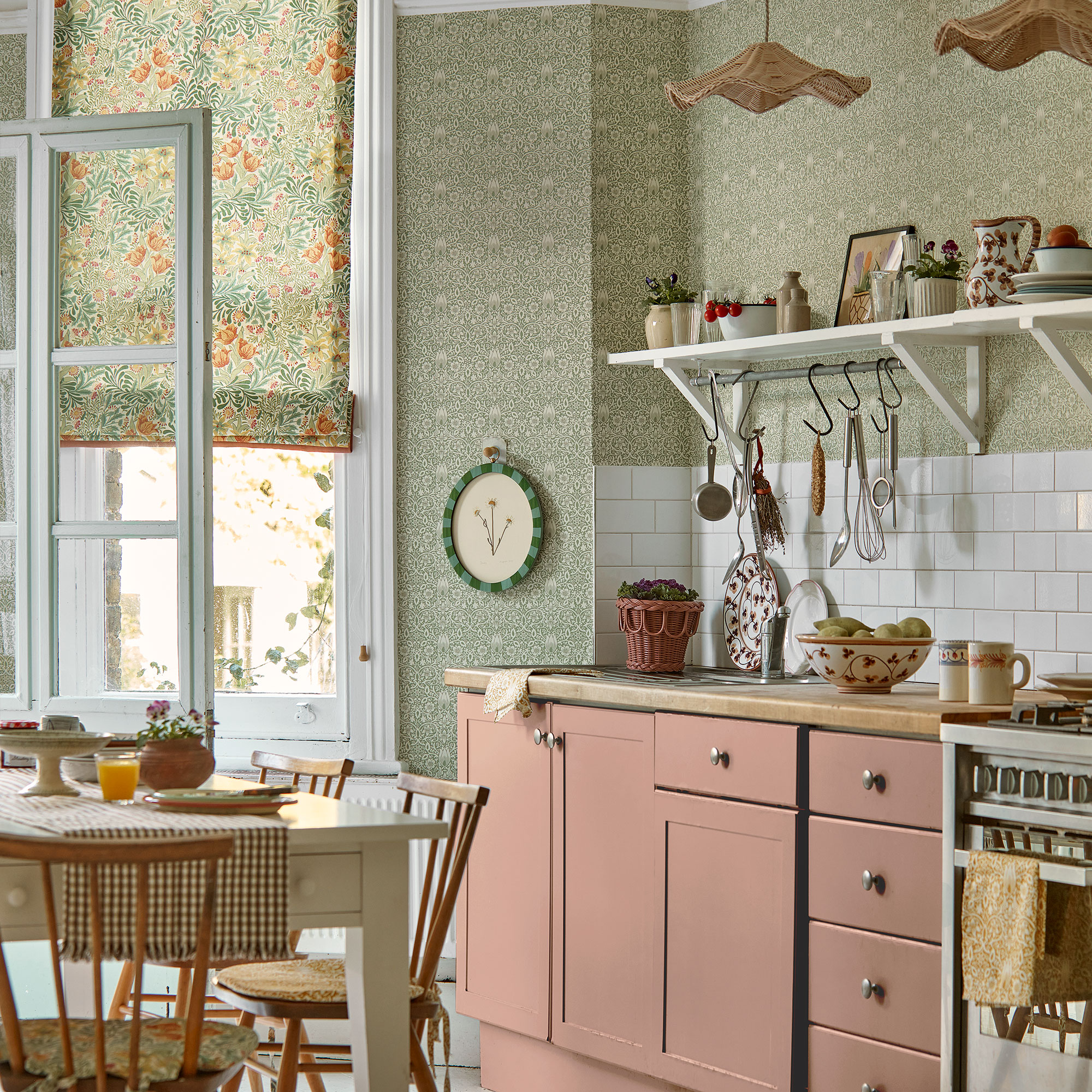
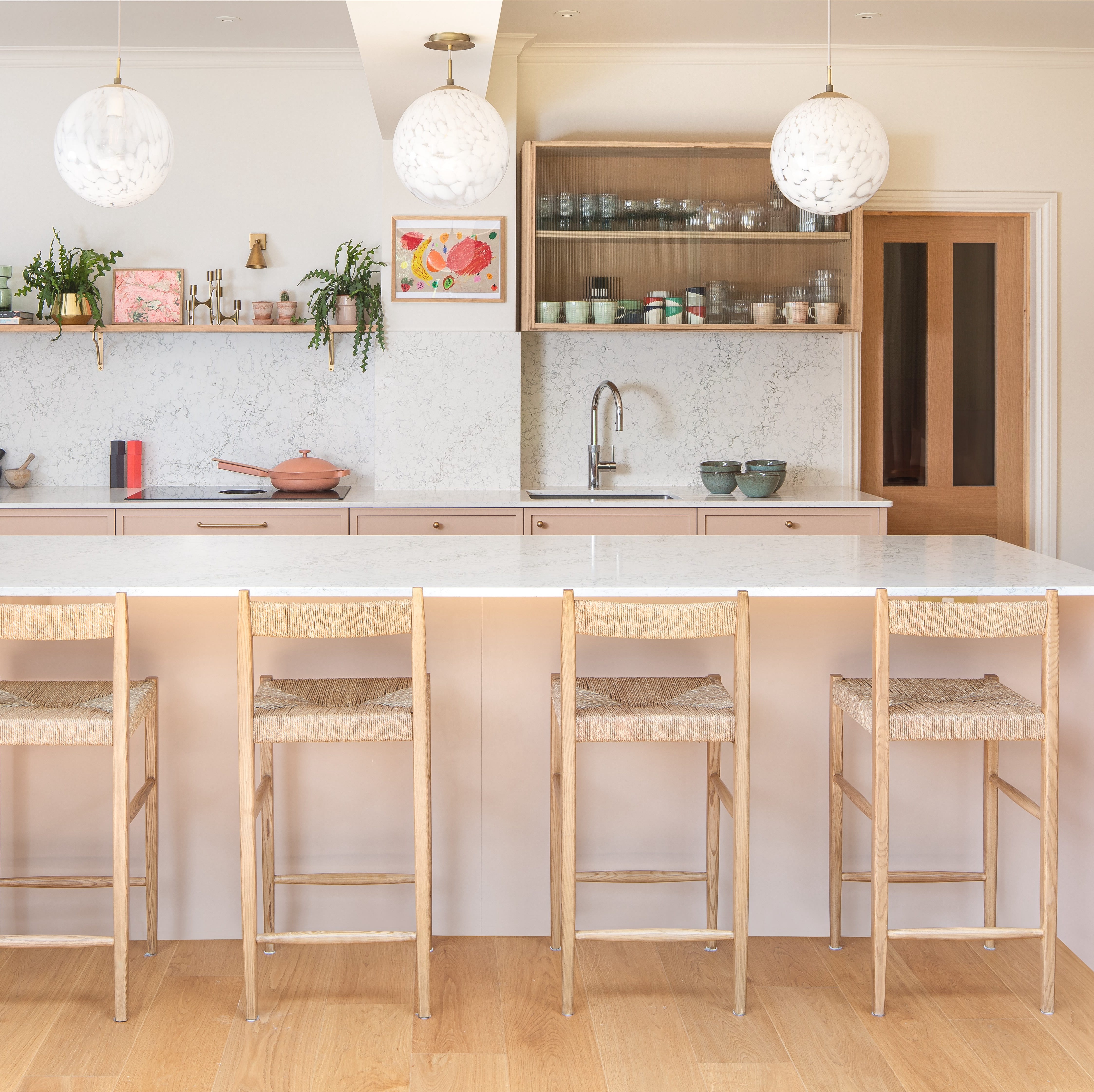
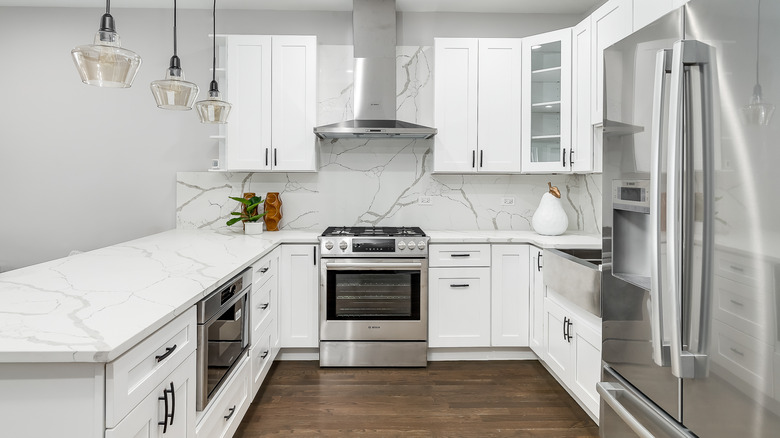
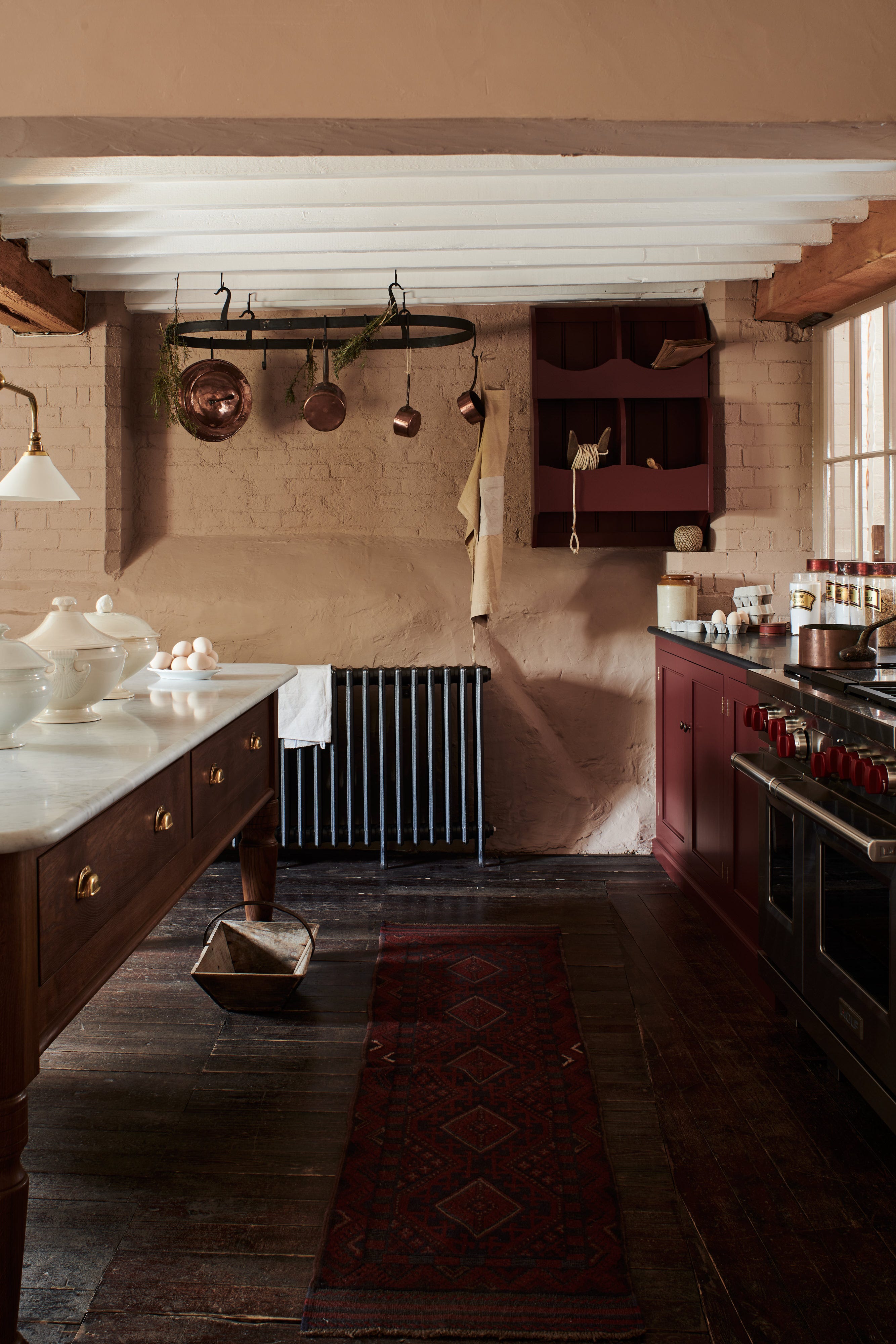
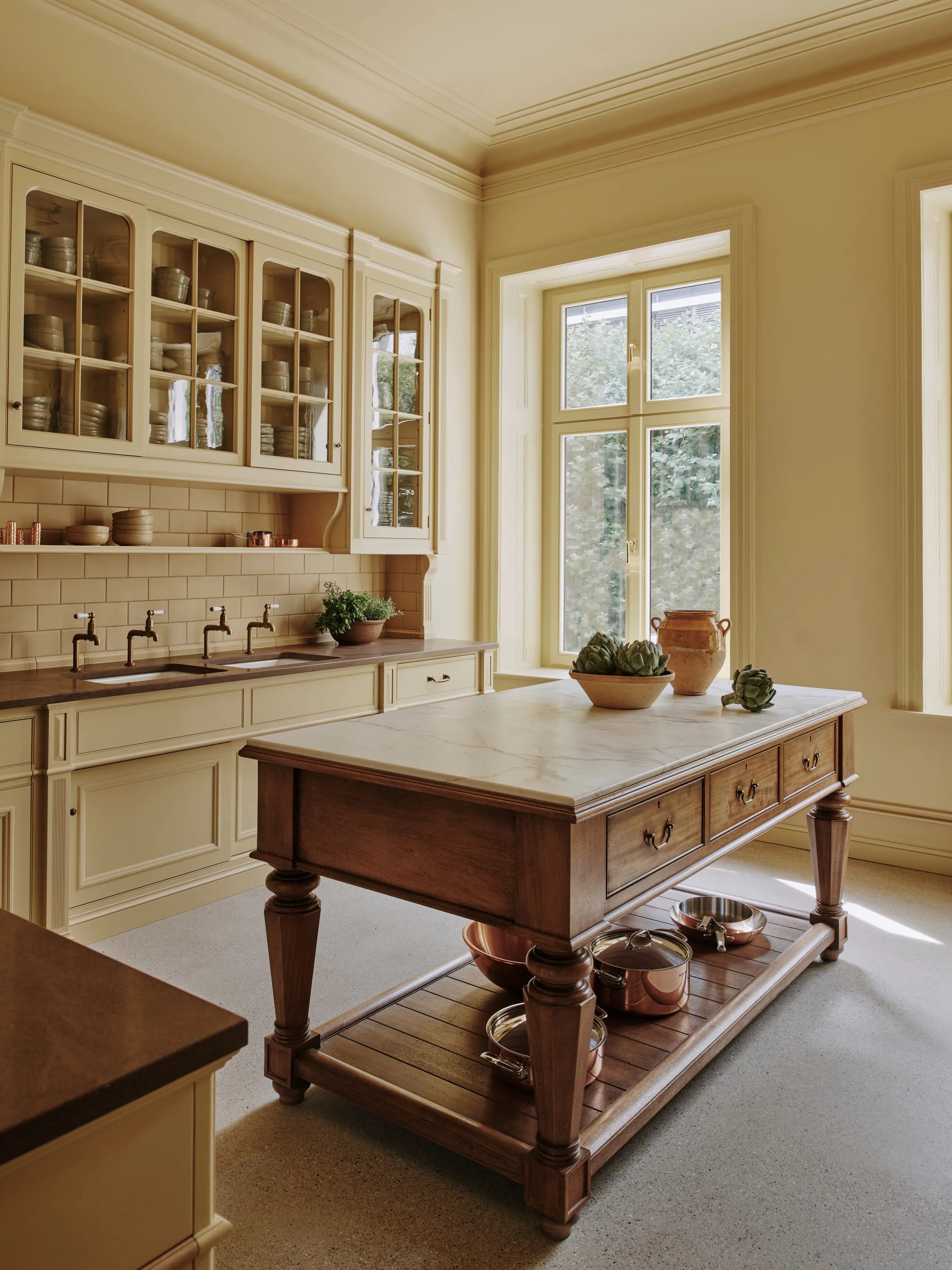
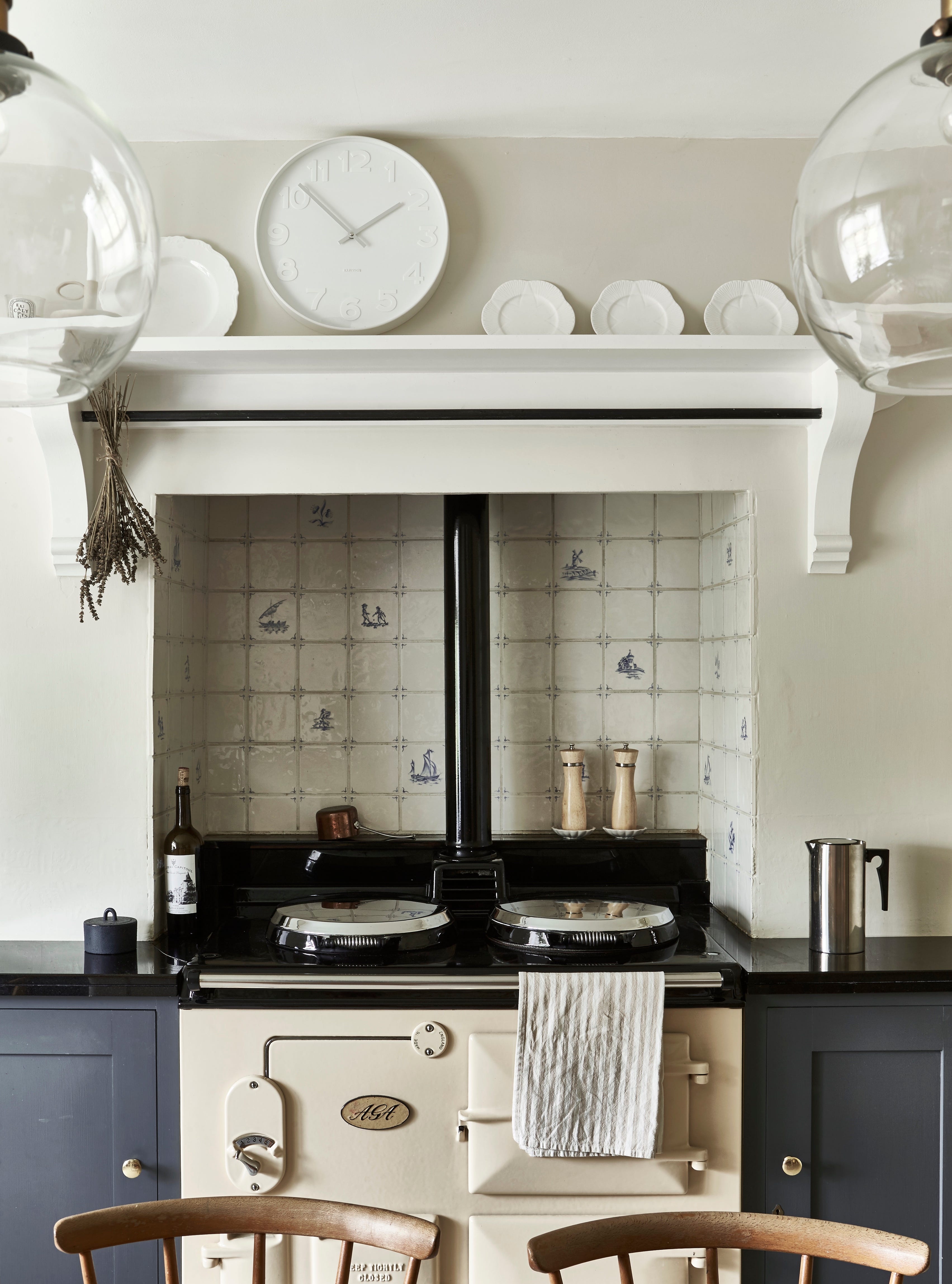
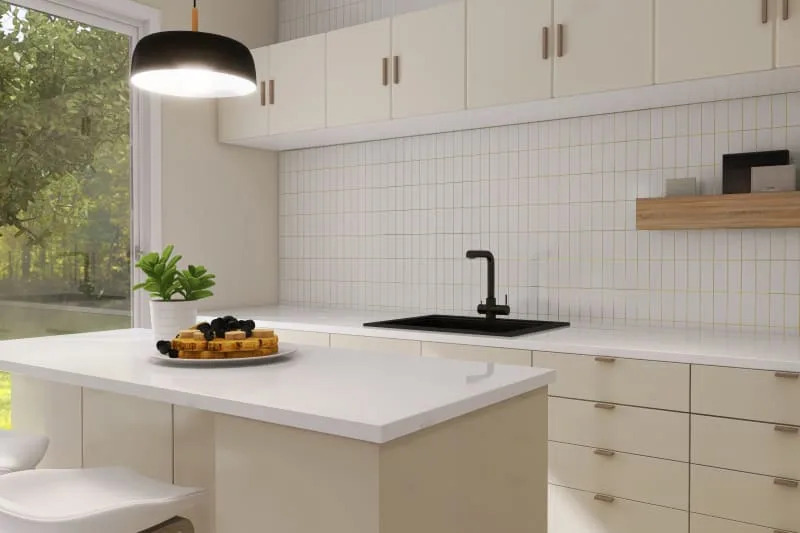
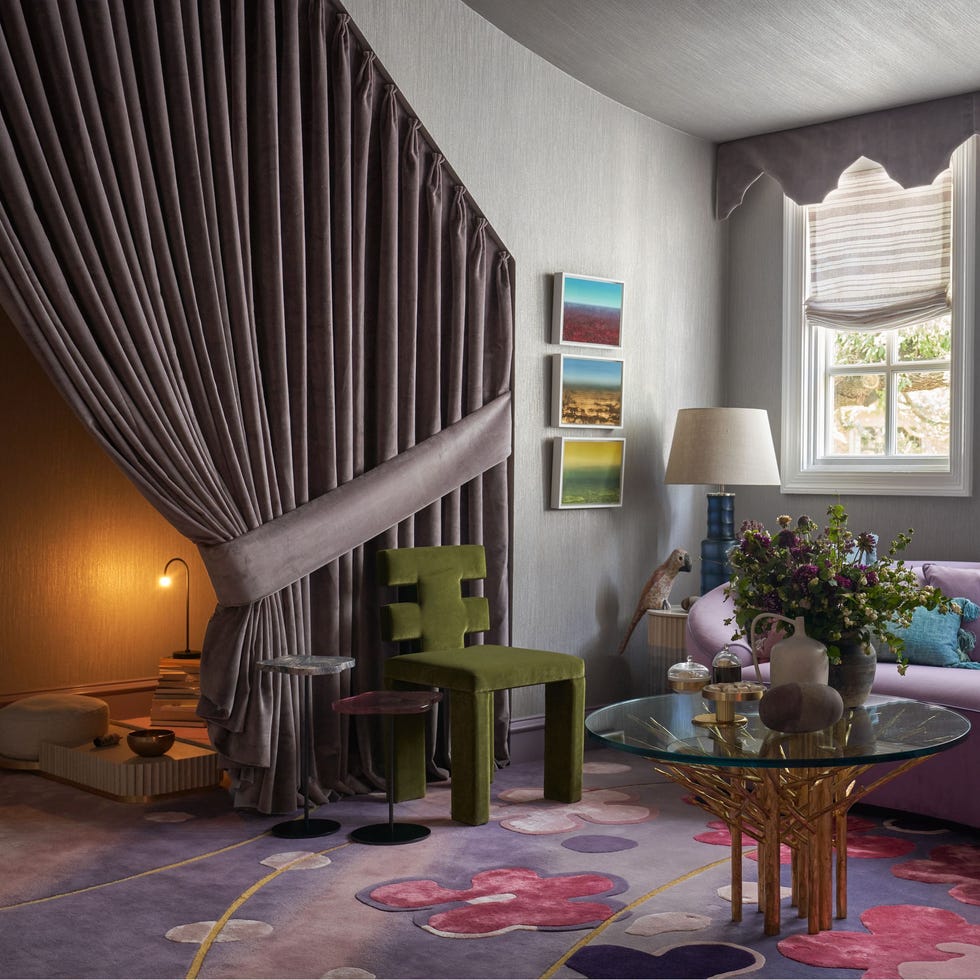
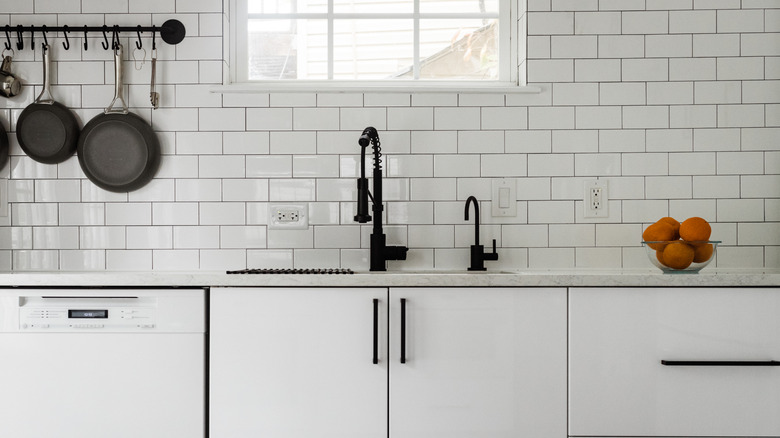
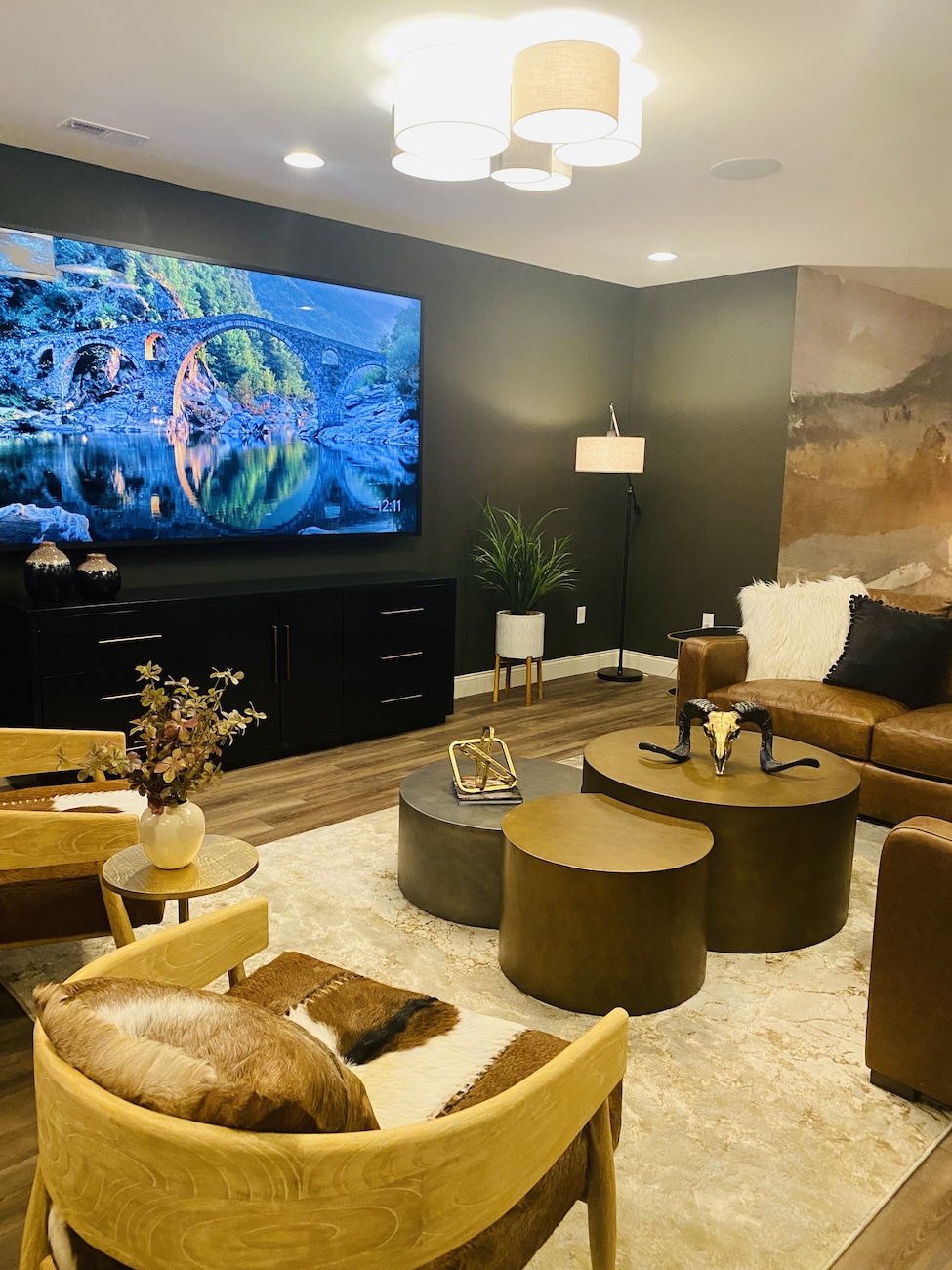
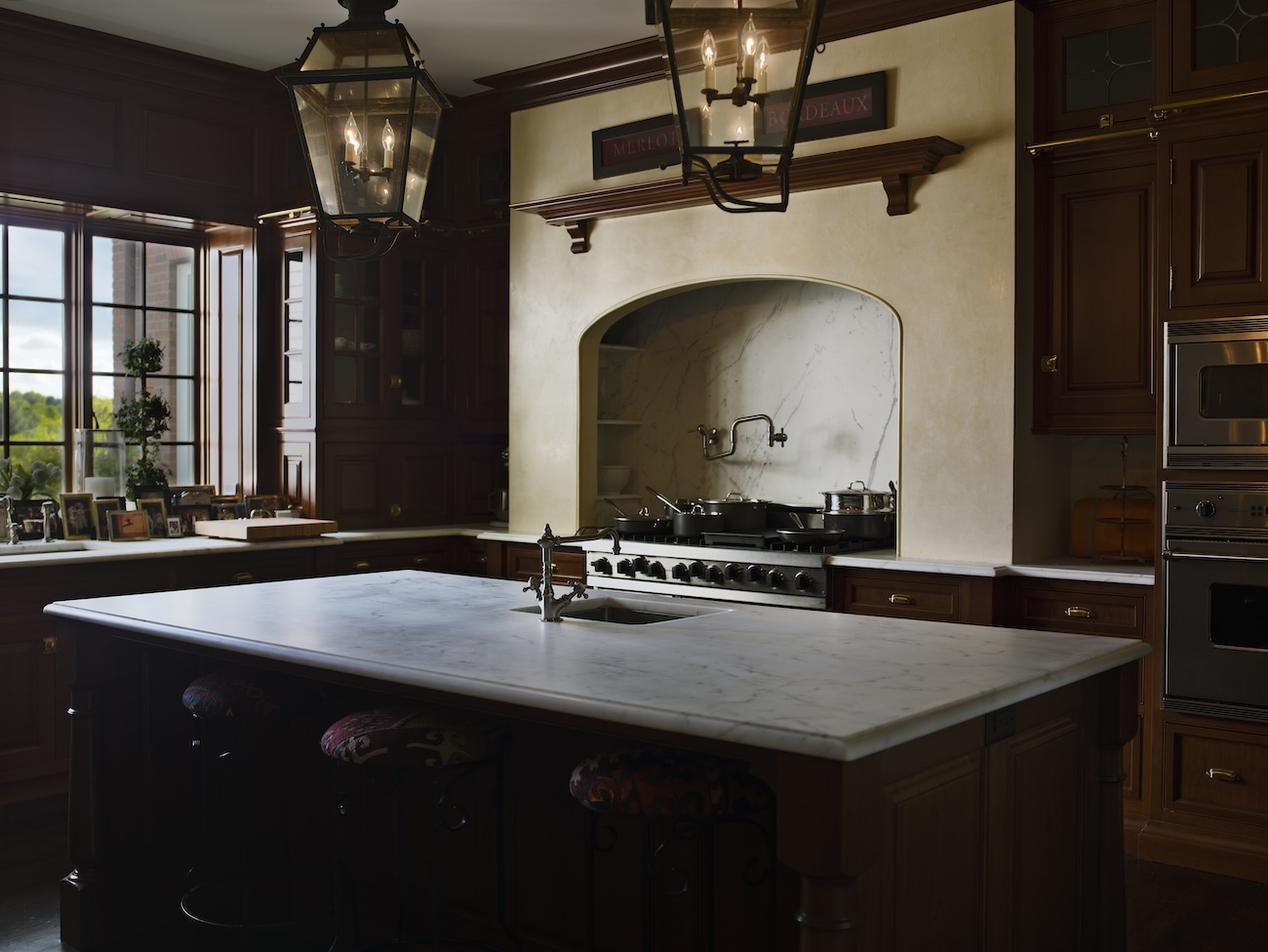
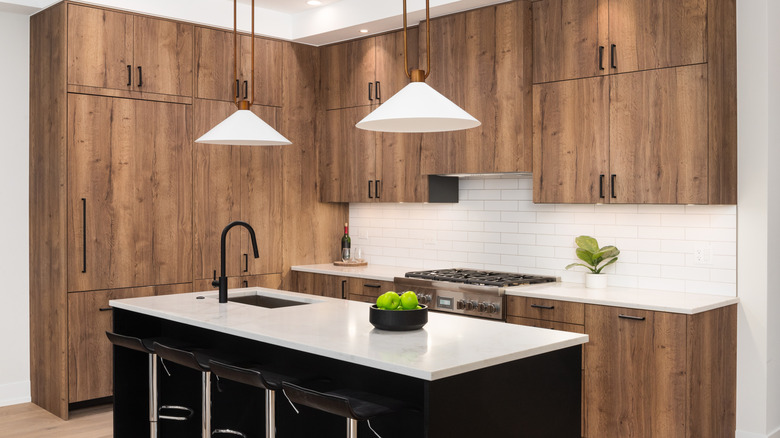
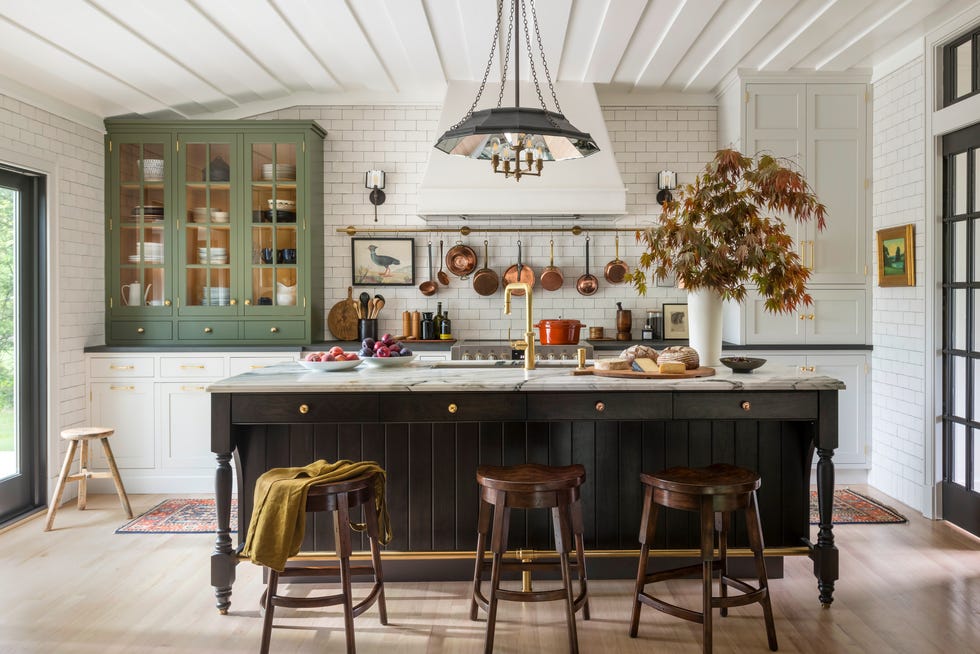
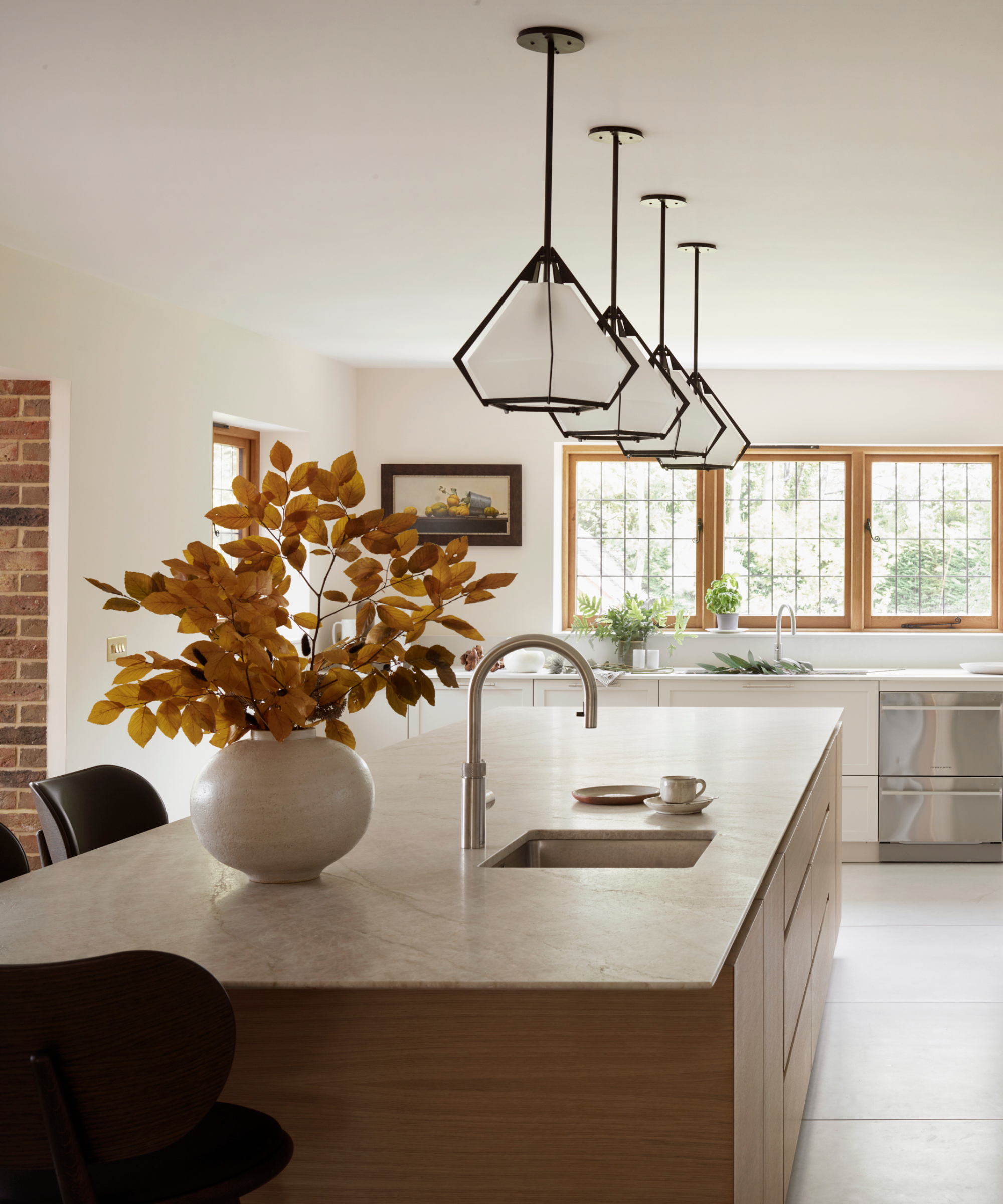
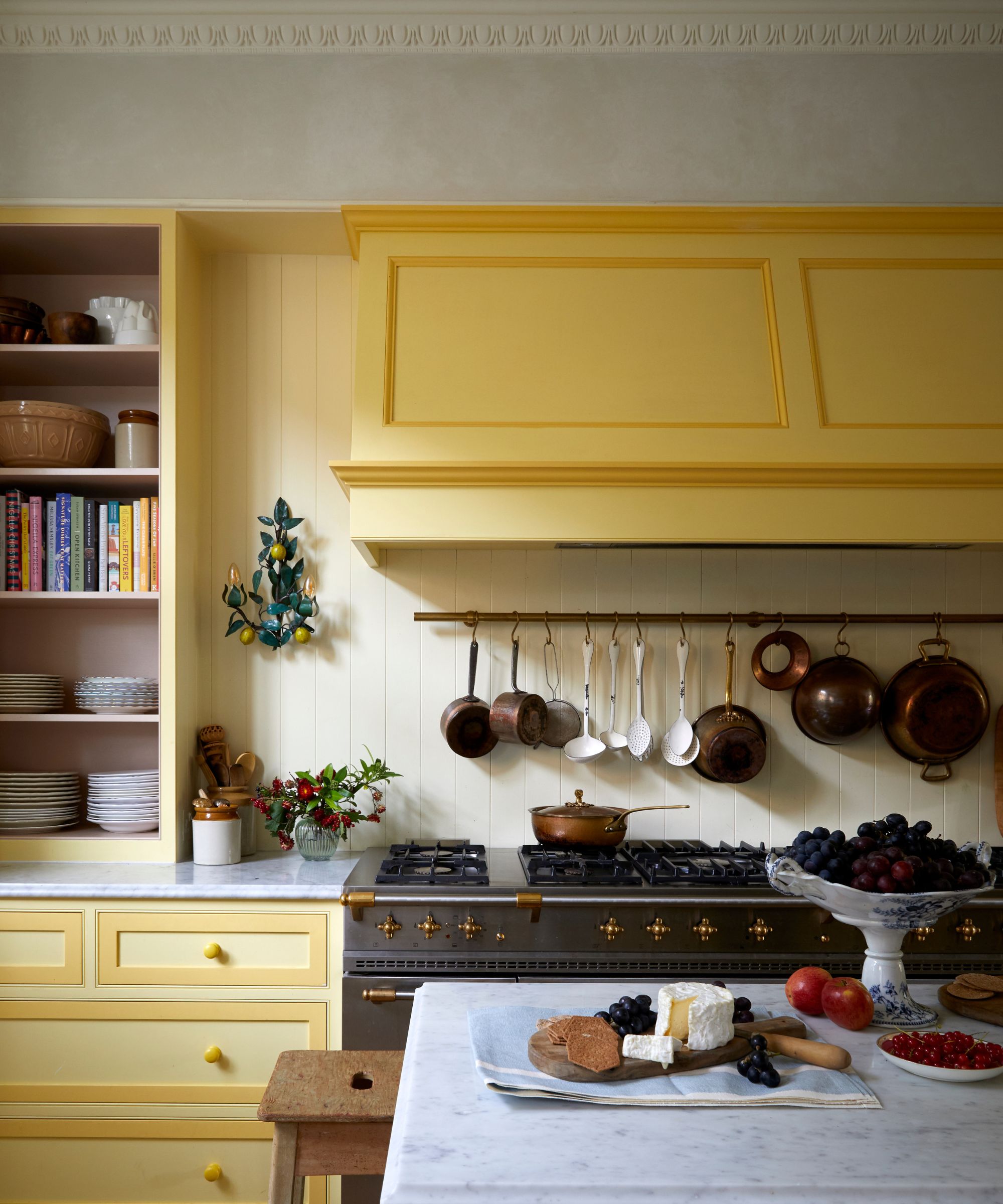
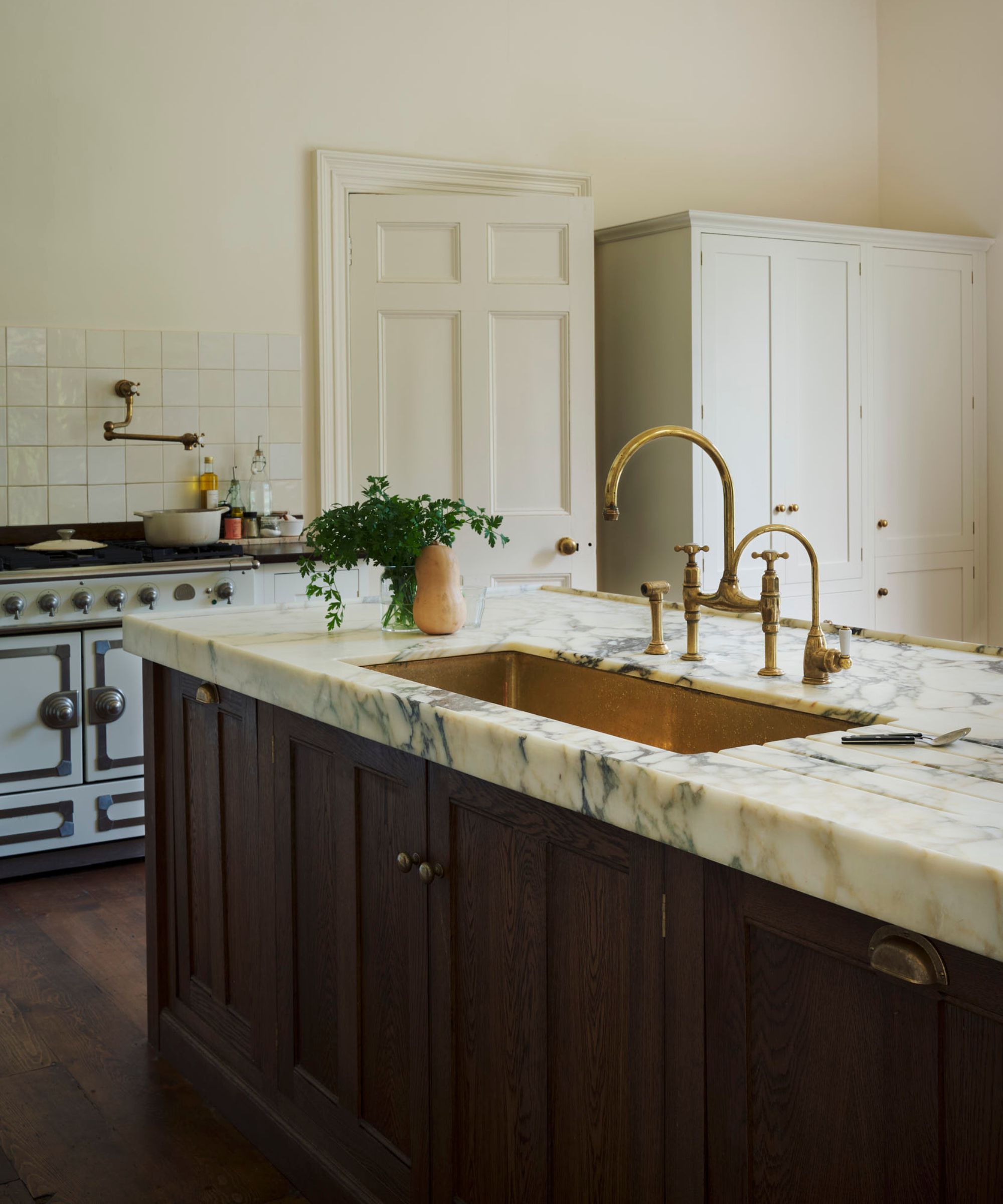
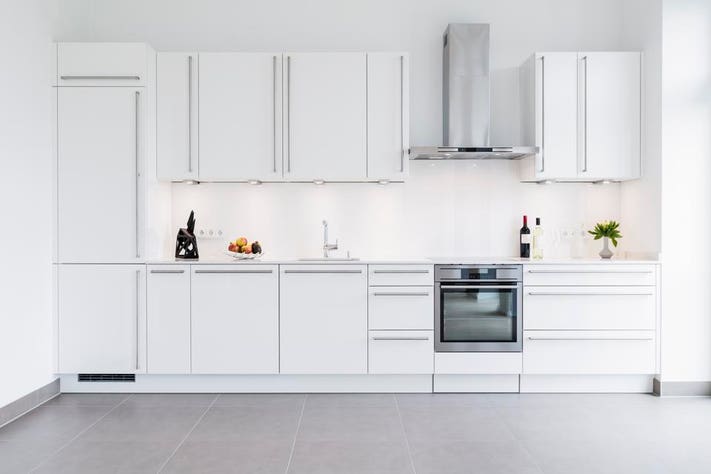
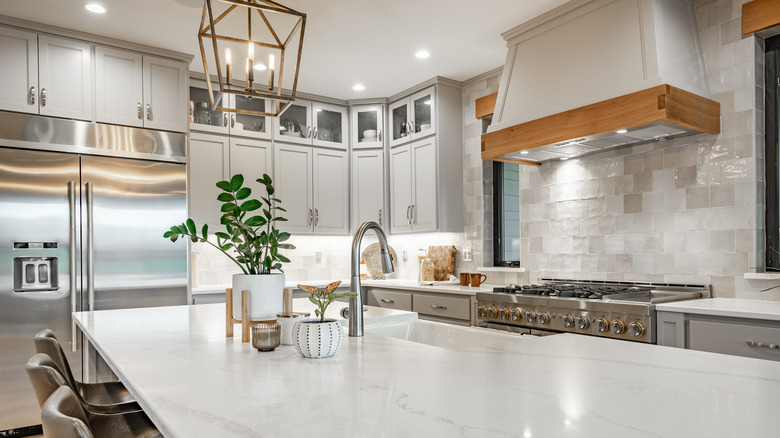
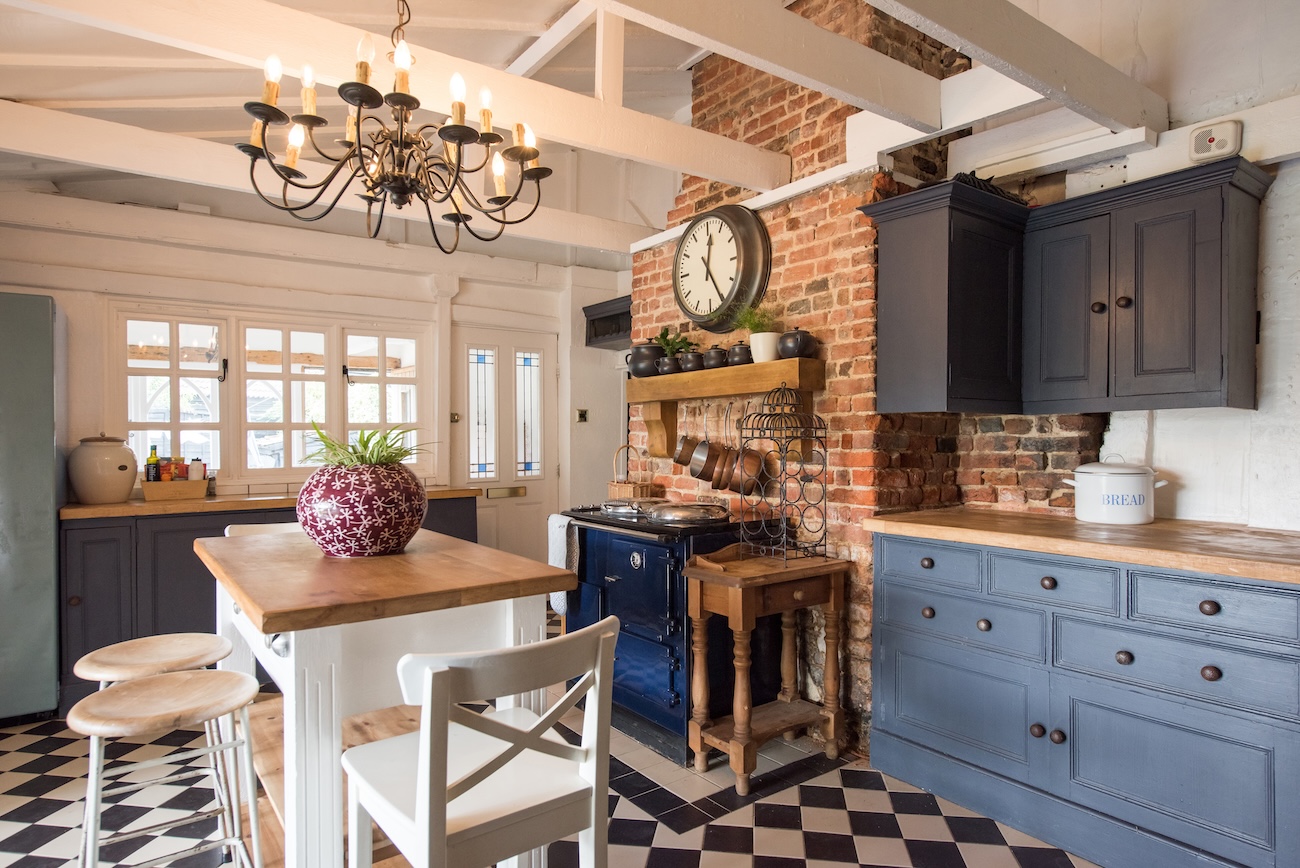
One significant shift is away from all-white kitchens. While previously considered timeless, the all-white kitchen is now seen as overdone and potentially sterile, especially if the white paint has cool undertones. Designers are moving towards warmer neutrals like cream, light beige, or buttery white, and increasingly incorporating bolder, earthier colors such as rich navies, greens, terracottas, and deep burgundies. Wooden accents are also gaining popularity, with trends like mixing wooden lower cabinets with cream uppers or using wooden pantry cabinets and vent hoods. This change reflects a broader movement from minimalism to maximalism, encouraging layered textures, rich colors, and multiple patterns to create more vibrant and personalized spaces.
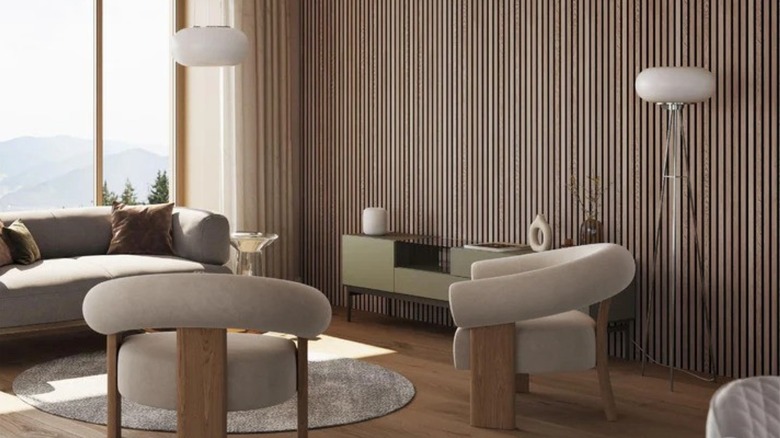
Shiplap, once a hallmark of farmhouse design popularized by Joanna Gaines, is also being phased out. While still aesthetically pleasing, its widespread use in the 2010s has rendered it predictable and somewhat outdated. Designers are now opting for simple panels in different colors or stained wood to achieve a more modern and natural look. The emphasis is shifting towards bespoke and artisanal pieces that introduce personality and authenticity, moving away from mass-produced farmhouse aesthetics.
Whitewashed floors, particularly natural wood floors, are another trend that is losing favor. While whitewashing cabinets and paneling has cycled in and out of style, whitewashed wood floors often result in a cold, greige appearance that contradicts the desired warm and eclectic farmhouse look. Instead, homeowners are encouraged to embrace the natural, warm tones of wooden or LVP floors to add life to a room without making it feel sterile. White tiling for kitchen floors or cream-colored accent rugs are suggested alternatives for incorporating white without whitewashing wood.
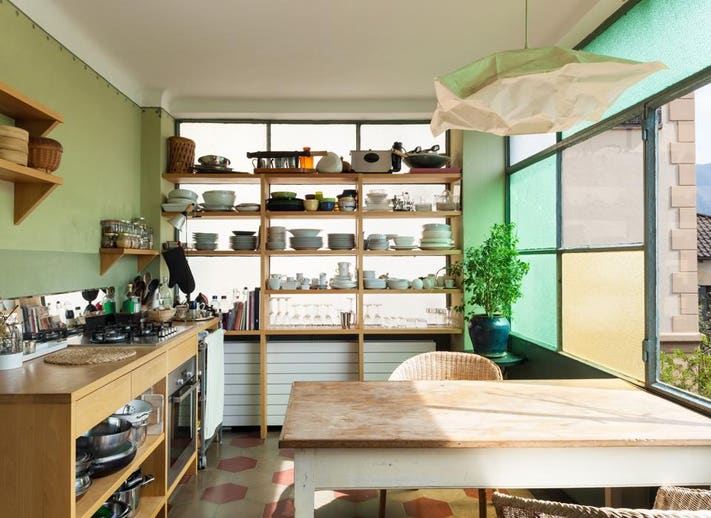
Open shelves, despite their initial appeal for style and practicality, are becoming less popular due to high maintenance. The constant need to dust dishes and the tendency for open shelving to accumulate knick-knacks and appear cluttered are significant drawbacks. The trend is moving towards charming closed cabinetry or antique hutches, which help maintain visual cleanliness and reduce the effort required for physical cleaning.
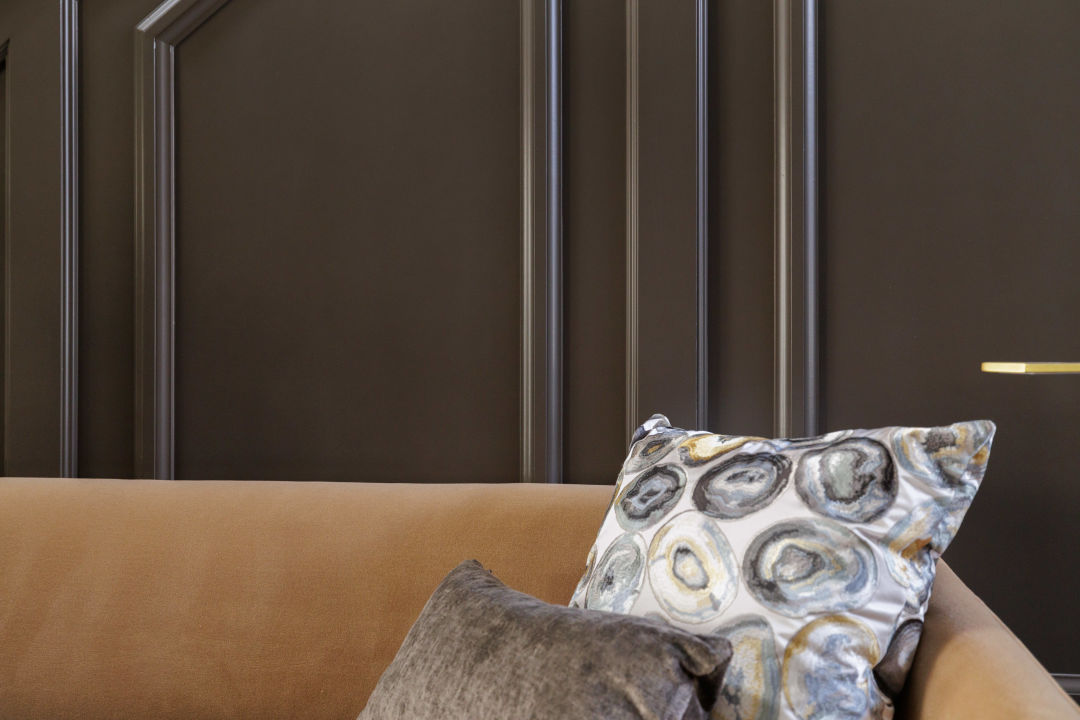
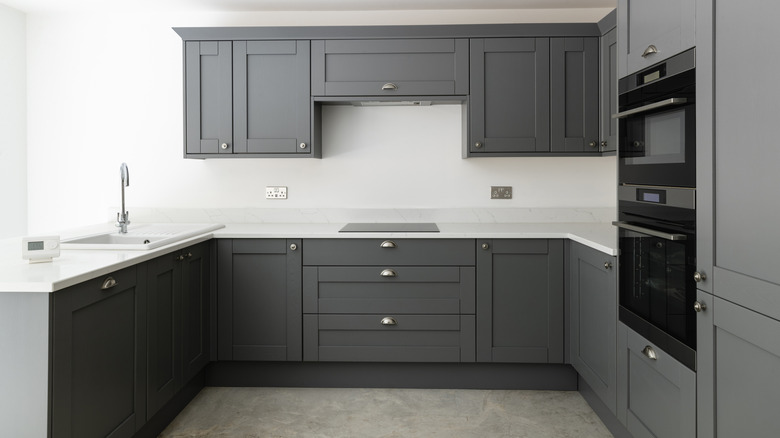
Shaker cabinets, known for their simple yet stylish design and practical nature, are also considered somewhat outdated. While they remain functional, designers are favoring more minimalist facades, such as flat or fluted designs. However, the color palette for these cabinets often remains consistent with neutral or wood-colored tones. Homeowners looking to update their shaker cabinets can consider replacing just the doors with newer, more contemporary styles.
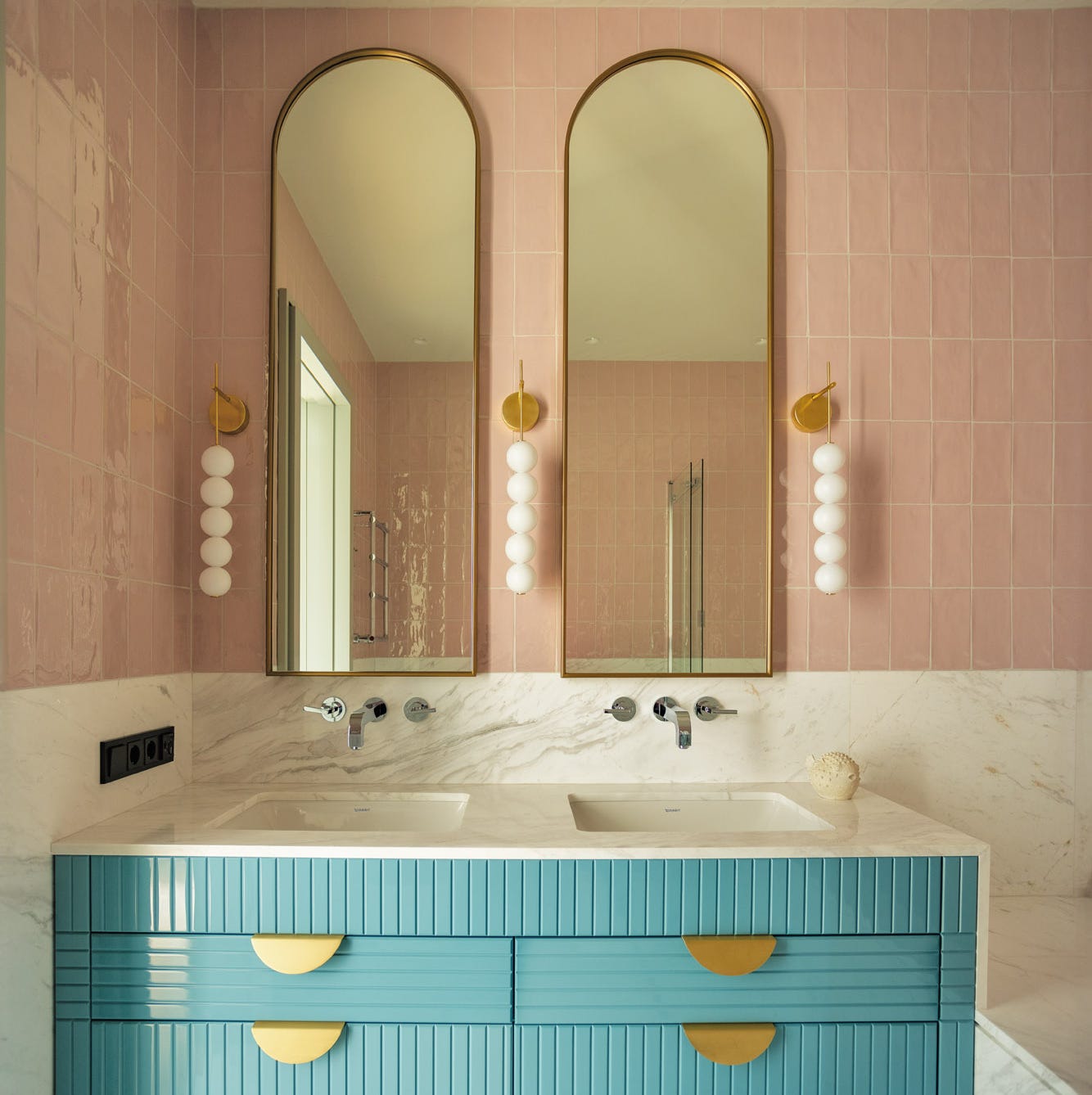
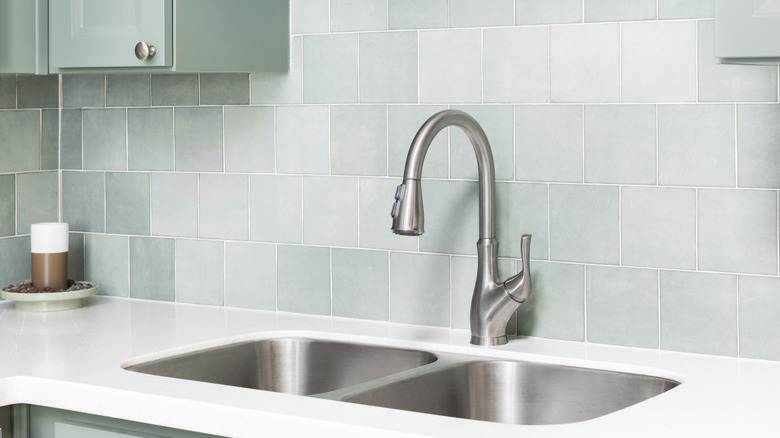
Matte black fixtures, once a staple for creating contrast in white farmhouse spaces, are now seen as too predictable and can make a space feel flat when overused. Alternatives like brushed nickel, warm brass, or copper are being recommended to add warmth and dimension. If dark fixtures are desired, using them sparingly and pairing them with warmer tones, such as cinnamon-colored cabinets, can create a more layered and inviting feel.
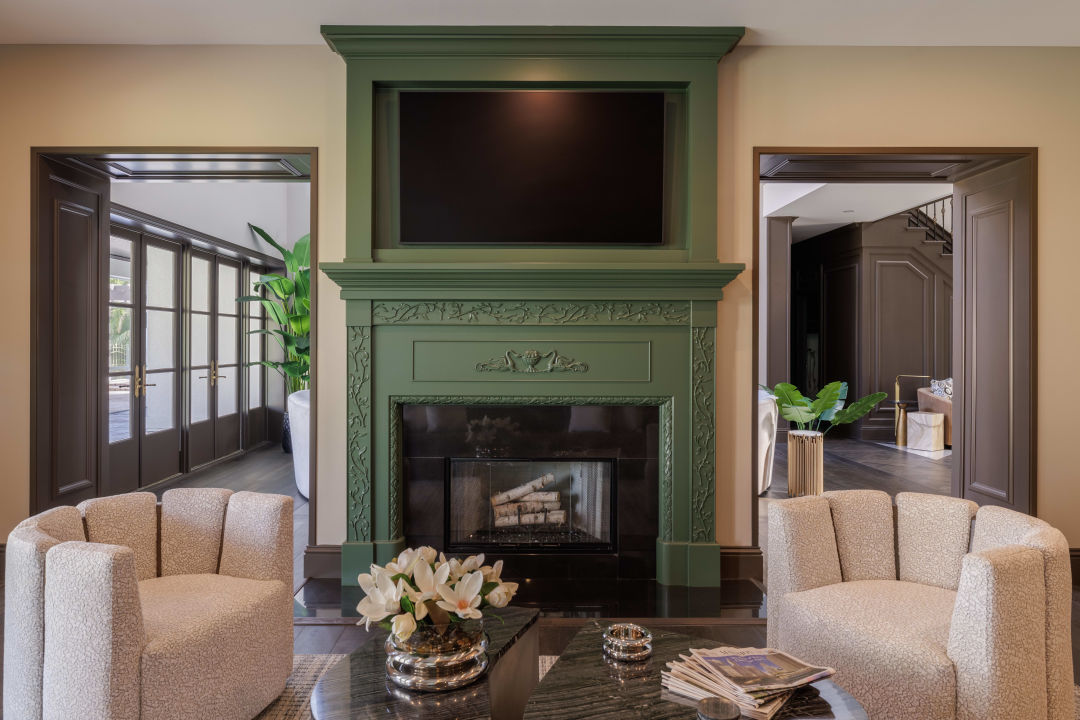
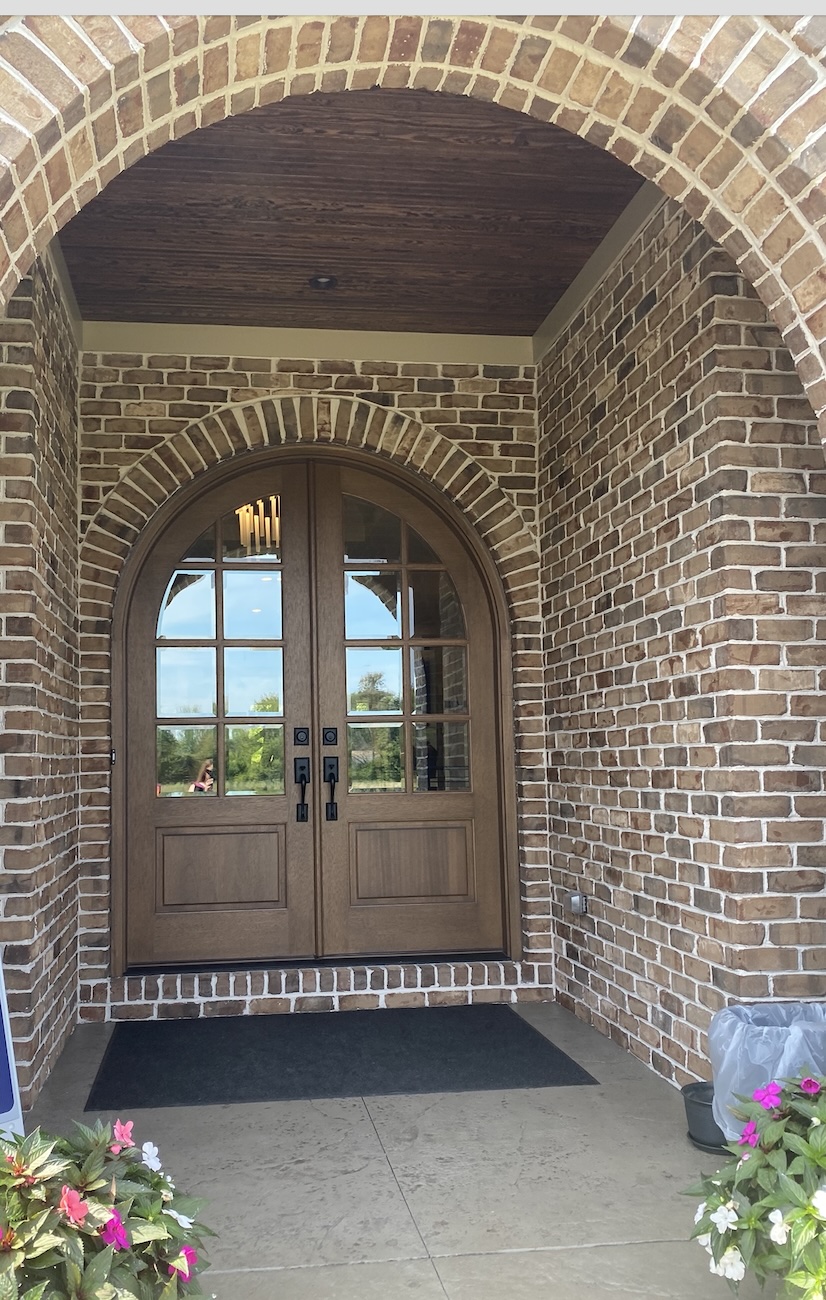
Barn doors, a prominent feature in rustic farmhouse interiors, are losing appeal due to their impracticality and difficulty in integrating with evolving design aesthetics. Their rustic nature often limits the ability to layer other, non-country-inspired elements. Space-saving alternatives like swinging doors or sliding doors, including pocket doors or glass-paneled French doors, are becoming more common, offering functionality while allowing for more diverse interior styling.
Shabby-chic furniture, characterized by distressed and chipped paint, is also seeing a decline in popularity. The movement is towards a more refined and sophisticated take on farmhouse style, emphasizing natural materials, warm colors, and handcrafted pieces with authentic character. The focus is on unique, well-maintained items that appear thoughtfully curated rather than mass-produced or artificially aged. New, neutral wooden furniture is gaining favor over artificially aged pieces.
Finally, the era of "staged-to-perfection" farmhouse homes is giving way to spaces that feel more lived-in and personal. The emphasis is shifting from a uniform, magazine-like aesthetic to homes that reflect the homeowner's individual style through curated collections, vintage finds, unique textiles, and artwork. This approach moves away from formulaic design, promoting authenticity and individuality in home decor.
#FarmhouseDesignTrends #InteriorDesign #HomeDecor #KitchenDesign #ShiplapAlternatives #FlooringTrends #Cabinetry #FixtureTrends #DoorStyles #FurnitureStyling #FarmhouseDesignTrends #InteriorDesign #HomeDecor #KitchenDesign #ShiplapAlternatives #FlooringTrends #Cabinetry #FixtureTrends #DoorStyles #FurnitureStyling
合計0件のコメント
 まだコメントはありません
あなたも好きかもしれません
What's replacing modern farmhouse kitchens in 2025? 5 styles designers say you should consider instead

Outdated Kitchen Design Trends Being Replaced In 2024
10 Hottest Home Design Trends to Watch for 2025
The Controversial Design Style That's Out for 2025, According to Designers
What is replacing farmhouse kitchens? These 6 country-inspired trends are the ones to watch for 2025
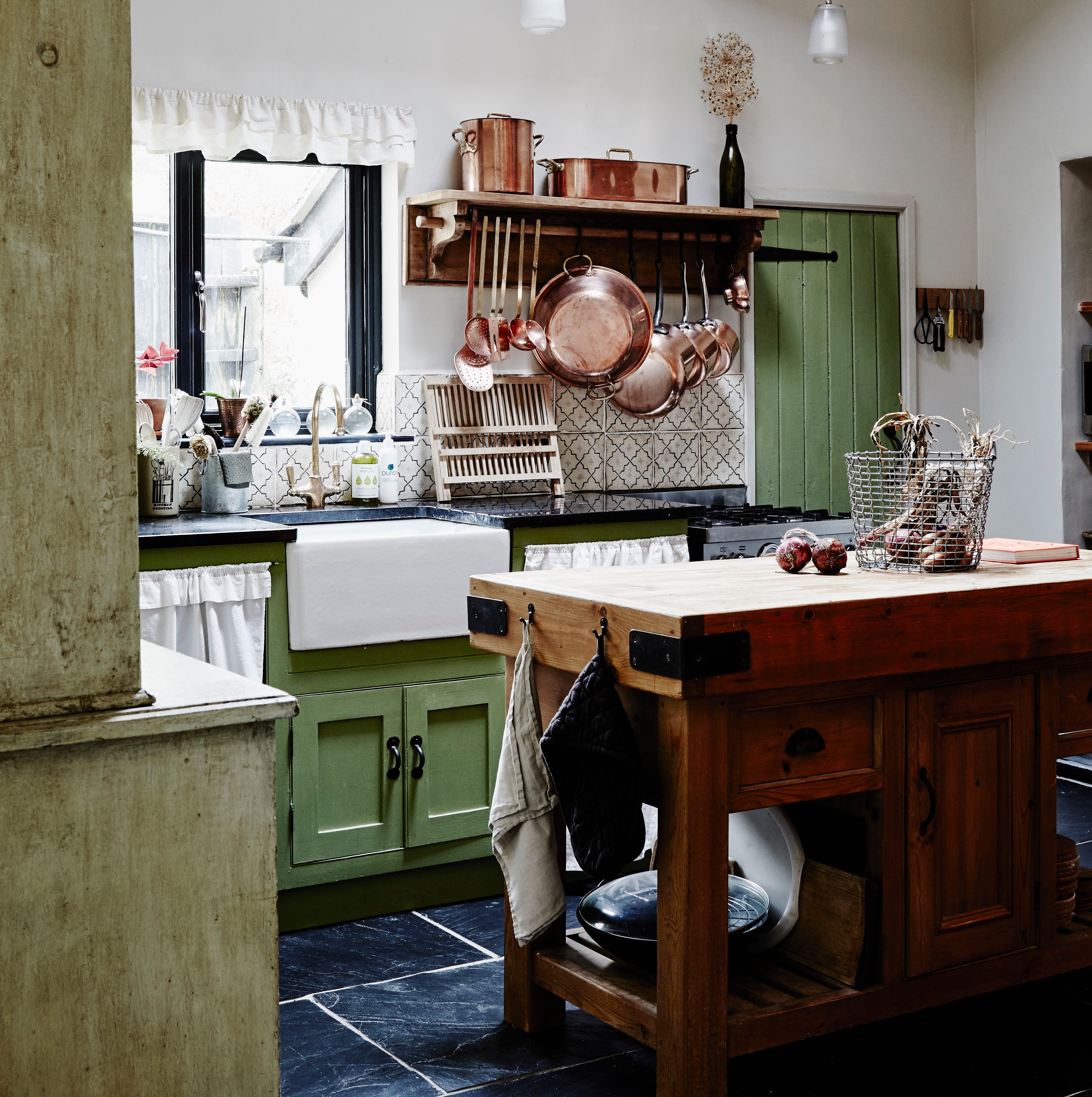
8 rustic kitchen trends set to be big in 2025
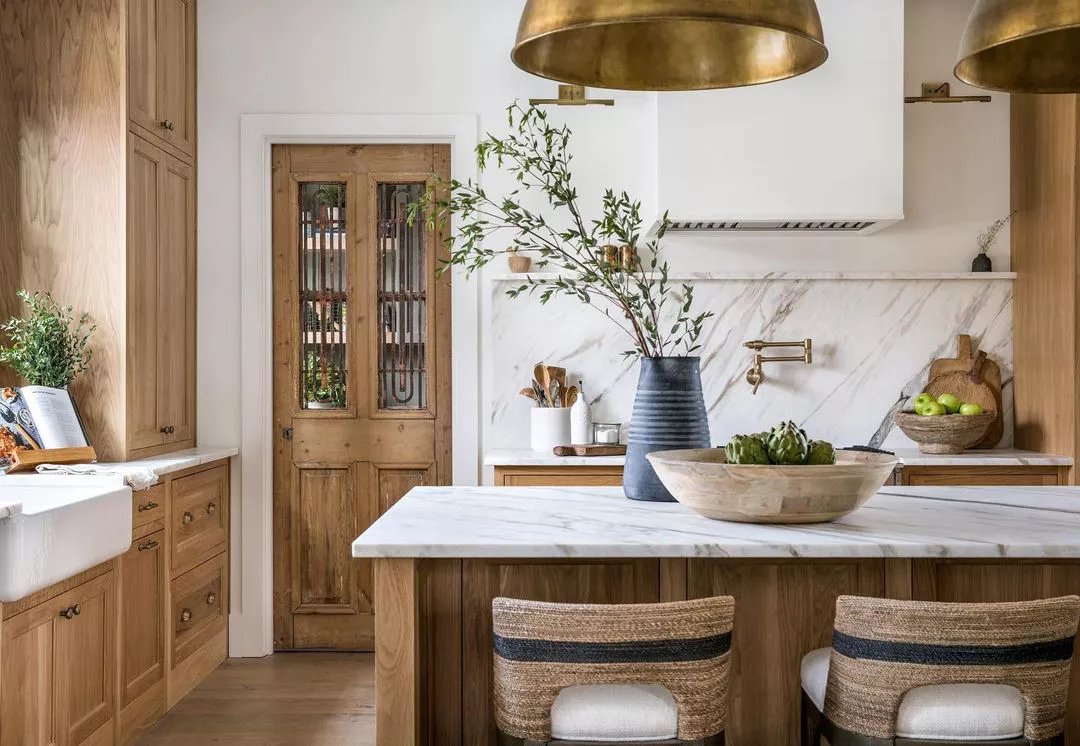
Is Farmhouse Design Out for 2025? We Asked Designers for Their Unfiltered Takes

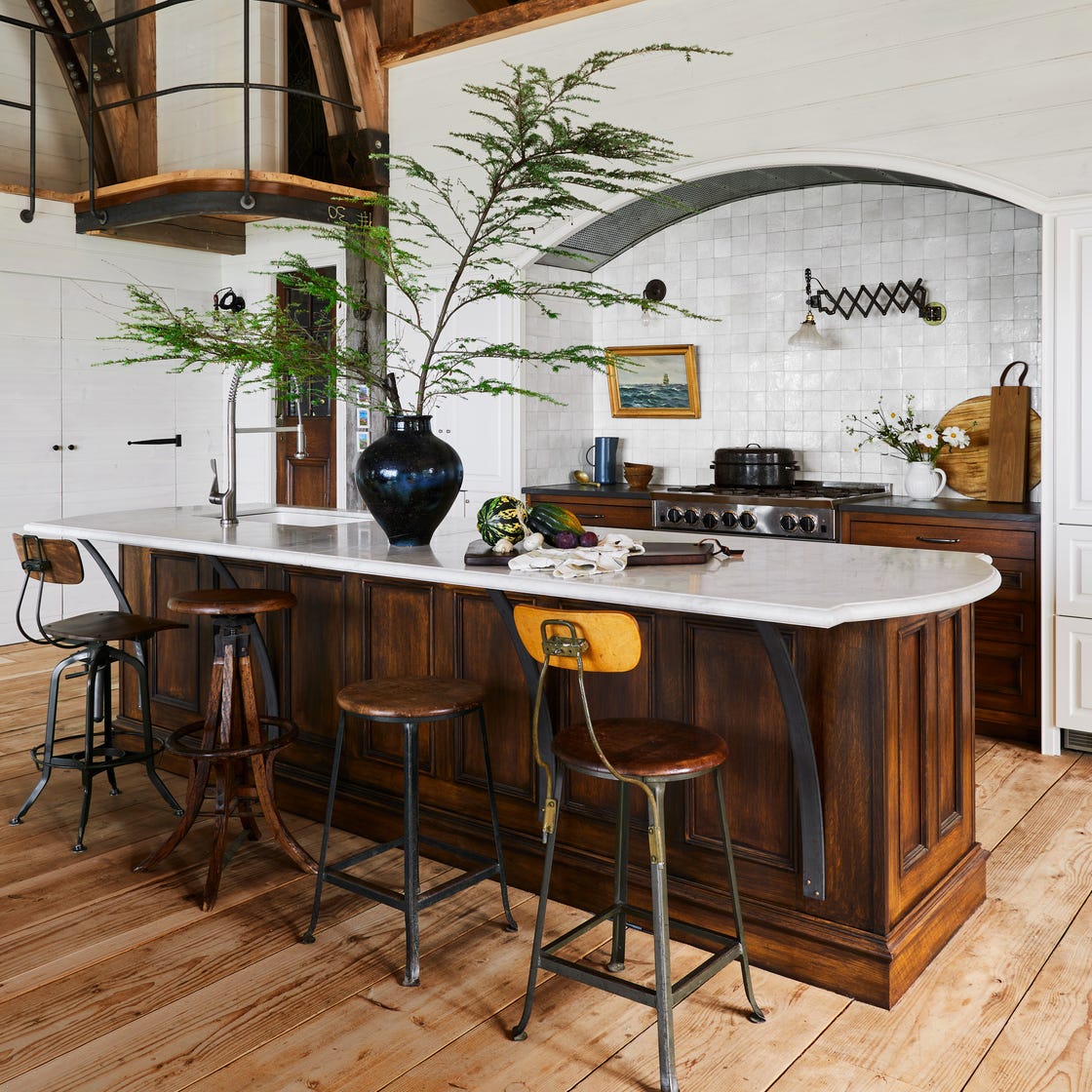
This 1920s-Inspired Design Trend Is Taking Over Homes in Fall 2025
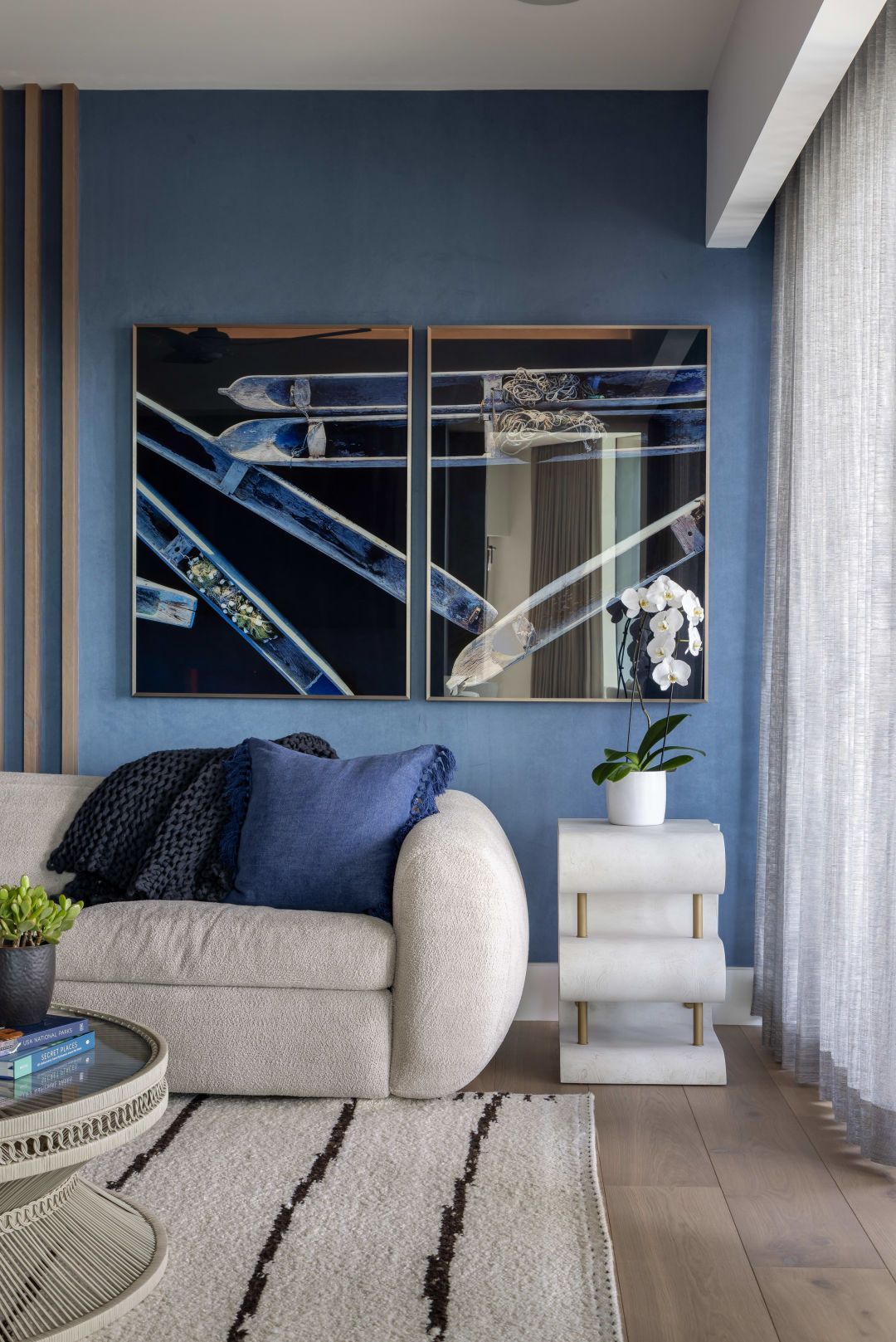
These Are the Home Design Trends You Need to Know About in 2025
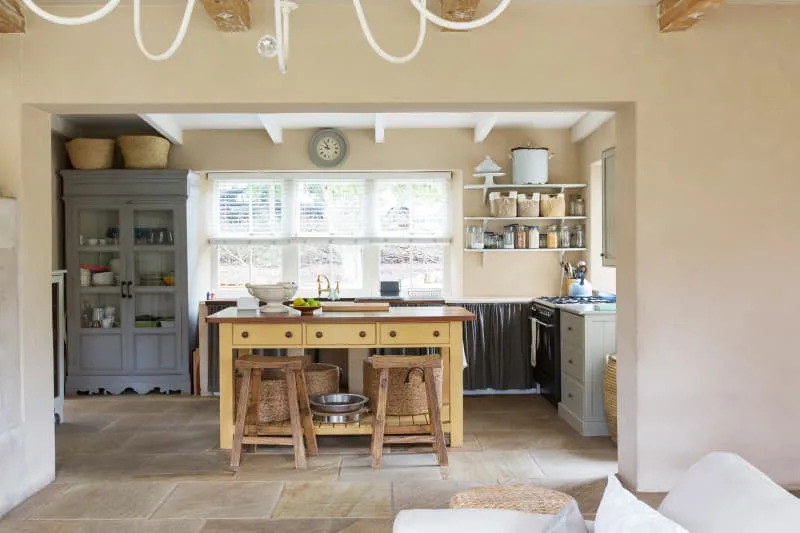
Farmhouse Kitchens Are Officially Out — These Are the Trends Taking Their Place in 2025

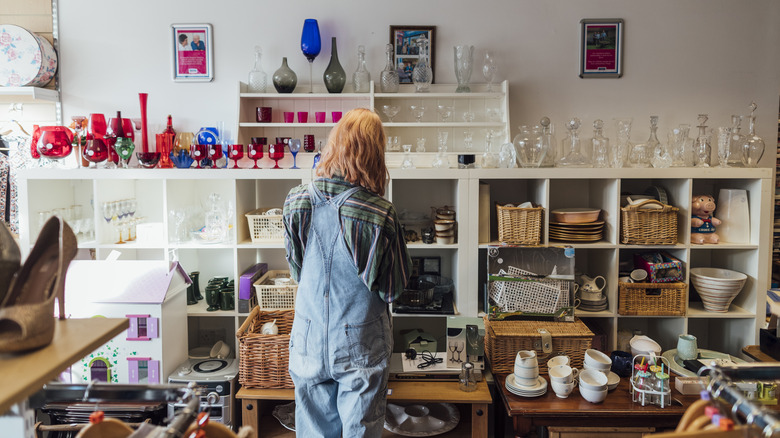
Retro Design Trends That Are Making A Comeback In 2025
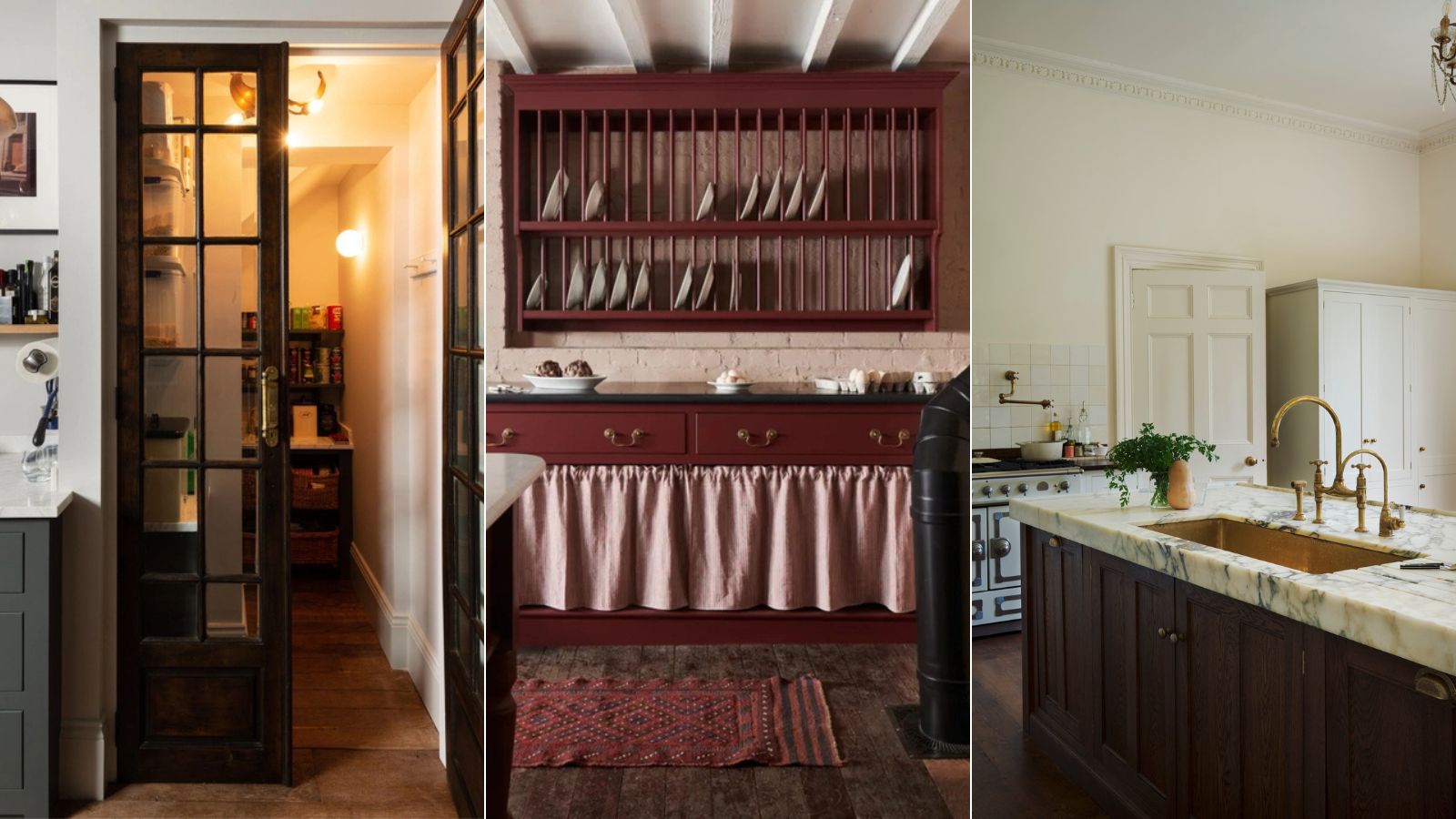
8 dated kitchen trends making a comeback in 2025
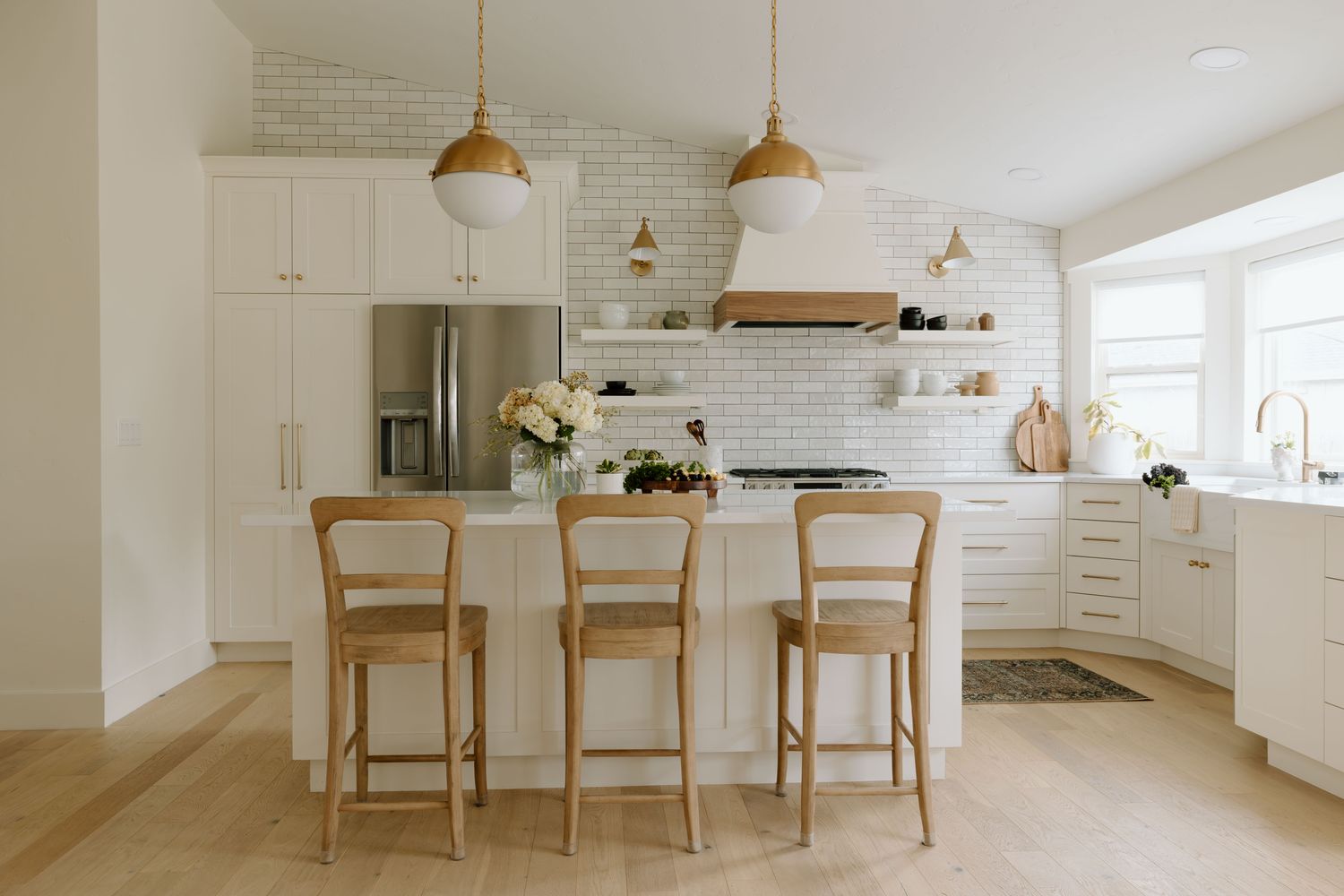
Is Farmhouse Style Out? Here's What Designers Are Saying in 2025

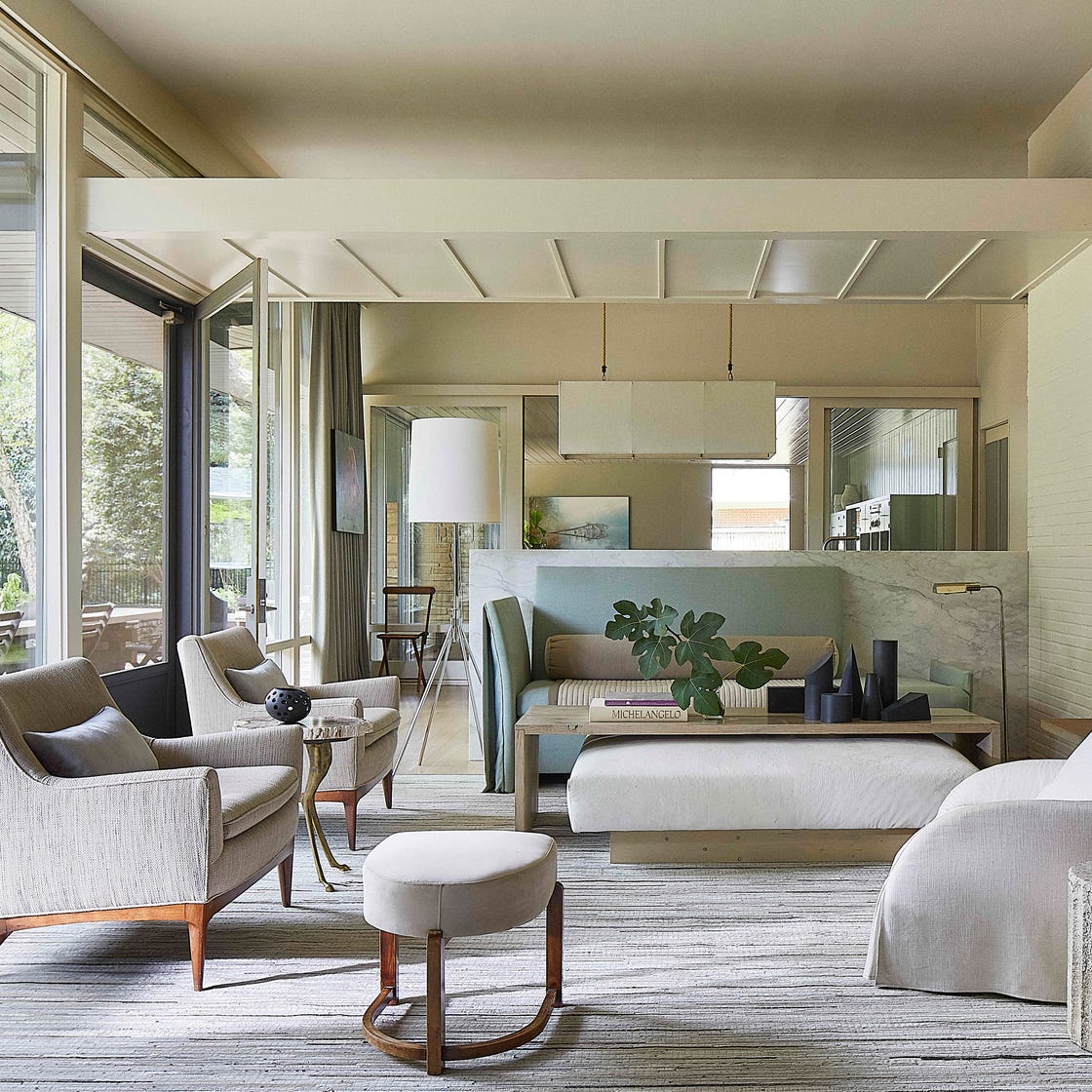
The 8 Renovation Trends Designers Say Will Shape Homes in 2025 and Beyond

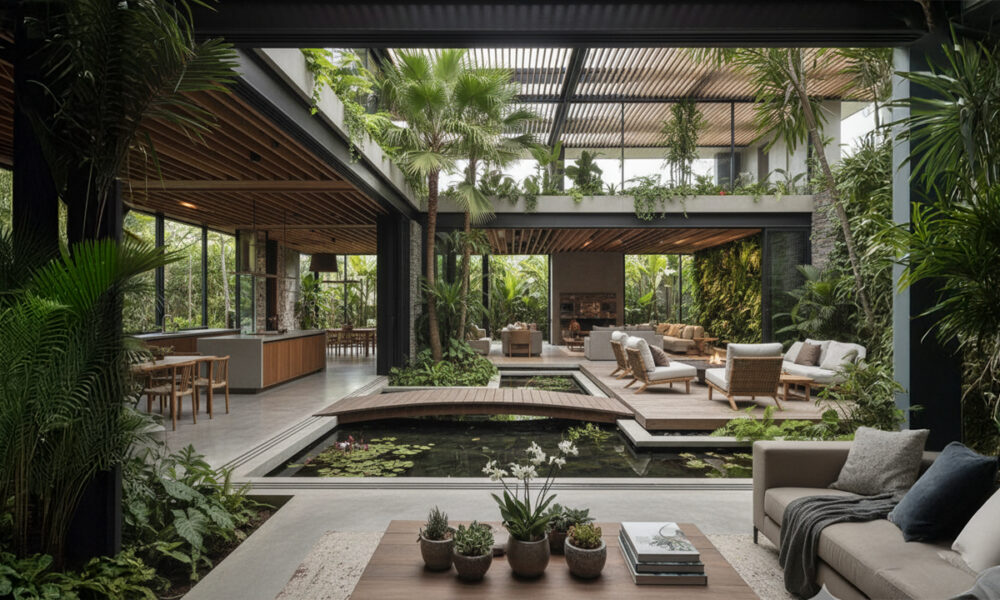
Hottest Home Trends in 2025
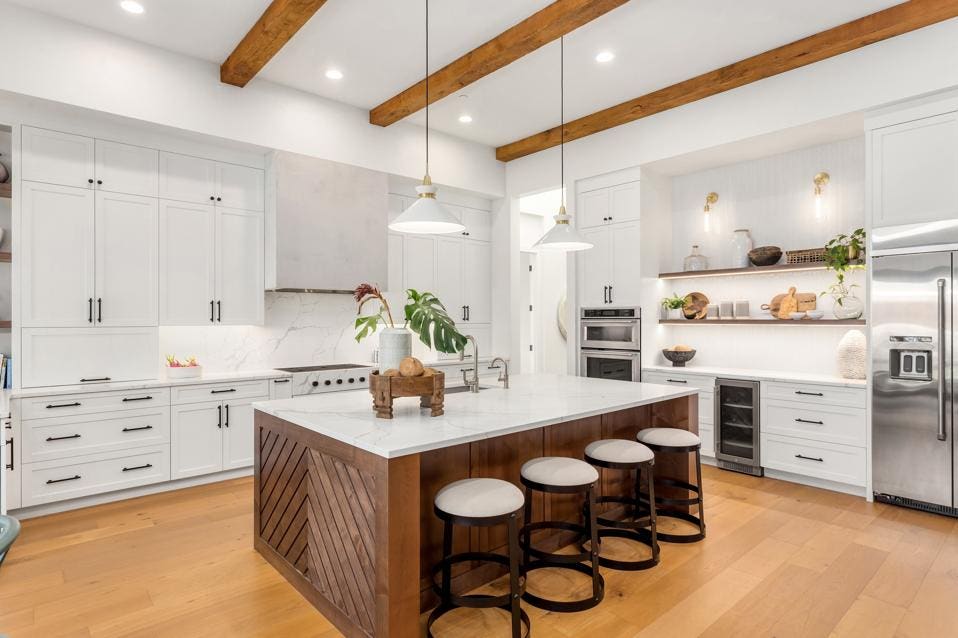
10 Kitchen Design Trends Going Out Of Style In 2025

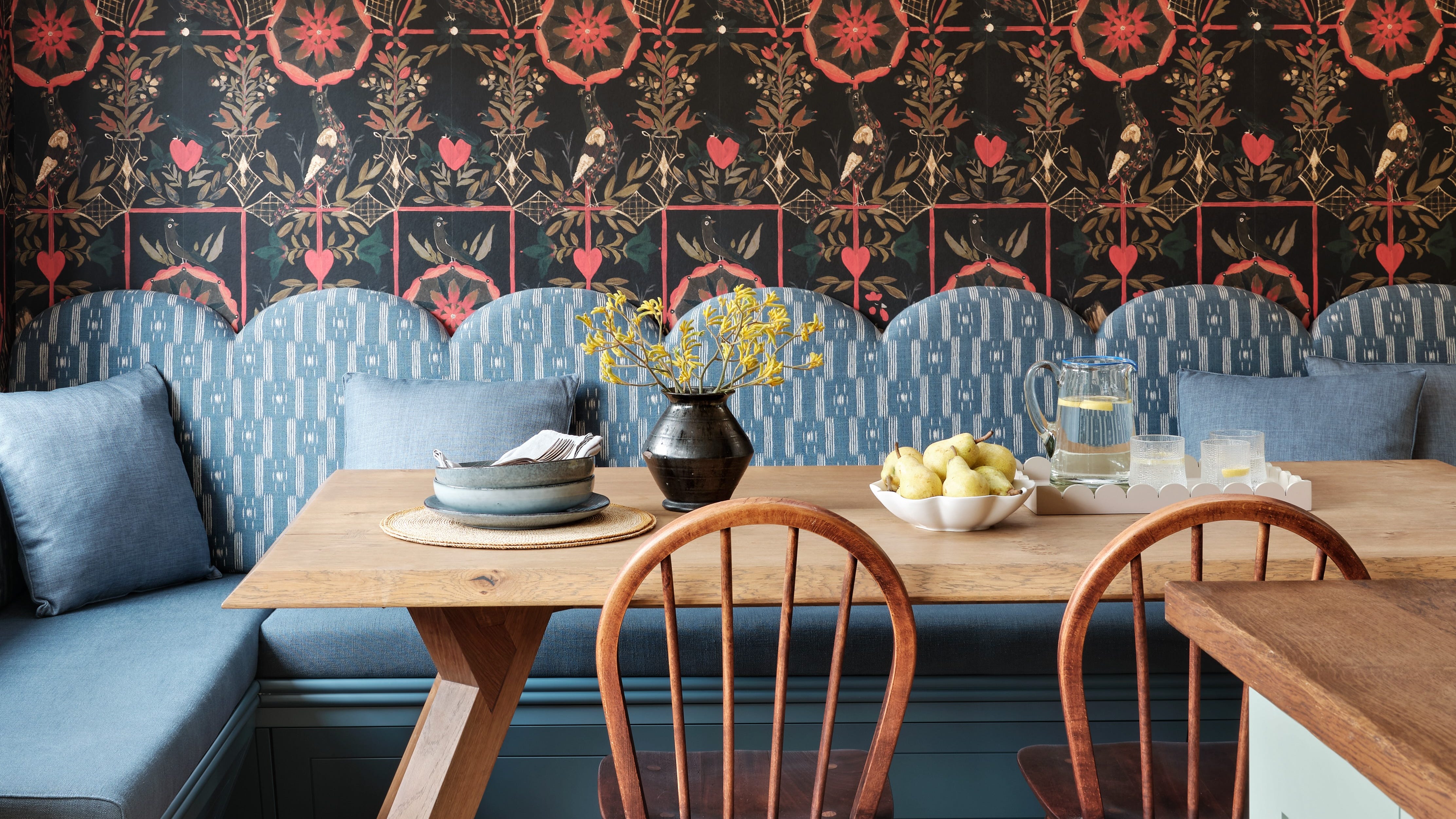
Renovating? The home design trends you’ll see everywhere in 2025


Kitchen Trends That Are Being Left Behind In 2025 And Beyond
If you don't yet know the home renovation trends for 2025, your project might just be missing out
Renovating for the Future: Trends That Will Shape Your Home in 2025