1/5
Interior Designers Share Their Best Traditional Design Tips
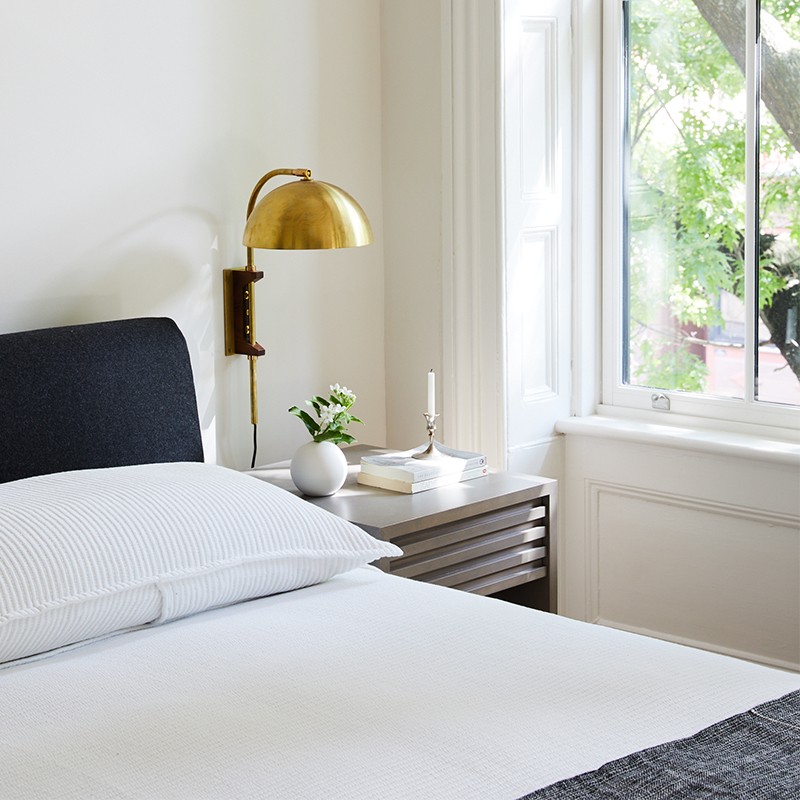
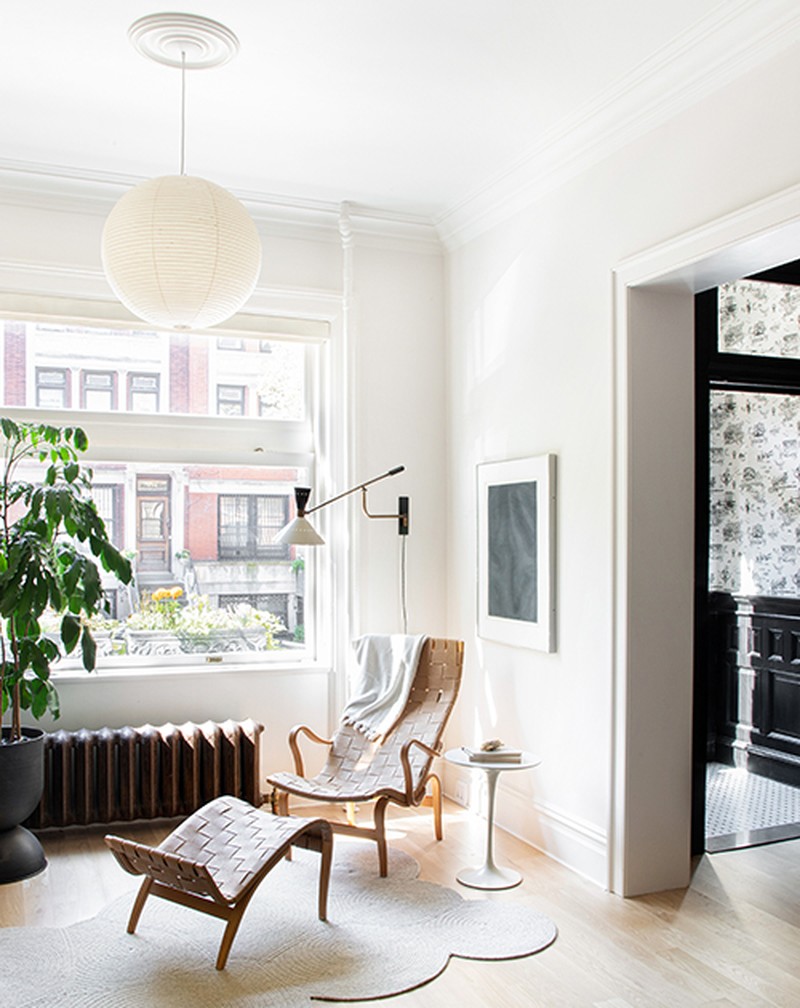
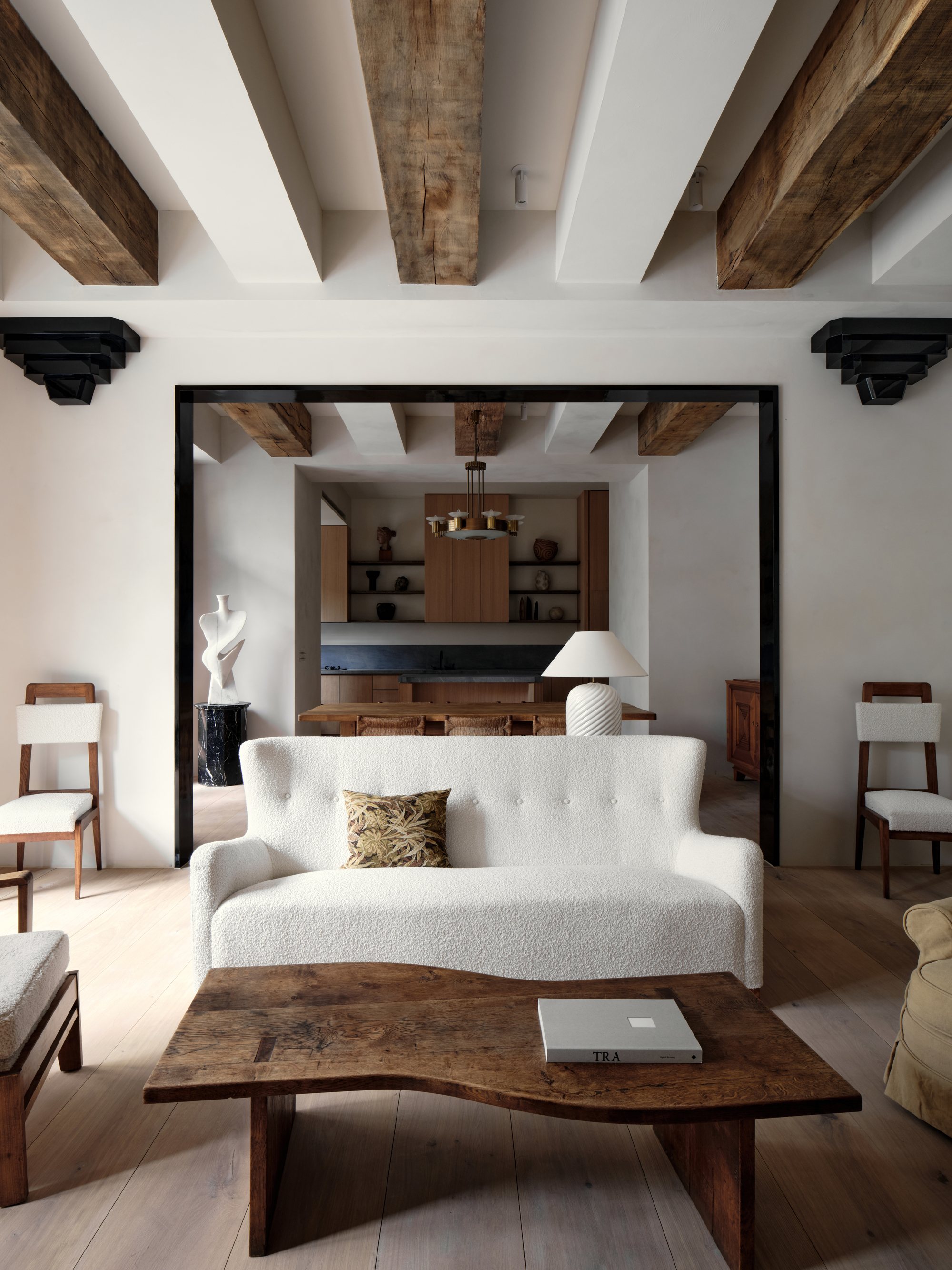
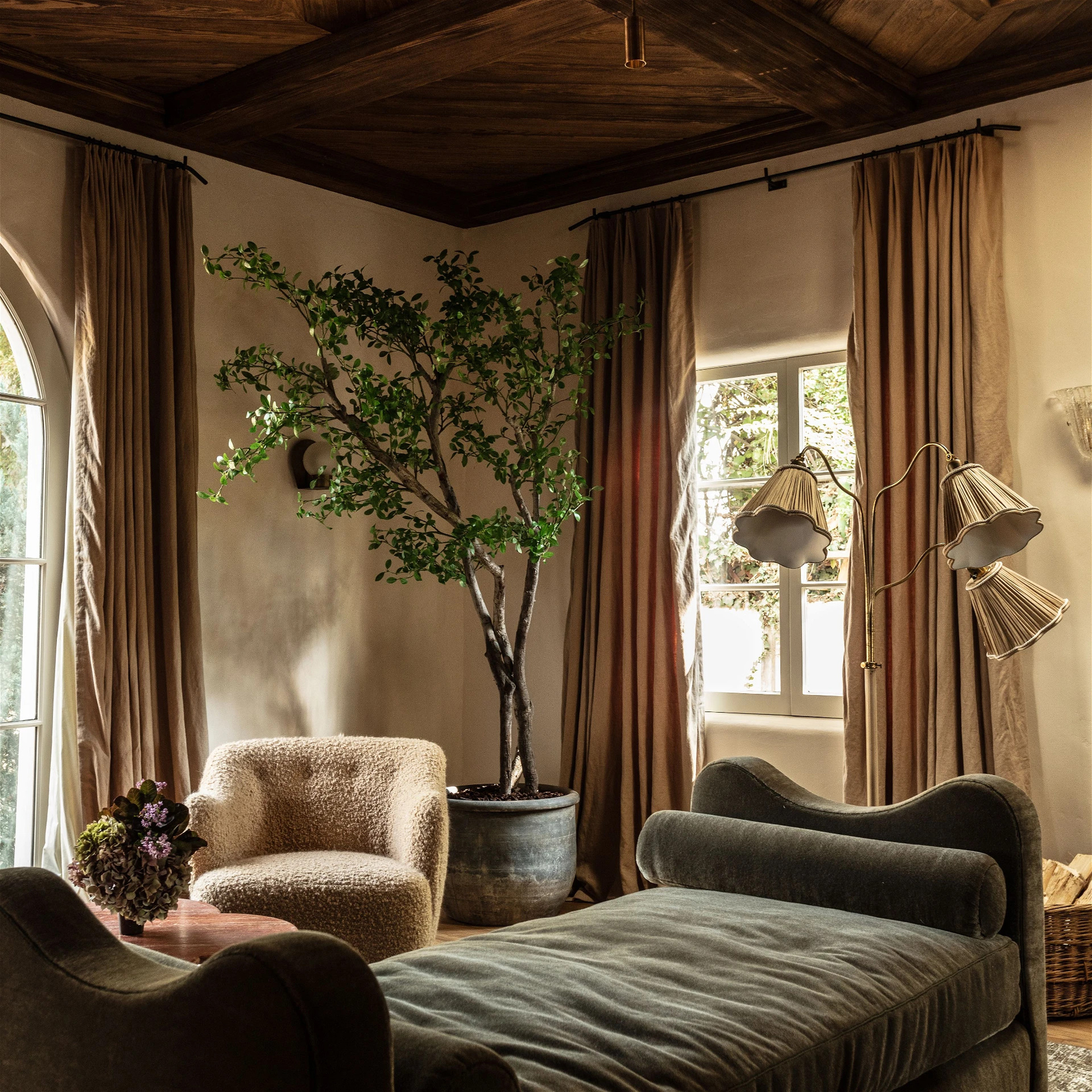
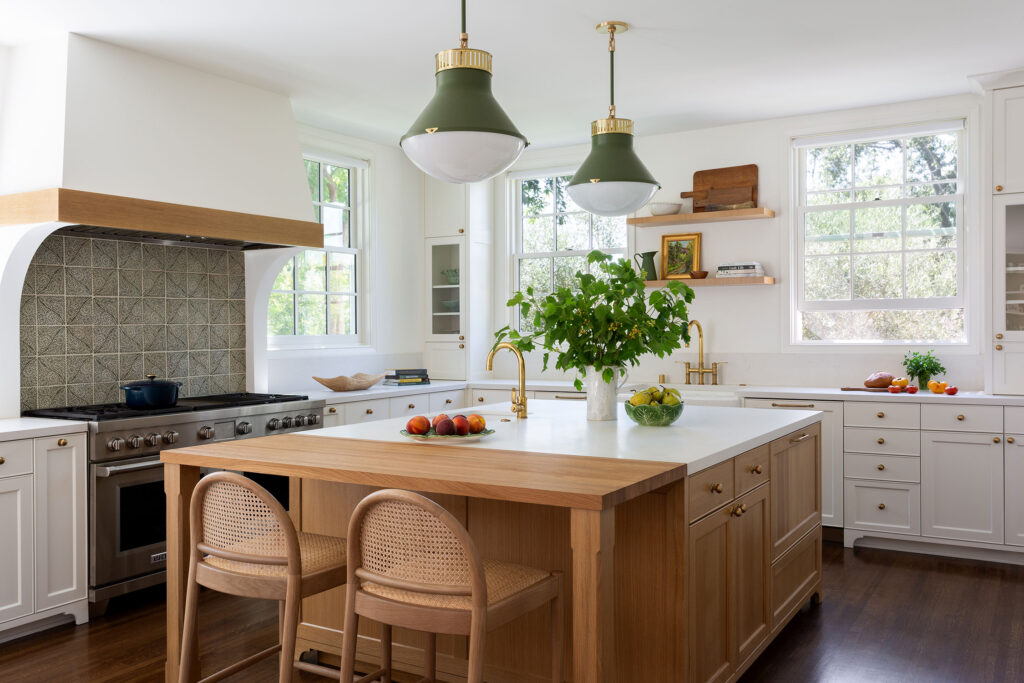
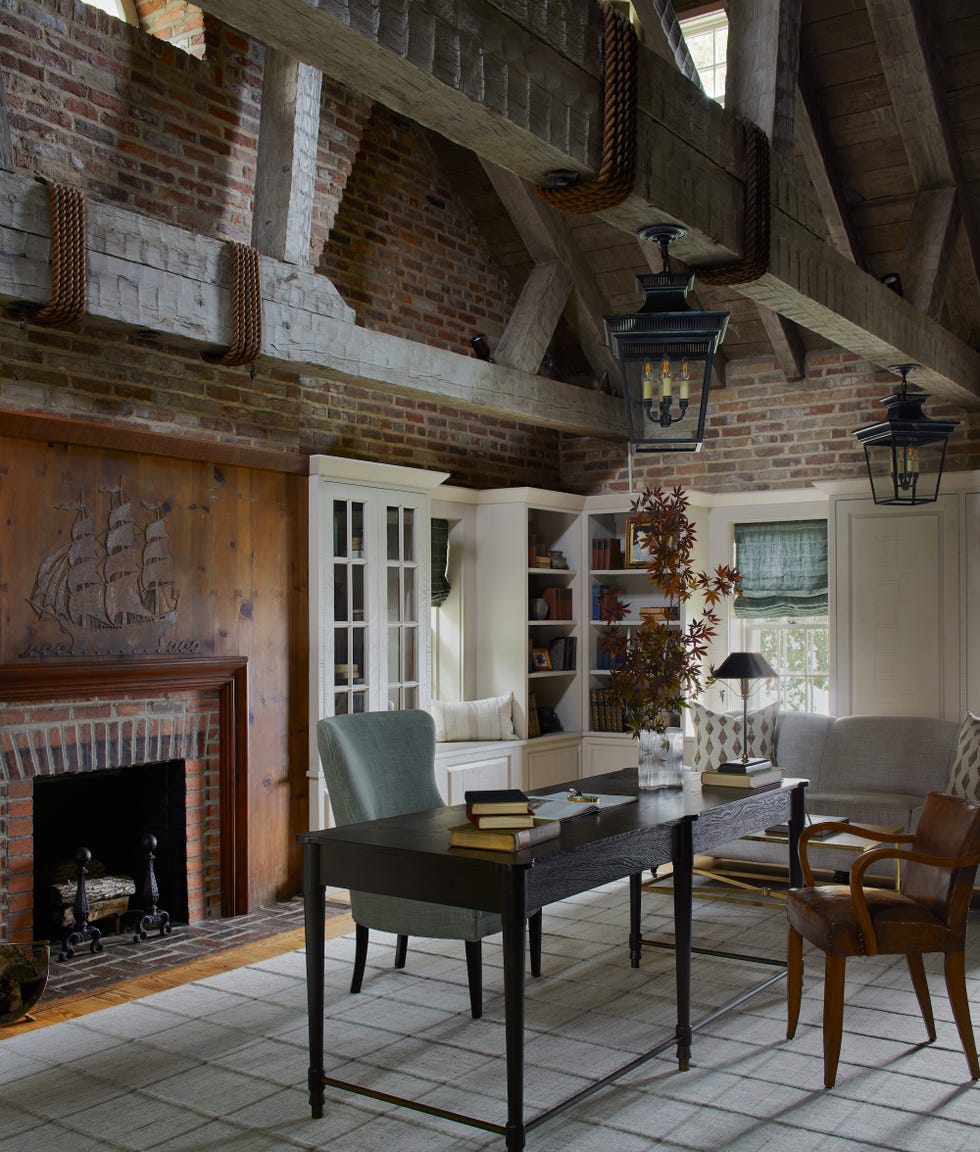
Traditional home design, encompassing styles from coastal grandmother to grand millennial, is experiencing a resurgence in popularity. Unlike modern or contemporary designs, traditional spaces are characterized by a soulful, rich, and warm aesthetic. Crafting such an environment can be more intricate, requiring careful attention to detail and layering.
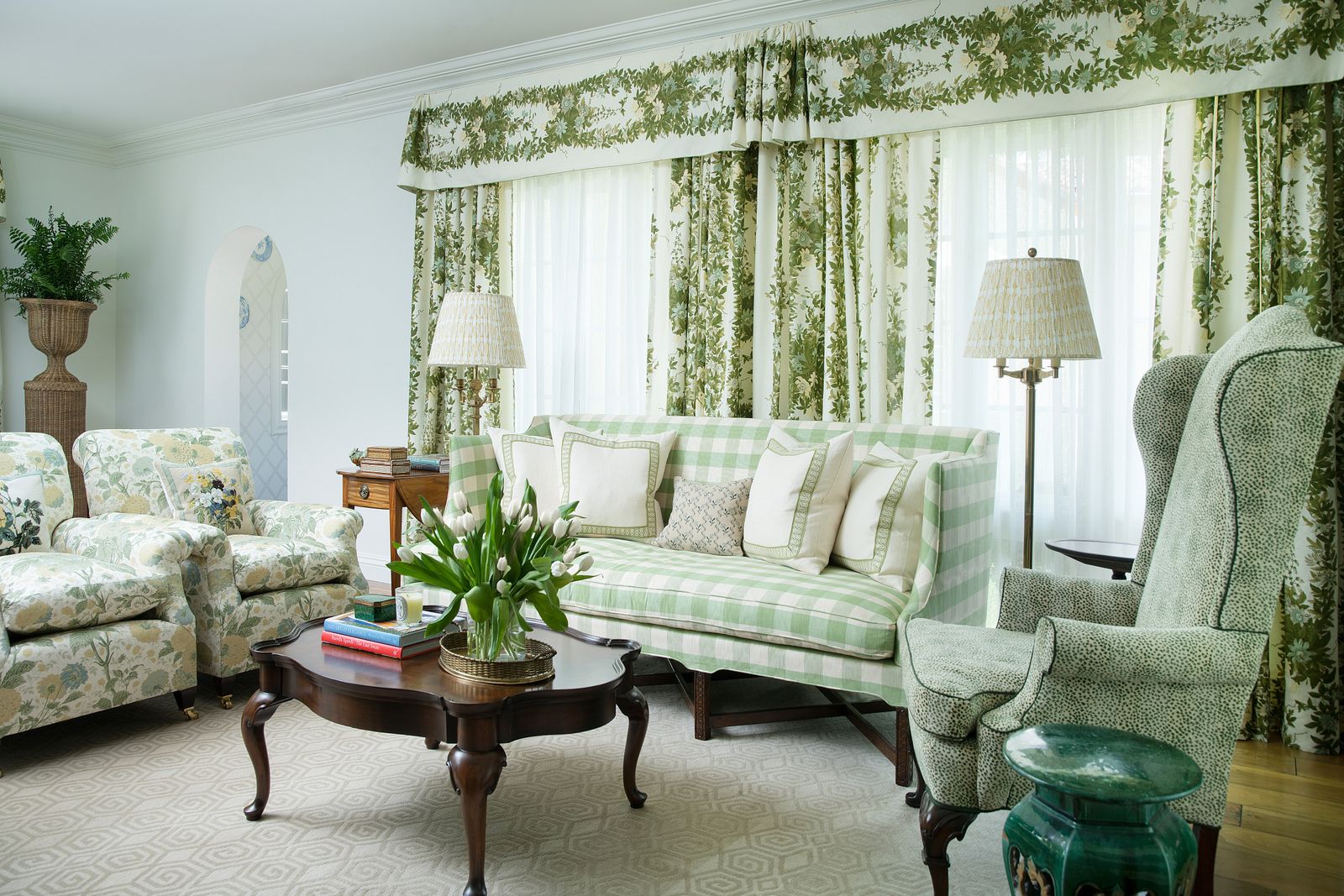
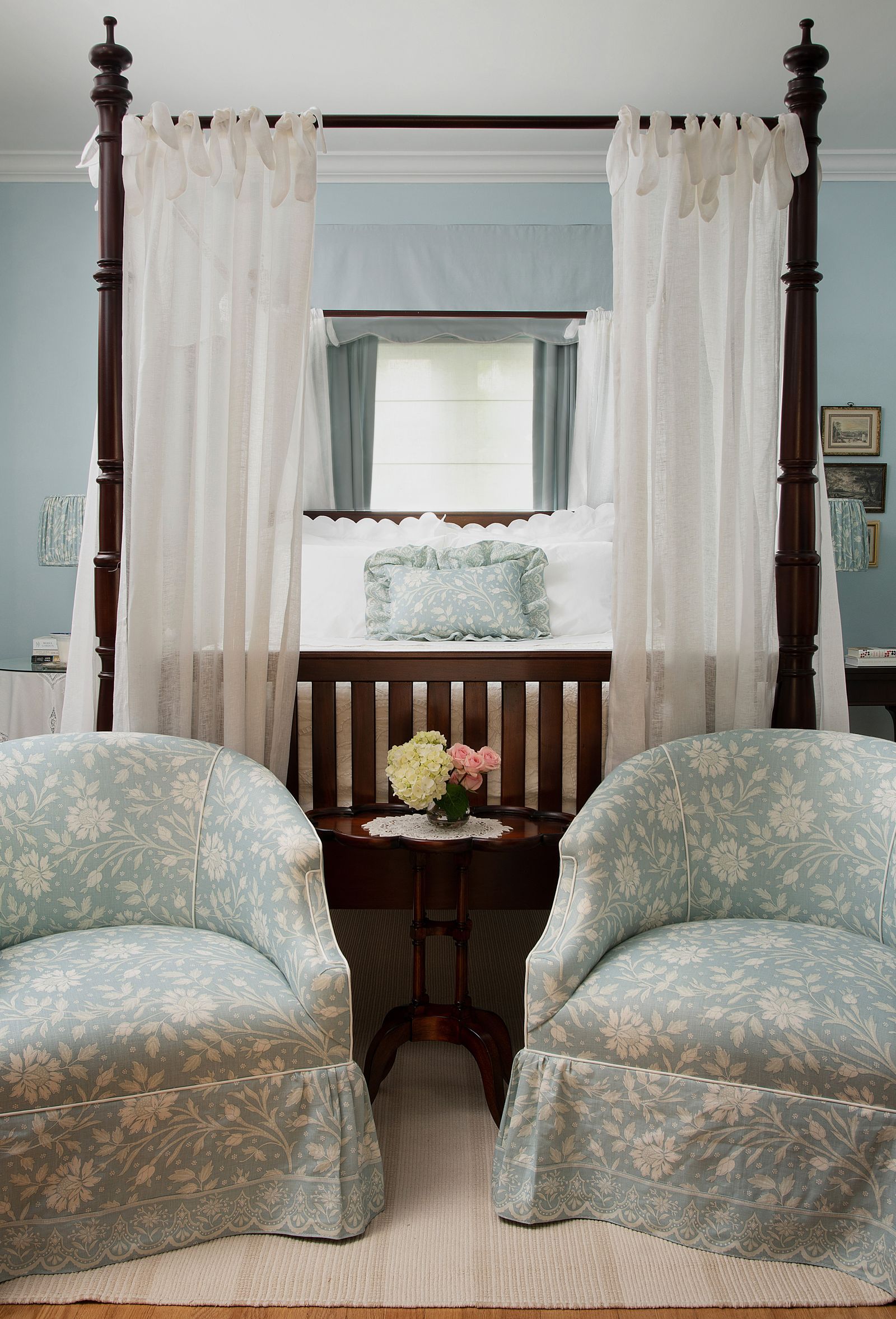
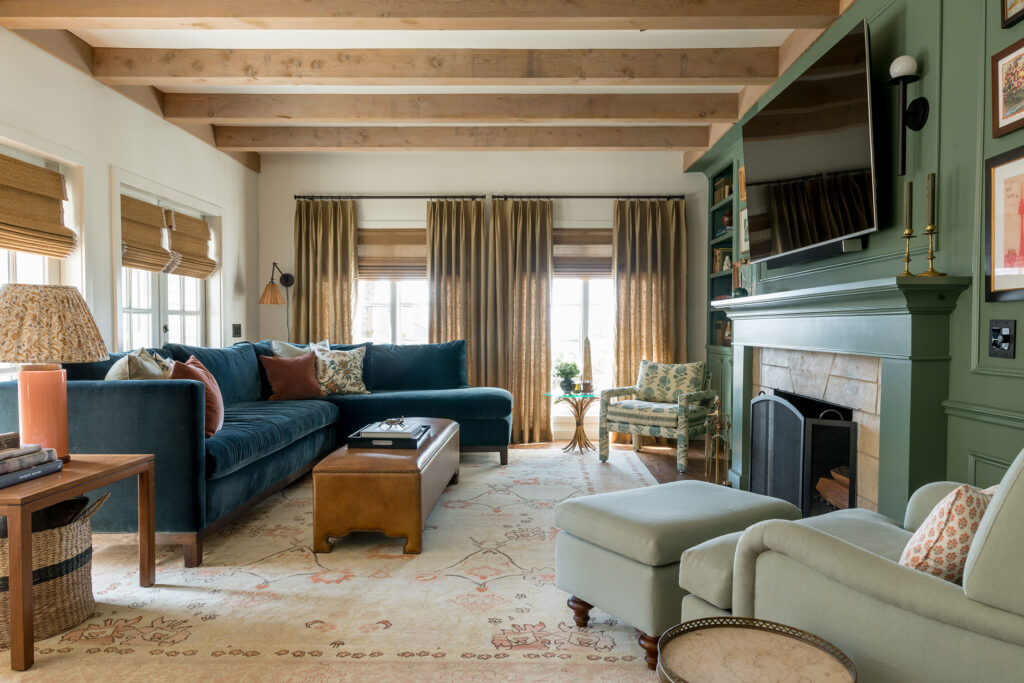
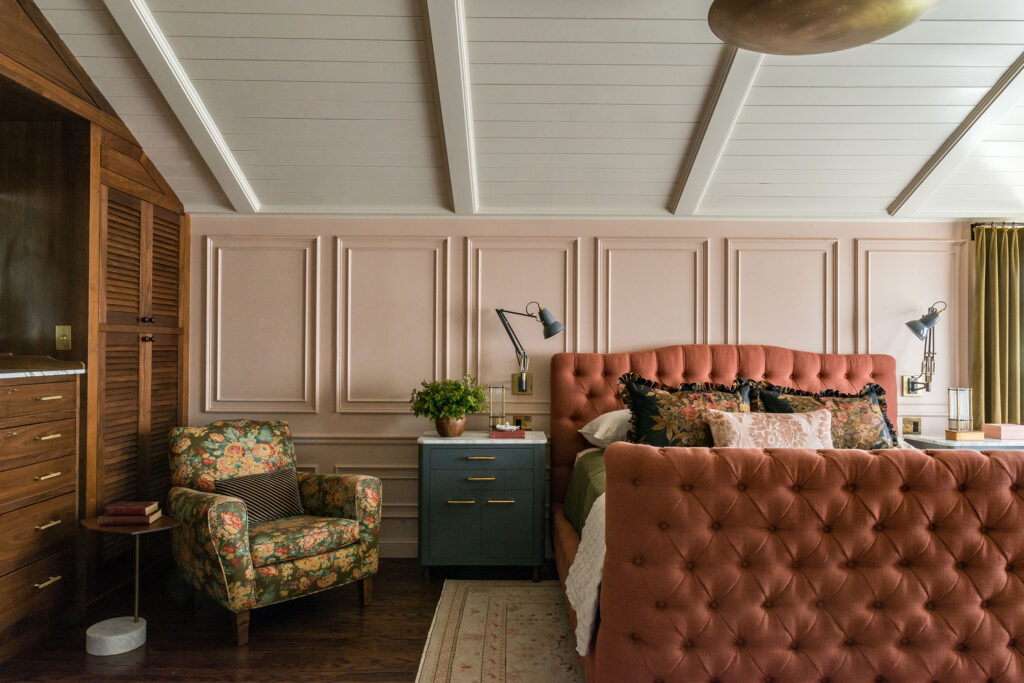
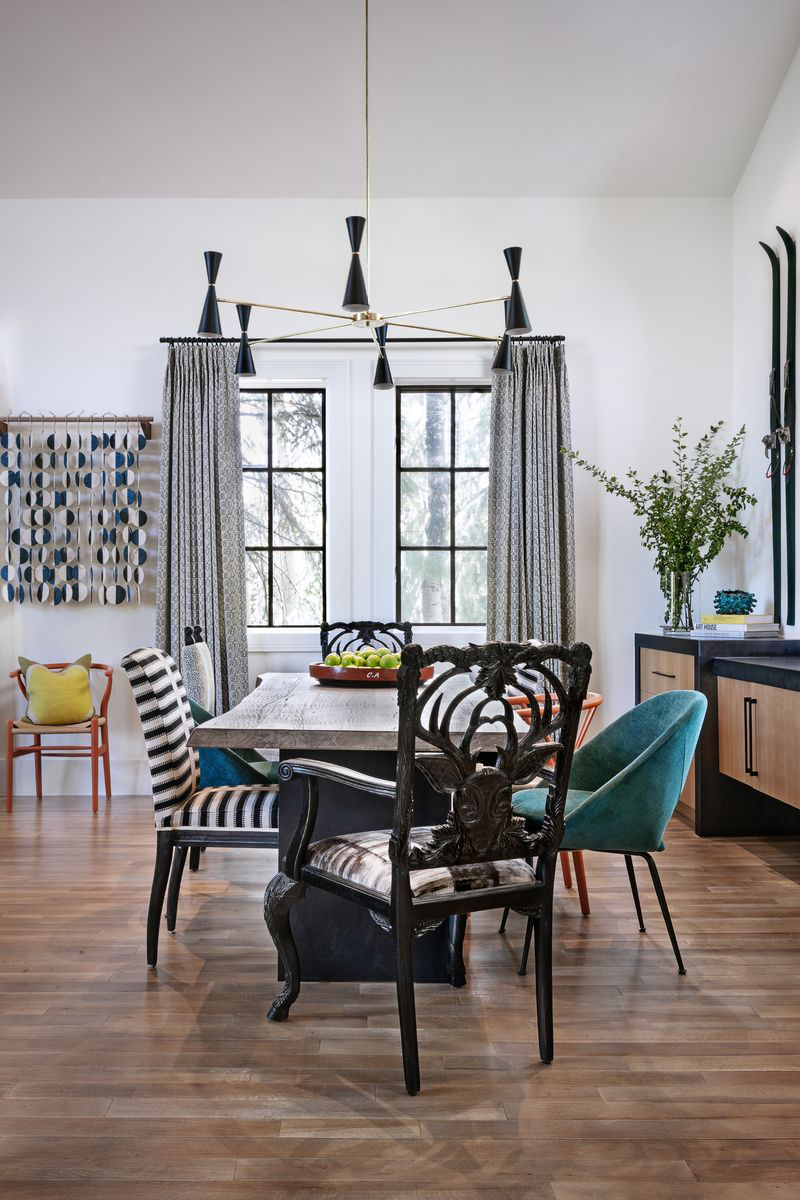
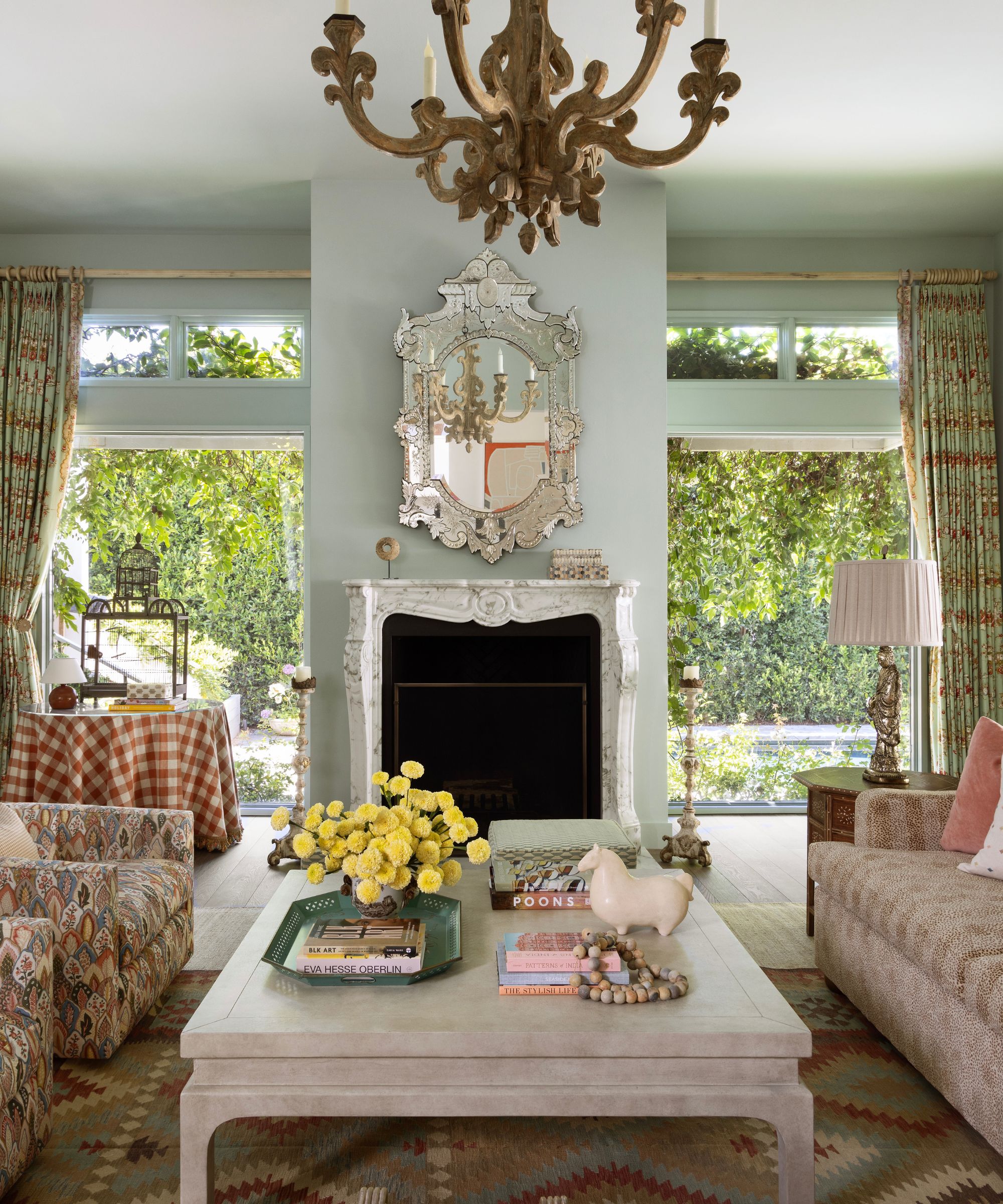
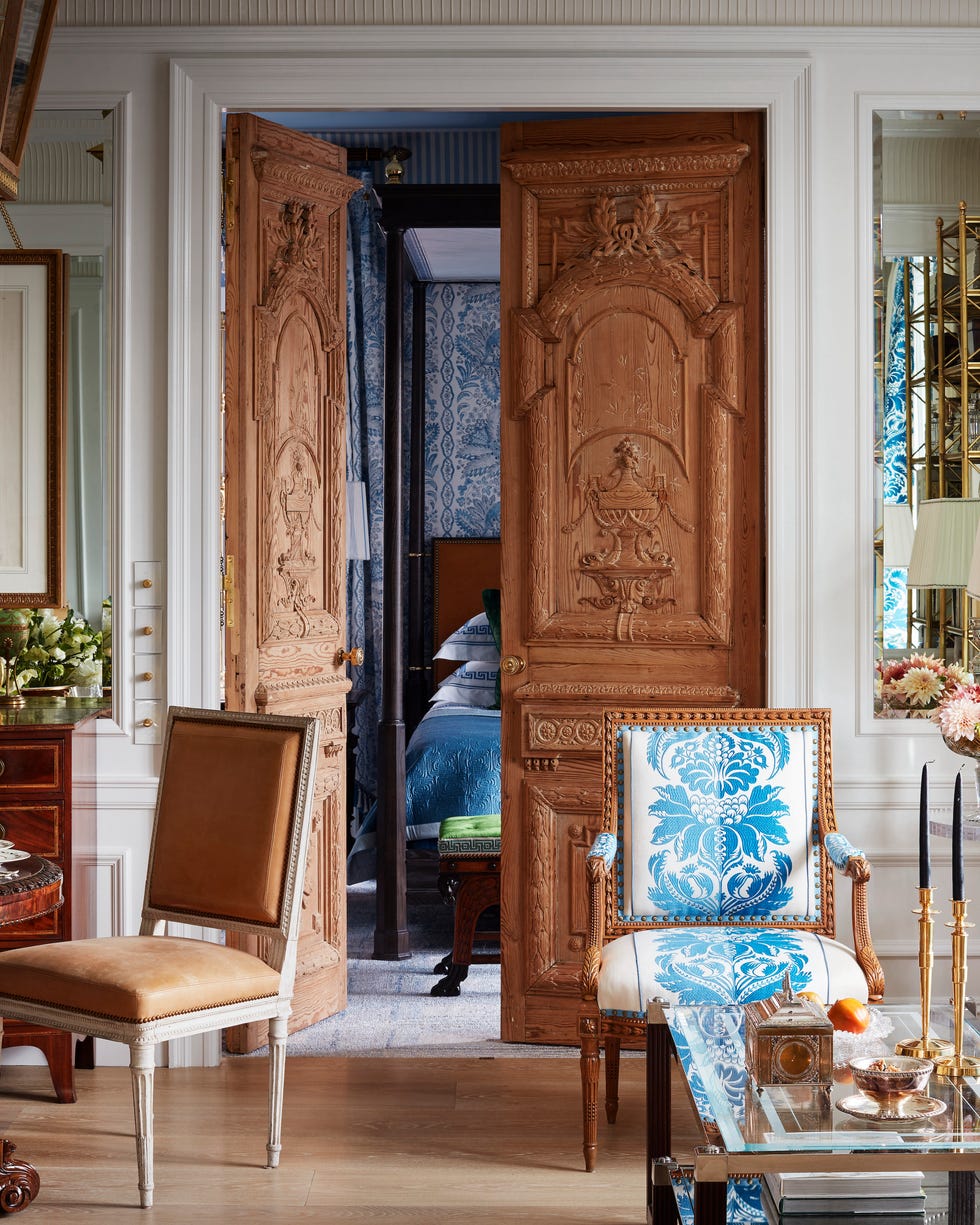
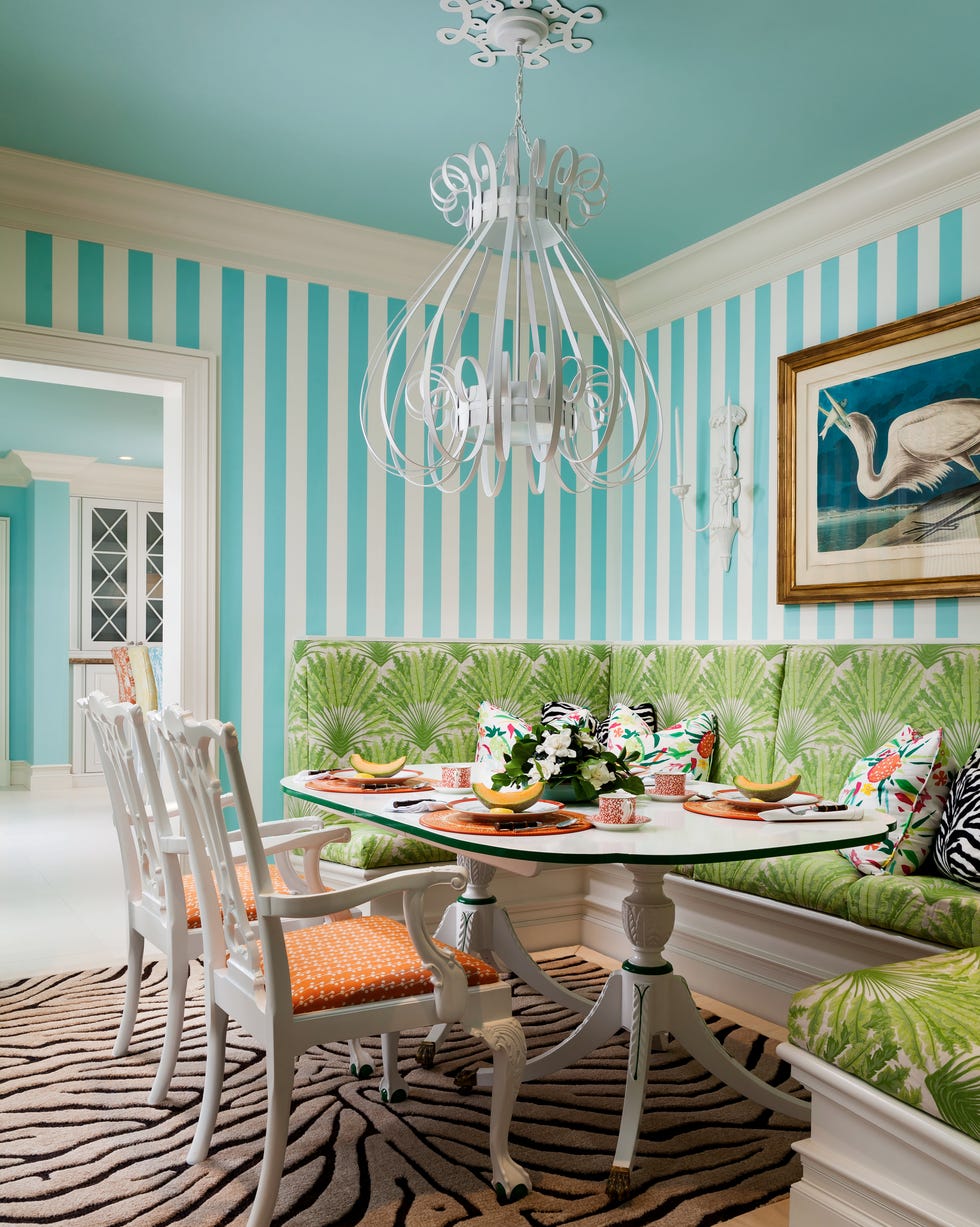
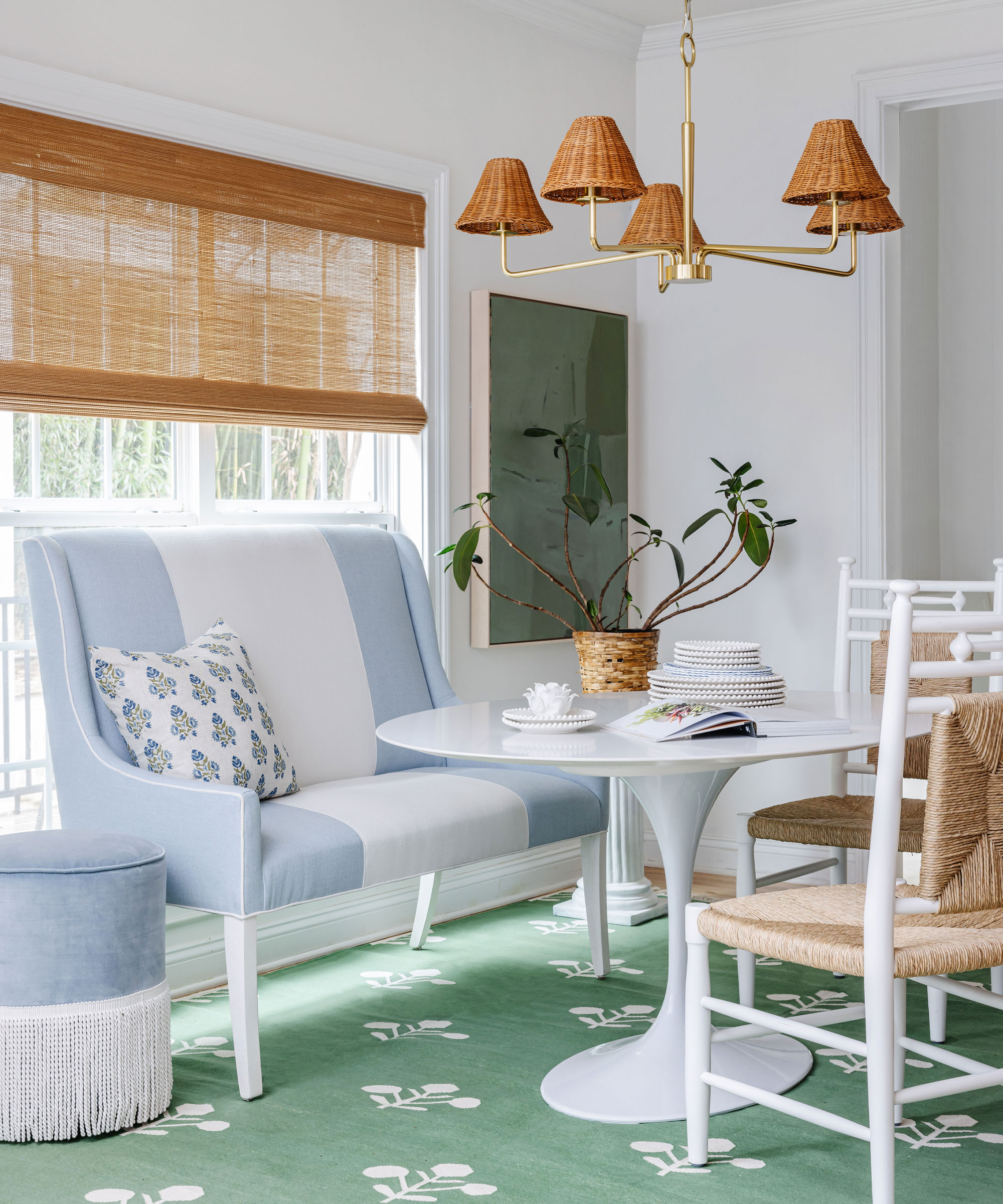
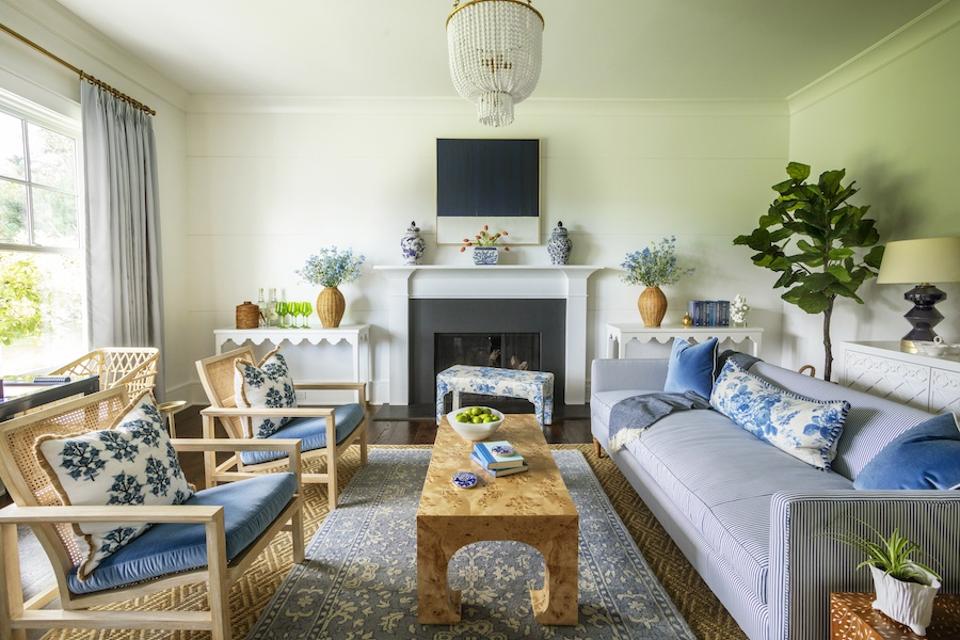
One effective technique to enhance a traditional space is through mixing patterns. Jennifer Beek Hunter, an interior designer, advises focusing on a consistent color palette while varying the scale and proportion of prints. For instance, combining a large floral chintz with a subtle pinstripe can create a fresh yet traditional feel. If pattern mixing proves too challenging, Sarah Solis suggests repeating the same patterns throughout a room or using identical patterns in different colorways to achieve a cohesive look.
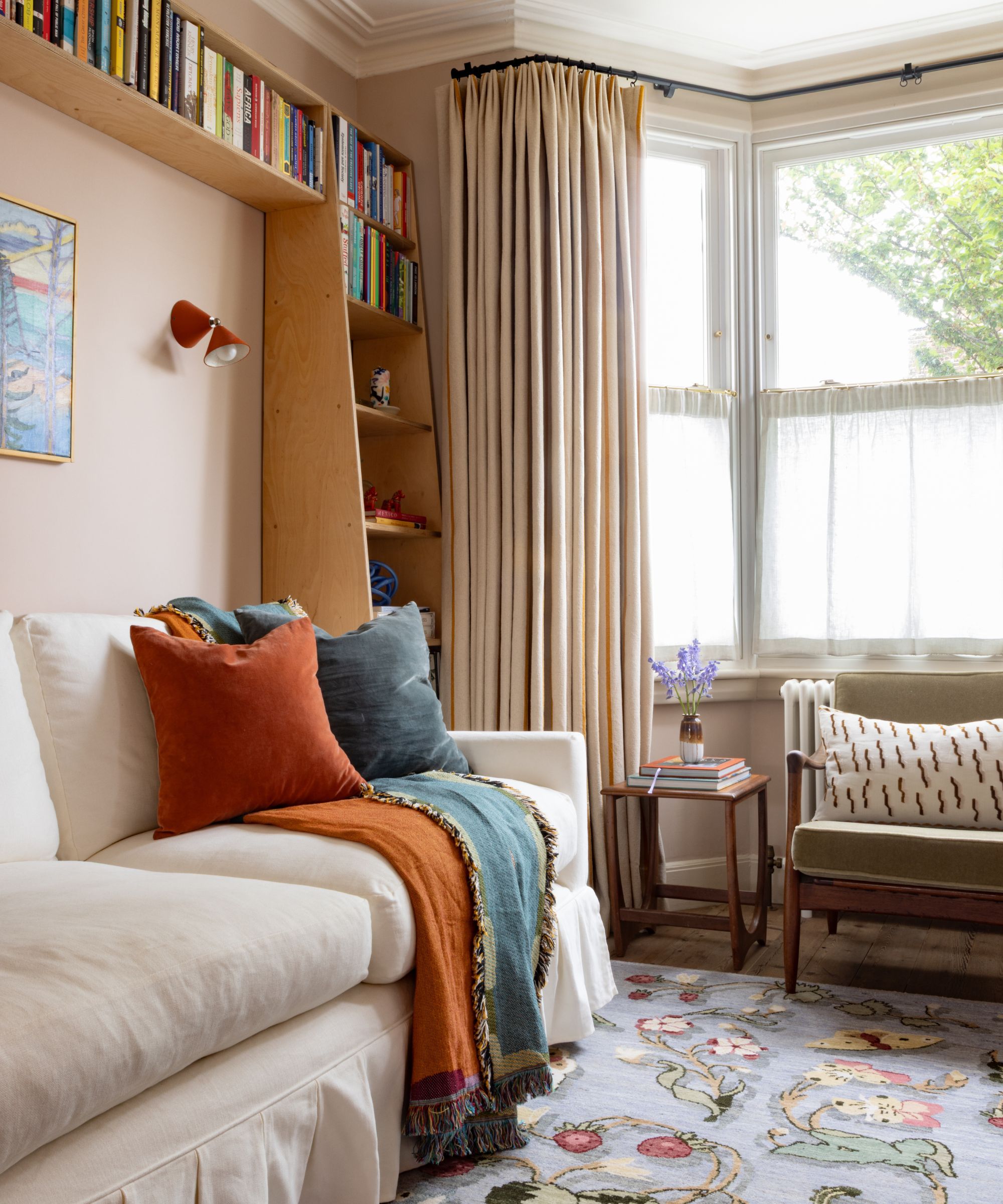
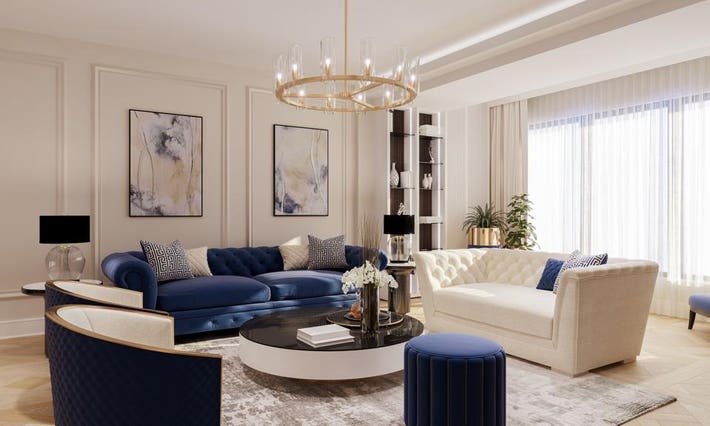
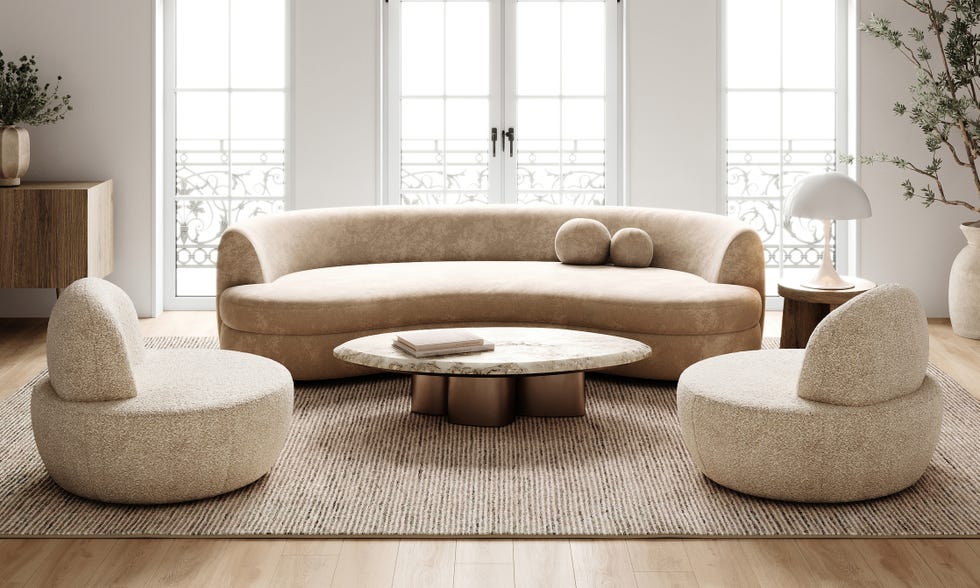
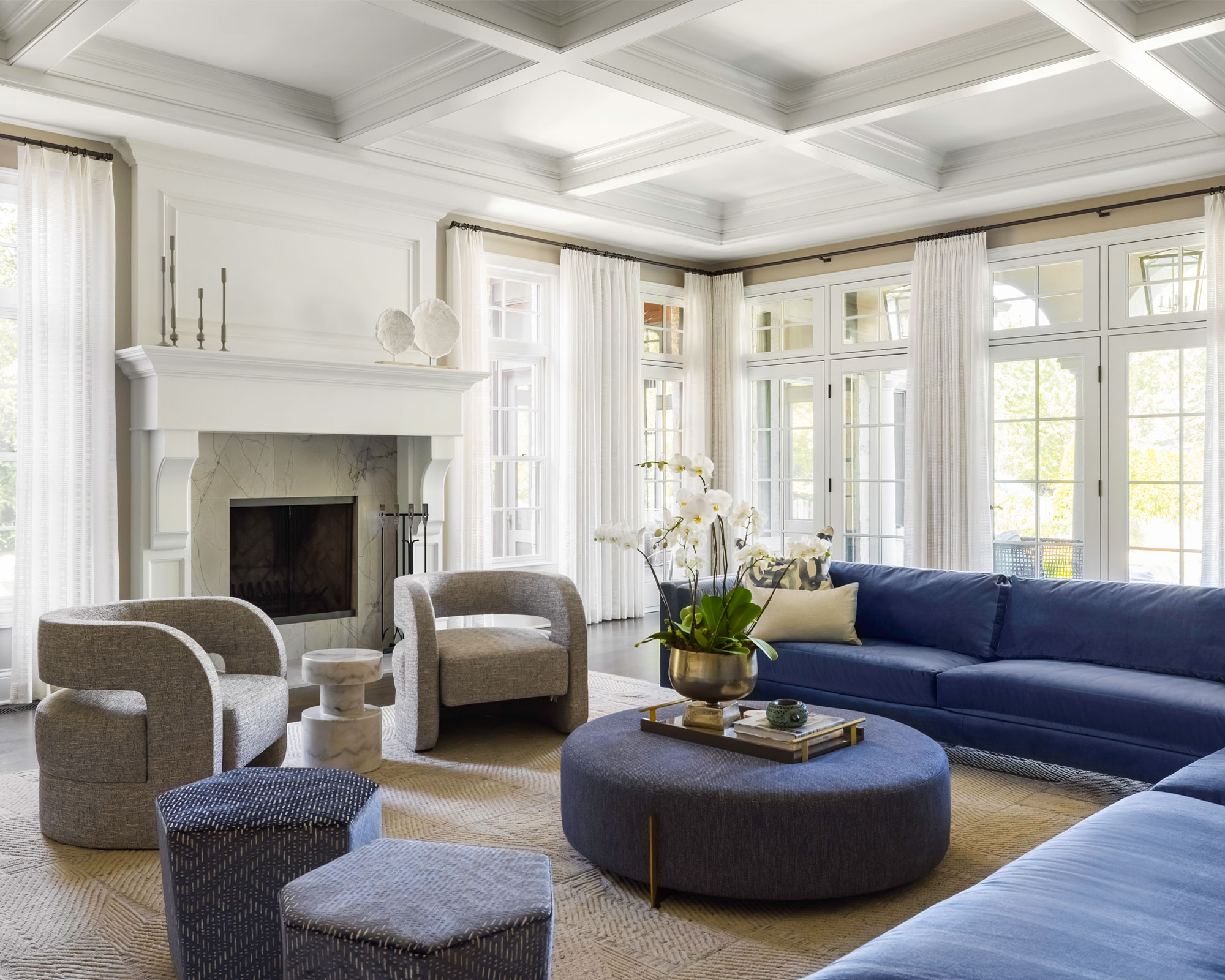
Comfort is paramount in traditional homes, particularly for seating. Betsy Burnham, principal designer at Burnham Design, emphasizes the importance of plush, deep, and well-tailored sofas and chairs that invite relaxation. She recommends fabrics like washed denim, Belgian linen, and cotton velvet for their appealing texture and durability, though she encourages personal preferences if other materials offer similar comfort. The goal is to create furniture that people genuinely want to spend time in.
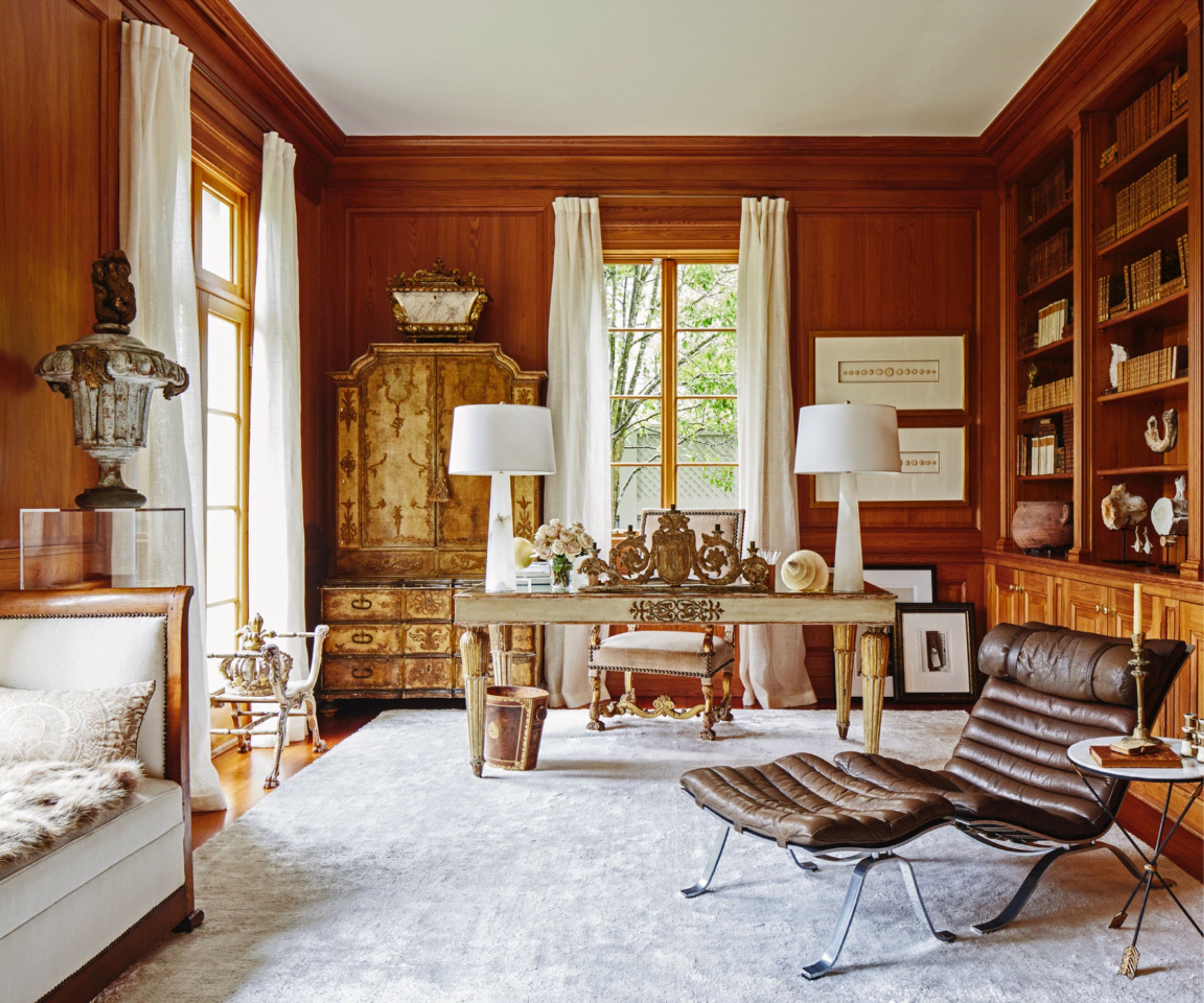
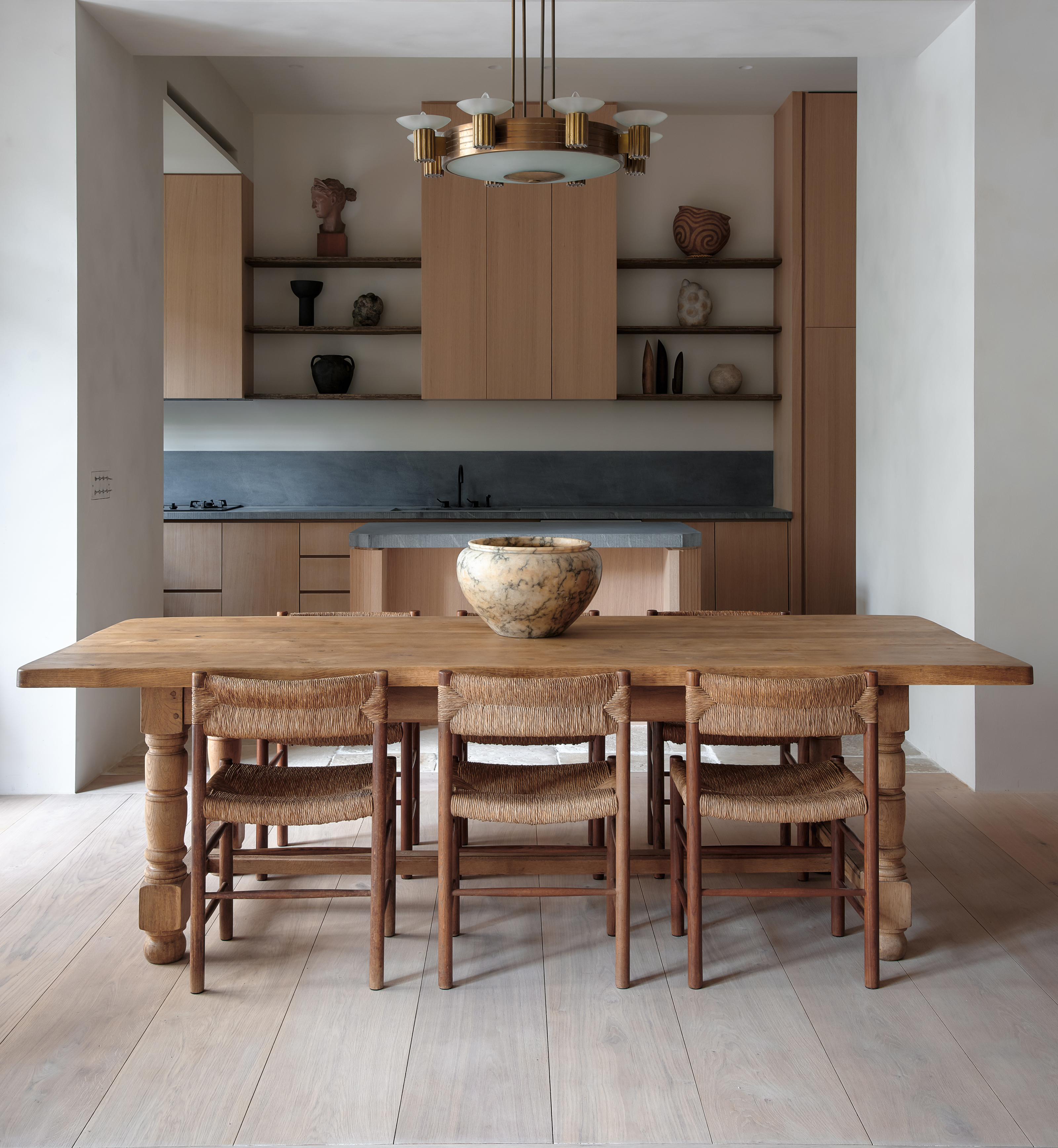
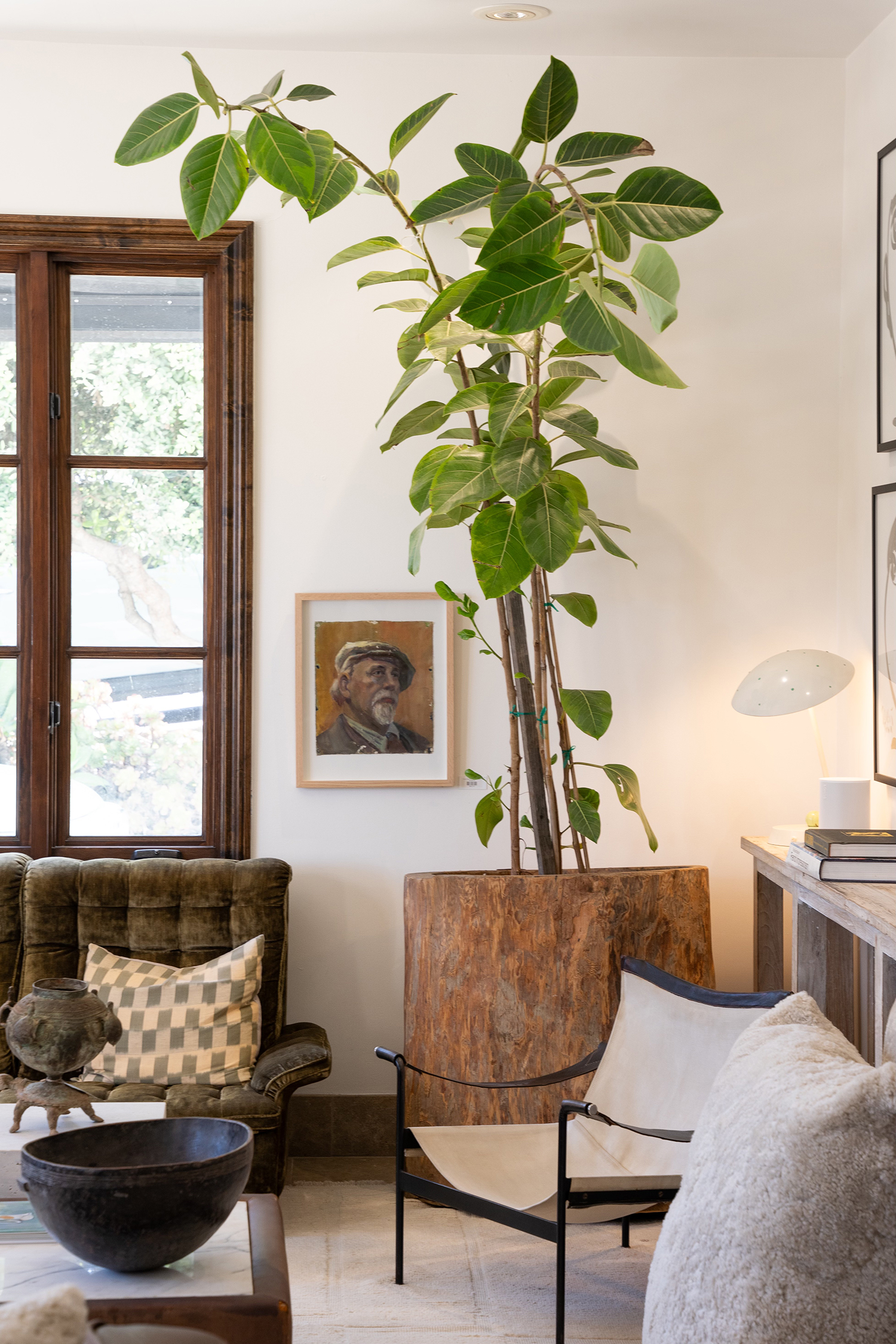
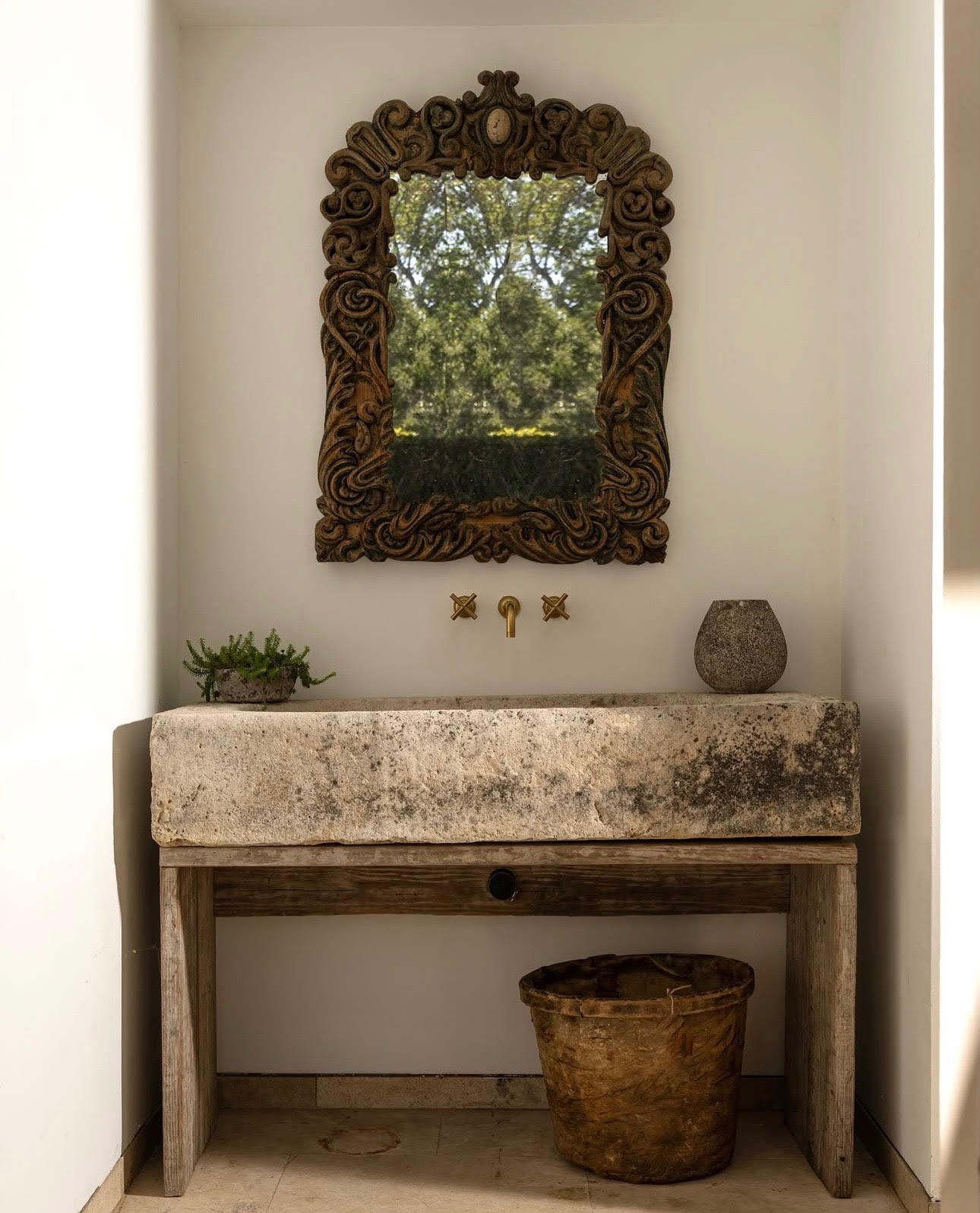
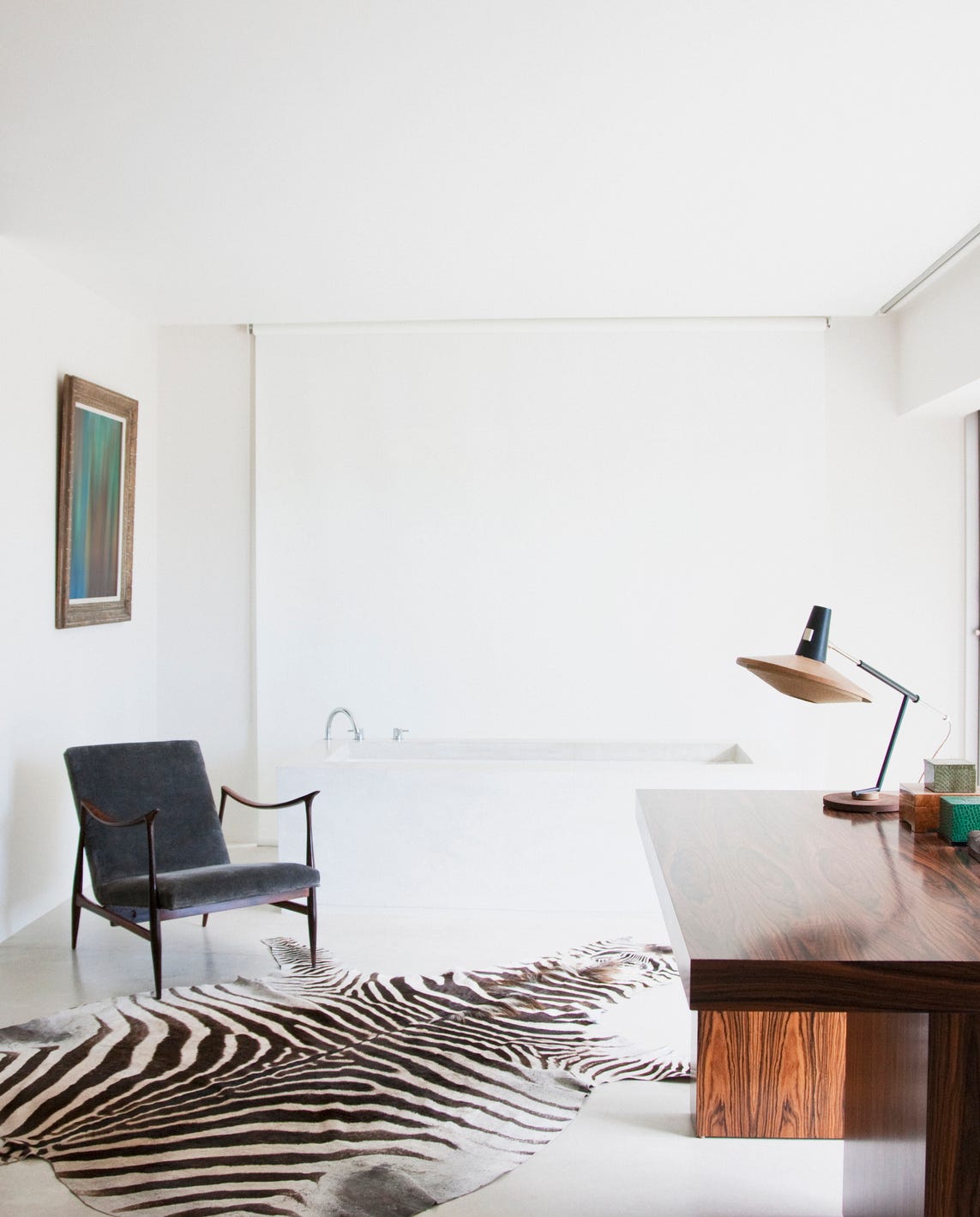
Layering furniture and decor from various eras is another key aspect of traditional design. Rita Naffas, from Rita Naffas Design, highlights that the best traditional spaces feature classic, timeless pieces that appear to have been accumulated over generations or travels. To maintain interest and relevance, she suggests integrating vintage and modern decor and art. For those without inherited pieces, antique stores and estate sales offer excellent alternatives for acquiring items with a lived-in feel.
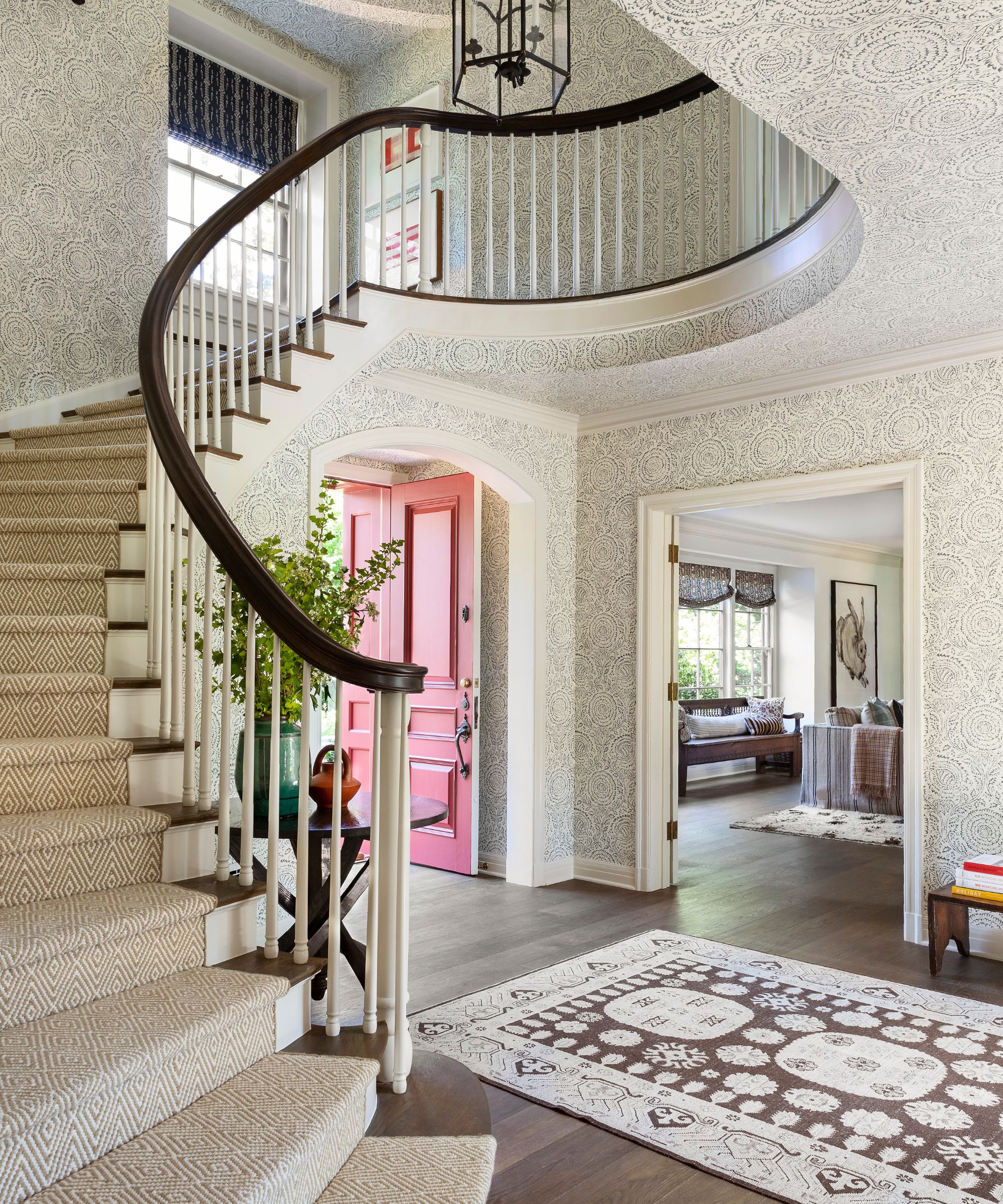
Adding a stair runner can instantly elevate traditional homes with multiple stories. Kate Marker notes that a striped or playful patterned runner introduces whimsy, while a natural jute runner provides texture and warmth underfoot. Beyond aesthetics, stair runners offer practical benefits by improving safety, especially in households with children or elderly individuals, by reducing the risk of slips and falls.
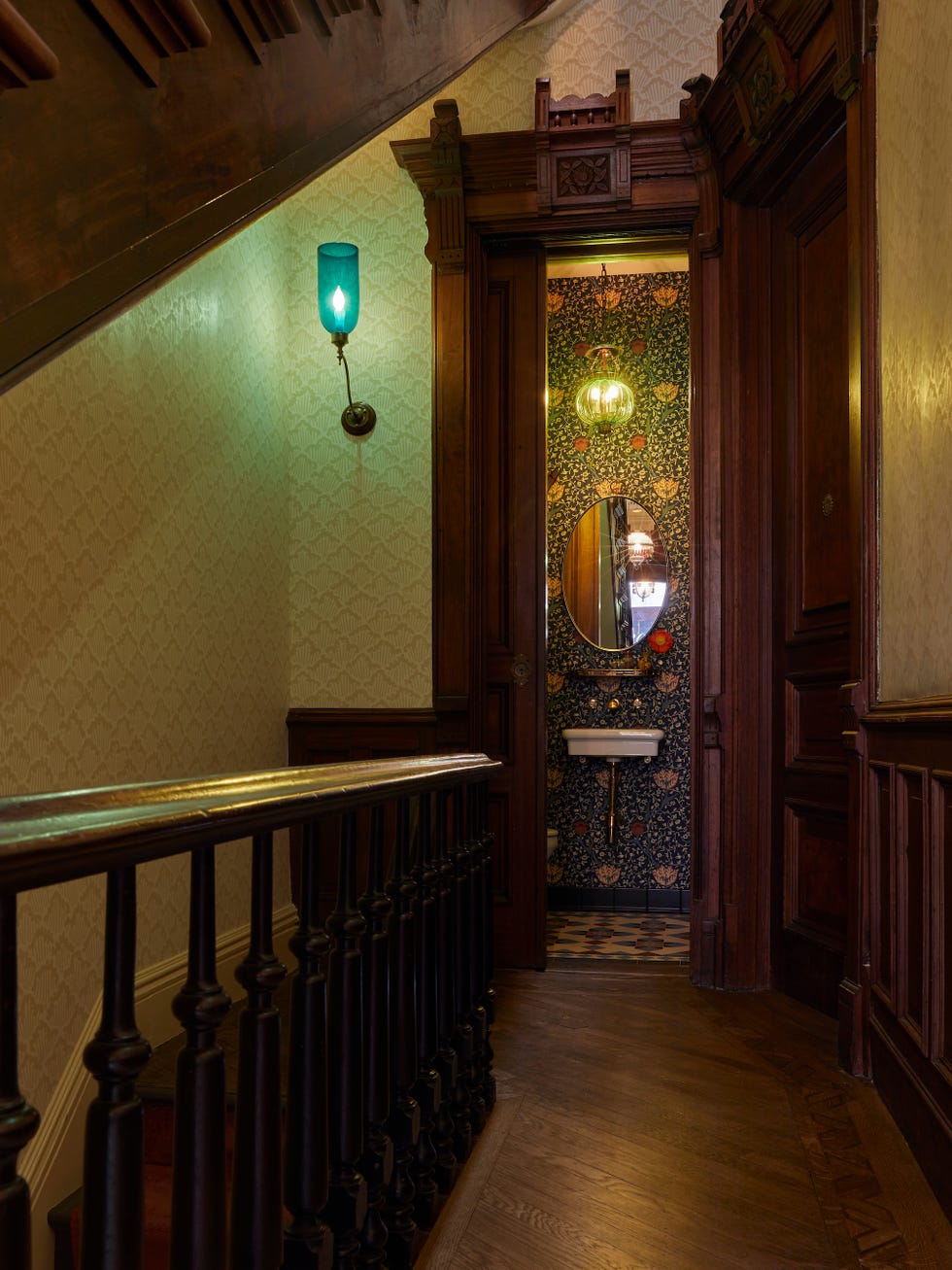
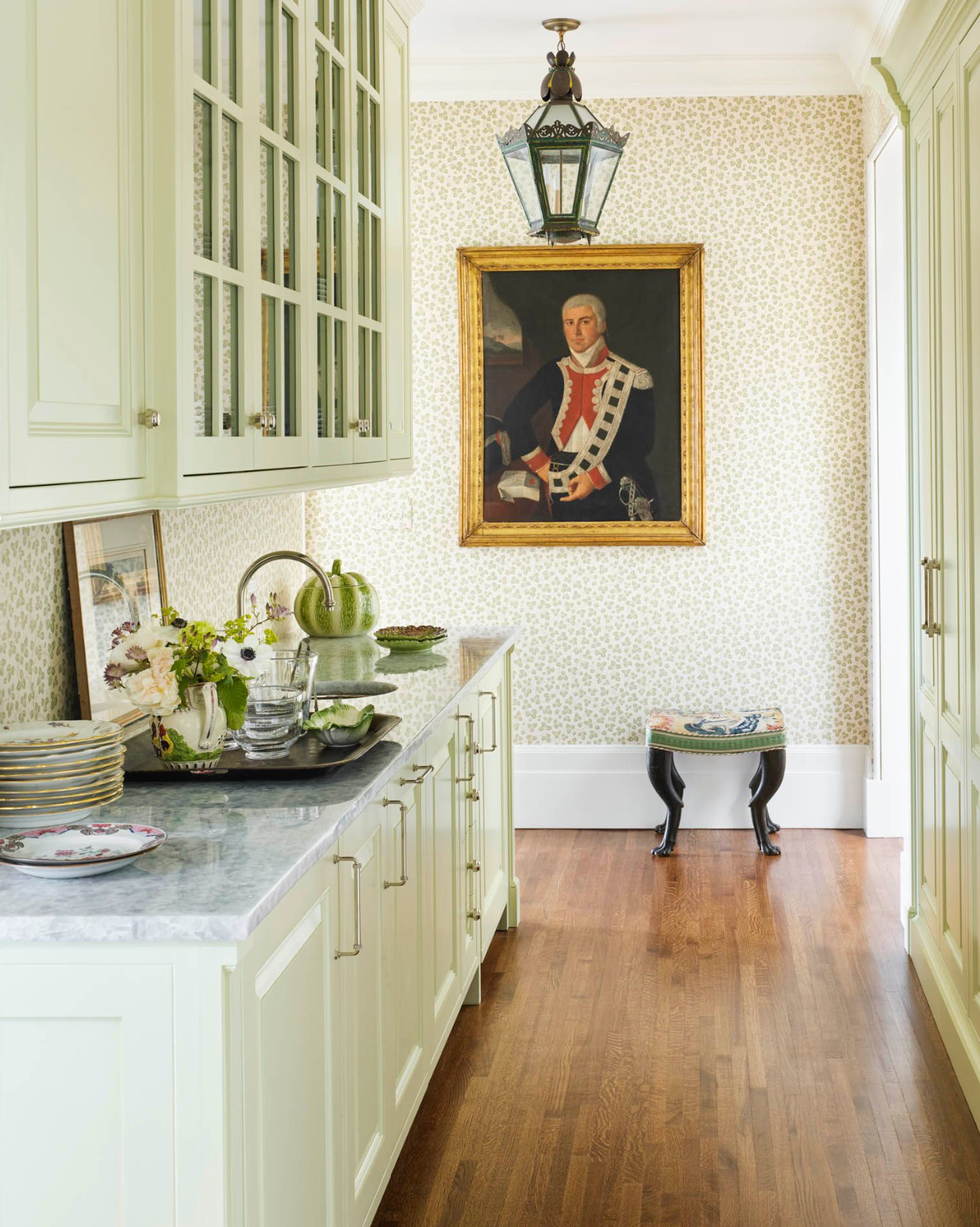
Wallpaper is an essential element for embellishing traditional spaces, offering a richness and depth that paint cannot replicate. Victoria Holly of Victoria Holly Interiors explains that wallpaper, whether featuring a traditional pattern or a grasscloth texture, consistently contributes to a more traditional aesthetic. Sources like Red From Scalamandré provide a diverse range of classic yet bold prints for maximum design impact.
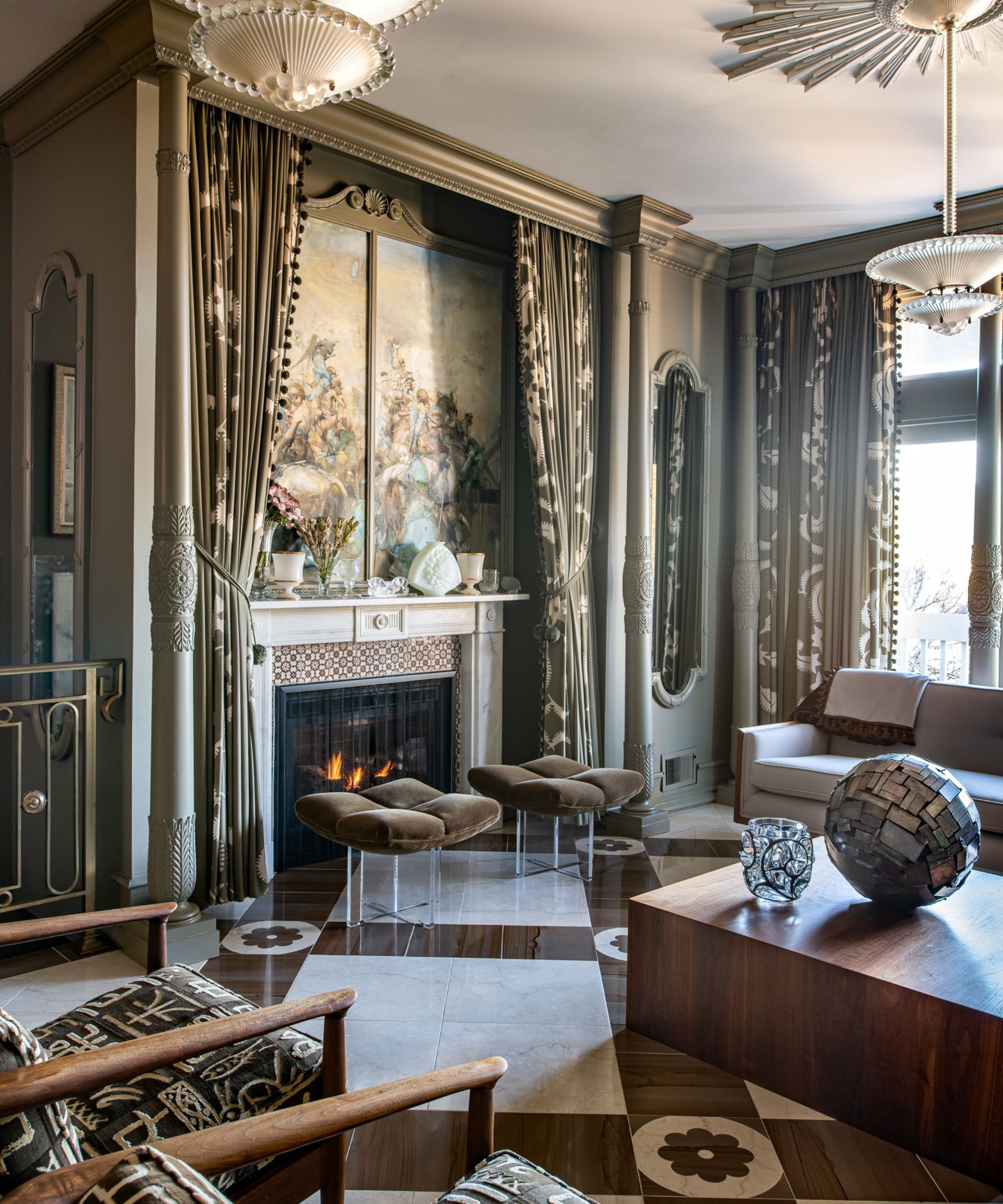
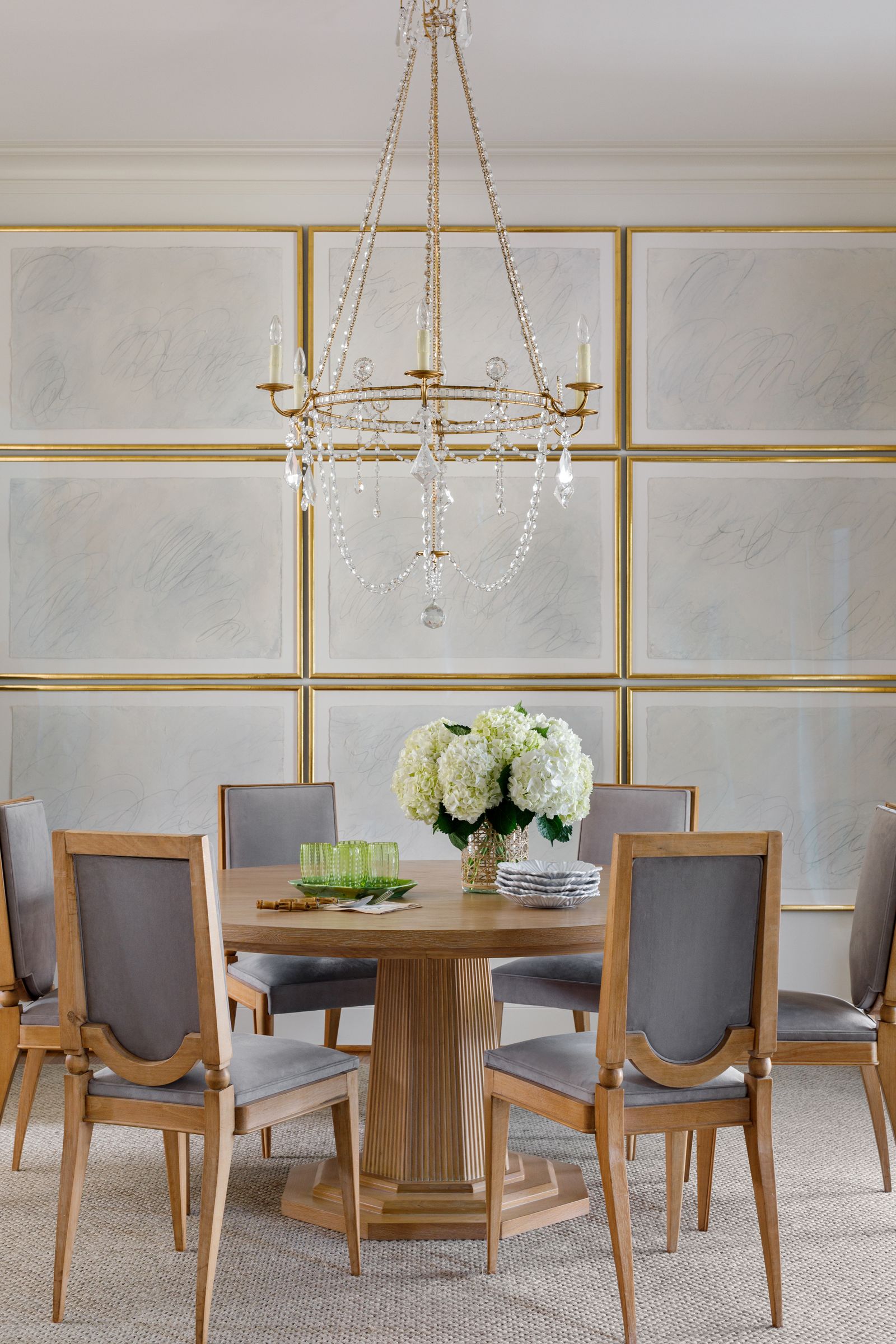
Finally, internationally curated details are crucial for making traditional homes truly unique. Sarah Rosenhaus points out that a traditional space is defined by elements such as beautifully wallpapered walls, luxurious drapes with intricate pleats, and well-placed antique pieces. Decorative crown molding, ornate lighting, and richly patterned rugs further contribute to this layered and maximalist approach, where a “more is more” mentality often prevails. By incorporating these elements, homeowners can successfully create a traditional and inviting atmosphere.
#TraditionalDesign #InteriorDesignTips #HomeDecoration #PatternMixing #ComfortableSeating #StairRunner #WallpaperTrends #AntiqueDecor #LayeredDesign #TraditionalDesign #InteriorDesignTips #HomeDecoration #PatternMixing #ComfortableSeating #StairRunner #WallpaperTrends #AntiqueDecor #LayeredDesign
合計0件のコメント
 まだコメントはありません
あなたも好きかもしれません
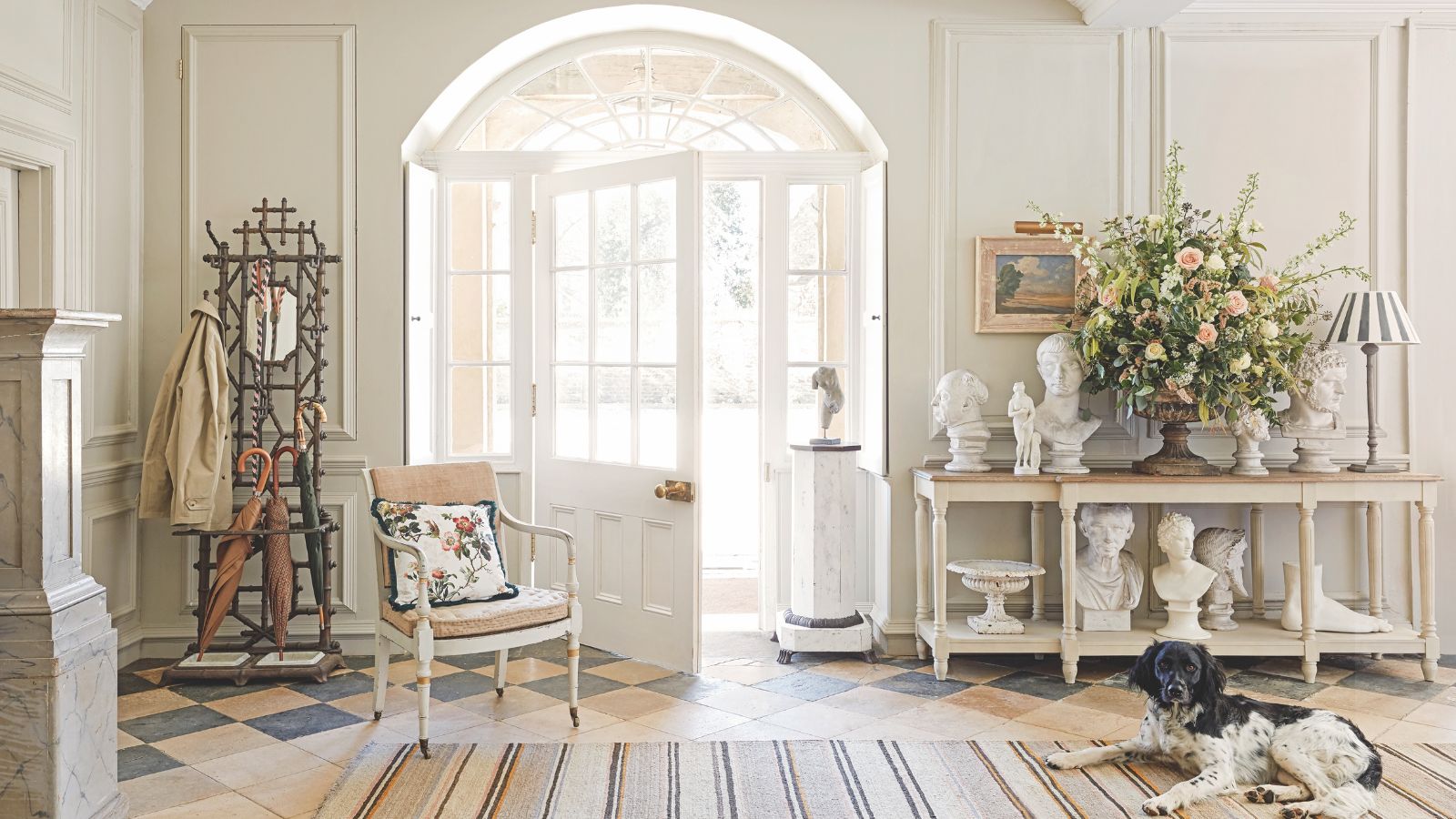
Interior designers on the best piece of decorating advice they inherited from their parents and grandparents

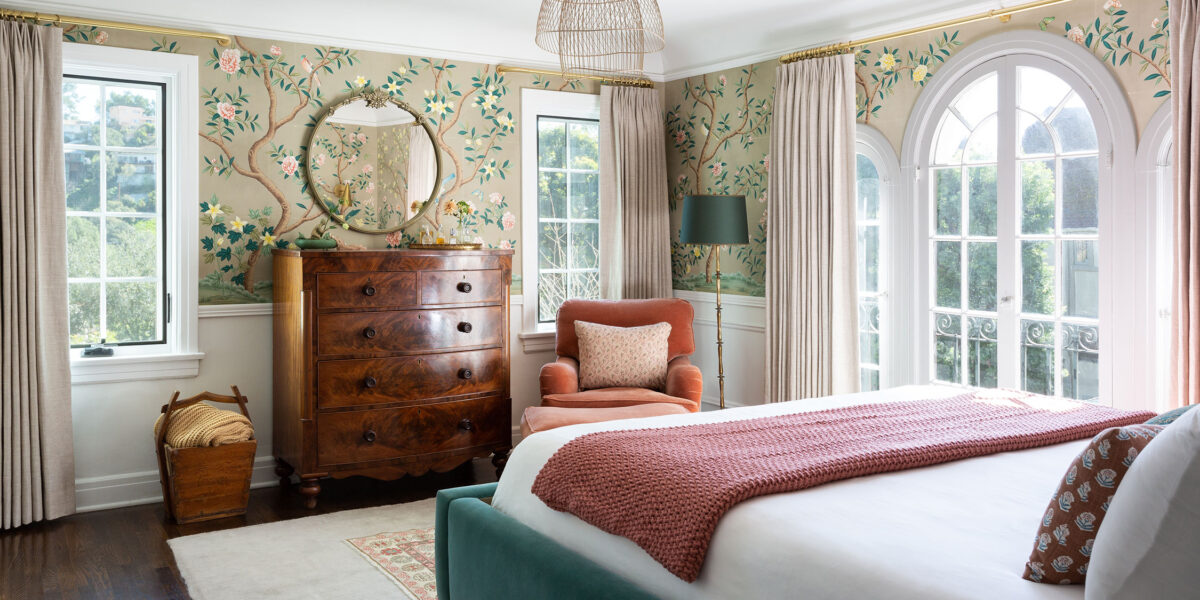
This Is Why Everyone’s Obsessed with Traditional Decor Right Now
A Spotlight on 10 Traditional Homes with Modern Interiors

5 Tacky Home Decor Items That Instantly Make a Home Look Bad, According to Designers

19 Tips From A Top Interior Designer

The 5 Design Rules That Are Meant to Be Broken—and What to Do Instead
I'm an interior designer. Here are 10 trends I won't be wasting money on in 2025.
These Trendy Home Additions Will Look "Dated" in 2026, According to Designers

Modern rustic decor – top designers reveal their secrets for styling the trend

How to Tell if a Home Trend Is Just a Fad or Here to Stay, According to Designers

10 Interior Design Mistakes Experts Avoid In Their Own Homes

6 Antique Design Features Designers Wish Would Make a Comeback

7 Reasons Your Home Looks Dated, According to Designers

40 Outdated Home Trends We Hope Never to See Again

7 Things You Should Always Preserve or Try to Save in an Old Home, According to Designers

How to create repetition in interior design – 7 ideas for decorating success
Traditional Interior Design: Everything You Need to Know About This Classic and Timeless Style

6 'old-fashioned' decorating techniques that designers still swear by
Designers Say These 4 Decor Trends Are Super Outdated—Update Your Home With These 8 Finds Instead
We Asked Designers to Share Their Top Design Secrets, and We're Spilling Them All