1/4
How to Hang an Art Collection Like an Expert
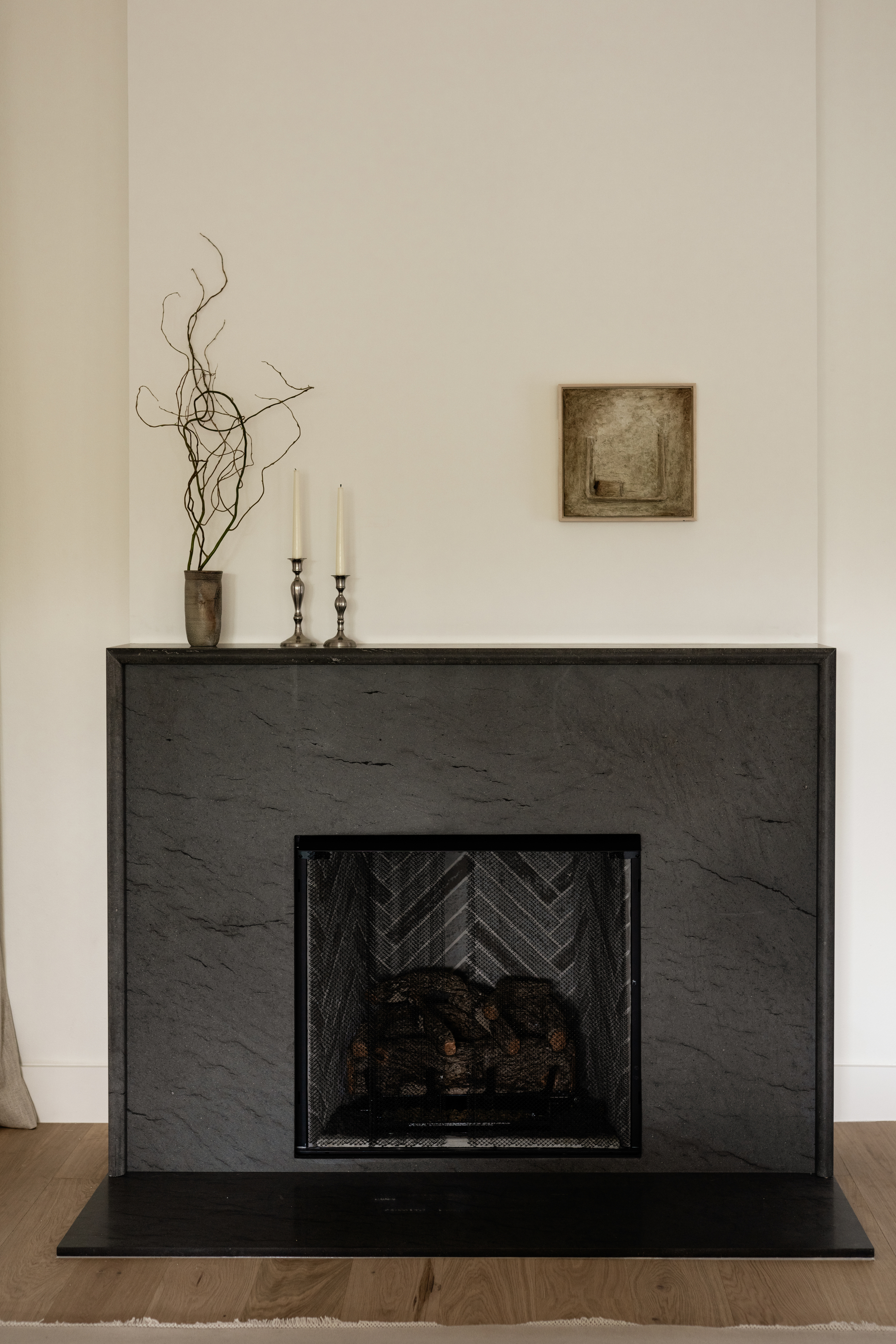
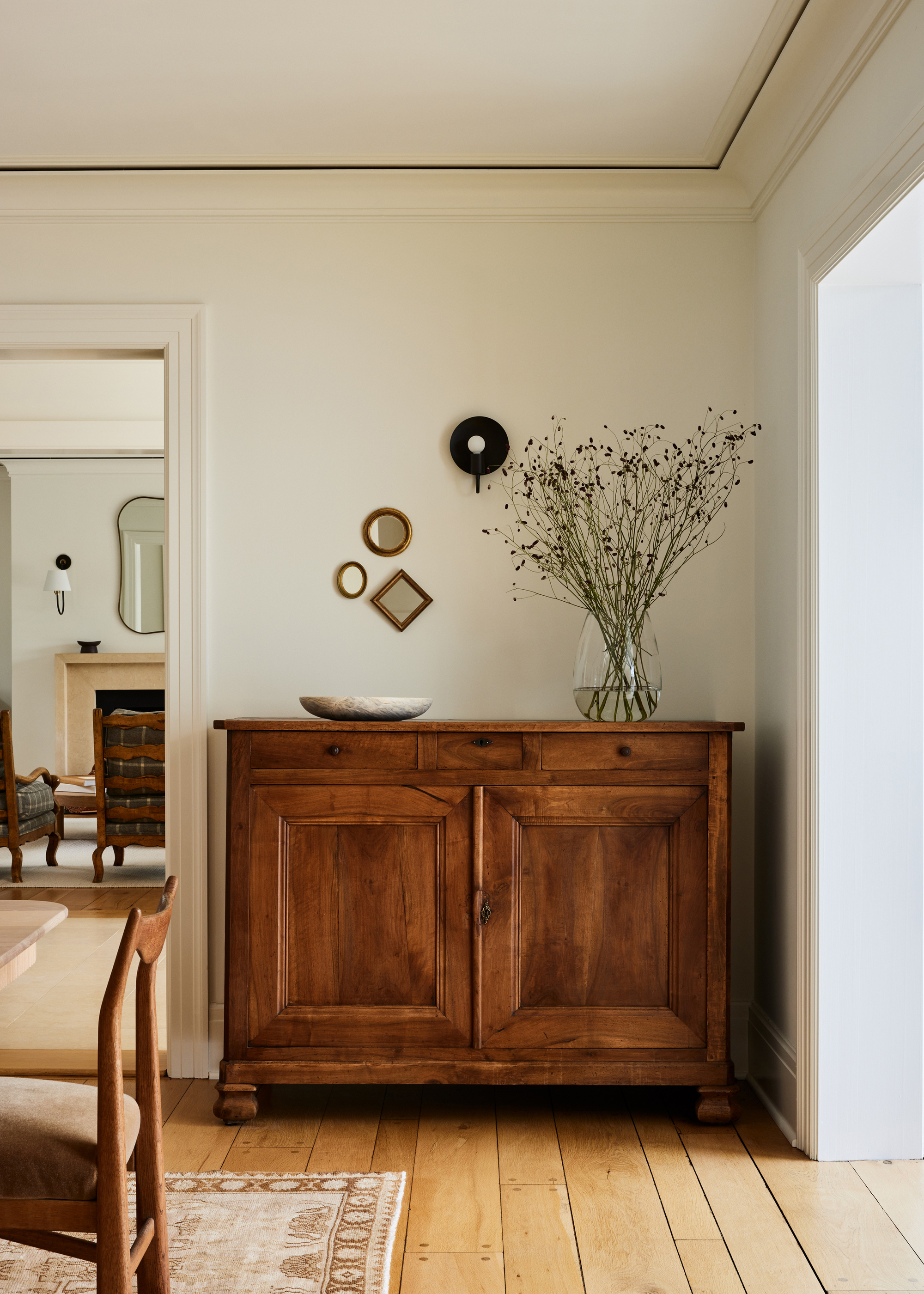
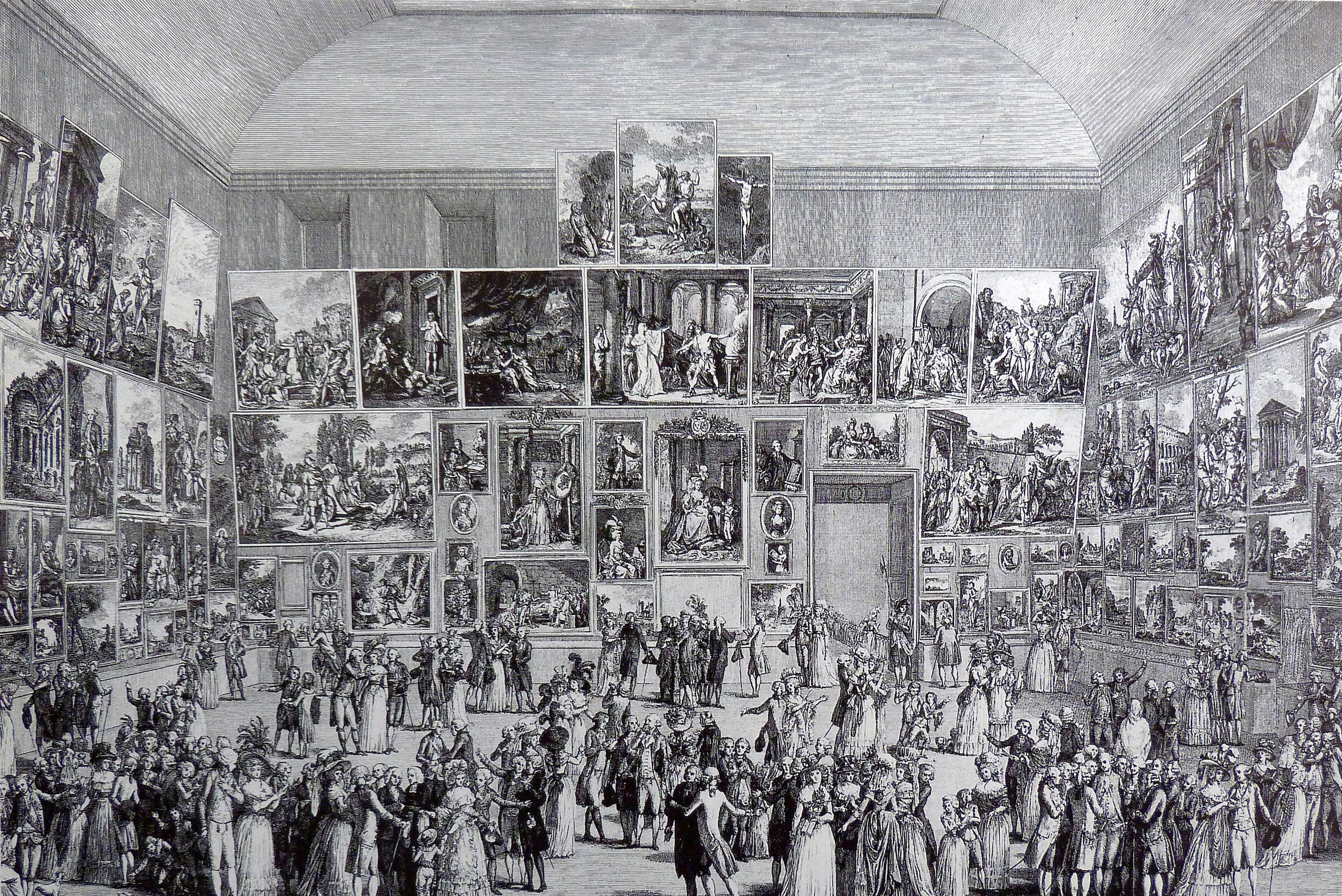
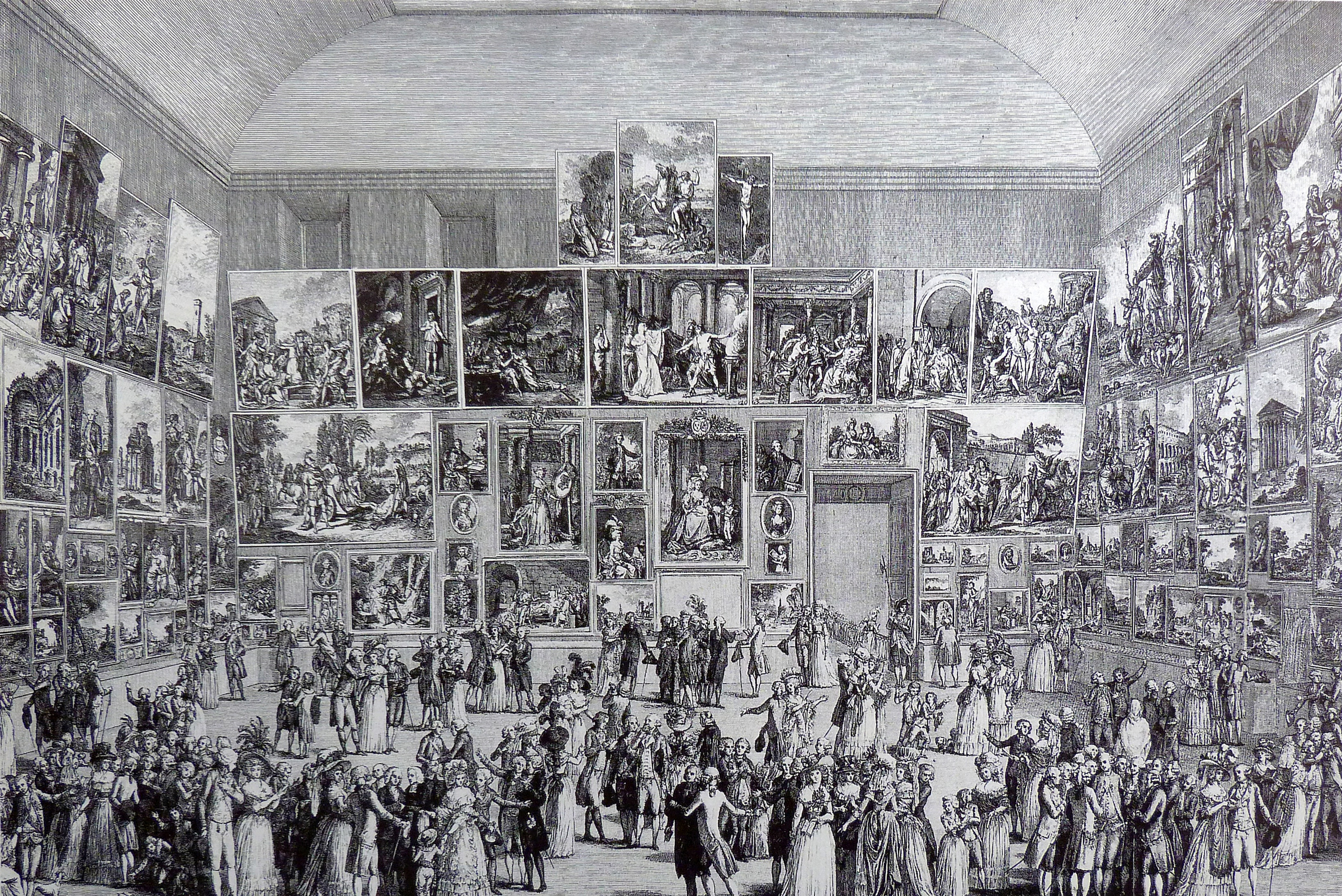
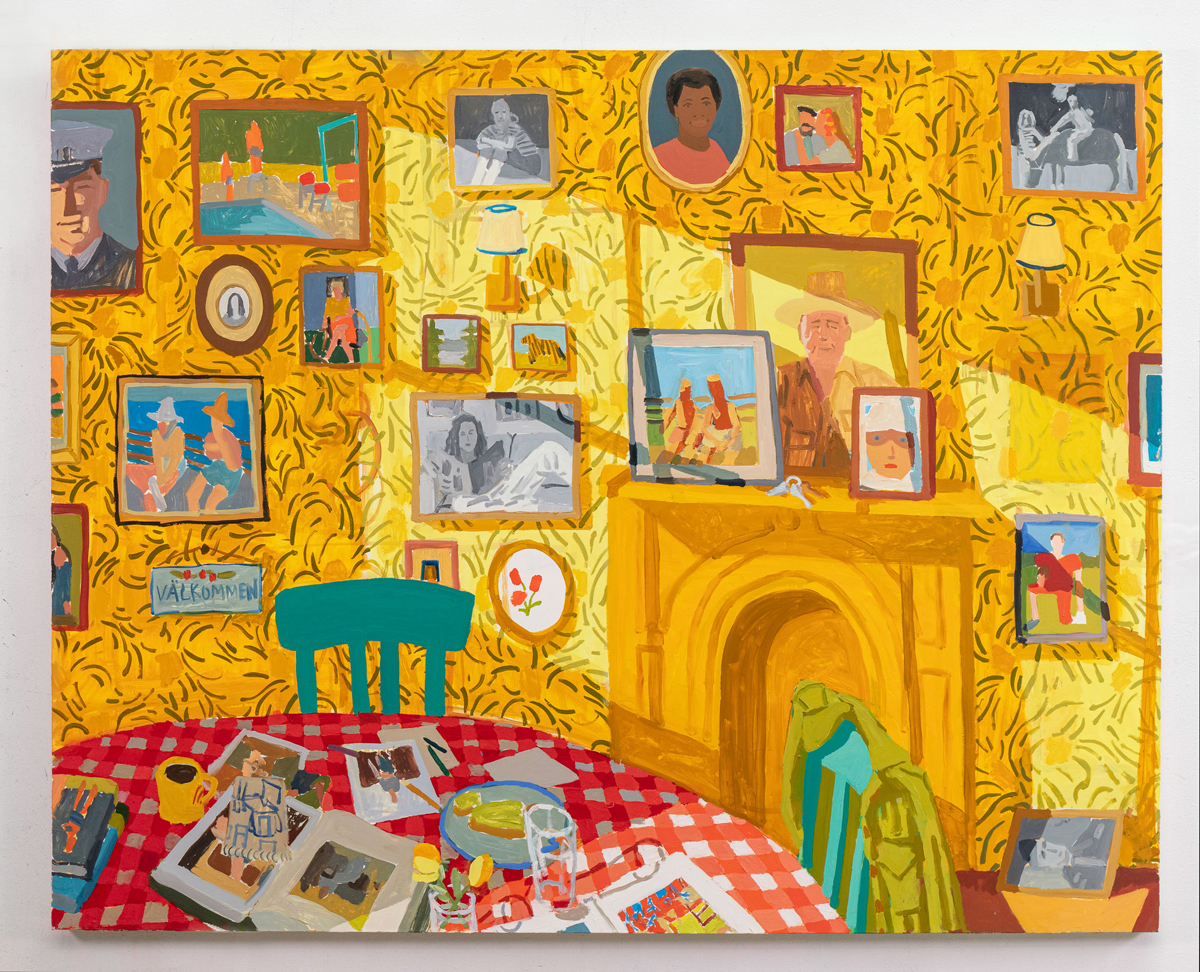
Successfully hanging an art collection requires meticulous planning and careful consideration, encompassing everything from selecting appropriate fixtures and frames to creating a cohesive visual narrative among grouped artworks. Experts in art installation, interior design, and gallery direction offer comprehensive advice on optimizing the display of art in domestic settings.
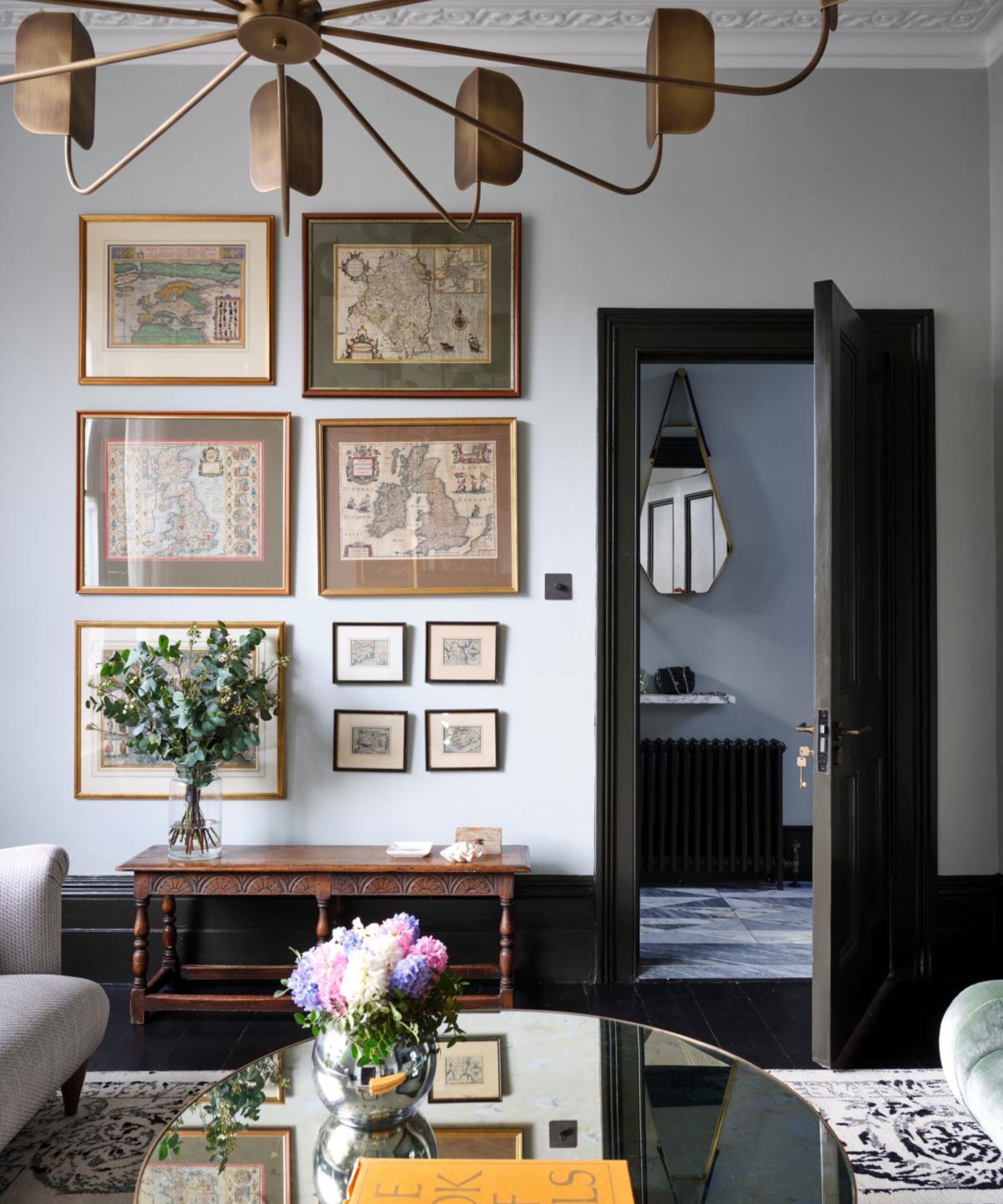
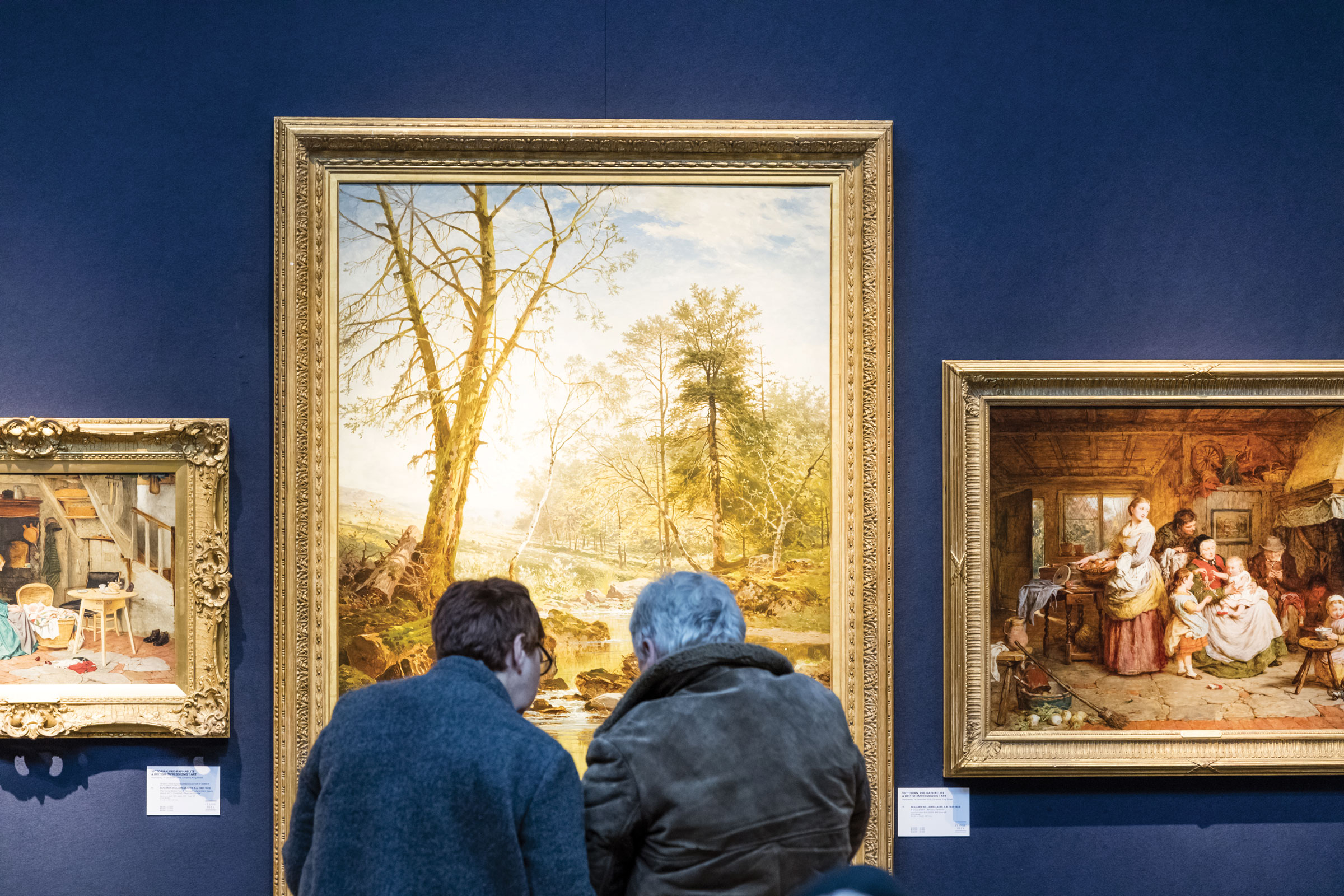
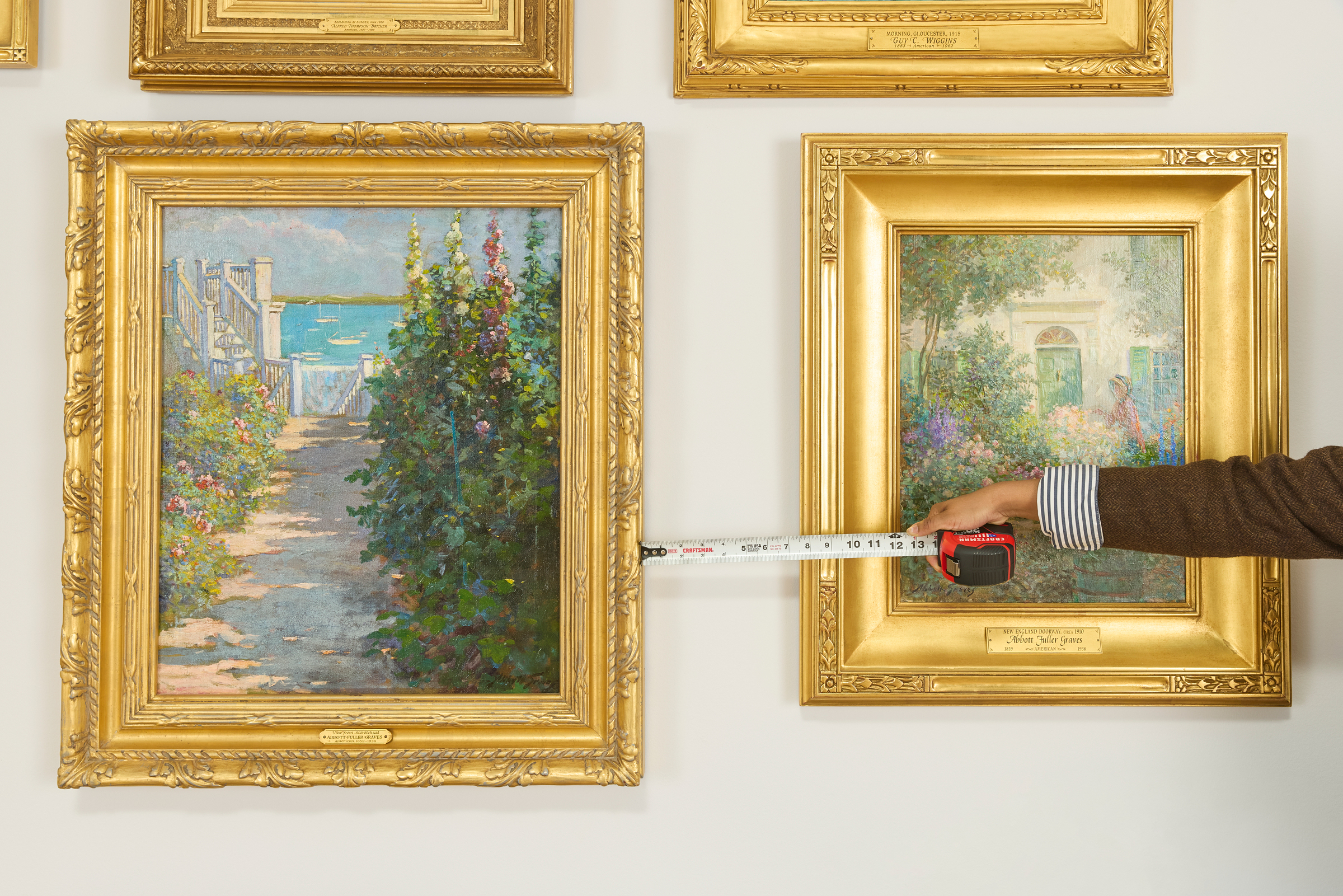
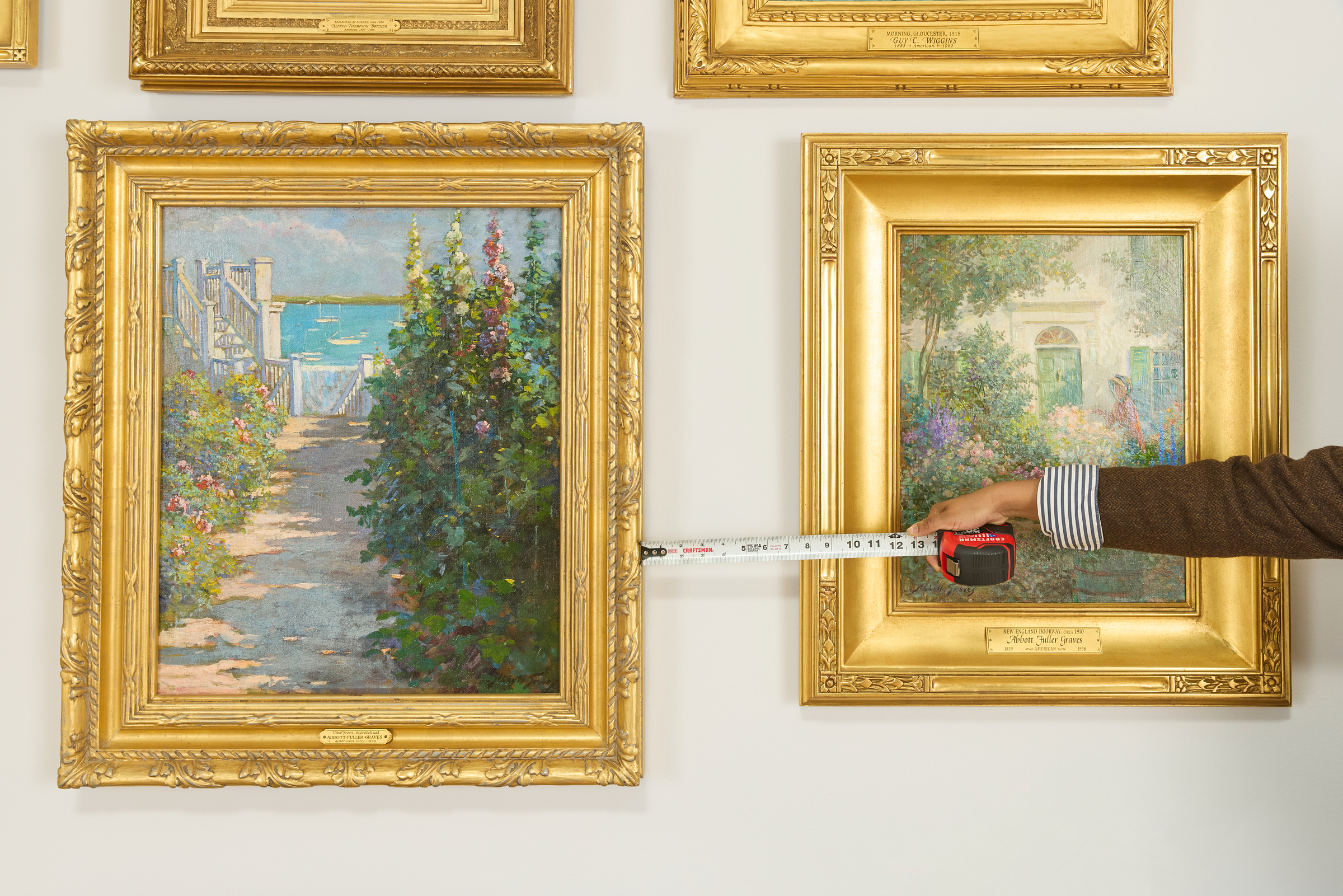
The initial step involves a thorough assessment of the chosen space, considering the artwork's size, potential physical obstacles, and the overall visual flow of the room. Guy Morey, operations director at Momart, an art installation service, emphasizes the importance of measuring both the walls and the narrowest points of entry into the building to avoid issues with oversized pieces or artworks that might be too imposing for a home environment. Planning the arrangement beforehand is crucial; collectors can collaborate with installers to experiment with different placements by leaning artworks against walls to determine the most aesthetically pleasing configuration. Some installers leverage 3D modeling software for precise planning.
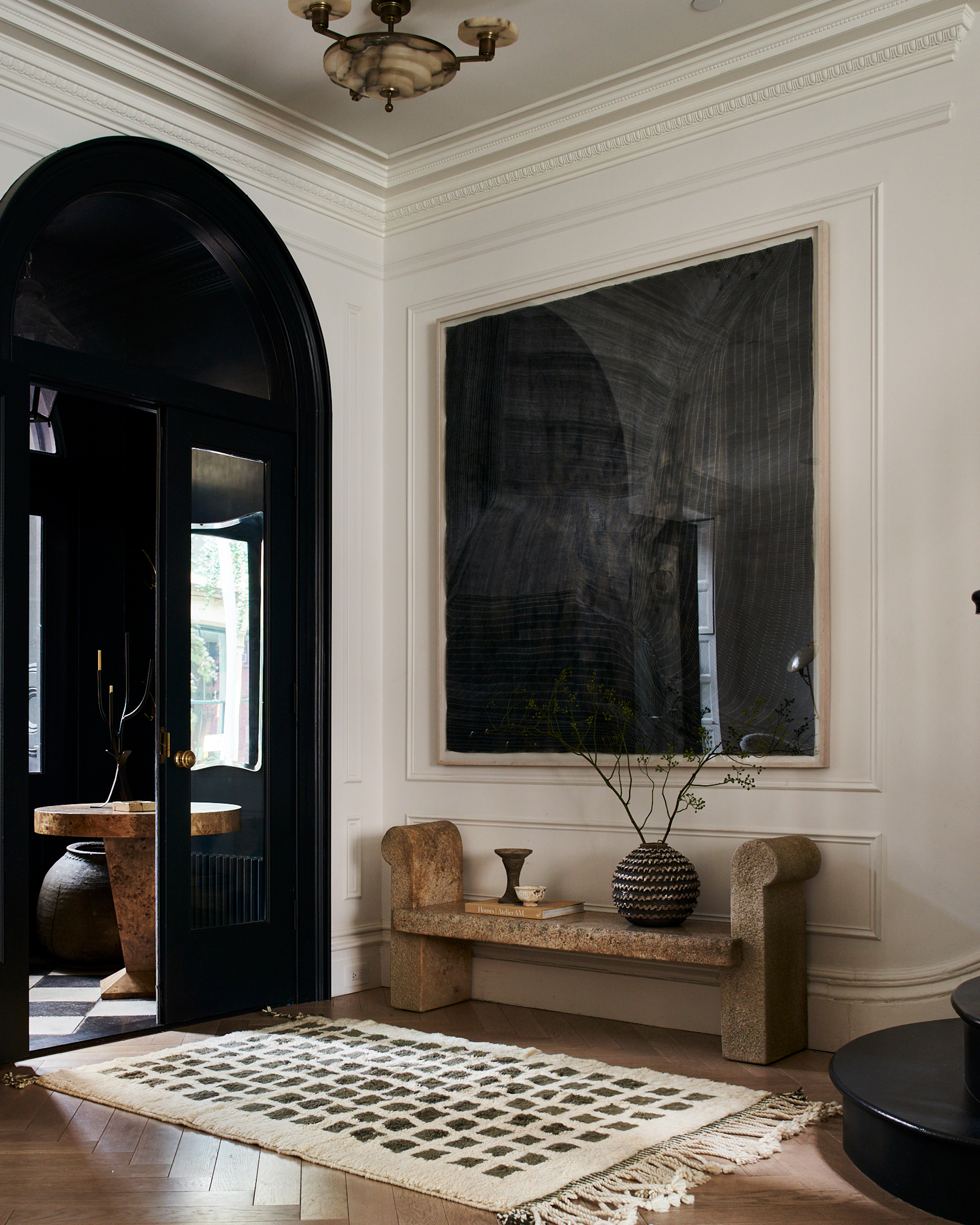
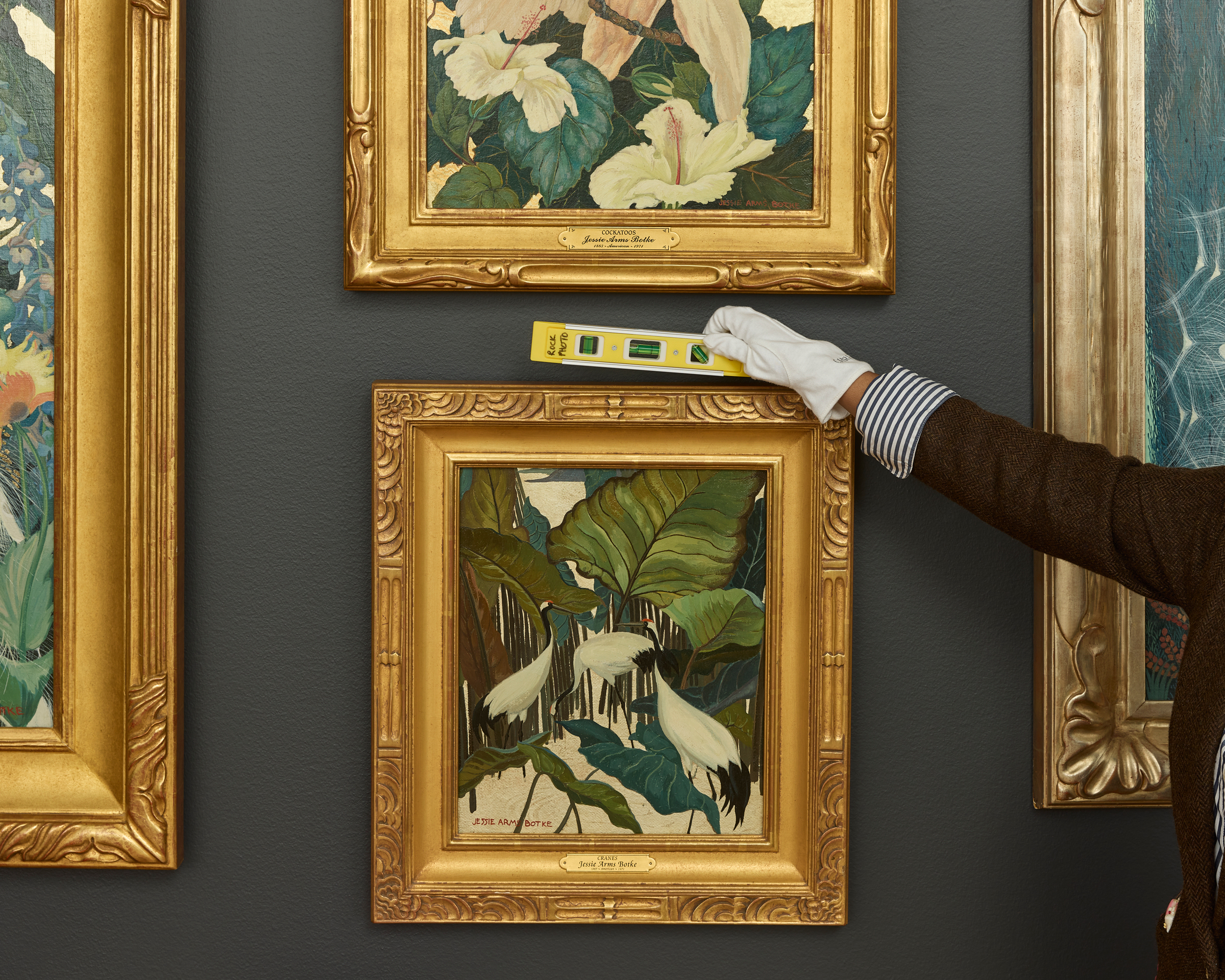
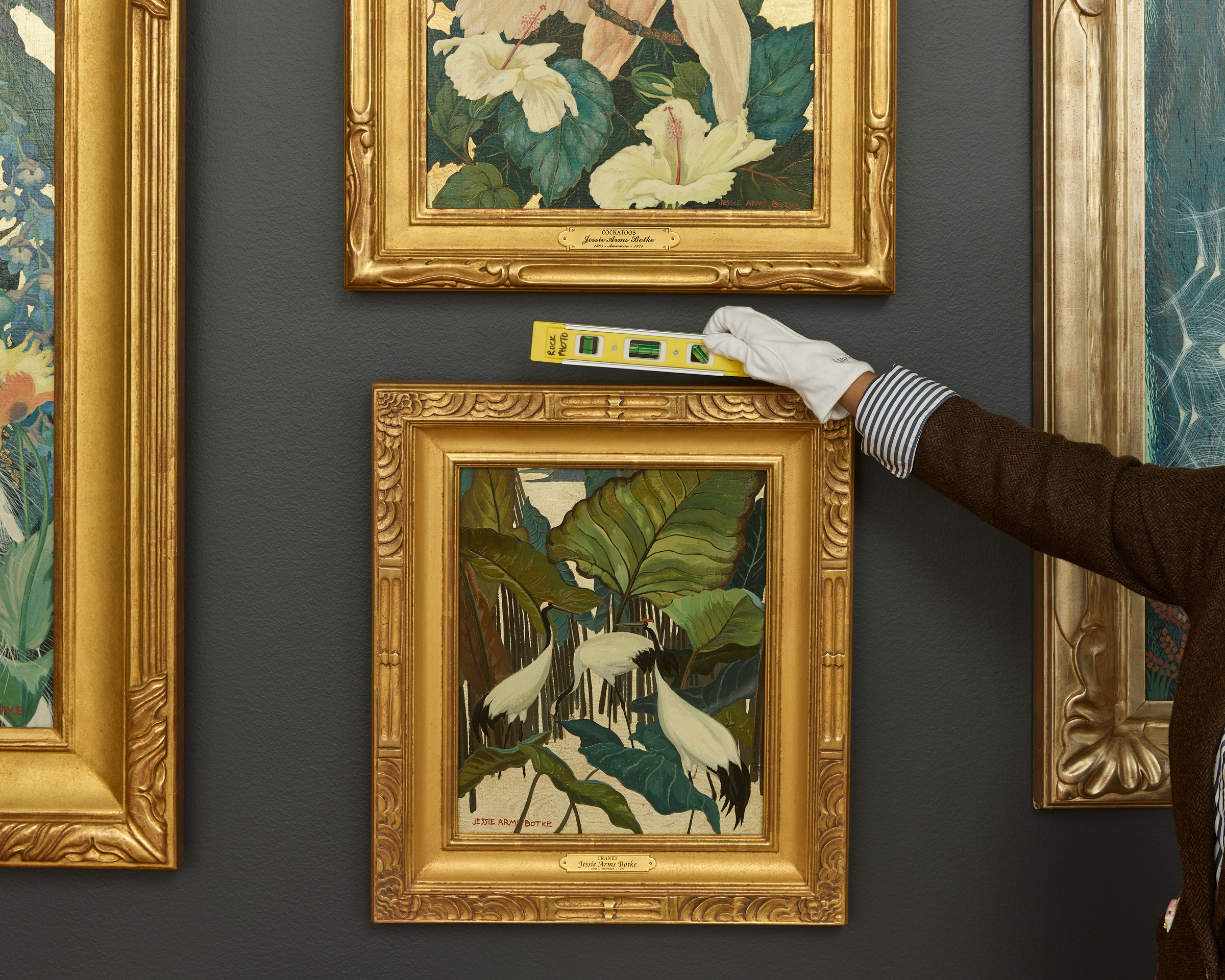
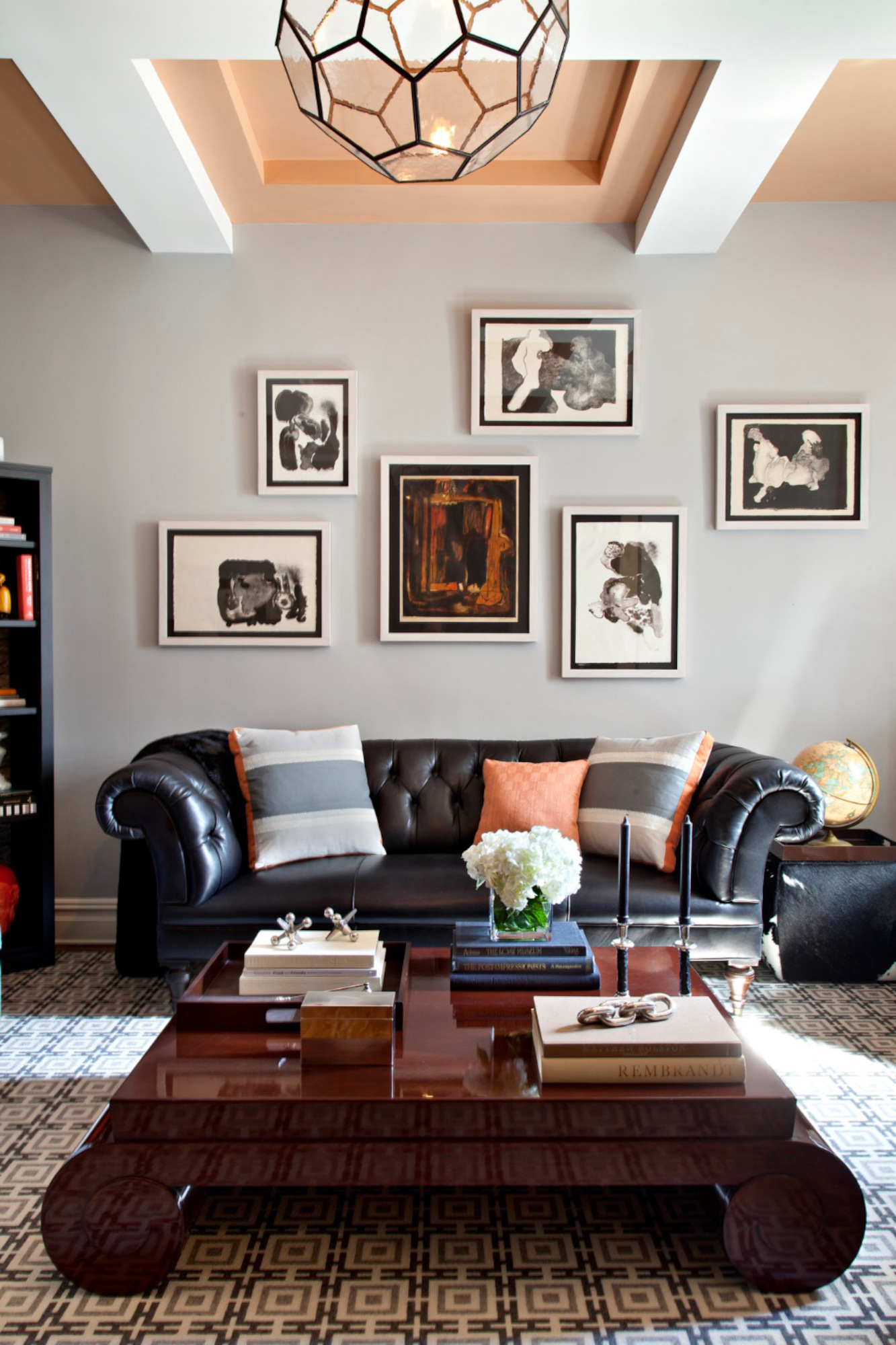
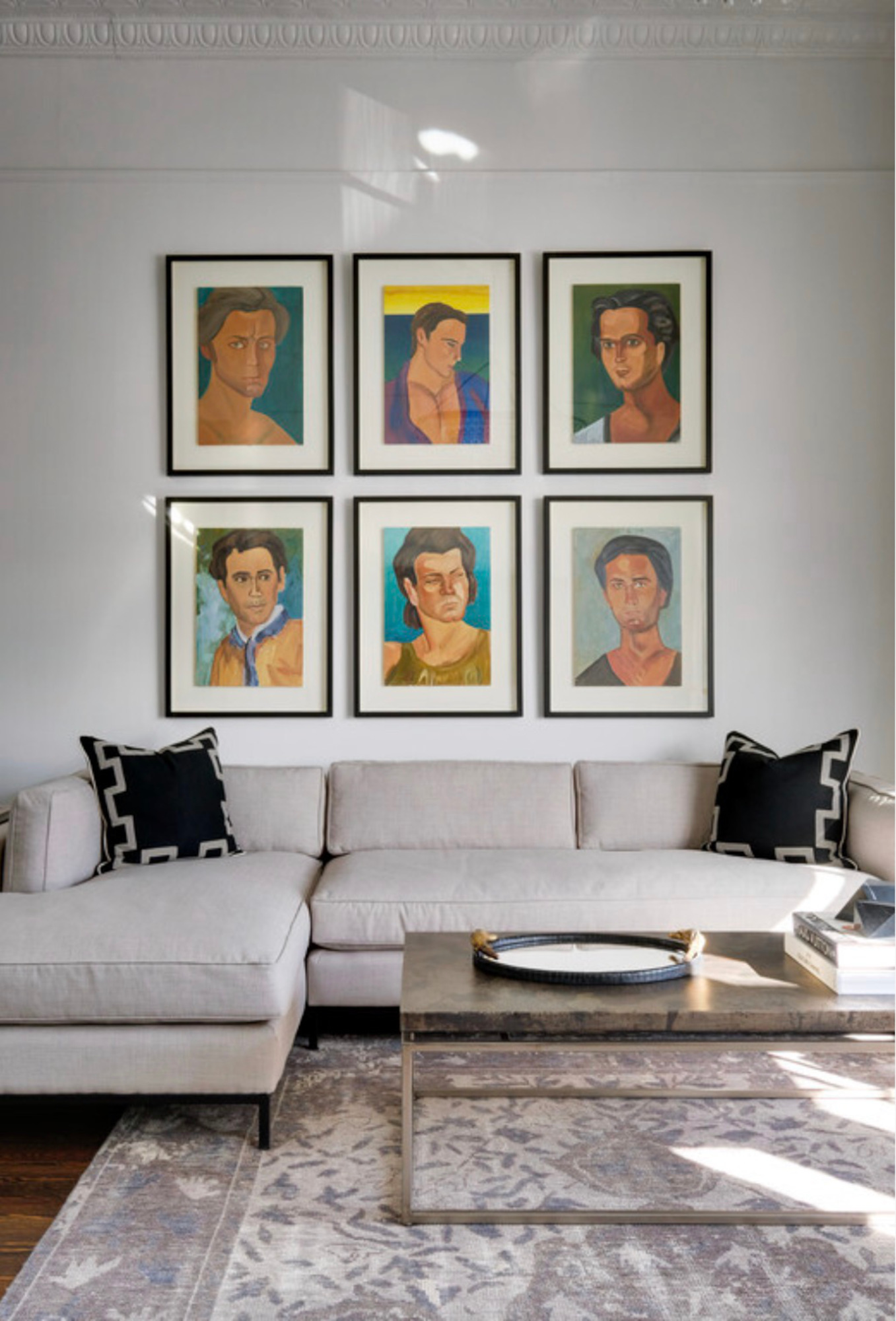
General guidelines exist for hanging height, with a consistent center-line often recommended across all artworks in a room. This center-line is typically set at eye-level or 120 centimeters from the ceiling to the artwork's center, though it may vary depending on the piece's size. Smaller works can be grouped around a shared center-line, while larger pieces might require individual placement.
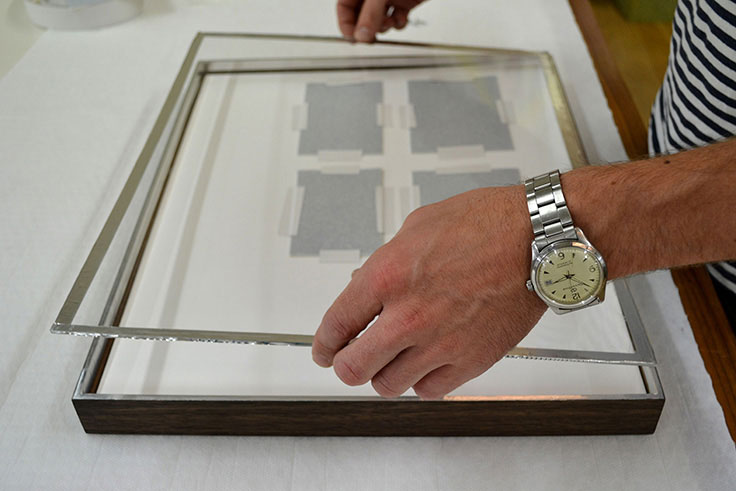
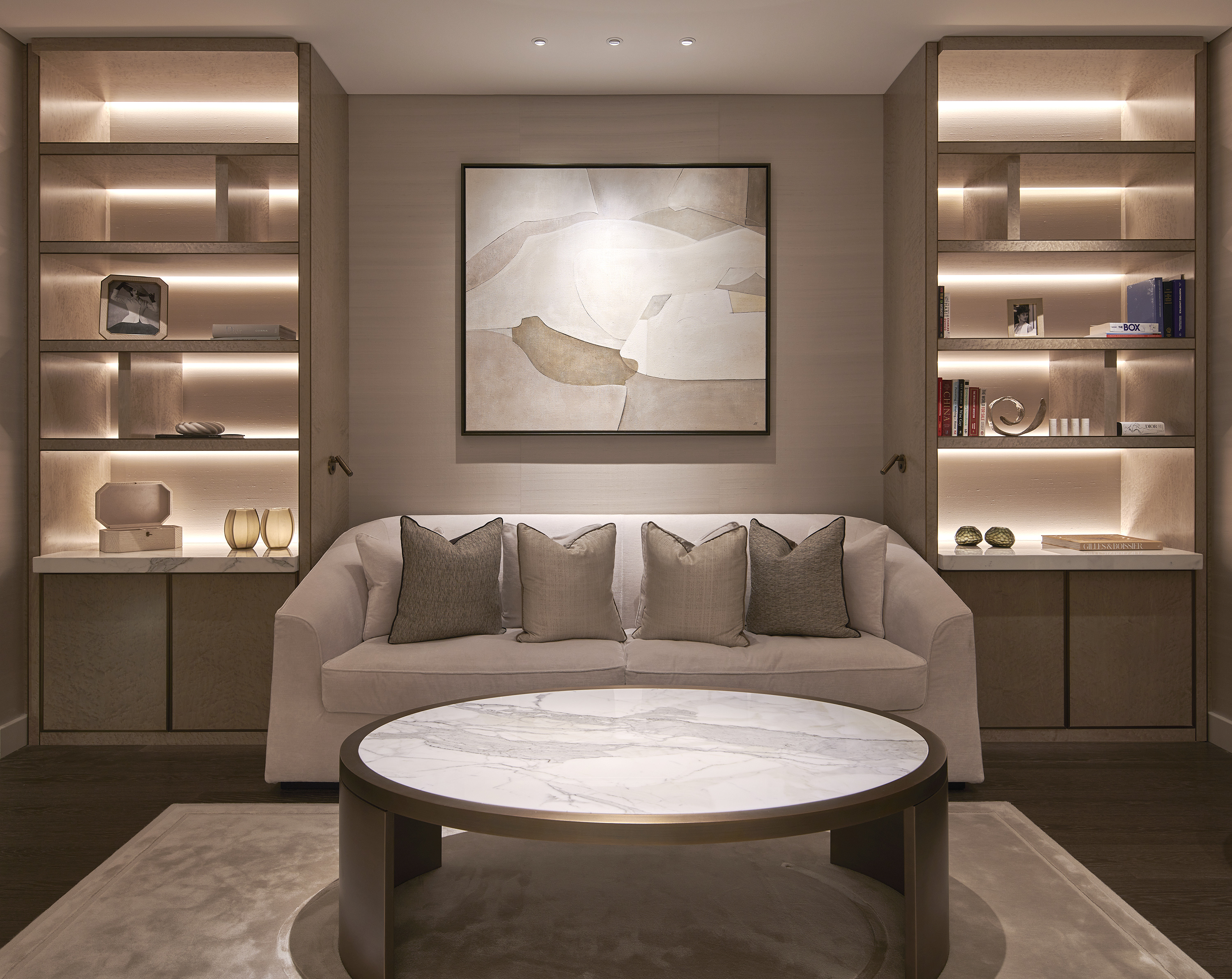
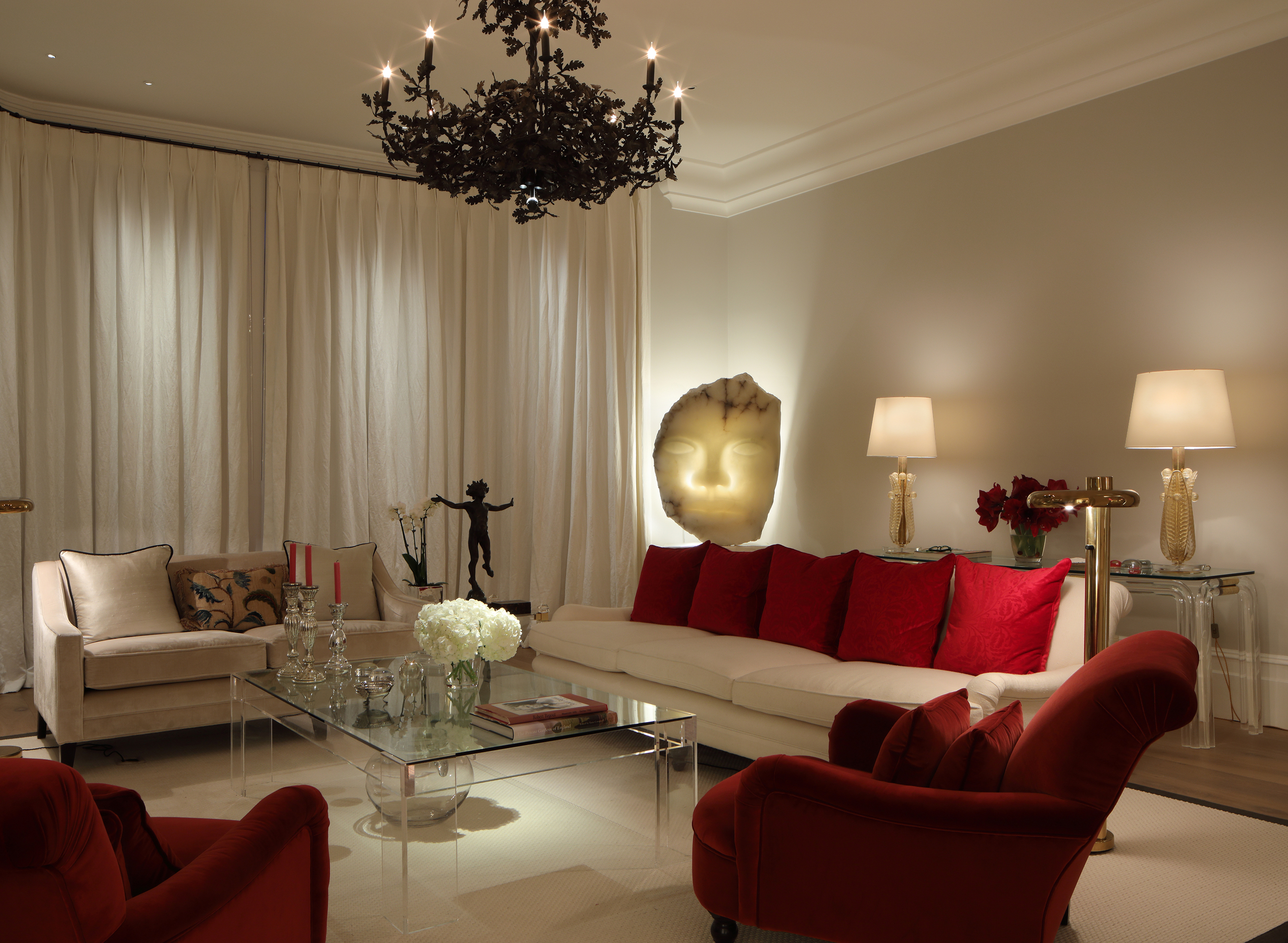
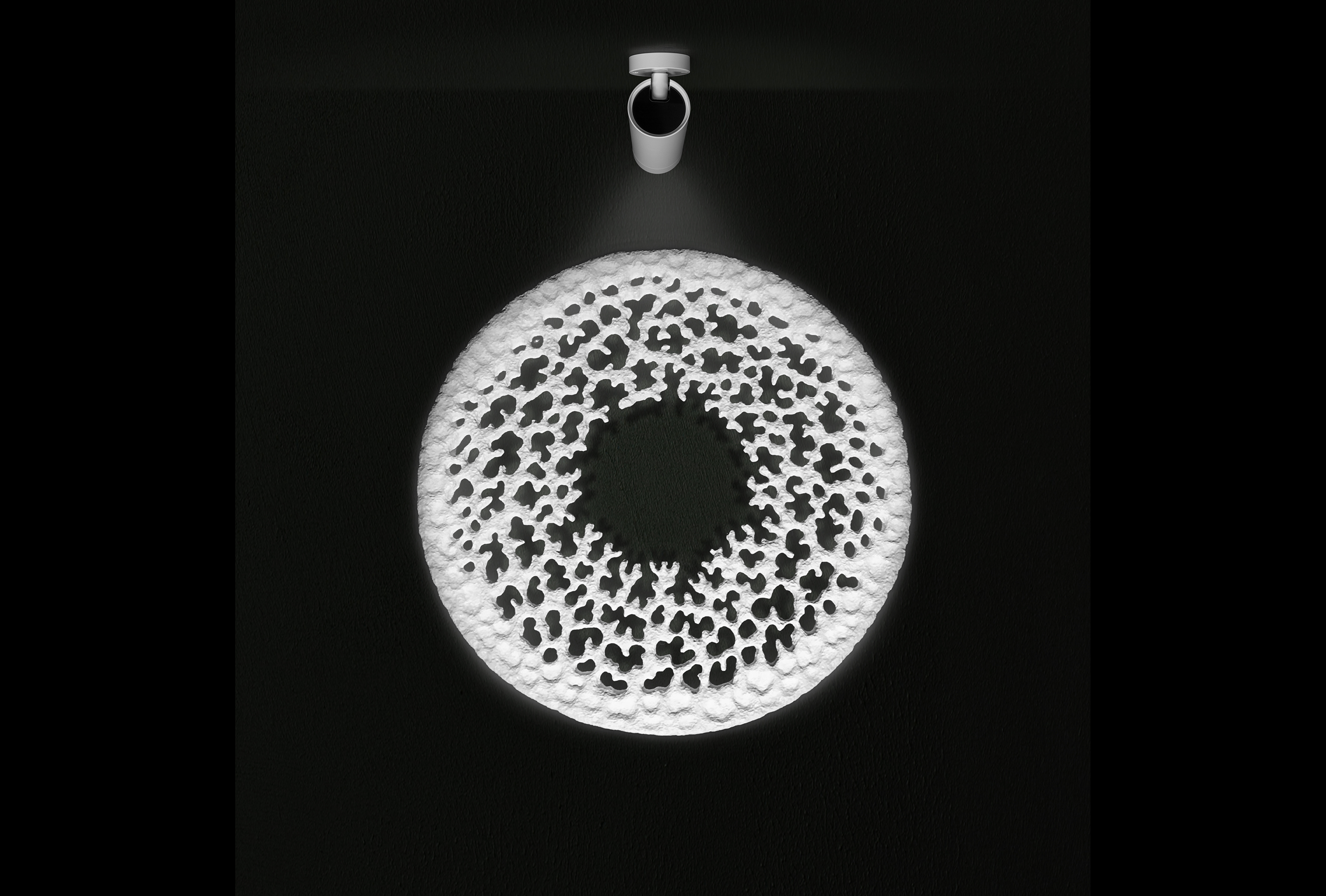
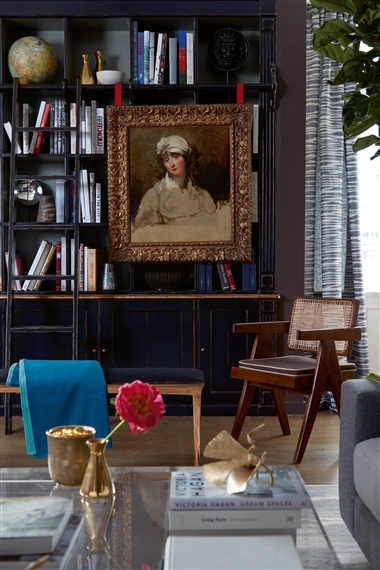
Lighting is another critical factor, influencing both the aesthetic appeal and preservation of an artwork. Interior designer Verity Woolf, director of Woolf Interiors, advises considering natural light exposure to prevent damage and suggests incorporating artificial lighting solutions, such as concealed ceiling lights that can be adjusted to suit different artwork sizes. Frame selection also plays a significant role in an artwork's presentation and narrative. Woolf highlights framing as an art form in itself, noting that an unsuitable frame can diminish a piece's impact, while a well-chosen one can enhance its meaning.
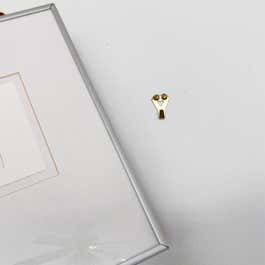
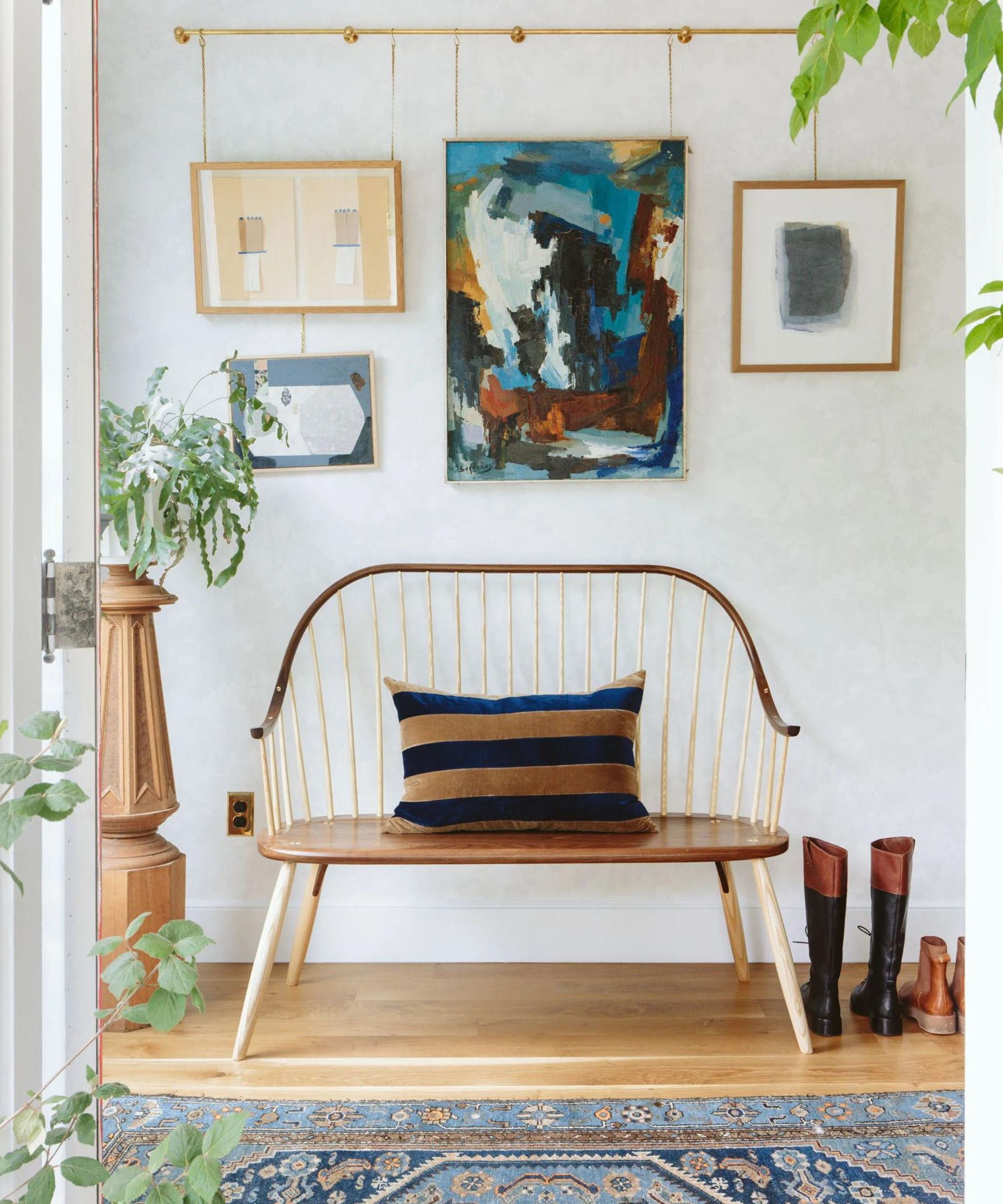
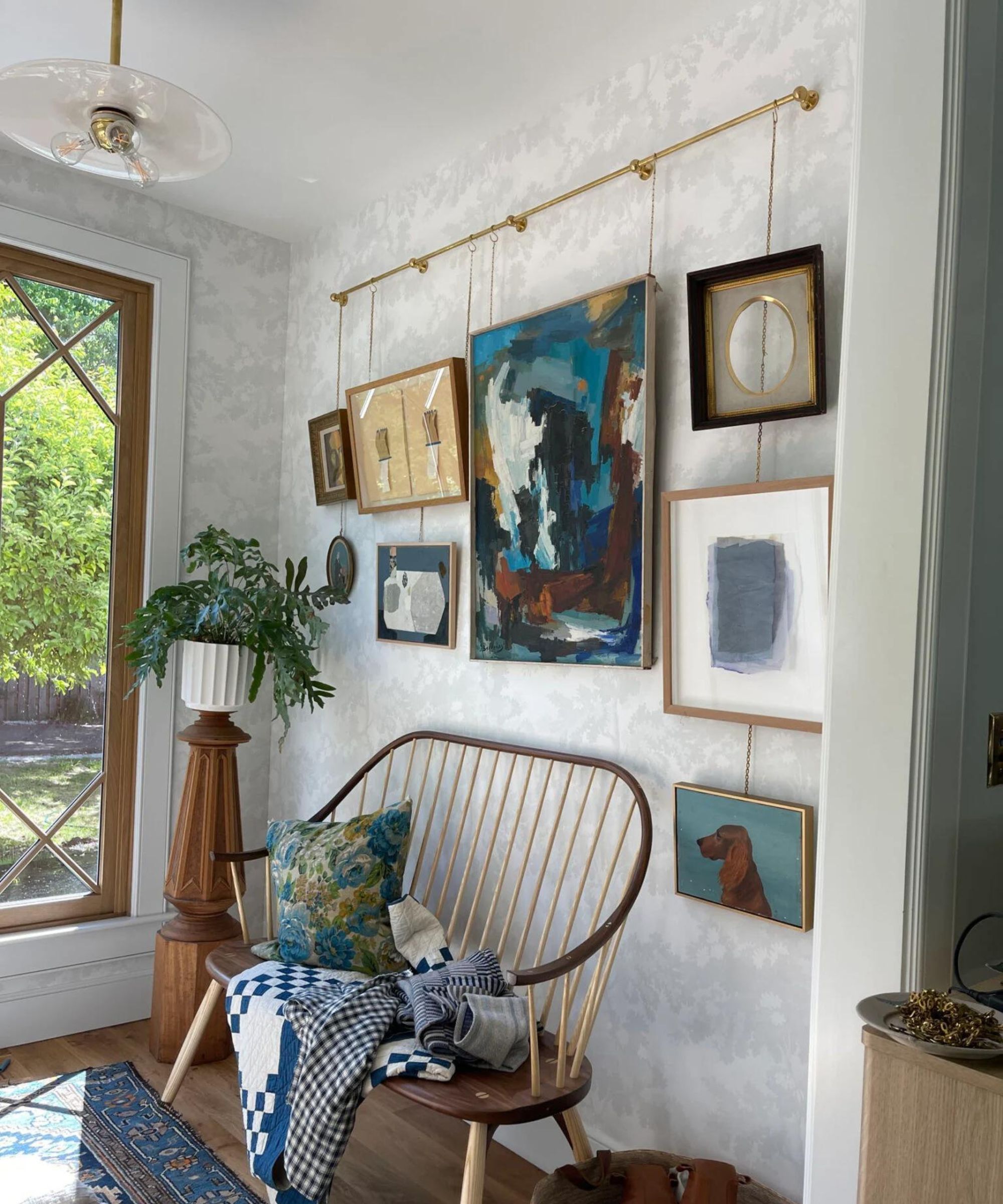
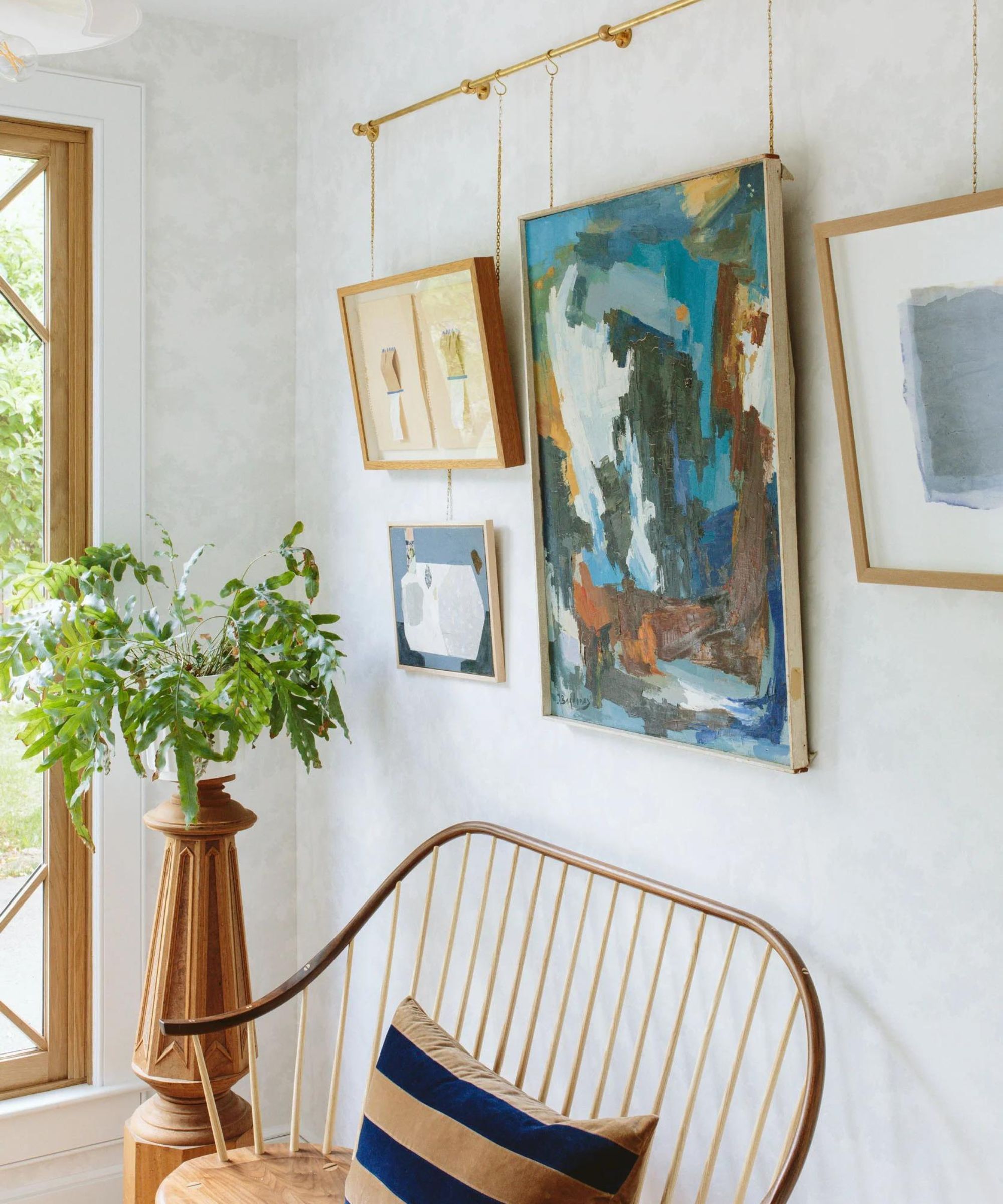
Technical details, such as fixings, are equally important. John Paul Black, managing director of Art Works Exhibition Services, recommends implementing a versatile hanging system, such as aluminum rails hidden in cornices with wires, to facilitate easy rearrangement and temporary storage of artworks, especially to protect them from sunlight at certain times of the year.
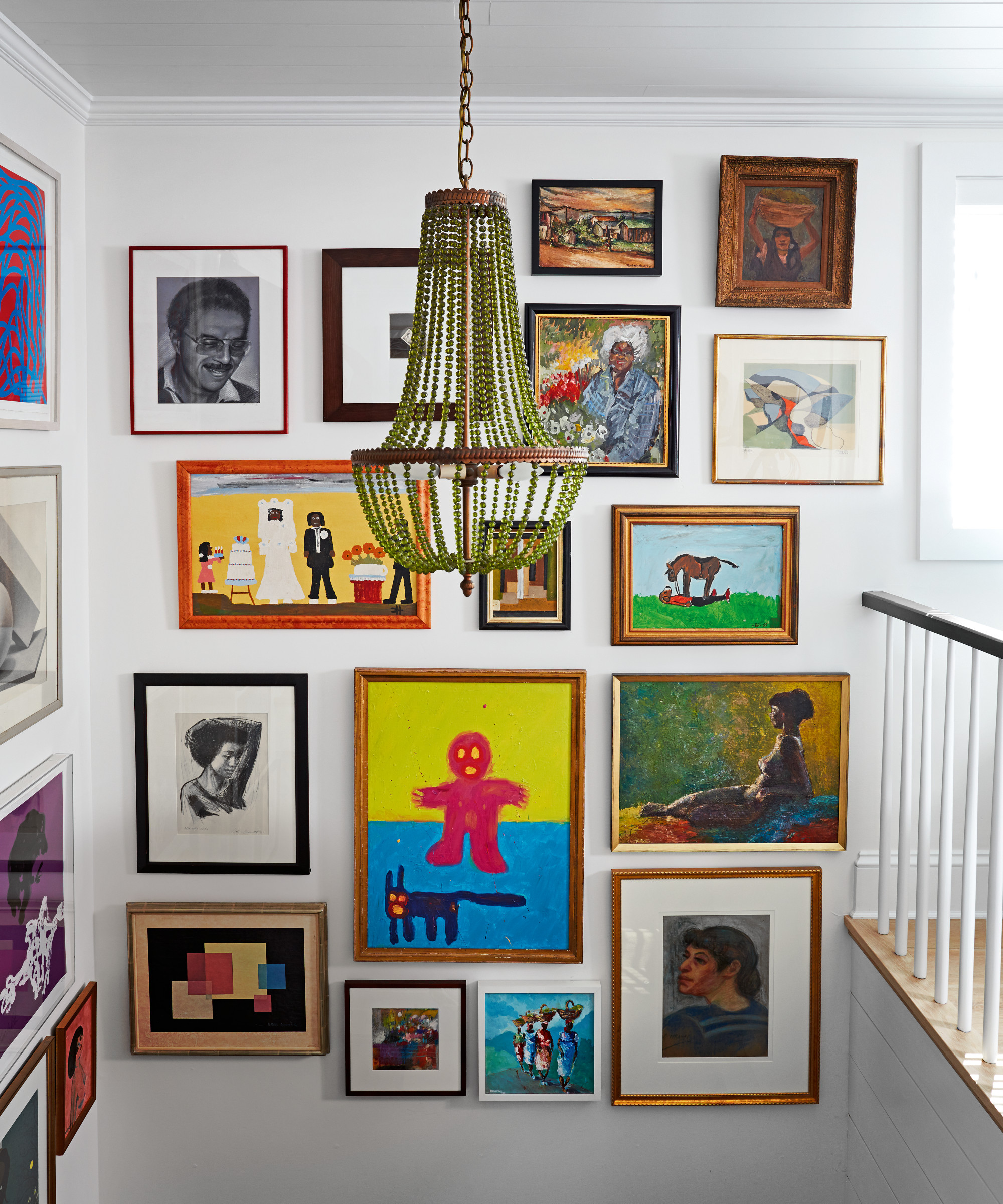
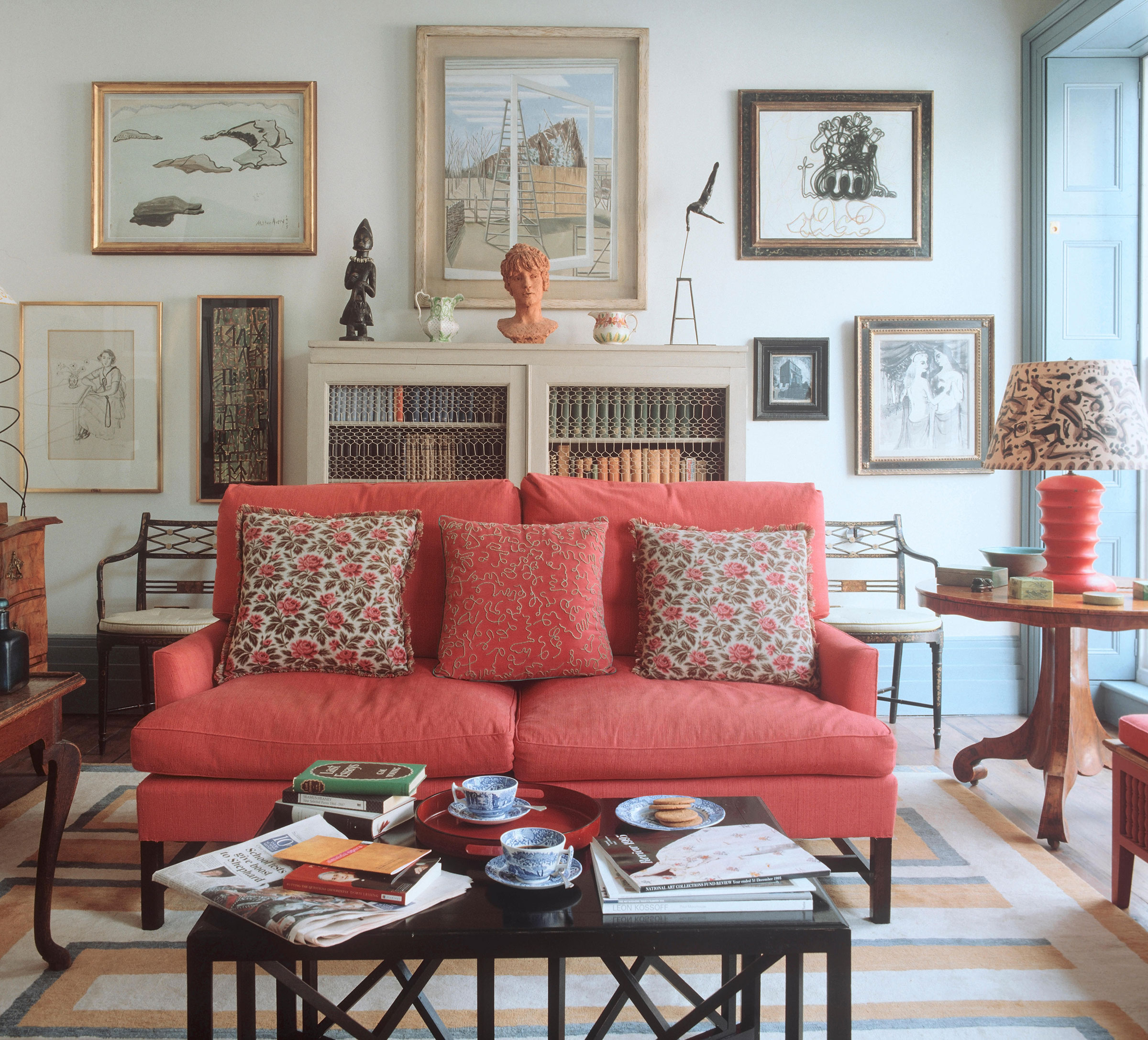
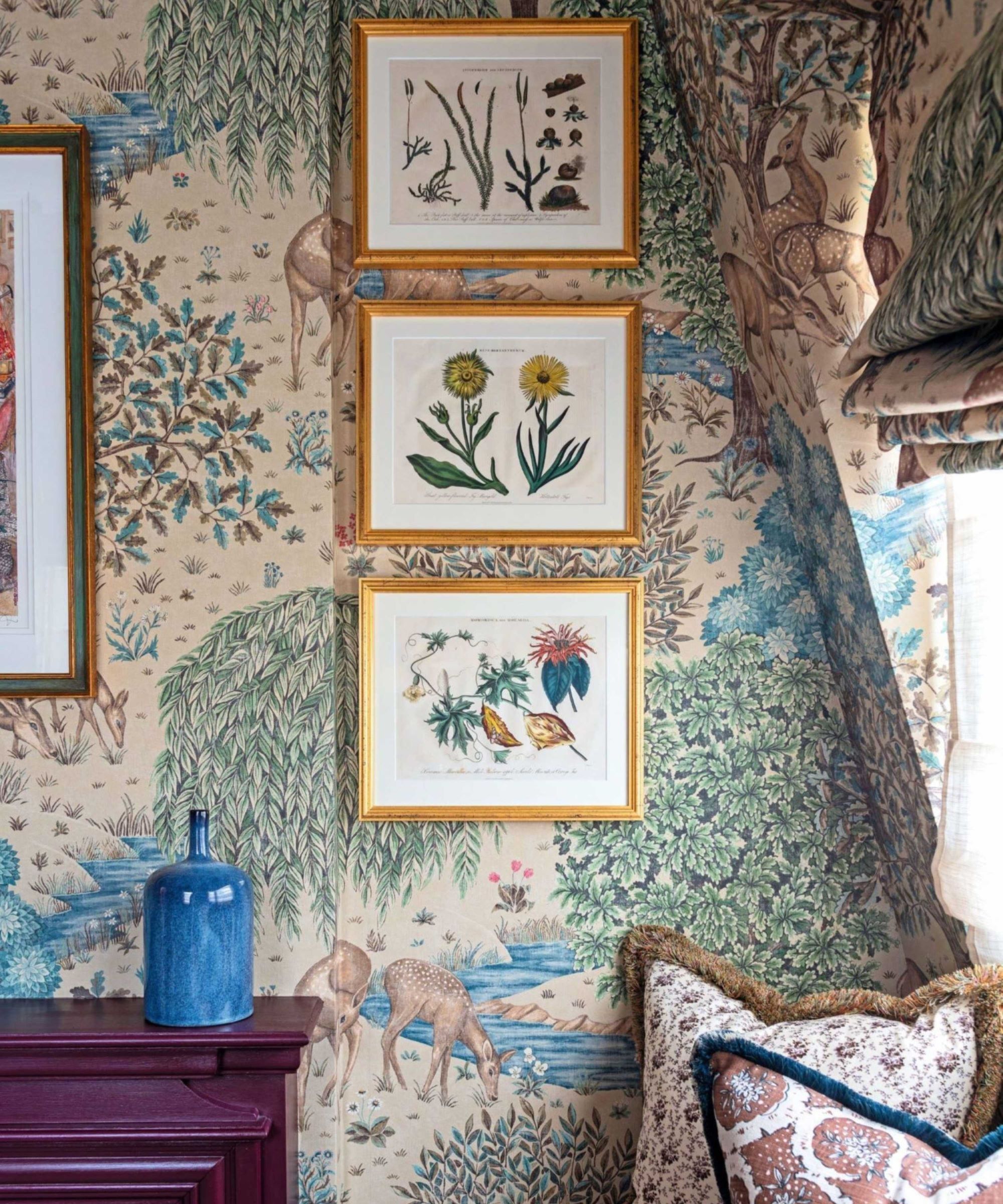
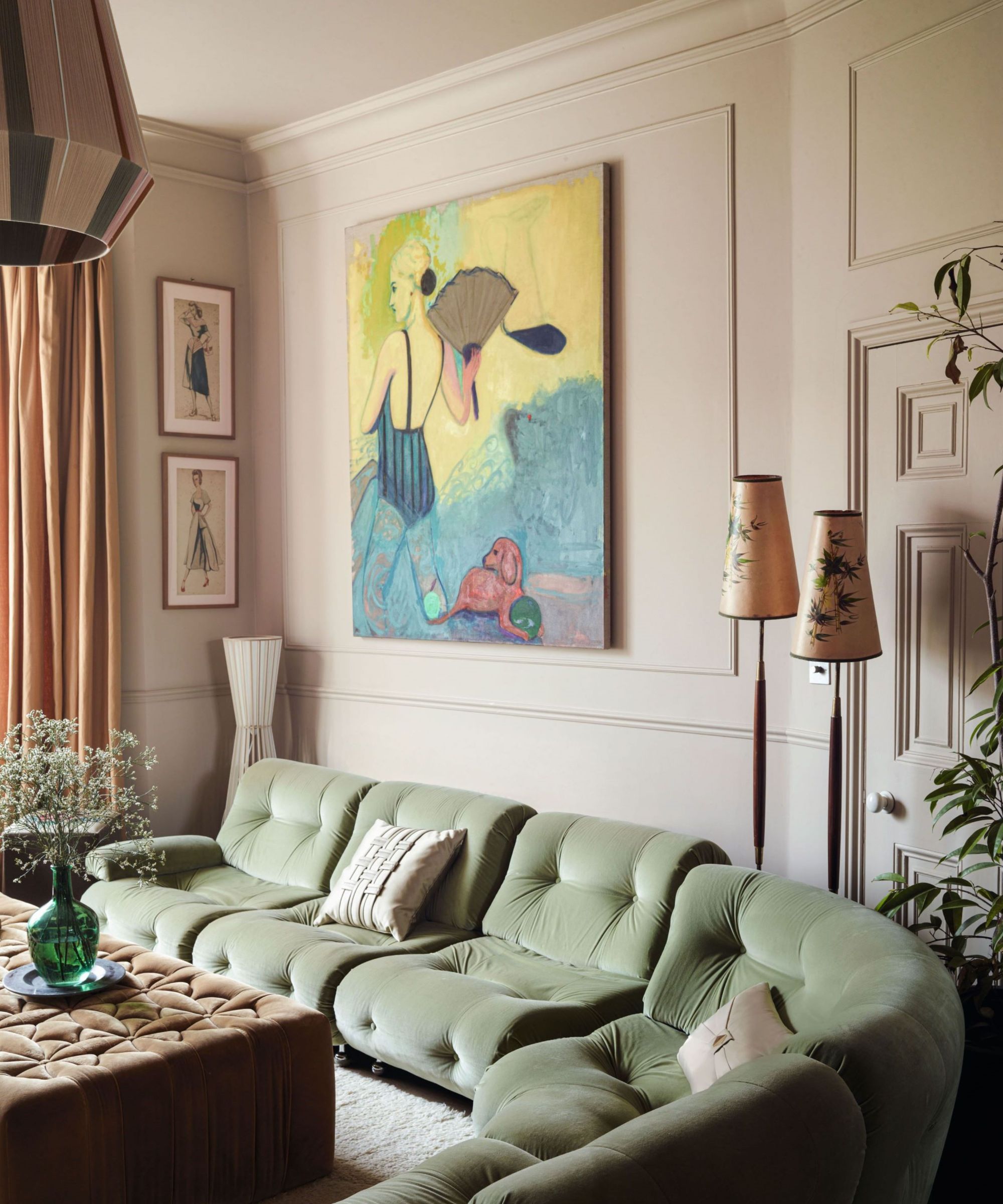
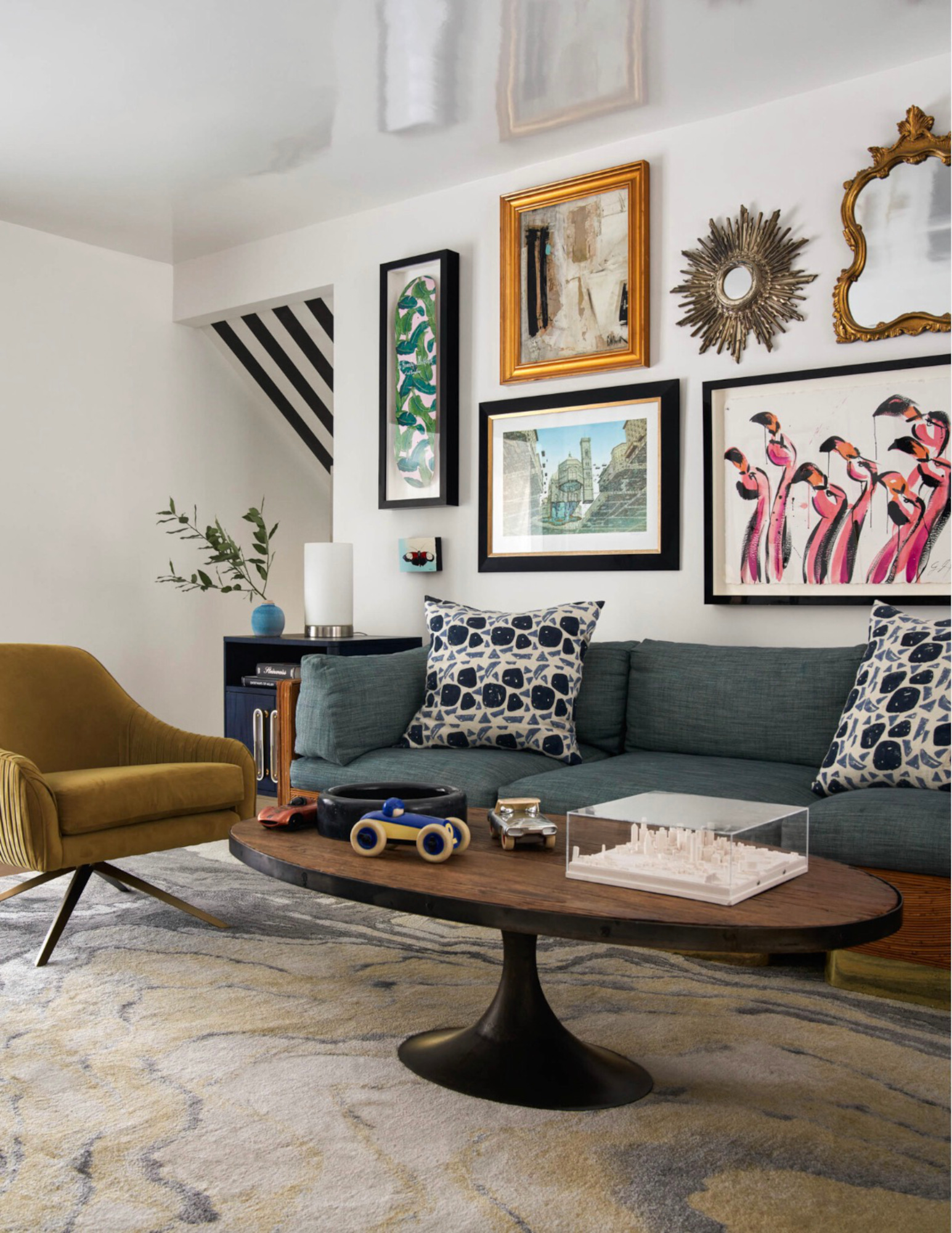
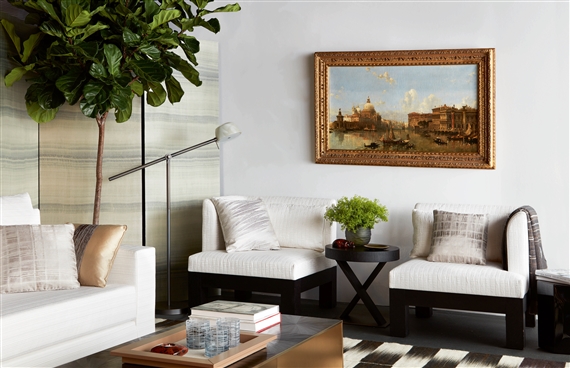
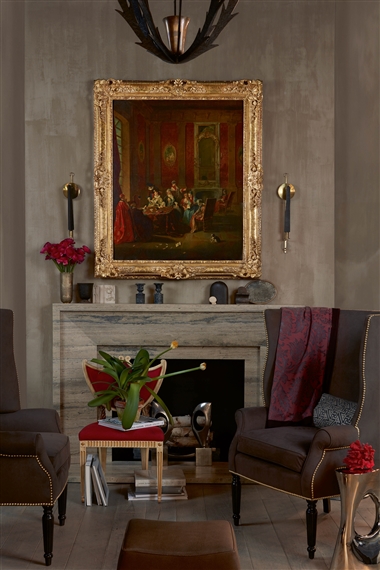
Unlike gallery settings, private homes present unique challenges with limited space and numerous obstacles like furniture, radiators, and fireplaces. These elements can affect the optimal placement and center-line of an artwork. Ben Cotton, director of Hang-Up Gallery, stresses the importance of harmonizing artworks with existing furniture. He advises against rigidly adhering to gallery-style hanging heights in a home, encouraging collectors to adapt to their space to maintain balance. Furthermore, creating a visual connection between artworks within a collection is essential for a cohesive display. This can be achieved through shared color palettes, themes, genres, or even by featuring the same artist, ultimately forming a compelling narrative for the viewer.
#ArtCollection #ArtInstallation #InteriorDesign #HomeDecor #ArtDisplay #FramingArt #LightingArt #ArtPlacement #ArtHangingSystems #ArtCollection #ArtInstallation #InteriorDesign #HomeDecor #ArtDisplay #FramingArt #LightingArt #ArtPlacement #ArtHangingSystems
合計0件のコメント
 まだコメントはありません
あなたも好きかもしれません
How to Hang Pictures, Mirrors, and Plates, According to an Expert
There's Hanging Art, and Then There's Hanging Art Like an Interior Designer — Here's How to Do the Latter

Hanging art salon style: everything you need to know
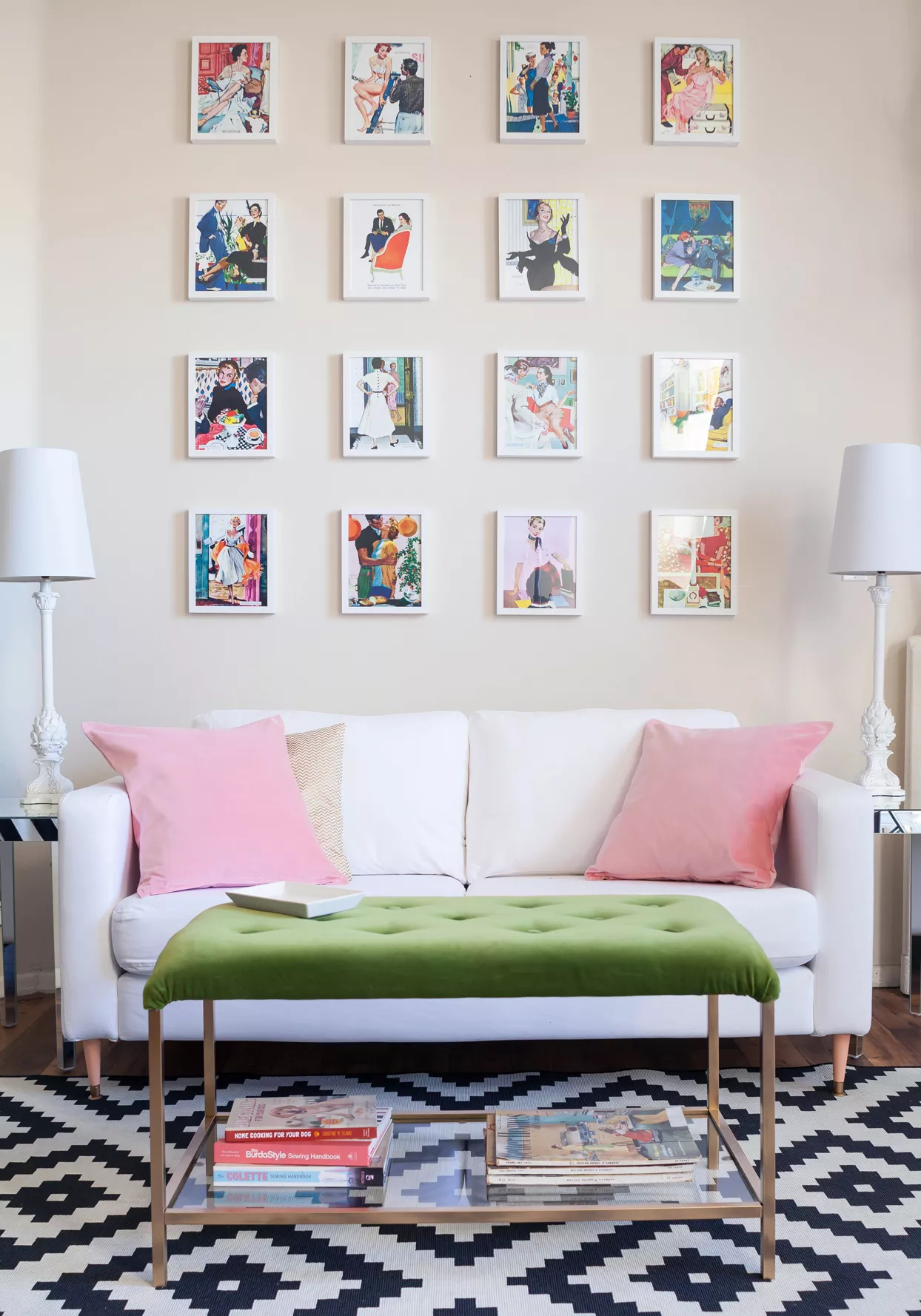
How to Arrange Art for a Flawless Wall Display


Yes, You Can Hang Art Like a Pro | Reviews by Wirecutter
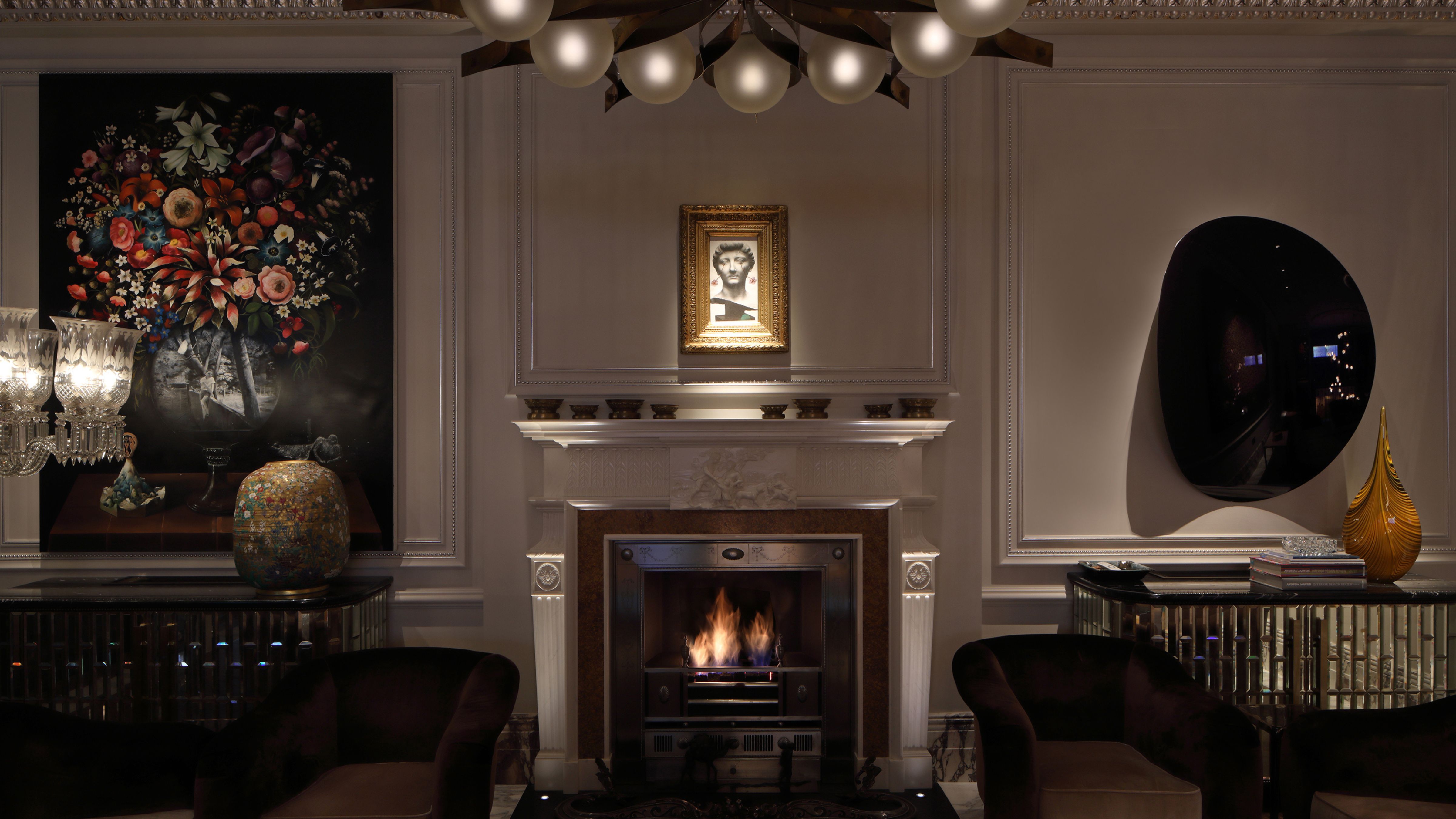
You Hung the Art — Now Light It Like a Curator Would (Here's How)
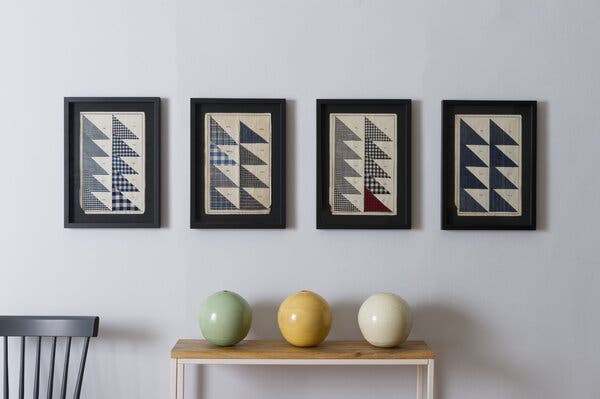
The Stress-Free Way to Hang Art (Published 2021)

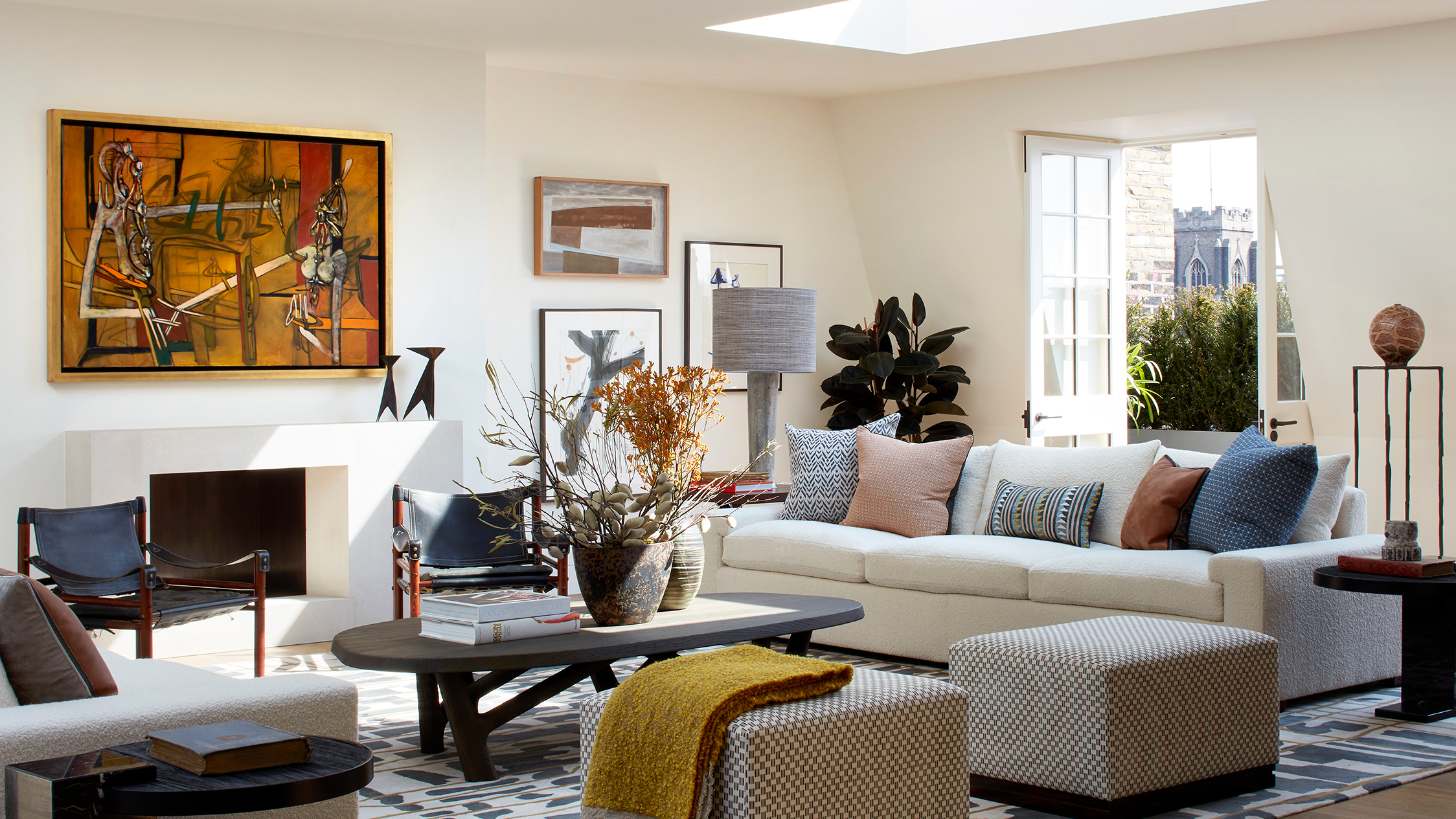
'Your art should be in conversation with each other' – how to coordinate wall decor in a room for a curated display
7 DIY tips for how to hang a gallery wall from experts

The Best (and Easiest!) Ways To Hang Pictures, According to Art Pros

Emily Henderson just shared a simple trick for hanging art – giving your gallery wall a refresh has never been easier
David Pollack Sotheby's Hang Artwork Hanging Old Masters Interior Design Art

Art Hanging Tips From an Expert
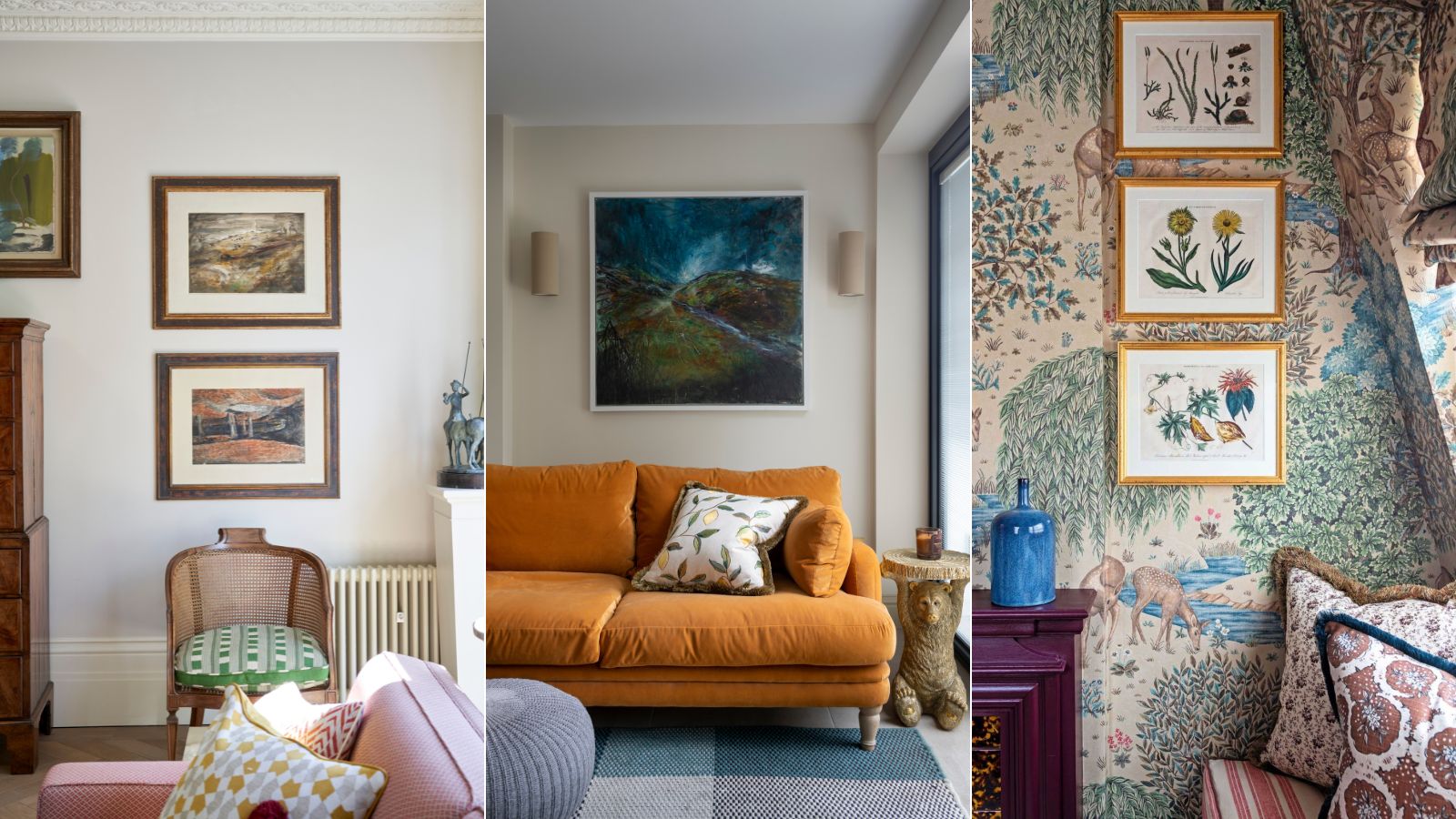
Emily Henderson just shared her tried-and-true tips for hanging art – this is how to get a gallery-like look
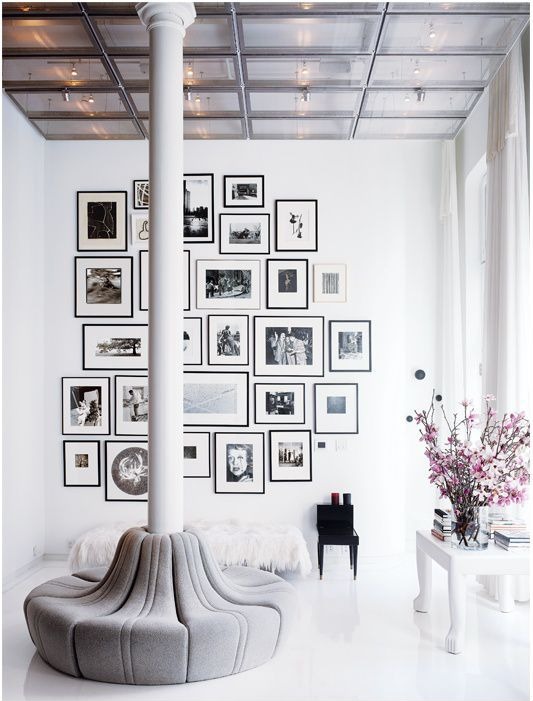
How to create a gallery wall in your home
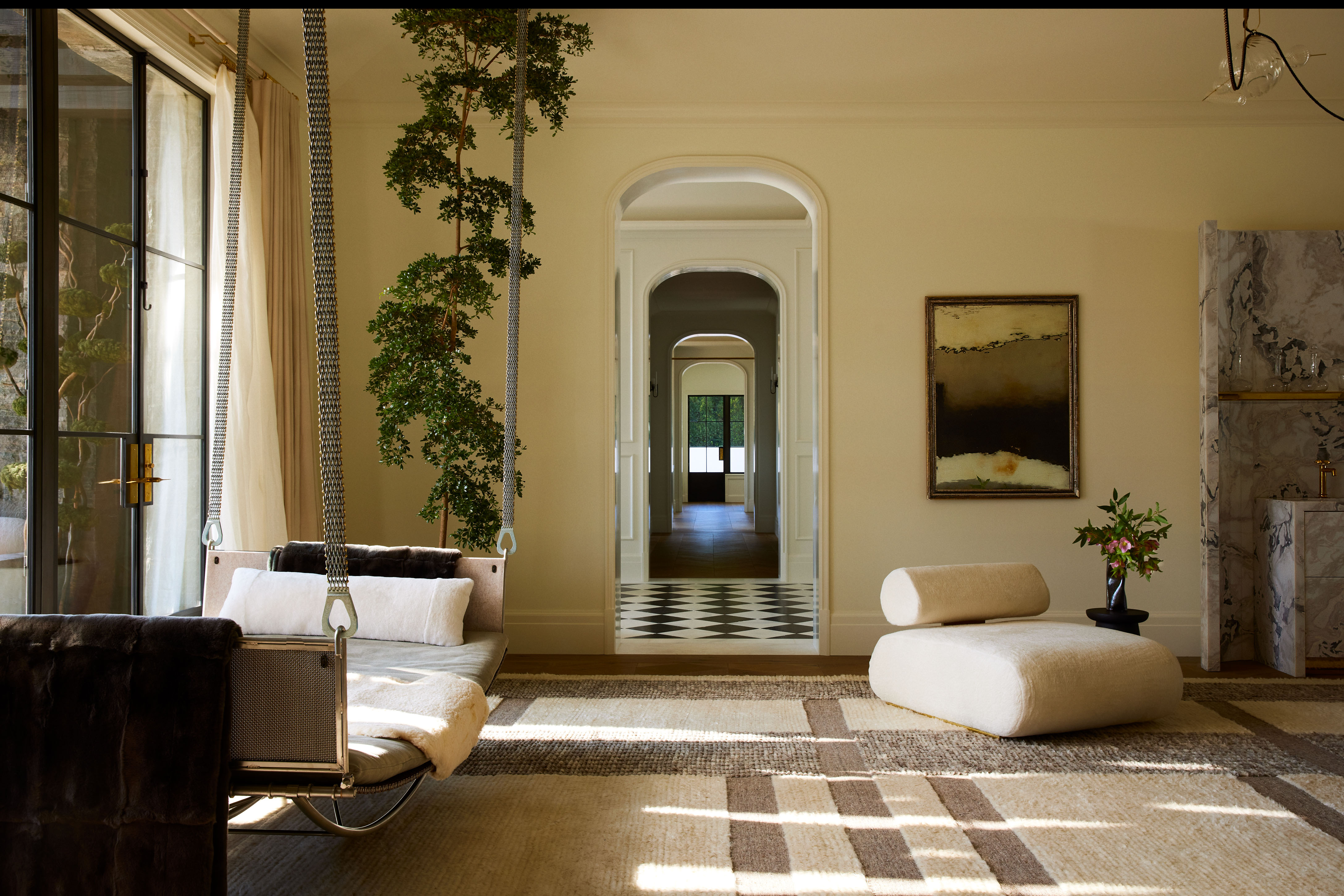
7 Interior Designers Share Their Tips on Buying Art for Your Home
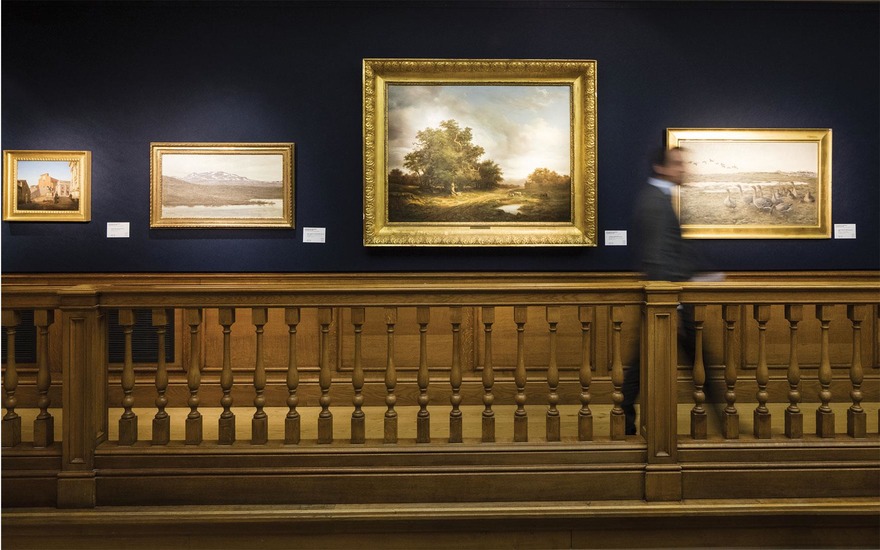
How to hang paintings: Everything you need to know
Hanging art salon style: everything you need to know

The Insider’s Guide to Art-Directing Your Bookshelves
This Is The Best Way To Hang Pictures, According To An Expert