
How to Clean Velvet Furniture the Right Way, According to Experts
Velvet furniture, known for its luxurious look and soft feel, requires specific cleaning and maintenance to retain its elegance and prevent damage. This delicate fabric is prone to accumulating dust and dirt and can easily develop tough stains, leading to a dull appearance if not properly cared for. However, with the correct techniques and tools, velvet pieces can be effectively restored and maintained.
The frequency of cleaning velvet furniture depends on various factors, including lifestyle, usage levels, and the presence of pets or children. Generally, routine cleaning, such as dusting and vacuuming, should be performed weekly. Deep cleaning is recommended every six to twelve months, or more frequently if the furniture experiences heavy use or significant dirt accumulation. Immediate attention to spills and stains is crucial to prevent them from setting and becoming more challenging to remove.
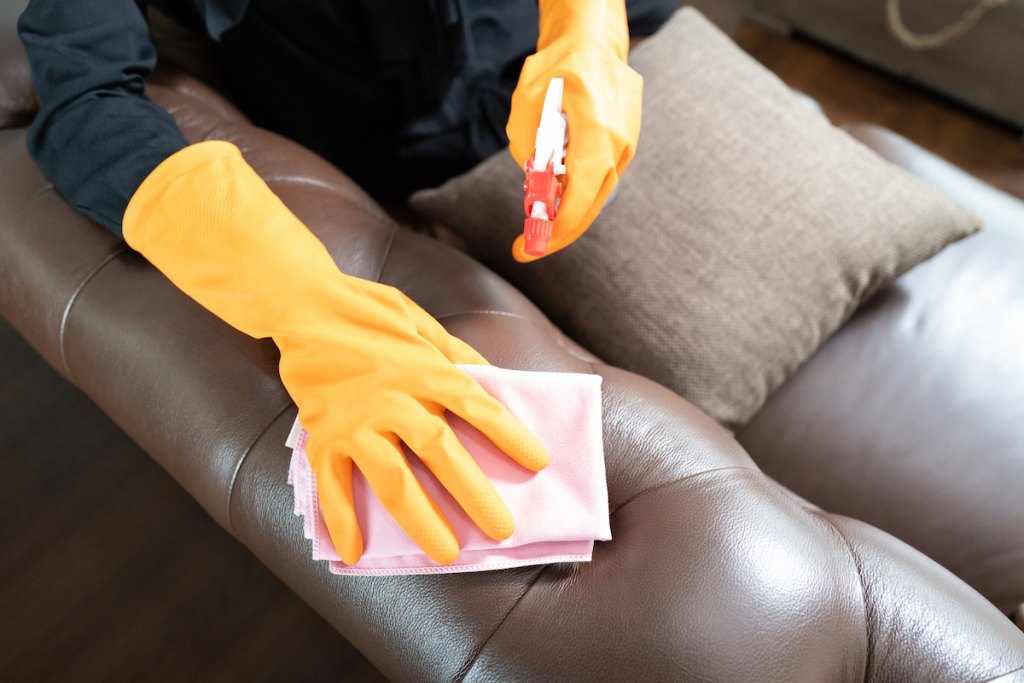
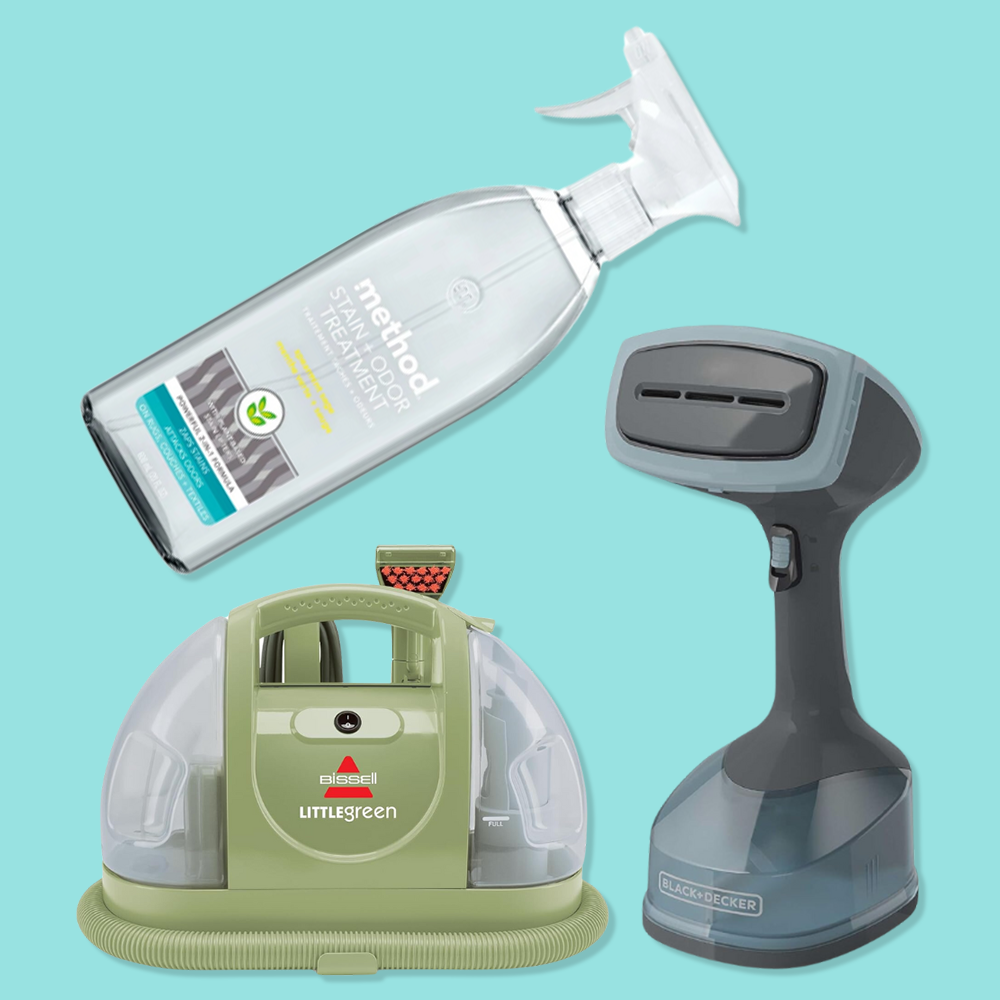
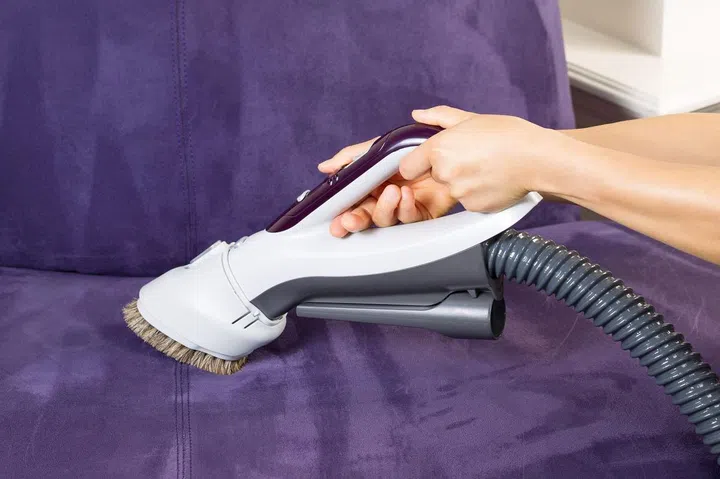
Essential materials for cleaning velvet furniture include a soft-bristle brush, a vacuum cleaner with a soft brush attachment, distilled white vinegar, water, and microfiber cloths. Microfiber cloths are particularly effective due to their gentle fibers and electrostatic properties, which help to lift dust and grime without damaging the fabric.
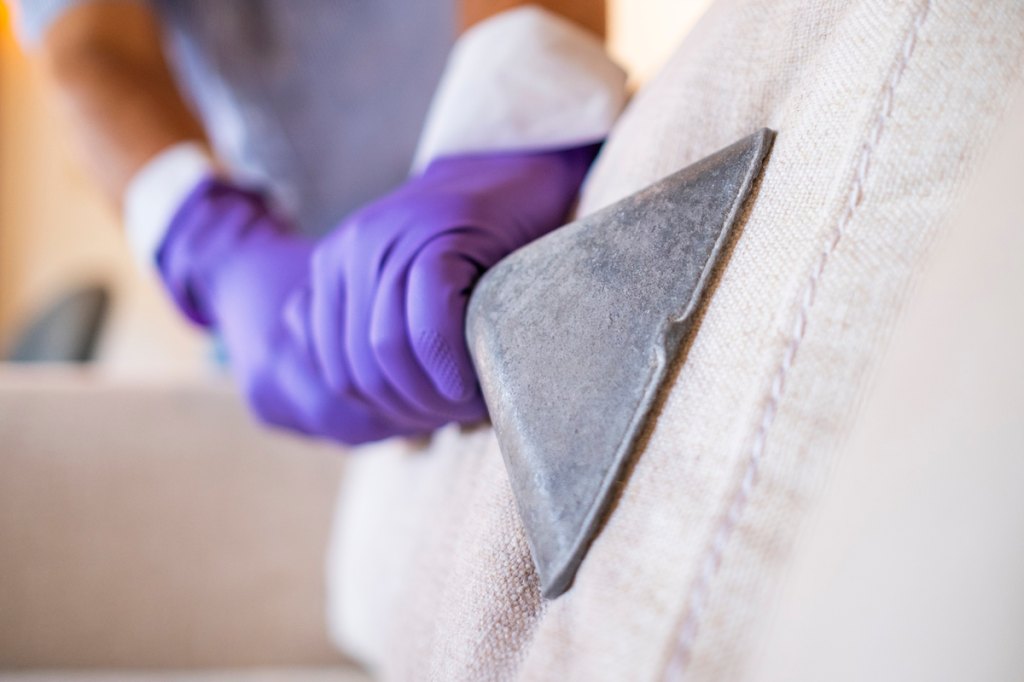
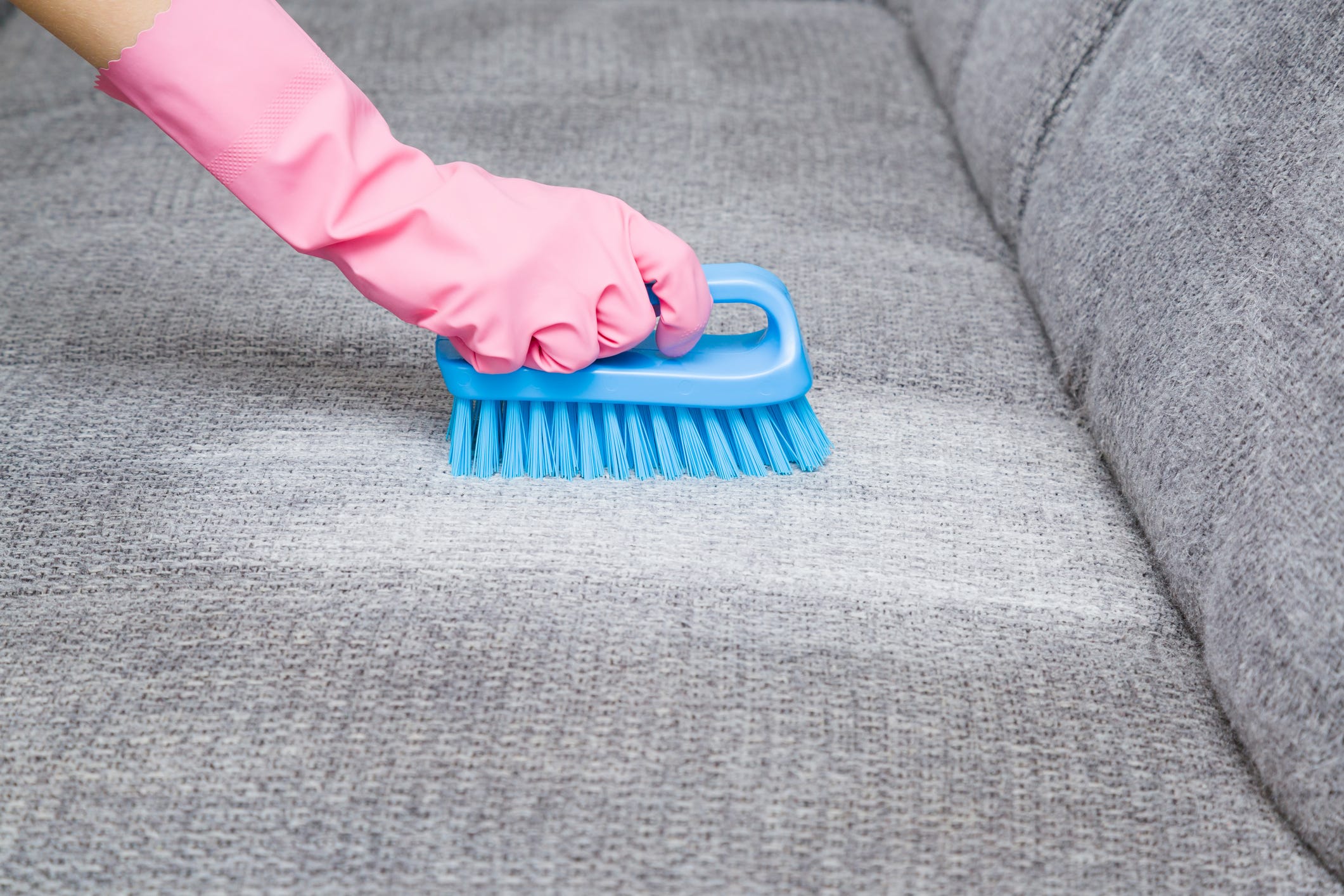
The cleaning process begins with gently brushing the velvet surface with a soft-bristle or velvet upholstery brush, followed by vacuuming in the direction of the nap to remove loose dirt and dust. For stain removal, a solution of equal parts distilled water and white vinegar should be prepared. A clean microfiber cloth dampened with this solution is then used to blot stained areas, working from the outside in until the stain lifts. After the stain is removed, a clean, damp cloth is used to blot away any residual cleaning solution, followed by a dry cloth to absorb excess moisture. For overall cleaning, the water and vinegar solution can be lightly misted onto the entire surface, avoiding oversaturation. The fabric is then gently brushed in the direction of the nap to lift dirt and restore texture, followed by air drying. Once completely dry, vacuuming again with a soft brush attachment helps to fluff up the fibers.
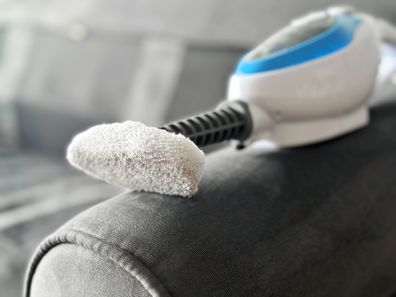
Steaming is an important technique for maintaining velvet, especially to address compression, which occurs when the high pile of the fabric is subjected to prolonged pressure. Steaming with a garment steamer or an iron on a low steam setting, followed by gently brushing in the opposite direction of the pile, helps to release wrinkles and restore the fabric's appearance. It is crucial to use a low steam setting to prevent fabric damage.
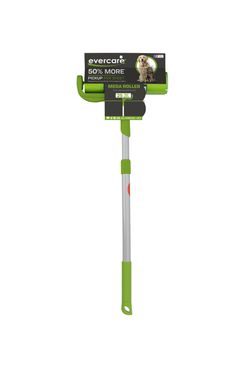
To ensure long-term maintenance, understanding the type of velvet is beneficial. Synthetic velvet is often recommended for households with children or pets due to its easier care compared to cotton velvet, as stains do not penetrate as deeply. Regular dusting with a soft brush or lint roller, immediate spot-cleaning of spills, and consistent vacuuming with a soft brush attachment (at least monthly) are essential. Additionally, protecting velvet furniture from direct sunlight is important, as certain types, particularly cotton velvet, are prone to fading.
Professional cleaning may be necessary for significant damage such as tears, rips, or fraying fabric, or for deeply set-in stains, trapped allergens, or persistent odors that cannot be addressed with gentle home cleaning methods. Consulting the furniture's care tag for specific cleaning instructions and manufacturer recommendations for professional cleaning intervals is always advisable, particularly to maintain warranties or prolong the furniture's lifespan.
#VelvetFurniture #FurnitureCare #CleaningTips #HomeMaintenance #UpholsteryCleaning #StainRemoval #FabricCare #HomeDecor #VelvetFurniture #FurnitureCare #CleaningTips #HomeMaintenance #UpholsteryCleaning #StainRemoval #FabricCare #HomeDecor
合計0件のコメント
 まだコメントはありません
あなたも好きかもしれません
How to Clean a Couch, According to Experts | NBC Select


5 Common Sofa Cleaning Mistakes You Might Be Making


How to Clean Secondhand Furniture, According to Professional Upcyclers

The Right Way to Clean Every Type of Couch, From Fabric to Leather


How To Deep Clean a Couch: Expert Tips for Getting It To Look Like New

From a quirky TikTok hack and a $99 sell-out Kmart buy, here are five ways to clean your sofa

The Right Way to Clean a Leather Couch
Yes, You Can Dry-Clean at Home: And These 5 Furnishings and Decor Pieces Need TLC

Are You Cleaning Your Couch Enough? Here's How to Do It the Right Way

How to Clean Upholstered Furniture the Right Way

10 Best Furniture Polishes, Tested by Cleaning Experts

How to Protect Fabric Furniture From Stains and Dirt

4 Expert Tips for Keeping Velvet Furniture Looking Like New

How to clean a sofa bed – top hacks for tackling stains and everyday cleaning for an immaculate couch
10 Sofa Cleaning Singapore: Fabric sofa cleaning vacuum service (with prices)

What Pet Owners Need to Clean and Protect Their Furniture, According to Experts
You need to deep clean your couch every few months — here’s how experts say to do it


6 couch cleaning mistakes that pros say could lead you to 'serious upholstery heartbreak'

The Best Upholstery Cleaners for Stains, Odors, and Everyday Messes


How to clean upholstery – to keep furniture looking fresh