How to Choose Bathroom Tile That You'll Love Forever, According to a Designer
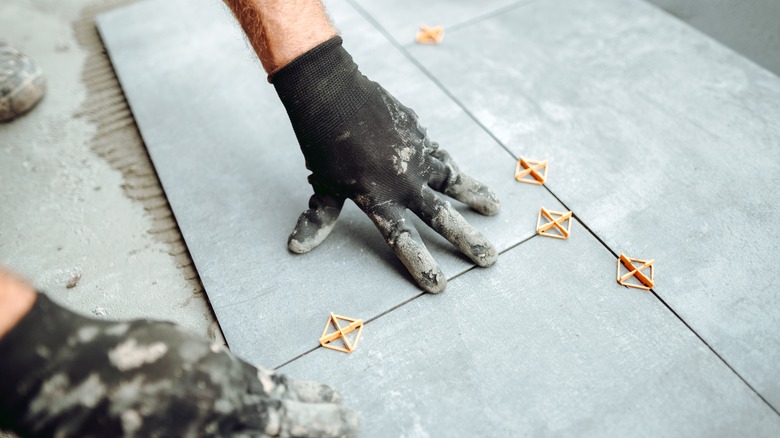
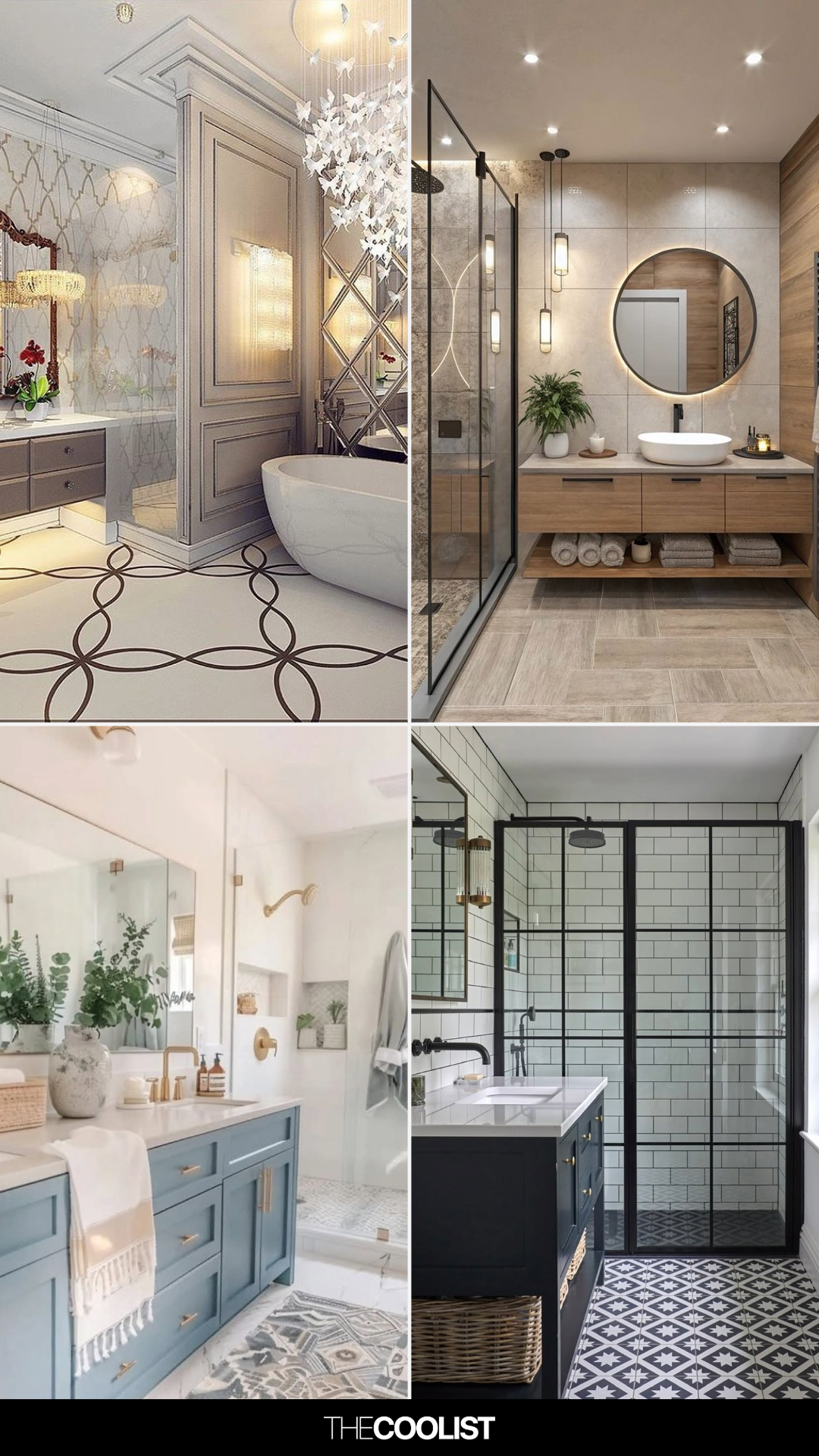
Selecting bathroom tile involves numerous considerations beyond just aesthetics, according to Sandra Funk, founder and CEO of House of Funk. The process begins with a comprehensive assessment of where tile will be used within the bathroom. Potential areas include the floor, walls, shower or tub surround, backsplash, accent walls, countertops, and niches. Each area serves a unique function, from providing a durable foundation on the floor to protecting walls from water damage in shower areas, and adding decorative elements like accent walls or backsplashes. Considering these areas first helps in planning the overall tile project effectively.
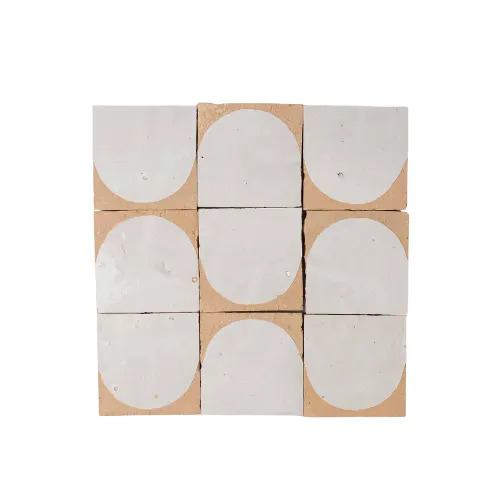
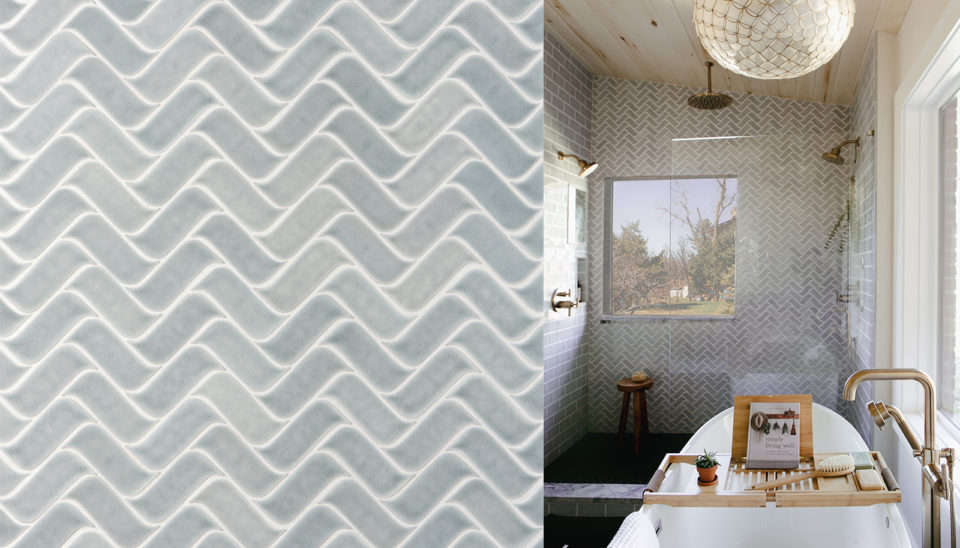
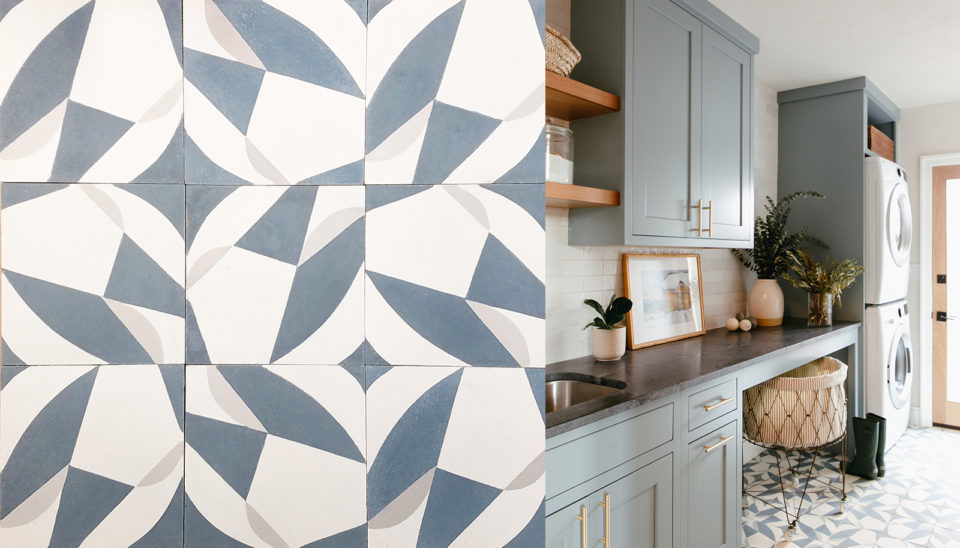
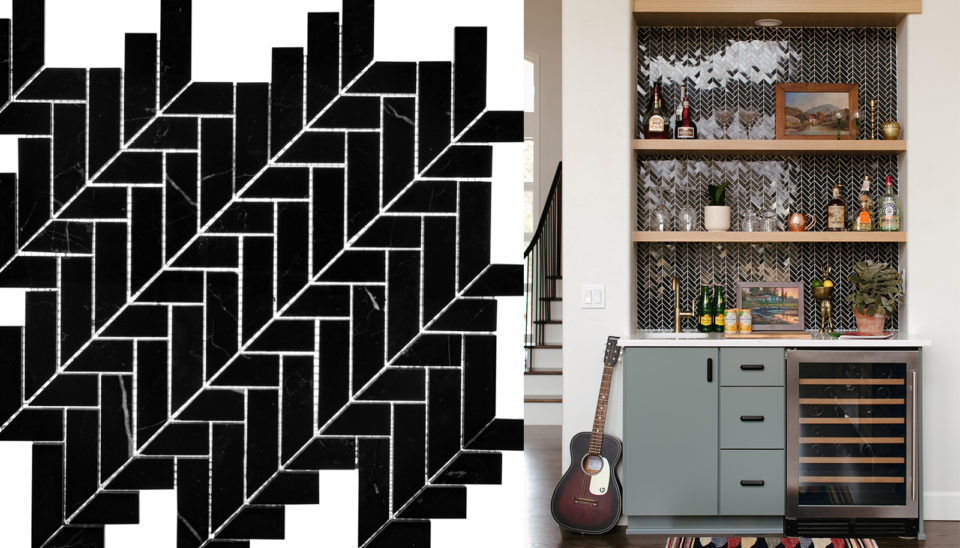
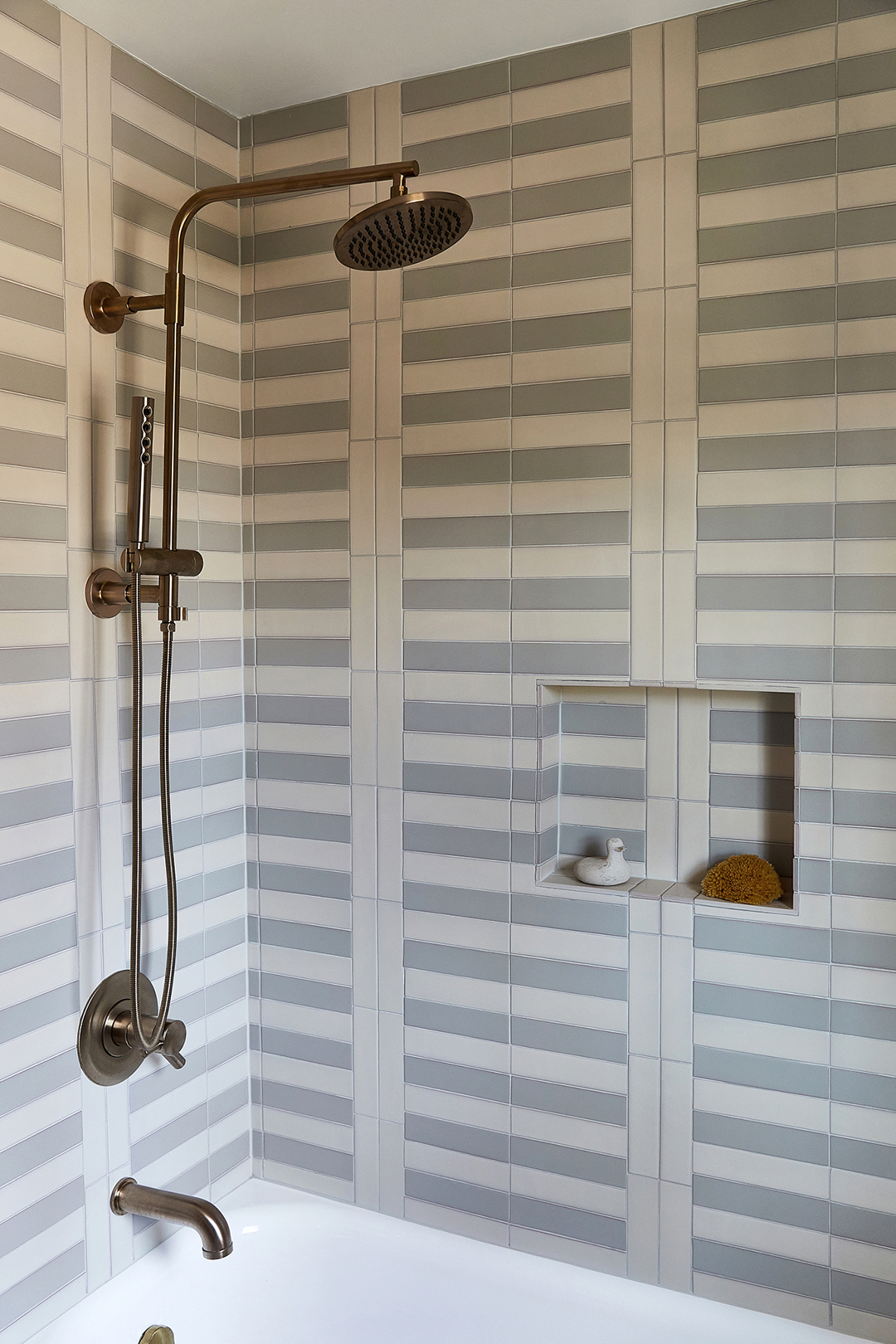
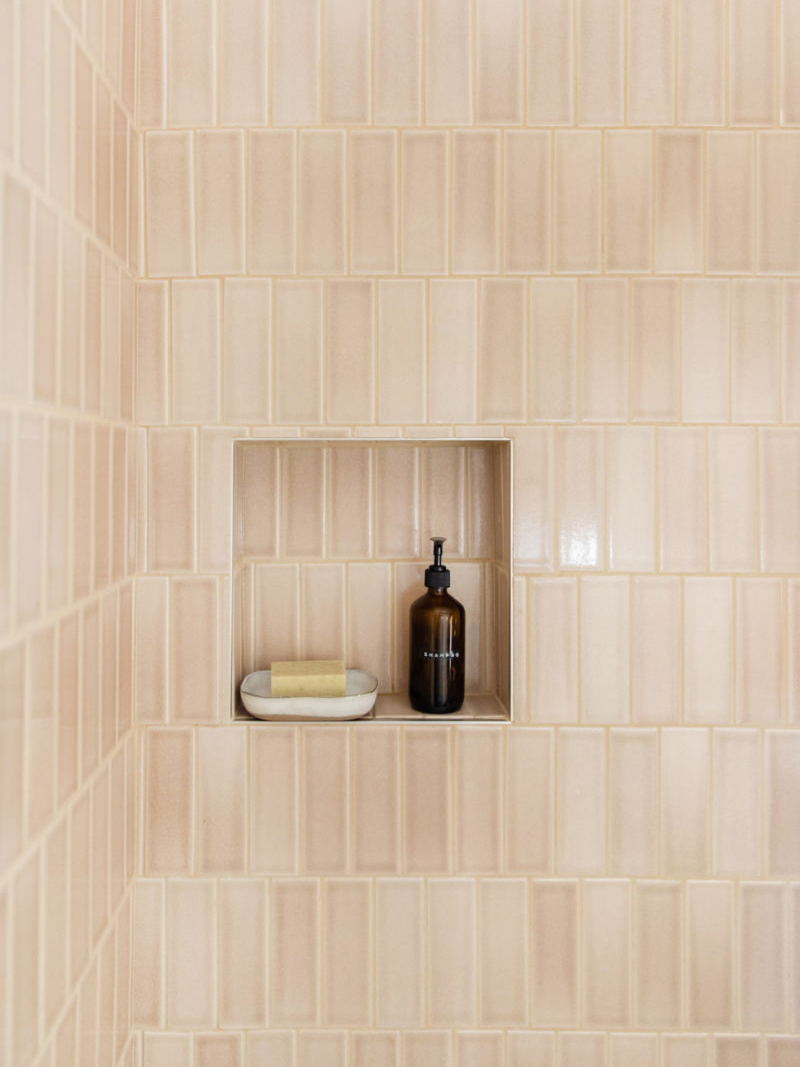
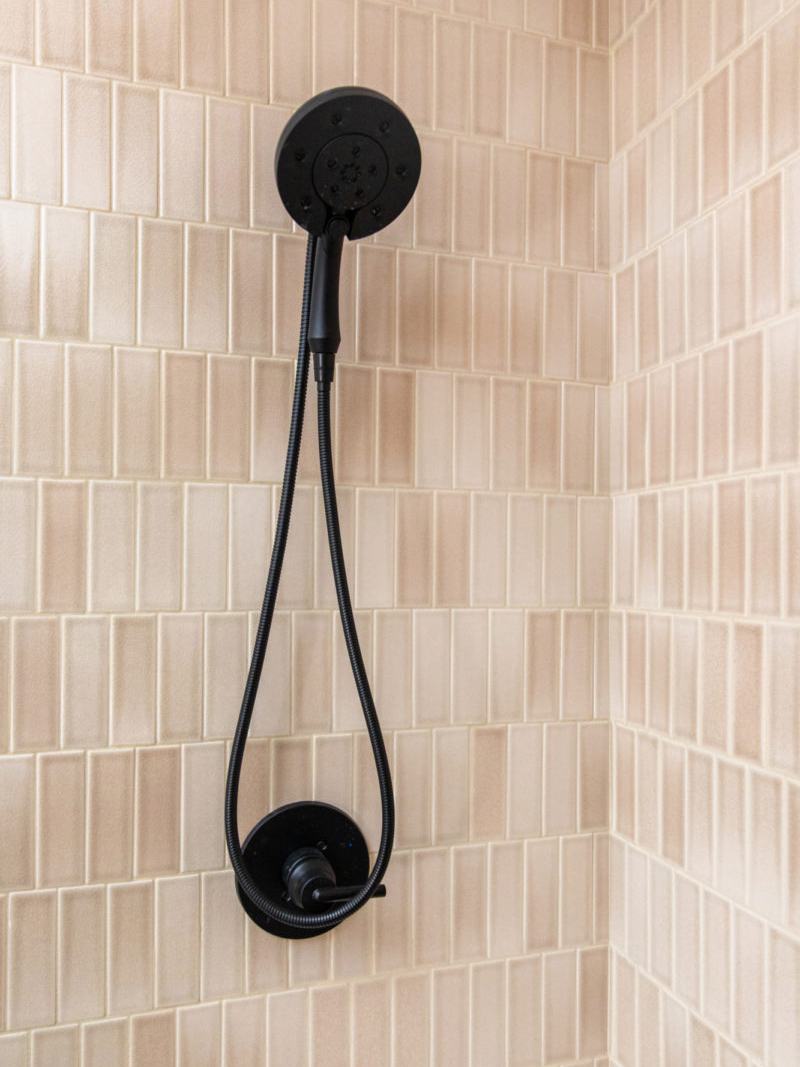
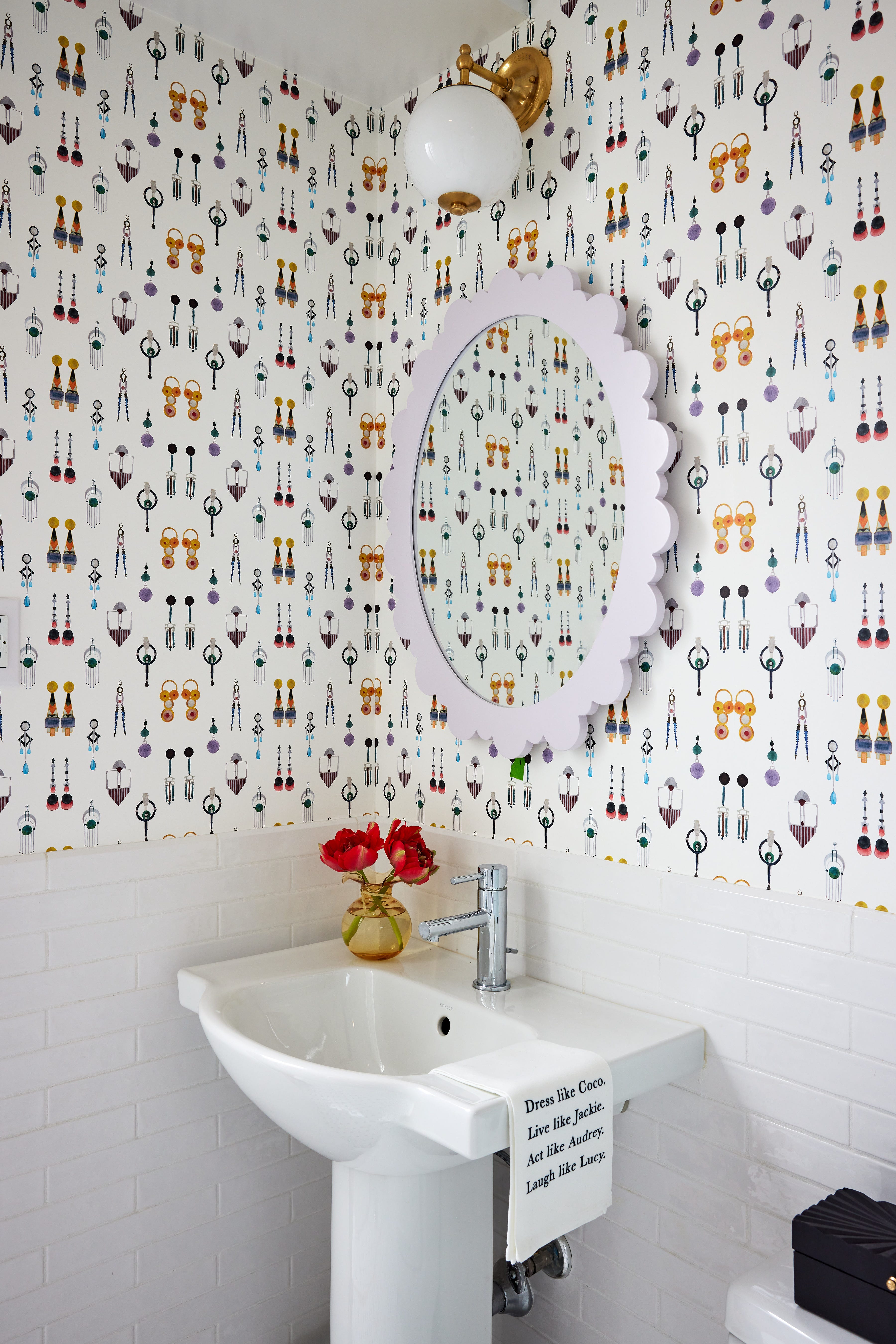
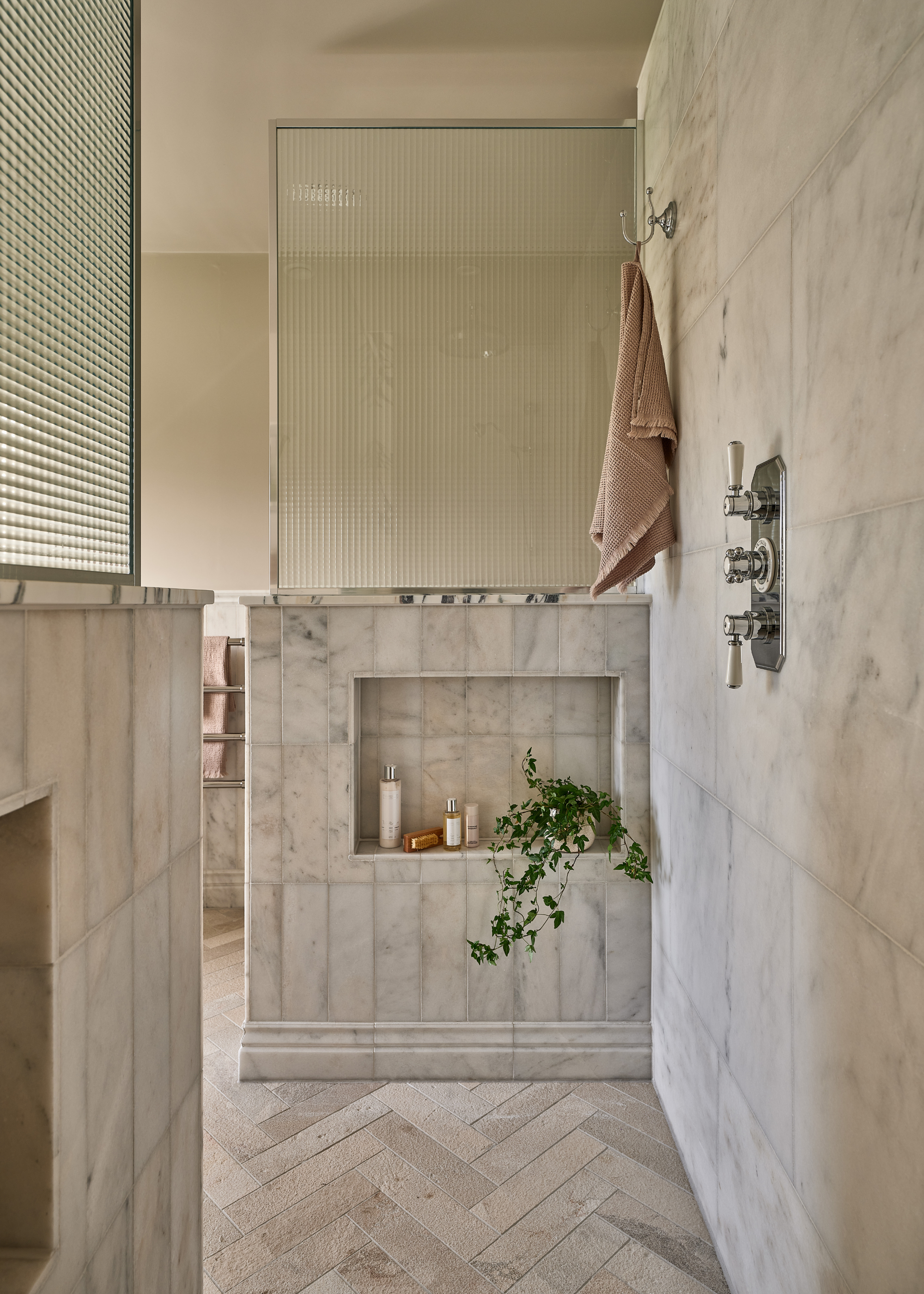
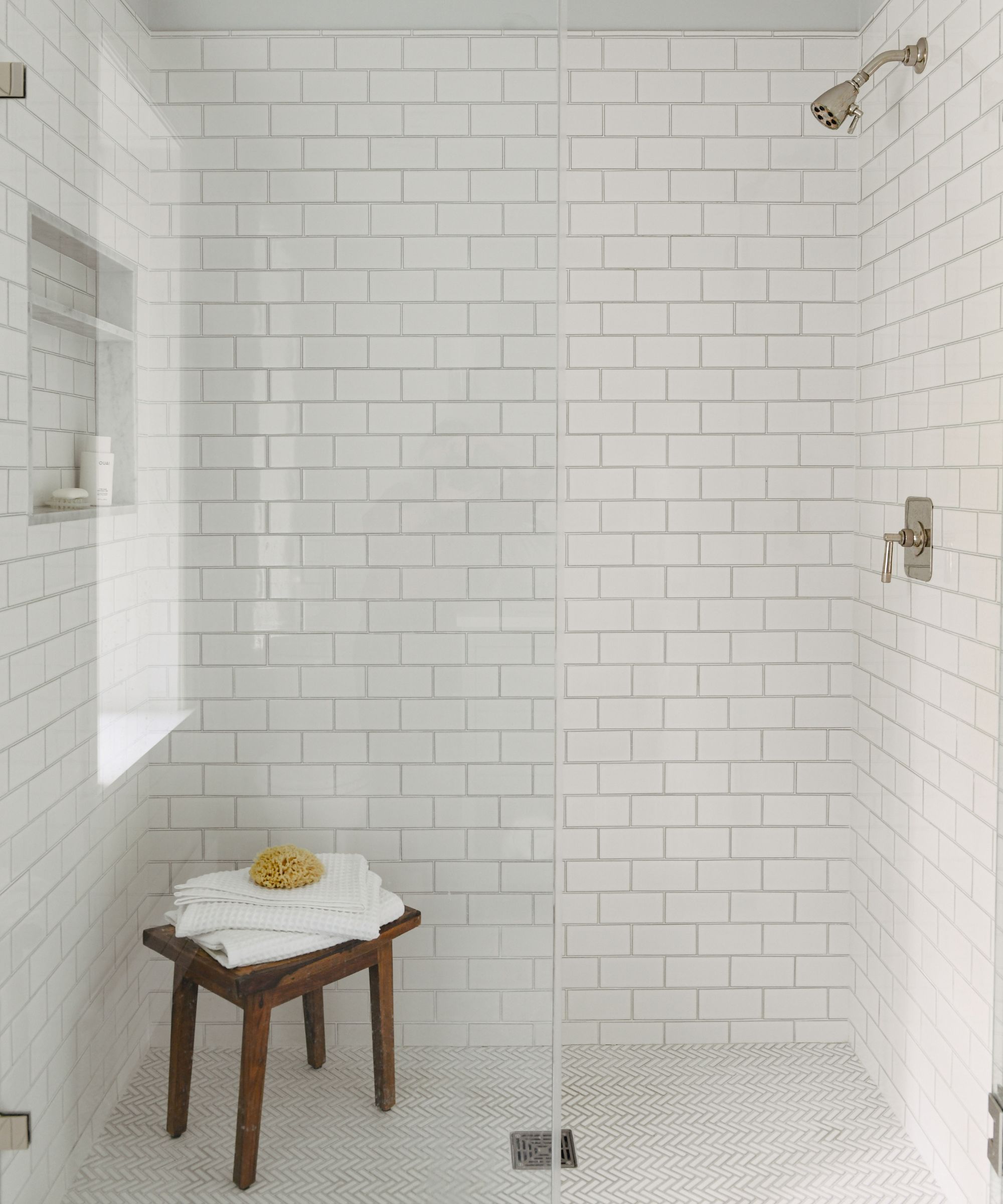
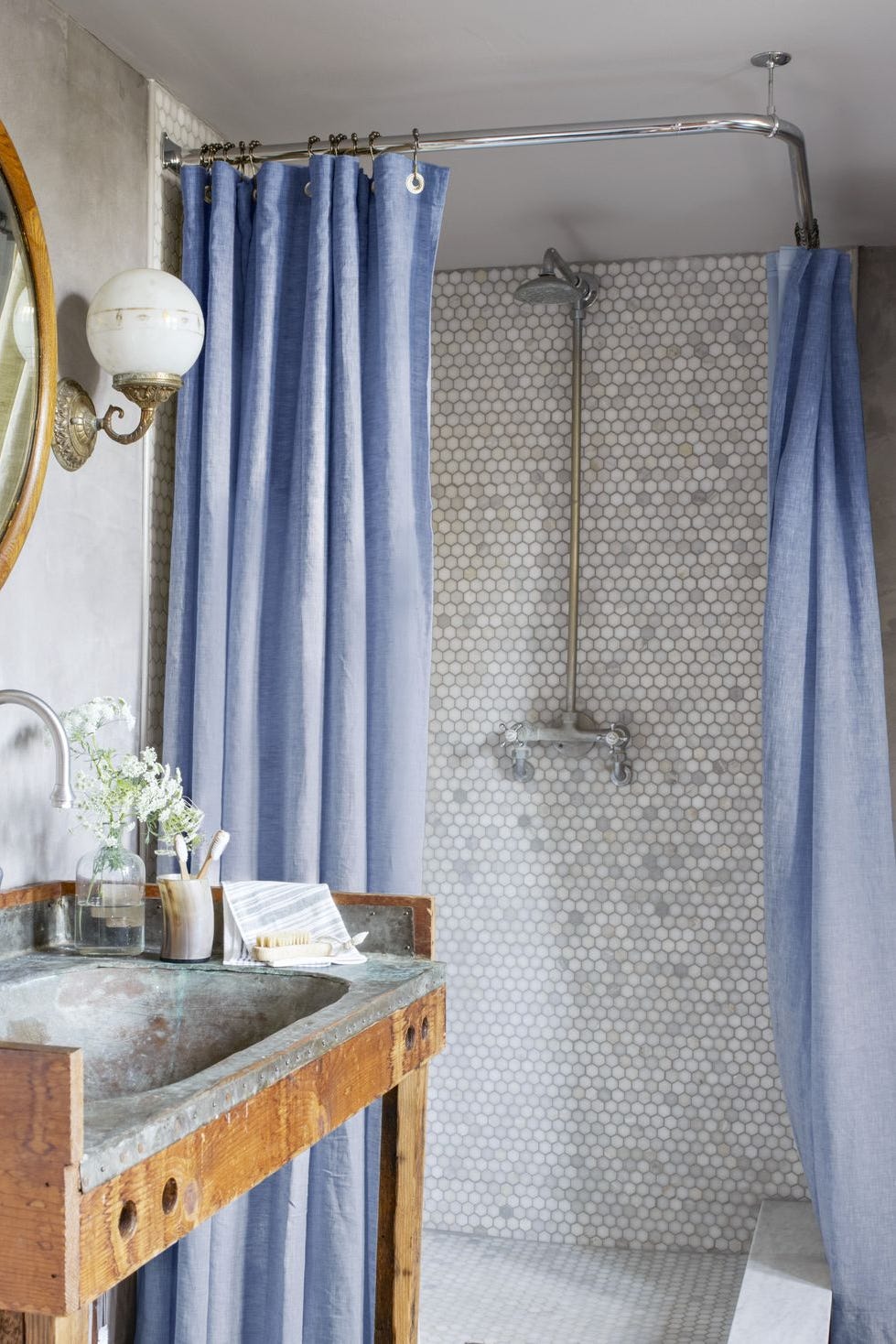
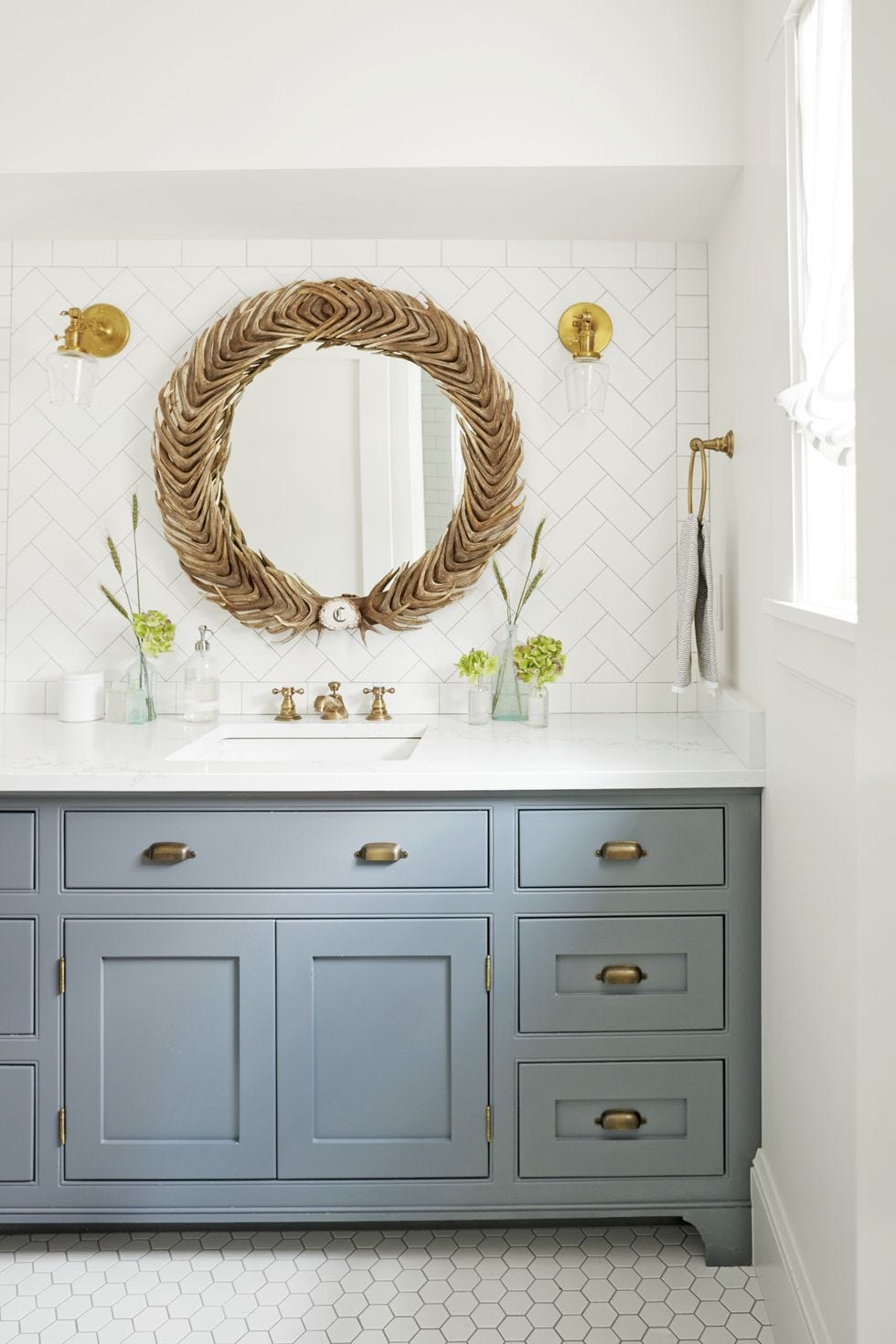
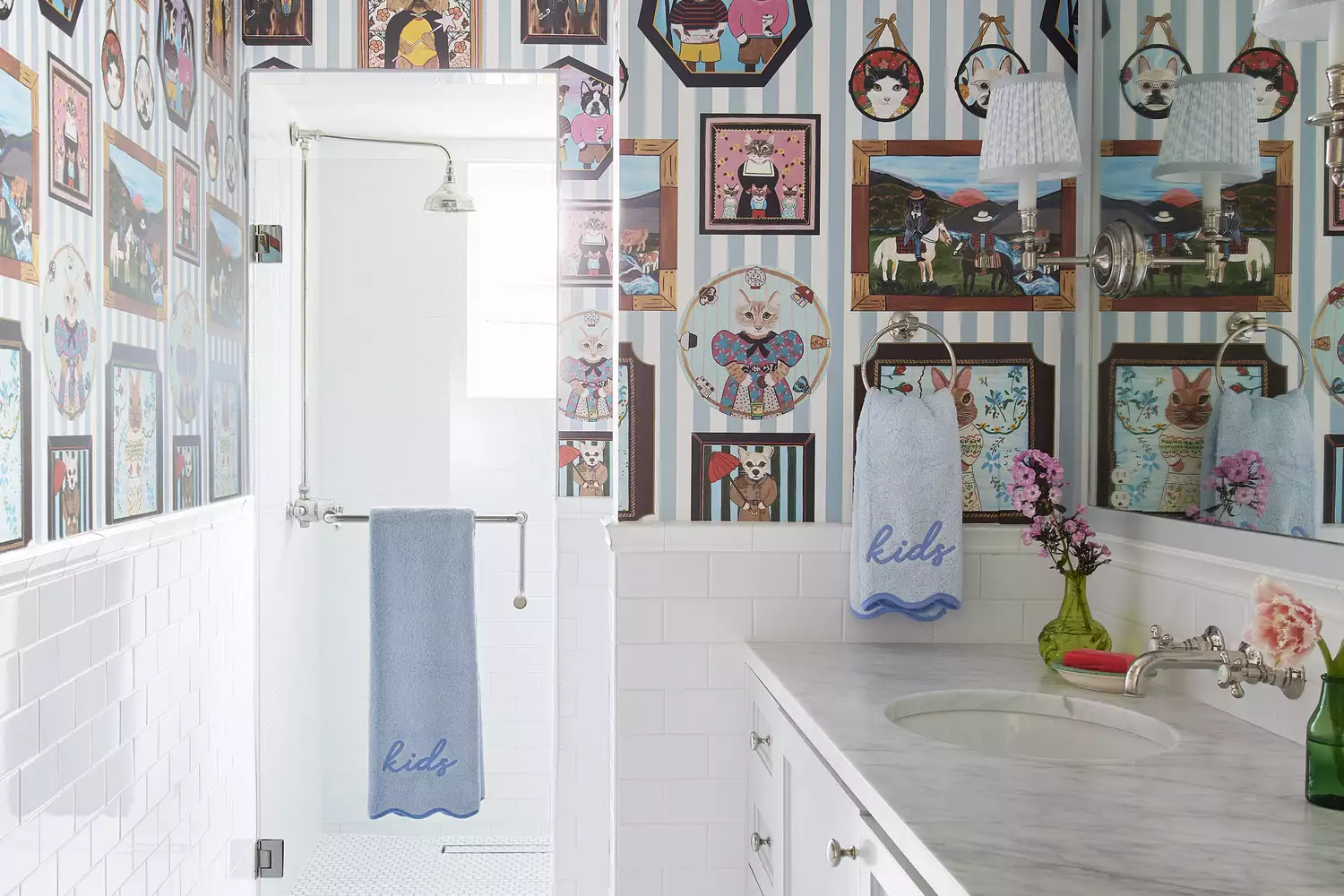
The next step involves choosing a pattern and layout, which is often dictated by the tile shape. Common layouts such as stacked square, diamond-laid square, stacked rectangular (vertical or horizontal), herringbone rectangular, penny tile, and various mosaic patterns are available. Funk advises making a final decision on the layout before selecting the physical tiles. For accent elements, she suggests incorporating whimsical touches through wallpaper, other accents, cabinet colors, or window treatments, as these are more easily updated than tile. This approach allows for creative expression without the long-term commitment associated with tile.
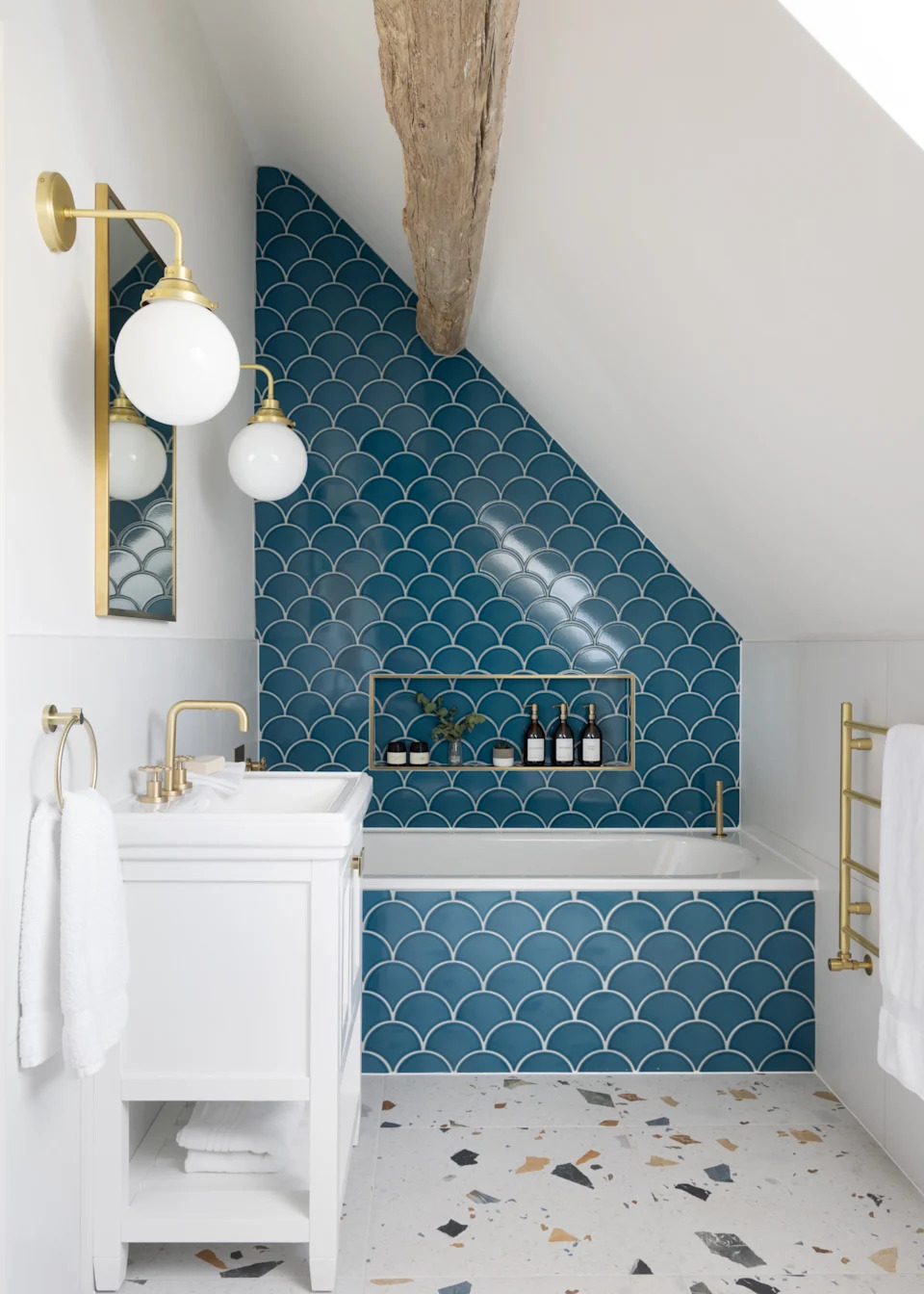
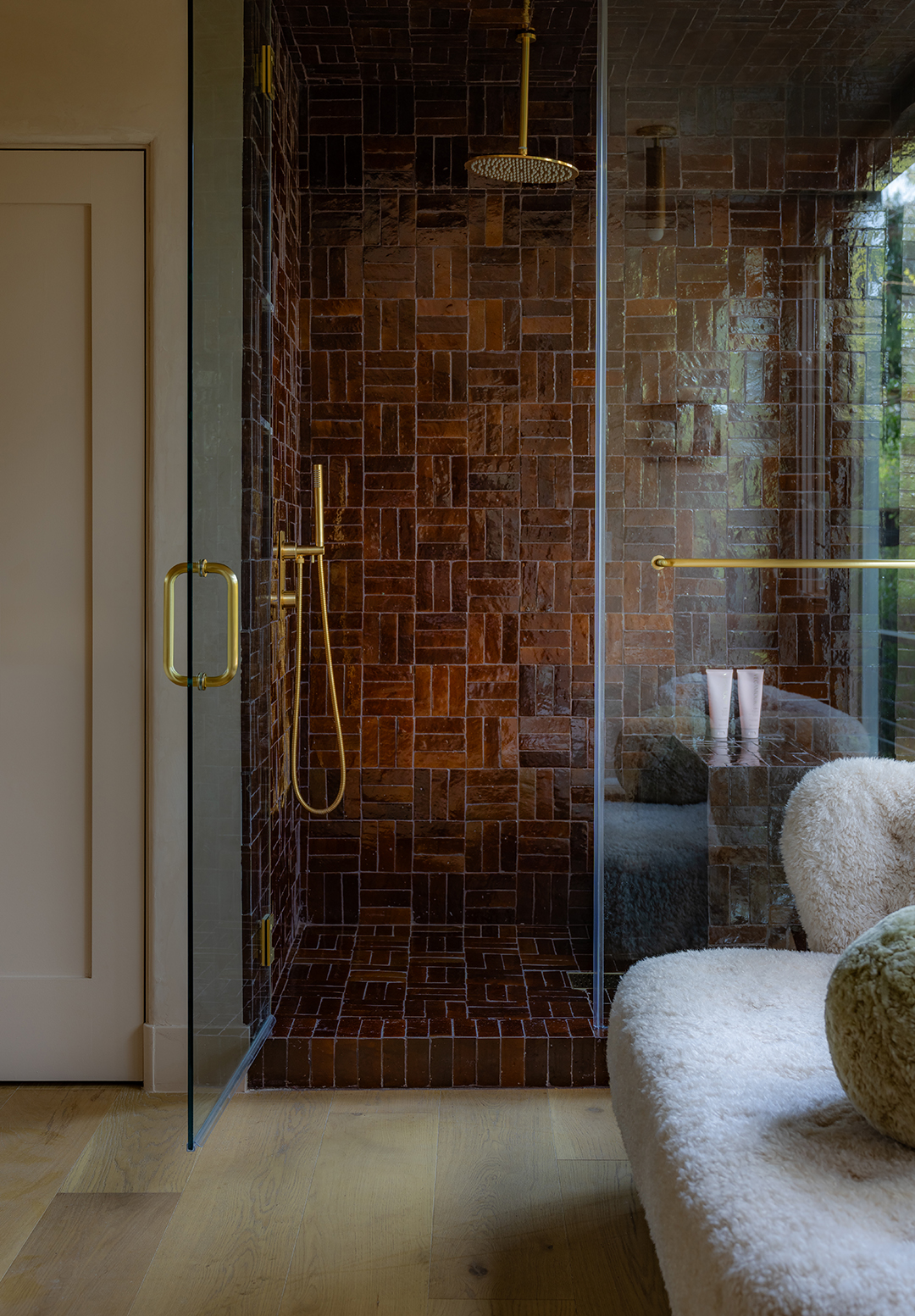
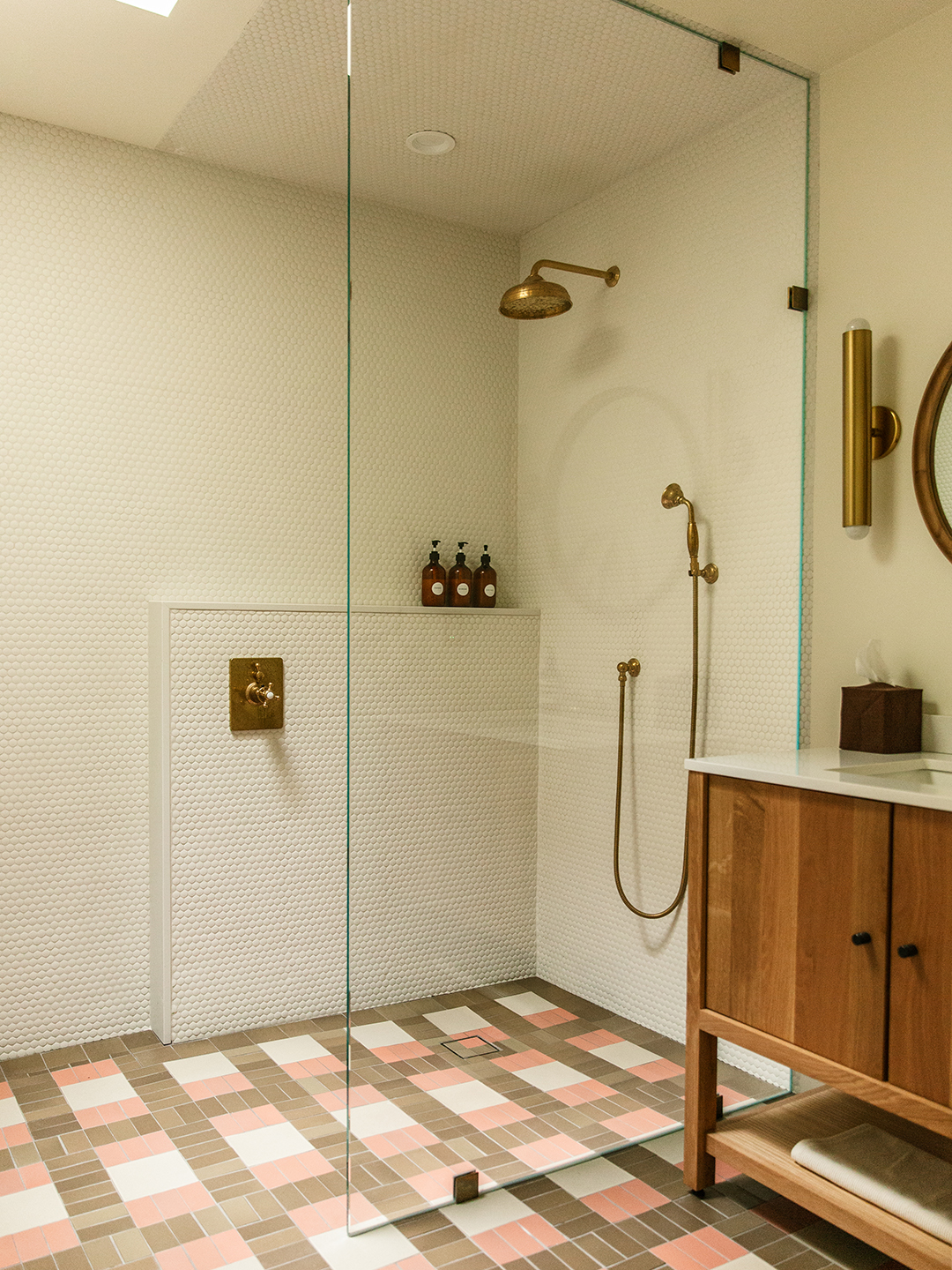
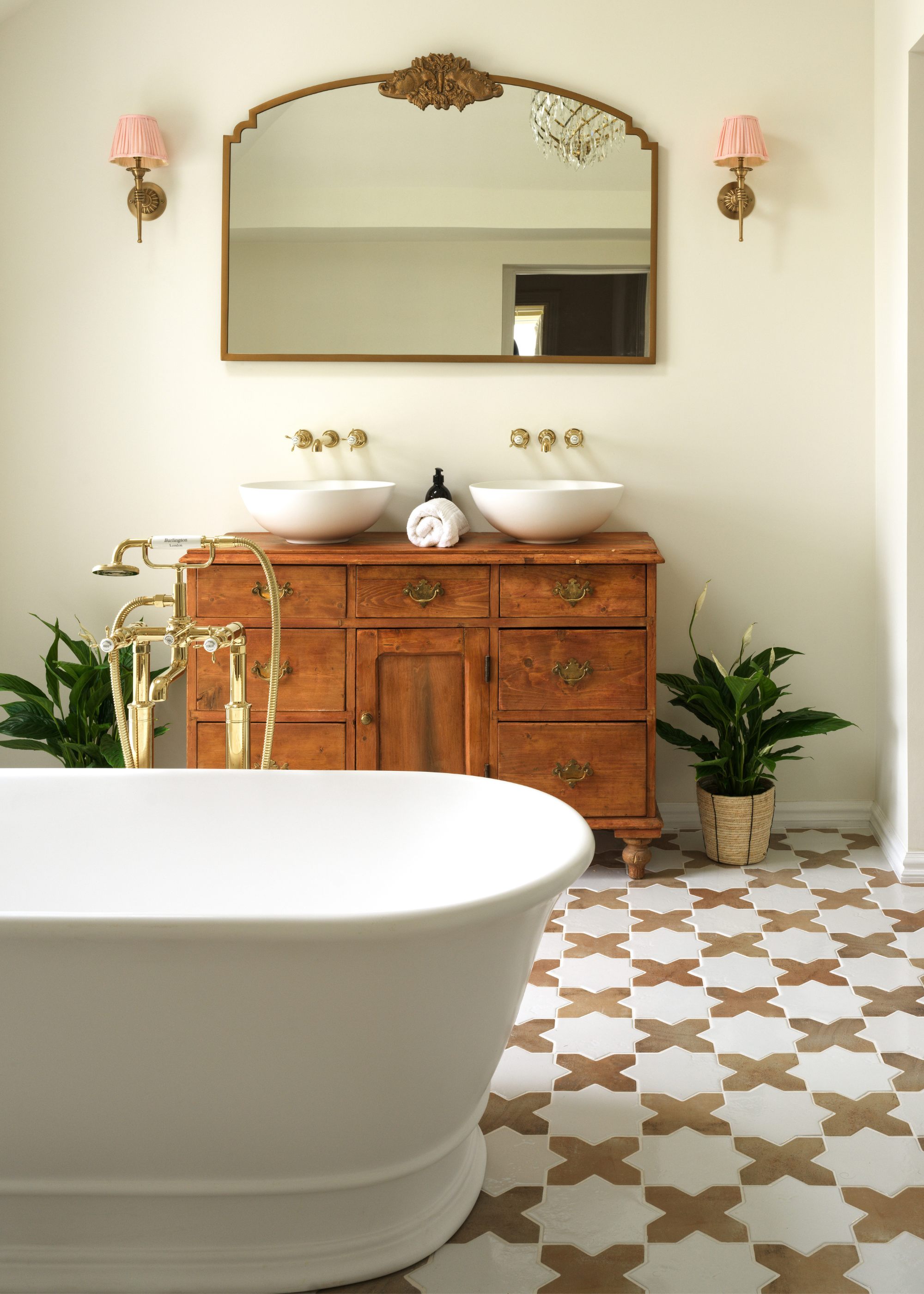
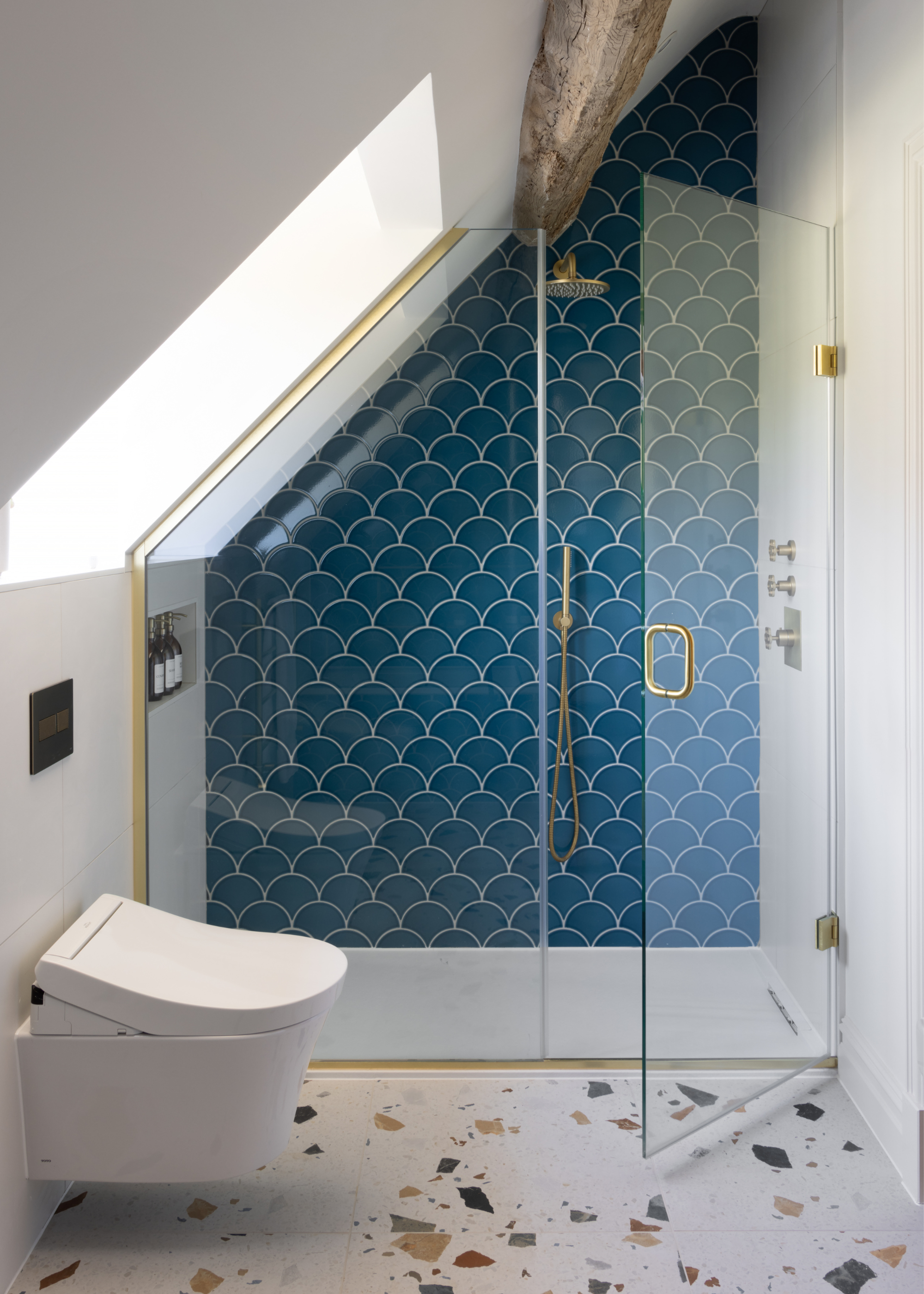
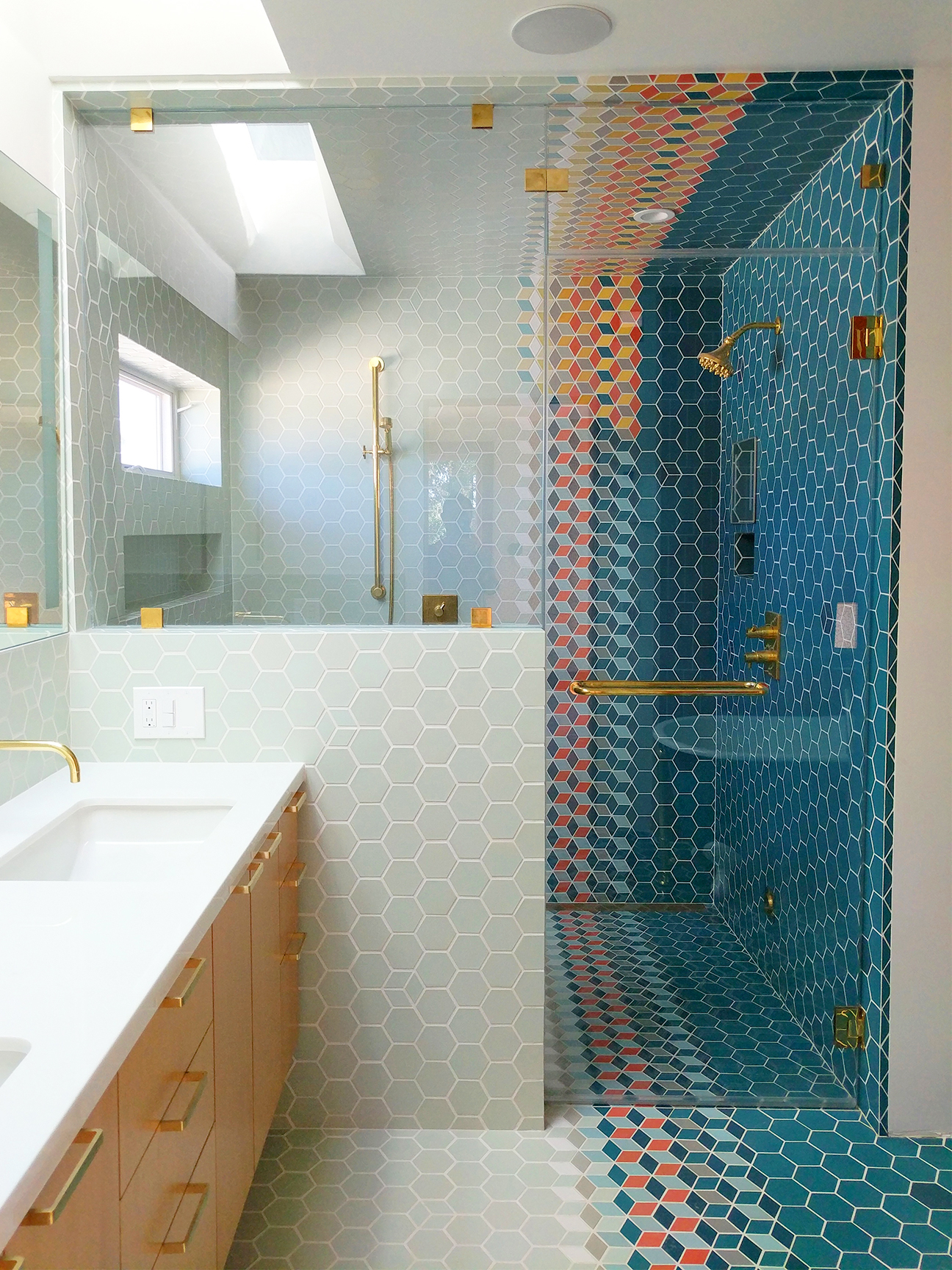
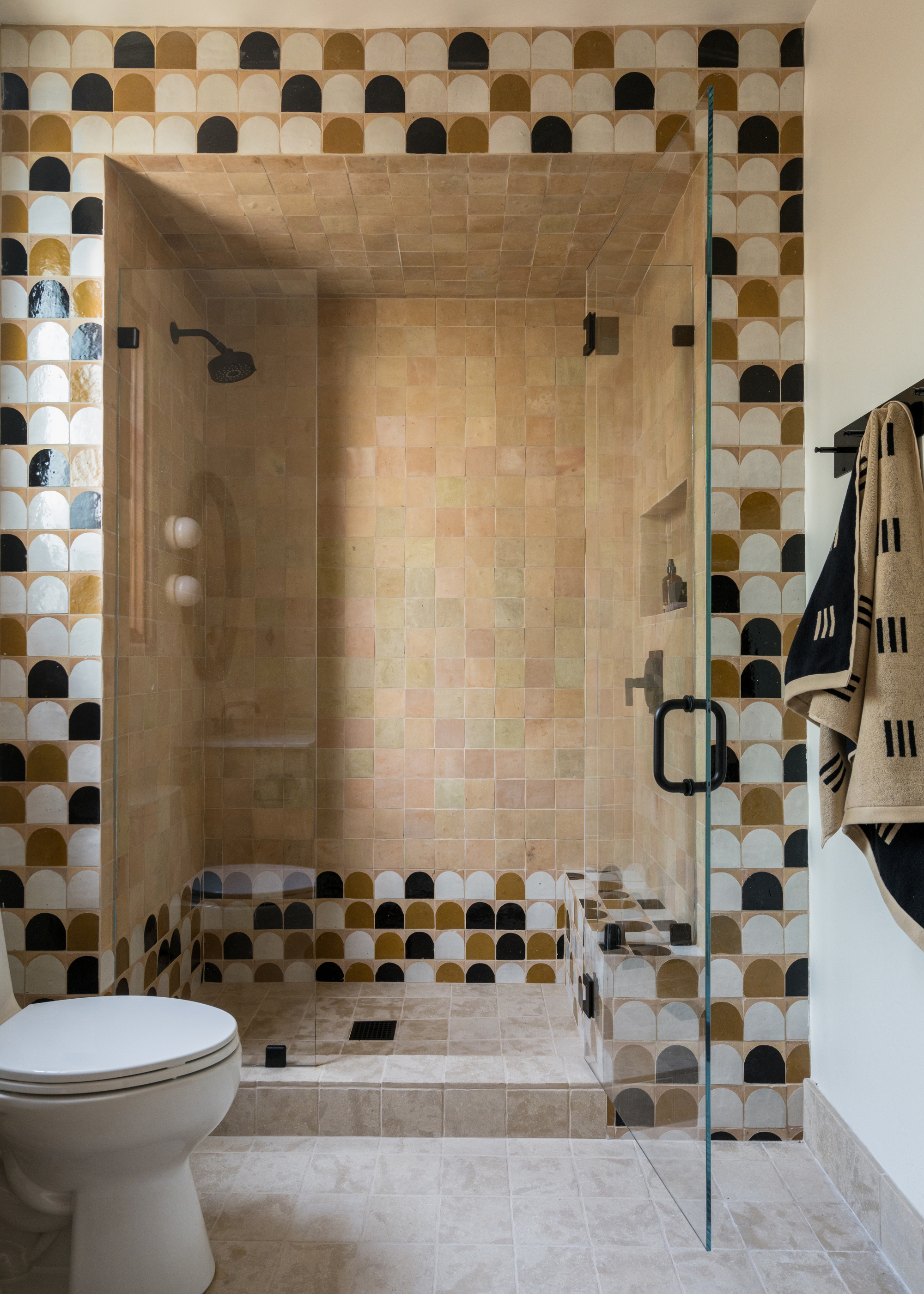
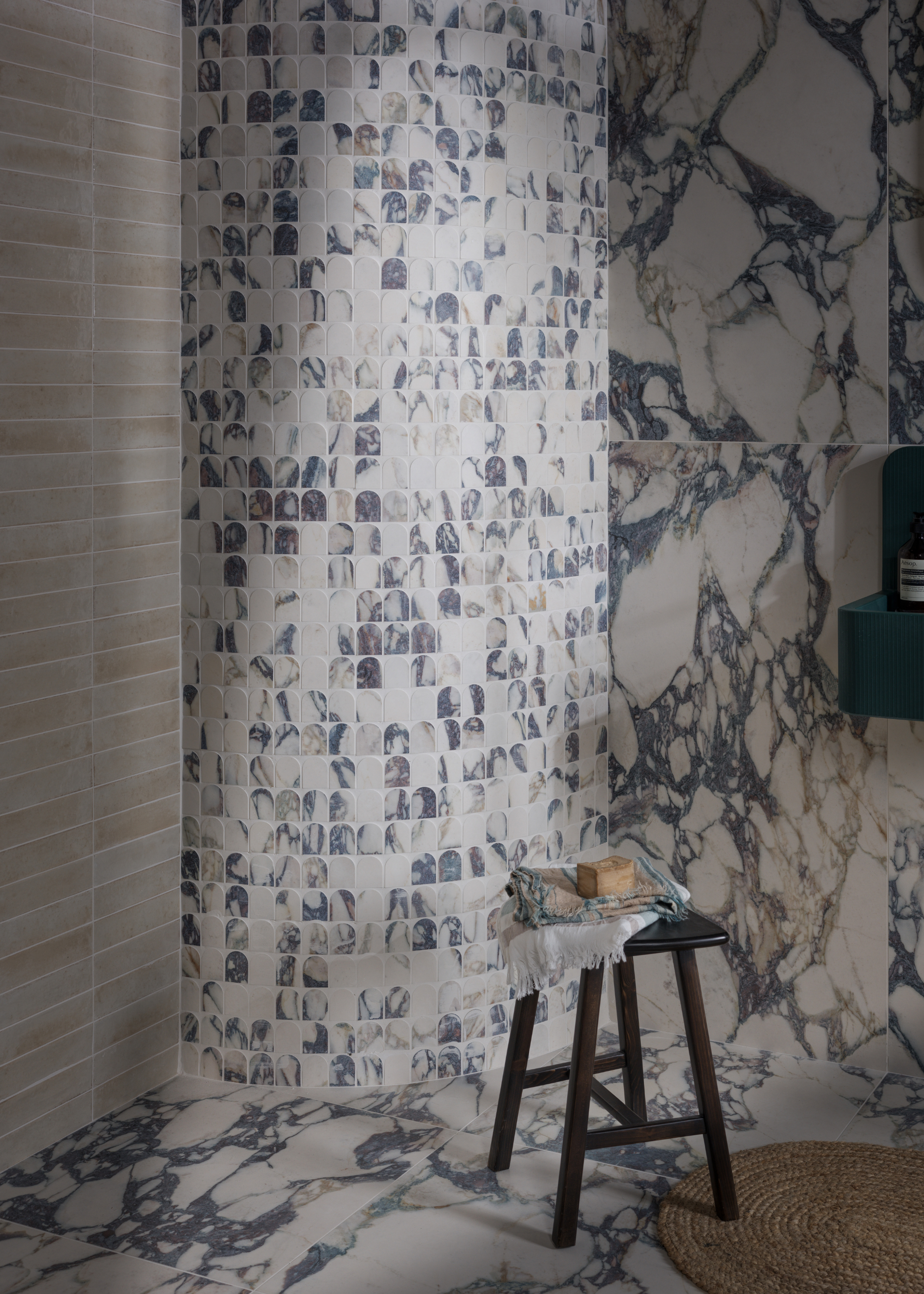
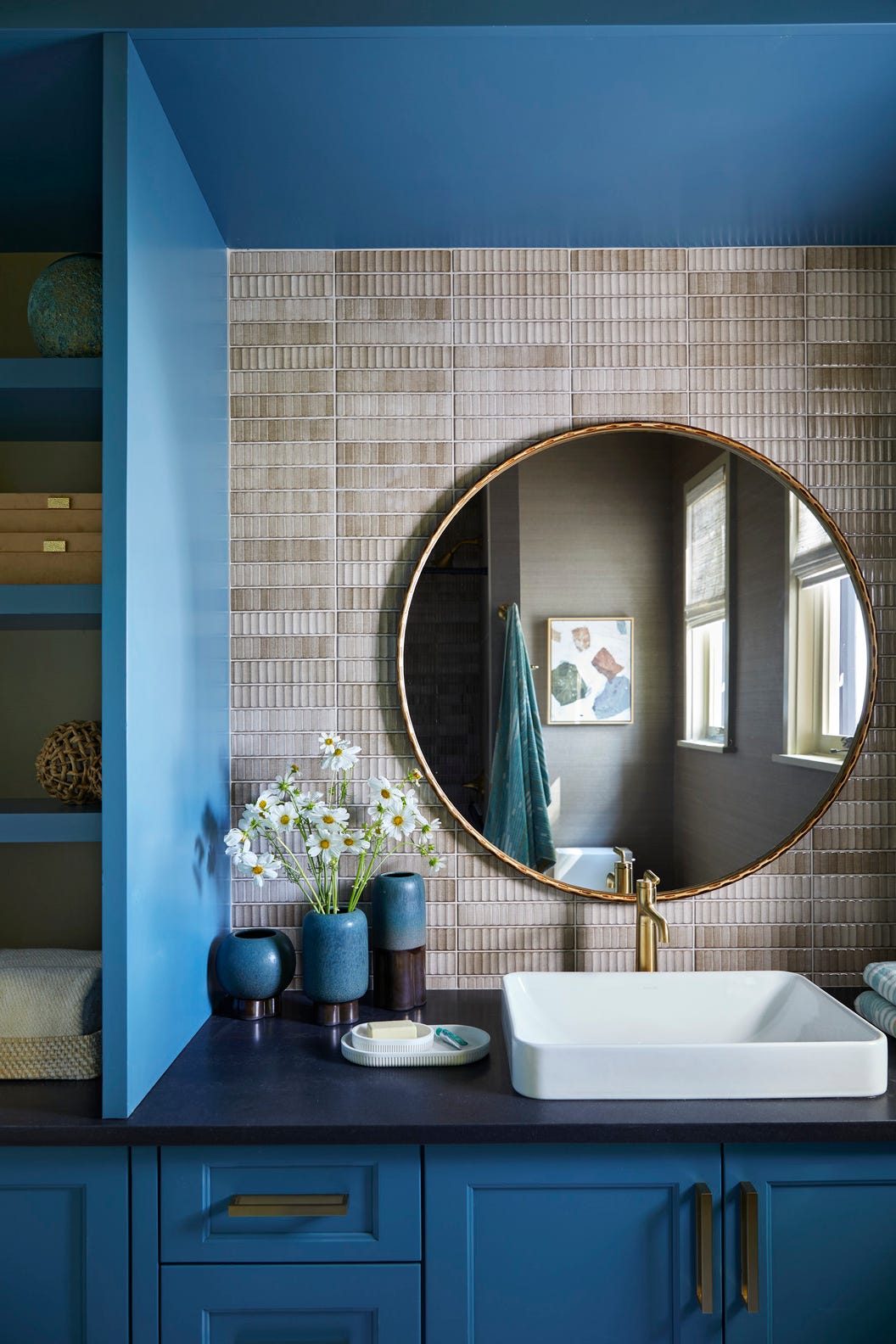
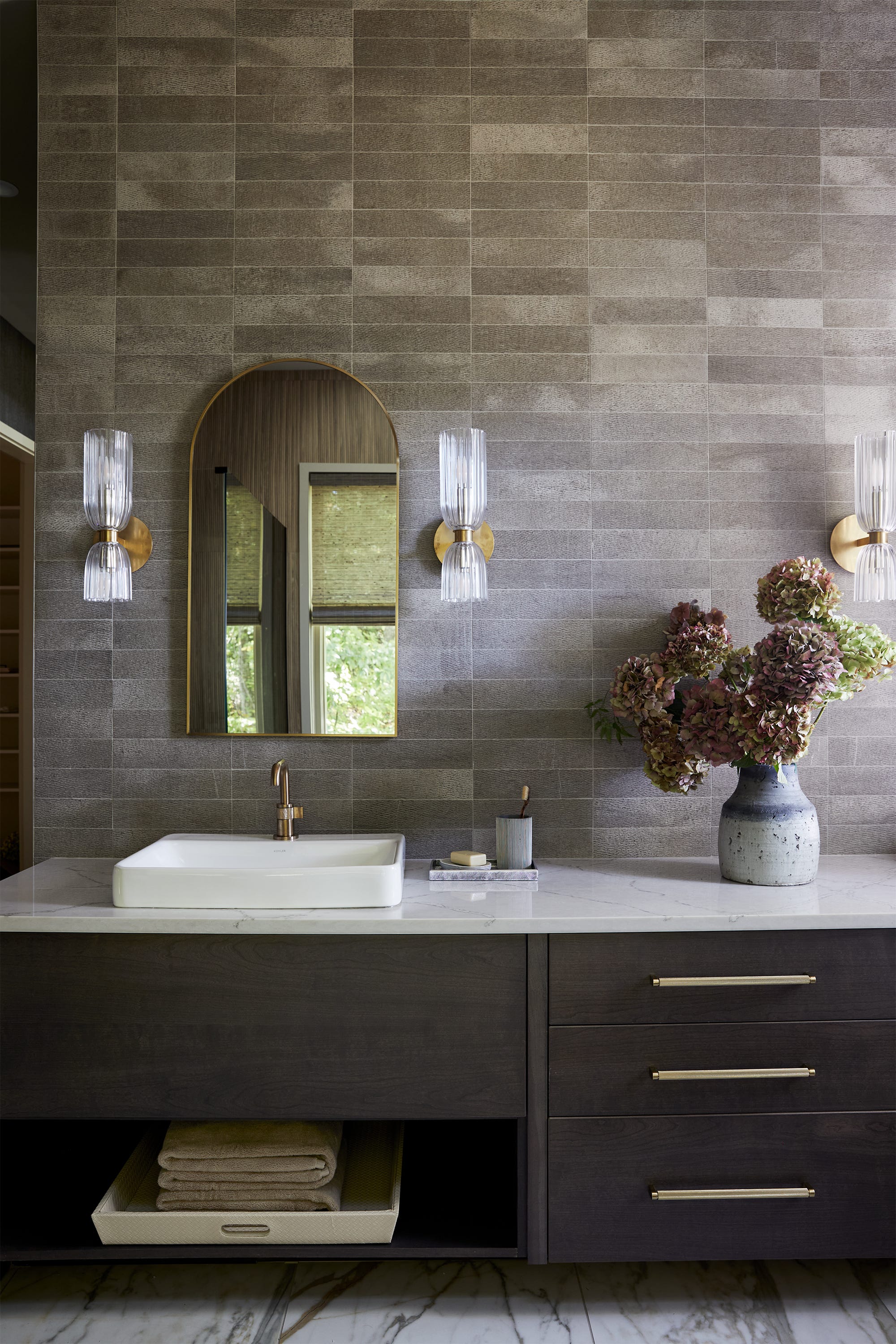
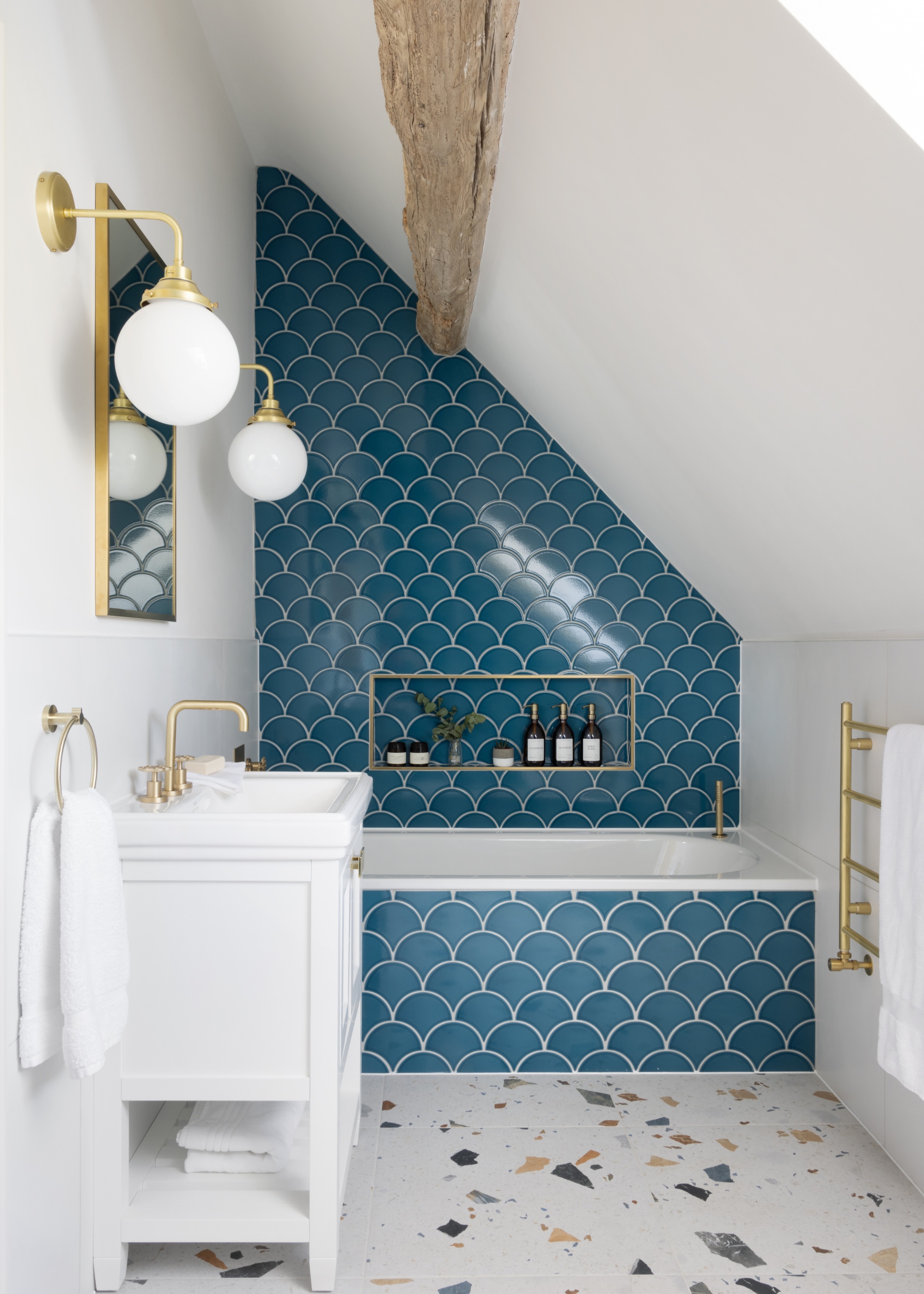
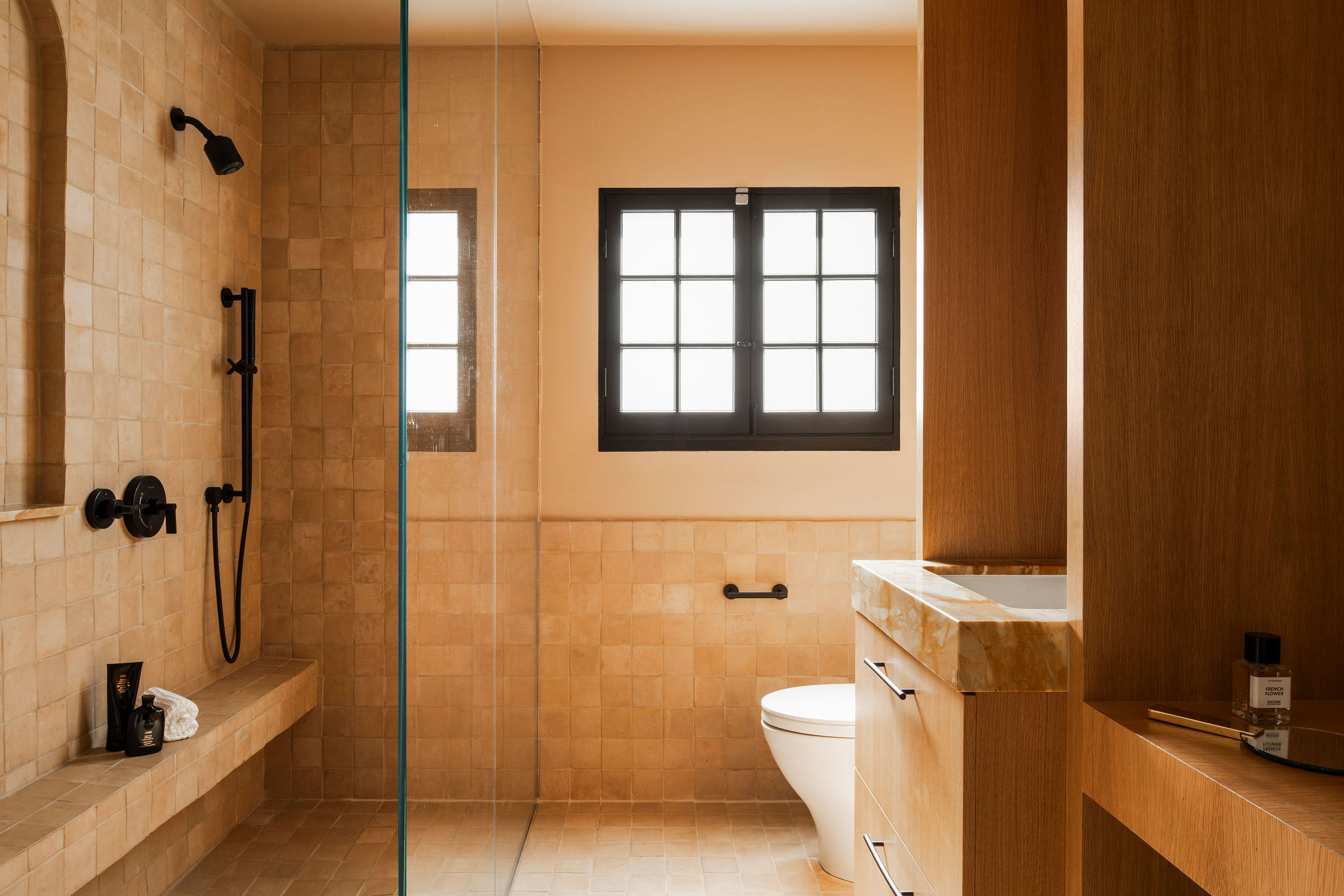
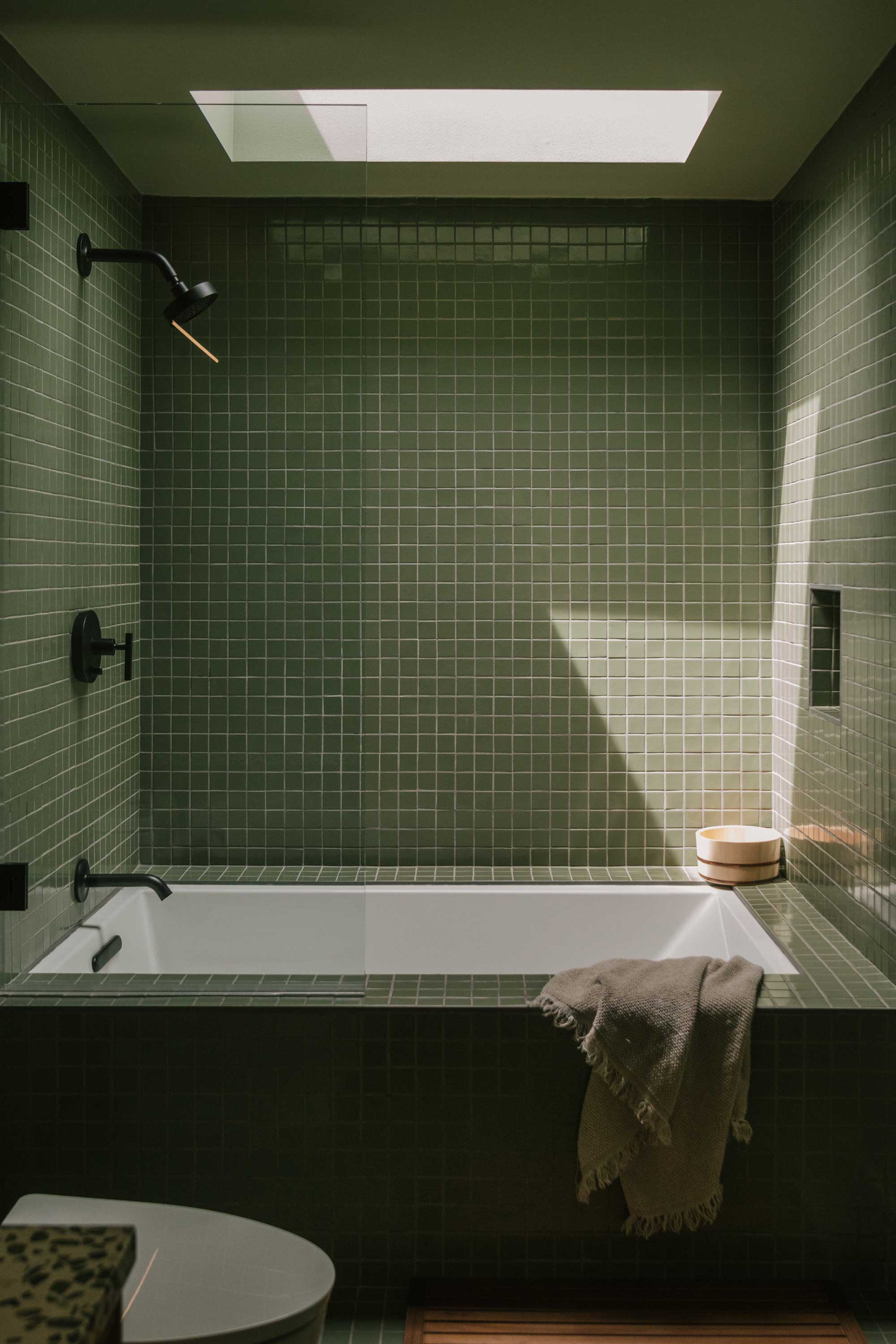
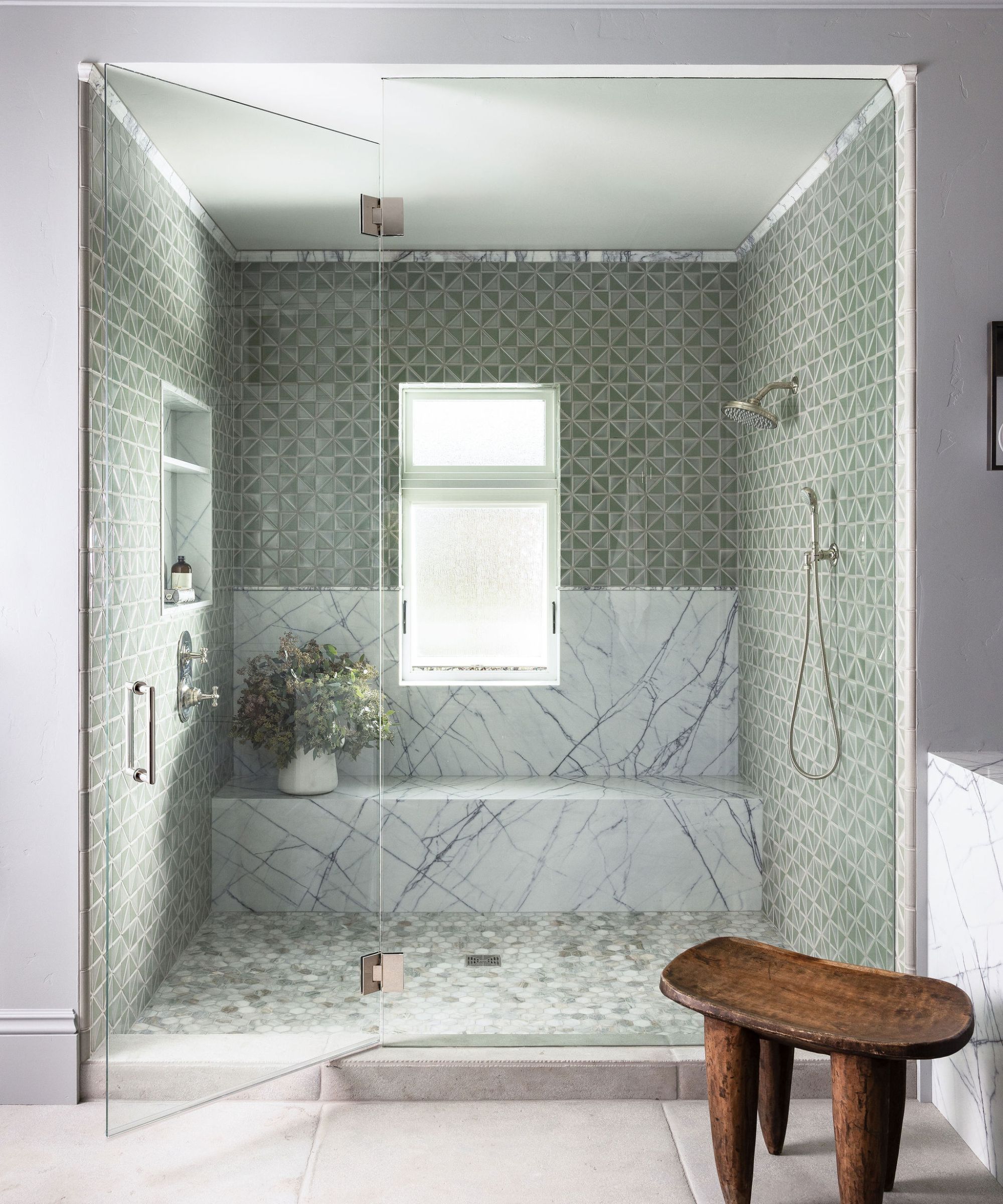
Regarding tile size, Funk emphasizes flexibility, noting that strict guidelines are not necessary. She finds that small penny or mosaic tiles can work effectively in large spaces, especially when extended into seamless showers. Conversely, oversized stone tiles with tight grout lines can create the illusion of stone slabs in smaller bathrooms. While matching tiles were once popular, contemporary design often favors a mix of tile shapes, colors, and textures. When blending multiple types of tiles, it is crucial to vary the scale, material, and/or layout to prevent them from competing, while a consistent color palette can tie them together.
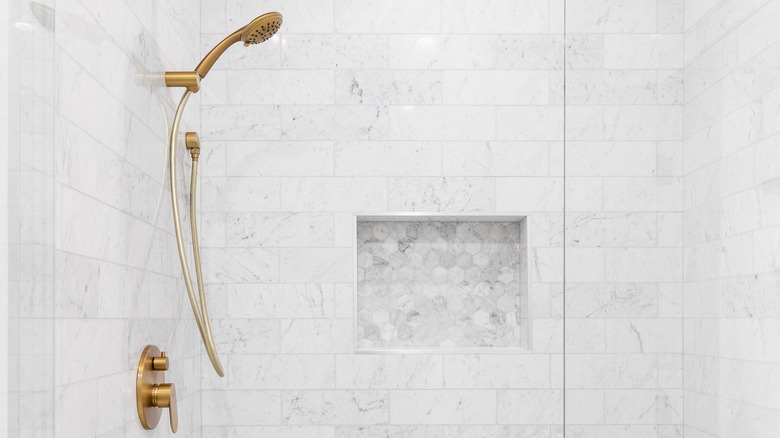
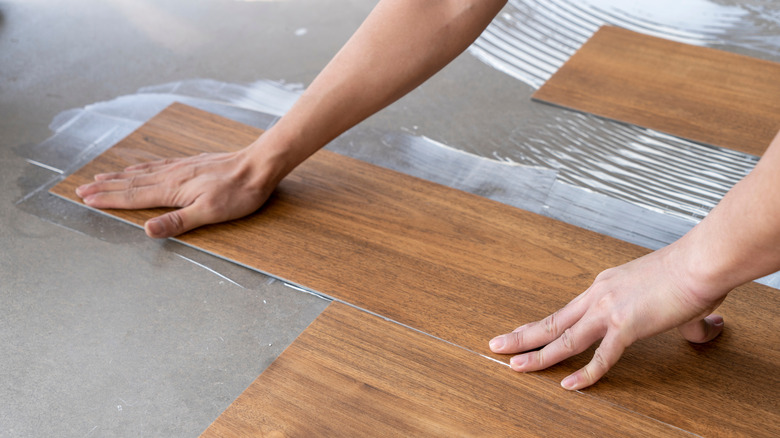
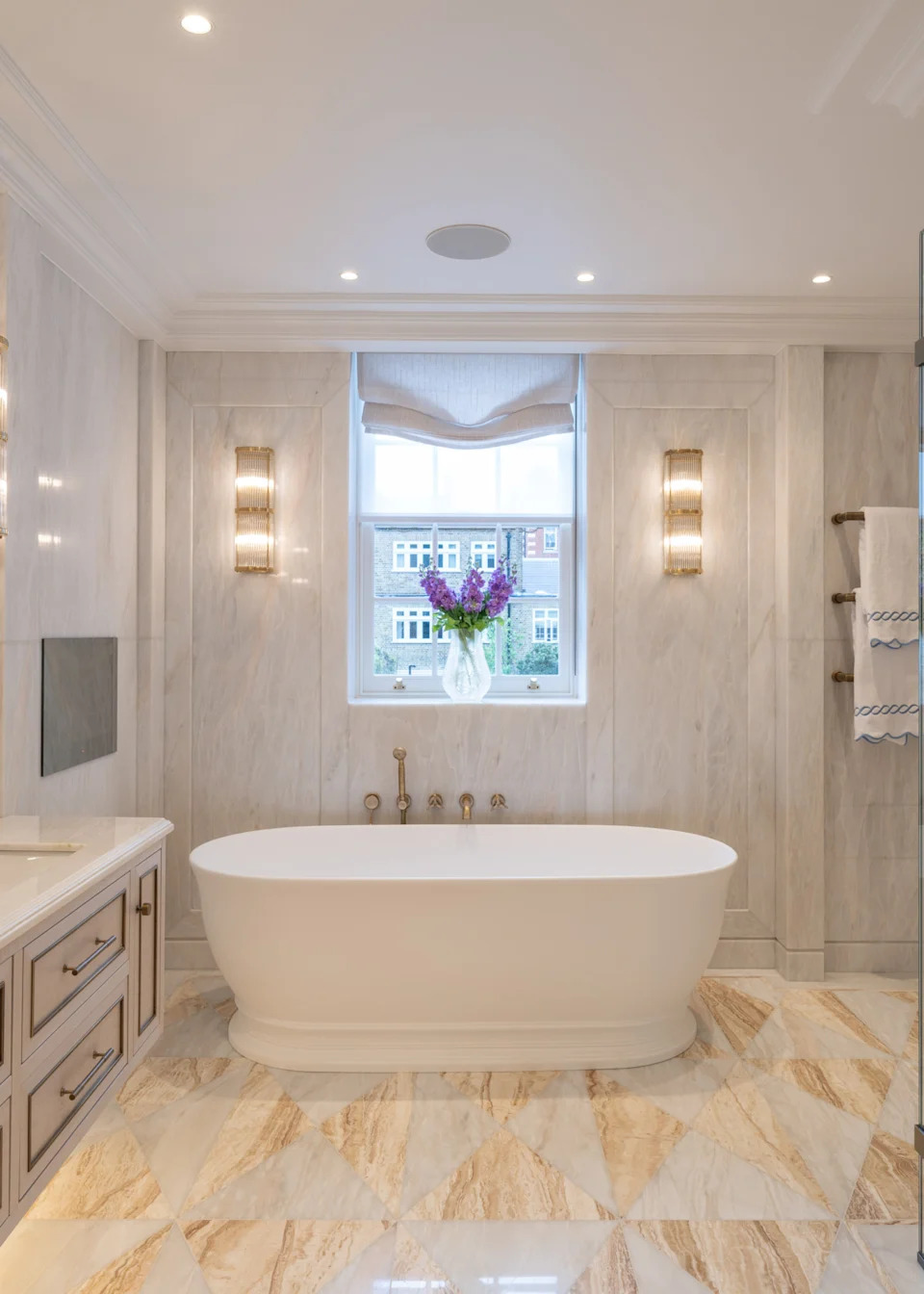
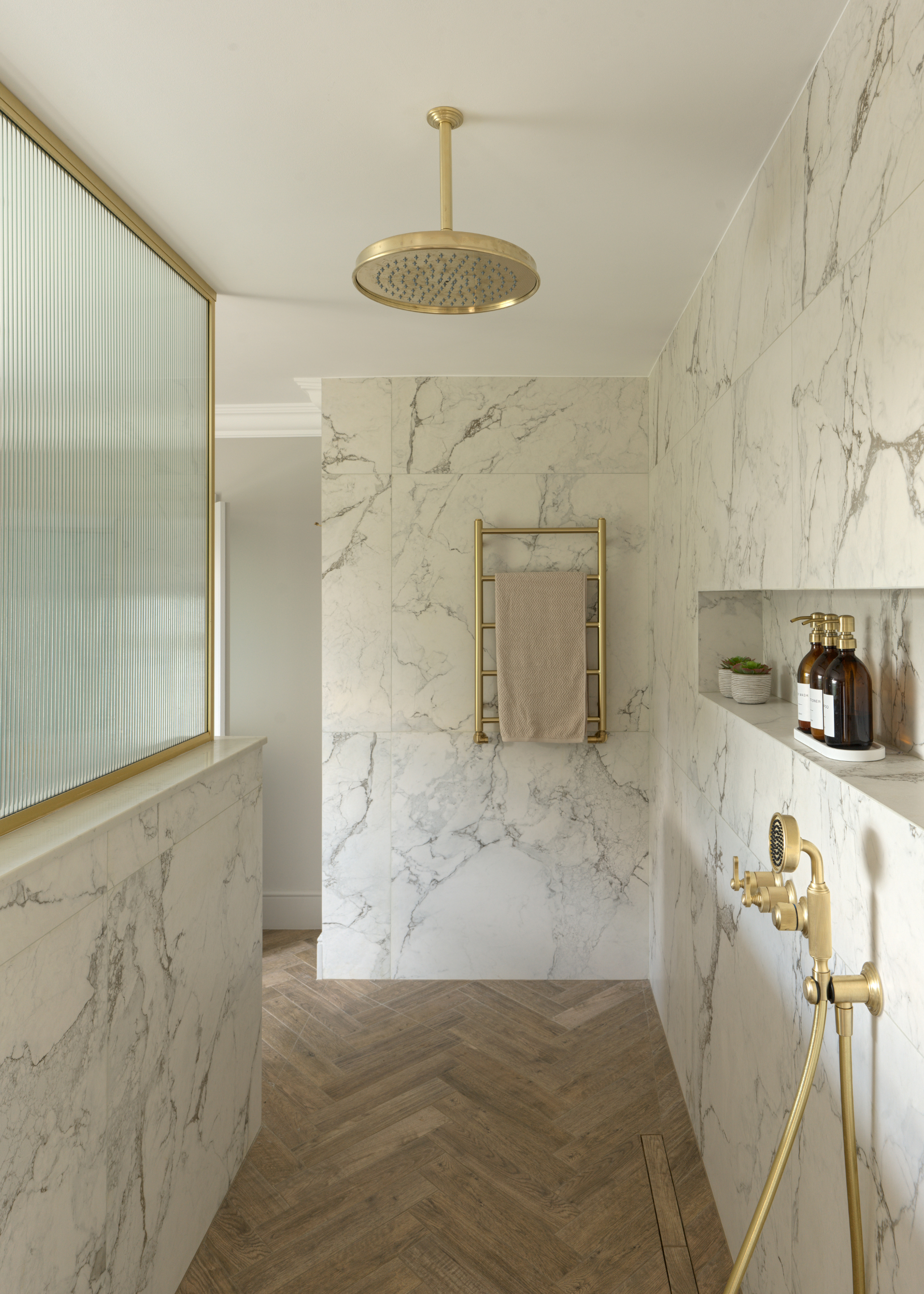
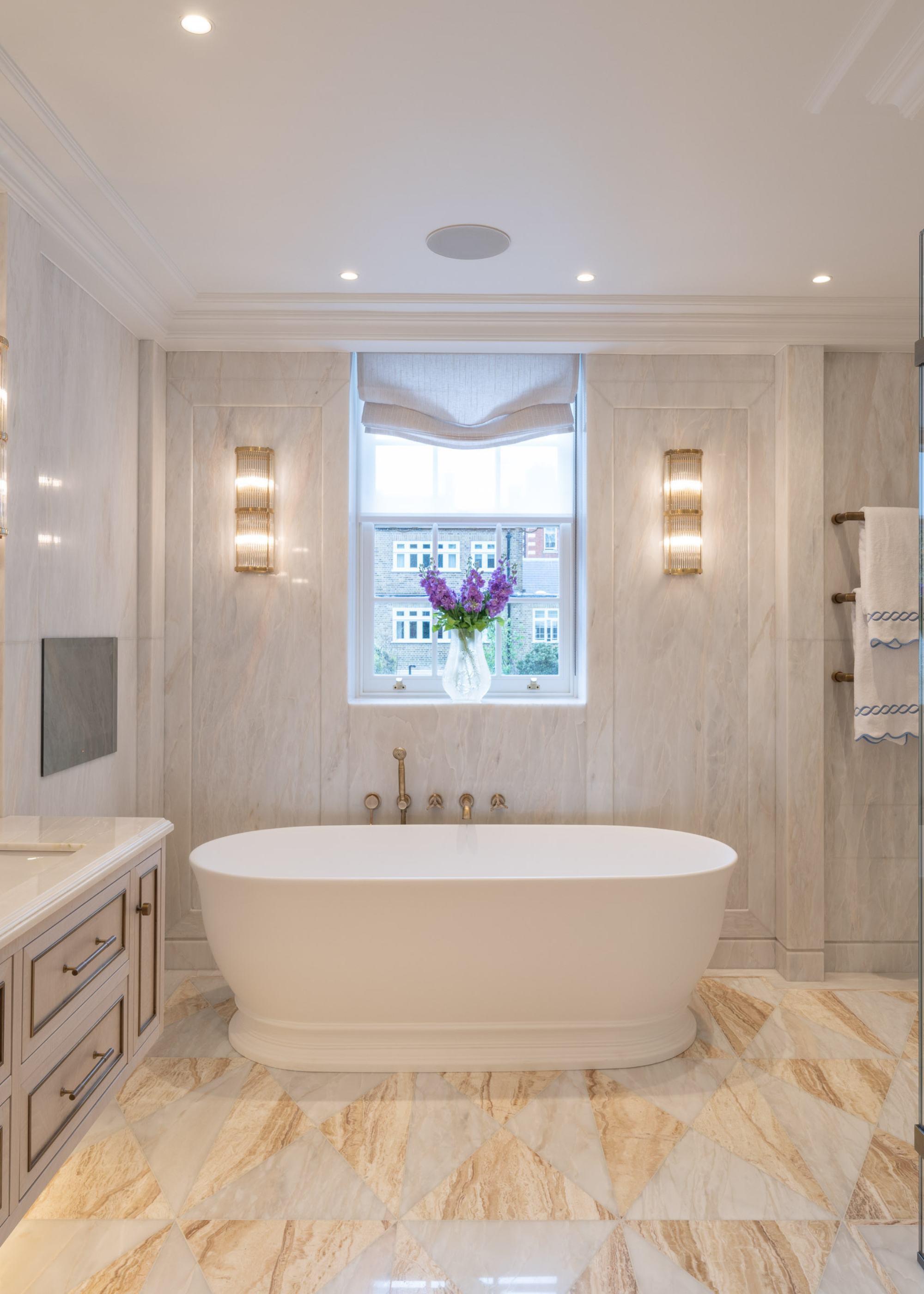
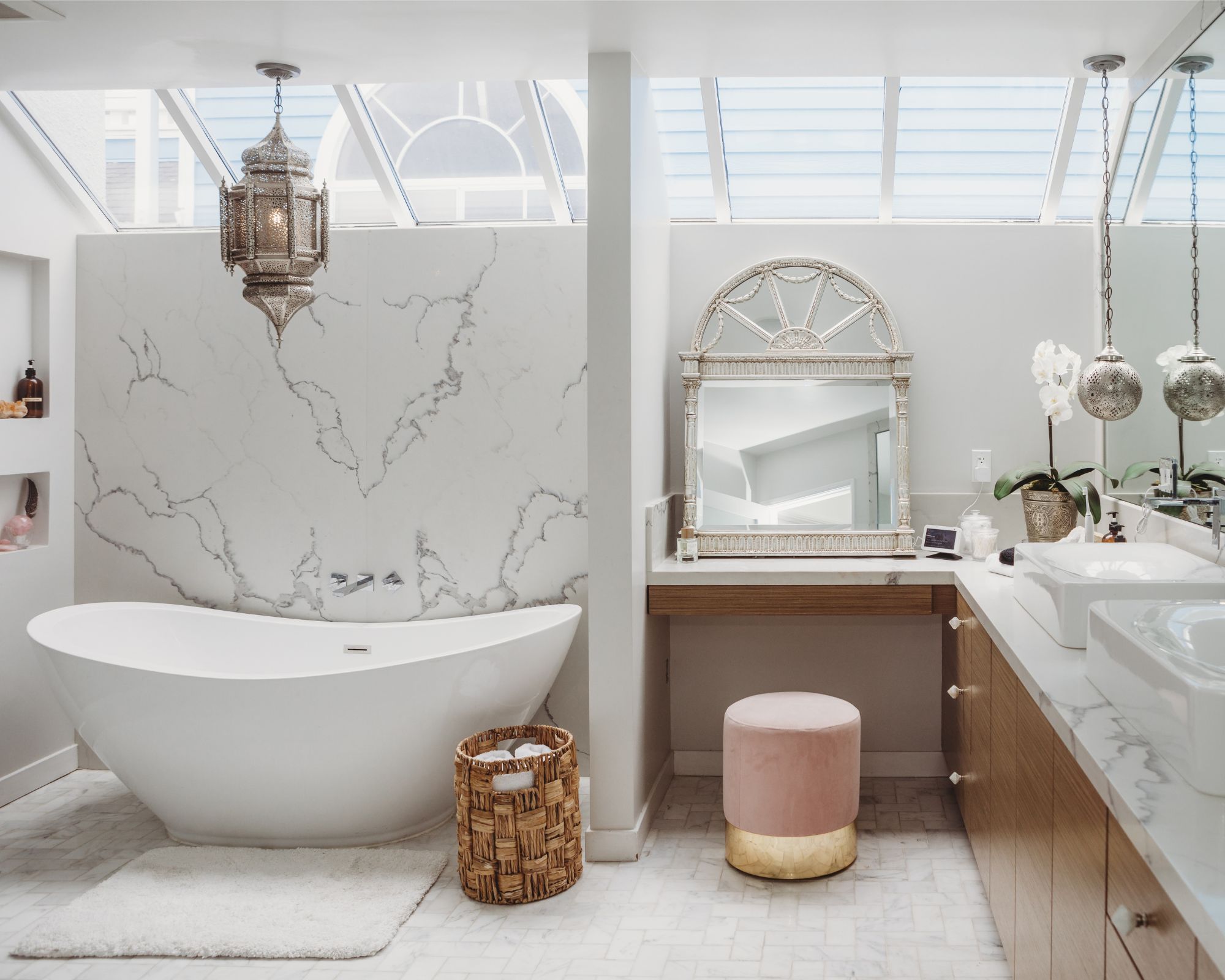
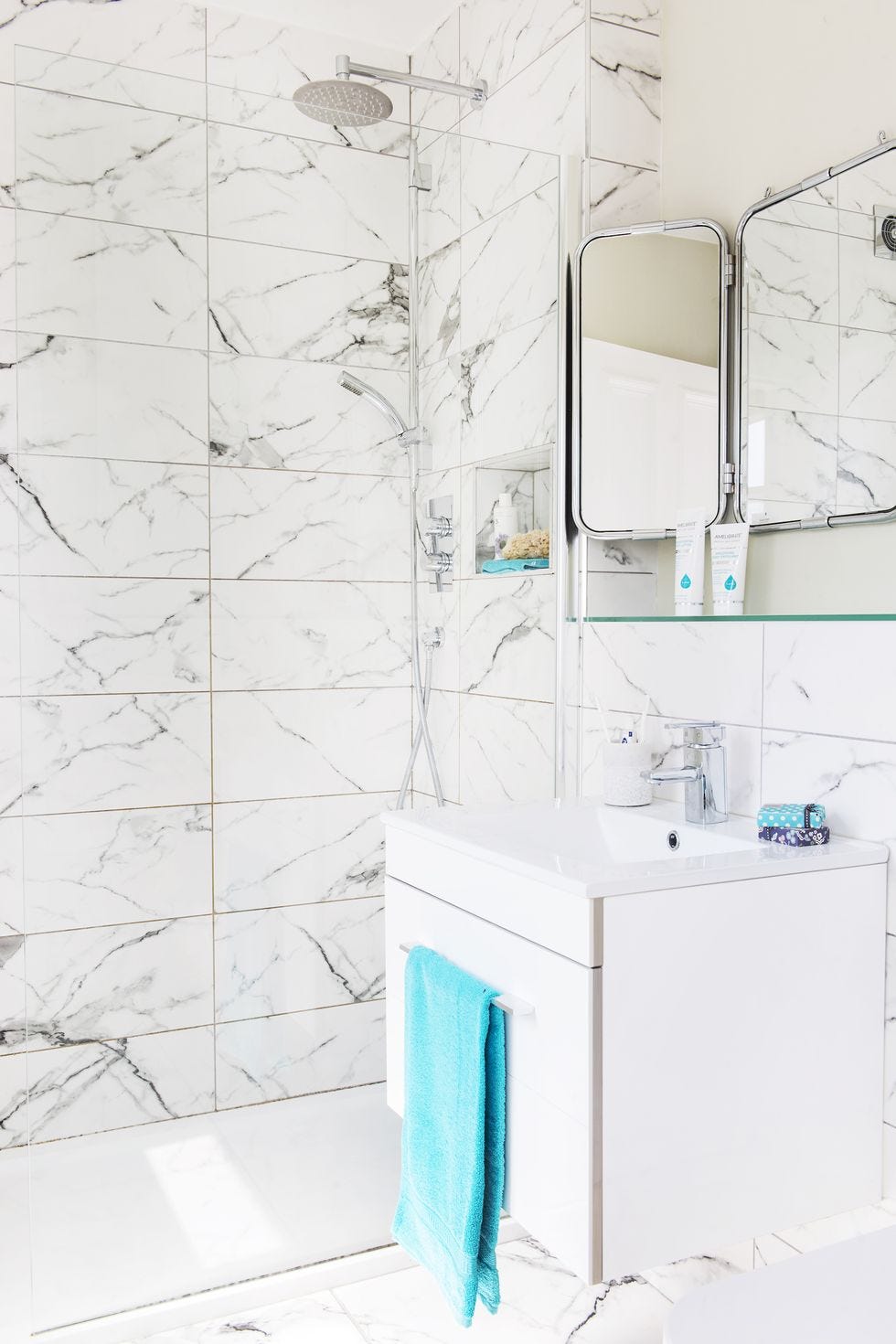
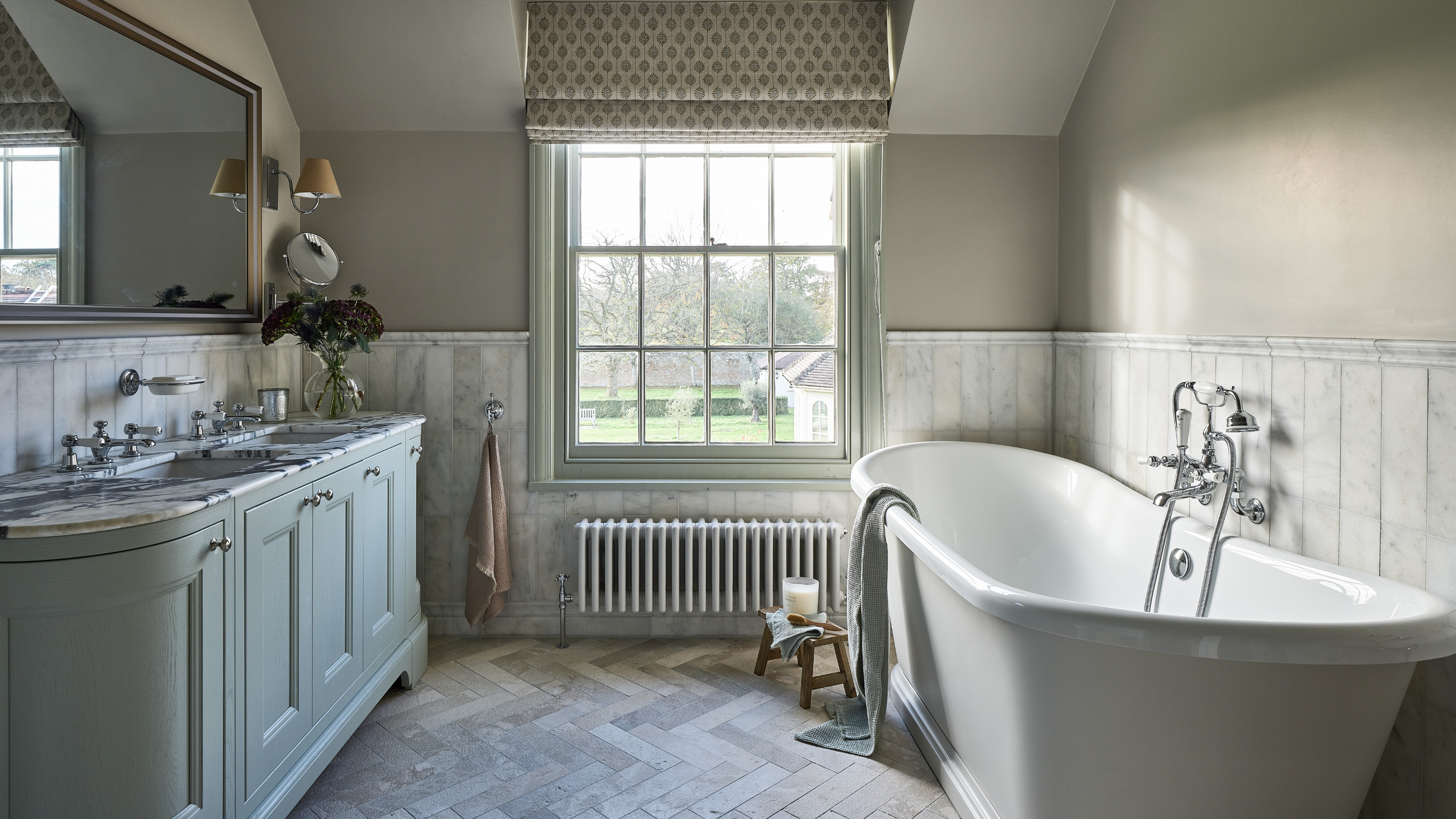
Material selection is another critical aspect, often overlooked in favor of color or pattern, yet it significantly impacts the bathroom's overall look and feel. Common tile materials include ceramic, known for its versatility, ease of cleaning, and classic appeal; porcelain, which is highly durable, moisture-resistant, and can mimic natural stone or wood; glass, offering brightness and a modern aesthetic; and natural stone (marble, granite, travertine), providing a luxurious appearance with unique veining and textures. Funk highlights the importance of distinguishing between floor-grade and wall-grade tiles and consulting with tile sellers to ensure appropriate usage. She also suggests using large format rectangular tiles with a high sheen on shower and vanity walls to maximize light reflection.
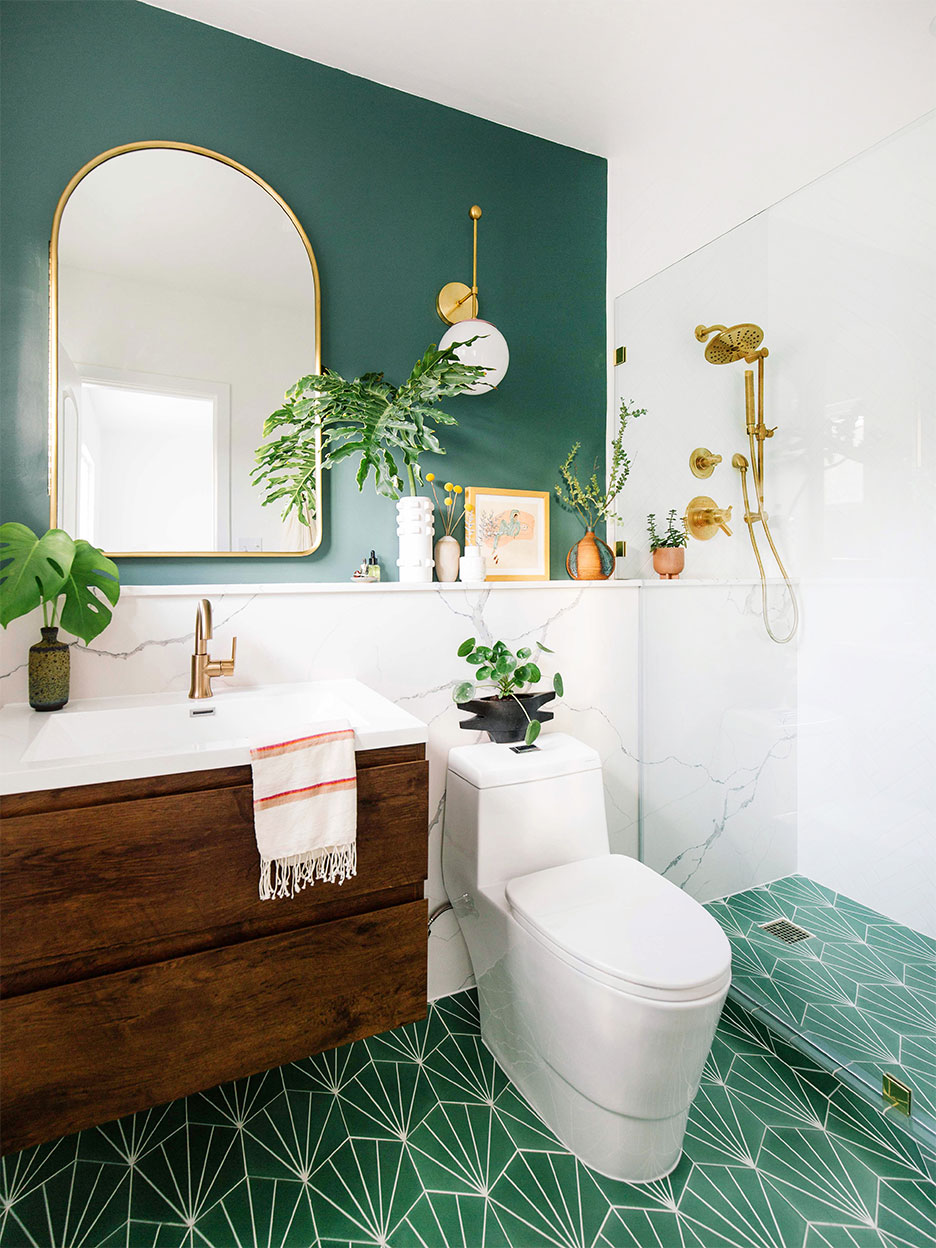
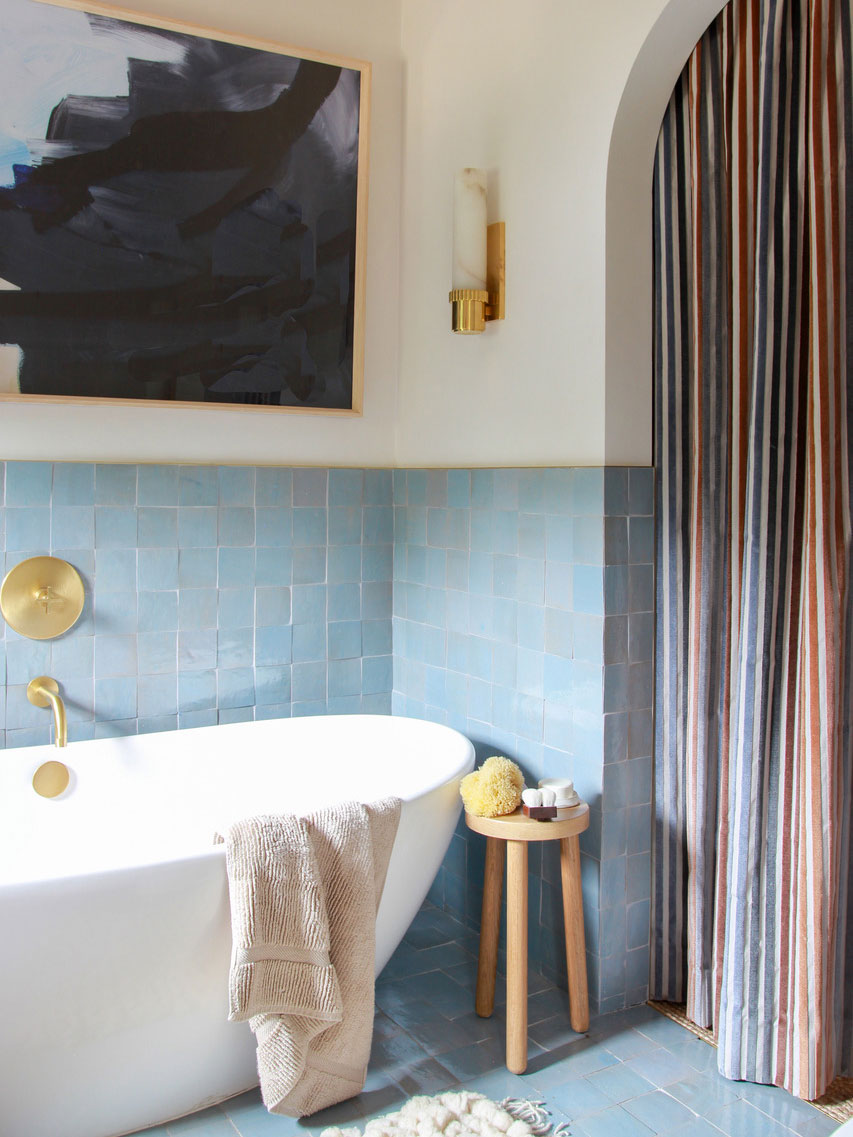
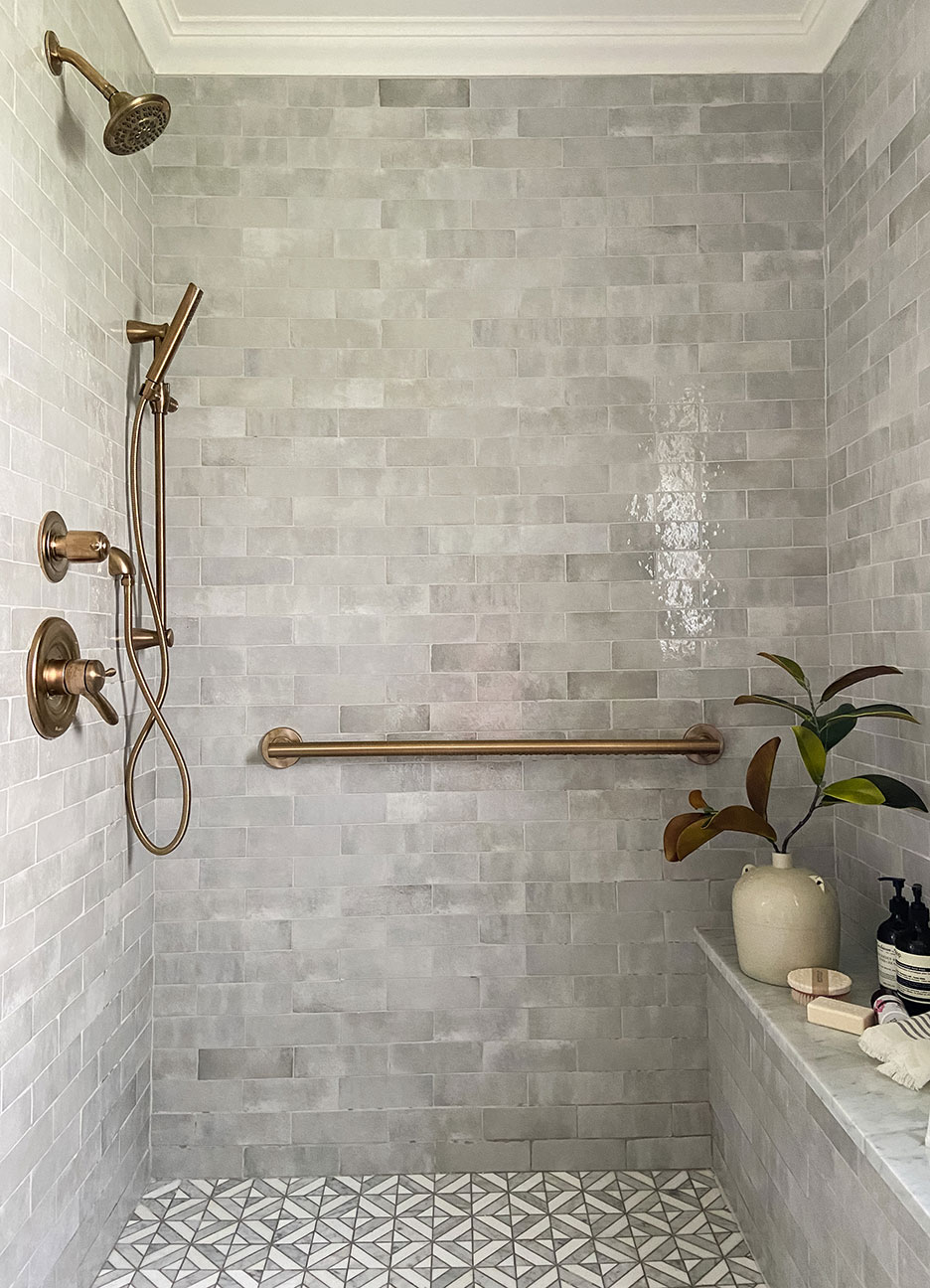
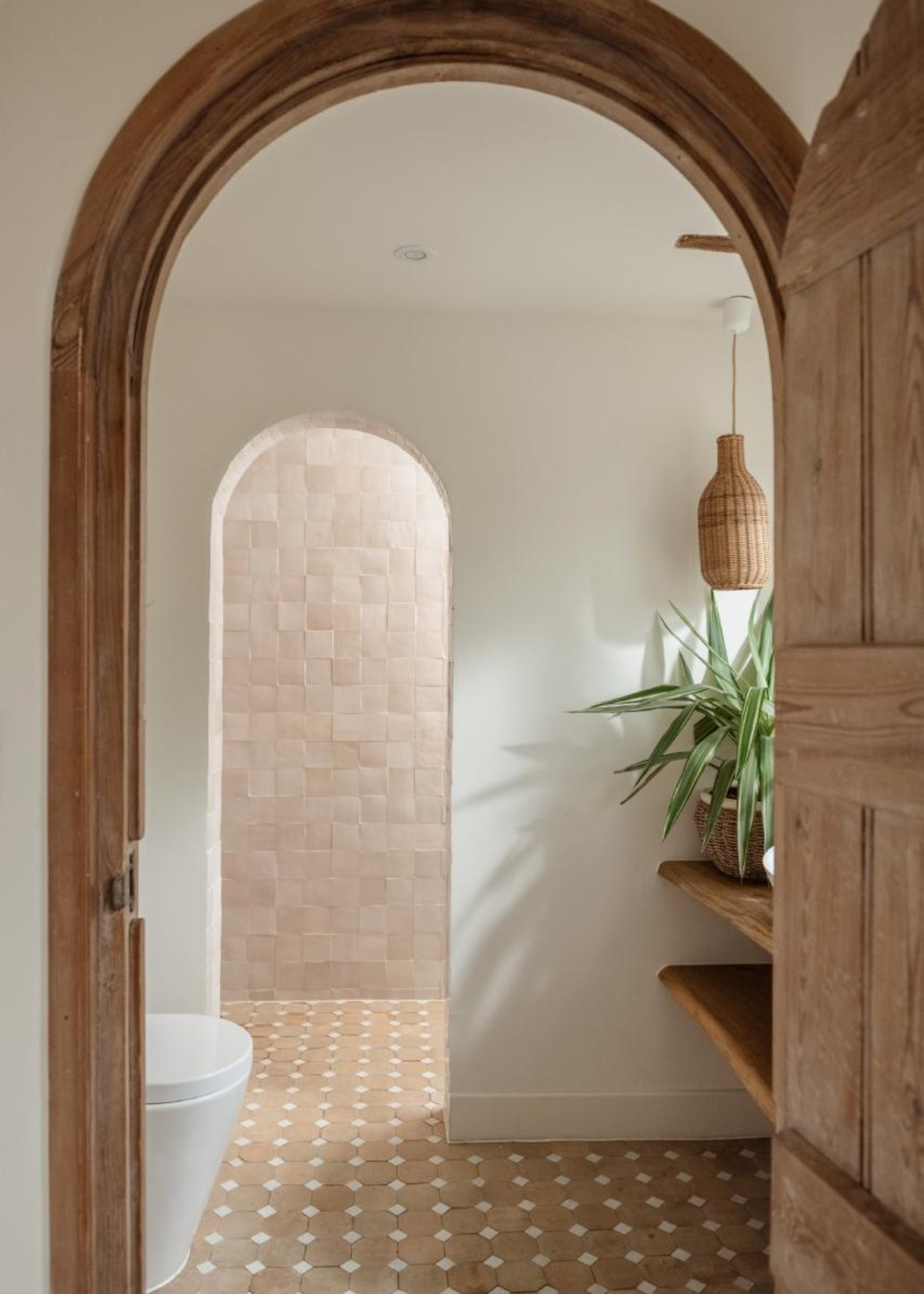

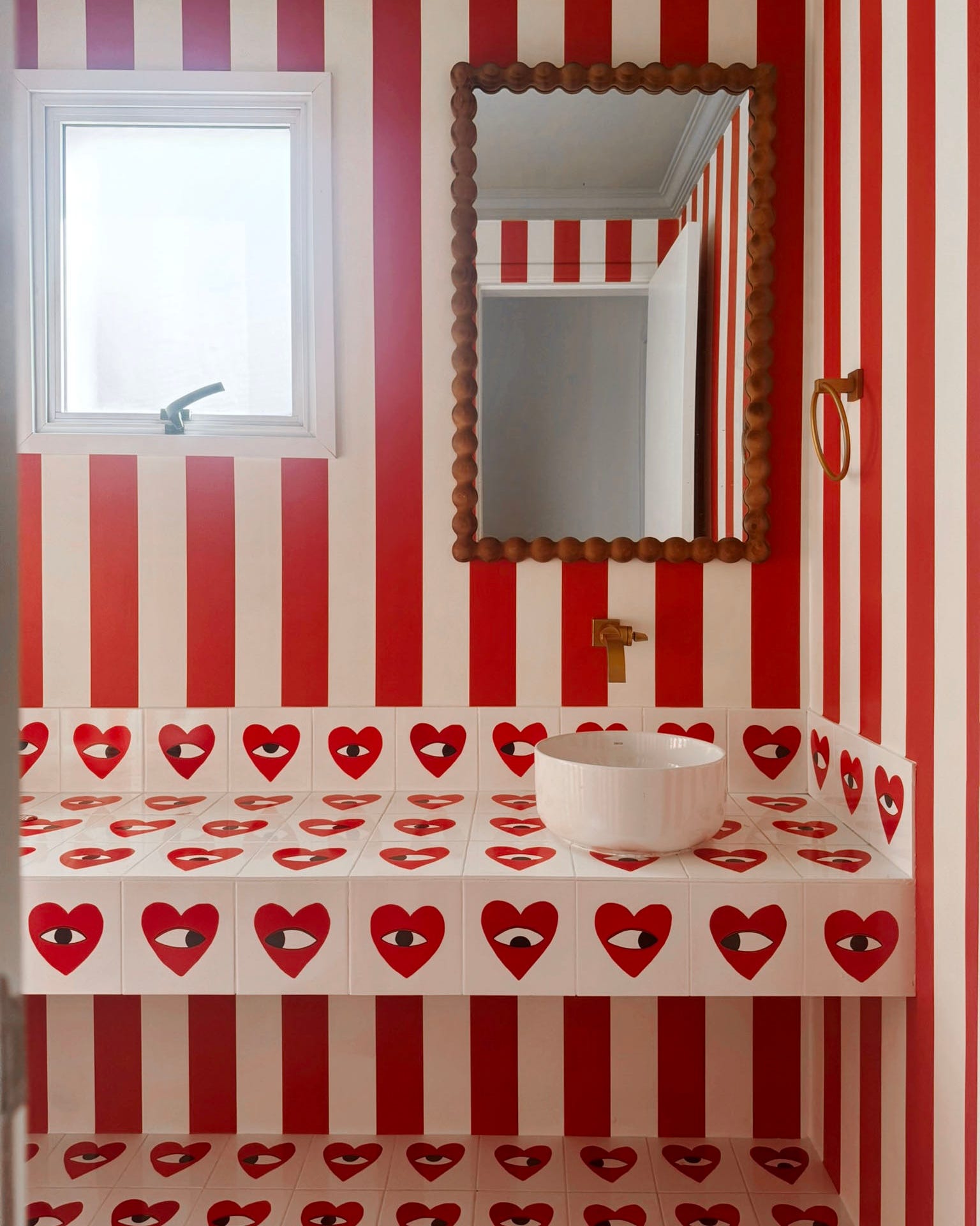

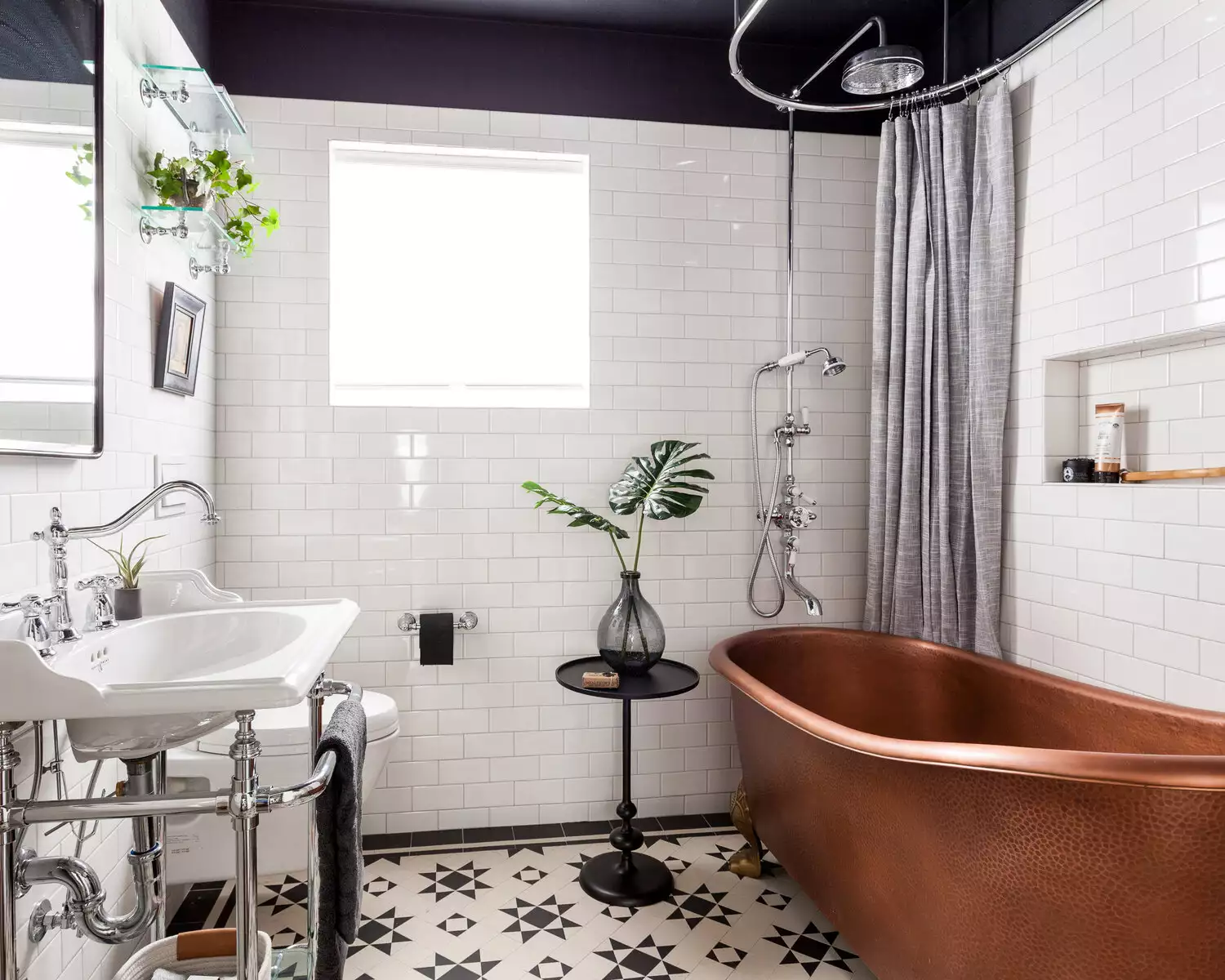
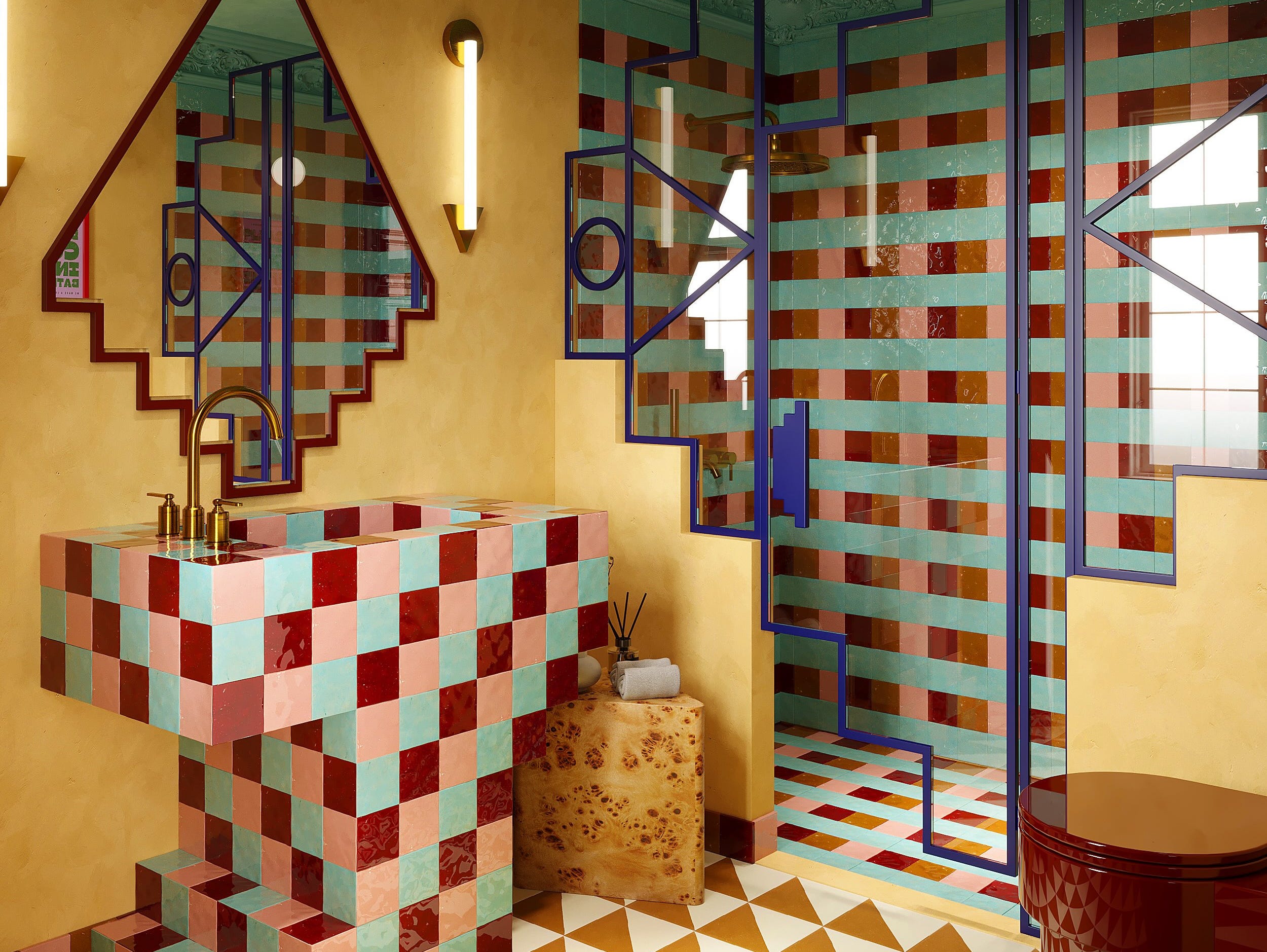
Color scheme choices typically fall into three categories: brights, neutrals, and classics. Bright colors like rich red or kelly green can infuse energy, often seen in kids' baths and powder rooms. Neutrals, such as slate, cream, and sage, create a calming, spa-like atmosphere, with Funk recommending natural materials, varied scales, and darker, textural floor tiles for grounding the space. Classic schemes involve pairing a single color with black and white, or using black and white exclusively, for an elegant and timeless look. The final decision involves grout, where Funk advises keeping grout lines as tight as possible to minimize their visual impact and allow the tiles to shine. She recommends matching grout color closely to the tiles and testing samples to ensure the desired shade throughout the day.
#BathroomTile #InteriorDesign #TileSelection #HomeDecor #DesignTips #BathroomRenovation #MaterialSelection #ColorSchemes #Grout #BathroomTile #InteriorDesign #TileSelection #HomeDecor #DesignTips #BathroomRenovation #MaterialSelection #ColorSchemes #Grout
合計0件のコメント
 まだコメントはありません
あなたも好きかもしれません
7 Designers Weigh in on the Best Tile for Bathroom Floors

Bathroom Tiles

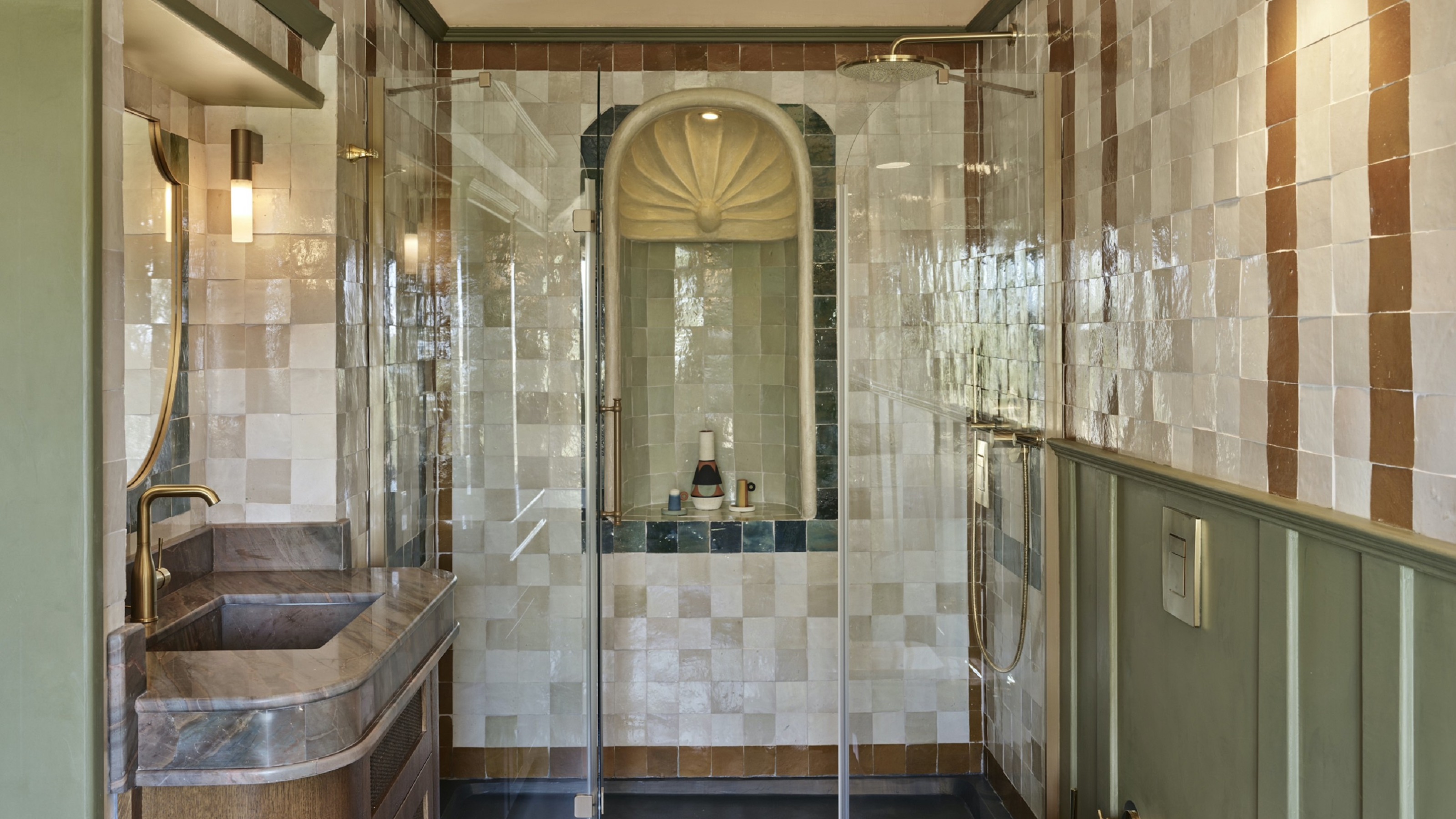
"Your Eye Doesn't Know Where to Land" — Yes, You Can Have Too Much Tile in Your Bathroom, Here's the Rule to Get the Balance Right

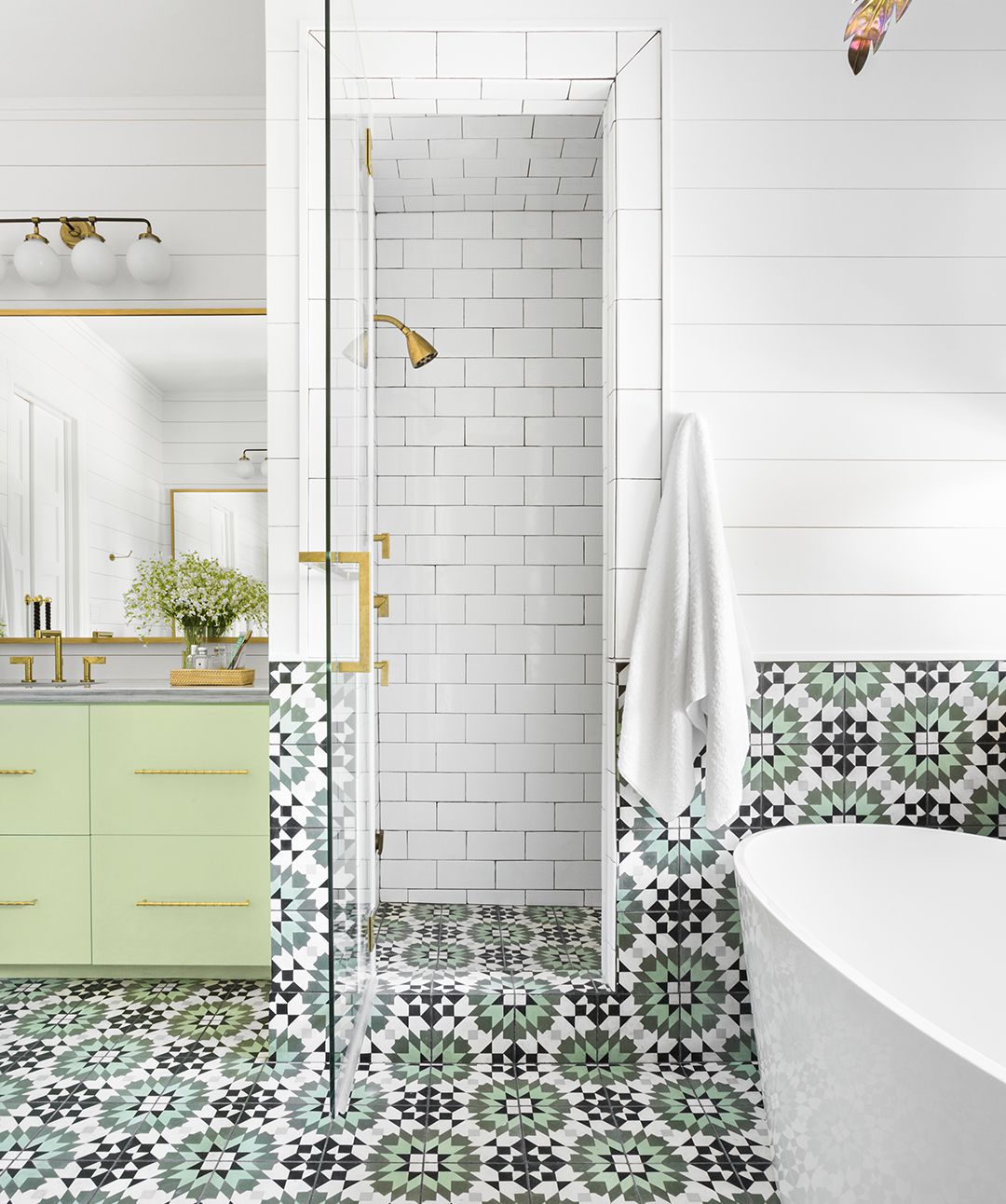
14 Types of Bathroom Tiles You Need to Know Before You Remodel

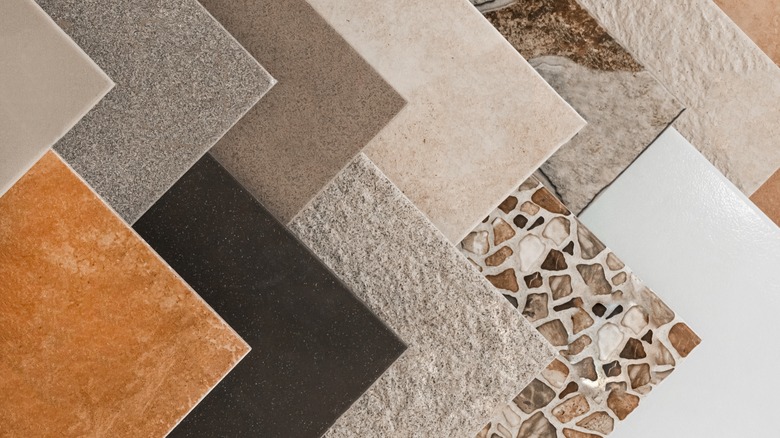
The Best Shower Tile To Use In Your Bathroom, According To A Design Expert
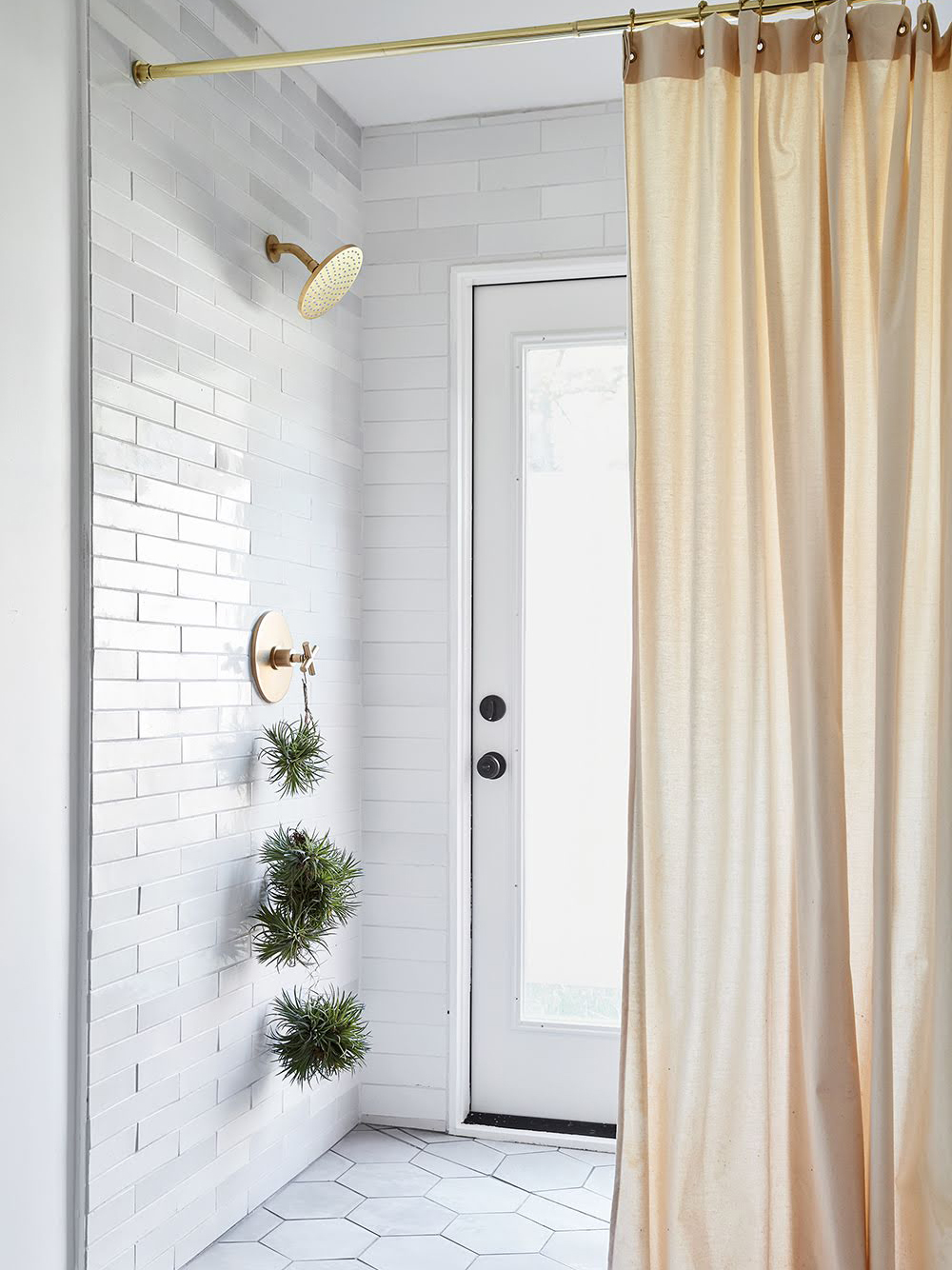
One-Third of Renovators Choose This Bathroom Tile Pattern, But We've Got Other (Just as Timeless!) Ideas

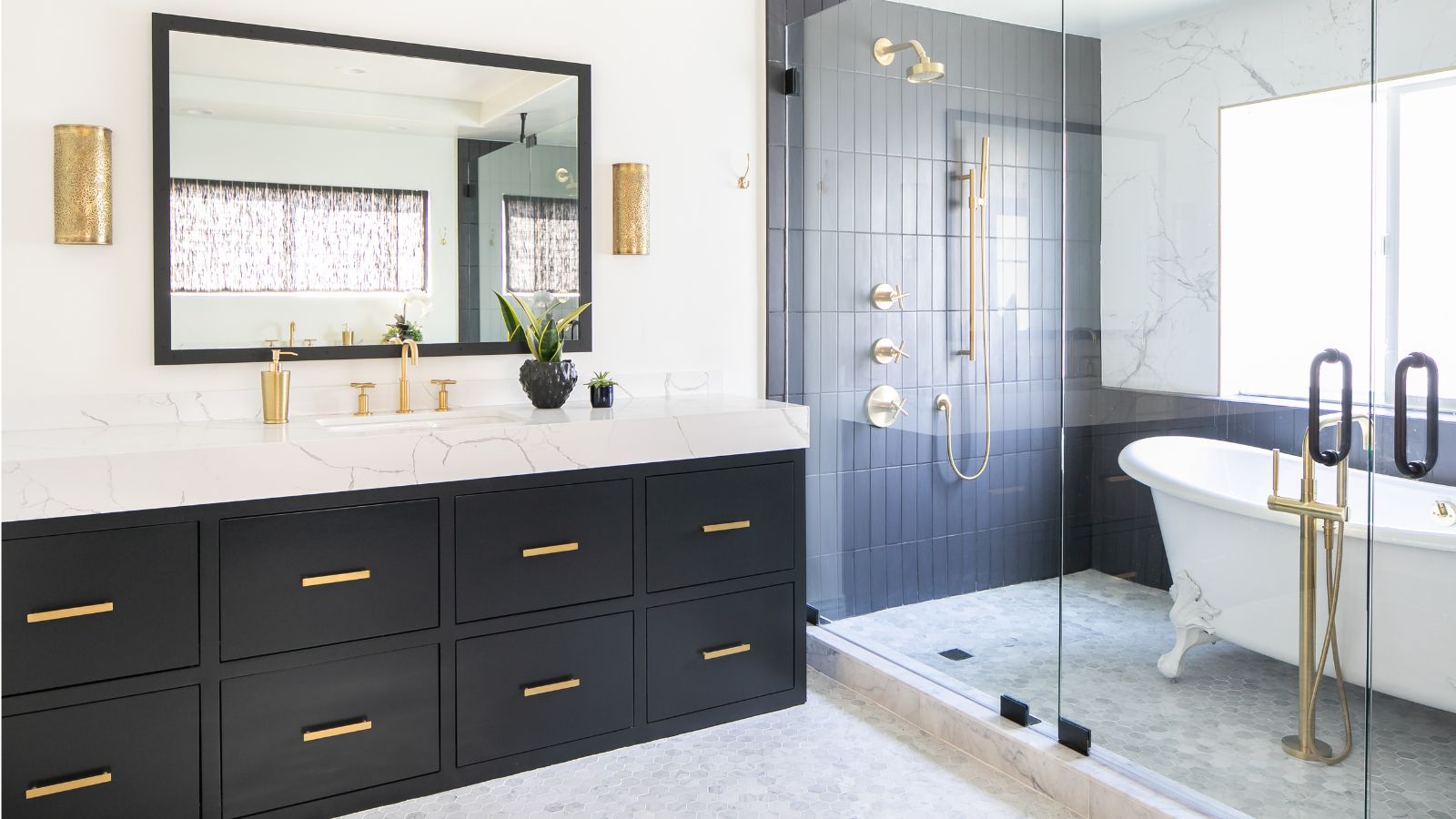
29 Bathroom Floor Tile Ideas for 2026 That Make You Rethink Bathroom Floors Completely

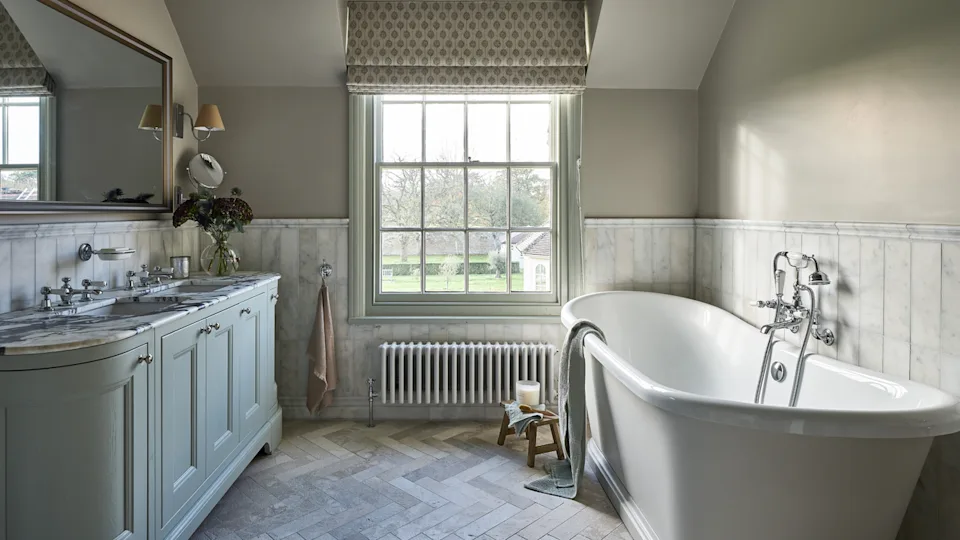
Which Bathroom Tile Colors Will Never Go Out of Style? 5 Timeless Options Favored By Designers

5 Outdated Tile Trends Designers Are Still Noticing in 2025 That Can Make Your Space Look Old-Fashioned
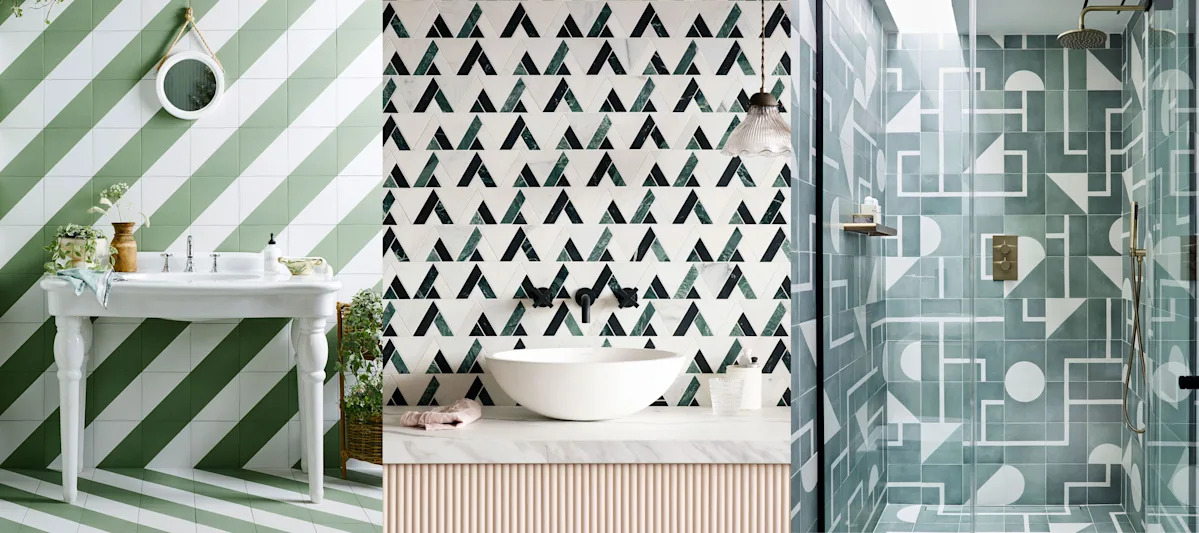
Beautiful bathroom tile ideas
Interior designers believe these are the bathroom tiling trends to follow (and avoid)

Decorator's Address Book: 12 interior designers on the best places to shop for tiles

4 Bathroom Tile Trends That Are So Outdated, According to Designers
5 Outdated Bathroom Flooring Trends to Avoid in 2025 — Plus the Ones the Experts Want to See More of in Your Home
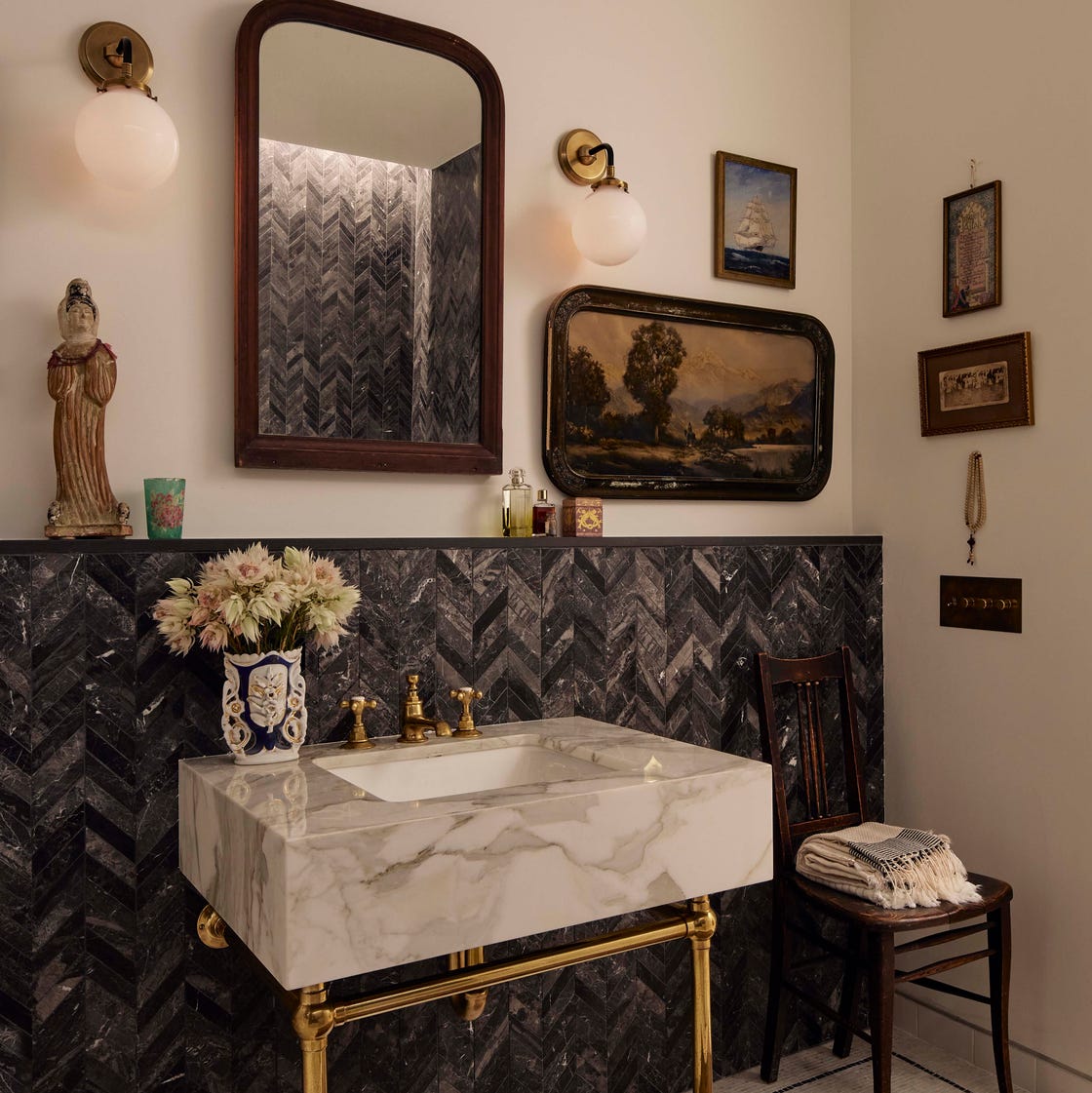
70 Beautiful Bathroom Tile Ideas That Will ELEVATE Your Space

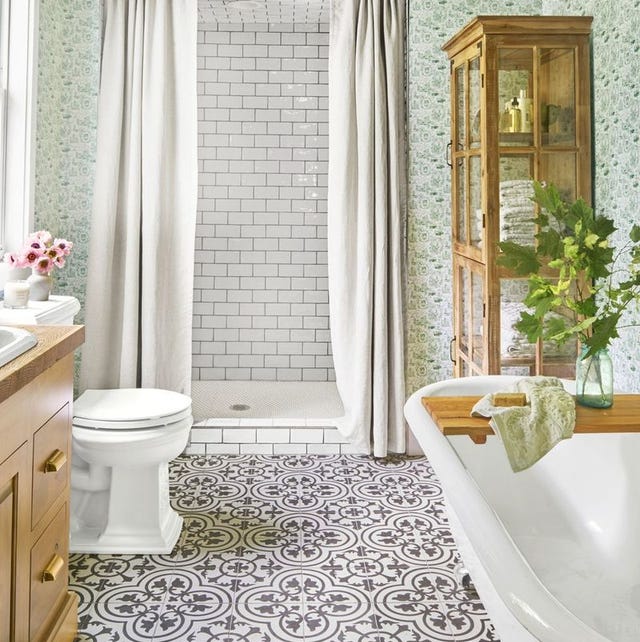
These Bathroom Tile Ideas Make a Major Design Statement

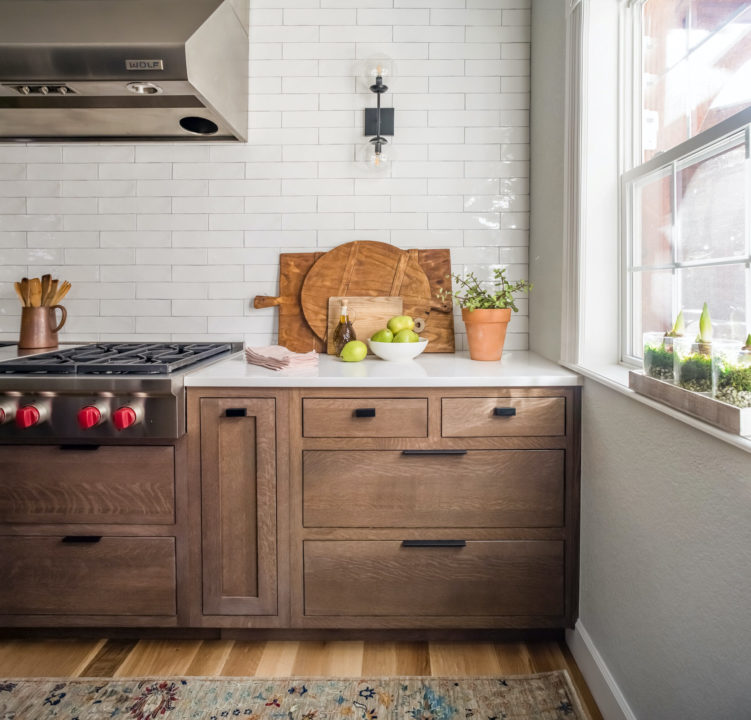
6 Tiles That Denver Designer Laura Medicus Can’t Live Without

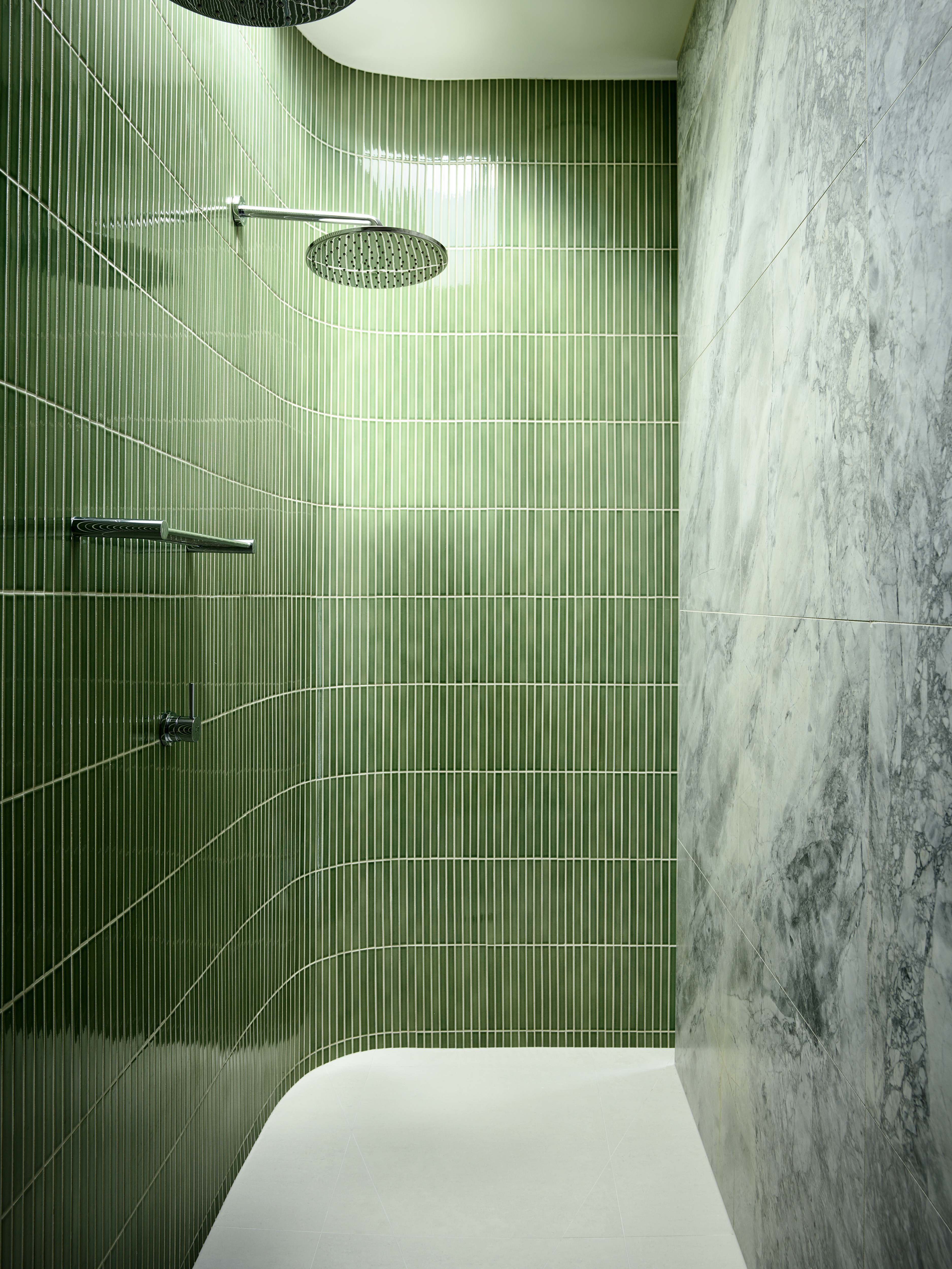
5 Experts Share Their Favorite Tile for a Knockout Shower
5 Outdated Tile Trends Designers Are Still Noticing in 2025 That Can Make Your Space Look Old-Fashioned
This Is The Secret To A 'Bold' Bathroom That Won’t Go Out Of Style, According To A Designer