1/5
Experts warn these 7 DIY home improvements will devalue it – plus what to do instead
Home improvements can significantly boost a property's resale value, but not all DIY projects yield positive returns. Some seemingly simple tasks can inadvertently devalue a home, making it crucial for homeowners to understand which improvements to approach with caution or avoid altogether. This article identifies seven DIY home improvements that experts advise against, along with alternative strategies to maintain or enhance property value.
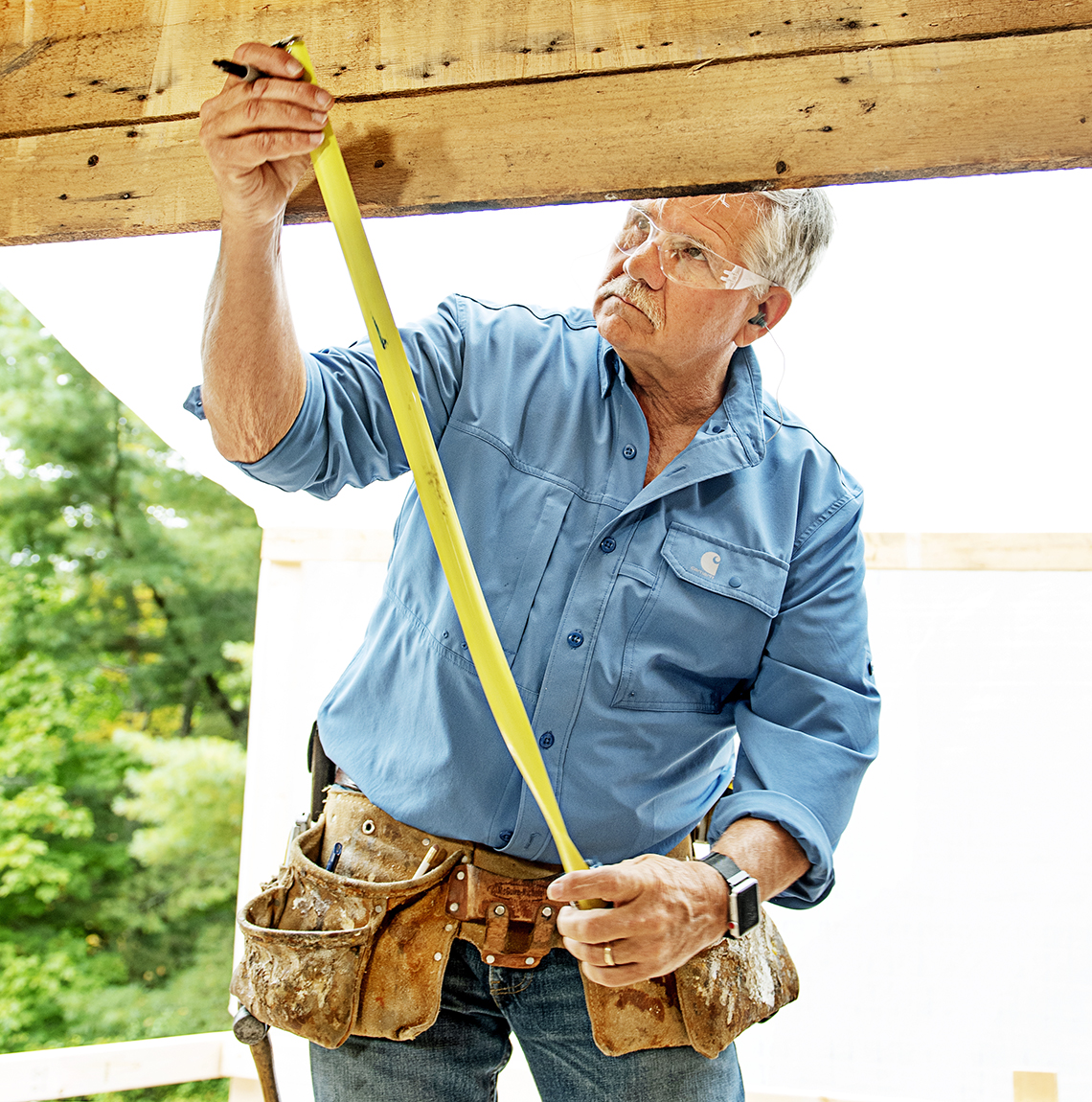
One critical area is undertaking renovations without proper permits. While bypassing permits might seem like a way to save time and money, such actions can lead to legal complications, fines, and difficulties during the home selling process. Potential buyers will often require indemnification or insist on undoing unpermitted work, adding significant costs and delays. Grace Mase, VP of Construction and Design at Curbio, emphasizes that these shortcuts become problematic during a sale and advises consulting local authorities or licensed professionals to ensure compliance.
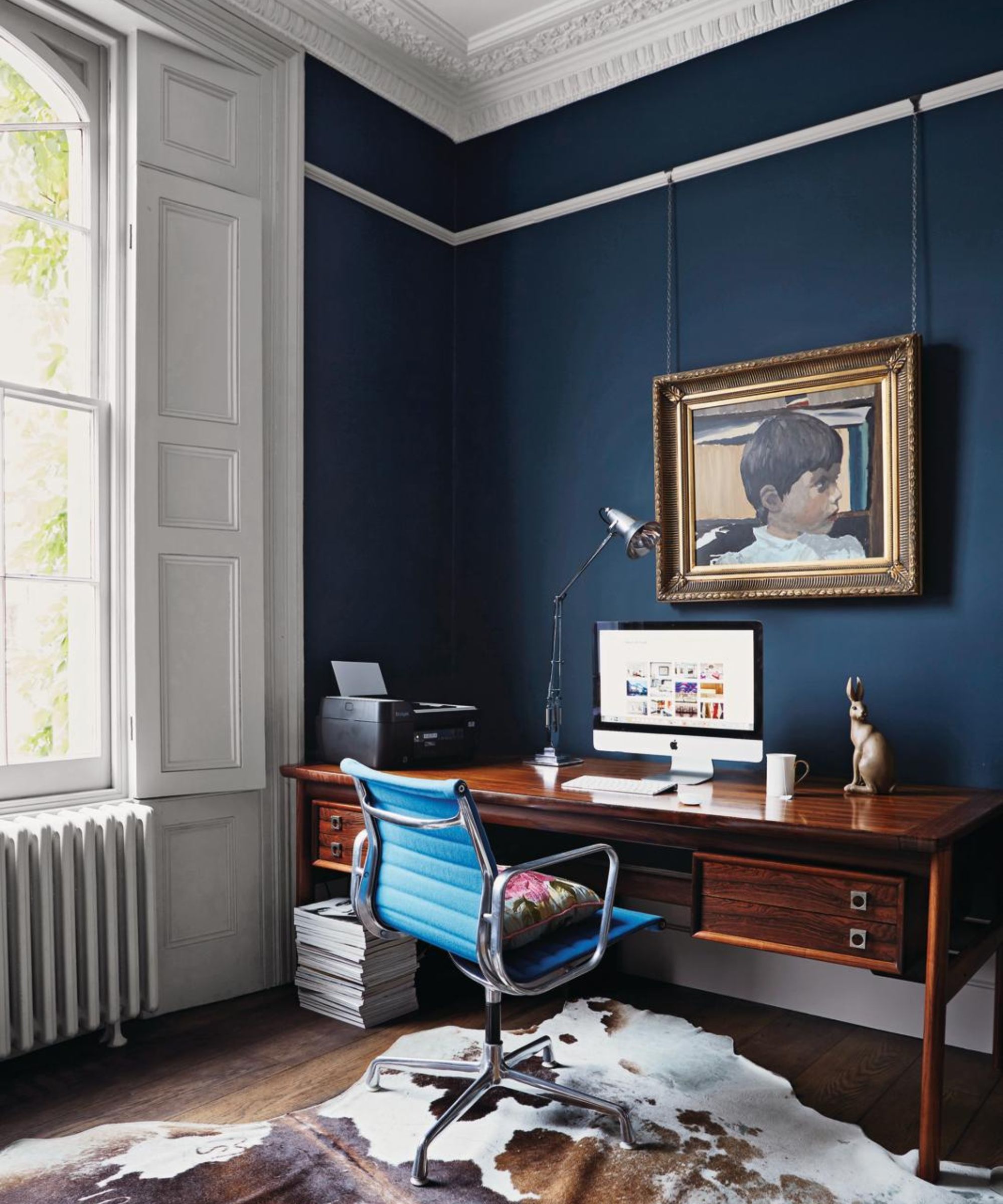
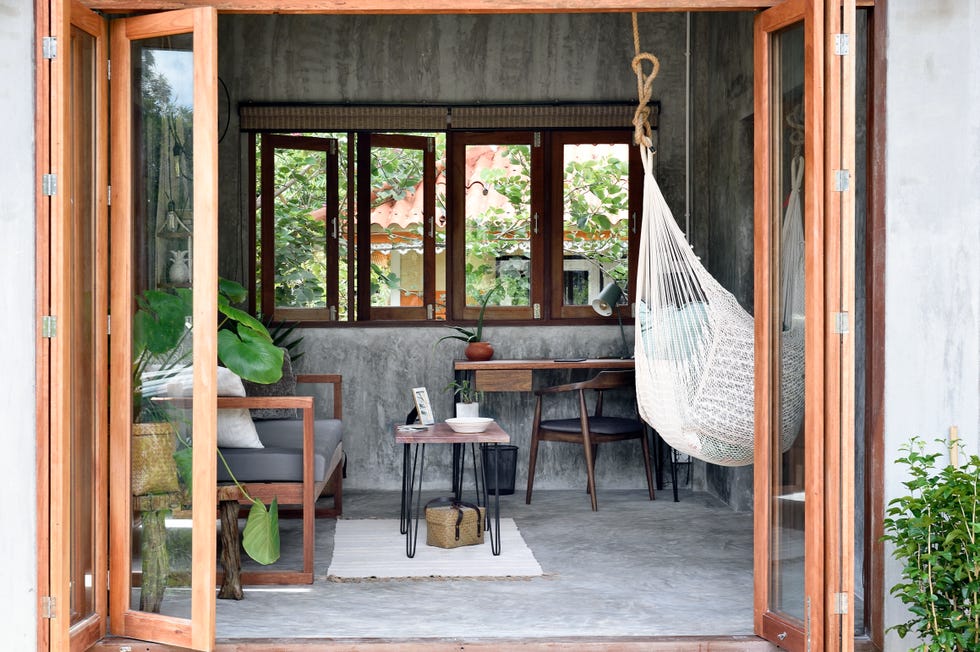
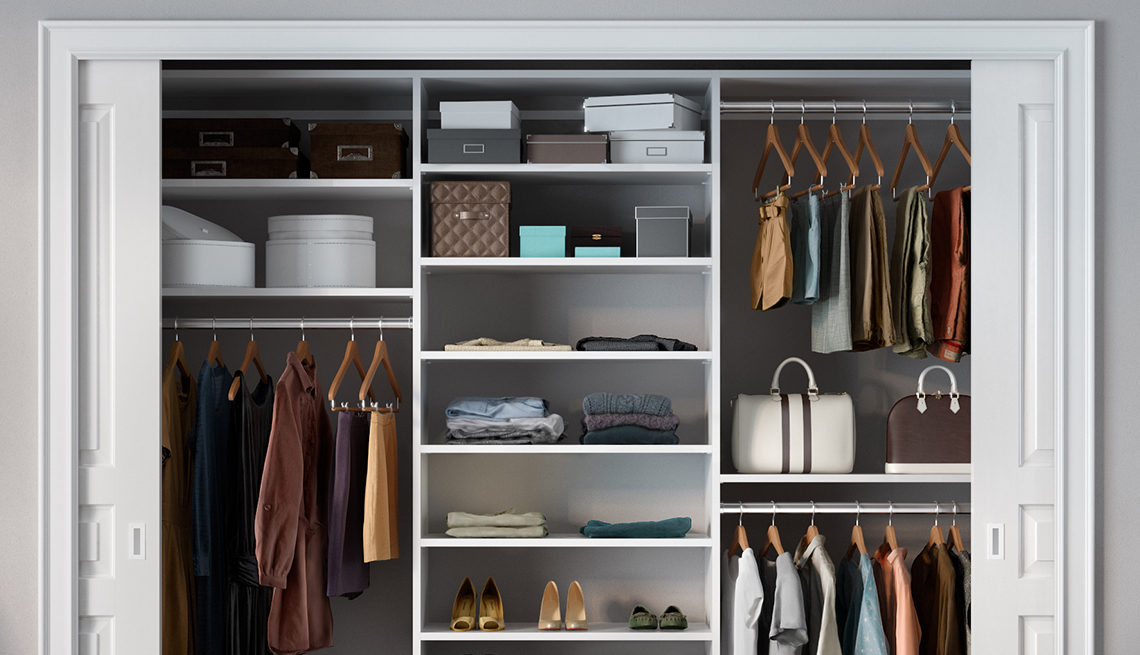
Repurposing extra bedrooms is another common mistake. Although converting a guest bedroom into a home office or walk-in closet might suit current needs, it reduces the overall bedroom count, which is a key factor in a home's market value. Most home buyers prefer properties with more bedrooms, offering flexibility in usage. Punteha van Terheyden, Head of Solved at Homes & Gardens, suggests non-permanent conversions, like using a room as a dual office without built-in features, allowing easy conversion back to a bedroom when selling.
Garage conversions often lead to devaluation. Many home buyers prioritize having a functional garage for parking and storage. Converting a garage not only eliminates this sought-after feature but often results in poorly executed spaces that lack proper heating, cooling, and integration with the home's layout. Nick Disney of Sell My San Antonio House notes that most DIY garage conversions are not done well, creating awkward spaces and removing essential storage. Unless a homeowner possesses advanced DIY skills, maintaining the garage's primary function or decluttering it is preferable.
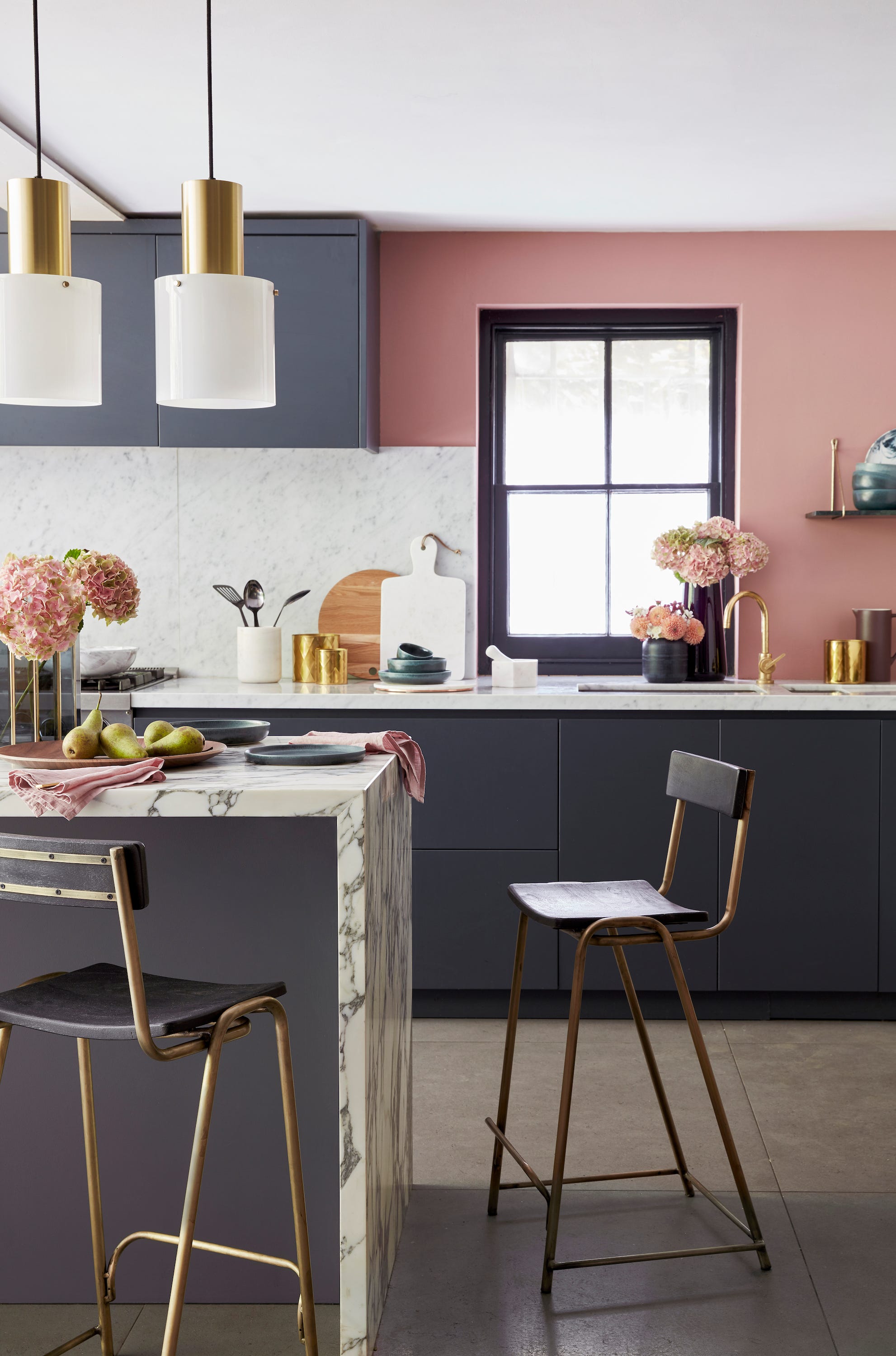
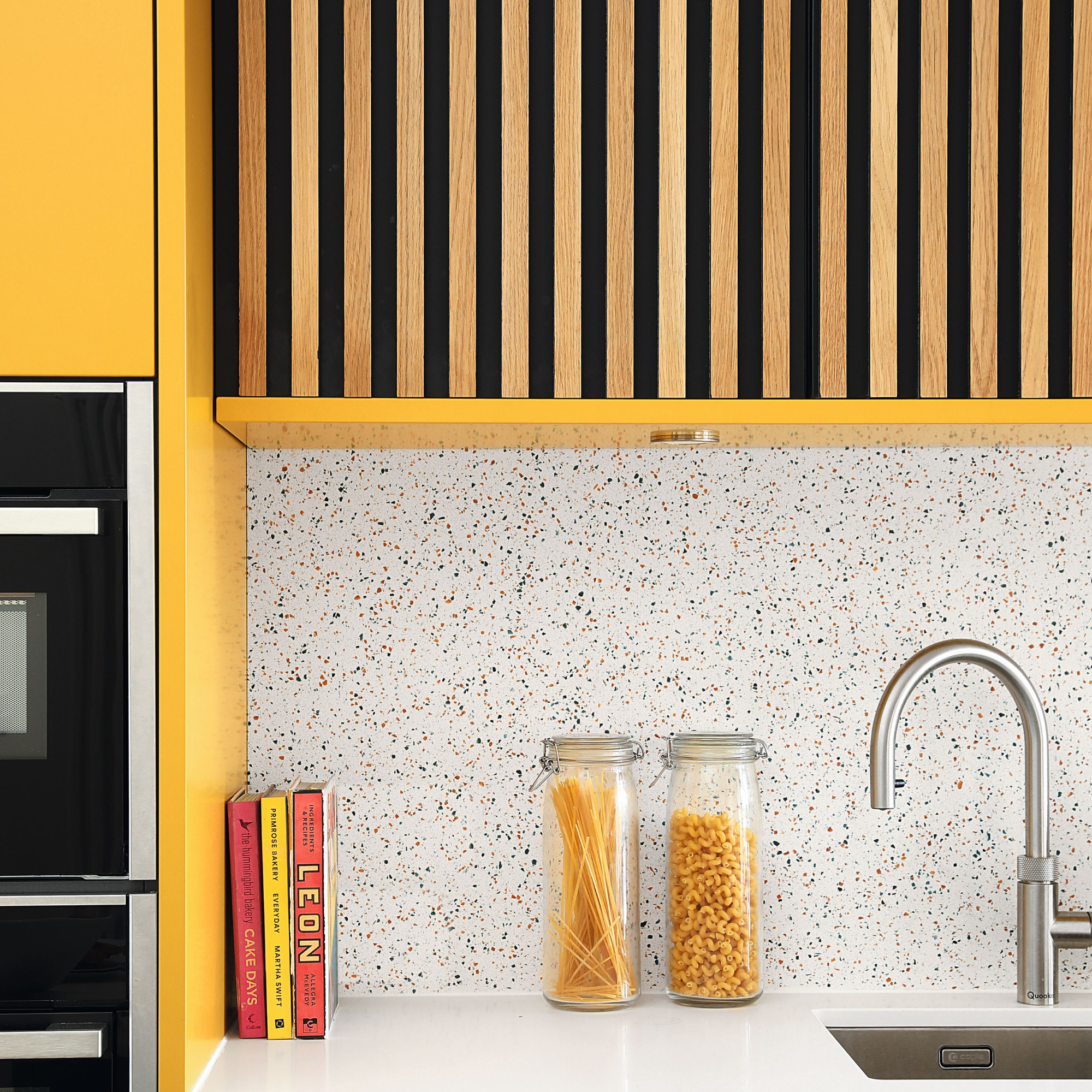
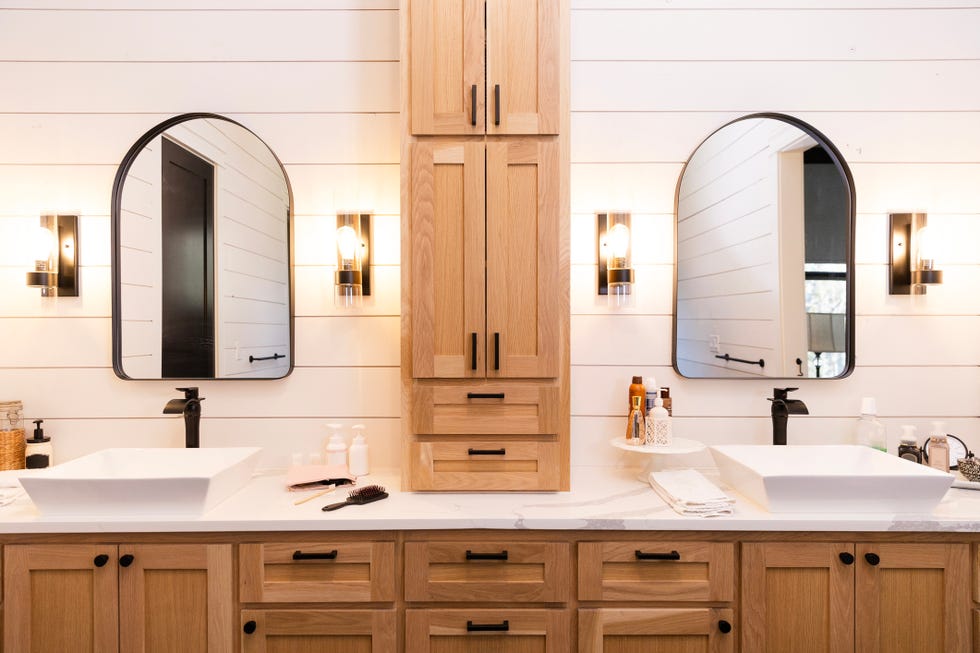
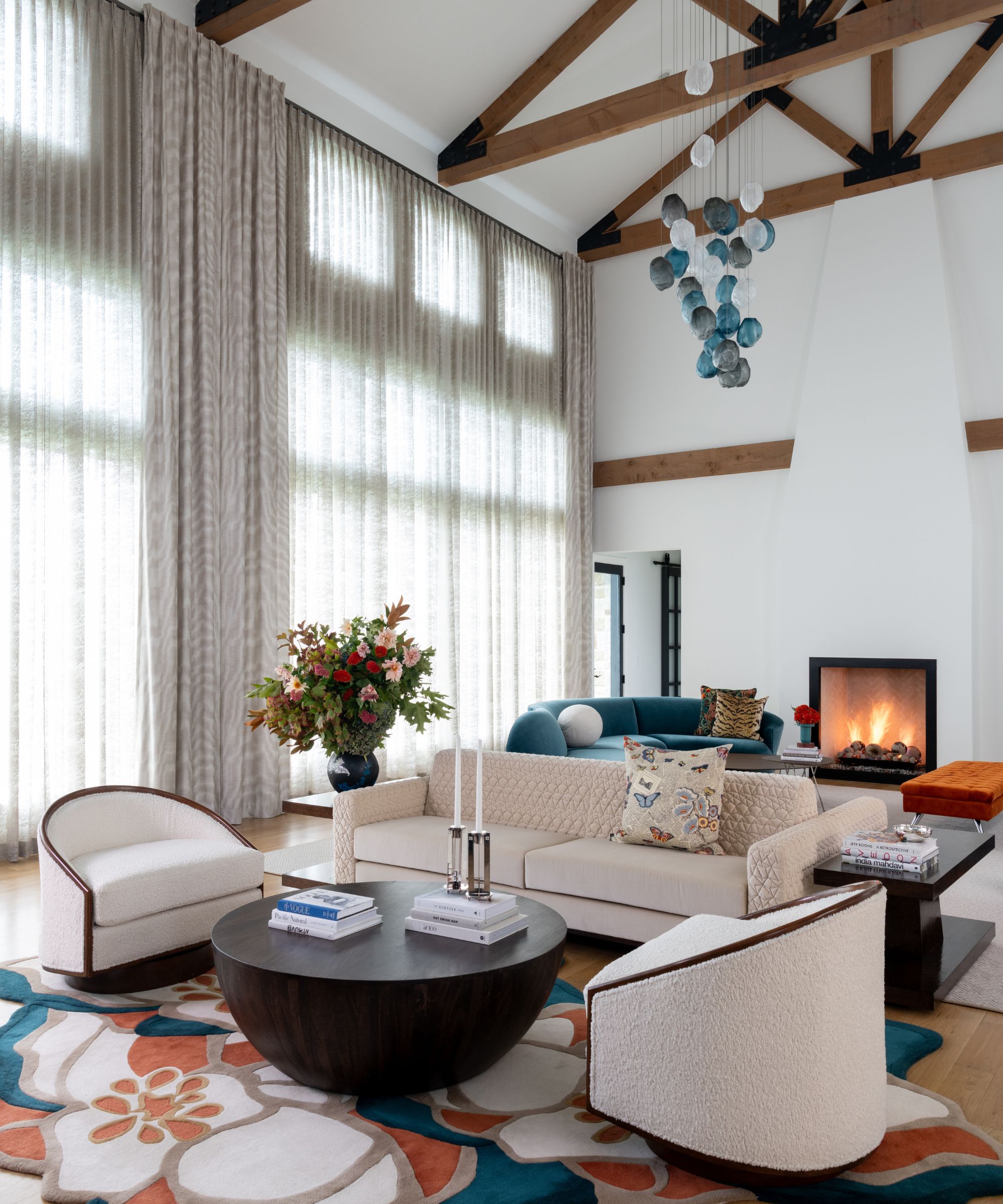
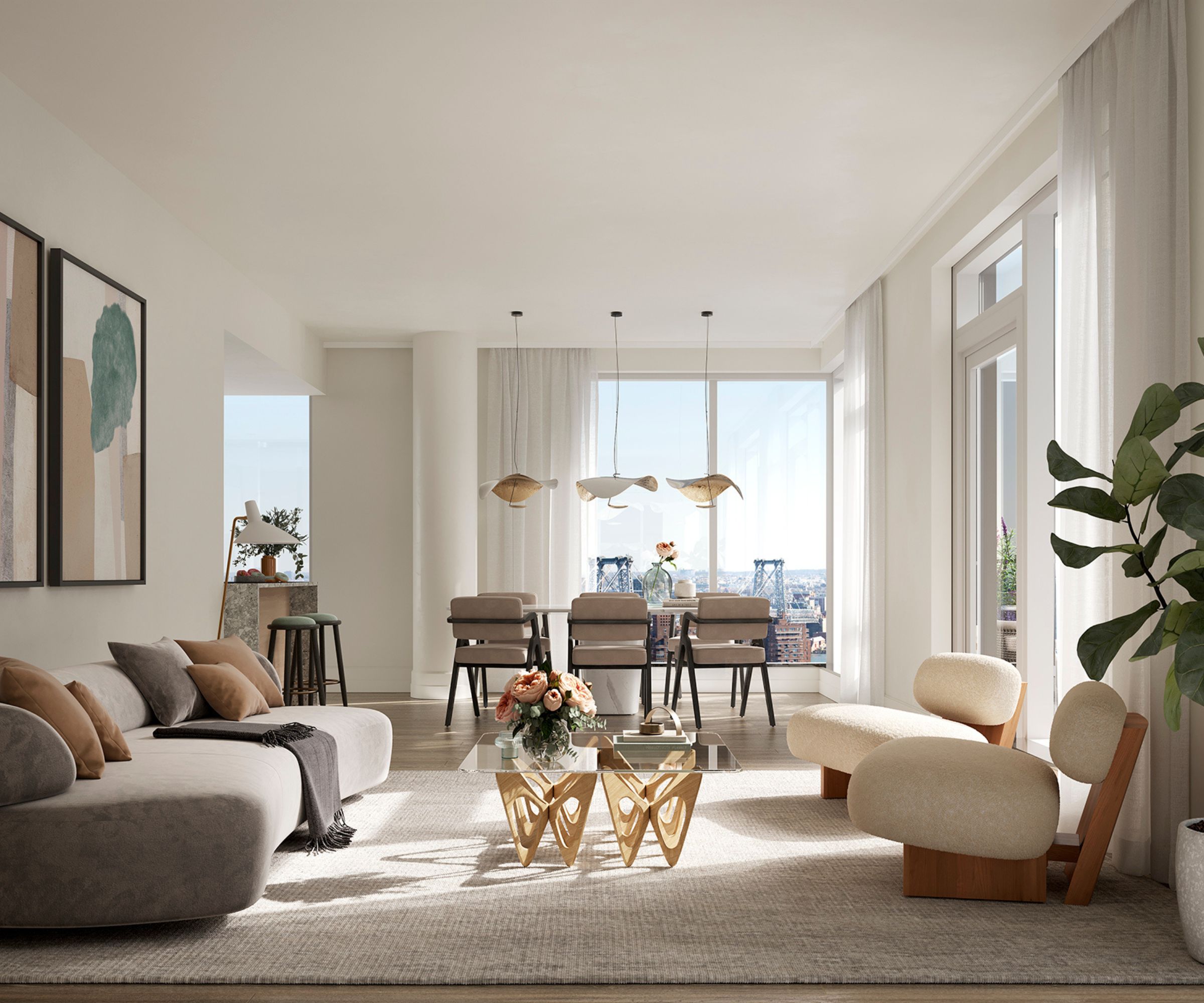
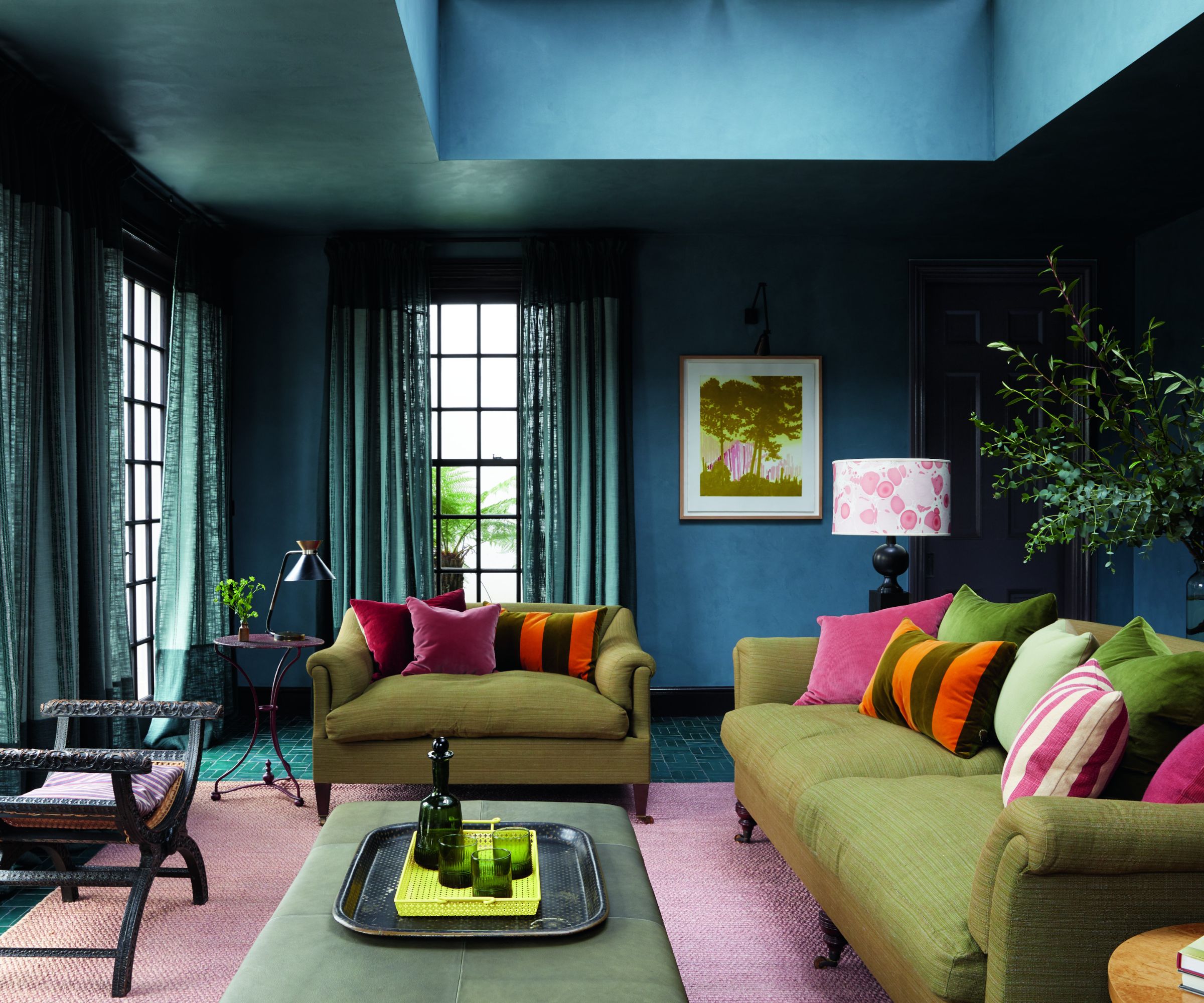
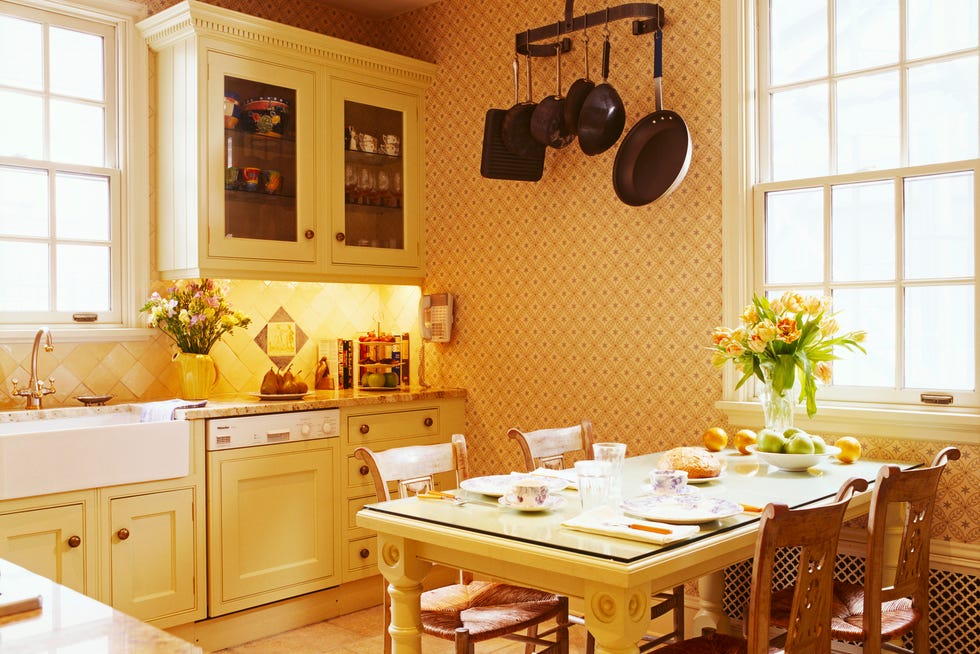
Over-personalization can also deter potential buyers. While individual design choices reflect personal style, overly bold colors, quirky decor, or highly specific design elements can make a home less appealing to a broader audience. Buyers may perceive these elements as needing extensive redecoration, leading to lower offers or a lack of interest. Neutral tones and timeless designs are generally more universally appealing and help a home sell faster. For permanent fixtures like built-in cabinets or specific tiling, over-personalization is particularly risky as these are more costly to change.
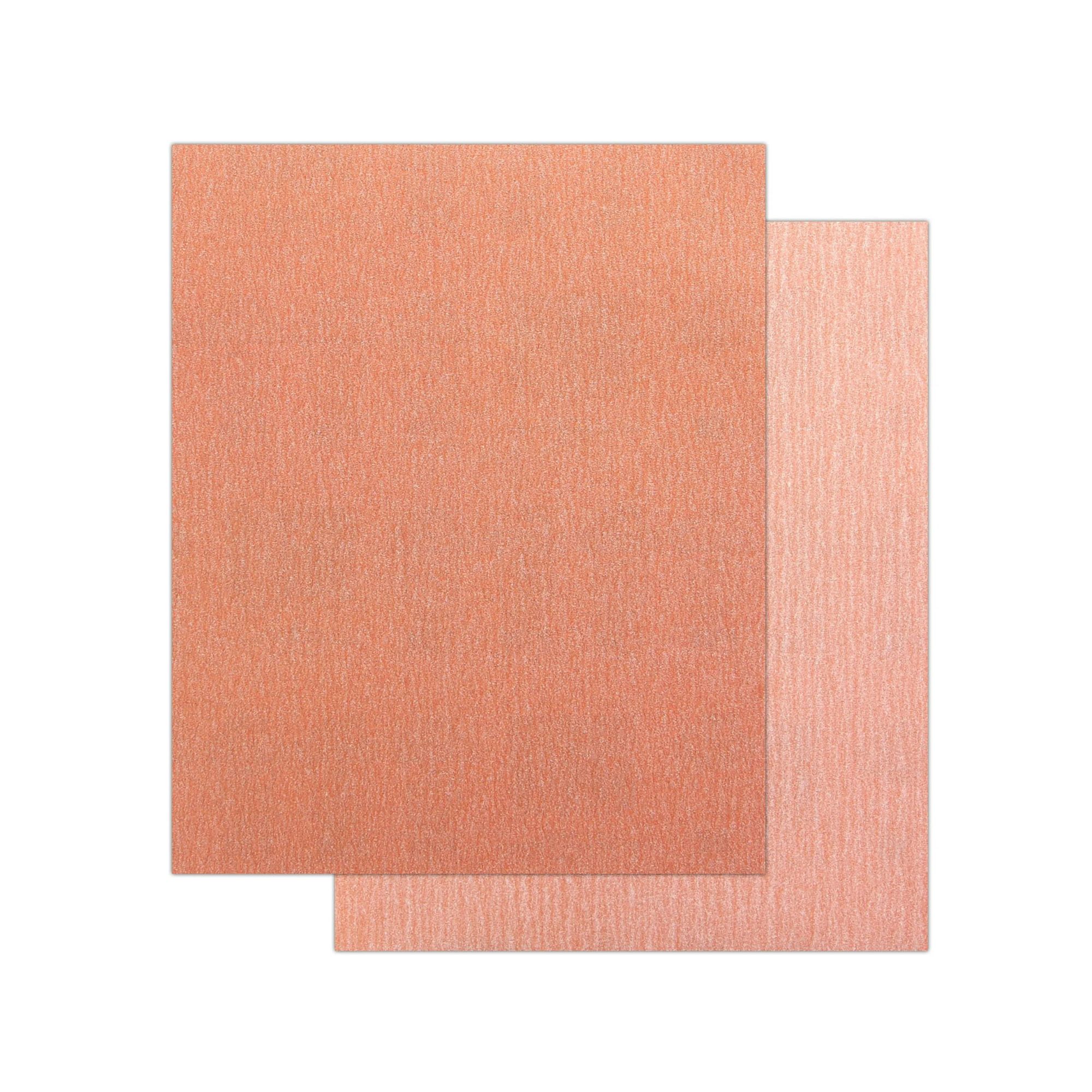
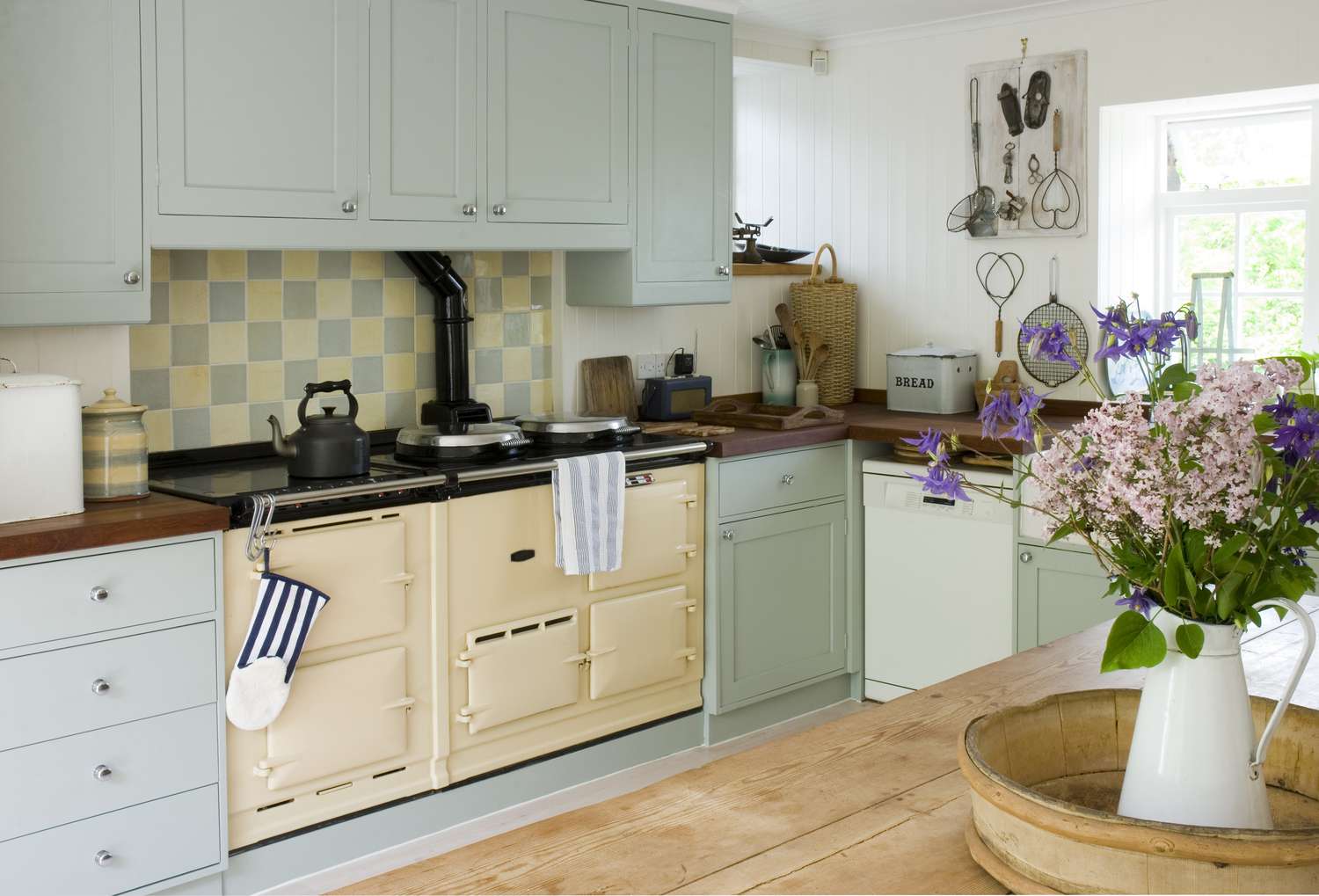
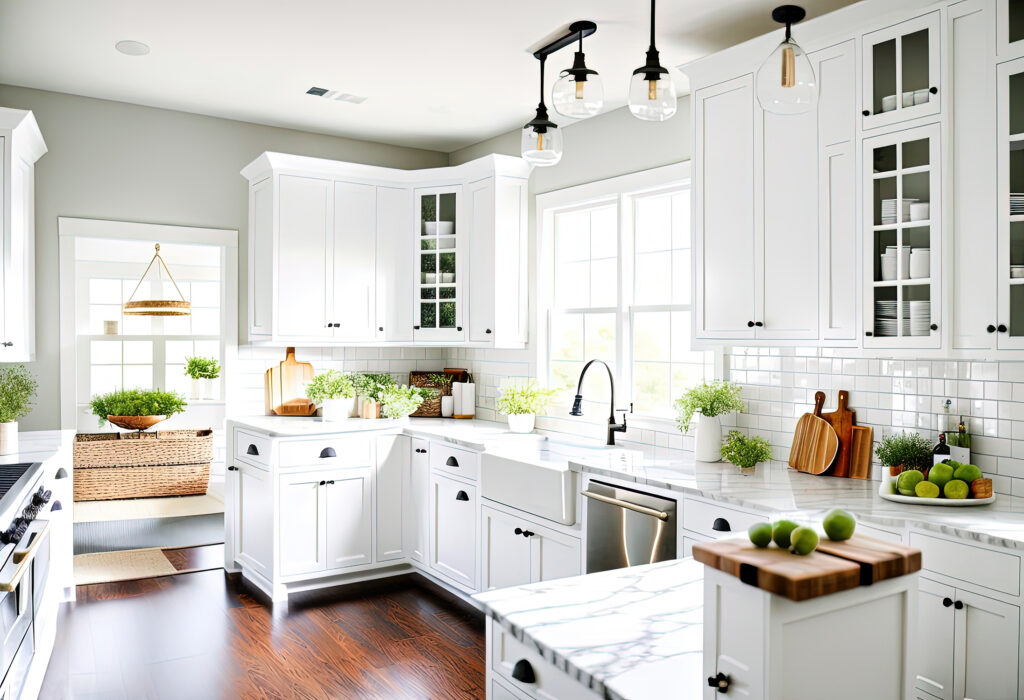
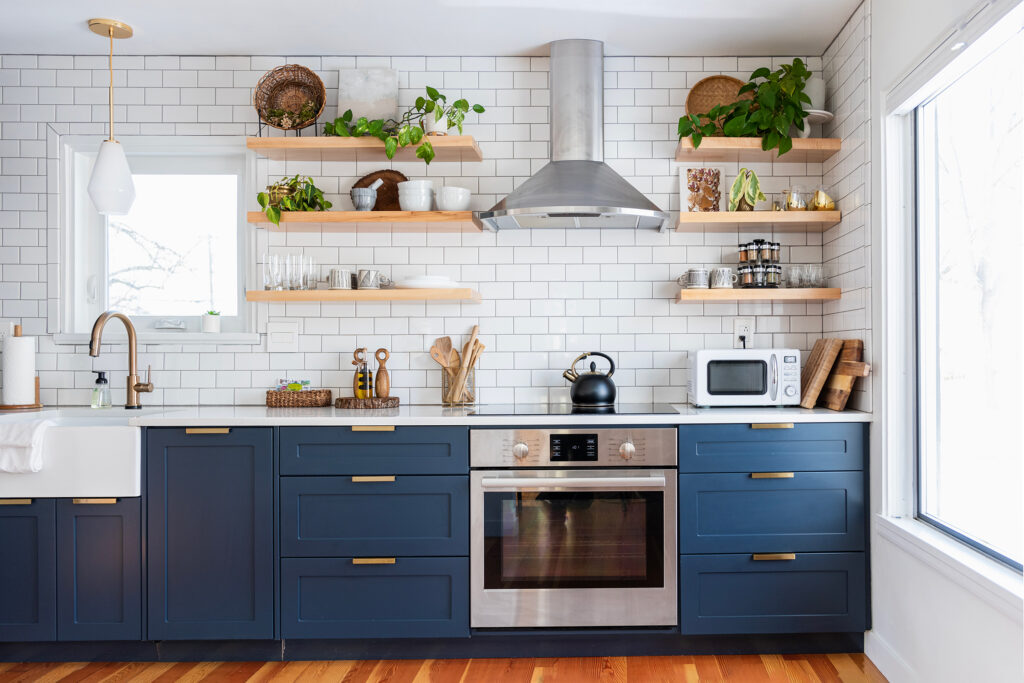
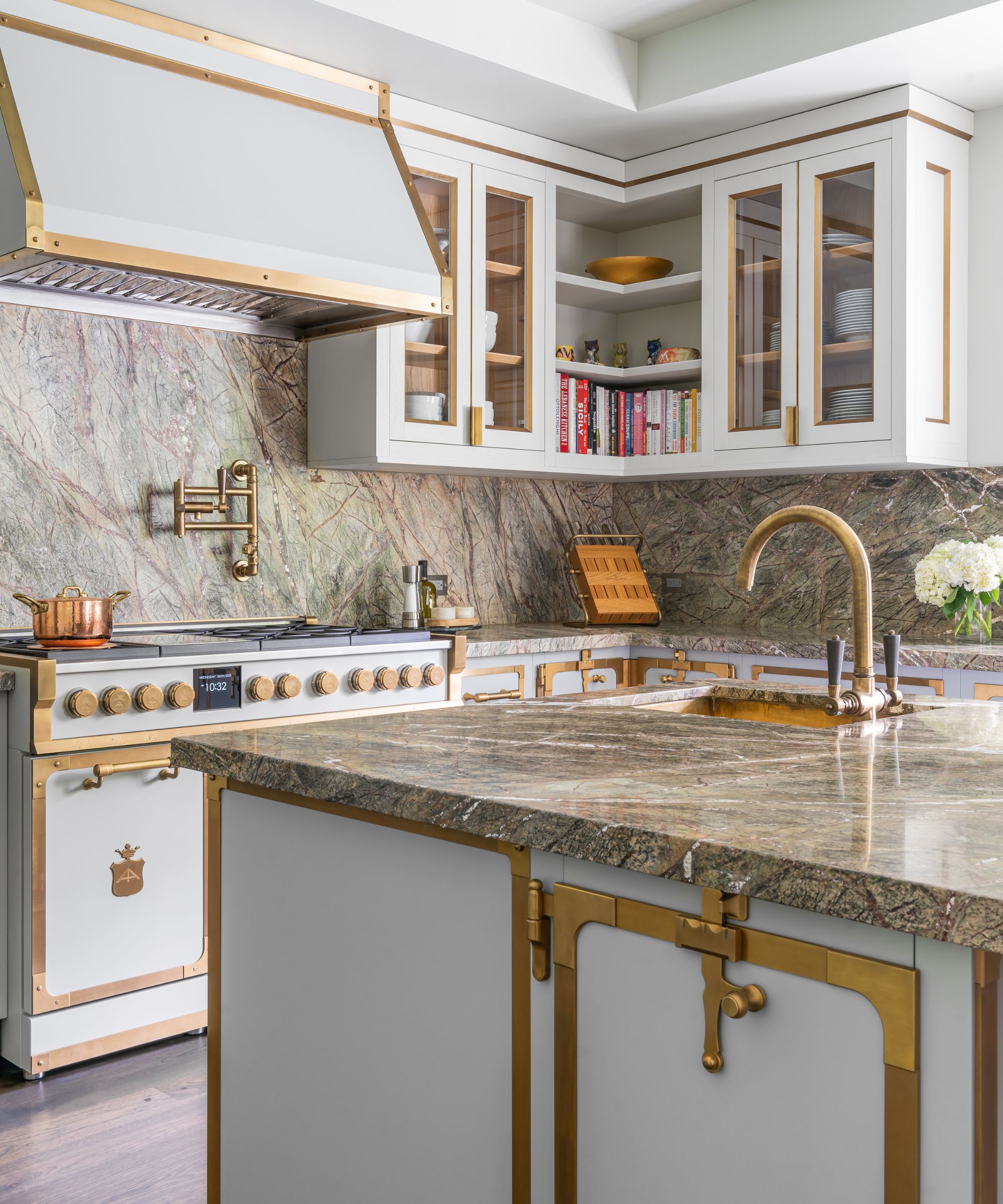
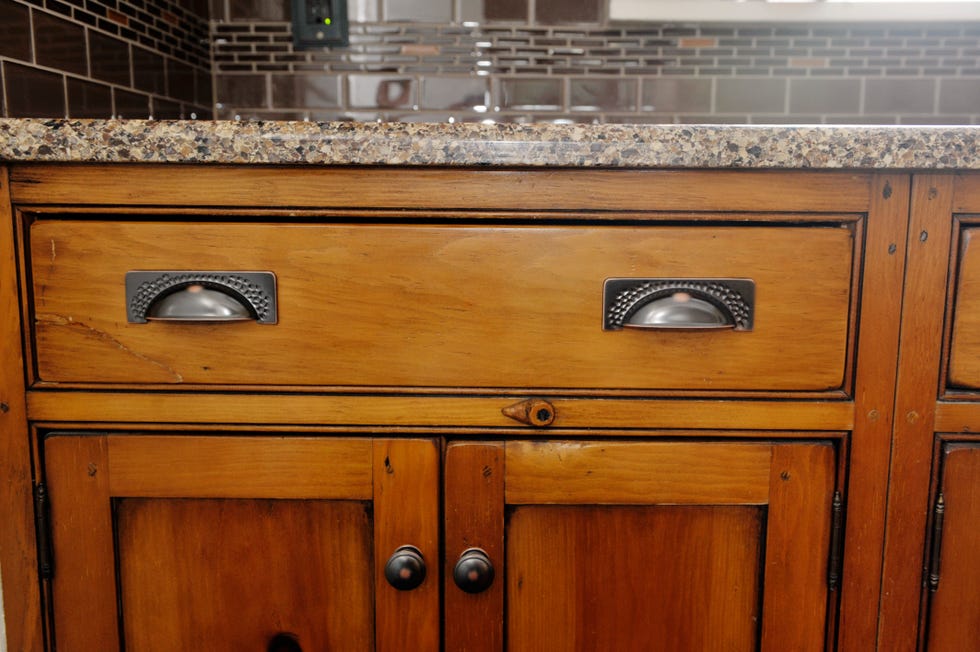
Painting kitchen cabinets oneself, if not done professionally, can severely devalue a kitchen. Poor preparation, incorrect paint types, or amateur techniques result in streaky, chipped finishes that immediately signal a low-quality DIY job. Real estate agent Becky Pendergrass of Benchmark Realty LLC highlights that buyers spot these imperfections, viewing them as additional expenses they will incur, which can lead to reduced offers or buyers looking elsewhere.
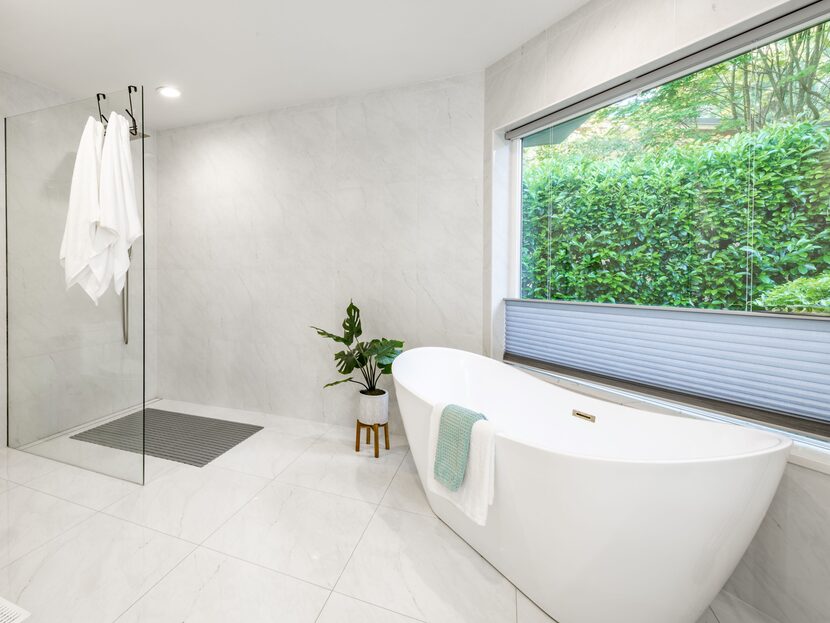
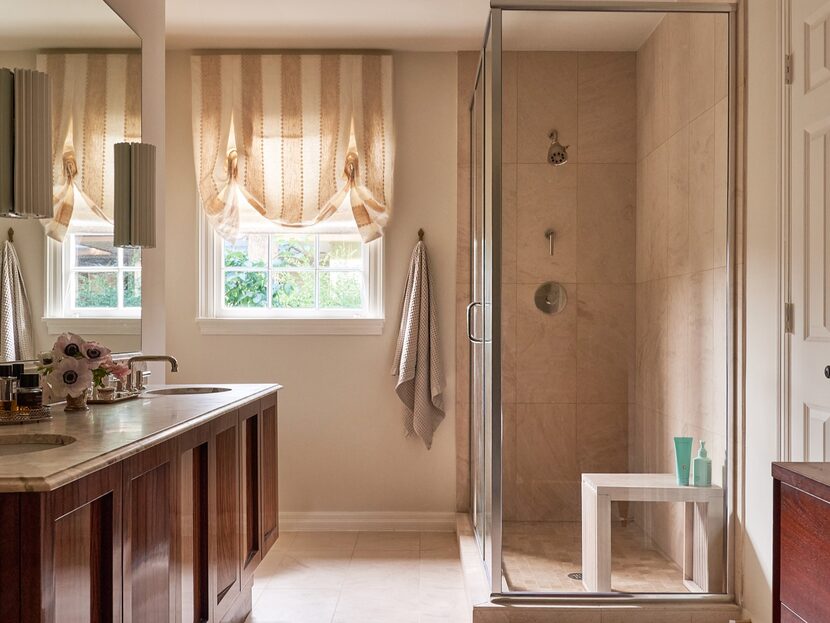
Similarly, DIY bathroom tiling is fraught with risks. Despite the allure of achieving a quick, affordable update, tiling requires precision. Misaligned tiles or uneven grout lines can detract significantly from the bathroom's overall appearance, raising concerns among buyers about the quality of workmanship throughout the house. Pendergrass warns that buyers are particular about bathrooms, and visible flaws can lead them to question the home's maintenance. For those lacking expertise, temporary solutions like peel-and-stick tiles, with the understanding that the underlying surface will require preparation for repainting later, might be a less damaging option.
Finally, making bad wallpaper choices can also negatively impact home value. Outdated patterns or imperfect application with visible seams or mismatched designs can make a room feel unpolished and deter buyers who do not want to undertake a wallpaper removal project. Paint, especially in neutral or value-adding colors, is generally preferred when preparing a home for sale, as it offers a cleaner, more versatile aesthetic. If wallpaper is desired, choosing subtle, neutral patterns applied professionally is essential.
In conclusion, while DIY home improvements can be a cost-effective way to enhance a home, homeowners must exercise caution. For projects requiring permits, structural changes, or a high level of finish, professional help is often a worthwhile investment. Focusing on universally appealing aesthetics and functional improvements, rather than highly personalized or poorly executed DIY tasks, is key to preserving and increasing a home's market value.
#DIYHomeImprovements #PropertyValue #HomeRenovations #RealEstate #Permits #BedroomConversion #GarageConversion #HomeStaging #KitchenRemodel #DIYHomeImprovements #PropertyValue #HomeRenovations #RealEstate #Permits #BedroomConversion #GarageConversion #HomeStaging #KitchenRemodel
合計0件のコメント
 まだコメントはありません
あなたも好きかもしれません
7 things you should repair instead of replace in your home
7 Things You Can Actually Cut Corners on During a Home Renovation, According to Experts
Dream living room upgrades homeowners always come to regret – according to the experts
6 Porch Design 'Upgrades' That Will Lower Your Home's Value—and What to Do Instead

Money-wasting home improvements to avoid

Experts Swear By These 10 No-Demo Renovation Projects That Will Majorly Increase Your Home's Value
5 Backyard Design 'Upgrades' That Lower Your Home’s Value—and What to do Instead
10 DIY kitchen upgrades to boost your home's value, according to real estate experts and designers
'Potential buyers may see it as a DIY job gone wrong' – this popular interior trend may be devaluing your home
7 "Stylish" Decor Trends That Are Secretly Hurting Your Home’s Value, Real Estate Pros Say

7 DIY Home Improvement Ideas for Your Forever House

5 Spooky Home Improvement Horror Stories That Will Send Goosebumps Down Your Spine

10 Home Improvements That Experts Say Are a Waste of Money
Upgrading THIS Simple Feature Makes Your Home Look More Expensive, According to Designers

5 Kitchen Upgrades to SKIP if You're Trying to Sell Your Home, Warn Designers
7 home design trends to skip (and what to do instead)

7 Renovations Homeowners Regret the MOST, According to the Experts Who Fix Them
You should try to avoid these 10 common home remodeling mistakes, urge experts

10 retro design trends that could be devaluing your property by thousands
10 Common Home Renovations That Lower Your Property Value in 2025