
1/15
DIY Paint Stripper — 9 Eco-friendly Methods to Remove Paint Naturally
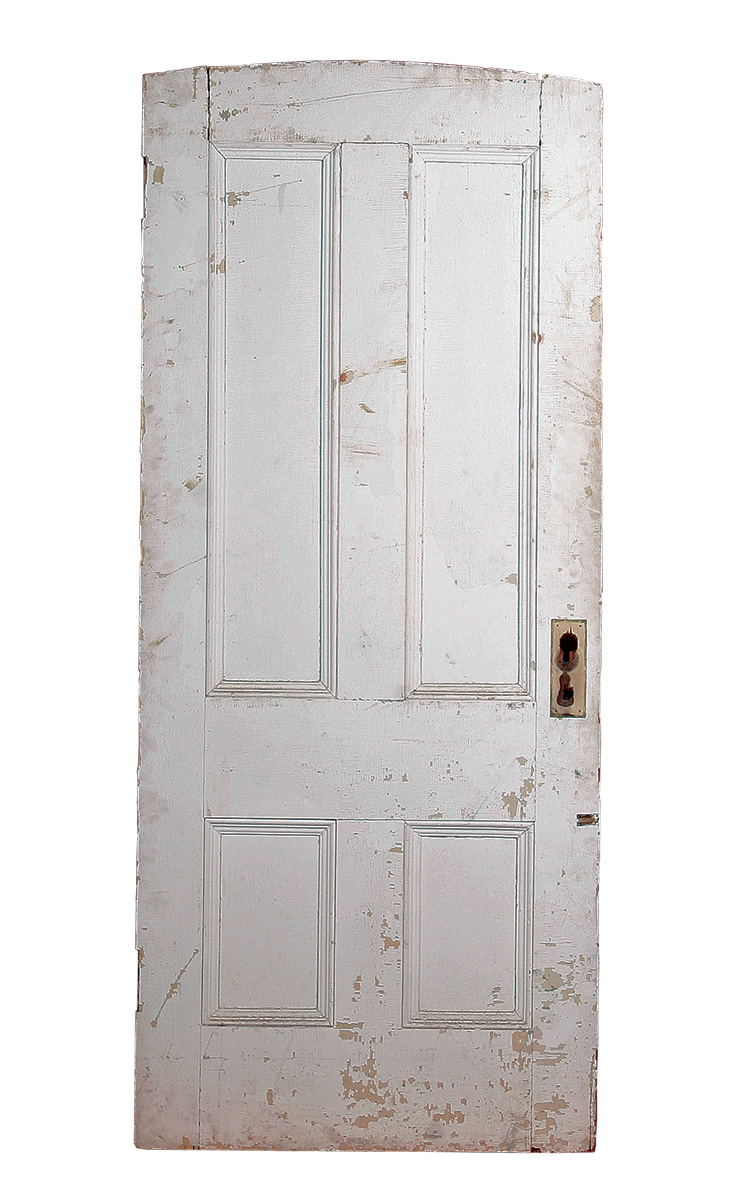
The article explores a range of eco-friendly and natural methods for stripping paint, offering alternatives to harsh chemical paint removers. Many traditional paint strippers contain harmful chemicals that pose risks to human health, including respiratory issues, skin diseases, and damage to internal organs, and are also detrimental to the environment due to their high content of Volatile Organic Compounds (VOCs) that deplete the ozone layer. While natural methods may require more time and effort, they provide a chemical-free approach, making them a safer choice for DIY enthusiasts and the environment.
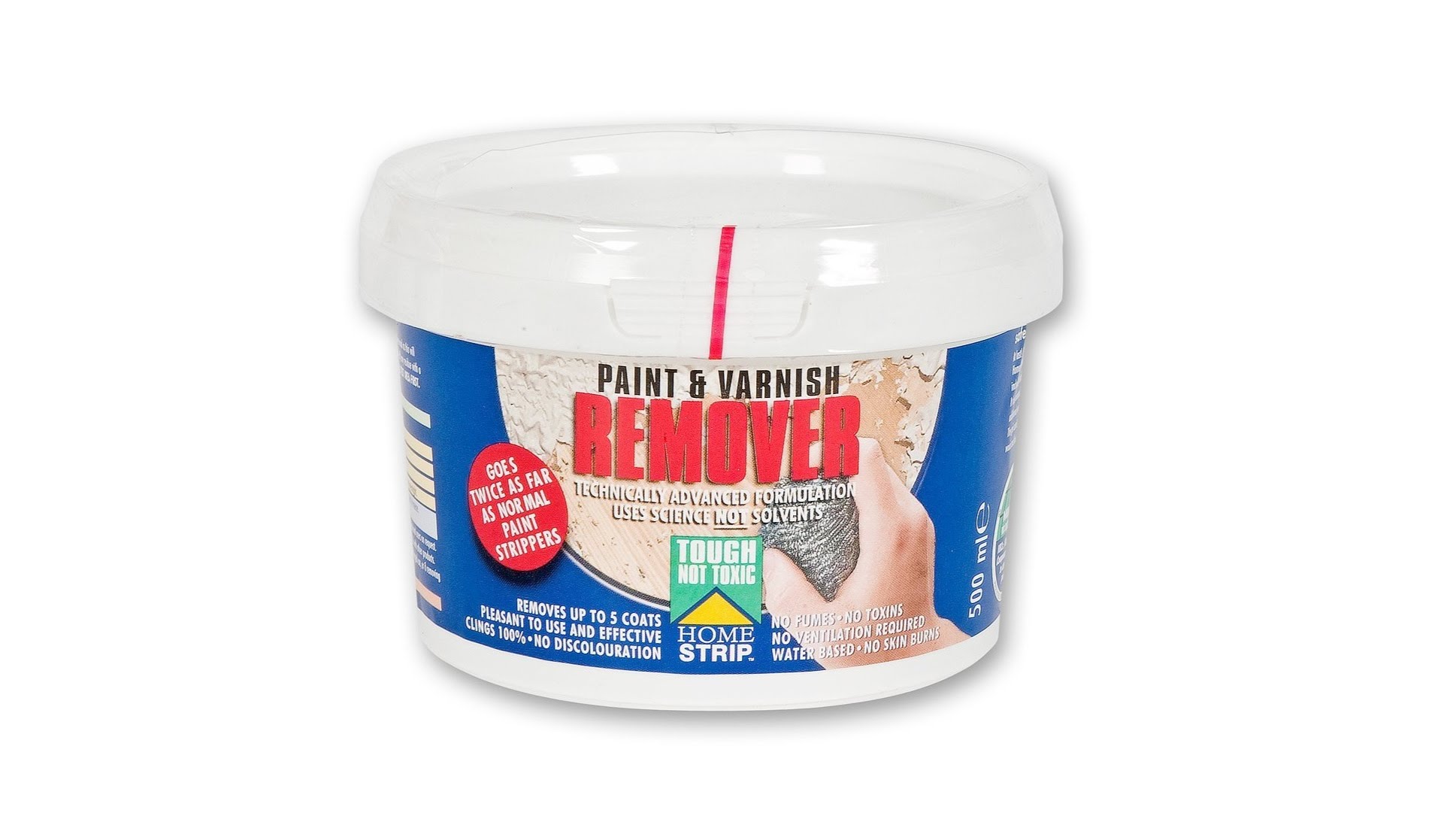
One effective natural method discussed is the use of soy-based paint removers. These products contain methyl soyate, derived from soybean oil, making them a sustainable and non-toxic option. Soy-based removers are applied as a gel and left to sit for up to six hours, after which the paint and solution can be scrubbed off. They are safe for use on wood, concrete, and metal but are not recommended for plastic surfaces like UPVC and laminate.
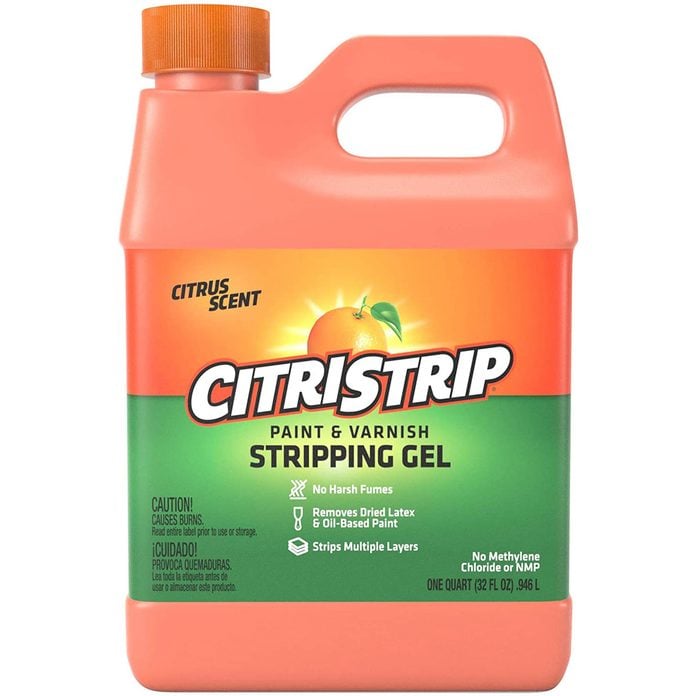
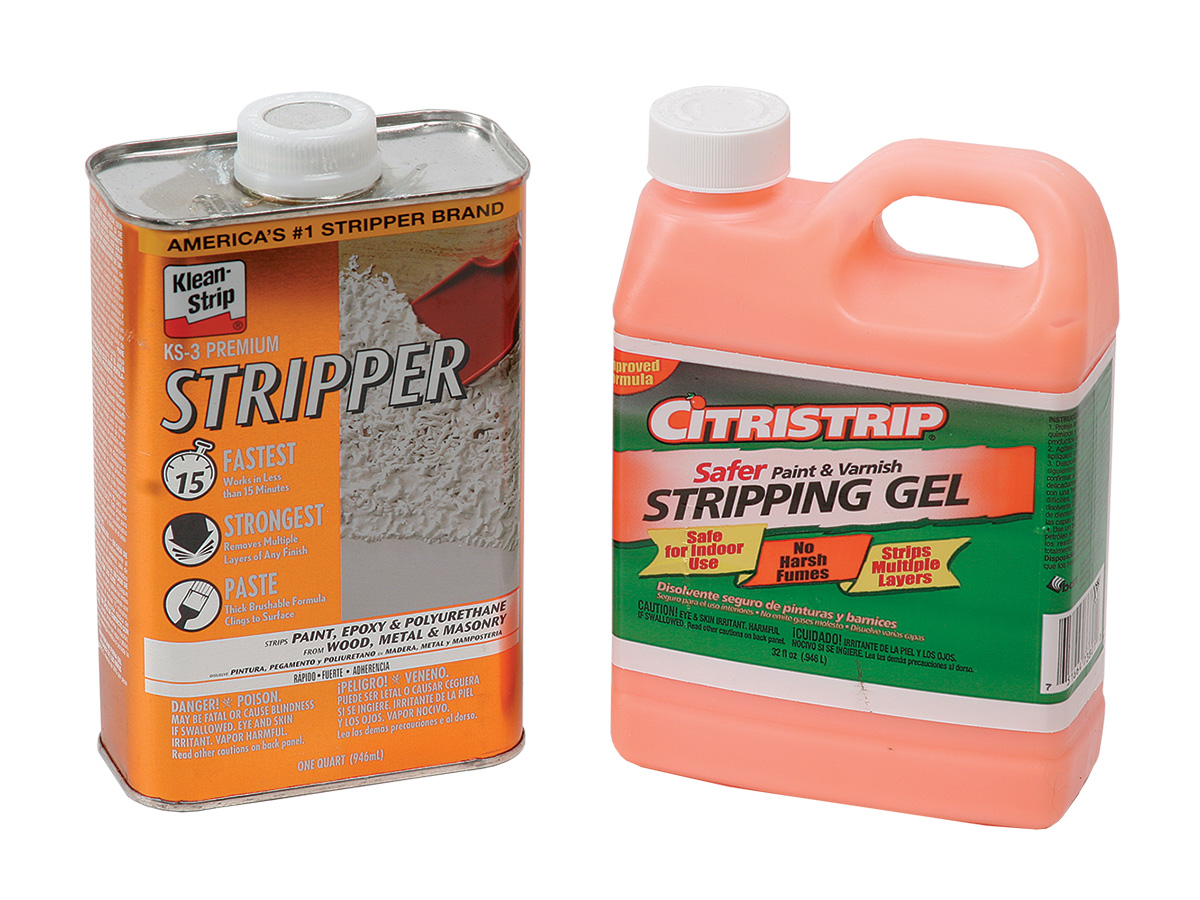
Citrus-based paint removers, which contain plant-derived terpenes, typically from oranges, offer another environmentally conscious choice. Similar to soy-based options, they work slowly but effectively and are suitable for various surfaces, including wood, metal, and masonry. Although less harmful than chemical strippers, proper disposal is still advised due to certain ingredients.
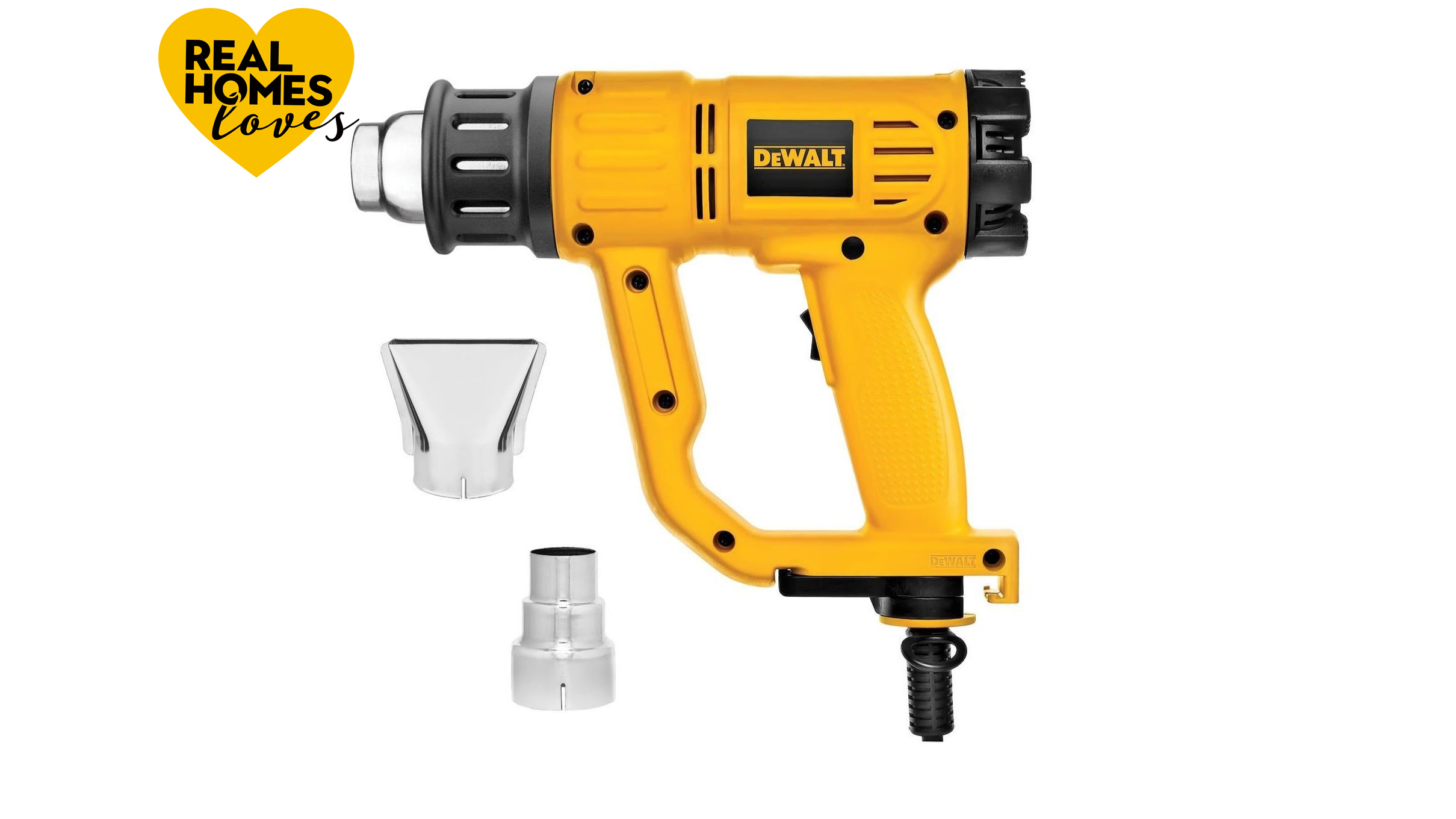
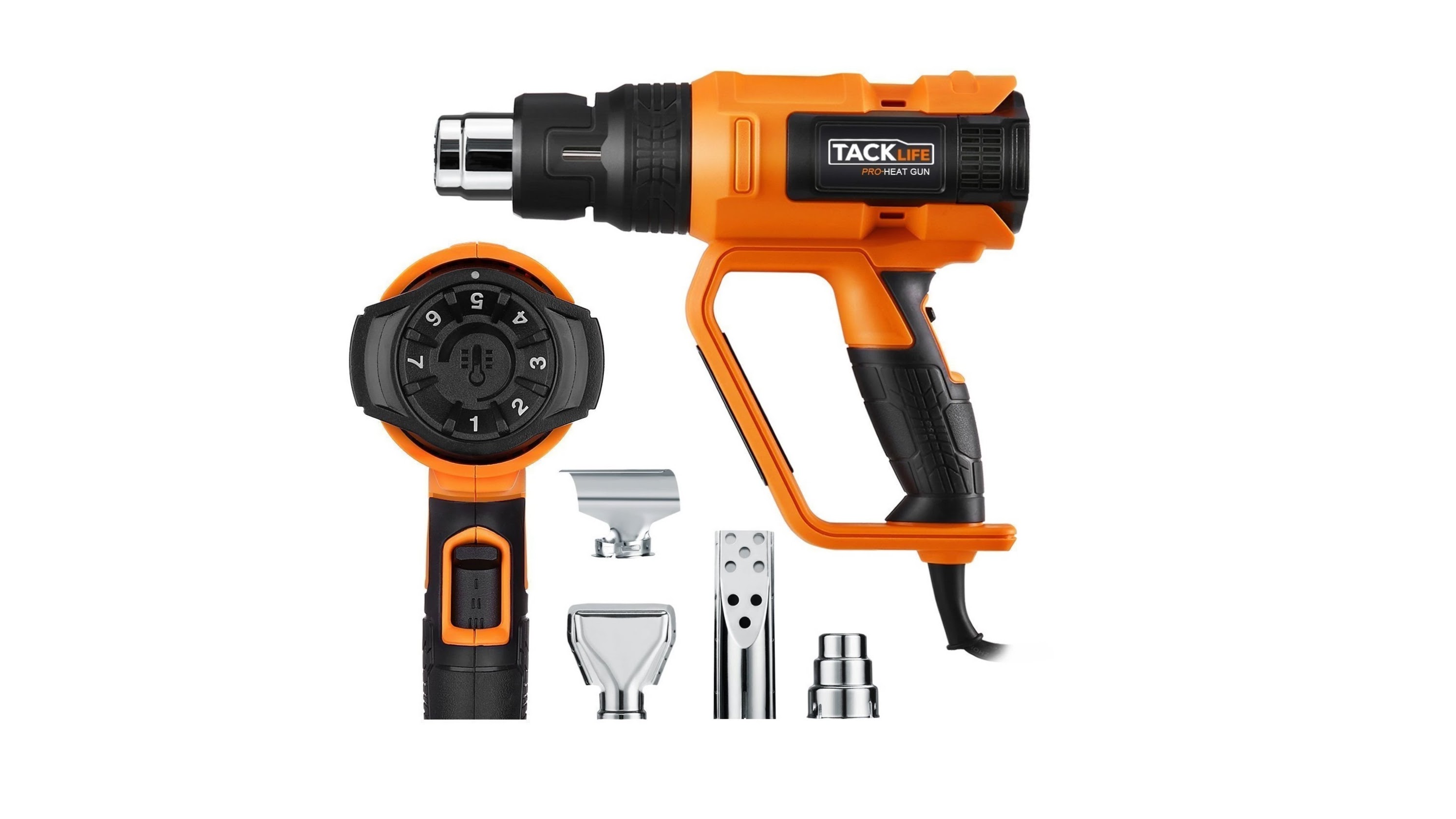
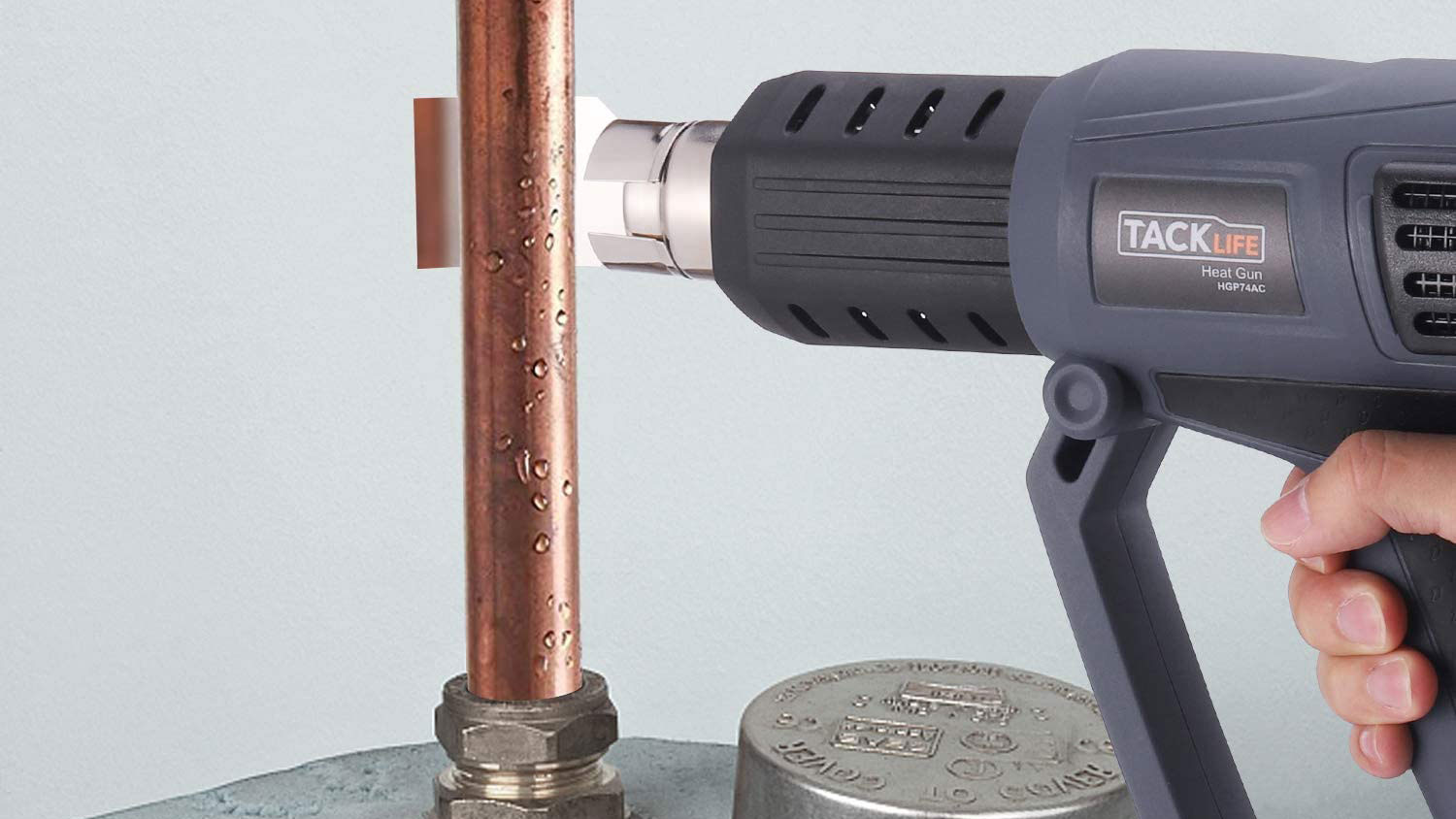
Heat guns provide a chemical-free method by loosening the bond between paint and surface. However, they require careful handling to avoid damaging the material. The technique involves heating the paint until it bubbles, then scraping it off, with precautions such as holding the gun at a 45-degree angle and avoiding prolonged heat application in one spot.
Homemade paint removers can also be concocted from common household ingredients. A mixture of one part ammonia, one part borax, and one part washing soda, with a small amount of water to form a paste, can be applied to paint and left for 10-20 minutes before scrubbing with steel wool. Another mixture involves washing soda, water, and flour, creating a creamy paste that is applied to the painted surface and removed after about half an hour. These solutions are versatile but should be patch-tested on an inconspicuous area first.
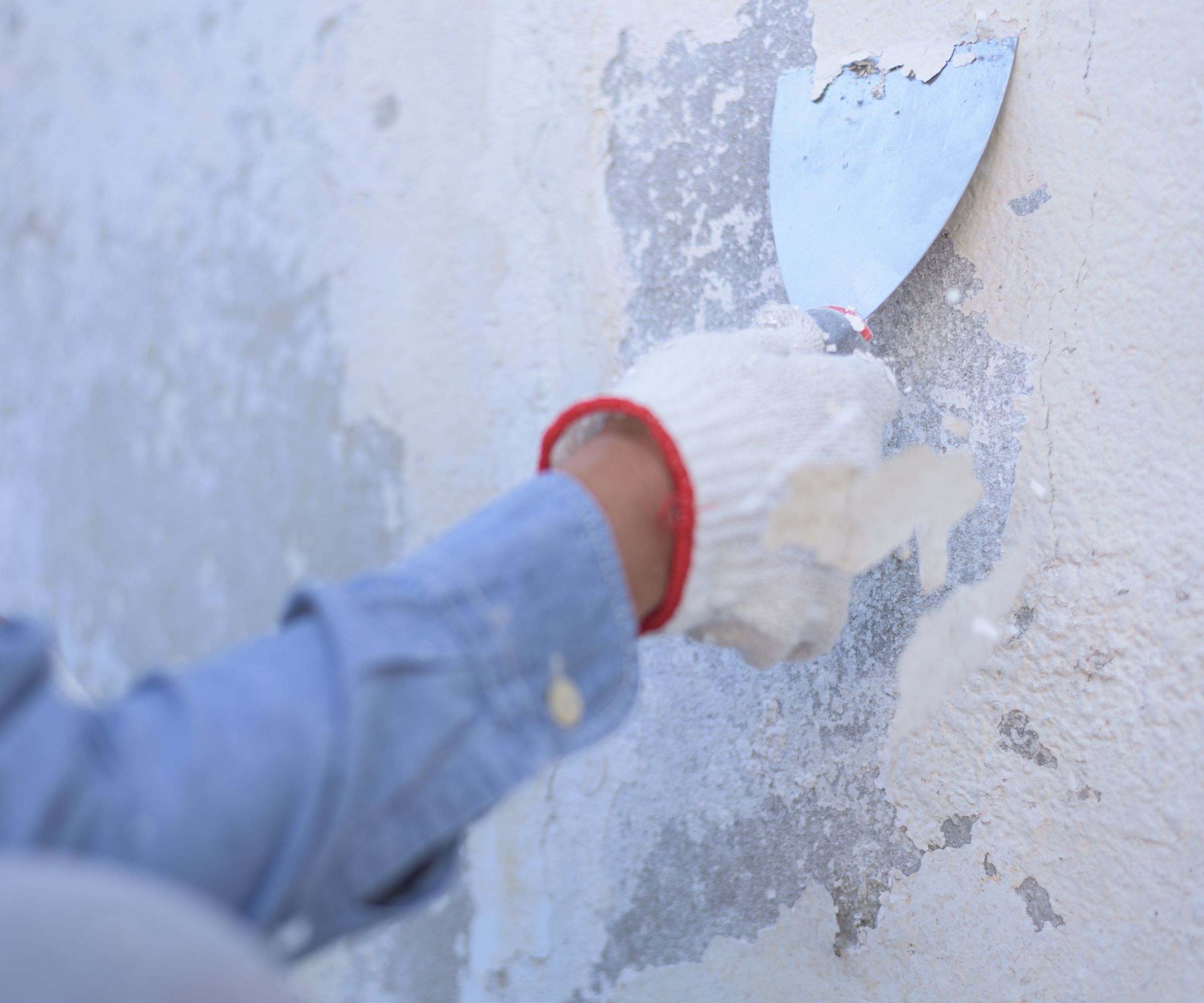
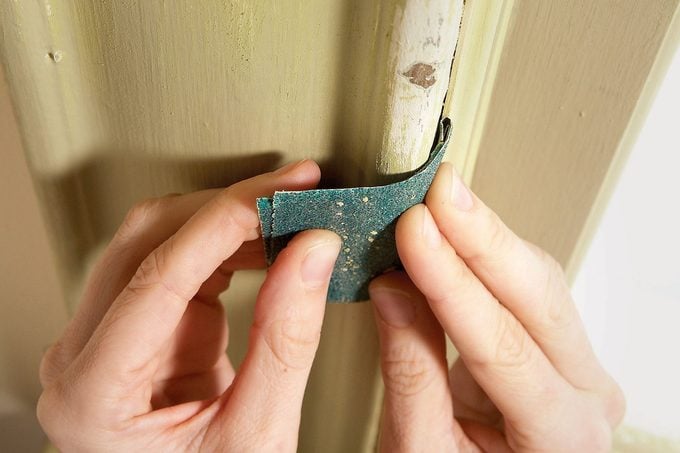
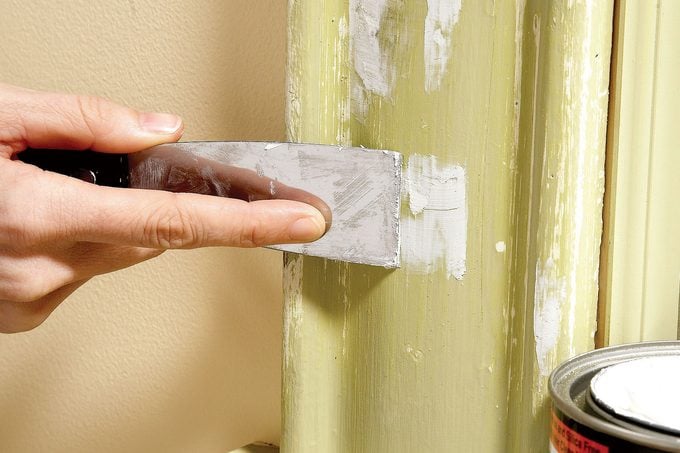
For those seeking the most environmentally friendly option, manual scraping or "elbow grease" is an alternative, provided the paint does not contain lead. This method is labor-intensive but completely avoids chemicals. Additionally, baking soda mixed with water to form a paste acts as a non-toxic base chemical stripper, which can be applied, left for 30-60 minutes, and then scrubbed off.
Lastly, vinegar, an acid, can soften paint significantly, making it easier to remove. Heating vinegar and applying it to the surface, allowing it to rest, helps break down the paint. For smaller objects, simmering them in a pot of water with a quarter cup of baking soda can also help strip paint, provided they do not touch each other or the pot's sides. These natural methods, while demanding patience, prioritize safety and environmental well-being over the speed of chemical alternatives.
#DIYPaintStripper #EcoFriendlyHome #NaturalPaintRemovers #HomeImprovement #ChemicalFreeLiving #PaintStrippingTechniques #InteriorDesignAdvice #SustainableLiving #HomeMaintenance #DIYPaintStripper #EcoFriendlyHome #NaturalPaintRemovers #HomeImprovement #ChemicalFreeLiving #PaintStrippingTechniques #InteriorDesignAdvice #SustainableLiving #HomeMaintenance
合計0件のコメント
 まだコメントはありません
あなたも好きかもしれません
The 7 Best Paint Strippers and Removers of 2025

How to fix peeling paint in 4 steps – and reasons why your paint is crumbling

9 Best Wallpaper Removers
How to clean walls before painting – expert tips and tricks
The best paint stripper: 6 best buys for easy paint removal

20 Essential Painting Tools for Your Next Project, According to Painting Pros

The Right Way to Clean Painted Walls, From Matte to Gloss Finishes


10 Zero-VOC Paints to Refresh Your Space Safely

Torture Test: Paint Strippers
How To Clean Painted Walls Without Ruining Them
5 Best Places to Buy Paint Online for Your Next DIY Project
9 Best Paint Edging Tools for Painting Trim
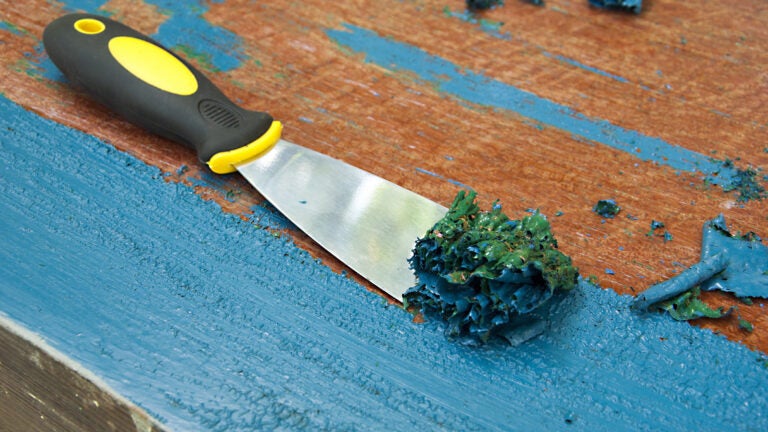
How to strip paint from wood safely

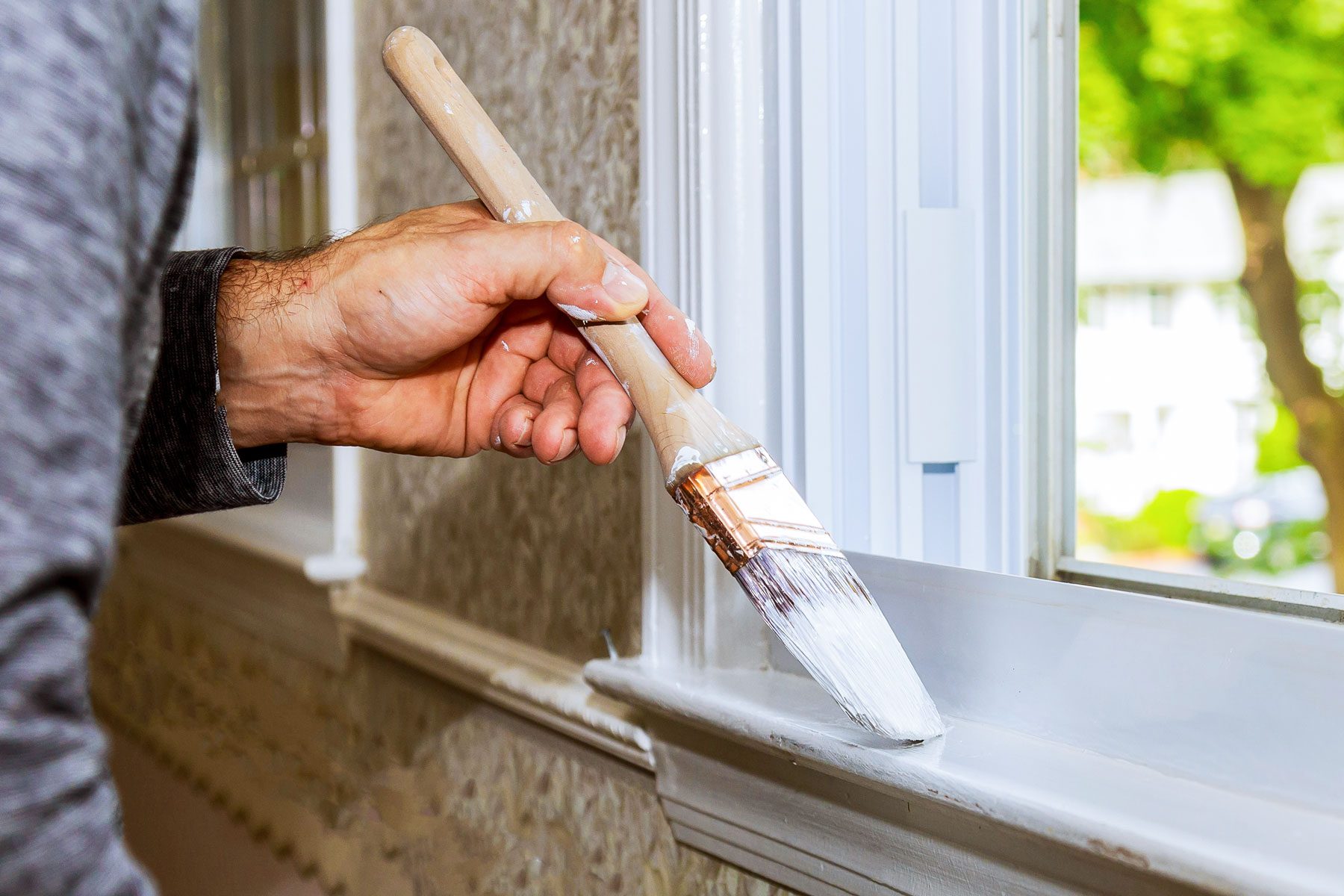
11 Pro Tips for How To Paint Trim
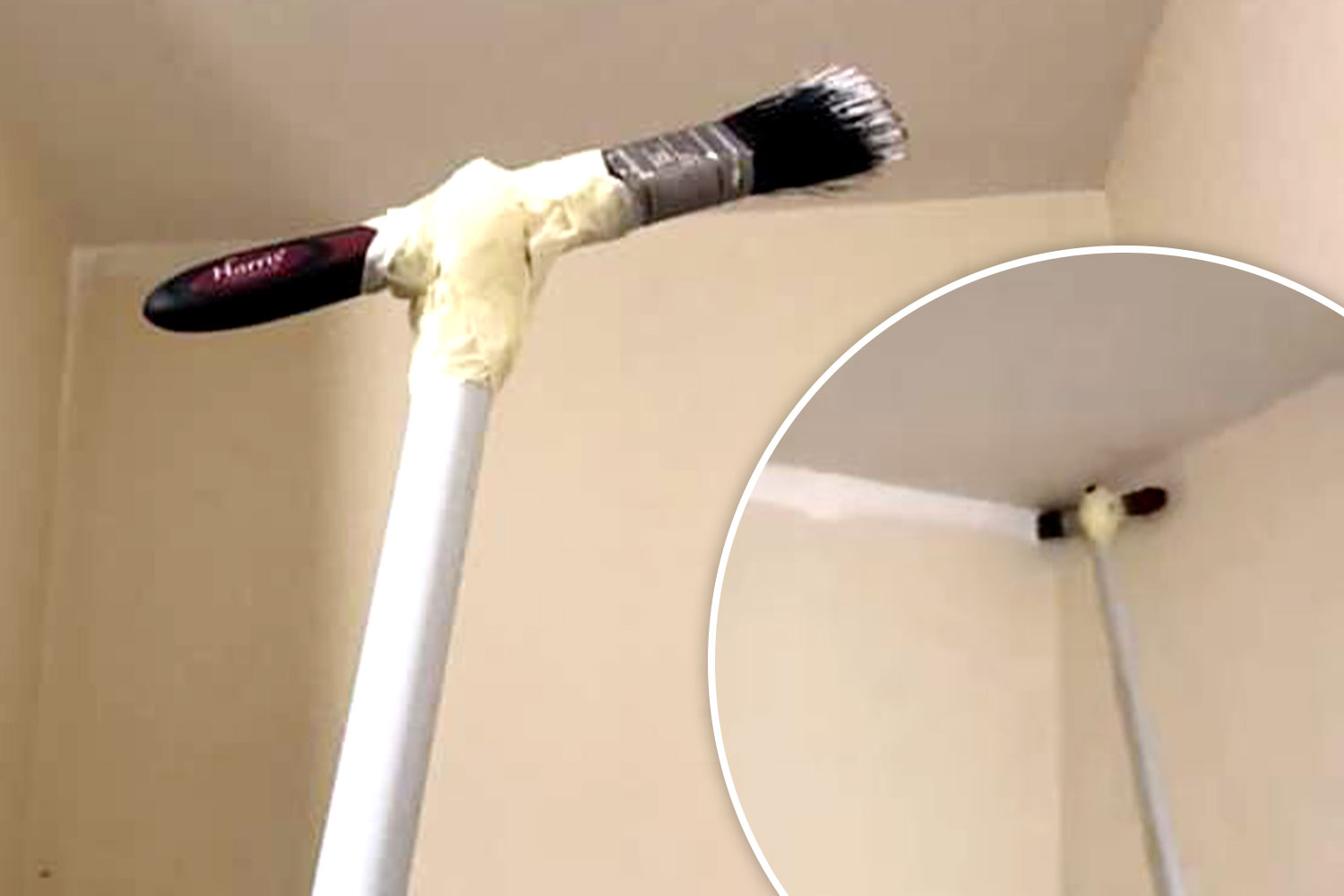
DIY fan shares easy way she paints high ceiling corners WITHOUT using a ladder
This paint edger tool saved me hours of painting time – and I would never redecorate without it
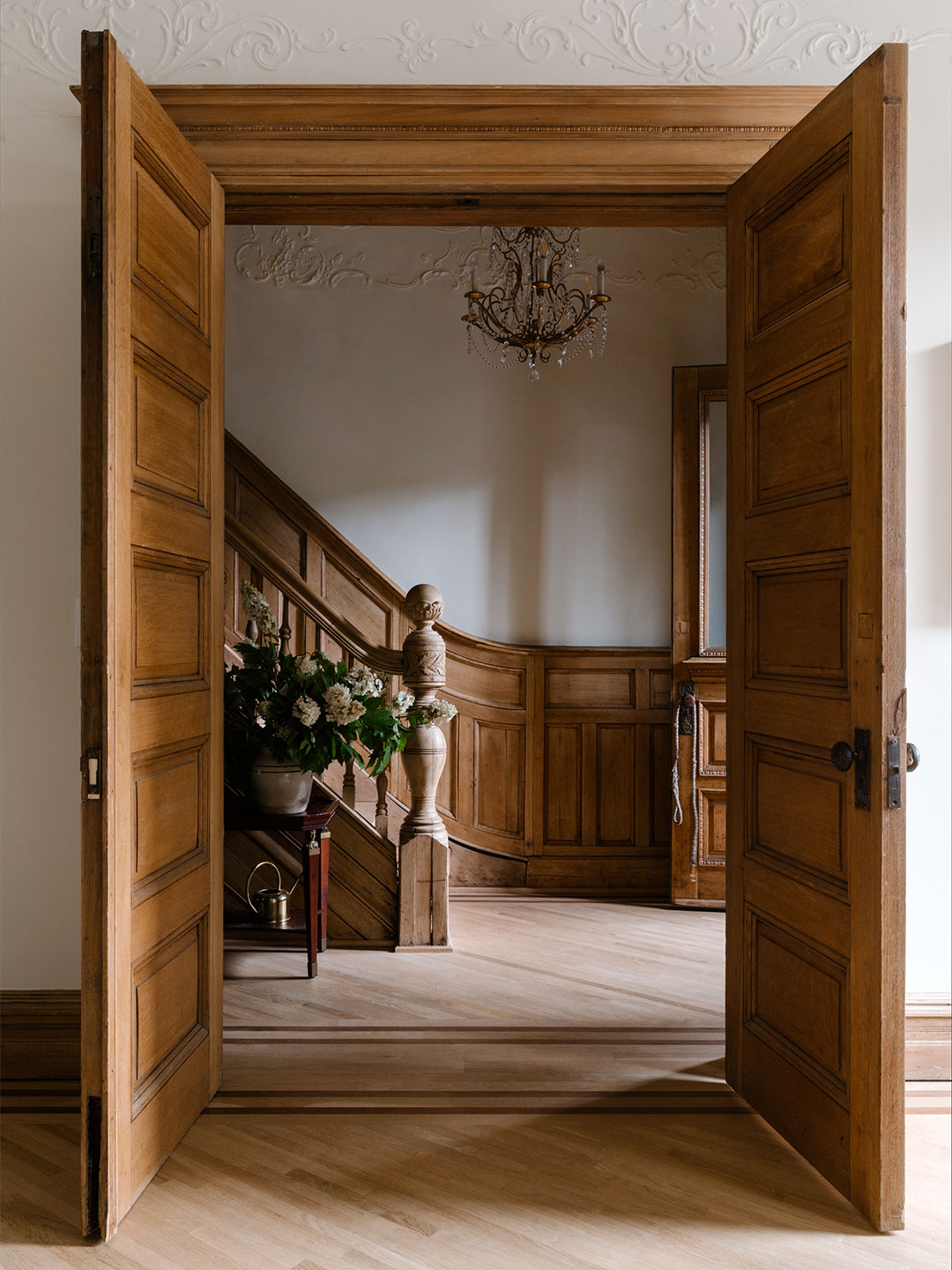
The Brownstone Boys Reveal Their “Secret Sauce” for Stripping Away Sad Paint and Varnish

Best paint for furniture – 9 quick and easy paints for upcycling
The Best Paint Brushes for Trim, Tested for Crisp, Clean Lines

How to clean walls – the best ways to get rid of marks and scuffs