5 Kitchen Backsplash Mistakes Almost Everyone Makes—and What to Do Instead, According to Tile Pros
When planning to update your kitchen backsplash, it's crucial to be aware of common mistakes that can detract from the overall design and functionality of your space. Kali Gibson, senior brand manager at Fireclay Tile, identifies five frequent blunders and offers practical solutions.
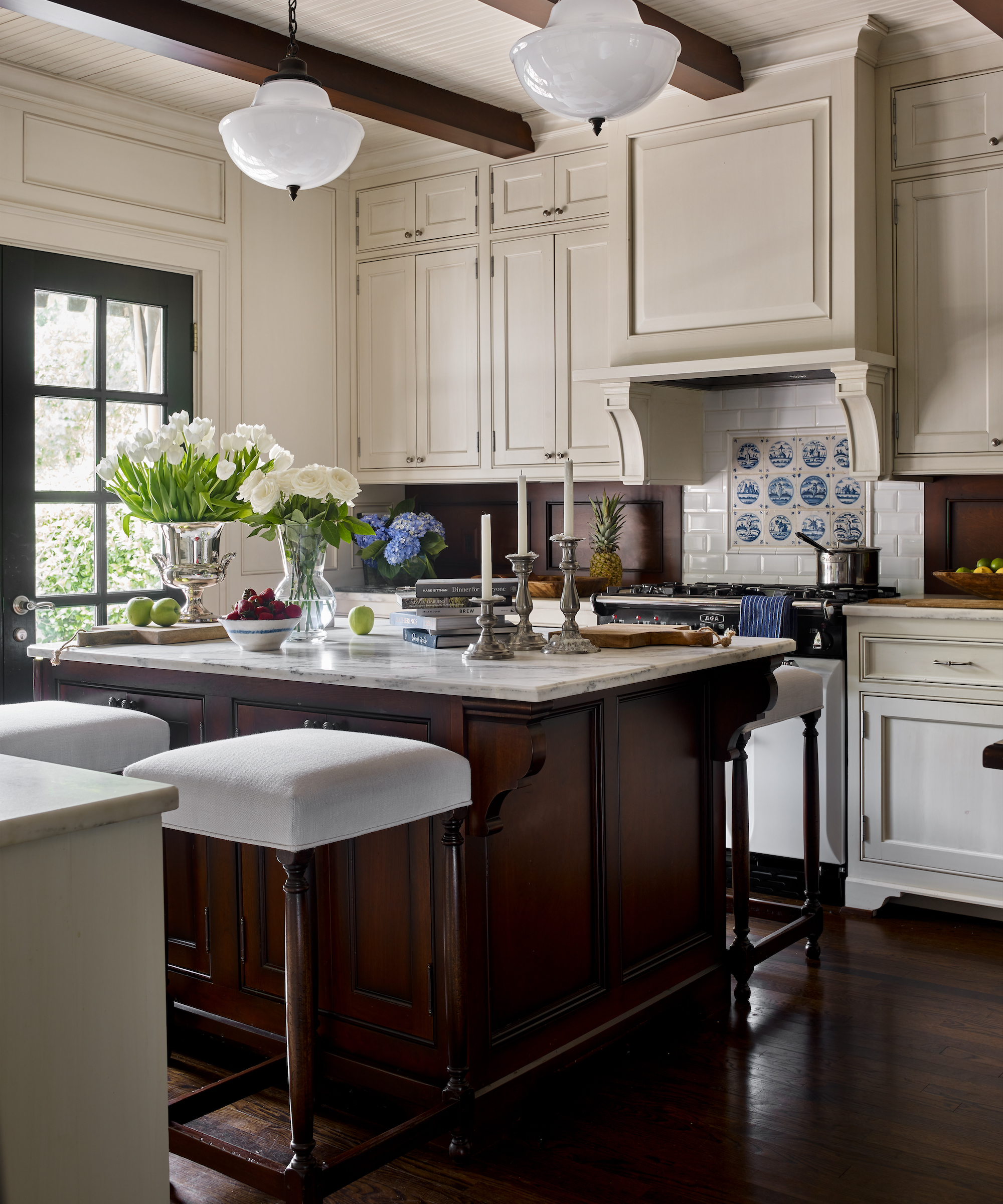
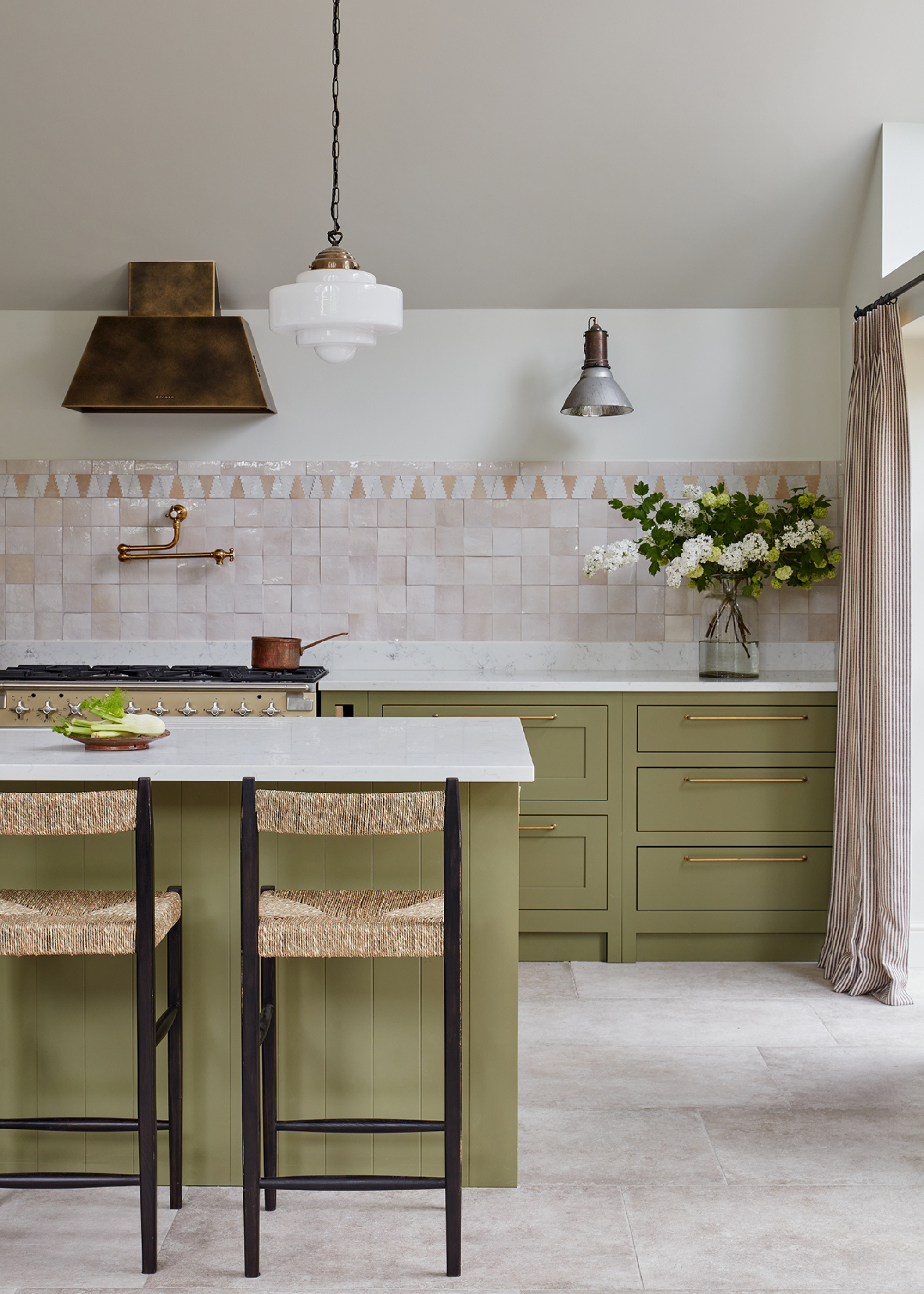
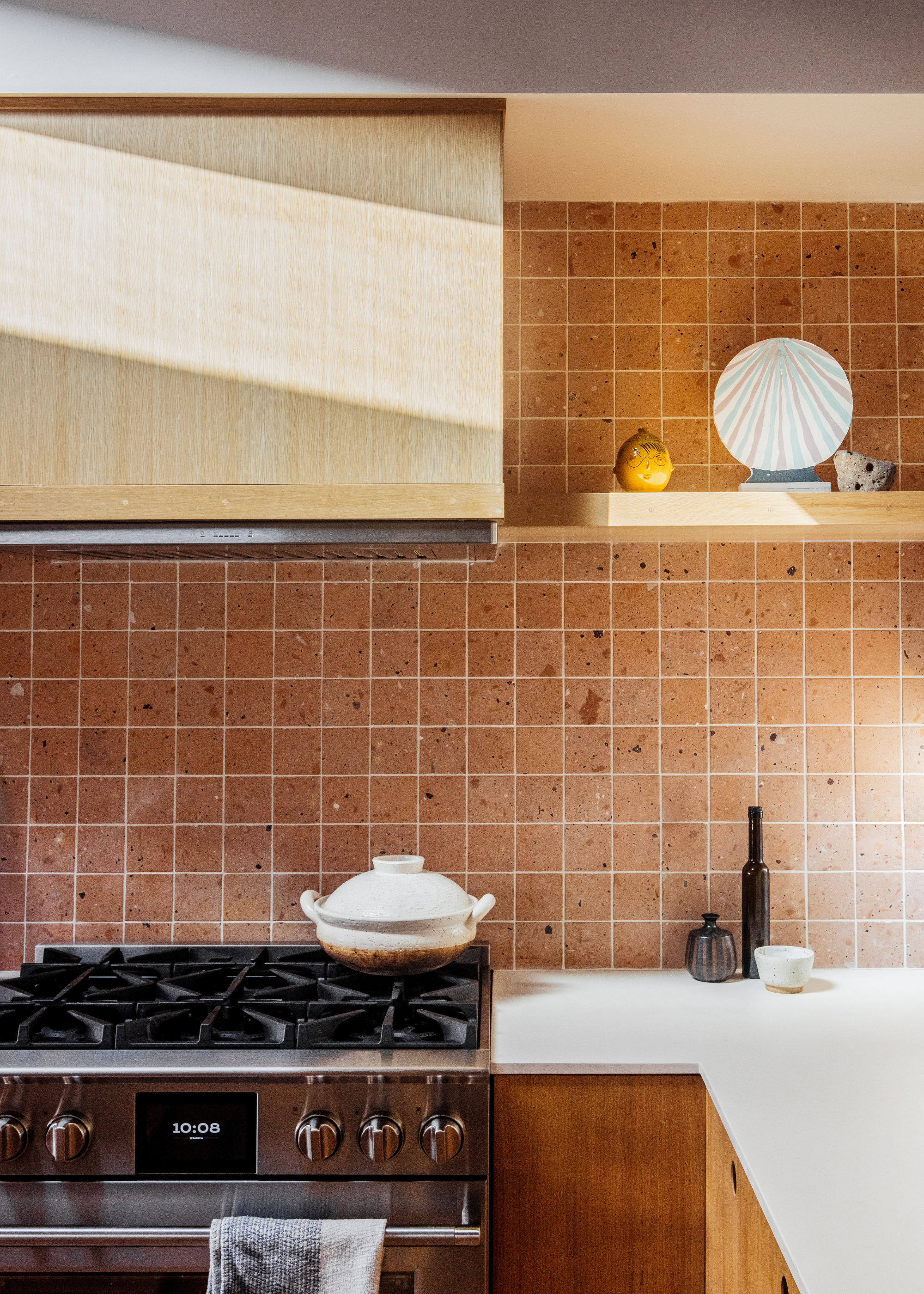
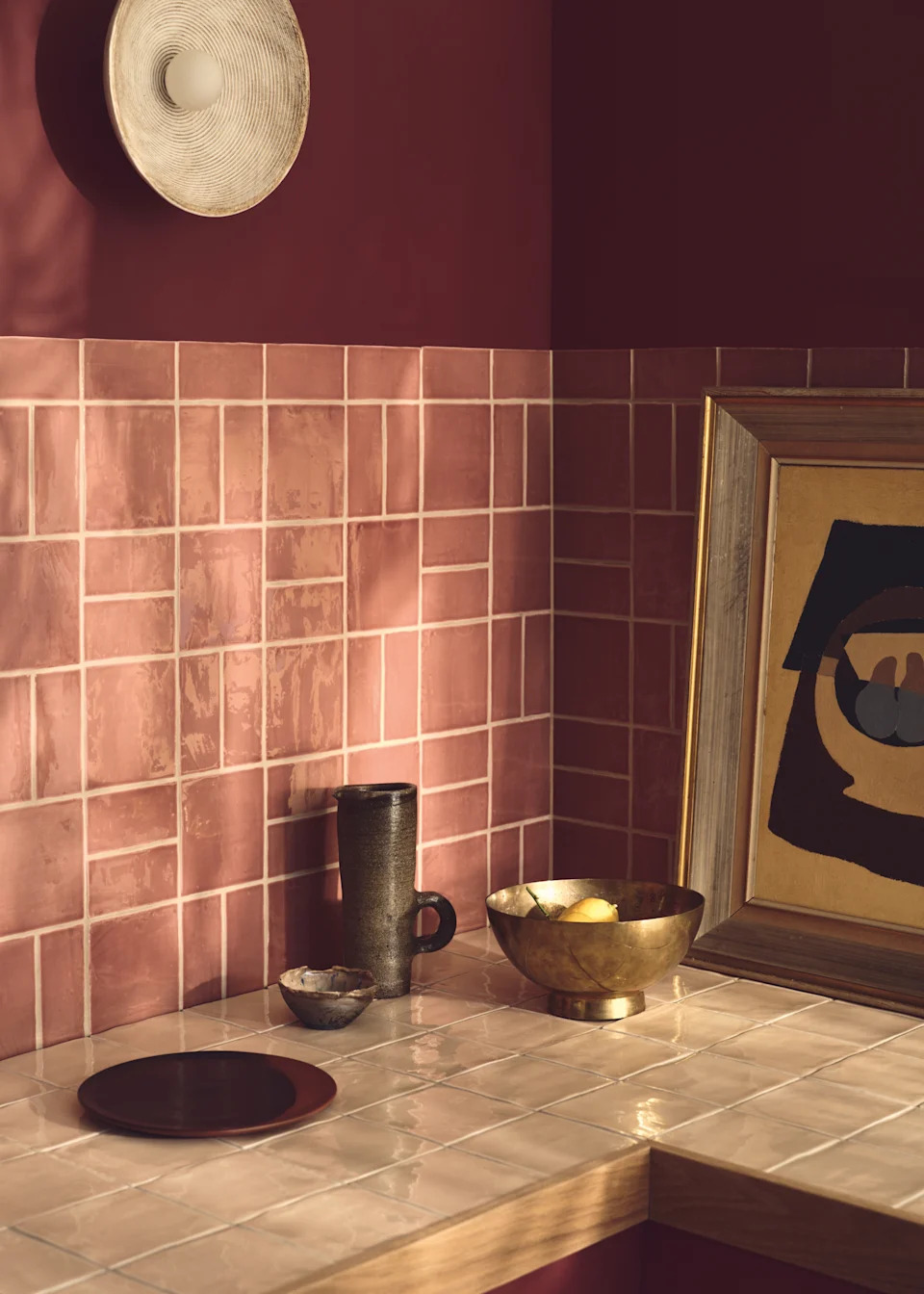

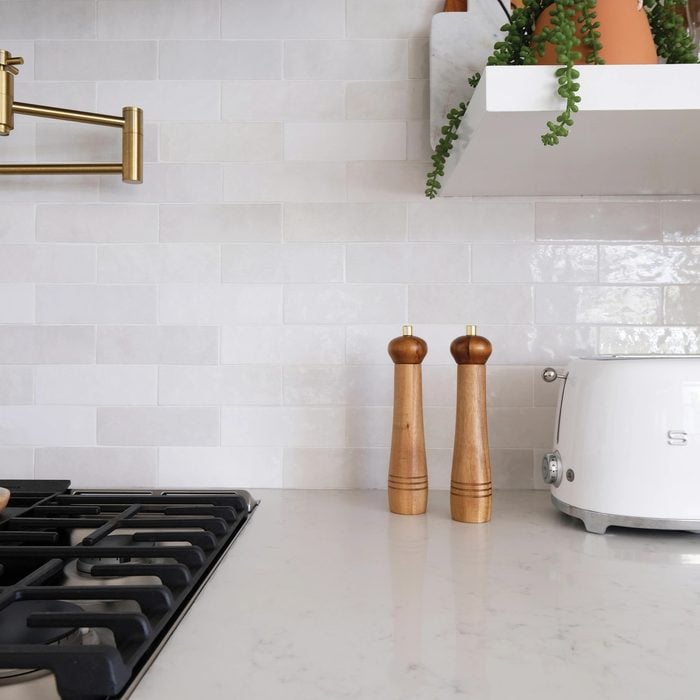
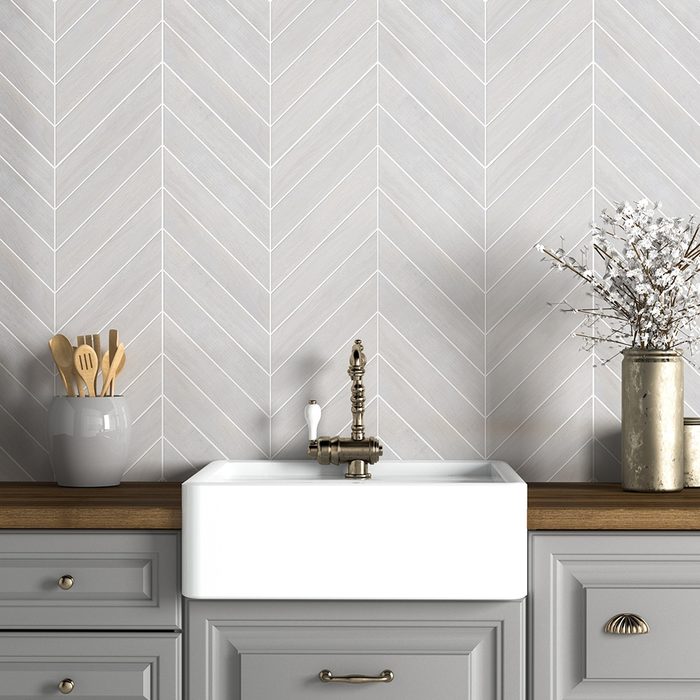
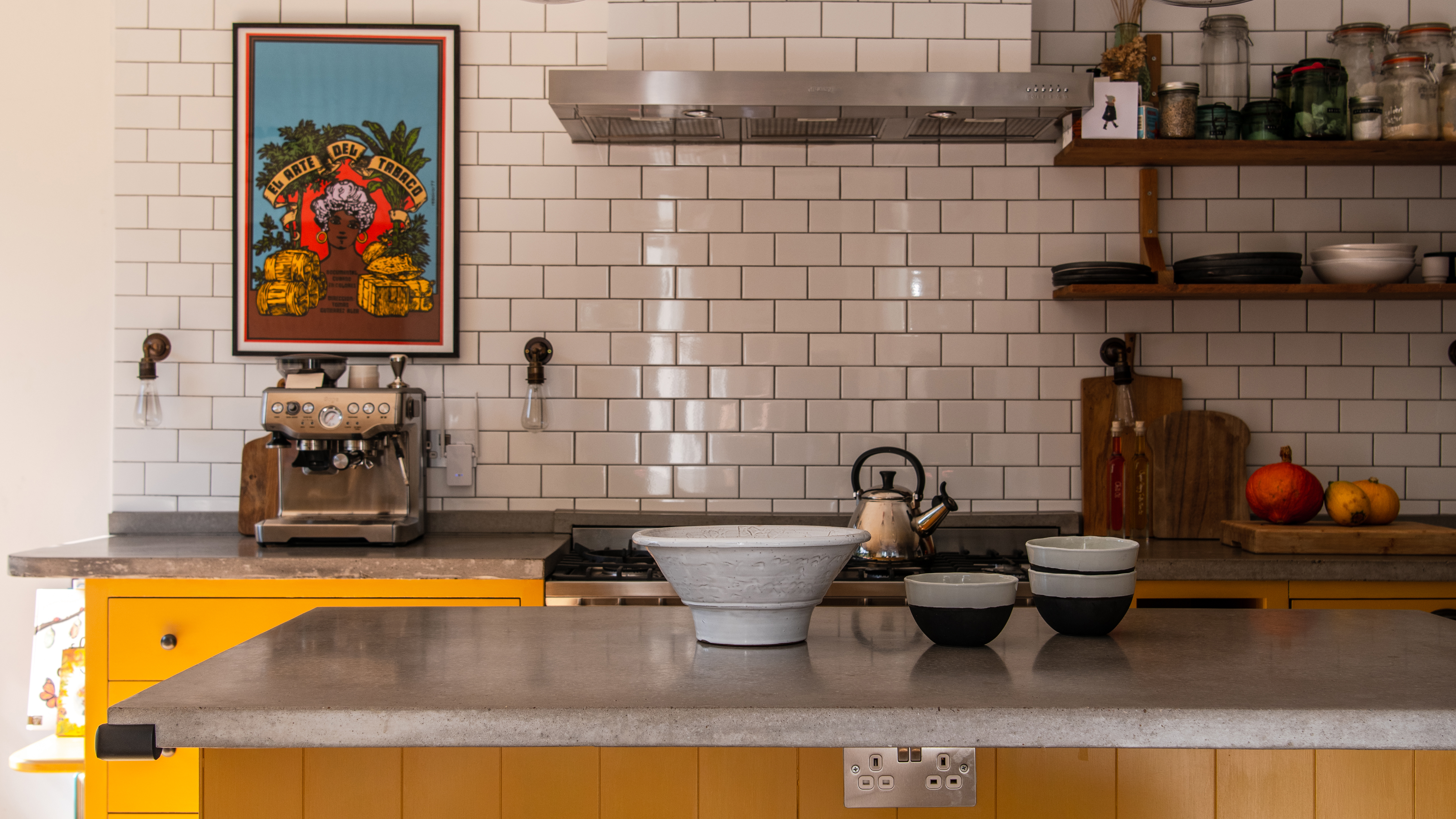
One significant error is selecting the wrong grout color. If the grout color contrasts too starkly with the tiles, it can visually overpower the design. For a more subtle and seamless appearance, it's best to choose a neutral or matching grout shade. Alternatively, a slightly darker grout can be advantageous in a kitchen environment, as it helps to conceal dirt, grease, and food stains, which are inevitable in a high-traffic area. Maintaining a clean backsplash also involves having appropriate cleaning solutions and tools for tough messes.
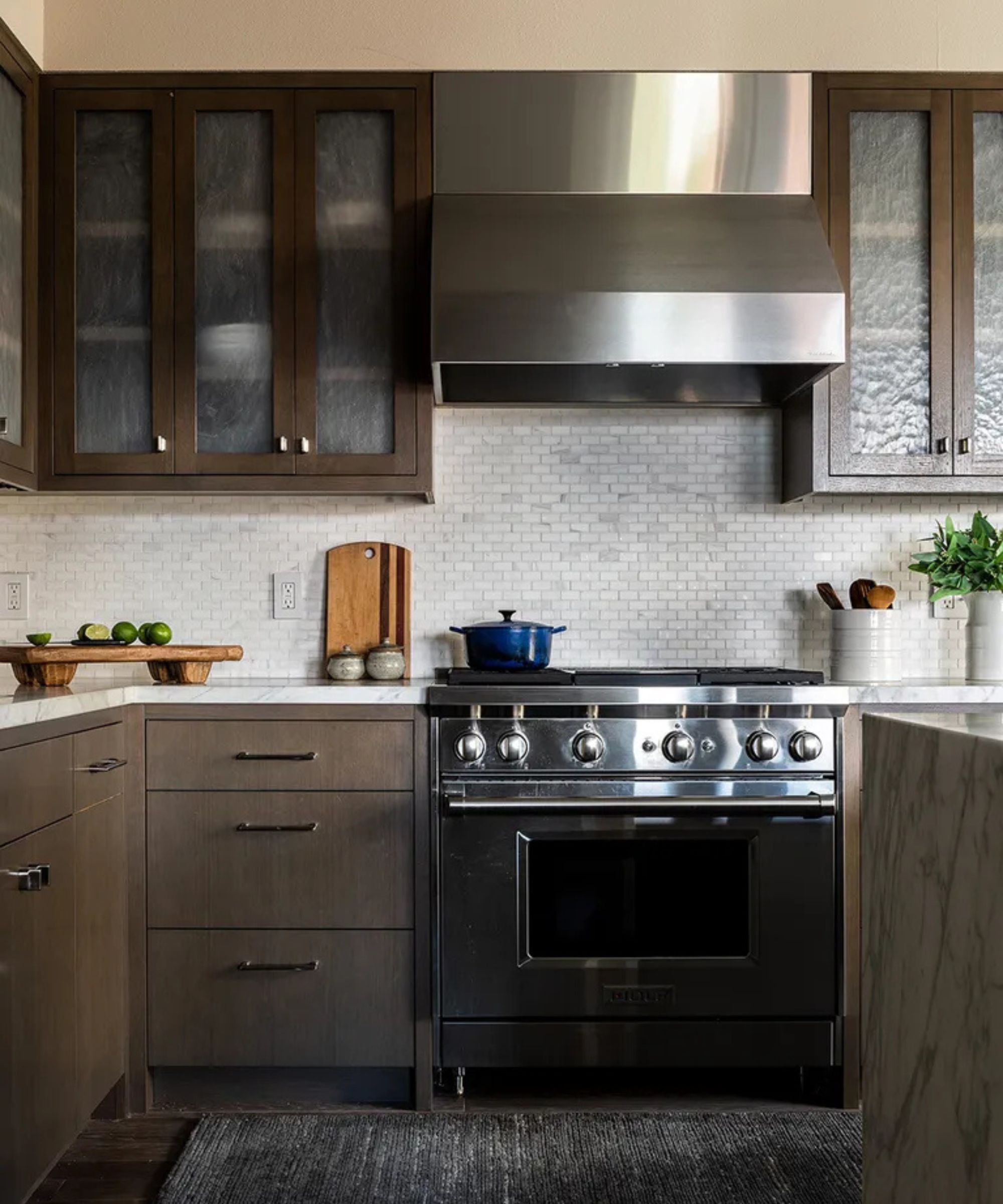
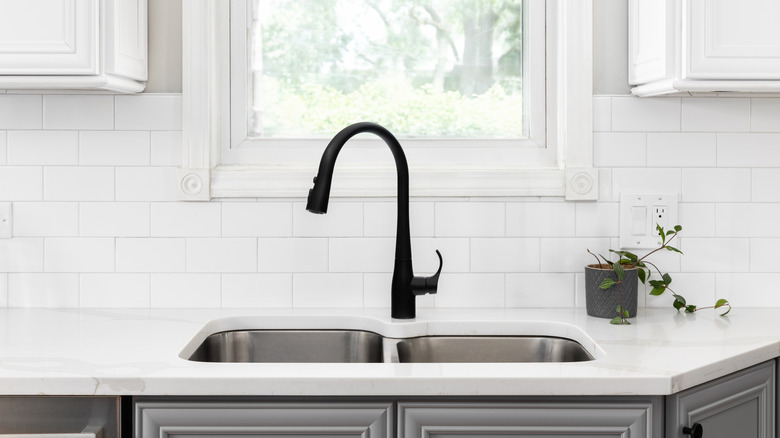
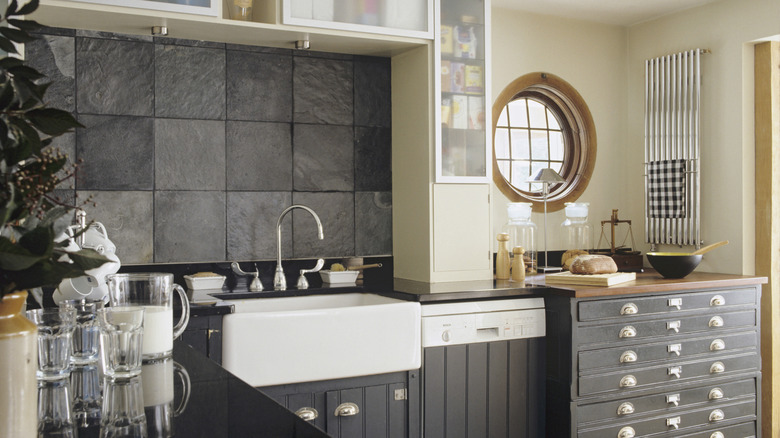
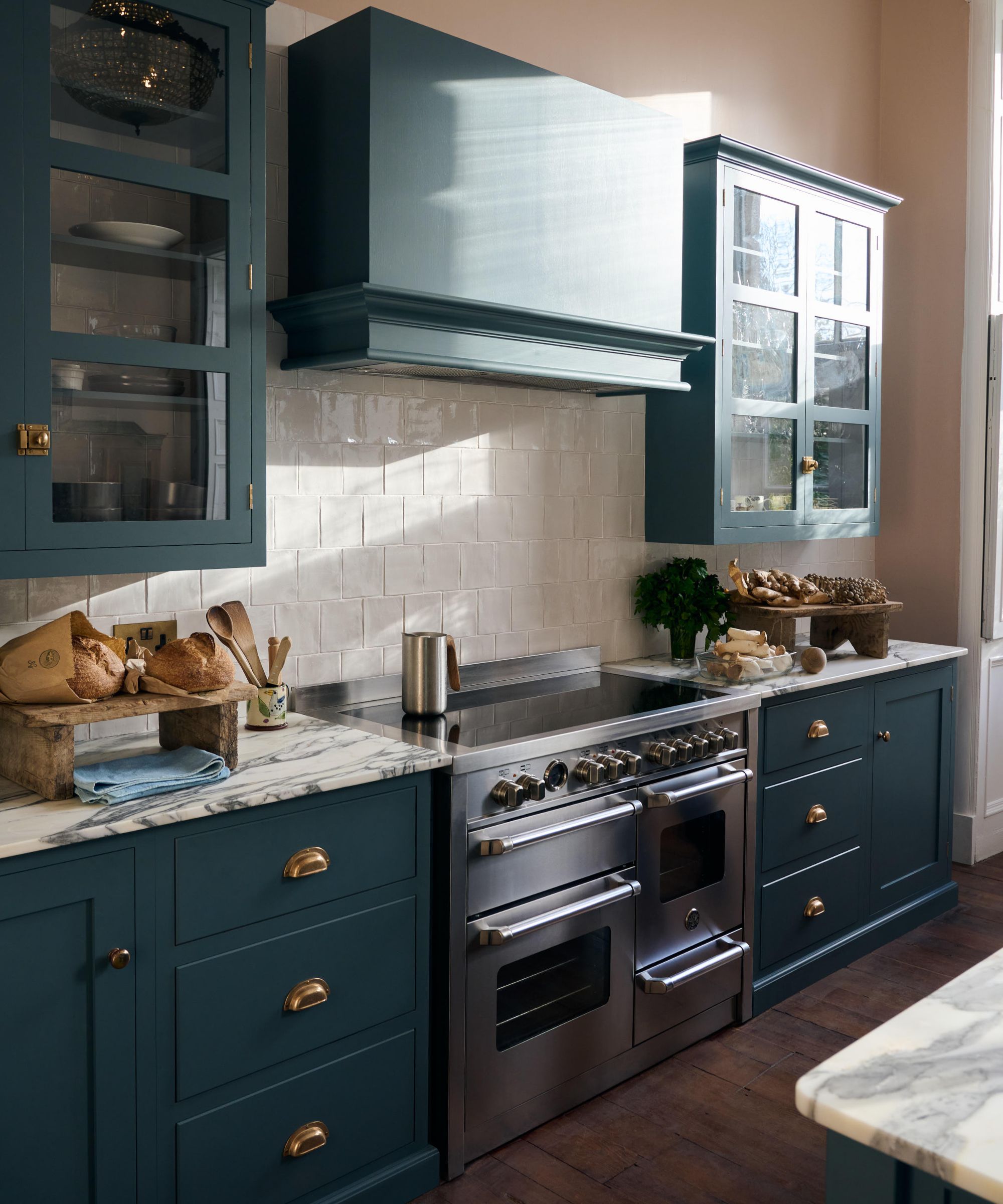
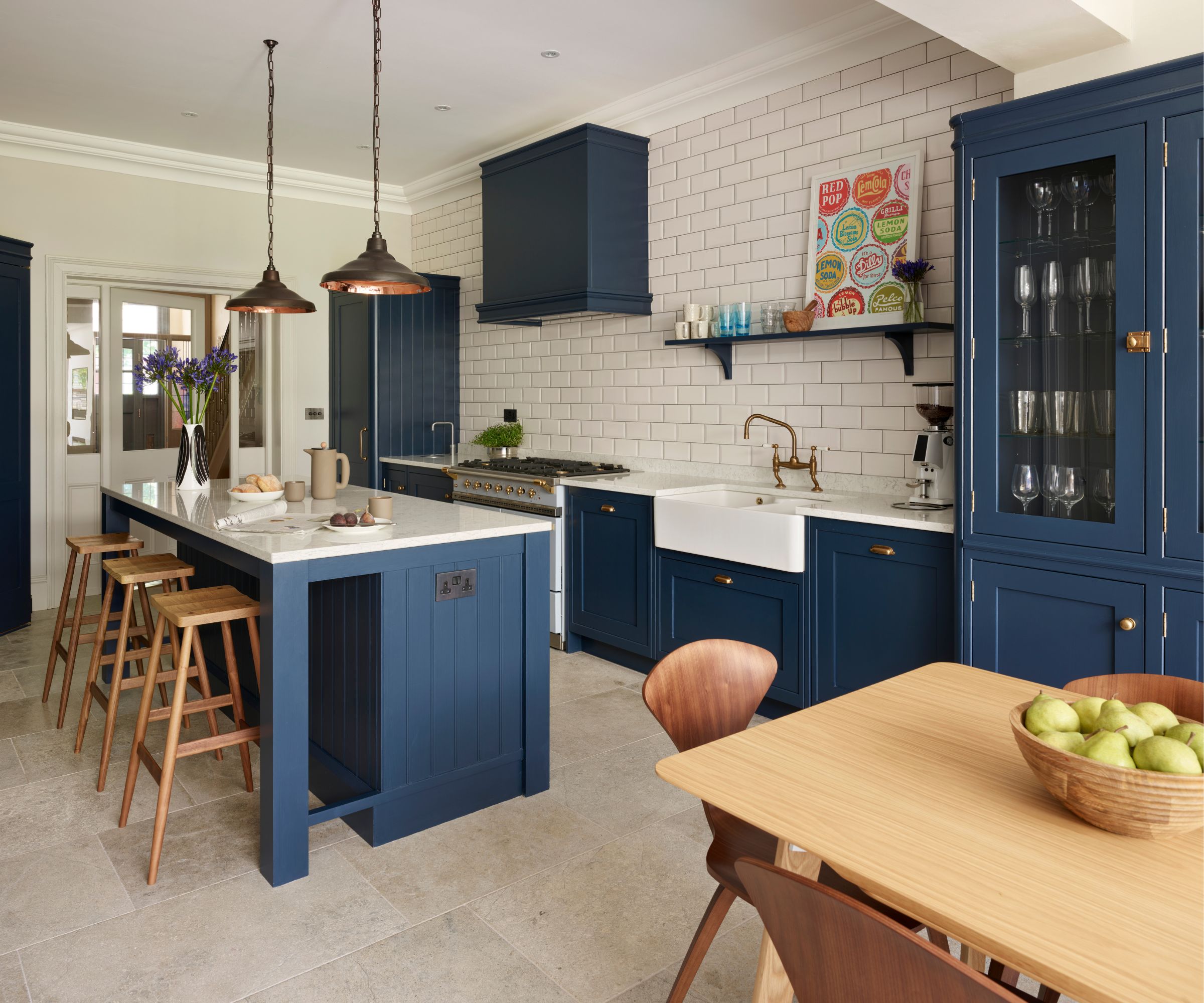
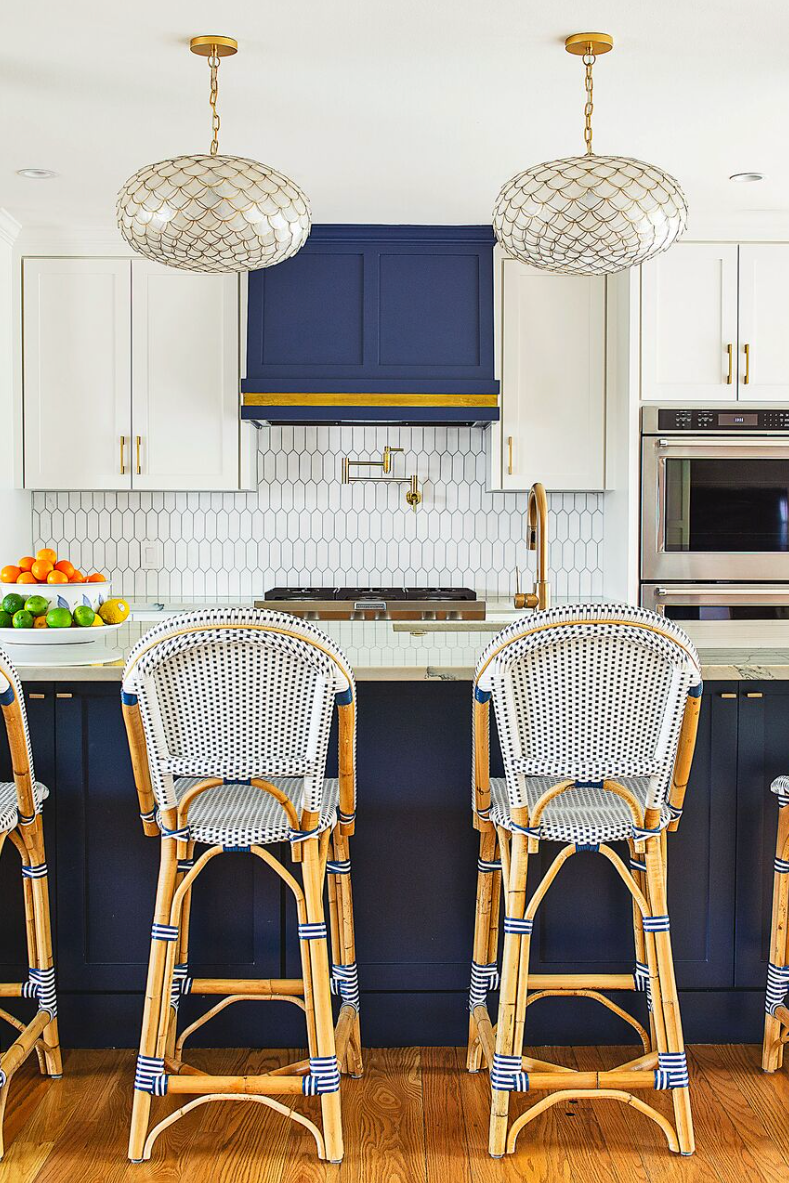
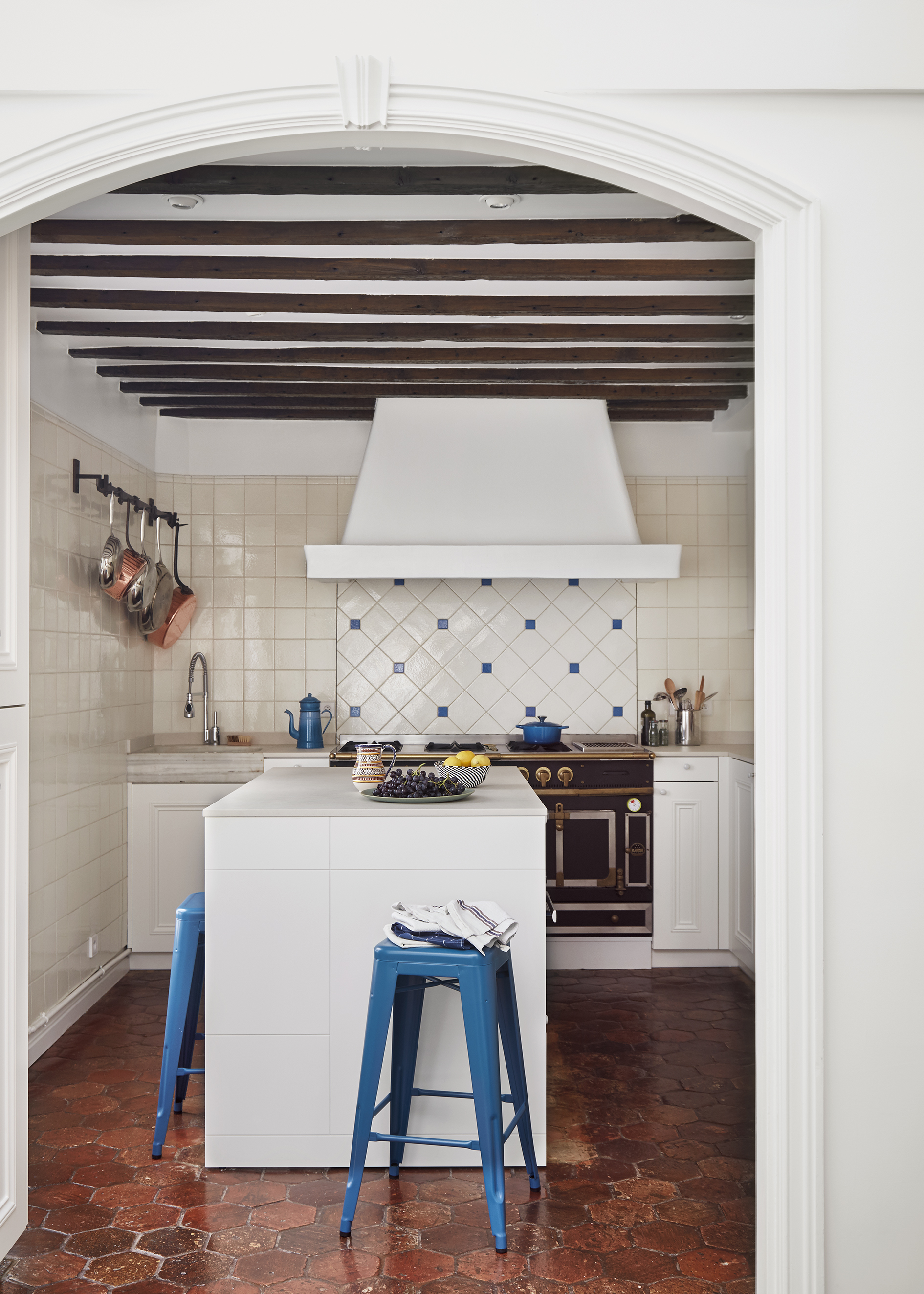
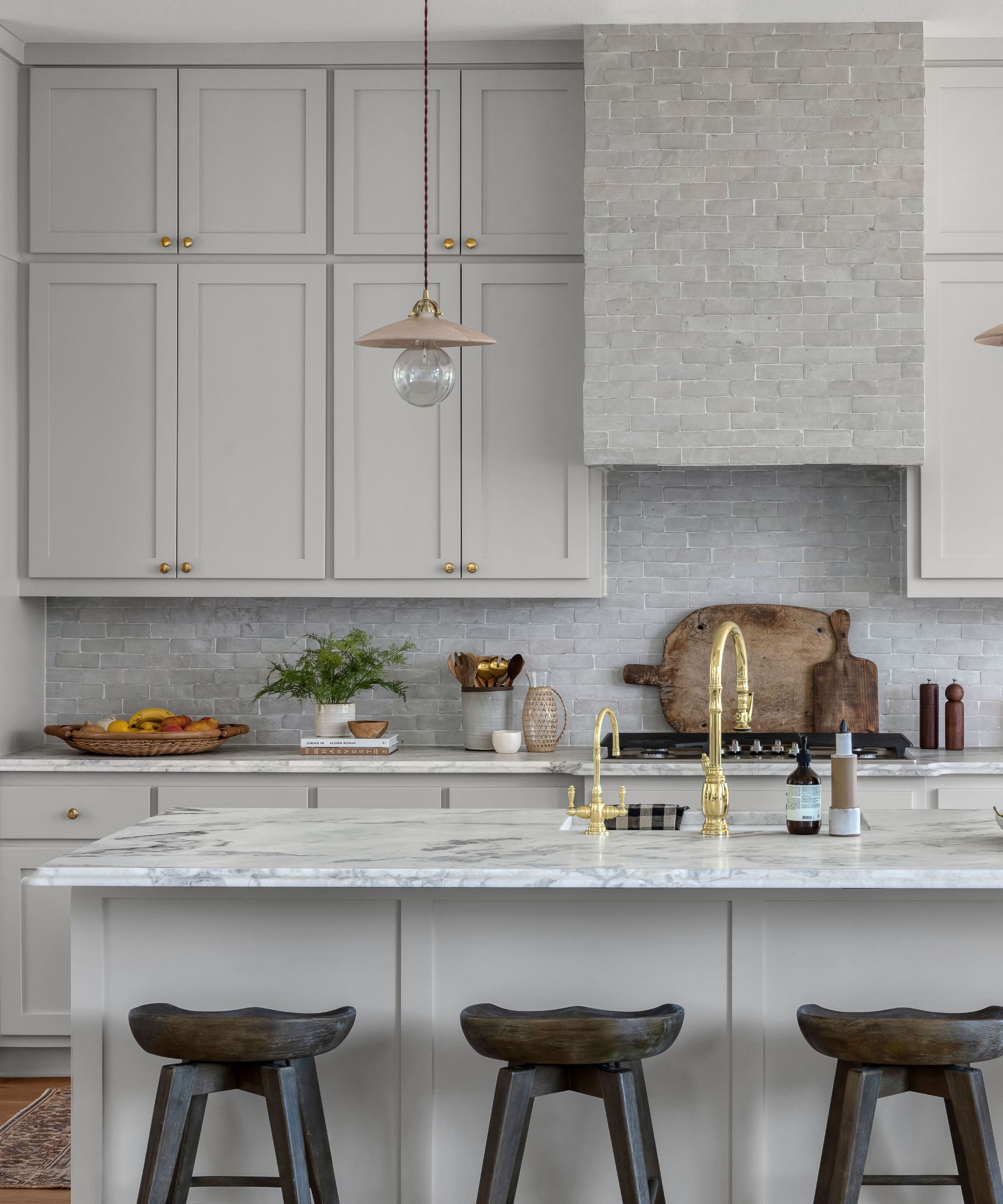
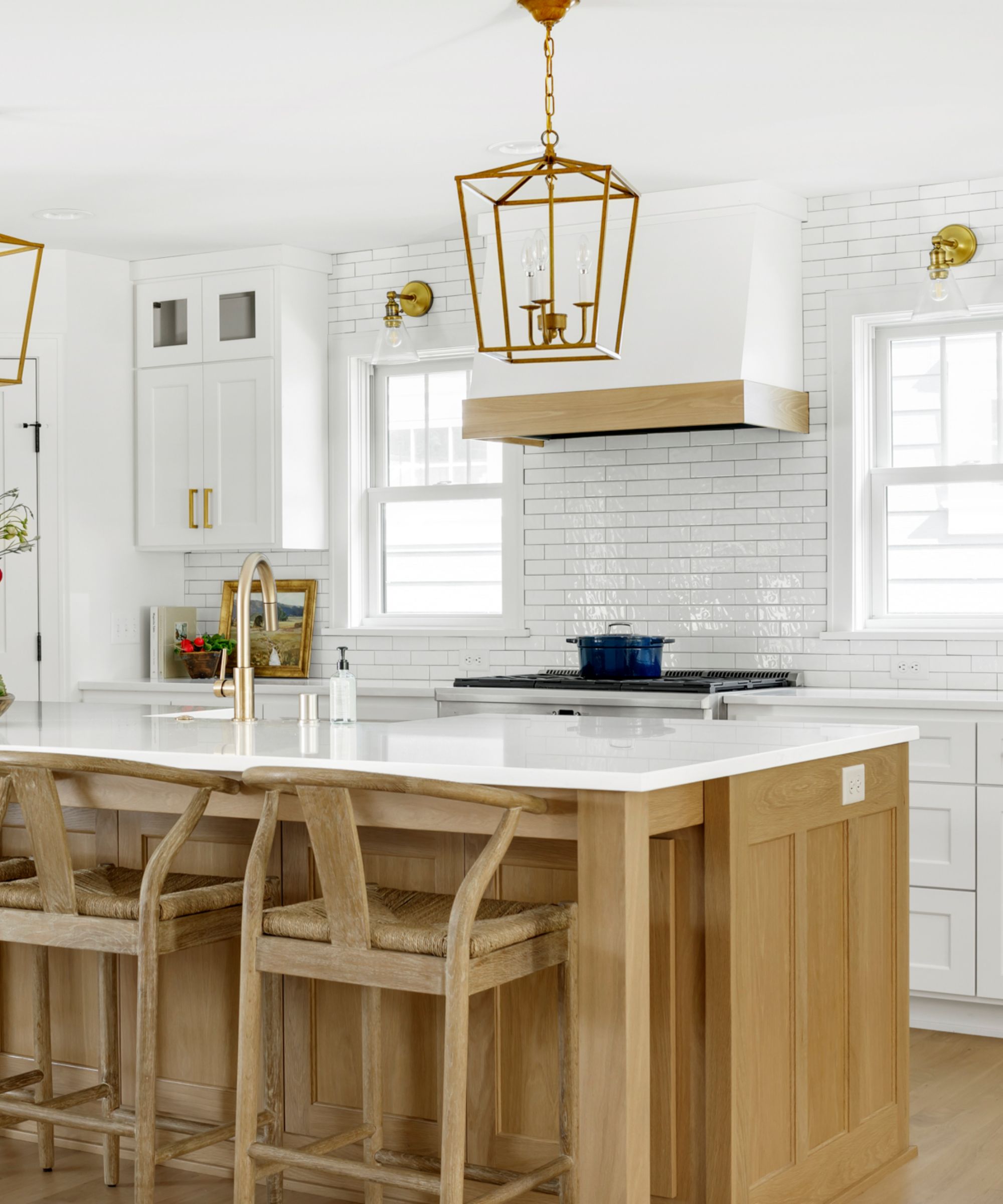
Another common mistake involves not considering the scale of the tiles in relation to the kitchen's size. Using tiles that are either too large or too small can disrupt the room's balance. Oversized tiles can make a small kitchen feel cramped and overwhelming, while tiny tiles in a large kitchen can create a busy or disjointed aesthetic. A classic subway tile is often recommended as a versatile choice that suits most spaces, offering a balanced look.
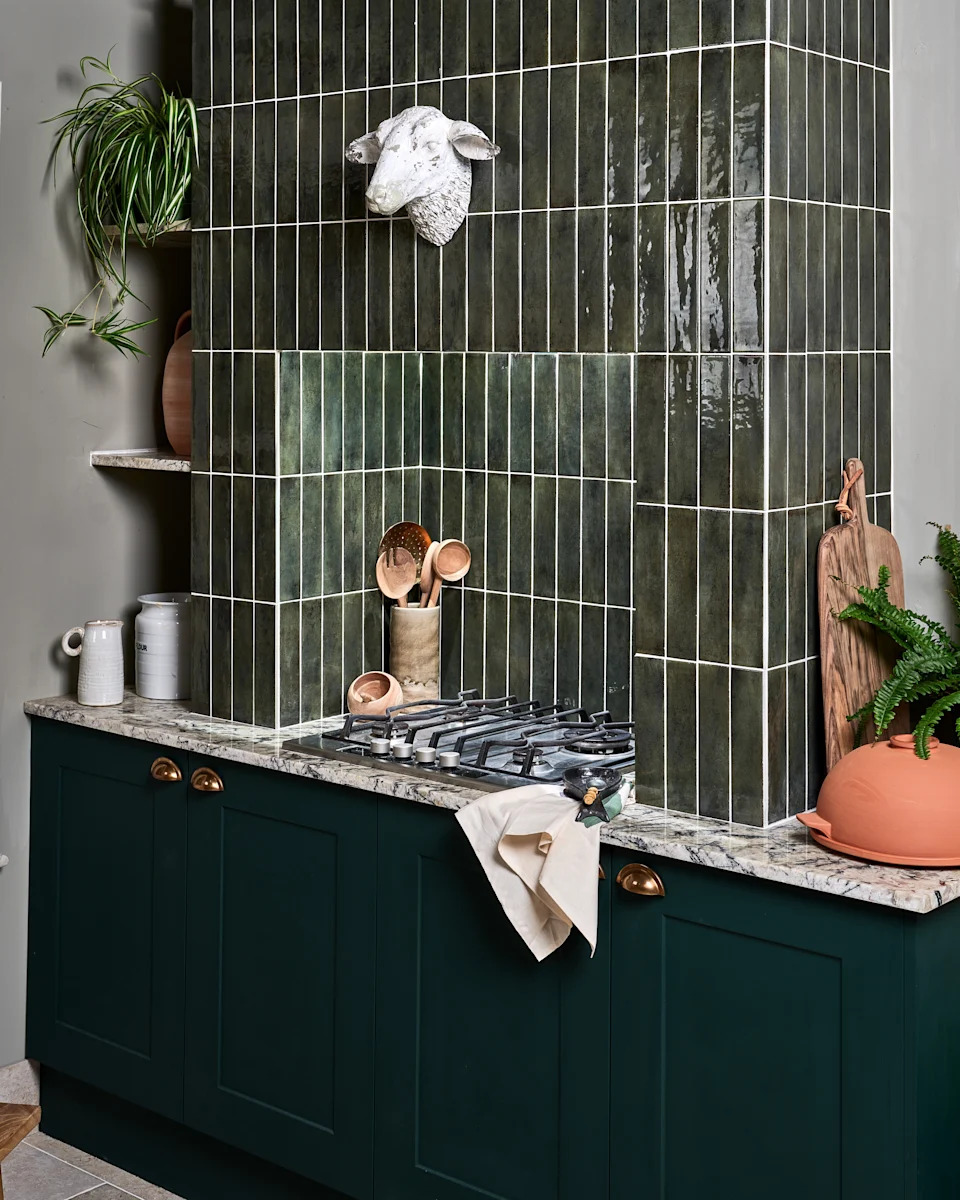
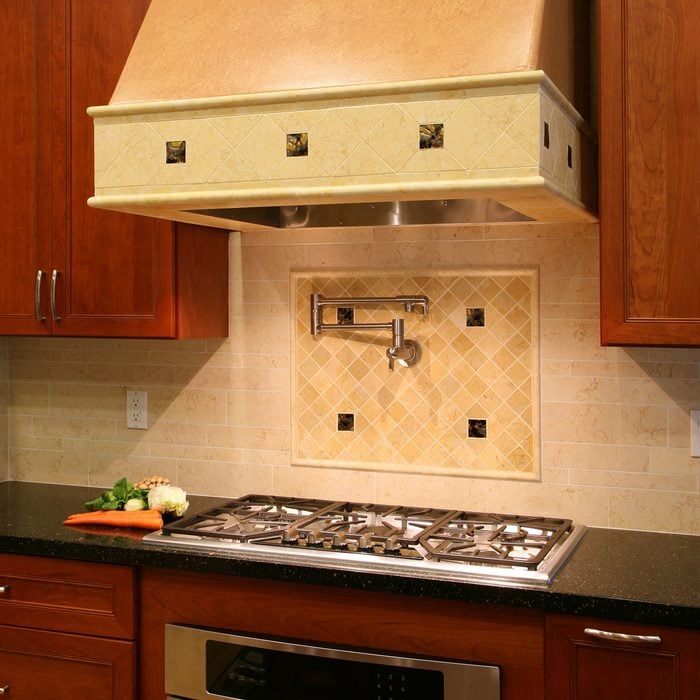
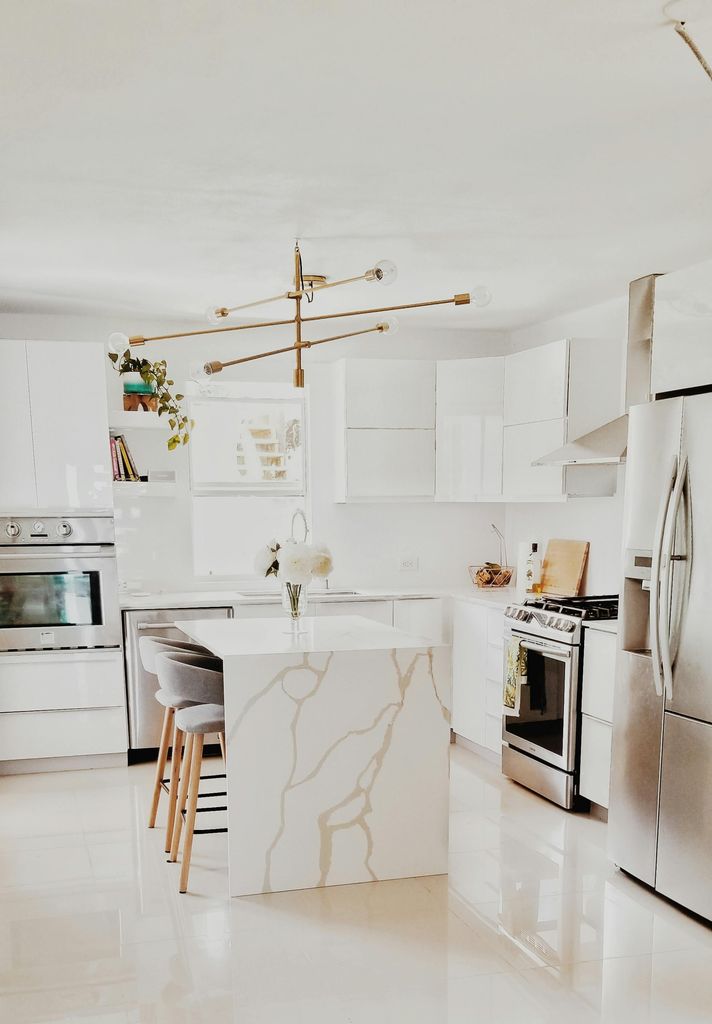
Improper stopping points for the backsplash installation can also lead to an awkward appearance, especially in kitchens with open floor plans. A clear guideline is to align the backsplash with the bottom of upper cabinets. If there are no upper cabinets, the backsplash should ideally extend to the end of the countertop, creating a clean and intentional stopping point.
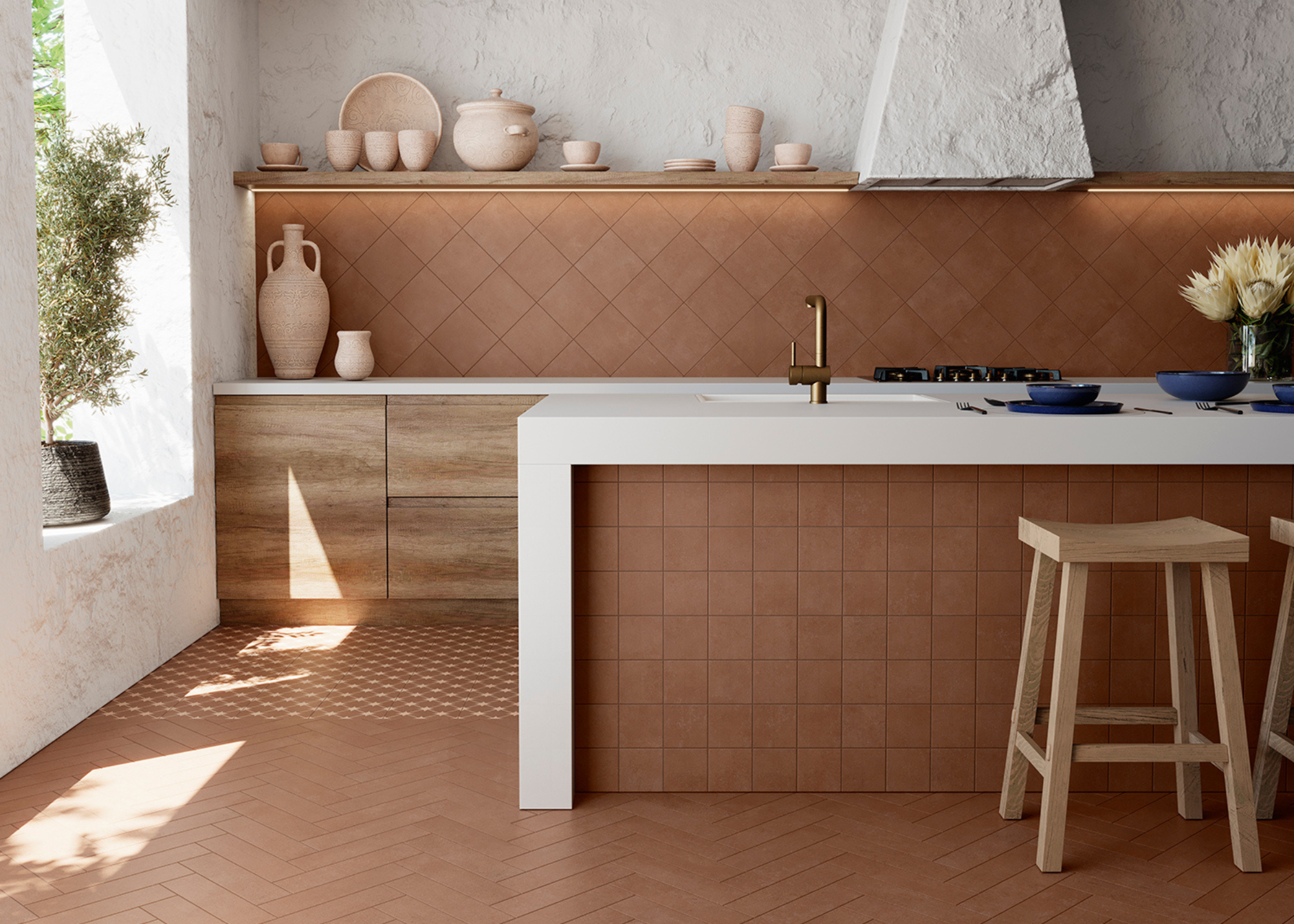
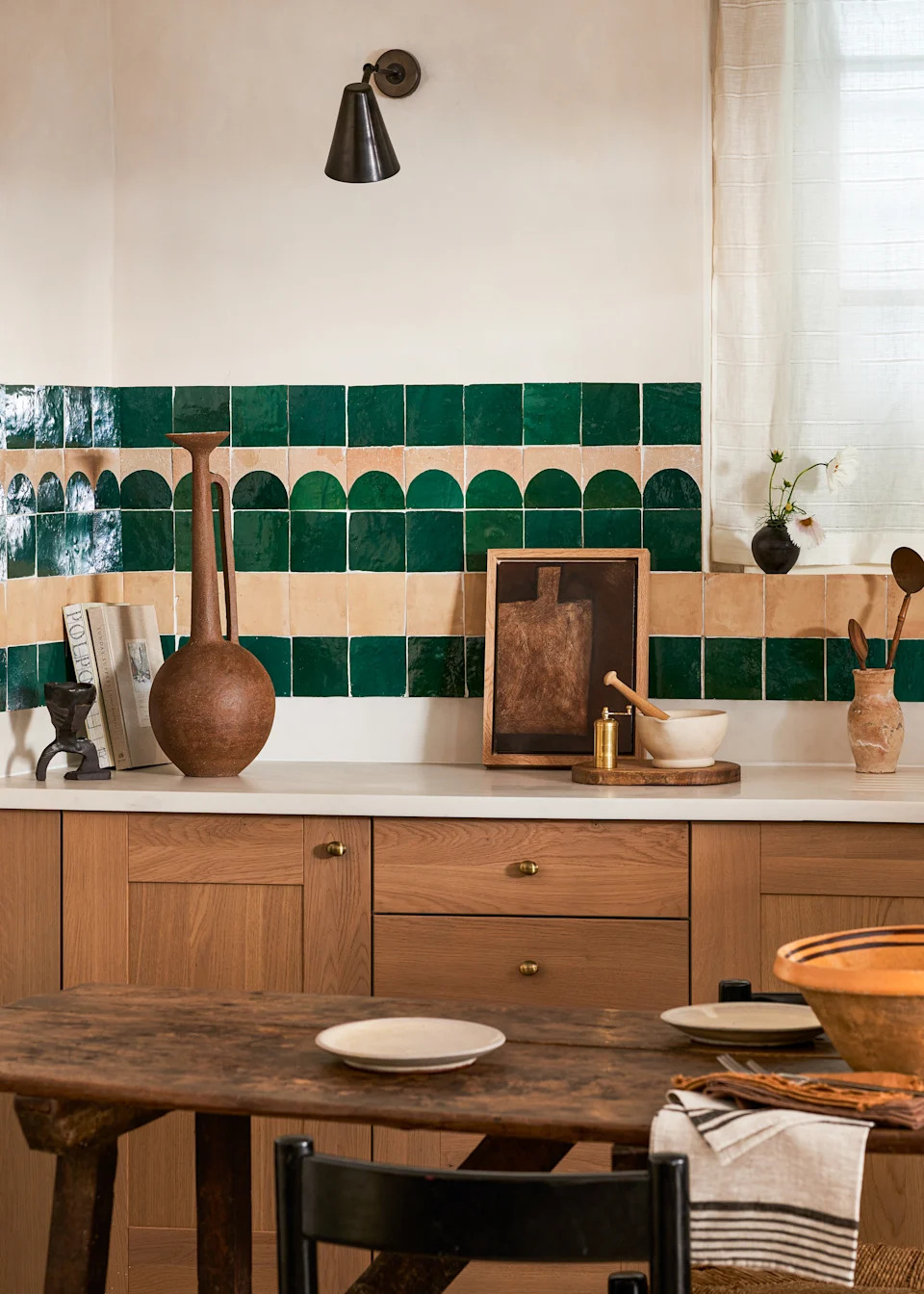
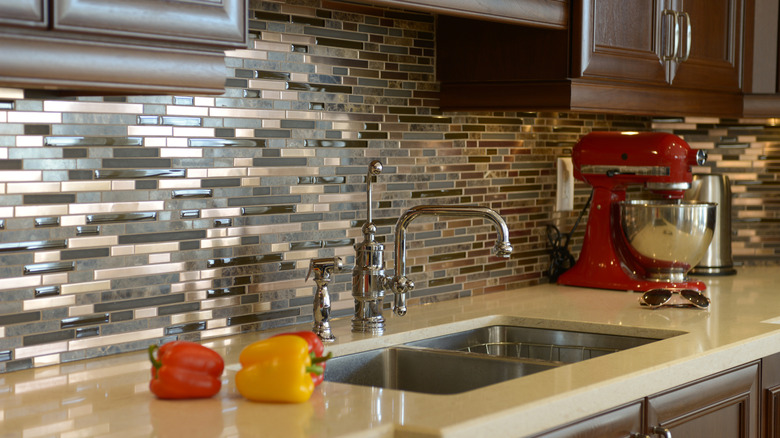
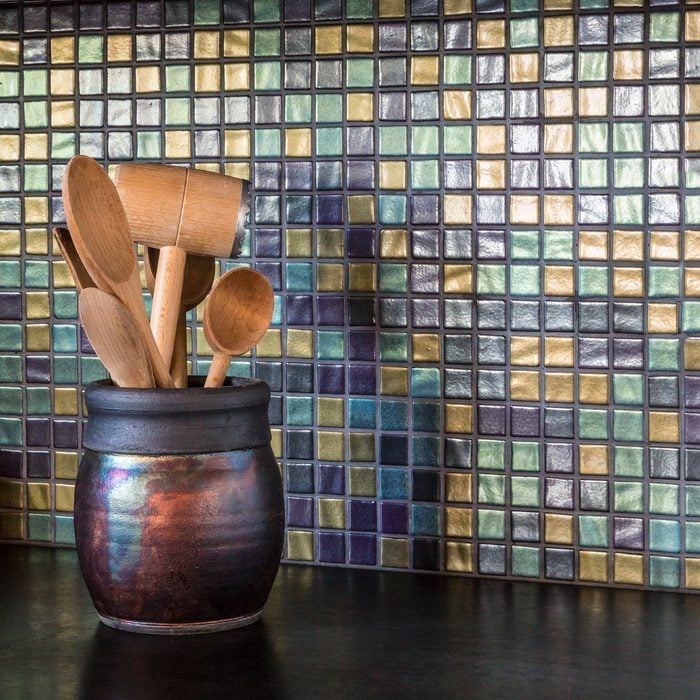
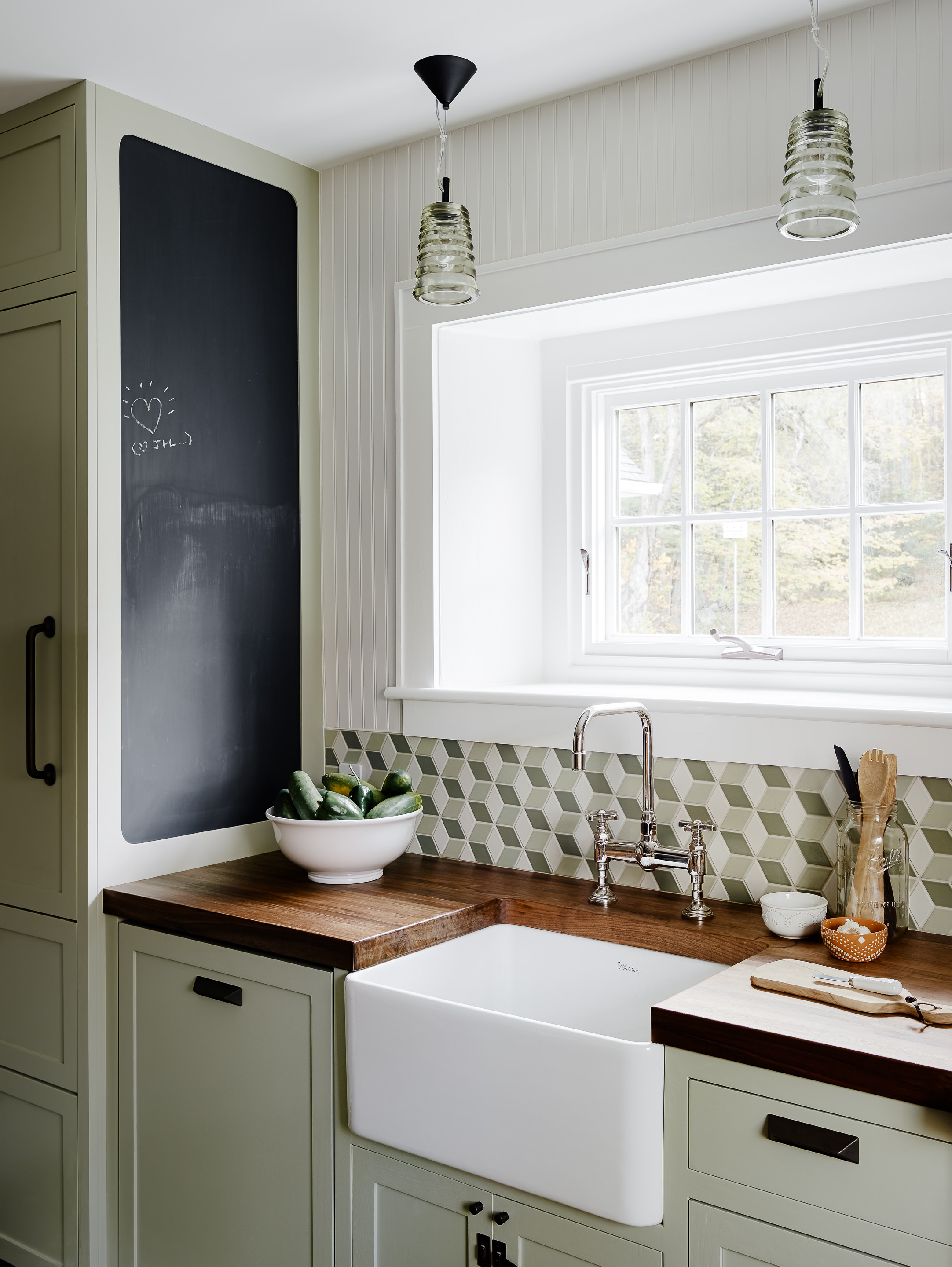
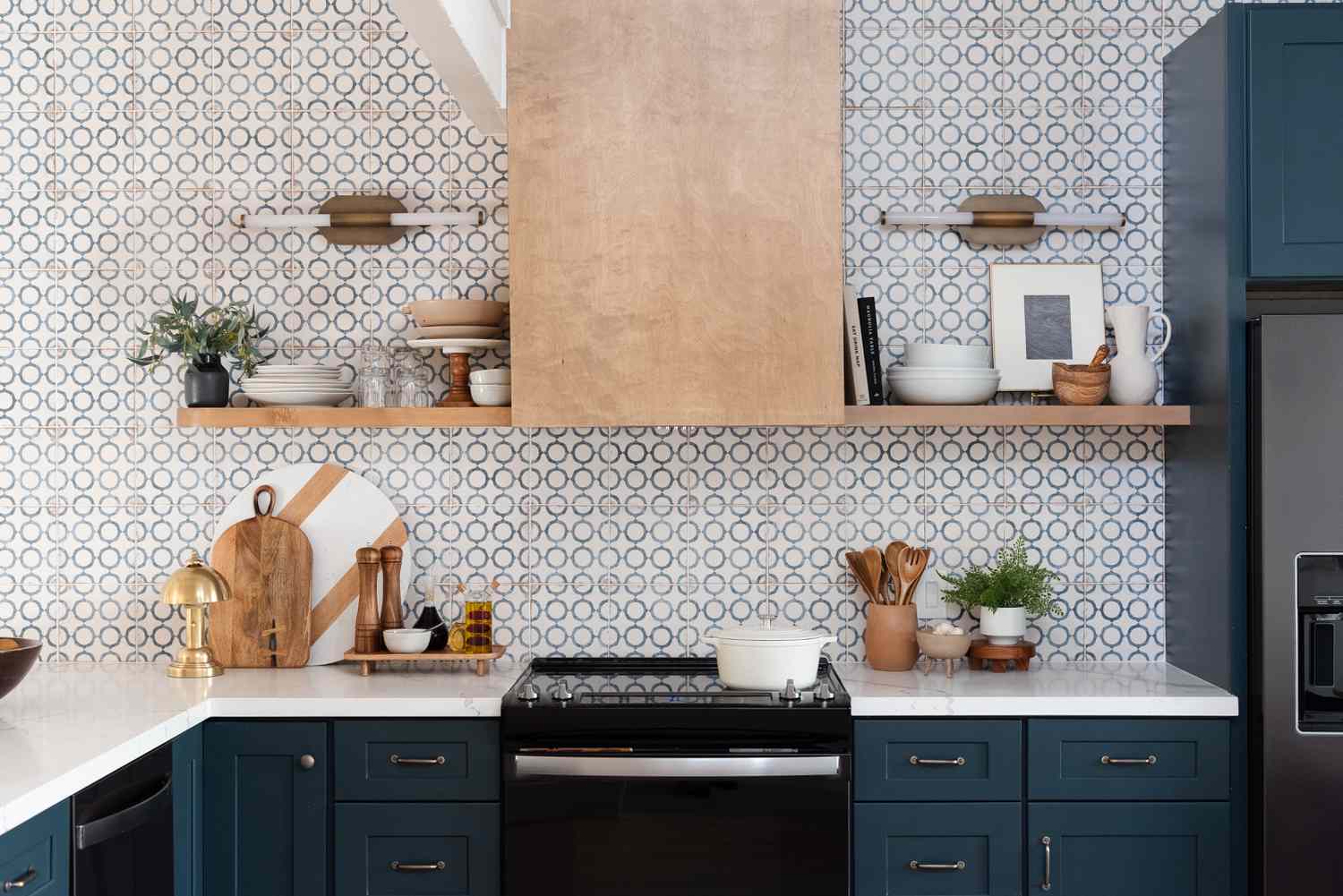
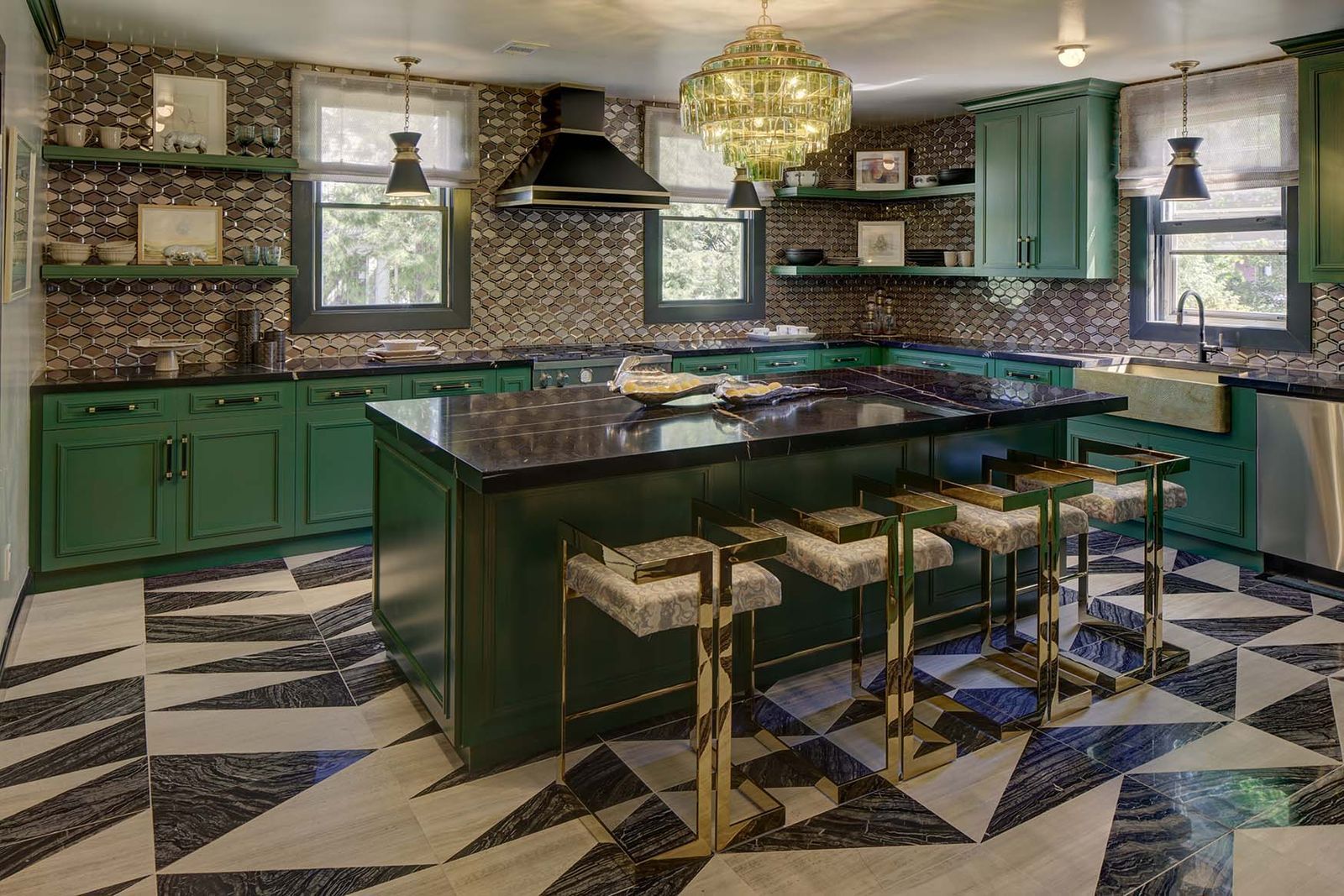
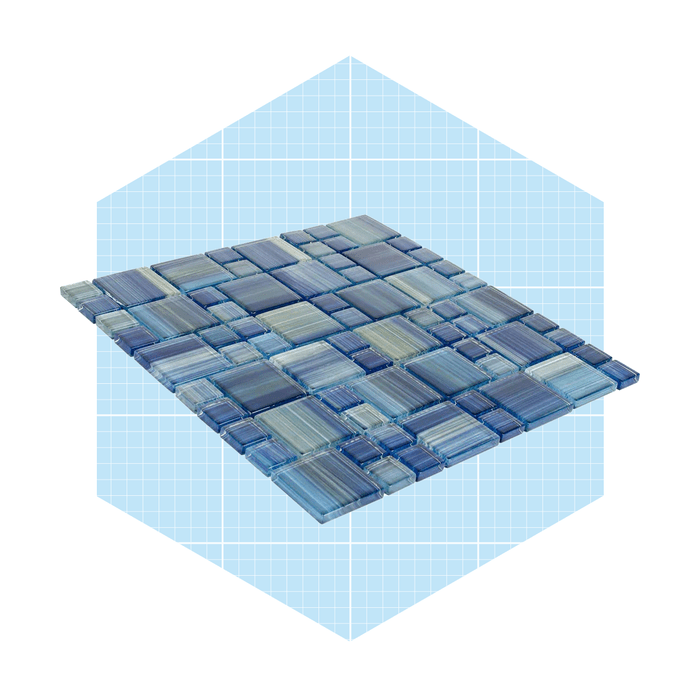
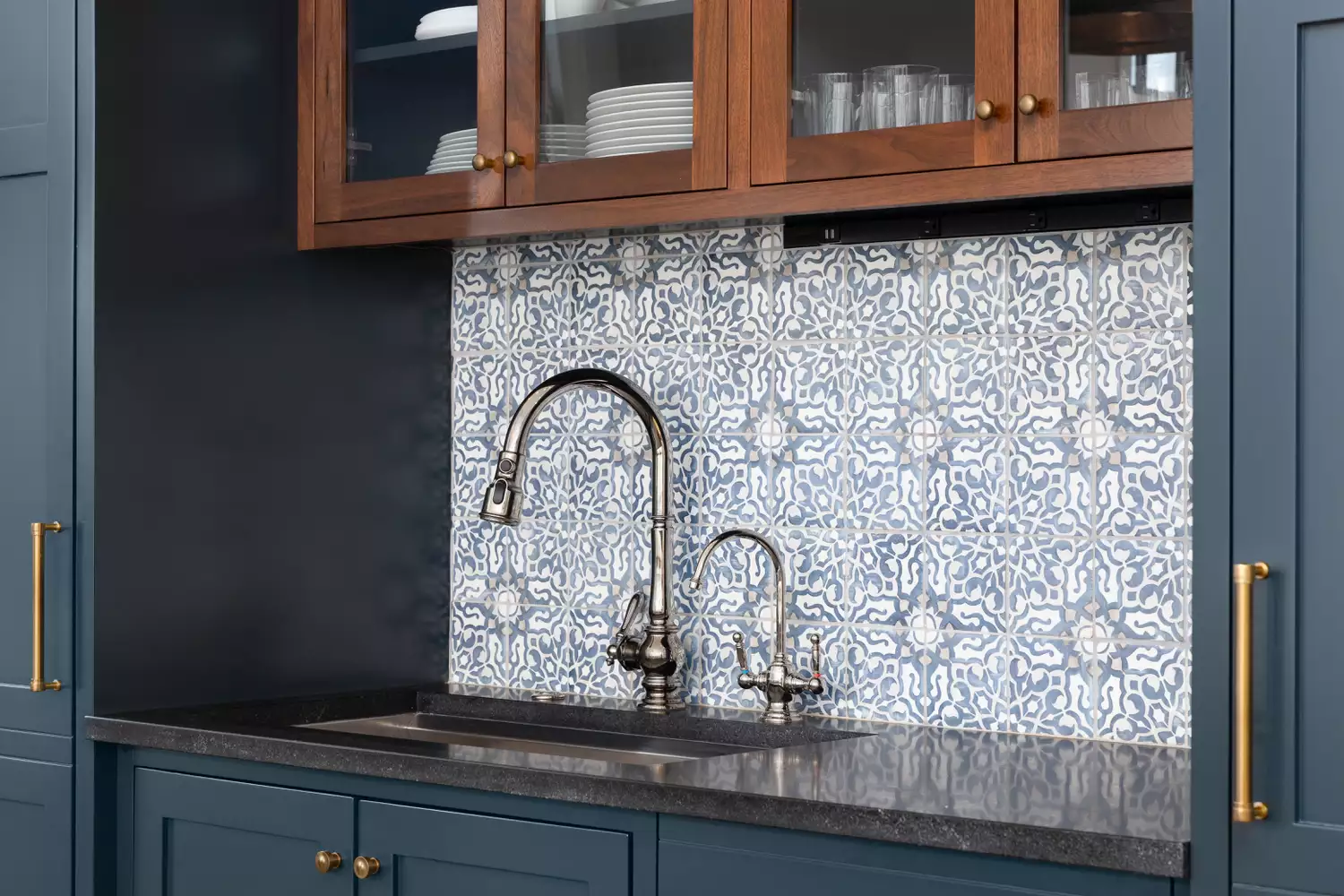
Adding too many colors to a mosaic backsplash can result in visual clutter. Kitchens already feature numerous textures and elements, including countertops, cabinets, appliances, and lighting. Introducing a multitude of tile colors without careful consideration can make the space feel chaotic rather than cohesive. However, if a thoughtful color palette is established and a plan for incorporating multiple colors into a mosaic is well-conceived, it can actually enhance the kitchen's unity. In cases of uncertainty or when the design feels too busy, consulting with a professional is advisable.
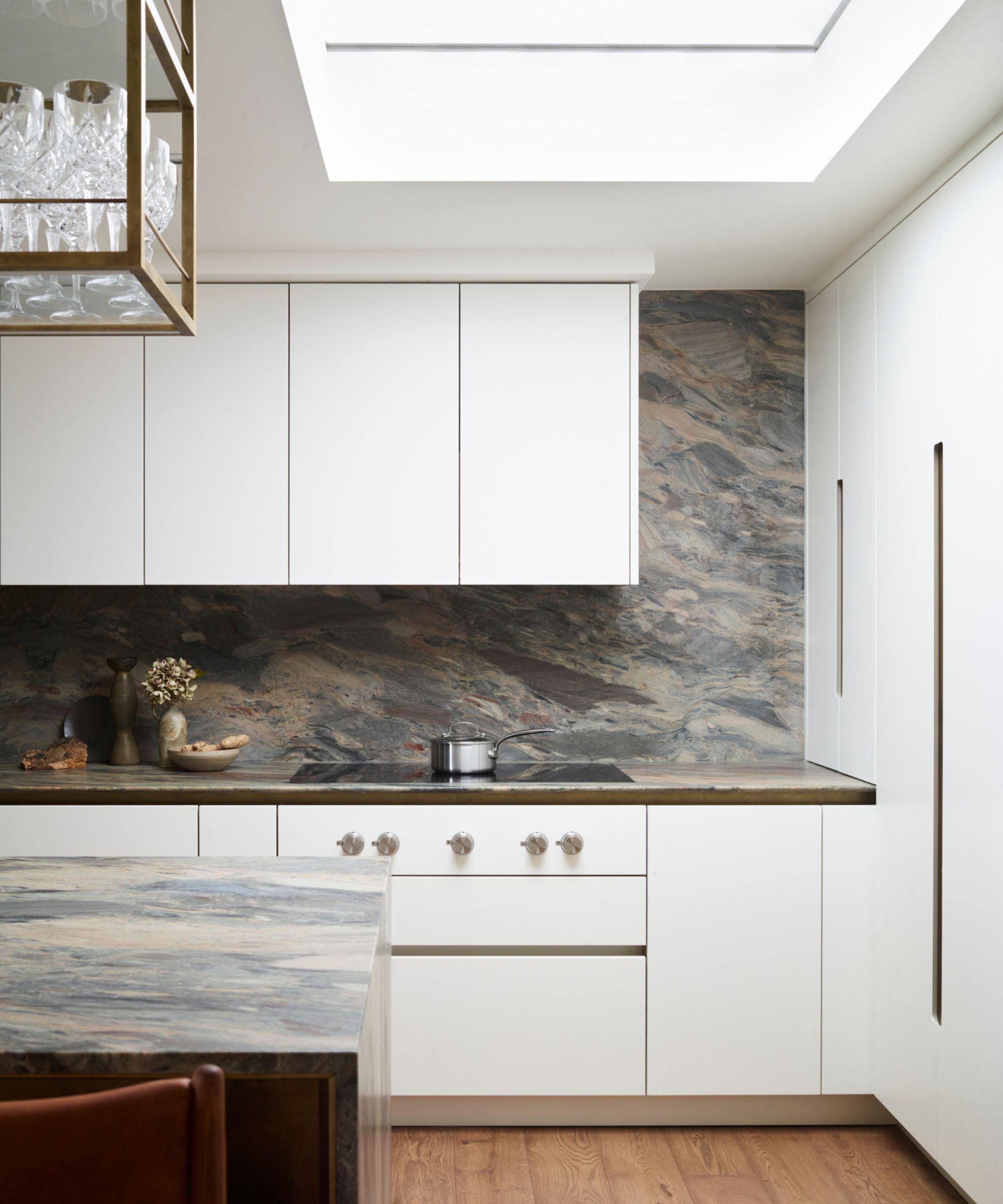
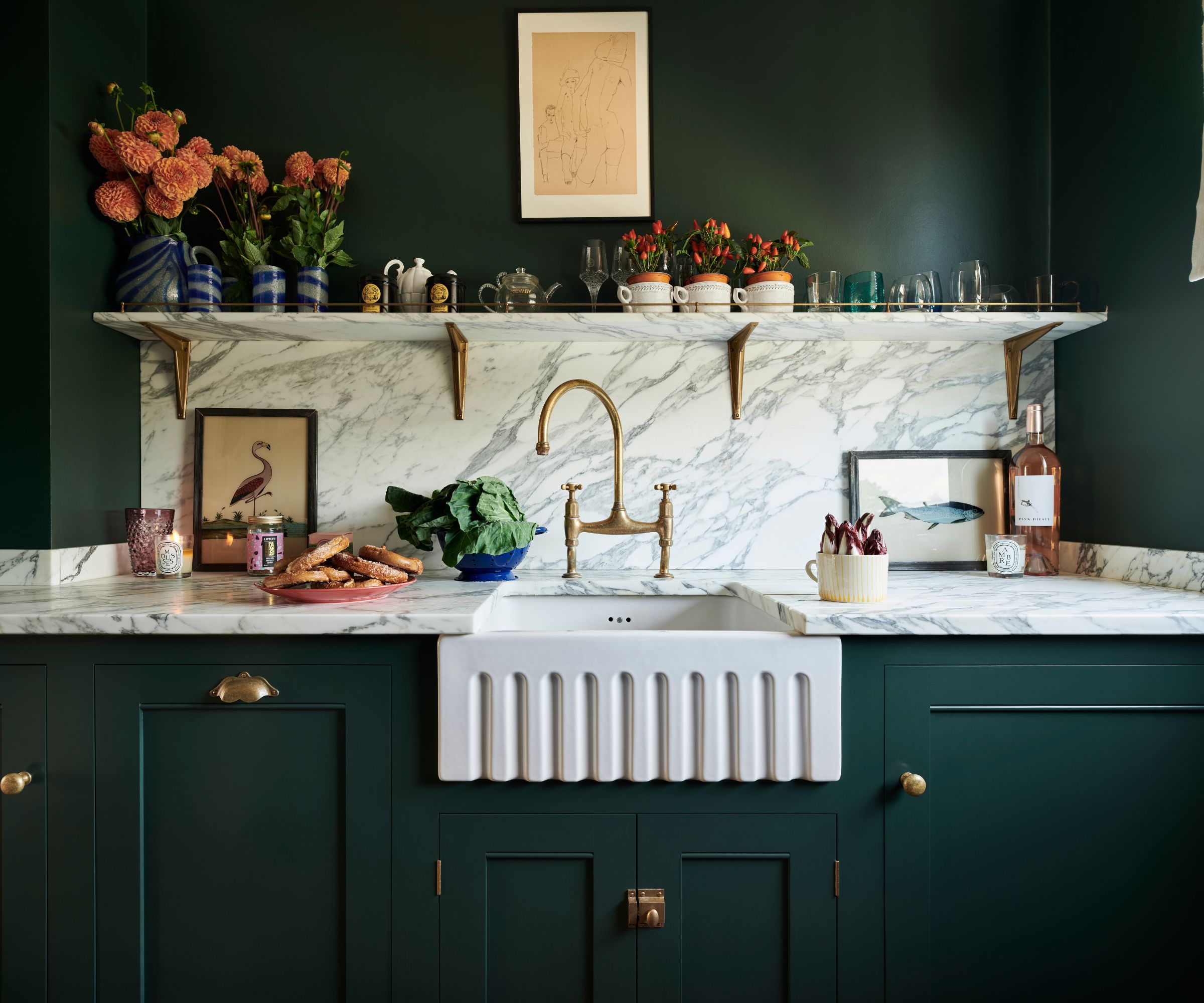
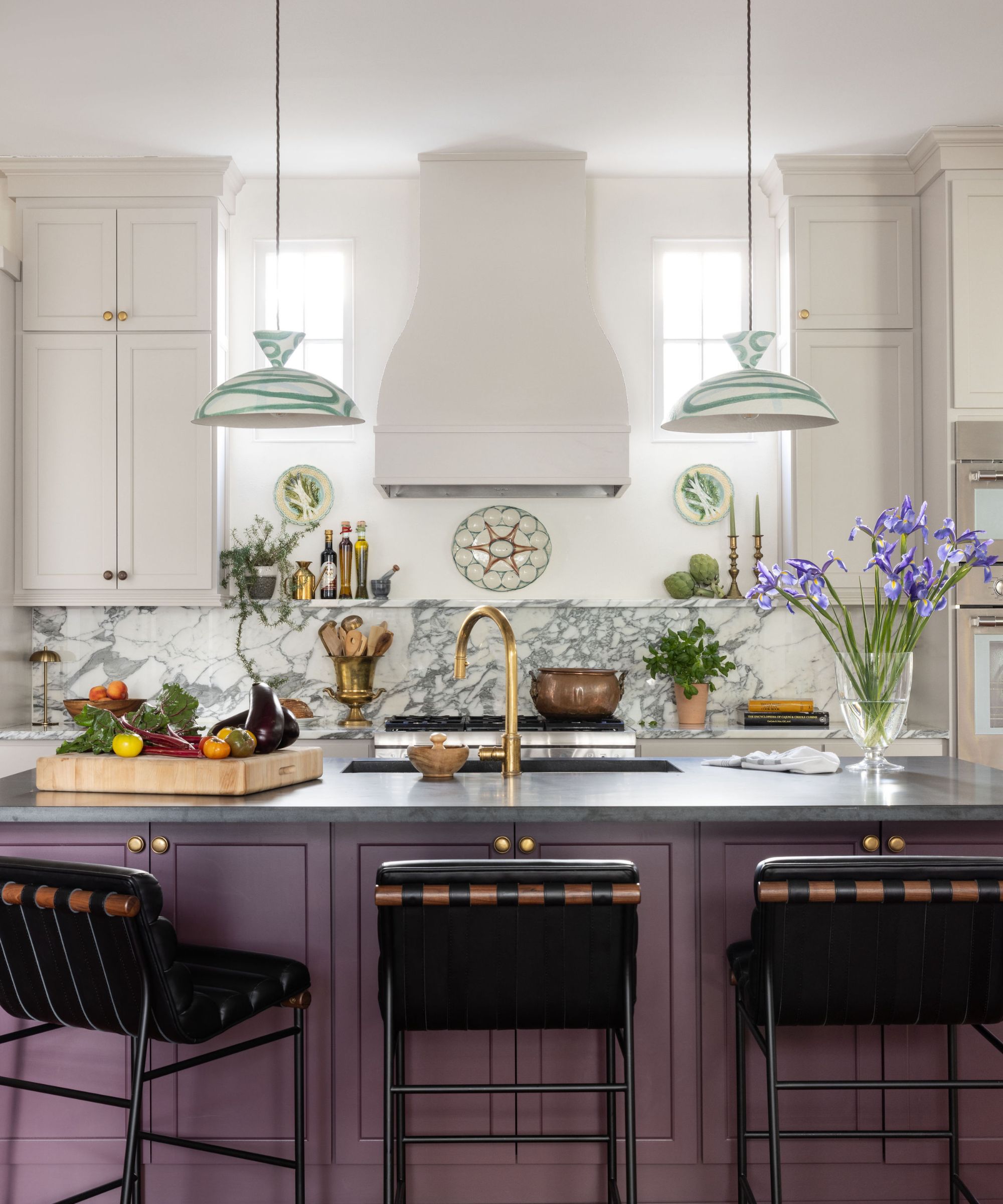
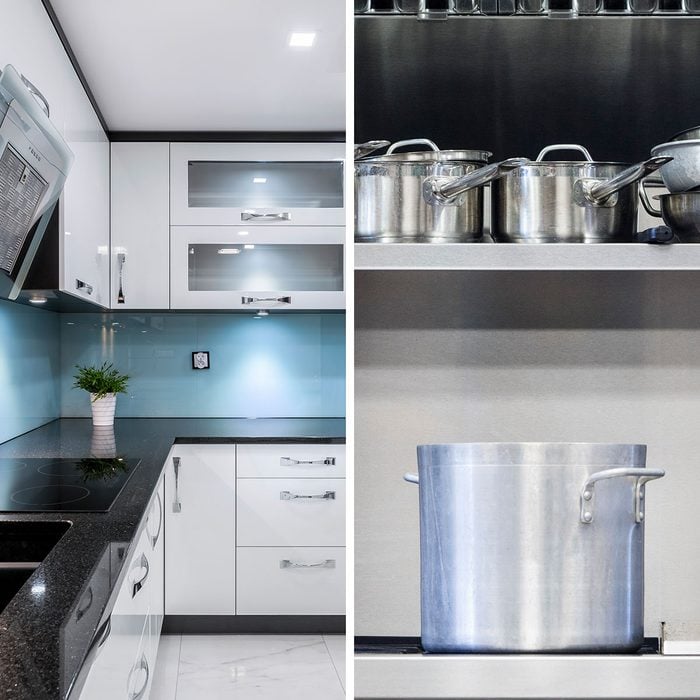
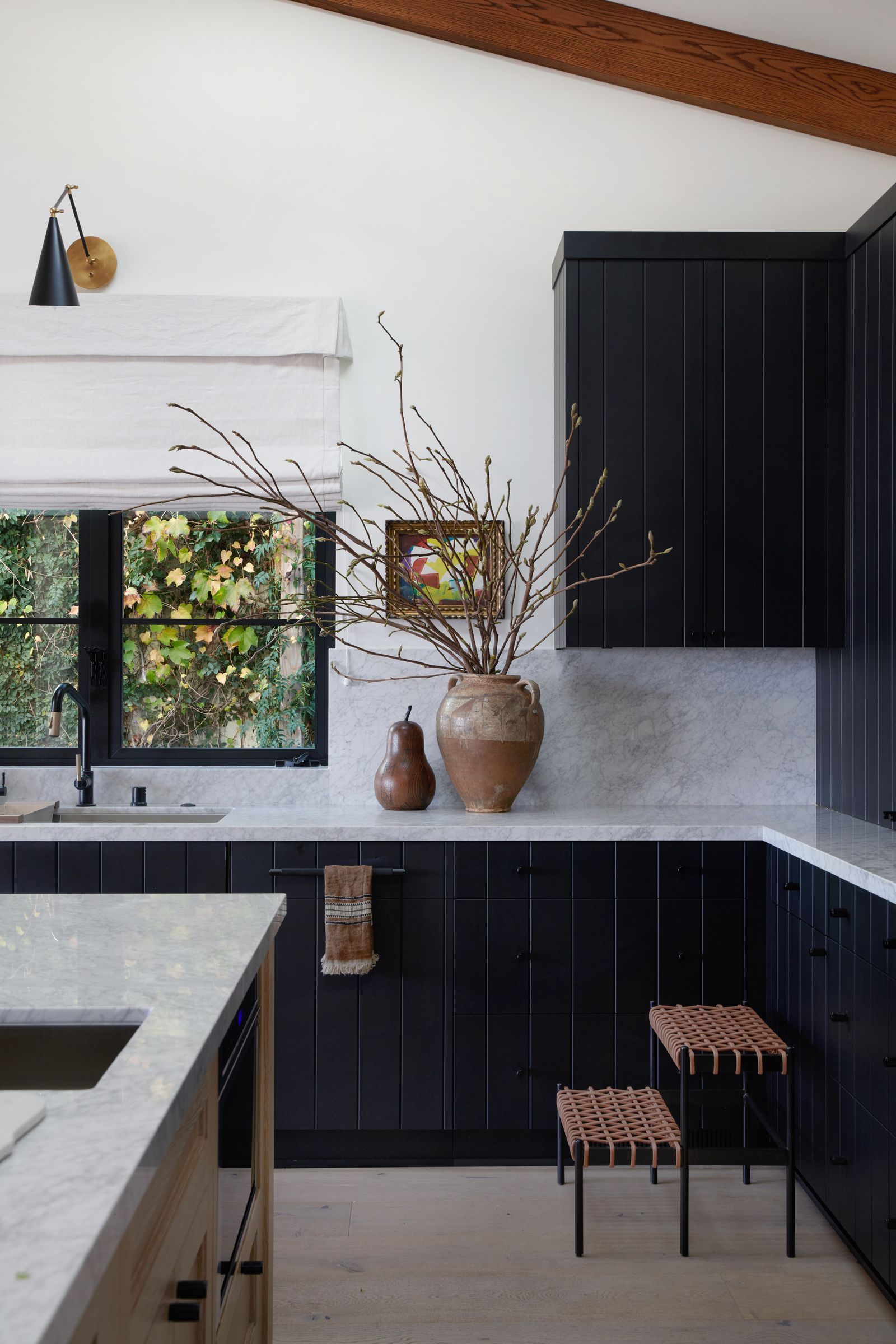
Finally, neglecting practical considerations is a critical oversight. It is essential to prioritize durability, stain resistance, and ease of cleaning when selecting backsplash materials. Porous materials like marble or natural stone, while aesthetically pleasing, are more susceptible to staining in a kitchen setting and require a higher level of maintenance. Conversely, ceramic or glass tiles offer greater resistance to stains and moisture, making them more practical choices for the busy demands of a kitchen. While natural stone and marble are popular, their use in a kitchen necessitates a greater commitment to upkeep compared to more resilient options.
#KitchenBacksplash #TileSelection #GroutColor #KitchenDesignMistakes #HomeImprovement #KitchenDecorating #TileInstallation #MaterialDurability #StainResistance #KitchenBacksplash #TileSelection #GroutColor #KitchenDesignMistakes #HomeImprovement #KitchenDecorating #TileInstallation #MaterialDurability #StainResistance
合計0件のコメント
 まだコメントはありません
あなたも好きかもしれません
8 kitchen backsplash mistakes to always avoid, according to interior designers

6 Mistakes That Are Making Your Kitchen Tiles Look Cheap and Not Elevated — And What You Can Do Instead

This Striking Geometric Backsplash Is Just the Thing to Upgrade Your Kitchen

55 Kitchen Backsplash Tile Ideas You Should Bookmark for Your Next Renovation
5 Problems With Tiled Backsplashes in Kitchens That No One Ever Talks About


Ditch These Dated Backsplash Trends For Timeless Alternatives
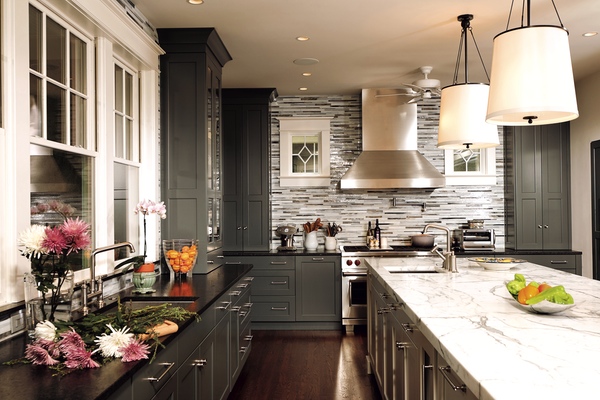
Choosing the Best Backsplash for Your Kitchen

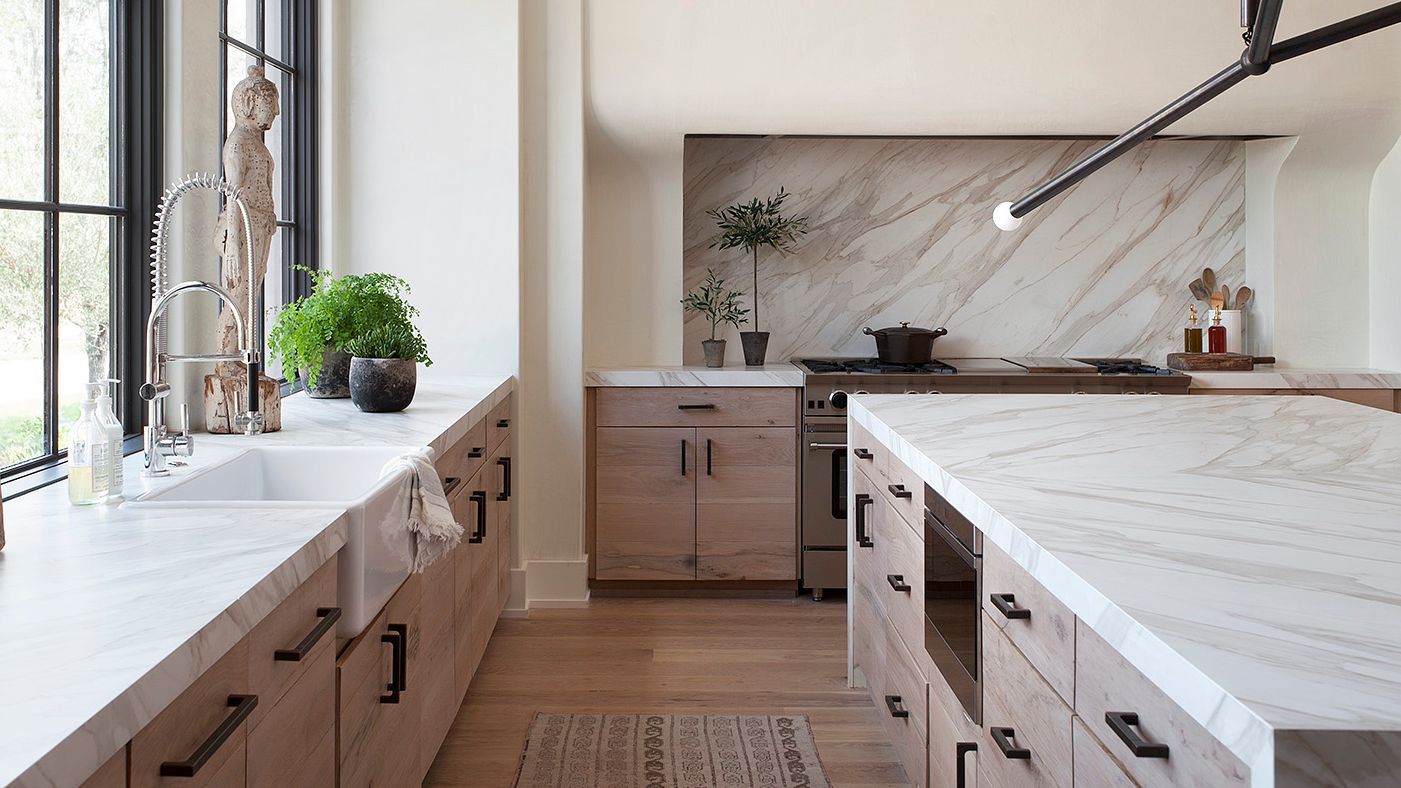
35 kitchen backsplash ideas for every kind of aesthetic

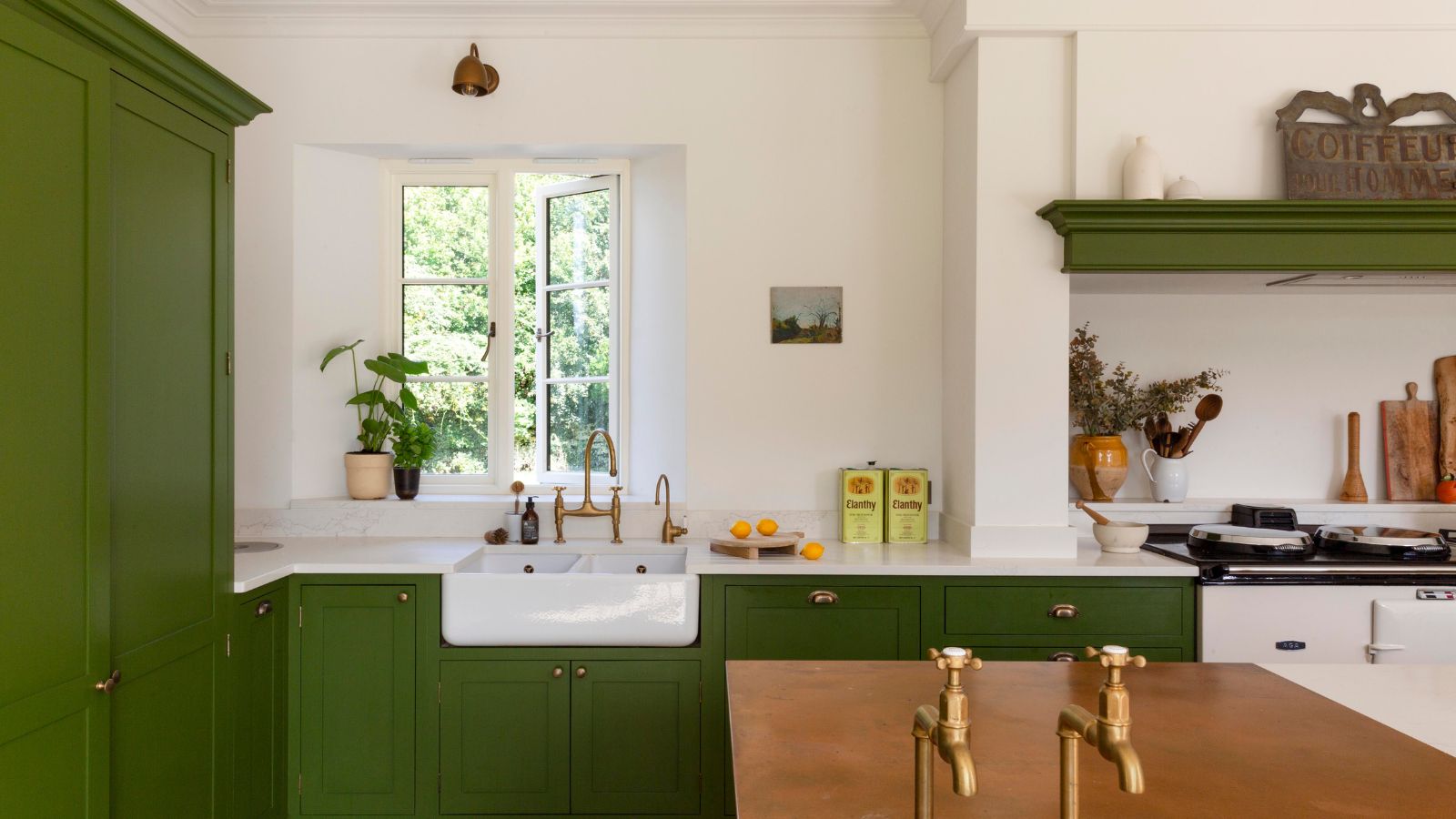
5 kitchen countertop mistakes designers warn to avoid
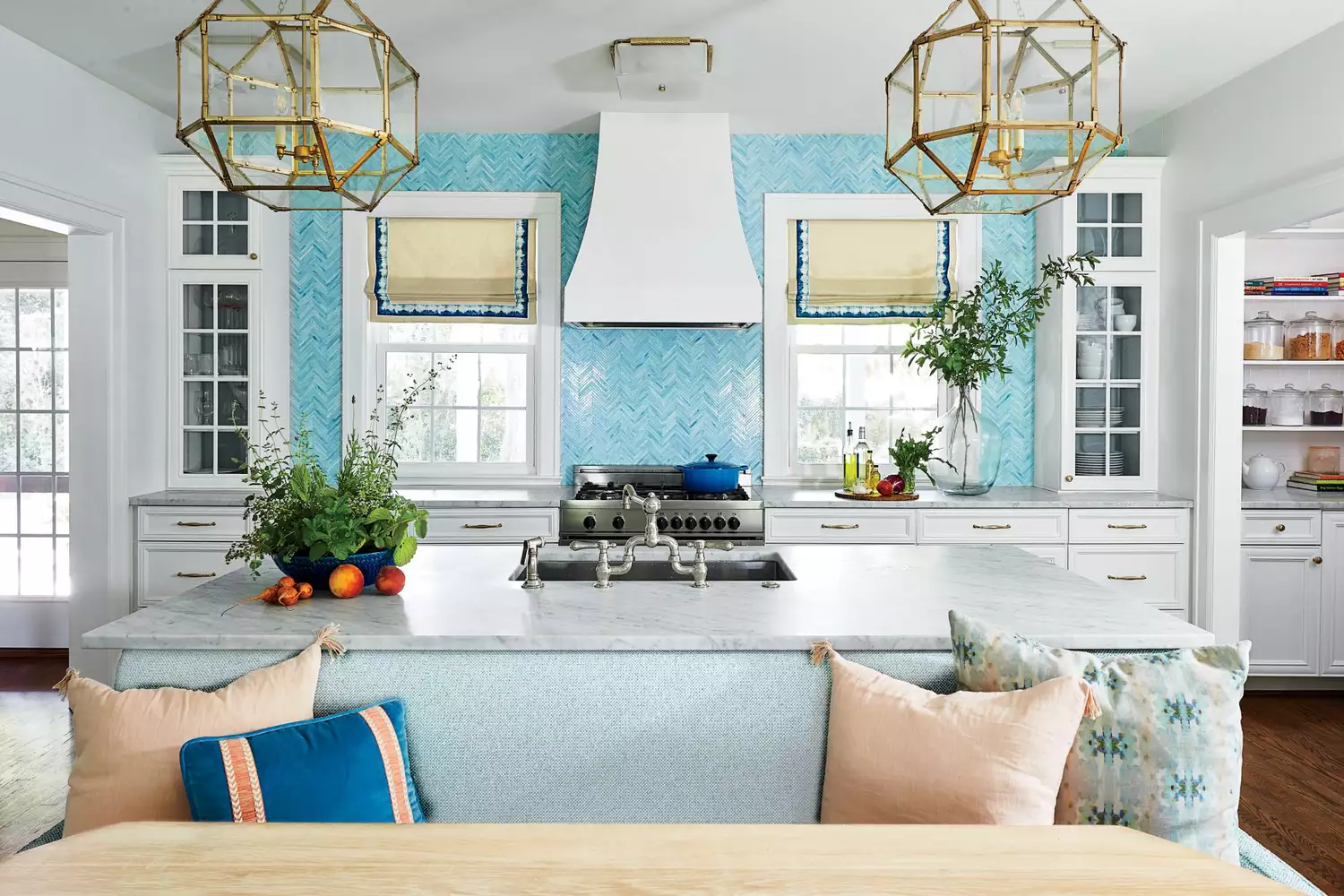
7 Backsplash Mistakes That Will Date Your Kitchen
8 shockingly common kitchen design mistakes according to a pro

6 outdated kitchen backsplash designs that can bring down a whole room
6 Kitchen Backsplash Mistakes Designers Want You to Stop Making Right Now

5 kitchen hardware mistakes interior designers say homeowners always make, and how to fix them
8 shockingly common kitchen design mistakes according to a pro

These Are the Best Tile Options for Your Kitchen Backsplash

Experts reveal the kitchen worktop mistakes to avoid - ignore at your peril
8 Backsplashes to Avoid, According to Interior Designers
How to tile a backsplash – everything you need to know in 7 simple steps
Six Tips To Finding The Right Backsplash For Your Kitchen Or Bath