1/4
Elizabeth Street Garden Has a Gilded Age Olmsted Gazebo
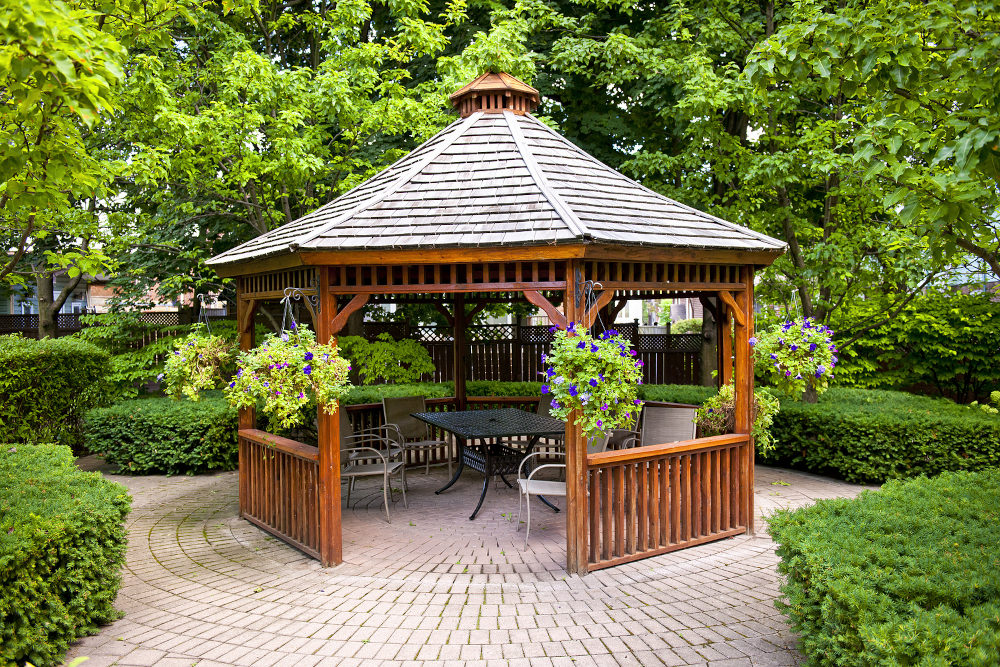
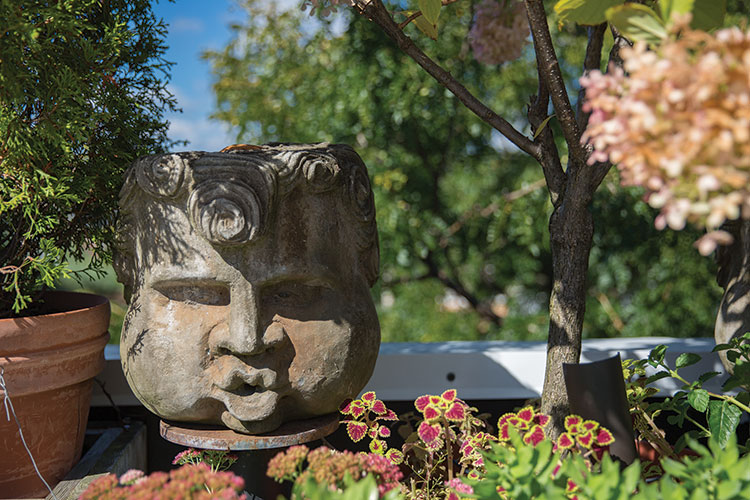
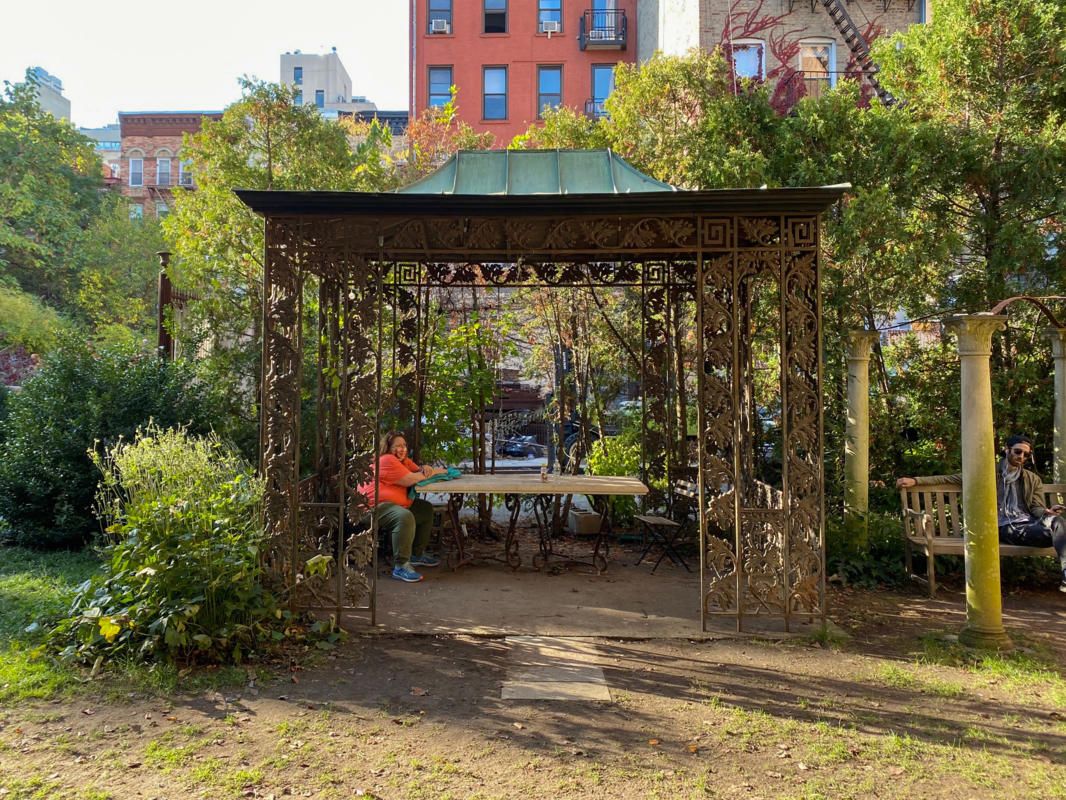
The Elizabeth Street Garden in Manhattan’s Little Italy is a community green space distinguished by its collection of sculptures and architectural salvage, curated by gallery owner Allan Reiver. In 1991, Reiver initiated the transformation of a vacant lot into this vibrant garden, incorporating unique items acquired from various locations across the United States, many originating from lavish Gilded Age estates. Among these artifacts is an ornate iron gazebo, which has historical connections to Frederick Law Olmsted, a renowned American landscape architect.
Frederick Law Olmsted is widely recognized for his landscape designs, including New York City’s Central Park, Delaware Park in Buffalo, and the grounds of the Biltmore Estate in North Carolina. Following his death in 1903, his sons, John and Frederick Jr., continued his legacy under the name Olmsted Brothers. One of their early projects involved designing gardens for the Burrwood Estate in Cold Spring Harbor, Long Island. This estate belonged to Walter Jennings, a director and secretary of the Standard Oil Company, and featured buildings designed by Carrere & Hastings, known for their work on structures like the Standard Oil Building and the New York Public Library.
The Burrwood Estate, established in 1898, was a Georgian mansion with fifty rooms, adorned with luxurious elements such as Tiffany windows, imported marble mantels, and decorative wood paneling. The estate’s 400-acre grounds offered views of the Long Island Sound and comprised farmland and formal gardens meticulously designed by the Olmsted Brothers. Mrs. Jennings, an avid horticulturist, frequently hosted flower shows and allowed her gardens to be used for events by organizations such as the Nassau County Horticultural Society. The gardens featured various statues, fountains, stone walls, and picturesque vistas, including the large iron gazebo now located in the Elizabeth Street Garden.
This gazebo served as a central feature at Burrwood, positioned among trees and bushes, and framing two sculptures in a grassy clearing. Joseph Reiver, Allan Reiver's son, noted that the gazebo is now a popular site for events, including weddings, which generate revenue to support the Elizabeth Street Garden. The gazebo was among the initial pieces placed by Allan Reiver during the garden's early development, offering visitors a shaded retreat. Nearby, a pair of marble columns, also salvaged from the Burrwood Estate, complement the gazebo. While some sources have referred to the gazebo as a replica, documents from the garden assert its authenticity.
Since 2013, the Elizabeth Street Garden has been managed by volunteers under the 501(c)(3) non-profit organization Elizabeth Street Garden (ESG). The garden's future is currently uncertain due to a proposal to construct affordable housing on its site. The non-profit is engaged in a legal dispute to preserve the space, and efforts are underway to raise funds for its legal defense. The garden remains accessible to the public throughout the year, with specific operating hours from Wednesday to Sunday.
#ElizabethStreetGarden #GildedAge #FrederickLawOlmsted #BurrwoodEstate #CommunityGarden #NewYorkCity #LongIsland #ArchitecturalSalvage #UrbanGreenSpace #ElizabethStreetGarden #GildedAge #FrederickLawOlmsted #BurrwoodEstate #CommunityGarden #NewYorkCity #LongIsland #ArchitecturalSalvage #UrbanGreenSpace
合計0件のコメント
 まだコメントはありません
あなたも好きかもしれません
Wonderful East Village Penthouse Has a Vegetable Garden

How gazebos can add a touch of luxury to your garden in 2025

A zen garden with a sunken hot tub awaits at this $2.5M Greenwich Village co-op

Anne Hathway's NYC garden terrace masters privacy and patio coverage
Three Vancouver Legends: Glen Patterson, Cornelia Oberlander & The Coal Harbour Rooftop Garden
House of the Week: Rock Rim Ponds Estates, Win a $2,500 Garden Makeover, Create Your Own Floral Centerpiece

Walmart Has a 'Beautiful' $1,100 Patio Gazebo on Sale for Only $410, and Reviewers Say It’s 'Easy to Assemble'

24 Times String Lighting Made Patios Prettier
Liddicoat & Goldhill adds Tailored House to Victorian terrace
Linscott Park Gazebo Courtesy of Local Benefactors
A private European-style courtyard garden

A minimalist zen-inspired courtyard garden design in Sydney
Local View: Mysterious gazebo a spot of heaven in Duluth

Private Brussels Residence Vertical Garden & Greenroof
Extra-tall windows connect Studio Octopi's Slot House with its patio garden
This Cheery Delco Greenhouse and Garden Beckons You Outdoors
A Grandmother’s House in Observatory Park Gets a Next-Gen Makeover

Urban Oasis: Rooftop Gardening in Pittsburgh

How a century-old willow anchored a Toronto backyard transformation
417 Home's Best Outdoor Space Design Awards 2022 Winner