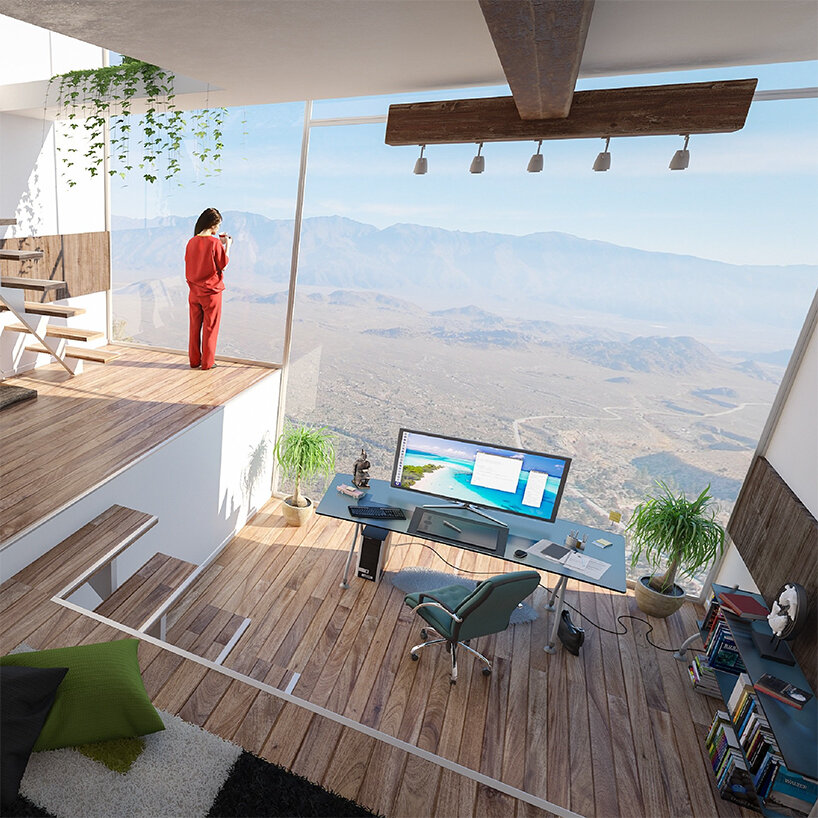
On Human-centred And Biophilic Design With Oliver Heath
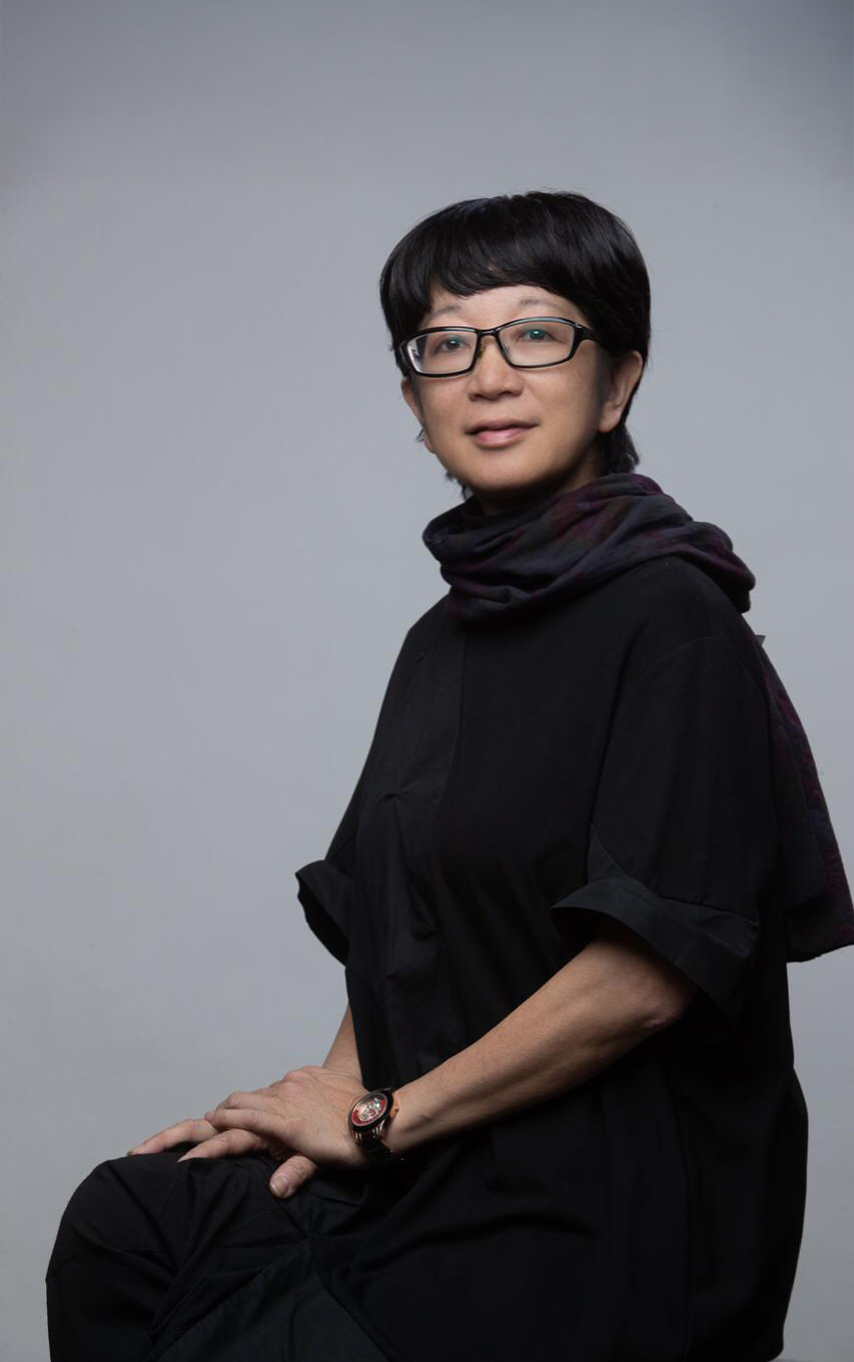
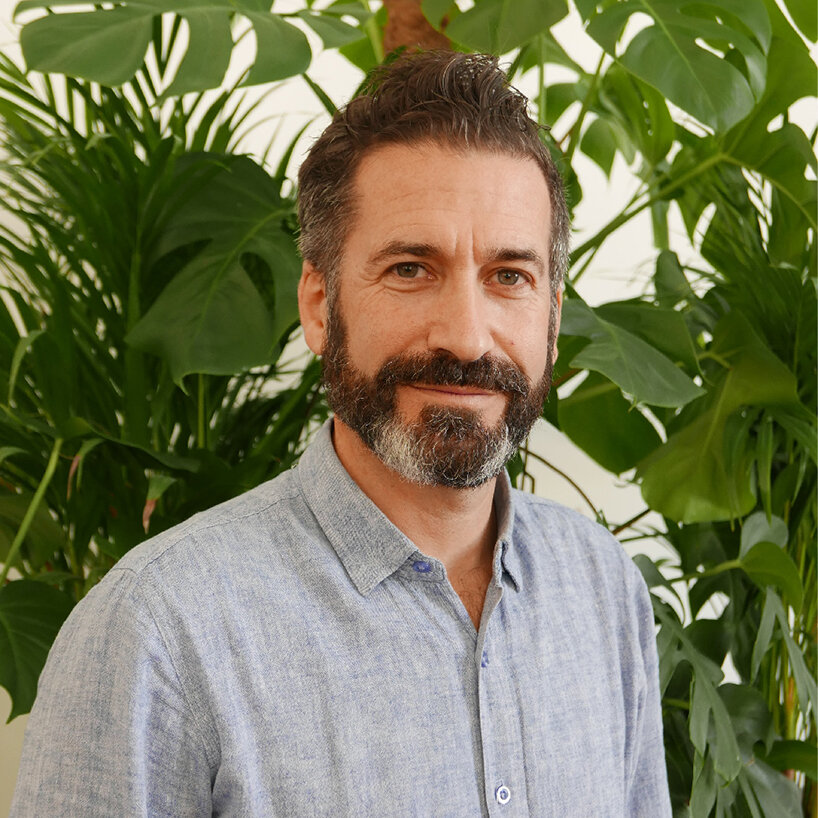
Oliver Heath, a formally trained architect and founder of Oliver Heath Design, an architectural and interior design practice, advocates for sustainability with a special focus on health and well-being. With a career spanning two decades in media and four books on sustainability and interior design, he also serves as Interface’s Biophilic Design Ambassador, delivering numerous architectural seminars and workshops across the UK, Europe, and the Middle East.
Heath's professional approach centers on human-centered design, integrating it with biophilia. He emphasizes the critical importance of measuring and documenting the positive impacts of these design philosophies on occupants. He defines human-centered design as an approach that prioritizes human needs in the creation of built environments and the products within them. His methodology considers human health and well-being in physical, mental, and emotional aspects, aiming to support these attributes through carefully designed spaces.
Heath notes that while the industry has historically focused on the environmental impact of buildings, human-centered design shifts this focus to the building's impact on human beings. This shift ensures that spaces function as intended without compromising the physical, mental, or emotional states of their occupants. A core element of this approach for Oliver Heath Design is the integration of biophilic design.
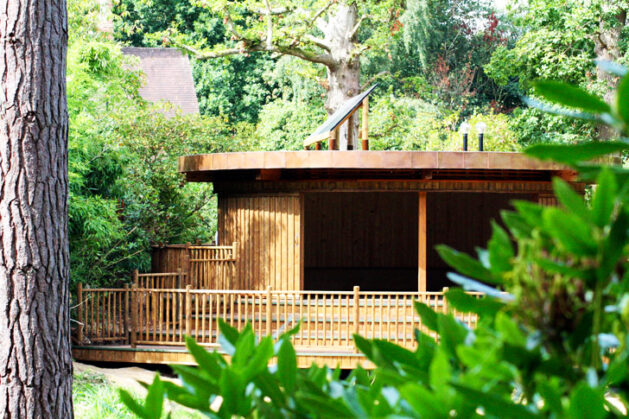
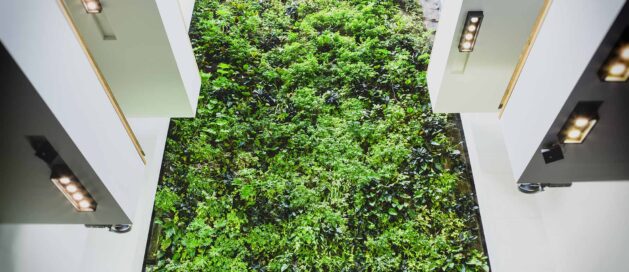
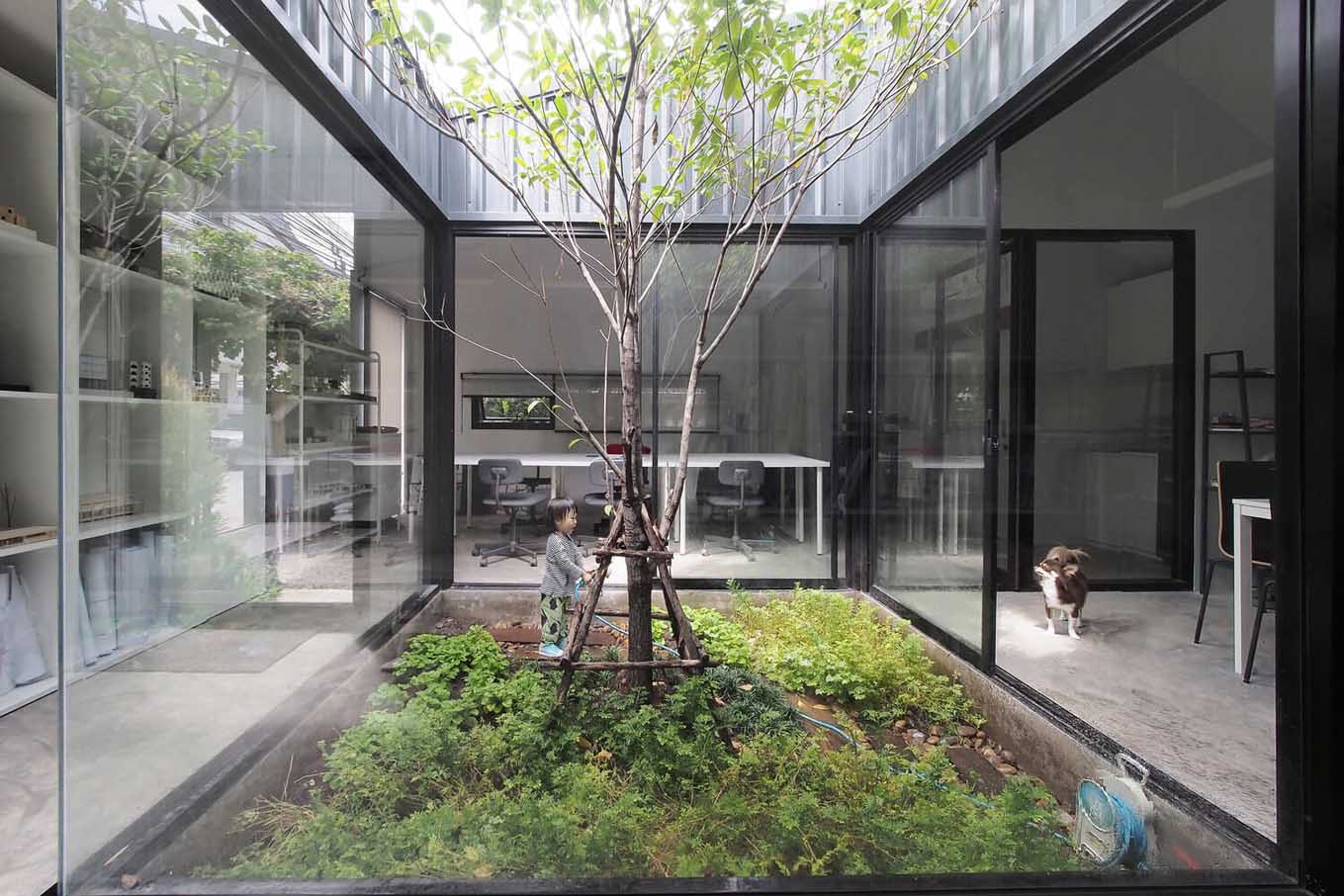
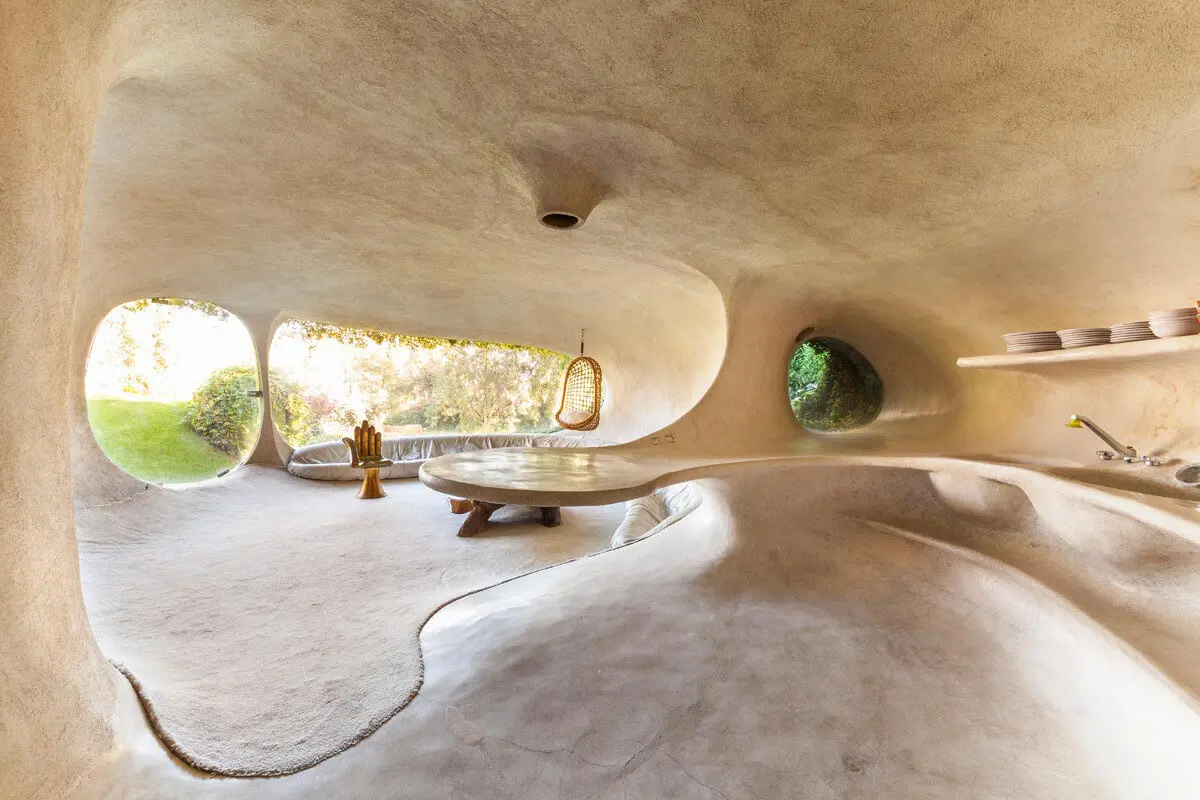
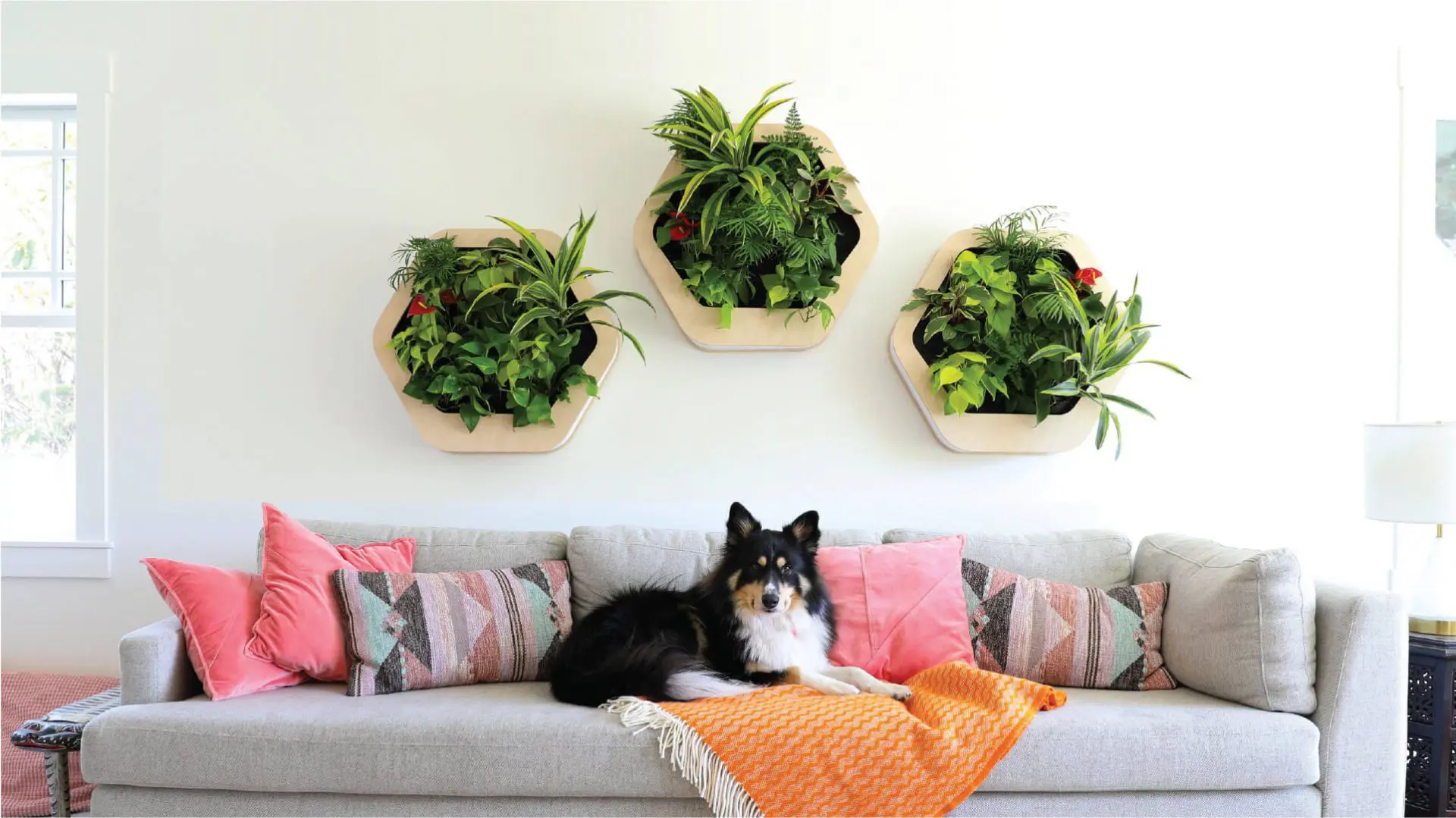
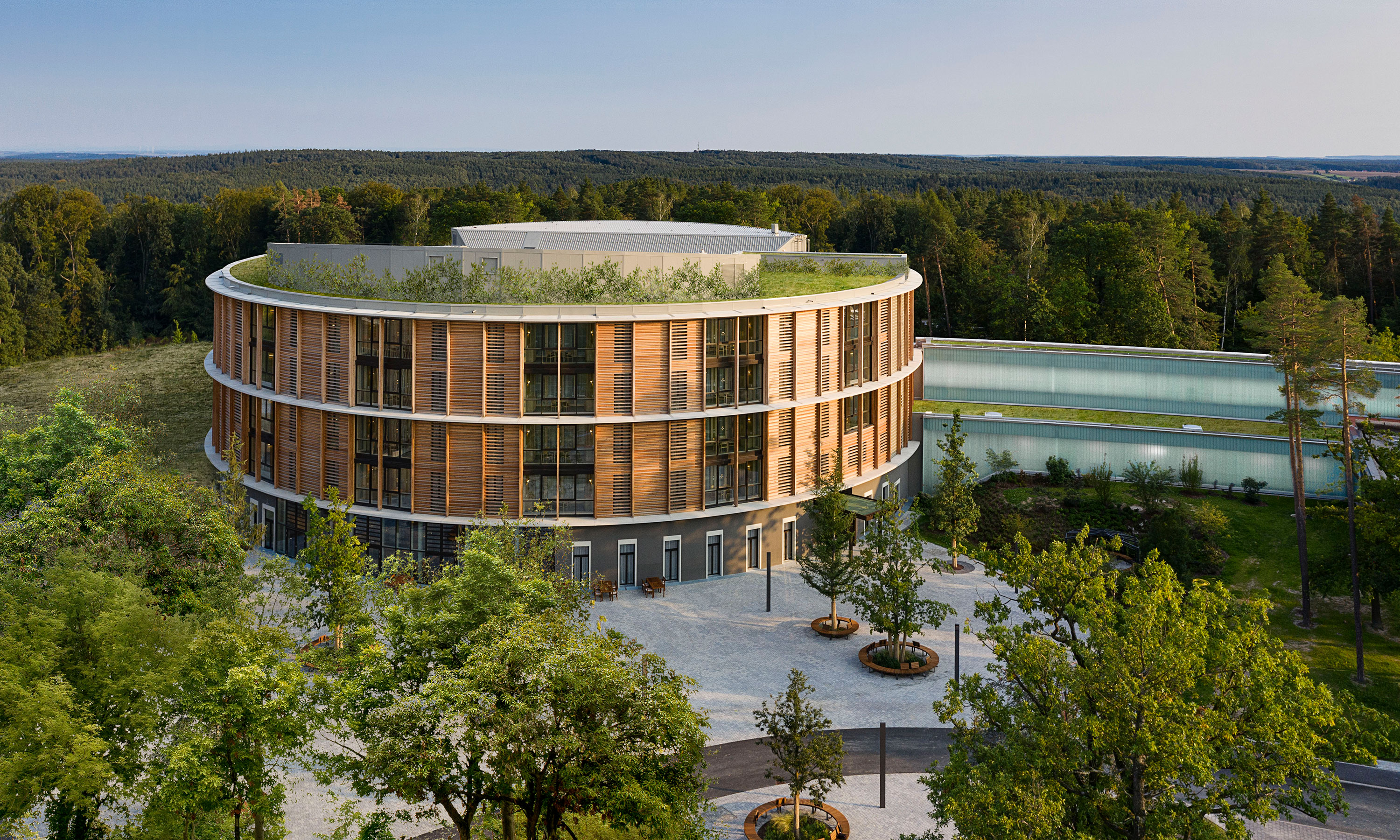
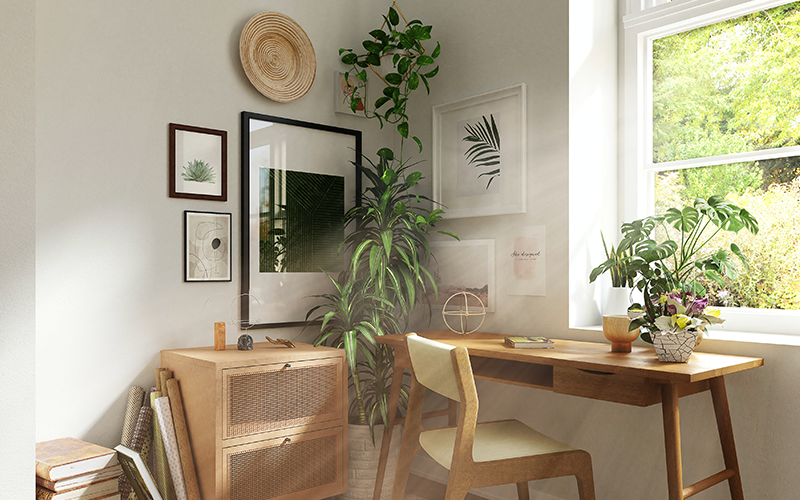
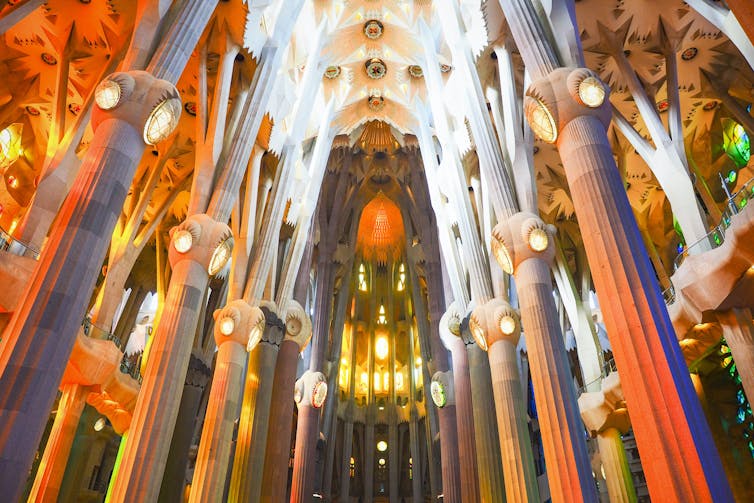
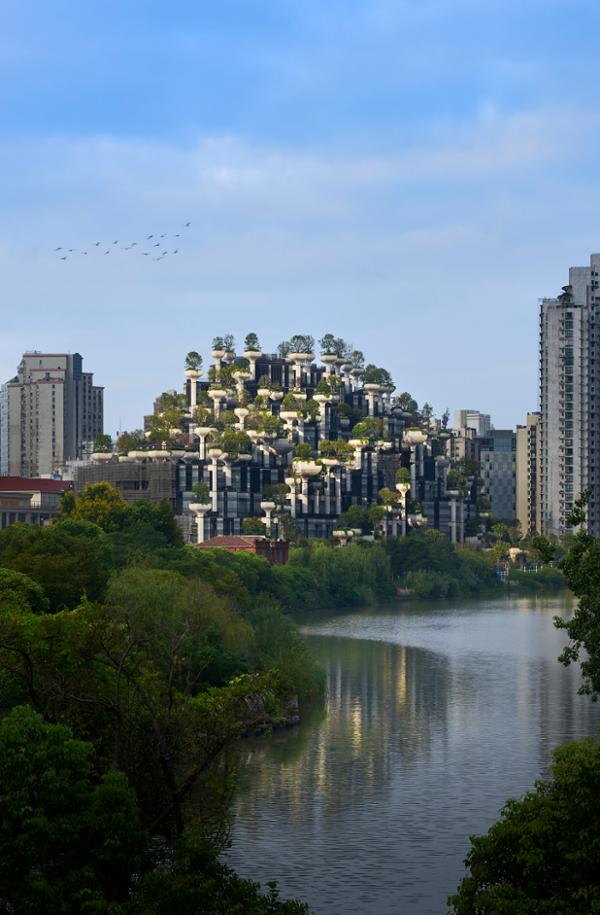
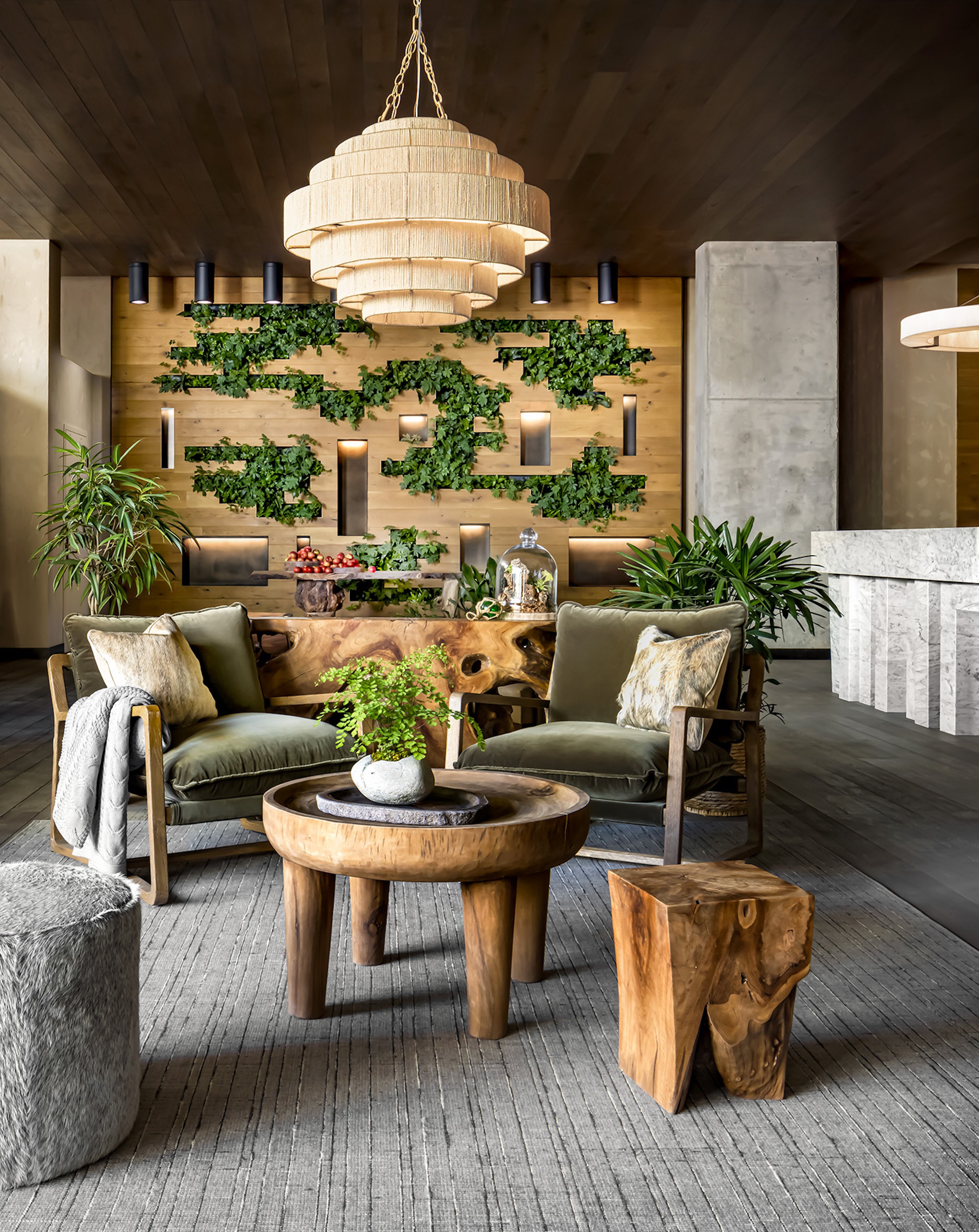
Biophilic design, as explained by Heath, is an evolutionary concept that re-establishes humanity's connection to nature, reflecting how humans evolved within natural environments. It aims to reintroduce elements of nature into contemporary urban settings to evoke similar emotional responses experienced in natural landscapes. By doing so, biophilic design seeks to reduce stress, aid recuperation, and foster a sense of space, place, and community, ultimately promoting a better state of mind for individuals.
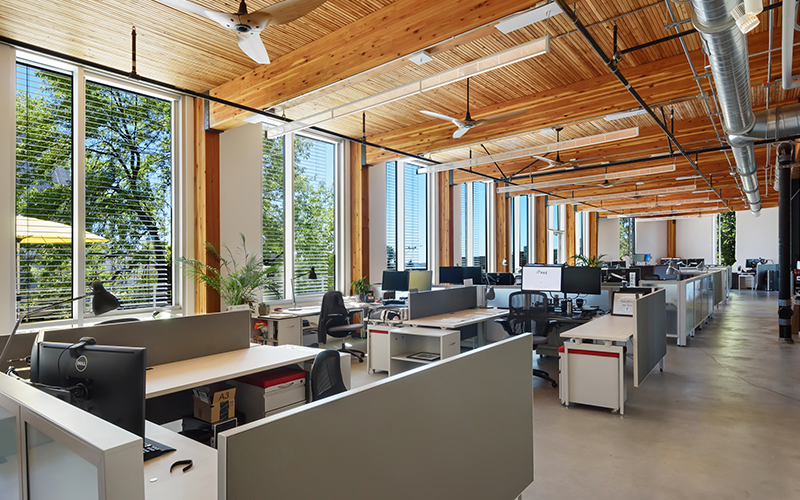
Heath highlights that biophilic design is supported by robust evidence. Research indicates that a strong connection to nature can mitigate negative factors and enhance positive outcomes across various design applications. For instance, studies show that students exposed to natural light exhibit faster learning, lower absenteeism, and improved test scores. In healthcare, patients recovering in rooms with views of greenery experience nearly a 10% reduction in post-operative recovery times, less pain, and a 22% decrease in medication needs. In workplaces, natural views and elements can boost productivity by 6% to 15%, alongside increased creativity and engagement.
Heath finds the measurability of biophilic and human-centered design particularly compelling, describing it as an unusual yet crucial aspect of contemporary design practice. He points out that, historically, design styles like Gothic or Modernism were not typically evaluated for their success through empirical measurement. However, clients are increasingly demanding demonstrable evidence that human-centered design yields tangible and valuable results. This emphasis on measurable outcomes allows the design community to showcase the real value of their work beyond aesthetics or organizational branding, proving that design choices can deliver concrete benefits.
Oliver Heath's overarching vision is to enhance natural connections to support physical and mental well-being across all scales of the built environment, from urban planning to individual furniture pieces. He believes in thinking expansively, considering the entire spectrum of human interaction with designed spaces as a comprehensive and interconnected challenge.
#HumanCenteredDesign #BiophilicDesign #Sustainability #OliverHeath #ArchitecturalDesign #InteriorDesign #Wellbeing #HealthAndWellness #BuiltEnvironment #HumanCenteredDesign #BiophilicDesign #Sustainability #OliverHeath #ArchitecturalDesign #InteriorDesign #Wellbeing #HealthAndWellness #BuiltEnvironment
合計0件のコメント
 まだコメントはありません
あなたも好きかもしれません
Biophilic Architecture without Plants: Invisible Design for Wellbeing

Roundtable: the language of biophilia in surface design
Why biophilic design is more than just a trend
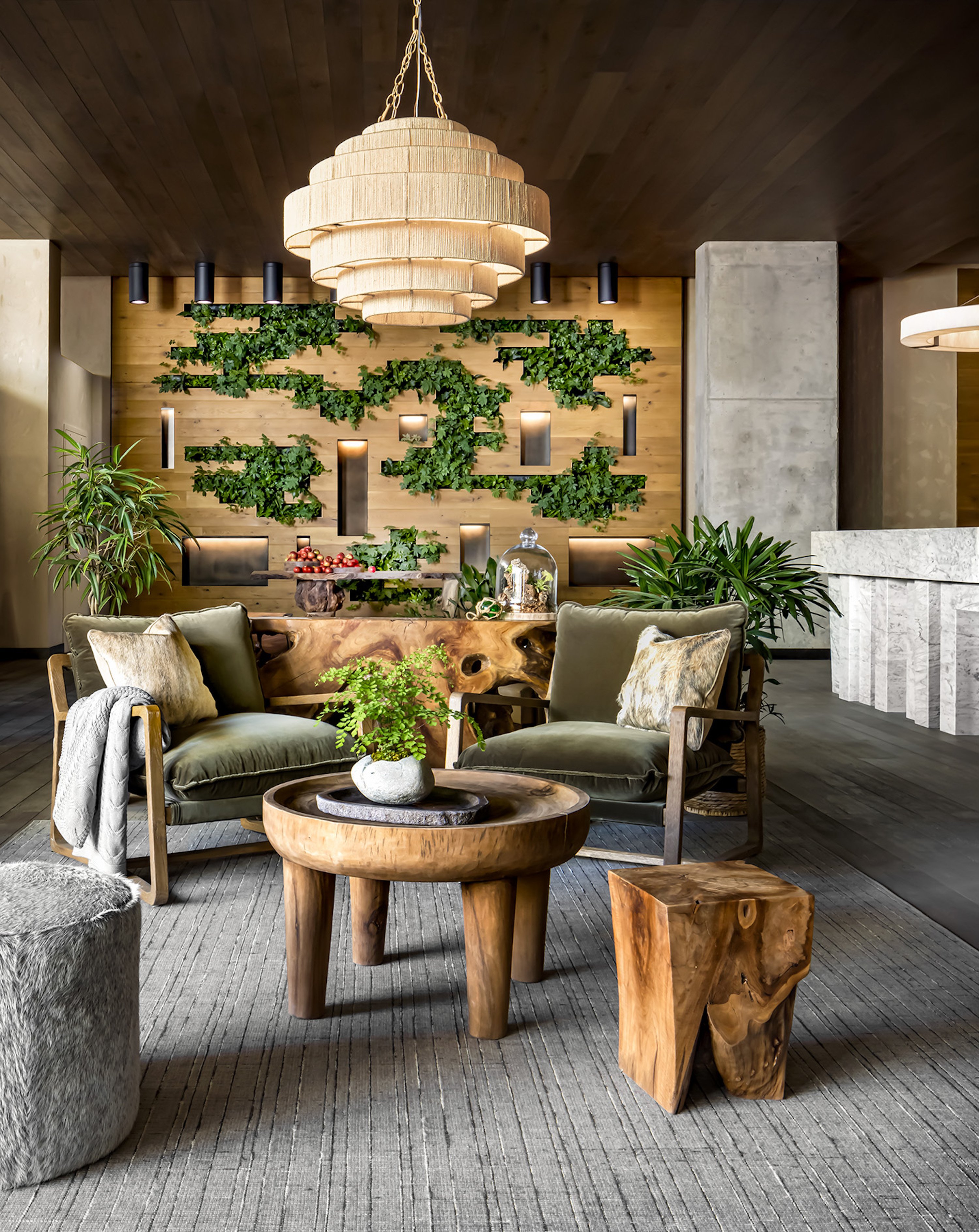
Is Biophilic Design the New Paradigm?
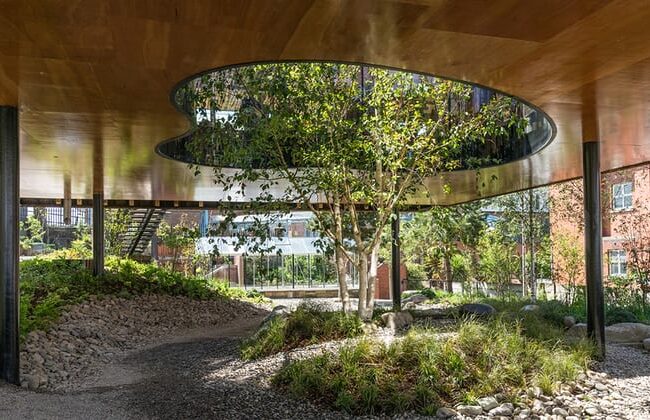
Designing with nature: Why Biophilic Design?


Welcome to the Great Indoors

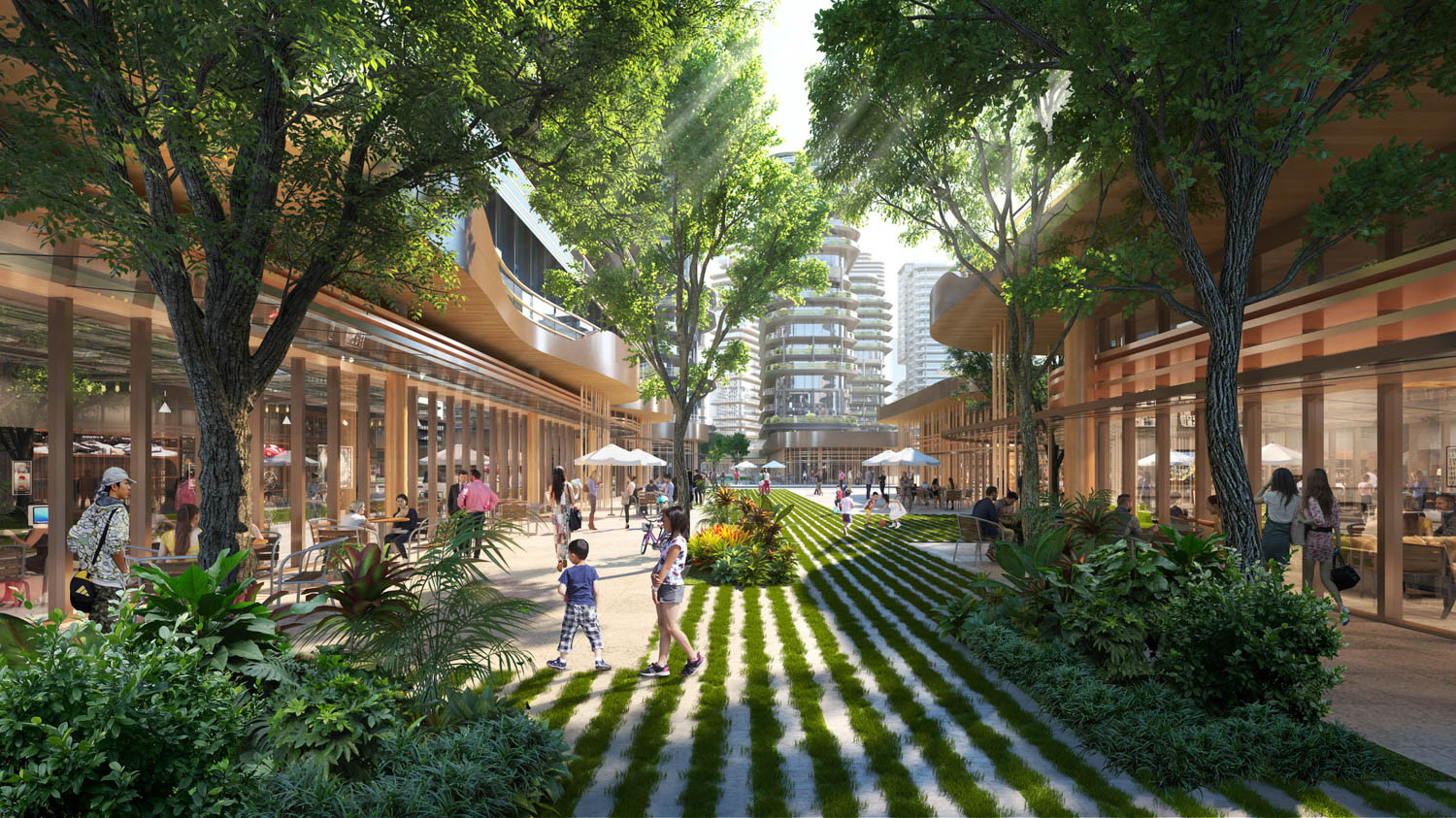
How SOM Is Exploring A New Wellness Blueprint


20 Nature-Loving Homes Where Biophilia Thrives

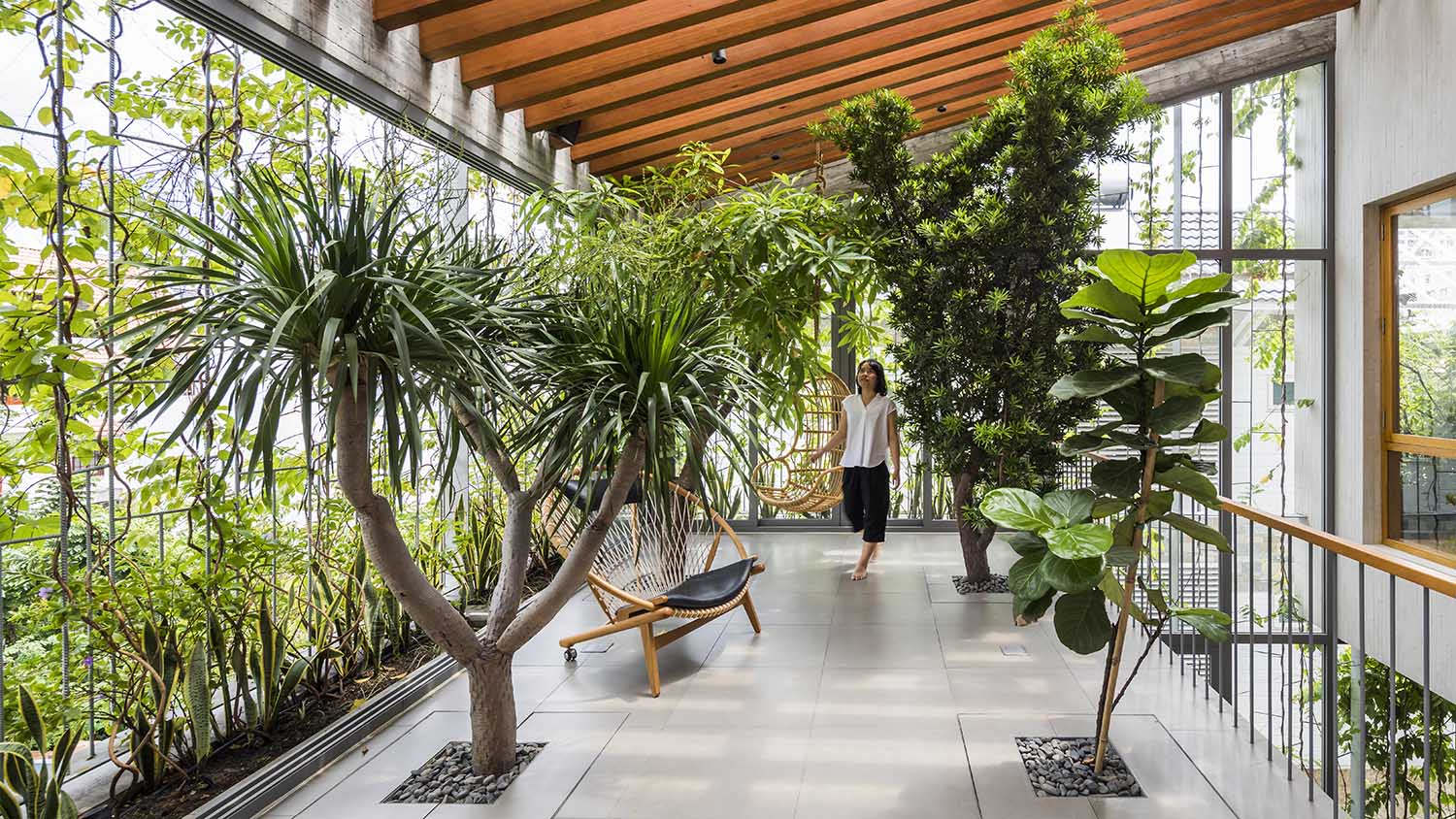
Biophilic Design Guide – Kellert’s principles and the benefits of nature

Reimagining Care Through Nature: The Case for Biophilic Design

What is Biophilic Design? This Nature-Based Interiors Trend Promises Wellness
Biophilic design beyond the buzzword
Watch a live talk on biophilic design and sustainable materials with Oliver Heath

Nature's Geometry: The Impact of Fractals on Human Well-being

What mirrored ants, vivid blue butterflies and Monstera house plants can teach us about designing buildings

schneider electric and oliver heath design sustainable homes of the future
Focus on Biophilia: Nature-Inspired Design Strengthens People!

Natasha Reid's designs champion social and psychological wellbeing
Architecture and design features and interviews | CLADglobal.com - Embracing nature
‘Why are so many buildings designed to keep nature out?’