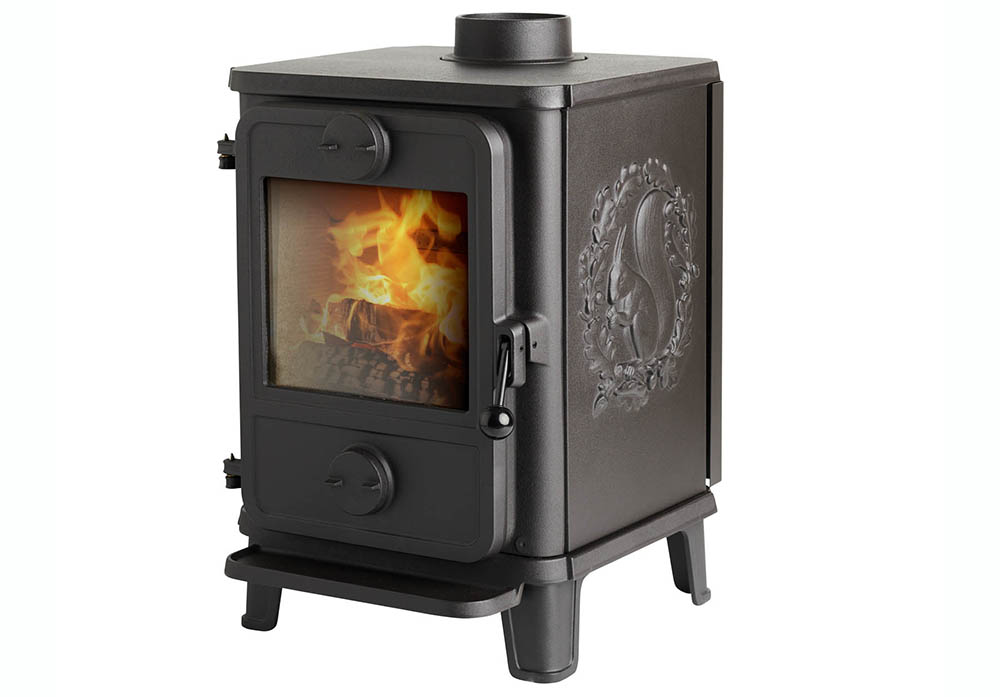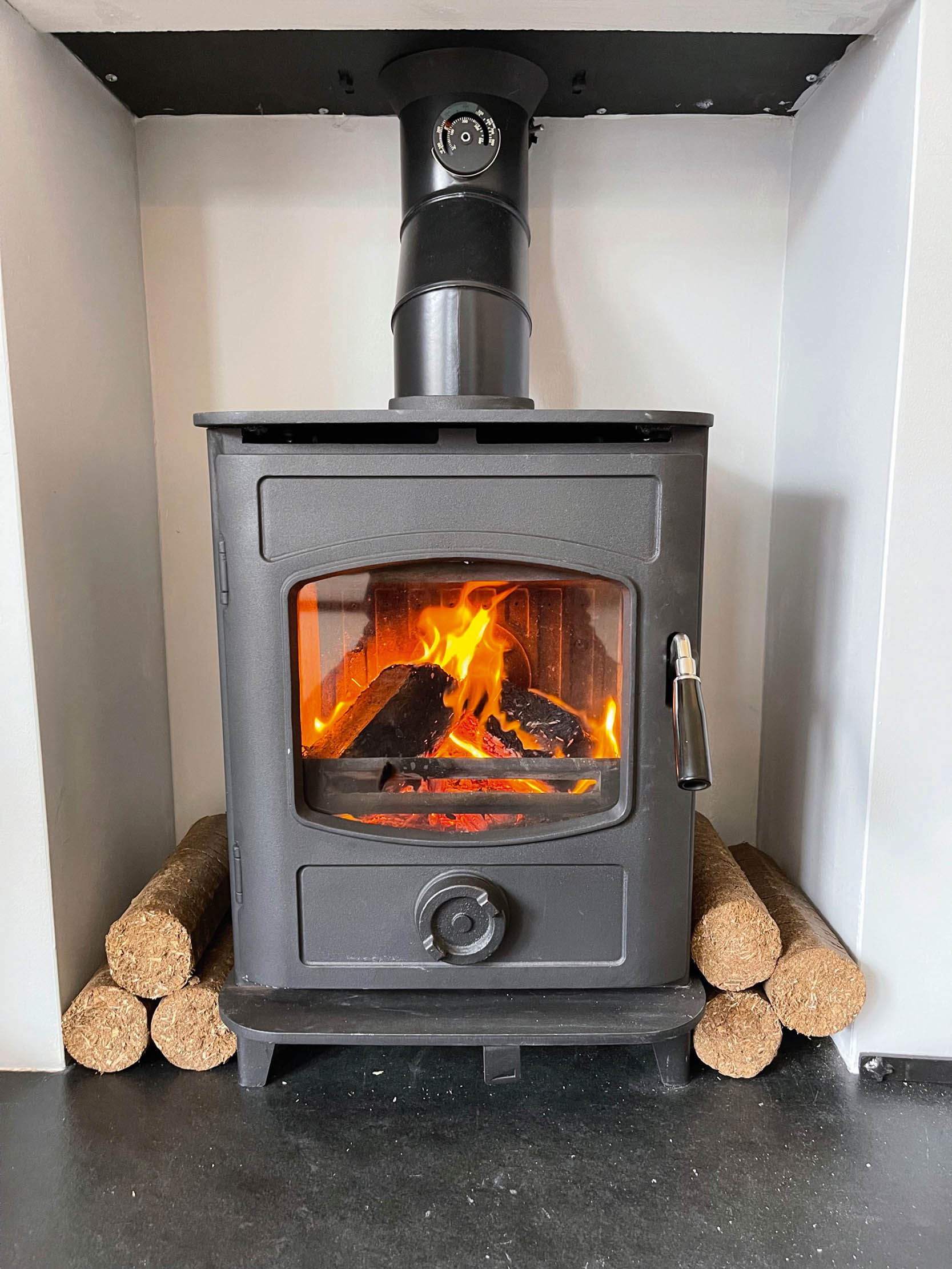
Barry Stone: Wood stove too close to wood paneling
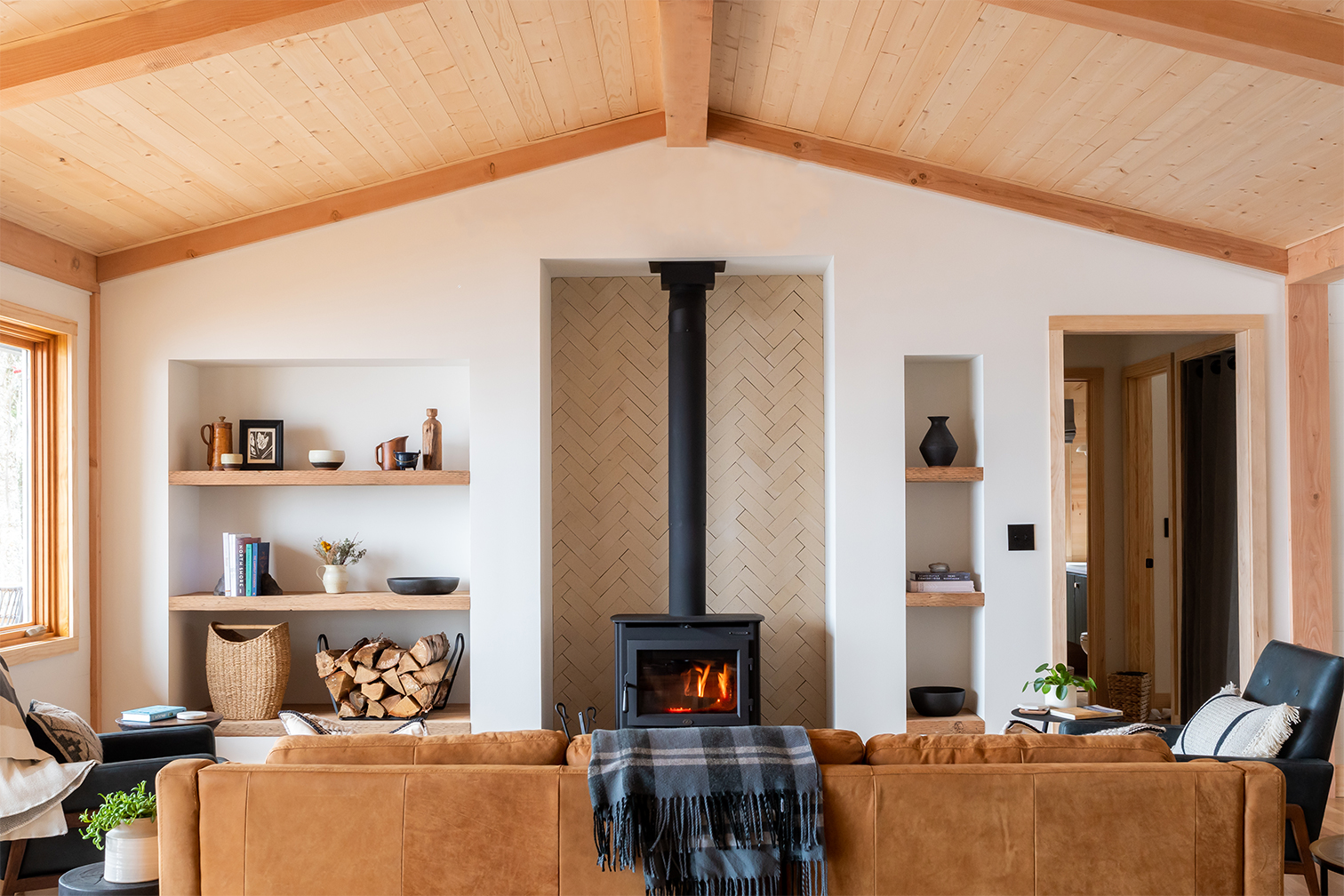
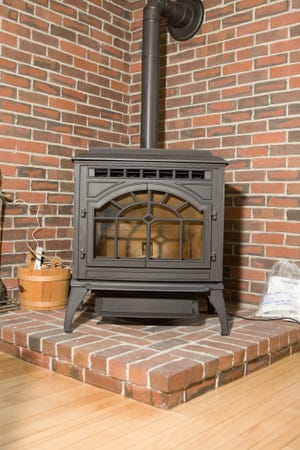
The article addresses a common homeowner dilemma concerning the safe installation of wood-burning stoves, specifically when a home inspector flags the appliance as being too close to combustible wall paneling. The query originates from a homeowner, Matt, who has been trying to sell his house and questions the inspector's finding because the stove has been in its current position for over seven years without incident. Matt's perspective is based on the maxim, 'if it ain't broke, why fix it?' However, the expert, Barry Stone, strongly refutes this viewpoint when fire safety is involved. Stone emphasizes that while the maxim might apply to minor issues like a damaged fence post or a stained carpet, it is entirely inappropriate for fire hazards. He warns that by the time a wood stove installation 'breaks' due to proximity to combustible materials, it could lead to catastrophic consequences, highlighting that a more fitting adage in this context would be, 'don't play with matches, or you may get burned.'
Stone explains that the absence of a fire over several years does not negate the safety violation. He draws a parallel with speeding on a highway, where violating the speed limit does not guarantee an accident but significantly increases its probability. Similarly, a wood stove being too close to wood paneling, even without immediate combustion, poses an ongoing and escalating risk. The expert introduces the concept of pyrolysis, or pyrophoric action, a natural process where repeated heat exposure gradually lowers the kindling temperature of wood. Over years, the constant heating and reheating of wall paneling can reduce its ignition point to as low as 200 degrees Fahrenheit, transforming seemingly unaffected wood into a 'slow-fused fire bomb.' This means that the existing installation could unexpectedly ignite at a much lower temperature than normal, putting current and future residents at severe risk.
To ensure safety, Stone provides clear guidelines for homeowners. He advises checking the manufacturer's label on the wood stove for required clearances to combustible materials. For UL listed fireplaces, this information is typically found on a placard. If no clearance data is available, he recommends consulting a certified chimney sweep. A crucial safety standard mentioned is the minimum wall clearance of 36 inches from combustible material for an unlisted wood stove, unless approved wall protection is installed. The article underscores the critical importance of adhering to these clearances, stating that doing so could not only save a home from fire but also protect lives. The piece concludes by directing readers to Barry Stone's website for further inquiries, reinforcing the value of expert advice in home safety matters.
#WoodStoveSafety #HomeInspection #FireSafety #Pyrolysis #CombustibleMaterials #HomeMaintenance #RealEstateSafety #BuildingCodes #WoodStoveSafety #HomeInspection #FireSafety #Pyrolysis #CombustibleMaterials #HomeMaintenance #RealEstateSafety #BuildingCodes
合計0件のコメント
 まだコメントはありません
あなたも好きかもしれません
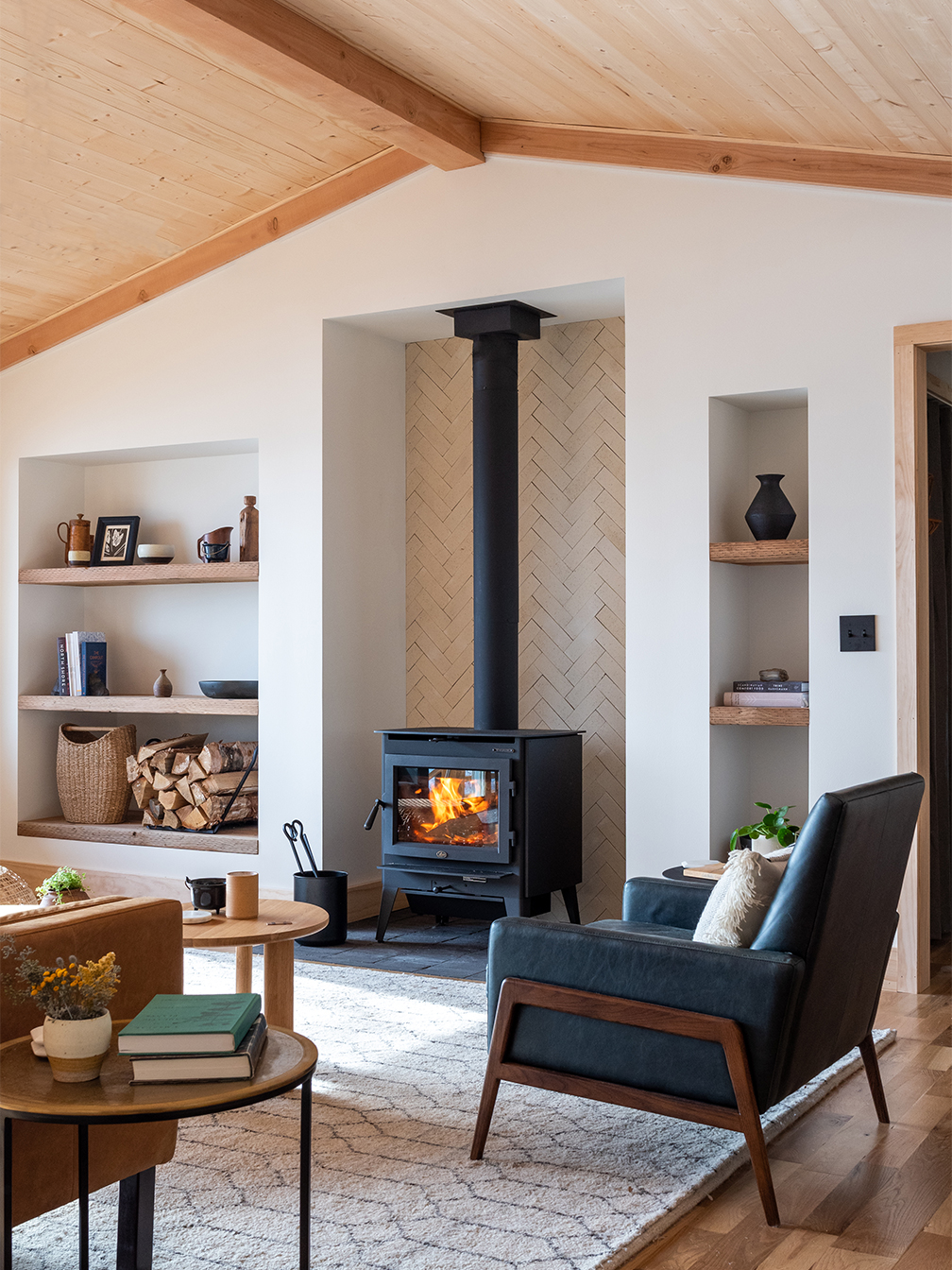
Stone Fireplace, Begone—This Designer Nixed the Feature in Search of a View
All Fired Up on The Block

Wood Paneling Is Back—and Better Than Ever

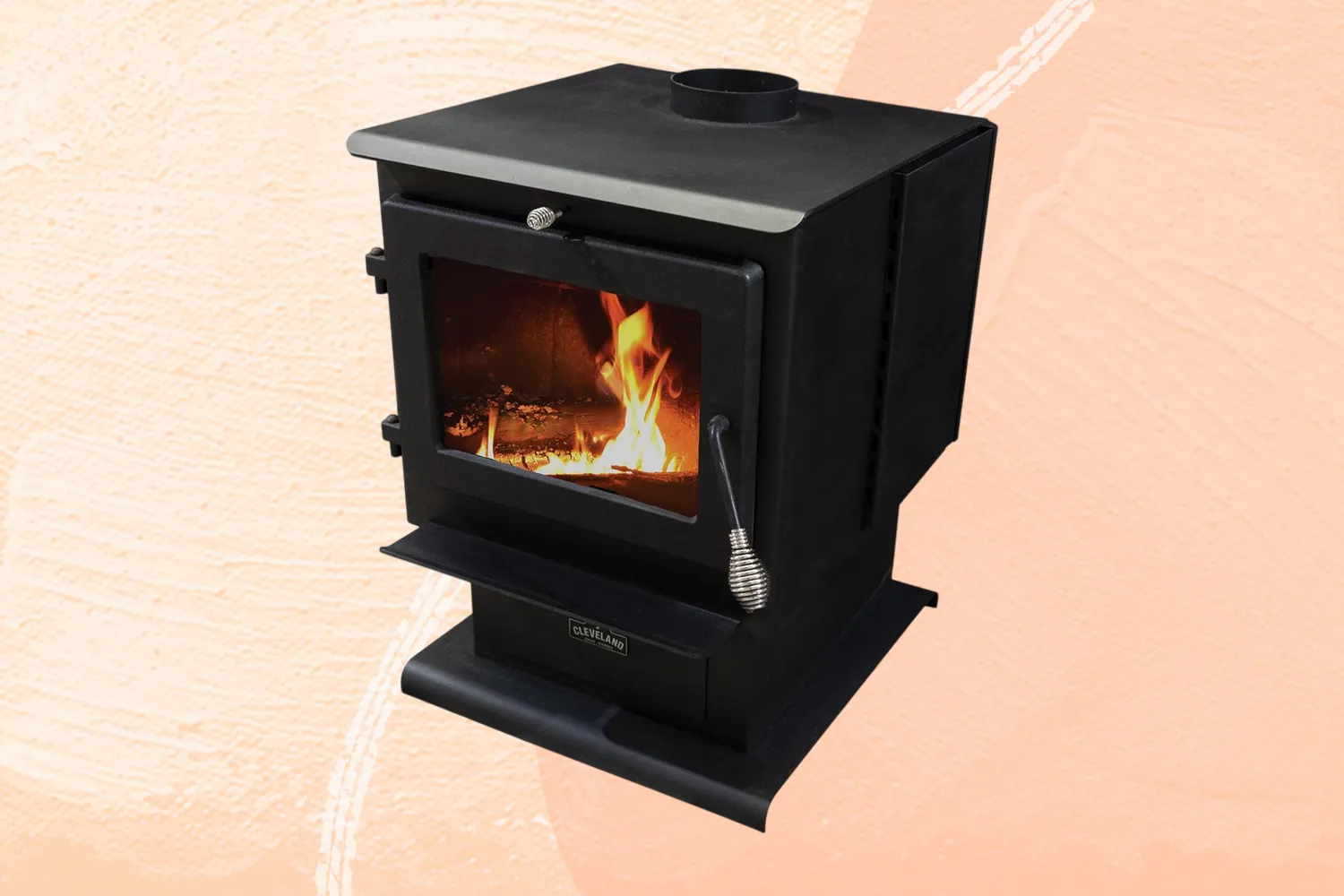
The Best Wood Stoves Can Make Your Home Feel Like a Rustic Cabin—Here Are Our Top 7


Plasterboard
More heat, less fuel: How modern tech has lit up a new era of log-burning stoves
Barry Stone: Spaces in deck rails are unsafe for children
Best Fireplace Guard Screens for Safe and Elegant Indoors

Cast Stone
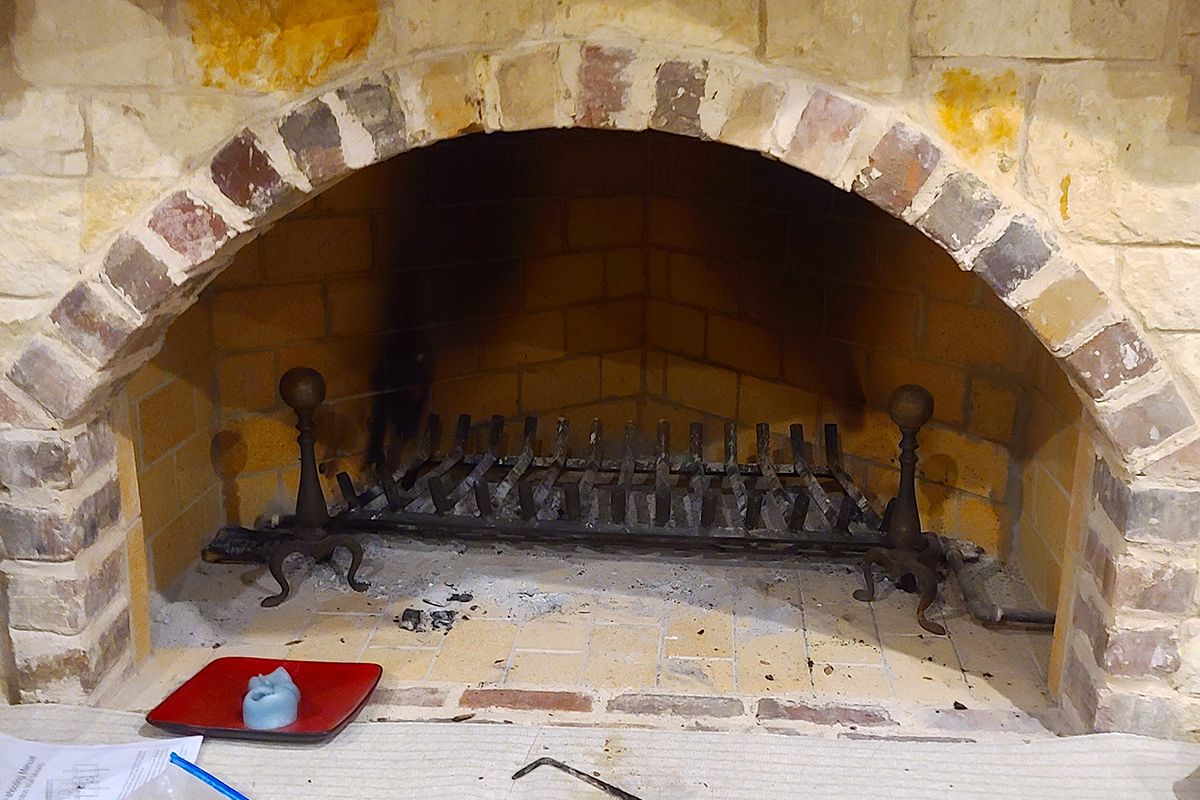
Where there’s smoke, there could be a poorly built fireplace


Trend Alert: Wood Walls Are BACK!
The Best Fire Logs for Long-Lasting Ambience, Tested

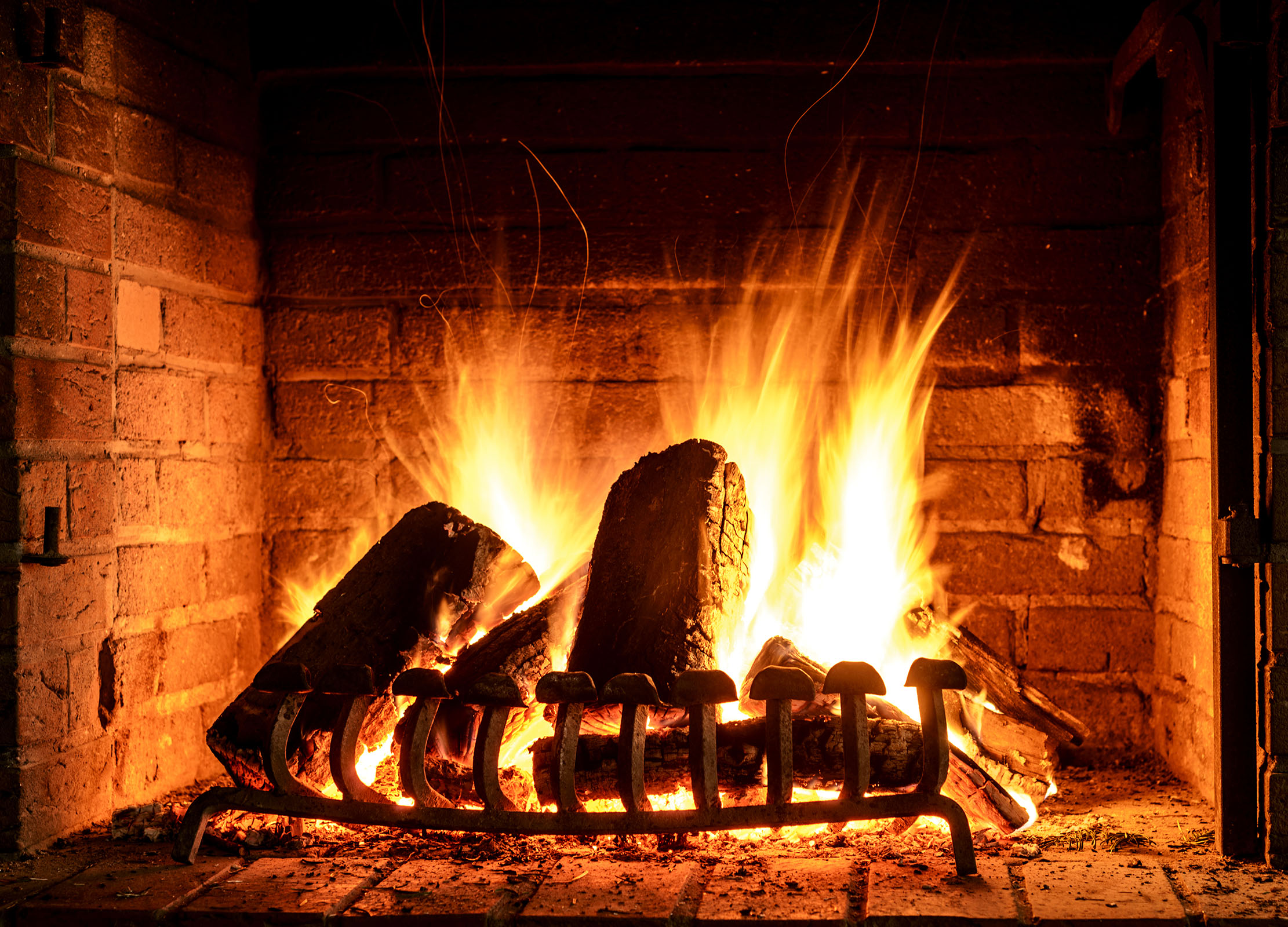
Open fires v wood-burning stoves: The grate debate
Timber
These Are the Best Wood Stove Brands and Manufacturers Today
Design Q+A: Fireplaces

Wood Paneling Doesn’t Have to Remind You of Your Parents’ Basement
Fires & Fireplaces
Man on Fire
Cabin fever is easily cured with rustic charm