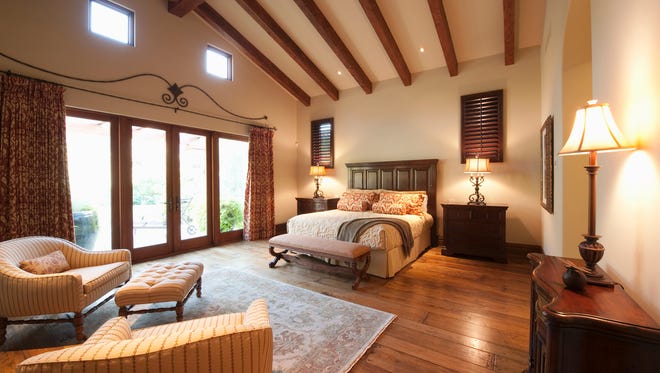
Cabin fever is easily cured with rustic charm
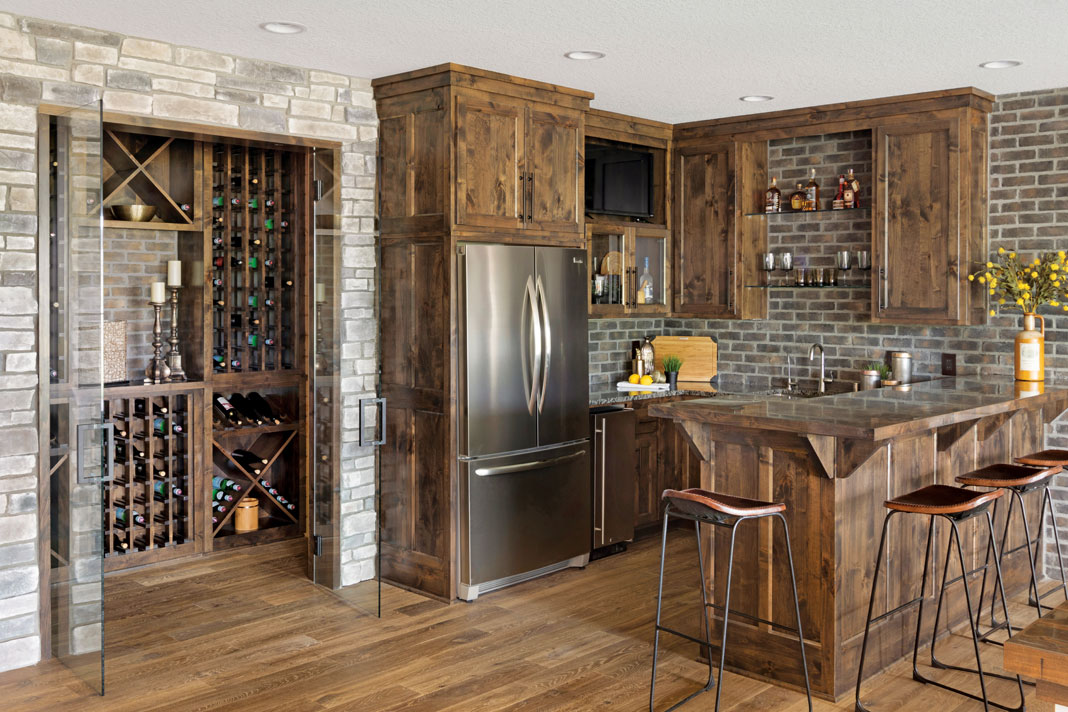
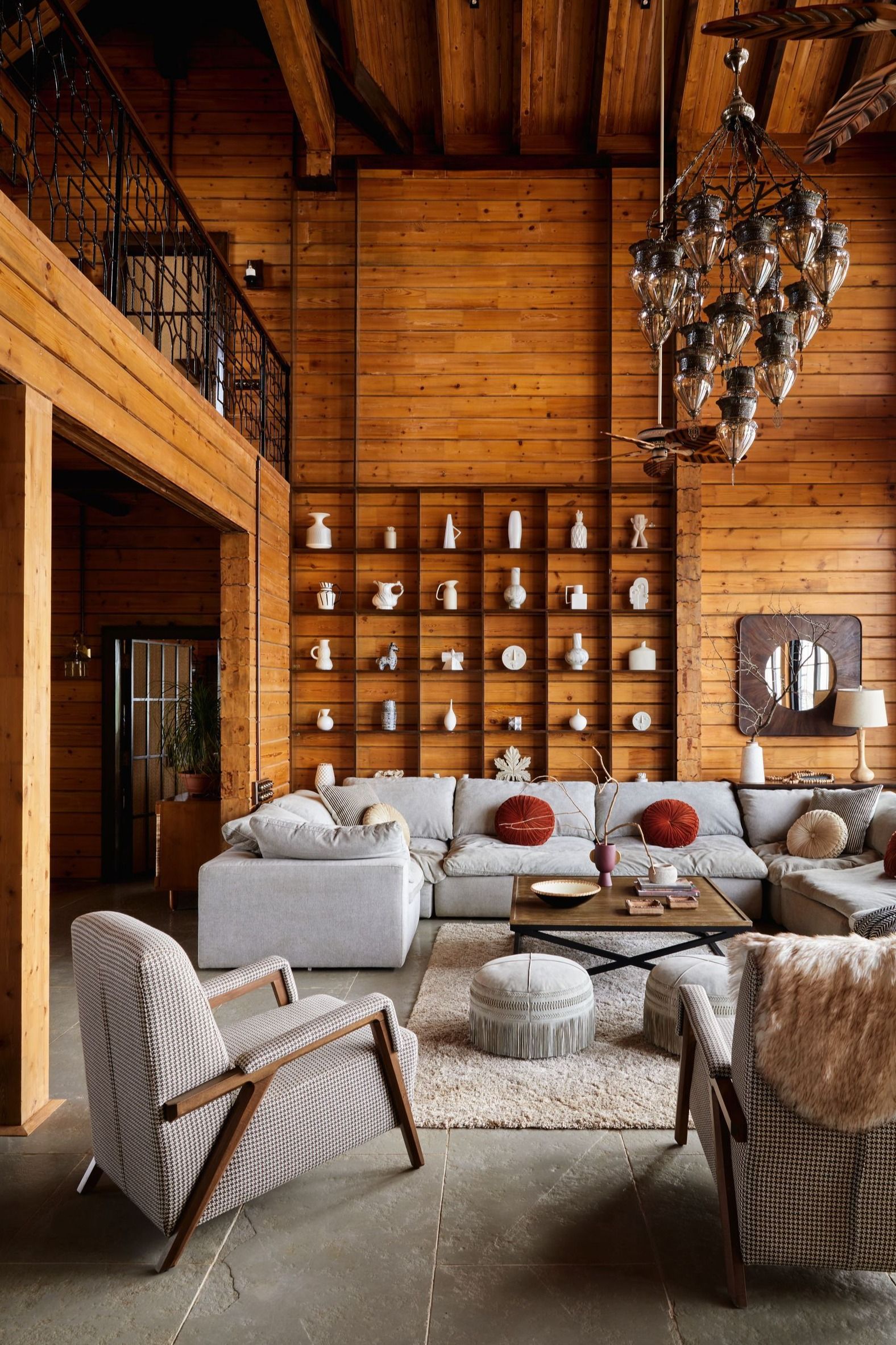
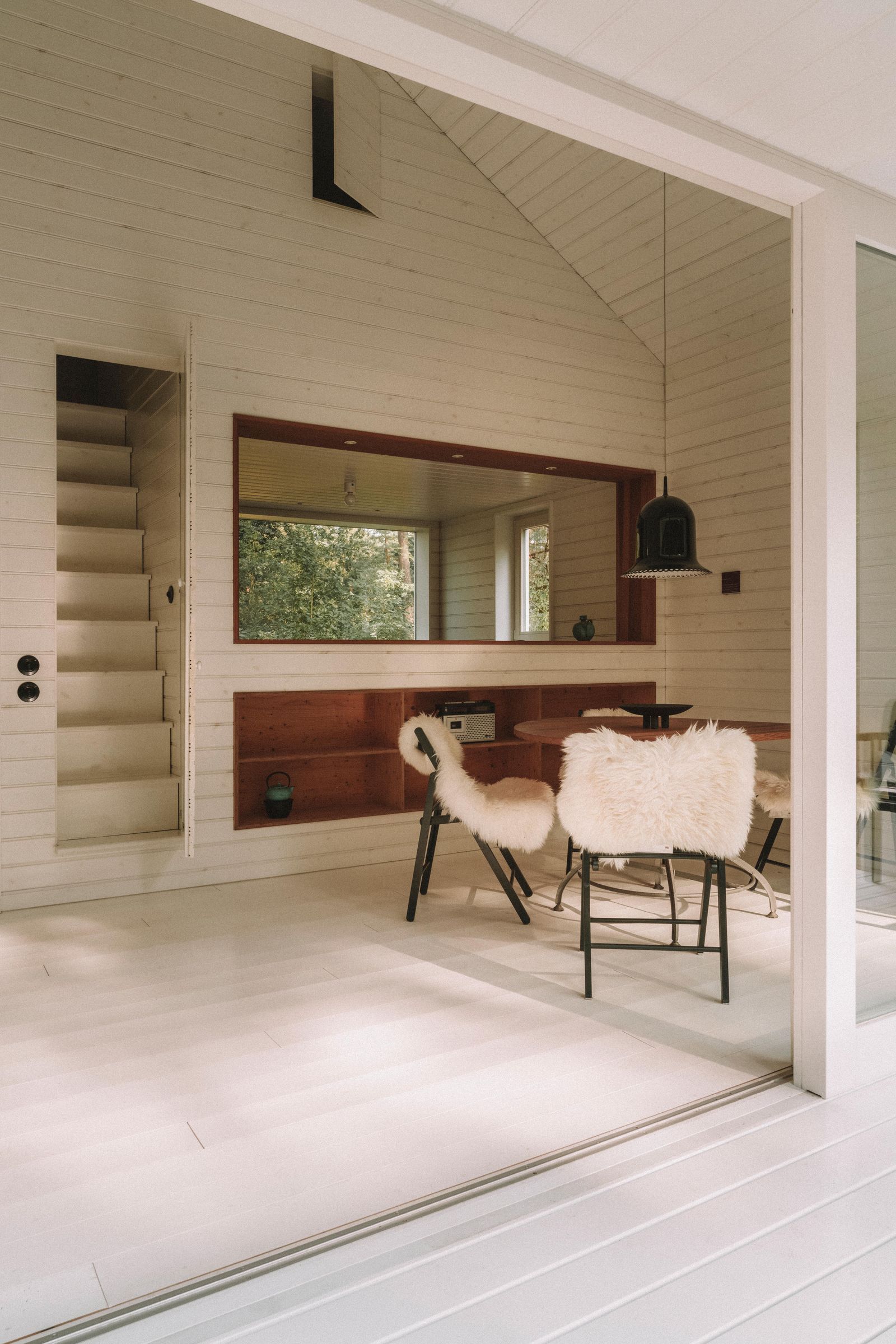
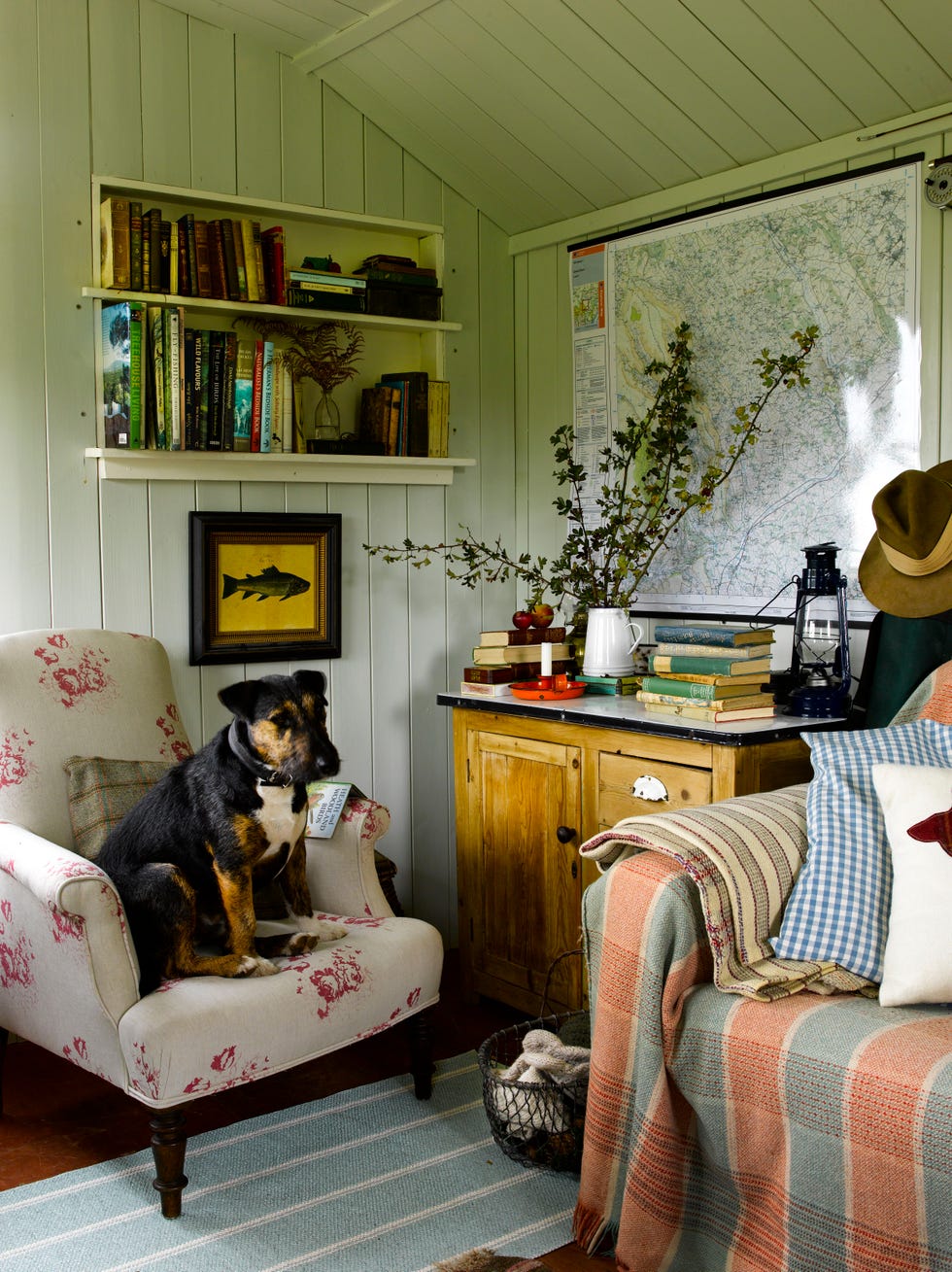
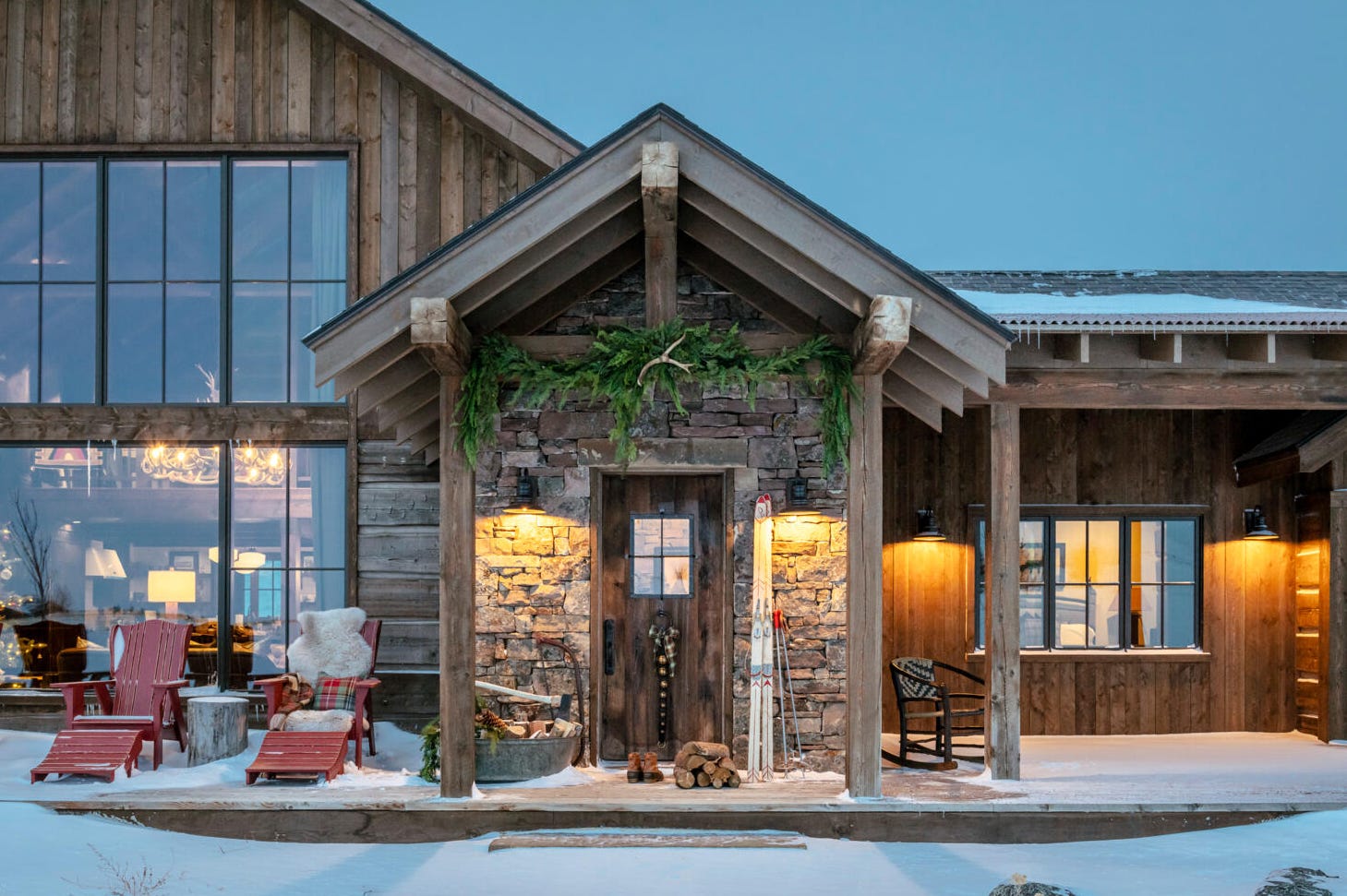
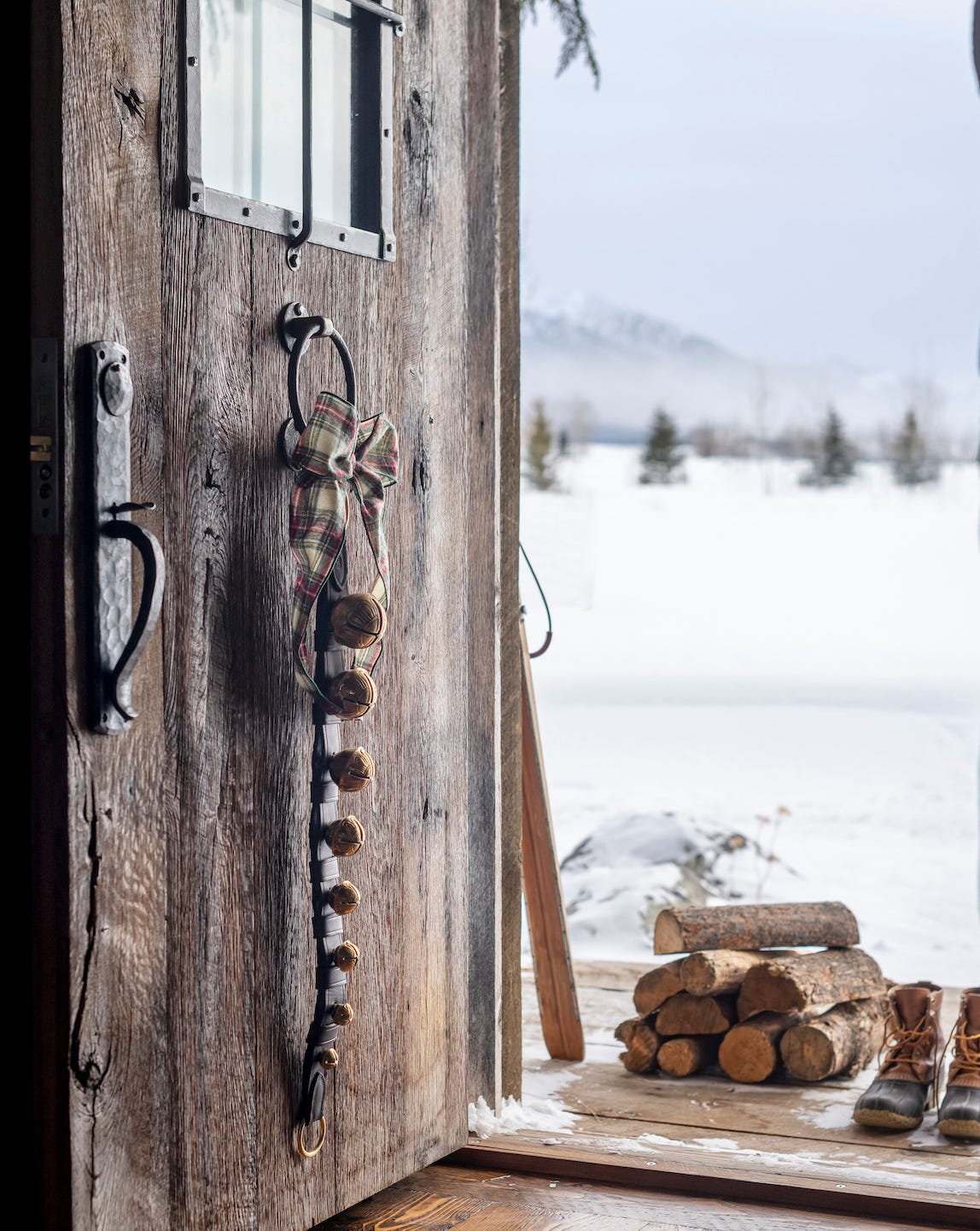
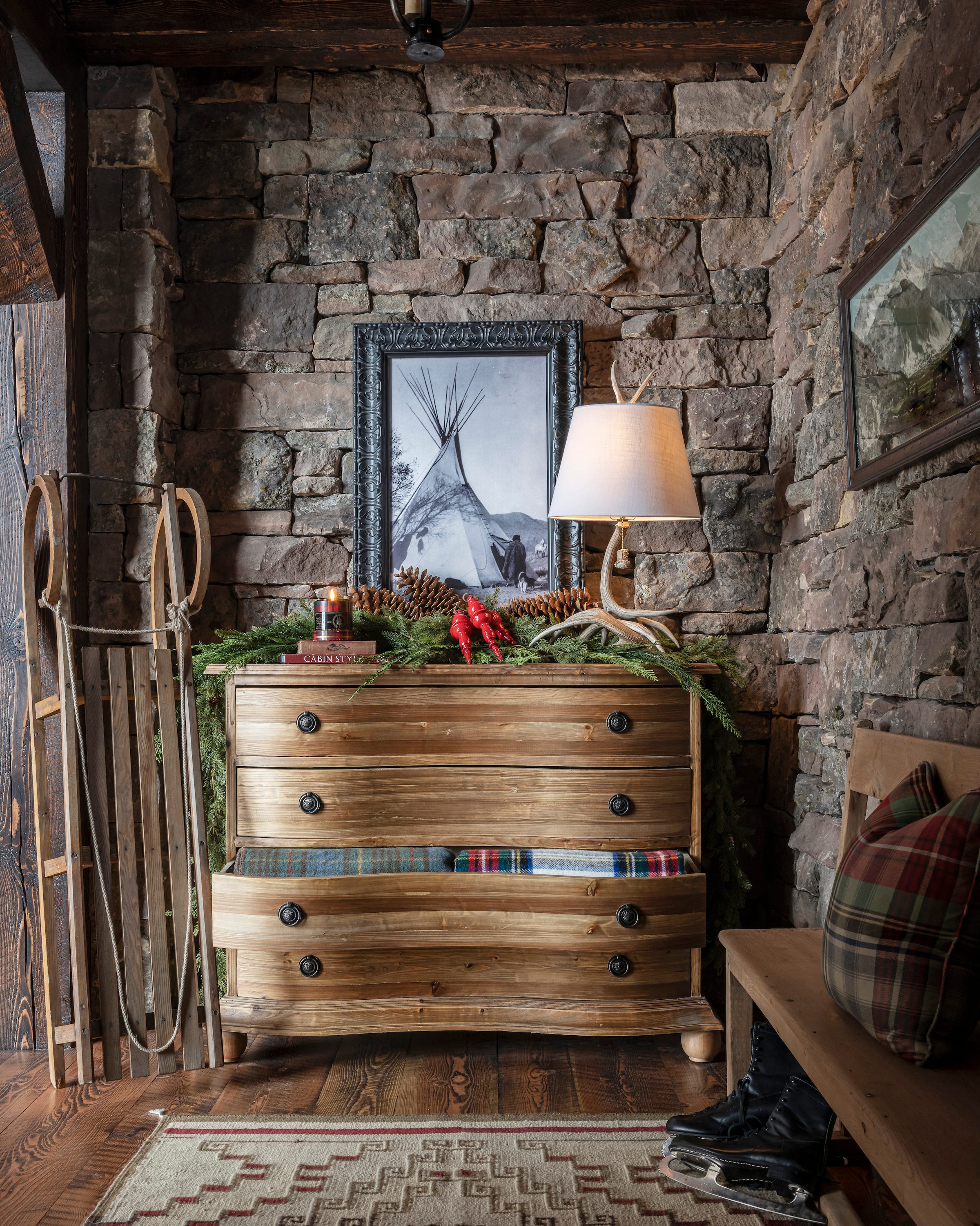
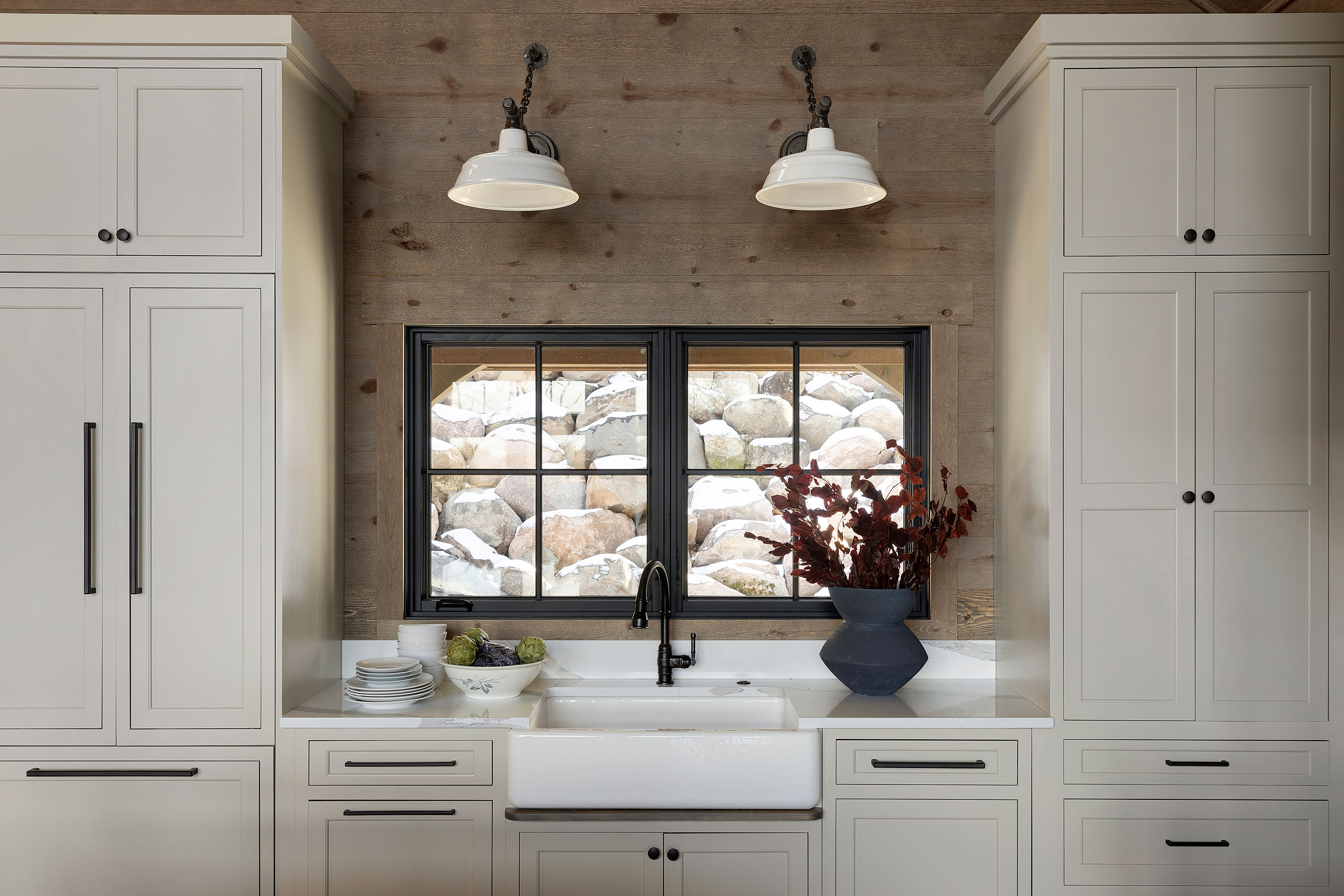
The rustic aesthetic in home design offers a unique blend of comfort and homeliness, distinguishing itself from traditional or modern styles. Marlene Uzzolino of Architectural Products by Outwater highlights its timeless appeal, characterized by a mix of wood, stone, organic elements, and distressed finishes, which effectively brings the natural world indoors. This versatile style creates a cozy and inviting atmosphere.
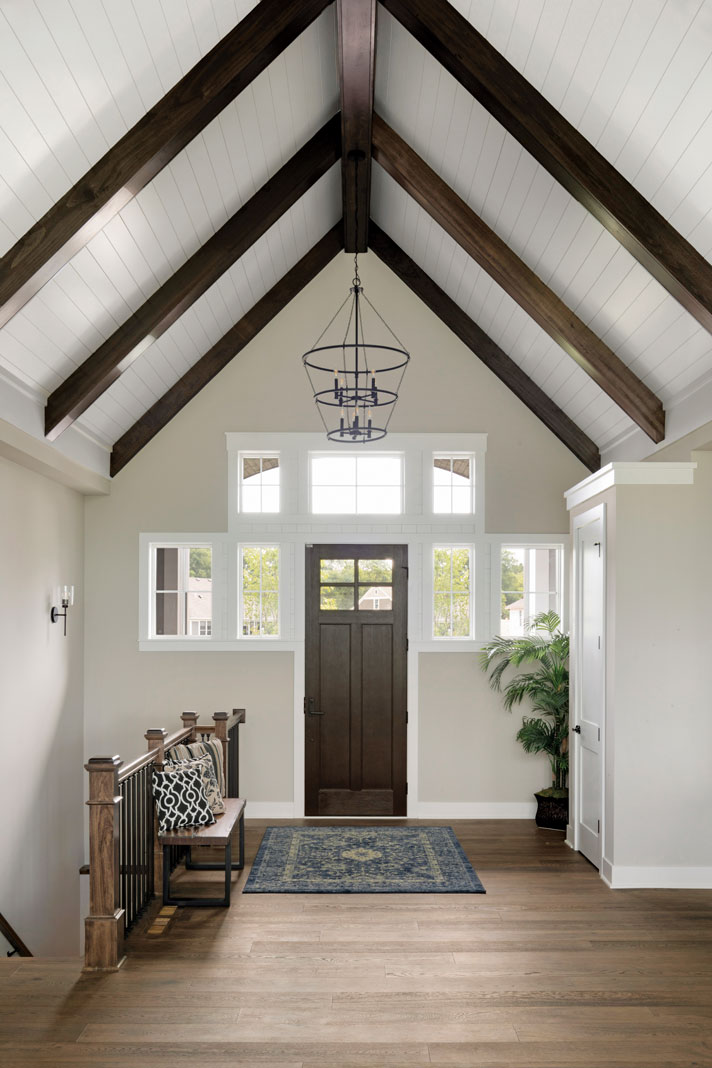
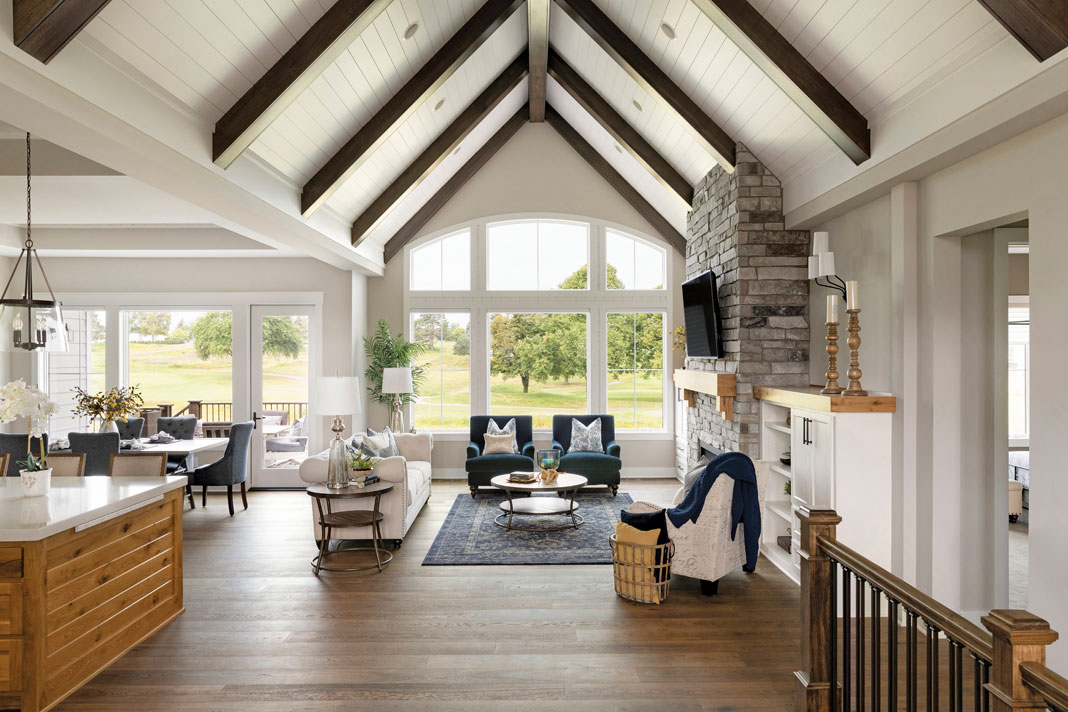
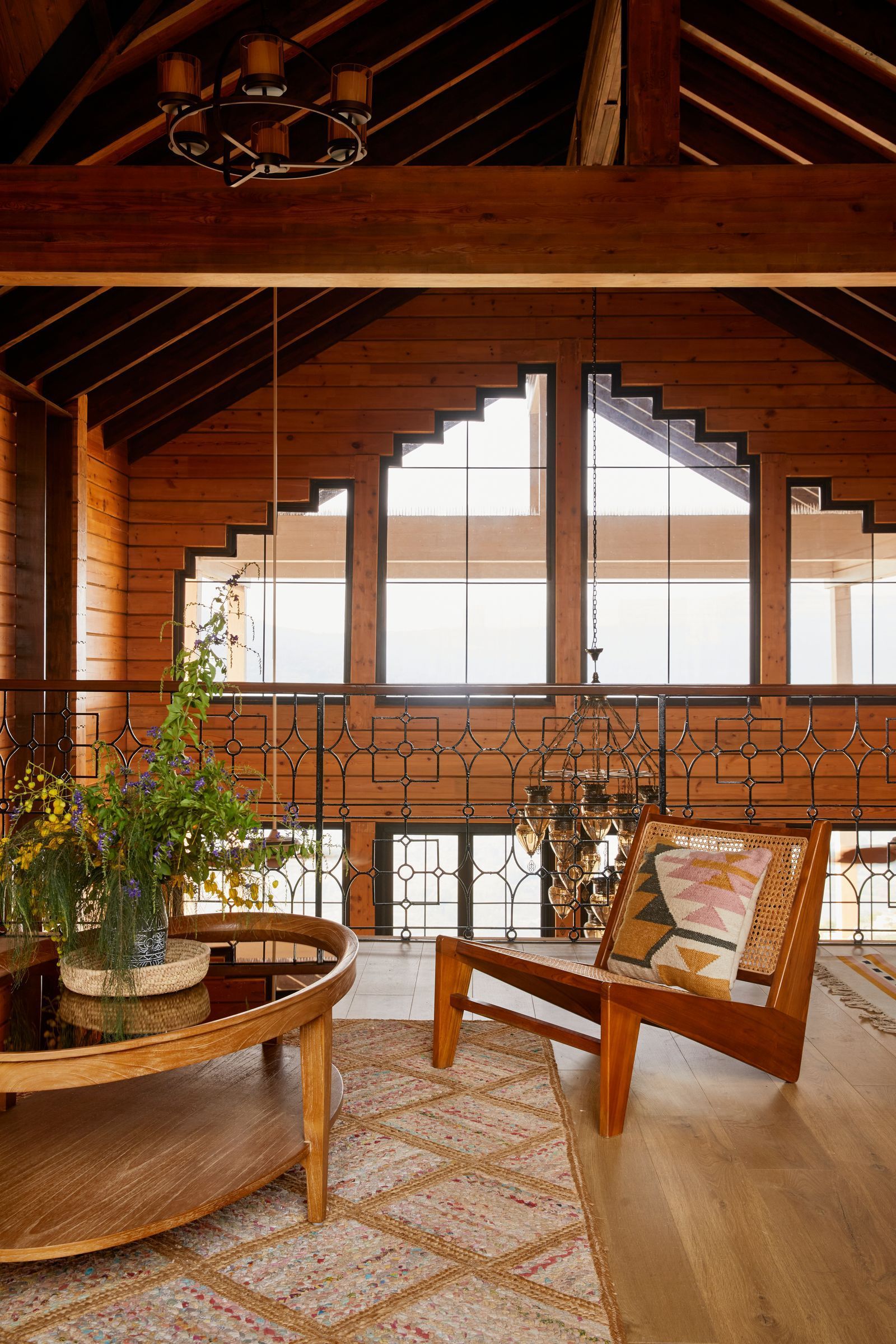
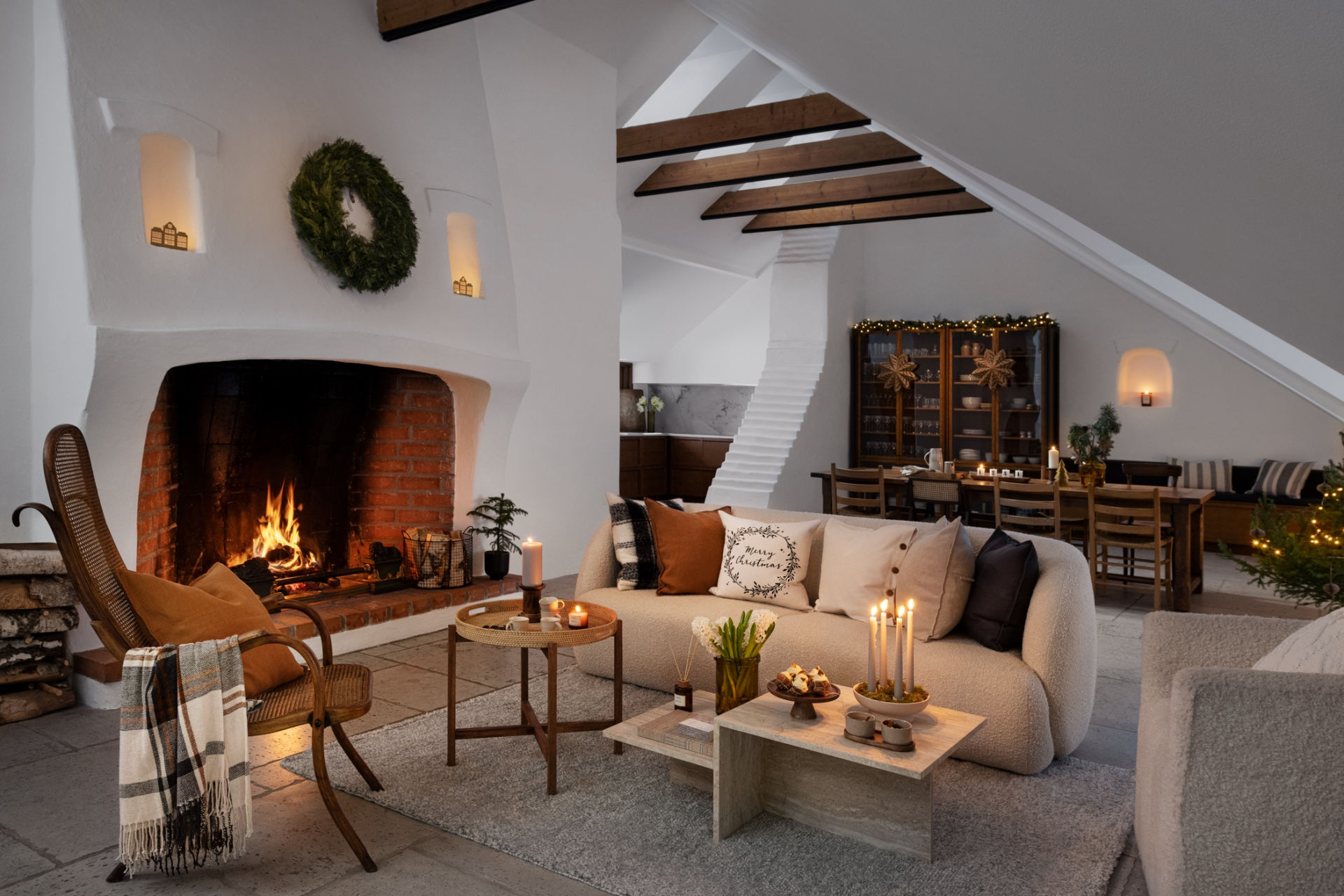
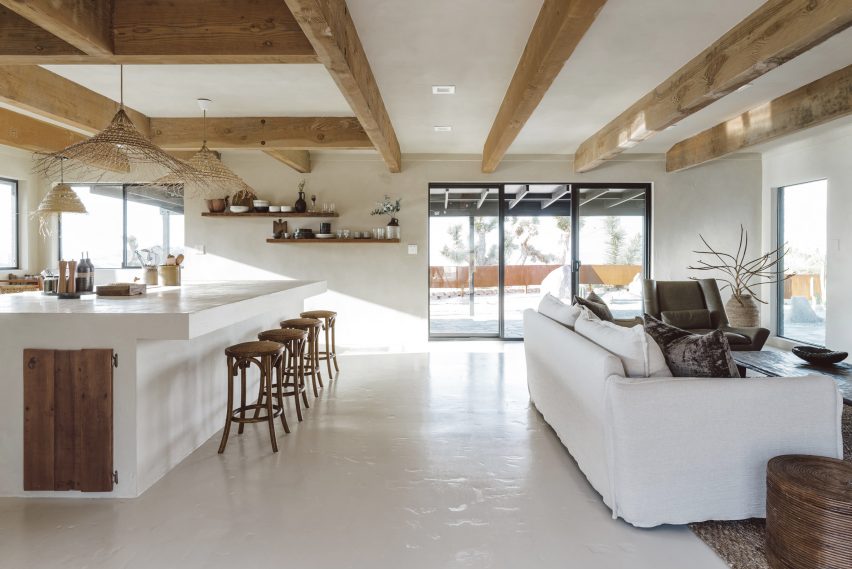
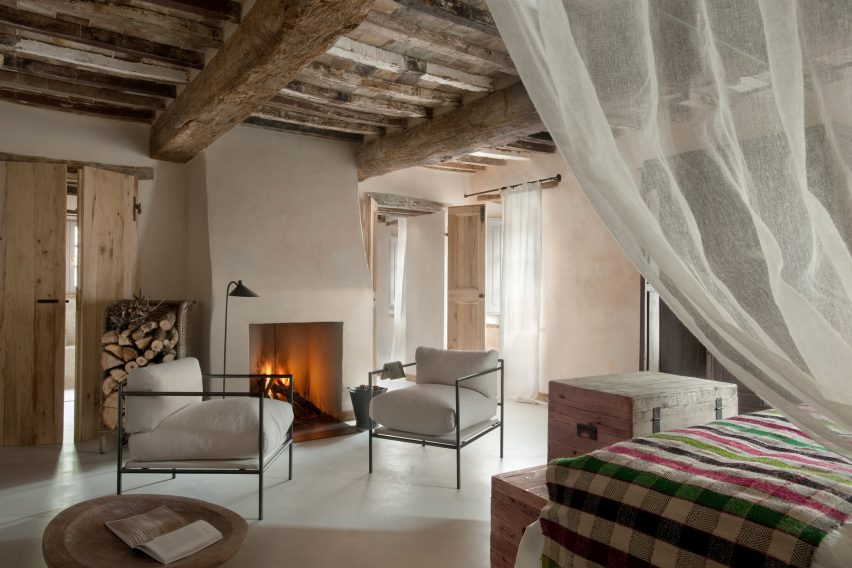
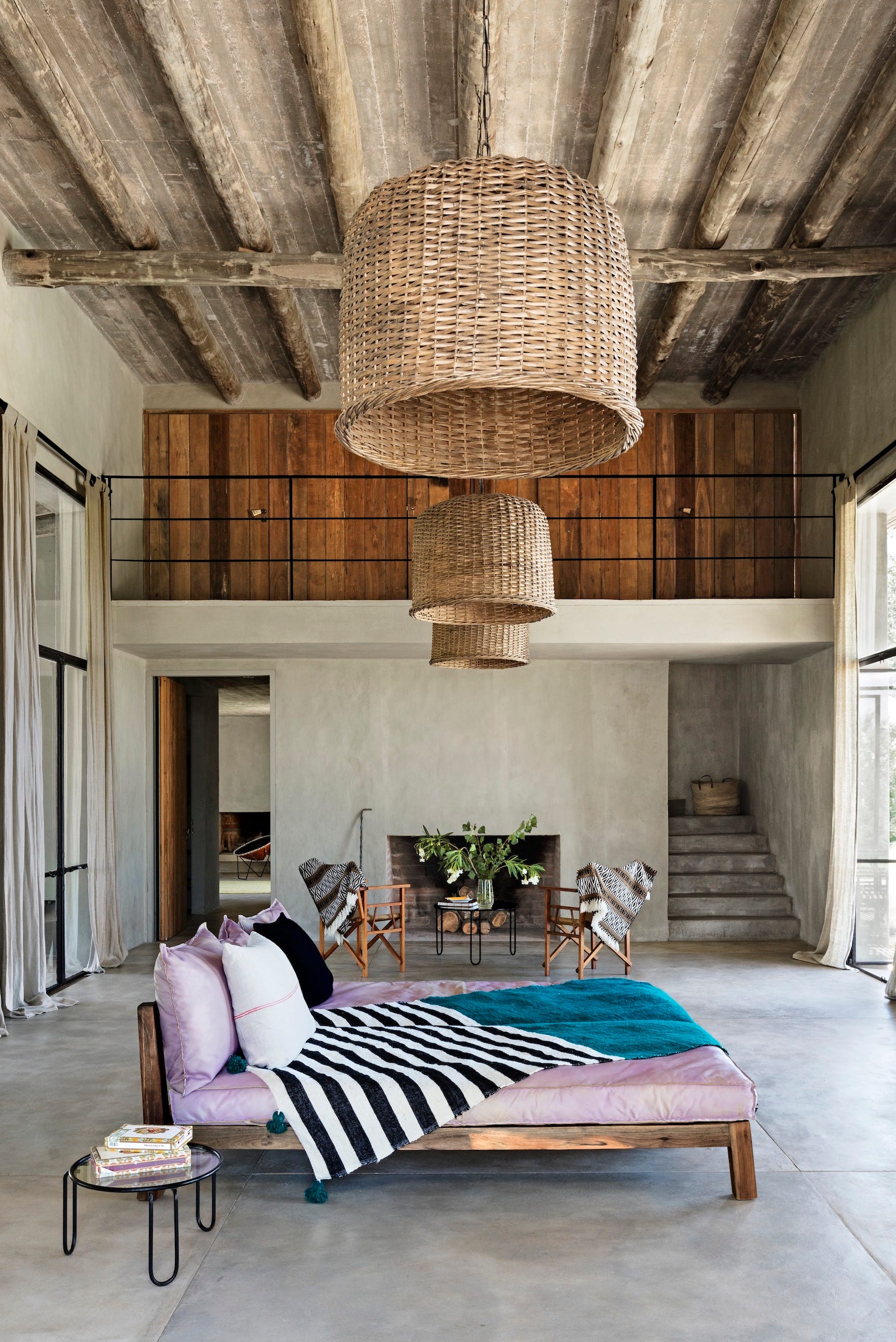
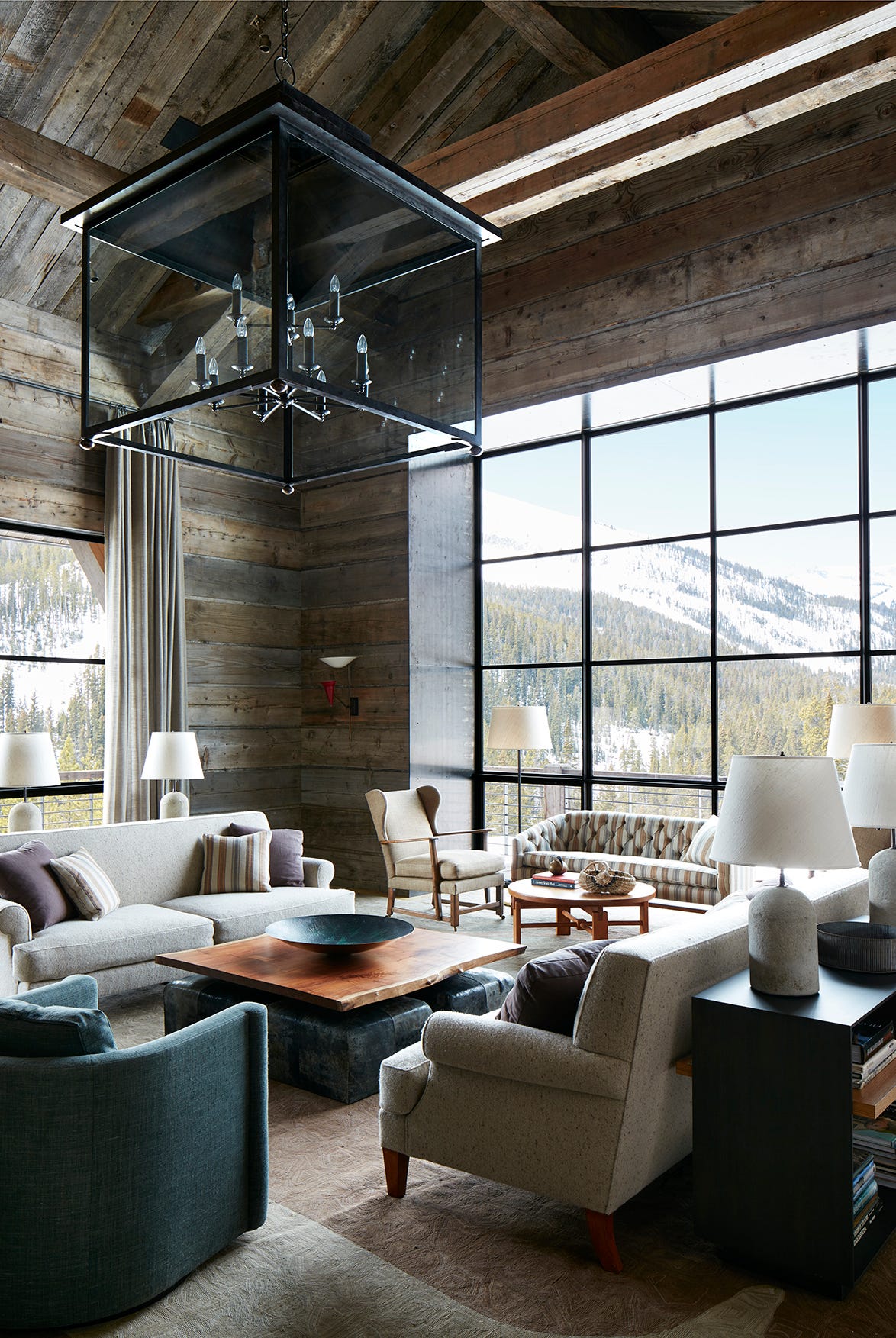
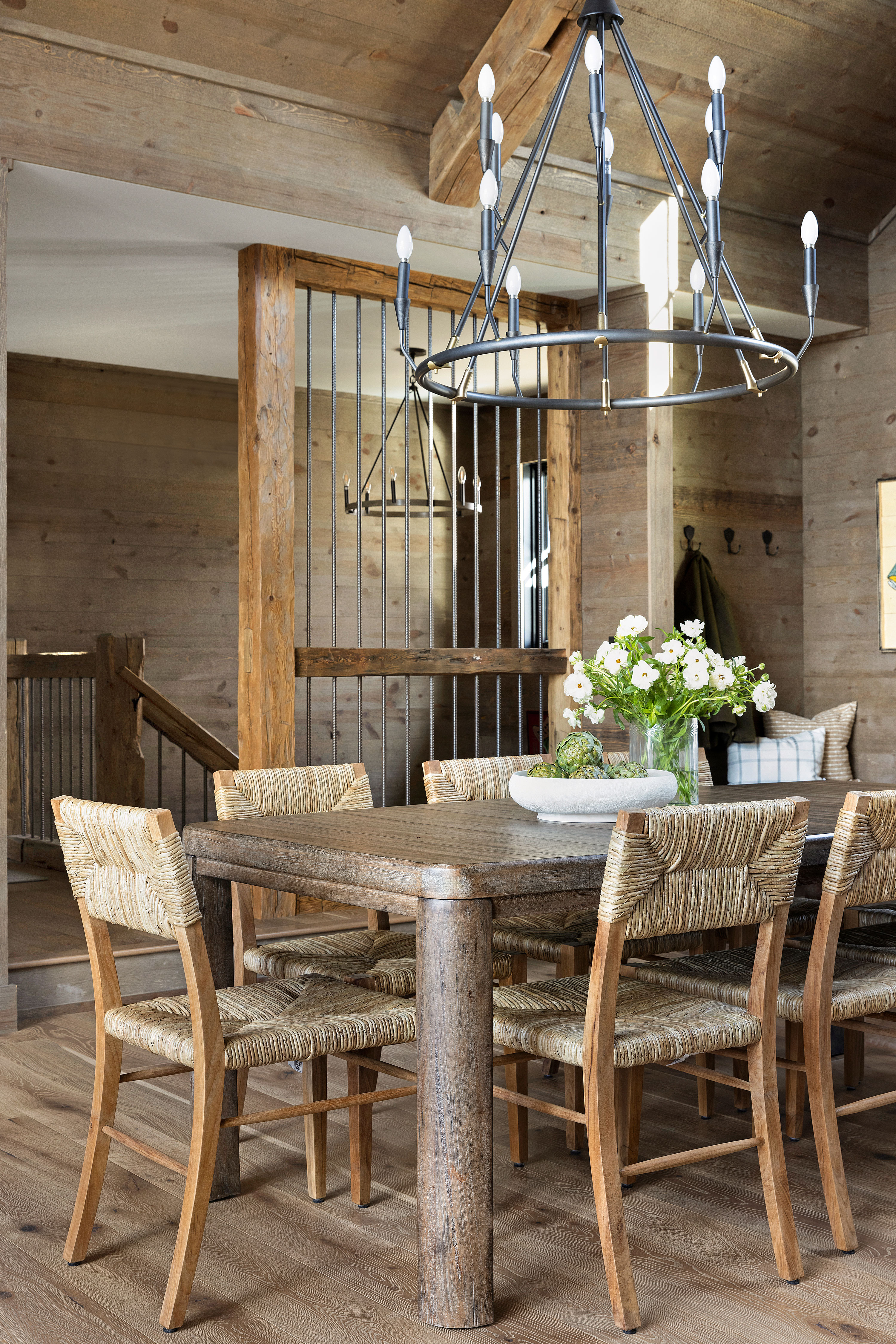
To infuse a home with rustic charm, several key elements can be incorporated. Ceiling treatments, for instance, play a significant role. Exposed ceiling beams are a popular choice, particularly effective in rooms with high ceilings to avoid a claustrophobic effect. While reclaimed beams from old structures are an option, more accessible and often more affordable alternatives exist. Faux beams made of polyurethane offer a convincing imitation of real wood, providing a warm, country feel with detailed grain. Steve Zadravac of Boards and Beams Wood Products notes that standard lumber can be distressed using wire brush machines to achieve an antique finish, offering a more manageable solution than sourcing perfectly sized reclaimed beams. These faux beams are typically hollow and installed with adhesive.
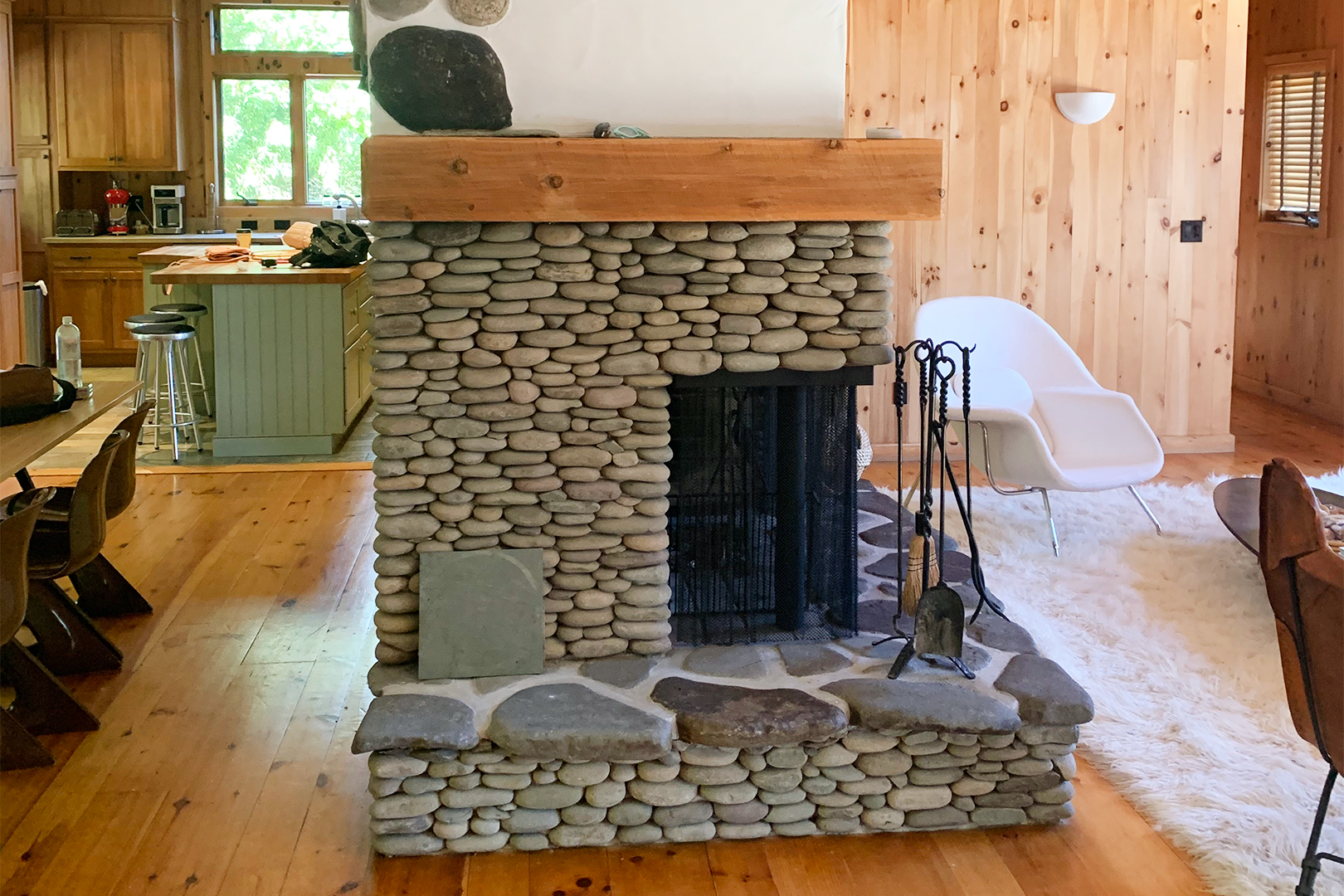
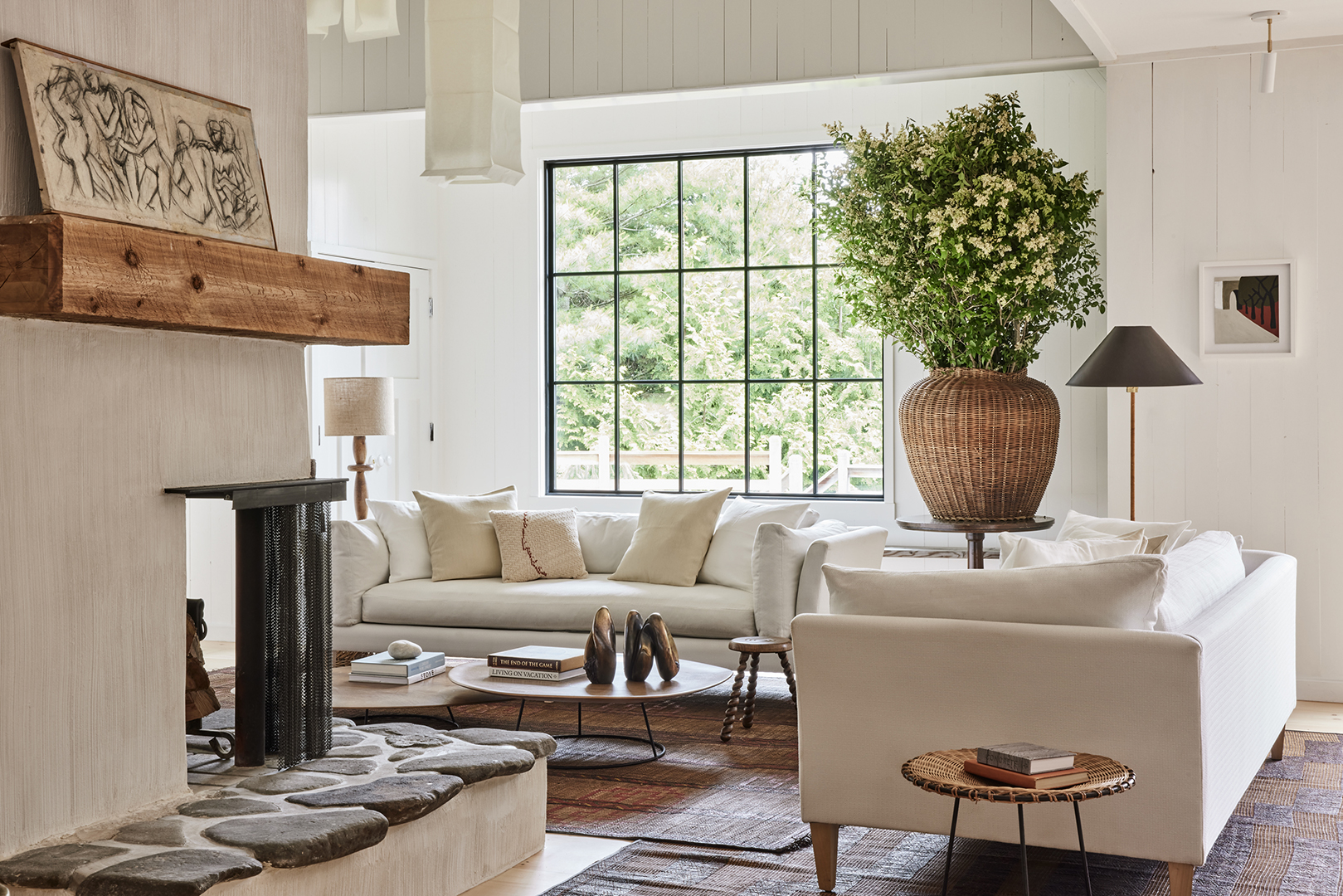
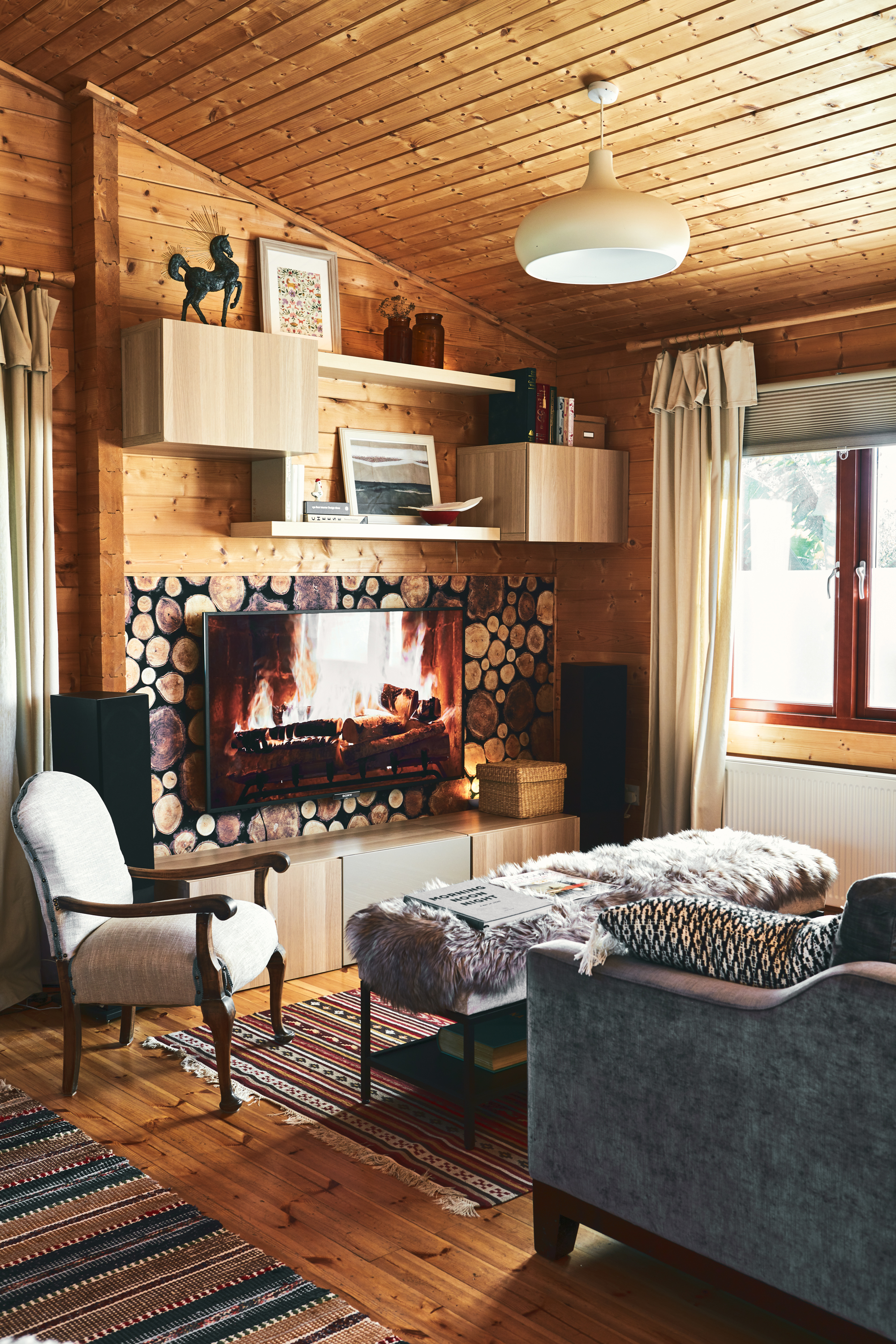
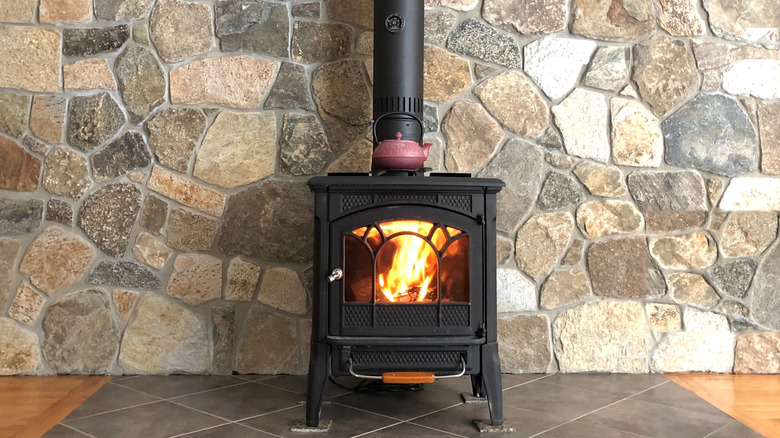
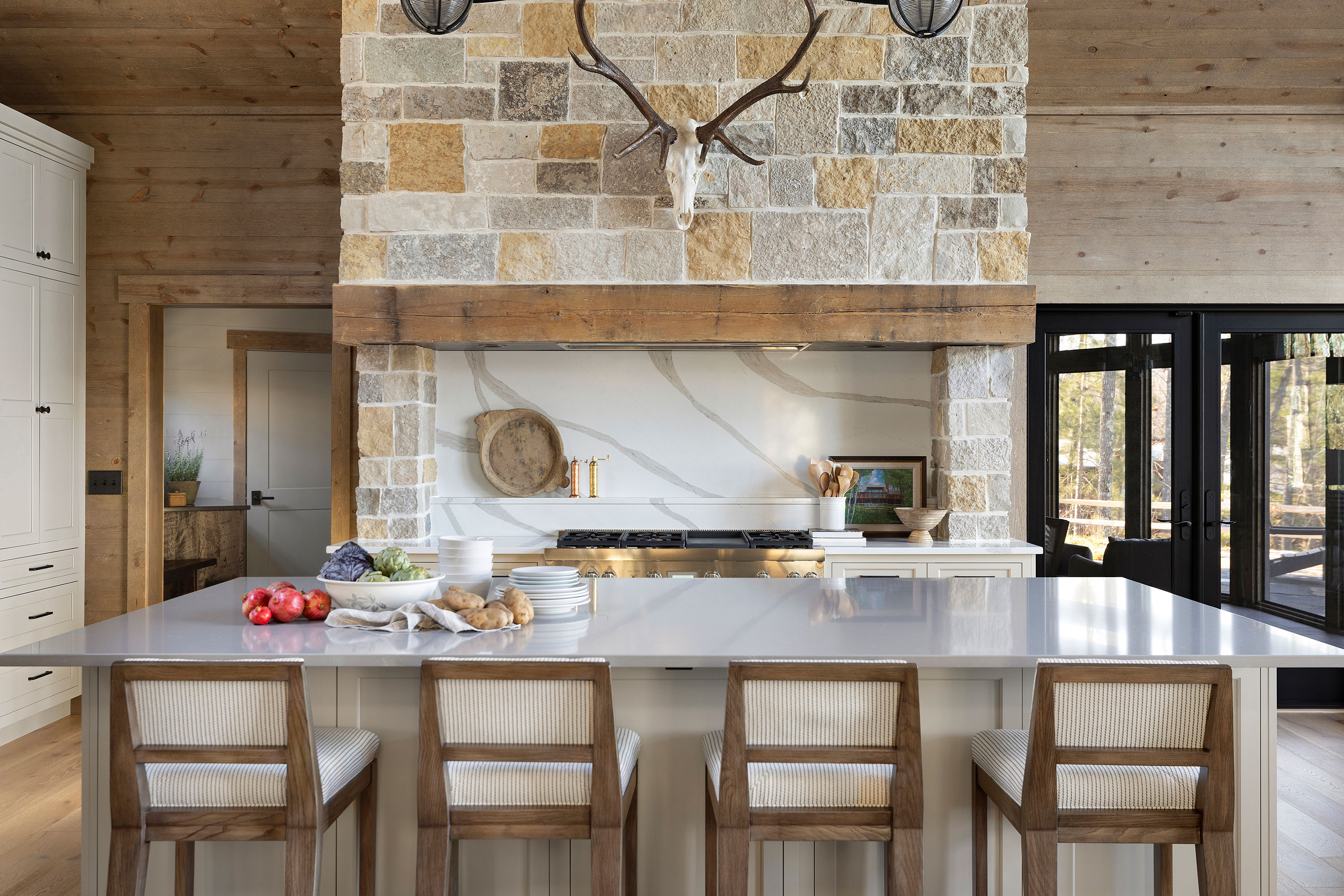
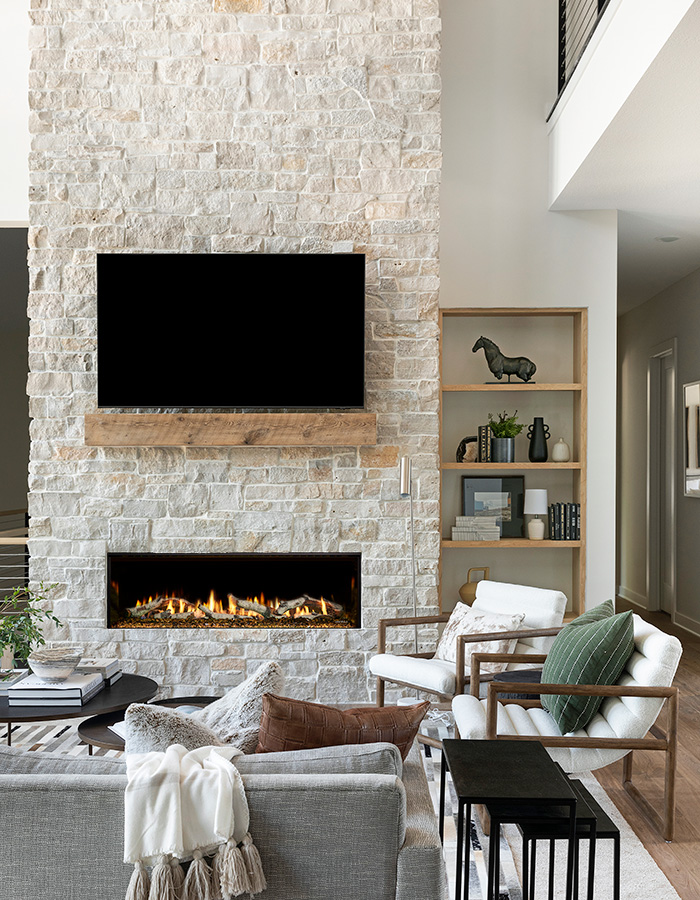
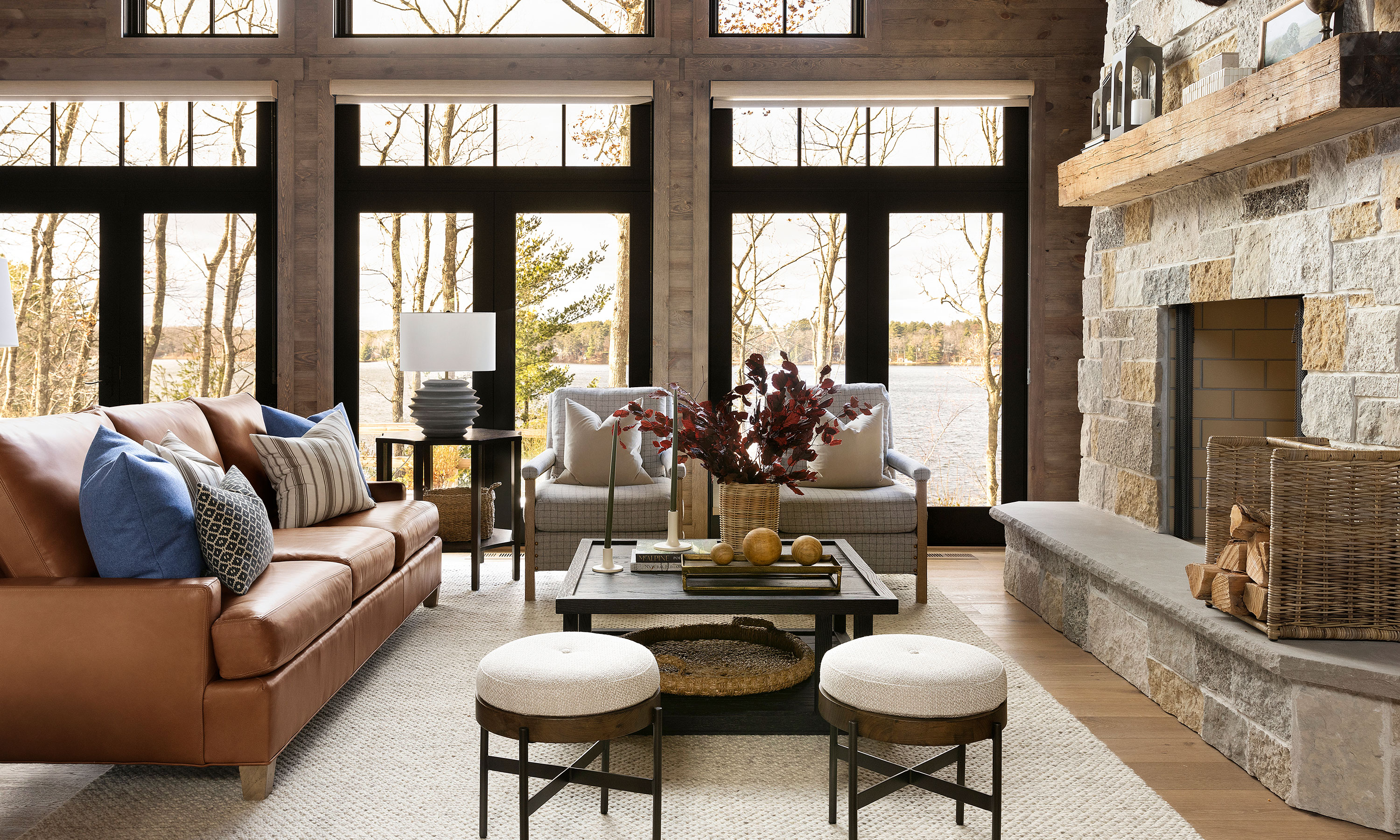
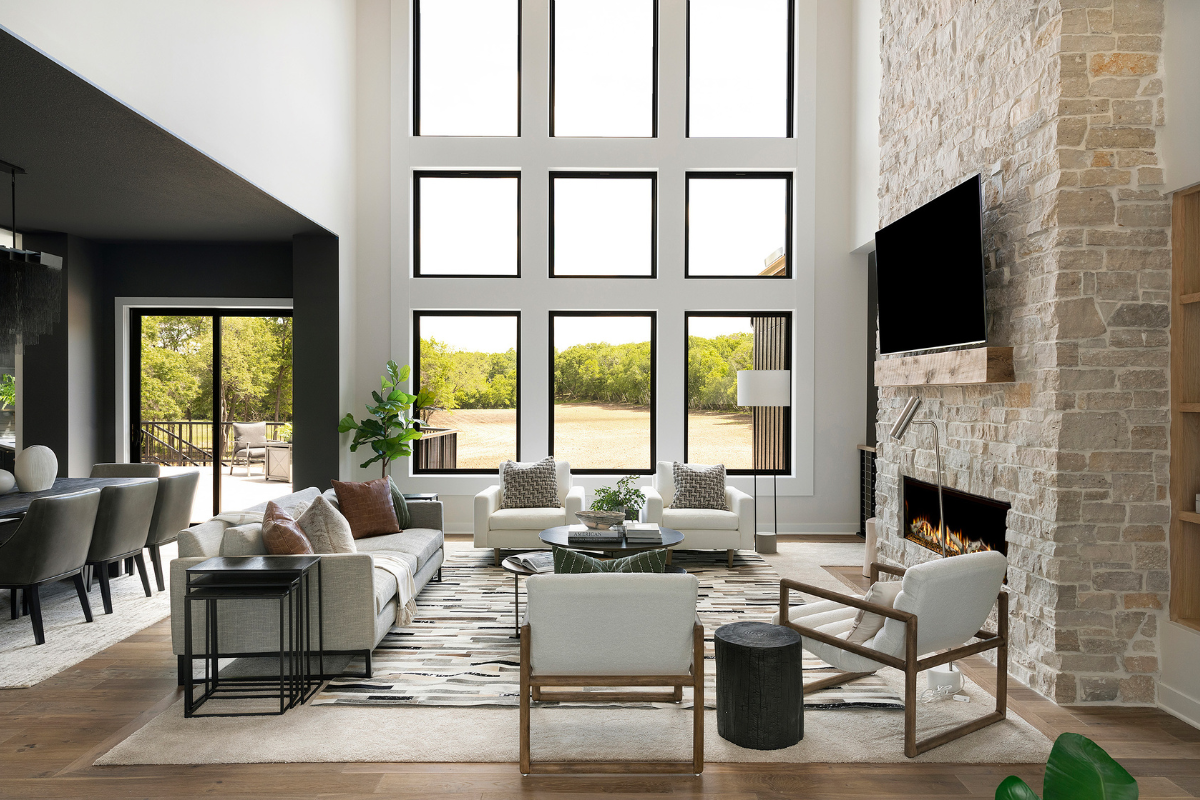
Fireplaces serve as a central anchor for rustic designs. Refacing an existing brick fireplace with a thin veneer stone can transform its appearance, lending a hand-hewn quality. Rudi Oosting of Oosting Custom Masonry and Chimney Service Company explains that traditional mantels are often replaced with barn beams—either reclaimed or new lumber treated to appear aged—supported by wood corbels. The selection of stone veneers is extensive, encompassing both mortared and dry-stack looks, allowing homeowners to personalize their fireplace design. The cost for such a renovation, including a new mantel and hearth extension, typically starts around $3,500, varying with the complexity of stone cutting and shaping.
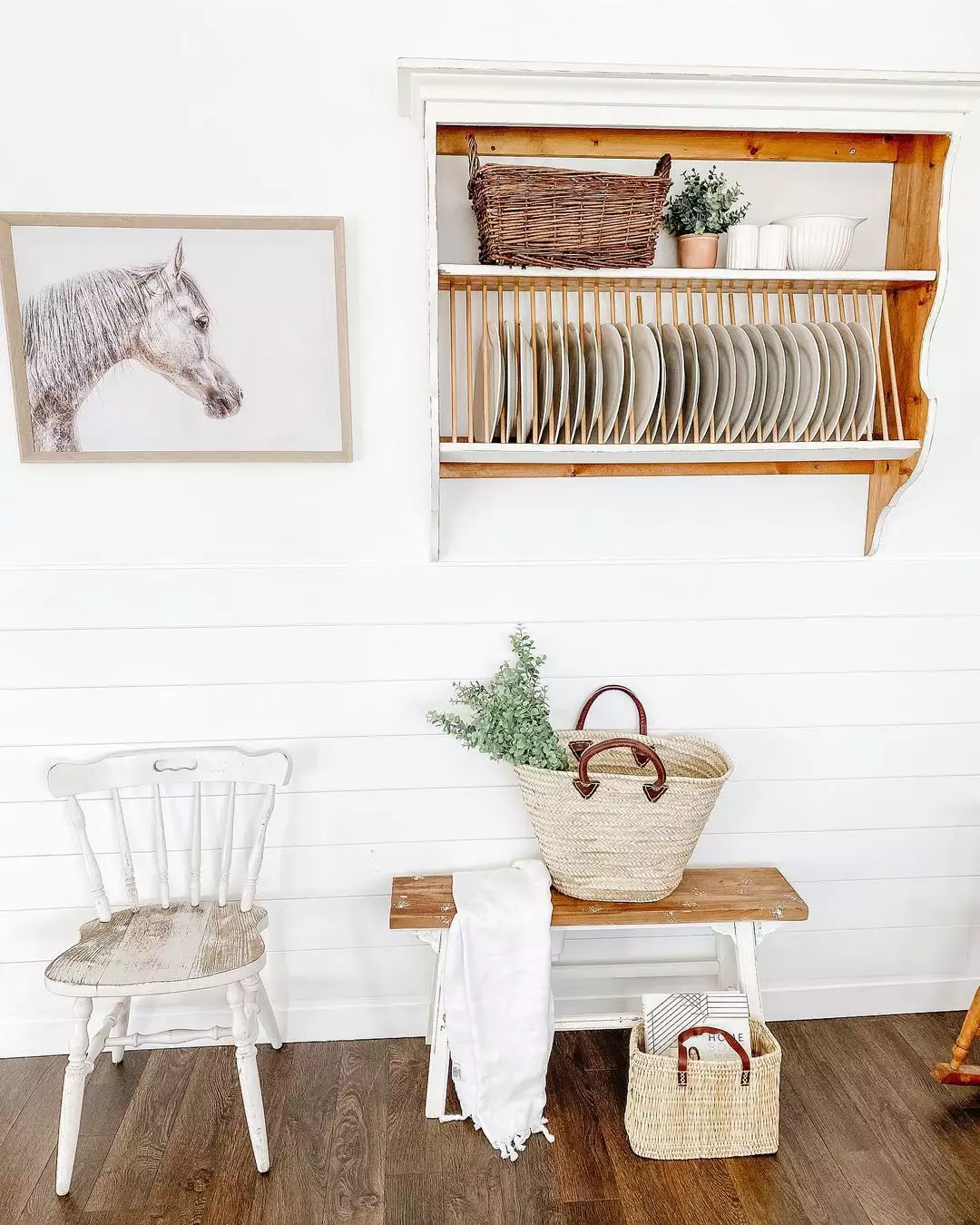
Flooring is another critical component. Wide plank wood floors, ideally 10- to 12-inch widths or larger, are preferred. These can be sourced from lumber yards specializing in reclaimed wood, where materials might have originated from other building components before being milled into flooring. Modern wide plank options, usually six to seven inches wide, also complement the rustic theme. Both solid wood and engineered wood floors are suitable, with engineered wood being particularly good for basements due to its resistance to temperature and humidity changes. Hand-scraped finishes on wood floors can further enhance the distressed, rustic look.
Sliding barn doors are a popular trend that aligns well with rustic decor. These heavy wooden doors operate on prominent aluminum rails, serving as functional dividers between rooms, closet doors, or even smaller versions for cabinetry. Uzzolino points out their industrial origins in barns and factories, now adapted for home use. The hardware, often in black or bronze finishes, emphasizes the vintage aesthetic. Additionally, faux stone and wood panels can be used to add texture and depth to walls and ceilings, completing the rustic transformation of a space. Visiting showrooms or websites specializing in these products can help homeowners refine their design ideas, often leading to discoveries beyond their initial vision.
#RusticDecor #HomeDesign #InteriorDesign #FauxBeams #StoneFireplaces #WidePlankFlooring #BarnDoors #ReclaimedWood #HomeRenovation #RusticDecor #HomeDesign #InteriorDesign #FauxBeams #StoneFireplaces #WidePlankFlooring #BarnDoors #ReclaimedWood #HomeRenovation
0 comment in total
 No comments yet
You may also like
Rustic Charm

Eight interiors that strike a balance between rustic and contemporary
Relaxing Retreat

A Cape Cod Cottage Gets a Makeover
3 rustic wooden cabins that radiate warmth and comfort

19 Ideas To Create A Dreamy Whimsical Woodland Cabin

Yes, You Can Build a Sauna at Home—Here's How to Do It Affordably
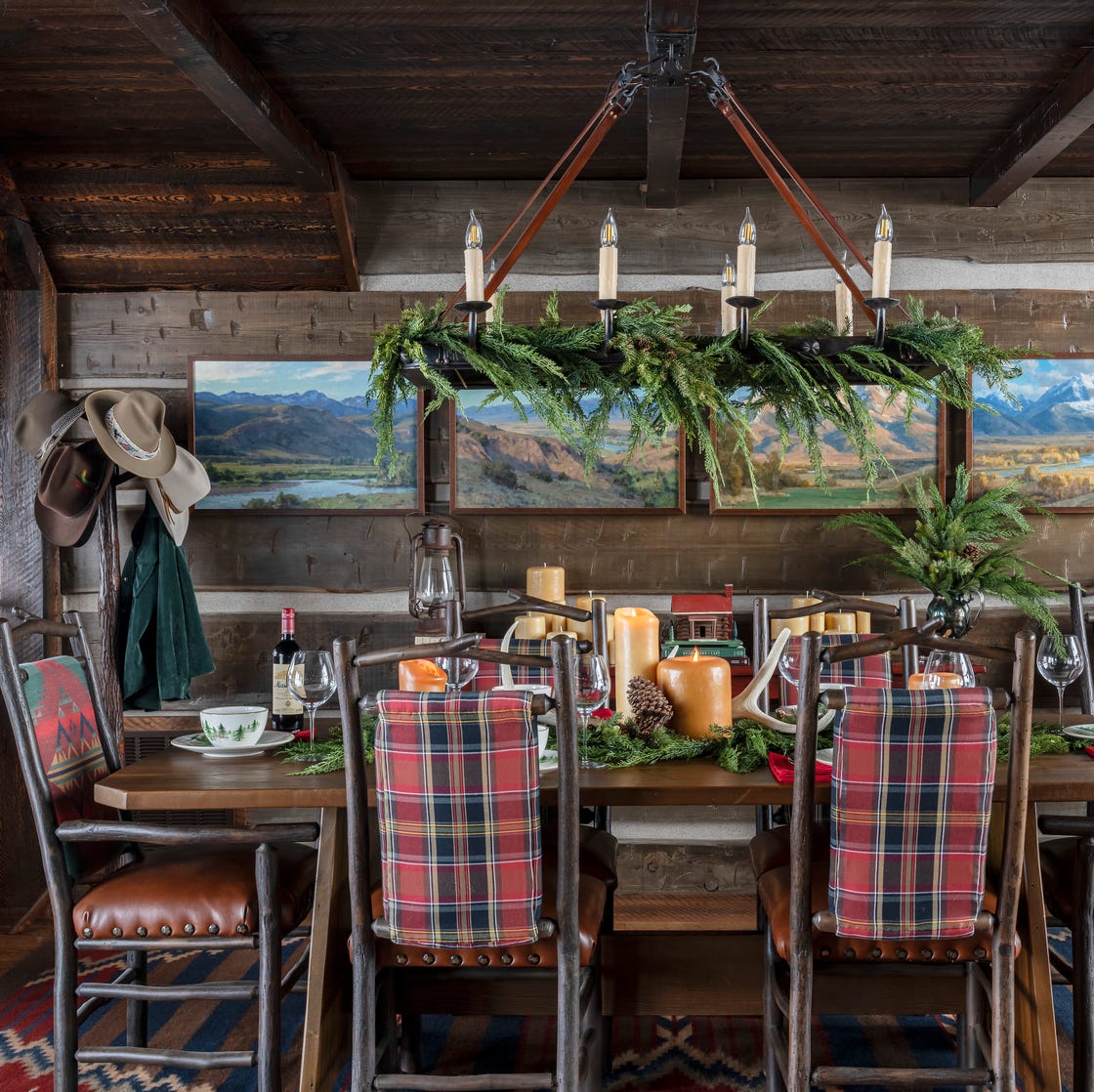
This Rustic Montana Cabin Is the Stuff 'Yellowstone' Dreams Are Made Of
An Interior Hammock and Some Paint Brought This Bungalow Into Cozy-Cool Territory

This Quaint Cottage is Rich With Charm

The Cabincore Decor That'll Give Your Home The Coziest Vibes
Modern rustic interiors ensure this open-plan cabin is just as beautiful as its setting

15 Modern Cabin Interior Ideas That Are Fresh and Fun

Retreat - Accommodation
Cosy cabin decor: Design ideas to bring the toasty trend into your home
10 Cabin Window Treatments and Ideas

10 cabin decor ideas you can bring into your home even if you don't live in a cabin

Rustic Decor Doesn't Have to Be Boring—Here's Proof

Charred Wood and Concrete Unite to Form a Chalet–Inspired Home

A Fireplace Takes Center Stage in This Modern Family Lodge