1/10
10 living room lighting mistakes that make yours look uninviting, smaller and cold
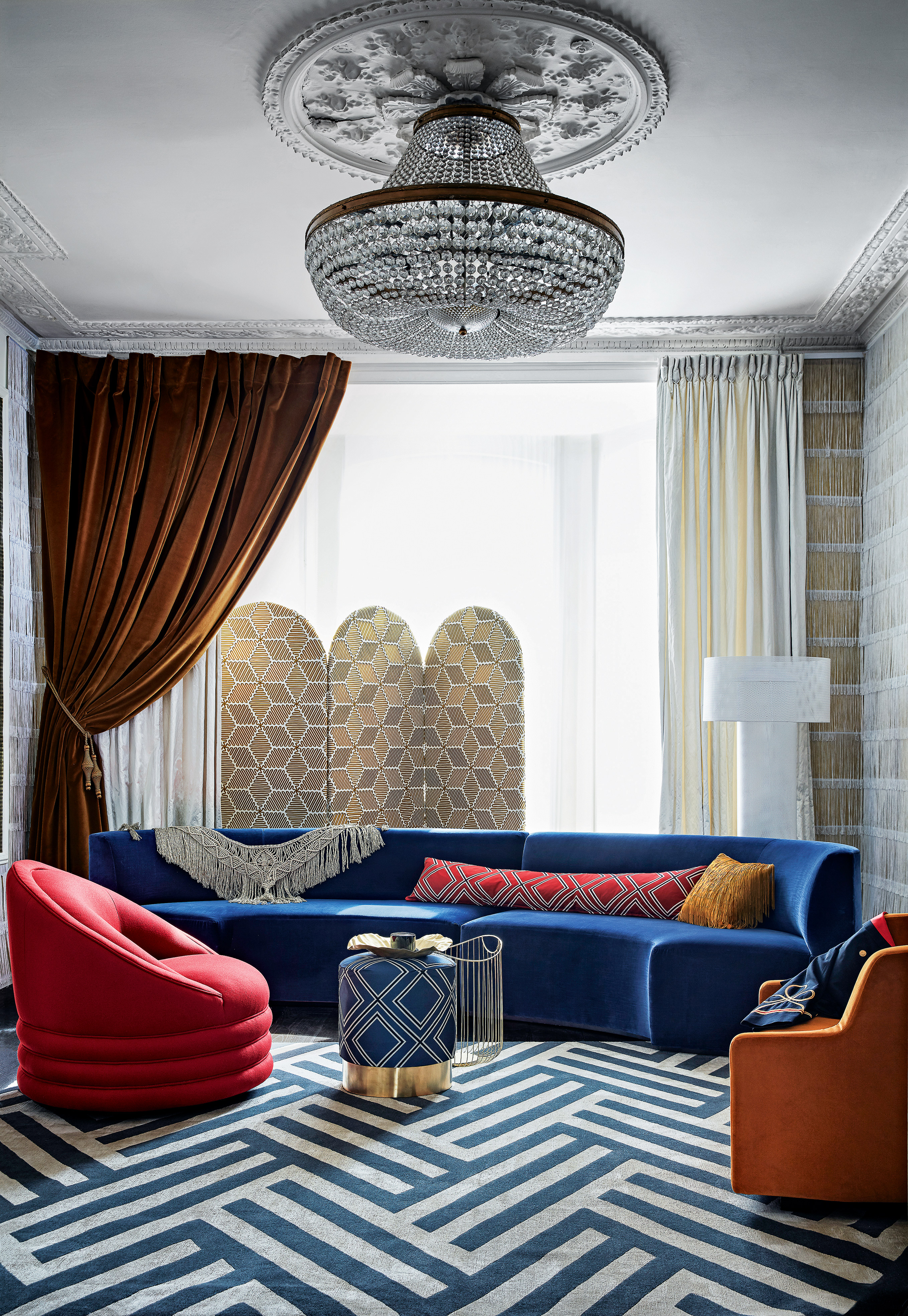
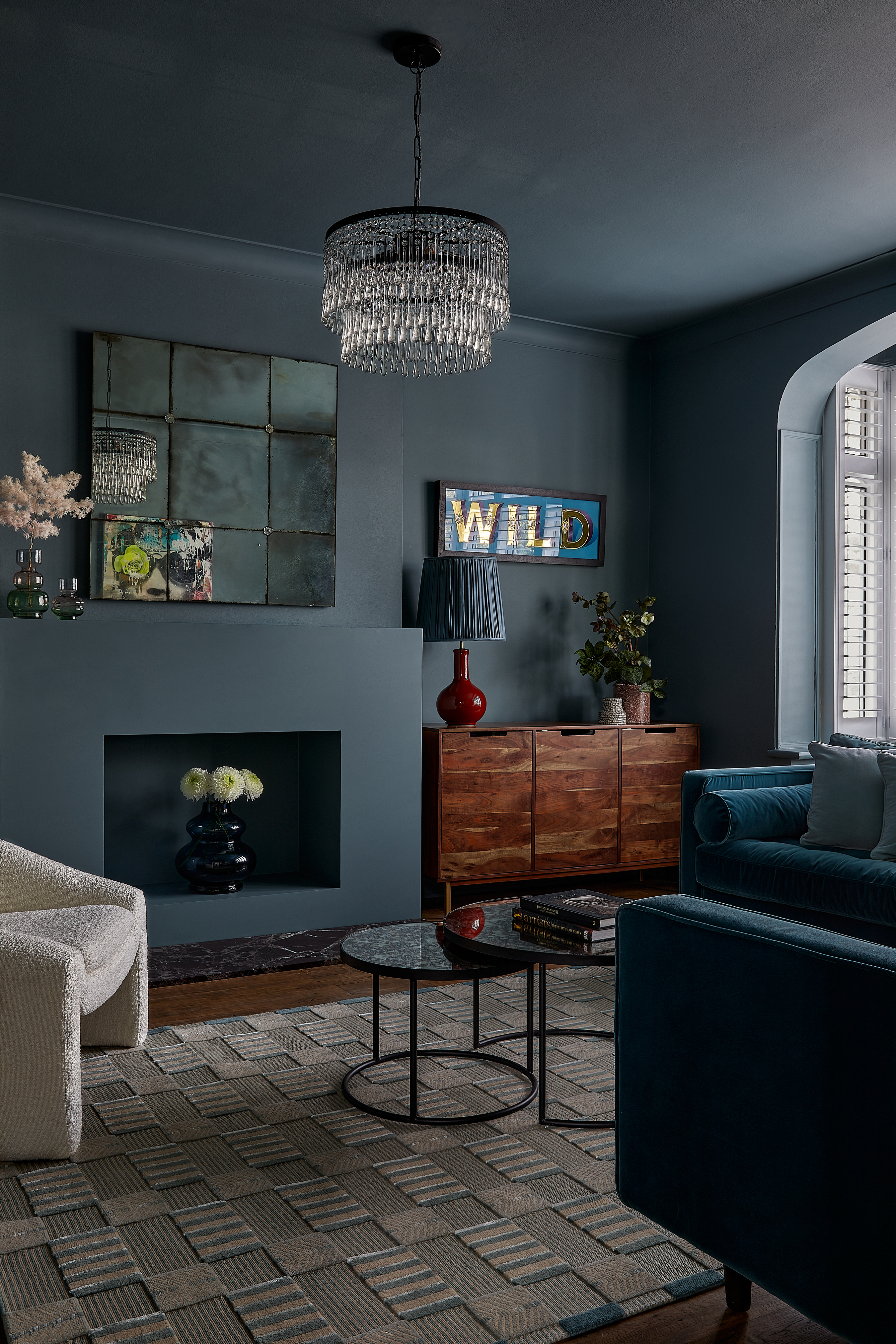
Achieving optimal living room lighting is essential for creating an inviting, spacious, and warm atmosphere. Many homeowners and even some designers often overlook the critical role of lighting, mistakenly prioritizing it low on the list of design elements. However, well-planned lighting can significantly enhance a living room's architecture, highlight display objects and artwork, and serve as a beautiful design element in its own right. With a wide array of options, including pendants, chandeliers, wall lights, floor and table lamps, and specialized art lighting, effective lighting requires careful consideration.
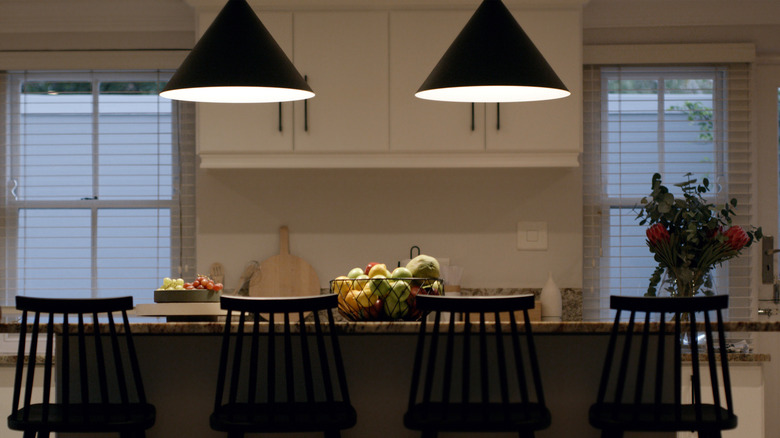
One common mistake is neglecting to install dimmer switches for main lights, especially pendants. Dimmer switches are crucial for flexible lighting schemes, allowing seamless transitions from bright, functional illumination needed for tasks like cleaning to softer, more relaxing light for evening moods. This adaptability ensures the lighting caters to various activities and times of day, making the space more versatile and comfortable.
Another frequent error is underestimating the importance of ambient or general lighting. Ambient lighting forms the foundational illumination of a room, encompassing ceiling lights, spotlights, fixed wall lights, and natural light. It establishes the overall brightness and tone, creating a canvas upon which more distinctive lighting elements can be layered. While a grand chandelier might not always be necessary, the goal is to cultivate a warm and cozy environment through balanced background lighting. Supplementing ceiling lights with a mix of wall, floor, and table lamps provides layered lighting, enabling homeowners to adjust the mood and direct light where needed, ensuring no area feels underlit or neglected.
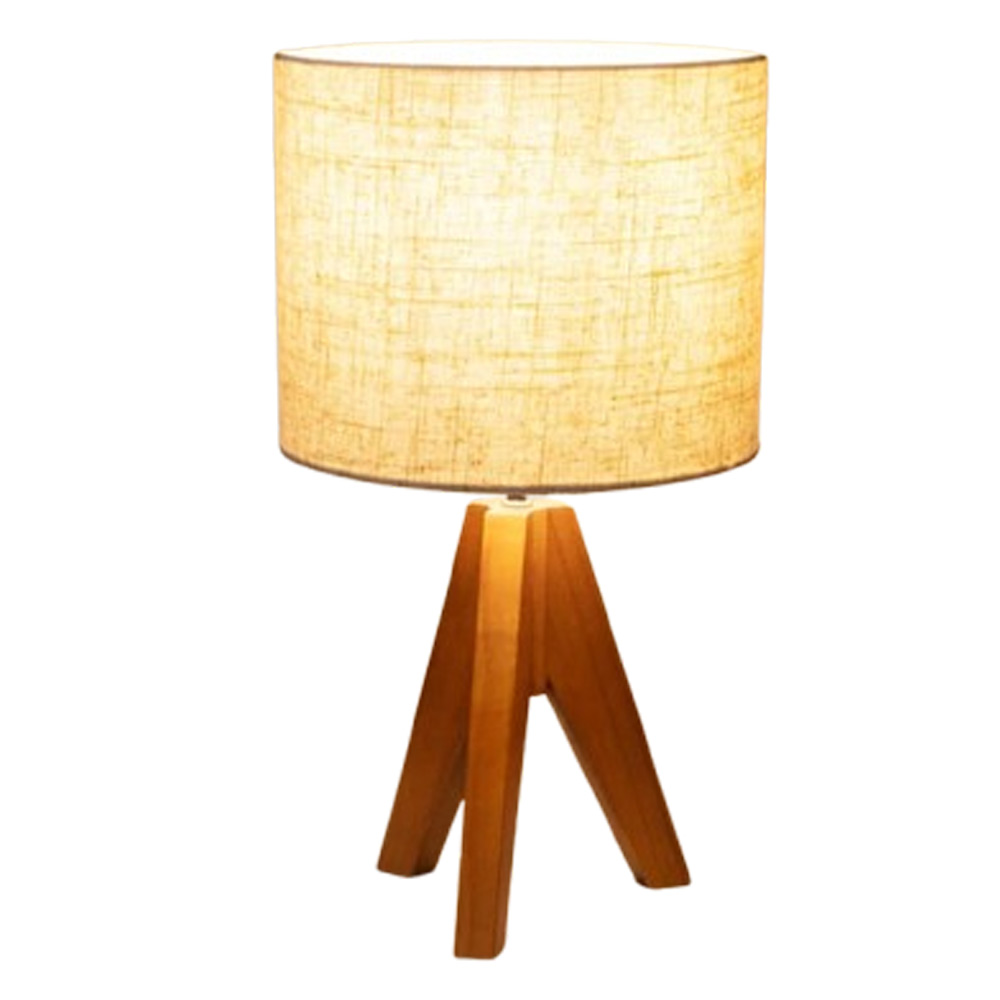
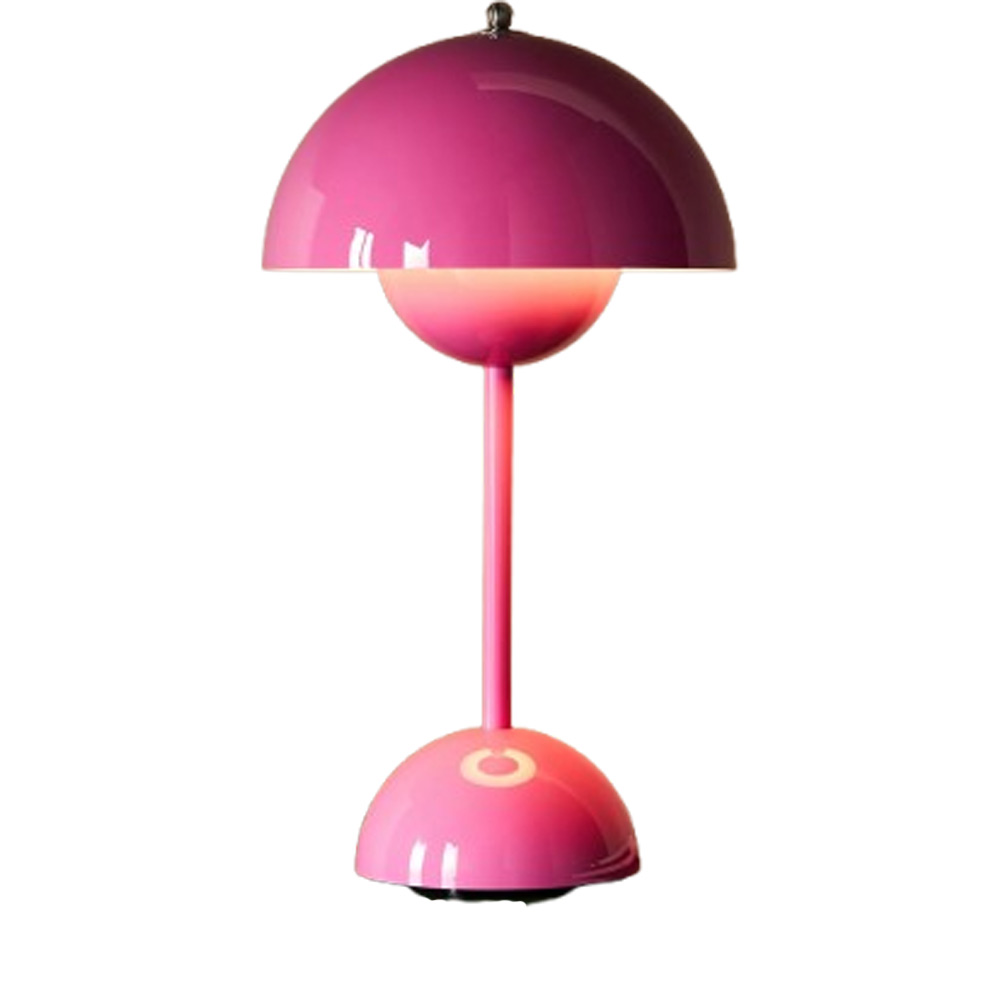
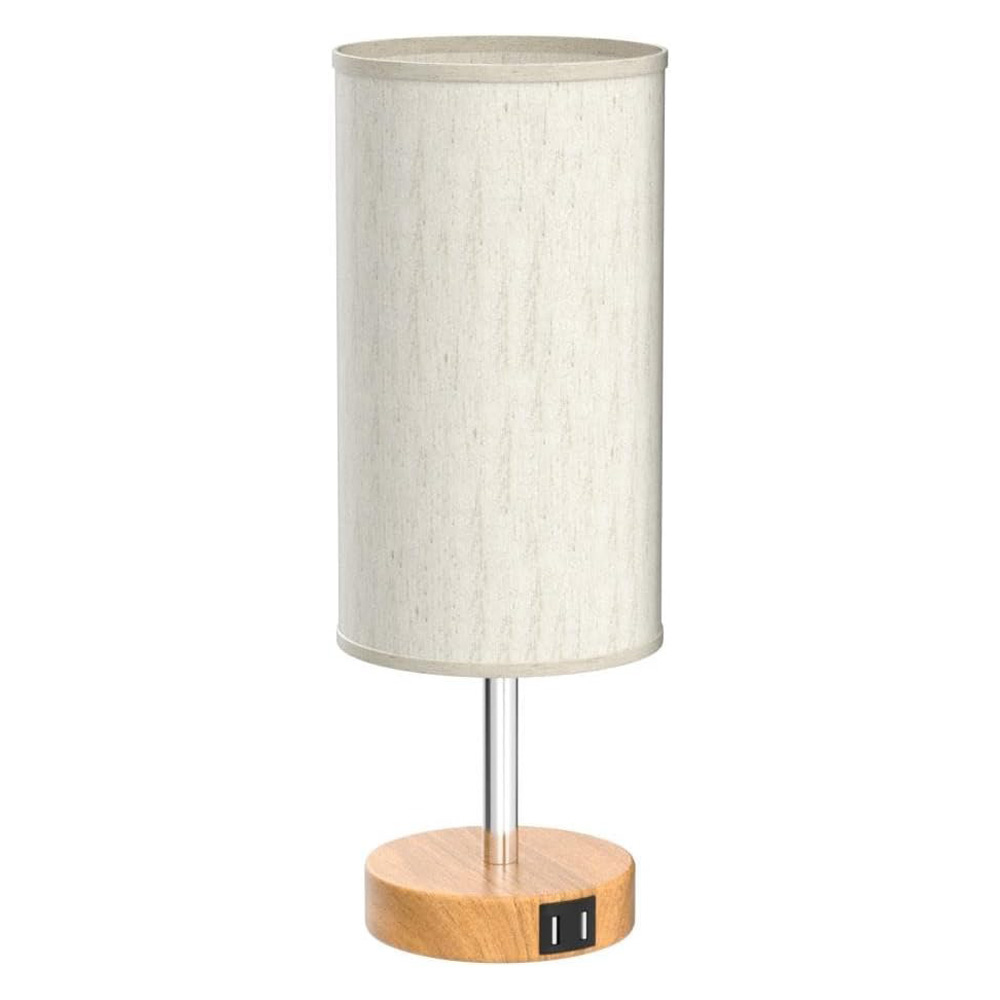
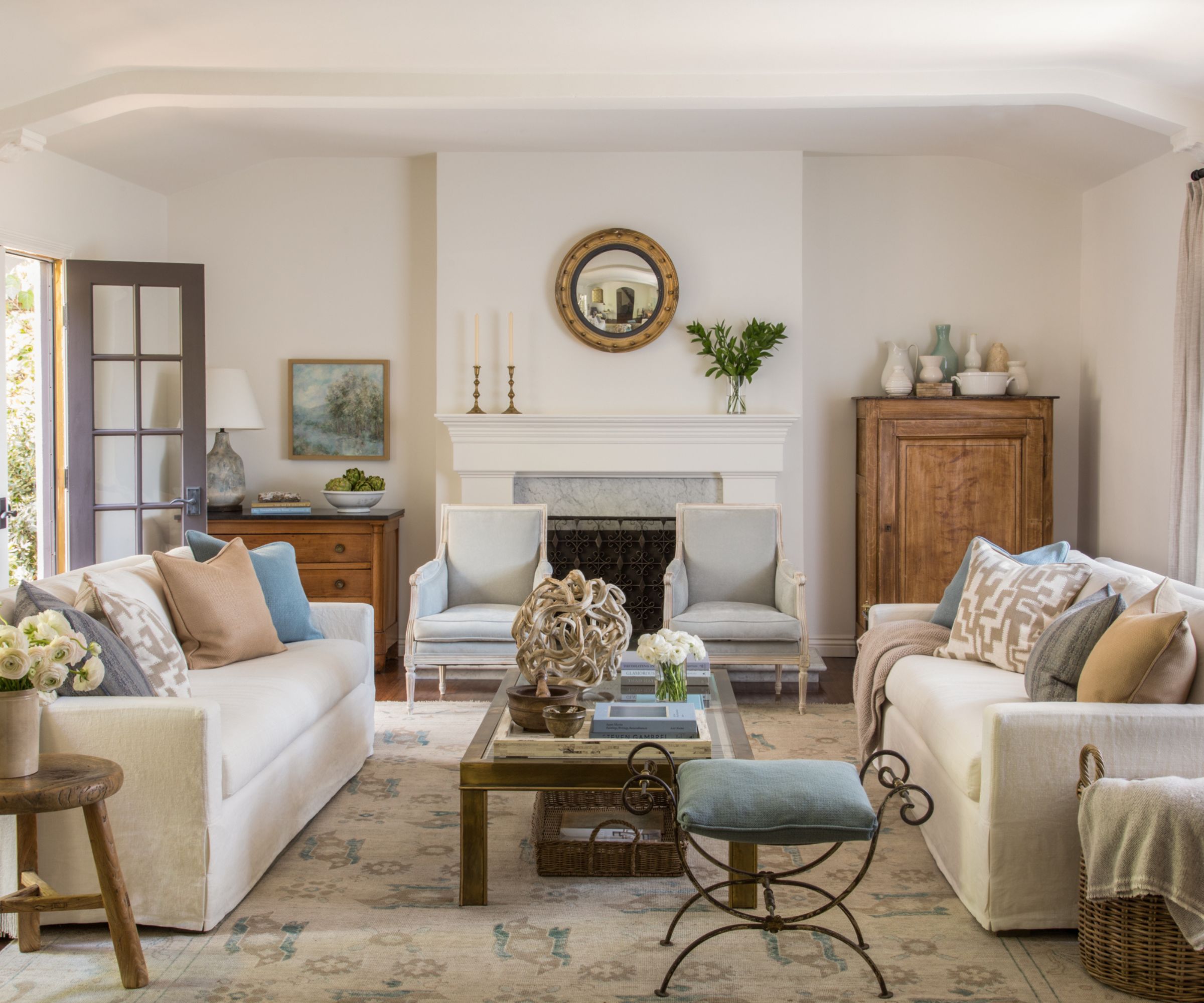
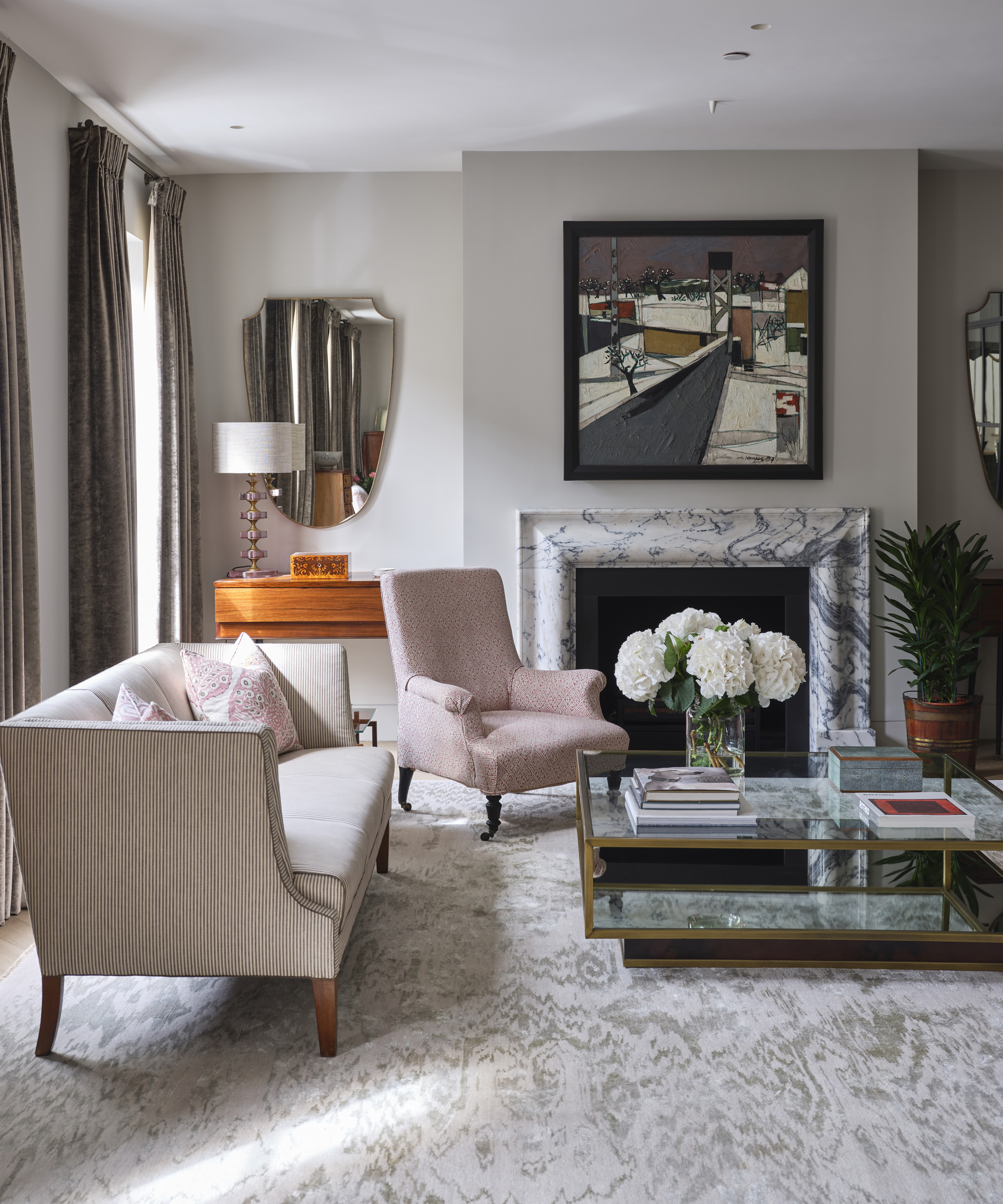
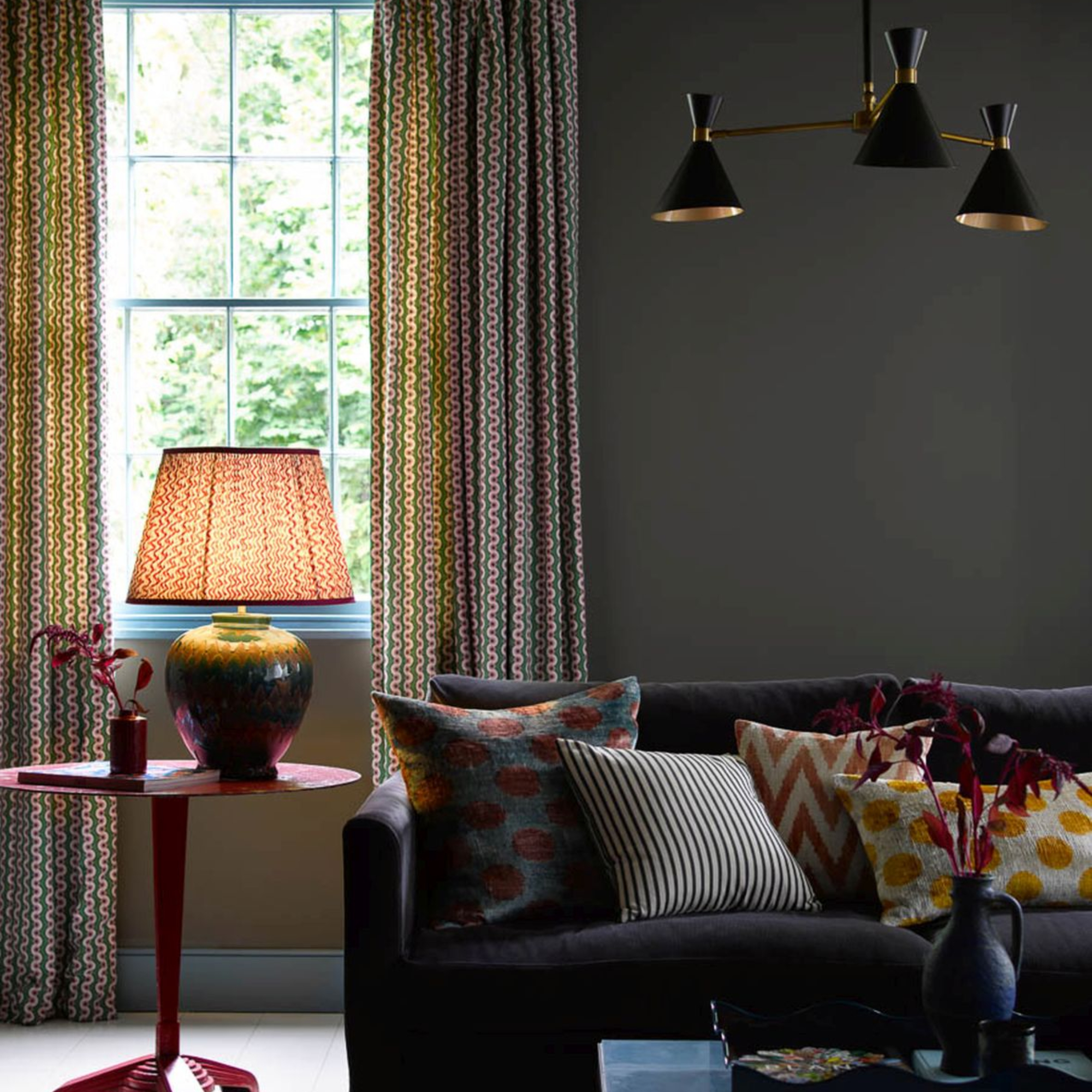
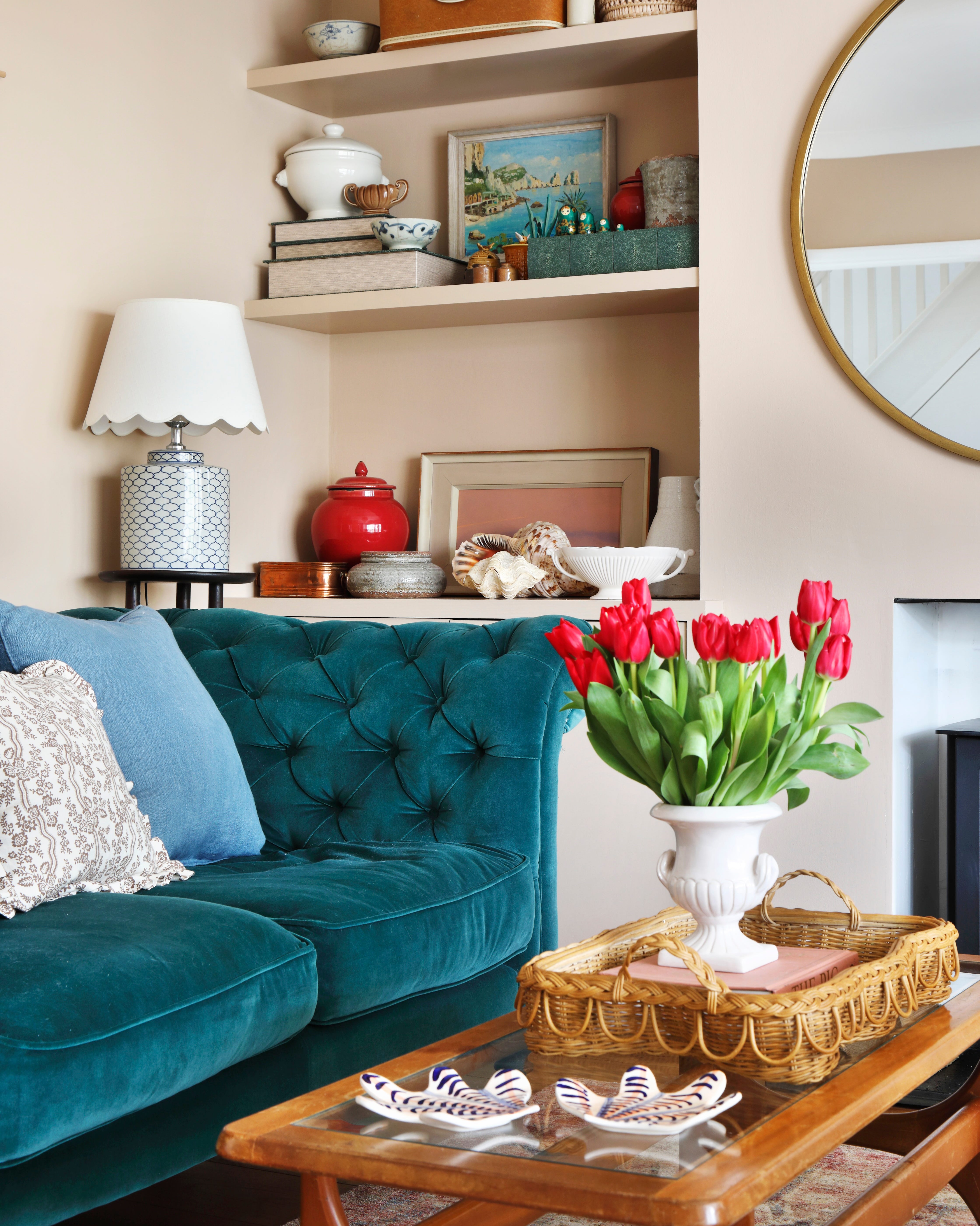
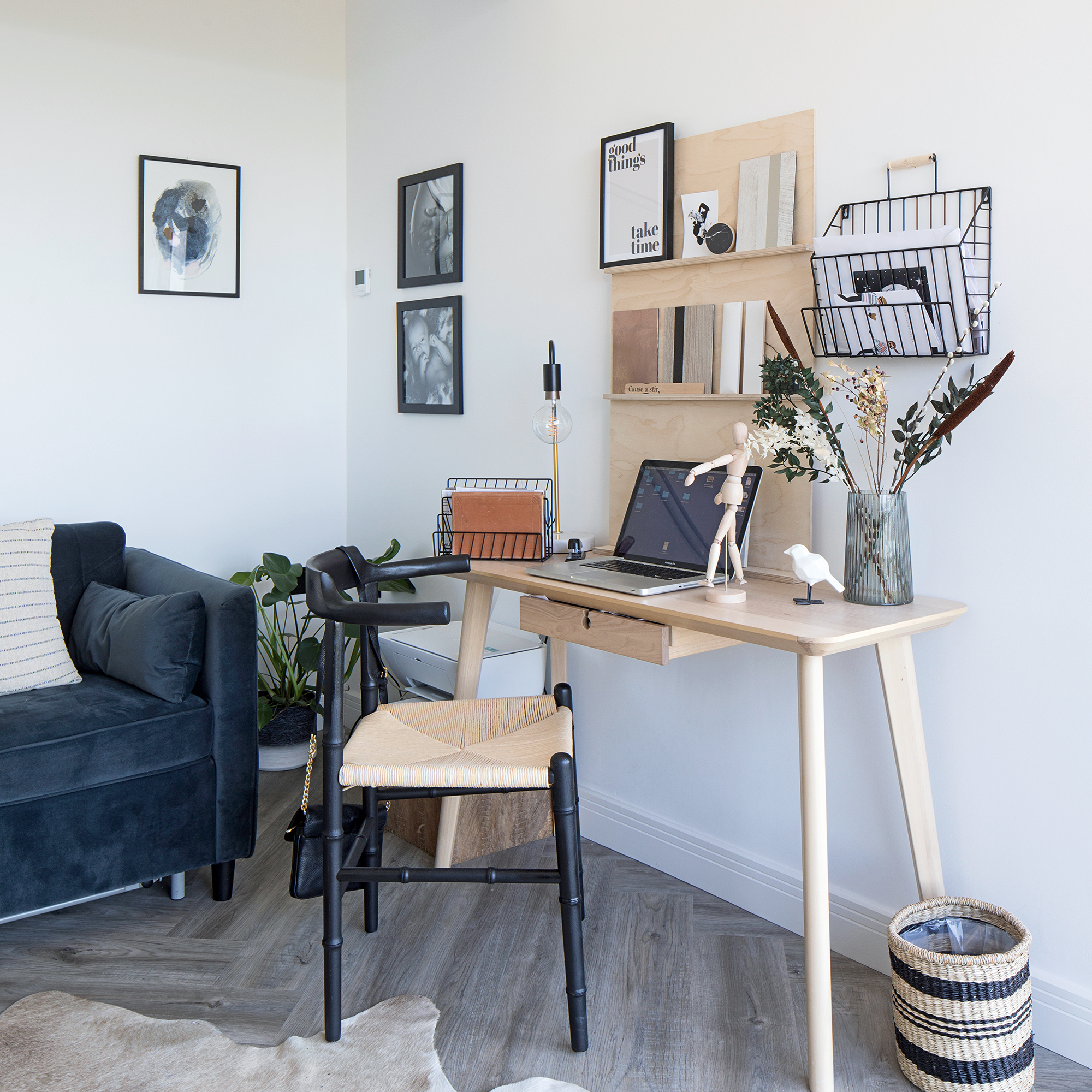
Incorrect placement of table and floor lamps regarding height is another common misstep. A general guideline is that a standard table lamp, when placed on a surface, should align with the height of a nearby floor lamp. Maintaining consistent light heights across the room prevents visual disharmony and contributes to a more cohesive and pleasing aesthetic. Overlooking this detail can lead to a cluttered appearance and an unpolished design.
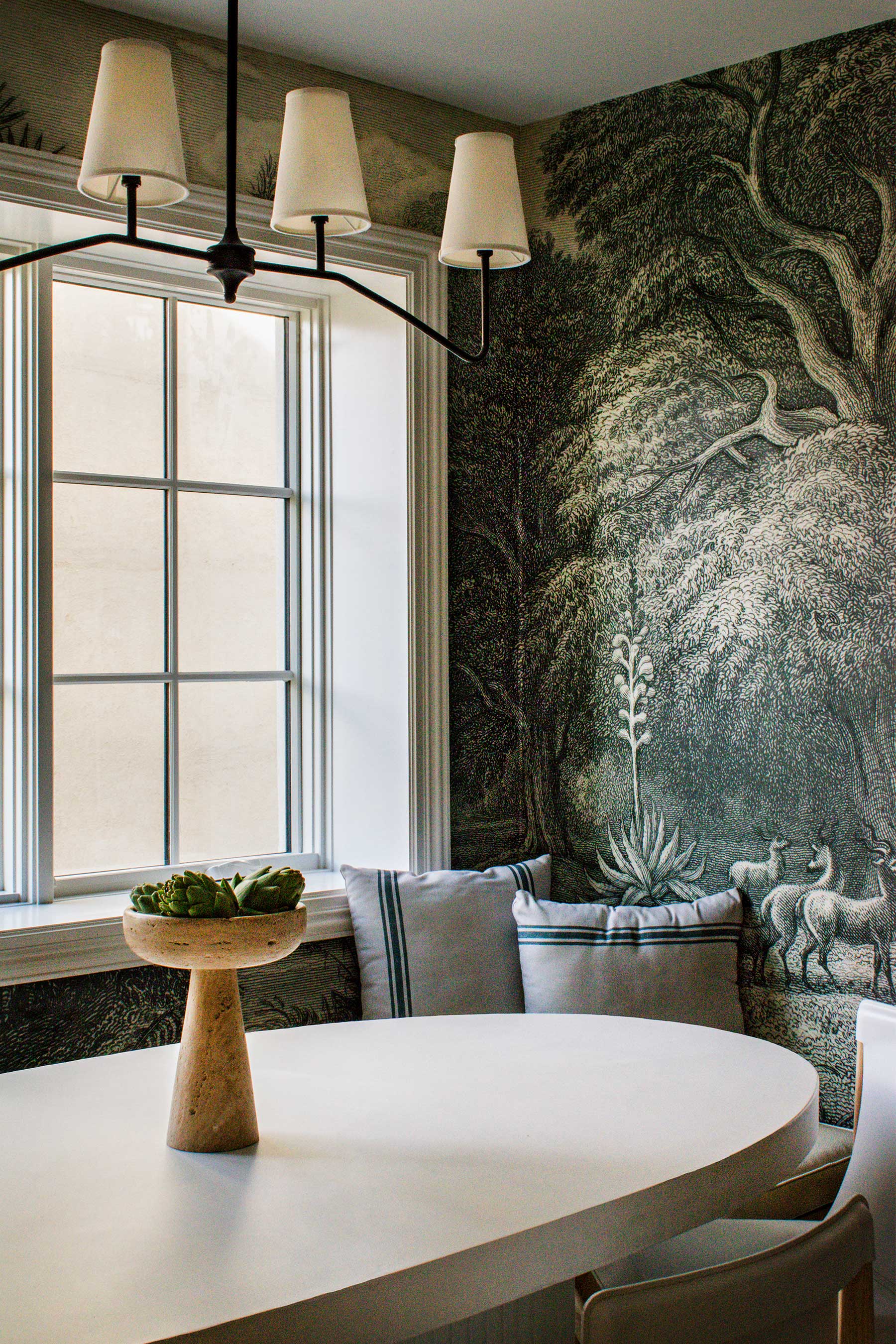
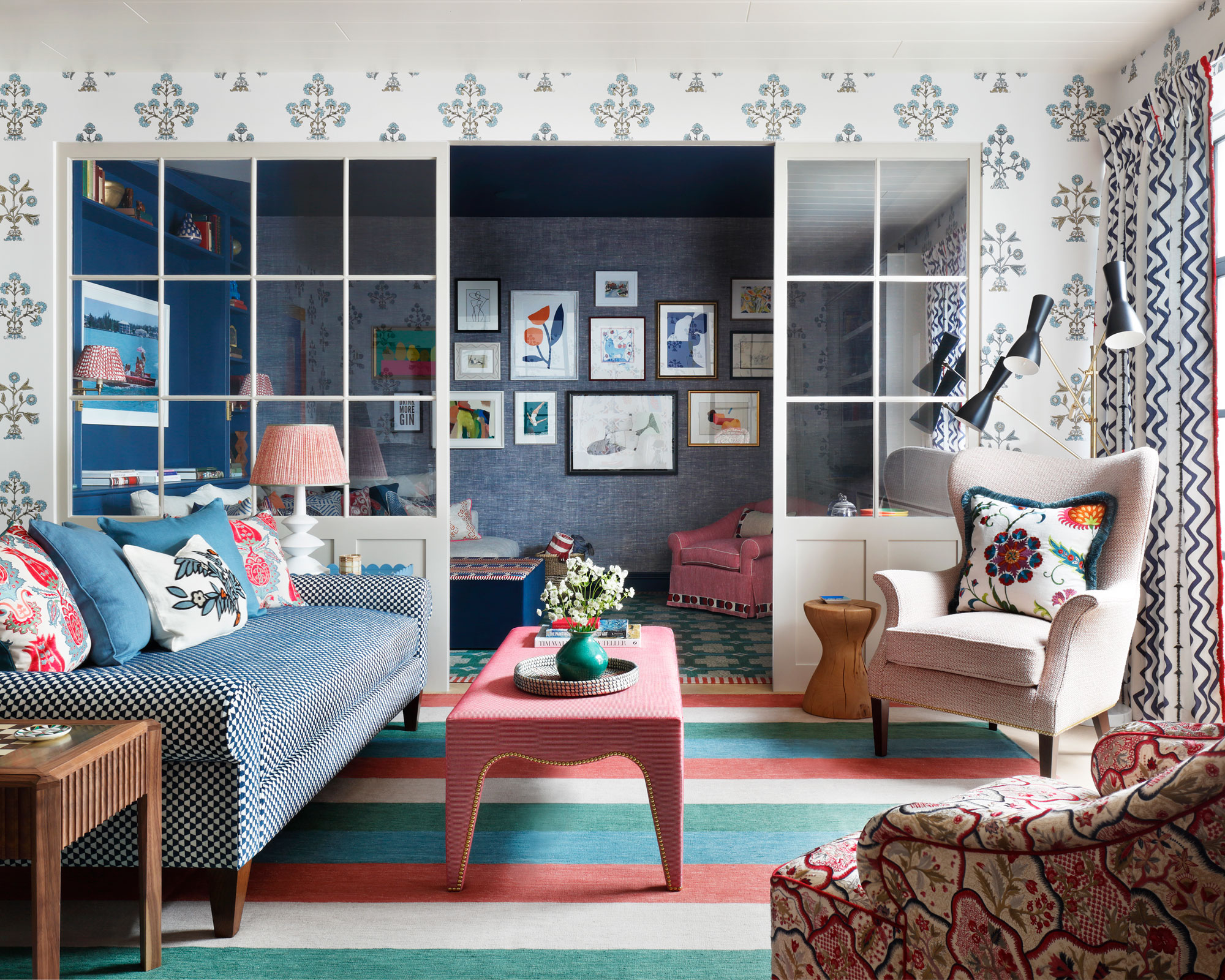
The notion that a living room requires the same level of lighting throughout the day is a misconception. Relying solely on a single pendant light can result in harsh, uniform illumination. Instead, a varied lighting scheme incorporating different levels and dimmers offers flexibility, allowing for adjustments based on the time of day and specific needs. Incorporating flexible light sources, such as floor lamps with swivel arms for reading, further enhances functionality. Additionally, the color of lampshades can influence the room's mood; darker shades create a cozier, moodier ambiance, while lighter shades offer brighter, more open feel.
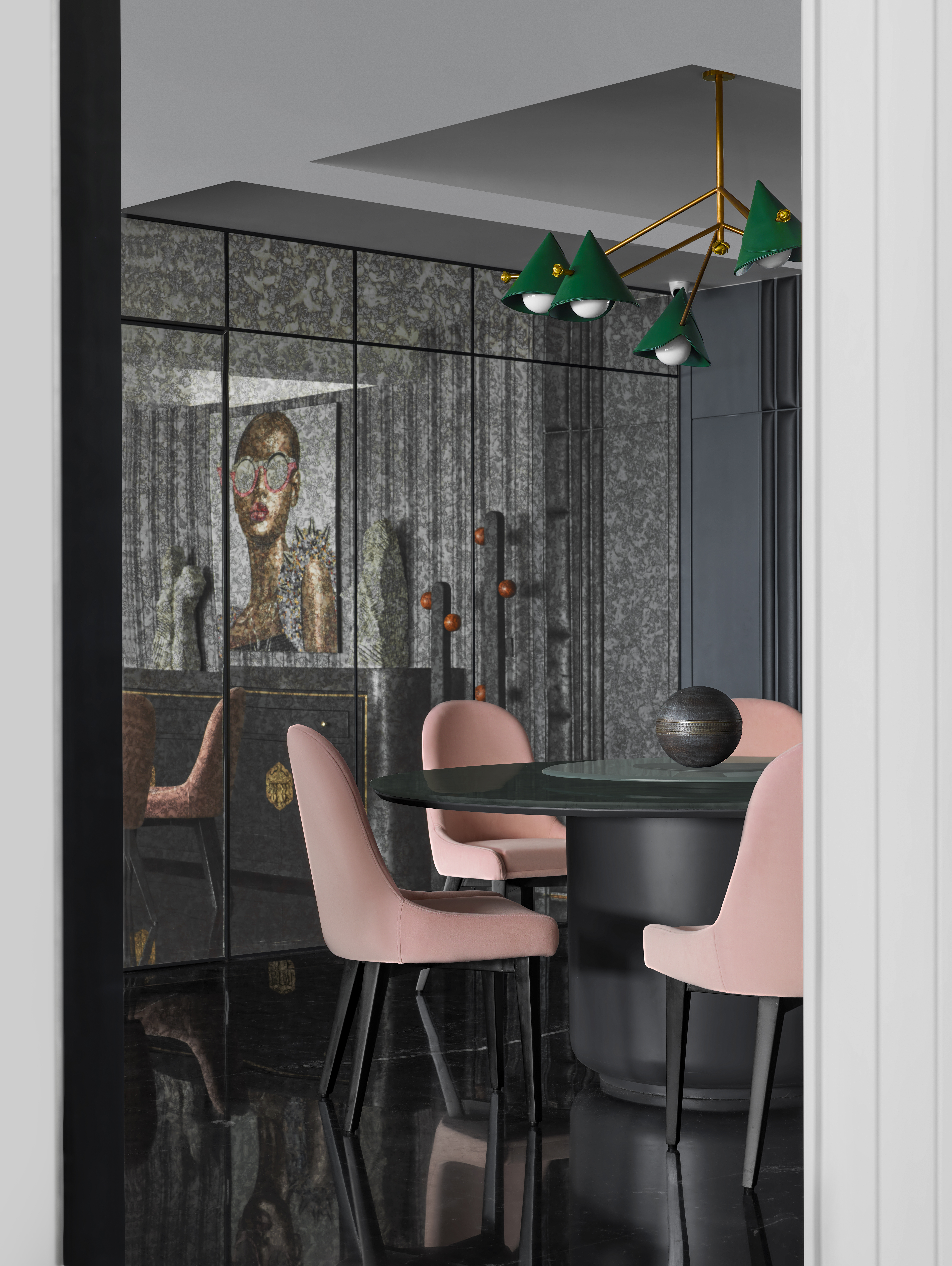
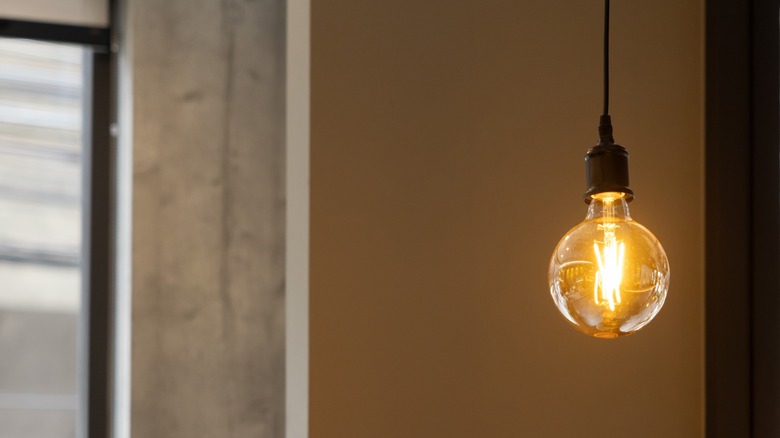
Choosing the wrong light temperature and color can also detract from a living room's comfort. A warm and inviting atmosphere is preferable to unnaturally bright or cold lighting. Experts recommend using a consistent warm white temperature, typically around 2700K, for all fittings. The lining of lampshades also plays a role; metallic linings can alter light reflection, and colored fabrics will tint the light, potentially creating undesirable hues if not carefully chosen. For instance, a green lining would cast a green light, which is generally not ideal for a living room setting.
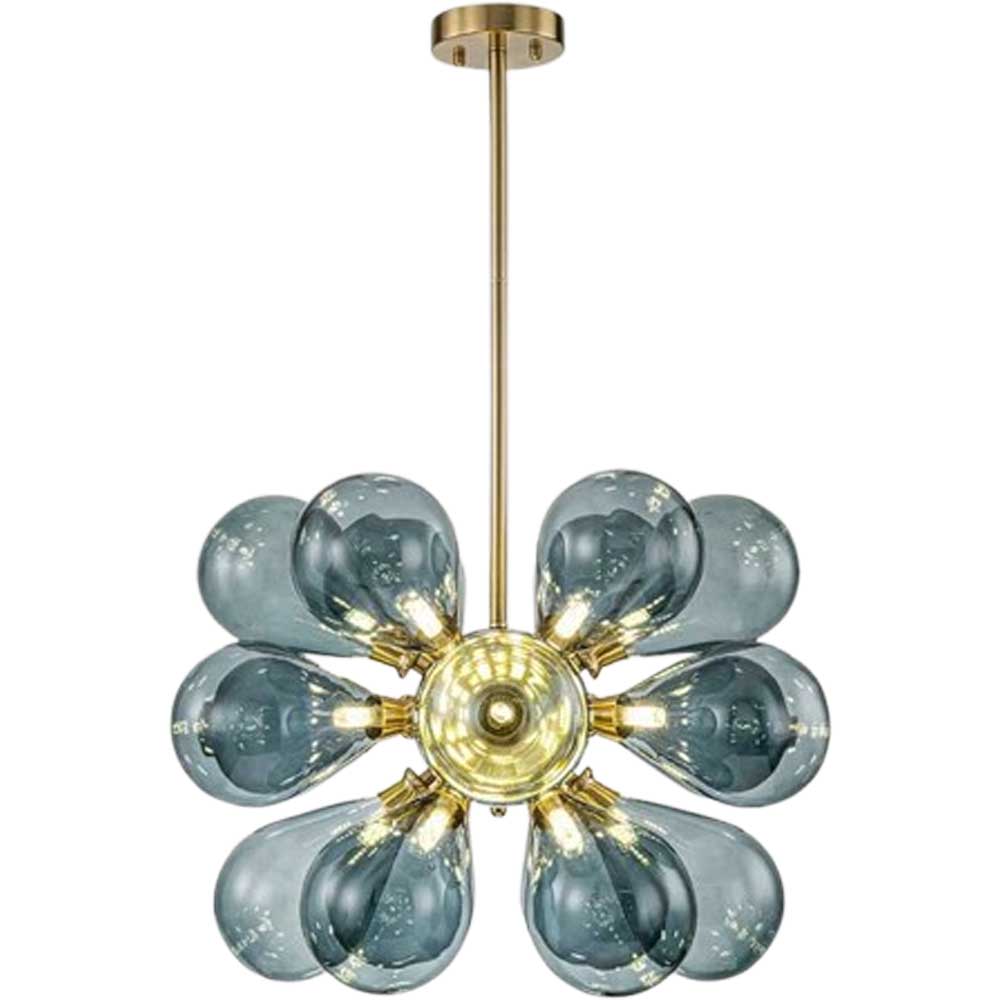
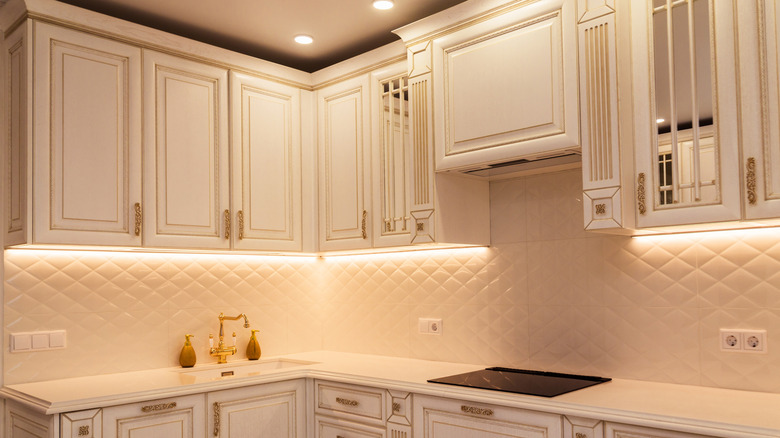
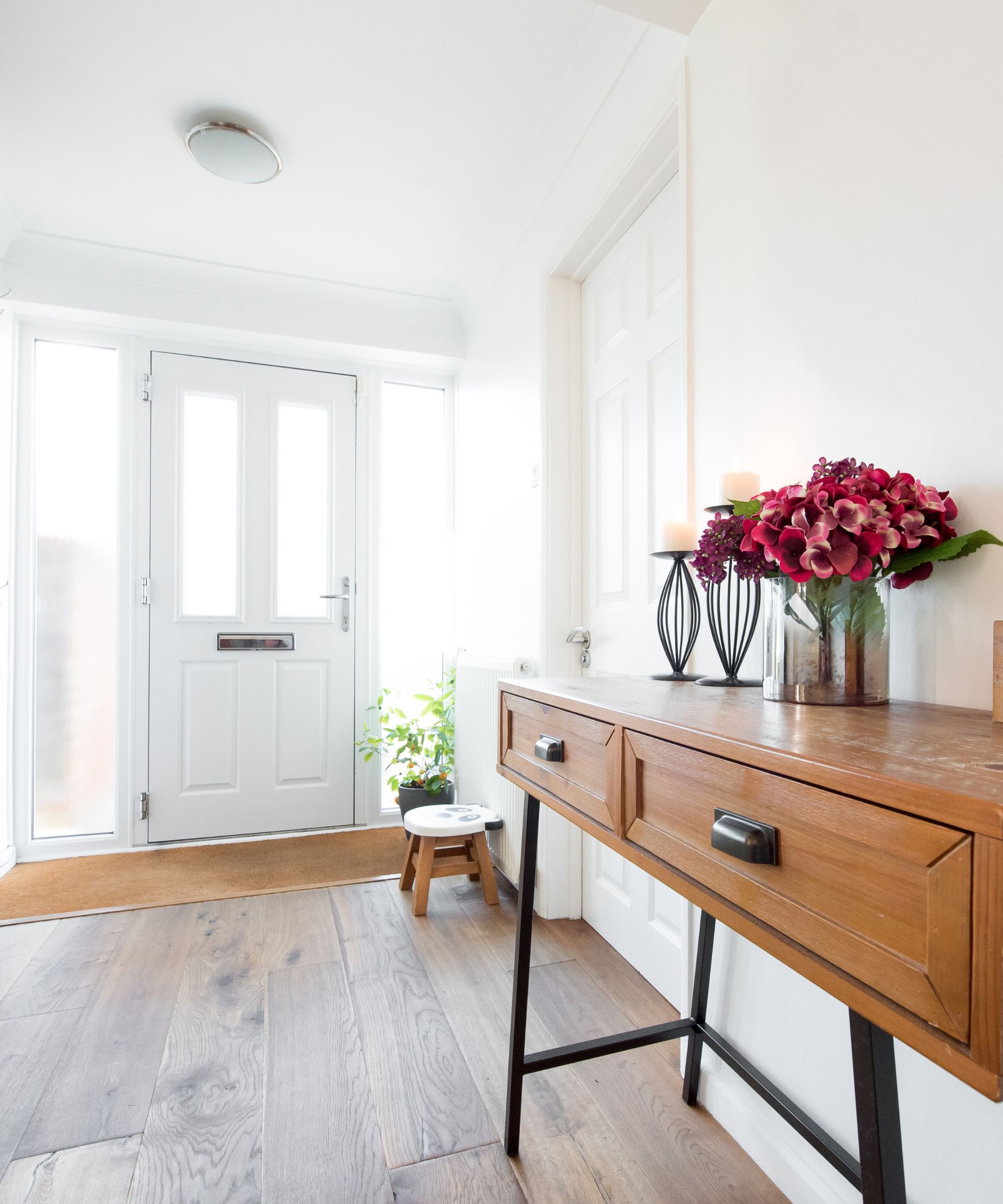
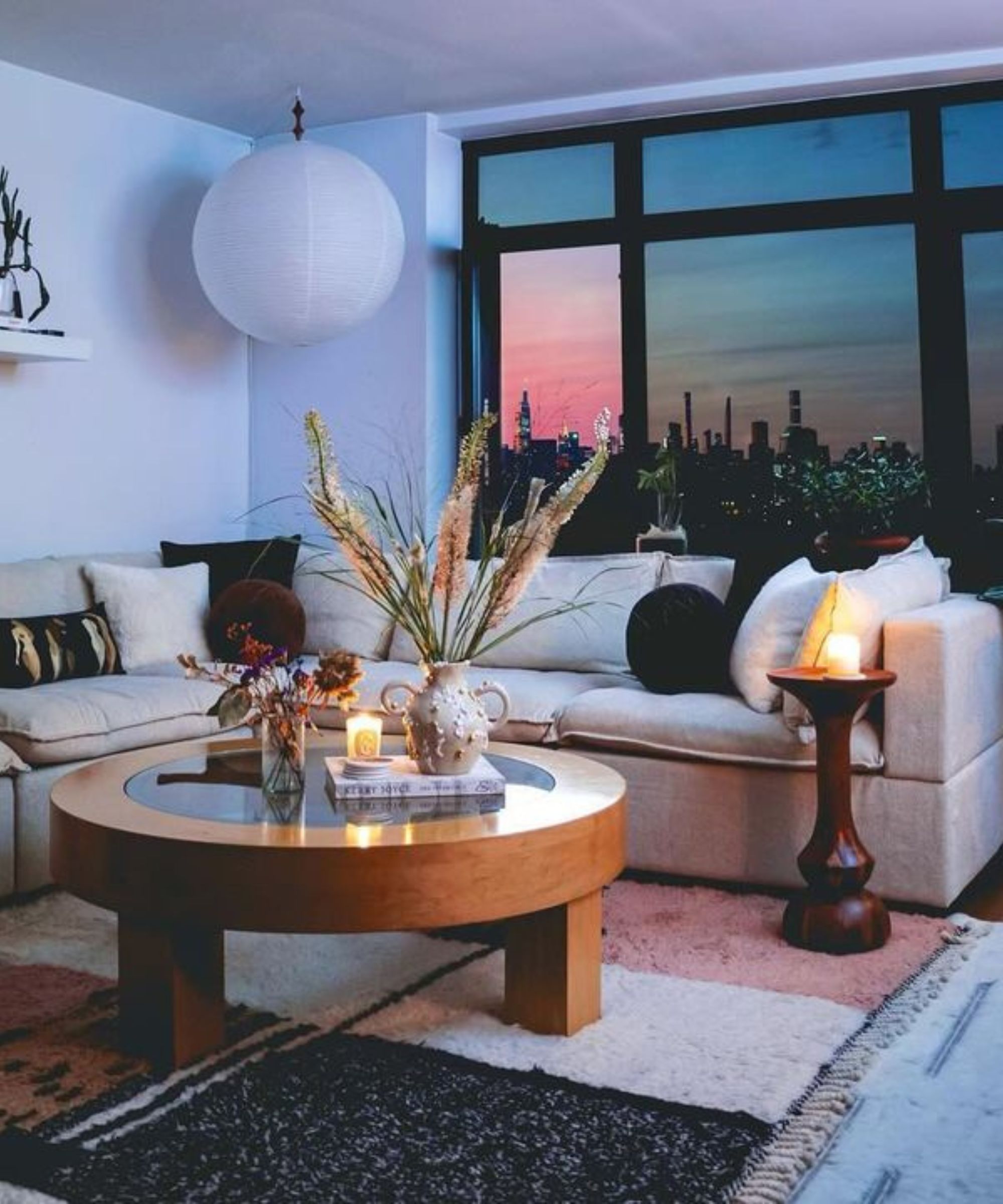
Prioritizing recessed bulbs over a layered approach with lamps and pendants is another mistake. While recessed lighting has its place, an excessive number can make a room feel institutional, akin to an airport or an office cubicle. A more effective strategy involves filling the room with a variety of floor and table lamps, along with multi-armed pendant fixtures, to create a more intimate and atmospheric setting. This layering provides diverse light sources, preventing harsh shadows and offering more nuanced control over the room's illumination.
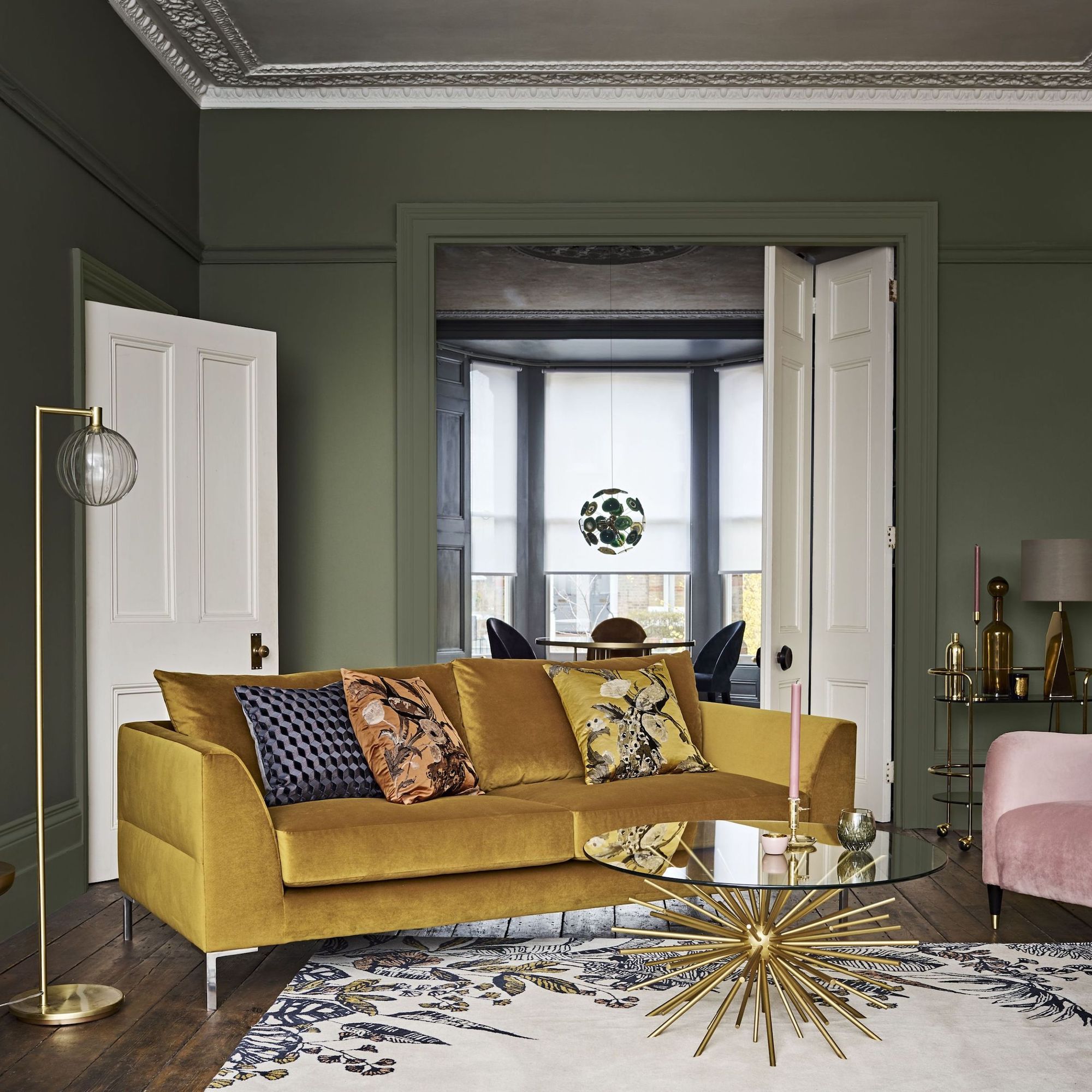
In large living rooms, having insufficient lighting options can be particularly problematic. A single layer of lighting is rarely adequate. A comprehensive plan should include overhead lighting (pendants or chandeliers), accent lighting for artwork, decorative wall lights at eye level, and table lamps to illuminate lower sections of the room. This multi-layered approach ensures both ample light and strategic use of shadows, adding depth and visual interest. Wall lighting, ceiling lighting, and various lamp types should all be considered to create a well-rounded and effective lighting design.
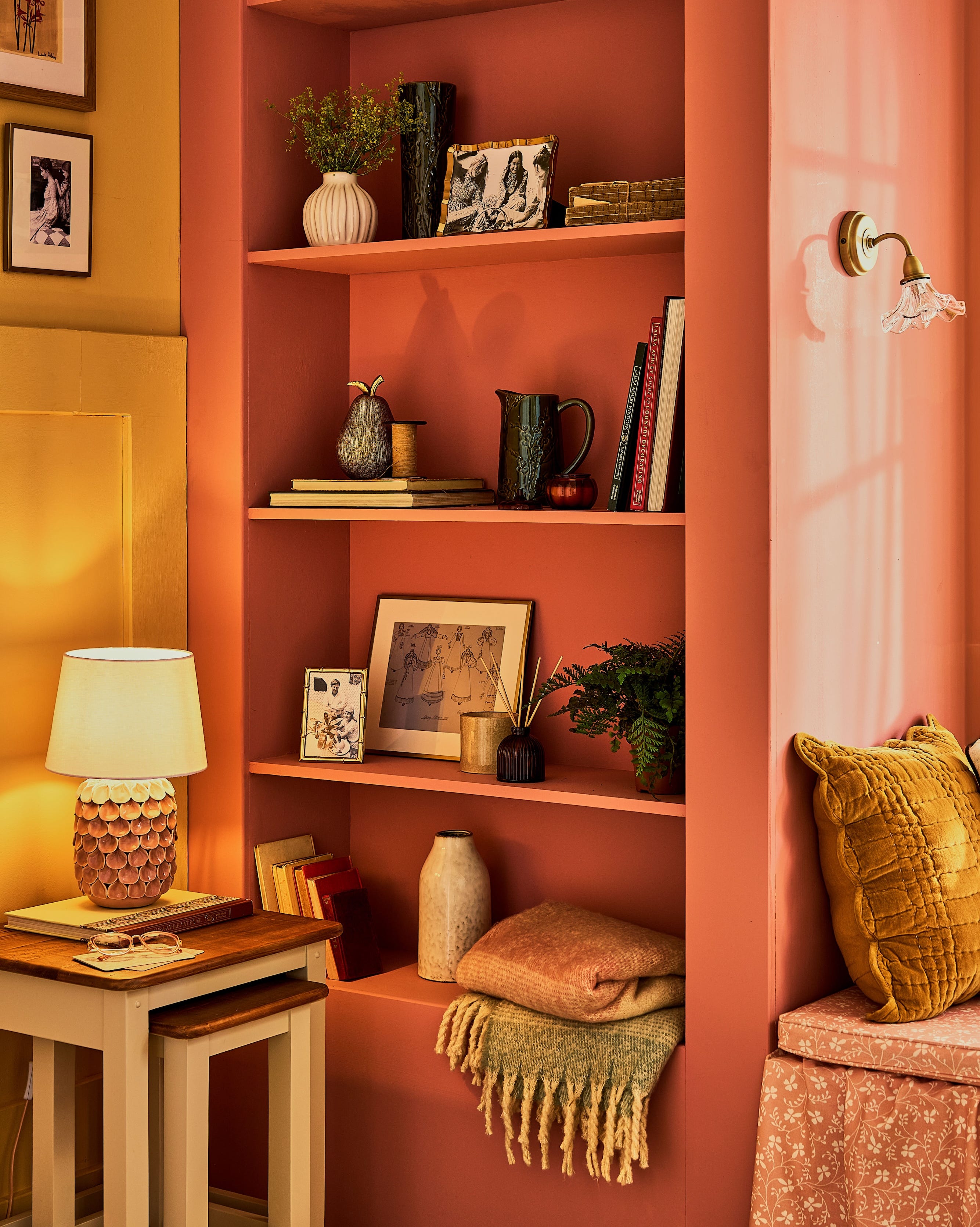
Lack of control over the overall lighting scheme, such as not using 5-amp sockets for floor and table lamps or failing to install dimmer switches, limits flexibility. Individual control over each lighting effect is key to setting the desired mood. Dimmer switches are a minimum requirement, but advanced lighting controls allow for more sophisticated adjustments. Strategically placed sockets, even in the floor, can prevent unsightly trailing wires, contributing to a cleaner aesthetic. Utilizing slim wall lights in alcoves can also create intimate, cozy reading nooks.
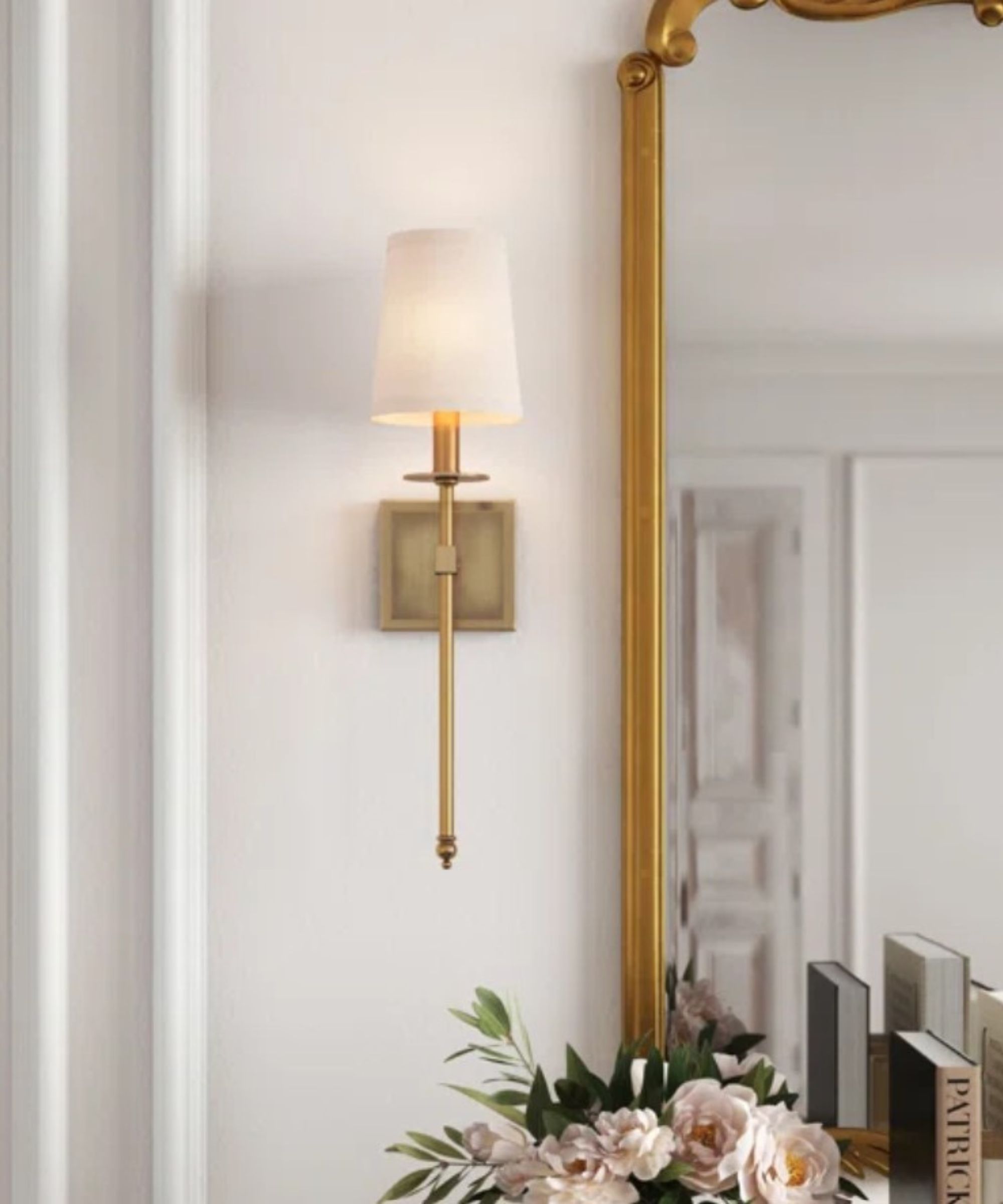
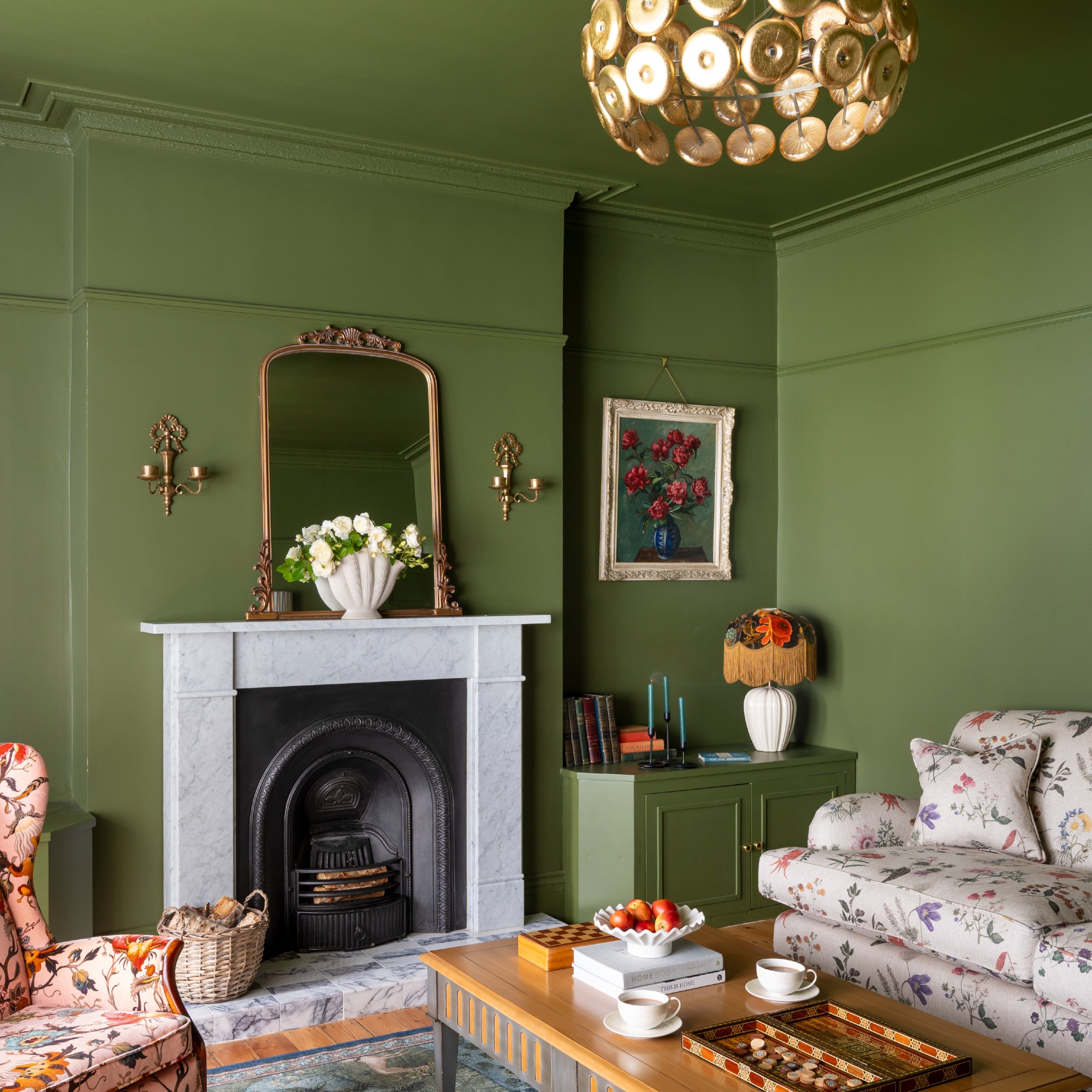
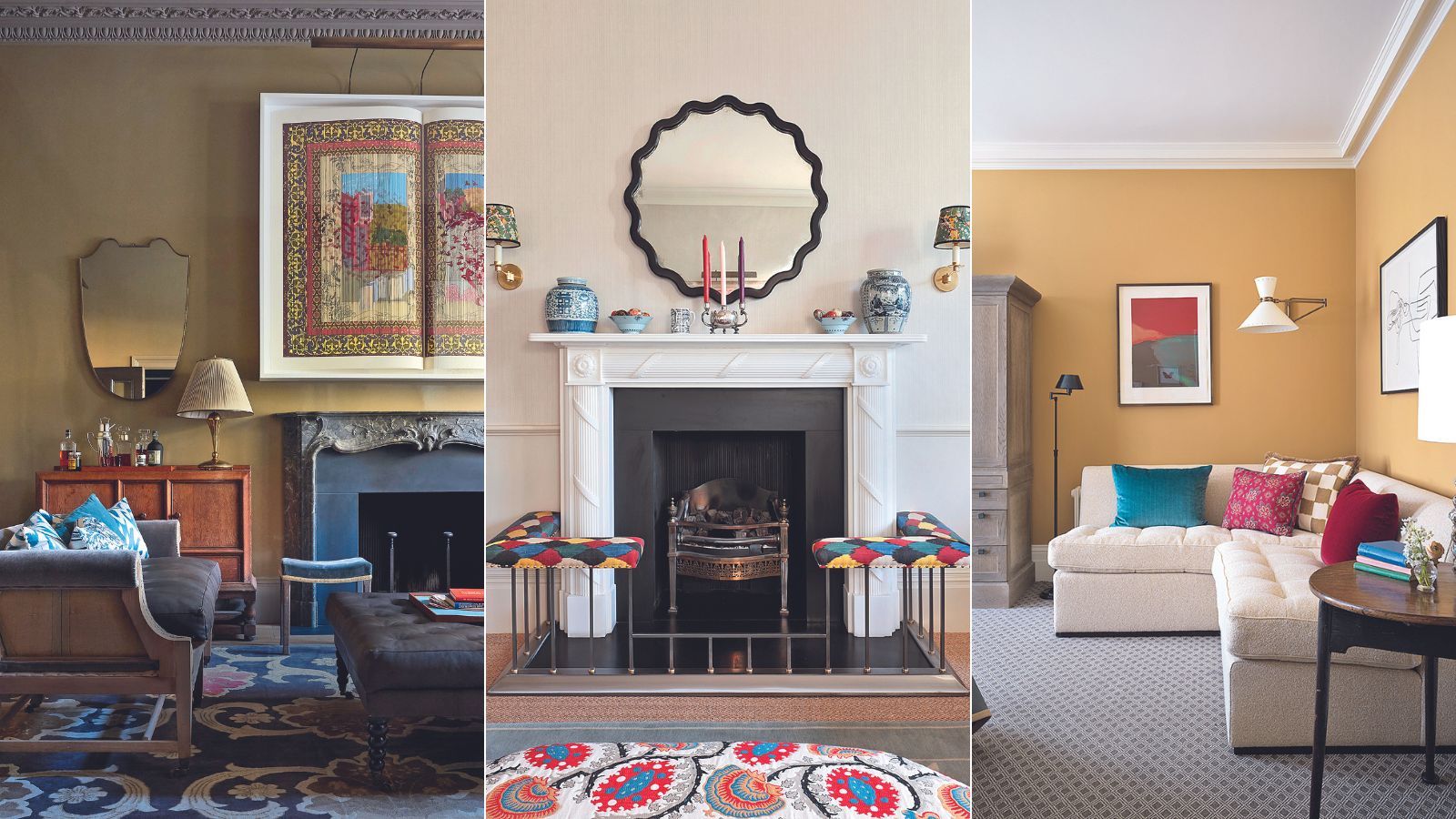
Exclusive reliance on downlighters in large living rooms is often counterproductive. Downlighters, when used in large quantities, can produce harsh and uninviting light. A better alternative is to integrate subtle lighting within alcoves and reading nooks, which offer directional and task-specific illumination. When stronger light is necessary, upscaled sconces or articulated wall lights are more effective. Leveraging light to accentuate architectural features, such as framing a mantelpiece with a pair of lamps or sconces, adds character and warmth. Decorative shades can also introduce patterns and further enhance the room's design.
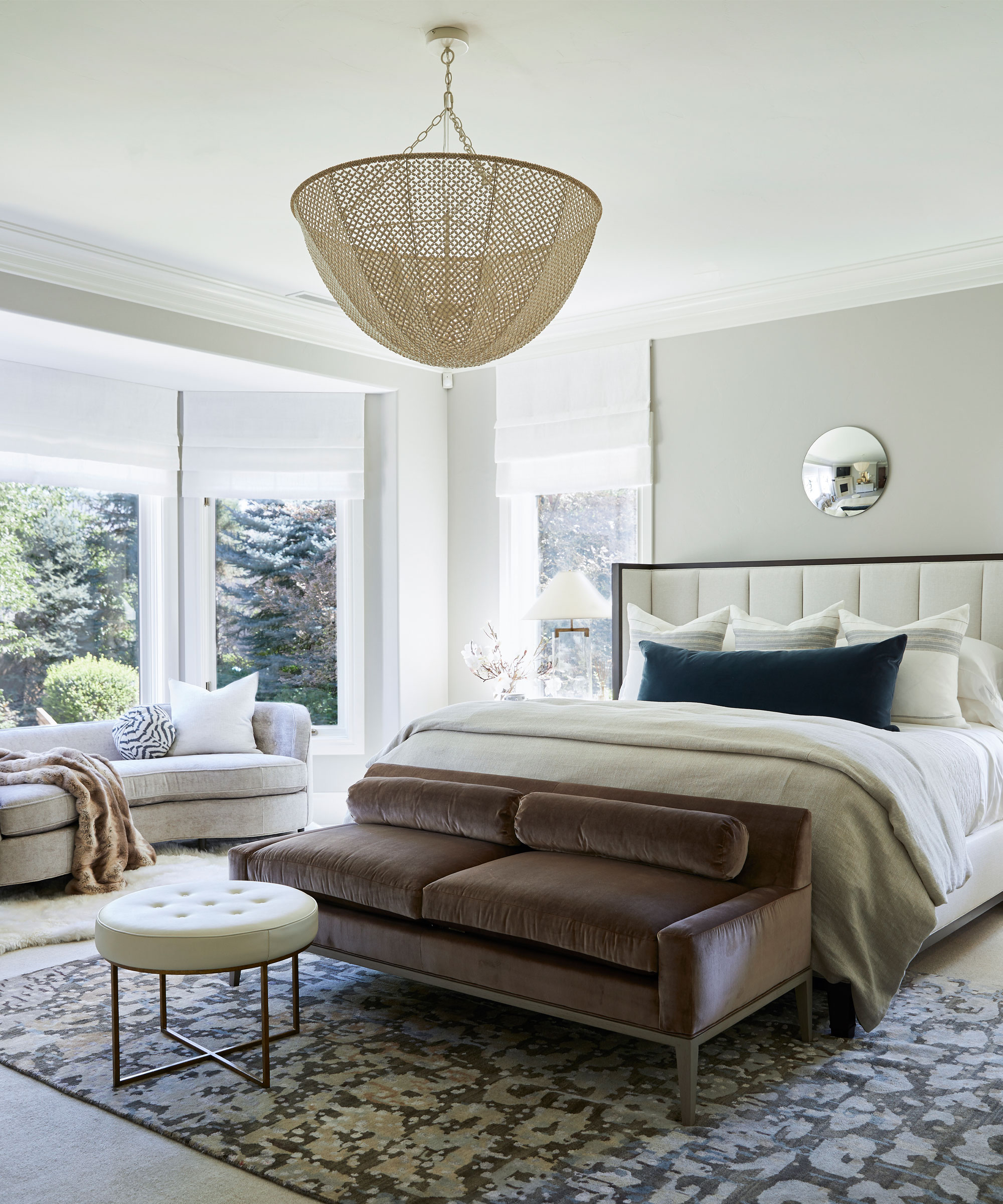
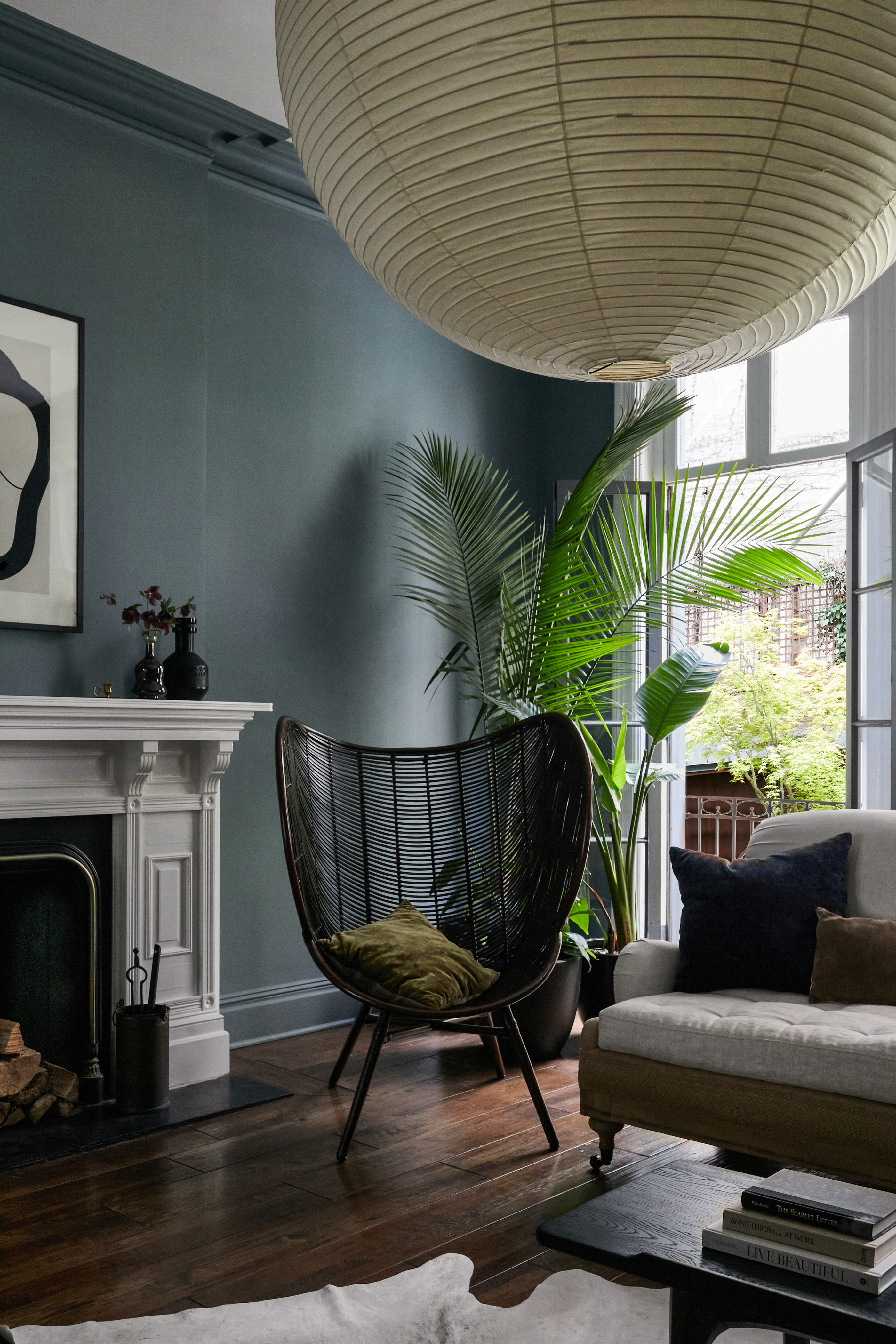
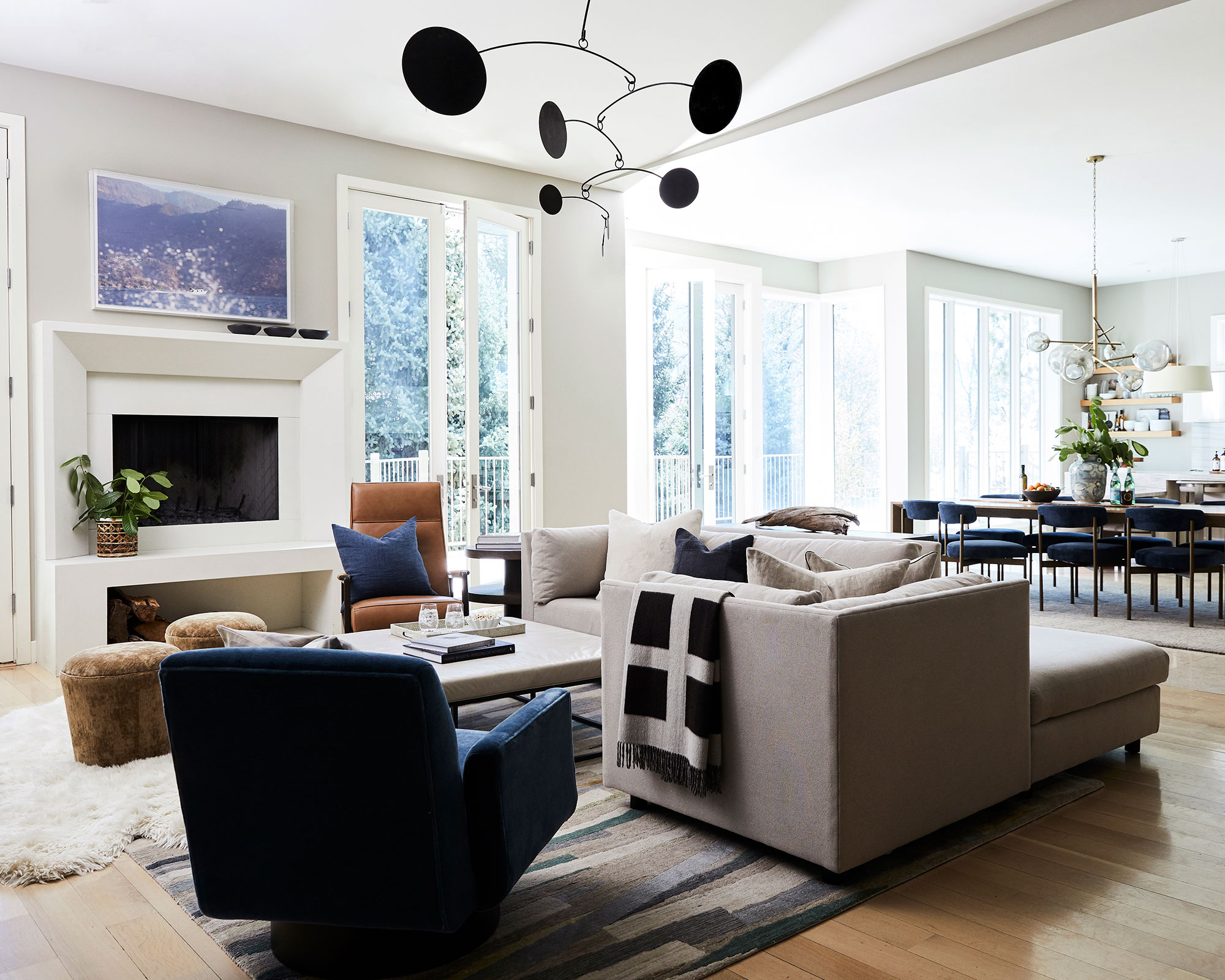
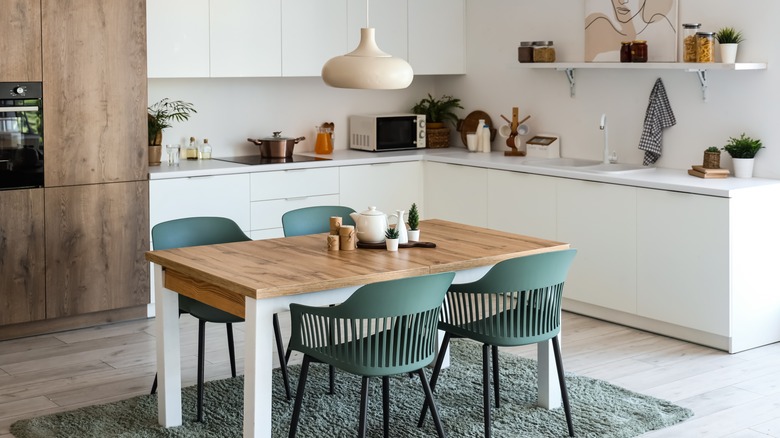
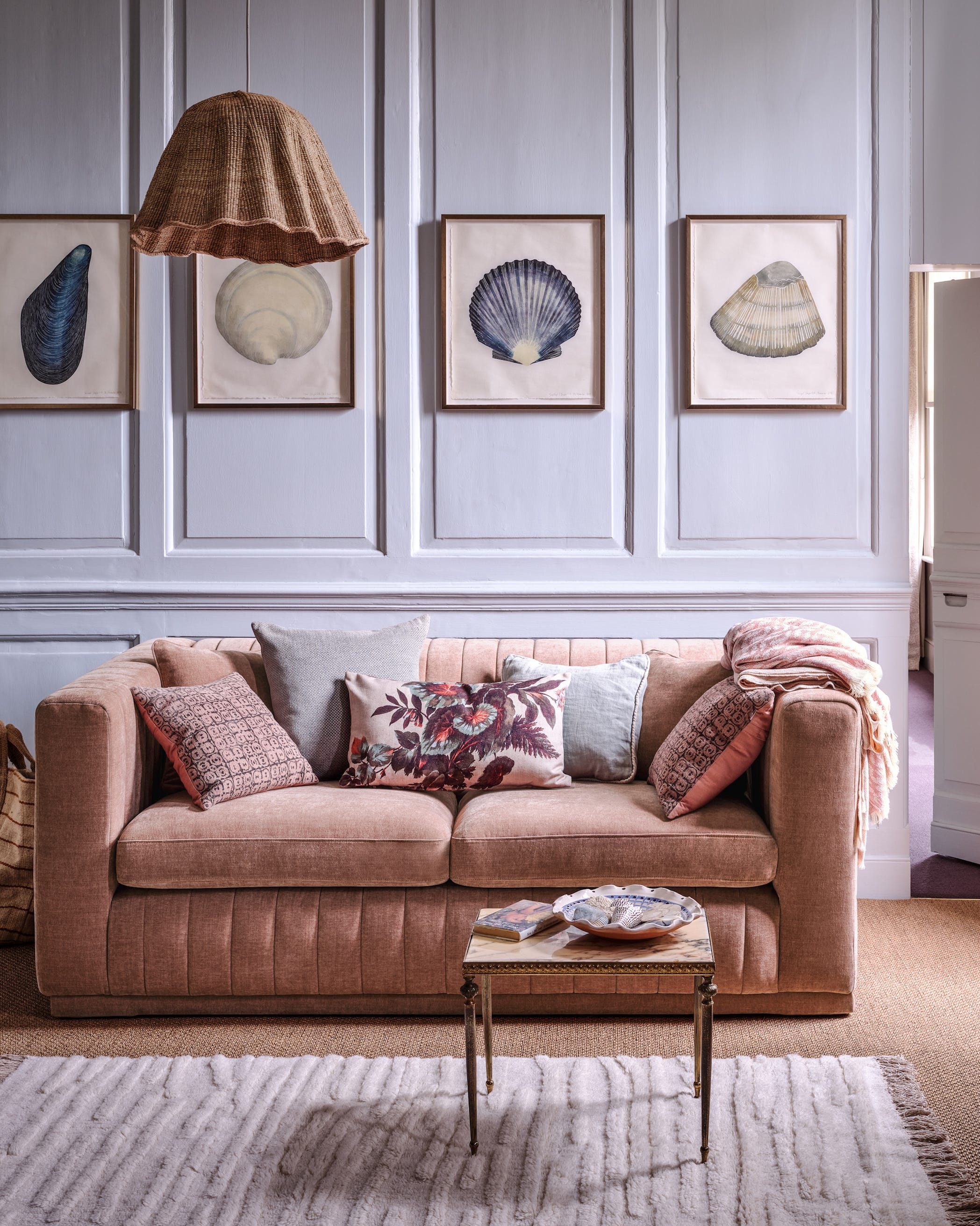
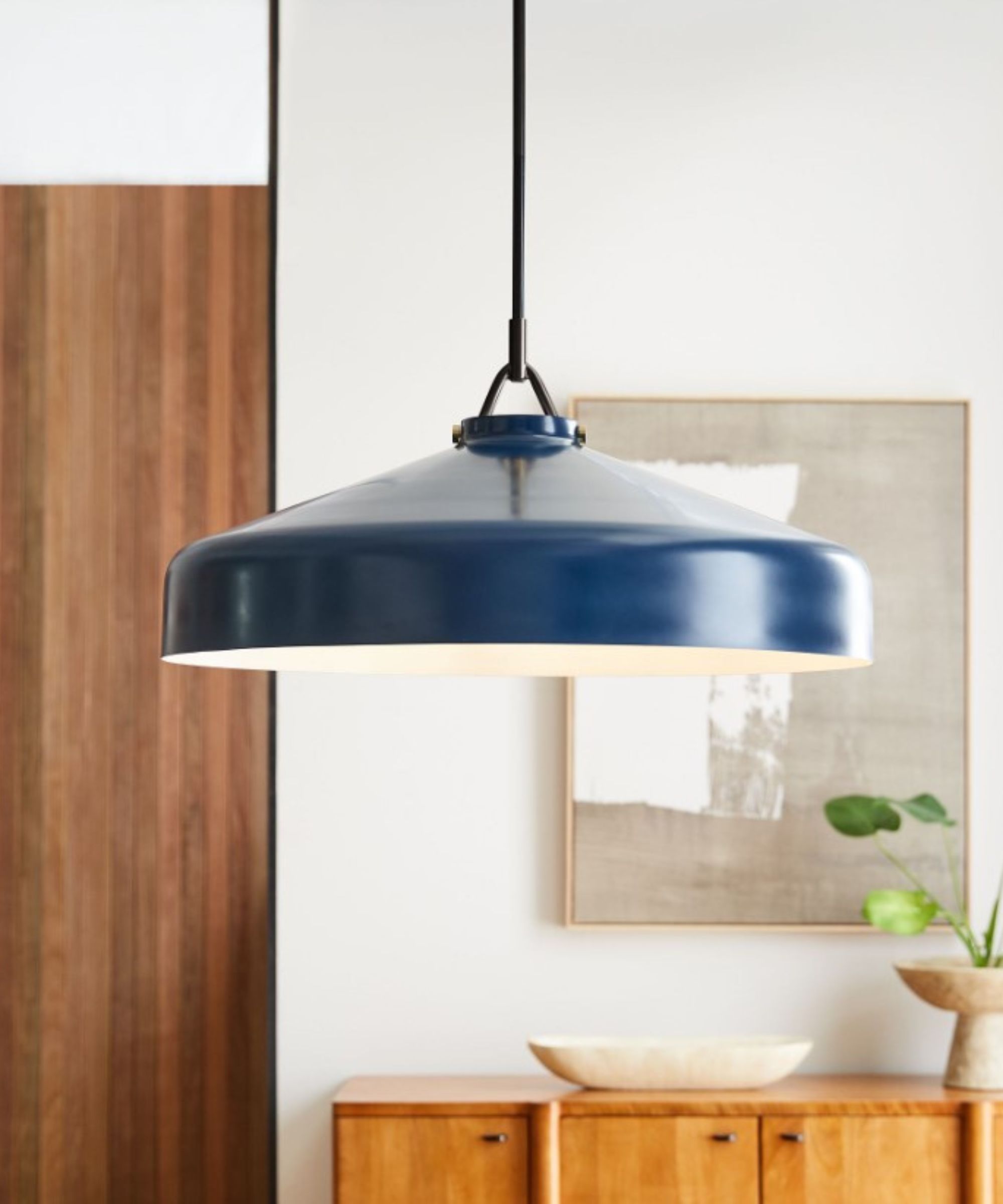
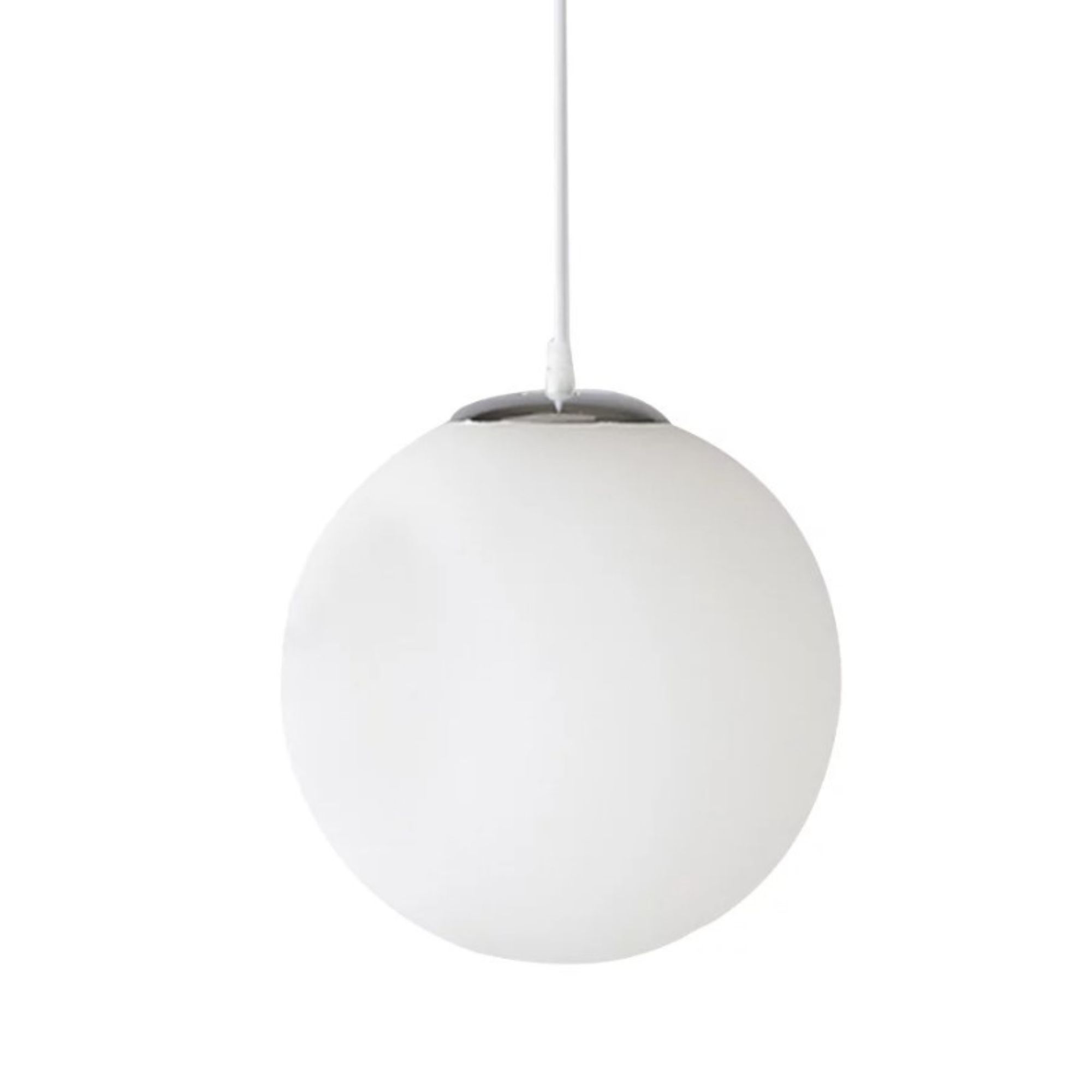
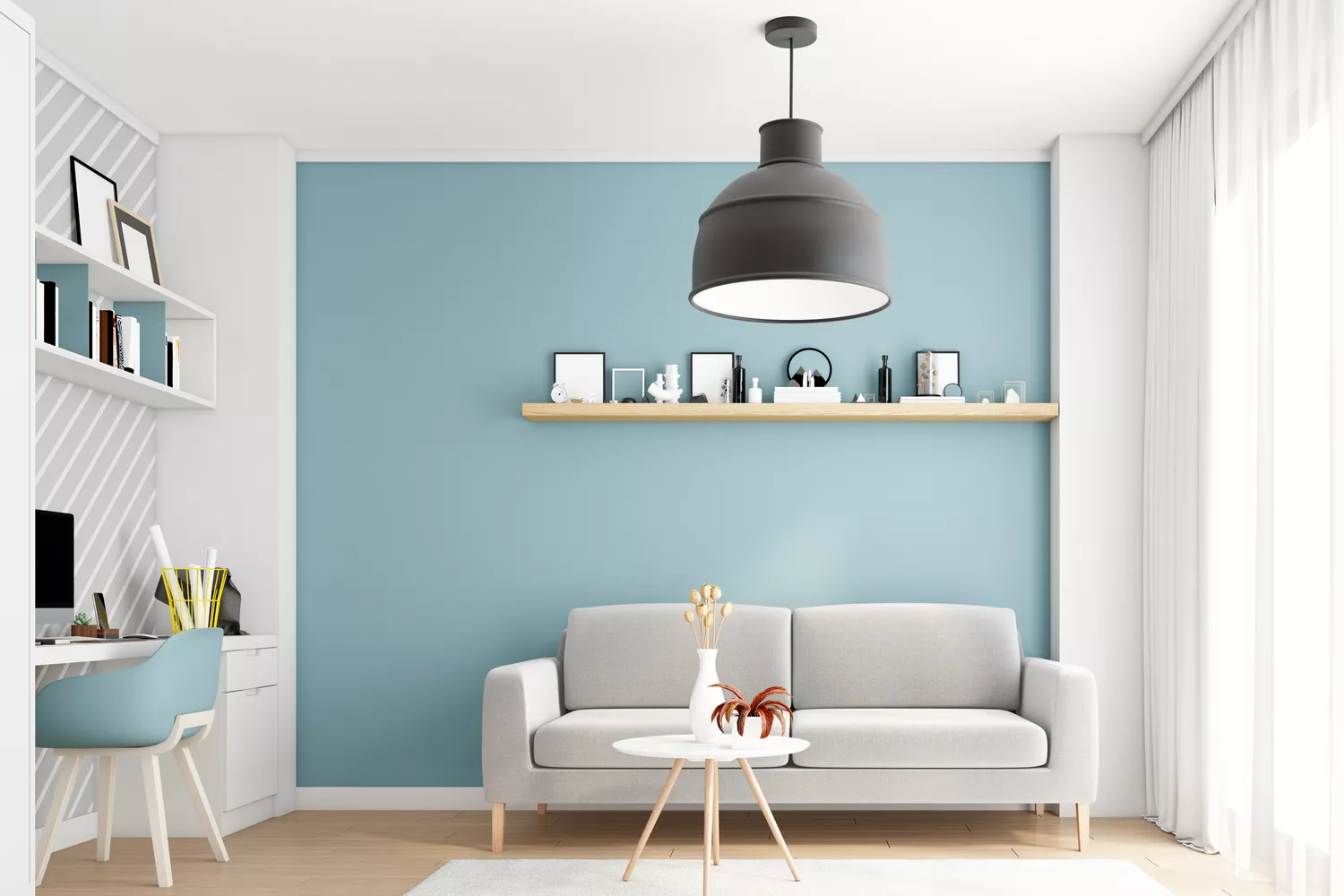
Finally, investing in the wrong proportions for a main light fixture can disrupt a room's balance. A pendant light that is either too large or too small can overwhelm or get lost in the space. The total drop available for a hanging light is a critical starting point. The fixture should have enough room to breathe and ideally be hung low enough to relate to the furniture and those using the space. Often, pendants are hung too high, diminishing their impact. Hanging a pendant lower, especially over a coffee or center table, can be more effective, provided it does not obstruct important views or artwork. Careful consideration of scale ensures the main light fixture complements rather than detracts from the room's overall design.
#LivingRoomLighting #InteriorDesignMistakes #HomeLighting #LightingDesignTips #AmbientLighting #LayeredLighting #DimmerSwitches #LightTemperature #DecorativeLighting #RoomProportions #LivingRoomLighting #InteriorDesignMistakes #HomeLighting #LightingDesignTips #AmbientLighting #LayeredLighting #DimmerSwitches #LightTemperature #DecorativeLighting #RoomProportions
合計0件のコメント
 まだコメントはありません
あなたも好きかもしれません
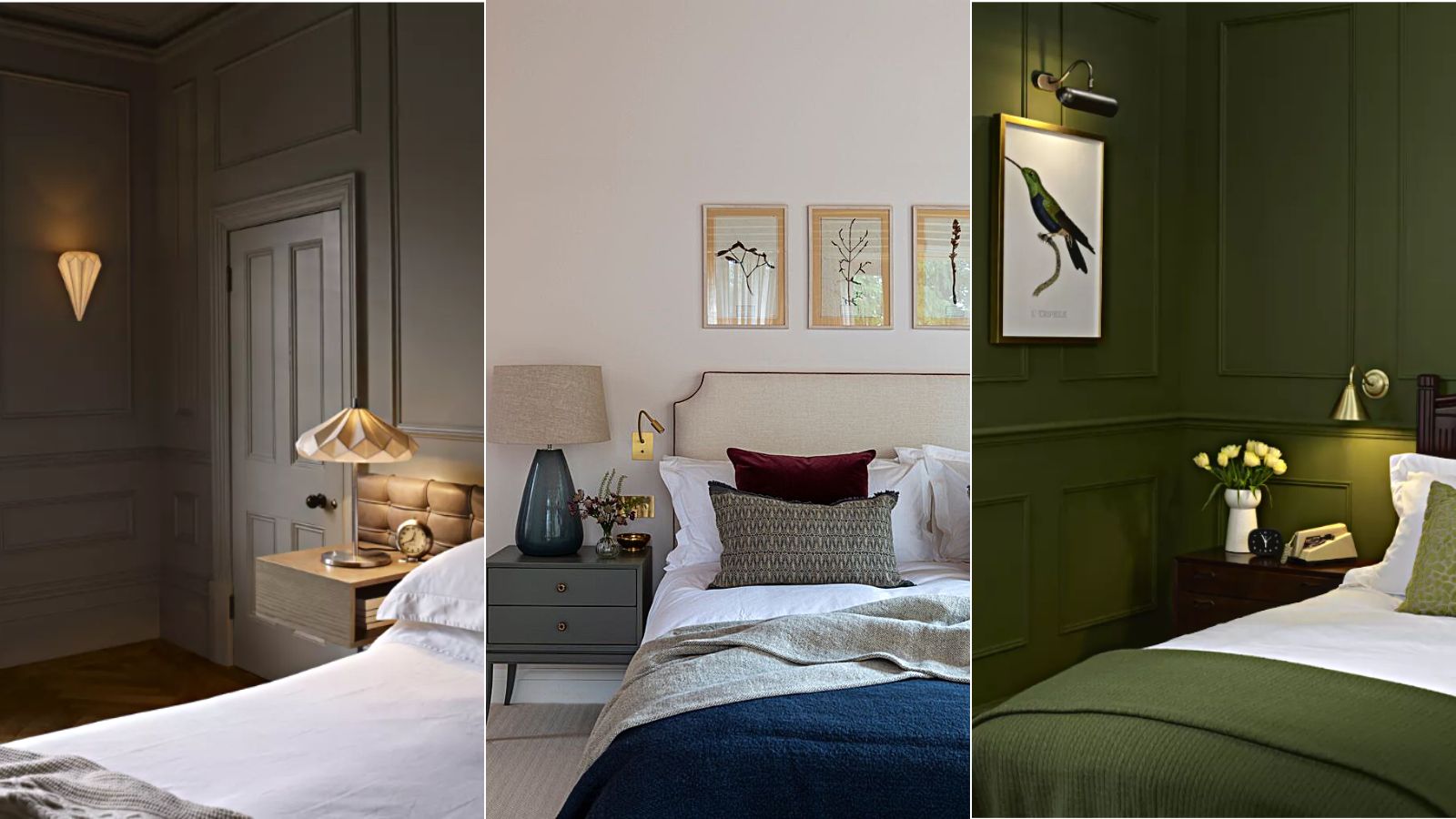
11 bedroom lighting mistakes – why your space looks uninviting and feels impractical, and how to fix it
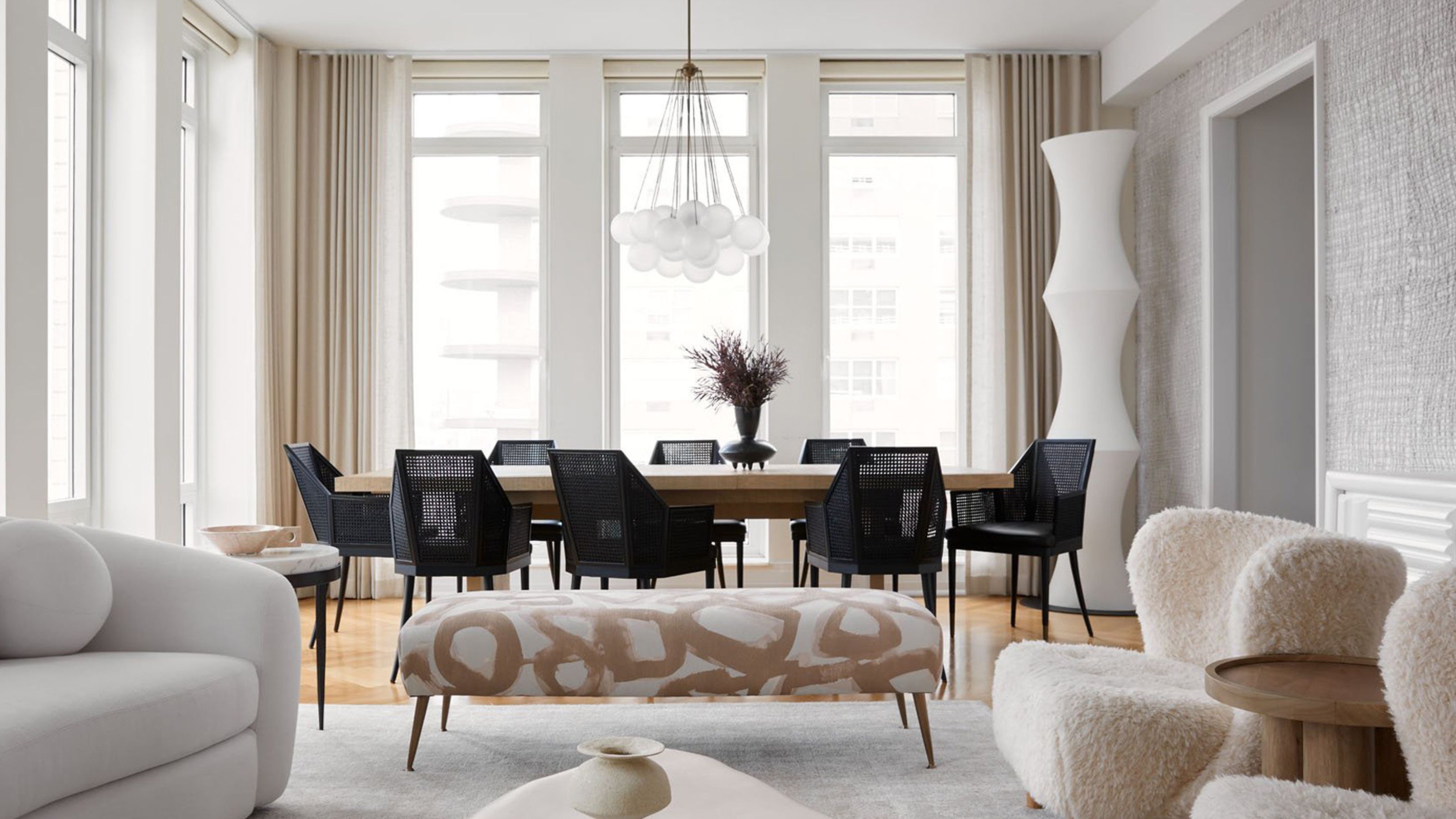
7 Dining Room Lighting Mistakes That Could Be Making Your Space (and Food) Look Less Appetizing

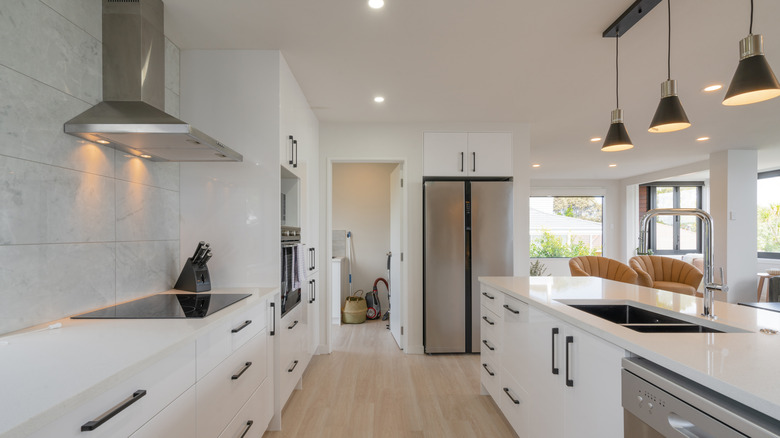
15 Kitchen Lighting Mistakes Everyone Makes

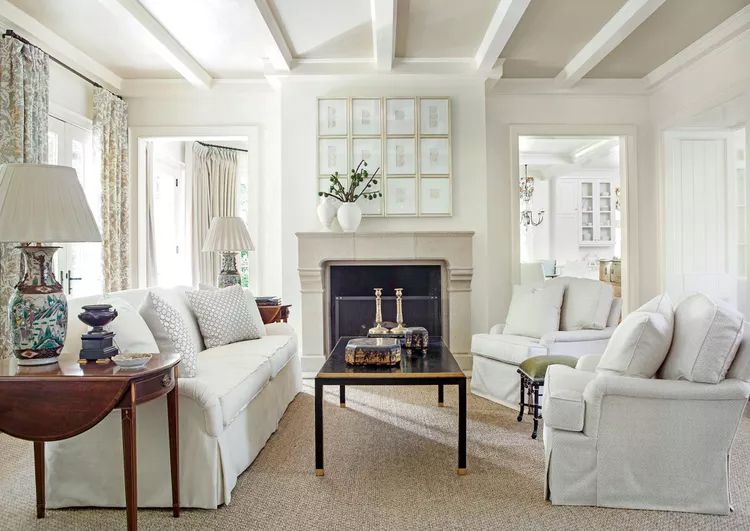
7 Living Room Decorating Mistakes You Should Never Make
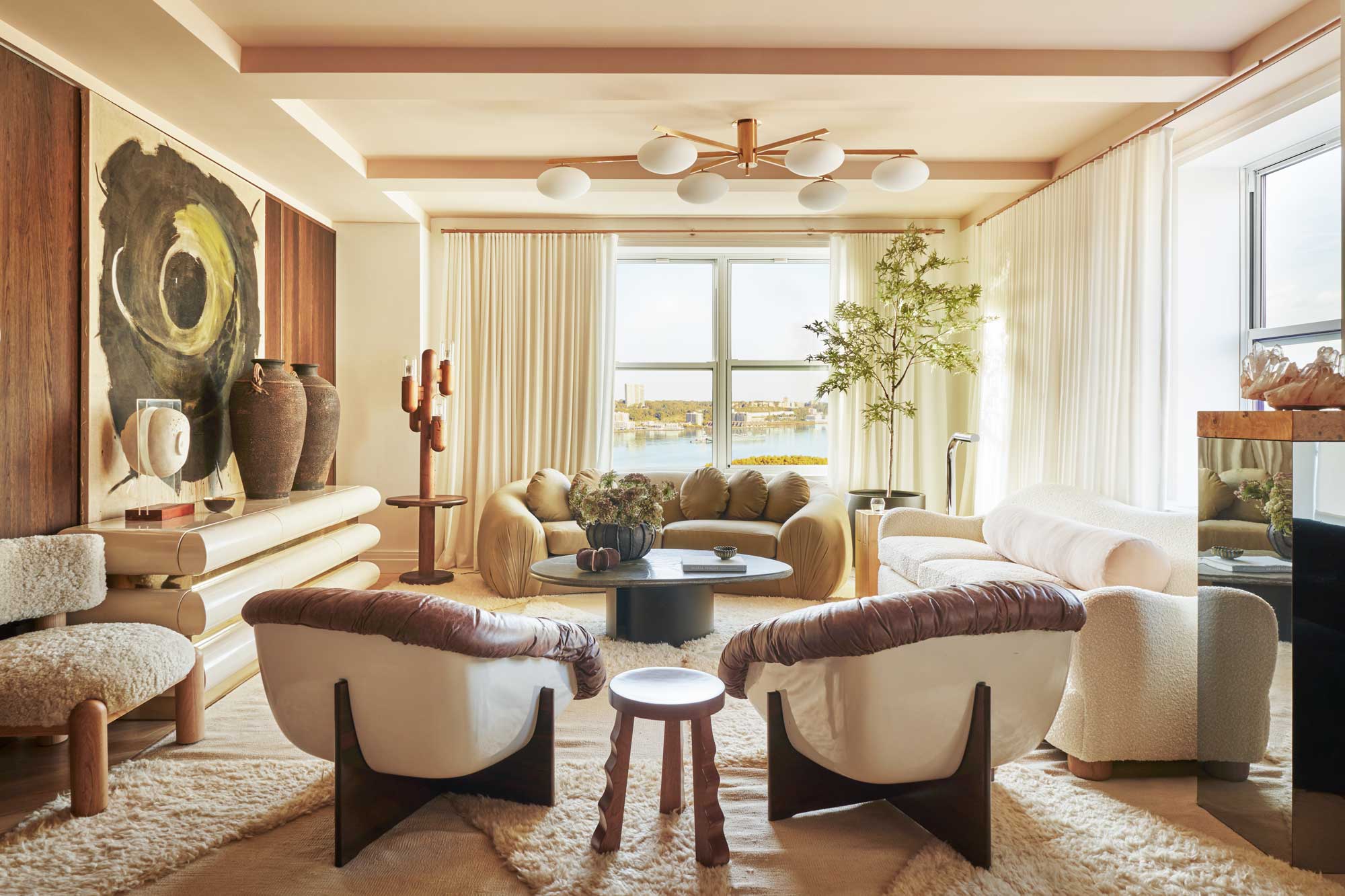
7 Common Living Room Lighting Mistakes to Avoid at all Costs
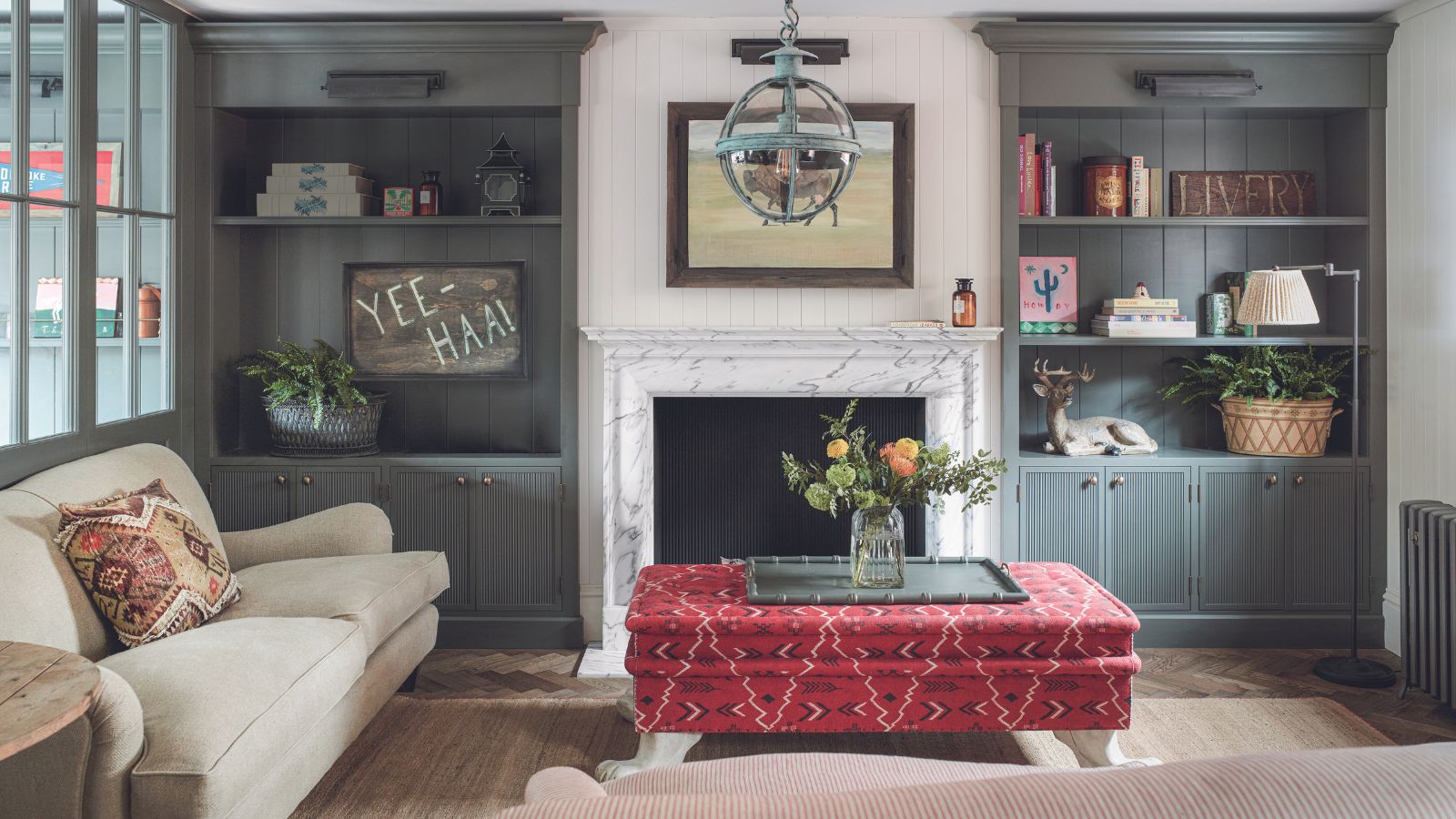
How to make a living room lighter – an interior designer's 10 tips for a creating brighter space
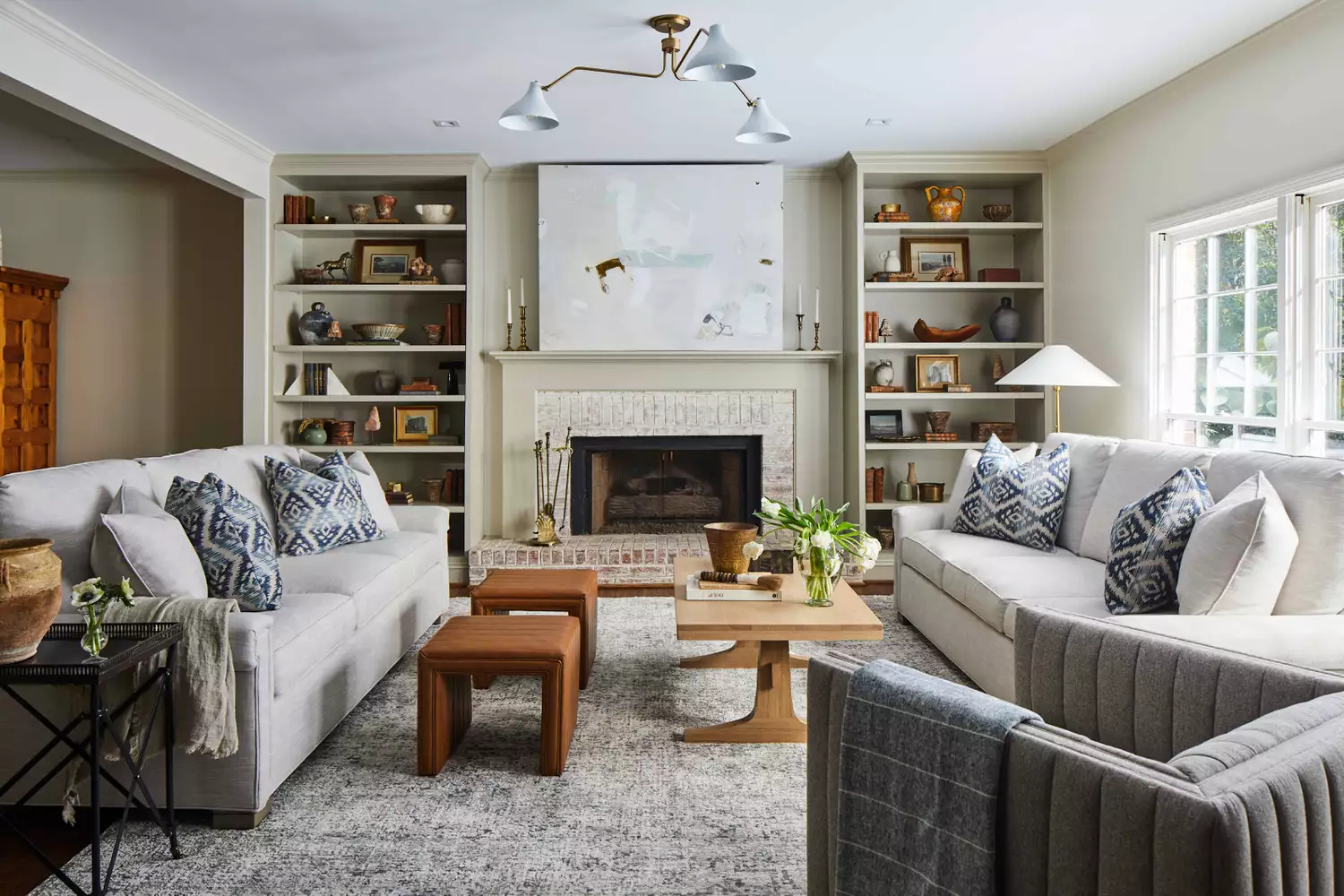
11 Living Room Layout Mistakes Designers Want You To Stop Making
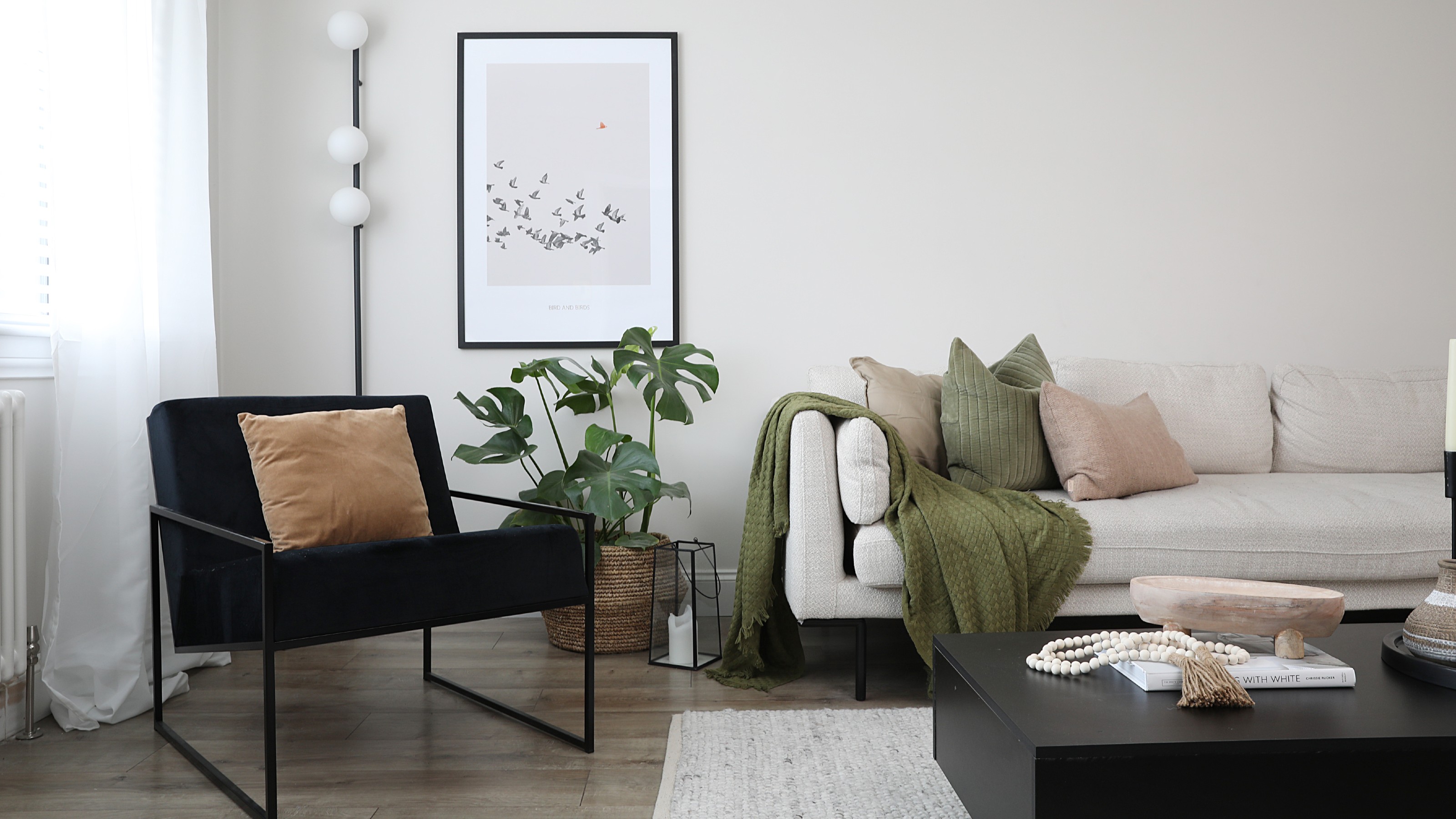
The 3 worst colours for a small living room – the shades that will make a tiny lounge look smaller and less inviting
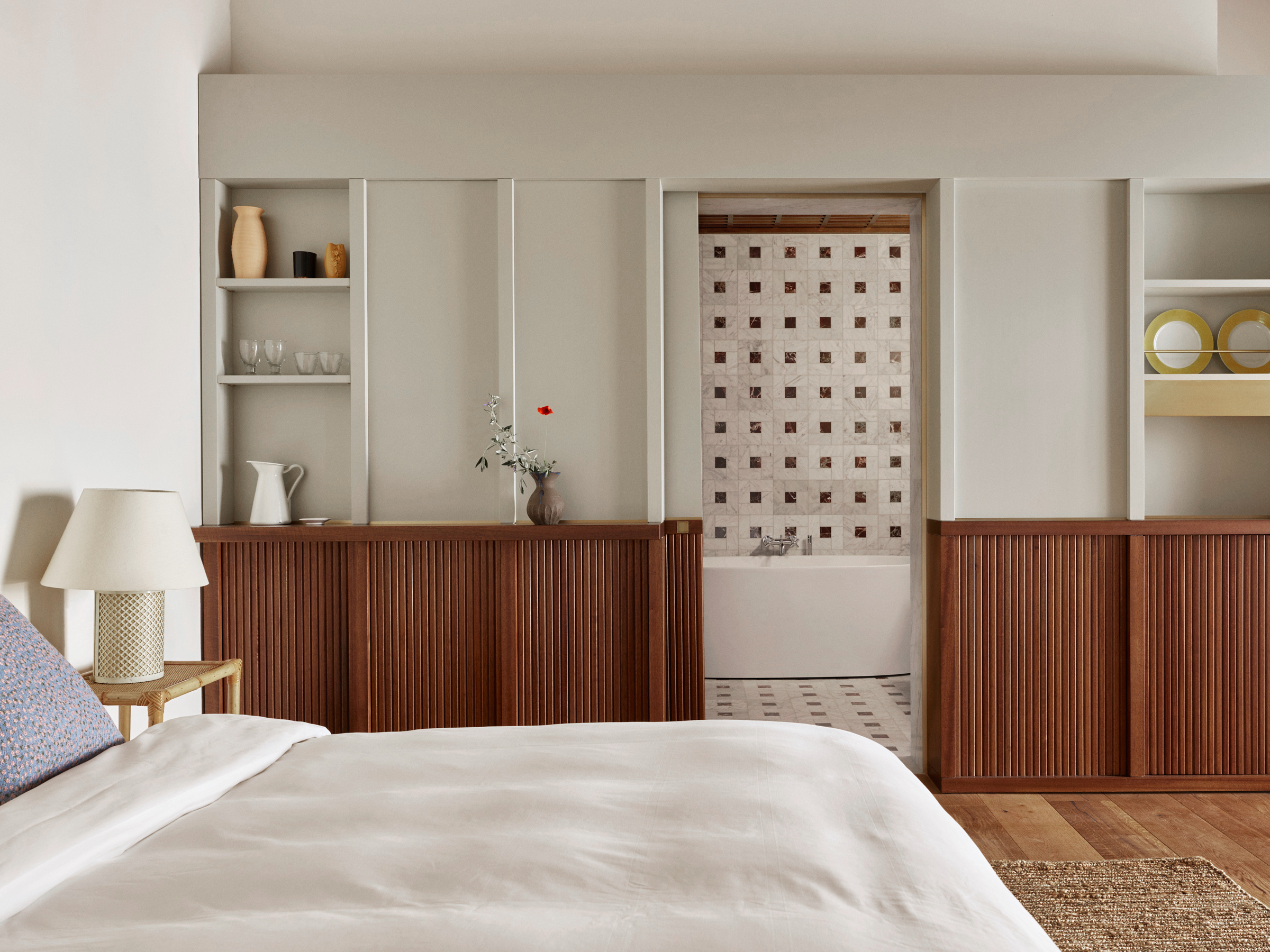
7 Bedroom Lighting Mistakes — Experts Say They "Scream 'Wrong Vibe'" and Ruin Your Aesthetic
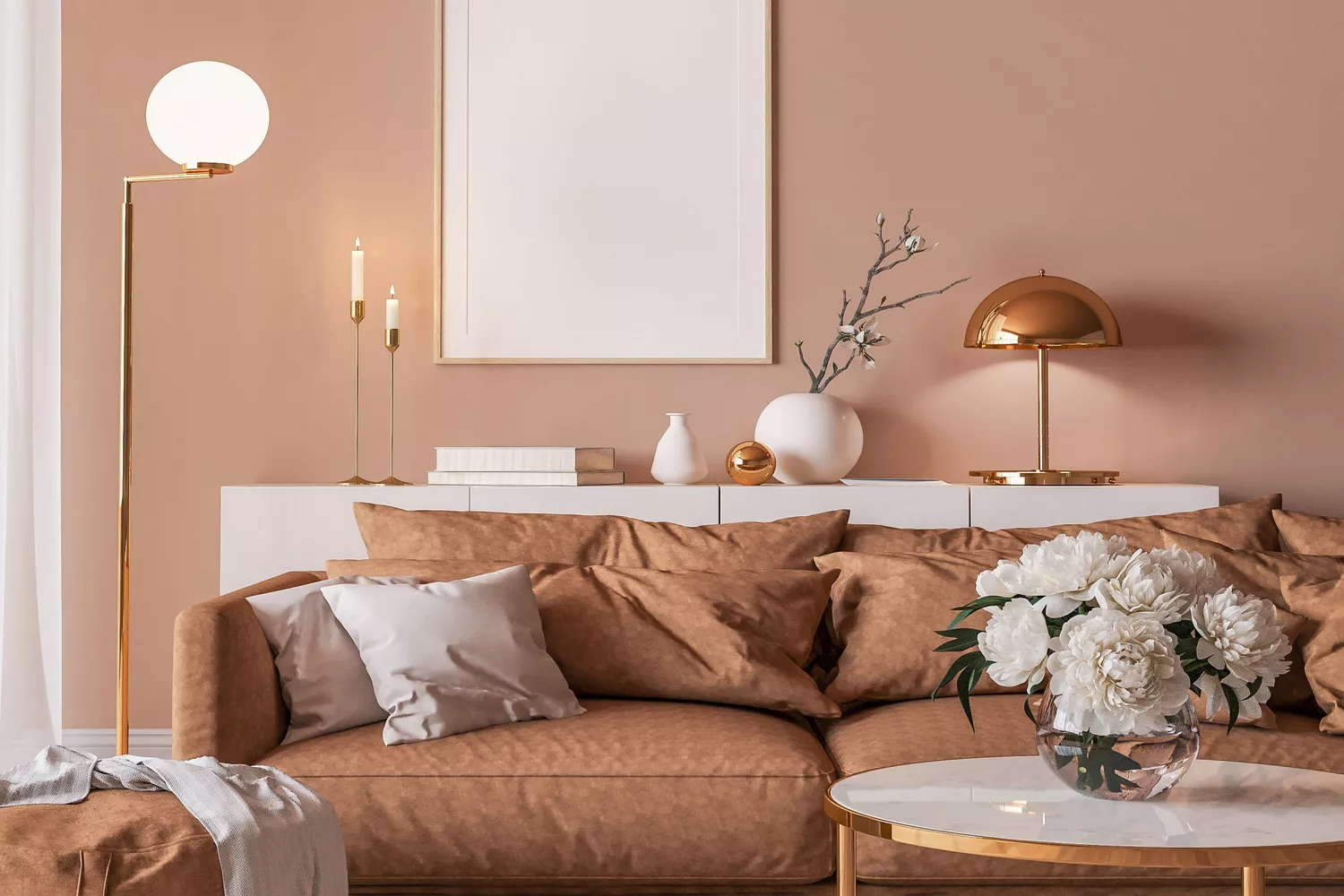
10 Lighting Mistakes You Should Never Make—But Probably Are
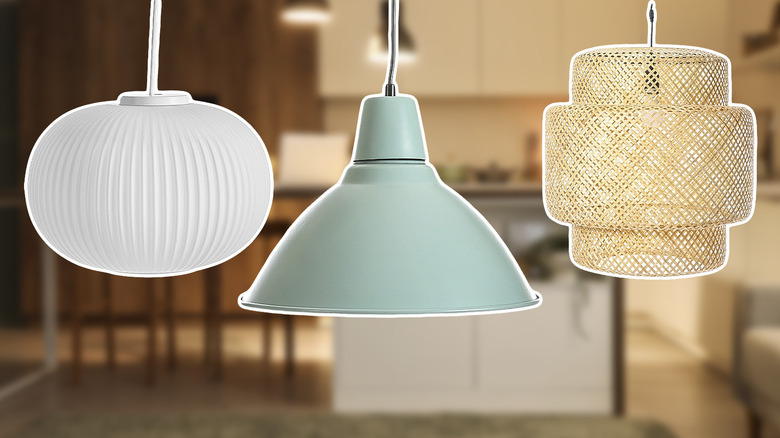
12 Kitchen Lighting Mistakes (And How To Avoid Them)

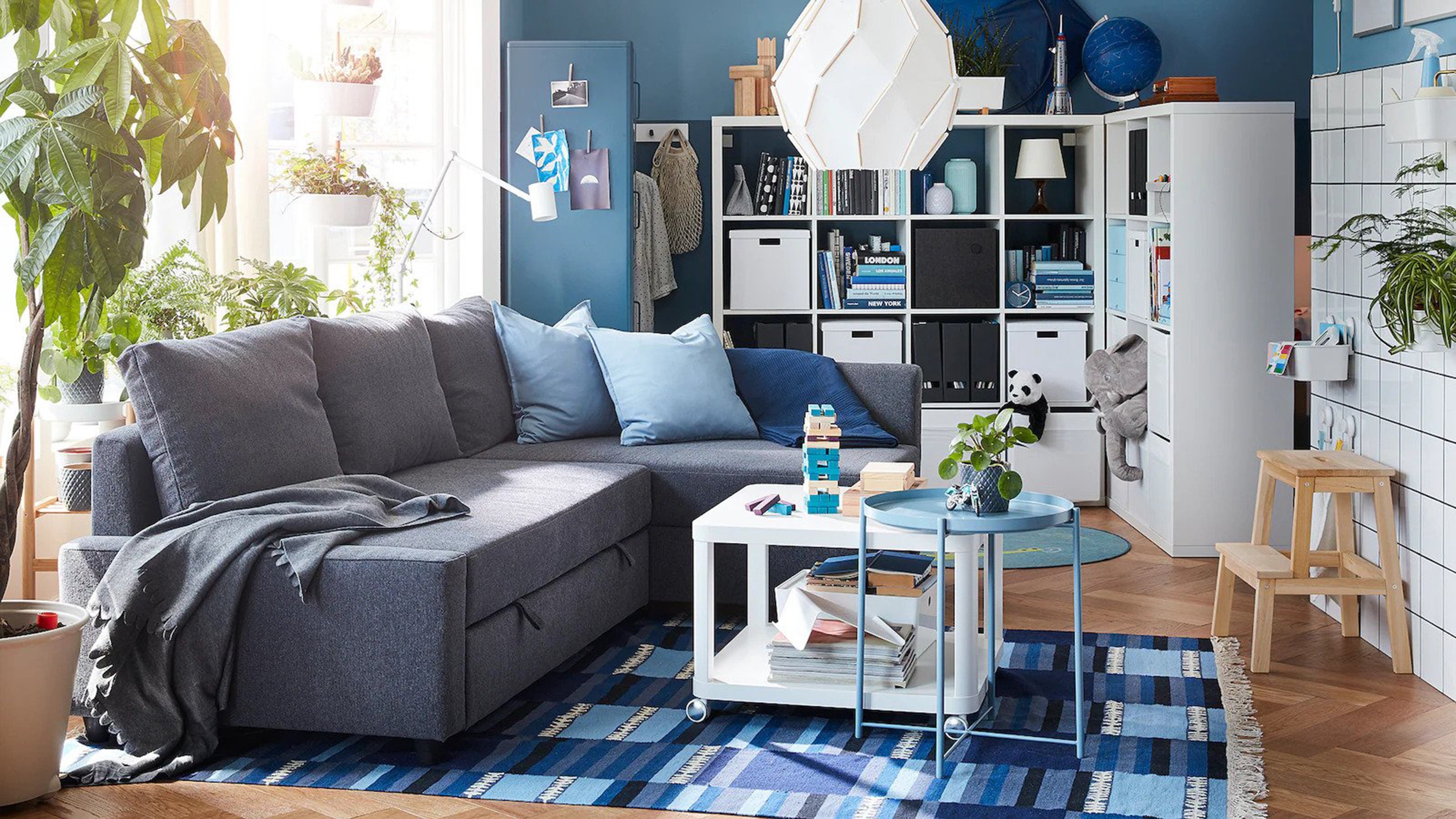
10 small living room layout ideas to make you rethink your set up

6 Lighting Mistakes That Are Ruining the Mood in Your Home—and How to Fix Them

5 small living room mistakes – designers share the worst decorating disasters that we need to stop doing right now
5 Living Room Design Mistakes You Didn't Know You Were Making

7 small living room lighting ideas — as glowy as they are beautiful

Kitchen Lighting Mistakes That Are Making Your Space Look Dated
10 common living room design disasters experts warn against falling for
5 small entryway lighting mistakes — experts share what to avoid

10 Decorating Mistakes That Make Your Home Look Messy