Why Smart Textiles Are the Future of Home Furnishings: The Intersection of Innovation and Comfort
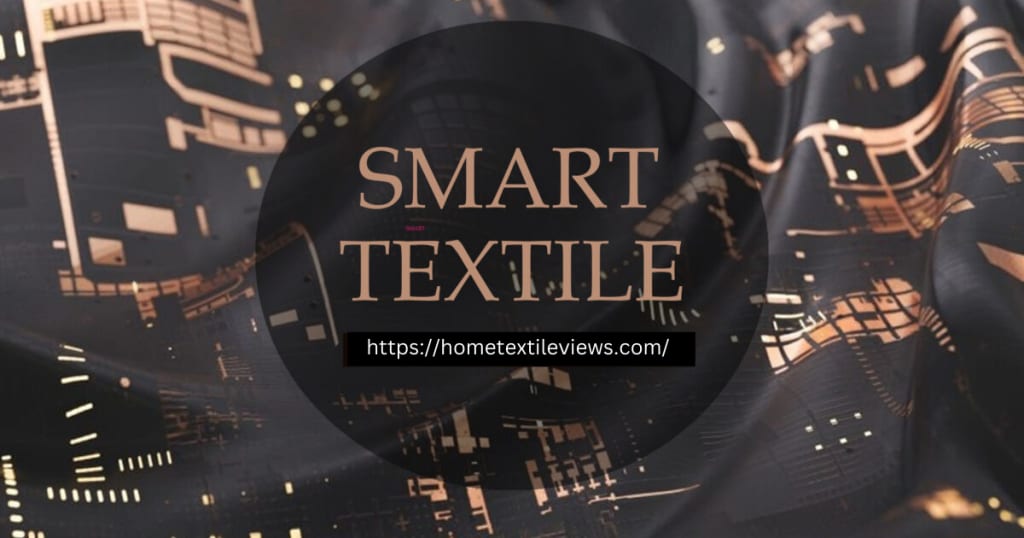
Home furnishings are undergoing a significant transformation with the emergence of smart textiles, also known as e-textiles or intelligent fabrics. These innovative materials integrate advanced technology to enhance convenience, efficiency, and overall well-being within traditional home environments. By embedding sensors and microcontrollers, smart textiles can respond to environmental changes, provide health benefits, or even generate energy, thus creating intelligent living spaces. Their application spans various home items, including upholstery, bedding, curtains, carpets, and wall coverings, ultimately making daily life more efficient and comfortable.
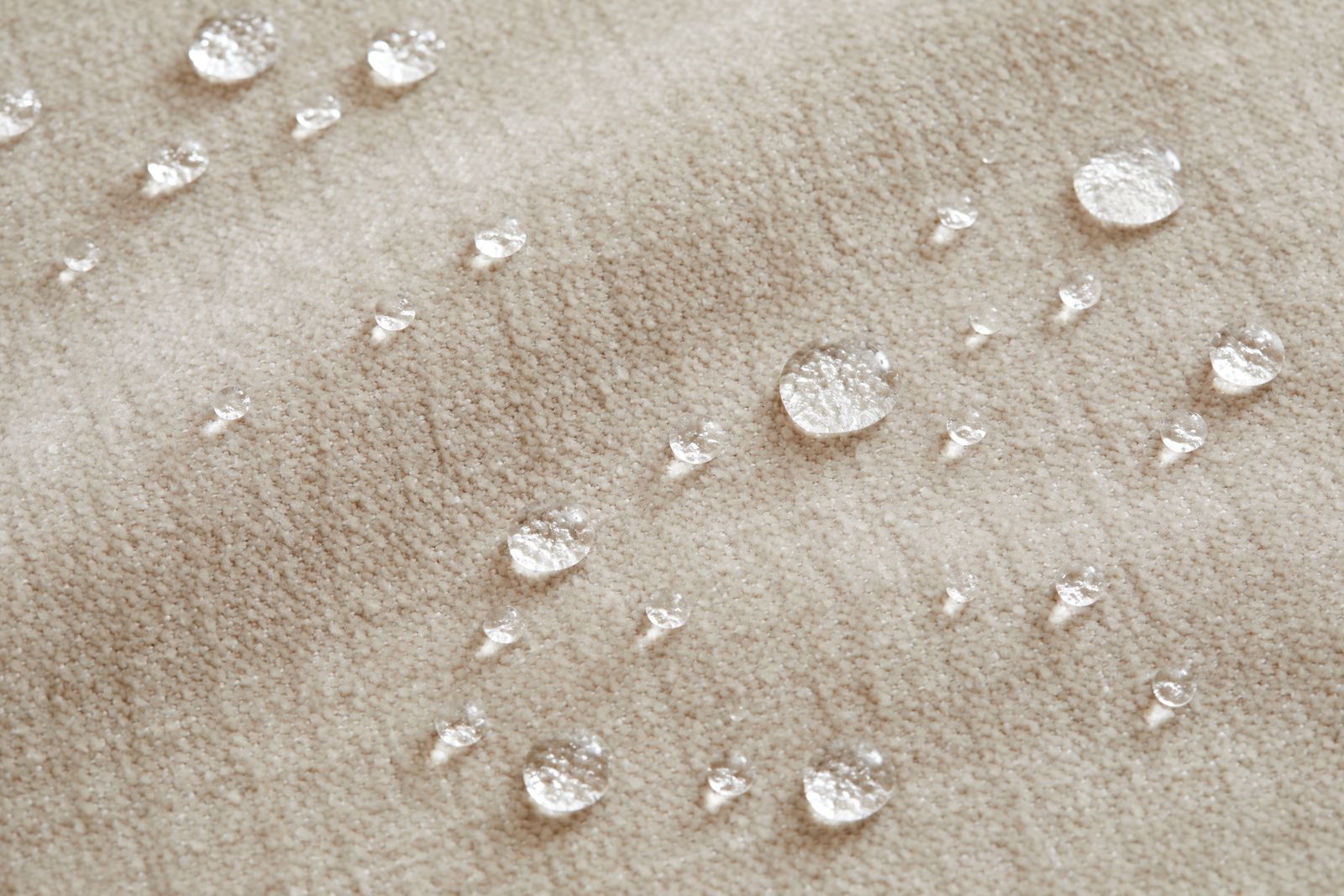
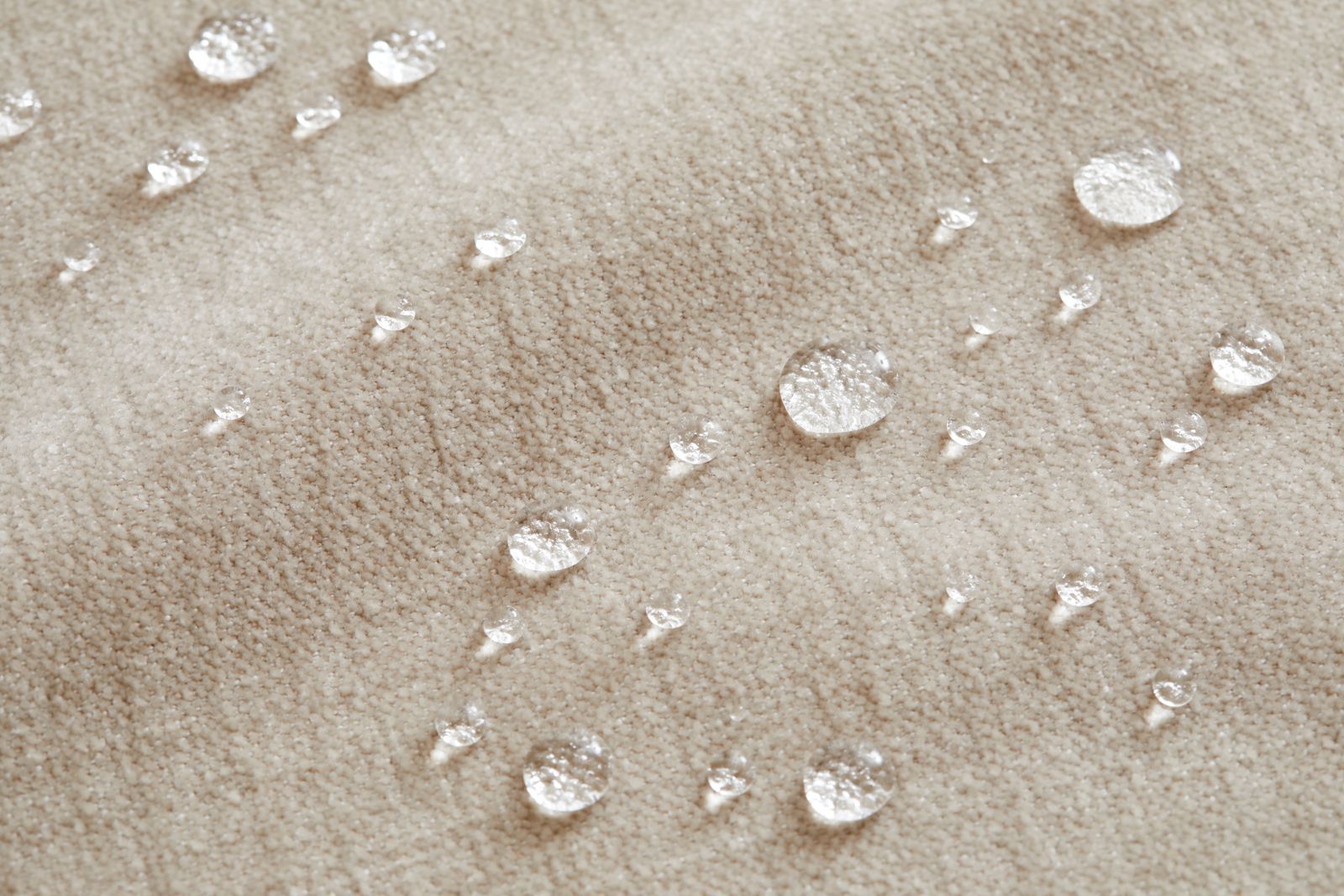
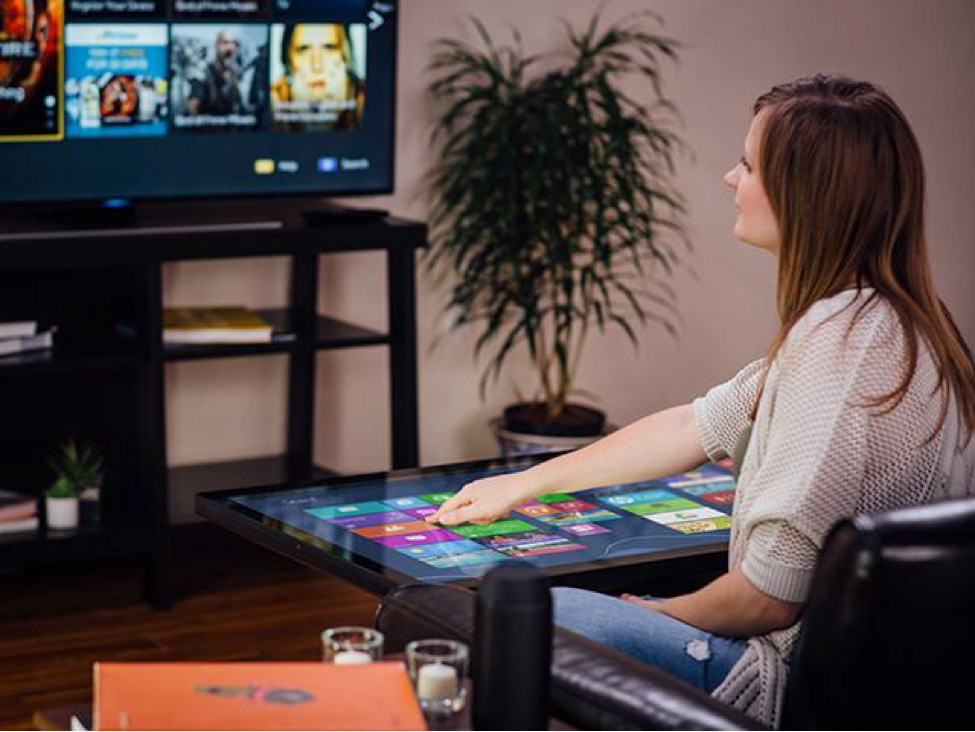
Smart textiles are categorized into passive and active types. Passive smart textiles possess inherent properties like moisture-wicking or UV protection, while active smart textiles integrate technology such as sensors or heating elements to dynamically react to environmental shifts or user input. Common applications in home decor include thermo-regulating fabrics that adapt to room temperature, self-cleaning materials utilizing nanotechnology to resist stains and bacteria, energy-harvesting textiles that generate power from movement or light, and touch-sensitive fabrics that control lighting, music, or climate.
The primary aim of smart textiles in home furnishings is to improve daily living experiences. They contribute to climate control through smart curtains and bed linens that regulate temperature, ensuring comfort throughout the year. Enhanced hygiene is achieved with anti-microbial textiles in upholstery and carpets, which reduce allergens and bacteria and improve indoor air quality. Energy efficiency is boosted by solar-absorbing window coverings that optimize natural light, consequently lowering heating and cooling costs. Furthermore, customizable ambiance is possible with fabrics embedded with LEDs or color-changing properties, allowing homeowners to effortlessly alter a room's mood.
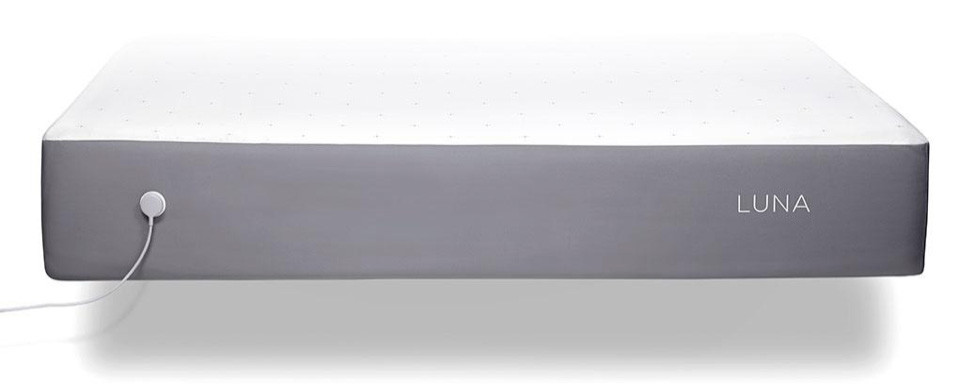
Beyond comfort and functionality, smart textiles offer significant health and wellness benefits. Smart mattresses and pillow covers monitor sleep patterns and adjust for optimal rest, while weighted blankets with responsive fibers can alleviate anxiety and promote relaxation. Air purification is facilitated by smart curtains and upholstery with activated carbon or HEPA-like filters, keeping indoor spaces fresh.
Sustainability is also a key driver in the development of smart textiles. Innovations include recyclable and biodegradable fabrics made from organic or recycled materials, reducing environmental impact. Water-repellent coatings that are chemical-free use plant-based treatments, and energy-storing textiles can harvest solar power to operate household electronics, decreasing reliance on traditional electricity. These advancements support a more sustainable lifestyle while simultaneously enhancing convenience.
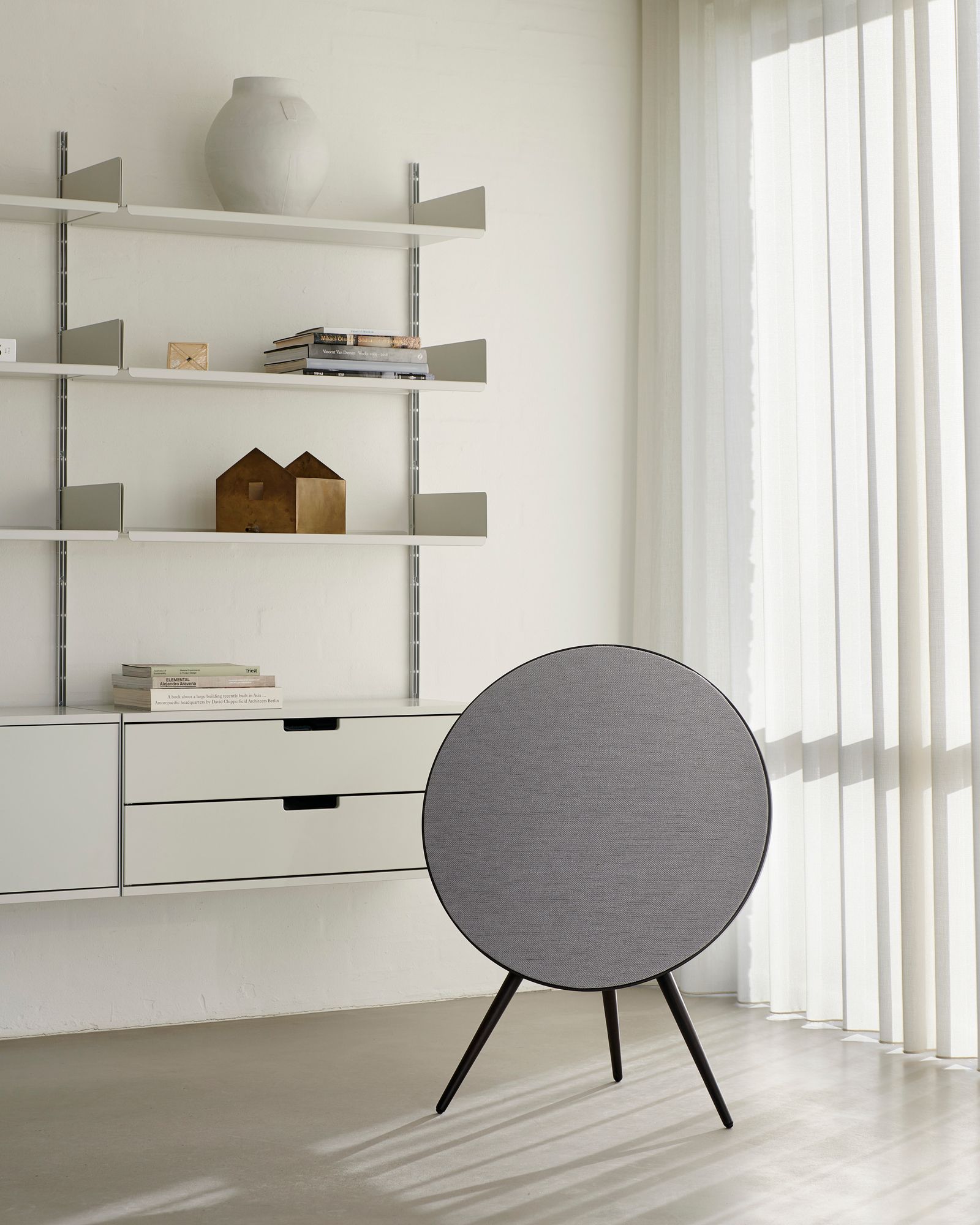
Crucially, smart textiles seamlessly integrate with existing smart home ecosystems through IoT connectivity. This allows homeowners to control functions with voice commands or apps, synchronize fabrics with other smart devices, and receive real-time health data from bedding that tracks biometrics. This integration positions smart textiles as essential components of modern smart homes.
Despite their potential, smart textiles face challenges such as high production costs, durability concerns, and limited market availability. However, ongoing technological advancements, particularly in nanotechnology, AI, and renewable energy, are expected to make these products more affordable, accessible, and durable. The future of home furnishings envisions mood-enhancing fabrics, augmented reality integration for instant decor changes, and self-powered textiles that generate and store energy from movement, eliminating external power sources. Ultimately, smart textiles are poised to become a staple in modern homes, ushering in an era of intelligent, adaptable, and multifunctional living.
#SmartTextiles #HomeFurnishings #IntelligentFabrics #HomeInnovation #ComfortTechnology #SustainableDesign #SmartHomeIntegration #FutureLiving #TextileTechnology #SmartTextiles #HomeFurnishings #IntelligentFabrics #HomeInnovation #ComfortTechnology #SustainableDesign #SmartHomeIntegration #FutureLiving #TextileTechnology
0 commenti in totale
 Nessun commento ancora
Potresti anche gradire
Twelve fabric-covered gadgets that show how technology can be more cosy
Why we need soft textures right now

Some of the most innovative uses of fabric in entertainment environments are found inside

Home Textile Industry News: Growth and Challenges in 2025
The 5 fabric trends ruling interiors now, according to the pros

The coolest in high-tech furniture

How AI and Automation Are Transforming Home Textile Technology: The Future of Smart and Sustainable Living
32 Spectacular Fabrics and Trims Coming to Market This Year

The 5 Fabric Trends Ruling Interiors Now, According to the Pros
Transforming Home Comfort
8 fiery flame-stitched designs for a fresh look


“We start with how a material lives in a home"

Innovations in Smart Textiles Transforming Home Décor
The New Fabric Launches Worth Knowing About
New Upholstery Fabrics as an Expression of Environmental Responsibility and Creativity
Rugs and Textiles go Vertical as Wall Art
Ticking Trends: What’s New, Now, Next

15 highlights from Heimtextil: spot the textile trends for 2025

Interiors: textiles trends and the best bedding, cushions and upholstery in stores now
You Can Now Spec Kravet Fabric at Mitchell Gold + Bob Williams