1/8
When to drip faucets – avoid frozen and burst pipes with these expert-approved precautions
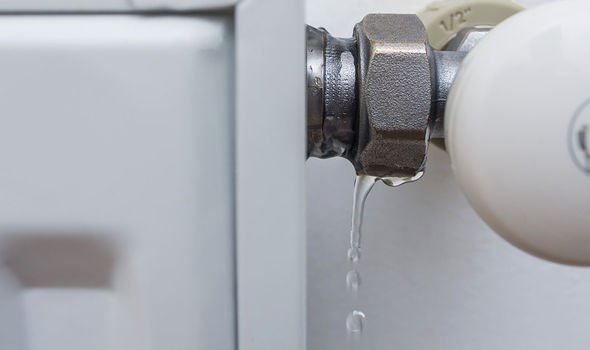
Protecting plumbing from freezing temperatures is crucial for homeowners to prevent costly damage. Drip faucets when temperatures drop to 20°F (-6.6°C) or lower, as explained by Jake Romano of John the Plumber, to relieve pressure and prevent water in pipes from expanding and breaking. It's not just about extreme cold; vigilance is needed for visible signs of condensation on pipes, which could indicate hairline fractures caused by freezing water. Justin Cornforth of Ace Home Co. advises that frost on pipes means freezing has already begun, necessitating immediate action. Placing a small space heater near vulnerable pipes can help warm them above freezing, but a hairdryer on high heat should be avoided due to the risk of rapid heating causing leaks.
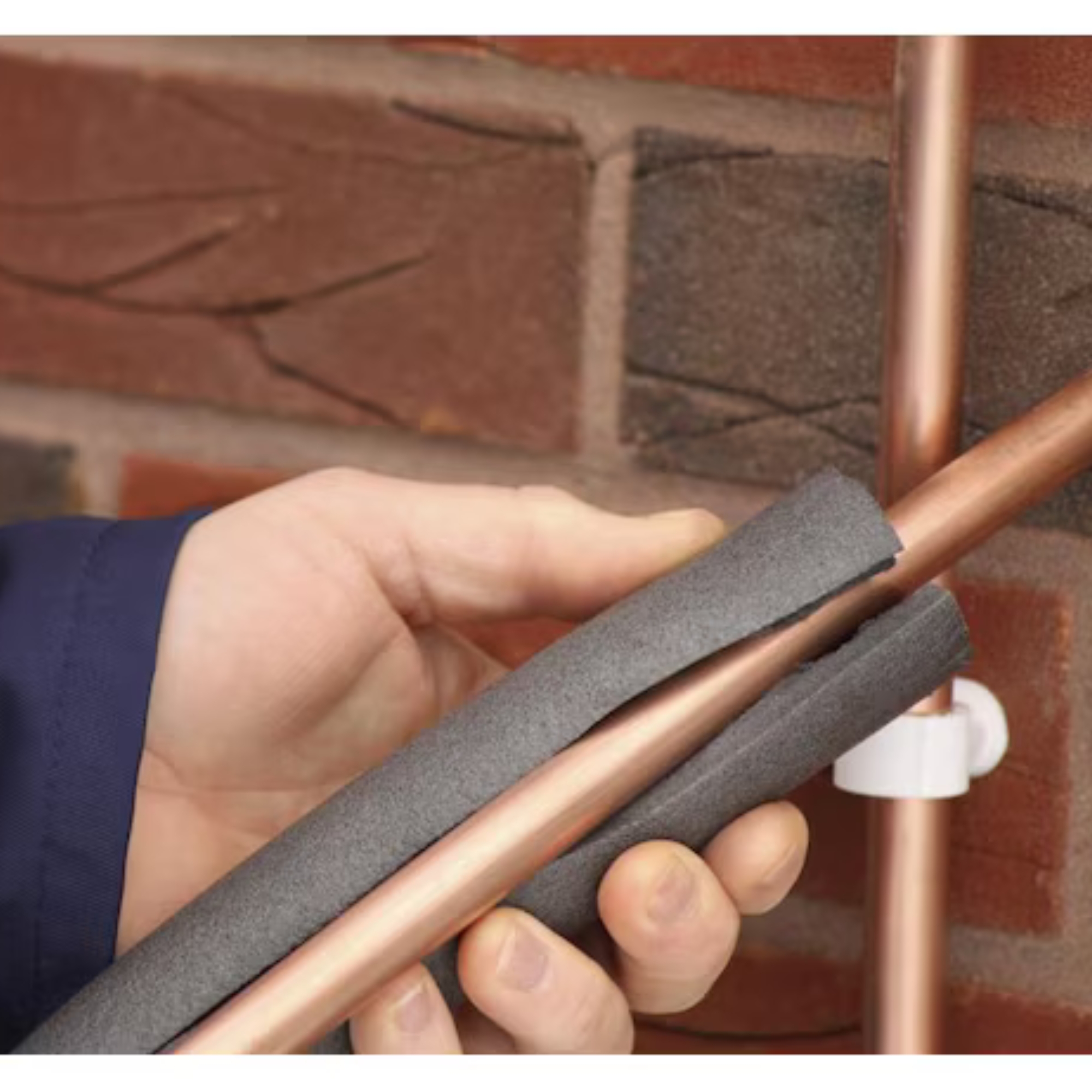
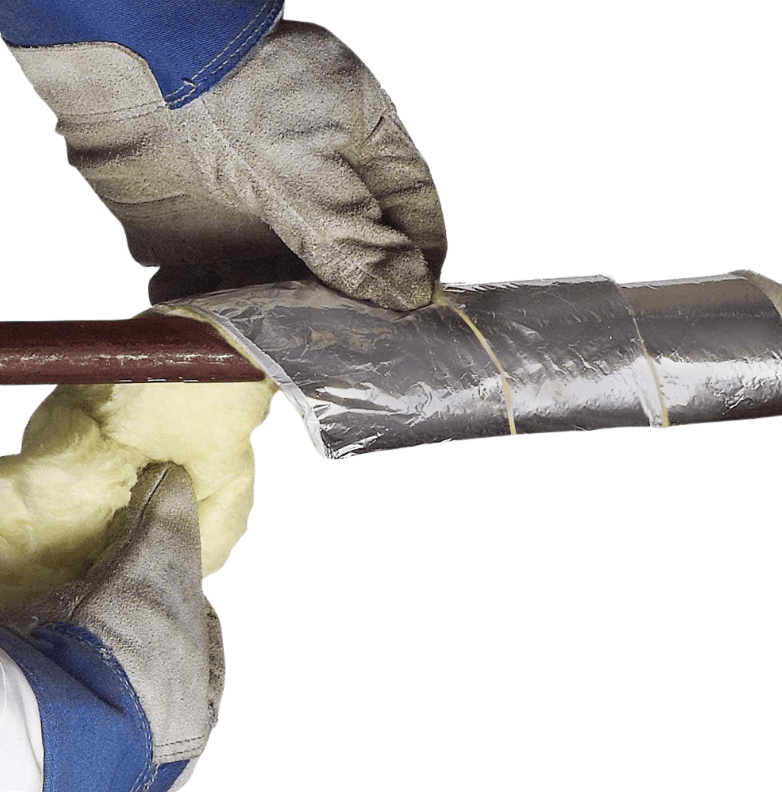
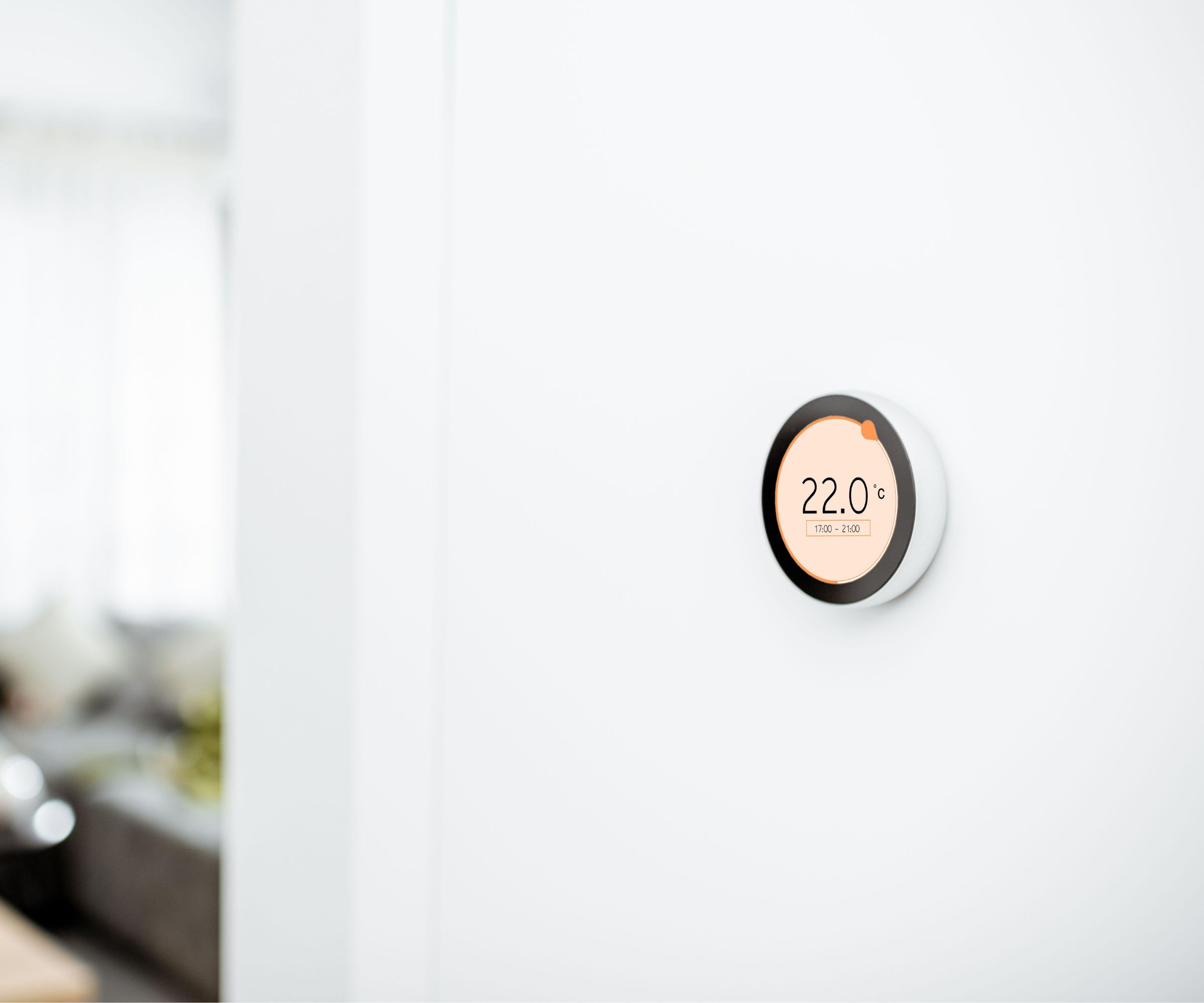
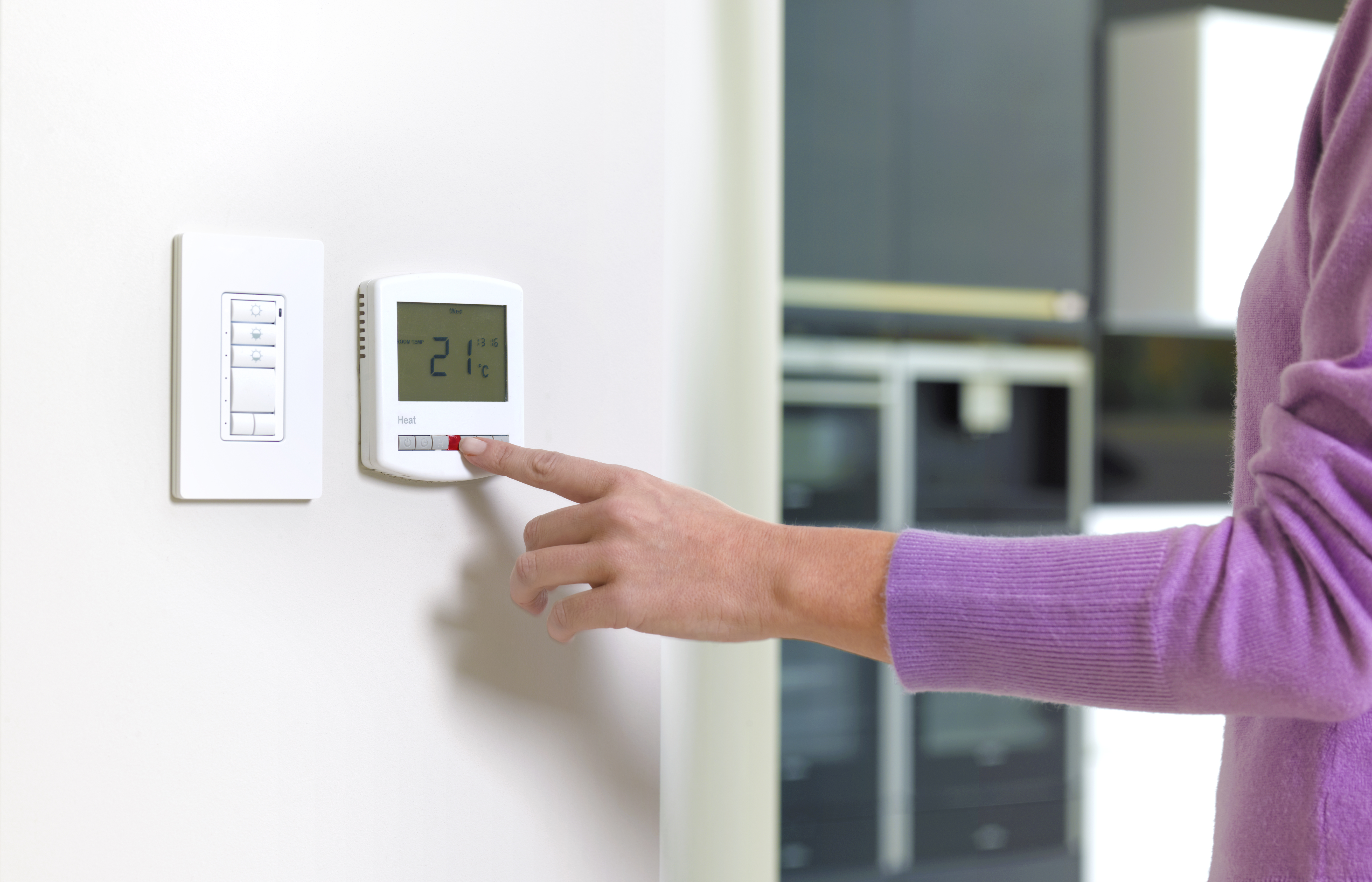
Investing in pipe insulation, such as foam covers or insulation tape, is a proactive measure, especially in unheated areas like basements and attics. Bubble wrap and duct tape can serve as a temporary solution. When leaving home for an extended period during winter, maintaining adequate heating, ideally at least 50°F, is essential. Smart thermostats, like the Amazon Smart Thermostat, allow for remote temperature control. Andy Kerr of BOXT suggests turning off the main stop tap and opening the lowest sink or bath tap to relieve pressure on the pipework before vacation, then leaving the stop tap off to prevent issues while away. Having a trusted person check on the home occasionally can ensure heating is functional and detect any leaks promptly.
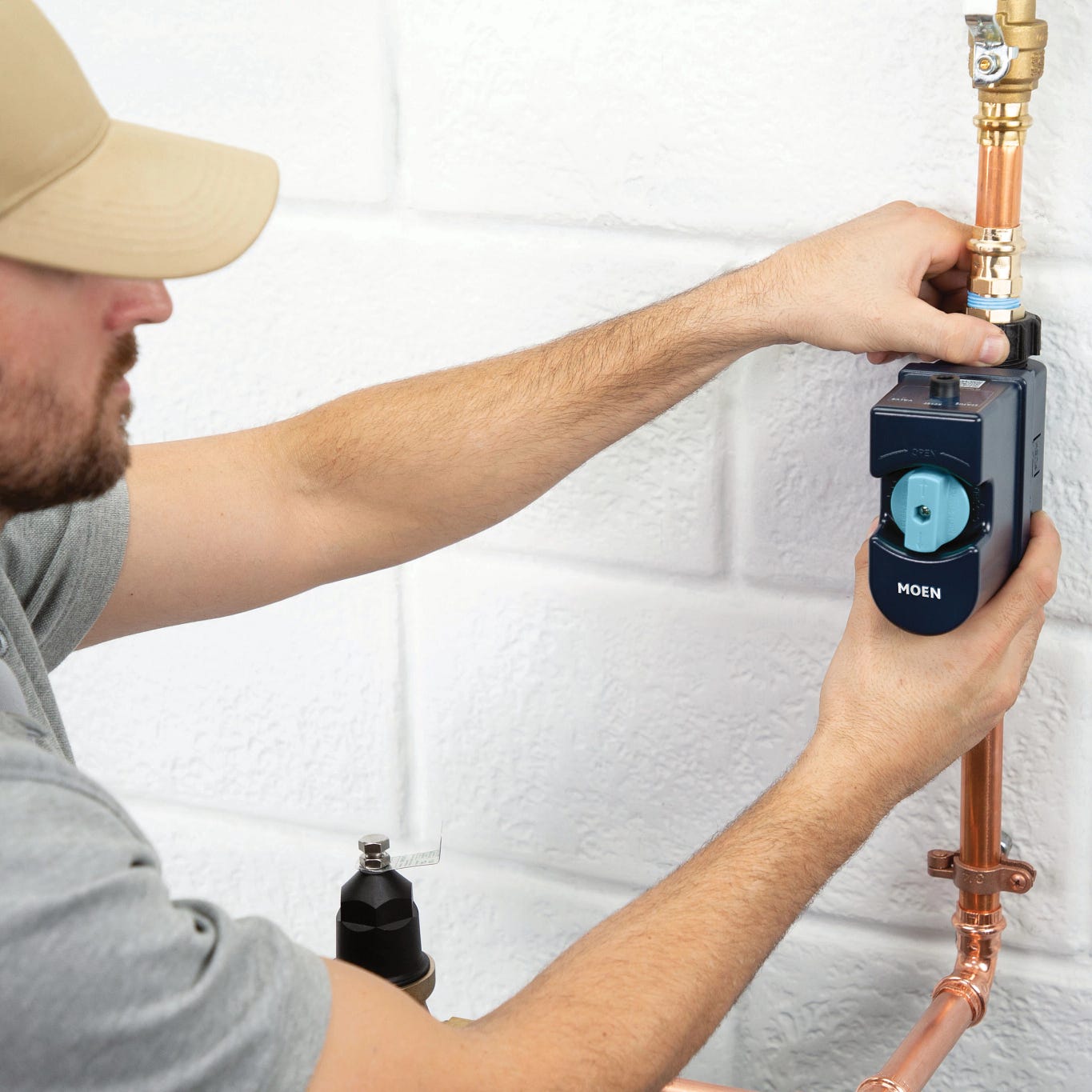
Unusual sounds, such as bubbling or whistling when using water, or strange smells from drains, can signal ice buildup or blocked pipes. Caleb John of Exceed Plumbing and Air Con highlights that gurgling or rattling noises indicate ice buildup, while unusual smells suggest trapped air or debris. Homeowners should consider calling a professional if these signs appear. Smart water leak detectors, such as the Govee WiFi Water Sensor, can also provide alerts for potential leaks.
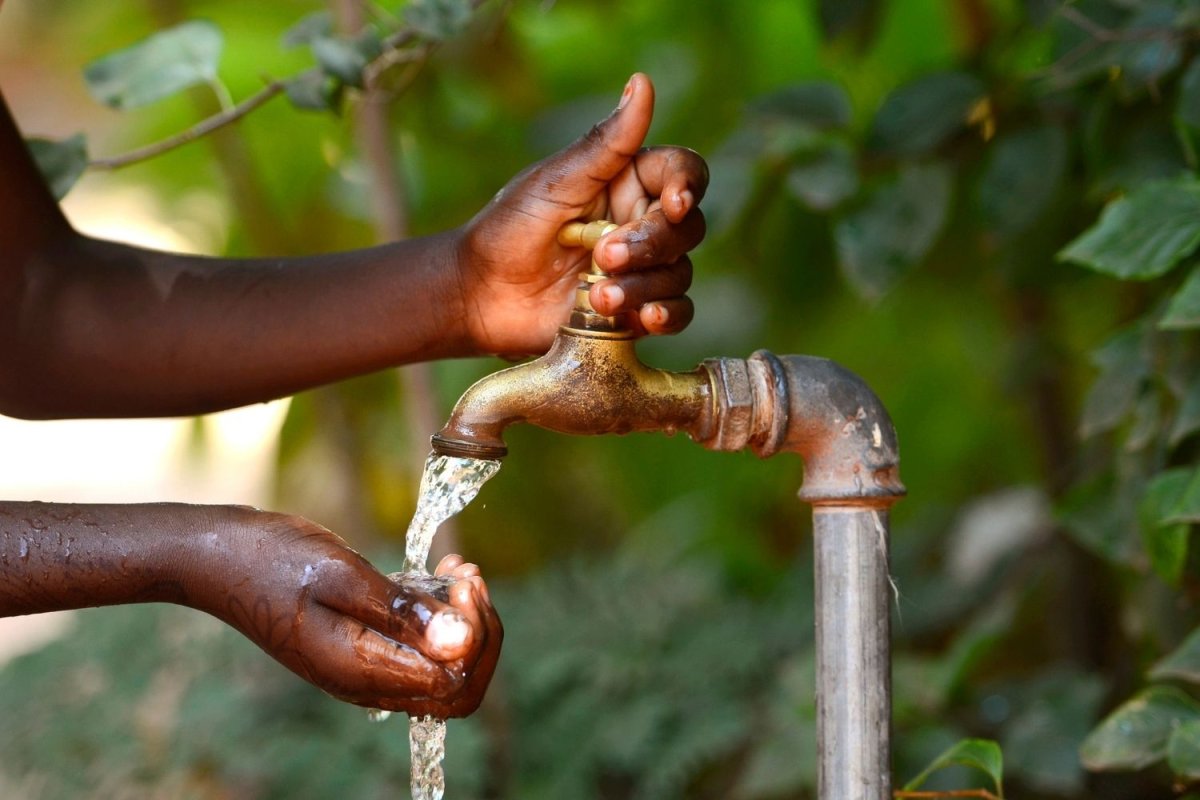
Selecting the right faucets to drip is critical for effectiveness. Aaron Adams, master plumber and CEO of Aaron Services, advises dripping faucets supplied by pipes running along exterior walls, as these are most vulnerable. Faucets connected to unheated attics, basements, or uninsulated crawl spaces also require attention. Drip at least one faucet in each section of the home, especially if it has multiple floors or distinct areas. If possible, choose faucets that allow separate control of hot and cold water and let both drip slightly to protect both lines.
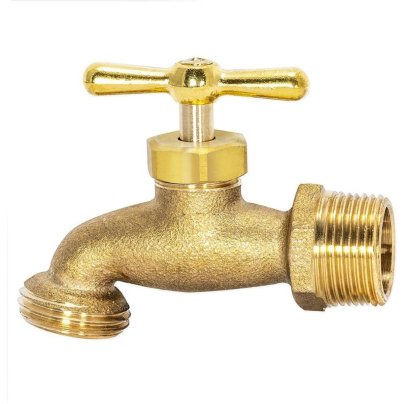
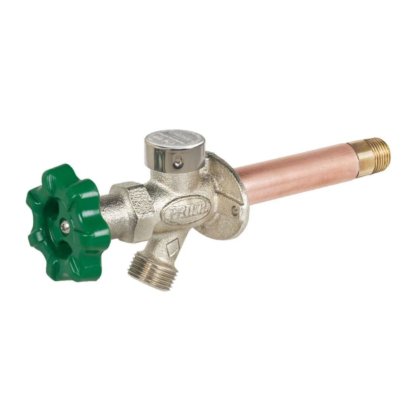
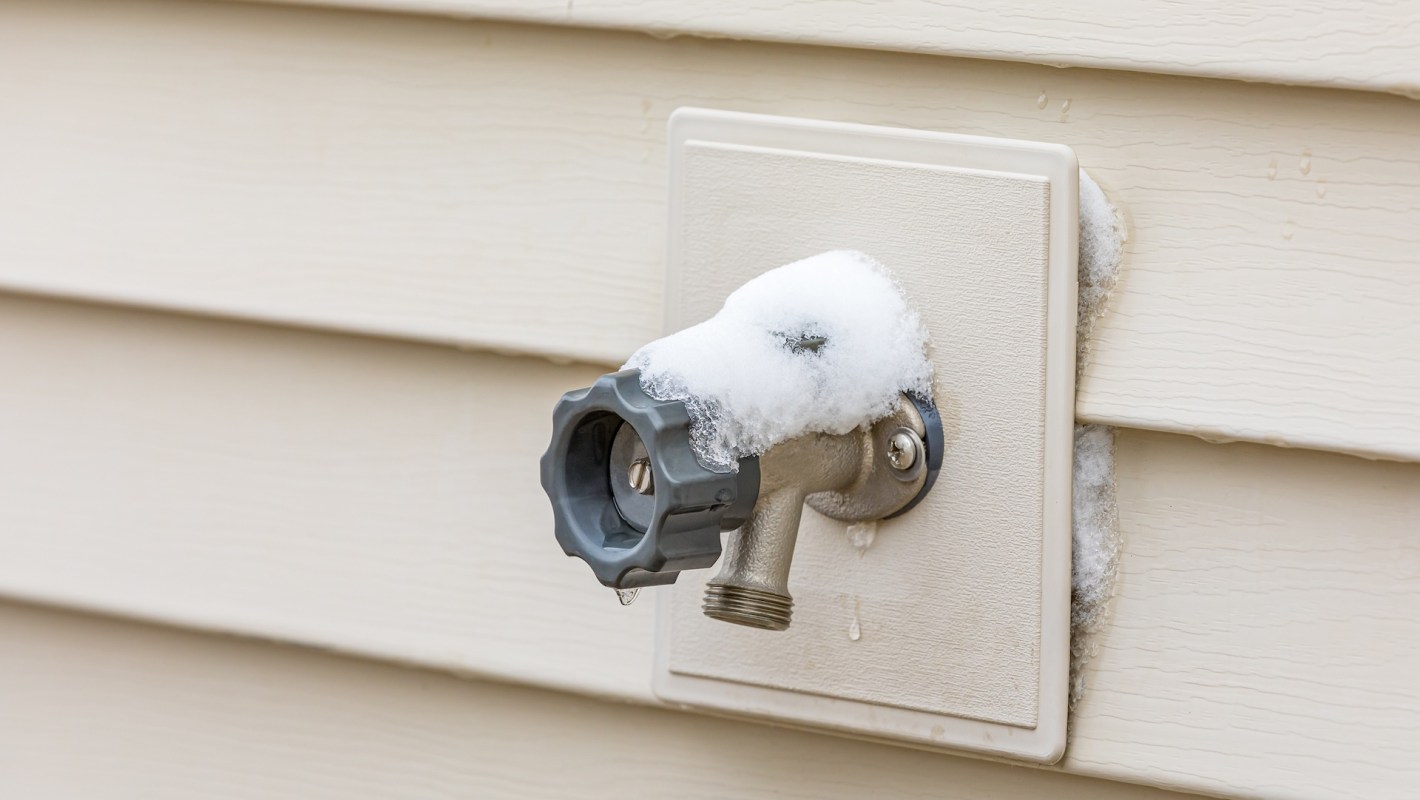
Dripping faucets correctly involves turning them on just enough to produce a steady drip, about one to two drips per second, until temperatures consistently stay above freezing (32°F/0°C). For outdoor hose bibbs, complete shut-off and draining are recommended at the start of the colder season, rather than dripping. Outdoor faucets should then be covered with insulated covers, especially in warmer climates where freezing isn't a nightly occurrence. A common mistake is forgetting to drip both hot and cold water, particularly with single-handle faucets, which leaves one set of pipes unprotected. Chris Palmer of Raptor Roofing & Plumbing emphasizes positioning single-handle faucets to ensure both hot and cold water drip. Additionally, insulating pipes with heated cables or foam can further enhance protection against freezing.
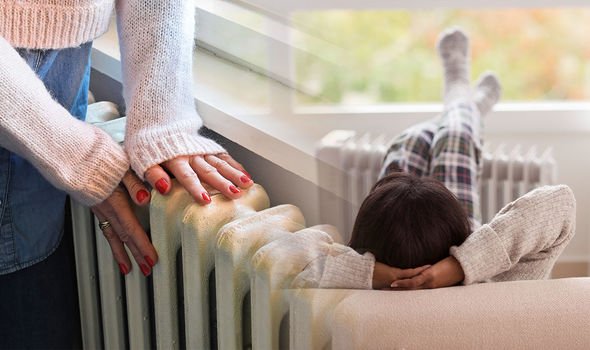
Pipes can freeze and burst in a single night, even if only a small section freezes. If pipes are frozen, avoid flushing the toilet as this can cause it to crack. Shutting off the main water supply and draining pipes by opening faucets can prevent freezing, especially when away from home. Maintaining an indoor temperature of around 55°F is recommended to prevent pipes from freezing, providing sufficient warmth to protect plumbing throughout the cold season.
#PlumbingMaintenance #FrozenPipes #WinterPreparedness #HomeHeating #PipeInsulation #ThermostatSettings #WaterDamagePrevention #DIYHomeMaintenance #ColdWeatherTips #PlumbingMaintenance #FrozenPipes #WinterPreparedness #HomeHeating #PipeInsulation #ThermostatSettings #WaterDamagePrevention #DIYHomeMaintenance #ColdWeatherTips
0 commenti in totale
 Nessun commento ancora
Potresti anche gradire
The perfect temperature to avoid frozen pipes
The BEST Ways to Protect Your Home From Water Damage, According to Experts

How to stop radiators knocking and banging when they turn on - KEY tips
A plumber’s perspective on DIY vs. professional repairs | Provided by Mr. Rooter

Should you leave an attic open during a freeze? HVAC technicians weigh in
How to Fix a Dripping Tap | Fixing Leaking Taps
How do I bleed my radiator? We asked a plumbing expert for their top tips
Eight top tips to banish condensation this winter - starting with sleeping with your curtains open

How to draft proof your kitchen, cook in comfort and reduce your energy bills
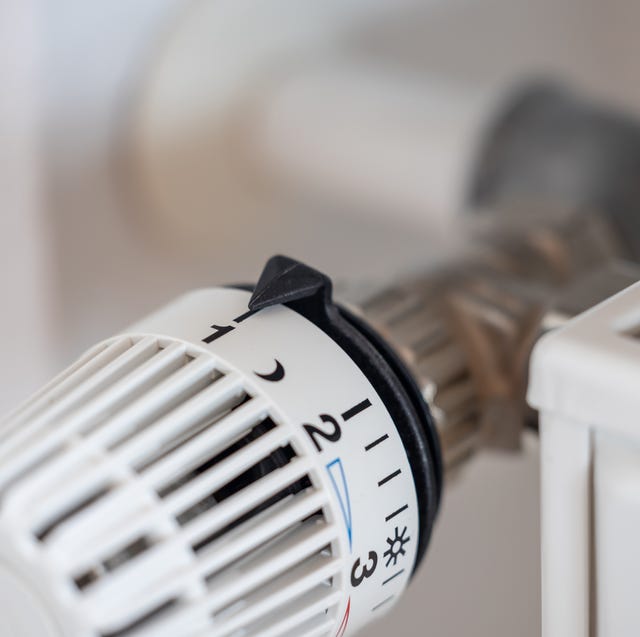
Will Your Pipes Freeze If You Leave The Heating Off?
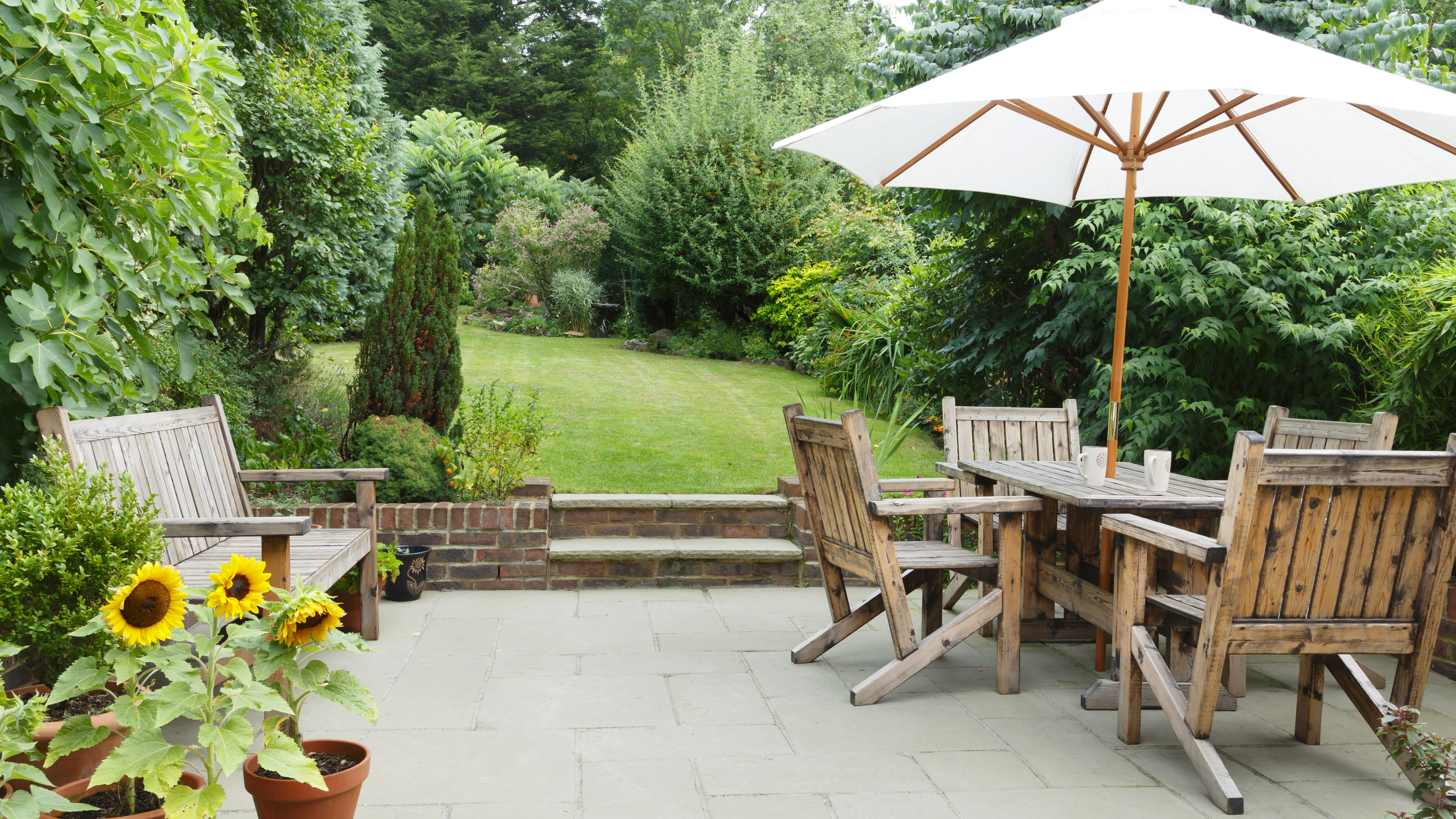
Don't ruin your patio! 7 steps experts say you must take before the first frost
These Simple Gadgets Alert You to Water Leaks Before They Become a Flood

Homeowner shares crucial tip to avoid costly repairs this winter: 'I need these reminders'

The Best Outdoor Faucet is Easy to Install—and It Prevents Hose Kinks

Why Did My Sink Suddenly Stop Working?


5 ways to draft-proof a bathroom – expert tips that you can do yourself
The 8 Must-Have Products to Winterize Your Home
How to Winterize Your House And Save Yourself Thousands in Repairs Later
Worried about your basement flooding? Install these temporary measures before heavy rainfall

Strategies and Tactics to Keep Pipes Flowing