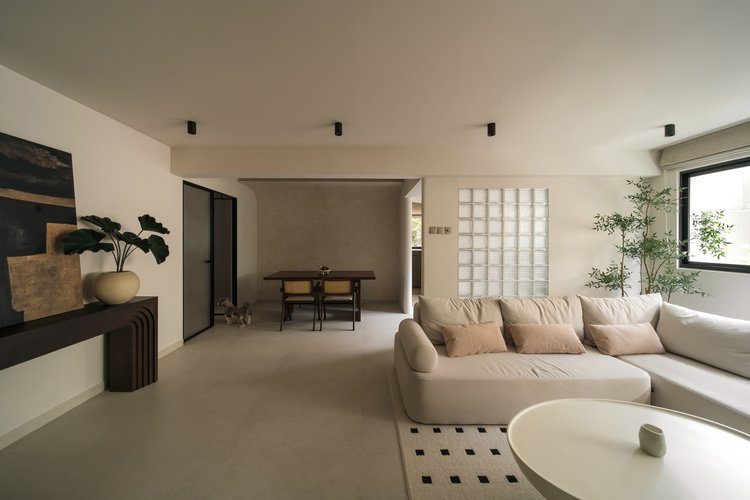
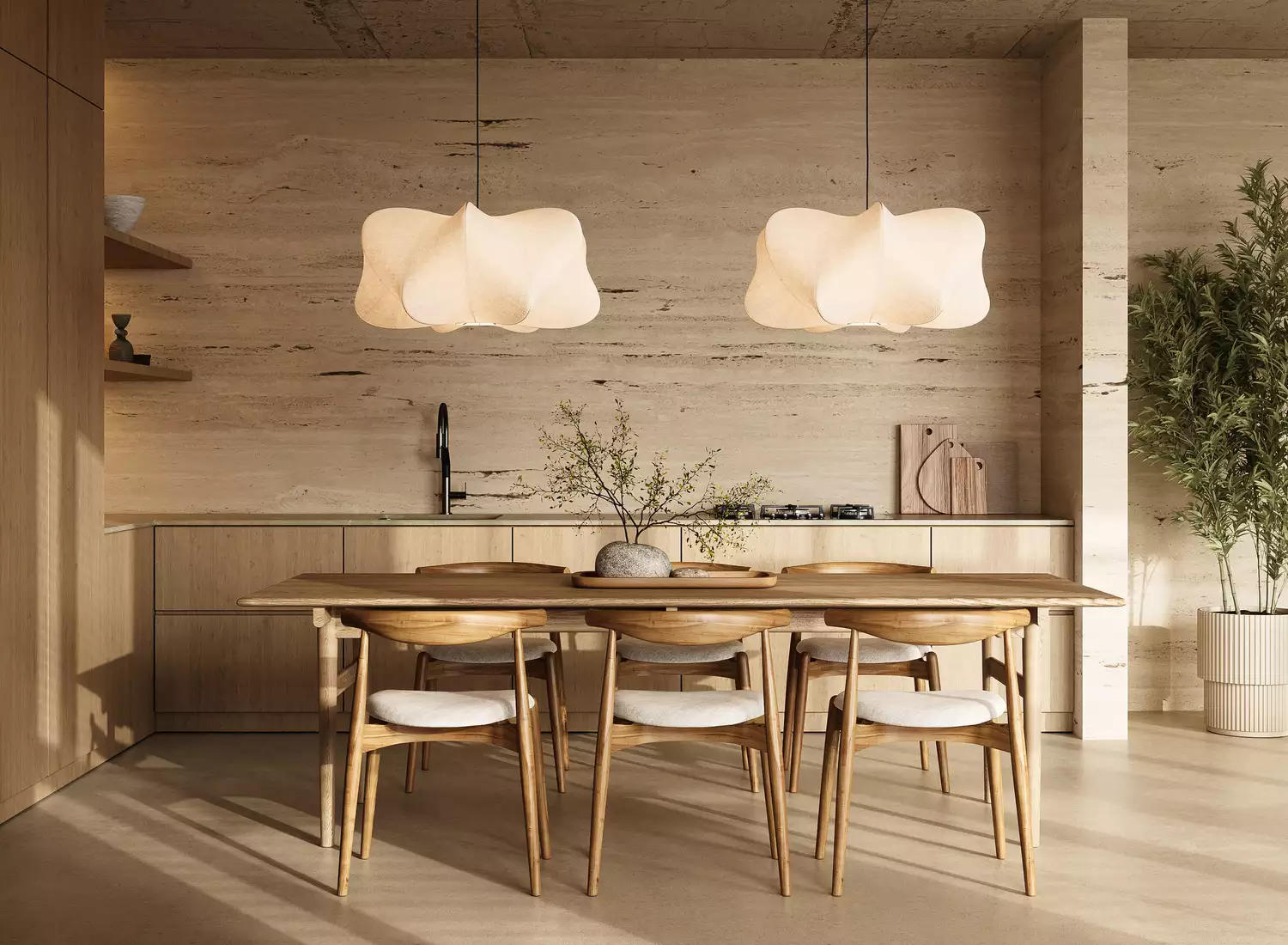
What Is Japandi Style? Interior Designers Explain the Cozy, Minimalist Aesthetic
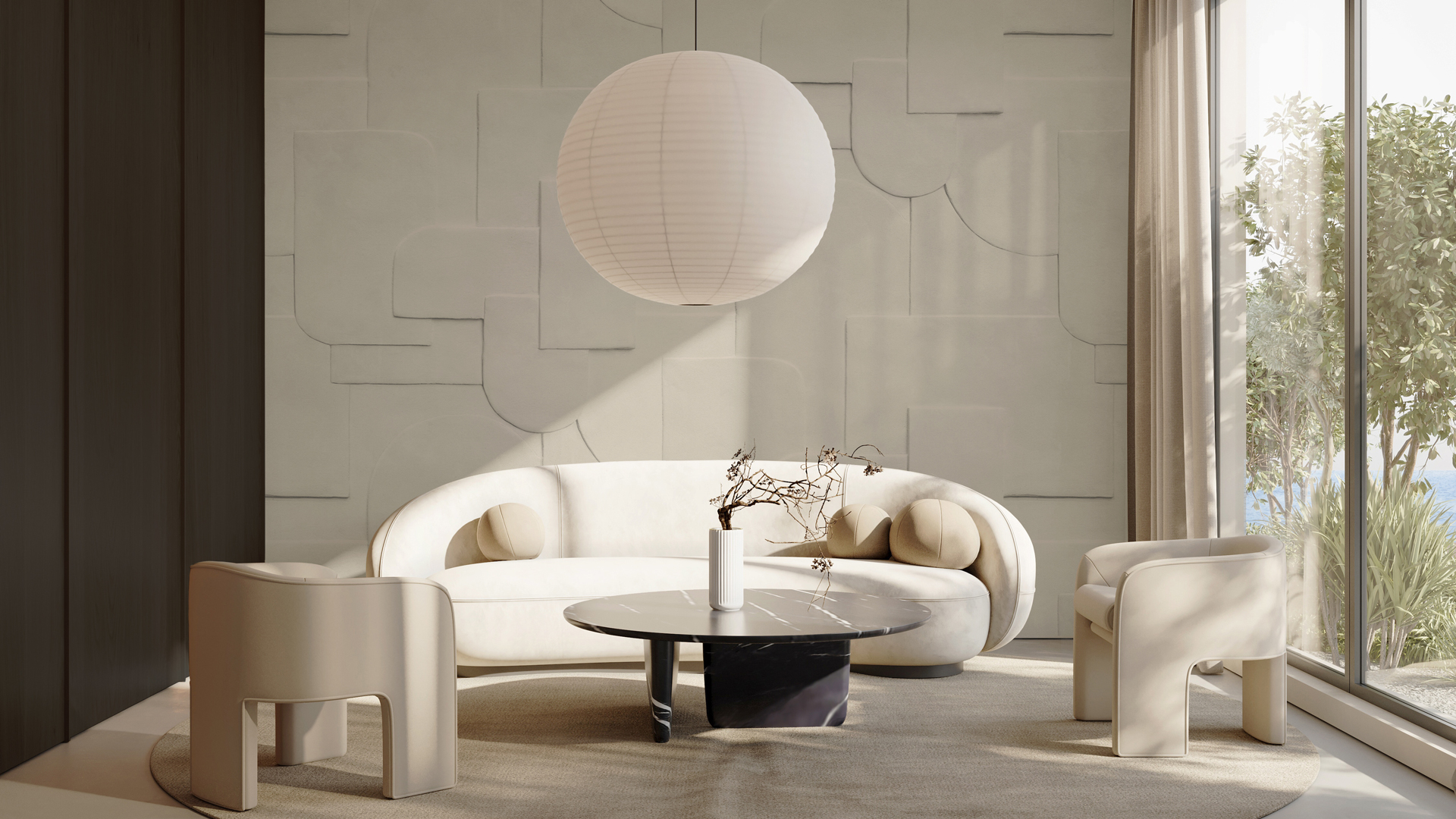
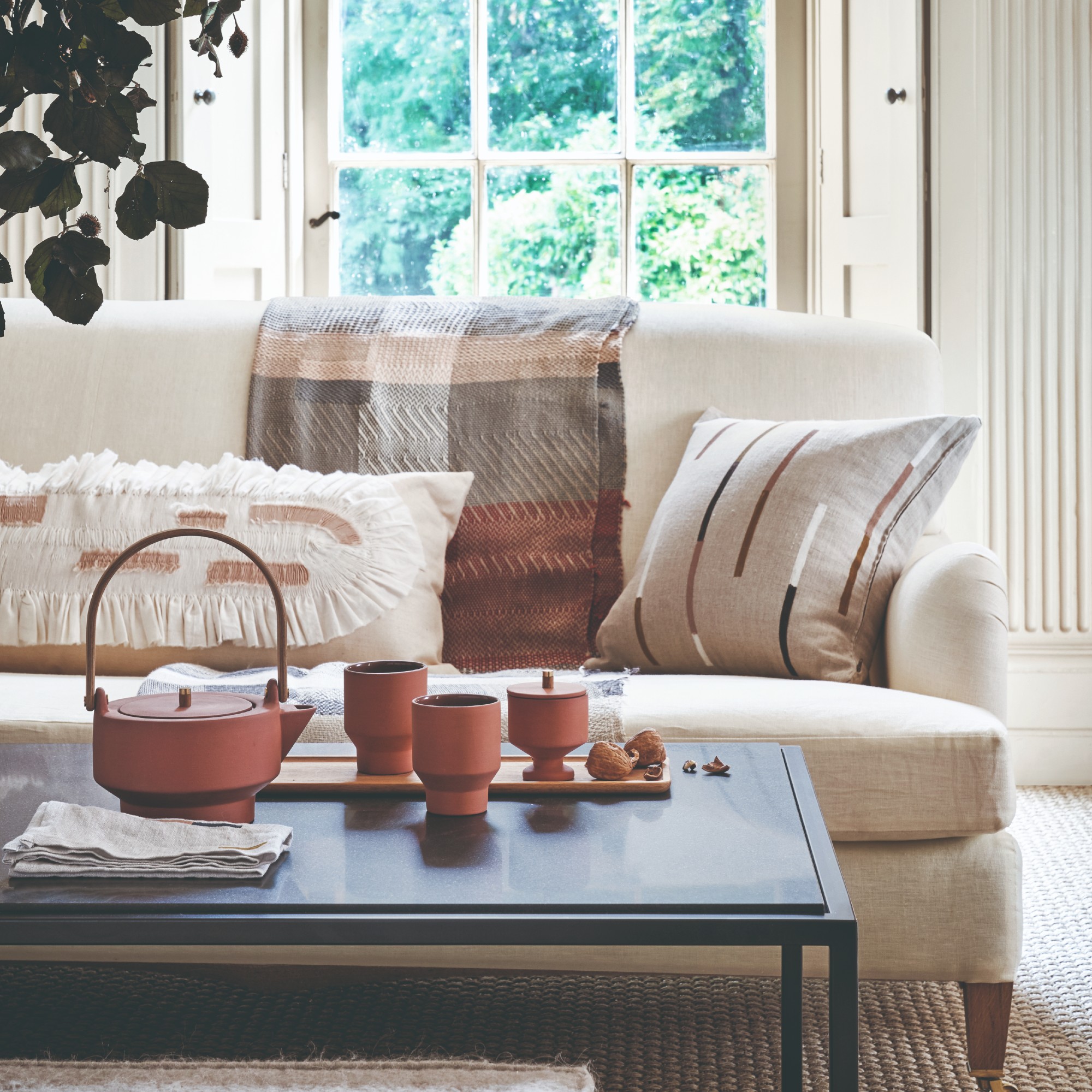
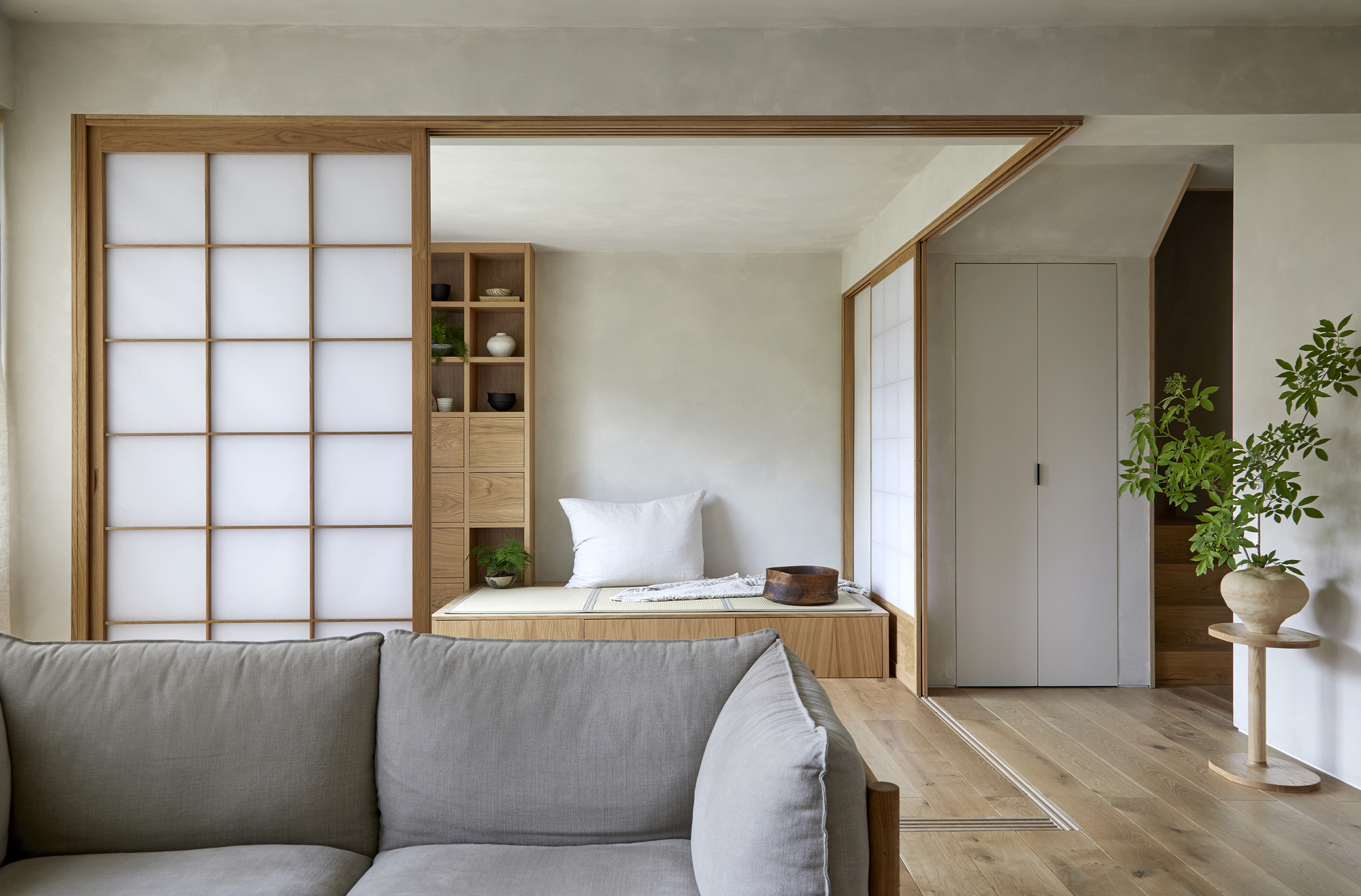
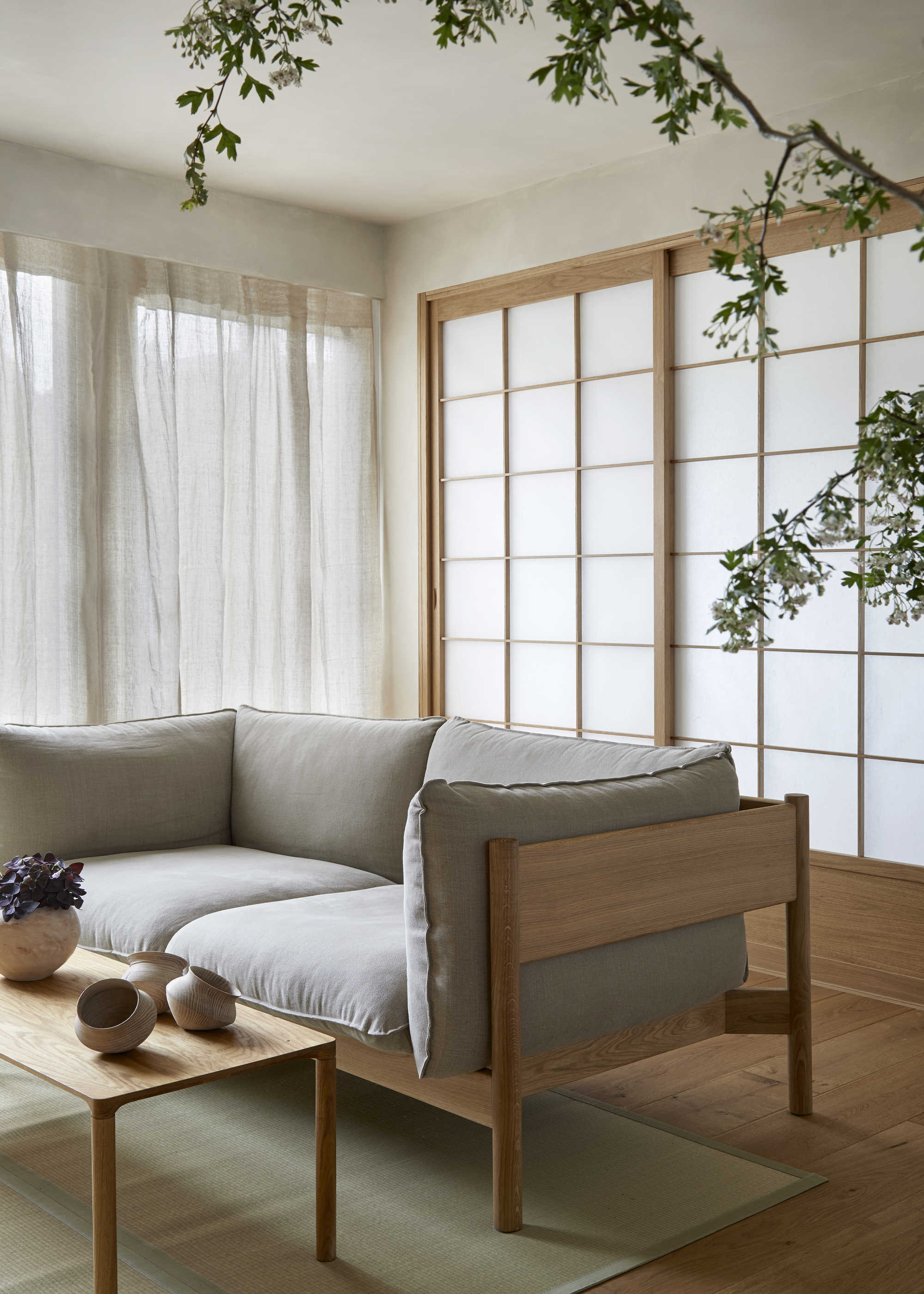
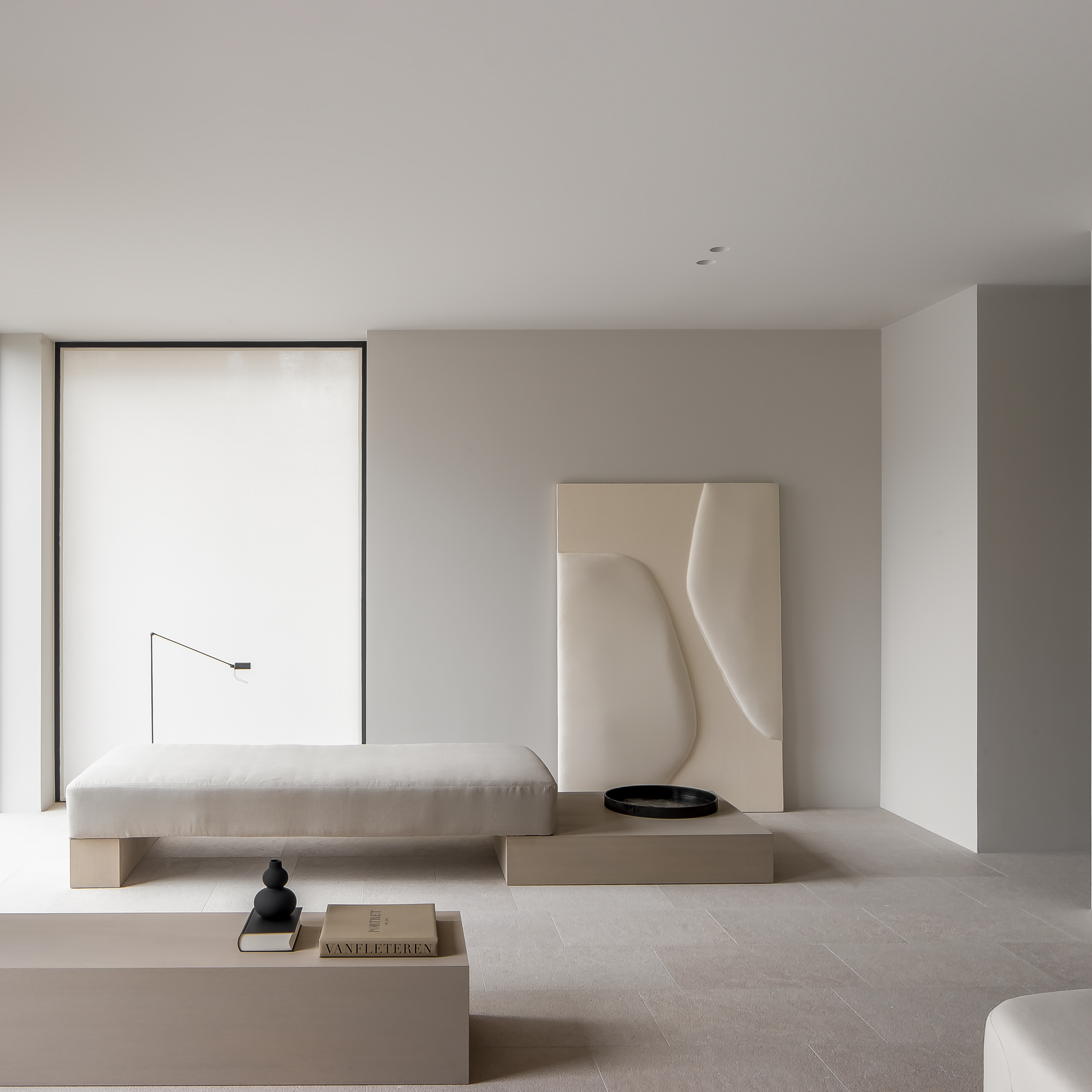
The Japandi style, a fusion of Japanese and Scandinavian interior design principles, offers a serene and comfortable living environment. This aesthetic blends the Japanese wabi-sabi philosophy, which emphasizes the beauty of natural imperfections, with the Scandinavian concept of hygge, focusing on coziness and togetherness. Simplicity, natural elements, and comfort are at the core of this design approach.
The historical roots of Japandi style trace back to the mid-1800s when Scandinavian designers were inspired by Japanese aesthetics. This design trend aims to transform a home into a tranquil sanctuary, counteracting the stress of daily life. Interior designers Christina Higham of Sun Soul Style Interiors and Madelaine Mayer of ADROIT Architecture and Interior Design provide insights into how to effectively incorporate this style.
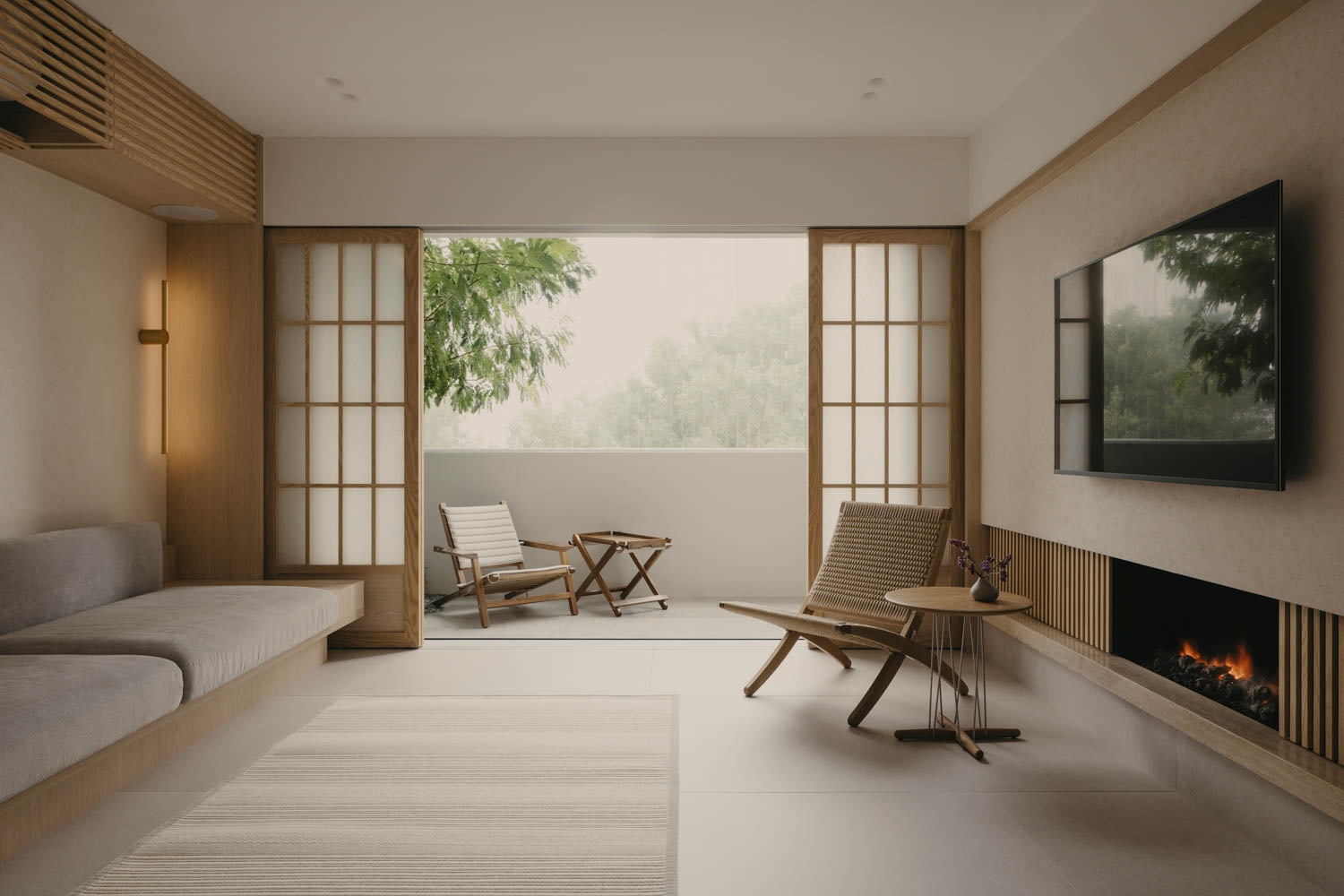
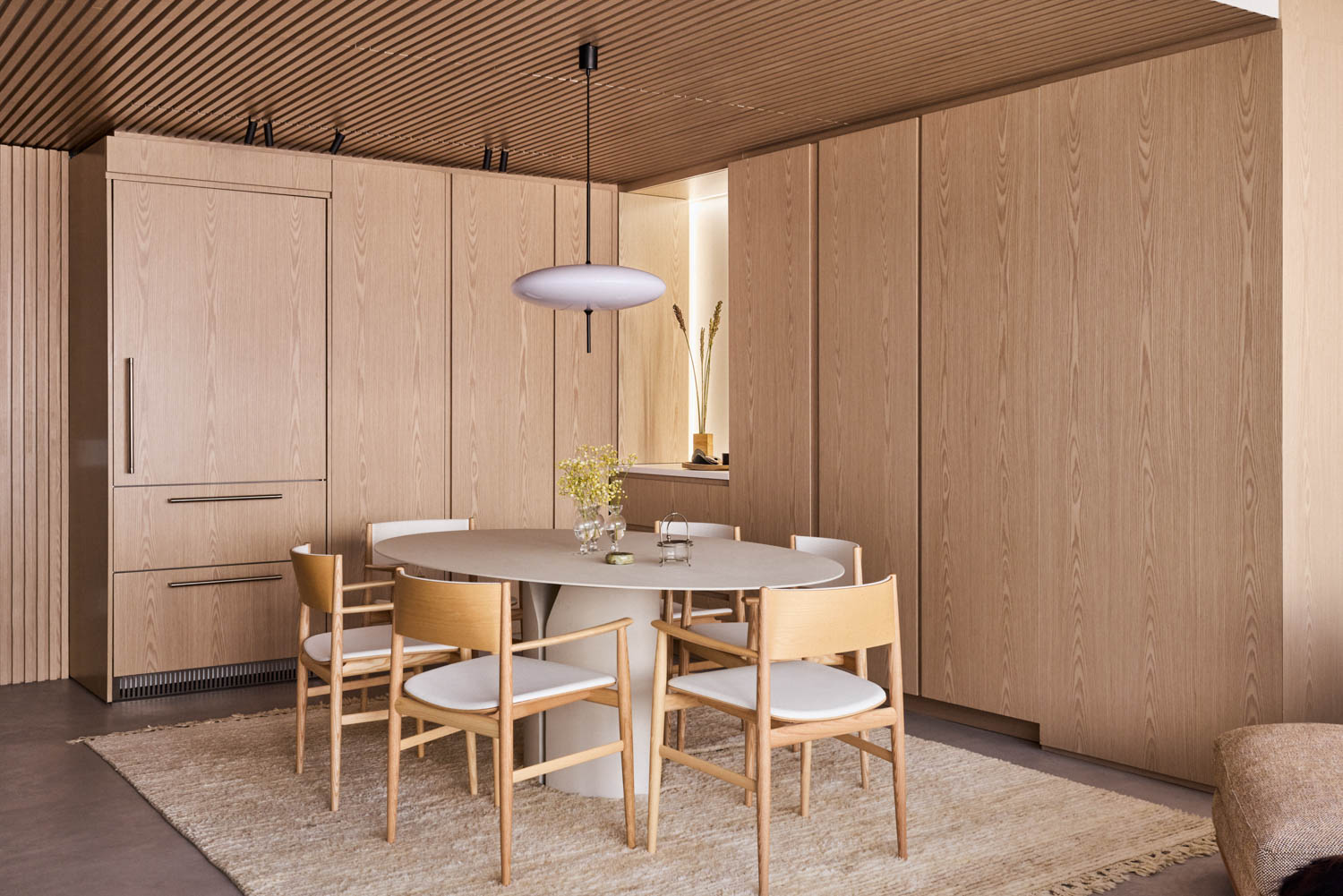
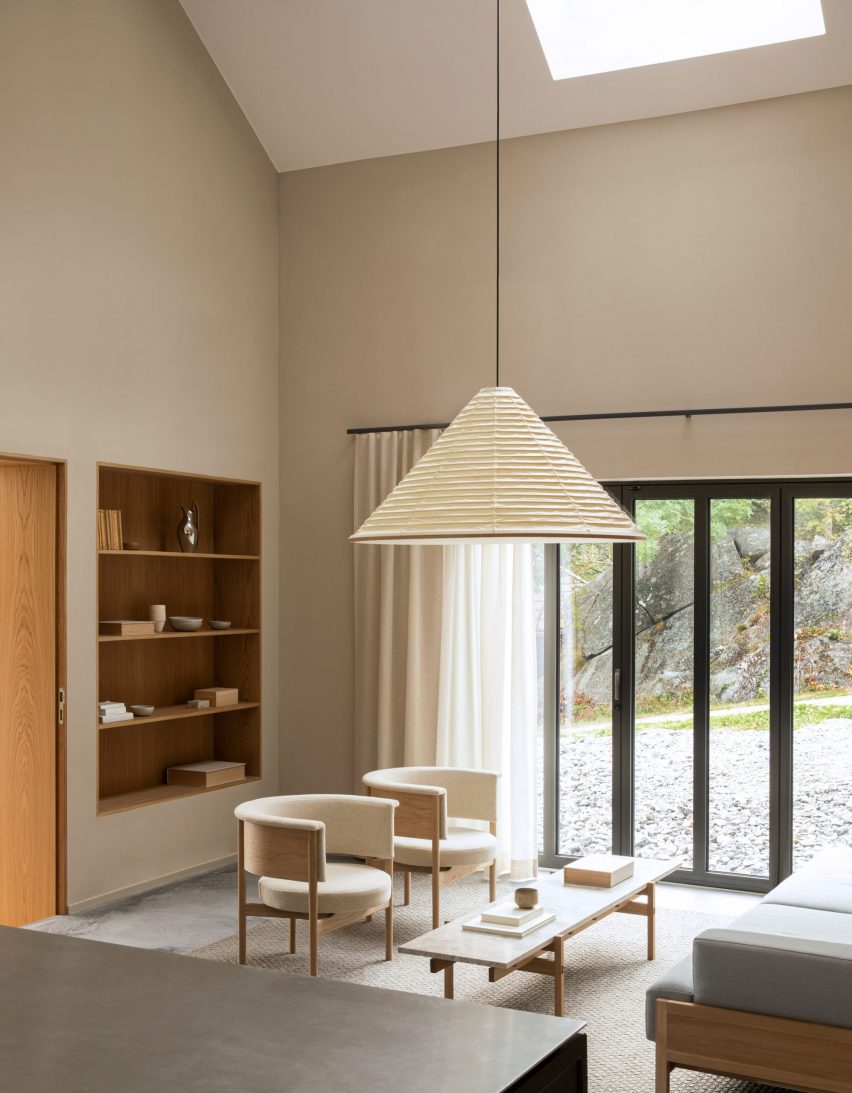
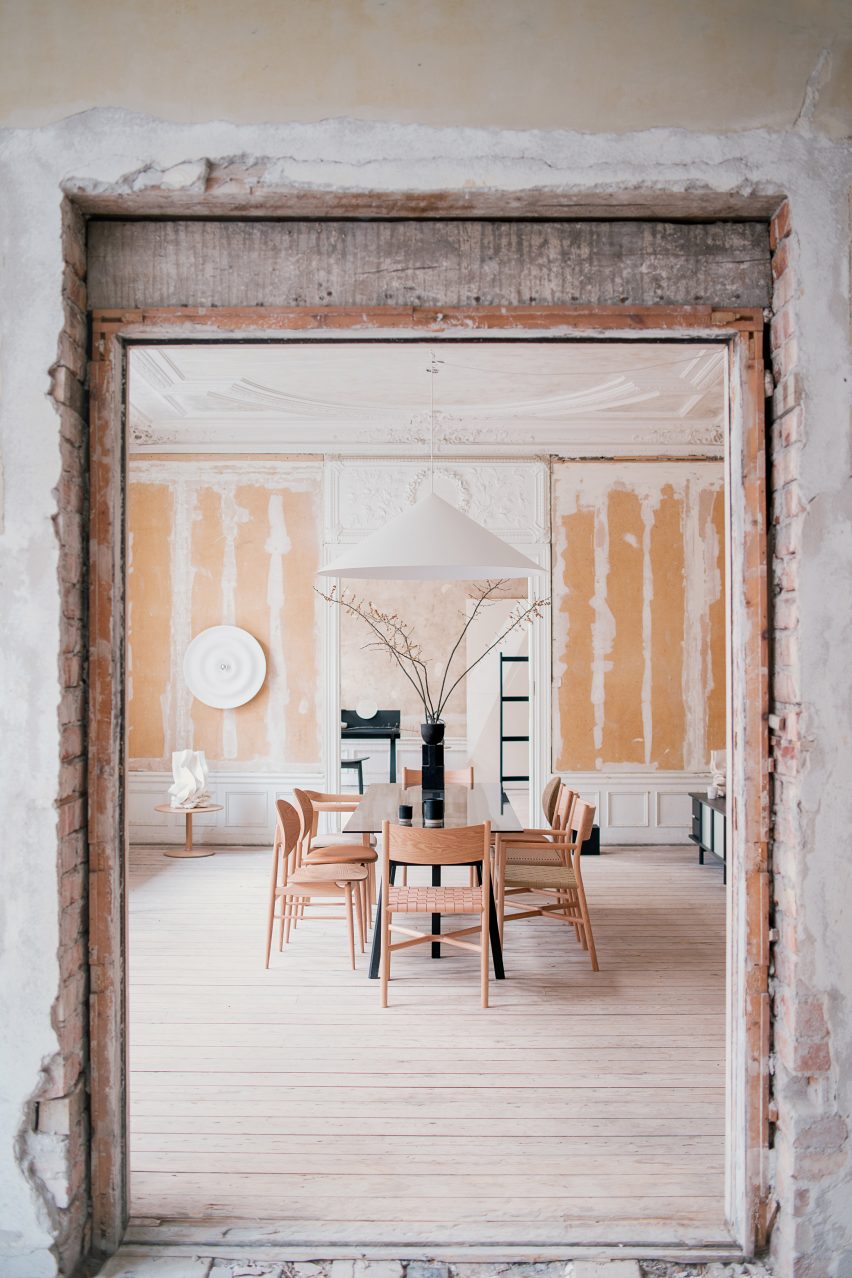
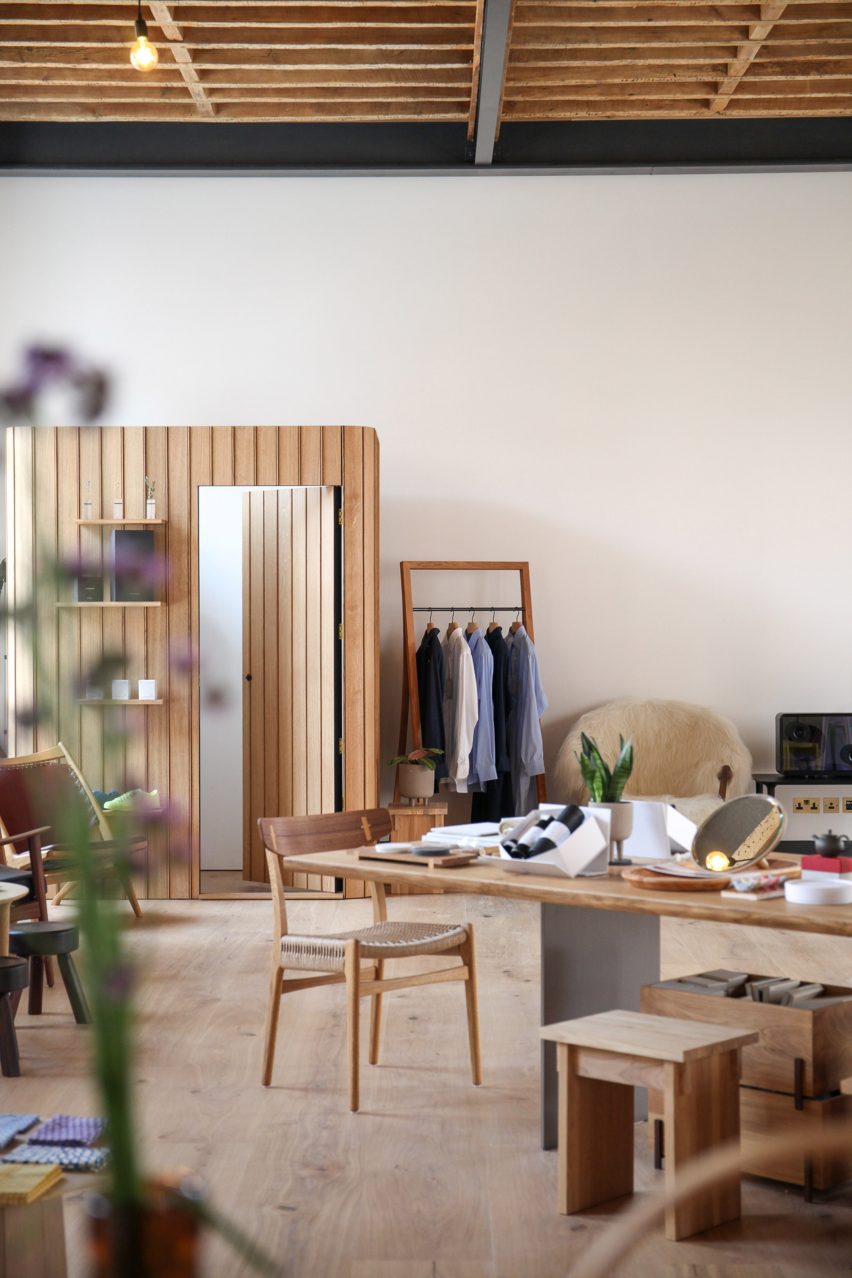
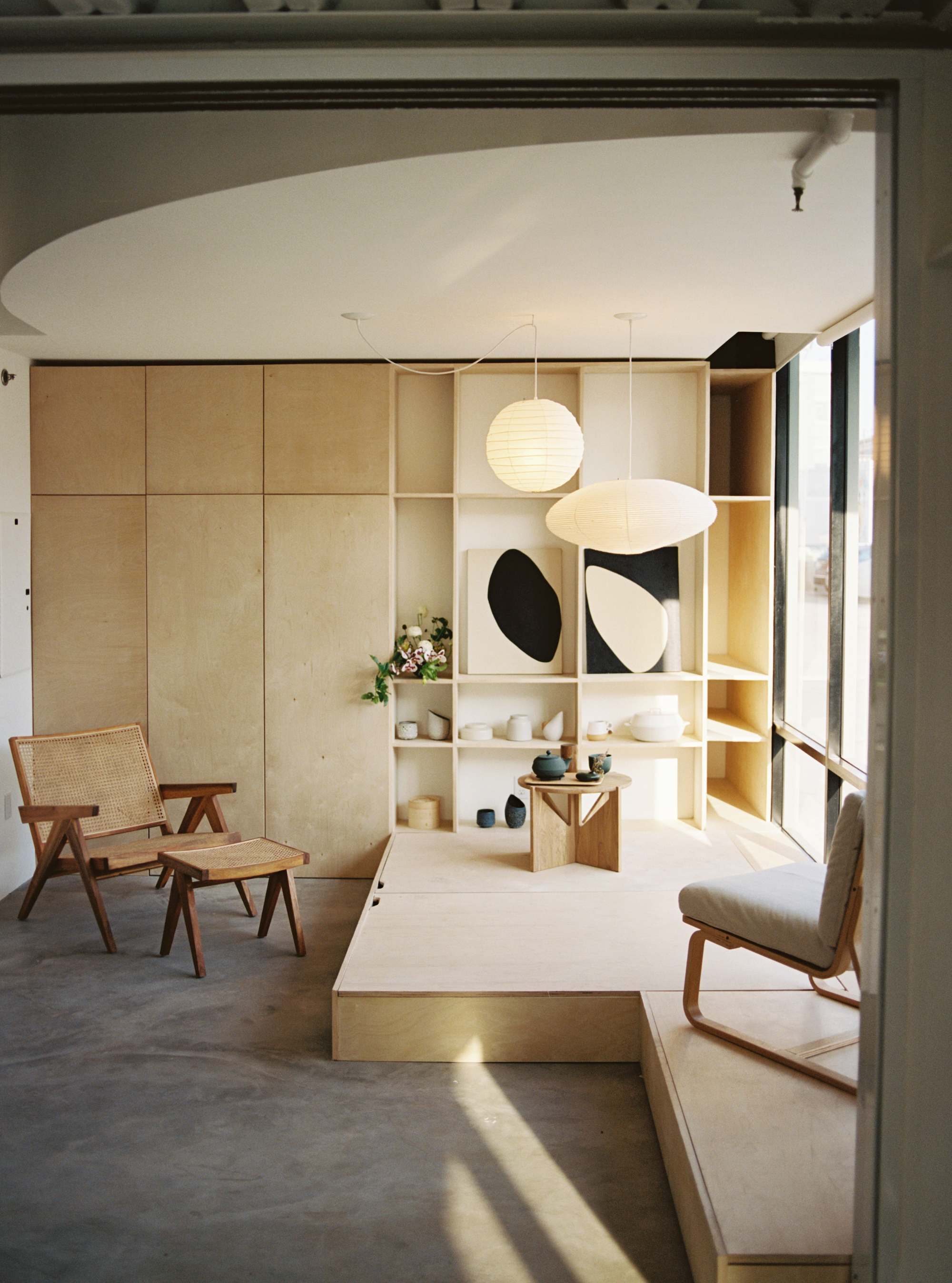
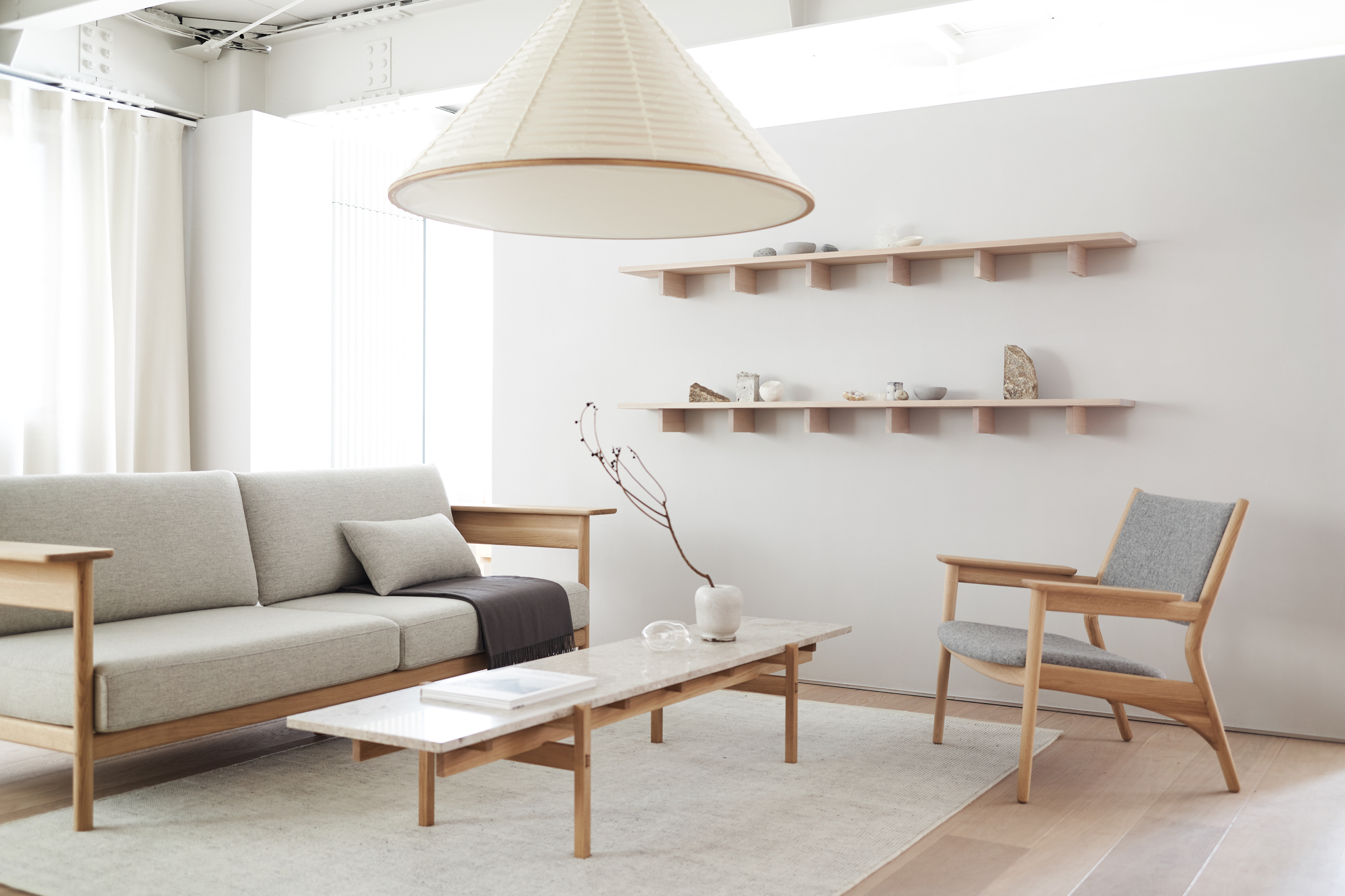
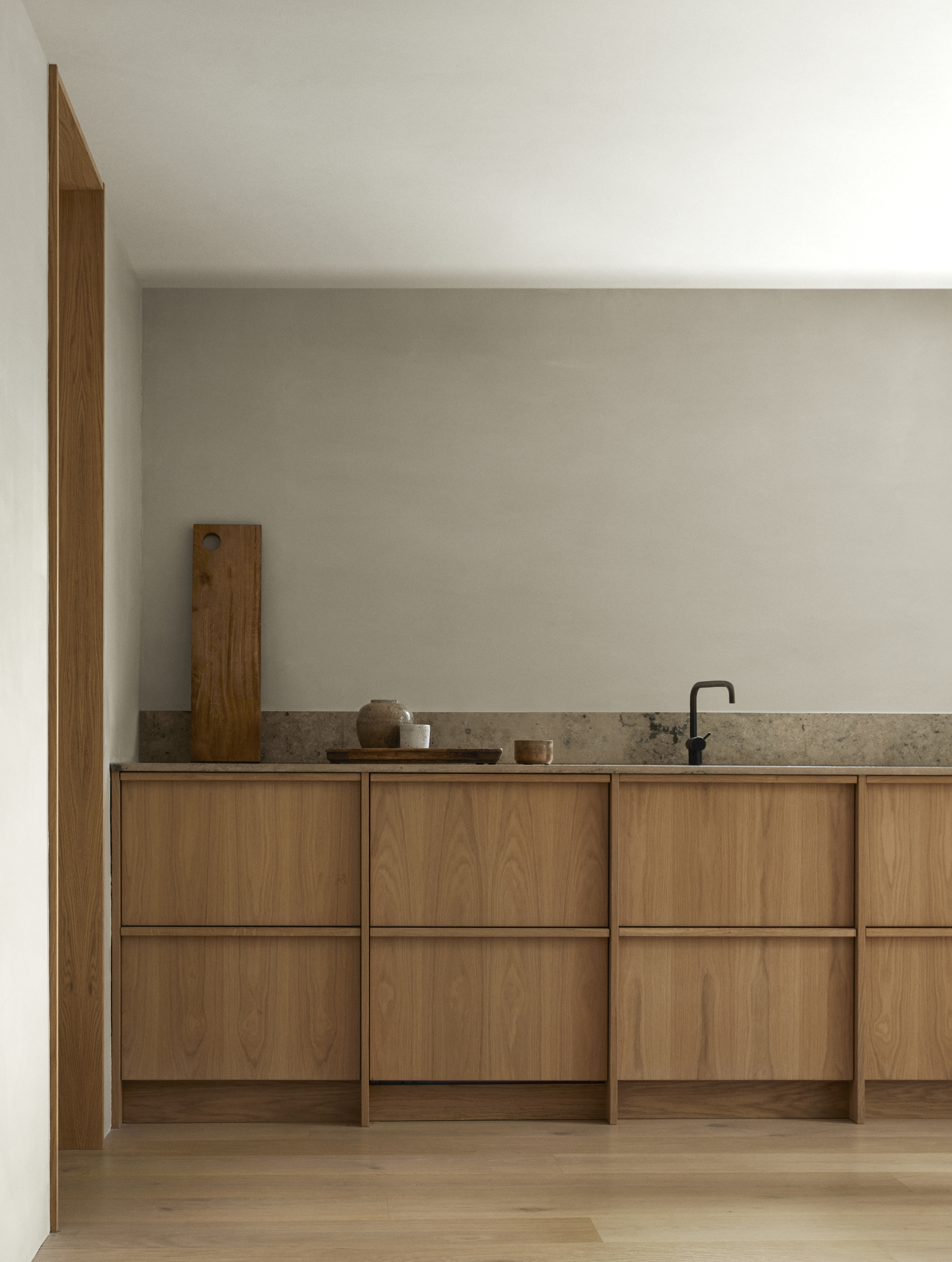
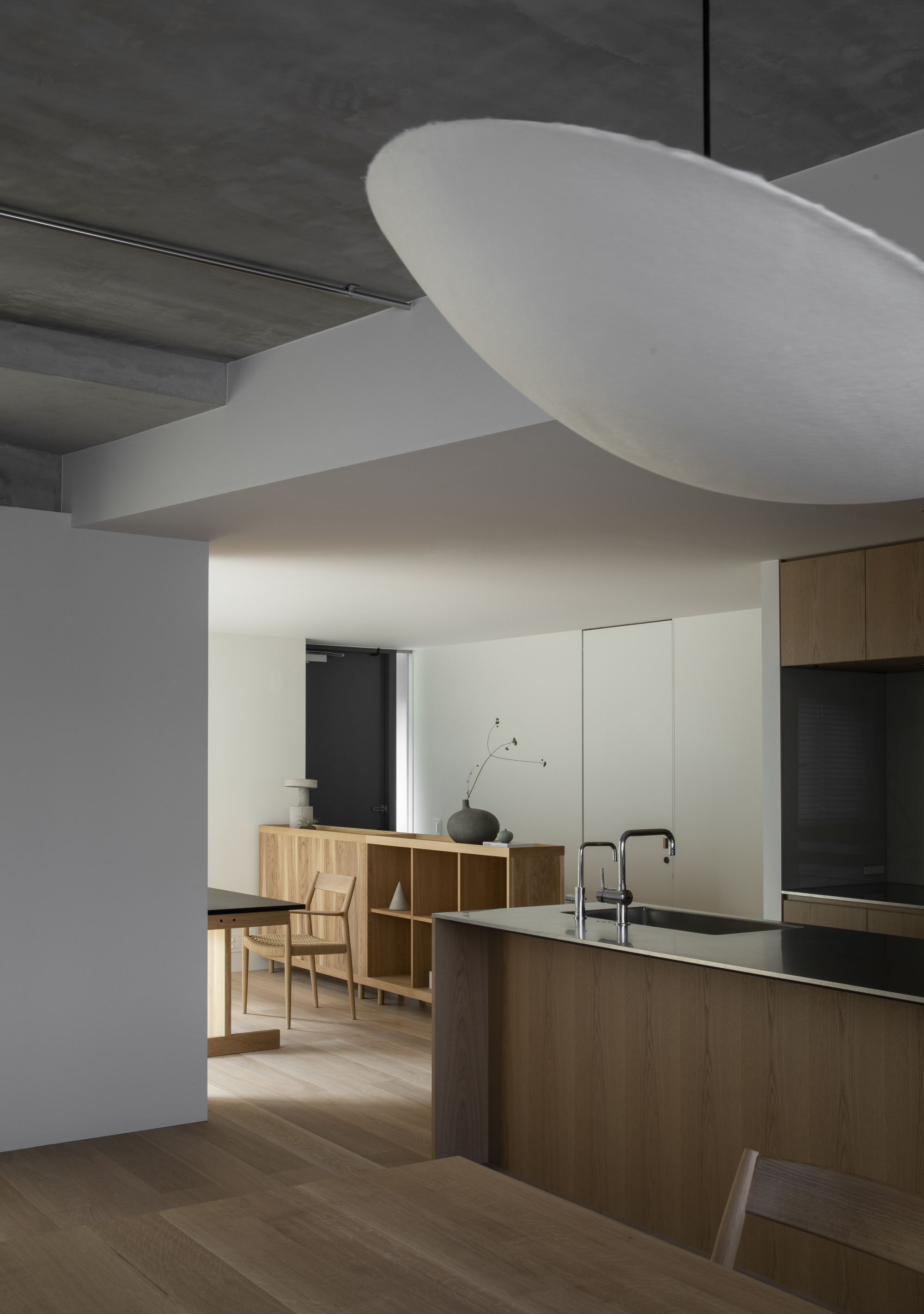
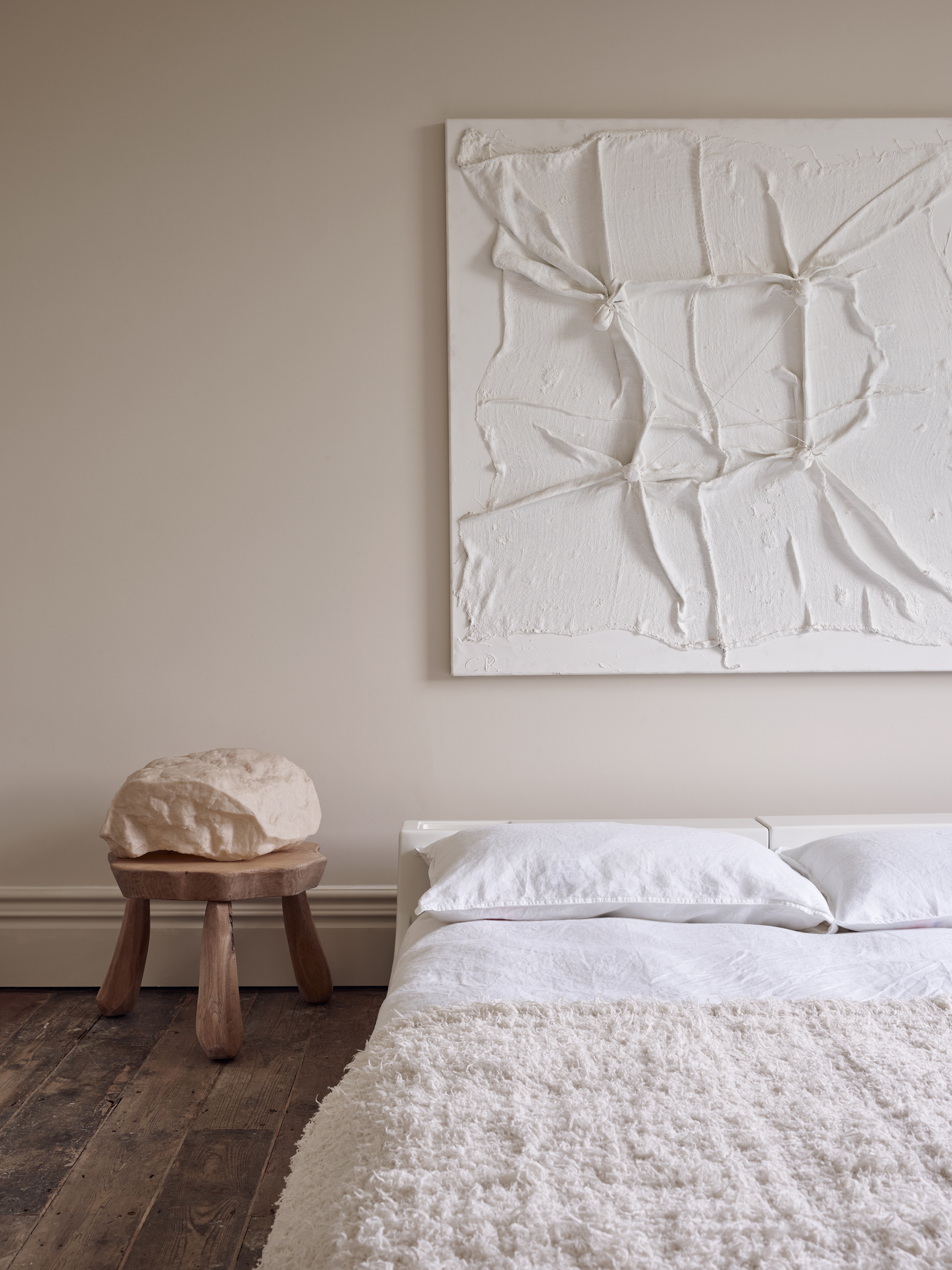
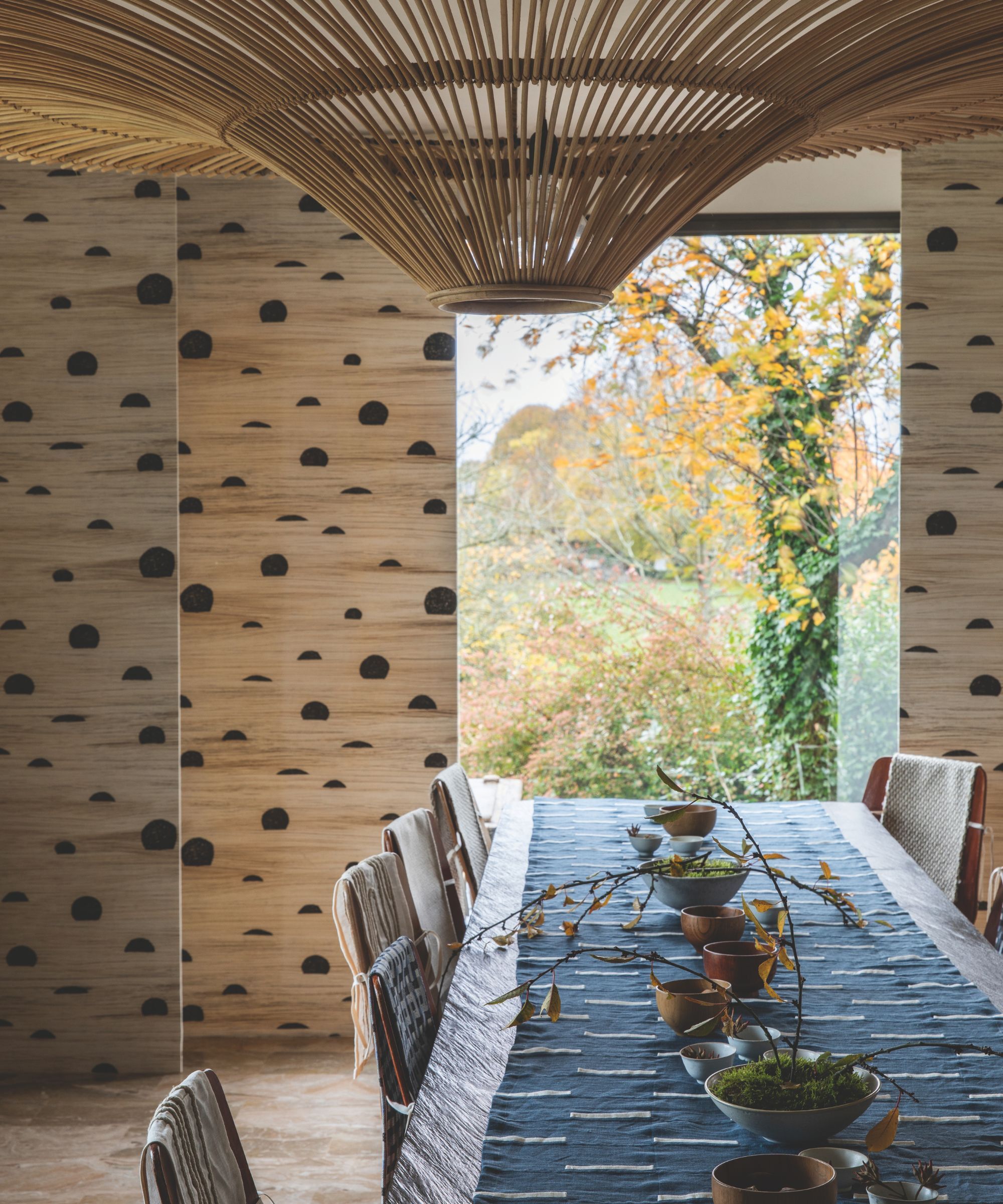
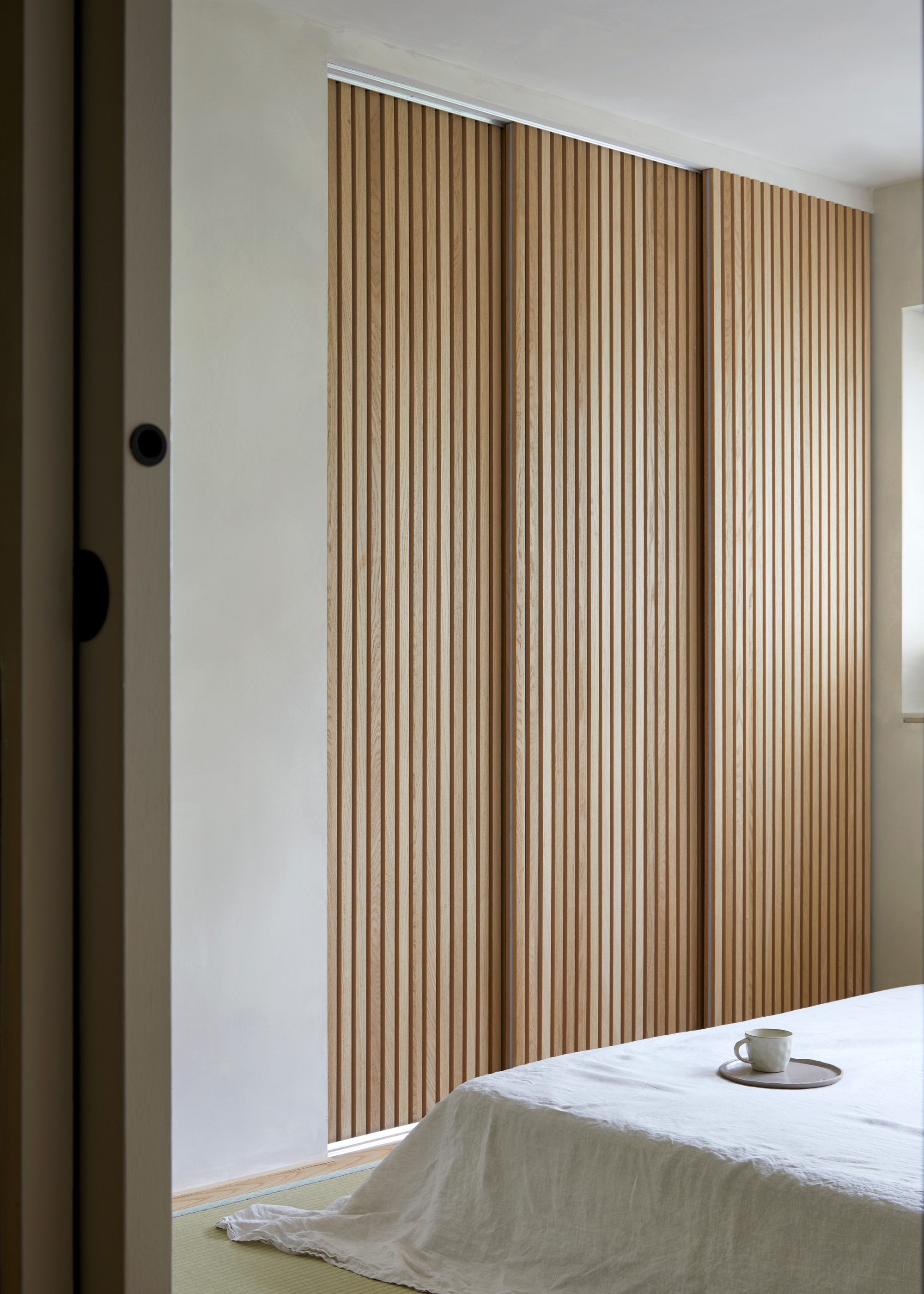
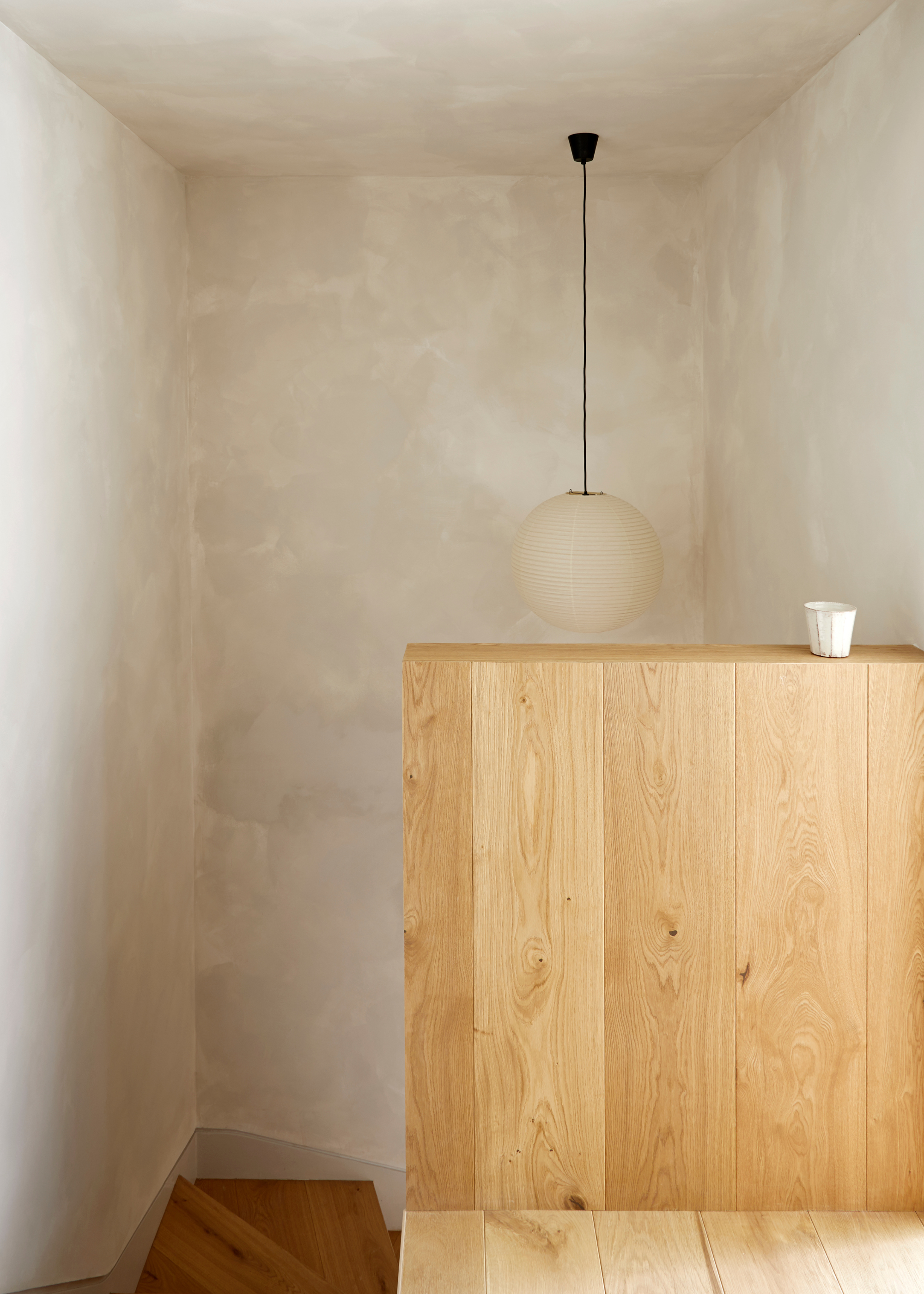
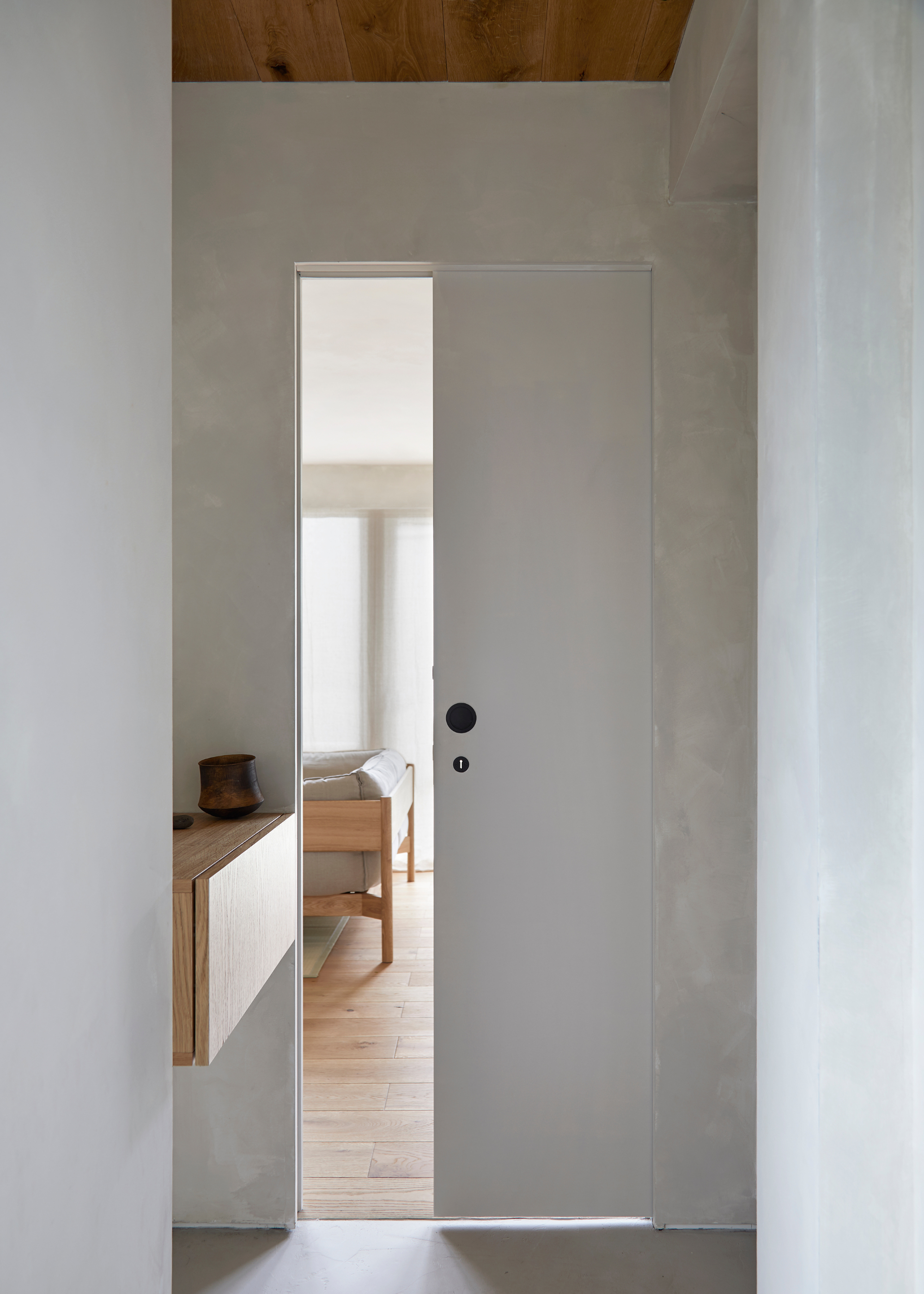
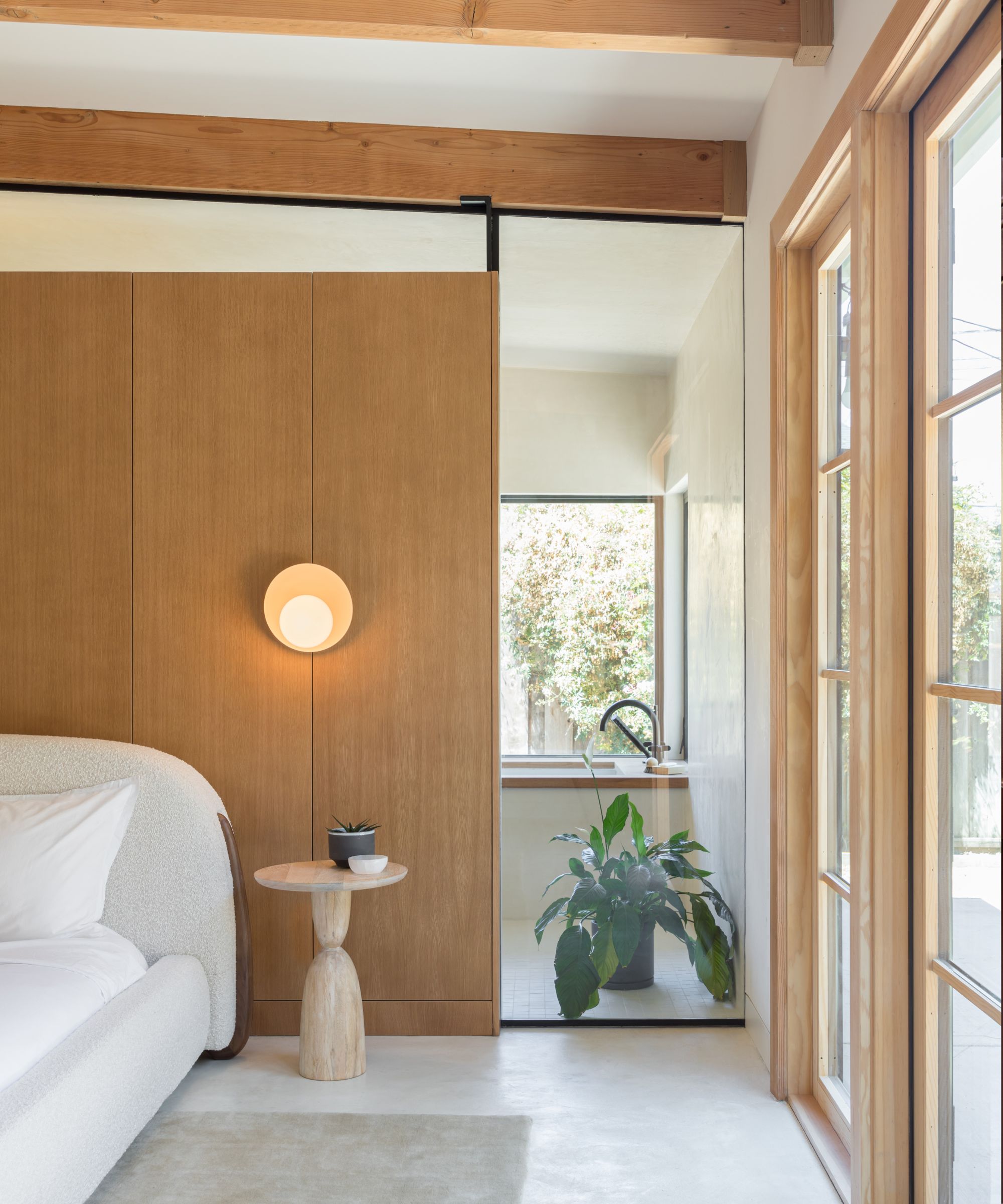
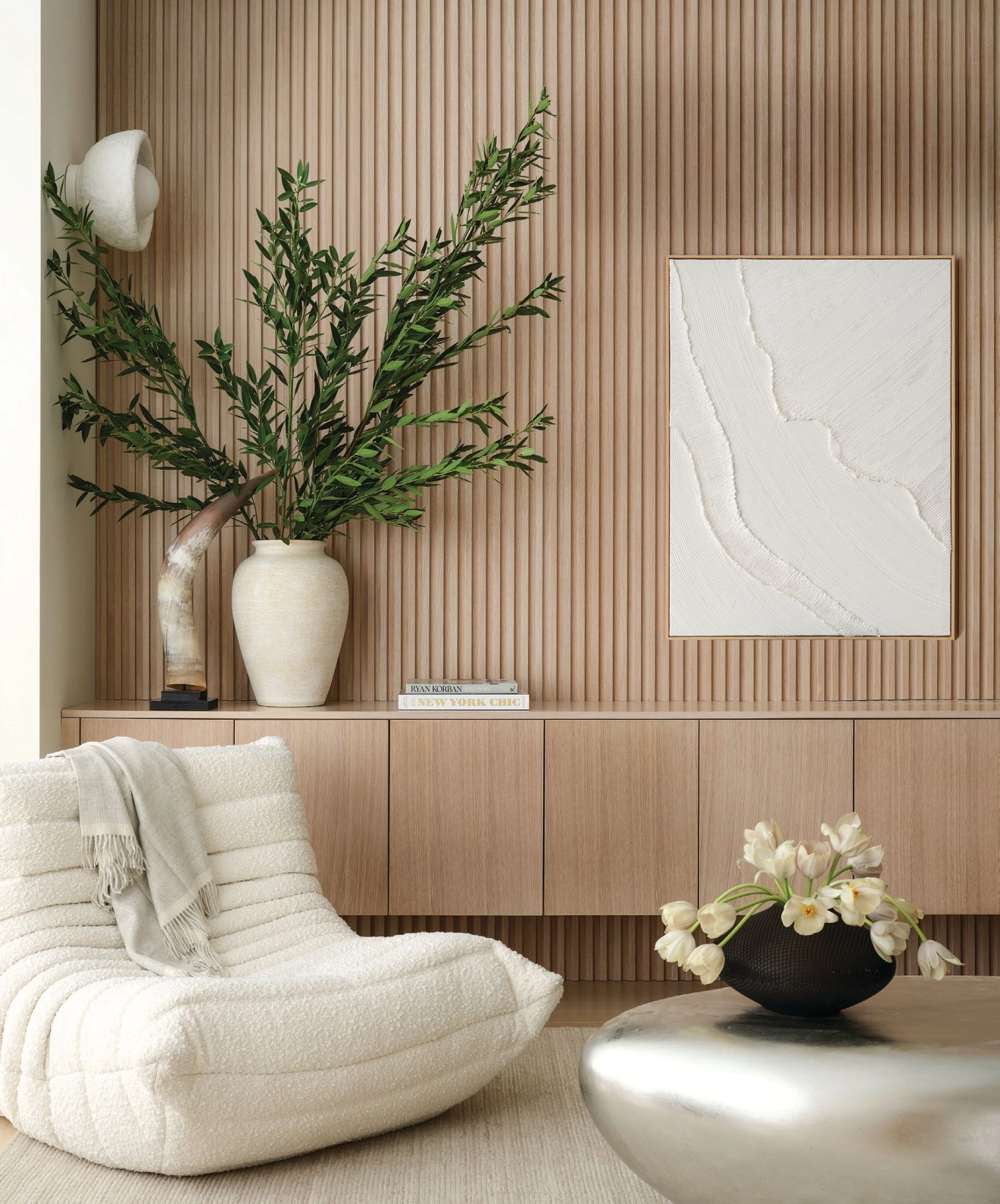
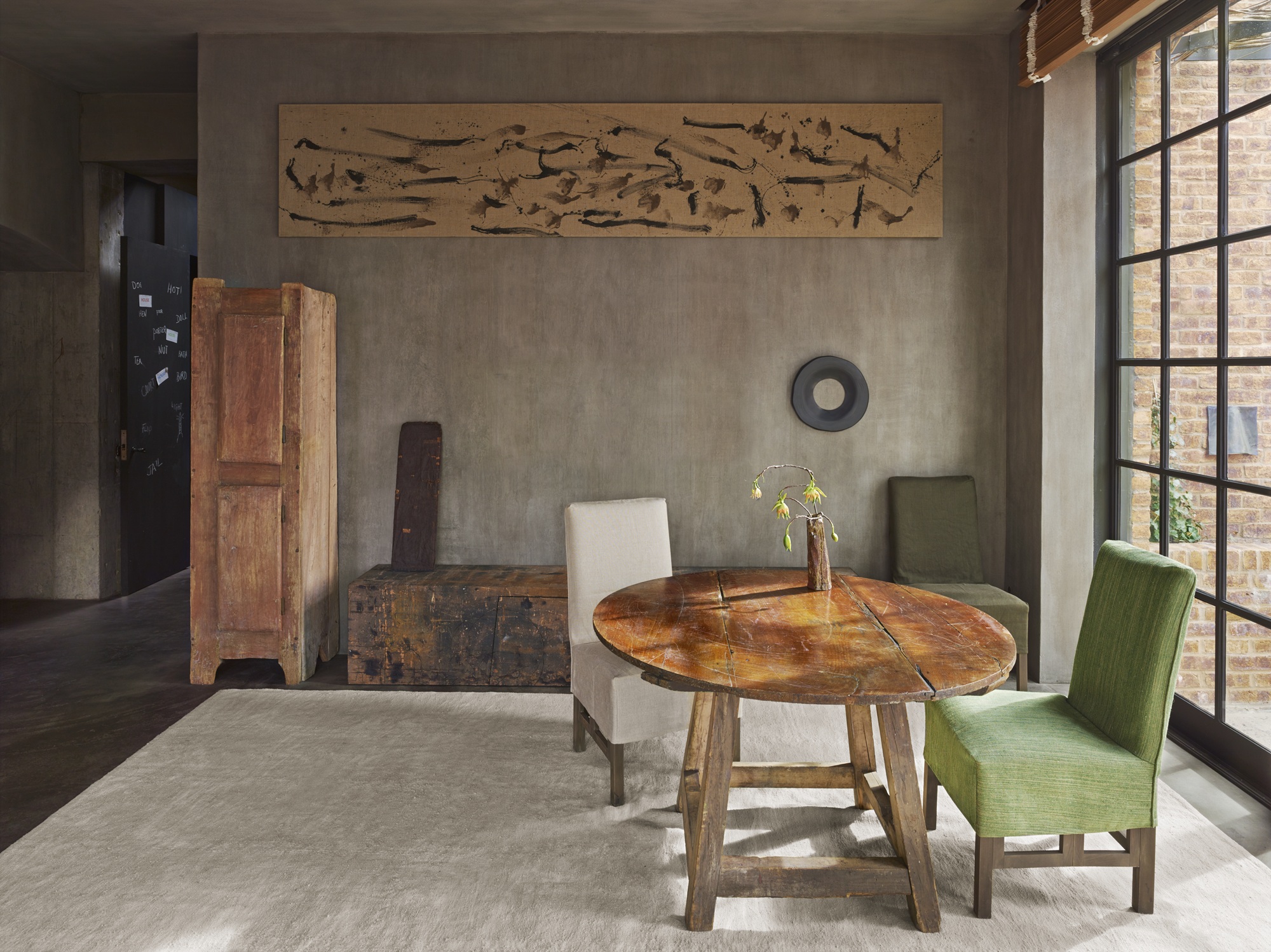
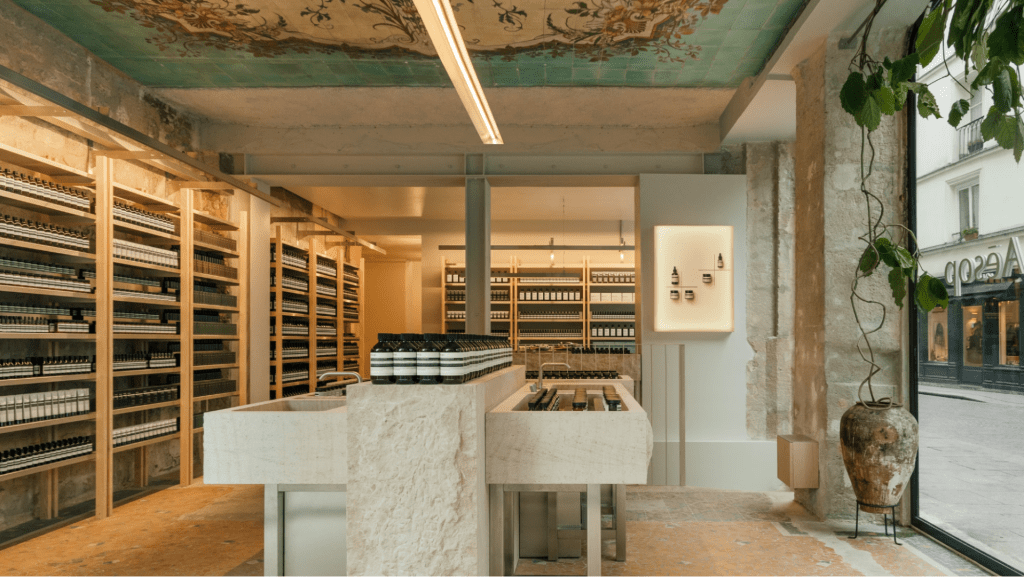
One key aspect of Japandi design is the focus on natural elements. Both Japanese and Scandinavian styles celebrate natural beauty through a palette of unpretentious materials. This can be seen in projects that embrace existing structural elements, such as concrete floors and wood beams, and combine them with new additions like vertical oak slatting. Materials such as limewash paint, zellige tile, warm woods, earthy clay, smooth stone, and woven textures are frequently used. The goal is to create a welcoming and sophisticated space where the indoors seamlessly integrates with the outdoors, especially through features like large sliding doors that highlight natural landscapes.
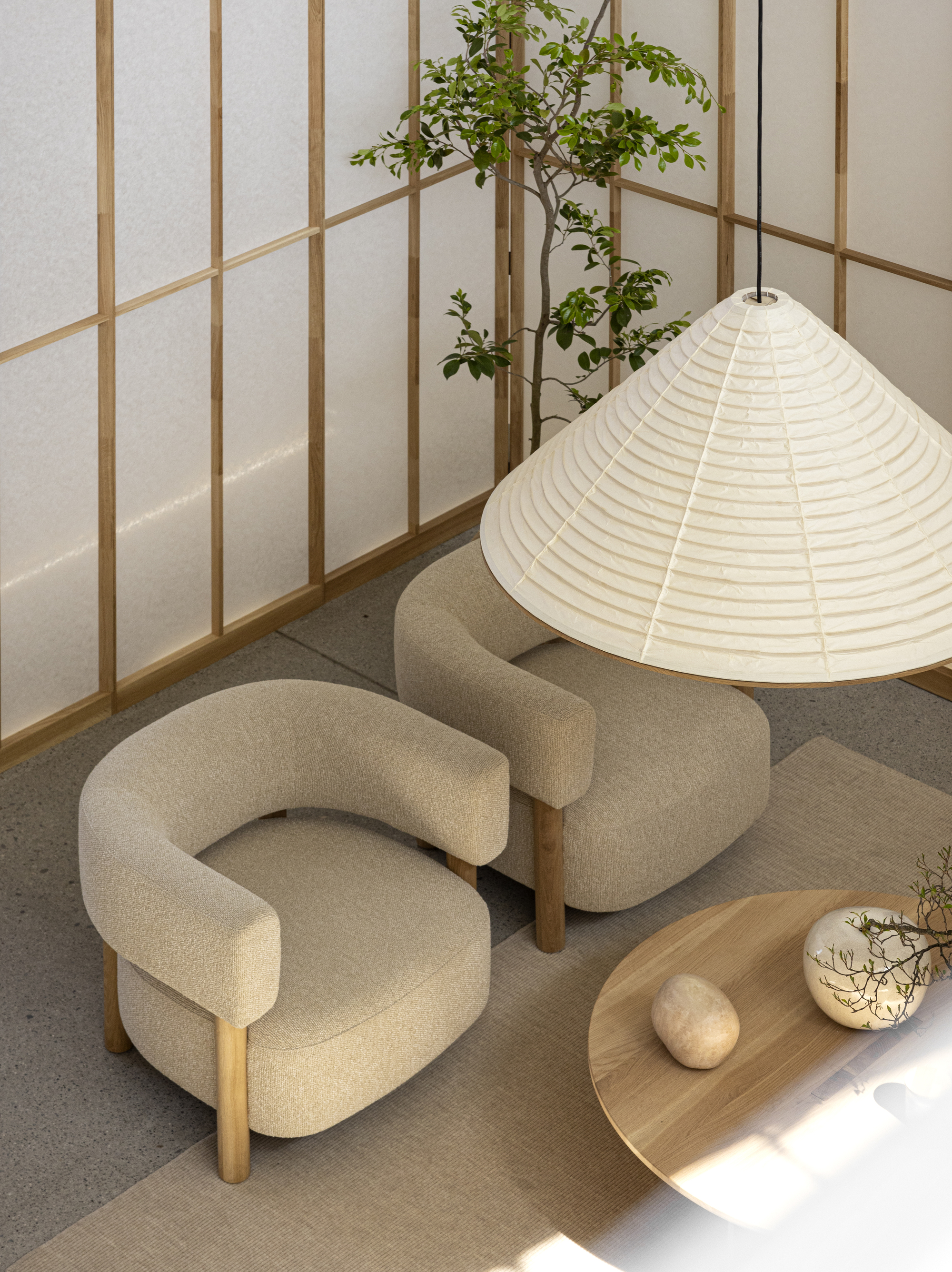
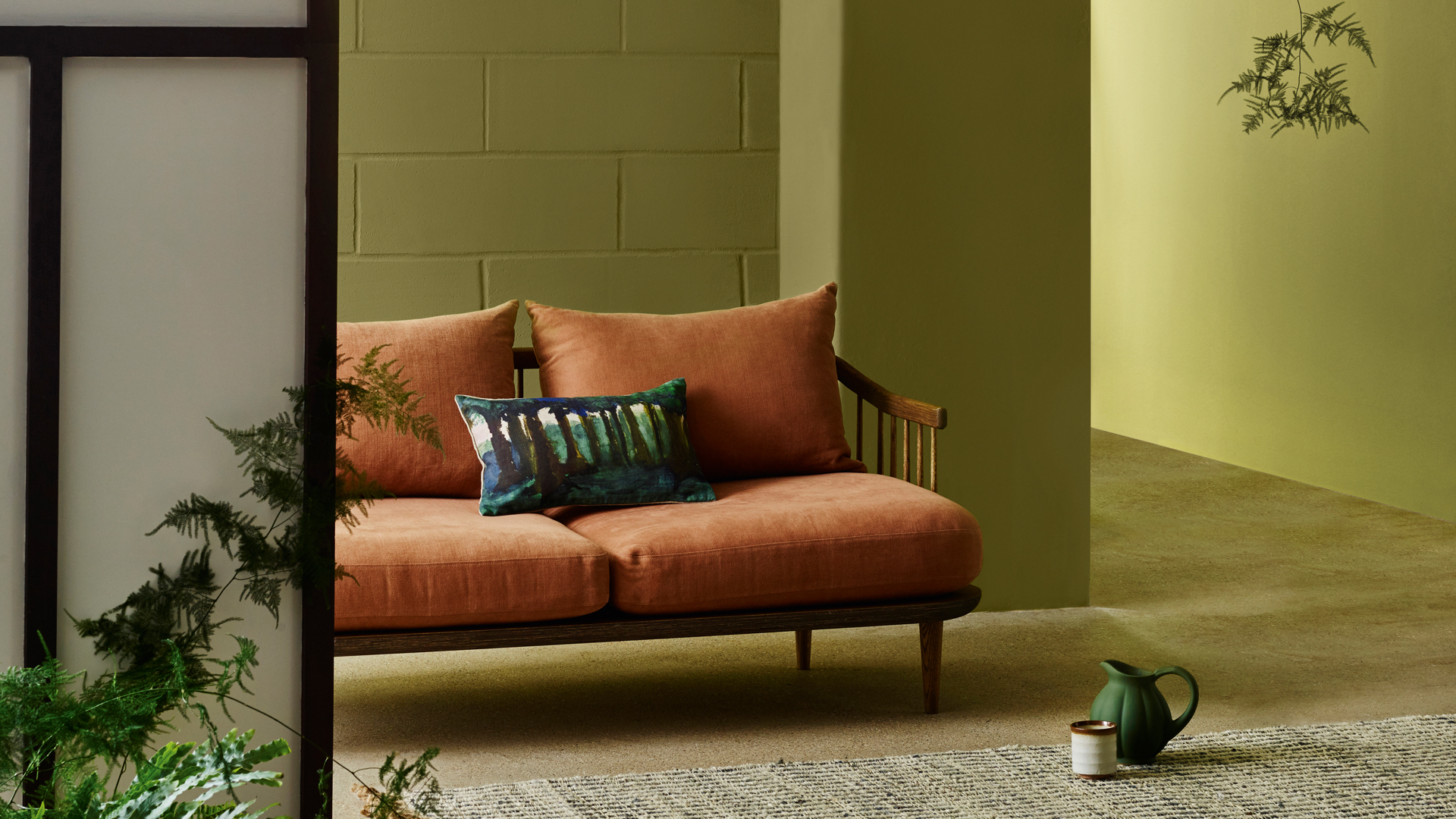
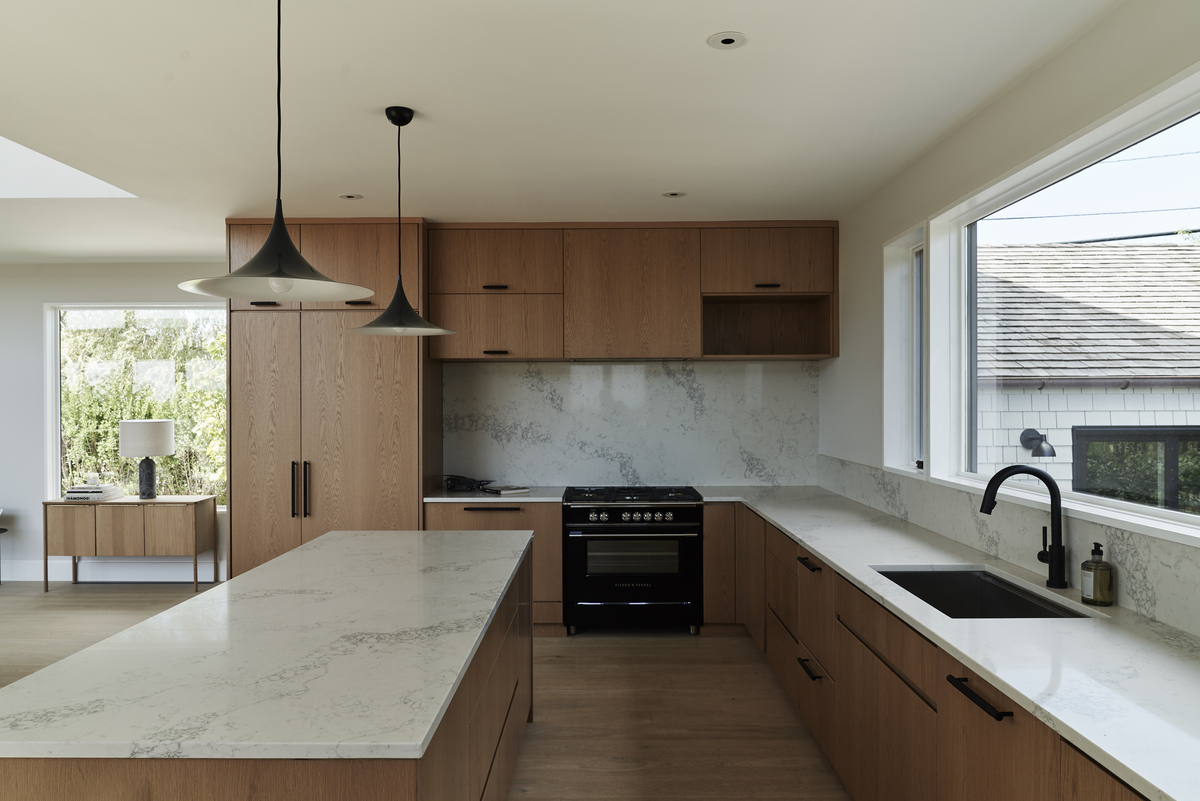
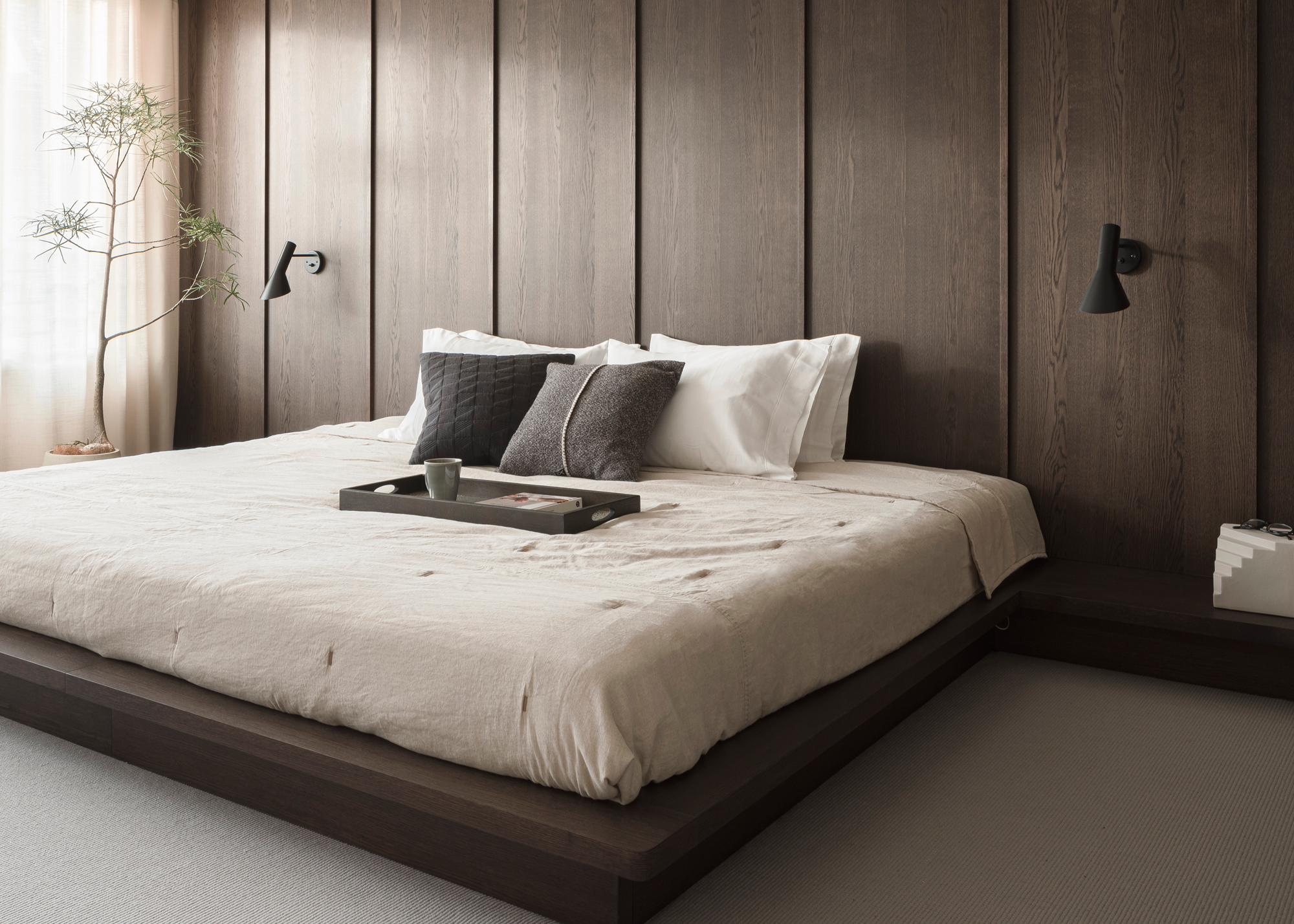
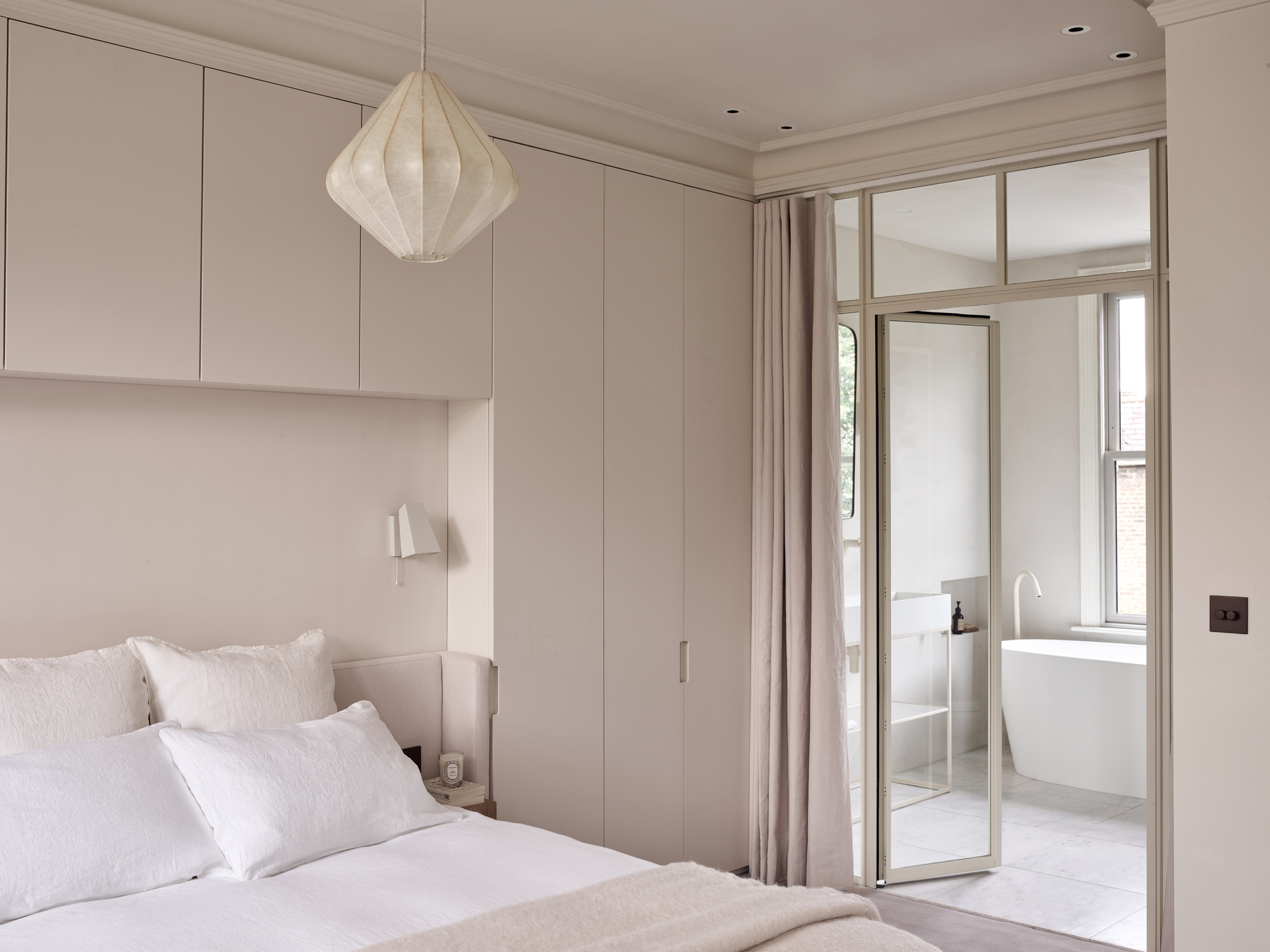
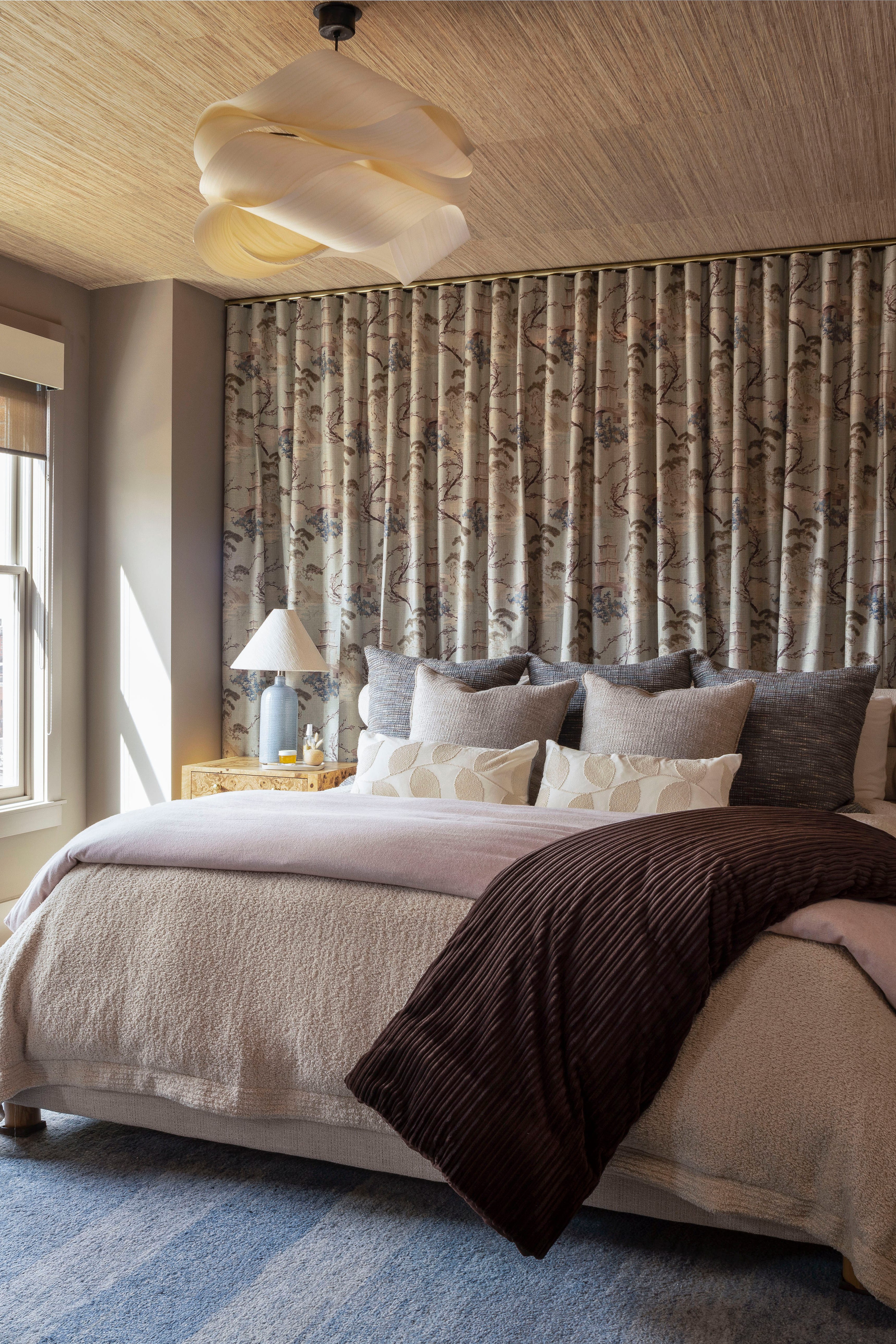
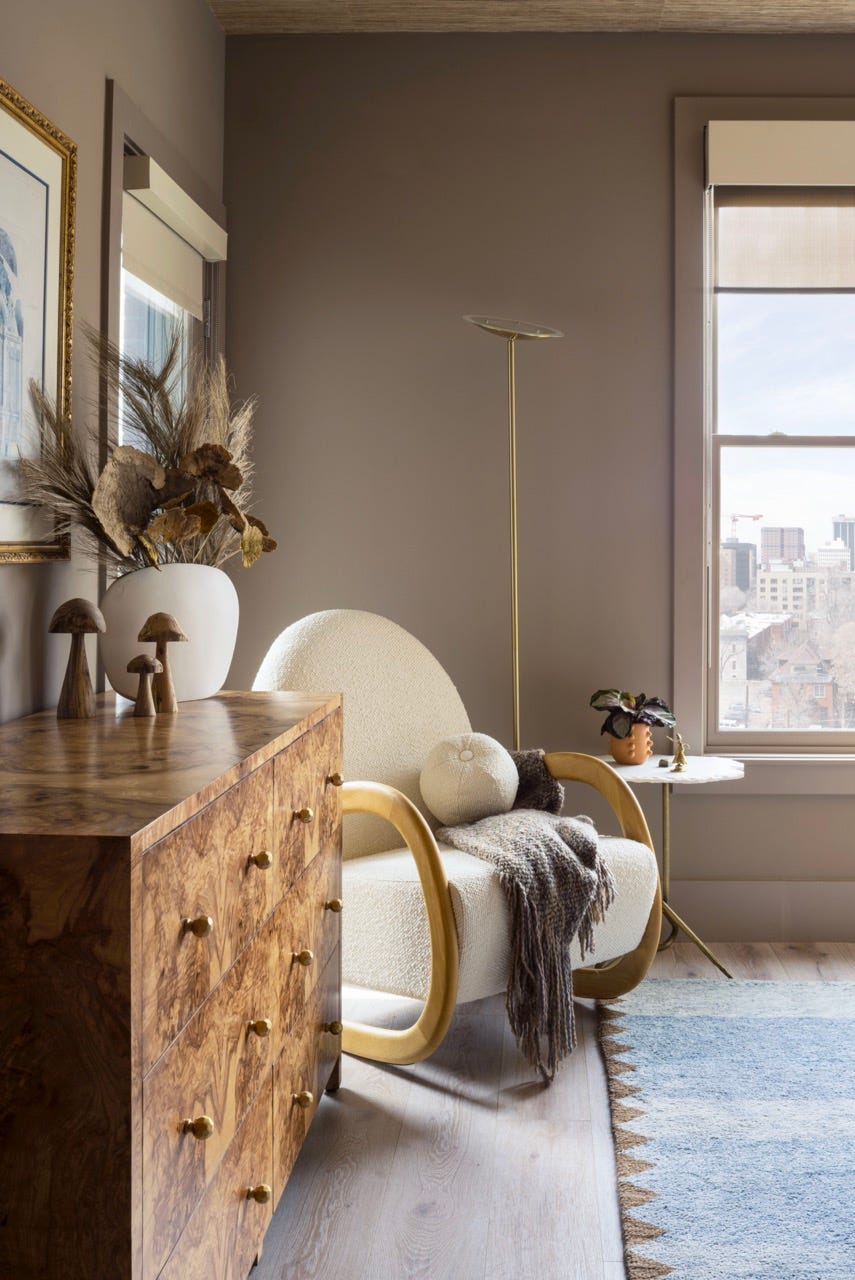
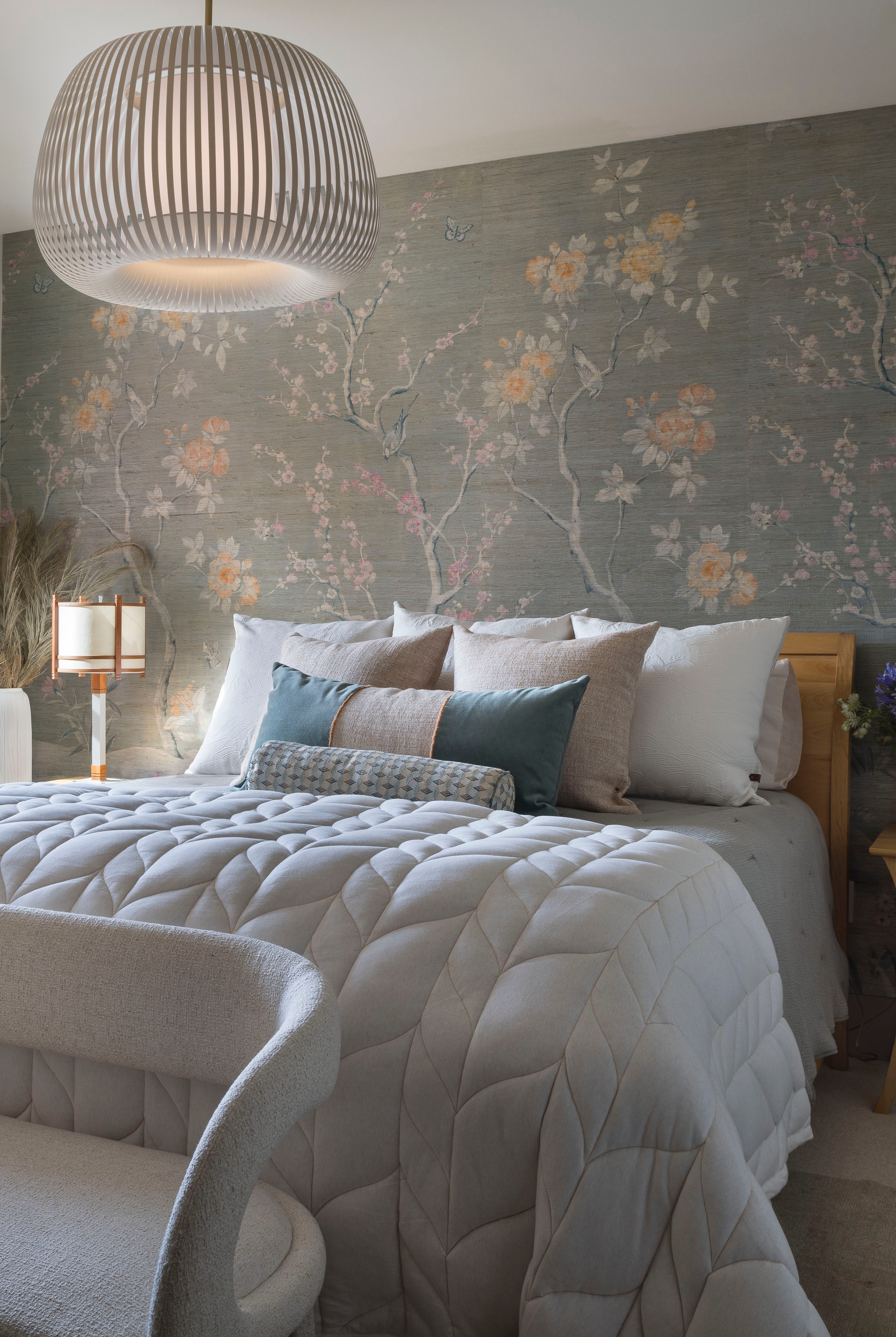
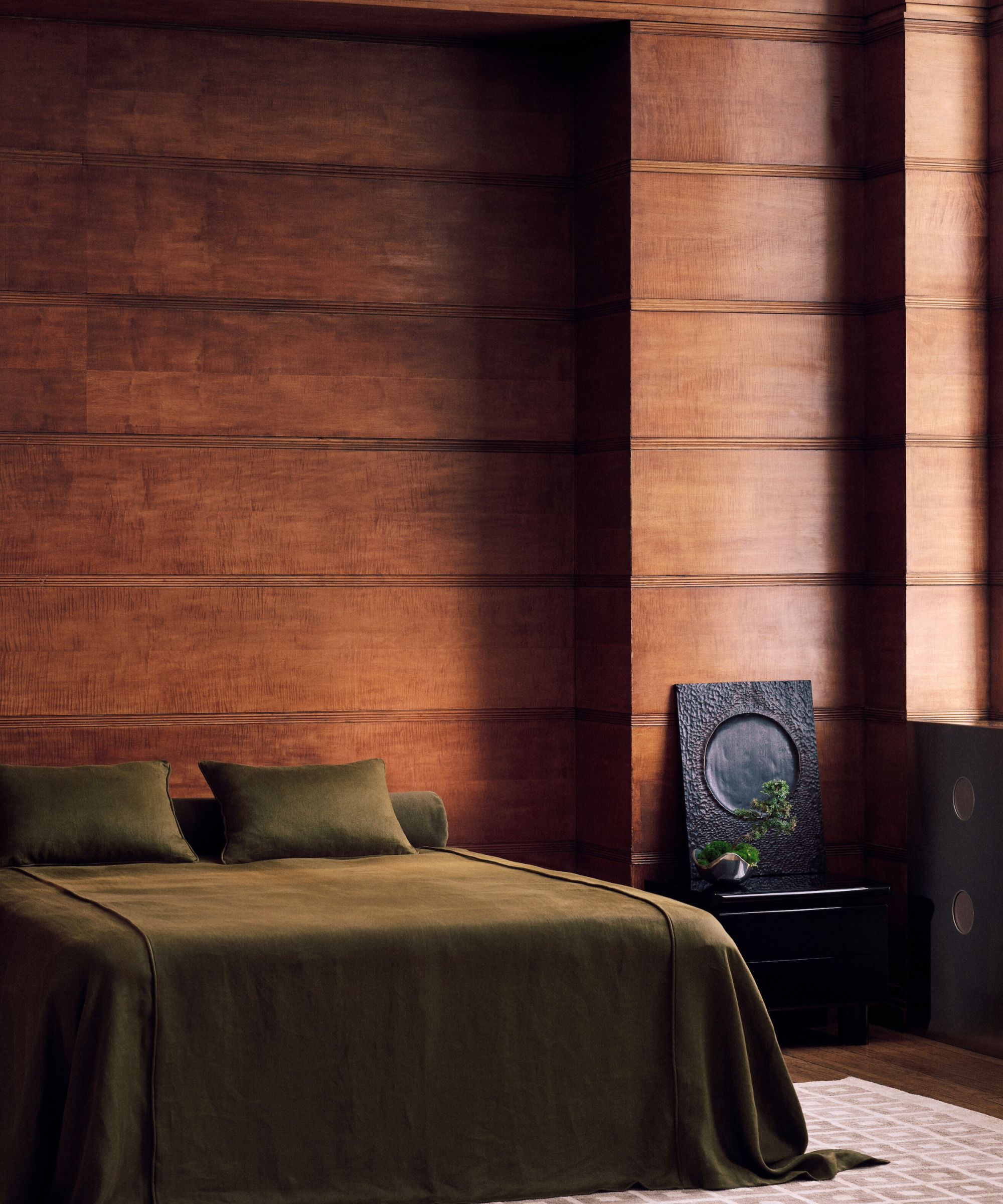
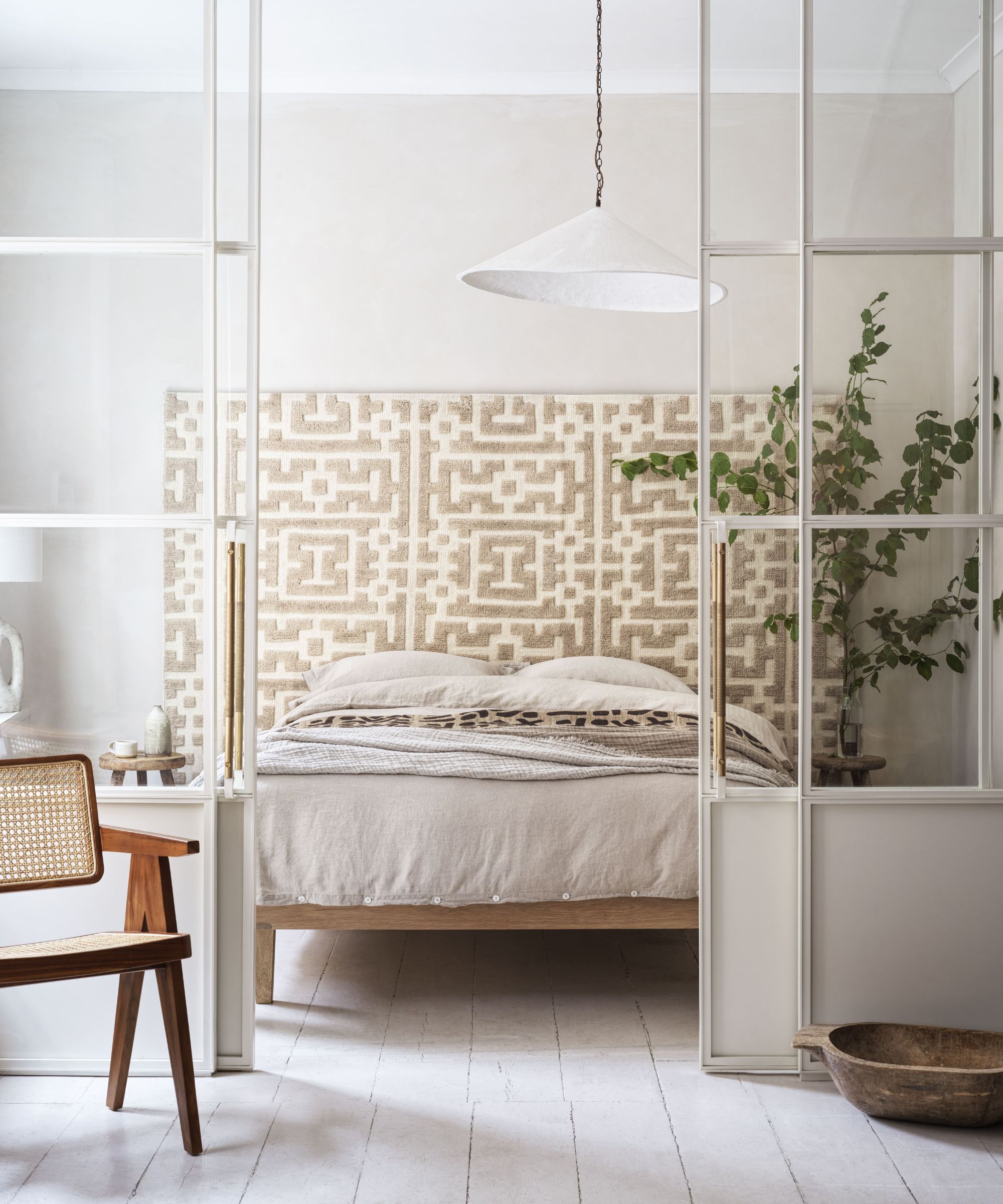
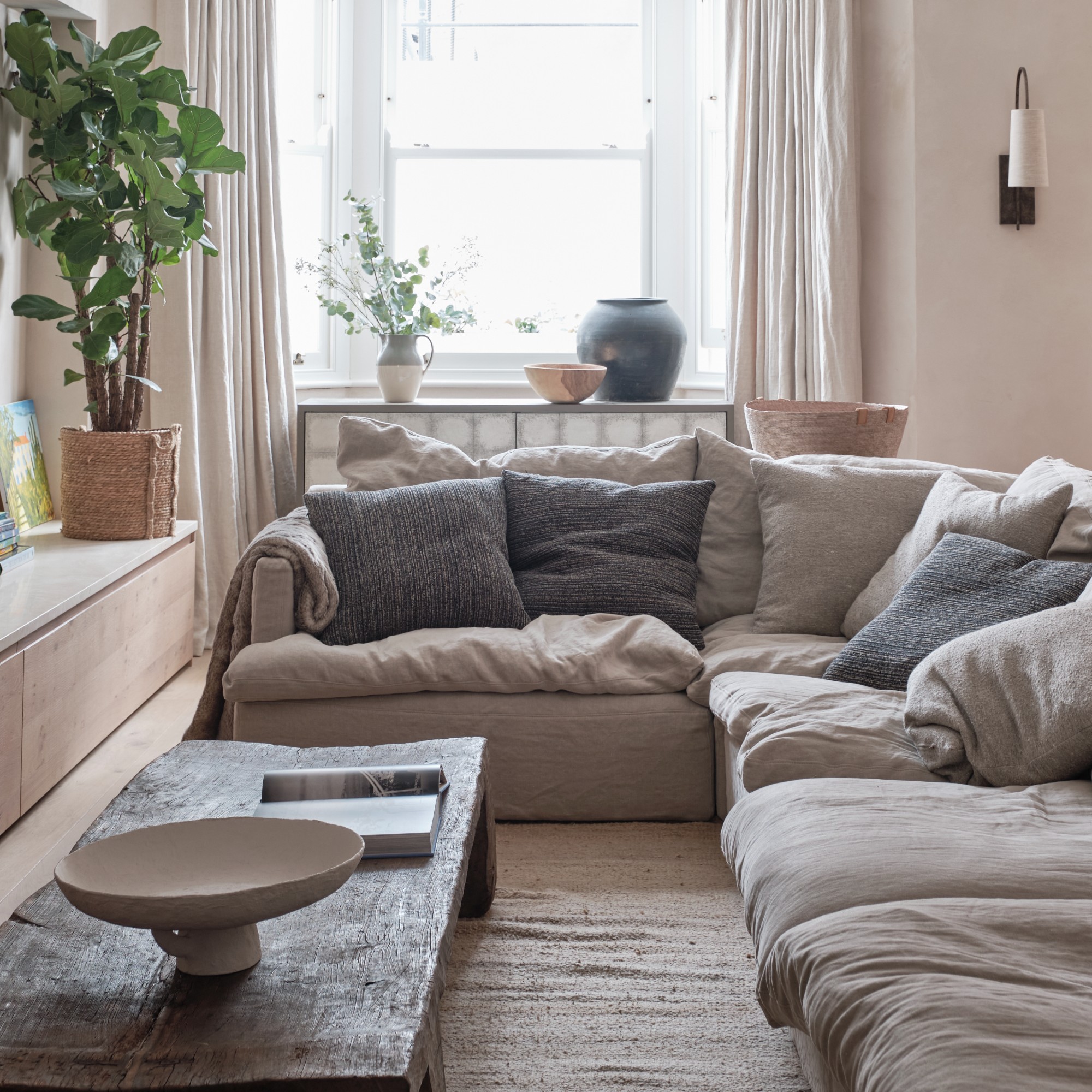
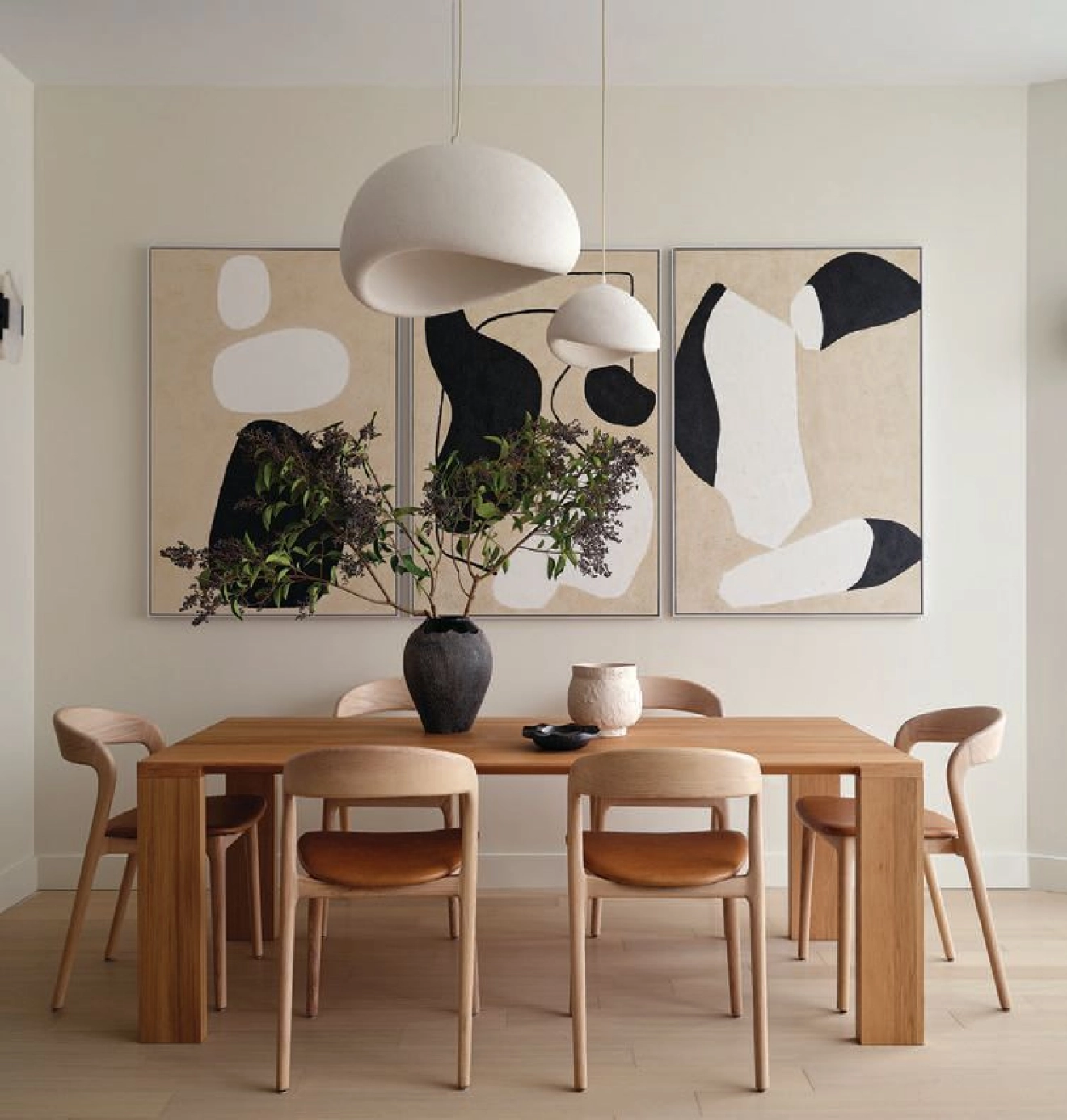
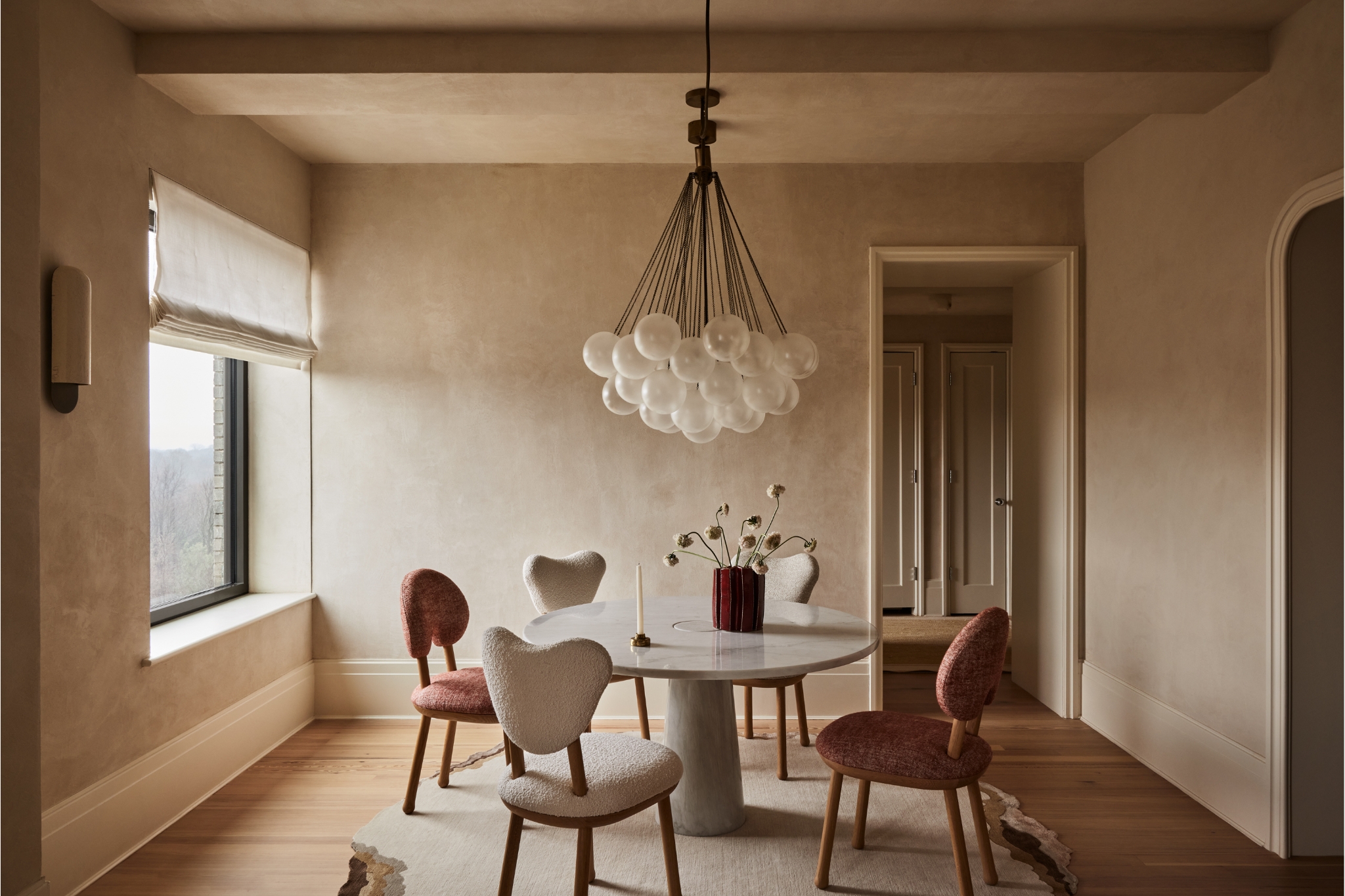
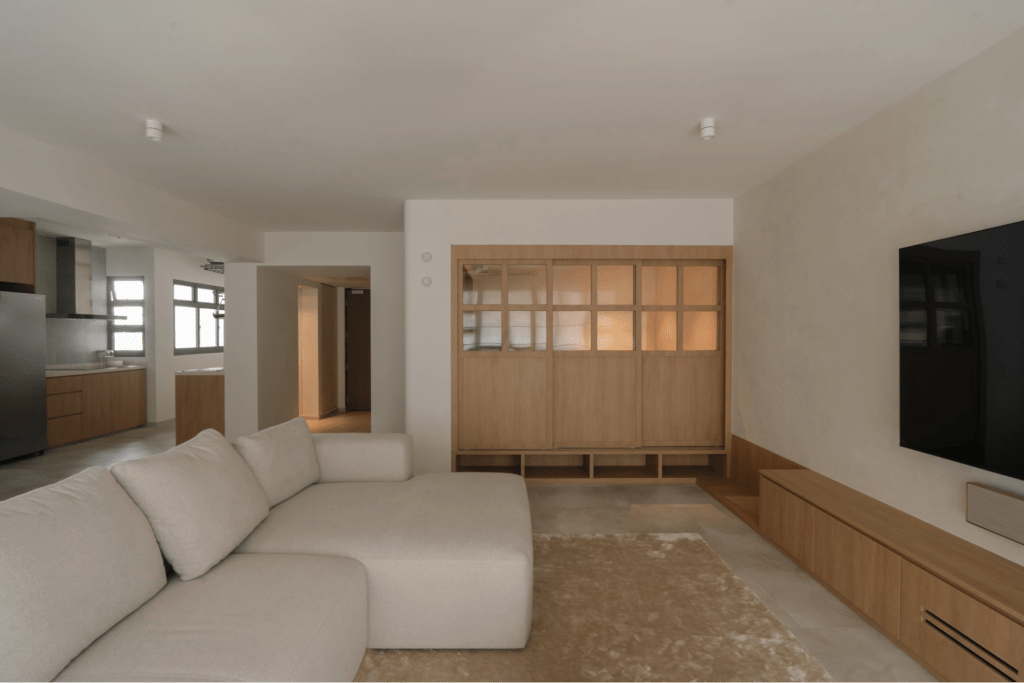
While Japandi style prioritizes minimalism, it does not strictly adhere to neutral color schemes. Instead, it draws inspiration from nature's diverse color palette. Rather than exclusively white walls, the style encourages the use of various wood tones, along with blues, greens, browns, and blacks, complemented by creams. These colors are often introduced through textiles like wool rugs, cotton throws, and chenille pillows, all designed to evoke a sense of relaxation and natural harmony. Crucially, effective storage solutions are essential to maintain the minimalist feel and prevent clutter, ensuring the home remains a true sanctuary.
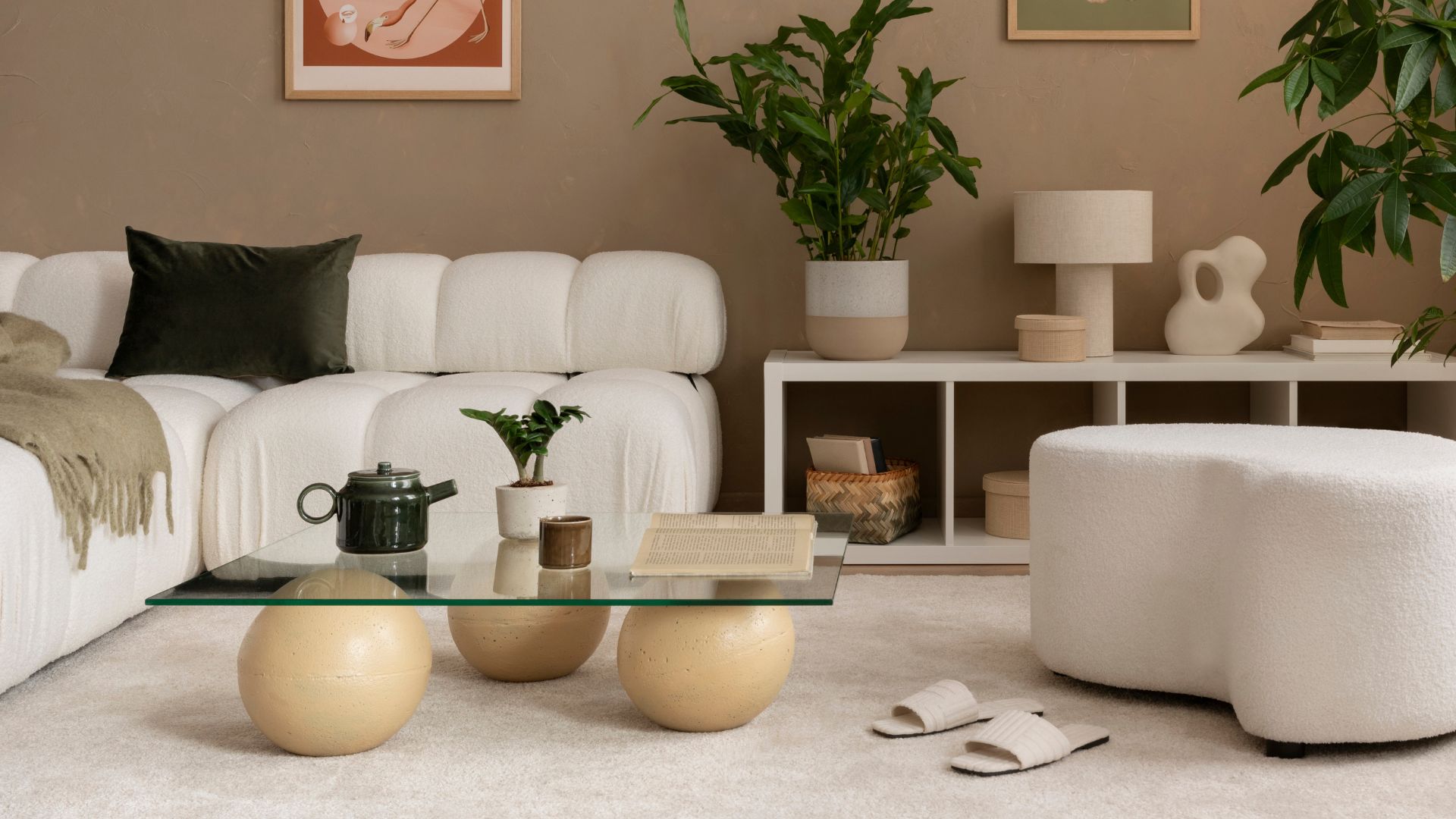
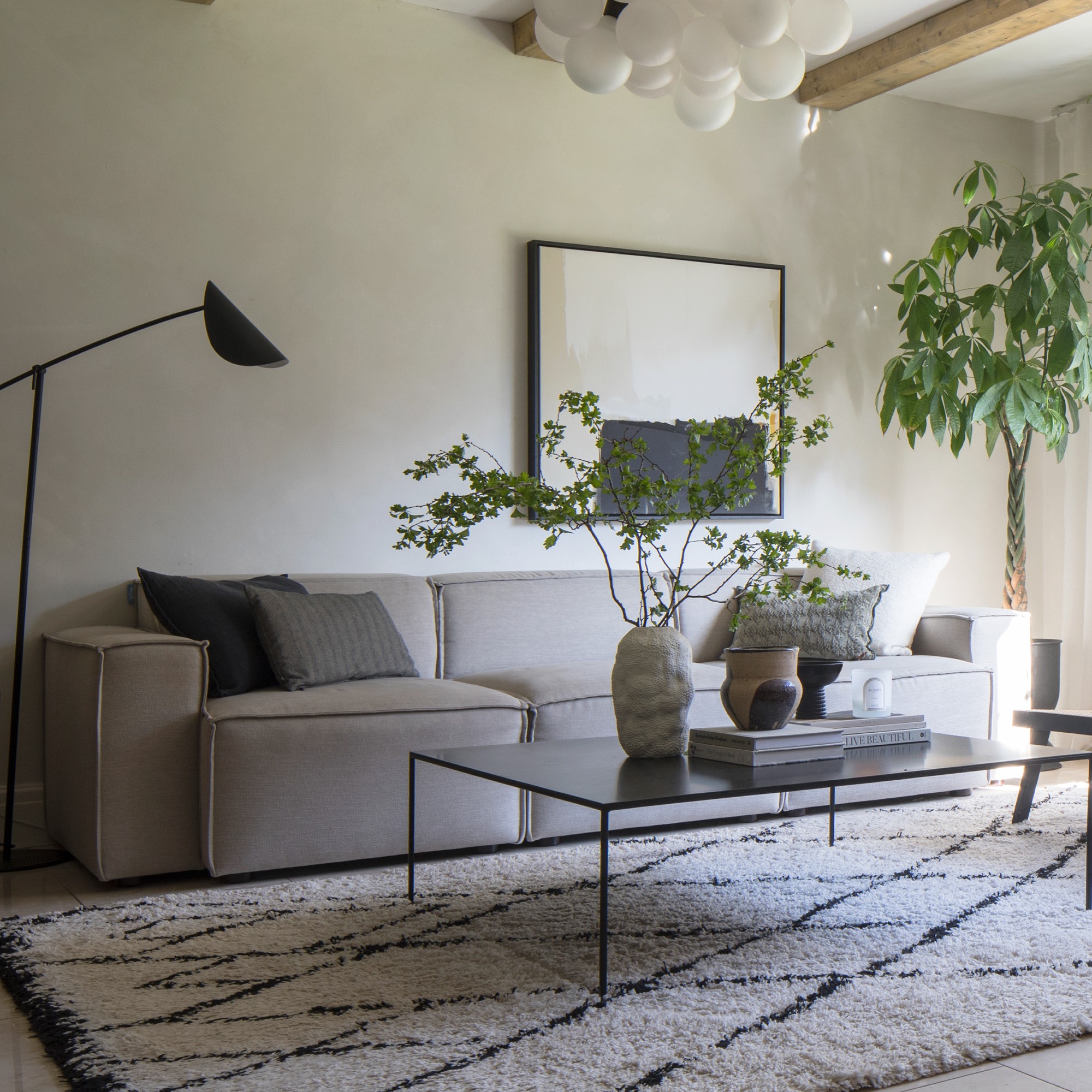
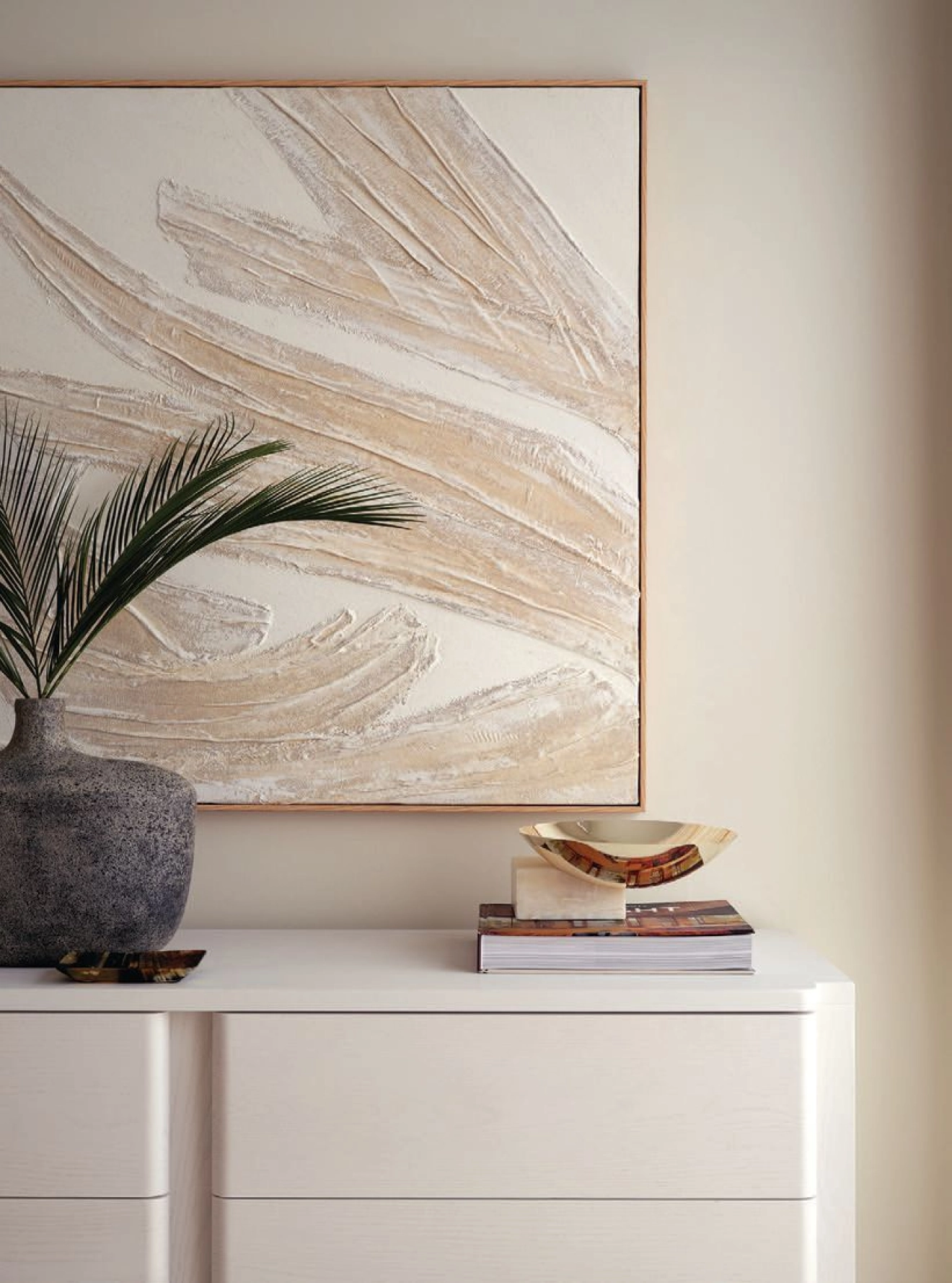
The Japandi aesthetic also dictates steering clear of overly complicated or synthetic elements. Items that are overtly artificial or machine-made, such as glass or acrylic tables, heavily patterned synthetic rugs, tubular chrome chairs, or ornate chandeliers, are generally avoided. The philosophy advocates for authenticity and sustainability, favoring handmade craftsmanship and durable, natural materials that will not quickly end up in landfills. Given the rise of Japandi as a trend, there's a risk of it being reproduced with cheap, synthetic materials that contradict its core values. To uphold the true spirit of Japandi on a budget, it is recommended to reuse and repurpose existing elements or seek out vintage and second-hand pieces, which inherently embody the wabi-sabi appreciation for imperfection and history. Pairing these elements with soft, inviting fabrics and warm, subdued colors completes the relaxed and comforting Japandi environment.
#JapandiStyle #InteriorDesign #MinimalistAesthetic #ScandinavianDesign #JapaneseAesthetics #WabiSabi #Hygge #HomeDecor #NaturalElements #JapandiStyle #InteriorDesign #MinimalistAesthetic #ScandinavianDesign #JapaneseAesthetics #WabiSabi #Hygge #HomeDecor #NaturalElements
0 commenti in totale
 Nessun commento ancora
Potresti anche gradire
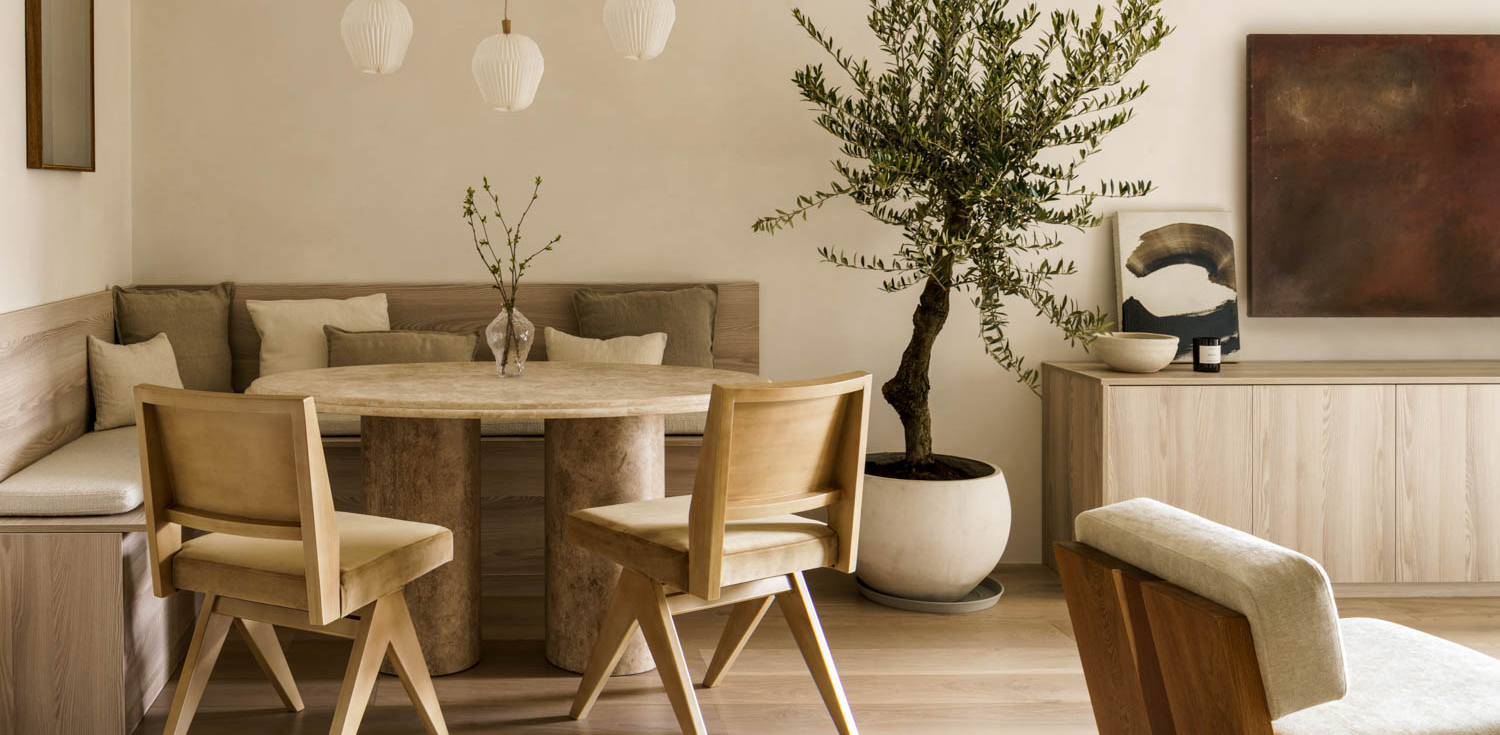
Elevate Your Space With These Inspiring Japandi Interiors

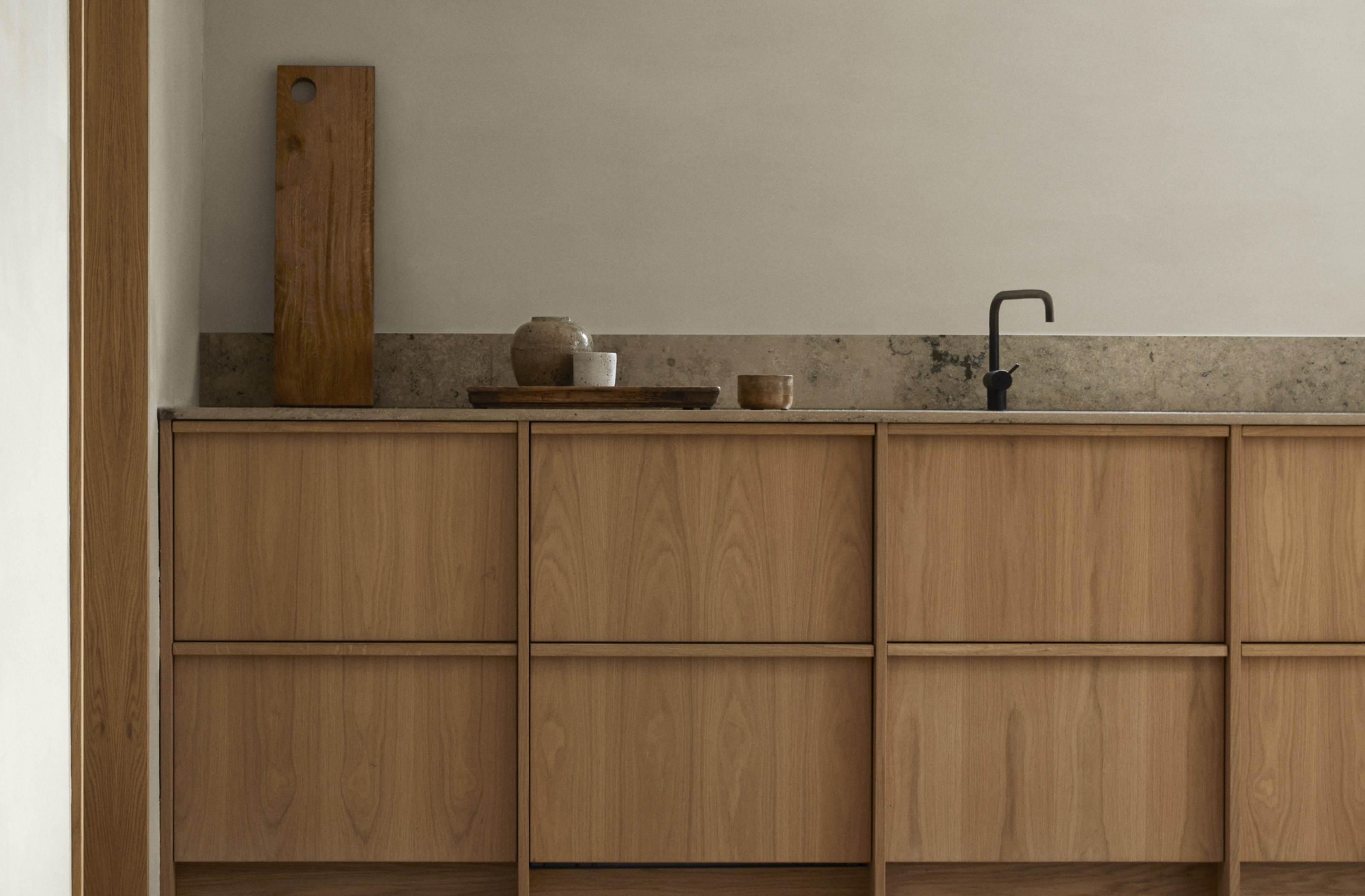
5 Things Japandi Designers do in Their Kitchens That Make Them Minimalist and Serene

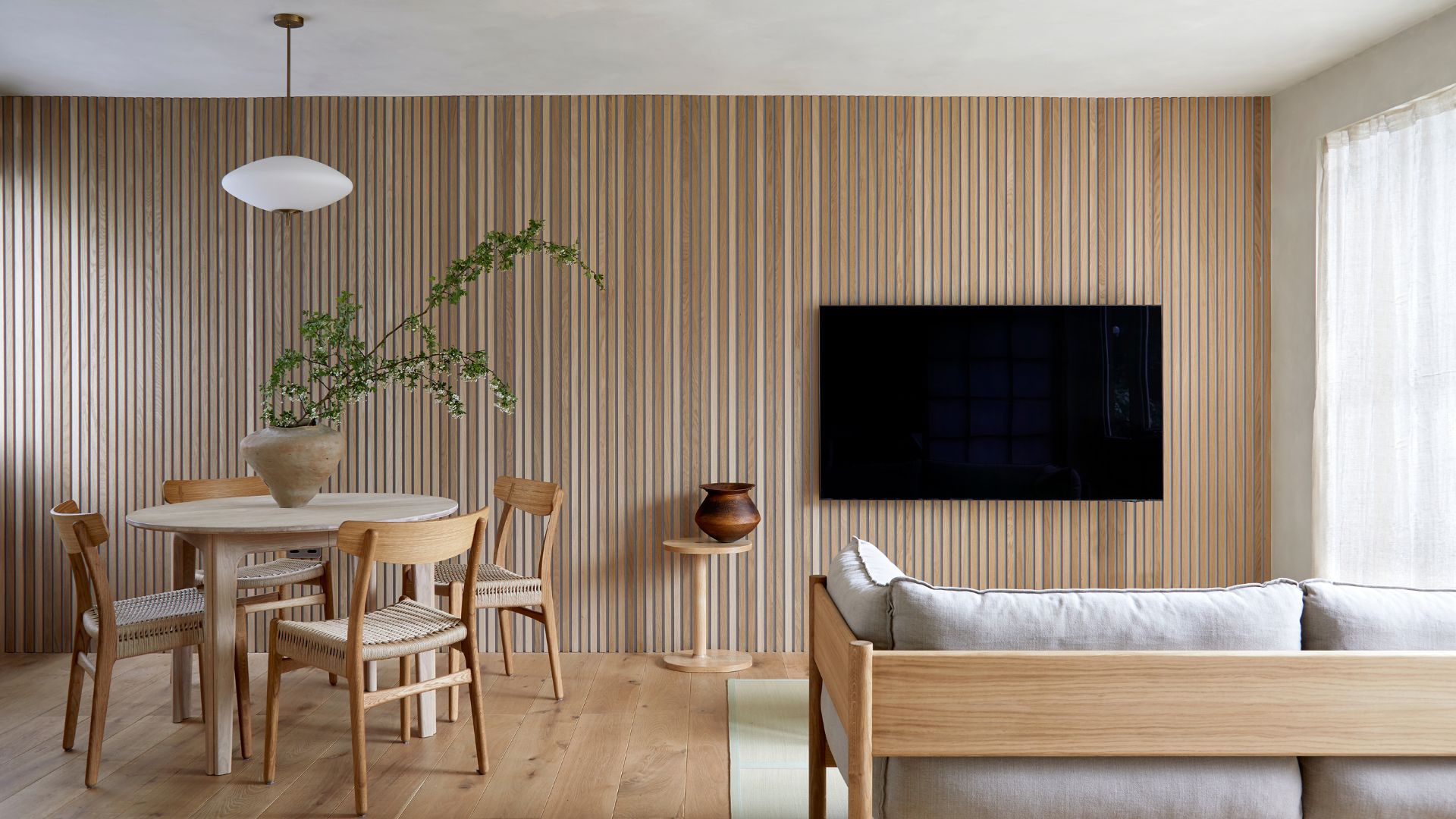
'Ma' (間) Is the Japanese Minimalist Aesthetic I Think Everyone Should Read About Before They Start Decorating
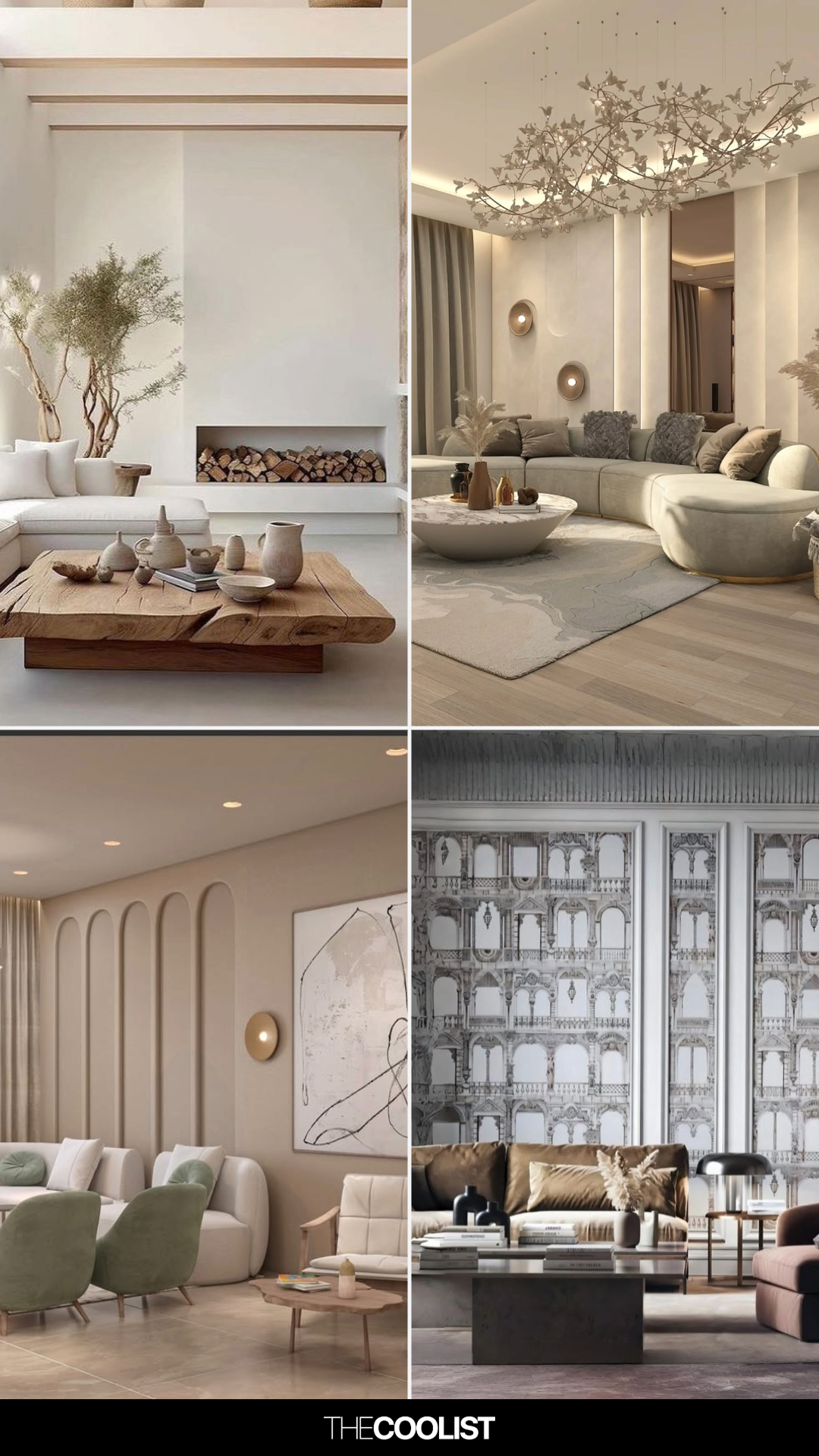
25 Chic Japandi Living Room Ideas That Could Be Straight Out of a Tokyo Loft
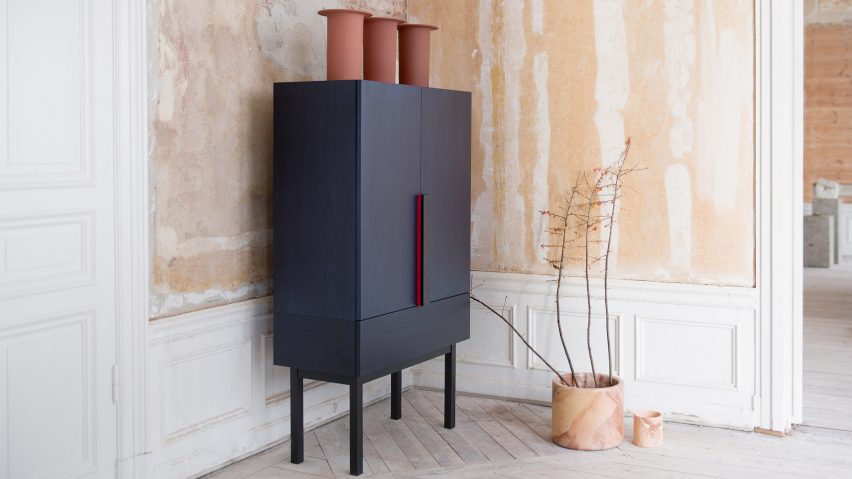
Seven "Japandi" interiors that blend Japanese and Scandinavian design
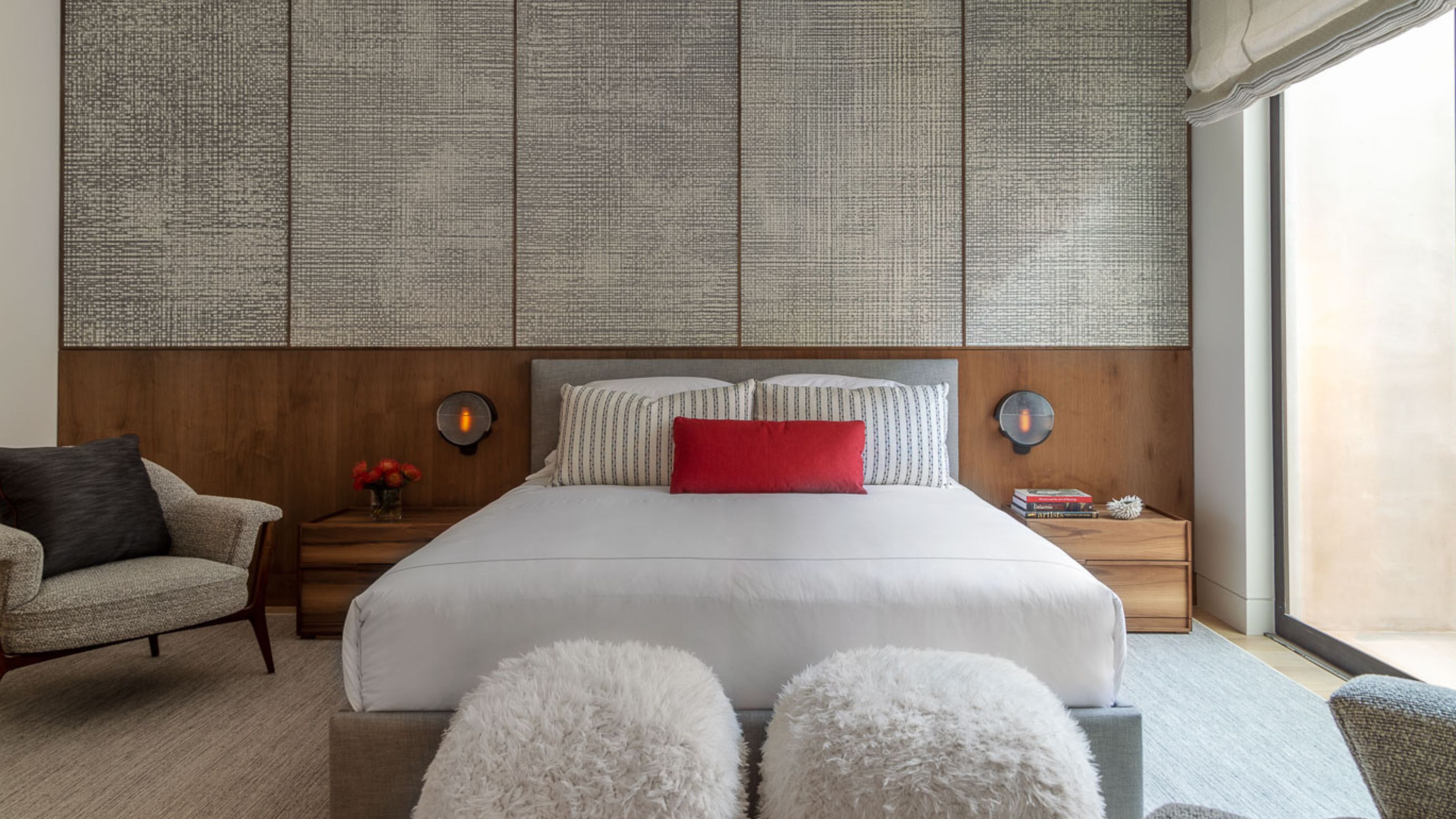
8 Japandi Bedrooms I Dream of Sleeping In — Minimalist and Cozy, They've Got to Be the Most Relaxing Spaces
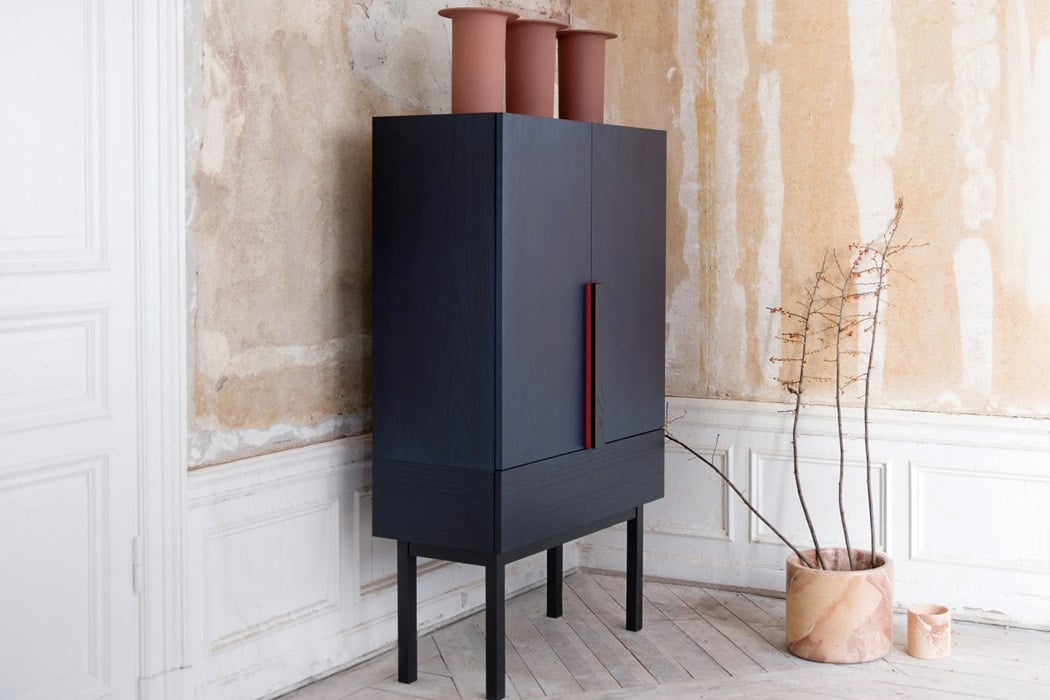
Scandinavian and Japanese interior designs come together to prove Japandi is not just a passing trend!

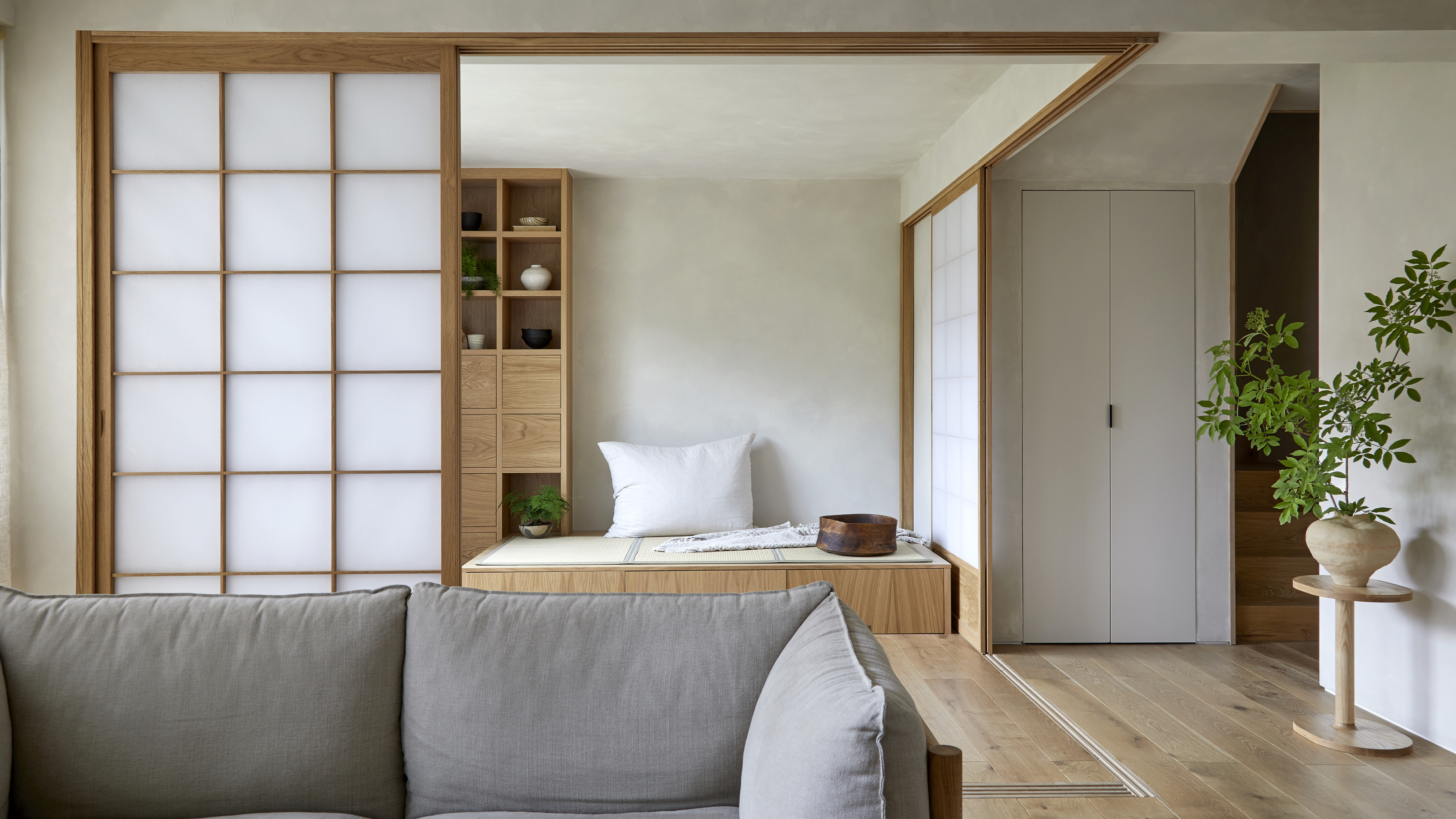
Muji Living Room Ideas — 5 Ways to Harness the Calming Qualities of This Japanese Design Style
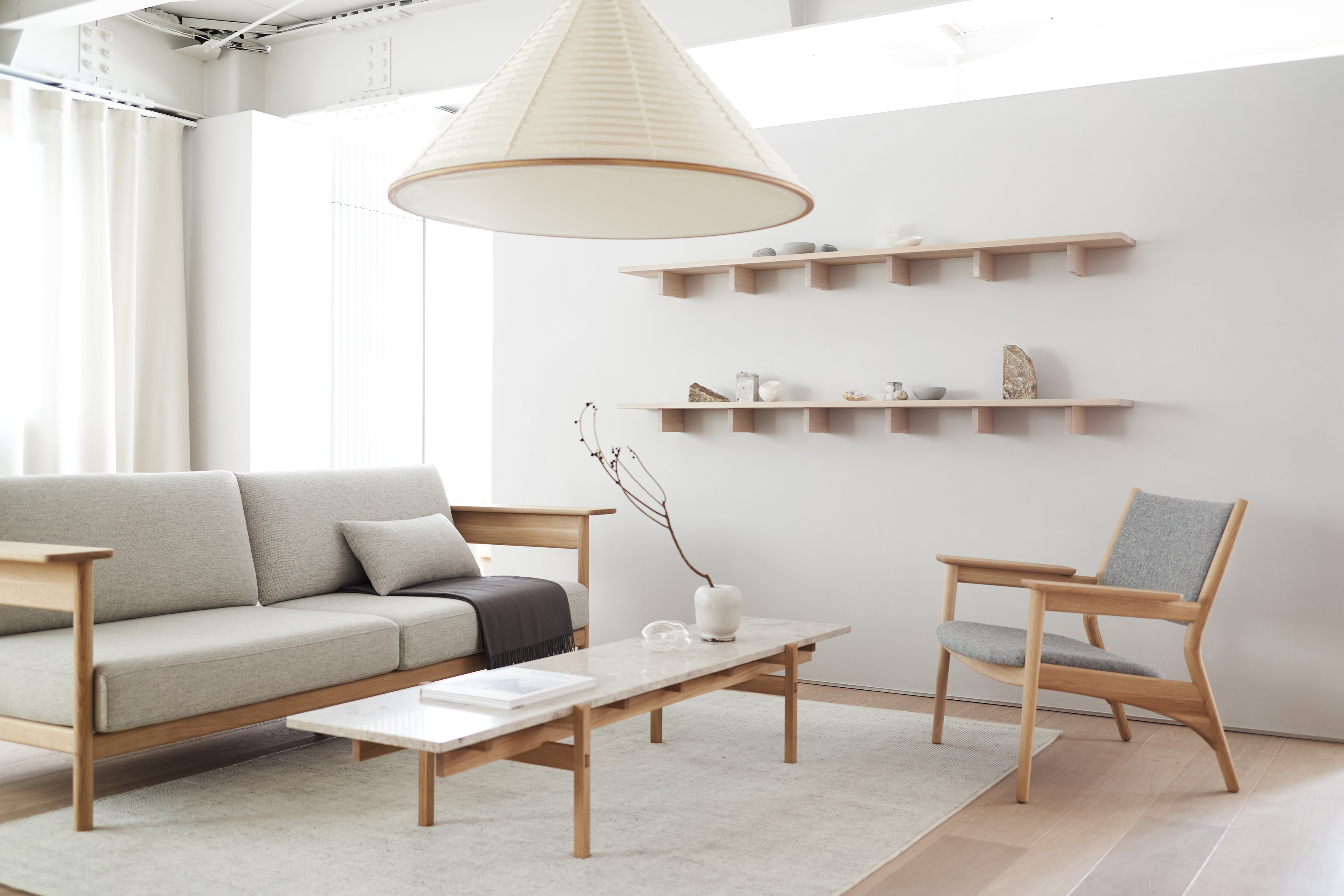
5 Design Rules Japanese-Style Living Rooms Always Follow — "This Approach Makes Any Home So Calming"
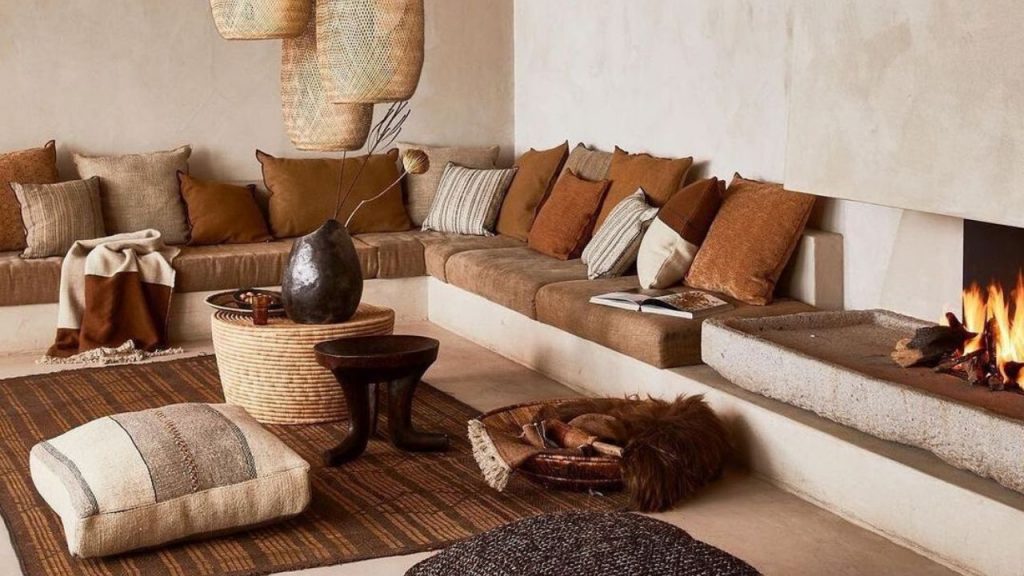
Japandi merges the comfort of hygge with zen minimalism

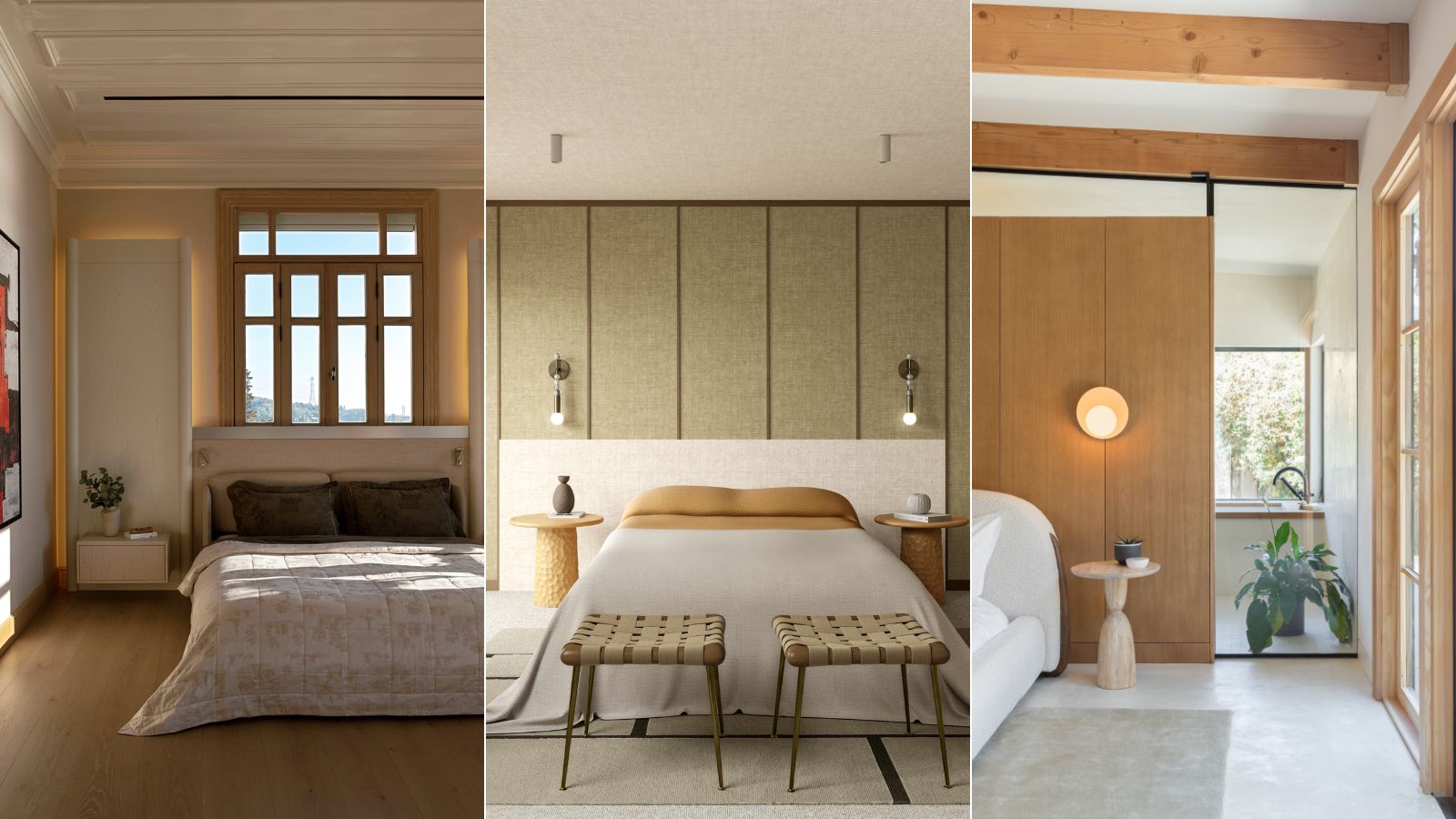
9 Japandi bedroom ideas to create a serene and stylish scheme
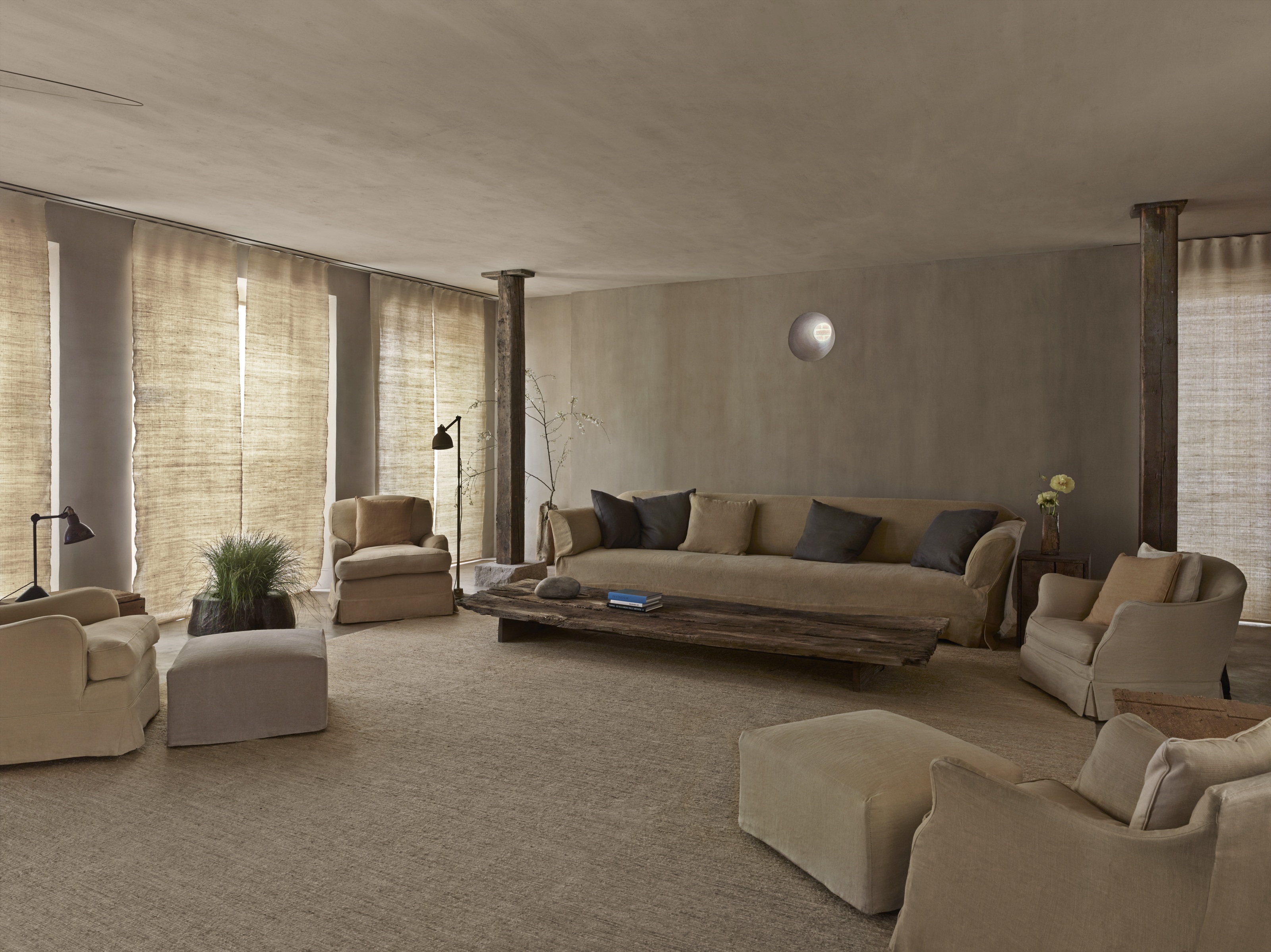
13 of the Best Minimalist Interior Designers I'm Following for Room Inspiration
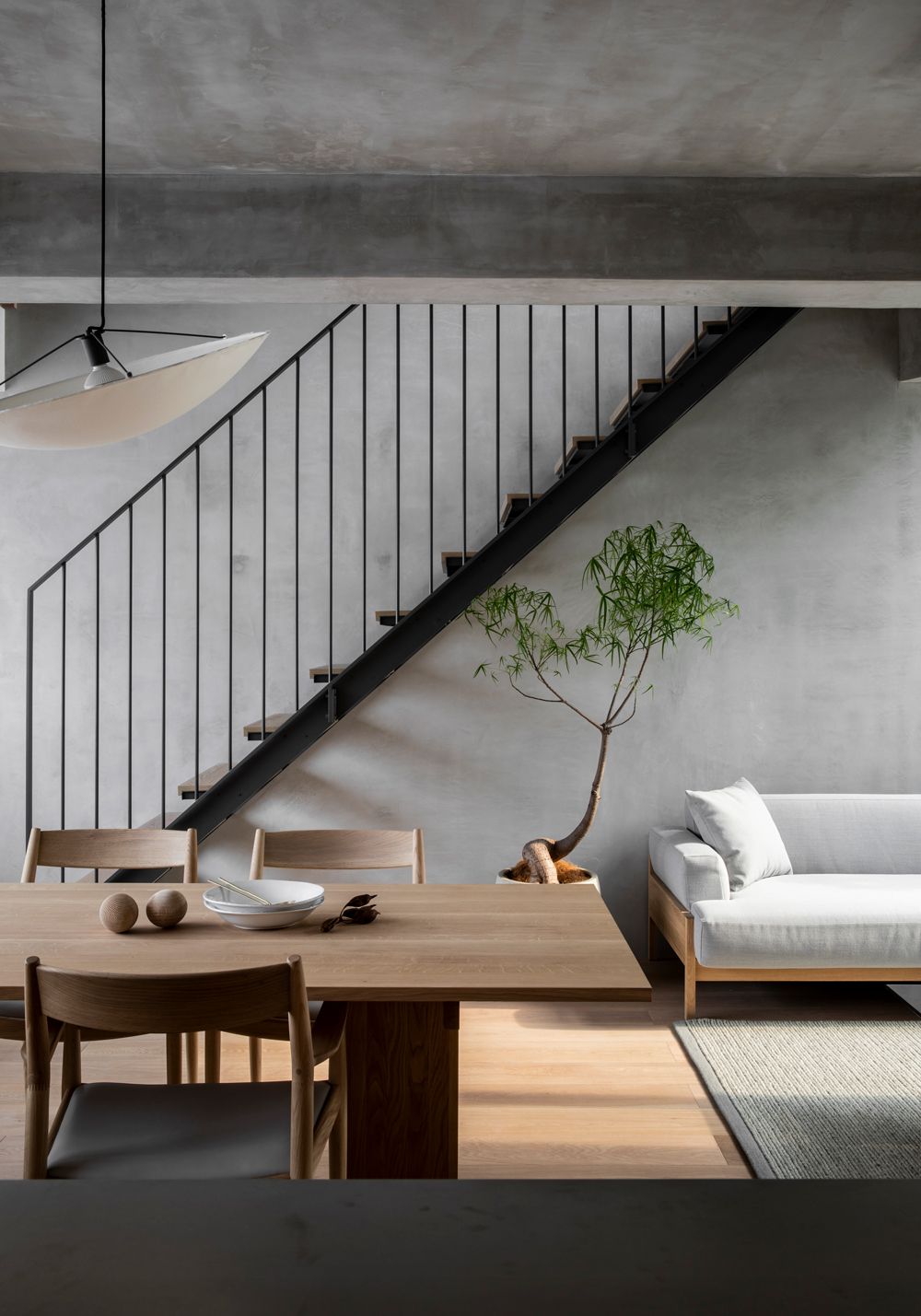
What Is Japanese Interior Design? Read Our Guide to This Minimalist Aesthetic

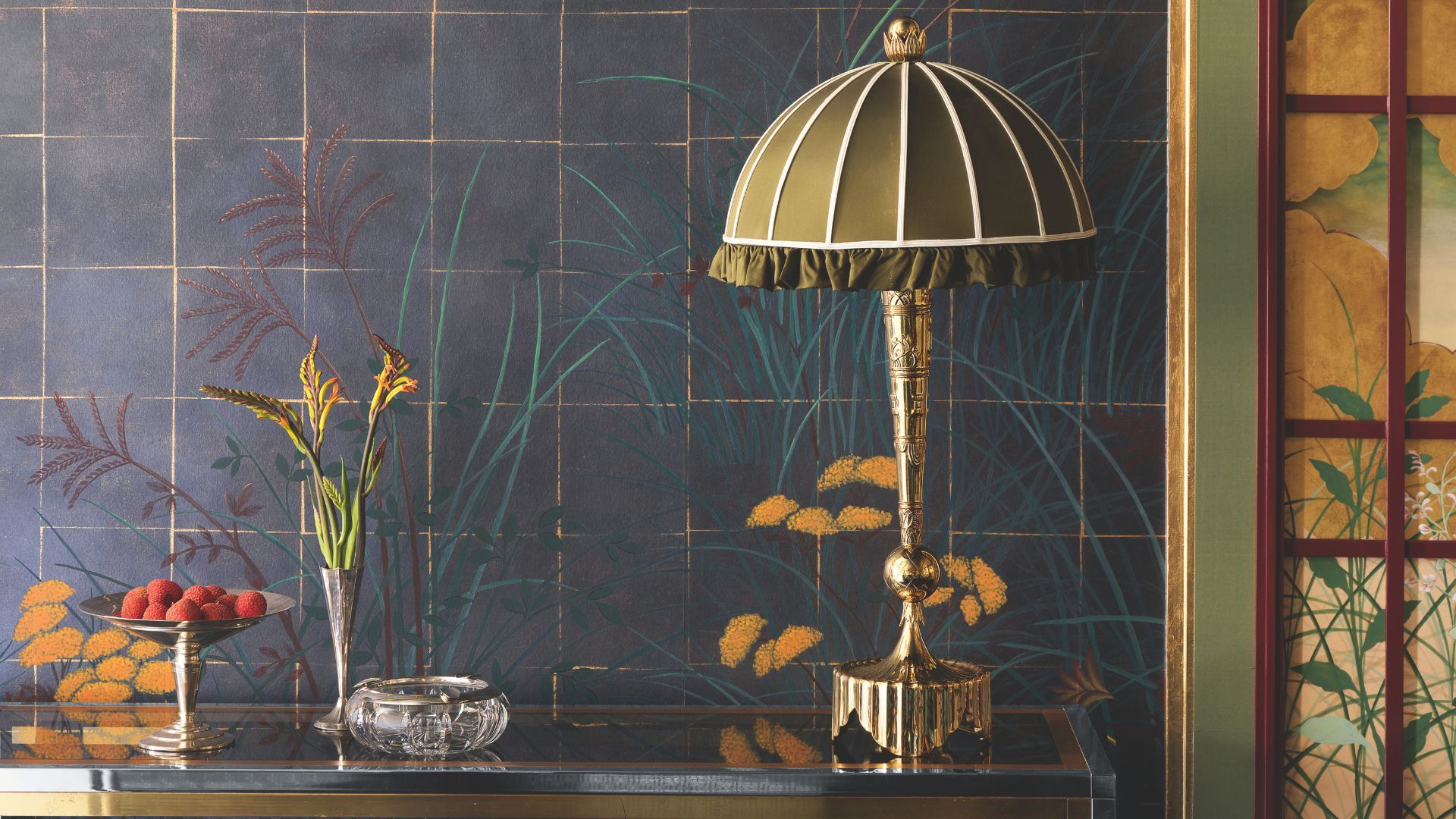
The Rise of Japanese-Inspired Interiors: Why Calm, Craft, and Simplicity Are Redefining Modern Design

Will Japandi rule your living room in 2026? Interior experts weigh in
11 Biggest Interior Trends Of 2025, Design Solutions & Reno Tips As Revealed By An Interior Designer

10 essential Japandi living room design tips to create a sense of calm and restfulness

12 Japandi Bedroom Ideas That Bring Harmony to Your Personal Space

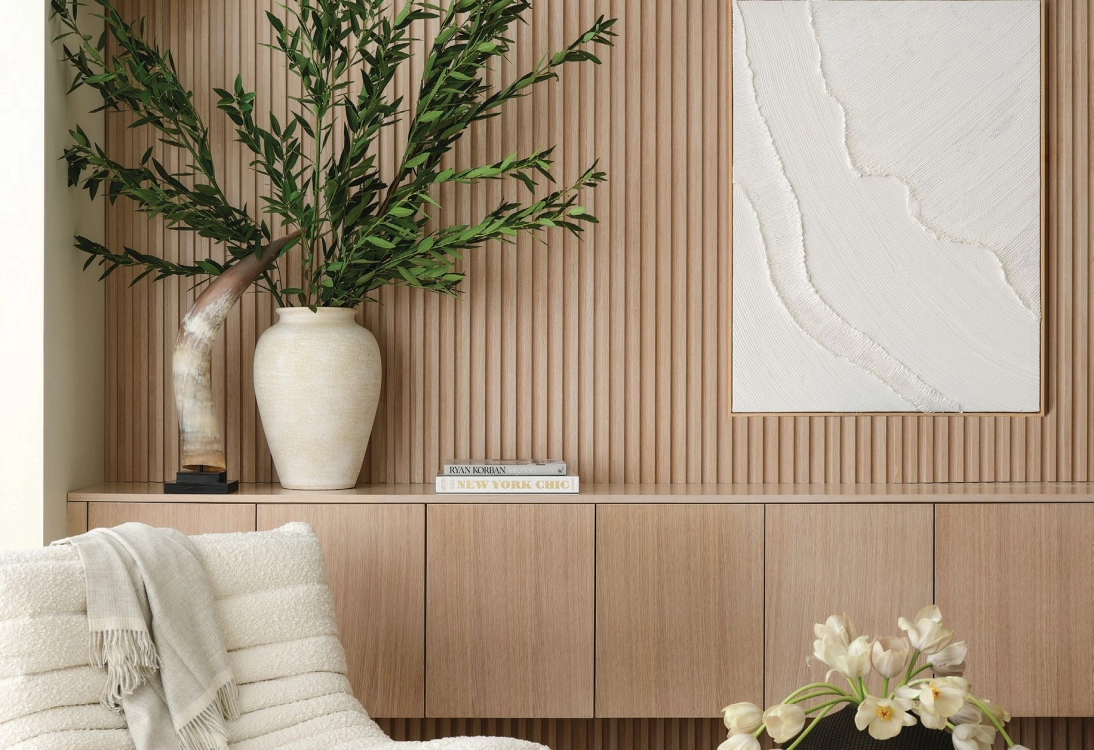
Japandi-Inspired New Hampshire Pied-à-Terre Design
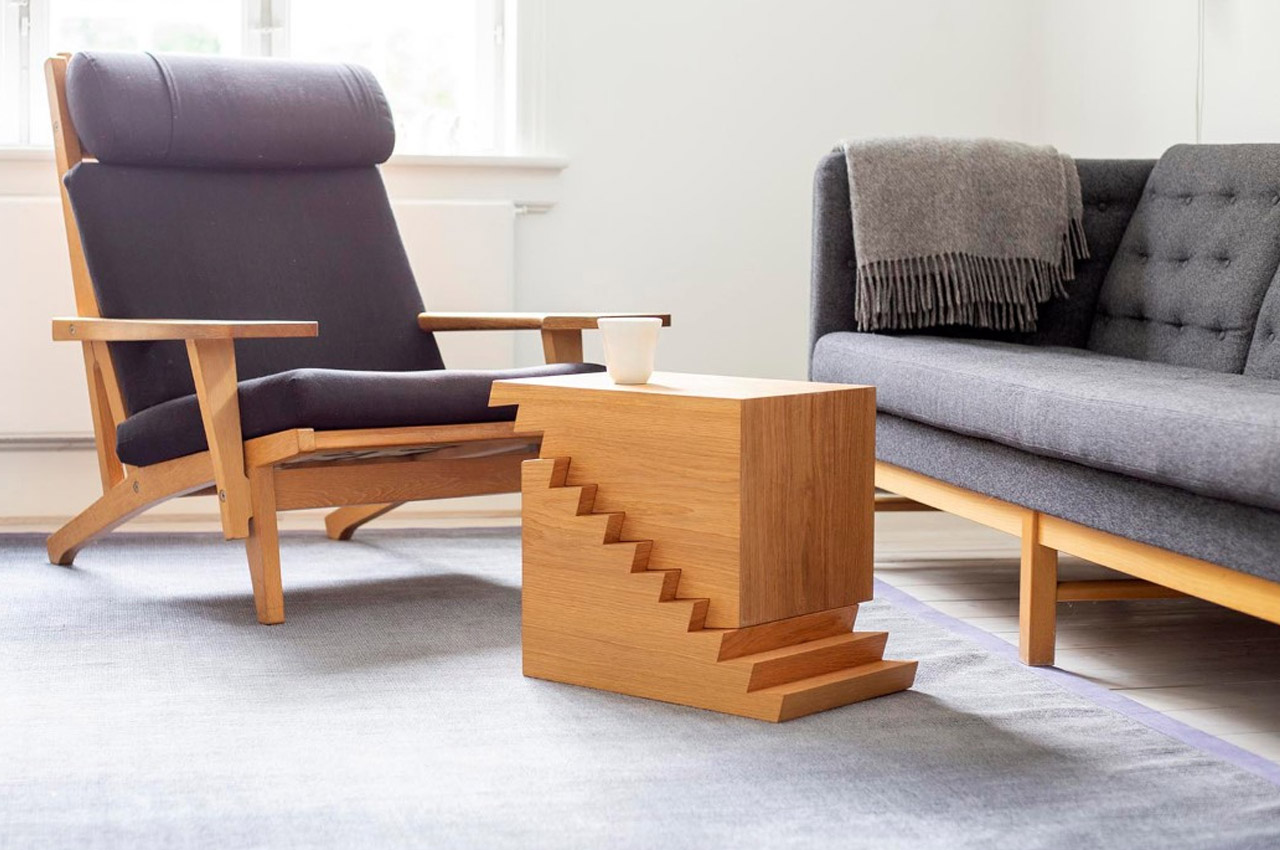
Wooden Furniture designed with Japandi aesthetics to incorporate zen-like minimalism into your home!