1/13
‘We’re just the current caretakers’ – The Brownstone Boys' golden rules for making the most out of your home's historic bones
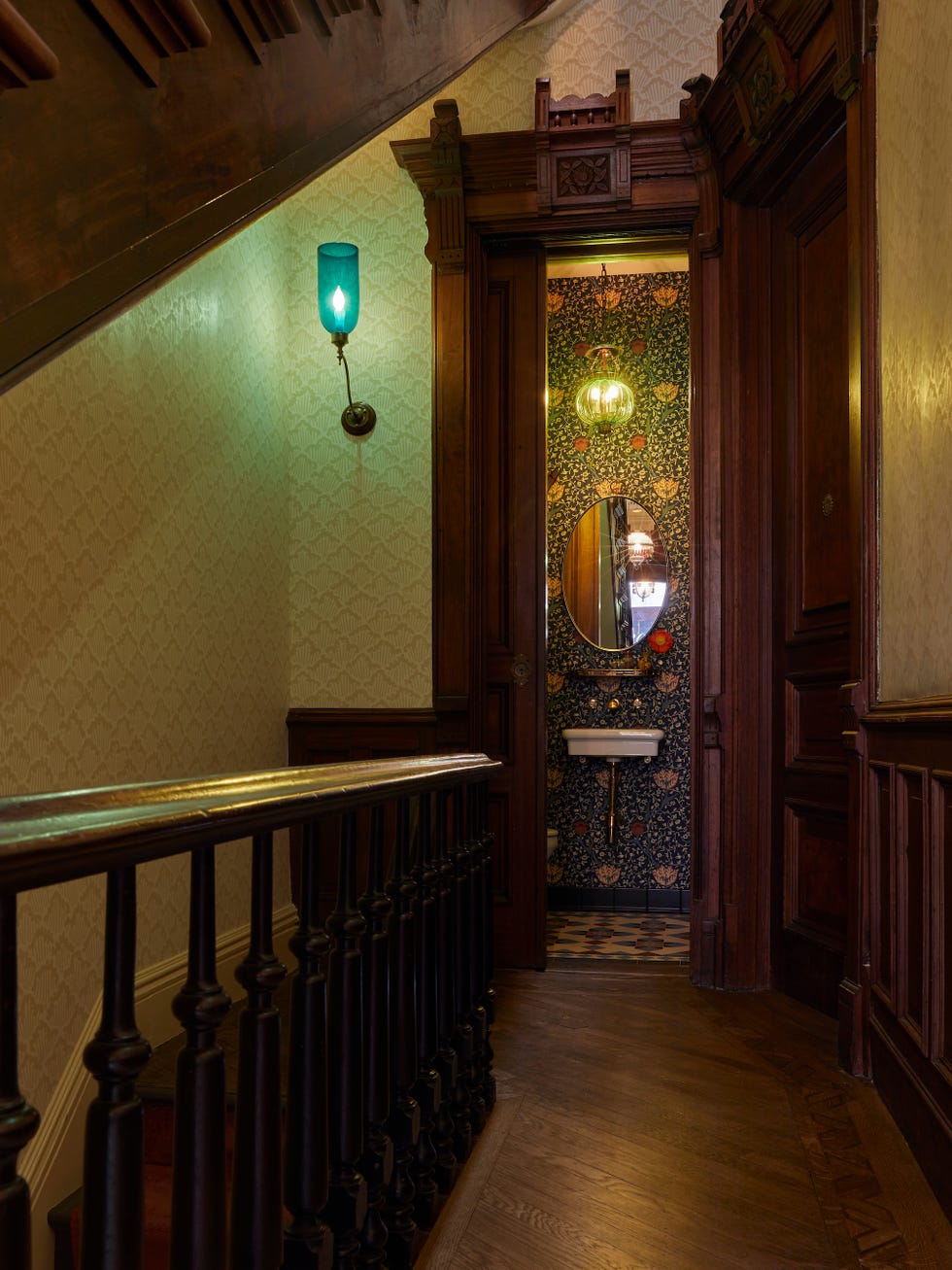
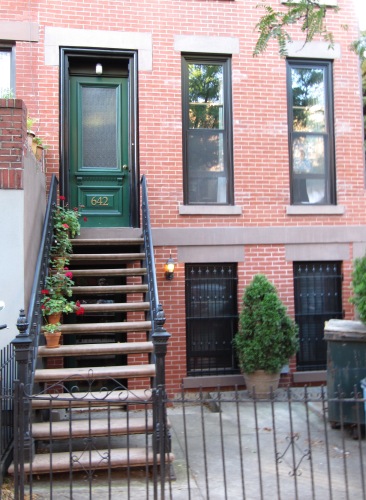
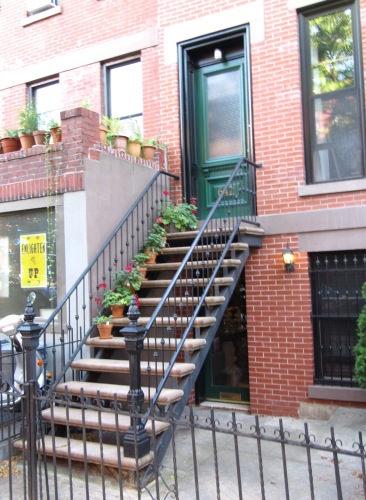
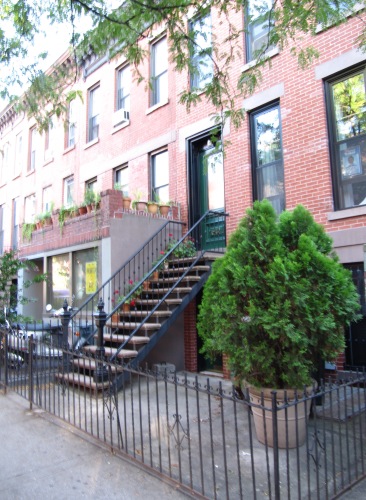
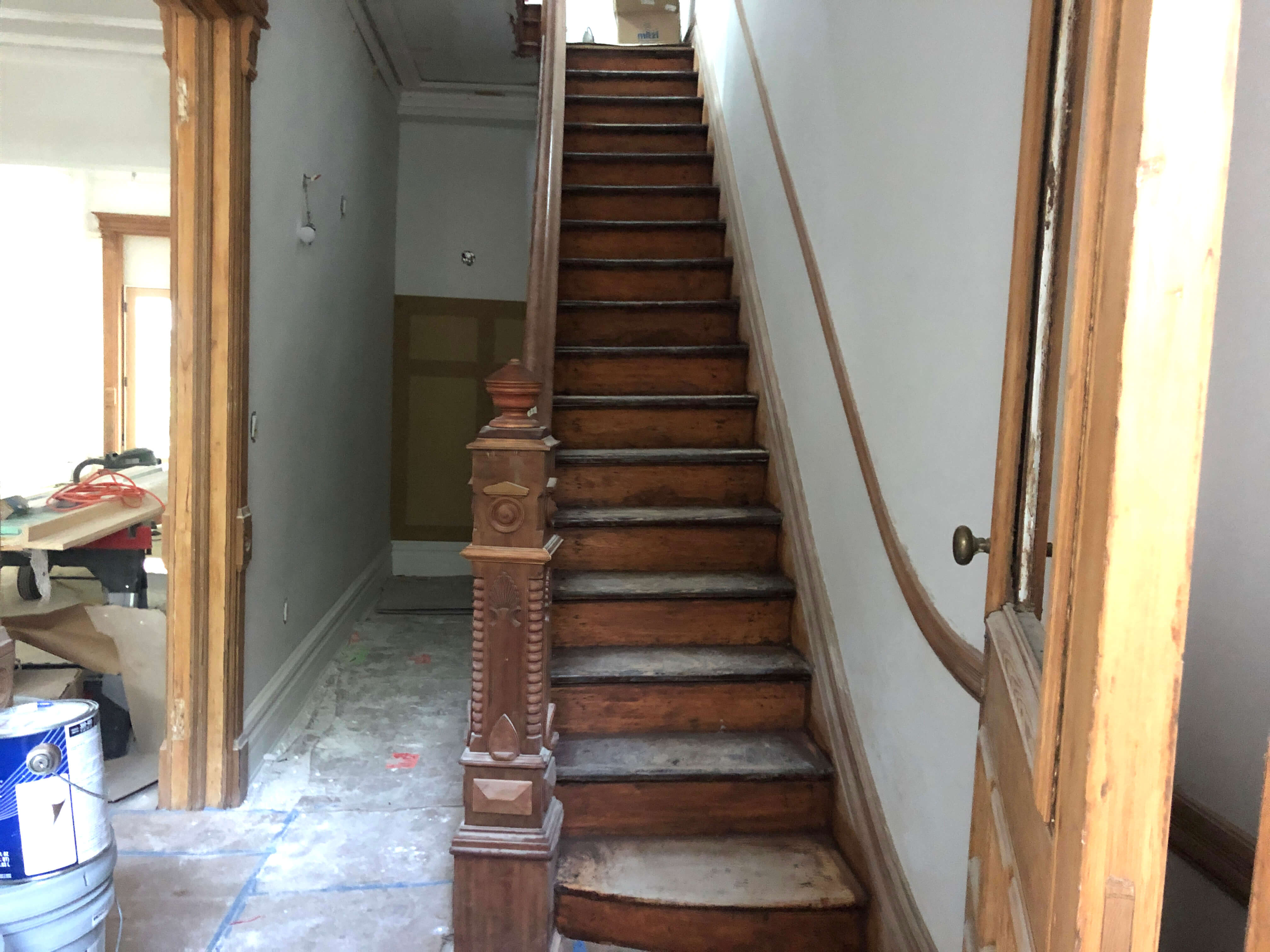
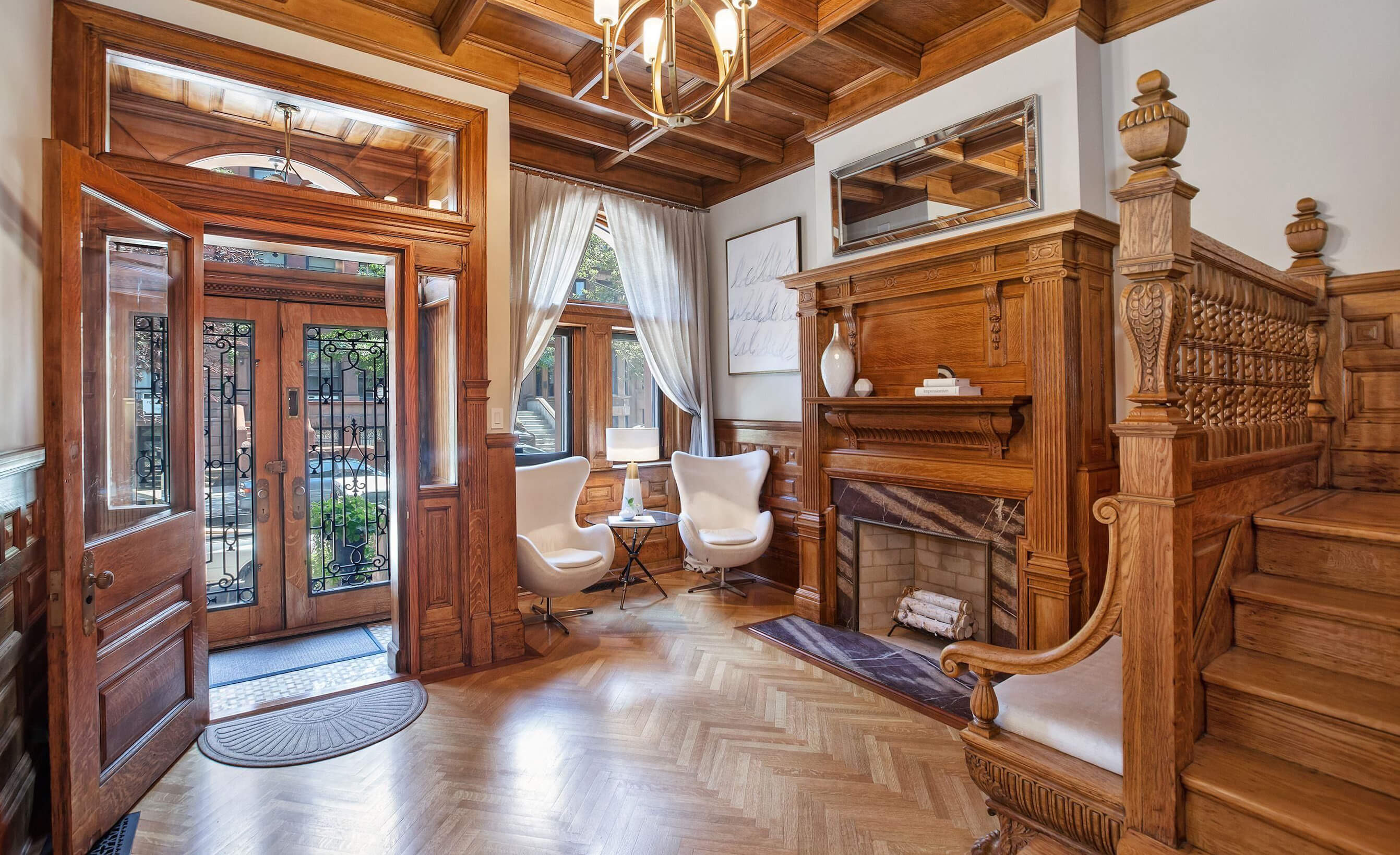
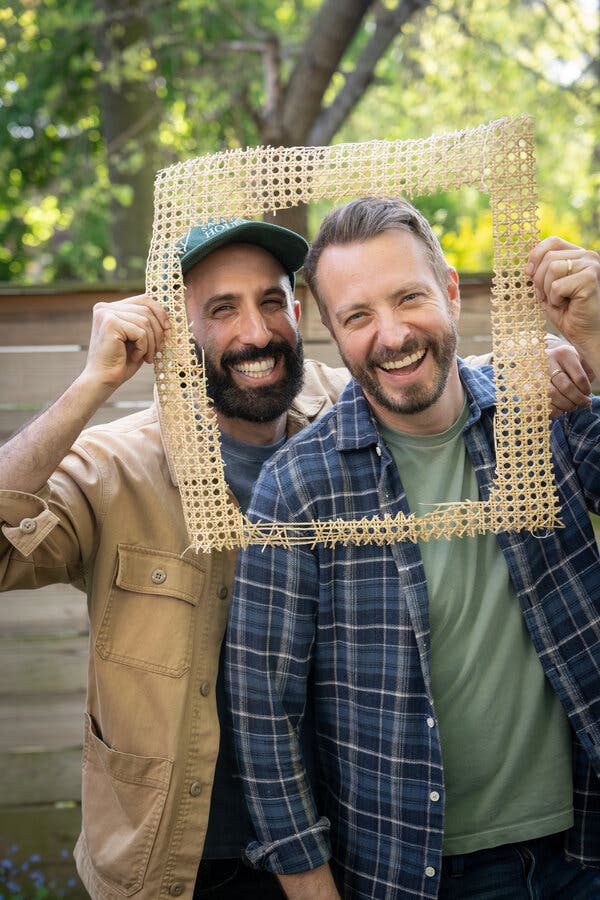
Jordan Slocum and Barry Bordelon, known as The Brownstone Boys, have built their design career around renovating historic homes in New York, embracing the challenge of preserving original character while adapting spaces for modern living. Their journey began with their own 1890s Bed-Stuy brownstone, filled with unique quirks and the need for significant restoration. They learned that maintaining a home's historical integrity requires a thoughtful approach, often involving complex repairs and careful material sourcing, rather than opting for a complete overhaul. This process led them to develop a period-sensitive design philosophy that respects the past while creating functional and personal living spaces.
The duo emphasizes that historic homes tell their own stories, and they view themselves as temporary caretakers, responsible for honoring the property's narrative. This perspective guides their work, from navigating challenging layouts to salvaging historic materials. For them, the inherent difficulties of working with older structures, such as irregular floor plans or the scarcity of period-appropriate components, are integral to the rewarding nature of each project. They advise homeowners of historic properties to approach renovations with patience, avoiding the immediate removal of original details that contribute to a home's soul.
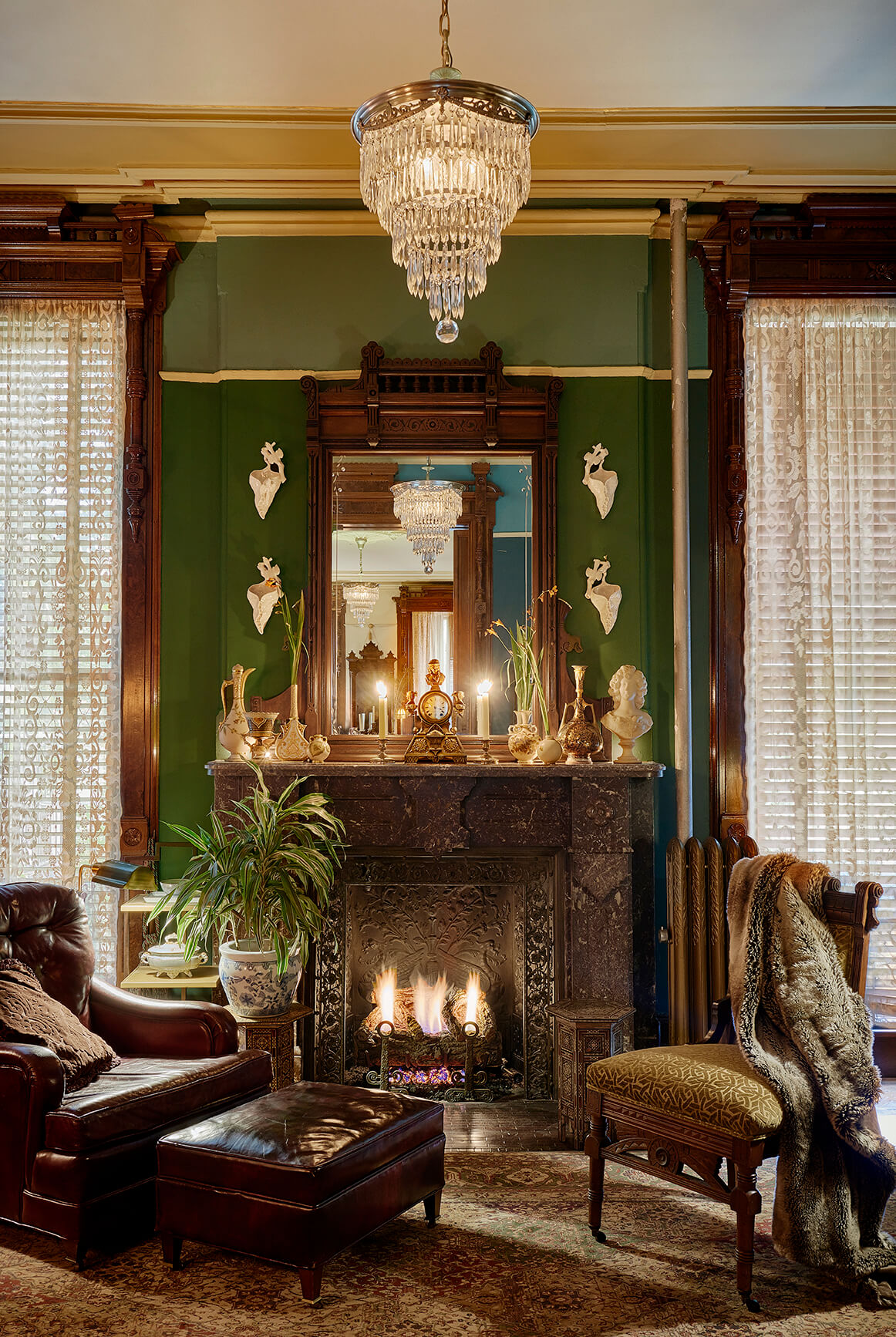
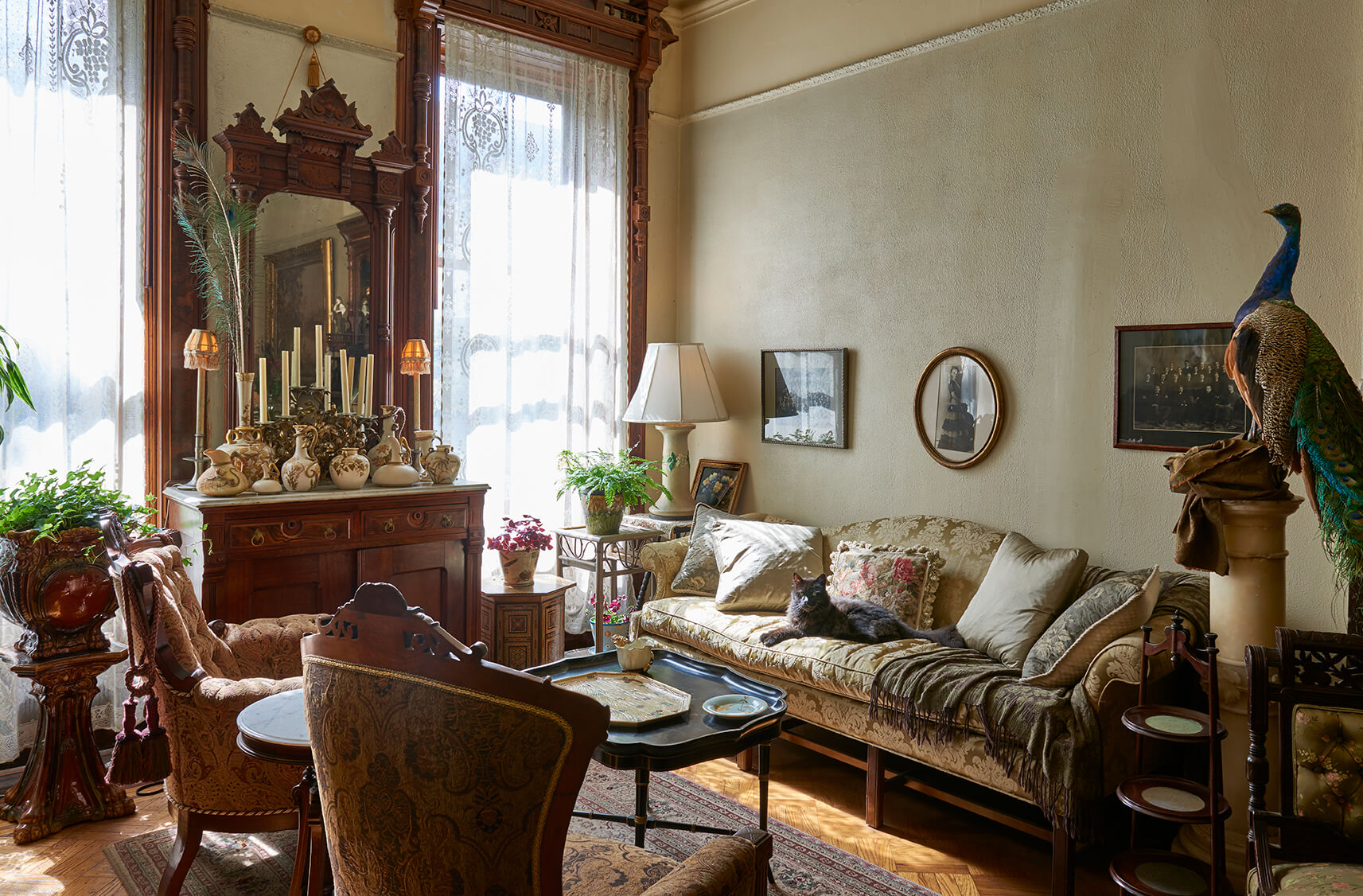
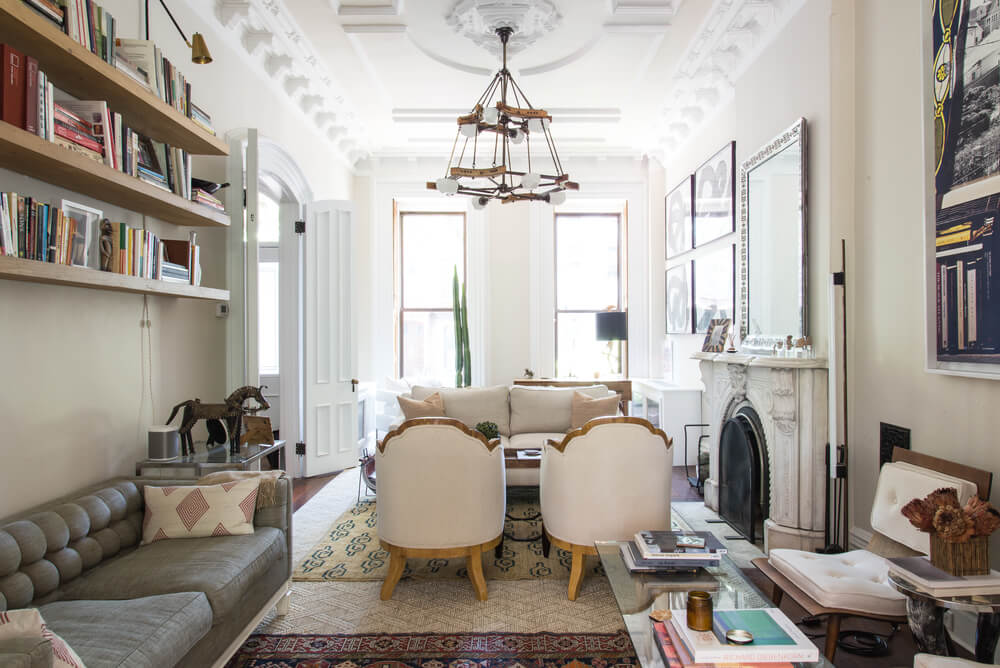
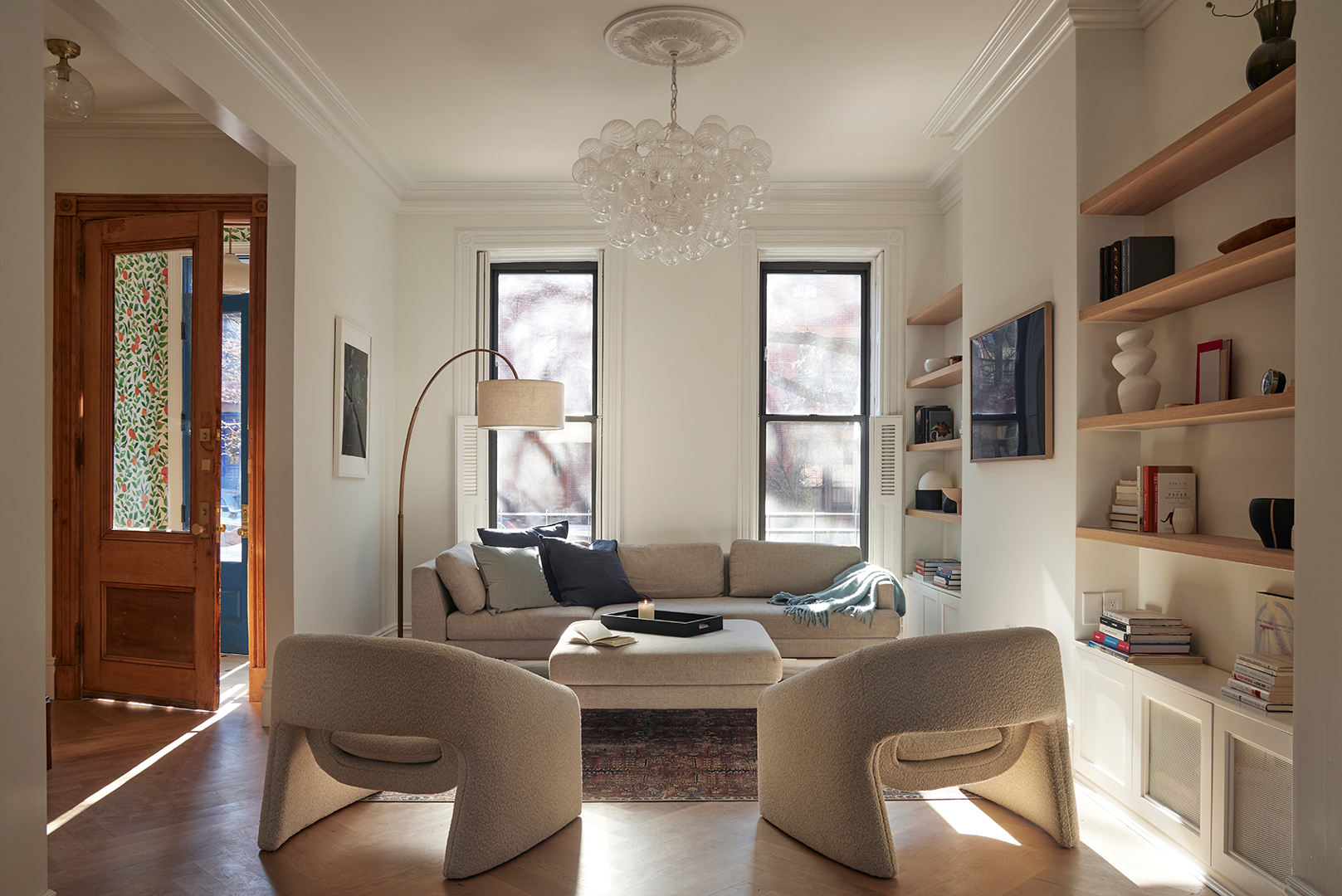
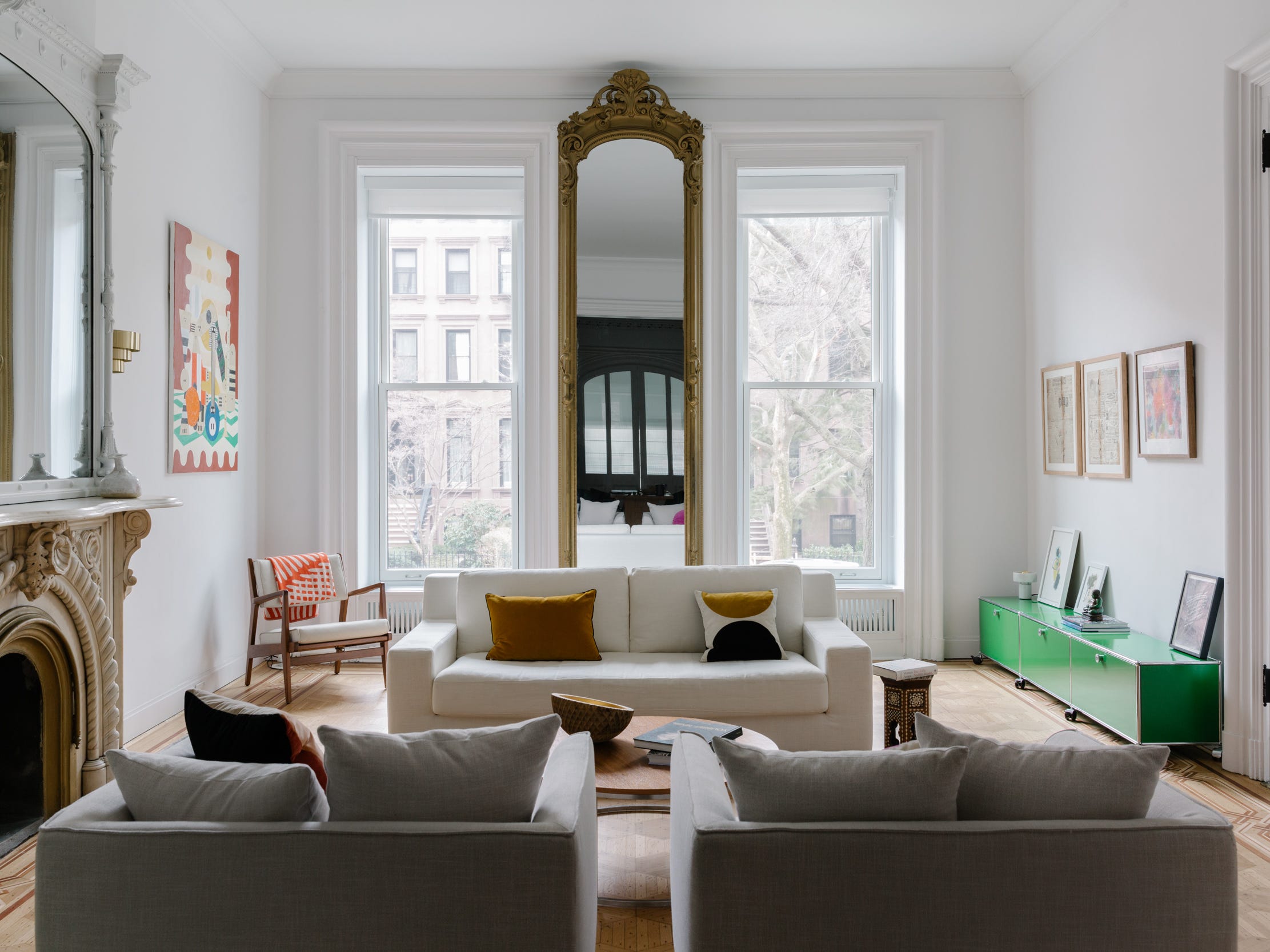
When homeowners possess compartmentalized, historic layouts, The Brownstone Boys suggest implementing subtle changes to enhance openness and light without requiring extensive renovation. Recommendations include updating the color palette with lighter hues, replacing heavy window treatments with sheers, and strategically using mirrors to reflect natural light. Layered lighting solutions and thoughtful furniture placement that creates clear sightlines are also effective in making older homes feel more spacious and airy while preserving their inherent character.
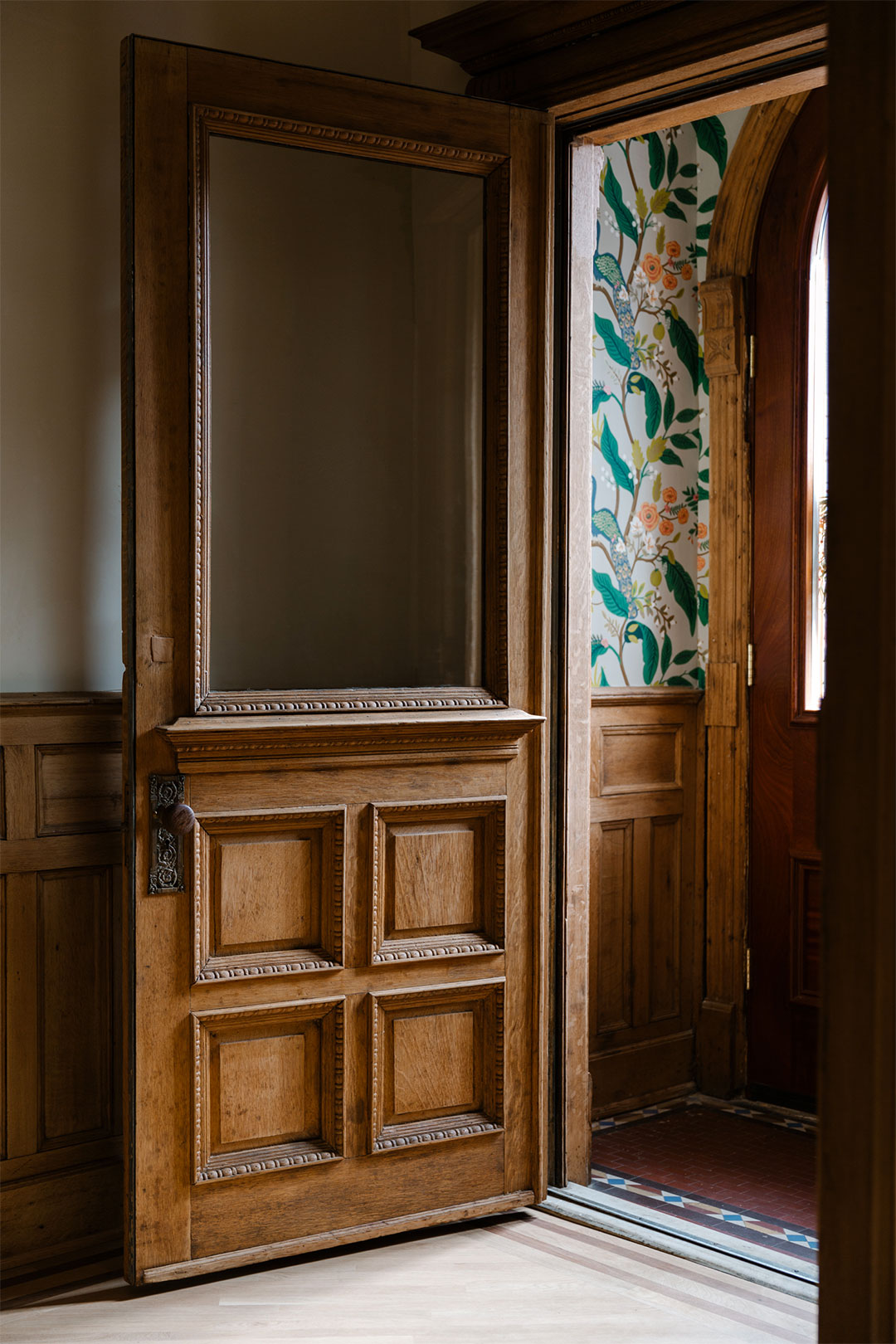
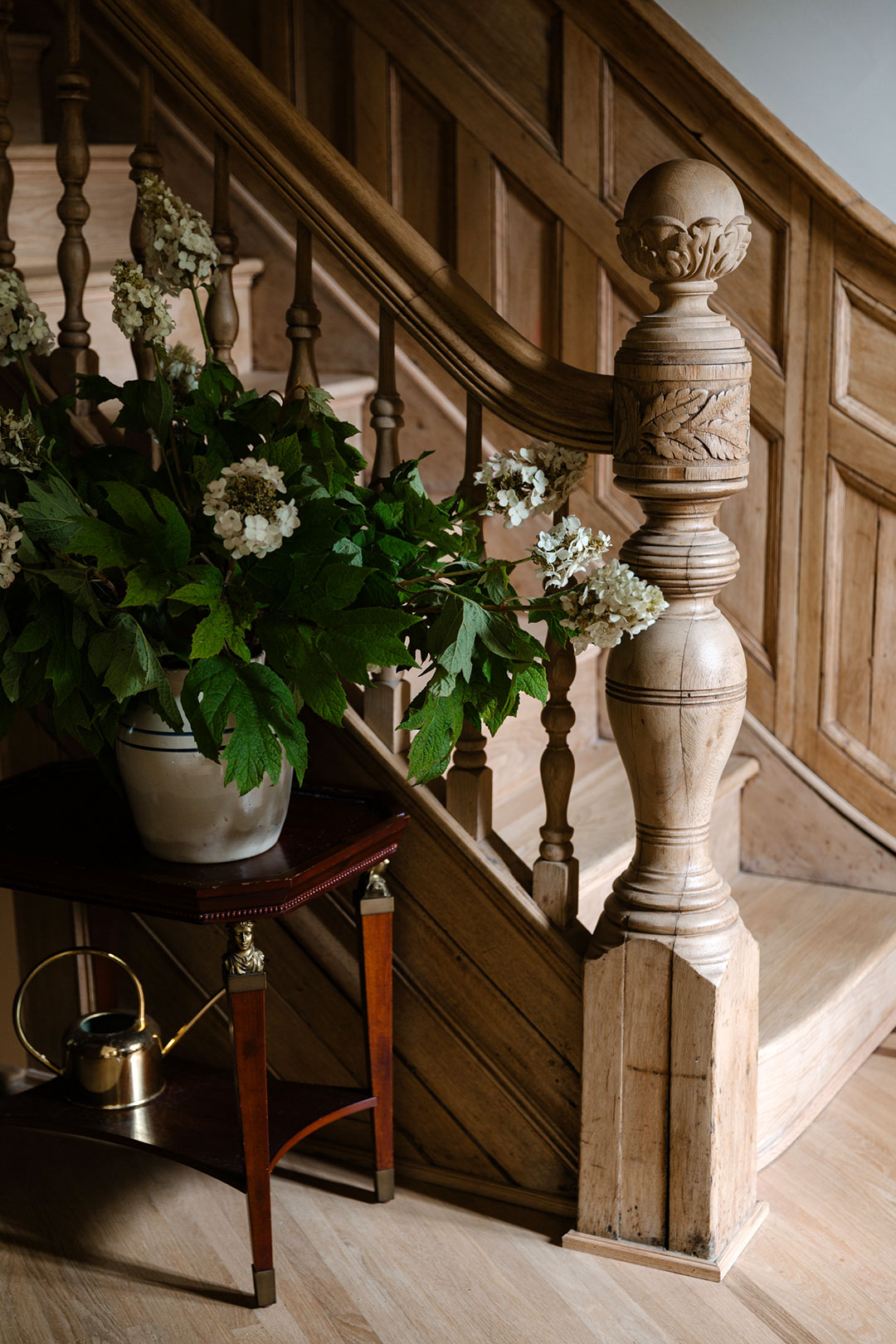
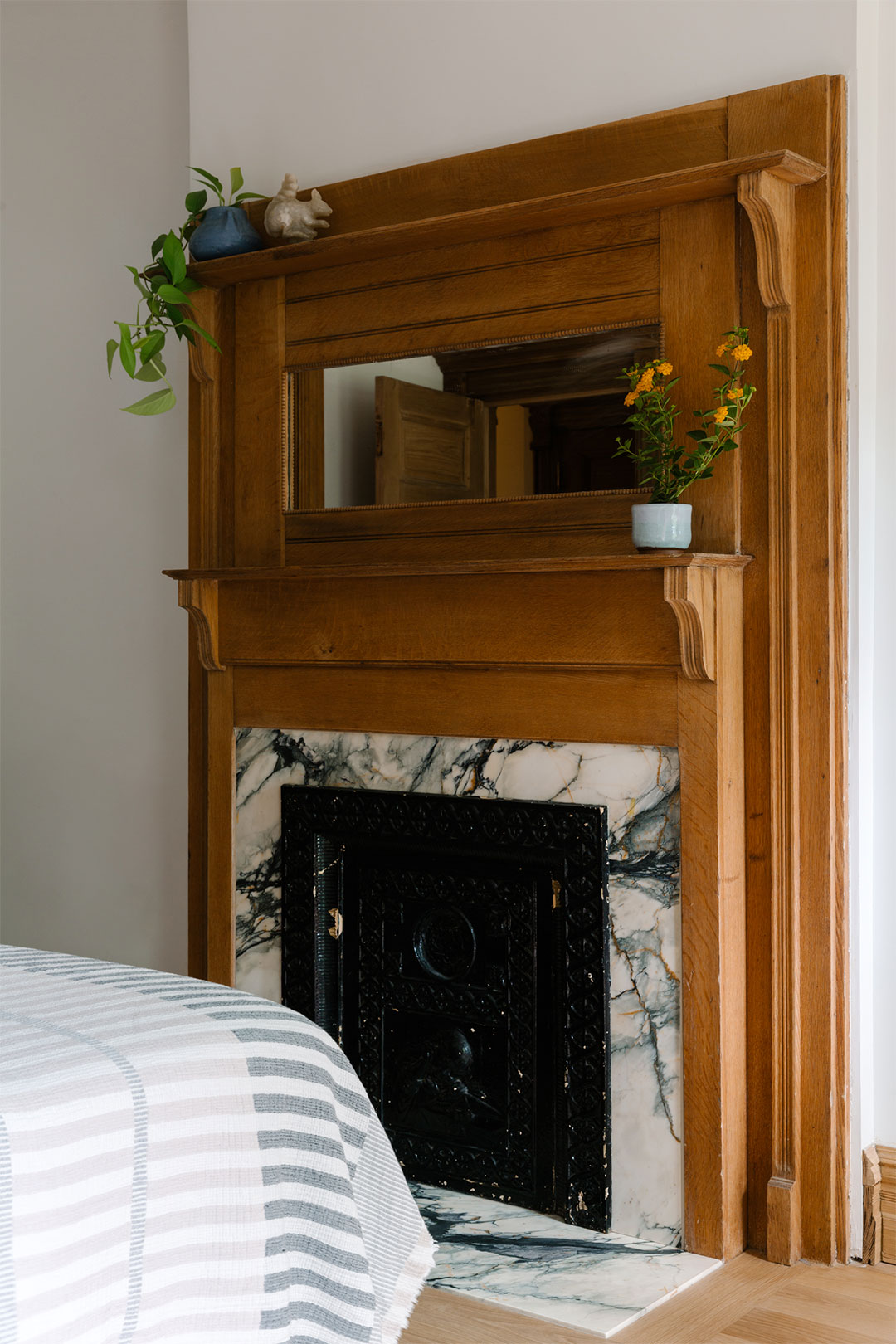
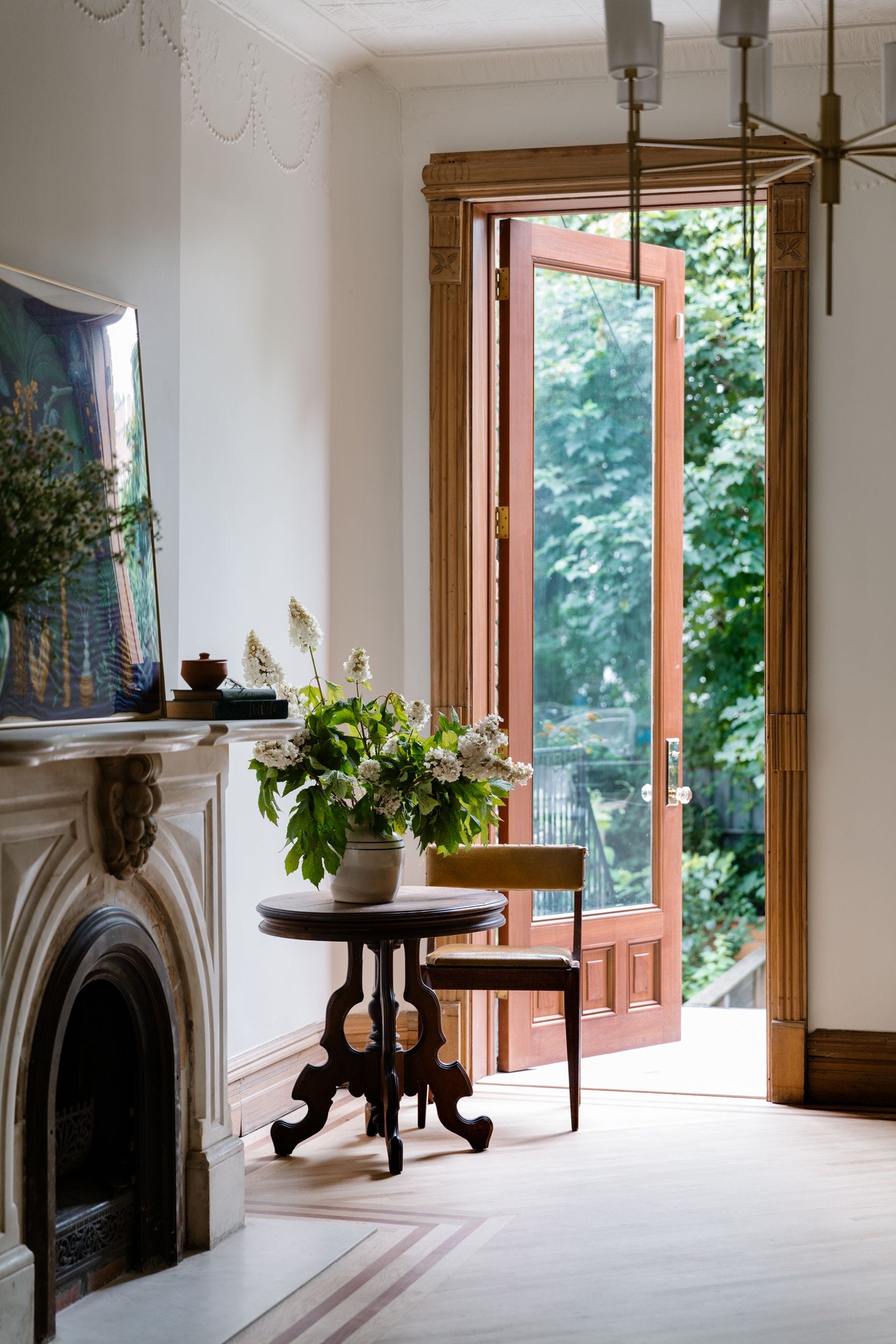
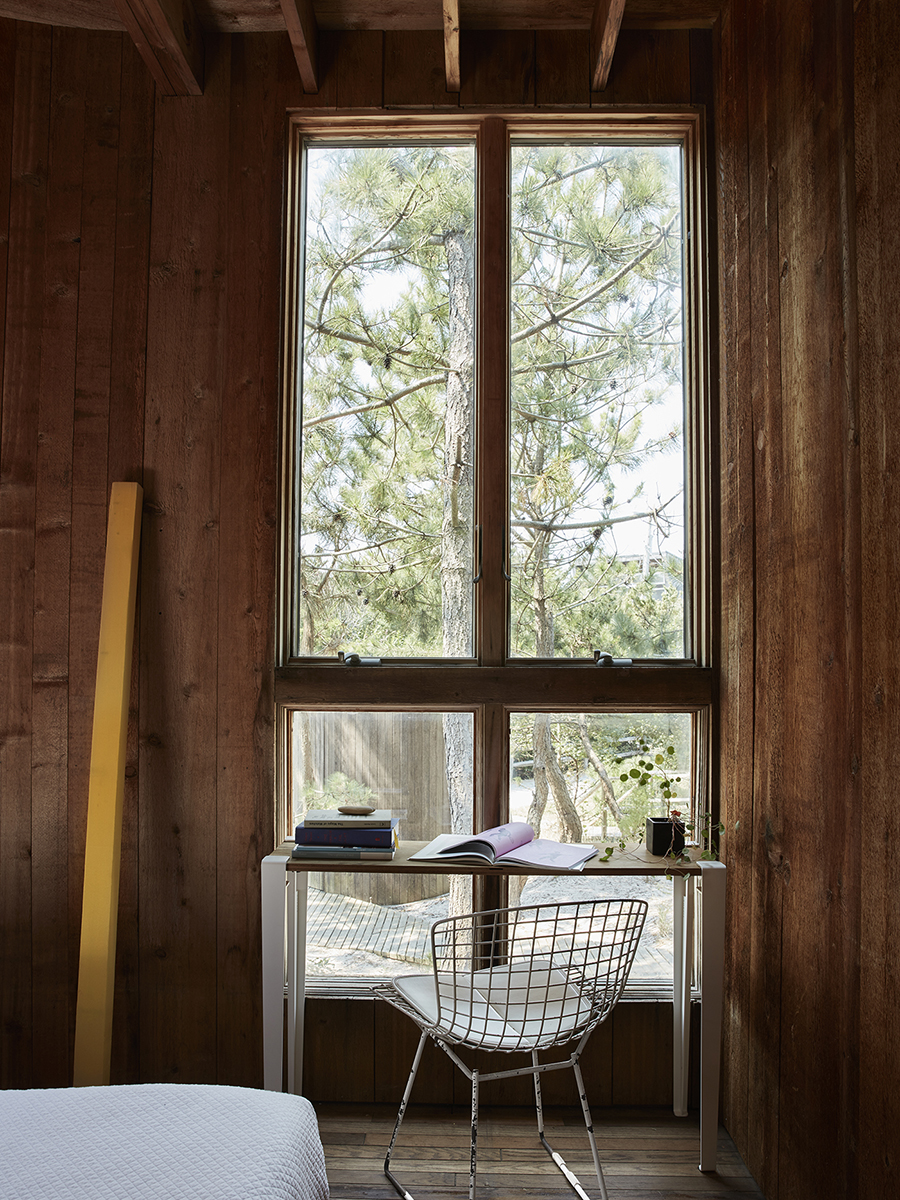
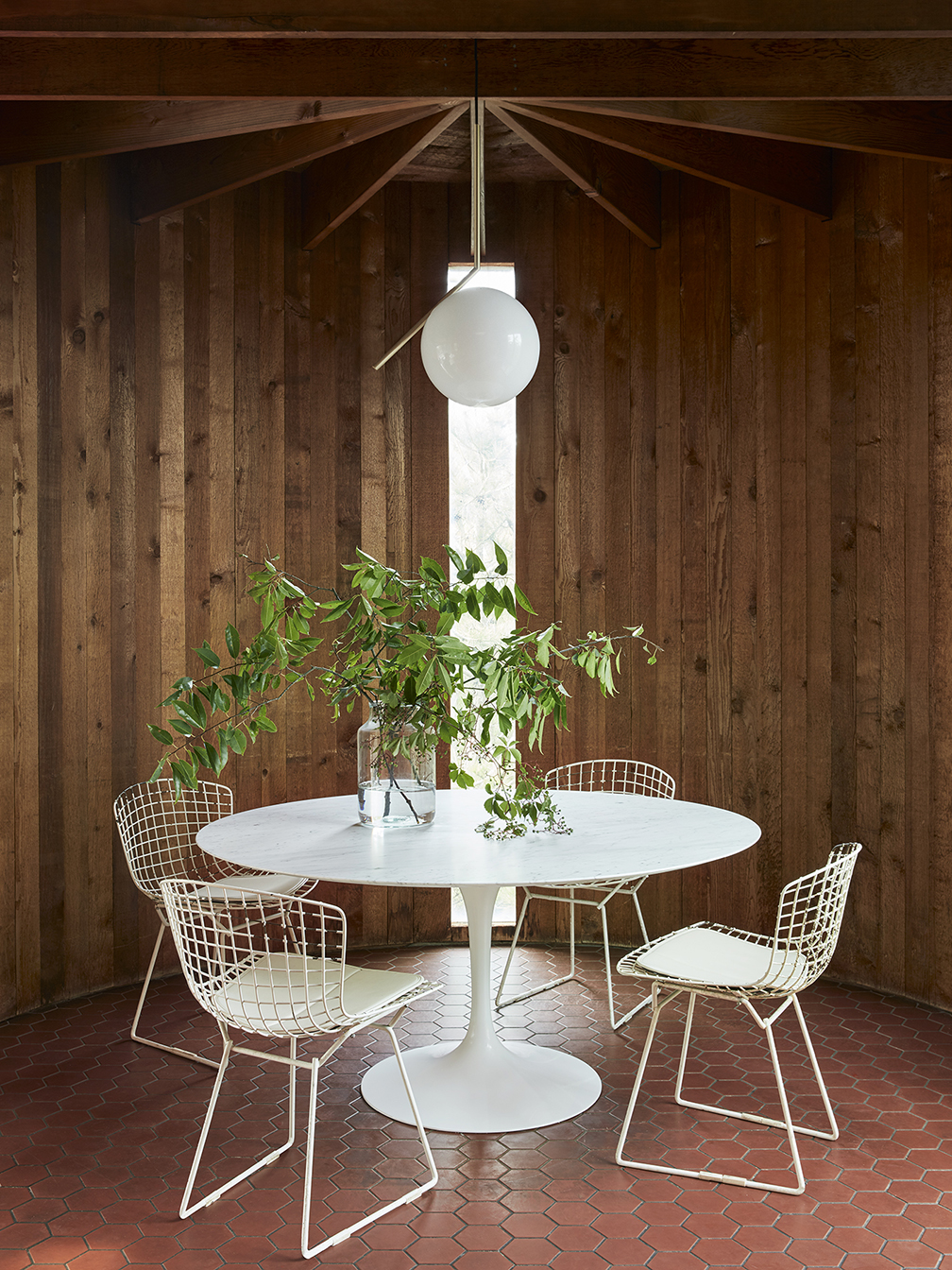
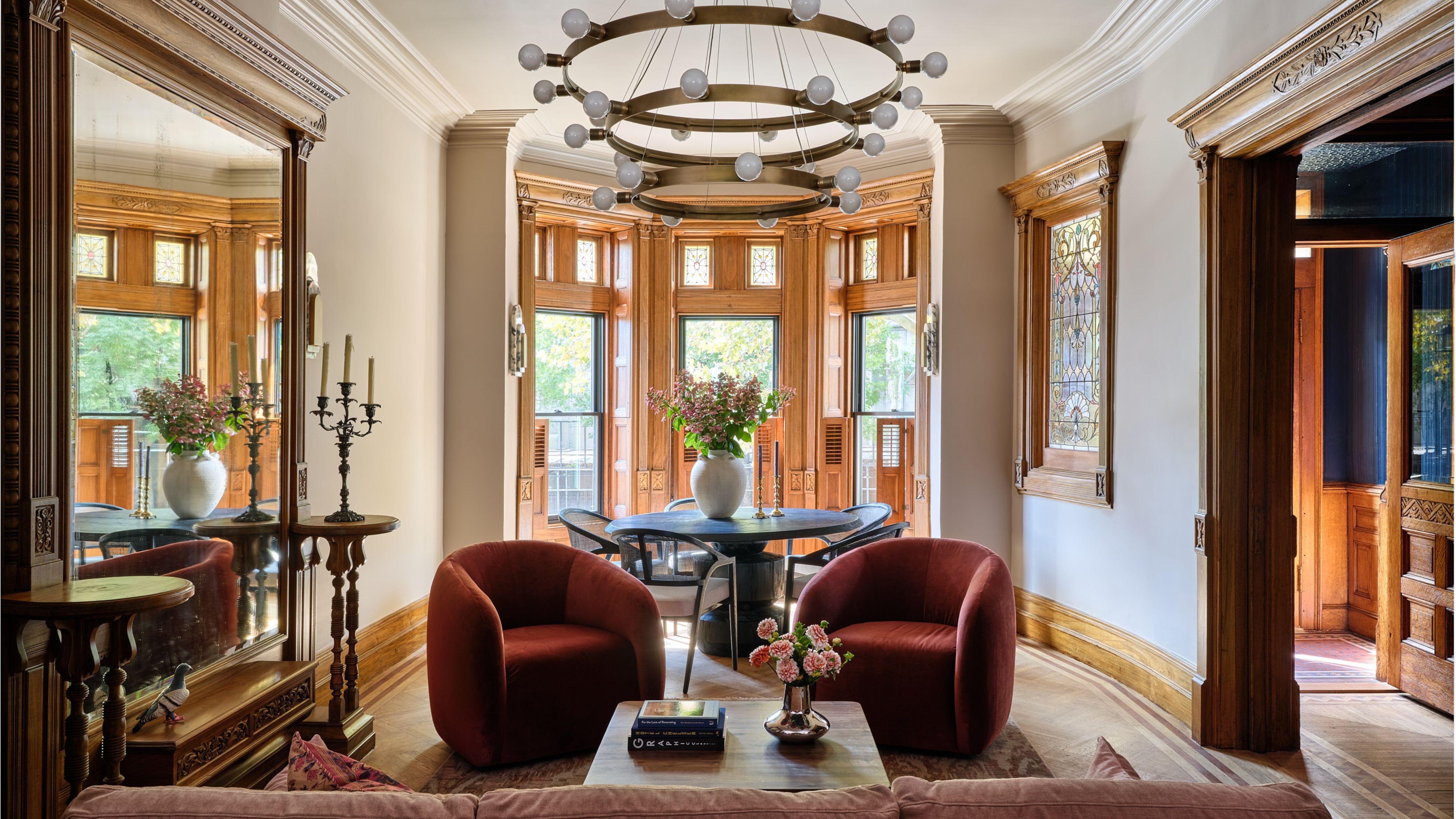
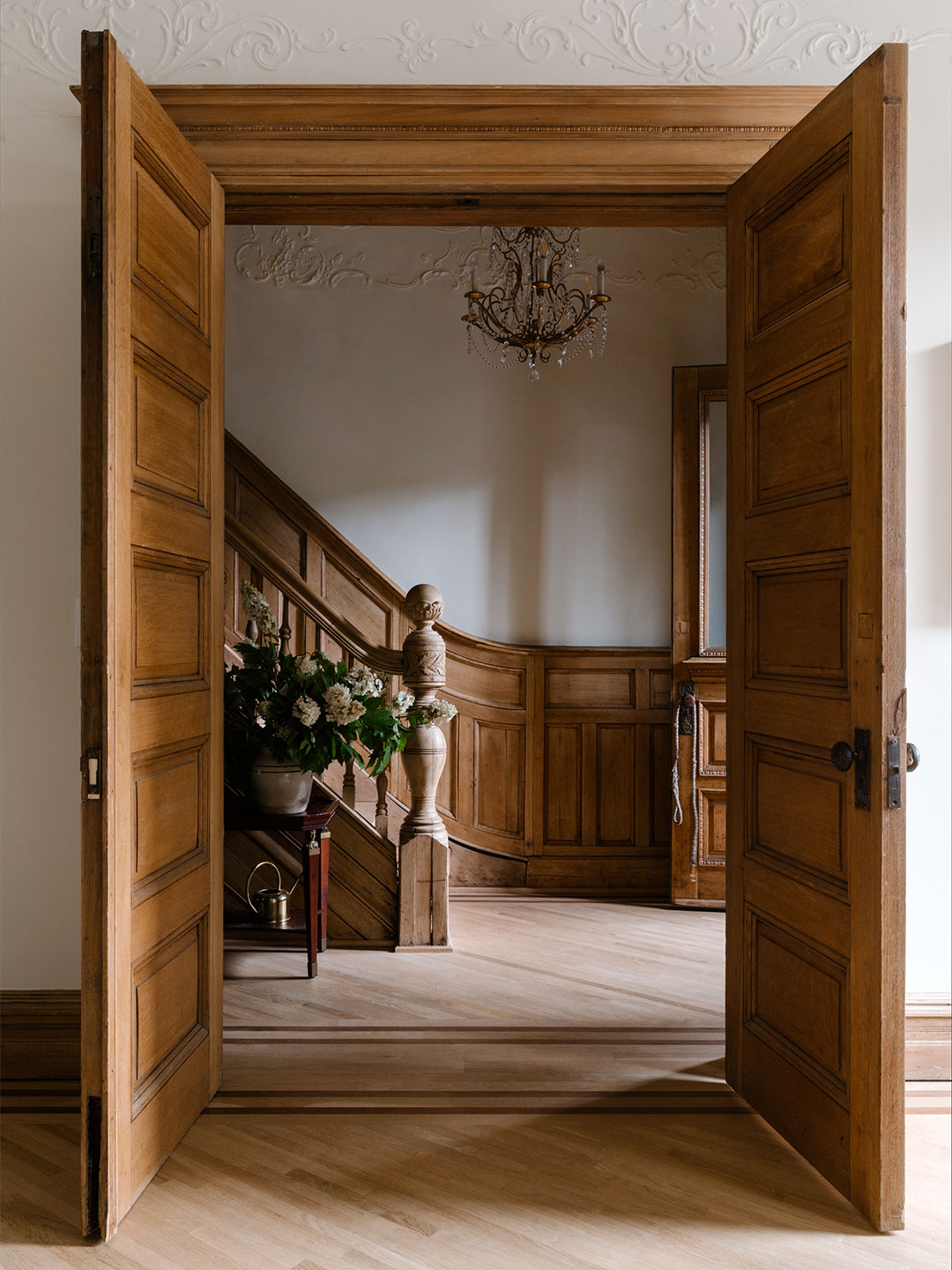
Regarding the integration of modern elements with original wood details, the designers advocate for a harmonious balance. They suggest pairing rich wood with soft, muted color palettes such as creamy whites, sage greens, and earthy clays to highlight the wood's natural beauty. Complementary materials like natural stone, unlacquered brass, and textured fabrics like linen or wool are also recommended, ensuring that modern additions enhance rather than compete with the home's historic features. Their approach is about creating layers that bridge historical reverence with contemporary functionality.
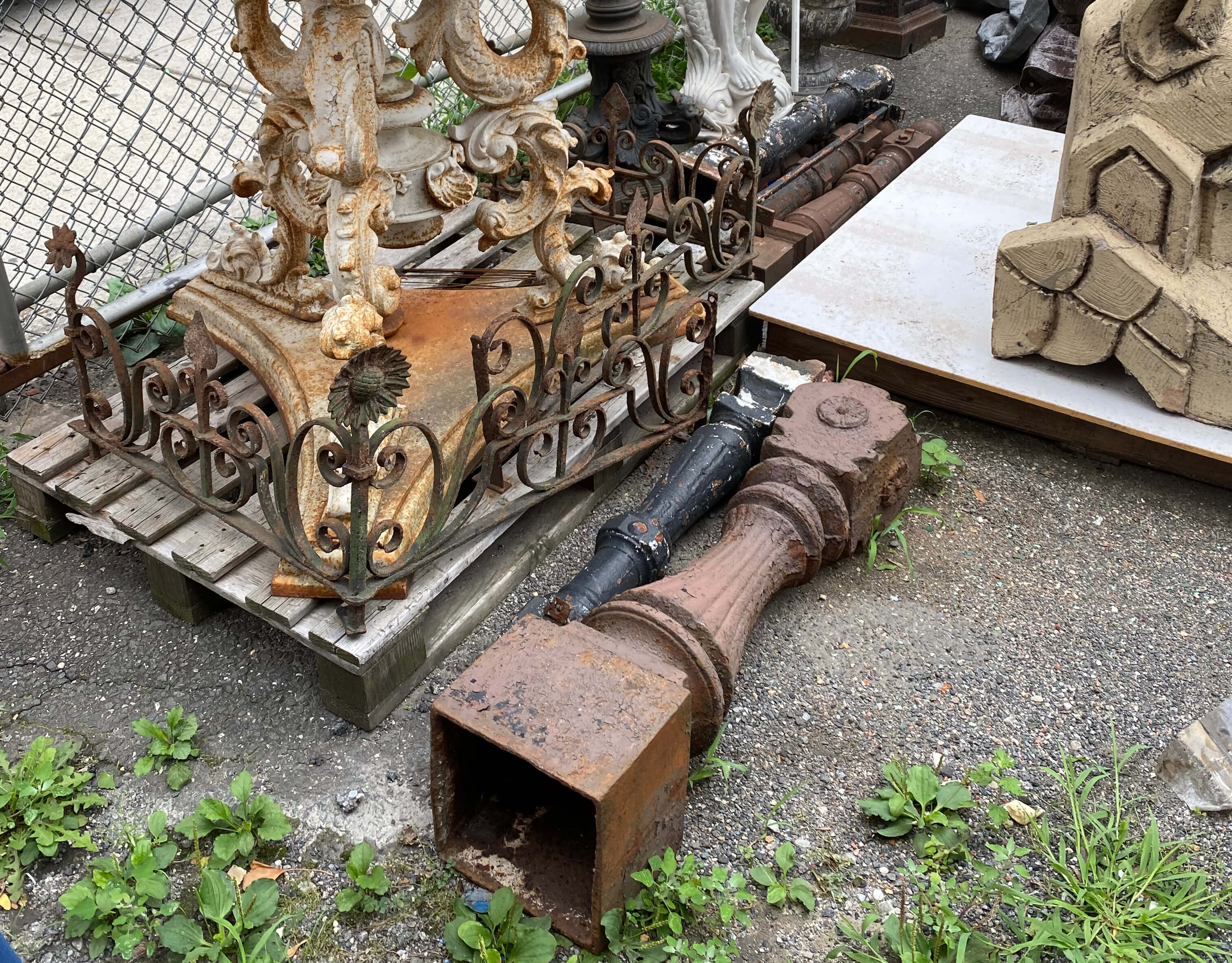
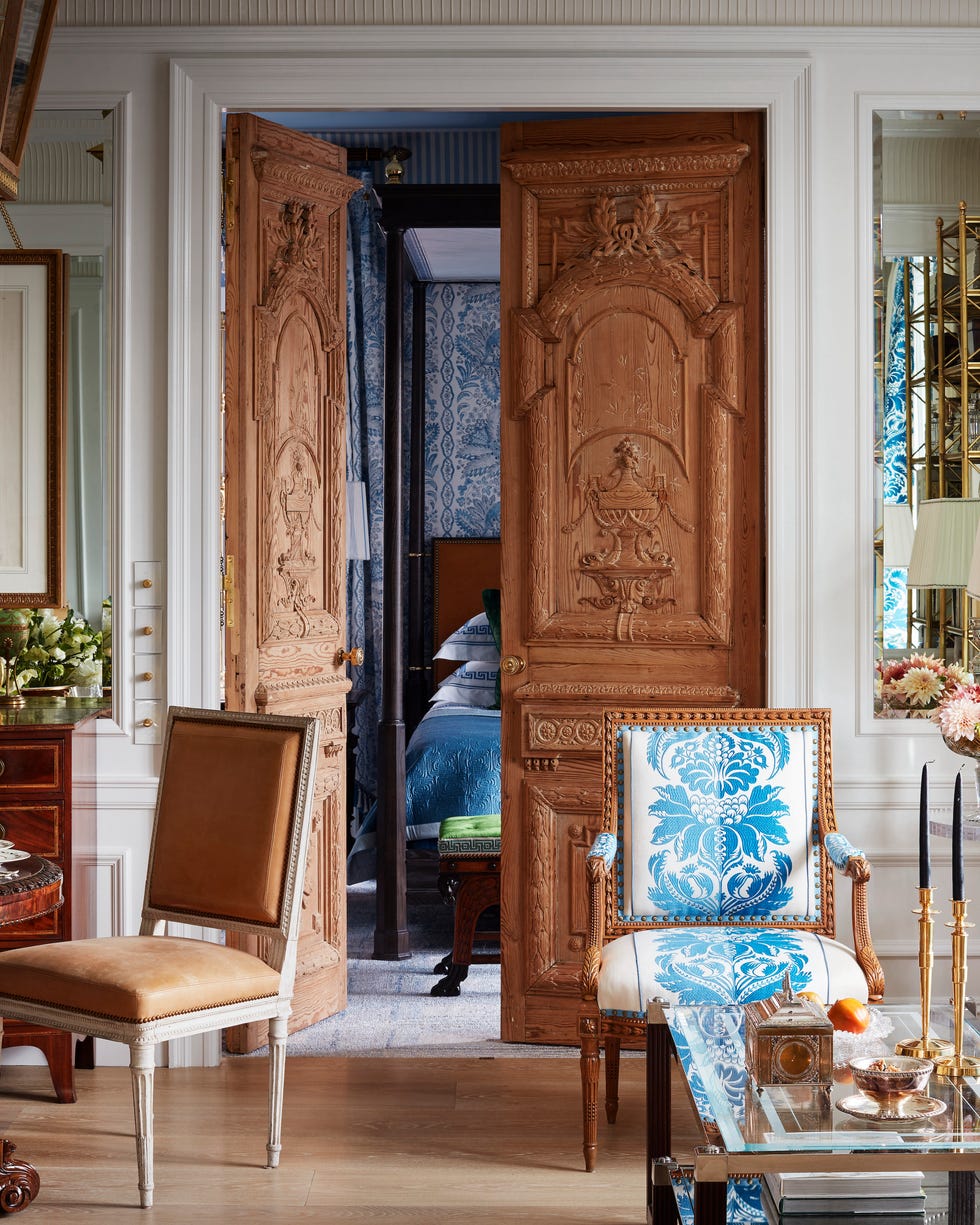
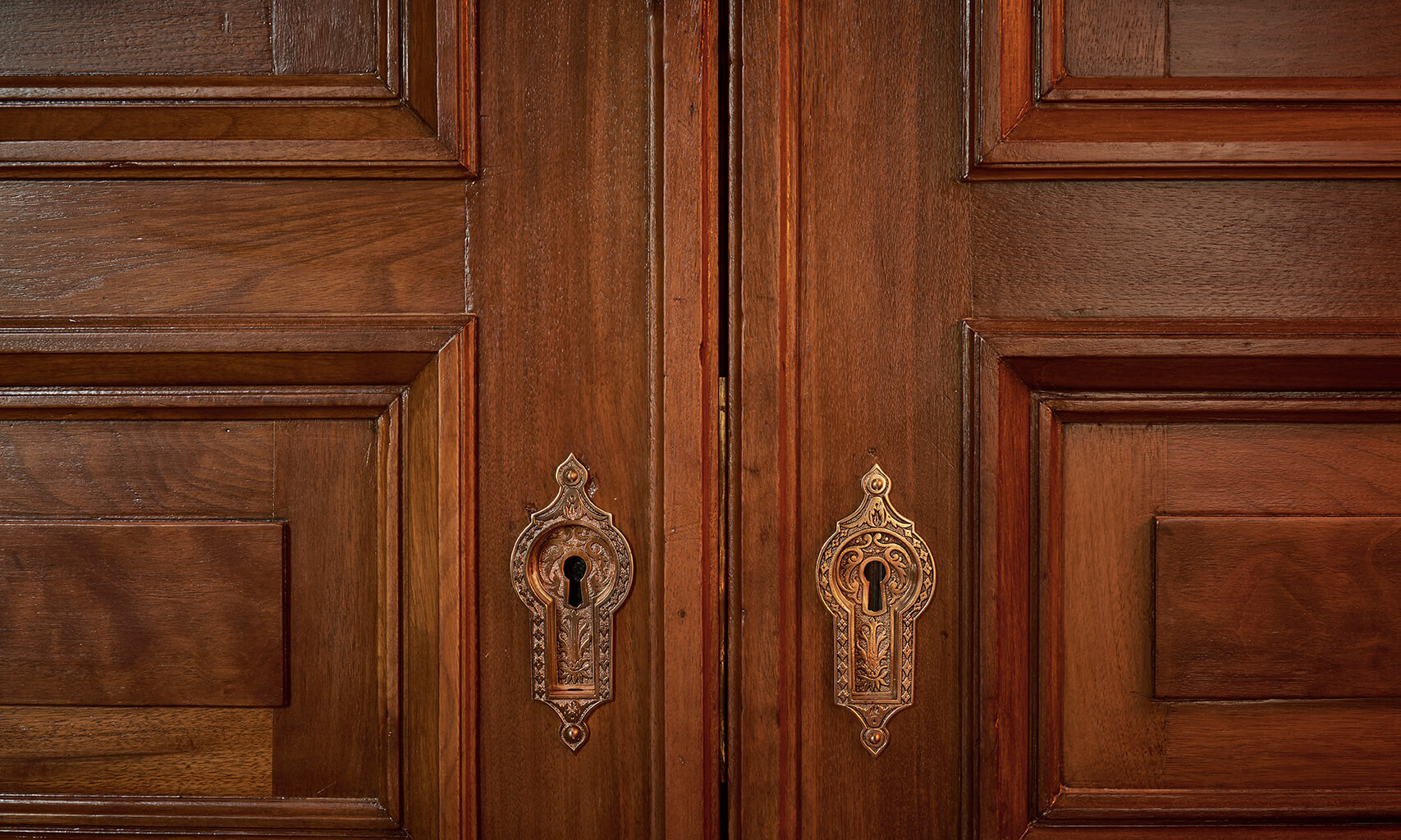
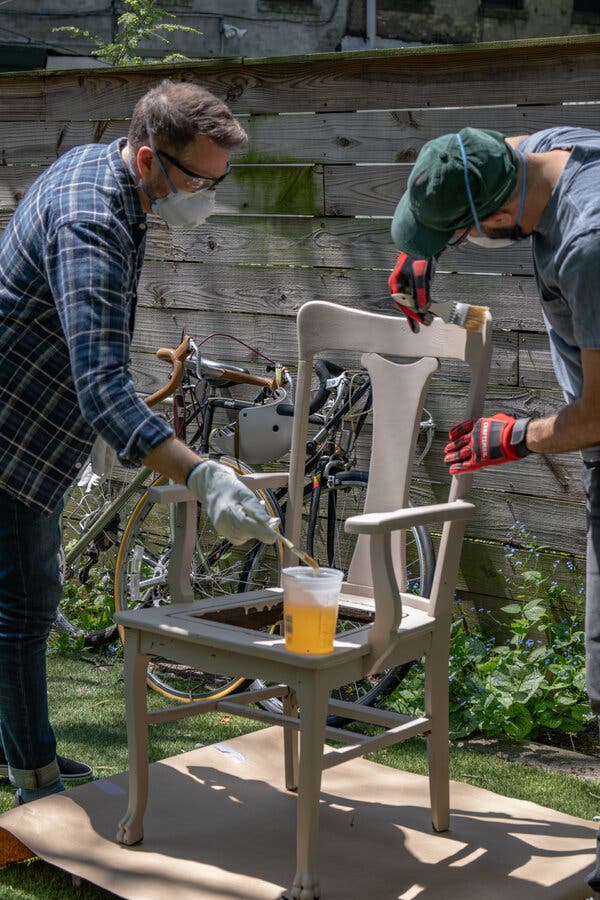
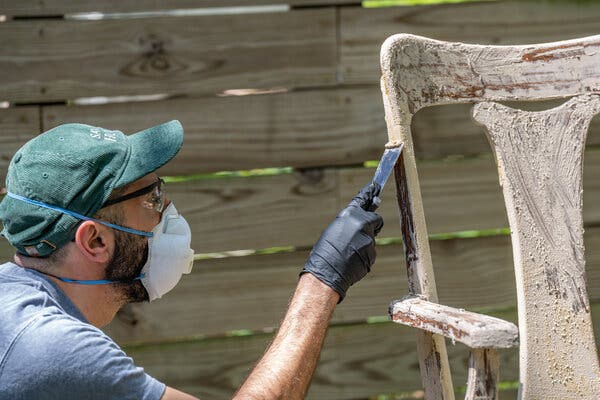
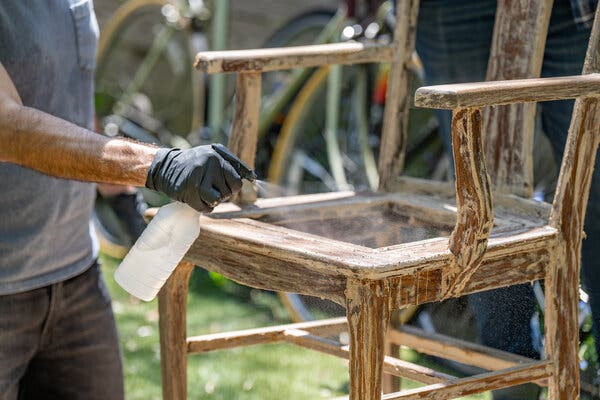
The Brownstone Boys also shared a list of seven essential products and tools for preserving the charm of historic homes. These include wood stain removers like Benco for industrial use and EcoStrip for DIY projects, and Sutherland Welles Furniture Wax for protecting and enhancing natural wood. For hardware, they recommend timeless pieces from Rejuvenation and Art & Forge's Williamsburg line, as well as vintage finds from eBay and Etsy. Orac Decorative Mouldings are suggested as a lightweight and durable alternative to original plaster crown. Limewash paint, specifically from Portola, is favored for its ability to create depth and texture with earthy, timeless colors. Radiator covers, whether custom-designed or sourced from vintage markets, are noted for their aesthetic and functional improvements. Finally, salvaged architectural pieces like mantels, doors, and light fixtures from places like Old Iron Salvage, Demolition Depot, eBay, Etsy, and Facebook Marketplace are considered crucial for reintroducing authentic history into a space.
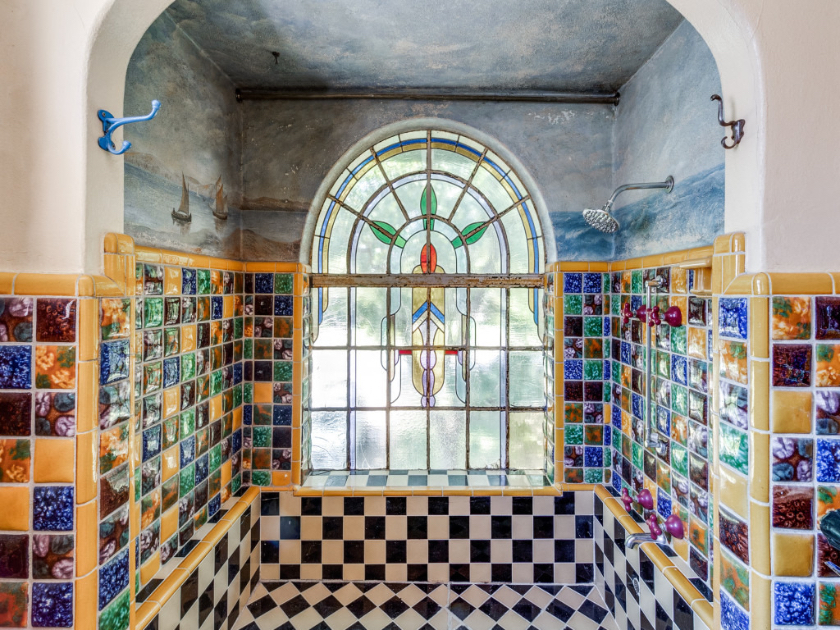
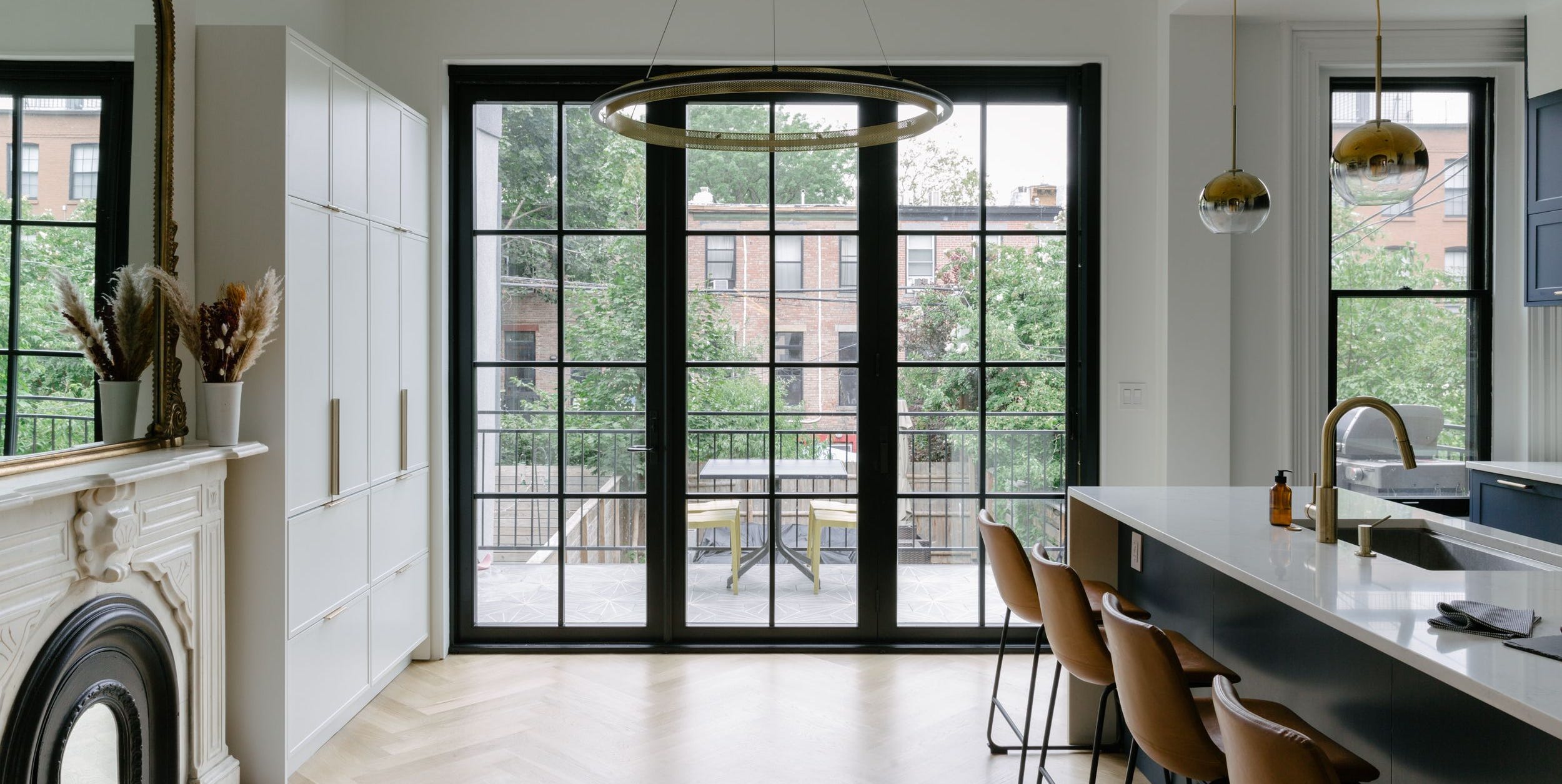
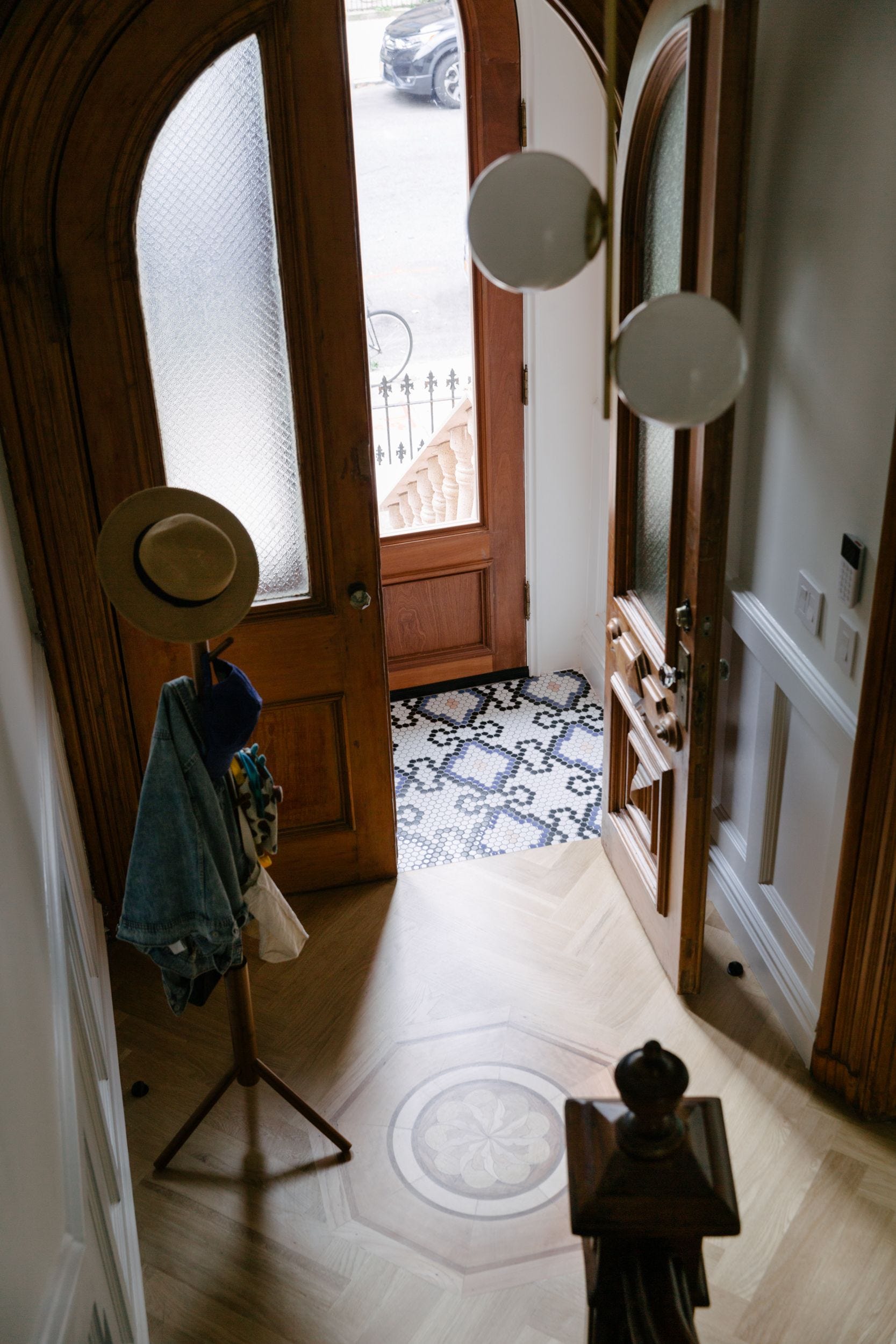
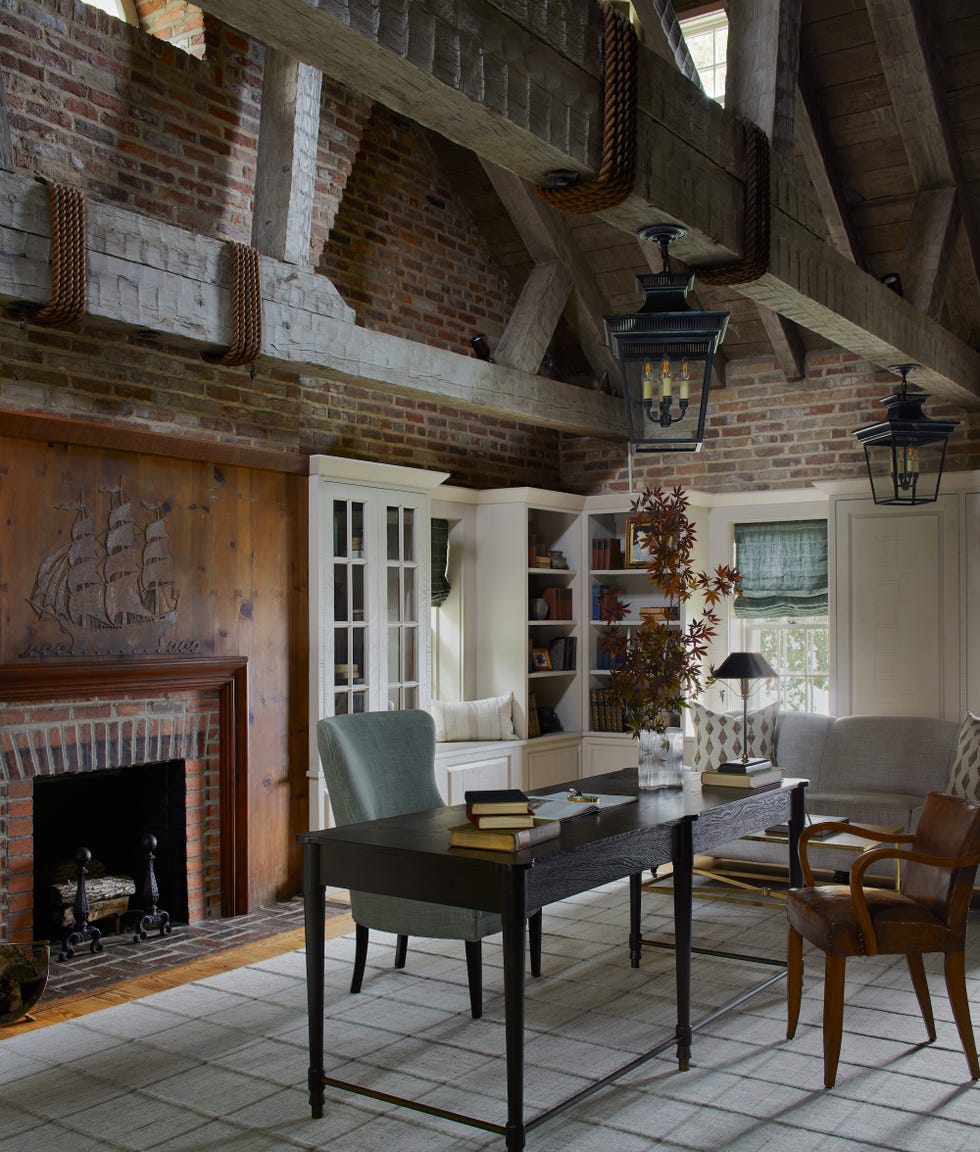
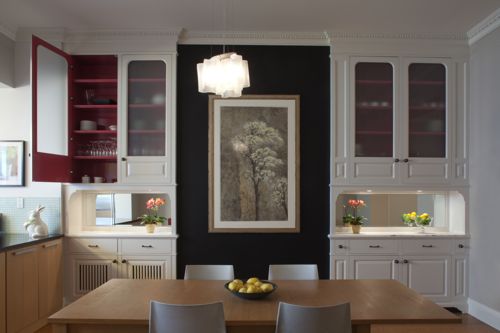
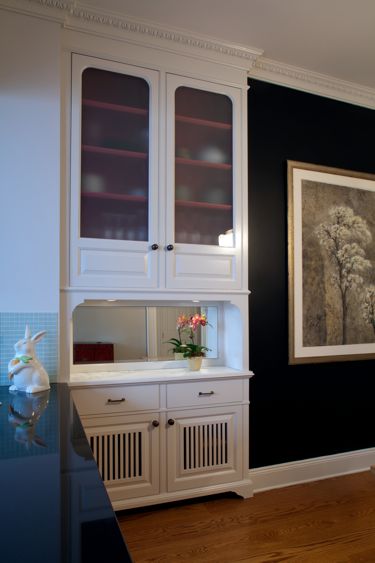
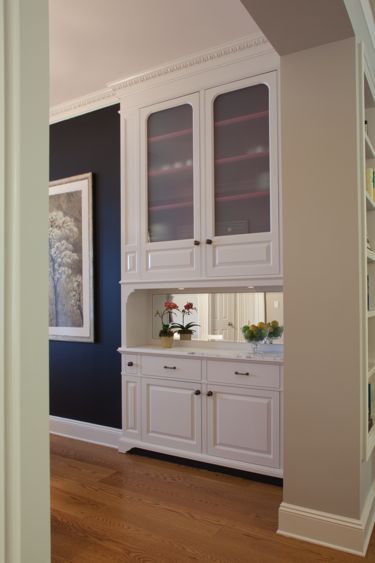
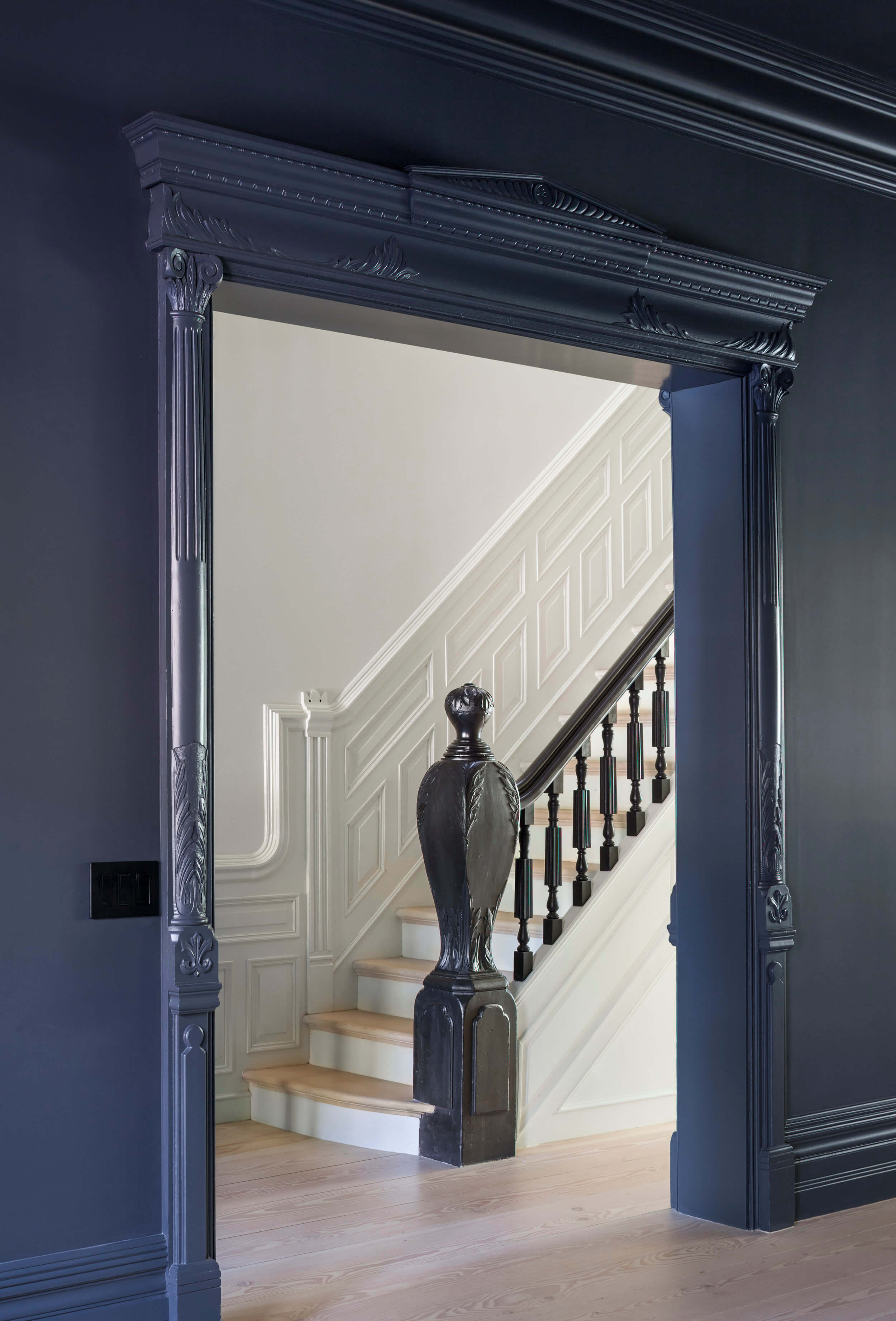
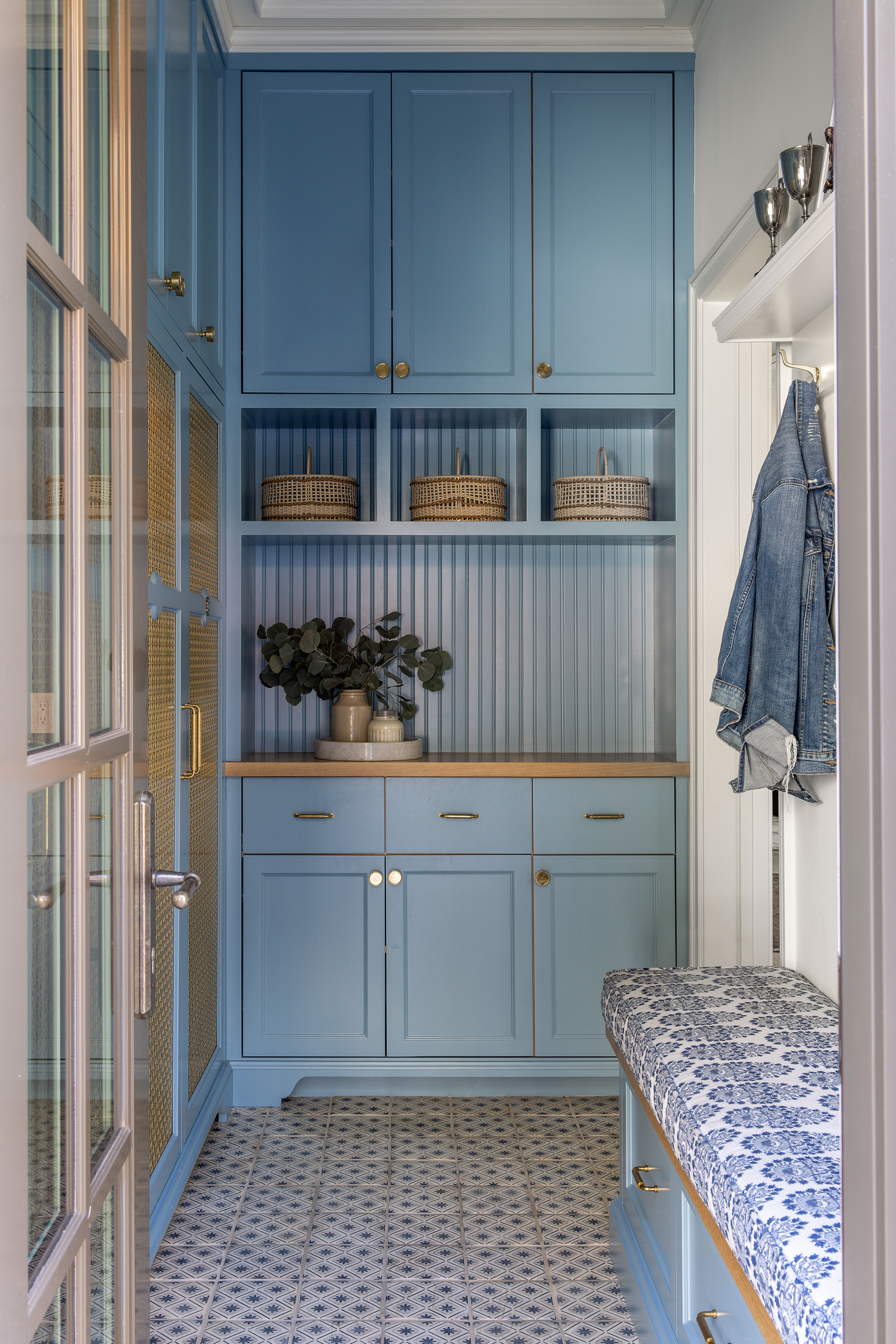
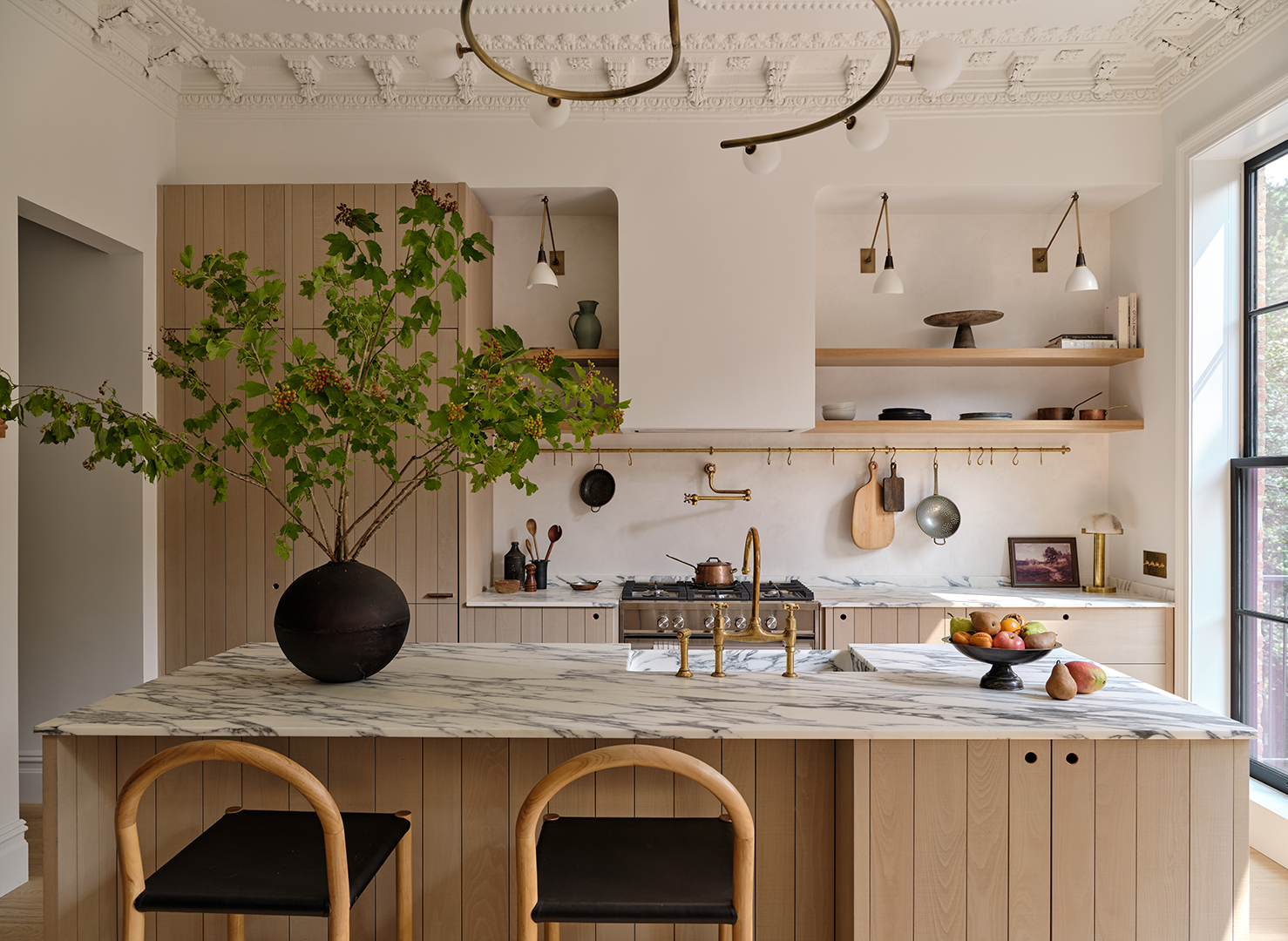
In their own projects, The Brownstone Boys frequently highlight original architectural features, such as ceiling medallions and exposed brick. They often incorporate patterned tile in entryways or bathrooms, add custom built-ins that appear original, and mix in vintage light fixtures to create a sense of rootedness in history while remaining practical for contemporary living. For integrating modern elements, their strategy is to ensure these additions engage in a 'conversation' with the old rather than replacing it. For example, a sleek kitchen might be warmed with hardware that patinas over time or timeless marble. Trends for 2025 that they find suitable for older spaces include curved furniture, warm bronze finishes, and bold natural stone, all selected for their ability to feel fresh yet at home within historic contexts.
#historicHomeRenovation #interiorDesign #brownstoneRestoration #vintageDecor #homePreservation #designChallenges #materialSourcing #modernizingHistoricHomes #designTips #historicHomeRenovation #interiorDesign #brownstoneRestoration #vintageDecor #homePreservation #designChallenges #materialSourcing #modernizingHistoricHomes #designTips
0 commenti in totale
 Nessun commento ancora
Potresti anche gradire
‘It’s a tough lesson to learn’ – brick homeowners must complete this outdoor maintenance task to avoid costly repairs and structural failure
How to Keep Your Old Home From Becoming a Money Pit

Restoring a Chair Is Easier Than You Think. Ask the Brownstone Boys. (Published 2024)

To Paint or Not to Paint the Original Woodwork? It Depends Who You Ask
The Brownstone Boys Reveal Their “Secret Sauce” for Stripping Away Sad Paint and Varnish

7 Things You Should Always Preserve or Try to Save in an Old Home, According to Designers

How To Clean And Care For Antiques, According To An Expert
5 Brownstone Storage Secrets of Professional Organizers Revealed
Dallas Preservation Experts on How to Keep Your Historic Home and Why It Matters


Property Brothers’ Tips for Older Homeowners | Members Only

The Insider: Built-Ins for Brownstones
7 lessons we learnt about storage from this beautiful historic Californian home
If you have prewar taste but live in a plain white box, the Brownstone Boys have some design tips for you

A Brownstone Dweller Brings Back the Glorious Details on a Distinguished Bed Stuy Block

Walking On New Ground
The Brownstone Boys Reveal the 5 Biggest Mistakes People Make During Historic Home Renovations

Repairing Our Stoop and Historic Ironwork
Photo Pool Challenge: Brand New Stoop

4 Things We Learned From Restoring Our Historic ’70s Home on Fire Island

The SECRET Risks of Investing in a Historic Home, According to Experts