
1/5
“We start with how a material lives in a home"
In the contemporary landscape of residential interior design, color serves as a multifaceted tool, extending beyond mere visual appeal to encompass emotional, tactile, and experiential dimensions. Kimberle Frost, Director of Merchandising at Ultraleather by Ultrafabrics, exemplifies this understanding. Ultraleather, launched earlier this year as Ultrafabrics' residential brand, aims to address the demands of modern living spaces. With over 30 years of expertise in textile design, color forecasting, and material innovation, Frost has cultivated a design philosophy that harmoniously integrates beauty, durability, and responsibility.
Frost's extensive experience, encompassing both studio work and manufacturing environments, has provided her with a comprehensive perspective. This background has informed her approach, which considers not only the aesthetic appearance of color but also its spatial impact, how it performs under various lighting conditions, and its long-term resilience through actual use. At Ultraleather by Ultrafabrics, this fusion of creative vision and technical precision forms the foundation of every collection. Frost describes this work as both her craft and her vocation, highlighting the passion behind their product development.
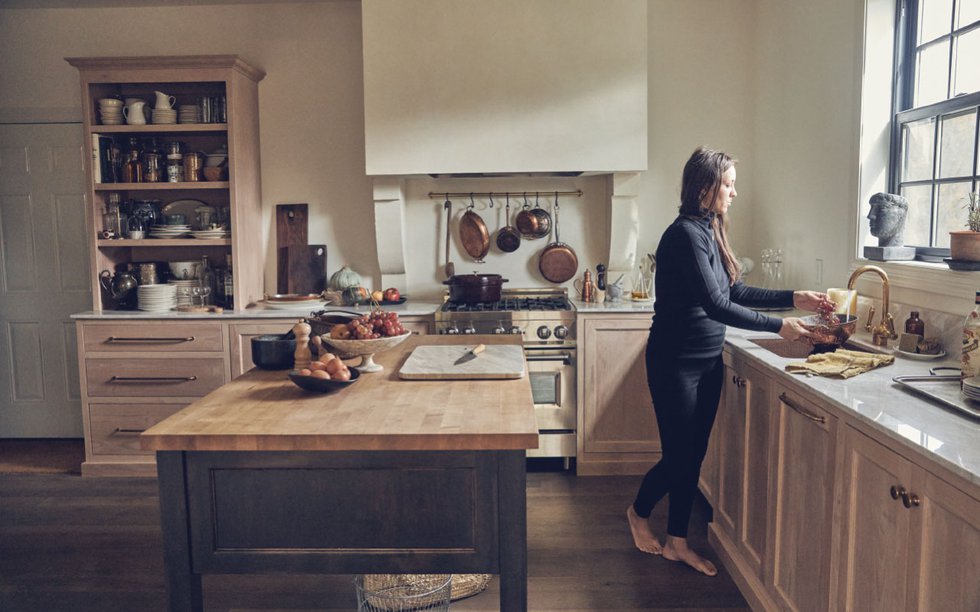
The brand's color strategy is rooted in the tactile experience. Frost emphasizes that high-performance materials should never necessitate a compromise on beauty. The design process begins by evaluating how a material functions within a home environment, considering its interaction with other elements such as wood, stone, metal, paint, and natural light. Subsequently, color is developed to complement the material's texture and structure. This methodical approach results in a palette characterized by depth, softness, and subtlety, where durability is intrinsically woven into the material's background.
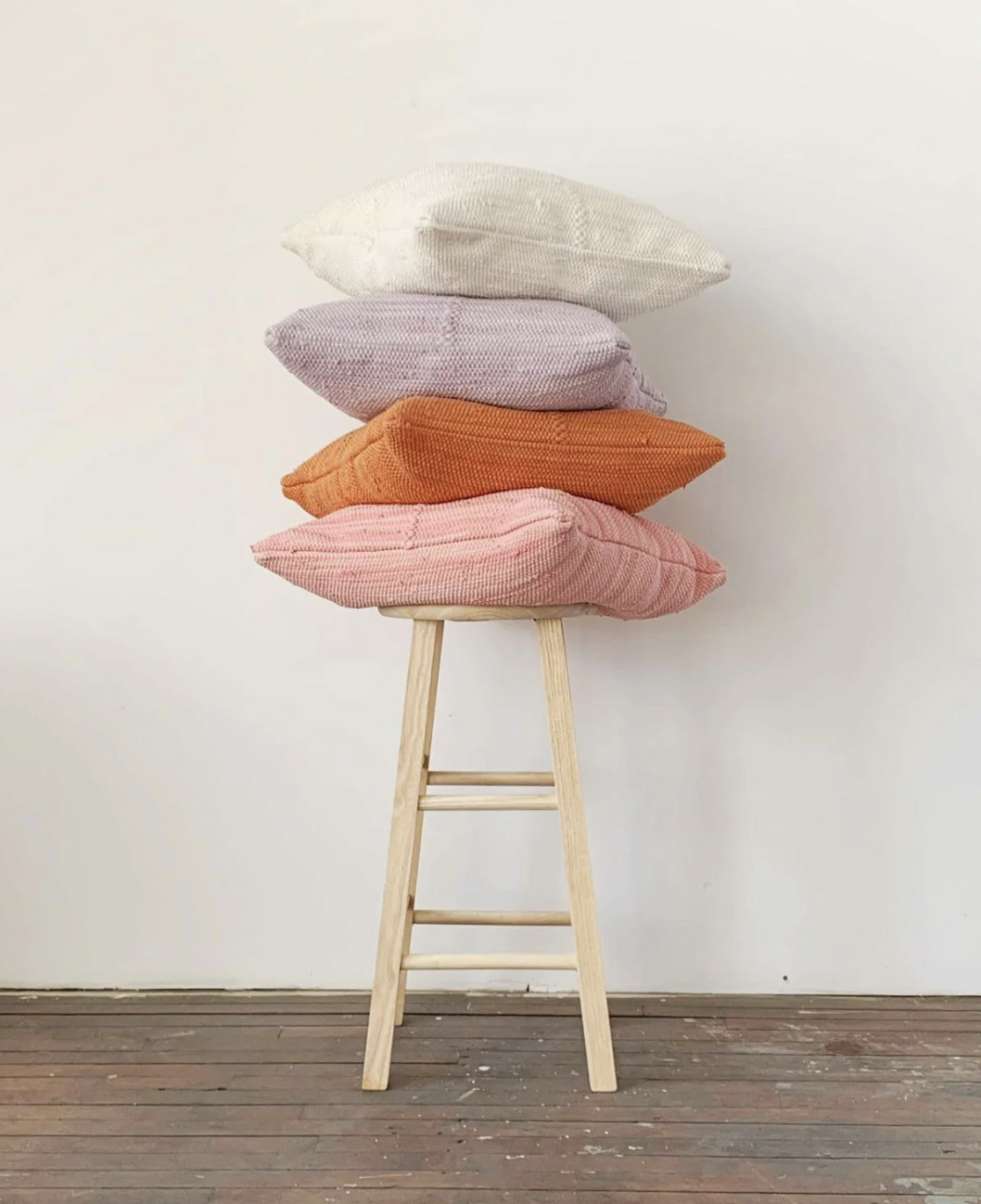
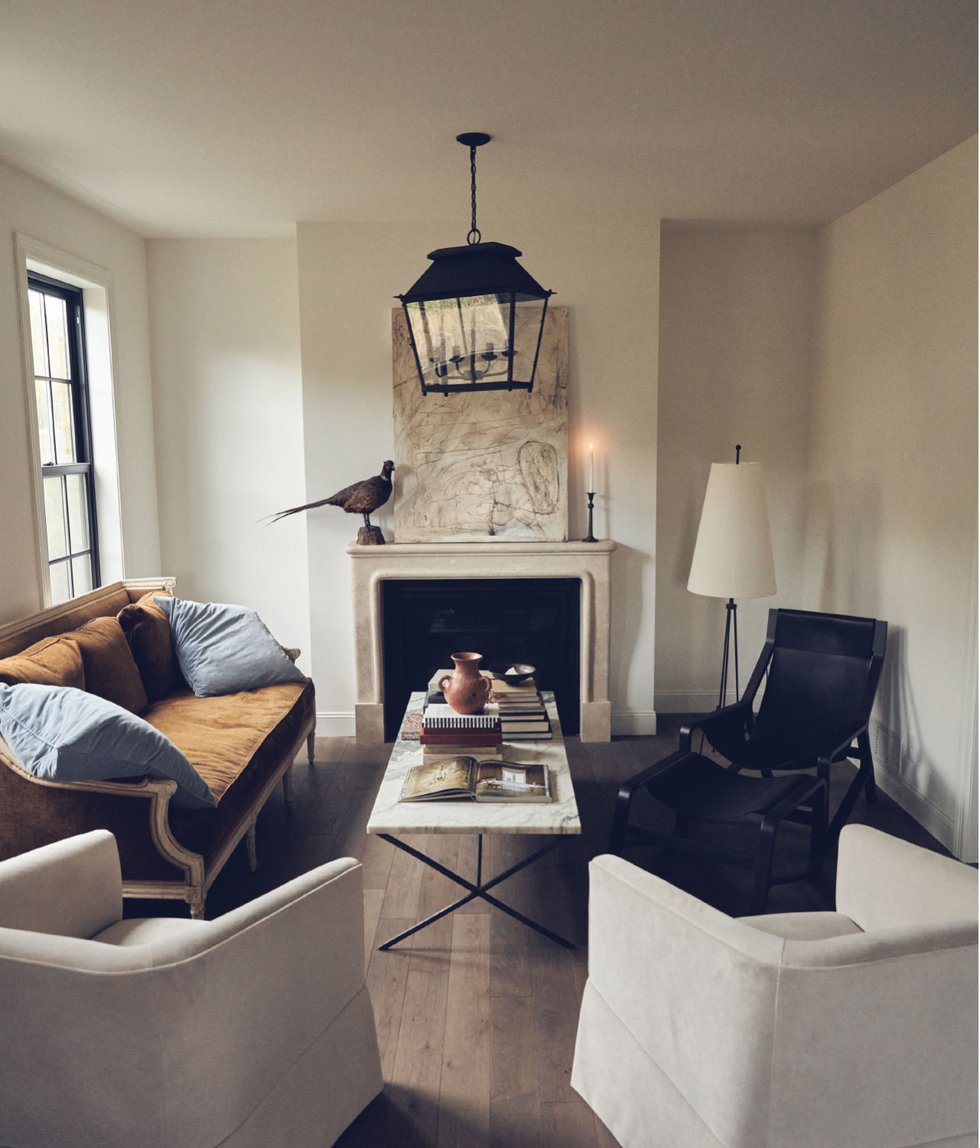
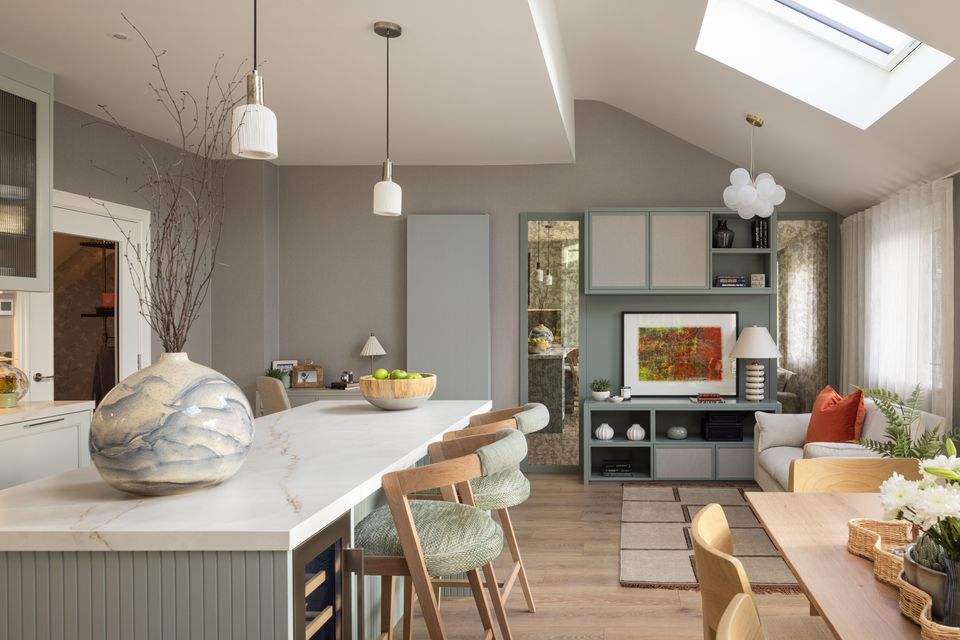
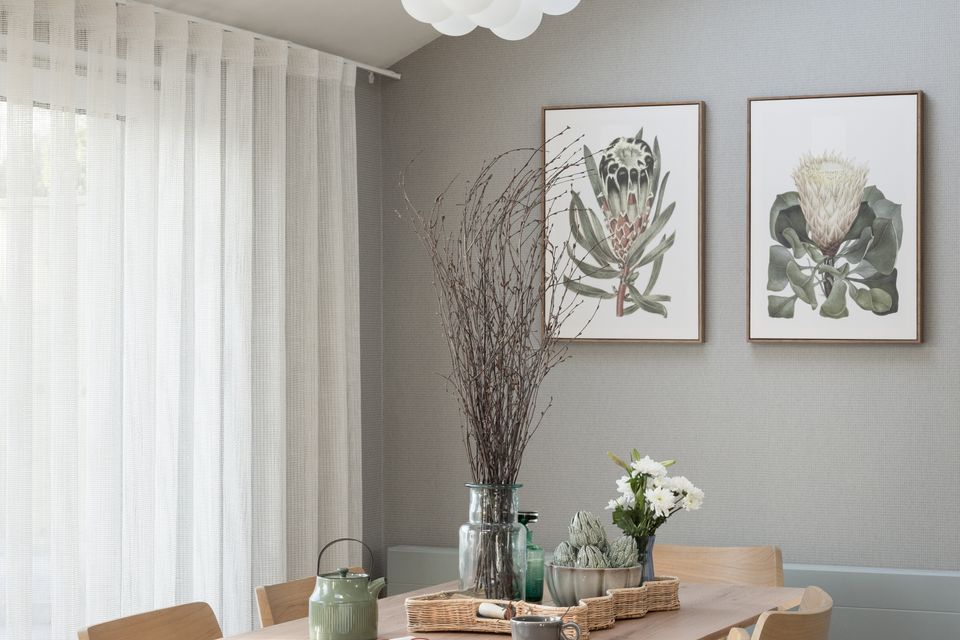
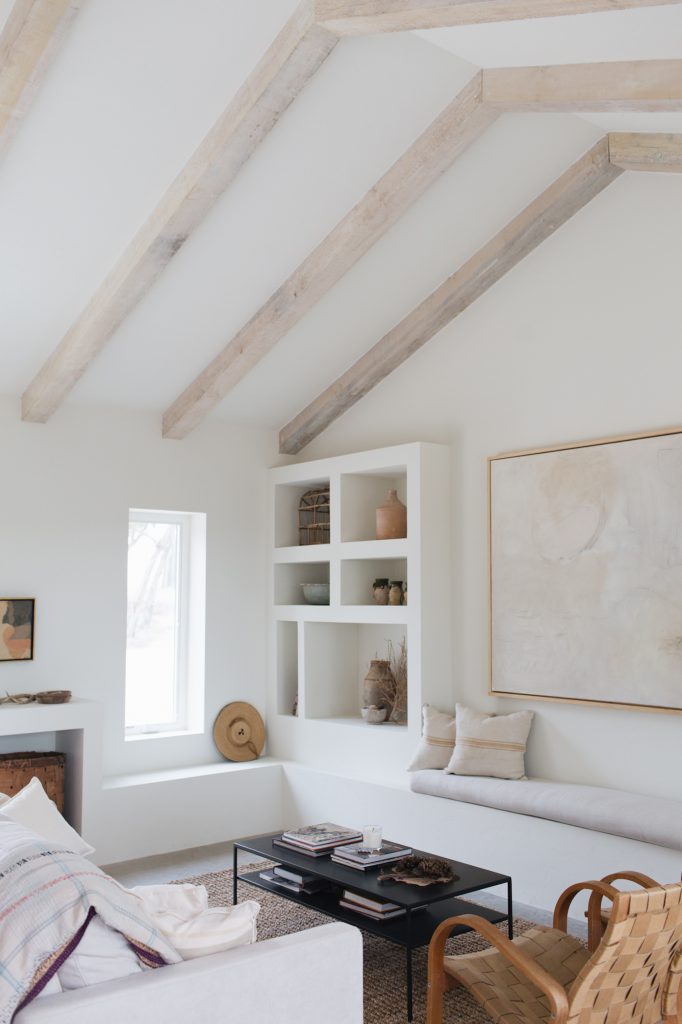
Frost has observed a discernible trend, particularly in Europe, towards natural and grounded color palettes. This shift is marked by the prevalence of chalky whites, limestone, sand, muted terracotta, various shades of green—including forest and olive—and deep inky blues. These colors are chosen for their restorative qualities and adaptability, pairing effectively with textured materials and natural finishes. Frost notes that the prevailing preference is for palettes that evoke a sense of calm and humanity, rather than appearing glossy or overly processed, underscoring the emotional significance of well-selected colors.
For designers who may feel apprehensive about making bold color choices, Frost provides reassurance, stating that "there are no color mistakes." She advocates for exploration and contextual evaluation, advising designers to observe colors under different lighting conditions—morning, afternoon, and artificial light—and to consider their texture and how various shades interact. Frost asserts that color is relational, and the most compelling interiors emerge from intuition, iterative testing, and flexible design processes, rather than adherence to rigid guidelines.
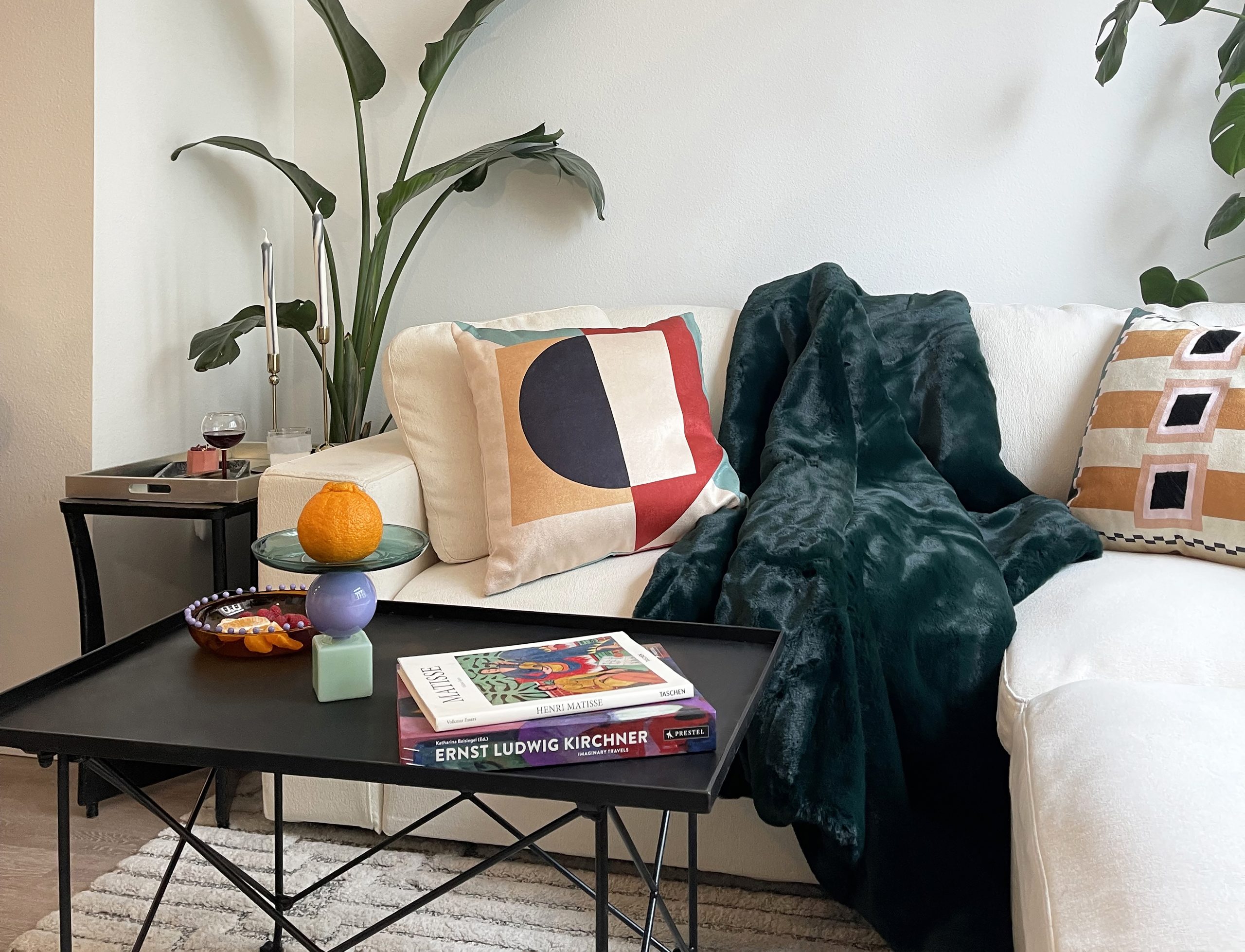
Texture and color are mutually dependent in Ultraleather by Ultrafabrics' design methodology. On flexible surfaces, muted tones gain richness, depth, and vitality. Frost illustrates this by explaining that a green shade on a flat wall can appear formal, whereas the same green on a warm, textured surface feels comforting and lived-in. This emphasis on touch and materiality ensures that the resulting interiors are not only visually appealing but also inviting.
Sustainability is an integrated component of their operations. Collections like Volar Bio feature recycled, renewable, and bio-based components, such as REPREVE® recycled polyester and Susterra® bio-based resin. This commitment to sustainability is maintained without compromising color integrity. Frost confirms that pigments are rigorously tested with new backings and resins to ensure that the final color retains its richness and dimensionality. She believes that sustainability enriches the color narrative, aligning aesthetic decisions with responsible material practices.
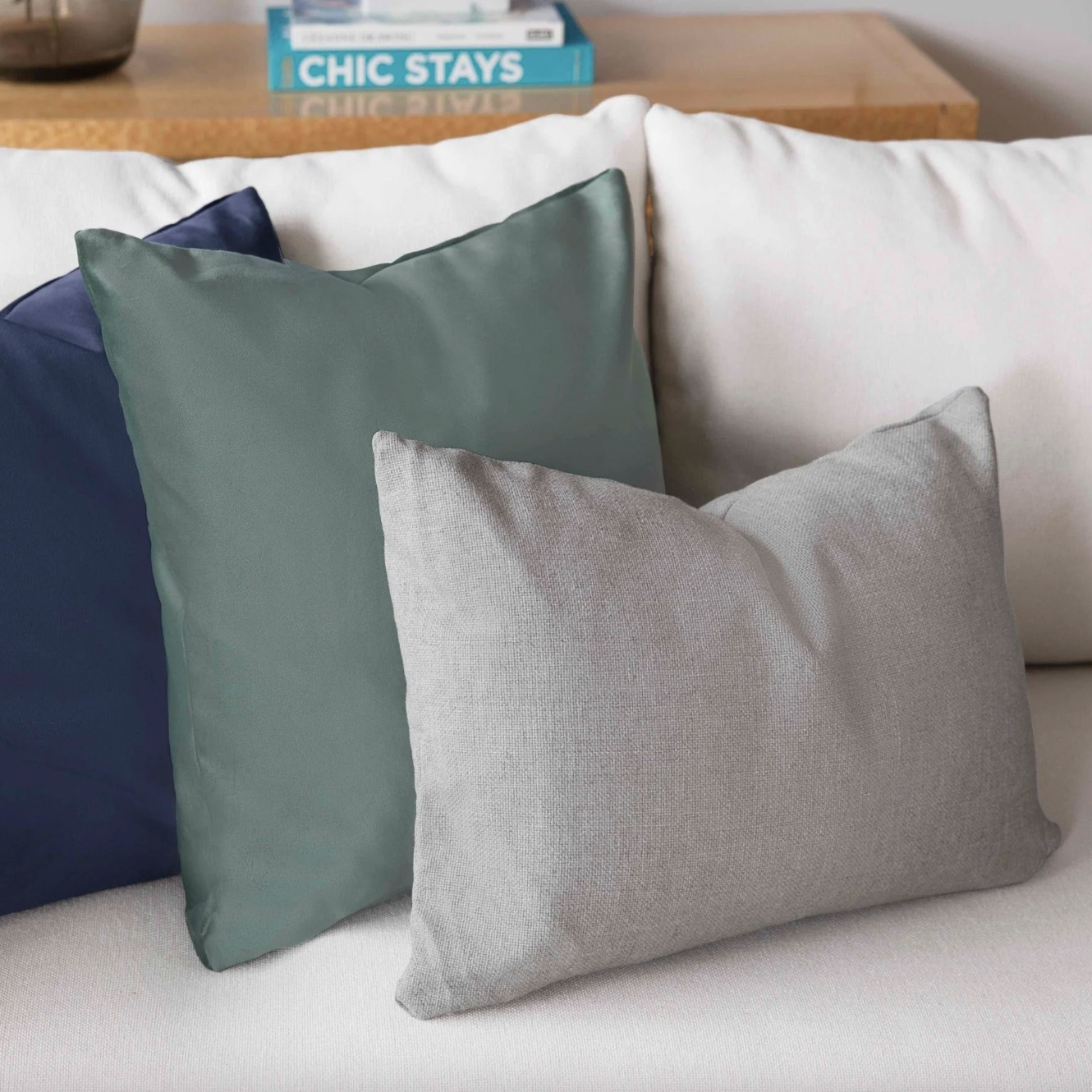
When selecting fabrics for high-traffic areas, Frost recommends a balance between resilience and subtlety. Midtones and layered neutrals are preferred for their ability to withstand wear gracefully, while accent colors and textures introduce personality and vibrancy. Well-being and emotional comfort remain central to their considerations. Low-contrast, nature-inspired palettes, soft warm neutrals, gentle greens, misty blues, and clay tones are favored for their calming and grounding effects. Frost suggests incorporating a deeper anchor tone to provide a sense of security and richness without disrupting the overall tranquility.
Looking forward, Frost anticipates an era of more intelligent and environmentally conscious materials. She expects that bio-based inputs, enhanced pigment efficiency, precise digital color control, and circular product lifecycles will characterize the next generation of performance fabrics. The overarching objective is to create interiors that seamlessly blend beauty, durability, and ethical considerations, delivering spaces that are as pleasant to experience as they are to behold. Through Kimberle Frost's philosophy, Ultraleather by Ultrafabrics demonstrates that color and touch are powerful instruments for conveying emotion, comfort, and sustainability, thereby transforming residential interiors to integrate beauty, functionality, and conscience in every material selection.
#ResidentialInteriors #ColorForecasting #MaterialInnovation #SustainableDesign #TextileDesign #HomeDecor #Ultraleather #Ultrafabrics #InteriorDesign #ResidentialInteriors #ColorForecasting #MaterialInnovation #SustainableDesign #TextileDesign #HomeDecor #Ultraleather #Ultrafabrics #InteriorDesign
0 commenti in totale
 Nessun commento ancora
Potresti anche gradire
Technicolour textiles by Peter Saville for Kvadrat among new products on Dezeen Showroom
schneider electric and oliver heath design sustainable homes of the future
A multi-generational family home built from sustainable and recycled timbers


The 5 Ways Technology Is Changing Home Design
Where to Shop Sustainable Home Decor Online

Ten homes where flooring enhances the connection between indoors and outdoors

Kelvin and Liz Fletcher's home truths - including the bad habit Liz would love Kelvin to quit
7 aging-in-place remodeling products with major style

Housing and Residence Life

Transforming Home Comfort
Home & Design | The Art of Domesticity
Interiors: Why home design is getting smart, sustainable and health conscious
Home Trends

Parts of the House

Our Homes Have A Lot To Do With Mental Health — This Architect Is Sharing Ways To Make Yours Less Stressful

Designers Share 6 Ways to Rid Your Home of Hidden Toxins
Clever connections: Toorak House
Gelato-Inspired Tiles, a New Sixpenny Sofa, and Heather Taylor Home Starting at $12


A new life with composites


Promotion: Meet the local flooring business turning houses into homes