1/12
The 8 Best Beige Paints Designers Turn to for Warmly Luxe Schemes – "It Evokes a Sense of Calm"
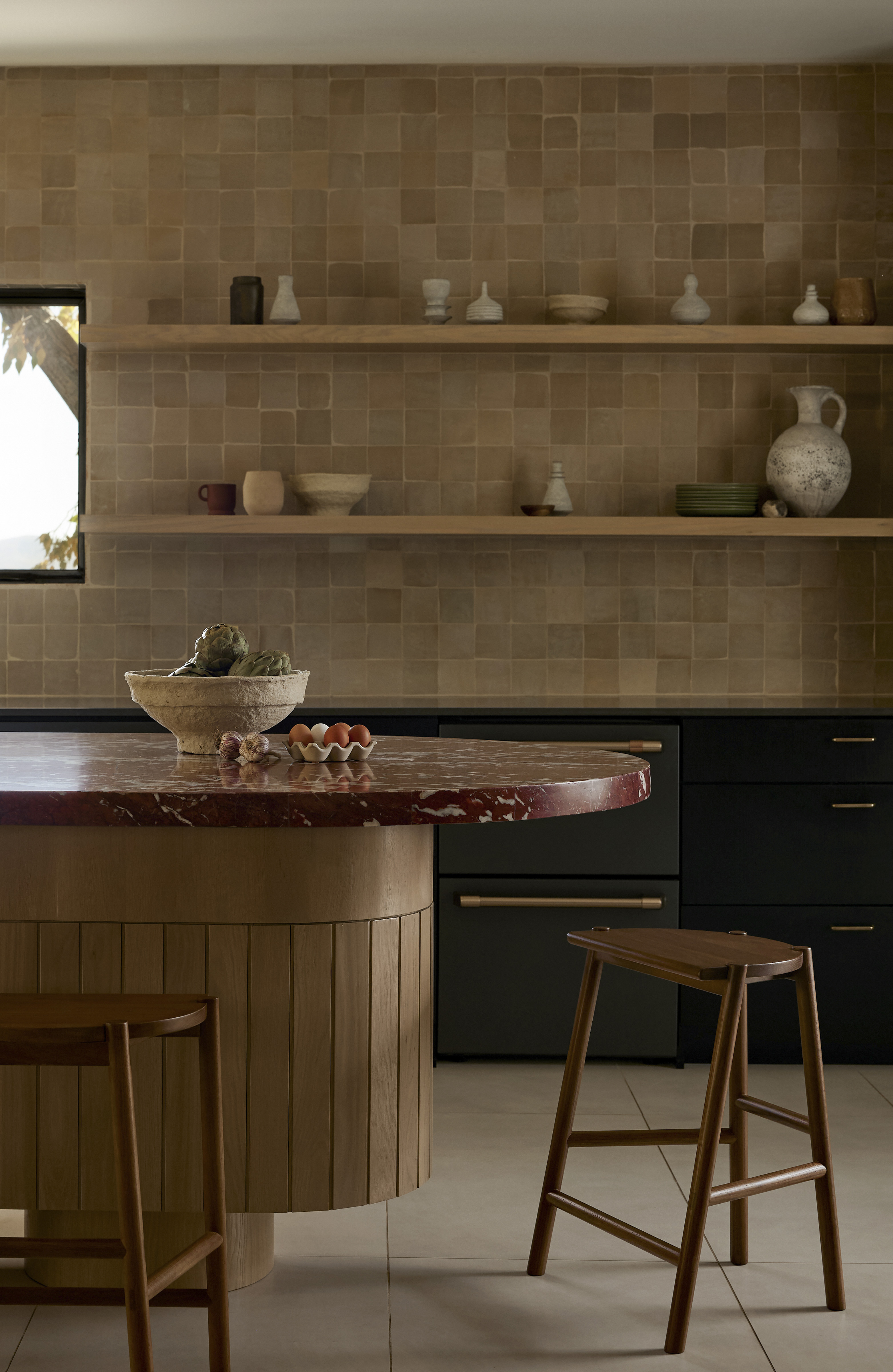
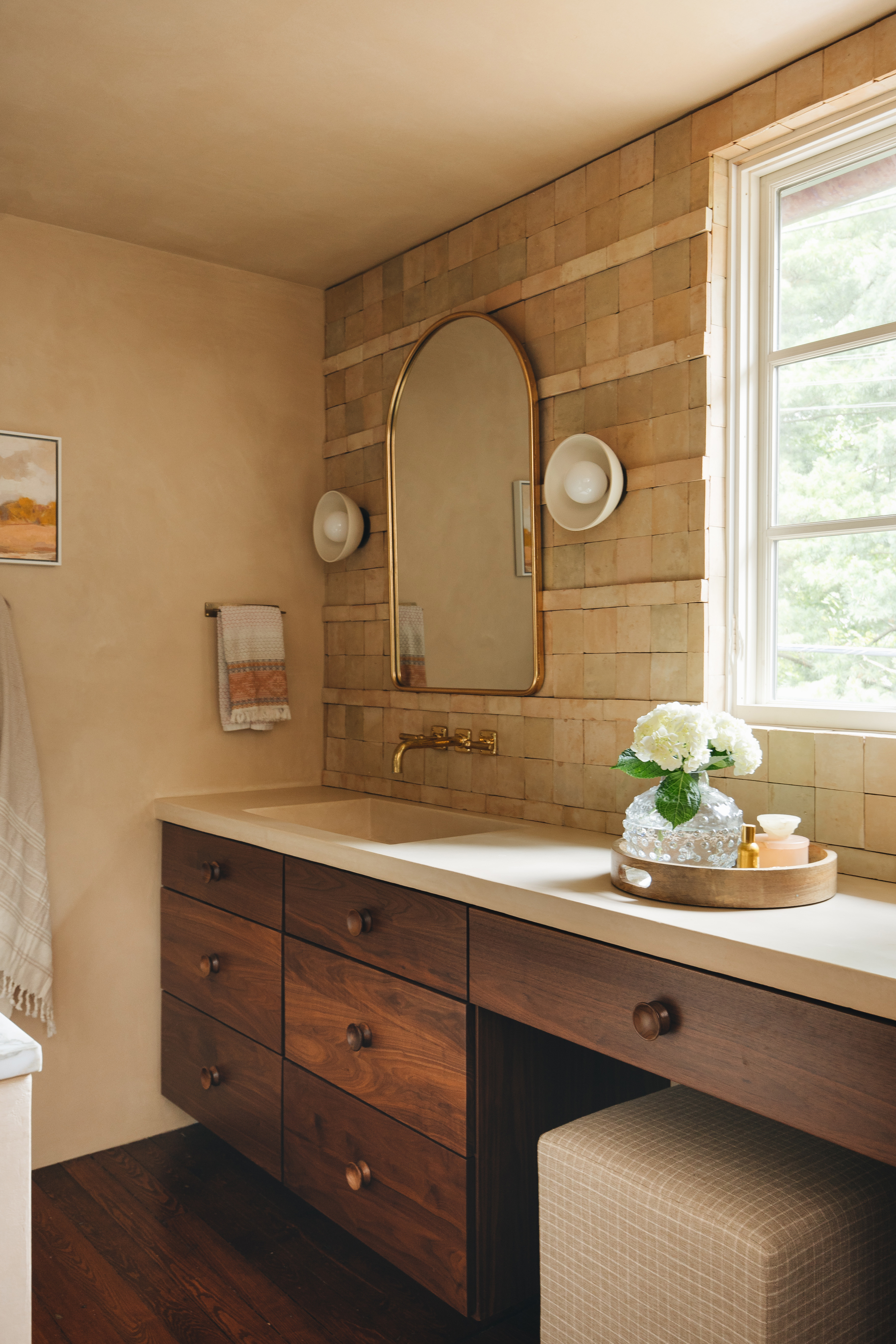
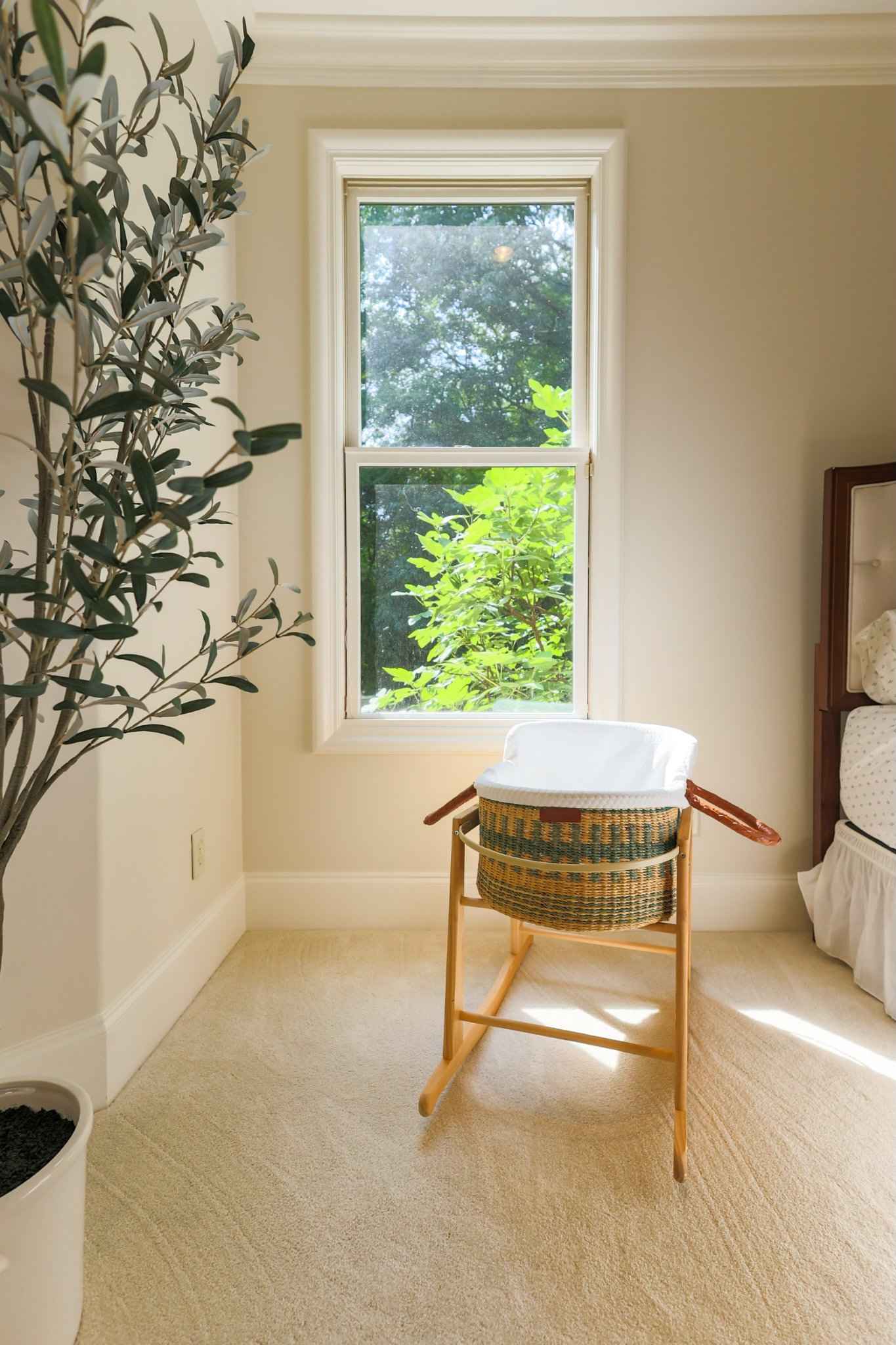
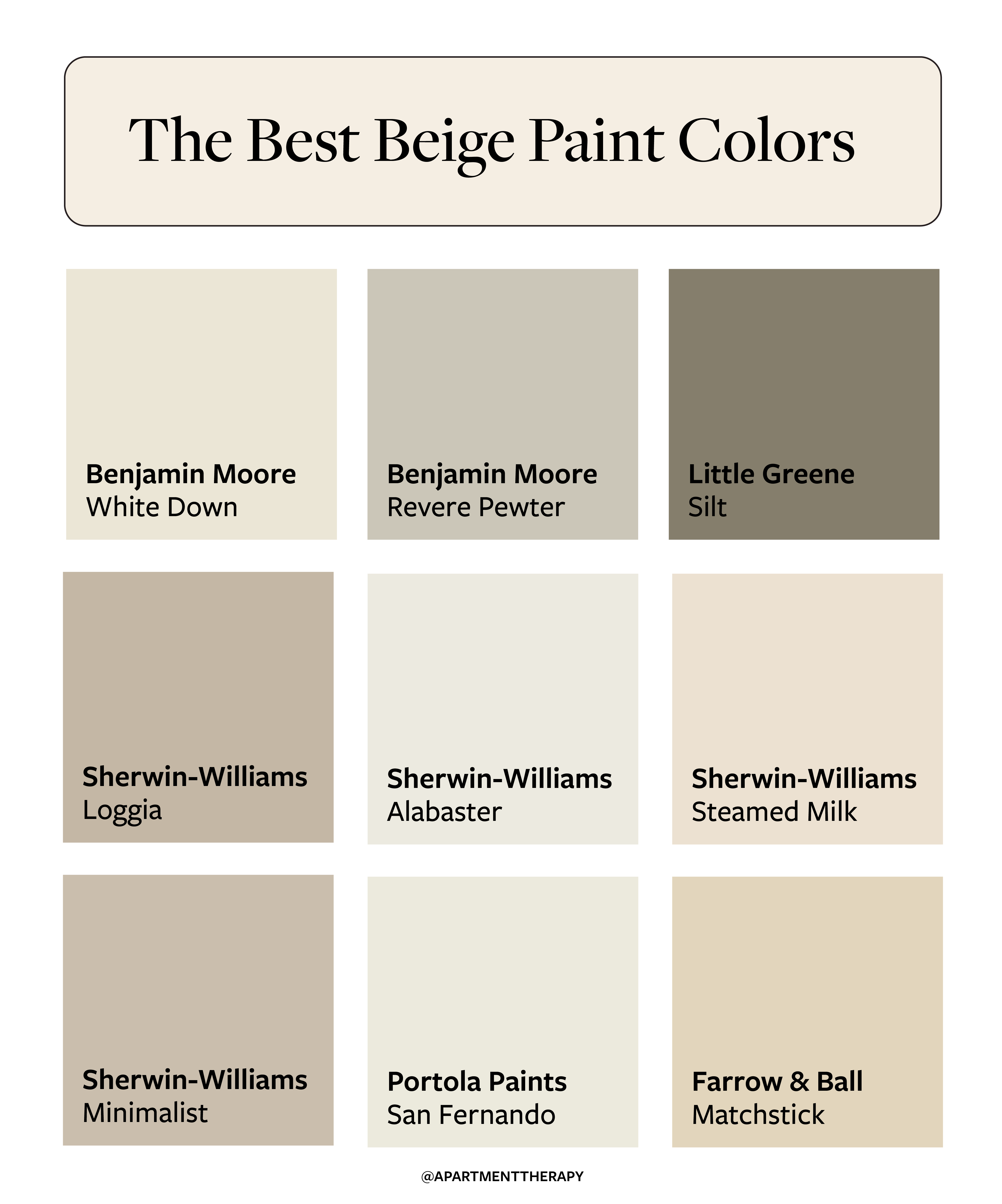
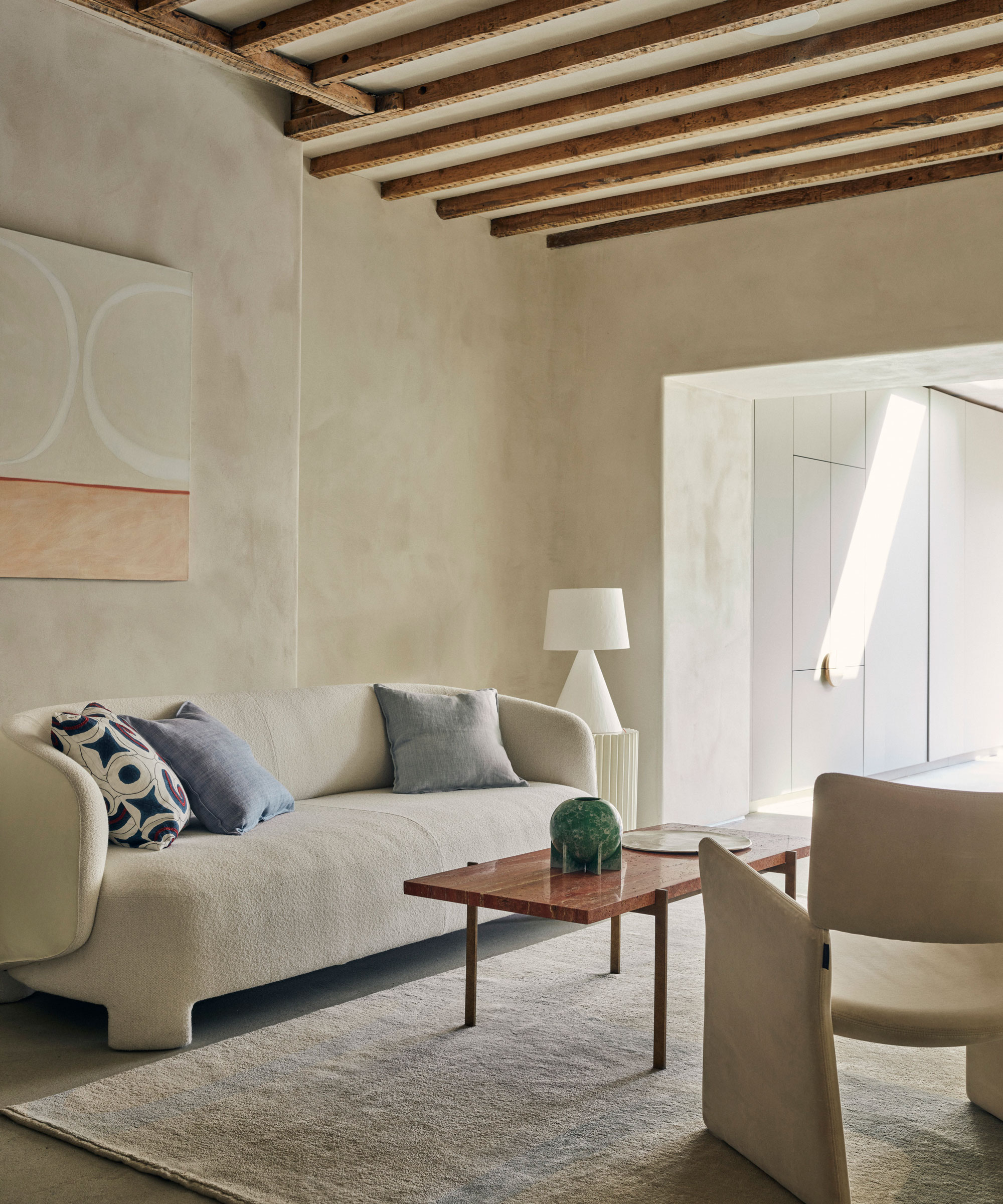
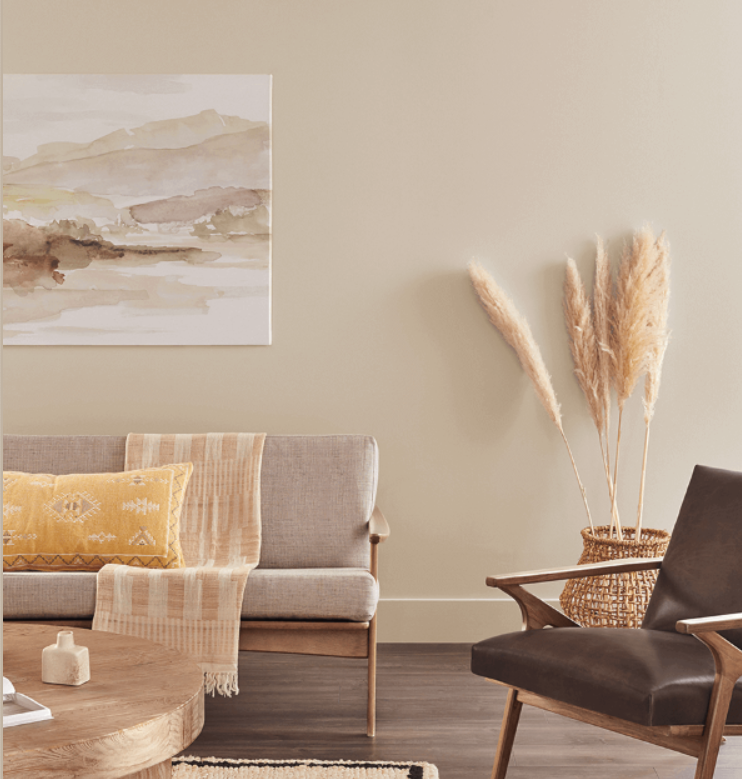
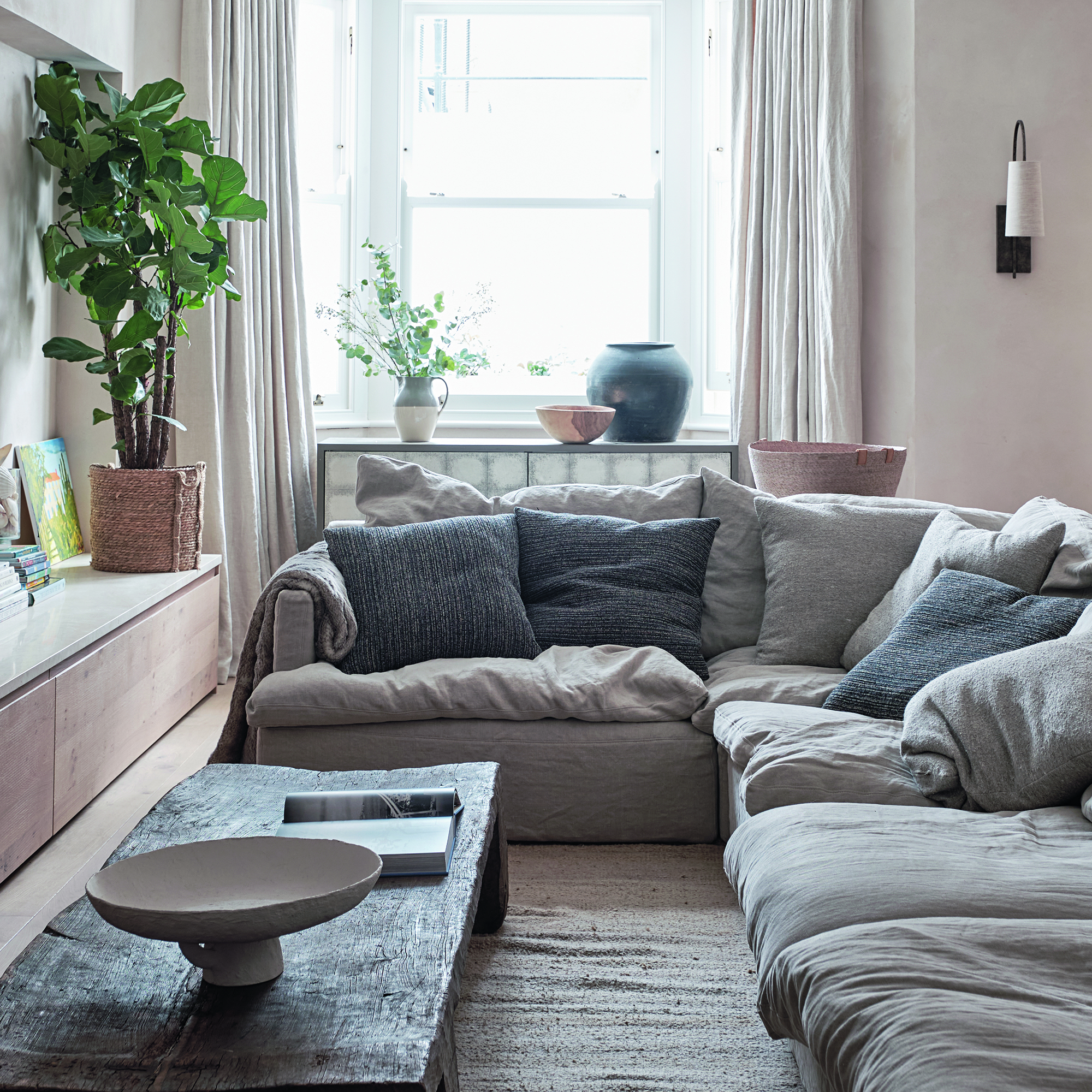
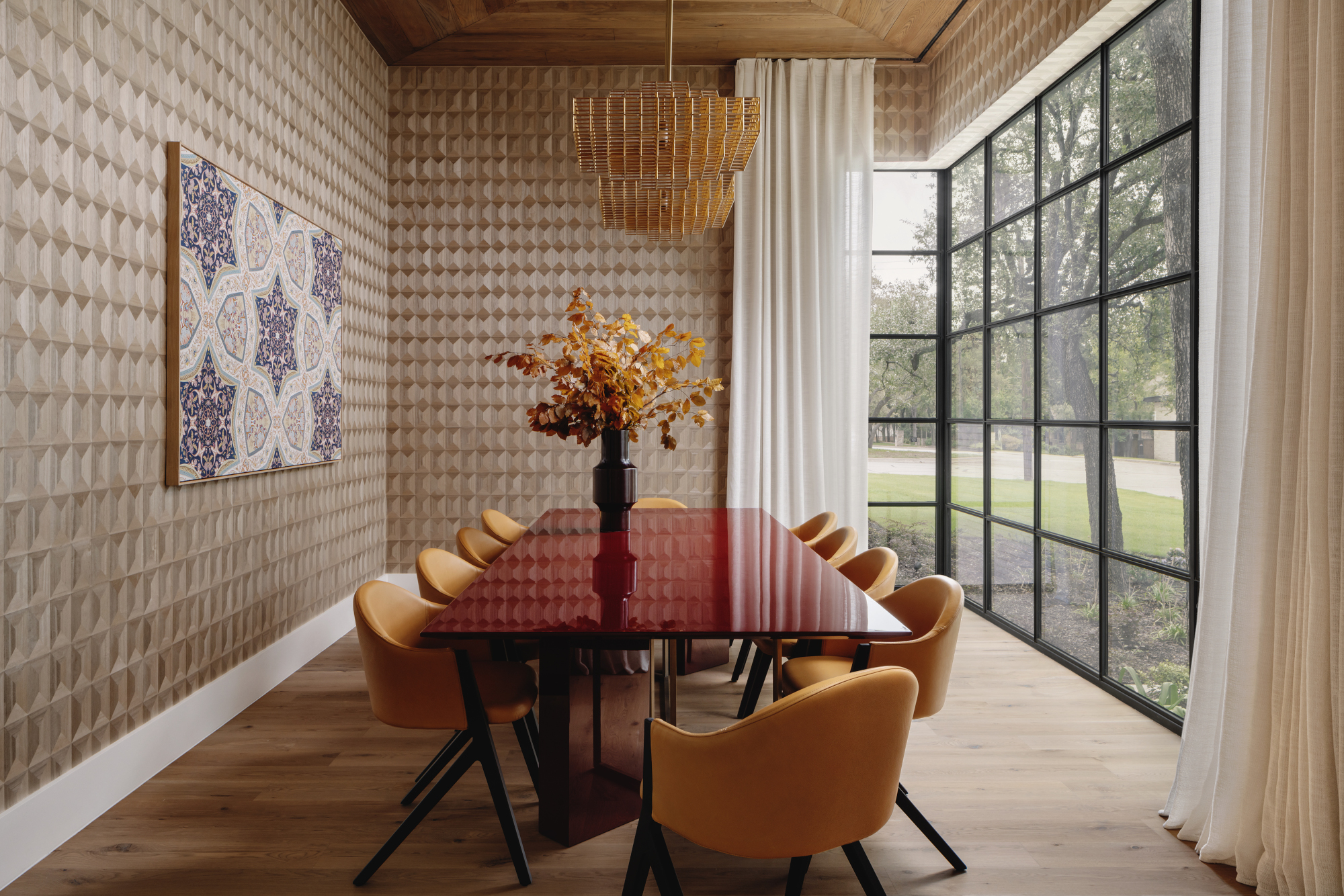
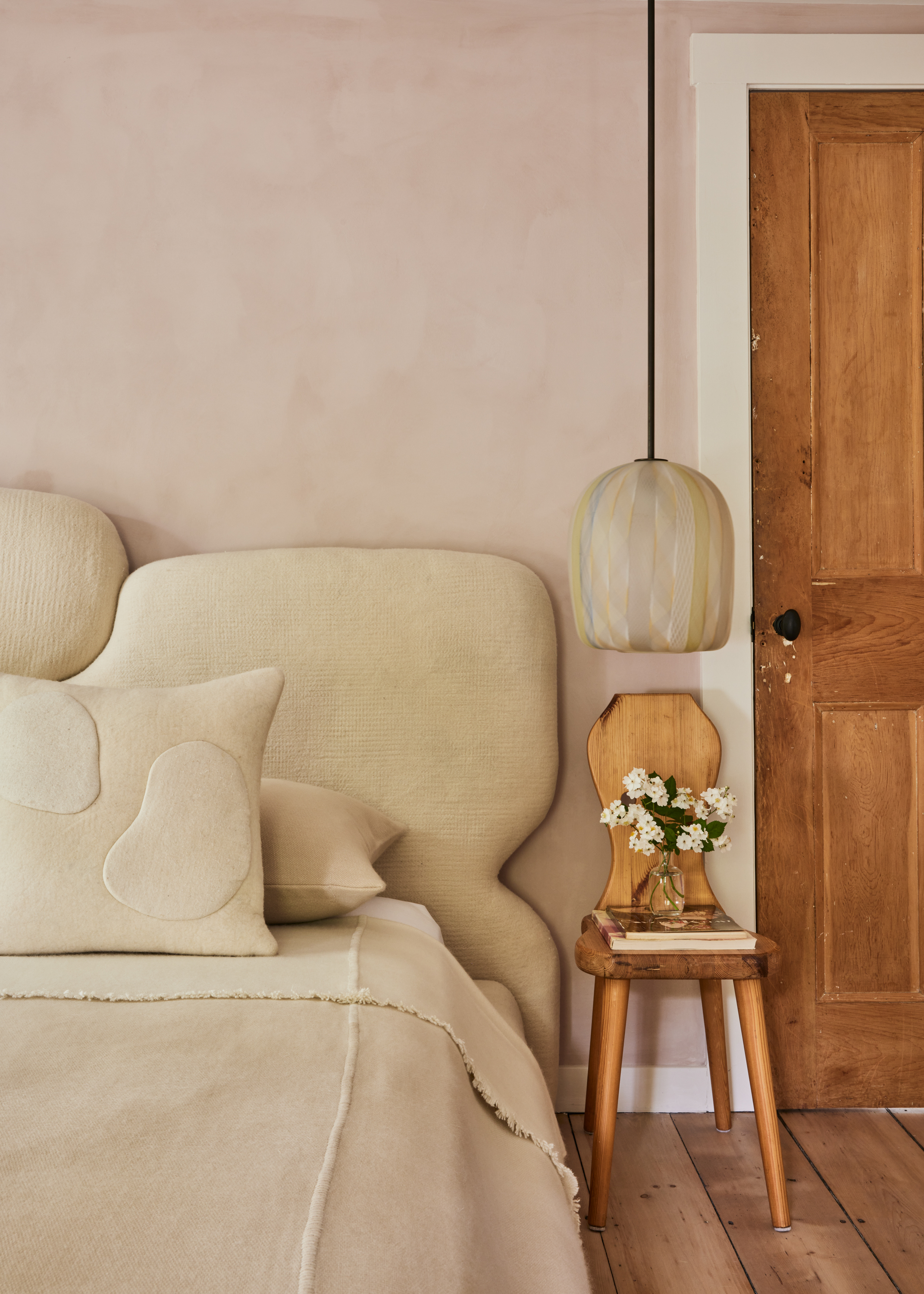
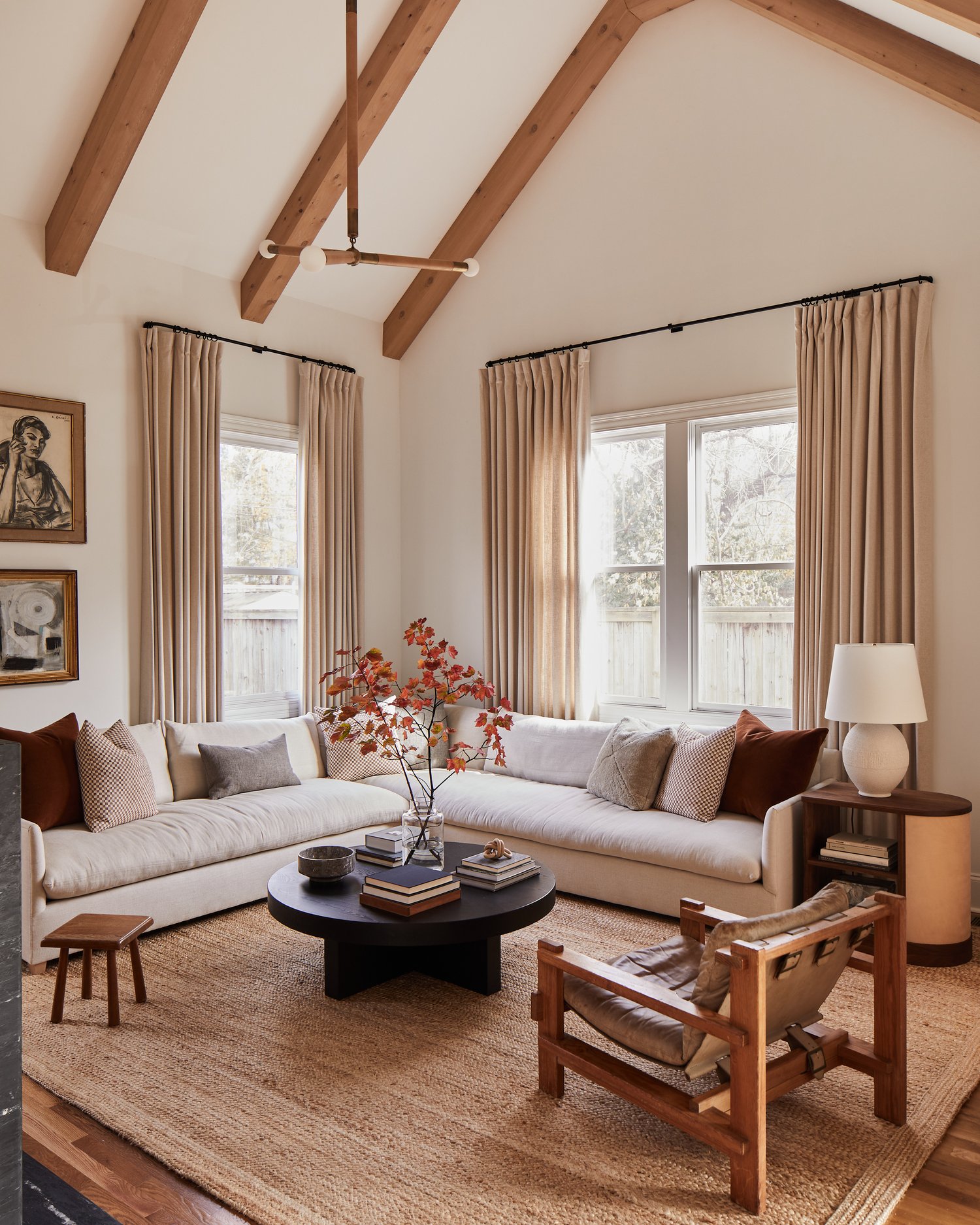
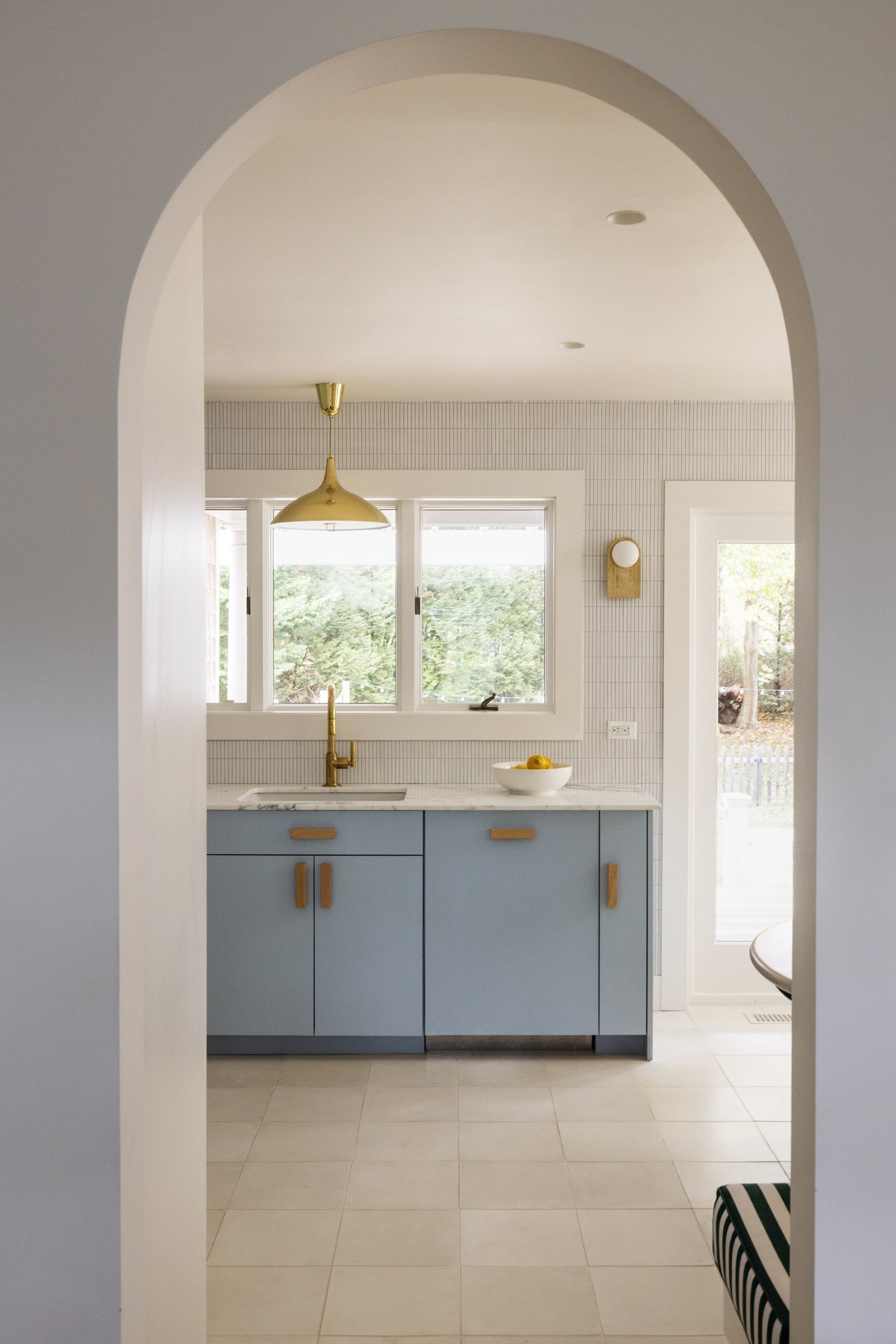
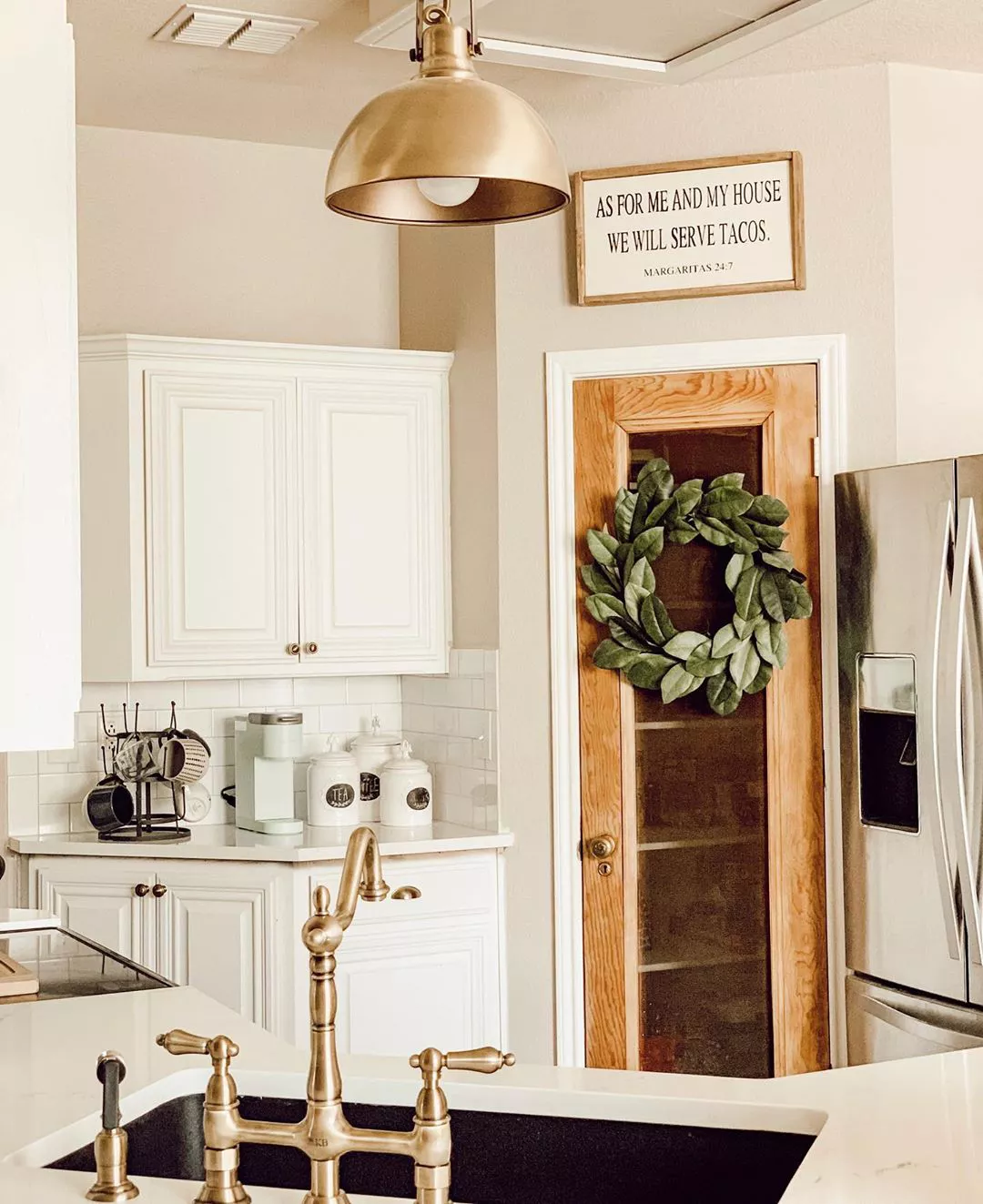
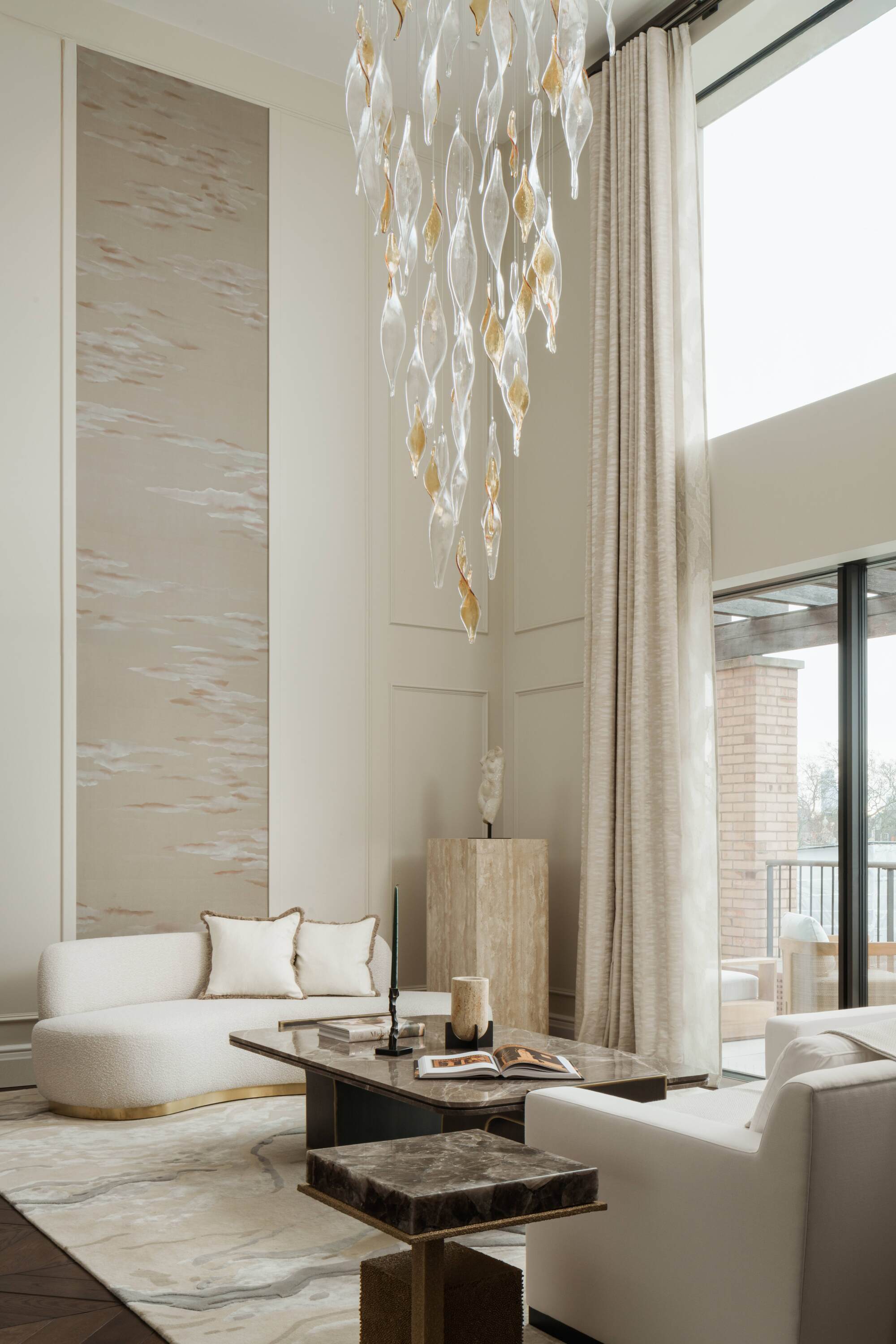
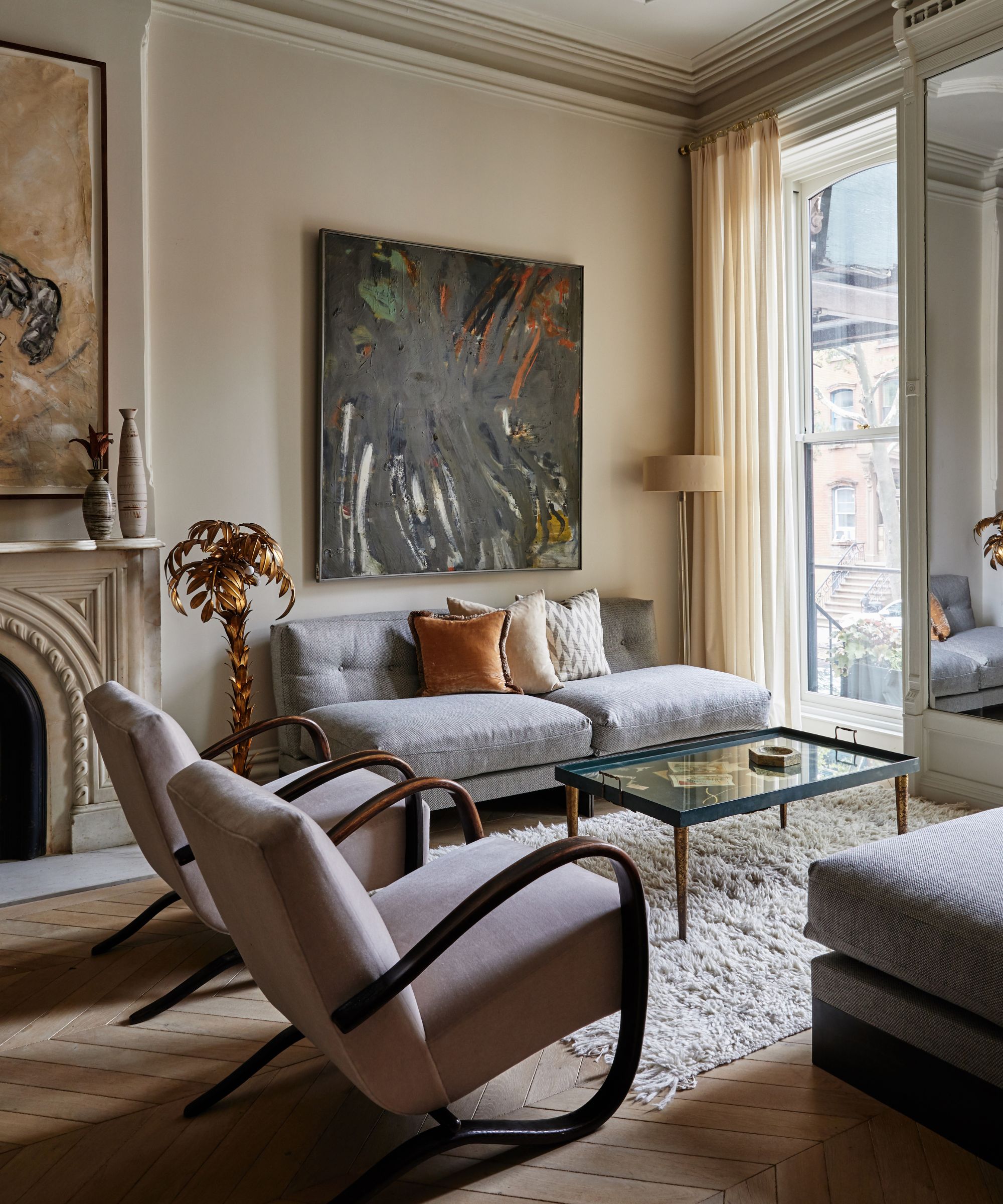
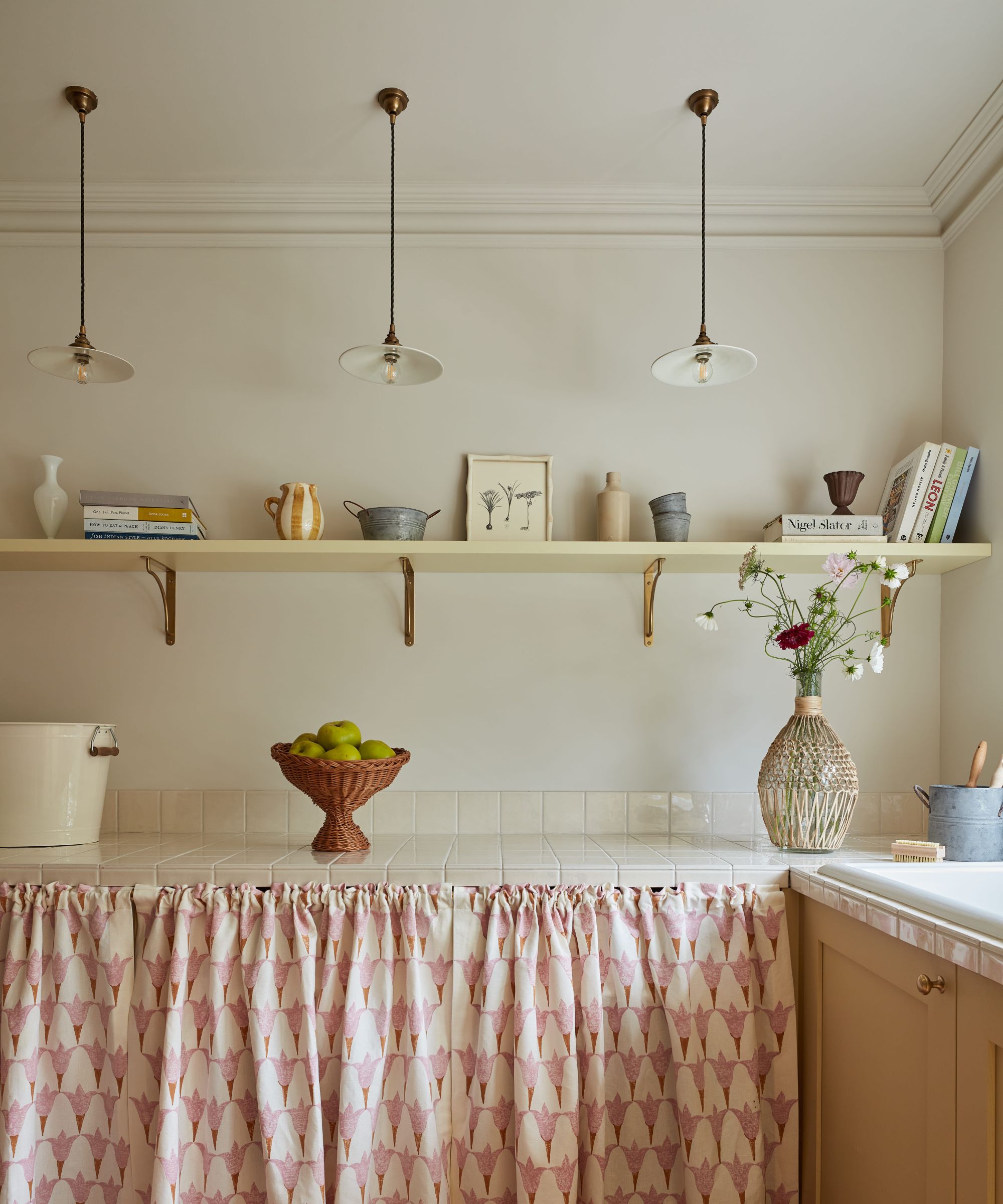
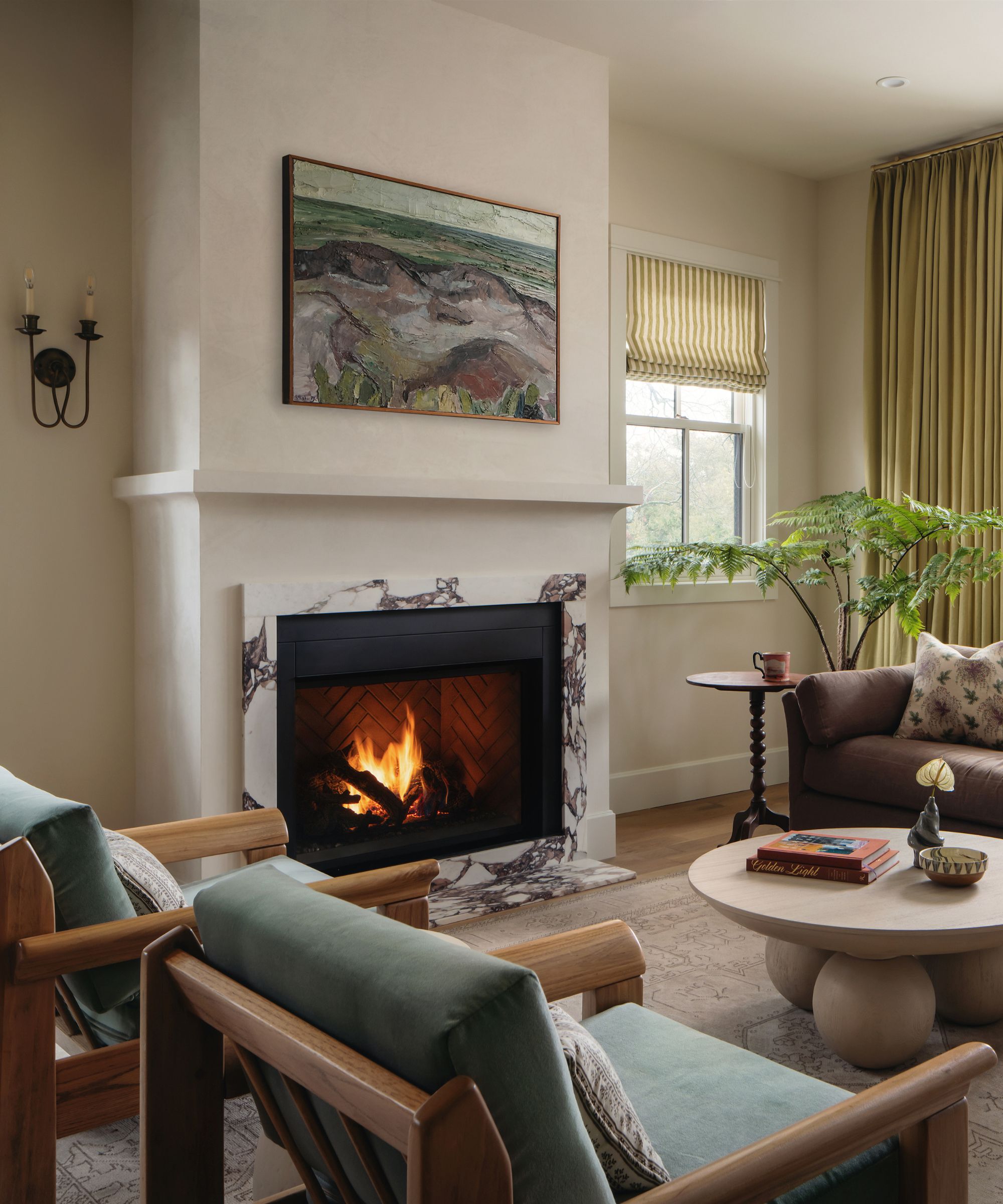
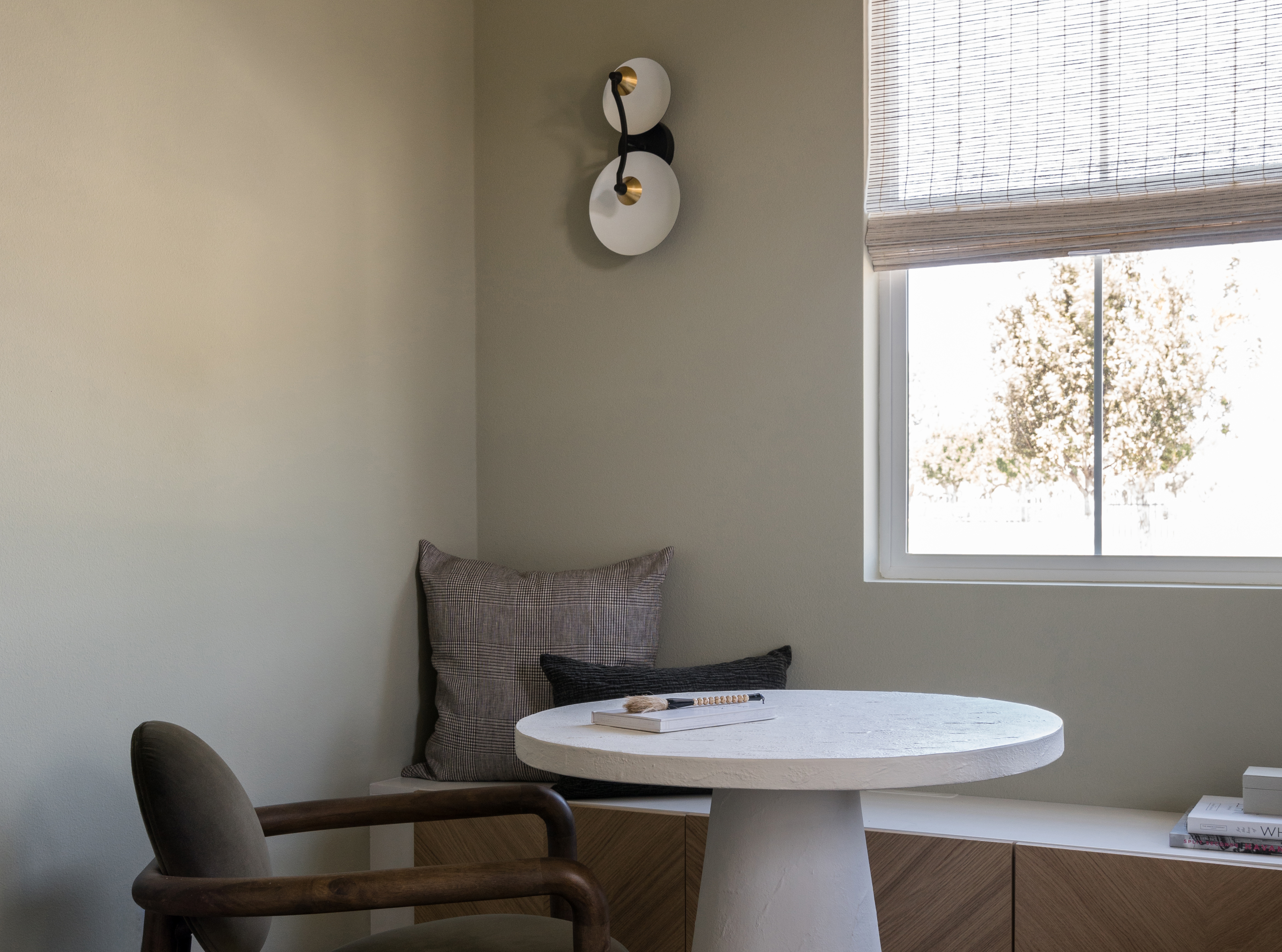
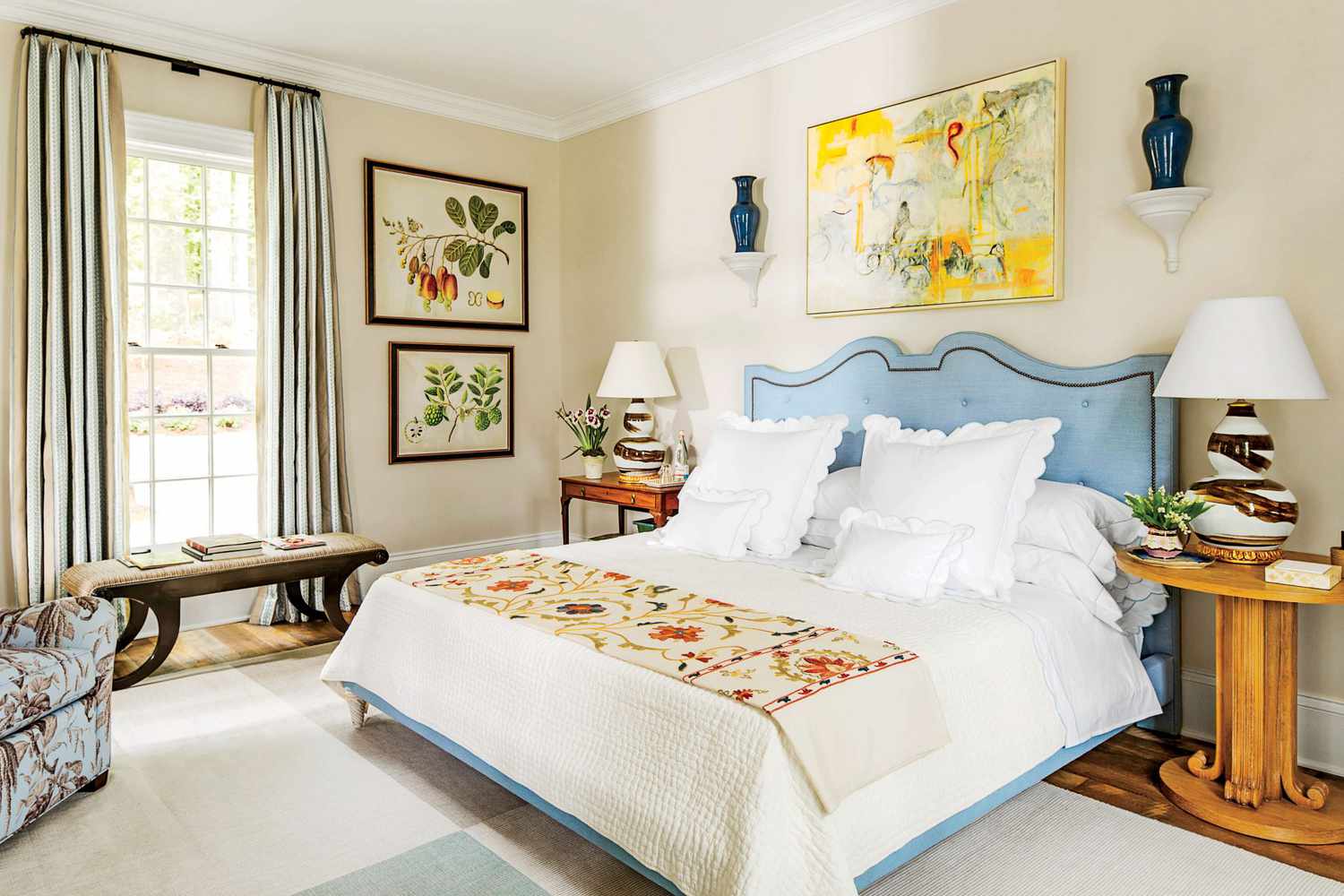
The article explores the versatility and appeal of beige paints in interior design, offering a curated list of eight designer-approved shades. Beige, often perceived as a simple neutral, encompasses a wide spectrum of variations, from off-white to amber tones. Interior designers frequently utilize these diverse shades to introduce warmth and sophistication into neutral color schemes, moving away from stark white which can sometimes feel too cold or make furnishings stand out excessively. The enduring popularity of beige is evident, as it was prominently featured in events like Salone del Mobile in Milan, where it served as a backdrop for furniture brands and was even used in ombre effects on kitchen islands.
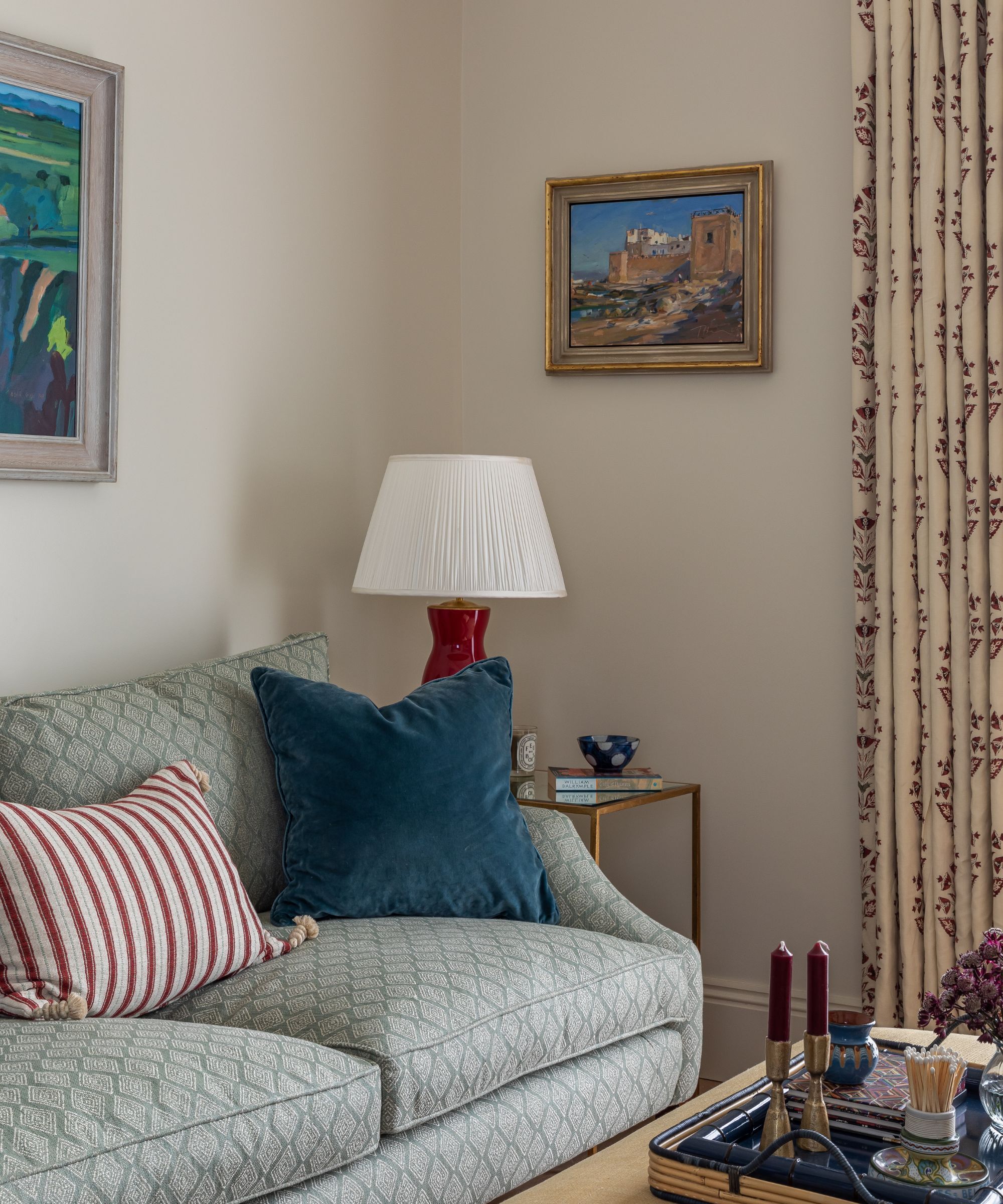
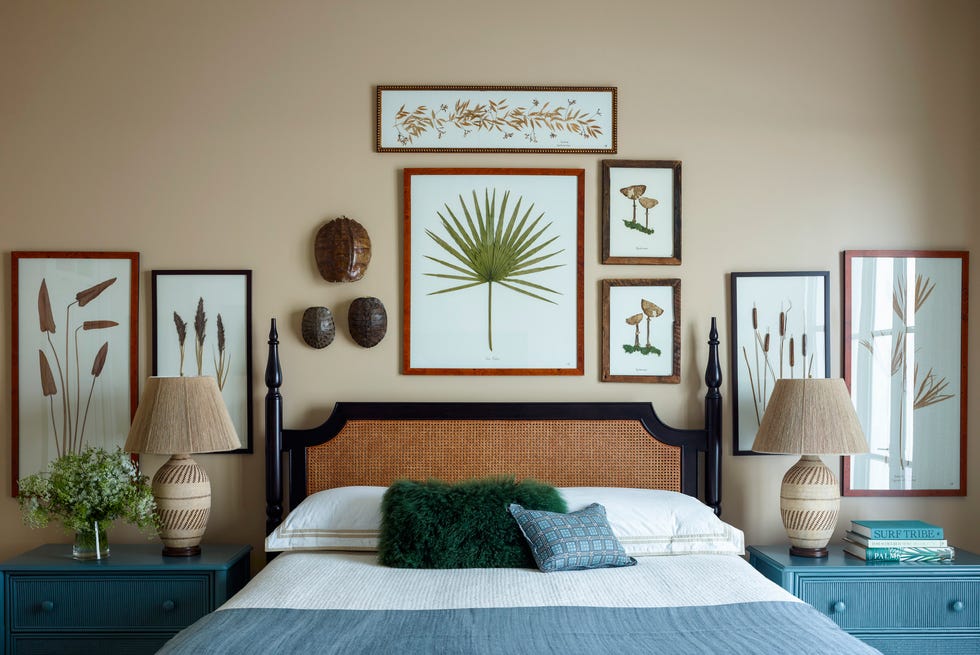
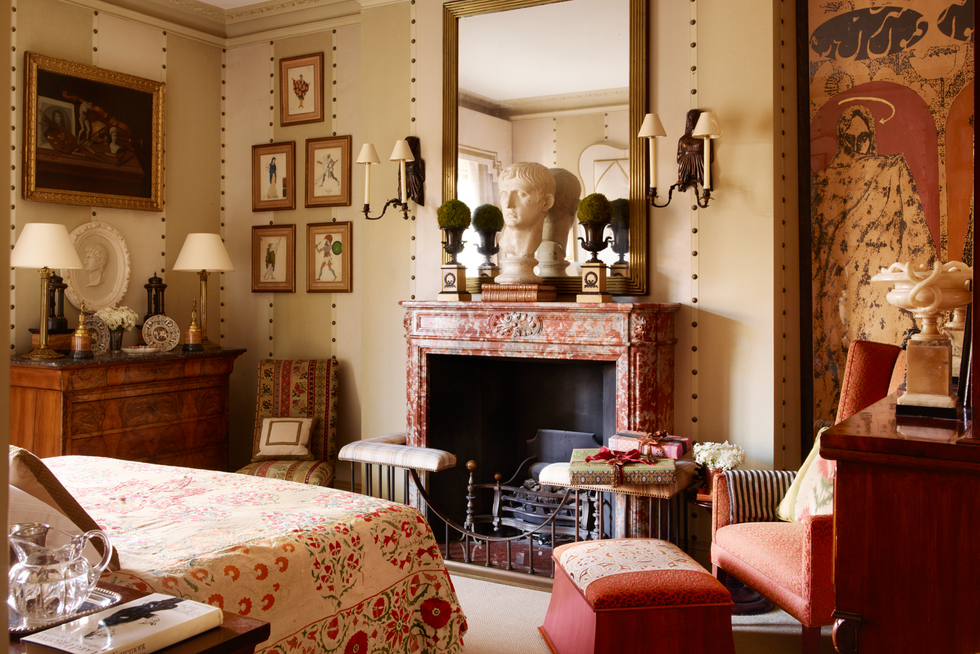
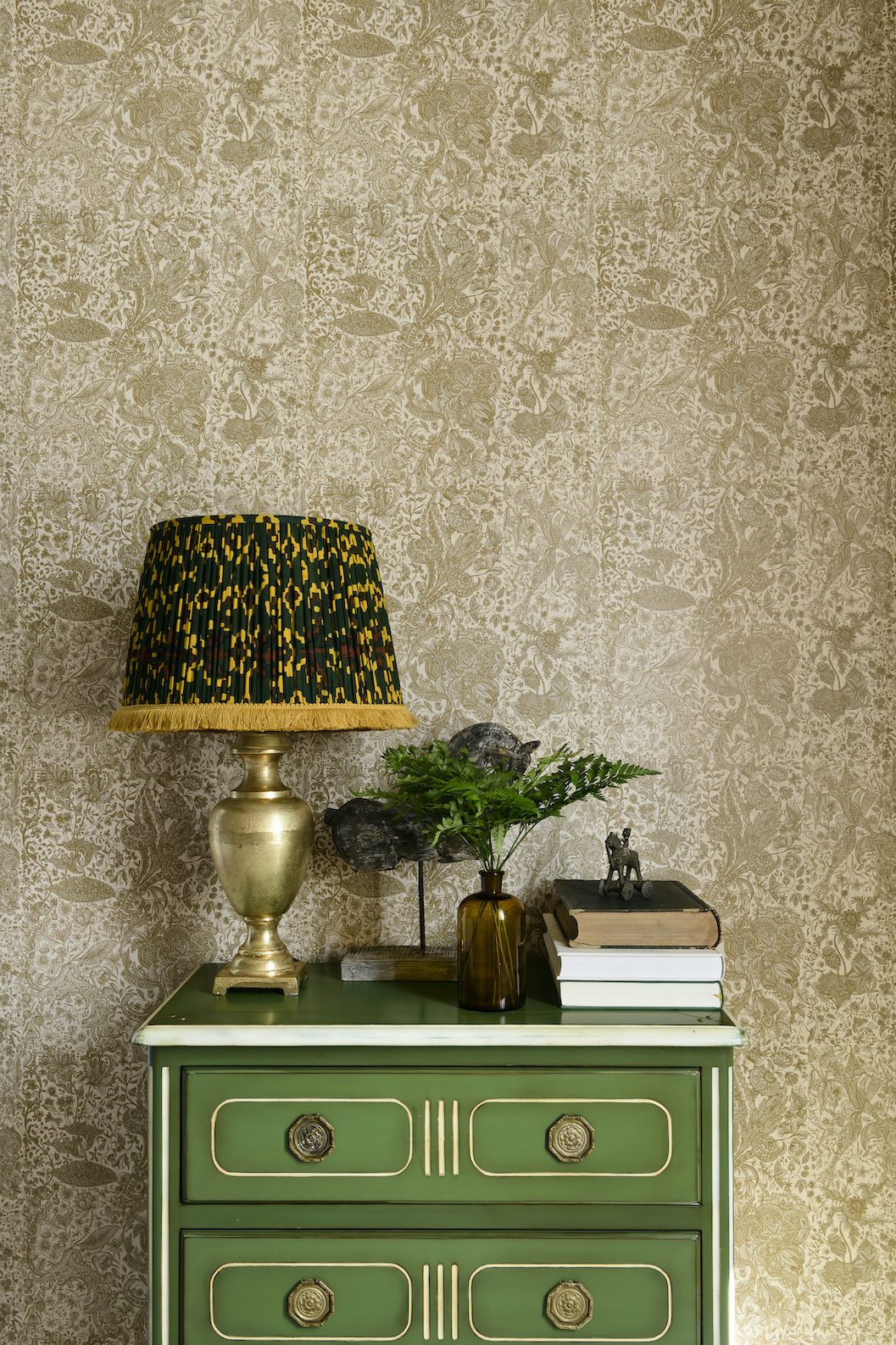
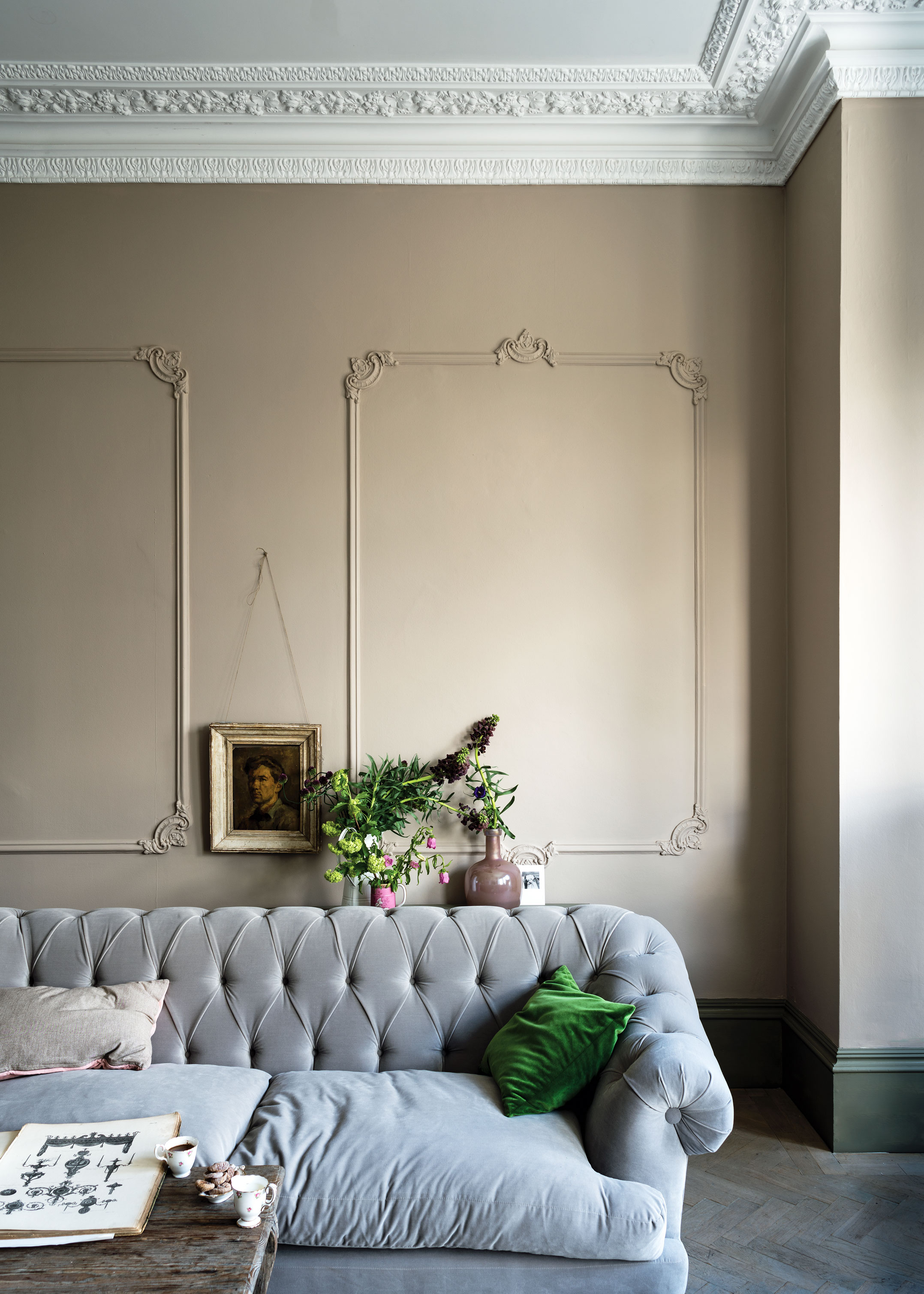
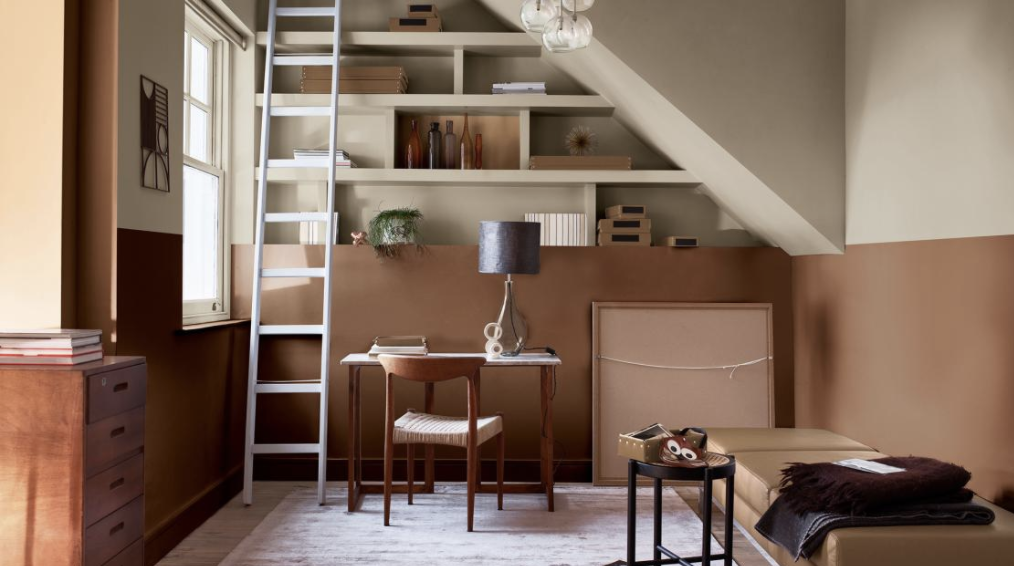
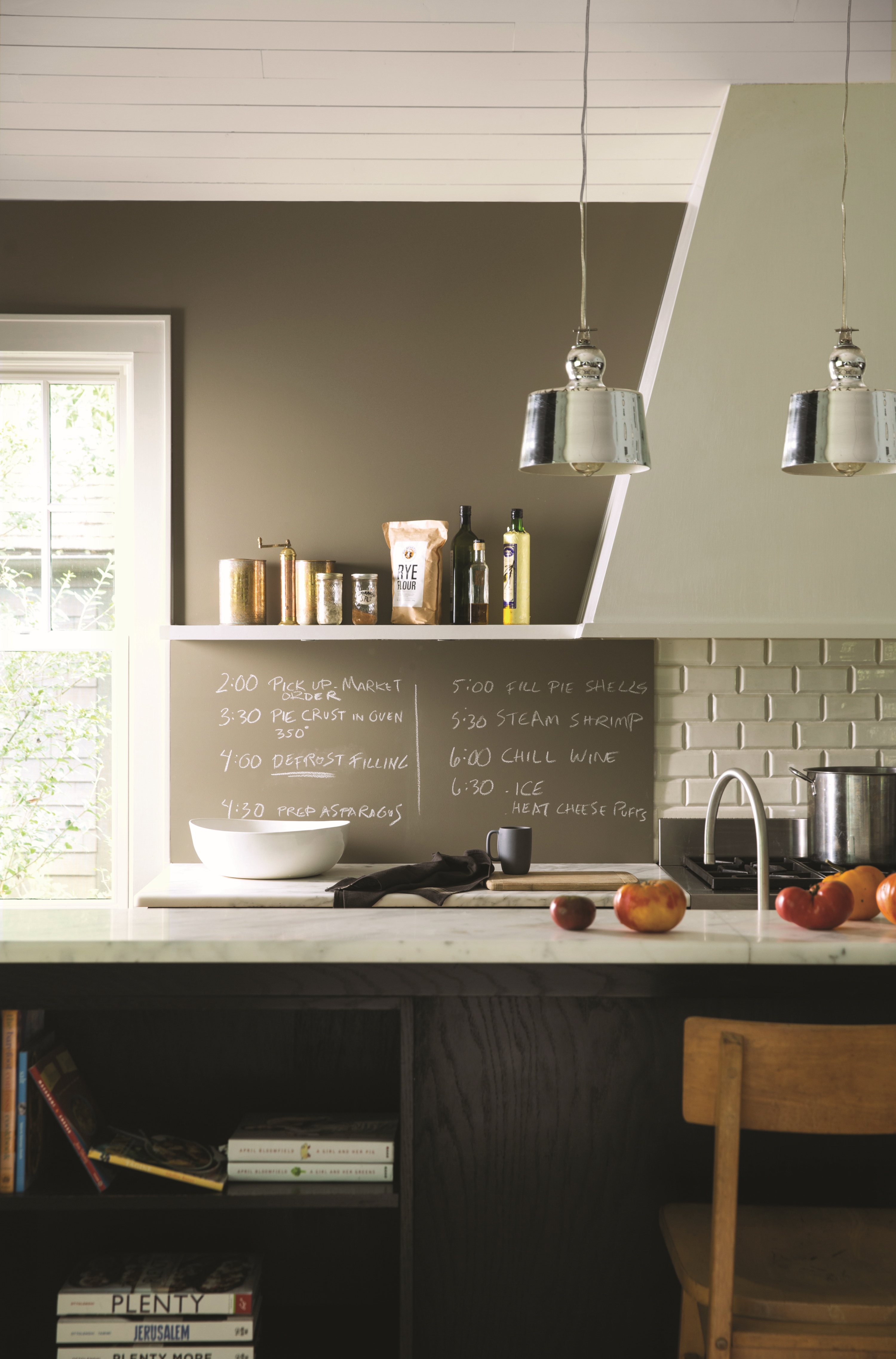
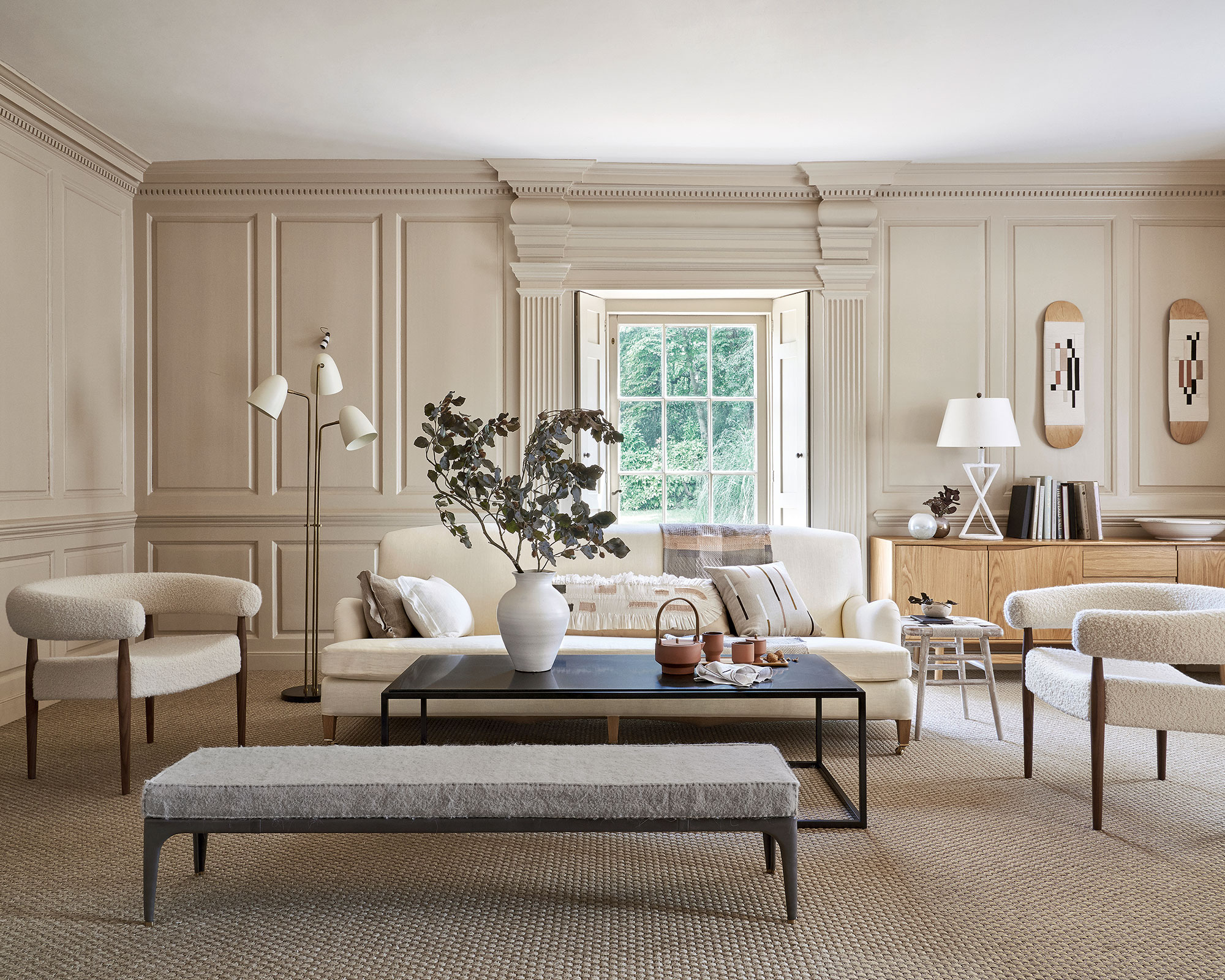
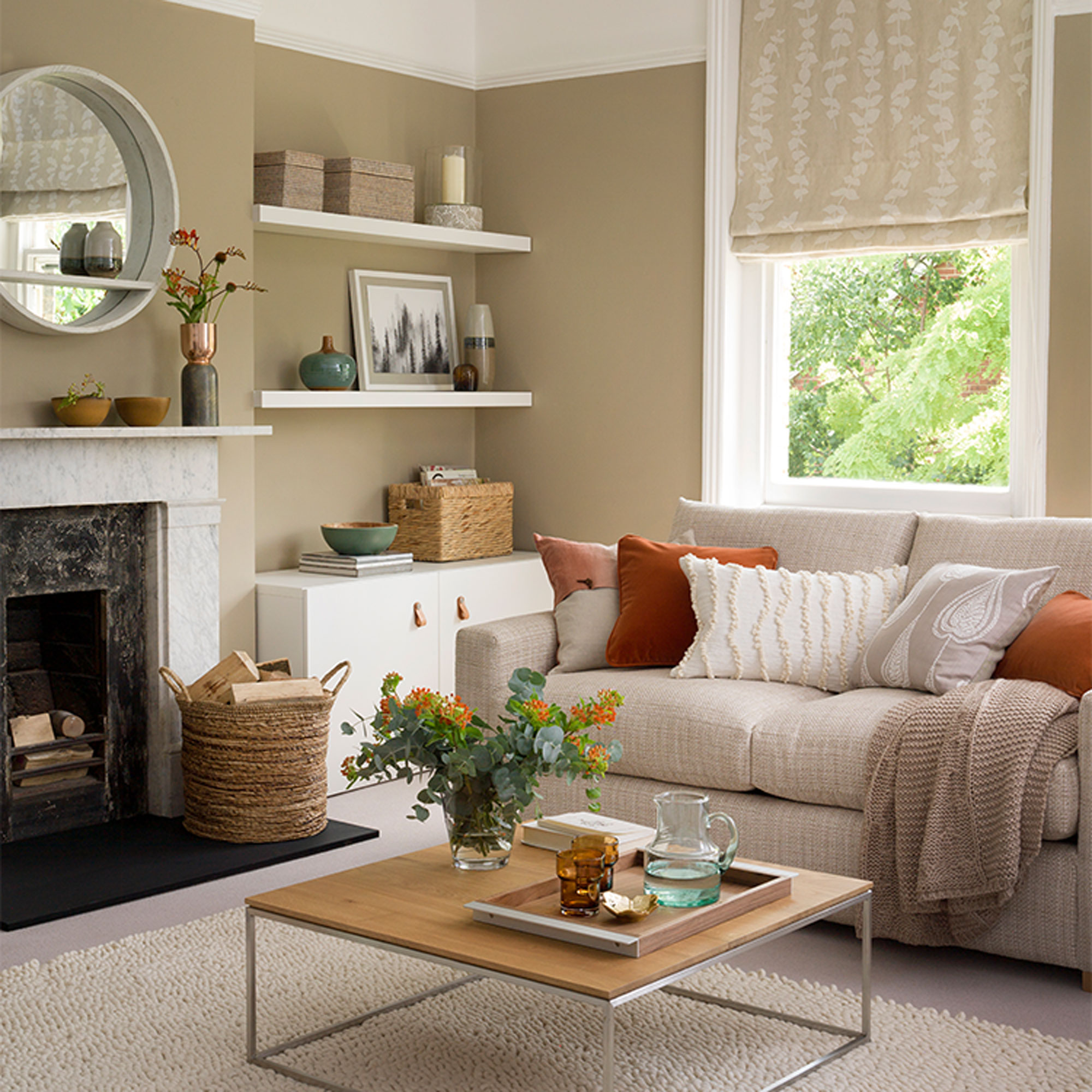

Several specific beige paint recommendations are provided, each with unique characteristics and applications. 'Drop Cloth' by Farrow and Ball is described as a honeyed, mid-gray beige that is neutral, warm, and complementary to various furnishings. Its balanced undertones make it a sophisticated choice that avoids being too yellow or too gray. 'Tree Moss 508' by Benjamin Moore, despite its name, is a beige with a subtle green tint, often categorized within sage tones. This shade is noted for its calming and restful qualities, making it ideal for spaces like home offices where creativity and focus are desired. The designers behind its selection aimed to evoke 'Old Town Charm' by using a modern interpretation of historical colors.
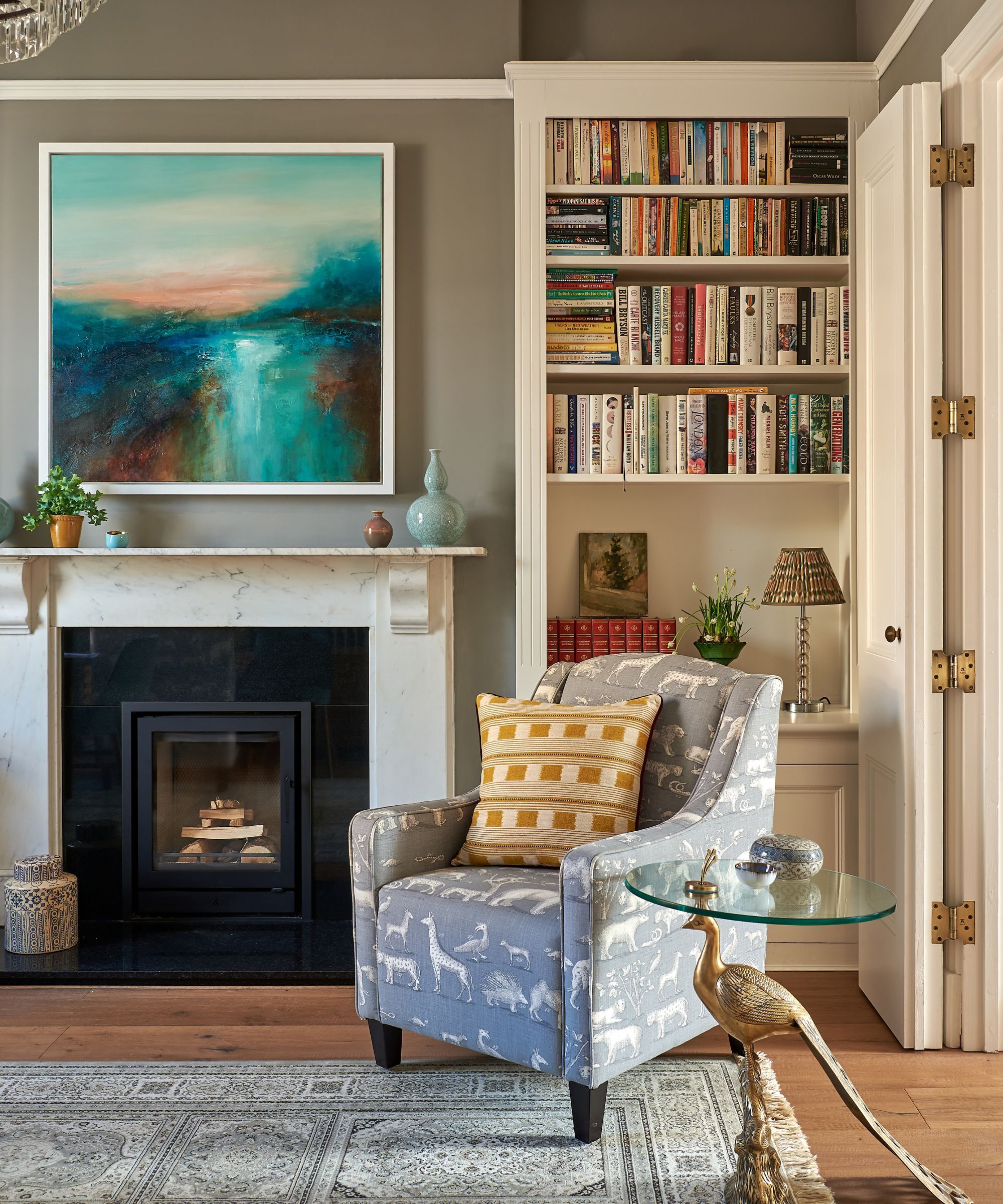
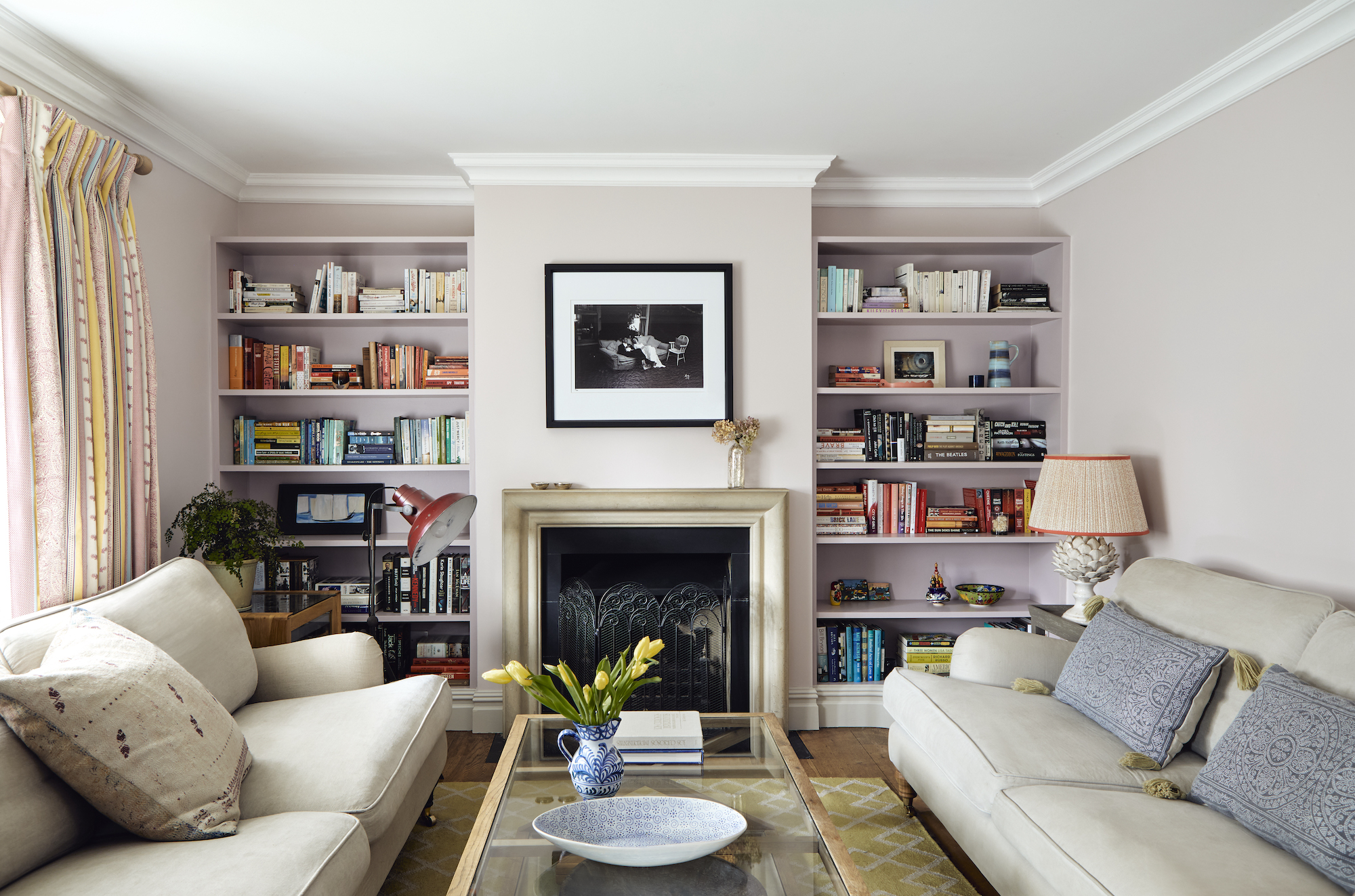
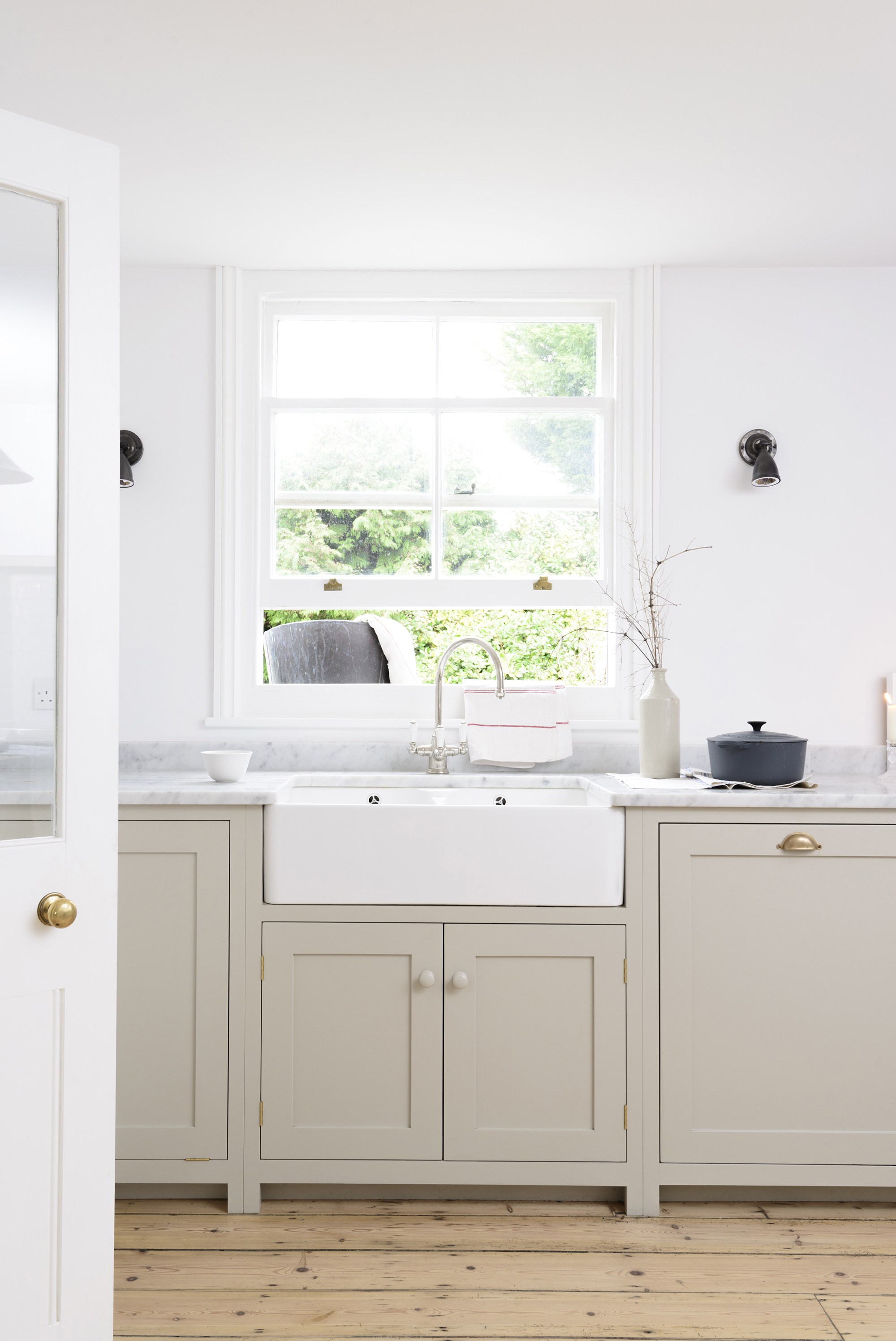
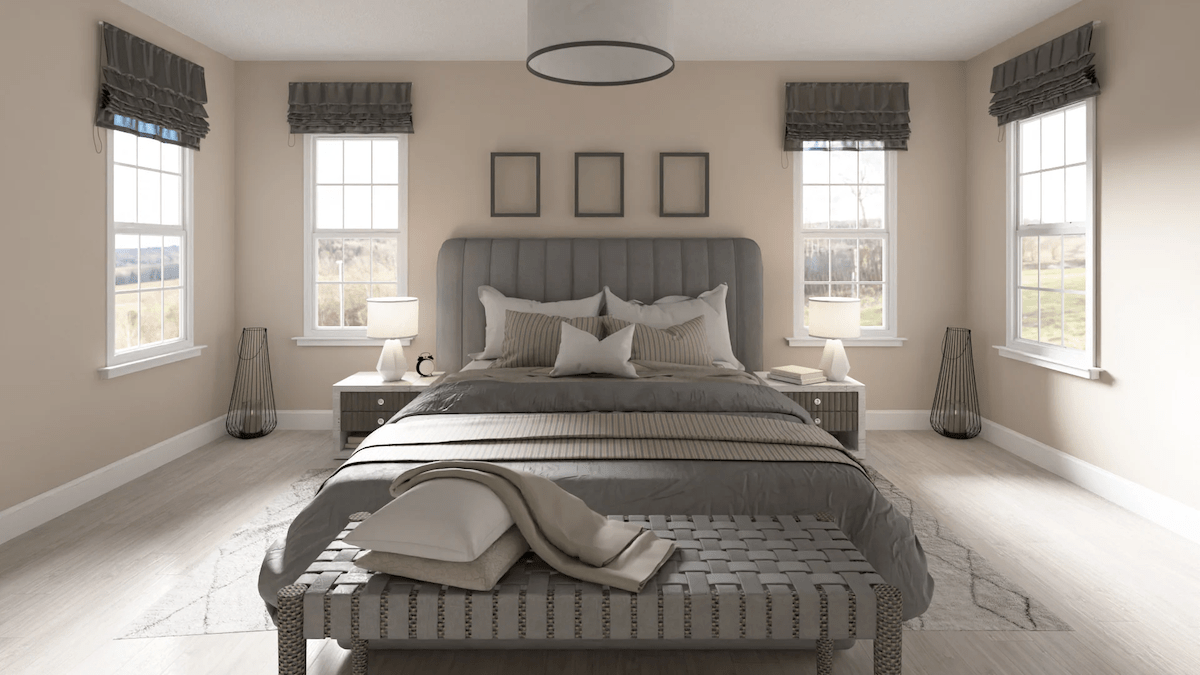
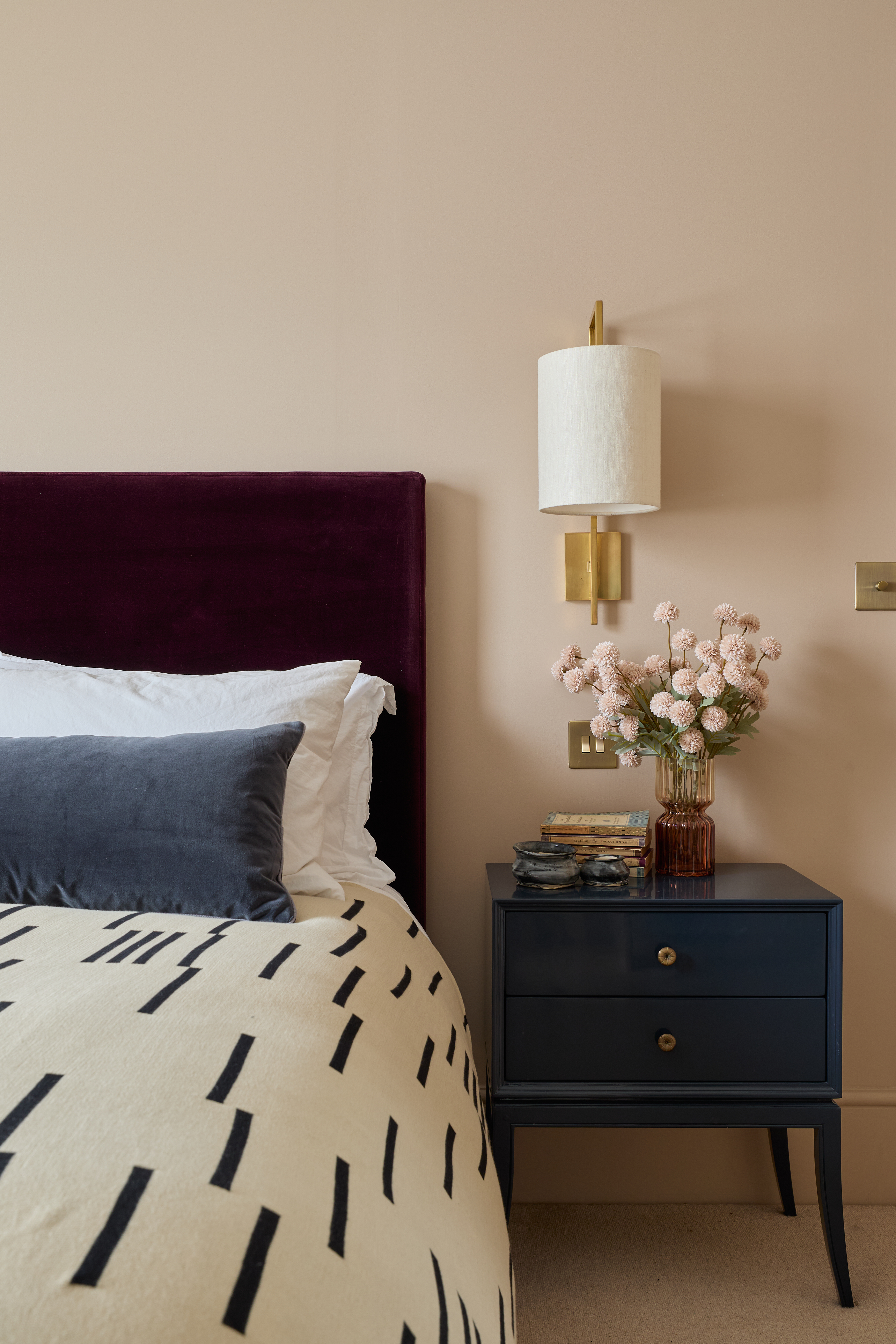
Farrow and Ball's 'Light Gray' and 'Salon Drab' are presented as excellent choices for neutral bedrooms, offering richness that softer grays might lack. These shades, inspired by natural elements like the Kent coast, were combined with contrasting colors such as Ultra Marine Blue for millwork, demonstrating how beige can be integrated into more complex palettes. 'Rolling Fog' by Little Greene features subtle gray undertones, conveying tranquility and sophistication. This paint is highlighted for its versatility, blending seamlessly with architectural styles and adding depth without overpowering a space. The evolution of color palettes is noted, as 'Rolling Fog' was once considered a white, illustrating a shift towards warmer and more nuanced neutrals.
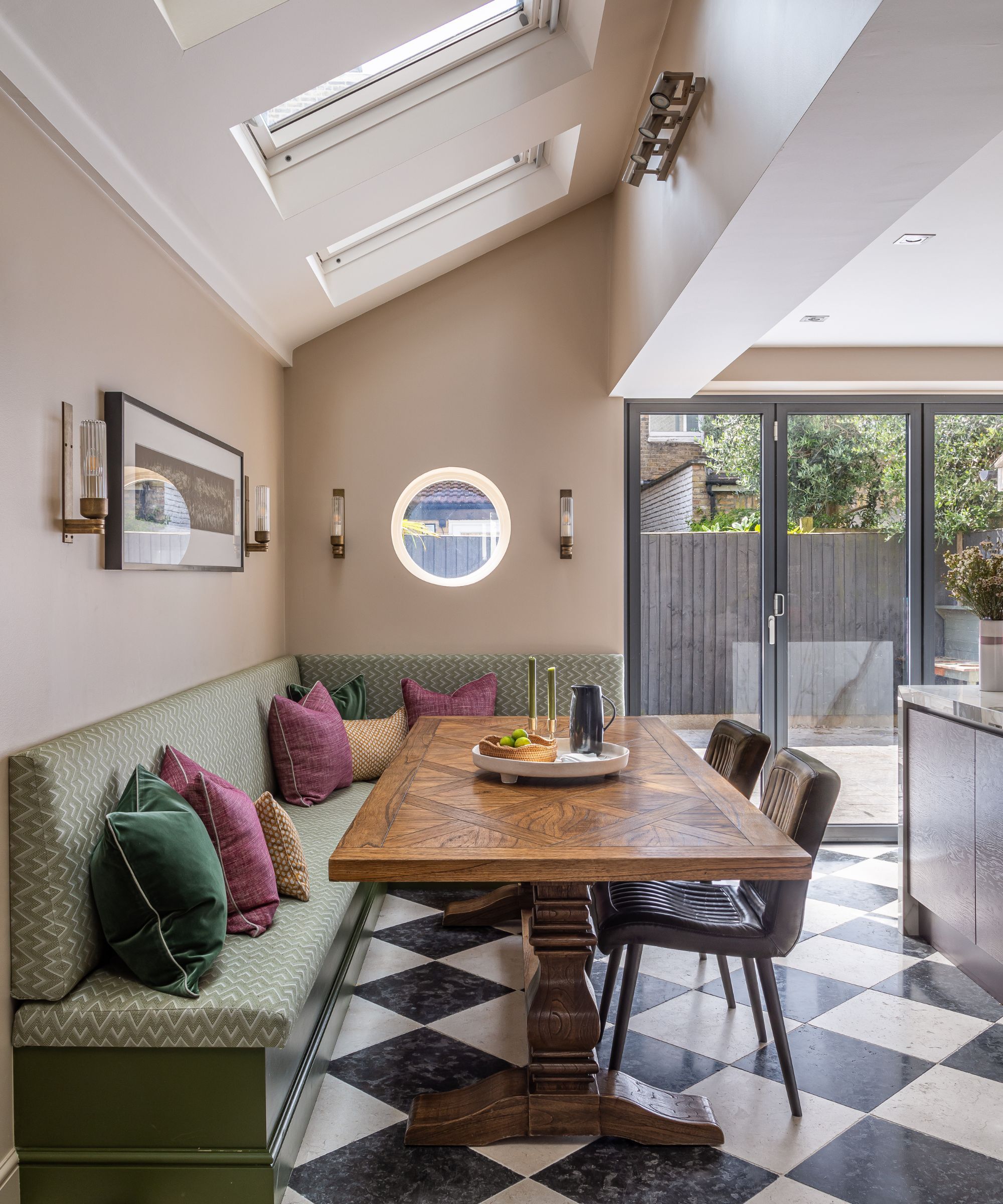
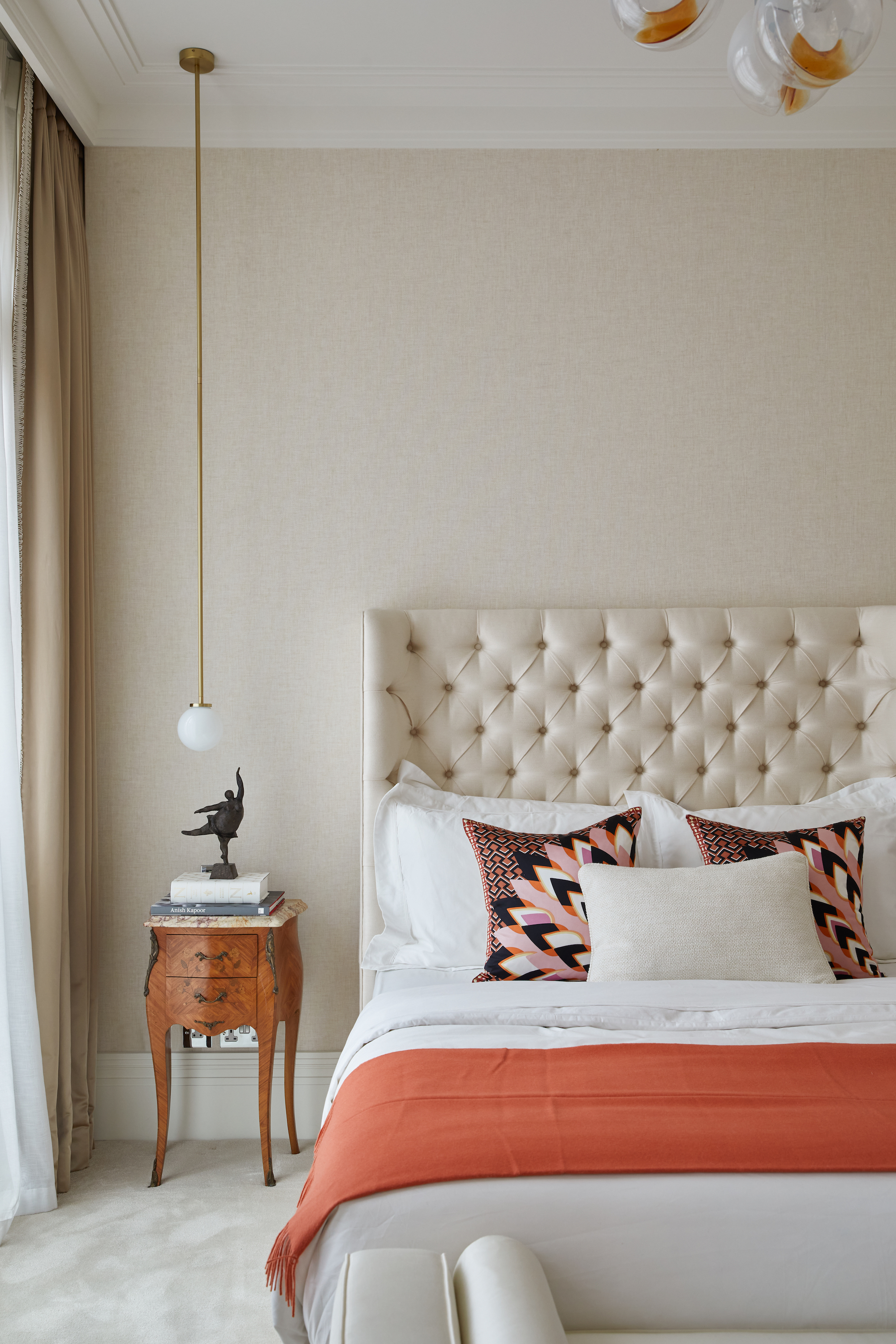
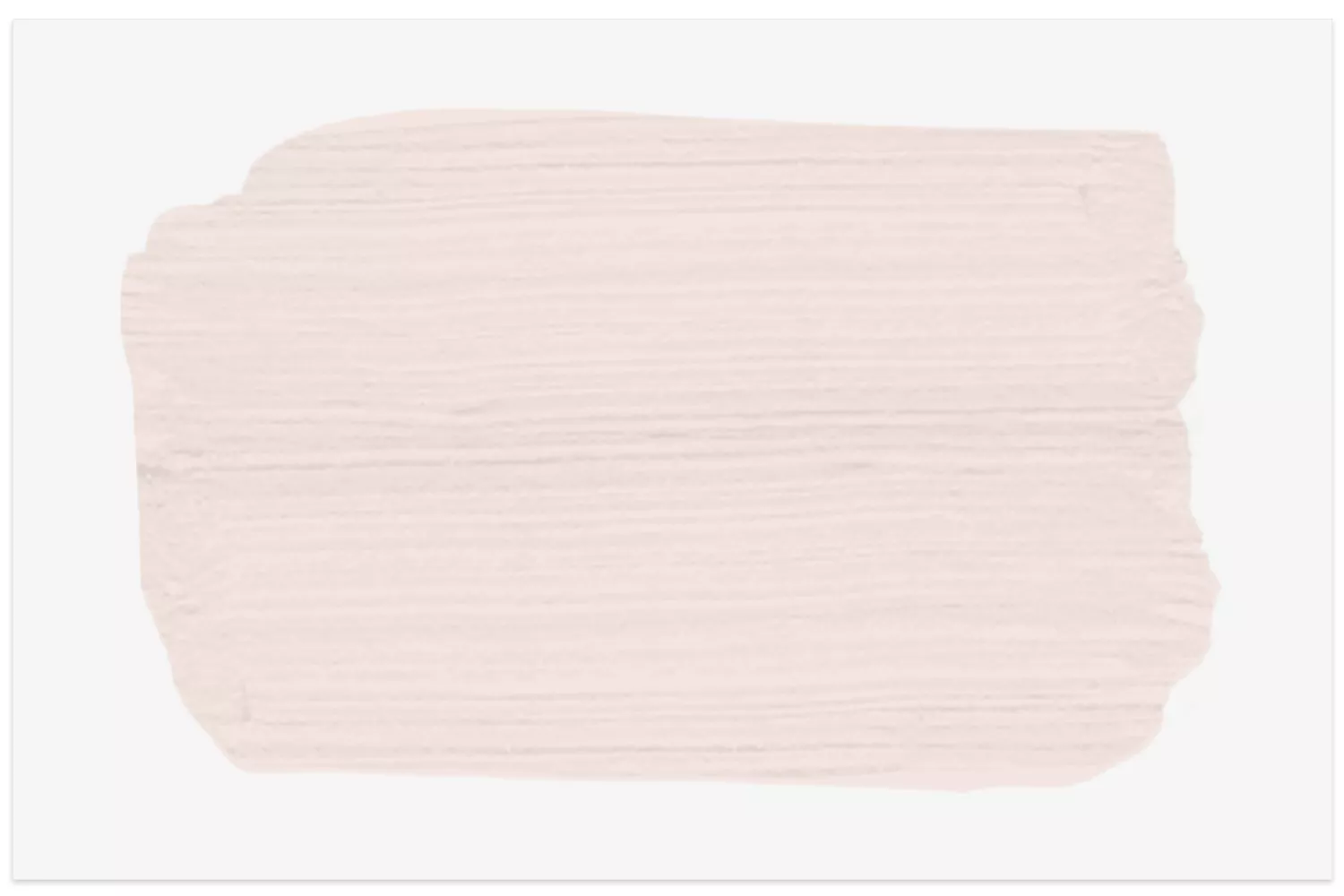
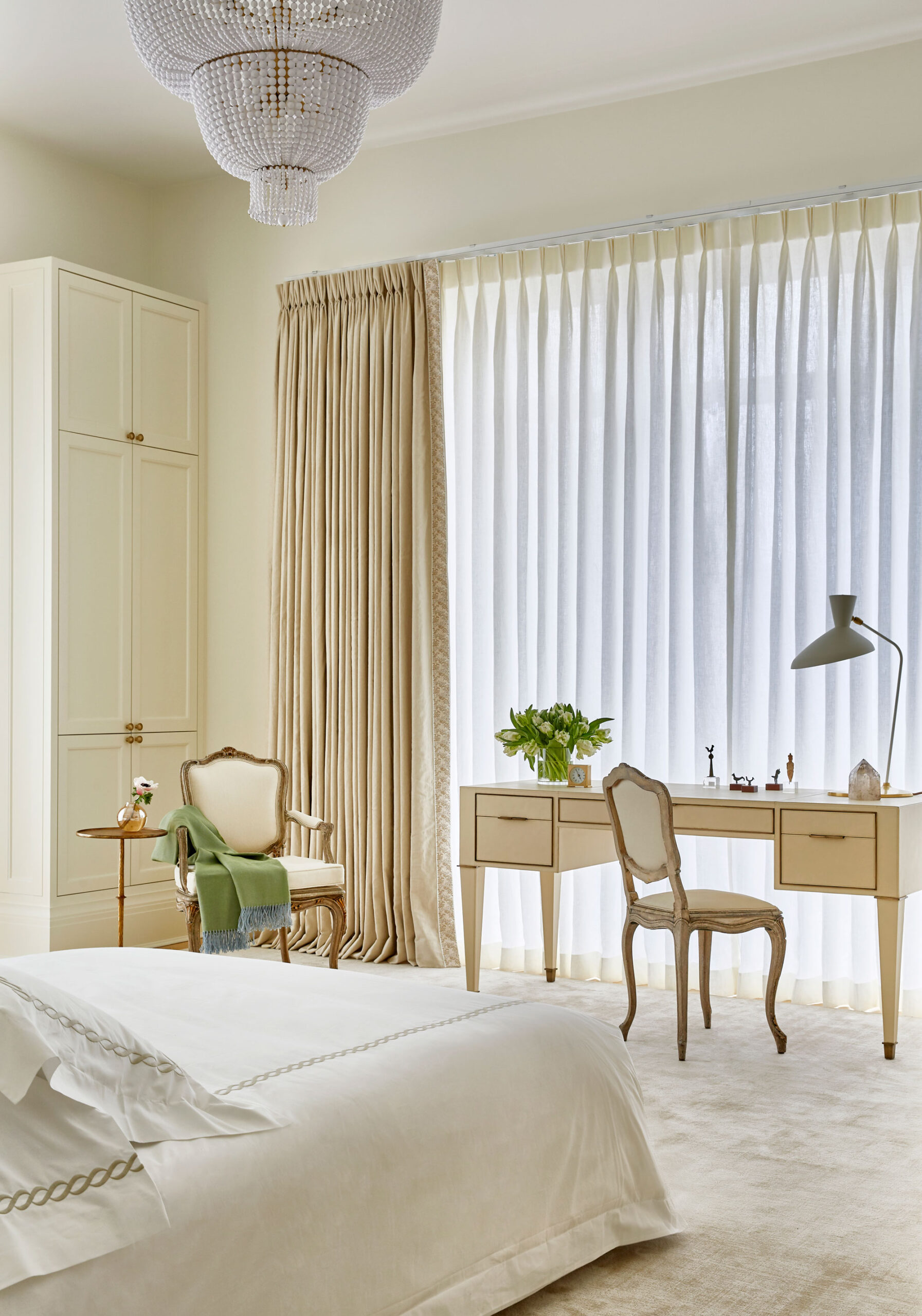
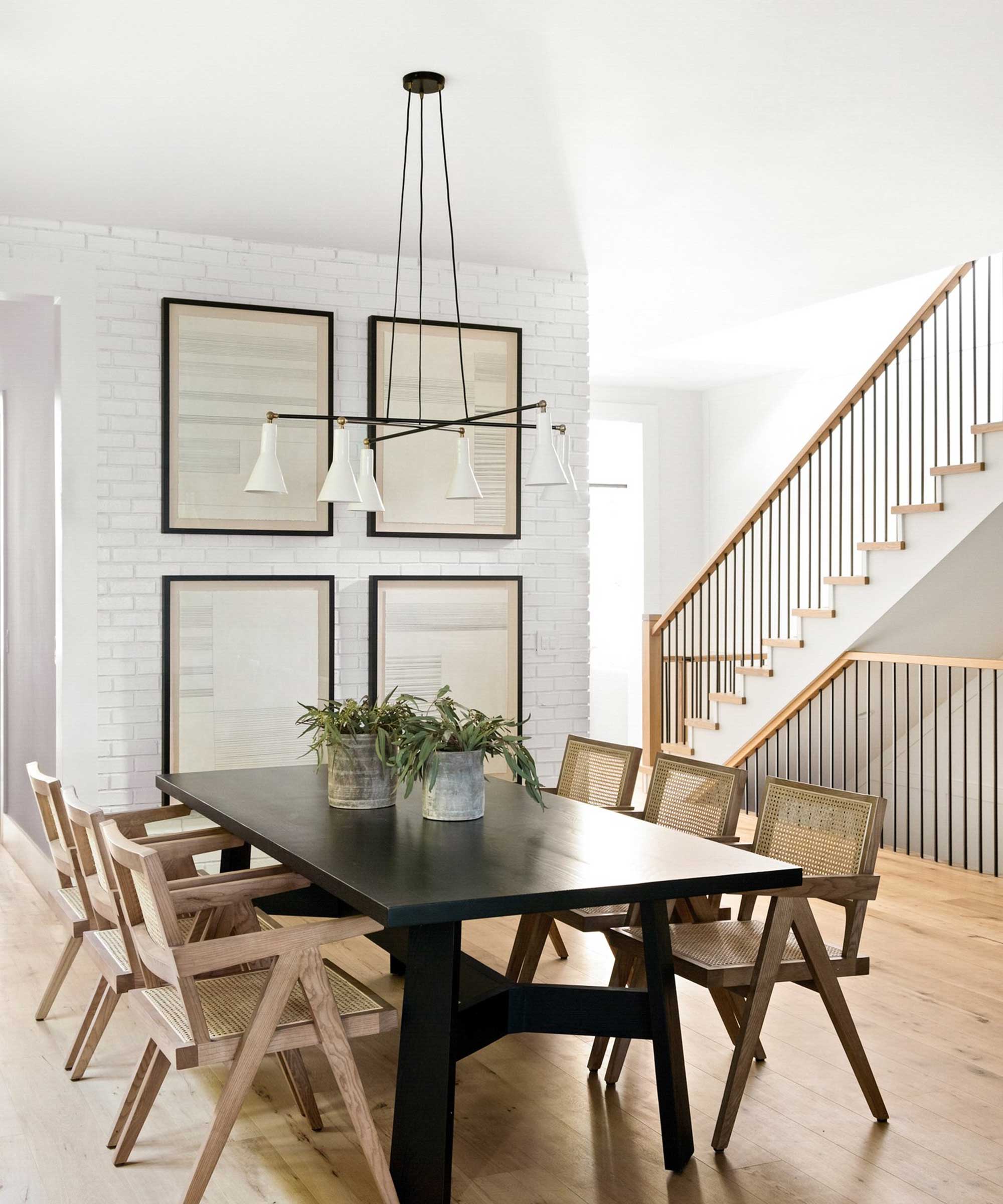
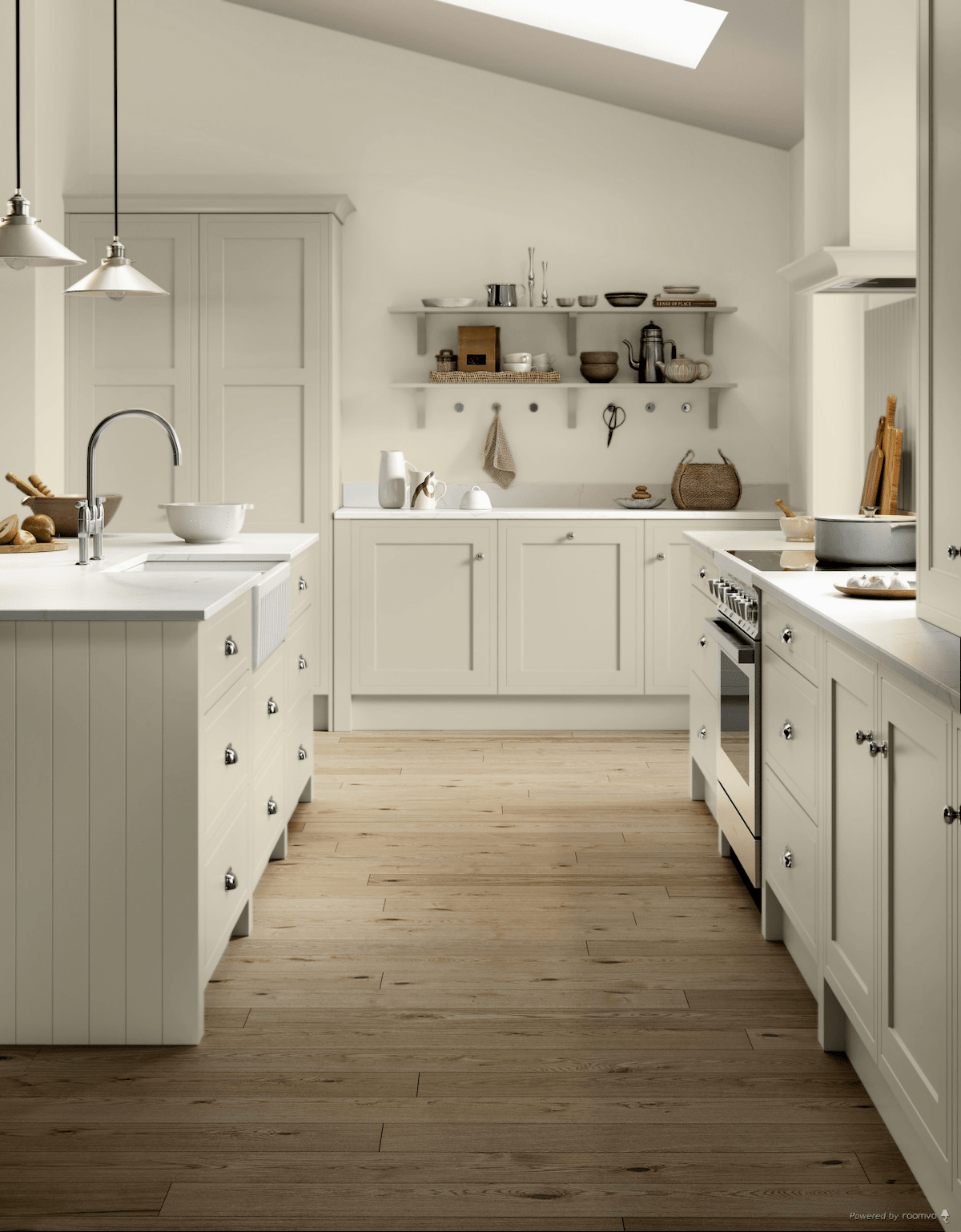
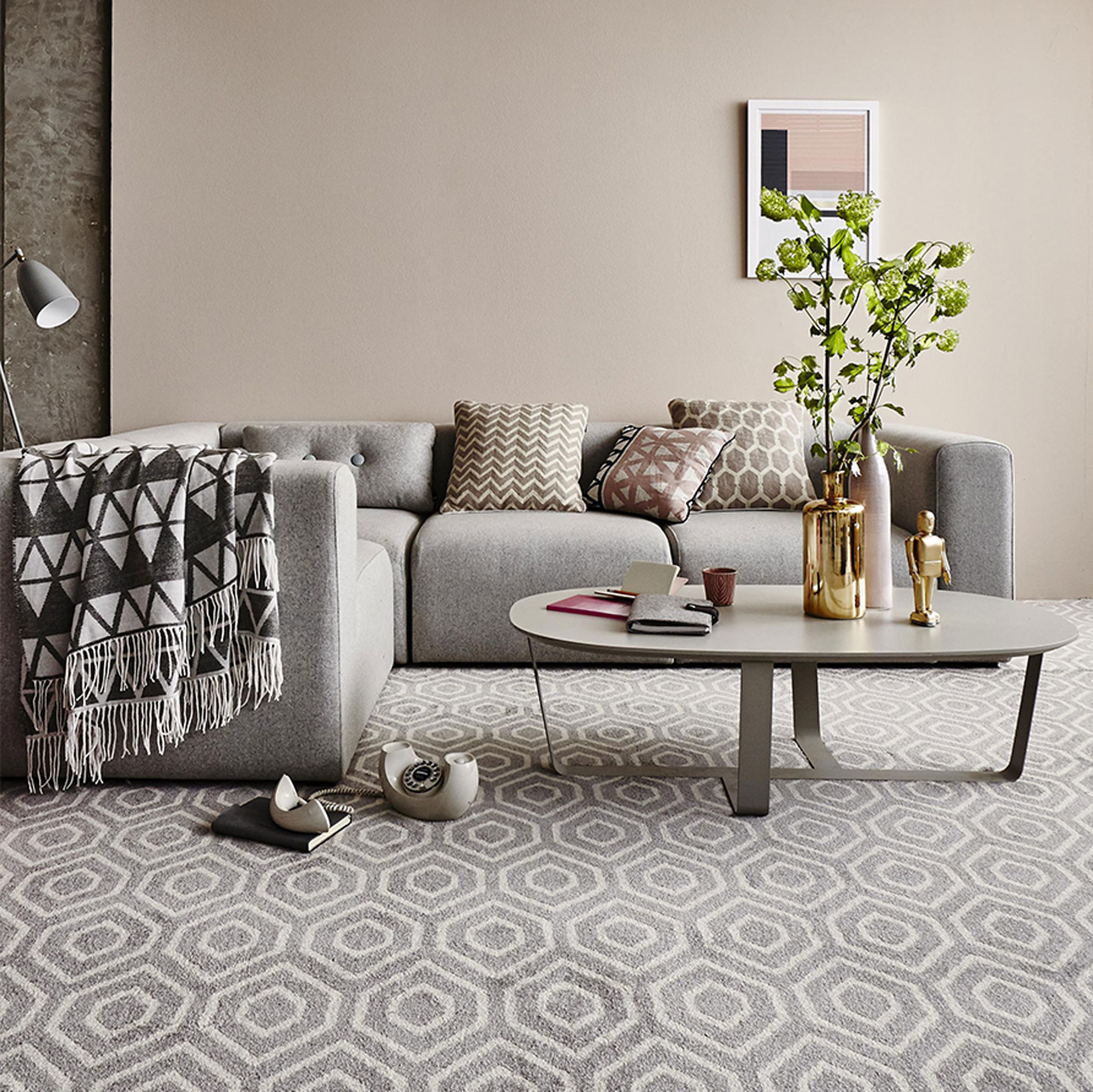
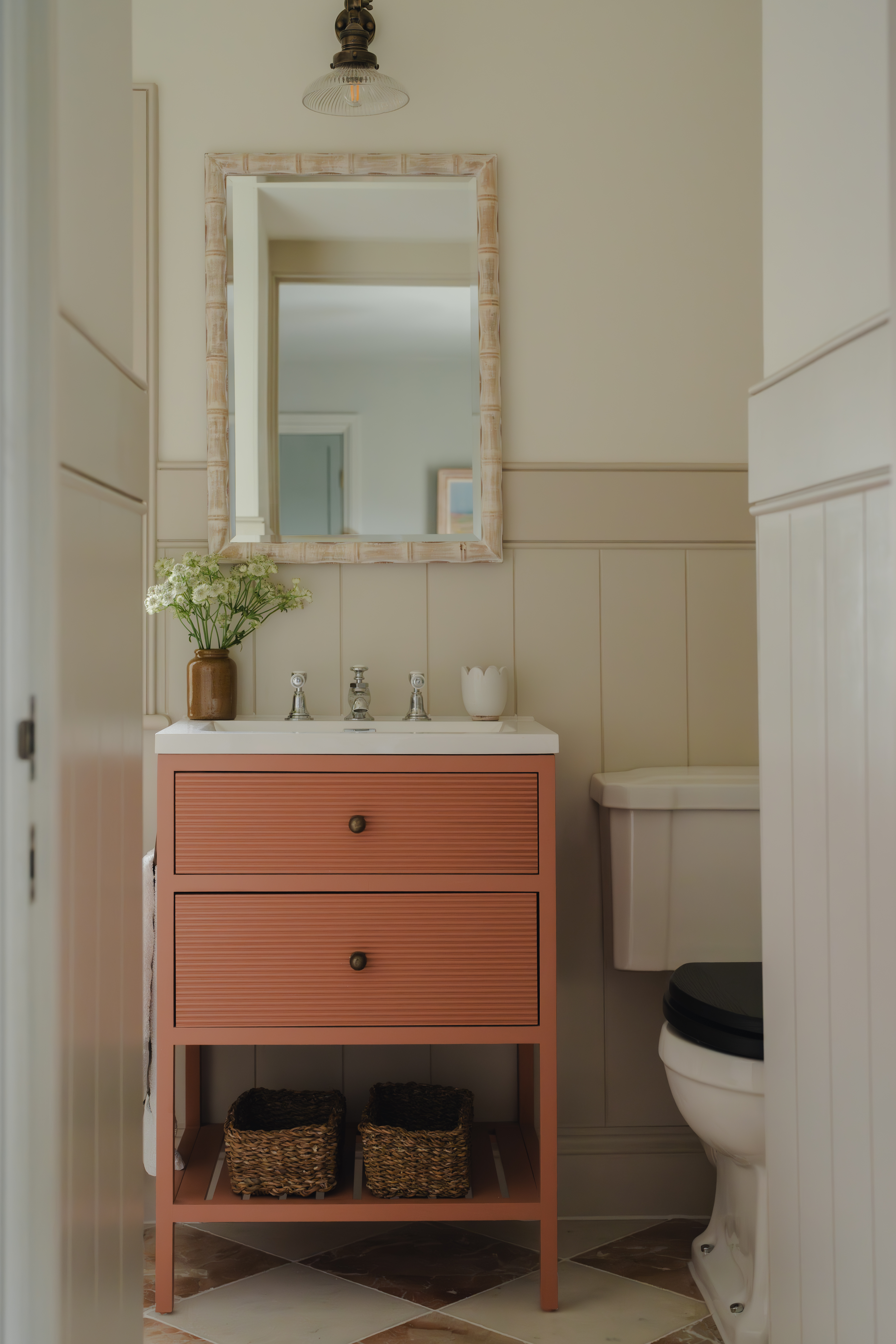
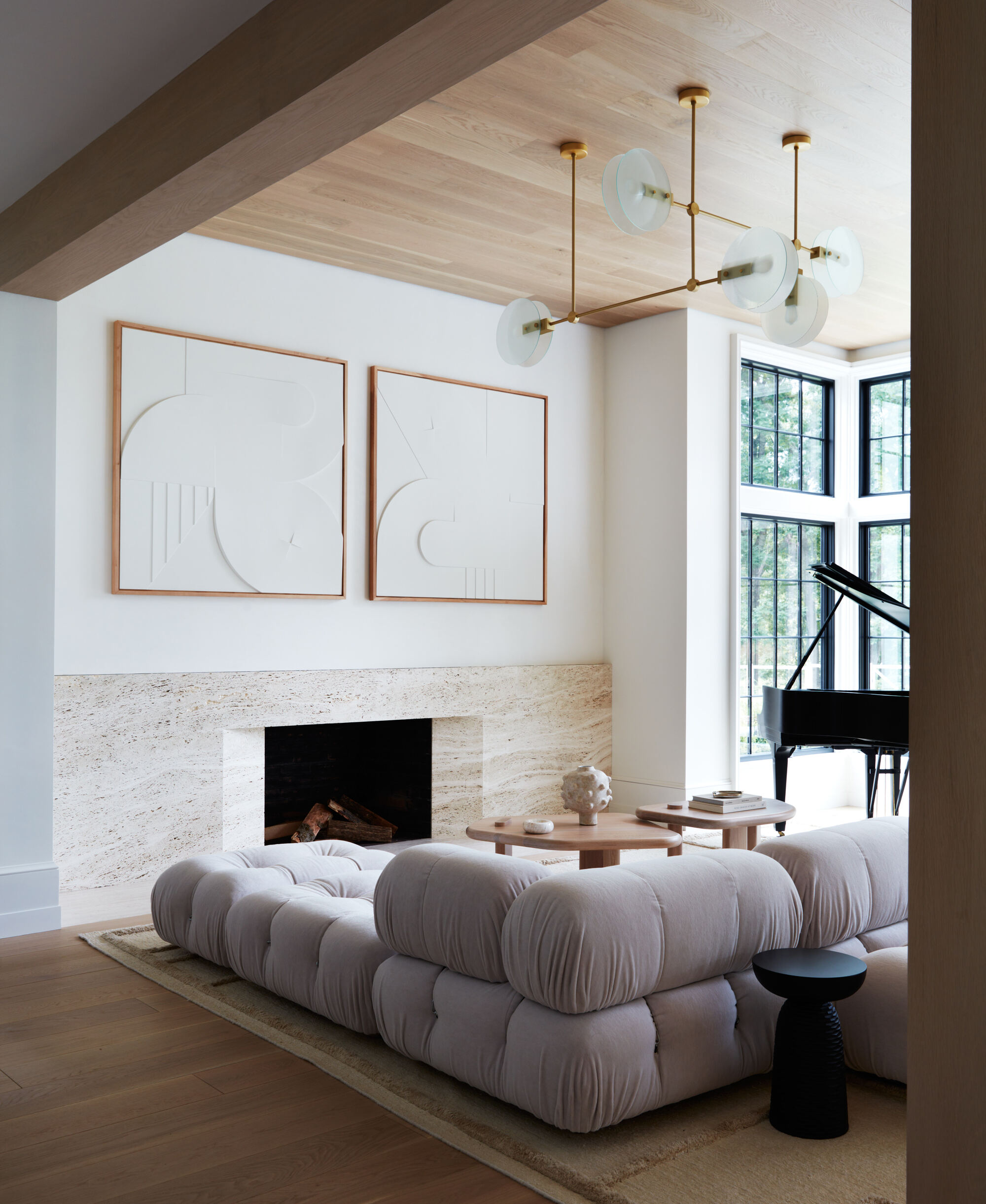
'Skimming Stone' by Farrow and Ball leans towards the off-white end of the beige spectrum, drawing its name from 19th-century plaster colors. This shade is favored for its calming effect and its ability to facilitate effortless transitions between existing woodwork and painted surfaces, creating a soft and cozy ambiance. Sherwin Williams' 'Shell White' and 'Oyster White' are a duo that works well in spaces with ample natural light, as their tones shift throughout the day. 'Shell White' has warmer, peachy undertones, balanced by 'Oyster White's' softer green notes, creating a fresh yet traditional feel. Lastly, 'Ammonite' by Farrow and Ball, a gray-leaning beige, is suitable for modern homes seeking softness without veering into traditional or rustic aesthetics. It offers a crisp, gallery-like quality that serves as an excellent backdrop for art and decorative elements, preventing a sterile feel.
The article concludes with advice on selecting the right beige paint, emphasizing the importance of understanding undertones. Gray-leaning beiges are associated with minimalist and modern aesthetics, while yellow-based beiges bring more cheerfulness. Considerations such as room facing (north-facing vs. south-facing) and natural light levels are crucial, as they significantly impact how a paint color will appear. The recommendation to always paint samples before committing is highlighted as a fundamental step in the decision-making process.
#InteriorDesign #BeigePaint #NeutralColors #HomeDecor #PaintColors #DesignTrends #FarrowAndBall #BenjaminMoore #SherwinWilliams #InteriorDesign #BeigePaint #NeutralColors #HomeDecor #PaintColors #DesignTrends #FarrowAndBall #BenjaminMoore #SherwinWilliams
0 commenti in totale
 Nessun commento ancora
Potresti anche gradire
14 best beige paints, as chosen by interior designers
8 beige room ideas – that prove it's beautiful, not boring

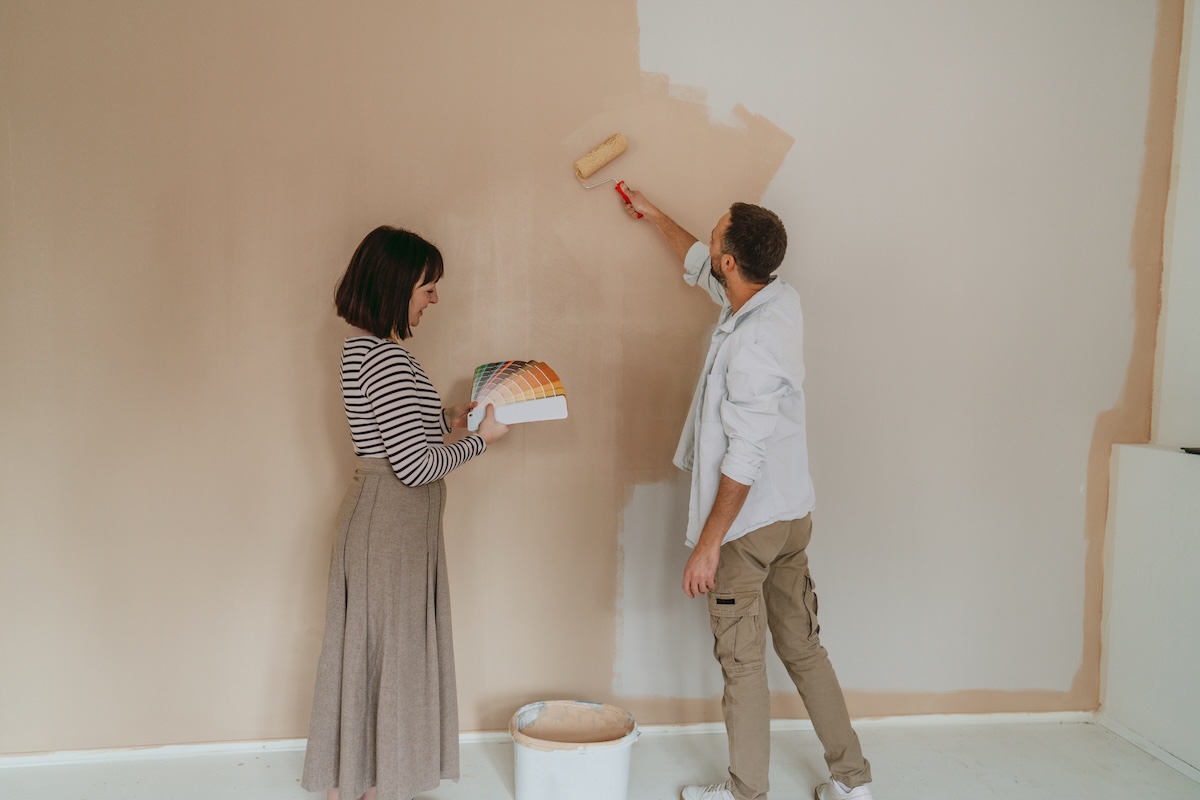
Beige Is Back! These Are the Best Cozy Neutrals for Your Home

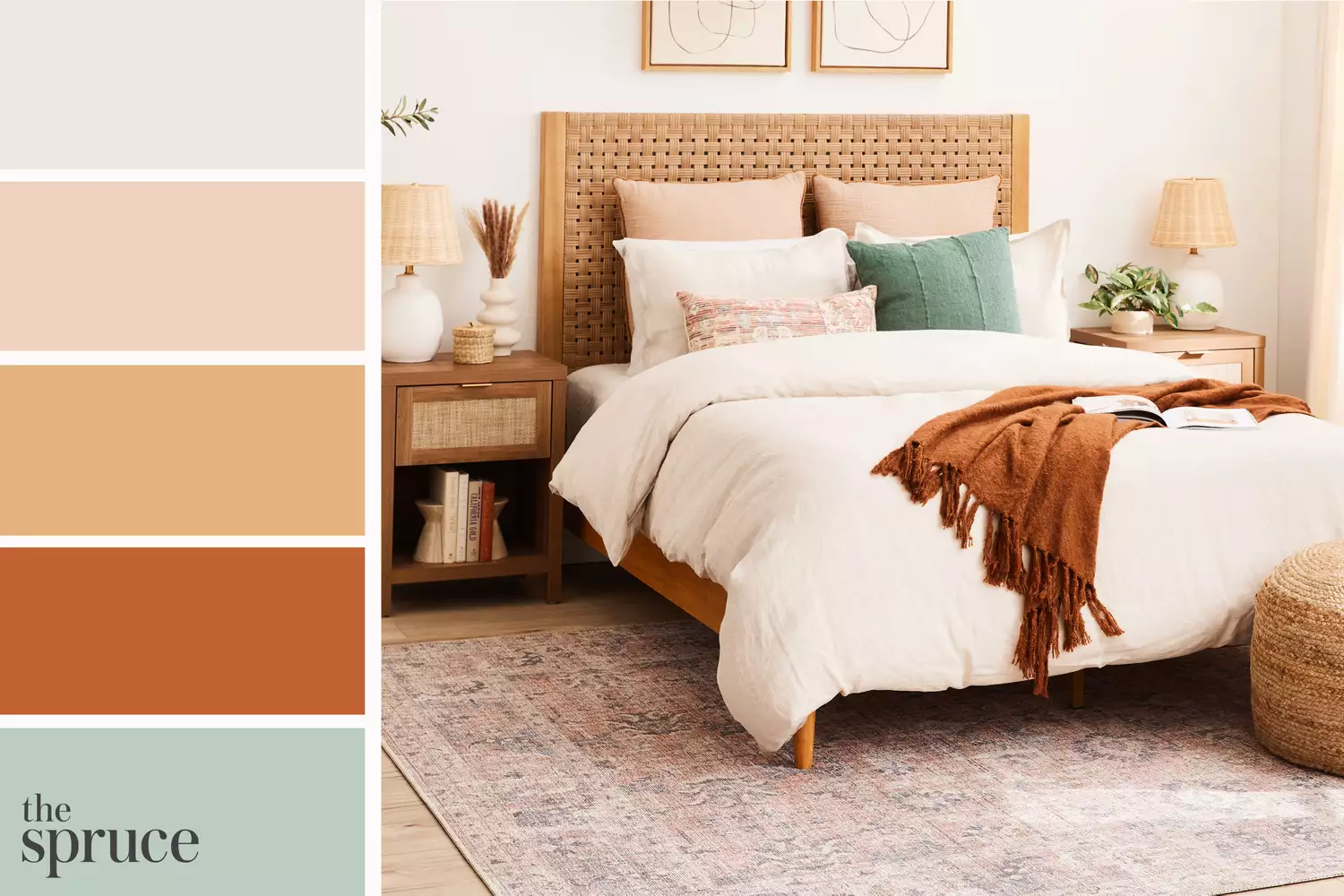
11 Beautiful Colors That Go Well With Beige

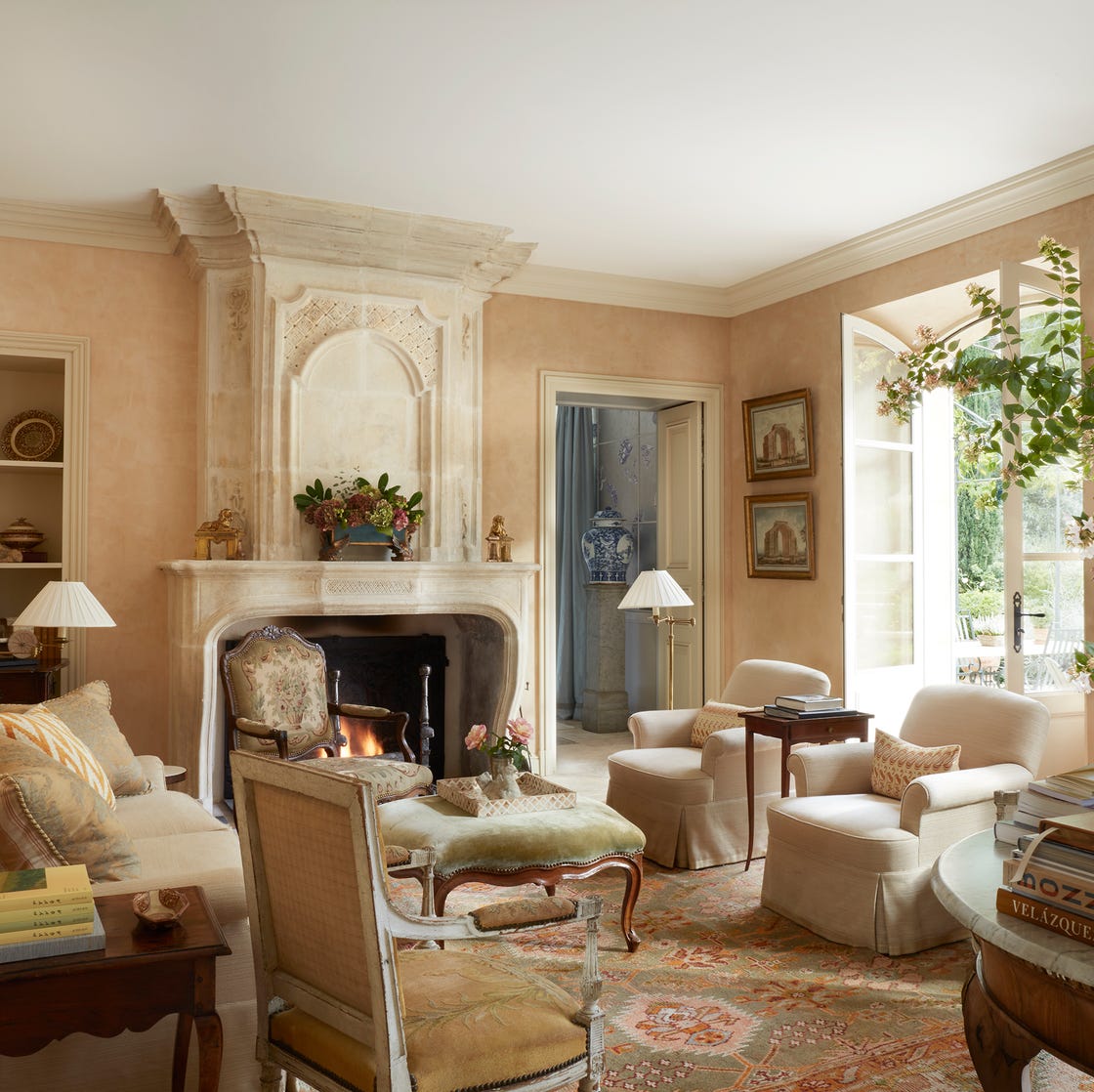
These Are the 10 Colors Interior Designers Would Pair with Beige

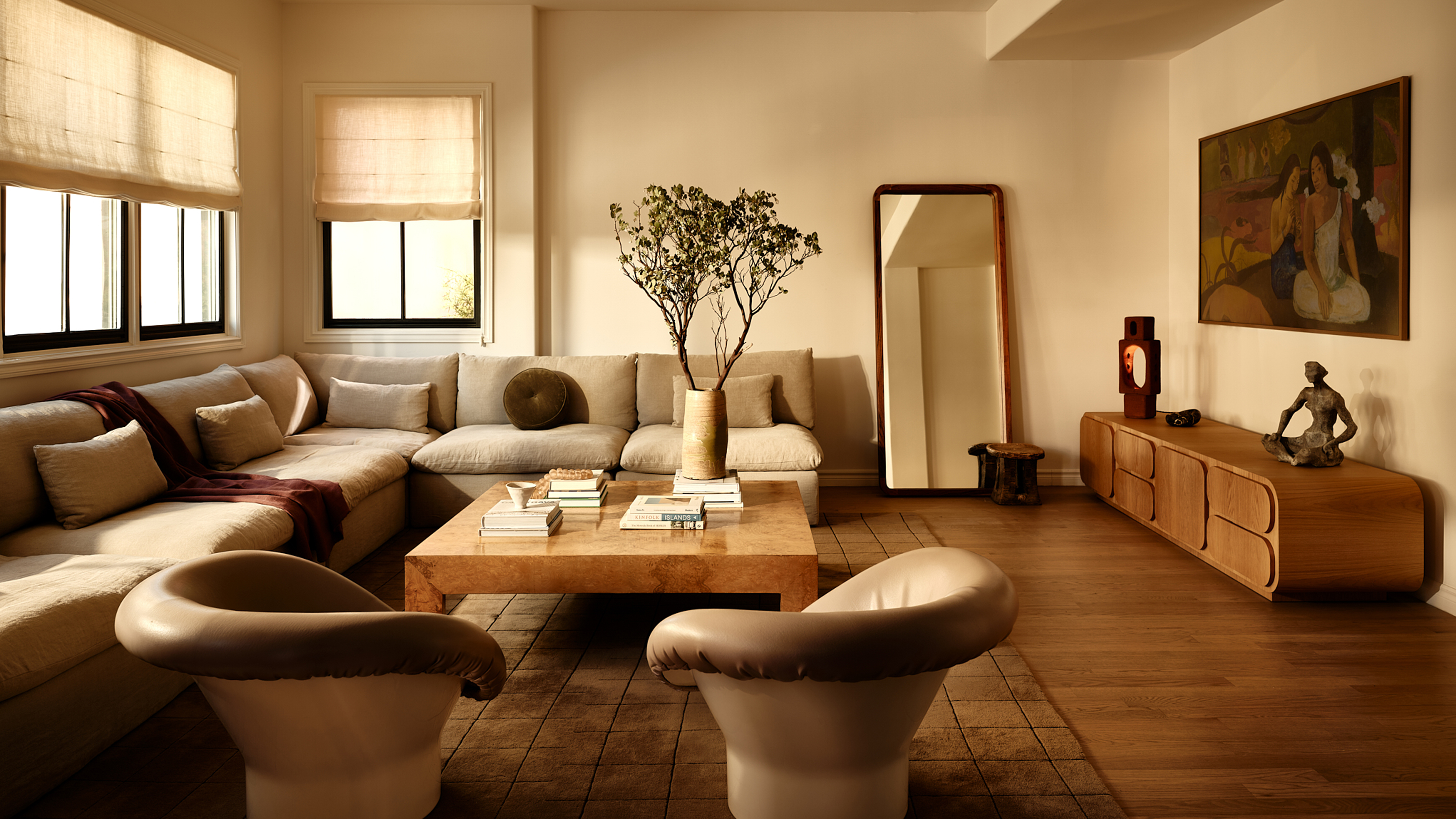
8 Beige Room Ideas That Break the 'Boring' Stereotype
The Best Beige Paint Color of All Time
14 Colors You Should Pair With Beige to Make This Neutral Pop in Your 2025 Decorating Schemes
10 accent colors for beige – design experts' favorite color pairings

8 Calming Paint Colors Designers Use to Create a Warm, Welcoming Living Room

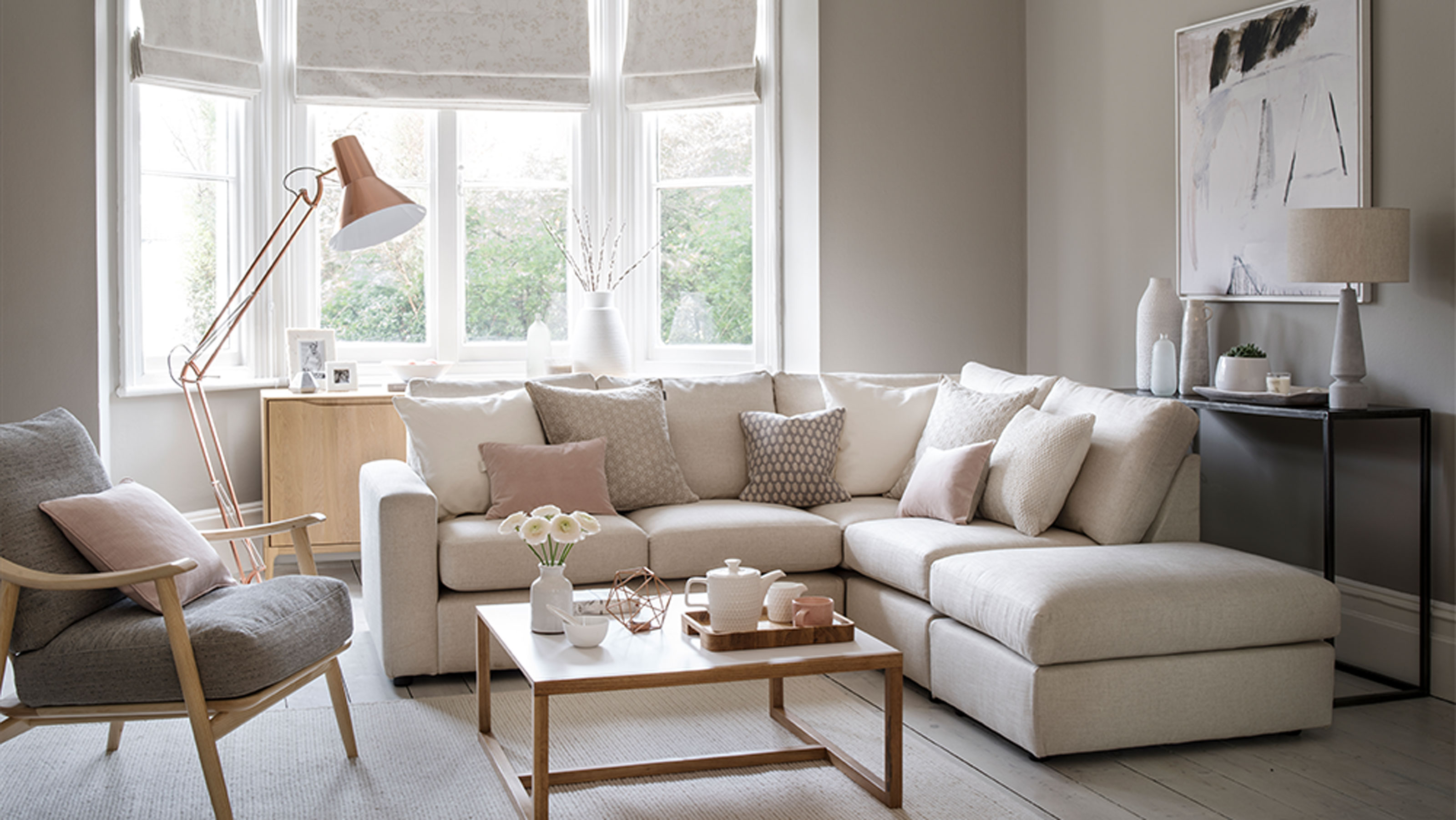
10 beige living room ideas prove that beige is anything but boring
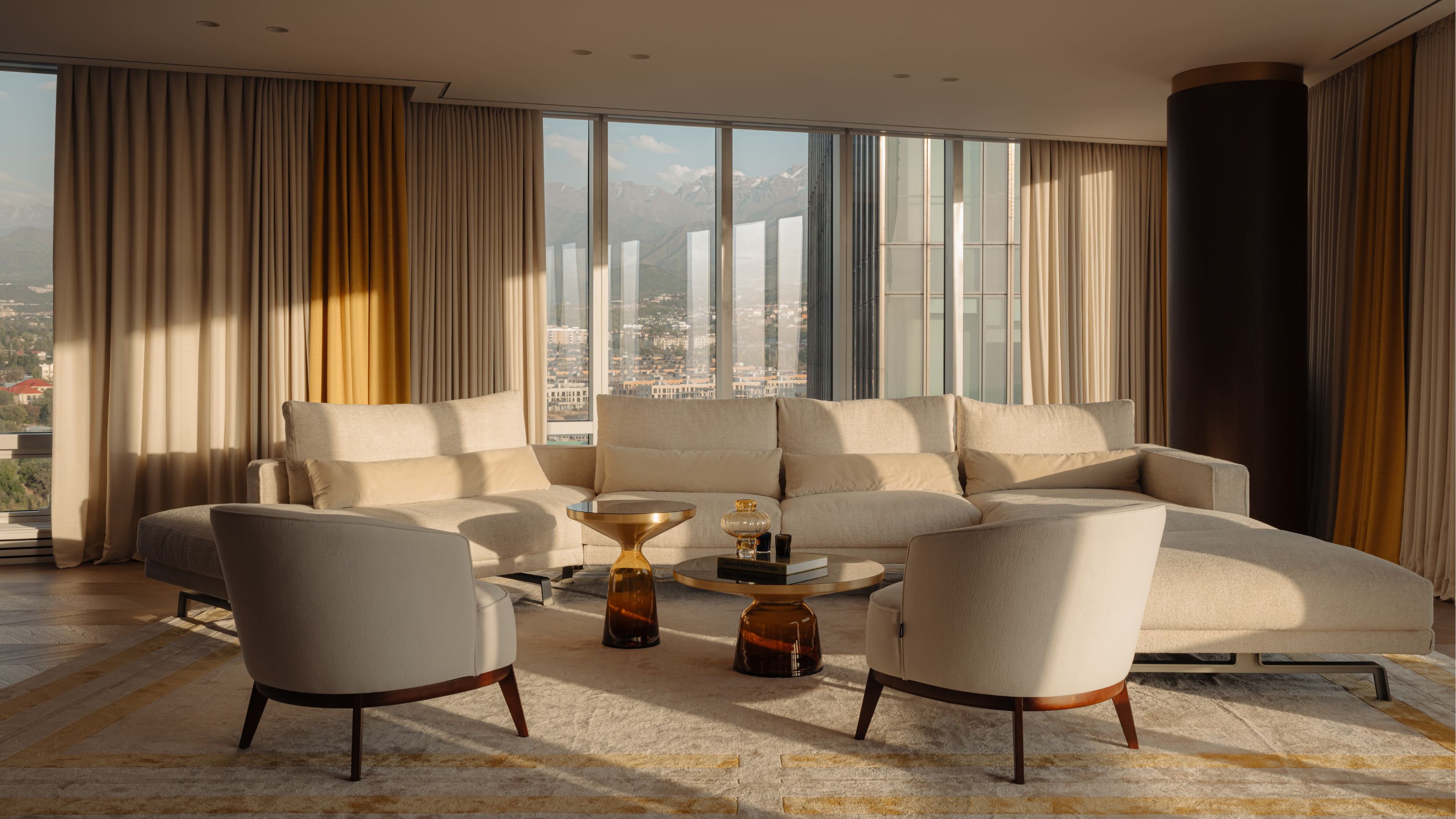
12 Beige Living Room Ideas That Make a Strong Case for the "Boring" Color Being Back in Fashion
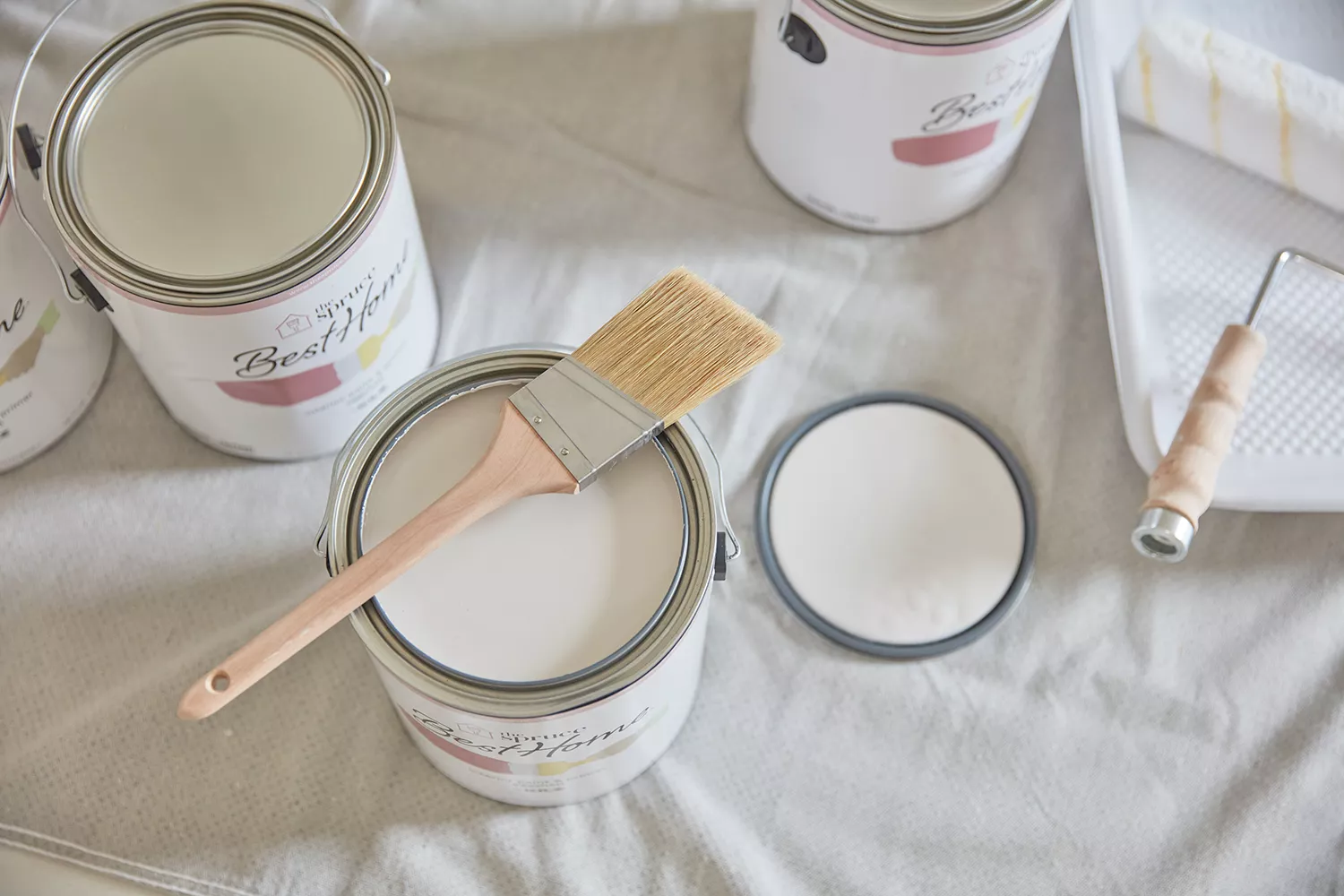
11 Best Beige Paint Colors for Interiors
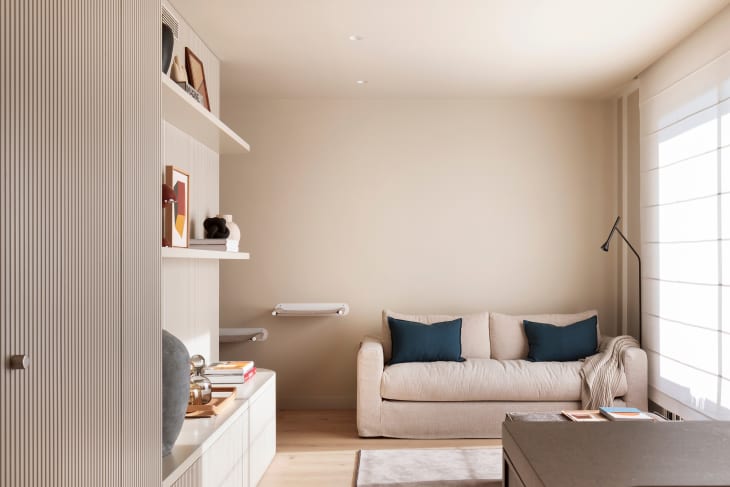
Forget Millennial Pink: When It Comes to Wall Paint, "Boring" Beige is Back
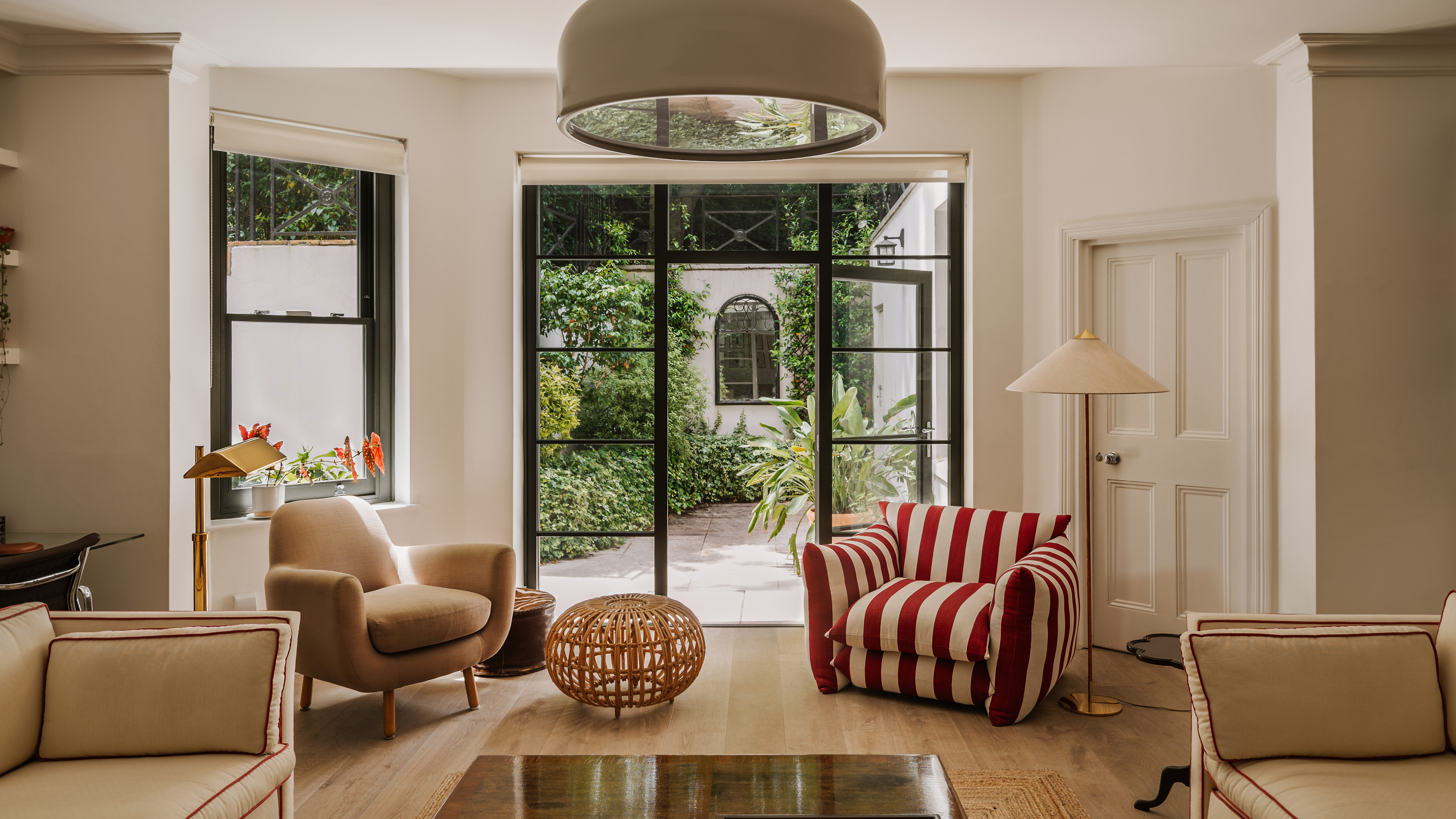
Red and Beige is the New Designer Favorite Combo — Here’s Why (and How to Make it Work)
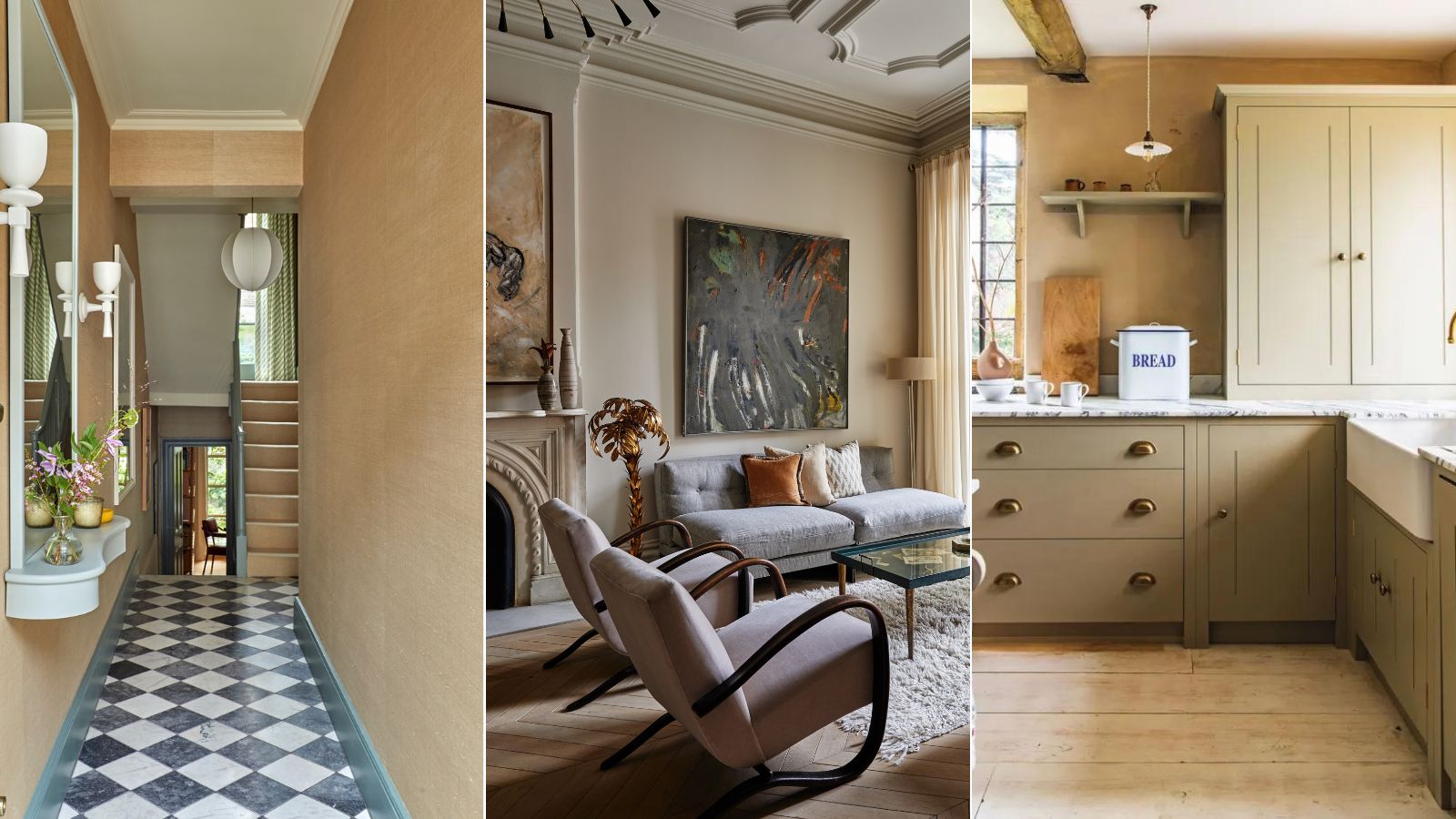
I used to love gray interiors, but here's why my remodel is bringing back 'boring' beige instead
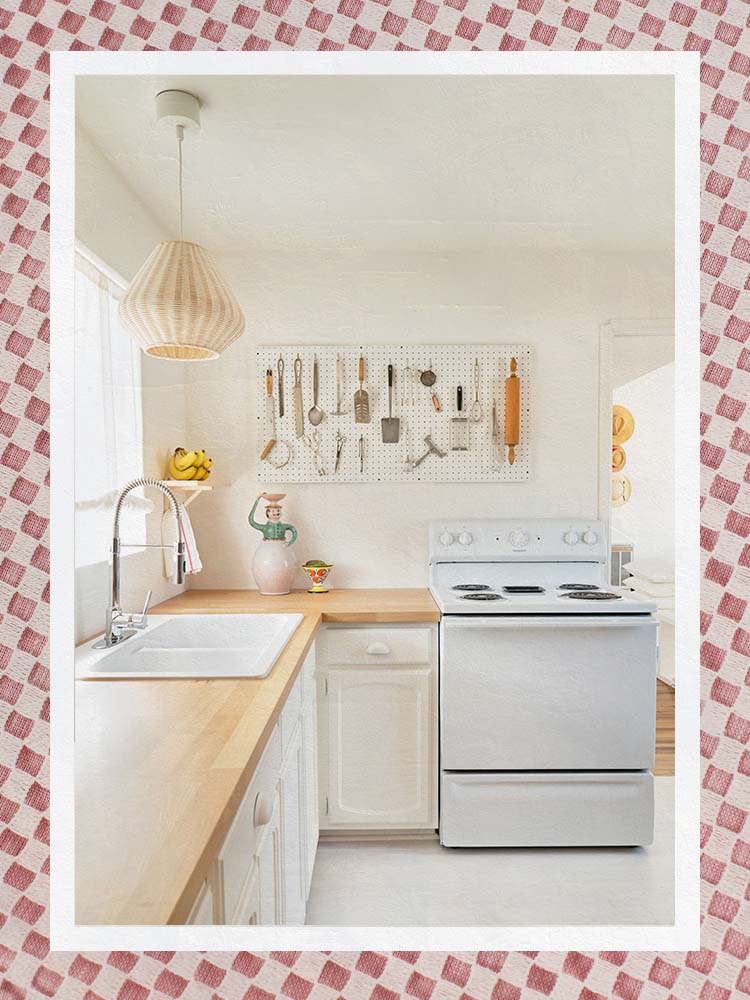
The Best Warm White Paint Colors, as Seen in 8 Designers’ Favorite Spaces
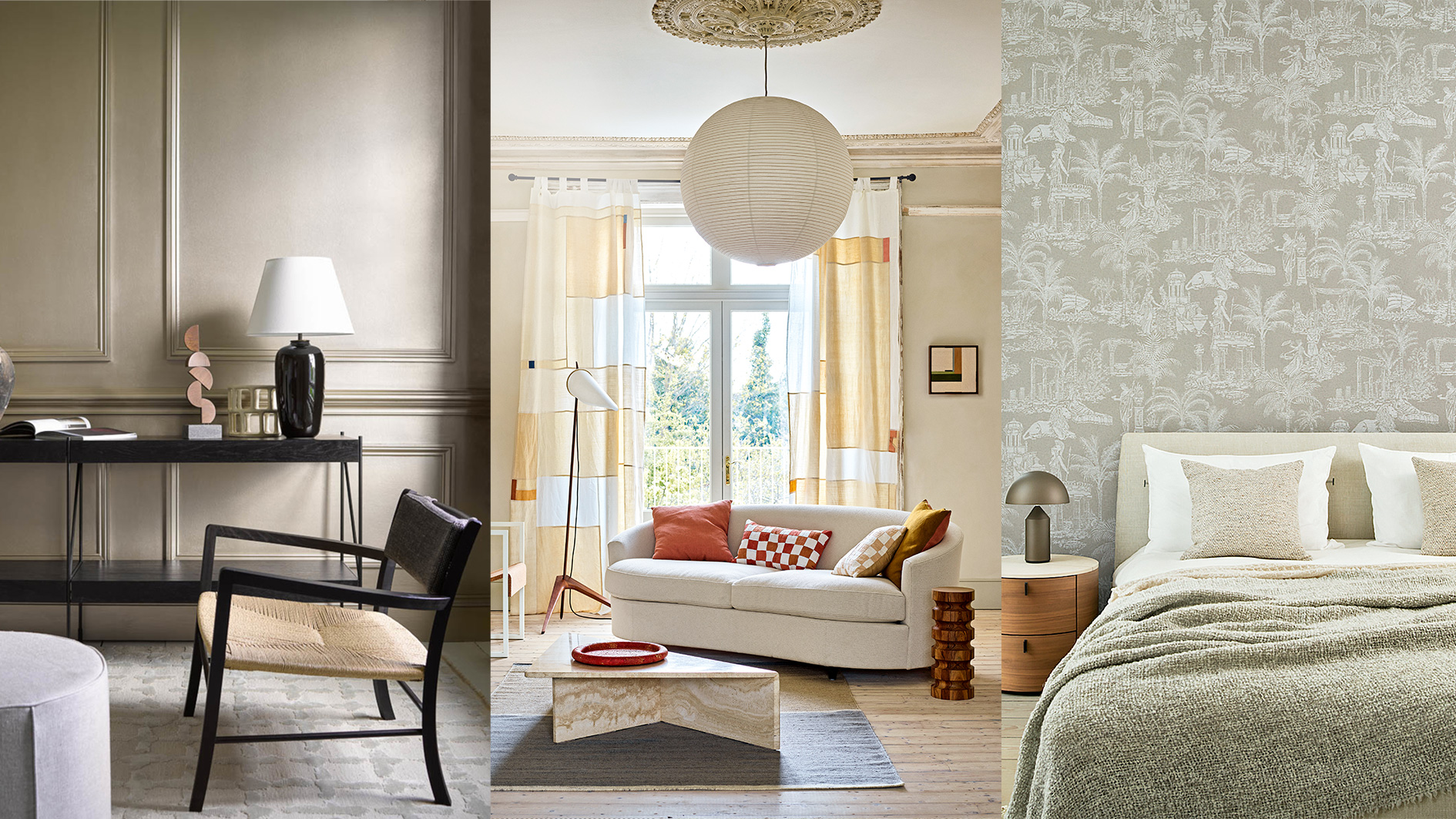
Decorating with beige – 10 ways to embrace this warm neutral shade
How to Create a Calm Color Palette Without Skimping on Character — 8 Interior Designers Share Their Tips
11 Beautiful Colors That Go With Beige