1/24
Stone flooring ideas – inspiring styles, how to choose and how to clean
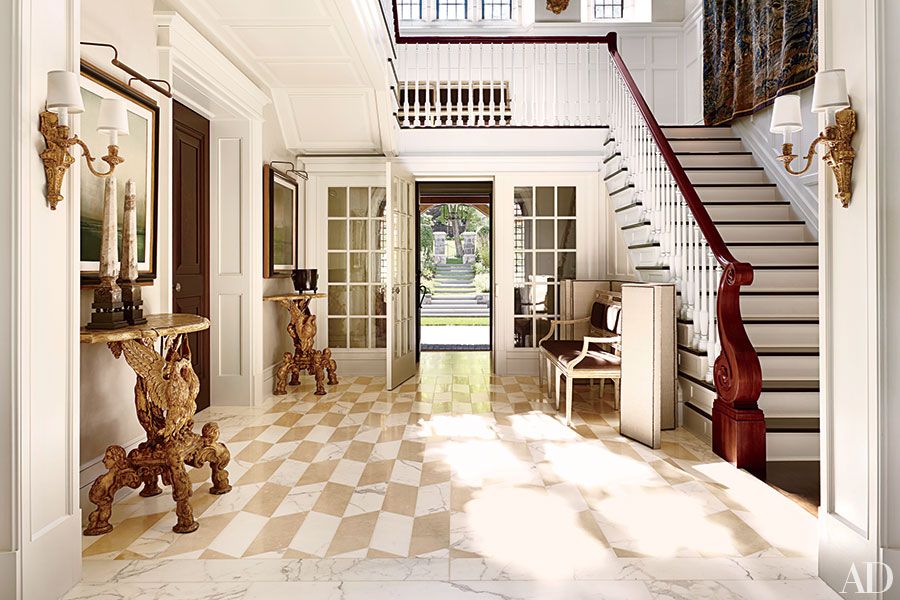
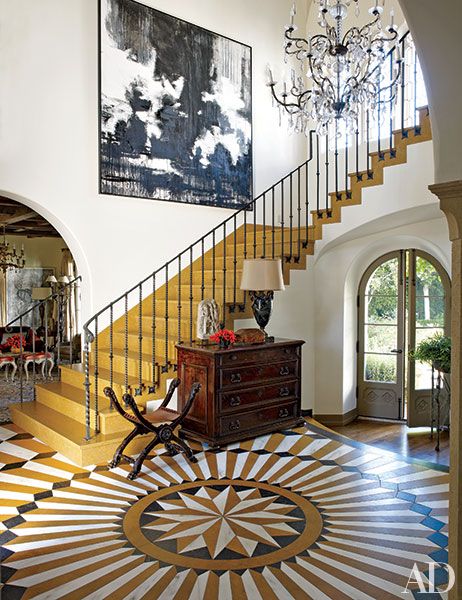
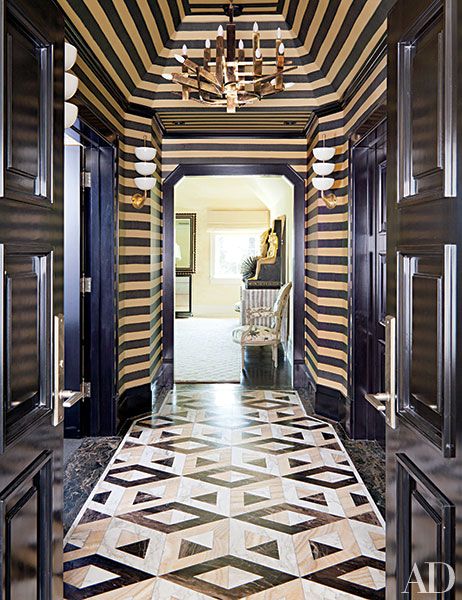
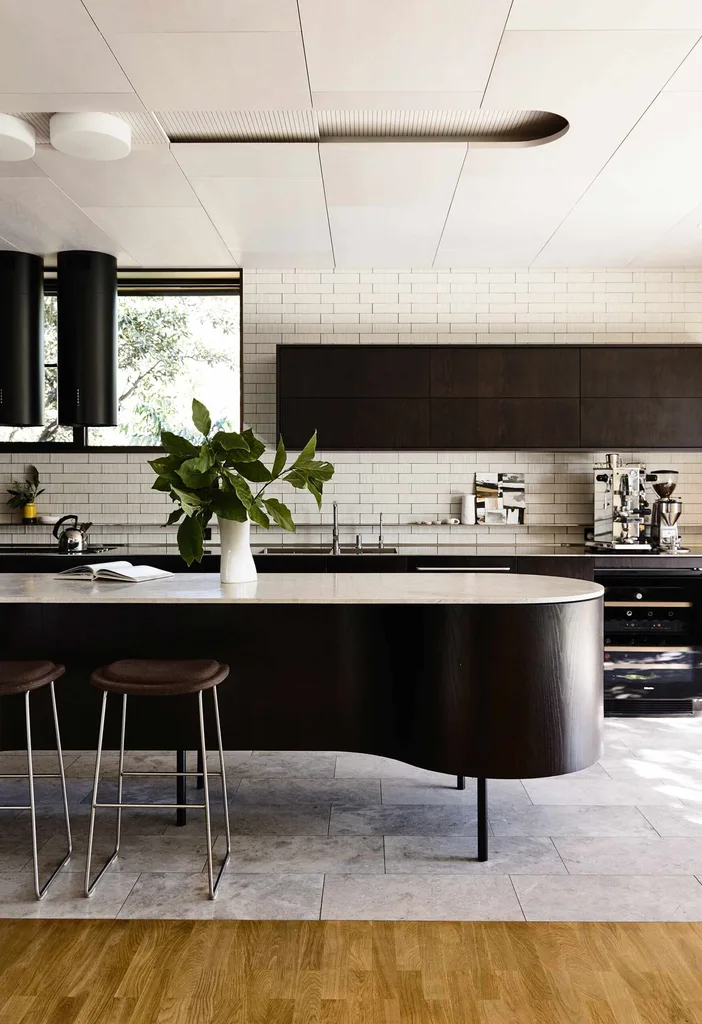
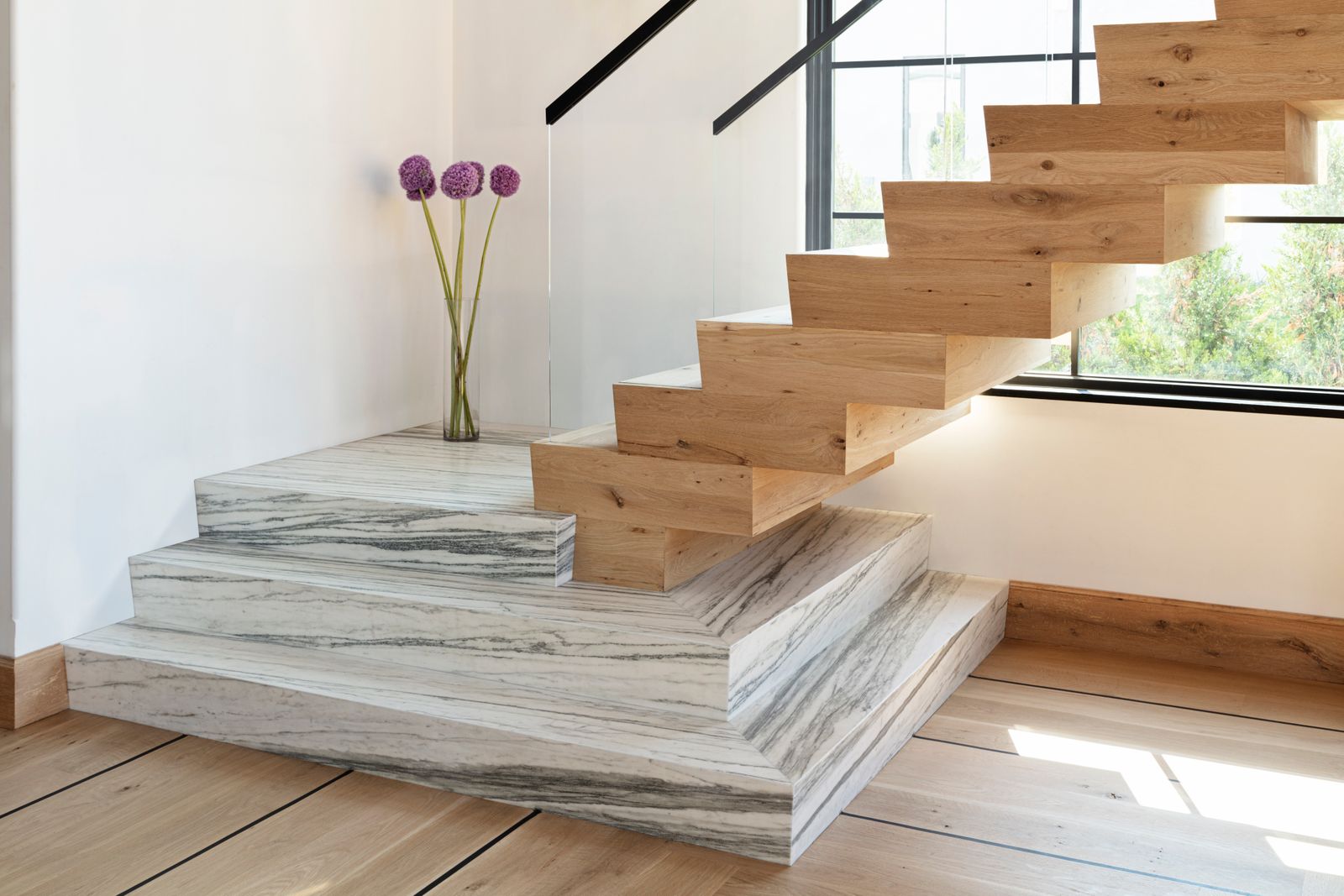
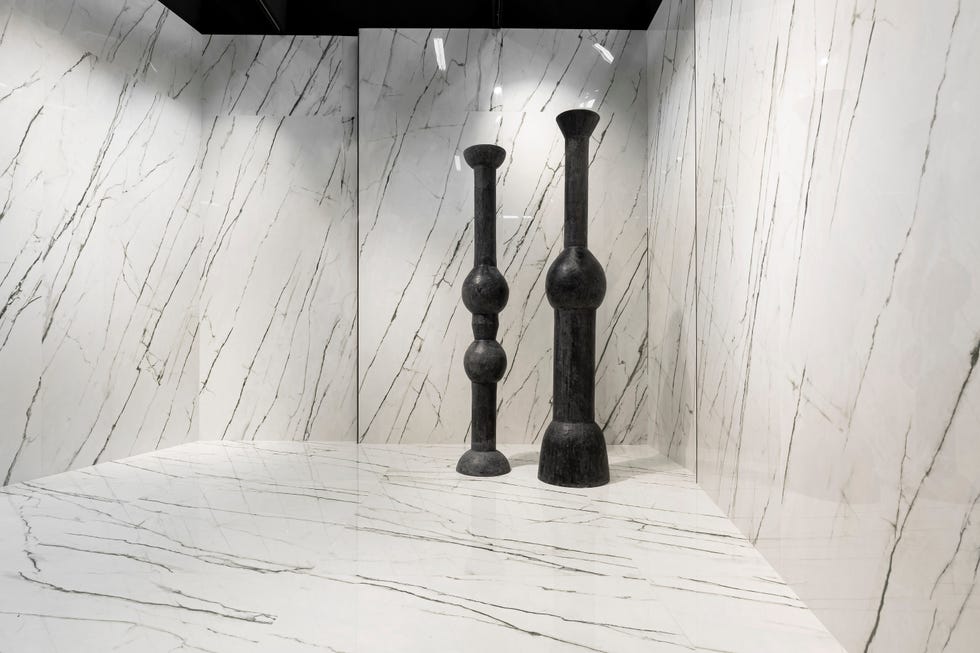
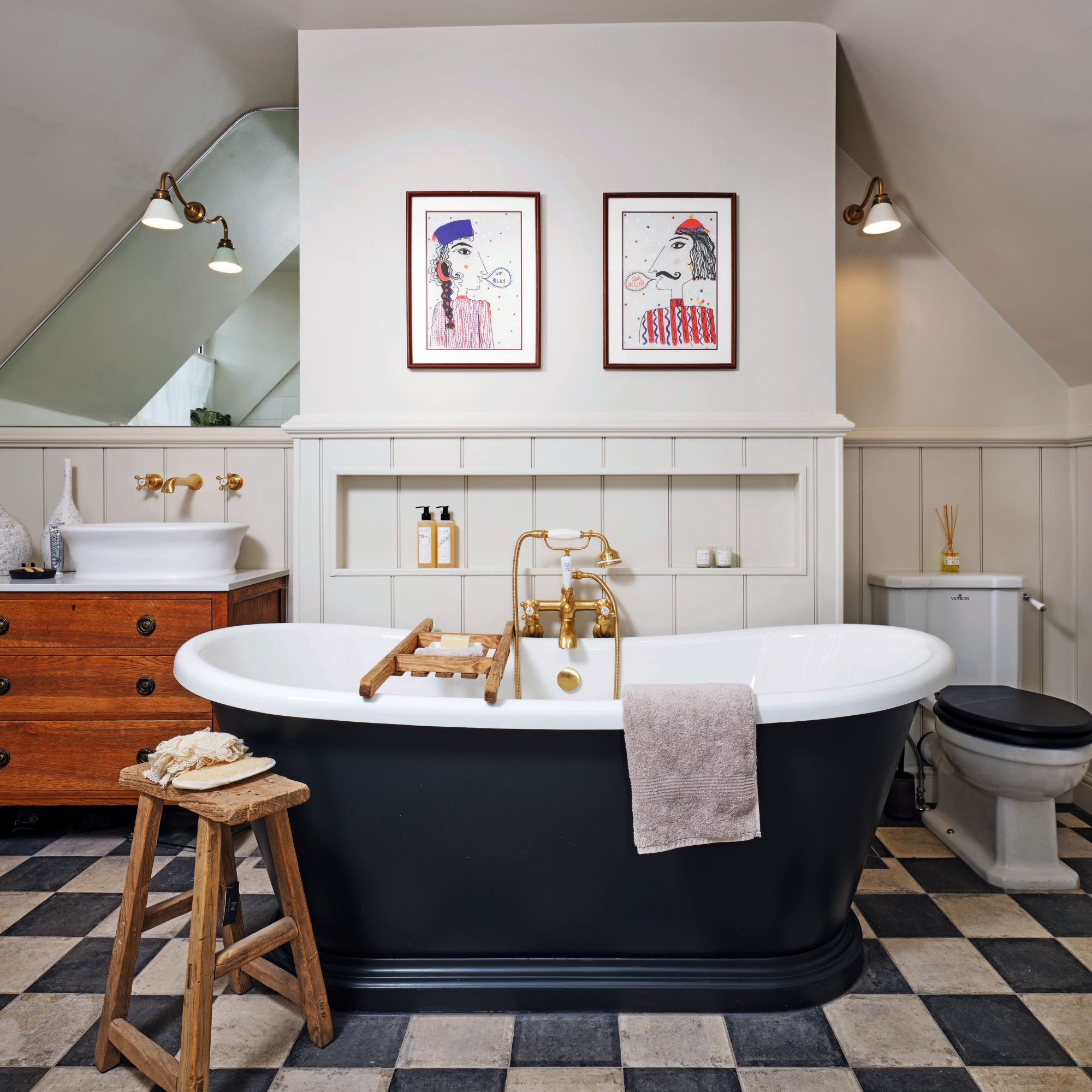
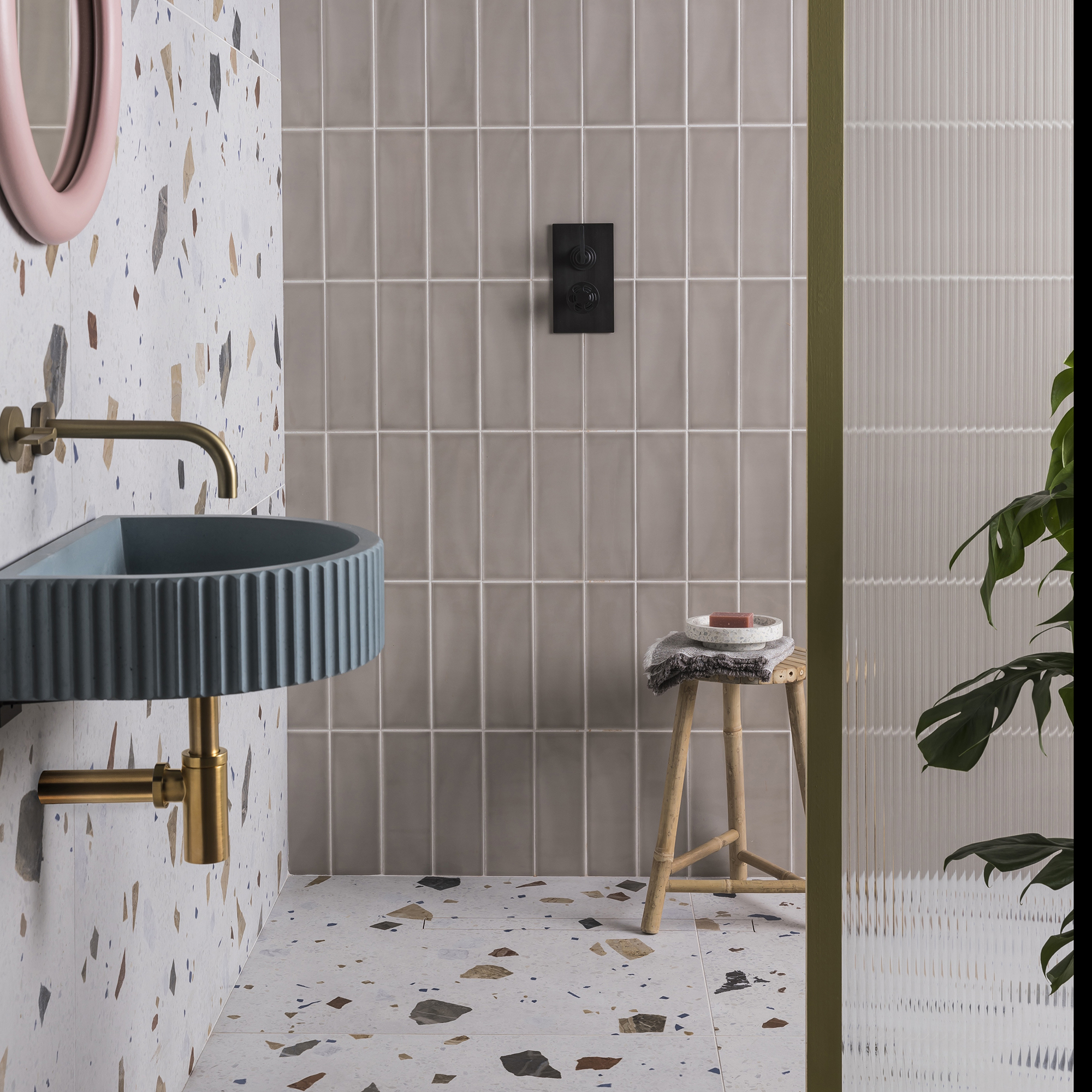
Stone flooring is a beautiful and practical choice for high-traffic areas of the home, offering durability, aesthetics, and potential to increase property value. While commonly found in kitchens, bathrooms, hallways, and conservatories, it can also be used in other rooms like bedrooms or living rooms. This article compiles insights from interior experts on various stone flooring types and their application in different home settings.
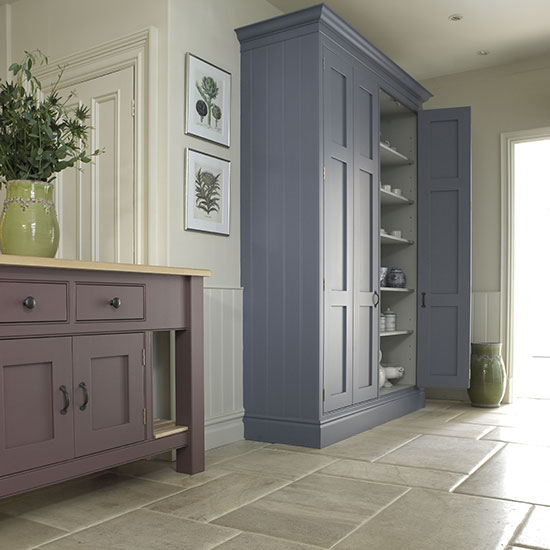
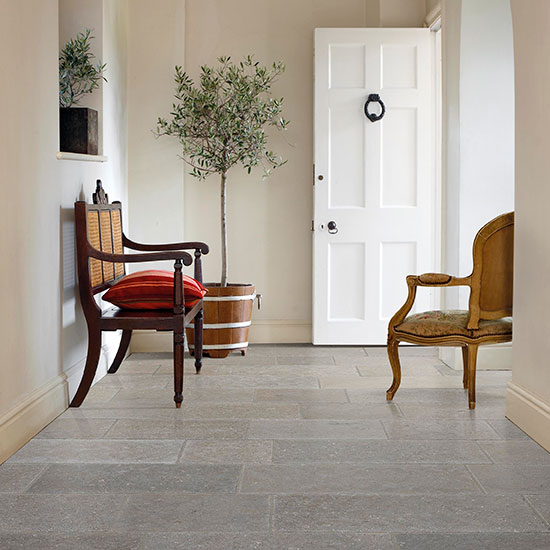
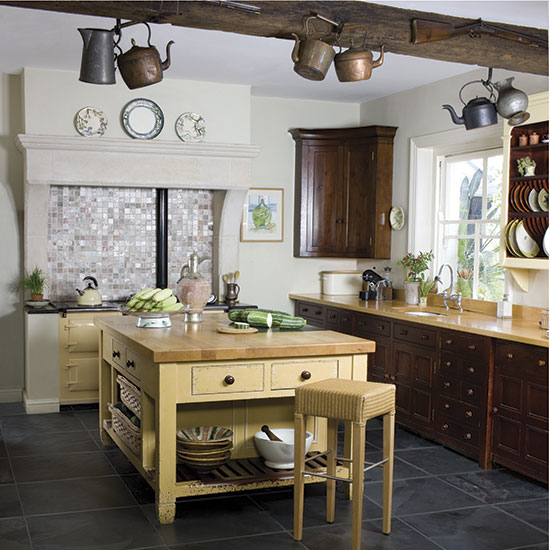
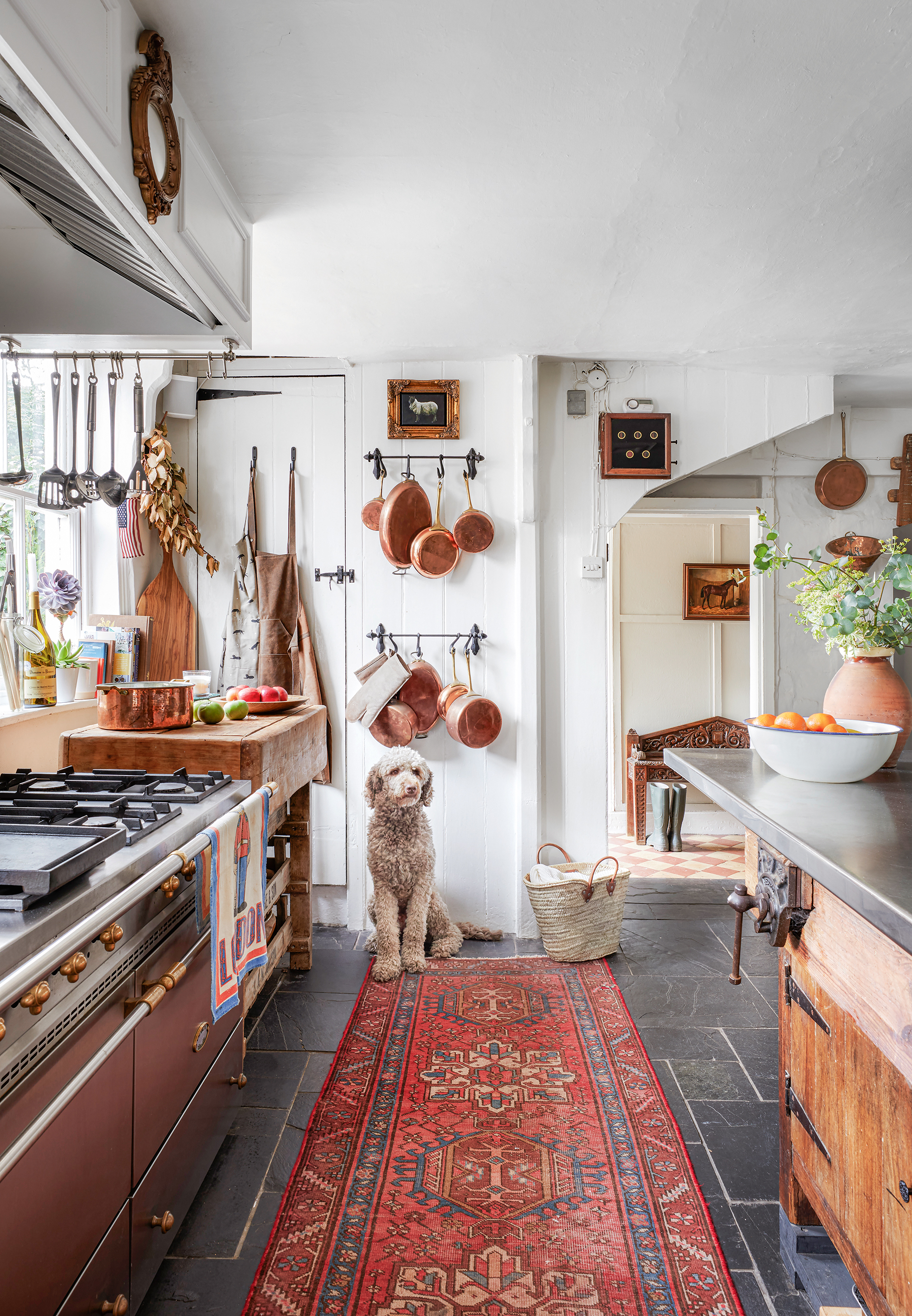
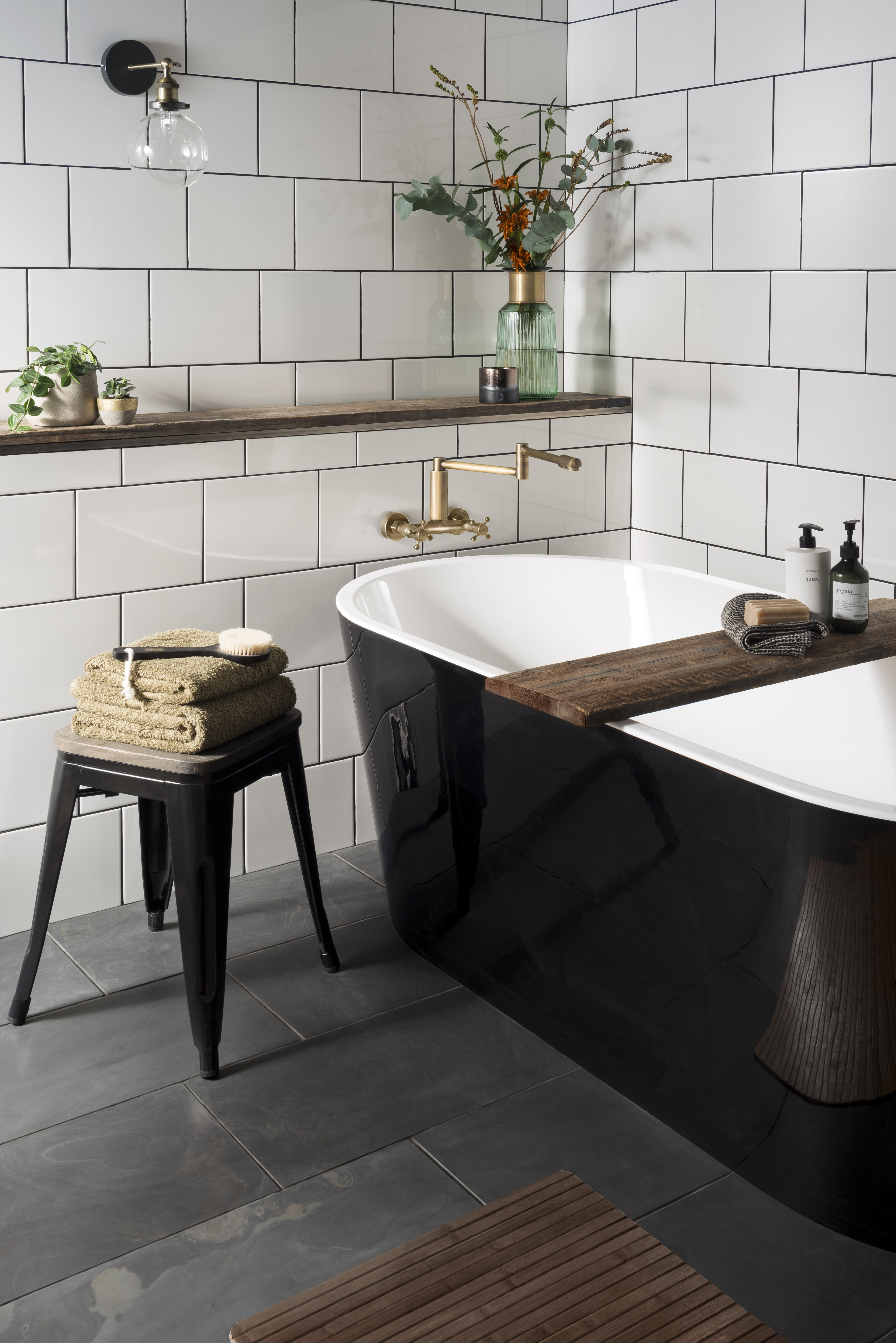
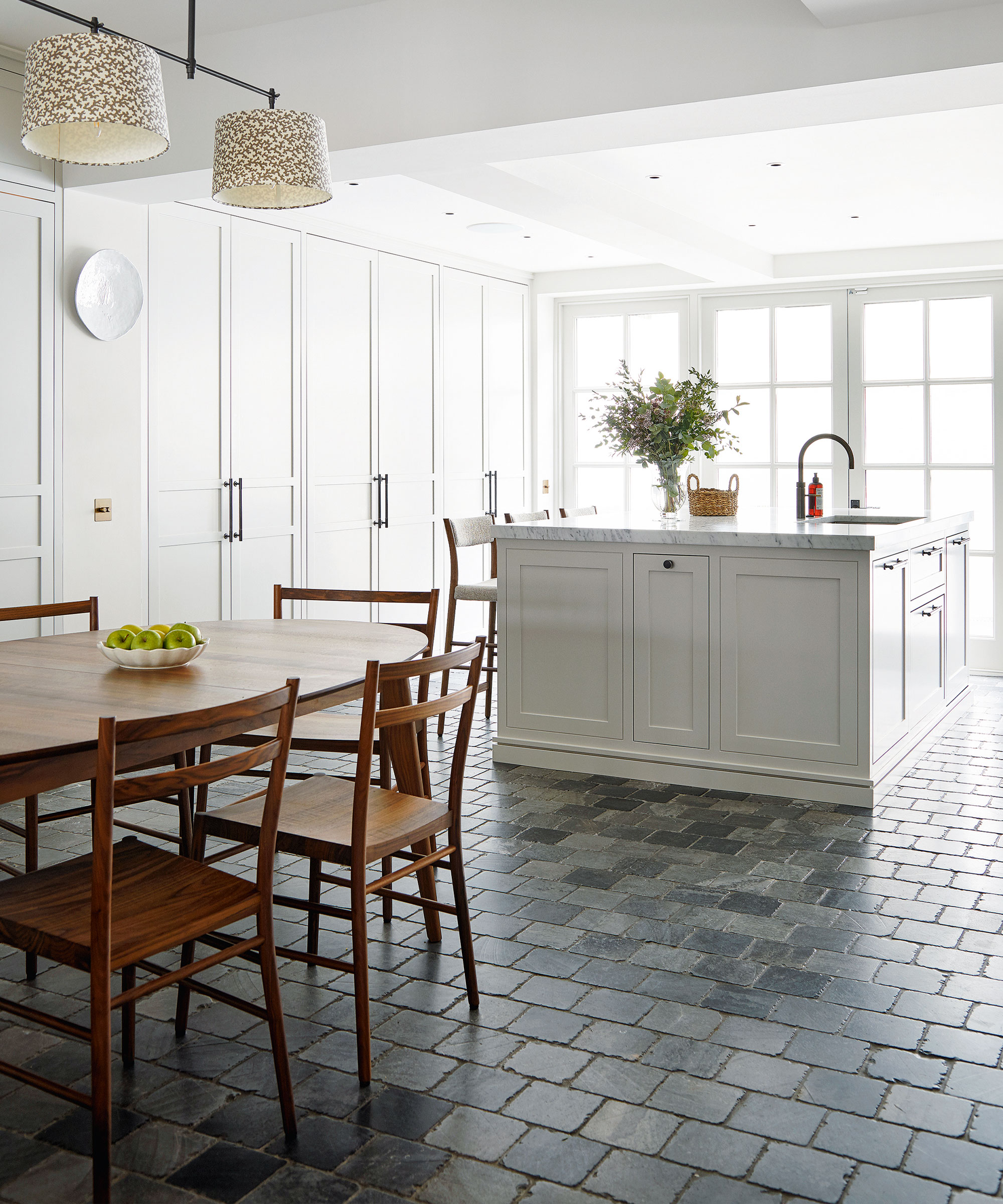
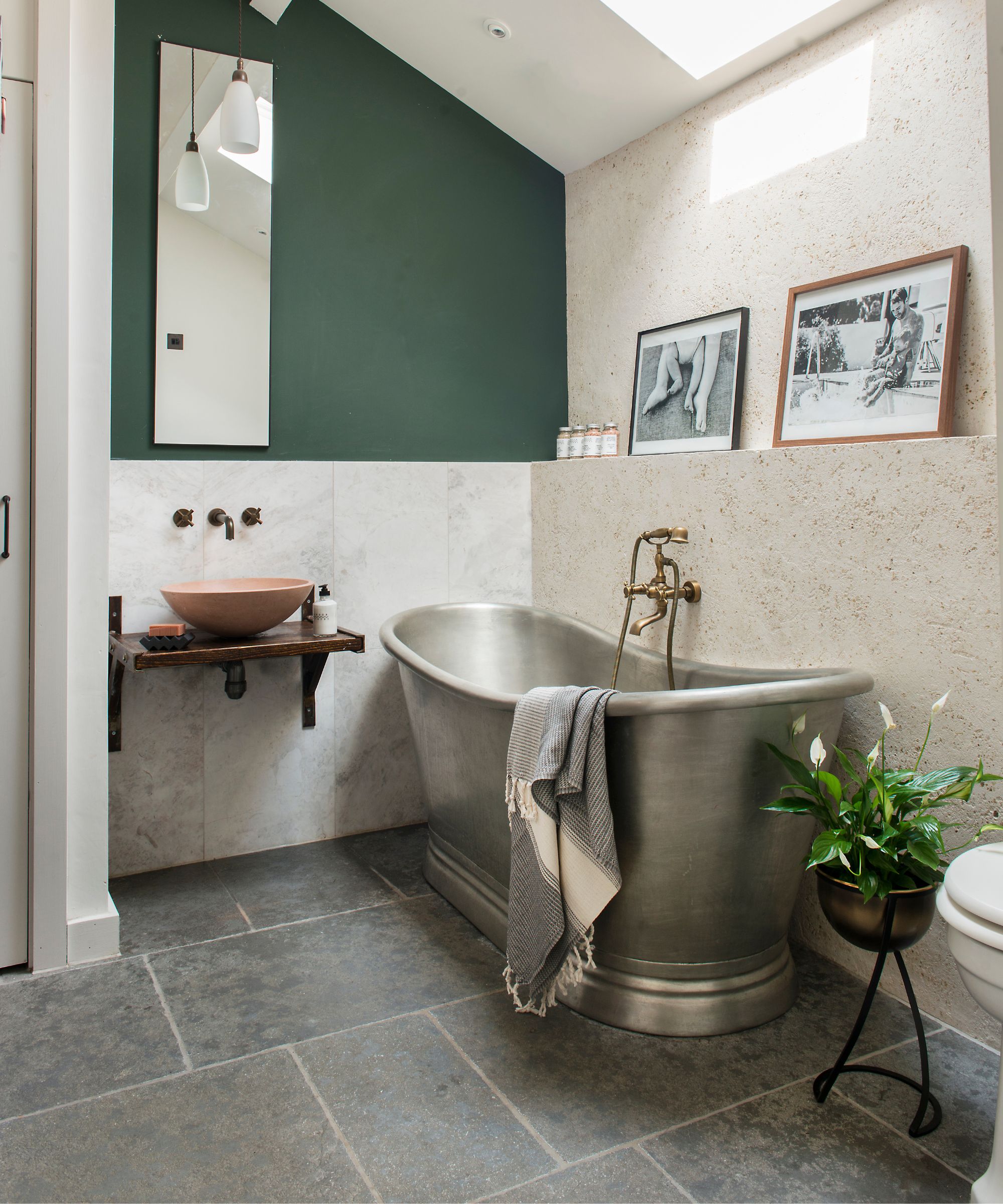
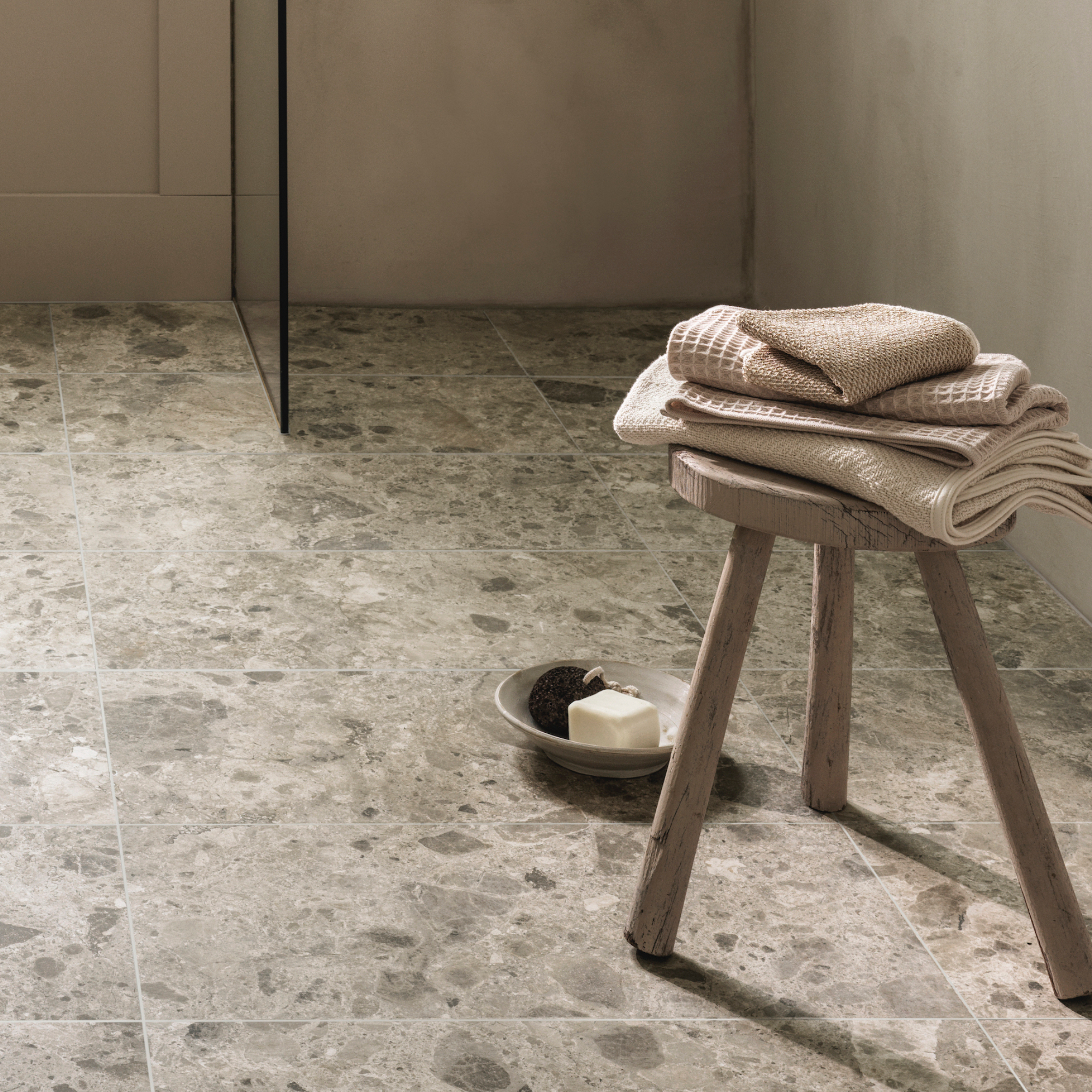
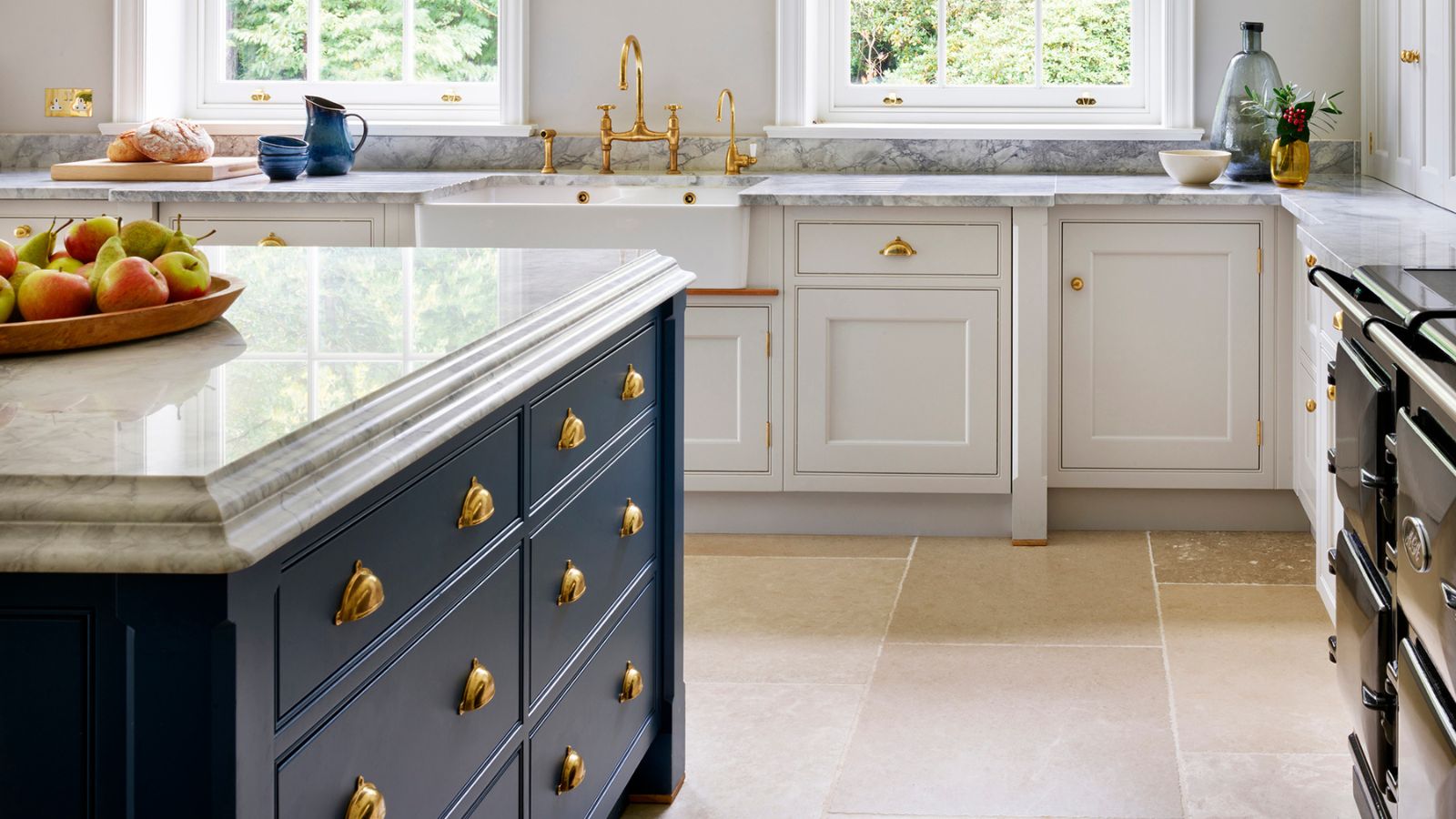
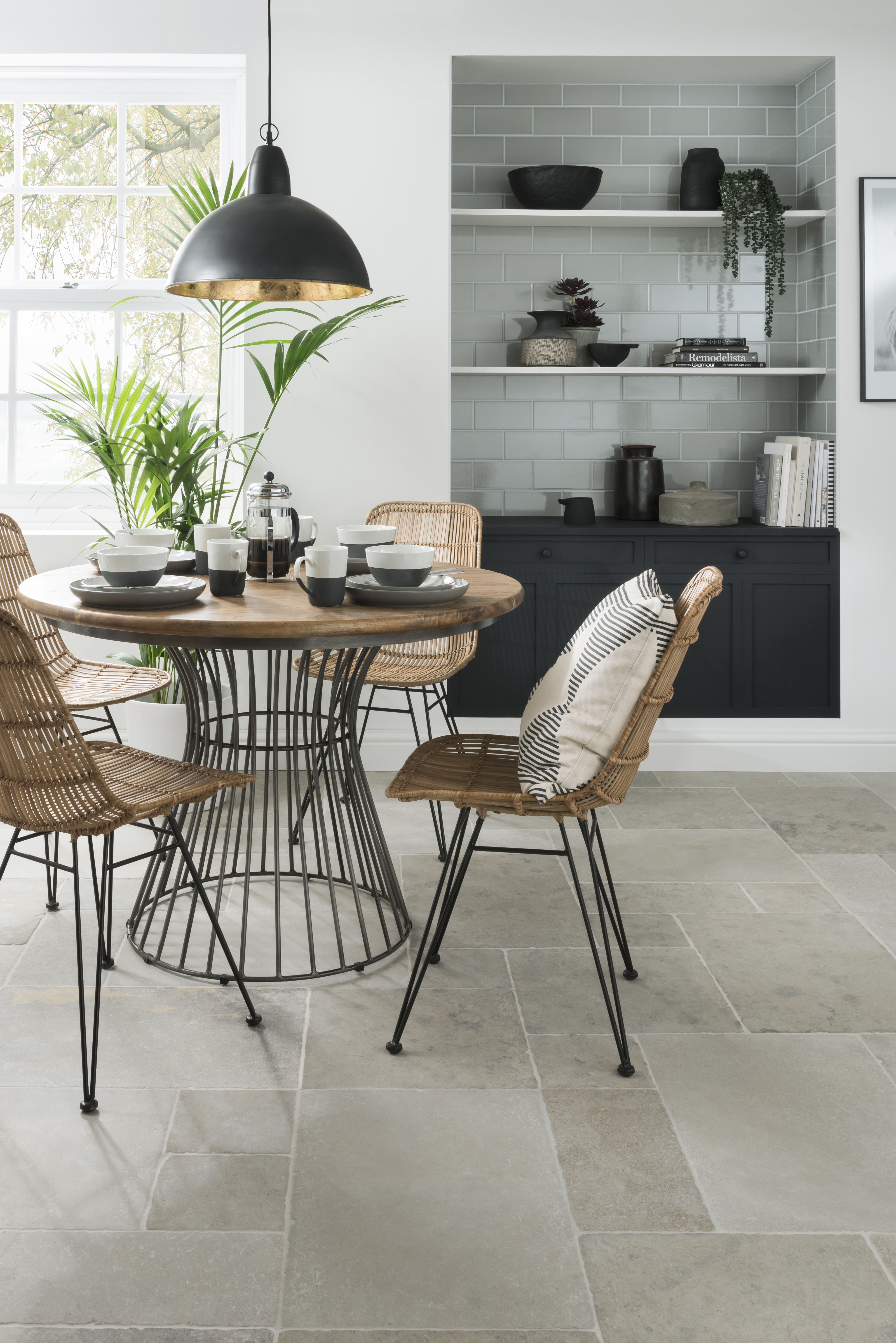
Natural stone flooring, though susceptible to wear over time, gains character and charm with age. Different stones vary in density, impacting their durability. Limestone is a popular and versatile option, available in a range of colors and patterns, including veined or fossilized varieties. It requires sealing due to its porous nature but is low maintenance once installed and compatible with underfloor heating. Flagstones, known for their exceptional hard-wearing properties and rustic warmth, are ideal for country or rustic kitchen designs, adding a timeless character. Slate, with its distinctive laminate structure, is highly conductive, making it an efficient choice for underfloor heating in bathrooms, kitchens, and hallways due to its quick heating and heat transfer capabilities.
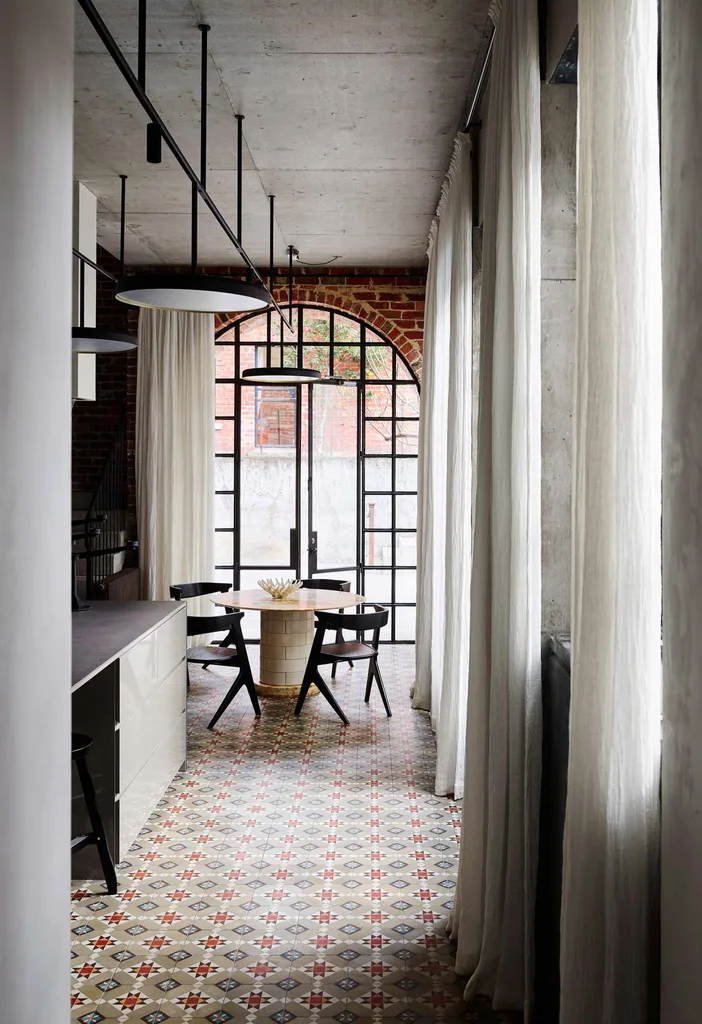
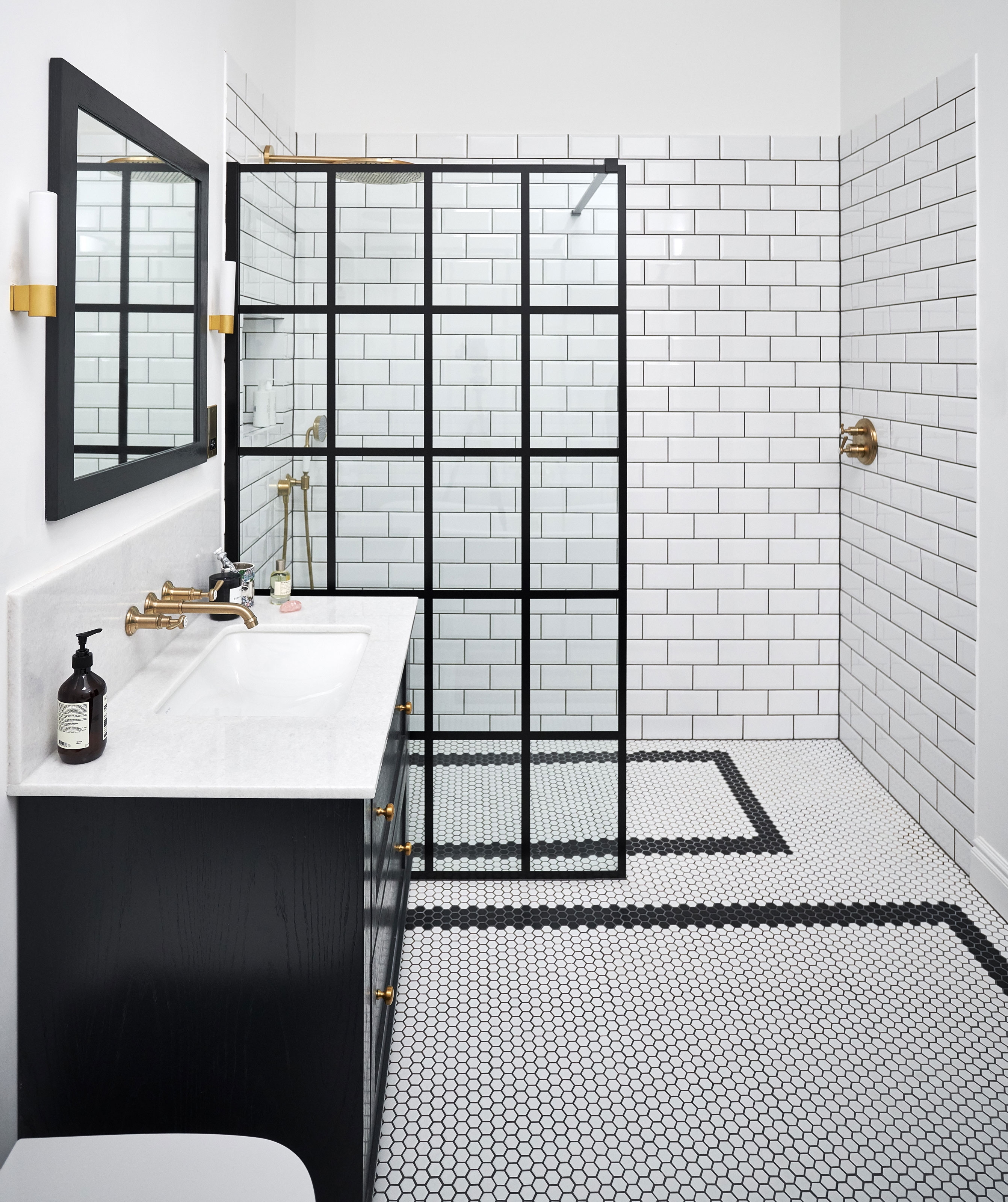
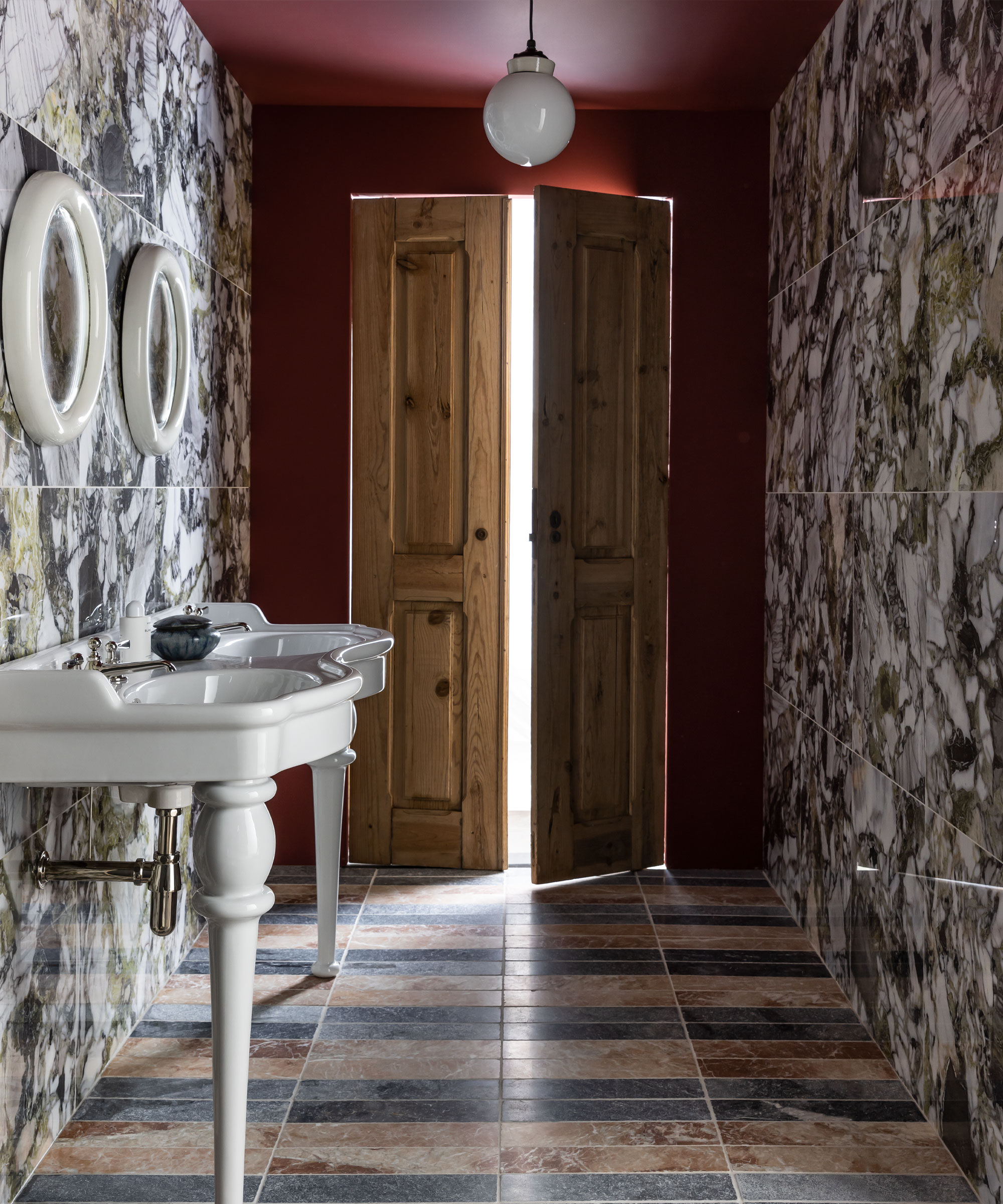
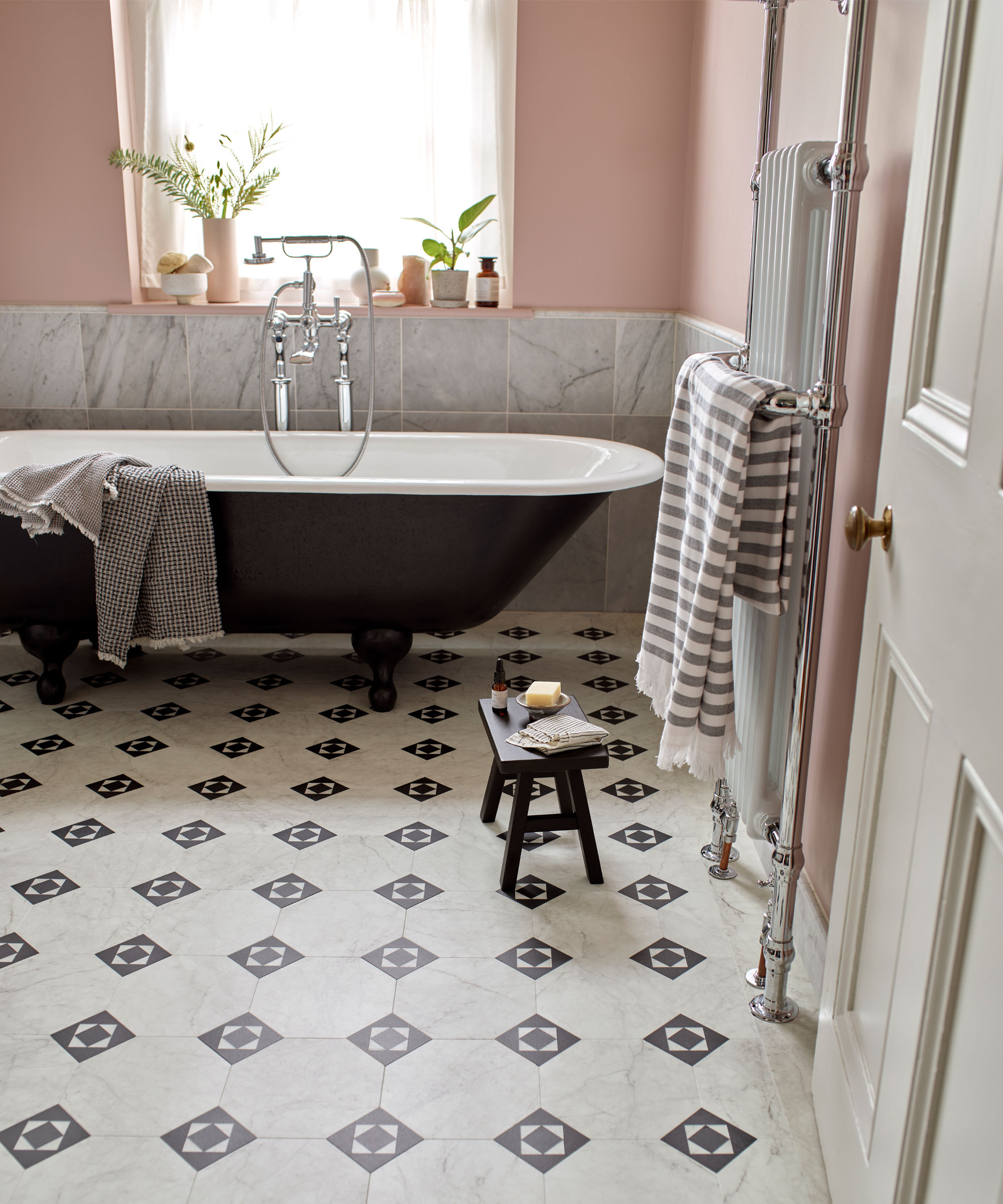
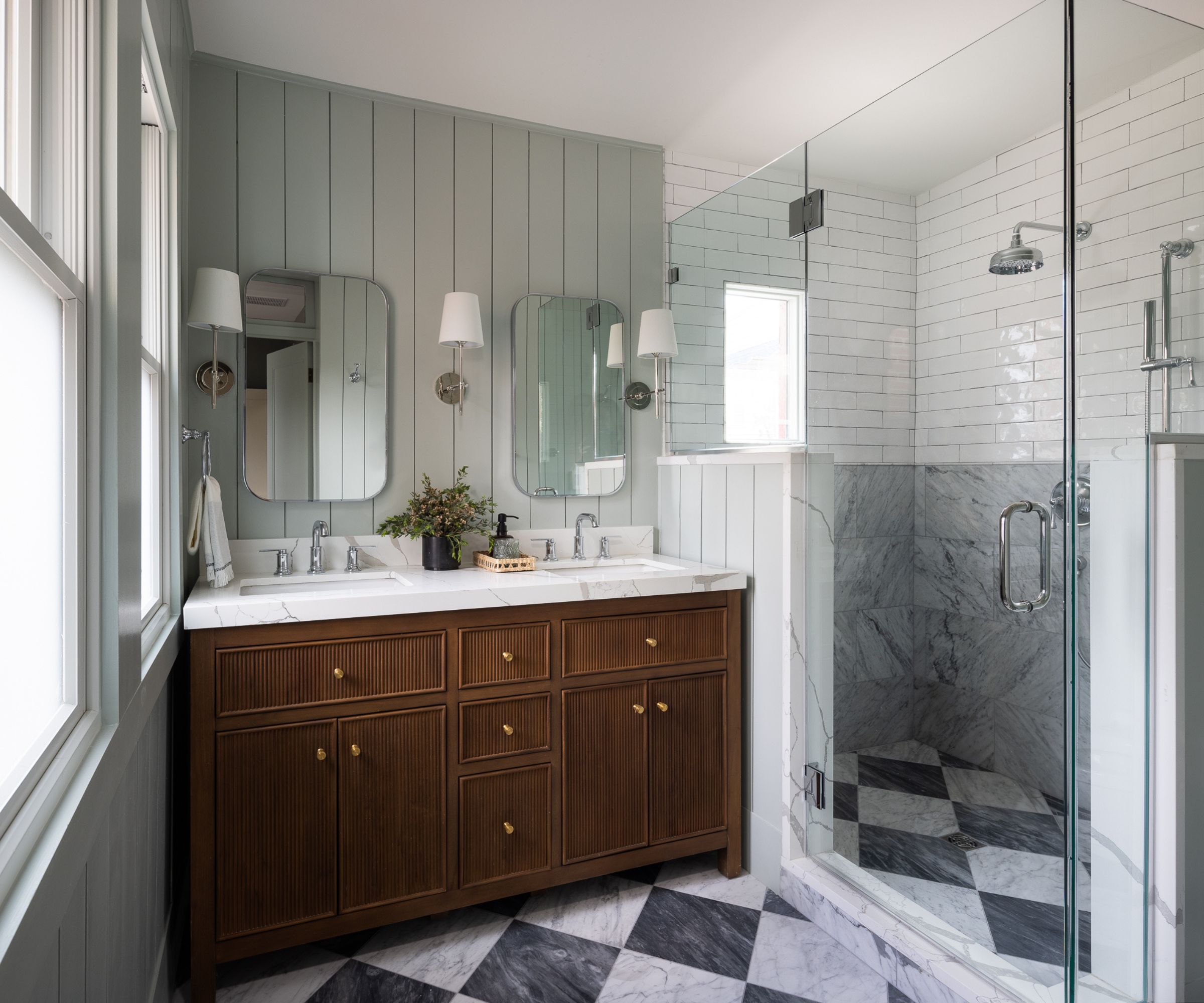
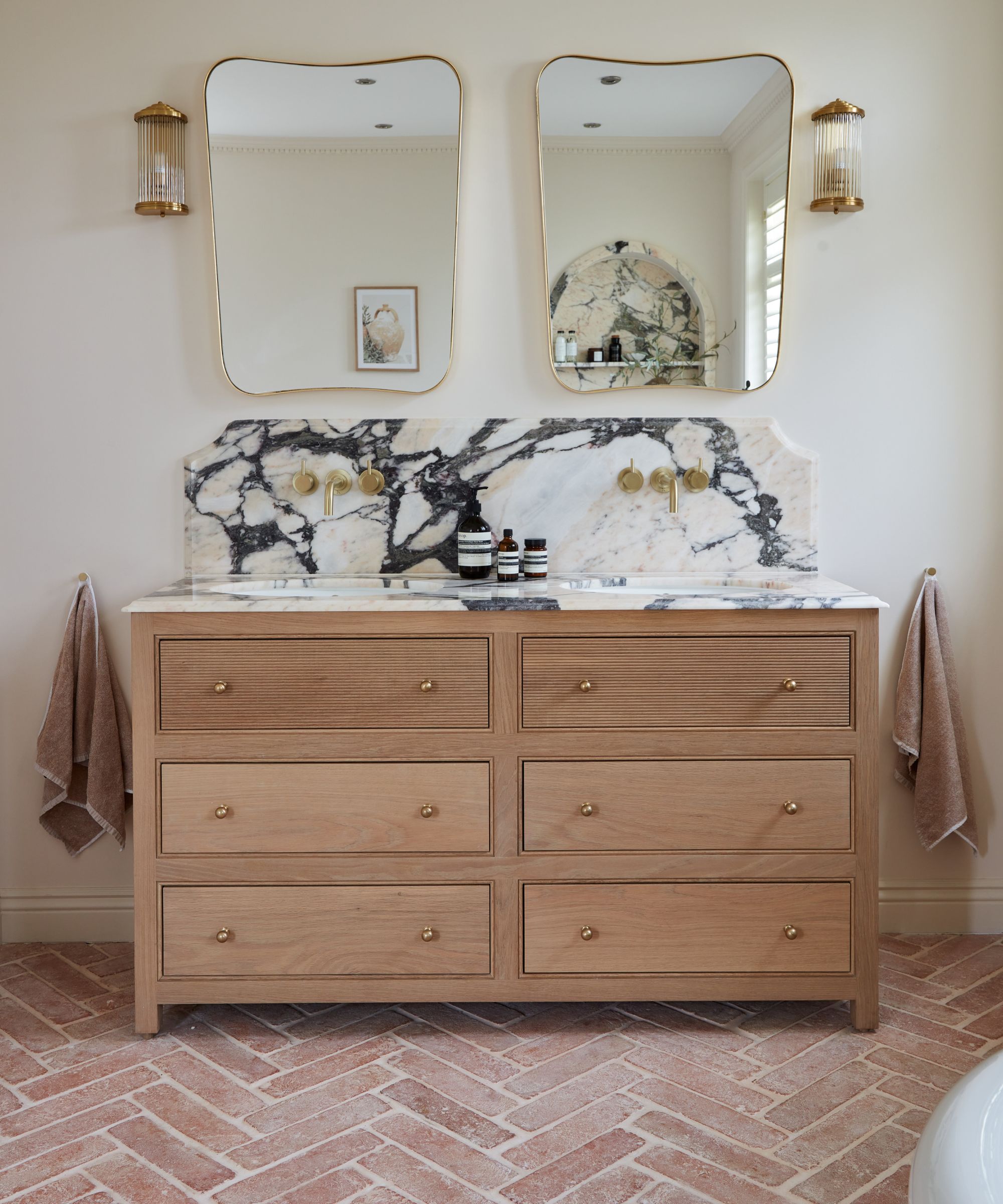
Protecting original stone flooring in period homes is crucial. For upper-story rooms, stone-look porcelain tiles offer a lighter and more cost-effective alternative to authentic stone, mimicking its appearance without the weight. Laying patterns can add visual interest, with options like the classic opus pattern, free lengths, brick, metro, or herringbone. Reclaimed stone floors provide authentic character and are an eco-friendly option, especially when properly sealed with modern sealants that offer long-term protection.
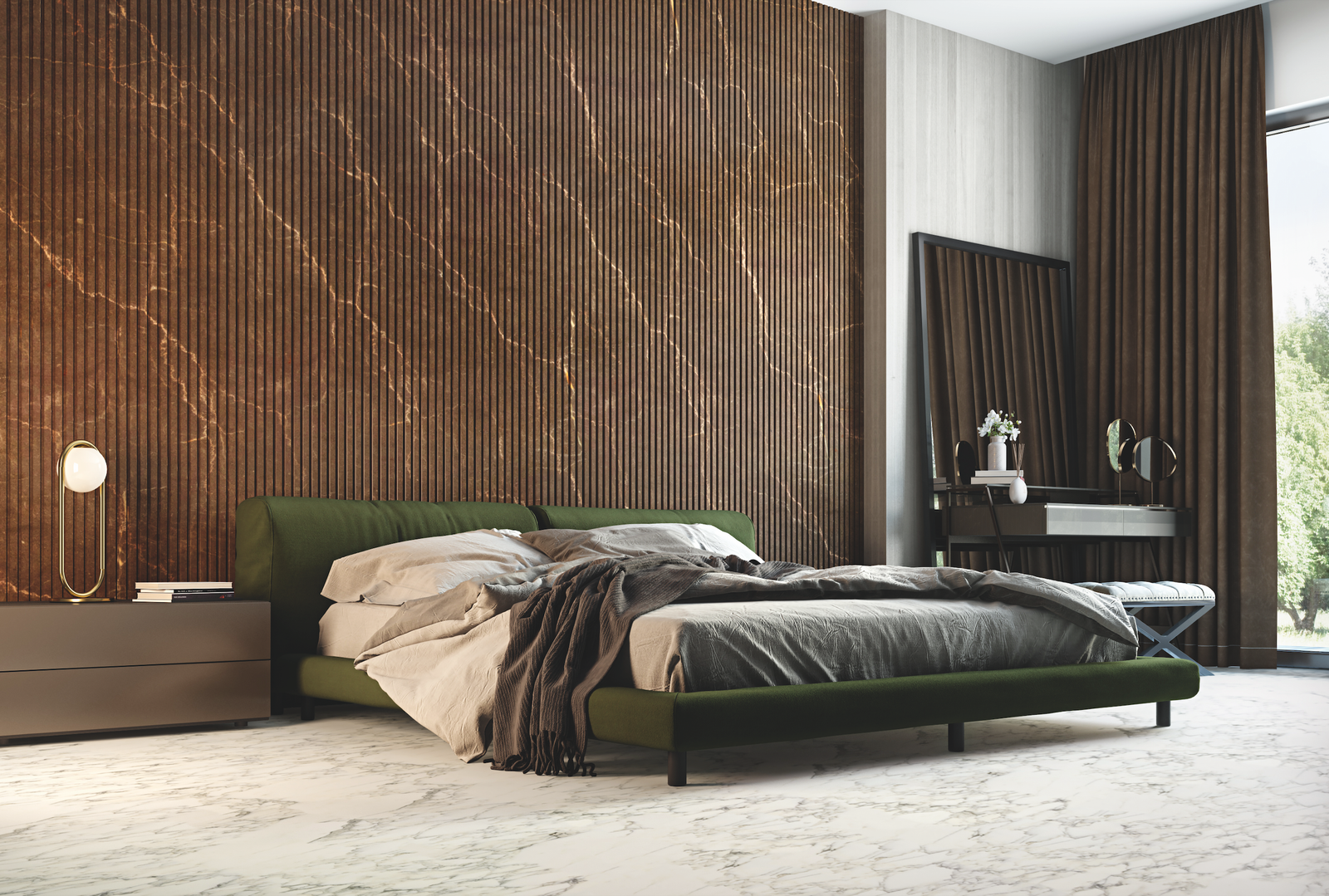
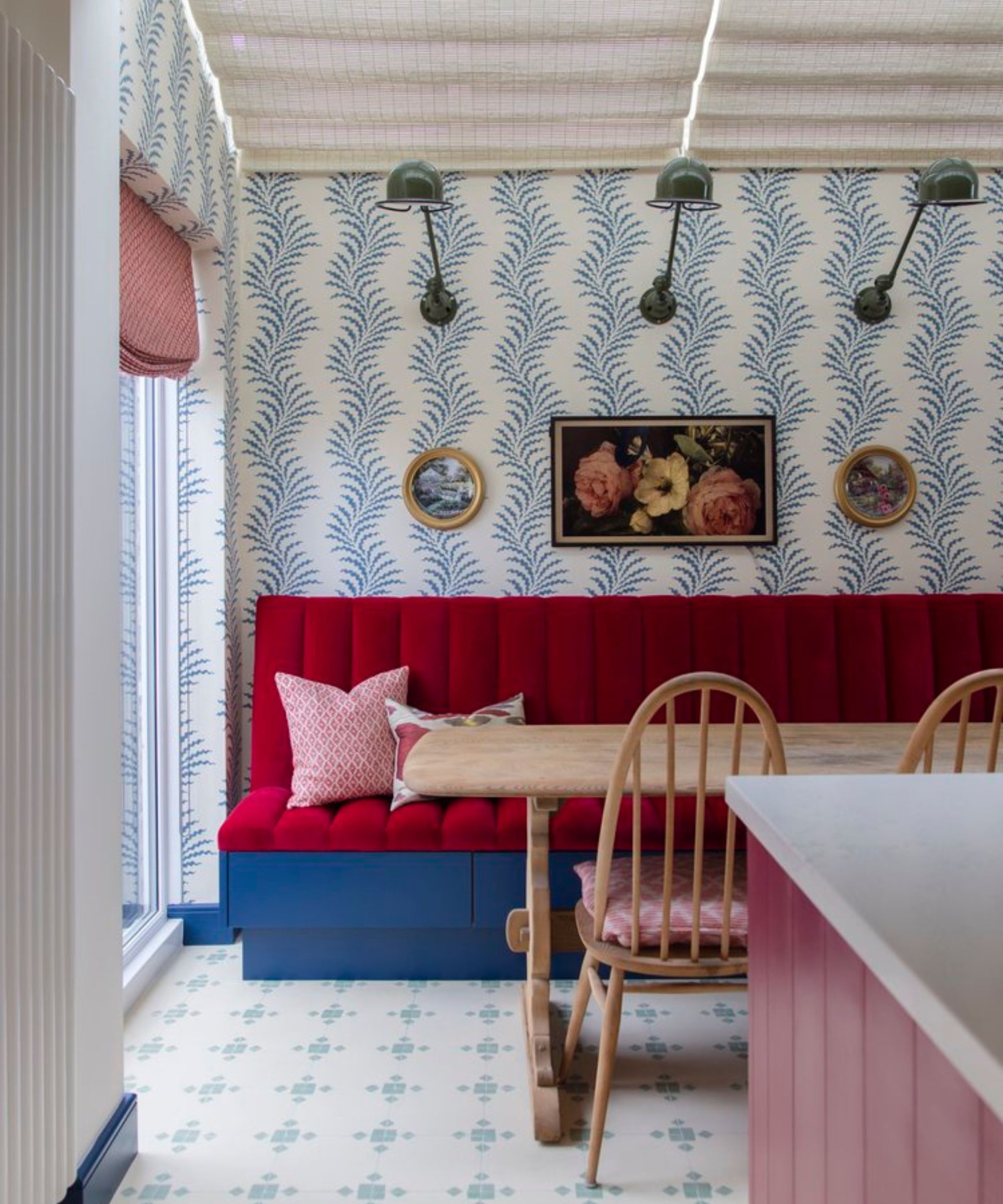
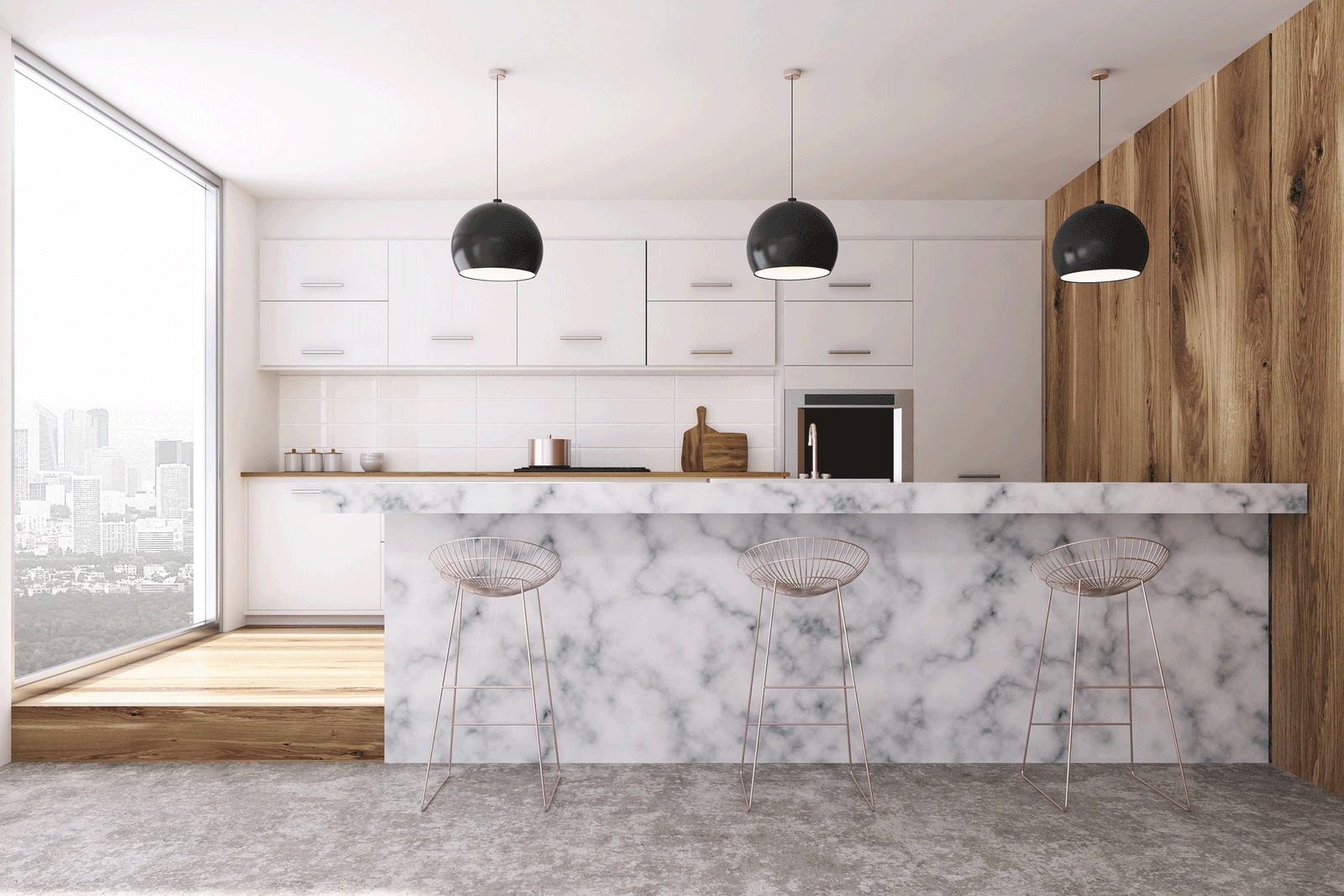
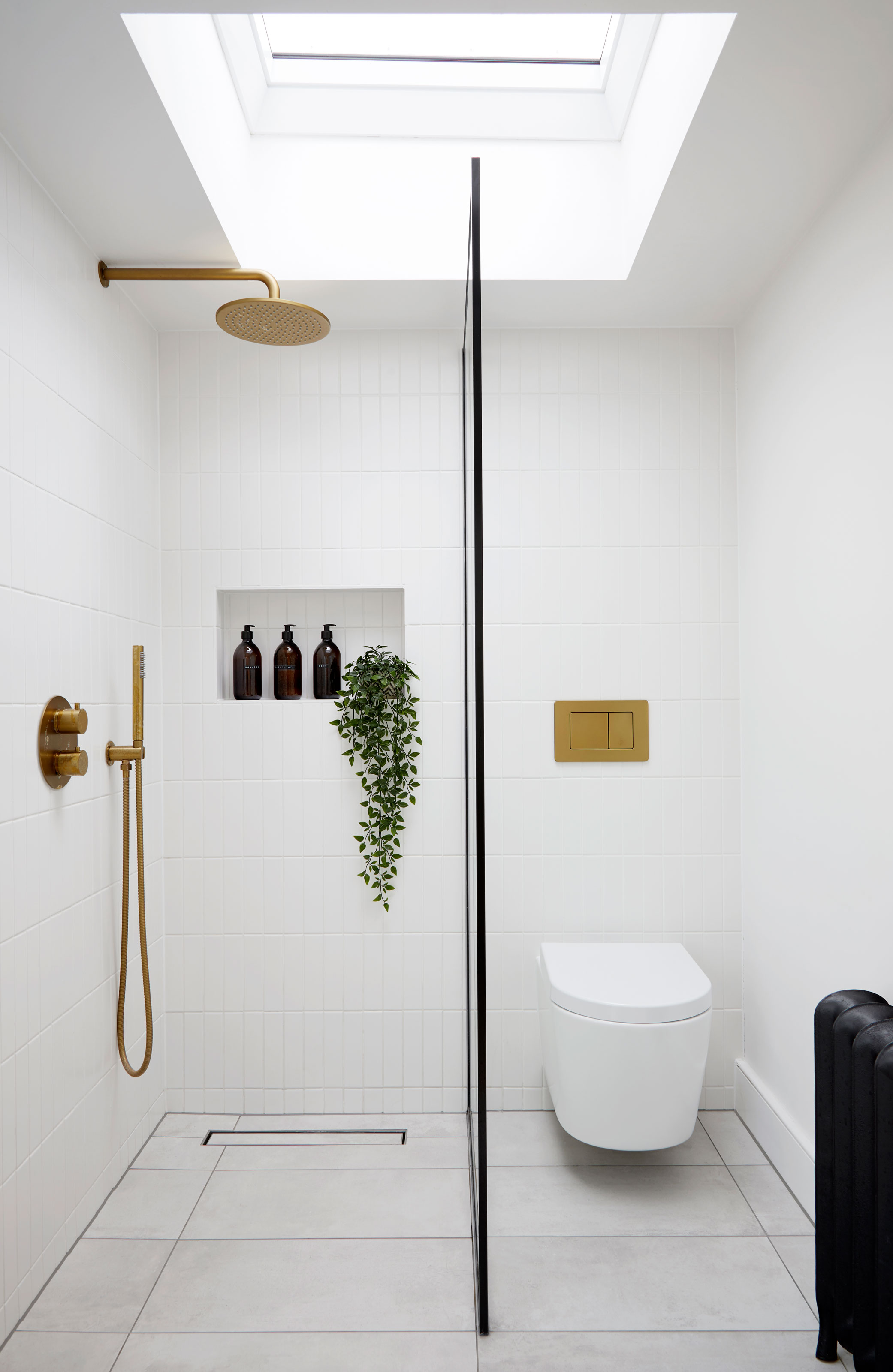
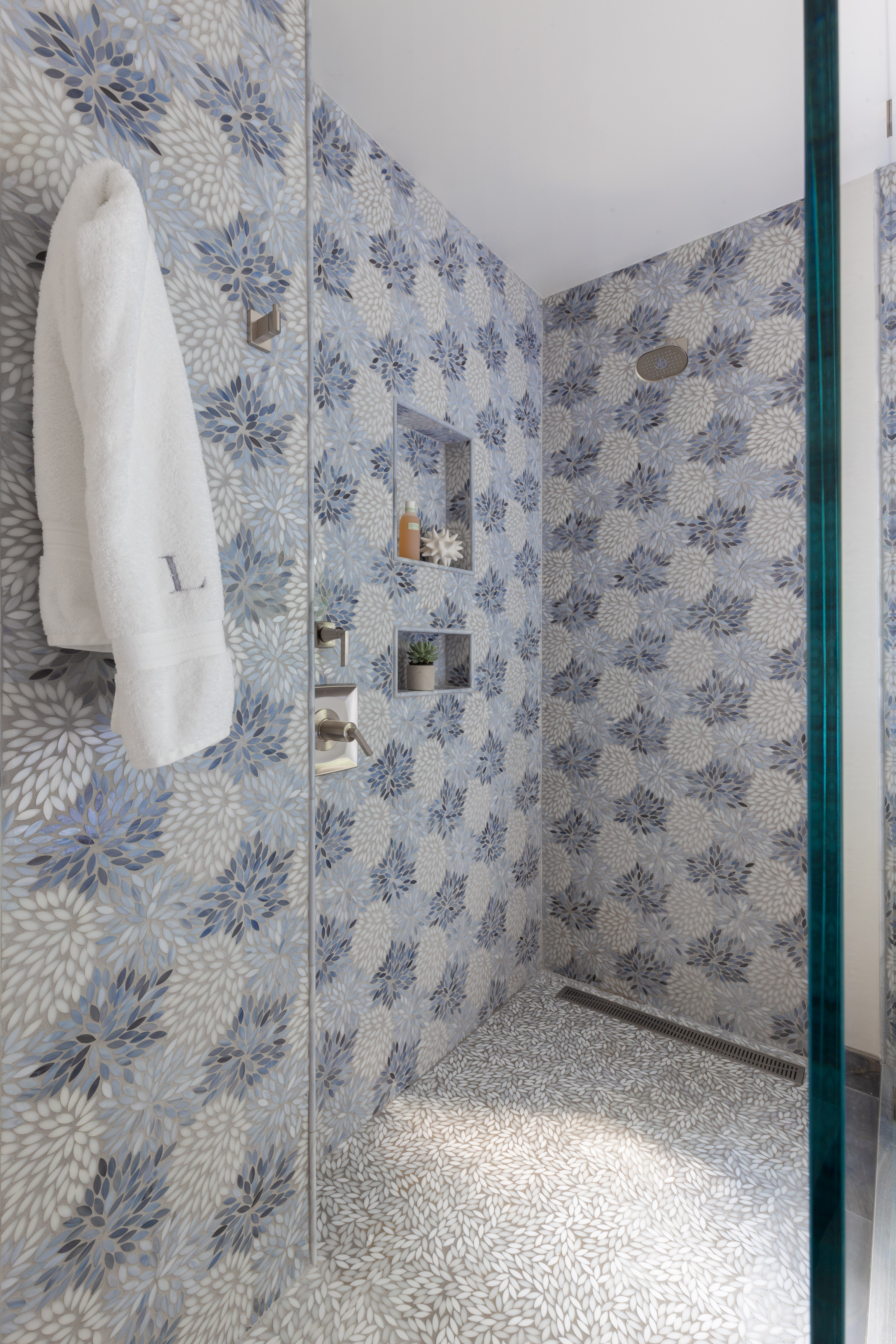
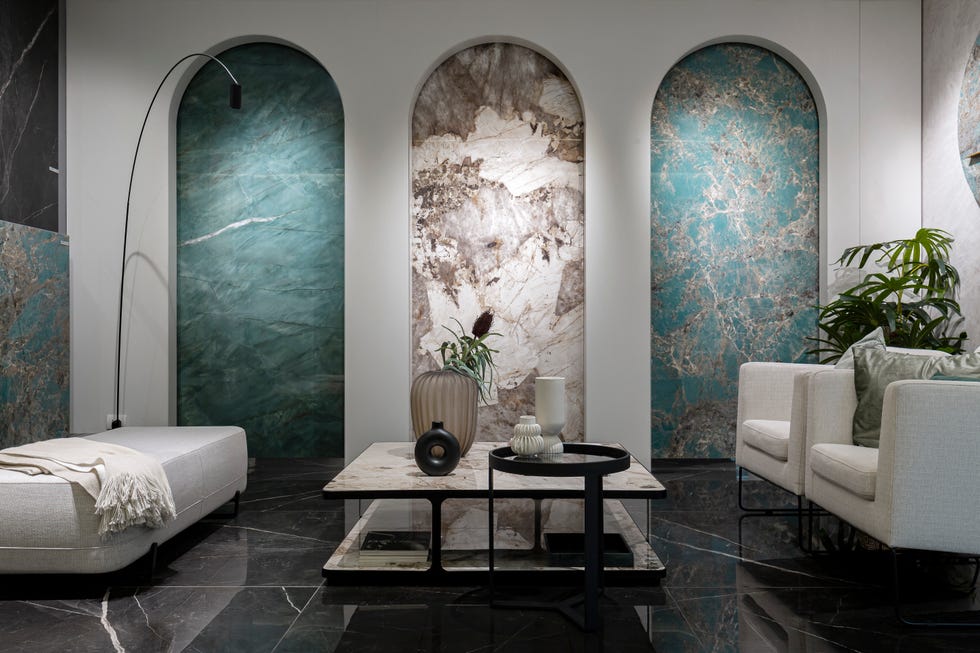
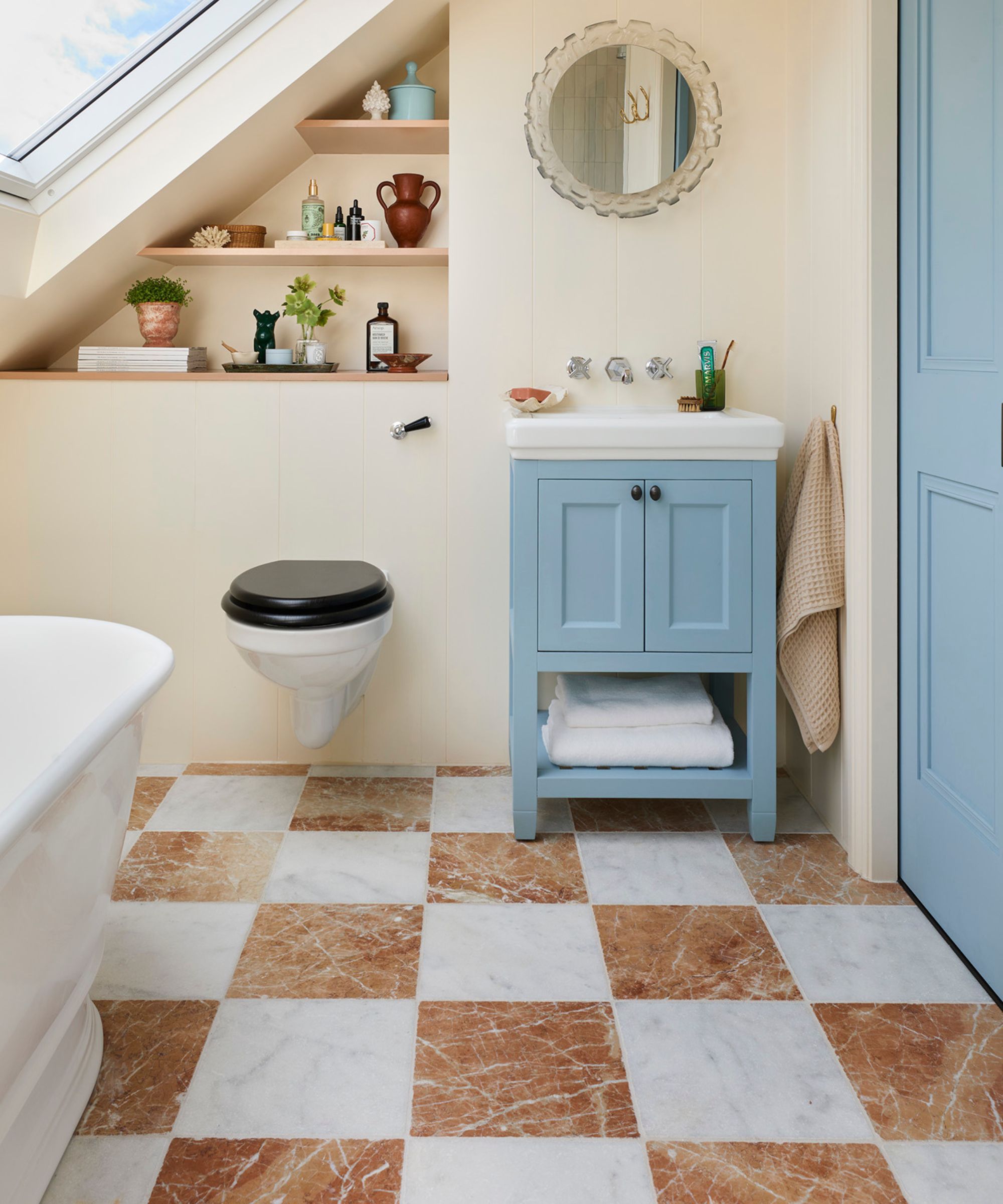
Sandstone offers a tactile and durable finish with subtle variations in color, though it requires sealing upon installation and pH-neutral cleaners for maintenance. Marble mosaics can bring a luxurious feel to small spaces, and are often easy to install. Travertine, characterized by its honeycomb structure and visible pitting, creates a rustic aesthetic. Other options include pairing smooth limestone with exposed stonework for country kitchens, using light-colored limestone in modern bathrooms for a seamless look, or opting for white marble tiles for a sophisticated finish in contemporary bathrooms. Terracotta tiles are perfect for a rustic, shabby-chic boot room.
Stone flooring offers numerous benefits, including high durability, aesthetic appeal, value addition to a home, and compatibility with underfloor heating. It keeps rooms cool in summer and retains heat in winter. However, considerations such as weight (limiting upstairs installation), initial cost, the need for sealing and maintenance, and the potential for items to break if dropped should be taken into account. Selecting stone involves considering color, pattern, and finish, as well as practical aspects like structural support and budget. With proper care, stone flooring can last over a century. Cleaning methods generally involve pH-neutral cleaners and avoiding harsh chemicals, with specific instructions varying by stone type and sealant.
#StoneFlooring #HomeDesign #InteriorDecor #FlooringIdeas #Limestone #Flagstone #Slate #Marble #Travertine #UnderfloorHeating #HomeRenovation #StoneFlooring #HomeDesign #InteriorDecor #FlooringIdeas #Limestone #Flagstone #Slate #Marble #Travertine #UnderfloorHeating #HomeRenovation
0 commenti in totale
 Nessun commento ancora
Potresti anche gradire
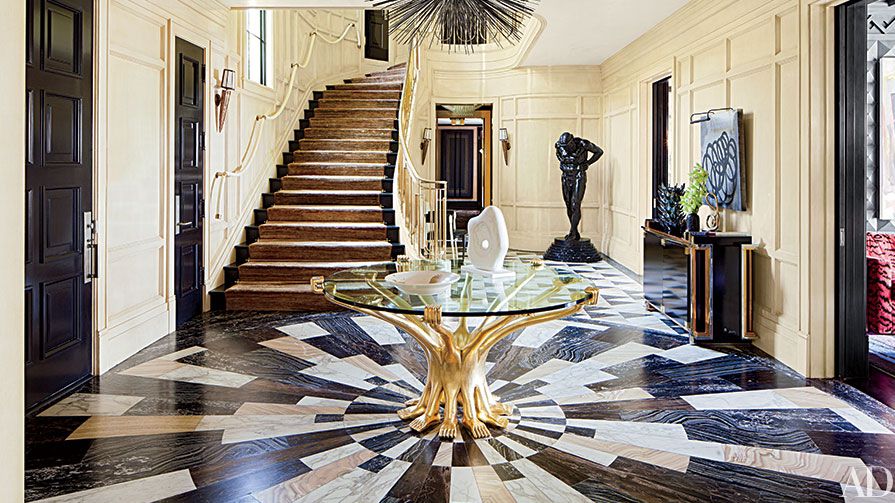
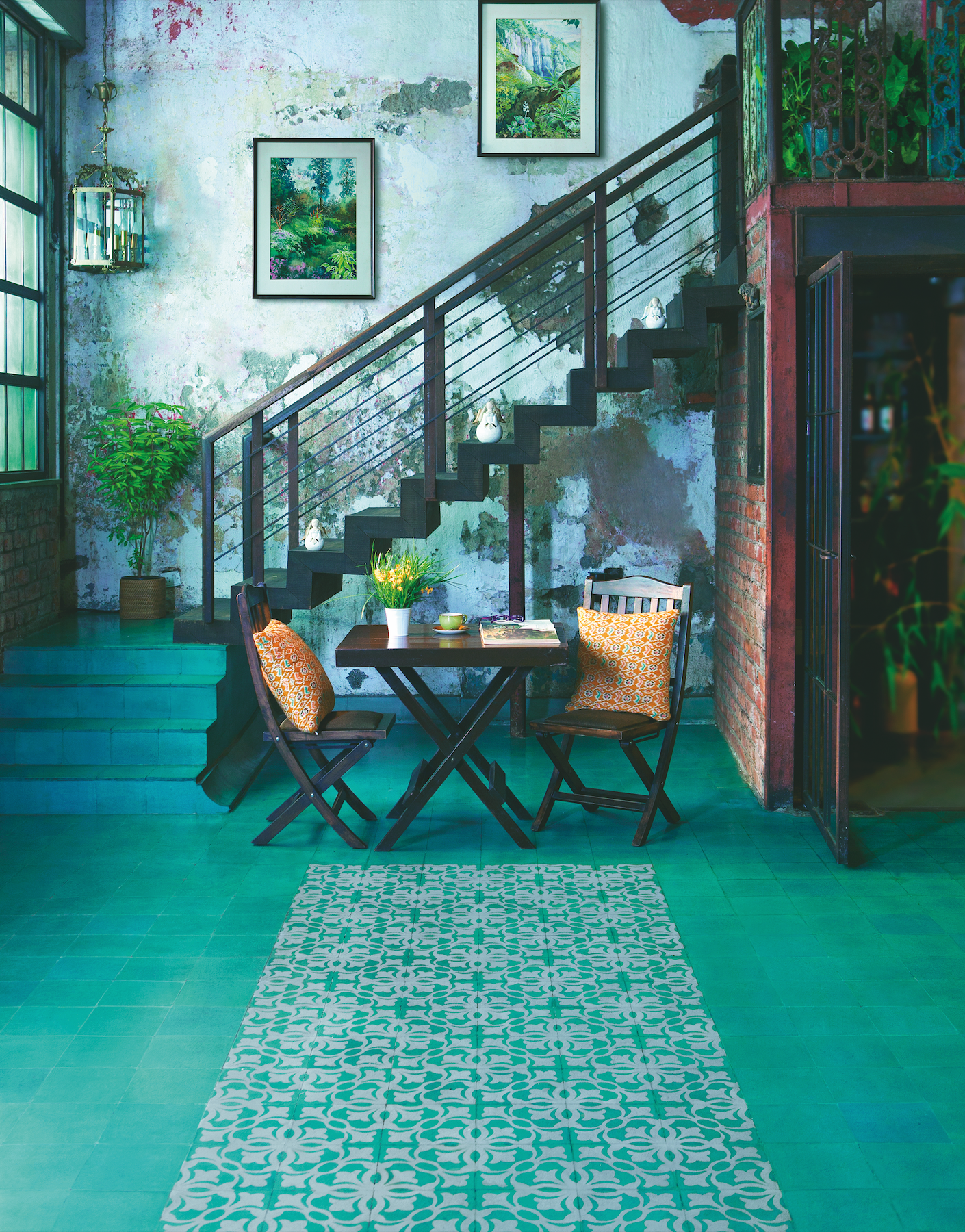
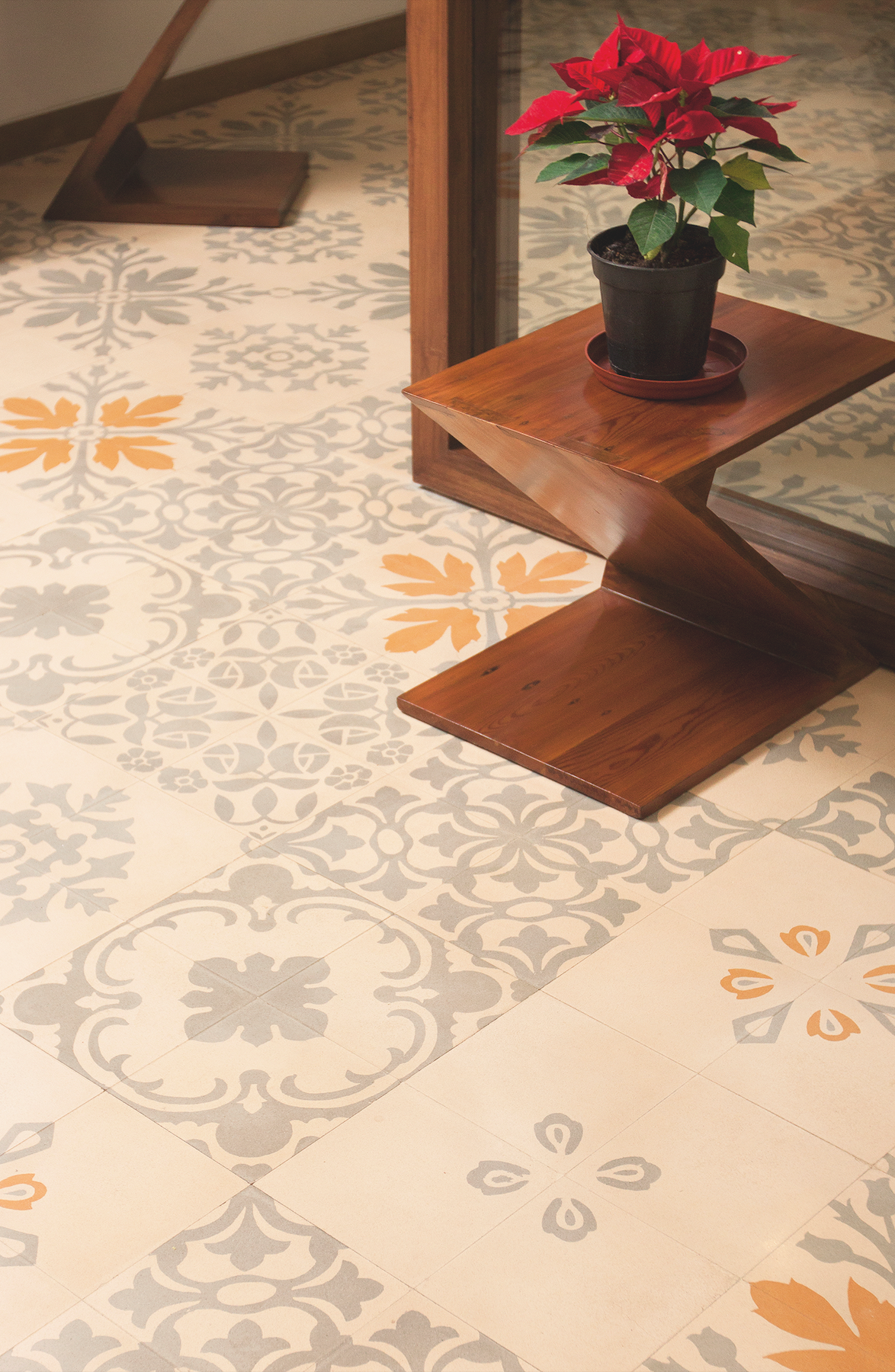
AD’s Guide to Patterned Stone Floors

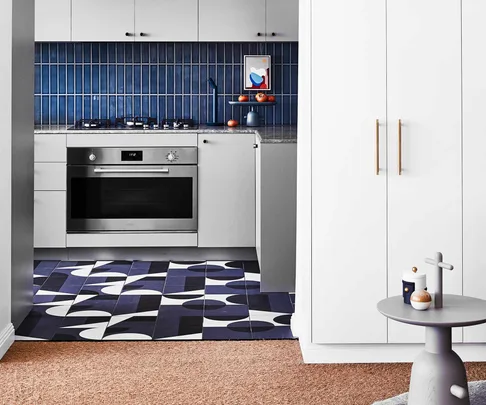
15 of the best flooring materials for the home and why they work

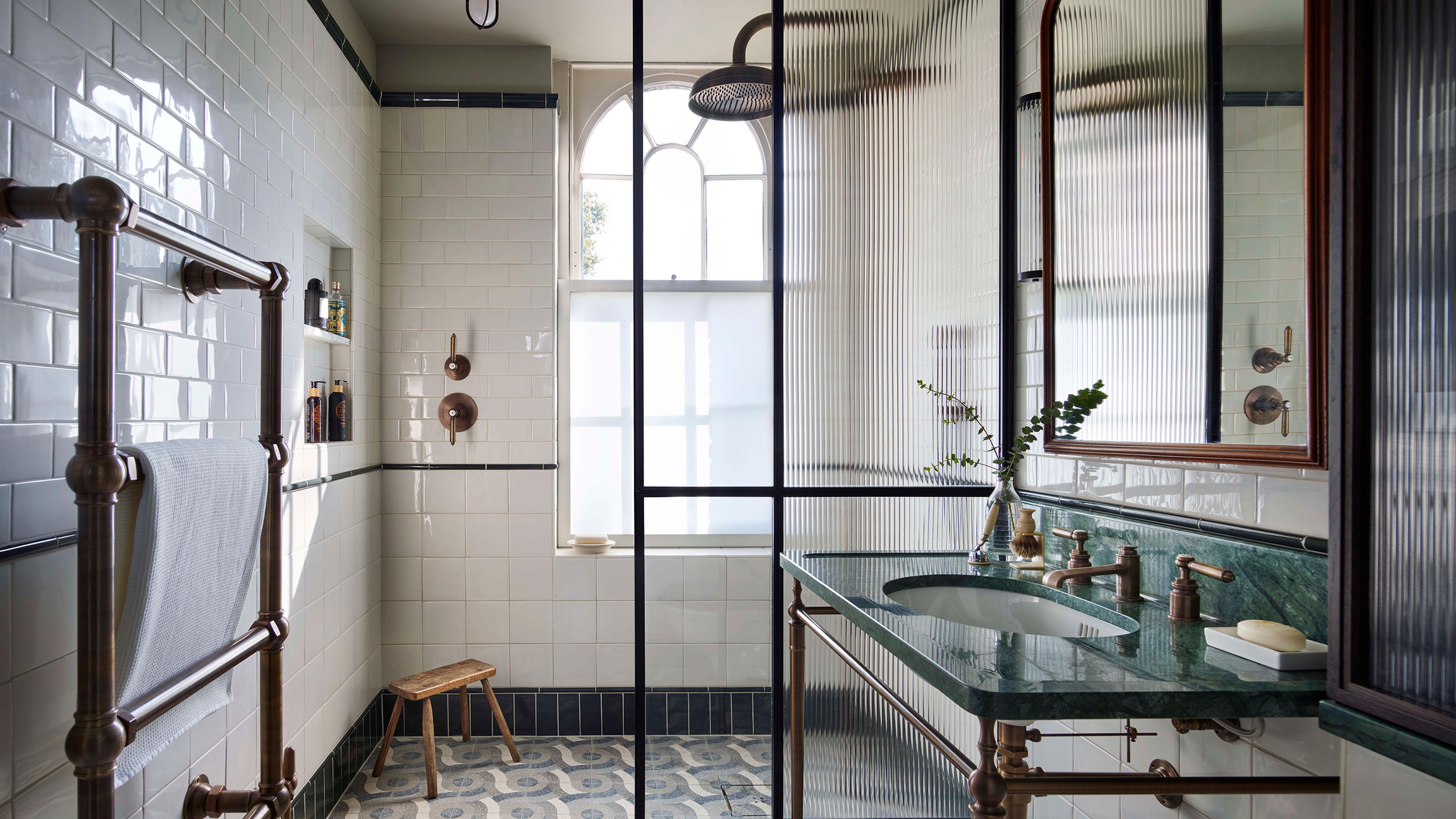
13 shower floor tile ideas – from color and layout to picking the right size

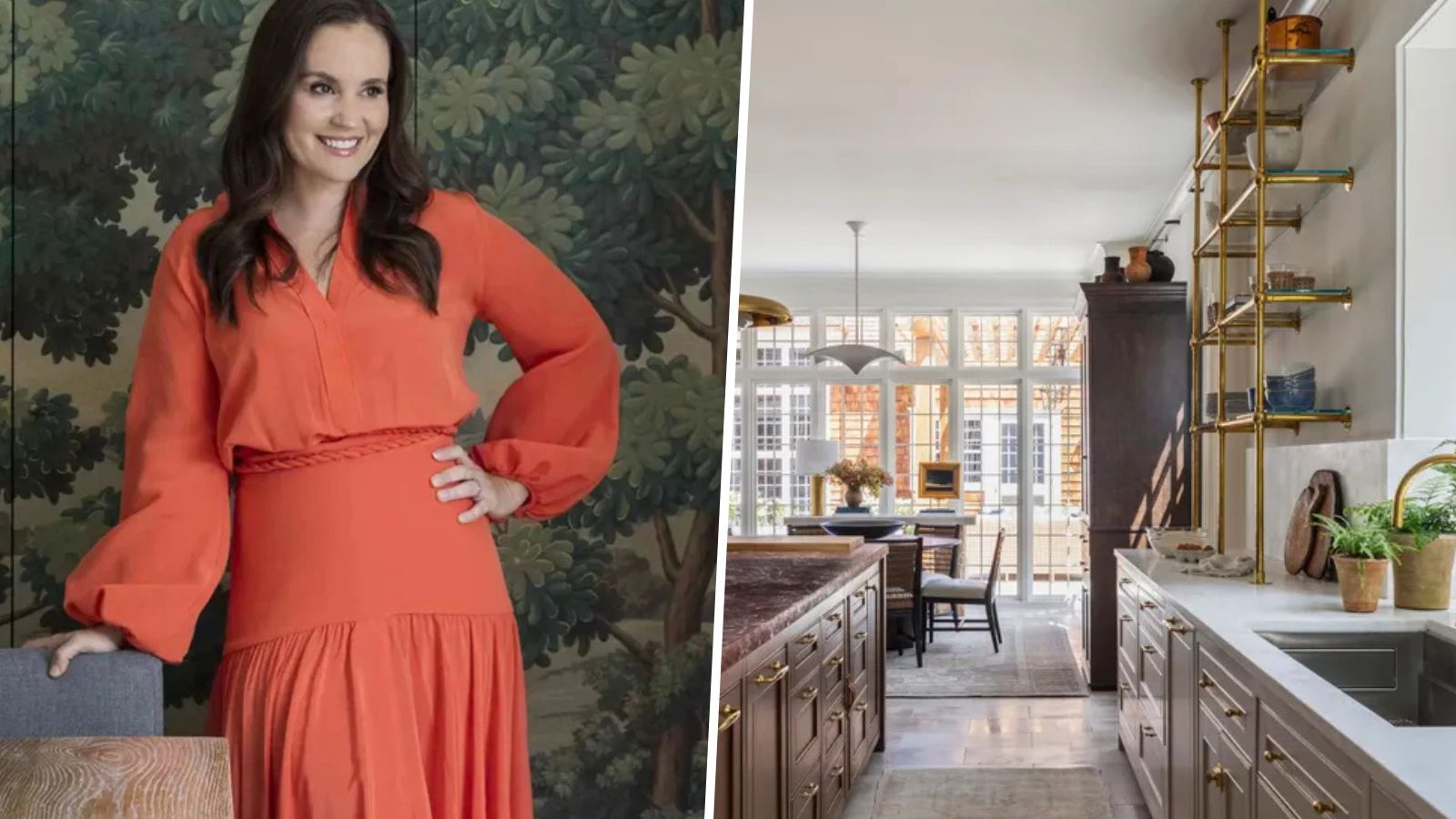
This designer just revealed how she makes new stone flooring look original – it's all about the layout

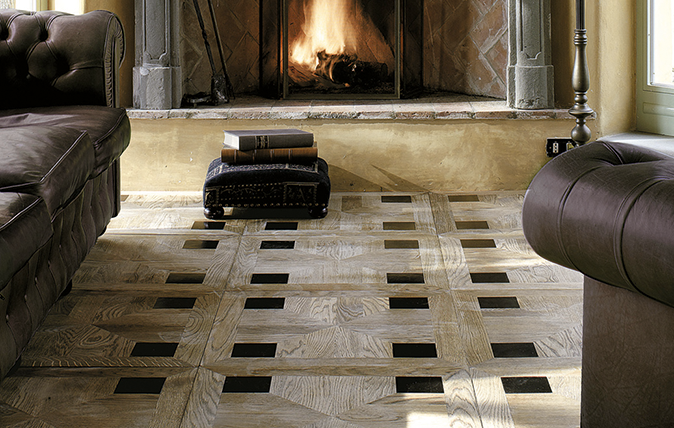
Flooring it: 10 ideas for beautiful carpet, wood, stone or ceramic floors
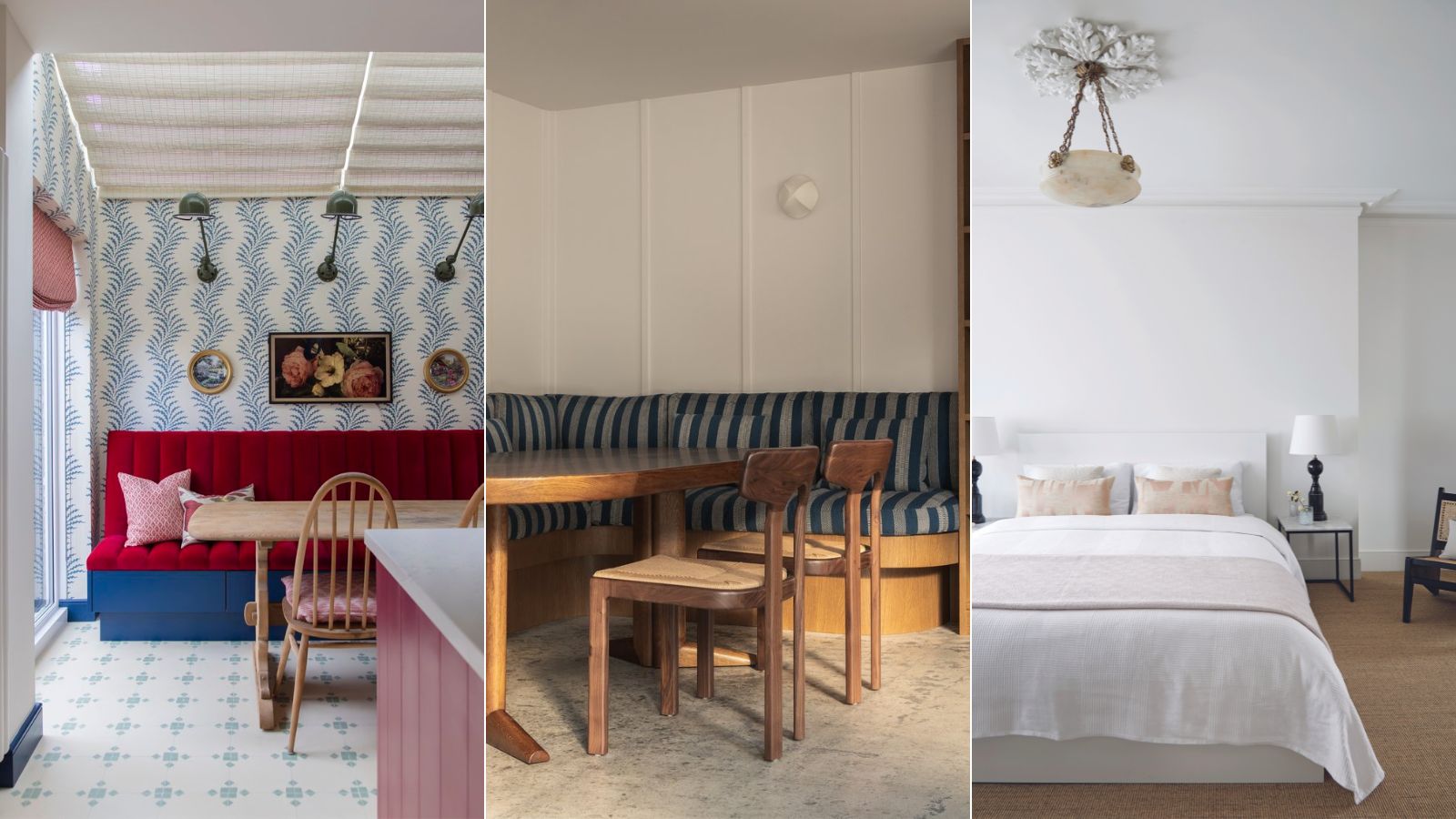
What's replacing wooden flooring? These are the 5 chic alternatives designers are switching to
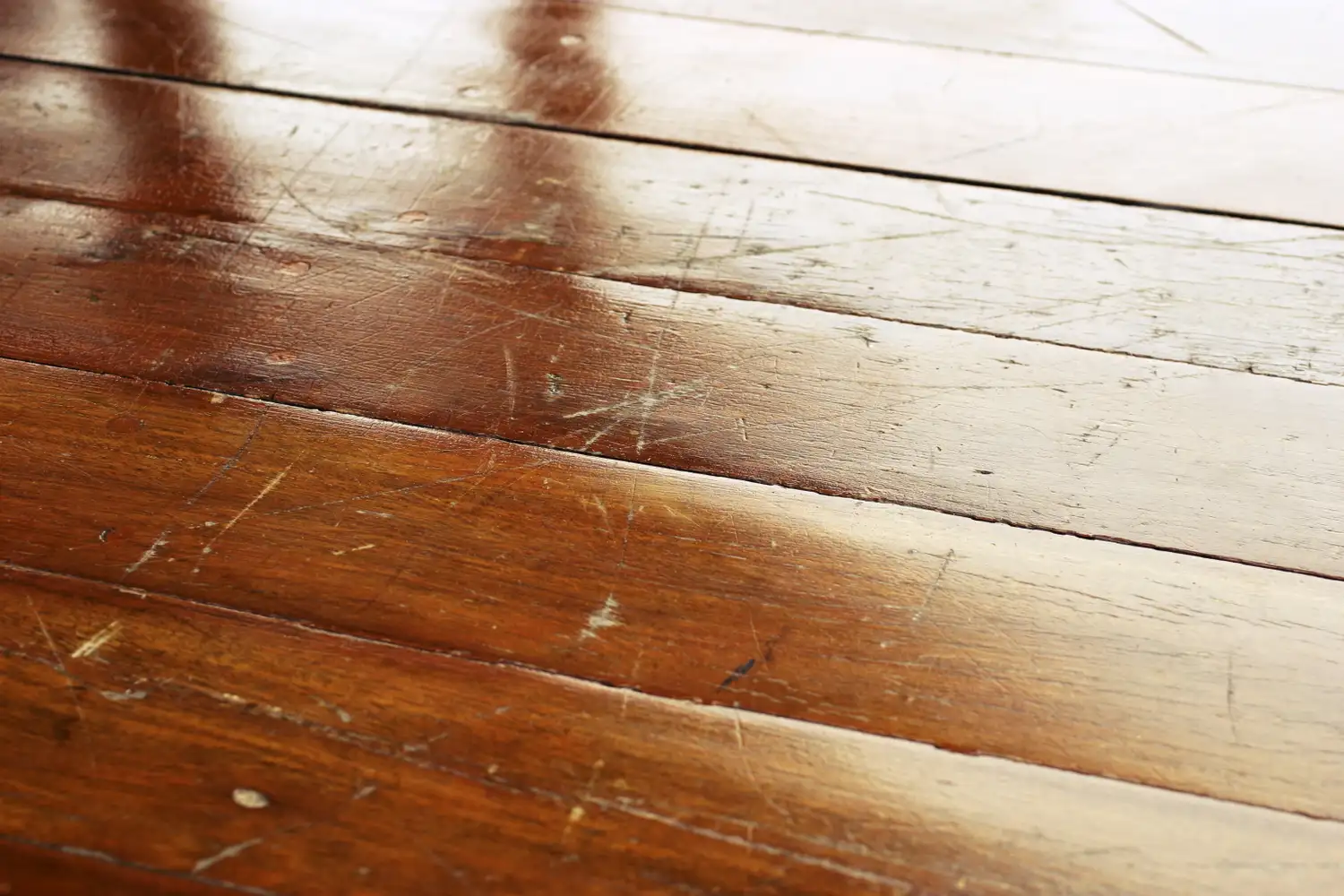
7 Flooring Choices That Always Show Dirt and Scuffs—No Matter How Often You Clean

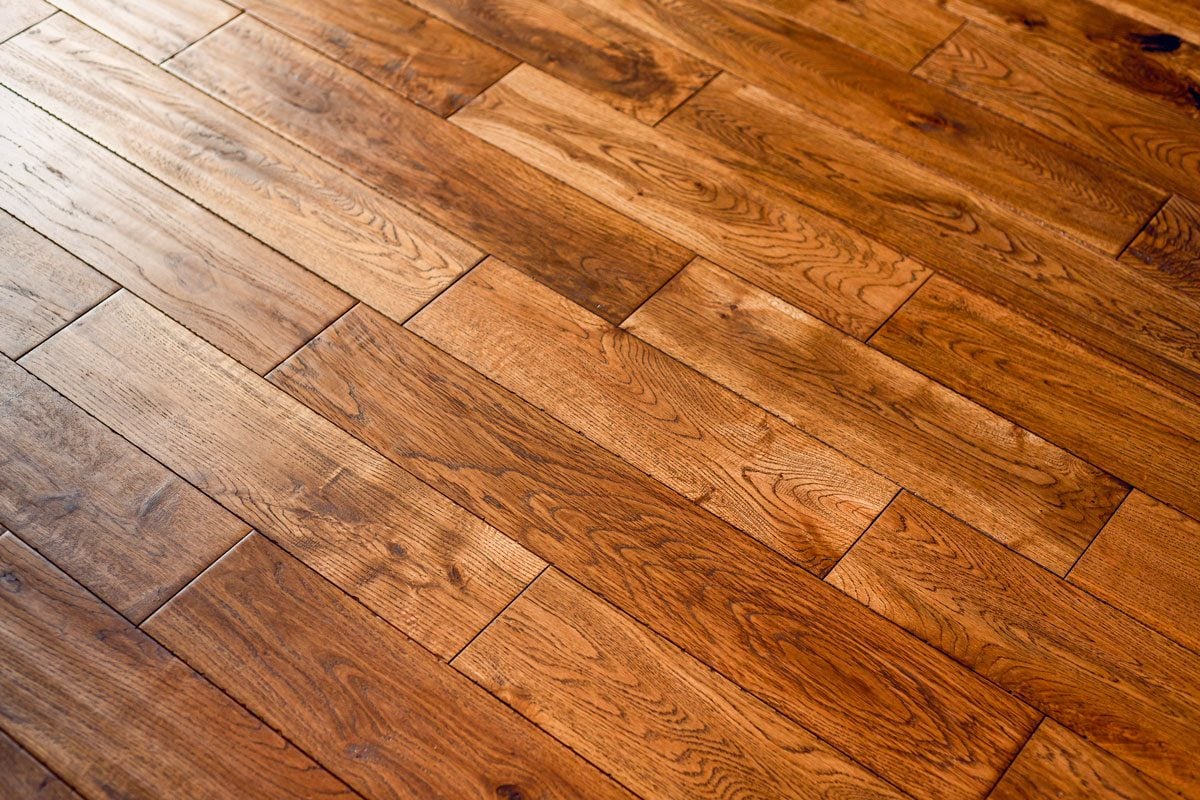
Future of Flooring: Home Pros Talk Through the Latest and Greatest Flooring Trends

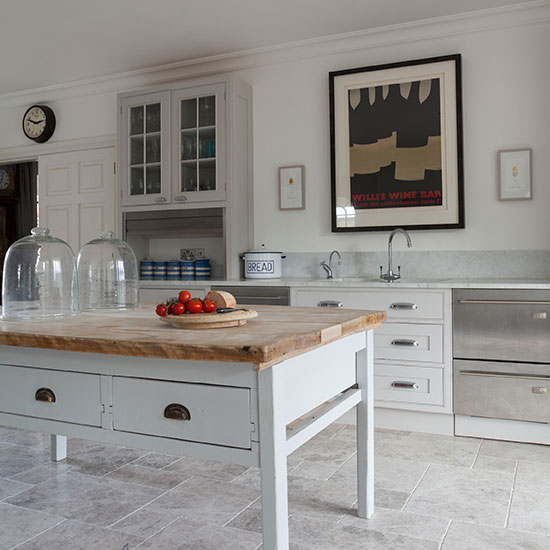
Create a farmhouse look with stone floor tiles
Natural stone tiles: tips and ideas for using them in your home

Marble, Stone and Wood Effect Floors: Ceramics Inspired by Nature

7 bathroom floor tile trends interior designers have on their radar for 2025
5 Flooring Choices Designers Always Use in Their Own Homes (and You Should Too)


7 Creative Stone Slab Ideas That Go Beyond Countertops
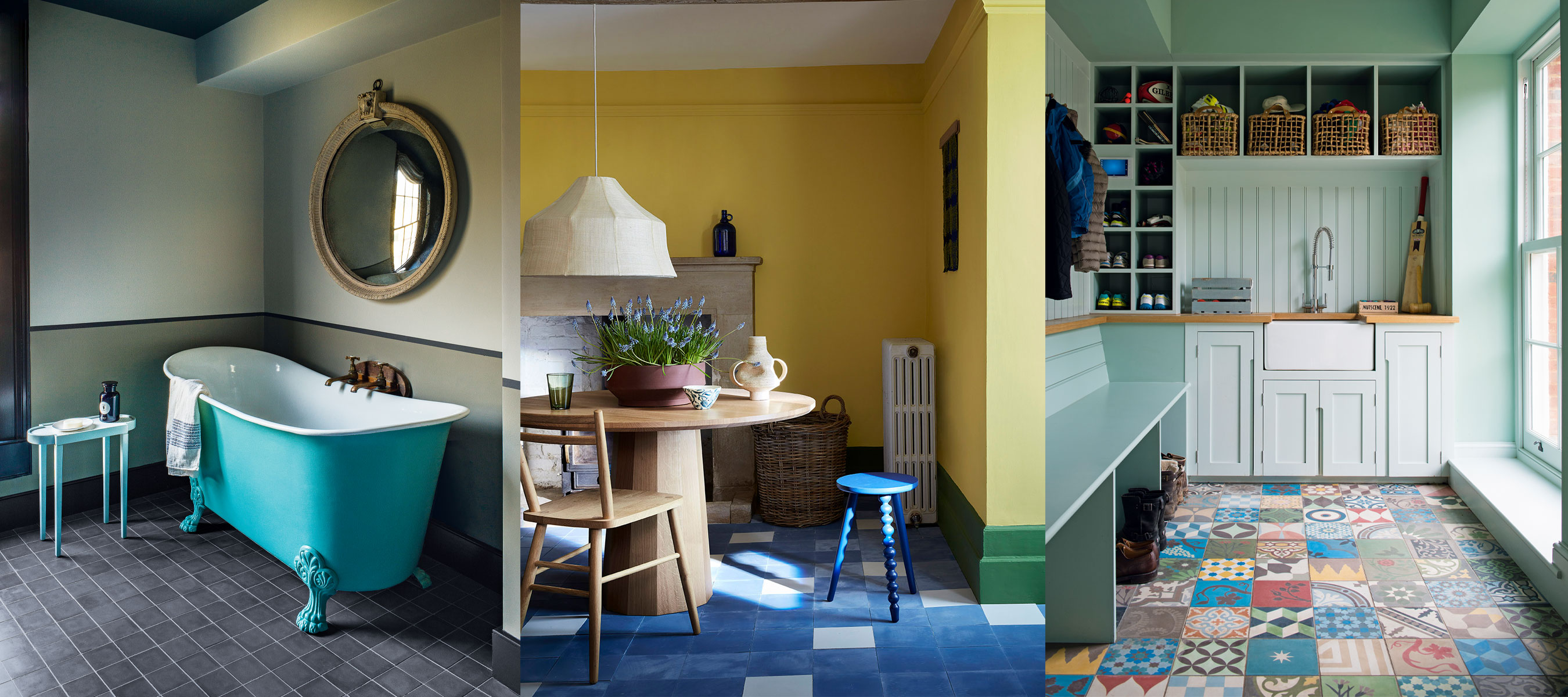
Floor tile ideas – 15 inspiring designs to transform your spaces
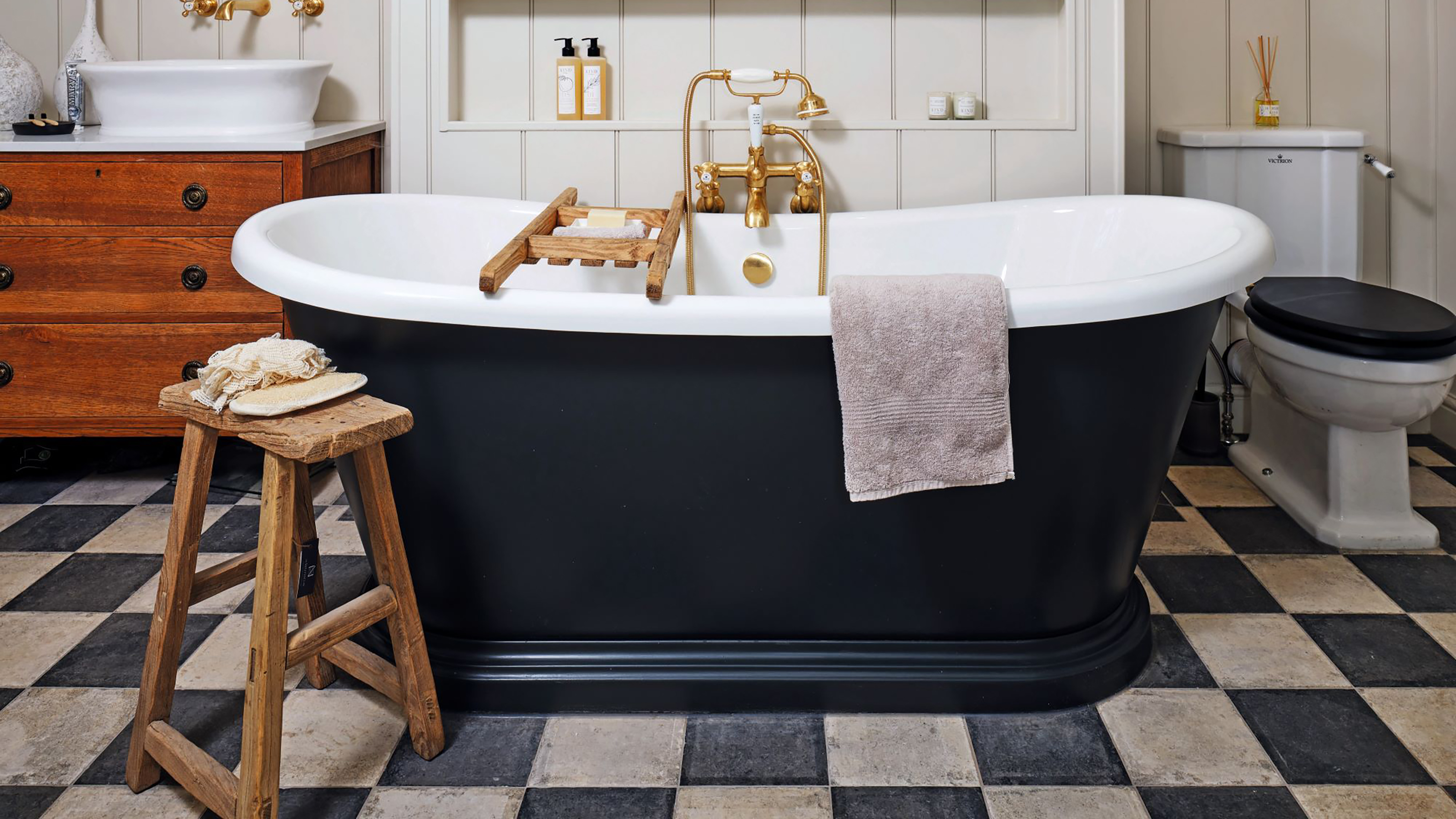
Bathroom floor tile ideas – 15 ways to incorporate stylish tiles underfoot
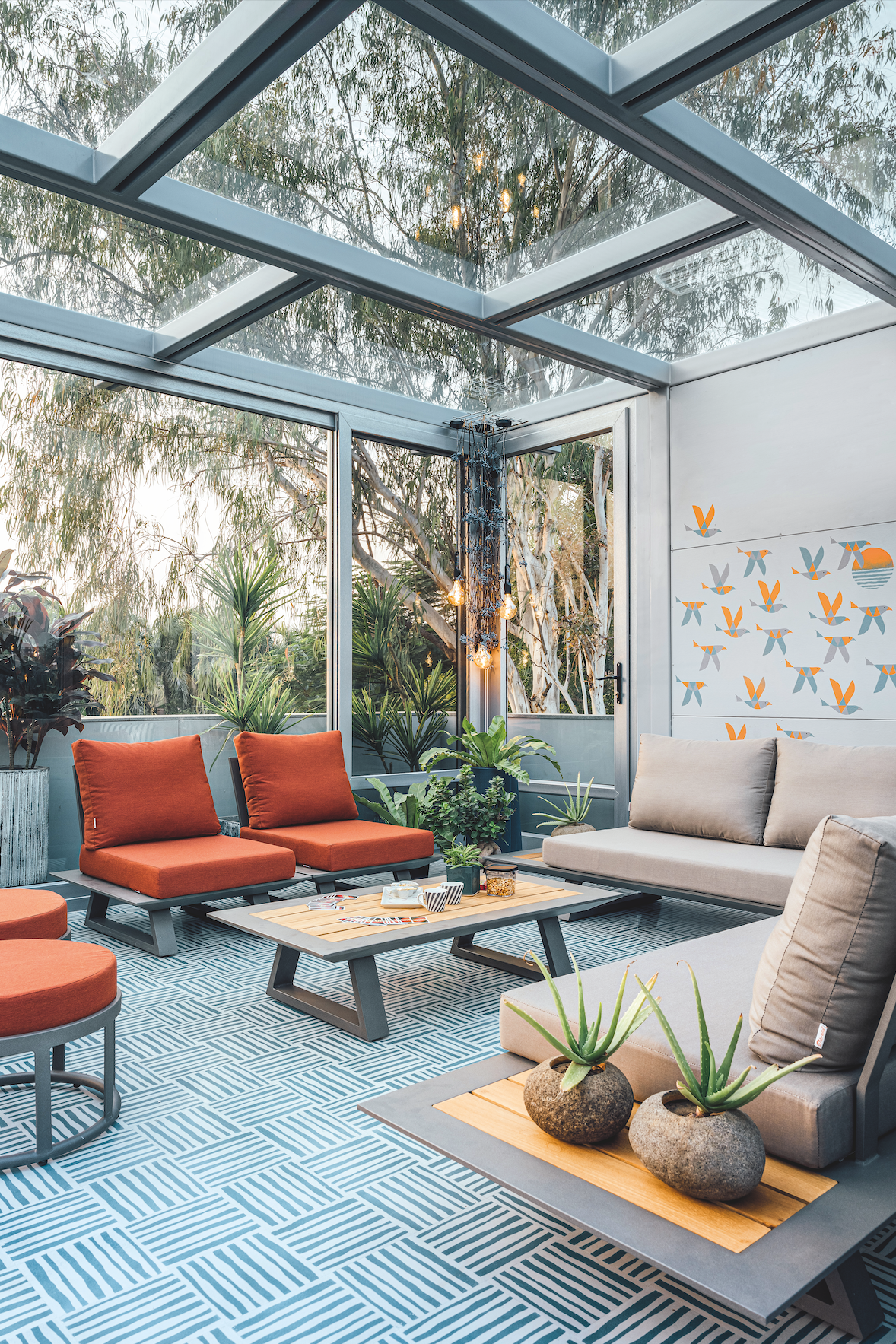
Vogue's flooring guide will ensure you never look up
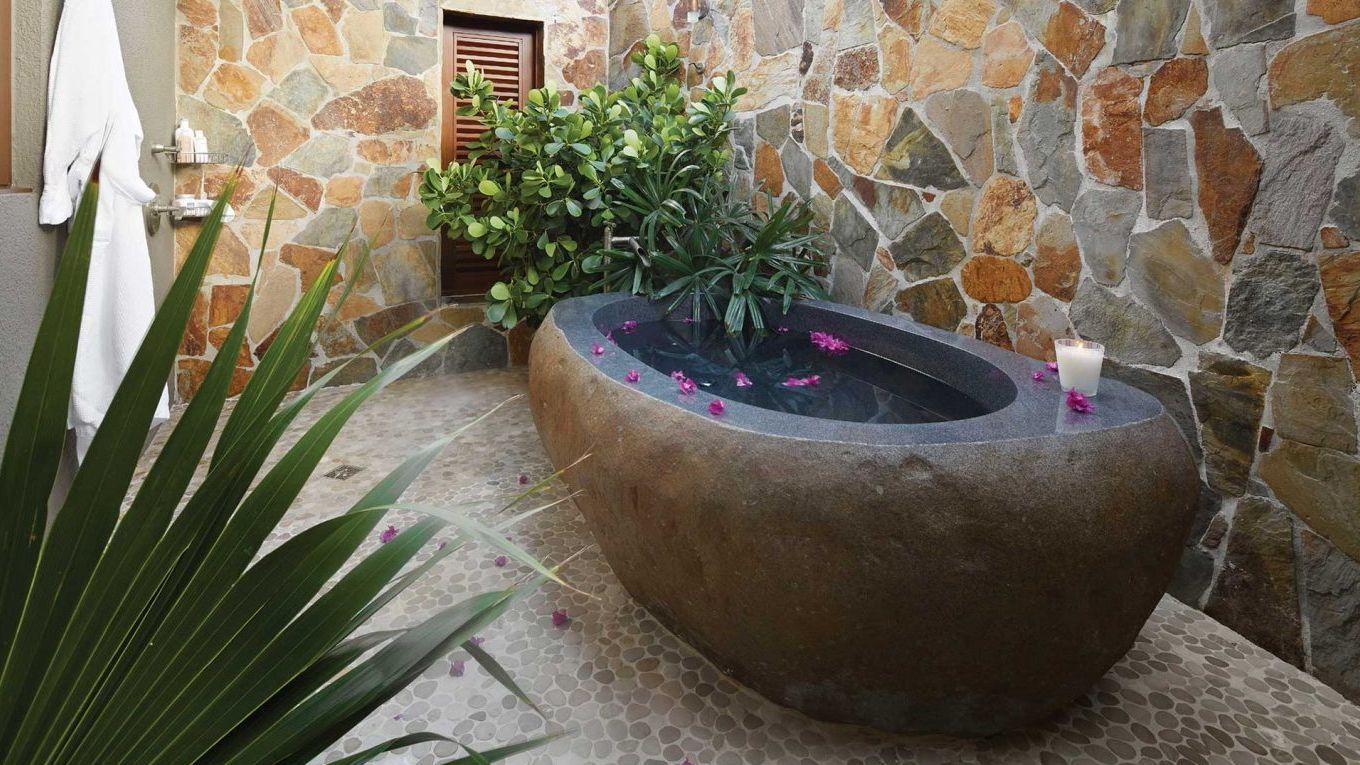
5 clever ways to use natural stone in home décor

15 bathroom flooring ideas designers always return to
12 Kitchen Flooring Ideas to Try, From Traditional Tiles to Sustainable Cork