1/2
Professional painters reveal how to make paint dry faster – without compromising on quality
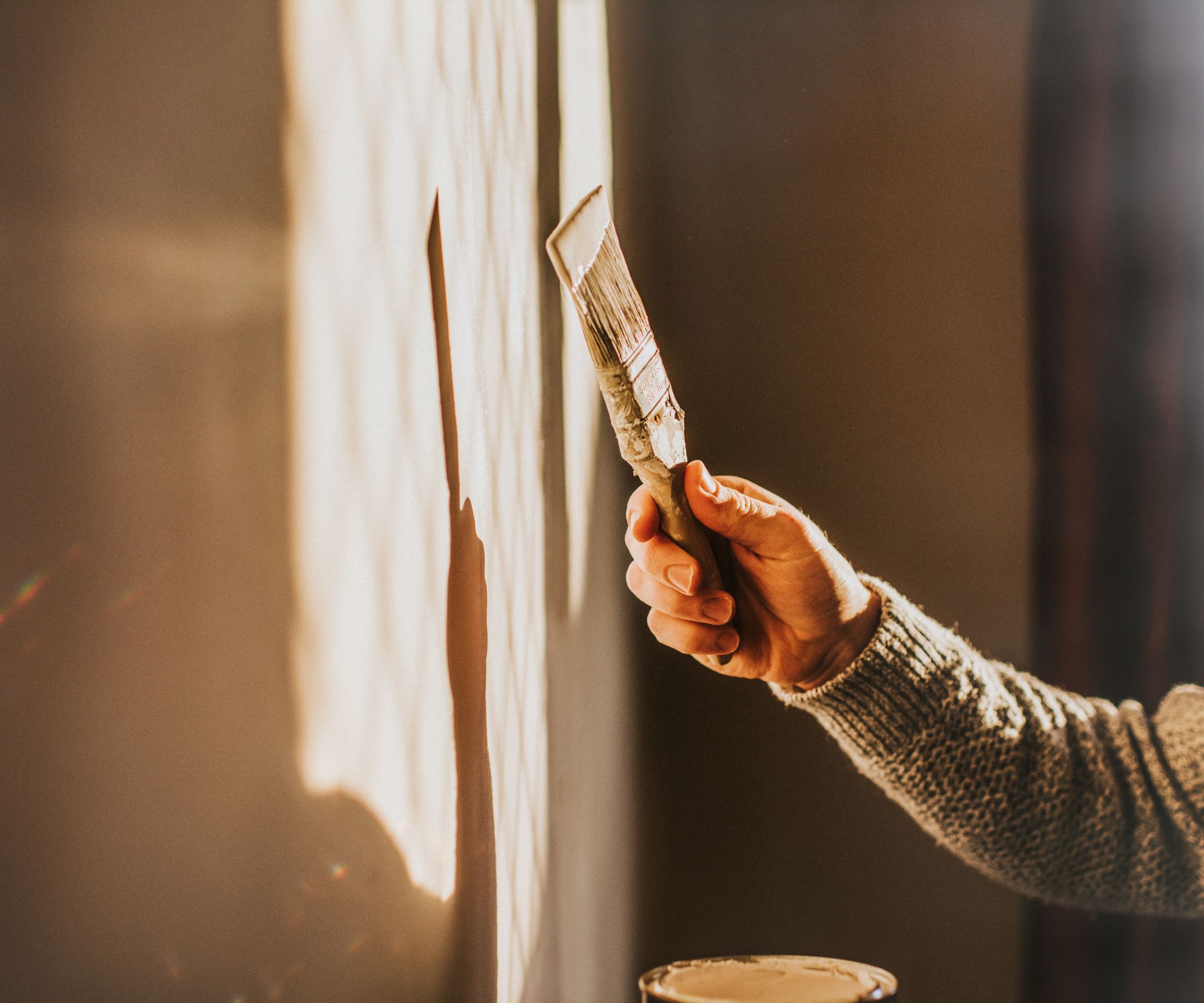
The common adage 'like watching paint dry' highlights the tedious nature of waiting for paint to dry, a process that can significantly delay home renovation and DIY projects. However, professional painters utilize several techniques to accelerate paint drying without sacrificing quality. This guide outlines five expert-backed tips to make paint dry faster, ensuring efficient project completion.
First, improving ventilation is crucial. Whether painting walls or furniture, maintaining good airflow and regulating humidity are essential for faster drying and safety. Painting on a warm, low-humidity day is ideal, with windows open to encourage air circulation. Introducing a dehumidifier can further control moisture levels, and placing a fan in the room can enhance airflow and reduce humidity.
Second, applying paint in multiple thin coats, rather than a single thick one, is a more efficient approach. While it may seem counterintuitive, thin coats dry more quickly and evenly, reducing the risk of drips and runs, and ultimately leading to a more polished finish. Adhering to the manufacturer's instructions regarding coat thickness is also important.
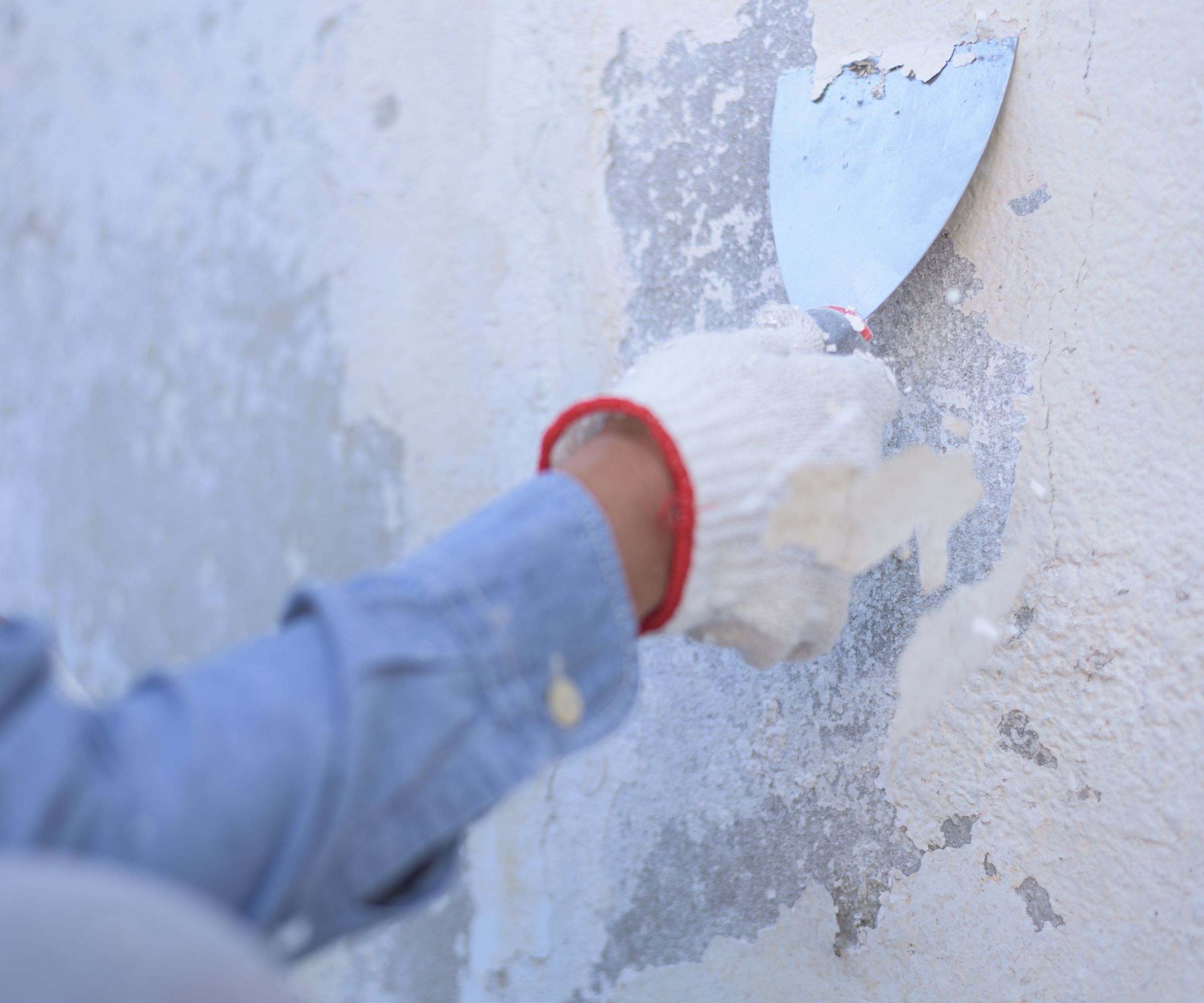
Third, it is vital to avoid painting on wet surfaces. After cleaning walls or removing wallpaper, allowing the area to dry completely before applying paint is necessary. Painting over a wet surface can cause the paint to become sticky due to trapped moisture, which hinders the drying process and can compromise the final appearance.
Fourth, selecting water-based paint can significantly reduce drying time compared to oil-based options. Water-based paints use water as their solvent, which evaporates faster than oil. When combined with good ventilation and thin applications, water-based paints can achieve a perfect finish more quickly. However, it is important to note that water-based paints are generally less durable than oil-based alternatives and are best suited for indoor surfaces.
Finally, for smaller painted areas, a hairdryer can be used to speed up drying. The hairdryer should be set to medium heat (around 100 degrees Fahrenheit) and moved back and forth along the painted surface for three to five minutes, maintaining a distance of six to twelve inches. Excessive heat or prolonged application can cause the paint to harden too quickly, leading to cracks and reduced durability. If paint is not allowed to dry completely, it can result in marks, chips, and a substandard finish, potentially requiring more time to fix errors. Additionally, paint typically does not dry well in cold temperatures, with ideal conditions usually above 50 degrees Fahrenheit and below 95 degrees Fahrenheit, which can be managed indoors with central heating or air conditioning.
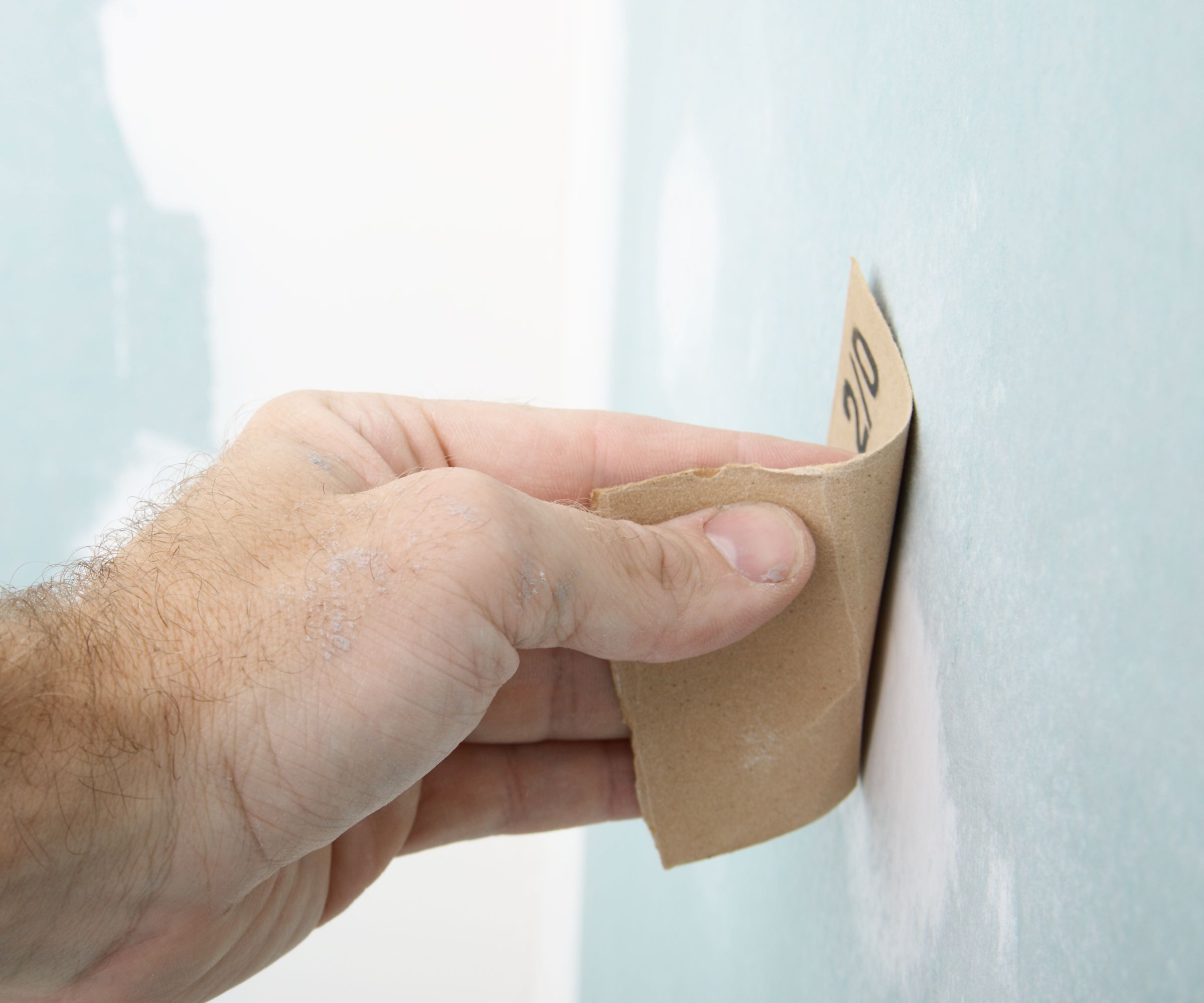
By following these expert tips, individuals can accelerate the paint drying process without compromising the quality of their paintwork. Proper wall preparation, sanding, and priming for DIY projects also contribute to quicker and better results.
#PaintDrying #HomeRenovation #InteriorPainting #DIYProjects #Ventilation #WaterBasedPaint #ThinCoats #HumidityControl #PaintingTips #PaintDrying #HomeRenovation #InteriorPainting #DIYProjects #Ventilation #WaterBasedPaint #ThinCoats #HumidityControl #PaintingTips
0 commenti in totale
 Nessun commento ancora
Potresti anche gradire
I’m a paint expert - the £1.25 buy pros swear by for a flawless finish on walls

Paint tricks – 10 painting tips and techniques loved by the experts
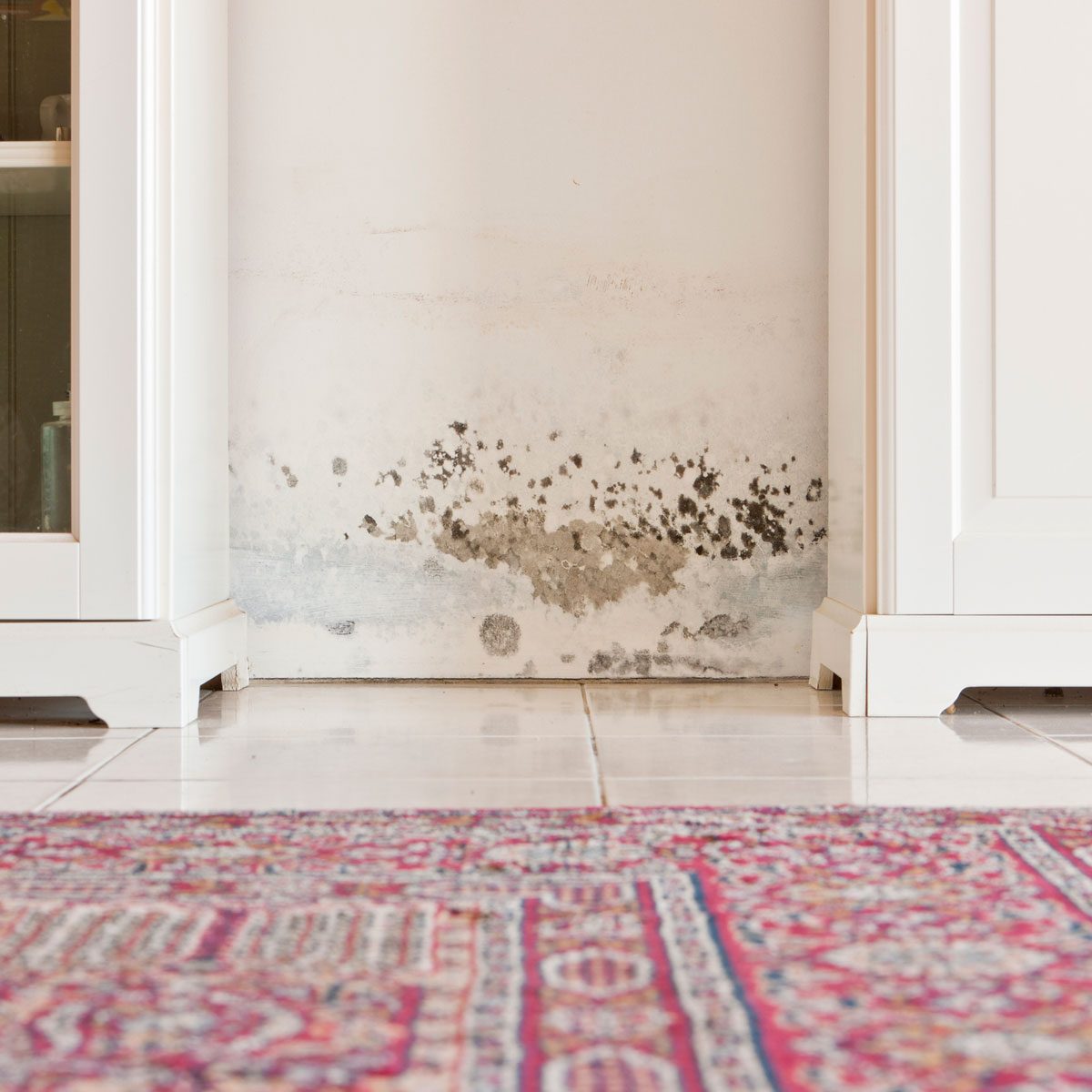
Best Mold- and Mildew-Resistant Paints for 2025

Paint tips from a pro!

How to prolong the life of your paint job, according to painters and decorators
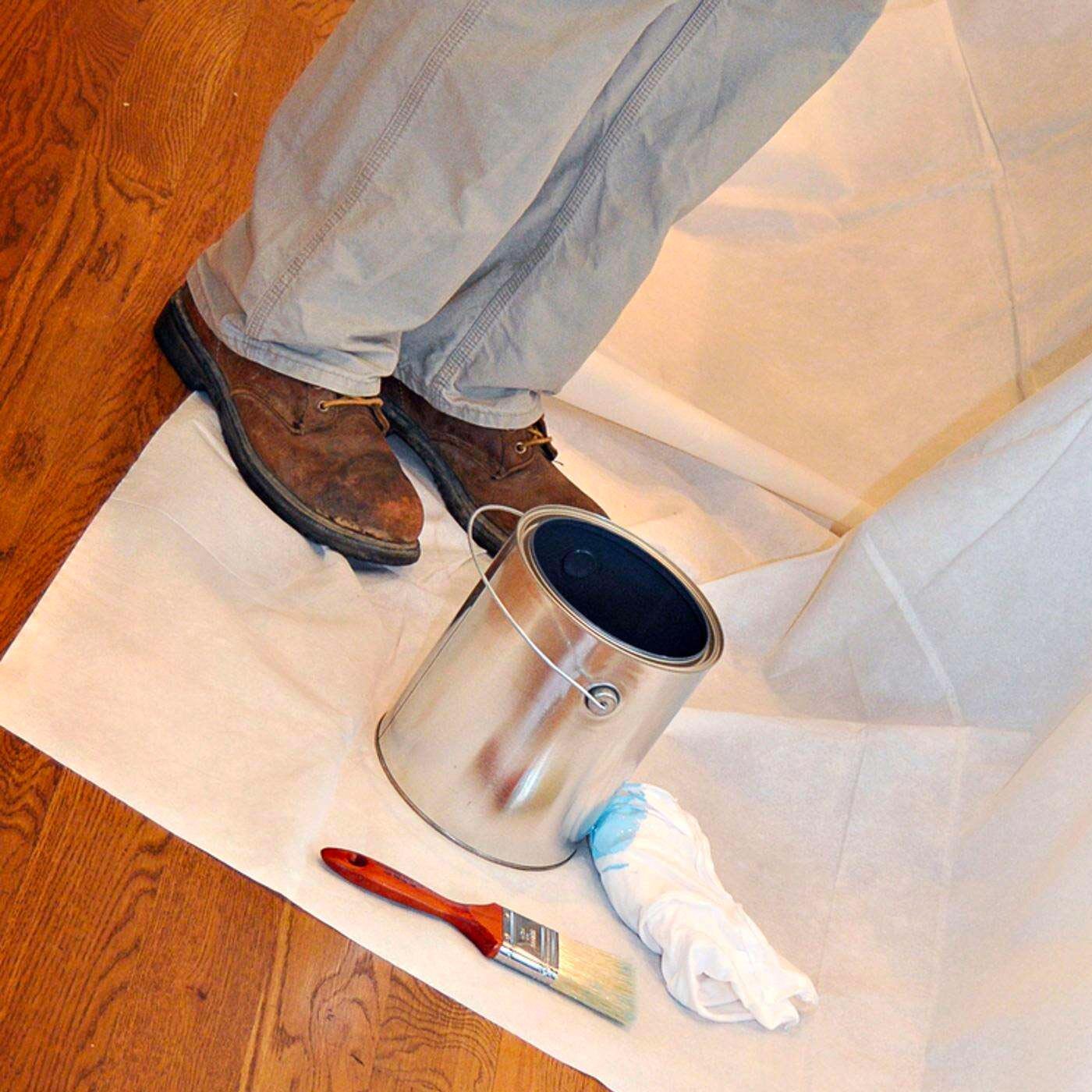
The 7 Best Painters Drop Cloths and Tarps
How Long Does Primer Take to Dry? Experts Share Their Best Advice
Color drenching has never been simpler with this color expert's one-paint-finish approach for the whole room
12 top interior painting tips from experts – for a flawless, fabulous finish
When Should You Use Oil-Based vs. Water-Based Paint?

How to fix peeling paint in 4 steps – and reasons why your paint is crumbling
The best washable paint

How Long Paint Takes to Dry and Cure

The Best Painting Tools

Undercoat & Primer Paints

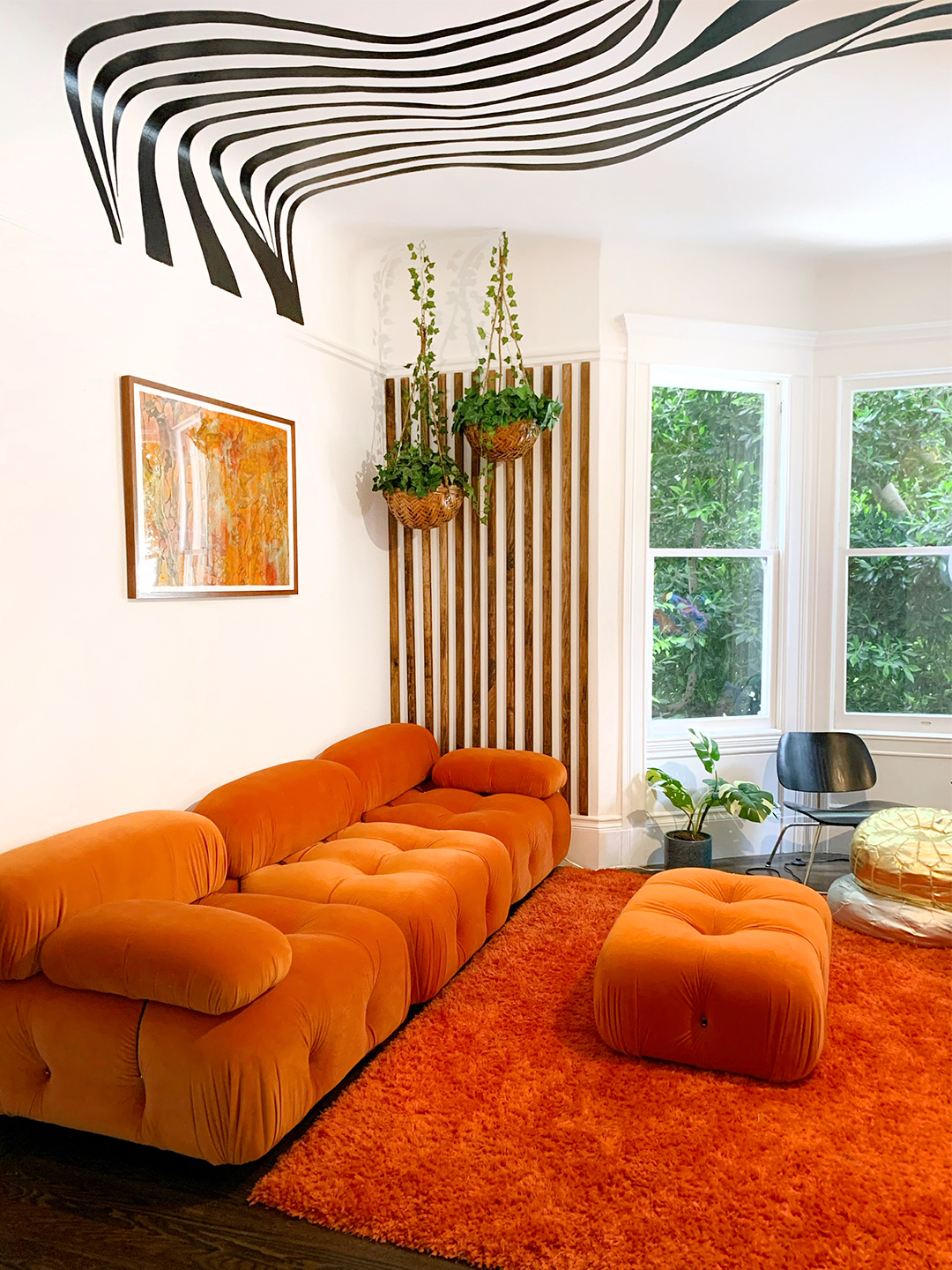
7 Wall Murals In, This DIYer’s Top Paint Tip Is to—Gasp!—Not Use Tape
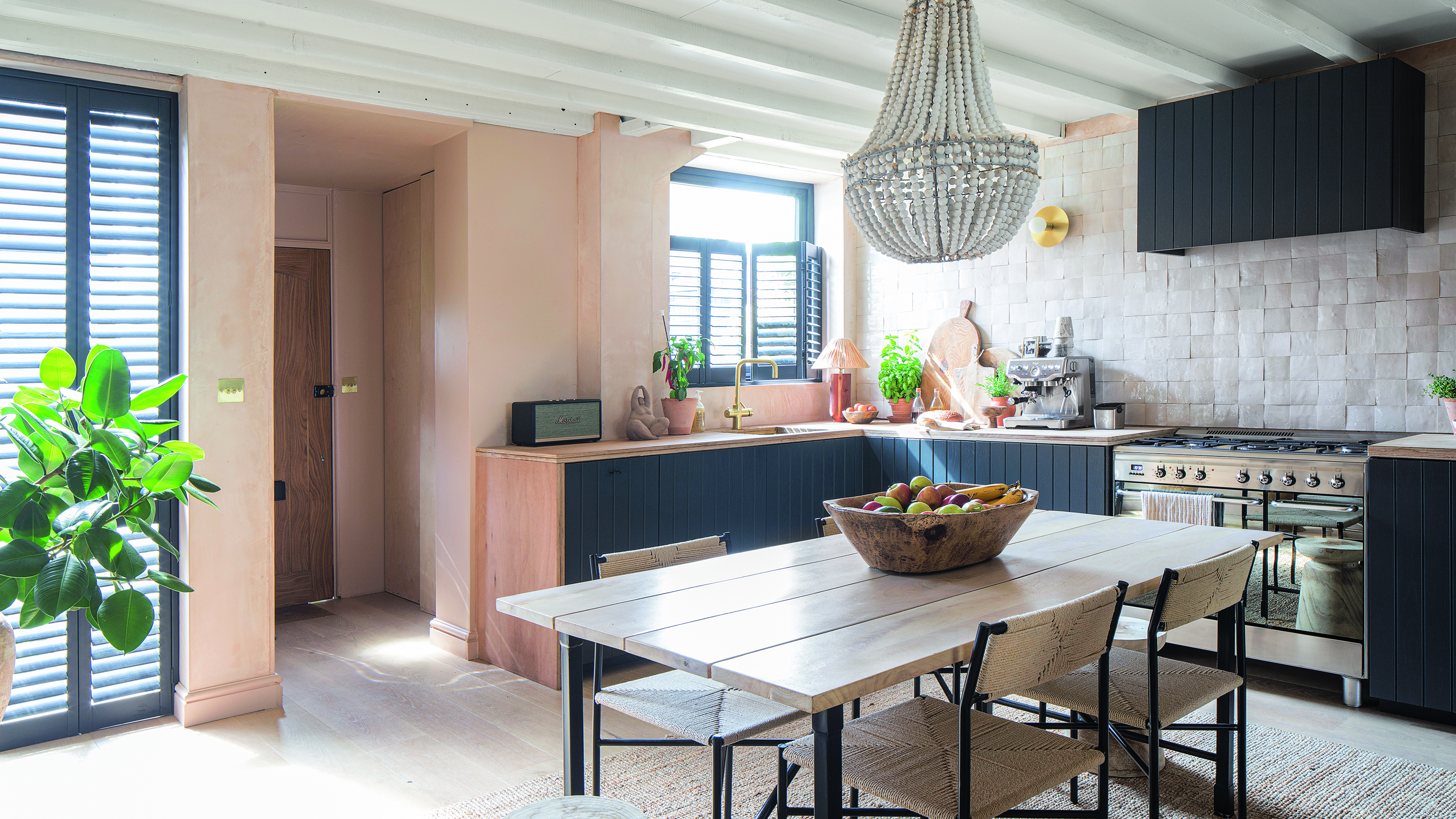
Everything you need to know about painting over new plaster - including how long to wait before painting
Understanding paint finishes
This designer-approved color drenching hack will ensure the look never falls flat – the key is in the finish
Should You Paint Inside if It’s Humid Out? Here's What the Experts Say