Picture of the Day: The Oldest Japanese Garden in the United States
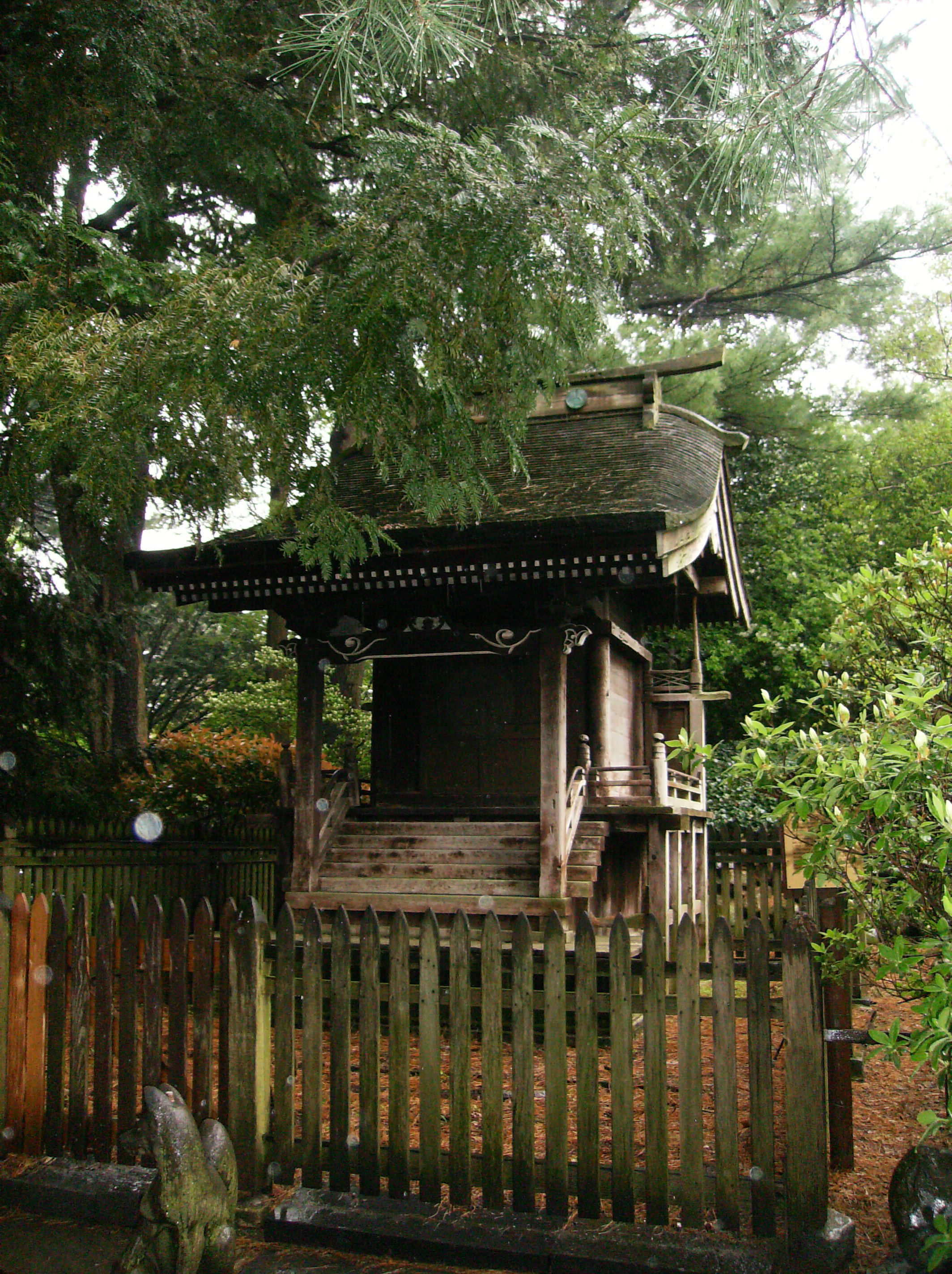
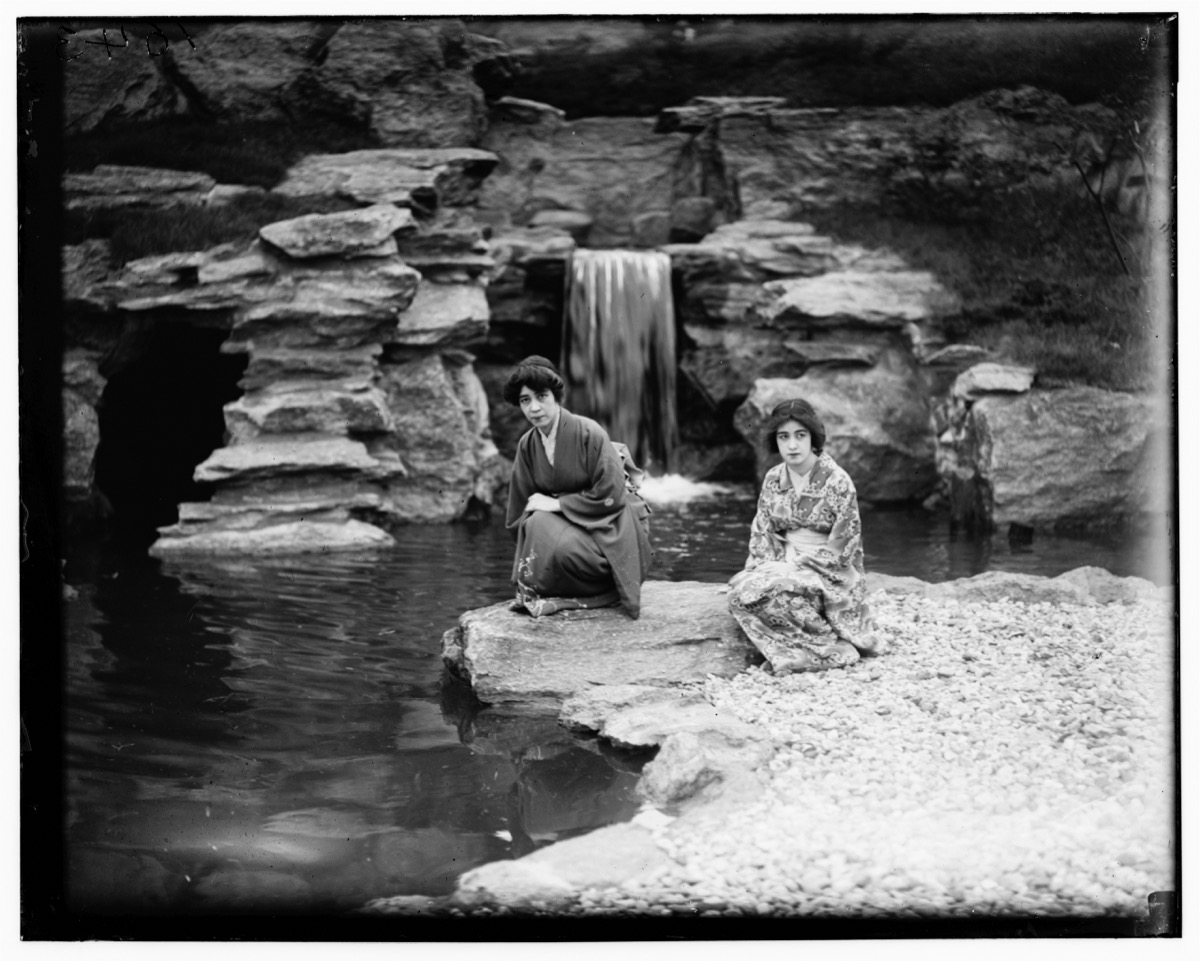
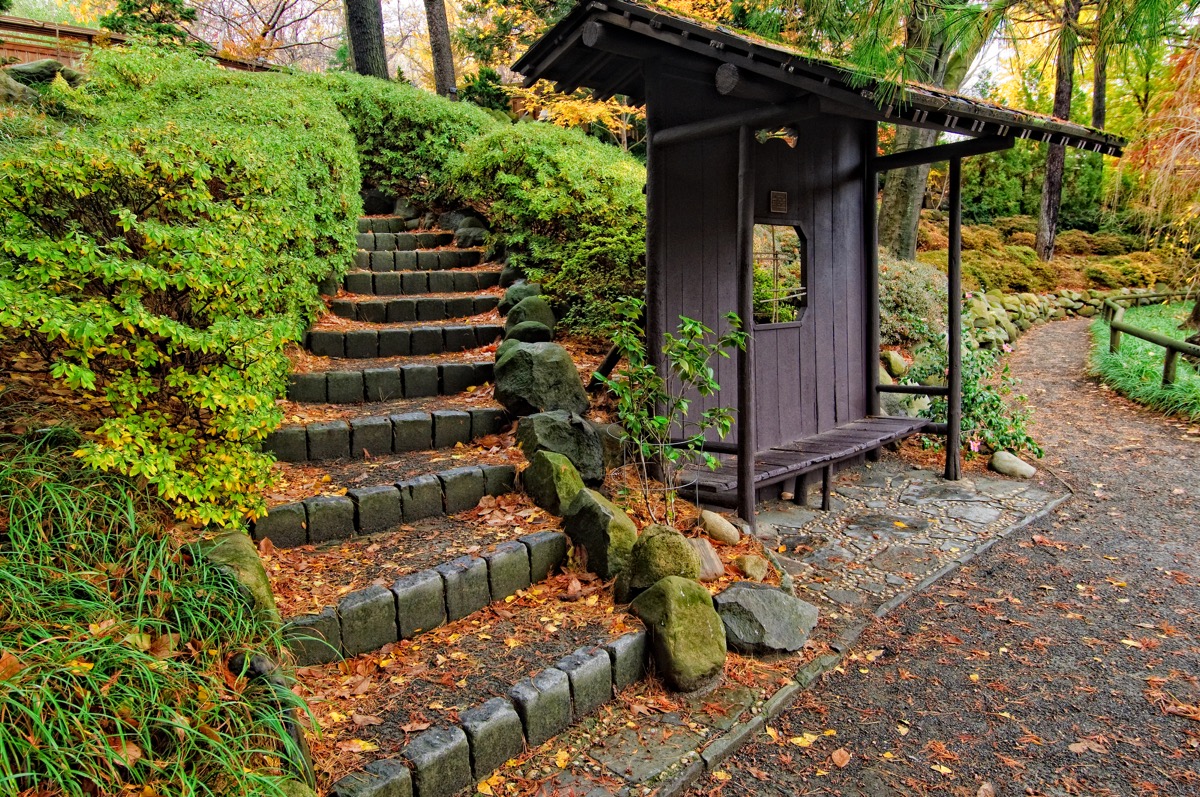
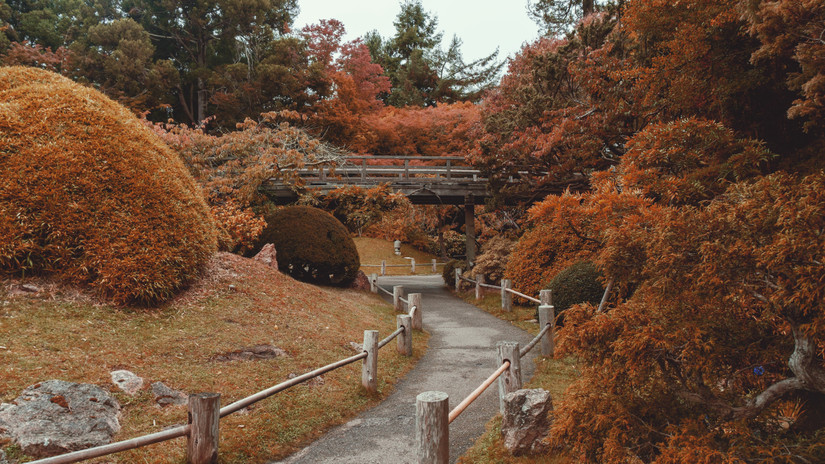
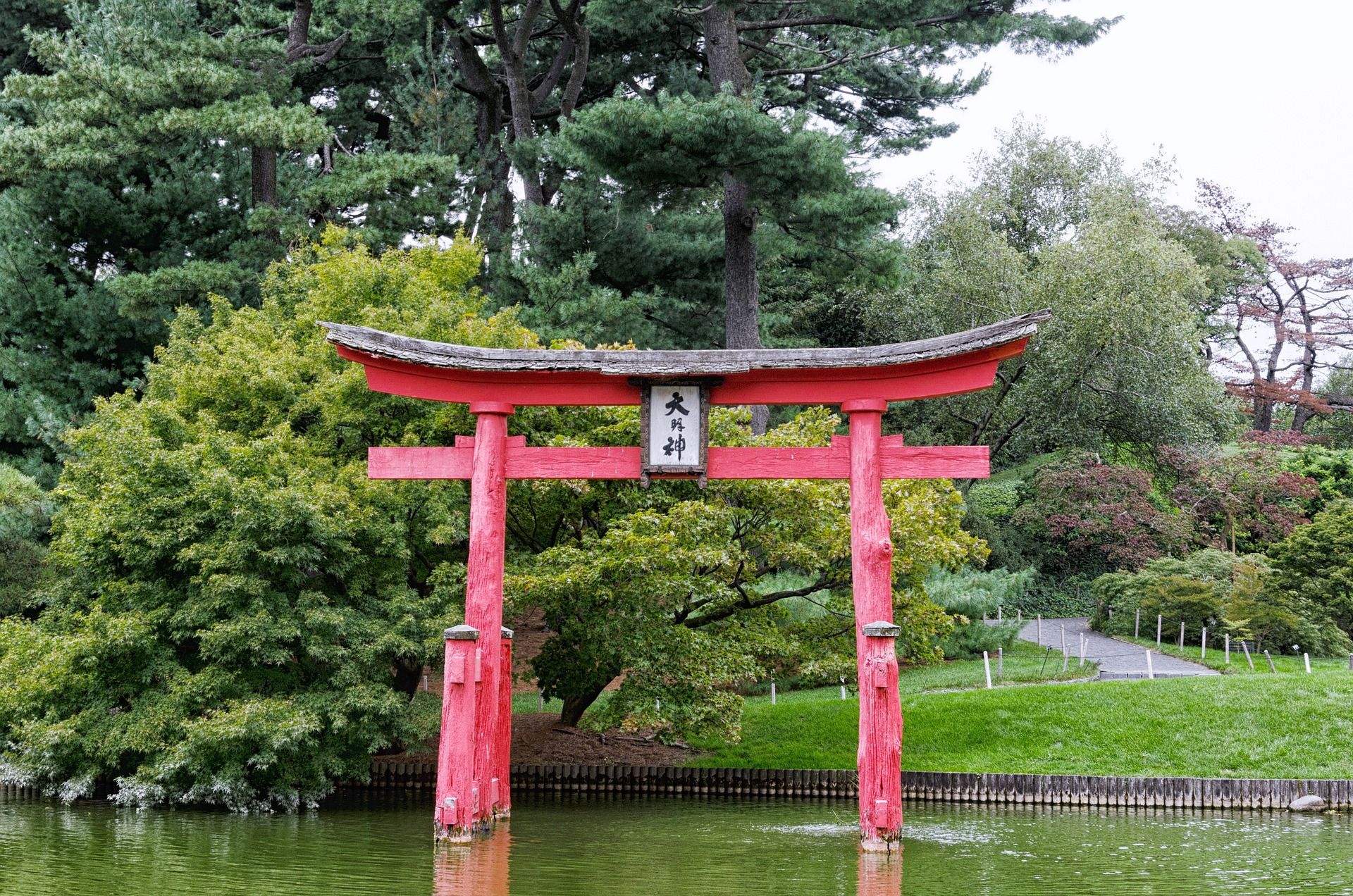
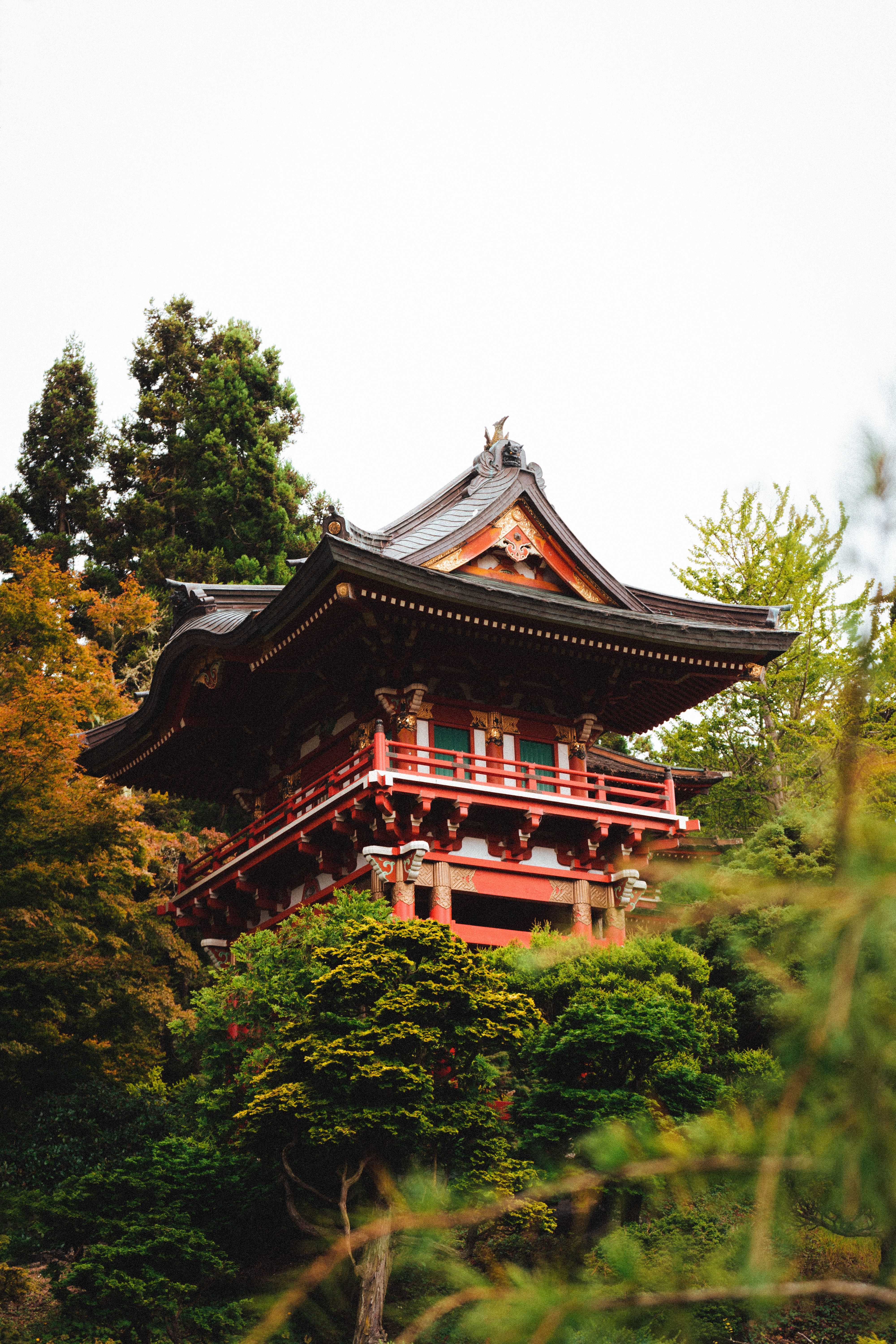
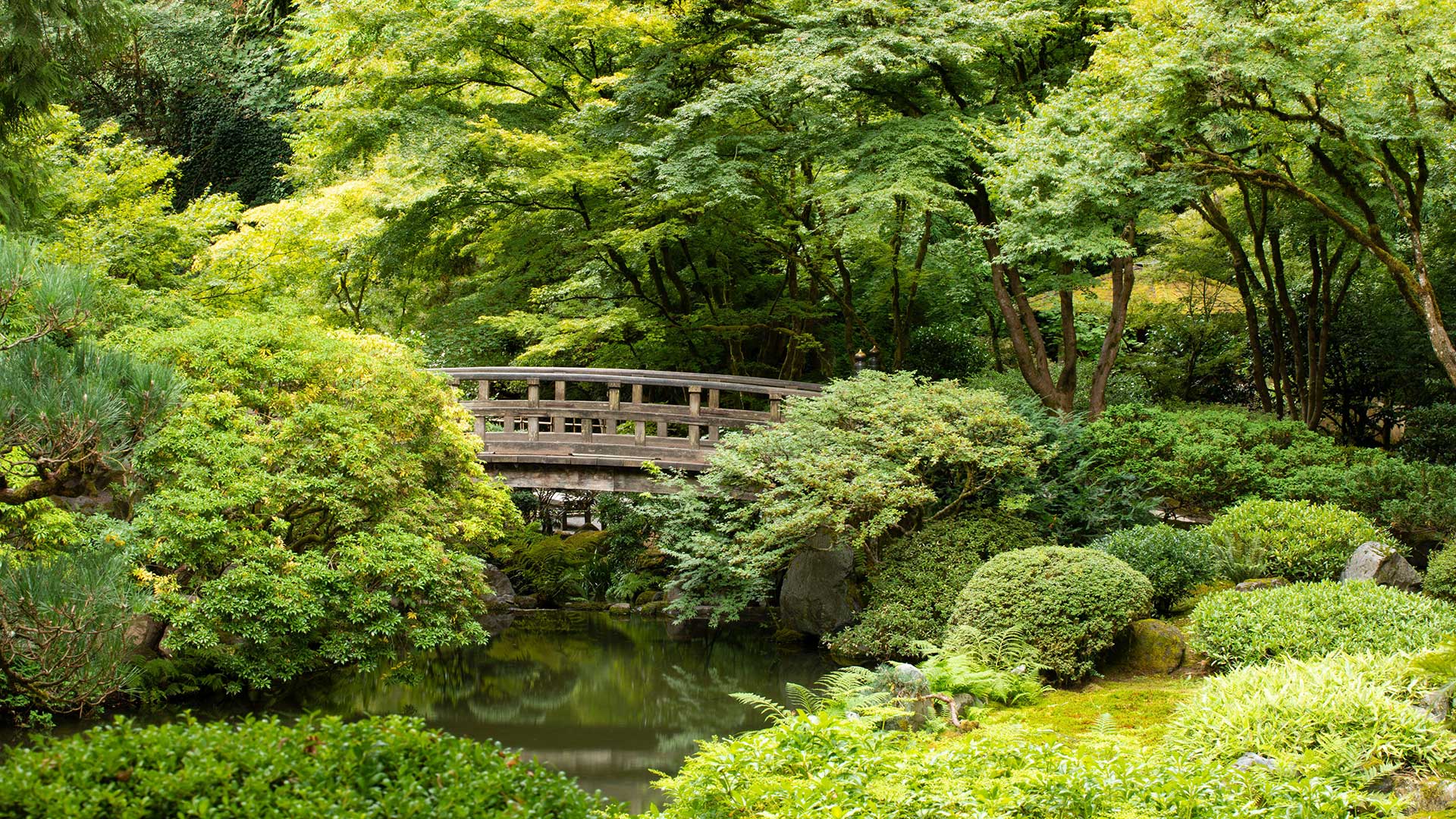
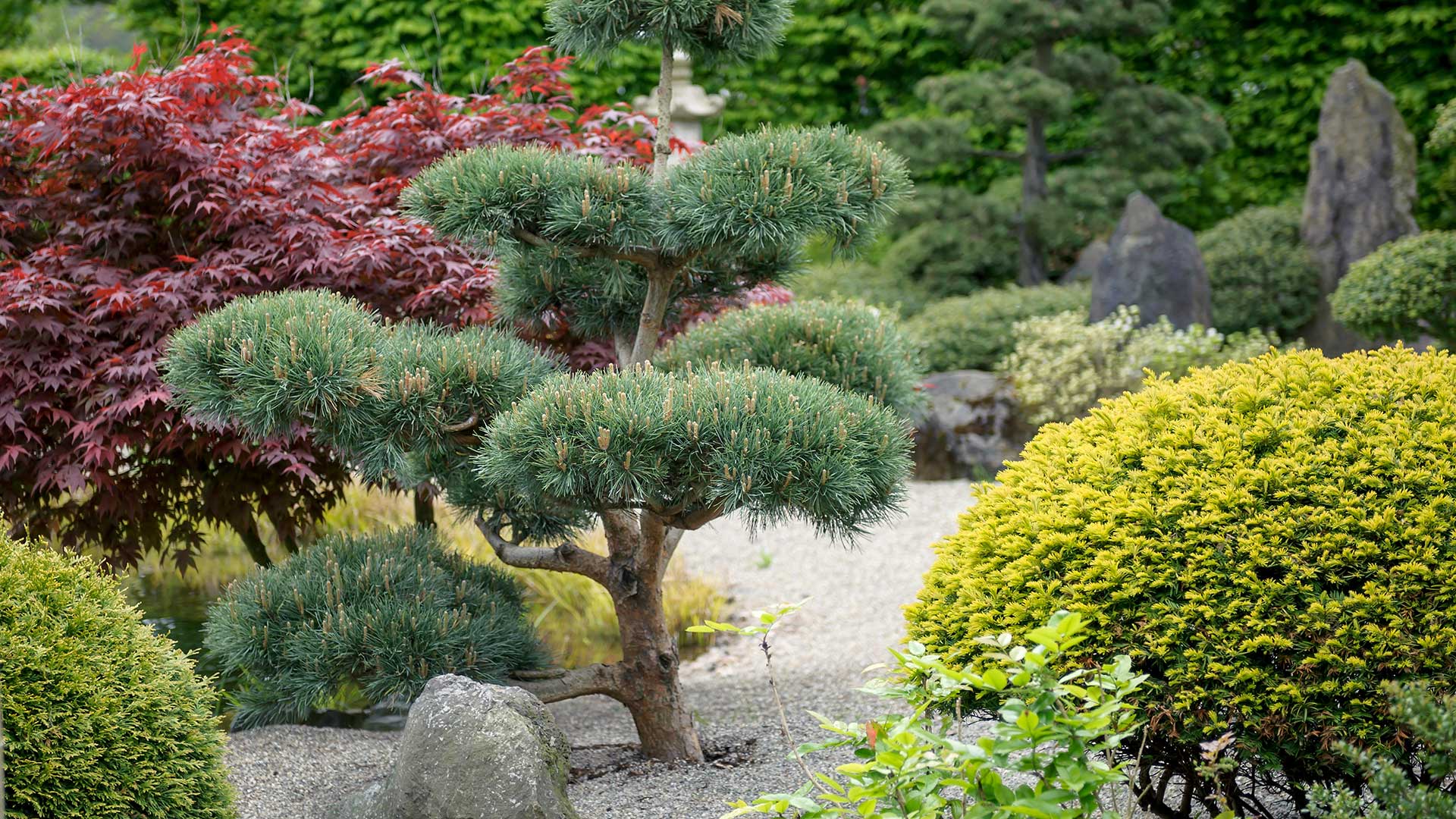
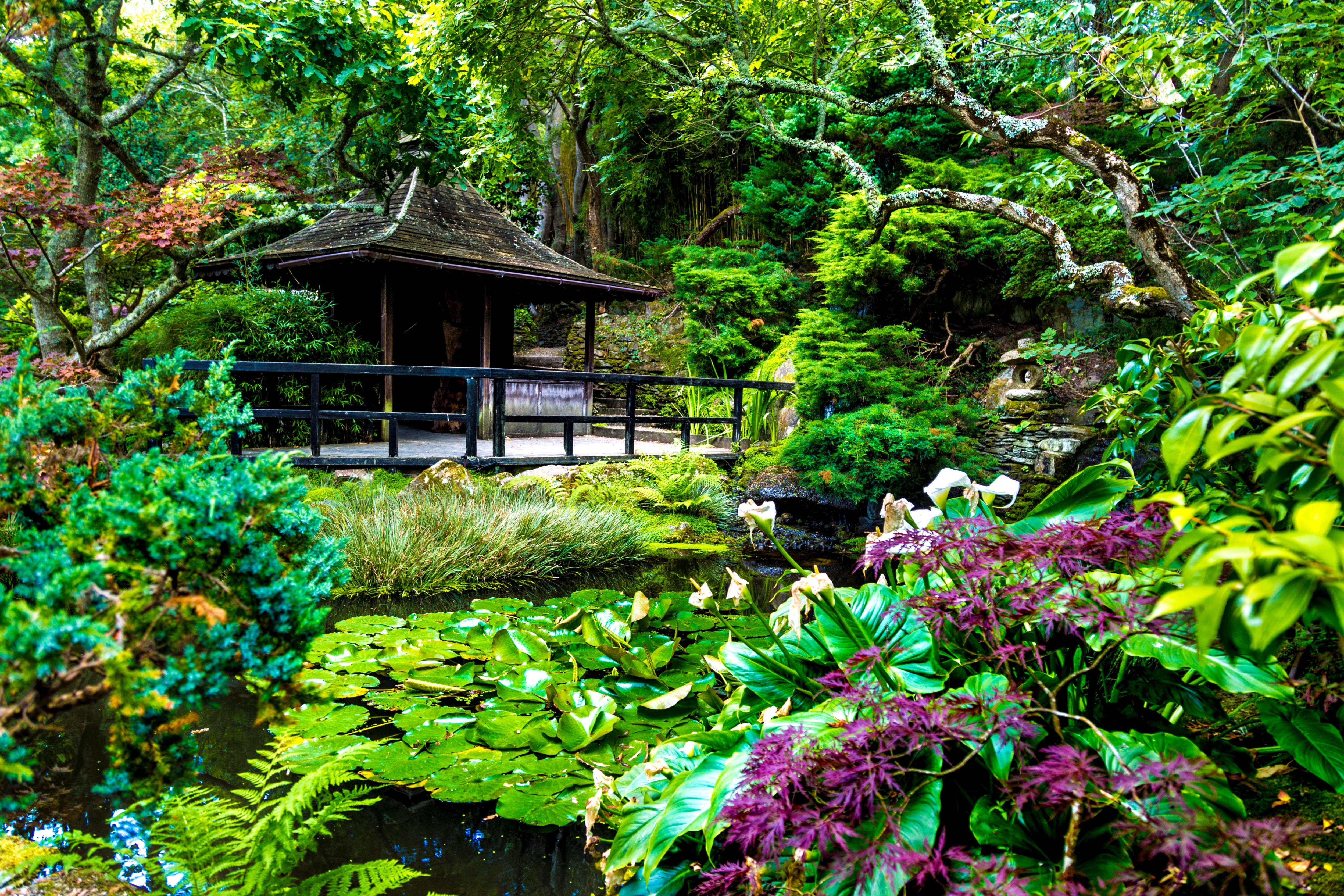
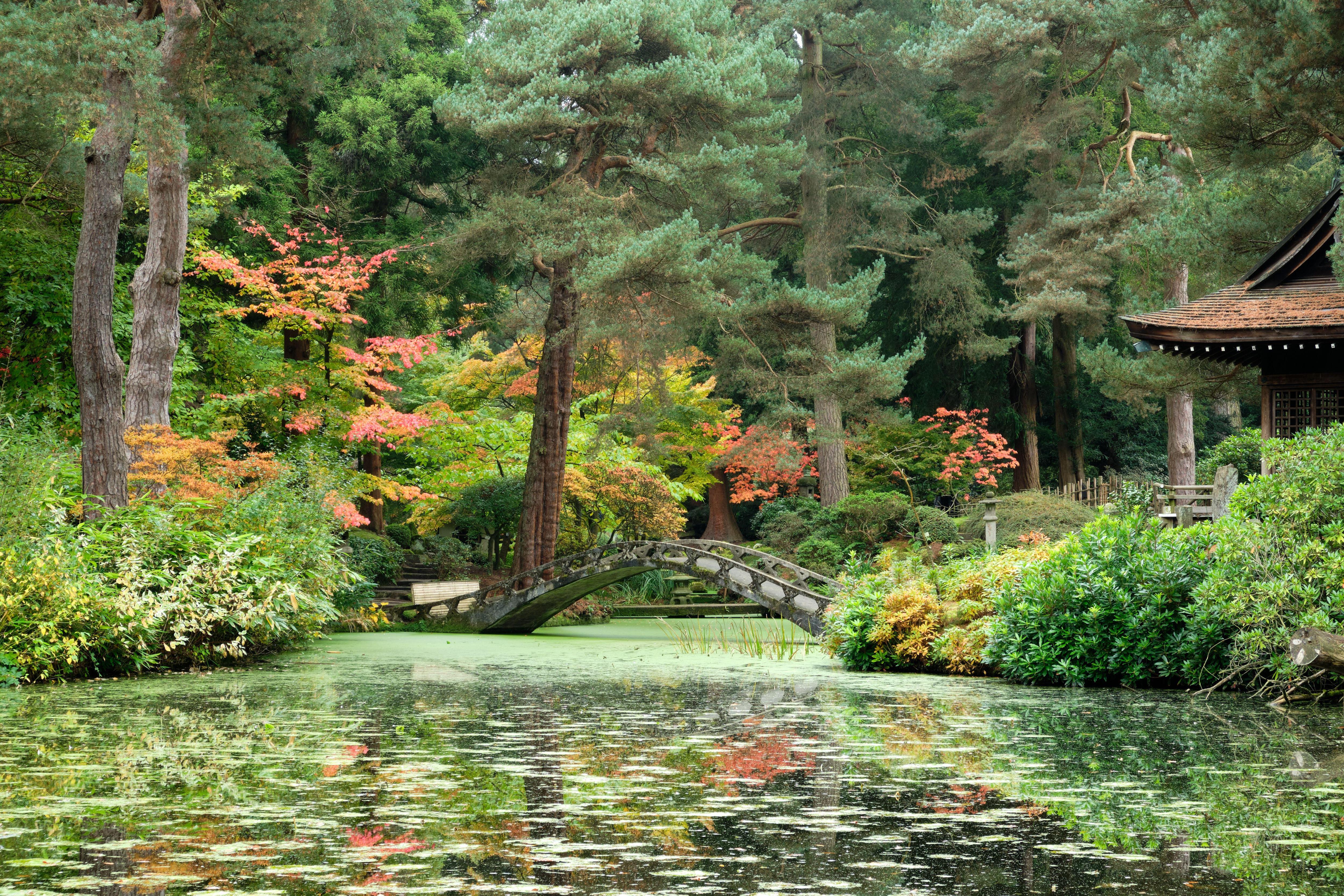
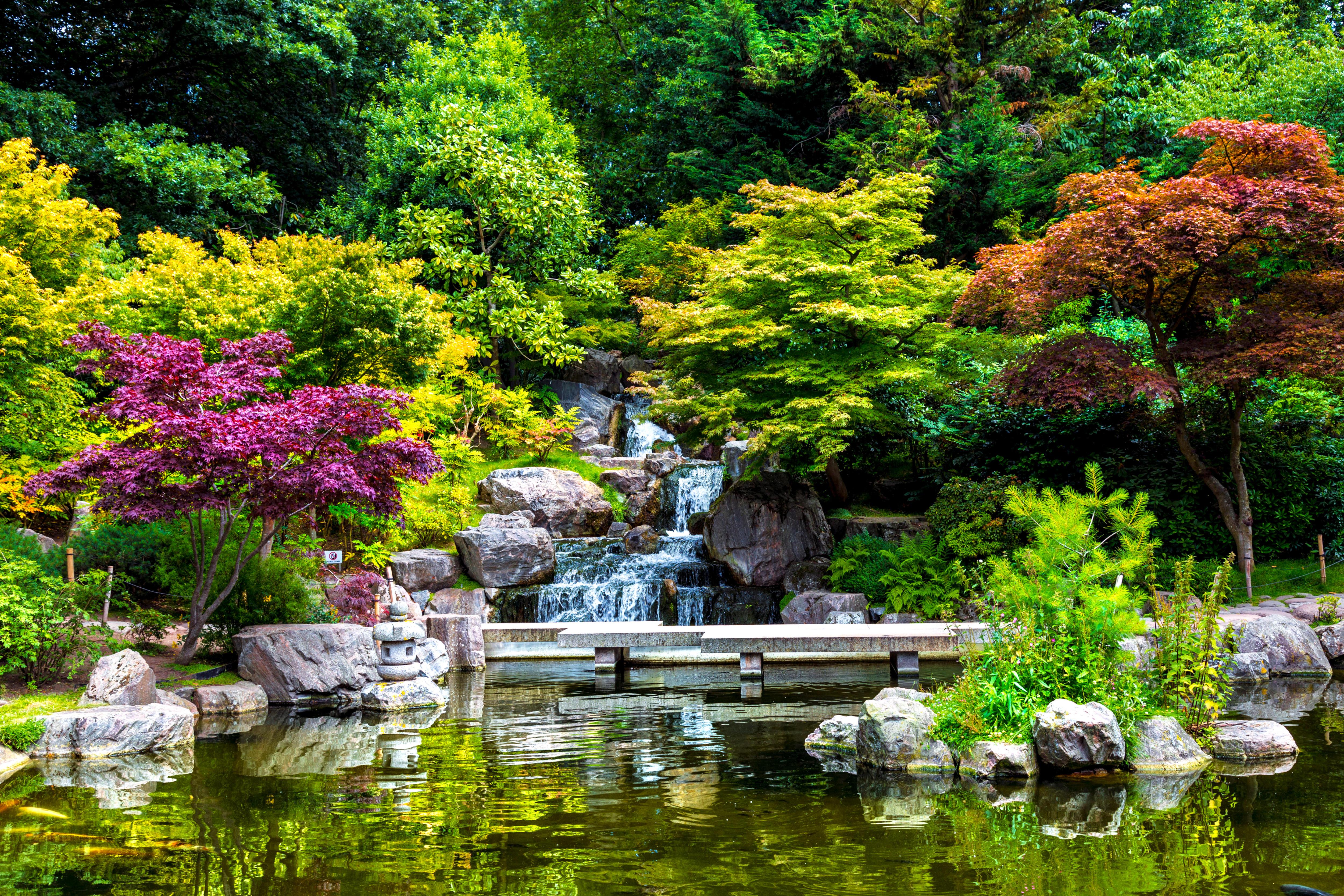
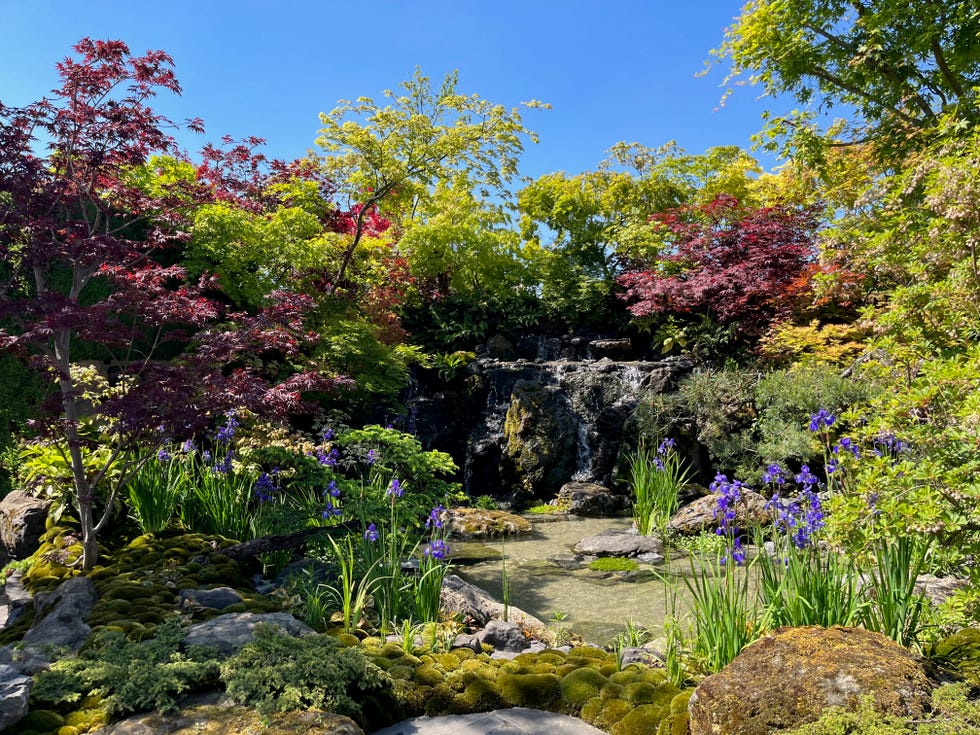
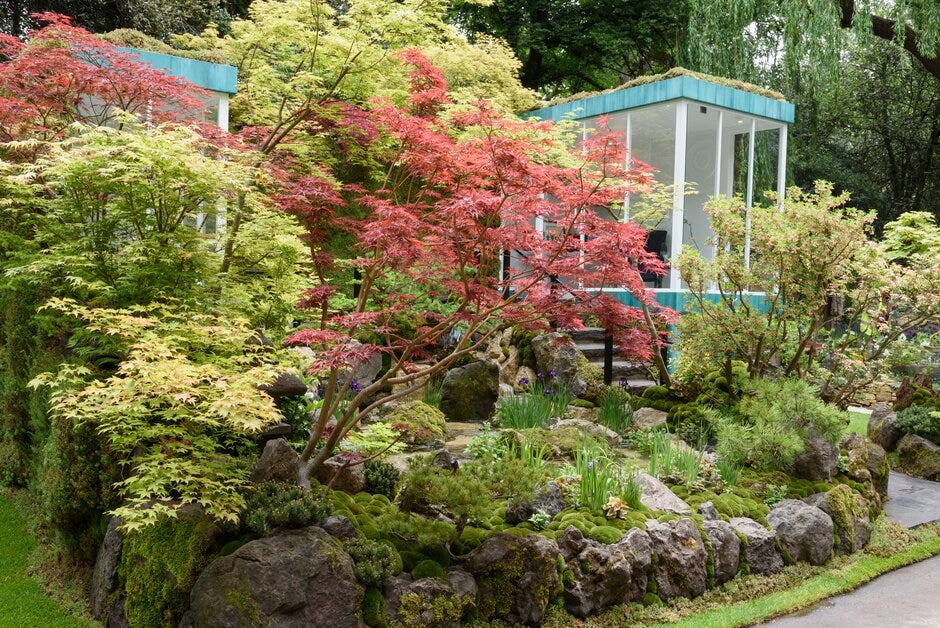
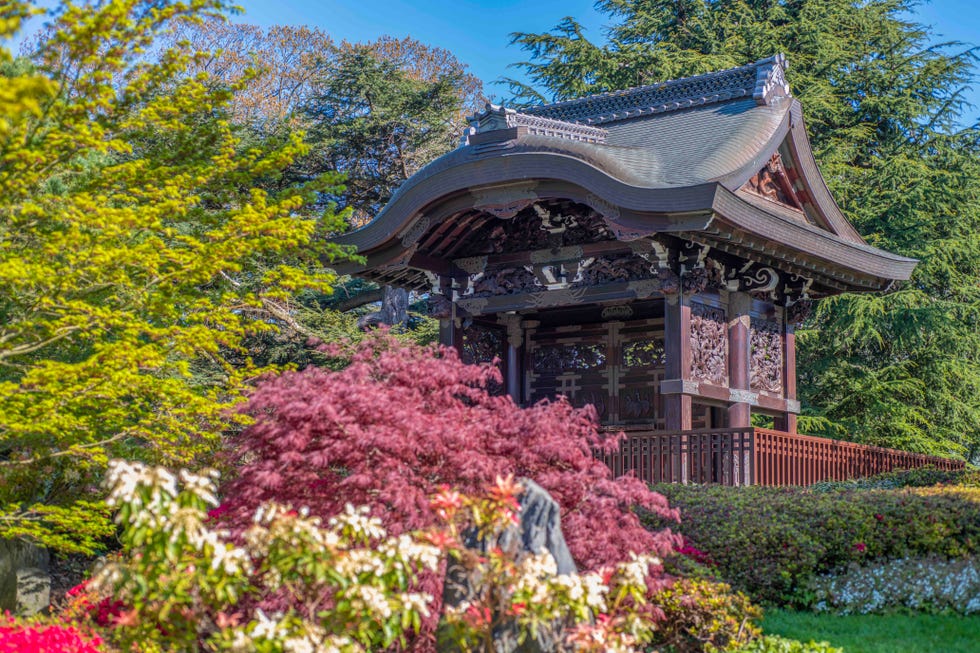
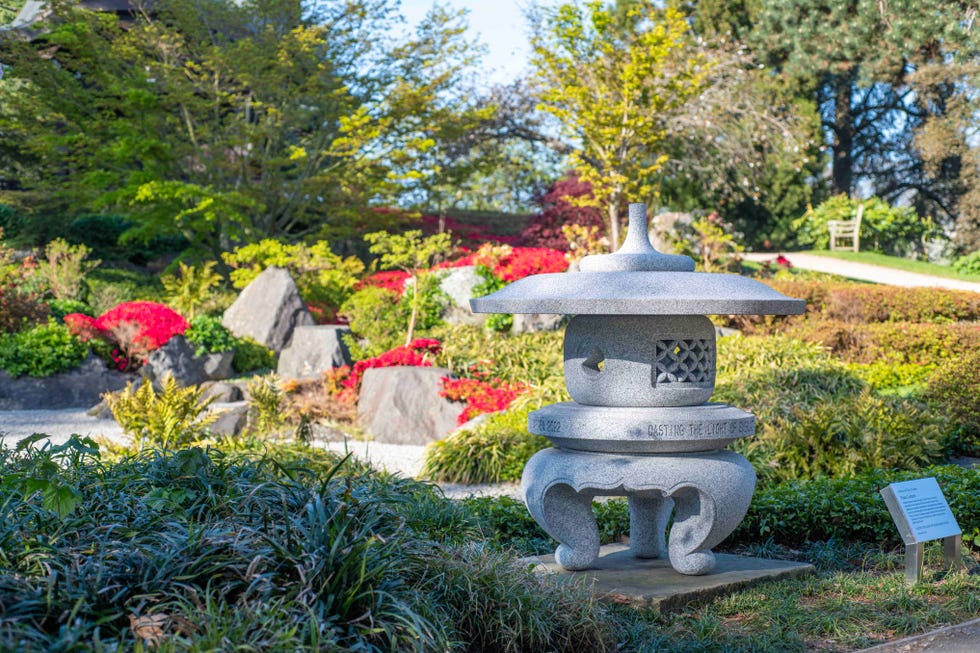
The Japanese Tea Garden, located in San Francisco’s Golden Gate Park, holds the distinction of being the oldest public Japanese garden in the United States. Established in 1894, the garden spans approximately 5 acres (2 hectares) and features a variety of traditional Japanese landscape elements, including winding paths, serene ponds, ornate bridges, intricate sculptures, and authentic tea houses. Initially, the garden was conceived as a "Japanese Village" for the 1894 World’s Fair, also known as the California Midwinter International Exposition. Following the exposition, it was transformed into a permanent public park, preserving its cultural and aesthetic significance for future generations.
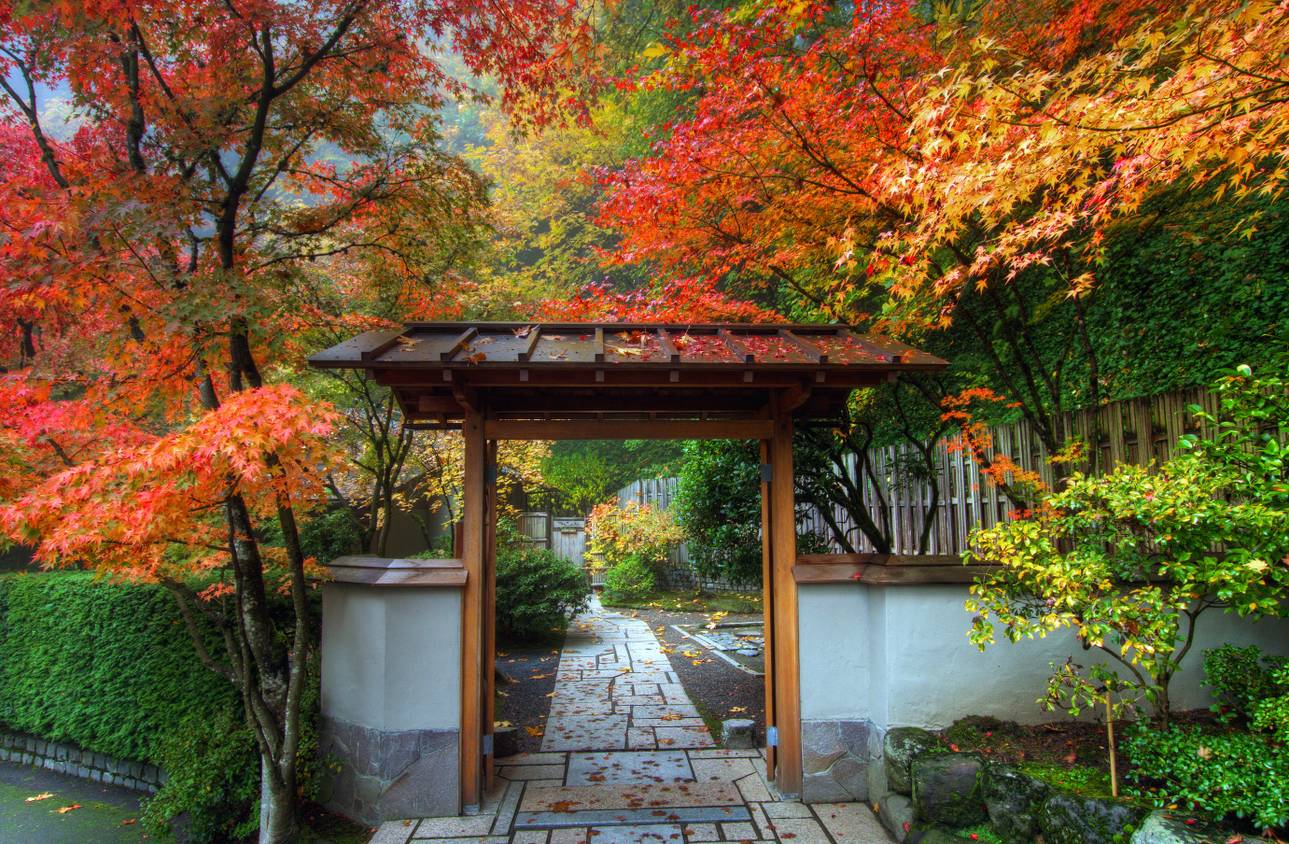
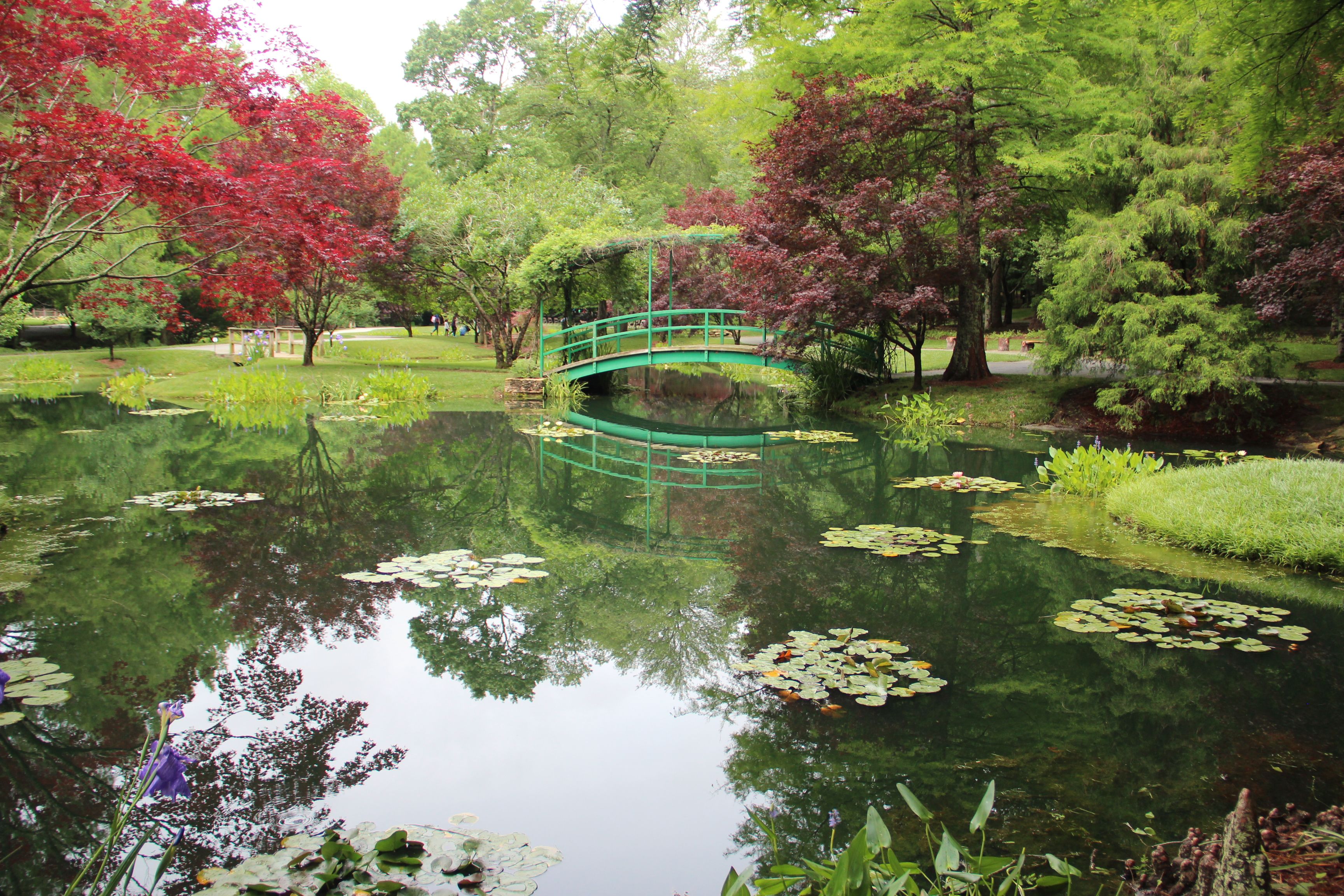
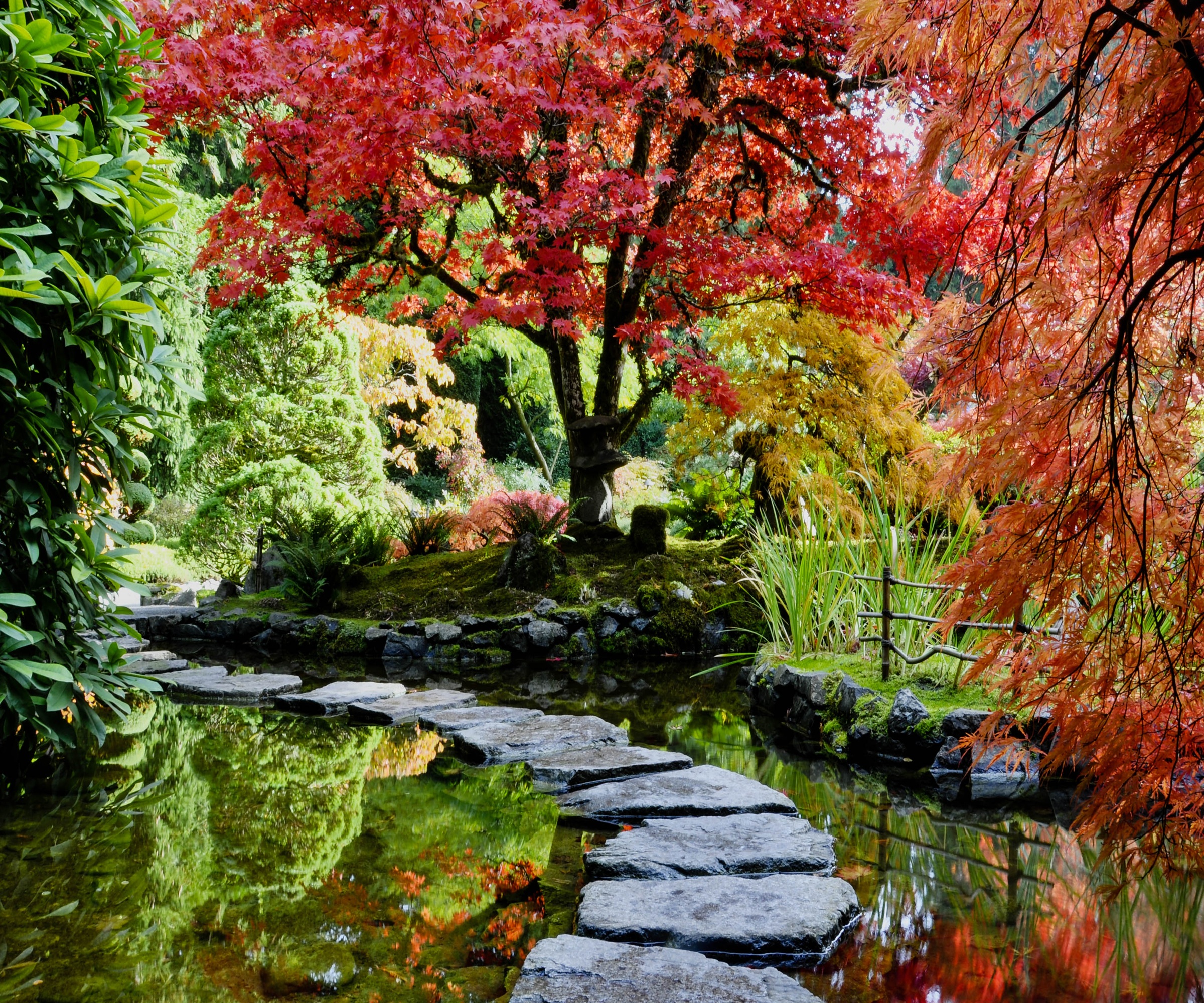
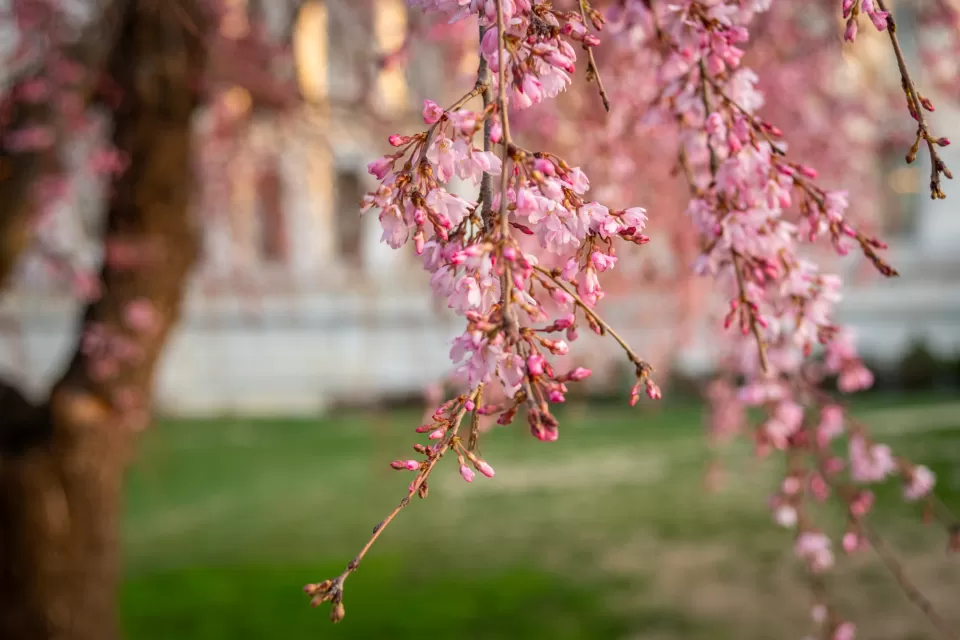
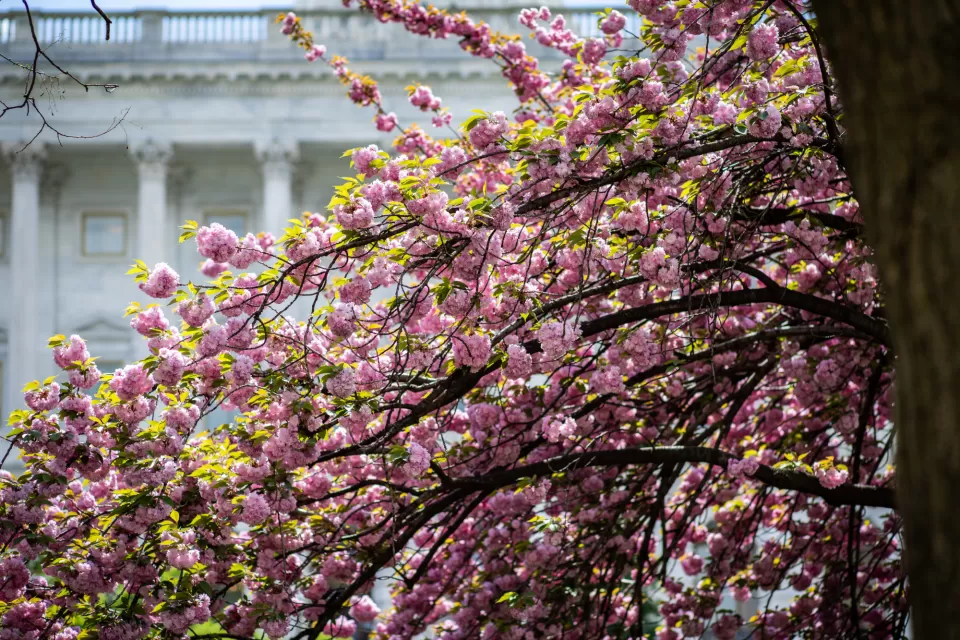
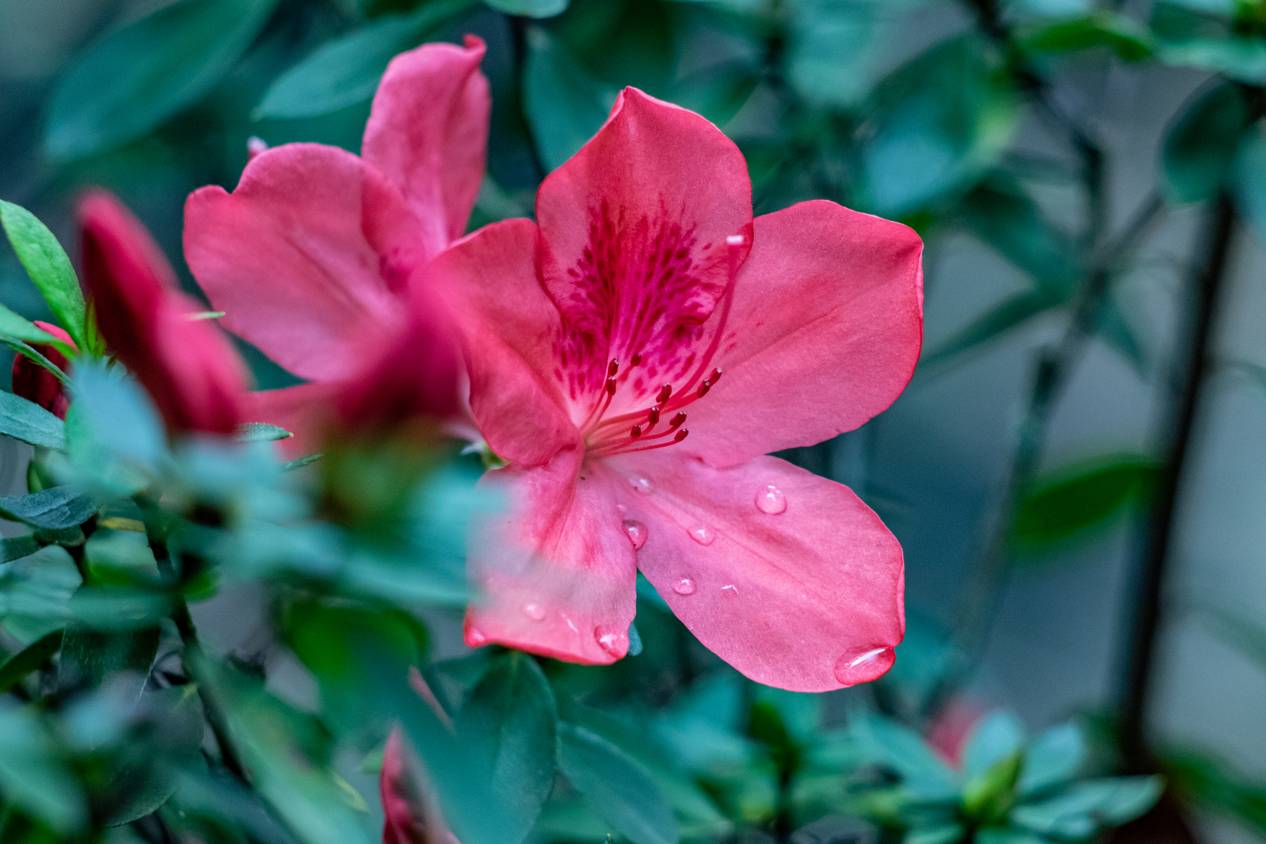
The garden is particularly notable for its seasonal beauty, with cherry blossom trees providing a spectacular display of blooms during March and April. This period attracts numerous visitors who come to experience the vibrant colors and traditional ambiance. The design and layout of the Japanese Tea Garden reflect classical Japanese gardening principles, emphasizing harmony with nature and creating a tranquil, contemplative environment. Each feature within the garden, from the placement of stones to the flow of water, is meticulously planned to evoke a sense of peace and balance. The bridges, often arched and painted in vermilion, add a distinctive visual element and guide visitors through different sections of the landscape.
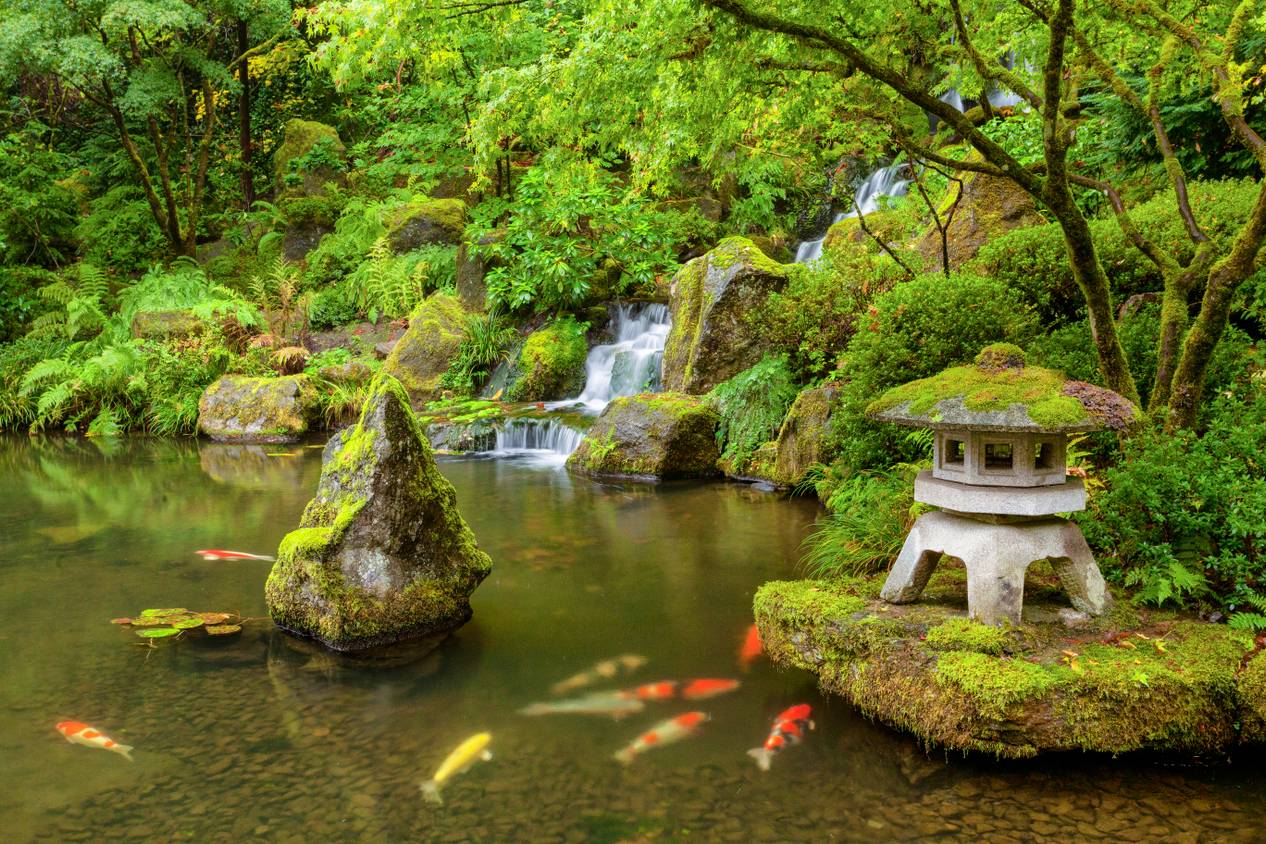
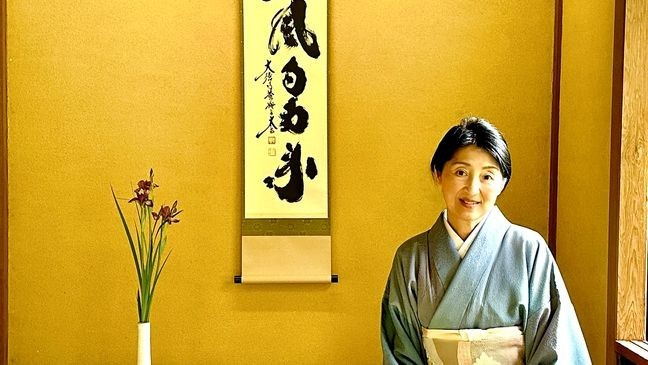
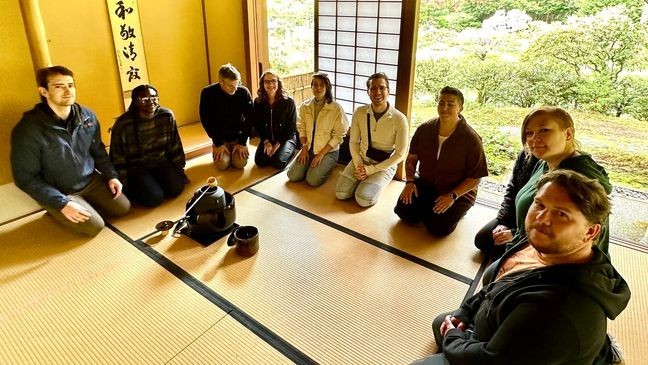
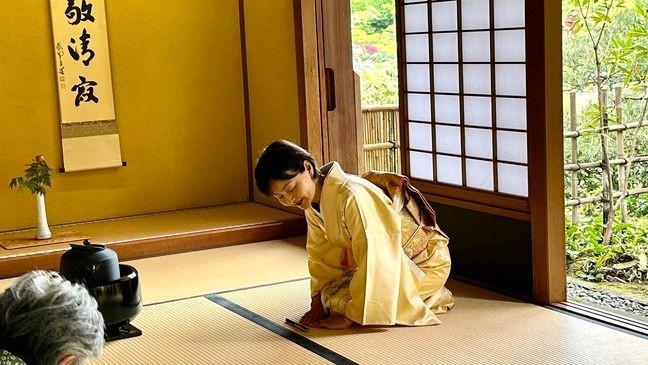
The tea houses within the garden serve as cultural centers, offering visitors an opportunity to experience traditional Japanese tea ceremonies. These ceremonies are an integral part of Japanese culture, symbolizing respect, purity, tranquility, and harmony. The sculptures scattered throughout the garden often depict significant figures or symbols from Japanese mythology and folklore, adding a layer of cultural depth to the natural beauty. The ponds, often home to koi fish, contribute to the serene atmosphere, with their reflective surfaces mirroring the surrounding flora and structures.
For those planning a visit, the official website provides essential information regarding visitor logistics, including directions to the garden within Golden Gate Park, current operating hours, and admission fees. This accessibility ensures that the historical and cultural significance of the Japanese Tea Garden continues to be appreciated by a broad audience, making it a prominent landmark in San Francisco and a testament to enduring Japanese cultural influence in the United States. The garden's enduring appeal lies in its ability to transport visitors to a different cultural landscape, offering a peaceful retreat from urban life.
#JapaneseGarden #SanFrancisco #GoldenGatePark #Travel #NatureSpace #CherryBlossoms #CulturalHeritage #PublicPark #JapaneseGarden #SanFrancisco #GoldenGatePark #Travel #NatureSpace #CherryBlossoms #CulturalHeritage #PublicPark
0 commenti in totale
 Nessun commento ancora
Potresti anche gradire
Brooklyn’s 100-Year-Old Japanese Garden Is Like a Living Painting

10 Beautiful Japanese Gardens In The U.S. To Visit This Fall

Experience an authentic tea ceremony at Seattle Japanese Garden
Find Your Zen at This $5M Estate with Authentic Japanese Teahouse and Gardens
These Are The Most Breathtaking Japanese Gardens In The U.S.
Horticultural Experts Reveal 5 Defining Features of a Japanese Garden

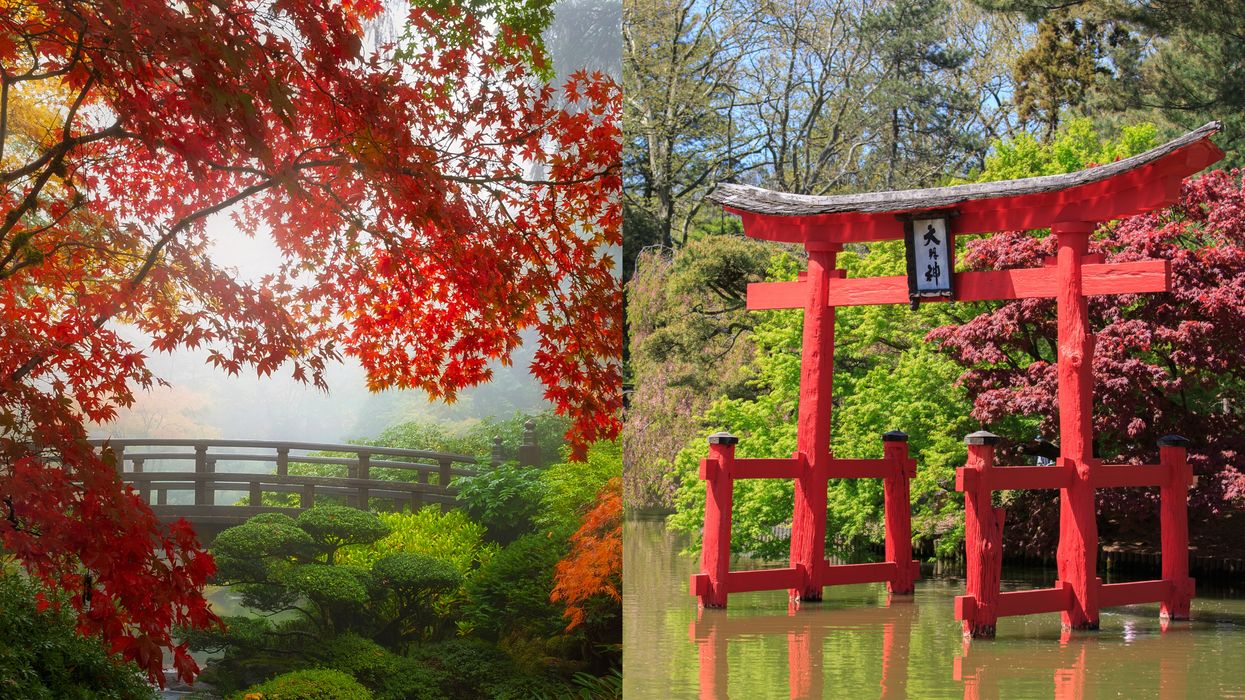
These 7 Japanese Zen Gardens In The US Are The Perfect Spots To Ease Your Worried Mind

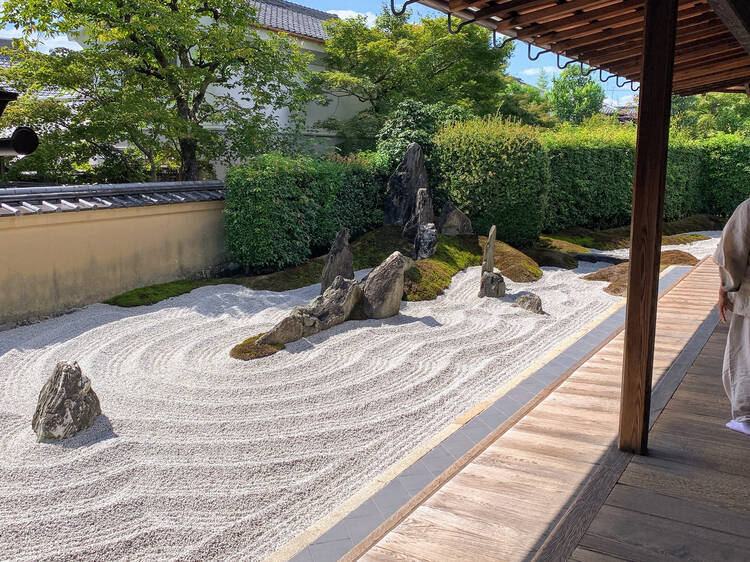
6 most beautiful Zen rock gardens in Kyoto

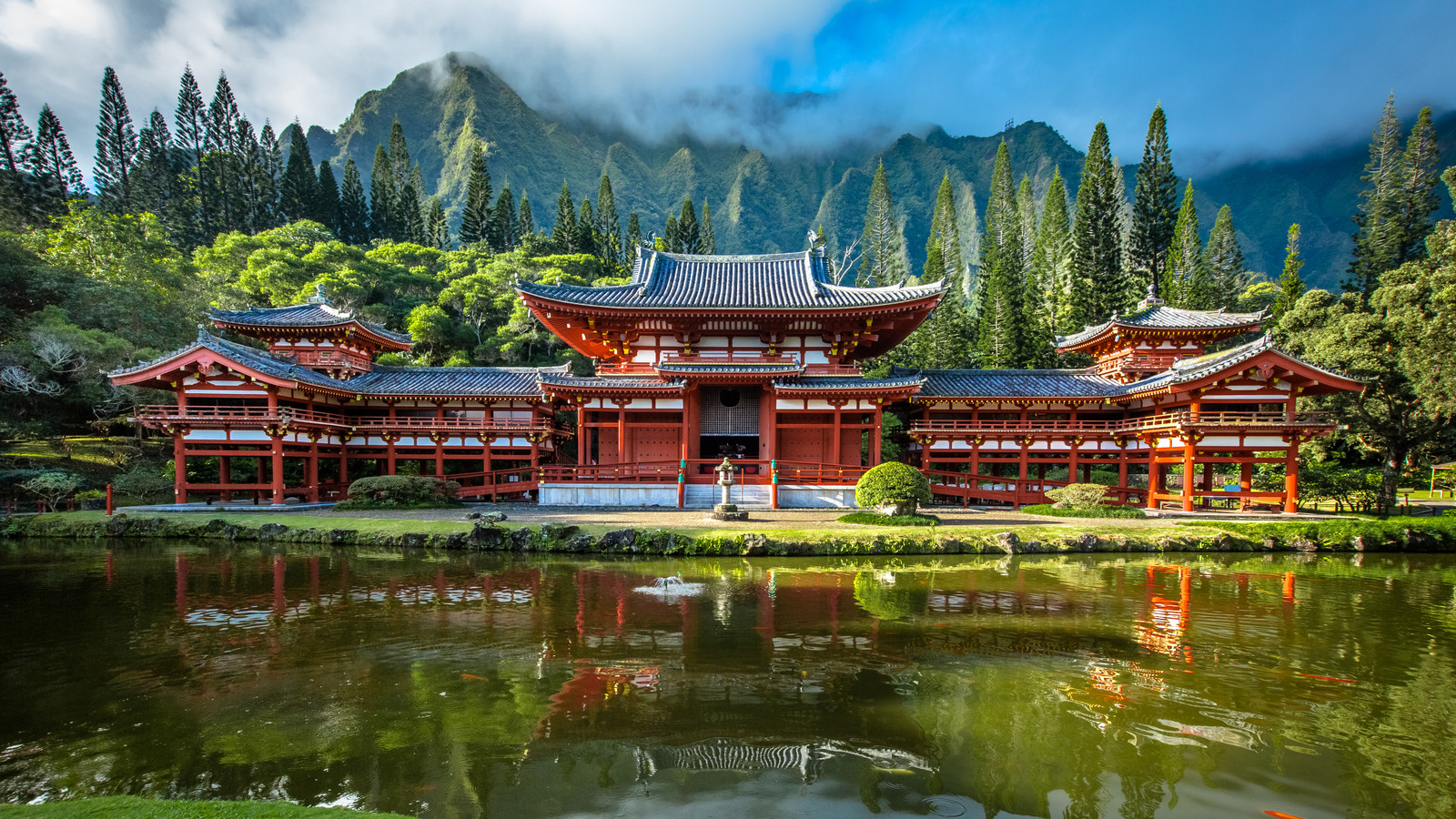
These 7 Places In America Look Like They've Been Airlifted Over From Japan
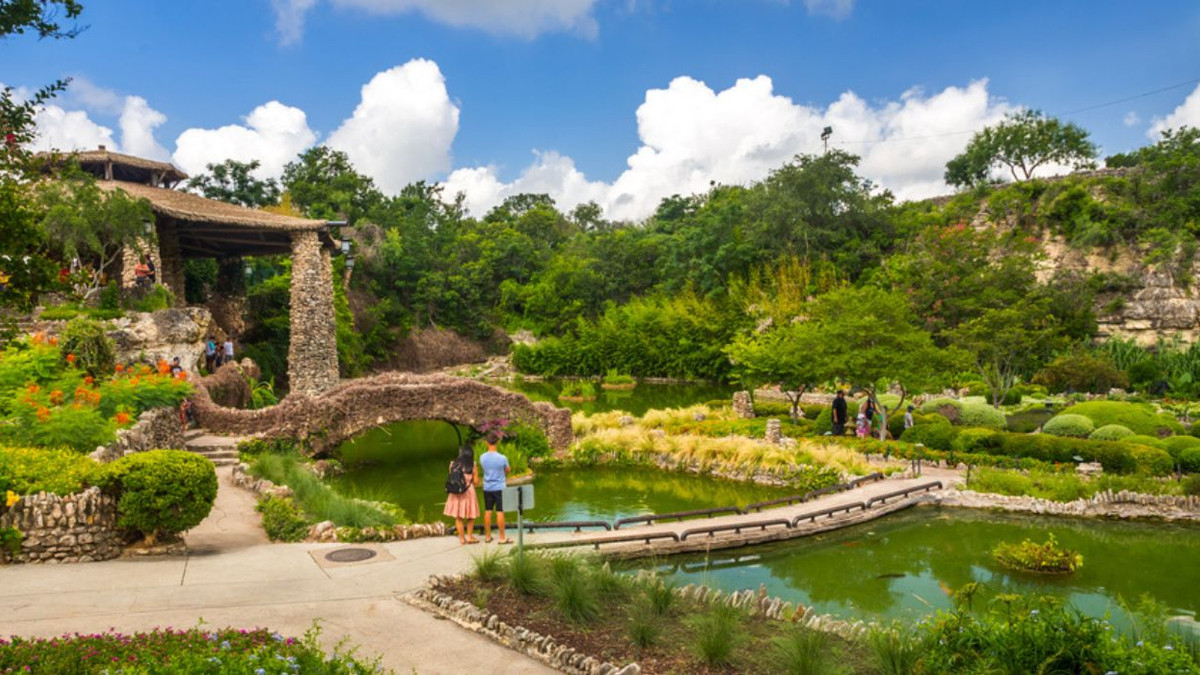
Vintage Floral: Visit The Oldest Gardens In The United States
Seven of the loveliest Japanese gardens in the UK

4 Japanese garden ideas for a calm and tranquil outdoor space
10 Japanese-Inspired Destinations In The United States
Hanami on the Hill: Cherry Blossom Season on U.S. Capitol Grounds

This Tranquil Garden Is A Slice Of Japan In An Unexpected Place
Japanese garden ideas – 11 design tips for a zen backyard
Michigan’s Slice of Japan: Where Design Connects Humanity with Nature
Japanese garden ideas – 10 ways to create a soothing space, with advice from the experts

Experts reveal how to plant a Japanese-inspired garden

Paving, Japanese Style