1/3
How To Style Vintage Decor
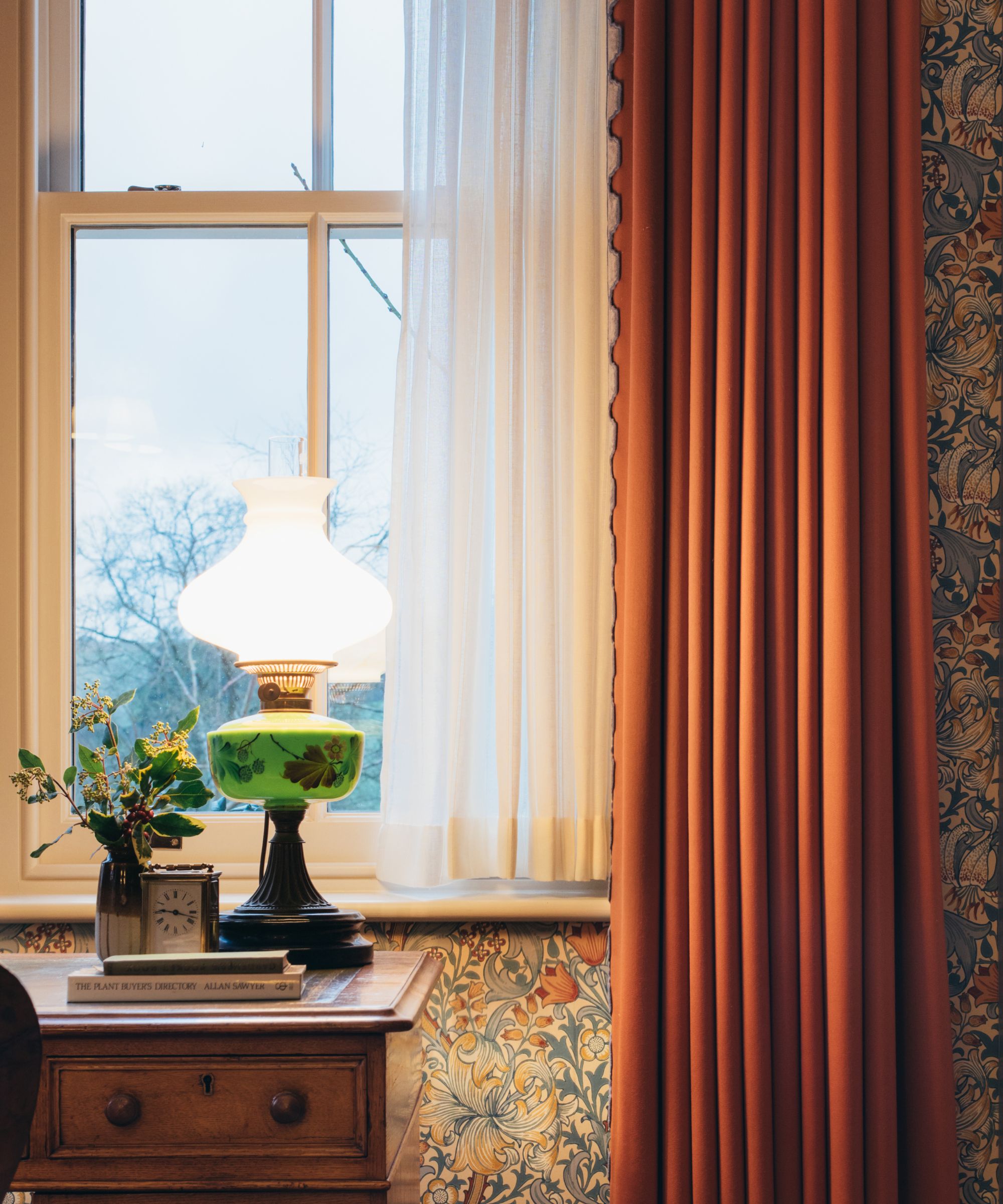
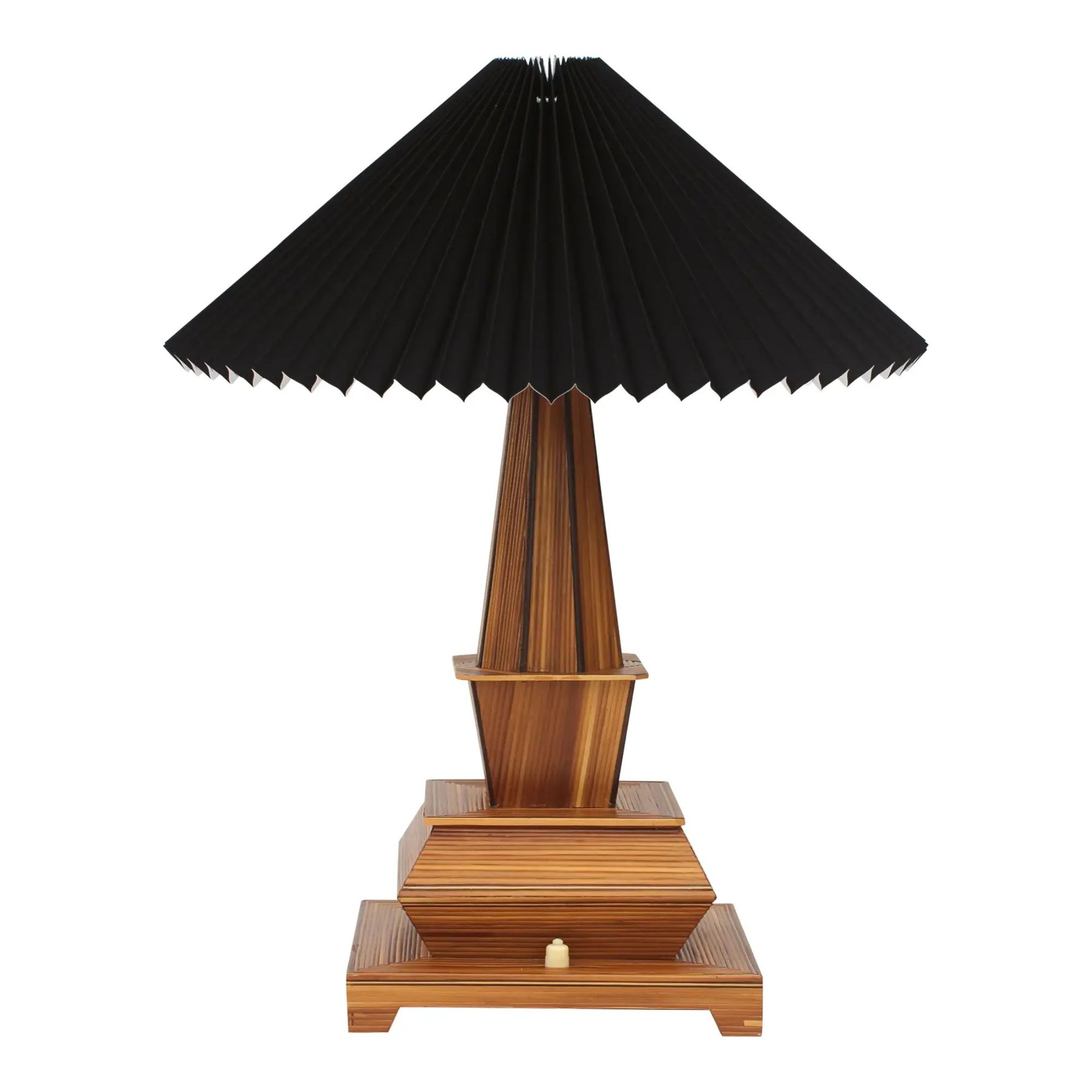
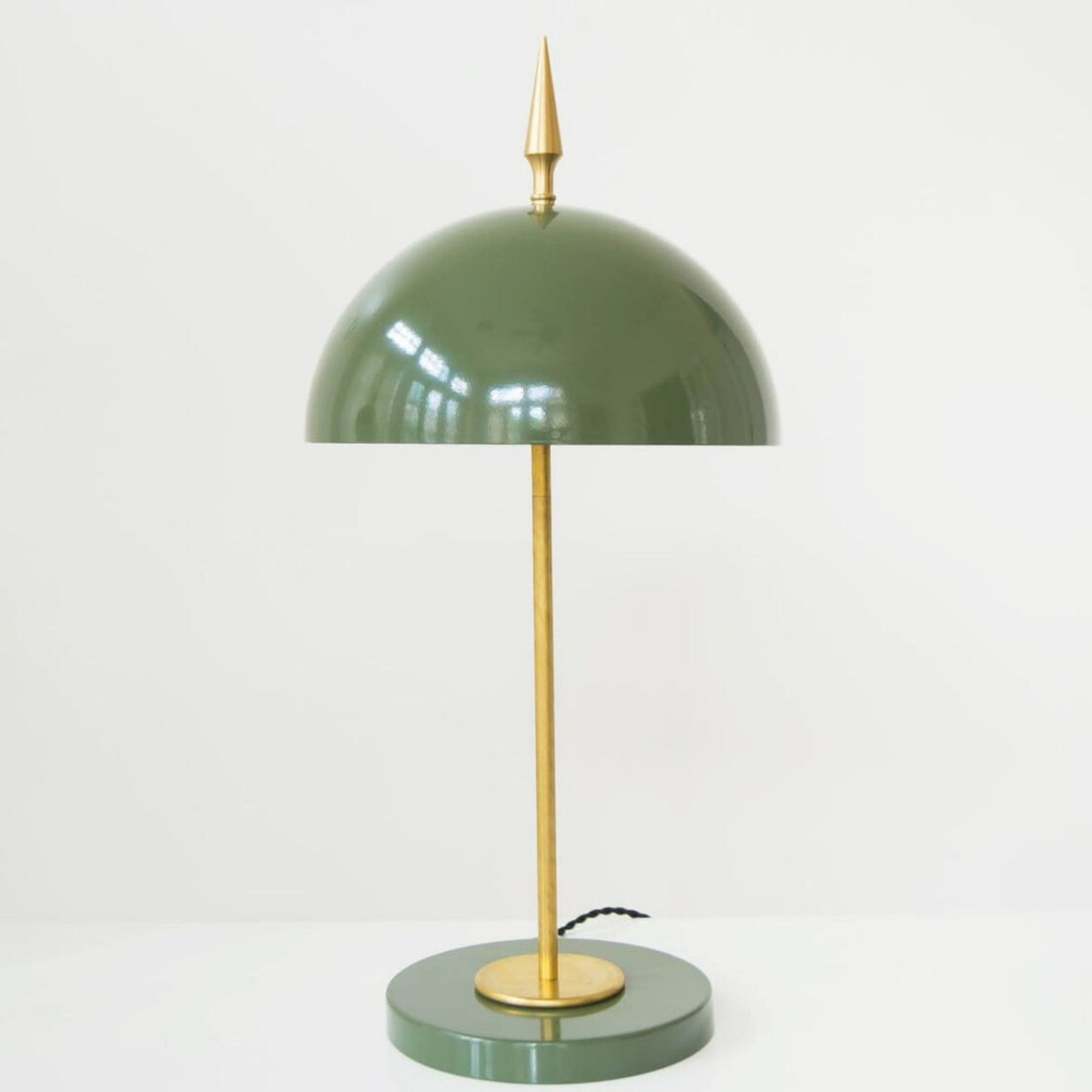
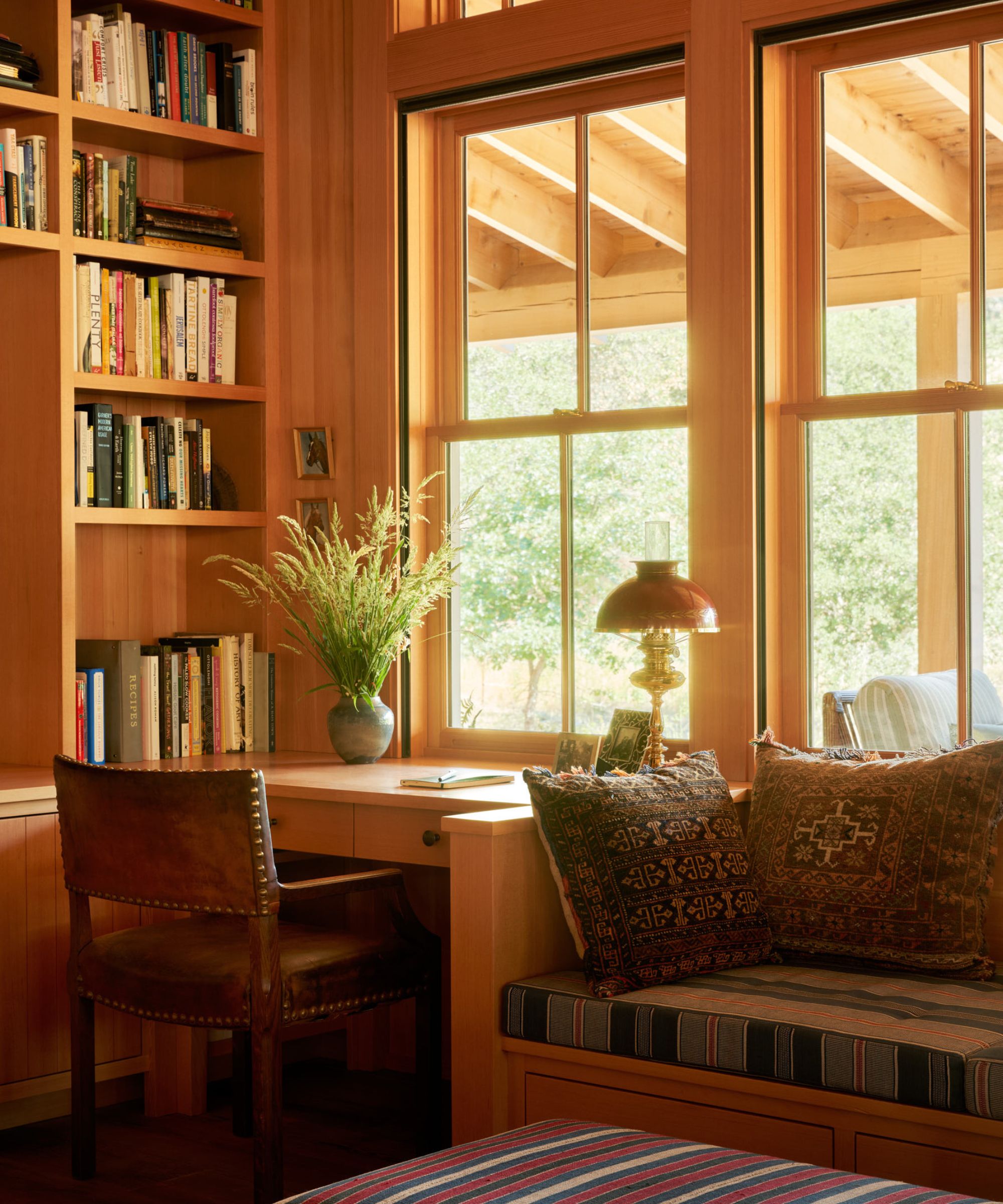
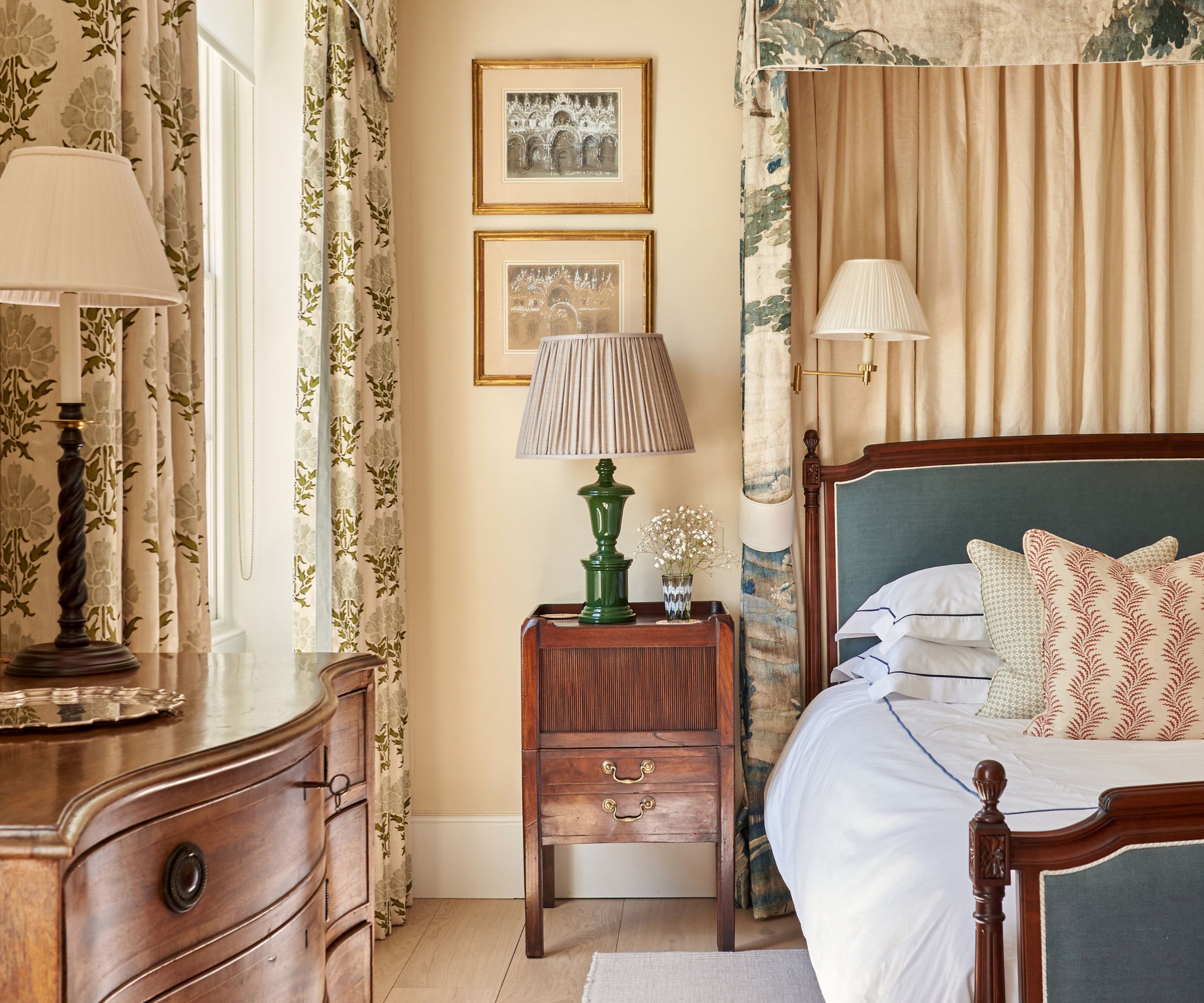
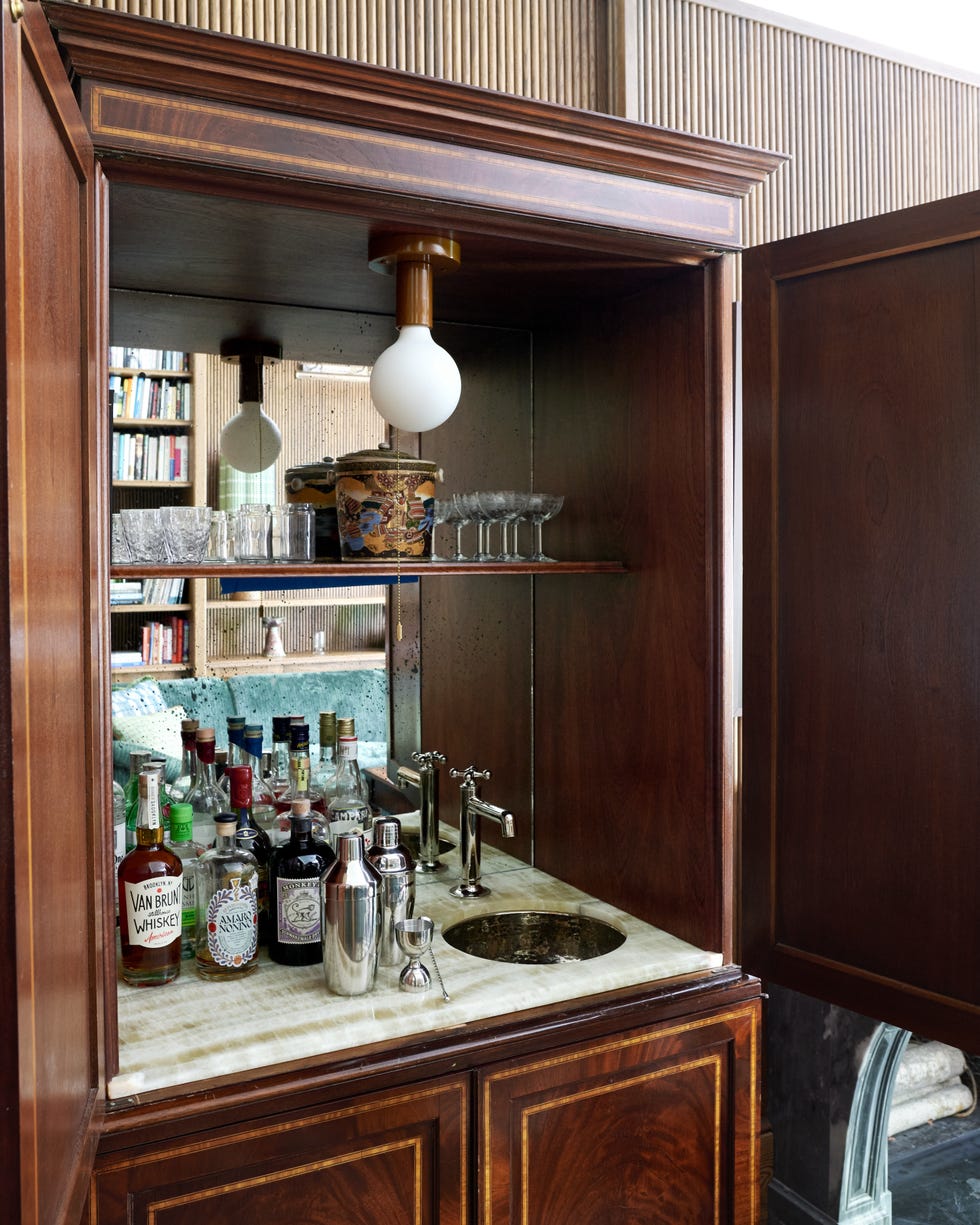
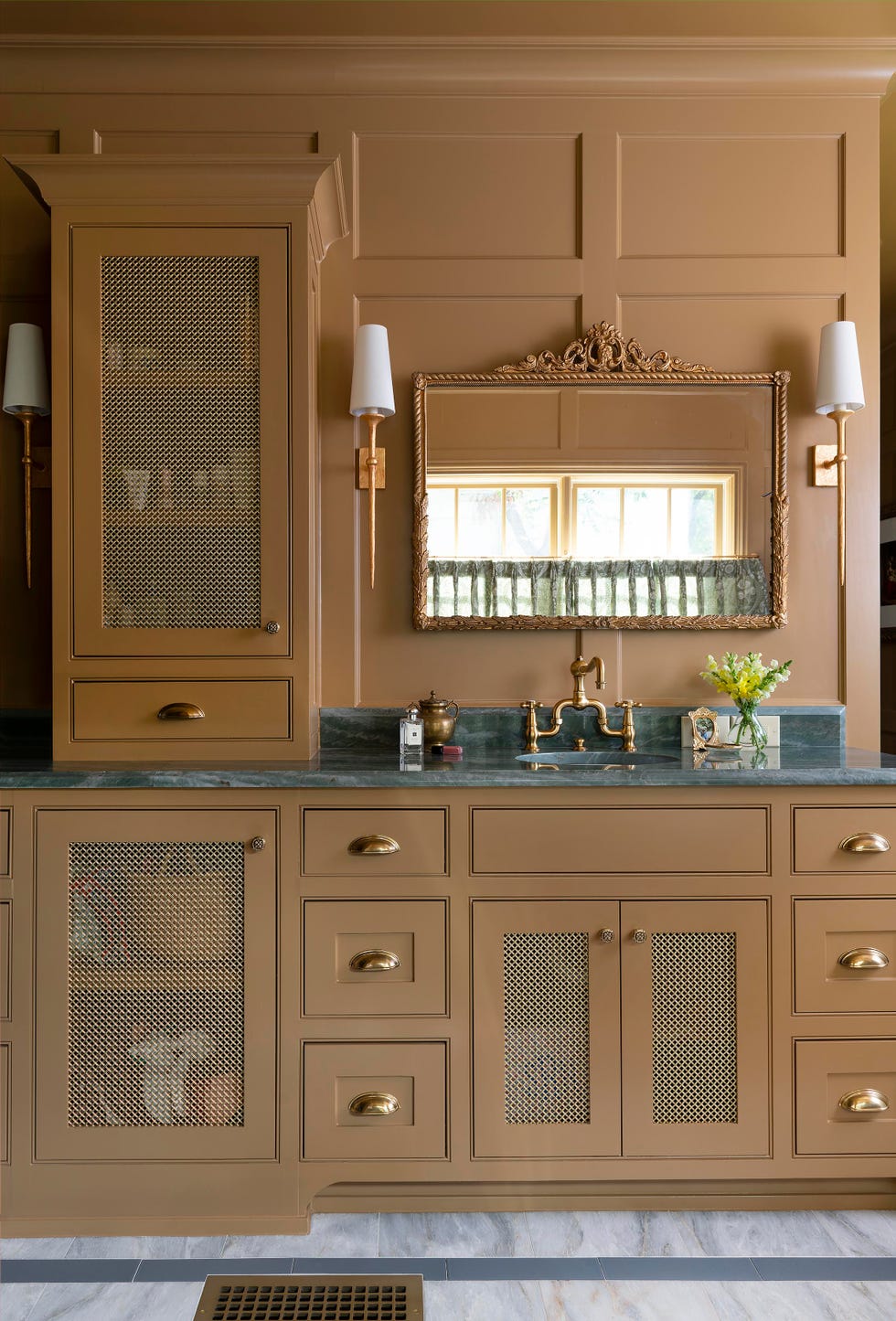
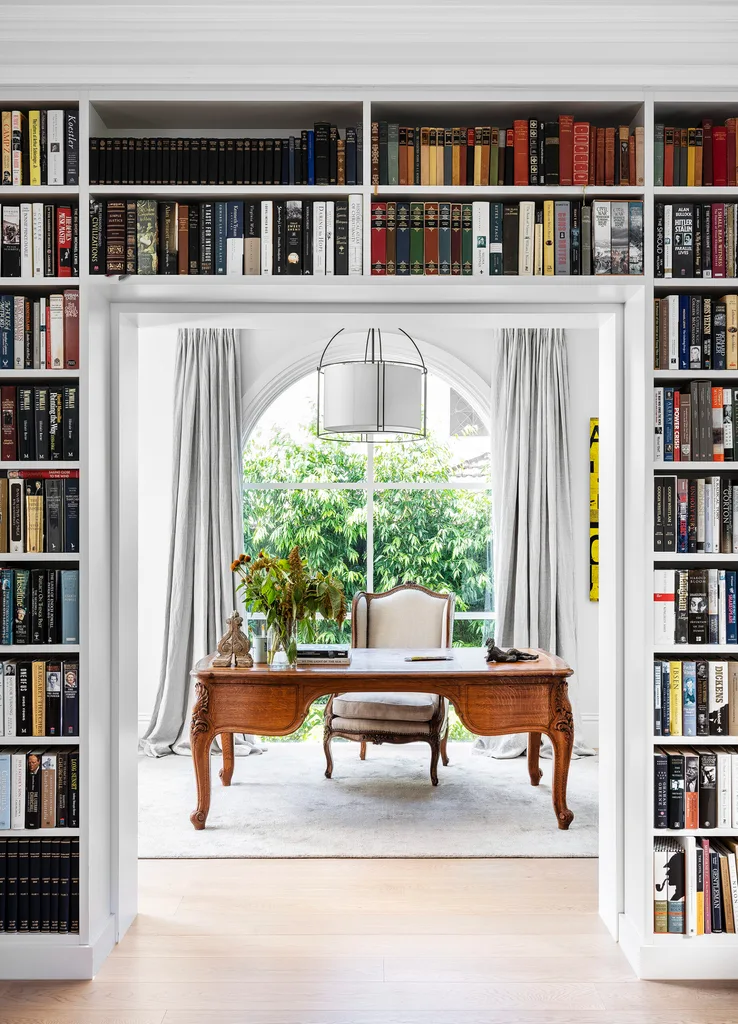
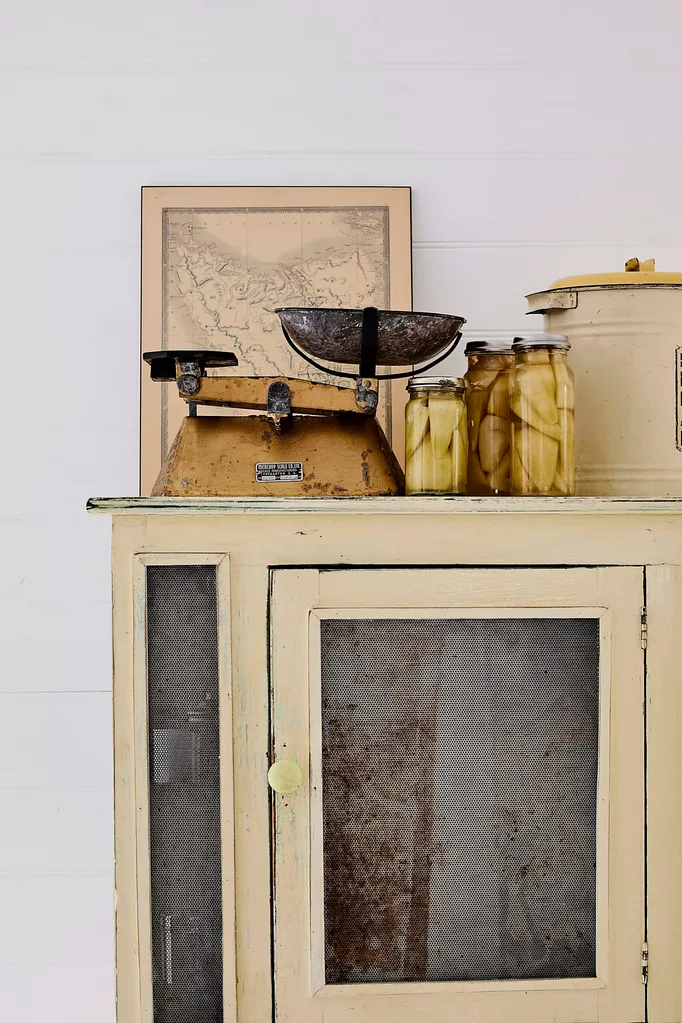
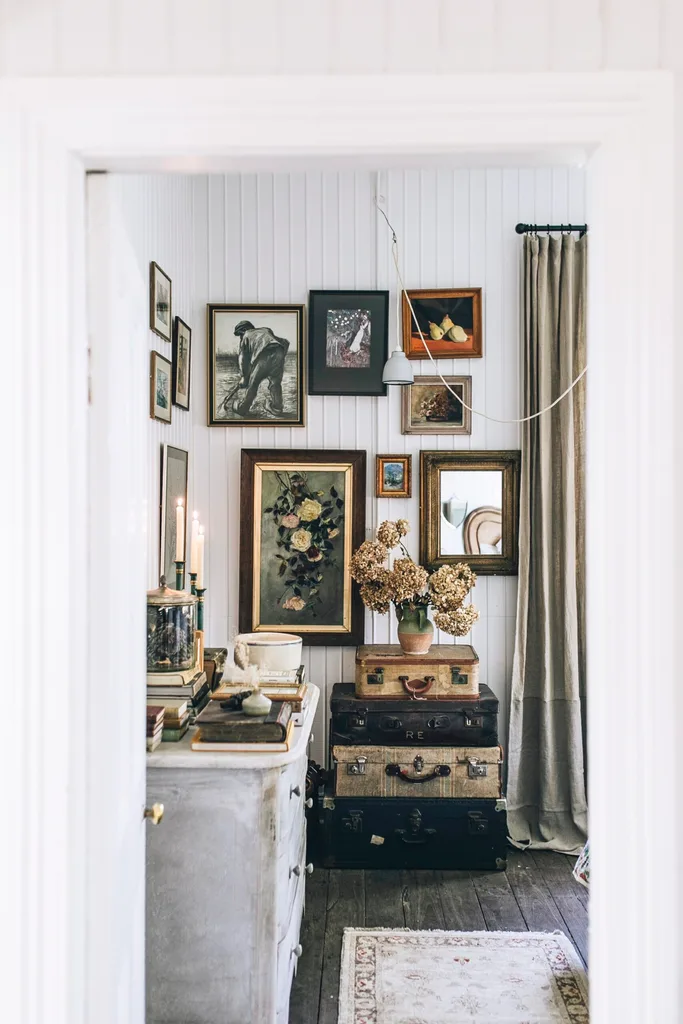
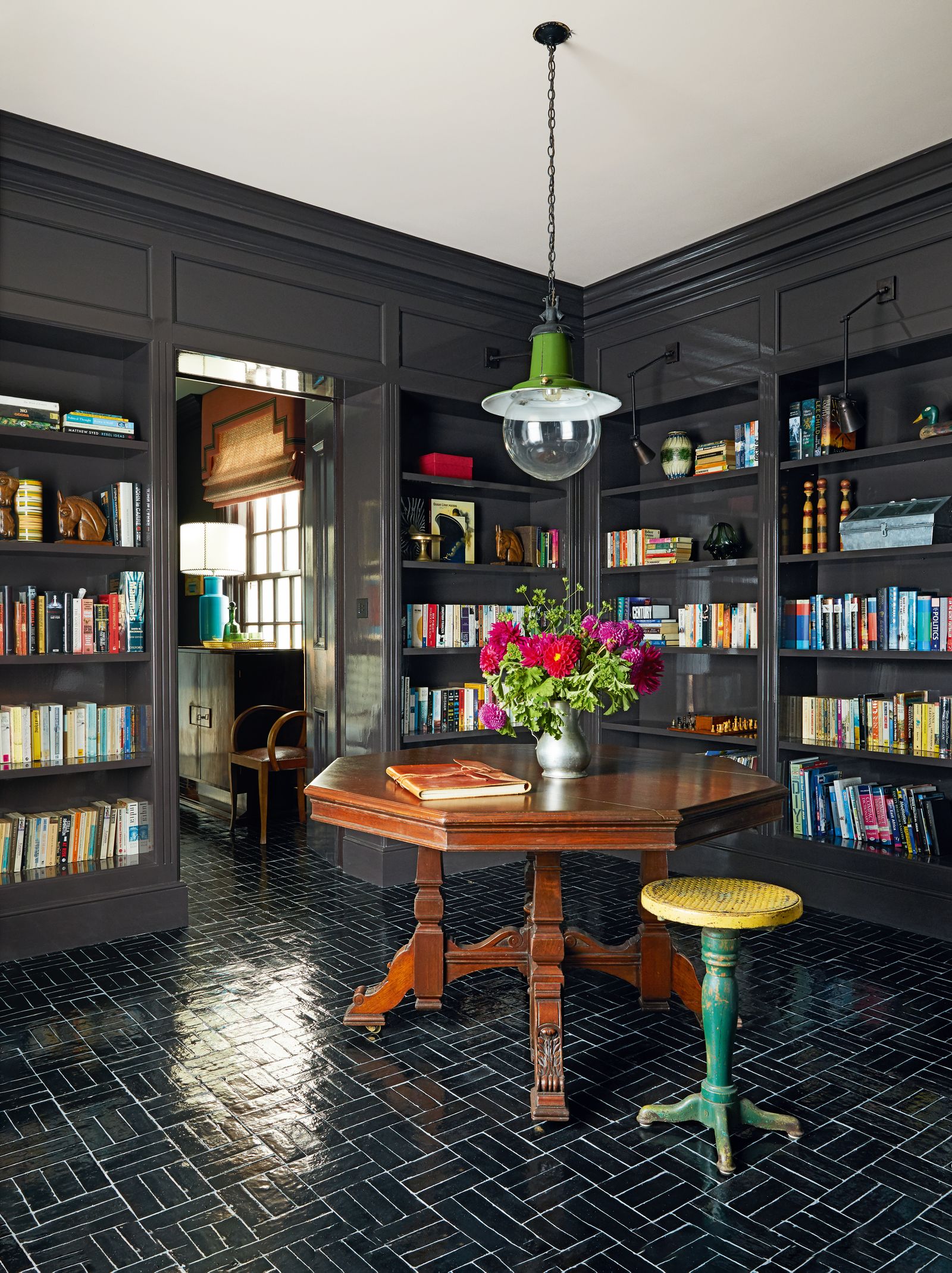
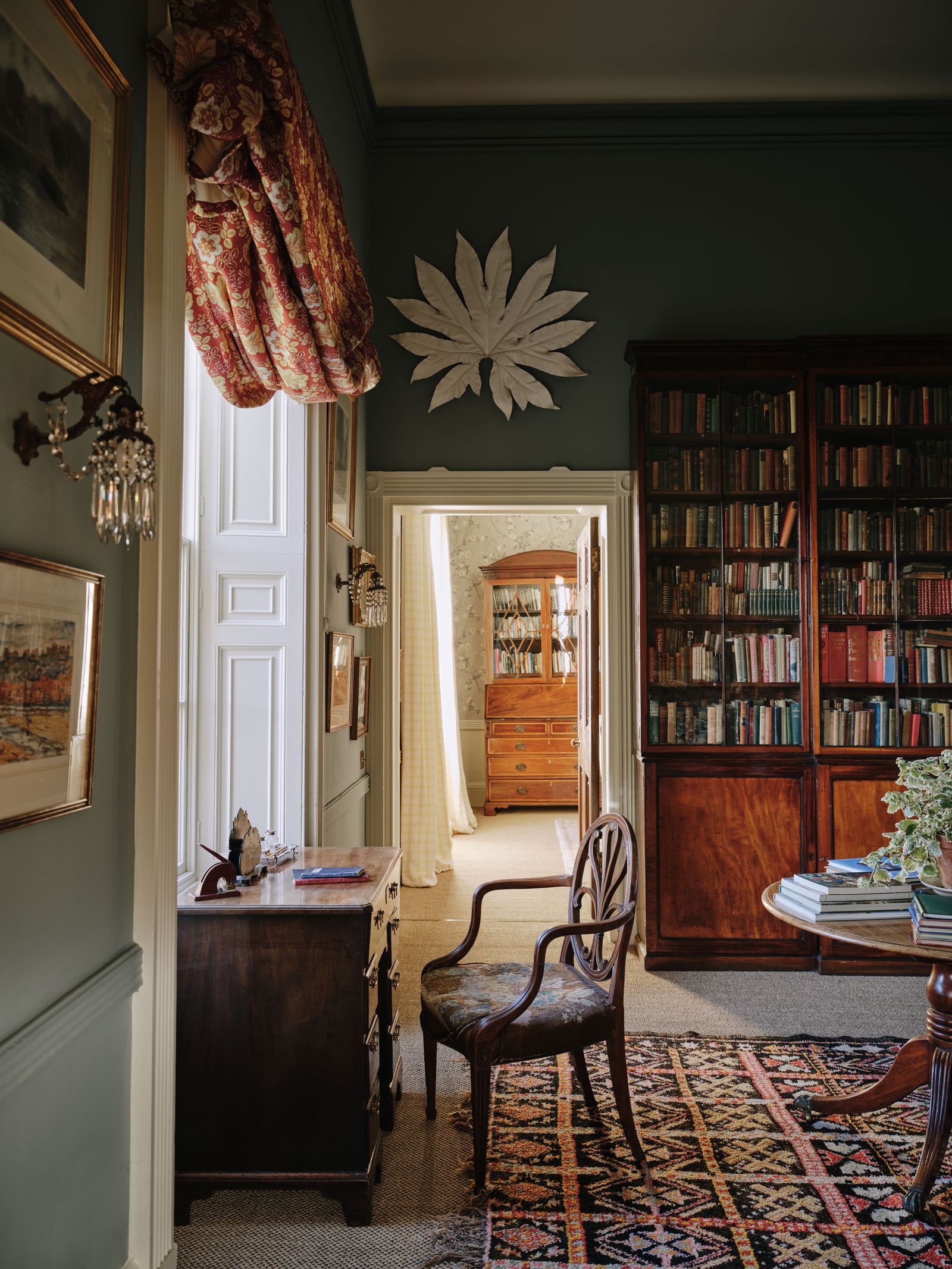
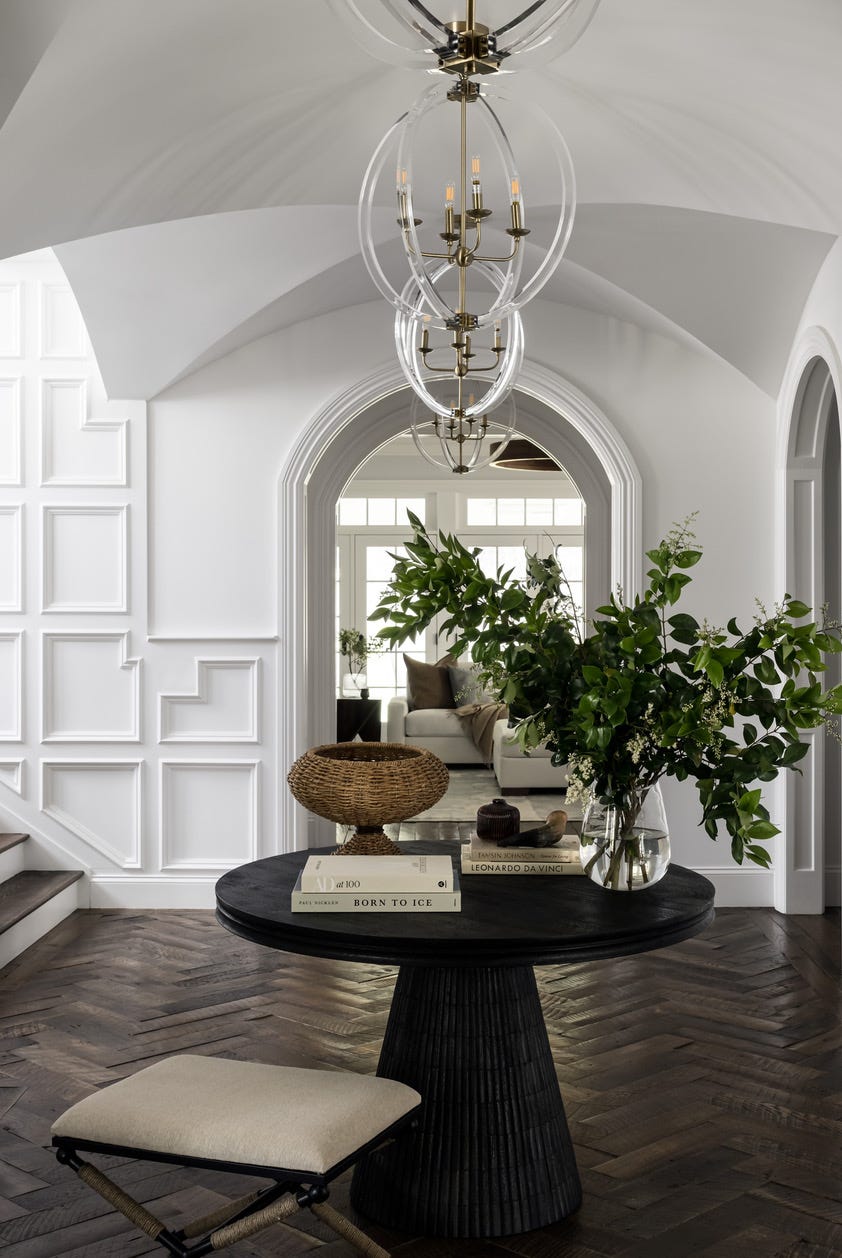
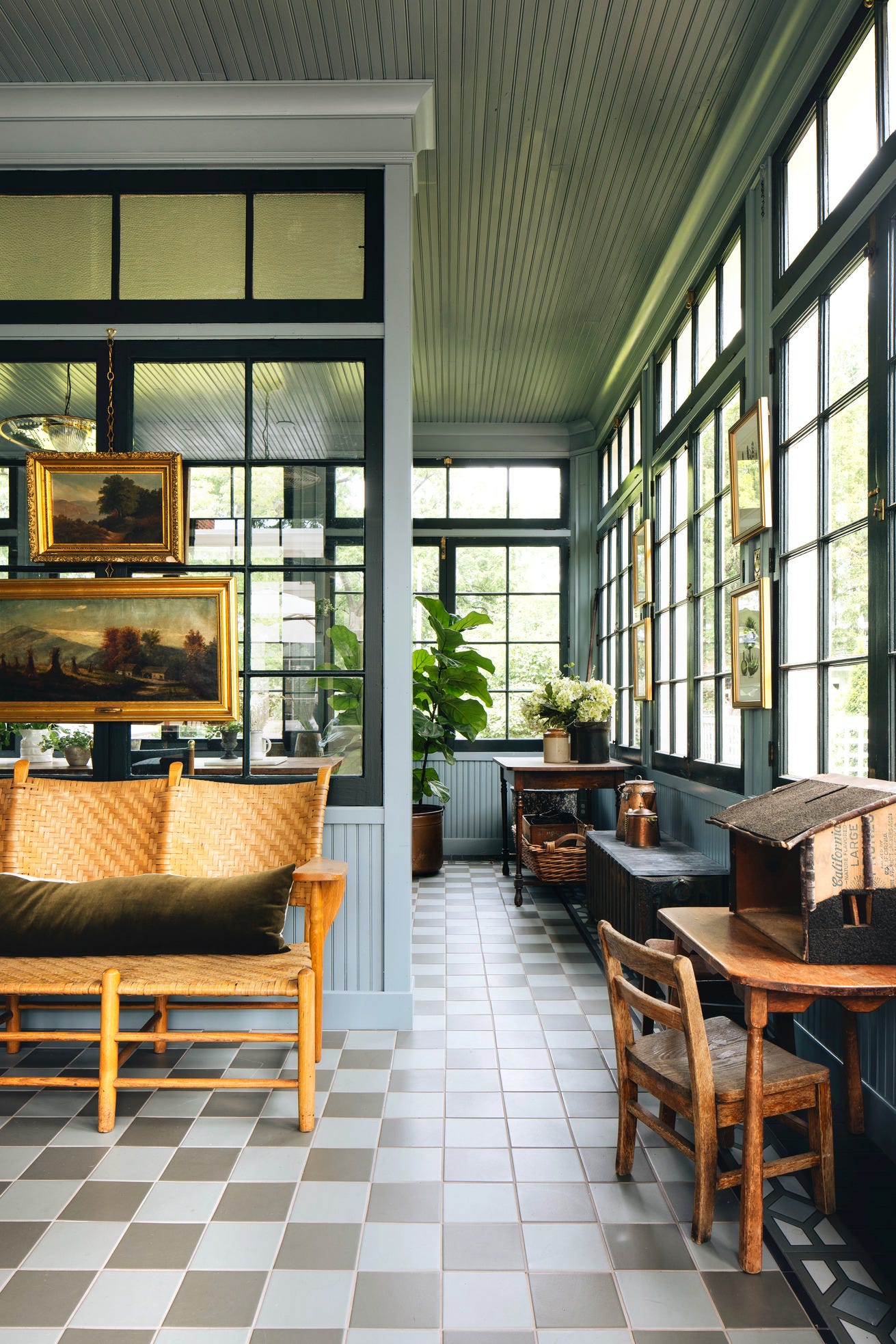
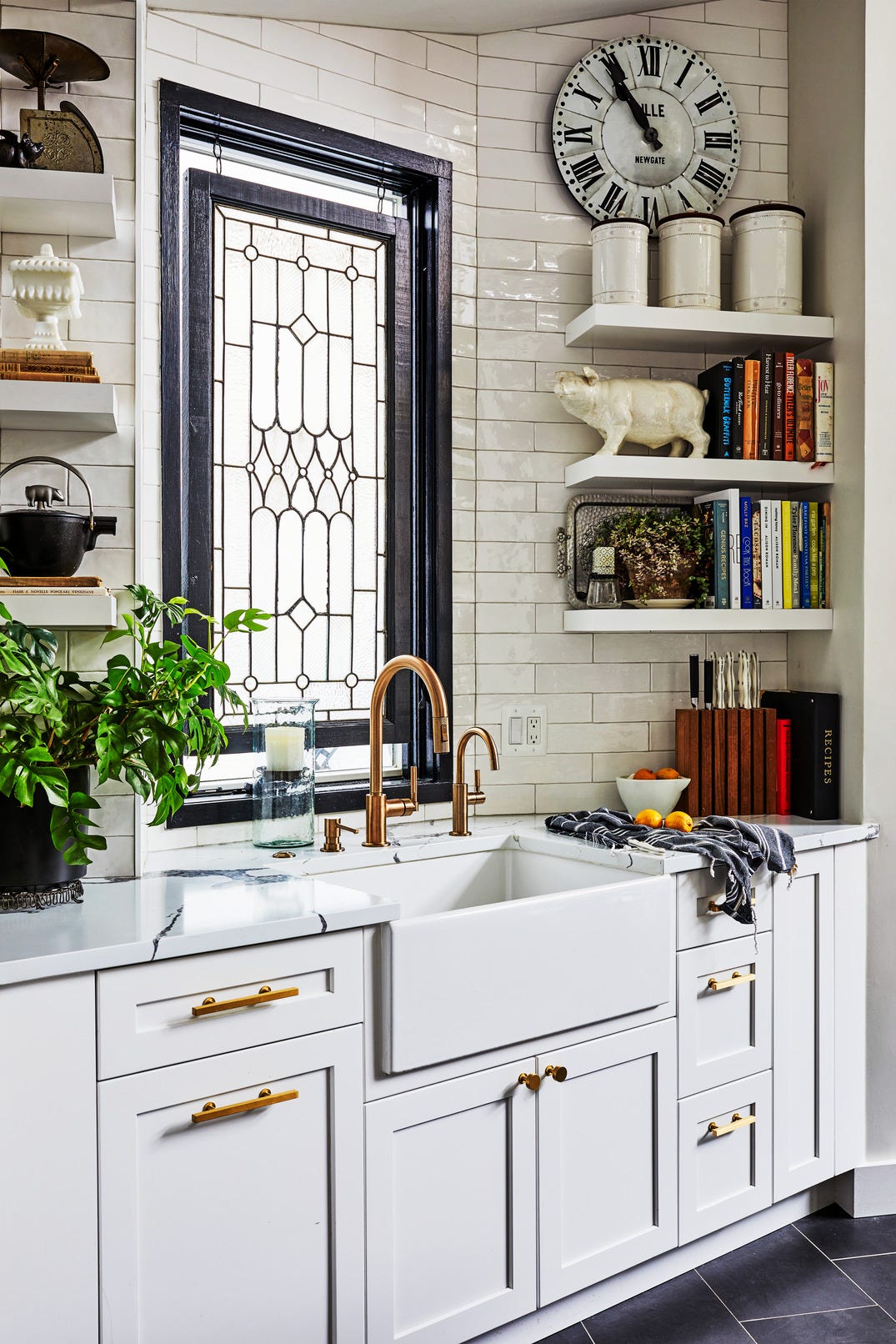
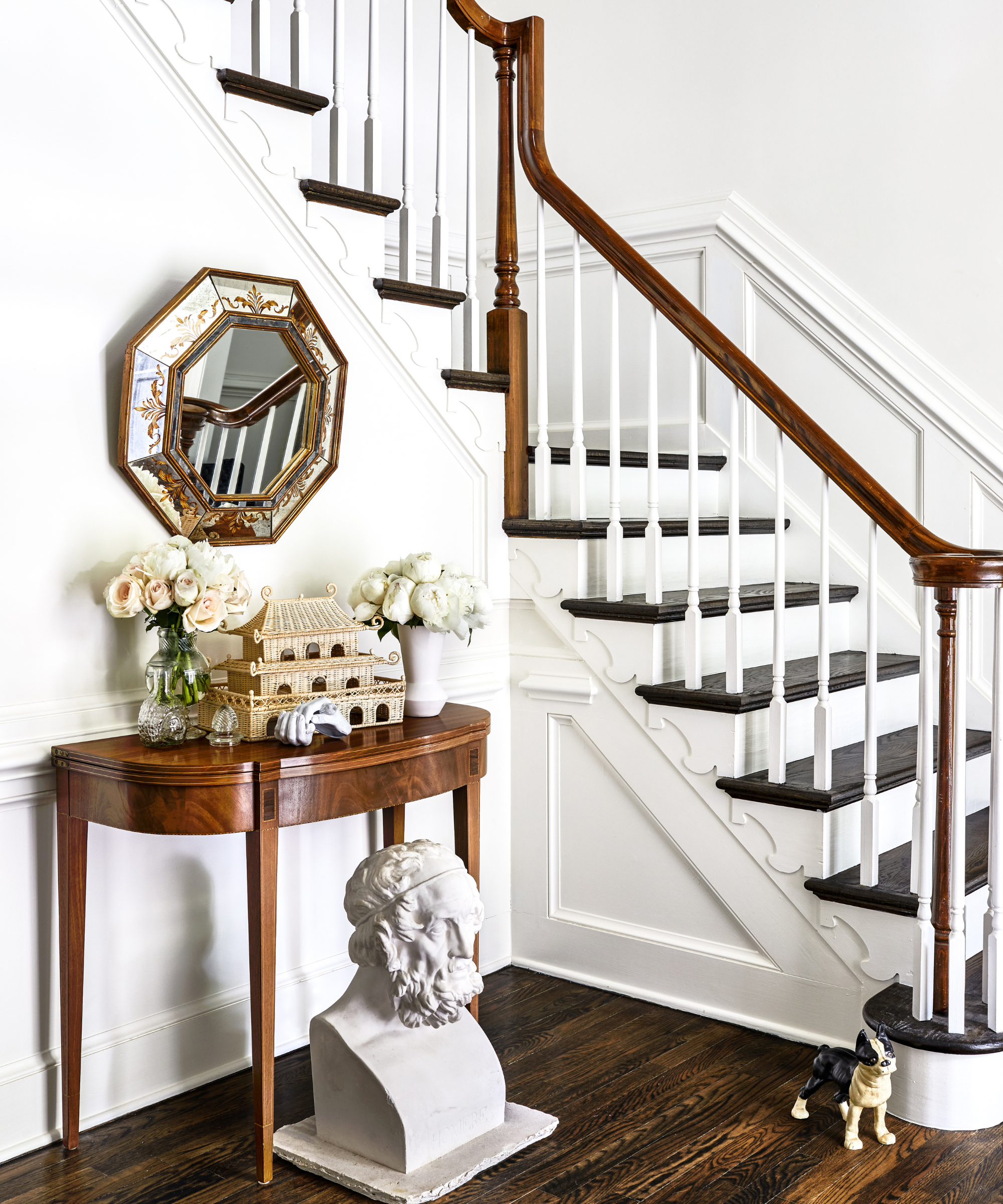
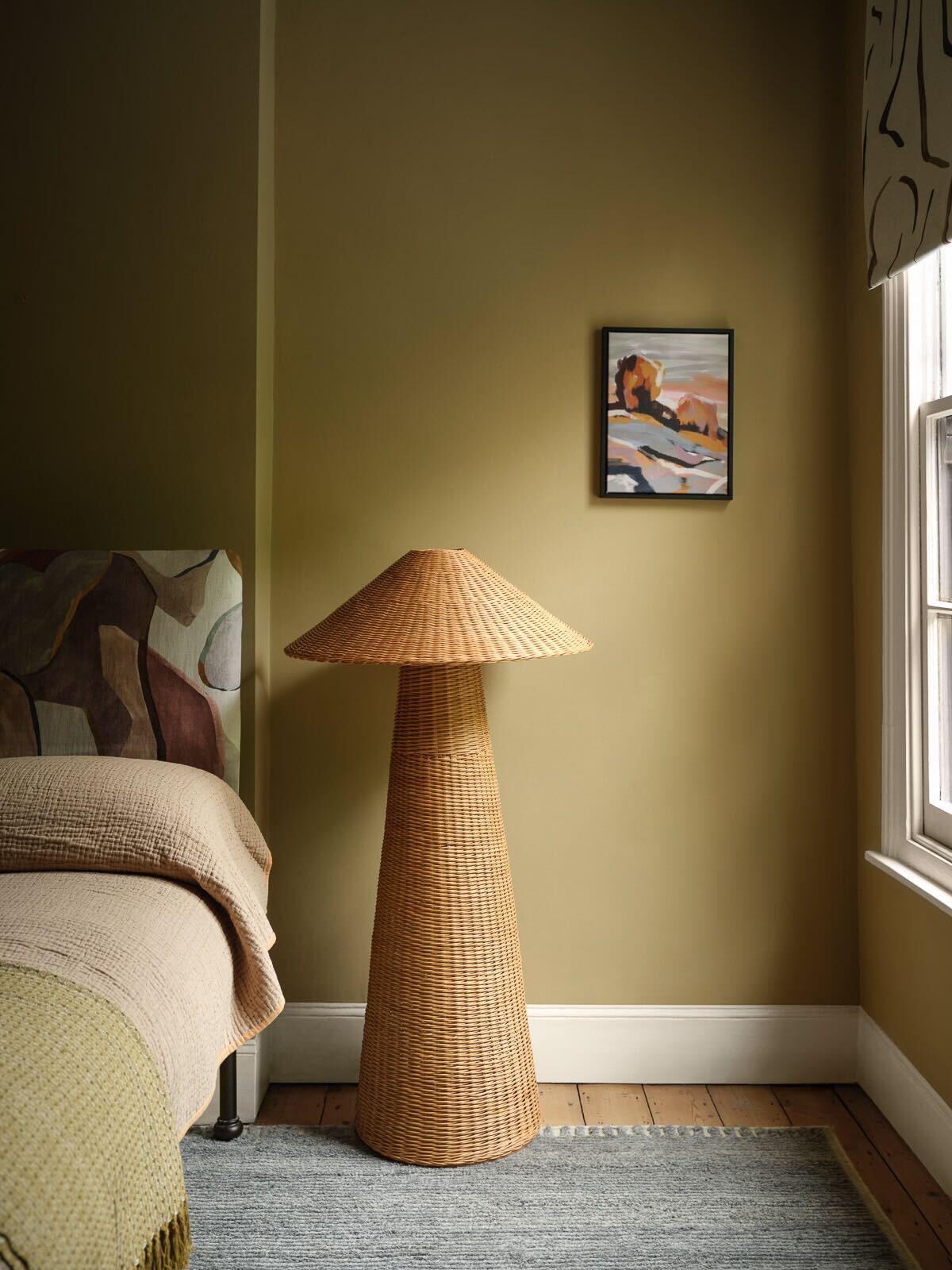
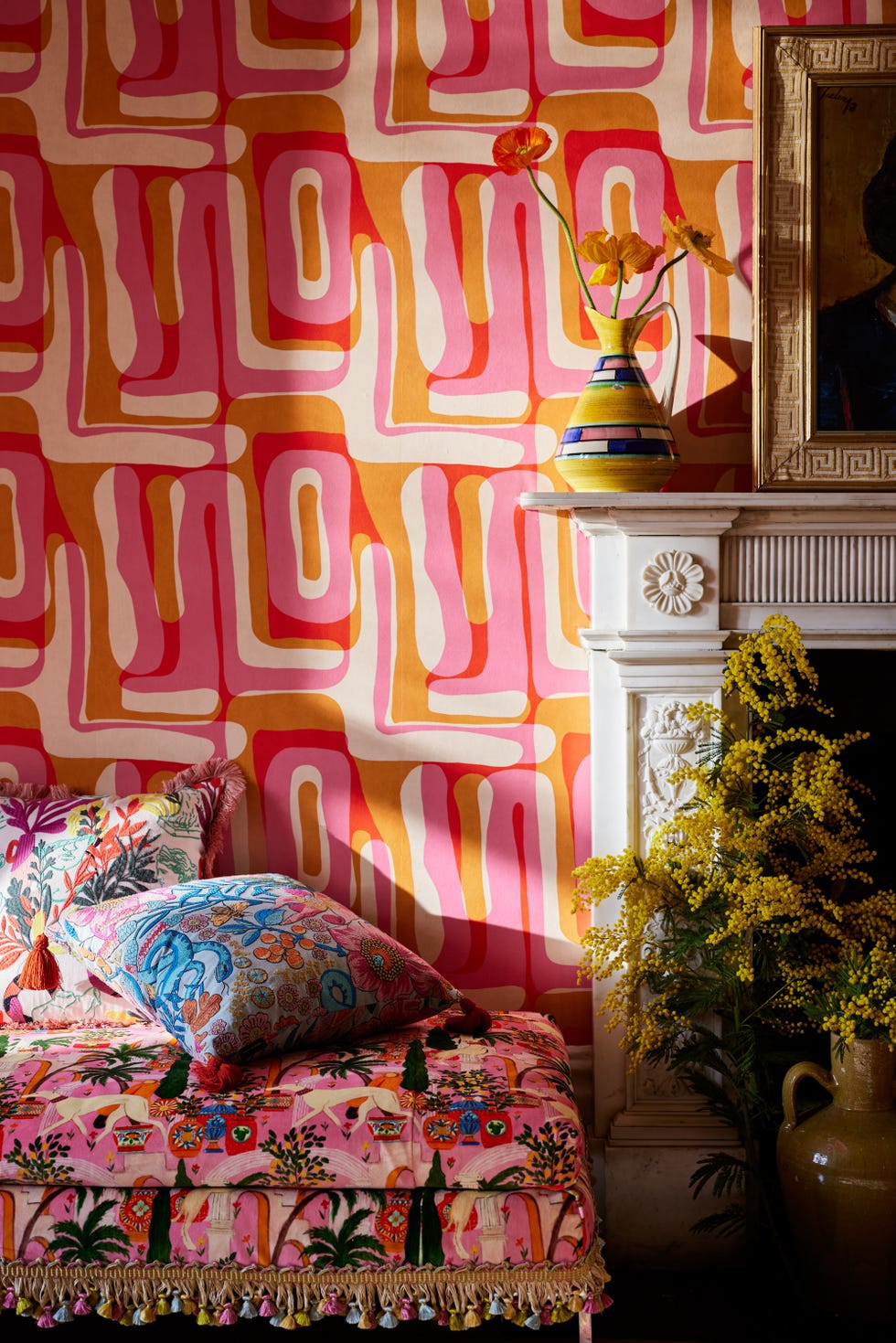
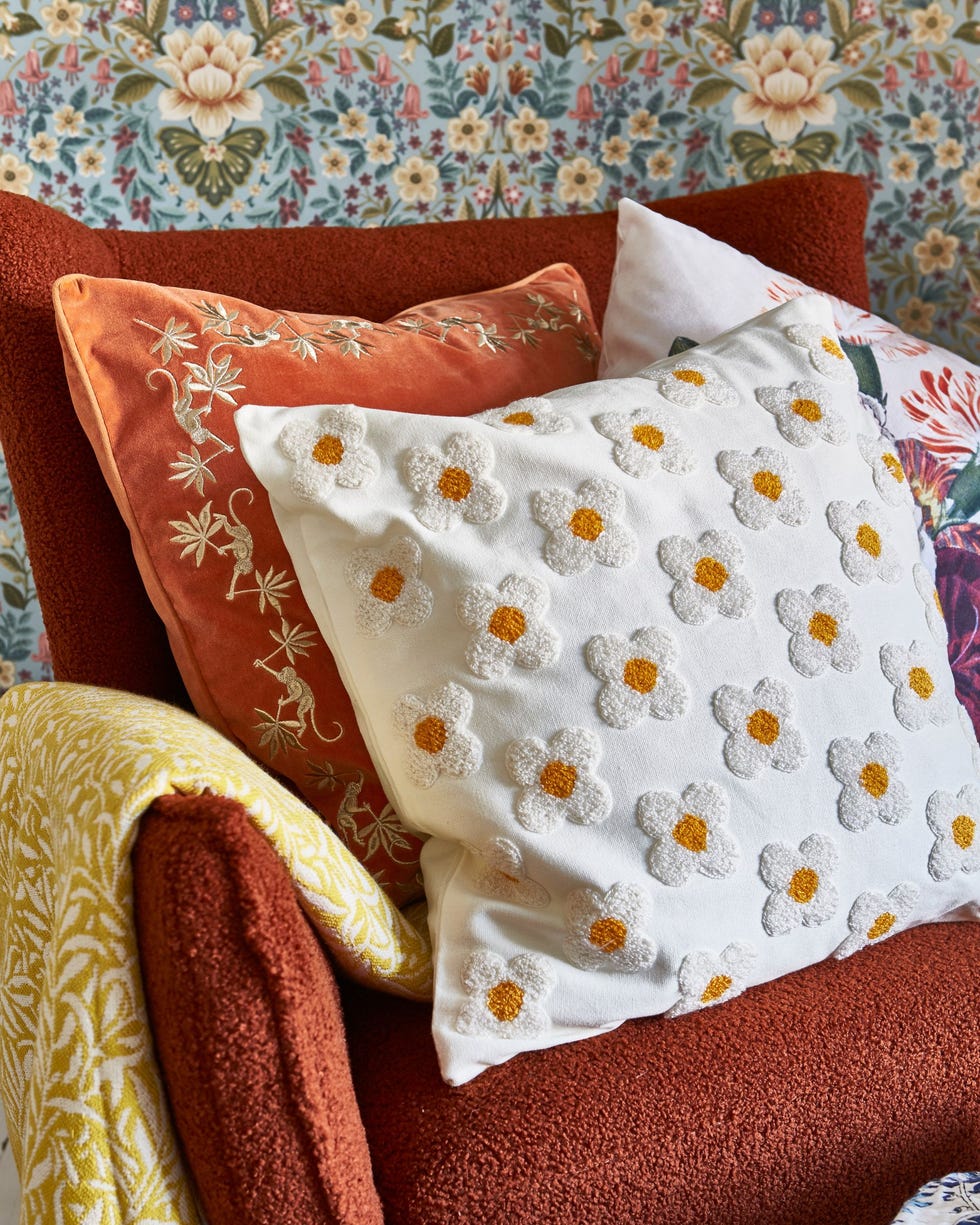
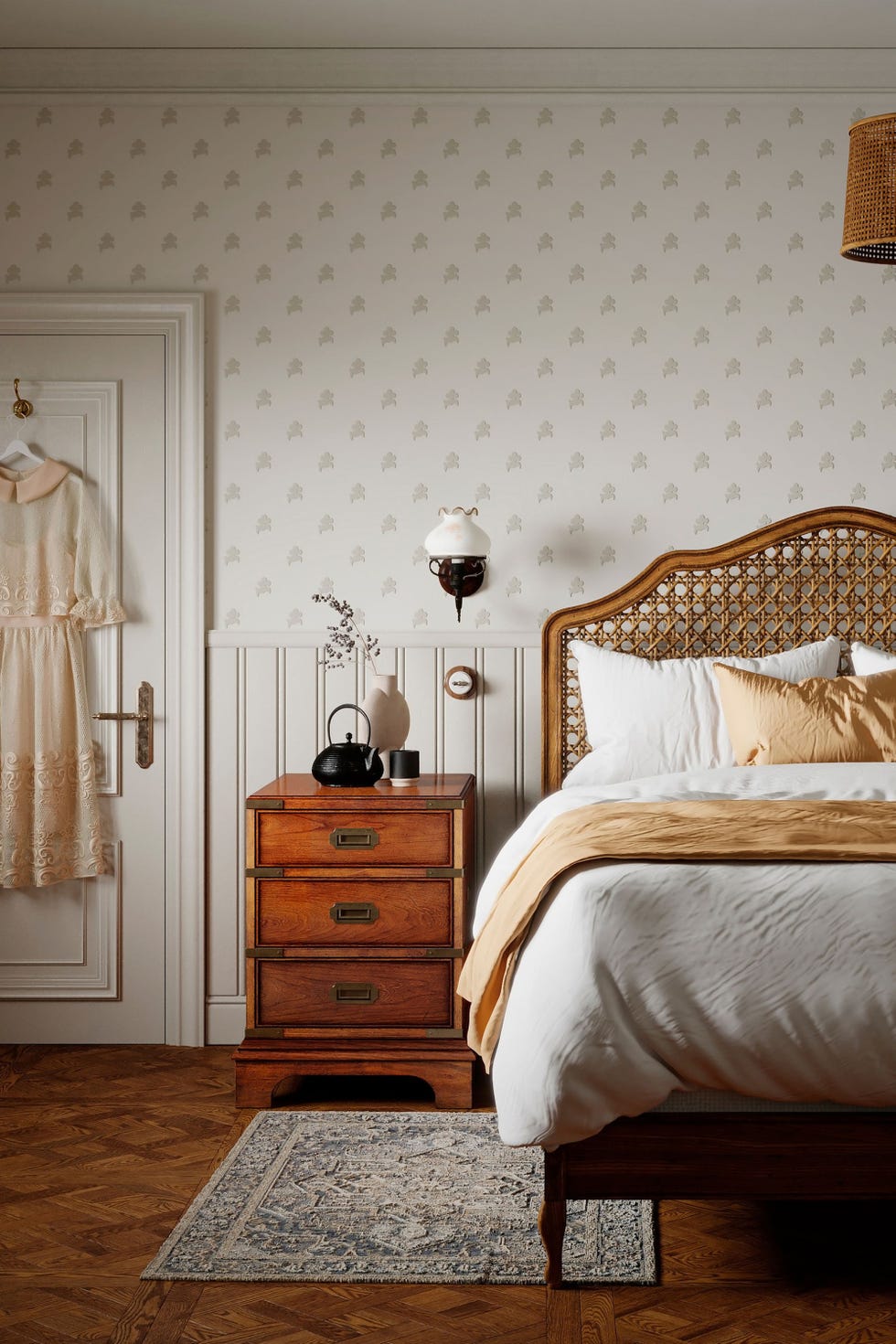
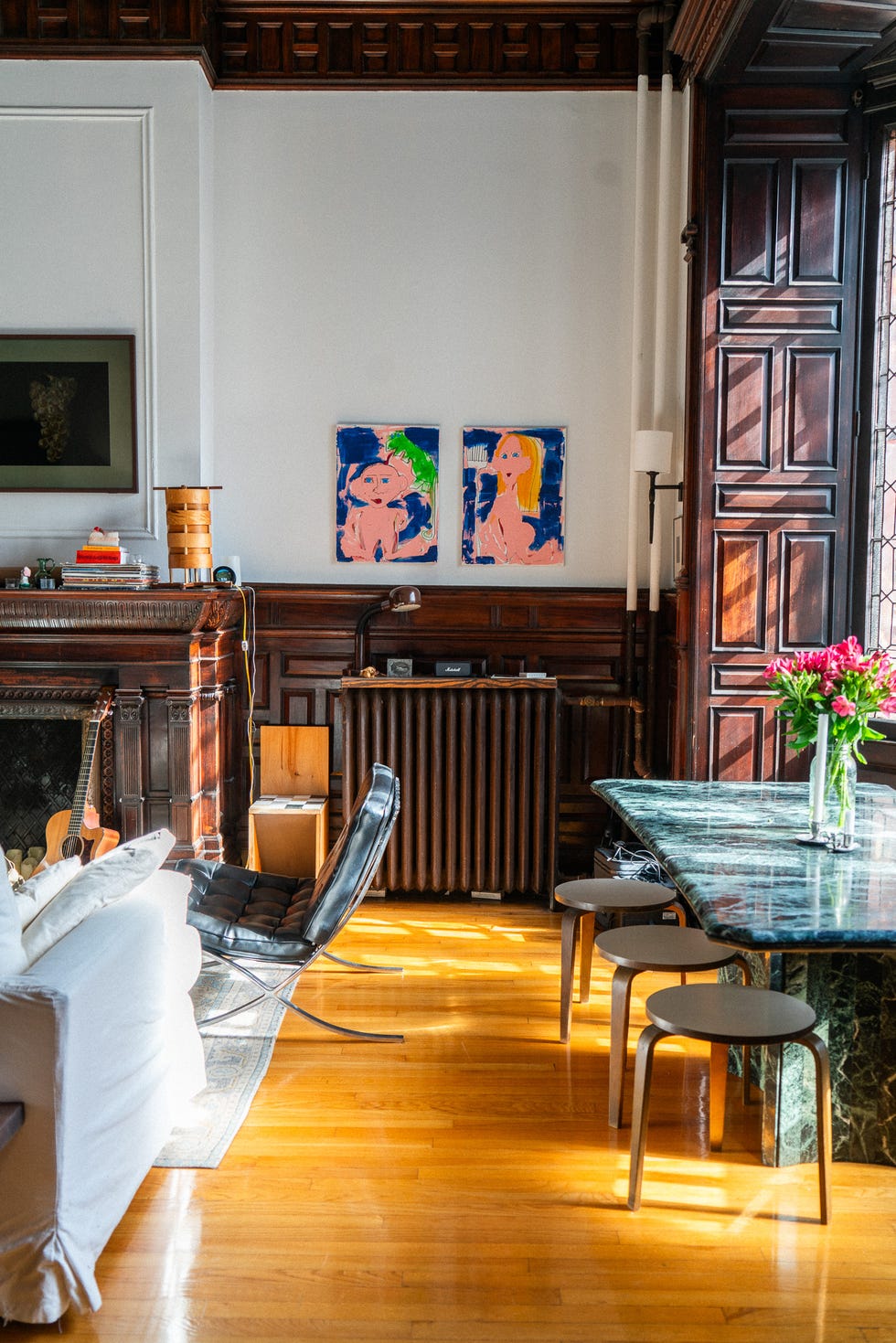
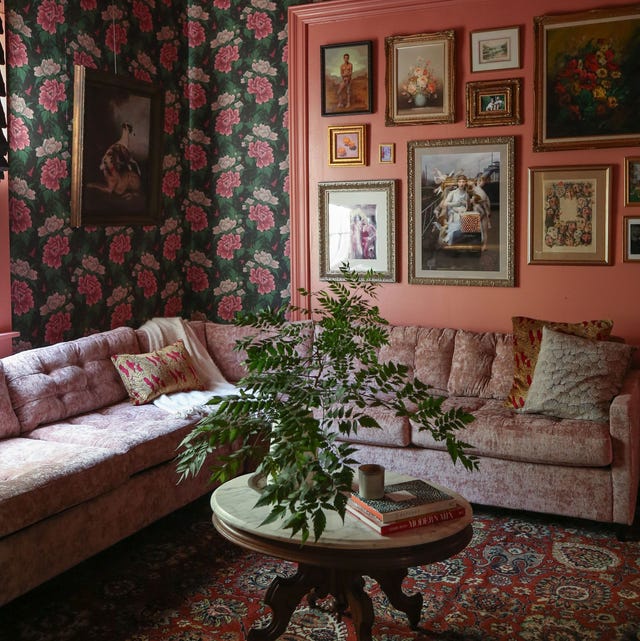
The article delves into the art of styling vintage decor to imbue a home with character, depth, and texture, emphasizing that interior design is about storytelling within a space. Vintage pieces contribute to a layered, lived-in feel, conveying a sense of history, collection, and intentional curation. The author, Shea McGee, and her design team incorporate vintage items into almost every project, recognizing their unique ability to create a welcoming atmosphere.
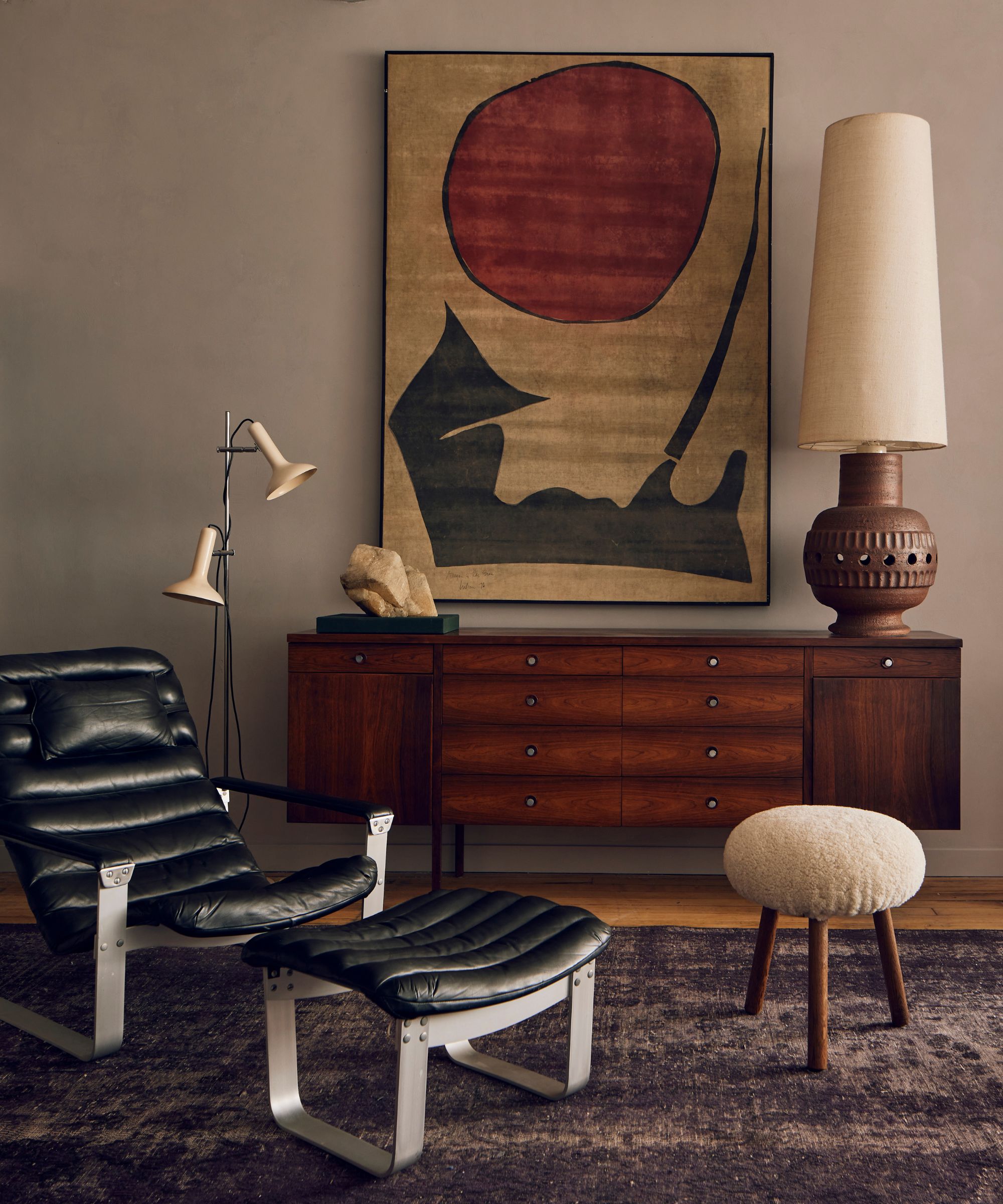
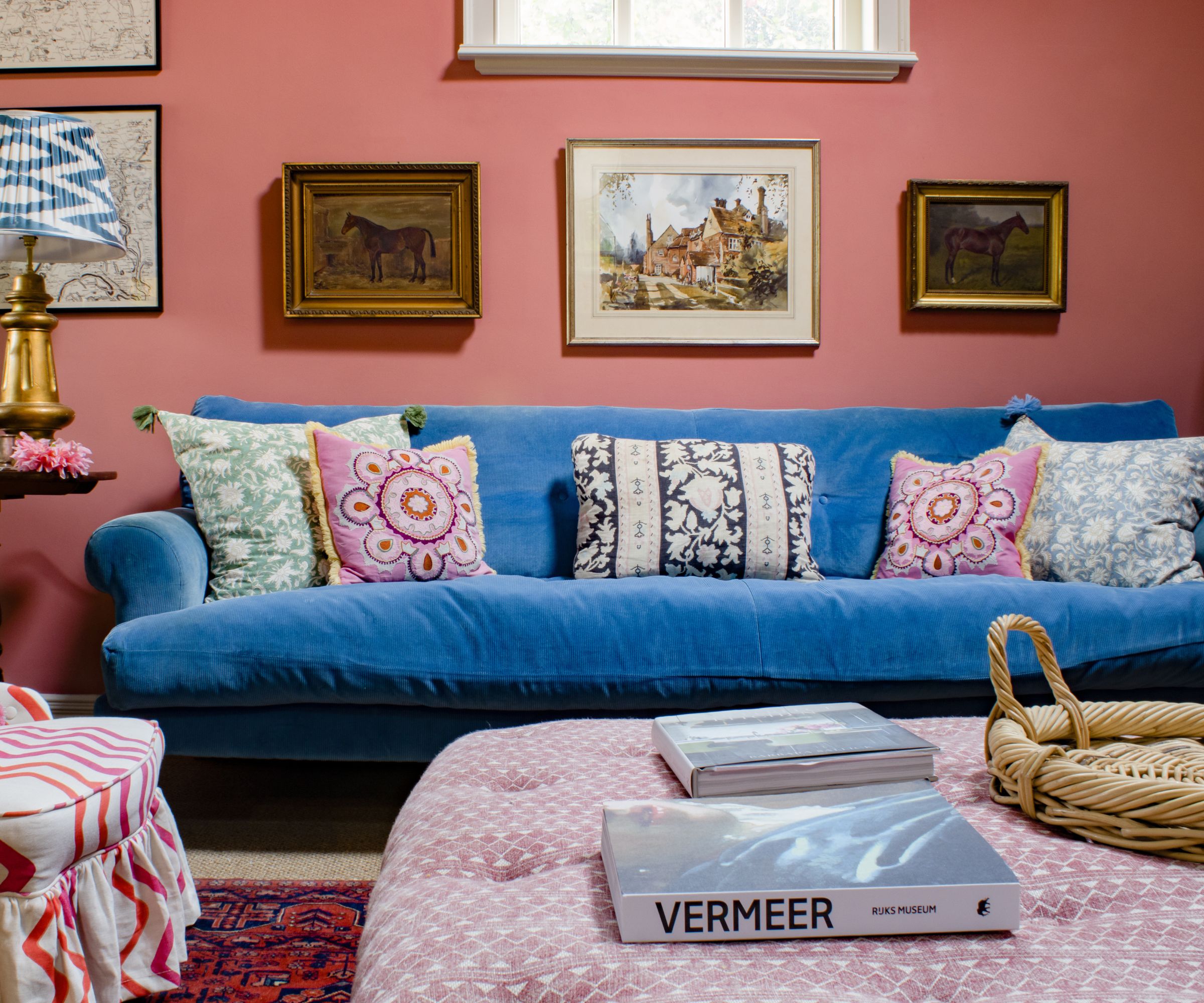
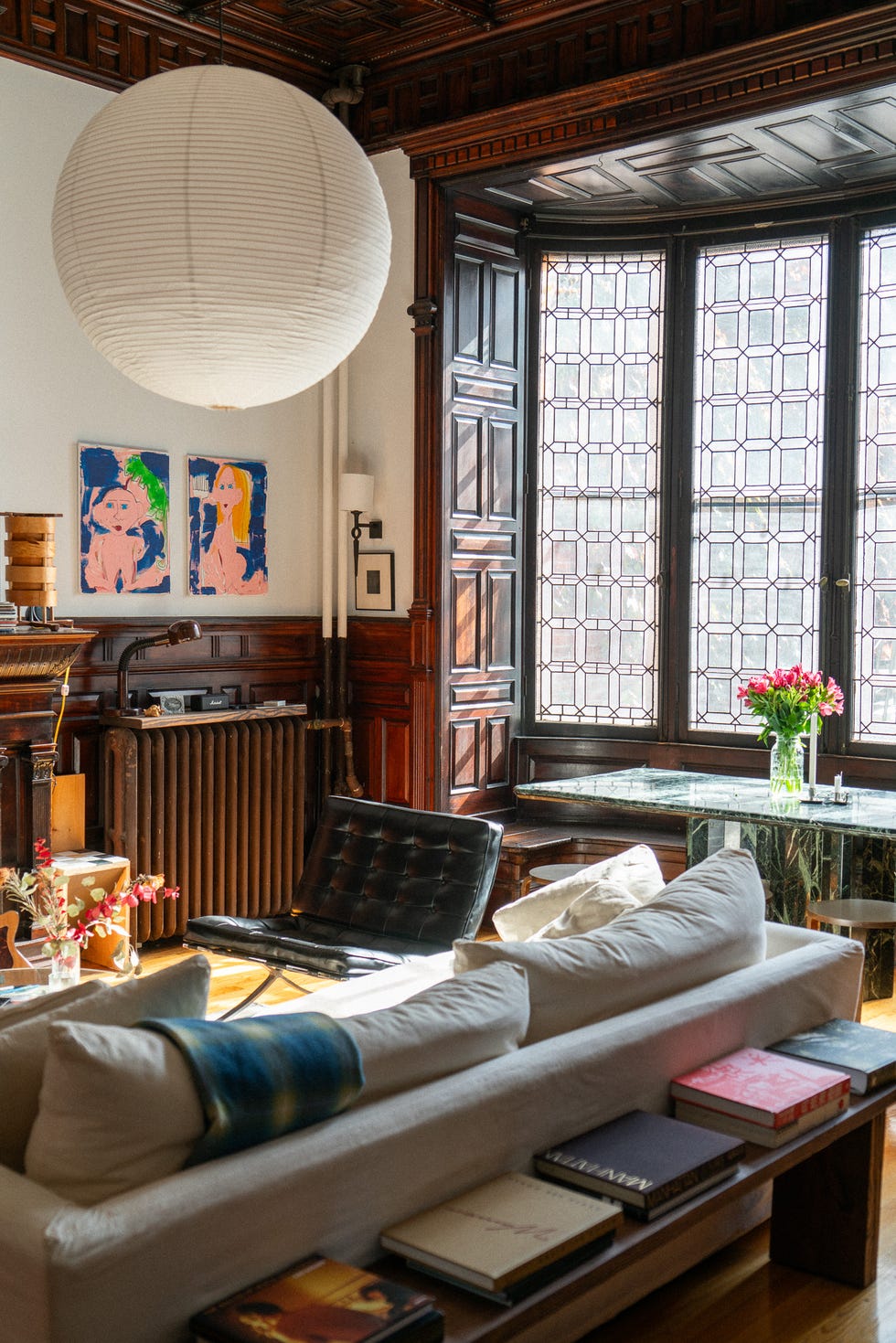
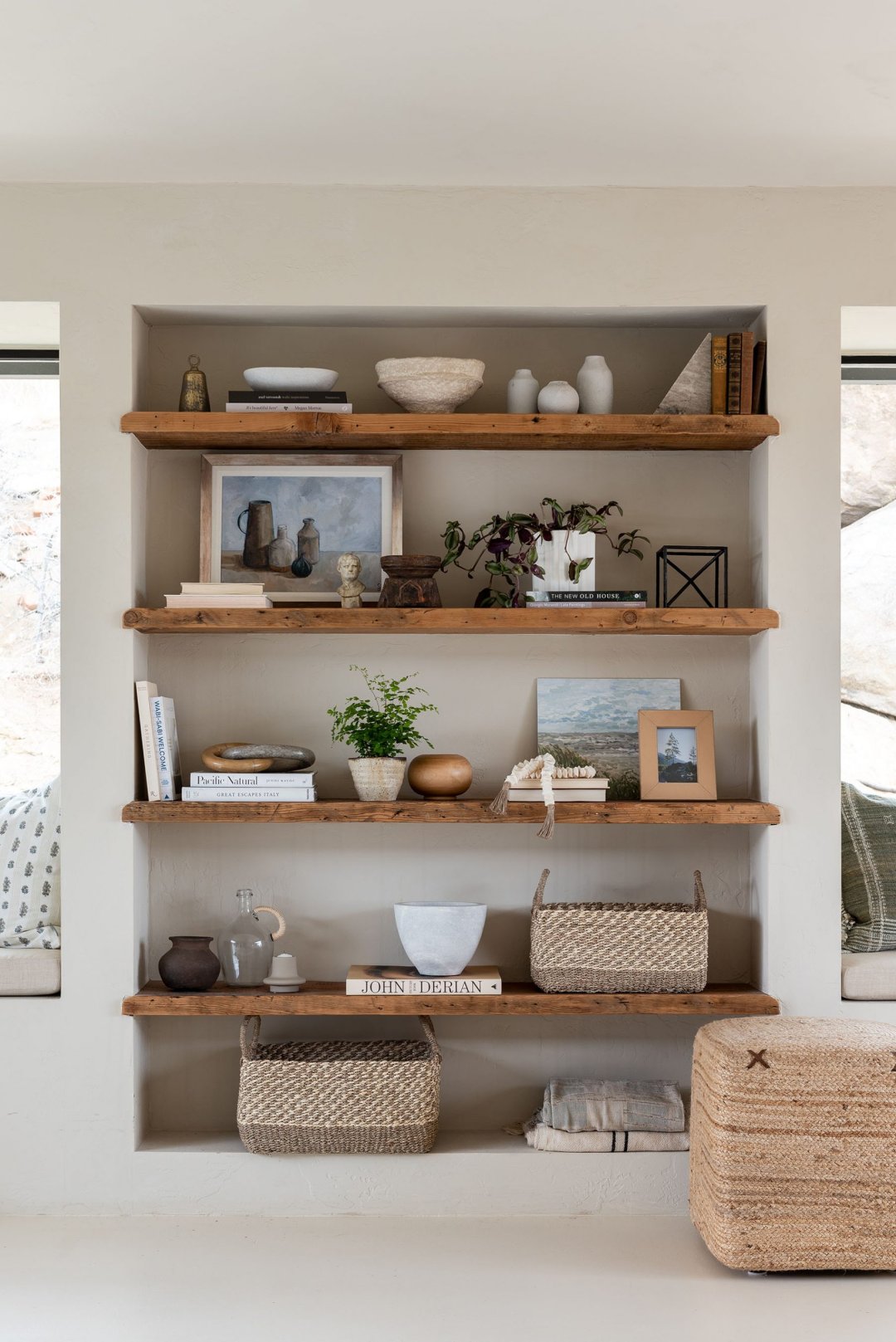
Achieving balance is crucial in vintage decor styling to prevent spaces from feeling cluttered or resembling an antique store. The primary tip involves providing vintage pieces with ample 'room to breathe,' often by pairing them with modern elements like coffee table books or candles. This approach encourages experimentation, with designers often going through multiple iterations to find the right arrangement that feels balanced and cohesive.
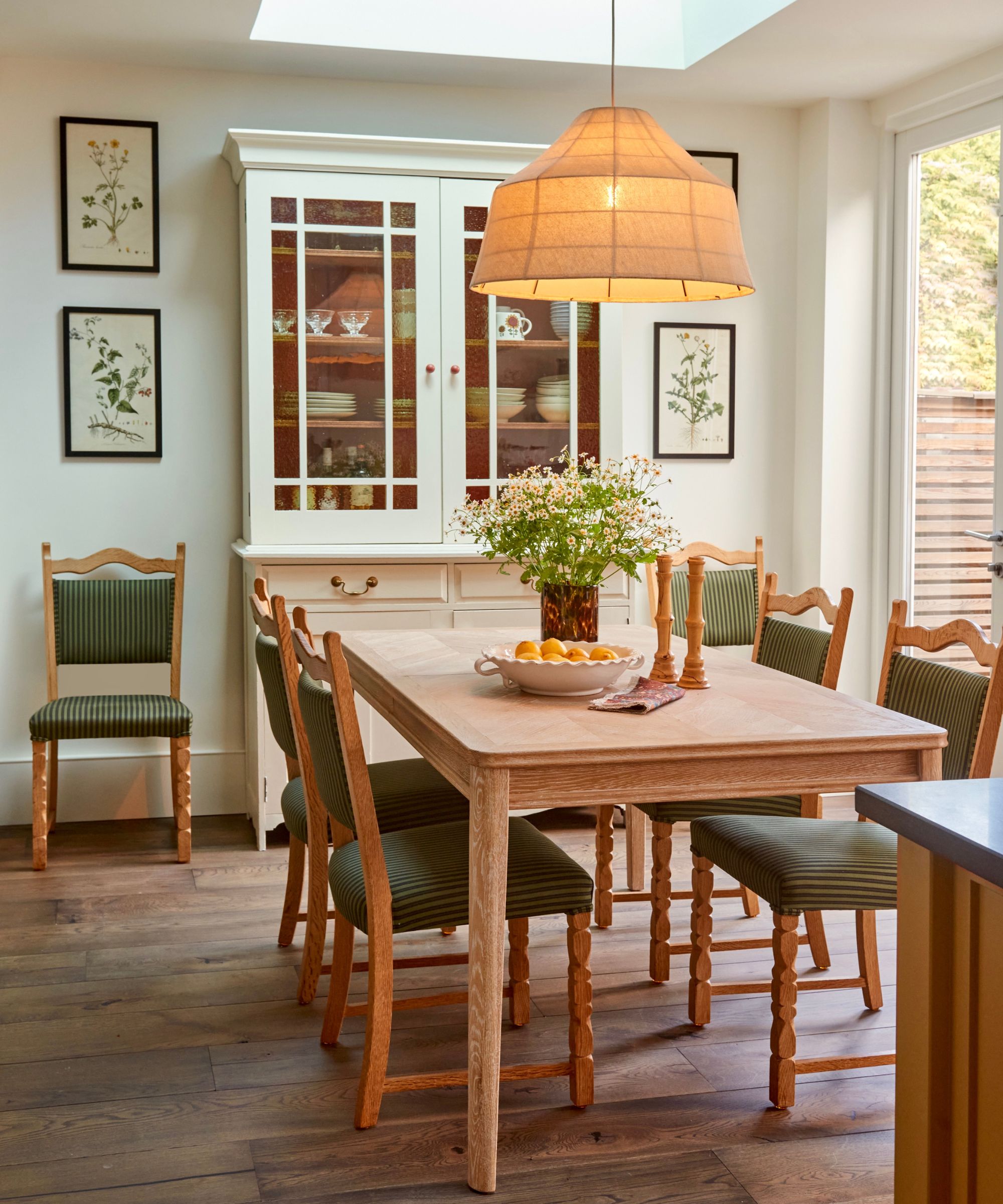
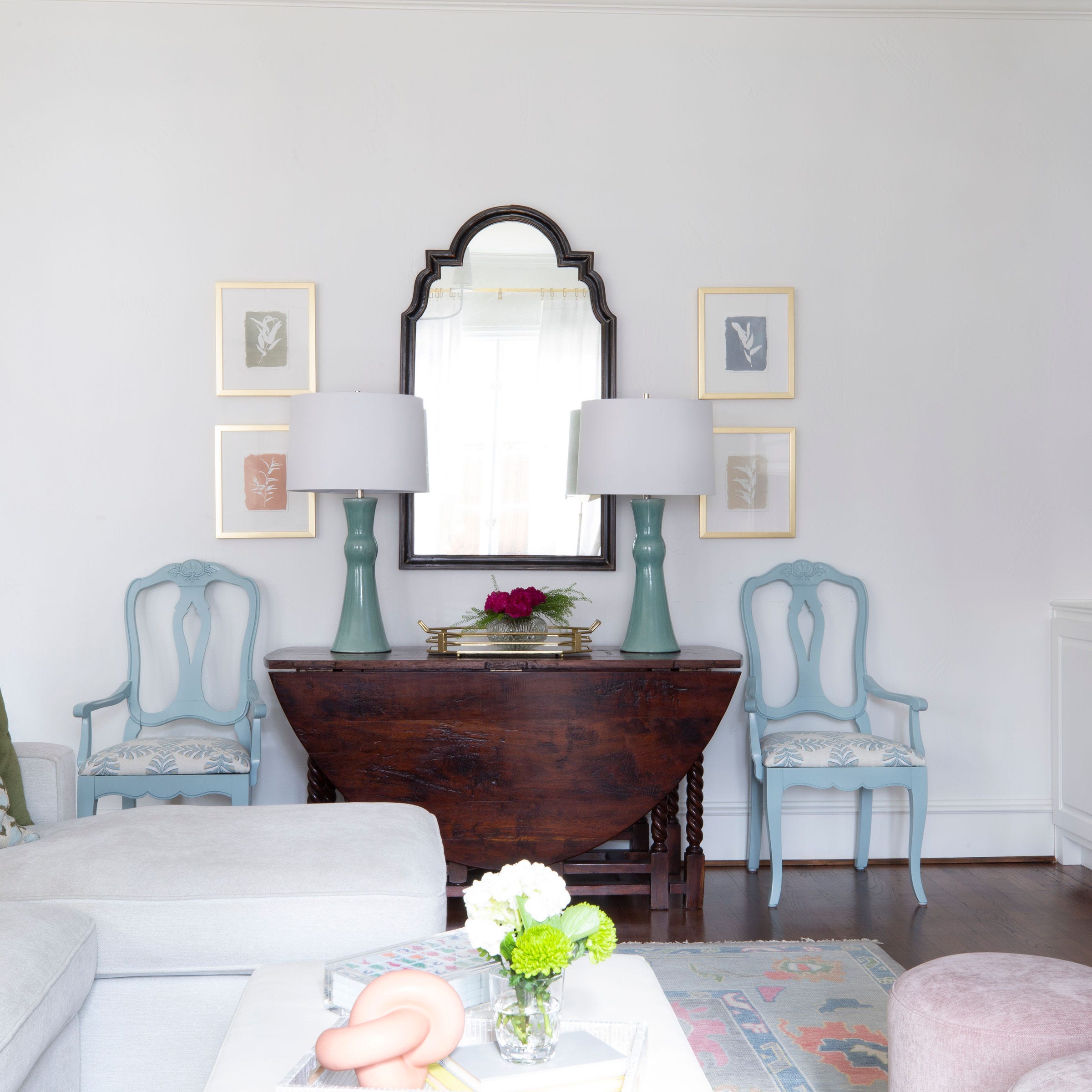
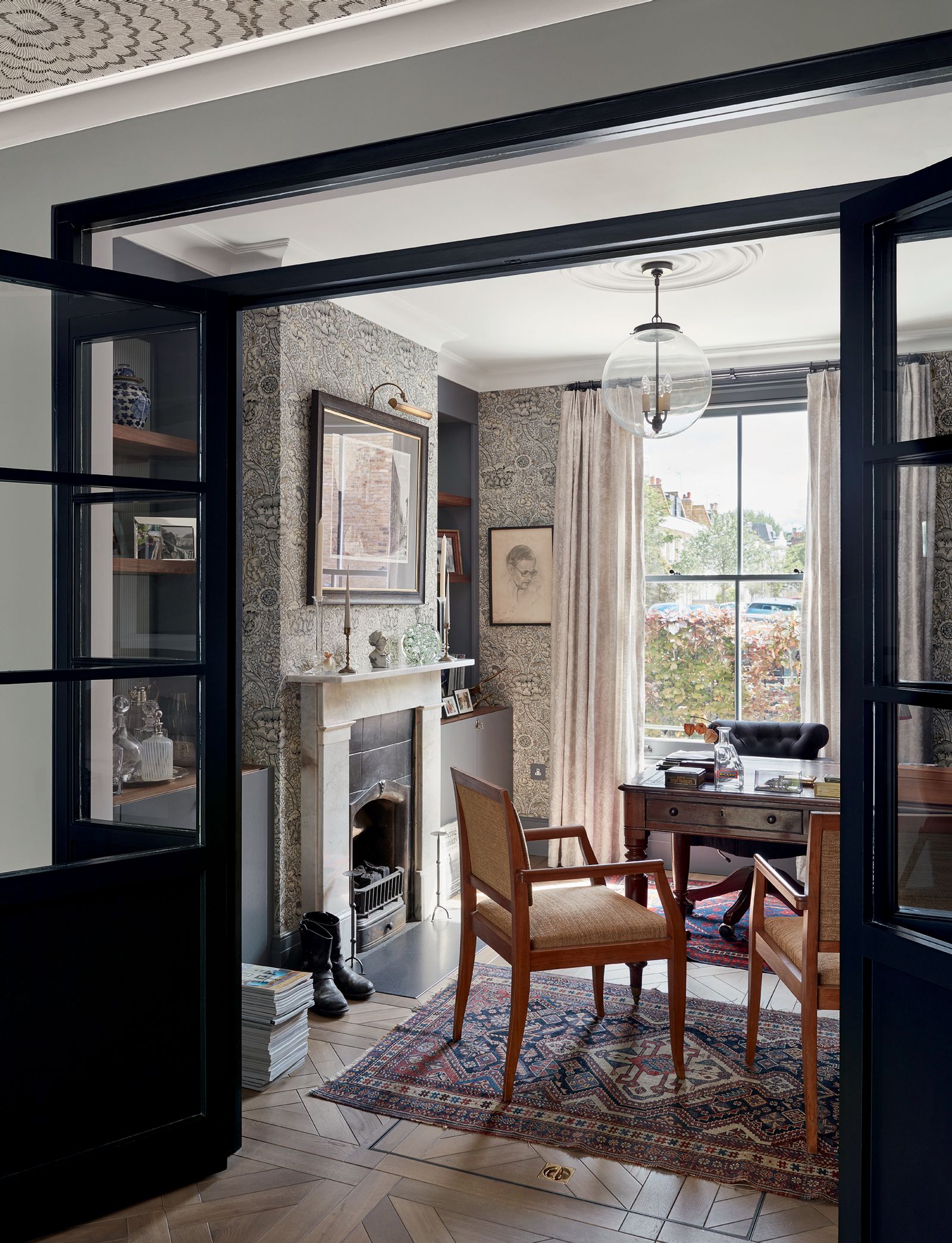
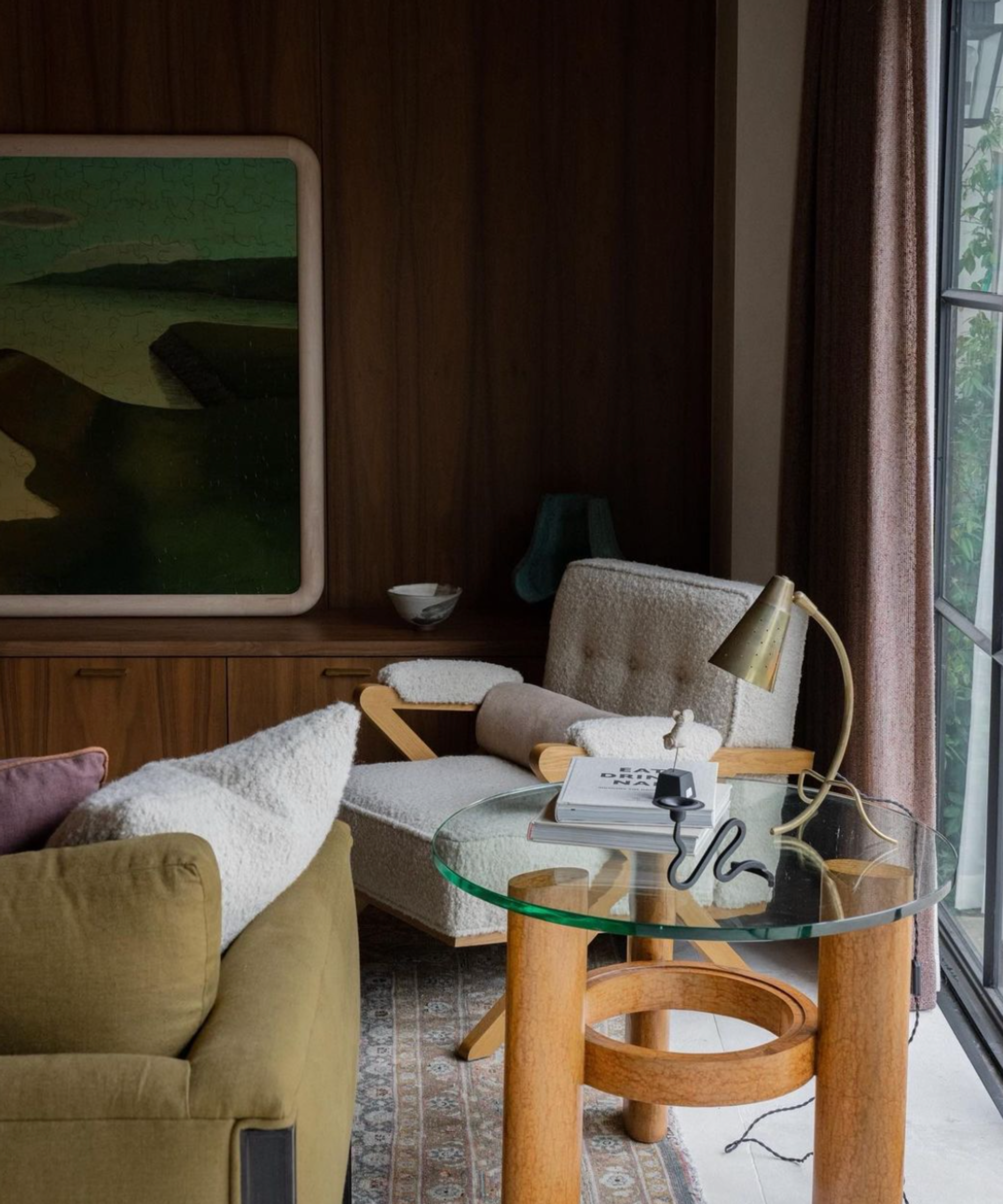
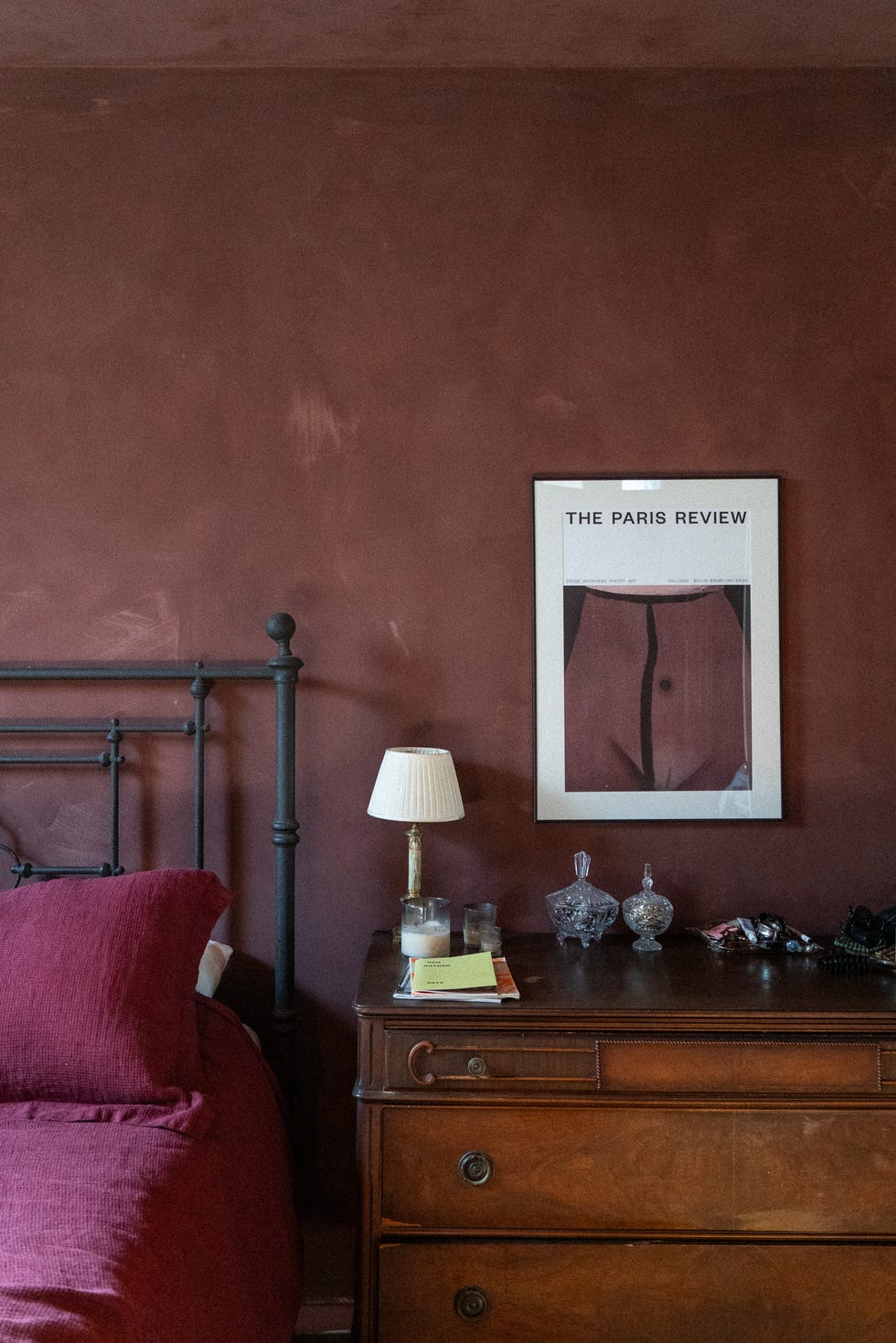
Mixing vintage with modern pieces requires careful consideration of cohesion without repetition. This involves harmonizing elements like the frames of vintage artwork or the tones of different pieces, or strategically staggering similar textured objects. The goal is to create a dimensional look that blends old and new seamlessly.
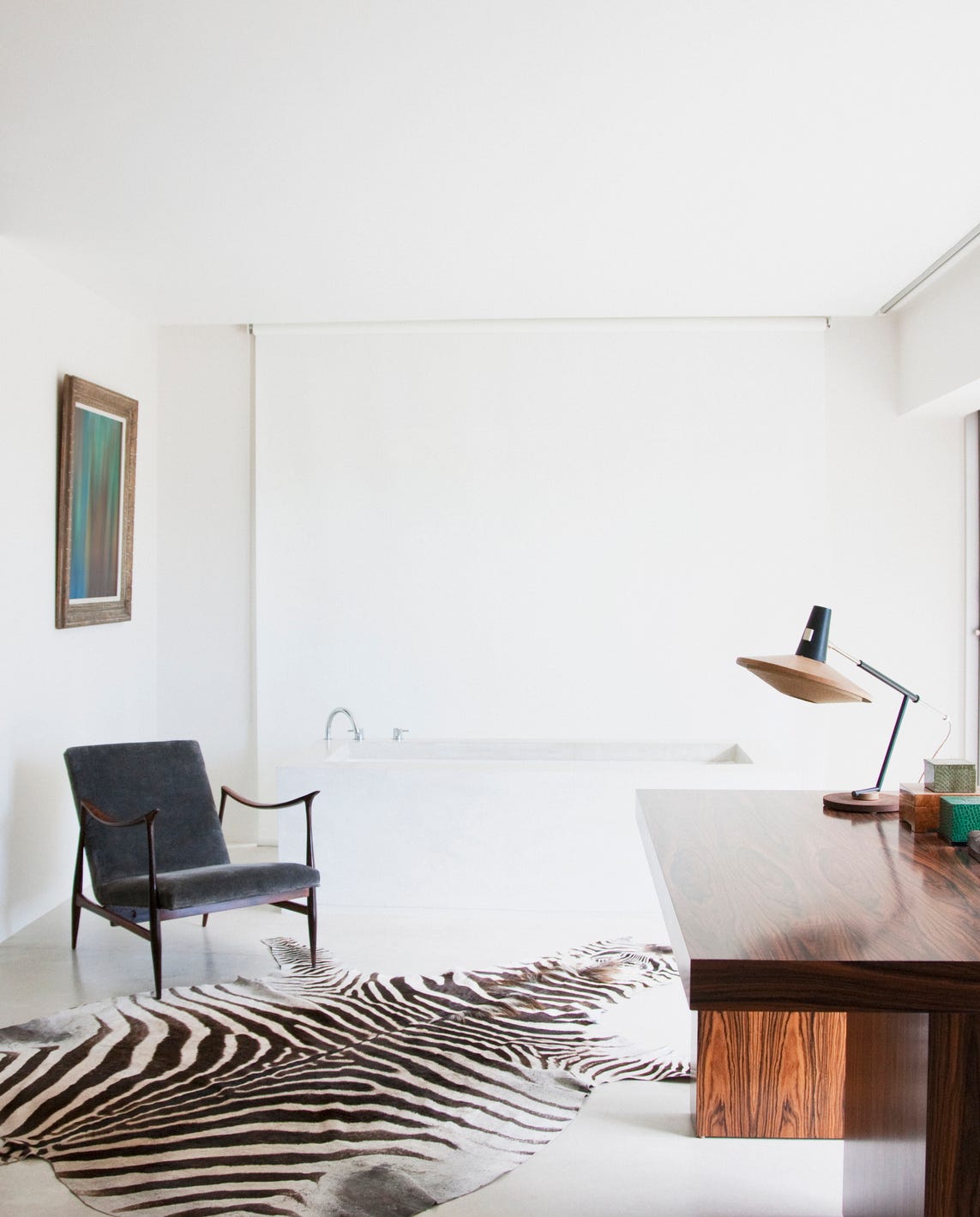
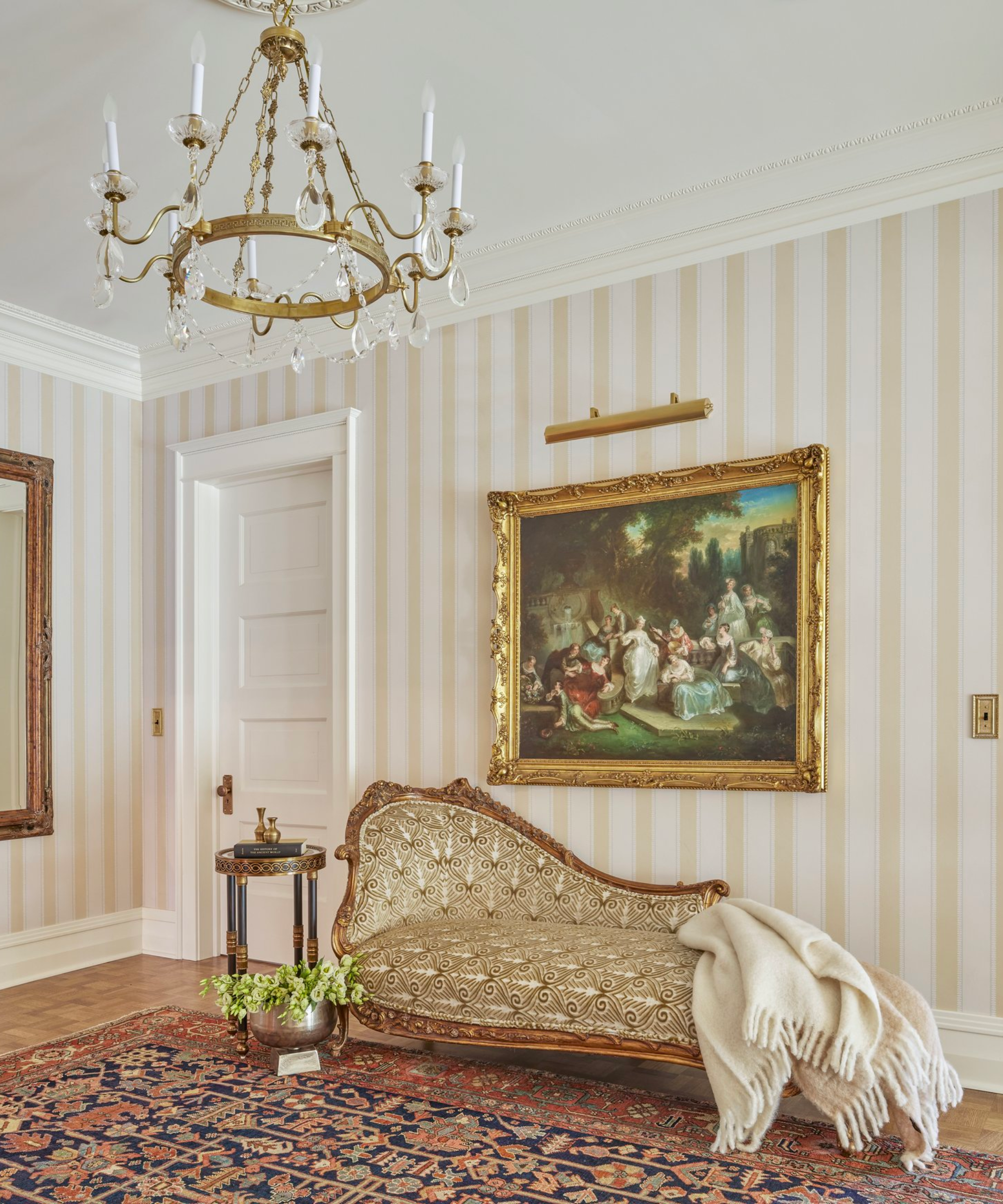
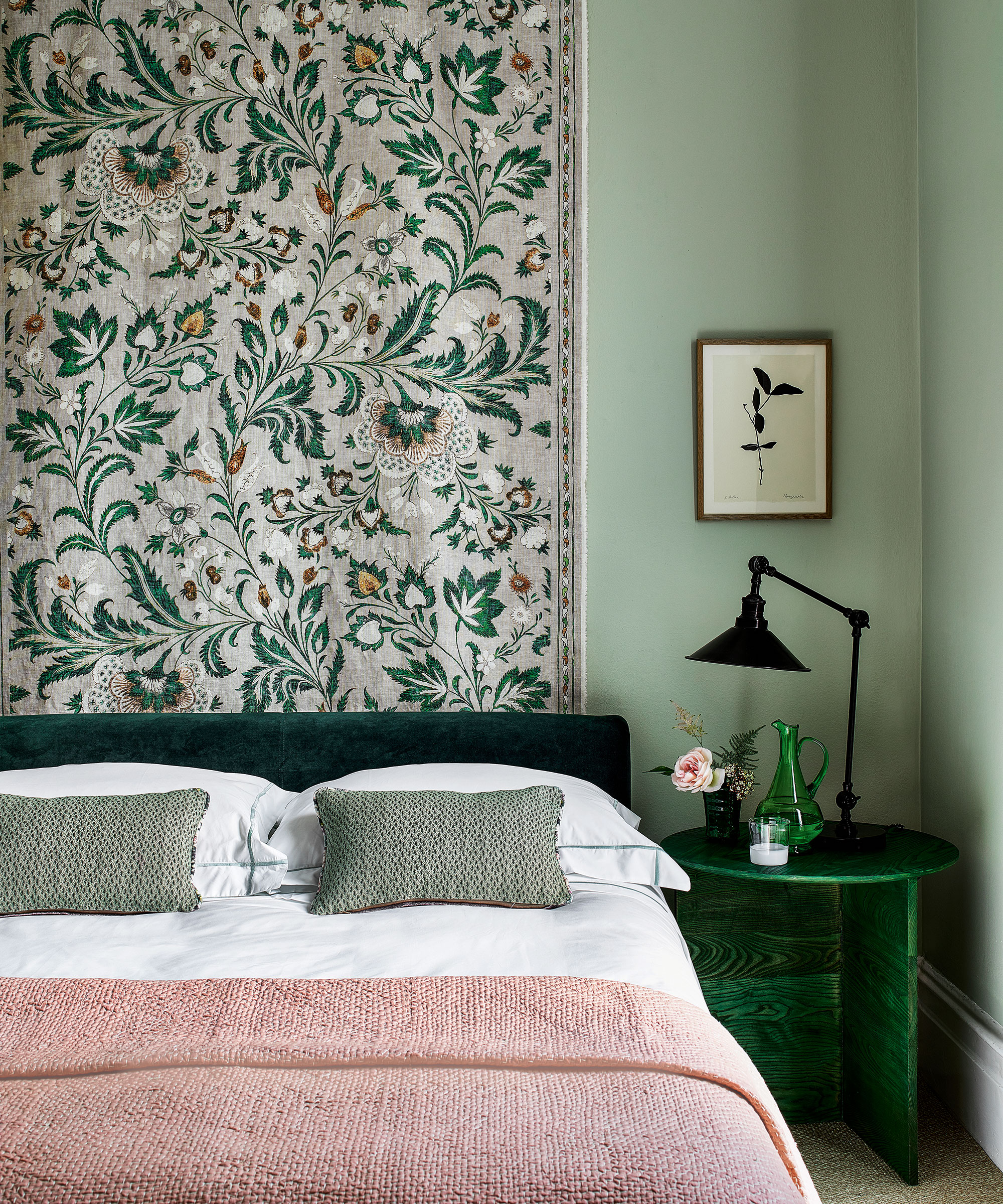
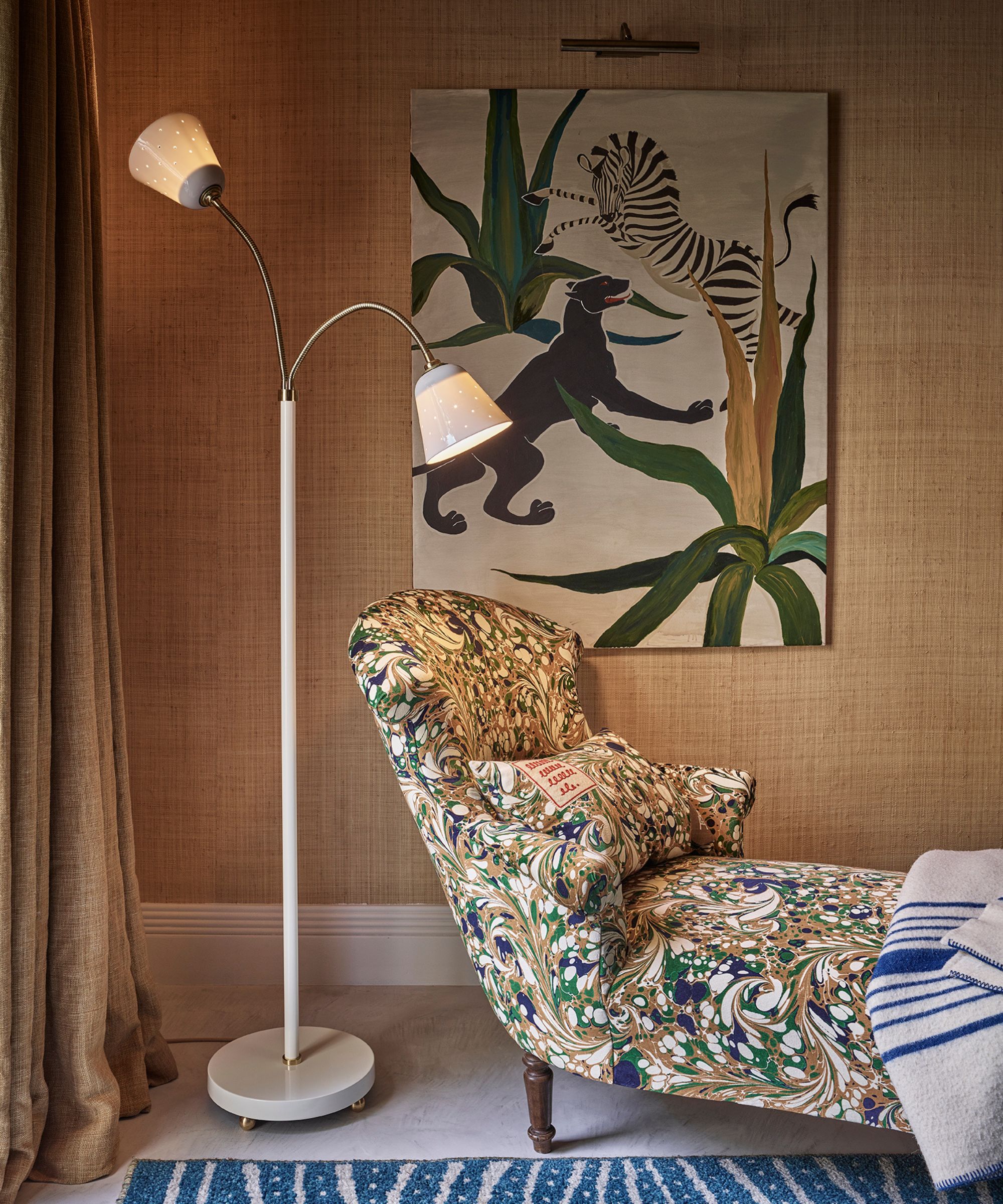
Vintage textiles, such as rugs, are highlighted as an effective way to add depth and character, grounding a space without overwhelming the eye. They are particularly useful in new builds or remodels to introduce warmth and a sense of history. The article suggests sourcing vintage fabrics from platforms like Etsy or 1stDibs for reupholstering furniture, thereby giving old pieces new life.
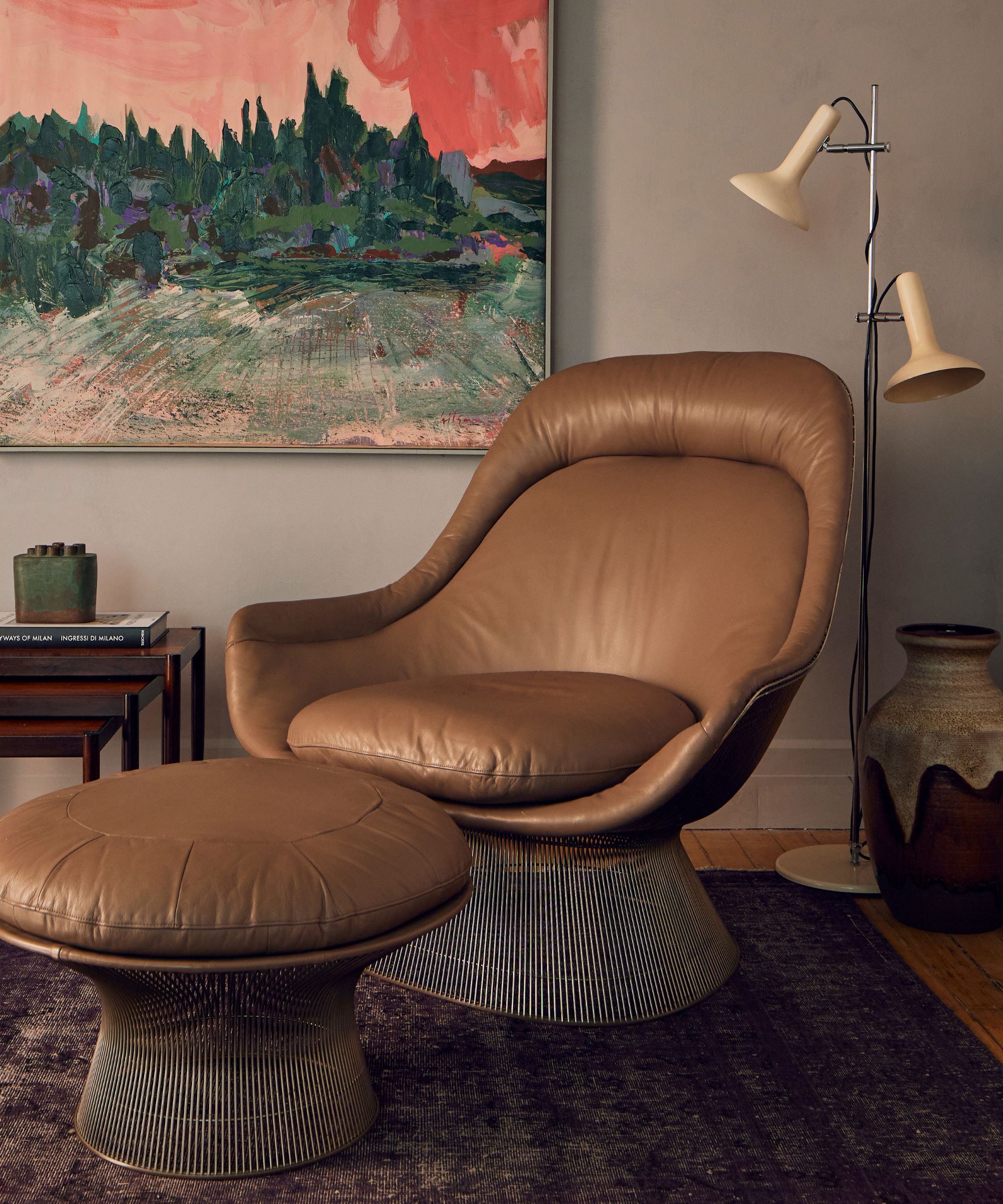
Four essential building blocks for vintage home decor are identified: a well-worn rug, charming artwork, a textural bowl or vase, and a conversation-starting piece. These elements are consistently integrated into designs to create comfortable and inviting vignettes.
In a Q&A; section, Shea McGee shares her insights on vintage decor. She appreciates vintage pieces for adding 'soul' to a home, noting that their imperfections and rarity contribute to a unique personality. McGee frequently purchases vintage items online from sources like Etsy, eBay, and 1stDibs, recommending rugs, textiles, decor, and small furniture as good starting points for online vintage shopping. She advises requesting additional pictures or information from vendors for quality assurance.
Regarding wear and tear, McGee views minor imperfections like chipped paint or a time-worn look as desirable attributes that add character. However, significant damage like large gauges or broken legs is generally avoided as it detracts from the piece's aesthetic and functionality. She stresses the importance of the 'bones' of vintage furniture, as shape and structure are fundamental and cannot be easily altered, unlike finishes. Finally, McGee approaches vintage shopping with a blend of specific intent and open-minded exploration, often seeking particular items while remaining receptive to unexpected finds that captivate her attention.
#VintageDecor #HomeStyling #InteriorDesignTips #SheaMcGee #DecoratingWithAntiques #TextileDecor #HomePersonality #DesignBalance #VintageDecor #HomeStyling #InteriorDesignTips #SheaMcGee #DecoratingWithAntiques #TextileDecor #HomePersonality #DesignBalance
0 commenti in totale
 Nessun commento ancora
Potresti anche gradire
Decorating with antiques – 8 designer tips to channel the past in the chicest way

A designer’s guide to decorating with antiques

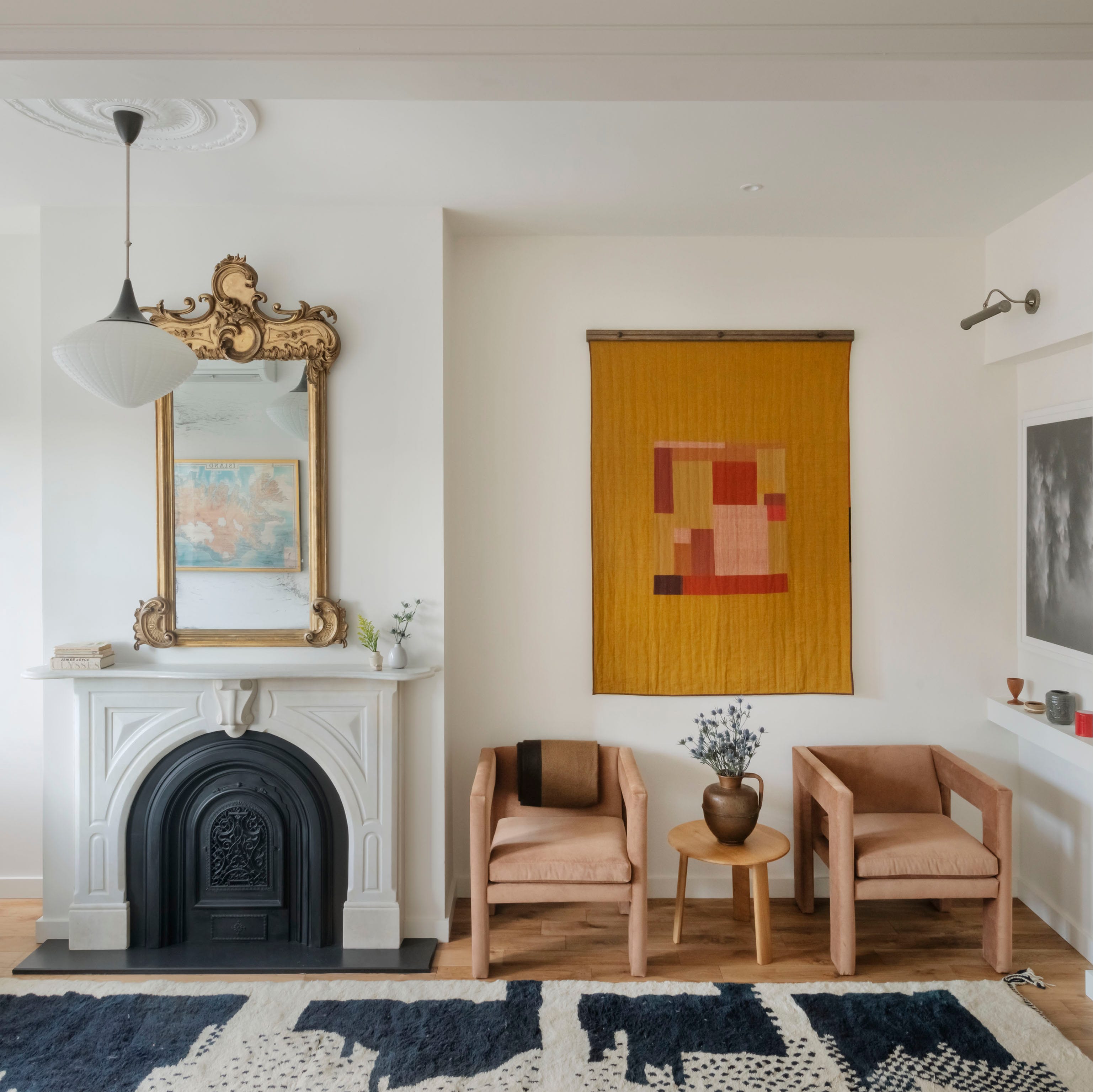
12 Designer-Approved Tricks to Fill a New Home With Vintage Character

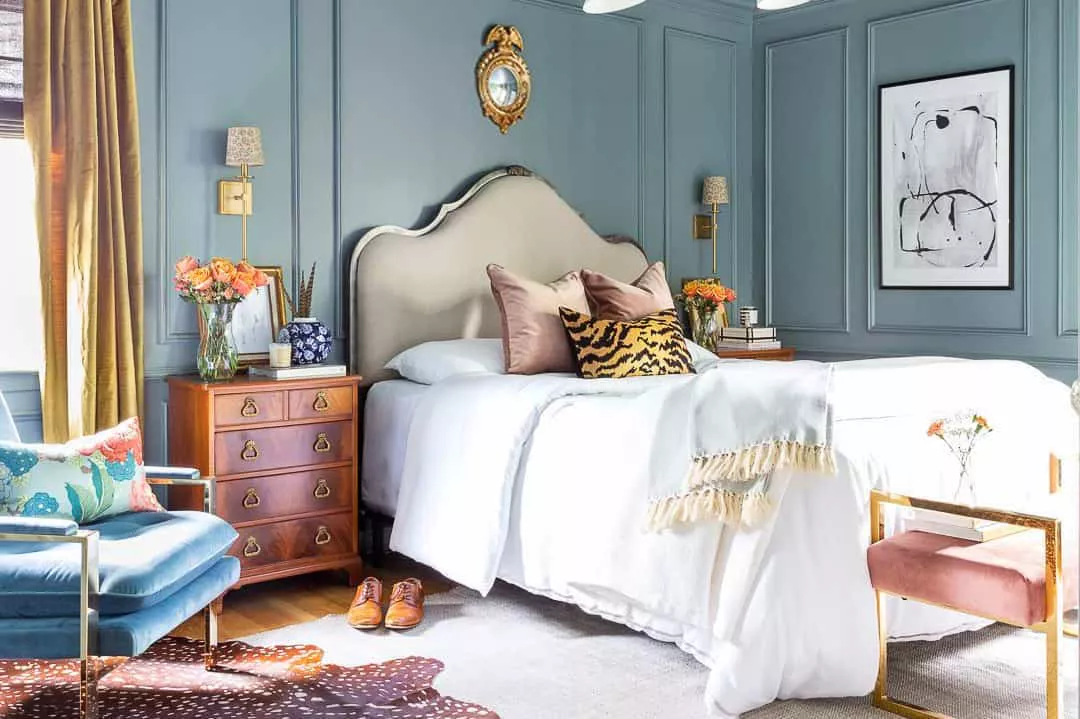
25 Vintage Style Bedrooms That You'll Want To Replicate

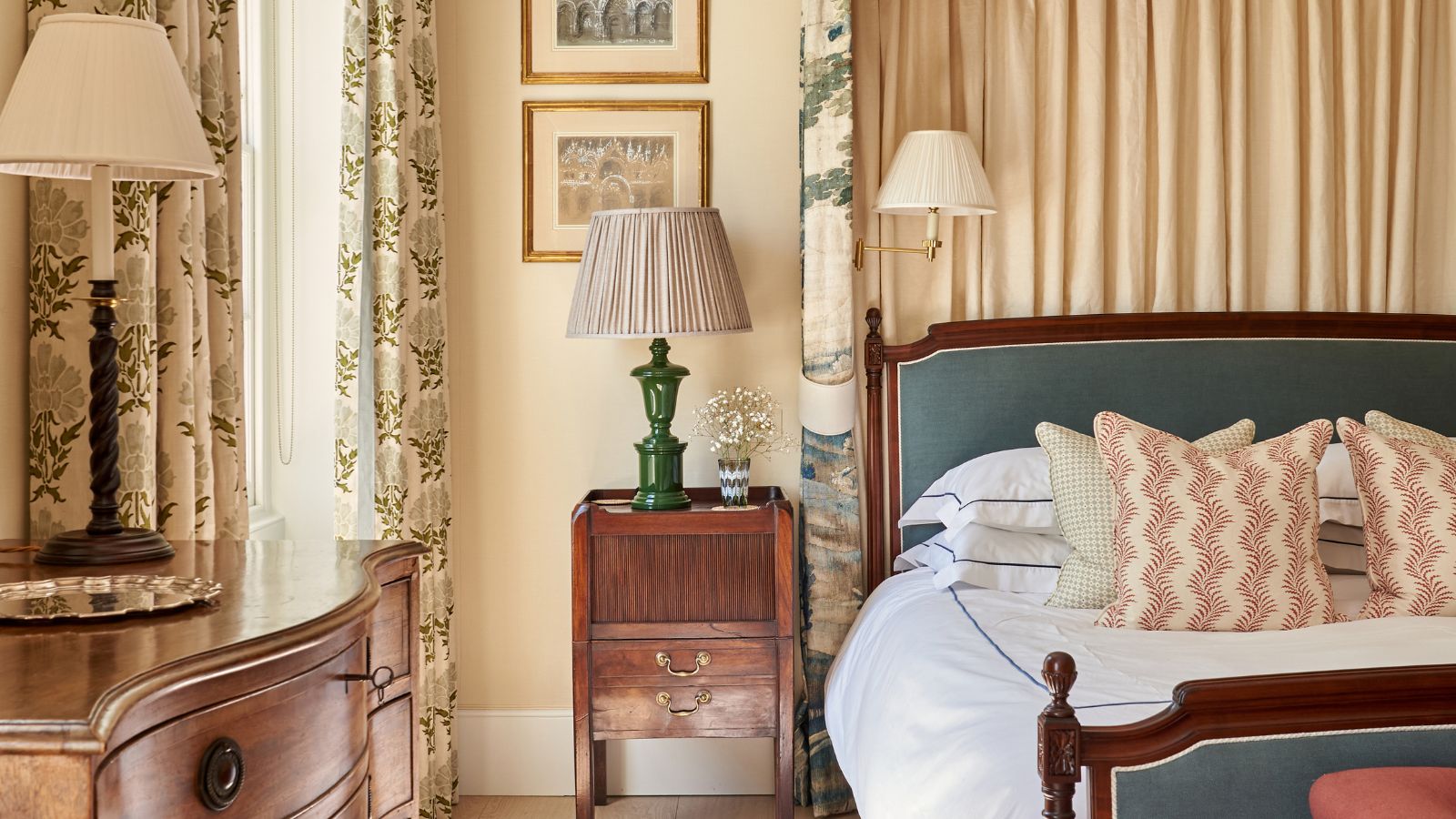
Decorating with vintage – 7 of the best ways to bring character into the home
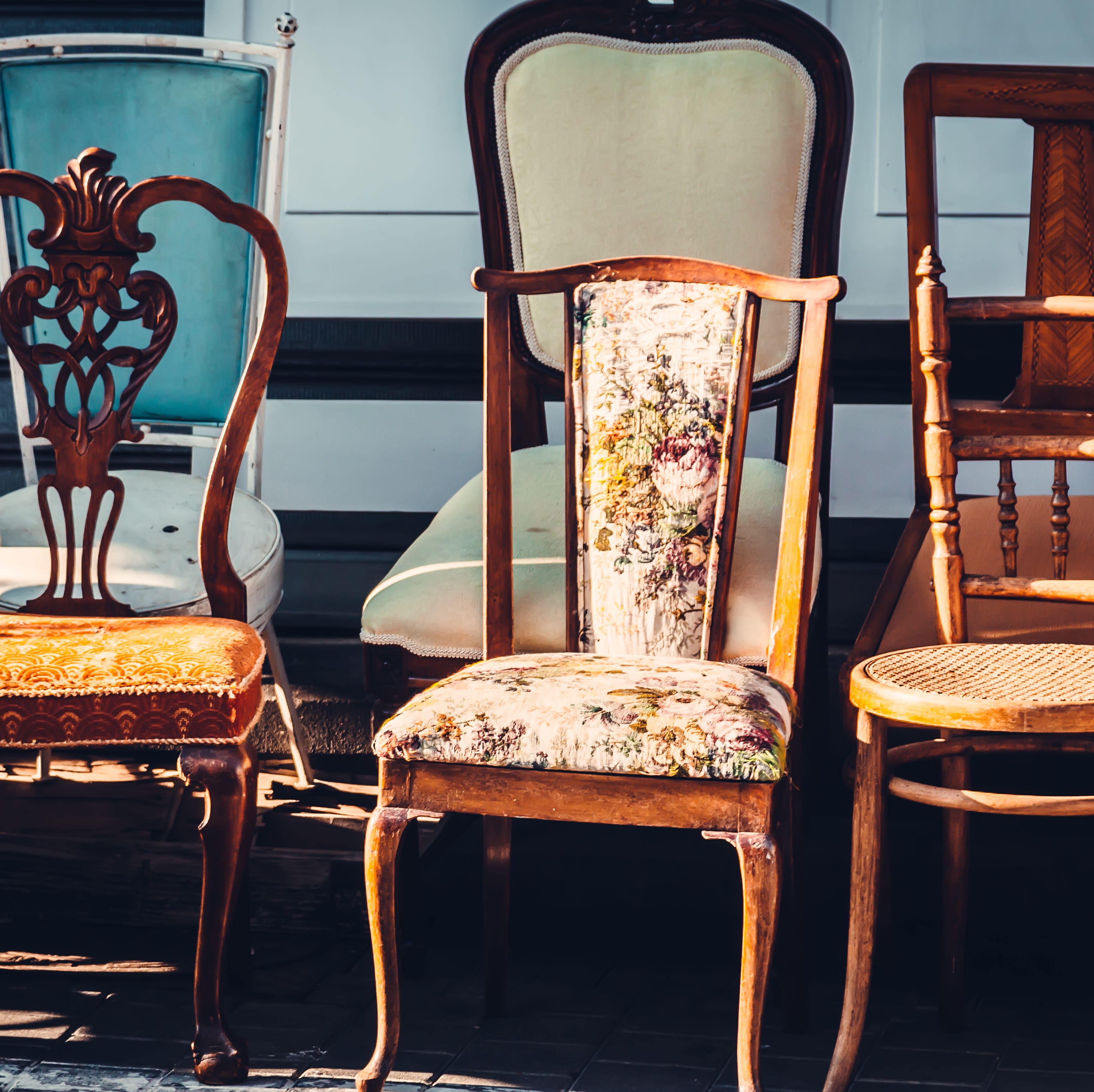
These 5 Popular Antiques Are Flying Off the Shelves This Fall, According to Interior Designers

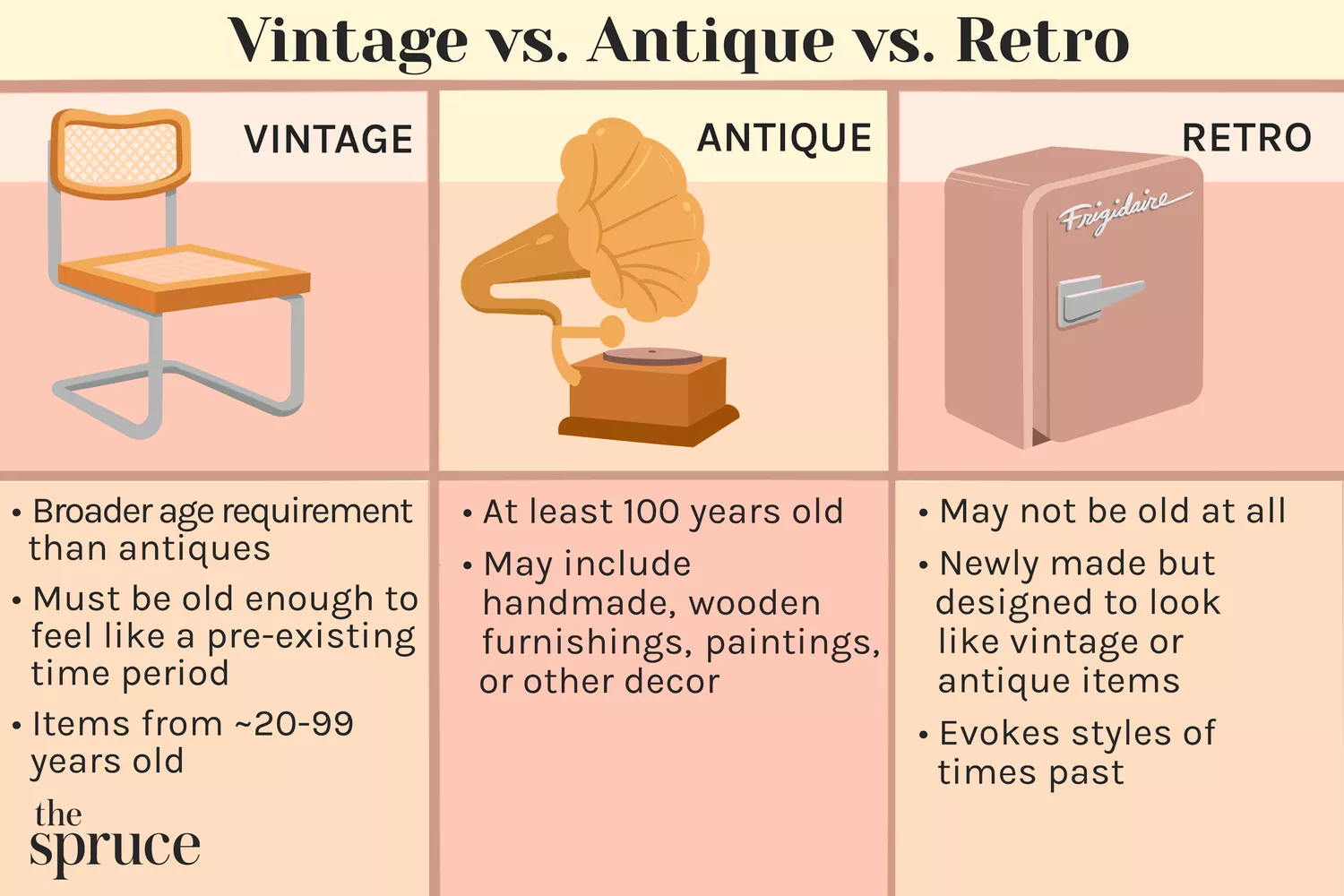
Vintage vs. Antique vs. Retro: What’s the Difference?
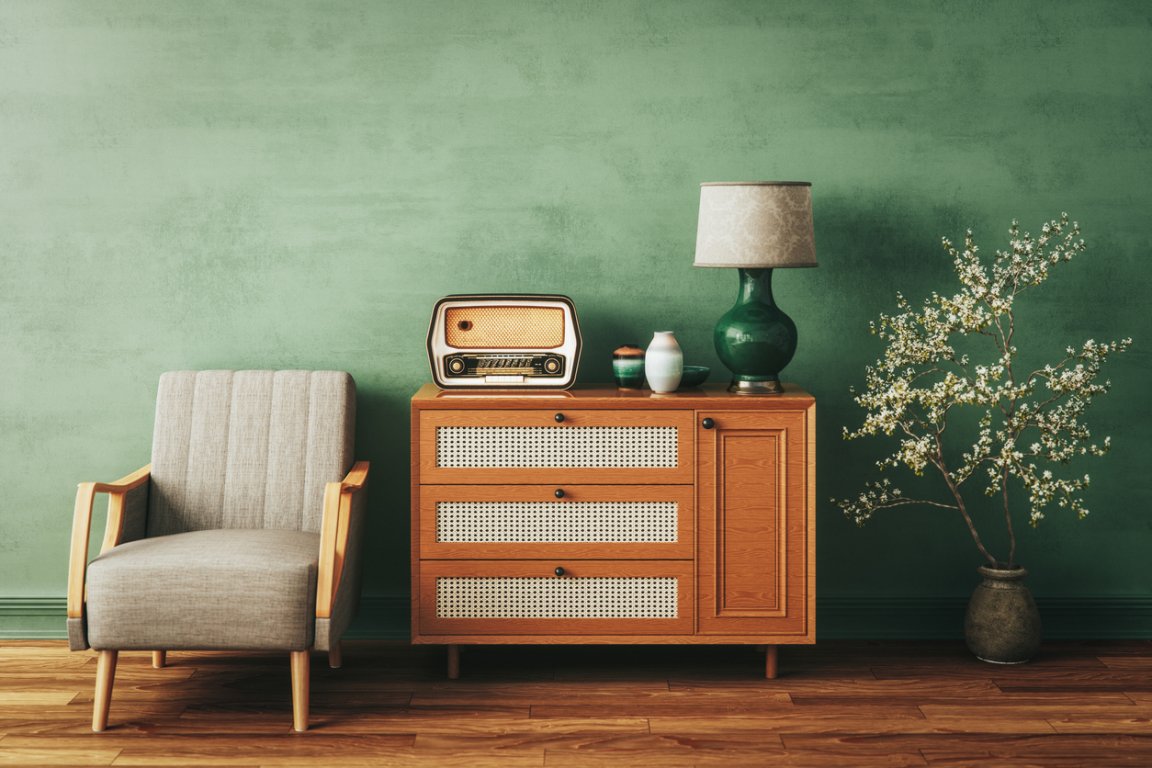
17 Products That Will Instantly Add Vintage Style to Any Home

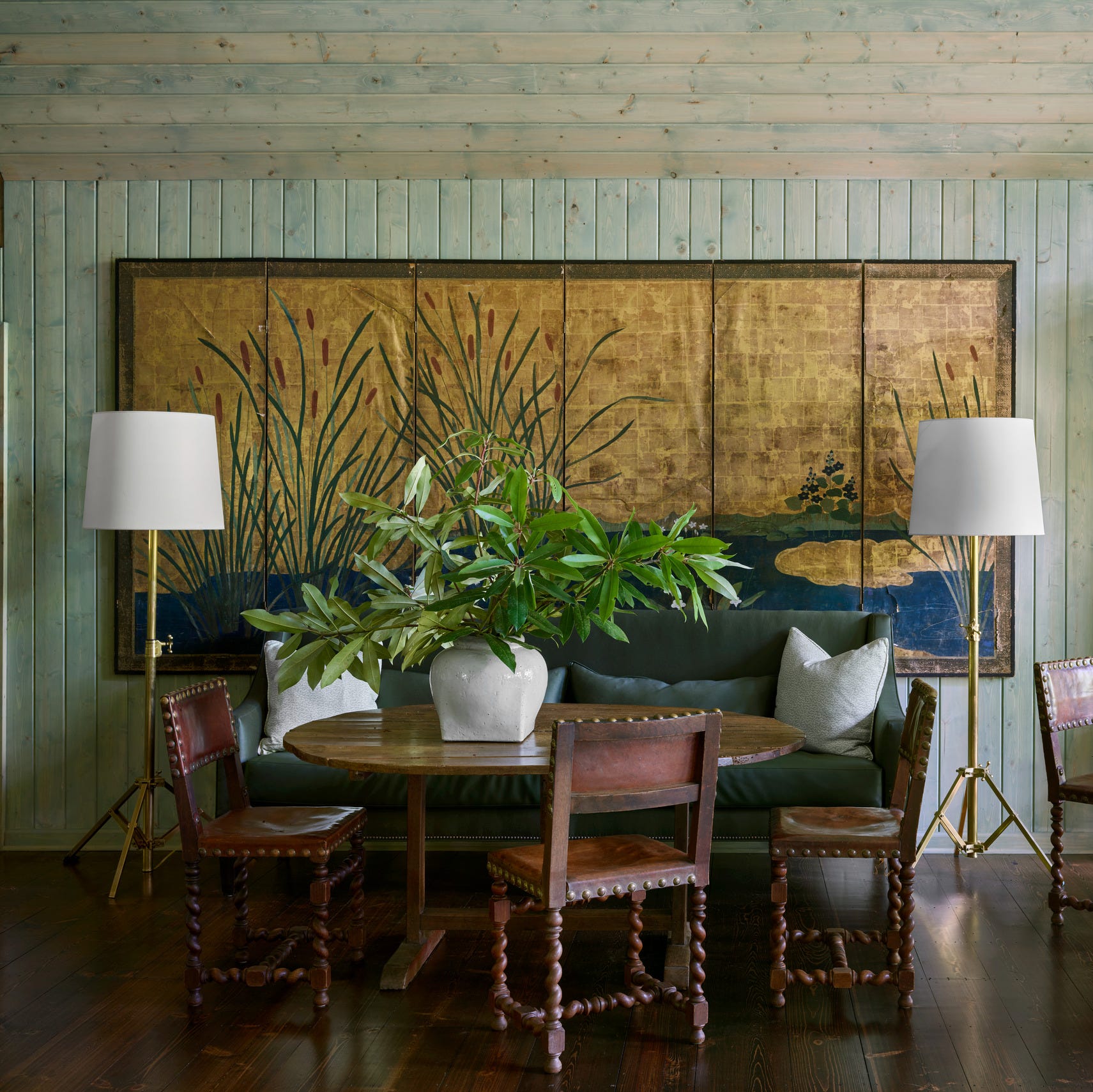
7 Vintage Home Decor Features That Designers Want to See EVERYWHERE in 2026

Interior design tips on vintage vibes incorporating retro charm into modern home | Hindustan Times

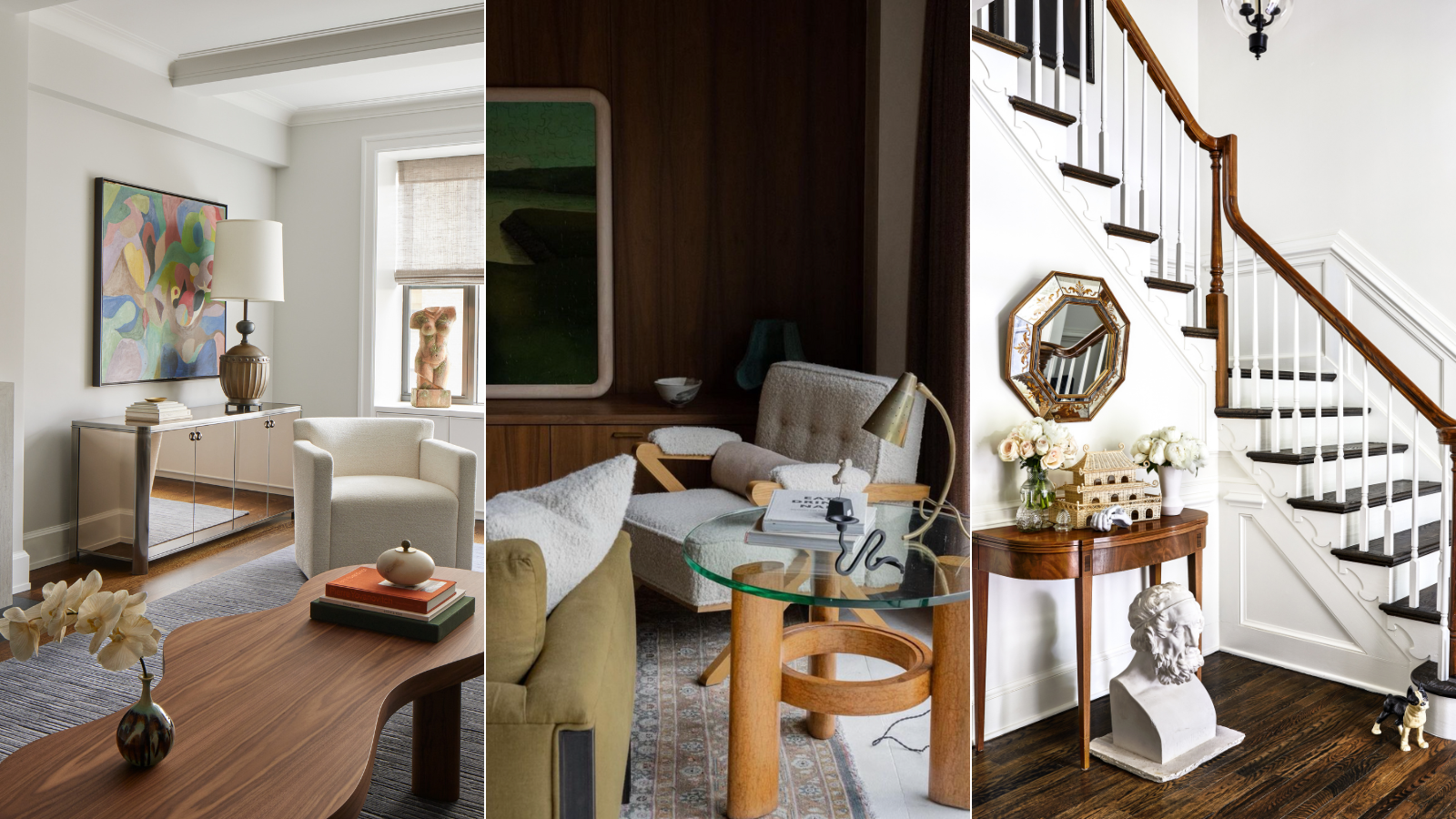
How to style antique furniture for a timeless, transitional space – 9 designers share their tips
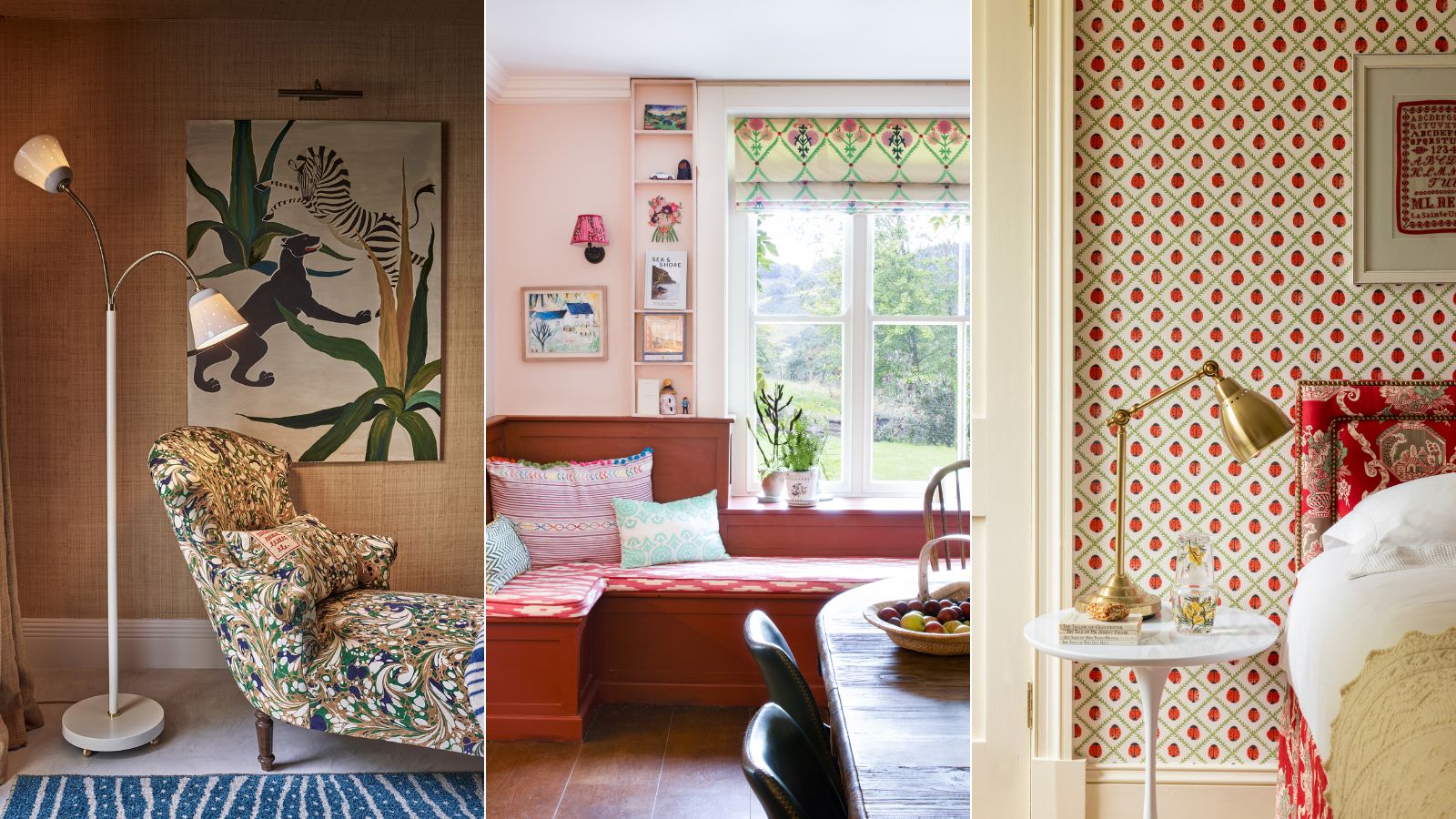
How to decorate with antique textiles – designers share their tips for adding character with old fabrics
5 easy vintage interior decor tricks for homes

40 Outdated Home Trends We Hope Never to See Again
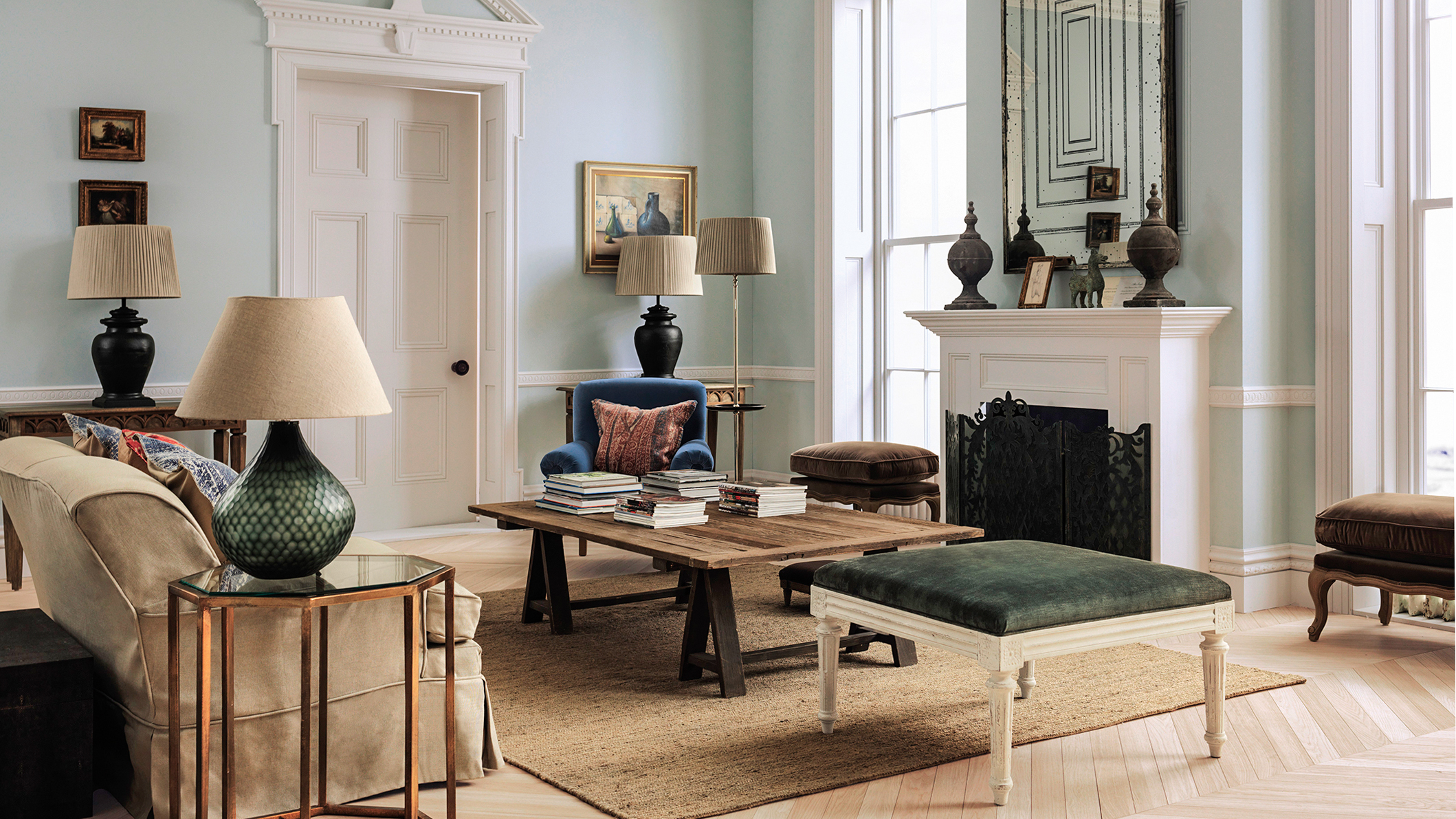
The Best Vintage-Inspired Paint Colors — 6 Expert-Approved Shades for a Touch of Chic Nostalgia

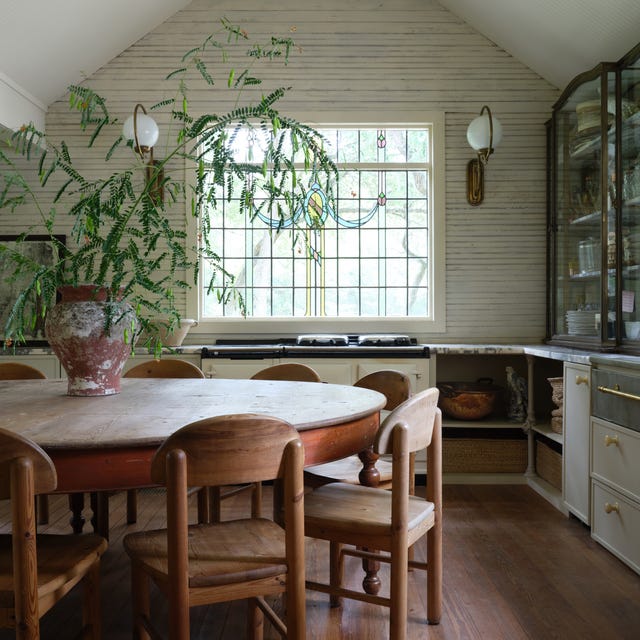
No Room Is Complete Without THIS One Feature, According to a Designer
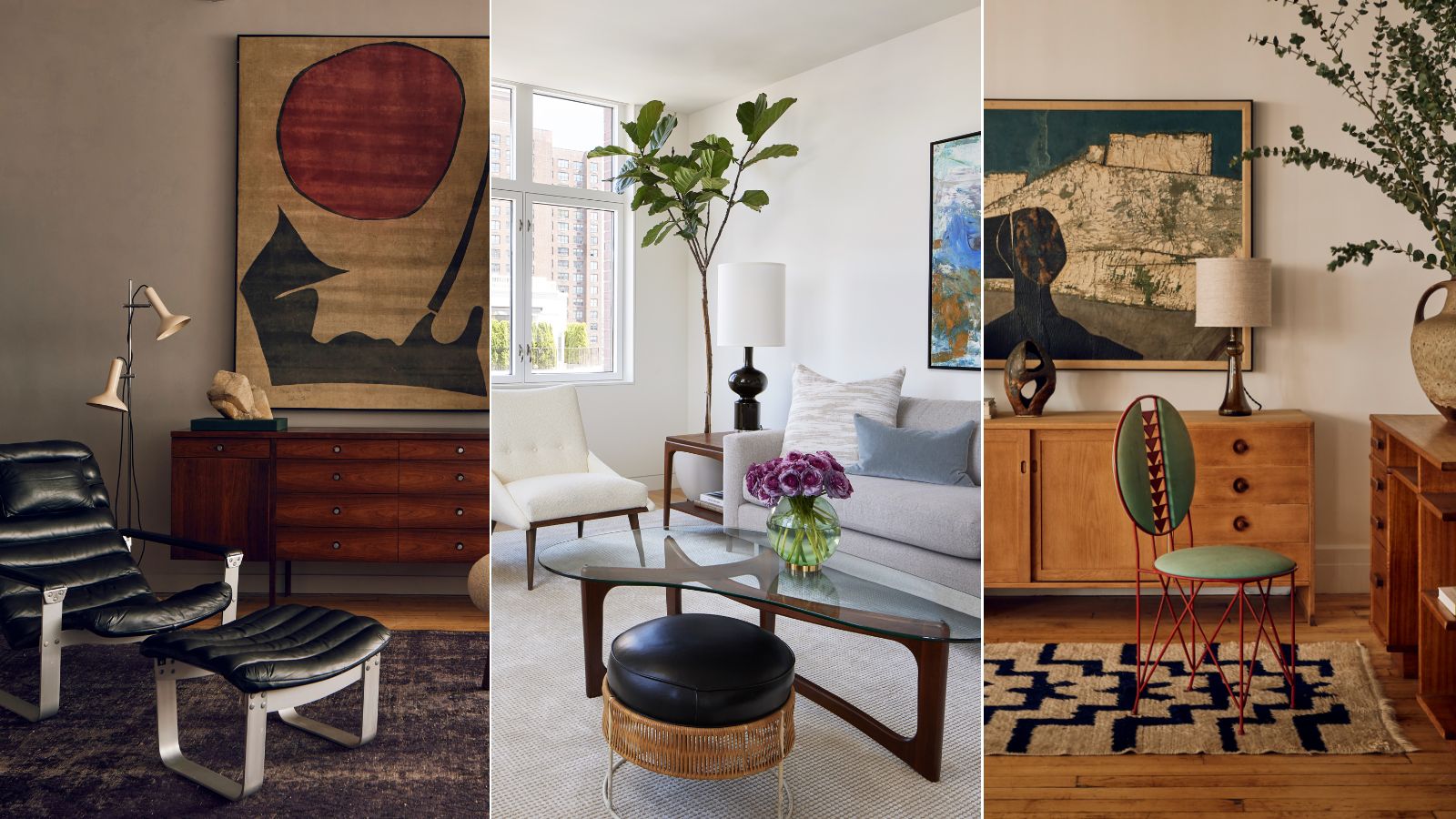
These designers source and restore vintage furniture every single day – here are their top tips for shopping and reviving
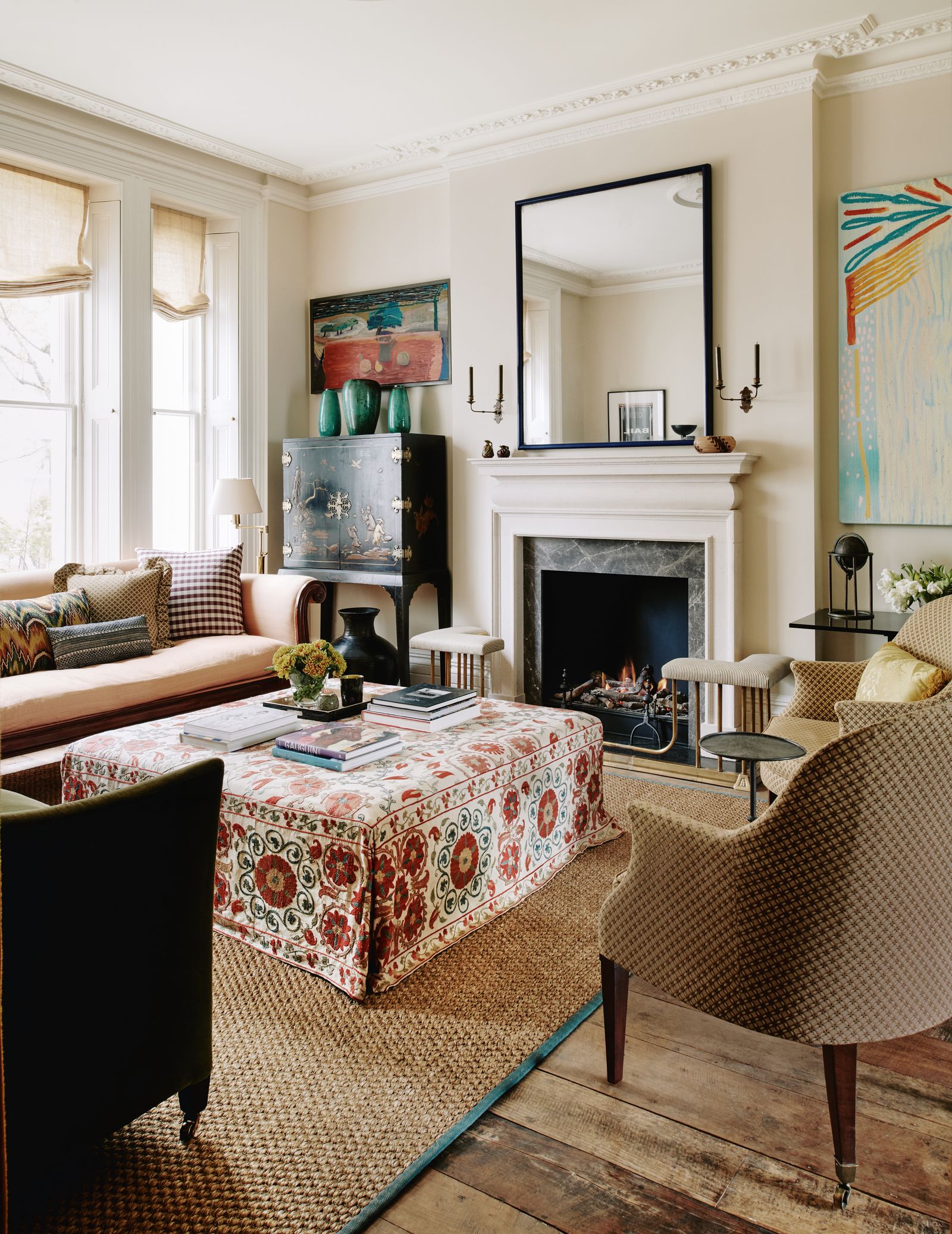
How to use antique furniture in a contemporary scheme
The enduring comfort of nostalgiacore – and why it's loved by designers
The Vintage Design Trend That's Coming Back (And How To Get The Look)