
How to Light Your Home So Even the Overhead Haters Are Happy
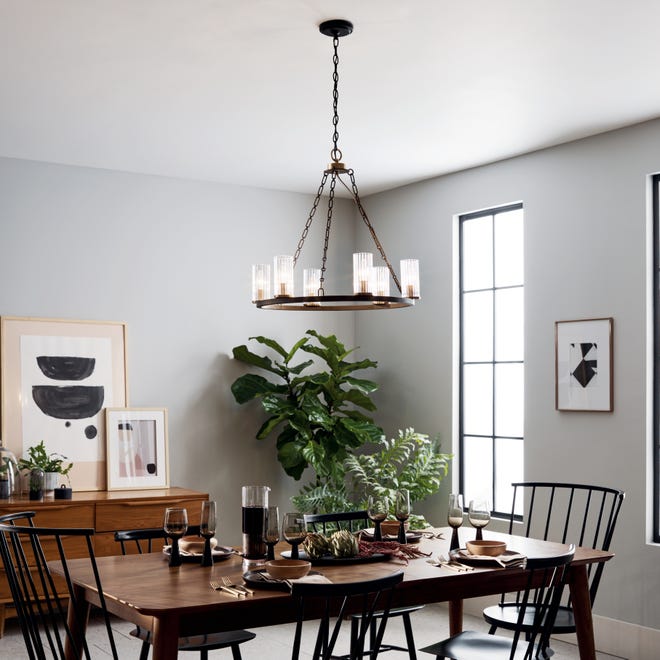
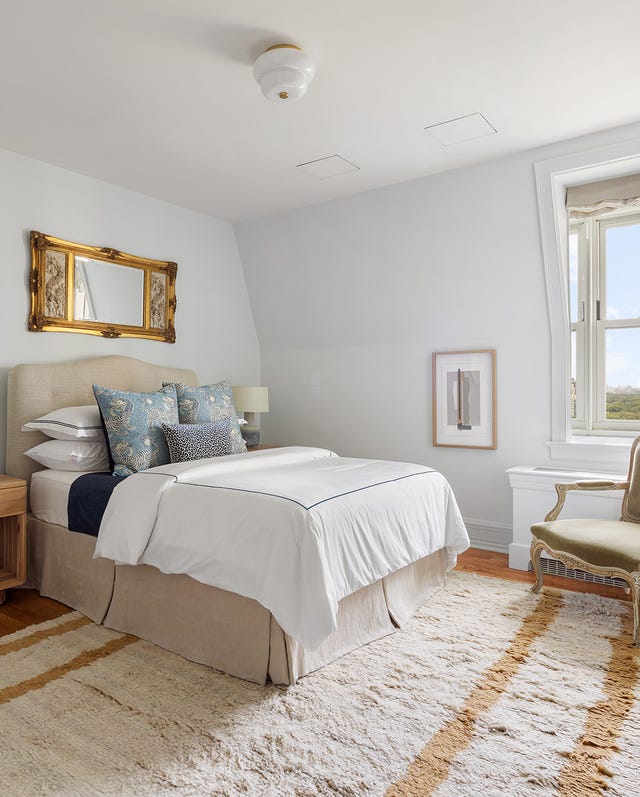
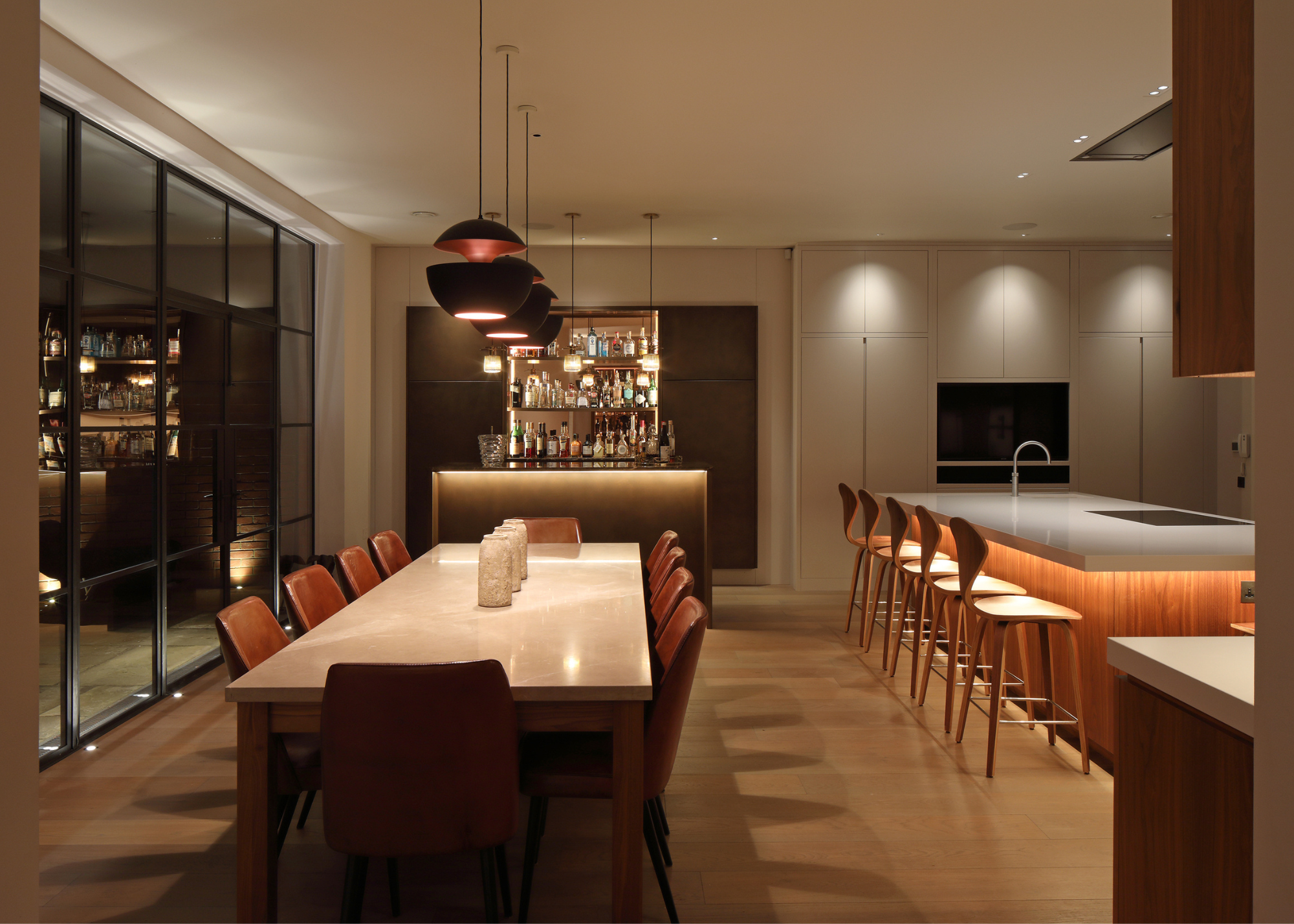
The article emphasizes the crucial role of lighting in home design, describing it as a "secret ingredient" that can profoundly transform a space. Emmy-award-winning interior designer Tyka Pryde Edwards and lighting designer Seth Bernstein highlight that lighting is the most impactful and cost-effective way to enhance a room, especially given the diverse activities conducted at home, from relaxation to work. The initial step in lighting design involves a personal assessment of how a space is utilized, the activities performed, and the desired atmosphere. The approach to lighting differs significantly based on room size; small spaces rely on strategic lighting to accommodate multiple functions, while large areas require ample lighting to avoid feeling cold and empty. For social gatherings like dinner parties, ambient and moody lighting is recommended to create an inviting atmosphere.
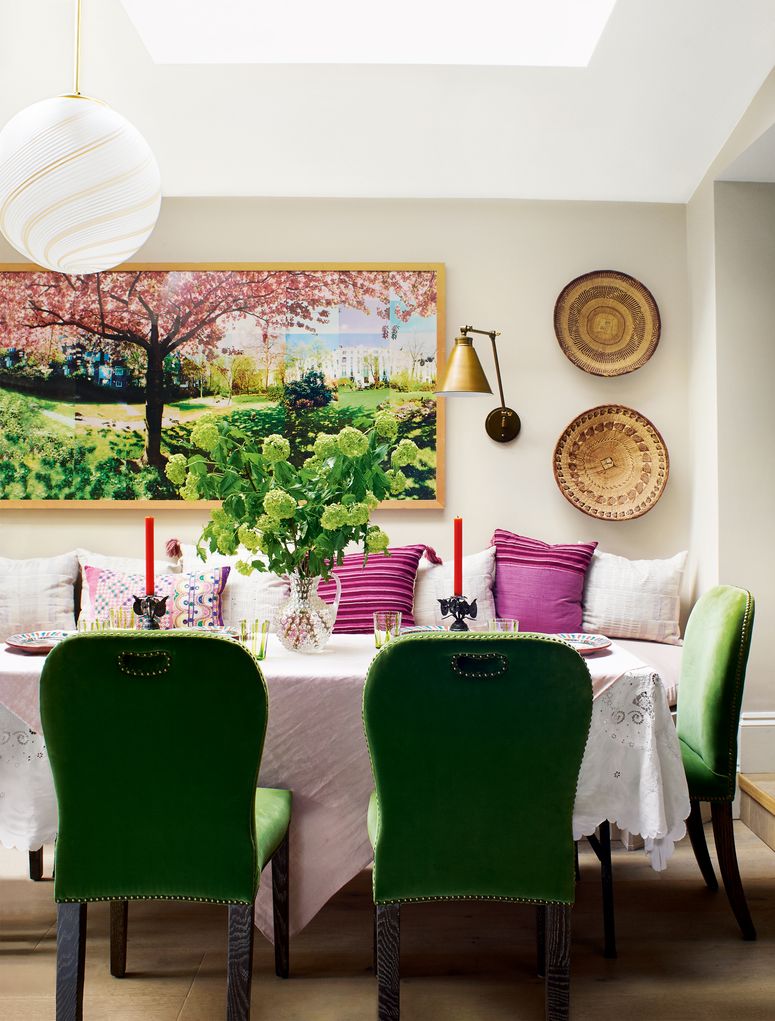
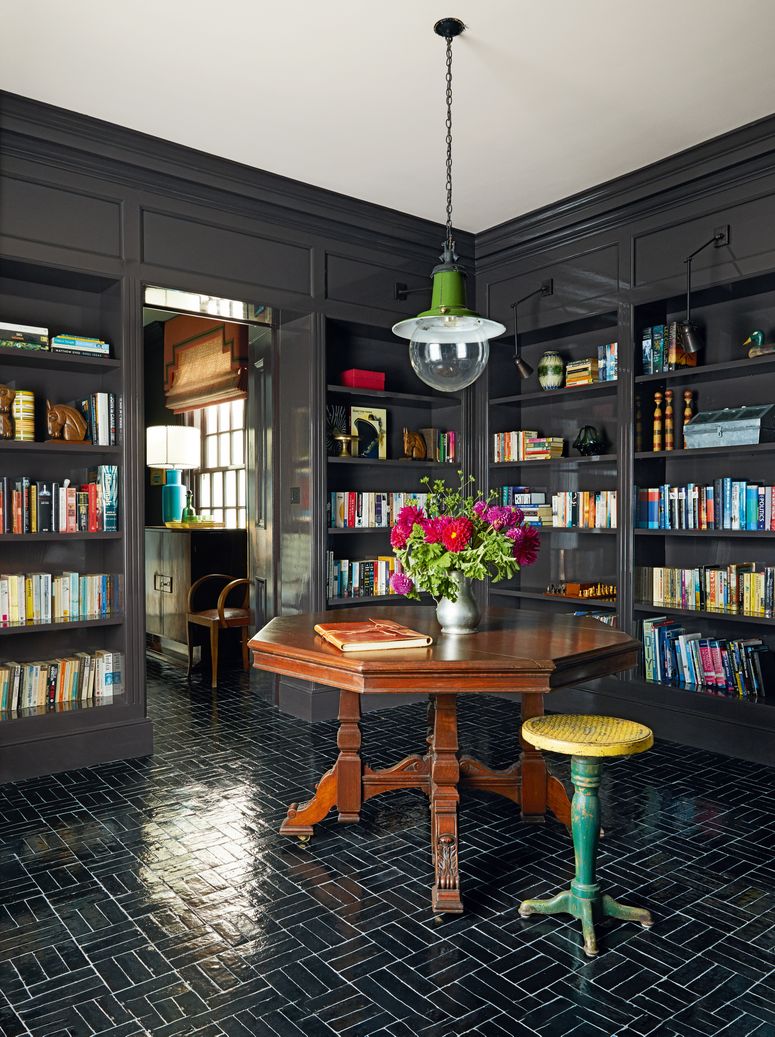
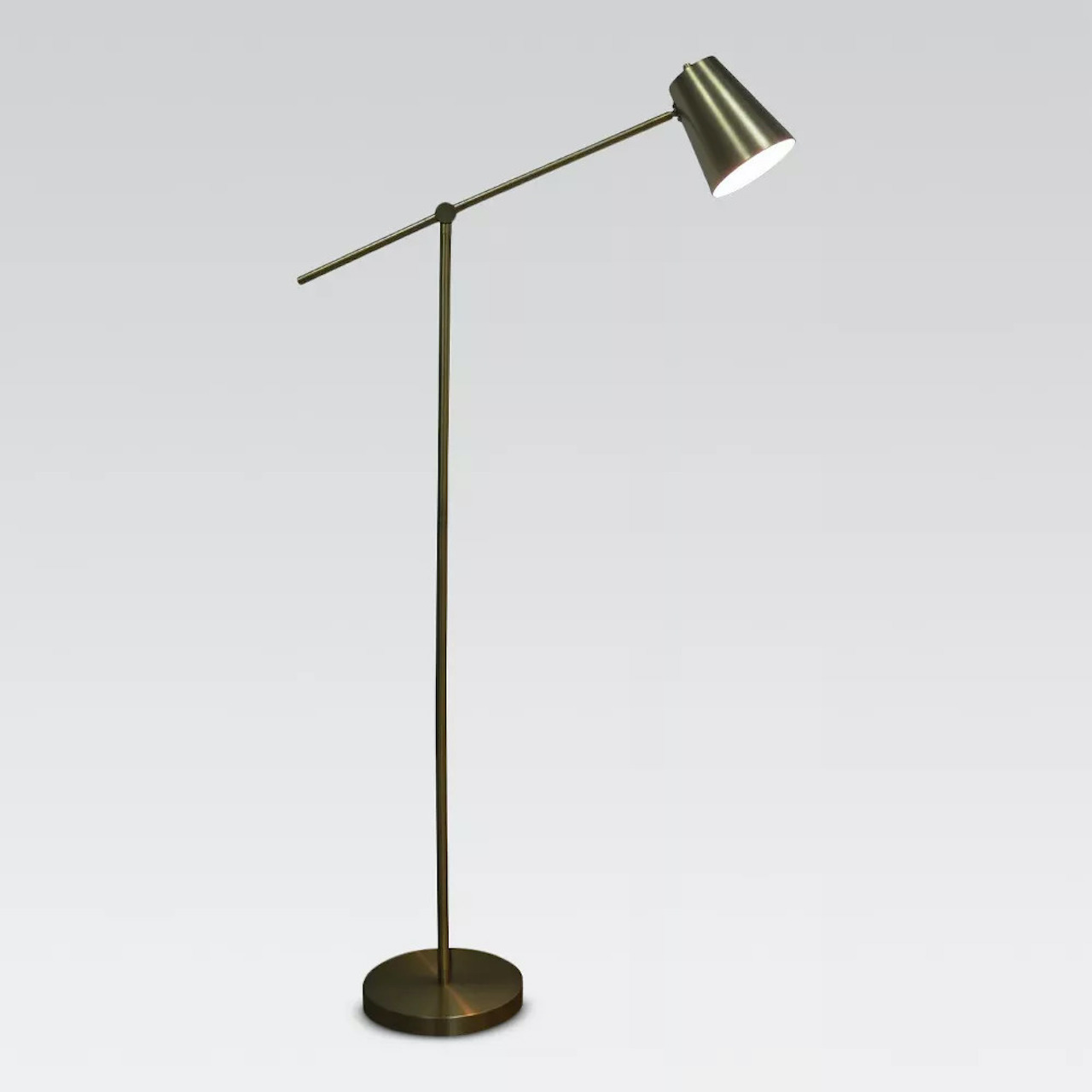
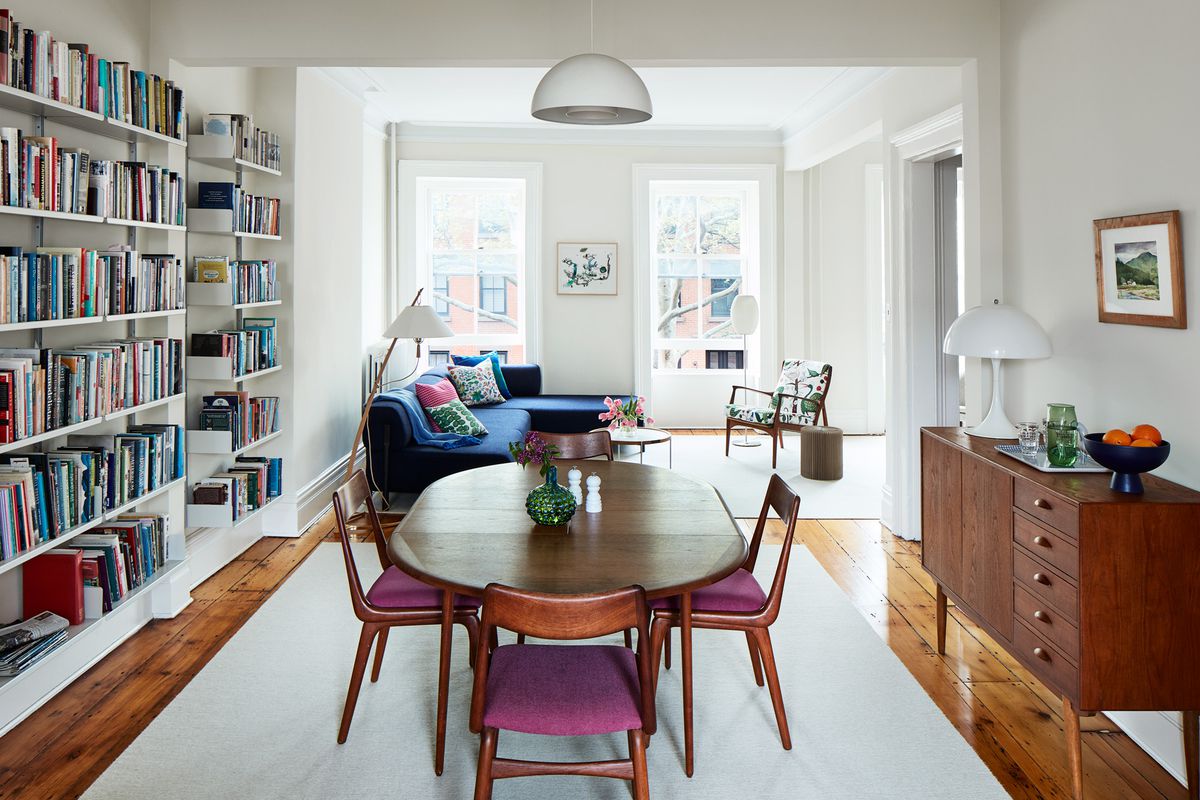
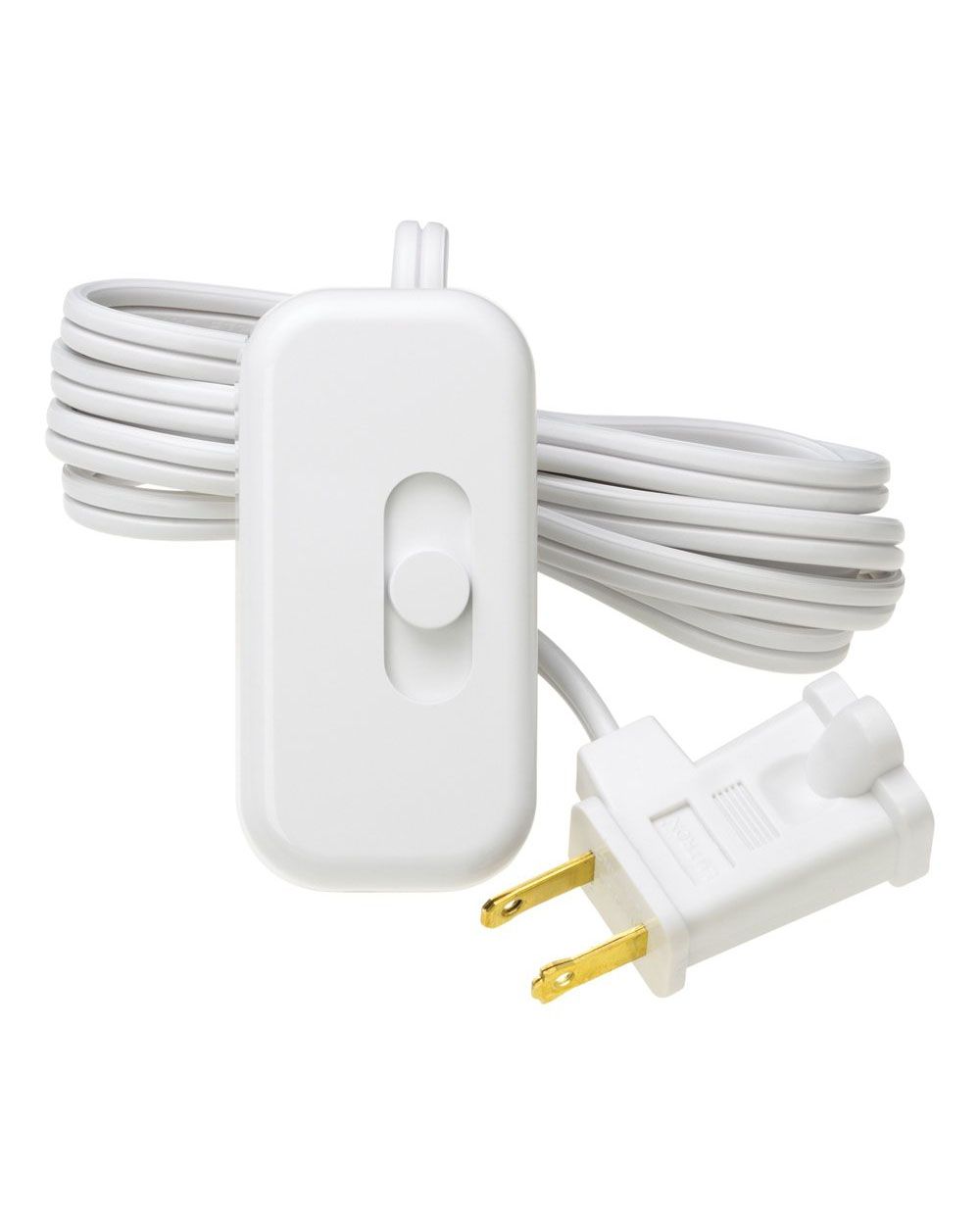
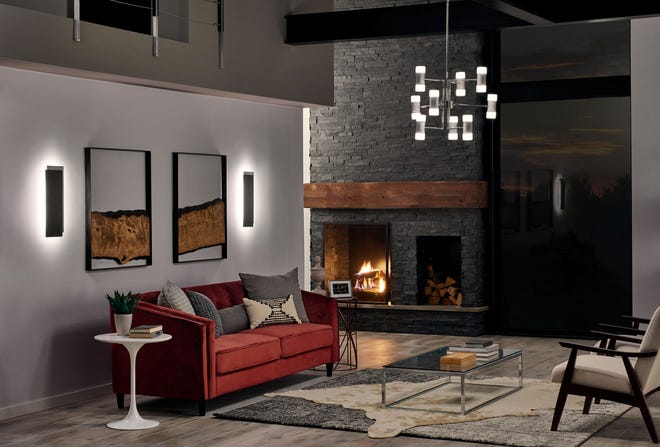
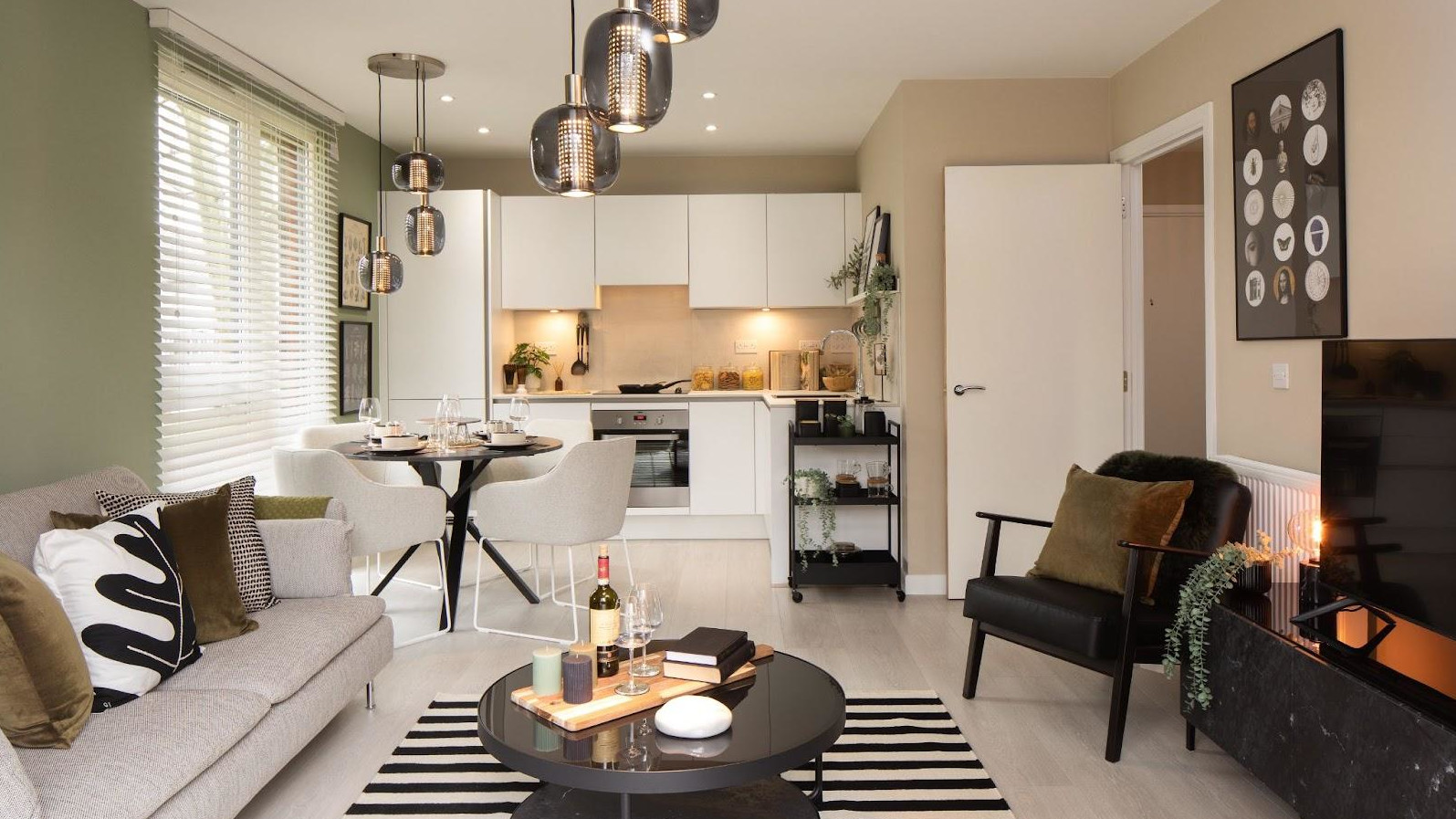
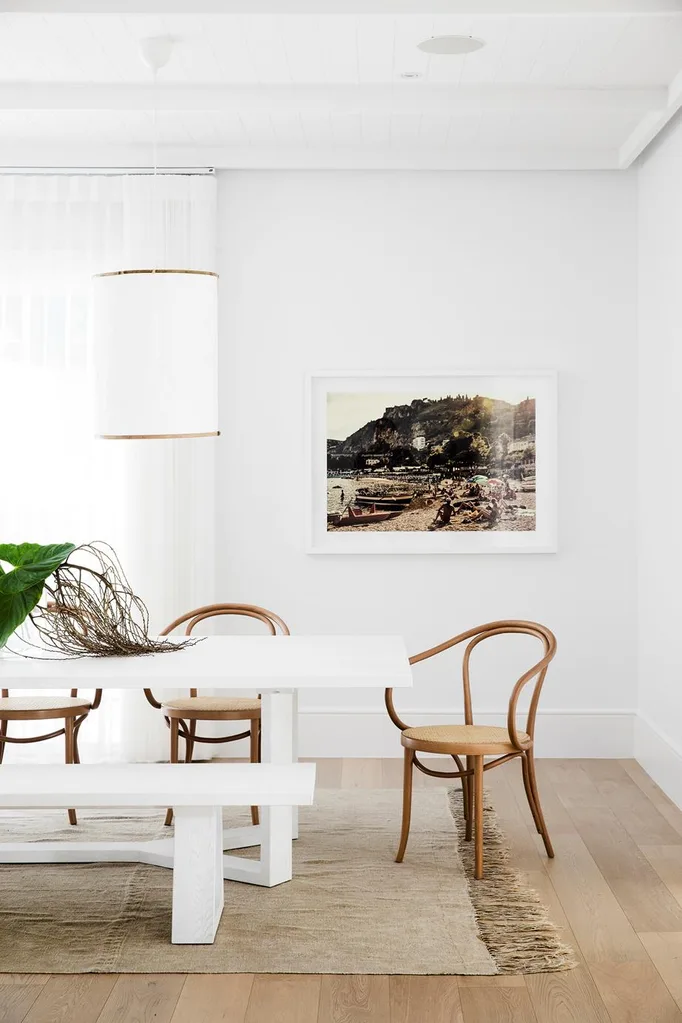
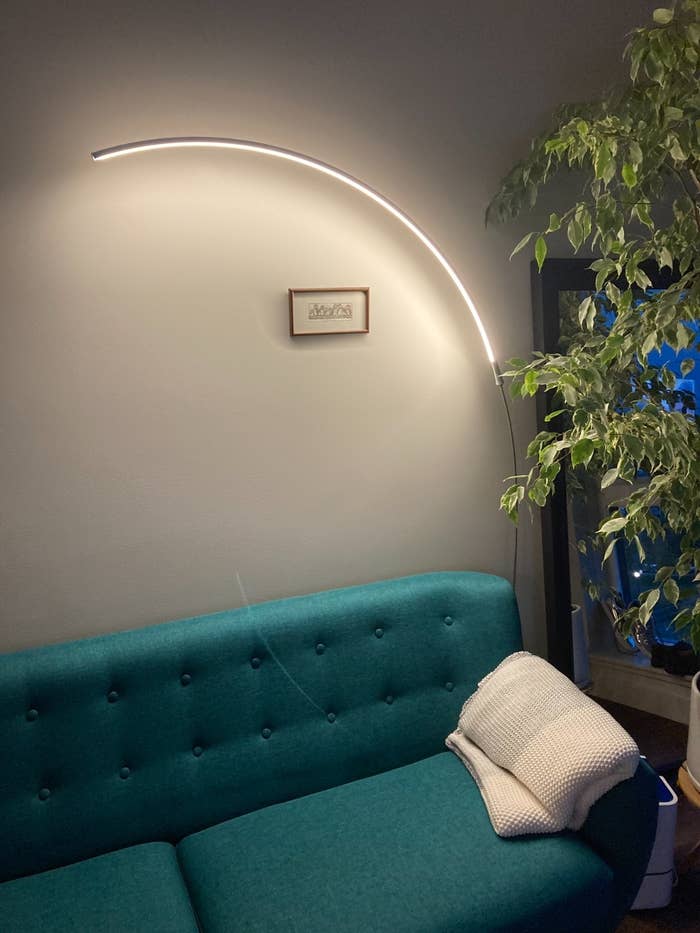
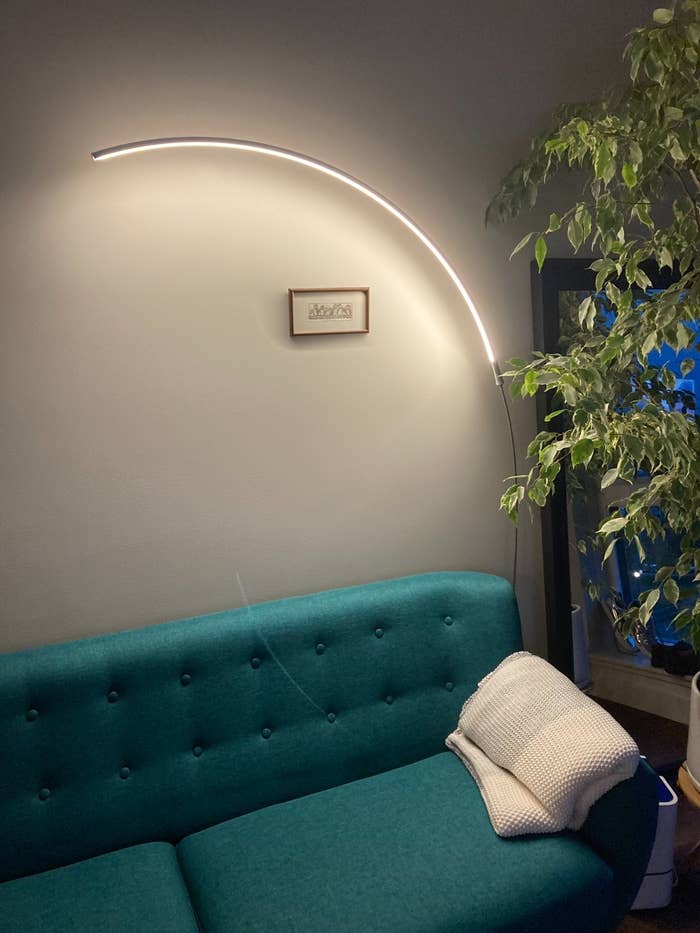
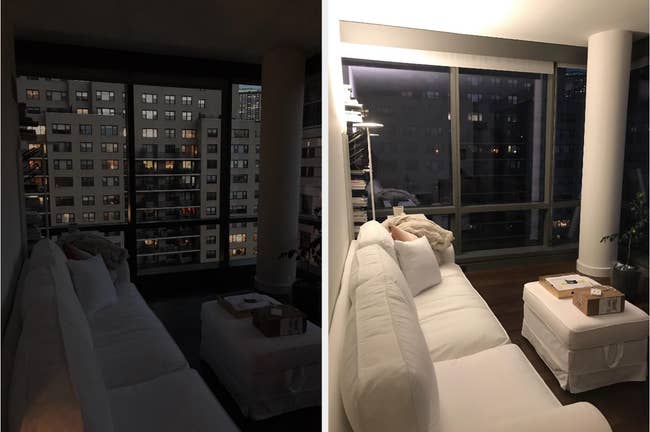
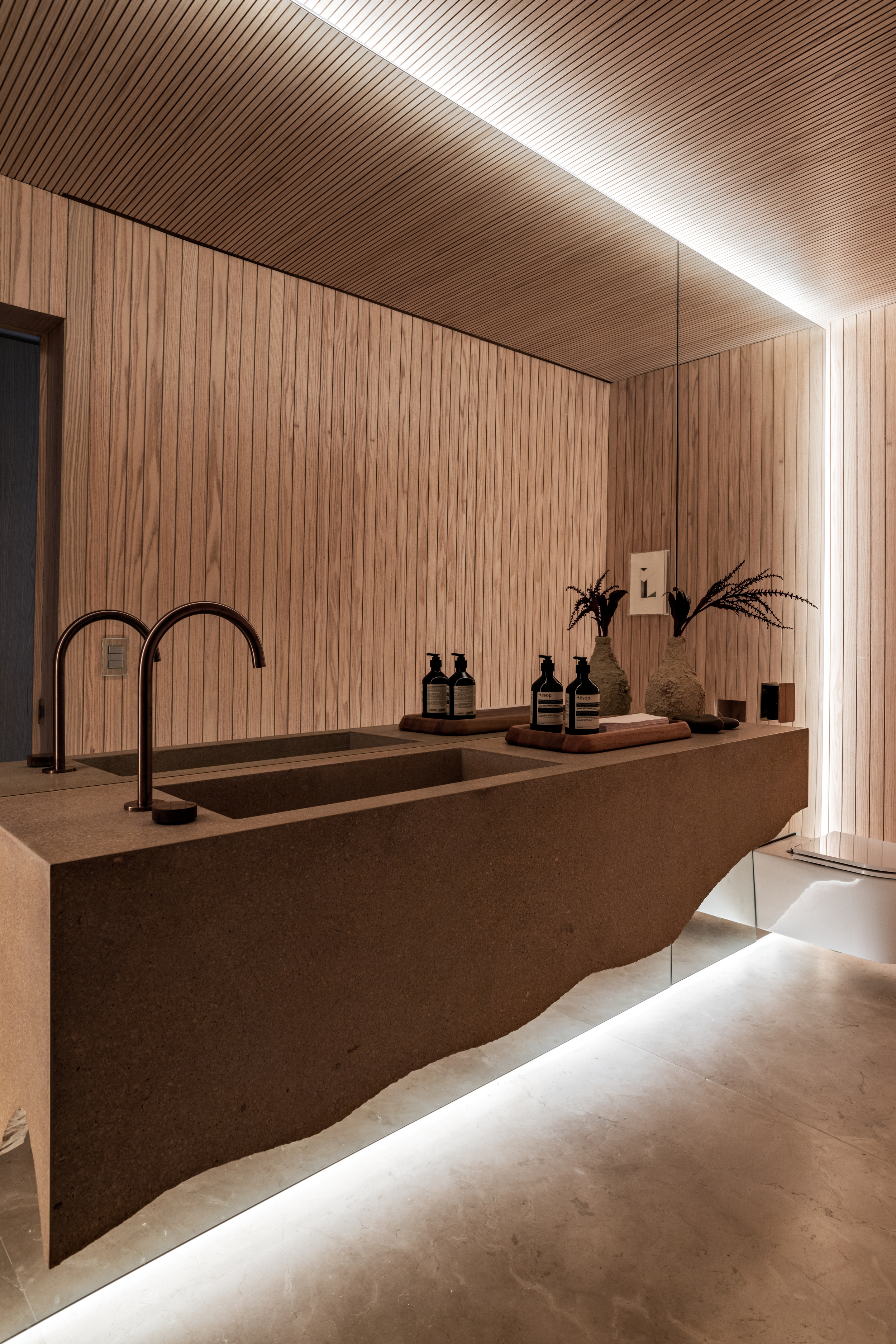
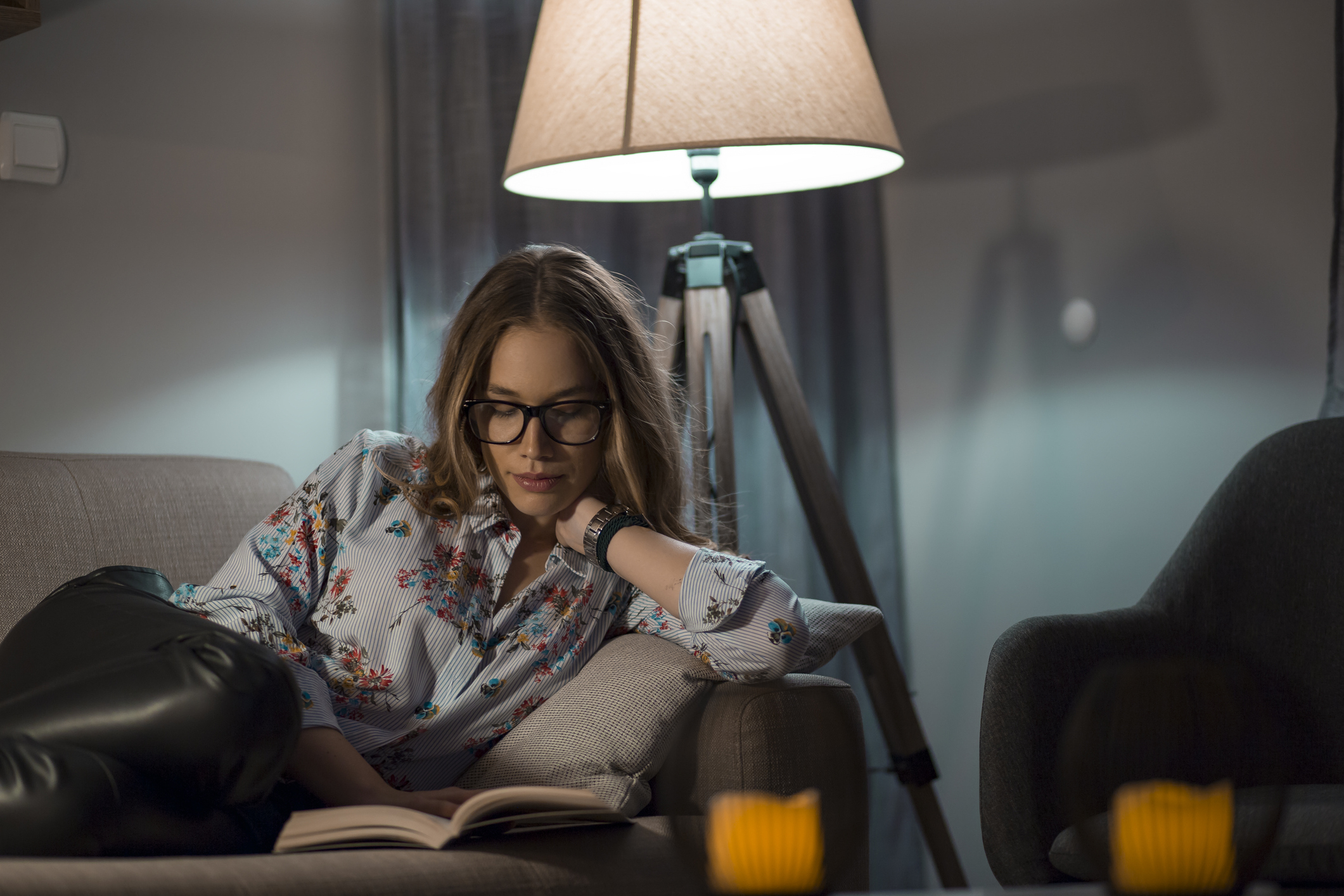
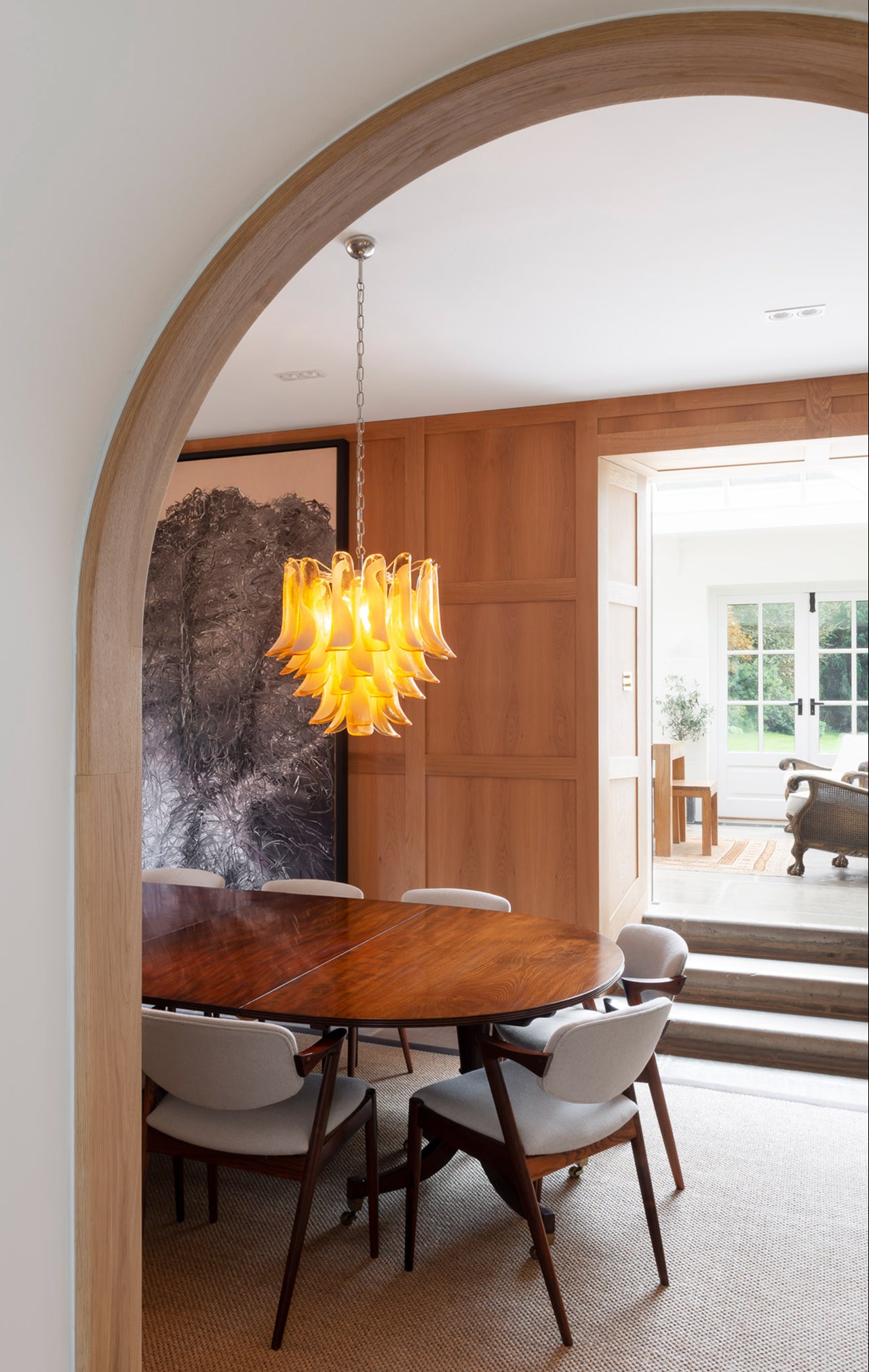
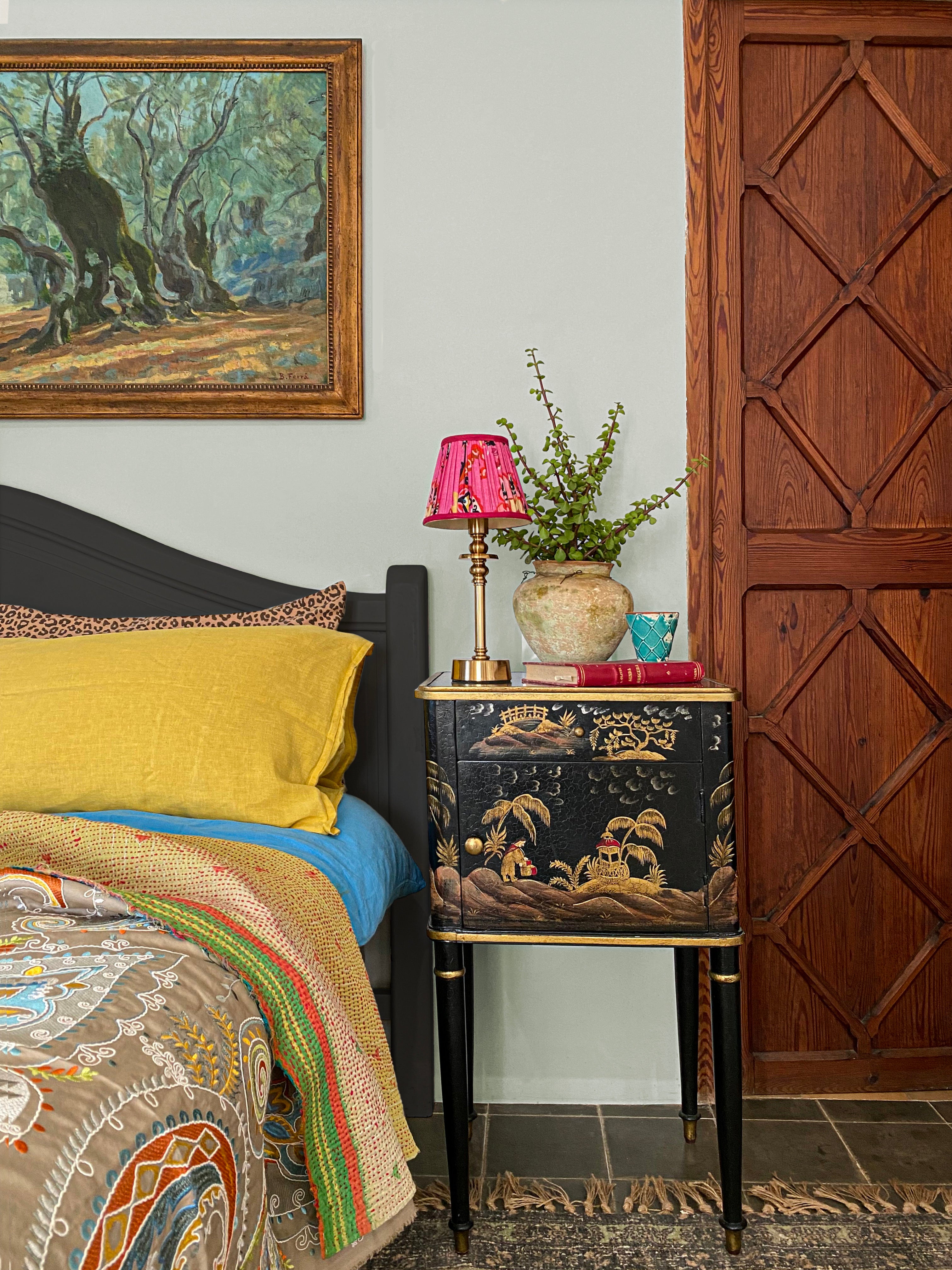
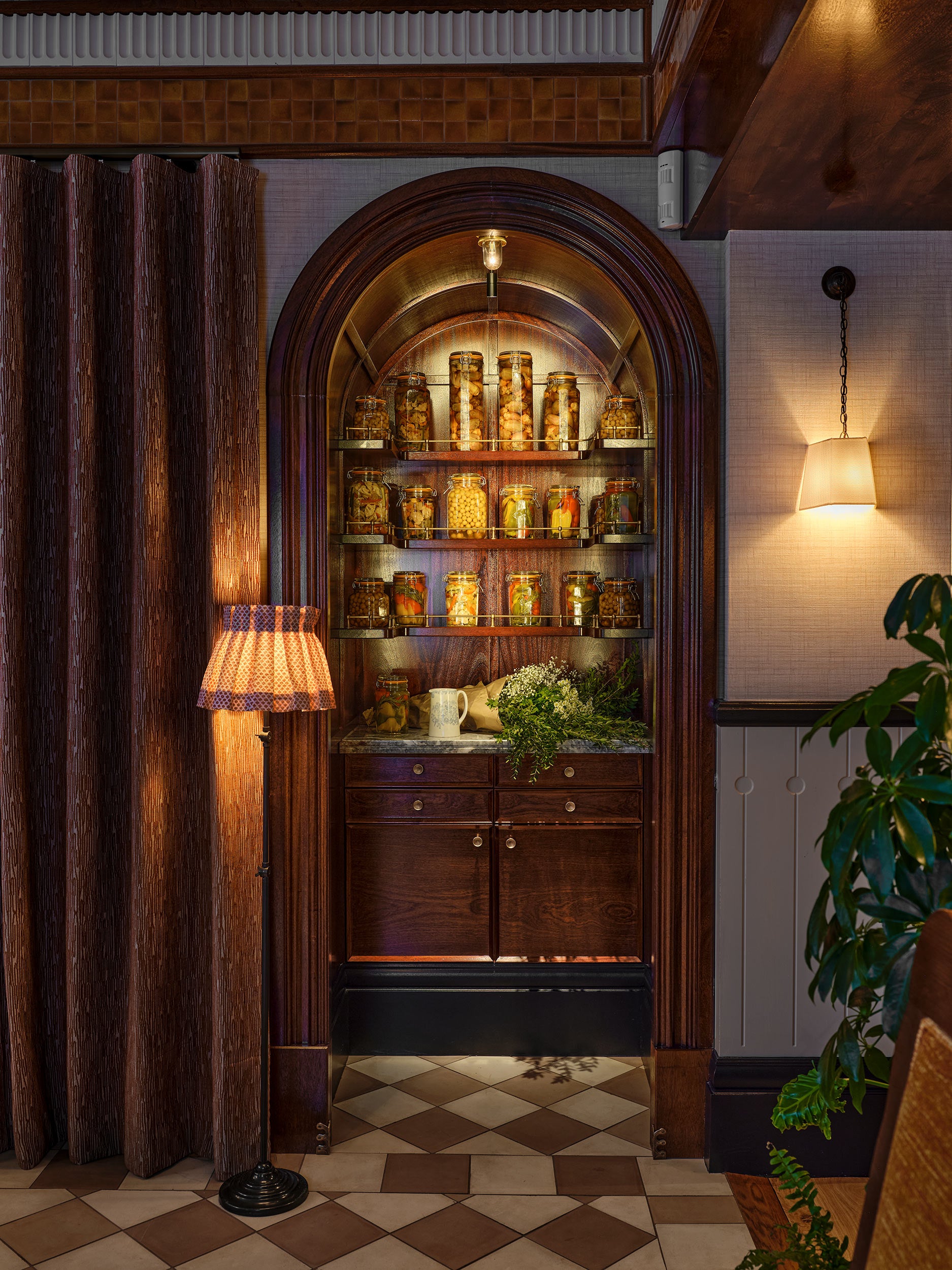
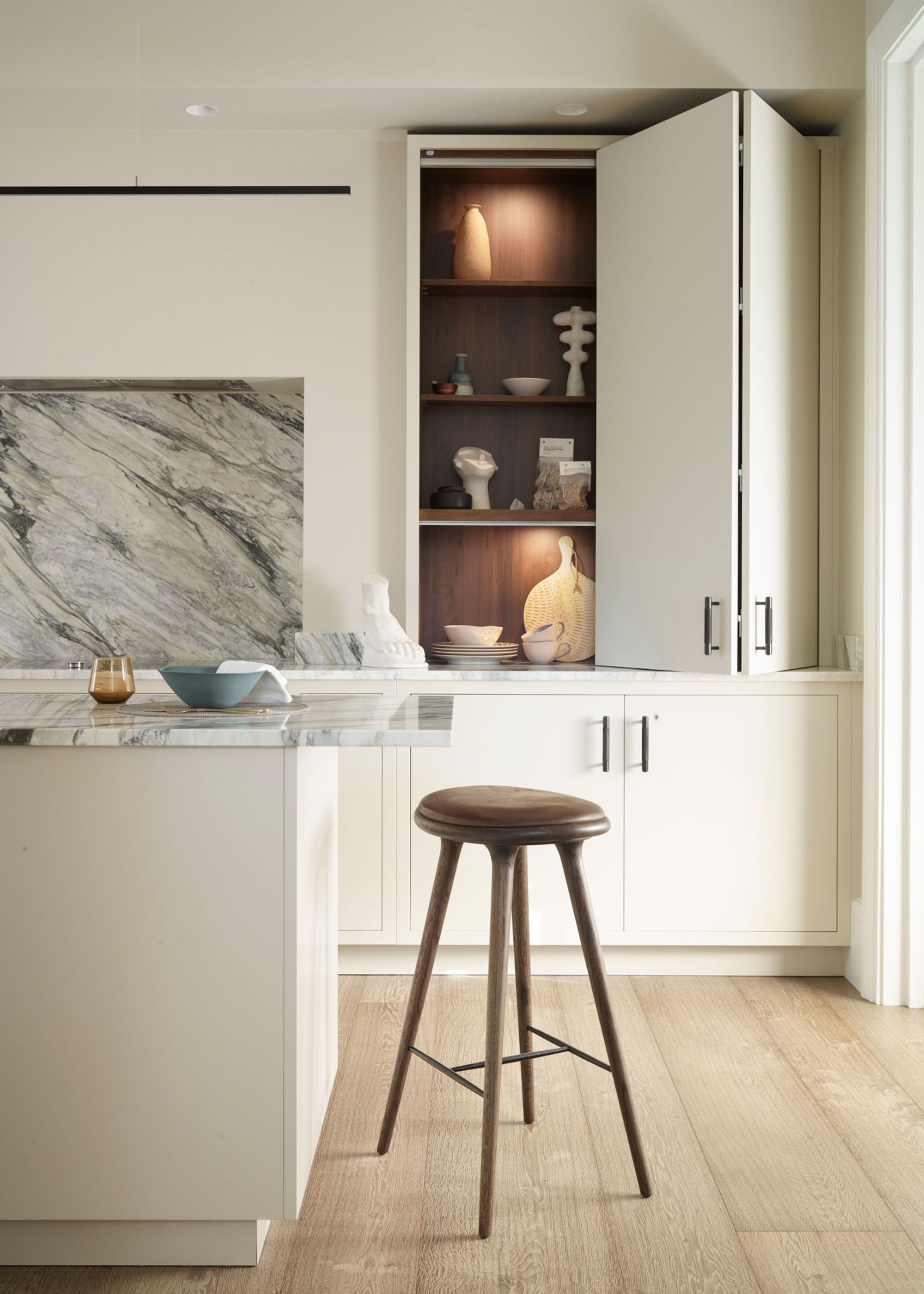
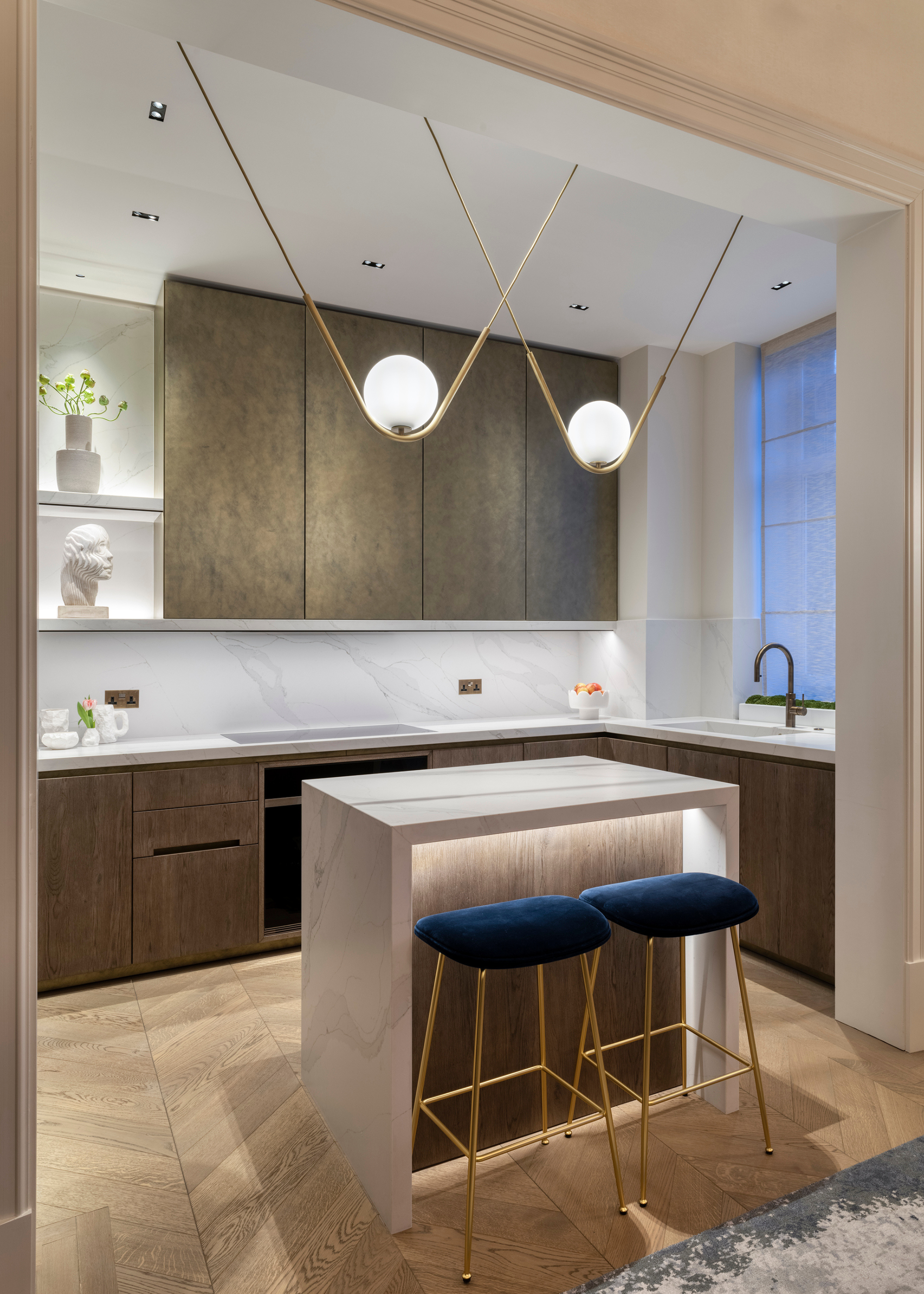
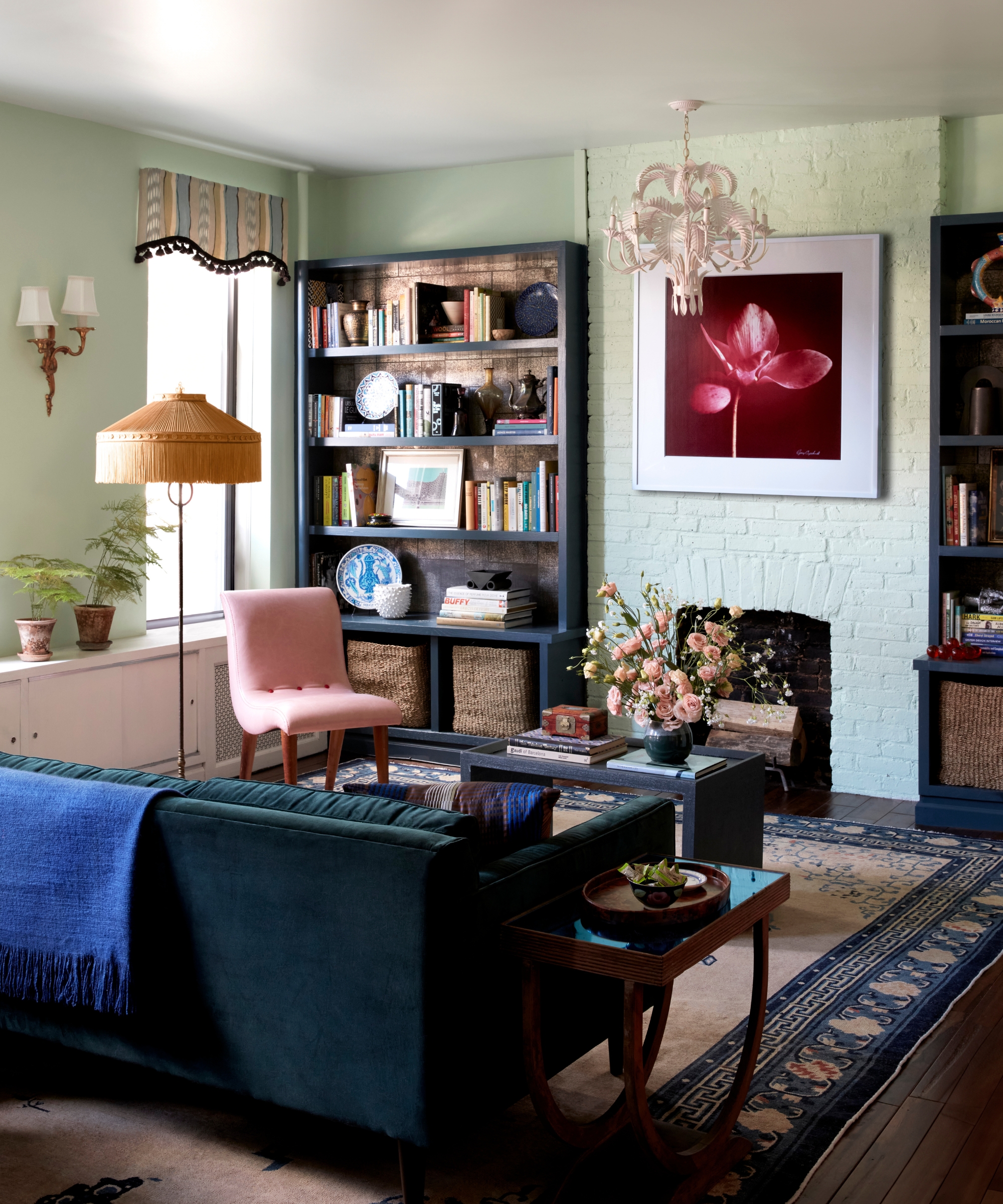
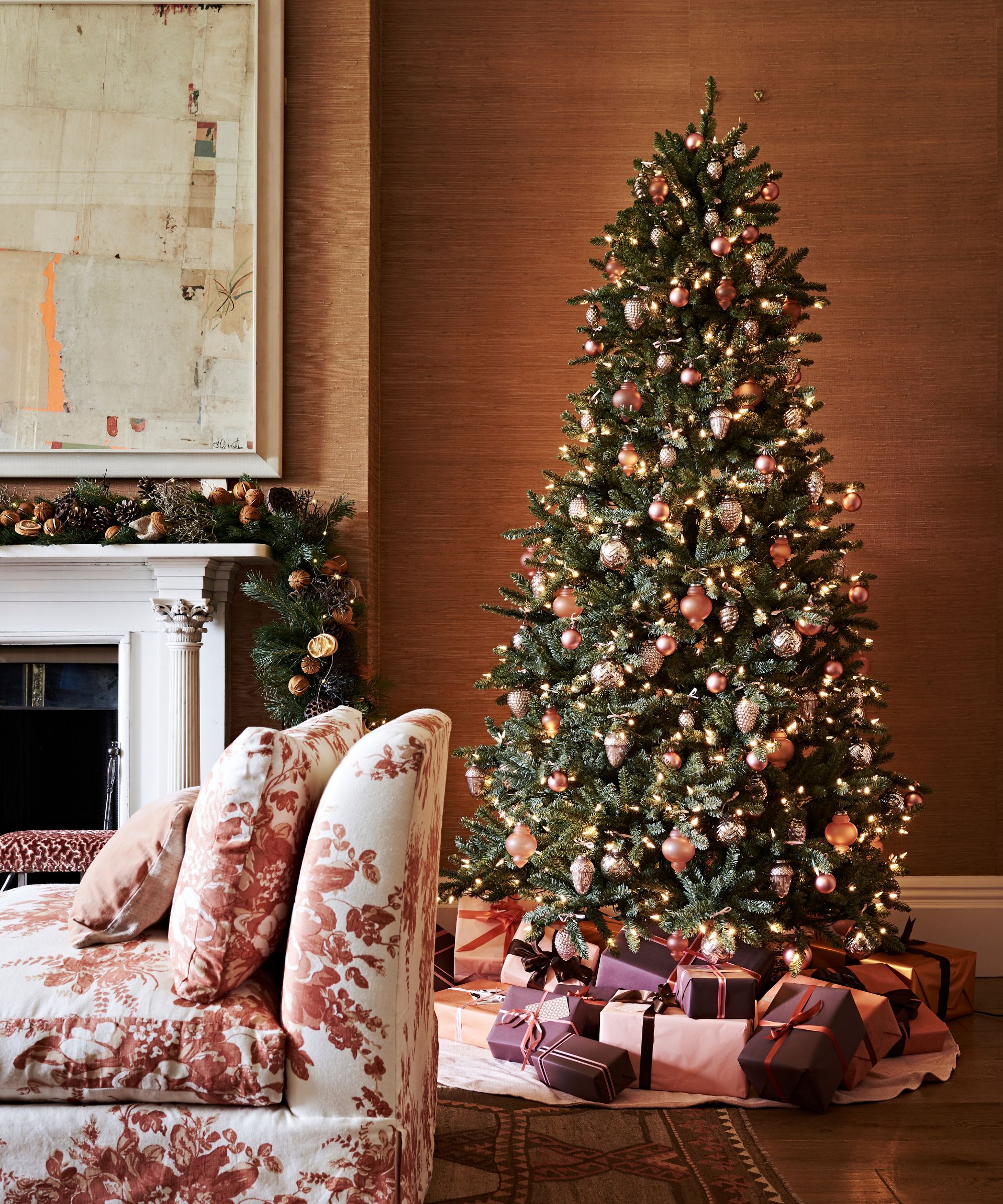
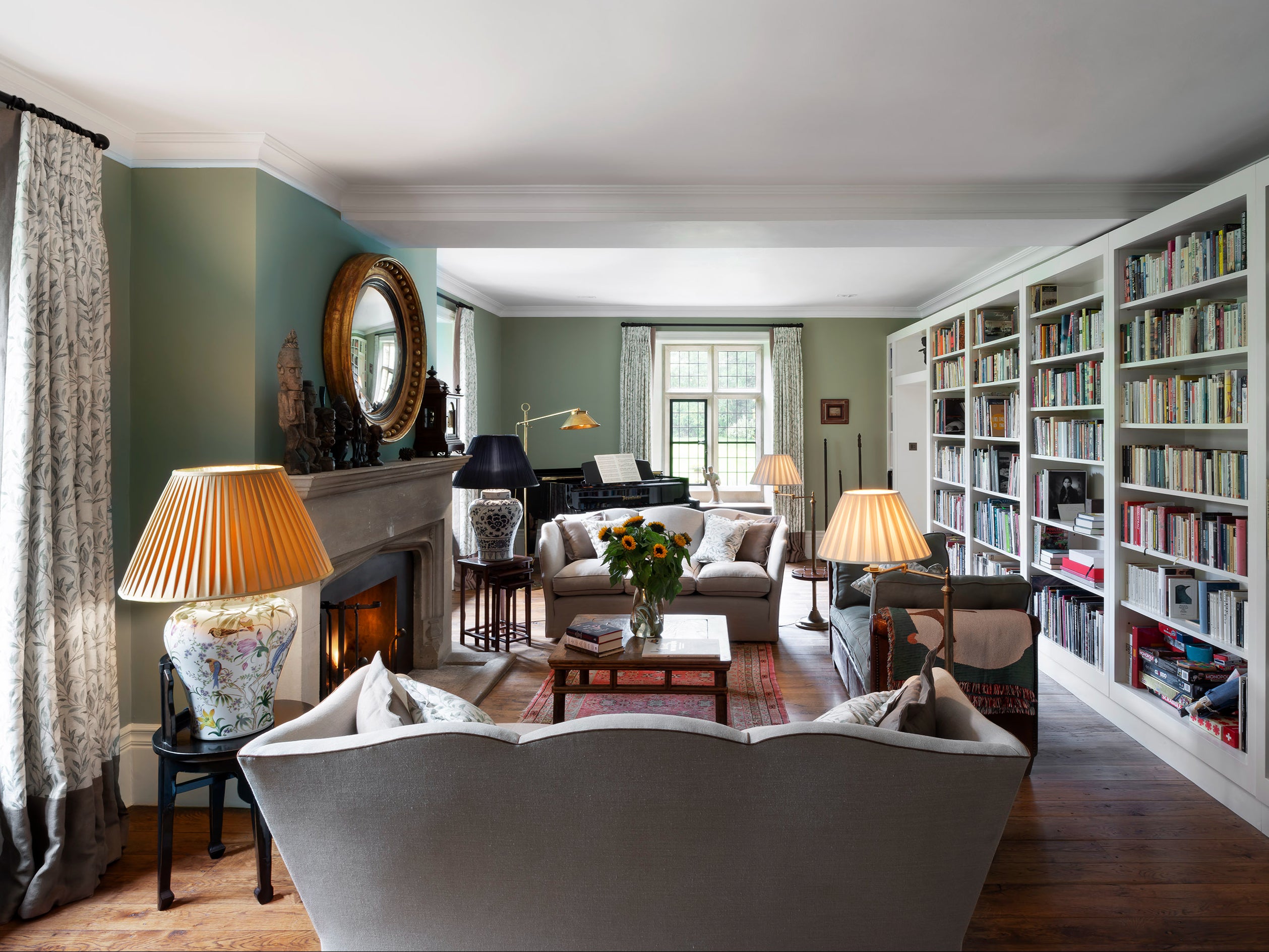
A foundational rule for effective home lighting is the "rule of threes," suggesting a minimum of three distinct lighting layers. This typically includes an overhead light (used sparingly), picture lights or wall sconces to highlight architectural features, and task lighting for focused activities like reading or working. Practically, this translates to each room having an overhead light, a floor lamp, and a table lamp, with lamps offering flexibility in placement. Additional lighting can be incorporated based on preference, such as nightlights or accent sconces. Another critical aspect is selecting the appropriate light temperature. Cooler, brighter lighting (e.g., 4000 Kelvin) is suitable for kitchens, bathrooms, and home offices where focus is required, while warmer, cozier lighting (e.g., 2700 Kelvin, similar to candlelight) is preferred for bedrooms, dining rooms, and living rooms to promote comfort and intimacy. Color temperature adjustable bulbs and dimmers offer versatility, allowing users to adapt lighting to different times of day and activities.
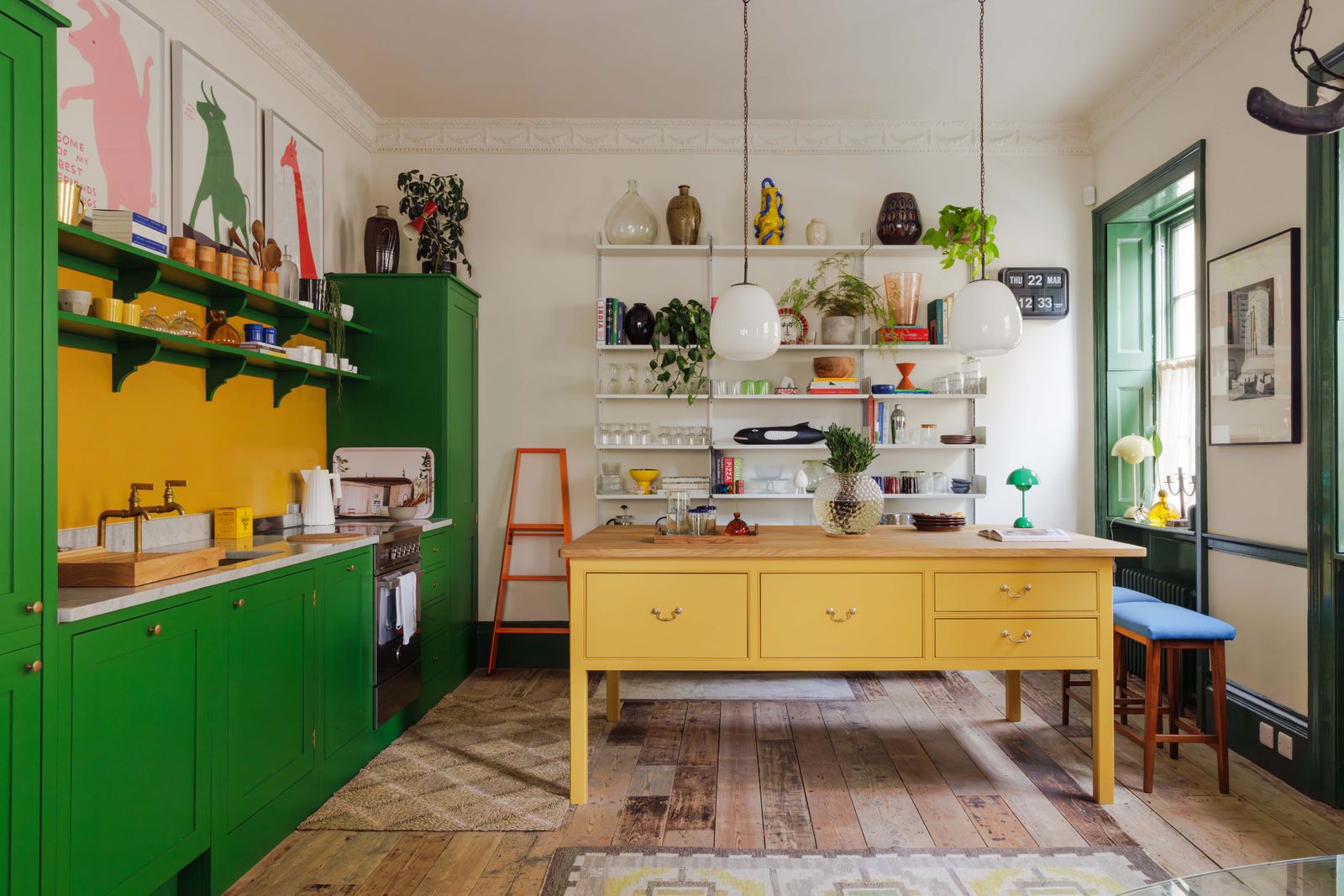
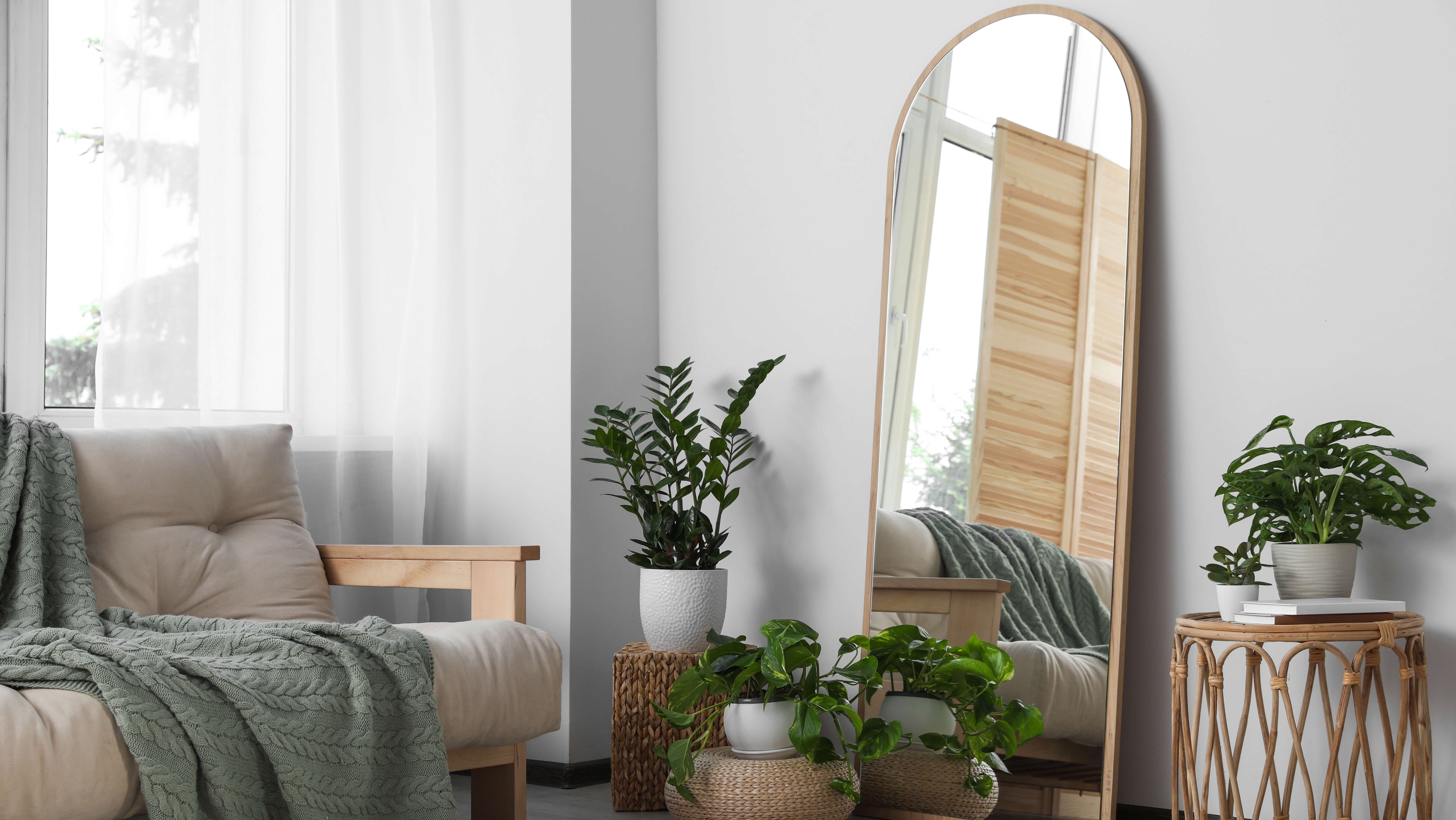
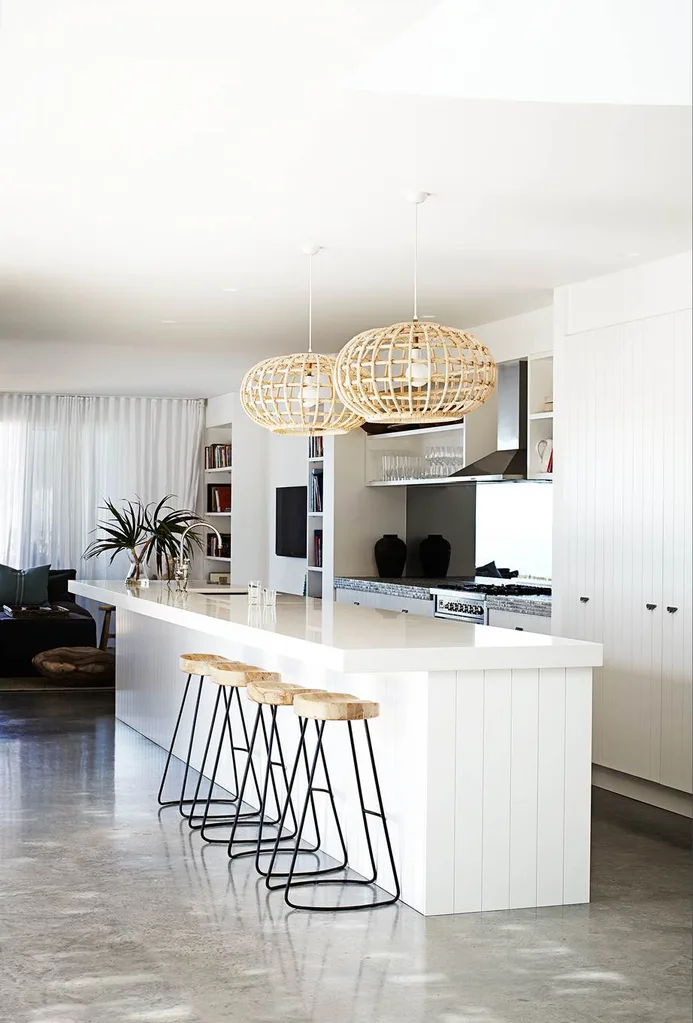
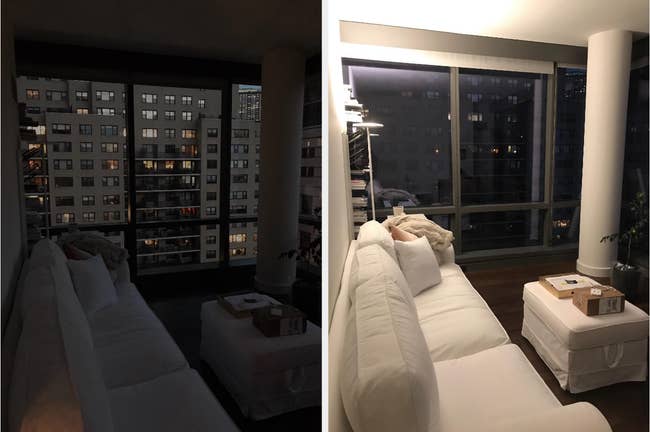
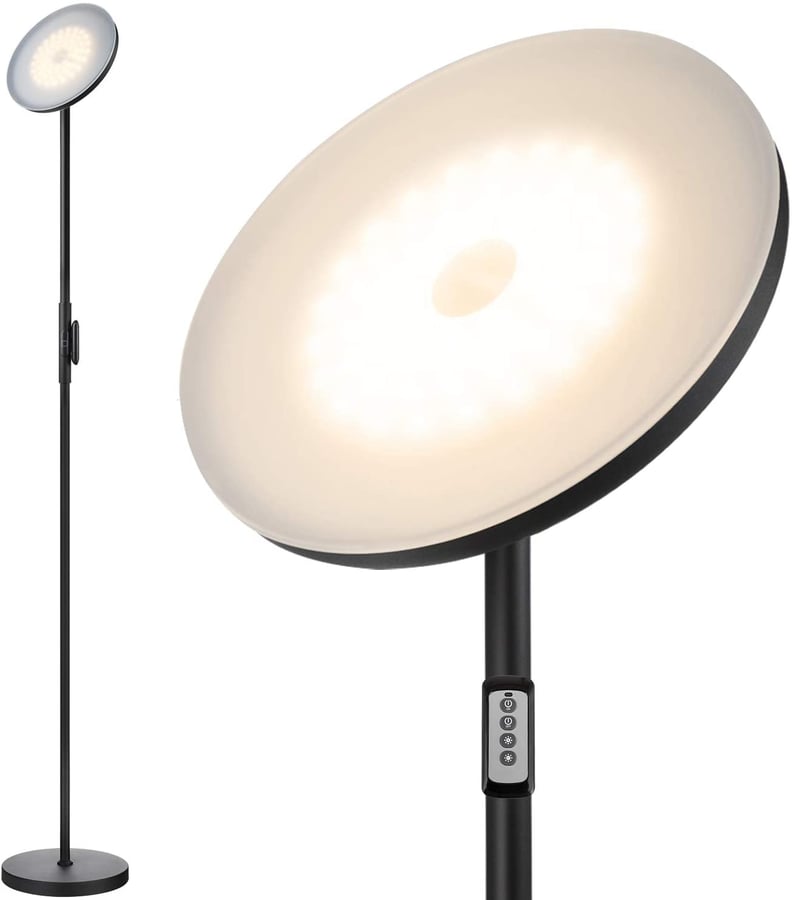
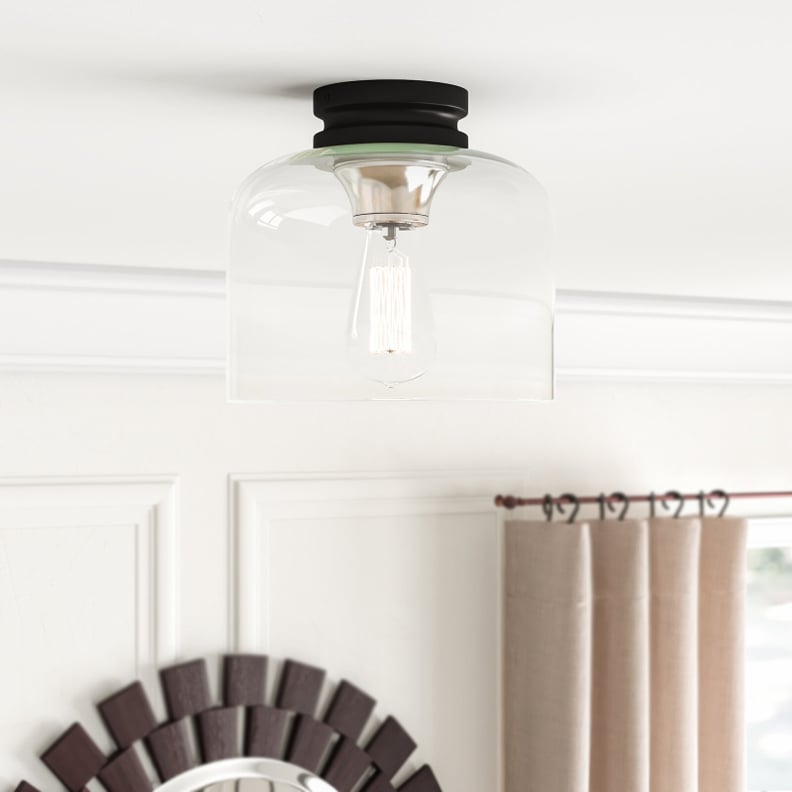
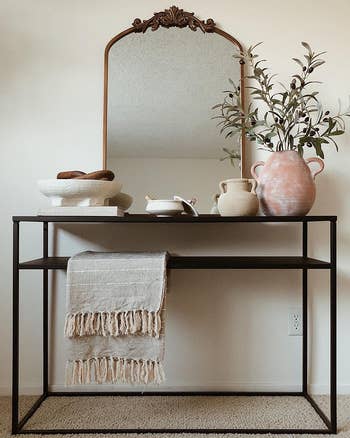
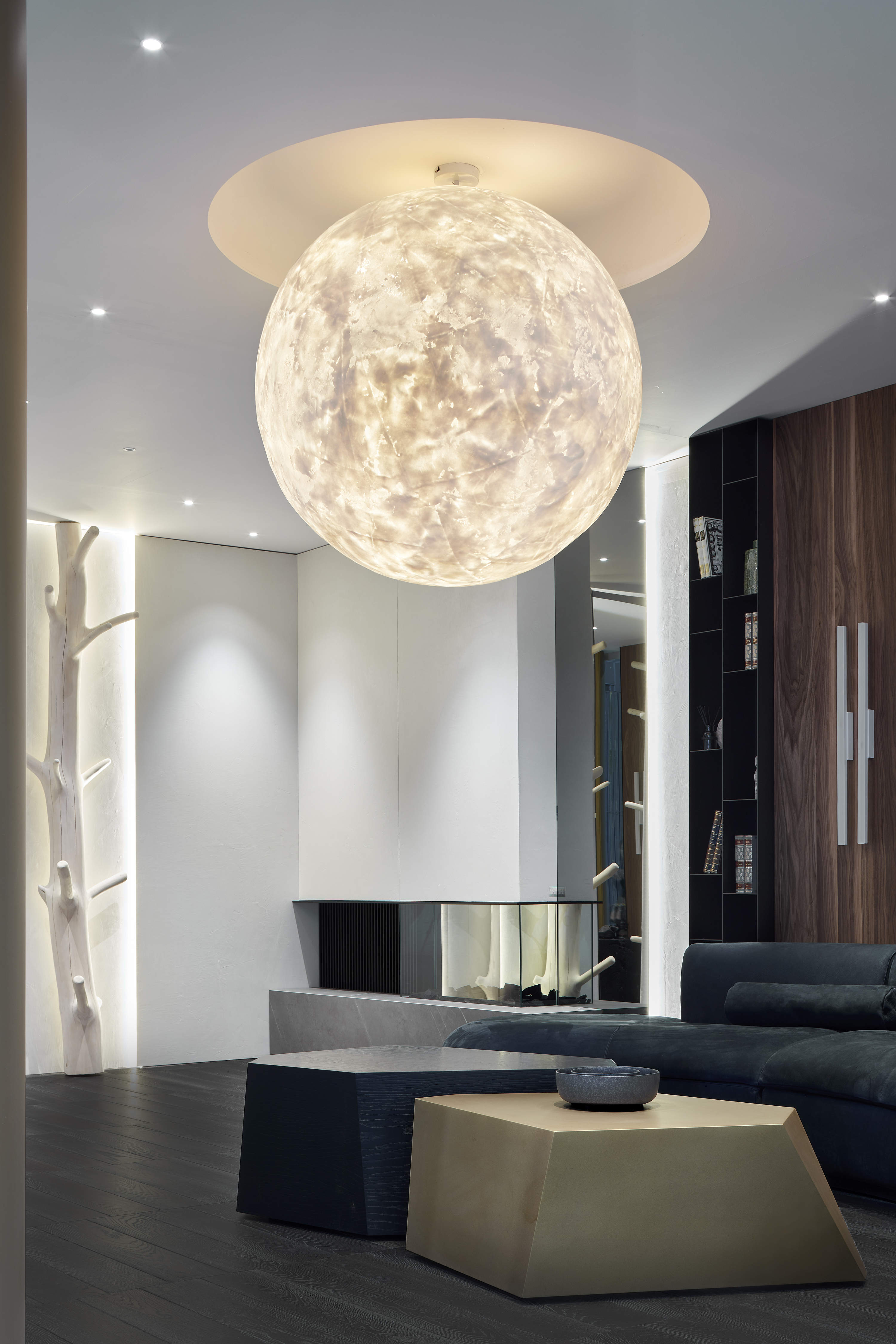
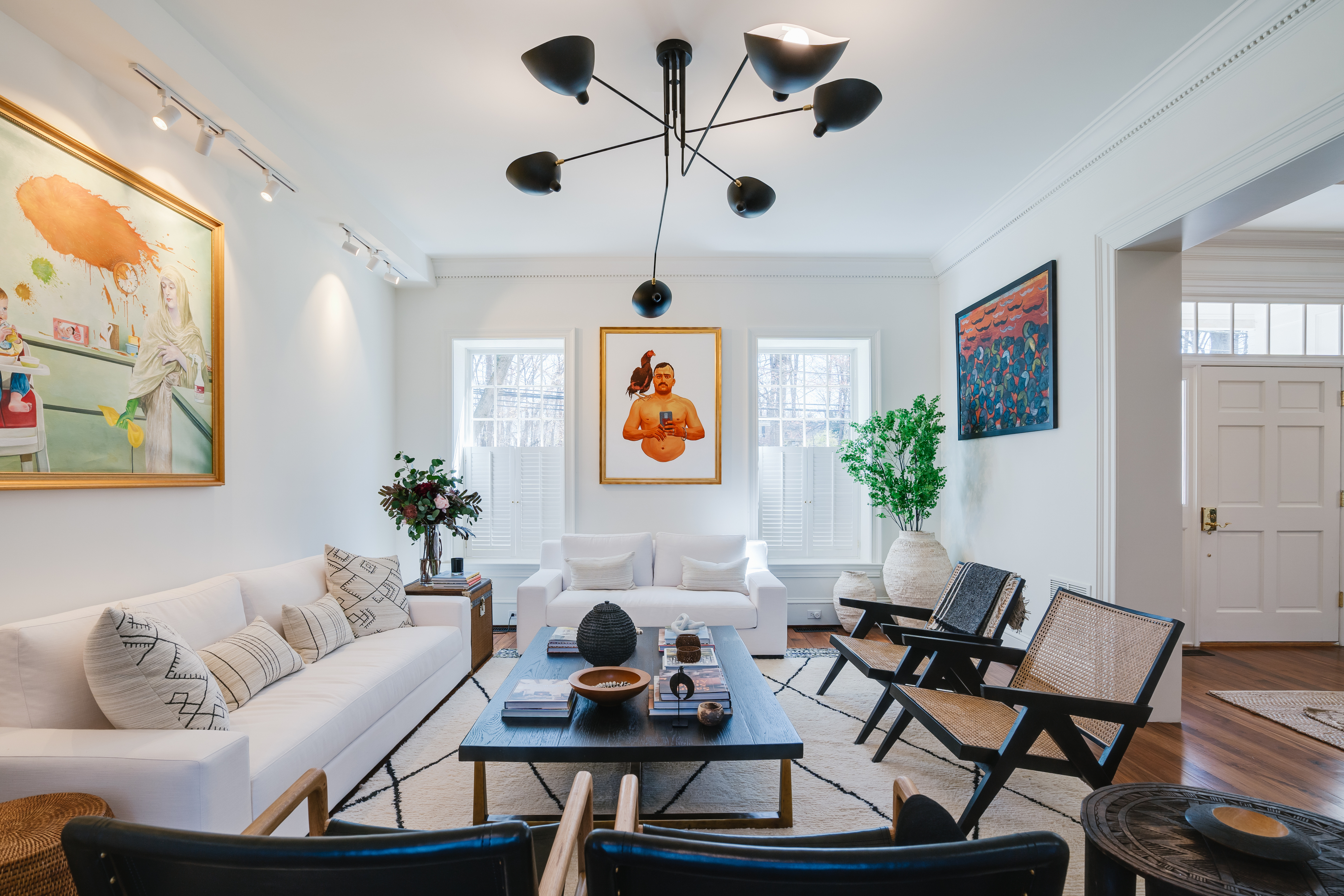
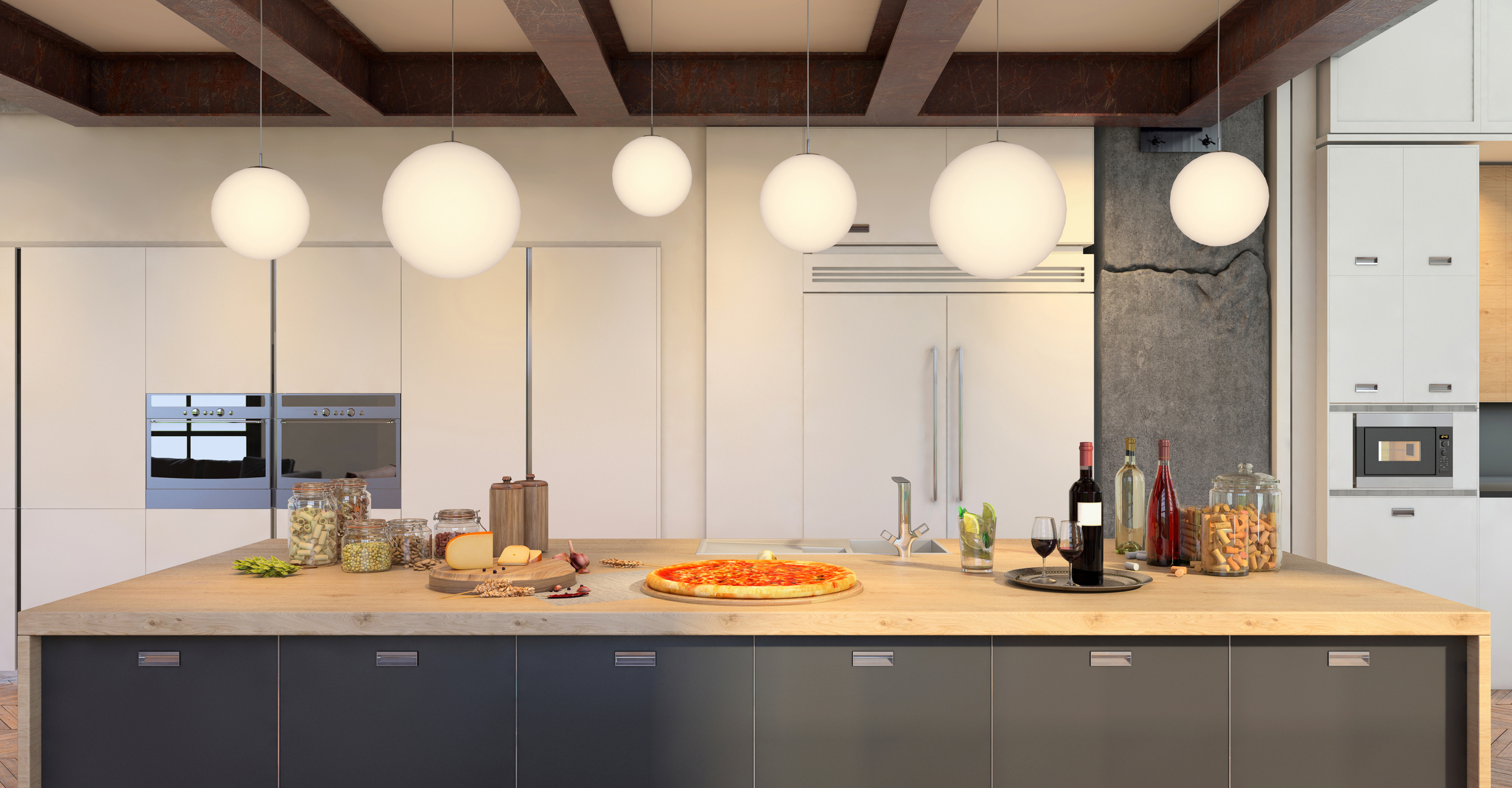
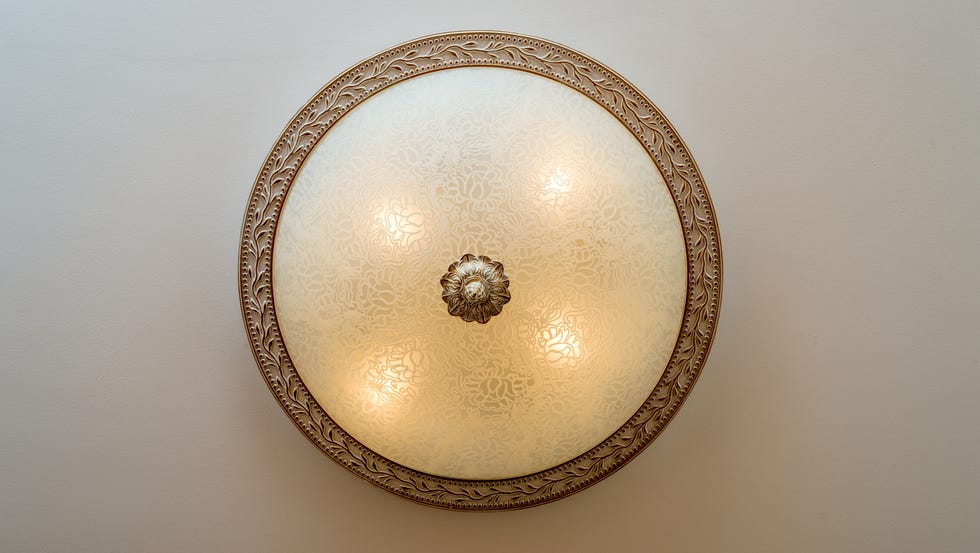
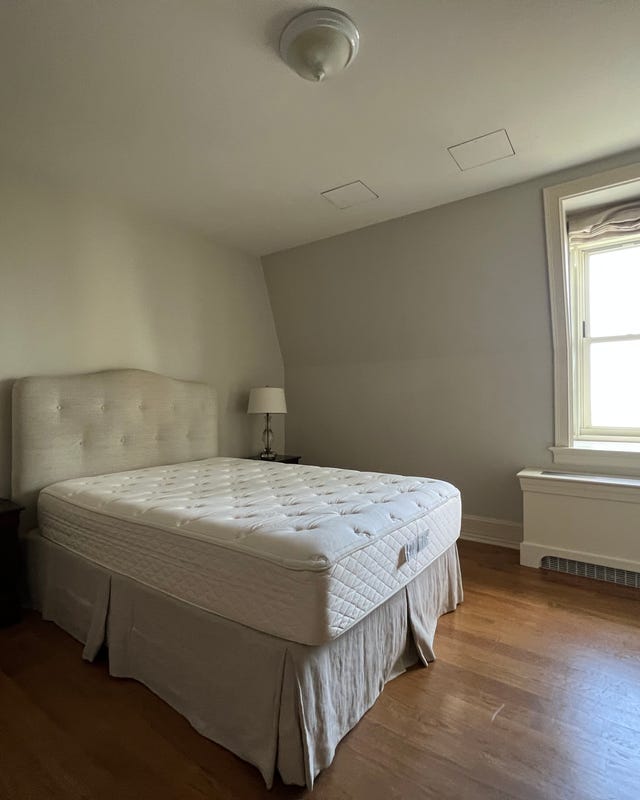
The article advises against over-reliance on overhead lighting, often described as stark and unflattering, reserving it for tasks requiring maximum visibility like cleaning or cooking. However, with warm-toned bulbs and dimmers, overhead lights can be made more inviting. The size of the home also dictates lighting strategies; smaller spaces benefit from scaled-down fixtures and the strategic placement of mirrors opposite windows to amplify natural light. For larger areas, a variety of lighting fixtures, including wall sconces and multiple lamps, are essential, with larger product scales helping to illuminate the space more effectively. For rooms lacking natural light, artificial solutions like track lighting along the ceiling or ’90s-style torchiere lamps can create a "faux sunshine" effect by reflecting light upwards.
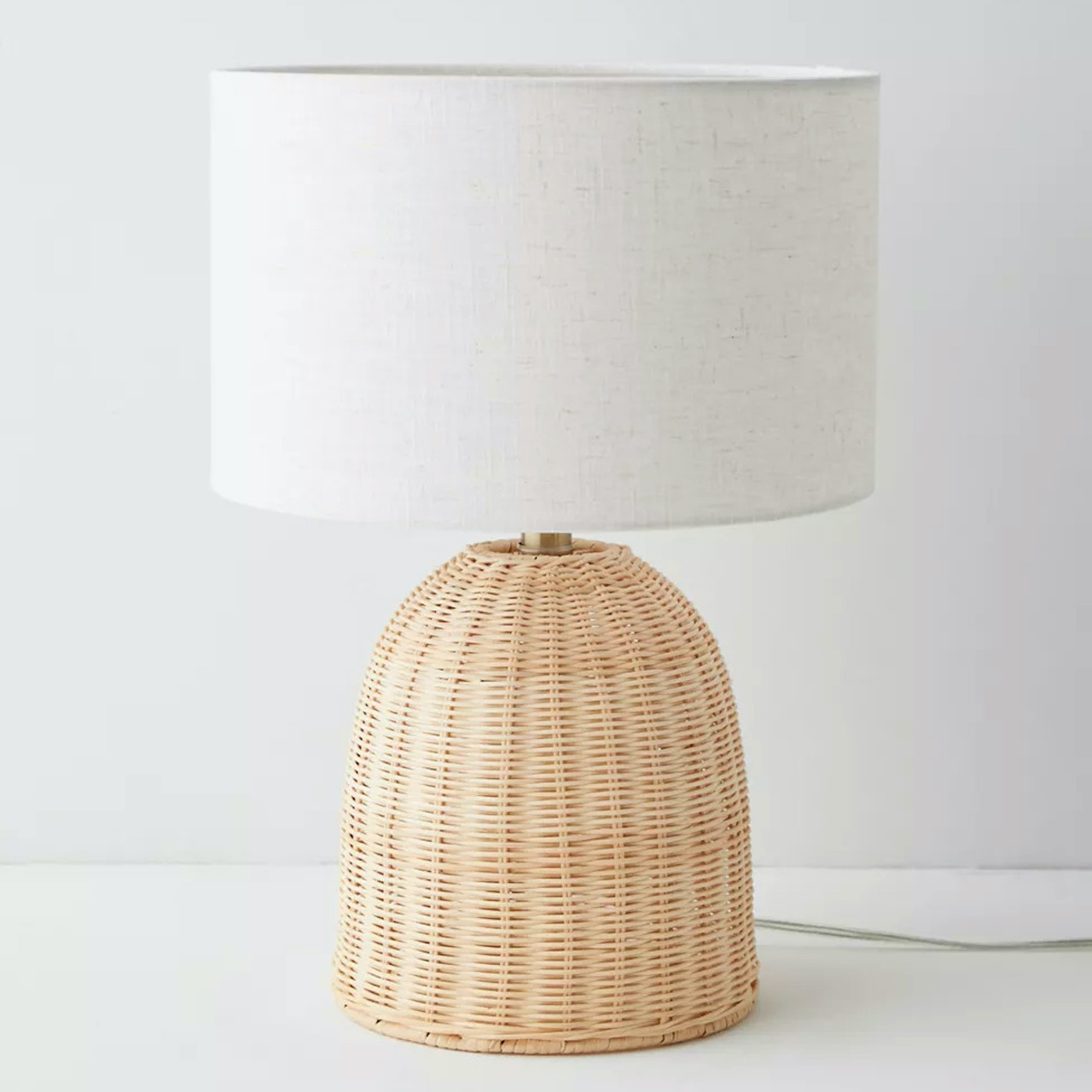
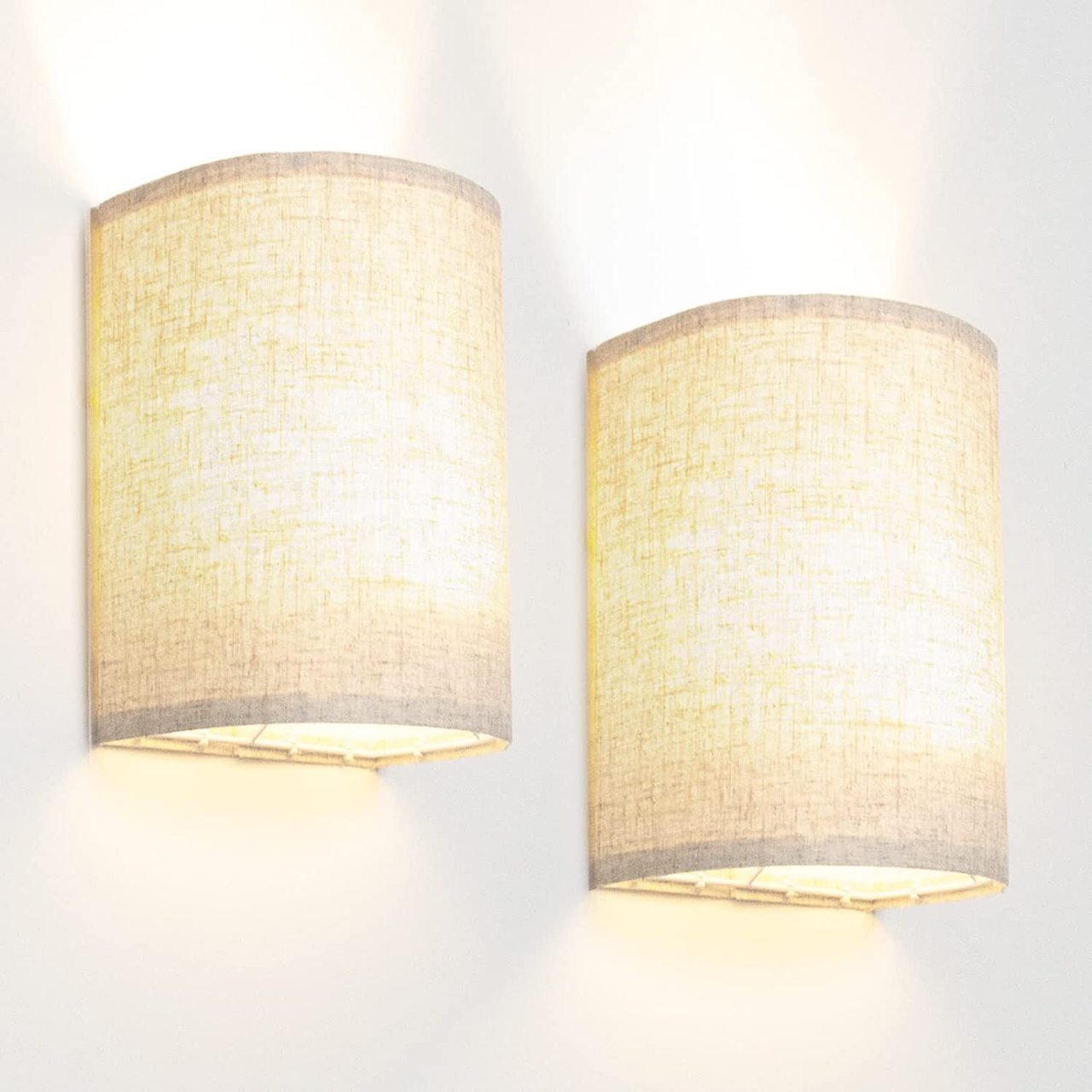
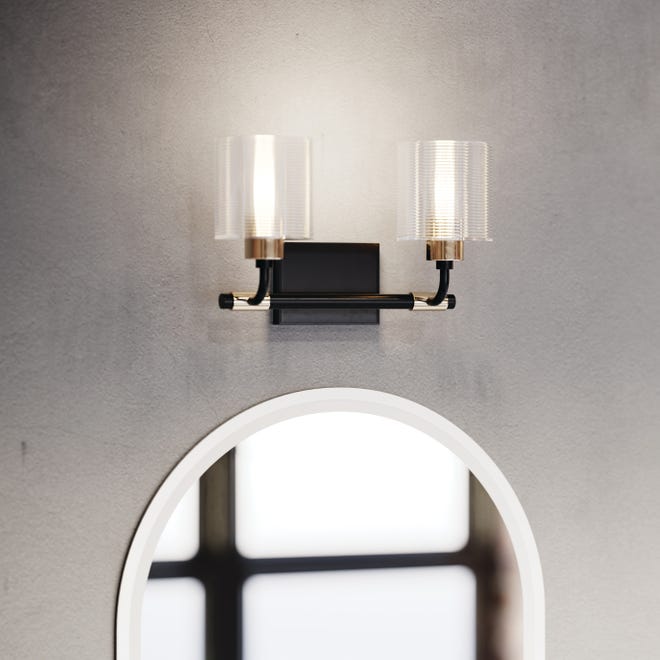
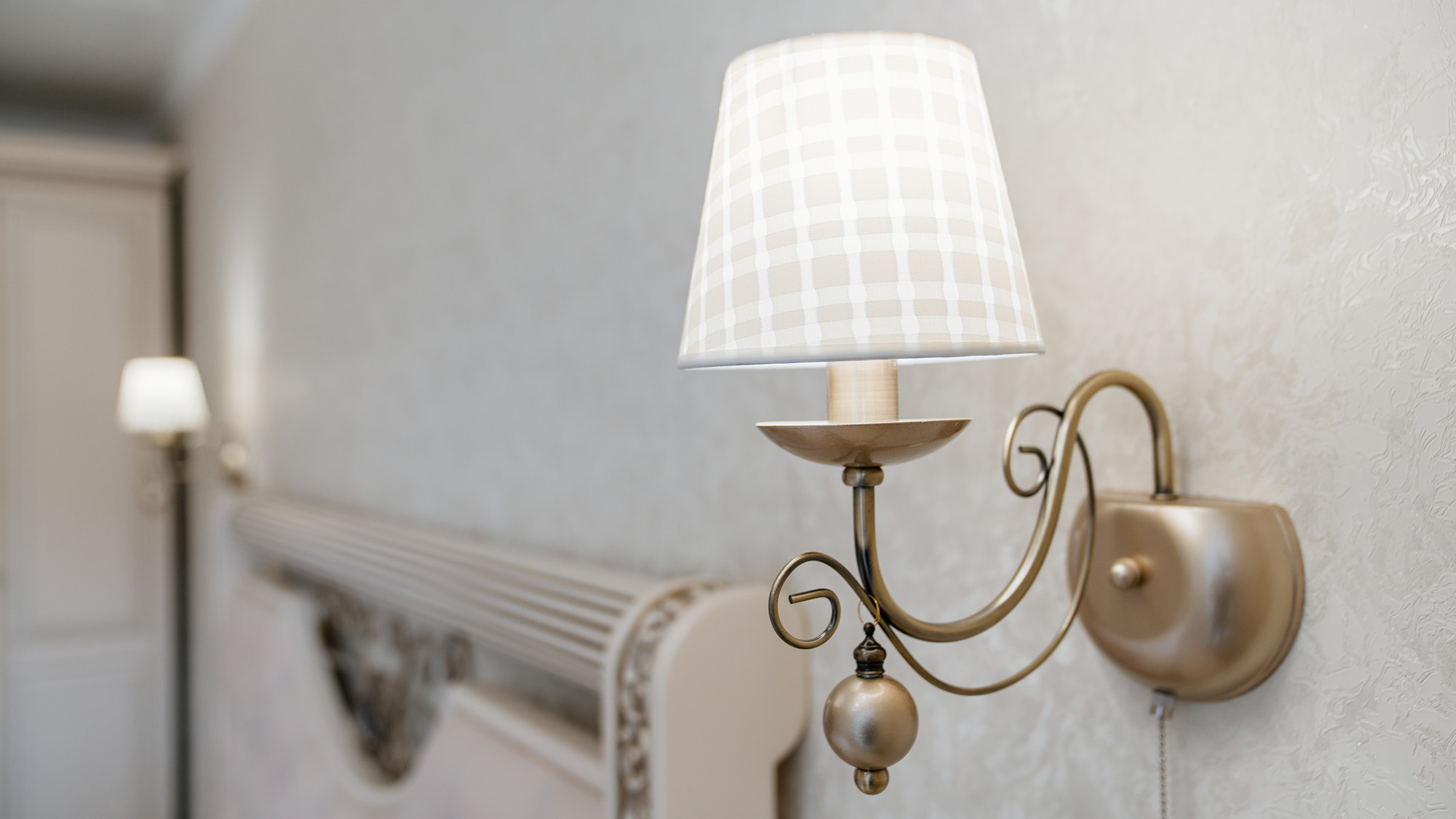
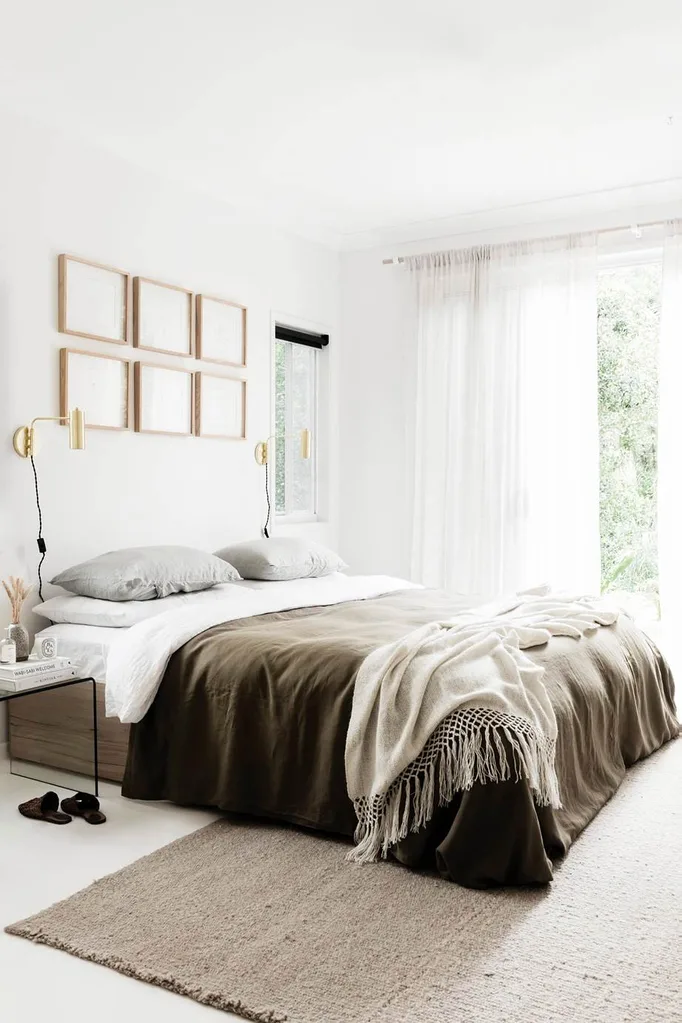
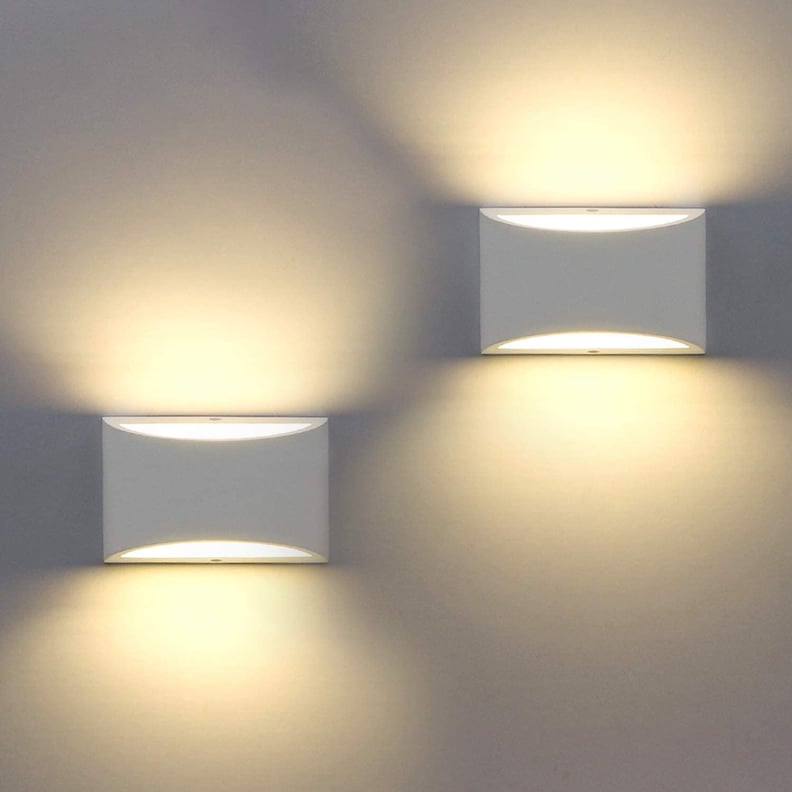
Renters, in particular, are encouraged to use lamps extensively due to their portability and ease of placement, offering a flexible alternative to permanent fixtures. Plug-in wall sconces are also recommended for their ability to elevate a space without requiring complex installation. For those on a budget, starting small is key. Visiting showrooms to see lighting options in person can prevent costly mistakes. Testing an affordable color-temperature-adjustable lamp can help individuals understand their preferences before making significant investments. Combining a cheaper lamp base with a premium shade and bulb is a clever way to achieve an elevated look without a high price tag. Flexibility and experimentation are encouraged, as the ideal lighting arrangement often requires trial and error.
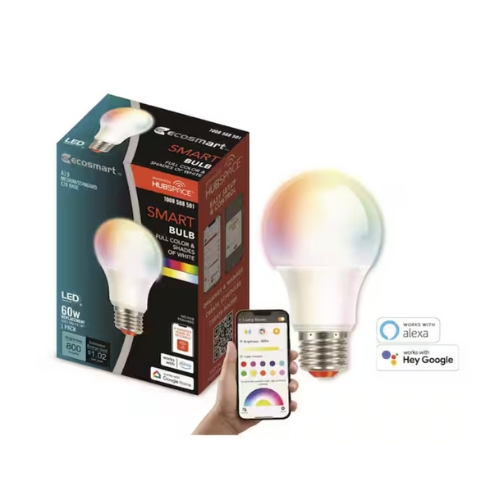
Finally, the article highlights common lighting pitfalls to avoid. Using daylight bulbs throughout the entire home can create a clinical atmosphere, and trendy color-changing bulbs are generally discouraged for main living areas. The experts emphasize that there is no such thing as too much lighting, as fixtures can always be turned off, and sticking to timeless designs rather than fleeting trends is advisable. Ultimately, the most important rule is to trust one's own judgment and preferences, as individual needs and tastes should guide lighting choices, making the homeowner "always right" in their own space.
#HomeLighting #InteriorDesign #LightingDesign #AmbientLighting #TaskLighting #LightingTips #HomeImprovement #DesignRules #LightingTemperature #HomeLighting #InteriorDesign #LightingDesign #AmbientLighting #TaskLighting #LightingTips #HomeImprovement #DesignRules #LightingTemperature
0 commenti in totale
 Nessun commento ancora
Potresti anche gradire
The dos and don'ts of lighting your house
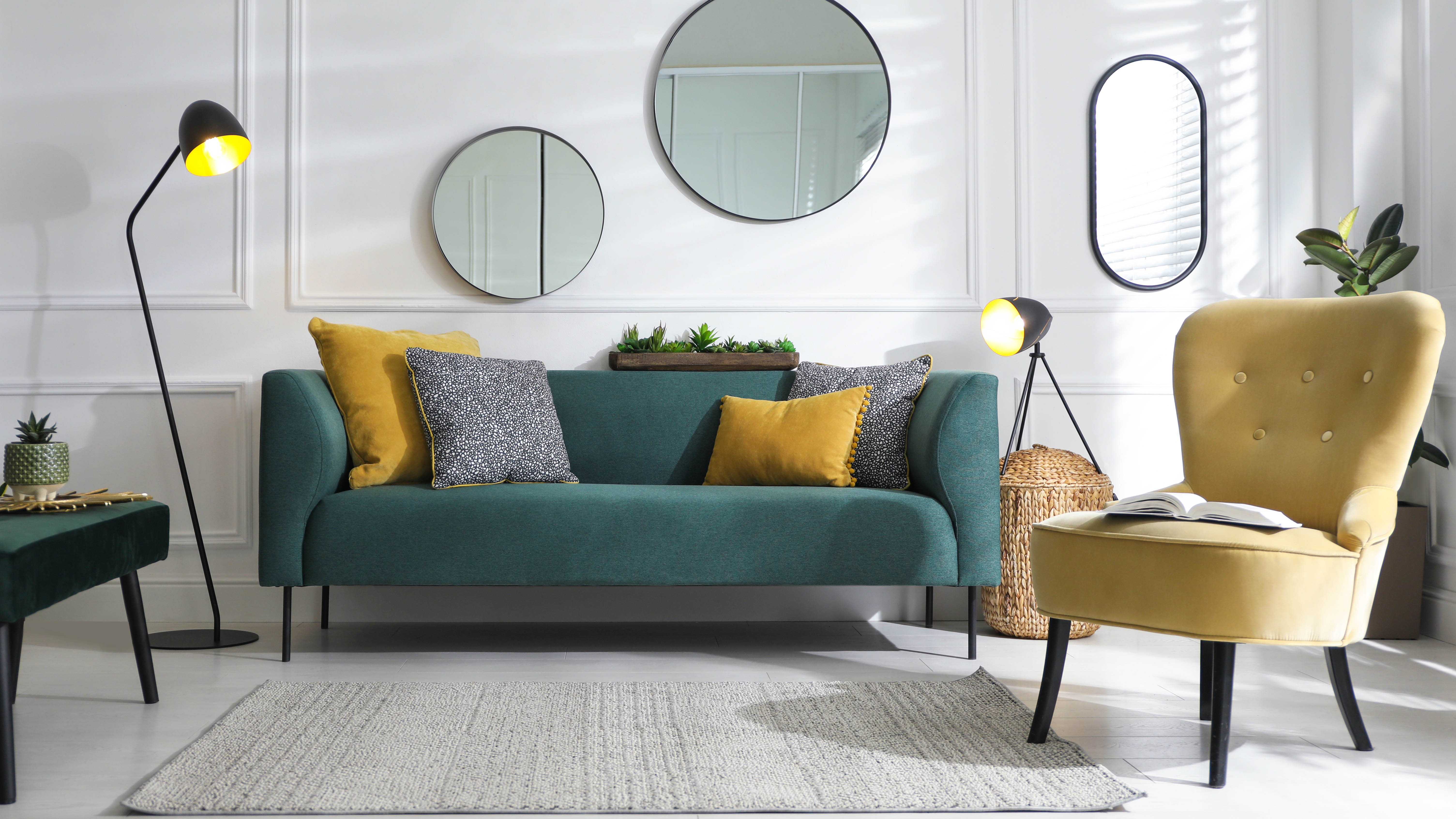
How to brighten any room in your home — 5 tips from a lighting expert

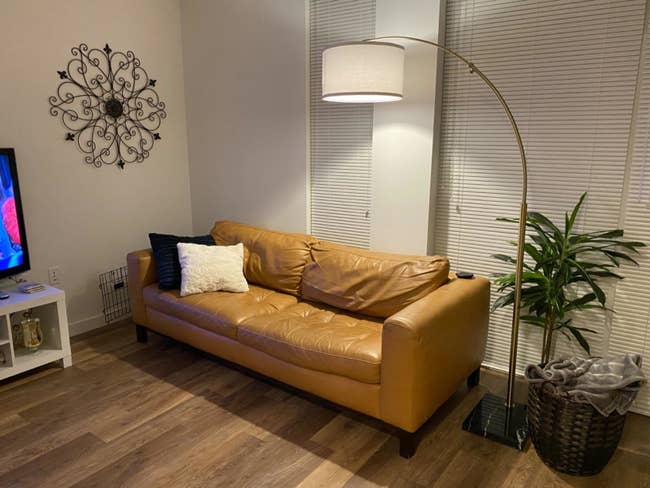
30 Renter-Friendly Ways To Get More Light In Your Cave Of A Home
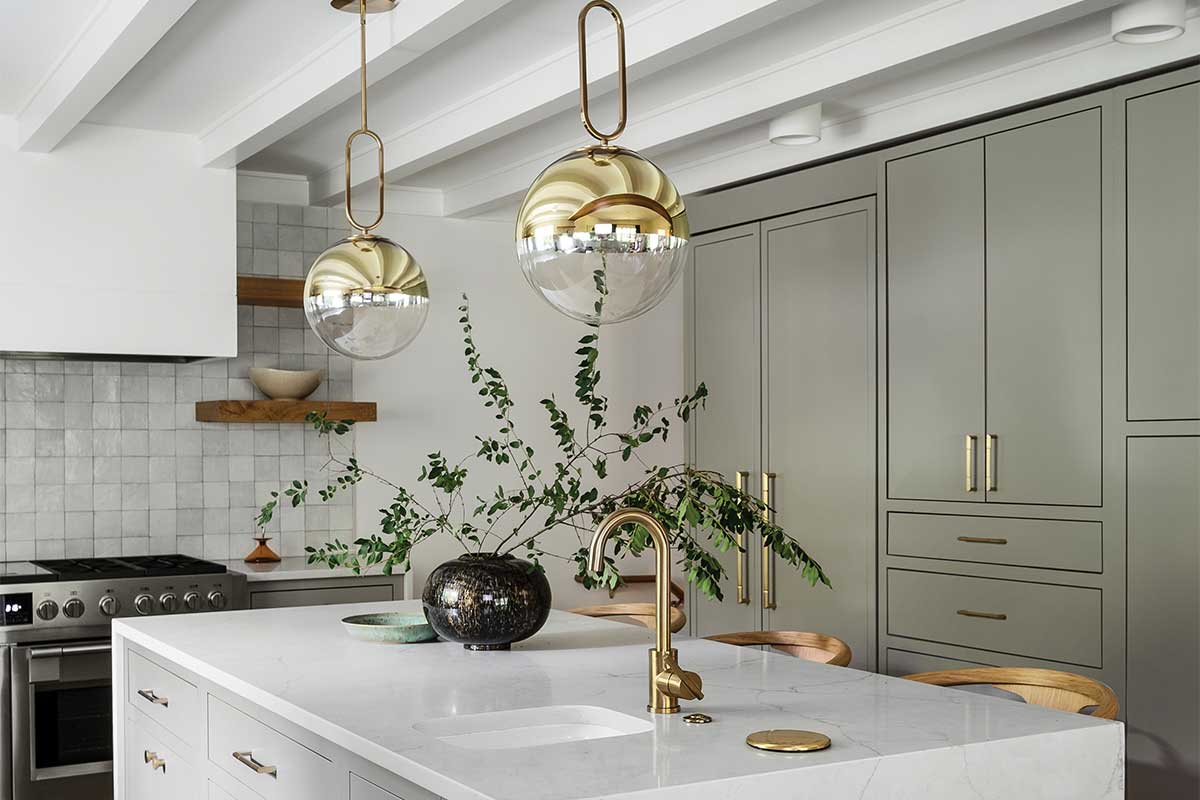
What You Need to Know About Lighting Your Home, from an Expert
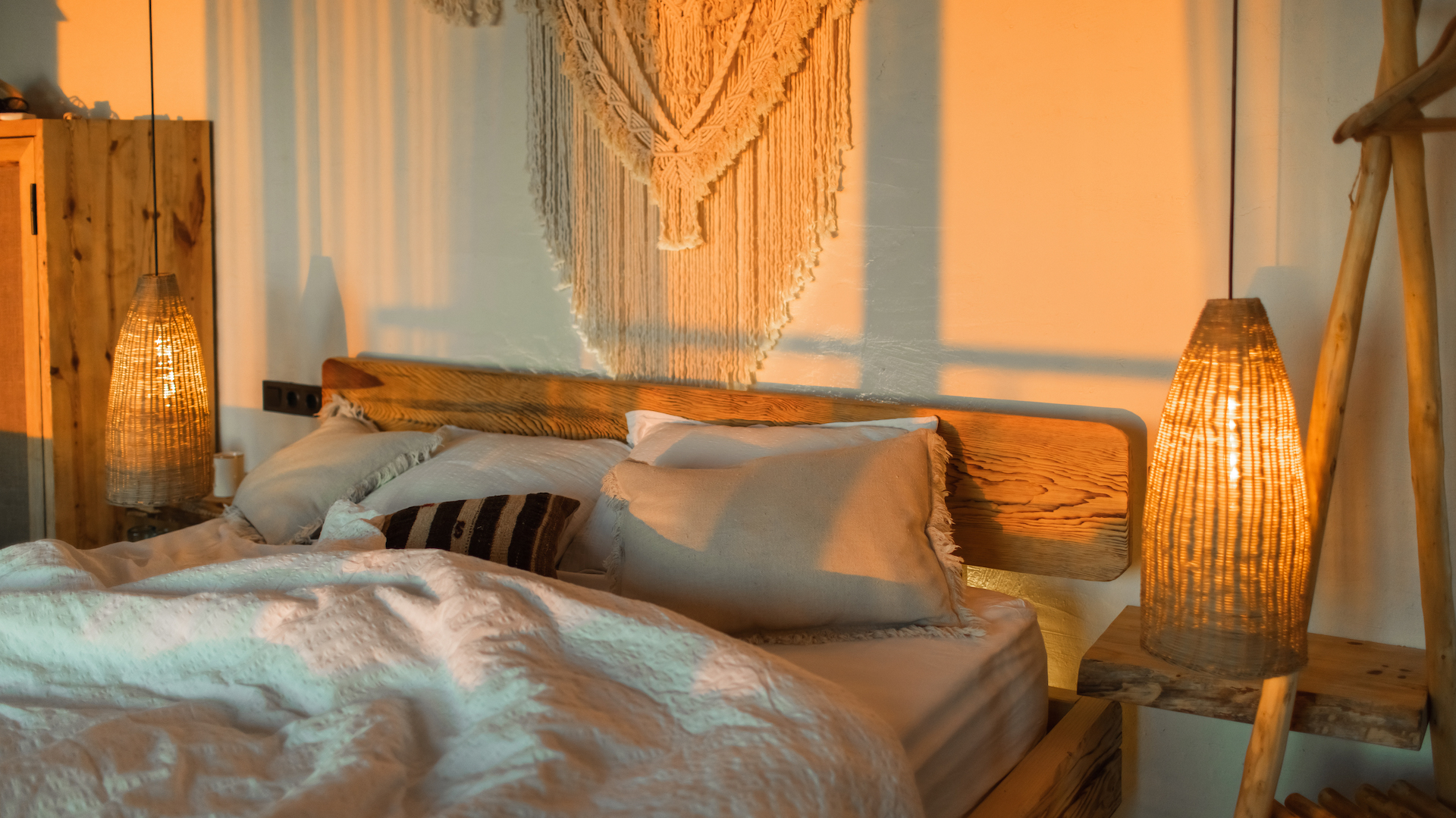
Bye, overhead lights: Here's how to light a small apartment, according to the pros

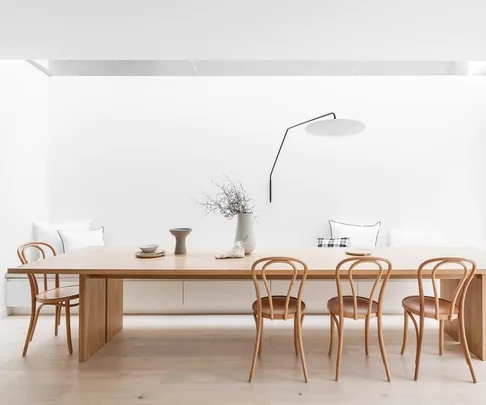
An interior designer’s guide to lighting your home

A Controversial Home Furnishing Is Tearing Households Apart. I Kind of Love It.
Your "Boob Lights" Are Cheapening the Look of Your Home—Here's How Designers Fix Them

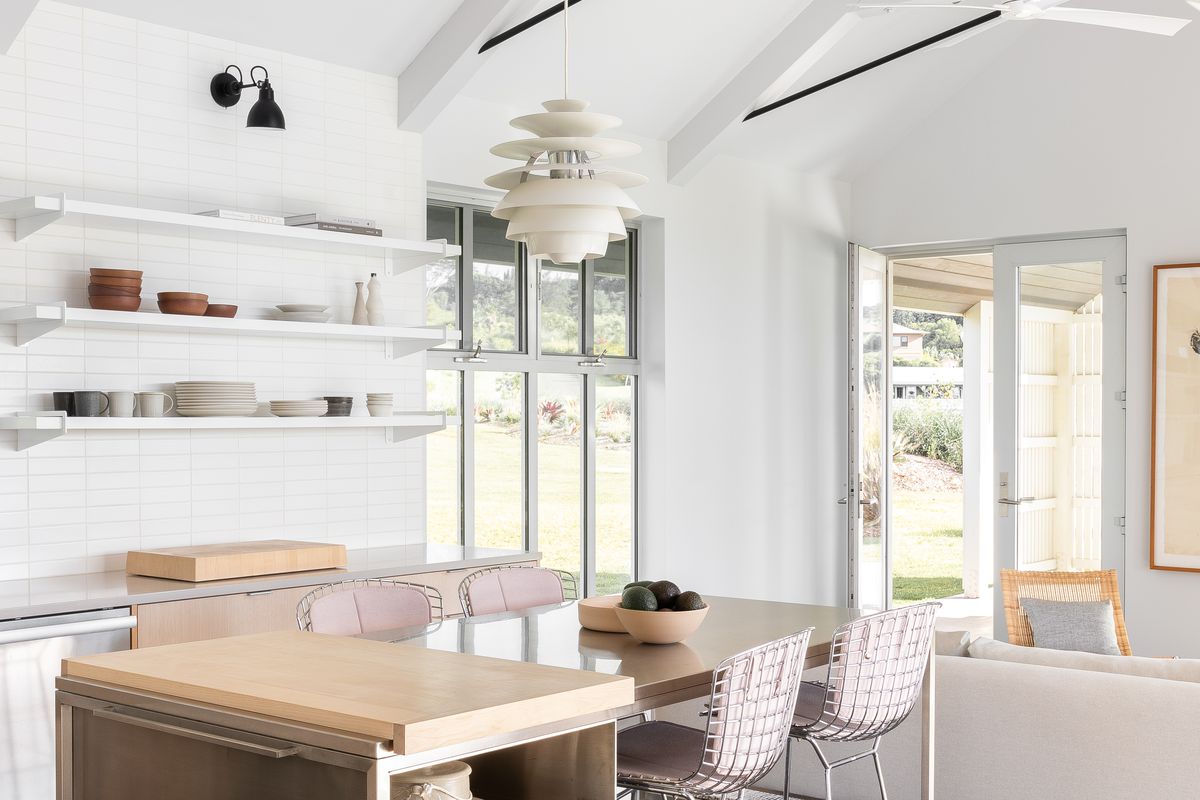
Pro tips to improve your home’s lighting—without an electrician
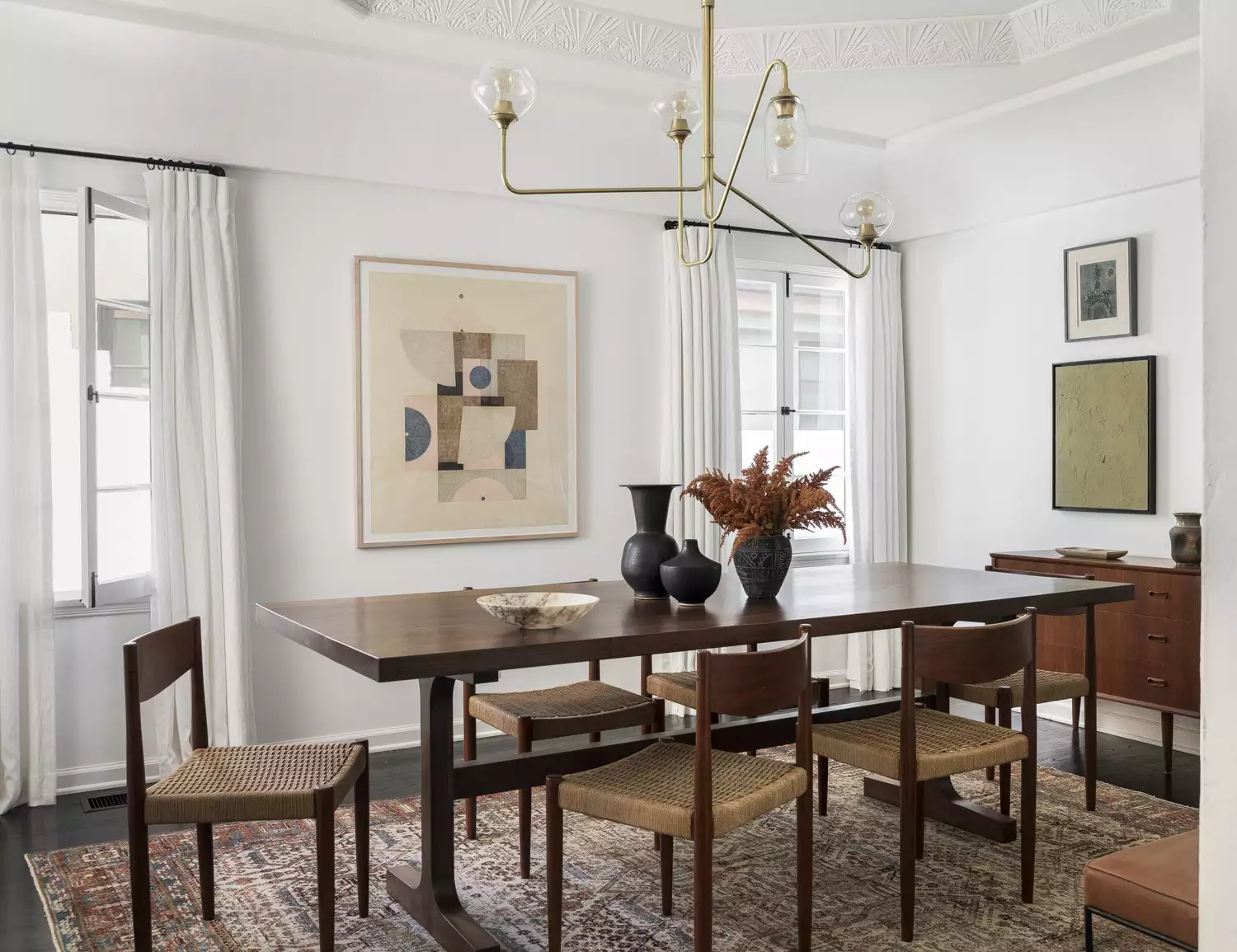
Interior Designers Share Their Secrets for Upgrading Home Lighting—Without Breaking the Bank

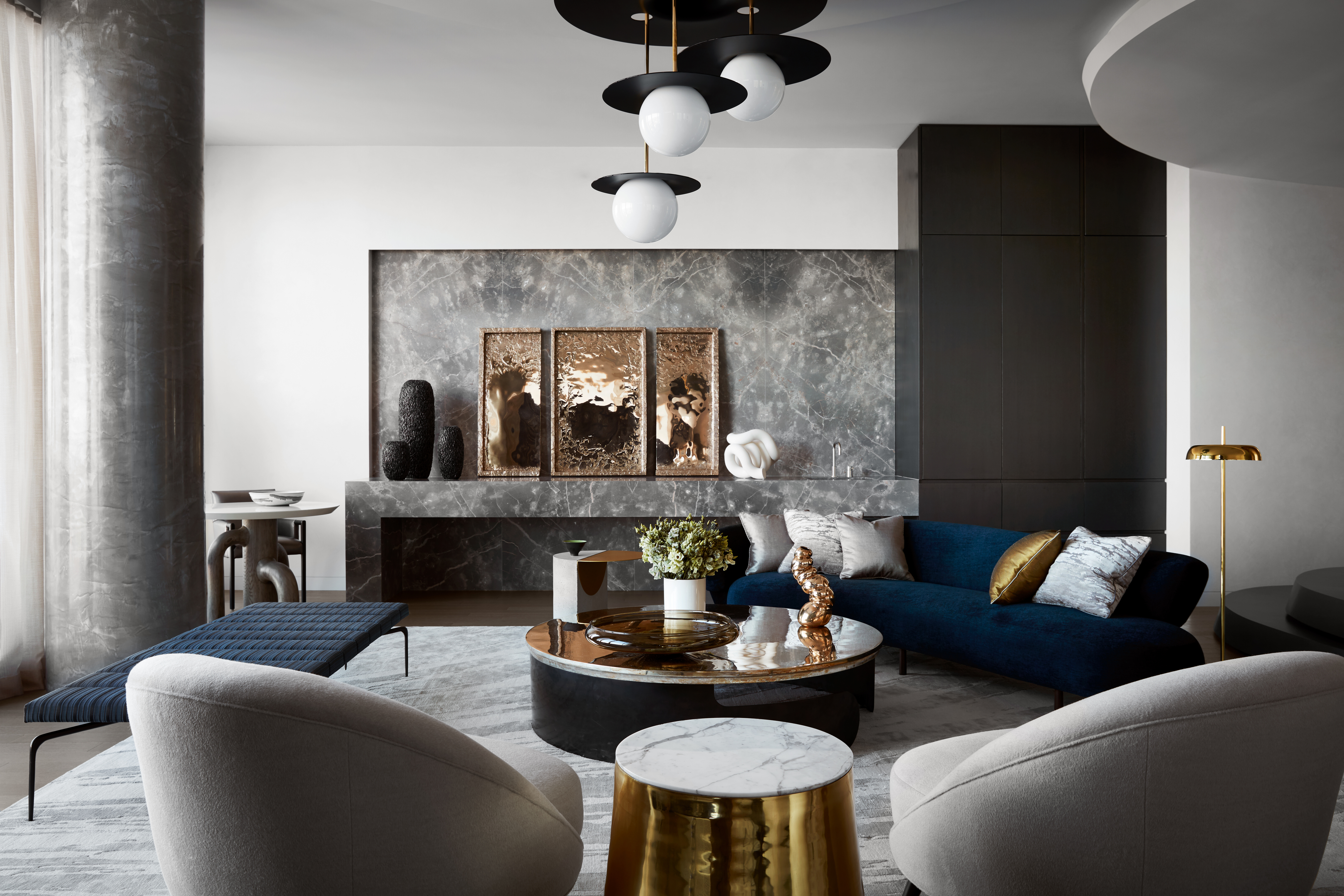
How do you make overhead lighting less harsh? 7 tips for a more flattering scheme

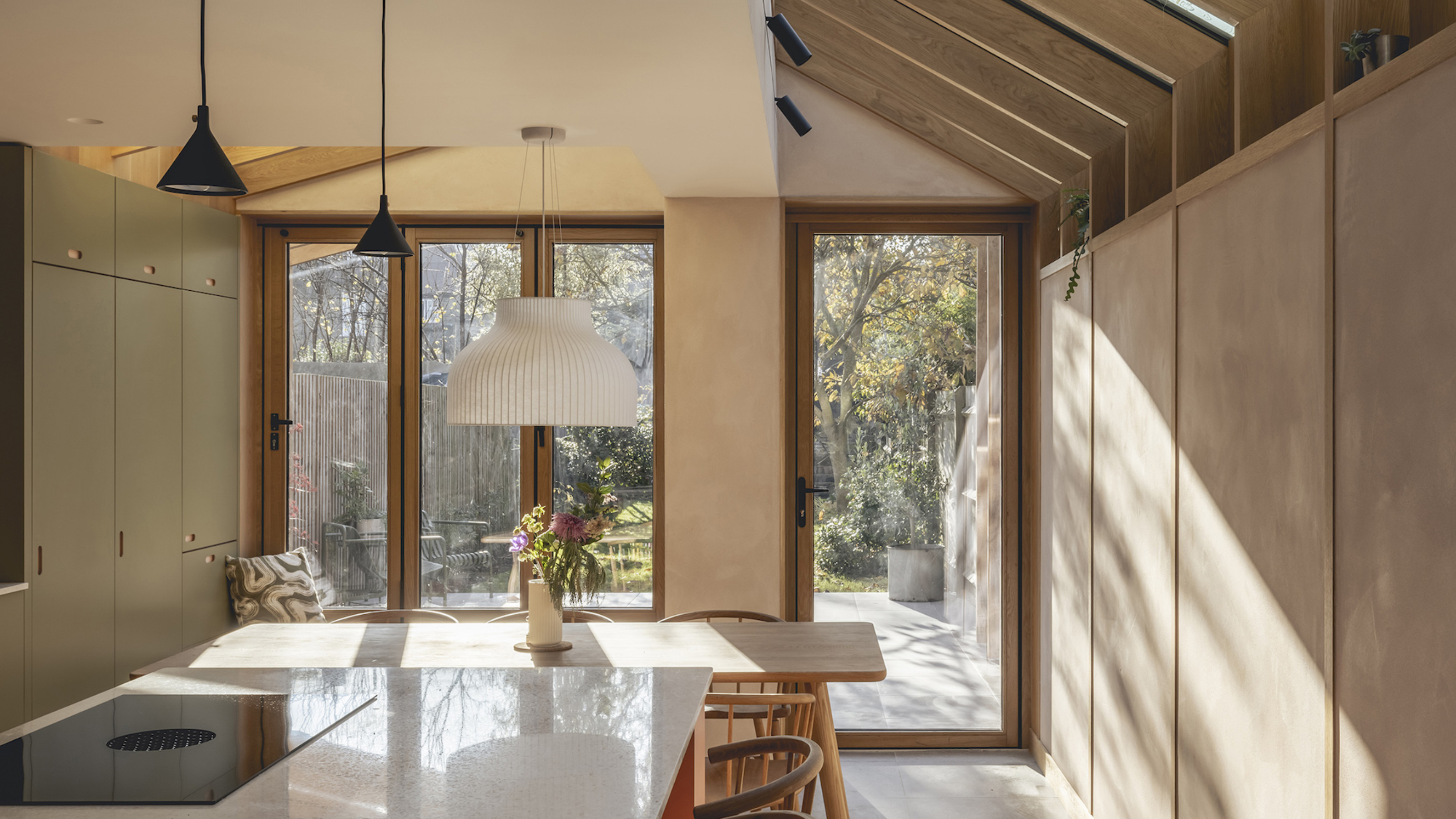
7 Tips to Save Your Kitchen Lighting From Being Too Harsh
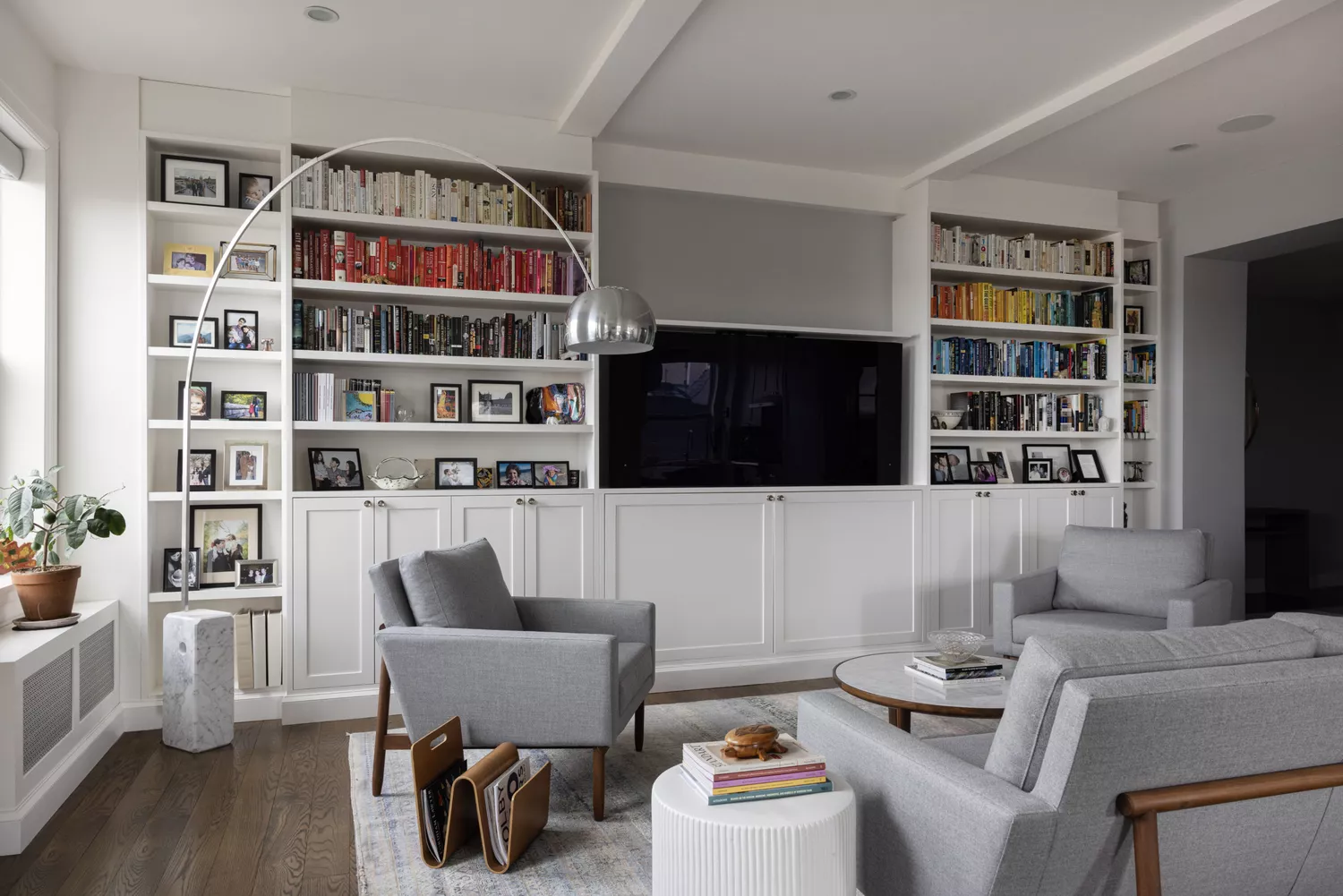
5 Easy, Designer-Approved Lighting Hacks to Brighten Up Your Home

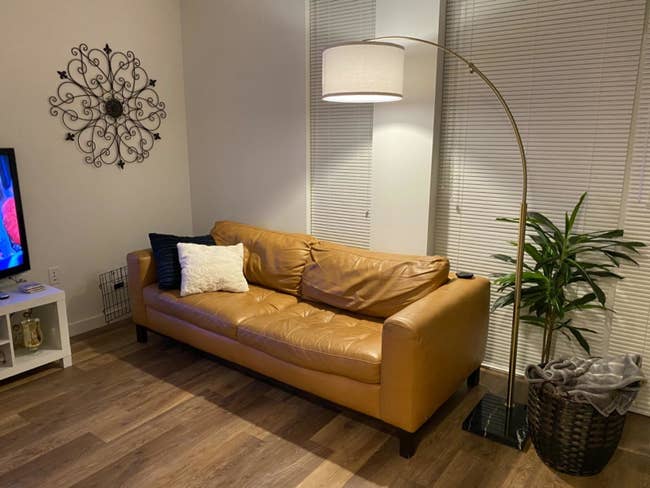
32 Renter-Friendly Ways To Get More Light In Your Cave Of A Home

Overhead Lighting vs. Lamps: Experts Settle This Great Debate

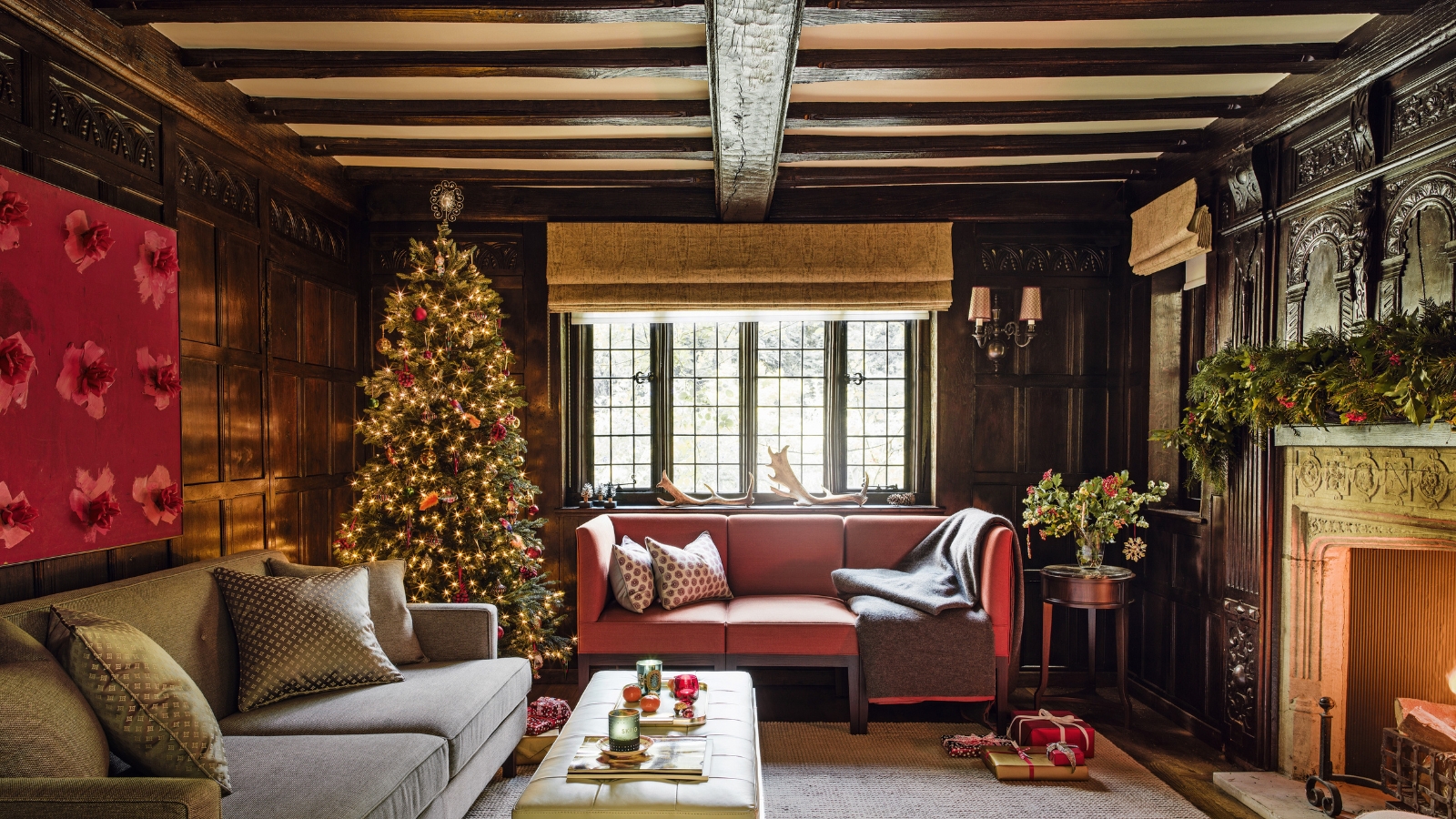
4 Ways Smart Lights Can Elevate Indoor Holiday Gatherings and Save Up to 90% of Your Usual Energy Usage

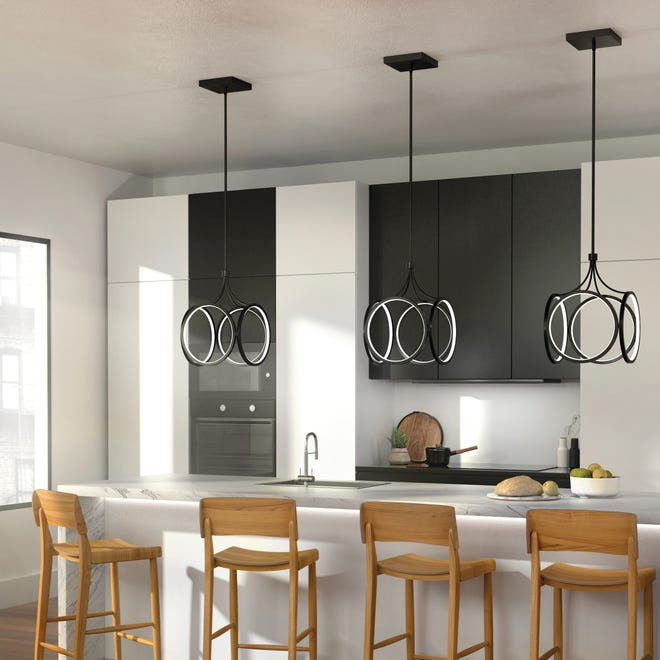
Homestyle: Lighting the way
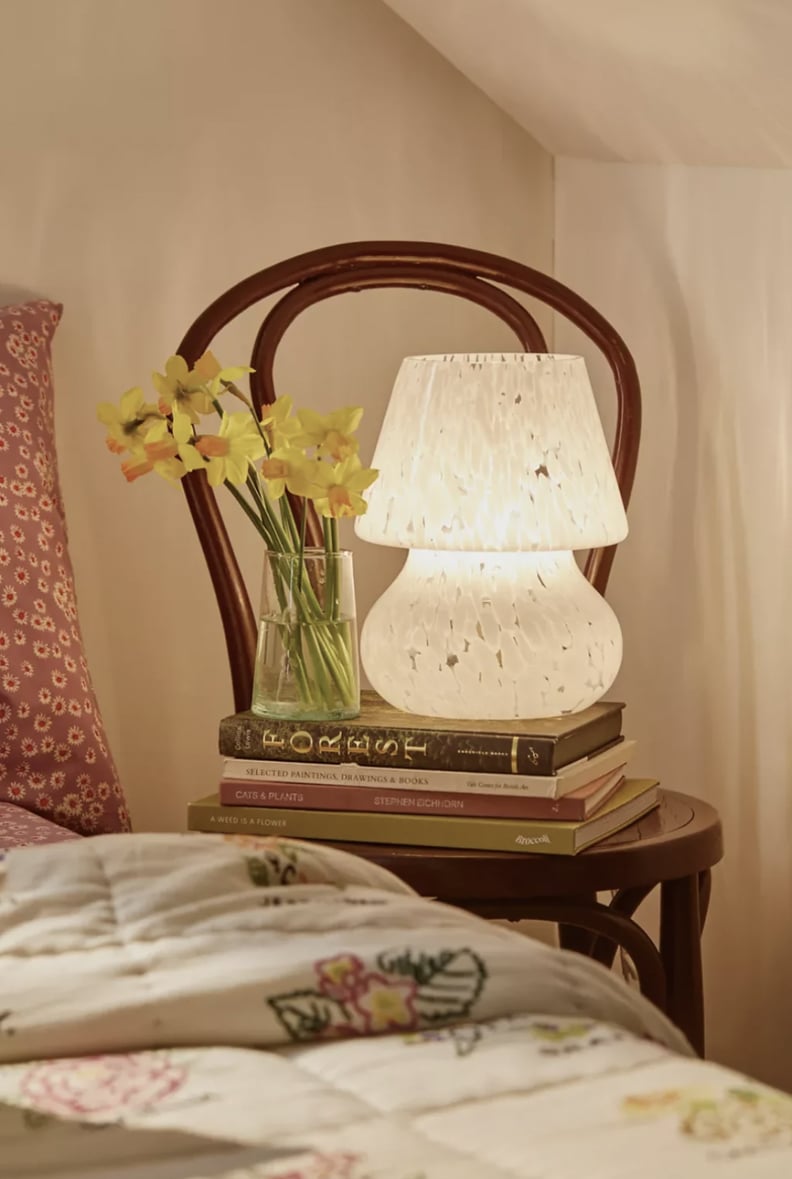
11 Light Fixtures That Will Brighten Up Your Space — and Your Mood
As clocks go back, expert lighting tips to get you through the darker months

Festive tips: Lanterns, hanging lights to brighten up the house