Concrete in interior design: Tips on how to master contemporary styles like minimalist and industrial aesthetics | Hindustan Times
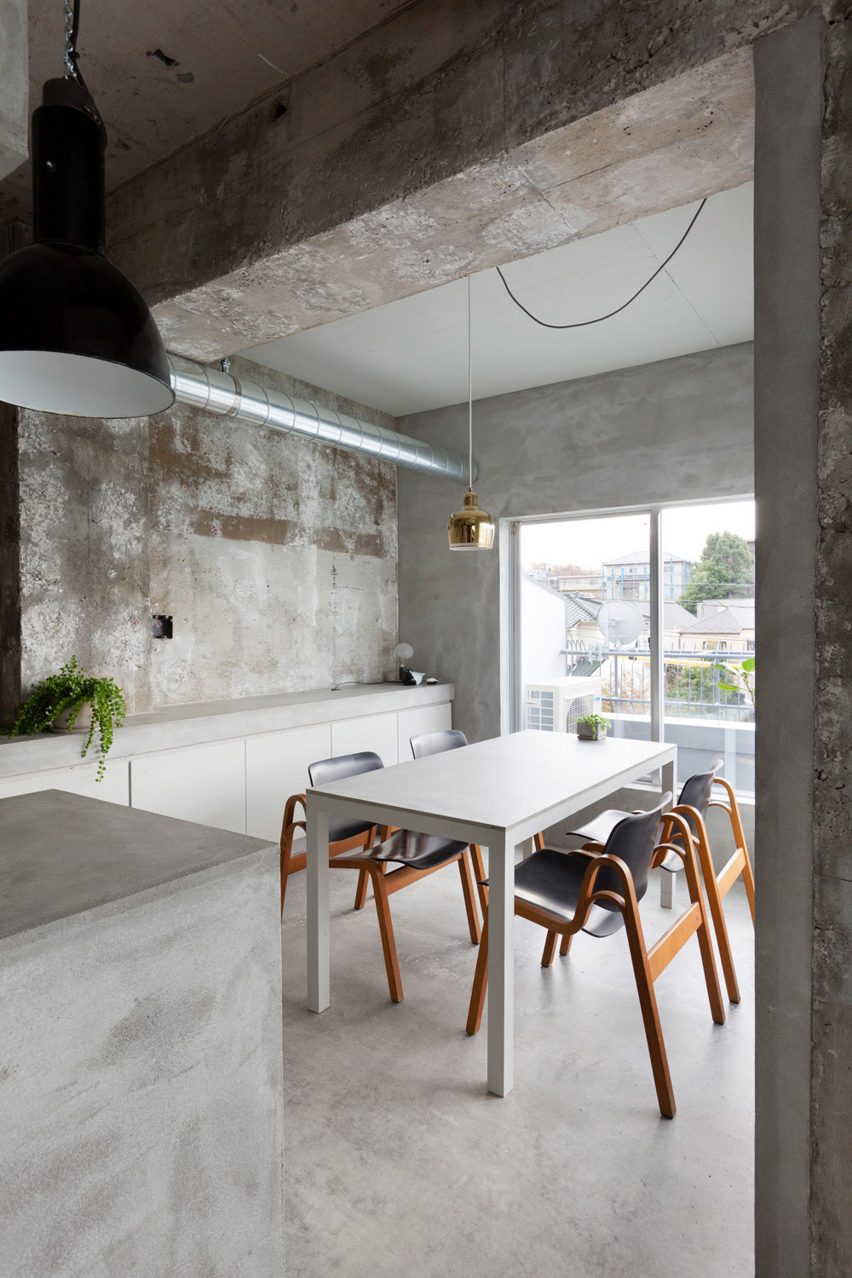
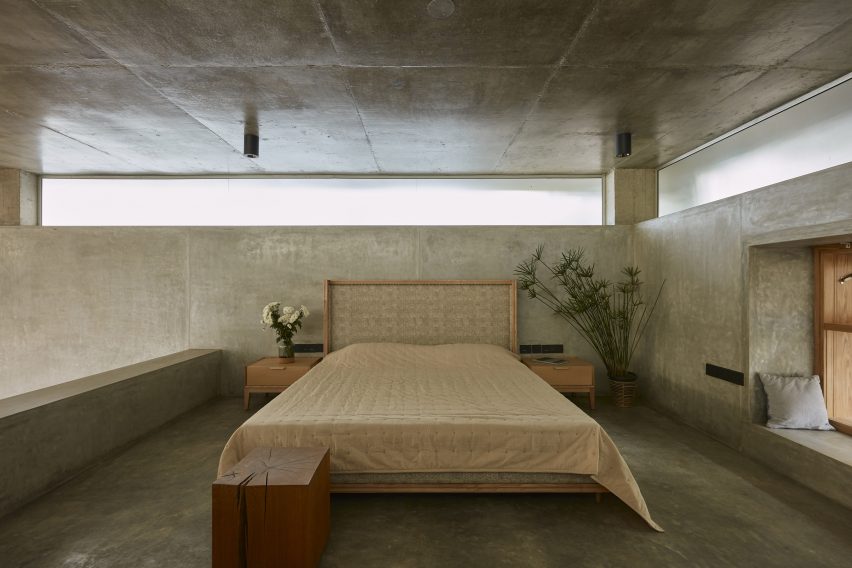
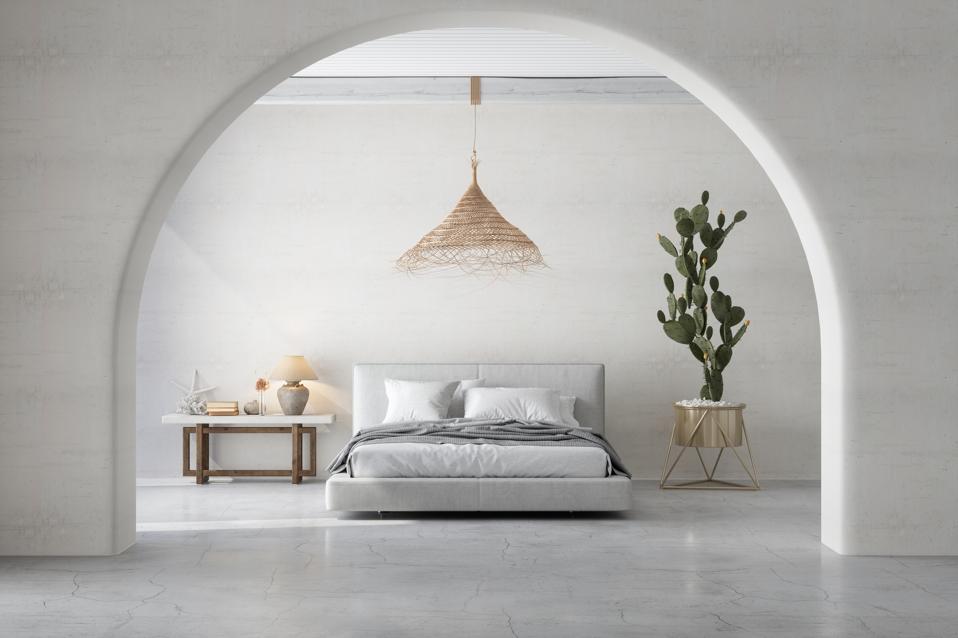
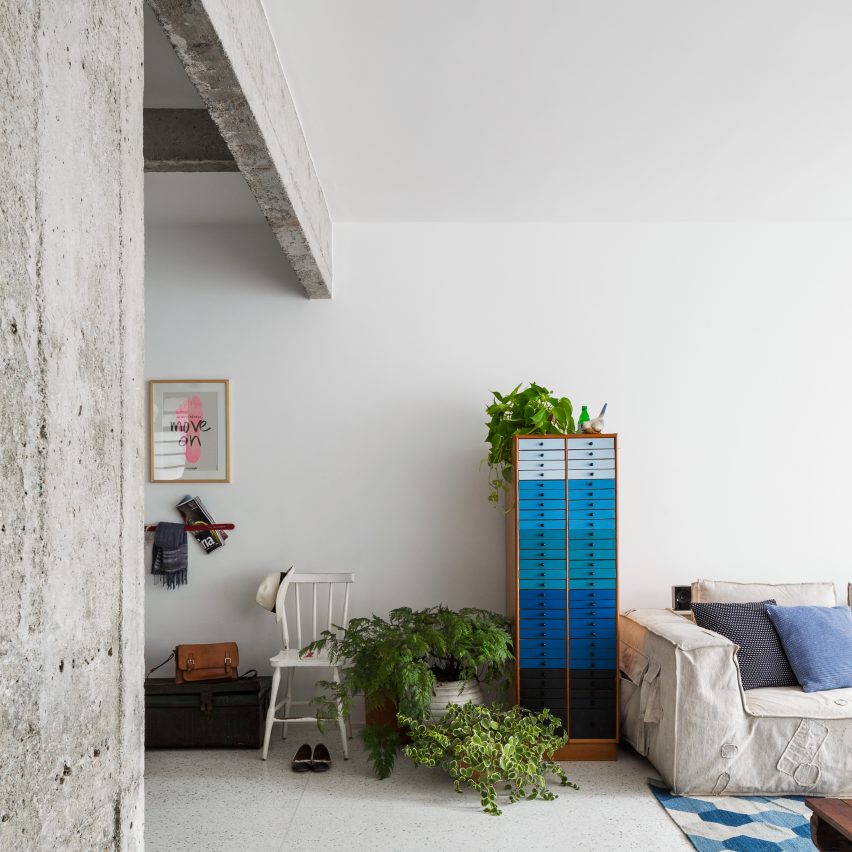
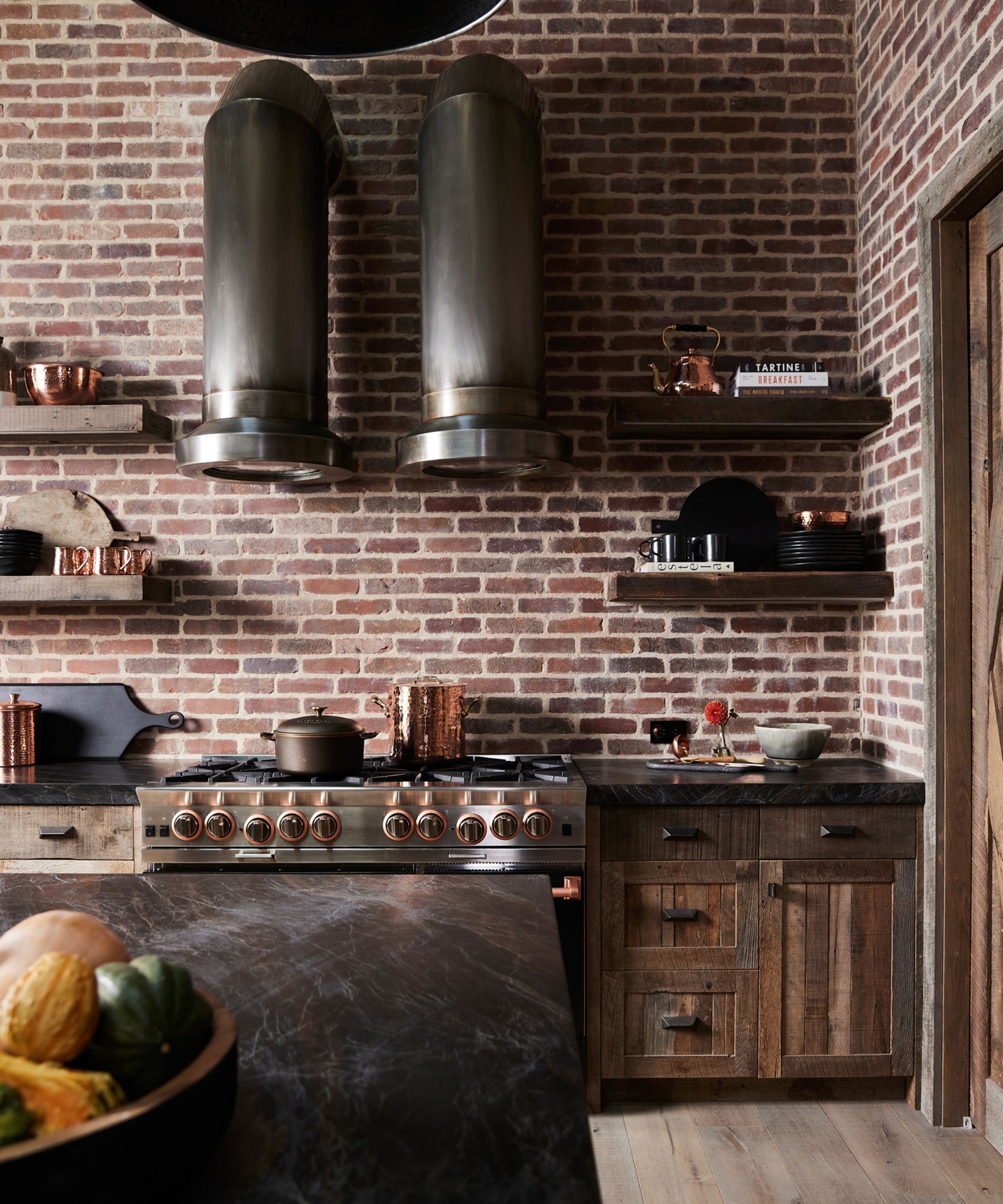
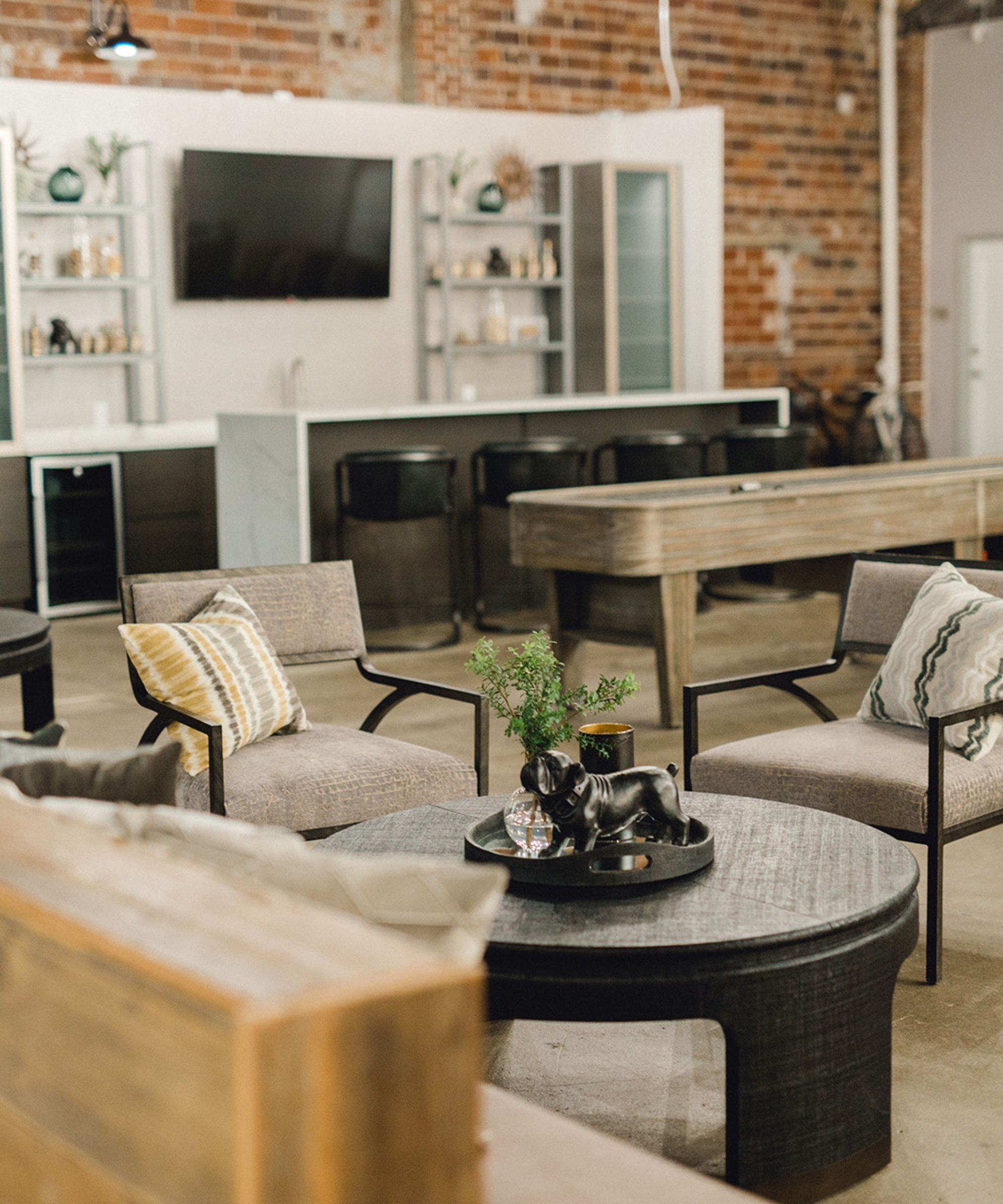
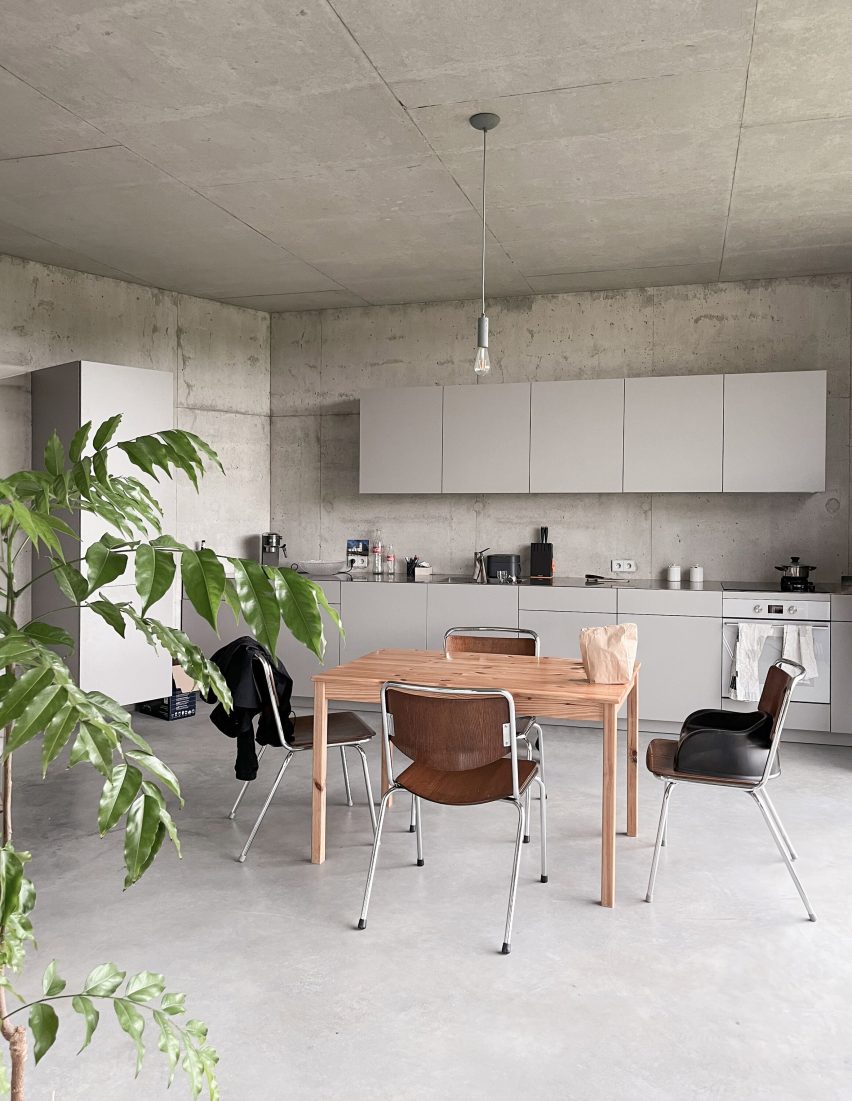
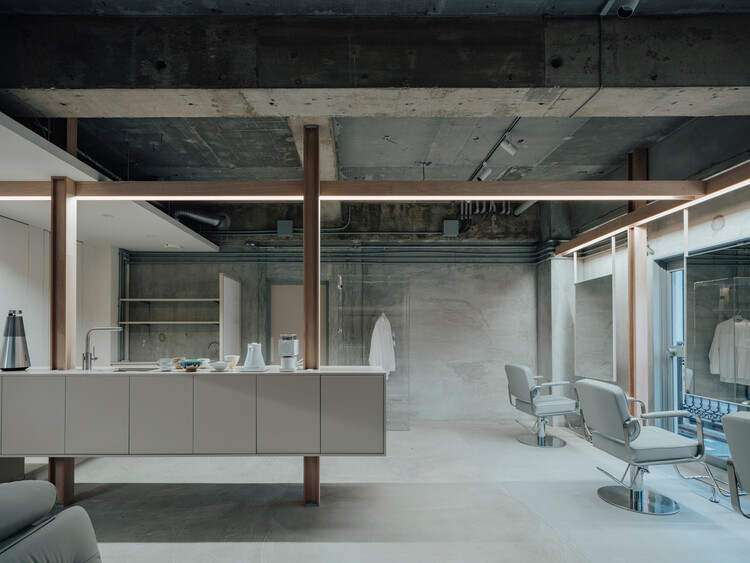
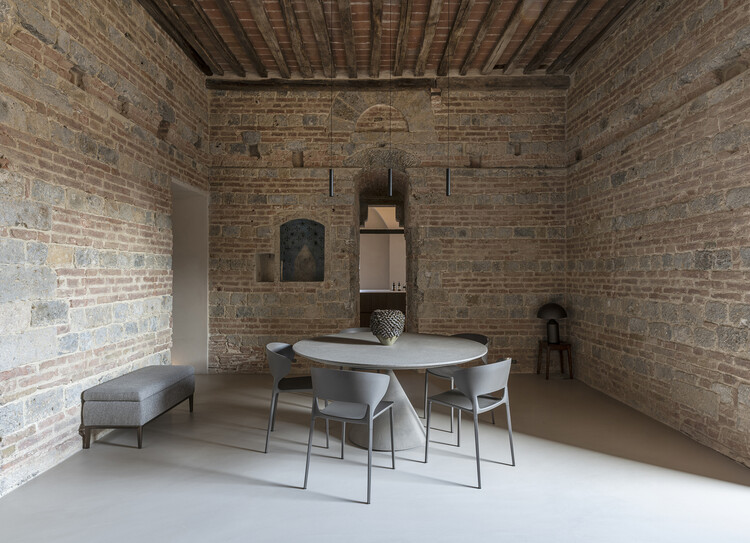
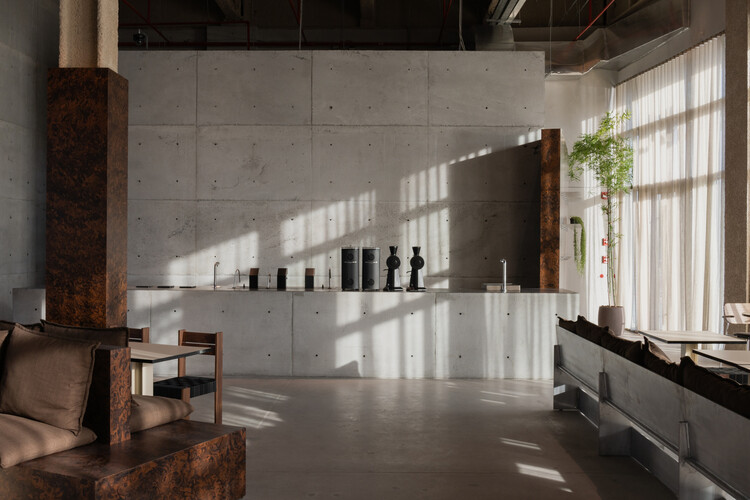
The article explores the integration of concrete into contemporary interior design, moving beyond its traditional role as a structural element. Concrete, known for its raw beauty and versatility, is highlighted as a key material in minimalist and industrial aesthetics. Its clean lines and neutral tone perfectly align with minimalist principles of functionality and simplicity, while its rugged texture contributes to the stripped-down, unfinished look characteristic of industrial design, often paired with brick walls and wood for an urban feel.
Architect Rajkumar Kumawat, Founder and Principal Architect at Rajkumar Architects, provides insights into incorporating concrete into interior spaces. He emphasizes concrete's thermal mass properties, noting its ability to absorb and store heat, thereby regulating indoor temperatures and enhancing energy efficiency. This makes concrete a preferred material for environmentally conscious architecture. Kumawat further details various textures and finishes applicable to concrete.
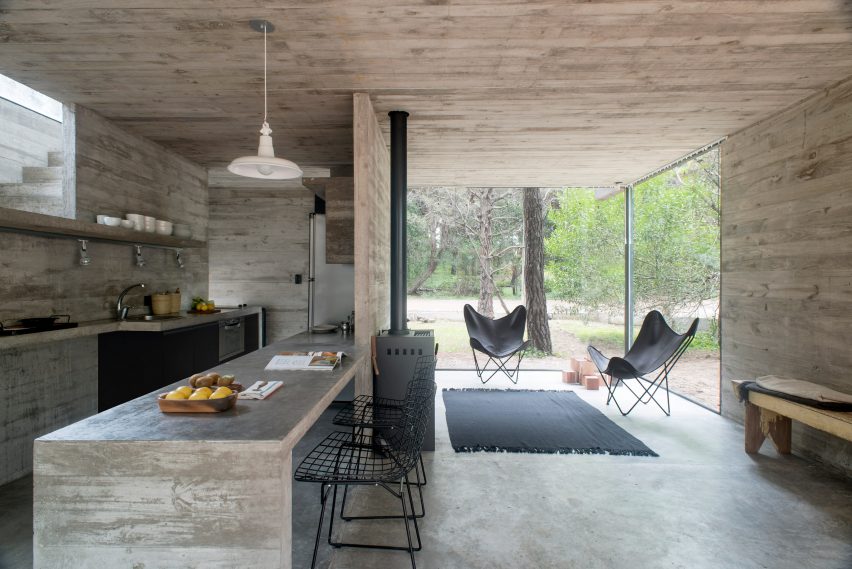
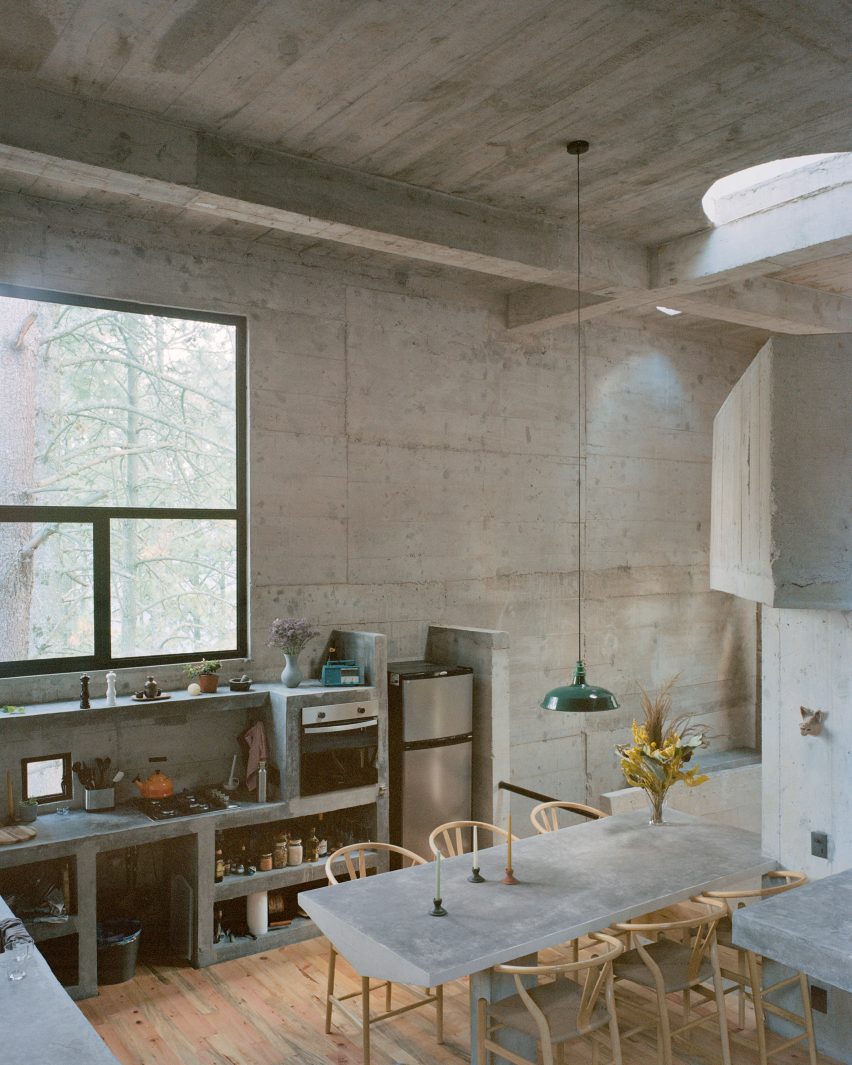
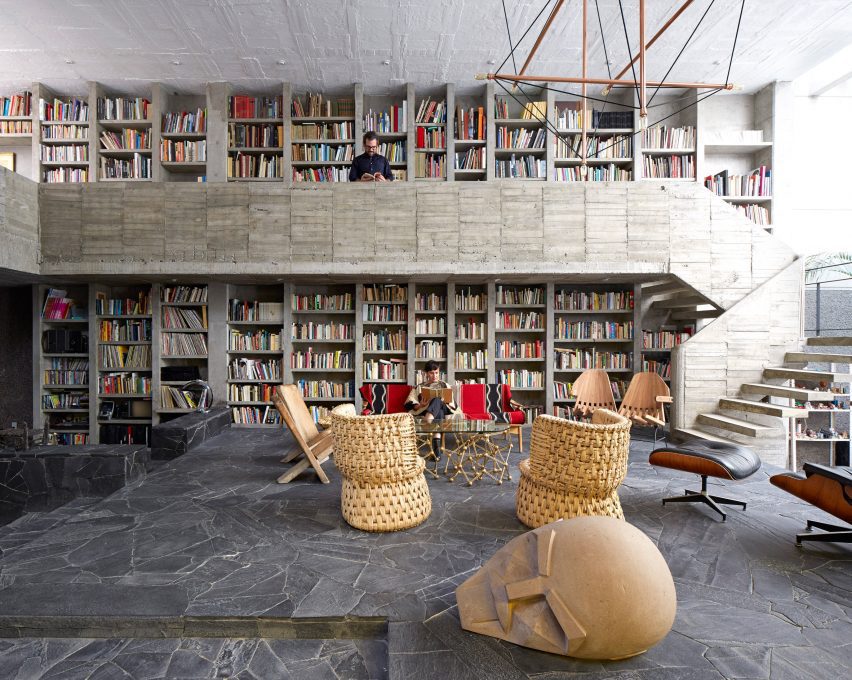
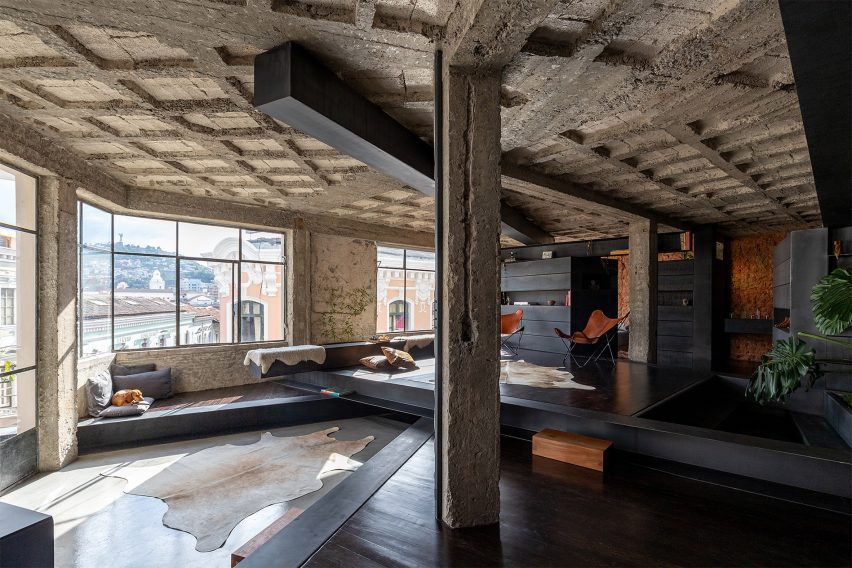
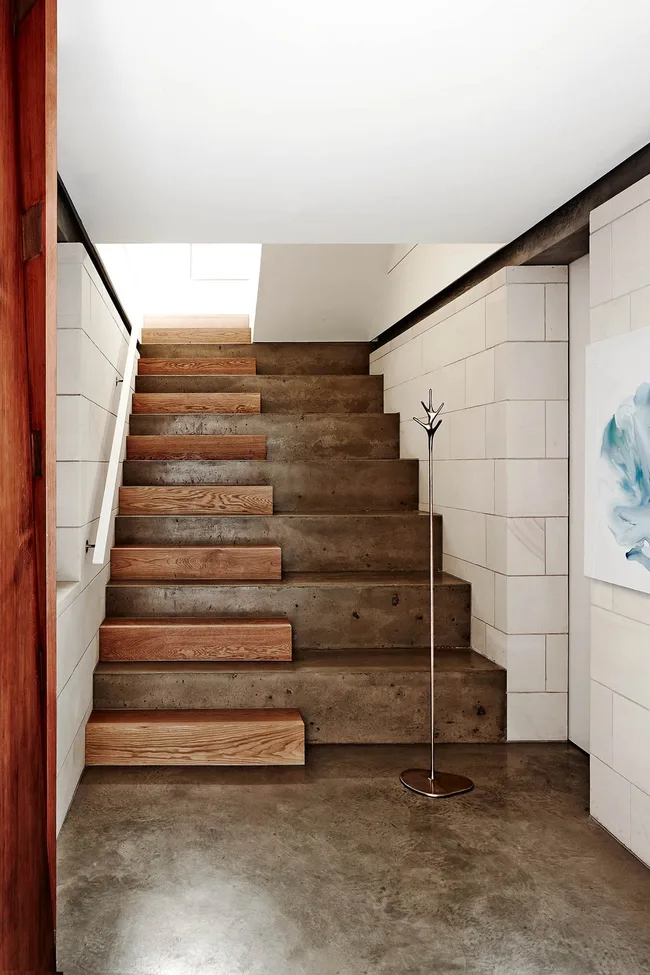
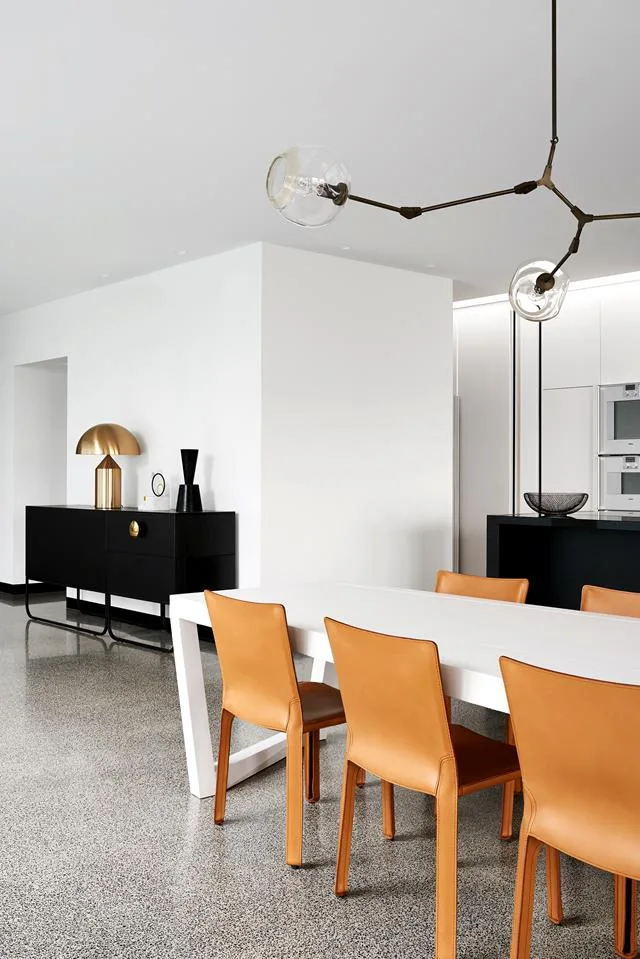
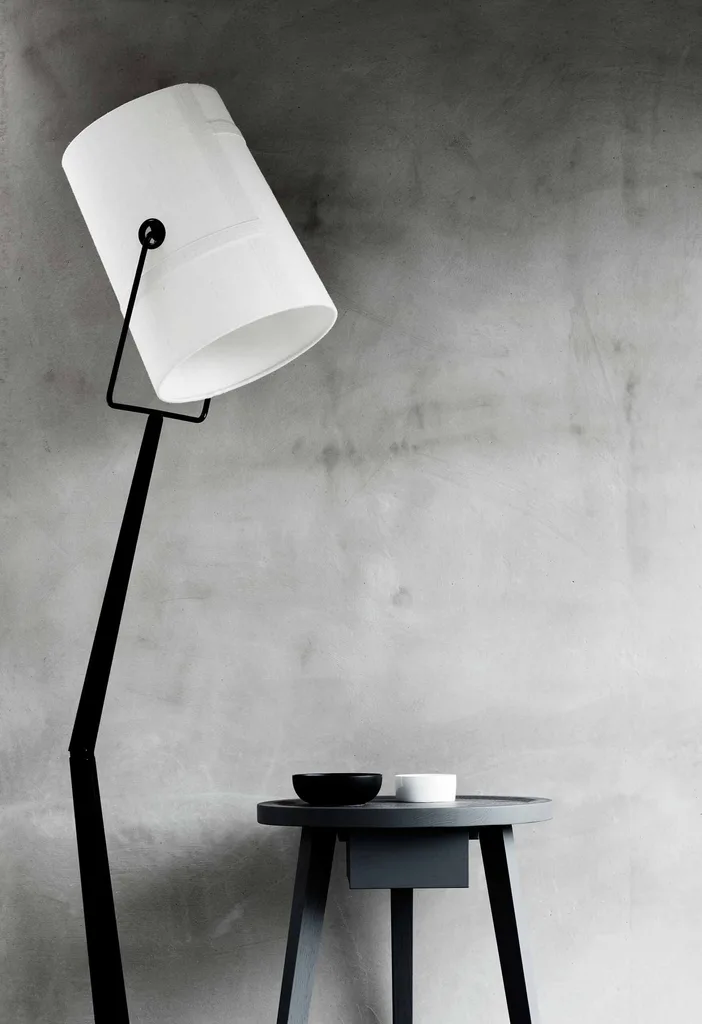
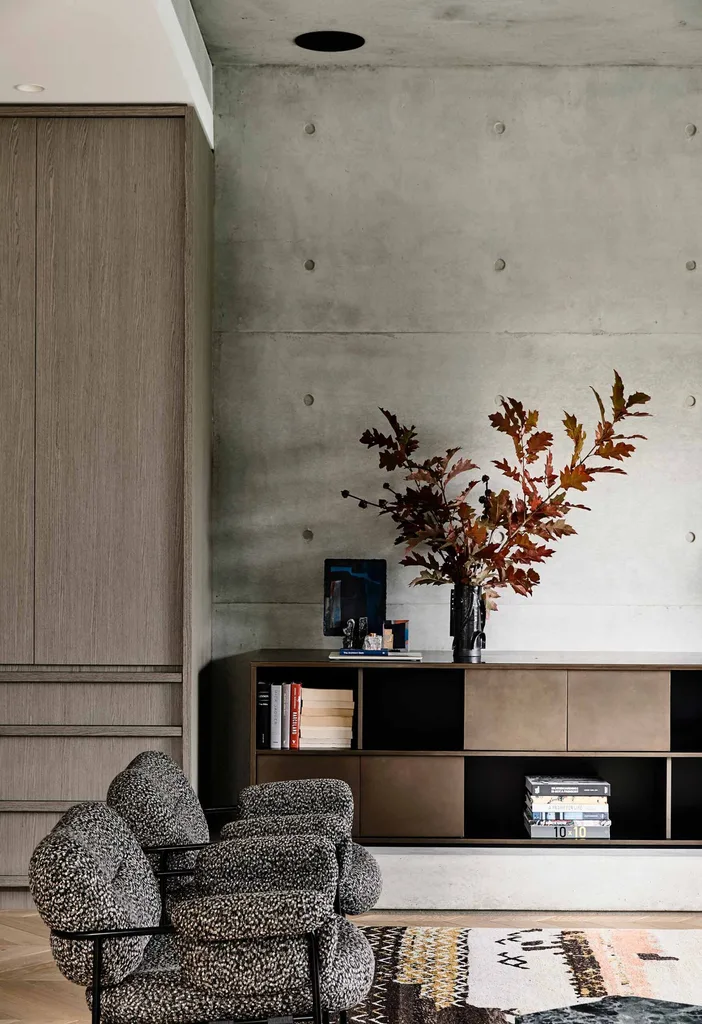
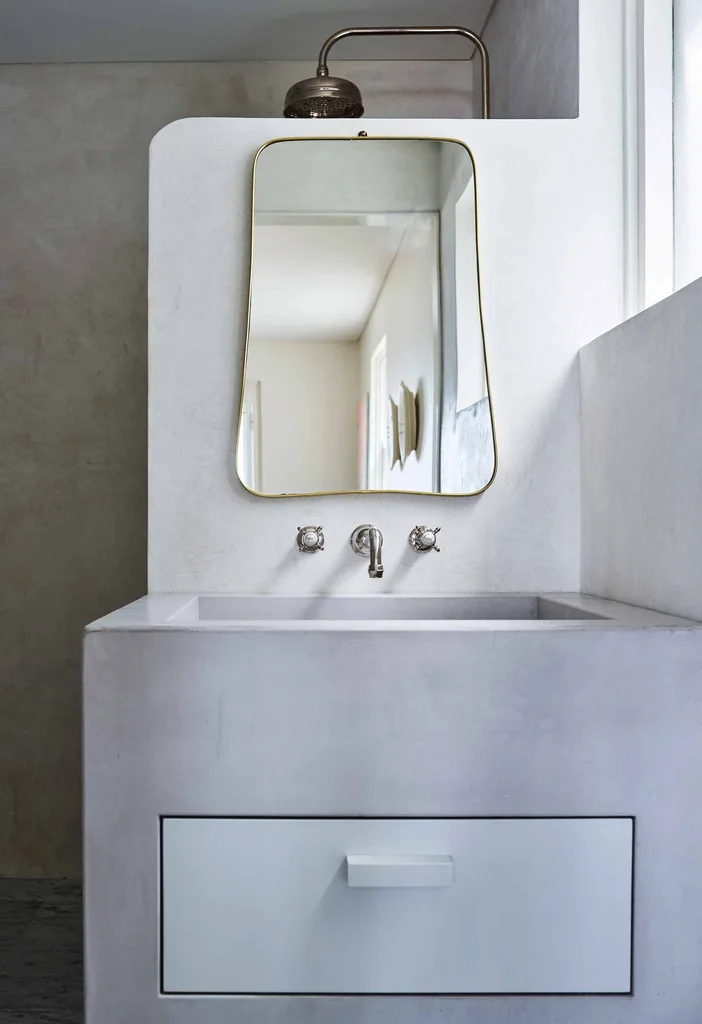
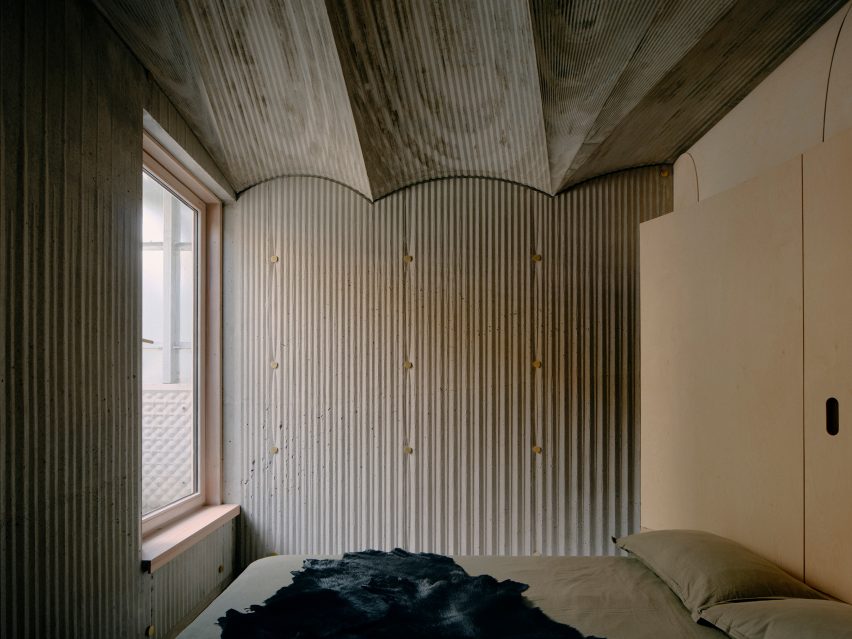
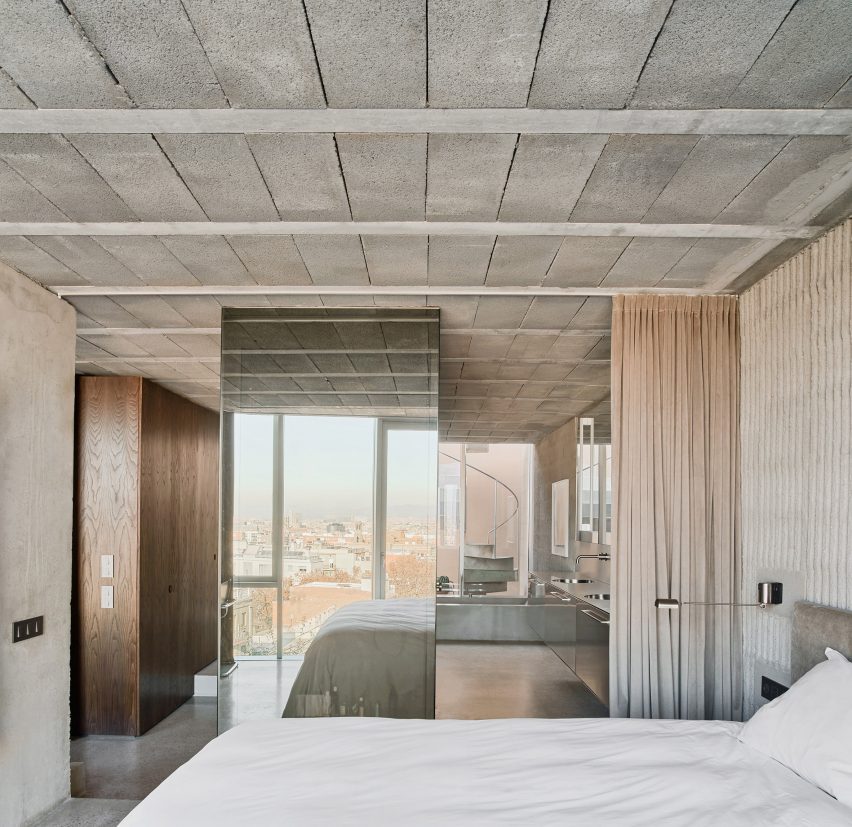
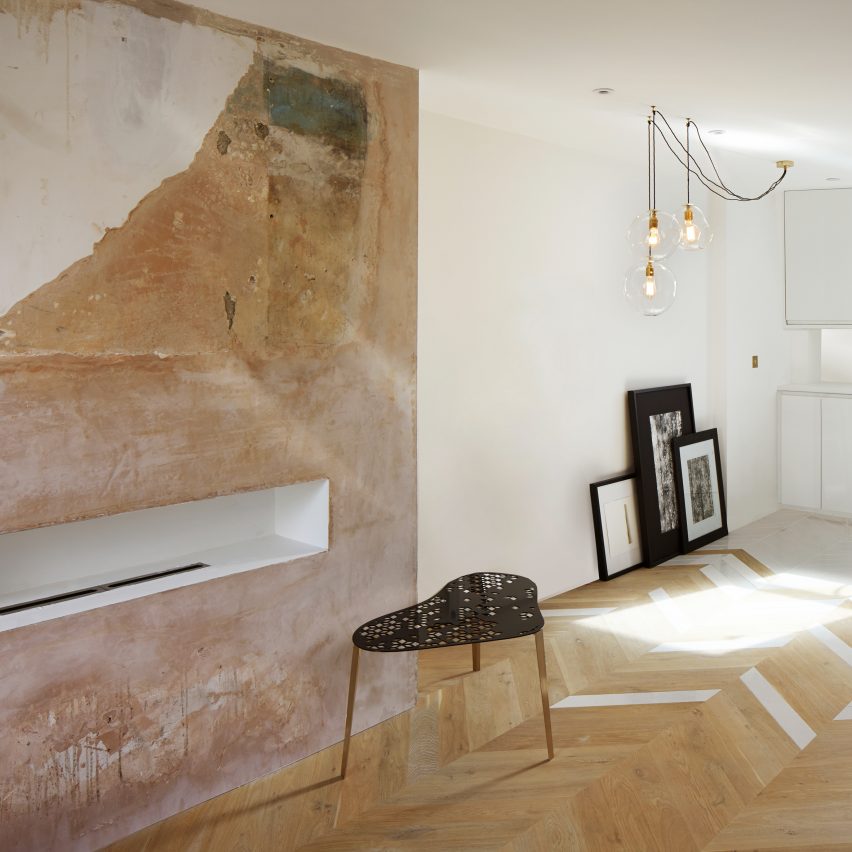
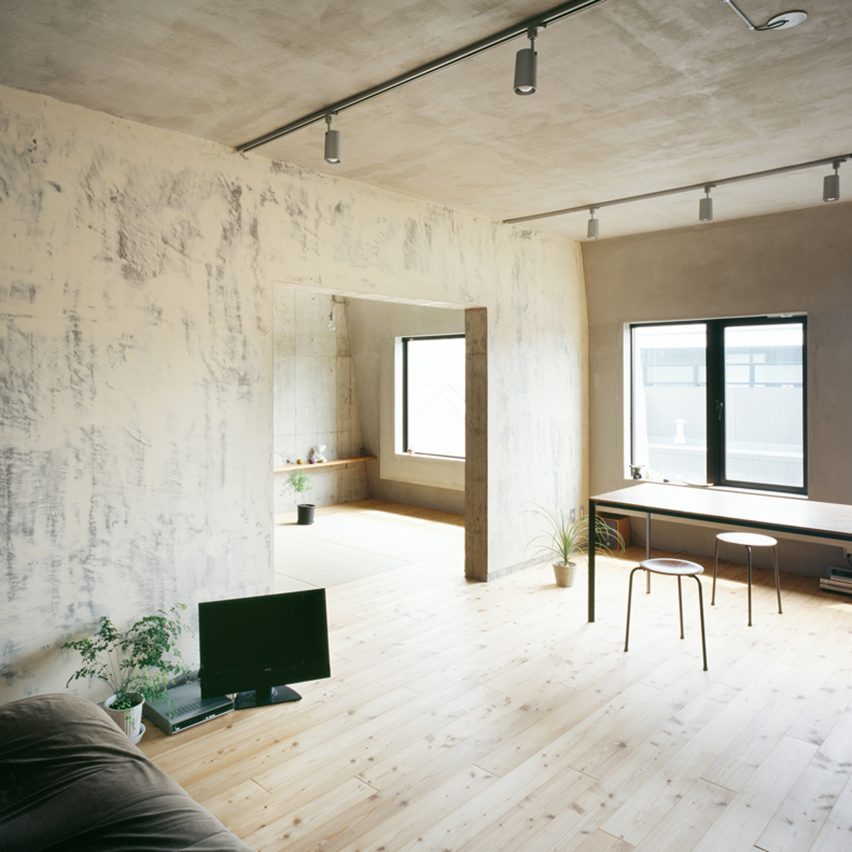
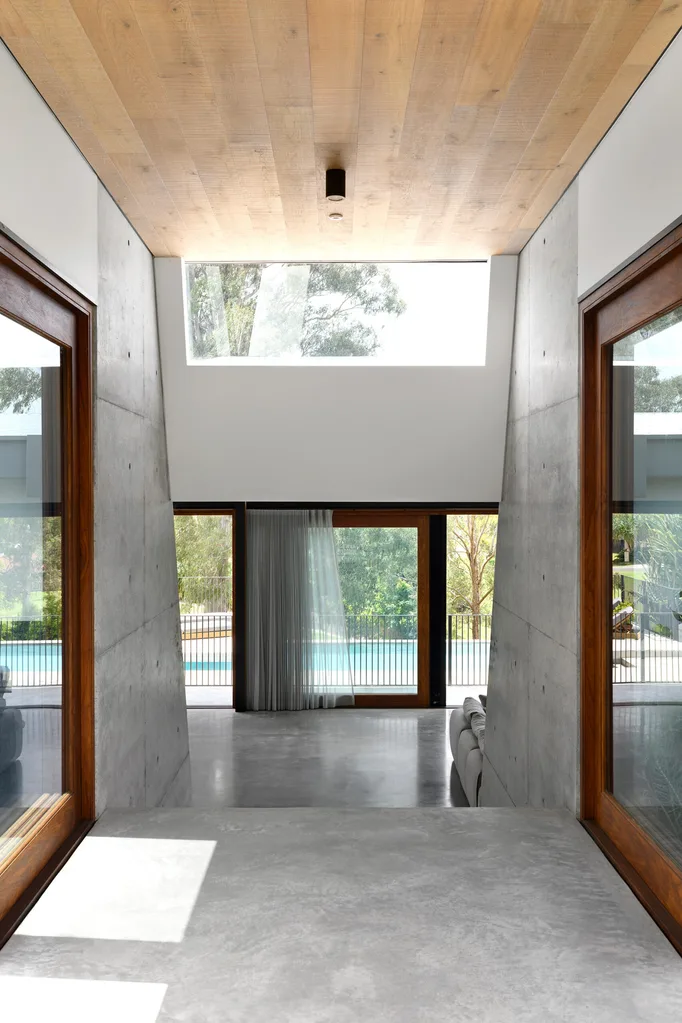
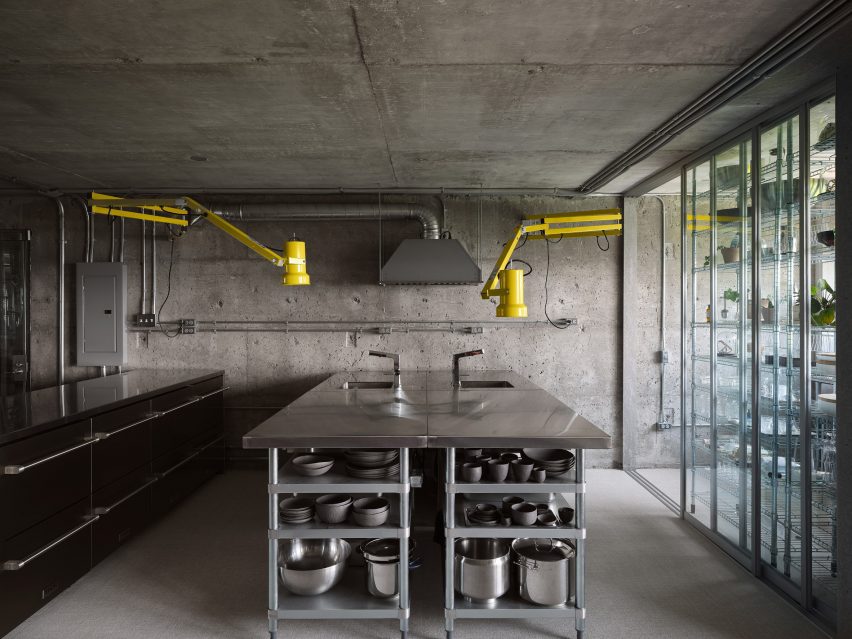
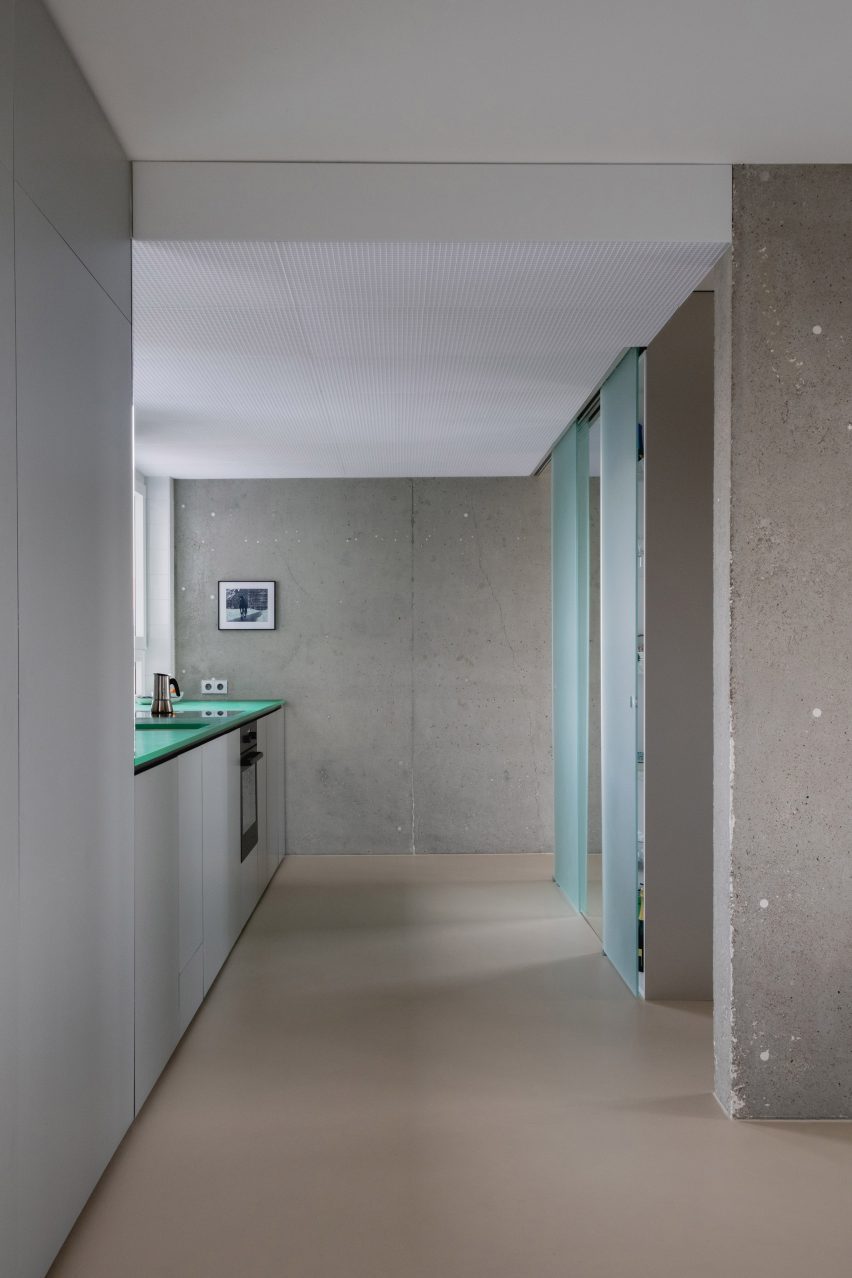
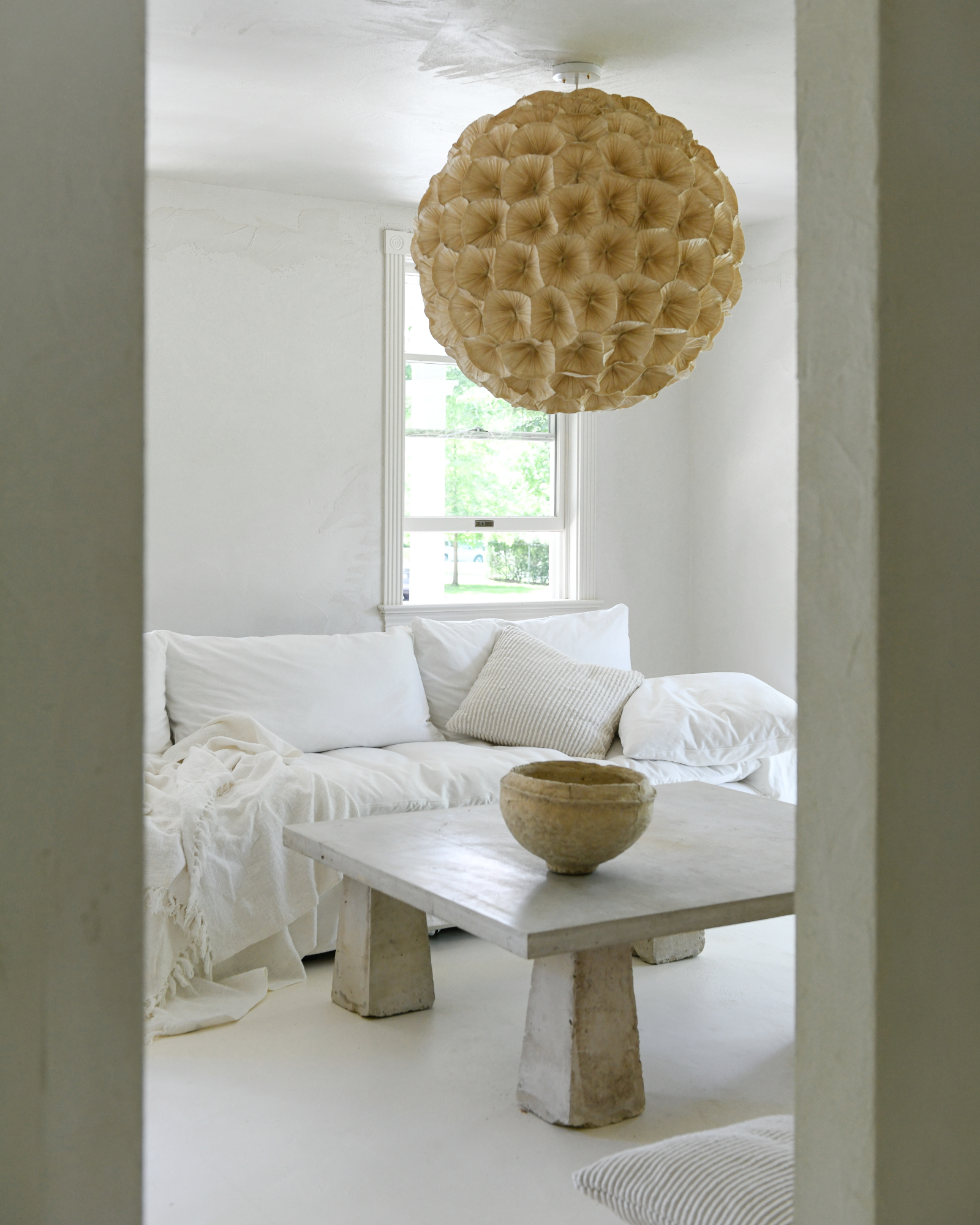
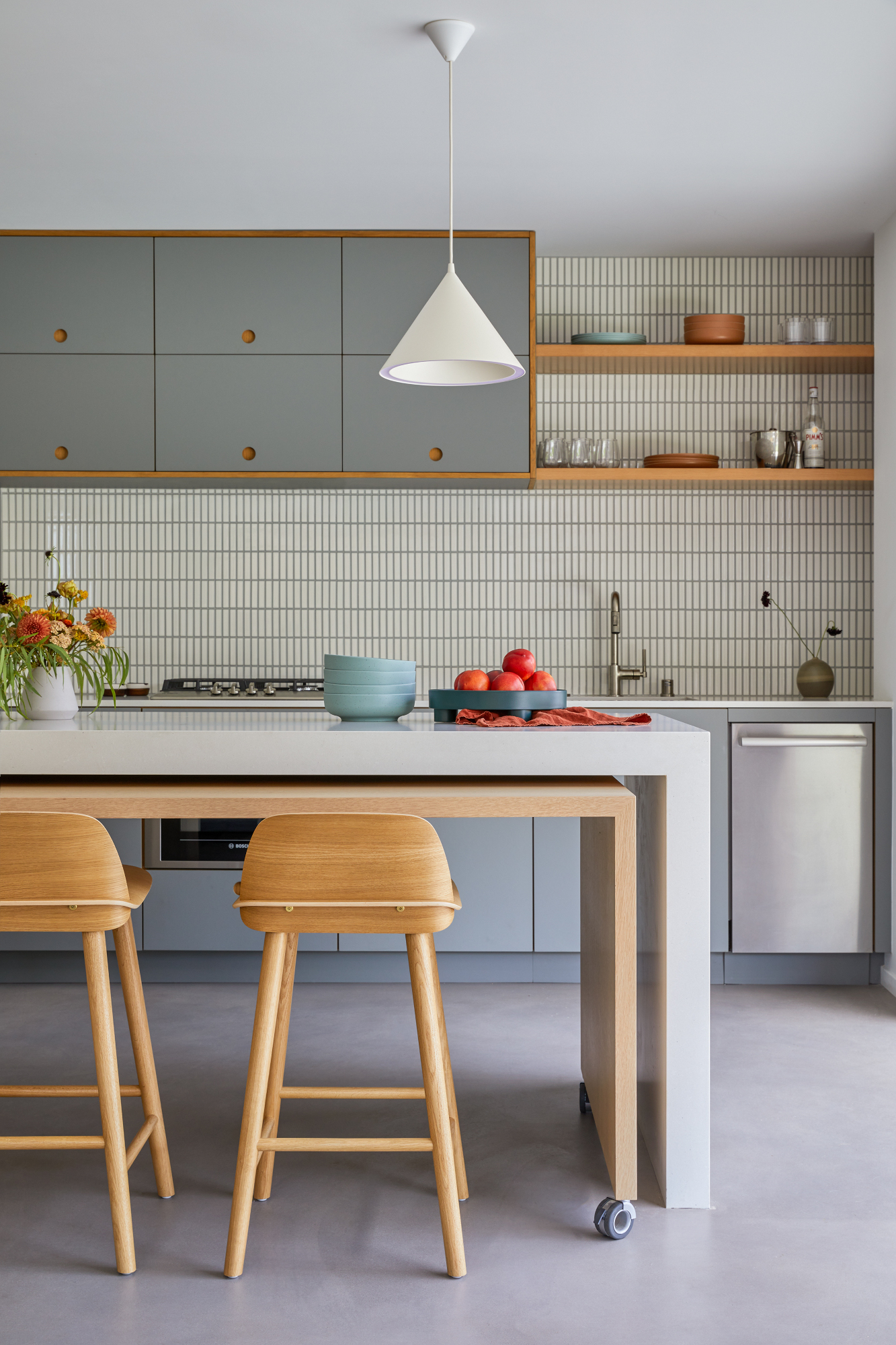
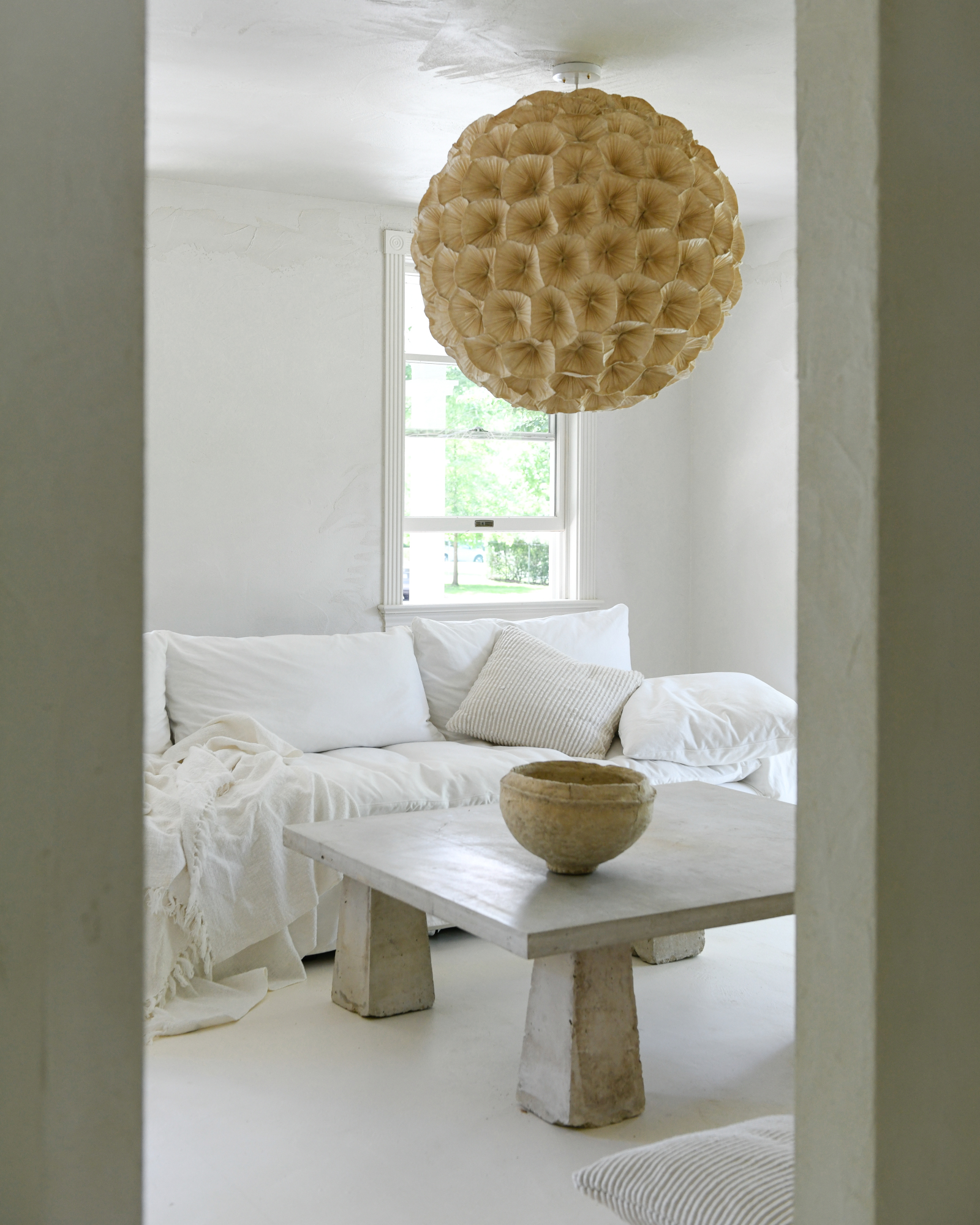
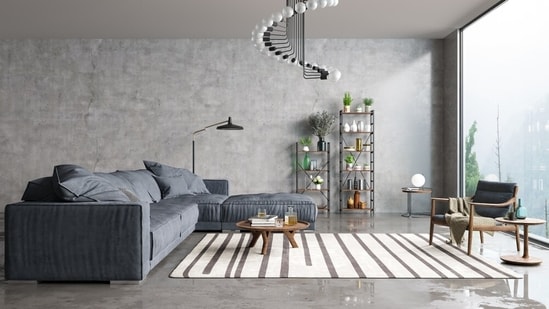
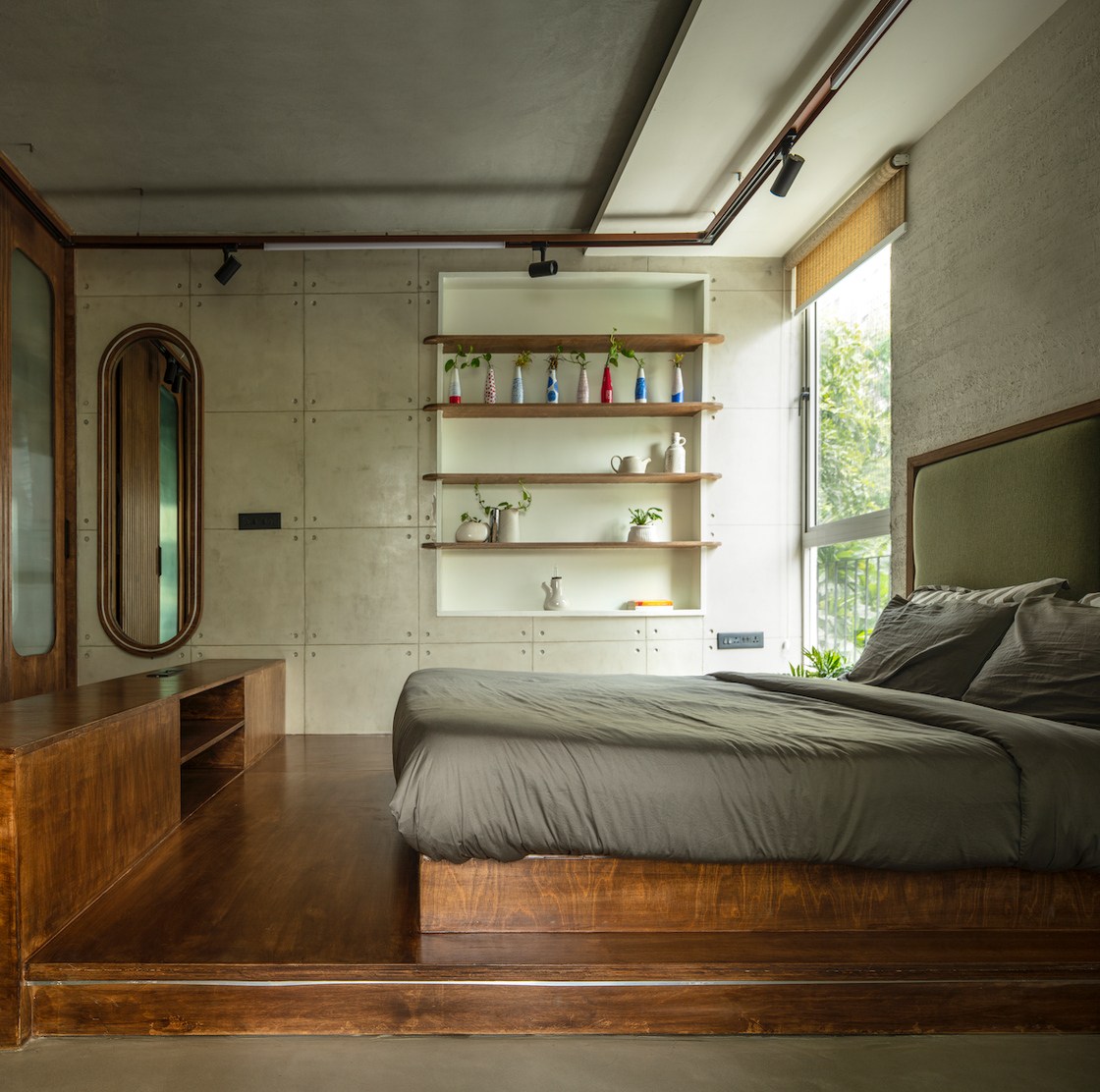
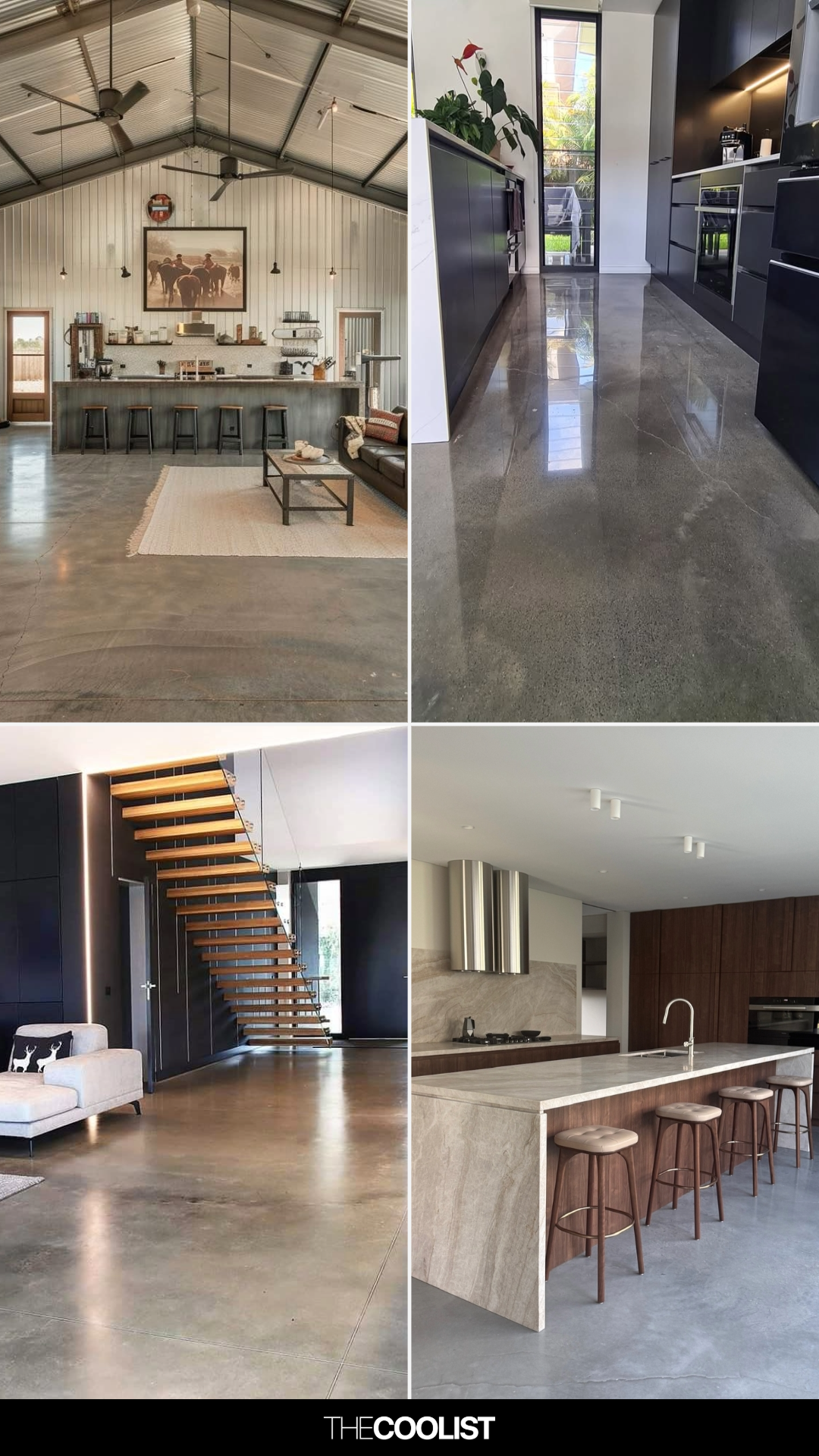
The surface of concrete can be manipulated to achieve different looks; a raw finish suits an industrial aesthetic, while a polished finish offers a more contemporary appeal. Board-formed concrete introduces a tactile warmth, creating a contrast with its inherent solidity. Stained concrete floors are presented as a way to add character, and textured concrete walls contribute depth to a space. Beyond structural elements, concrete is also integrated into furniture and decor, with examples such as concrete countertops and lighting fixtures that seamlessly blend with minimalist and industrial interiors.
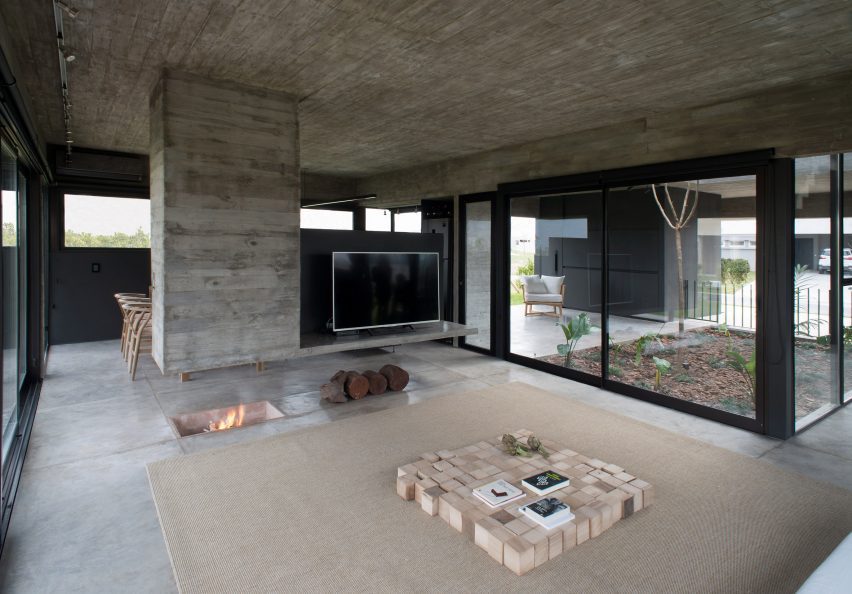
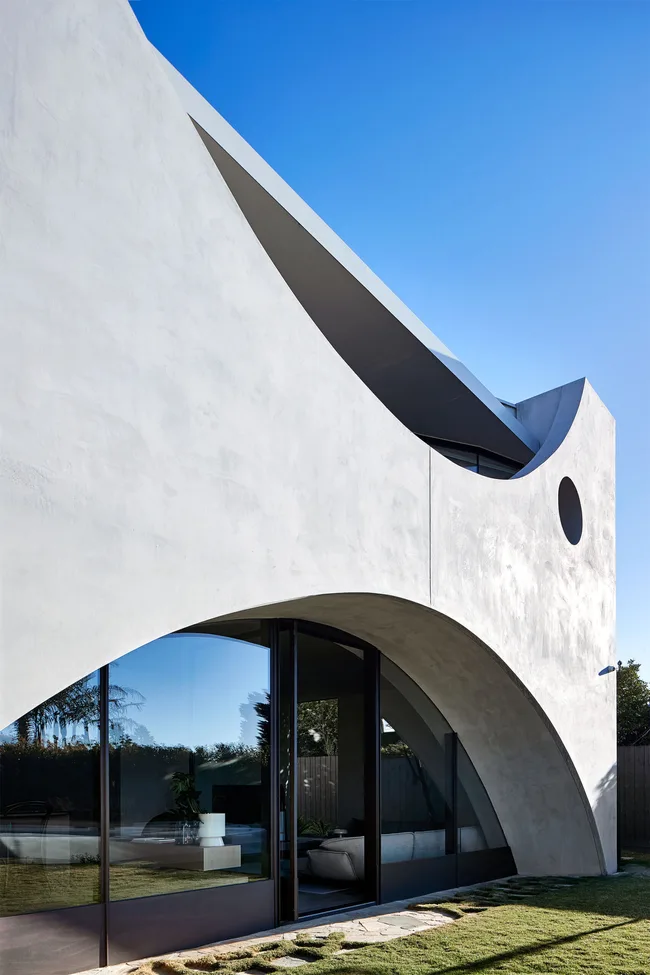
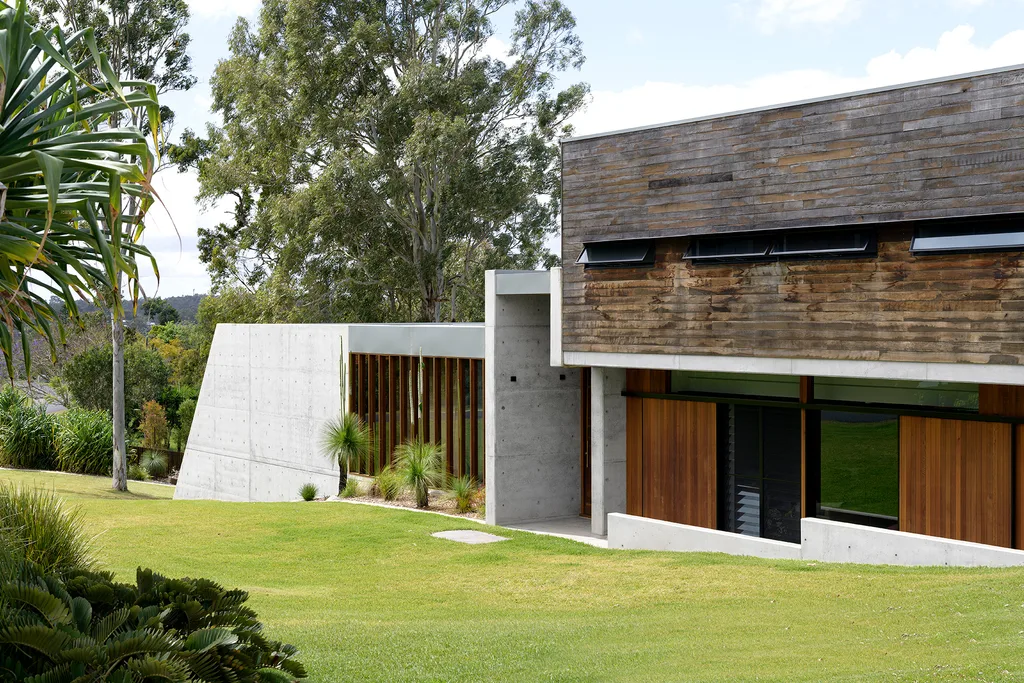
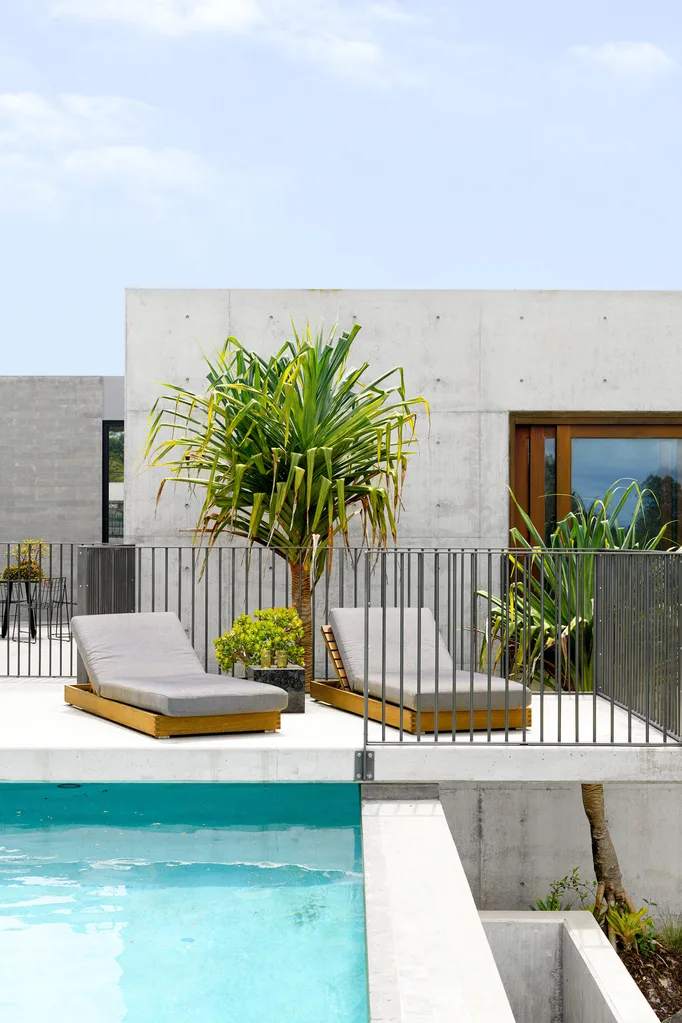
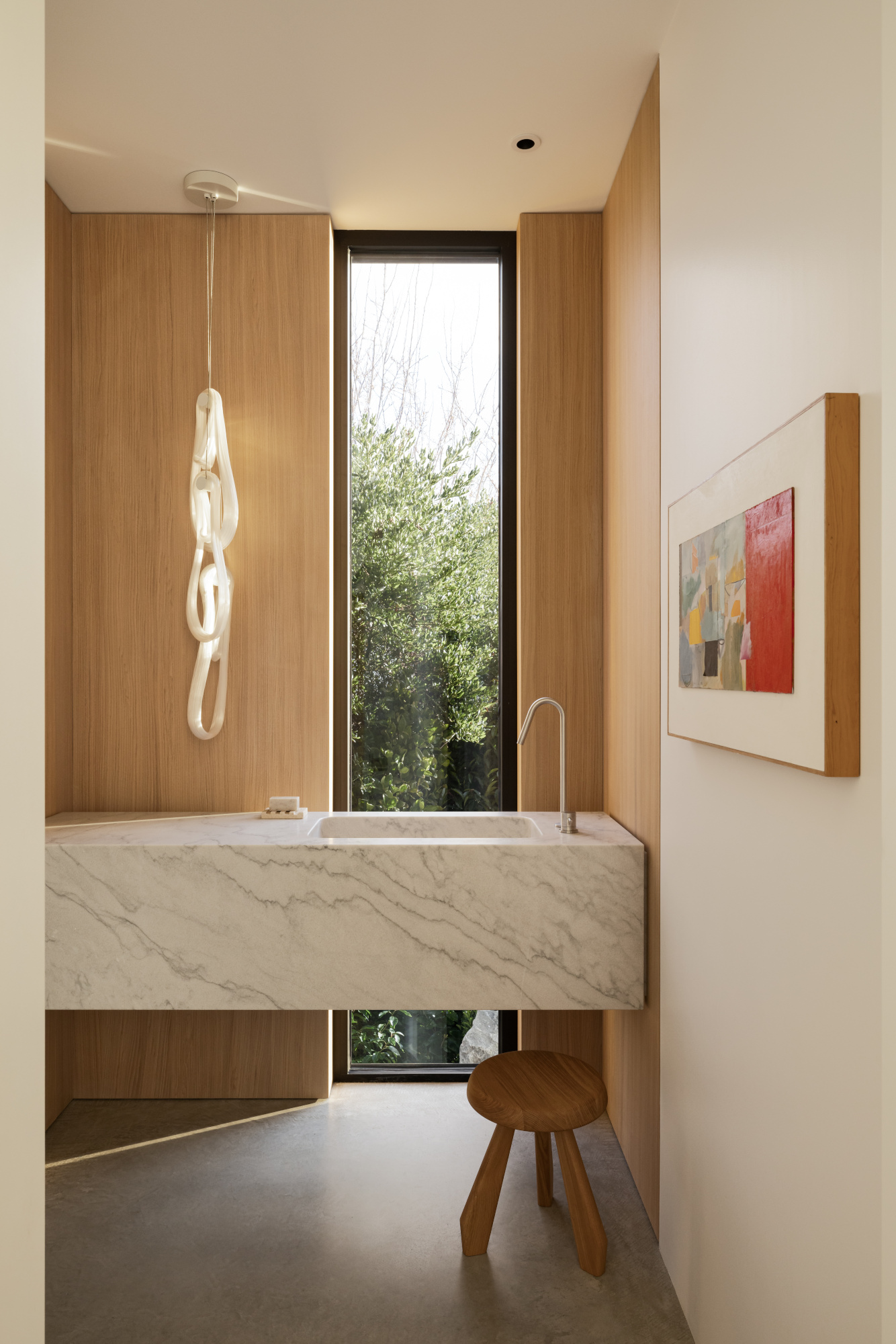
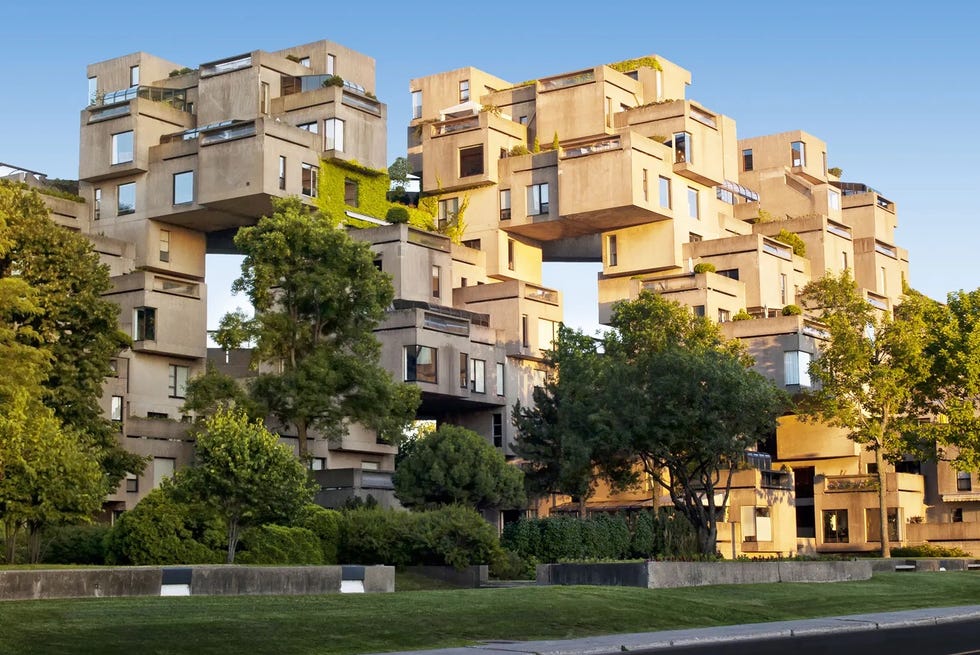
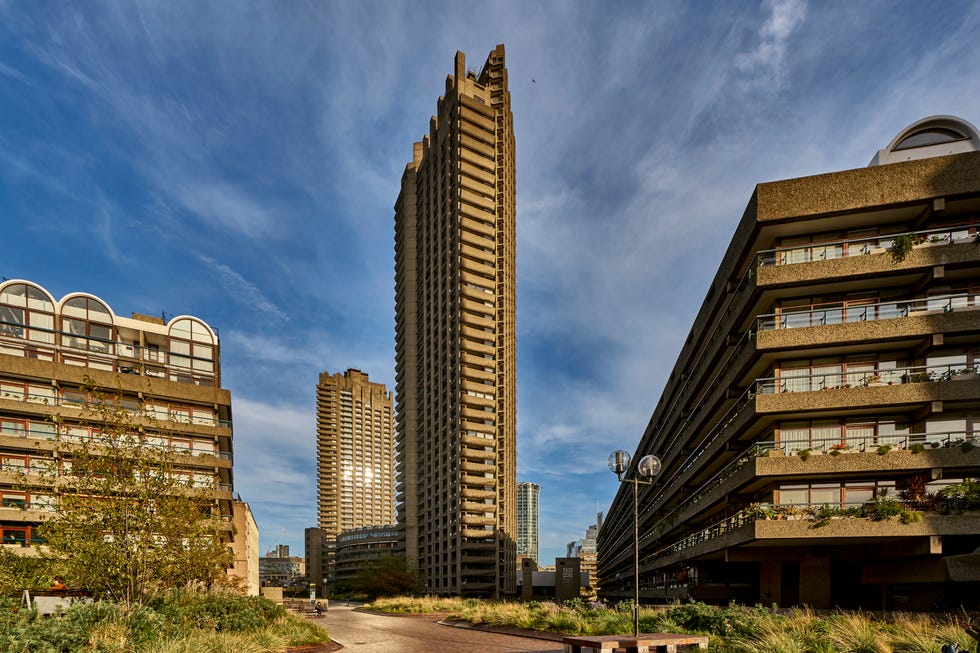
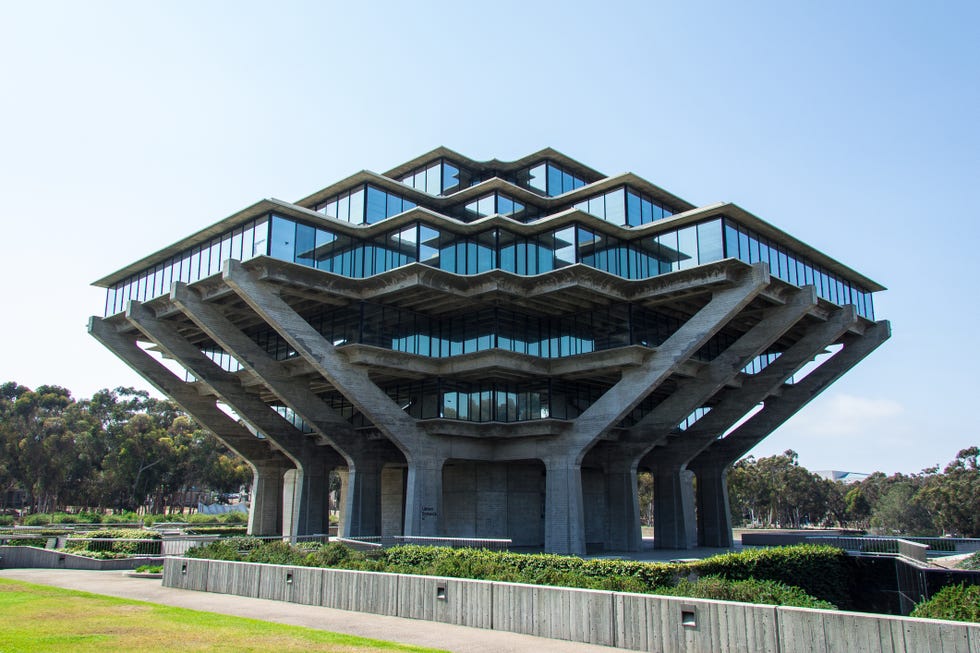
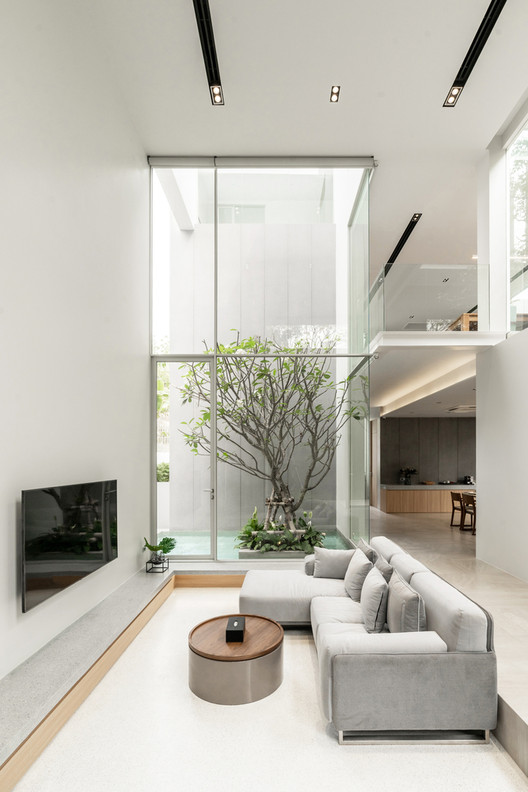
The modern revival of raw concrete involves refining its inherent appeal for contemporary designs. Kumawat explains that this evolution focuses on harnessing the material's expressive power. Modern brutalist-inspired designs celebrate concrete's raw beauty by incorporating natural light, open spaces, and softer textures, thereby mitigating its historically perceived harshness. This approach is evident in residential architecture, where exposed concrete homes are frequently combined with expansive glass facades and lush greenery. This combination creates a harmonious balance between the strength of concrete and a sense of serenity within the living space.
Ultimately, the article advocates for the deliberate exposure of concrete in design, suggesting that this fundamental building material does not need to be concealed. Its unrefined beauty, symbolizing strength and durability, can be consciously incorporated to channel the energy of simplicity into a space.
#InteriorDesign #ConcreteDesign #MinimalistAesthetics #IndustrialStyle #HomeDecor #ArchitecturalMaterials #SustainableDesign #ModernInteriors #RajkumarKumawat #InteriorDesign #ConcreteDesign #MinimalistAesthetics #IndustrialStyle #HomeDecor #ArchitecturalMaterials #SustainableDesign #ModernInteriors #RajkumarKumawat
0 commenti in totale
 Nessun commento ancora
Potresti anche gradire
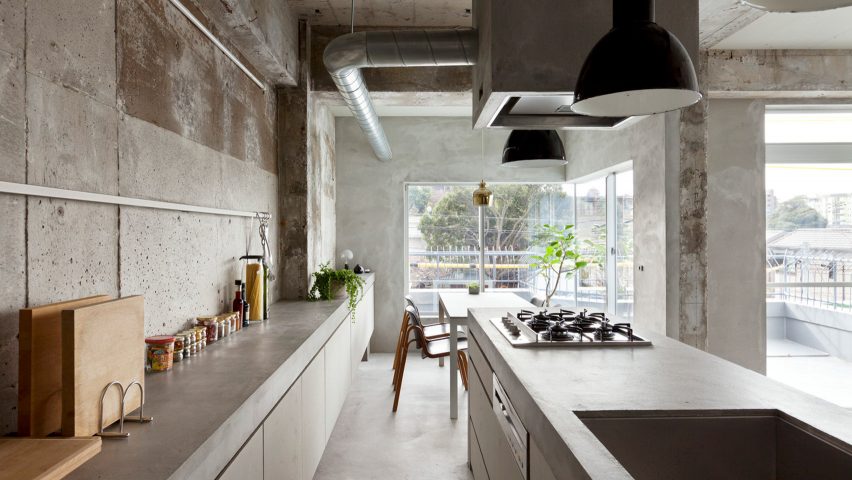
Eight concrete kitchens with raw and tactile surfaces
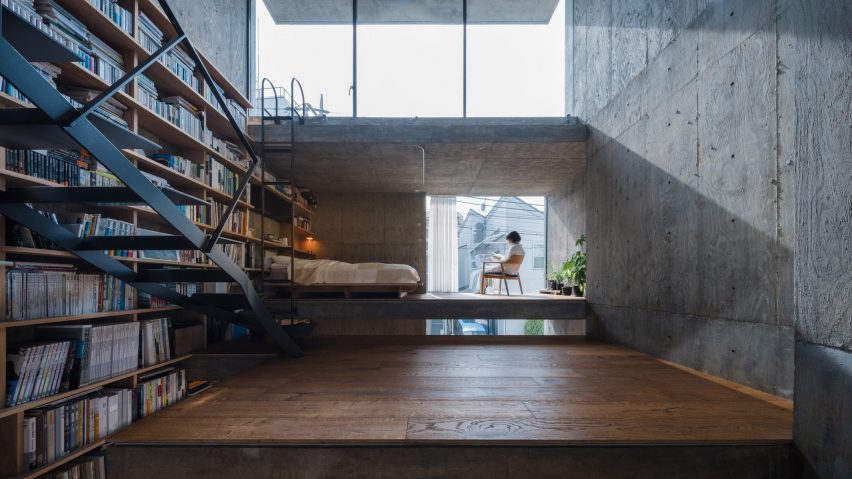
Eight minimalist bedrooms lined with exposed concrete surfaces
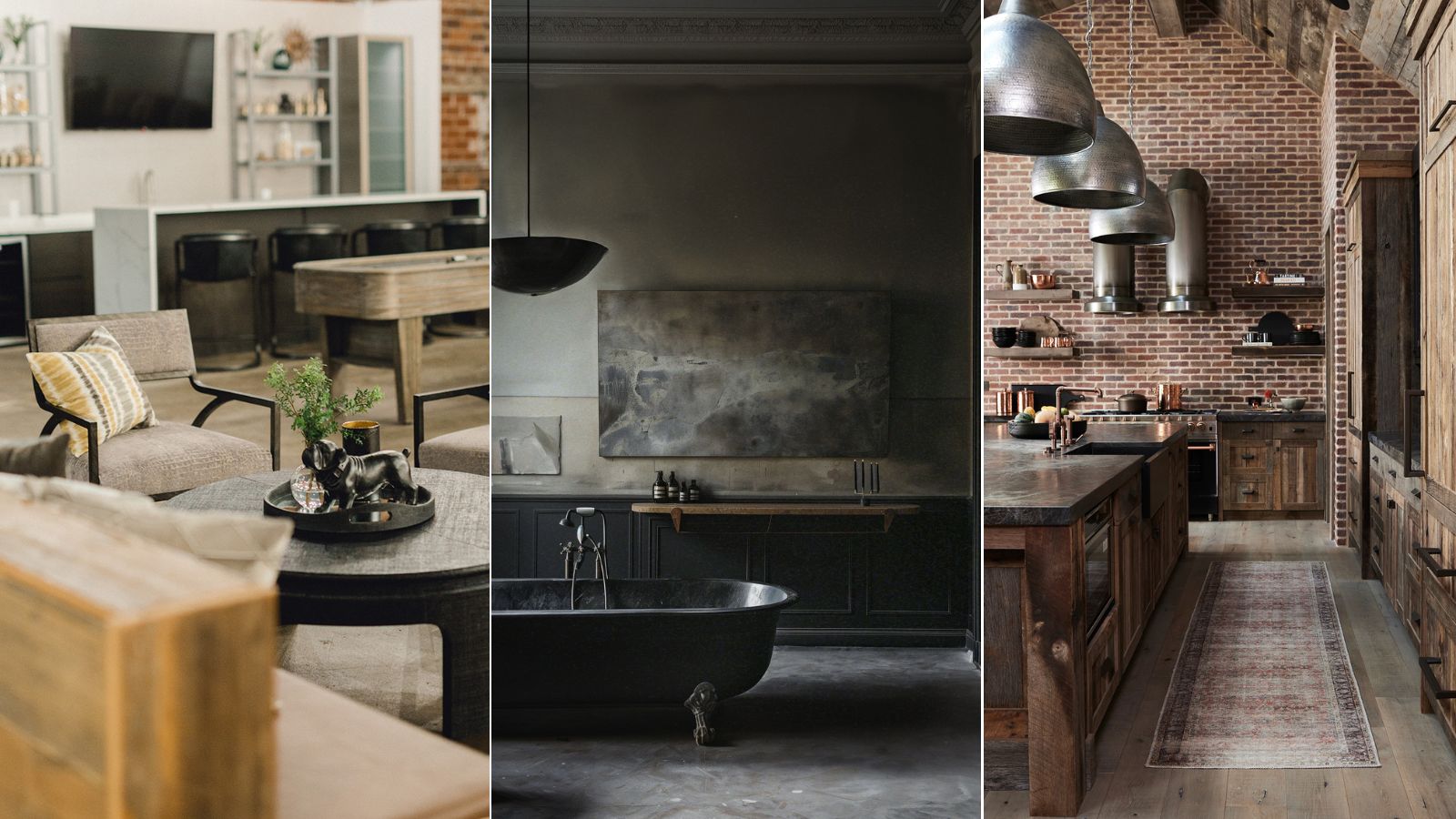
Industrial-style interiors are trending – here's how to get the sleek and stylish look

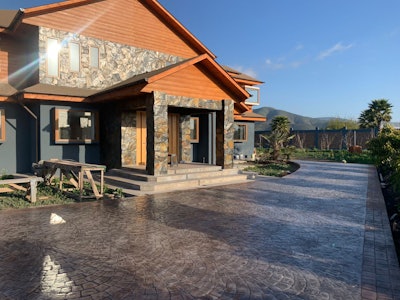
Building Into Luxury Concrete

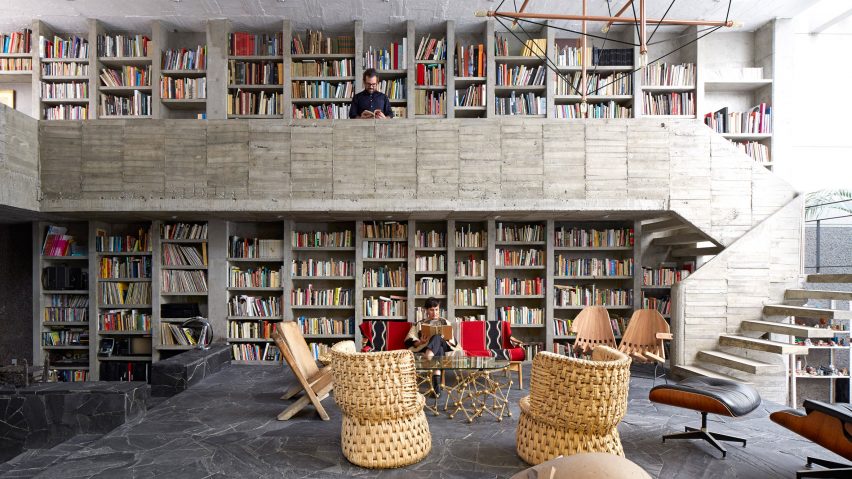
Ten living rooms that use concrete to create textural interest

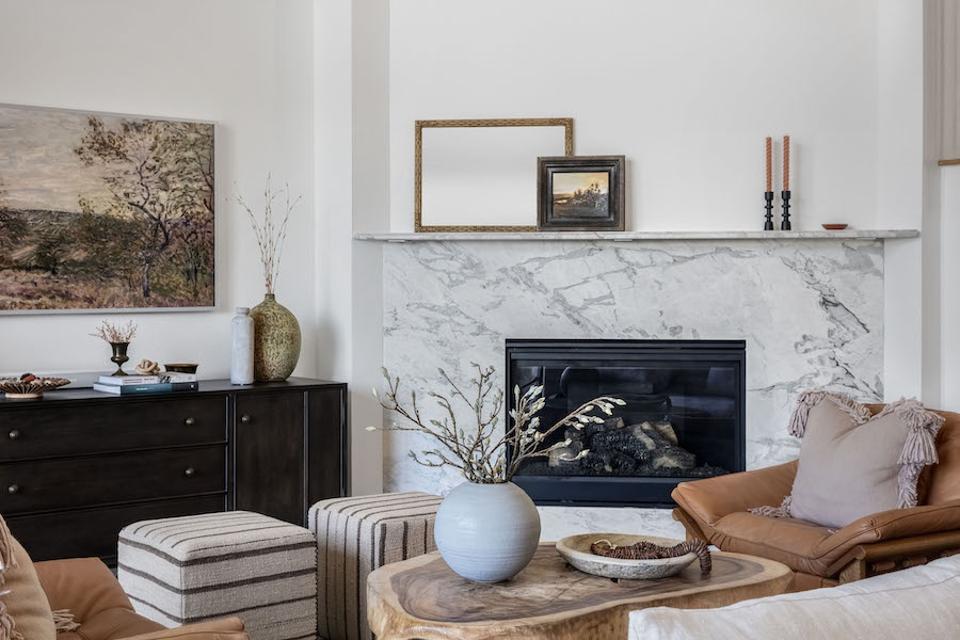
9 Contemporary Interior Design Tips You Haven’t Heard Before

Modern Elegance: Top Trends In Interior Design You Need to Know

The Essential Guide to Brutalist Design
11 homes that embrace concrete

Contemporary Architecture is More Common Than You Think — Here's How to Spot It
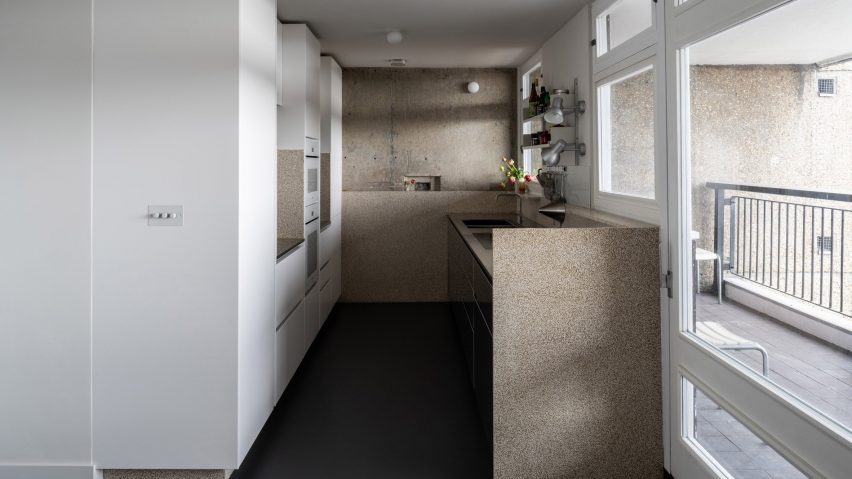
Eight brutalist kitchens where cooking meets concrete
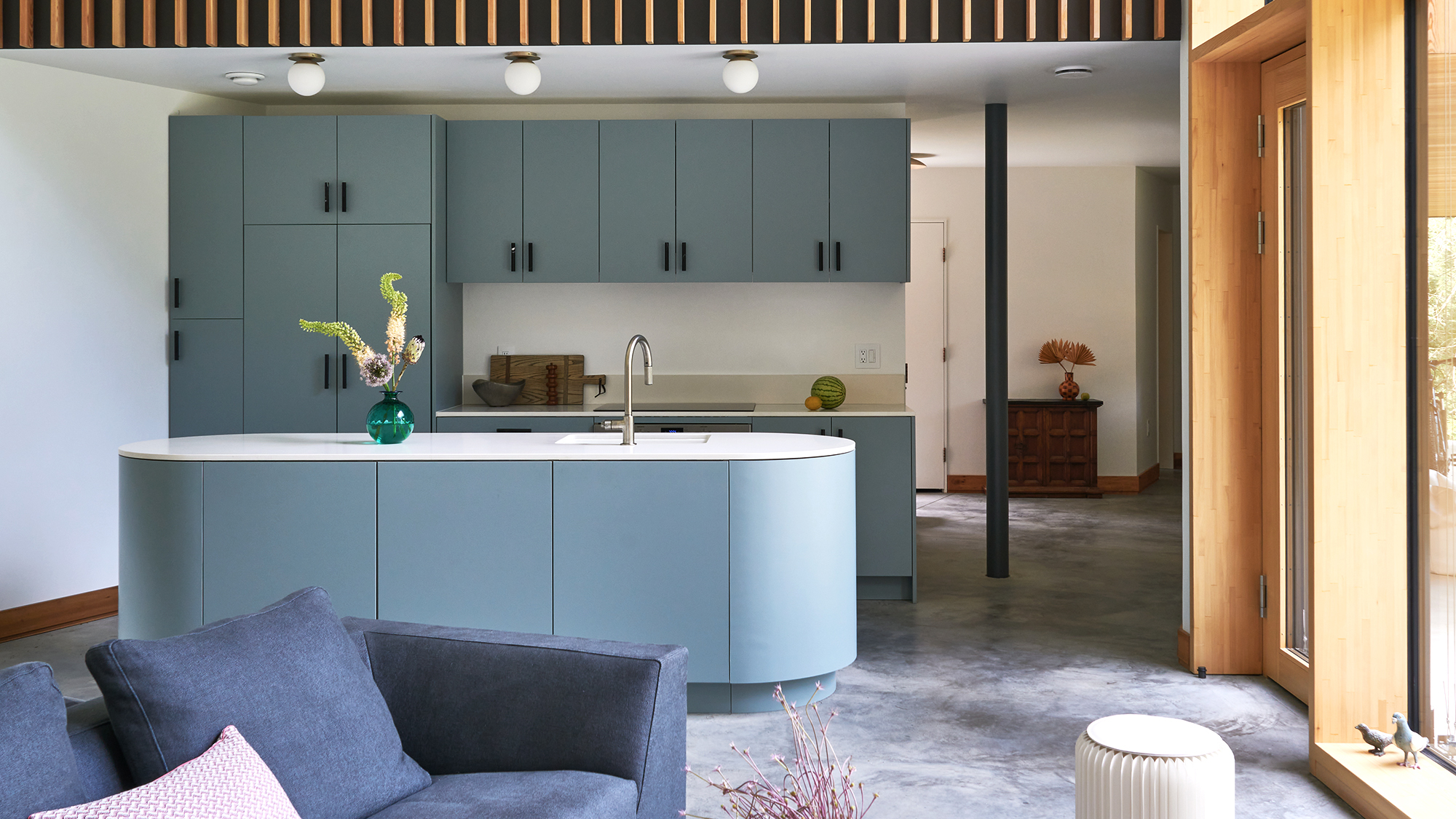
Which wall colors work best with concrete floors? Pairings to complement and elevate this industrial finish
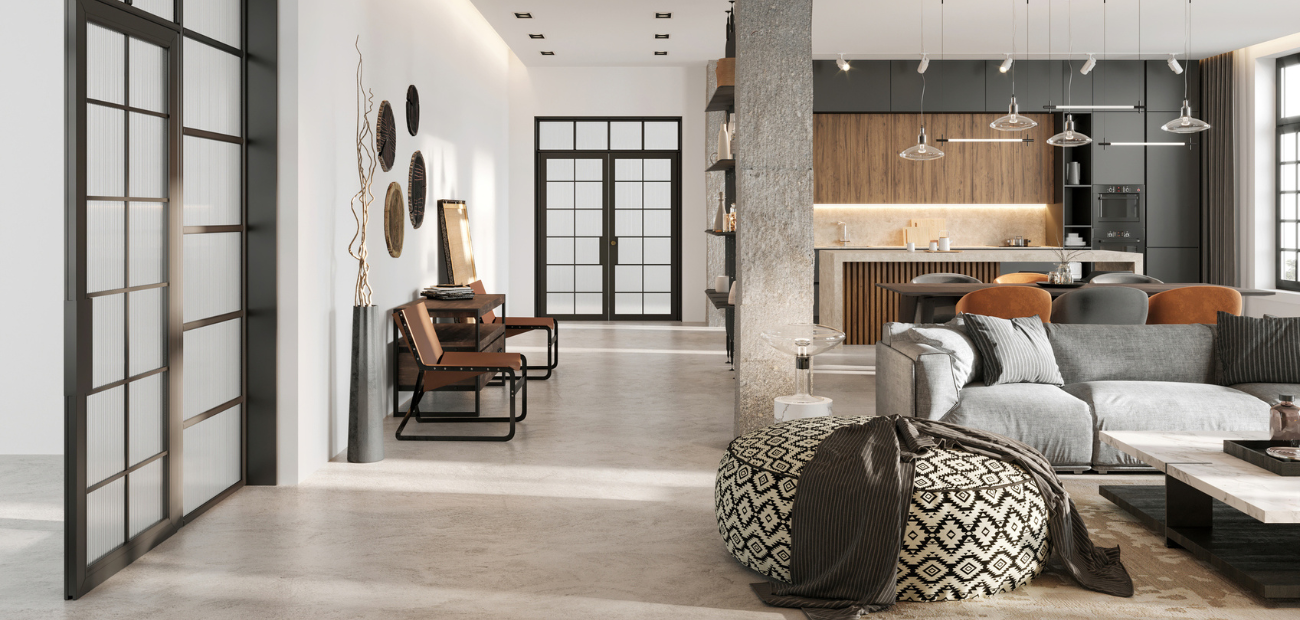
Sustainable Material Spotlight: Concrete
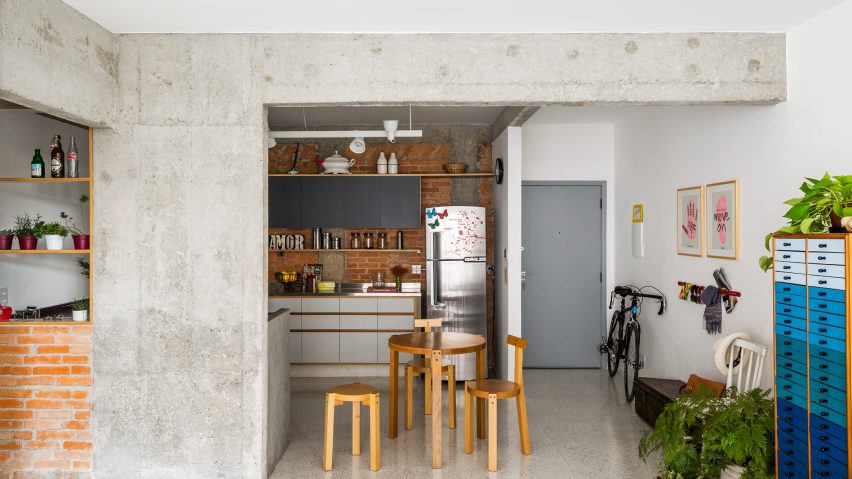
10 stripped-back home interiors that are deliberately unfinished
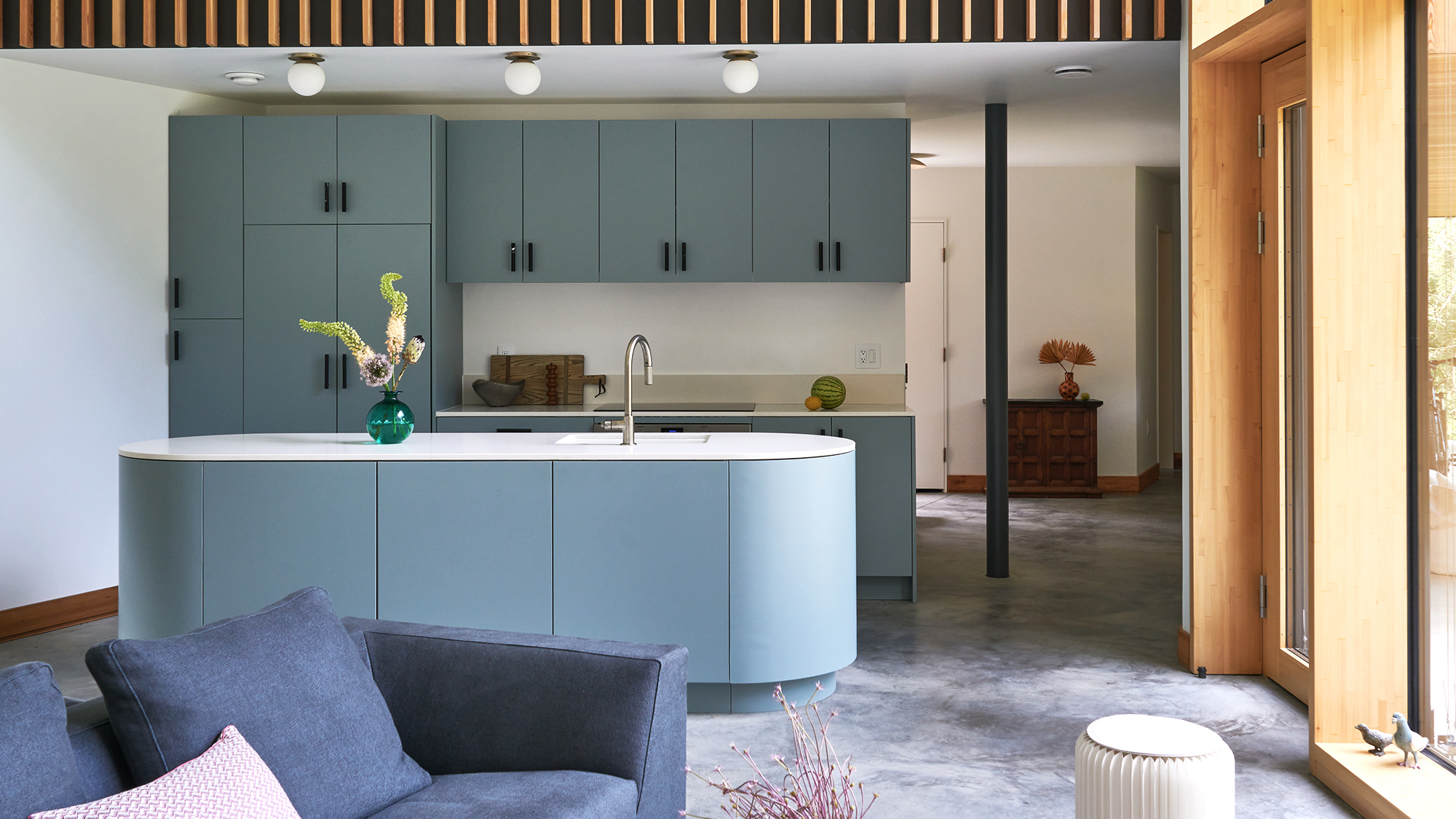
Which wall colors work best with concrete floors? Pairings to complement and elevate this industrial finish

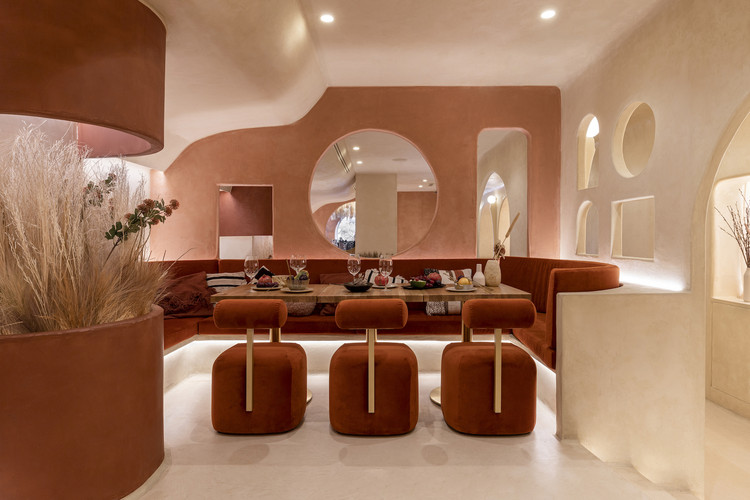
Interior Design Aesthetics: 22 Projects that Explore Trending Interior Styles

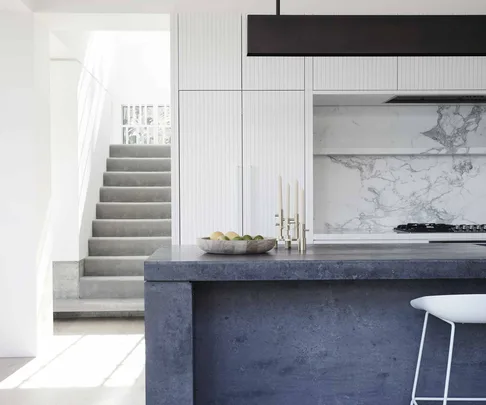
Concrete design ideas: how to make them work in any home
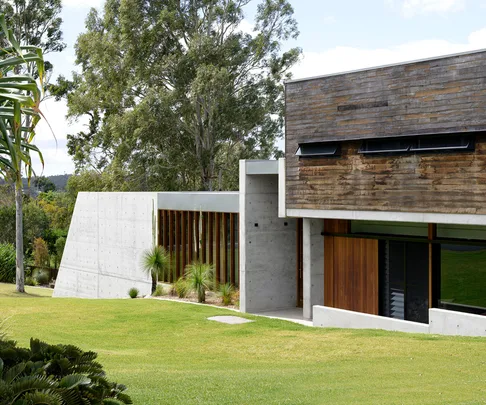
Drawing inspiration from modernist icons, this home rises organically from its landscape
Unwrapped Interiors: A Case for Material Authenticity and Clarity
25 Concrete Floor Ideas for Home No One Shares Because Once You Live With Them, Other Floors Feel Fake