Change the Wall Your Bed Faces to Improve Your Space’s Feng Shui (and Prevent Bad Luck)
The ancient Chinese practice of Feng Shui suggests that the arrangement of a living space profoundly influences one's energy levels and overall quality of life. This philosophy emphasizes improving the flow of 'qi' (pronounced 'chee') to foster harmony and balance, which in turn can lead to good health, wealth, strong relationships, and general happiness. Implementing Feng Shui principles can be as straightforward and affordable as adjusting lighting, color palettes, layouts, and furniture placement. This article outlines several simple and inexpensive methods to enhance your home's Feng Shui, primarily focusing on bedroom arrangements.
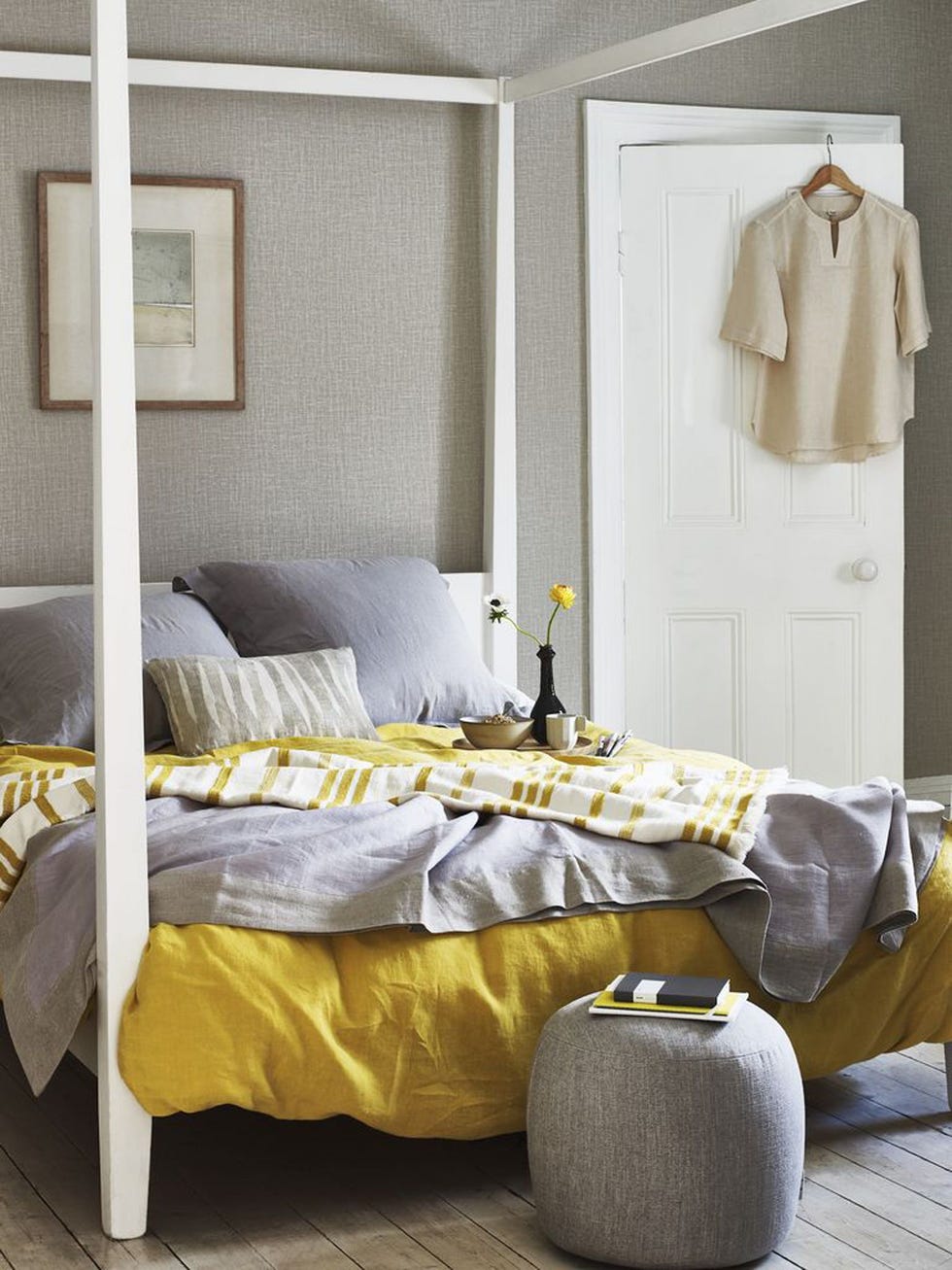
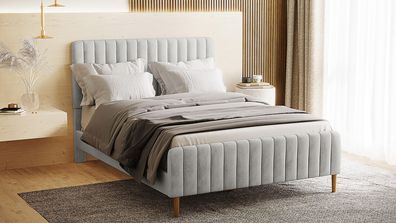
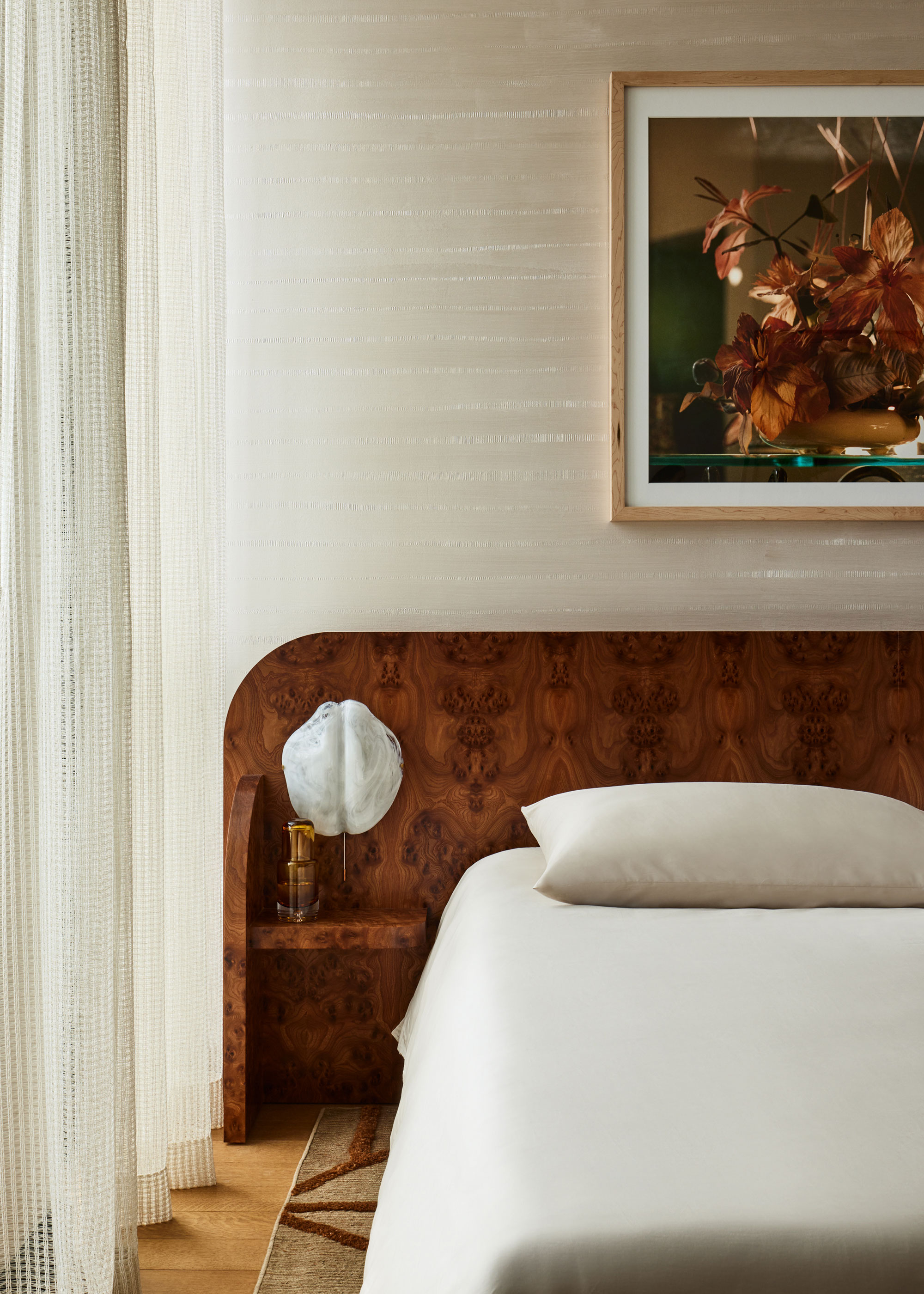
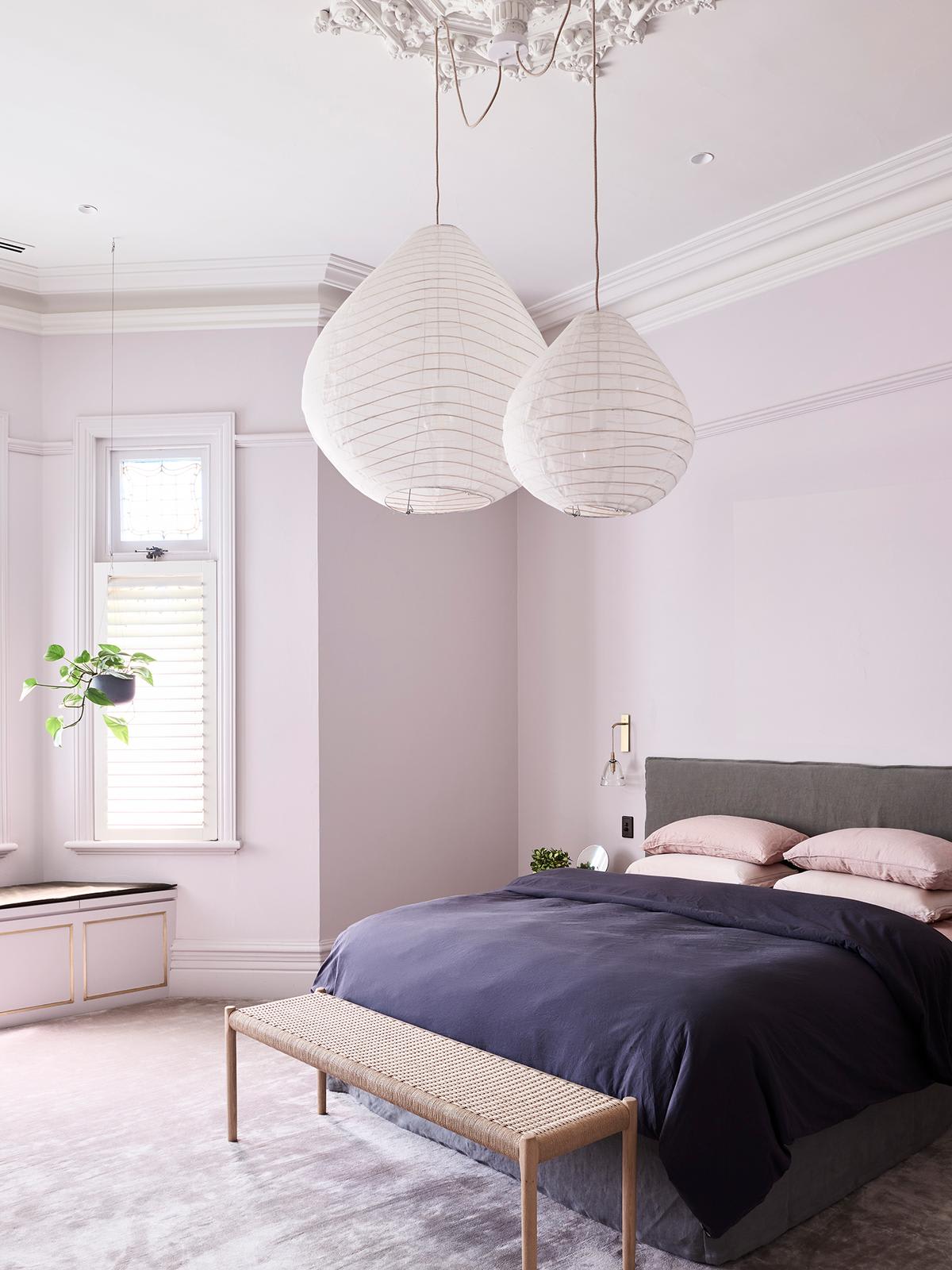
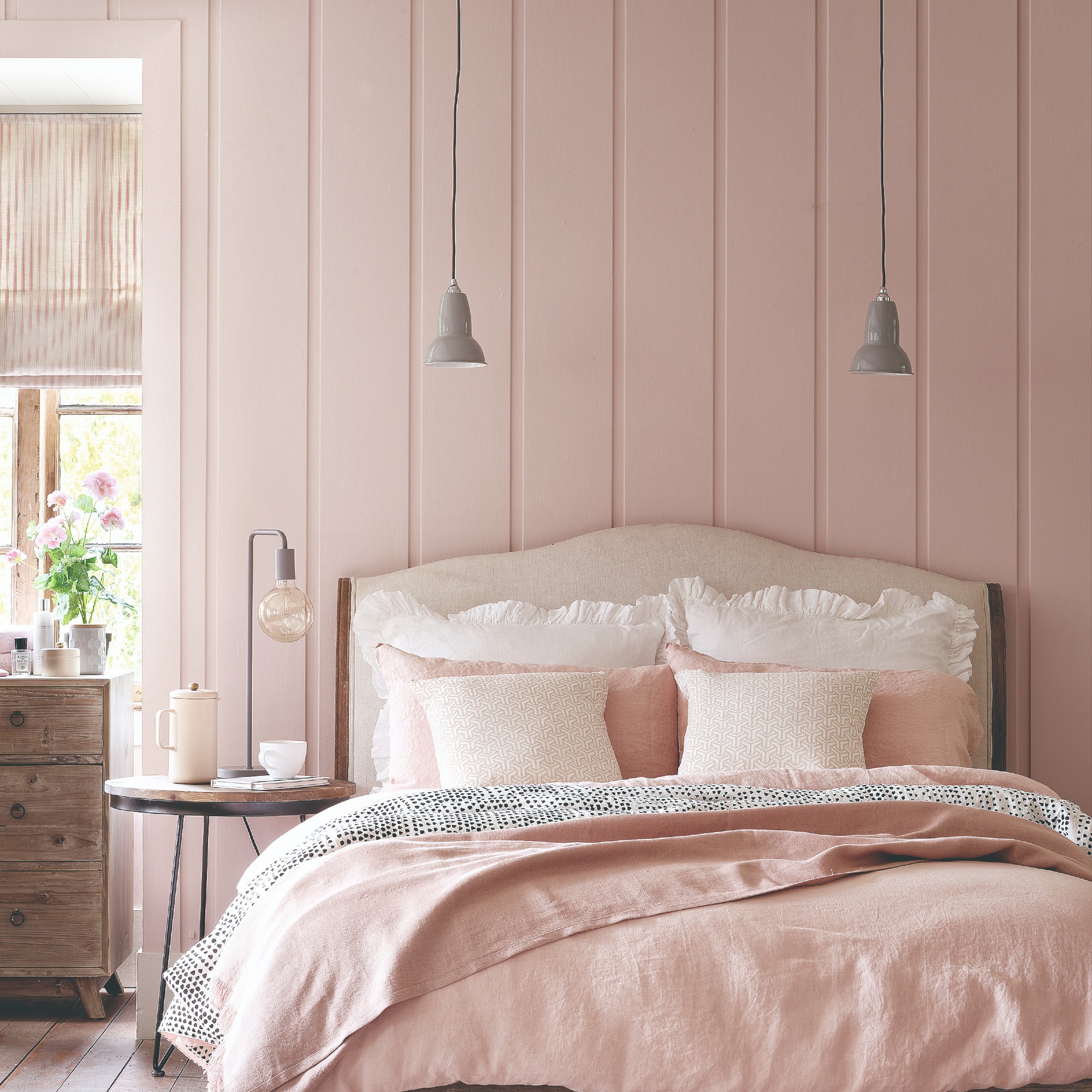
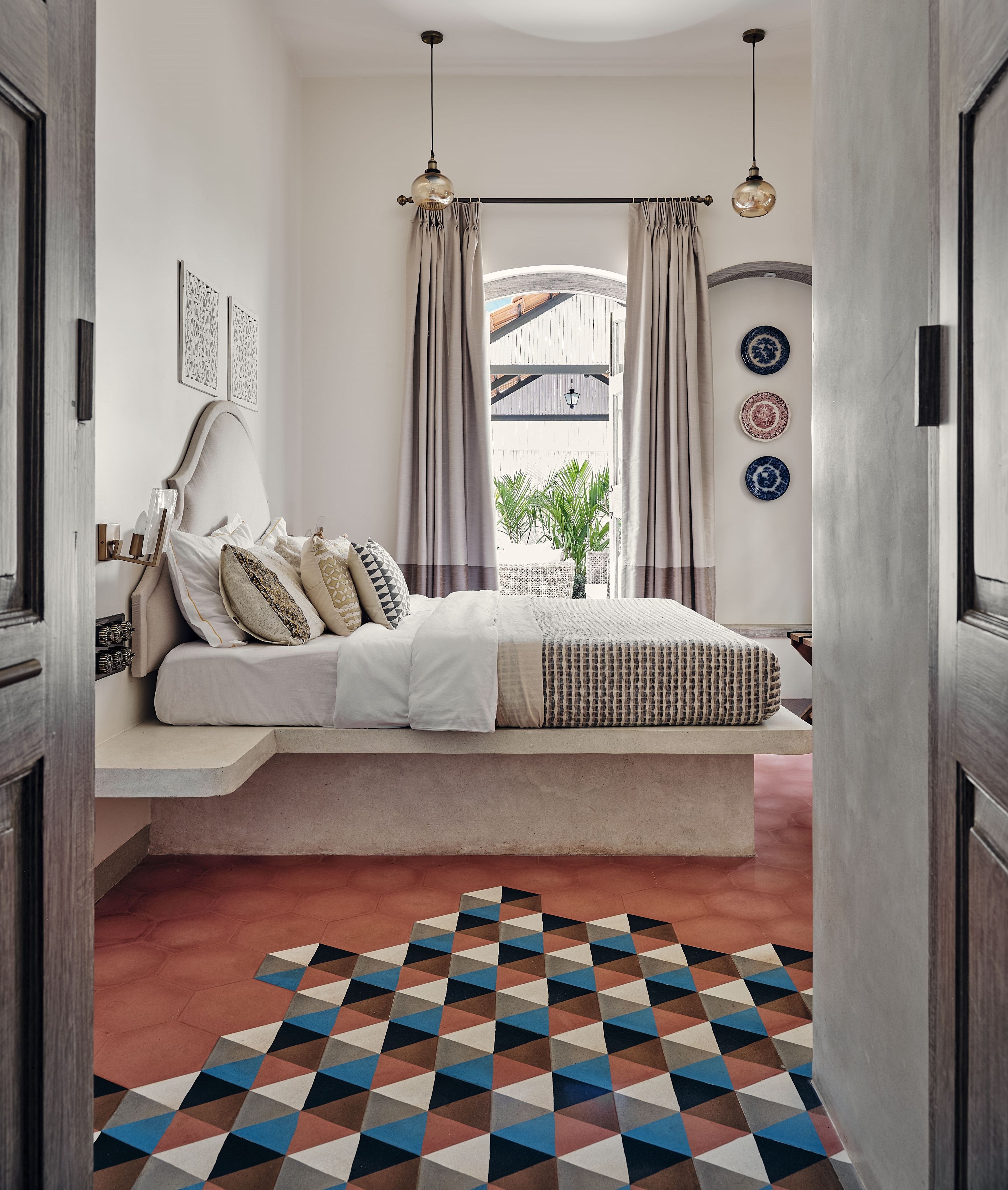
One crucial aspect of bedroom Feng Shui is the direction the bed faces, as each cardinal direction is associated with distinct energies. North is linked to career and life path, South to recognition and reputation, East to health and family, and West to creativity and children. The wall your bed faces while sleeping is believed to influence how these energies interact with you during your rest. According to Feng Shui best practices, the ideal position is for your head to face south, with a clear view of the door from your bed, which promotes a sense of security and control. However, it is also important to choose a direction that aligns with personal aspirations, for example, facing east for improved health or west for enhanced creativity.
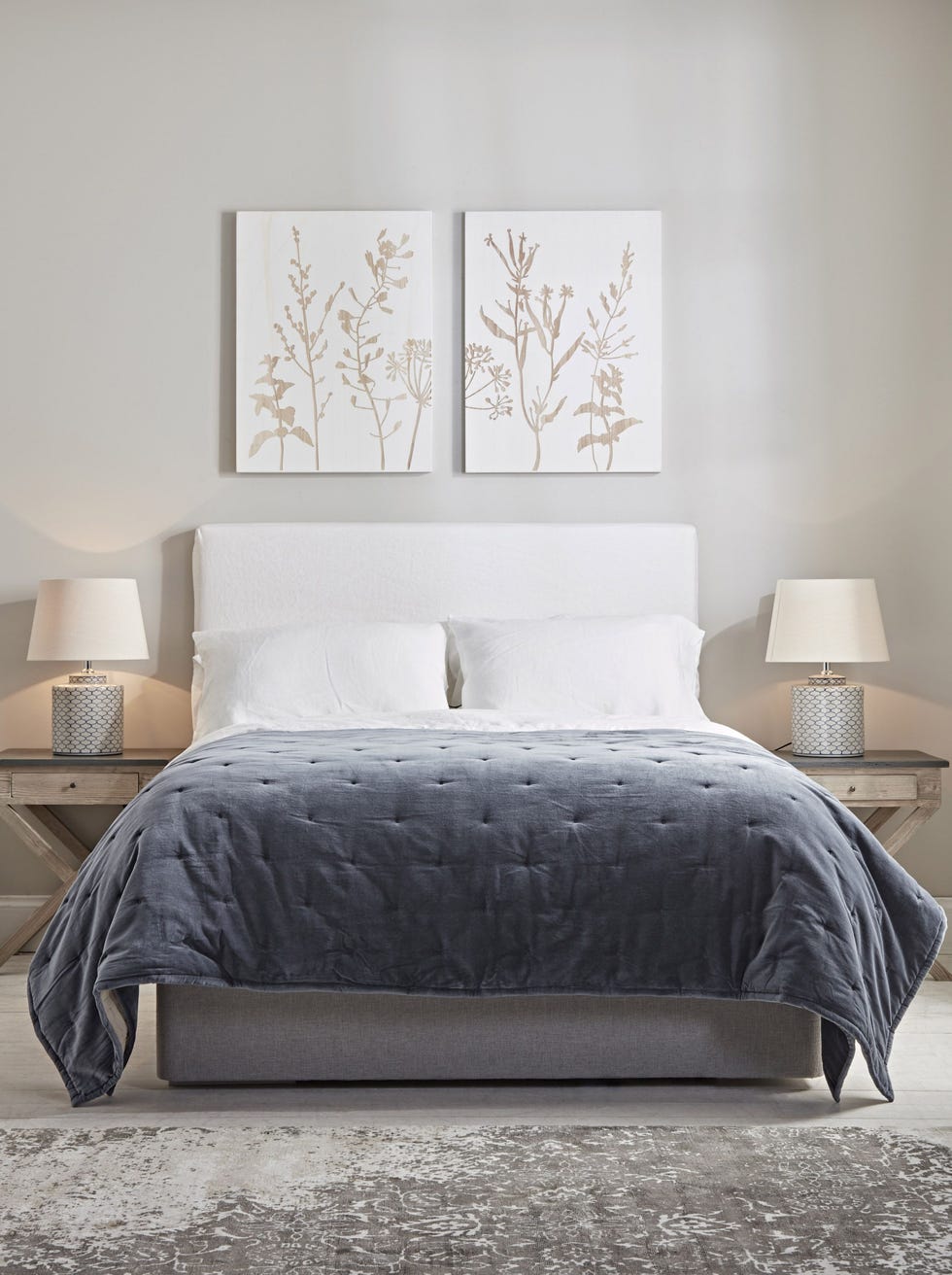
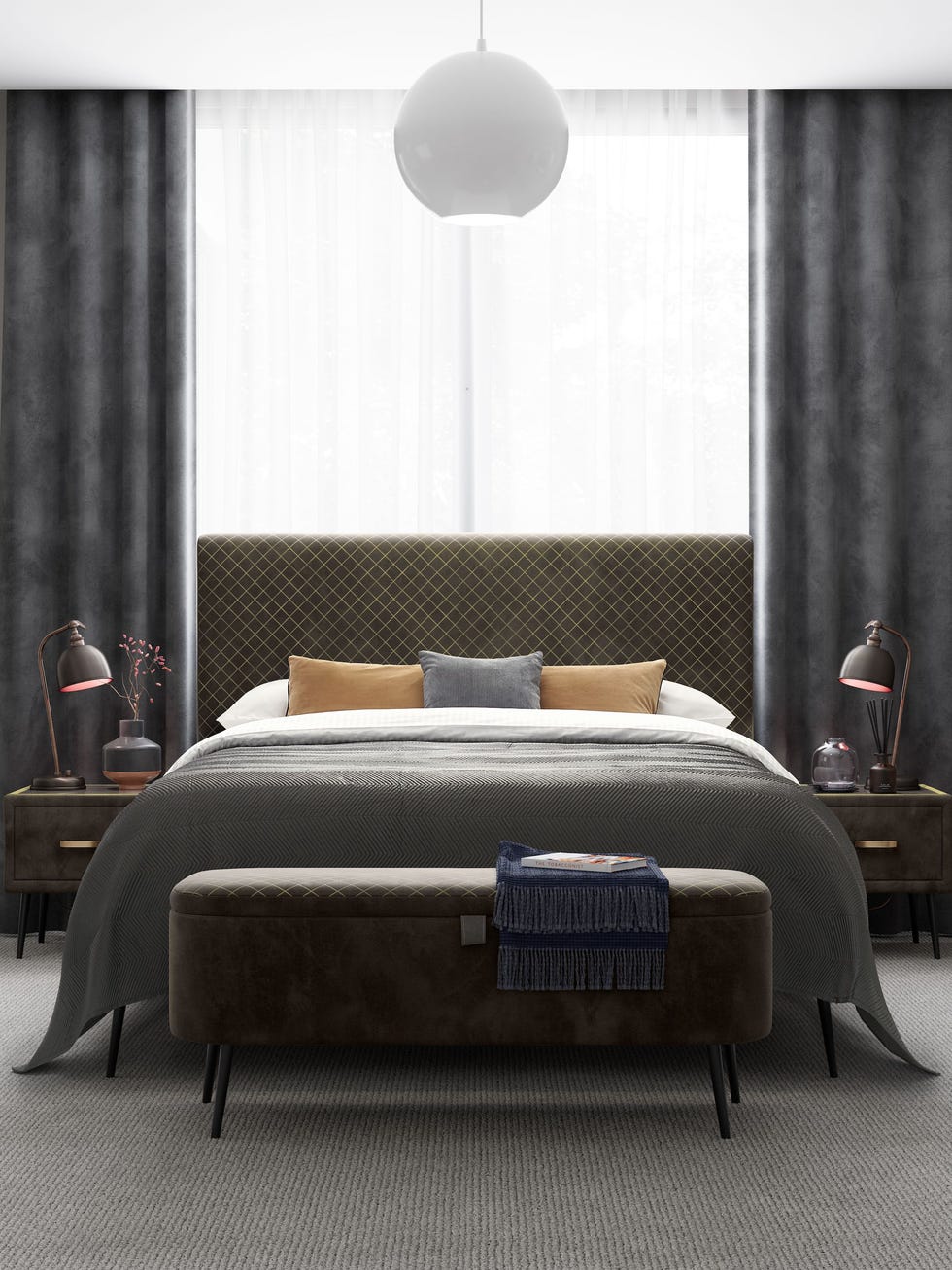
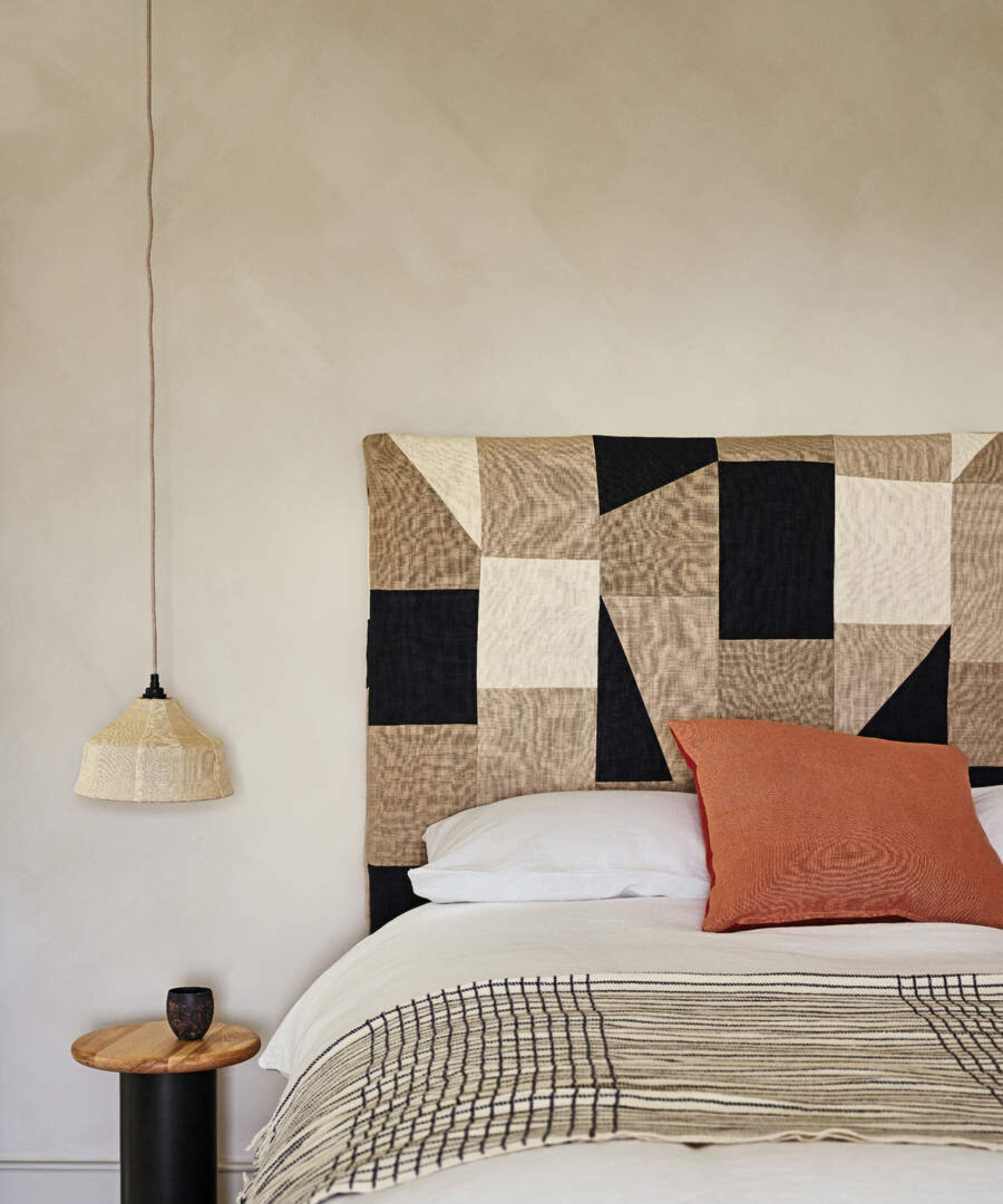
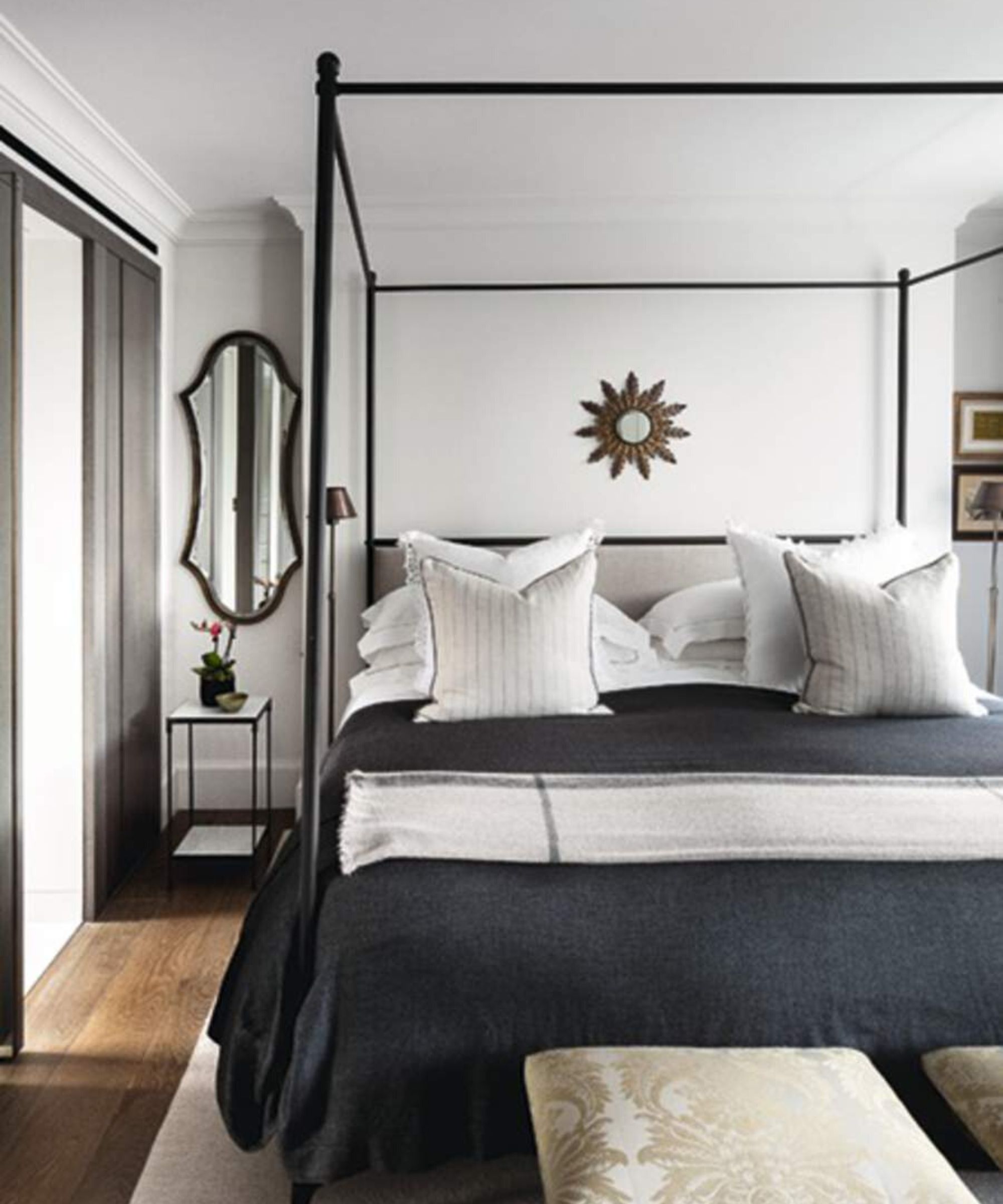
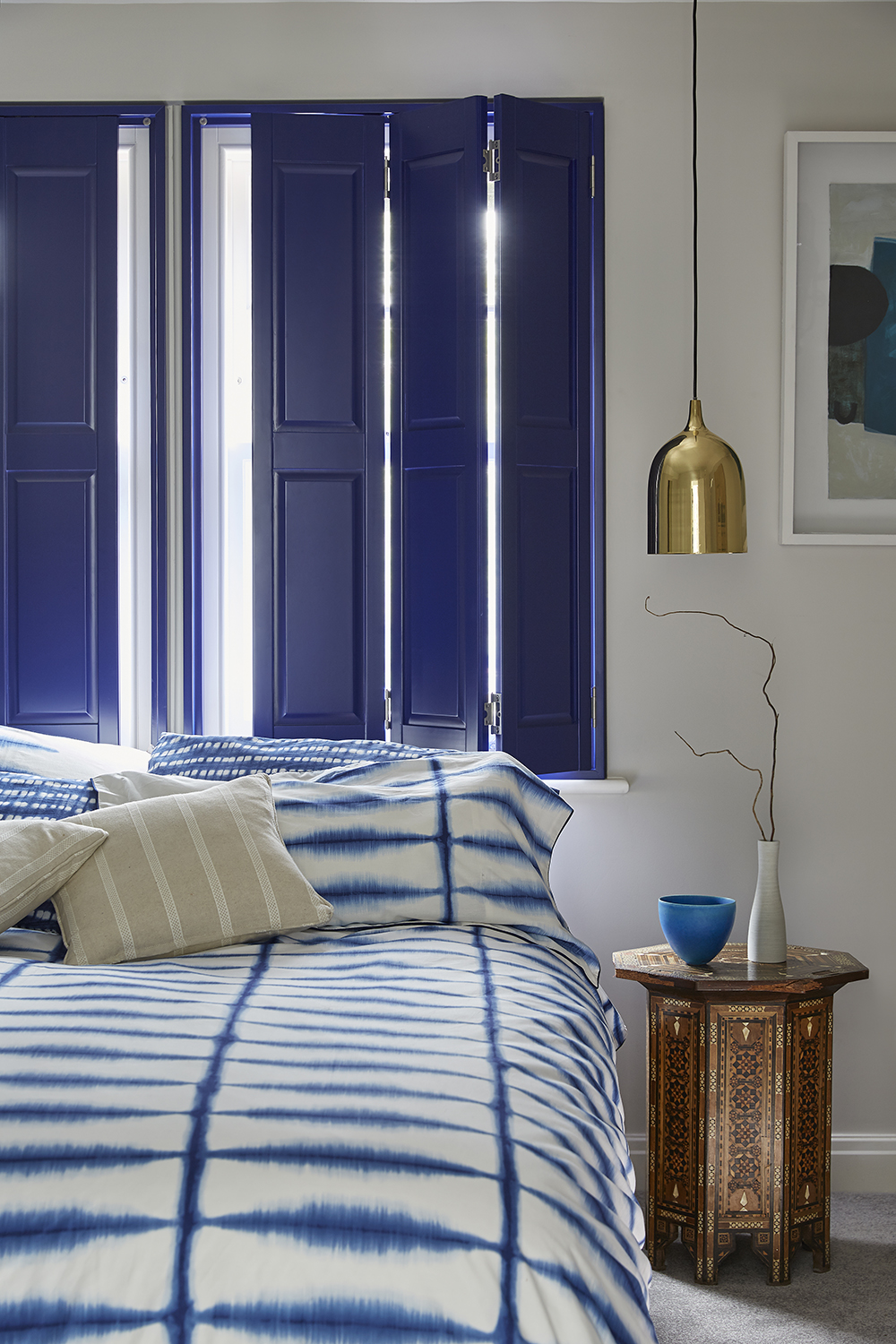
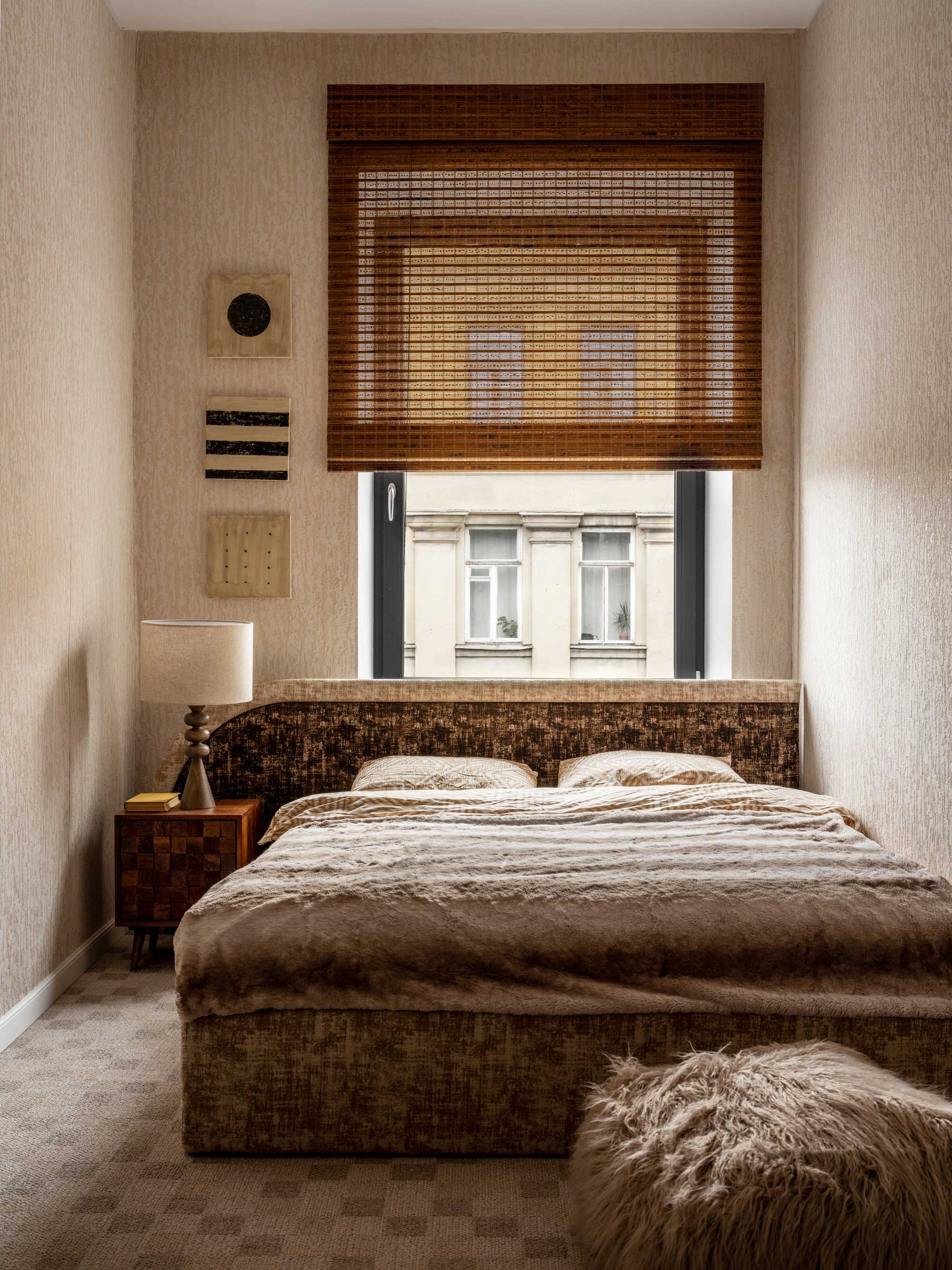
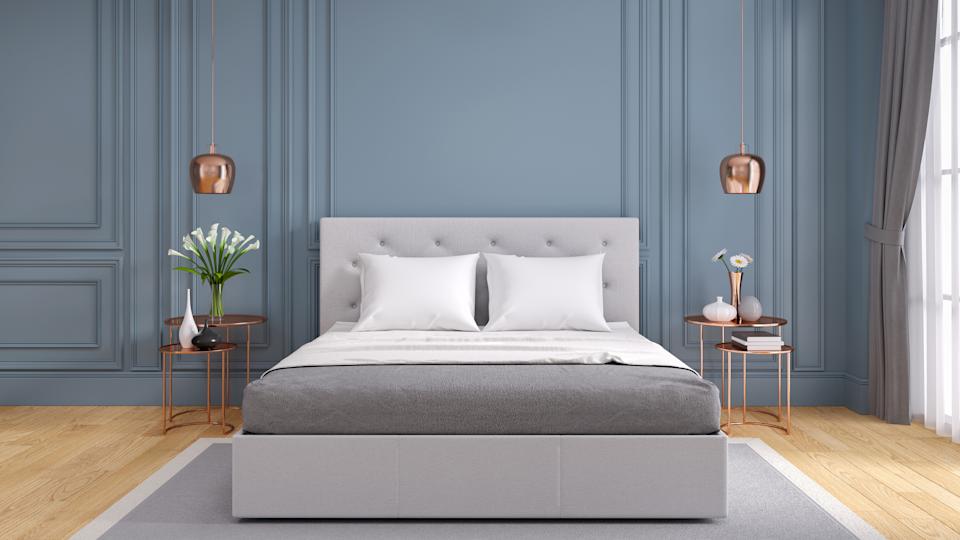
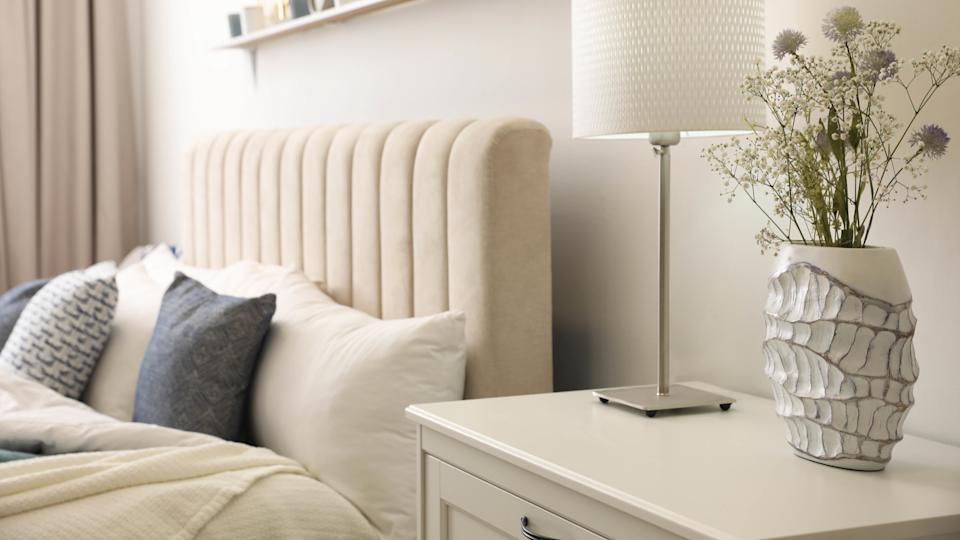
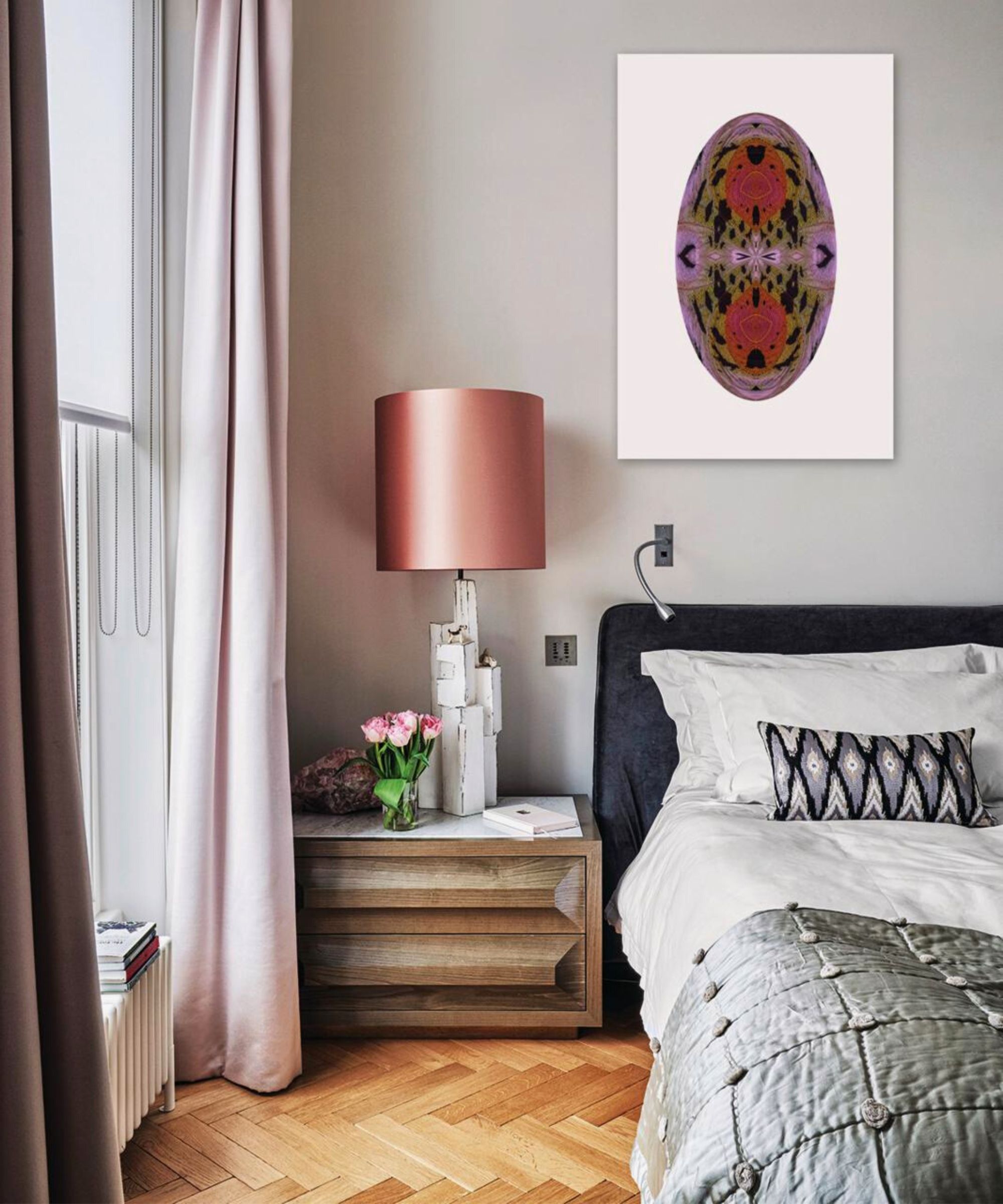
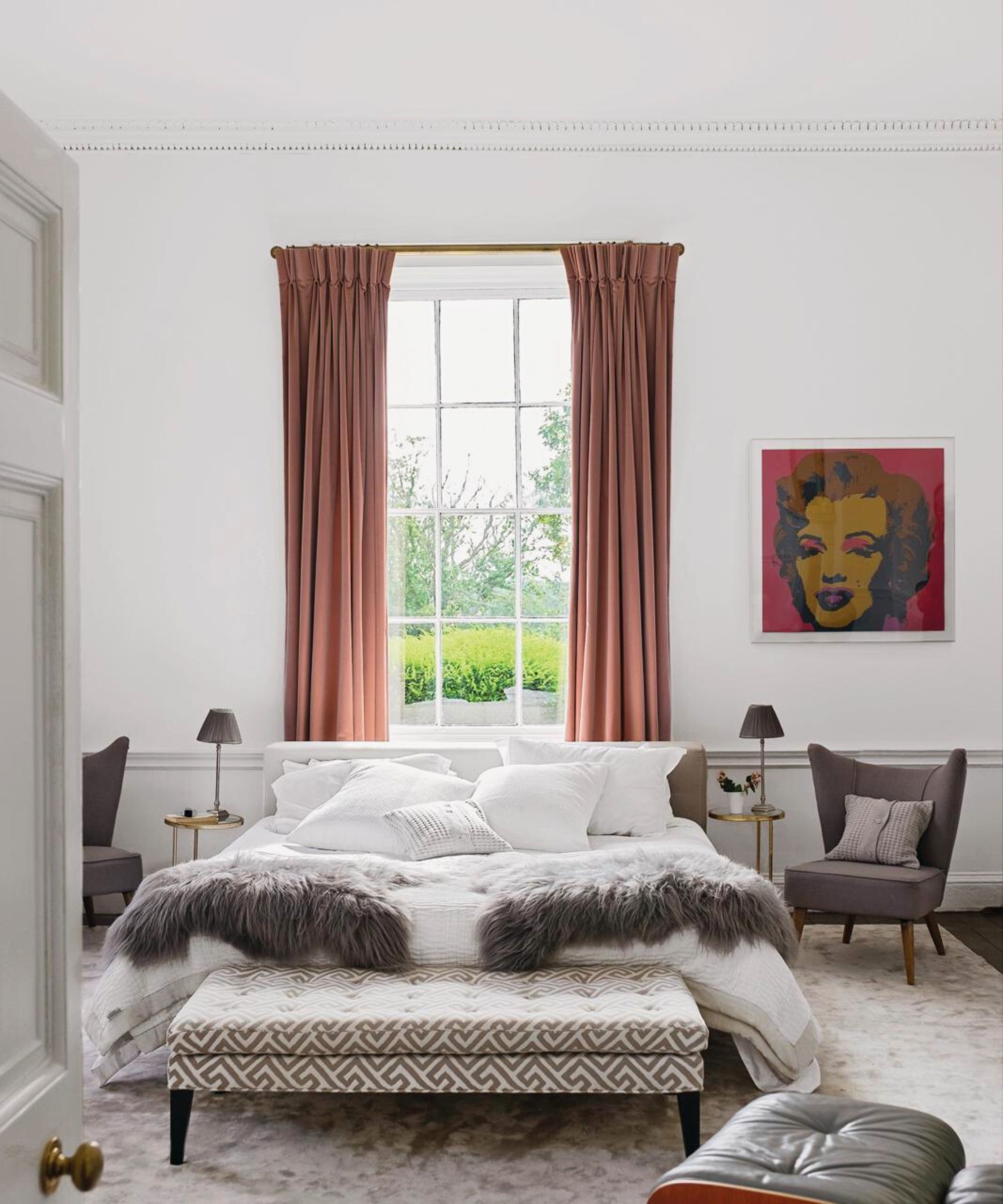
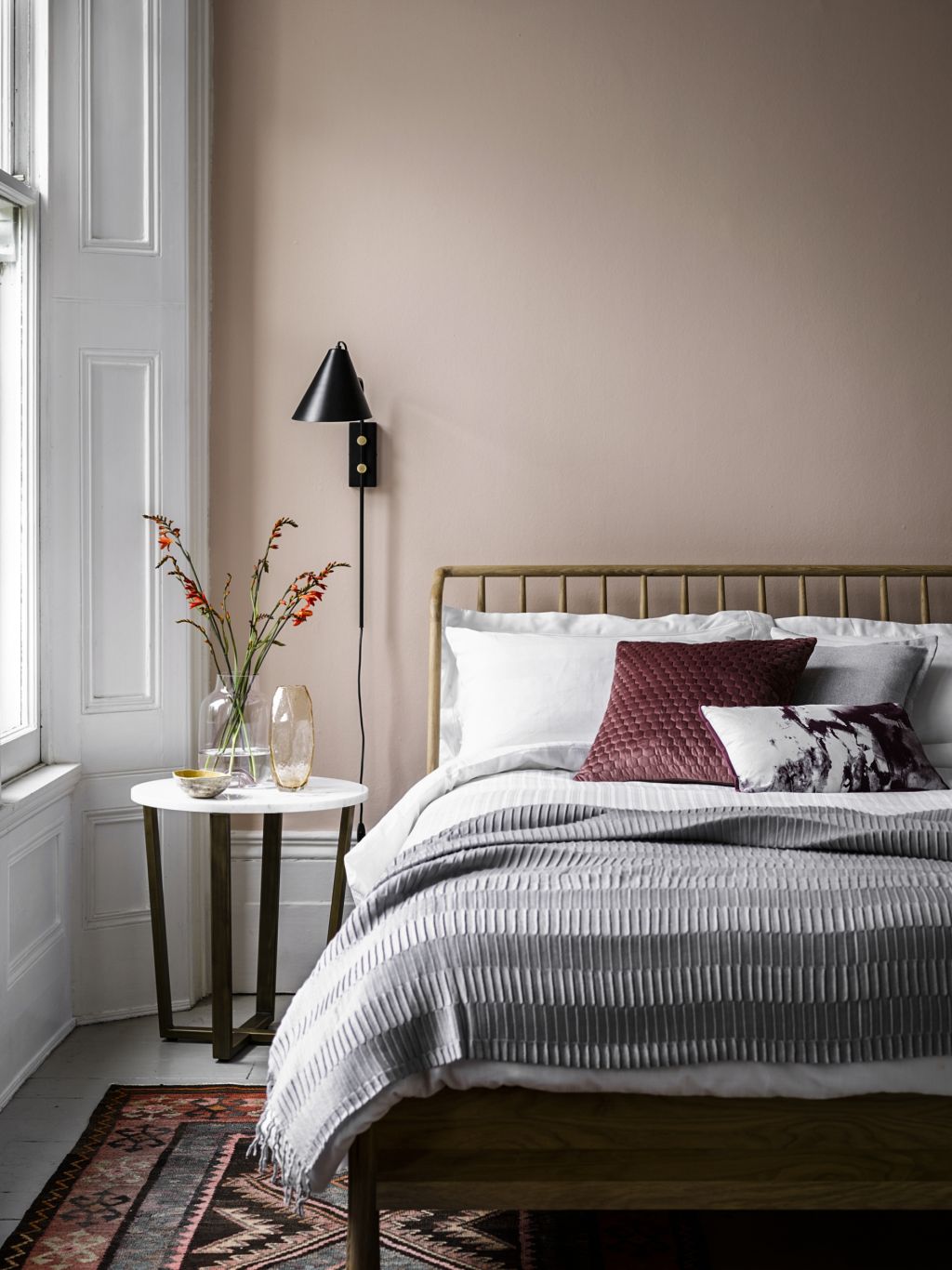
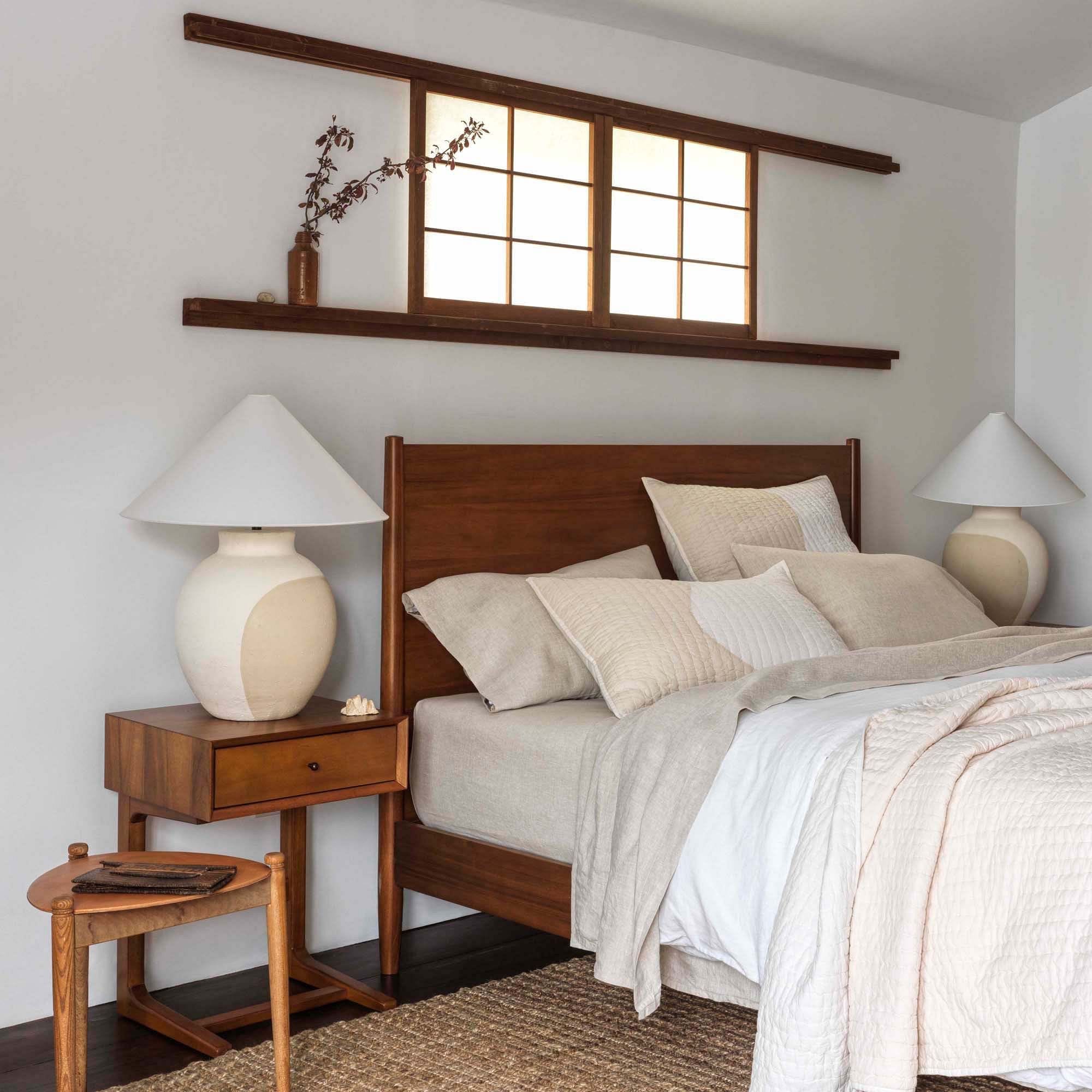
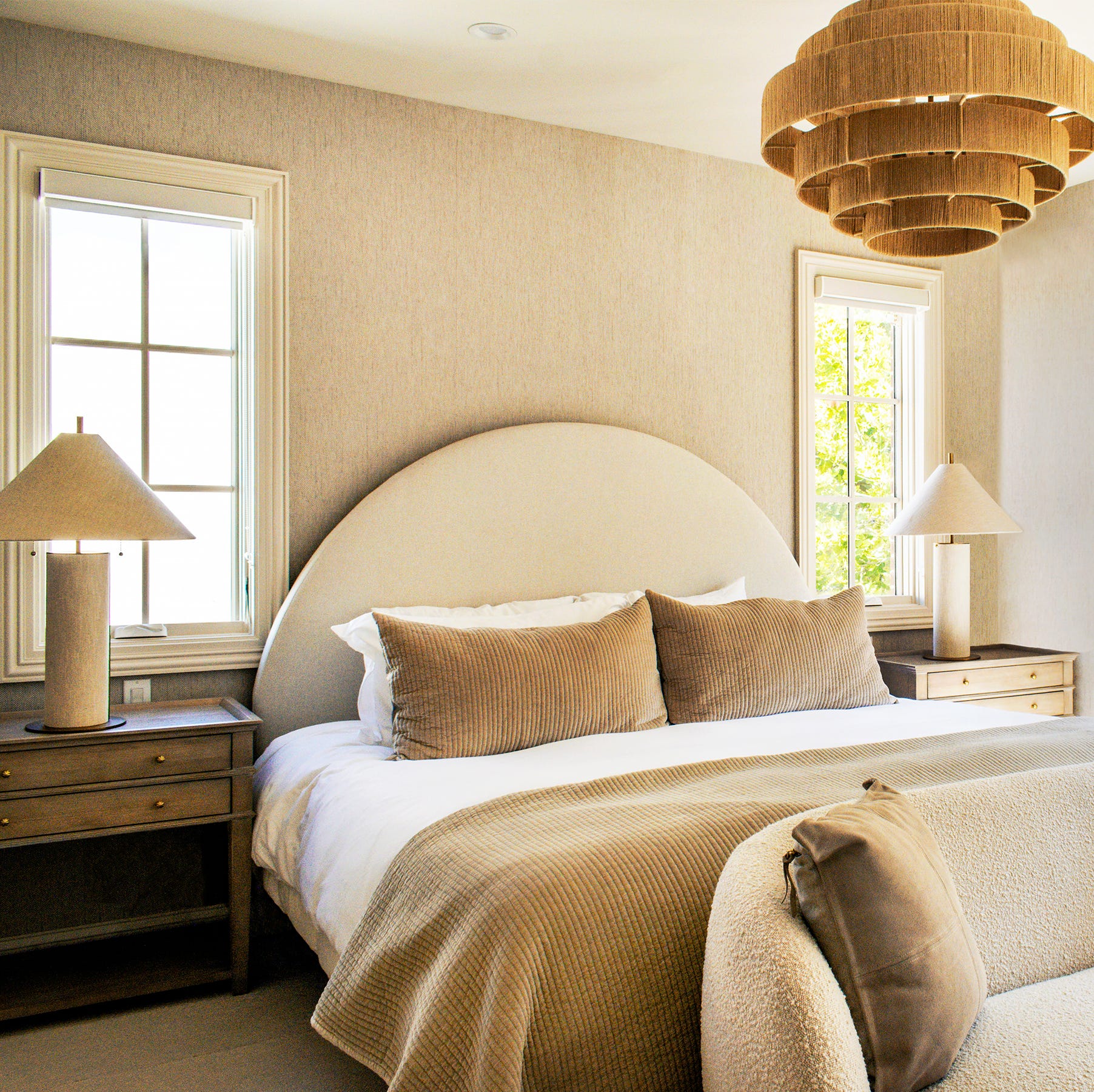
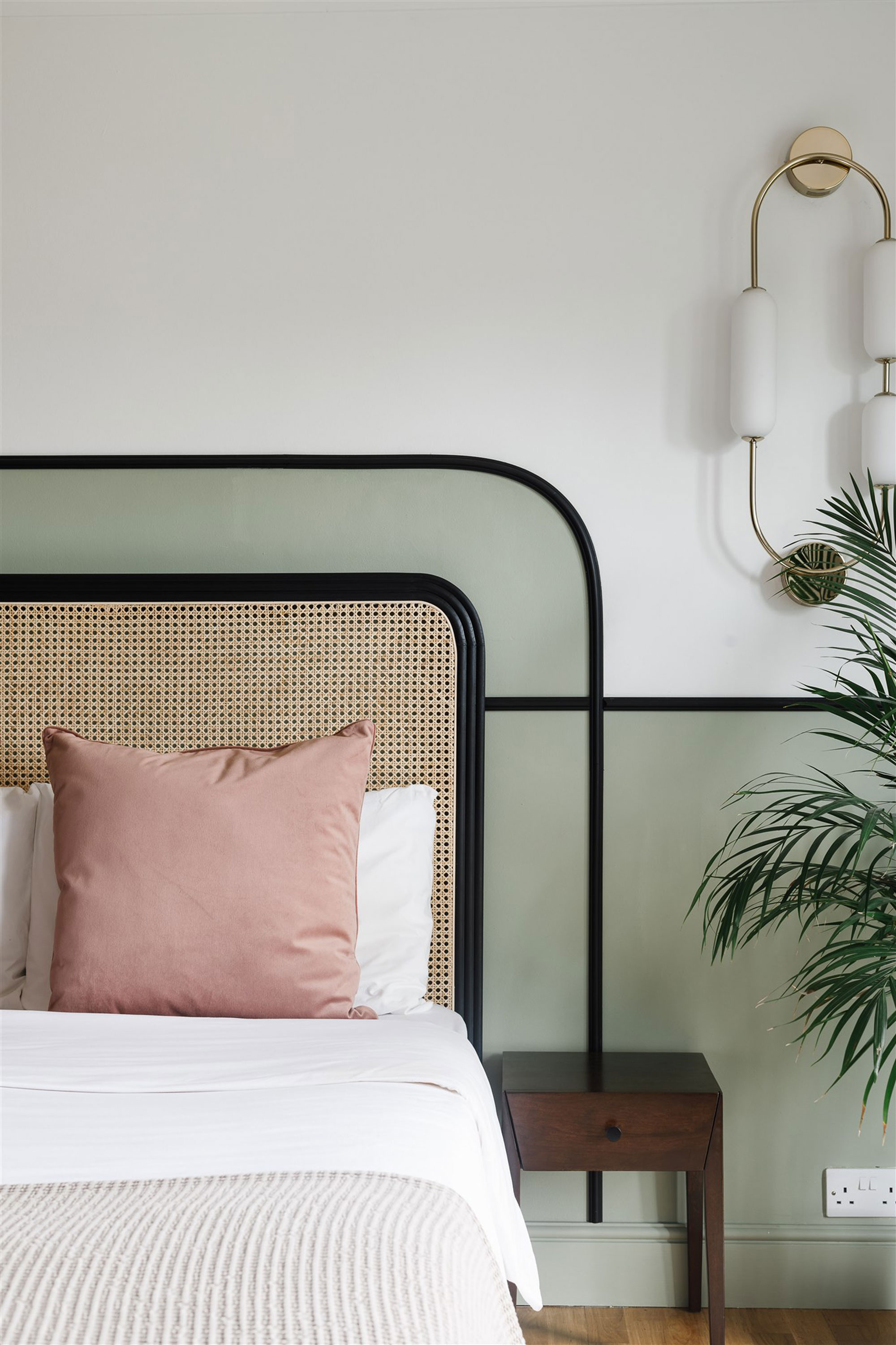
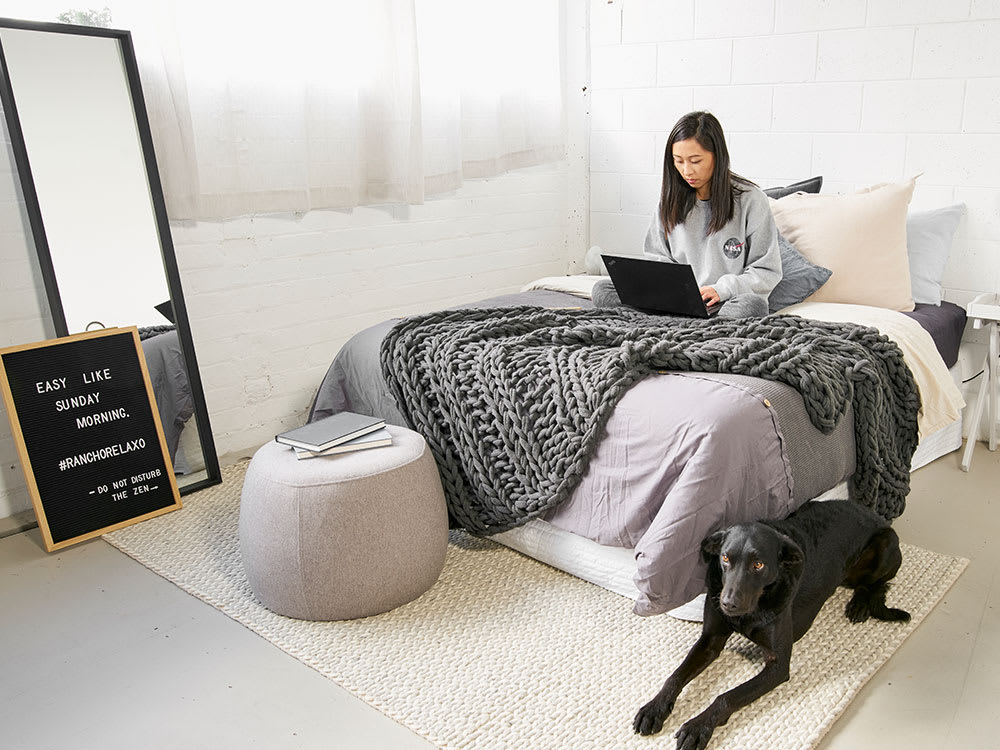
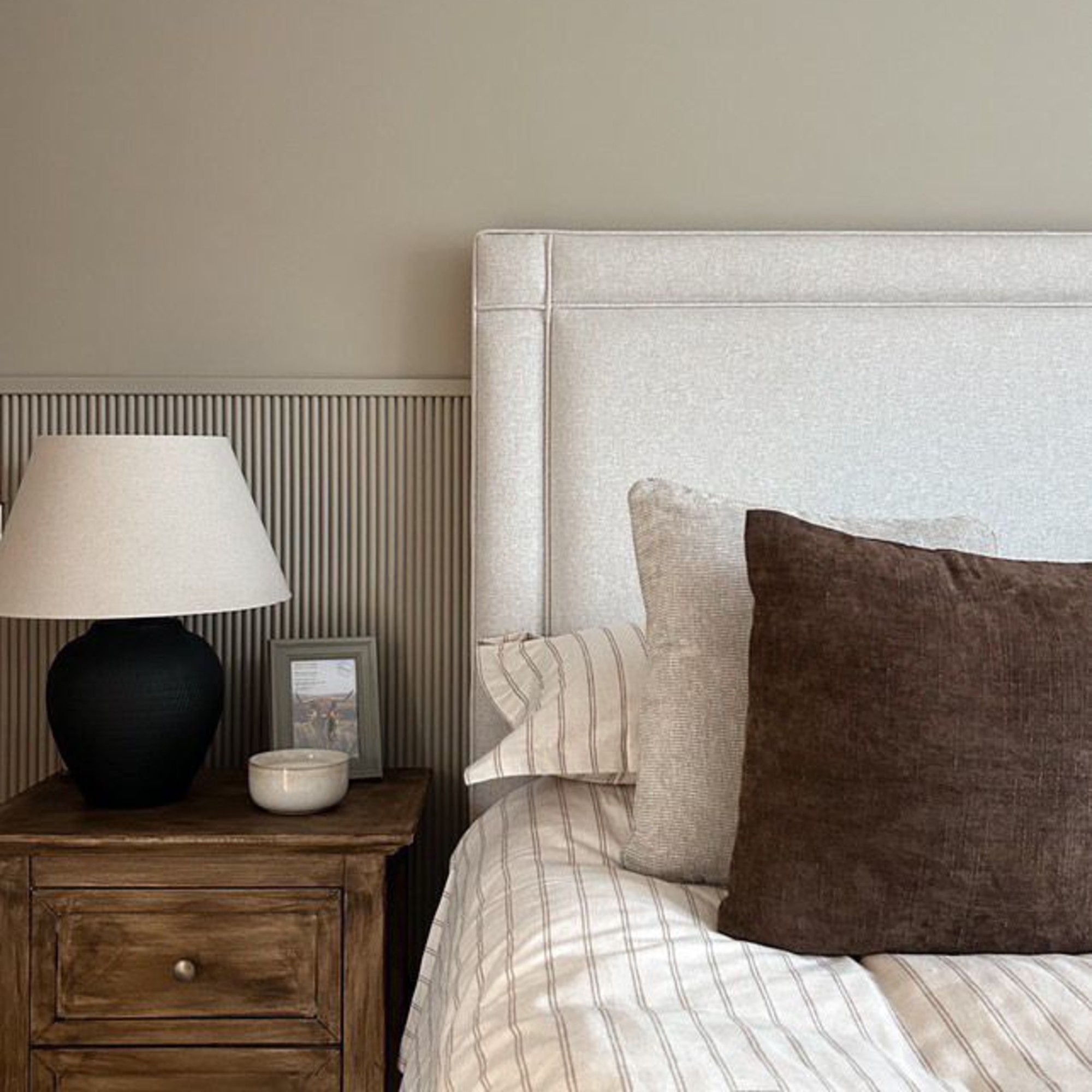
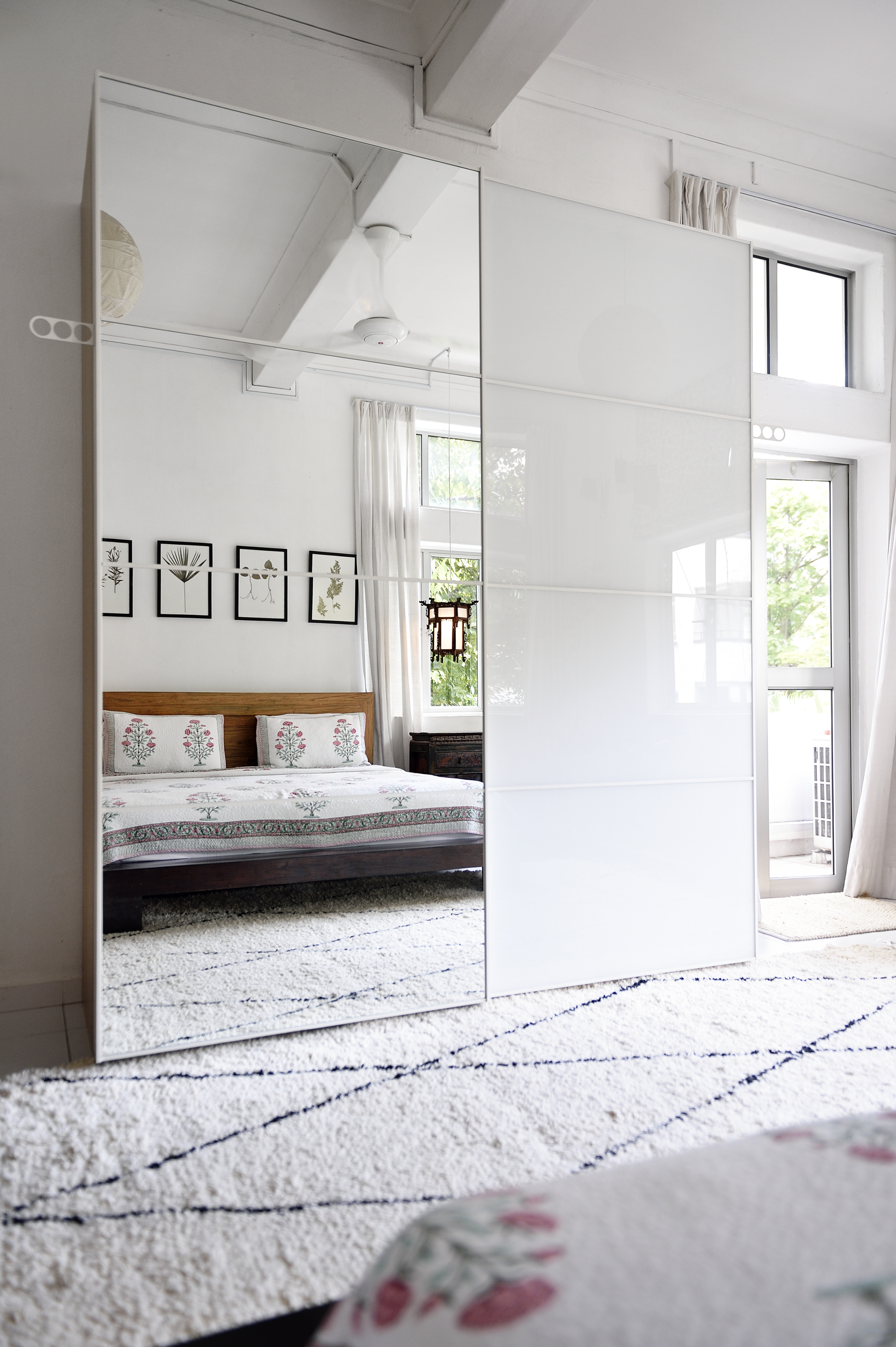
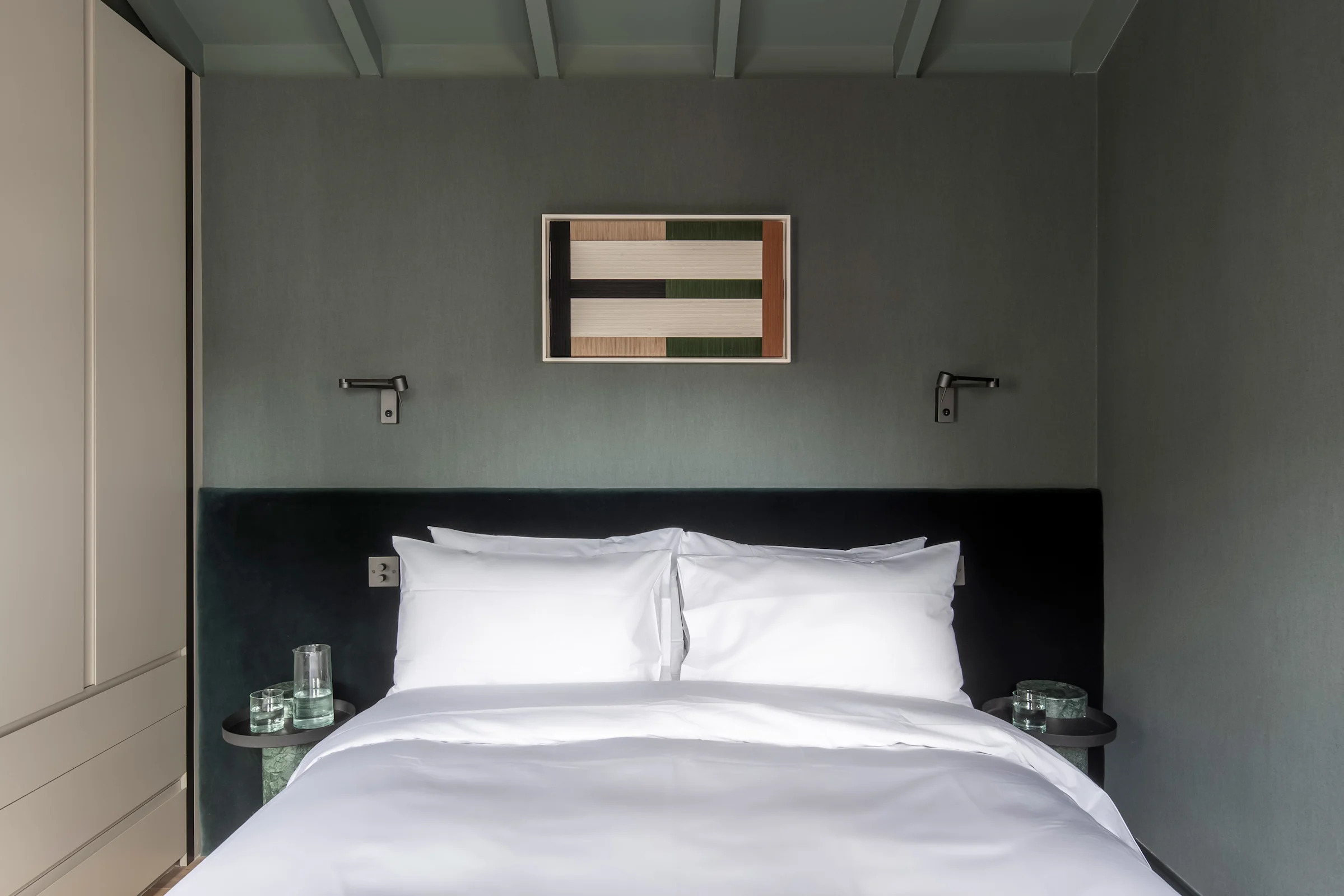
Beyond bed orientation, several other elements contribute to positive Feng Shui in the bedroom. Bed placement against a solid wall offers stability and security; positioning the bed directly under a window or in alignment with a door should be avoided to prevent disruptive energy flow. Mirrors, while useful for enhancing light and creating an illusion of spaciousness, should not directly face the bed, as this can disturb sleep. Instead, placing mirrors near windows and doors can help reflect light and energy throughout the room. Balancing elements is also important: identical bedside tables on either side of the bed, complemented by twin lamps or decorative items, can promote relationship harmony and equality. The principle of 'less is more' is critical; large furniture and obstructive interiors that impede the flow of 'qi' should be avoided, especially around entryways. Natural light and fresh air are essential for positive energy and good health, so maximizing natural light in bedrooms and living rooms and supplementing it with well-placed lamps is beneficial.
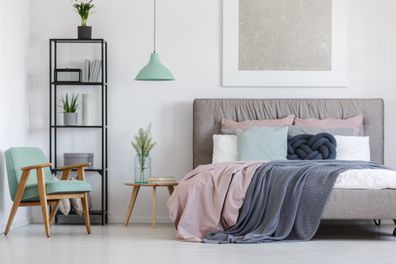
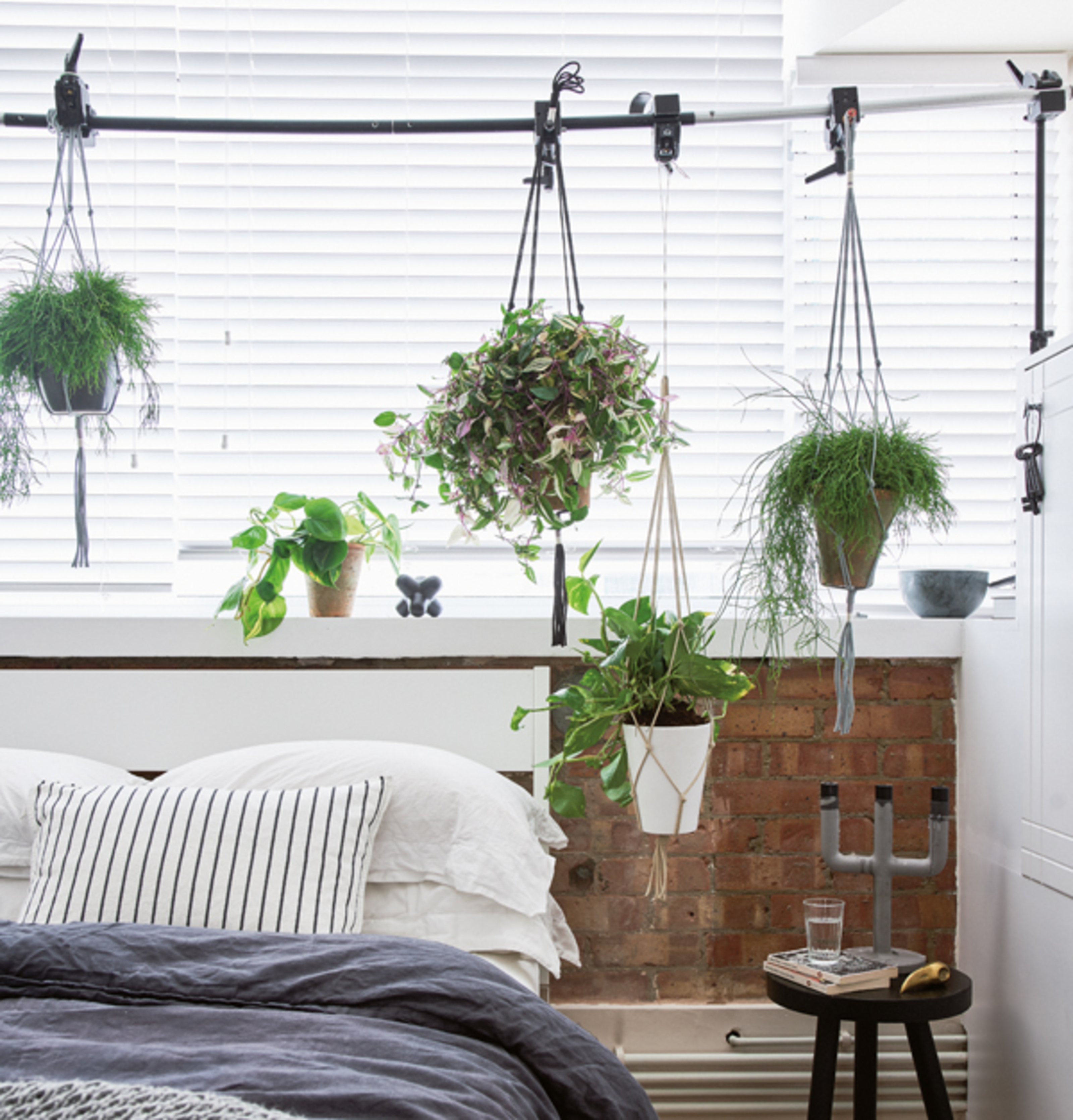
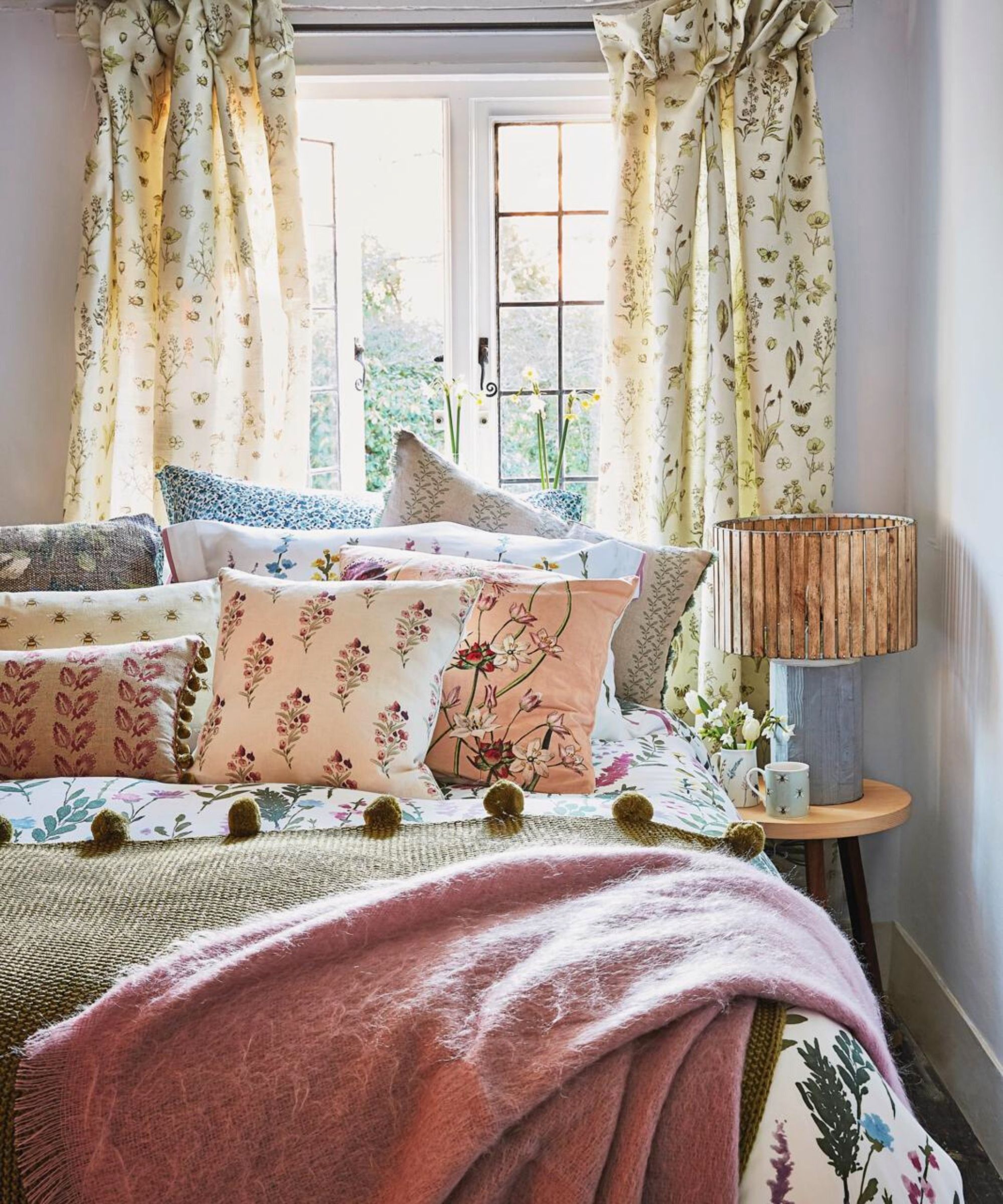
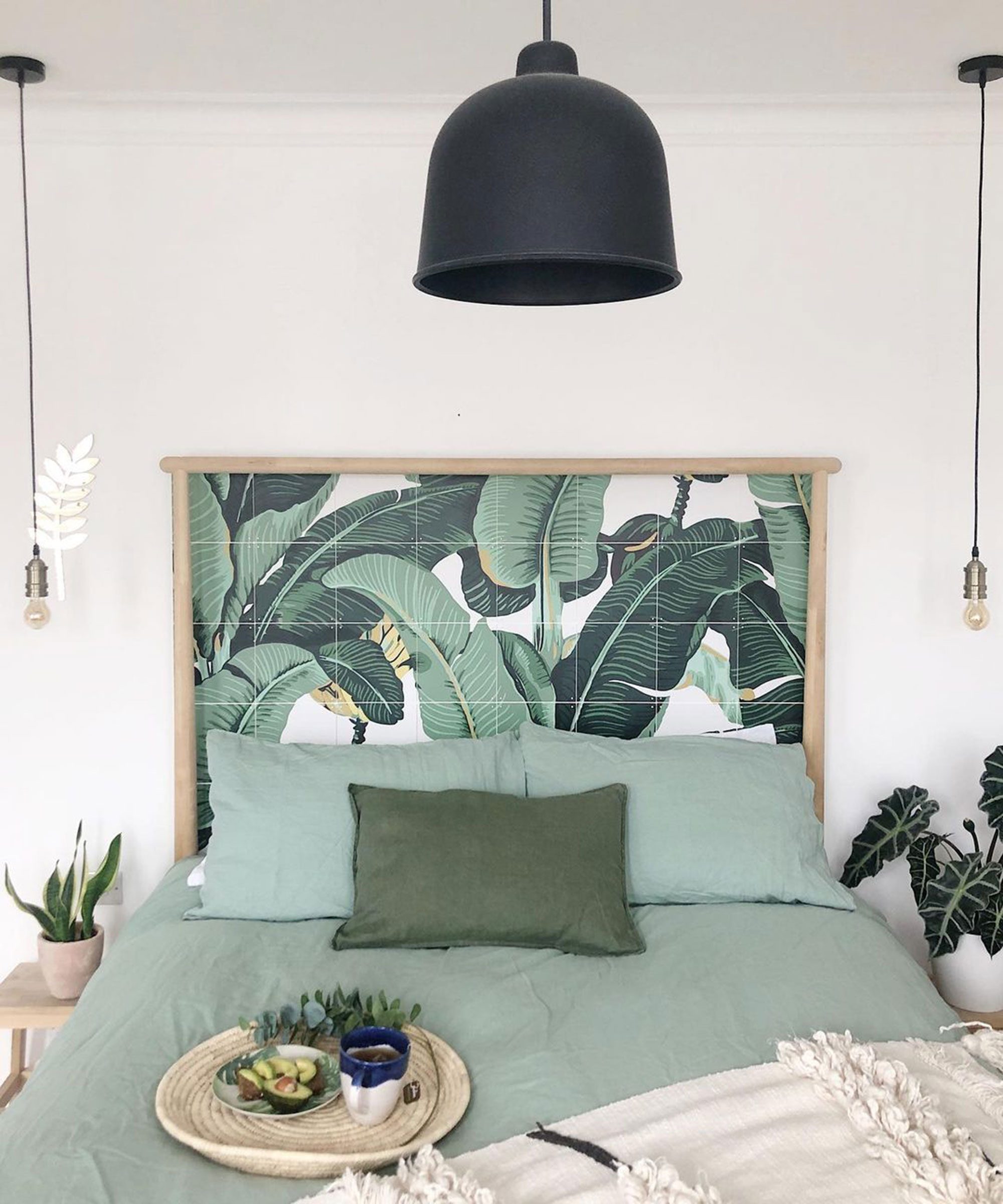
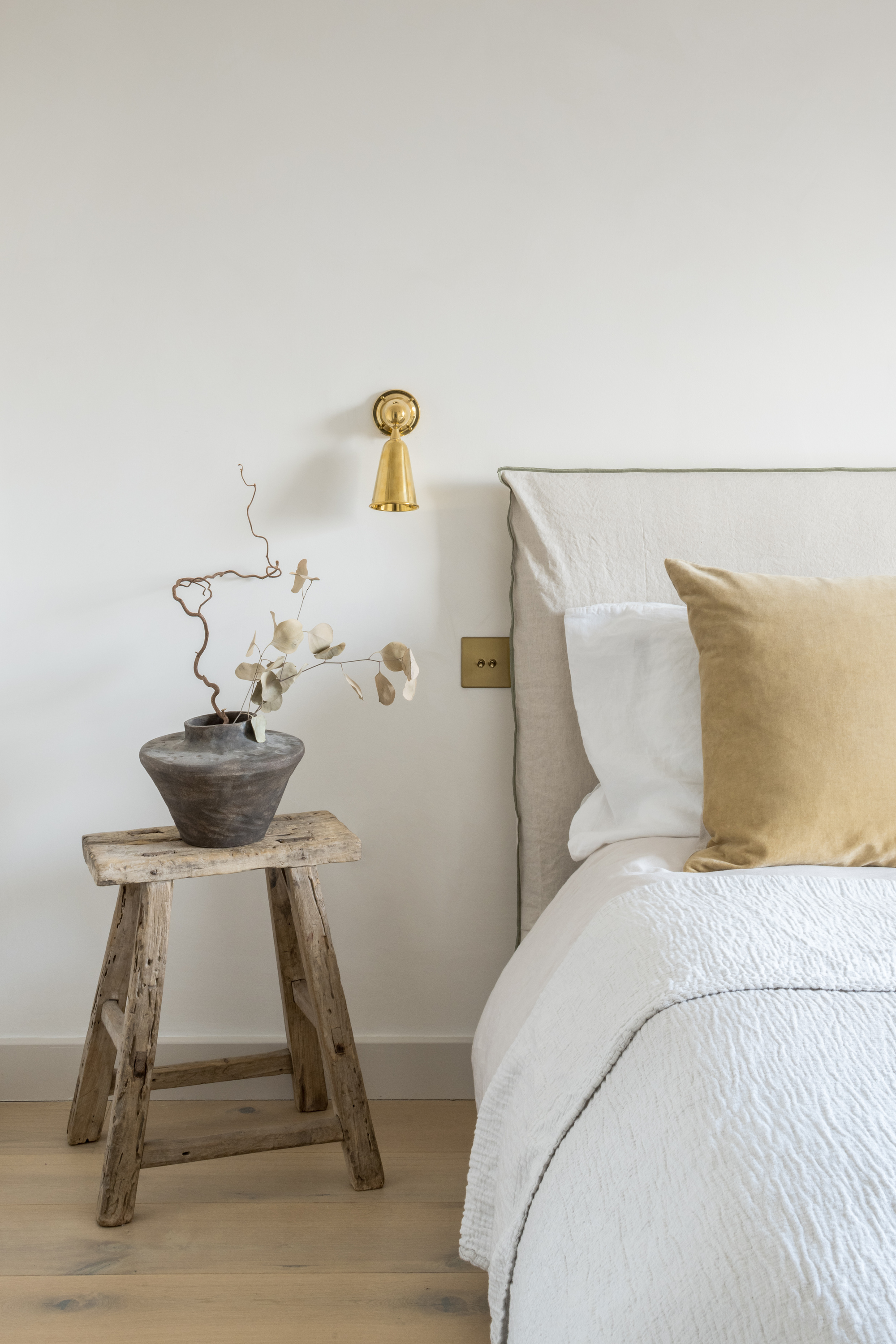
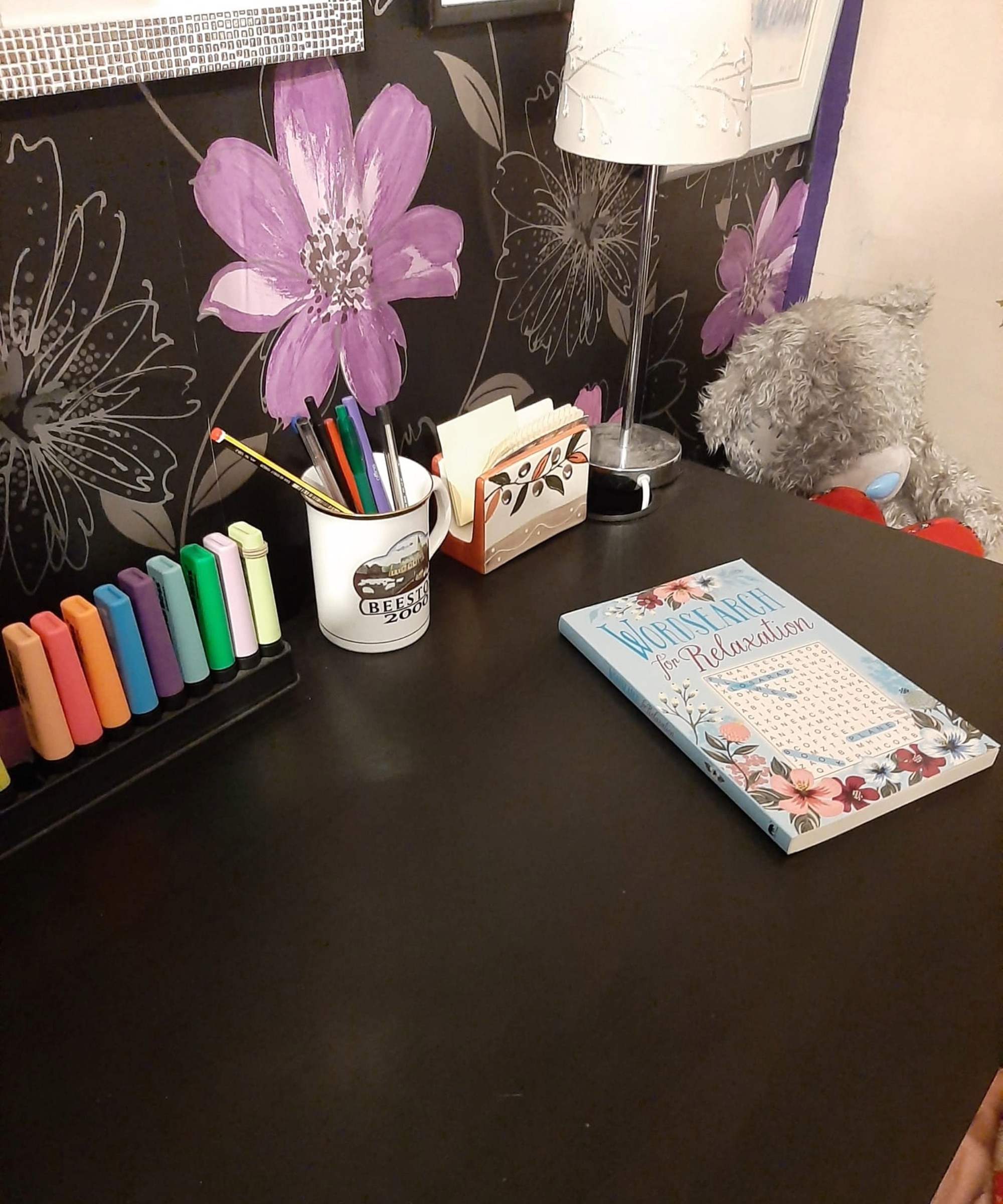
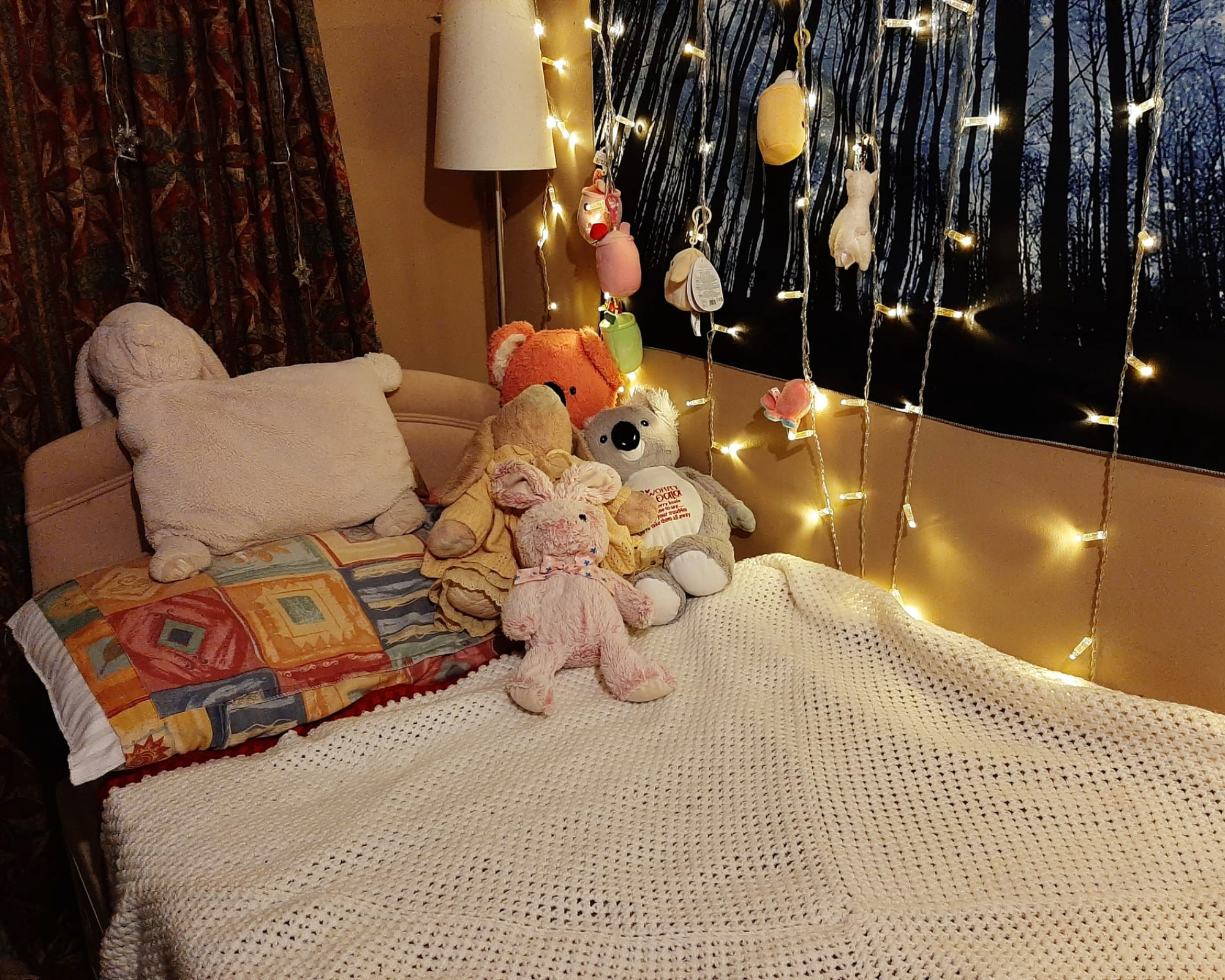
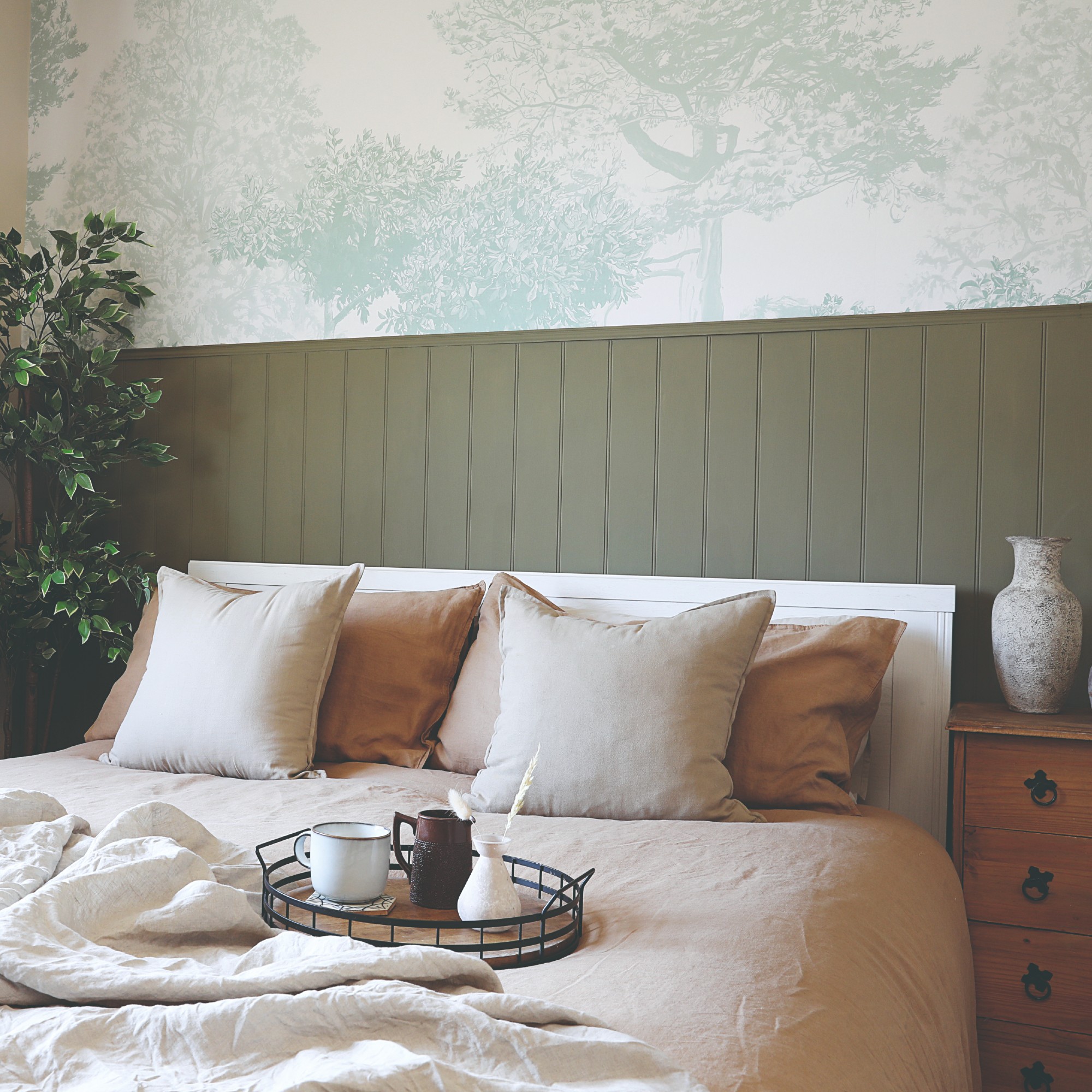
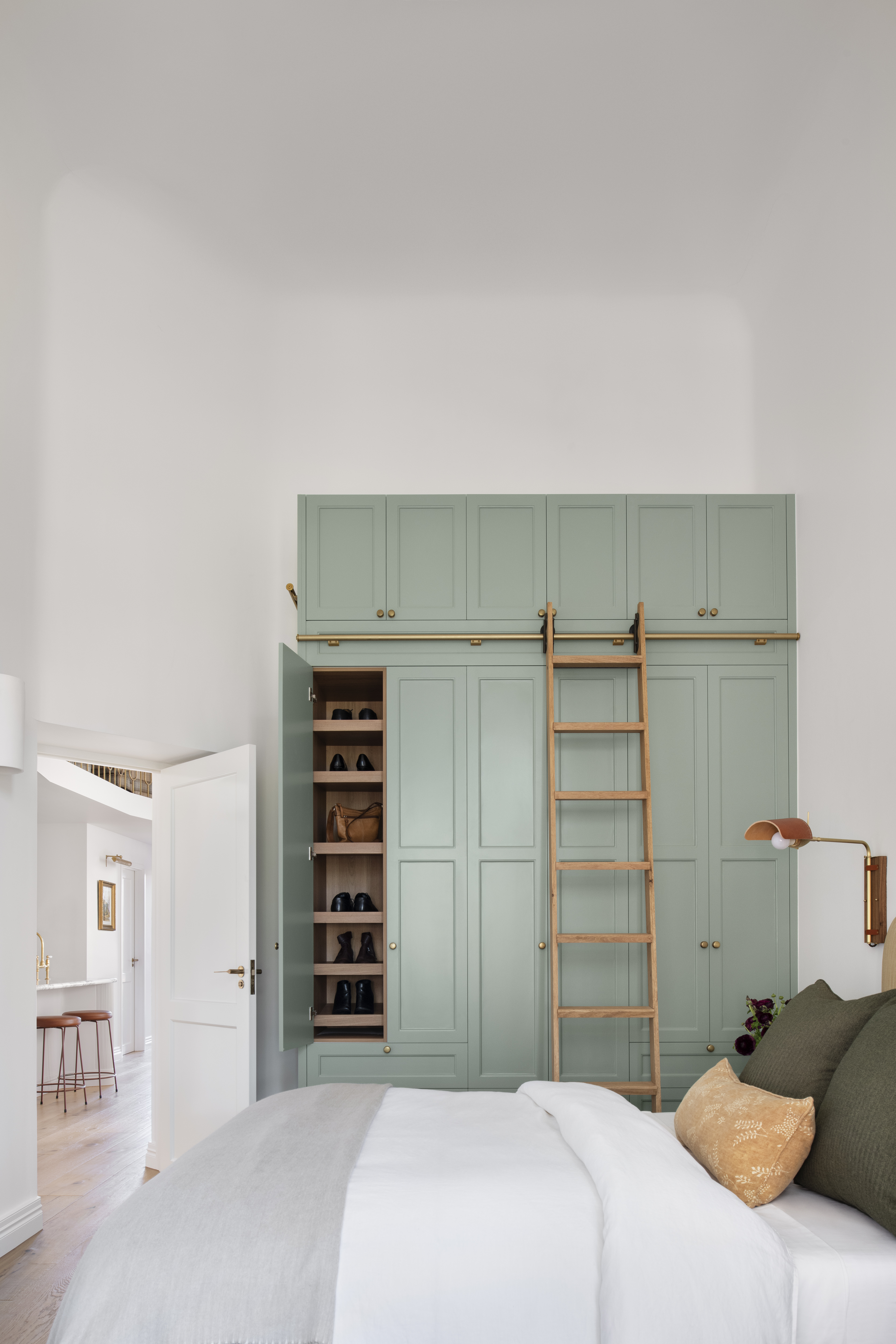
Further enhancements for bedroom Feng Shui involve balancing Yin and Yang energies by incorporating both soft, calming elements (Yin) and vibrant, energizing elements (Yang) in decor. This can be achieved through warm lighting, accent armchairs, or colorful paintings to create a harmonious atmosphere conducive to restful sleep. Maintaining a clutter-free environment is paramount, as clutter can block energy flow; clear pathways and organized belongings facilitate the smooth circulation of 'qi'. Limiting electronics and gadgets in the bedroom is also advised to reduce electromagnetic interference and white light exposure, fostering a serene space for melatonin production and restorative sleep. Finally, integrating plants and nature into the room can purify the air and connect residents with rejuvenating energy. Larger plants outside windows and small houseplants indoors contribute to maintaining good air quality and infusing the space with natural vitality.
#FengShui #HomeDecor #BedroomDesign #InteriorDesign #EnergyFlow #QiBalance #BedPlacement #HomeHarmony #Wellness #FengShui #HomeDecor #BedroomDesign #InteriorDesign #EnergyFlow #QiBalance #BedPlacement #HomeHarmony #Wellness
0 commenti in totale
 Nessun commento ancora
Potresti anche gradire

How to Feng Shui your bedroom

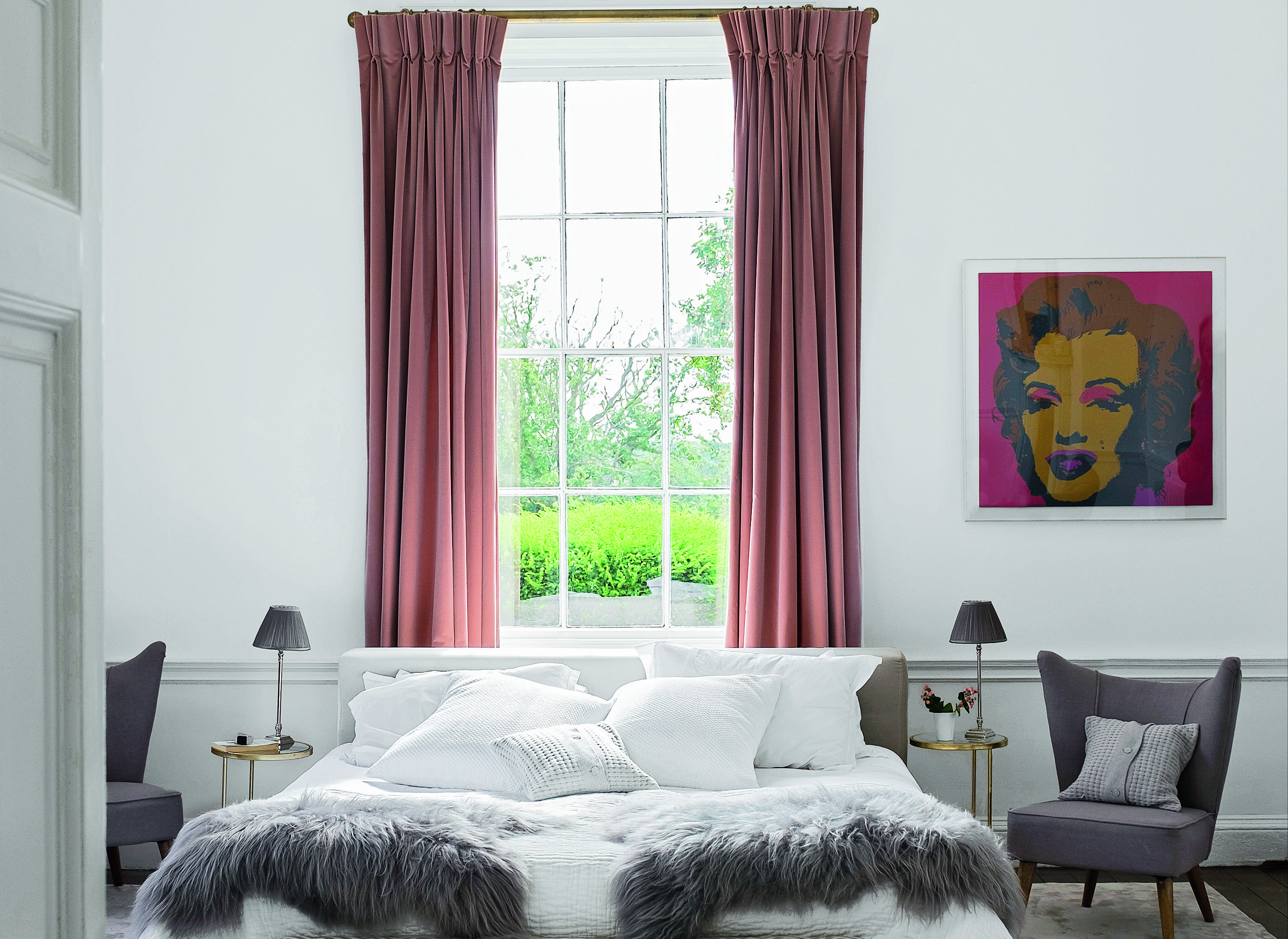
These Feng Shui experts say you shouldn't position your bed like this if you want to sleep well — and it's a common layout idea

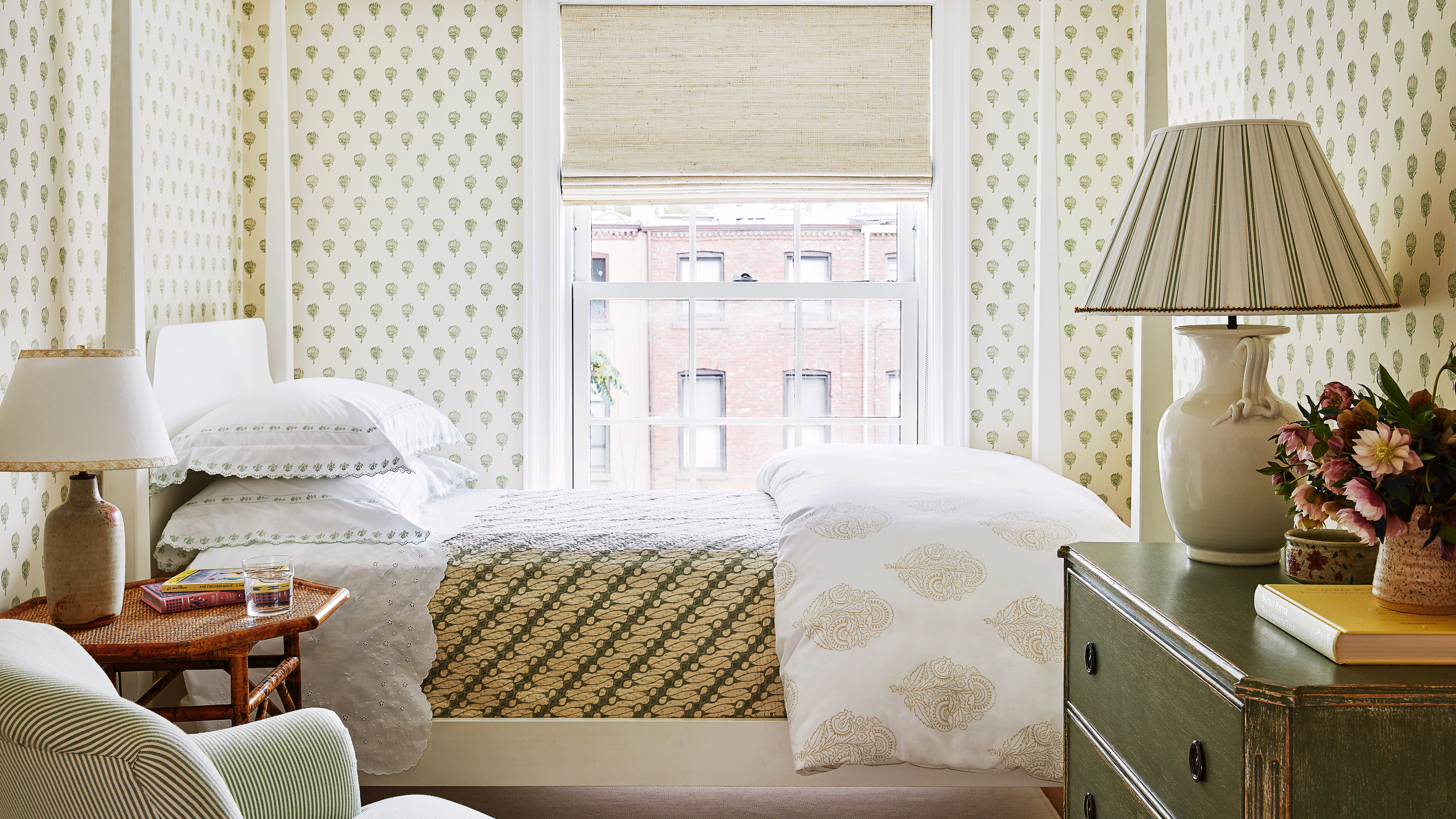
Bedroom wall decor ideas – 11 fresh ways to transform boring and dreary walls

The Ancient Practice That Might Just Cure Your Present-Day Insomnia


This big Feng Shui mistake in your bedroom could be causing your poor sleep
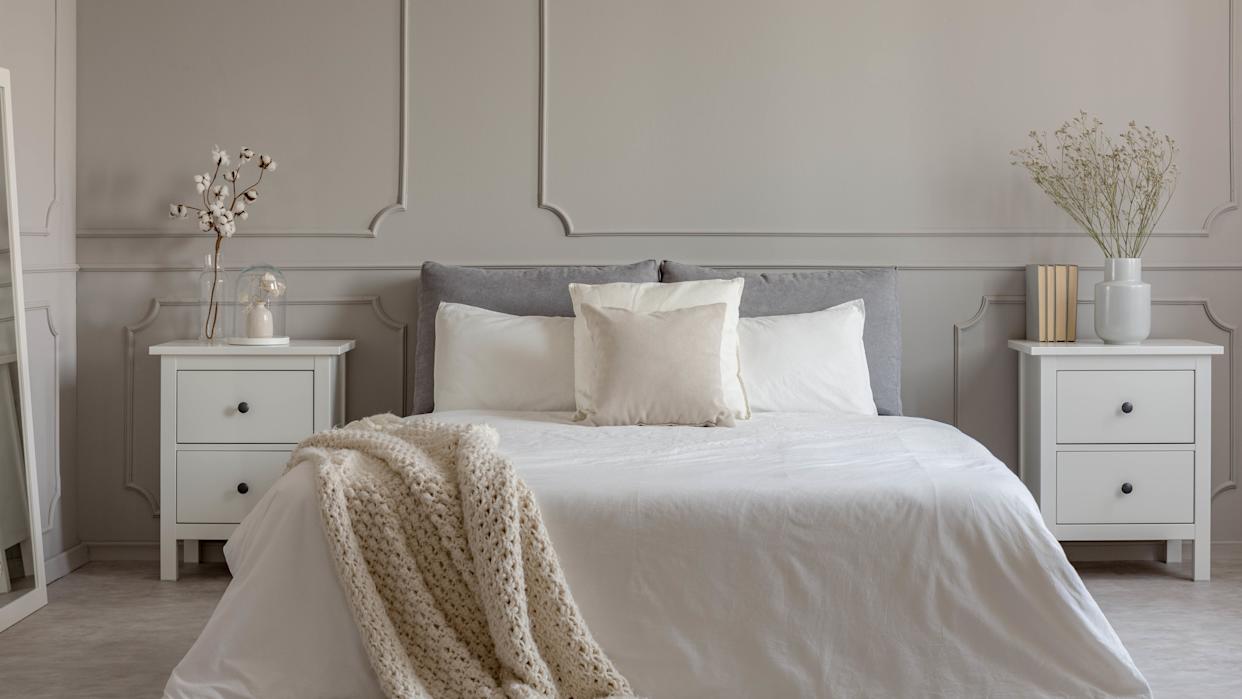
Should your bed face the door? Here's what the experts think

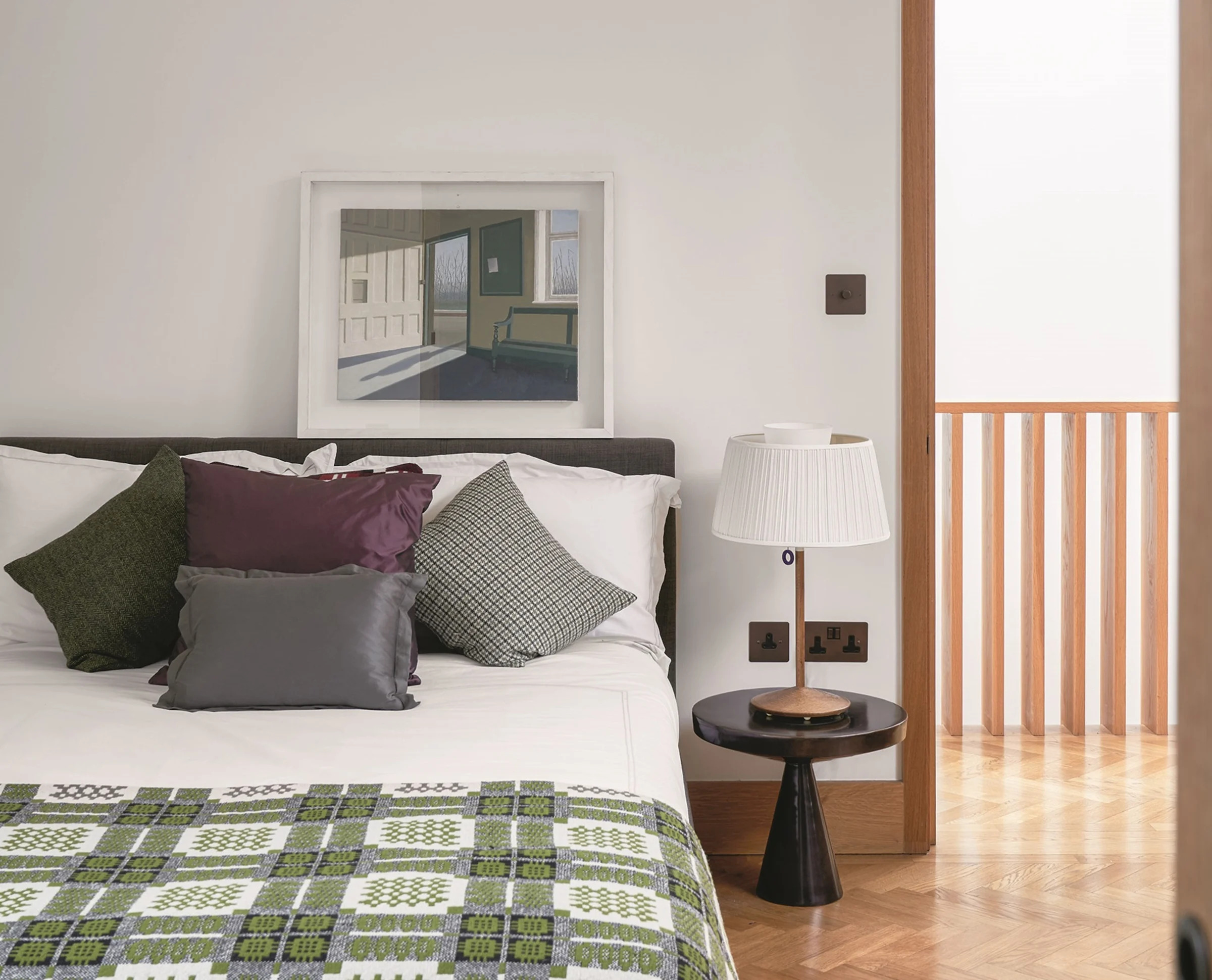
Feng Shui experts warn you to avoid this mistake so that you sleep better, and to choose this bedroom layout instead

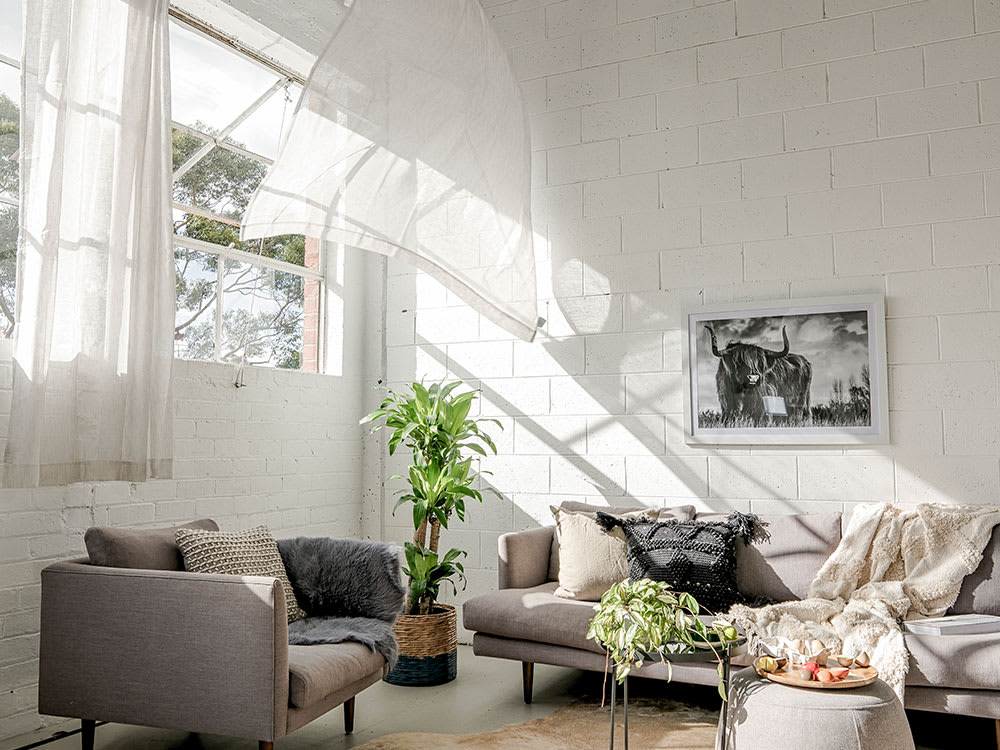
How Feng Shui Impacts Your Wellbeing At Home
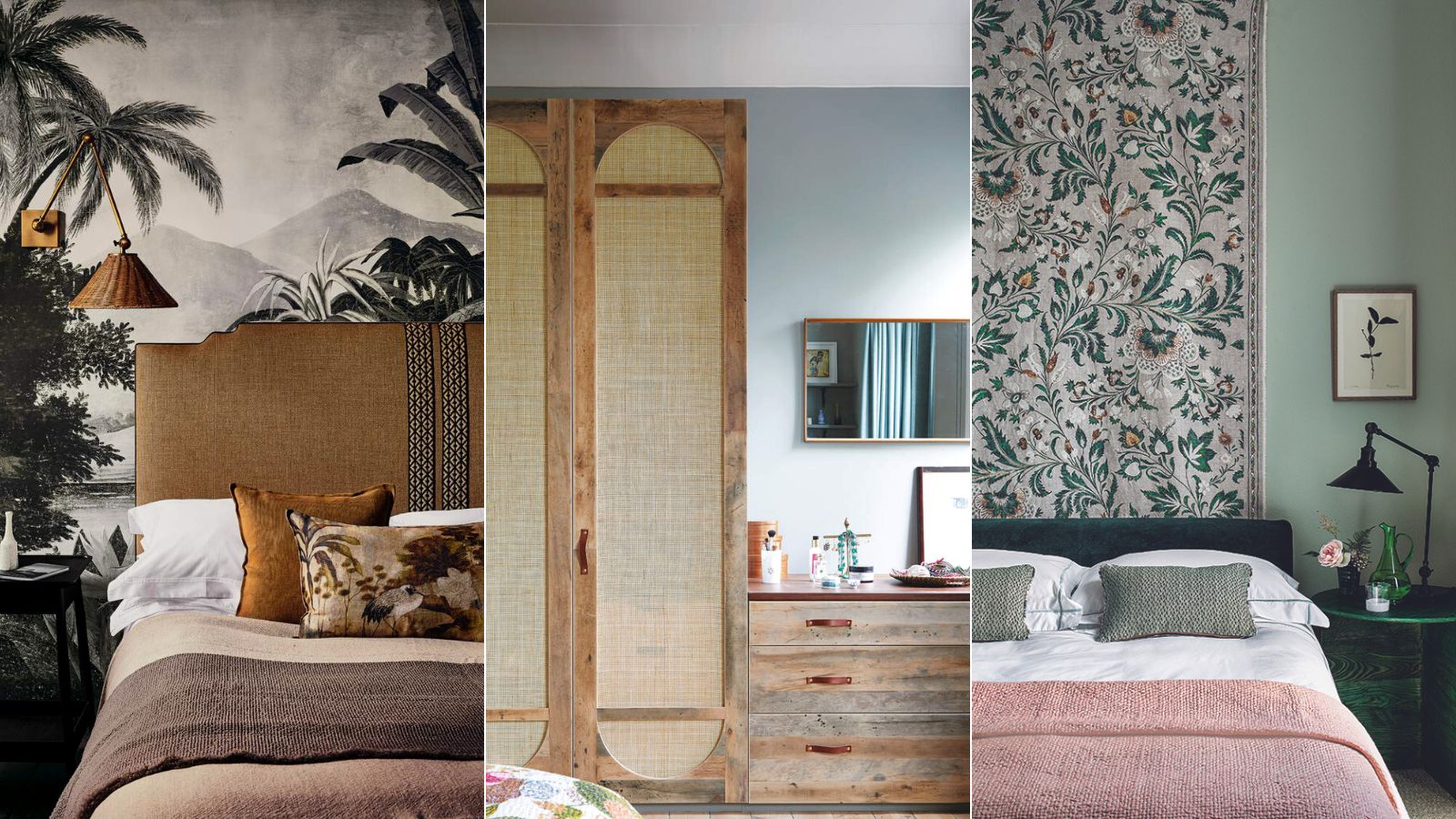
Feng Shui bedroom layout – 8 ways to curate a rejuvenating space

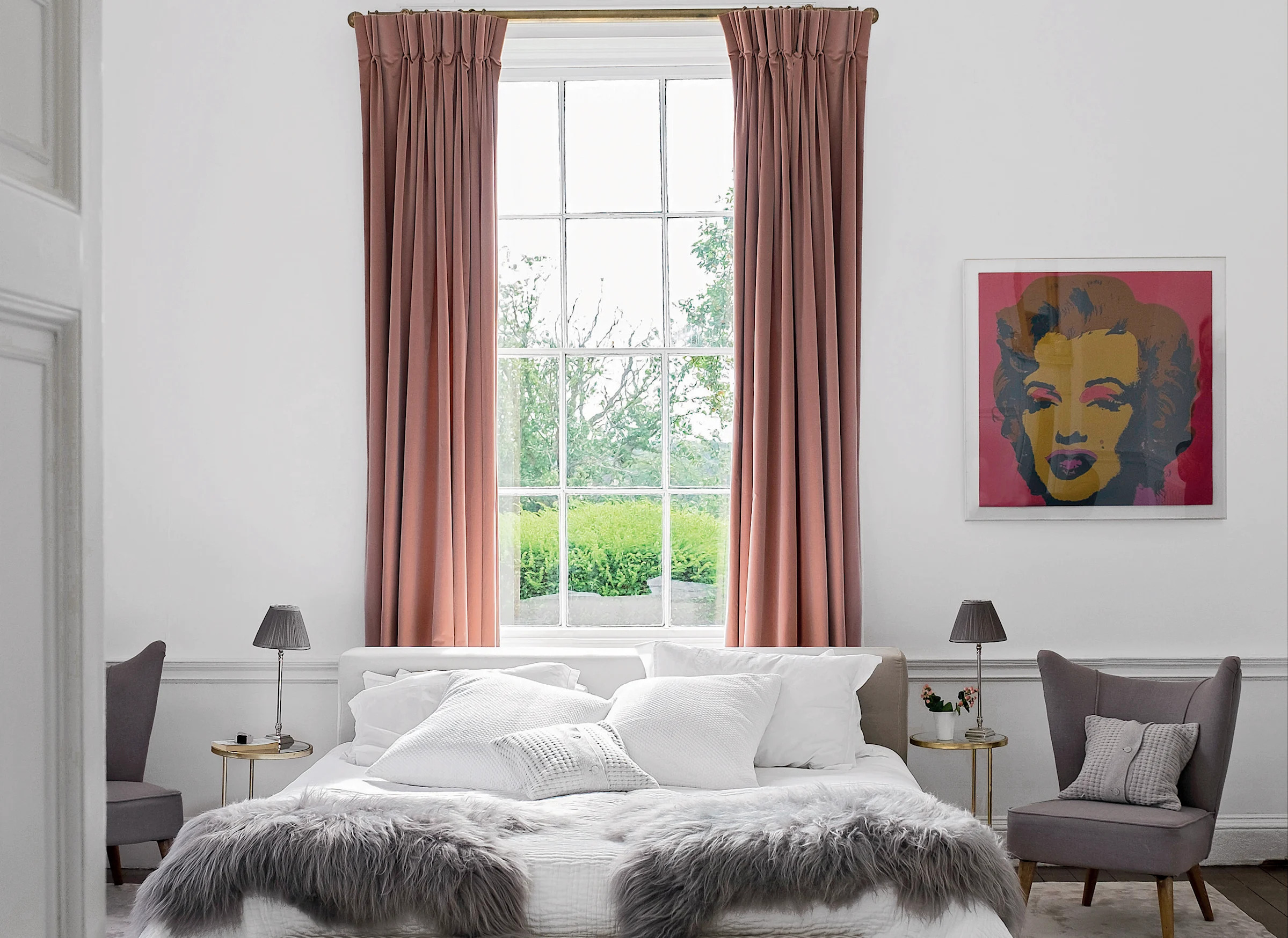
These Feng Shui experts say you shouldn't position your bed like this if you want to sleep well – and it's a common layout idea
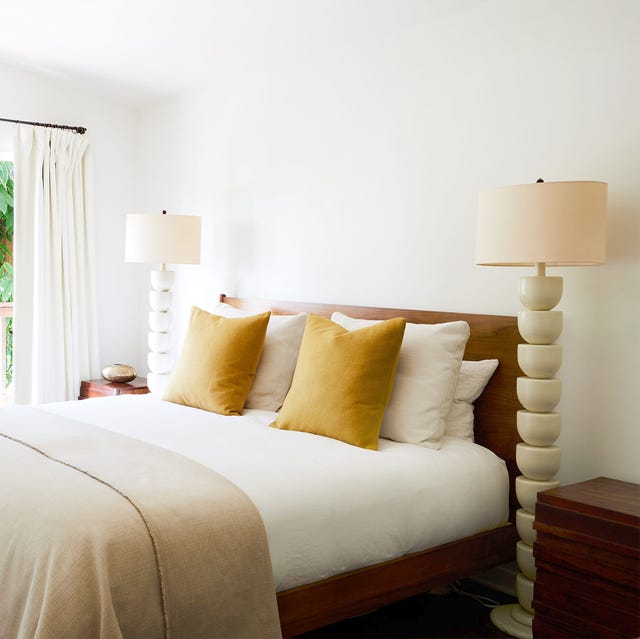
The Only Direction Your Bed Should Be Facing, According to Feng Shui Experts
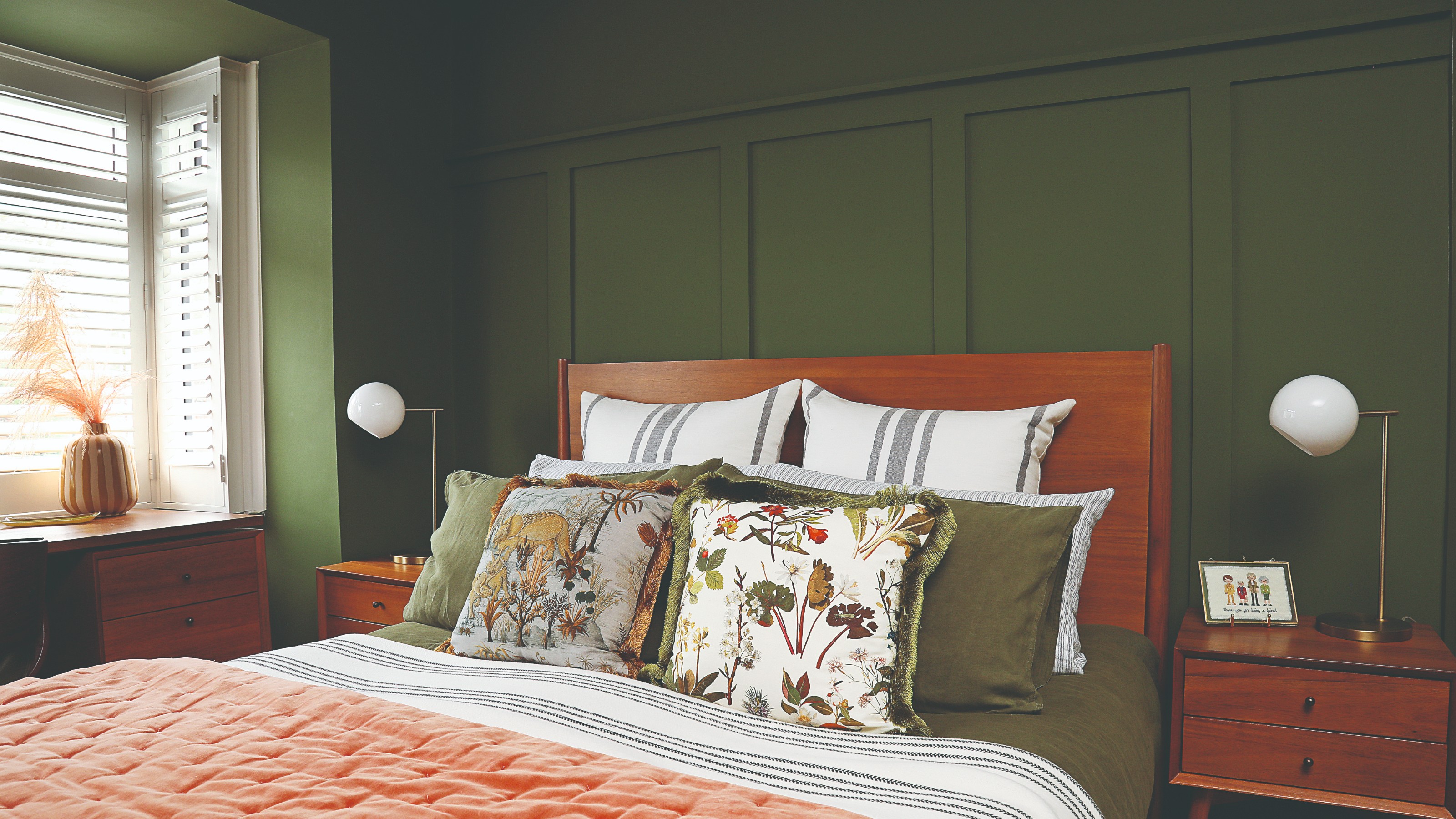
Bedroom wall panelling ideas – 13 ways to bring texture and interest to your bedroom walls
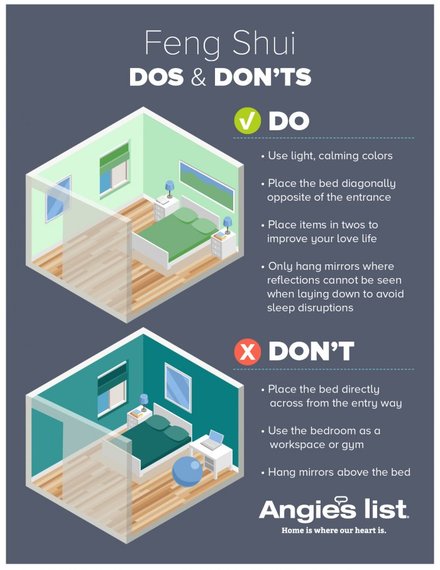
Decorating Your Bedroom With Feng Shui
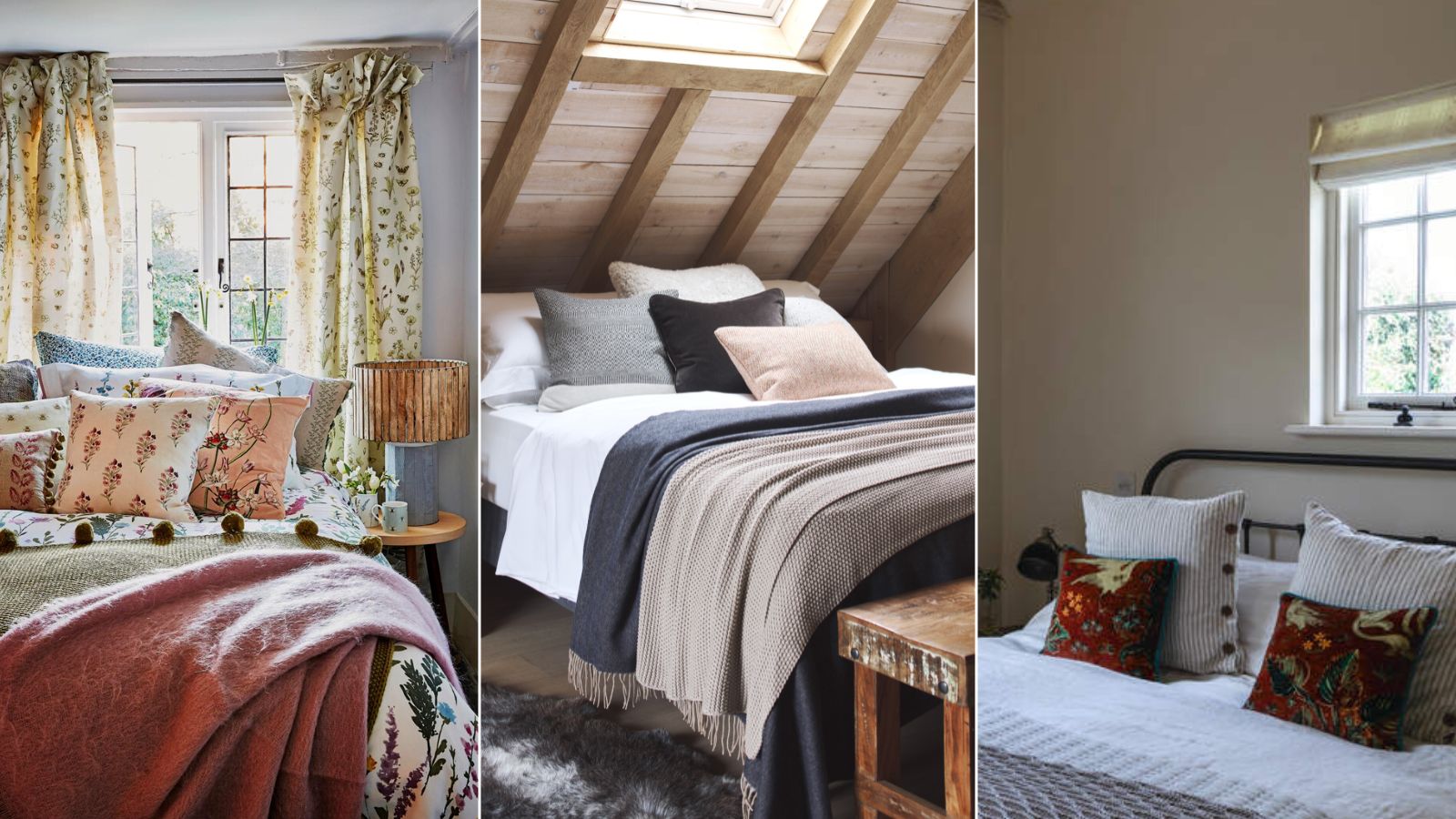
Is it okay to place a bed under a window? Feng Shui experts offer their advice
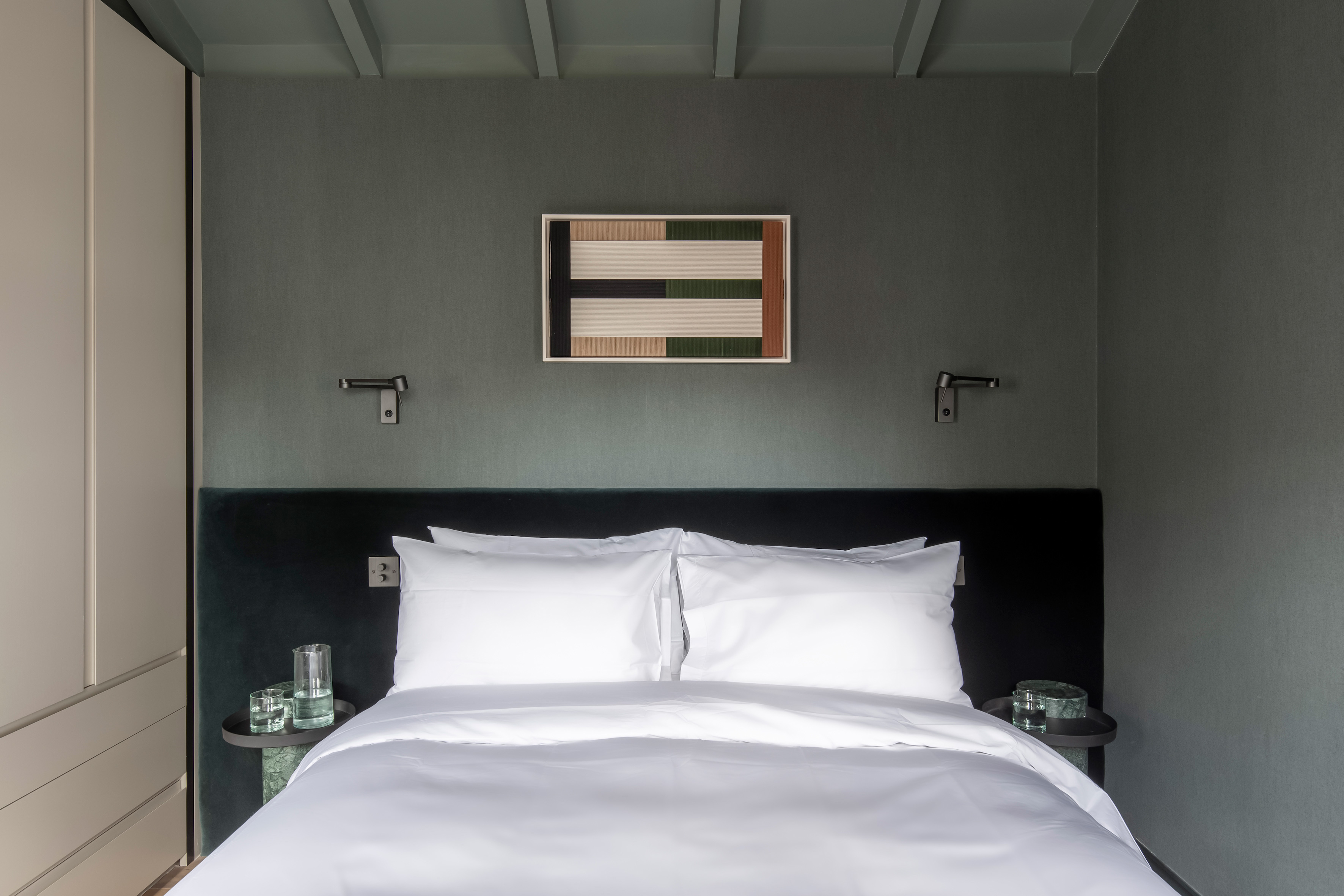
'Waking feeling drained' - bad Feng Shui headboard choices explained
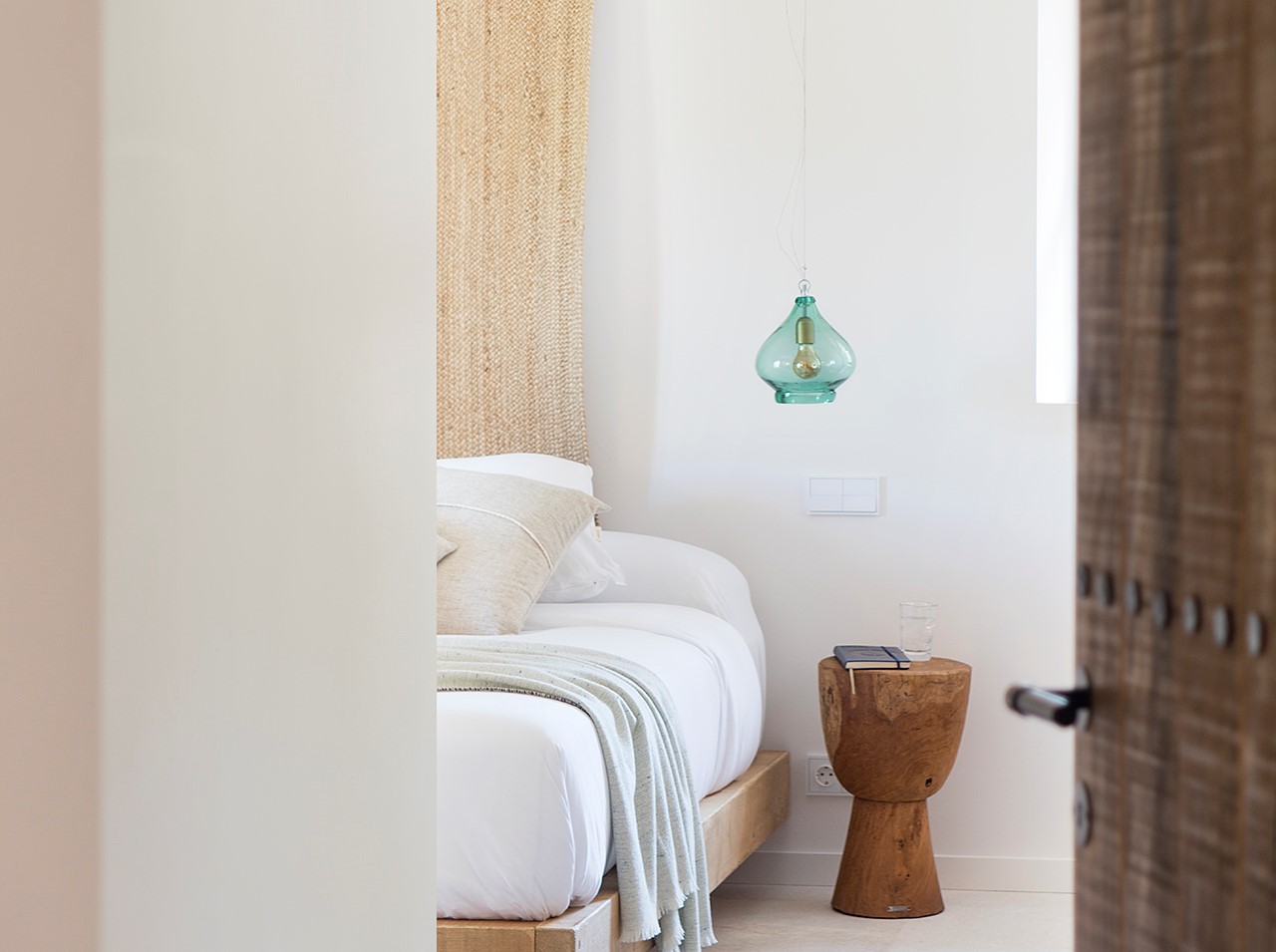
Should my bed be facing the door? Why the wrong bedroom layout could be disrupting your sleep
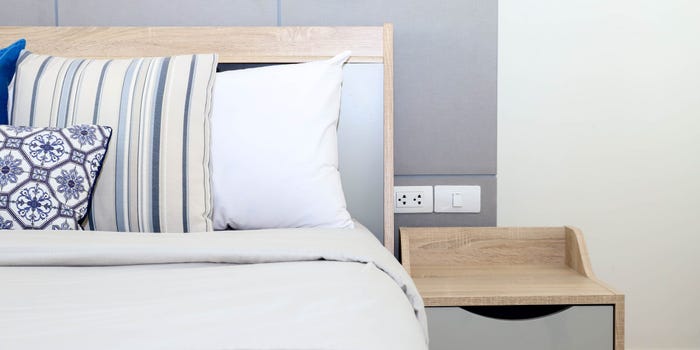
14 ways to bring feng shui to your bedroom for harmony and balance
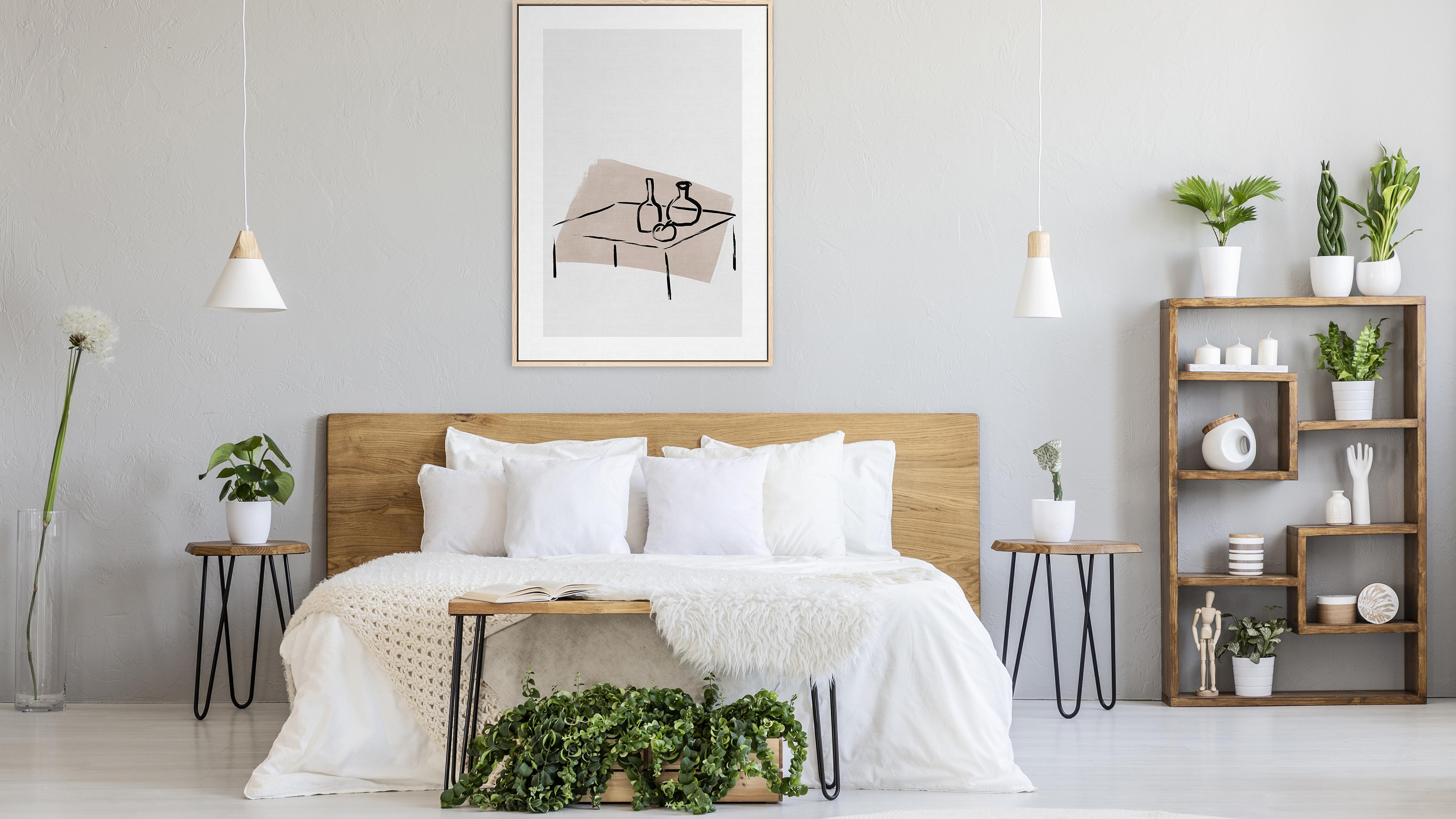
Feng shui bedroom layout tips and rules – how to create a zen sleeping space

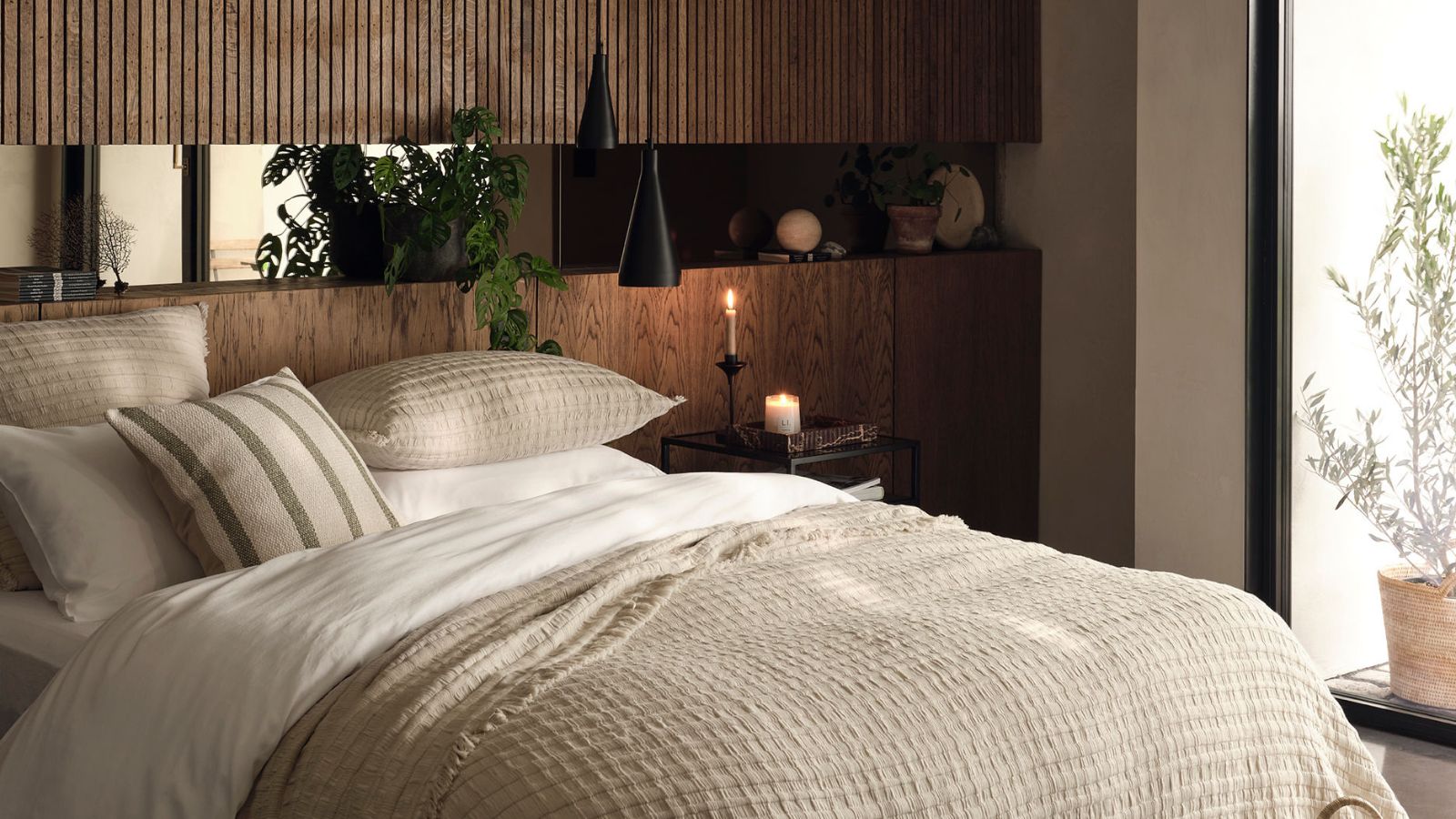
Sleep experts helped organize my bedroom for better sleep
'Waking feeling drained' - bad Feng Shui headboard choices explained