1/2
Bring on the Bold: Maximalist Decor and Layering with Confidence
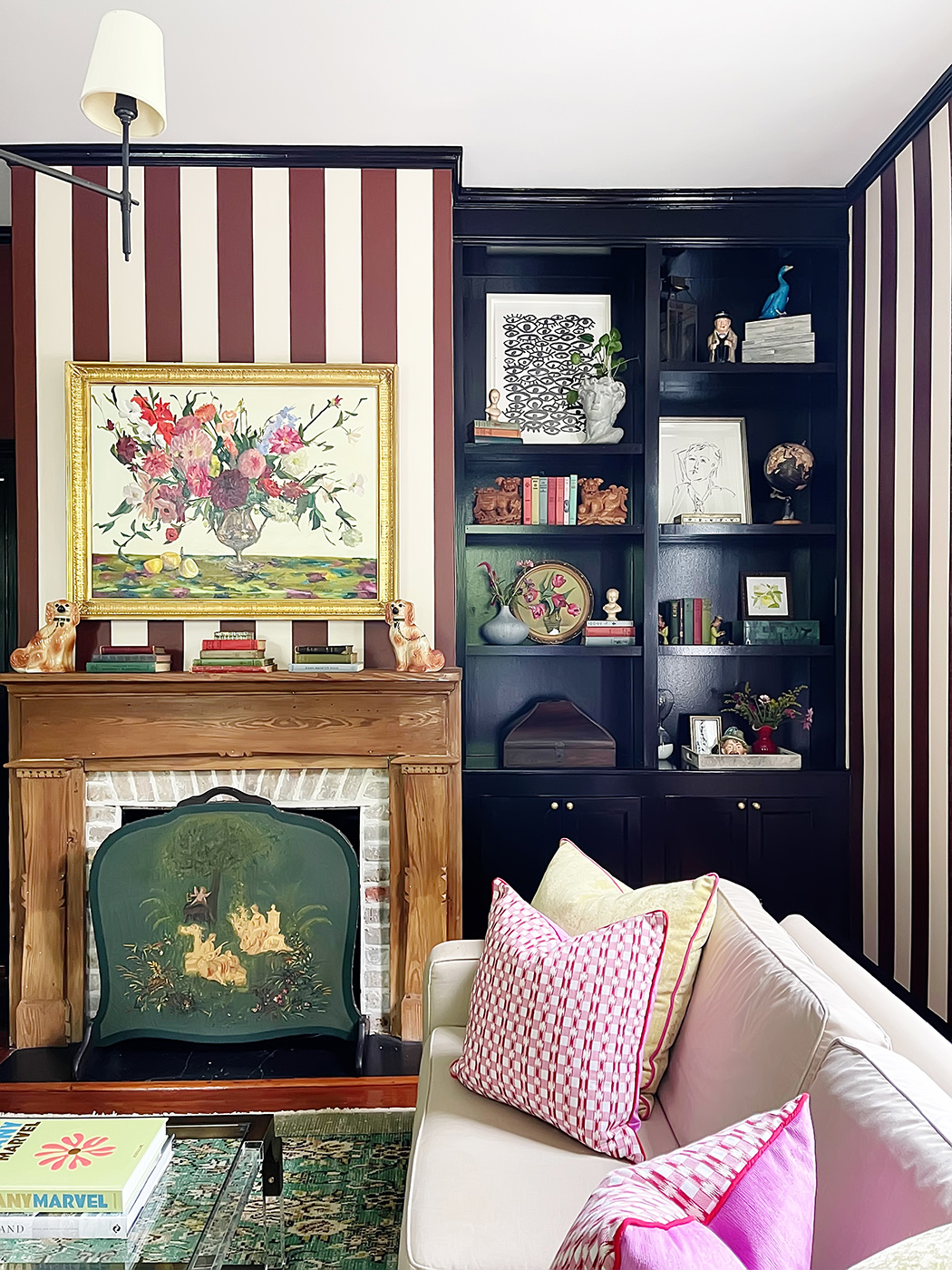
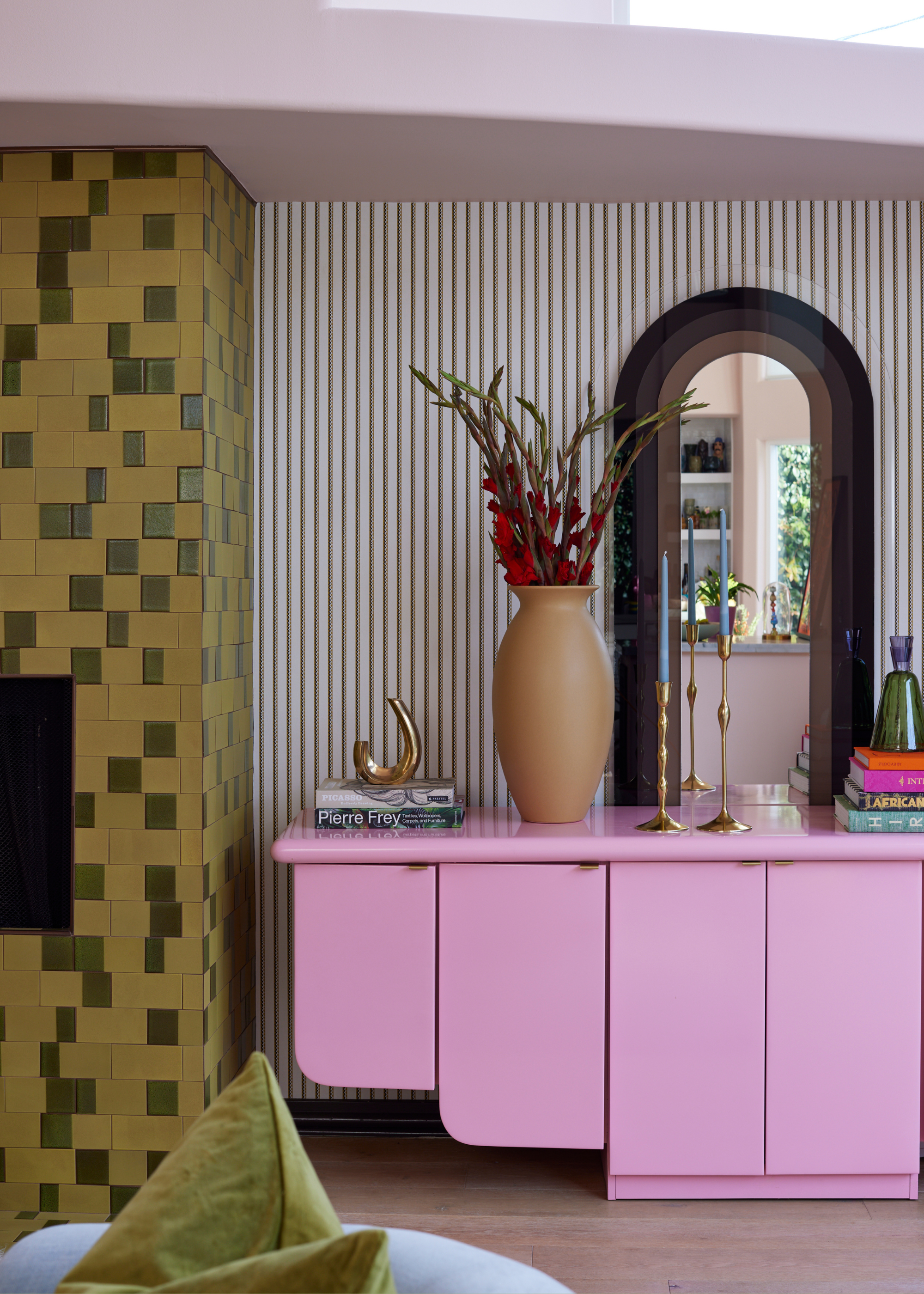
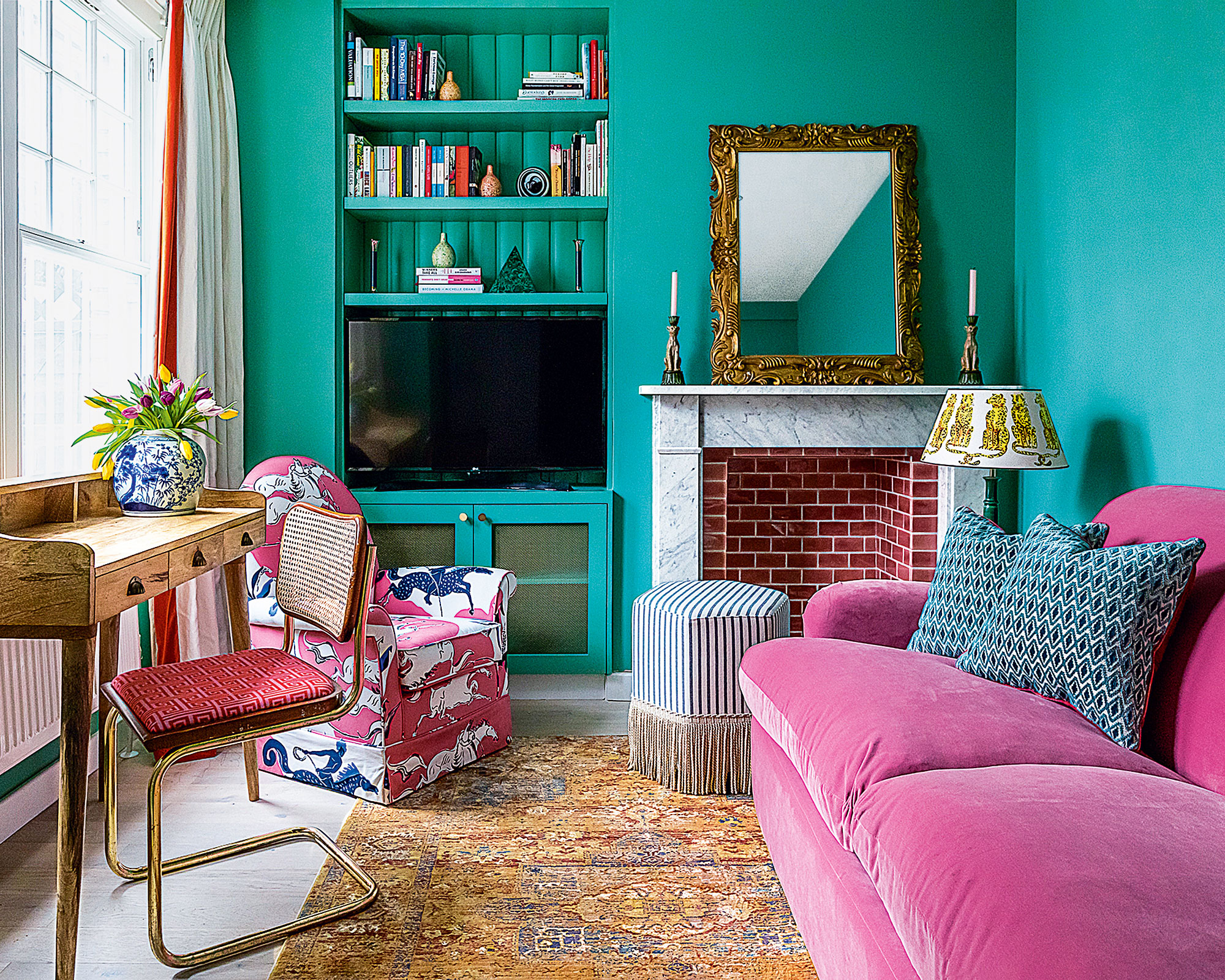
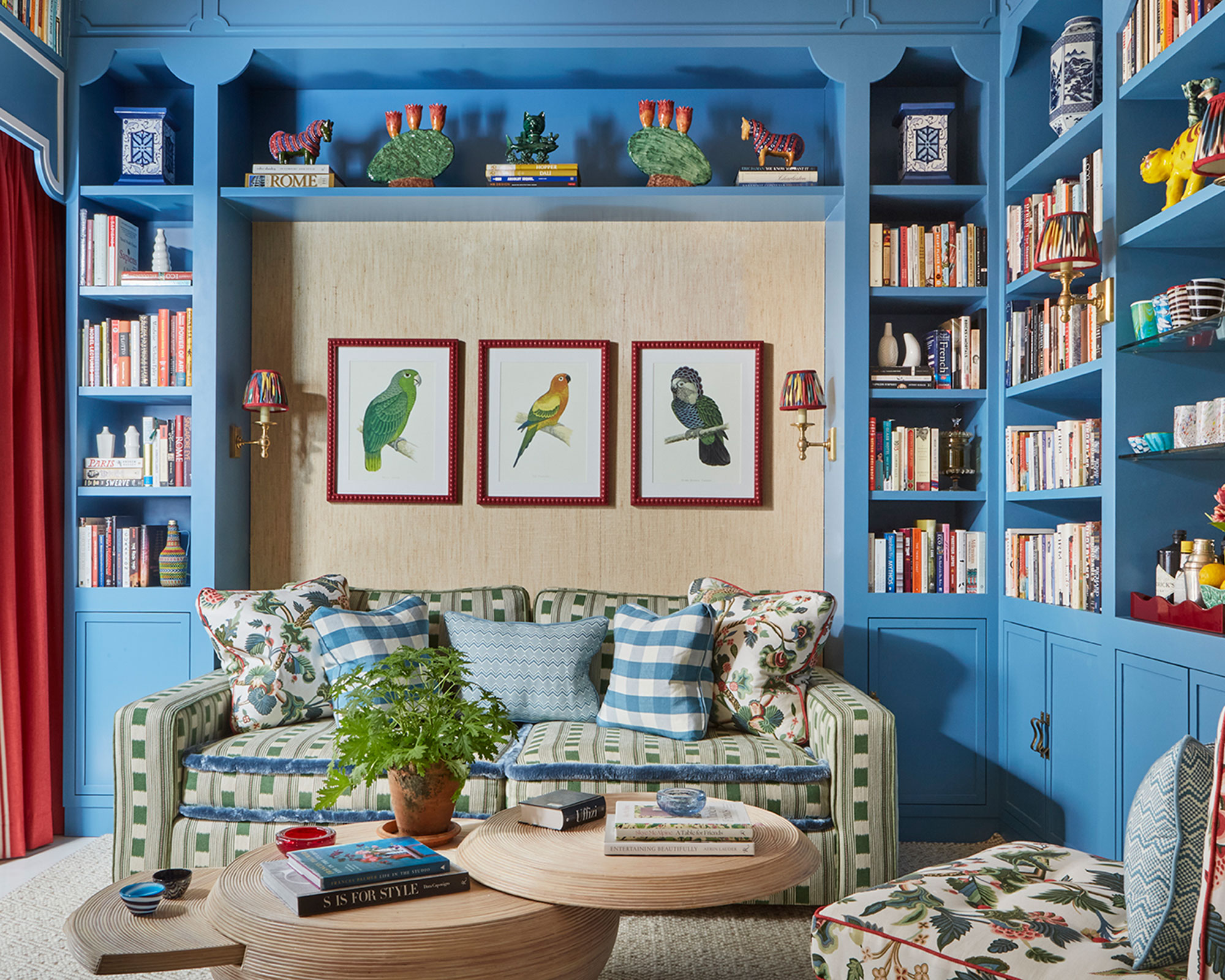
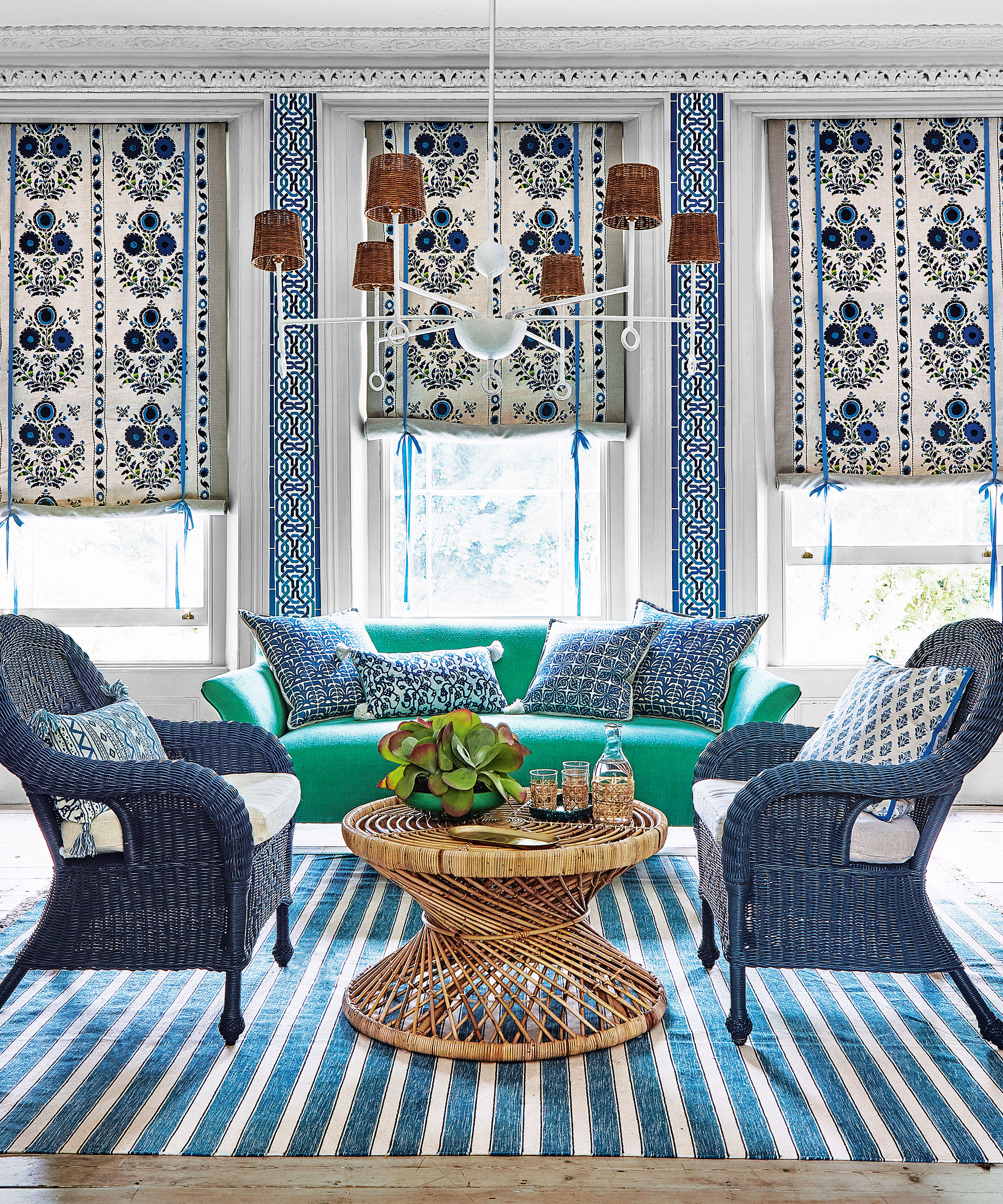
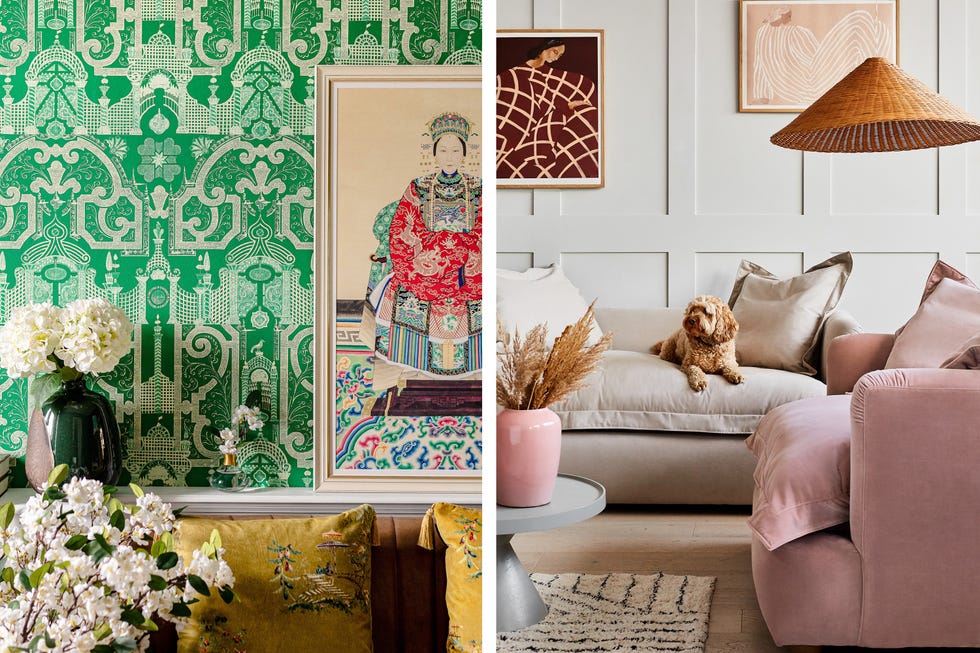
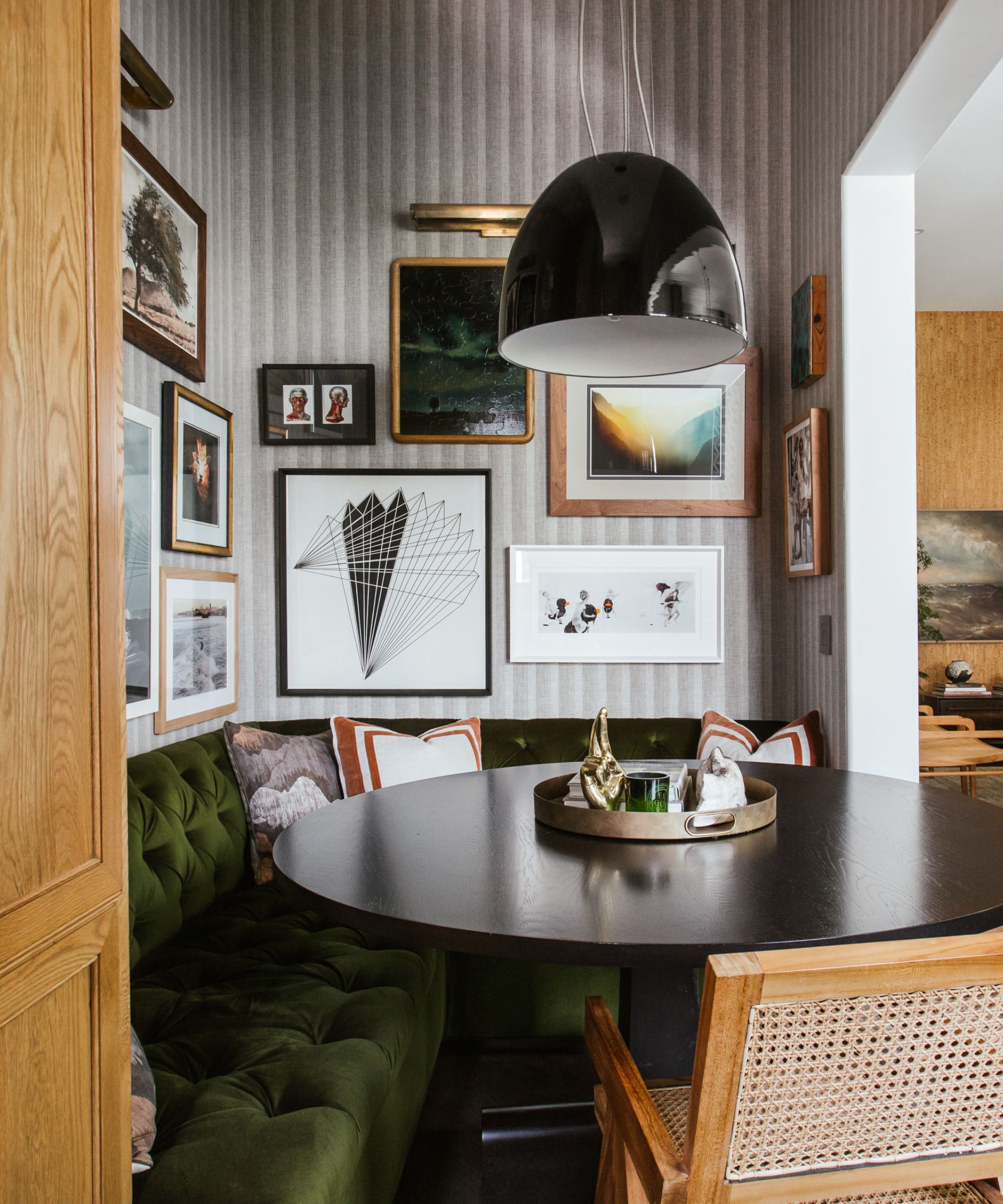
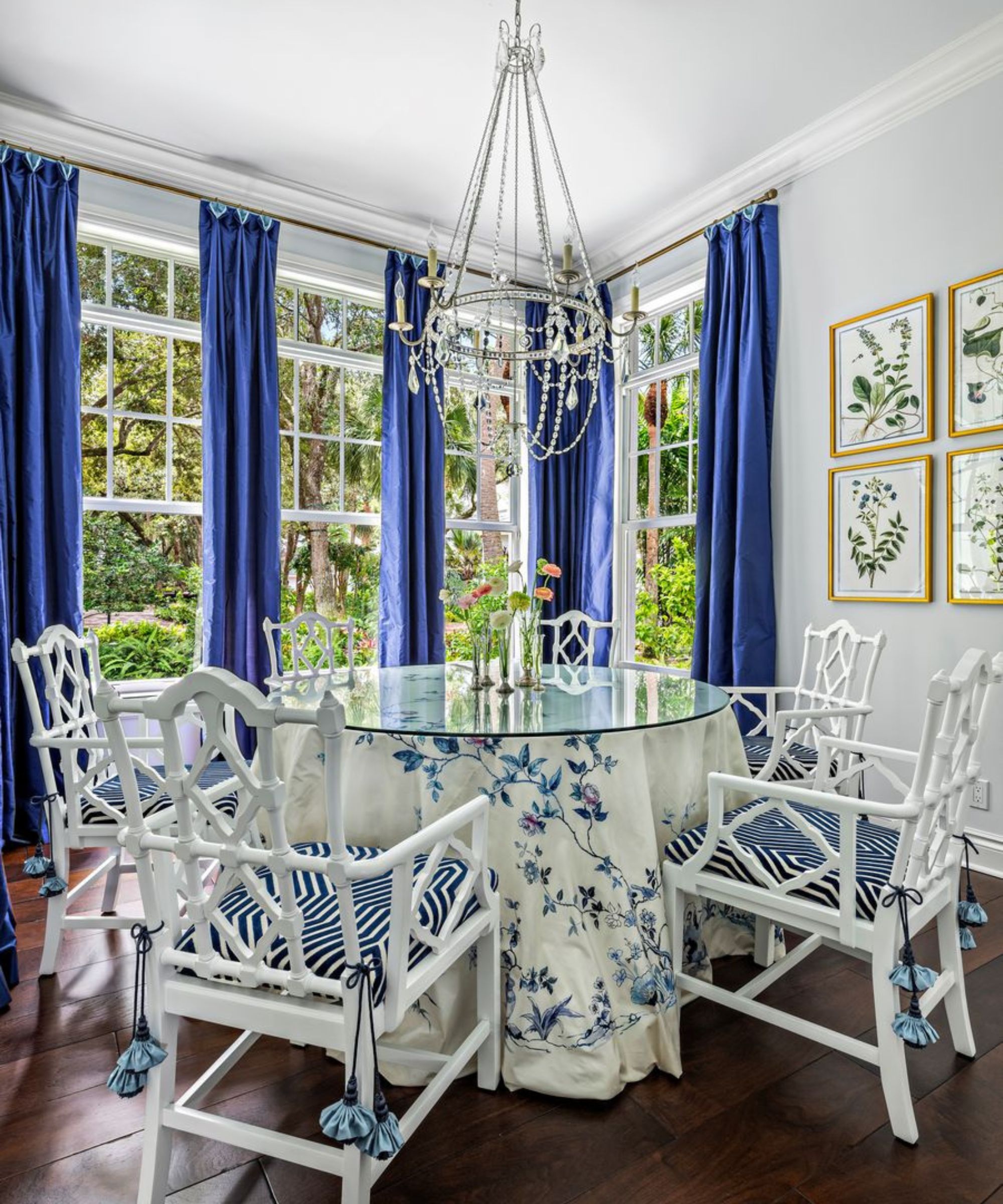
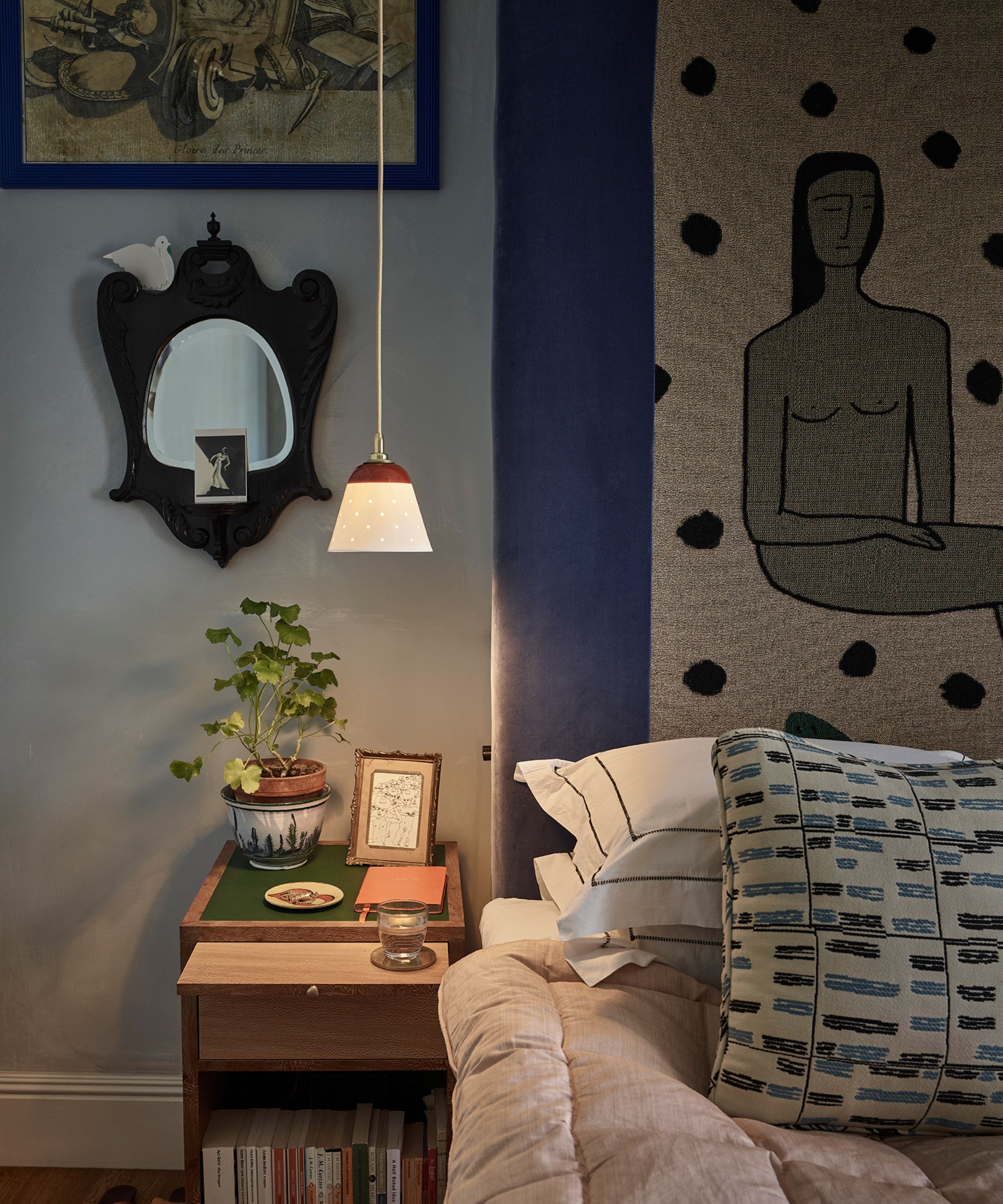
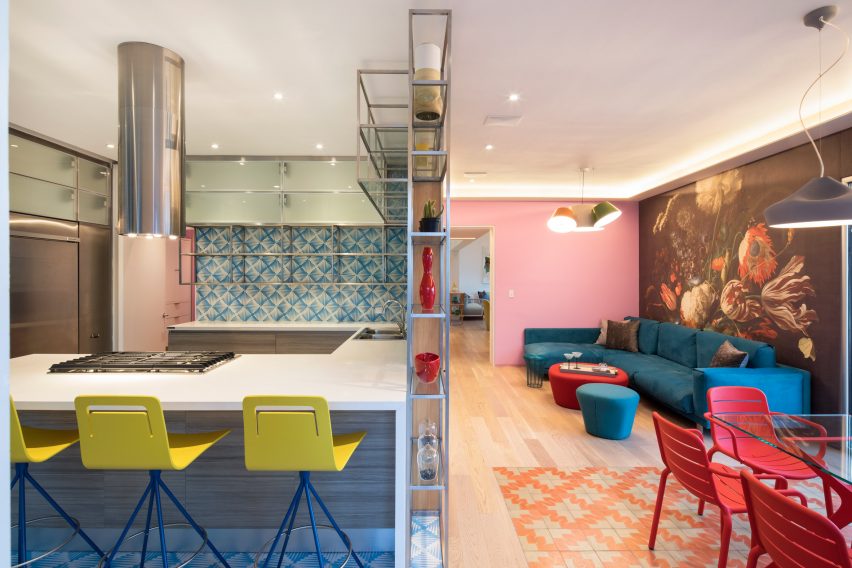
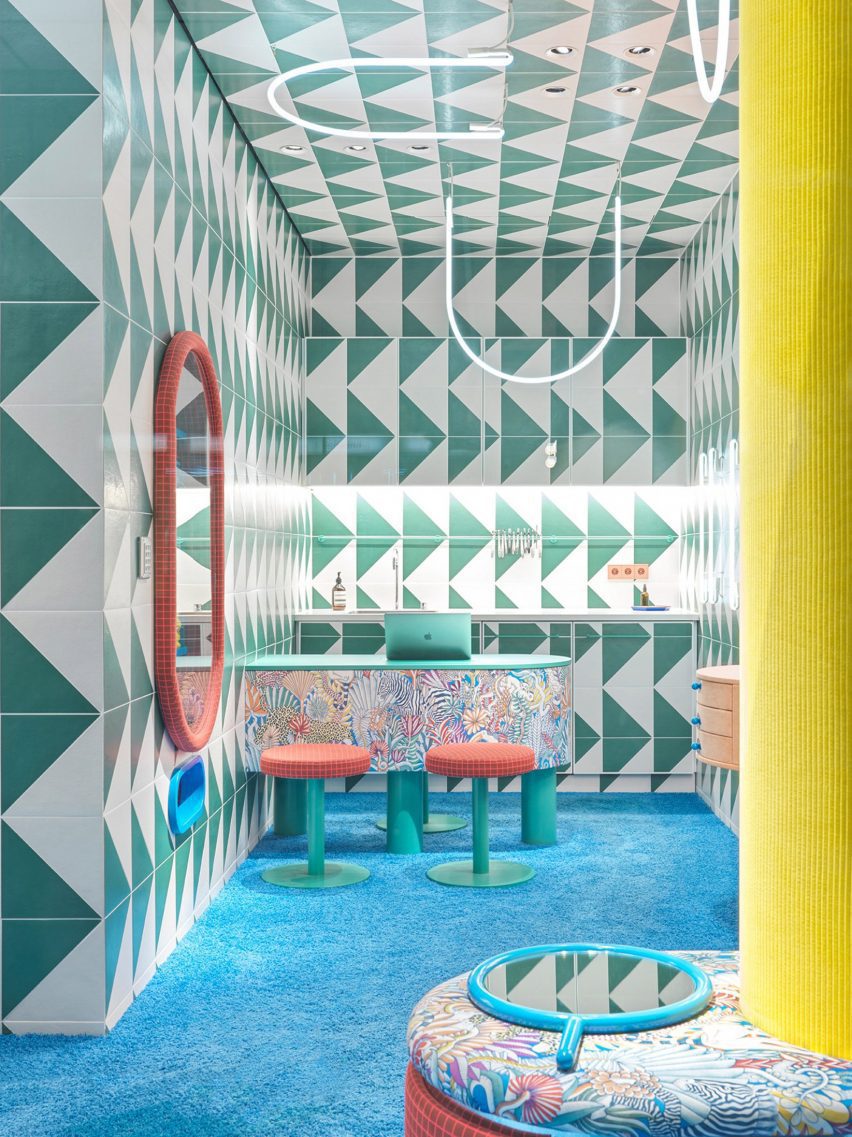
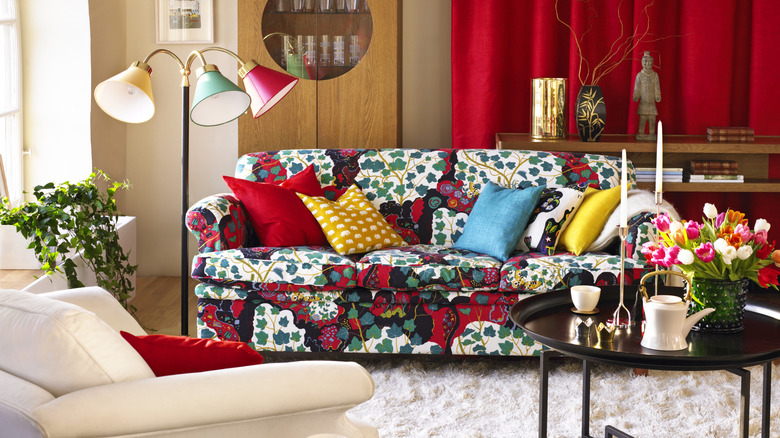
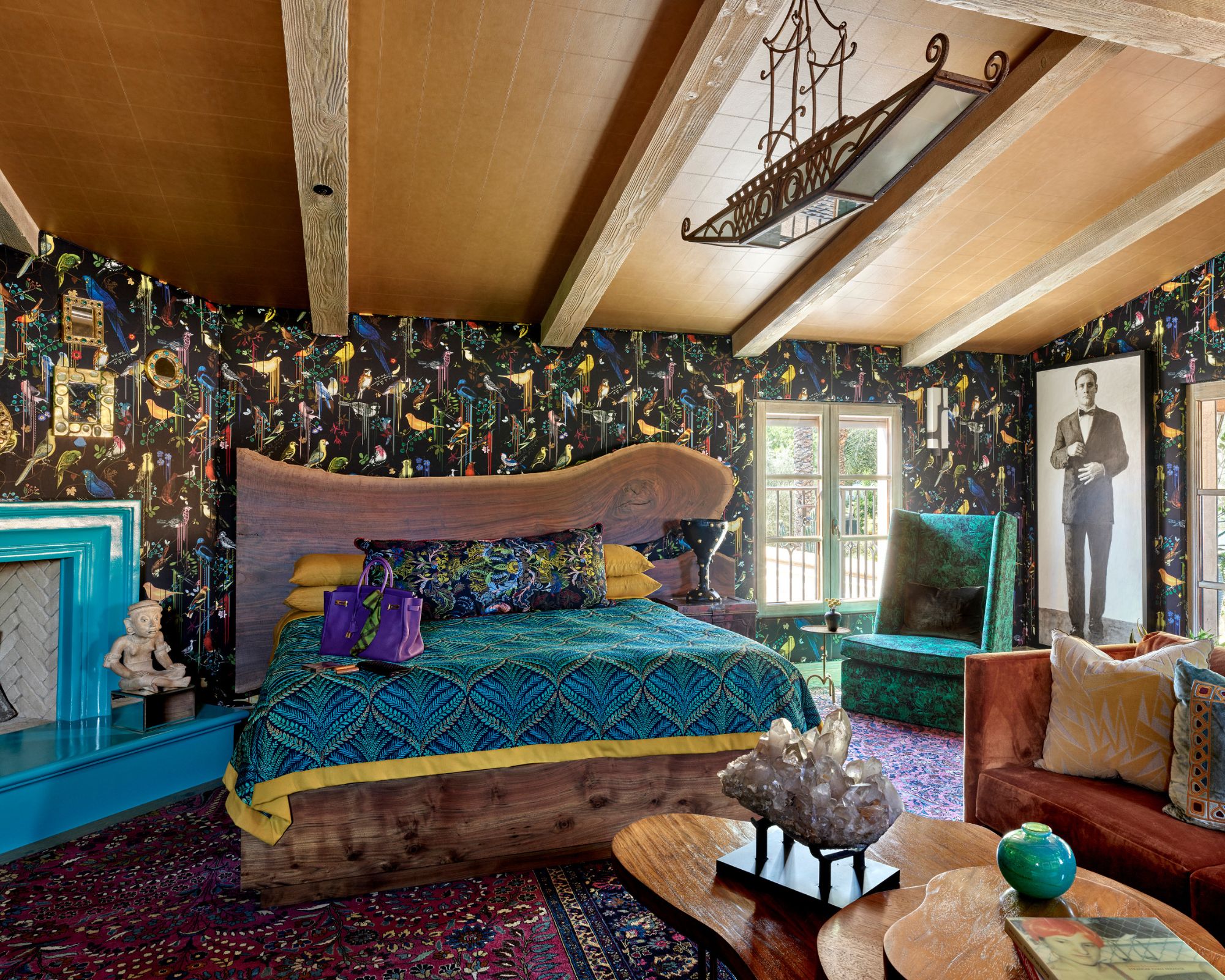
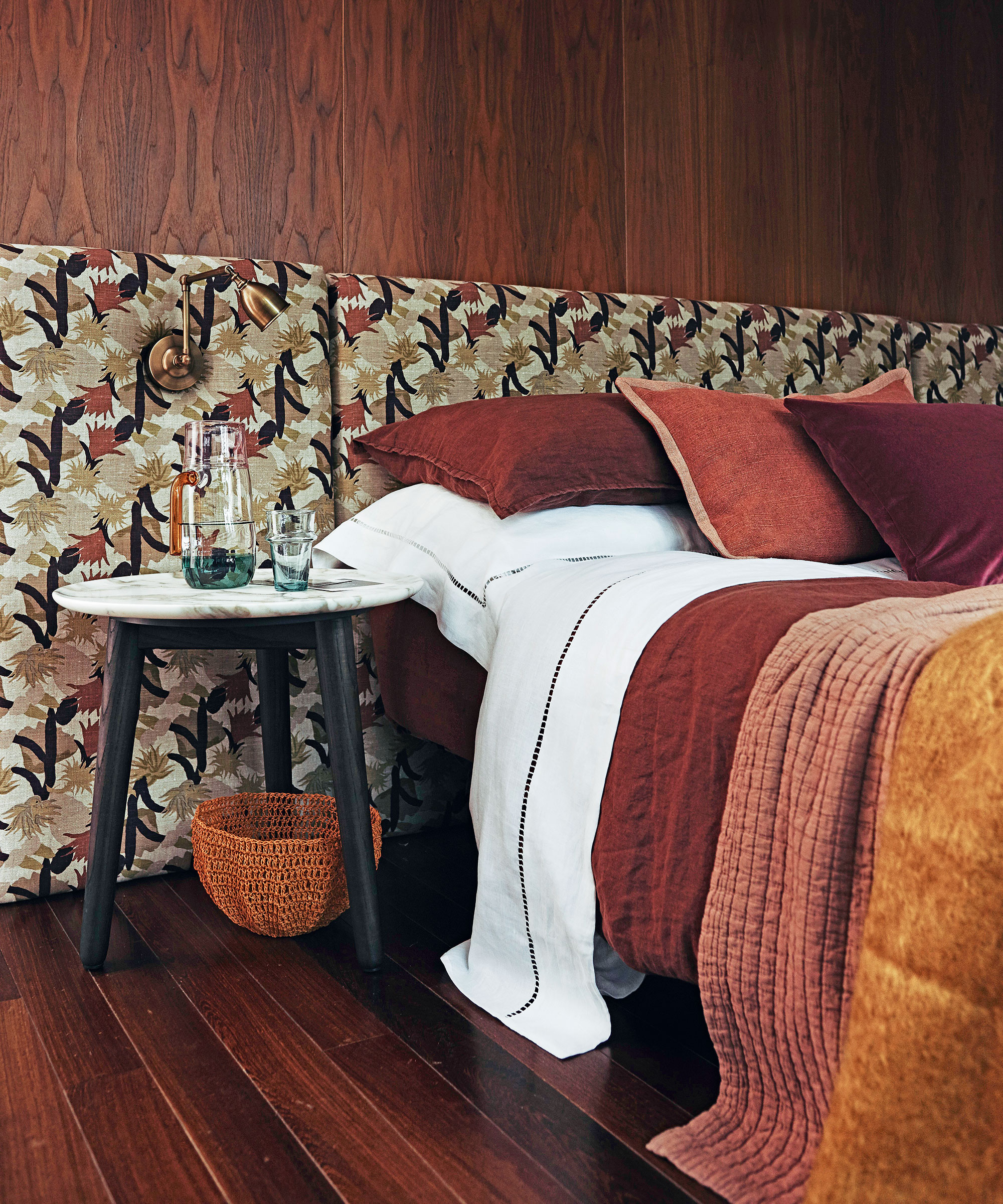
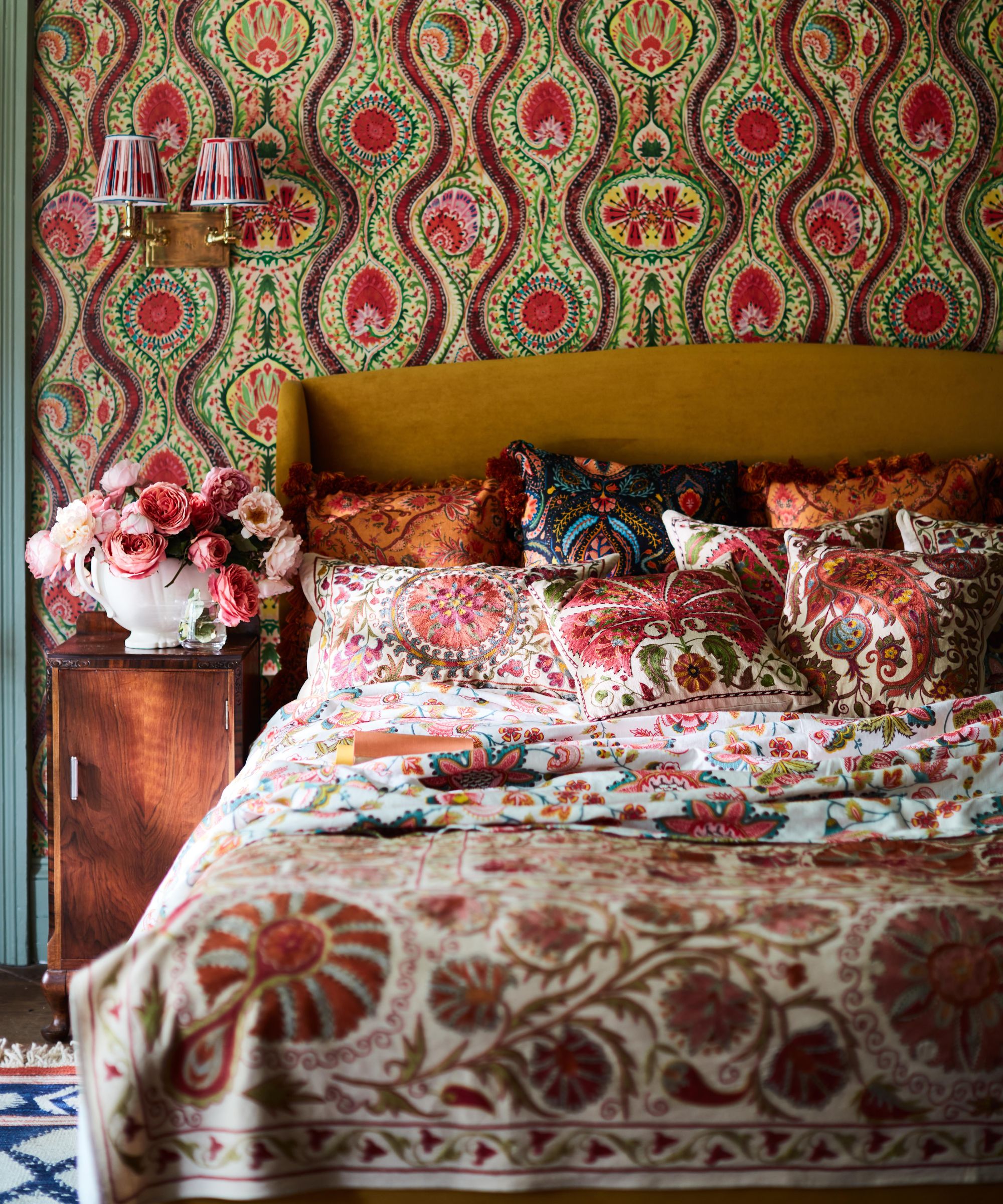
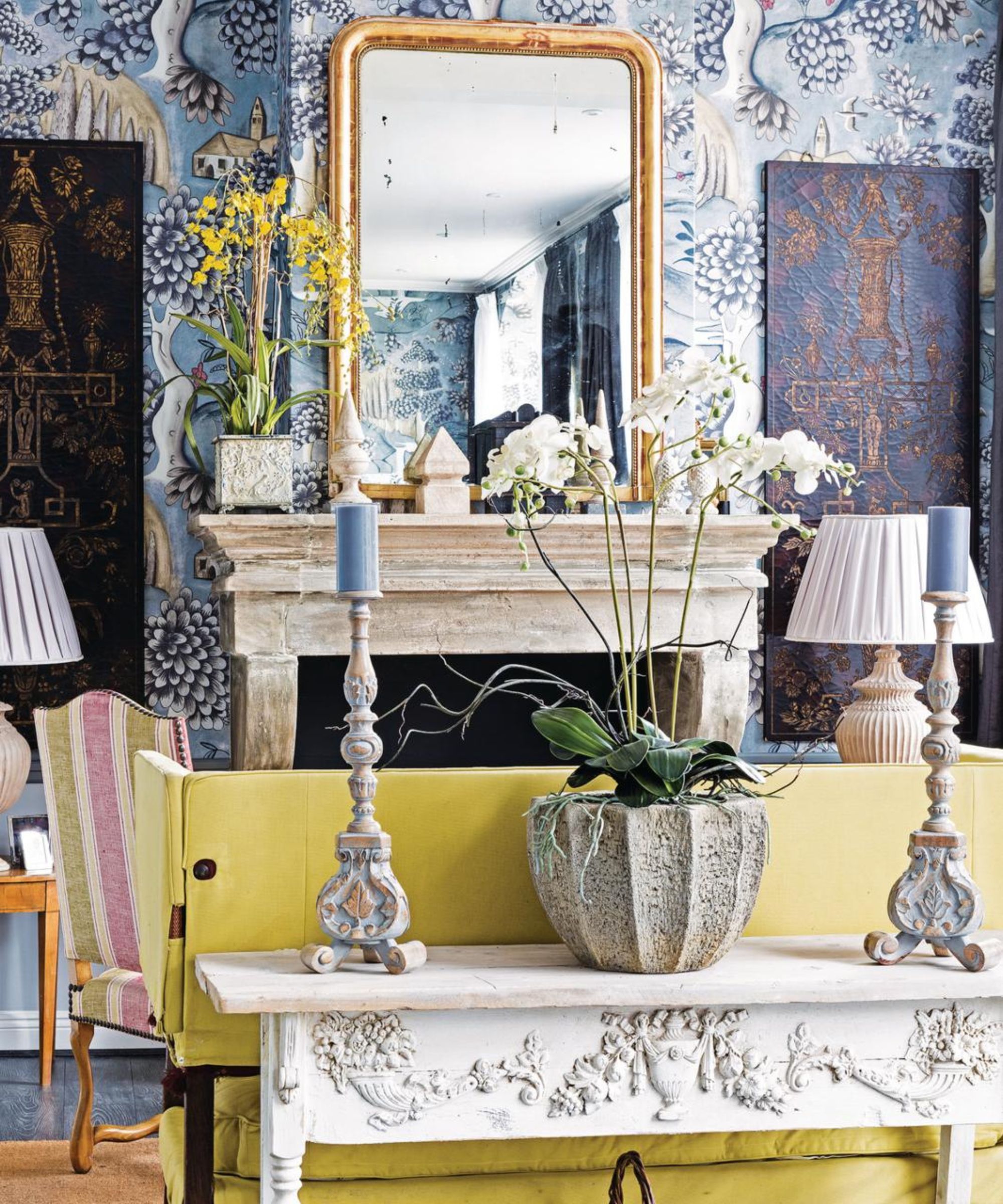
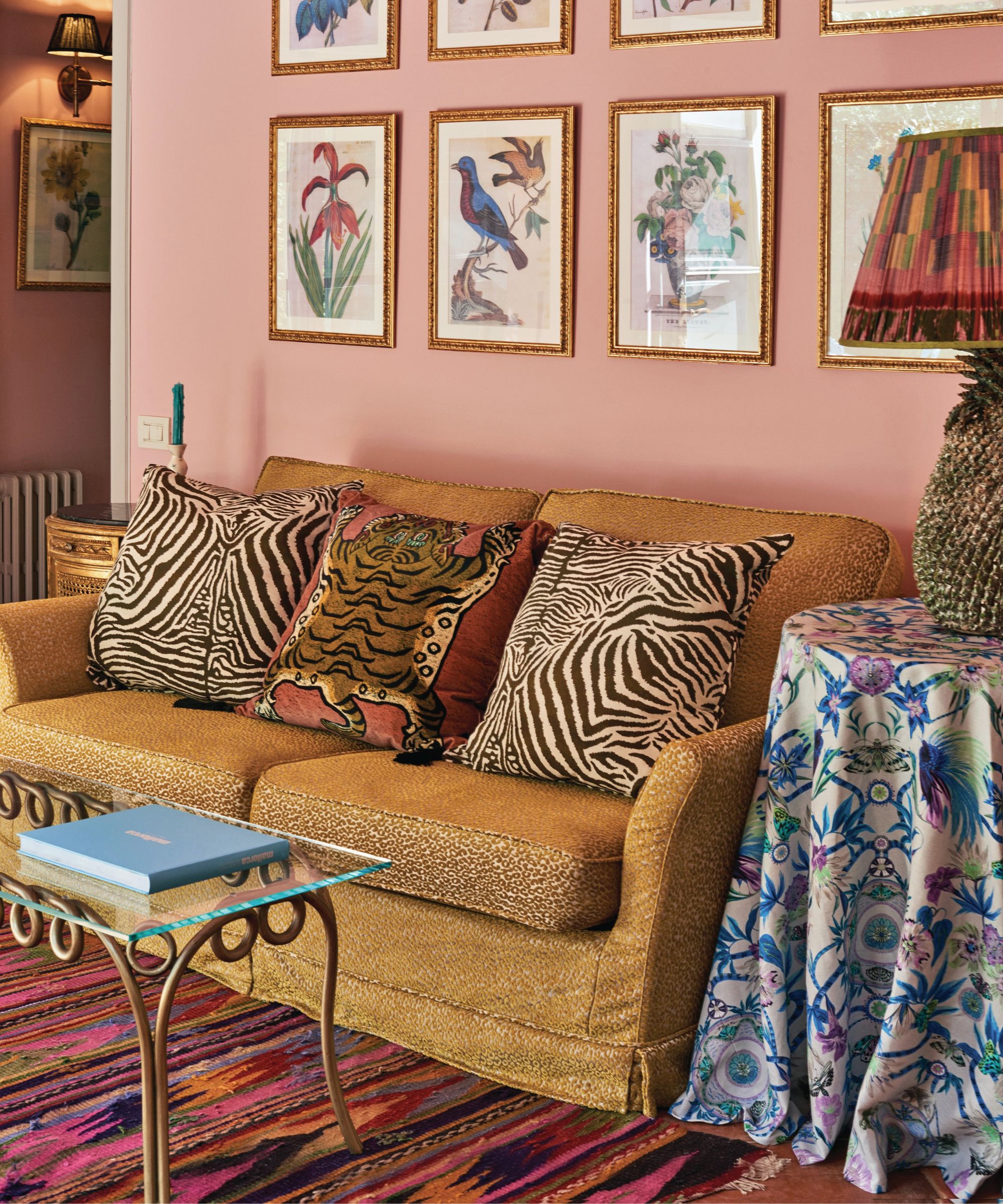
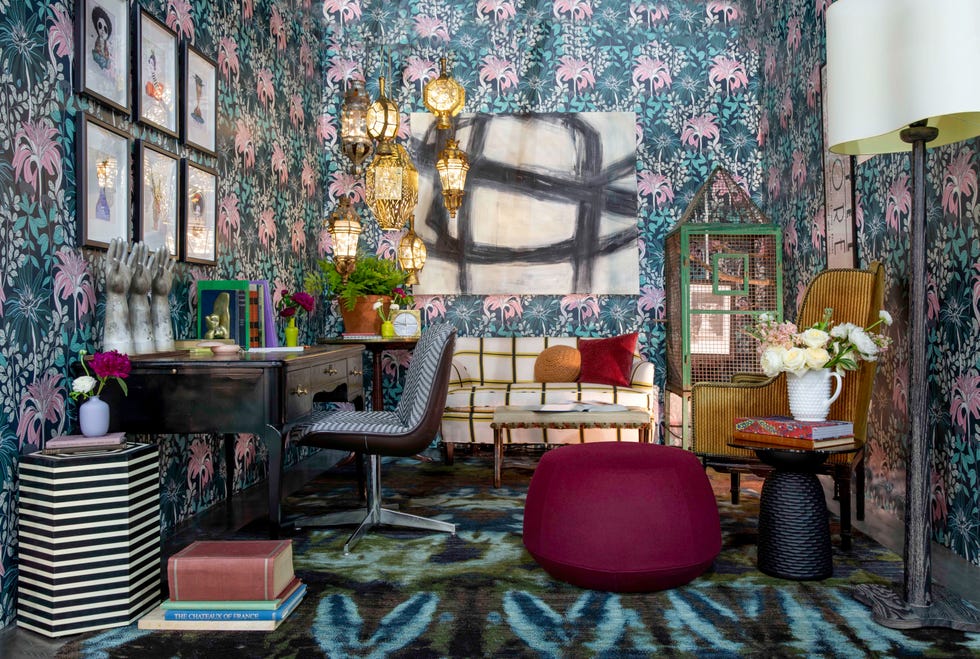
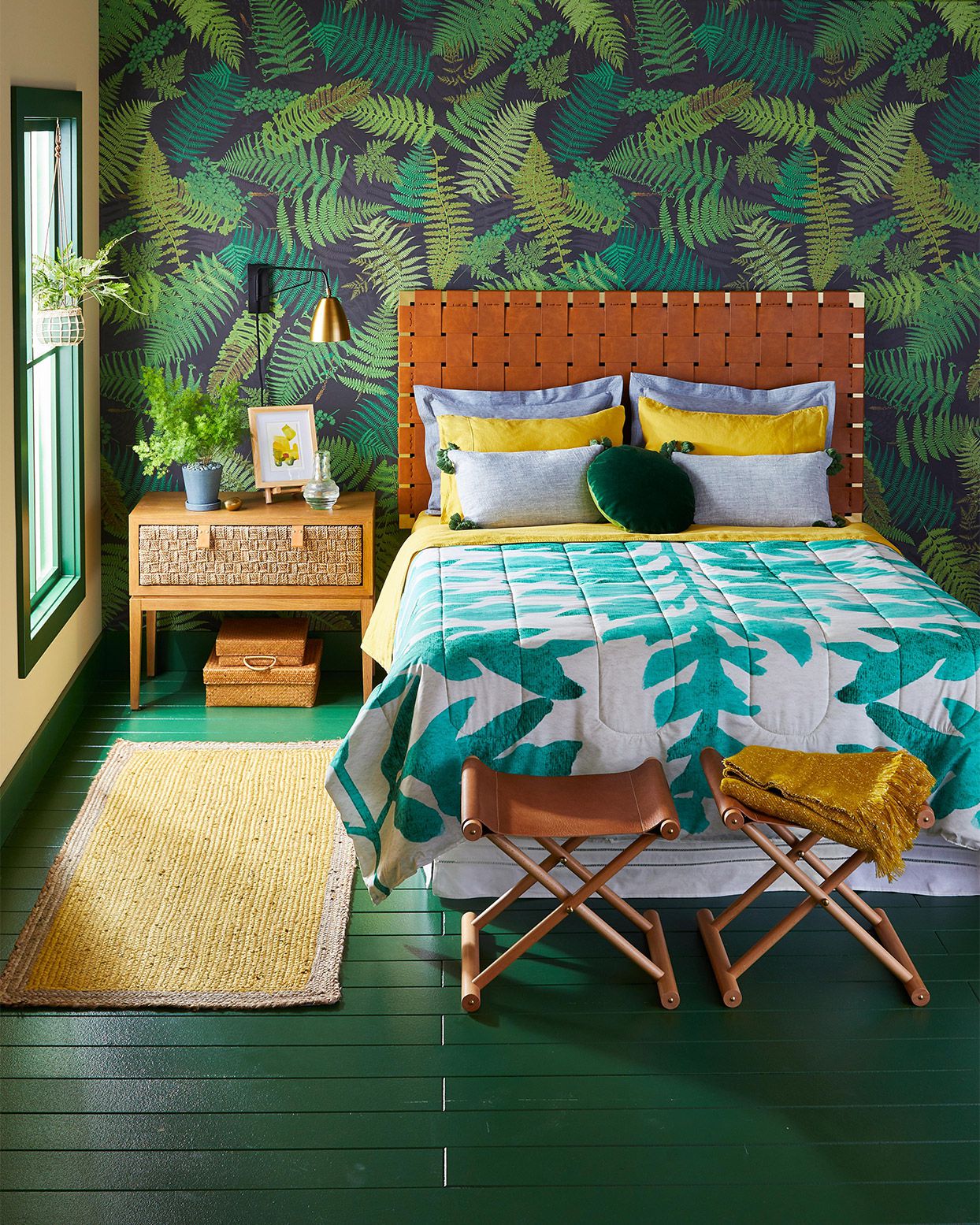

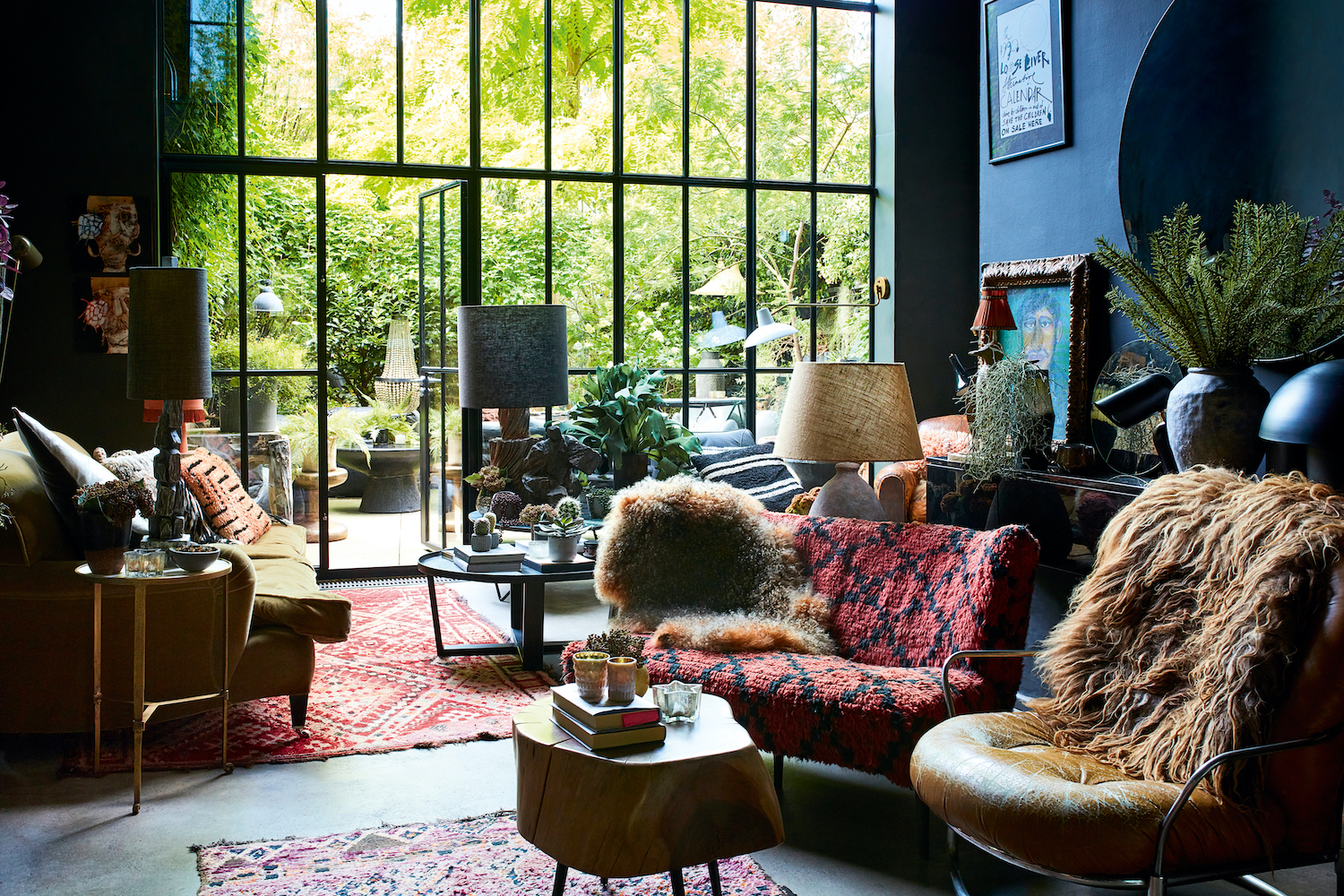
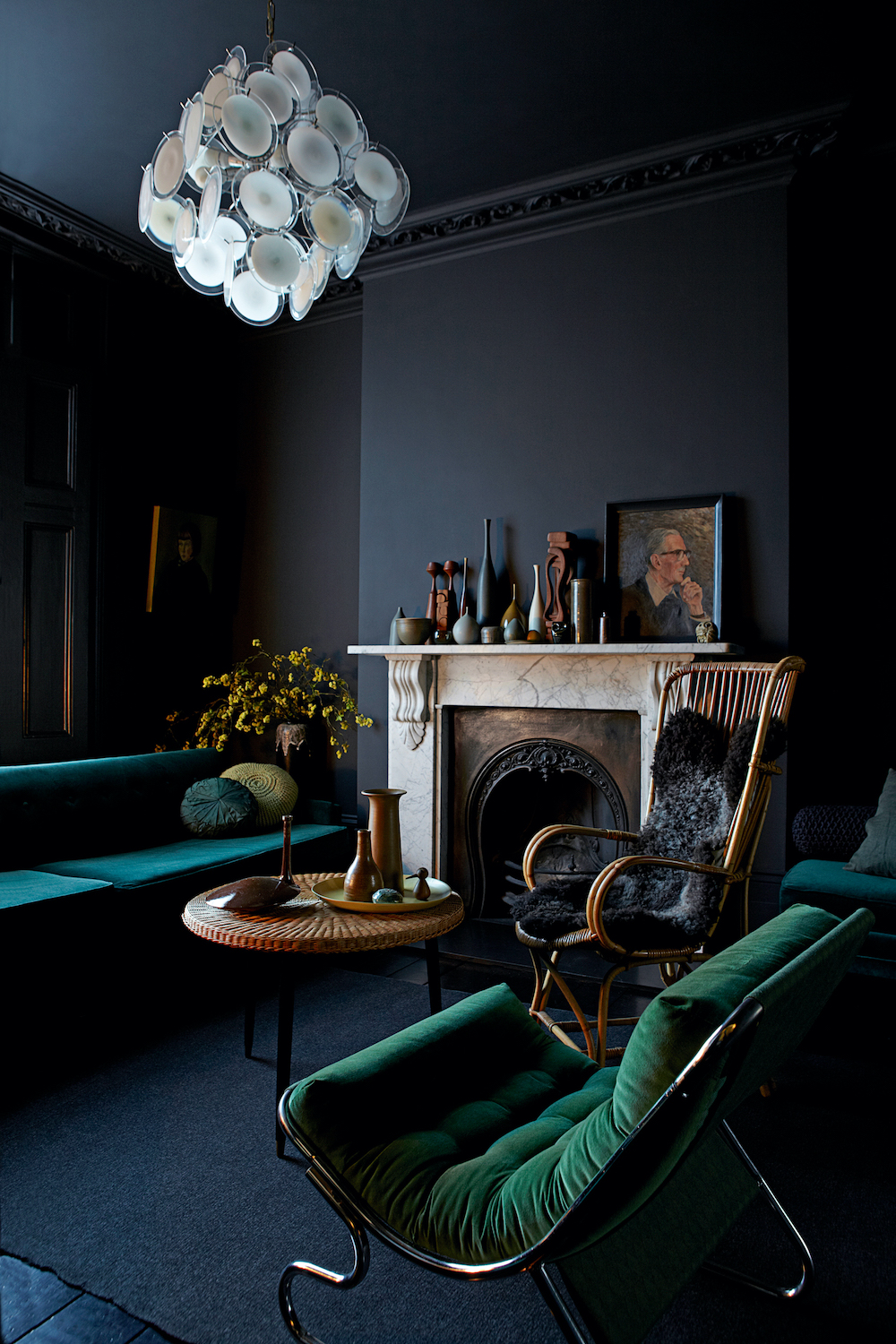
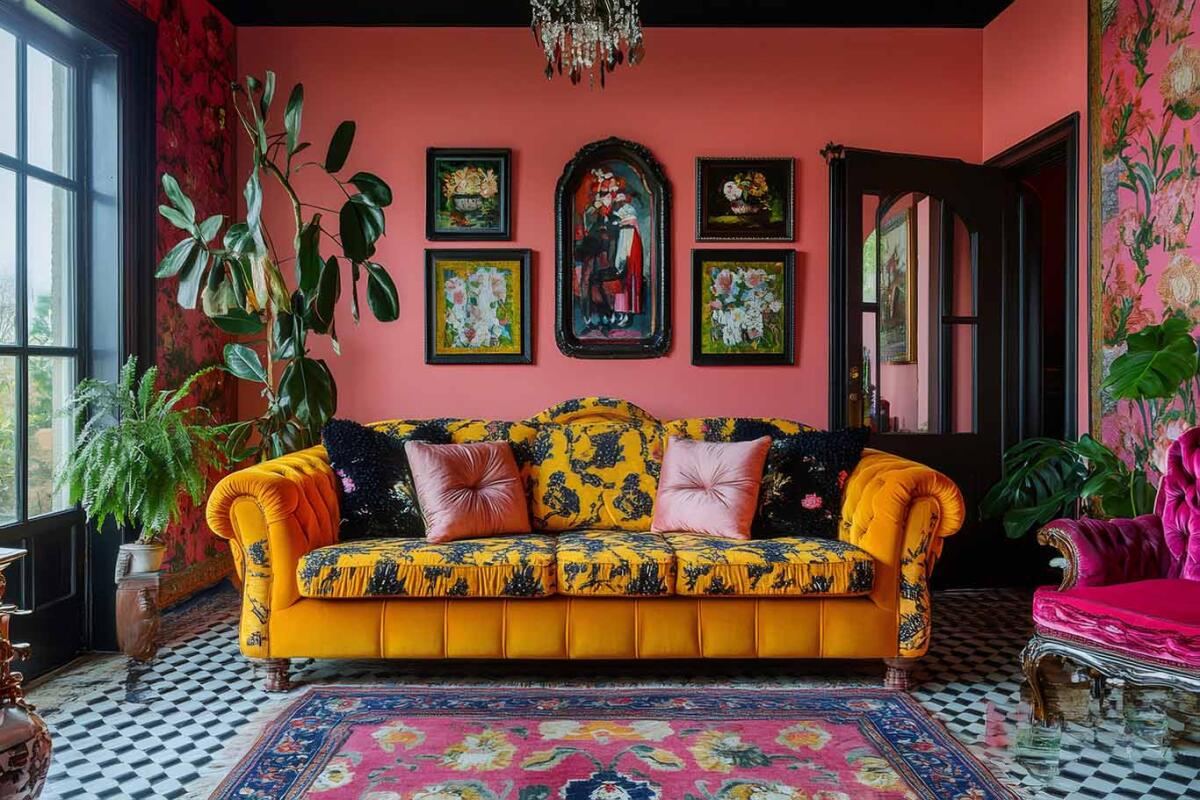

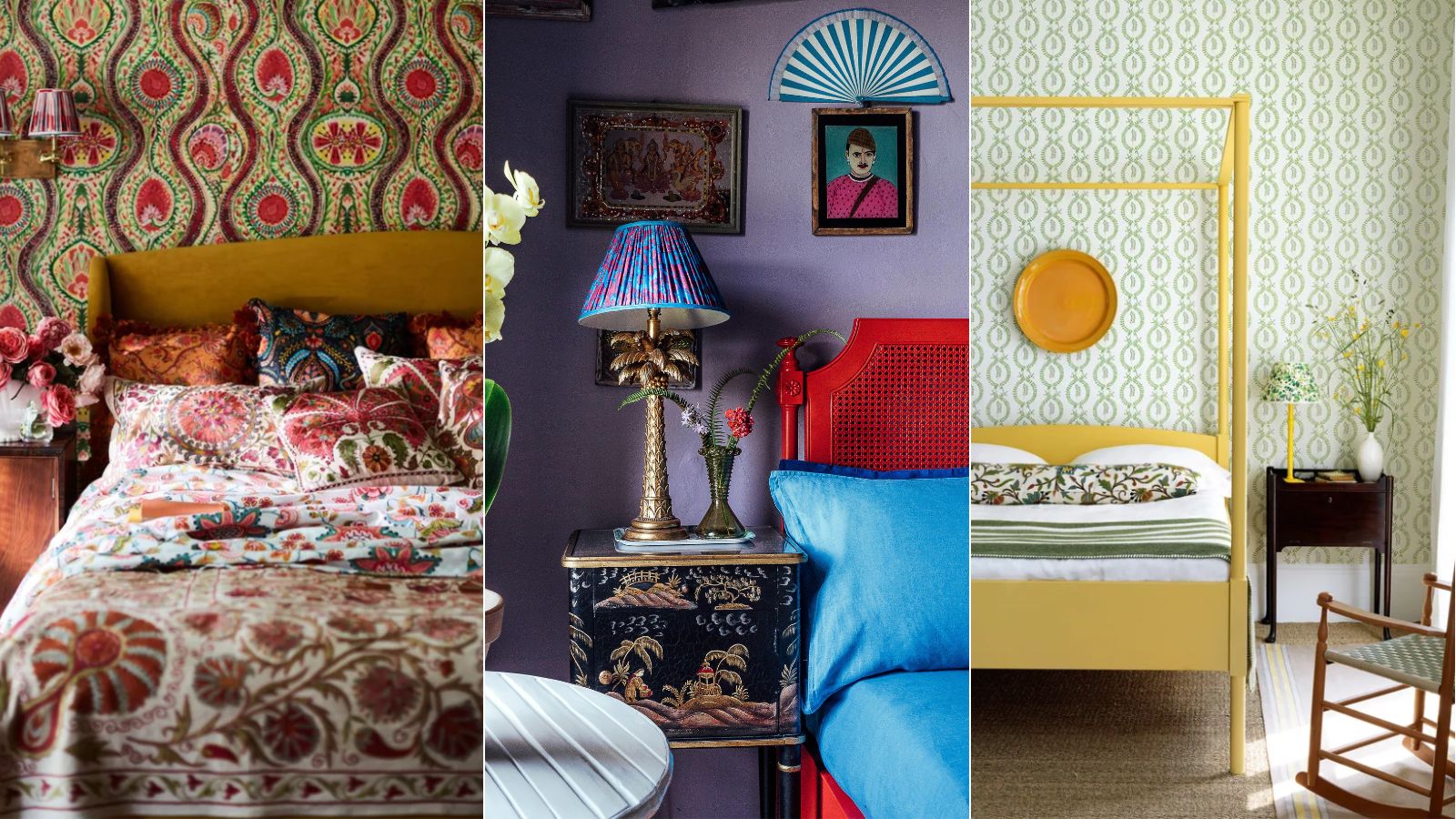
Maximalism in interior design offers a vibrant alternative to minimalism, emphasizing personalization, storytelling, and bold expressions of character through intentional layering of colors, patterns, and textures. This style is gaining traction as homeowners seek spaces that reflect their individuality and experiences, moving away from a uniform, minimalist aesthetic. The core principle of maximalism lies not in chaotic accumulation, but in curated selections that evoke emotion and narrative, fostering a living environment rich with meaning. It's about combining diverse elements, such as different furniture eras, distinctive artwork, and varied textiles, to create a cohesive yet dynamic visual experience.
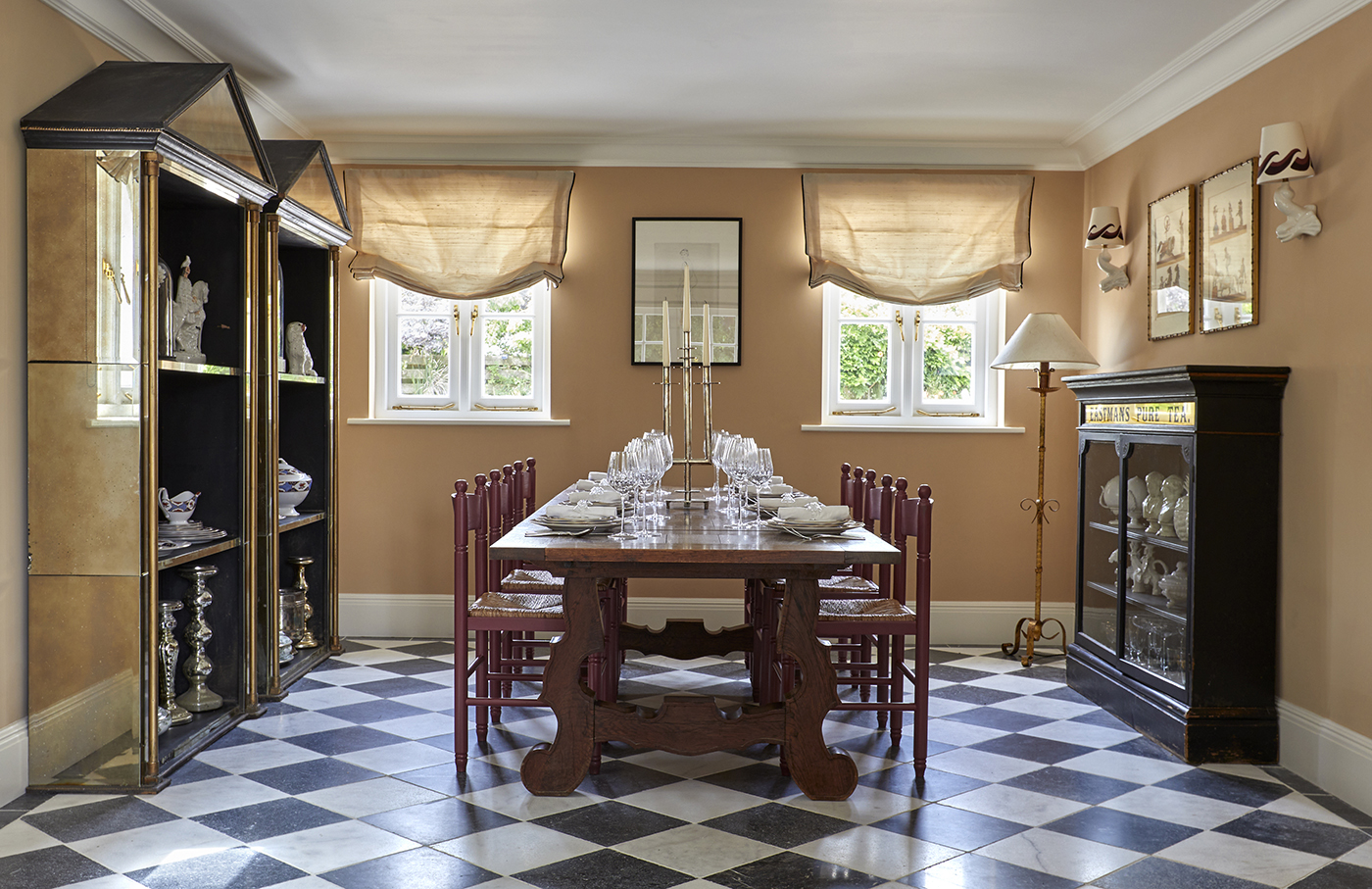
The shift towards maximalism is attributed to an increased desire for authentic and personal home environments, especially after extended periods spent indoors. This trend encourages a departure from generic, algorithm-driven design choices, promoting a focus on cherished objects that resonate with one's history and taste. Designers advocate for mixing beloved pieces without strict adherence to matching sets or conventional design rules, celebrating individuality and creative freedom in interior decor. The style transforms living spaces into curated collections that tell a story, with every item contributing to a specific feeling or memory.
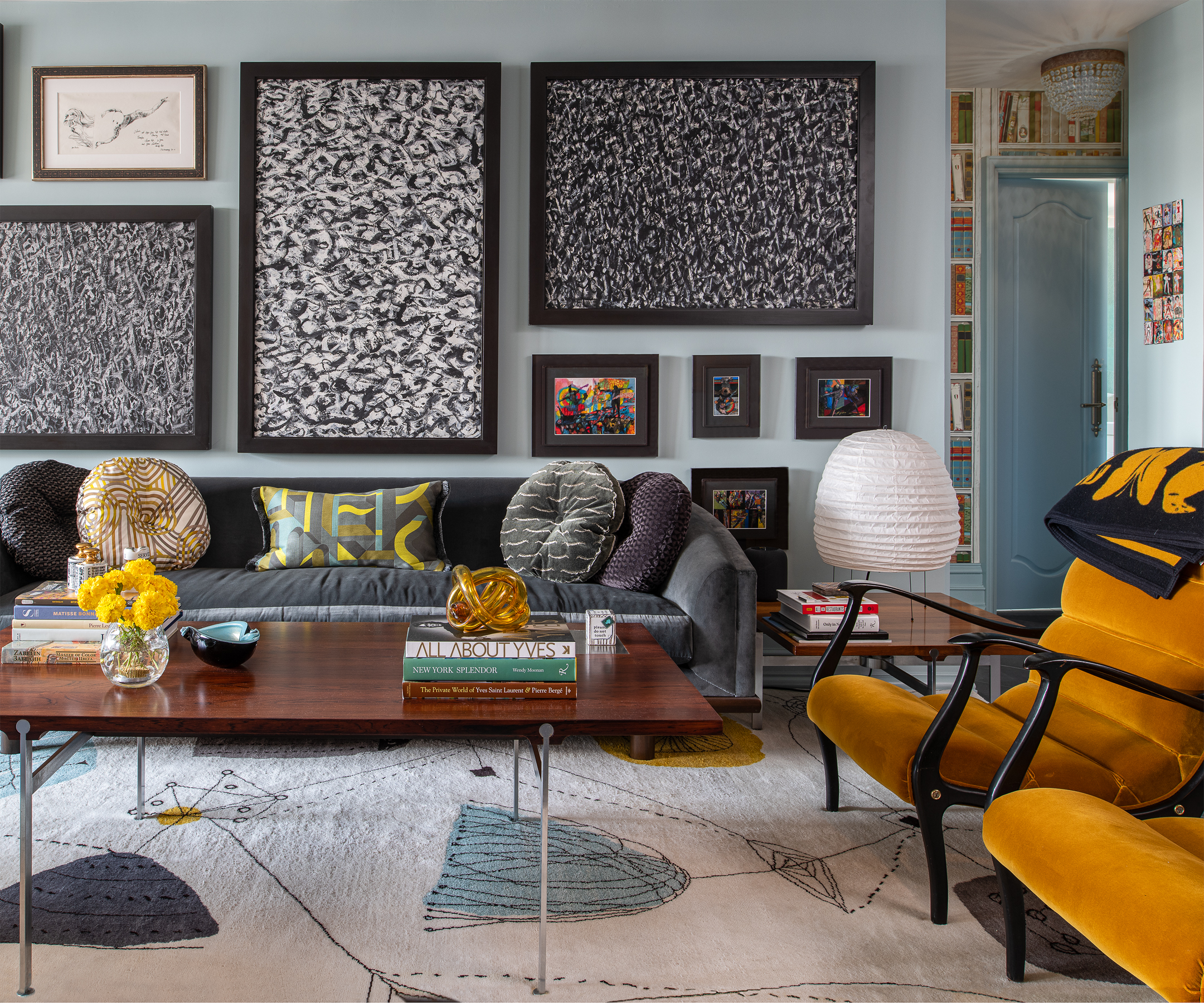
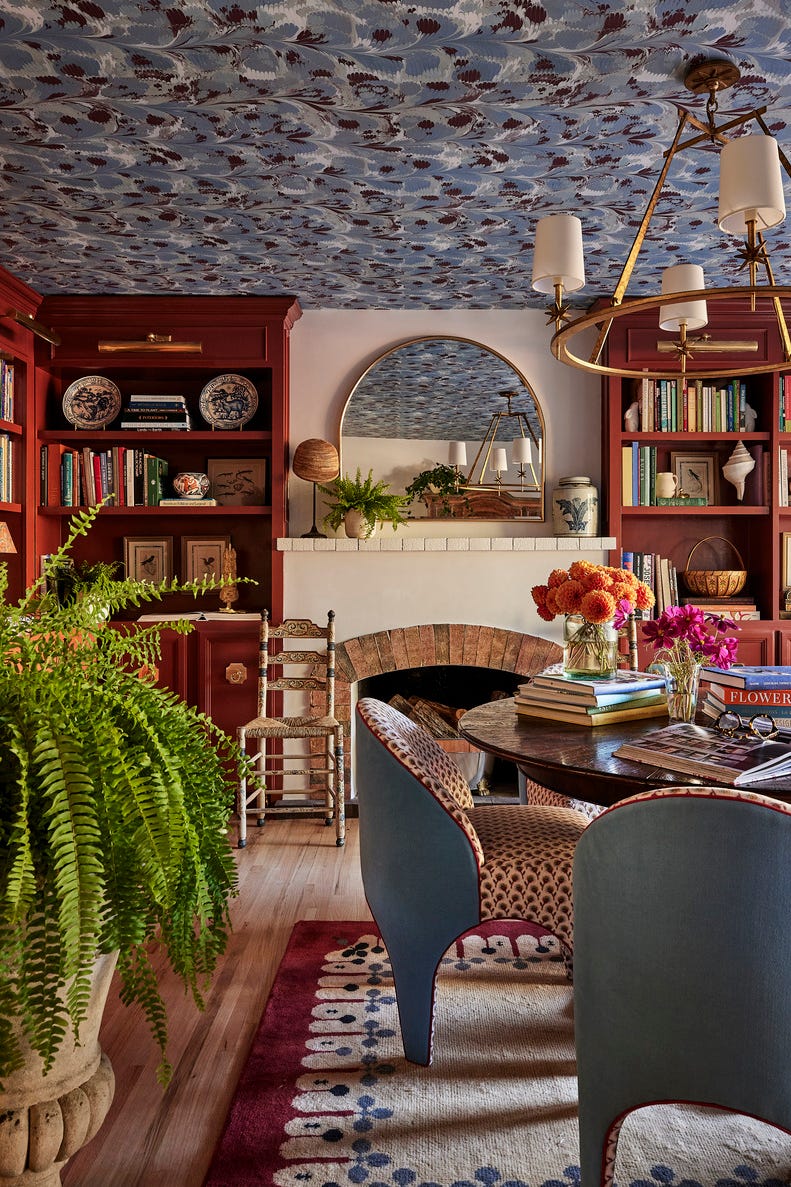
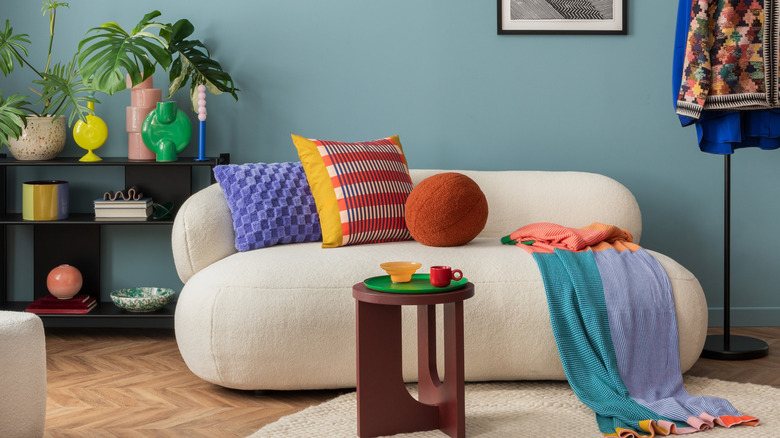
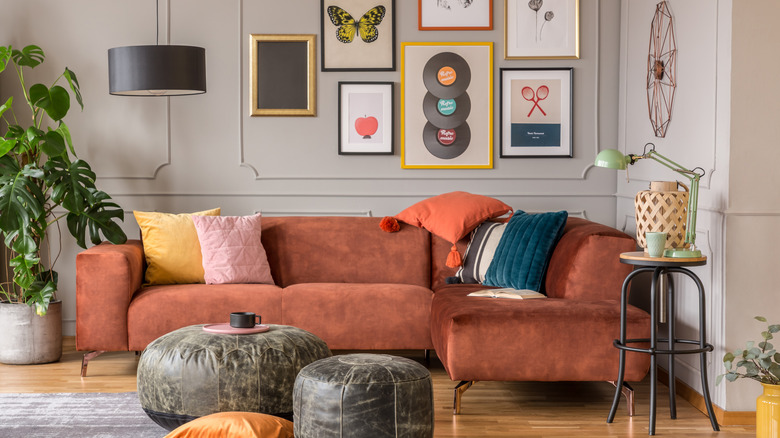
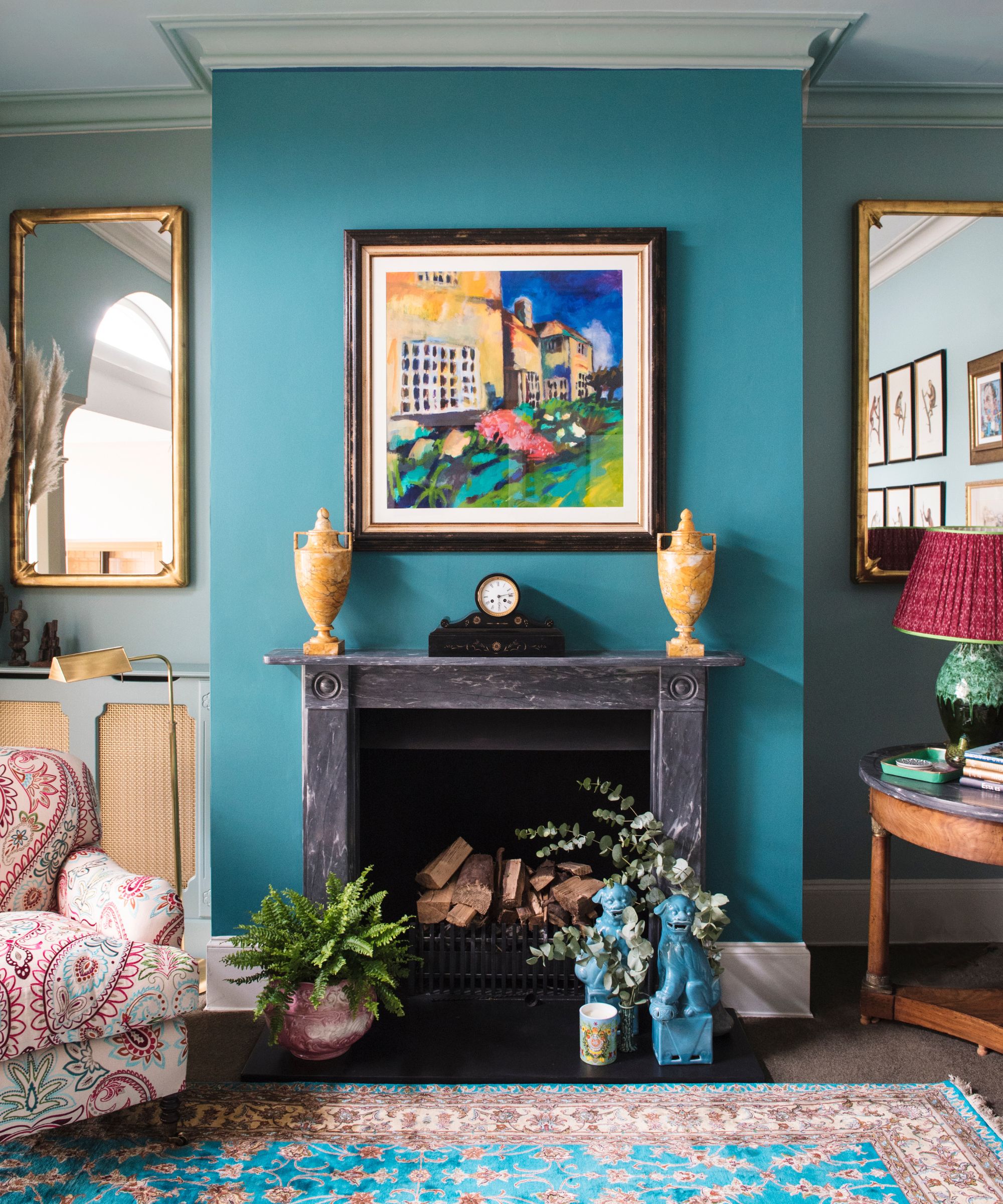
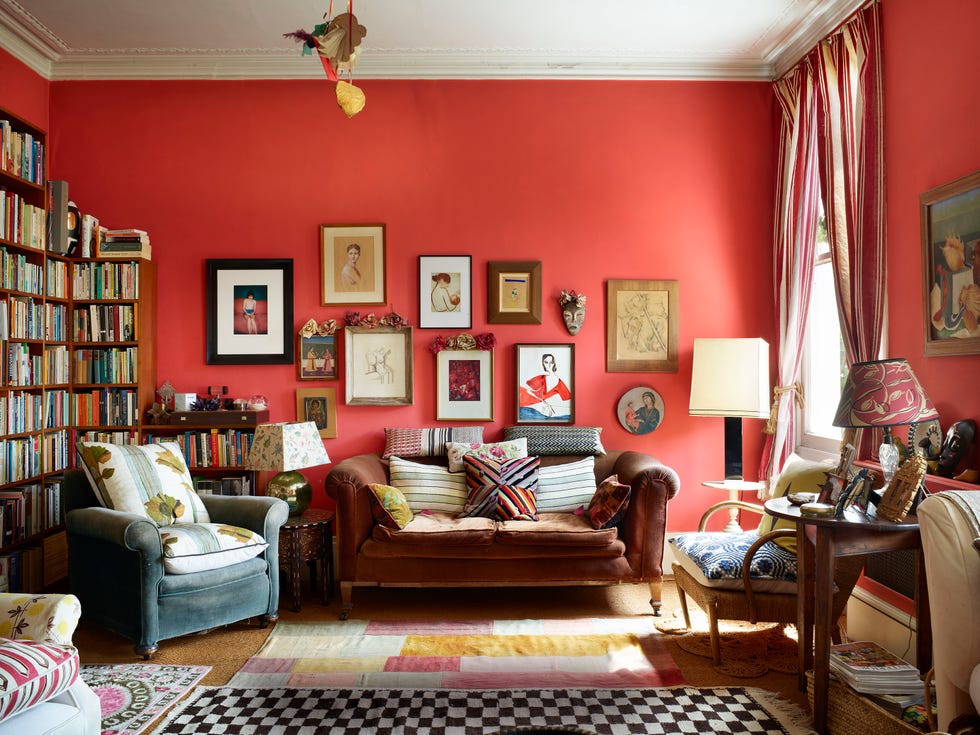

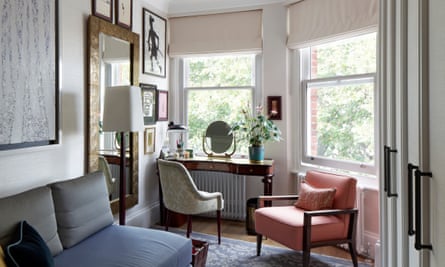
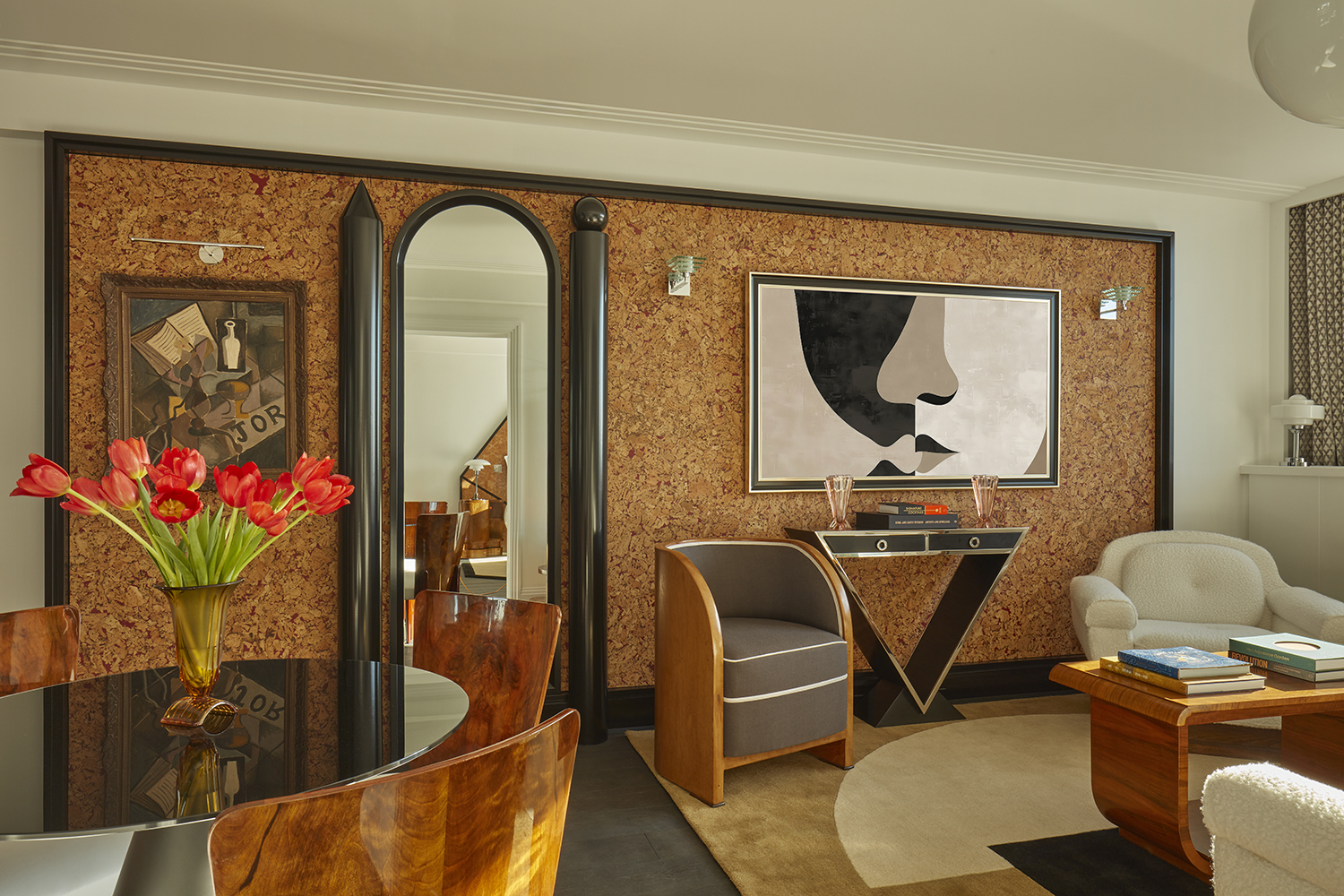
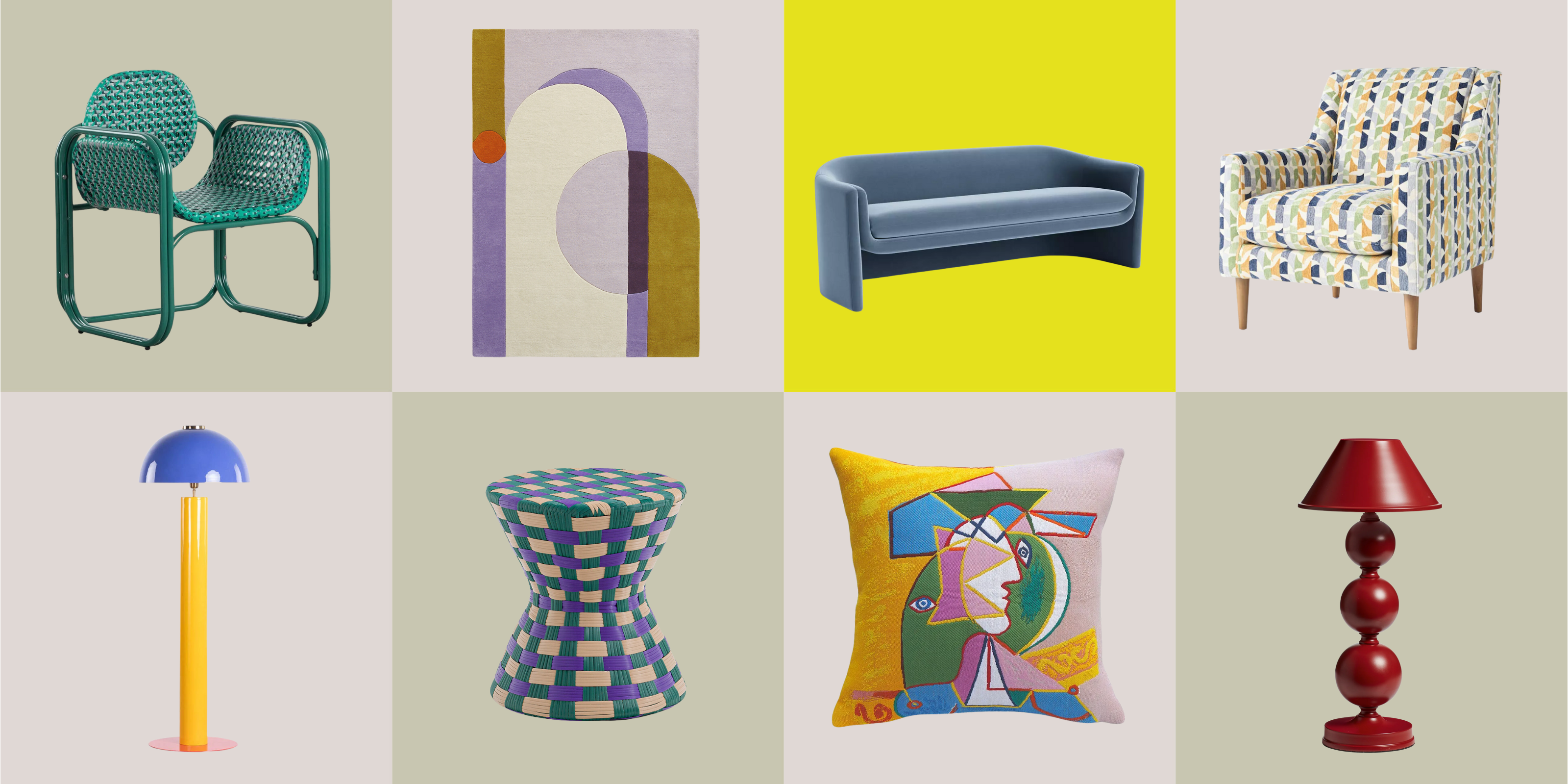
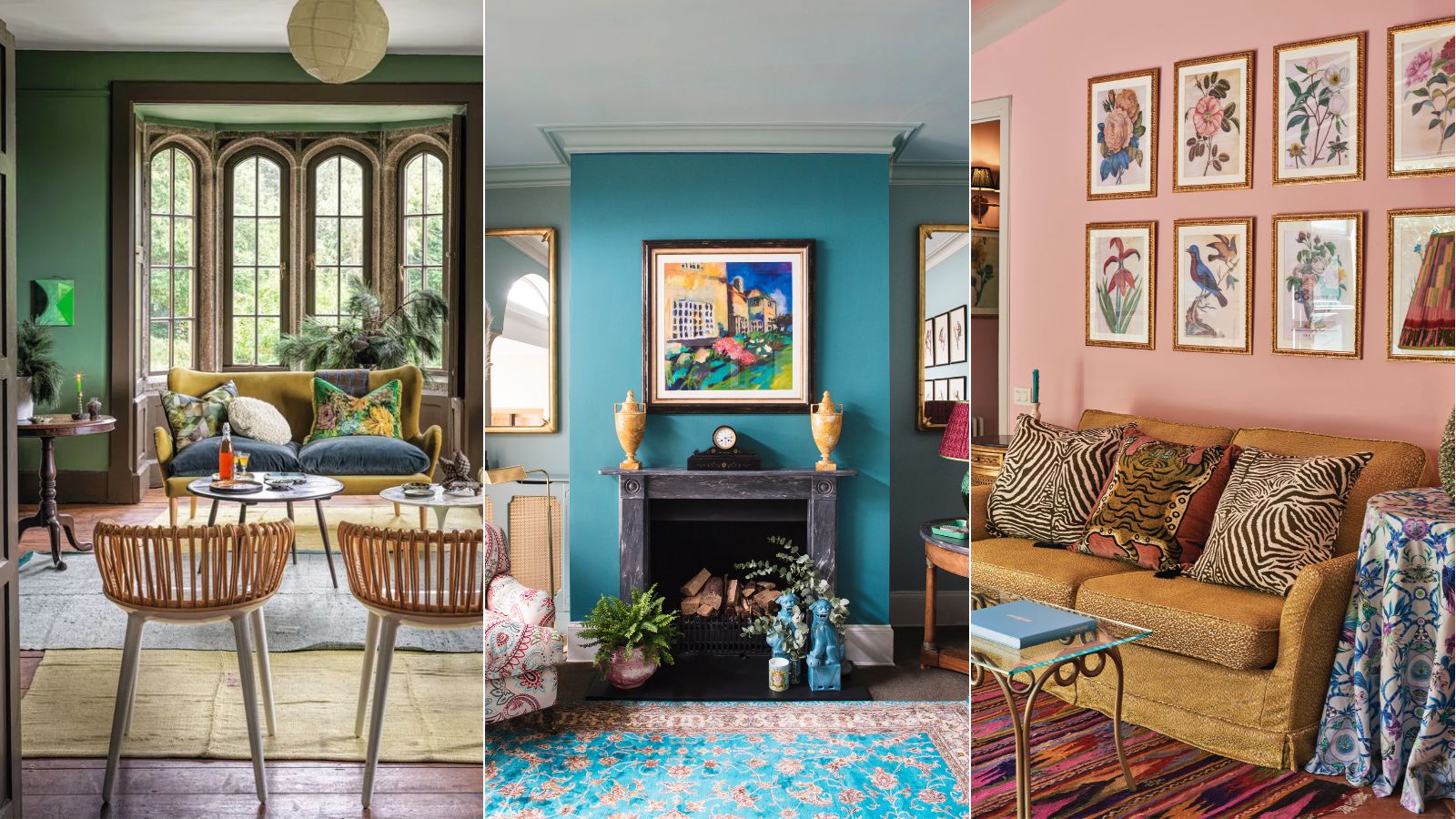
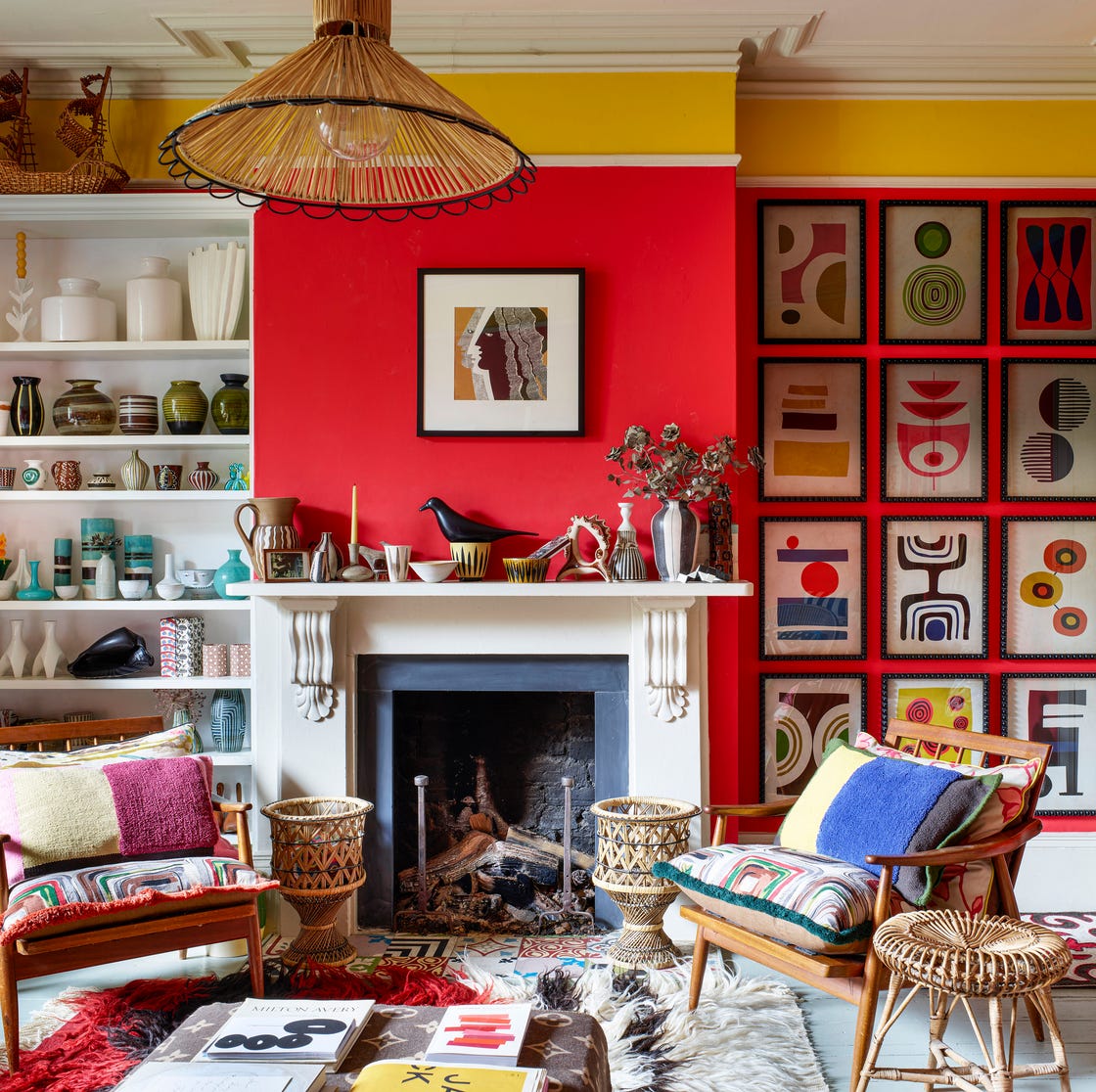
The living room, often considered the heart of the home, serves as an ideal canvas for maximalist principles. This space encourages bold expression while maintaining functionality, achieved through strategic layering. This begins with foundational elements like a vibrant rug, followed by an eclectic mix of furniture, cushions, and throws. Unlike bedrooms, which prioritize rest, maximalist living rooms are designed for connection and self-expression, inviting a confident and uninhibited approach to design. The layering extends to every aspect of the room, from floor coverings to wall art.
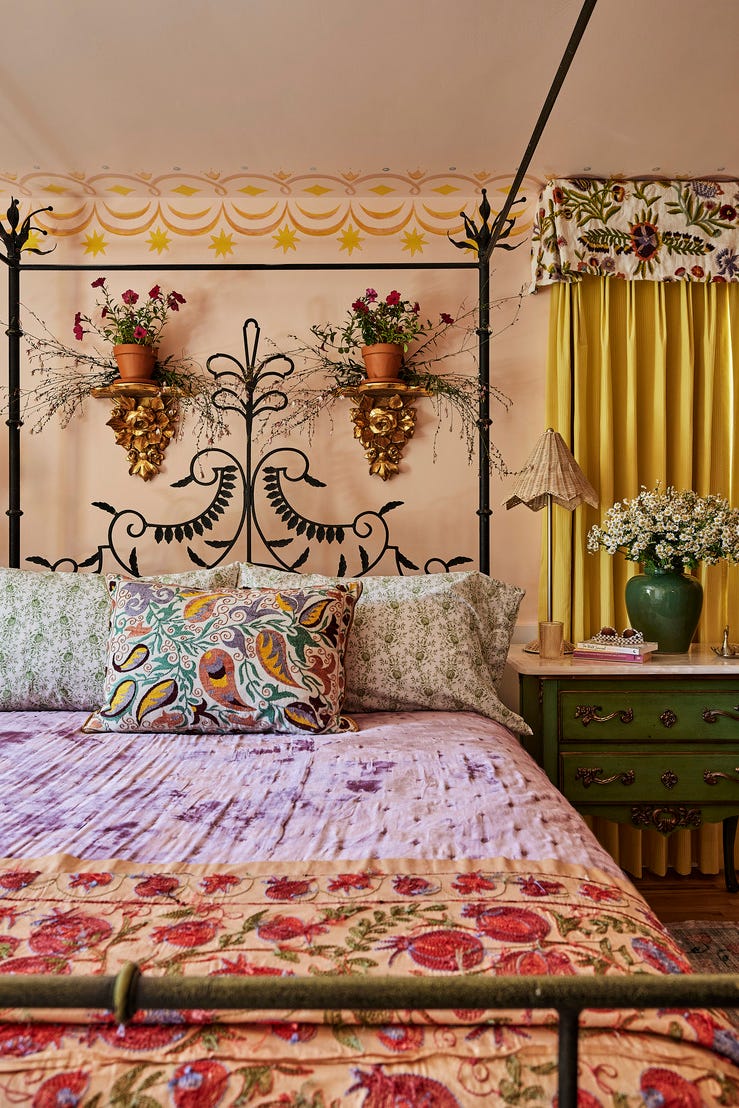
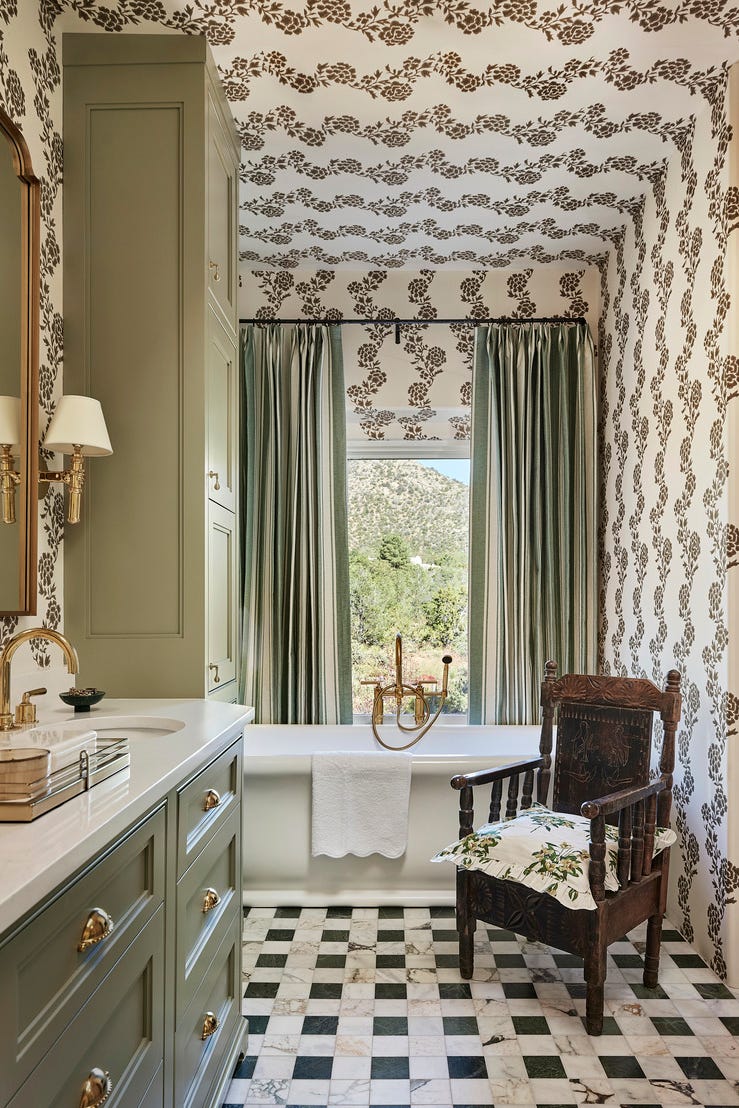
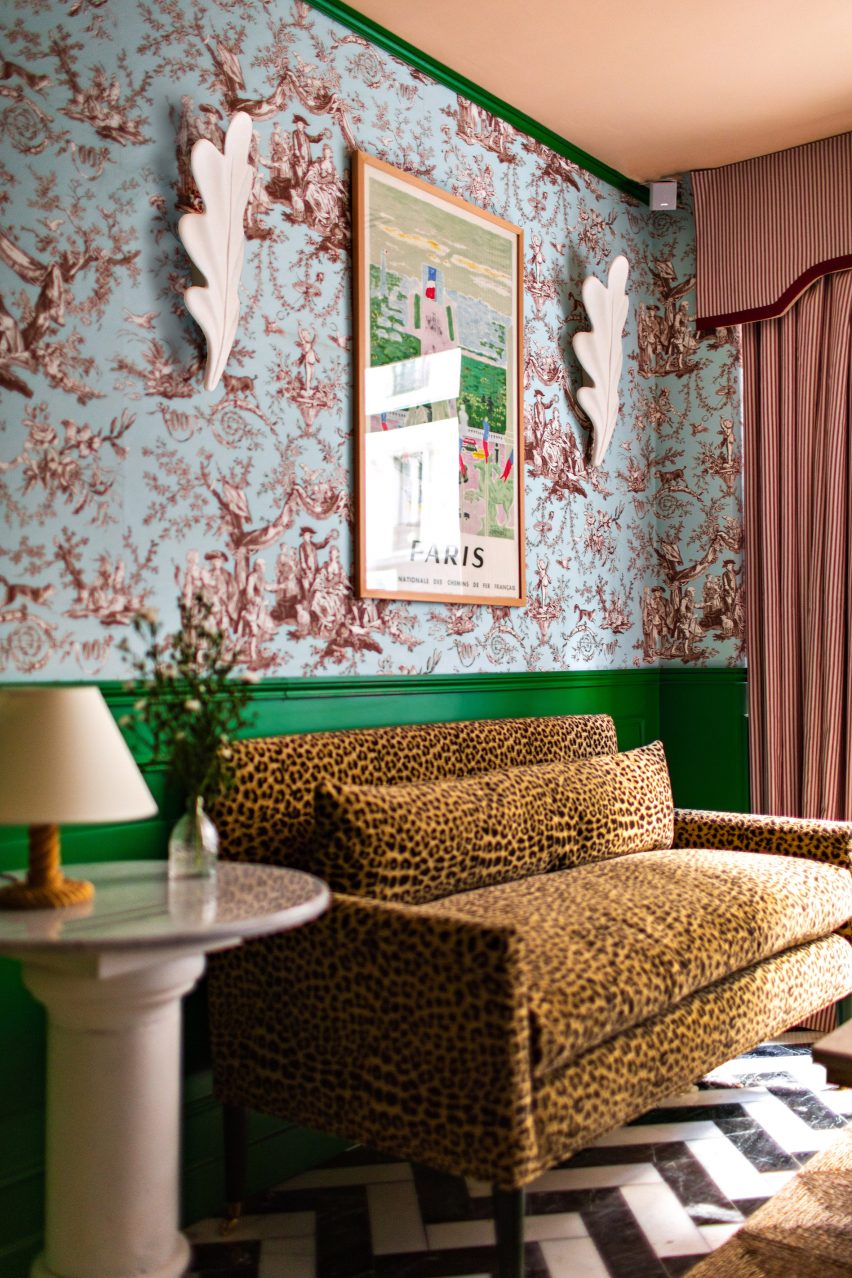

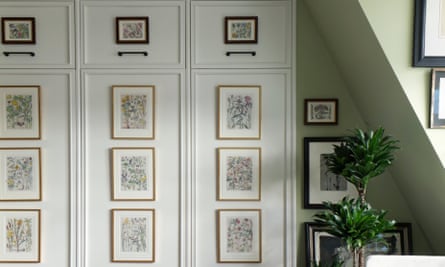
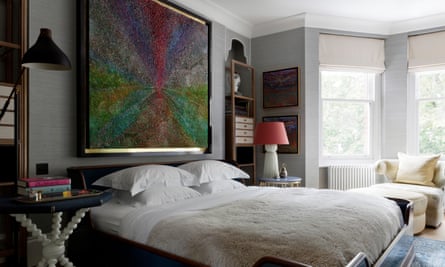
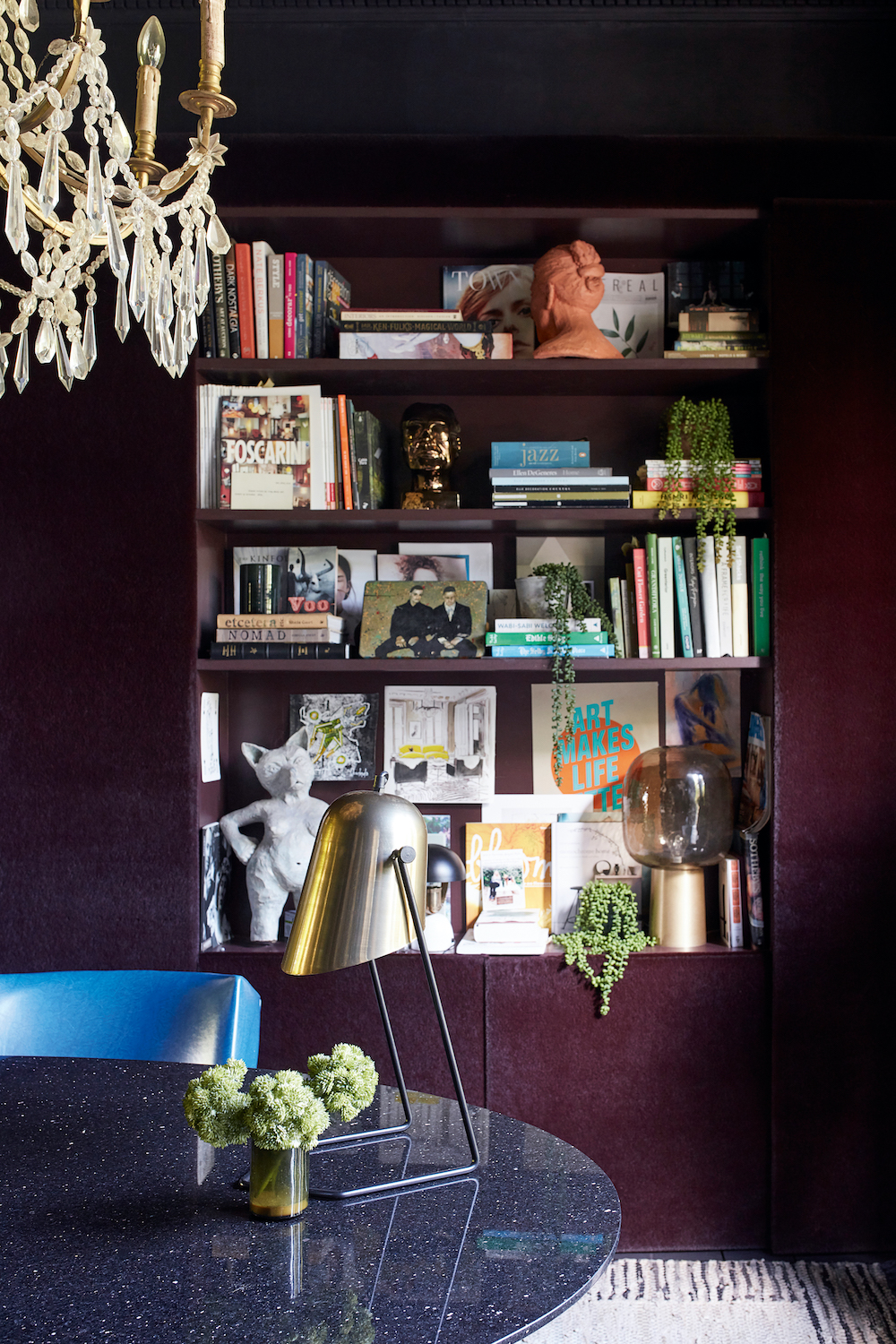
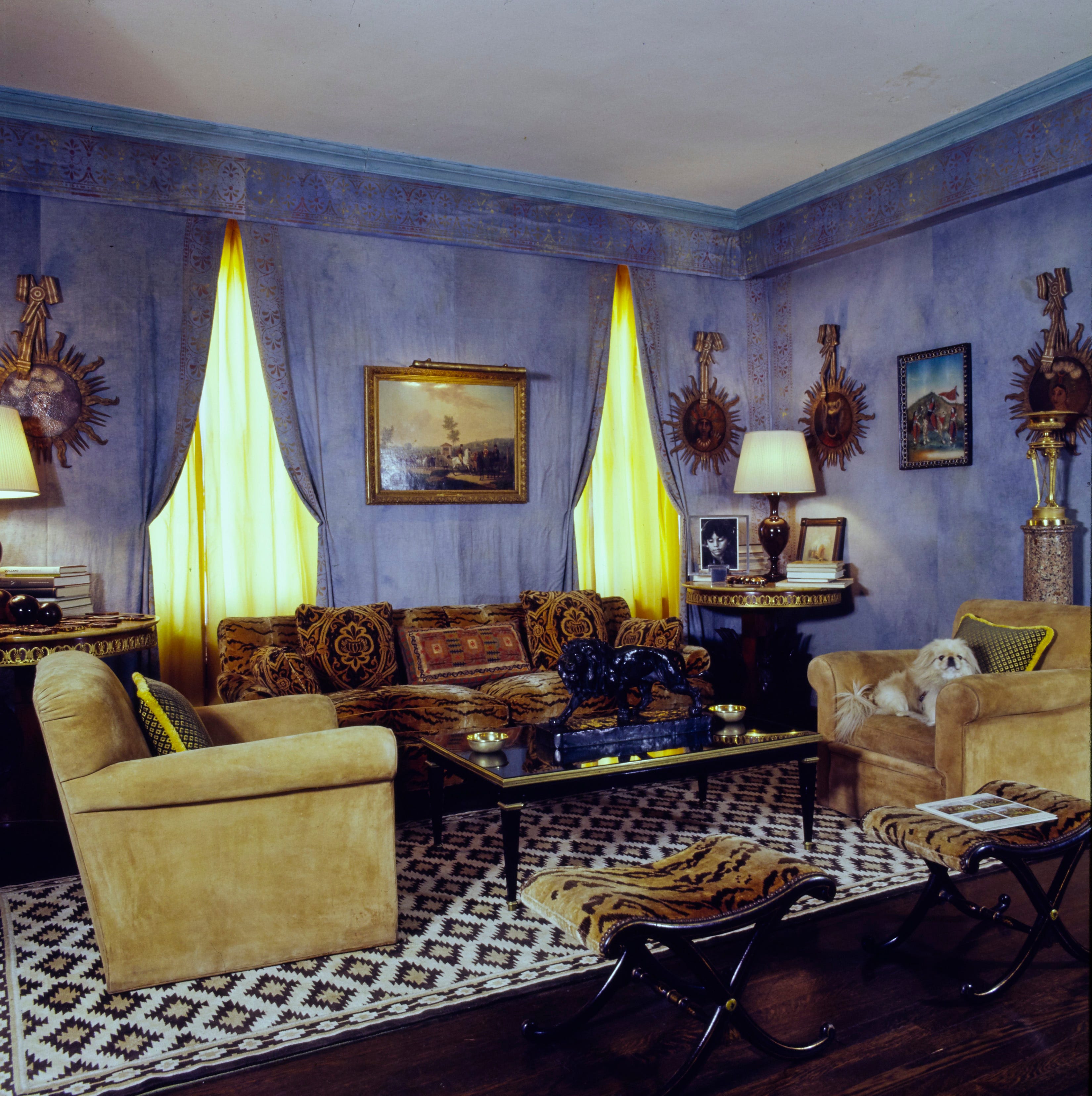
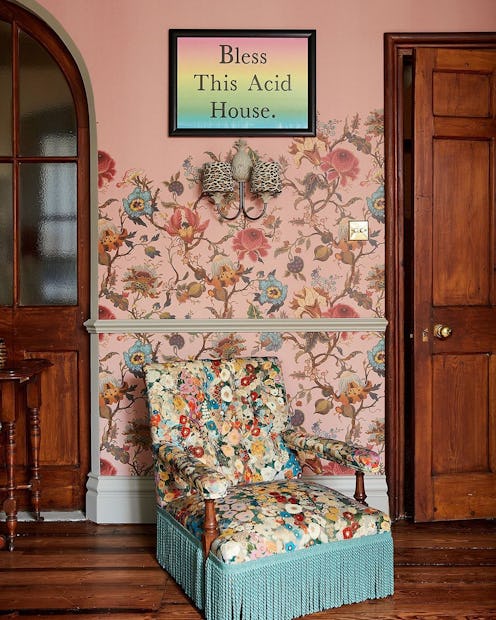
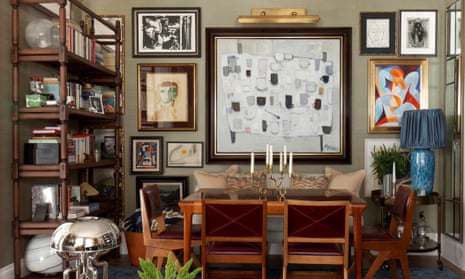
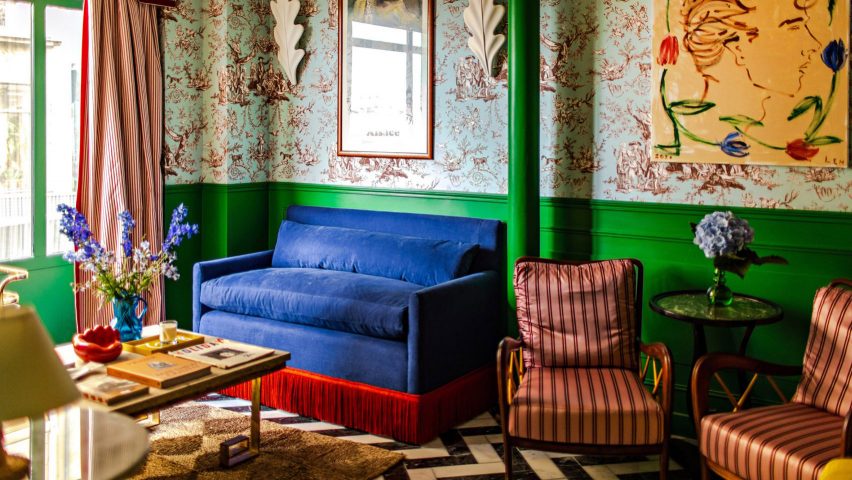
Art curation is central to maximalist design, moving beyond simple hanging to creating gallery walls that blend diverse styles, such as oil portraits with modern abstracts or quirky thrift store finds. This approach is intended to engage the viewer, offering new discoveries with each glance. Similarly, mixing eras and objects is crucial, combining contemporary pieces with vintage treasures. Designers like Justina Blakeney embody this philosophy, viewing her home as a continually evolving canvas for new ideas and influences, incorporating items ranging from lacquered 80s credenzas to antique brass lamps, each with a unique backstory. Walls and ceilings become integral elements for bold wallpapers, graphic paints, and intricate pattern-on-pattern combinations, with careful curation preventing clutter.
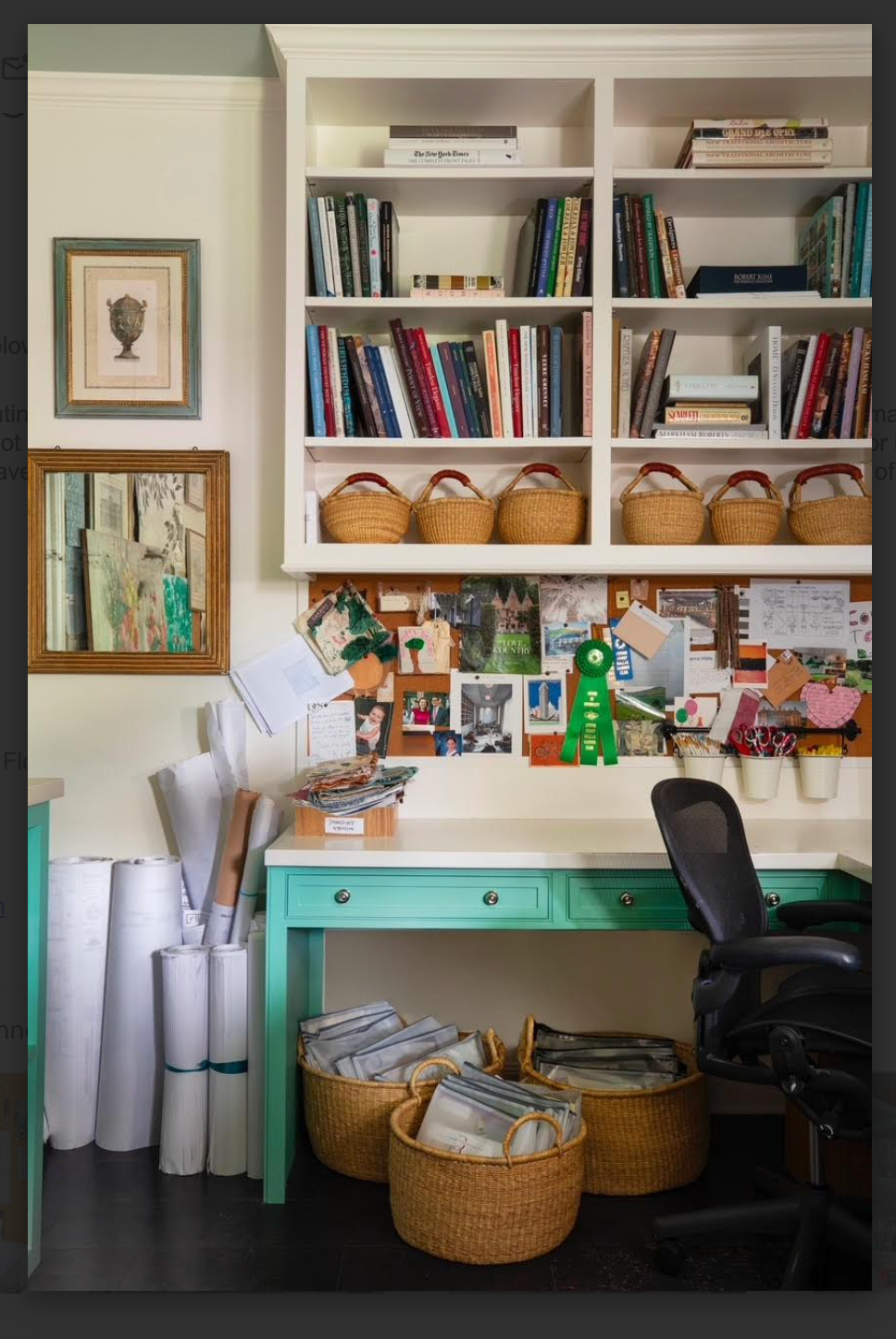
Ultimately, maximalism prioritizes personality over mere quantity. Proponents argue that decorating with meaningful objects and vibrant colors can positively impact mood and creativity. However, this style demands intentionality and organization; it is not an excuse for clutter. Effective maximalist design requires careful editing, smart storage solutions, and a conscious effort to maintain order, especially in smaller spaces. While maximalism may not appeal to everyone, it offers a liberating approach for those seeking to infuse their homes with color, art, and personal narratives, creating a dynamic and endlessly evolving living environment.
#MaximalistDecor #InteriorDesign #HomeDecor #LayeringColors #PatternMixing #PersonalizedSpaces #EclecticHome #DesignTrends #MaximalistDecor #InteriorDesign #HomeDecor #LayeringColors #PatternMixing #PersonalizedSpaces #EclecticHome #DesignTrends
0 commenti in totale
 Nessun commento ancora
Potresti anche gradire
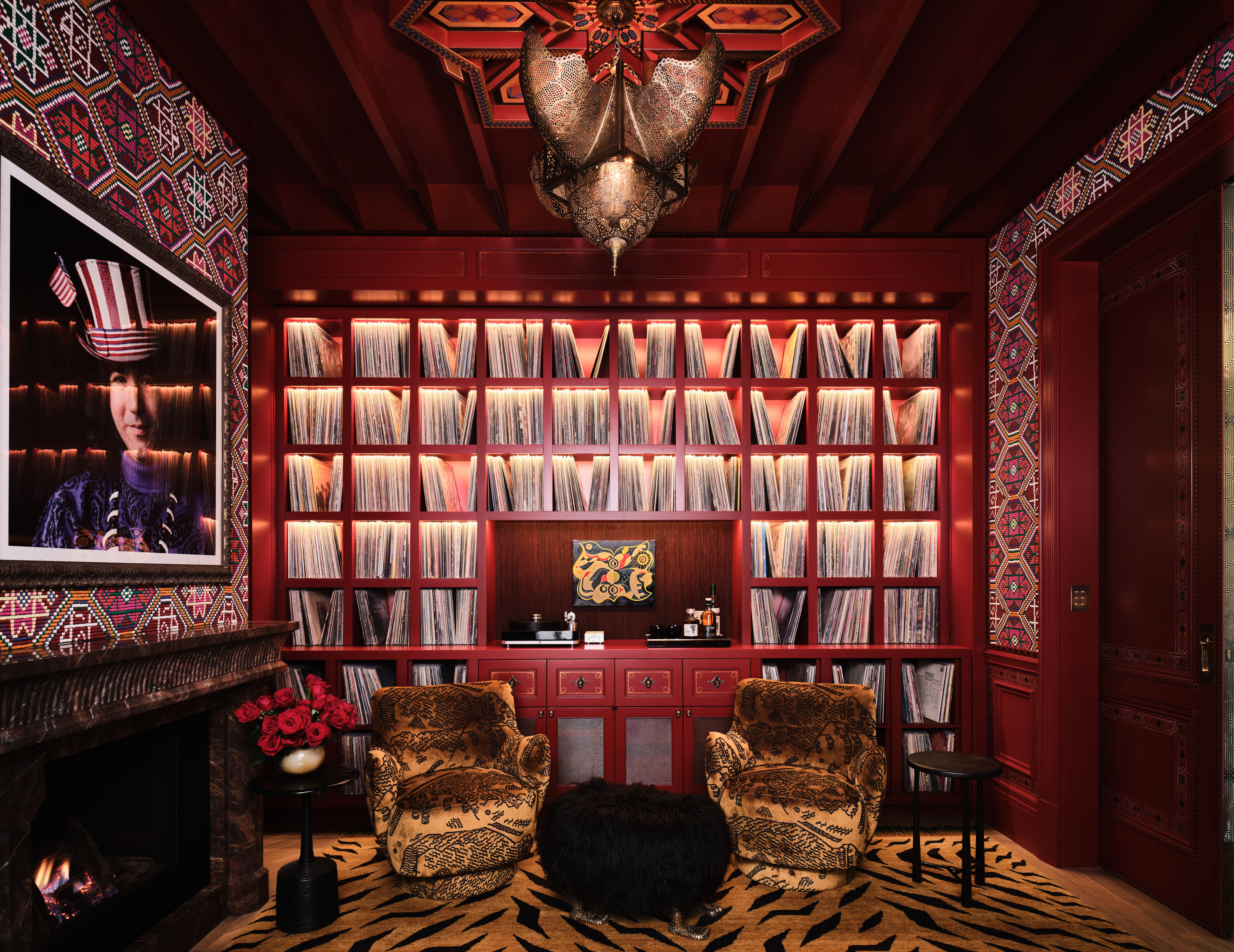
Is Maximalism Still In Style? This Is How Designers Are Doing Bold Spaces Now

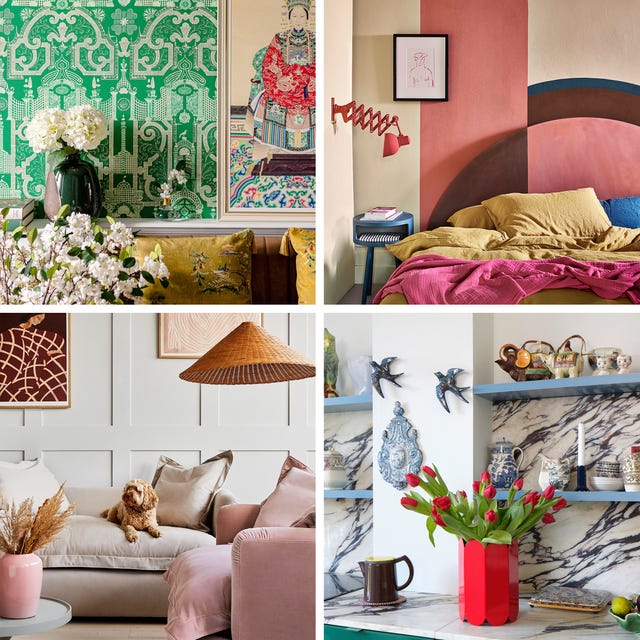
Go big: how to carry off maximalist interior design

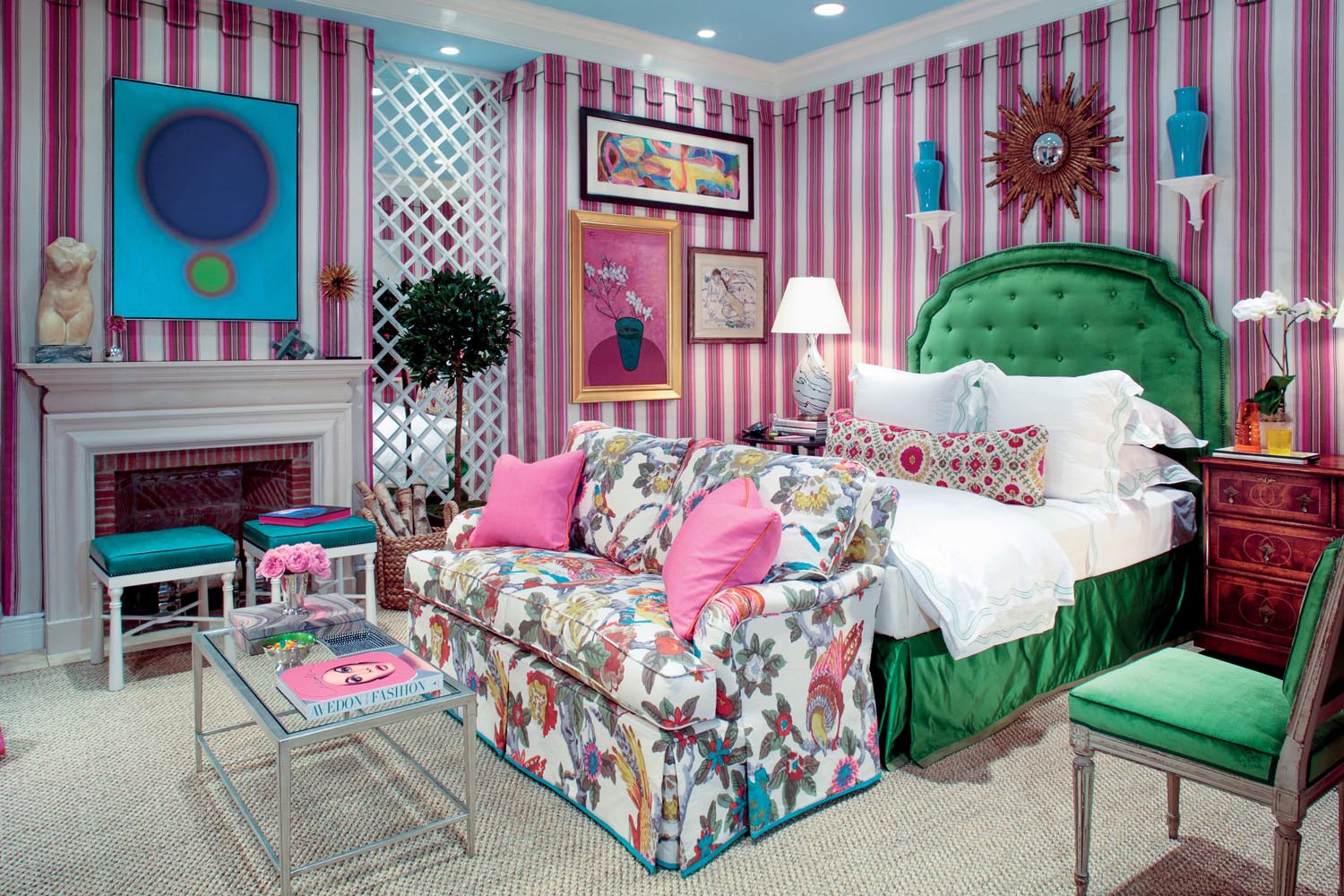
Bold interiors by top designers inspire ‘Decorate Fearlessly’
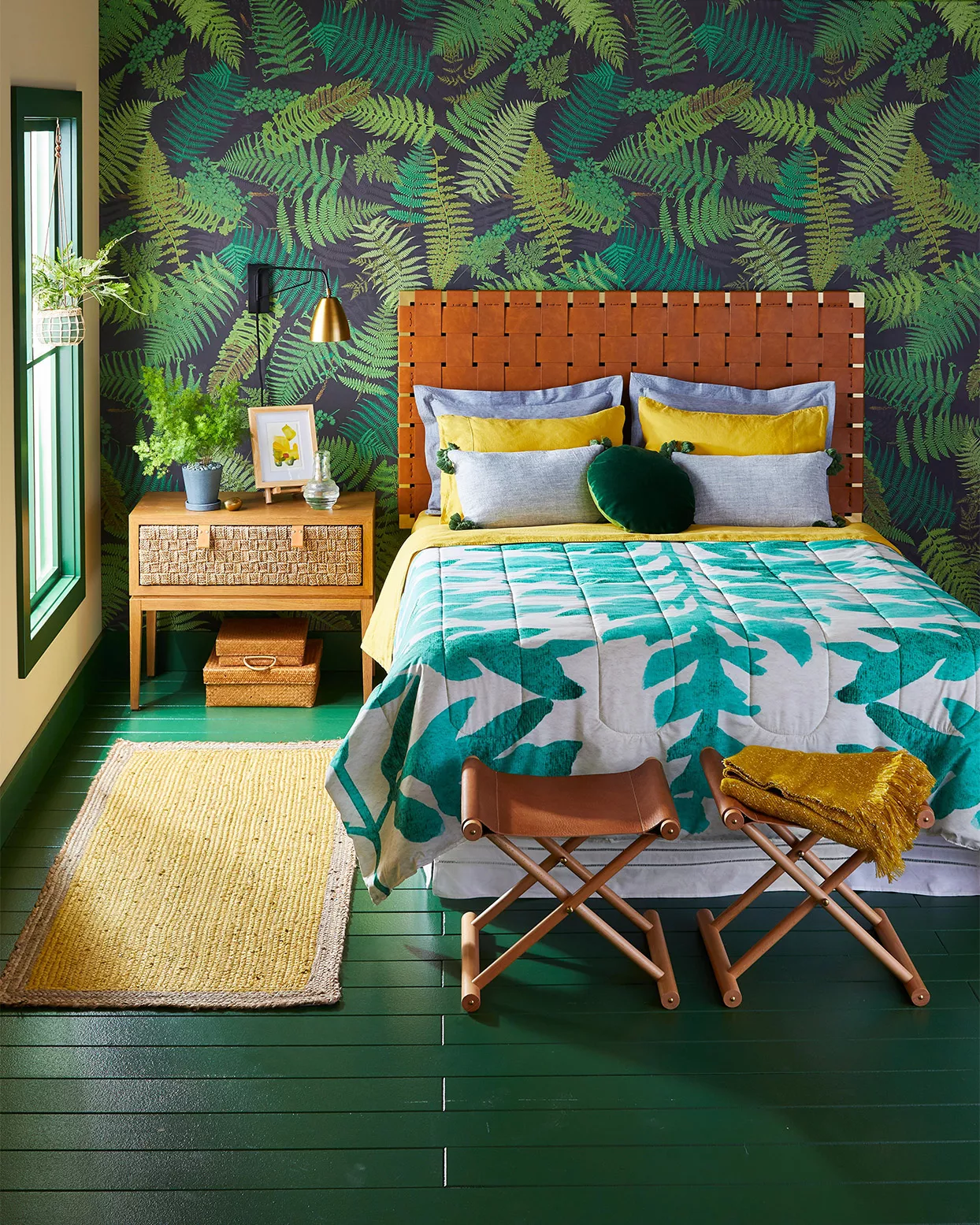
Maximalist Bedrooms Are the Bold Look Your Sleep Space Has Been Waiting For

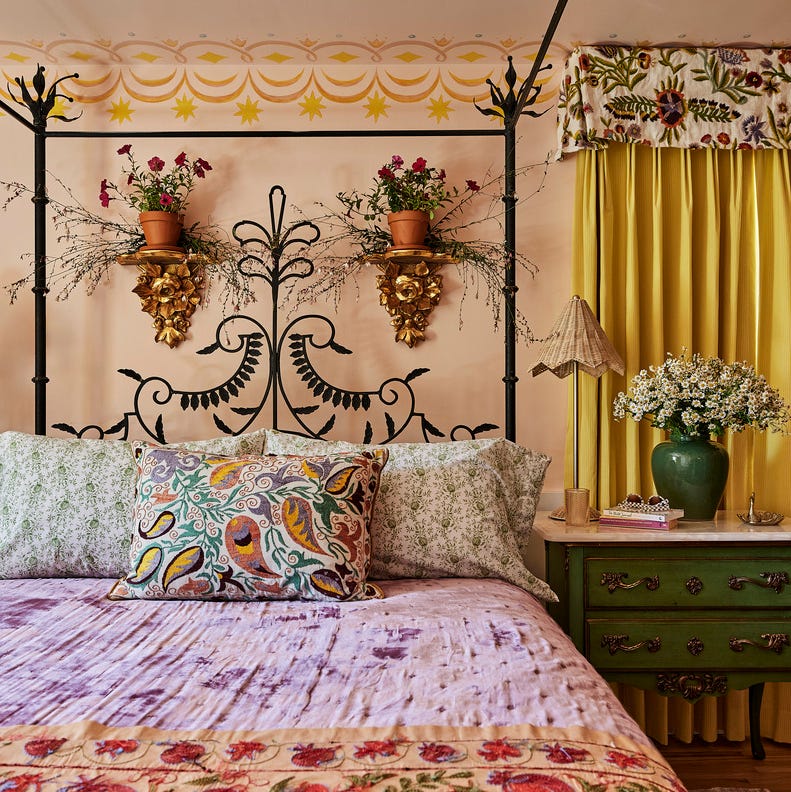
23 Maximalism Decor Ideas That Embody a "More Is More" Sensibility

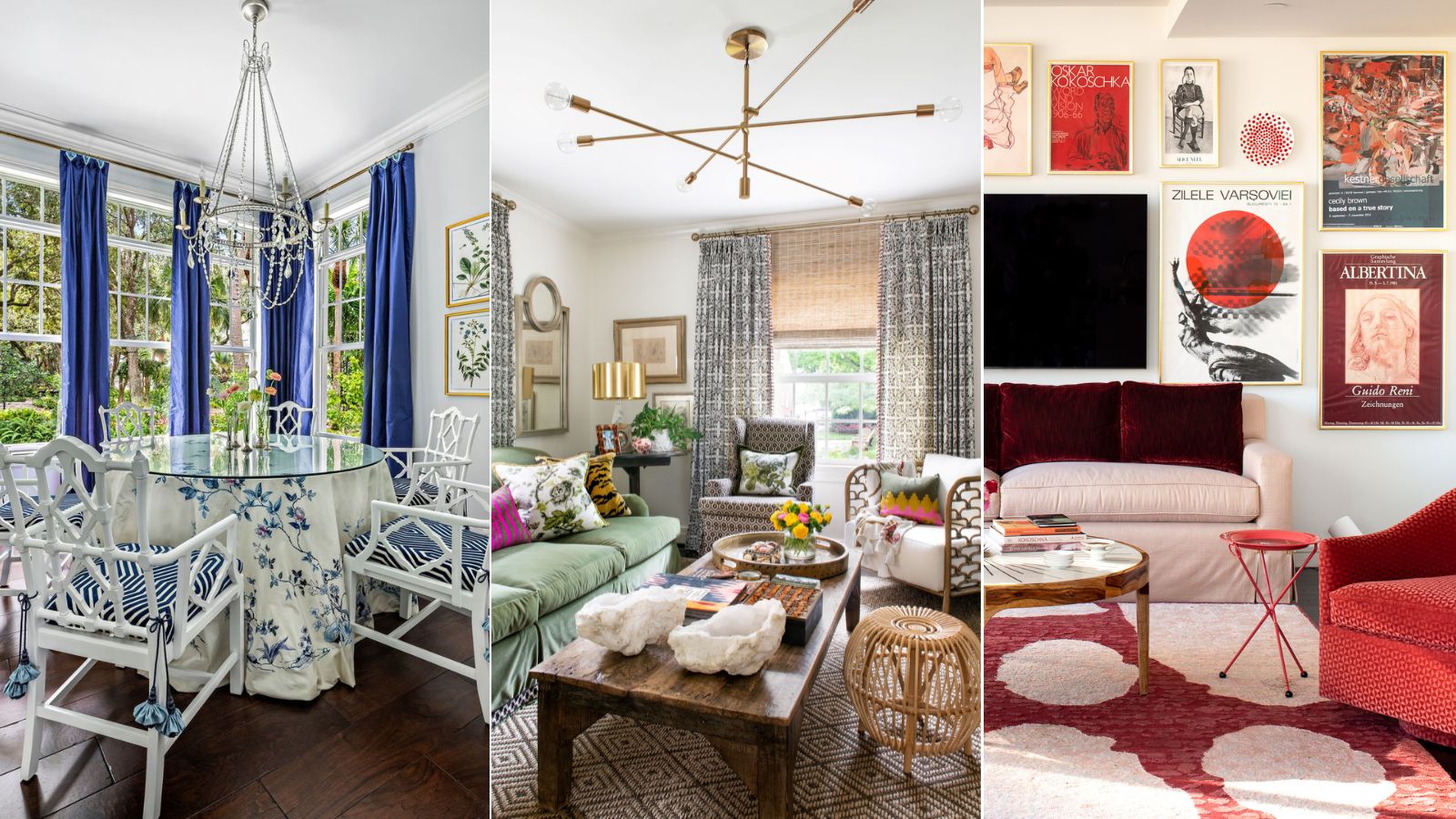
What is maximalism? Interior designers who love the style talk us through the unique look

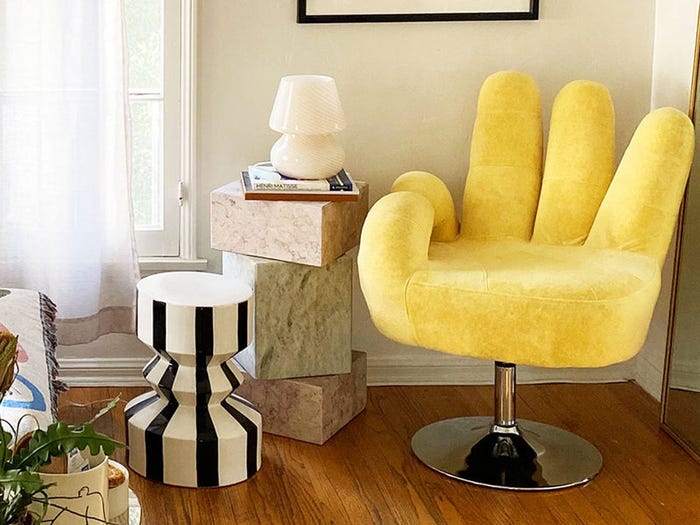
17 maximalist decor ideas to liven up your space — from printed upholstery to sculptural lamps
More is more: Mastering the art of pattern drenching
Maximalism by design: how to do ‘more’ better
When It Comes To Maximalist Decor, Designers Are Raving About These Brands
Maximalist bedroom ideas – 5 ways to create a vibrant and personalized decor scheme
Talking pictures: an expert’s guide to hanging them in your home

Maximalist Living Room Decor — 24 Pieces That Prove More Really Is More |

Ten maximalist interiors that are saturated with colours and patterns
How do you design a maximalist living room that feels playful but still chic? 6 simple tips from interior designers
Room design ideas: Abigail Ahern shares her very best
Maximalist decor ideas – 10 bold ways to embrace this joyous trend
The 2025 Interior Design Fabric Trend That's A Maximalist's Dream
"Cluttercore" Is Trending—Here's How to Make It Feel Intentional, According to Designers
A Design Expert Reconsiders Maximalism