1/11
Maximalist decor ideas – 10 bold ways to embrace this joyous trend
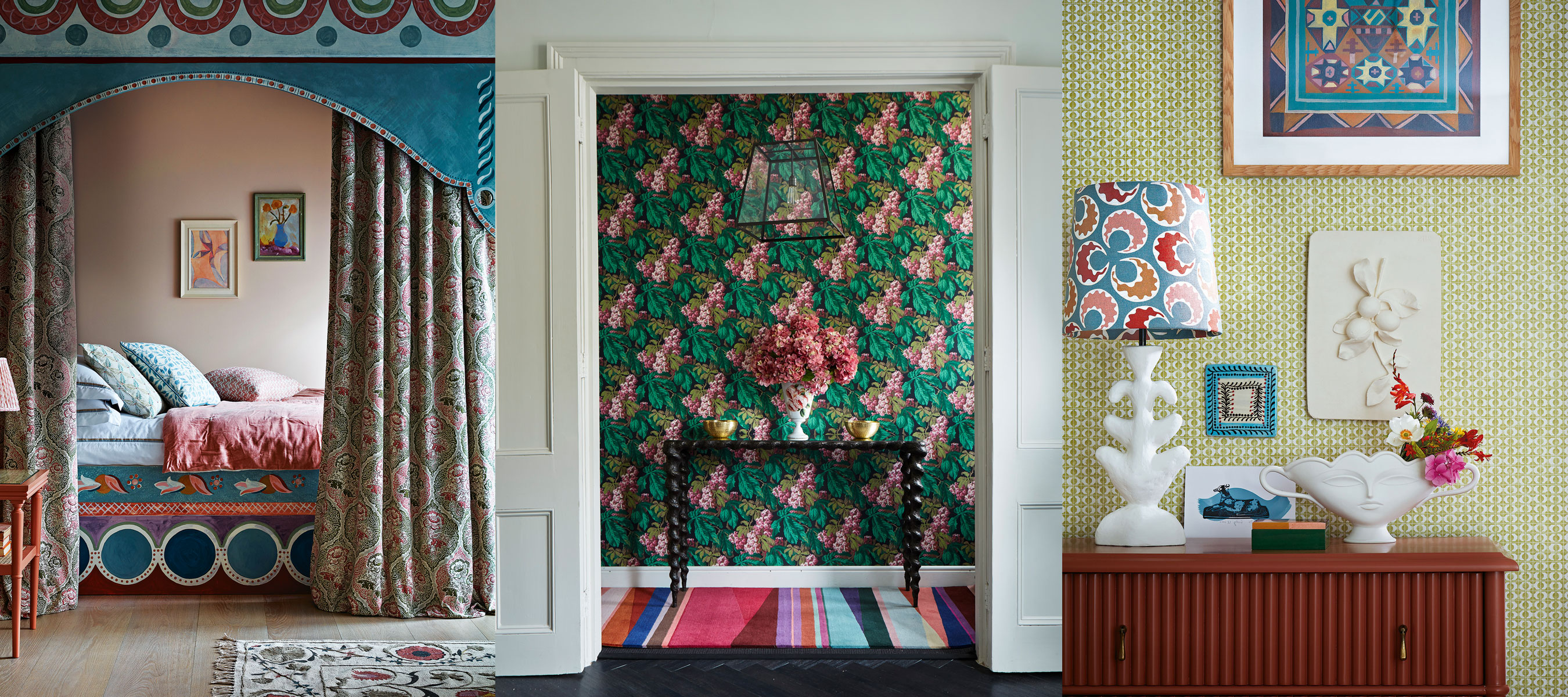
Maximalist decor, characterized by an abundance of color, exuberant patterns, and diverse textural elements, emphasizes a 'more is more' philosophy without sacrificing curation. This approach encourages homeowners to view their living spaces as carefully assembled collections of unique and fascinating items. Leading interior designers advocate for embracing maximalism, offering insights into its revival and practical application in various rooms.
The trend centers on lavish aesthetics, incorporating rich colors and opulent patterns that evoke the grandeur of palatial settings. Even in modest spaces, designers like Sophie Ashby suggest that smaller rooms are ideal for creating a heightened sense of character, challenging the traditional notion that such areas require pared-back designs. Lucy Barlow highlights the effectiveness of color clashing, such as pink and green, in achieving a joyful maximalist aesthetic. Color choices are pivotal in maximalist design, influencing mood and personal connection to the home. Tiffany Duggan advises boldness in color selection, noting that strong colors are rarely regretted and can inject personality into otherwise dull spaces. She also recommends considering a room's function, size, and height, and painting skirtings, walls, and windows in the same shade for a calmer atmosphere or to create the illusion of a larger room, particularly in spaces with low ceilings. Cohesion across adjacent rooms should also be considered when selecting paint and fabrics.
Embracing pattern is another cornerstone of maximalism. Renowned designer Matthew Williamson, a self-proclaimed maximalist, emphasizes creating joy through ornamentation and combining multiple patterns. He suggests mixing florals with stripes, such as a floral sofa with a striped rug, for a deliberate and effective clash, especially when blending figurative florals with graphic contrasts. The trend also advocates for blending old and new elements. Williamson advises incorporating classic patterns like florals, ikats, stripes, and animal prints but infusing them with unexpected colors to achieve a modern look. This approach involves combining vintage pieces, such as Delft pottery or old chintz, with contemporary colors and patterns to create a unique maximalist setting.
In bedrooms, interior designer Flora Soames recommends using maximalist patterns to create an enveloping and cozy atmosphere, describing it as achieving a 'jewel-like sense of coziness and comfort.' She illustrates this with a bold floral wallpaper that sets the tone for layering antiques and various fabrics. Entryways are also identified as key areas for making a strong maximalist statement. Mike Fisher suggests being bold with color in small entryways, as light colors do not necessarily make them feel larger. Large details can also help open up the space and convey personality.
Window treatments offer another opportunity for maximalist expression. Emily Mould advises considering both practical and aesthetic factors, noting that bold, large-scale designs work best for large windows where the pattern repeat can be fully appreciated, while smaller-scale patterns suit smaller windows. Rich shades like plum or scarlet can create intimacy, while ochre or burnt orange can induce warmth. Decorating with dark florals is highlighted as a way to create an illusion of infinite space by blurring room boundaries, especially when applied to all walls and floors. Paula Taylor suggests using designs with pale whites and pinks to balance the moody appeal of dark backgrounds, allowing for the introduction of neutral furniture. Abigail Ahern recommends adding masculine, edgy pieces to offset the floral patterns and incorporating statement materials like suede, cashmere, wool, knit, and silk to add texture. For an even bolder maximalist statement, Joa Studholme suggests juxtaposing floral room ideas with contrasting prints, such as stripes or animal motifs, by applying one print to the walls and another to textiles. Decorative lighting is presented as an artistic element in maximalist design, with Mark Holloway comparing it to art. The evolution of LED technology has introduced unique shapes, allowing for innovative lighting solutions. While mixing minimalist and maximalist styles is encouraged, matching lamp trims, switches, and door fittings helps achieve a harmonious look.
Finally, the smallest rooms, such as powder rooms or cloakrooms, are excellent spaces to experiment with bold maximalist wallpaper. This approach allows for the creation of a distinctive design moment without overwhelming the entire home. For those new to maximalism, a smaller-scale design can introduce texture and restrained elegance. Matthew Williamson emphasizes that wallpaper adds personality, energy, and whimsy, functioning as a focal point or backdrop, and prefers wrapping entire rooms rather than using feature walls. Maximalist design is defined as an expression of personality through clashing patterns, riotous color palettes, and impressive collections, representing 'curated chaos' when executed thoughtfully.
#MaximalistDecor #InteriorDesignTrends #BoldColors #PatternMixing #HomeDecorIdeas #CuratedChaos #StatementLighting #EntrywayDesign #BedroomDesign #WallpaperIdeas #MaximalistDecor #InteriorDesignTrends #BoldColors #PatternMixing #HomeDecorIdeas #CuratedChaos #StatementLighting #EntrywayDesign #BedroomDesign #WallpaperIdeas
0 comment in total
No comments yetYou may also like