1/12
Bedroom Feng Shui – 10 tips for creating a zen-like space to encourage sleep
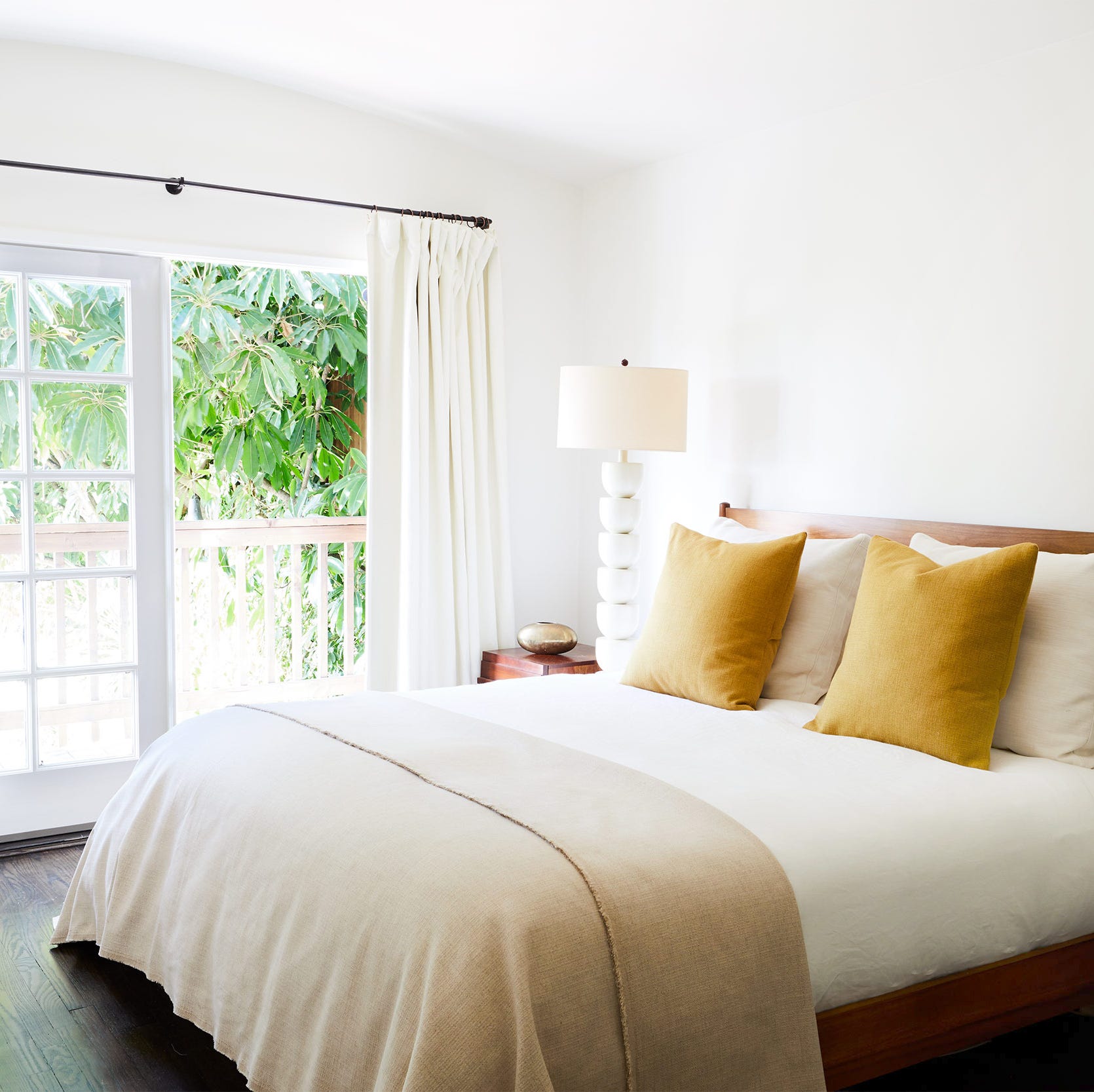
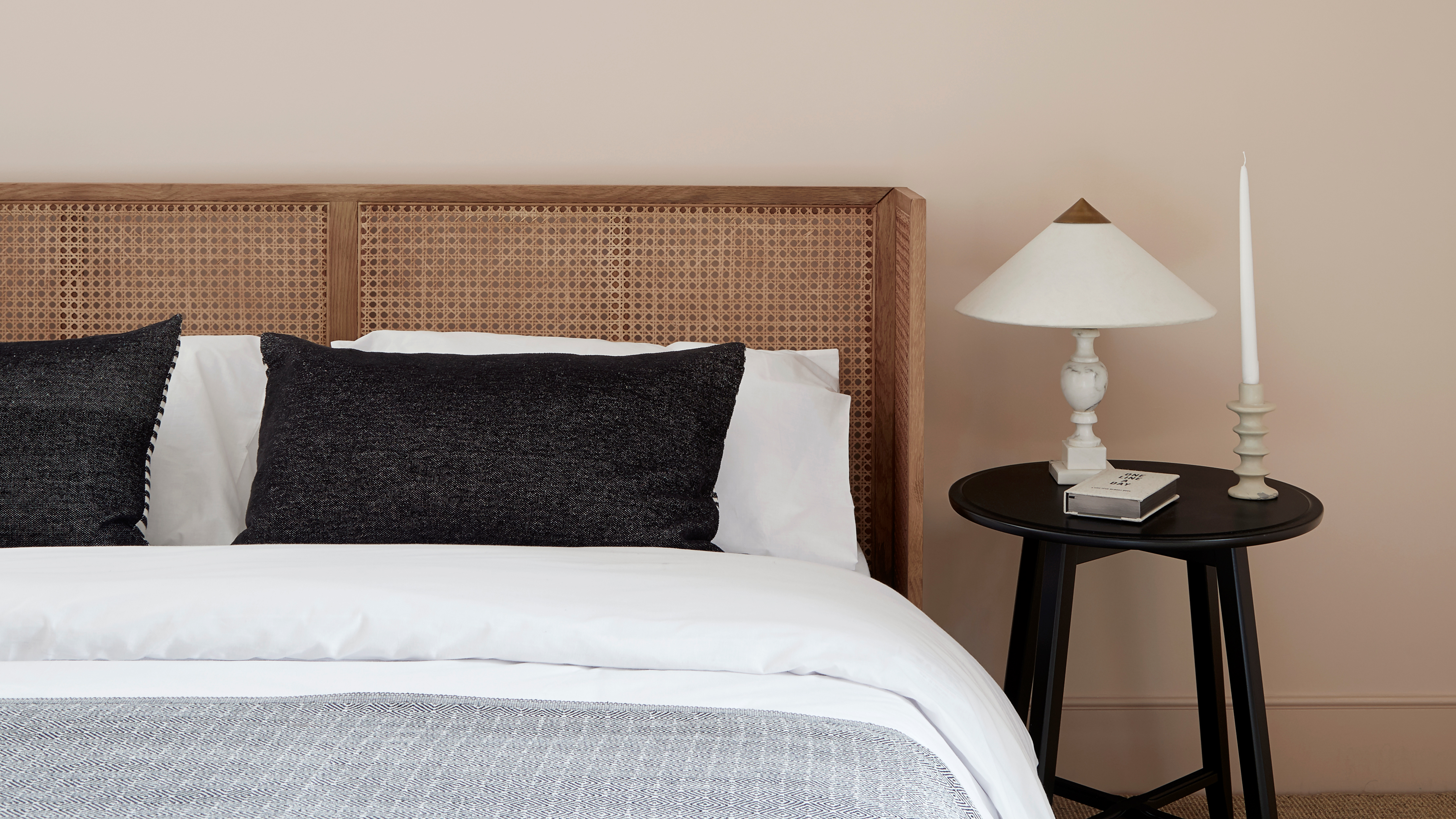
Feng Shui principles suggest that every element in a space radiates energy, and arranging a bedroom according to these principles can enhance well-being, relationships, and sleep quality. The bedroom is considered a 'yin' or quiet space, designed to help occupants recharge. Experts emphasize that the layout, design, and decoration should promote ease and tranquility. Key considerations include avoiding exposed beams, sharp corners, and overly large or metallic headboards. Natural light and ventilation are crucial, as is maintaining balance and symmetry.
Decluttering is the first essential step in bedroom Feng Shui. Removing items that do not bring joy, are broken, or evoke negative memories helps clear mental and energetic clutter. Dana Claudat, a Feng Shui Master, highlights that even hidden clutter, like in closets or drawers, can impact a room's energy and, consequently, sleep quality. Investing in organizers helps keep the space tidy and contributes to a calm environment.
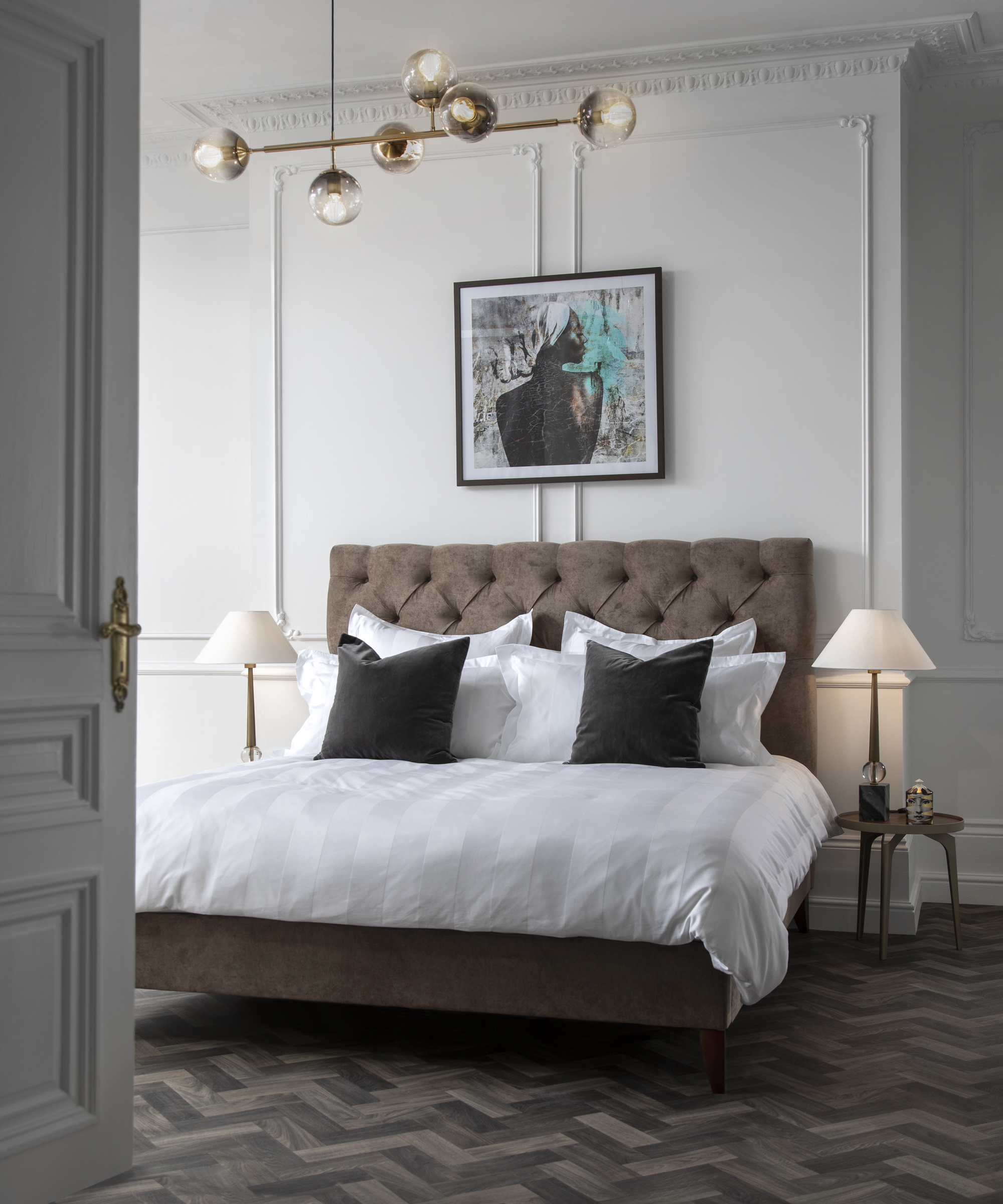
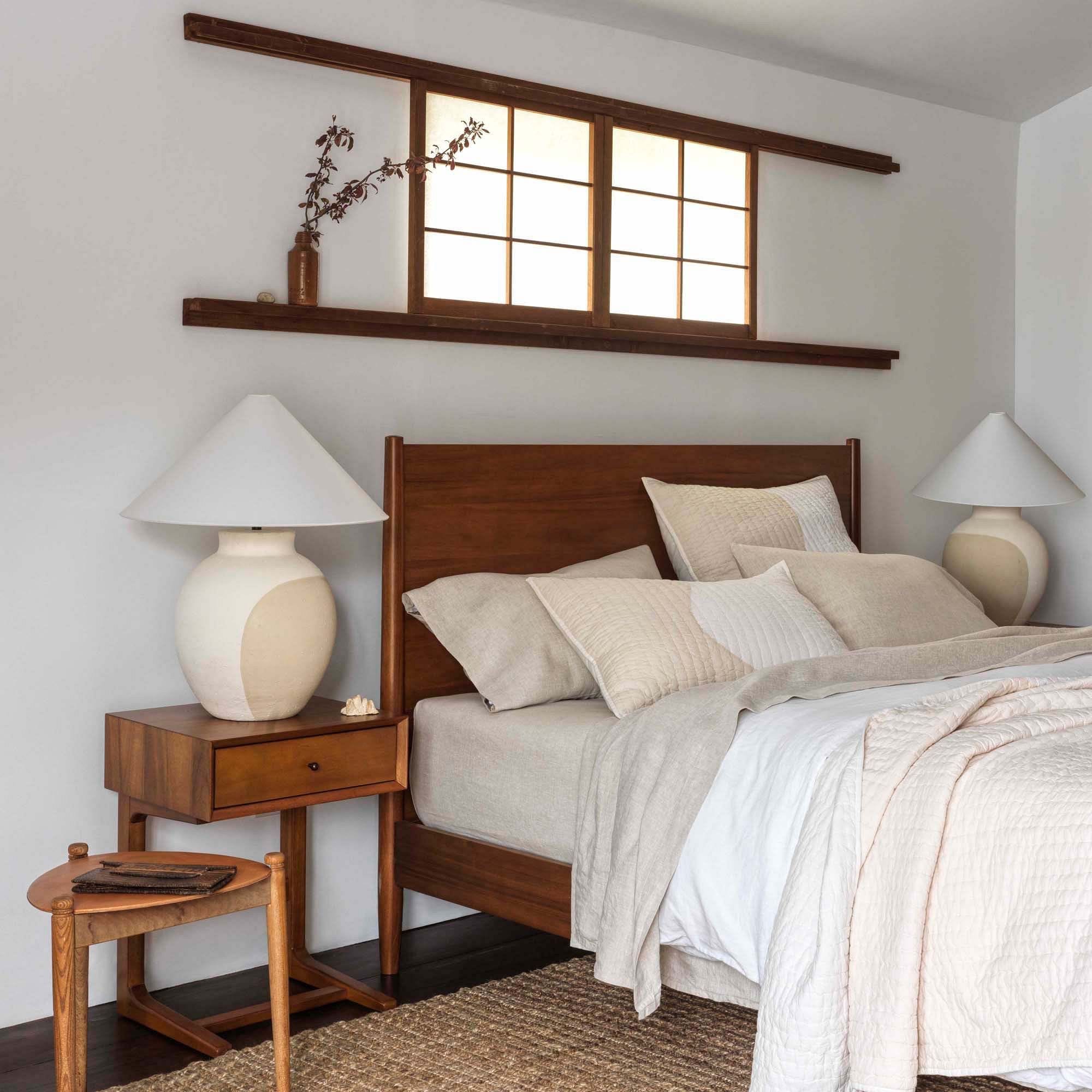
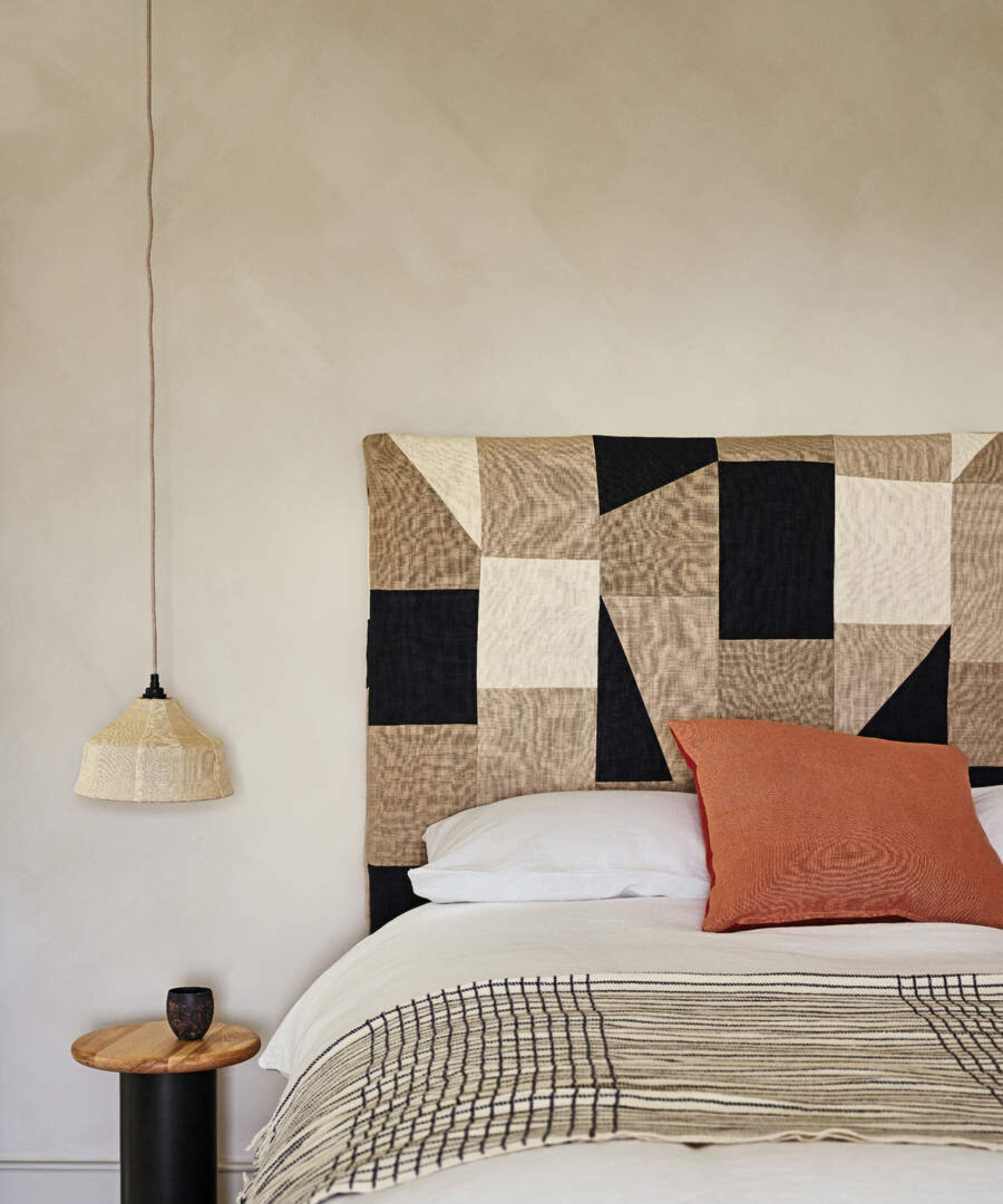
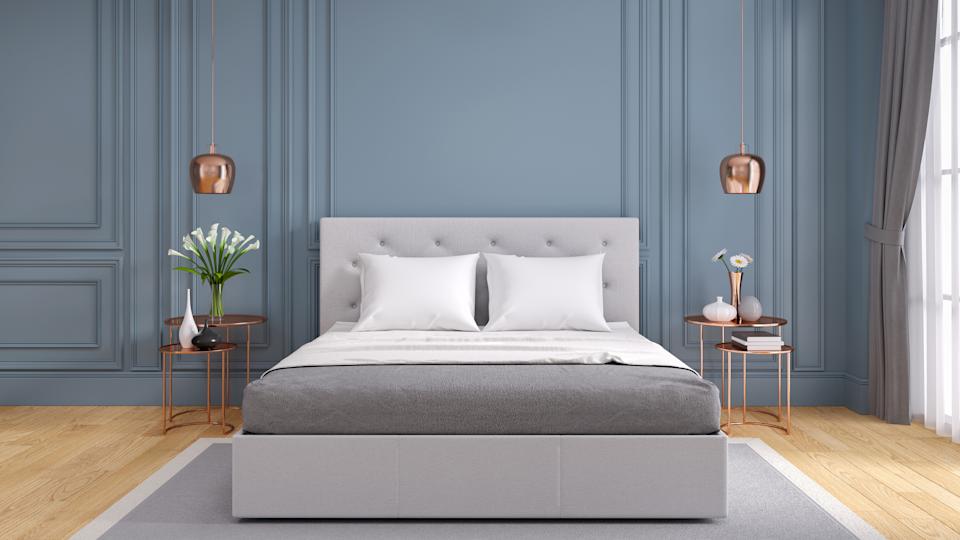
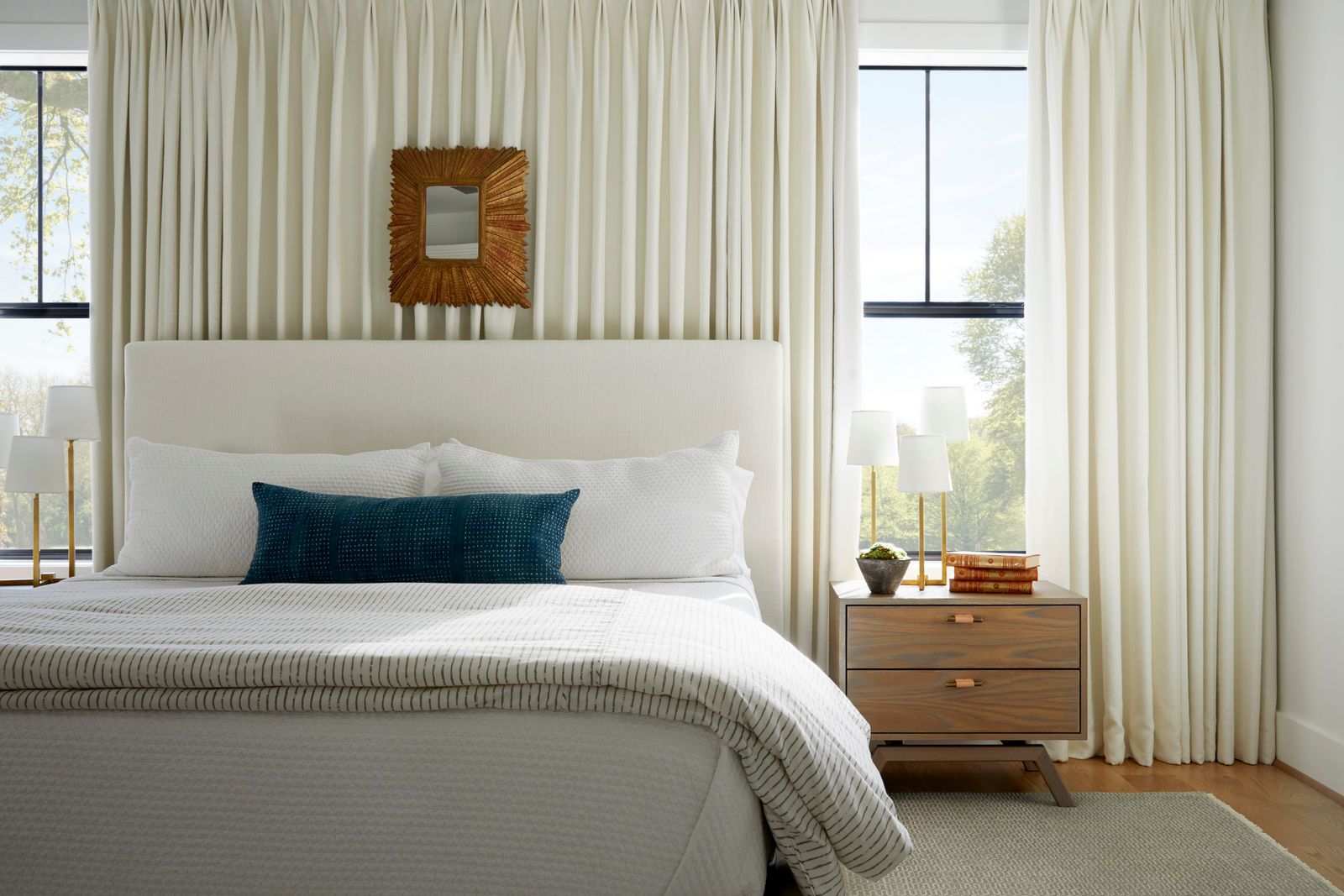
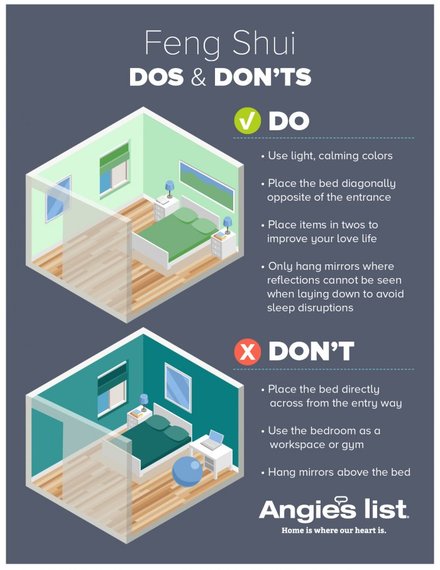
Careful bed positioning is paramount. The bed should be in a 'commanding position,' allowing occupants to see the door without being directly in line with it. If direct alignment is unavoidable due to space constraints, a mirror can be strategically placed to reflect the door. The bed should also not be in line with a toilet door; if this cannot be avoided, the toilet door must remain closed. Henry Fong, a Feng Shui consultant, advises against placing the headboard in the middle of the room, against a window, or directly under an overhead beam. A solid headboard installed against a wall provides symbolic support and stability. If a beam is unavoidable, a false ceiling can diffuse its negative energy.
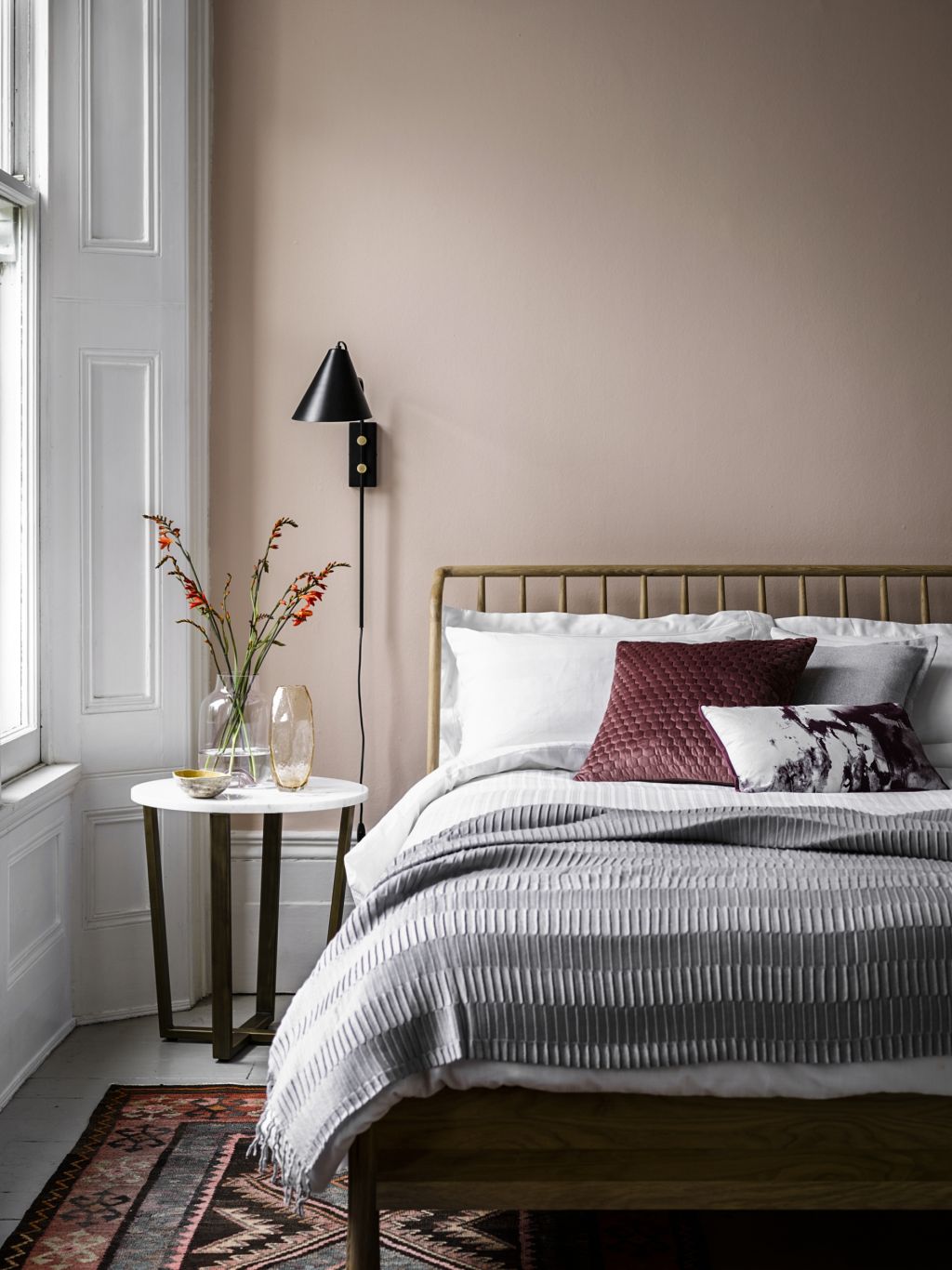
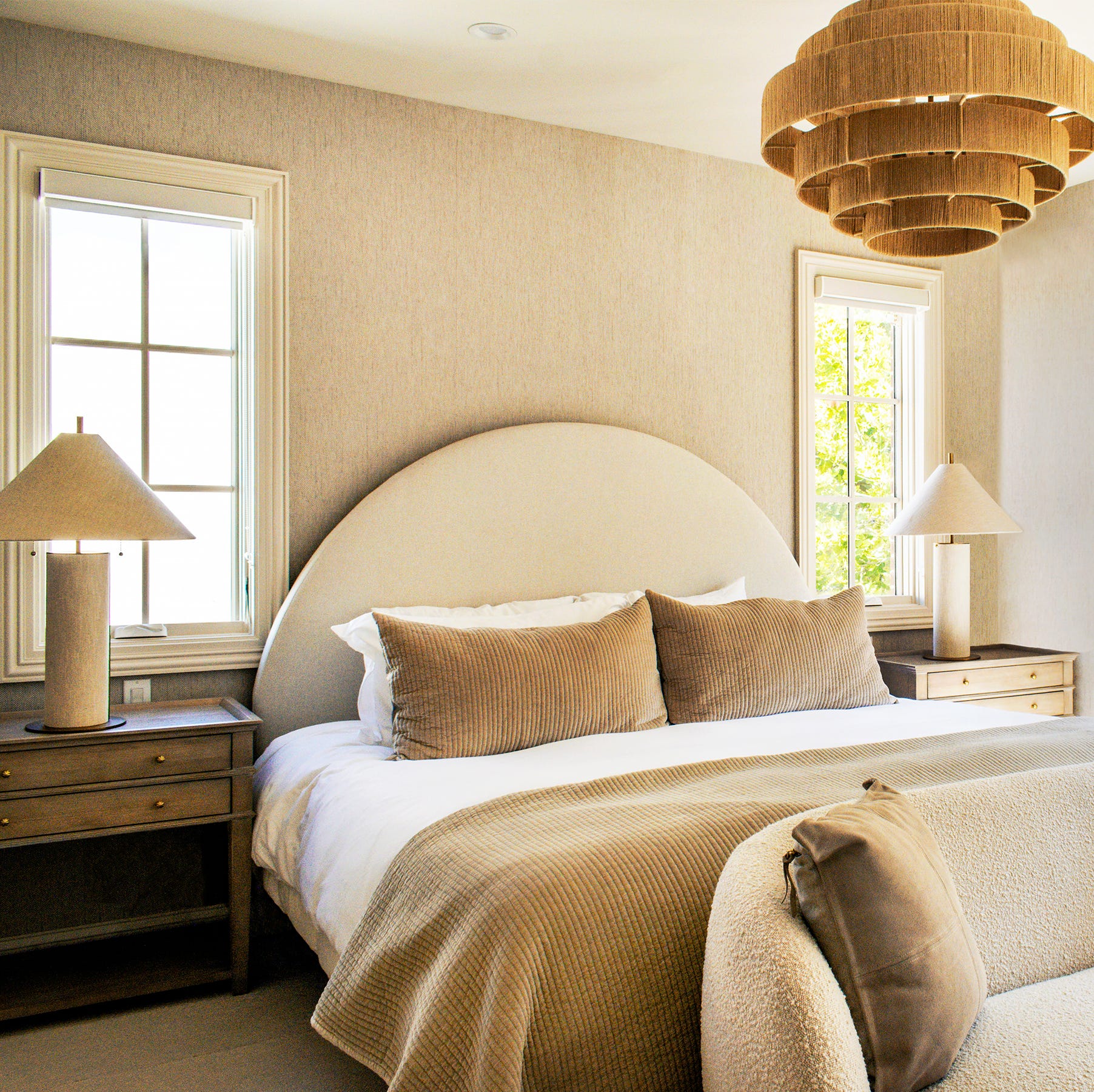
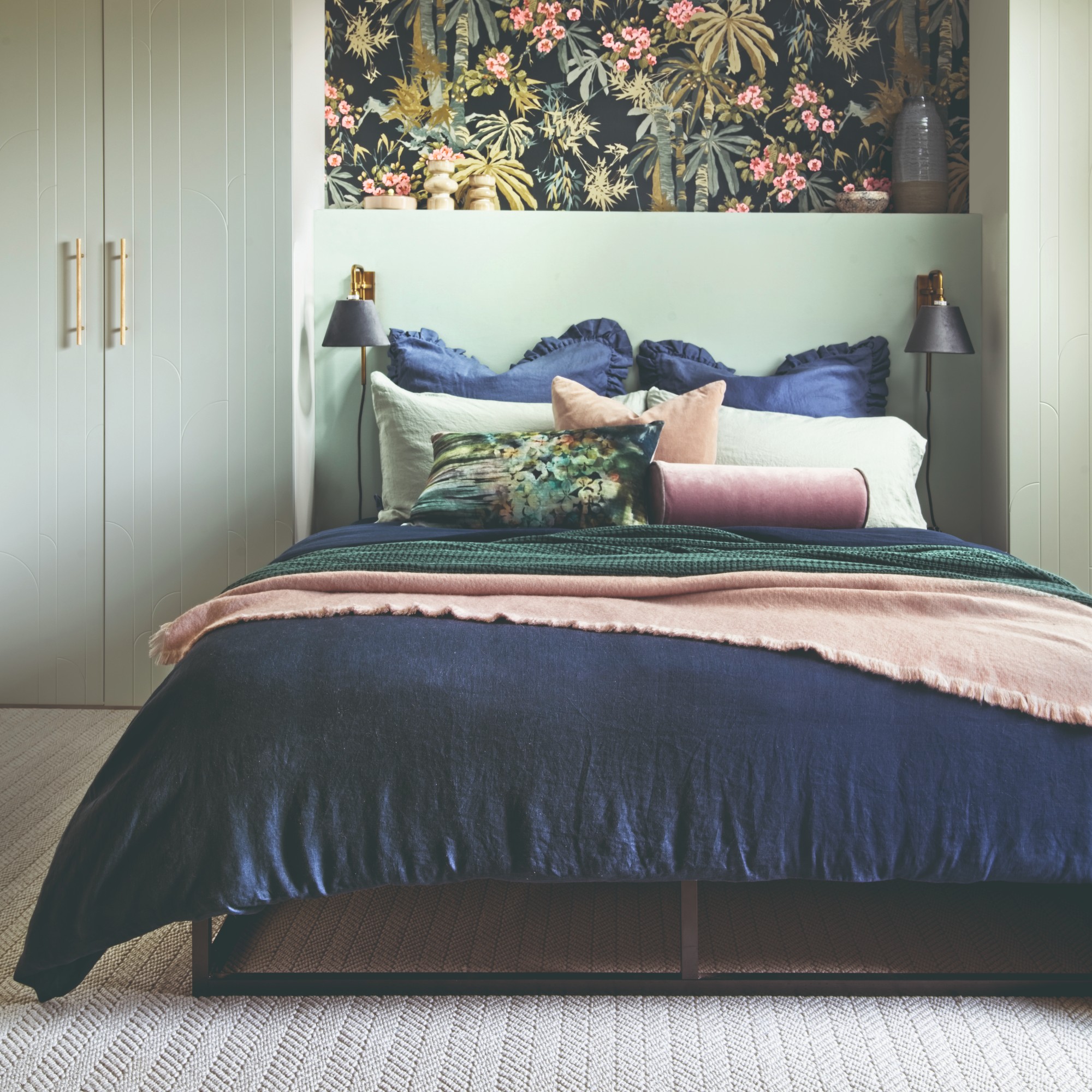
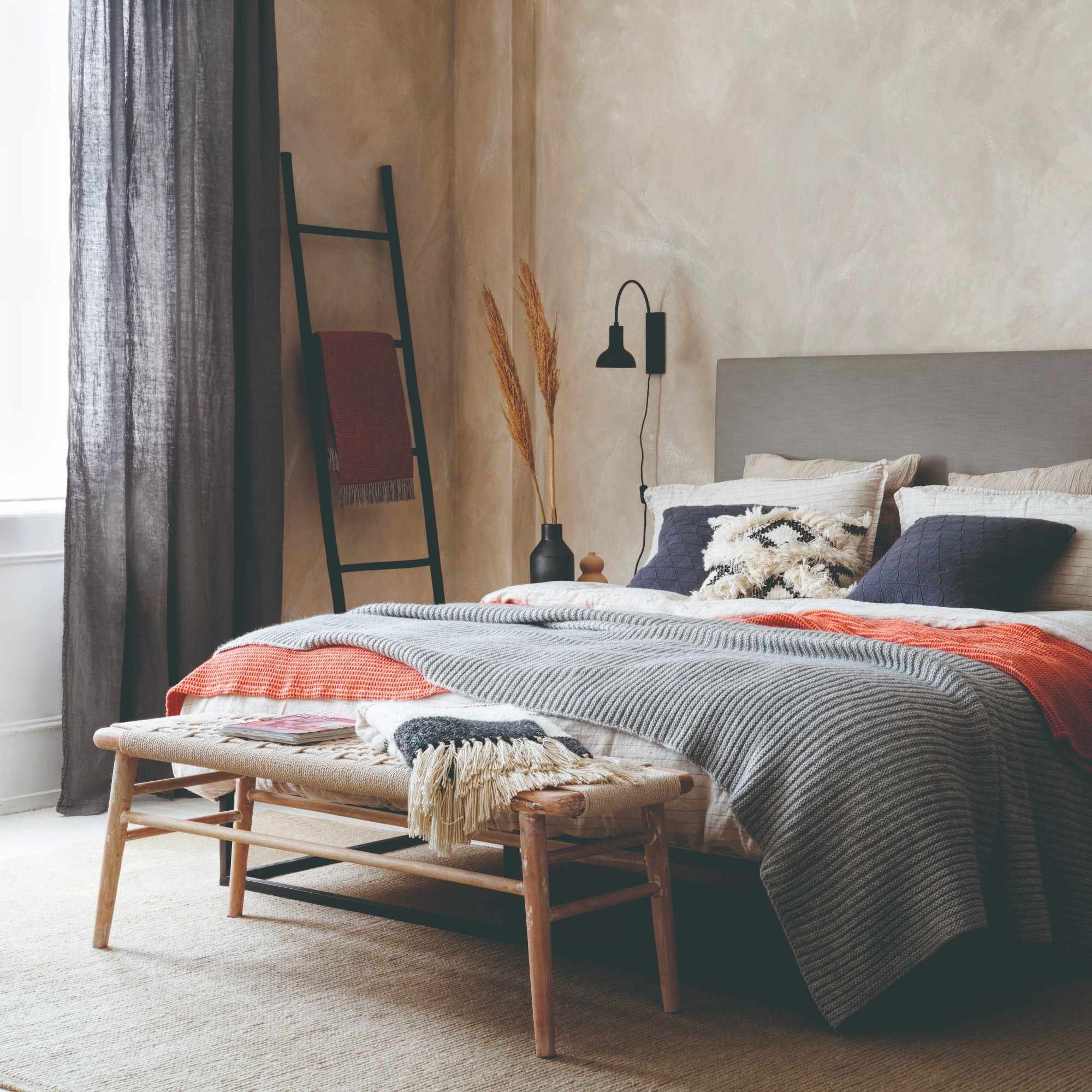
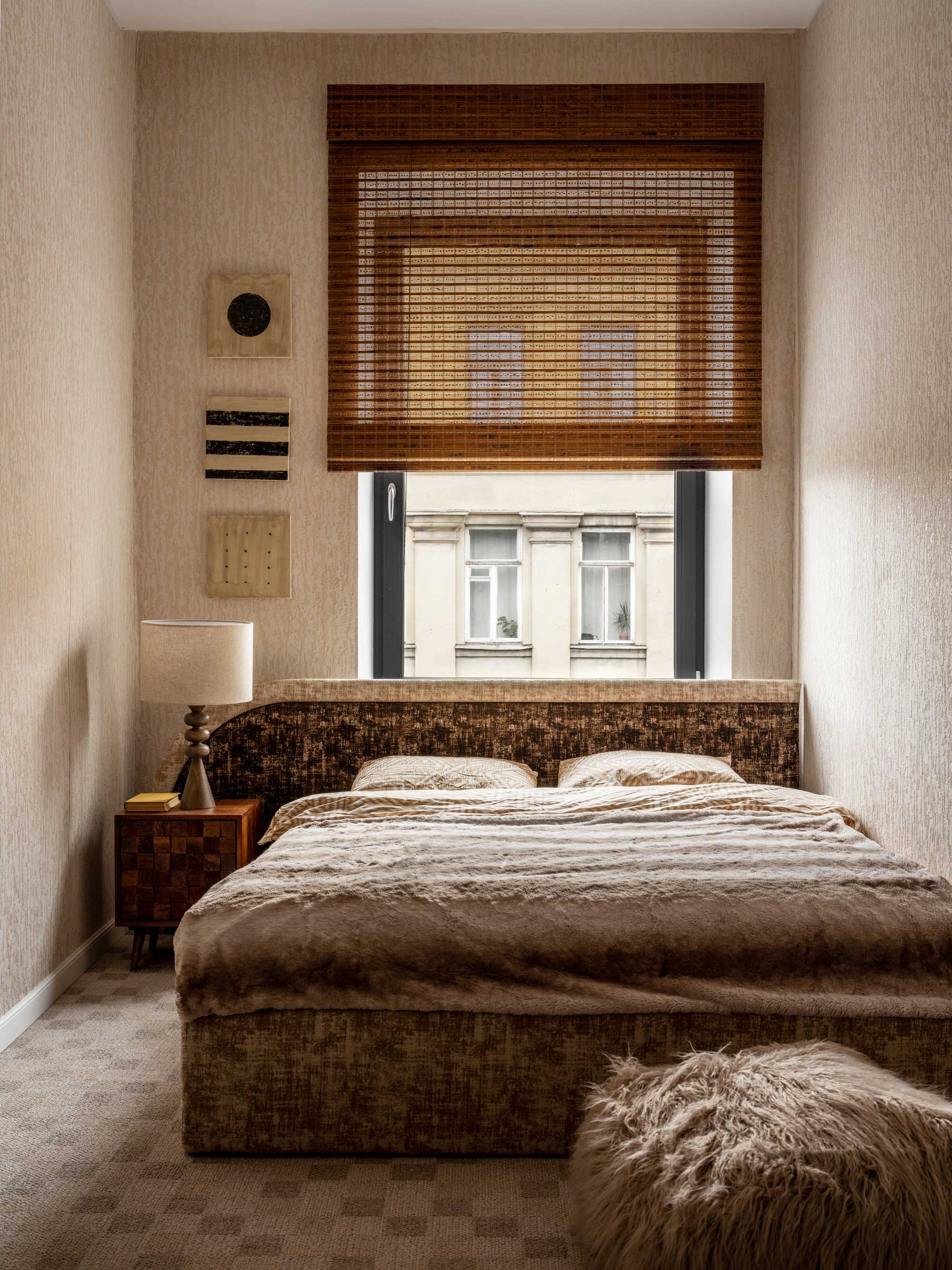
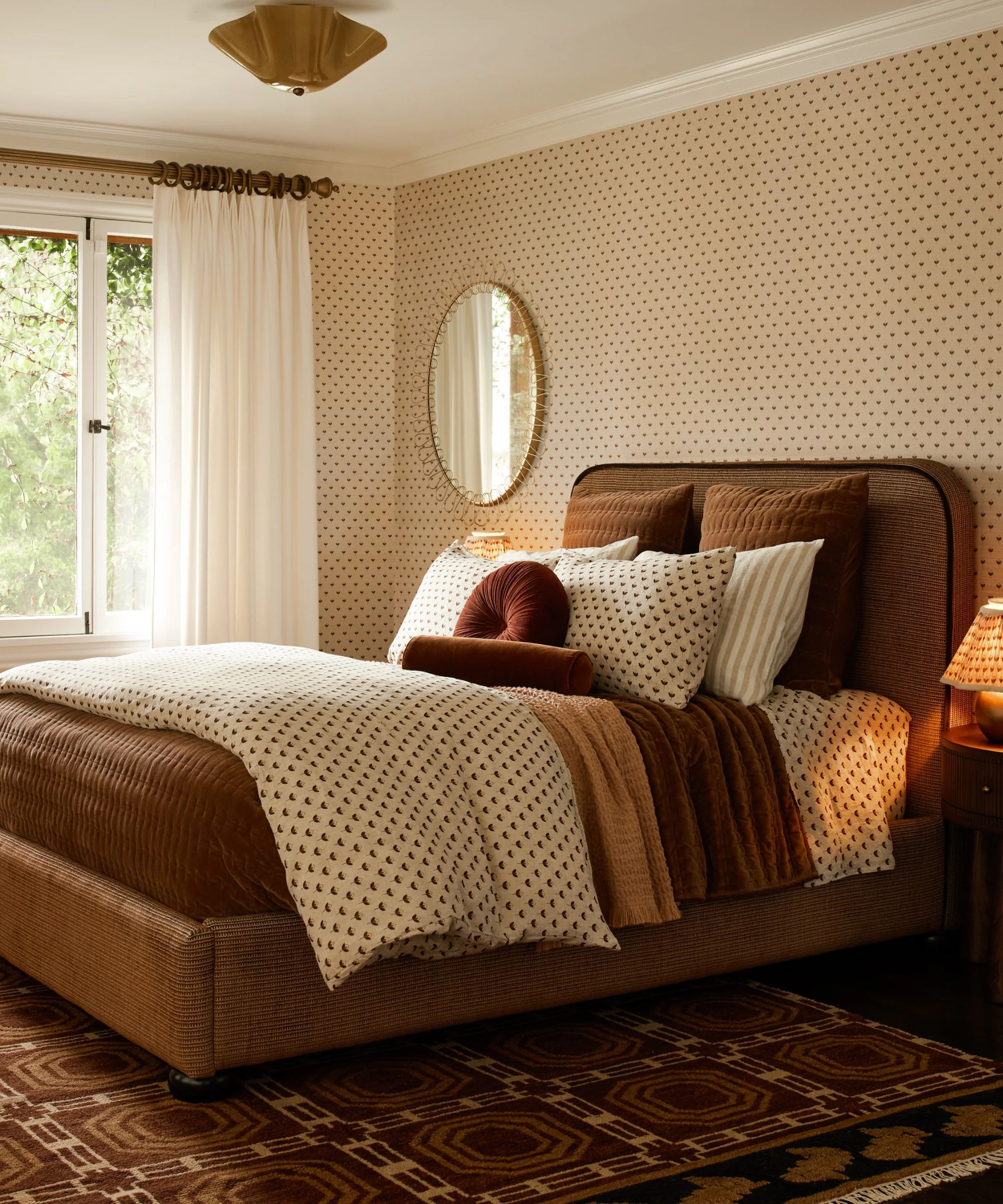
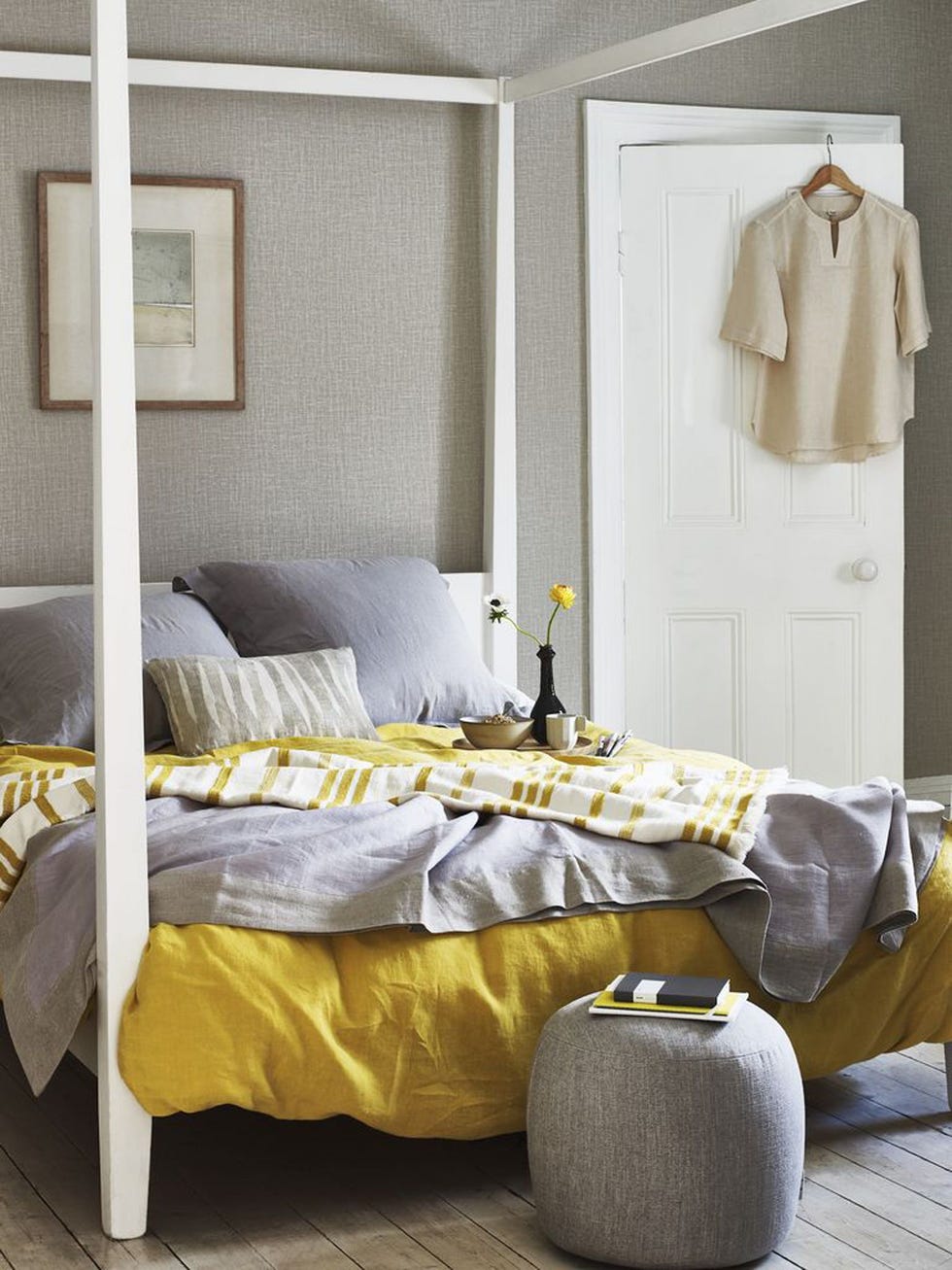
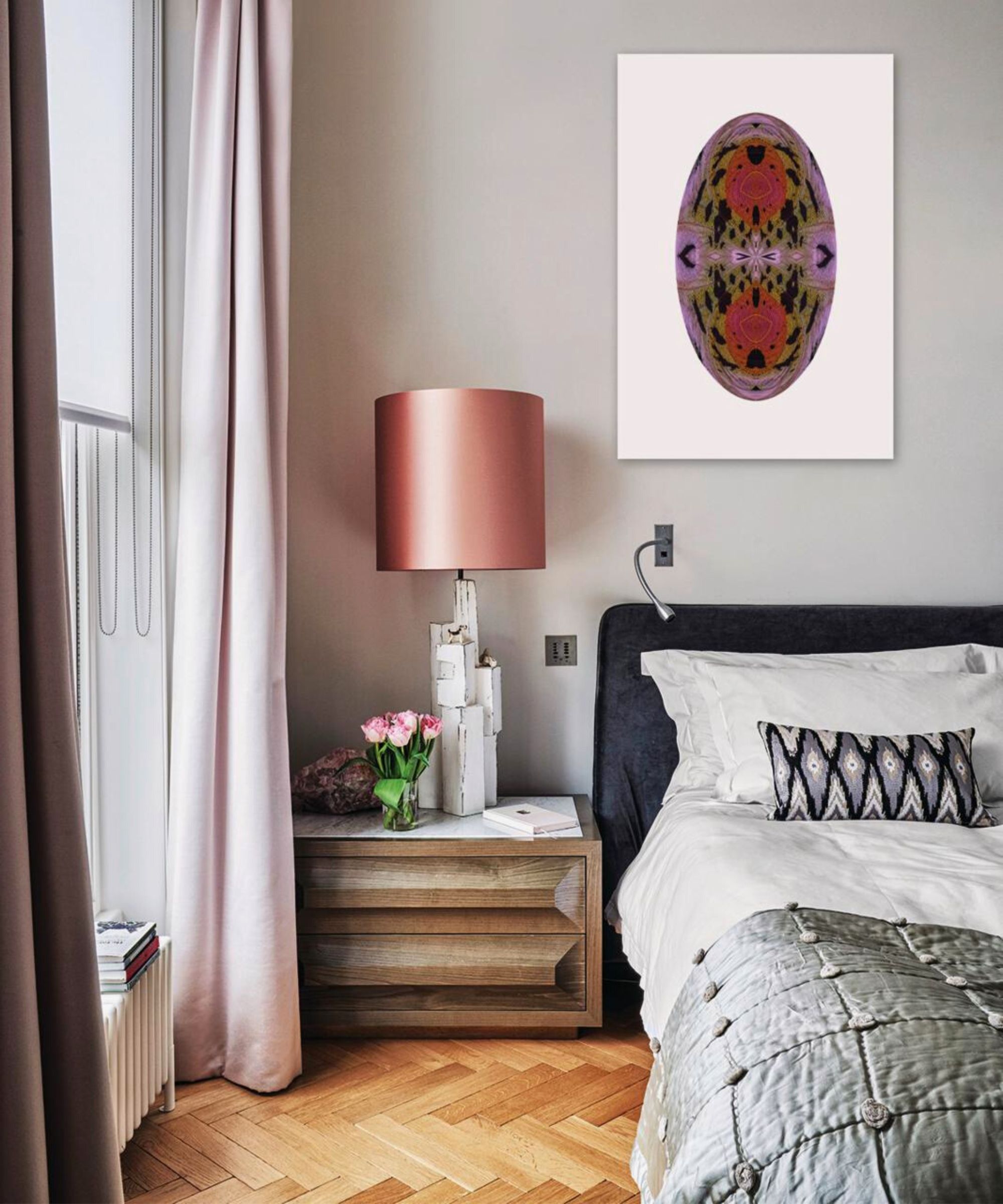
Color choices significantly impact the bedroom's energy. Neutral color schemes, such as beiges, creams, brown, or taupe, are recommended as they promote calm and do not overstimulate the room. Bright or energetic colors like red or bright pink, and excessively dark colors like black, are generally discouraged. Accents can be introduced through artwork, candles, or bedsheets. Layering with textiles, scented candles, and white noise machines further enhances a soothing atmosphere.
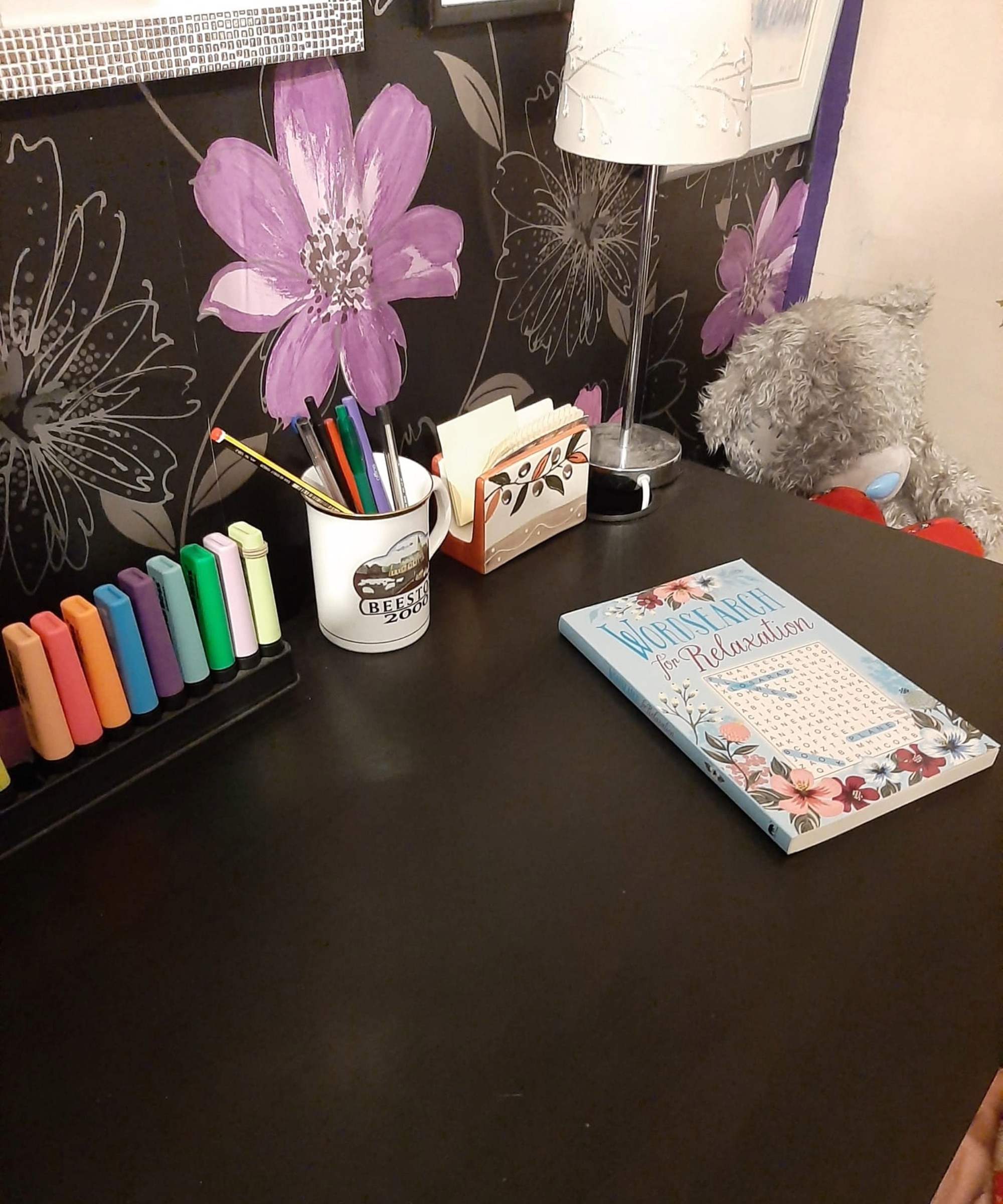
Electronics, especially work-related gadgets, should be minimized or removed from the bedroom. Dana Claudat suggests that detaching from EMF waves and unplugging from the digital world allows for more restorative sleep. If a TV is present, it should be turned off before sleeping to prevent mental overstimulation. The bedroom should not double as a workspace, as this can interfere with sleep quality.
Mirror placement requires careful consideration. Mirrors reflecting the bed are believed to disrupt sleep. They should not be directly in line with the bed; instead, they can be hung behind the bed or placed to reflect natural light from a window, which can also brighten the room. Artworks should be uplifting and foster happiness, with pairings of two being particularly auspicious in Feng Shui for couples. Water elements, even in art, should be avoided, especially dynamic depictions like waves, favoring calm scenes instead.
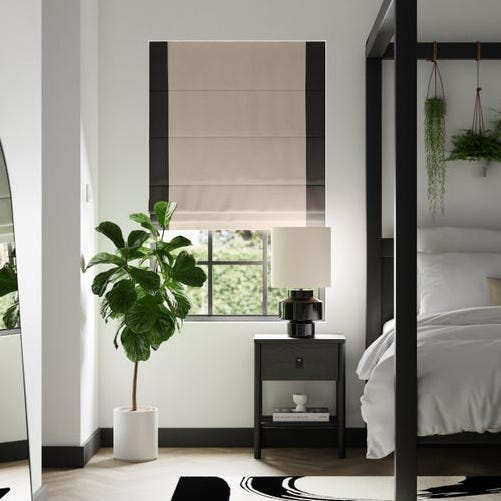
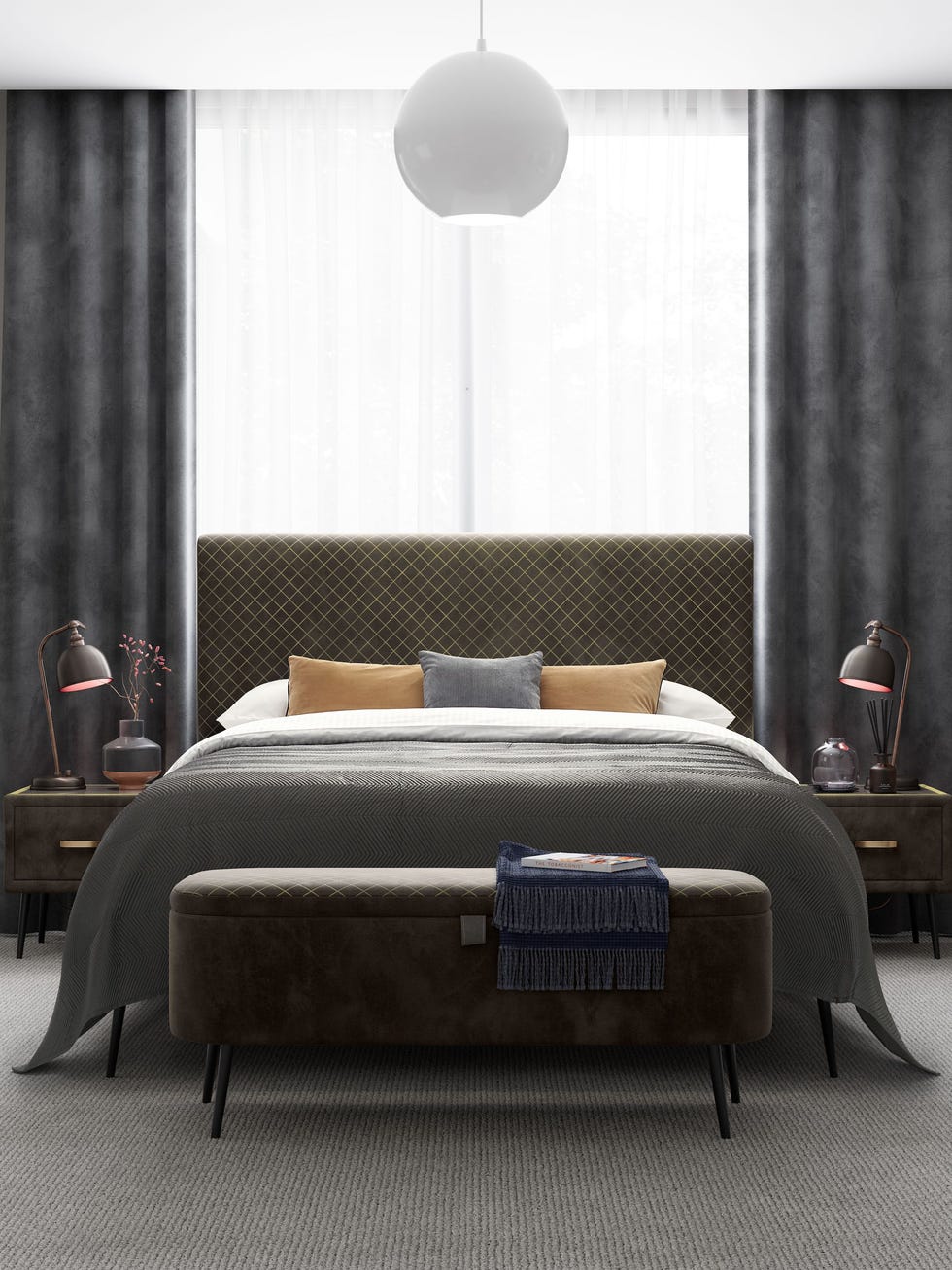
Thick drapery, particularly blackout curtains, is crucial for deep sleep, but they should be easily opened in the morning to allow sunlight to regulate circadian rhythms and cleanse the space. Neutral or lighter-toned blackout fabrics can maintain softness. Roman blinds offer a versatile alternative for light control. Heavy or bulky furniture, like bookshelves or gym equipment, should be excluded from the bedroom as they can create constrictive energy, hindering rest. Sleek, modern, and functional furniture is preferred.
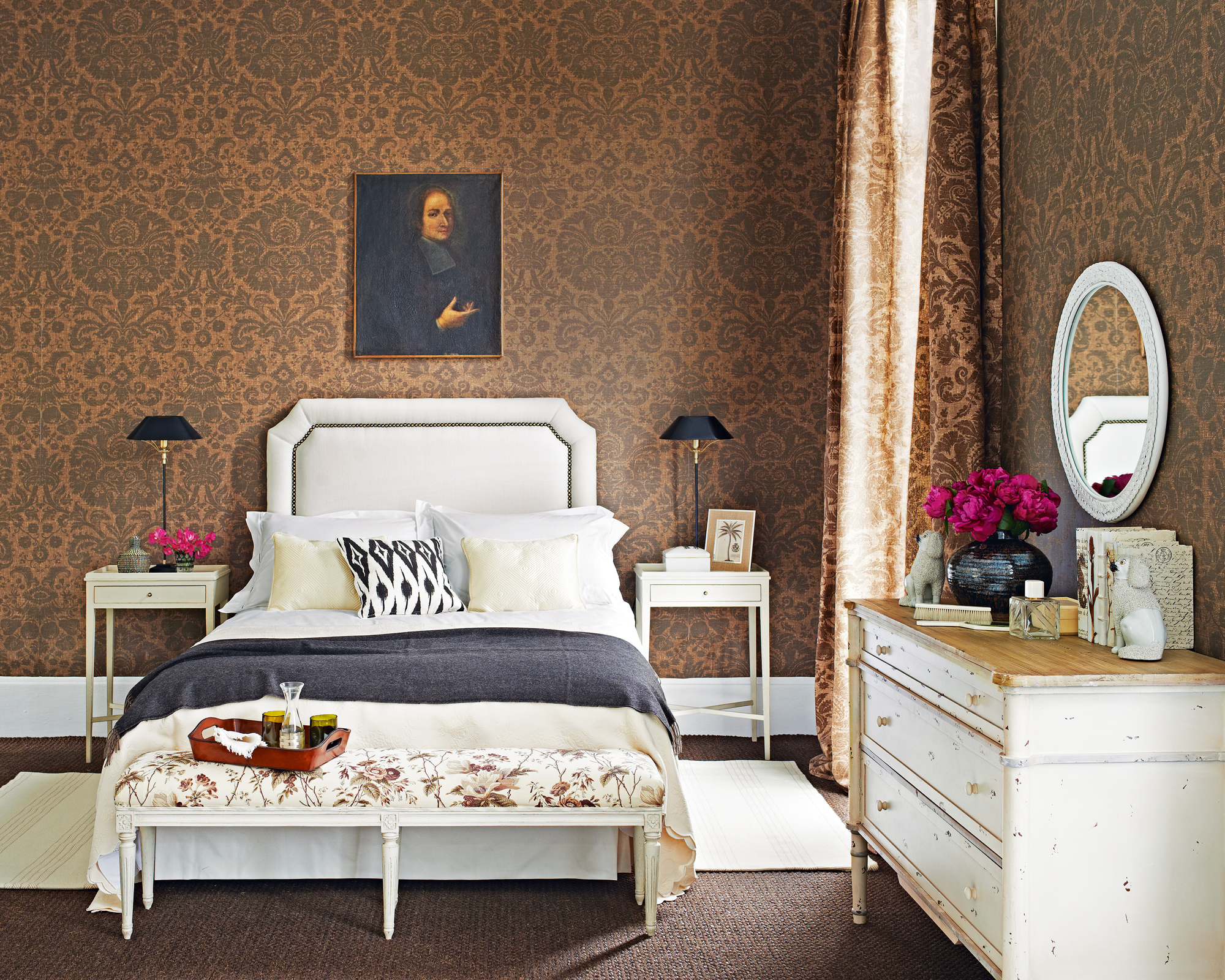
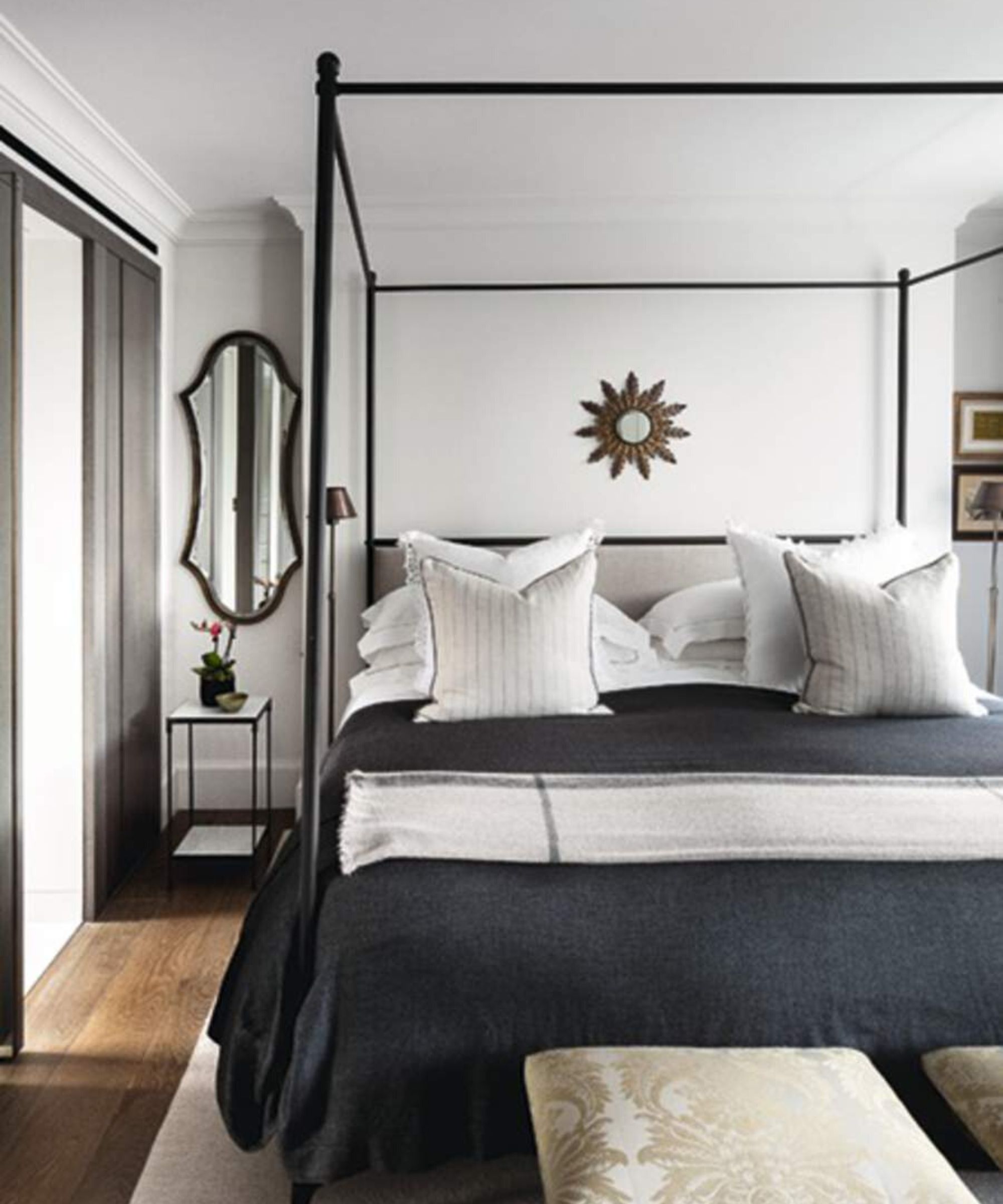
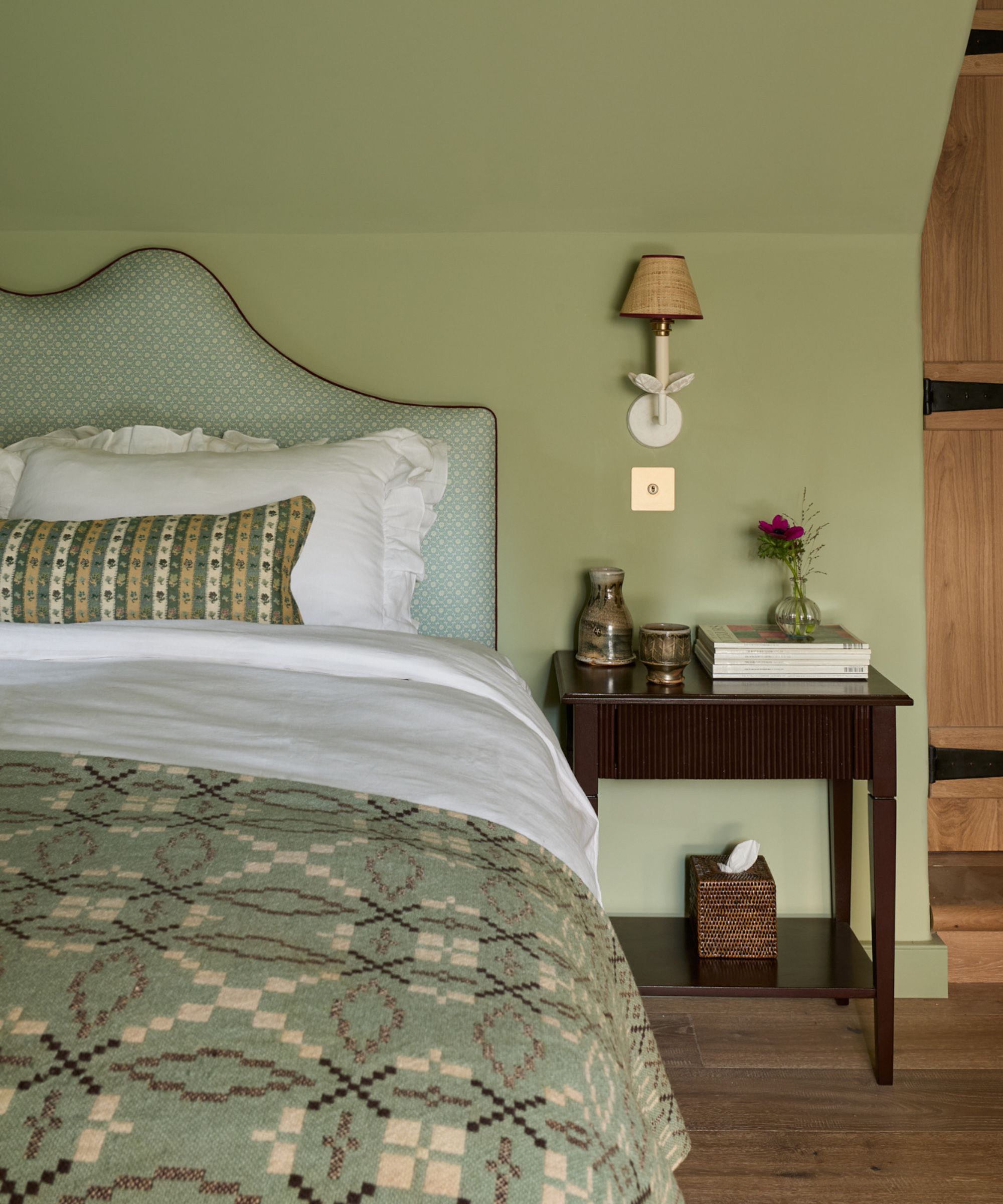
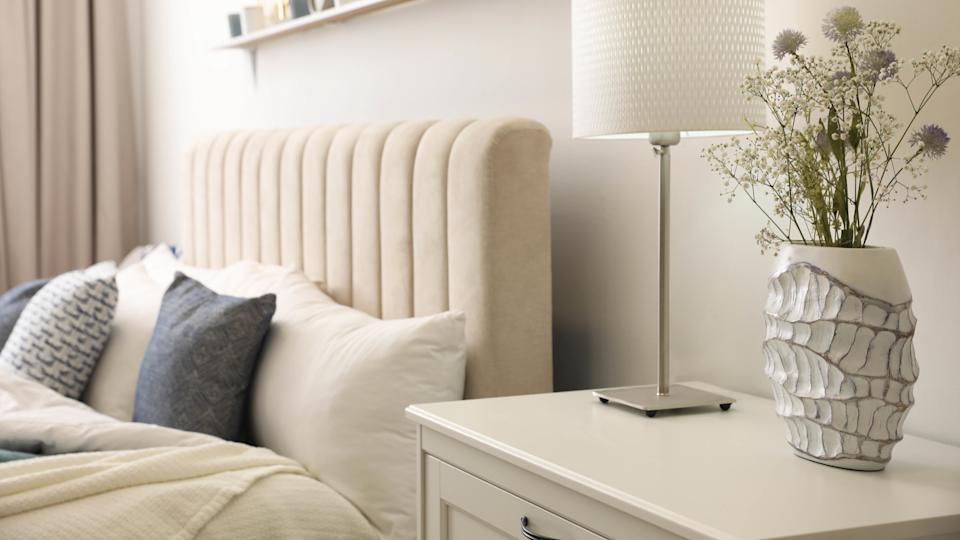
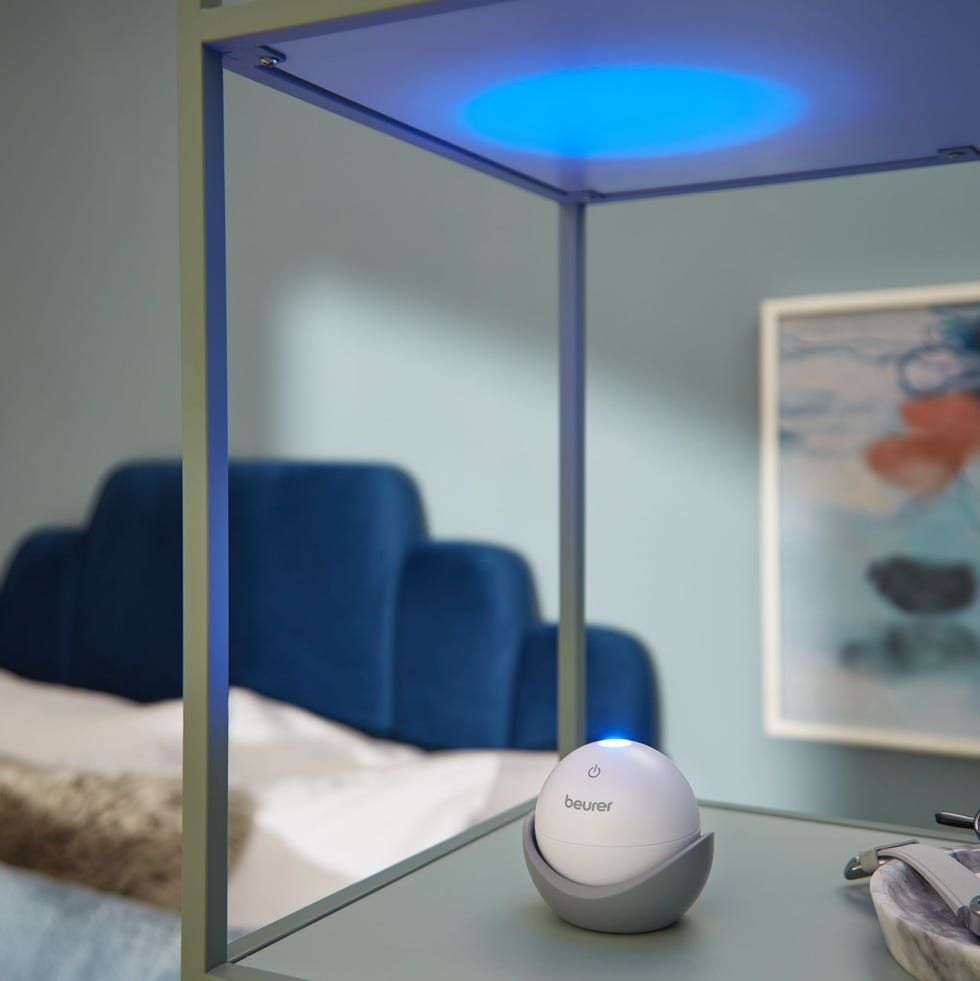
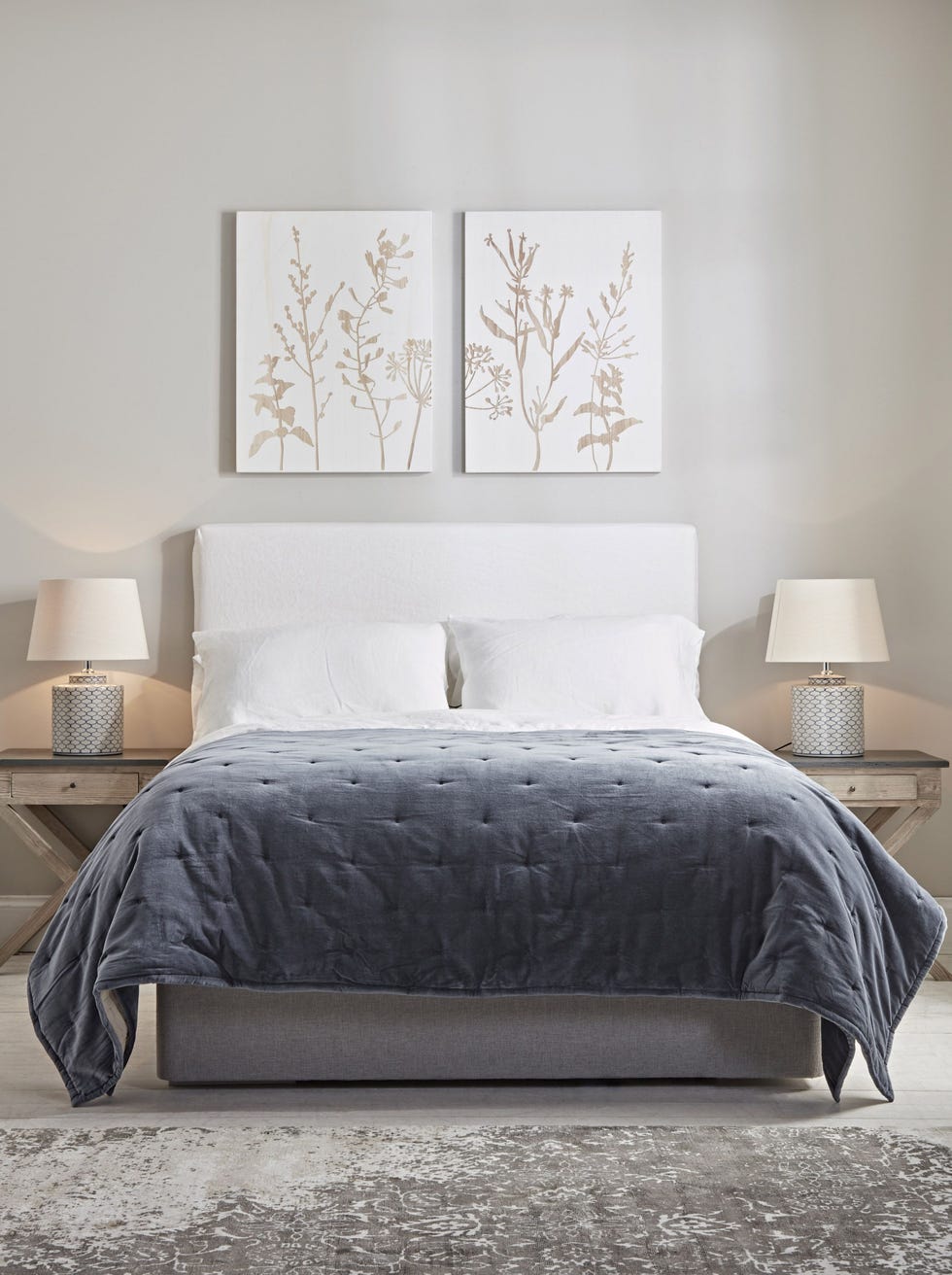
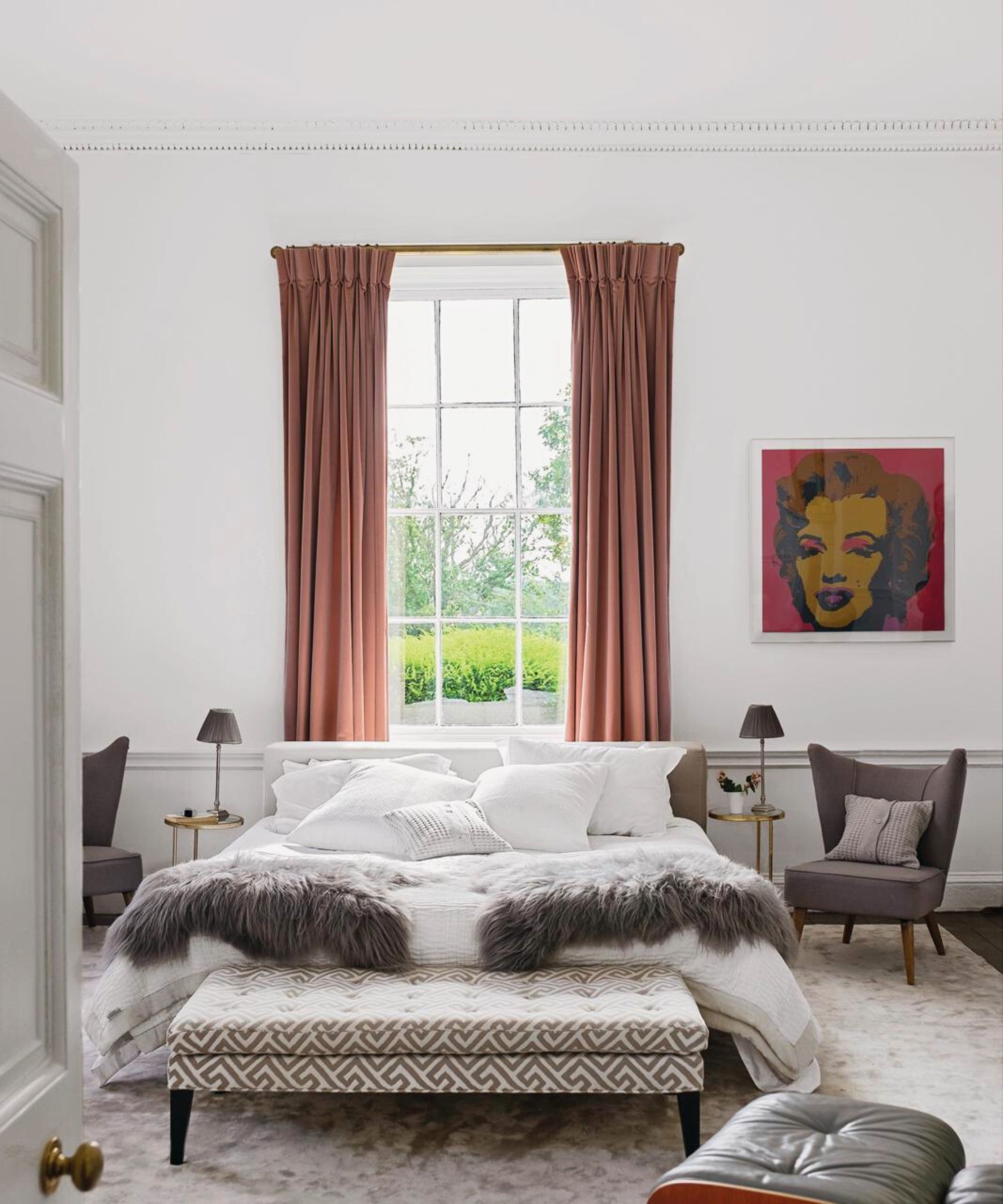
Finally, symmetry, though not necessarily 'matchy-matchy,' is important. Elements should be similar in size, such as bedside tables on both sides of the bed or balanced artworks, to bring harmony and grounding to the interior. Regular clearing of the bedroom and using essential oil diffusers with uplifting scents like sweet orange oil further promote good Feng Shui and overall well-being.
#FengShui #BedroomDesign #InteriorDecor #SleepQuality #HomeHarmony #Decluttering #BedPlacement #NeutralColors #MindfulLiving #WellnessDesign #FengShui #BedroomDesign #InteriorDecor #SleepQuality #HomeHarmony #Decluttering #BedPlacement #NeutralColors #MindfulLiving #WellnessDesign
0 commenti in totale
 Nessun commento ancora
Potresti anche gradire
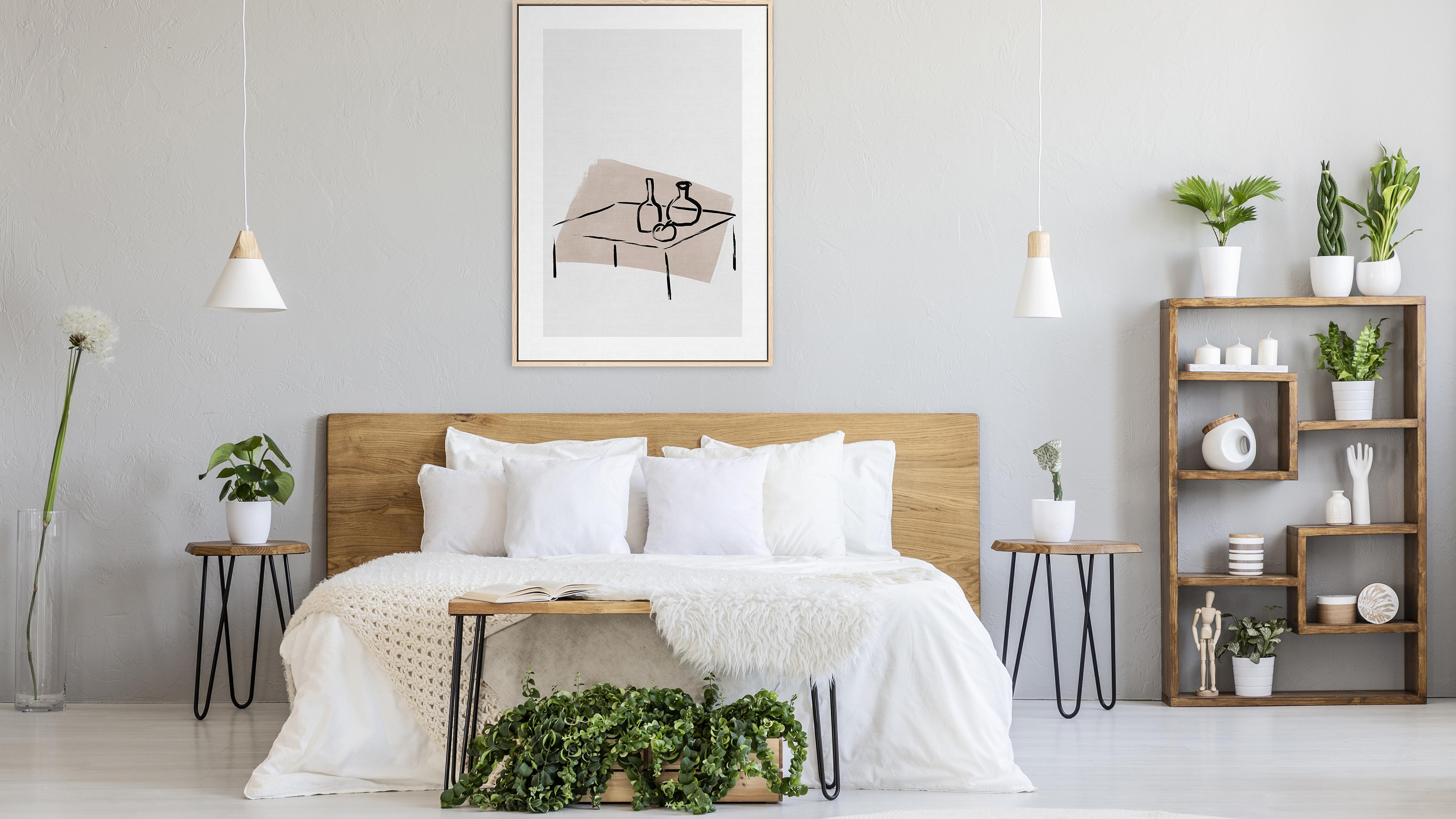
Feng shui bedroom layout tips and rules – how to create a zen sleeping space

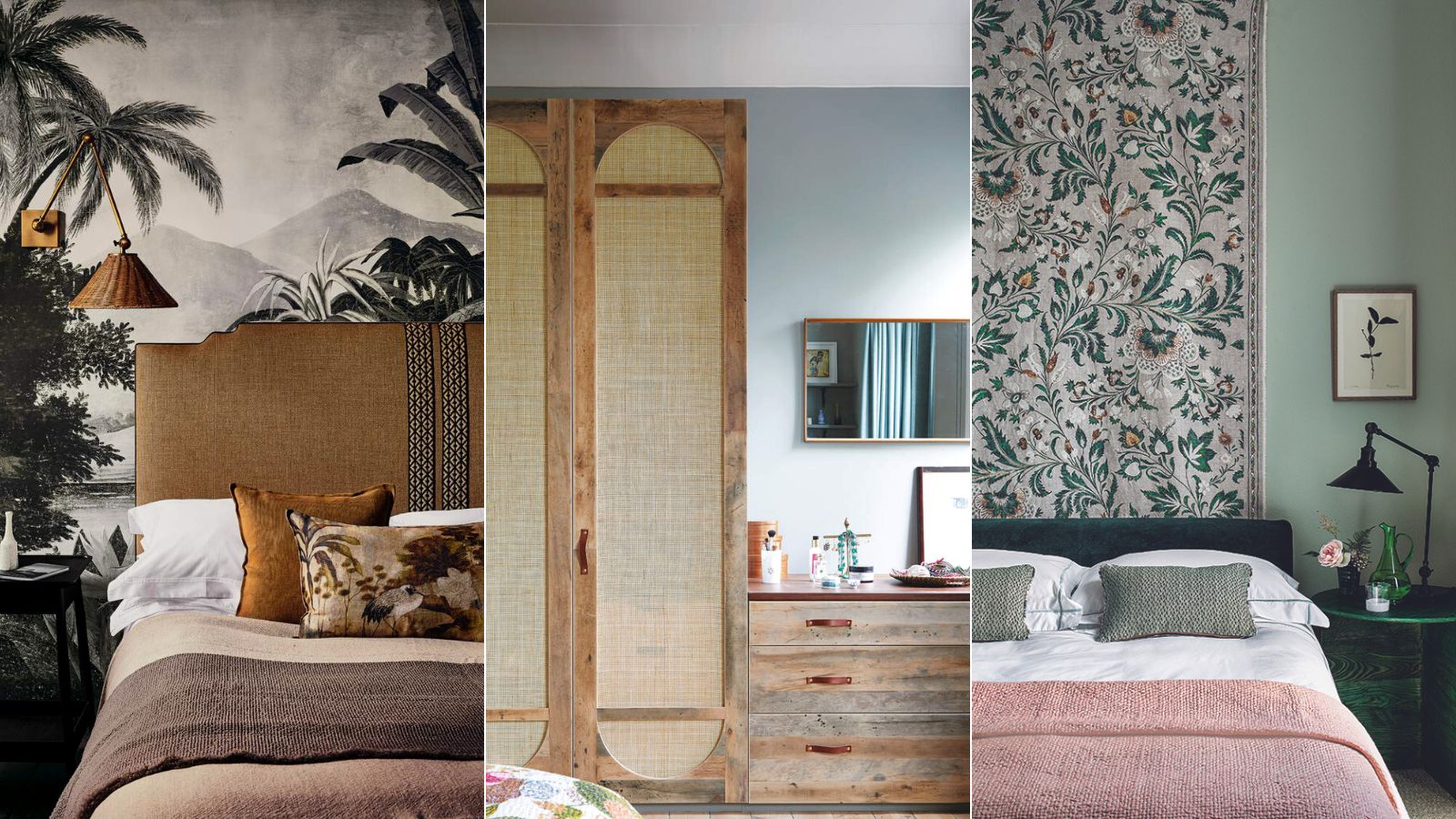
Feng Shui bedroom layout – 8 ways to curate a rejuvenating space

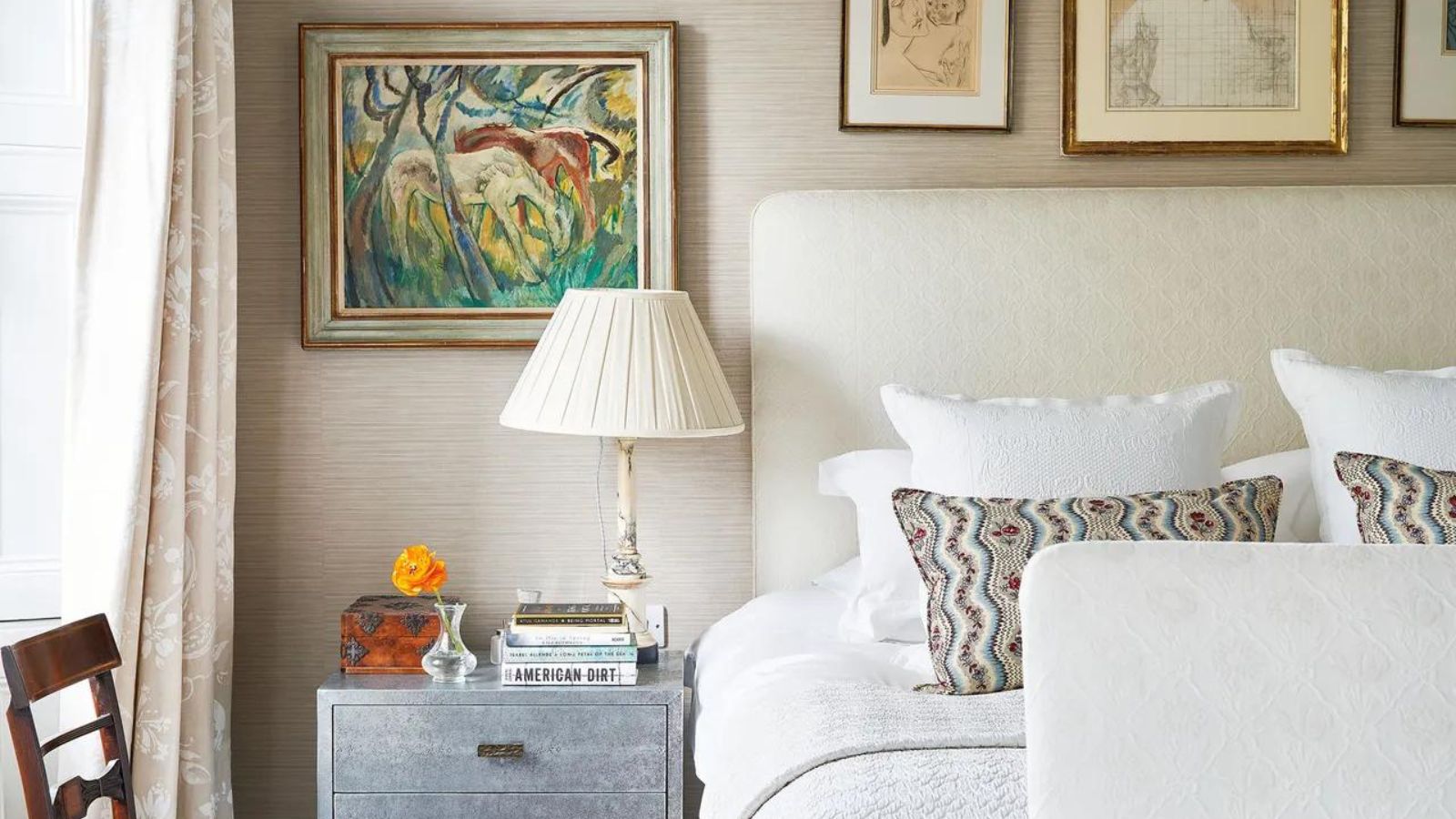
6 interior design mistakes that could be affecting your sleep
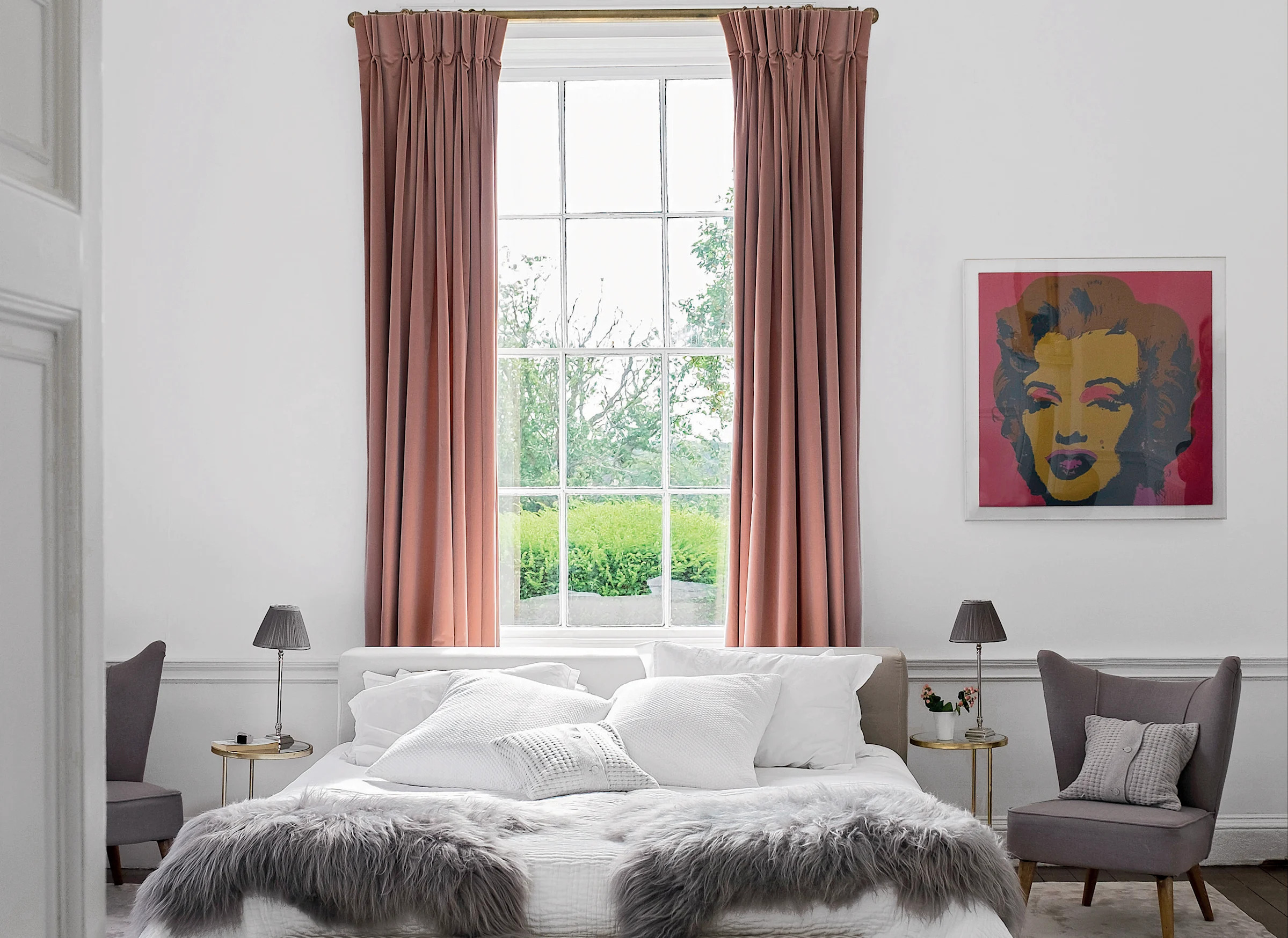
These Feng Shui experts say you shouldn't position your bed like this if you want to sleep well – and it's a common layout idea


Bedroom furniture ideas – 10 tips for designing your sleep space
14 ways to bring feng shui to your bedroom for harmony and balance
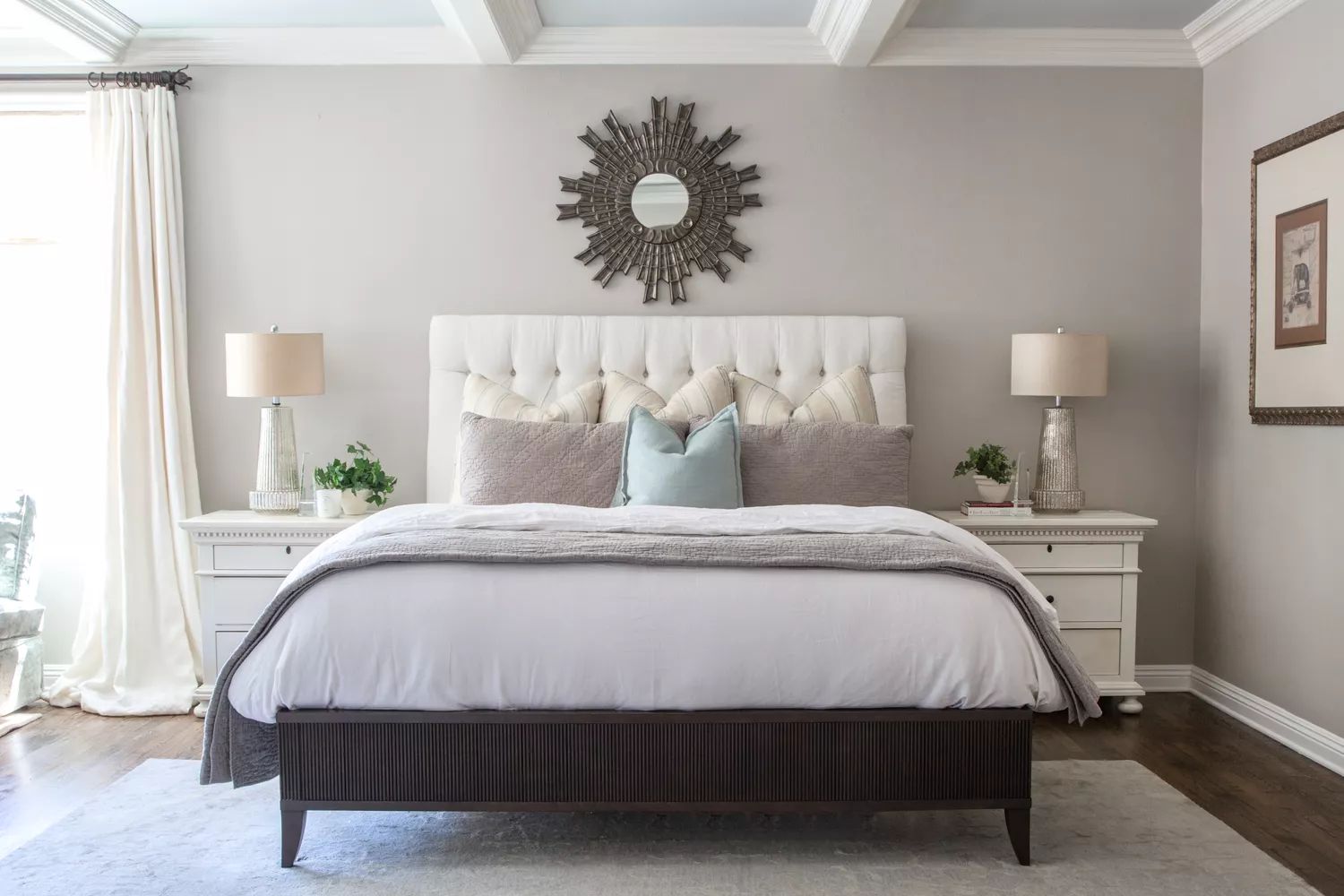
How to Turn Your Bedroom Into a Sanctuary for Sleep
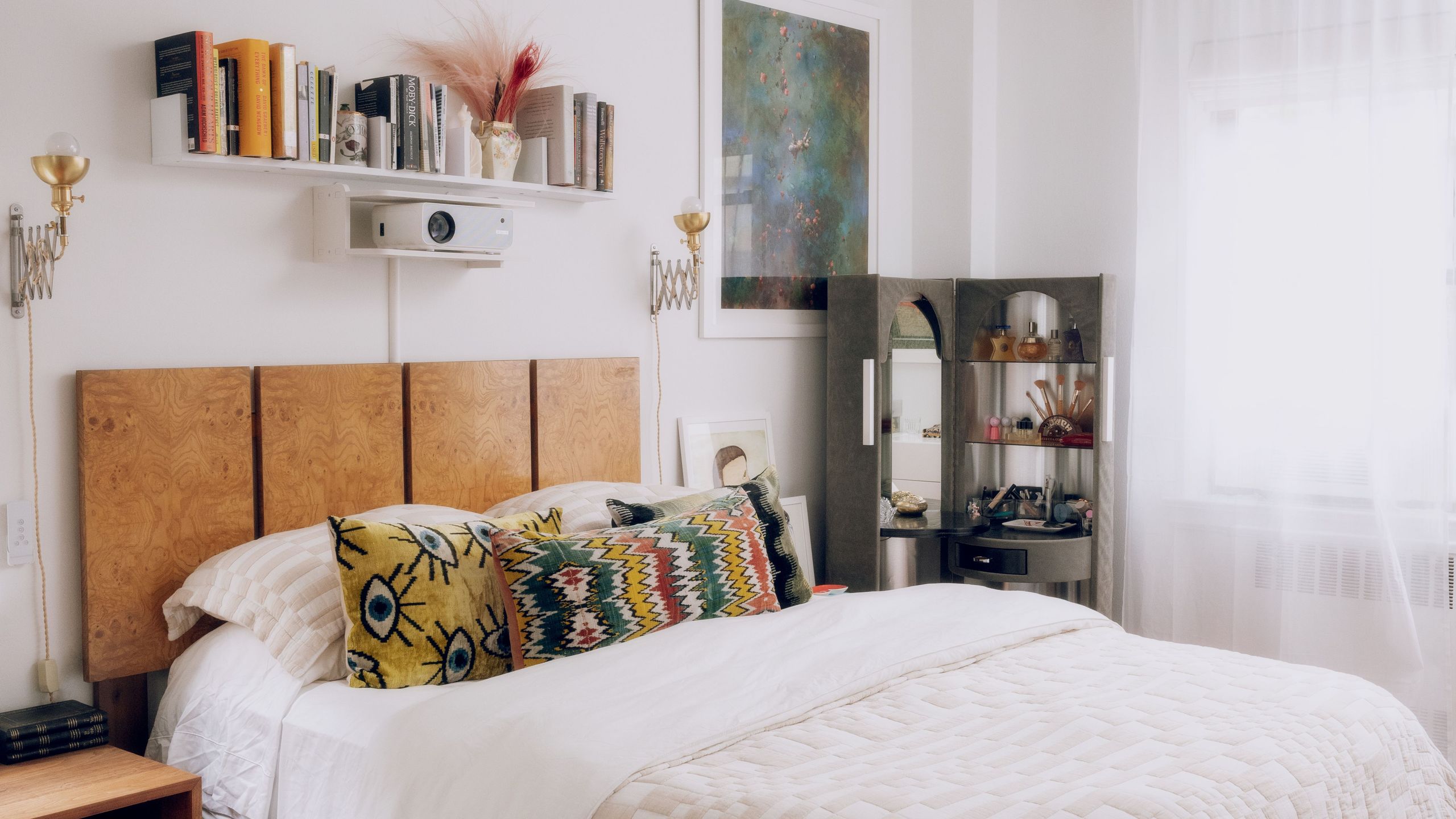
Bedroom Organization Ideas That’ll Help You Sleep Easy

The Only Direction Your Bed Should Be Facing, According to Feng Shui Experts

7 Bedroom Design Tips for Better Sleep, According to Experts
Should your bed face the door? Here's what the experts think


10 Bedroom Decor Mistakes Keeping You From Your Best Sleep Ever

26 Calm Bedroom Ideas for a Restful Night's Sleep

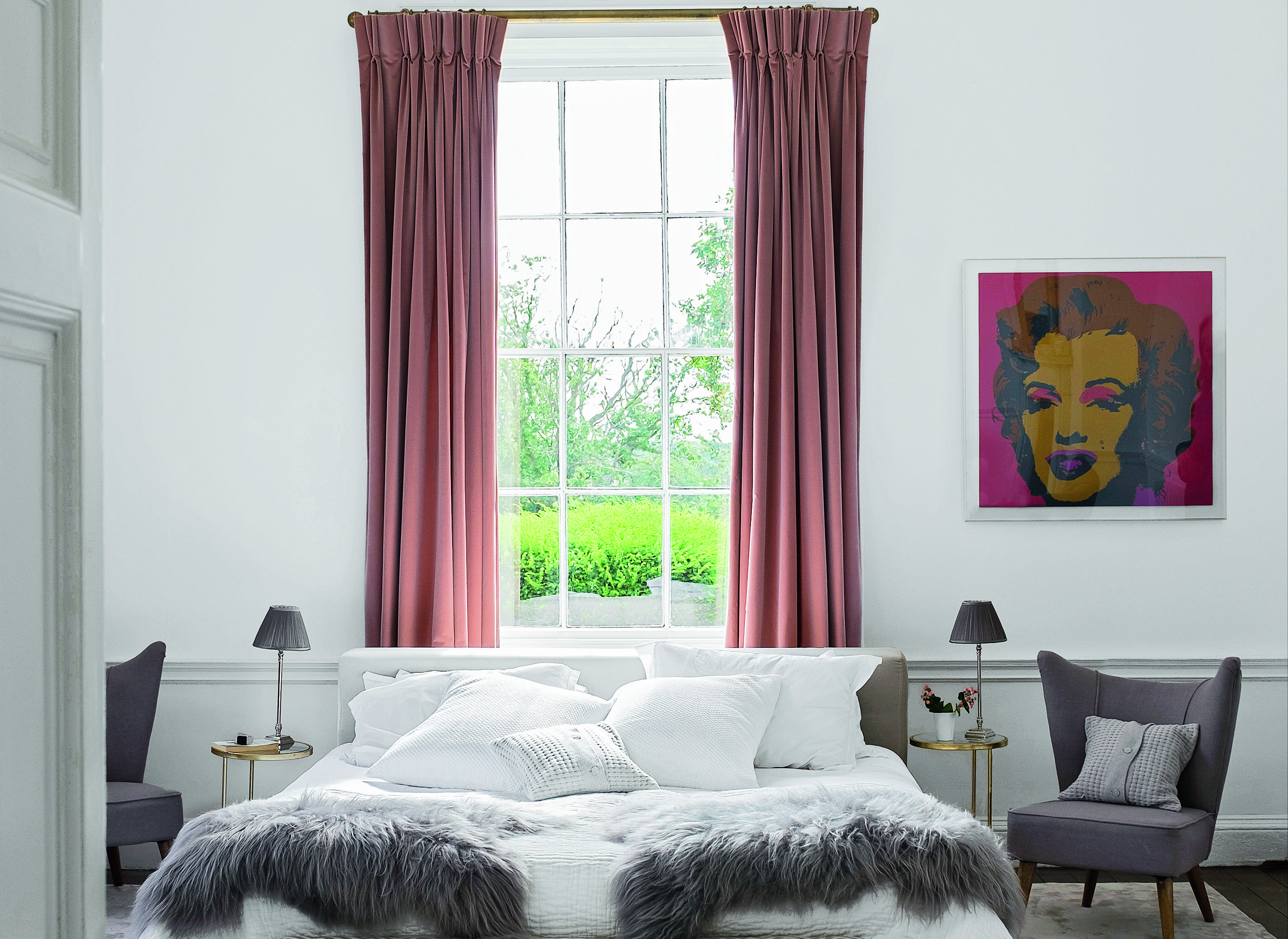
These Feng Shui experts say you shouldn't position your bed like this if you want to sleep well — and it's a common layout idea

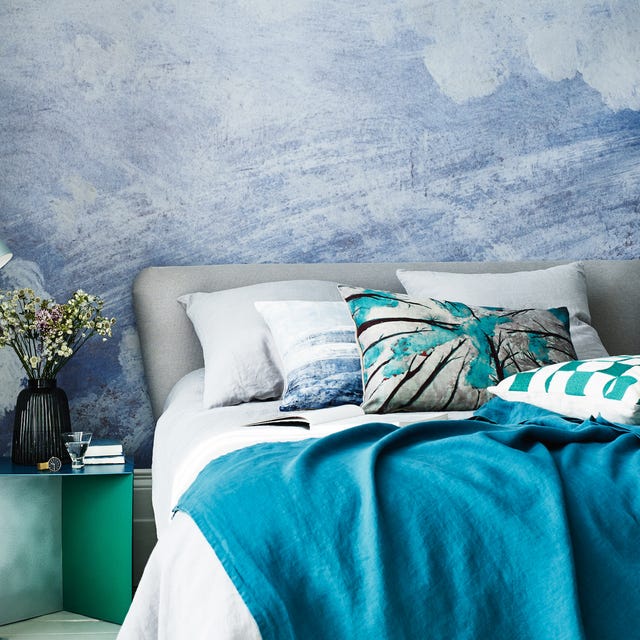
How to transform your bedroom into a wellbeing sanctuary, according to experts

Is it okay to place a bed under a window? Feng Shui experts offer their advice
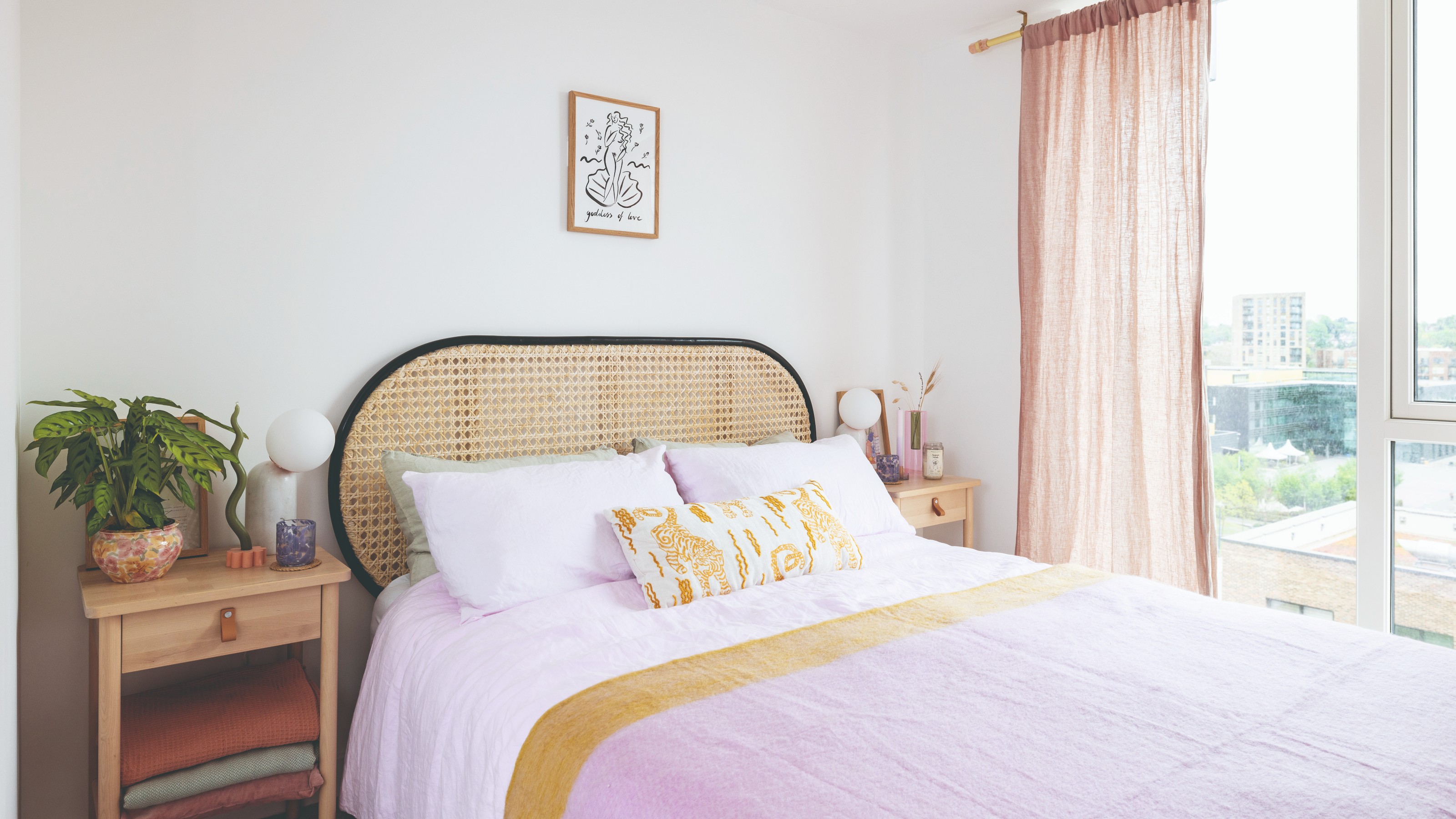
Do you sleep facing north? According to sleep experts you really should be
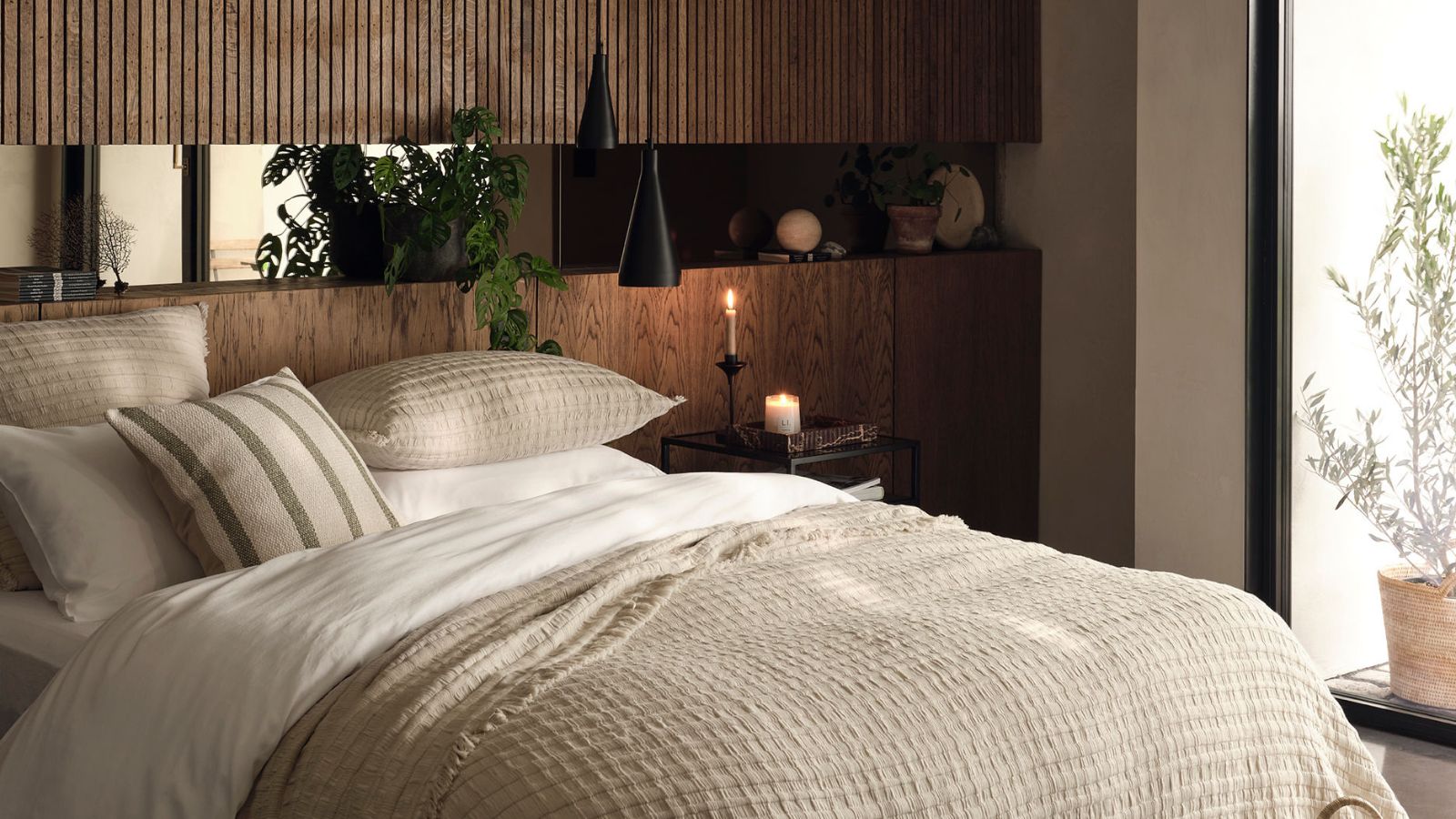
Sleep experts helped organize my bedroom for better sleep

How to Feng Shui your bedroom
Decorating Your Bedroom With Feng Shui