1/5
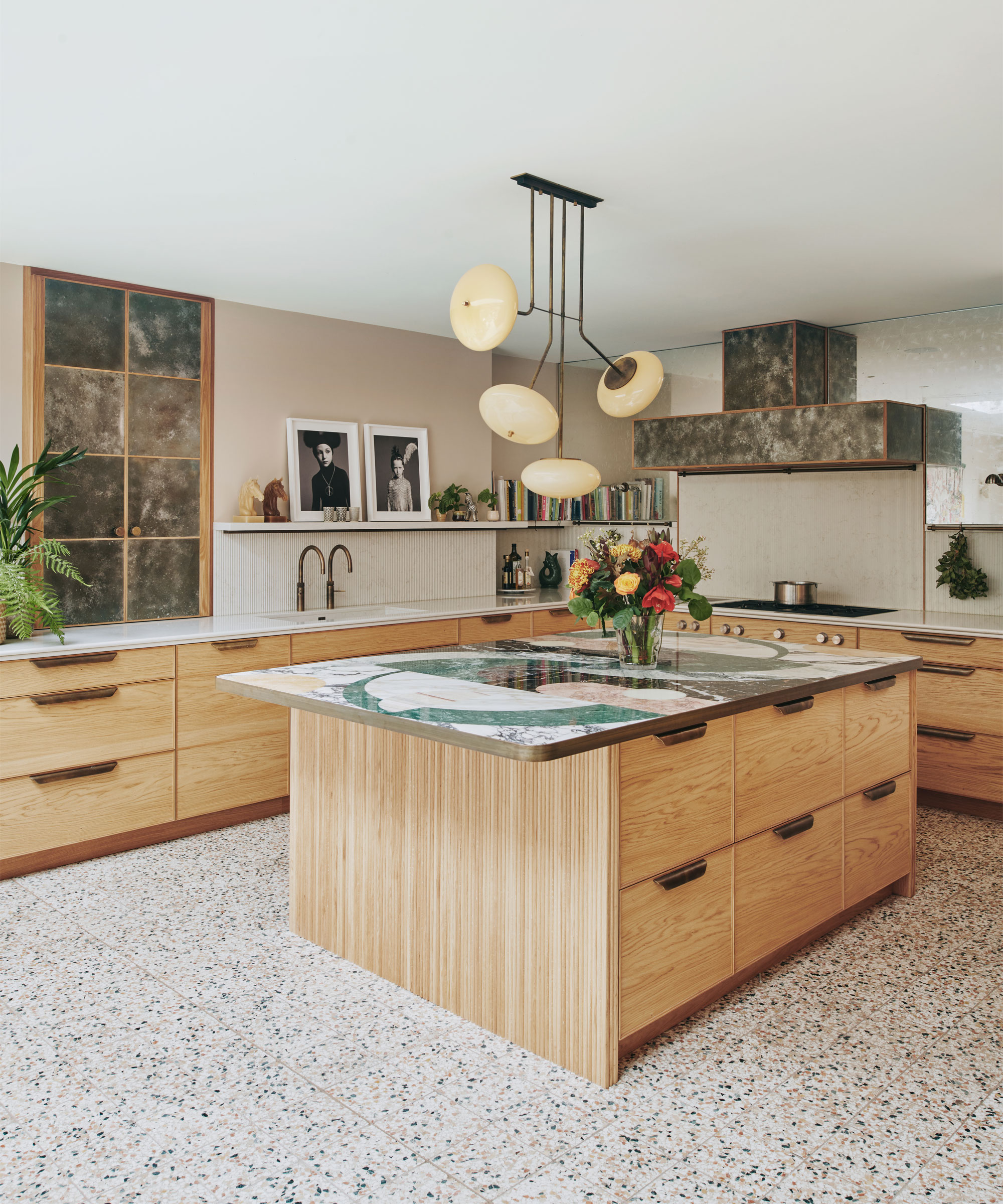
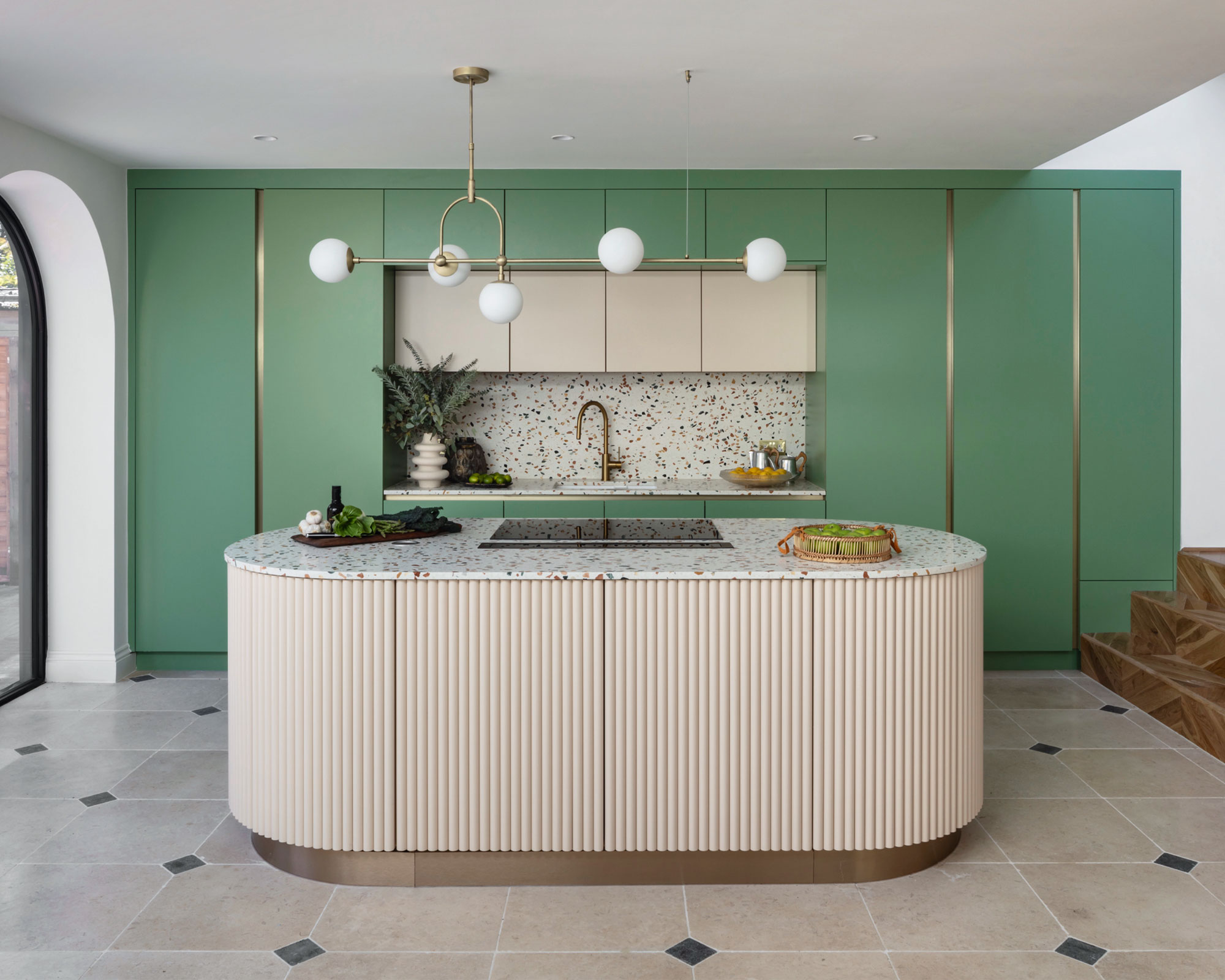
Are kitchen islands out? Kitchen experts agree that the prep table might be it's trendy replacement
The article discusses the evolving trend in kitchen design, specifically examining whether traditional kitchen islands are being replaced by prep tables. It highlights that while kitchen islands have long been considered a central and essential feature in kitchen design, there is a growing interest in prep tables as an alternative. The piece suggests that homeowners should critically evaluate their needs and budget before committing to a kitchen island during a renovation, as other options, such as prep tables, might offer better suitability for their space.
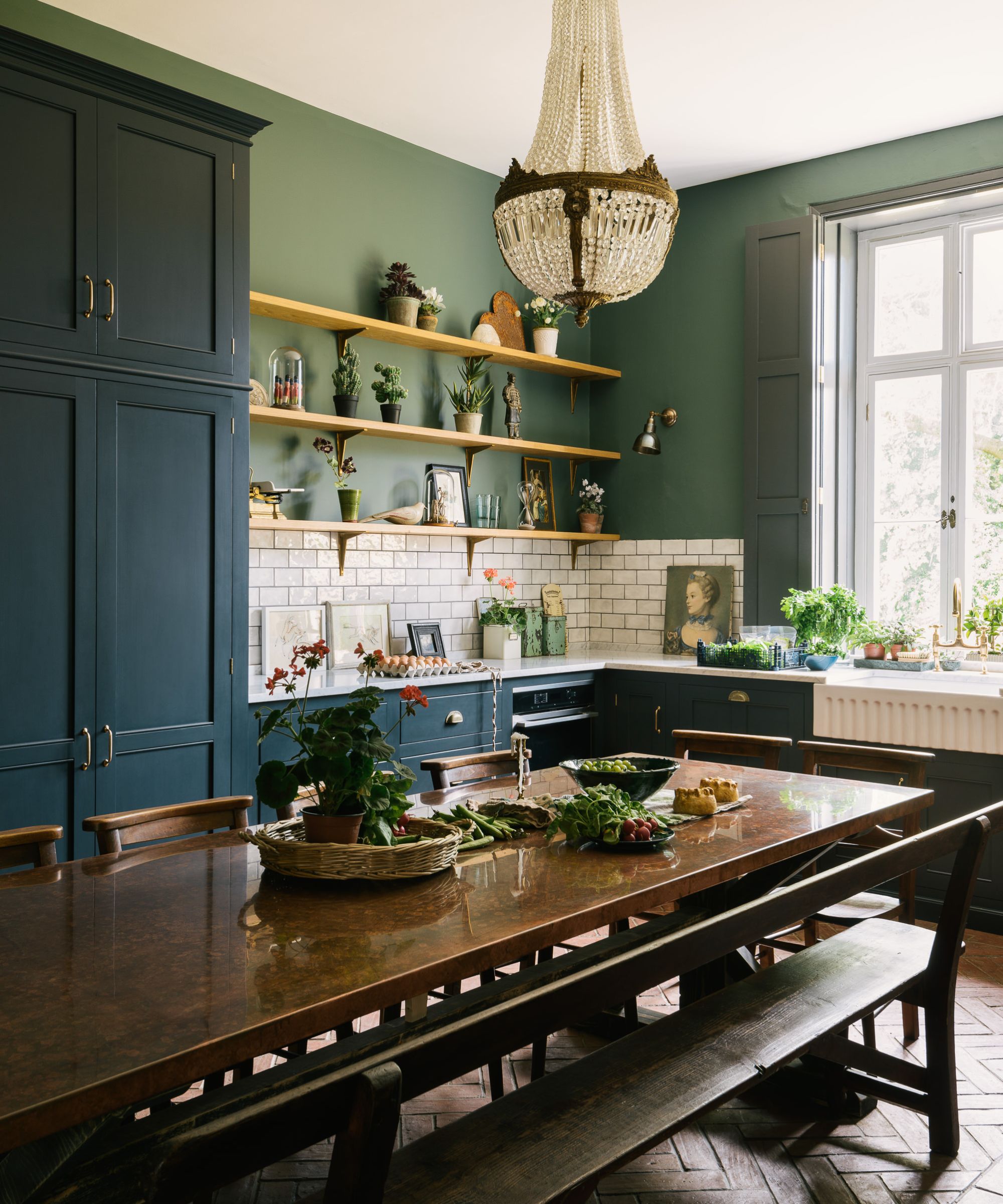
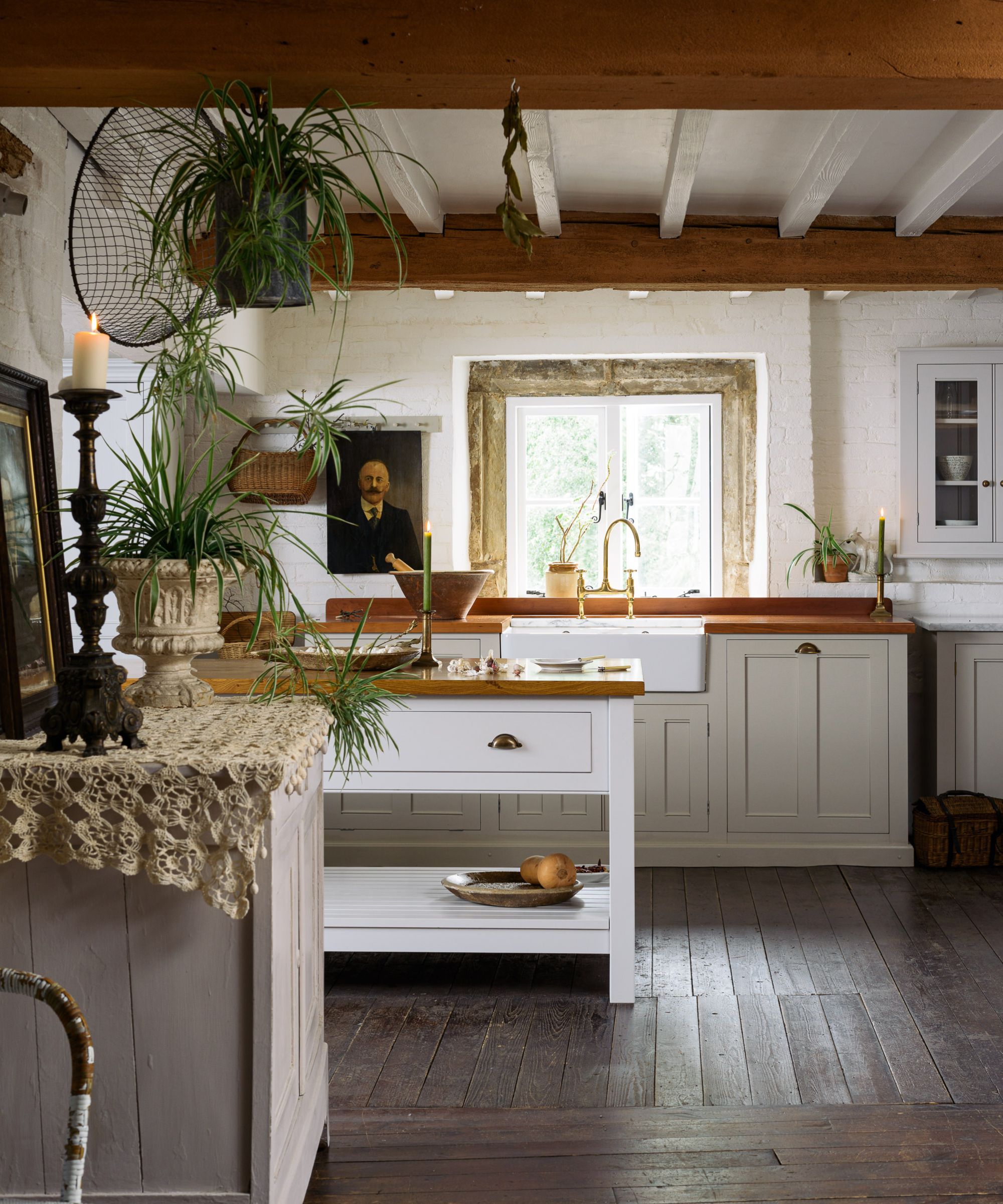
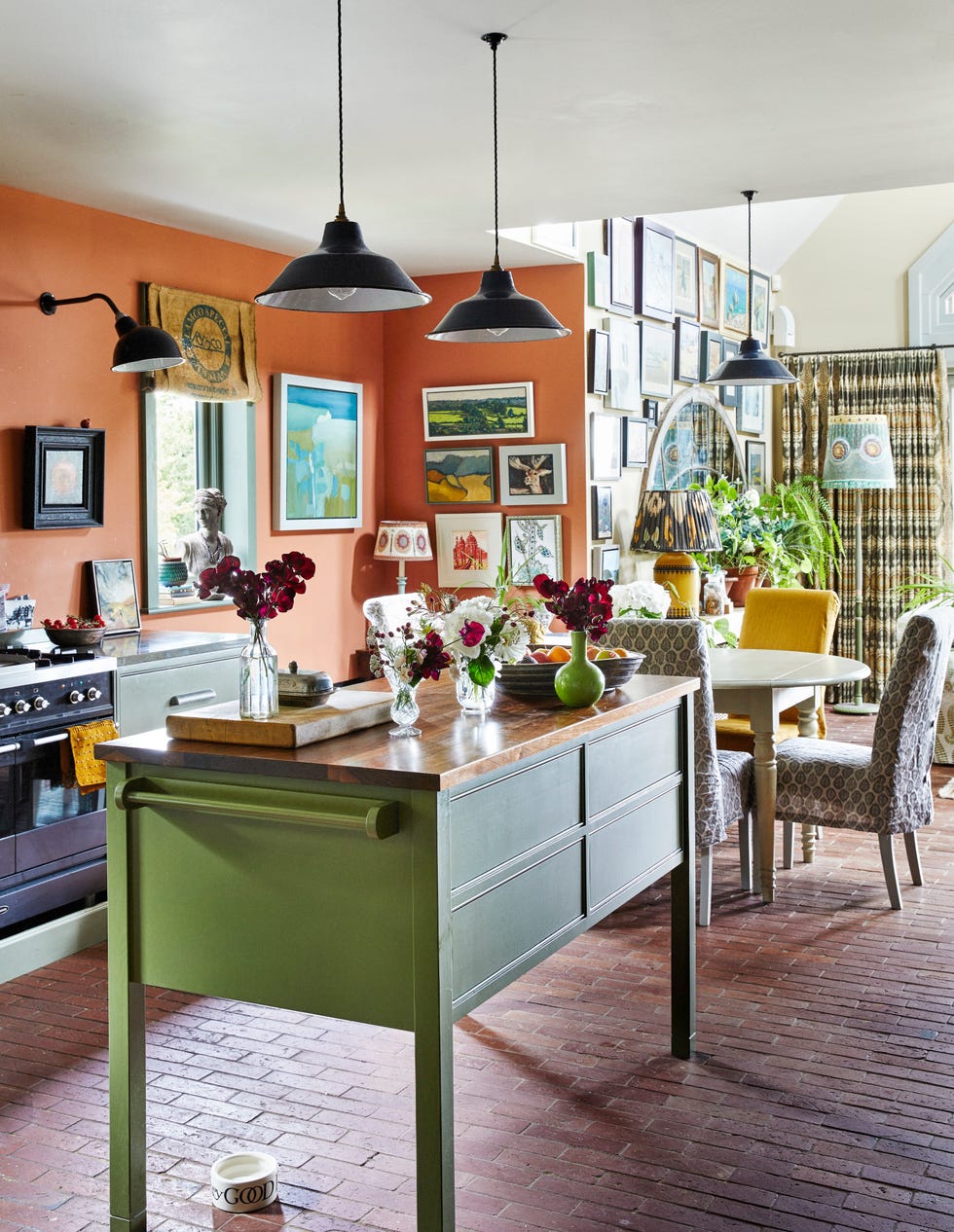
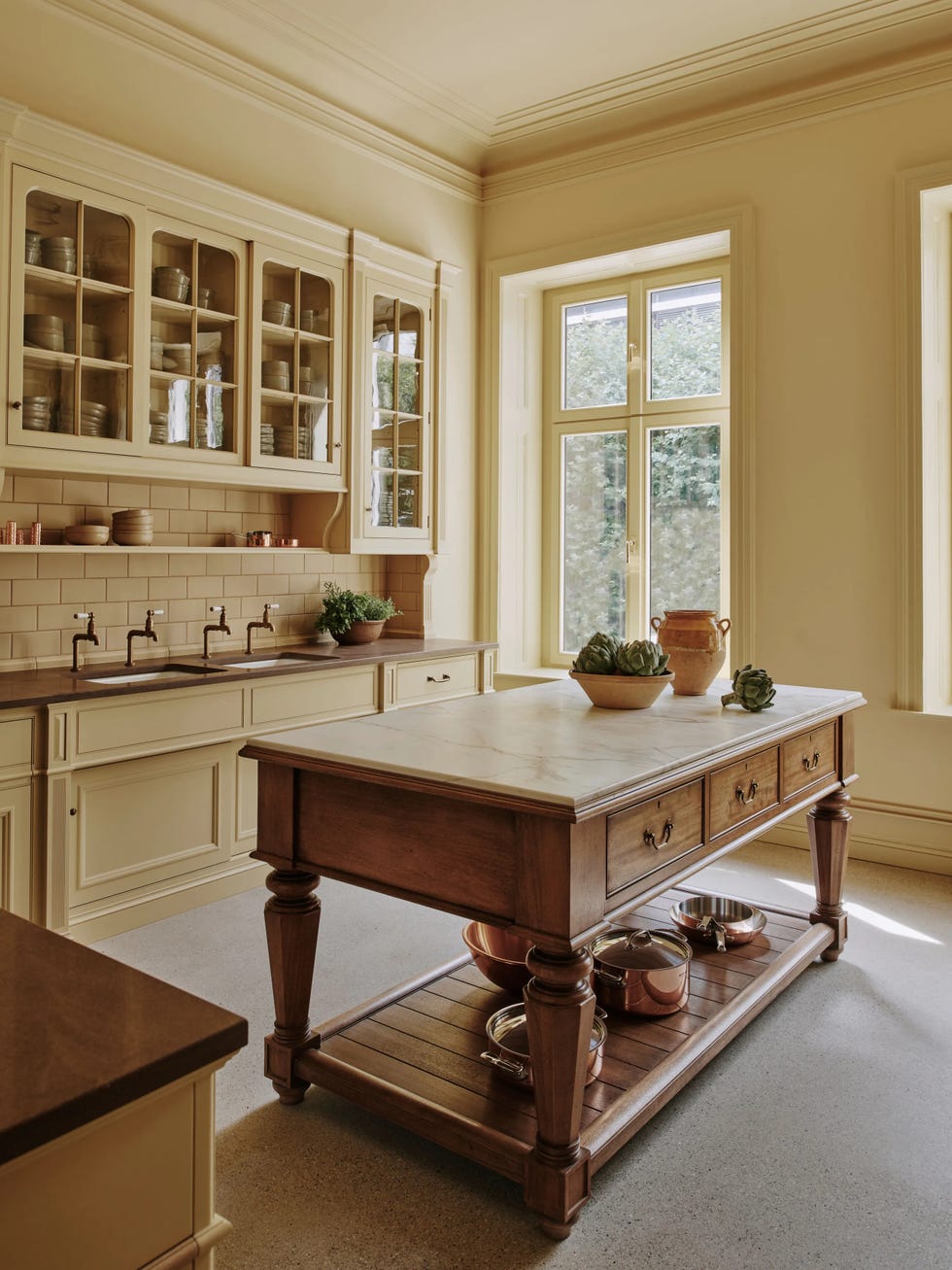
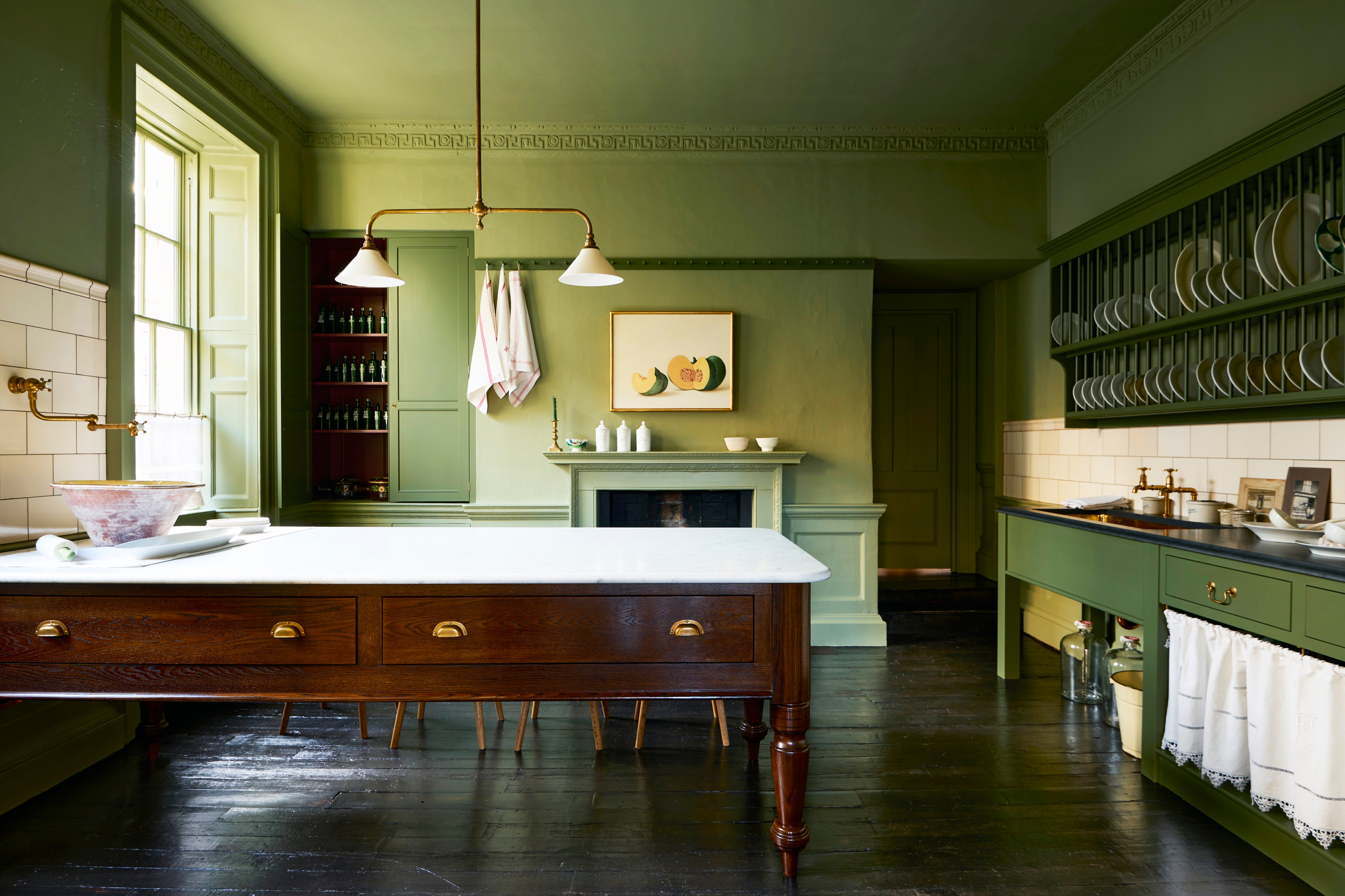
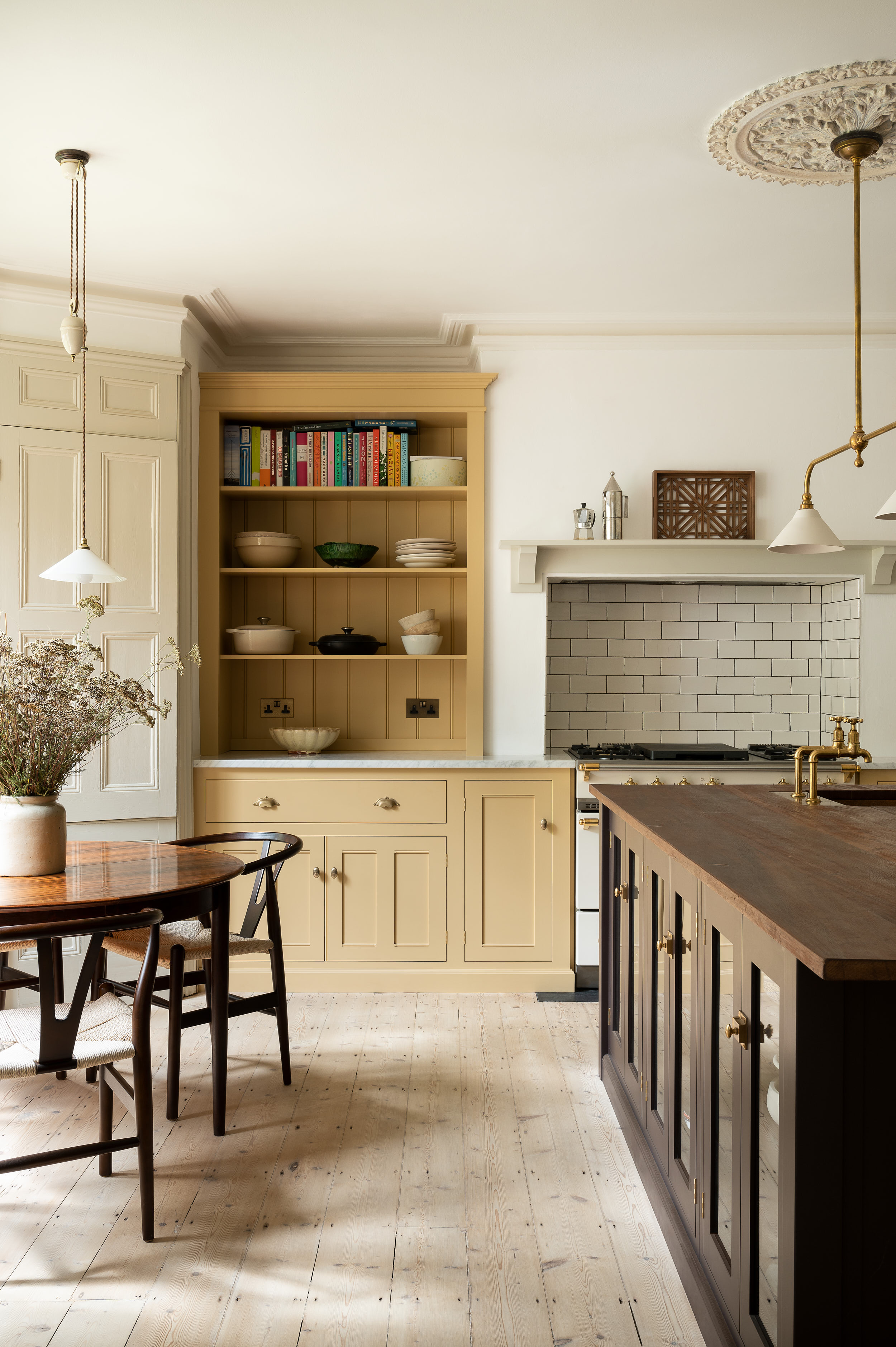
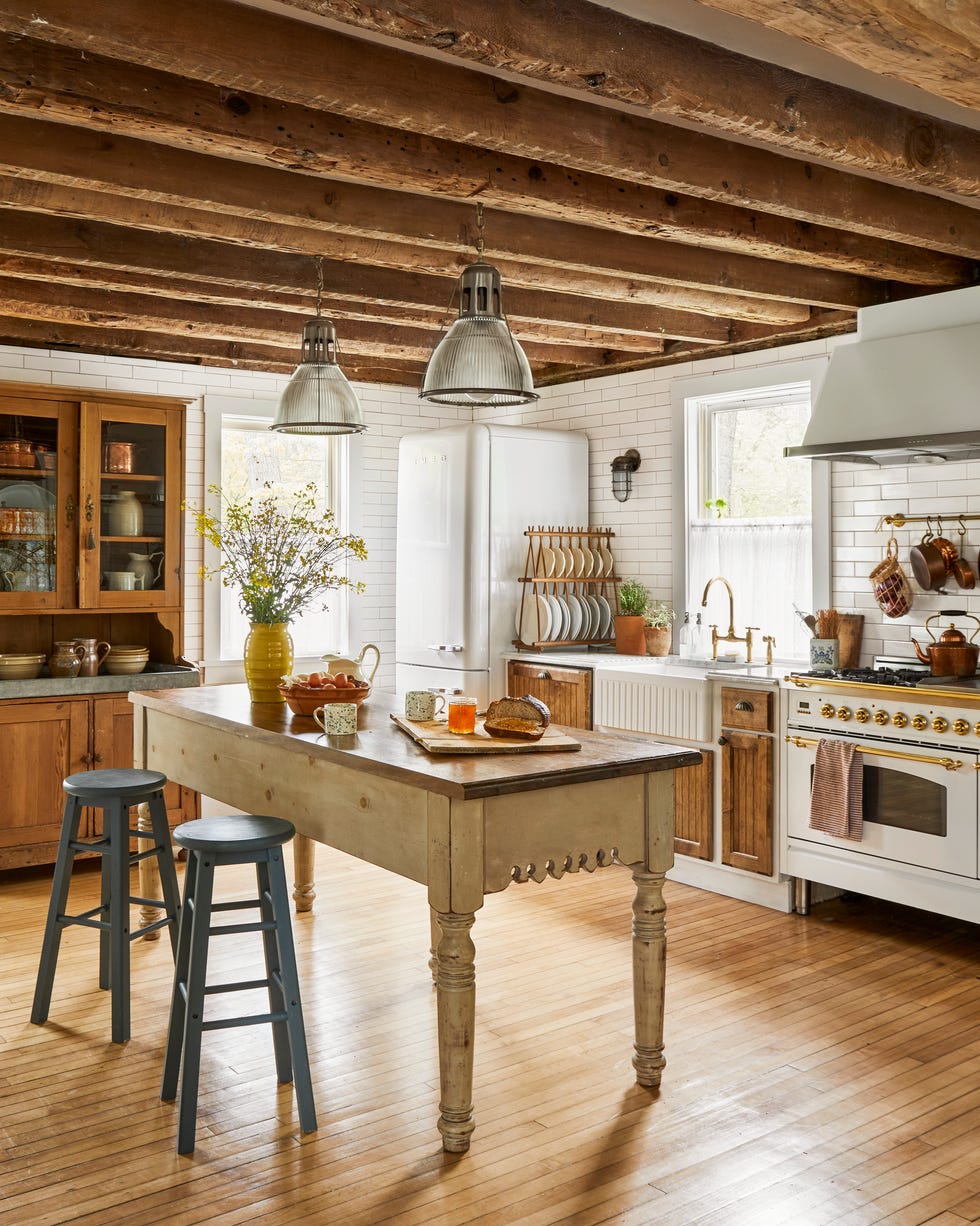
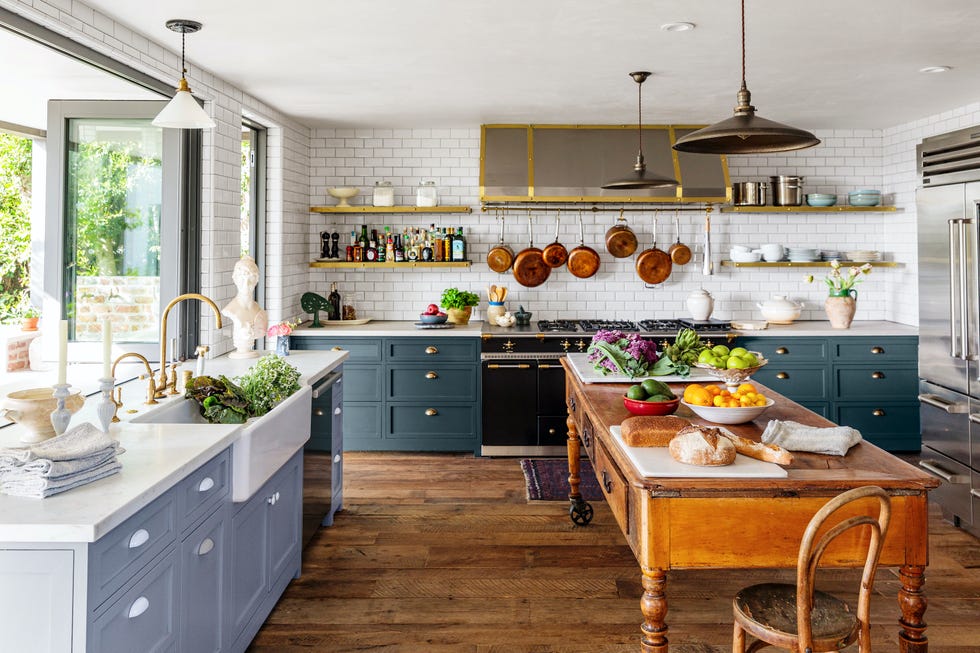
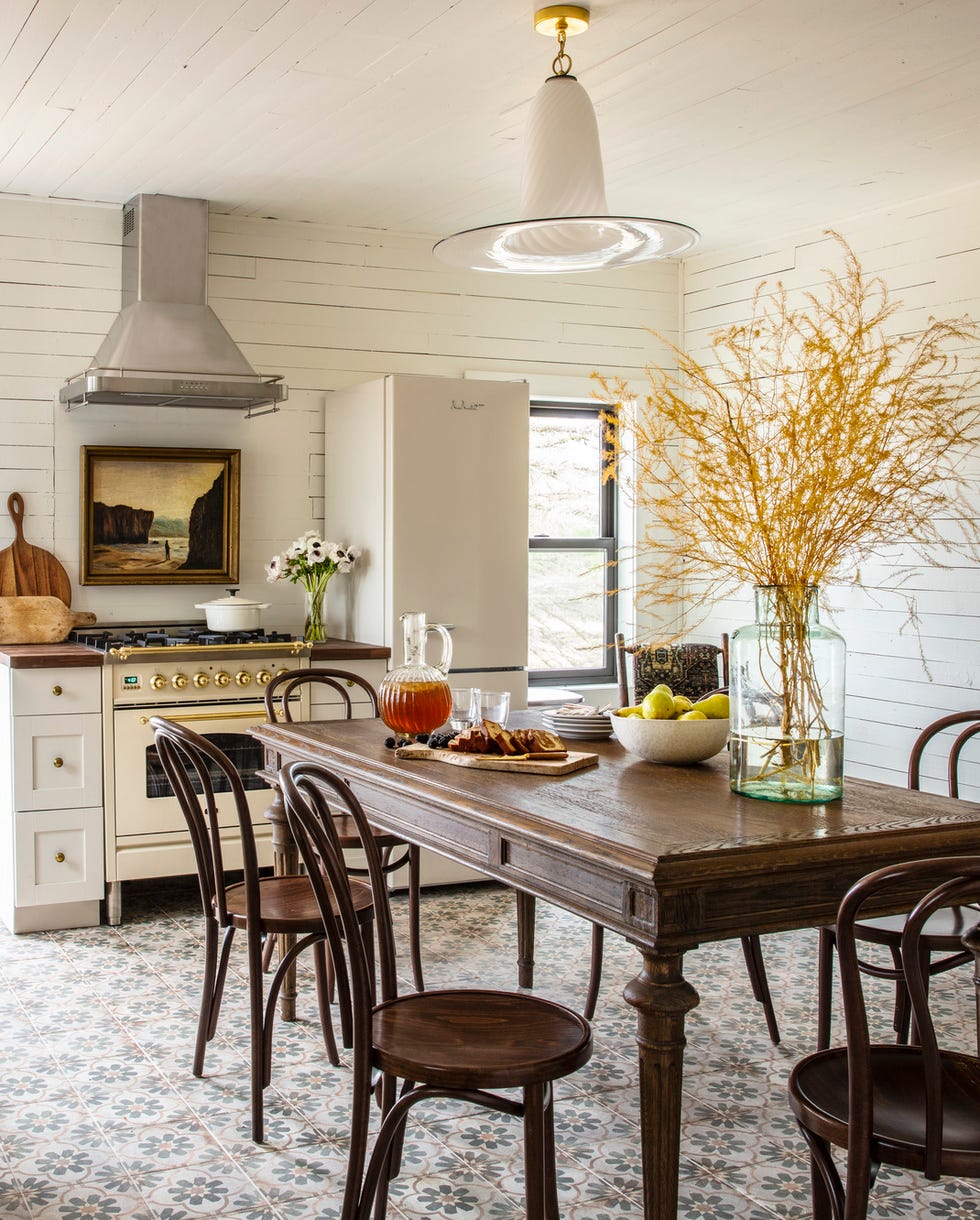
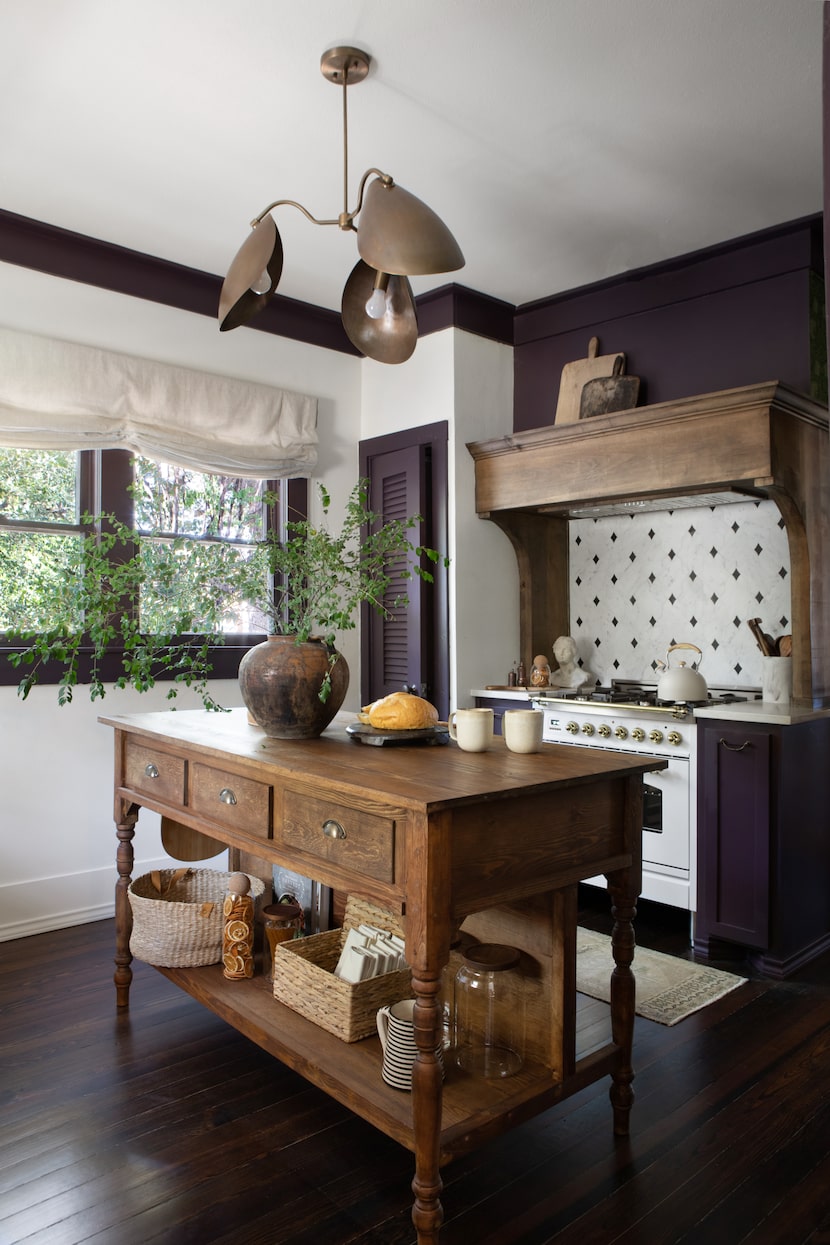
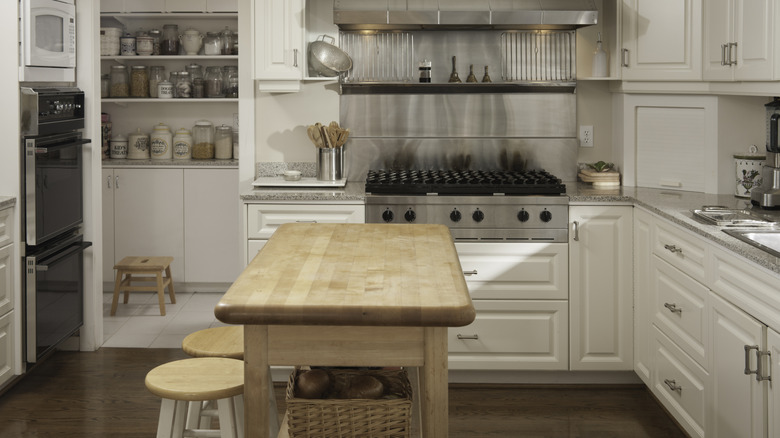
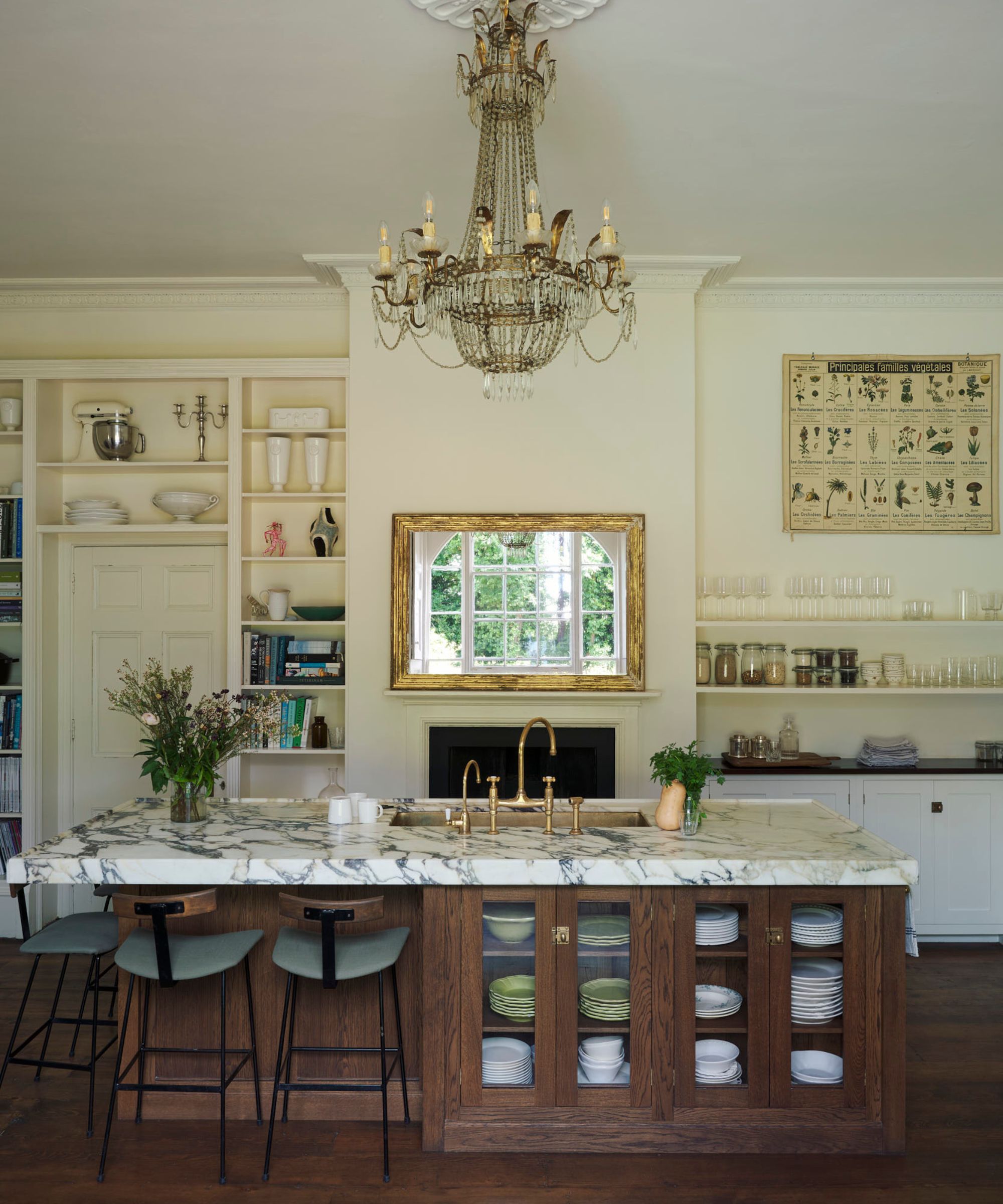
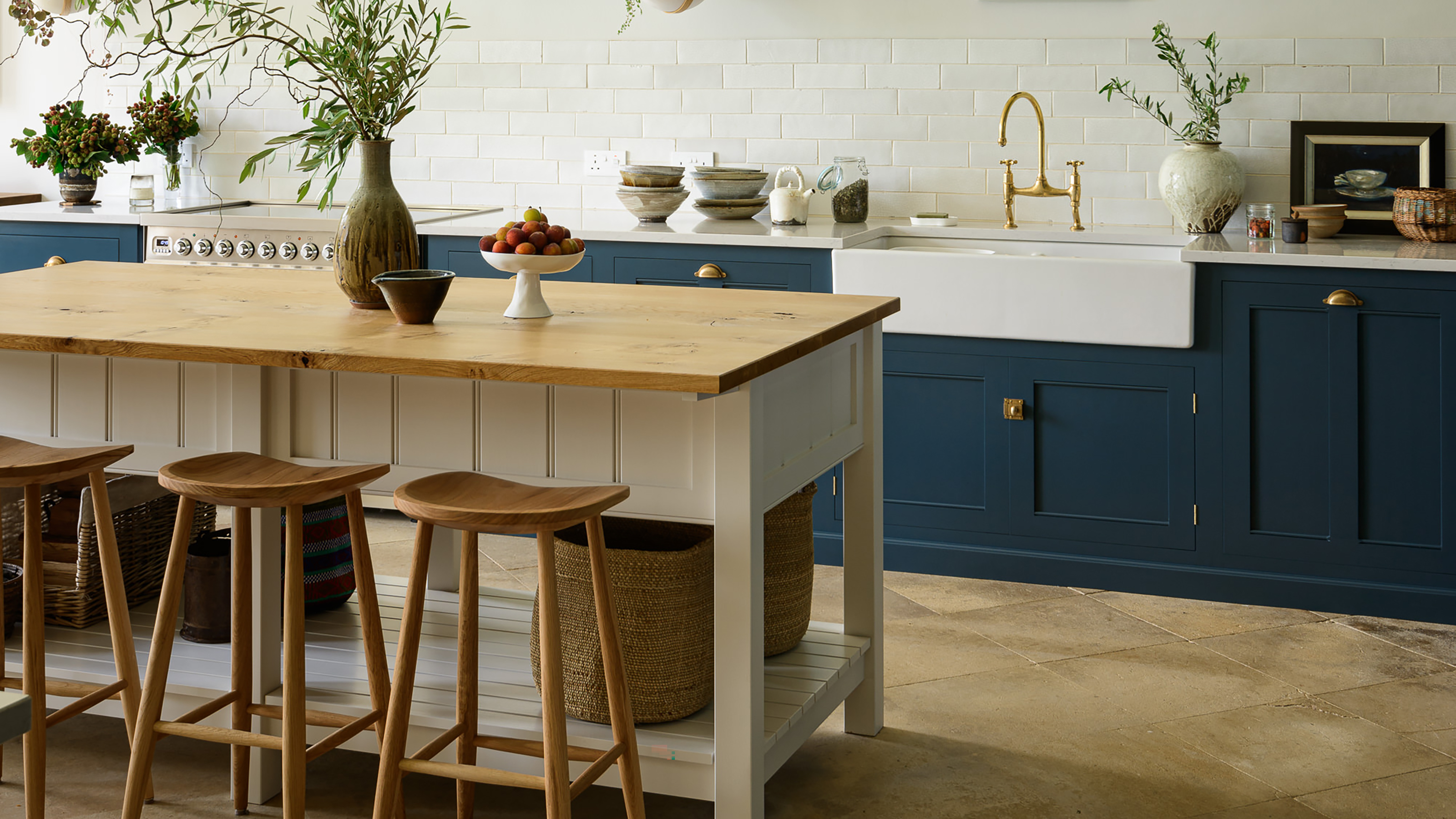
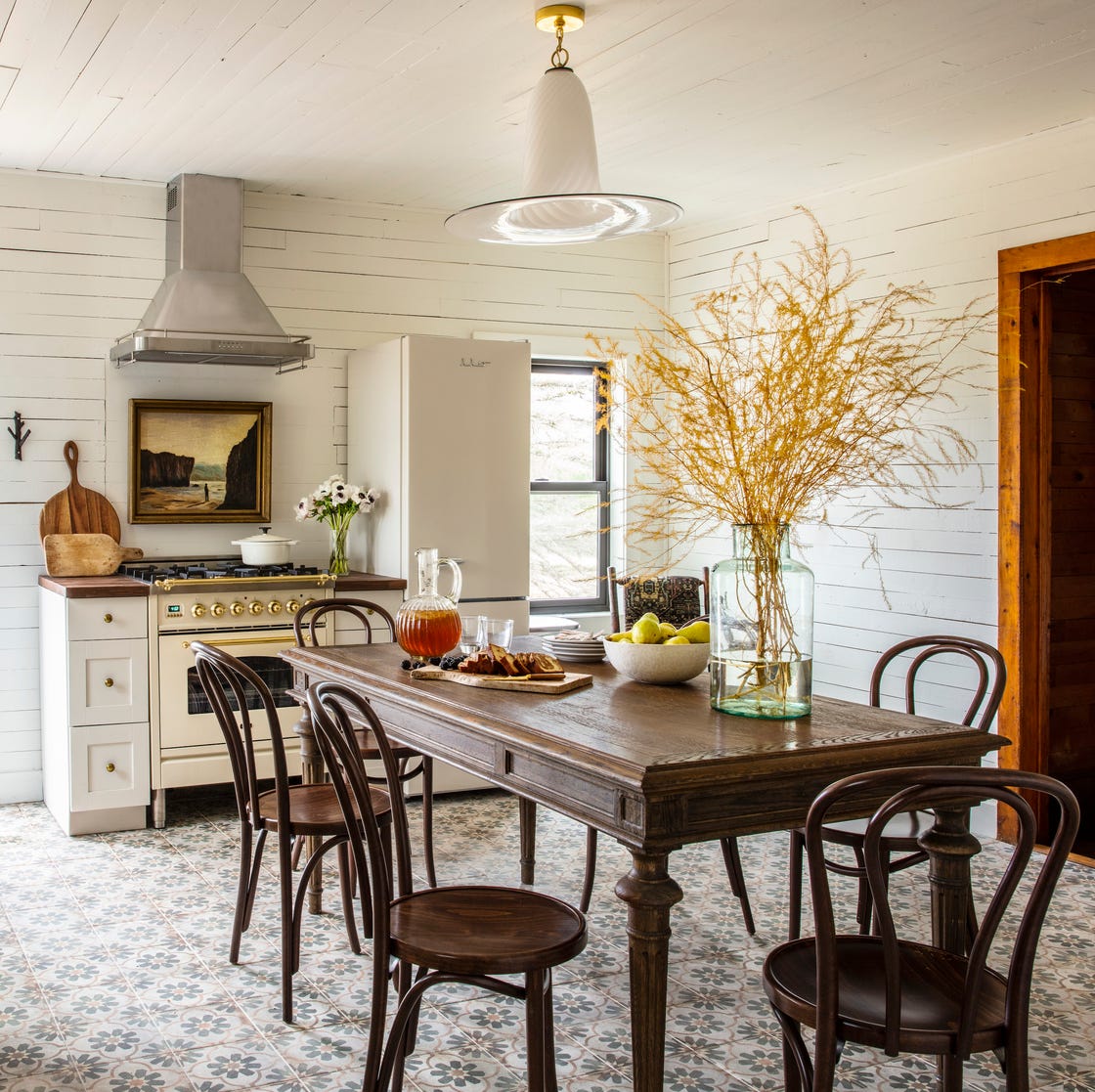
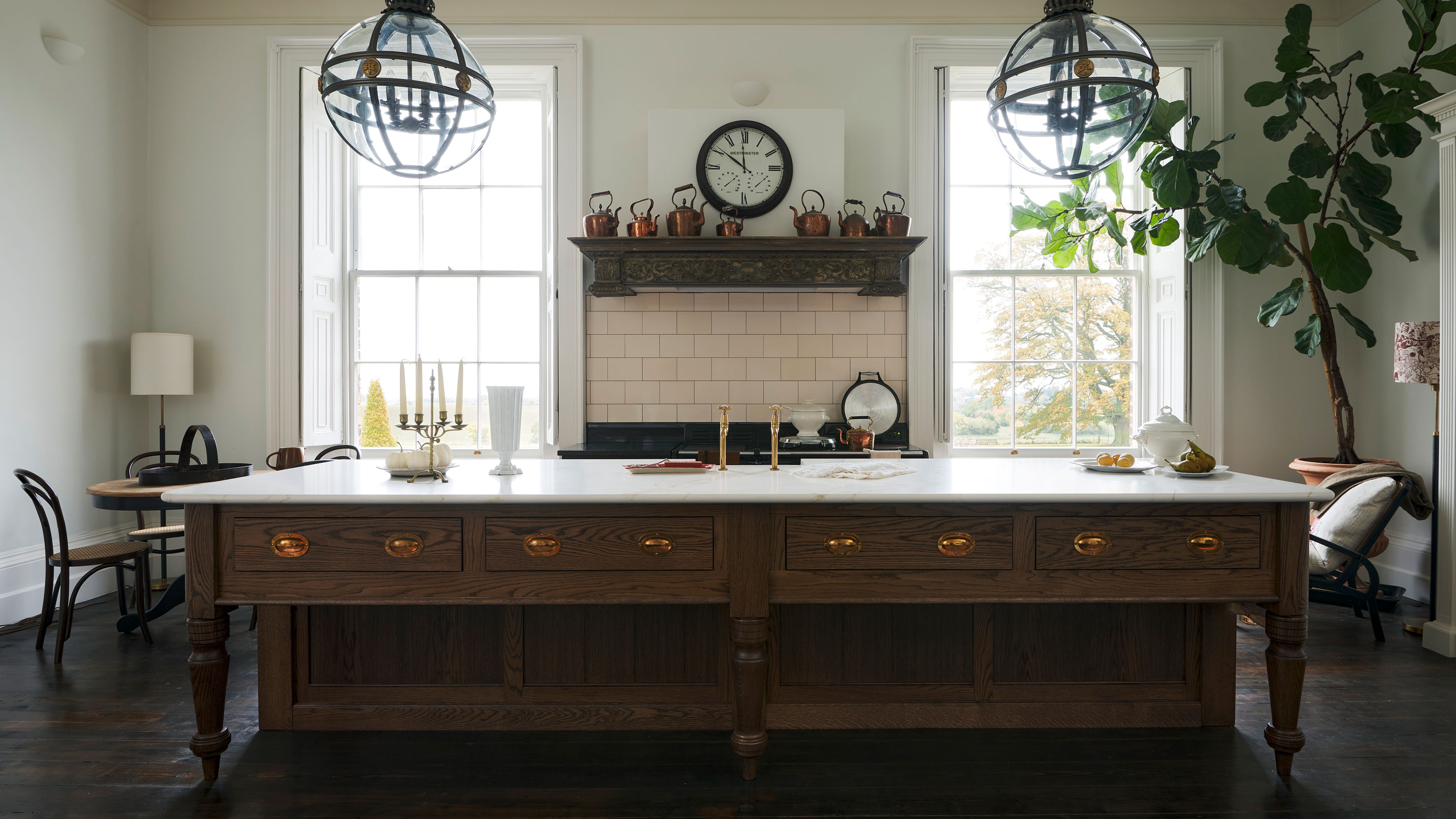
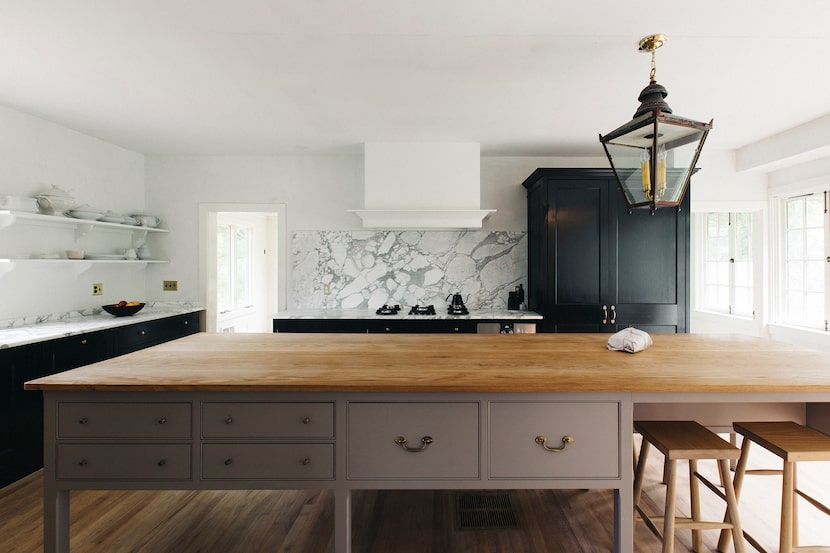
The core distinction between a prep table and a kitchen island lies in their traditional roles and structural characteristics. Prep tables are described as having roots in farmhouse and country kitchen aesthetics, primarily serving as clear, dedicated spaces for food preparation. Unlike islands, which often integrate sinks, hobs, and extensive storage, prep tables are presented as more open and airy. Helen Parker, creative director of deVOL Kitchens, explains that prep tables were common in Victorian and Georgian working kitchens and are seeing a comeback. She notes that deVOL Kitchens, which initially favored butcher's blocks, observes a renewed interest in these more traditional, less bulky features.
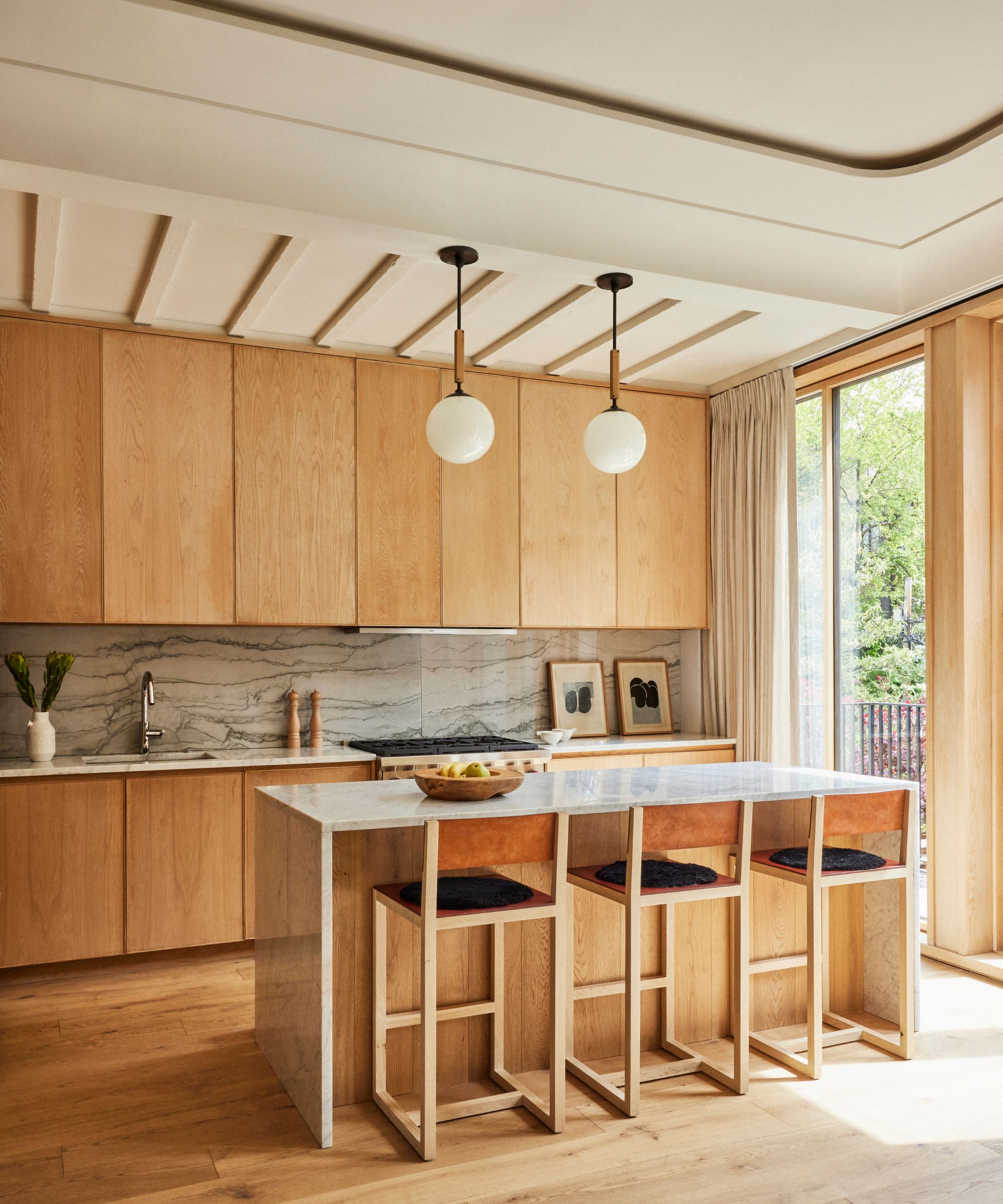
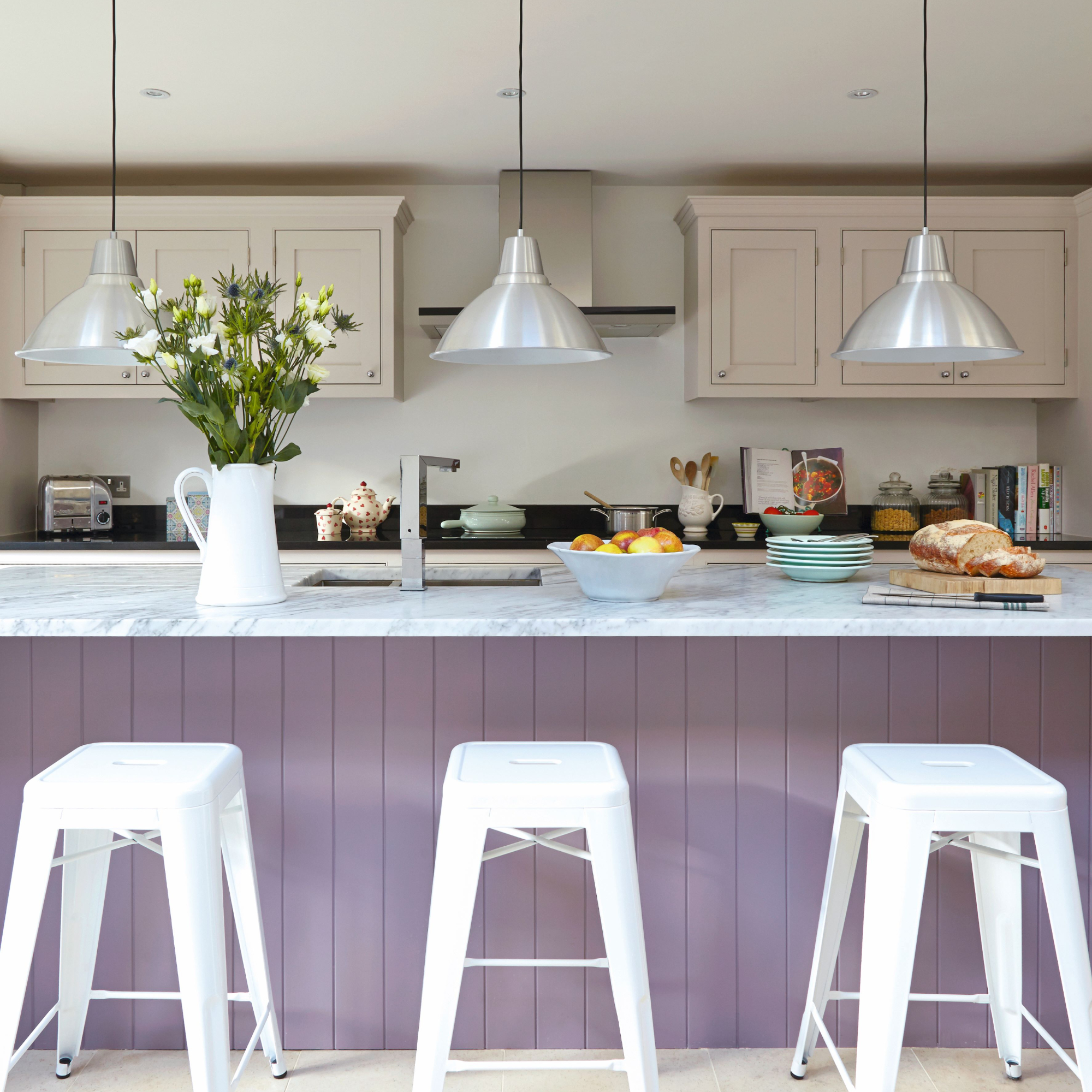
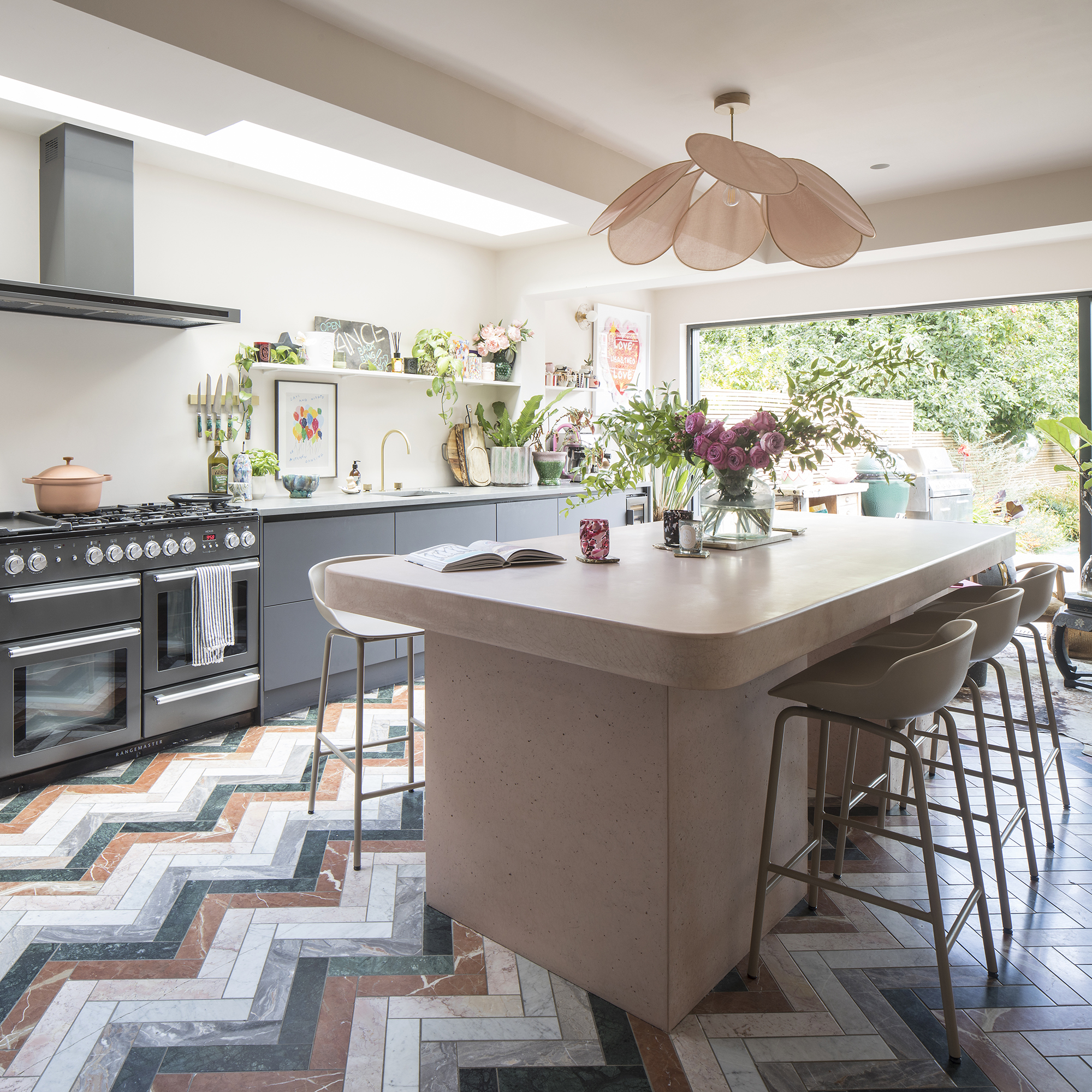
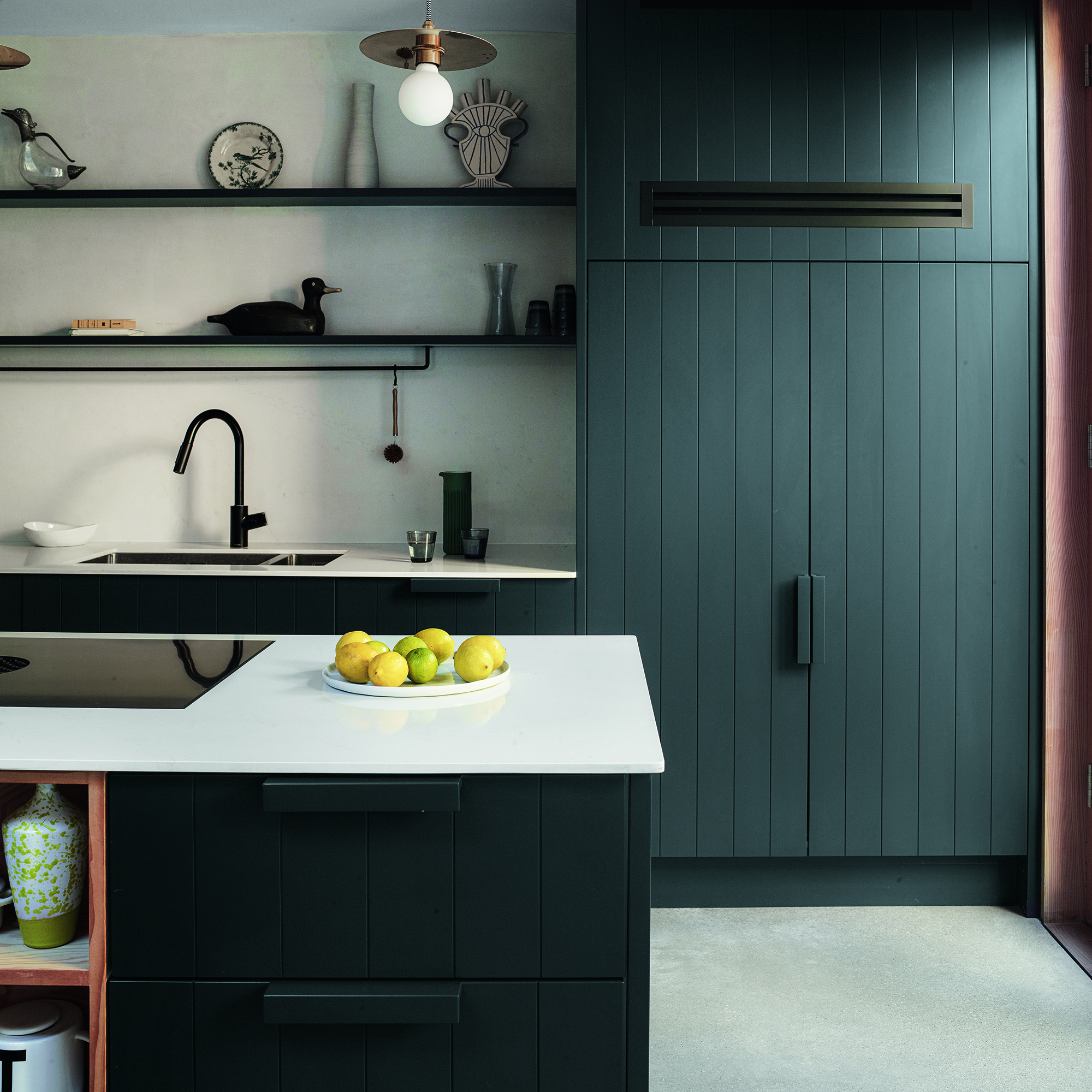
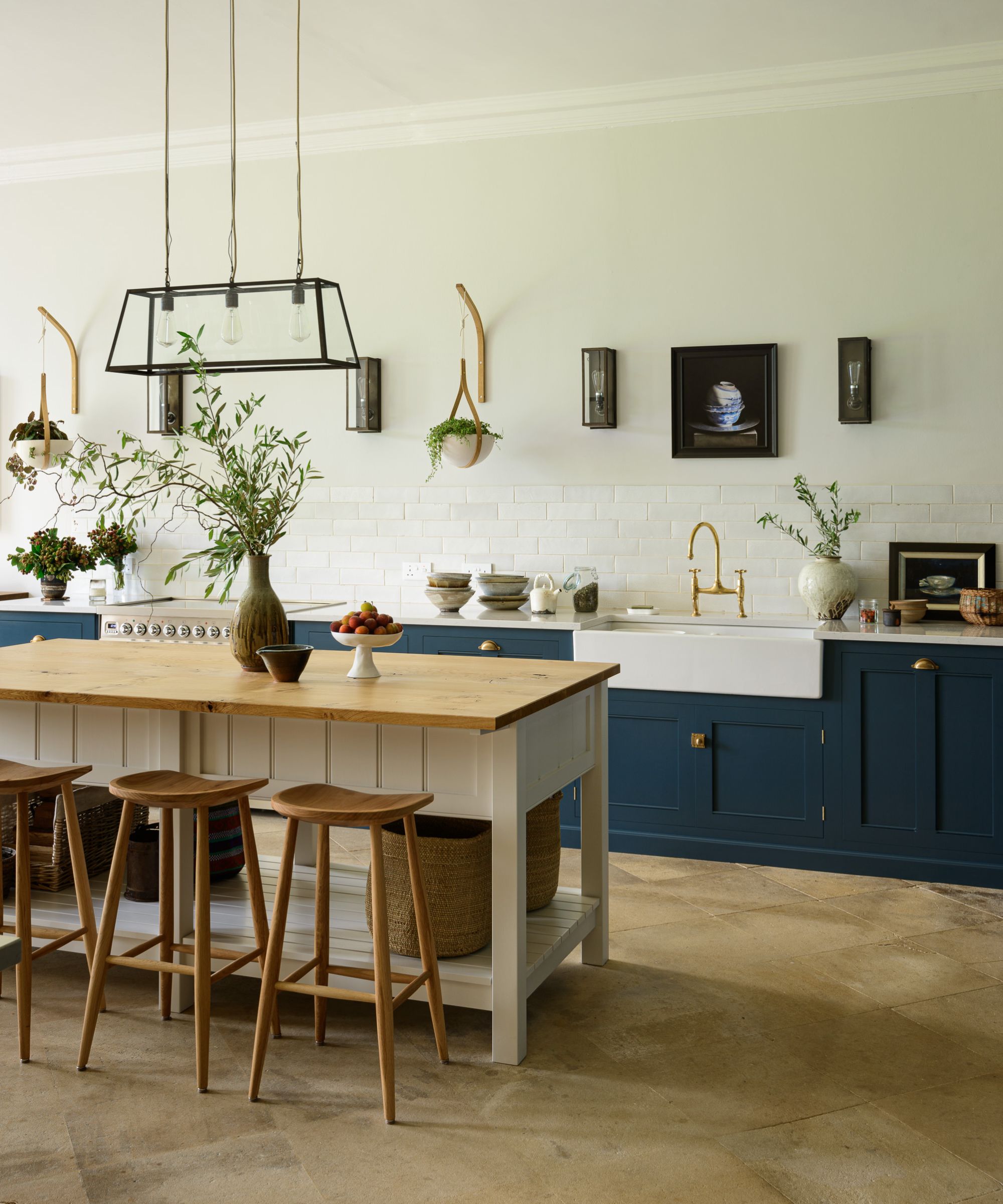
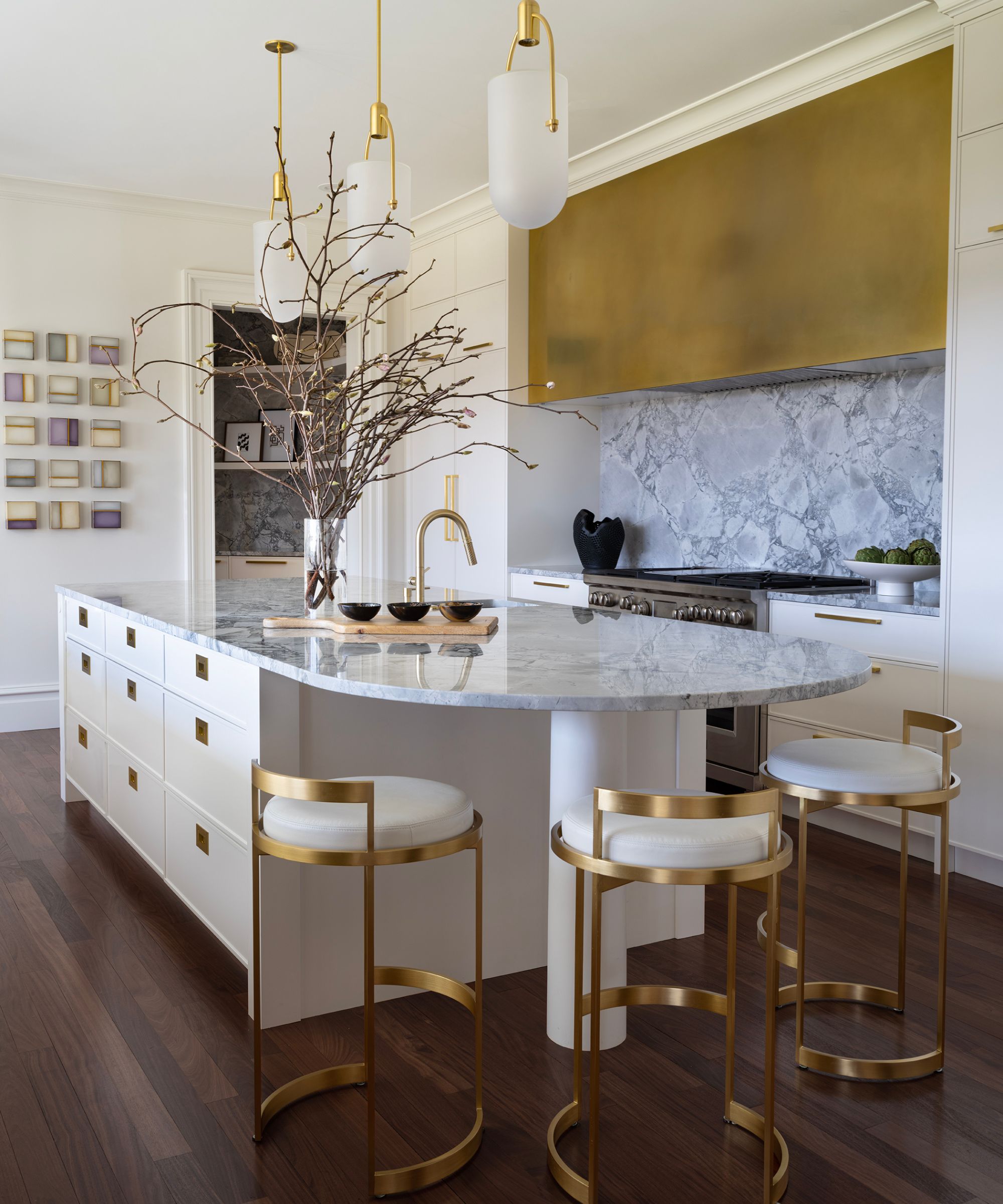
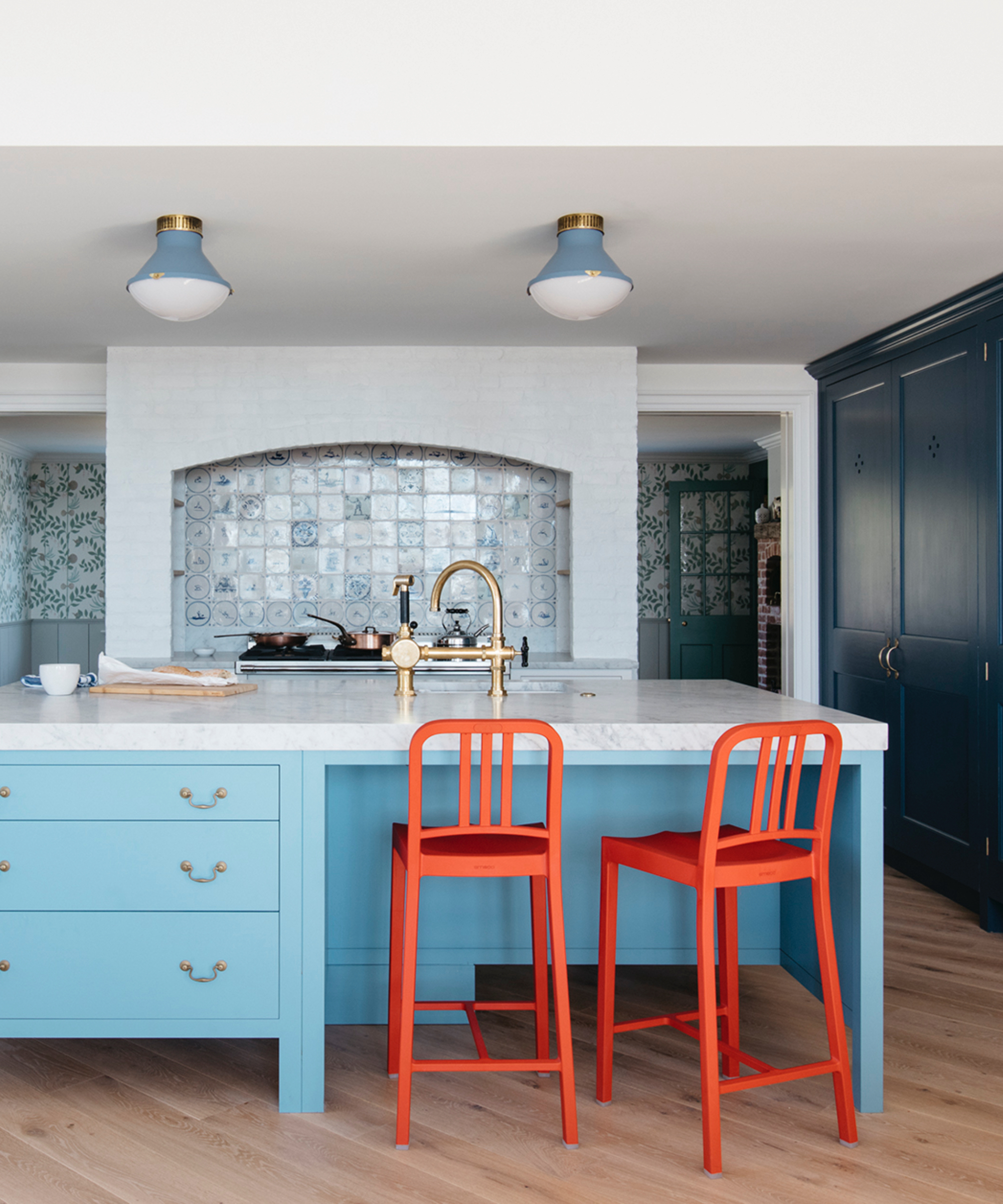
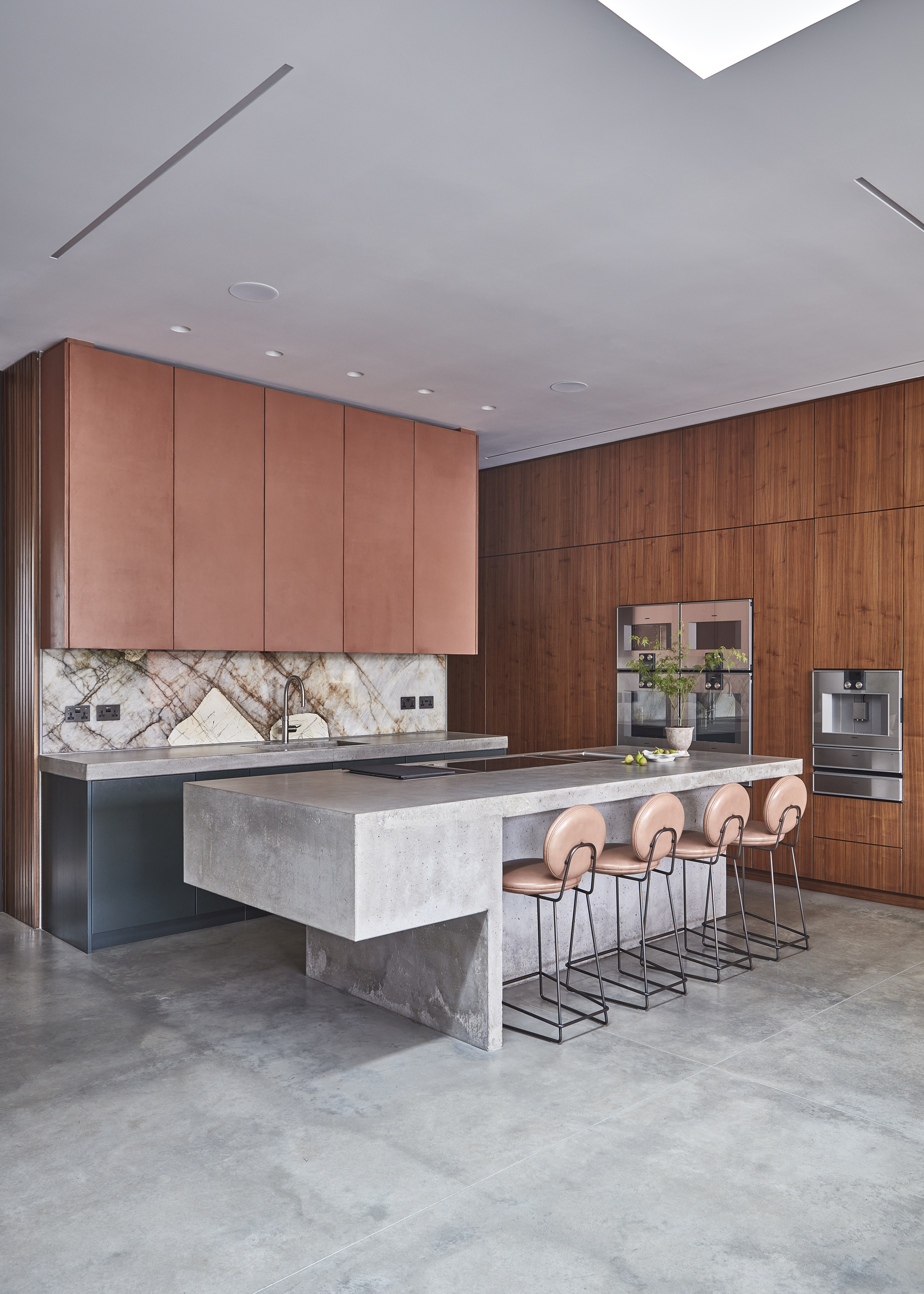
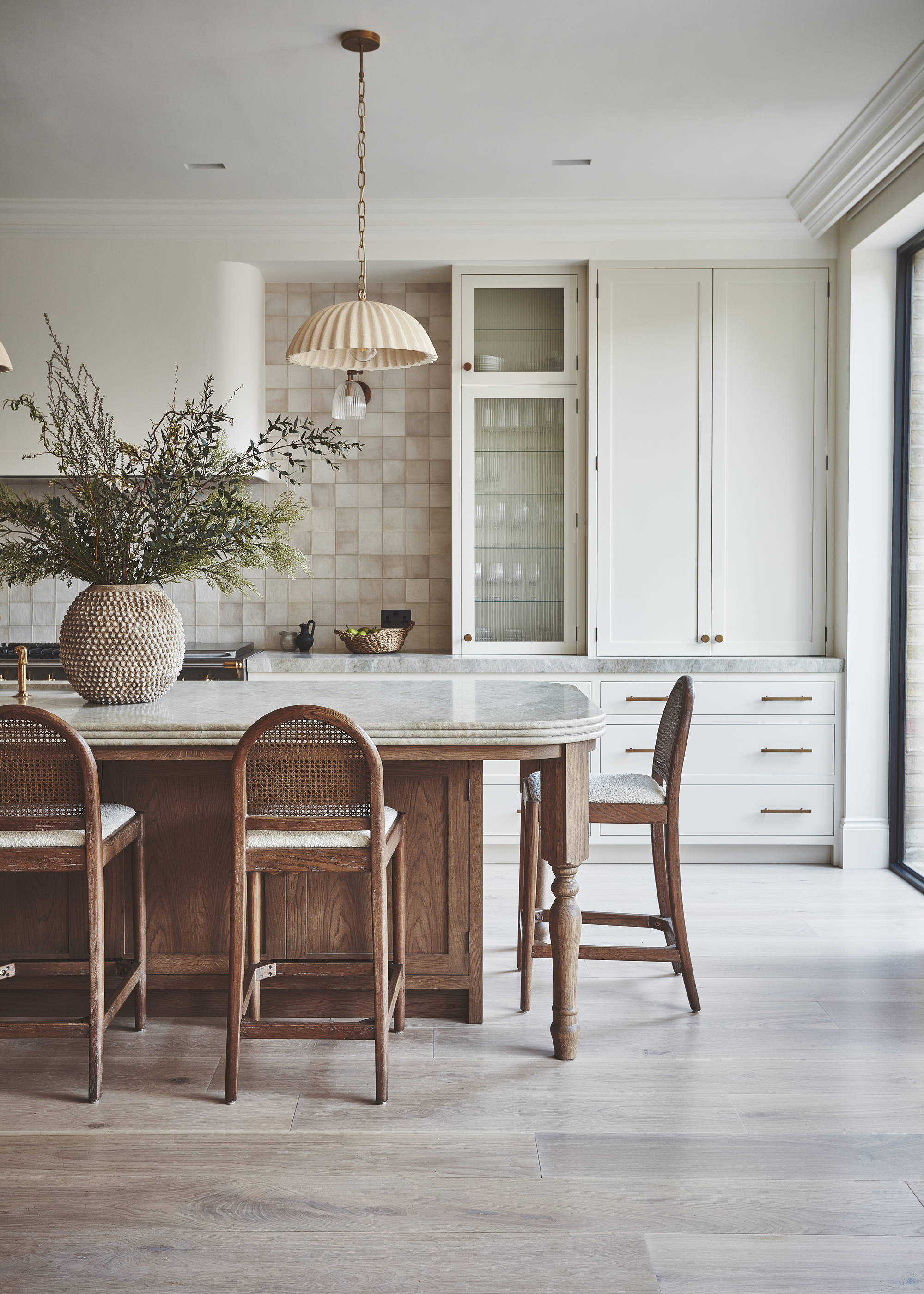
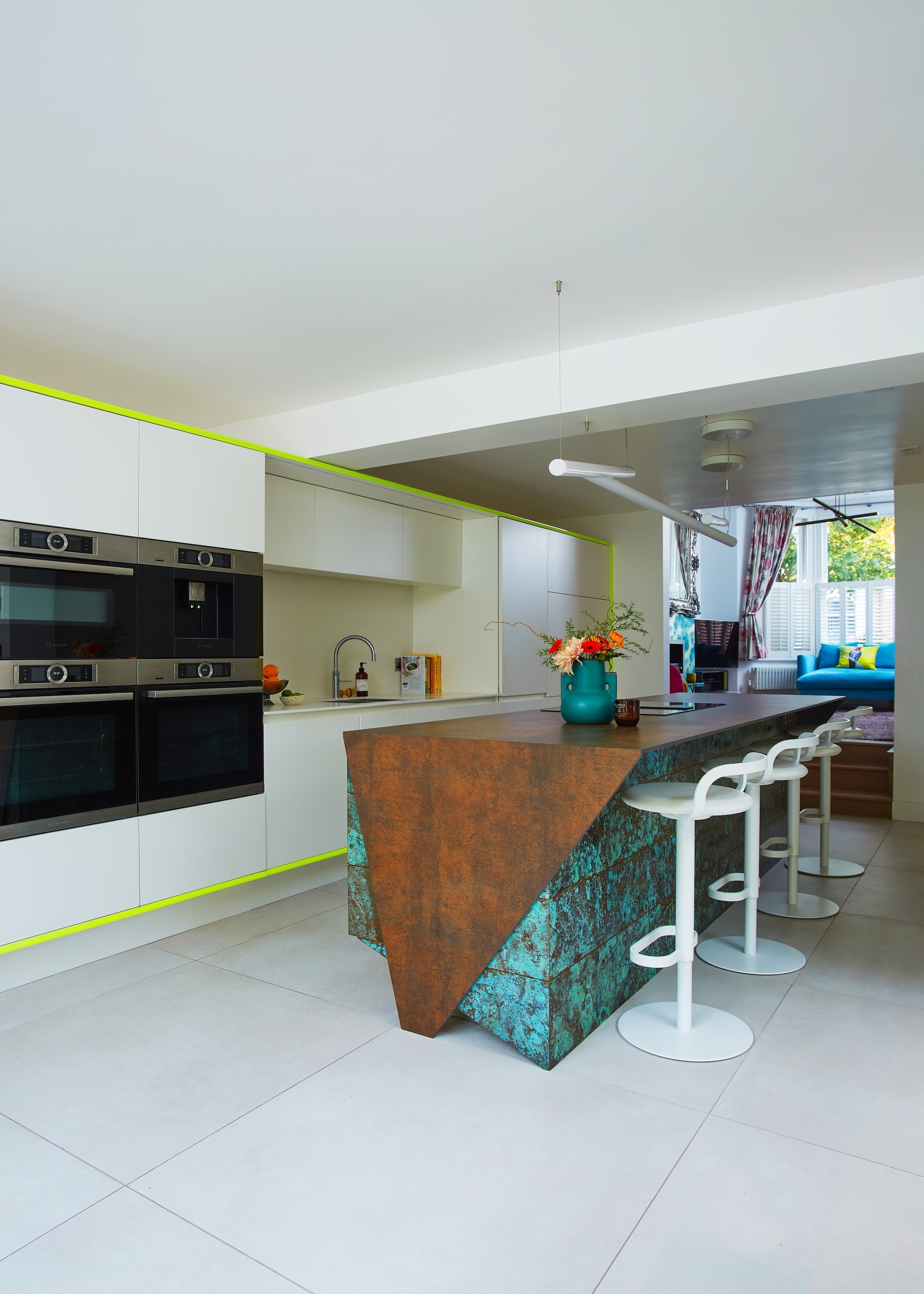
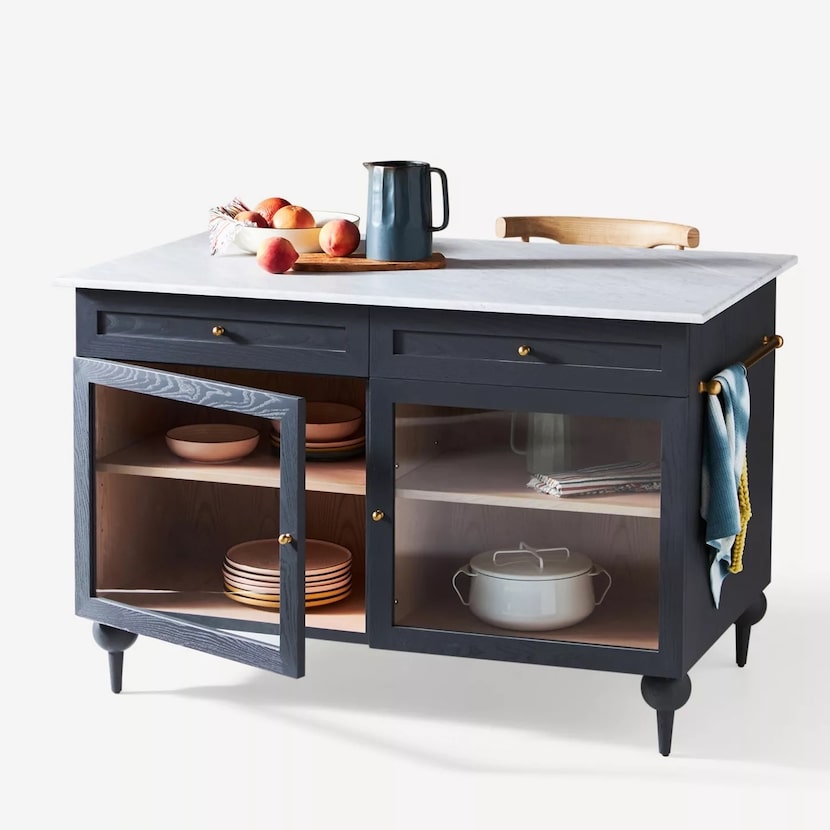
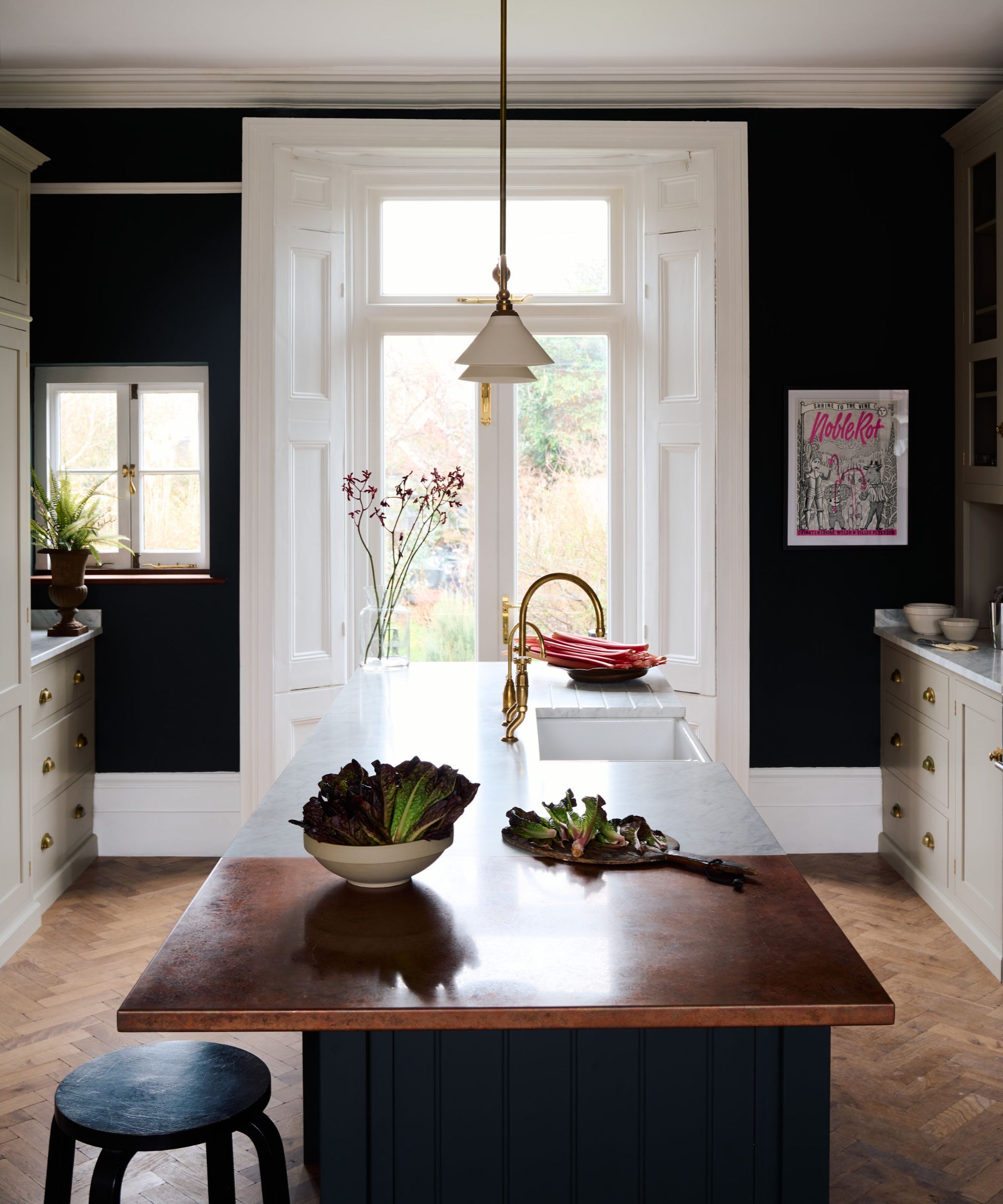
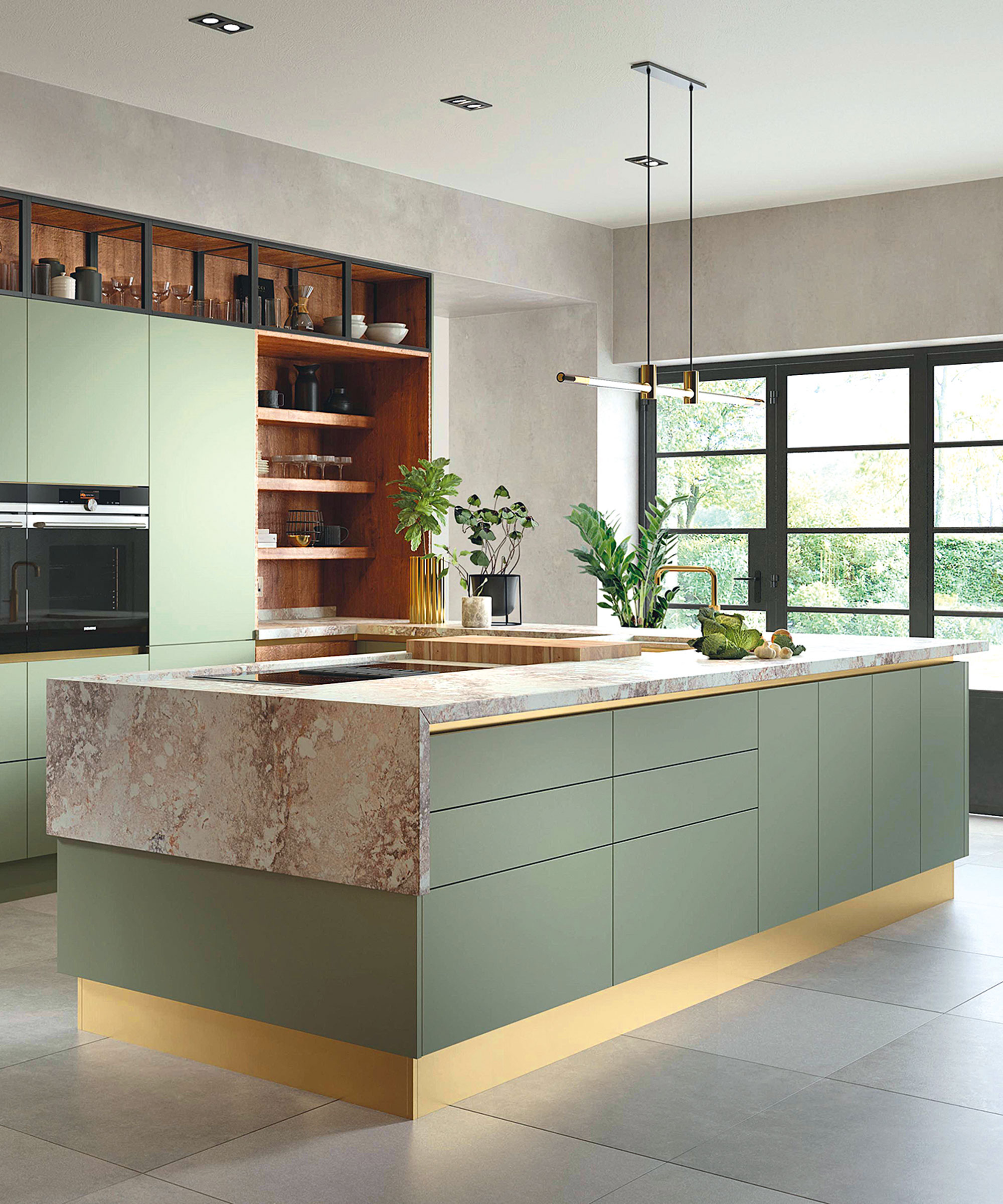
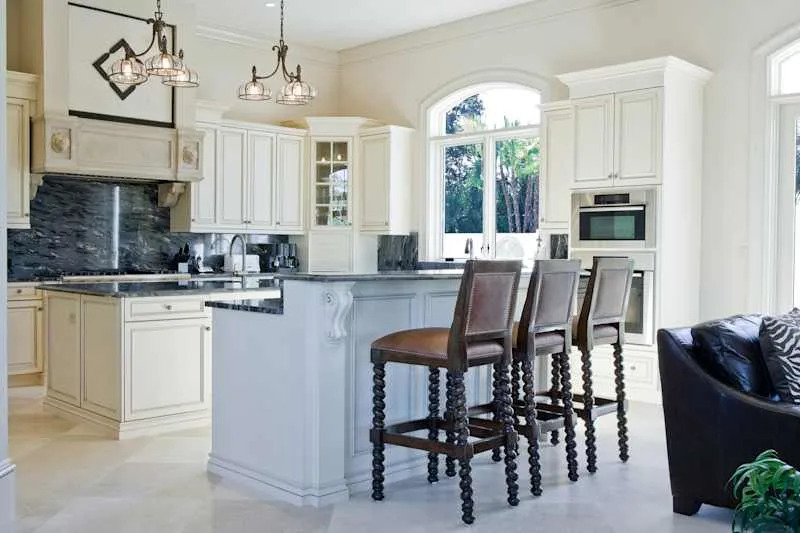
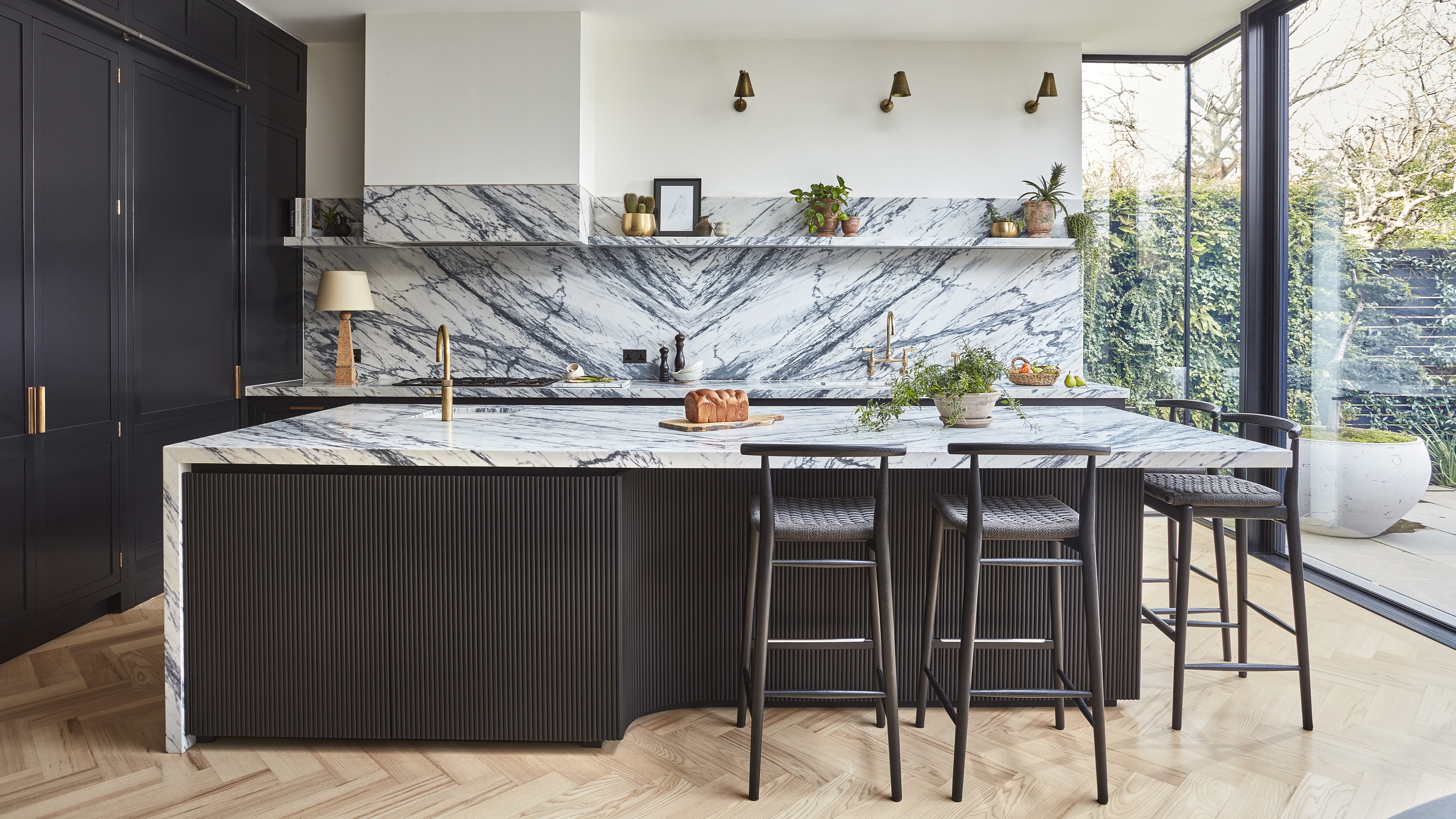
The article then delves into the pros and cons of both kitchen islands and prep tables. Kitchen islands are acknowledged for their utility, especially in providing additional storage space, accommodating appliances like sinks or hobs, and offering casual seating options for meals, work-from-home setups, or social gatherings. They are particularly beneficial in homes without formal dining areas, acting as a social hub. However, the drawbacks include their potentially large and intrusive nature, lack of flexibility in layout once fitted, and the significant space they occupy, which might not be ideal for kitchens not requiring extensive storage or appliance integration.
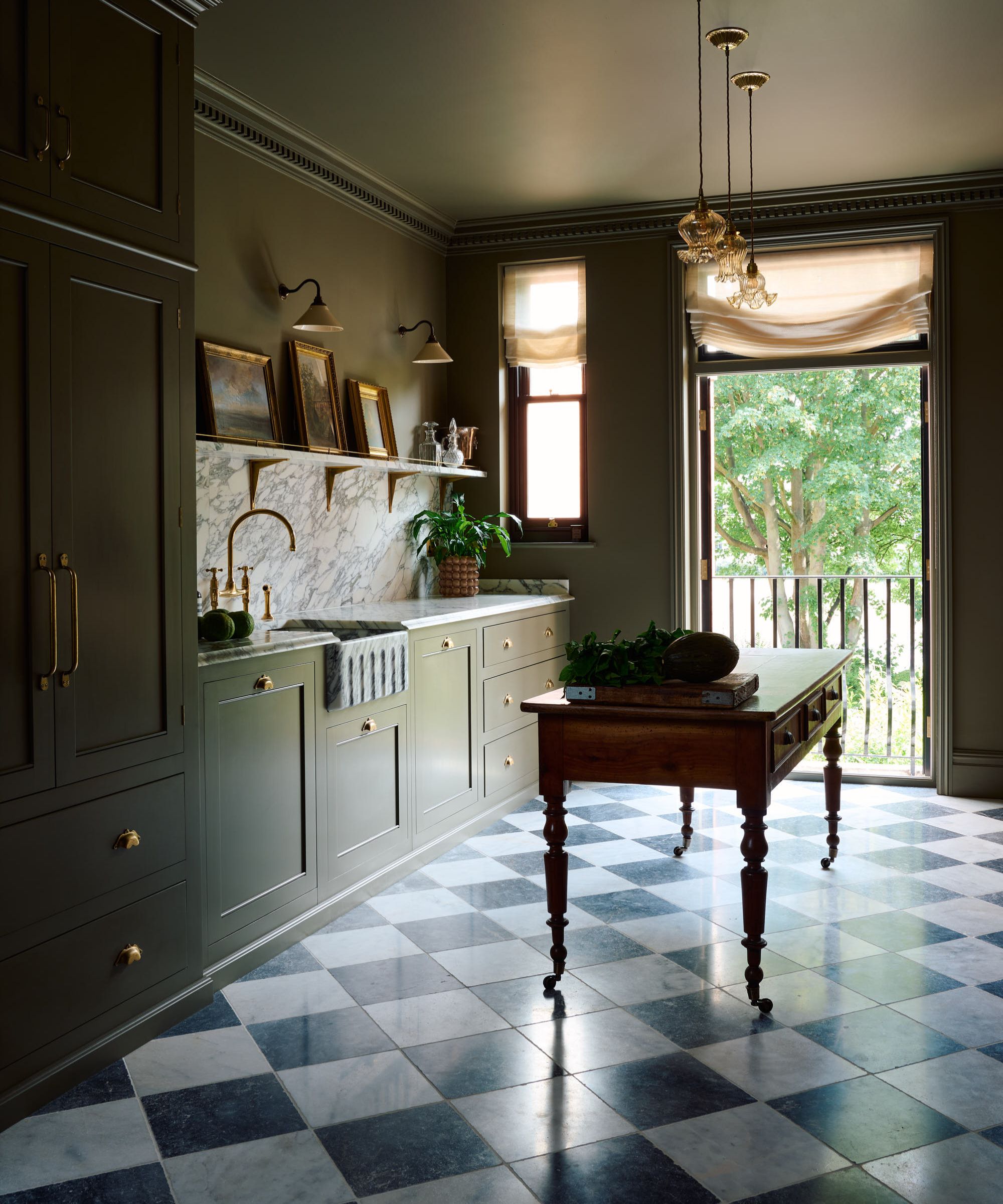
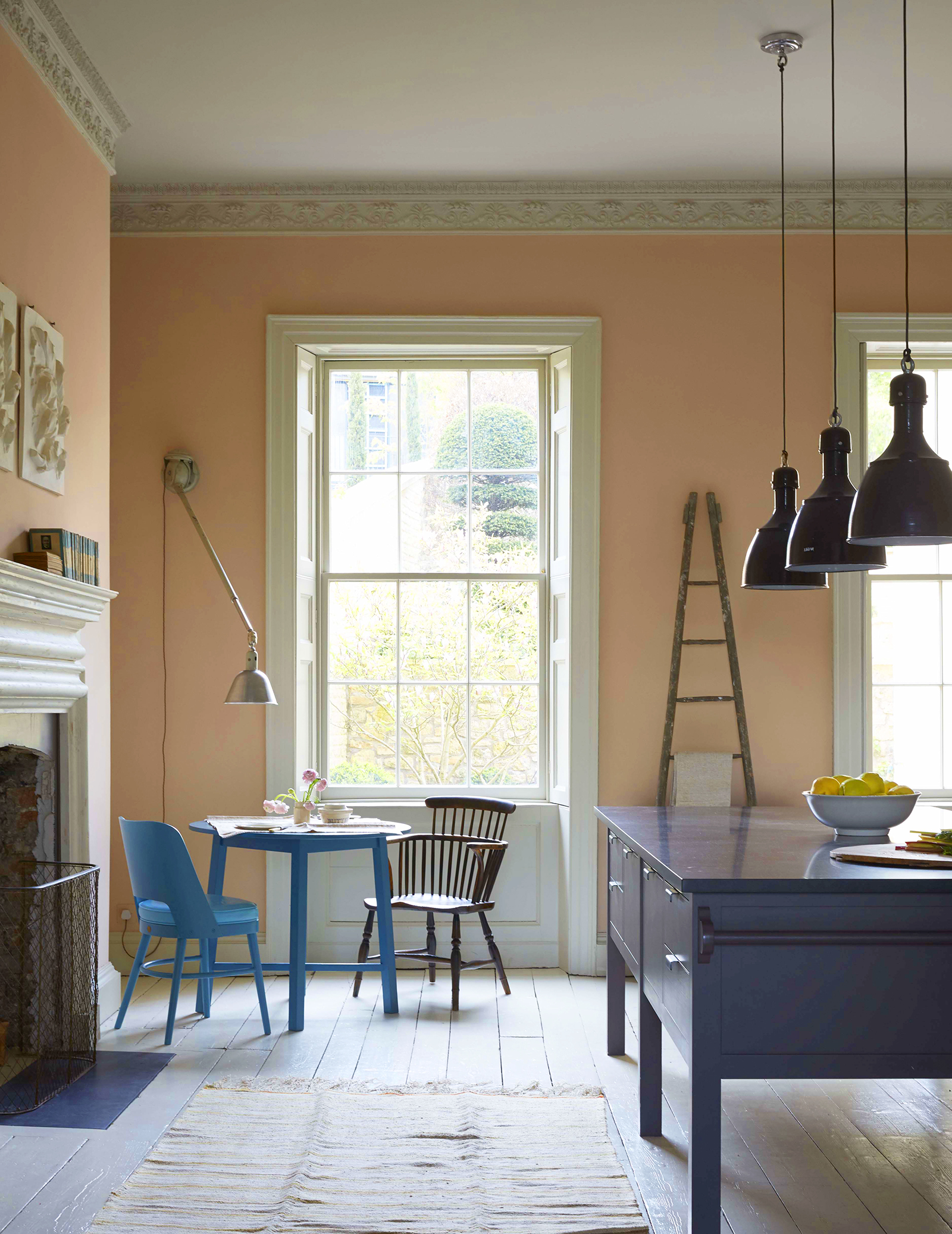
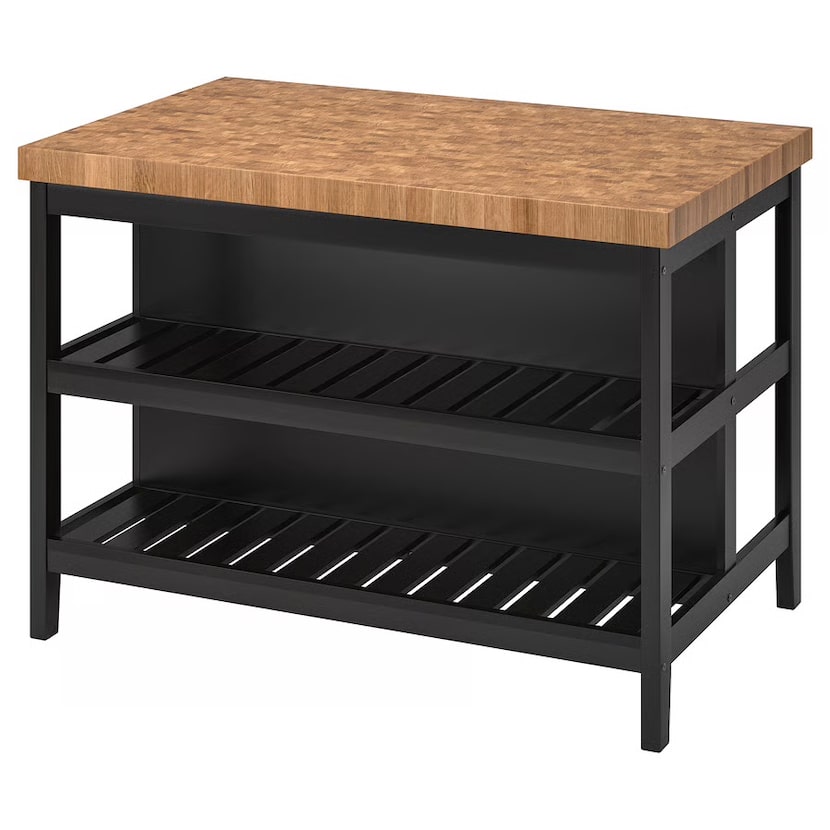
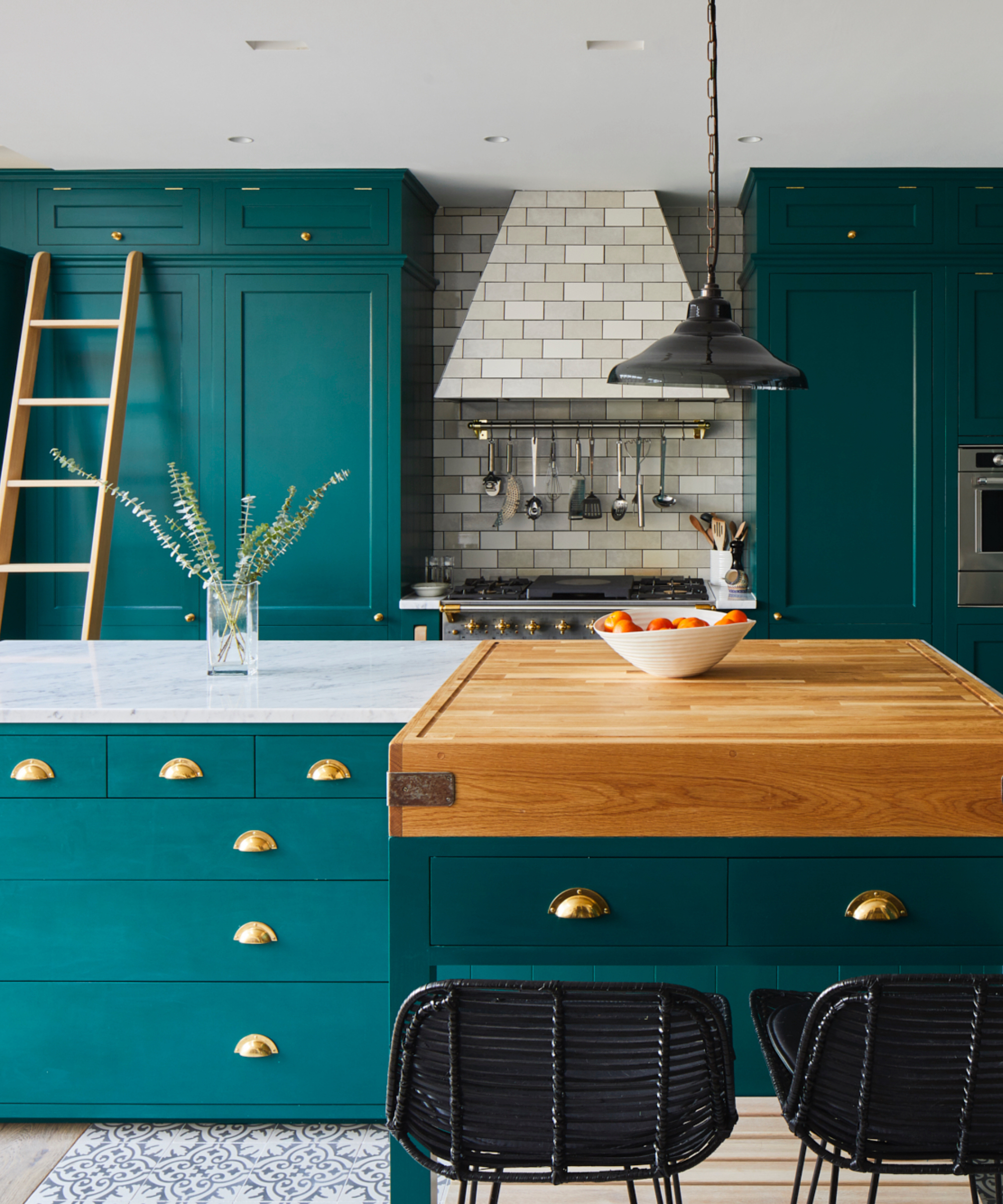
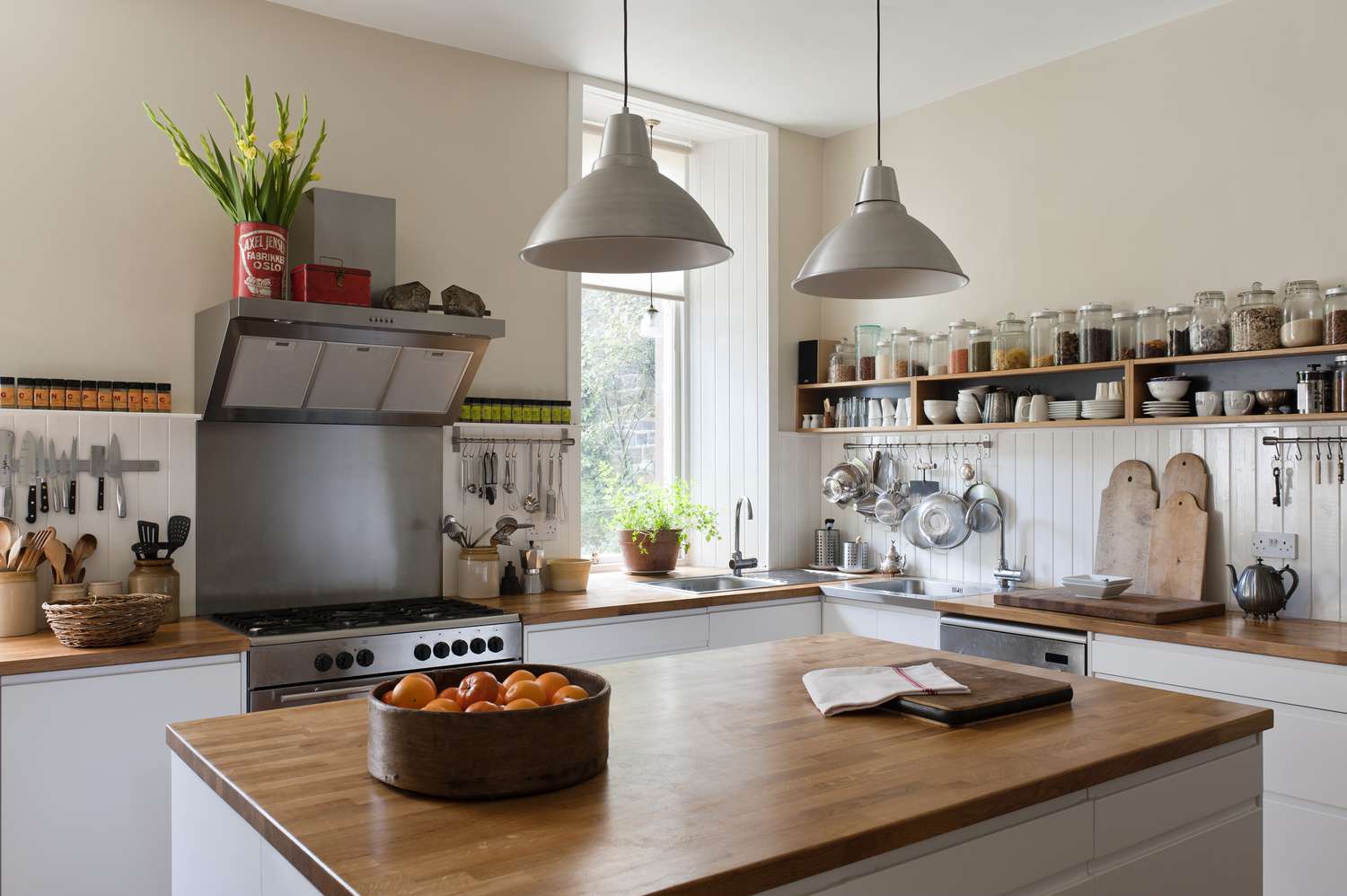
Conversely, prep tables offer significant flexibility due to their often mobile design, sometimes featuring caster wheels. This mobility allows for easy rearrangement of the kitchen layout. Their open-bottom design contributes to a more spacious feel, preventing the visual bulkiness often associated with solid islands. Helen Parker emphasizes the versatility of movable furniture, suggesting that a butcher's block can be repositioned for large gatherings to serve as an extra surface. Prep tables also provide ample surface area for cooking and socializing without visually overwhelming the room. They typically feature large drawers for utensils and slatted shelves for pots and pans, catering to serious cooks.
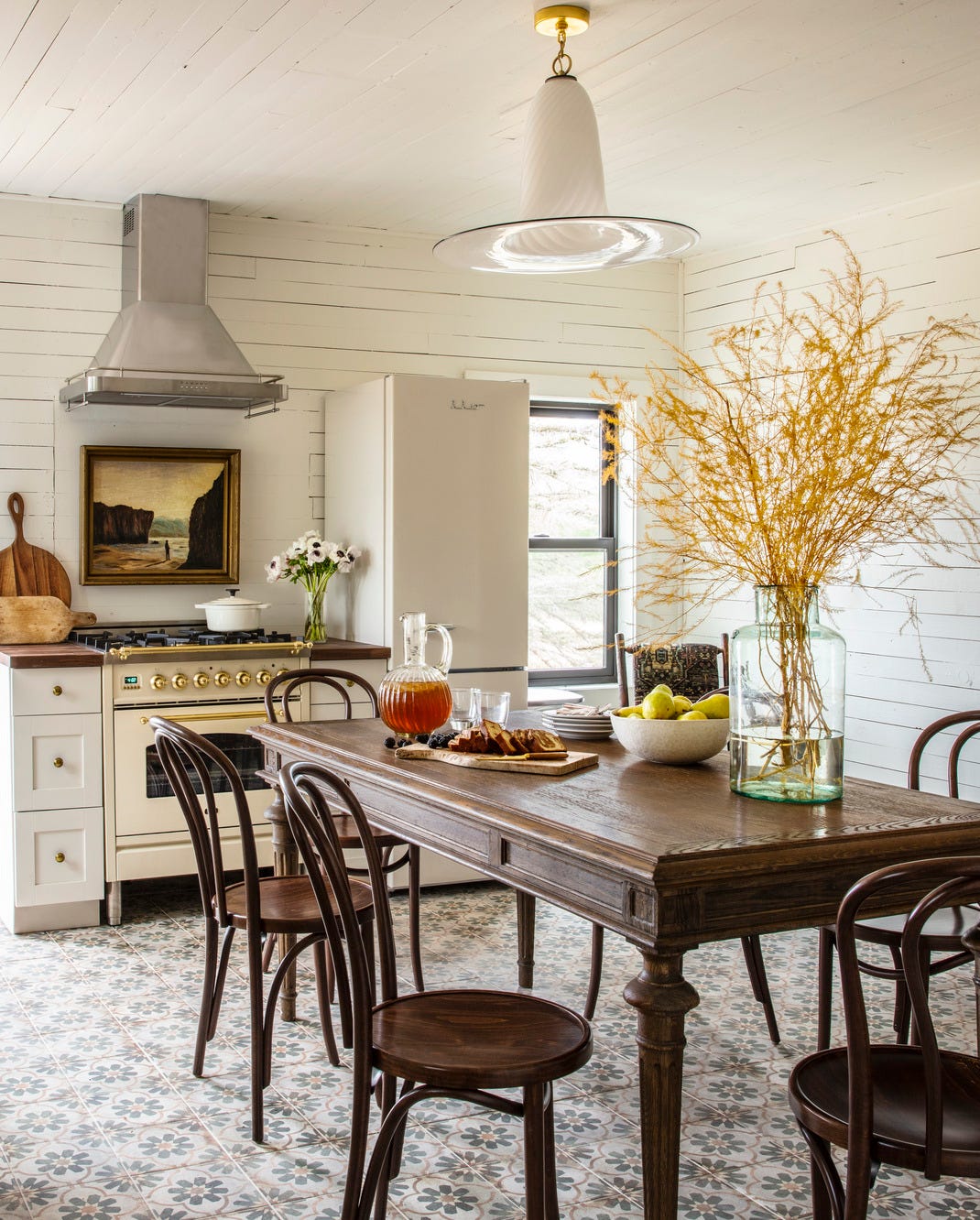
The primary disadvantage of a prep table is its limited hidden storage compared to a full kitchen island. For individuals needing to conceal kitchenware or desiring extensive cabinetry, a prep table might not meet those requirements. However, if the main objective is additional surface space for food preparation and a central gathering point, a prep table emerges as a suitable choice. Dave Young, co-founder at HUSK Kitchens, notes a trend towards repurposing unique furniture pieces, such as carpenter's benches, as alternatives to islands. This approach adds personality and intrigue, creating bespoke kitchens tailored to a homeowner's style. The article concludes by suggesting that prep tables can range from professional-looking stainless steel options to vintage wooden surfaces, allowing for diverse aesthetic integration into any kitchen style.
#KitchenDesign #KitchenIslands #PrepTables #HomeRenovation #InteriorDesign #KitchenLayout #HomeDecor #KitchenDesign #KitchenIslands #PrepTables #HomeRenovation #InteriorDesign #KitchenLayout #HomeDecor
0 commenti in totale
 Nessun commento ancora
Potresti anche gradire
Are kitchen islands going out of style? Experts weigh in on whether it's time to ditch this beloved feature

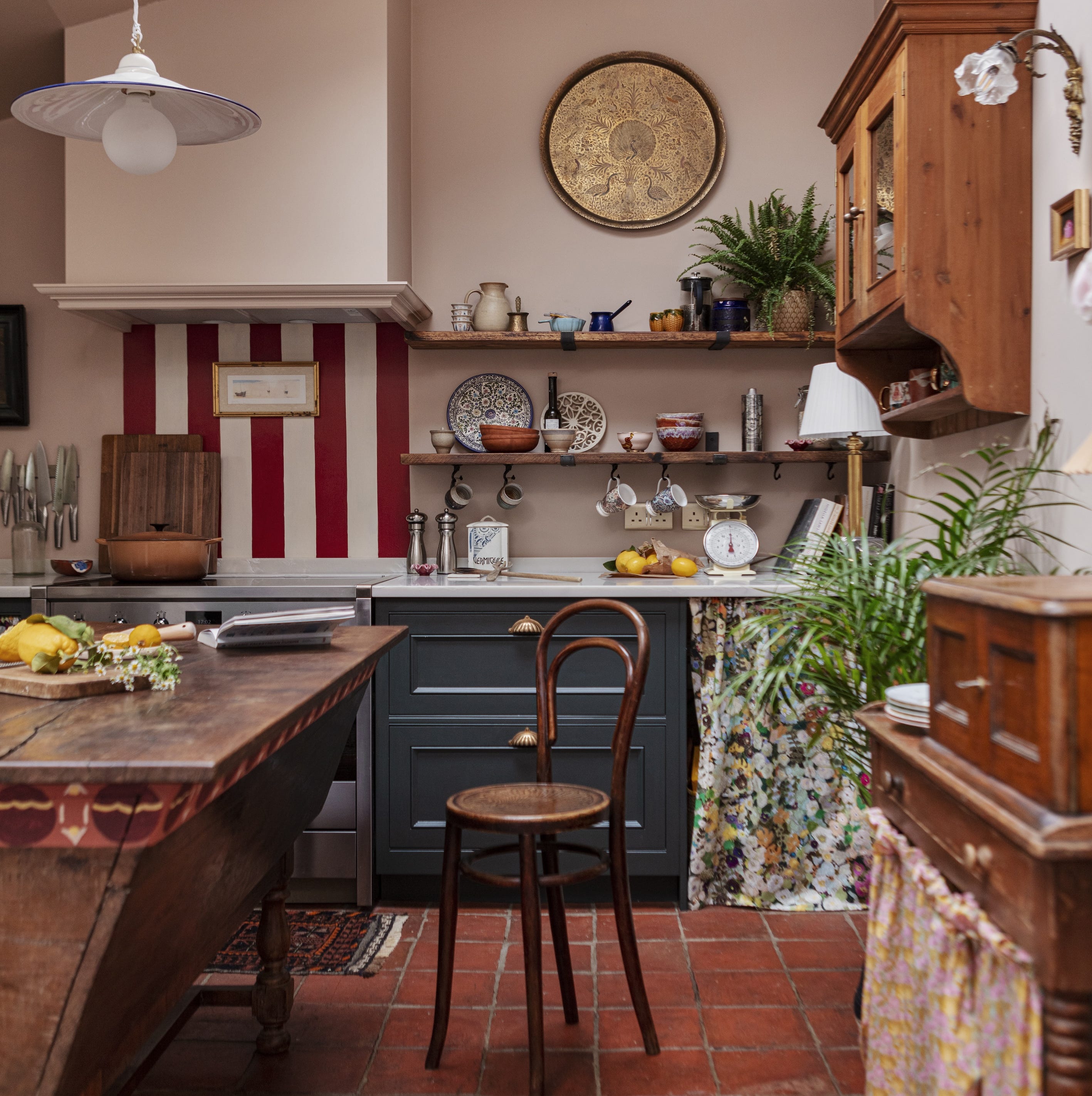
Is it time to say goodbye to kitchen islands?
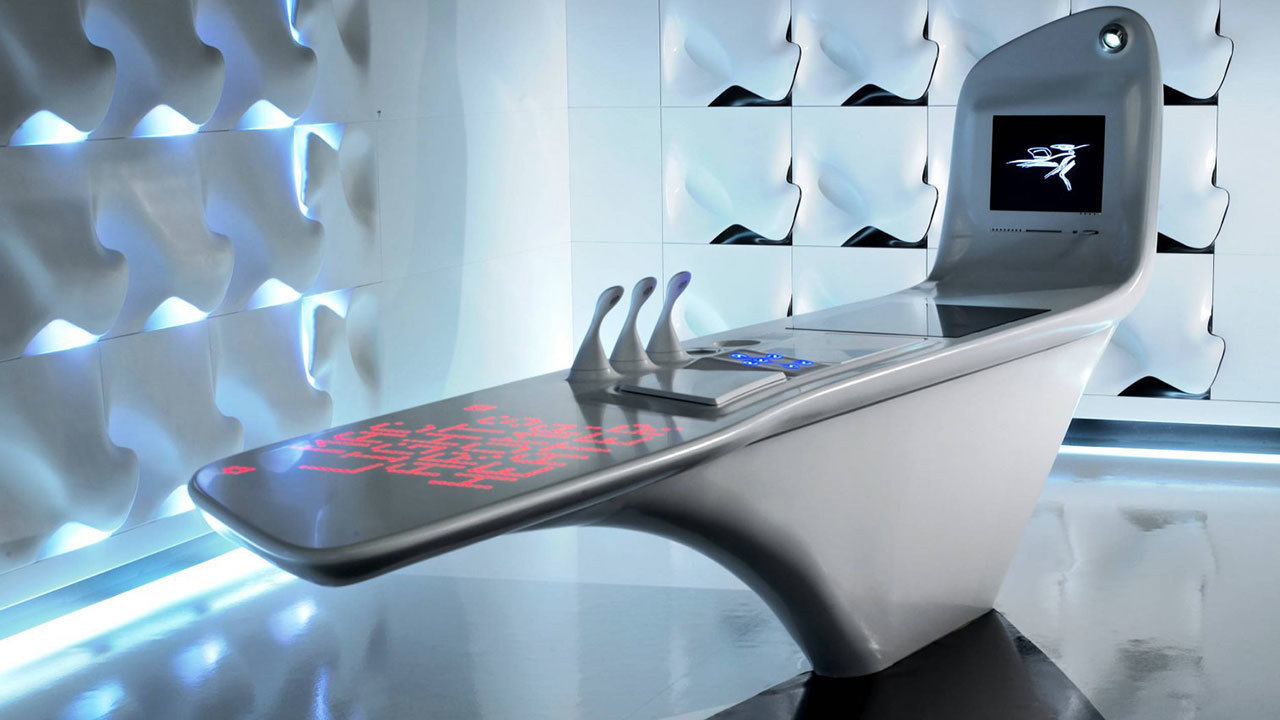
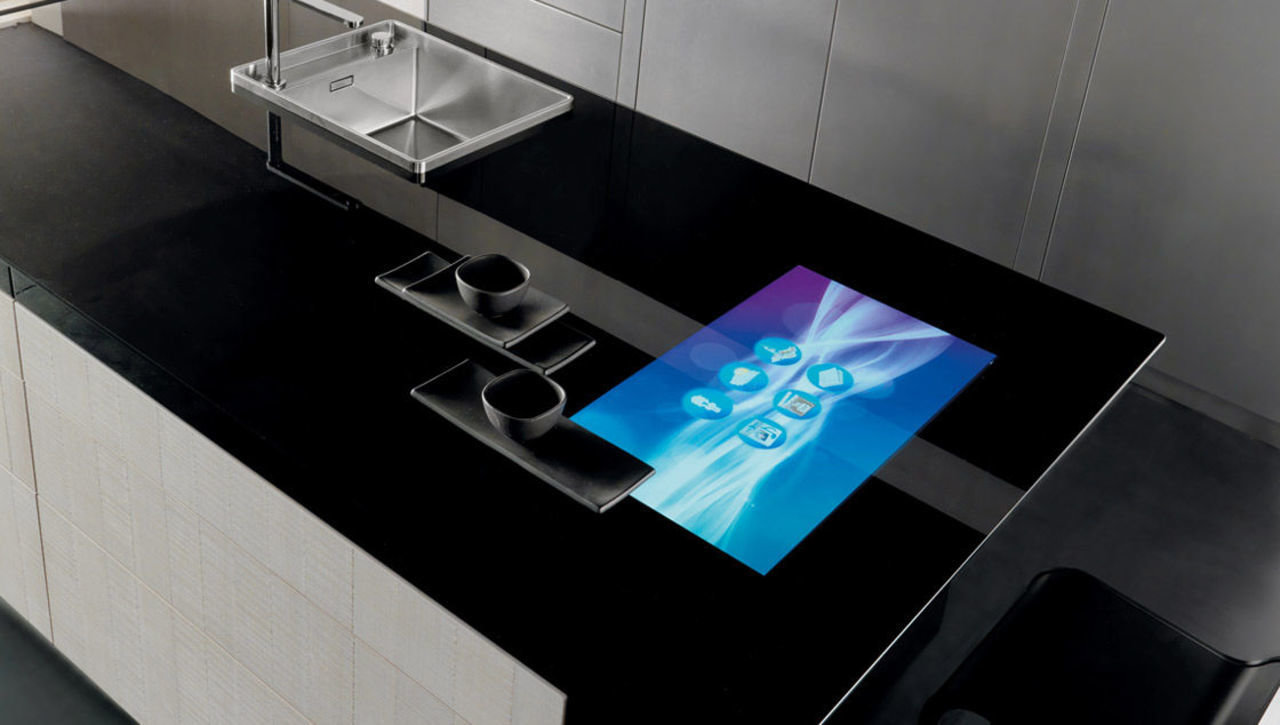
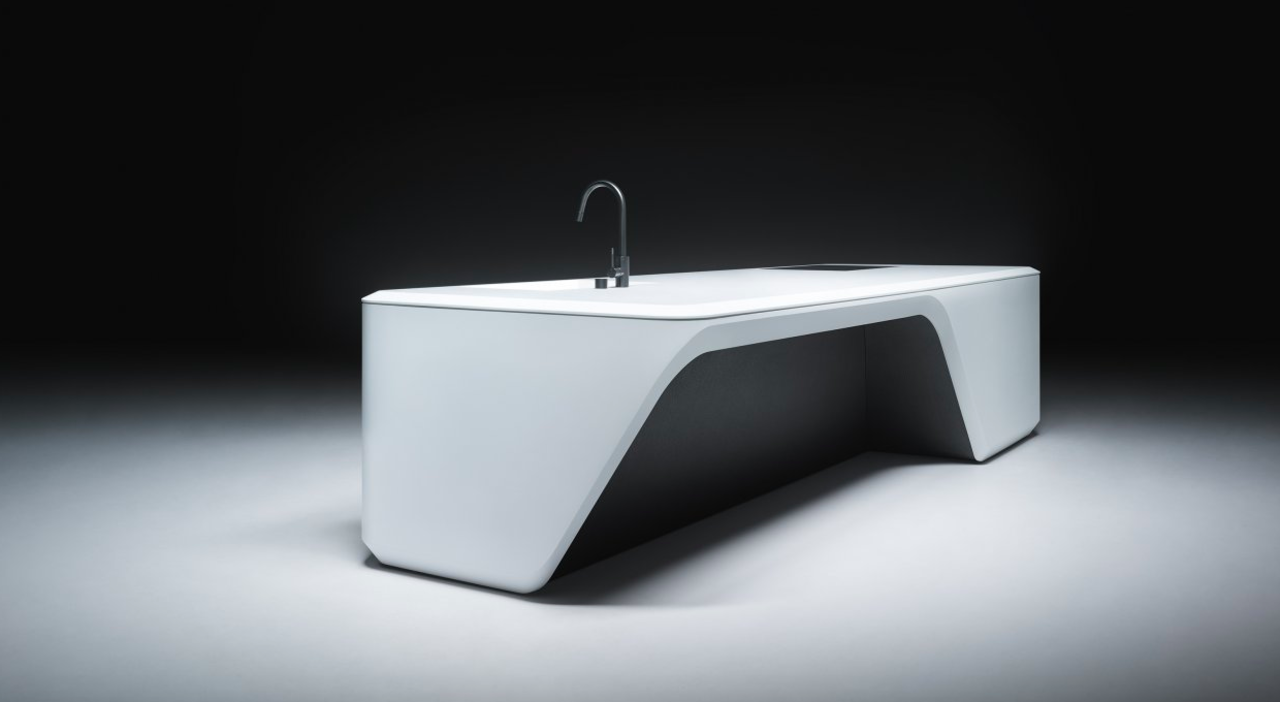
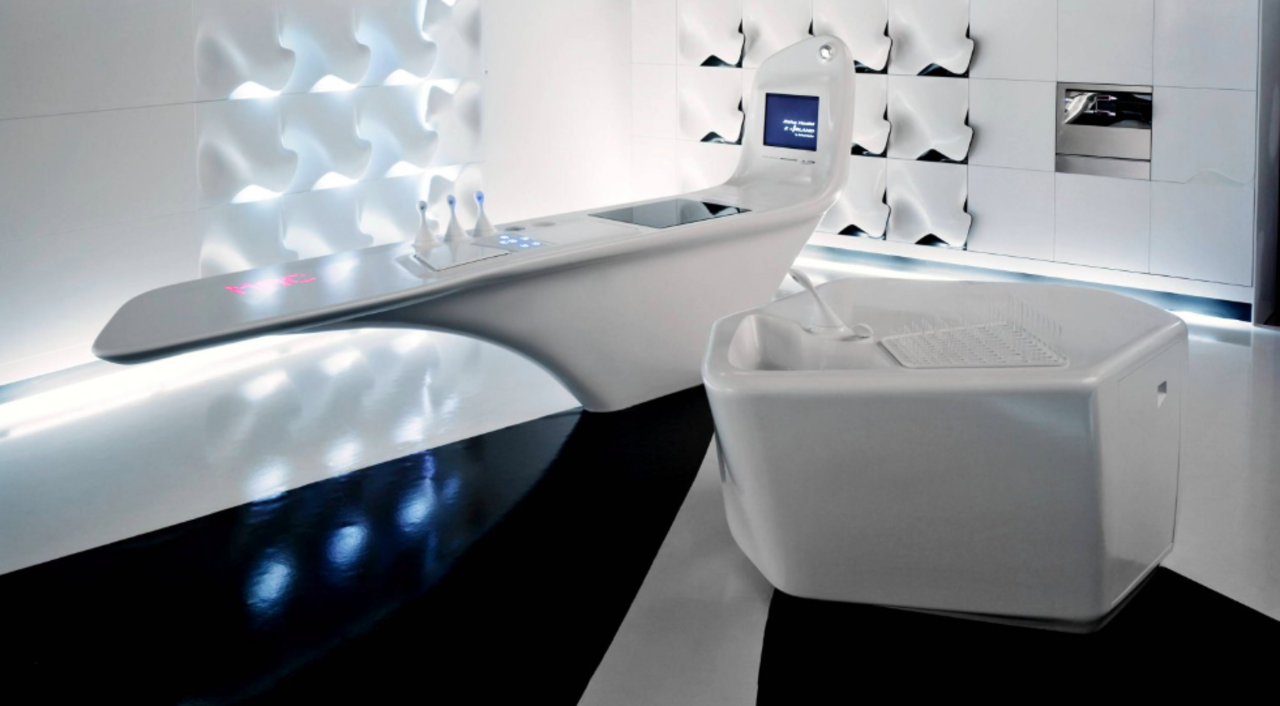
Futuristic Kitchen Islands
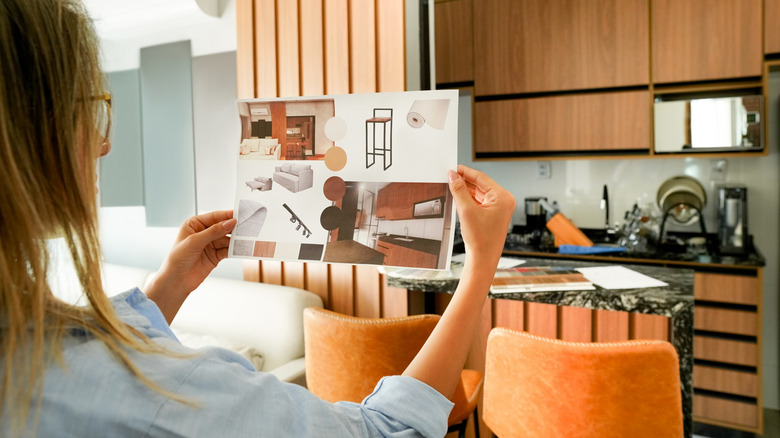
The Once Dated Kitchen Island Alternative That's Making A Hot Comeback In Homes
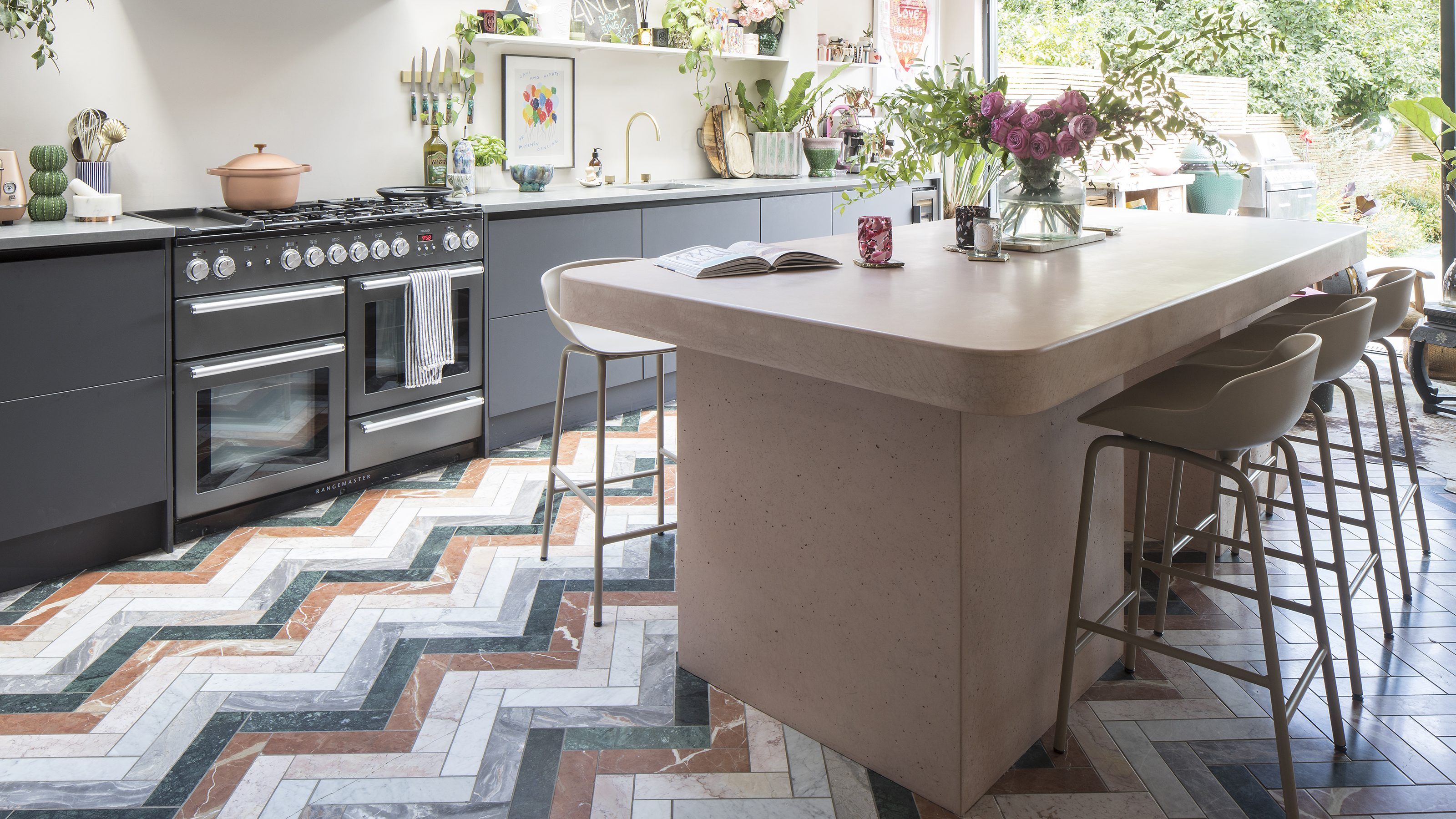
Are kitchen islands going out of style? Kitchen designers say they're here to stay but with a twist
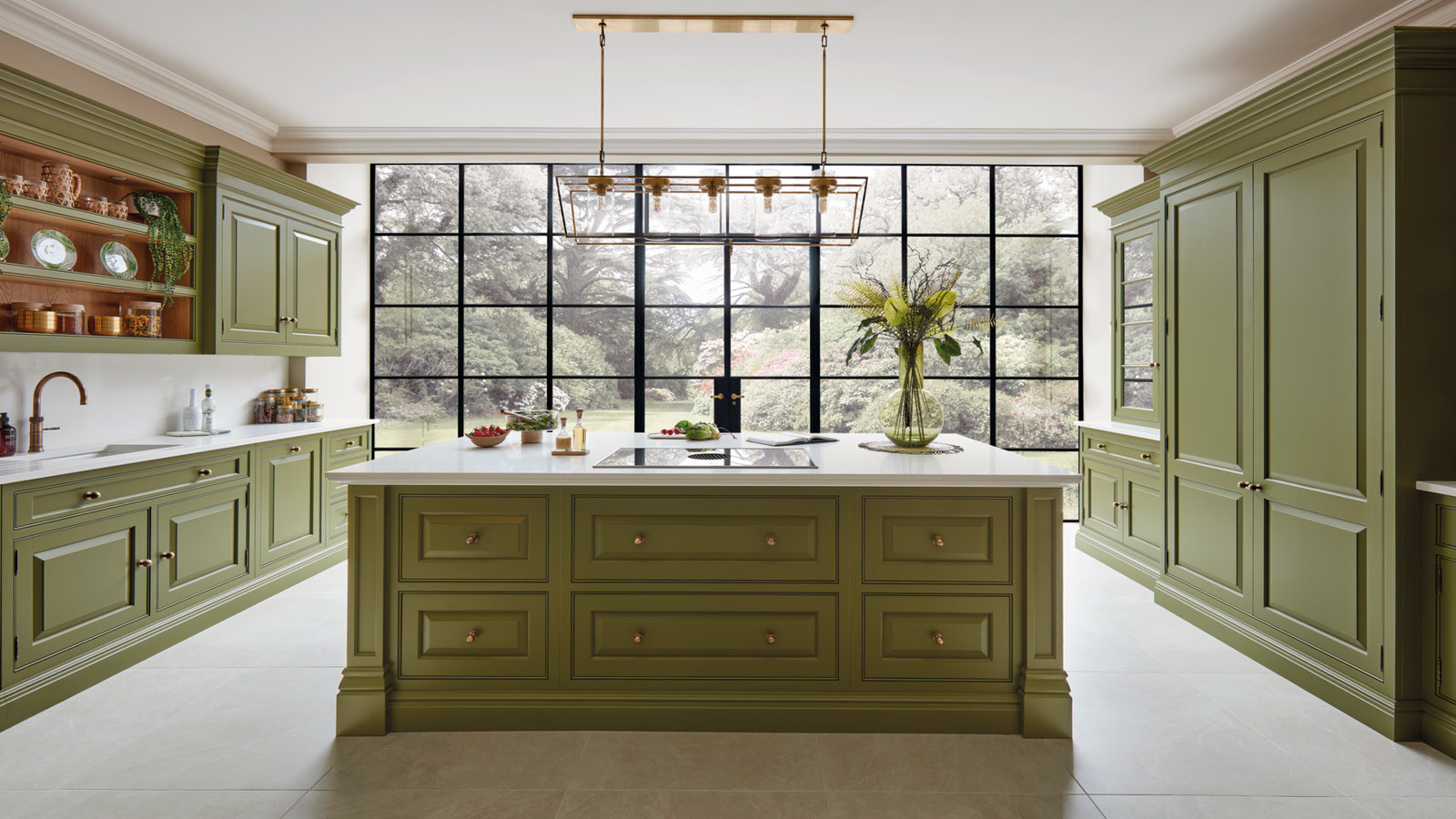
Say goodbye to the kitchen island, and hello to the prep table

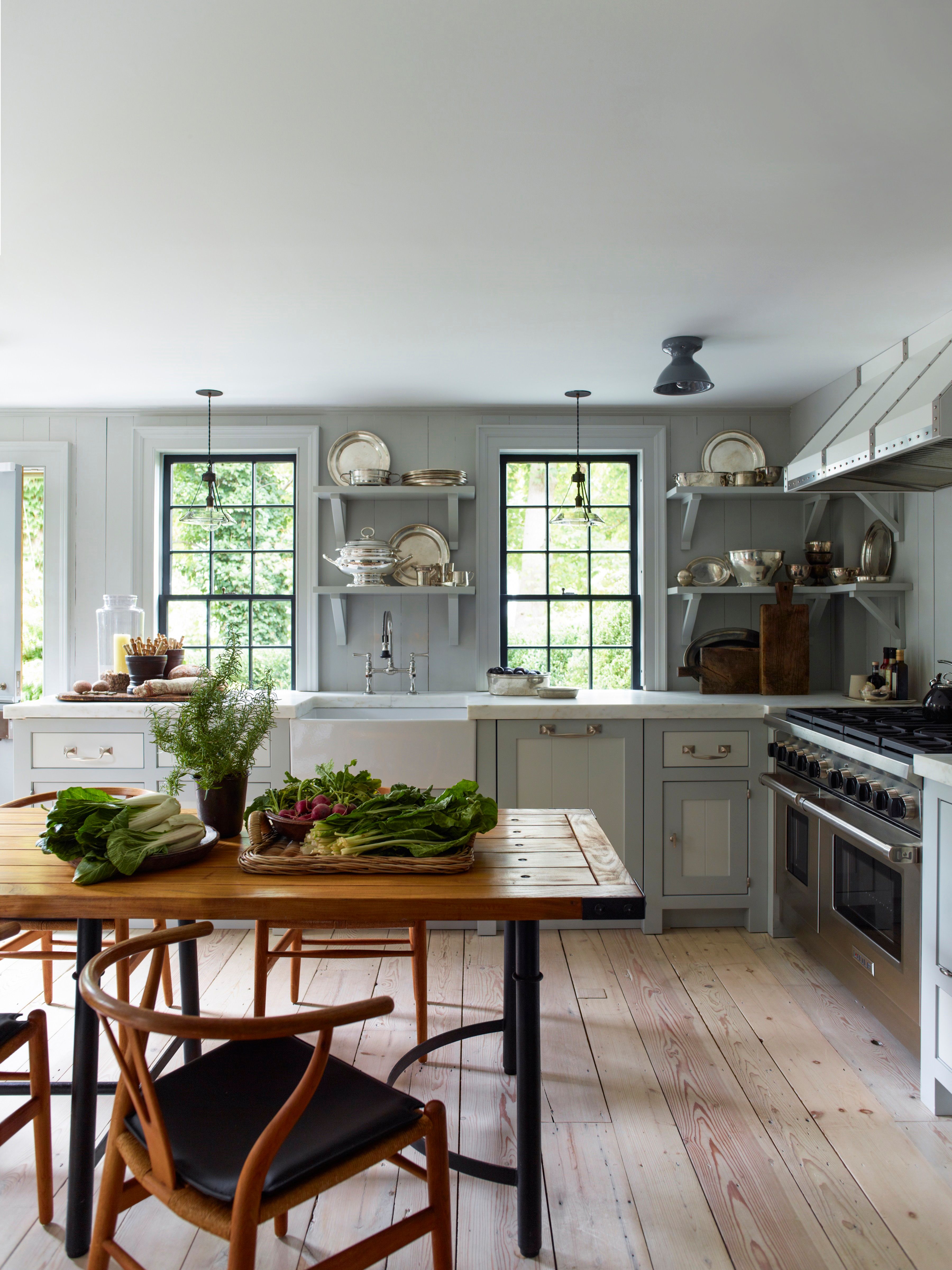
Move over, islands: Kitchen tables are making a comeback

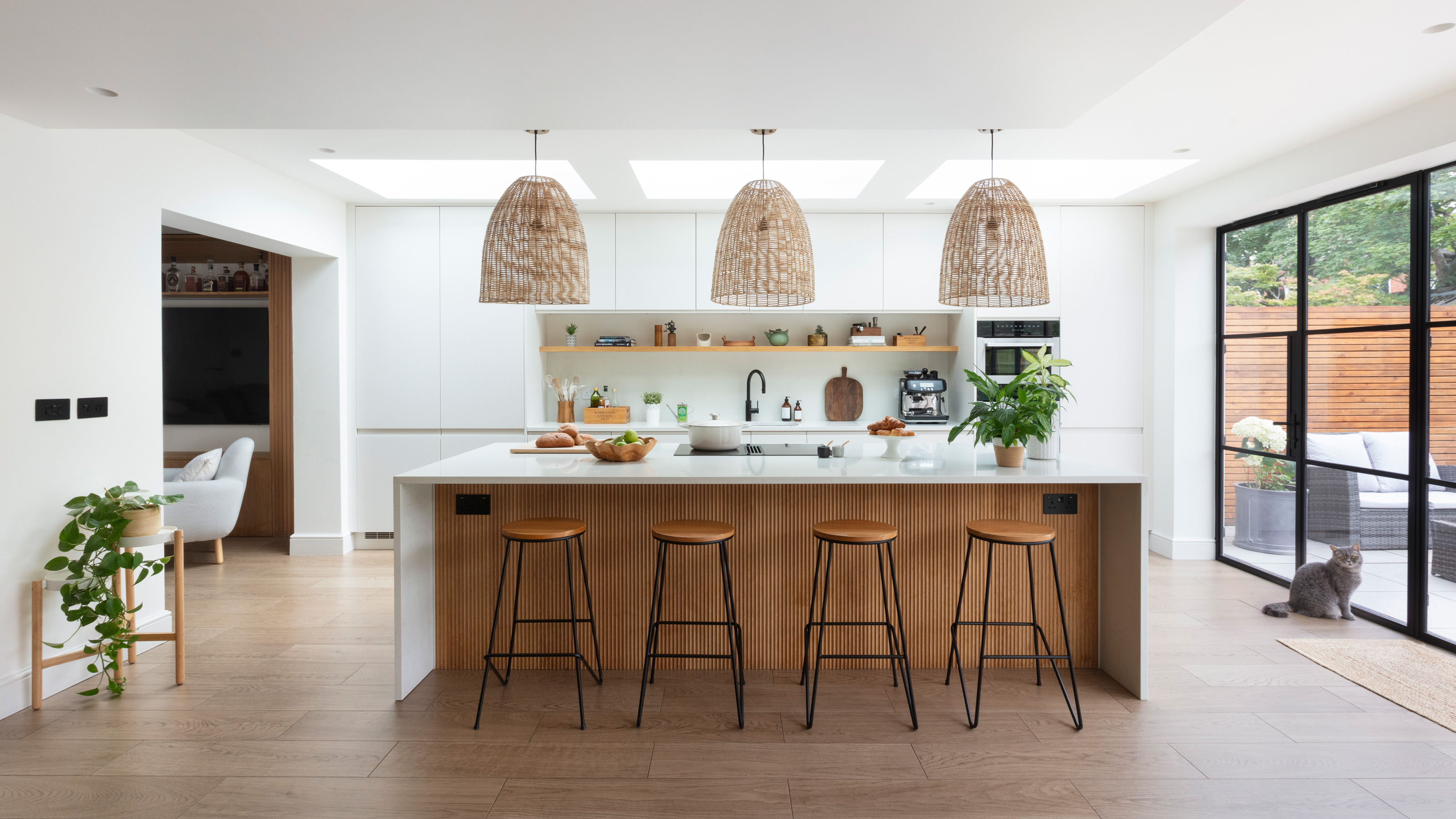
'We’re seeing a real shift' - freestanding kitchen islands are making a comeback, and I've found the best at La Redoute
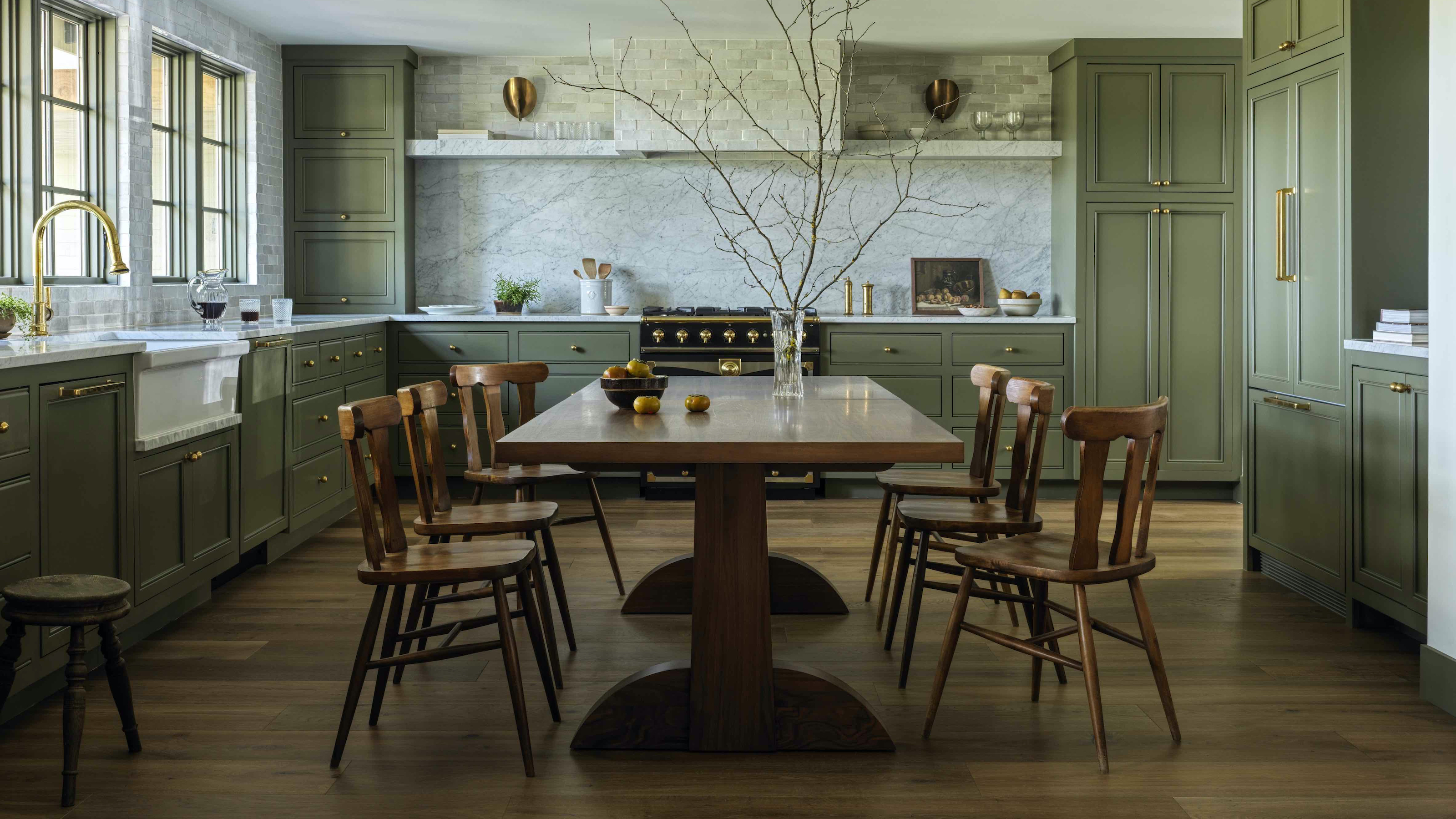
What's Replacing the Kitchen Island? Meet the Stylish Alternatives Stealing the Spotlight in 2025

This ’90s Kitchen Island Trend Is Being Replaced with Something Far More Practical

Is It Time to Say Goodbye to the Kitchen Island?
16 kitchen island trends designers say will be everywhere in 2025
This ’90s Kitchen Island Trend Is Being Replaced with Something Far More Practical

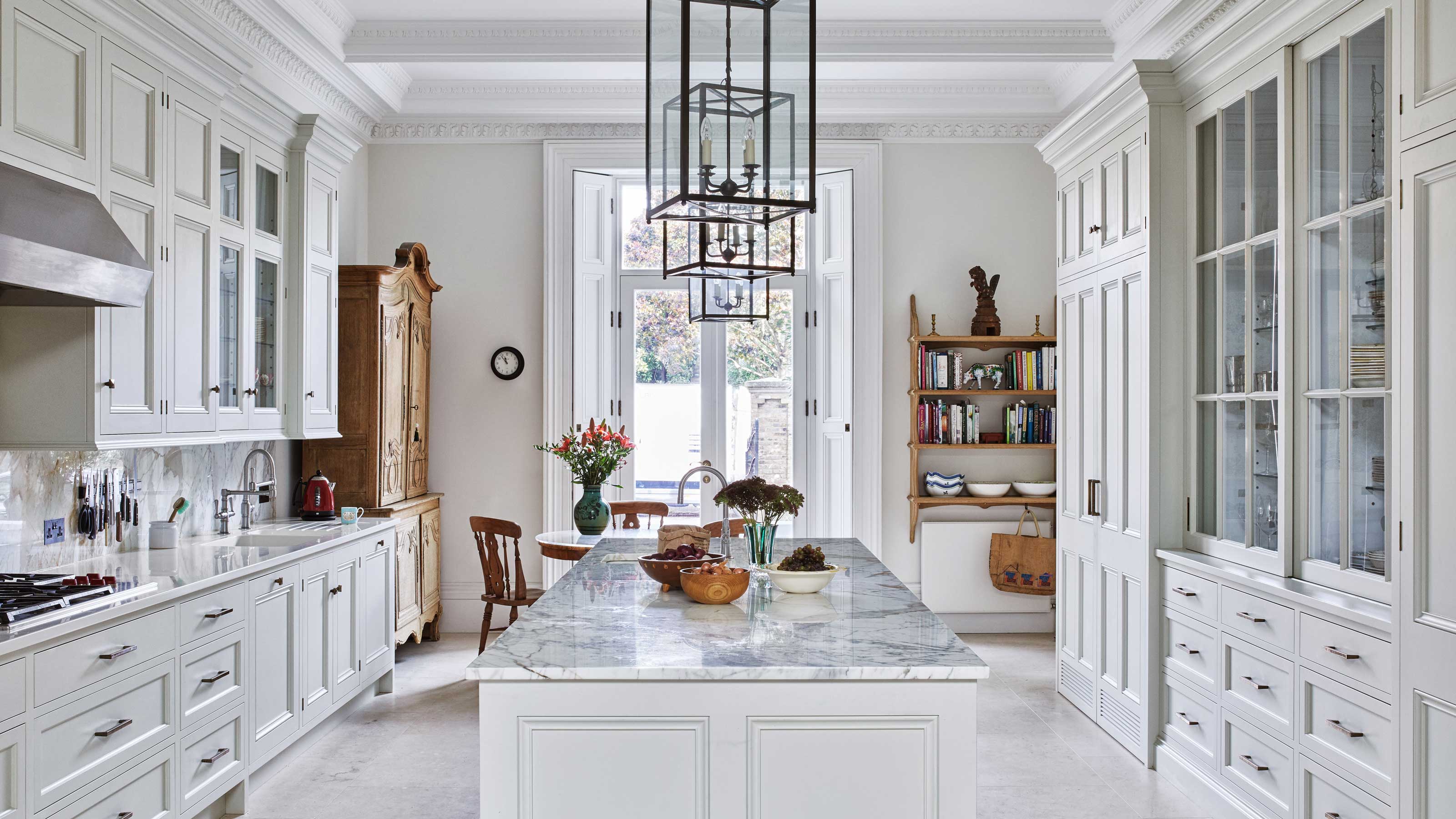
Do you need a kitchen island? Designers weigh in on are they an essential or are islands becoming outdated
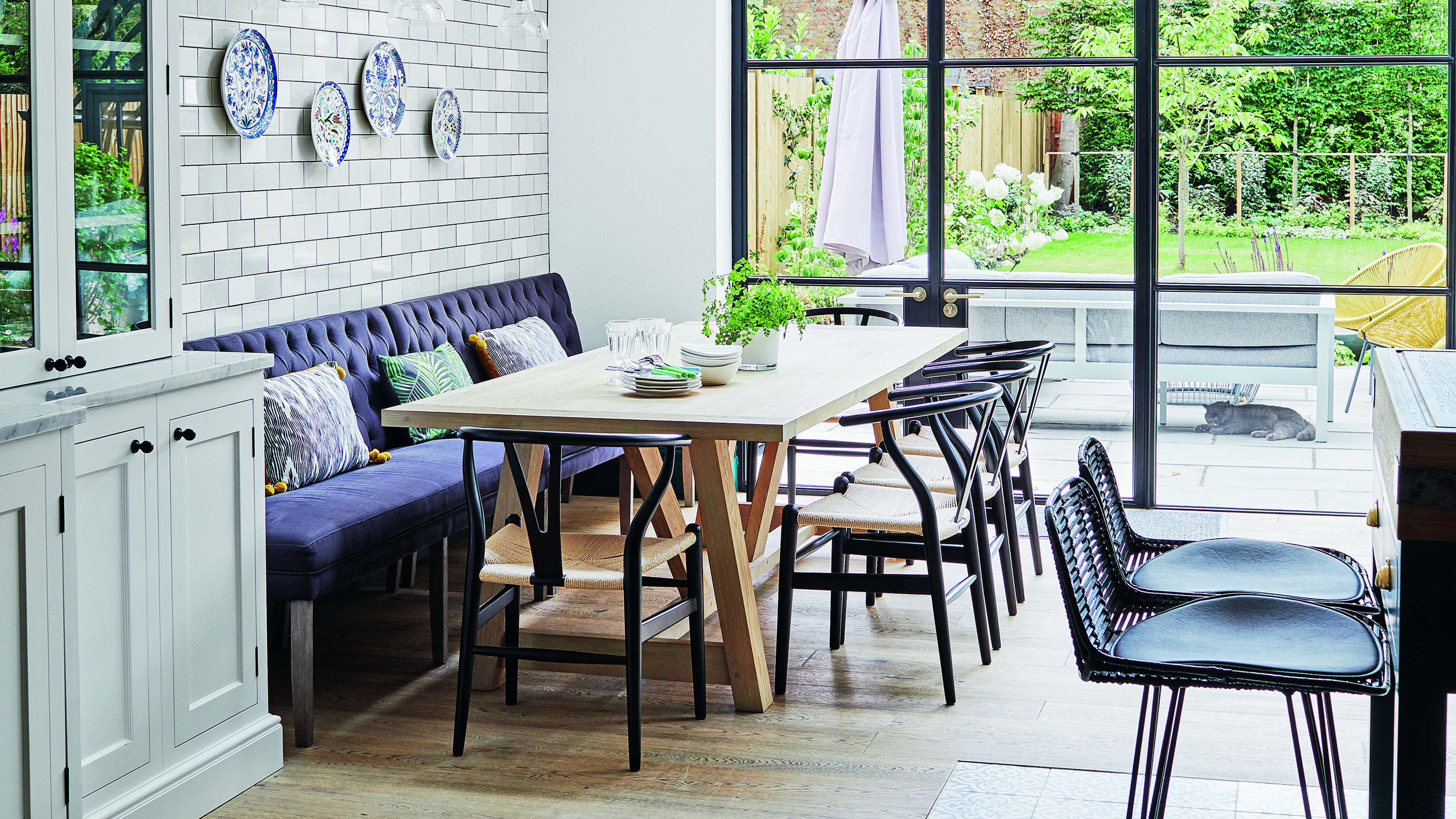
Is banquette seating replacing the kitchen island? Here's why this café-inspired look is trending in 2025
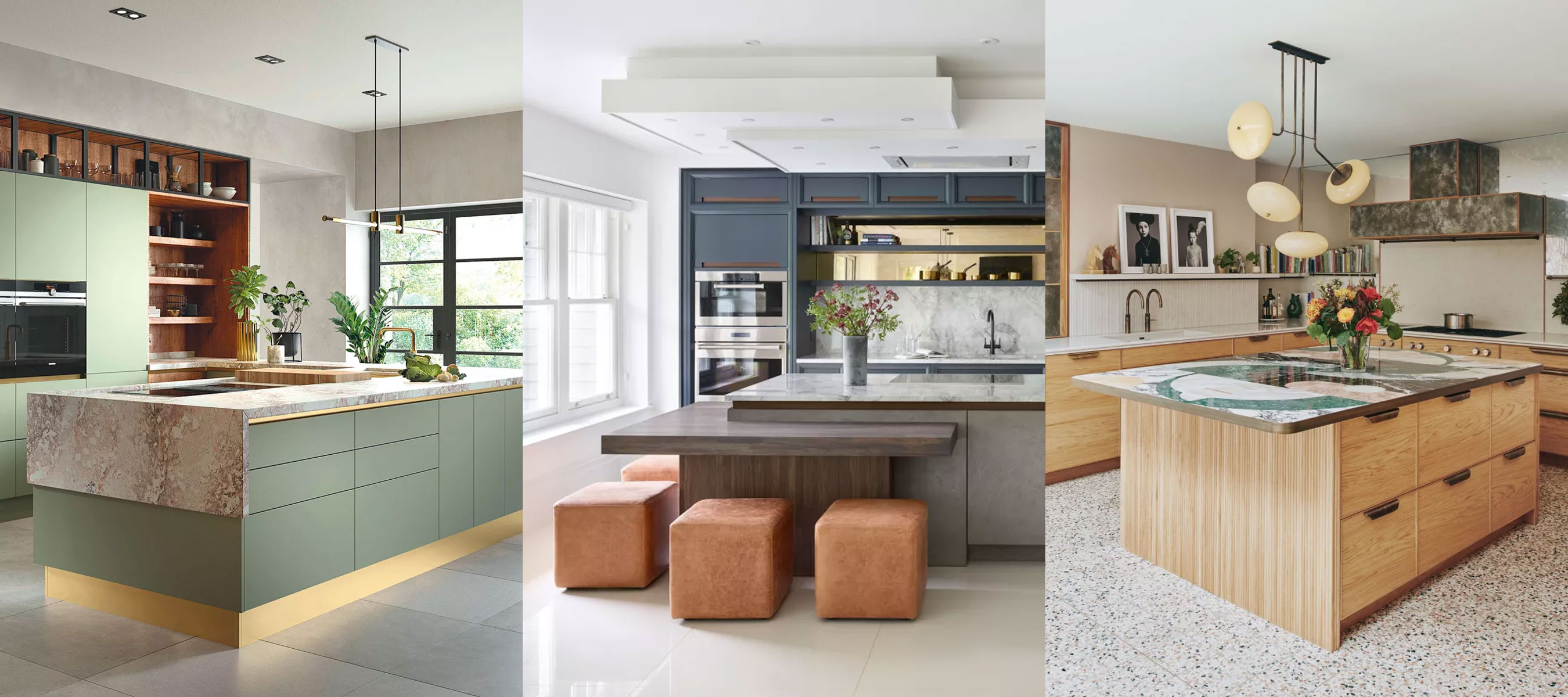
Are kitchen islands outdated? Kitchen experts reveal how these perfectly practical designs will never be passé
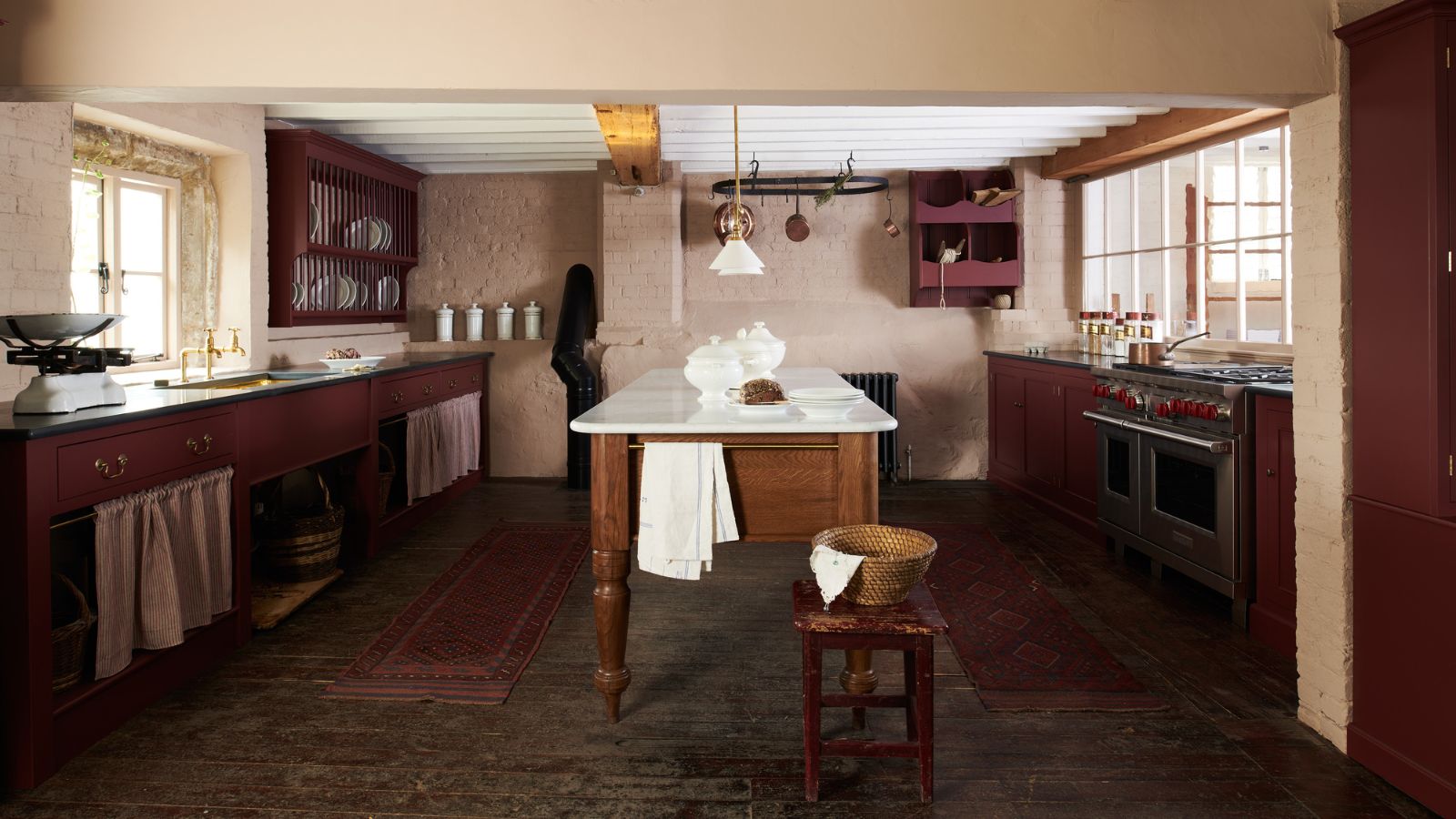
Are work tables the new way to create a kitchen island?
Are Islands Ruining Kitchens? We Asked Designers If This Once-Favorable Feature Has Lost Its Appeal
Trending now: Trade a big block of cabinets for a freestanding kitchen island

Is the Kitchen Island Finally Going Away?