1/21
7 narrow bedroom ideas that will take your space from cramped to cozy
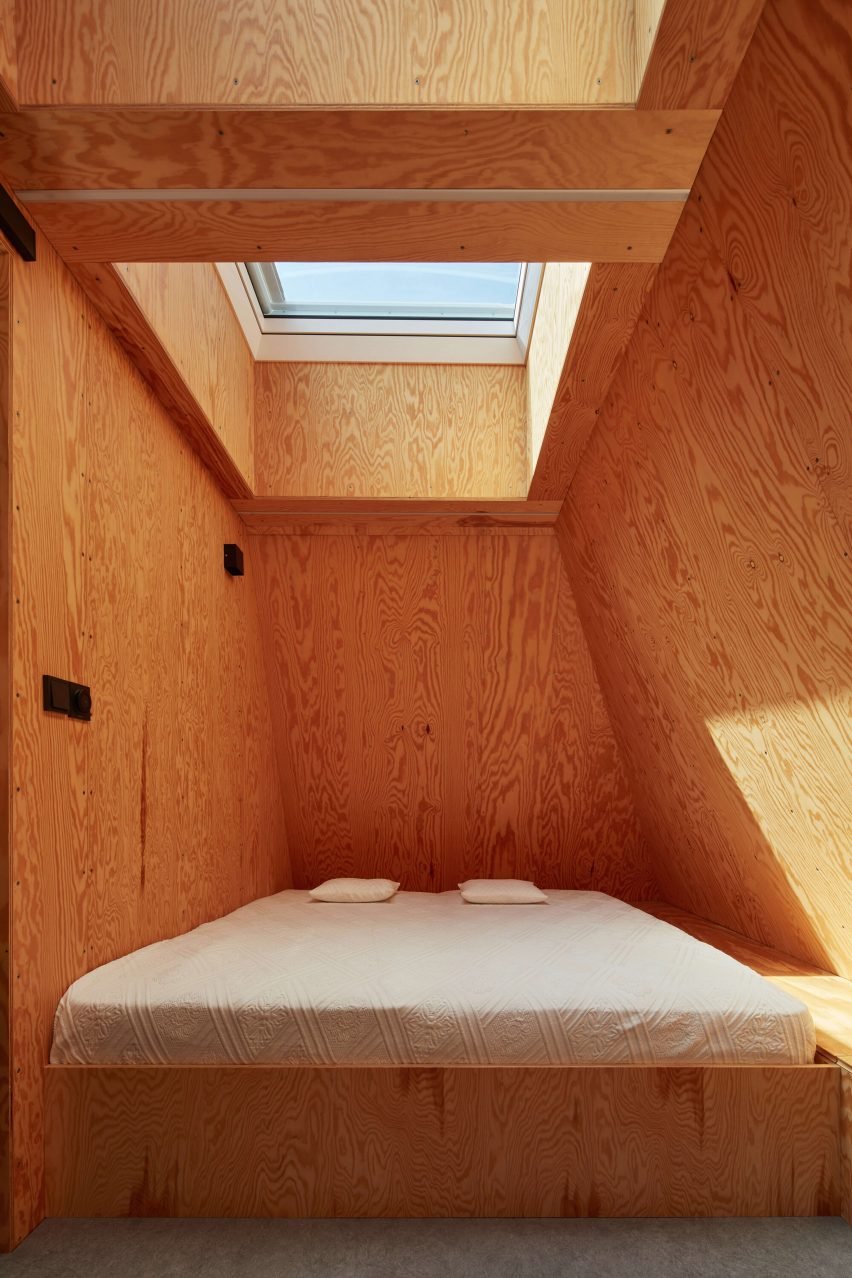
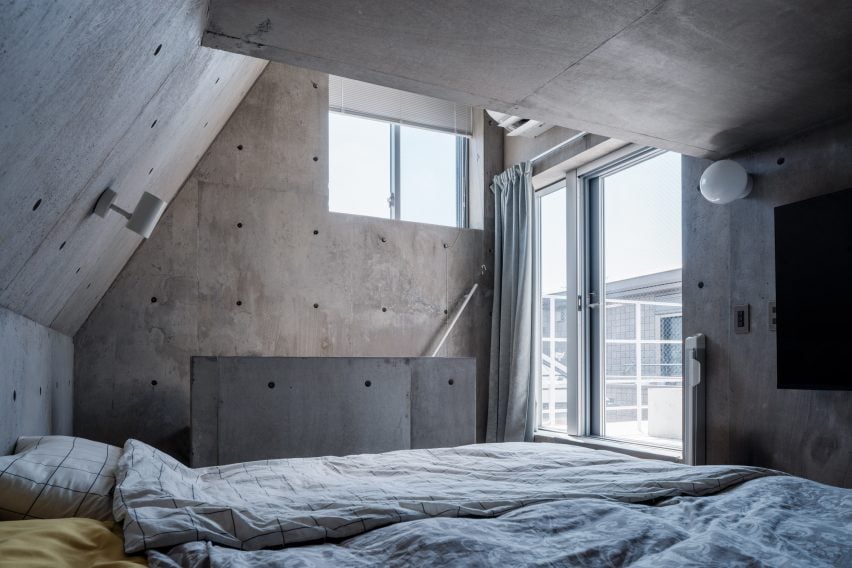
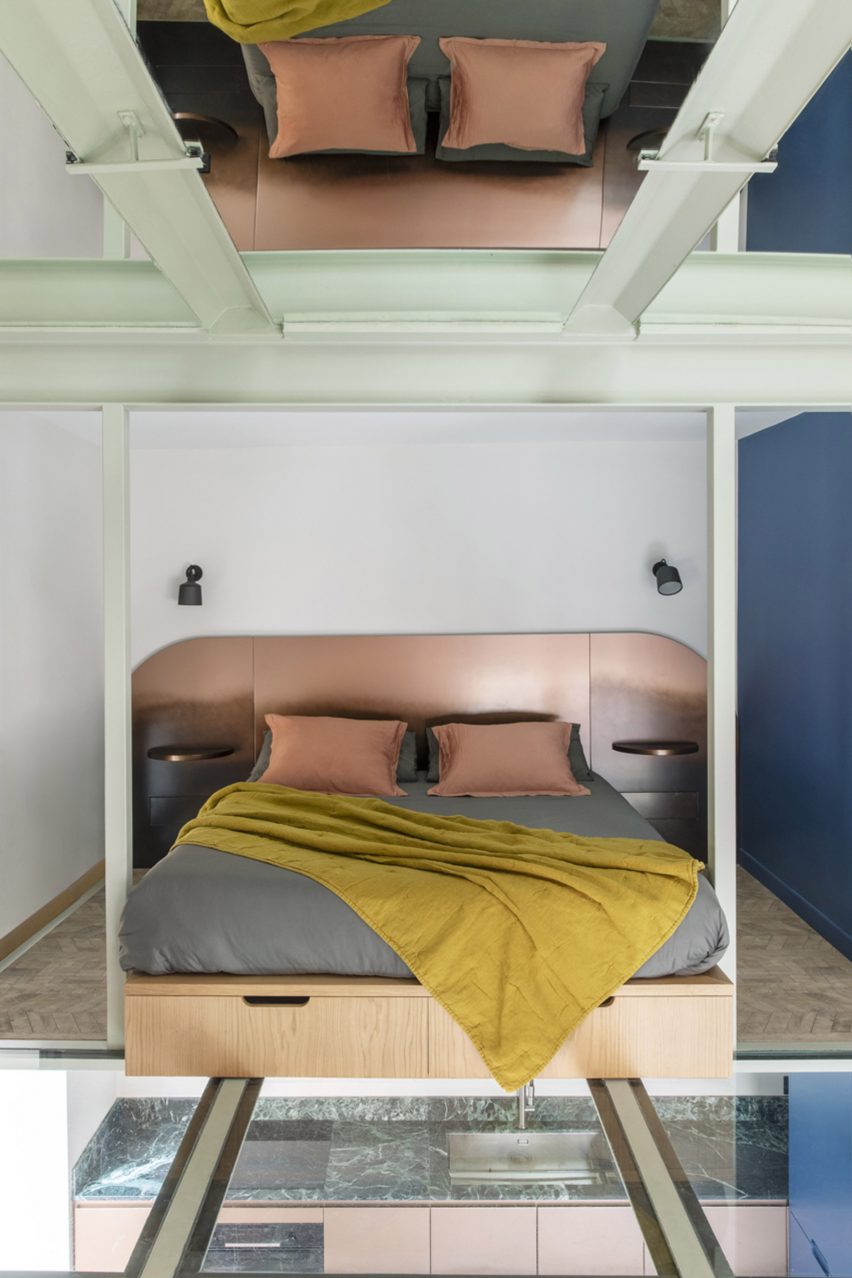
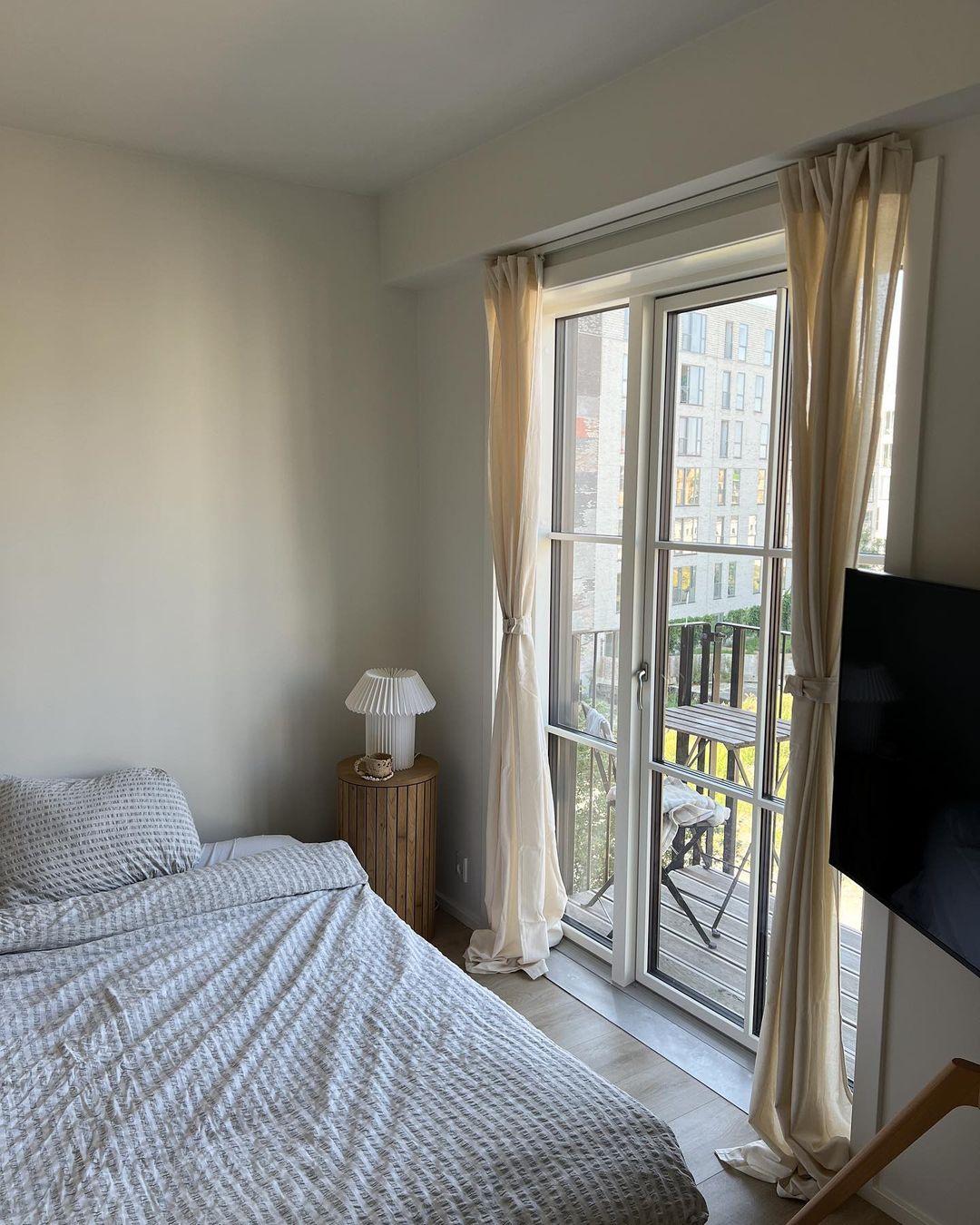
This article explores seven narrow bedroom ideas that transform cramped spaces into cozy, stylish retreats. It compiles expert advice from interior designers on optimizing small and oddly shaped bedrooms for both functionality and aesthetic appeal. The article aims to help individuals arrange and decorate narrow rooms more effectively, offering solutions that enhance the sense of space and comfort.
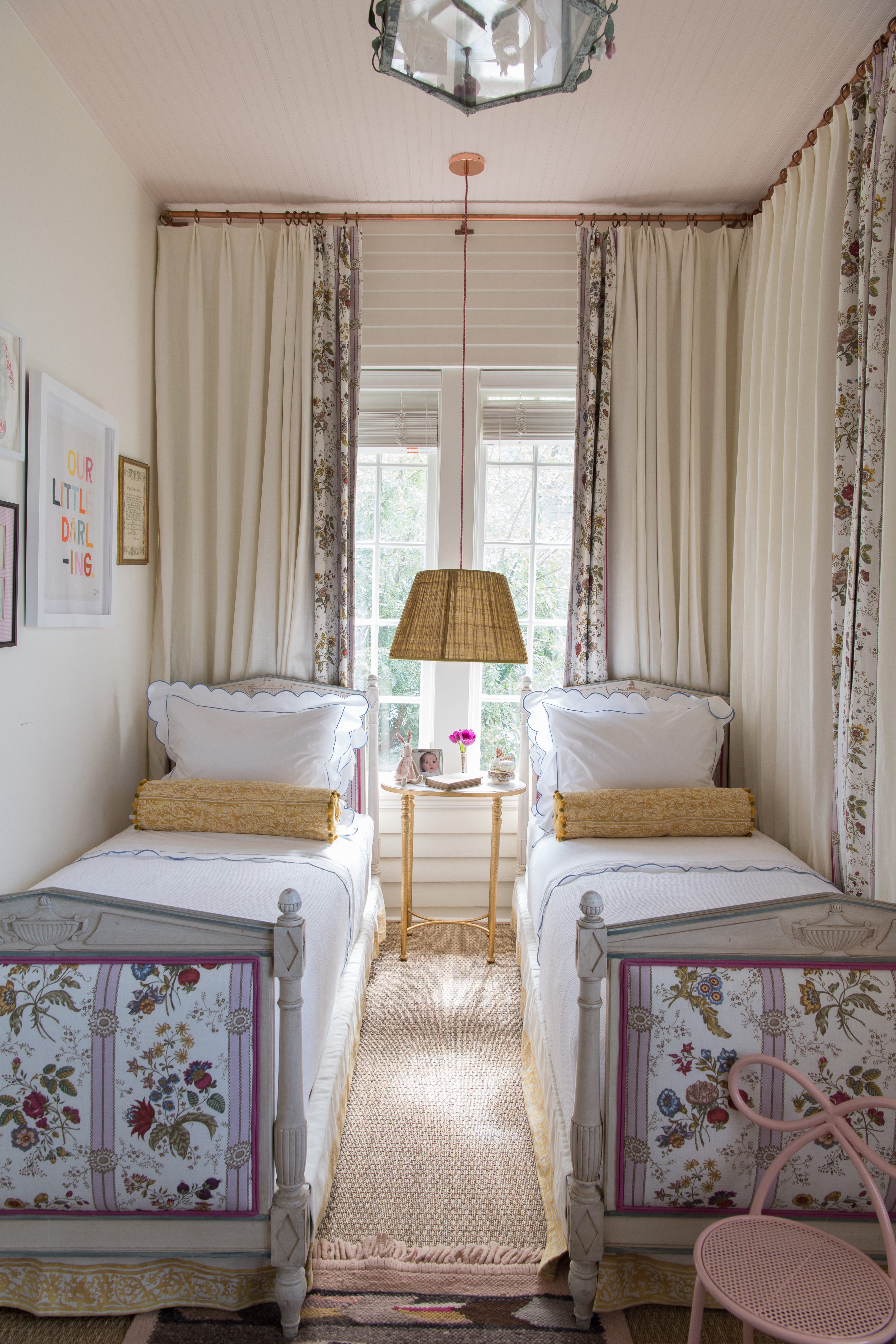
One key suggestion for narrow bedrooms is to utilize bunk beds, particularly for guest rooms, children's rooms, or shared living spaces. Interior designer Amanda Wyatt from Design Insider emphasizes wall-to-wall bunk beds as a smart strategy to incorporate sleeping arrangements while maintaining natural light, which is crucial in small areas. She also recommends considering full or queen-sized bunk beds for older children and young adults. For those who do not require two beds, the bottom bunk can be replaced with a desk or a reading nook, creating a versatile space. The article further advises DIY-ing bunk beds to ensure a perfect fit for specific narrow dimensions.
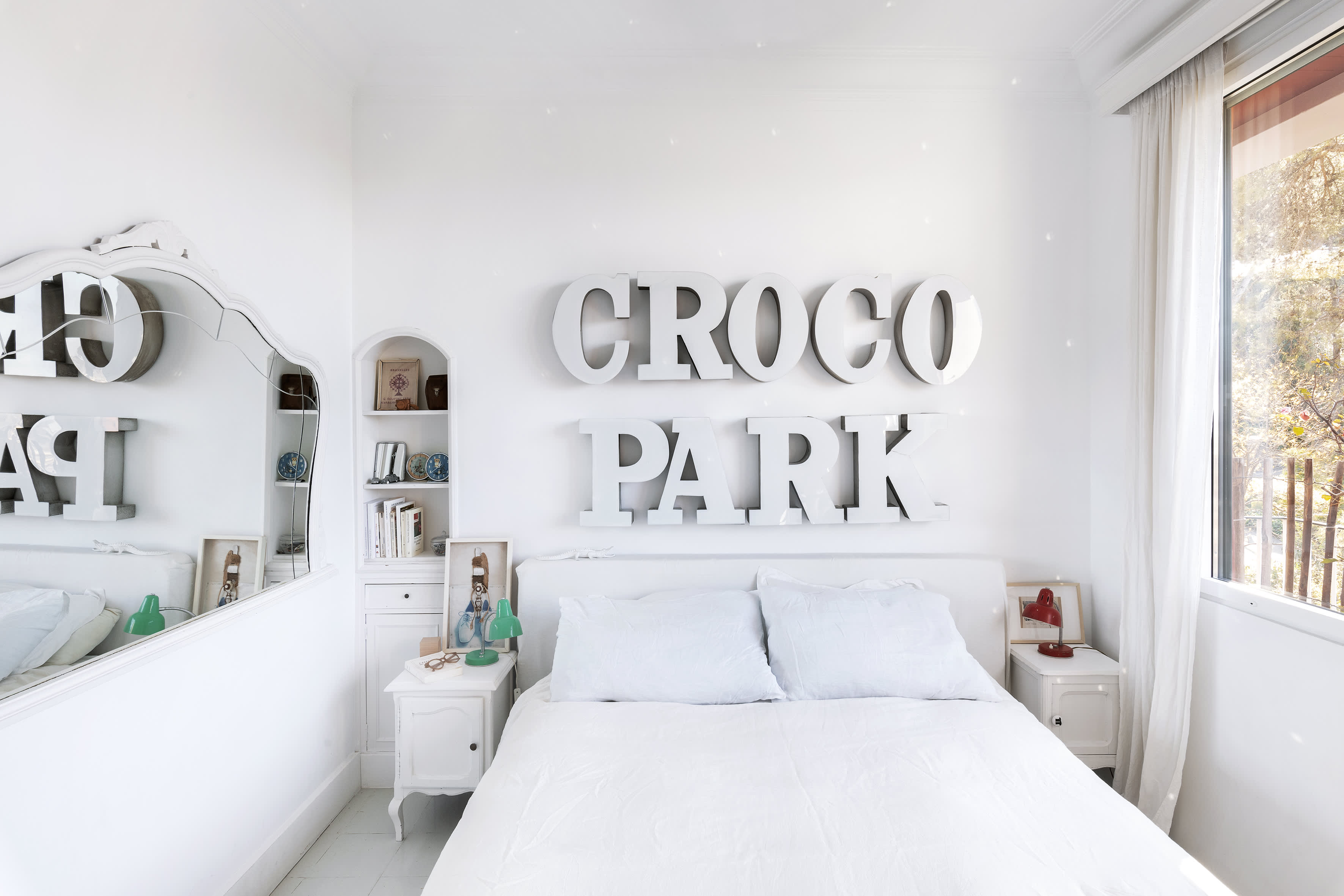
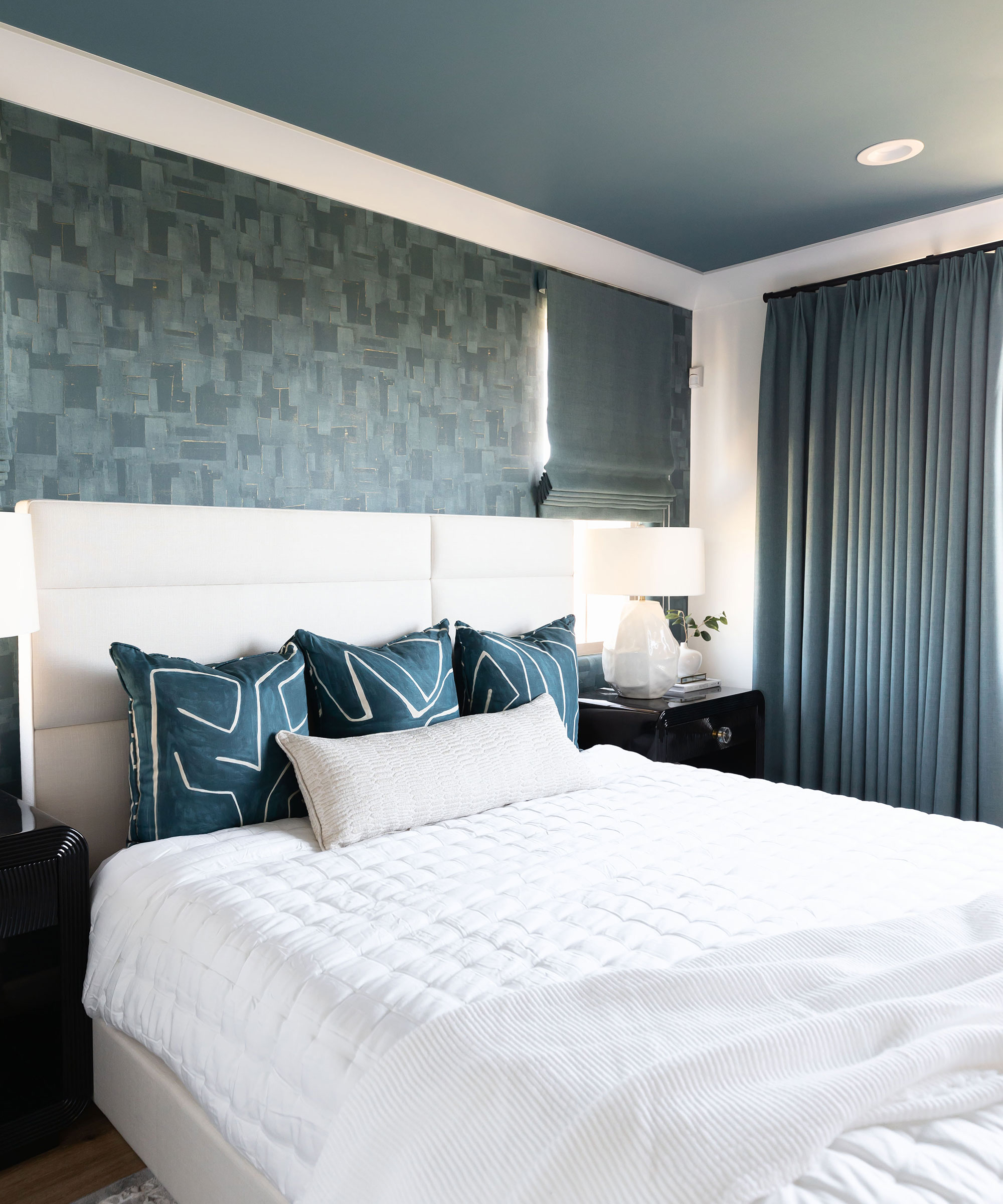
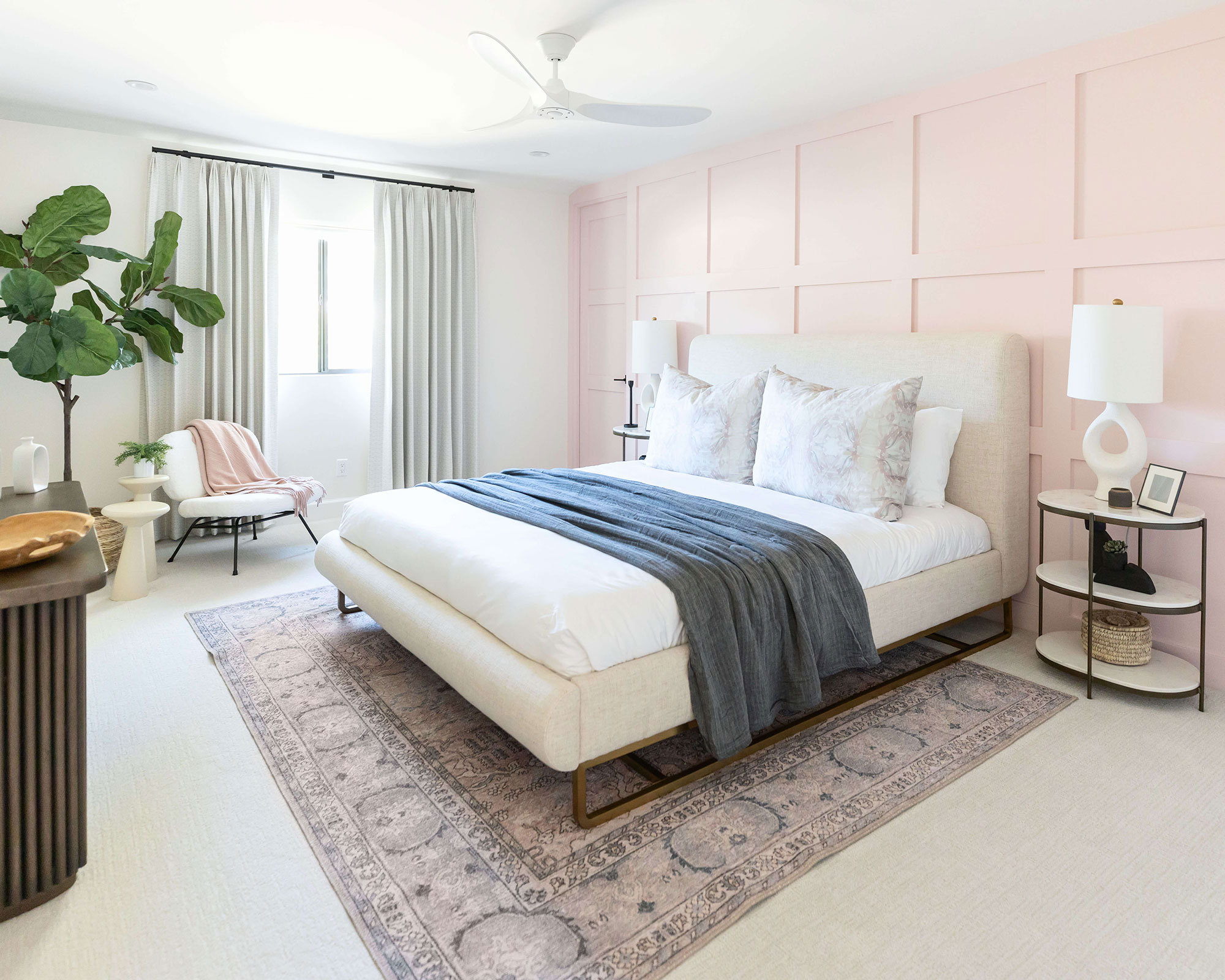
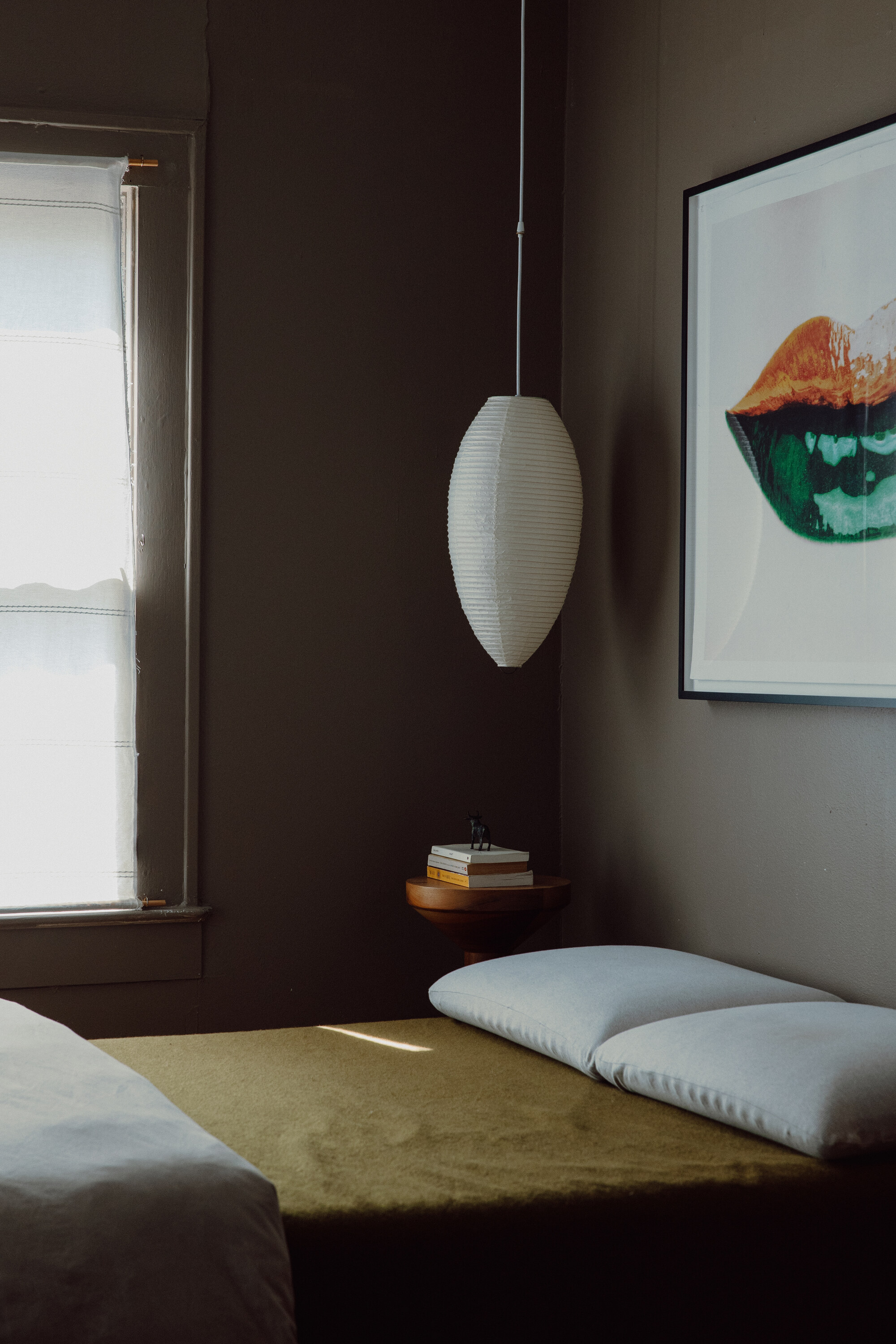
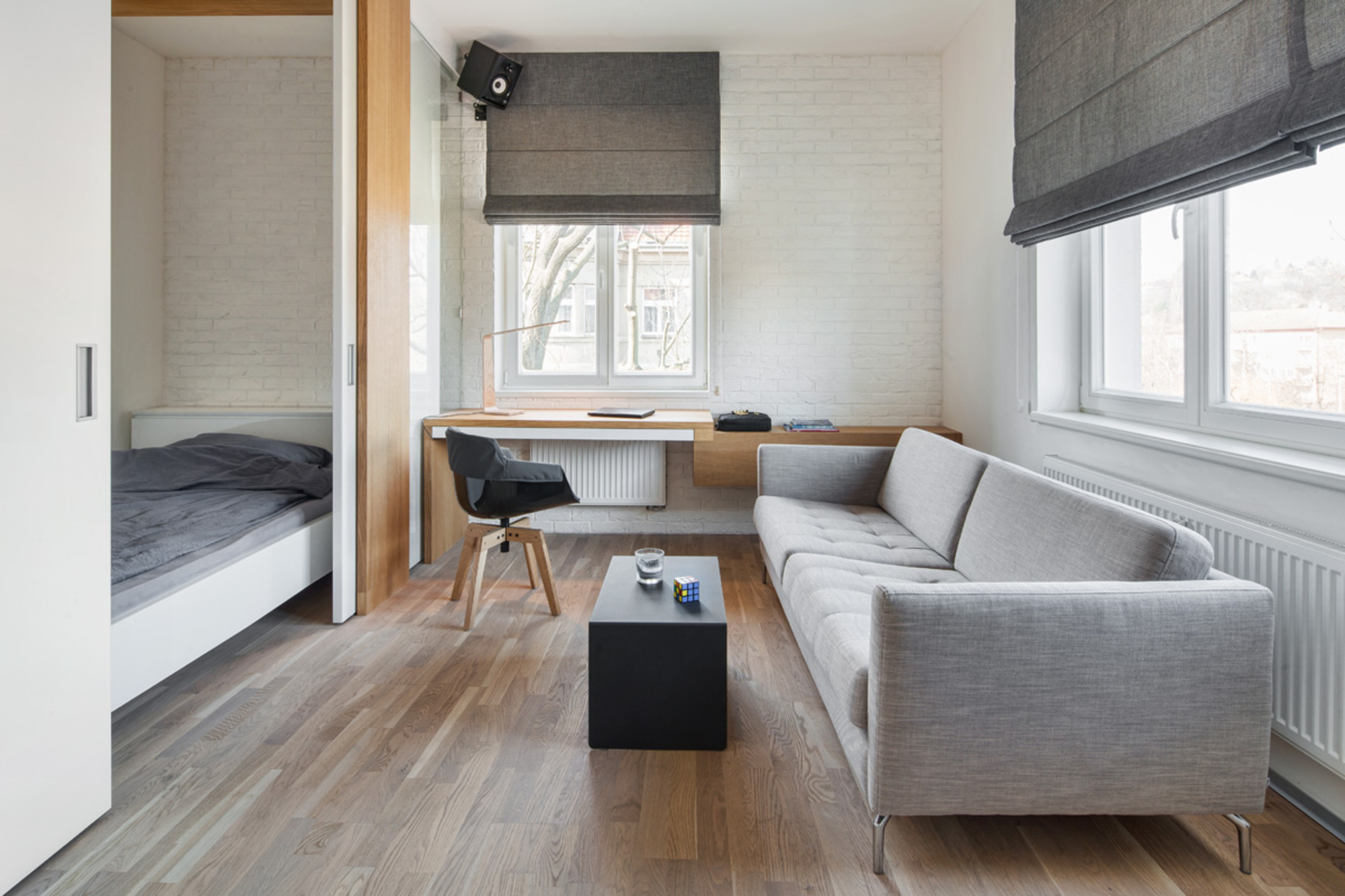
Another effective strategy is to choose light colors for walls and ceilings. Ricky Allen, director of Ever Wallpaper, explains that light-colored wallpaper or paint reflects more light, making the room feel more open and radiant. Artem Kropovinsky, founder of Arsight, adds that a monochromatic color scheme, especially soft white shades, can create the illusion that walls are more distant. This approach visually expands the perceived size of the room, preventing a claustrophobic feel.
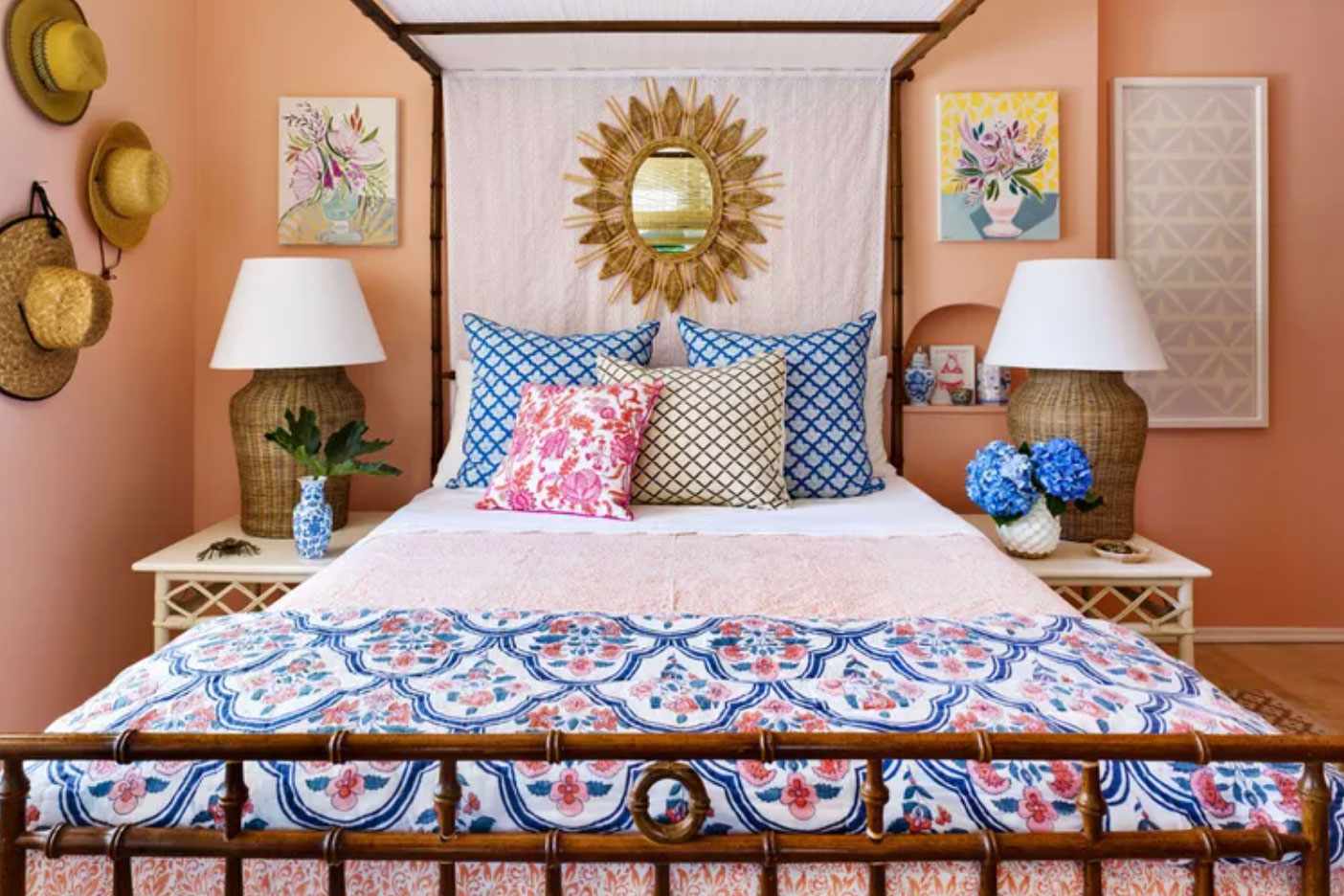
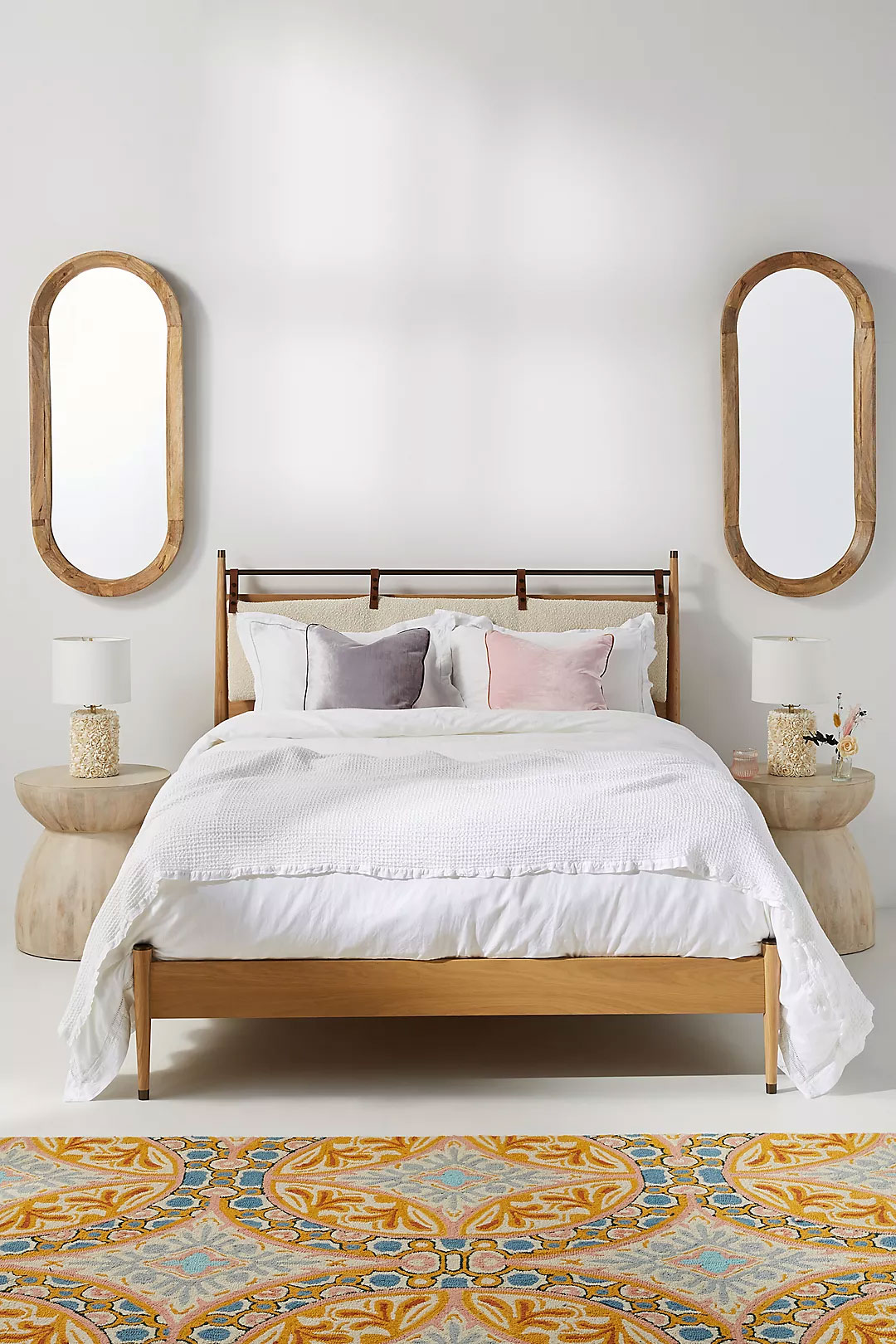
Hanging mirrors is also highlighted as a powerful tool for visual expansion. Artem Kropovinsky notes that strategically placed mirrors can visually duplicate the space, enhance light, and improve the room's overall aesthetic. The article recommends full-length mirrors placed opposite a window to maximize light reflection, thereby creating a brighter and seemingly larger room.
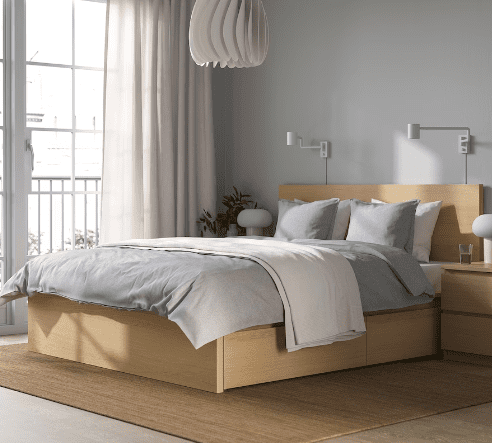
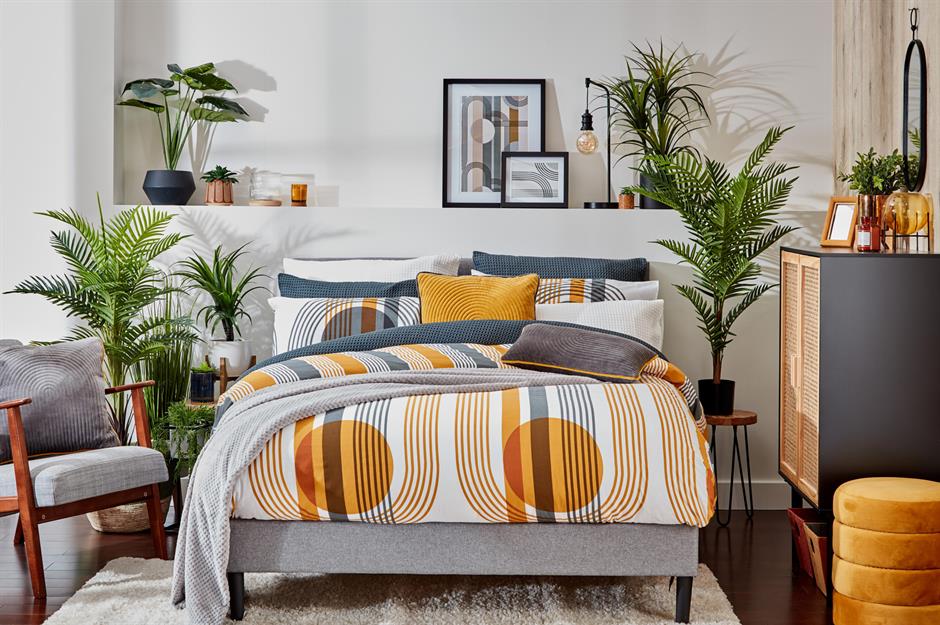
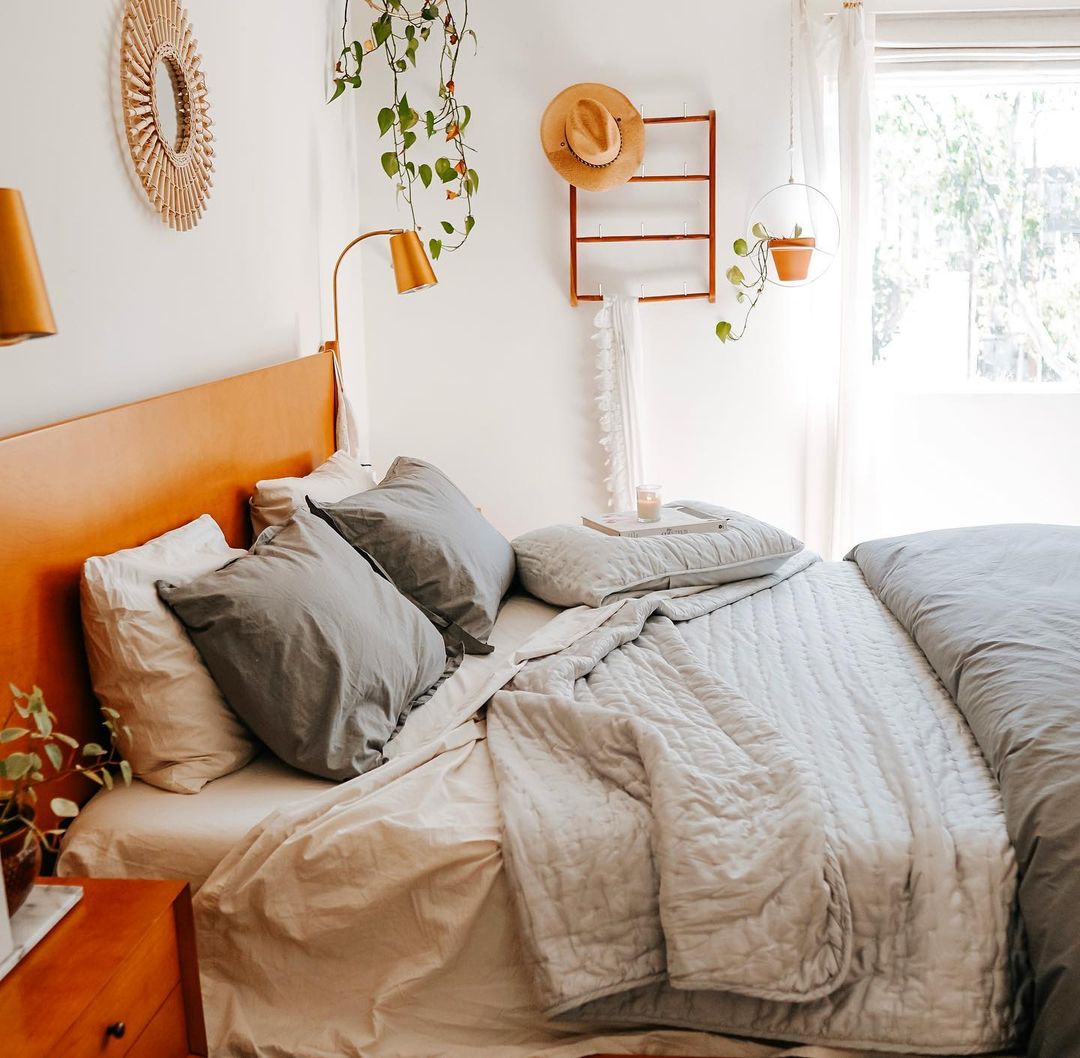
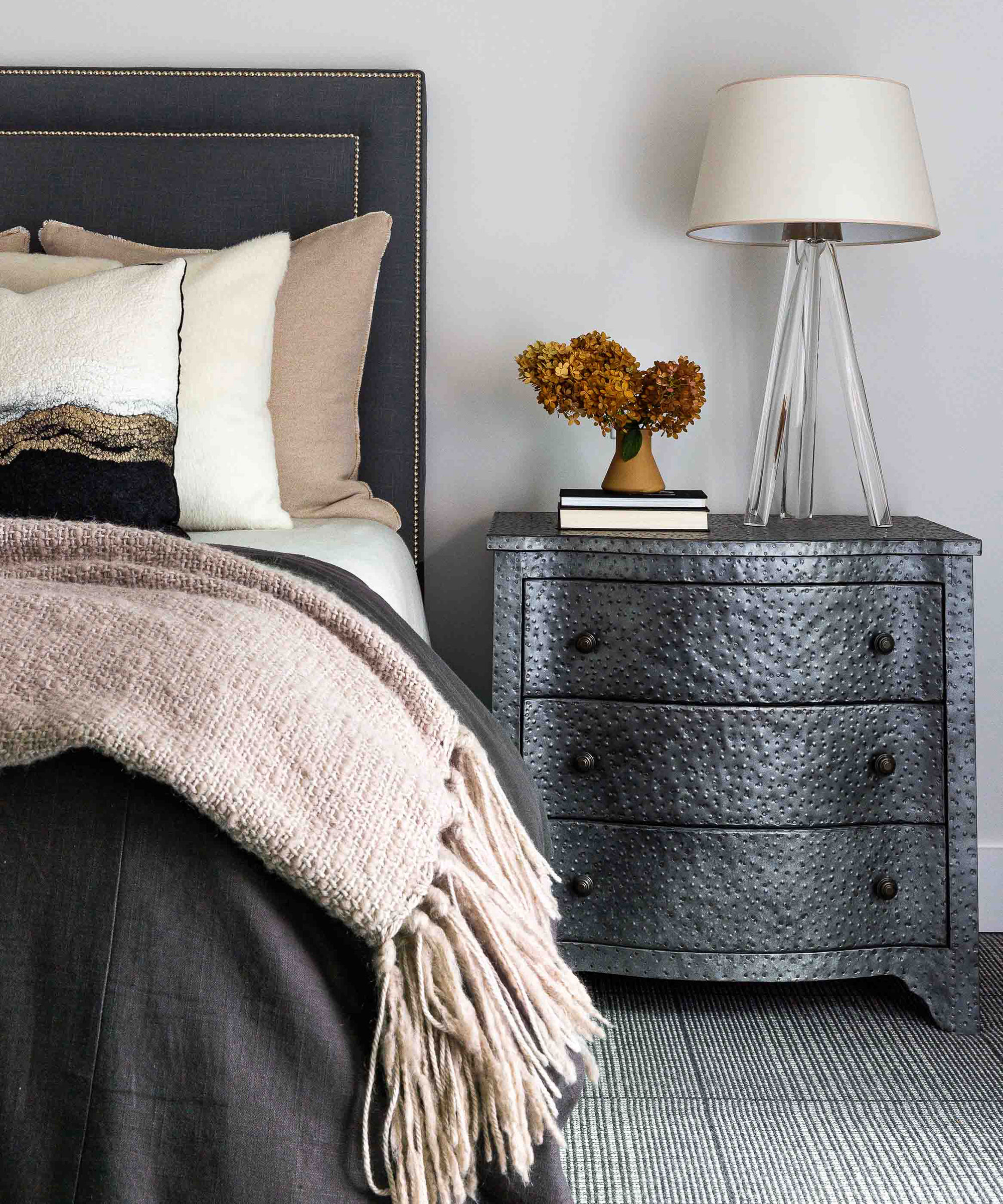
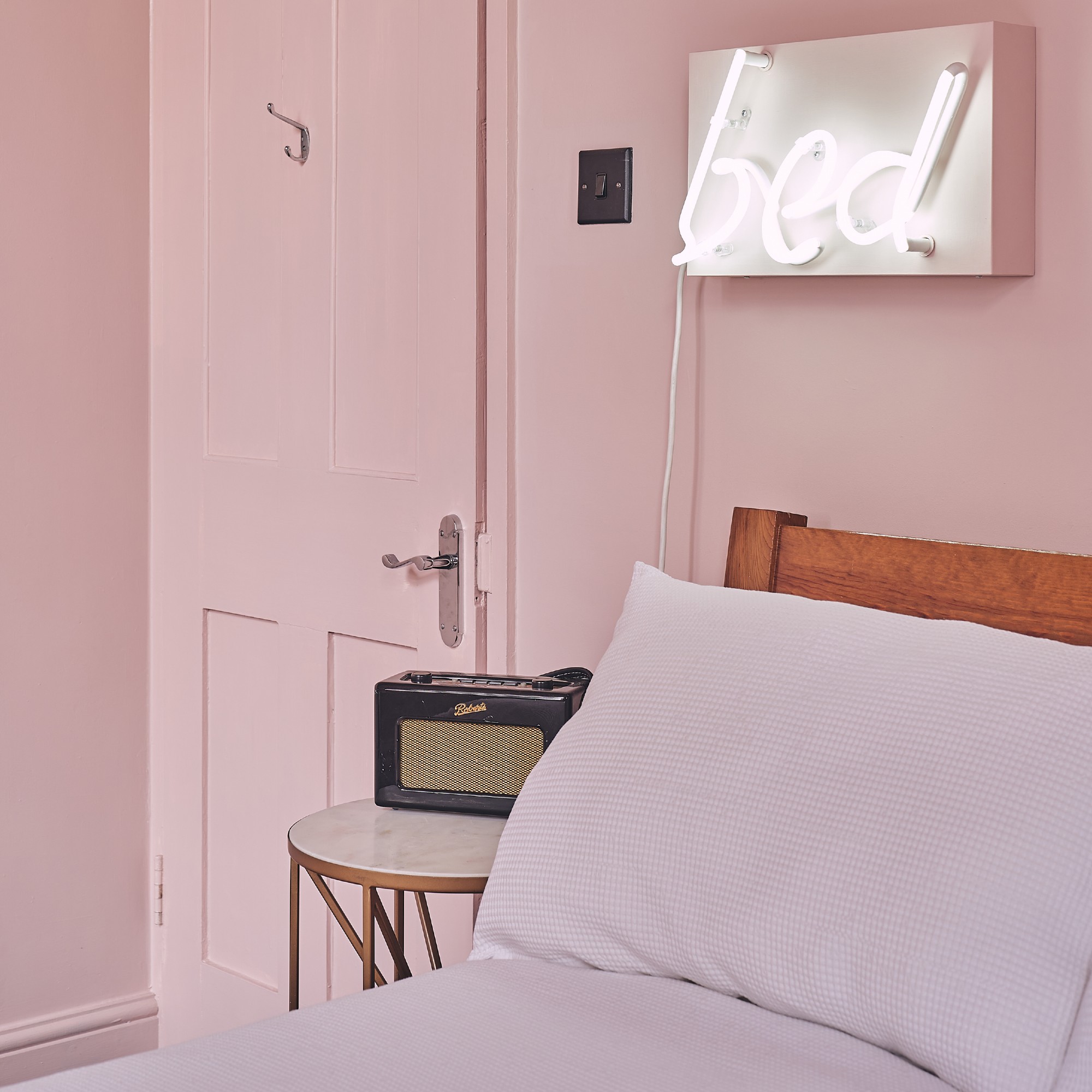
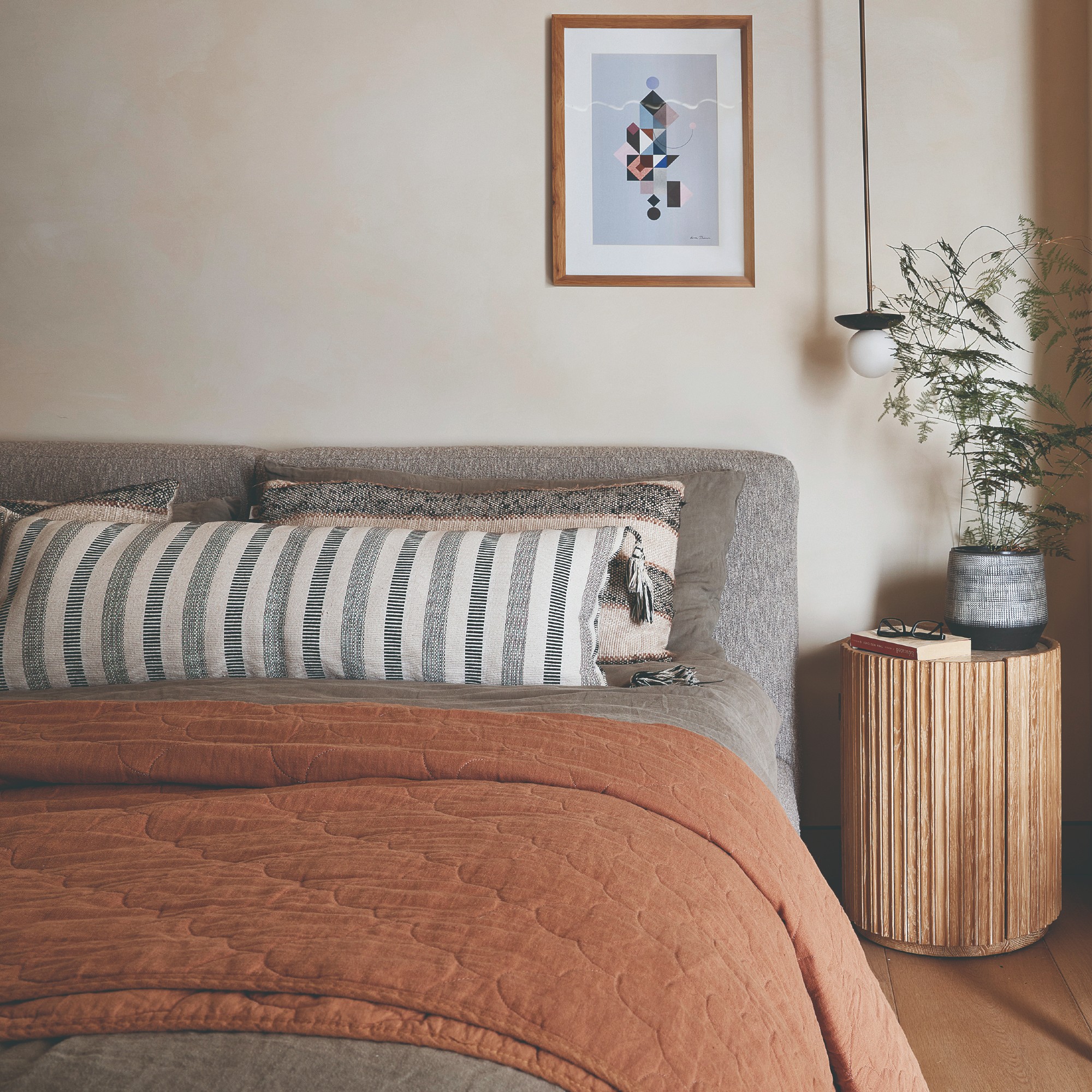
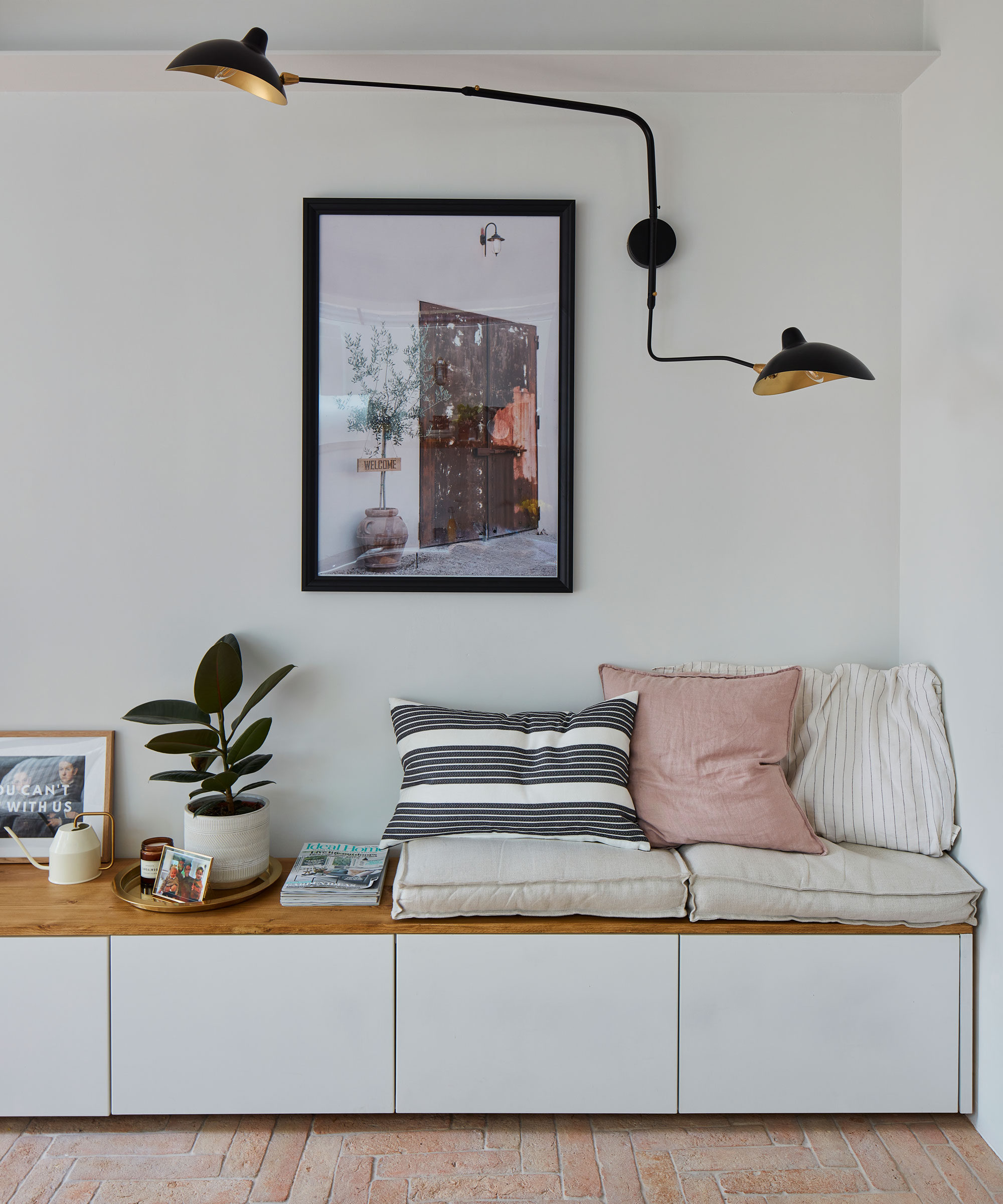
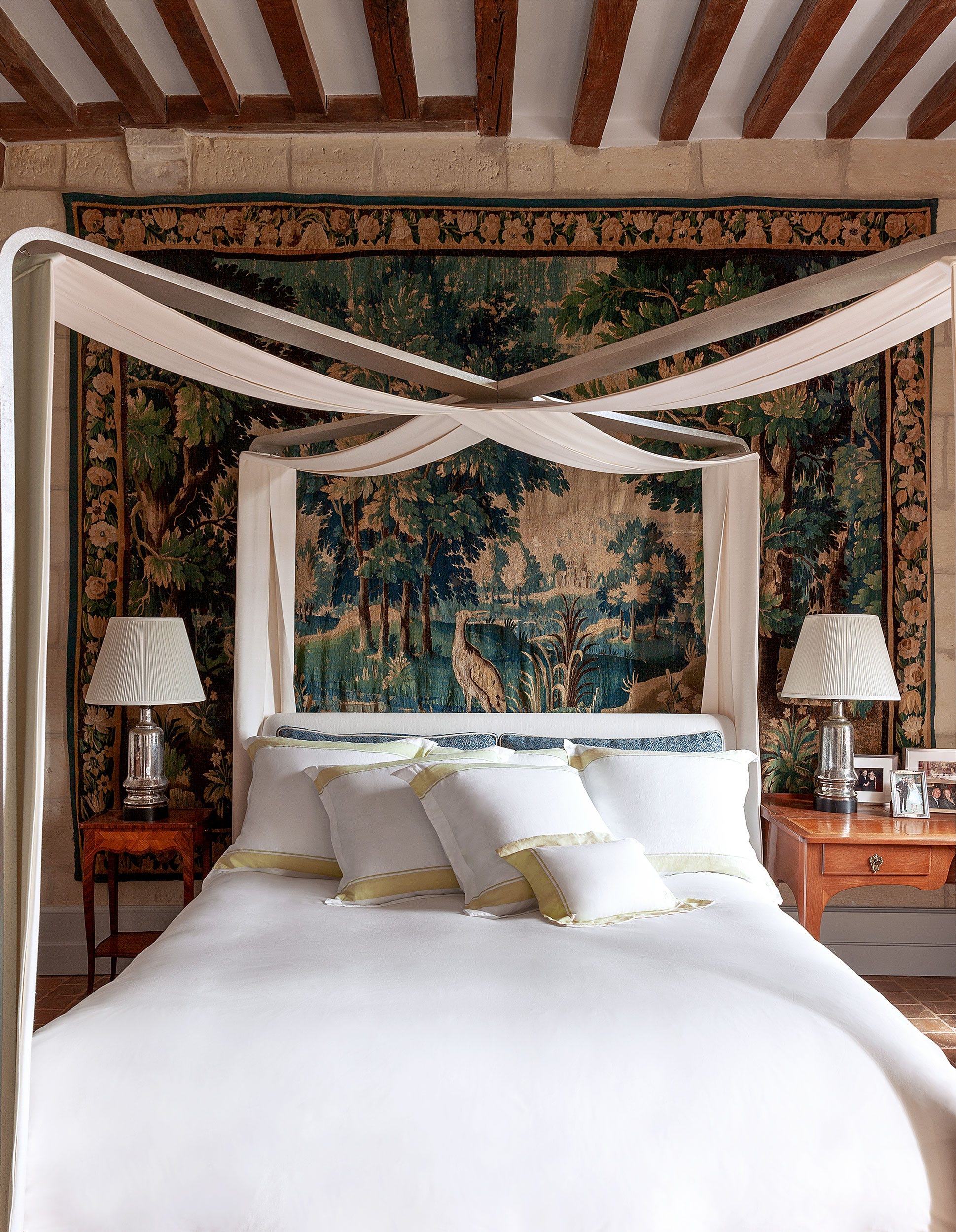
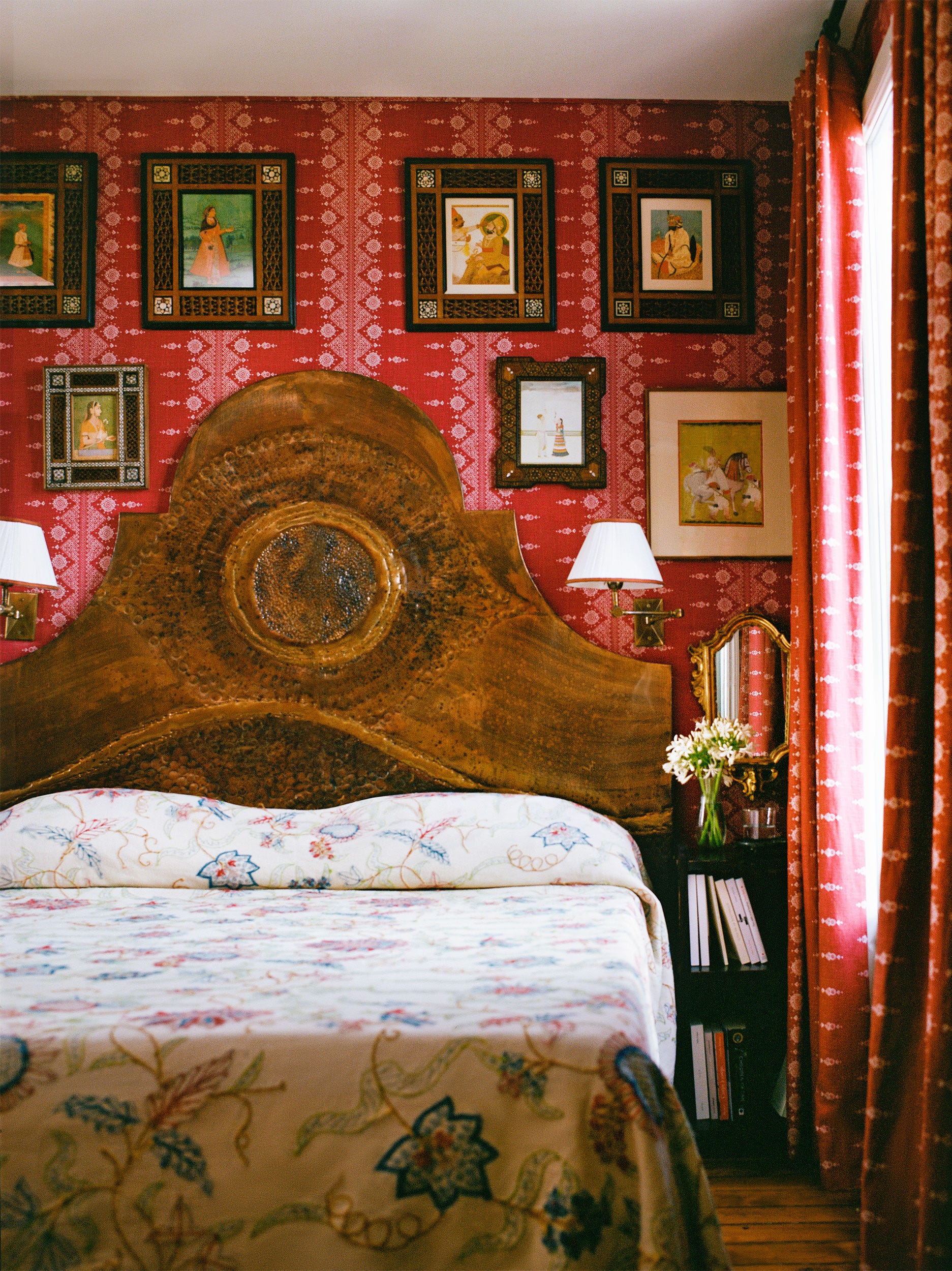
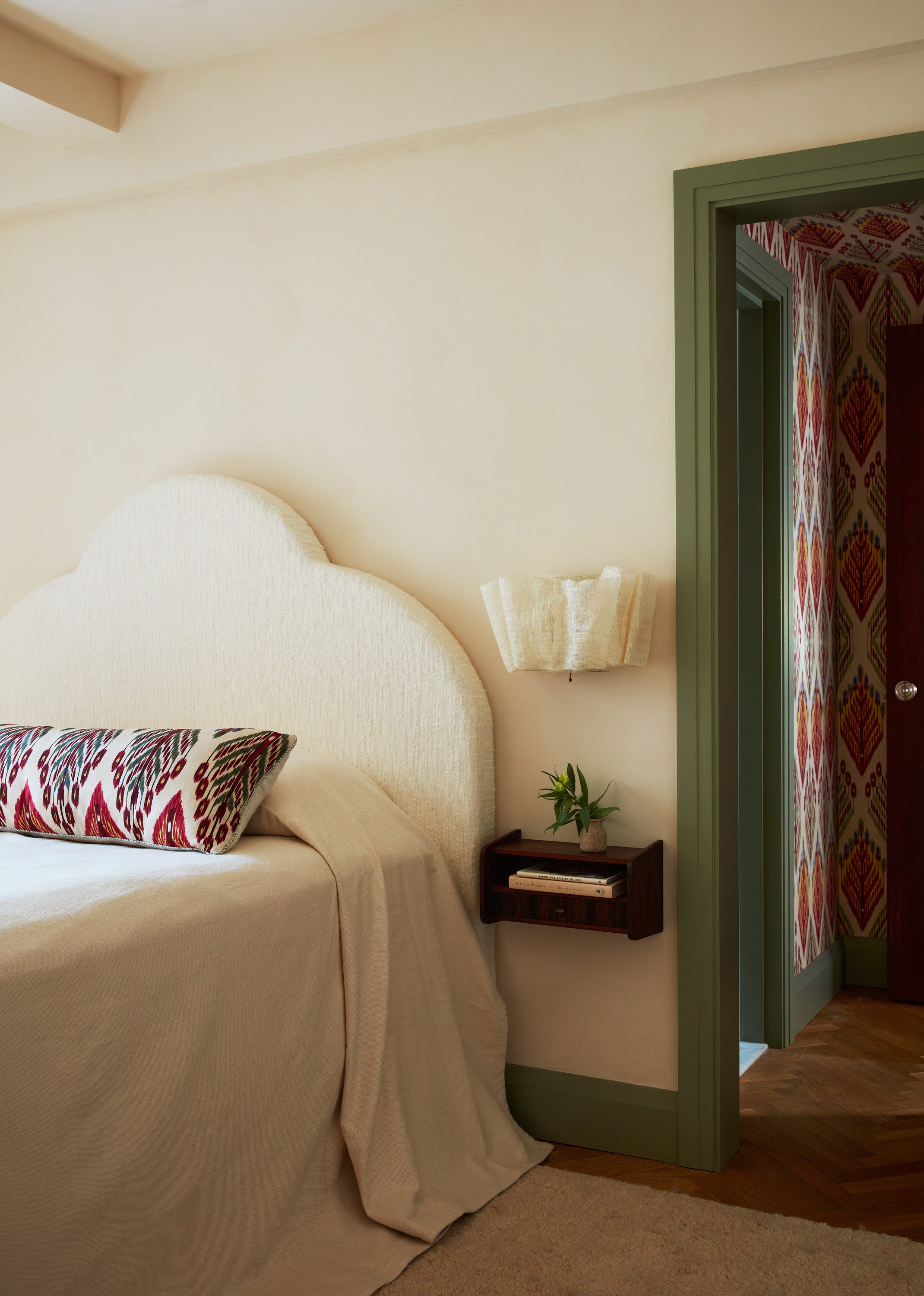
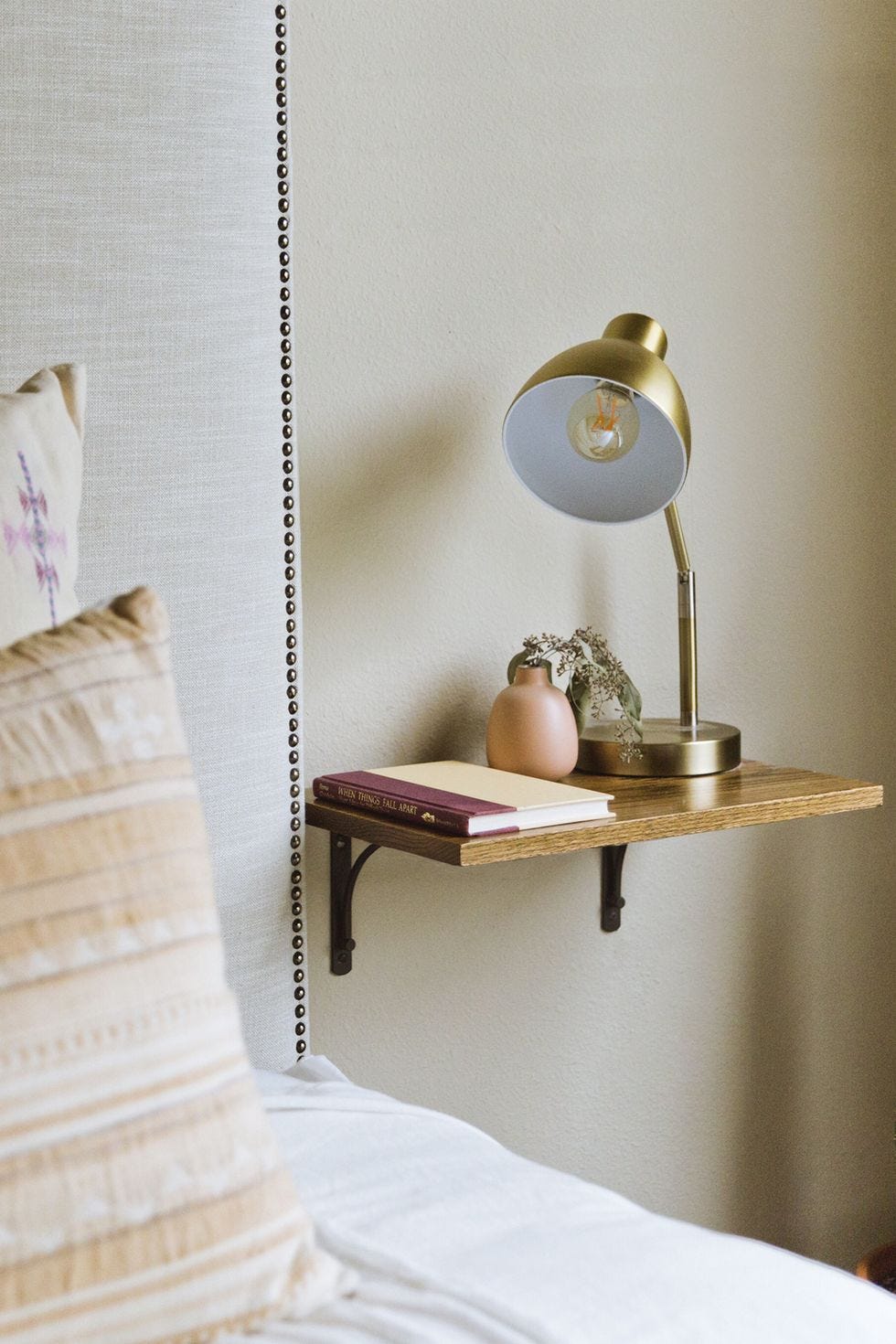
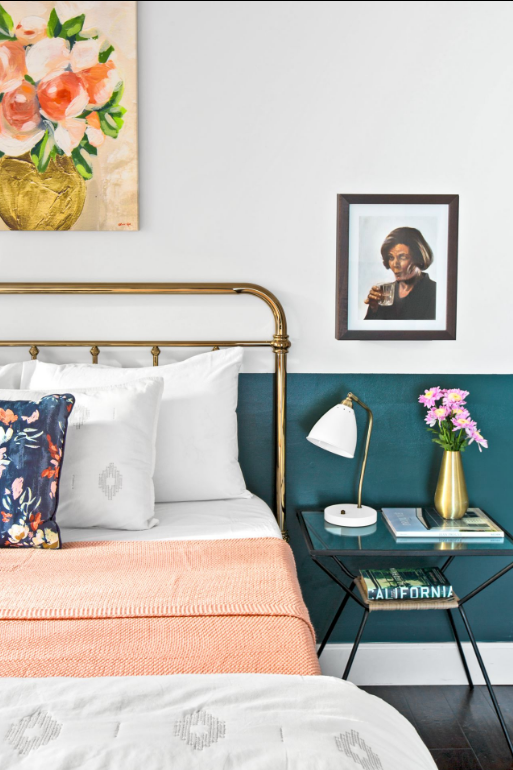
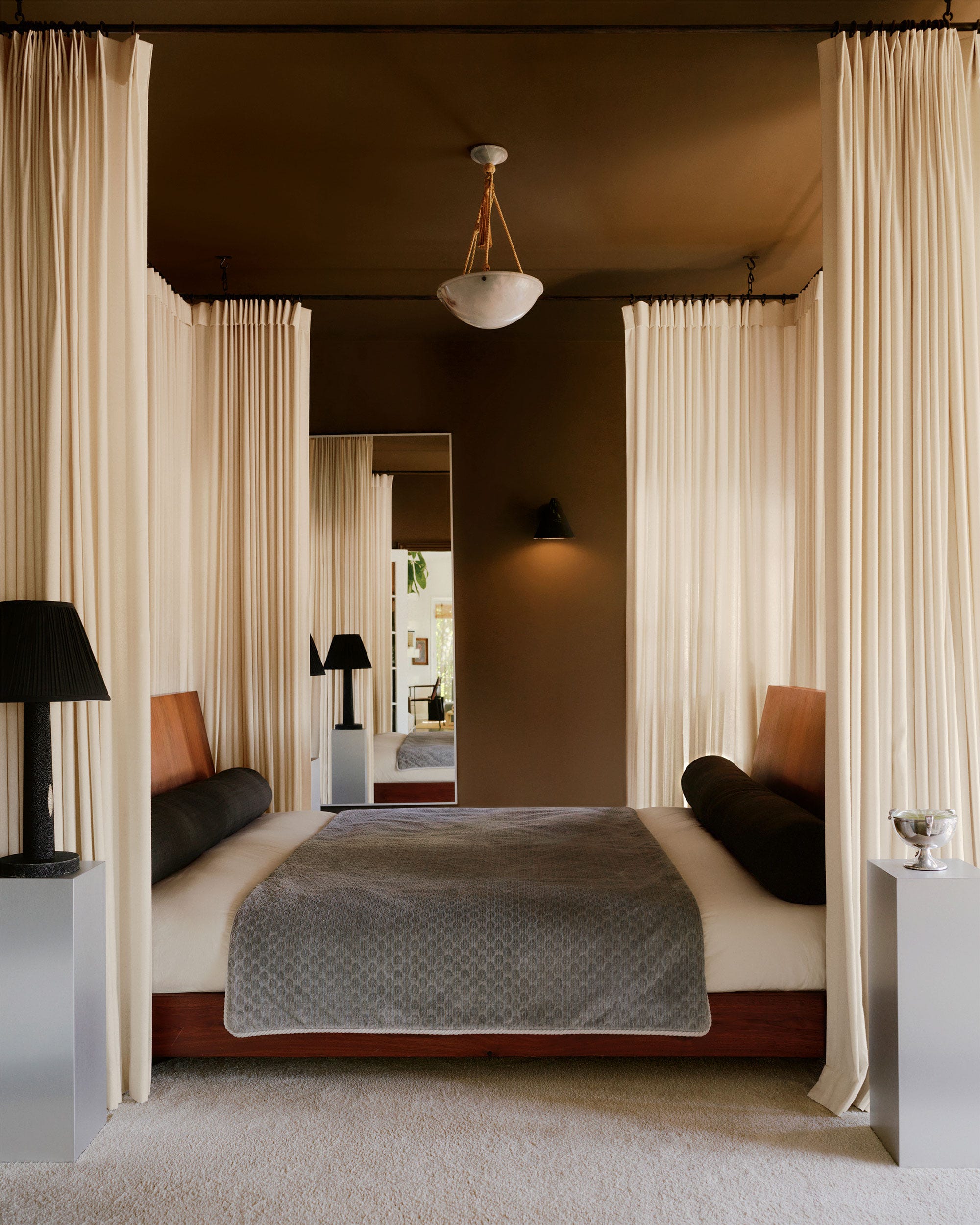
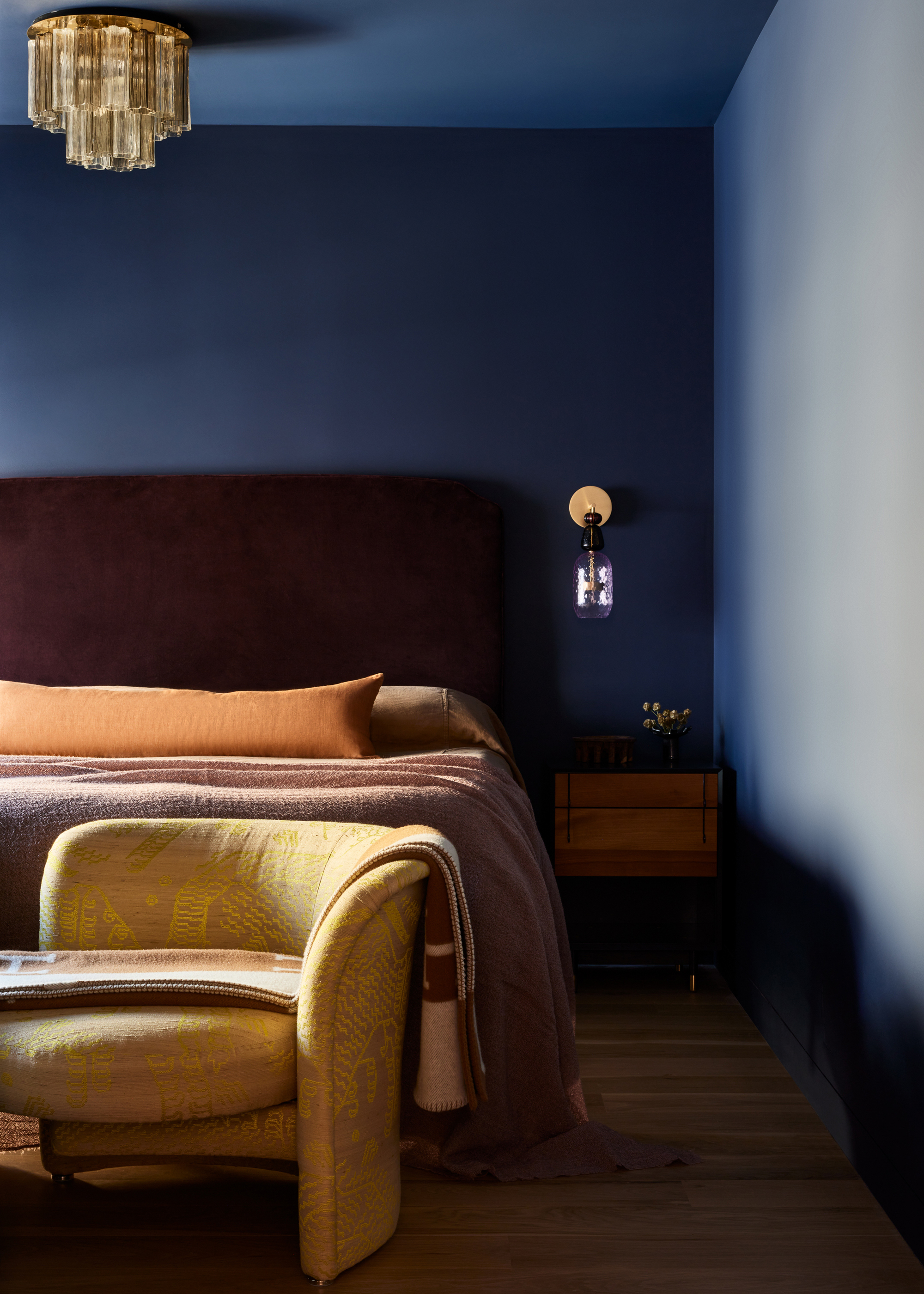
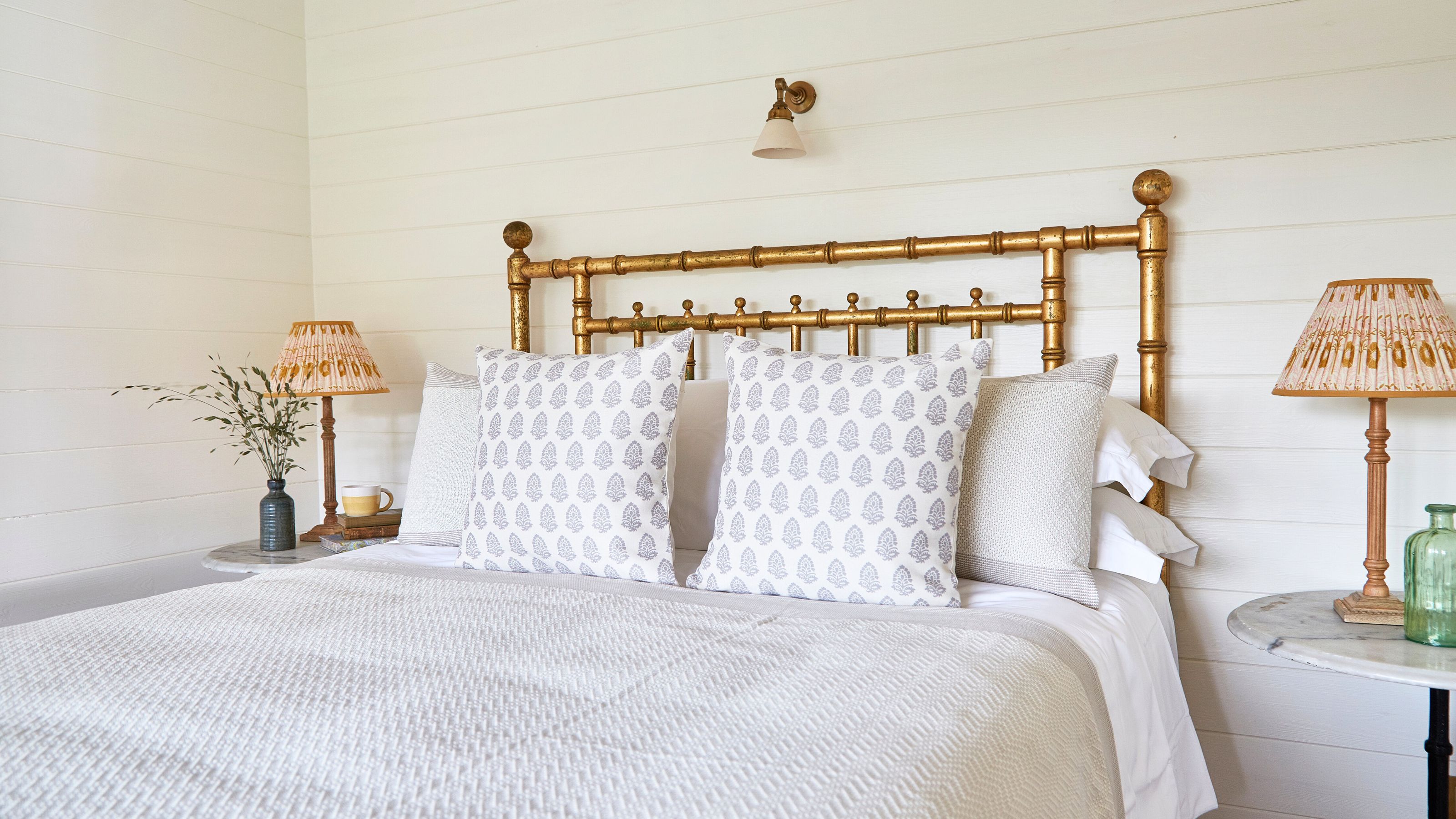
To further enhance the perception of depth and space, using multiple light sources is advised. Artem Kropovinsky states that varied lighting types guide the eye around the room, creating a visual illusion of depth. This includes incorporating table lamps on nightstands and wall sconces, ensuring light is distributed throughout the room rather than relying on a single overhead fixture.
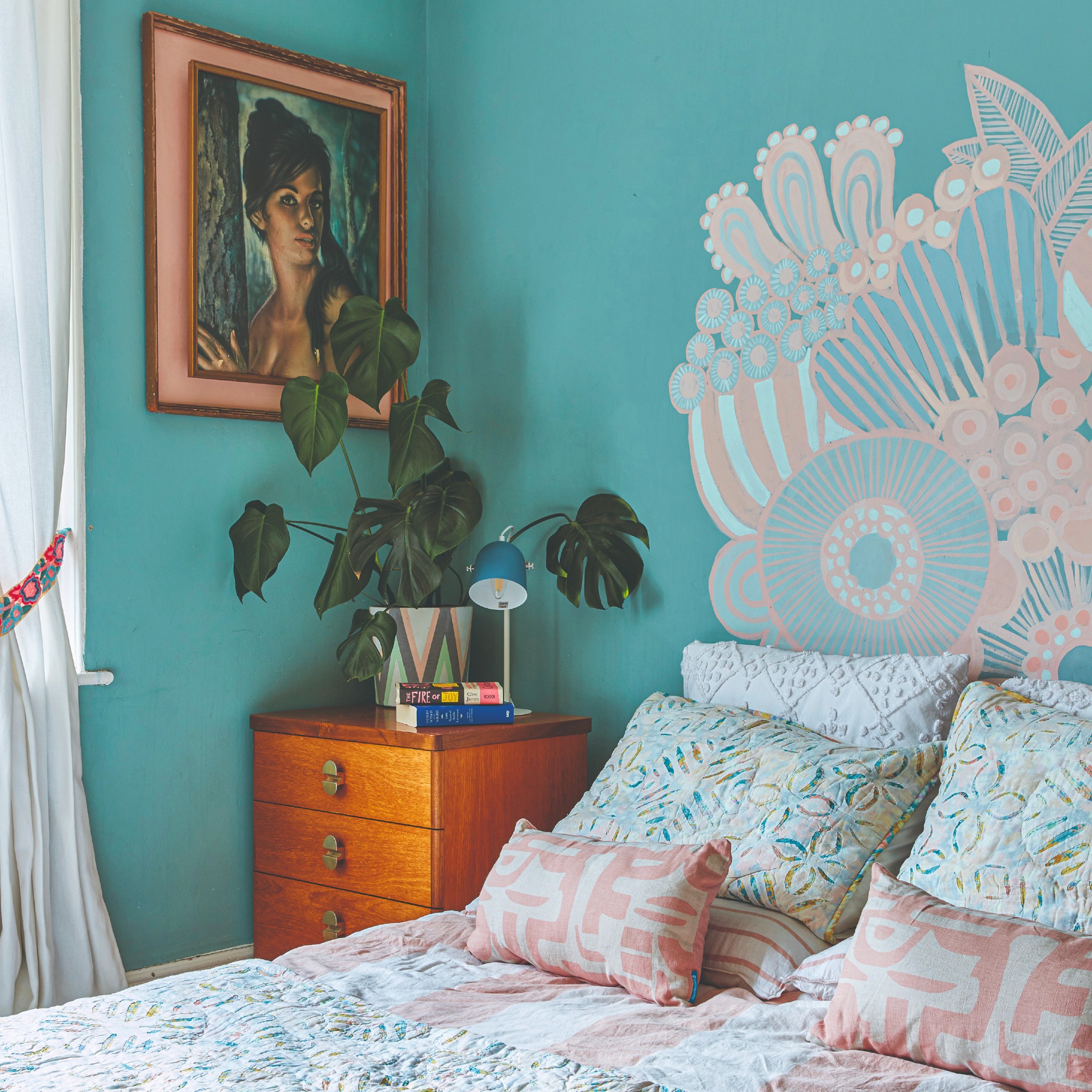
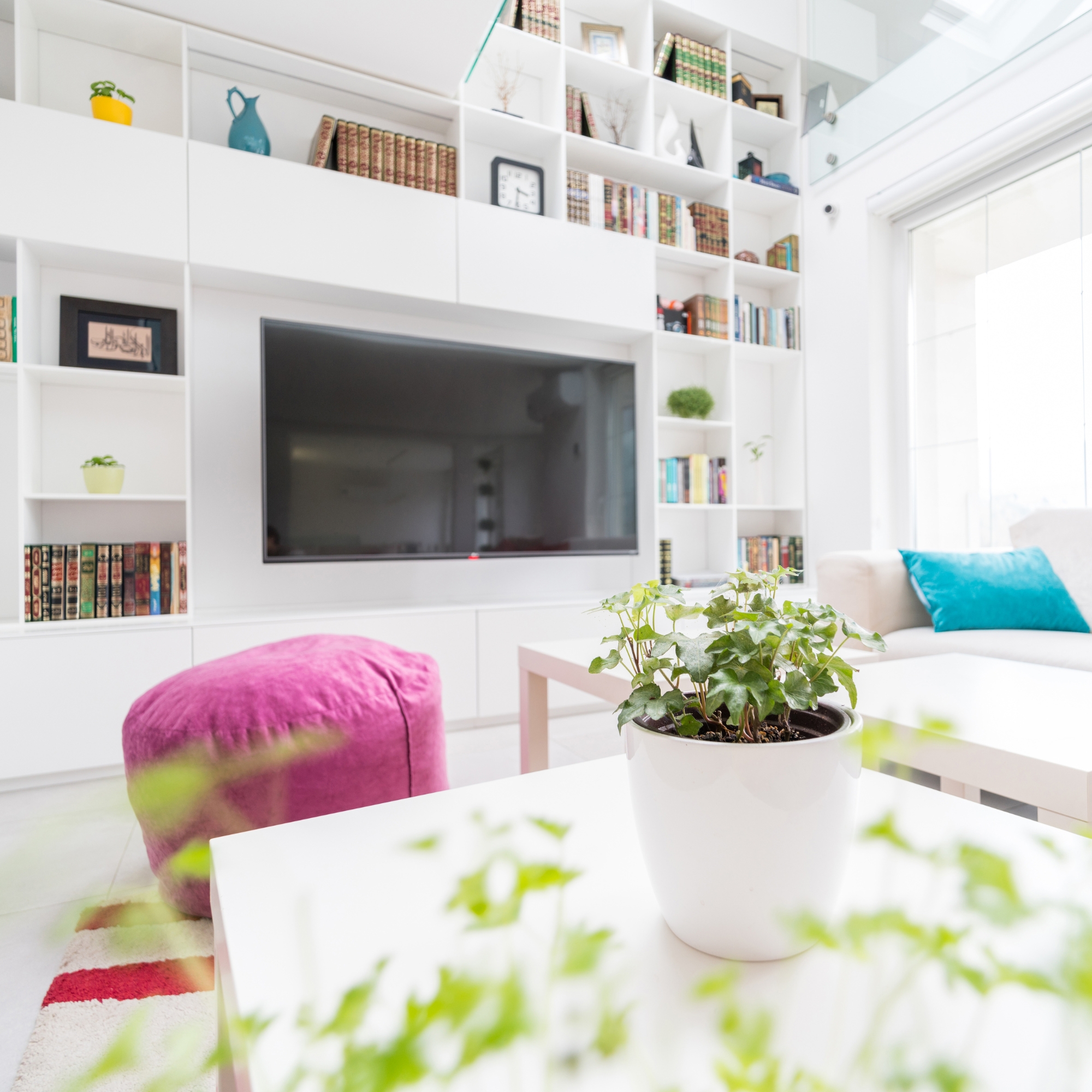
Editing down decor is presented as essential for narrow bedrooms. Ricky Allen suggests incorporating pops of color through accents and accessories but warns against cluttering the space. The article encourages readers to declutter by assessing each item for its usefulness or ability to 'spark joy,' advocating for donation or disposal of unnecessary items to maintain an uncluttered and spacious feel.
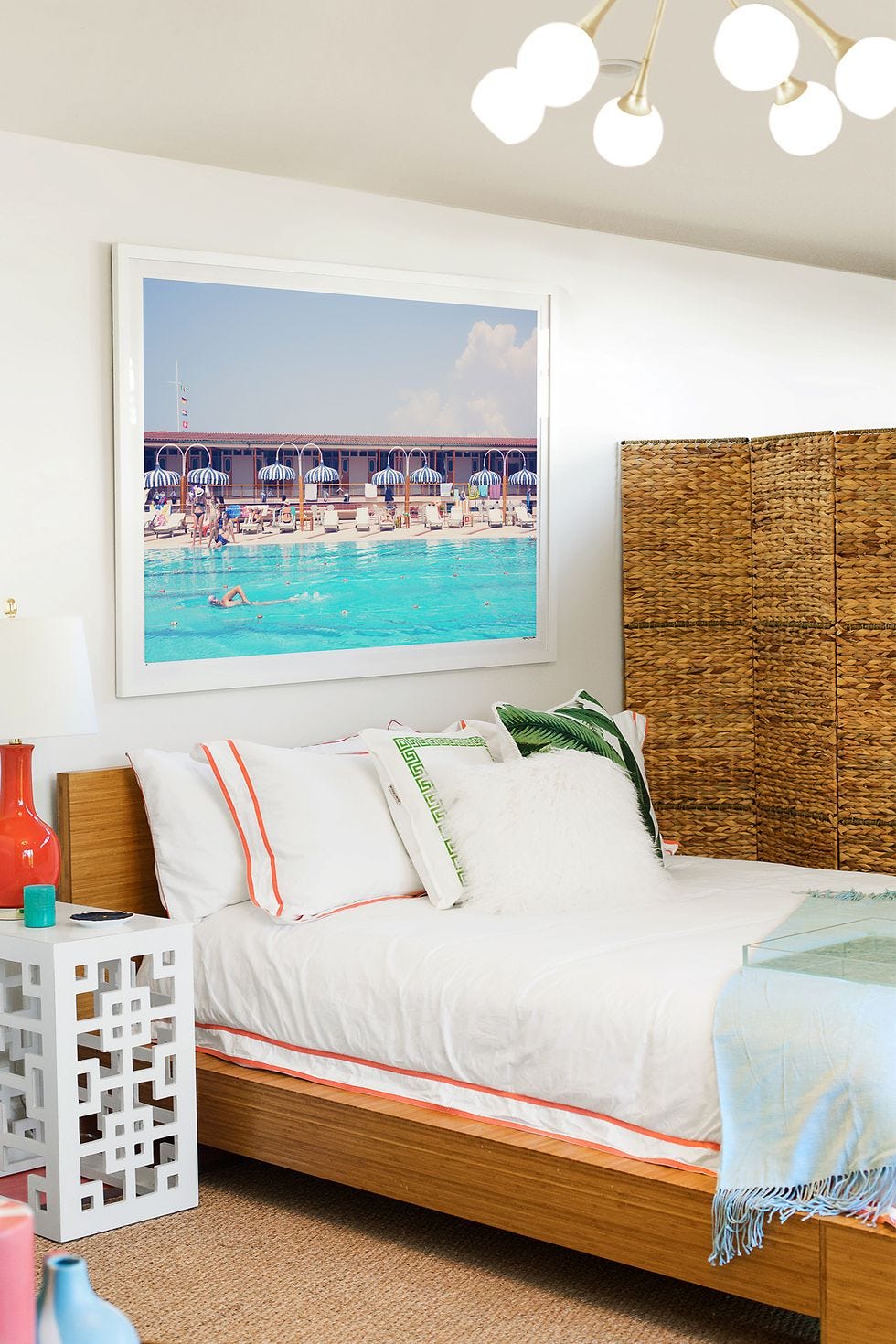
For seating, the article recommends a chaise lounge over a traditional armchair. Amanda Wyatt points out that chaises offer a more linear style of seating that is currently in vogue and comfortable. These can be tucked into a nook or placed against a wall, with additional personalization through accent walls or shelves above them. Finally, lifting furniture on legs is suggested to create an impression of weightlessness and airiness. Artem Kropovinsky explains that furniture with visible legs allows for visual continuity of the floor, making the room appear larger. This also aligns with principles of Feng Shui, promoting better energy flow in the bedroom. The article concludes by emphasizing the importance of measuring the room before purchasing furniture to ensure proper fit and optimize the narrow space. #NarrowBedroom #SmallSpaceDesign #InteriorDesign #HomeDecor #SpaceSavingIdeas #BedroomIdeas #LightingDesign #Decluttering
0 commenti in totale
 Nessun commento ancora
Potresti anche gradire
6 Brilliant Ways to Make the Most of a Narrow Bedroom
30 clever small bedroom ideas to elevate your tiny sleeping space and make it both stylish and practical
45 Big Ideas for Your Small Bedroom

Have a Narrow Living Room? These Layout Ideas Will Make the Most of Your Space

7 narrow living room ideas – how to turn an awkwardly shaped space into a dreamy lounge
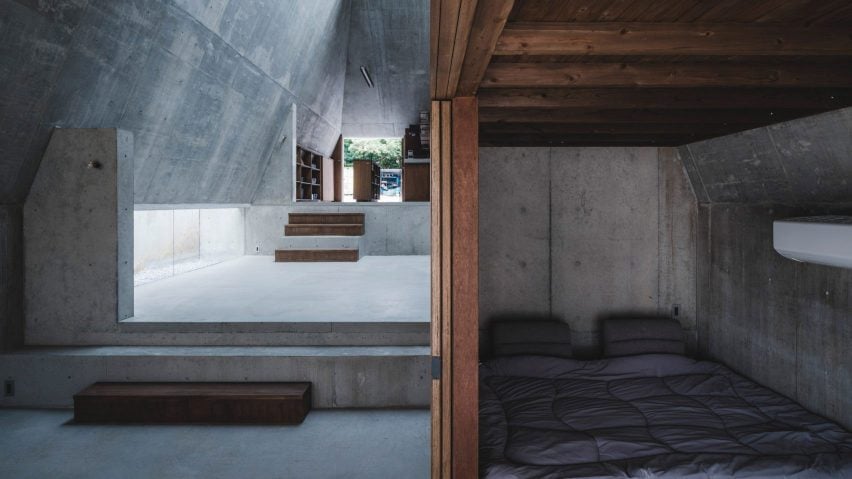
Eight compact bedrooms that make the most of small spaces
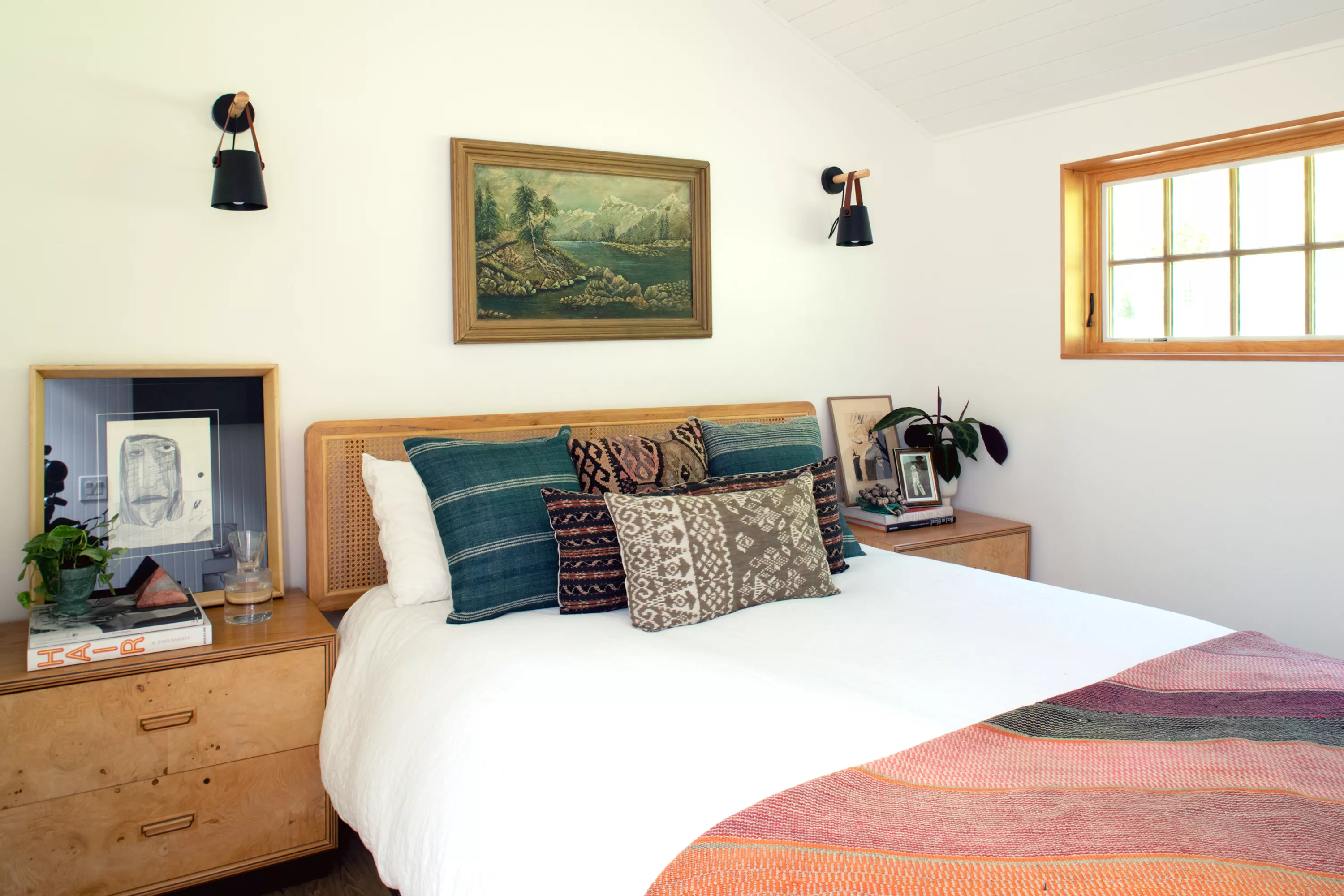
10 Small Guest Bedroom Ideas for a Cozy, Clever Space

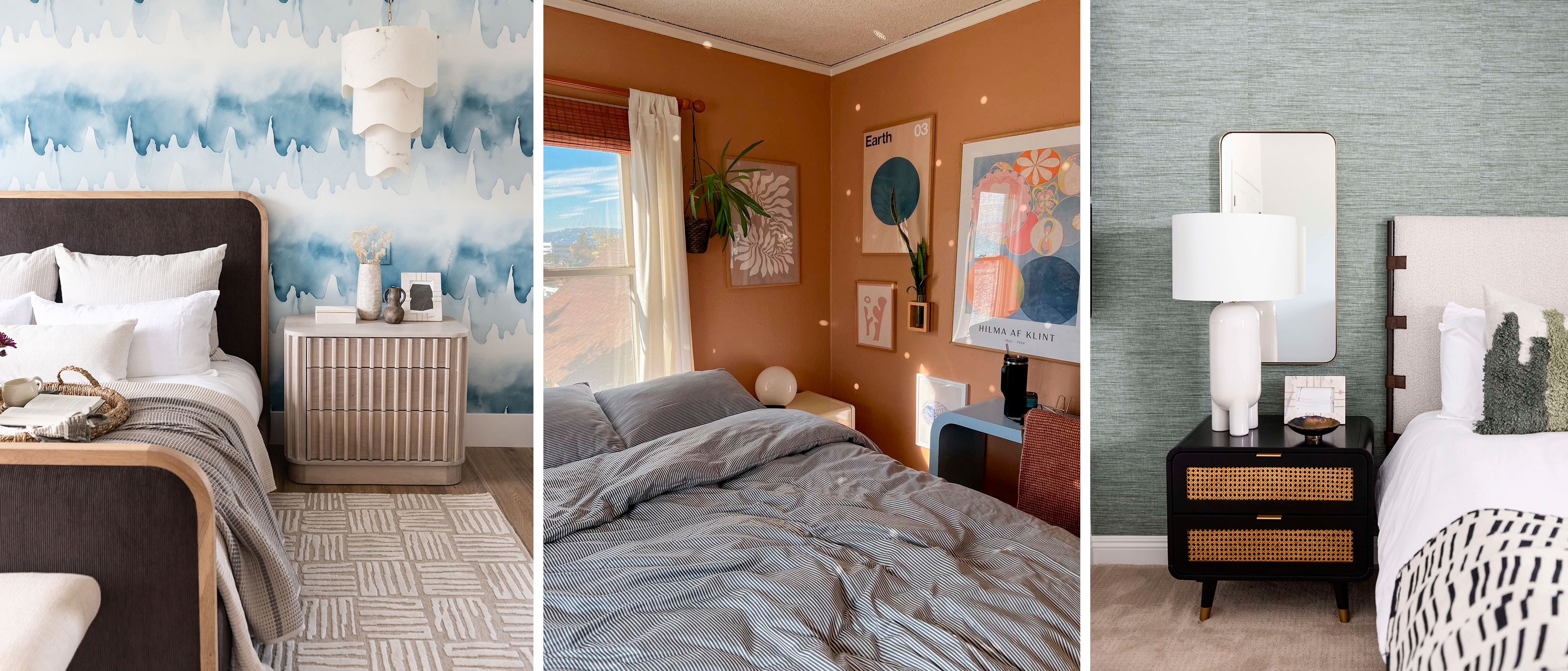
9 modern small bedroom ideas that are actually down to earth
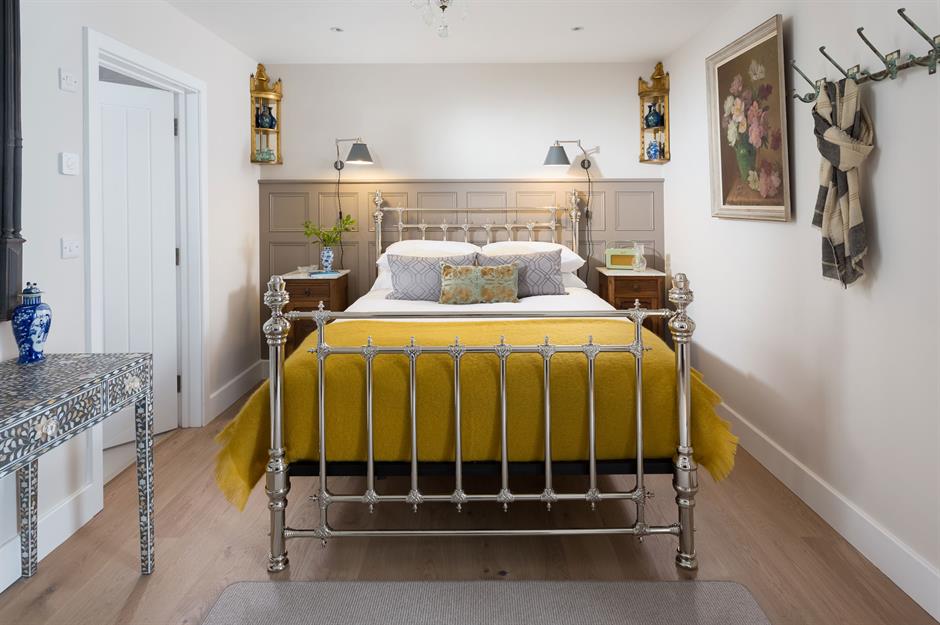
Small bedroom ideas with effortless style | loveproperty.com
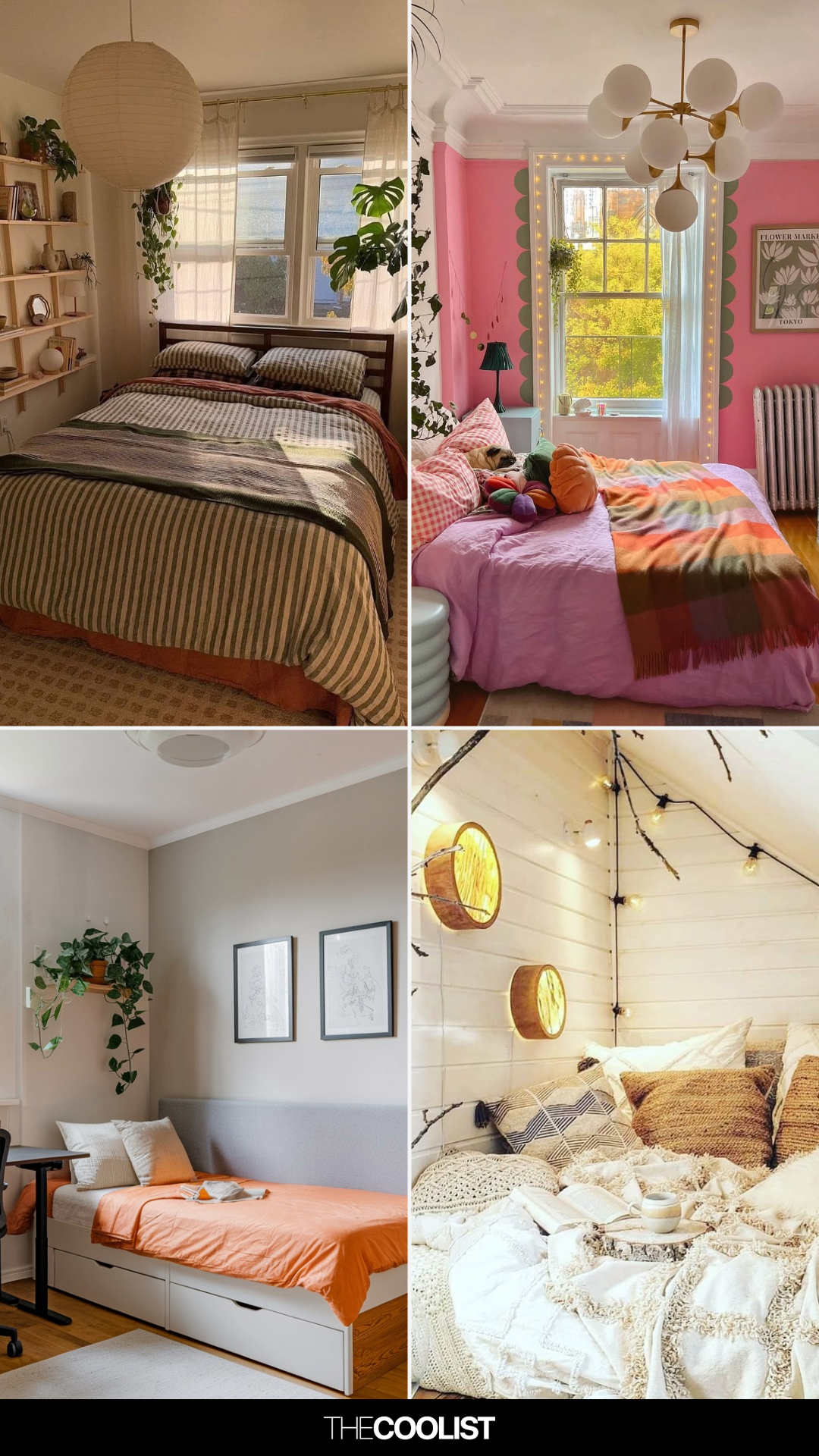
26 Small Bedroom Ideas for Women Who Make Tiny Spaces Feel Curated, Not Cramped
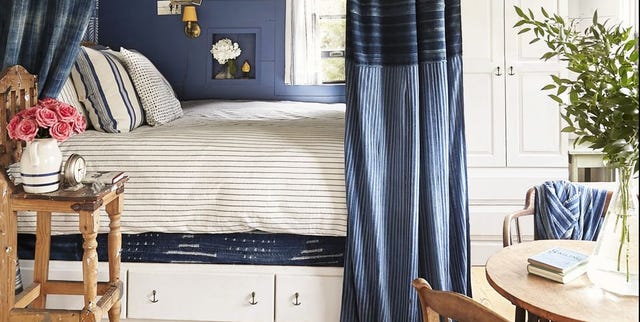
15 Small Bedroom Decor Ideas That Feel Grand

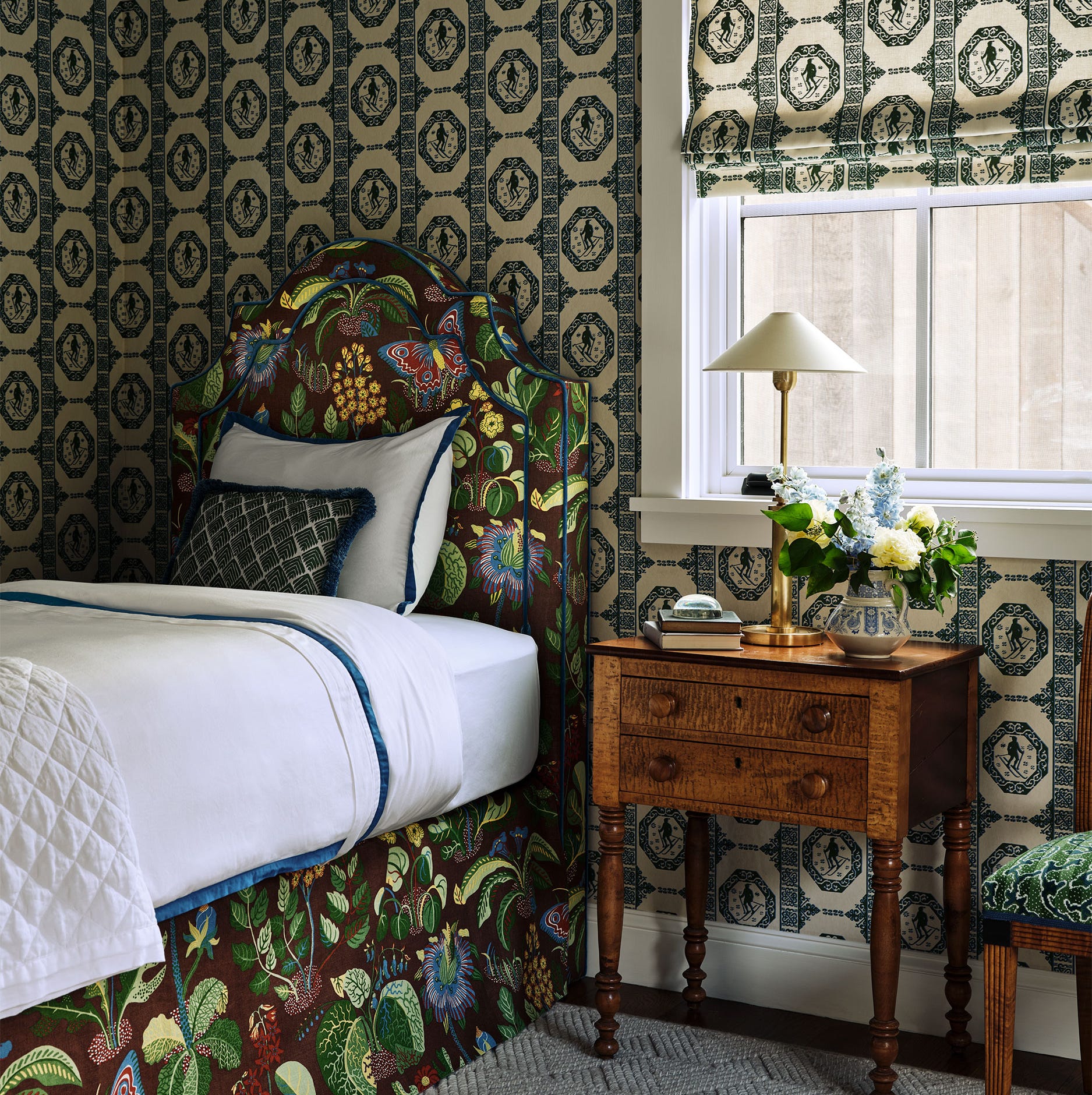
These Small Bedroom Ideas Prove That Small Is the New Big
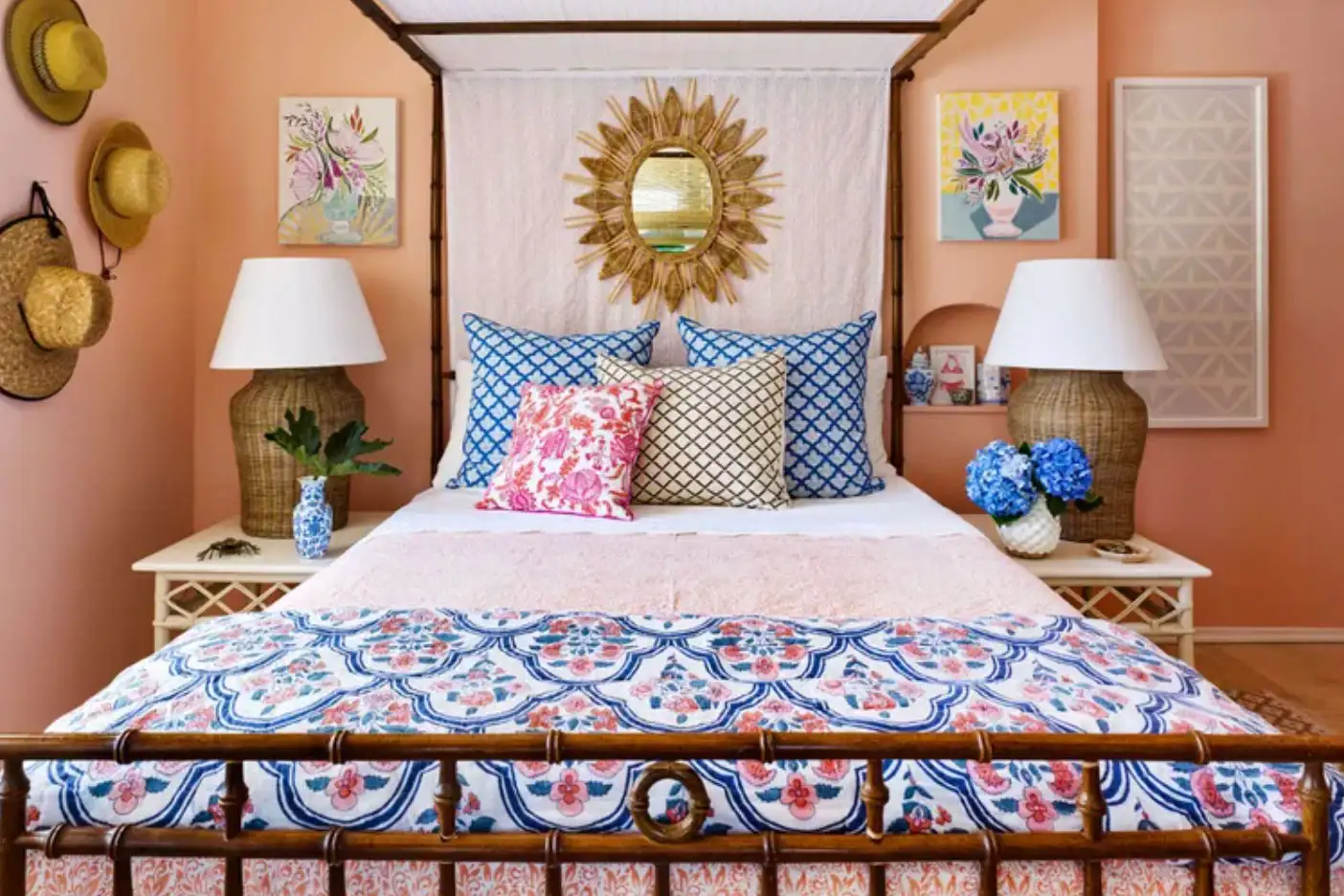
7 Designer Tricks That Make A Small Bedroom Feel Spacious
10 minimalist small bedroom ideas that still feel cozy
43 Cheap Bedroom Upgrades That'll Make You Never Want To Leave Your Room
Small bedroom ideas – smart ways to maximize space without compromising on style |

7 small neutral bedroom ideas that are beautifully far from bland
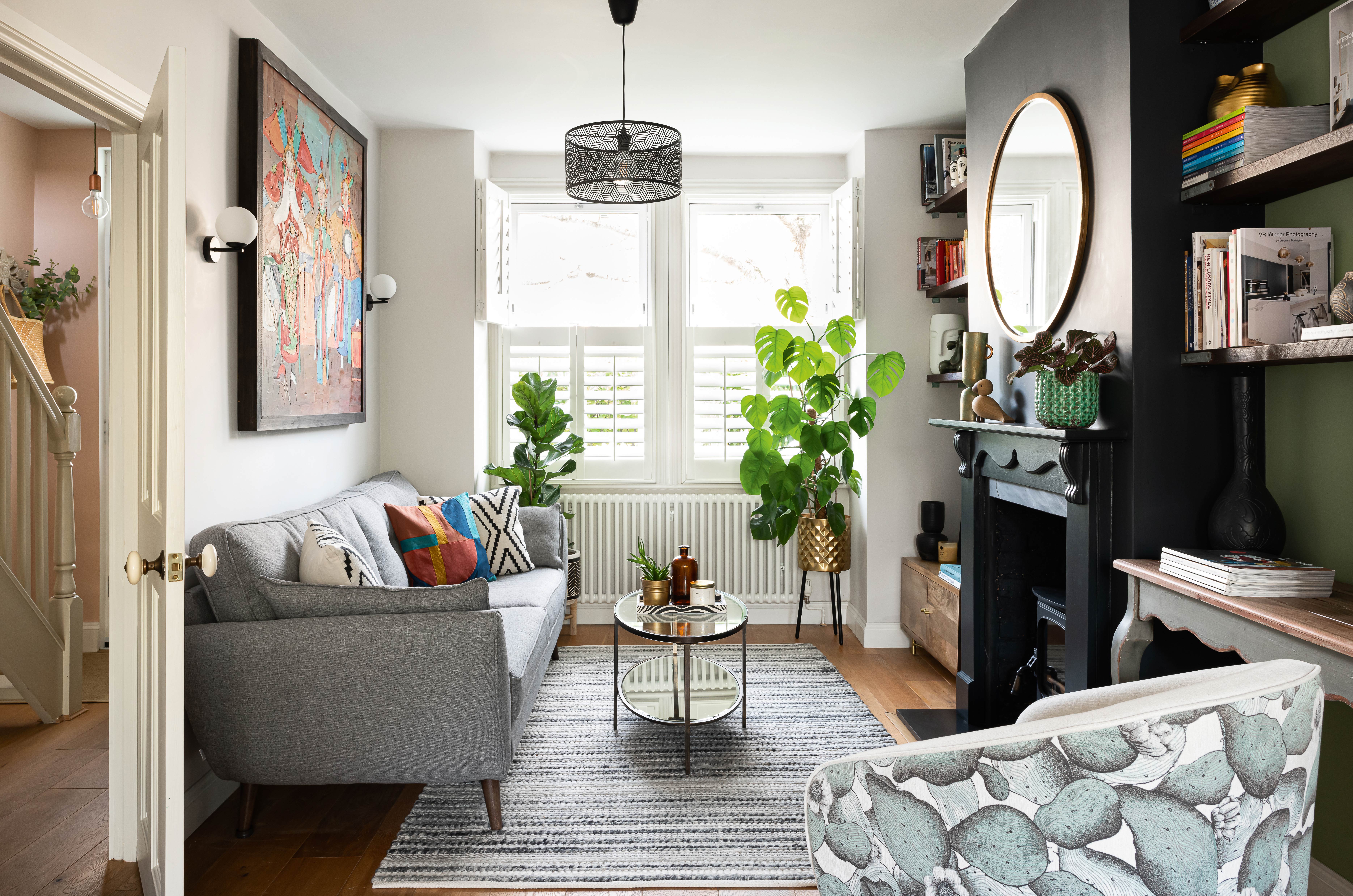
8 narrow living room ideas to make the most of an awkward space
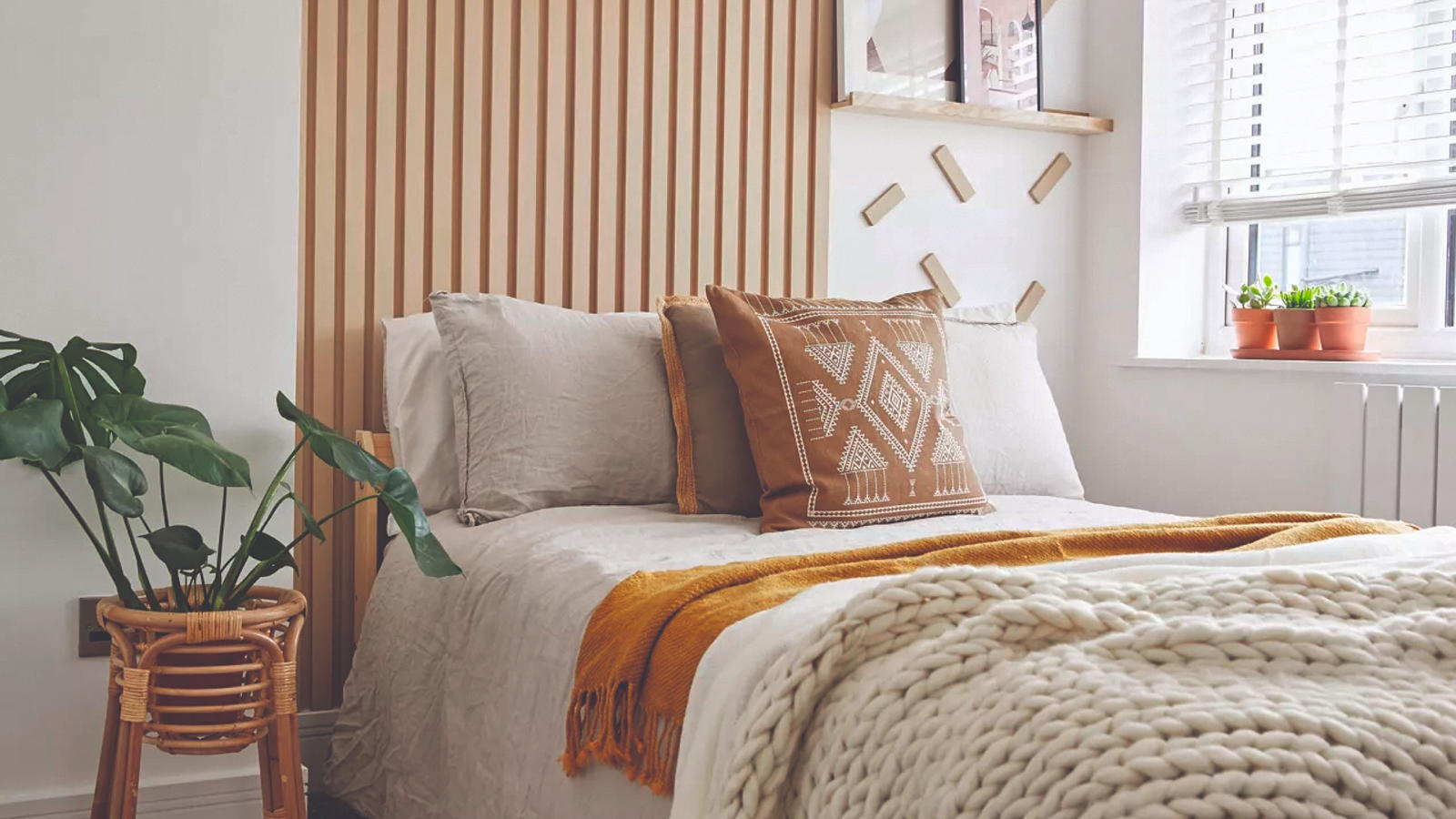
10 small bedroom decor ideas to get the most out of your bedroom
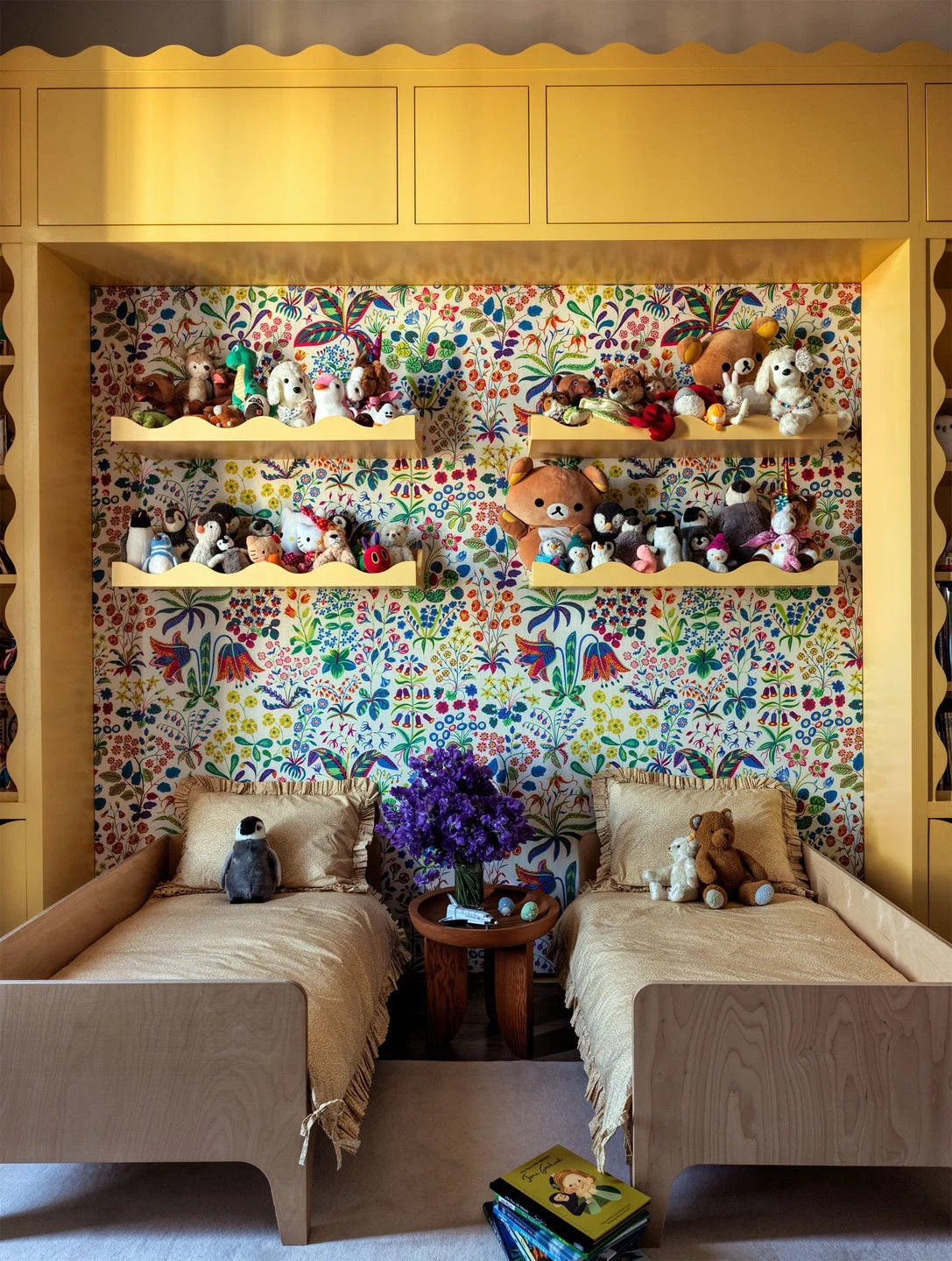
These Small Bedroom Ideas Prove That Small Is the New Big